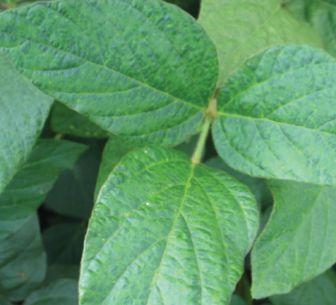
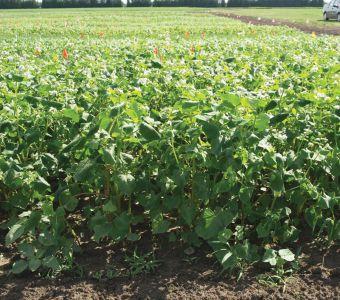
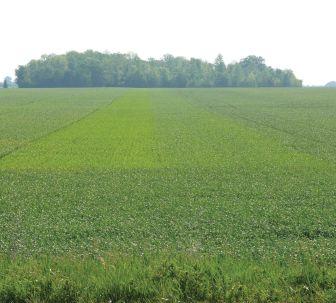
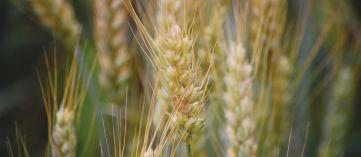
Pioneer® brand T Series soybeans are designed to give you a great harvest. They provide a winning combination of advanced genetics and defensive traits to help deliver a consistent, impressive yield from every acre. Plus, our
local expertise and testing will help ensure you choose the variety that’s right for your farm. Ask your local Pioneer sales rep about the right T Series soybean varieties for your acres.
Our experts are grown locally
TOP CROP
Carolyn King
Treena Hein
Blair Andrews
Treena Hein
Photo
Stefanie Croley | aSSoCiate eDitor
iNfOrmAtiON At yOur fiNgertipS
By the time this issue lands in your mailbox, harvest season will be in full swing and the end of summer will be a distant memory. But, thanks to publishing deadlines, I’m writing this column in early September, just as students of all ages are preparing to return to the classroom.
Farming is often a family business, and I’m sure many of you have post-secondary-aged offspring who, after spending the summer at home helping out on the farm, are back at school to pursue higher education in the field of agriculture. When the time comes to find work, it appears as though there’s hope for the next generation of farmers, agronomists and crop advisors: The rural ontario Institute released a fact sheet in early September indicating that the proportion of people with jobs in rural ontario is about the same as in metro areas, and the number of people employed in the province’s agriculture sector has increased by seven per cent since December 2008. This number sounds small, but the growth is promising (the construction sector was the only other goods-producing industry to show an increase in growth at just four per cent).
The rural ontario Institute isn’t the only body recognizing that a future in agriculture is bright. Farm Credit Canada announced in late august that its Young Farmer Loan program would be extended for the third year in a row, offering qualified producers under the age of 40 loans of up to $500,000 to purchase or improve farmland and buildings.
Farm Credit Canada’s program is only one of many available. There are myriad resources, including awards and grants, fact sheets and conferences that farmers of all ages can take advantage of to help grow their farms and manage their businesses. The information available can be overwhelming, so we’re pleased to be hosting a pool of resources in one convenient spot with our new web series on farm business management.
on agannex.com, the web portal home of TopCropManager.com, you’ll find a wealth of articles and resources pertaining to all aspects of the business side of your farm in one place. The Business/policy section of agannex.com is now home to articles from trusted sources about succession planning, marketing strategies, available grants and awards and more. From tax tips and retirement planning to keeping your employees safe, we’ve created a business management toolkit to provide users with information needed about managing the farm beyond the field – a one-stop shop at the click of a mouse.
This special web focus on business management hasn’t changed the content you’ll regularly find in Top Crop Manager, as you’ll see in this month’s issue. From disease information (such as Dr. albert Tenuta and Dr. aiming Wang’s work toward developing resistance to soybean mosaic virus, on page 5) to research updates (such as Dr. Bill Deen’s long-term trial to help determine optimal nitrogen rates, found on page 16), this issue is chock-full of stories to help you make informed decisions for your crop. and, our annual Traits and Stewardship guide, found in the middle of the magazine, offers information about new corn and soybean hybrids available for the coming year.
Between our website and our magazine, you’ll find everything you need to successfully manage all aspects of your farm, from field to desk. and, as always, if there’s something you’d like to see in our pages or online, let us know via phone, email, or on Twitter @TopCropMag.
Top Crop Manager West - 9 issues - February, March, Mid-March, April, June, September, October, November and December - 1 Year - $45.00 Cdn. plus tax
Top Crop Manager East - 7 issuesFebruary, March, April, September, October, November and December - 1 Year - $45.00 Cdn. plus tax
Potatoes in Canada - 4 issues - Spring, Summer, Fall and Winter 1 Year - $16 CDN plus tax
All of the above - $80.00 Cdn. plus tax
Occasionally, Top Crop Manager will mail information on behalf of industryrelated groups whose products and services we believe may be of interest to you. If you prefer not to receive this information, please contact our circulation department in any of the four ways listed above.
All advertising is subject to the publisher’s approval. Such approval does not imply any endorsement of the products or services advertised. Publisher reserves the right to refuse advertising that does not meet the standards of the publication. www.topcropmanager.com
S Oybe AN mOSA ic viru S
Working towards cultivars with stronger resistance.
by Carolyn King
Soybean mosaic virus is the most common soybean virus in ontario. outbreaks can cause serious economic loss, so researchers are tracking the occurrence of this virus and working toward soybean varieties with more durable resistance to the virus.
Back in 2003 when plant virologist Dr. aiming Wang started with agriculture and agri-Food Canada (aaFC) in London, ont., he happened to pass a soybean field. With 67 viruses known to attack soybeans worldwide, he stopped to look. He saw typical soybean mosaic virus symptoms, so he added soybean viruses to the list of plant viruses that he studies.
Wang and his research team regularly monitor for soybean viral diseases, checking soybean fields each year in mid-august.
“Since 2006, we have collected more than 2,000 soybean leaf samples mostly from ontario and a small portion from Quebec. We used eLISa, a classical diagnostic tool, and rT-pCr, a more sensitive tool, to identify the viruses. among five major viruses, we identified four that are endemic in ontario and Quebec,” says Wang.
“Soybean mosaic virus is the major one, followed by alfalfa mosaic virus, then bean pod mottle virus and tobacco ringspot virus. These four viruses are also major viral pathogens in other parts of the world, such as the United States, Brazil and asian countries such as South Korea, Japan and China.”
plant pathologist albert Tenuta with the ontario Ministry of agriculture and Food and Ministry of rural affairs worked with Wang on some of this monitoring work. “Viral pathogens have been associated with soybean production for almost as long as soybeans have been grown in ontario,” says Tenuta.
“There are many different viruses that can affect soybeans and all of them have unique characteristics and symptoms that help you distinguish between them. We have traditional viruses such as tobacco ringspot virus and soybean mosaic virus, and a new one called soybean vein necrosis virus that we’ve found in the past few years in ontario and the United States northern soybean growing area.”
He notes, “For us, soybean mosaic virus is the most problematic of these viruses because of its impact on seed quality and yield.”
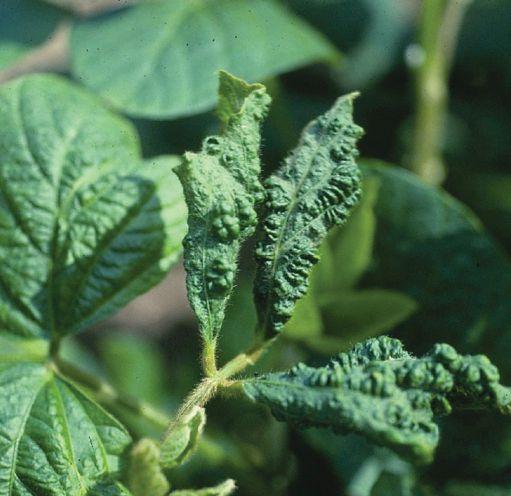
The symptoms of soybean mosaic virus infection vary depending on the soybean variety, virus strain, environmental conditions and plant age when infected.
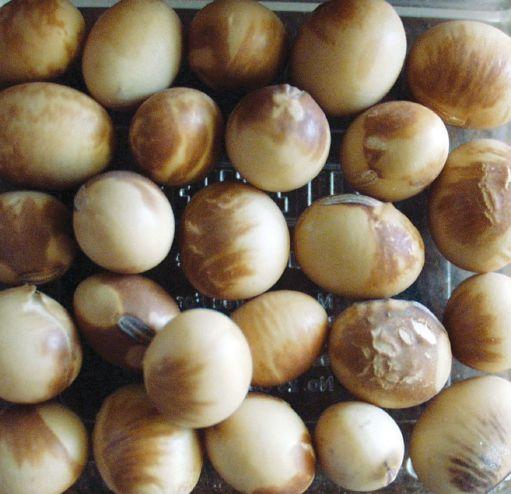
a key symptom is a brown or black discoloration of the seed coats, which reduces quality and marketability for food-grade soybeans that require blemish-free seed coats. Infected plants also produce fewer and smaller seeds so yields are lower. other
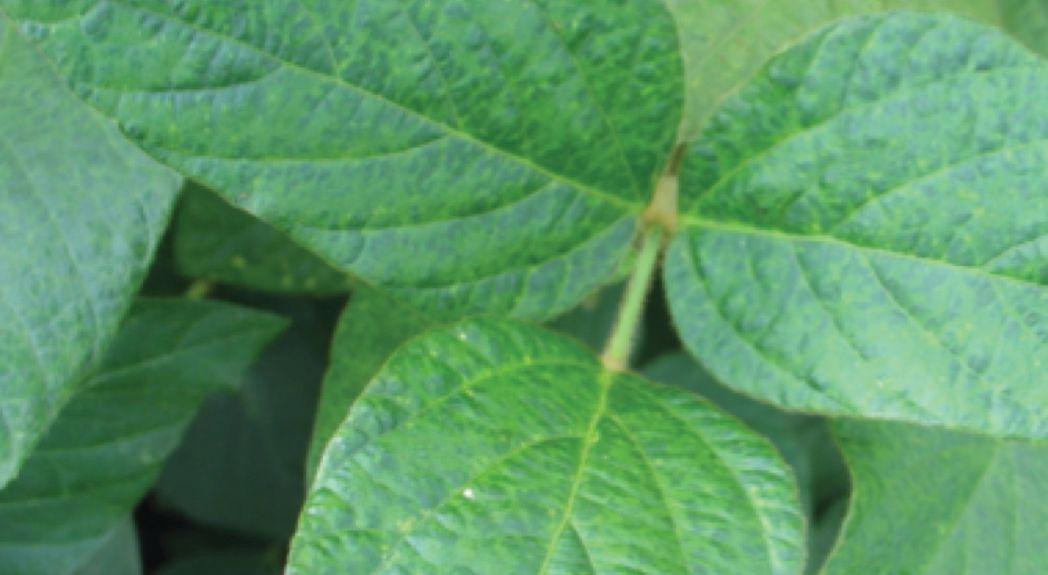
aBOVE: soybean seedlings infected by soybean mosaic virus have wrinkled, rough or mottled leaves.
Photo courtesy of a iming Wang, aafc
symptoms may include wrinkled, rough and/or mottled leaves, flower deformation, fewer pods and stunted plants. at least 30 per cent of the seeds produced by an infected plant may carry the virus. Infected seeds are the main source of inoculum. The virus is transmitted from plant to plant mainly by aphids. The risk of yield loss and reduced seed quality increases if the plant is infected by other soybean viruses at the same time.
Viral strains and cultivar resistance
Wang is conducting research to learn more about soybean mosaic virus strains to help soybean breeders develop resistant cultivars. “over the past several years, we collected more than 100 isolates of soybean mosaic virus from ontario and a small portion from Quebec, and we sequenced their genomes. We found that all the soybean mosaic viruses belong to a group called g2,” he says.
In north america, soybean mosaic virus isolates are classified into seven strains, g1 to g7, depending on how they affect a standardized set of susceptible and resistant soybean cultivars. Wang notes, “g2 is a major group in the United States and some variants of this group are also found in asian countries.”
In soybean breeding programs around the world, three resistance genes – called Rsv1, Rsv3 and Rsv4 – are used to create soybean mosaic virus-resistant cultivars. g2 strains of the virus are able overcome the resistance conferred by Rsv3
Wang and his colleagues tested their isolates against various soybean cultivars and accession lines with different resistance genes. Some of their isolates were able to overcome not just Rsv3 but also Rsv4 . Rsv4 is the only one of the three resistance genes that shows resistance to all seven of the soybean mosaic virus groups.
To better understand their Rsv4-resistance-breaking isolates, the researchers compared them to closely related isolates that couldn’t overcome Rsv4 and to another Rsv4-resistance-breaking isolate. “after extensive molecular studies, we found that only one nucleotide changed in these particular isolates. That single change confers the ability to overcome the resistance gene,” explains Wang.
nucleotides are the building blocks of Dna and rna. With only a single nucleotide change needed in the virus’ genome, it’s pretty easy for the virus to evolve to overcome this resistance gene.
Wang says, “Based on our data, we determined that the resistance genes are very fragile, and the resistance could easily be broken down by soybean mosaic virus isolates.” as a result, he suggested to aaFC soybean breeders Dr. Vaino poysa (now retired) and Dr. Kangfu Yu that all three resistance genes should be pyramided into soybean germplasm to develop Canadian cultivars with more durable resistance to the virus.
Wang and his research team have confirmed that none of their isolates are able to infect lines that carry all three of the resistance genes.
In addition, the researchers tested 52 cultivars and accession lines from ontario and Iowa for resistance to the virus. eight showed good resistance, including two Canadian cultivars: aC X790p and aC Vin-pro. Both cultivars carried Rsv1 and were developed by poysa and his aaFC colleague Dr. richard Buzzell (these two varieties are no longer commercially available).
Wang and his team have also looked for additional resistance genes beyond the three known ones. They screened 60 soybean
although growers have done well in managing the disease thus far, soybean mosaic virus can cause significant losses and continuing research remains important.
cultivars and accession lines from Canada, the United States and China, but they failed to find any new resistance genes.
So Wang is working on a different way to generate resistant germplasm for breeding programs. He’s using emerging technology that involves mutating certain factors in the host plant that the virus requires for infection.
“all viruses have small genomes. That means they have very limited ability to code for proteins. So they cannot replicate themselves,” he explains. “[Soybean viruses] need soybean proteins to help them. So if we can mutate one of these soybean genes, then a susceptible soybean cultivar could become resistant.”
along with poysa, Yu and Tenuta, Wang has also been
Brown or black discoloration of soybean seeds is a key symptom of soybean mosaic virus infection.
Photos courtesy of a lbert
collaborating on this soybean mosaic virus research with Dr. Istvan r ajcan and Dr. Hugh e arl at the University of g uelph in o ntario, and with Dr. Martina Stromvik at Mc g ill University in Quebec. Wang also appreciates the co-operation of the many soybean growers who have allowed the researchers to take samples in their fields. g rain Farmers of o ntario and aa FC are funding this research.
Outlook and control
“our monitoring program shows the levels of the soybean viruses have been pretty stable in the past few years. That means our growers have done an excellent job to manage this issue,” says Wang.
However, continuing soybean virus research remains important. He explains, “Soybean mosaic virus and other viral pathogens can cause significant losses for soybean growers. By monitoring these viral pathogens we can watch to see if there’s a potential for one of them or several of them to outbreak in ontario. Then we can recommend measures to control the viruses and to alleviate the economic loss.”
He adds, “also, as global warming continues, viral pathogens are expected to cause more problems for farmers. Transmission of plant viruses is usually by means of insects, and with warmer temperatures, we will have more problems with insects. aphids can transmit soybean mosaic virus. So we need to work to improve our soybean cultivars for stronger, more durable resistance to viral pathogens.”
although Yu is currently working with the three resistance genes in his breeding program, none of the soybean varieties currently available in o ntario are known to have resistance to soybean mosaic virus.
Tenuta recommends using diseasefree seed to help prevent soybean mosaic virus. He notes, “once soybean mosaic virus symptoms are found in a crop, there are no fungicides or other chemicals that can reduce it.”
a recent study in Iowa and Wisconsin found that foliar insecticide application to control aphids was not effective in reducing disease caused by soybean mosaic virus.
according to Tenuta, economic loss from soybean mosaic virus in ontario isn’t as high as losses from disease issues
like soybean cyst nematode, seedling blights and root rots, and sudden death syndrome. “However, viruses are one of those disease factors that growers should always be watching for,” he says.
“It’s important to be able to distinguish viruses from other common problems that could give virus-like symptoms on a soybean plant. This year we’ve seen all kinds of odd and unusual leaf symptoms. Some are biotic – caused by living organisms including pathogens – and others are abiotic – caused by things like environmental
Top Crop Manager Column: AMI #2—Marketing
conditions or herbicide injury.” He recommends, “If you think you’ve got soybean mosaic virus or another virus, particularly if you have identity-preserved soybeans where seed quality is more important than it is in oil or crush beans, then send a sample to the diagnostic lab to test for viruses.”
For more on soybean disease, visit www.topcropmanager.com.
Marketing Matters
Failure to develop a marketing plan leaves farm profits to the vagaries of pricing. To avoid getting caught at the lower end of the price range, targets must be established along with a process by which to achieve them, says Victor Aideyan, senior risk management consultant with HisGraiin Commodities in London, Ont.
“Producers spend a great deal of time planning seed purchases, inputs, crop rotations and work plans to hit production targets but many fail to go through a similar process to reach revenue targets,” he says. “A marketing plan means more control over financial outcomes especially if focus is put on three key areas – cost of production, seasonal pricing and a selling strategy.”
Cost of production is the calculation of how much it costs to produce a commodity at various levels of yield.
Seasonal pricing is the tendency for prices to vary depending on the time of year. For example, price patterns over a five-year cycle show that commodity futures prices for corn are at their highest between March and early July, and the lowest prices occur between October and the end of December (2012 was an exceptional year where this pattern differed due to low yields in the United States and South America).
A selling strategy means looking at the volume of product available for sale and determining gross margin, then establishing at which price points a percentage or all of the product will be sold to achieve the margin. Preparing and executing on a selling strategy results in informed versus rash decisions and can make the difference between profit and loss.
To get a quick start on your marketing plan, take a new approach . Here are three tips from Victor Aideyan:
Get an advisor. Even if you only have an advisor for a couple of years then go it alone, having a sounding board will have helped greatly. Find an advisor who wants to get to know you and your business, you feel comfortable sharing information with, and where the chemistry works.
Determine future wealth. Take time to determine what you want to achieve, wealthwise, in five – 10 years. Where do you want to be? Do you want more acreage? What are your long term goals? Then figure out what you have to do in your farm business to get there.
Expand your knowledge. Establish a marketing club or group with operators in your area to discuss issues and challenges that you all face. Getting a second opinion can help you make the changes necessary to do things better.
WHAT MATTERS MOST?
Family. When we’re all done we hope to work for our boys, so we’re putting resources into place for them now. Our Syngenta Rep is always there for us and treats our sons well. That trust and respect make all the difference. We know when our boys take over they’ll be in good hands.
Hugh Dietrich, 2nd generation farmer and owner, Hugh J Dietrich Farms Limited, Lucan, ON
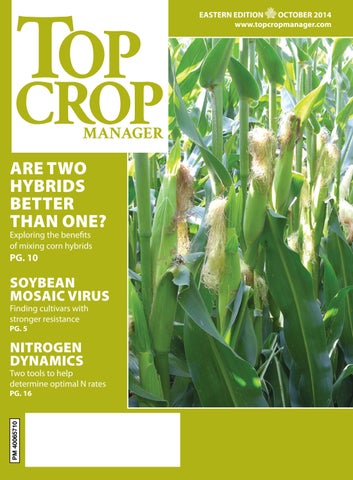
Are twO hybrid S better thAN ON e?
Planting two different corn hybrids in a field might provide benefits.
by Carolyn King
Could mixing together two corn hybrids of different maturities boost your yields and help droughtproof your crop? That’s the intriguing question corn specialist greg Stewart is exploring in a small project.
Seeding two corn hybrids together in a field has been examined in various studies over the years based on a variety of different ideas of how mixing might enhance yields. Stewart’s project is looking at three concepts.
o ne idea is that mixing could reduce the risk of pollination problems due to dry conditions. For good pollination, the timing of the pollen coming off the tassel needs to line up with the timing of the silks being receptive to pollen. “But in dry weather, sometimes that synchronization gets pulled apart – the pollen supply gets earlier and the silks get later. So the pollen sometimes dries up before the silks emerge,” explains Stewart, who is with the o ntario Ministry of a griculture and Food and Ministry of rural affairs ( o M a F and M ra ).
“o ne approach to this problem is to mix a small percentage
of a later hybrid in with your normal hybrid. If stress conditions occur, then that later hybrid might have pollen flying around when the majority of the field perhaps is still looking for a little more pollen.” Corn yields can be severely reduced if pollen shed and silking aren’t synchronized, so this approach could provide some valuable weather proofing when conditions are dry. another idea is that mixing in a small proportion of a longerseason hybrid might give a bit of a yield boost without too much added risk. “Most growers realize that full-season hybrids have a yield advantage but also some risk in terms of higher moistures or perhaps the crop not making it to maturity,” Stewart notes. “ r ather than planting the entire field in that riskier, super, fullseason hybrid, you could plant perhaps 20 or 25 per cent of the field to that hybrid. So you’re taking a bit of risk, hoping for
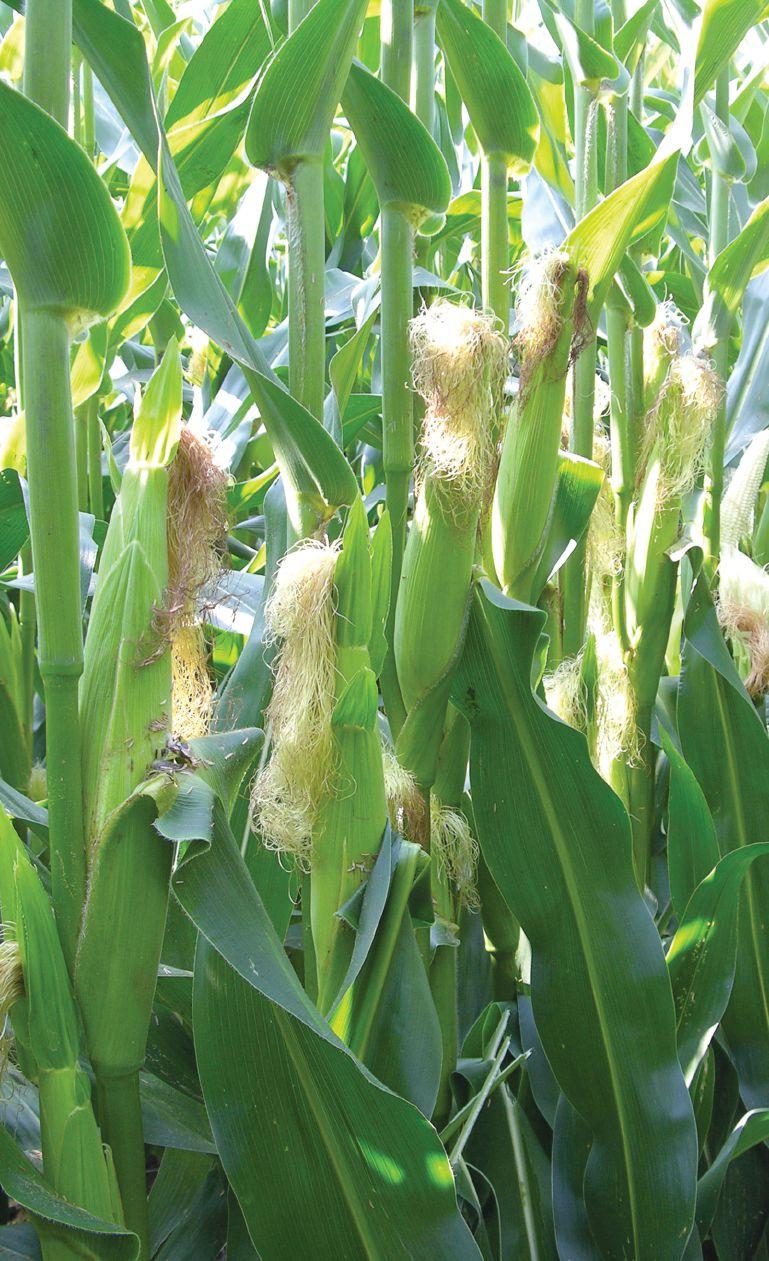
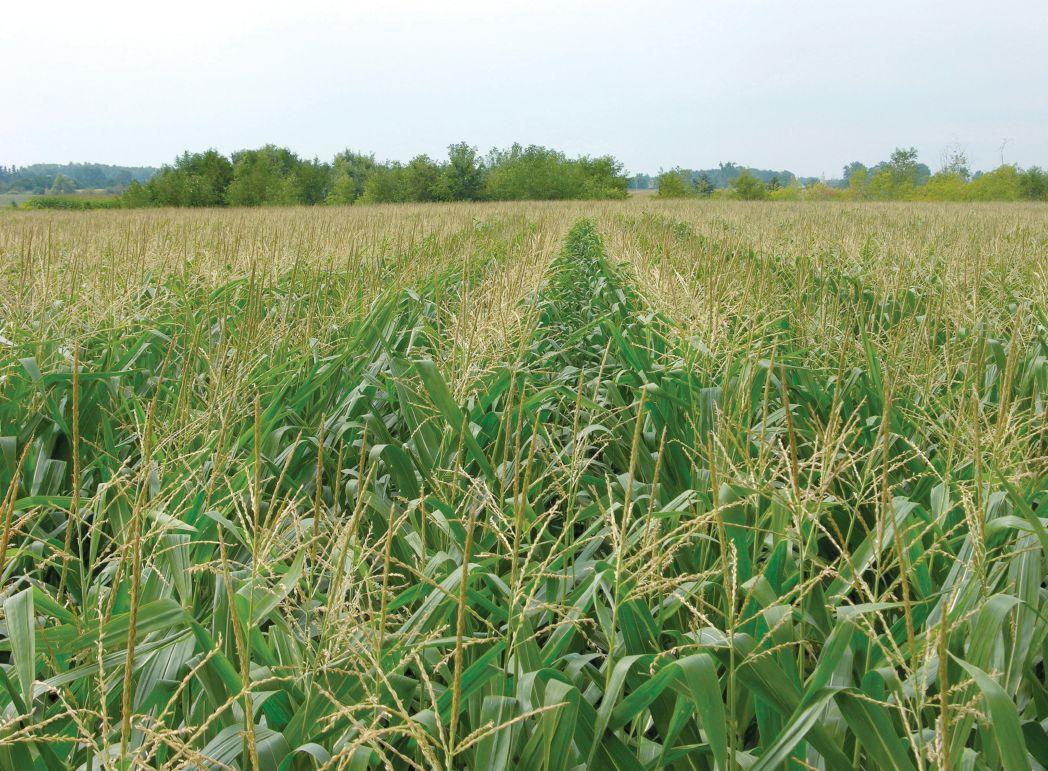
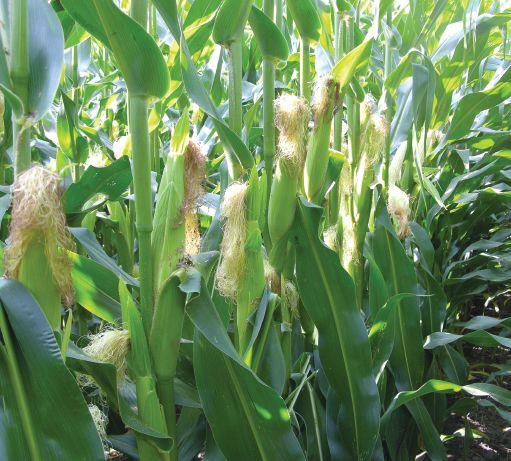
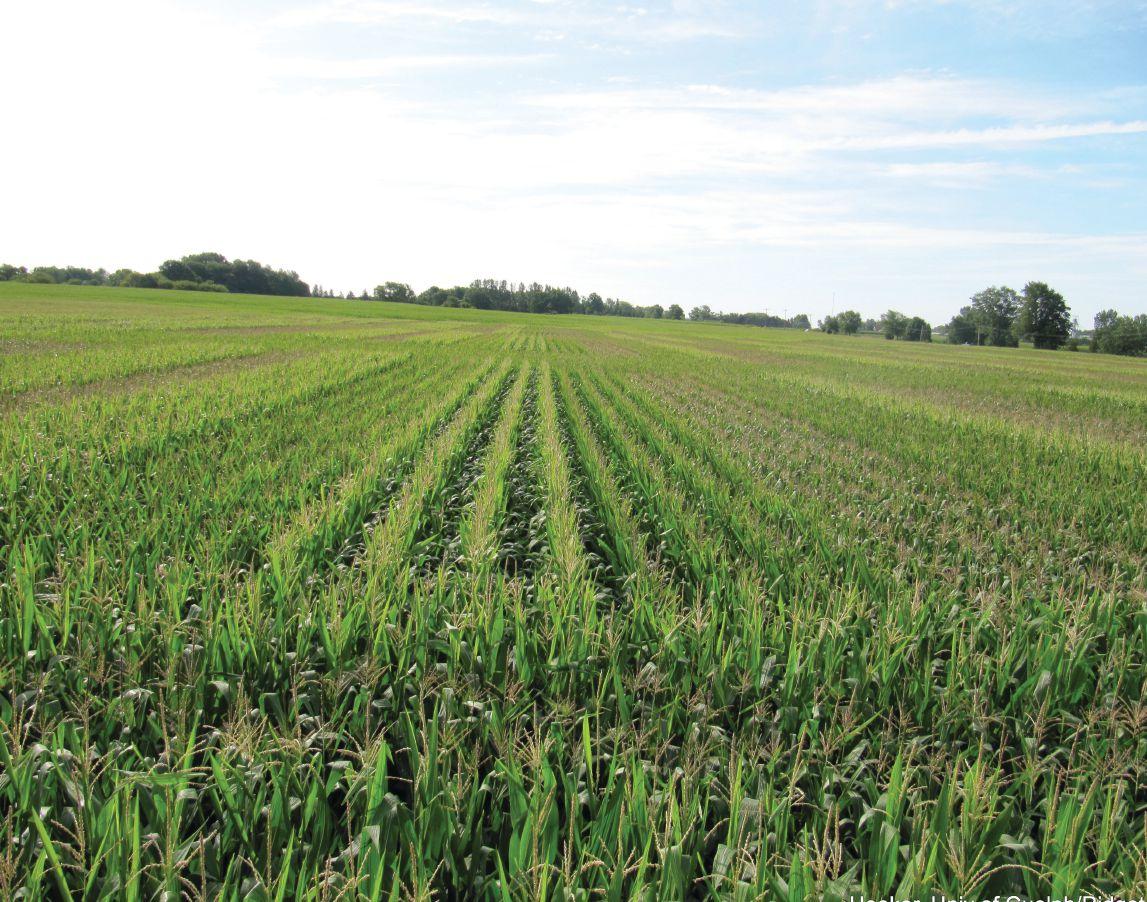
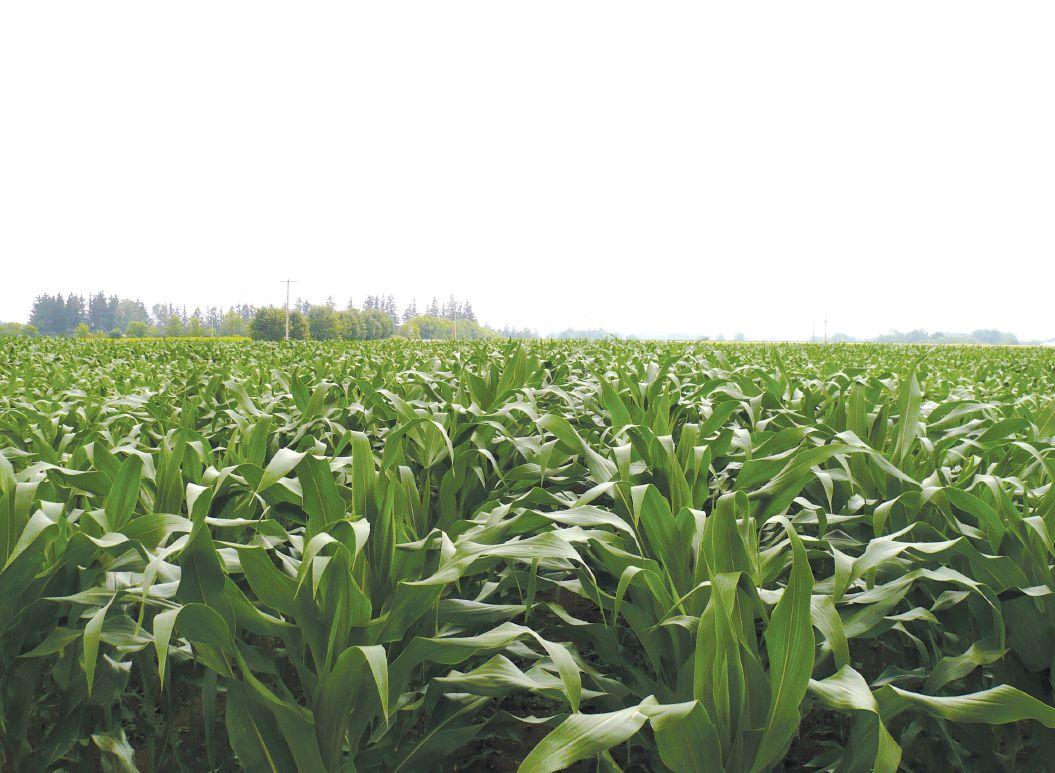
TOP: an Ontario project is exploring the idea of mixing a later hybrid with a normal-season hybrid in a field to improve yields and drought-proof the crop.
Photos
if dry conditions throw off the timing between pollen shed and silking, then a longer-season hybrid mixed in the field might provide pollen for the delayed silks of the normal-season hybrid.
some yield improvement, but it’s not as risky as planting the entire field in that long-season hybrid.”
a third rationale for mixing different hybrids is that it might provide out-crossing benefits. “Sometimes if the pollen from one hybrid lands on the silk of another hybrid, there can be an effect on kernel size or other kernel quality. If you could get the right combination of pollen from one hybrid and silks from another hybrid, then you could have a little yield improvement. But it’s a bit of a long shot to find some sort of magical pairing between hybrids,” Stewart says.
In this current project, Stewart is focusing primarily on the first two concepts: “I am dabbling with this idea of putting longseason hybrids in with normal-season hybrids for a given field,” he says. “I’m looking at the impacts on yield and harvest moisture, and I’m observing the pollen supply-and-demand scenario.”
Stewart started the project in 2013 with three o ntario sites.
y ield and harvest moisture in mixed maturity corn hybrid trial at Bornholm, Ont., in 2013
He was only able to establish one site in 2014 because of the ugly spring weather. The Water resource adaptation and Management Initiative of Farm & Food Care o ntario provided funding for the first year.
The project’s three treatments are a normal-season hybrid planted alone, a long-season hybrid planted alone, and a mixture of the two hybrids planted together. The later hybrid silks about five to eight days later than the normal one.
To blend the two hybrids in the mixed plots, the six-row planter used for plot seeding is set up so that rows 2 and 5 are seeded to the long-season hybrid, and rows 1, 3, 4 and 6 are seeded to the normal-season hybrid.
It hasn’t been possible to evaluate the pollen synchronization idea so far because dry weather stress didn’t occur in 2013 or 2014.
The preliminary results suggest there might be an advantage to the risk reduction idea under certain conditions. In 2013, at one of the three field sites (Bornholm, see table), the blend gave a significant yield boost. although the moisture content for the blend was higher than for the normal-season hybrid, the yield boost with the blend was large enough to more than offset the extra drying costs. at the other two sites, there was no advantage to the blend.
Tips if you want to try it
If you’re thinking of experimenting with this concept, Stewart offers a few tips. “First, choose your normal top hybrid. Then choose a hybrid that is about a week longer, or is going to silk about a week later, or has a rating about 150 heat units higher than your main hybrid.”
Then choose what proportion of the field you’d like to have planted to the full-season hybrid. “I’ve been seeding about 25 per cent of the blended plots to the later hybrid, but I think it could be a lot less, perhaps five to 25 per cent of the field,” says Stewart.
Finally, decide how you want to mix the two hybrids together in the field. although Stewart has been planting them in separate rows for ease of measurement in his project, he thinks there might be an advantage to physically mixing the two hybrids together before putting the seed in the hoppers. “We haven’t tested that, but I think if it turned out that you needed the pollen supply, then having the long-season hybrid completely dispersed throughout the field might give you a better advantage. The yield and the moisture content are not going to be affected by how you mix the hybrids.”
canada’s Source of crop production & technology available online
f i N di Ng A
bA l ANce
Exploring the interaction between nitrogen use efficiency and foliar fungicide on corn hybrids.
by Treena Hein
Various traits found in modern corn hybrids have an impact on the nitrogen rate that is best applied to maximize yield, the nitrogen (protein) content in the grain, and the amount of residual nitrogen remaining in the soil following harvest. But how great is this impact?
University of guelph professors Dr. David Hooker (of the ridgetown Campus department of plant agriculture) and Dr. John Lauzon (of the school of environmental sciences) have delved into this question and have new information to share.
“nitrogen (n) use efficiency gives an indication of the apparent recovery of fertilizer n in the grain,” Hooker explains. “Finding out how efficient a hybrid is in the uptake of nitrogen may not only lead to determining whether it’s feasible to target hybrid-specific nitrogen rates, but to adjust nitrogen rates by hybrid according to the intended market destination.” For example, hybrids with low grain nitrogen content would be suited for ethanol production, and those with higher grain nitrogen (protein) would be better suited for livestock feed.
The study involved three sites – ridgetown, West Lorne and exeter
– in 2010 and three again – ridgetown, West Lorne and Belmont – in 2011. all treatments were replicated four times at each site, for a total of 720 plots per site. The treatments included five fertilizer nitrogen rates, six pairs of corn hybrids (single trait roundup ready isoline versus triple-stacked roundup ready, corn borer and rootworm resistant, and varying degrees of disease tolerance), and three fungicide treatments (untreated, Headline, proline). This project was funded by the ontario Farm Innovation program through the agricultural adaption Council, grain Farmers of ontario, several seed corn companies, Bayer CropScience and BaSF.
The most economic rate of nitrogen application depended on the hybrid. In all cases in both years, as expected, grain yield increased with increasing fertilizer n rate. However, some hybrids tended to respond more (in yield and economically) to additional n, up to the highest rate of n applied. With other hybrids, maximum economic
aBOVE: The trial studied research sites consisting of 12 hybrids at five rates of nitrogen and three fungicide treatments, all replicated four times.
Photo courtesy of Dave h ooker.
yield was reached at lower n rates. The amount of nitrogen or protein in the grain also depended on the level of n fertilizer and hybrid.
“generally, the grain n content followed a similar trend to that of grain yield in specific hybrids,” Hooker notes. “In other words, hybrids that responded the most to nitrogen in yield also had the highest nitrogen content in the grain. In general, in most hybrid lines, the stacked trait version had greater n uptake than just the roundup ready version.”
There was little evidence to show an improvement in n use efficiency or plant growth with the fungicides or with the stacked traits (Bt corn borer + Bt corn rootworm) over the glyphosate tolerant version of hybrids. “This could be related to the lack of disease and insect pressure in the study,” Hooker explains. “These results are in contrast to other studies in the United States that show hybrids with the Bt-corn rootworm trait characterized with higher yields and response to nitrogen compared to its non-Bt glyphosate-tolerant isoline.”
However, unlike those fields in the United States, none of the fields in this study were planted corn after corn, and disease pressure was relatively low. Both insect and disease pressure can reduce nitrogen uptake because grain yield potential may be more limited. In other words, if diseases are controlled with a fungicide application, or if insects are controlled using Bt proteins, Hooker says, nitrogen uptake may be greater because of a higher yield potential.
“However, grain yield was highly dependent on the choice of hybrid, with some hybrids characterized by a greater nitrogen use efficiency, or response to fertilizer nitrogen, more than others,” he says. “Some hybrids tested were consistent across field locations, while others responded variably to nitrogen application.”
overall, the differences in fertilizer nitrogen use efficiency were largely a function of yield, with higher-yielding hybrids tending to have greater efficiency than low-yielding ones. However, because of the way n use efficiency is calculated, high fertilizer use efficiency can also be a result of low yields with no fertilizer n and normal yields with fertilizer n applied.
“High crop yield potentials generally have higher n use efficiency at a given n application rate,” Hooker says. “However, equally important were the yields in plots receiving no n, since check yield is part of the calculation for n use efficiency of all the other n rates. The hybrids most responsive to nitrogen (and the high yields) tended to be the ones with the lowest yields if nitrogen rate was lower than optimal.”
In summary, this project showed tremendous differences among hybrids in response to fertilizer nitrogen. “The results have significant implications moving forward,” Hooker says. “other studies I’ve done have shown differences in hybrids with a fungicide application even though disease pressure may be low. The same studies also show synergistic effects between nitrogen rate, fungicide application and plant population, but most intriguing: the responses were highly dependent on hybrid.”
From 2012 to 2014, Hooker continued the studies, including plant population variables in addition to hybrid/n/fungicide effects (look for study results in an upcoming issue of Top Crop Manager) Starting this year, he and his team are looking at site-specific variables into the responses as well. Hooker adds that the ontario Corn Committee is proposing to factor management levels into their hybrid testing for generating hybrid-specific management information to industry and growers.
h erbicide impAct S ON
e StA bli Shi Ng c
Over crOp S
Knowing the effects of residual herbicides helps growers with cover crop selection and success.
by Treena Hein
It is well known that cover crops offer many potential benefits, including management of erosion, sequestering of soil nitrogen, improvement of soil and pest control. The importance of successful cover crops is well recognized by farmers, who have greatly increased cover crop acreage in parts of Canada and the United States over the last few years. among other studies, one research project during the fall of 2012 found that corn planted after cover crops had almost a 10 per cent increase in yield compared to side-by-side fields with no cover crops, and soybean yields were similarly improved by almost 12 per cent. But to gain these benefits, the cover crop has to be successful. “one aspect that can significantly impact the establishment of cover crops that has received little attention is the effect of residual herbicides,” says Dr. Darren robinson, a crop scientist at the ridgetown campus of the University of guelph. “Being able to improve our collective understanding of the effect of residual herbicides on the establishment and growth of cover crops will be very useful to growers with best cropping practices, including cover crop selection.” robinson’s research team at ridgetown Campus included technicians Dave Bilyea and Kris Mcnaughton and graduate students angelica rojas and Li Yu. ontario Ministry of agriculture, Food and rural affairs specialists anne Verhallen and Kristen Callow provided essential information on current cover crop establishment practices, as well as guidance on appropriate cover crop selection.
among other industry-funded partners, the ontario processing Vegetable growers and the ontario Tomato research Institute helped administer the project and provided research direction.
Three trials were conducted by robinson’s group in 2011 and 2012 to examine the residue effects of Broadstrike rC, Integrity, Callisto+primextra, Converge Flexx and pursuit on 12 cover crops, including spring- and fall-seeded grass and broadleaf cover crops and four legumes. Three trials over 2012 and 2013 examined the residue effect of Broadstrike rC, Integrity, Callisto+primextra, Converge Flexx and pursuit on similar cover crops. greenhouse studies were also completed in order to determine herbicide residue levels, soil aggregate stability and nutrient cycling in all studies.
some surprising results
overall, the research team discovered that certain cover crop/ herbicide combinations are not compatible. “In addition to improving our understanding of which cover crops can be successfully established after certain herbicides, we also learned that
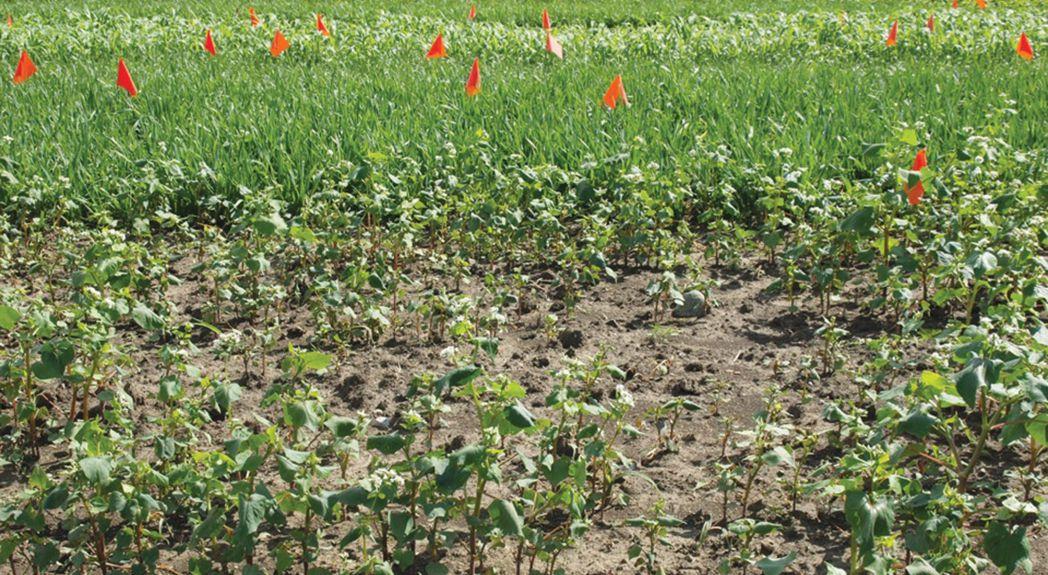
aBOVE: dr. darren Robinson and his colleagues studied the residue effect of Broadstrike RC, integrity, Callisto+Primextra, Converge Flexx and Pursuit on 12 cover crops, including buckwheat.
Photo courtesy of Darren r obinson.
predicti Ng N itrO ge N
dy NA mic S
A soil science study and computer program may help farmers determine optimal N rates.
by amy petherick
Autosteer. Voice command. Unmanned aerial vehicles. although a future where machine trumps farmer is conceivable, man may never become completely obsolete in agriculture.
For all that machines can do, a soil science study underway in elora, ont., may be proving that farmers’ intuition is irreplaceable. Initially undertaken to observe the long-term impact of nitrogen on soil characteristics, Dr. Bill Deen of the University of guelph says yearto-year variation in optimal nitrogen rate has become an interesting secondary aspect of the project. although there have been other studies that have reported large differences in economic rates of nitrogen for corn, he says this study is the only one he knows of that isolates weather’s effect on nitrogen requirements as well. Unencumbered by management changes, it is clear weather greatly impacts nitrogen system dynamics.
“I don’t think that’s any big surprise,” says Deen, “but I think it just demonstrates the challenges that a farmer has. The farmer has to predict what is going to be the optimal nitrogen rate required, do that each year, and it’s going to vary quite a bit.”
The primary objective
Deen partnered with the International plant nutrition Institute (IpnI) in 2008 because data at that time appeared to indicate farmers were exceeding nitrogen requirements. He vividly remembers that farmers offered many reasons for this behaviour, but one reason stumped researchers like himself.
“Farmers would say, ‘If we change our nitrogen regime by reducing the rates, what happens to productivity of the soil?’ ” Deen recalls. “We never really had a good answer or good data that shifting nitrogen rates could impact long-term productivity.”
Inspired, Deen designed a complex 10-year study which sought to not only identify the most effective long-term nitrogen rates on system productivity, but also assess sidedress versus pre-plant application and identify the annual optimum rate of nitrogen. Fertilizer treatments were first imposed in 2009, duplicated so that the same application rate and timing combination is applied on some plots for all 10 years
aBOVE: dr. Bill deen partnered with the international Plant Nutrition institute in 2008 for a 10-year study to determine the most effective long-term nitrogen rates.
Photo courtesy of Dr. b ill Deen.
and variable rates (0, 28, 57, 115, 188, and 230 kg n/ha) were applied on plots which received a uniform 145 kg n/ha rate the previous year on other plots. Continuous corn requires primary and secondary spring tillage, as well as annual incorporation of fall fertilizer applications, plus a consistent starter blend to eliminate any impacts as a result of management practices. This coming spring, the halfway mark in the trial, will finally offer the first insights into any long-term effect on soil carbon or aggregate stability.
secondary findings
Meanwhile, the wide reach of data pouring in from the study is offering some unexpected results. With five years of data collected so far, Deen says the variation of the optimal pre-plant nitrogen rate now ranges from between 145 kg/ha and 250 kg/ha. “What’s remarkable about this is, this is a nitrogen rate that is determined on a field where the soil is essentially the same; it’s essentially the same management, and the primary thing impacting this variation from year to year is weather conditions,” he explains. He says the data is also telling him that there is absolutely no effect of previous nitrogen rates on current crop nitrogen responses. So, he adds, farmers who expect very little residual nitrogen from a previous wet year can actually expand that assumption to include all years offer no residual nitrogen.
“You can assume any nitrogen that’s in the system after the corn is harvested is essentially lost somewhere through some nitrogen process,” Deen says, emphasizing the significant challenge the weather poses to farmers trying to apply nitrogen. “There’s going to be an impact before application but there may also be an impact after nitrogen application.” of course with nitrogen’s mobility characterisitics, it is precipitation more than temperature to look out for. Deen says he’s come to consider weather at three critical periods which include presidedress application, post-sidedress application, and during grain fill. “Weather affects crop yield and ultimately crop nitrogen demand,” he says, and based on the data he’s amassed so far he adds, “I would argue that the effect of the weather on crop nitrogen demand occurs largely after we apply nitrogen.”
Looking further into the relationship between crop nitrogen requirement and annual precipitation during grain fill has produced some unexpected conclusions. “If I take all of the high nitrogen rates, look at yield over the five years, and then look at whether those yields are related to growing season precipitation, I find about 75 per cent of the yield variation is explained by precipitation differences,” Deen estimates. He says that, using long-term research station data, one of his students not only confirmed this observation but also found the phenomenon is relatively new. Where the data shows no correlation between yield and precipitation in both the ’80s and ’90s, starting in the 2000s, a strong relationship between high seasonal rainfall and high yield emerged.
“We’ve eliminated a lot of the other constraints in the system and now increasingly, moisture is constraining the system,” Deen theorizes. “If that’s true, it really makes prediction of nitrogen requirements in corn more complicated.”
Farmers used to be able to predict the nitrogen demand of their crop based on past yield performance, but annual variation now makes this unreliable. Deen says nitrogen in the system fluctuates so much for so long after nitrogen application that his research shows little correlation between yield and pre-sidedress application nitrate test results. With so many changing variables, farmers can’t possibly guess the optimal application rates without some help and Deen thinks nitrogen modelling may be a solution.
Computer simulated suggestions
Deen has been discussing his observations with Derek Hunt and Shabtai Bittman, researchers based at agriculture and agri-Food Canada’s office in agassiz, B.C. Hunt and Bittman are working on a computer modelling program named nLoS, which is designed to help analyze all the variables that affect soil nitrogen and predict the nutrient’s response. “Basically each farmer can put in fieldspecific information and the model automatically collects weather data on a daily basis so you can see what’s going on with your crop,” Bittman says.
This style of modelling program is unique in that it combines two rare features. First, it uses real-time data, uploaded from the weather station of the user’s choice, instead of year-old data. Second, it uses a visual modelling language based on simple diagrams and pull-down menus. These features are meant to make the program user friendly and adaptable to local needs and knowledge, and Bittman believes the program will ultimately gives farmers the ability to predict how much nitrogen is in the soil at any given time, what depth nitrogen has moved to in the soil profile, what form (ammonium or nitrate) it is available in, how much has mineralized, what days nitrous oxide is being emitted and much more. It is a way of making a machine think like a farmer and keep track of all the variables a human brain can’t compute.
“any time you make a decision on a farm, you have to take into account all these things you know about the field, about the crop, about the weather, and any type of decision being made is a conceptual model you run in your head,” Bittman says. “If we want to do a better job, in terms of economics and the environment, then it’s not enough to just think intuitively, we need to think more quantitatively. ”
Like any model however, the information output is only as good as the information input. Bittman says soil water-holding capacity, bulk density, texture and other soil characteristics need to be assessed properly at initial set up, for every field entered – not something all farmers are well-equipped to do. They also may not see value in simulations that can’t be clearly measured but only verified over time using indicators. Since the model can only project nitrogen behaviour, other farmers may not feel the information gained justifies all the effort required. But he says it can be fine-tuned by the user to ignore aspects of unimportance. “as you learn new things, as you have new data, new questions, new experiences, you can change it,” he says. once users become adept with the program, these same settings can be used to focus in on problem areas.
“You may get decent results, but it could just be by luck,” he says. “There’s not one moment of eureka, but a gradual learning process and, in understanding a system, that’s what needs to happen.”
Bittman believes modelling offers researchers like Deen a useful tool but also sees where the program can fit with peer advisory groups. In his interactions with farmers using the trial program, he has noticed discussion become far more specific. no longer does he hear “the yield was a little higher;” instead he hears “50 kg of nitrogen taken up” to explain the merits of a new management technique. This is where he and Deen share a vision on the most potential benefit of adopting modelling on farms.
“The idea here is to integrate the mind and the machine,” he says. “The more a farmer uses the software to explain what’s going on or clarify some of his own intuition, then the man learns from the machine and the machine learns from the man because the software gets better as we put more information into it.”
Nu-Trax™ P+ fertilizer puts you in charge of delivering the nutrition your crops need for a strong start.
Nu-Trax P+ features the right blend of phosphorus, zinc and other nutrients essential for early-season growth. And because Nu-Trax P+ coats onto your dry fertilizer you are placing these nutrients close to the rooting zone where young plants can easily access them, when they are needed most.
Takecontrolofyourcrop’searly-seasonnutritionwith Nu-Trax P+ and visit ReThinkYourPhos.com.
prOtected
N itrO ge N
Seeking ways to protect wheat fields from nitrogen loss.
by Blair andrews
The warm, wet springs of recent years have caused a surprising amount of nitrogen loss from o ntario’s farm fields.
peter Johnson, provincial cereal specialist with the o ntario Ministry of a griculture and Food and Ministry of rural affairs ( o M a F and M ra ), saw the loss first hand during some nitrogen response trials in e lgin County in 2011.
after the nitrogen was applied to the winter wheat around april 20, the conditions turned wet and warm. “We clearly lost half of our early application of 120 lbs of nitrogen, and that level of loss really surprised us,” says Johnson.
nitrogen loss can have a major impact on final wheat yields. g iven Johnson’s disdain for yield losses under any circumstance, it was a logical step to launch a research project to evaluate the impact of stabilized nitrogen on wheat yields.
according to Johnson, denitrification is more likely to cause nitrogen losses from winter wheat fields than leaching or volatilization. The latter is the transfer of nitrogen as ammonia
gas from the soil surface to the atmosphere.
Denitrification is the conversion of nitrate to nitrogen gas or nitrous oxide, which escapes to the atmosphere. The conversion is done by bacteria and occurs when soil is depleted of oxygen.
“and in really saturated soil conditions, if there’s a skiff of water on the soil surface, you can actually see the bubbles of the gas coming off,” says Johnson. “That’s lost to the atmosphere and we don’t get that back.”
Cool temperatures in the spring can minimize the losses. But Johnson says that under warmer weather, such as the conditions experienced in the last two or three years, the n losses can reach up to four or five per cent per day from saturated soils.
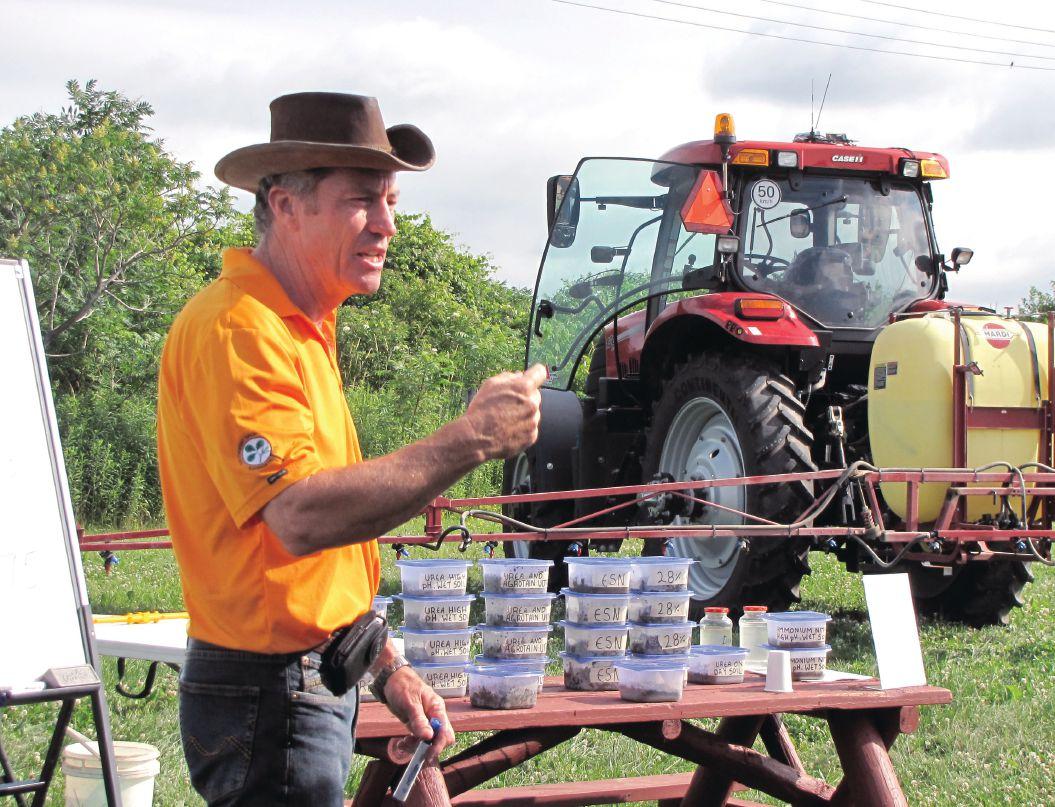
aBOVE: Peter Johnson, provincial cereal specialist with OMaF and MRa, discussed some of his latest research on nitrogen management, including nitrogen protection, at the 2014 southwest Crop diagnostic days at the university of guelph’s Ridgetown Campus.
Photo
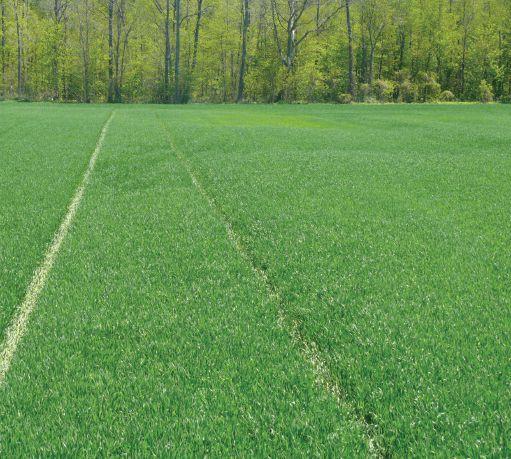
The photo shows the impact of denitrification on a field. denitrification is the conversion of nitrate to nitrogen gas or nitrous oxide, which escapes to the atmosphere. Nitrogen losses from denitrification can significantly reduce crop yields. Peter Johnson, OMaF and MRa provincial cereal specialist, has been studying products designed to protect the nitrogen.
“g oing back to my 2011 example – warm soils and basically 10 or 14 days of saturated soil – if we lose four or five per cent per day, you can see where half the n could actually be spun off,” says Johnson. “The more prone your soil is to sitting saturated, the more likely it is you’re going to have losses to denitrification.”
The process reared its ugly head again in 2014 when some growers thought their wheat was hit by a virus. When the virus didn’t go away, a crop consultant took some tissue samples for analysis. Sure enough, the samples were significantly deficient in nitrogen even though the farmers applied 135 lbs of n
“But they did it in one application and they did it early,” says Johnson. “and that crop sat saturated for a significant portion of time.”
Nitrogen inhibitors
In an effort to test some products aimed at reducing nitrogen losses, Johnson and his technician, Shane McClure, set up field trials in 2013. They tested a grotain p lus, which contains a urease inhibitor that can reduce nitrogen loss from ammonia volatilization from urea and dicyandiamide (DCD), which slows the conversion of ammonium to nitrate that, in turn, can further limit nitrogen loss from denitrification.
Three replicate field-scale trials were conducted at seven sites in 2013, the first year of the study. The two treatments consisted of Uan with a grotain p lus, and Uan without a grotain p lus. The results were disappointing as the average yield response was actually negative, with yields ranging from a loss of 5 bu/ac to a gain of 2 bu/ac.
While one year of research is too early to draw any conclusions, Johnson says a key lesson learned was that a grotain p lus should not be added to nitrogen applications in May after the crop enters its rapid growth phase.
“If it’s May 13 and I’m putting on nitrogen because it’s been too wet to get onto the wheat field, at that point a grotain p lus is a negative because it prevents some of that rapid release of the n,” says Johnson.
In 2014, the second year of the program, the researchers are testing the idea of early applications of a grotain, or the first application of a split-nitrogen application program.
a s for the third year of the study, Johnson would like to take it one step further and not only test the a grotain p lus, but test DCD separately, as well as nitrapyrin, another denitrification inhibitor.
The idea is to come up with a more cost-effective solution.
“o ne of the challenges is that a grotain p lus costs about 12 cents per pound of n,” says Johnson. “I can lose 20 per cent of my n and have been better off to have bought more n than the a grotain p lus.”
Furthermore, Johnson would like to do more research that is focused on the impact of using just the denitrification inhibitors on heavier soils.
He figures the DCD and nitrapyrin inhibitors, at an estimated cost of six cents per pound of n – or roughly 10 per cent of the cost – can pay for themselves.
“If I get three saturated days at warm soil conditions, I can get close to a 10 per cent loss of n,” says Johnson. “If I get to the fourth day, I can go over a 10 per cent loss. now all of a sudden, on risk-prone soils, I think those denitrification inhibitors could actually pay a good return to the producer, and that’s where I would like to look next.”
For more on fertility and nutrients, visit www.topcropmanager.com.
Trait Stewardship Responsibilities Notice to Farmers
Monsanto Company is a member of Excellence Through Stewardship® (ETS). Monsanto products are commercialized in accordance with ETS Product Launch Stewardship Guidance, and in compliance with Monsanto’s Policy for Commercialization of Biotechnology-Derived Plant Products in Commodity Crops. Commercialized products have been approved for import into key export markets with functioning regulatory systems. Any crop or material produced from this product can only be exported to, or used, processed or sold in countries where all necessary regulatory approvals have been granted. It is a violation of national and international law to move material containing biotech traits across boundaries into nations where import is not permitted. Growers should talk to their grain handler or product purchaser to confirm their buying position for this product. Excellence Through Stewardship® is a registered trademark of Excellence Through Stewardship.
ALWAYS READ AND FOLLOW PESTICIDE LABEL DIRECTIONS. Roundup Ready® crops contain genes that confer tolerance to glyphosate, the active ingredient in Roundup® brand agricultural herbicides. Roundup® brand agricultural herbicides will kill crops that are not tolerant to glyphosate. Acceleron® seed treatment technology for canola contains the active ingredients difenoconazole, metalaxyl (M and S isomers), fludioxonil, and thiamethoxam. Acceleron® seed treatment technology for soybeans (fungicides only) is a combination of three separate individually registered products, which together contain the active ingredients fluxapyroxad, pyraclostrobin and metalaxyl. Acceleron® seed treatment technology for soybeans (fungicides and insecticide) is a combination of four separate individually registered products, which together contain the active ingredients fluxapyroxad, pyraclostrobin, metalaxyl and imidacloprid. Acceleron® seed treatment technology for corn (fungicides only) is a combination of three separate individually-registered products, which together contain the active ingredients metalaxyl, trifloxystrobin and ipconazole. Acceleron® seed treatment technology for corn (fungicides and insecticide) is a combination of four separate individually-registered products, which together contain the active ingredients metalaxyl, trifloxystrobin, ipconazole, and clothianidin. Acceleron® seed treatment technology for corn with Poncho®/VoTivo™ (fungicides, insecticide and nematicide) is a combination of five separate individually-registered products, which together contain the active ingredients metalaxyl, trifloxystrobin, ipconazole, clothianidin and Bacillus firmus strain I-5821. Acceleron®, Acceleron and Design®, DEKALB and Design®, DEKALB®, Genuity and Design®, Genuity®, RIB Complete and Design®, RIB Complete®, Roundup Ready 2 Technology and Design®, Roundup Ready 2 Yield®, Roundup Ready®, Roundup Transorb®, Roundup WeatherMAX®, Roundup®, SmartStax and Design®, SmartStax®, Transorb®, VT Double PRO® and VT Triple PRO® are trademarks of Monsanto Technology LLC. Used under license. LibertyLink® and the Water Droplet Design are trademarks of Bayer. Used under license. Herculex® is a registered trademark of Dow AgroSciences LLC. Used under license. Poncho® and Votivo™ are trademarks of Bayer. Used under license. All other trademarks are the property of their respective owners.
Photo courtesy of Peter Johnson.
h erbicide impAct S ON e StA bli Shi Ng c Over crOp S
Continued from page 14
the reduction in cover crop growth translates to a reduction in their ability to perform certain intended functions,” robinson notes. “For example, when buckwheat is grown after pursuit, its ability to compete for light is significantly reduced, and since buckwheat is often used for weed suppression, this knowledge can be used to help select certain cover crops over others based on a grower’s herbicide applications.”
It was found that one year after application, both Broadstrike rC and pursuit cause carryover injury, stand loss and biomass reduction to buckwheat and sorghum-sudangrass. “In addition, we found cover crop competitiveness was significantly decreased since both these cover crops are often used for weed suppression,” robinson explains. “a recropping interval of 22 months is therefore recommended in this case.” It was also discovered that pursuit negatively impacted soil aggregate stability in these cover crop treatments.
The establishment of spring wheat was unaffected by residues of Broadstrike rC, pursuit, Integrity, Callisto+primextra and Converge, applied 12 months prior to planting, so no recropping intervals are necessary. “Winter rye and annual ryegrass were injured, and their stand counts and nitrogen scavenging reduced, by Callisto+primextra,” robinson adds.
Soil water-holding capacity and nutrient uptake of non-leguminous species (such as annual ryegrass, wheat, oat, fall rye, sorghumsudangrass, buckwheat, oilseed radish) were affected differently by residual herbicides applied the previous year. Specifically, Broadstrike rC, and pursuit reduced ability of oilseed radish, fall oats, buckwheat and sorghum-sudangrass to improve soil waterholding capacity and scavenge nitrogen. Callisto primextra reduced ability of annual ryegrass and buckwheat to do the same. Despite the visible injury that Integrity and Converge Flexx were noted to cause to annual ryegrass, the researchers found that it did not reduce the ability of this cover crop to improve soil water-holding capacity and scavenge nitrogen. robinson says this is likely because the cover crop stand and root/ shoot biomass were not negatively impacted by either herbicide treatment.
Crimson clover, red clover and sweet clover were not negatively affected by herbicide residues of Broadstrike rC, Integrity, Converge Flexx and pursuit. as a result, their ability to improve soil water-holding capacity and organic matter were not affected by any herbicide residues. “This is important, as it shows the compatibility of the different clover species with many commonly-used corn and soybean herbicides,” robinson says. “Callisto primextra will carry over onto red clover and reduce its ability to improve soil water holding capacity and soil organic matter.”
Lastly, Broadstrike rC, Converge XT and pursuit all reduced early season growth of hairy vetch, and though there was not a significant reduction in nitrogen production, there is some cause for concern with these herbicides and hairy vetch. “It’s not recommended that hairy vetch be planted where Broadstrike rC, Converge XT or pursuit were applied earlier in that growing season, and that a recropping interval of 12 months be followed for this cover crop,” robinson says.
From the economic perspective, robinson notes that farmers pay up to $25 per acre for cover crop seed and an additional $15 per acre for establishment costs. He is confident in saying that depending on seeding rate and the costs of seed and planting, the knowledge gained through this project has the potential to save growers between $20 and $40 per acre through avoiding poor cover crop selection.
“Moving forward, the information we gleaned in this research should be expanded to include additional cover crop species and cover crop mixtures,” he says. “another related area of research is to study whether different cover crop planting times influence the effect of herbicide residues on cover crop response.”
SimplifyiNg wheAt breediNg
New tests for Fusarium and septoria make selecting for tolerance or resistance easier for breeders.
by rosalie I. Tennison
AUniversity of guelph wheat breeder has developed tests to screen simultaneously for Fusarium head blight (FHB) and septoria tritici blotch in winter wheat.
Dr. Lily Tamburic-Ilincic says the tests are not intended for growers to screen for these pathogens in their fields. Instead, the tests assist them indirectly because breeders will use them to screen for the diseases, after inoculation, and select for the resistant lines.
Winter wheat screening for FHB symptoms and deoxynivalenol (Don) levels is typically performed in Fusarium graminearum inoculated and misted nurseries. However, screening for septoria tritici blotch (STB) is performed under natural conditions without inoculation, making the selection for resistant lines more difficult. By screening breeding lines in the same nursery and inoculating for two different pathogens at different times (flag leaf for STB and anthesis for FHB), lines with resistance to both diseases might be identified sooner. as well, disease-susceptible lines will be weeded out earlier in the process.
“I developed the screening tests to use in my own breeding
program. They are useful for breeders who are trying to simultaneously screen for two major diseases in order to make the best selections,” says Tamburic-Ilincic, a wheat pathologist and geneticist based in ridgetown, ont. “Fusarium head blight symptoms are visible on the spikes and are produced mainly by Fusarium graminearum, a pathogen that produces mycotoxins in harvested grain, which can cause health issues in humans and animals. on the other hand, septoria is a leaf disease that can negatively affect yield. Using these tests we can find the most resistant lines earlier, which we then keep in the breeding program and continue to test toward development of registered wheat varieties.”
The tests involve inoculating potential varieties in the field and then they are evaluated for the disease symptoms. She says the test for Fusarium has been available for a number of years,
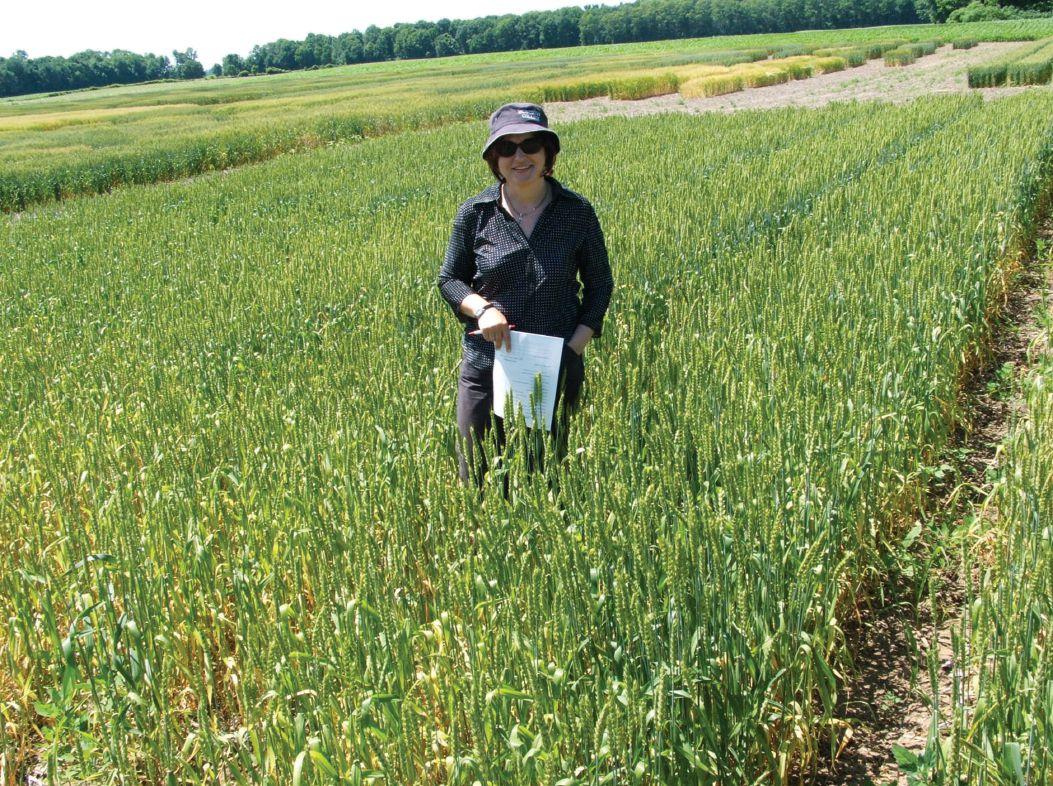
aBOVE: dr. lily Tamburic-ilincic has developed two tests to assist breeders in simultaneously screening for Fusarium head blight and septoria tritici blotch in winter wheat.
Photo courtesy of Dr. l ily t amburiclincic.
but the test for septoria and Fusarium in the same nursery was developed recently. She says doing the two tests simultaneously saves time because the same breeding lines or wheat varieties are inoculated and evaluated for the resistance to both diseases in the same growing season. Without the ability to screen for these pathogens, in an inoculated nursery, breeders had to evaluate if potential wheat varieties were susceptible to the disease in the field under natural conditions. This could take years of observation and would be dependent on weather conditions.
“Without screening after inoculation, we cannot be sure if the plants escaped the development of symptoms due to weather conditions or if they are resistant to the diseases,” TamburicIlincic says.
Using her screening tests, Tamburic-Ilincic says she can speed up her breeding process by several years. To screen for Fusarium, she is using two approaches. one is marker-assisted selection based on Dna markers and one is evaluation of visual symptoms in the field following inoculation with the pathogen and then screening harvested grain for Fusarium damaged kernels and accumulation of deoxynivalenol (Don). She says by inoculating any potential varieties with the pathogens, she is able to identify the most promising parents for future crosses more quickly. Wheat lines identified in this nursery will be used in new crosses with the goal to develop and register new winter wheat varieties with high levels of resistance to multiple diseases, low mycotoxin levels and high yield. other breeders benefit from her research as well because they can use the screening methodologies.
Tamburic-Ilincic also conducts regular performance trials in ridgetown and Inwood of all wheat varieties available to growers now or in the near future. as part of her testing, she screens for yield, agronomic traits, disease, and for Fusarium after inoculation with the results for each variety published in a report. obviously, low disease ratings, using a scale of zero to nine, are most desirable for growers. In her performance variety trials, she screens for the presence of FHB severity and incidence and Don accumulation after inoculation. all varieties included in the performance trials are rated based on an index combining FHB index and Don levels. ratings include moderately resistant,
moderately susceptible, susceptible or highly susceptible to Fusarium.
“our information is available to farmers, which helps them make decisions on which varieties to grow. They may decide to choose to plant a variety that has higher yield and accept lower resistance to Fusarium, which, in an epidemic year, might reduce quality from food to feed wheat,” Tamburic-Ilincic says. “alternately, they may accept some yield reduction in order to have a variety more resistance to Fusarium.”
Tamburic-Ilincic says the results of her performance trials at the ridgetown and Inwood locations can be found at www.gocereals.ca, where growers can see how each variety stacks up in terms of yield and disease resistance. There is also an opportunity to compare varieties head-to-head on the site to see how one variety’s resistance compares to another.
“We are trying to provide growers with good information that they can use to make management decisions,” Tamburic-Ilincic explains. She says the screening tests she developed are tools that assist her to bring new varieties to farmers and to ensure an accuracy of ratings of existing varieties.
Tamburic-Ilincic recently developed oaC Flight and Marker, soft red winter wheats. Using her screening methods she was able to ensure Marker has high Fusarium and septoria resistance compared to other varieties. oaC Flight and Marker also have the other trait that growers desire – high yield.
going forward, Tamburic-Ilincic expects her screening tests to be used often in breeding programs and, eventually, only potential material with high resistance to Fusarium and septoria will remain in programs aimed at registration with the Canadian Food Inspection agency. The result will be an accelerated breeding selection process and, perhaps, reduce it from the average 10 years needed to develop a new variety to a shorter time. She is adamant the tests are merely tools to make the breeding process easier because, as she says, without yield improvements, screening for disease tolerance alone is not enough.
Introducing AFS Connect.™ The only advanced farm management system that guards your data as closely as you. It’s simple. When you buy a combine, a tractor or a piece of land, it’s yours. So when you buy a farm management system that gives you one easy dashboard to track and manage every piece of equipment on your farm, the data should be yours — yours alone. See how AFS Connect gives you total control over your data at caseih.com/afsconnect.