TOP CROP
MANAGER
USING BEES TO FIGHT DISEASE
Bringing a biological approach to disease protection
PG. 9
BIG WHEAT
Strong fall growth brings both pros and cons
PG. 14
LEASING VS. BUYING
Weighing financing options for farm acquisitions
PG. 16
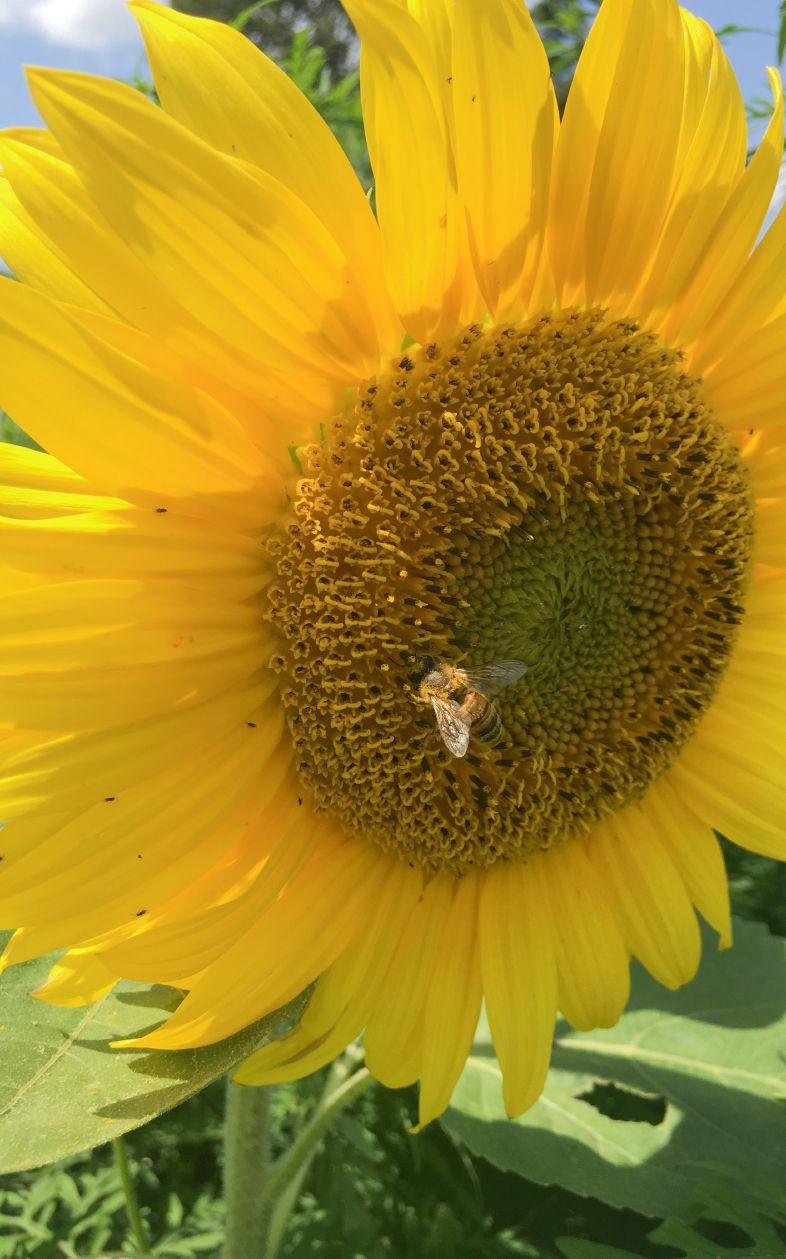


Bringing a biological approach to disease protection
PG. 9
Strong fall growth brings both pros and cons
PG. 14
Weighing financing options for farm acquisitions
PG. 16
Carolyn King
John Dietz
Madeleine Baerg
Eleven of Canada’s largest national agricultural organizations have provided commentary on the current state of their sector. As you will see, Canada’s agriculture industry is strong and growing, and although challenges exist, so does the confidence to meet those challenges.
Readers will find numerous references to
for
We encourage growers to


JANNEN BELBECK | ASSOCIATE EDITOR
Real-time DNA sequencing, anywhere, anytime, is one step closer to making the jump from science fiction to science fact, according to researchers at the Royal Botanic Gardens, Kew. A recent paper published in Scientific Reports outlined how the team used a MinION portable DNA sequencer to analyze plant species in the field.
The researchers travelled to Snowdonia National Park, in Wales, to sequence the DNA of Arabidopsis thaliana and Arabidopsis lyrata ssp. Petraea – two plants that produce white flowers with similar appearances – in the wild. Rather than targeting specific pieces of DNA to make the identifications, as traditional DNA sequencing requires, the researchers sequenced random parts of the plants’ genomes. The team then compared their results to a free database of reference genome sequences to identify the two varieties of Arabidopsis.
This wasn’t the first real-world test of the MinION technology. Since Oxford Nanopore Technologies launched the sequencer commercially in 2015, it has been used in far-flung locales like Antarctica and the International Space Station, as well as remote areas affected by disease. However, the successful identifications in Wales represent the first time a plant genome has been sequenced in the field. The successful trial could open the door to new methods of conducting plant research. As Alexander Papadopulos, a scientist with Kew and co-author on the paper, noted in a press release, traditional sequencing methods require a lot of lab equipment and typically only provide the information needed to identify a sample to the genus level.
“Identifying species correctly based on what they look like can be really tricky and needs expertise to be done well. This is especially true for plants when they aren't in flower or when they have been processed into a product,” Papadopulos said. “Our experiments show that by sequencing random pieces of the genome in the field it's possible to get very accurate species identification within a few hours of collecting a specimen.”
In agriculture especially, the ability to generate a DNA sequence from anywhere in the world within hours, versus the months of lab work typically required to yield results using traditional sequencing technology, could make a major impact. Think an accelerated pace of discovery and shorter timelines from discovery to commercialization.
The time when every farmer is equipped with a handheld scanner that can quickly and accurately identify any plant, pest or pathogen in a field remains, for now, relegated to the realm of science fiction. However, the technology that may one day be viewed as an early ancestor to such a miraculous device already exists, at least to some degree. What we, as an industry, will do with it remains to be seen.
However the future unfolds, you can be sure Top Crop Manager will be a part of it, helping you stay on top of the tools you need to make your operation more productive and profitable as they migrate out of the lab and into the real world.

ASSOCIATE EDITOR
Jannen Belbeck • 888.599.2228 ext 211 226.931.5608 jbelbeck@annexweb.com
ASSOCIATE
Crop Manager West – 9 issues February, March, Mid-March, April, June, September, October, November and December – 1 Year$45.95 Cdn. plus tax
–
AGREEMENT #40065710 CIRCULATION email: rhtava@annexbizmedia.com Tel: 416.442.5600 ext 3555 Fax: 416-510-6875 (main) 416-510-5133 Mail: 80 Valleybrook Drive, Toronto, ON M3B 2S9 SUBSCRIPTION RATES Top Crop Manager West – 9 issues February, March, Mid-March, April, June, September, October, November and December – 1 Year$45.95 Cdn. plus tax Top Crop Manager East – 7 issues February, March, April, September, October, November and December – 1 Year - $45.95 Cdn. plus tax Potatoes in Canada – 1 issue
issues
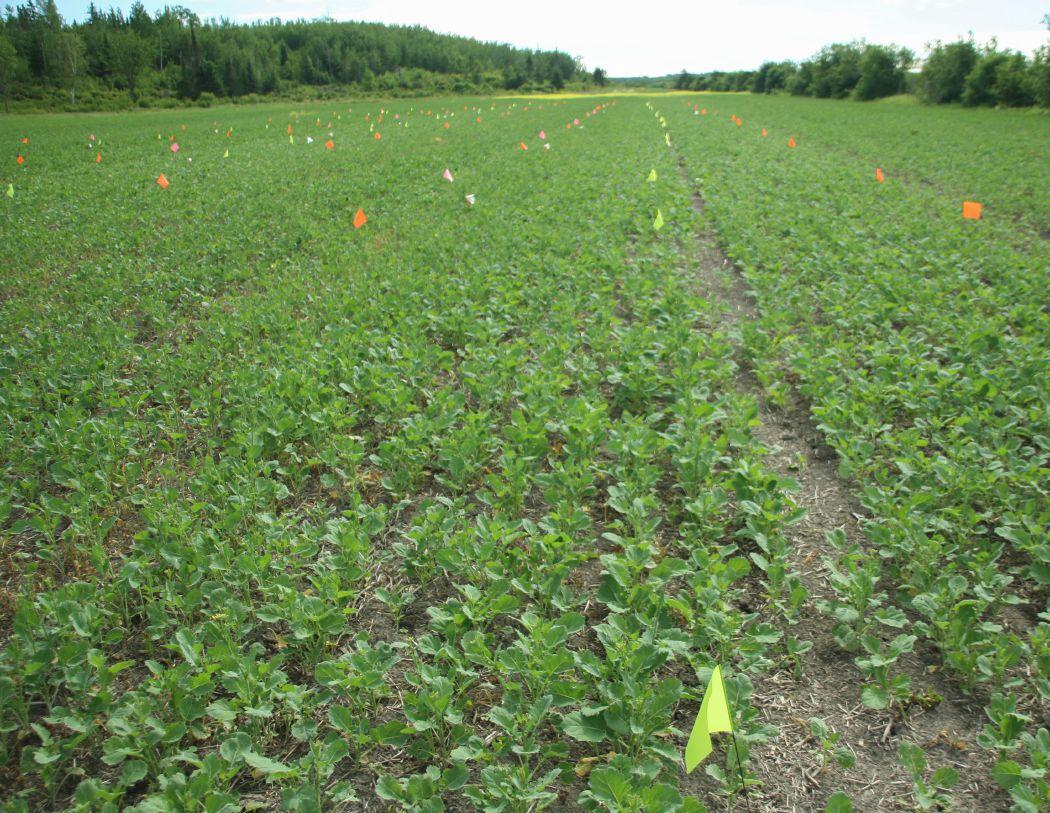
A Quebec project is assessing integrated pest management options.
by Carolyn King
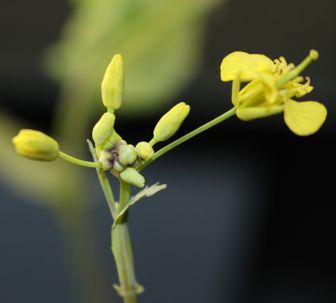
As swede midge populations continue to rise in Quebec, canola growers are looking for better ways to manage the pest. Entomologist Geneviève Labrie is leading a two-year research project to help advance integrated management strategies for swede midge.
Swede midge (Contarinia nasturtii) attacks plants in the Brassicaceae family including field crops such as canola and mustard, cruciferous vegetables like broccoli and cabbage, and weeds like shepherd’s purse and wild mustard. This insect has multiple generations in a year, depending on the weather. The adults are tiny flies that emerge from the soil. The females lay their eggs in areas of active new growth on host plants. After the larvae hatch from the eggs, they feed on the growing plant tissues. Then they fall to the soil to pupate, and in a few weeks, the next generation of adults emerges from the soil.
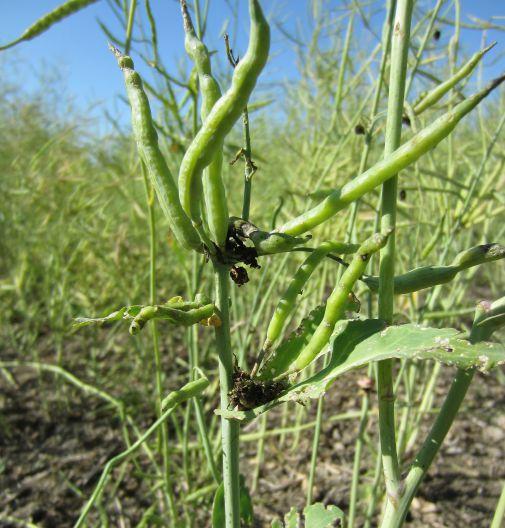
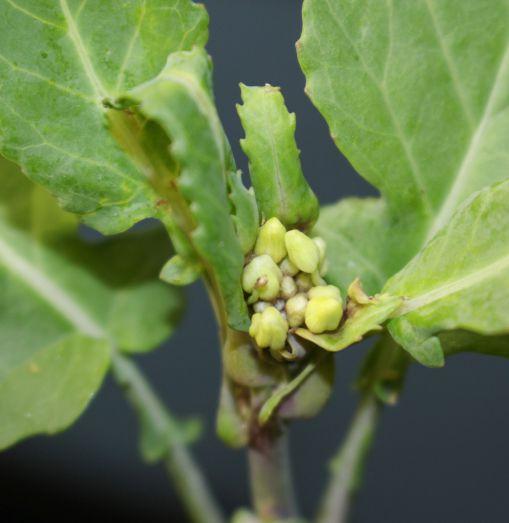
In canola, the larvae cause various types of damage depending on the pest’s population levels and the plant’s growth stage when the pest attacks. Examples of damage include crinkled leaves, malformed
buds that don’t open, flowers with fused petals, pods that fail to develop, and stunted or dead plants. Yield loss can be severe if high numbers of larvae attack when the crop is most vulnerable, which is during the rosette stage and bud formation. Once the flowers are blooming, the pest’s attacks don’t result in significant yield impacts.
Swede midge is native to Europe and Asia. In North America, it was first confirmed in Ontario in 2000 in cruciferous vegetables. Since then the pest has spread to Quebec, Nova Scotia, Prince Edward Island, Manitoba, Saskatchewan, Alberta, and some U.S. states. In Quebec, it was initially found in 2001 in vegetables and in 2006 in canola.
“The swede midge population in Quebec is increasing. We began to monitor in 2013. We observed the first economic damage that year in Abitibi-Témiscamingue, which is on the border with Ontario.
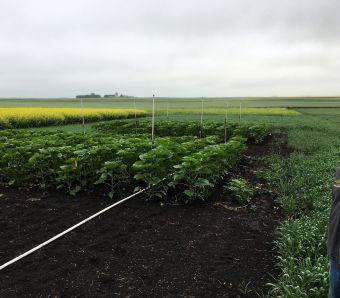
ABOVE: Researchers are evaluating different insecticide timing options in Quebec’s Témiscamingue region, including this site at Laverlochère.
Swede midge had already become established as a significant canola pest in Ontario’s Temiskaming region two years before that,” says Labrie, who is with the Centre de recherche sur les grains Inc. (CÉROM).
“In the Saguenay-Lac-Saint-Jean region, we observed the first economic damage in 2015. In 2017, we are seeing an increase in the pest’s population in all the province’s canola production areas, although only a few areas have a lot of damage.”
She notes, “Quebec has seen a reduction in canola production in the past year, but that was because producers are switching to soybeans….However, some canola producers are becoming very concerned about swede midge, and some of them are talking about not growing canola at all on their farm.”
Currently, the main practices to try to manage swede midge in canola include applying insecticides, using early seeding, rotating out of cruciferous crops for at least three or four years, planting canola in fields that are at least two kilometres from the current year’s and the previous year’s cruciferous fields, and controlling cruciferous weeds.
Labrie’s project involves field and laboratory experiments relating to various control options. The project started in 2016 and is funded by Quebec’s Ministry of Agriculture and Coop fédérée, a private funding partner. Julie-Éléonore Maisonhaute joined the project in November 2016. She is a post-doctoral researcher at the Université du Québec à Montréal (UQAM), under the supervision of Labrie and Éric Lucas, a professor in the department of biological sciences at the university.
One component of the project is assessing application timing for swede midge insecticides, the first such study in Quebec canola. The registered insecticides do not give 100 per cent control, and the pest’s multiple, overlapping generations make insecticide timing challenging.
“Only two insecticides are registered for swede midge control in canola, and a lot of producers are not using them because they say that the products are not very effective,” Labrie notes. The two products are Matador (active ingredient lambda-cyhalothrin) and Coragen (chlorantraniliprole). In June 2017, Health Canada’s Pest Management Regulatory Agency proposed a complete phase out of Matador, so swede midge insecticide options might be even more
limited in the future.
The field experiments are taking place in the Témiscamingue region at Laverlochère and Nédélec. They include seven treatments: an untreated control; a weekly application of Matador or Coragen throughout the growing season, which in effect was their control plot without swede midge; Matador applied once at the 1- to 3-leaf stage of canola; Coragen applied once at the 1- to 3-leaf stage; Matador applied at the 1- to 3-leaf stage followed by Coragen at the start of stem elongation; Coragen applied at the 1- to 3-leaf stage, followed by Matador at the start of stem elongation; and Matador applied when the economic threshold for application was reached based on pheromone trapping.
Maisonhaute says, “For the pheromone trapping, we followed the methodology developed by Rebecca Hallett from the University of Guelph. We have four pheromone traps per field. The first insecticide application is made after 20 midges have accumulated across all four traps [with counts beginning at the cotyledon stage]. For subsequent applications, the threshold is five midges per trap per day.” She notes that Hallett is continuing to work on refining these thresholds, but for these experiments Labrie’s group used the methodology recommended in 2016.
The researchers are collecting data on swede midge damage levels and canola yields. This fall, they will be analyzing the collected data and determining the costs of the different treatments.
Although the final results are still to come, the researchers have made an interesting observation regarding the effects of Lumiderm (cyantraniliprole), an insecticidal seed treatment. “In 2016, we were not aware that one of the producers tried canola seed treated with Lumiderm. Lumiderm is in the same family of insecticides as Coragen [Group 28]. We observed that the swede midge damage was much lower in the Lumiderm field than in the other field, where the cultivar had a neonicotinoid seed treatment,” Labrie says.
So in 2017 they added a second field at each of the two locations – one field for the neonicotinoid canola and the other for the Lumiderm canola – and carried out the seven treatments on all four fields.
“At the one of the two locations, we observed much less crop damage with Lumiderm,” Labrie says. Unfortunately, the other
location was seeded about a month later than the first location due to very poor spring weather. At this late-seeded location, there wasn’t much difference in damage between the Lumiderm canola and neonicotinoid canola, likely because the swede midge population was very high by that time.
Although the Lumiderm seed treatment looks promising, Maisonhaute emphasizes that they need to complete the data analysis to see if other factors could also be influencing the results. Labrie reminds growers that if you use a Lumiderm seed treatment, you cannot apply Coragen within 60 days of planting because of the risk of swede midge developing resistance to this insecticide group.
Another component is comparing two cultivars to see if they differ in their susceptibility to swede midge. Labrie says, “It is a preliminary analysis because it is very time consuming, costly work. If something comes up with this study, then we will apply for further funding for a larger study.”
Maisonhaute is currently conducting these lab experiments. “I am looking at canola’s susceptibility at different growth stages to see if there are more eggs or larvae when I introduce the swede midge at different stages and with the different varieties of canola,” she explains. Neither variety has an insecticidal seed treatment. This work will also help determine more precisely which stages of canola are sensitive to swede midge damage. Labrie notes, “We were not observing damage in the field at the first two or three leaves of canola, and we wondered if maybe the female was not able to lay her eggs on these small plants or if the larvae could not
For
35
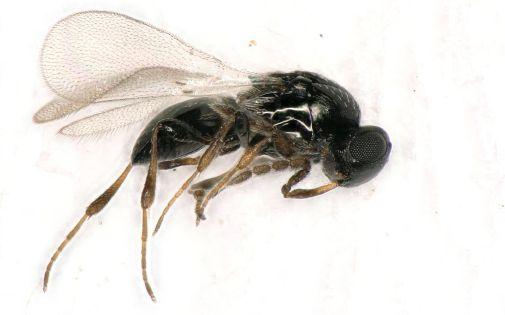
The researchers have found quite a few parasitic wasps attacking swede midge at their field sites, which could help reduce the pest’s population levels.

survive on them.”
The researchers have also carried out some initial work on swede midge in cruciferous weeds in field margins. “We know swede midge overwinters in the soil, but we wondered where it is early in the season when it is not in canola. We thought it might be in Brassicaceae weeds in the field margins,” Maisonhaute says. They sampled these weeds all season long, starting early in the growing season. She says, “We found some swede midges but not a lot. We had expected that they would be present at a higher density. But the low numbers might have been because swede midge’s emergence was delayed by this year’s very cold spring.”
Years
Actagro
has been the industry leader in Soil and Plant Health Technology Solutions.
Parasitoid potential
The project is also exploring the possibility of natural control of the pest by parasitic insect species and whether parasitoid activity is compatible with insecticide control of swede midge.
In 2016, Labrie’s group did some limited sampling and found a swede midge parasitoid in the field plots. So in 2017, they did weekly sampling in both the treated and untreated plots in the insecticide experiment.
The parasitoid has been identified as Synopeas myles, a tiny parasitic wasp that is a native of Europe. Maisonhaute says, “This small wasp lays its eggs into the larvae of swede midge. The parasitoid’s larvae develop and kill the swede midge larvae.” In 2015, Hallett found this same parasitoid species in Ontario.
“In Quebec in 2007 and 2008, Guy Boivin, an entomologist with Agriculture and Agri-Food Canada, tried to find parasitoids and didn’t find anything on swede midge at that time. However, the wasp might have been present before but the swede midge population was not high enough that we could observe some parasitism,” Labrie says.
With the weekly sampling in 2017, Labrie’s group found quite a few parasitoids suggesting that the parasitism rate in swede midge in Quebec has increased over the past decade.
“With exotic insects often there is no natural enemy in the environment so their populations increase a lot,” Labrie notes. “It is very interesting that we have a natural enemy of swede midge in our canola fields because it could reduce the pest’s population and might reduce the need for insecticide applications in some years.”

Unfortunately, the parasitoid didn’t start parasitizing swede midge until canola’s flowering period. Labrie says, “It seems that this parasitoid is not able to parasitize earlier in the season when swede midge is a threat to canola. However, it could be important for cruciferous vegetables like broccoli.”
The results from Labrie’s project will provide important information to help improve swede midge management in canola. Maisonhaute says, “We don’t know exactly all the aspects of swede midge yet, but I think we are [learning], especially with [other] swede midge research. We can combine our findings, understand more about the population dynamics of swede midge, and find integrated pest management solutions with less impact on the environment and better control of the pest.”
Labrie is hoping to extend her swede midge work further to help both canola growers and cruciferous vegetable growers. “In Quebec, producers of canola, producers of broccoli and cabbage, and people from many other groups met in March to work together in addressing the swede midge problem. Cohabitation of canola and cruciferous vegetables is not easy in some areas because the canola crop could be a refuge for swede midge, which then goes to broccoli after that. Five years from now, there probably will be no broccoli at all produced in Quebec because [of the increasingly high costs of controlling this pest],” she says. “So we are applying for funding for a large collaborative project in many areas of Quebec, to put together all the data and knowledge we have on swede midge and try to develop more integrated pest management for both groups of crops.”
An Ontario company is bringing a biological approach to disease protection.
by John Dietz
Bees can provide a helping hand to farmers with a new green technology to fight against major fungal diseases such as sunflower head rot and grey mould.
The basis of the technology, a biological agent and beneficial fungus (strain of the Clonostachys rosea species), was discovered in the late 1980s and intensively researched by John C. Sutton, a plant pathologist at the University of Guelph.
Sutton discovered the friendly fungus could block the grey mould pathogen, Botrytis cinerea, from entering strawberries. It was easy to grow in the lab, and highly effective when sprayed on open flowers.
The idea of using honeybees (Apis mellifera) to deliver, or vector, the friendly fungus directly during pollination was published by Sutton and colleagues in 1992 in the Canadian Journal of Plant Pathology. Five years later, research found the natural fungus could be delivered by bumblebees (Bombus impatiens) as well.
His research found that in addition to being effective against Botrytis in plants, it also could suppress other plant diseases –it could act as a shield against Fusarium, Monilinia, Pythium, Sclerotinia and other pathogens.
“It establishes as an endophyte inside every kind of crop plant we’ve looked at – and that must be at least a hundred,” Sutton says. “For example, it establishes inside flowers, stems and roots of corn, canola, sunflowers, wheat, grasses, tomatoes, peppers, blueberries, strawberries, almonds and many greenhouse flowers.”
Bee Vectoring Technologies International Inc. (BVT), a company based in Mississauga, Ont., is now manufacturing a patented product formulation that contains the natural biological agent. BVT CR-7 is the proprietary strain, called Vectorite.
Independent sunflower production trials with the BVT system began in 2015, operating in Ontario, North Dakota and Minnesota. Vectorite also is being tested for markets in Europe and the Far East.
The Ontario test
Sunflower head rot is one of the target diseases for BVT.
Near Caledon, Ont., BVT has conducted two different trials on sunflower fields operated by Davis Feed & Farm Supply.
In 2016, four honeybee hives with Vectorite were set up in a 20-acre field. Two kilometres away, six hives were placed in a 30acre sunflower field as the control.
For the trial, Vectorite powder is loaded into trays and placed by the exits of the hives so bees must walk through the Vectorite each time they leave the hive. After three to nine days on a hive, the depleted tray is replaced. The Vectorite must be supplied for the pollination season, which in sunflowers lasts three to four weeks in normal conditions.
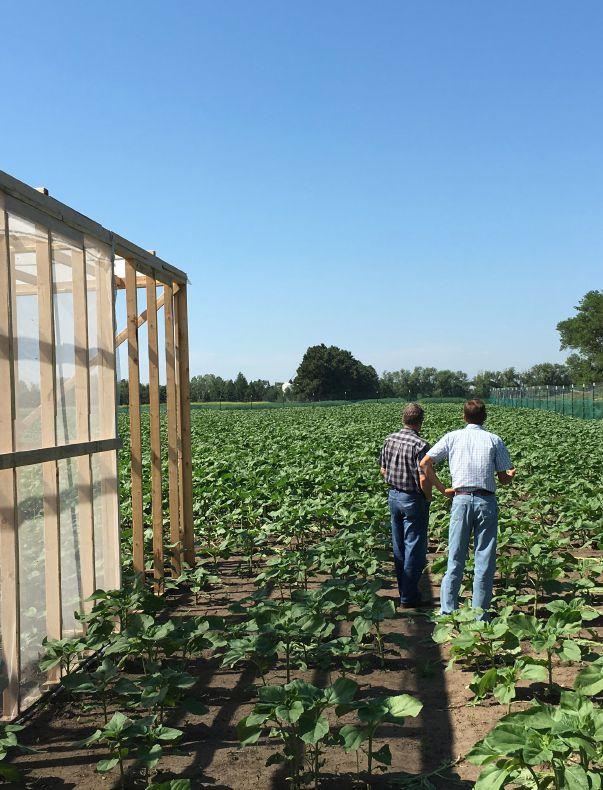
TOP: A tent keeps bees off a section of a North Dakota test field at Carrington, to help determine yield and disease control with the BVT product.
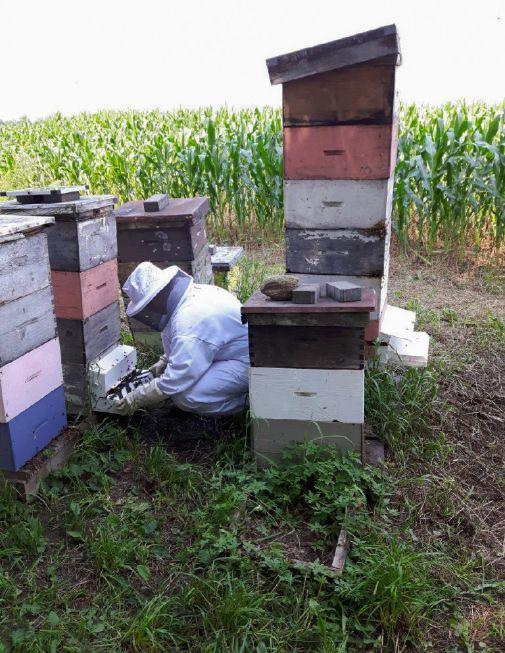
Fresh inoculation of the product must continue throughout the flowering season. Each new flower on the plant is a potential point of infection, so they must be protected by a visiting bee before it can be infected by sunflower head rot pathogens.
At the end of the first trial season, John Davis, the owner of Davis Feed & Farm Supply, had mixed results. Sunflowers were short, and the disease level was negligible for his whole crop of sunflowers due to the dry weather.
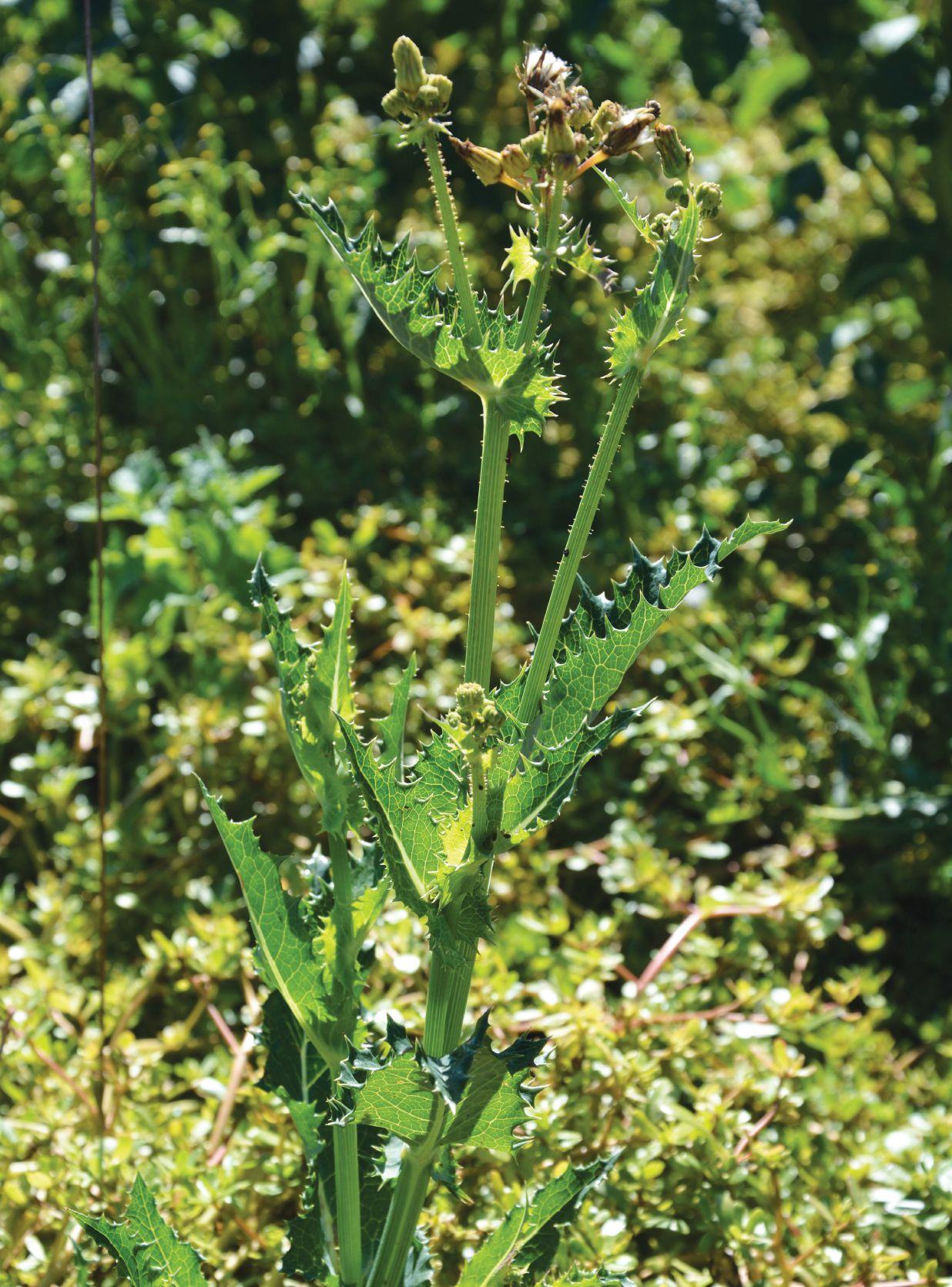
Unfortunately, his BVT trial field had a big infestation of giant ragweed and varieties of nightshades, while the control
used for this trial had sunflower heads that “grew very, very well and looked great.”
North Dakota State University (NDSU) also conducted sunflower trials with the BVT system in 2016 and 2017. At press time, results were only available for 2016.
Plant pathologist Venkata Chapara managed the NDSU trial. First year trial plots had a wet flowering season, and plots were sprayed with disease spores. Disease level was rated at 12 per cent on the non-treated sunflowers, and at only five per cent on Vectoriteprotected sunflowers.
“It establishes as an endophyte inside every kind of crop plant we’ve looked at - and that must be at least a hundred. For example, it establishes inside flowers, stems and roots of corn, canola..."
field (without Vectorite) was “very clean” in his opinion.
But when Davis harvested and weighed his results, there were better yields from the Vectorite field. In the control field, yields were 1,200 to 1,400 pounds per acre, while the test group was close to 1,800.
“It was about 20 to 25 per cent more than the yield in the control group,” Davis says. “I thought the [weeds] would affect the yield in a negative way.”
The company ran a somewhat different test on the seed grower’s sunflowers in 2017. When available, results will compare the Vectorite delivery by honeybees and delivery by bumblebees. Both systems are being developed.
The new sunflower trial had a cool and wet season, ideal for disease. In fact, the 2017 season had heavy pressure from head rot and sclerotia, Davis says.
Despite the conditions this year, he notes the single field
“We had 1,880 pounds per acre on the control plots and the BVT plots had 2,053 pounds per acre. That’s a difference of 173 pounds, or a nine per cent increase,” Chapara says.
According to BVT in September 2017, the overall regulatory approval process for BVT-CR7 with the U.S. Environmental Protection Agency (EPA) remains on track. A decision by the EPA on the approval for BVT-CR7 is expected in the first half of 2018.
BVT gained official organic certification in the U.S. for its proprietary formulation of Vectorite with BVT-CR7 in July. Vectorite is now listed by the Organic Materials Review Institute and meets the U.S. Department of Agriculture guidelines under the National Organic Program standard and is permitted in certified organic crops.
Although the system isn’t commercially available yet, the earliest availability in Canada is projected for the 2019 crop year.
Tackle this devastating canola pathogen before it gets a foothold in your fields.
by Carolyn King
Last year, Ontario had its first-ever detection of clubroot symptoms in canola. On the heels of that discovery came an even more unsettling surprise – a survey found the pathogen scattered across the province’s main canola-growing areas and this year, the symptoms are showing up in more fields.
Now that clubroot has been confirmed, canola specialists advise growers to take steps to stop the spread of the pathogen. The disease is manageable, but if growers wait too long to act, spore numbers can skyrocket and the disease will be much harder to deal with, as Alberta growers have found.
The clubroot pathogen, Plasmodiophora brassicae, infects Brassica species including crops such as canola, mustard, cabbage and cauliflower. The pathogen lives in the soil as microscopic resting spores. The roots of Brassica plants secrete substances that stimulate the resting spores to germinate and transform into zoospores. The zoospores swim through the soil water to the plant’s root hairs and begin the infection process.
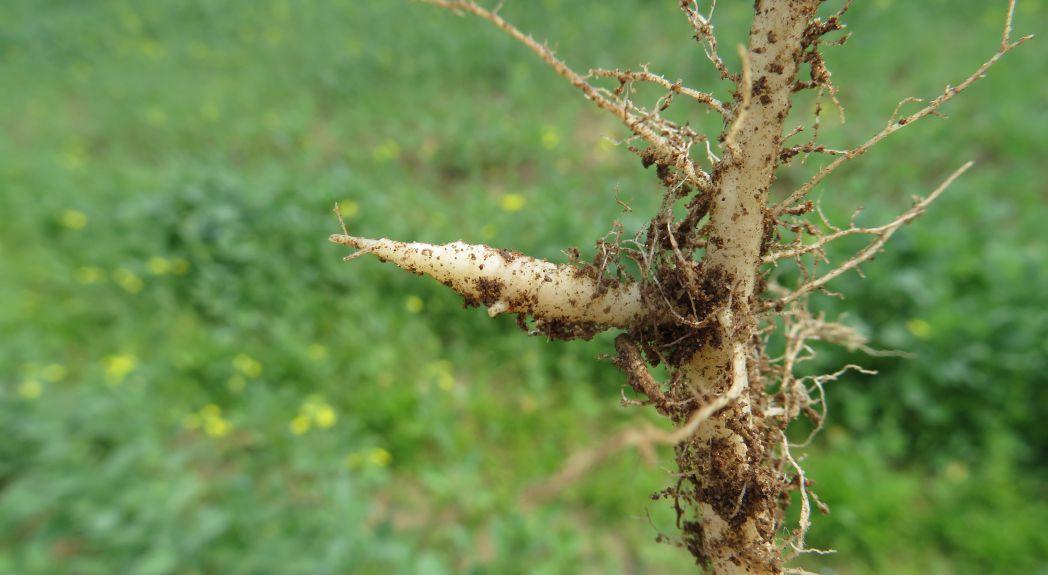
The disease causes galls to form on the plant’s roots, preventing water and nutrients from moving up into the rest of the plant, so it withers and dies prematurely. With susceptible canola cultivars, yield loss can reach 100 per cent in severely infested fields.
“The galls on a single infected root can produce billions of resting spores. One diseased plant can infect a large area when spread around,” notes Dan Orchard, agronomy specialist for north central Alberta with
the Canola Council of Canada (CCC).
Clubroot is spread through the movement of infested soil, mainly by soil clinging to field equipment. As a result, the disease almost always starts at a field’s entrance. But, clubroot can also be spread with contaminated soil on vehicles, tools, boots or animals, and soil moved by water or wind erosion.
The pathogen has been in Ontario since at least the 1960s, but the province’s main strain, called pathotype 6, prefers cruciferous vegetable hosts so the disease hasn’t been a problem in canola until now.
“In Ontario canola, clubroot was first found in a field in the West Nipissing area in 2016,” says Meghan Moran, canola and edible bean specialist with the Ontario Ministry of Agriculture, Food and Rural Affairs (OMAFRA).
After that initial discovery, OMAFRA surveyed for clubroot in many of the province’s canola-growing regions. “We collected soil samples from 96 fields. The pathogen was detected in samples from 11 fields in the areas of Temiskaming Shores/New Liskeard, West Nipissing, Bruce Peninsula and Dufferin County. So we’re finding it across Ontario,” Moran says.
This year, OMAFRA sampled 25 fields in areas not covered by the 2016 survey and didn’t detect the pathogen in any of those soil samples.
TOP: Slight galling is an early symptom of clubroot.
Moran notes, “We sampled in the Peterborough area and other parts of eastern Ontario, as well as Huron County and Wellington County. They are not big canola-growing regions, so it’s not a surprise that we didn’t find any clubroot.”
However, the problem definitely hasn’t gone away. “We’ve had growers this growing season say they have clubroot in their canola crop and are going to have yield loss. A lot of those farmers who are seeing symptoms in their canola this year are farmers who had a positive test last year in a different field,” she says. “One of the differences from last year is that 2017 has been a really wet year with a wet spring. In wet conditions, the zoospores can move more easily in the soil so they can infect earlier and to a greater degree. I suspect that is one of the reasons why we are seeing more clubroot this year.”
The University of Guelph is determining the clubroot pathotypes of selected samples from 2016 and 2017. The field where the initial discovery was made has pathotype 2. That pathotype has been found in Ontario in the past, and it is one of the main pathotypes in Quebec. Clubroot pathotyping is a lengthy, labour-intensive process so it will take time to get the results for the rest of the samples.
Clubroot symptoms in a few canola fields may not sound like a serious problem. But the experience in central Alberta – the epicentre of the clubroot infestation in that province – underlines that taking action early could save Ontario growers a world of worries.
“Clubroot was first found in 2003 in a handful of fields in central Alberta,” Orchard says. “In 2004, an intense survey in that general area showed nothing. At the time, we thought maybe there were only a
Monsanto Company is a member of Excellence Through Stewardship® (ETS). Monsanto products are commercialized in accordance with ETS Product Launch Stewardship Guidance, and in compliance with Monsanto’s Policy for Commercialization of Biotechnology-Derived Plant Products in Commodity Crops. These products have been approved for import into key export markets with functioning regulatory systems. Any crop or material produced from these products can only be exported to, or used, processed or sold in countries where all necessary regulatory approvals have been granted. It is a violation of national and international law to move material containing biotech traits across boundaries into nations where import is not permitted. Growers should talk to their grain handler or product purchaser to confirm their buying position for these products. Excellence Through Stewardship® is a registered trademark of Excellence Through Stewardship.
ALWAYS READ AND FOLLOW PESTICIDE LABEL DIRECTIONS. Roundup Ready 2 Xtend® soybeans contain genes that confer tolerance to glyphosate and dicamba. Agricultural herbicides containing glyphosate will kill crops that are not tolerant to glyphosate, and those containing dicamba will kill crops that are not tolerant to dicamba. Contact your Monsanto dealer or call the Monsanto technical support line at 1-800-667-4944 for recommended Roundup Ready® Xtend Crop System weed control programs. Roundup Ready® technology contains genes that confer tolerance to glyphosate, an active ingredient in Roundup® brand agricultural herbicides. Agricultural herbicides containing glyphosate will kill crops that are not tolerant to glyphosate.
Acceleron® seed applied solutions for corn (fungicides only) is a combination of three separate individuallyregistered products, which together contain the active ingredients metalaxyl, prothioconazole and fluoxystrobin. Acceleron® seed applied solutions for corn (fungicides and insecticide) is a combination of four separate individually-registered products, which together contain the active ingredients metalaxyl, prothioconazole, fluoxystrobin, and clothianidin. Acceleron® seed applied solutions for corn plus Poncho®/VOTiVO™ (fungicides, insecticide and nematicide) is a combination of five separate individually-registered products, which together contain the active ingredients metalaxyl, prothioconazole, fluoxystrobin, clothianidin and Bacillus firmus strain I-1582. Acceleron® Seed Applied Solutions for corn plus DuPont™ Lumivia® Seed Treatment (fungicides plus an insecticide) is a combination of four separate individually-registered products, which together contain the active ingredients metalaxyl, prothioconazole, fluoxastrobin and chlorantraniliprole. Acceleron® seed applied solutions for soybeans (fungicides and insecticide) is a combination of four separate individually registered products, which together contain the active ingredients fluxapyroxad, pyraclostrobin, metalaxyl and imidacloprid. Acceleron® seed applied solutions for soybeans (fungicides only) is a combination of three separate individually registered products, which together contain the active ingredients fluxapyroxad, pyraclostrobin and metalaxyl. Visivio™ contains the active ingredients difenoconazole, metalaxyl (M and S isomers), fludioxonil, thiamethoxam, sedaxane and sulfoxaflor. Acceleron®, CellTech®, DEKALB and Design®, DEKALB®, Genuity®, JumpStart®, Monsanto BioAg and Design®, Optimize®, QuickRoots®, Real Farm Rewards™, RIB Complete®, Roundup Ready 2 Xtend®, Roundup Ready 2 Yield®, Roundup Ready®, Roundup Transorb®, Roundup WeatherMAX®, Roundup Xtend®, Roundup®, SmartStax®, TagTeam®, Transorb®, VaporGrip®, VT Double PRO®, VT Triple PRO® and XtendiMax® are trademarks of Monsanto Technology LLC. Used under license. BlackHawk®, Conquer® and GoldWing® are registered trademarks of Nufarm Agriculture Inc. Valtera™ is a trademark of Valent U.S.A. Corporation. Fortenza® and Visivio™ are trademarks of a Syngenta group company. DuPont™ and Lumivia® are trademarks of E.I. du Pont de Nemours and Company. Used under license. LibertyLink® and the Water Droplet Design are trademarks of Bayer. Used under license. Herculex® is a registered trademark of Dow AgroSciences LLC. Used under license. Poncho® and VOTiVO™ are trademarks of Bayer. Used under license.
handful of fields. So we still weren’t doing anything about the disease except alerting people that it was there. But actually it was the very dry conditions in 2004 that made the disease impossible to find. Since then, more fields with clubroot have been found every year.”
These days the disease is widespread in most central Alberta counties. In the surrounding “fringe” counties, new infestations are discovered each year. Surveys in 2016 detected 289 new clubrootinfested fields, making a total of 2,443 infested fields found since 2003.
One of the contributing factors in this almost relentless spread is that some soil infestation levels are extremely high. “It’s hard to fathom that one gram of soil, which could be the size of a loonie, could contain a billion clubroot spores, but that has been tracked. It is common to have millions of spores in a gram. That amount of spores can infect many, many plants,” Orchard says.
In 2017, a field in one of the fringe counties forcefully demonstrated that clubroot can take hold shockingly fast. “This county just recently discovered that it has clubroot; only four or five fields had been found. Many farmers weren’t really growing resistant varieties because they thought the disease wasn’t there yet,” Orchard says. “However, the county does a clubroot survey every year, checking every single canola field in the county. They go to the field entrances, which are the hot spots for infestation, and sample by pulling up canola plants and looking for clubbed roots.”
The county’s clubroot inspector discovered an infestation in a field that had never had canola before. “The field had been in hayland and was broken two years ago. The first crop was barley and this year was canola, and there was an alarming amount of clubroot,” Orchard says. “Before we saw this field, we didn’t realize the pathogen could get established so quickly.”
It turned out that the grower had an unnoticed, seriously infested patch in another field. “The heavily infested patch is small, about the size of a double garage or a little bigger,” Orchard explains. “It’s a low spot that is compacted and wet all the time, where nothing much would be expected to grow anyway. In that patch, there wasn’t a canola plant alive, and the clubbed roots were sticking out of the ground. The patch is right at the field’s entrance, so every time equipment left the field it went through that patch and moved the infested soil to another field.”
He notes, “If the farmer had caught that really infested patch earlier, he certainly would not have spread the disease like this. But he caught it early in the new field – there were no above ground symptoms and likely no yield loss. There were just some galls below ground that you would only find by randomly pulling up plants.”
To get rid of the heavily infested patch, the farmer is limiting the patch and converting it to a perennial grass area where no traffic will go for four or five years. “That is a small price to pay to keep the disease from spreading further,” Orchard says.
For Orchard, this situation emphasized another reason why clubroot has been such a problem: people haven’t been scouting early enough. “We were told to look for clubroot when you see a dead patch in your field. But we now know that by the time you see a dead patch, the disease is already across your farm, not just in that patch. So, people have been wrongly assuming the disease isn’t on their farm yet, and they are moving infested soil on their equipment, they are not growing resistant varieties, and the disease continues to spread.”
He adds, “If you have a small diseased patch in one year and then grow a susceptible cultivar, that patch will become 50 to 100 times bigger. Then with the next susceptible crop, high disease pressure could be across the field, resulting in a major yield loss.”
Since clubroot-resistant canola varieties became available in Alberta in 2009-10, they have been the key tool for managing the disease. These varieties have been grown repeatedly, usually in short rotations. Also, Orchard notes, “Until recently, all the resistant varieties had the same major ‘Mendel’ resistance gene in them.” As well, the resistant varieties were often grown in fields with high spore loads, increasing the likelihood that the pathogen’s population would include some variants that could defeat the cultivar’s resistance.
All these factors have combined to enable the pathogen to overcome cultivar resistance. Eleven new clubroot strains that are not controlled by the current resistant cultivars have emerged in Alberta since 2013-14, creating new problems for growers.
Prevention and management
Both Moran and Orchard emphasize that you can continue to grow canola if you have clubroot, but you need to take the disease seriously and prevent spore loads from escalating. Keeping spore counts low will minimize yield losses and will make clubroot easier to manage.
1. Know what to look for and start scouting now
Start scouting as soon as you hear that clubroot is in your area. Don’t wait until you see dead patches in your fields.
Ideally, all Ontario canola growers should already be on the lookout for the disease. Moran says, “I would love to know that all canola growers are checking plants in their canola fields; that is an excellent way to stay on top of clubroot. The best place to look is at the field entrance. Just pull up plants, especially if they are maturing early, and look for fattened, galled roots on the plants.”
The clubbed roots are an unmistakable symptom of the disease. The aboveground symptoms – yellowing, wilting, stunting, premature ripening and death – are easy to confuse with problems like drought, nutrient deficiencies or heat stress. Also, mild clubroot infections may not produce any above ground symptoms at all, but their roots will have some clubs – and those clubs will add to the field’s spore load.
2. Use a long crop rotation
“The best defence against clubroot is long rotations,” Moran says. “Grow canola once every four or five years to prevent spore build-up. After about three years, 95 per cent of clubroot resting spores will [not] be viable, which is great if you have a low spore counts in your fields. But if you have really high spore counts, rotation isn’t as effective because five per cent of a billion is still a really high spore count.”
3. Grow resistant varieties
Don’t wait until you have diseased patches and yield losses before growing clubroot-resistant varieties. Start growing them as soon as the disease is found on your farm or in your area.
“We are in a position here in Ontario where spore counts should be fairly low because it’s early in this disease issue. If growers use resistant varieties now they can drive down the spore counts, ” Moran emphasizes.
“If clubroot is in your community, treat your fields as if you have it, and grow resistant varieties,” Orchard advises. “If you’re a little complacent and grow a susceptible variety one time too many, your spore load can become astronomical and you’ll have huge yield losses.”
He notes that many of the clubroot-resistant varieties on the market are resistant to pathotype 2 as well as the other common Canadian pathotypes (3, 5, 6 and 8). He adds, “Some of the best canola varieties are the clubroot-resistant ones, so it’s not a sacrifice to grow
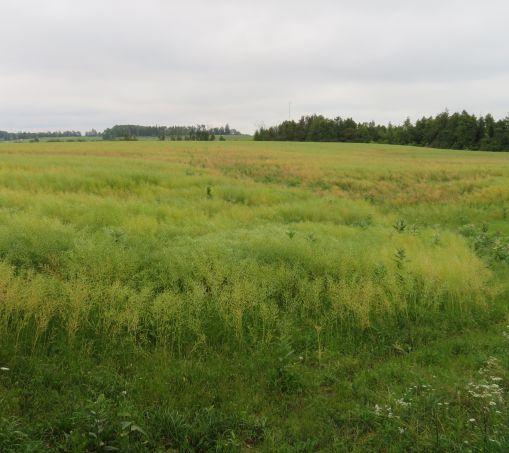
a resistant one.”
“The seed for clubroot-resistant varieties is typically the same price as non-resistant varieties,” Moran notes. “Right now, each of the companies that sells canola seed in Ontario has one or two resistant varieties for purchase here. As demand increases in Ontario, we will probably have access to more choices.”
Resistant varieties will last longer if growers use long crop rotations, keep spore loads low, and, if possible, rotate resistance genetics. Orchard notes, “A lot of dollars are being invested in research on new clubroot-resistance genetics that would be uniquely different from our current genetics, which would allow growers to rotate resistance genetics.”
Do as much as you can to reduce the spread of infested soil. Moran advises, “Work clubroot-infested fields last, so you’re not moving infested soil from one field to the next.”
It can also help to minimize tillage and other field operations in clubroot fields. As well, consider converting heavily invested patches to alfalfa or grass for at least four or five years.
Equipment sanitation is important, but it’s more practical if you are also taking other steps to keep spore loads low. “If a field is only lightly infested, then you’d need a big lump of soil the size of your head to move a million or a billion spores from that field. So at least knock off the large, loose dirt before leaving each field,” Orchard says. “With heavily infested soils you would have millions of spores in just one gram. It’s not practical for a farmer to clean every gram of soil off his equipment before leaving each field.” Such thorough cleaning involves not only removing all the loose soil, but also using a pressure washer to remove all the clinging soil and crop debris from everywhere, and then using a disinfectant.
Moran also reminds people like custom operators and agronomists to take precautions when going from field to field.
“Ontario canola growers have a significant opportunity to not let clubroot impact their farms,” Orchard says. “But if they don’t get on board then it will impact their farm, and it can happen in a hurry.”
Moran agrees, “Now is the time to take action and try to drive spore counts down and be on top of the issue. Scout for the disease, maintain long crop rotations, and start using resistant varieties.”
Long, open falls have resulted in huge early growth and excellent yield potential in Ontario wheat, but with it also comes big lodging potential. Can nitrogen management help?
by Madeleine Baerg
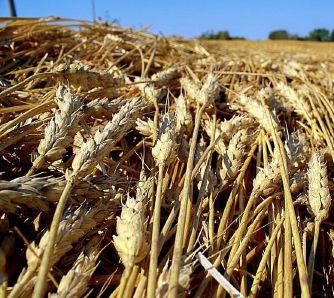
Two years ago, an unusually warm, dry, long fall across much of Ontario meant that wheat grew unusually big before winter freeze-up. Strong fall growth brings with it both pros and cons. While vigorous early growth can ultimately produce high yields, it also leaves plants susceptible to lodging.
In response to this, Real Agriculture agronomist, Peter Johnson and technician Shane McClure began a research trial last year to determine what factors might reduce lodging and maximize yield in early planted wheat that contained more than four tillers per plant.
“For years, we’ve promoted early planting of wheat as the easiest management tool a grower has to achieve higher yields,” Johnson says. “In 2015, we hit a situation where many growers took advantage of the opportunity to plant early, and then we had one of the longest and most open falls we’ve ever had. It was January 7th before the crop finally shut down. We had wheat that was thick as the hair on a dog’s back, some had 10 or even 12 tillers per plant. So, the big question was: ‘How do we manage the crop so it doesn’t all fall over?’ That’s where this project jumped from.”
Researchers began their study in the U.K. and New Zealand, with international consultants suggesting the best way to achieve maximum harvestable yield was via nitrogen management. By delaying nitrogen application, weaker tillers should “starve off,” maintaining the majority of yield potential but minimizing lodging. In fact, delayed nitrogen application should have even more impact than a plant growth regulator, which Canadian farmers have limited access to.
Johnson and his team tested various nitrogen strategies in seven sites in Ontario through 2016 and four sites in 2017. In each of the two years, growing degree days (GDD) the fall previous were unusually high. At the Seaforth site, GDD accumulation between planting and freeze-up reached 882 in 2015 and 848 in 2016, well above the longerterm average of 694 GDD at that location. The warm weather in both years resulted in plants in all plots reaching at least four tillers in the fall, setting them up for high yield potential and high lodging risk.
The researchers tested three different nitrogen strategies: 120 pounds (lbs) at normal timing (typically when the ground will carry, about GS30 or “leaf erect” stage), 40 lbs at normal timing plus 80 lbs at growth stage 32 (GS32, stem elongation, second node detectable), and 0 lbs at normal timing plus 120 lbs at GS32. All treatments were replicated two or three times.
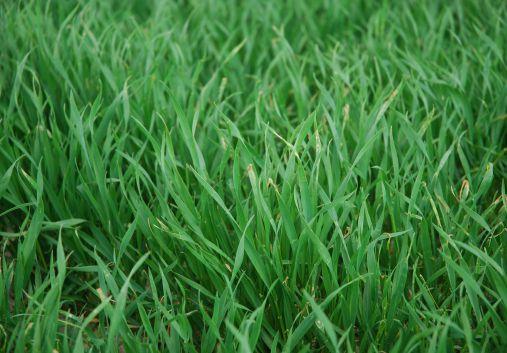
Regardless of nitrogen management strategy, the researchers found that not all of the tillers survived to ultimately produce a head.
“By almost anyone’s standards, holding off on nitrogen until the second node stage and seeing it go extremely yellow in the spring is definitely a bit disconcerting,” Johnson says. “A lot of growers will buy into a split nitrogen application. But, very few will look at a duck foot yellow wheat crop and be able to wait. We didn’t feel very comfortable with it either but that’s why we do the plots. We’ll take on the pain of learning so growers don’t have to. When you do research, you have to go outside the box to investigate all the possibilities.”
Regardless of nitrogen management strategy, the researchers found that not all of the tillers survived to ultimately produce a head. Interestingly, though, the die-back proved not to be enormous even when nitrogen was applied very late. Averaged across all of the fields harvested in 2016, approximately 78 per cent of original stems produced a head when nitrogen was applied at regular (early) timing. Approximately 75 per cent produced a head when nitrogen was split applied or exclusively late applied.
The fact that delayed nitrogen application reduced tillers only marginally did not impact lodging in 2016, since cool, dry conditions in the spring and summer of 2016 naturally minimized lodging. This year, however, cloudy, wet conditions made for a much more lodge-prone crop. From a lodging management perspective, Johnson advises reducing seeding rate when planting early, and applying a split
nitrogen application in spring.
“Usually growers put two-thirds or three-quarters of their nitrogen on early and then come back for the final portion. In a lodging prone crop, I’d go with a small shot upfront at green-up, probably mid-April around growth stage 30. For the second application, go in at growth stage 32 or even a later. In some cases, you could go as late as growth stage 45 (boot stage).”
Early planting key
The study reinforces the importance of early planting.
“Wheat planted in the fall of 2015 appeared to have tremendous yield potential. Low and behold, we saw tremendous yields. A lot of growers achieved 20 per cent more yield than they’d ever seen before. What is very clear is that early planting pays,” Johnson says. “The risk of low yield by planting late is always greater than risk of low yield by planting early.”
2016 chalked up phenomenal wheat yields regardless of nitrogen management strategy and despite just half the normal rainfall in May through July. Fields treated with a delayed nitrogen application produced as much yield – an average of approximately 101 bushels per acre (bu/ac) – as fields treated more conventionally.
“When you see wheat as yellow as your phone book because you’ve held off on all nitrogen, it’s hard to believe that you wouldn’t have reduced yield. But, in six of the seven 2016 plots, a late application did not reduce yield at all. In fact, in two of the plots, the late application was not statistically significantly different, but it was numerically higher than the other plots,” Johnson says.
Results from 2017 showed the value of delayed nitrogen application

much greater than in 2016. With ample moisture and a lack of sunny days through April and much of May, stems grew tall and thin.
Lodging was the number one problem in the 2017 crop. Split or late N (nitrogen) applications improved lodging and maintained or increased yield at three of four locations. Yields, with early planting in the fall of 2016, were the second highest on record in 2017, only beaten by the record crop of 2016.
One truly intriguing finding from 2017 was that big wheat clipped in the fall of 2016 remained standing much better than wheat that was not clipped. While this is only one year’s data and conducted on very few sites, it was an interesting outcome. Johnson says that more research should be undertaken on this technique.
In terms of protein, fields that received a split application of nitrogen fared significantly better in 2016. Results have not yet been tabulated for 2017 protein levels.
Johnson hopes to continue the study into 2018 and, would like to expand to study nutrient uptake in early planted, very high yielding, “big wheat.” So far, much research has been done on nutrient consumption of 40 to 60 bu/ac crops. Johnson’s sites target yields at 130 bu/ac or more.
“There’s been good work done on 300 bu/ac corn that shows it doesn’t take up twice as many nutrients as a 150 bushel crop – it takes up nine times as much nitrogen and seven times as much potash,” he says. “150-bushel wheat is my next goal. To get there, we’ll have to really figure out what wheat needs in nutrient uptake and how we can get that into the soil in a way that the crop can take enough up.”
“To the consumer, our story doesn’t exist until we tell it.” Andrew Campbell, Agvocate Dairy Producer
Leasing is gaining a toe-hold in agriculture, and for good reason. While leasing is not a fit for all farms or farmers, it can offer key advantages in some situations.
BY Madeleine Baerg
With large dollars and major tax implications hanging in the balance, farmers need to take the time to carefully weigh financing options for any and every acquisition of farm equipment. Whether you should lease or buy your next major farm purchase cannot be answered with a one-size-fits-all set of rules, says Rick Battistoni, chartered professional accountant, and a partner with MNP, a national accounting, tax and business consulting firm. Rather, he says, one’s financing decisions depend on your farm’s specific needs, priorities and financial reality.
“Leasing is getting more and more important now for a number of reasons. Pieces of equipment are significantly higher priced than they used to be. And, there’s been a trend in agriculture over the last several years that most farmers are doing fairly well. So, they are closer to being taxable,” Battistoni says. “Whether or not leasing is the best choice depends on a lot of factors. Farmers who aren’t aware of the taxation and cash implications of leasing versus buying need to become aware so they can make sure they’re making the right business decisions.”
According to Statistics Canada’s Farm Input Price Index, the price of buildings rose 8.4 per cent and the price of machinery and motor vehicles increased 15.4 per cent between 2012 and the first quarter of 2017, due mostly to the low Canadian dollar. Alberta Agriculture and Forestry’s Statistics and Development Branch recently published more stark statistics. Showing that between July 2013 and July 2017, the price of a new air drill rose more than 30 per cent; the price of a new combine or new four-wheel drive tractor rose even more sharply, up 45 and 42 per cent respectively.
Given farming’s high and growing capital costs, the vast majority of farmers need to finance one way or another when acquiring new equipment. While the number of farmers opting to lease has risen sharply in the past handful of years, it remains far behind purchasing in popularity. Yet, depending on one’s situation, leasing may offer increased financing flexibility, less tie-up of capital and possibly more strategic taxation options.
Generally speaking, assets that take a long time to depreciate tend to be the best ones to lease, whereas assets that depreciate quickly usually better suit buying outright or buying on credit.
“In terms of the best bang for your leasing buck – vehicles are number four, equipment (without wheels) is number three, bins are number two, buildings are number one,” Battistoni says.
That said, farmers should look first to cash flow rather than assuming all bin and building leases will capture good value. When considering leasing a high value acquisition, like a building, high lease payments may uncomfortably cramp your operating style, he points out. If this is the case for your farming operation, it may be better to buy outright and then stretch payments over a longer period.
Leasing can offer increased cash flow flexibility. Rather than being tied to fixed monthly payments, as per a typical loan, a lease can be tailored to suit a farm’s unique financial situation and priorities. Some leases are structured for just one or two payment per year, allowing a farmer to better align payments with farming’s inconsistent income. Some
lease arrangements even allow payments to change from year to year, some permit accelerated payments and others permit reduced payments upfront for a specified period of time to accommodate limited cash resources, other financial commitments, or projected revenue increases.
“Farmers are not always aware of how much flexibility a lease can have,” Battistoni says. “It is possible to tailor lease payments to suit all kinds of situations, which is a flexibility loans typically don’t allow.”
Leasing’s flexibility extends beyond payment timing. Because leasing tends to occur outside of one’s balance sheet, it does not show up as a liability on a financial statement the way a loan would. As such, leasing can allow one greater borrowing freedom.
While flexibility and access to capital are priorities for many farm businesses, the primary reason most farmers pursue leasing is tax management. Whereas 100 per cent of leasing costs paid throughout the year can be written off against a farm’s income, only half of the capital cost allowance (CCA) and interest can be written off in the year equipment is purchased, and only the full
CCA and interest can be written off on purchased equipment in subsequent years. Since CCA changes based on asset, write-offs can vary widely based on what kind of equipment you choose to acquire.
For example, a tractor, as a Class 10 asset, carries a 30 per cent CCA rate; an air seeder (Class 8) carries a 20 per cent rate; a grain bin (Class 6) carries a 10 per cent rate.
Much of one’s ability to take advantage of tax savings comes down to timing. Usually, purchasing an asset late in the year will offer a larger tax write-off in the year of purchase than leasing. However, if that same equipment were purchased at the beginning of the year, the lease payment might offer greater short-term tax benefit than the CCA and interest. Overall, lease payments typically offer greater tax writeoffs throughout the lease term than can be achieved through CCA write-offs. To deal with the timing of purchase, you can always front load lease payment to make a lease more attractive for tax purposes.
That said, Battistoni reminds, the score ultimately settles. “Whether you lease or you buy, you’re going to get the same tax writeoff in the end. Leasing simply accelerates the
tax write-off.”
Given the complexity of farm finances today, farmers should seek out advice and support of experts before plunging into a decision regarding leasing or buying. Talk to your accountant to ensure your priorities align with your financing options. And, work with a financing professional through your bank or equipment dealership to ensure your lease agreement is legal and suits Canada Revenue Agency (CRA) requirements. If you opt to lease through your neighbour rather than an authorized lender, what appears to be a lease may actually be, by CRA standards, a buy-out, cancelling any tax benefit.
One final word of caution – farmers should always ensure any decision to lease is made for the right reasons.
“Say you can’t get the financing for buying. That could be an indication that there is an underlying problem that you need to address by restructuring. You should never buy a piece of equipment for its tax benefits,” Battistoni says. “You should buy it because it’s the right business decision, and then figure out the best tax strategy as a secondary priority.”

There’s much more to succession planning than paving the way to financial security, as Lance Stockbrugger, chartered accountant and farmer, knows from working with farming clients over the years. But as he explains in our Q+A, setting up your farm for succession success sometimes means paying a little more in the short term so you can realize longterm goals for both your family and your farm.
BY Julienne Isaacs
Can you offer a bit of background about yourself and your experiences counseling farmers on succession planning?
I am a chartered accountant by trade and a farmer by heart. I always knew I wanted to farm, but a motor vehicle accident killed my father when I was 11 years old, so the traditional opportunity to take over the farm was gone. I never gave up hope of someday owning and operating the family farm. My mother insisted that all of us children further our education beyond high school, so I went to the University of Regina and got a business administration degree, and went on to obtain my chartered accountant designation, followed by an in-depth tax specialist designation. I soon realized that if I was going to deal with farmers in my career, I needed to be a tax expert, because farmers don’t want to have anything to do with income taxes.
I built a sizable practice as a chartered accountant working for PricewaterhouseCoopers in Humboldt [in Saskatchewan] for 15 years, while building a farm from 160 acres to its current size of 4,000 acres. In 2012, I was finally able to realize my dream and I retired from active practice as a certified accountant and focused the majority of my time on the farm.
Along the way I started doing public speaking for Farm Credit Canada initially, and now for several groups throughout the winter months. It is something I truly love to do. I did 40 presentations across Canada this past winter on various tax and management issues facing farmers. When I see a successful transition of a farm, it is very rewarding because I truly love our industry and want to see as many people succeed at it as possible.
If someone is just starting to think about succession, what information do they need to consider about their business’ financial situation, their own situation and the possible successor’s situation when formulating their plan? What factors do farm owners often forget?
As soon as someone enters into business they need to start planning how they are going to exit. Set yourself up with the most flexible system possible. This might be a more expensive option, but it will pay dividends in the long run. Succession is not an event; it is a process, something that evolves over the life of the business.
I try to appeal to the younger generation because they have the time to put processes and structures in place that will benefit them the most. They need to make sure that the business can sustain all those people involved. The farm may have to grow if additional family members are joining because it might only be able to sustain the current family’s needs. Maybe they need to look to other ventures to help sustain it during the transition. Make sure that the generations talk about risk and how much each will take on. Typically, the older generation wants less risk, debt, etcetera, while the younger generation is risk-averse. This can often be a source of conflict.
For someone who is implementing their plan and/or in the midst of a transition, what should they be monitoring to determine whether things are moving according to plan, and why?
Again, this is a process, so to make sure you are going to be successful, the older generation needs to train and give opportunity to learn to the younger ones. Training in bits and pieces and handing over responsibilities in chunks works far better than doing everything at once.
I like to see the younger generation start their own operations alongside their parents to learn all the aspects of the farm. They have the risks and rewards of ownership and learn what the whole business is about. This might cost a bit more, but again, from my experience, it has a better chance of success.
Let the younger generation make decisions – small ones at the start and larger ones as they grow. Don't overwhelm them, but ask them to make decisions and make [this process] part of the farm. Mistakes will get made, but hopefully little ones, so they can learn.
For the farm owner who has already completed, or is about to complete a transition, what steps should be taken to start securing their financial future?
I always tell people don’t sell your assets too soon. Keep ownership until you are confident you will not need them or rely on the proceeds from them. You likely built a business from scratch or struggled, so don’t think you have to give everything to the younger generation to make a go of it. I like to keep land ownership in the older generation until the end, as it gives a lot of security both financially and emotionally to the farm.
What are common financial challenges farm owners and/or successors face during succession planning?
They fear losing their wealth and not being able to retire the way they want. This can often mean that they don’t do anything with the transition and end up running the business and owning everything way too long. They need to start paying themselves from the business early. This needs to start with the younger generation, set up a structure that will allow them to save tax money effectively.
What is a common challenge farm owners and/or successors face during the transition period? What is a practical solution?
Tax is often a challenge for farmers as they don’t want to pay any, and this will end up hurting them further on when it comes time to secure their future and maybe sell their assets either outright or to the next generation. Pay as you go and the pain and amount will be a lot less.
In your experience, are Canadian farmers aware of these issues and prepared to face them? They are aware of them, but fear keeps them from acting in the right way to make sure that the transition occurs. They [are shortsighted] in making all decisions, rather than looking to the long term, and it ends up costing them far more in the long run than if they had maybe paid a little more as they went.
Editor’s note: This article has been edited and condensed.
In the 1920s, farmers trusted Westeel to protect their grain. We’ve built our legacy on careful planning and wise innovation, and we share these same values with our customers. Start building your legacy by choosing a storage system you can depend on for years to come.
The system can also be used for fertigation, bringing an even bigger yield boost.
by Trudy Kelly Forsythe
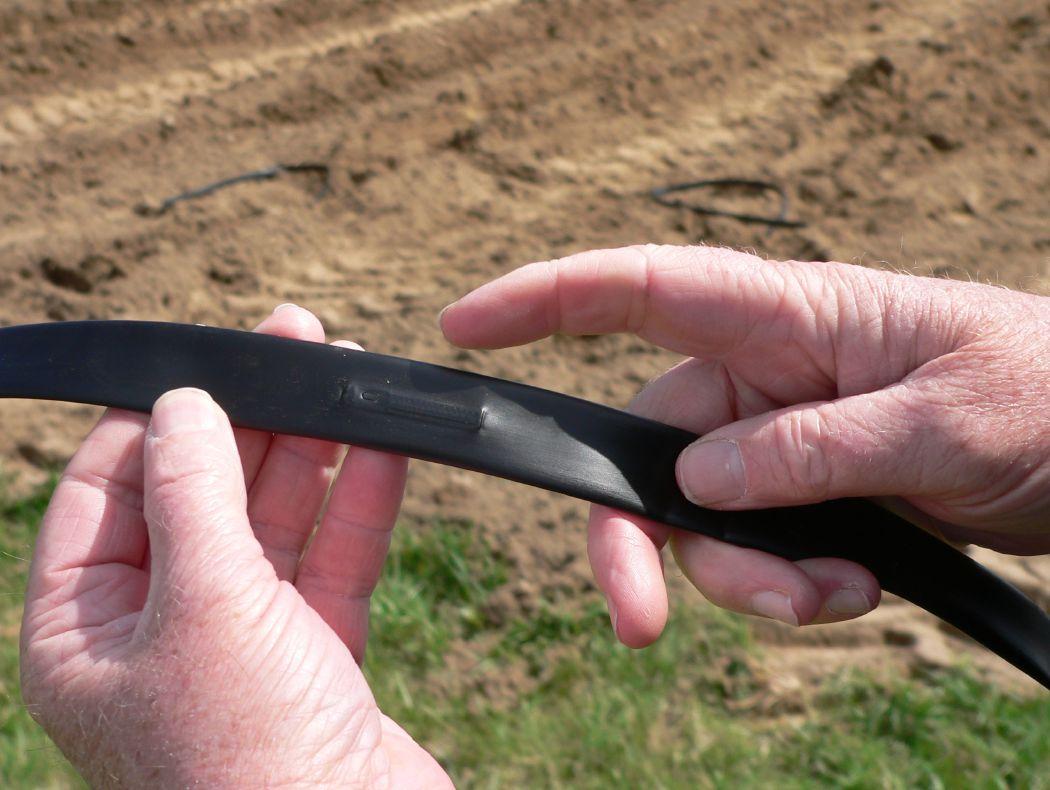
Researchers at the University of Guelph are finding that Ontario crops can benefit from subsurface drip irrigation. The technology (which is relatively new to the province) is a low-pressure, high-efficiency system that uses buried polyethylene drip lines to meet crop water needs by applying water below the soil surface using micro-irrigation emitters.
“Subsurface drip irrigation can deliver water with an efficiency of 95 per cent or higher, keep the crop root zone closer to optimum soil moisture and maximize fertilizer use,” says Peter White, a technician based at the University of Guelph’s Simcoe research site and part of a research team that includes Rene Van Acker, John O’Sullivan and Rachel Riddle.
The researchers believe the use of subsurface drip irrigation technology will impact Ontario agriculture in several ways, including: improving water use efficiency with irrigation; preventing evaporation, run-off and soil erosion; and improving nutrient application because of the ability to fertilize crops
through the irrigation system – a process called fertigation.
The technology also minimizes the leaching of water and nutrients, reduces water quality degradation and environmental impacts, increases crop yields and quality to sustainable new levels and reduces risk and vulnerability in crop production. There is also additional savings by lowering labour and energy costs by 80 per cent and water use by 25 to 50 per cent.
The researchers began studying the effect subsurface drip irrigation has on corn and soybean crops in 2013, after producers lost crops because of drought during the 2012 season.
That spring, with funding from Farm & Food Care Ontario, the University of Guelph installed a 10-plot, 2.5-acre subsurface drip irrigation area at its Simcoe Research Station so they could study corn and soybean fertigation and production. The
ABOVE: Subsurface drip irrigation tape with micro-irrigation emitters.
2018 SUMMIT
SHARE how you use herbicides in your operation and help us tell the story of these important crop protection tools in Canadian agriculture.
WATCH for your exclusive survey invitation, emailing on November 8th!
ATTEND THE HERBICIDE RESISTANCE SUMMIT in Saskatoon on February 27 & 28, 2018, for full survey results.
SPONSORED BY
research also included plots at Judge Farms in Simcoe and Tillvalley Farms in Norfolk County.
“Part of the mandate of the project at the university was to monitor soil moisture so that scientific irrigation scheduling could be used to get the most out of these irrigation systems,” White says.
“With the use of Decagon moisture sensors and data loggers, we were able to set up moisture sensor stations to help decide when to irrigate the Simcoe Research Station plots, as well as at
After consultation with Vanden Bussche Irrigation, Judge Farms installed a system with a Netafim dripper line with 7/8-inch diameter and 13-millimetre wall thickness and a 0.18 gallon per hour emitter every 24 inches.
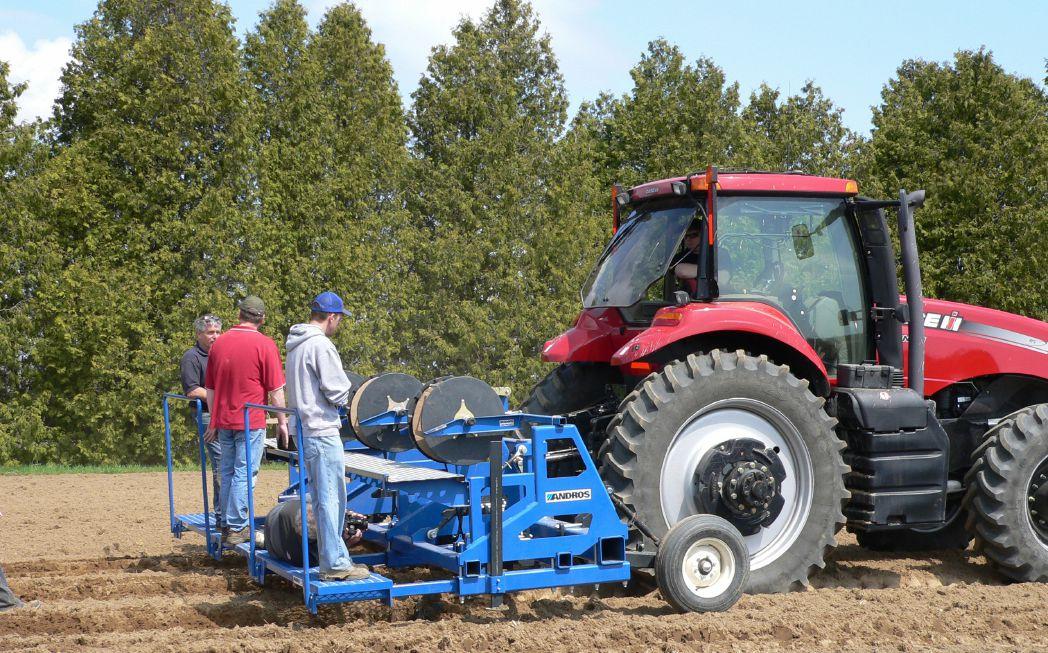
“The dripper line was installed 14 to 16 inches deep every 44 inches across the fields using a tractor outfitted with GPS to maintain the proper tape spacing,” White says. “The farm was divided into six different zones and a system of pump, filters, injector, valves, pipes and controller put in place so that the farm could be irrigated two zones at a time and that, if needed, as much as one quarter inch of water a day could be applied to the crop.”
"Economic studies show producers need an annual yield increase of 34 per cent to pay for a subsurface drip irrigation system."
both Judge Farms’ and Tillvalley Farms’ fields, to try to maintain an available soil moisture of 75 to 80 per cent for optimum corn growth,” he added.
Judge Farms’ experience
Judge Farms grows 2,600 acres of corn and soybeans, raises 100,000 broilers a year and has a 2,600 sow operation, in addition to a grain elevator. As a broiler and hog operation, good quality corn is important and after a 75-acre corn crop failure on one of their La Salette locations during the 2012 drought, they decided they needed irrigation available at this location.
While there is a good irrigation pond onsite, the rest of the equipment necessary to irrigate the acreage had to be purchased. After comparing the economics involved in the different types of irrigation systems available, they felt the subsurface drip irrigation system could cover the whole farm for about the same amount of money as the other available systems, but with the potential of using much less labour for irrigation.
Judge Farms set a goal to produce 75 more marketable bushels of corn than local non-irrigated acres grew. In 2013, they yielded 258 bushels versus 160 bushels on non-irrigated acres, and in 2014, they yielded 253 bushels versus 150 bushels on non-irrigated acres. In 2015, frost damage reduced the yield to 240 bushel versus 150 bushels on non-irrigated acres. In 2016, another drought year and a year hit hard by the western bean cutworm, they yielded 170 bushels versus 50 bushels on non-irrigated acres.
The estimated cost to install the subsurface drip irrigation system on Judge Farms was $1,500 per acre. Operating and maintenance costs include $3,000 for hydro from March to October, regular flushing of the system, digging to see wet patterns for moisture profile checks, pond maintenance, 28 per cent fertilizer injection and acid flush to clean and prevent root intrusion. Judge Farms is on a demand metering system, so the watering was done at night during non-peak hours to save money.
Economic studies show producers need an annual yield increase of 34 per cent to pay for a subsurface drip irrigation system. White says that is possible, citing the average of 40 per cent increase in yields at Judge Farms each year since they installed the system.
“When it’s dry, it makes quite a difference,” White says. “In a wet year, the differences are not huge but there’s still differences attributed to being able to fertilize through the dripline to keep the crop growing.”
White says when determining the irrigation system to use, producers need to keep a number of considerations in mind, including the size and shape of their individual farm, the soil types and availability of water on their farms, the investment into irrigation and the potential return on investment from that and where their farm is in relationship to their day-to-day farming activities.
While funding for the project officially ended in 2014, the researchers have submitted another application for additional funding, and White continues to work with producers to put moisture sensors in their fields to collect additional data.
Next steps and opportunities include further expanding the use of subsurface drip irrigation, especially in the Sand Plains region of Ontario. The researchers would also like to explore the possibilities of applying phosphorus through subsurface drip irrigation.
“Dissolved phosphorus from agricultural runoff is the
primary driver of Lake Erie’s harmful algae outbreaks,” White says. “Best management practices for reducing phosphorus pollution while preserving farmland productivity is to ensure phosphorus is applied below the soil surface and subsurface drip irrigation offers a unique opportunity for injecting phosphorus fertilizer beneath the soil surface.”
For more on crop management, visit topcropmanager.com.
Researchers aim to improve adaptation of winter wheat in high latitude areas of North America.
by Trudy Kelly Forsythe
Alireza Navabi is amazed by the wide adaptability of wheat across the world.
“At any time during the year, wheat crop is being harvested somewhere in the world. It is grown in every continent except the Antarctic,” he says. “Wheat has very wide adaptation.”
It makes sense, considering wheat was domesticated 12,000 years ago in the Fertile Crescent and has since expanded all around the world. This means people have been able to identify varieties of wheat that adapt to their environments no matter where they are.
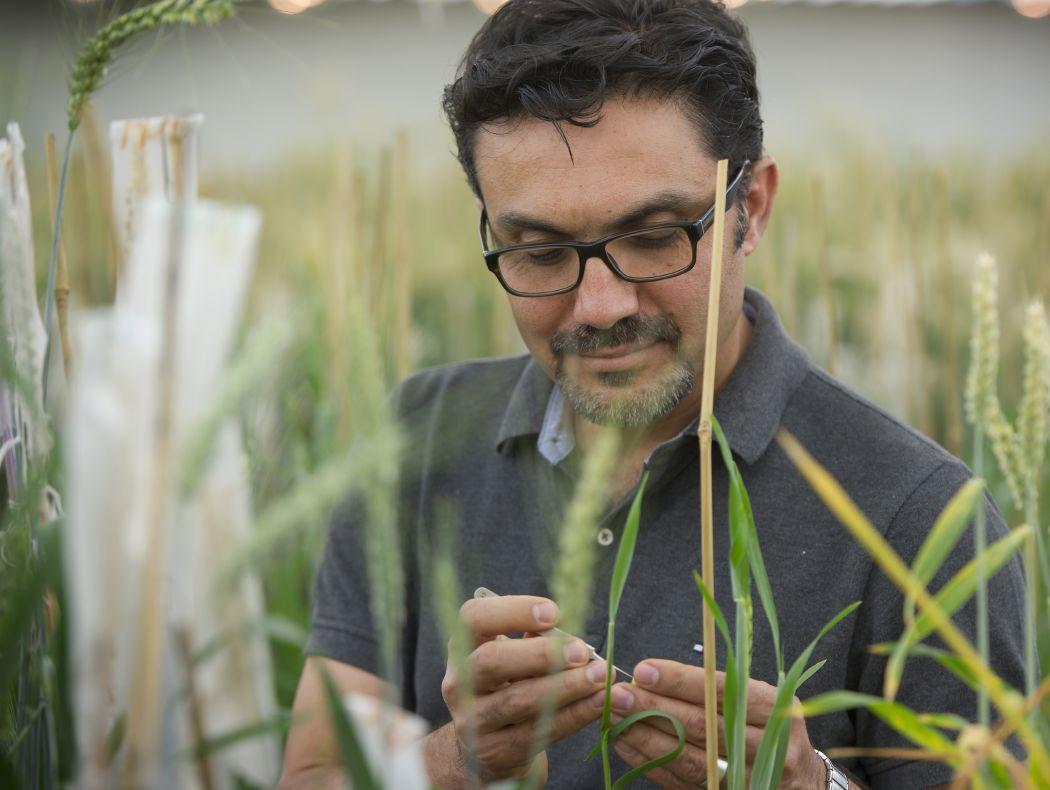
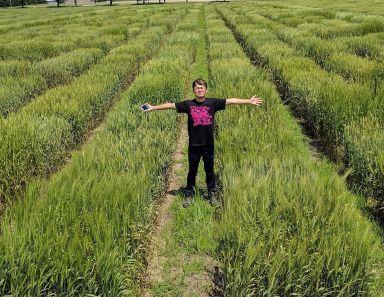
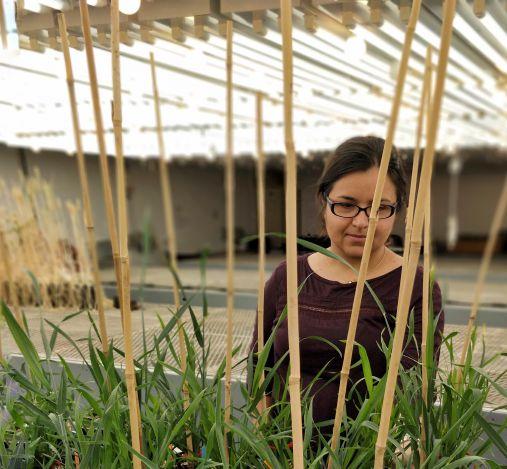
Navabi is currently feeding his fascination with wheat’s wide adaptability at the University of Guelph, where he is an associate professor with the Grain Farmers of Ontario Professorship in Wheat Breeding. He, master’s student Alexander Whittal and post-doctoral researcher Mina Kaviani are mid-way through a three-year project focused on how different varieties of wheat adapt to environmental difficulties, particularly cold.
Funding for the project comes from the Ontario Ministry of Agriculture, Food and Rural Affairs-University of Guelph funding program, SeCan and the Grain Farmers of Ontario.
“Canada has so many environmental challenges, but a big one is cold weather,” Navabi says, explaining there are two mechanisms that help adaptation response of winter wheat to cold.
One is vernalization (Vrn), which accelerates flowering or gives a plant the ability to flower in response to exposure to cold temperature. A second is response to photoperiod (Ppd), which is the length of the day a plant receives light.
“Vernalization requirement is the difference between winter wheat and spring wheat,” Navabi says. “Winter wheat varieties do not flower unless exposed to cold temperature during the winter.
“We have wheat varieties that are Ppd sensitive and varieties that are Ppd insensitive,” he adds. “Photoperiod-sensitivity determines how wheat can adapt to different latitudes in the world, but also, for winter grown crop, is the mechanism that does not allow the initiation of flowering during short days in the fall.”
The research project, which began in 2015, is specifically focused on understanding how these two mechanisms interact to help wheat adapt to environments.
“As a breeder, I need to understand my germplasm,” says Navabi, who is leading the university’s current wheat breeding program that began in 2014. “One of the details I wanted to know was how they respond to different environments and, more specifically, to vernalization temperature and photoperiod.
“If we modify their need for vernalization or photoperiod by conventional breeding, we may be able to expand adaptation of wheat in Ontario and ultimately develop wheat varieties that can perform better in Ontario,” he adds. “Once we understand the adaptation mechanism, we can look at how we can improve it.”
For the project, Whittal worked with 208 different varieties of wheat, characterizing them at the gene level by looking at DNA markers specific for the genes that control response to vernalization and photoperiod in wheat. Whittal also grew the 208 varieties in the field in multiple locations and then looked at how they performed agronomically and based on the number of days to flowering and to maturity.
There was little variation among the typical Canadian winter wheats when it came to genes that control response to Vrn, illustrating that almost all varieties of winter wheat available
adds. “What that means for the farmer is part of what we are doing now.”
Kaviani is currently working with 24 different varieties of wheat with differing levels of Ppd sensitivity and Ppd non-sensitivity. These were planted at six different planting dates in the fall of 2016.
“Our hypothesis is if a farmer is planting early, they can benefit from Ppd sensitivity, but if they are planting late in the fall, they can probably benefit from planting Ppd insensitive varieties,” Navabi says. “We will then be able to make plantingdate specific variety recommendations that if they plant early, they should plant this variety, but if [they] plant late, go with [an] alternate variety because it’s going to compensate for yield loss due to late planting.”
"If we modify their need for vernalization or photoperiod by conventional breeding, we may be able to expand adaptation of wheat in Ontario and ultimately develop wheat varieties that can perform better in Ontario."
and bred in Canada have the same genetics for their Vrn requirement.
“However, there is variation for response to Ppd,” Navabi says. “Based on that, varieties of Canadian winter wheat appear to have different responses to Ppd. That can be significant when it comes to adaptation.”
That’s because plants that are Ppd sensitive will be later flowering and maturing, while those that are insensitive will be earlier flowering and maturing.
Whittal’s fieldwork also involved a group of winter hardy spring wheat.
“Spring wheat that can tolerate winter – when we look at the genetics of those, all have a gene that makes them spring wheat but all are also Ppd sensitive,” he says. “This may suggest, if the objective is to develop a spring wheat that can tolerate winter, then we need to breed for Ppd sensitivity.”
“Such information can be very helpful in a breeding program if we can then determine the type of Vrn and Ppd combinations that we want to breed in for a specific environment,” Navabi
Though this specific research project concludes in April 2018, follow-up research is in the works.
“Based on what we learned, we applied for funding from the Natural Sciences and Engineering Research Council of Canada to build on this research so we can move on to understand winter hardiness of winter wheat, which is significantly affected by Vrn and Ppd,” Navabi says. “The focus will be on the winter hardiness of the materials we are working with.”
With that funding application accepted, University of Guelph master’s student Andy Chen joined the team to build on Whittal’s outcomes. Chen is now using drone technology to look at winter survival of various crops in the breeding program, including how different varieties of wheat tolerate winter and their survival rates. He will then relate those findings to the varieties’ response to Vrn and Ppd, which will assist the researchers in their goal to develop widely-adapted varieties now that they have an idea of what they need for a perfect Canadian winter wheat.
For more on cereals, visit topcropmanager.com.
STATE OF HERBICIDE RESISTANCE IN CANADA
Hugh Beckie • Agriculture and Agri-Food Canada/University of Alberta
Sponsored by
HERBICIDE USE IN CANADA: RESULTS FROM TOP CROP MANAGER’S INAUGURAL SURVEY
Gerald Bramm • Bramm Research
Sponsored by
EVOLUTION OF RESISTANCE: AMARANTH SPECIES AND GROUP 14 HERBICIDES
Franck Dayan • Colorado State University
NON-CHEMICAL WEED CONTROL METHODS
Steve Shirtliffe • University of Saskatchewan CONTROLLING
GLYPHOSATE-RESISTANT WEEDS: AN ONTARIO PERSPECTIVE
Peter Sikkema • University of Guelph - Ridgetown
HARVEST WEED SEED CONTROL IN THE CANADIAN CONTEXT
Breanne Tidemann • Agriculture and Agri-Food Canada
GLOBAL EFFORTS TO PREVENT HERBICIDE RESISTANCE
Mark Peterson • Herbicide Resistance Action Committee
MANAGING RESISTANCE WITH SPRAYER APPLICATION TECHNOLOGY
Tom Wolf • Agrimetrix Research & Training
Sponsored by