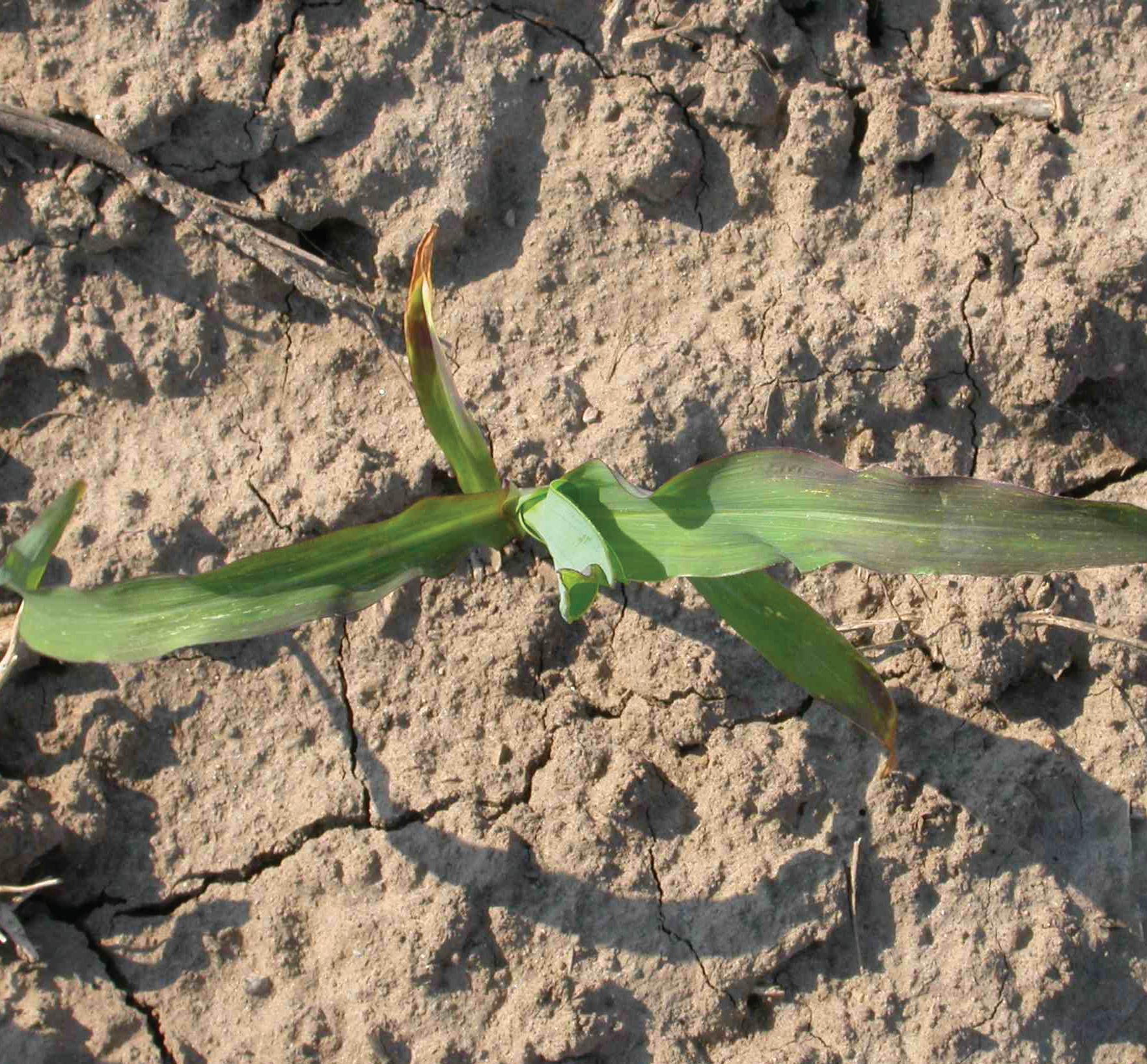
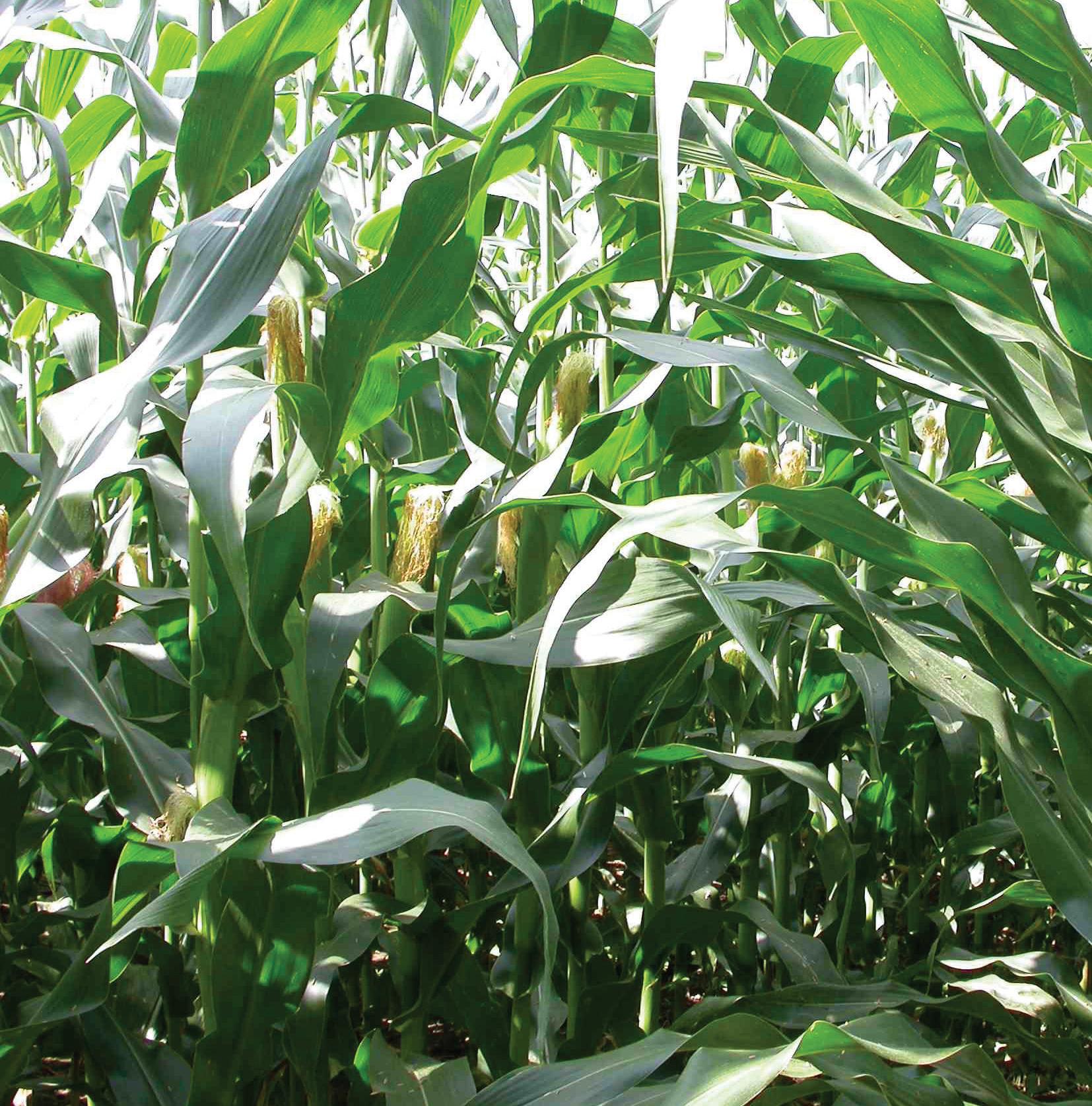
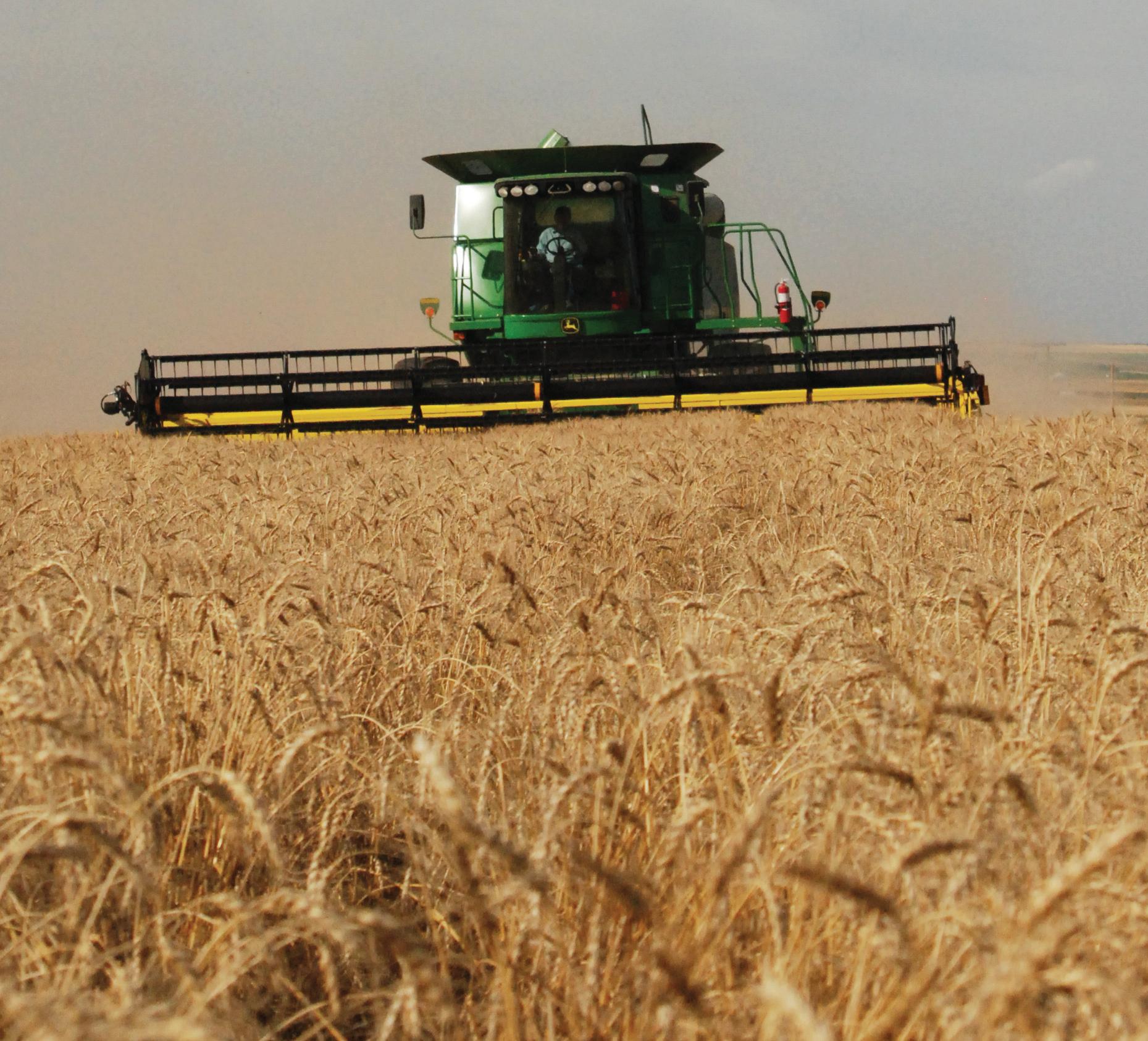
Converge® XT contains a patented safener so you can apply it from pre-plant surface right up to the three-leaf stage of corn.
Converge XT provides the same excellent season-long control of both grassy and broadleaf weeds that you’ve trusted with Converge and Converge PRO. With a new wider window of application, you can keep on spraying and spraying and spraying.
Weed Control Guide
Included in this edition is Top Crop Manager’s annual weed control guide for corn, soybeans and cereals, including products and ratings from OMAFRA’s Publication 75.
Weed Management
In one of the stories featured under this heading, field editor Heather Hager uncovers research into a new broadleaf herbicide derived from a common fungus.
Fertility and nutrients
With high costs for inputs, more growers are looking for options on nitrogen usage.
Kevin Yaworsky • 403.304.9822 kyaworsky@annexweb.com
ASSOCIATE PUBLISHER
Kelly Dundas • 519.280.5534 kdundas@annexweb.com
SALES ASSISTANT
Mary Burnie • 519.429.5175 888-599-2228 ext. 234 mburnie@annexweb.com
PRODUCTION ARTIST
Gerry Wiebe
GROUP PUBLISHER
Diane Kleer dkleer@annexweb.com
PRESIDENT Michael Fredericks mfredericks@annexweb.com
PUBLICATION MAIL AGREEMENT #40065710
RETURN UNDELIVERABLE CANADIAN
ADDRESSES TO CIRCULATION DEPT.
P.O. Box 530, Simcoe, ON N3Y 4N5
e-mail: mweiler@annexweb.com
Printed in Canada ISSN 1717-452X
CIRCULATION
e-mail: mweiler@annexweb.com
Tel.: 866.790.6070 ext. 211
Fax: 877.624.1940
Mail: P.O. Box 530, Simcoe, ON N3Y 4N5
SUBSCRIPTION RATES
Top Crop Manager West - 7 issuesFebruary, March, Early April, Mid April, July, November and December - 1 Year - $50.00 Cdn.
Top Crop Manager East - 7 issues - January, February, March, April, August, October and November - 1 Year - $50.00 Cdn.
Specialty Edition - Potatoes in CanadaFebruary - 1 Year - $9.00 Cdn.
All of the above - 15 issues - $80.00 Cdn.
From time to time, we at Top Crop Manager make our subscription list available to reputable companies and organizations whose products and services we believe may be of interest to you. If you do not want your name to be made available, contact our circulation department in any of the four ways listed above.
New Year’s resolutions seldom have much of a chance of lasting beyond the first week of January. That my pledge to cut the media some slack in 2009 lasted only a few days was a perfect example.
The job of editor of any publication requires a considerable amount of reading and scanning through newspapers and websites, magazines and trade publications. Some euphemistically refer to this as “monitoring”.
Yet reading through newspapers and websites, as well as listening to the endless drone of radio and television broadcasts, it is easy to become a little overwhelmed by the crush of news that is often less than favourable. Whether it is the continued media blather regarding the deepening global economic crisis or the daily roster of car accidents, political dealings, health care warnings and weather forecasts, it is easy to lose sight of what is really important.
A local newspaper editor fields a seemingly constant stream of criticism about his publication and its continued negative coverage. His response often justifies such a spin, noting that if it ignores the bad news, the paper runs the risk of being branded as overly optimistic. In many ways, he is right: he is caught in a no-win situation.
Often, however, his columns address the ongoing degradation of the print medium, specifically the daily newspaper. Revenues are down, as are subscriptions, and the future for many papers is looking decidedly grim.
My response to either line of thought, be it the slant of coverage or the future of the medium, is to consider your audience, and ask the key question: is your publication providing value to its audience?
In the December 2005 edition of Agri-Marketing Magazine, an American radio executive answered the question of where radio is heading, addressing the impact of emerging technologies
like digital radio and satellite formats. His conclusion was that if a radio station is serving the needs of the community, then its executives likely have little to worry about. However, those that have been skimming profits from the community without offering much in return should be very concerned.
The same is true for newspapers and the print medium. Inane diatribe on the radio is just a bunch of noise, and poor and slanted reporting in today’s paper is just obscure ink blotches on an otherwise clean sheet. If there is no value, there is no future. A daily or monthly publication can justify a lot of poor management in the chase to cover costs, but without useful information, there is no value, and without value, the question has to be asked: What are we providing?
At Top Crop Manager, we constantly ask ourselves that very question. Our focus on agronomic issues is paramount: from the stories we have assembled in this issue to the annual Weed Control Guide. Yet it is the overall value this information represents to you that is so important to us.
It always has been, and it always will. n
Ralph Pearce Editor
KEEP ON SPRAYING
New Converge® XT gives extra application time
We’ve taken the best of a broad-spectrum corn herbicide and made it work a little longer. Converge XT provides the same excellent season-long control of grassy and broadleaf weeds as Converge PRO, with a new extended window of application up to the three-leaf stage of corn.
Application timing
• pre-plant surface
• pre-emergence
Weed control
Active ingredient
Mode of action New Converge XT
• early post-emergence up to three-leaf stage of corn
• broad-spectrum of grassy and broadleaf weeds in corn
• isoxaflutole
The XT in new Converge XT is what gives you extra time. Converge XT contains a new patented safener (cryprosulfamide) to provide early post broad-spectrum control of grassy and broadleaf weeds in corn.
Converge PRO
• pre-plant surface
• pre-emergence
• broad-spectrum of grassy and broadleaf weeds in corn
• isoxaflutole
• activated by rain and recharges with as little as ½" of rain for season-long control Compare new Converge XT – same great weed control that extends into early post emergent corn.
• activated by rain and recharges with as little as ½" of rain for season-long control
Spring spraying schedules are hectic enough and Converge XT gives you another week or so of application time. Make the switch to new Converge XT and buy yourself some extra time.
Same great control. Wider window. Keep on spraying with new Converge XT.
Broadleaf weed control using a fungus
This Canadian discovery may some day be available for use in cereal crops.
It has been a long process from discovery to formulation to commercialization. And if all goes well, the hard work of Dr. Karen Bailey of Agriculture and Agri-Food Canada (AAFC) in Saskatoon, and her colleagues will achieve the registration of a new weed control product in the next few years. It is a fungus, and it kills certain broadleaf plants.
“AAFC runs a program where we look specifically for naturally occurring organisms that can help us to control pest problems,” says Bailey. A number of years ago, the program included a Canada-wide survey of the non-native, invasive Canada thistle to look for organisms that cause its sickness and damage. “We isolated one particular fungus that kept reoccurring from different plants from different provinces,” says Bailey. The fungus was collected across Canada from Alberta to Nova Scotia and was identified as Phoma macrostoma.
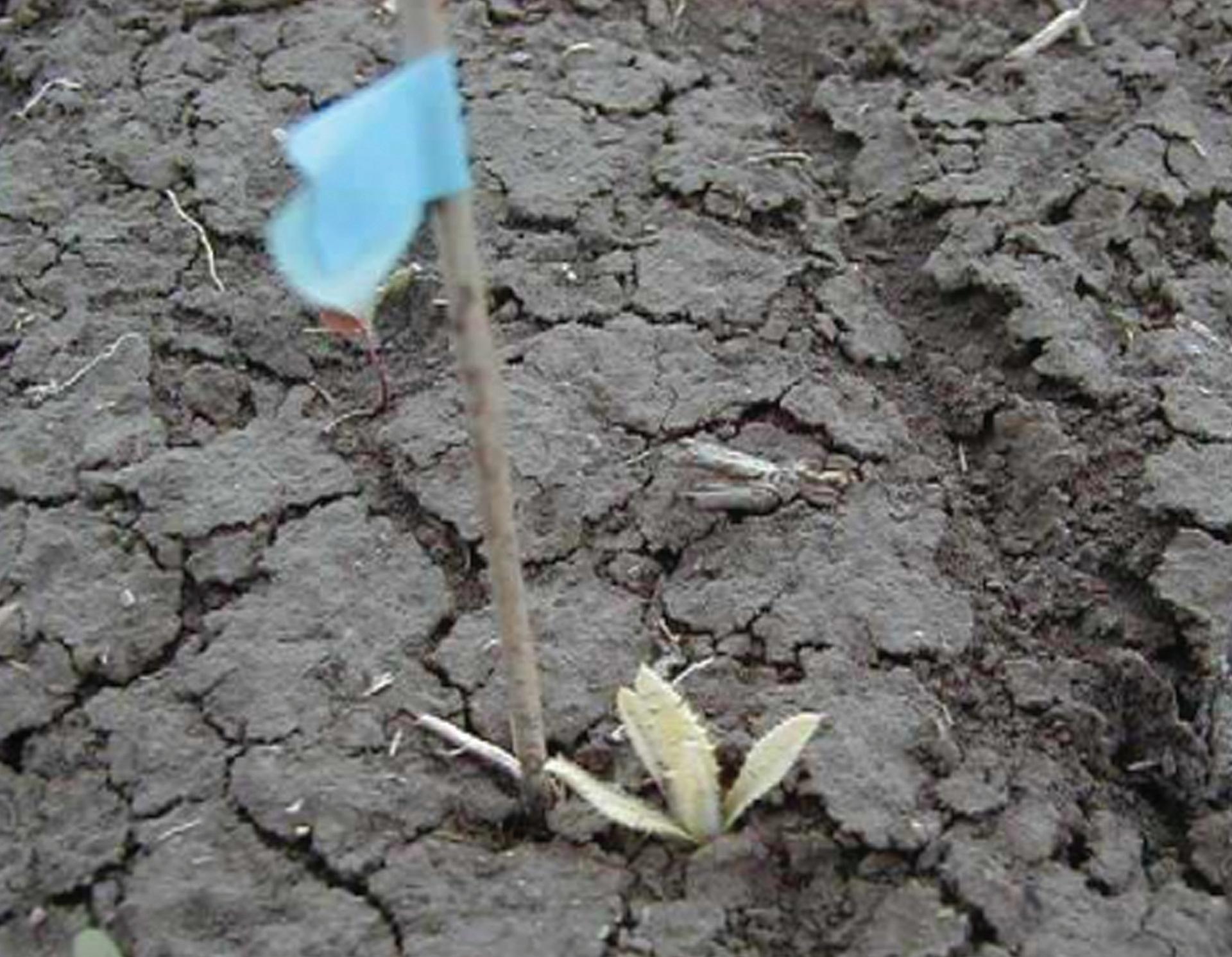
Once the fungus was identified, Bailey and her colleagues needed to determine if it could do enough damage to kill the thistle. They found that if they put the fungus in the soil, it infected the thistle, causing the plant to turn white, preventing photosynthesis and resulting in plant death. “That’s when we really started to focus on trying to understand how it works and what it’s going to do,” says Bailey, in terms of the fungus’ potential as a biological weed-control agent.
Bailey found that the fungus affects mainly broadleaf plants. “It has no effect on anything that’s in the monocot families, so that’s cereals and grasses,” she says. Also, she found that it affects some species of broadleaf more than others. “Plants that are in the Compositae or Asteraceae family, which would be weeds like Canada thistle, dandelion, and scentless chamomile, are all affected quite strongly. But there are other broadleaf plants that show very little effect at all; trees we know, are one.” Bailey notes that there are some important species such as sunflower that belong to the Compositae and are affected by the fungus. “It’s not something that you want
by Heather Hager, PhD
to apply to a garden on a broad scale,” she explains. “You want to be able to apply this to your grasses or in your cereal crops to control the broadleaf weeds.”
Developing the fungus as a weed control product involves a number of steps, including determining how to grow the fungus in a controlled environment, formulating it for field application, demonstrating that it works in the field, performing toxicological safety studies, and scaling up the manufacturing process from laboratory to commercial scale. “We started this back in 1996,” says Bailey. “We filed for a patent in 2001. We’re now at year 12 in working with this, so it’s something that does take quite a while.”
However, 12 years in development is not unusual, says Dr. Rene Van Acker, professor and chair of the Department of Plant Agriculture at the University of Guelph. “I think that’s rapid when you think about how long it can take to discover an effective molecule in the private industry and bring it through to this stage with tens or hundreds of millions of dollars behind you. They’ve been very successful with a relatively minor budget,” he remarks.
“It takes a lot of research just to understand what the fungus needs to grow,” explains Bailey. “Depending on how you grow it, you can either make it lose its ability to be a bioherbicide or you can improve its ability.” It turns out that Phoma macrostoma prefers to grow on a solid substrate. “We’re essentially growing it on grain and drying that grain and then creating a flour, which we formulate into a granule,” says Bailey. The granules, which contain the fungal mycelium as the infective source, are broadcast on to the soil surface. The fungus then grows in the soil as a mycelium, a mass of long, branching filaments. The filaments enter the plant through the roots and release a product of metabolism that affects the plant’s chlorophyll, resulting in plant death.
Extensive testing for efficacy and safety
Whether biological or chemical, all pesticides must go through a rigorous evaluation in accordance with the regulations of Health Canada’s Pest Management Regulatory Agency (PMRA) to determine that they pose low risk to human and environmental safety, says Van Acker. Another important
Canada thistle infected with Phoma macrostoma turns white.
Weed ManageMent
consideration is that the pesticide has very high, rapid efficacy. “You need weed control what happens in a week, not a month, because you have to prevent yield loss,” says Van Acker.
Bailey and her colleagues have been field testing the efficacy of the granular formula for more than five years in many locations across both Canada and the United States. The granule can be applied before or after weed emergence. Bailey says that it is very effective when applied before emergence because the weeds are small and die quickly. When applied post emergence, a greater amount and possibly multiple applications are required to kill the larger weeds.
There is virtually no worry about the fungus moving from field to field on its own. The fungus occasionally produces spores that are moved only short distances when droplets of rainwater hit the soil, and soil dispersion is not airborne. “In the soil, it primarily grows as a mycelium, and the mycelium only grows a couple of centimetres in the course of a summer,” says Bailey. “We’ve done a lot of studies where we’ve developed markers so that we can follow the organism in the soil and see what it’s doing. Basically, it stays where you place it.
We see no horizontal movement and very minimal vertical movement within the soil profile.” So if applied to a lawn, for example, it will not move into bordering flowerbeds.
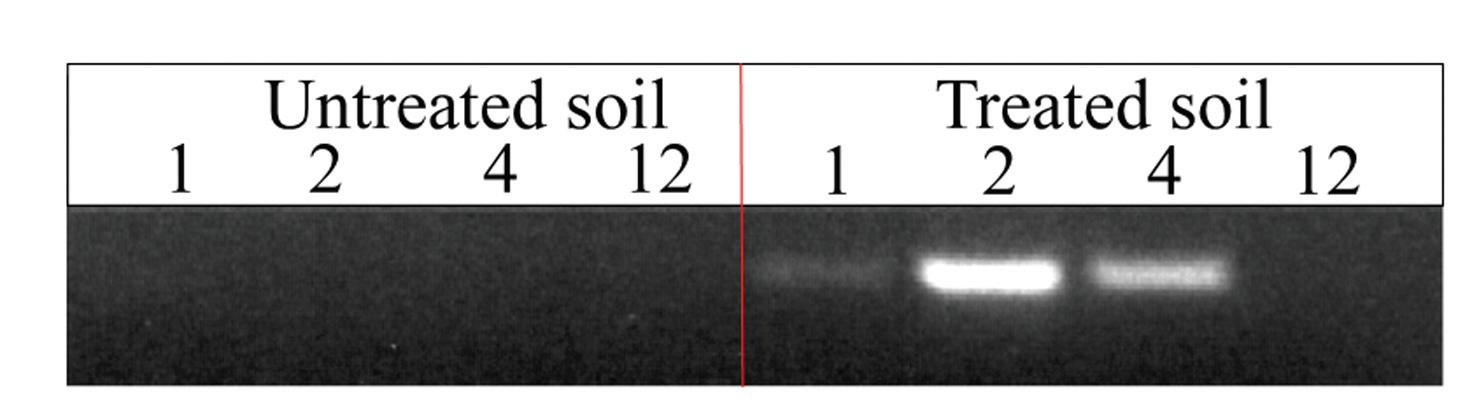
Additionally, the fungus does not persist for long periods, so a broadleaf crop could be grown in the year following its use. “One month after application, we see that the fungus is increasing in the soil. By two months, it’s at its maximum in terms of how much is going to be there. Then it starts to decline, and by four months, we see a very dramatic reduction in what’s there. Twelve months later, we can’t find the fungus in the soil at all; it’s not at levels that are detectable by any means,” says Bailey. Her studies show that susceptible broadleaf crops are not affected when planted in fields that received the fungus in the previous year.
Researchers are currently completing all of the required toxicological testing to evaluate the health safety and environmental safety of the fungus, and Bailey says that it appears to be meeting the requirements. “There are certain tests that I do in the lab initially because we want to make sure it’s safe for us to work with,” explains Bailey. For example, she says that Phoma macros-
toma cannot grow at a temperature of 35 degrees C, which is cooler than the normal human body temperature of 37 degrees C, so it will not grow in the human body. Additional rigorous tests are performed according to PMRA regulations.
From lawns to crops
“Scotts Canada was chosen in 2003 to partner with AAFC to support the research of Dr. Bailey,” says Jill Fairbrother, director of government and stakeholder relations for Scotts Canada. She explains that once the formulation and commercial production processes are determined, testing data are submitted to the PMRA for evaluation. A product can be registered for domestic, commercial or agricultural use, and may be reviewed jointly by the PMRA and the US Environmental Protection Agency for registration in both countries. The first Phoma macrostoma bioherbicide product in development is for use in turfgrass. Bailey and Fairbrother estimate that it will be available by 2011 or 2012. Registration for other uses such as in crops will take longer because more field testing is necessary and there are additional regulatory requirements that must be met for use in food crops, says Bailey. She estimates that an agricultural product might be available by 2014. The tough part may be cracking the agricultural market. “We have a real broad range of broadleaf herbicide options in cereal crops, and a lot of those are very inexpensive options that are still highly effective,” says Van Acker. Because something like 2,4-D is cheap and effective, it can be difficult to compete with on the market, explains Van Acker. He mentions other considerations that would be advantageous in a weed control product such as a formula that is easy to apply, short-lived residual effects so that broadleafs can be rotated on to the field later, and a good shelf life.
“One advantage is if they can get it registered for use in organic systems,” says Van Acker. “Cereals in western Canada are a very popular organic crop, so it could facilitate organic production. We’ve been waiting for a long time for something that has a bit of a broad spectrum, that isn’t just for one weed species. If they can achieve the expectations in terms of rapid efficacy and if they meet all the safety requirements, it could be an interesting option.” n
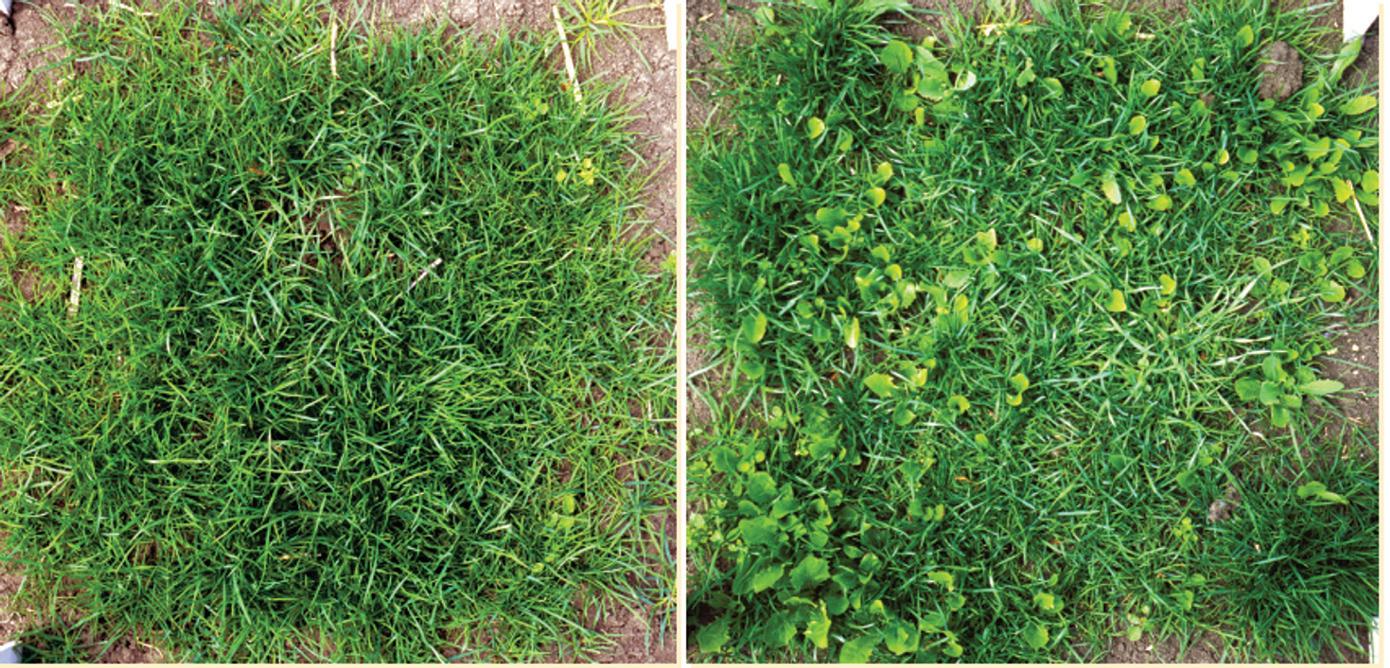
Phoma macrostoma reduces the number of dandelions in turf (left) compared to the untreated control (right).
A DNA-specific probe for Phoma macrostoma detects how much fungus is in the soil. In treated soil, some fungus is detectable after one month, peaks at two months, has decreased by four months, and is absent by 12 months. All photos courtesy of Dr. KAren BAiley, Agriculture AnD Agri-fooD cAnADA
Nature is our laboratory.
The best way to learn about natureʼs power is by going straight to the source. Thatʼs whatinspiredustocreateCallisto.Bystudyinghowthe Callistemoncitrinus bush naturallysuppressesthegrowthofotherplantsaroundit,wedesignedaunique
herbicidethatʼsbothgentleonyourcorncropandtoughonweeds,especially velvetleaf.Formoreinformation,talktoyourlocalretailer,callSyngentaCustomer ResourceServicesat1-87-SYNGENTA(1- 877-964-3682) orvisit Syngenta.ca Circle 3
on-farm sprayer testing made simpler
Time invested will be worth the effort.
If a grower wants to conduct his own tests on new sprayer technology or test the coverage of his current program, there is a simple procedure that can be used on fields. “It’s a good idea for everybody to pull their sprayer out into the field from time to time. You’re not going to know until you go out to the field and do some of this testing,” says Duane Winter, custom applicator with Lakeside Grain and Feed in Forest, Ontario.
The task only requires a few key items, including water-sensitive paper, wooden stakes and a staple gun. The water-sensitive paper is available from a variety of sources such as sprayer parts outlets or chemical company representatives.
For the Lakeside spraying tests, Winter says they drove wooden stakes or posts into the ground and stapled water sensitive paper on top of the stakes, in three or four spots across the spray boom, at the target height of the application. Citing soybeans as an example, he says the paper was stapled to the post at 16 inches above the ground. The posts were spaced 15 feet apart. The sprayer was then driven over the area to see how one tip compared with another. Winter adds that it is important to maintain the same speed, pressure and volume with each tip. “You can see how thorough a job you’re doing and some people get surprised,” says Winter commenting on the reaction to the tests. “It looks good from the cab; there’s lots of spray coming out and there’s lots of mist. But when they actually put the water sensitive paper down, sometimes they get a surprise; they’re not getting the thorough job they think they are.” There are important economic implications because Winter notes that the loss incurred by
by Blair Andrews
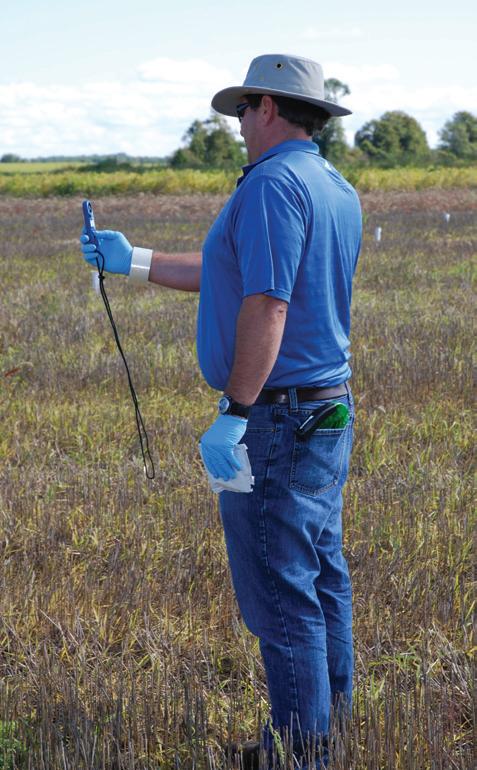
LEFT: Try to keep all variables, including environmental conditions such as wind speed, as well as volume and pressure, as consistent as possible throughout the testing.
improper application of expensive product could far exceed the cost of a new set of tips.
Winter suggests that more than one test is required to obtain a good indication of the spray performance. He recommends conducting the test in three or four spots under the boom. Again, Winter stresses it is important to try to keep the variables the same during the tests: speed, volume, pressure, always spray in one direction and, if possible, under the same environmental conditions. He also recommends spraying under a grower’s normal and acceptable spraying conditions. Once the application is complete, Winter says a grower can check the water- sensitive paper (wear rubber gloves because the paper will be sensitive to fingerprints as well) to check coverage. As
for what to look for, he explains that it depends on the intended application. “If you’re spraying fungicide, you want lots of little, fine droplets that give you really good coverage,” says Winter. “If you’re spraying glyphosate, you don’t need a lot of droplets. You could have 50 percent of the droplets that you would with fungicide and that would be more than acceptable for spraying glyphosate.”
To determine if the coverage is adequate for the specific application job, Winter recommends that growers show the water-sensitive paper from their tests to a local crop advisor or crop protection supply representative. Meanwhile, the procedure also requires good recordkeeping. Winter says the documentation will be useful when explaining the tests to someone else, and detailed records will also be important for replicating the tests in future years. n
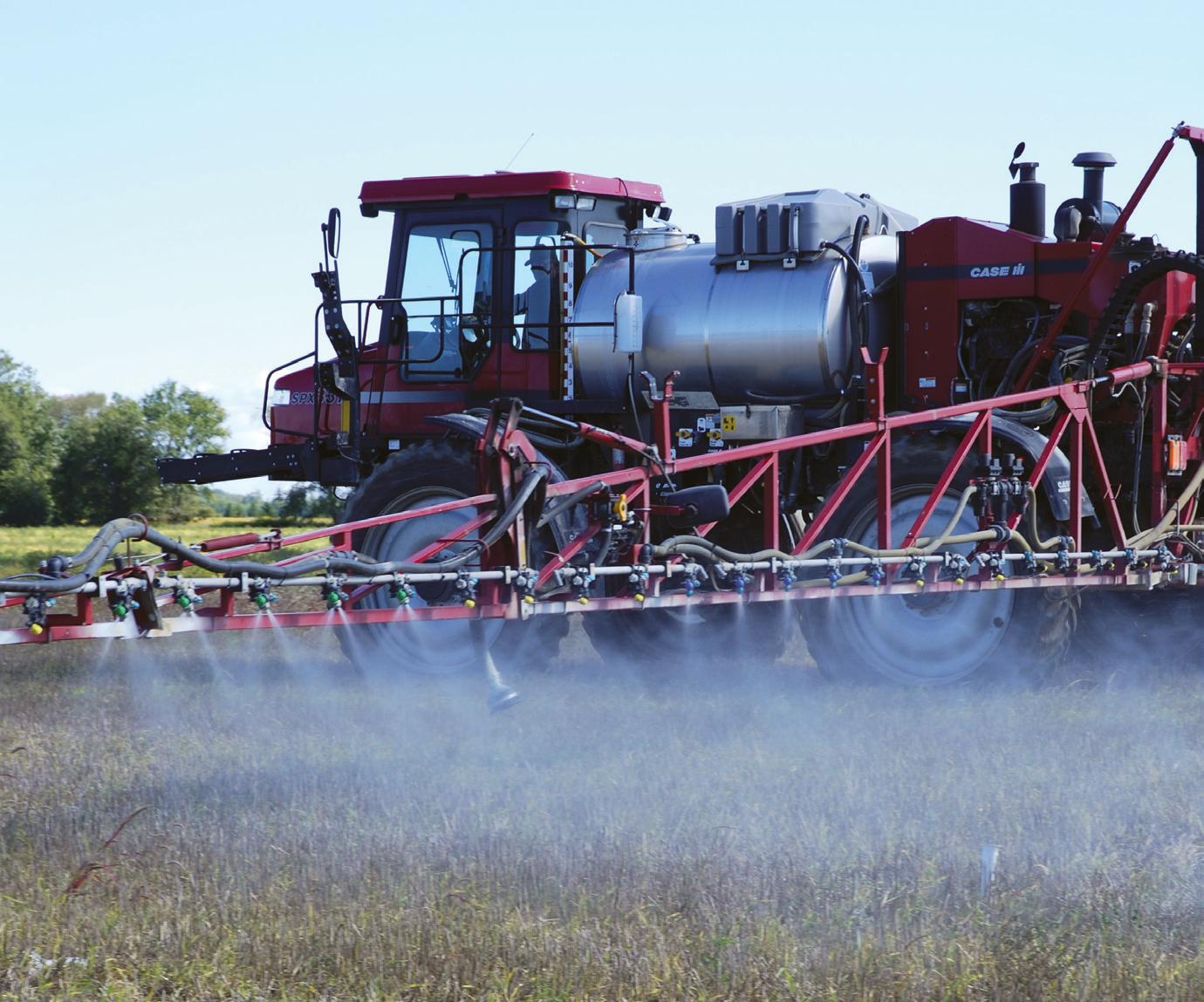
ABOVE: Old or new, growers should test their sprayers under their own field conditions at regular periods.
H P / X P
p a s s - t o
• U p g r a d
for sub-inch accuracy and repeatability
• E
• Easy installation – no need to remove steering wheel – quick transfer across vehicles
• Powered by AutoFarm ATC – straight A-B lines, contours, or circles –mapping and datalogging For more information contact: AutoFarm Call Center Toll-Free: 1-877-947-7327 Eastern Canada Manager – Matt Grant – 1-519-829-9740
new ontario soybean seeding rate recommendations
Lower rates are possible, but take care.
Seed costs are the single largest input cost for many Ontario soybean growers. This has led to reduced seeding rates by some producers. But do lower seeding rates sacrifice yield and profit? Considerable effort has been put into researching the most economic seeding rates for the province during the last number of years. This research has shown that lower rates are possible but only to a point.
One thing is clear, soybeans will yield well over a wide range of seeding rates. Plants will compensate for differences in stands without impacting yield over a large range in plant stands. Too high a seeding rate adds unnecessary seed costs and may increase lodging and disease. Forty-five replicated field scale trials conducted from 2005-2008 have shown that for most soil types there is little yield advantage to seeding rates over 494,000 seeds per hectare (200,000 seeds per acre) as is shown in Figure 1, Soybean Yield Response to Seeding Rates. There are a few exceptions to this rule of thumb. Higher seeding rates are required for maximum economic return on heavy clay soils, late planting, or when using poor quality seed. For heavy clay soils and June planting the recommended rate should be increased by 10 percent.
Figure 1
Soybean Yield Response to Seeding Rates1
Values based on results from 45 Ontario trials in 38 cm (7.5 inch) rows
Source:Earl, Bohner, University of Guelph, OMAFRA (2005-2008)
The wider the row width, the lower the seeding rate required. Recommended seeding rates are listed in Table 1,
by Horst Bohner*
Increases across the board have led growers to try lowering their seeding
getting good stands and yields.
Table 1. Recommended Soybean Seeding Rates
1 rates are based on having a germination of 90 percent and an emergence of 85 to 90 percent (final plant stand of 76 to 81 percent of seeding rate). All treatments seeded with a drill except the 30-inch rows.
Recommended Soybean Seeding Rates. These seeding rates are adequate for both conventional and no-till production. When using precision seeding equipment compared to a seed drill, rates can be reduced by an additional five percent. An emergence rate of 75 to 80 percent is considered normal in
both conventional and no-till. Full yield potential is achieved in Ontario with final plant stands between 125,000 to 150,000 plants per acre depending on row width. Seeding rate must be adjusted upward for seed with a lower germination or vigour rating or for soils that tend to crust.
rates while still
photo courtesy of horst Bohner oMAfrA.
Take your yields to new heights.
DuPont™ Galaxy™ shows you how high.
Boost the power of glyphosate, and expect more yield from your fields. DuPont™ Galaxy™ herbicide helps maximize yield by giving you strong residual control of troublesome weeds in GT (glyphosate-tolerant) corn.
• Go early, at the 3 to 4 leaf stage, and you'll see the results later - in your bin.
• Recent grower trials show higher average yields - an increase of 11.1 bushels per acre when compared with glyphosate alone used on GT corn†
• With Galaxy™ you might only have to apply once, saving you valuable time, fuel and input costs.
• Two active ingredients help protect against weed shifts and resistance. Take your yields to new heights. DuPont™ Galaxy™ shows you how high.
Questions? visit www.dupontpowerzone.com/galaxy
seed topICs
Fields prone to white mould should be given special consideration. Variety selection, wider rows and lower plant populations are the main tools available to minimize disease. Although wider rows and lower seeding rates will give up some yield in years when no white mould develops, this strategy can significantly reduce white mould severity during wetter summers. White mouldprone fields should be grown with a minimum row width of 15 inches at 150,000 seeds per acre. In fields with a severe history of white mould, 30-inch rows should be considered.
Wider rows and precision seeding to lower seeding rates?
Fifteen-inch row widths have gained popularity because they allow a reduction in seeding rates compared to 7.5inch rows but still provide excellent yield potential. Ontario research has shown similar yields between 7.5- and 15- inch rows the majority of the time. On occasion 7.5-inch rows will yield 1 to 2 bu/ac more than 15-inch drilled rows.Table 2, Solid Seeded versus Planter Unit Yields shows the yield impact of drilled solid seeded beans versus 15-inch rows using planter units. The negative yield impact
Least Significant Difference (P = 0.05) = 2.2. Values followed by the same letter are not significantly different
source: Bohner, oMAfrA
Whatever the seeding rate, the key is the number of plants that emerge and survive.
associated with slightly wider rows (15-inch versus 7.5-inch) is offset by the more accurate seed placement when using a 15-inch planter compared to a drill. When using very low seeding rates, the planter will outperform the drill.
Why do some growers get high yields with very low seeding rates?
The key to the best seeding rate is the number of plants that emerge and survive during the growing season, not the actual seeding rate. Therefore under ideal conditions lower seeding rates are possible than those listed above. For example research has shown that
HiStick® N/T is BioStacked
to deliver bigger returns on your investment.
HiStick® N/T is a new category of soybean inoculant BioStackedTM with multiple biologicals to stimulate greater root growth and nodule development.
Designed for performance in Canadian growing conditions, HiStick® N/T combines specially selected rhizobial strains that fix nitrogen and Bacillus subtilis – the organism behind Nodulating Trigger ® technology – for greater nodule biomass, faster canopy closure and higher yield. It’s the soundest investment you’ll make all season. Ask your local dealer for HiStick® N/T Inoculant for soybeans
Table 2. Solid Seeded versus Planter Unit Yields
seed topICs
producers who use accurate seeding equipment such as a 15-inch planter can seed168,000 seeds per acre for maximum profits (95 percent of the recommended rate in Table 1). Those producers who use a seed treatment can often reduce their seeding rate by another five percent. This is because research has shown a plant stand difference of approximately five percent when using a fungicide/ insecticide seed treatment. In the above example a further rate reduction of five percent means a seeding rate of 160,000 seeds per acre is possible if using precision seeding equipment plus a seed treatment. However, keep in mind that when using very low seeding rates the risk of replanting is increased. In general the rates given in Table 1 have provided the highest economic return in the last five years in our research. n
*Horst Bohner is the soybean specialist for the Ontario Ministry of Agriculture, Food and Rural Affairs, based in Stratford.
Weed management is one of the top priorities for corn and soybean growers. Each year the choices available, of products and timing of use, become more complex. To simplify the decision-making process and to provide a handy reference tool, Top Crop Manager publishes its annual Weed Control Guide
As mentioned in past weed guides, an important feature of these tables is the chemical group column. Using this, growers can quickly check the group their product or tank-mix options belong to, making it an important first step in managing the development of herbicide resistance in weeds, with the potential for rotating products between different modes of action.
We are grateful to Mike Cowbrough, OMAFRA’s weed management specialist, for reviewing the Top Crop Manager Weed Control Guide and making numerous helpful suggestions. Product suppliers also have been of assistance in keeping the guide up-to-date. We have made the tables as user friendly and as concise as possible. Remember though, it is a guide adapted from OMAFRA’s Publication, and is not a definitive text. Growers should always doublecheck provincial guides and product labels to avoid errors.
The Top Crop Manager Weed Control Guide is laid out with products listed for each crop by trade name and in alphabetical order with major grassy
weed products listed first, then major broadleaf products, then the tank-mix partners, and finally products that are solely for herbicide-tolerant crops. This format allows growers to com pare their options of grassy weed and broadleaf weed products. Then, after making their choice, to take the second step of comparing the tank-mix choices and picking one that best tackles their grassy and broadleaf weed spectrum.
Product ratings for each weed are the same as Publication 75 and tank-mix rat ings are based on the better rating for each weed attributed to the products in the tank-mix. In some cases, the rat ings of efficacy for a product may differ from one application timing to another. Note that this guide includes only one rating.
The ratings provided in the tables should be used as a guide when se lecting herbicides. Growers should be aware that the actual control obtained
For the latest registrations, visit the News Section of www.Ontarioweeds.com
• Problem weed control options in corn and soybean.
• Crop tolerance ratings for cereal herbicides.
• Responsible glyphosate use guidelines for field crops.
• A table that calculates adjuvant rates to L/100 U.S. gallons.
• New products and tank-mixes.
• New crop staging diagrams.
• More re-cropping information.
• Herbicide resistant weeds.
COST: $15 plus GST
TO ORDER A COPY: 1-888-466-2372, press “1” and then “2”
Year after year, farmers trust the legendary quality of Roundup WeatherMax® herbicide for their over-the-top soybean applications. After all, Roundup WeatherMAX is formulated specifically for your Roundup Ready® crop. Get superior weed control, unmatched performance, 30-Minute rainfast guarantee, and the best after sales support in the business. How’s that for the royal treatment? Contact your local retailer for details or visit monsanto.ca
Weed Control guIde 2009
Triazine resistant biotypes exist.
Imidazolinone
Control rating: 9 => 90 percent control 8 = 80 to 90 percent control Ratings 5,
This table is presented as a guide only: i t is strongly recommended that users refer to OMA f RA Publication 75 and product labels. Performance of some products on certain weeds may vary according to application timing. Some tank-mixes may have higher ratings on some weeds than shown, especially if various timings are recommended. Various formulations may be available and additional application rates may be recommended. Check Publication 75 or product labels for details.
? Insufficient data available to provide control rating.
a Use high rate for optimum control.
b Use ppi timing for optimum control.
c Use pre timing for optimum control.
d Directed spray only. e Use post timing for optimum control.
•
•
•
So
Weed Control guIde 2009
igweedsP (A,B) agweed,R common (A)
ightshadesn (B)
ustardsM (A)
amb’sl quarters (A)
oxtail,f yellow ldO witchgrass (A) rosoP millet
oxtail,f green
oxtail,f giant
Pre-plant
Pre-plant surface**
This table is presented as a guide only: t is strongly recommended that users refer to
post-emergence: each product has its own specific recommendation on stage of crop growth.
on
Performance of some products on certain weeds may vary according to application timing. Some tank-mixes may have higher ratings on some weeds than shown, especially if various timings are recommended. Various formulations may be available and additional application rates may be recommended. Check Publication 75 or product labels for details. ? Insufficient data available to provide control rating. a Use high rate for optimum control. b Use ppi timing for optimum control. c Use pre timing for optimum control.
d Directed spray only. e Use post timing for optimum control.
The new soybean herbicide that offers protection against tough weeds including Eastern black nightshade.
Get the herbicide that gets you unparalleled weed control with unmatched residual against tough weeds like Eastern black nightshade and even weeds resistant to Group 2 and Group 5 herbicides. Not to mention great rotational flexibility with no rotational restrictions or carryover into next year’s crop.
Weed Control guIde 2009
histle,T Canada
owthistleS
uackgrassq
utsedgen
ilkweedM
ieldf horsetail
indweedB
elvetleafv
agweed,R giant
agweed,R common (A)
igweedsP (A,B)
ightshadesn (B)
ustardsM (A)
amb’sl quarters (A)
ady’sl thumb
leabane,f Canada
ornC spurry
ockleburC
uckwheat,B wild
rosoP millet
ldO witchgrass (A)
oxtail,f yellow
oxtail,f green
oxtail,f giant
allf panicum
argel rabgrassC
moothS crabgrass
arnyardB grass
Early post-emergence atel post-emergence
Pre-emergence
Pre-plant incorporated
Pre-plant surface**
hemicalC group
details.
Topgrowth burndown for emerged weeds.
Season-long control may vary depending on weed species.
RA Publication
This table is presented as a guide only: i t is strongly recommended that users refer to
and product labels. Performance of some products on certain weeds may vary according to application timing. Some tank-mixes may have higher ratings on some weeds than shown, especially if various timings are recommended. Various formulations may be available and additional application rates may be recommended. Check Publication 75 or product labels for details.
? Insufficient data available to provide control rating.
a Use high rate for optimum control.
b Use ppi timing for optimum control. c Use pre timing for optimum control.
d Directed spray only. e Use post timing for optimum control.
Enough Talk.Experience Superior Performance First Hand.
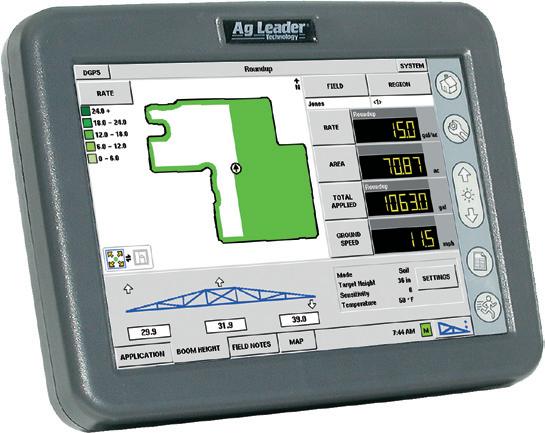
Introducing the world’s most advanced spray height controller. The performance that has been satisfying customers for years is now available through Ag Leader’s InSightTM panel. is now available.
100% satisfaction or your money back. Guaranteed.*
• Increased efficiency in use of chemicals is achieved by maintaining proper spray nozzle height above the ground/crop, resulting in optimum coverage and reduced drift.
• Faster application speeds are made possible by UC5TM ultrasonic control.The sensors constantly measure the distance to the target allowing the UC5TM system to make responsive height adjustments.
• Non-contact height control. All control is achieved through the rugged,moisture-resistant ultrasonic sensors mounted on each boom section.
• Boom height is controlled by a choice of sensing either the soil surface or the top of the crop.The ultrasonic signal is “smart” enough to distinguish the ground from standing crop or field residue.
• More Flexibility.The ultrasonic sensors do not depend on light conditions to monitor changes in terrain, spraying is possible day or night in any light condition.
Pre-emergence Early post-emergence atel post-emergence
Pre-plant incorporated
Pre-plant surface**
hemicalC group
Green crops mean growing crops. And nothing keeps your crops greener and healthier than Quilt,® our new cereal fungicide. Because using Quilt gives you the X-Factor,™ (or xylem-mobile systemic activity to be more specific). This unique feature allows Quilt to reach unprotected leaf areas to prevent your crop from turning orange and brown, due to diseases. So use Quilt at the flag leaf stage and you can expect to see a lot more green, both on and off the field. For more information, call Syngenta Customer Resource Services at 1-87-SYNGENTA (1-877-964-3682) or visit Syngenta.ca
Weed Control guIde 2009
agweed,R
agweed,R
oxtail,f
Circle 12 on reader reply card
Weed Control guIde 2009
histle,T Canada
owthistleS
utsedgen uackgrassq
ilkweedM
ieldf horsetail
elvetleafv indweedB
agweed,R giant
agweed,R common (A)
igweedsP (A,B)
ightshadesn (B)
ustardsM (A)
amb’sl quarters (A)
ady’sl thumb
leabane,f Canada
ockleburC
uckwheat,B wild
rosoP millet
ldO witchgrass (A)
oxtail,f yellow
oxtail,f green
oxtail,f giant
rabgrassC allf panicum
arnyardB grass
Pre-emergence
Burndown** + residual
Pre-plant*
hemicalC group
Weed Control guIde 2009
agweed,R
agweed,R common (A)
igweedsP (A,B)
ightshadesn (B)
ustardsM (A)
amb’sl quarters (A)
ady’sl thumb
leabane,f Canada
ockleburC
uckwheat,B wild
rosoP millet
ldO witchgrass (A)
oxtail,f yellow
oxtail,f green
oxtail,f giant
arnyardB
Burndown**
Weed Control guIde 2009
Circle 16 on reader reply card
FertIlIty and
Corn fertilizer decisions in a high-priced market
Each farm is different, requiring different approaches.
When prices are high for both fertilizers and corn, producers will be rewarded for spending more time on fertilizer decisions, using the tools developed by science to determine the right product, rate, timing, and placement.
Markets have taken the prices for corn and fertilizers to places they have never been. How does this influence management decisions for the right product, the right rate, the right timing, and the right placement?
Background
Price variations for the three main fertilizer ingredients from 1980 to 2000 are dwarfed by the increases since then (Figure 1), with the largest increase occurring between 2007 and 2008. Phosphate fertilizer prices shot up most dramatically in the past year.
Prices received for corn have varied more than prices paid for fertilizer (Figure 2), and have increased rapidly from a low level in 2005. The average price producers will receive for the 2008 crop is as yet unknown, but with December 2008 futures trading above $6 per bushel in April 2008, many producers are likely to receive substantially more than the $3.25 to $4.00 they received in 2007. The projected possible price is based on correlation with Chicago December futures in April from 1996-2007. It is not a prediction, but an assumption for purposes of the analysis that follows.
The price ratio between fertilizer and the crop determines the short-term profit resulting from fertilizer use. It influences optimum rates for N, P, and K, as discussed later in Section 3. We express the ratios in pounds of corn grain required to purchase a pound of fertilizer nutrient. This is calculated as the fertilizer nutrient price ($/lbs) divided by the corn price ($/lb, which is $/bu ÷ 56 lbs/bu). Expressed this way, a higher ratio means relatively more expensive fertilizer. Note that others may express price ratios differently, resulting in a
by Tom W. Bruulsema and T. Scott Murrell
figure representing bushels of corn equal in value to a pound of fertilizer, or its reciprocal. Figure 1 shows the price ratios associated with various combinations of corn and fertilizer N prices. Historical variations shown in Figure 3 cover a much narrower range than those in the table, because corn and fertilizer prices tend to go up and down together. If the average corn price for 2008 indeed turns out to be $5.67/bu, only the P price ratio would currently be at the high end of its historical range. Even so, its price ratio would not differ greatly from those endured in 1999 and 1986. The price ratios for N and K would be down substantially from the highs of 2005.
Overall, there is an increasing trend in these price ratios over the past 38 years. This might be expected in the context of a fertilizer industry reliant on fossil fuel resources, and a corn production industry in which yields are increasing faster than fertilizer application rates.
Managing by the Four Rights 1. Right Product
With higher prices for fertilizer nutrients, it becomes more important to use the product that provides the highest efficiency. Premiums previously considered unaffordable now become costeffective. Controlled-release sources, or those with inhibitors slowing down the conversion to nitrate, can more efficiently deliver nutrients to the plant, provided they are applied in situations where their nutrient release matches the uptake needs of the crop.
Are these products always better than split application? Ongoing research is still needed to determine when they are or are not. A split application of soluble fertilizer entails different risks than those associated with a single application of a controlled-release product. The soil may be too wet at side-dress time to get on to the field. Or, in some years, soils may be so dry that side-dressed N—even in
Producing high yields with high populations requires the right fertilizer decisions. photos courtesy of internAtionAl plAnt nutrition institute
For a Healthy Green.
Greener fields mean better yields.
Stratego® is a new generation of disease protection that keeps your cereal crops greener – which enables better photosynthesis – and sets you up for better yields. Stratego contains two unique modes of action that provide longer lasting control by locking into the leaf and moving through the plant. It’s this long lasting protection that makes Stratego such a great tank-mix partner with Buctril® M herbicide. See your retailer for details.
FertIlIty and nutrIents
Figure 1. Average farm prices of fertilizer nutrients up to April 2008. Calculated from USDA-ERS data.
Figure 3. Ratio of fertilizer nutrient prices shown in Figure 1 to corn prices in Figure 2, expressed as pounds of corn required to purchase one pound of nutrient (1980-2008). Note that estimates shown for 2008 are hypothetical since they depend on the currently unknown 2008 average corn price.
fluid form—does not get to the roots. Split applications also entail extra fuel costs. Controlled-release products can potentially be more reliable and more convenient. But weather and many other soil factors can influence the rate of release, so it’s important to evaluate which product performs best in your own specific growing conditions. Limited research has been done on these products, so a combination of searching out relevant results and conducting on-farm trials is called for. Price changes may affect some products more than others. Compare price per pound of N as anhydrous ammonia, urea, urea-ammonium nitrate, ammonium sulfate, ammonium nitrate, calcium nitrate, and potassium nitrate. But also make sure the product suits the application method. Avoid leaving urea or urea-ammonium nitrate on the soil surface.
2. Right Rate
Corn yield typically shows a diminishing response as the rate of N applied increases. The economically optimum rate occurs where the yield increase no longer pays for the last increment of fertilizer. As price ratio increases, the optimum rate decreases. Figure 4 compares two examples: a site in Illinois with a high-yielding hybrid in 2006, and a site with lower yield potential in Ontario in 2005. In both these cases, increasing the price ratio from four to nine decreases the optimum rate by about 14 percent. The Ontario N Calculator (Stewart, 2007)
Figure 2. Average farm prices received for corn (USDA-NASS, 1980-2007) and April price for Chicago December futures from 1996-2008.
Figure 4. Increasing price ratio (PR) from 4 to 9 diminishes the optimum N rate.
Site A (Below, 2007). Site B – 2005 data from Ontario Ministry of Agriculture, Food and Rural Affairs staff.
recommends a reduction of 30 lbs/ac for an increase in price ratio of this magnitude.
When prices for both corn and fertilizer increase proportionally, the optimum rate does not change, but the consequences of a non-optimal rate are more costly. It becomes more important to use every means at your disposal to get the best estimate possible of the optimum rate. For N, this can be difficult. A pre-sidedress soil nitrate test (PSNT), taken when the corn is six to 12 inches tall, can help guide decisions on sidedress N applications. For an in-season assessment, a SPAD meter (chlorophyll meter) has proven effective and many universities provide guidance on using it. For an end-of-season assessment, stalk nitrate tests are recommended by many institutions.
For nutrients less mobile than N—like P and K—increasing price ratios may lead to a change in approach to determining application rates. Soils built up in fertility to levels with response probabilities below 50 percent are often fertilized only for maintenance. A short-term strategy of reduced application rates is not likely to greatly reduce yield and profit. However, the consequent decline in soil fertility for future crops needs to be considered.
Price ratio does not alter the amount of P or K that corn removes from the soil. Higher price ratios increase the profitability of sound soil testing to identify fields and areas within fields where rates below removal may be justified for one or
Roll out the red carpet - Roundup Ready® soybeans from NK® are back and better than ever. Get superior genetics from Canada’s #1 soy developer including improved pest control, disease resistance, and standability for a more efficient harvest and overall star performance for top yields. For more information contact your NK dealer, call 1-800-756-SEED, or visit nkcanada.com today. The results you need. The freedom to choose.TM
several years. But in the long term, nutrients removed will need to be replaced.
3. Right Timing
When fertilizer prices rise, and the extra cost associated with a better application system stays the same, the benefit:cost ratio may increase to make a different system cost-effective.
Generally, spring is a more effective time than fall to apply N for corn. Typically, a fall application carries a risk that it will be less effective. At its best, fall application can only equal the effectiveness associated with spring application. Fall applications are made to manage other risks – primarily logistical ones. Fall applications take advantage of typically drier soil conditions and more available field days compared to the spring. They also allow some of the tasks to be moved from a busy spring to a less busy fall, increasing the chances that the spring tasks will be timely.
In the western Corn Belt, high fertilizer prices may favor an investment in equipment to apply N in the spring rather than in the fall. Nitrogen should only be applied in the fall after the
average daily soil temperatures at four to six inches deep (measured mid-morning) go below 10 degrees C (50 degrees F) and are sustained at or below this for the winter.
In Iowa (Sawyer, 2006), preliminary fall application research with controlledrelease urea products (PCU), has indicated an average 4 bu/ac corn yield increase compared to fall-applied urea. However, the fall-applied PCU produced 4 bu/ac less yield compared to springapplied urea: an 8 bu/ac yield advantage for spring- versus fall-applied urea. In the eastern Corn Belt, fall-applied N is unreliable and inefficient. Even spring applications are often better applied split, with some at planting and the largest part in June when the corn is about six inches tall. There are two things you can estimate more accurately in June than at planting: one, the soil’s ability to supply N, and two, the crop’s potential need. While corn doesn’t take up much for the first month after it emerges, it needs a good supply from the start. Applying the smaller part at planting and a larger dose in June maximizes yield and efficiency.
4. Right Placement
Corn has a special need for P early in the growing season. Phosphorus speeds maturity and can help lower grain drying expenses. Placement with the seed in small amounts, and near the seed in larger amounts, provides maximum availability to the young seedling. Applying it in bands below the soil surface reduces the risk of it moving to water by surface runoff.
Assess possibilities for with-seed and band placement. Corn responds most to P when its seedlings are young. Placement near the seed ensures access by the young seedlings, and placement in a band concentrates the nutrient to minimize fixation by the soil. Research suggests that combinations of N and P work most effectively, and that K is an important component of starter fertilizer for corn grown with reduced or no tillage (Vyn et al., 2002). Small amounts of a P-rich fertilizer placed with the seed of corn can provide an additional yield benefit (Lauzon and Miller, 1997). However, rates placed with the seed should be kept very low and will not be sufficient to replace crop removal.
Incorporate or inject volatile sources of N. When N sources containing urea or ammonium (urea, urea-ammonium nitrate, anhydrous ammonia, ammonium nitrate, and ammonium sulfate) are surface applied without incorporation, ammonia losses can be high. Loss can be minimized by incorporating the fertilizer into the soil as soon as possible.
Conclusion
Every farm and field is different. As a producer, you need to be able to select the best management practices suited to your conditions. Even in the context of high prices, managing corn nutrition right means more than applying the minimum to get an average crop. The manager needs to consider the best choices for product, rate, timing, and placement to keep the corn crop productive. n
Dr. Tom Bruulsema is IPNI Northeast Region Director, located at Guelph, Ontario. Dr. Murrell is IPNI Northcentral Region Director, located at West Lafayette, Indiana.
Reprinted from Better Crops with Plant Food, with permission of International Plant Nutrition Institute (IPNI).
Starter fertilizer can efficiently prevent deficiencies in seedlings. photo courtesy of ipni
As versatile and effective as it is, glyphosate alone just doesn’t cut it when it comes to maximizing yield in corn and soybeans.
When you spray glyphosate you kill the weeds that have already emerged but miss those that emerge later. You could try to control second flushes with another application of glyphosate but that would require extra time and expense, assuming, of course, weather or a jampacked schedule don’t keep you off your fields.
There’s a make-or-break period in both a corn and soybean crop called the Critical Weed-Free Period (CWFP). In corn that means you need to have your crop clean from about the 3-leaf to 8-leaf stage of the crop. In soybeans, it’s the 1st to 3rd trifoliate stage of the crop that is crucial for determining yield.
Galaxy™ – Take your yields to new heights
It’s pretty simple: Spray Galaxy™ and you’ll capture the best of both worlds – the ease-of-use and effectiveness of glyphosate and the power of residual.
It’s crucial that you spray corn early and then keep your fields clean during the CWFP. That’s certainly what a group of growers in Quebec learned in 2007. They sprayed DuPont™ Galaxy™ herbicide tank-mix on their farms in the 2-leaf to 4-leaf stage of the crop – the optimal application timing for the product. Of course, that’s also right when your crop is entering the CWFP.
The Galaxy™-sprayed corn was compared to glyphosatetolerant corn sprayed with one application of glyphosate made at the 6-leaf stage. That’s when most growers spray their glyphosate but unfortunately, this timing misses the boat if you’re aiming to keep your crop clean through the early part of the CWFP.
Results from the side-by-side comparisons were definitive: The Galaxy™-treated fields yielded an average of 11.1 bushels/acre more than fields treated with glyphosate alone. And, for the most part, Galaxy™ fields were cleaner at the end of the season.
If all weeds emerged at the same time then a glyphosateonly treatment would work great. But they don’t and if you rely on glyphosate alone you’re left with a no-win situation: Spray early and lose yield from later-emerging weeds,
decide to spray late and watch your yield tick away until the weather lets you back in the field, or incur the cost of a second in-crop application.
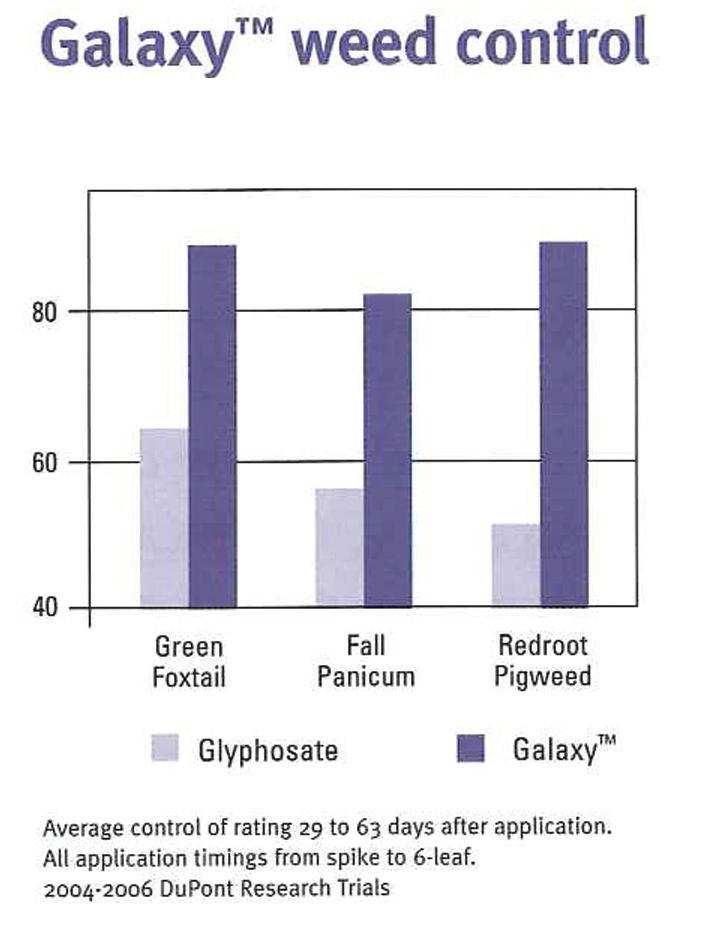
With Galaxy™, you get two active ingredients, Groups 2 and 9. That means you can hammer weeds – including troublesome weeds such as fall panicum, green foxtail and redroot pigweed – at the best time and help protect against weed shifts and resistance simultaneously.
Galaxy™ can be applied from emergence to the 6-leaf stage on glyphosate-tolerant corn adapted to greater than 2500 CHU.
Guardian™ – Weeds can't esacpe
Now take everything you know about adding residual control to your glyphosate-tolerant corn crop and apply that to soybeans. The same rule applies – get in early and keep the crop clean through the CWFP.
DuPont™ Guardian™ herbicide helps you set the stage for superior soybean yields. You can use it two ways. You can use it as a pre-plant burndown, before either conventional or glyphosate-tolerant soybeans. That allows your crop to get established quickly, with less weed competition. Or you can focus on planting first and spraying later and apply Guardian™ in-crop, from the 1st trifoliate to the 3rd trifoliate in glyphosate-tolerant soybeans.
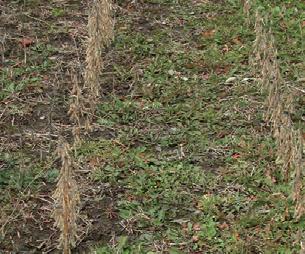
Either way, Guardian™ delivers one-pass contact and residual control, including control of tough weeds like dandelion, yellow nutsedge and annual sow thistle. In research trials, Guardian™ produced 92% control of dandelion as long as 42 to 56 days after treatment. The plots sprayed with glyphosate alone saw only 43% control. There were similar results for sow-thistle. Guardian™ produced 95% control in that same time period whereas glyphosate alone clocked in at a woeful 57% control.
Guardian™ has two modes of action, Groups 2 and 9, that serve as an effective resistance-management tool for glyphosate-tolerant soybeans – as well as guarding against weed shifts.
For more information about POWER ZONE products from DuPont, call 1-800-667-3925, contact your dealer or visit www.dupont.ca/ag.
Guardian™ vs. glyphosate alone 85 days after an in-crop treatment
Glyphosate alone Guardian™
new spray nozzle technology may revolutionize applications
VariTarget could save time, increase efficiency.
Anew sprayer nozzle technology designed to increase efficacy, efficiency and safety is showing some promising results from field tests done in southwestern Ontario. The VariTarget Nozzle, from Delavan Agspray Products, is attracting interest for its capability to control flow rate while maintaining a proper spray pattern and droplet size across an expected range of flow rates. A key feature of the new nozzle is a flexible orifice that changes in size in response to pressure changes. Four different caps are available that produce various spray qualities: very coarse, coarse, medium and fine. “It’s a totally different nozzle system in that the conventional nozzles have a fixed orifice,” explains Helmut Speiser, field crops engineer with the Ontario Ministry of Agriculture, Food and Rural Affairs. “This one has a plunger that’s controlled by a spring and diaphragm. As liquid flows through, the plunger is moved and allows more liquid through the nozzle orifice. So it’s similar to the old fuel jet in a carbureted engine. As you step on the gas pedal, the fuel jet allows more fuel to get through.”
Crary Cutting Systems
by Blair Andrews
The design of the VariTarget sprayer nozzle gives it the potential to do the job of three different nozzles.
The ability to respond to pressure changes also allows the VariTargets to apply a constant droplet size. Duane Winter, a certified crop advisor and custom applicator with Lakeside Grain and Feed in Forest, Ontario, says optimizing droplet size is important for maintaining the efficacy of the application and reducing the potential for spray drift. He explains that conventional, fixed-orifice nozzle tips put out larger droplets at lower pressures and fine droplets at higher pressures. Spray efficacy can suffer if the droplets become too large and the potential for drifting is increased if the droplets become too fine. “This one VariTarget tip could do the job of three other tips. You don’t have to switch the nozzle body,” says Winter. “All you need to do is just crank a little more pressure to this one tip. And this one tip will put out the same size droplet at a higher volume.”
Winter notes this flexibility also adds a new wrinkle to the spraying process: It expands the window of operation of one nozzle. “You could only run certain speeds and certain pressures. You were limited on your flexibility as to how fast or how slow you could drive with one conventional tip before,” notes Winter. “These VariTarget nozzles let that work expand, probably triple, what a conventional tip would do as far as field speeds and operating pressures.”
With the conventional tip, Winter says an operator could drive 15 percent slower or 15 percent faster than his desired speed and stay within the working range of the nozzle. The Vari-Target expands that range, with Winter estimating that an operator could drive 40 percent slower or 40 percent faster and still do a consistent job all through that range.
According to information from the manufacturer, spray
Growers should perform their own tests on emerging technologies, to determine how well they work on their farms, says Helmut Speiser of OMAFRA.
speeds from two to 20 mph with application rates of five to 40 gallons/acre can be achieved without changing nozzles. To get more familiar with the relatively new technology, Winter and his colleagues at Lakeside have conducted field trials on the Vari-Target nozzles. Tests were performed in 2008 using water sensitive paper to help gauge the coverage. Winter says the results were consistent with the company’s assertion. “Their claim was pretty sound. There was some minor variation but not like it would have been with a conventional tip.”
In addition to potentially reducing the number of different nozzles required, Winter says the VariTargets, which are not air-inducted tips, also seem to provide good coverage. “With the cost of some of the crop protection products nowadays, we need to be doing a good job. If this can help us do that, it’s going to be one advantage to doing our job better.”
With just one year of testing, it is too early to make a judgment on the VariTarget nozzle’s durability, which Winter says could be something to watch if the nozzle is going to replace others and be used more often. “Durability is going to come with time and experience. Guys are going to have to take the tip to someone like Helmut Speiser and let him test these tips in four or five years to see how they are wearing.”
Speiser says another issue to watch is how the nozzles and the accompanying caps will be used and how people will set them. He notes the technology is fairly simple to use. How ever, he adds the tips require careful handling. “You can’t torque them down beyond what they should be. There are little indexing marks for alignment. If you go beyond that, you can sort of ruin the performance of the unit.”
The VariTarget nozzle is just one example of several nozzles types that have been introduced to the market place in recent years. While research is underway to test claims of reduced spray drift and efficacy, Speiser recommends that growers do their own tests to determine how well the technologies work on their farms. “I always suggest that before you make a whole switch, get your hands on a few nozzles that you’re thinking about and see how it compares.” n
Maximize your yield potential with DEKALB® brand YieldGard VT Triple™ hybrids
When it comes to weed control, root protection and stalk protection, nothing stacks up to maximize your corn’s full genetic potential like YieldGard VT Triple seed. For 2009, the DEKALB brand has 15 YieldGard VT Triple hybrids for you to choose from. Ask your DEKALB dealer for more details.
plant BreedIng
Improving cold tolerance in corn
Genetic engineers poised to use genes from wild grass Miscanthus.
As demand for corn grows, whether it is as a feed grain, for use in human food products or for ethanol manufacture, researchers continue to investigate ways to improve yield, boost disease-fighting abilities or otherwise improve the crop. One way to increase corn yield is to extend its growing season by boosting the crop’s cold tolerance. If corn were able to photosynthesize at lower temperatures than is currently possible, the crop could also be planted over a greater geographical range. It may also be more resistant to cool weather which sometimes occurs after emergence or during the later stages of grain-filling.
Research into boosting corn’s cold tolerance is being conducted on an ongoing basis by Drs. Steve Long, Dafu Wang, Archie Portis and Steve Moose of the Department of Crop Sciences and the Institute of Genomic Biology at the University of Illinois. Their most recent findings appeared in the September 2008 issue of the journal Plant Physiology
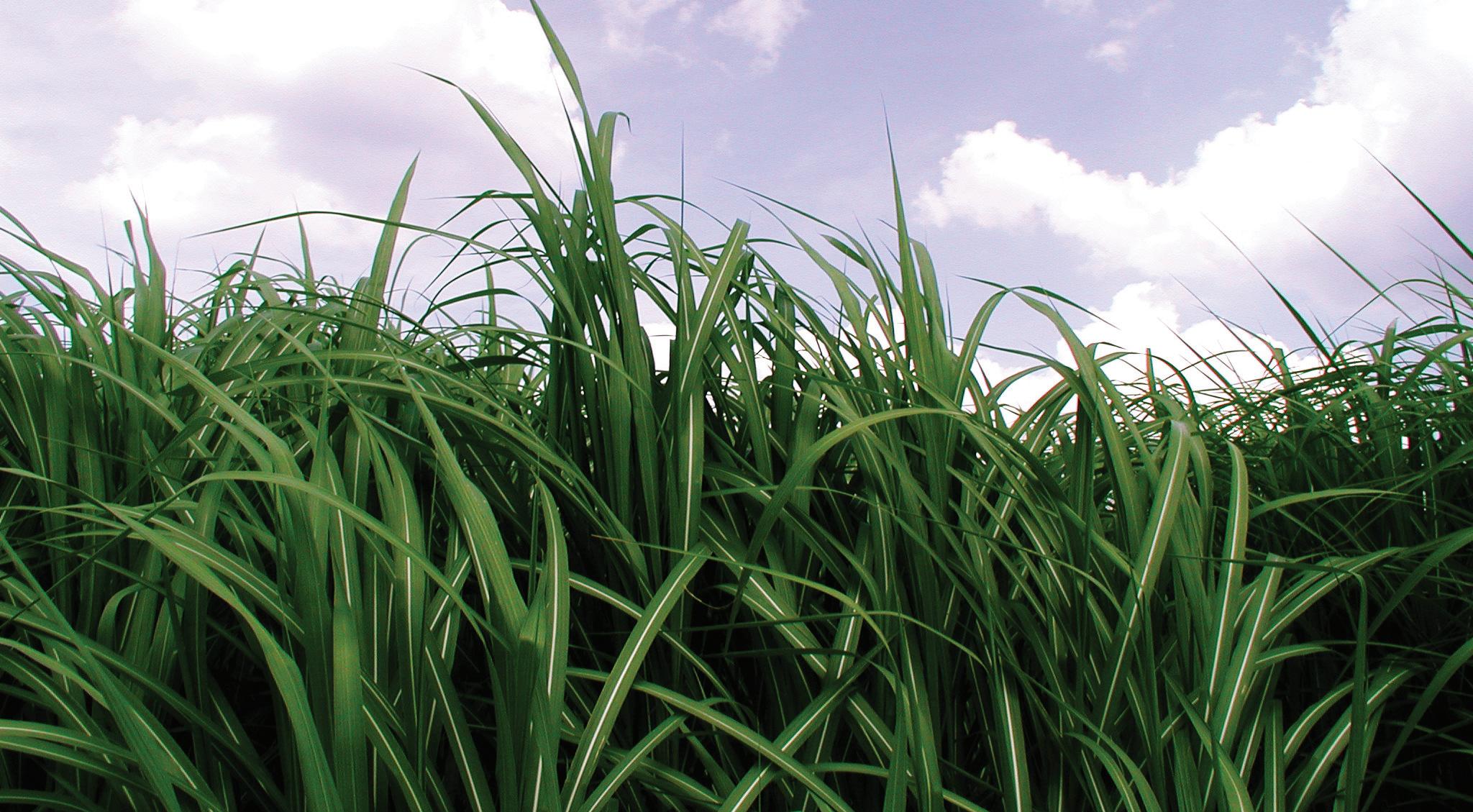
It all began with the discovery that a wild grass related to corn, Miscanthus x giganteus, demonstrates strong productivity in cold climates. Giant Miscanthus is native to East Asia, where it grows across a wide range of environmental conditions, from high altitudes in the mountains to tropical lowlands. The plant can reach four metres in height and has a life expectancy of 15 to 20 years or more. It is a tough plant, needing few inputs and little maintenance, and has little or no susceptibility to pests and diseases.
Co-researcher Dr. Steve Moose says, “Miscanthus giganteus is known to produce a lot of biomass, and the question is ‘why’? We looked at its temperature profile for photosynthesis; that is, the range of temperatures over which this plant can photosynthesize, and we found that it can actually photosynthesize very well in the cold. It can photosynthesize at much colder temperatures than corn, even though they are closely
by Treena Hein
related plants; they both share the same evolutionary line.”
How miscanthus tolerates cold has to do with a metabolic enzyme called pyruvate phosphate dikinase (PPDK), an enzyme also present in corn and other related plants. At low temperatures, PPDK slowly disappears in corn leaves, in conjunction with a decline in the ability of the leaf to photosynthesize. When Miscanthus leaves are placed in identical low temperatures, however, they produce more PPDK, enabling the plant to maintain the same levels of photosynthesis and growth.
The research team investigated this further in the lab, and found that when they cloned the genes for PPDK production, from both corn and Miscanthus, into a bacterium, the PPDK enzyme produced by both plants’ gene sequences was identical in its properties. However, as the concentration of this enzyme was increased in the test tube, the scientists observed that it became more stable at low temperature. “This suggests how, by making more PPDK at low tem-
peratures, Miscanthus is able to photo synthesize at lower temperatures,” says Moose.
Next step: genetic engineering
Now that the researchers understand that the production of more PPDK equals more stable PPDK and a corresponding ability to continue the reactions involved in photosynthesis, the next step is to understand how to manipulate the switch that controls PPDK production. In Miscanthus, the switch is on “all the way” across a wide range of cold temperatures, whereas in corn, the PPDK production gene is gradually switched off as the temperature drops.
The research team is currently debating which approach is likely to provide the more effective means of creating corn hybrids with a PPDK production switch that stays on in cold weather. “Maybe we can take part of the Miscanthus gene that switches on PPDK production and insert it in corn, and maybe we’ll find that the corn gene would be controlled by that switch,” says Moose.
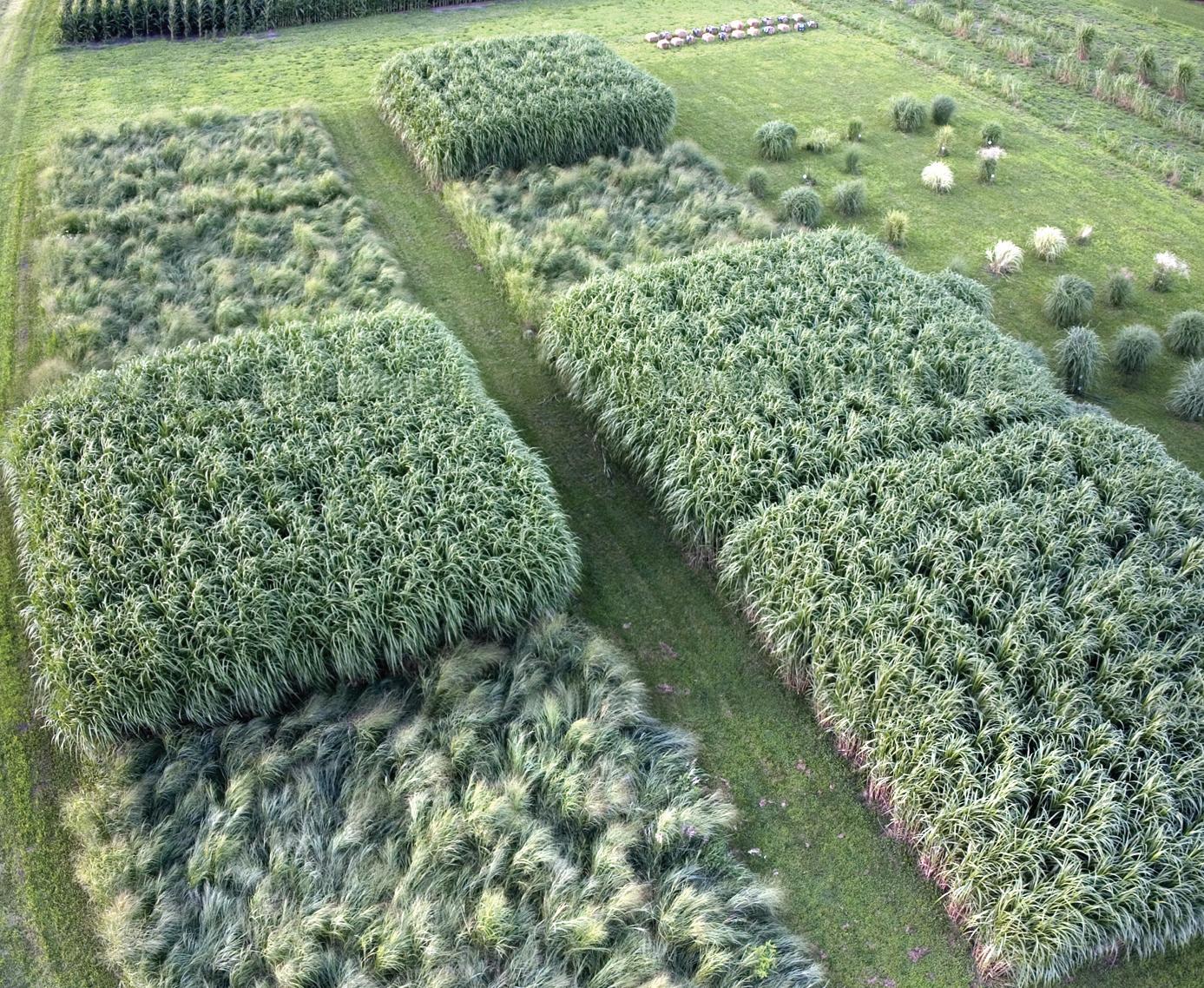
Research on test plots of miscanthus is tracking various aspects of the effects of cold temperatures and rates of photosynthesis. photos courtesy of Dr steve Moose, university of illinois
plant BreedIng
“That’s the most straightforward way to try to engineer this. We would test if boosted amounts of that enzyme occur in corn after the gene is inserted and if that affects that plant’s ability to grow in the cold.”
There is also the possibility of using another strong “genetic switch” in corn that controls some other process, and try to use that switch to control the PPDK production gene. “If either of those strategies didn’t work,” says Moose, “then maybe there’s more to the story and we have to do further study.”
Cold tolerance multi-faceted Moose is quick to point out that the ability of corn to photosynthesize in colder temperatures is only one aspect of cold tolerance. The other major aspects are seed germination at low temperatures and control of resistance to fungi active and range of corn could be boosted by genetic “help” from Miscanthus, Moose
In addition to being a close relative of corn, miscanthus is a prolific producer of biomass, with a life expectancy of 15 to 20 years.
seed germination and control of fungus that attacks corn seed. They have been
ROTATION IS SMART
If you grew Roundup Ready® soybeans last year, it’s a good idea to rotate to something else to break the cycle of
And Liberty® herbicide is the only Group 10 herbicide on the market. It’s non-selective and works fast, even in the hottest weather.
Choose Liberty on LibertyLink® corn as your herbicide and crop rotation option.
Crop ManageMent
Reducing refuge requirements
Difference between two hybrids may be small but change in management could be huge.
According to current refuge requirements for Bt corn, a non-Bt refuge must be within 400 metres (1/4 mile) of the grower’s own Bt corn. For corn that contains inplant corn rootworm protection, the refuge must be adjacent to or within the field itself.
A new proposal could change that. Pending regulatory approval, producers could soon be growing nearly identical hybrids side by side and avoid having to plant a separate corn rootworm refuge. A second proposal, which is likely farther away from registration, would be focused on reducing refuge for European corn borer.
The proposed change in refuge requirement would simplify planning for growers and provide more in-plant insect protection on a grower’s farm leading to higher yields. It is called Optimum AcreMax 1 Insect Protection and it is made possible through the unique properties found in the Herculex XTRA trait.
Pioneer’s submission to the Canadian Food Inspection Agency (CFIA) includes a request that Optimum AcreMax 1 Insect Protection would use a two to five percent refuge inte-
CanEast_3.375x4.875 1/11/08 11:39 AM Page 1
by Treena Hein
grated in the bag that includes not more than 98 percent of a Pioneer brand hybrid with Herculex XTRA insect protection and no less than two percent of a Pioneer hybrid with the Herculex 1 trait, which serves as the corn rootworm refuge. All seed in the bag will be glyphosate tolerant. “A grower looking at the field won’t be able to tell the plants apart,” says Dave Harwood, technical services manager at Pioneer Hi-bred. “The only difference between the two hybrids in the system would be one place on the corn genome.”
Once approved, the Optimum AcreMax 1 system would satisfy the corn rootworm refuge requirements, but growers would still need to plant a refuge for European corn borer. The system would allow one of two options to meet requirements. They could place the required conventional or herbicidetolerant hybrid as a corn borer refuge in a different field, up to 400 metres away. Or they could plant 80 percent of a field with Optimum AcreMax 1 products and use a Pioneer hybrid with Herculex RW as the 20 percent corn borer refuge, thus getting 100 percent CRW protection.
If they have a corn rootworm problem, growers would not have to sacrifice any ground by planting a hybrid unprotected against the below-ground pest.
Corn rootworm protection is not needed everywhere. In Ontario, corn rootworm is usually only a problem in fields that are planted to corn-after-corn systems. Once approved, Pioneer would concentrate on using the Optimum AcreMax 1 system on these acres to help growers increase their level of protection. “We only need corn rootworm protection on a portion of corn acres in Ontario,” says Dave Harwood. “In the US Midwest there are a lot more acres of corn-on-corn and they do have significant problems with Western corn rootworm, even on rotated ground. Here in Ontario we would only recommend Optimum AcreMax 1 in a corn-on-corn situation.”
So far, Western corn rootworm has only been found in the US Midwest. Extension personnel in eastern Canada warn against the blanket use of triple stacks, which are glyphosate-tolerant hybrids with European corn borer and corn rootworm protection, on ground that is not corn-after-corn. “We don’t have
The chance of European corn borer having tolerance to two modes of action is very slim. All photos courtesy of pioneer hi-BreD
Crop ManageMent
Scientists have learned much about the characteristics of corn rootworm and its feeding habits, helping with the evolution of tolerance and resistance. (above)
Corn rootworm is not yet the problem in Ontario that it is in the US Midwest, says Pioneer’s Dave Harwood. (right)
“When a European corn borer enters the field, it will be exposed to two toxic compounds,” says Harwood. “The chance of ECB having tolerance to two modes of action is very slim. It’s analogous to tank-mixing herbicides.”
The Optimum AcreMax 2 system would contain a very high percentage of a hybrid with both the Herculex 1 and YieldGard Corn Borer traits. A very low percentage of seed in the bag would contain a similar hybrid with only herbicide tolerant traits that would serve as the needed European corn borer refuge. This product would increase yields, simplify compliance, extend the durability of the traits and completely eliminate the need for a separate block or strip refuge.
any strong evidence that Western corn rootworm has spread eastward into Ontario,” says Dr. Art Schaafsma, a professor and entomologist at the Ridgetown Campus of the University of Guelph. “We’ve had some issues with corn rootworm in first-year corn but by and large, in 99 percent of the cases, we can trace it back to some biological quirk and prove that it has nothing to do with rotation,” he says. “We’ve been monitoring this for years and don’t see it as an economic threat. Now, should it materialize and we’ve been using these tools before they’re needed, we’re only pushing resistance.”
Learning more about pests helps evolve
Harwood says the concept behind Optimum AcreMax 1 Insect Protection evolved from a better understanding of the biology of the corn rootworm and how they respond to different inplant protection traits. Scientists have learned a lot about the insect since these new traits were first developed. “It’s become clear that rather than taking a few bites out of a root with the Herculex XTRA trait and dying, the corn rootworm identifies the root tip as not being edible,” says Harwood.
When the trait was first commercialized it was noted that a very low number of adult corn rootworm beetles emerged from plants containing the Herculex XTRA trait. Instead of the plant matter being toxic and killing corn rootworm that eat it, corn rootworm avoid feeding on roots with the Herculex RW trait and eventually starve to death or succumb to predators due to their weakened state.
So by having a very low percentage of refuge plants intermingled with corn that has the Herculex XTRA trait in the Optimum AcreMax 1 system, a small number of corn rootworm would survive as they will feed on unprotected plants. They in turn would mate with any rare, resistant corn rootworm to provide a base to keep a viable, non-resistant population.
The next generation of reduced refuge from Pioneer is a system that would reduce refuge for European corn borer. This system is termed Optimum AcreMax 2 Insect Protection. The Optimum AcreMax 2 system is a little simpler to understand, especially for growers used to the concept of using two modes of action in their weed control to forestall weed resistance.
The goal of any refuge program is to keep resistant populations of European corn borer in check. The beauty of the Optimum AcreMax 2 system would be keeping resistance at bay with limited economic downside for growers.
“Growers hate seeing their refuge corn pounded by ECB,” says Harwood. “They really like this concept because once approved, they could plant all their acres with the Optimum AcreMax 2 system and go from 20 percent of their acres getting hit by ECB to only two to five percent of the corn plants being affected.”
It is important to note that neither Optimum AcreMax 1 nor AcreMax 2 Insect Protection products have received regulatory approval and are not yet available for sale. n
determining optimal nitrogen rates can help to cut costs
by Heather Hager, PhD
WA higher corn yield may not bring a better net economic gain.
hen nitrogen-based fertilizer is expensive, it may not always be economical to get the highest possible yield out of the corn crop. For this reason, some corn N rate calculators have been designed to evaluate the cost of N and price of corn as part of the N recommendation. Ontario’s N calculator and that of the central Corn Belt states (one calculator that serves Iowa, Indiana, Illinois, Minnesota, and Wisconsin) do just that. “There comes a point where you can’t apply any more N and make any more money,” says Greg Stewart, corn specialist with the Ontario Ministry of Agriculture, Food, and Rural Affairs. “You can apply more N and get more yield, but you can’t apply N and get more return.”
This is because of what is called the law of diminishing returns: Beyond some point, each additional unit of N added will produce less and less additional yield. Stewart says that this concept may cause people to “scratch their head a little bit because everyone likes to have top yields.” But top yields do not necessarily mean top return on investment.
Dr. James Camberato, associate professor in the agronomy department at Purdue University, in Indiana, explains it like this. “Here, corn has varied from $3.50 to $7.00 per bushel, and N has been anywhere from $0.50 to $1.00 per pound. If you put the high corn price in with the low N cost and calculate an N rate, and then you put the low corn price in with the high N cost and calculate an N rate, they’re 50 lbs/ac different. So say with expensive corn and cheap N, the economic optimum rate, the rate where you make the most money, is 180 lbs of N per acre. But if you drop the price of corn to $3.50 and you have to buy N at $1.00 per pound, then the optimum economic rate is 130 lbs of N per acre.” This is where the N rate calculator can come in handy. “Most folks don’t have a sense for how important those prices are in affecting the optimum N rate, the N rate
where you make the most money,” says Camberato.
Non-economic factors affecting N rates
Determining the optimal amount of N is not just about the price of corn and N, although the prices can help to adjust the current year’s return on expenditures. Environmental and historical (rotation) factors are also important in estimating the amount of N needed.
In the past, Indiana’s corn N recommendations were simply based on adding 1.0 or 1.2 lbs of N for each bushel of expected yield, explains Camberato. “They assumed that the soil only provided 30 to 40 lbs of N. However, we’ve
found that under the worst conditions, it can provide 30 or 40 lbs, but more typically it provides 70 to 100 and as much as 150 lbs of N.” This means that any relation that may have existed between N rate and corn yield across the state was swamped by differences in soils.
It is now understood that the amount of N provided by the soil depends on soil factors such as texture, organic matter content, and drainage, and on a larger scale, climate. “In Indiana, it seems like the soils that have a high yield potential are the good soils that have a fair amount of organic matter and optimum drainage. They’re not really droughty, but they tend not to become
Soils generally provide more pounds of N than are expected.
E v e r y c o r n a c r e y o u f a r m d e m a n d s b e t t e r c a r e . A n d b e t t e r c a r e s t a r t s w i t h t r e a t i n g e a c h a c r e w i t h P r i m e x t r a® I I M a g n u m® , e a r l y, a t t h e p r e - e m e r g e n t s t a g e W e c a l l t h i s p r a c t i c e F o u n d a t i o n A c r eTM O n c e a p p l i e d t o e v e r y c o r n a c r e, w i t h N o F i e l d L e f t B e h i n d TM , y o u r c r o p w i l l f u l f i l l i t s y i e l d p o t e n t i a l. A n d i n t u r n, y o u ’ l l s e e n o t h i n g b u t h i g h e r r e
FertIlIty and nutrIents
waterlogged when there’s a fair amount of rain,” says Camberato. “We tend to make high yields on the good soils that provide a lot of N; therefore, you have to add less N to achieve the maximum yield. The poor soils that don’t provide a lot of N don’t have a very high yield potential. Consequently, you need to add a lot of N to those because you start low, you have a potential for greater N loss, and the plants aren’t as efficient because they’re not in as good a growing environment.”
There are plans to redesign the N calculator for Indiana, once sufficient data are acquired. “We’re hoping in the next year or two to have enough data so we can start separating out regions or soil types and make separate N recommendations based on those soil differences,” says Camberato.
Ontario’s N rate calculator, which was developed by Stewart and Ken Janovicek from the University of Guelph, is a step ahead. It already accounts for soil type, expected yield, crop heat units, previous crop, corn and N prices, and the timing of N application. “We analyzed all of the Ontario N research that we could get our hands on,” says Stewart, which amounted to more than 600 site years of data. Various factors were analyzed for their contribution to the N estimate; those that were significant were used in the N rate calculator.
“We’re fully aware that some of the other jurisdictions in the corn-growing areas of North America have much simpler calculators, that is, they don’t ask for the number of things that we do,” says Stewart. “When we analyzed our data, these factors were identified with relatively good strength. We had relatively good data sets, so we decided to keep these factors in the calculator.”
Field testing of the N rate calculator
In 2006 and 2007, Stewart and Janovicek had growers from southwestern, central and eastern Ontario compare corn yields achieved using their typical N rates with those from N rates suggested by the calculator. They found that the calculator worked well in some areas, but perhaps needed further tweaking for certain soils or regions (see http://www.omafra.gov. on.ca/english/crops/field/news/croptalk/2008/ct-0608a6.htm). Also, if that year’s subsequent yield is quite different from the previous five-year average, the calculator will be less accurate. “In 2006, we had very high yield, so farmers may have entered 145 bushels into the calculator, and then we yielded 195 bushels,” explains Stewart. However, it is important to evaluate how the calculator works on average over a number of years.
“The only recommendations that never cause any yield reductions are the ones that are too high,” states Stewart. “Part of the educational process is just asking growers to understand that overapplying N so that it is never limiting is not necessarily the right tool for maximizing economics.”
The calculator is not expected to be successful 100 percent of the time, but Stewart says that most of the growers said it did a reasonable job of putting them in the game. “I think most of the growers would have agreed that the yields were much higher than they ever would have anticipated getting by using 30 or 40 lbs less N than they ever did before. In some cases, that meant they were applying 135 lbs of N where they traditionally had always applied 175 lbs of N,” remarks Stewart. “That’s the value of the calculator, to give some sort of scientific, educated estimate of where you should be. Will it be right all the time? Heavens, no. Will it beat on average the person who just always puts on more N than he needs? Yes.”
The Ontario N rate calculator can be found at www.gocorn.net. n
Grasping the science behind plant health
Fungicide that helps with the learning.
Sunlight. Air. Water. Nutrients. These fundamental elements are brought together through a complex web of processes to transform a seed into a plant and then help that plant grow to maturity. Understanding these processes is one thing; uncovering the effect that crop protection products, such as fungicides, have on these processes is another. Specifically, determining how such products impact a plant’s ability to survive and thrive is a key area of research across the agricultural chemical industry. This is because the stronger and healthier the plant, the better its ability to withstand increasing environmental stresses to grow and produce.
From field to laboratory and back
In the mid-2000s, growers using pyraclostrobin, marketed by BASF as Headline fungicide, noticed that plants treated with this formula were not only being protected from disease, they were greener, grew more efficiently and appeared healthier overall, compared to untreated plants.
Following initial observations, growers, retailers, agronomists, researchers and BASF personnel alike were faced with the real question: what caused these added benefits? As more growers brought these plant health observations to the attention of BASF, the company invested a significant research effort into explaining how Headline might improve yield, beyond the benefits of disease control.
Greater stored energy for growth
According to Dr. Trevor Kraus, supervisor of research and commercial development at BASF Canada, “Our research shows that Headline initiates a complex series of interactions within the plant, affecting growth efficiency as well as stress tolerance. Among other factors, Headline has been shown to contribute
The concept of yielding higher but not receiving higher return on investment can be a challenge, concedes OMAFRA’s Greg Stewart.
ONTARIO SOYBEAN GROWERS
ONTARIO SOYBEAN GROWERS
Ontario AgriCentre, Suite 201 • 100 Stone Road W. • Guelph, Ontario • N1G 5L3
Soy, Corn & Wheat Organizations Transition to “Grain Farmers of Ontario”
It’s been almost five years since the leaders of the three organizations representing Ontario soybean, corn, and wheat producers signed a Memorandum of Understanding to explore the idea of forming one association.
After the September 2008 producer vote, in December the provincial Minister of Agriculture announced a decision to form “Grain Farmers of Ontario.”
Now, the real work begins.
Staff, directors, and government will spend the coming months working out the logistics for GFO to become a reality. An oversight committee has been appointed to monitor the transition both from a regulatory and implementation perspective.
From a legislative side, the provincial government needs to follow a process that would make GFO responsible for a number of the authorities currently held by one or all three of the existing boards, such as the authority to market wheat, or negotiating authority that is held by the soybean board.
Implementing a new structure for staff and directors is a more detailed process, and the leaders of the three organizations are determined to get it right. The Boards have hired the expertise of a “change management” firm to engage staff during the transition while a staff structure incorporating the three teams is put into place.
Another significant change will be the adjustment from a total of 41 directors to 15, and a shift toward 150 delegates that will have more involvement in board committees.
Despite the changes that are to come, all three boards are operating on a “business as usual” basis to ensure a smooth transition to the official launch of GFO. That means directors and committee members elected at January 2009 district meetings will continue to serve their particular boards, and staff will maintain the status quo on programs and projects until GFO is in place.
For updates and information about Grain Farmers of Ontario visit www.grainfarmersontario.ca.
Grain Financial ProtectionGrowers’ Rights & Responsibilities
The Ontario Grain Financial Protection Fund exists to help protect Ontario growers of soybeans, corn, wheat and canola who sell their crop to licensed dealers, as well as owners of grain and oilseeds stored with licensed elevator operators. Under the Ontario Grain Financial Protection Act, the protection fund for soybean growers is generated from grower check-off fees remitted to OSG, at a rate of two cents per tonne.
Agricorp delivers the Grain Financial Protection Program on behalf of OMAFRA. Under this program, they license 325 grain dealers and 245 elevator companies in 356 locations across the province. The value of annual grain sales covered by the program is in excess of $1.1 billion dollars.
Agricorp states that if you are a grower dealing with a licensed grain dealer or elevator operator, you should:
• each load delivered
Receive weigh tickets or grain receiving vouchers for
• contract sale
Receive your cheque within 10 trading days, for a cash or
• out of storage
Receive your cheque the next trading day, if the sale is
• timeframe when selling on a basis contract
Receive 75 percent of the market price within the above
• due
Not agree to extend the time on which payment becomes
Cash your cheque within 5 banking days of receipt
• Receive your grain storage receipt within 45 days of
• delivery or within 5 days, if requested
Ensure the expiration date, charges, or other agreements
• are filled in on your grain storage receipt and signed by the elevator operator.
For more information about the Ontario Grain Financial Protection program, go to: http:// www.agricorp.com/en-ca/programs/gfpp.asp , or contact Agricorp by phone at 1-888-247-4999, or e-mail: contact@agricorp.com.
Crop ManageMent
to more efficient photosynthesis through a reduction in respiration, as well as a reduction in ethylene produced by the plant.”
Photosynthesis is the process in which a plant uses energy drawn from sunlight to take in carbon dioxide and water, releasing oxygen and storing more carbon as energy for growth.
Respiration is the opposite process to photosynthesis, which uses oxygen and carbon produced during daytime photosynthesis to release carbon dioxide and energy. Studies from BASF show that plants treated with Headline have a significant reduction in night-time respiration compared to untreated plants, meaning less carbon dioxide is released so more remains available to use as energy for plant growth, or is stored for the development of larger and more consistent seed.
Another process fundamental to plant growth is the ability of a plant to draw nitrogen from the ground. While the level of nitrogen available for uptake from the soil is an important factor, increasing the plant’s nitrogen uptake ability, or assimilation, also helps to enhance the plant’s growth. Pyraclostrobin has been found to improve plants’ nitrogen assimilation by activating an enzyme called nitrate reductase, which triggers the production of nitric oxide. Nitrate reductase converts nitrate to nitrite, a more usable form of nitrogen for plant growth. As a result the plant’s ability to take up and use nitrogen effectively is increased, in turn positively impacting the plant’s use of stored carbon for plant growth.
The net result of these physiological effects, according to BASF research, is improved growth efficiency that can result in increases in plant biomass and greener plants, depending on the type of Headline-treated crop. It can also mean bigger, more evenly sized seeds or kernels; and a greater number of seeds per pod or kernels per ear.
For grower Mike Simon of Rodney, Ontario, the benefits are obvious: “The leaf colour was really shiny on the treated corn, and a really rusty dark colour on the untreated. Standability, when we were combining later on in the season, we had a couple of varieties that we sprayed that are really prone to going down, and this year it was quite a shock seeing the corn standing really well.”
Delayed and reduced response to stress
If a plant is stressed by disease or the elements, its energy is diverted from growing efficiently and producing seeds to simply surviving. How does this happen? Agronomist Paul Sullivan explains that, “As we move into fall, a plant begins to produce ethylene which causes it to die off. By reducing the plant’s ethylene production, the plant is able to grow right up to full maturity, providing more opportunity for it to produce longer into the season.”
The scientific explanation for this is that nitrate reductase activates the production of nitric oxide. The amount of nitric oxide produced by a plant is inversely proportional to the amount of ethylene produced by the plant, meaning the more ethylene a plant produces, the less nitric oxide is available for growth.
Ethylene, a gas that promotes ripening, is produced in plant cells and leads to cell death which causes plant tissues to begin to senesce, or die off. Plant cells generate ethylene as part of their survival response when faced with stress.
As Kraus explains, “On a pea plant, for example, when a stress comes in at the flowering or reproductive stage, ethylene is produced and causes leaves to start to senesce on the bottom of the plant, so the plant has to focus on filling the pods that already exist. Our research shows that Headline decreases the amount of ethylene produced when a plant is stressed –whether through disease, drought or in hot or cool temperatures. As a result, a Headline-treated plant stays greener longer, the bottom leaves don’t drop off as quickly, and the plant can use that green material for maximum photosynthesis and carbon production, thus producing more yield.”
Increased net photosynthesis, decreased respiration, increased nitrate reductase, decreased ethylene. While researchers are gaining a deeper understanding into the specific mechanisms that explain the impact of Headline on crops, it is clear the physiological responses within a plant are interconnected. An increase or change in one factor causes a ripple effect throughout the entire plant. In the case of Headline, these effects appear to benefit overall plant health.
Sullivan summarizes, “Headline is a disease control product with associated benefits of providing better plant metabolic activity. There are also other benefits that become a bonus to the plant, such as allowing it to take advantage of the nutrients and moisture that are available to the crop, reducing some of the stress on the crop and allowing the plants to use their resources more efficiently.”
And for growers looking to optimize the production of every acre, anything that can be done to improve plant health is worth considering. n
Dr. Trevor Kraus of BASF Canada illustrates that Headline-treated corn can result in improved growth efficiency for larger, fuller cobs.
Weed ManageMent
new herbicide option allows early glyphosate-tolerant corn application
No need to lose yield while waiting to spray.
Corn prices have dropped from 2008’s record highs but they are still expected to remain well above the longterm average for the foreseeable future. That is why producers are doing everything they can to boost yields.
Al Merrick, a producer near Strathroy, Ontario, wants to do everything he can to maximize his yields from glyphosate-tolerant (GT) corn. That is why Merrick sprayed his GT corn with DuPont Galaxy last summer. The herbicide’s glyphosate and rimsulfuron components let him spray early, at the early threeleaf stage, and still get season-long weed control with just one spray pass. That is important because the last thing he wants to do is lose yield potential by waiting too long to spray. “We like to spray before the corn gets much past the two-leaf stage to protect that yield early in the season,” Merrick says. “There’s a lot of good research out there that says that if you don’t get early weed control you’re going to definitely lose yield. That’s especially true in years where it’s dry early in the season.”
In the mid-2000s, Merrick had a really dry spring and did not get an application of glyphosate on until the corn was close to the five-leaf stage. “By the time we sprayed, the weeds were really stressing the crop and the corn was starting to curl up,” he says.
According to Dr. Peter Sikkema, professor of field crop weed management with the University of Guelph, Ridgetown Campus, the optimum time to control weeds in corn is field specific. Some early-planted fields, with light weed pressure, might not need to be sprayed until the corn is nearing the six- or seven-leaf stage. Other fields with heavy weed pressure can start to suffer yield loss as early as the two-leaf stage. But for the most part, producers can expect their corn yields to suffer if weeds are not controlled by the three- to four-leaf stage. “We’ve been able to document daily yield losses ranging from zero to three bushels per acre,” says Sikkema. “In an extremely competitive environment, spraying on Tuesday morning instead of spraying on Monday morning can drop your yield from 200 bu/ac to 197.”
Sikkema says his research shows that if a farmer sprays five days later, say on Saturday rather than on Monday, he could have easily have lost 15 bu/ac. “If corn sells for around $4 a bushel that means he has lost $60 and if he farms 1000 acres he has lost $60,000, the value of two pickup trucks, just by delaying the application from Monday to Saturday morning,” says Sikkema. “I don’t think most farmers would appreciate that.”
Despite these huge potential losses, research done by DuPont in 2007 showed that about two thirds of GT corn growers in Ontario still wait until all their weeds have emerged before spraying. Numbers were even worse in Quebec where more than 96 percent of growers tend to wait to spray until all the weeds have emerged. This means they are spraying too late to optimize their yield and might have sustained major losses.
The most common reasons that producers who use only glyphosate for weed control gave for delayed spraying revolved around timing. Glyphosate has no residual action so delaying herbicide application as long as possible often eliminated the need for a second glyphosate application. The downside is
that while they are waiting, the uncontrolled, actively growing weeds will be stealing valuable nutrients and moisture reserves from the crop. Yield evaporates early and cannot be recovered. “If you are going to make a mistake in terms of post-emergence herbicide application, always make the mistake of spraying too early rather than too late,” says Sikkema. “First, small weeds are easier to kill than big ones. Secondly, if you spray too late you’ve already incurred yield losses due to early weed interference and you’ll never get that yield back. Finally, if you did spray too early, you can still correct that with a second application whereas if you spray too late you’ve already lost money.”
While Merrick believes in applying his glyphosate early on GT corn he tries to avoid the added time and expense of making a second pass to control late germinating grassy weeds. That is why he decided to try DuPont Galaxy in 2008. Just one pass at the early three-leaf stage gave him season-long weed control. The herbicide’s glyphosate component killed any actively growing weeds at the time of spraying while its residual rimsulfuron component stuck around to control later-germinating flushes of fall panicum and green foxtail. “The Galaxy definitely controlled a lot of the later-germinating grasses,” says Merrick. “I sprayed just one pass with it on quite a few acres and I was very pleased at how clean the fields were. I had set aside a few strip trials to compare yields between glyphosate and Galaxy. There was a big visual difference between the two but unfortunately, the way harvest went, we didn’t bother to weigh them when we combined.”
While Merrick did not get an opportunity to obtain yield results from his trials, others were luckier, says Dave Kloppenburg, senior sales territory manager with DuPont. Yield trial results showed producers gained anywhere from 3.1 up to 11.1 bu/ac using Galaxy over glyphosate alone. “The best results occurred where there was greater weed pressure, where the crop was more susceptible to interference from the weeds,” Kloppenburg says. “The product produced some tremendous results. Galaxy gives you the confidence to go spray early in a timely way. It gives you glyphosate’s broad-spectrum weed control along with a residual component to control later-germinating weeds without having to tank mix. This gives you great weed control without having to worry about sacrificing yield.” n
A test plot sprayed with Galaxy on six-leaf corn compared to an untreated check. photo courtesy of Dupont cAnADA
Copper and boron in wheat
Ergot, weather, soil types –and differing opinions on the value of adding copper or boron in Ontario.
Copper is important in stem strength, specifically for lignin production, in all plants including wheat, barley, flax and some oat varieties. There is conclusive evidence that it plays a key role in pollen fertility and disease prevention in small grain cereals.
Certain soils naturally contain more available copper than others. Dr. Ieuan Evans, a scientist with Agri-Trend Agrology in Red Deer, Alberta, says copper deficiency is most prevalent in sandy soils, black top soils and muck soils. “In Ontario for example,” he notes, “they couldn’t grow wheat at Bradford Marsh unless they add copper to the soil. “In the sandy soils around Ridgetown, wheat won’t do well in former tobacco fields unless they bring copper in.” Evans adds that some broad-leaf herbicides may lower copper deficiency even further in small grain cereal crops.
Keith Reid, soil fertility specialist with the Ontario Ministry of Agriculture, Food and Rural Affairs, cites the chief difference between the copper issues in the east and in the west, “is the nature of the Canadian Shield that the glaciers dragged over in the last ice age, mixing a higher proportion of copper into our soils than is the case on the Prairies.”
Whether it is worth adding copper to boost yield and/or prevent disease for growers in southern and eastern Ontario is a topic of hot debate. Evans says “Very little study has been done in Ontario.”
However, Scott Banks, emerging crop specialist with OMAFRA, is completing a two-year investigation project that shows adding copper has little effect on yield or disease. “In 2007 the results were too variable to draw a conclusion and in 2008 the response was minimal in terms of yield,” he says. “There was no difference in disease response. Overall, the bottom line is that there is no consistent direction indicated as to whether to add copper or not. There was a bit of variation between the sites, so it may be site-specific. I think it’s very difficult to analyze on a field-scale level. A few
by Treena Hein
bushels more per acre would pay for the extra cost, but it’s hard to pick up on that at the field level.”
Evans adds that in order to check for copper deficiency a grower has to select sites low in copper or fields with high organic matter, both with histories of high ergot incidences and crop lodging.
The 2008 ergot mystery
According to Peter Johnson, cereal specialist with OMAFRA, 2008 was the worst ergot year in his memory. And for his part, Evans says the presence of ergot is a sure sign of copper deficiency or severe boron deficiency. “The best red flag is ergot,” he notes. “If you’ve got ergot in wheat or barley, and there wasn’t a whopping early hailstorm or frost, it’s copper or boron deficiency.”
Reid says it should be noted that boron deficiency is generally associated with dry weather on sandy or gravelly soils.
Wheat, barley and oats are normally closed flower self-pollinators, says Evans. However, if there is not enough copper or boron, the flowers open. “Three things can then happen,” he states. “One is that pollination occurs through stray pollen that’s viable landing on the open flower. Another is
no pollination and seed set failure and another is ergot spores infecting the open flowers.” He concludes “If there is enough copper or boron, the flowers stay closed and you don’t get ergot.”
Evans admits that there are three weather extremes that, when they rarely occur, can adversely affect fertilization. Late spring frost will kill pollen and hail storms may cause flowers to be damaged and exposed, and extreme drought at flowering may kill the pollen, at which point ergot can occur. “With ergot, you are losing 20 to 50 percent of yield, and losses in grain size and quality. It’s all due to open flowering, which also reduces the percentage of grains being pollinated, frosted bran and crop lodging.”
For Johnson, however, that does not adequately offer an explanation for the vast amounts of ergot seen in 2008 in Ontario. “The problem was specific to the northwestern part of southern Ontario, including Grey Bruce, Dufferin, Simcoe, Perth, North Huron counties, with basically no ergot in Eastern Ontario,” he says. “If it was copper, you would have seen the problem everywhere.”
In addition, Johnson says copper deficiency does not seem to fit in this case because there was no buildup to the
Copper is an essential in lignin production for stem production, but there may be a correlation between copper and ergot in wheat.
Ontario Wheat Producers’ Marketing Board
100 Stone Rd West, Suite 201, Guelph, Ontario N1G 5L3
Tel: 519-767-6537 Fax: 519-767-9713 www ontariowheatboard com
MARKETING WHEAT WITH THE ONTARIO WHEAT BOARD
Since 2003, when the single-desk marketing system in Ontario was removed, the Ontario Wheat Board marketing department has been offering traditional wheat marketing programs that producers have come to expect from the OWPMB. These programs include Pools, Forward Contracts, Resting Orders and Landed Basis cash pricing
As the board strives to meet the changing needs of producers, the marketing department is ready to introduce new marketing alternatives Declared Destination Contracts will give producers an opportunity to deliver their wheat to a specific delivery point for a premium These delivery points may change from year to year or month to month depending what opportunities are present and so too could the premiums that are offered
The need for On-Farm Pick-Up has become clear as more Ontario producers build bins on the farm. The OWPMB may have opportunities to pick up wheat direct from farm storage and deliver to an end user in Canada or the US This saves the board handling fees through terminals and elevators, which allows us to pay the freight, saving producers money Whether this would work at your farm may depend where you are located, when you want to deliver your wheat and what opportunities exist based on the type and quality of wheat you have
Because the OWPMB is so closely linked to the pool program, which is only available at harvest, it is sometimes overlooked that we do offer Deferred Contracts and deferred delivery periods The OWPMB offers bids 12 months of the year, including for deliveries in winter and spring months These deferred contracts could also be available for On-Farm Pick-Up
The Pool program remains a popular marketing option for Ontario wheat producers By offering Premium Delivery Points the board hopes to enhance the returns to producers who choose the pool as a marketing tool It is no secret that there are advantages to having wheat in one location as opposed to another. This program will reward deliveries to those locations that are deemed more preferable Similar to
MILDEW AND GRADING STANDARDS – NEXT STEPS
the Declared Destination Contracts the premium delivery locations may change as opportunities shift
In order to better communicate the marketing opportunities that exist at the OWPMB we are updating our website to include current pricing (time elapsed 10 minutes) The changes should be ready in March and you can check it out at www ontariowheatboard com and following the Check Daily Prices link Please feel free to call the marketing department with any questions about any marketing opportunities at 519-767-6537
NEW CROP PRICES
A traditional basis for Ontario wheat has been between -$0 20 US and -$0 60 US However, futures increased in value last year to a point that everyone was unsure of what the cash market would eventually pay for wheat This uncertainty sa w the market place adding an extra premium to cover risk in the basis We saw the -$1 00 US basis eventually become -$2 50 US
With new crop futures at $5 40 we would expect that the basis would move back to its more traditional range below -$1 00 US However, this has not been the case In November new crop Soft Red Winter wheat was $4 75 CAN per bushel This was based on -$2 00 U S basis and a $0 80 USCanadian dollar The reason for the weak basis continues to be the unknown volatility of the futures, the Canadian dollar and the eventual cash value Farmers who in the past year have sold wheat in a range from $7 to $9 per bushel and may have forward sold new crop at $7 00 are not inclined to sell for $4 75 They will not likely sell much before new crop harvest unless values move closer to $6 This is currently achievable with a -$1 00 U S basis
Unfortunately the buyers are not willing to take that risk with the future so volatile Similar to last year they could end up buying at -$1 00 and end up selling into a -$2 00 basis at harvest This time next year we’ll know how it turns out
Industry stakeholders are all humming the same tune – mildew should not be included in the grading standards Or at least that’s the tune the Ontario Wheat Producers’ Marketing Board has been hearing At the 2nd Annual Wheat Innovation Symposium, industry representatives including country elevators, millers and terminals all voiced concerns that mildew, as a factor in grading standards added unnecessary risk in marketing and avoidable loss to the value of Ontario wheat
With these concerns in mind, the OWPMB has been actively working with the Canadian Grain Commission to ensure that grading standards appropriately reflect the needs of the wheat industry and the true value of Ontario wheat
Grading standards are set by the Canadian Grain Commission The commission relies on the Eastern and Western Standards Committees, made up of industry stakeholders from country elevators to terminals to producers, to make recommendations on factors included in grading standards
The issue of mildew as a grading factor is on the agenda of the upcoming April meeting of the Eastern Standards Committee In addition to the Standards Committee, the OWPMB is also planning to meet with the CGC in March to discuss the issues at hand
It is the Wheat Board’s hope that the Canadian Grain Commission will listen to the needs and requests of the wheat industry and adjust standards accordingly Look for more information on this important issue over the next few months
FertIlIty and nutrIents
incidence spike. “You don’t go from having no problem with ergot to a huge problem in one year and say the problem is not enough copper,” he says. “Plus, I have seen lots of ergot this year on wheat on hog farms where the manure has a lot of copper.”
“Differences in weather conditions are the best explanation,” continues Johnson. “The cold weather in May may have made some of the pollen grains less viable, and so fertilization inside the flower doesn’t happen and so the flower opens. We had some extremely cold temperatures in May. Was that enough to do it? I don’t know but something made those flowers not pollinate fast enough.”
Evans says that if there is another mechanism that causes flowers to open then this could be an explanation in the presence of adequate copper.In the case of boron deficiency, P. Simojoki (1999) in Finland and later Denis Pageau in Quebec were able to show that high levels of ergot and yield loss in barley were caused by boron deficiency. In the instance of boron deficiency Simojoki was able to show that while the pollen was viable there was pollen tube failure in the boron-deficient plants and thus a failure to pollinate causing the normally closed flowers to open.
Copper and yield
In terms of copper’s effect on yield, Evans says that soil copper levels should be 2 to 3 ppm (1 ppm is equivalent to 2.0 pounds per acre of available copper) to get a good wheat harvest of 60 bushels or more. “If you want to grow more than 60 bushels, you need to add everything, including N, P and micronutrients such as copper,” he says.
In addition, copper is needed more in wet years, says Evans. “If you are growing wheat in a dry field, the roots go down two to three feet where there may be lots of available copper. In a wet year, the wheat roots go down only six to eight inches, and that’s where the soil microflora (fungi and bacteria) monopolize the copper and other micronutrients resulting in copper deficiency, lodging and ergot infection. High organic topsoils that stay wet are going to need copper for small grain cereal production.
Johnson says this does not fit what happened in Ontario in 2008. “It’s been a very wet season with the worst ergot I’ve ever seen, but hard red spring wheat
Although Western Canada wheat crops need copper to produce, there is not the same body of evidence to indicate it is necessary in Ontario fields.
yields are above average. The typical average is 50 bushels per acre, with the better growers getting about 70 bushels. Ergot is not a significant yield issue.”
Evans maintains ergot must be a yield issue in terms of grain lost and seed that failed to pollinate.
Johnson concedes that ergot will impact some farmers, however, through quality. “It affects those who don’t have options,” he says. “For example, a grower I know went and delivered wheat to the buyer. It had 0.04 percent ergot, which is above the allowed limit of 0.03 percent, and he was told it was worth one-third of the usual price. He had no place to store it and he was not able to put it over a gravity table, later on.”
For those farmers wondering if ergot problems are due to copper deficiency, Johnson suggests they do a little sleuthing next year. “The only way to tell if it’s a copper problem is to do your own test strips in 2009 and see what happens,” he says. “If farmers do that, I would chomp at the bit to have the data, look at the fields when they’re growing if I can, and try to come to some general conclusions.”
Evans says that copper fertilizer use in Alberta is the highest in North America
well into the millions of dollars annually. He believes farmers who recognize that they have copper fertility problems for maximizing wheat, barley and oat yields have benefited immensely.
He says of the 20 plus million acres of land in the province up to 20 percent is chronically deficient and another 20 to 25 percent can be deficient under wet conditions and high yield expectations. Few if any responses have been shown in Alberta for additional boron fertility in cereals though considerable responses can occur in canola to this micronutrient. Growers in the Edmonton area on high organic sandy loam soils have taken traditional yields 40 to 50 bushels of #3 bread wheat up to 70 to 90 bushels of #1 and #2 quality, eliminated ergot and frosted bran problems, and vastly reduced crop lodging. Yields of utility wheat, barley and oats on dry land in favourable years have gone to 120, 140 and 160 bushels, respectively, all the while paying attention to macroand micronutrient fertility and judicious avoidance of particular Group I herbicides. Such herbicides can induce copper deficiency in small grain cereals, particularly wheat, although the mechanism is not well understood. n
Leader products for your operation still available.
Contact your local Pioneer Hi-Bred sales representative to discuss the best products to meet your local conditions. They have excellent supply of high yielding Pioneer® brand products to meet your in-season needs.
Competitive program offerings
Also ask about our lucrative program offerings including bulk discounts, cash payment incentive and Deferred Payment – our industry-leading financing program.