Prolonging N fixation under dry conditions to boost yield
PG. 6
WHY IS MY CROP DAMAGED?
When registered herbicides cause crop injury
PG. 18
6 | Soybeans with better tolerance to low moisture
Prolonging nitrogen fixation under dry conditions to boost soybean yield and protein.
By Carolyn King
12 | Let your cover crop do the tilling? Comparing bio-strip tillage and other approaches for preparing a seedbed for corn.
By Carolyn King
18 | Why is my crop damaged? Registered herbicides interact with crops in predictable ways when applied correctly. What can cause things to go wrong?
By Alex Barnard
ON THE WEB
MARY ROBINSON APPOINTED TO SENATE
Mary Robinson, former president of the Canadian Federation of Agriculture and managing partner of a sixth-generation farm and agri-business, has been appointed as an independent senator to fill a vacancy in the Senate for Prince Edward Island. Robinson was appointed by Governor General Mary Simon.
ALEX BARNARD EDITOR
TOO MUCH OF A GOOD THING
While at the Ontario Agricultural Conference in Ridgetown, Ont., this January, I heard one panelist mention the maxim of “you can’t manage what you don’t measure.” It’s not the first time I’ve heard it – I imagine it’s become even more common in the age of precision and digital agriculture. With the wealth of data at our fingertips, one might expect all the answers to agriculture’s pressing questions would be clear. But, of course, it’s never that simple.
There is such a thing as too much of a good thing. Too much data can be paralysing. Where do you even start?
Many of the digital agriculture platforms on offer today will do some of the work for you, or possibly connect you with someone to assist you. This can be a great help for farmers who are looking to get more into digital agriculture but don’t have the time or inclination to learn data analysis themselves.
Call me a cynic, but my fear would be: what happens if this platform is no longer available, or updated and no longer works on my equipment? It happened recently with my phone – the operating system was too old to work with the new updates and I could no longer access my email on it. Or what if you change equipment or platforms – are you able to take your data with you? Will it be compatible with different software if the previous program was proprietary?
I don’t mean to deter anyone from using those platforms, but it’s a factor I would consider if it were me.
In situations like this, where there is so much information and so many variables at play, it helps to have a question or a goal to start. Something fairly simple that can be tracked across the season or multiple seasons to see the effects of your efforts. As you gain more confidence and experience in working with the data, you can dig a little deeper and focus on the nitty-gritty details that are specific to your operation or fields.
One of the other panelists said he hires employees specifically to handle the data analysis, because that’s their speciality. They’ve been trained to pick out the relevant or important insights from the swathes of data they’re provided – the needles in a haystack. It’s important to remember that you don’t have to be the one to do everything. Your time is valuable – and finite – so delegating tasks to the people best suited for them, or hiring someone to handle a specialized task, can save a lot of headaches.
But, if digging into the stats and numbers and maps is something you enjoy, it’s certainly worth putting in the time and effort to learn how to make the data work for you. Be careful – if you do, you might find yourself in high demand by other farmers. There’s clearly a market for that know-how.
Nov/Dec Canada 1 Yr $49.47; 2 Yr $79.05 (Canadian prices do not include applicable tax) USA 1 Yr $112.20 CDN; Foreign 1 Yr $134.13 CDN Potatoes in Canada – 1 issue Spring – Canada 1 Yr
LOW-RATE
SKIP IMITATOR PRODUCTS FOR AGRONOMICALLY EFFECTIVE SOLUTIONS
Trusted solutions like TRIBUNE™ nitrogen stabilizer, ANVOL™ nitrogen stabilizer and SUPERU™ fertilizer deliver higher active ingredient concentrations that low-rate products can’t match. See how other stabilizers stack up to proven solutions that defend your nitrogen and your bottom line.
SOYBEANS WITH BETTER TOLERANCE TO LOW MOISTURE
Prolonging nitrogen fixation under dry conditions to boost soybean yield and protein.
by Carolyn King
Soybean gets much of its nitrogen through a partnership with nitrogen-fixing bacteria that live in nodules on the plant’s roots. But the biological process of fixing atmospheric nitrogen and converting it into a form that the plant can use is sensitive to low soil moisture. Now, research is underway to accurately identify soybean lines that continue to fix nitrogen even when the weather turns dry.
This trait is known as prolonged nitrogen fixation under moisture stress (PNF). It has the potential to boost soybean yield and protein yield, and improve yield stability – all vital goals for Canadian soybean production.
“We have found that, over the past 100 years, precipitation in Canadian soybean-growing regions has become more irregular, making periodic moisture stress more and more of a reality for our soybean crops,” explains Malcolm Morrison, a research scientist with Agri-
culture and Agri-Food Canada (AAFC) in Ottawa.
“We define periodic moisture stress as a period of at least two weeks without significant rainfall, which really depletes the moisture content in the soil profile. There are three growth stages where periodic moisture stress can limit soybean yield: early vegetative growth, flowering, or seed development.”
Traits for tolerating dry conditions
“Leading plant physiologists have come up with five major traits that can assist soybean in tolerating moisture stress,” notes Morrison.
“One of these traits is slow wilt. Slow wilt is a general reduction
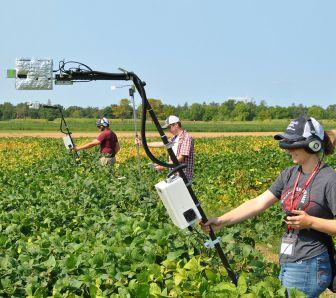
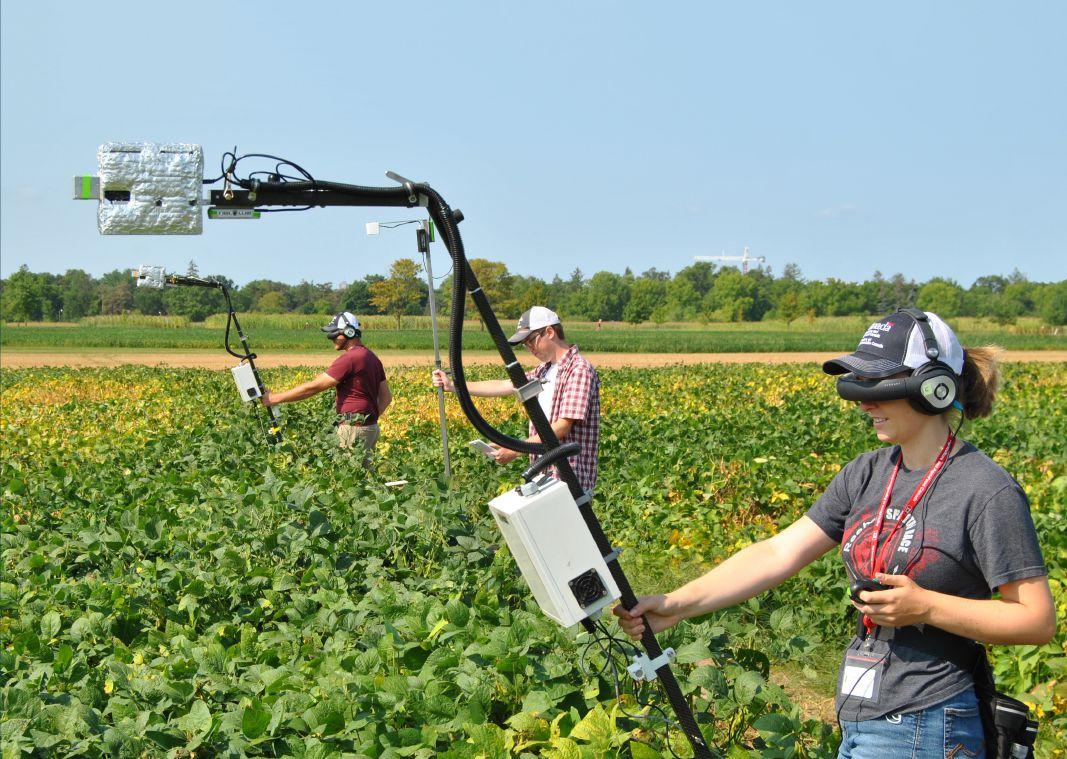
ABOVE: With the innovative PlotCam, two operators capture light in different parts of the spectrum to evaluate canopy characteristics, while the middle operator uses another imagery method to measure canopy height.
in transpiration rates in the plant for the entire growing season.” This trait reduces the amount of water lost through the stomata (plant pores), even when soil moisture is abundant.
“Another trait is fast wilt. With fast wilt, the plant functions normally, but it has a higher threshold for when wilt, or the closing of stomata, occurs. The plant regulates the amount of water in it by really quickly closing the stomata.
“A soybean plant can also change the rate of its rooting depth extension. And it can change the speed of its growth; for instance, it can alter the rate of leaf area development.
“And finally, there is this prolonged nitrogen fixation under moisture stress.”
“We have found that, over the past 100 years, precipitation in Canadian soybean-growing regions has become more irregular, making periodic moisture stress more and more of a reality for our soybean crops.”
He adds, “Researchers have looked at soybean nitrogen fixation and biomass production under different moisture conditions. When they reduced the soil moisture content, they found that nitrogen fixation cuts out faster than biomass accumulation. The idea behind prolonging nitrogen fixation under moisture stress is to get nitrogen fixation up on par with this biomass accumulation.”
Not all of the five drought-tolerance traits are also advantageous under wet growing conditions. “A drought-tolerance trait that is beneficial only in dry years is no use to farmers because growing conditions are not always dry. If there is a yield penalty when conditions are normal or wet, then the farmer is not going to grow that variety,” cautions Morrison.
He notes that research led by Thomas Sinclair at the University of Florida looked at the effects of these five traits on soybean yields under different weather conditions. “They took 50 years of weather data for the entire soybean-growing regions in the United States, and they modelled what the outcome would be if these traits were incorporated into the soybean varieties. For instance, they found that the root extent trait and the leaf appearance trait actually tended to result in decreased yields in normal or wetter years.”
Out of the five traits, the PNF trait had the greatest yield benefits. Morrison says, “They found that, in a wet year, lines with the PNF trait yielded about 300 to 700 kilograms per hectare more than the average variety grown in that environment. And in a dry year, the PNF lines yielded about 500 to 900 kilos per hectare more. That’s a huge amount.”
Identifying PNF lines
The PNF trait is fairly uncommon in soybeans, but some lines from the southern U.S. carry it. Elroy Cober, the soybean breeder at AAFC-Ottawa, has been crossing and backcrossing some of this U.S. material with his maturity group (MG) 0 and 00 lines to develop PNF lines suited to Canadian growing conditions. The progeny are currently being evaluated in the field.
But how can you tell which lines actually carry the PNF trait?
“The PNF trait is likely controlled by multiple genes, and no molecular markers are available to screen for this trait. Also, you can’t determine the presence of the trait just by looking at the plants,” notes Morrison.
“The purpose of our project is to help plant breeders by develop -
ing a selection process in the field whereby we can say with surety which plants have this PNF trait.”
Morrison is evaluating 14 of the AAFC lines that potentially have the PNF trait and two check varieties. The checks are: a non-nodulating soybean line, meaning that it doesn’t develop nodules and cannot perform biological nitrogen fixation; and a sister line that can nodulate.
He and his research team are growing these 16 lines in the field at the Ottawa Research and Development Centre under irrigated and dryland conditions. The irrigated plots have abundant moisture, avoiding any moisture stress, while the dryland plots typically undergo at least some moisture stress during the growing season.
“For example, in 2023, we got a lot of rain in August, while June and July were relatively dry. We got lower yields than normal because dry conditions prior to flowering limit the number of flowers that the plant will develop and the number of seeds that can develop from those flowers.”
The team is evaluating several different tests to find the optimal way to reliably identify PNF lines.
One of their approaches is to look at the yield difference between a soybean line when grown under irrigated conditions versus dryland conditions. A line with the PNF trait will have nearly the same grain yield and same protein yield under dryland conditions as under irrigated conditions.
Their second test is to measure the concentration of a nitrogen compound called ureide in the stem and petioles at the R5 growth stage (beginning of seed development). U.S. researchers have found that if this ureide concentration is high during dry conditions, then a feedback mechanism kicks in so that nitrogen fixation in the nodules shuts off. So, soybean lines with low ureide concentrations under dry conditions have the PNF trait.
The third way is to determine the ratio of two key nitrogen (N) isotopes – N14 and N15 – in the seed and in the stem at R5. “A line that has predominantly biological nitrogen fixation will have a very low N15 signature. A line that has a lot of nitrogen coming from a mineral source will have higher N15 amounts,” Morrison explains.
“For instance, our control plant that doesn’t fix nitrogen at all will have all of its nitrogen from mineral nitrogen, so it will have a higher N15 signature. Any lines that have the same amount of nitrogen coming from biological nitrogen fixation under dryland conditions as under irrigated conditions may have this PNF trait.”
The fourth test is to measure the amount of hydrogen emitted from the nodules. “Soybean nodules produce ammonia, NH4, which is toxic to a plant. So, the plant immediately cleaves off one of the hydrogen ions, producing ammonium, NH3. The cleaved-off hydrogen is released into the soil around the roots. By measuring the amount of hydrogen that is emitted, you get an indication of the amount of biological nitrogen fixation.”
Yet another approach is to use imaging technologies to measure light in the red, green, blue and infrared wavelengths, as well as recording stereo depth images, to capture data on things like canopy biomass, temperature, height and greenness.
In particular, they want to see if they can use the plant’s green spectral signature to select for the PNF trait. “Nitrogen is needed for chlorophyll, and chlorophyll is correlated to greenness. So, the amount of nitrogen in the plant will affect the chlorophyll content and the greenness,” he says. Plants without the PNF trait should have less greenness when grown under moisture stress.
To use this imaging approach, Morrison and his team have developed an innovative device called the PlotCam. This low-cost, handheld tool includes a WiFi-controlled camera and a computer. It is designed to take images of field plots from above, and can be adjusted to capture imagery from many heights. It enables fast, repeatable collection of high-resolution image data so users can track changes in the plots over time.
Morrison suspects that the optimal testing procedure for the PNF trait might turn out to involve more than one of these tests, such as a combination of the ureide concentration and the N14/N15 ratio.
His PNF project is funded by Grain Farmers of Ontario with matching funds from AAFC under the Sustainable Canadian Agricultural Partnership (Sustainable CAP). He is collaborating on this
research with Yvonne Lawley at the University of Manitoba. With funding from the Manitoba Pulse and Soybean Growers, Lawley is conducting exactly the same tests in Manitoba, and her research group is also doing the ureide analysis for both projects. Lawley and Morrison have a University of Manitoba master’s student, Larissa Cottick, working on this research.
Broad potential benefits
Morrison’s project already has some promising initial findings. “Out of the 14 soybean lines, we have identified some that have both high yield and high protein yield under dryland conditions,” he notes.
He also plans to look at the economic benefit of having the PNF trait in soybean varieties. “If we find a line that we know has prolonged nitrogen fixation under dry conditions, then we can compare the yield under abundant moisture and under dry conditions and determine how much extra it will be yielding than the average varieties that don’t have this trait.”
Morrison emphasizes that the PNF trait is important for building resilience to the effects of climate change into our soybean varieties. He notes that climate change is not just about hotter temperatures, but also about increasing variability, with more extremes in temperature, both hotter and colder, and in precipitation, both wetter and drier.
“This PNF trait is very important in that it doesn’t have a yield penalty in a normal or wet year, and it has a yield benefit in a dry year, compared to a variety without this trait.”
Morrison believes the PNF trait will be of interest to large and small soybean breeding programs across Canada and globally. “Our growing world population is going to need protein,” he says. “Incorporation of this trait would be a benefit for the entire world, not just Canadian farmers.”
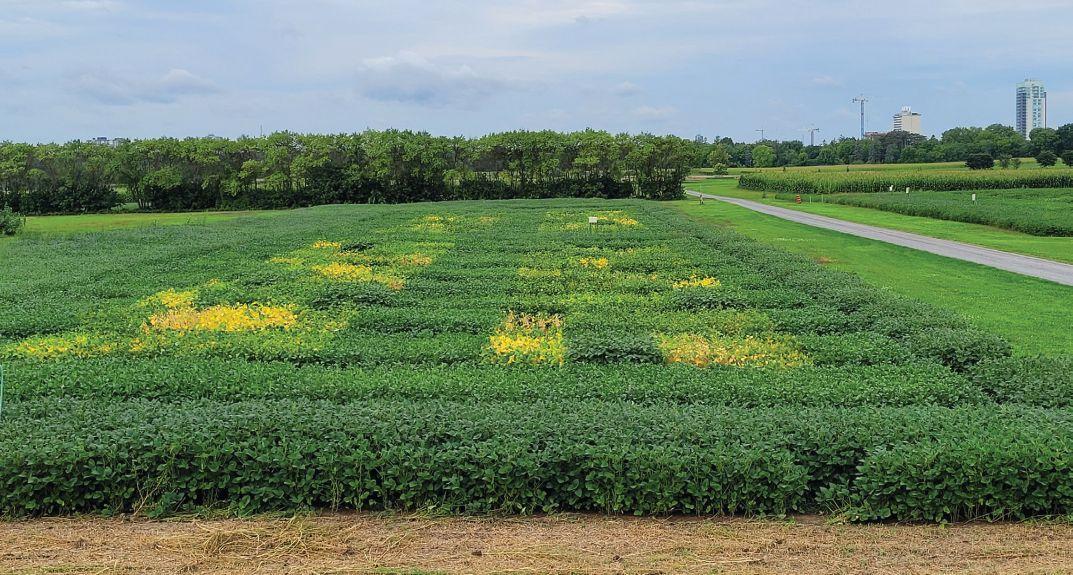
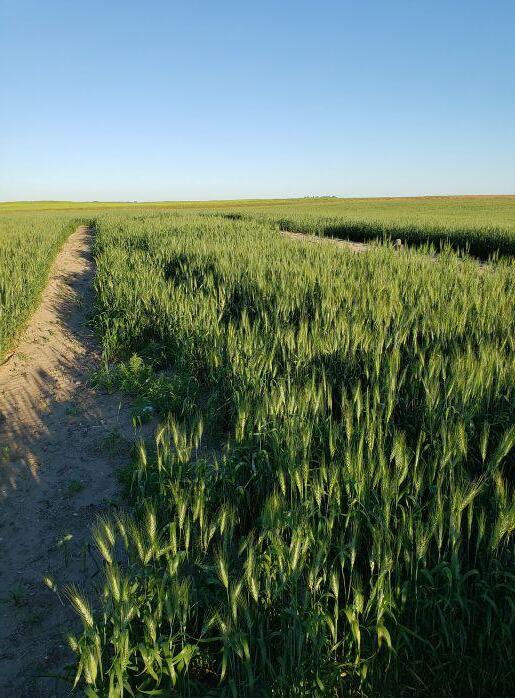
These Ottawa trials are assessing soybean lines for prolonged nitrogen fixation under moisture stress. In the foreground, the plots in the block on the left are irrigated, while the ones on the right are dryland.
AG ROBOTICS IN REALITY
Where does ag robotics fit on a modern farm?
by Alex Barnard
With all of the technology implemented in modern agriculture, automation and robotics is likely the next logical leap – but it can feel like an exceptionally large one for many. Between the economic, technological, and reliability considerations, there’s the added difficulty of knowing which machine might work best for your operation, and whether it can do what it’s supposed to. Chuck Baresich, general manager of Haggerty Creek Ltd. and president of Haggerty AgRobotics in Bothwell, Ont., has been working to figure out where ag robots fit for several years. Top Crop Manager eastern editor Alex Barnard spoke with Baresich about ag robotics adoption, reframing return on investment, and questions he’s often asked about ag robotics by farmers.
How did Haggery AgRobotics get started?
My brother and I are farmers in the area, and we started Haggerty Creek, the agronomy business, back in 2001. Almost immediately after starting the business – by 2004 – we were involved with precision agriculture.
When I got our first robot in 2020, with the price tag and the dollars involved, we thought it might be a distraction from our core business. We started Haggerty AgRobotics so that we could separate the automation piece from the agronomy side. We think it’s going to be big enough to deserve its own entity.
In 2021, we started doing the testing of the weeding robots. We didn’t really know – we still might not know what we’re doing, but back in 2021 we really didn’t know what we were doing. Then in 2022, with the help of OMAFRA and our AgRobotics Working Group and researchers, we started to set some priorities as to where these robots actually fit. How do we fit them into the Ontario ecosystem?
And then in 2023, we made a conscious effort to deploy the majority of these robots commercially. Some of them were still placed in trials, but a lot of them were leased out to commercial farms. Figuring out where they fit is one of the big challenges.
It’s all very futuristic and fascinating, but I imagine making it fit in a real farm system requires some negotiation.
Farmers are very smart people. Whether it’s corn or tomatoes, or onions or carrots or tobacco or any of these crops – the farmers are very good at what they do [growing crops], and they have certain cultural practices because they work. So, if an engineer who builds a robot that doesn’t fit within a traditional system – they might have the Cadillac system, the perfect machine, but the farmer says, “What I’m doing is working pretty good, I don’t want to upset that applecart. So, I you need to really show me an advantage to changing my system.”
What’s happening is there are some other unforeseen challenges driving the adoption. A lot of it relates to weed control: the weed control options we have are becoming more and more limited, chemicals are being taken off the market or are no longer effective. On top of that, labor is more costly and harder to get. A farm operation can no longer assume that it will be able to find a 50-person weeding crew to come in and do a rescue treatment. The value of the crop is so high that it makes this new technology more attractive.
The farmers are looking at what they’re doing today and saying, “I might have two or three more years of doing it this way, but that is
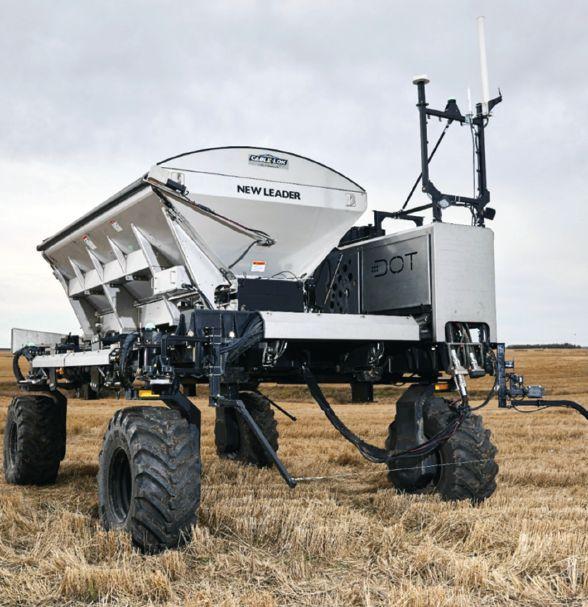
TOP: The DOT robot was one of the first widely discussed autonomous farm platforms. Since its unveiling in 2018, several other autonomous agricultural robots have been tested by Haggerty AgRobotics.
coming to an end. And I need to find an alternative solution.”
One issue that farmers have brought up is companies creating an ag robot as a solution that doesn’t necessarily have a problem. For an engineer or designer or developer who has an idea – sometimes they don’t understand the time crunch the farmer is under. They don’t understand the fact that if the machine doesn’t work, the farmer doesn’t have tomorrow to make it work. Sometimes there’s a lack of understanding from the engineering side as to what the pressures are and what kind of reliability is required.
“Sometimes [engineers] don’t understand the time crunch the farmer is under. They don’t understand the fact that if the machine doesn’t work, the farmer doesn’t have tomorrow to make it work.”
The other thing is that it’s not always just a new idea that’s required. Sometimes what the farmers are doing or the method they’re using isn’t wrong, but maybe the way they’re deploying that method can be improved or tweaked. Some interesting stuff was done this year with onions: the robotic technology might open up a different method of planting the onions that will allow for less chemical while maintaining the yield. That’s really one of the sweet spots we’re trying to go over, which will encourage the adoption piece. One of the things that isn’t going to [encourage adoption] is saying to the farmer, “You’re going to keep doing everything you’re doing exactly how it is today, but we’re going to take your staff away and eliminate all your employees.” That’s going to fail immediately.
What’s a common question you hear from growers?
One question I get asked is, “Is there a return, am I going to make any money on this machine?” The answer to that is, in some cases, yes. But you have to figure out, when you say a return on investment, what returns are you looking for? If you’re trying to compare strictly dollars of labor to dollars of robot – maybe, maybe not.
23_011330_Top_Crop_Eastern_FEB_MAR_CN Mod: December 14, 2023 11:33 AM Print: 01/10/24 page 1 v2.5
Going back to precision agriculture: the return on investment on an autosteer system in a tractor is very, very hard to measure, because technically a person can drive straight. I would argue that that return on investment is almost zero if you just measured dollars, but every tractor has one now. People have accepted that the ancillary benefits of being less tired, being more precise and such add value in a way that you can’t measure. And robotics is going to be very similar to that.
LET YOUR COVER CROP DO THE TILLING?
Comparing bio-strip tillage and other approaches for preparing a seedbed for corn.
by Carolyn King
Afew Ontario crop growers are using an intriguing practice called bio-strip tillage to prepare a good seedbed for their next crop. Instead of using mechanical strip tillage, they plant certain cover crop species that produce a similar – or perhaps better – strip for planting.
To provide more information for farmers interested in this practice, two Ontario researchers are comparing bio-strip tillage with other tillage and cover crop options and assessing the effects on corn yields and the bottom line.
“As researchers, we can play a role by measuring the effects of different cover crops in the same environment to see how we can optimize the system. Because we have small plots, we can do direct comparisons with strip tillage versus no-till versus bio-strip tillage,” explains Laura Van Eerd, who is leading this project. She is a professor of sustainable soil management at the Ridgetown Campus of University of Guelph.
This project, which is just wrapping up, has nine site years of data. The field experiments took place at three Ontario crops research centres: Ridgetown, in southwestern Ontario; Winchester, in eastern Ontario; and New Liskeard, in northern Ontario. The sites encompass
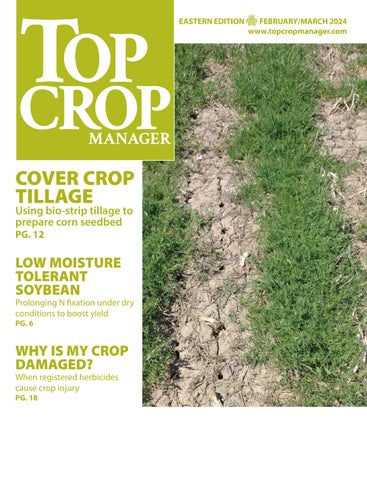
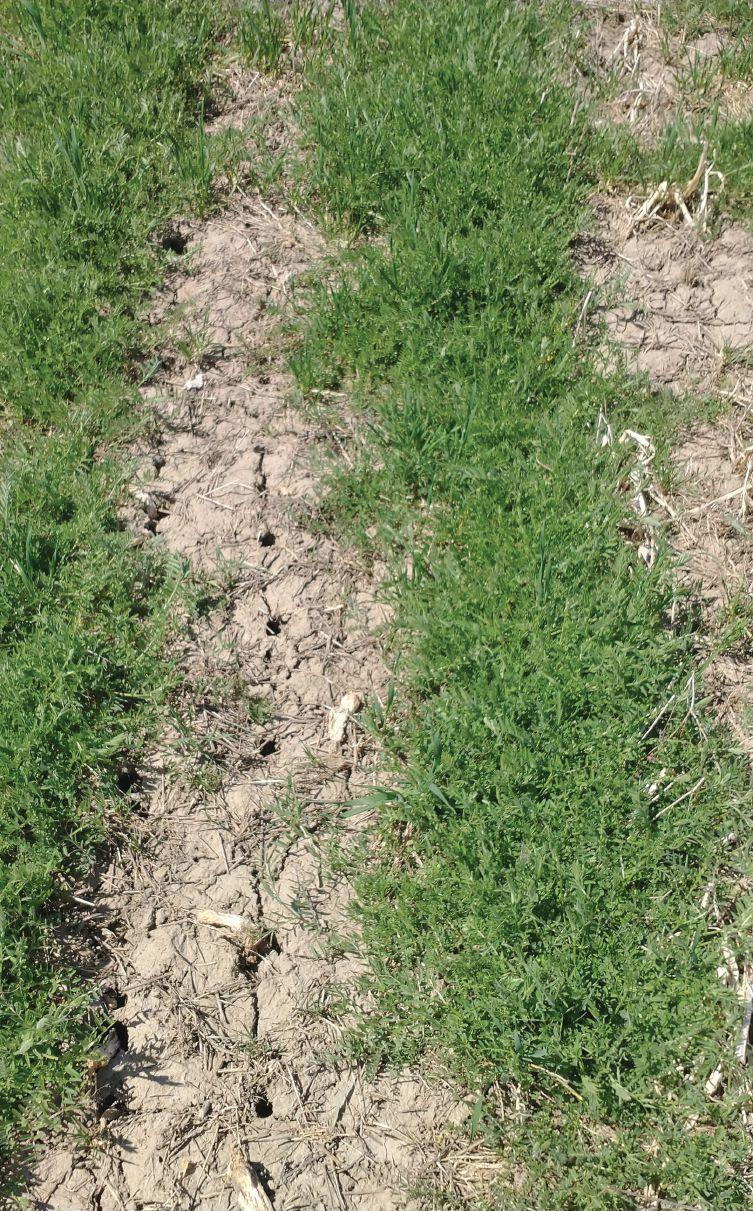
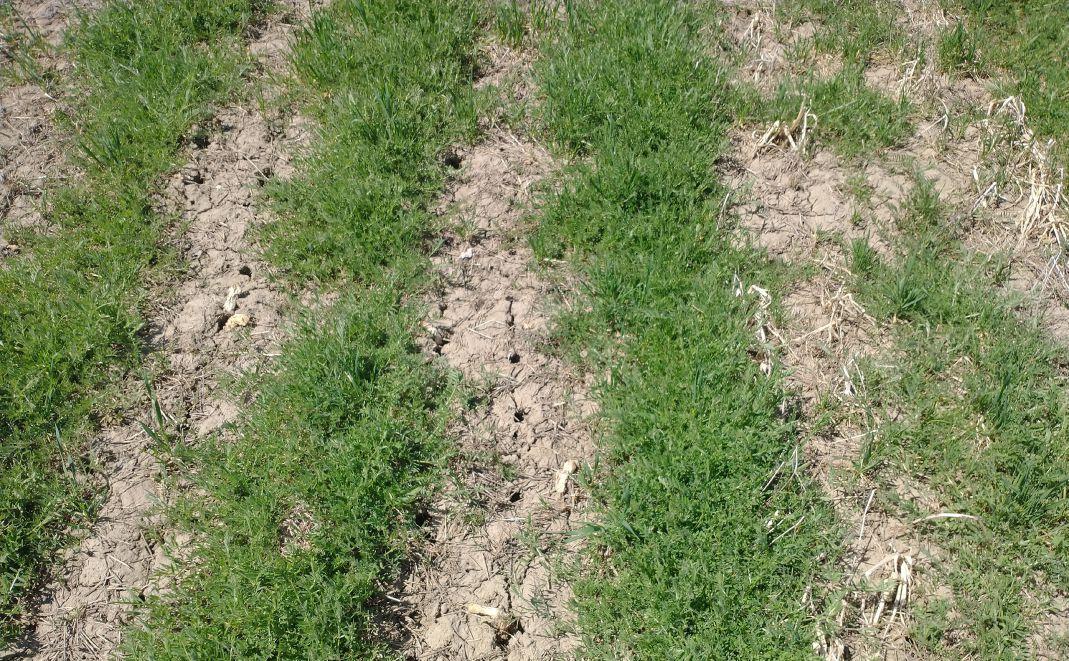
TOP: Radish bio-strips with cereal rye wheel track strips, in the spring before corn planting.
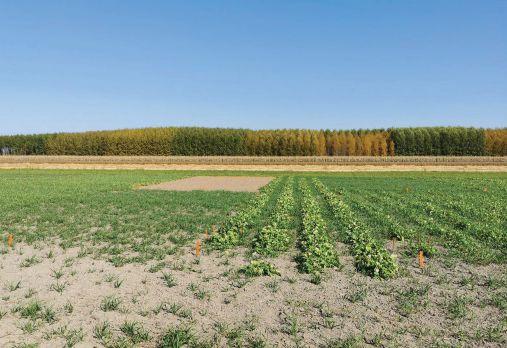
MIDDLE: Some of the treatments in the fall. The plot in the centre has a radish bio-strip where the corn will be planted next spring, with cereal rye for the wheel track.
a range of soil and climate conditions and provide a look at some of the challenges of cover cropping in areas with relatively short growing seasons and clay soils.
The co-lead on this project is Joshua Nasielski, an assistant professor who heads the University of Guelph’s Northern and Eastern Ontario Agronomy Research Group. Van Eerd and Nasielski are also collaborating on a related project to evaluate a wide range of cover crop species and mixes to see which options work best in Ontario.
Bio-strip tillage basics
“As researchers, we can play a role by measuring the effects of different cover crops in the same environment to see how we can optimize the system.”
Nasielski explains that bio-strip tillage systems involve alternating strips of cover crop species that will produce a nice seedbed and different cover crop species that will make a good wheel track.
For the strip where the crop will be planted in the following spring, the idea is to plant cover crop species that grow quickly in the fall and provide some erosion protection and some benefit for soil structure. Just as important, the bio-strip cover crops also need to be species that are winterkilled and have residues that break down quickly, leaving a relatively bare strip by spring planting time.
Compared to a no-till overwintering cover crop, this bare strip may have better soil aggregation, warm up faster and enable a more uniform planting depth. Those effects could contribute to better germination and emergence of the following crop, which could improve yields.
For the wheel-track strip, the idea is to plant high-residue overwintering cover crops that are terminated with a herbicide in the spring. These cover crops provide well-known benefits such as reducing soil erosion, building up organic matter, enhancing soil microbial life and suppressing weeds.
Farmer experience indicates that, compared to bare soils, overwintering cover crops seem to dry the soil a little faster, allowing a farmer to get on the land a little earlier, and have better trafficability.
Plot comparisons
In this bio-strip tillage project, the cover crops were planted in the first half of August, shortly after winter wheat was harvested from
the plots. Corn was then planted the following spring.
The trials compared five overwintering treatments: cereal rye; hairy vetch; a cereal rye/hairy vetch mix; a cereal rye/hairy vetch/ kale/sunflower mix; and a no-cover-crop control.
The researchers chose cereal rye as an economical overwintering cereal that grows well in cool conditions and produces a strong root system. Hairy vetch is an overwintering legume that tolerates cold conditions. Kale is a biennial Brassica with very good frost tolerance. Sunflower, although it doesn’t overwinter, was included to further increase diversity.
Within these overwintering treatments were four tillage treatments: no-till, where the corn was seeded directly into the terminated overwintering cover crop; fall strip tillage, where a strip was tilled into the overwintering cover crop in the fall; bio-strip tillage with radish; and bio-strip tillage with a radish/faba bean/oat/buckwheat mix.
“When we conducted a preliminary bio-strip tillage experiment on a sandy loam soil, we put out a call on Twitter to ask growers what they were using in their bio-strip mix. From there we selected our cover crop species based on what we expect these cover crops to do,” explains Van Eerd.
They chose radish because its large taproot could help in reducing soil compaction in the seedbed. Also, radish grows quickly in the fall and decomposes quickly after being winterkilled. They included faba bean because it is an annual legume and its residue breaks down quickly. Oat is an inexpensive cereal that grows well in cooler conditions. Buckwheat is a fast-growing broadleaf known for improving soil tilth; however, it sets seed very quickly, so volunteer buckwheat is something to watch for.
All cover crops were planted in narrow rows. For the bio-strip treatments, the project team planted two rows of the bio-strip cover crop alternated with two rows of the overwintering cover crop.
The team also tried putting a bio-strip into red clover that had been underseeded to winter wheat, just to see how that might work. However, it didn’t work; the red clover took over.
The overwintering cover crops were terminated with a herbicide just before or just after corn planting. The nitrogen rates on the corn were slightly below the recommended rates, to help in detecting if the cover crop legumes were providing a nitrogen credit to the corn.
The key parameters measured in the plots were corn growth and yield. “We mainly used the corn plant as a proxy of how suitable the seedbed was,” says Van Eerd.
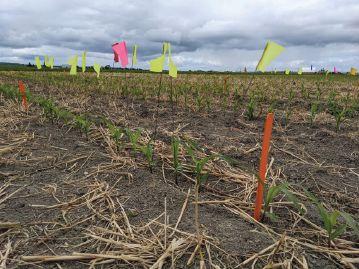
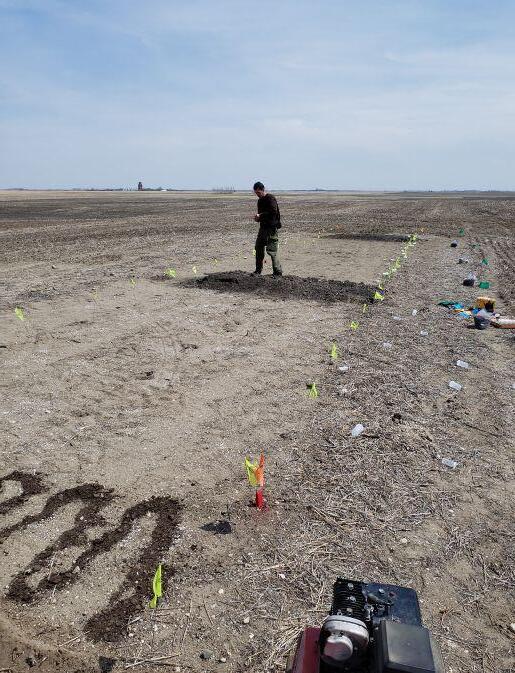
“We looked very closely at emergence. That involved going into the field each day at the same time and placing flags to identify each corn plant that had emerged. We did that every day for however many days it took for the corn to emerge. So, we knew when each
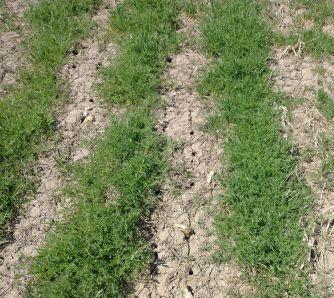
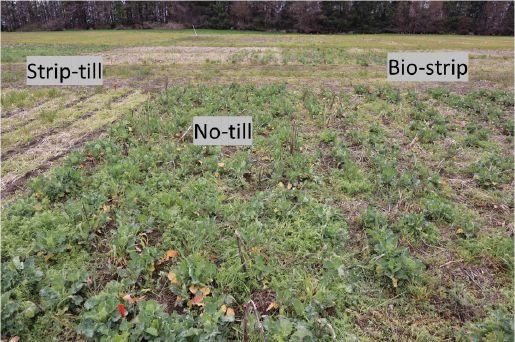
Comparing three cover crop treatments in the spring before corn planting.
WEBINAR 1: SOYBEAN SUCCESS STRATEGIES FROM BAYER AND DEKALB
Learn about the Roundup Ready® Xtend Crop System featuring Roundup Ready 2 Xtend® and XtendFlex® soybeans. The system delivers high yield potential and short-term residual control of tough to manage weeds like Canada fleabane. Learn more about the system that makes DEKALB® a great choice for soybean seeds.
WEBINAR 2: CORN SUCCESS STRATEGIES FROM BAYER AND DEKALB
Listen in to find out how DEKALB seed and Bayer Trait technology helps deliver the big results you want Save the date! March 26 & 27, 2024 at 11am – 12pm EDT
See how Bayer gives you the choice of traits you need for your growing conditions. And find out about the latest Bayer traits available and what that means for your farm.
Bayer is a member of Excellence Through Stewardship® (ETS). Bayer products are commercialized in accordance with ETS Product Launch Stewardship Guidance, and in compliance with Bayer’s Policy for Commercialization of Biotechnology-Derived Plant Products in Commodity Crops. These products have been approved for import into key export markets with functioning regulatory systems. Any crop or material produced from these products can only be exported to, or used, processed or sold in countries where all necessary regulatory approvals have been granted. It is a violation of national and international law to move material containing biotech traits across boundaries into nations where import is not permitted. Growers should talk to their grain handler or product purchaser to confirm their buying position for these products. Excellence Through Stewardship® is a registered trademark of Excellence Through Stewardship.
specific plant emerged and could follow it in terms of competition with neighbouring corn plants. Farmers know it’s best if all the plants emerge at the same time; if a corn plant is late to emerge, then it has to compete with its big brothers.”
The team also measured cover crop characteristics, such as stand counts of the different species. “Let’s say you’re planting a four-species mix and you intend to get a stand with 25 per cent of each, based on your seeding rate. However, growing conditions may favour some species over others. So, at the end of the day, the stand might be composed almost entirely of only one or two species,” Nasielski explains. “We also measured cover crop biomass in the fall and spring because a cover crop with a higher biomass will provide greater benefits.”
The project team used flags to closely track emergence and growth of individual corn plants in the different treatments.
In addition, the team measured soil strength in the wheel track and the seed row, as well as things like soil temperature and uniformity of planter seeding depth.
Some initial results
Although they are still analyzing the data from the project’s final year, Nasielski and Van Eerd have some preliminary comments on what they have been seeing.
“The exact results varied a little between our sites and years. But a couple of things stand out to me,” says Nasielski.
“One was that, based on five site years of data, the tillage treatment – no-till vs. bio-strip till vs. fall strip tillage – didn’t have a large effect on corn yields.”
Nevertheless, the corn emergence data suggest big differences in seedbed quality between some of the treatments, even though that didn’t translate into yield differences. For example, with a cereal rye cover crop, the emergence percentage within a three-day window across the three tillage treatments was: no-till, 74 per cent; strip till, 82 per cent; and radish bio-strip till, 91 per cent. With a no-covercrop control, it was: no-till, 93 per cent; strip till, 96 per cent; and radish bio-strip tillage, 90 per cent.
Van Eerd adds, “One thing to note is that we have set up our planter to create an excellent seedbed for the corn; for instance, we have trash whippers. And we plant when soil conditions are right. So, we’re taking care of basic agronomy that favours corn yield. That is probably one reason we didn’t see a difference between the biostrip till and the strip till systems.”
The bio-strip cover crops produced more fall biomass than the overwintering cover crops, which was expected. The amount of spring growth among the overwintering cover crops depended on the site and year.
For the most part, the different overwintering cover crop treatments did not significantly affect corn yields, producing yields similar to the no-cover-crop treatment. Interestingly, in some years at Ridgetown, the hairy vetch cover crop was associated with significantly increased corn yields, especially compared to the no-cover-crop control. Nasielski thinks this yield increase could be due to a nitrogen credit from the legume.
“For our eastern and northern locations, growing cover crops was a big learning curve for the technicians and myself,” notes Nasielski. For example, in the first year, they found that the cool spring conditions at these sites tended to reduce the efficacy of glyphosate for terminating the cover crops. As a result, the overwintering cover crops weren’t completely killed and were able to compete with the corn plants, lowering corn yields compared to the no-cover-crop control.
So, the team switched to glyphosate plus dicamba or glyphosate plus Acuron (S-metolachlor, bicyclopyrone, mesotrione and atrazine). He says, “After that, we didn’t see any significant corn yield reduction with our overwintering cover crops compared to our no-cover-crop control, across all our tillage treatments.” Van Eerd adds that bio-strip tillage in red clover might be worthwhile if the red clover stand is poor after wheat harvest. “However, if you have a decent amount of red clover, then just go with that system because it works very well.”
The soil strength measurements indicate that an overwintering cover crop like cereal rye provides good trafficability. Nasielski says, “Cereal rye roots are like rebar for the soil. The difference in soil strength between the cereal rye strip and the bare bio-strip was astounding.”
Although the researchers haven’t analyzed the economics yet, Van Eerd says, “Most of the time, the bio-strips were equivalent to the strip tillage [in terms of corn yields]. So, bio-strip tillage is saving a pass in the field, which saves on fuel, time, and wear and tear. My guess is the strip tillage costs would cover the bio-strip tillage costs of seed and planting the cover crop.”
A few tips for shorter-season areas
Based on the results so far, Nasielski has some tips for growers in eastern and northern Ontario who are thinking about trying cover crops and bio-strip tillage.
“The corn emergence data suggest big differences in seedbed quality between some of the treatments, even though that didn’t translate into yield differences.”
Regarding overwintering cover crops, you may need to mix glyphosate with another herbicide to ensure effective cover crop termination in cool spring conditions. Also, cereal rye may not survive the winter in northerly locations, and when it does survive, it may not come back very quickly. And warm-season species like sunflower probably won’t do well.
For bio-strip cover crop species, he recommends daikon radish and oats, which both grow well in cool temperatures. “At our
northern Ontario location, radish was the most consistent and best performing species in terms of fall biomass. We are already doing some on-farm work with radish.”
One caution is that radish is a Brassica like canola, a common crop in northern Ontario rotations. “Some farmers are wondering about how having radish in their cover crops might relate to the risk of canola diseases, especially clubroot. I’ve talked about this with Mary Ruth McDonald, a professor at the U of G who has done a lot of clubroot research,” Nasielski says.
“She evaluated a number of different cultivars of daikon radish. None were completely resistant but most were strongly resistant. At this point, we don’t know if radish cover crops will contribute to clubroot inoculum buildup or, alternatively, reduce resting spore counts by stimulating germination of the spores and then preventing the pathogen from completing its life cycle, since the plant will die fairly soon in the fall.” Further research is needed to assess this issue.
Is bio-strip till for you?
“Overall, bio-strip till seemed to work equally well at all three locations. In the spring, it was always really apparent where the bare bio-strip was and where the wheel track was,” says Nasielski. “For people who want to integrate cover crops into their cropping systems, bio-strip till is something to think about.”
Van Eerd notes that the data from the three sites indicates the need for site-specific recommendations regarding things like how much cover crop growth to expect and how much it will benefit the corn crop. “We will be creating both general, provincial recommen-
dations and regional recommendations.”
She adds, “Using a cover crop to prepare your seedbed is a pretty novel idea, and for some farmers, bio-strip tillage will resonate. However, adding cover crops into your cropping system requires proper management. It requires terminating your cover crop in a timely fashion and dealing with crop residues. It needs to be part of a plan.” And it usually requires some experimentation with different cover crop species and other components of the system to see what works best for your own situation.
“We’re not saying that one approach is bad and the other is good,” Van Eerd emphasizes. “We’re just evaluating different approaches to see what growers might take away that would work in their own system. We are identifying some of the risks for farmers who haven’t tried cover crops or are new to cover crops. For those who are already cover cropping, we are testing lots of options and we may be able to provide some recommendations about which ones to use or not use.”
This project is funded by Grain Farmers of Ontario and the Ontario Agri-Food Innovation Alliance, a partnership between the University of Guelph and the Ontario Ministry of Agriculture, Food and Rural Affairs (OMAFRA). Pioneer-Corteva donated corn seed. Graduate students working on this project included Farzana Yasmin and Victoria Snyder. Technical support was provided by Sean Vink, Holly Byker, Melinda Drummond, Ian DeShiffart, Ben Melenhorst and Nathan Mountain. OMAFRA’s Ian McDonald and Anne Verhallen helped with thinking through the project design at the Winchester and New Liskeard locations.
Do you know an influential and innovative woman involved in Canadian agriculture?
We’re looking for six women making a difference in Canadian agriculture. Whether actively farming, providing agronomy or animal health services, or leading research, marketing or sales teams, we want to honour women who are driving Canada’s agriculture industry. Visit AgWomen.ca to learn more and submit your nomination.
DEADLINE: APRIL 1, 2024
WHY IS MY CROP DAMAGED?
Registered herbicides interact with crops in predictable ways when applied correctly. What
can cause things to go wrong?
by Alex Barnard
Peter Sikkema, professor of field crop weed management at the University of Guelph, Ridgetown Campus, has encountered many instances of difficult-to-explain crop injury during his career. At the Ontario Agriculture Conference in January, Sikkema presented on registered herbicide-caused crop injury, providing examples from his decades of experience consulting with farmers in southwestern Ontario. Several of the causes of herbicide injury he discussed are included below.
Extremes in weather
Too much moisture, not enough moisture, or too much rain, too quickly – the weather can play havoc with how herbicide interacts with a crop. Temperature fluctuations can, as well. Sikkema quoted the Steadfast label, which states “a rapid fluctuation in temperature (greater than 20 C difference within 24-36 hours) will stress the corn crop. For maximum crop safety, allow 24 hours for the corn to acclimatize before spraying.”
One concern for parts of the country that have experienced severe drought over the past few seasons is herbicide carryover, where there isn’t adequate moisture for the herbicide to break down so it lingers in the soil. If the herbicide and the next crop in that field aren’t compatible, it can lead to damage.
Soil characteristics
Unique or variable soil characteristics are another reason a farmer might see herbicide injury in their crop. This is because soil texture and organic matter levels affect herbicide uptake and injury potential. What makes this particularly challenging to avoid is that subtle changes in soil characteristics and elevation can have sizeable effects on how the herbicide is taken up by the plant.
Application errors
Application timing is also a potential factor affecting herbicide injury of a crop. Sikkema noted that 3 p.m. is the best time of day to spray if you want the greatest crop injury in general. But using products that are meant for fall application in the spring instead, or pre-emergence instead of post-emergence, will also increase the likelihood of damaging the crop.
Occasionally, the issue is simply human error. Sikkema related a story about a grower who was given the wrong herbicide when he went to pick it up because the products had similar names. Another issue can be spray overlap. If multiple active ingredients are applied at a higher than label rate – for instance, spraying the excess remaining in the tank on a repeat pass – can overload the crop trying to take it up. This practice won’t always cause problems, as
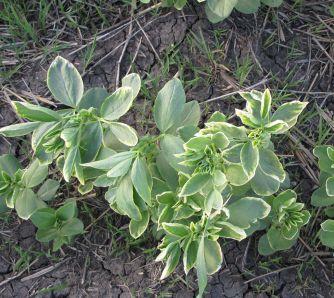
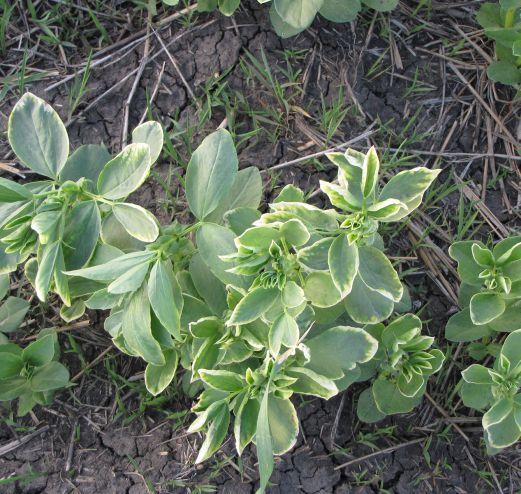
ABOVE: Group 27 pyrasulfotole damage to faba bean.
whether or not it damages the crop is dependent on several factors.
Adding too many active ingredients to the tank can lead to severe crop injury. Also, just because a product or tank mix is registered in your region doesn’t make it a good idea in all conditions nor completely unable to injure a crop.
Herbicide residues
Do you clean your tank after you’ve finished spraying? It may save time on busy days to refrain, but it could cost your crop. Tank and boom contamination can cause herbicide injury, as the residues remaining from a previous spray could be incompatible with the crop currently being sprayed.
Herbicide off-target movement – or drift – can be a major cause of herbicide injury, especially if it’s glyphosate drifting onto crops that aren’t able to tolerate glyphosate. It’s possible to see variations in a field if it’s been seeded with both glyphosate-tolerant and intolerant varieties. It’s not just a problem within a field, too – the products used can negatively impact neighbouring fields, as well.
Sikkema ended his presentation on a positive note: despite these injuries, crops are frequently able to recover – even if the injury is severe. So, before you consider the crop a loss, consult with an agronomist or herbicide professional to discuss your options.
PHOTO COURTESY OF ERIC JOHNSON.
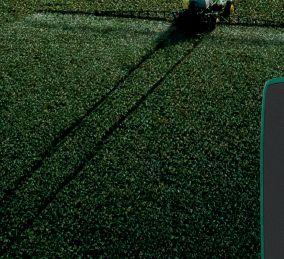
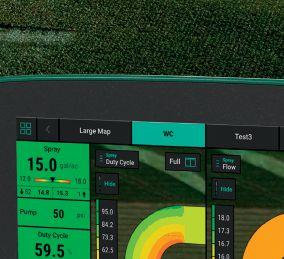
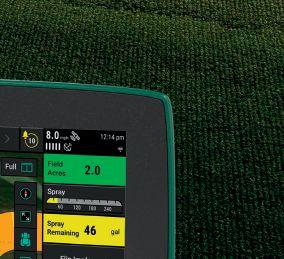
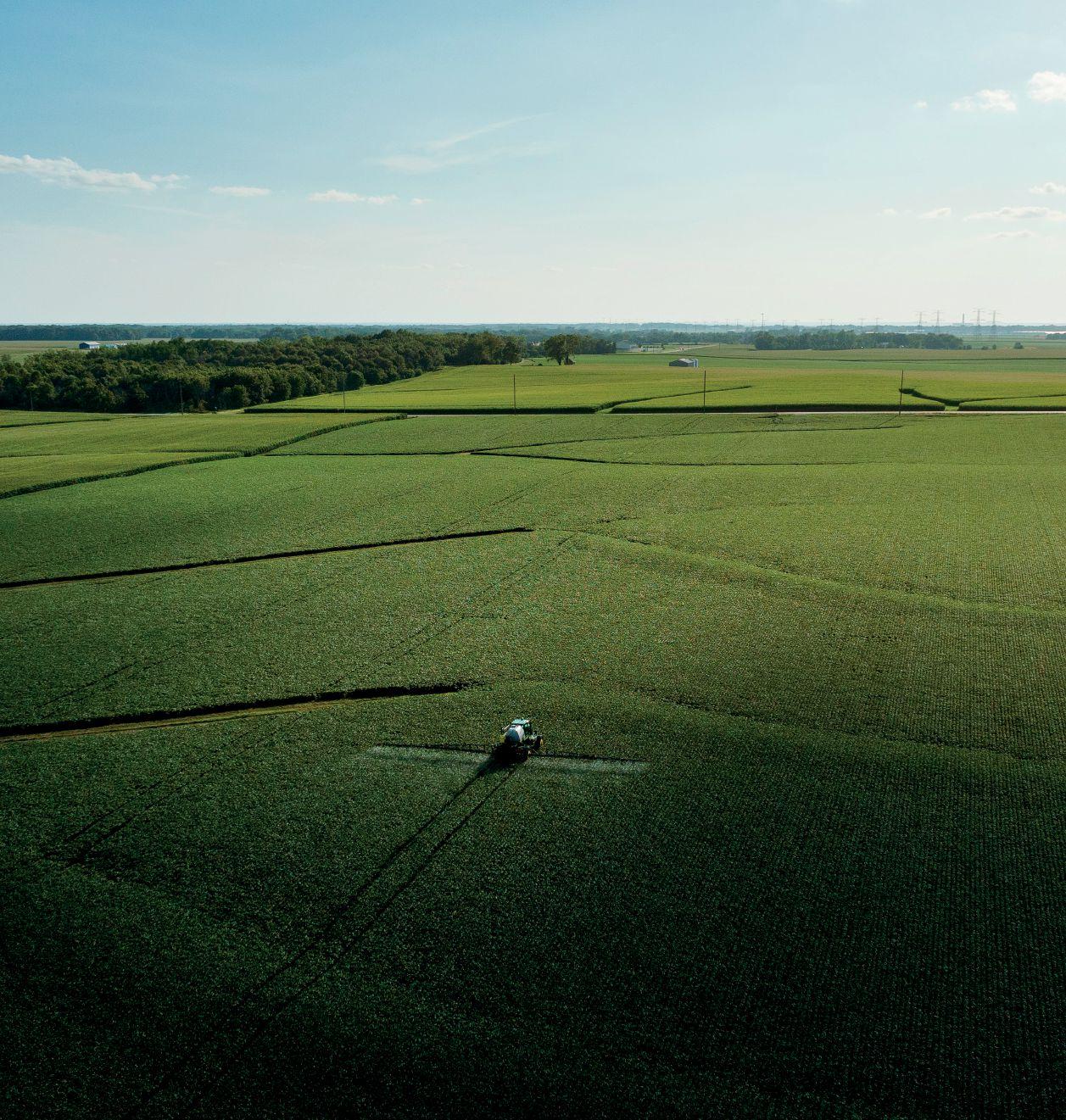
PROVEN PRECISION AG TECHNOLOGY NOW AVAILABLE FOR YOUR SPRAYER.
THE LEVEL OF PRECISION YOU’VE COME TO EXPECT FROM US IS NOW AVAILABLE ON YOUR SPRAYER.
Take charge of your spraying accuracy through independent control of rate and pressure with SymphonyNozzle™ and a Gen 3 20|20® monitor. Together they reduce over-application with swath control and level out inconsistent application on turns. Take your sprayer a step further and add ReClaim™, our recirculation system.
WE BELIEVE IN BETTER SPRAYERS WITH BETTER CONTROL.
RETROFIT YOUR CURRENT SPRAYER AND SAVE ON INPUTS.
RESTORING ERODED KNOLLS
Topsoil addition is best, but phosphorus plus micronutrient amendments provide some benefit after several years.
by Bruce Barker
Alittle off the top over decades of tillage and wind and water erosion has resulted in severely eroded knolls. This erosion of knolls has resulted in low organic matter, poor fertility, and poor water infiltration and holding capacity – ultimately resulting in poor crop productivity.
“No-till has certainly helped improve the productivity of these eroded knolls but we still have a long way to go to increase fertility and input of residue, which can help to increase the organic matter content,” says Jeff Schoenau, soil science professor at the University of Saskatchewan. “But in some cases, these knolls have lost the A and B horizons, and are just left with the parent C horizon material, and that can take a long while to rebuild that organic matter and productivity back up.”
Research by soil science professor David Lobb at the University of Manitoba found moving topsoil from low spots back onto the eroded knolls was a successful way to reclaim them, but the practice can be expensive.
A three-year research project started in 2020 and completed in 2022 at the University of Saskatchewan by Schoenau and research associate Ryan Hangs looked at alternatives. Eroded knolls are usually deficient in phosphorus and micronutrients, and the addition of these nutrients could help improve crop productivity.
“The question we set out to address is: Can we restore productivity of specific field zones like eroded knolls through selective addition of amendments,” says Schoenau. “Our research looked at strategies to move that process along a little bit faster.”
In the spring of 2020, field experiments were carried out on two eroded knolls in adjacent fields in south-central Saskatchewan near Central Butte. The soils are clay loam and classified as Orthic Regosol, with severe limitations to crop growth because of low soil organic matter.
Nine different treatments were applied prior to seeding in 2020 in addition to an unamended control. The following were one-time application treatments in the spring of 2020:
1. side-banded mono-ammonium phosphate (11-52-0 (MAP) at 133 lbs. P2O5/ac or 58 lbs. P/ac (150 kg P2O5/ha or 65 kg P/ha);
2. side-banded zinc sulfate (ZnSO4) at 4.5 lbs. Zn/ac (5 kg Zn/ha);
3. side-banded copper sulfate (CuSO4) at 4.5 lbs. Cu/ac (5 kg Cu/ ha);
4. side-banded ZnSO4 + CuSO4 (same rates of each as applied alone);
5. side banded MAP + ZnSO4 + CuSO4 (same rates of each as applied alone),
6. composted solid cattle manure (SCM) at 58 lbs. P/ac (65 kg P/ ha; 8.7 tonne manure/ha) broadcast and incorporated to sixinch depth (15 cm) using a roto-tiller;
7. broadcast and incorporated solid cattle manure (SCM) (same rate as applied alone) followed by side-banded ZnSO4 + CuSO4 (same rates of each as applied alone);
8. side-banded zinc-containing char 4.5 lbs. Zn/ac (5 kg Zn/ha); and
9. eroded topsoil mechanically transplanted back onto the knoll
Ryan Hangs applies treatments on north eroded knoll site in May 2020.
Brought to you by DOES THE FUTURE OF AGRICULTURE SEEM GREY TO YOU?
Agriculture in the Classroom is cultivating curiosity by providing hands- on, immersive learning experiences to educate and engage students. The next generation of farmers, policy-makers, and innovators is in the classroom today. Together, we can inspire young people to drive our industry forward.
Change the future at aitc- canada.ca
at a depth of four inches (10 cm) from an adjacent depressional area.
In addition, annual applications of 67 lbs. N/ac (75 kg N/ha as urea), 45 lbs. K/ac as K2SO4 (50 kg K/ha), and 45 lbs. S/ac as K2SO4 (50 kg S/ha) were also broadcast and incorporated at a depth of 15 cm using a roto-tiller prior to seeding in 2020. Crops seeded in 2021 and 2022 also received recommended N, K, and S fertilization.
The north knoll was seeded to wheat in 2020, field pea in 2021 and canola in 2022. The south knoll was seeded to field pea in 2020, canola in 2021 and wheat in 2022.
Growing conditions in all three years had below-normal precipitation and suffered from drought conditions, which were severe in 2021. Timely rains in 2020 and 2022 resulted in better crop yields than 2021, but were still drought affected.
Grain yield, straw and total biomass were measured, along with N, P, Cu and Zn uptake in grain and straw. Water use efficiency was estimated. Soil samples were taken annually and post-harvest in the final year to assess leftover soil fertility and various soil properties, such as pH, electrical conductivity (EC) and soil organic carbon. Particle size distribution, soil bulk density, soil moisture and water infiltration were also measured.
2020 results shows some promise
Schoenau says that in 2020 the growing conditions were good enough to produce a decent wheat crop. At harvest, a couple plots looked better, and those were the ones with topsoil replacement, which had the statistically highest yield, followed by cattle manure amendments. Overall, there was a small response to MAP, but no response to micronutrients in wheat.
For pea in 2020, there was a small yield decrease when MAP was applied alone, which Schoenau says was likely a P-induced Zn deficiency. Applied Zn showed a pea yield response, and the highest yield came from the treatment with Zn plus Cu plus solid cattle manure. The topsoil replacement didn’t give an appreciable increase in yield for pea compared to some of the other treatments.
“This reflects that pea can do a pretty good job scavenging nutrients from the soil, so we’re not seeing as big a response overall to those amendment treatments, other than seeing that trend towards a response of pea to addition of zinc fertilizer,” says Schoenau. “This also suggests that zinc deficiency can be a limitation to pea productivity on eroded knolls.”
In 2021, drought severely reduced yield, which limited statistical differences between treatments. There was a trend for the 2021 canola yields to be higher in the treatments that had the combined application of micronutrient with MAP or solid cattle manure in the spring of 2020. The topsoil amendment plots had the highest canola grain, straw and total biomass yield. Field pea grain yield was unaffected by treatments.
Some trends emerge in 2022
Due to the dry conditions, wheat grain yield ranged from 22 bushels per acre to 34 bu/ac (1.5 to 2.3 tonne/ha), and canola from 16 to 23 bu/ac (0.9 to 1.3 tonne/ha). Grasshoppers affected canola yield by feeding on canola pods late in the summer.
In wheat, Zn+Cu+MAP, Zn+Cu+SCM, and transplanted topsoil treatments increased wheat grain by 27 per cent, wheat straw by 33 per cent, and total biomass by 30 per cent compared with the
unamended control. Because of grasshopper feeding, there were no treatment effects on canola grain yield, but the application of Zn+Cu+MAP increased canola straw and total biomass compared with the control.
For both crops in 2022, the Zn+Cu+MAP, Zn+Cu+SCM, and transplanted topsoil treatments significantly increased grain yield by 21 per cent, straw yield by 28 per cent, and total crop biomass by 26 per cent compared with the control.
Three year results show promise
The results over three years were masked by the drought, but show some trends. Topsoil replacement provided the greatest benefits in increasing crop grain yield, straw and total biomass on the knolls. This was related to increased organic matter, greater water-holding capacity, better structure and lower bulk density, faster water infiltration, along with superior macro and micronutrient fertility. This approach would be the gold standard for restoration.
Fertilizer amendments took longer to have an effect, but in the third year, they showed increased yield and nutrient uptake compared to the first and second years. Schoenau says this delayed response may reflect gradual mixing and movement of fertilizer deeper into the soil, improving acquisition by roots in these calcareous soils.
There was an initial response to solid cattle manure, MAP and zinc sulfate, indicating that these amendments may be short term solutions for improving crop yield. The significant responses to combinations of MAP+Zn+Cu and SCM+Zn+Cu in year three indicate potential longer-term benefits from these amendments.
Wheat on north eroded knoll site plot in July 2020.
HAVE YOU EVER THOUGHT...
“DANG. FERTILIZER IS EXPENSIVE.”
We want to make sure you’re not wasting any of that precious fertilizer, so we created a lineup of fertility control products for strip-till bars, planters, and sidedress applicators. Besides the input cost, we want to be sure those nutrients are readily available for your crops. Precision Planting can help you optimize your fertilizer application with full visibility, accurate placement, and total control from the tractor cab.
WE BELIEVE IN BETTER NUTRIENT APPLICATION.
Every day new challenges, obstacles, roadblocks and uncertainties threaten your farm’s progress. That’s why you need solutions that work. You need agronomists that know the industry. You need answers. Because regardless of the unknowns, you always have to make a decision. Make the most with what you’ve been given by tapping into the nutrient enhancing technologies from Koch Agronomic Services proven to create a positive impact in your fertility program.