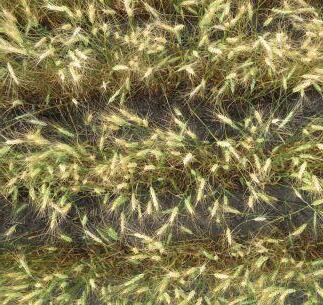
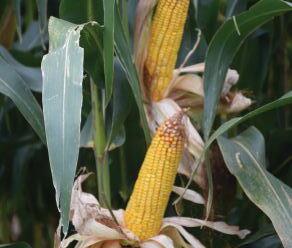
Newly identified genes, new opportunities for resistance breeding
PG. 6
FIGURING OUT
CORNY YIELDS
Nitrogen management for higher corn yields
PG. 12
OPTIMIZING WHEAT
Updating row spacing, seeding and rotation recommendations.
PG. 36
TOP CROP
MANAGER
PLANT BREEDING
6 | Advancing soybean research
Newly identified gene will be instrumental in P. sojae resistance breeding. by Julienne Isaacs
FROM THE EDITOR
4 Picture perfect by Stefanie Croley
10 Intensive wheat management by Donna Fleur y
16 Till or no-till after soybeans? by Julienne Isaacs
ON THE WEB
WBEINAR: CORN SEASON IN REVIEW
FERTILITY AND NUTRIENTS
12 | Figuring out corny yields
Examining the many ways to manage nitrogen. by Bruce Barker
CROP MANAGEMENT
22 Dr yland corn production by Bruce Barker
FOCUS ON:
PRECISION AGRICULTURE
24 Ready, set, go by Bruce Barker
CEREALS
36 | Optimizing wheat production
Updating row spacing, seeding rate and rotation recommendations for Manitoba. by Carolyn King
FOCUS ON: PRECISION AGRICULTURE
26 Zeroing in on the right N rate by Mark Halsall
PESTS AND DISEASES
30 Towards increased pest resistance by Carolyn King
What problems did corn producers face in 2018 and what are the opportunities for next year?
Join us on Dec. 12 at 3 p.m. EDT for an interactive webinar with Ben Rosser, corn specialist with the Ontario Ministry of Agriculture, Food and Rural Affairs and Morgan Cott, field agronomist with the Manitoba Corn Growers Association. This free, interactive 60-minute session will give you a better understanding of the threats and opportunities for growing corn.
Register online at www.topcropmanager.com/webinars
Readers will find numerous references to pesticide and fertility applications, methods, timing and rates in the pages of Top Crop Manager. We encourage growers to check product registration status and consult with provincial recommendations and product labels for complete instructions.
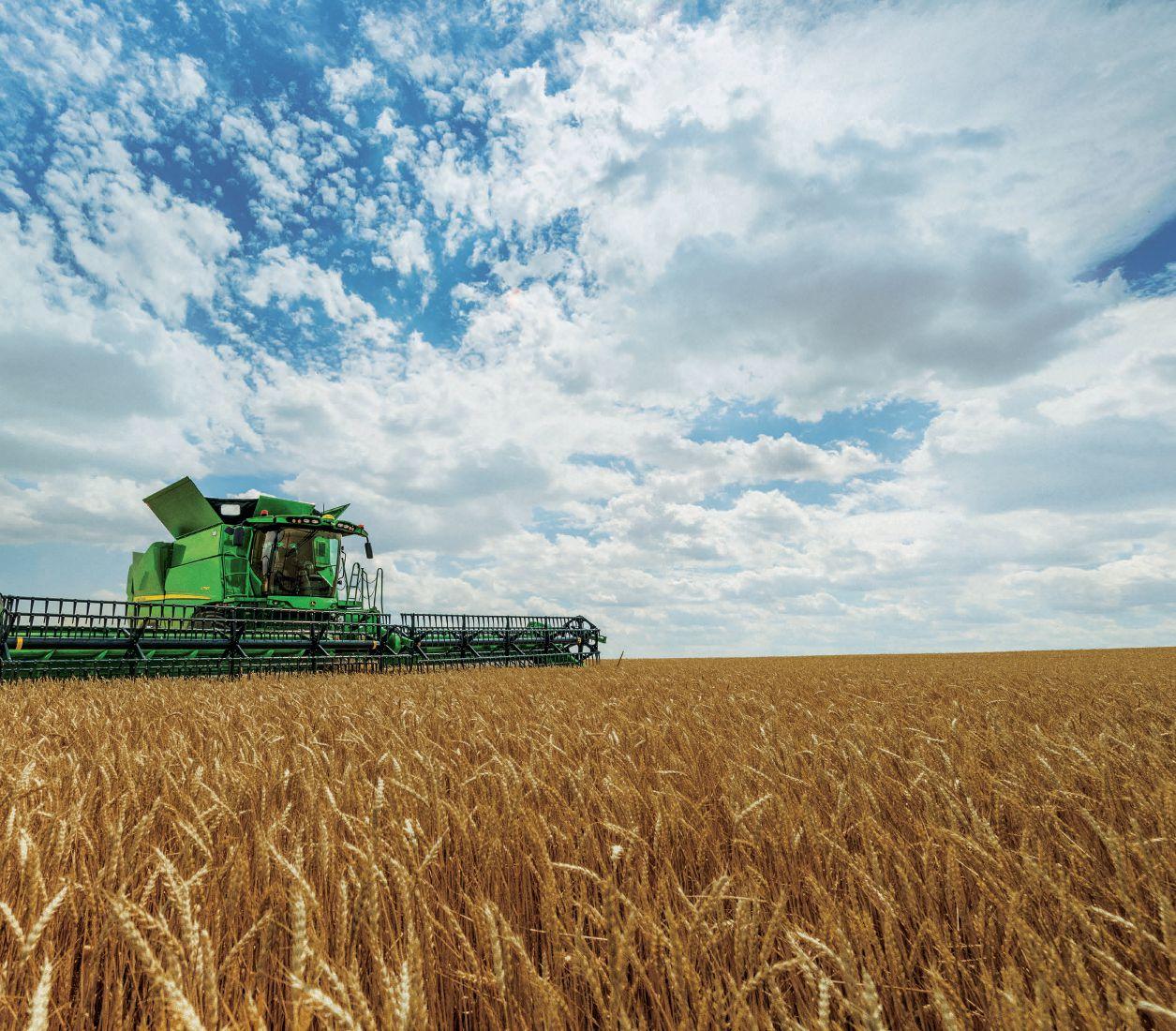
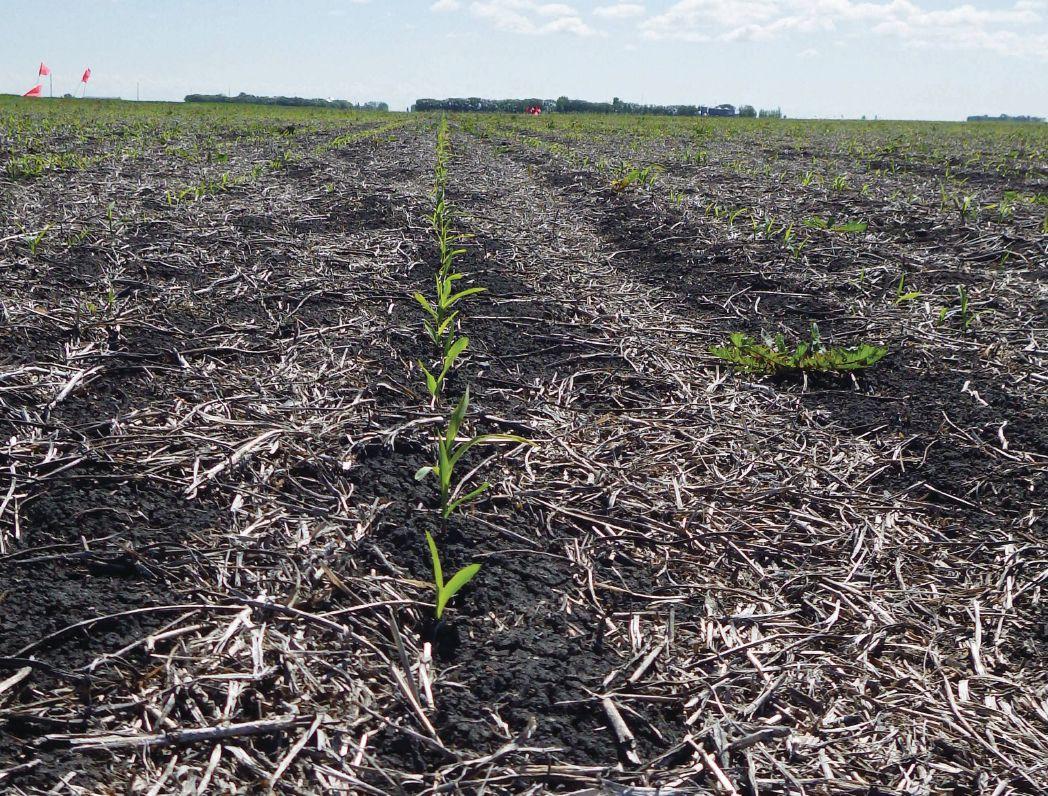
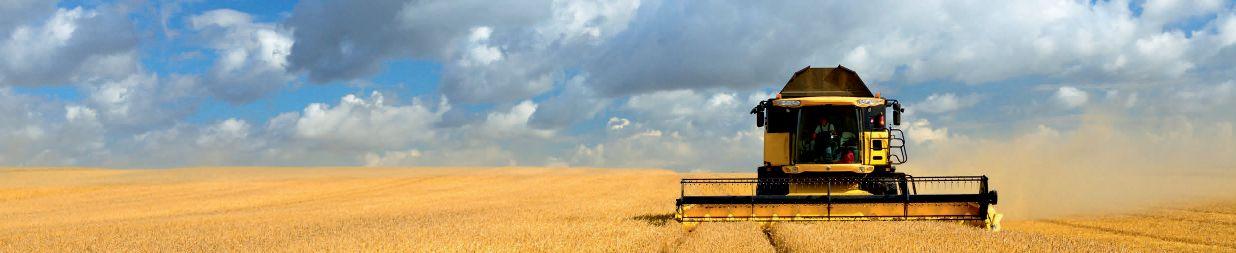
PHOTO COURTESY OF ROB GULDEN.
STEFANIE CROLEY | EDITOR
PICTURE PERFECT
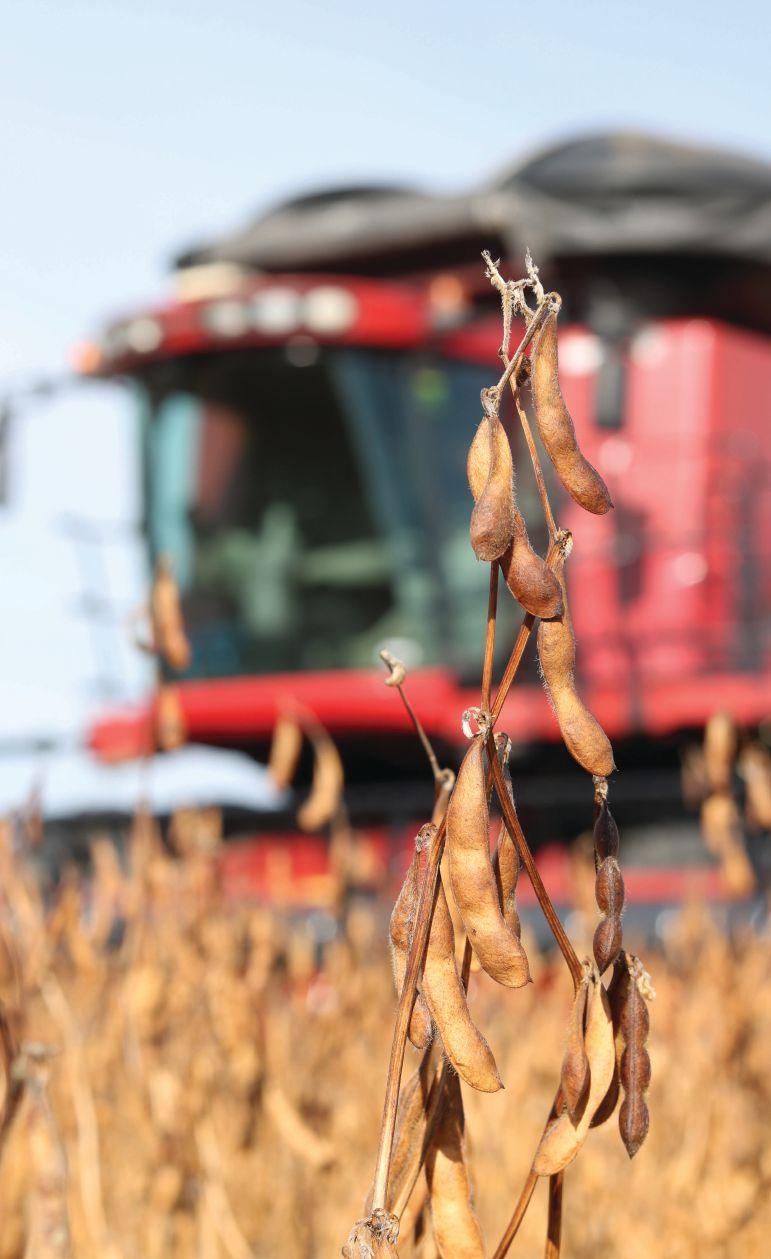
There are so many contributing factors to a successful cropping season. When we launched our inaugural cover photo contest in August, asking readers to send us photos of what represents their “Top Crop,” we left the criteria fairly open-ended in hopes of receiving a good mix of images from farmers across the country.
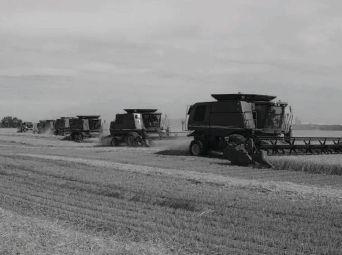
It is said a picture is worth 1,000 words, but some of the photos we received rendered me speechless – which doesn’t happen often, as those who know me can attest. To say I am blown away by the quality (and quantity!) of submissions we received is an understatement. Our team poured through nearly 130 photos of fields, crops, pests, equipment, harvesting and the next generation of farmers. After much deliberation, we are happy to announce Sonya Toews of MacGregor, Man., the winner of our cover photo contest.
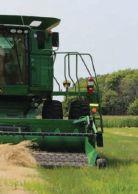
In her description of the photo, Toews wrote: “The combine patiently waits as a moisture test is done. It’s go time!” This caption – specifically the idea of patiently waiting – so accurately reflects how many producers felt this season, particularly in Western Canada. Toews, who supports the family farm and custom harvesting operation in MacGregor, run by her father-inlaw and his three sons, tells us the early snowfall threw everyone for a loop. “We don’t usually encounter snow so early, so this year was a challenge,” she says. “We’d been waiting days and weeks to get going again and everyone was antsy with wanting to get the job done, but we knew we had to wait for the right time.”
Describing the photo, Toews says they had entered the field with the combine to take a sample and had to wait until the moisture reading came back. When it was finally time to get back in action, Toews, who loves taking photos on the farm, snapped the winning picture.
While snow and harsh temperatures stalled Western Canada’s harvest, Ontario’s season was defined by very different challenges. Growers experienced above-average temperatures, high insect pest concerns and lots of mycotoxin risks. But the sentiment behind our winning cover photo – having to wait until conditions were just right – is a common theme in agriculture no matter what part of the country you’re in.
Whether waiting for the right time to plant, spray or harvest, patience is a virtue when it comes to farming. And while you’re waiting, we appreciate you spending your valuable time flipping through our pages and visiting us online. Along with our regular agronomic content in this issue, you’ll also see a small taste of our favourite photo contest submissions inside the magazine. We’ll be sharing more online at Facebook.com/TopCropManager, on Twitter @TopCropMag, and on TopCropManager.com.
The team at Top Crop Manager wishes to thank Meridian Manufacturing for sponsoring the contest, as well as all those who submitted entries. Watch for more opportunities to have your photo featured on our cover in 2019. In the meantime, thanks for closing out another year with us. Wishing you and yours a joyous holiday season!
ADVANCING SOYBEAN RESEARCH
Newly identified gene will be instrumental in P. sojae resistance breeding.
by Julienne Isaacs
An Agriculture and Agri-Food Canada researcher has identified a gene that will be key in breeding new soybean cultivars with resistance to Phytophthora sojae, which annually causes up to $50 million in losses in Canada and between $1 billion and $2 billion in losses globally.
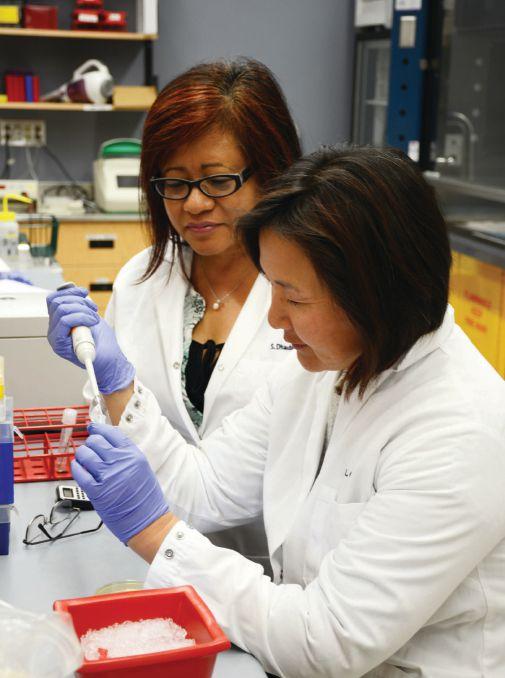
Sangeeta Dhaubhadel is a research scientist specializing in genomics and biotechnology at AAFC’s Research and Development Centre in London, Ont.
In a study published in late 2017 by Dhaubhadel’s then-Masters student, Caroline Sepiol, Dhaubhadel’s team identifies 11 functional resistance genes, of which one gene – GmCHR2A – shows most promise for resistance breeding in soybean.
“There are existing controls against P. sojae,” Dhaubhadel says. “In the past, it was managed using crop rotation, calcium application in the field, or fumigation, but the major way of dealing with the disease is through resistance breeding.”
P. sojae is an oomycete, or a fungus-like soil-borne pathogen, that can stay in the soil for a long time. It causes root and stem rot in soybean and can attack at any stage of the plant’s development.
What makes P. sojae particularly difficult to control is the fact that there are at least 200 races of the pathogen, meaning a plant carrying resistance to one race of pathogen will be susceptible to other races.
Researchers have identified the races that are prevalent in
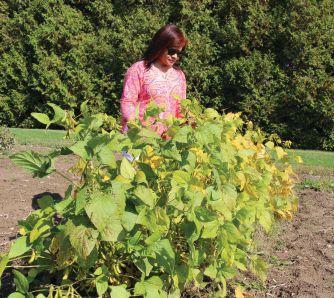
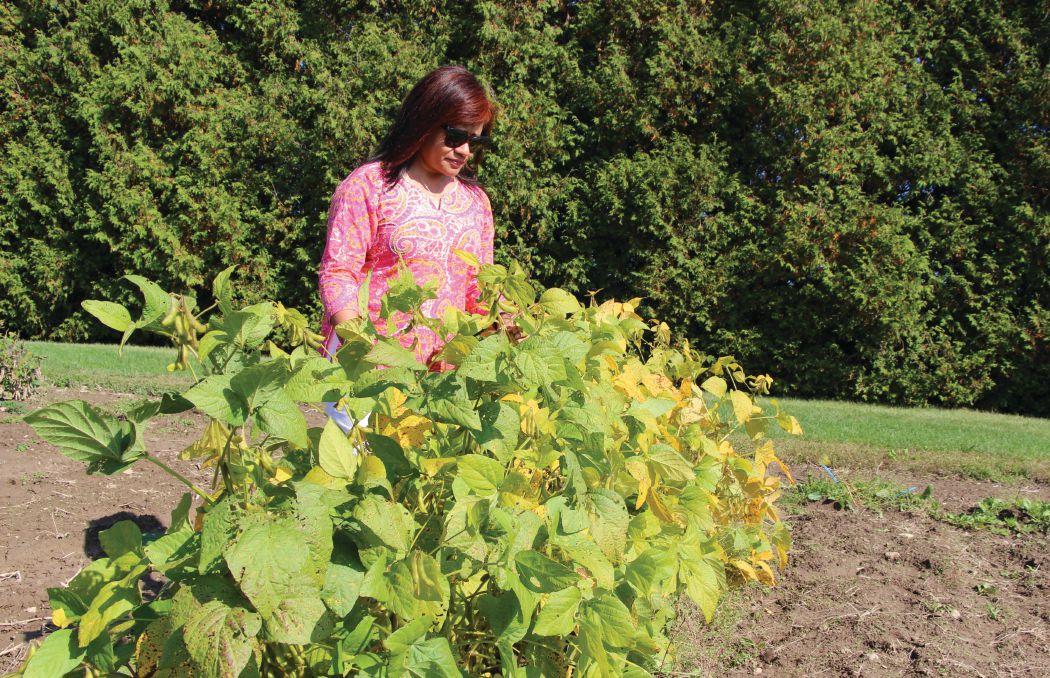
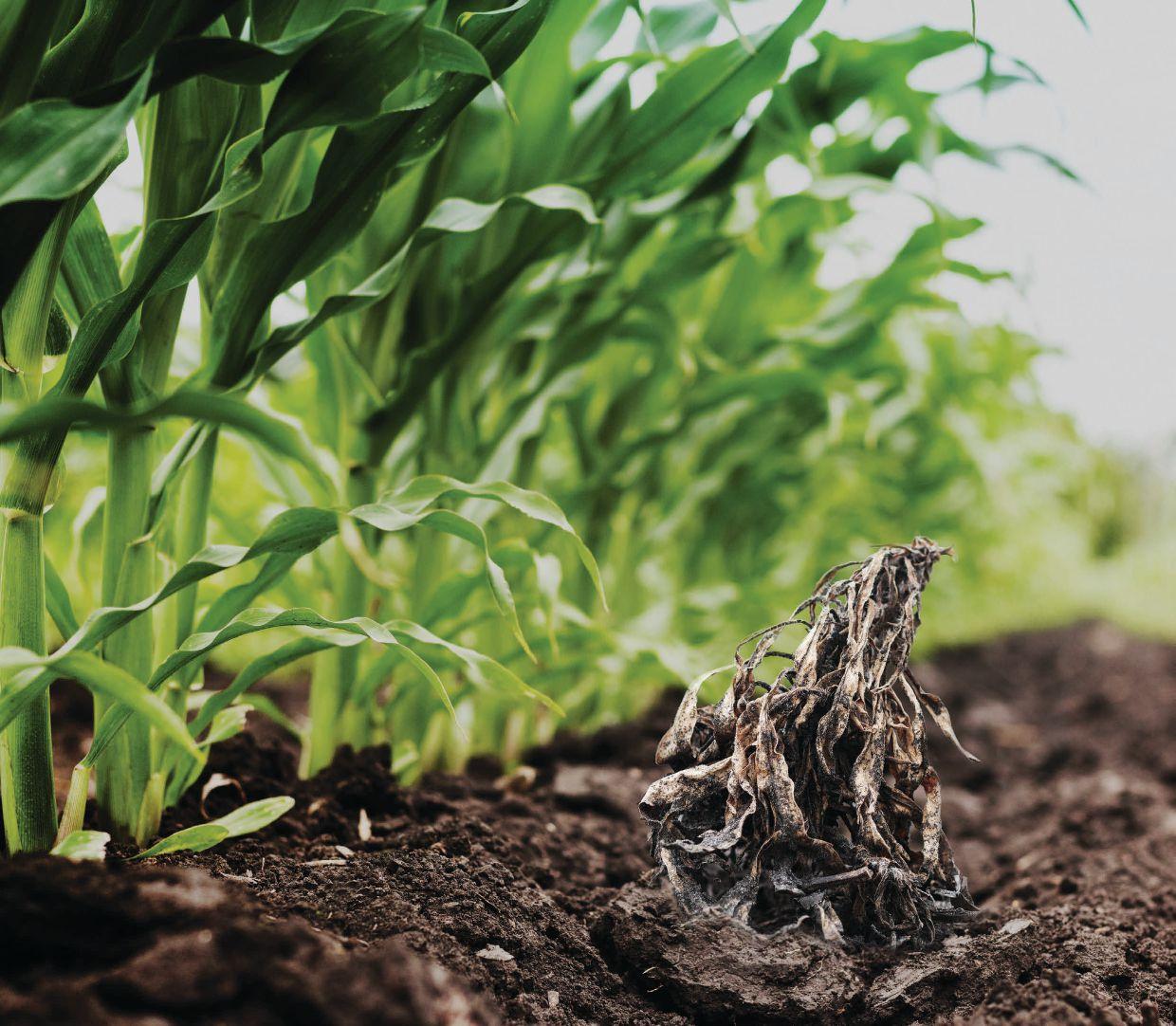
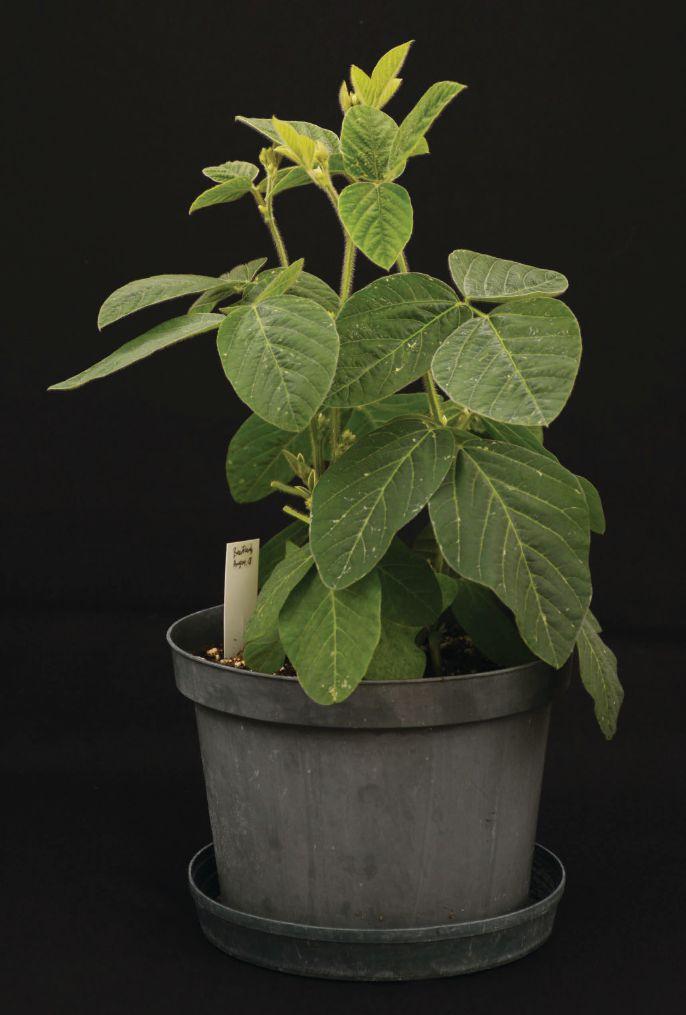
TOP: Ag Canada research scientist Sangeeta Dhaubhadel inspecting soybean plants in the field.
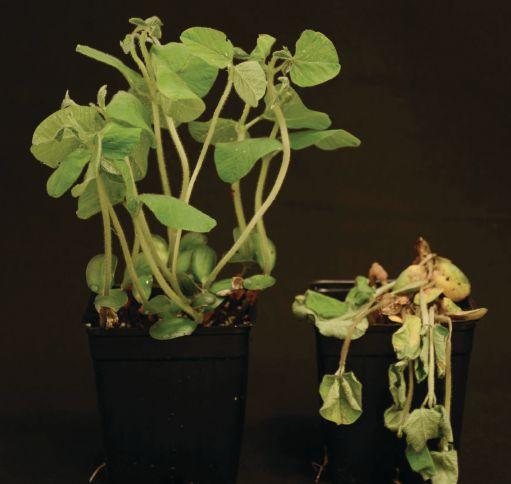
MIDDLE: Soybean plants infected by P. sojae
From deep trouble to deep into harvest*
I was in deep trouble. The rethresher on my S Series Combine went down - at 5 p.m. on a Saturday in the middle of harvest. Downtime seemed unavoidable. But I called my John Deere dealership- the after-hours line. It was a Hail Mary, but calls and texts started flying between the dealer and the John Deere parts depot. The next thing you know I was picking up the part I needed. On Saturday night.
I was back in the field by Sunday morning. I went from deep trouble to deep in the field overnight, thanks to my John Deere dealership. I work too hard for a 9-to-5 partnership and my John Deere dealer understands that. *Real story from a real John Deere customer, September 2018
particular regions, and they typically try to breed cultivars that are resistant in those regions, says Dhaubhadel. “This gives complete resistance, but pathogens change over time; they undergo mutations, and eventually the resistant cultivar becomes susceptible because it no longer recognizes the pathogen,” she says.
It is thought that complete resistance to a race of the P. sojae pathogen typically lasts about seven to eight years.
Thus, resistance breeding can be done in two ways: breeders can breed cultivars with complete resistance, meaning 100 per cent of potential yield is captured for seven to eight years, when resistance breaks down. Alternatively, they can breed cultivars with partial resistance, which is governed by multiple genes with minor effects – a kind of “broad spectrum” resistance that isn’t race-specific and is more durable, but means producers only capture perhaps 60 to 80 per cent of potential yields in affected fields.
Isoflavonoids
Dhaubhadel says breeders can build both partial and complete resistance into soybean cultivars, to offer race-specific complete control as well as longer-lasting control.
One of the many benefits of breeding cultivars with both complete and partial control is that partial resistance will work for other diseases beyond P. sojae, she says, making plants more resilient to attacks from multiple sources.
Dhaubhadel’s lab is focused on locating plant immunity to P. sojae through isoflavonoid compounds. “When plants are stressed, they produce isoflavonoid compounds to help combat the stress,” she explains.
Soybeans contain an isoflavanoid compound called glyceollin,
which works like an antimicrobial compound to confer resistance to disease, and which is synthesized via a long, complicated biosynthetic pathway.
Genes that trigger this response in leguminous plants are critical, says Dhaubhadel, because they divert metabolites toward the synthesis of glyceollin.
But these genes are present all over the soybean plant, and Dhaubhadel’s team wanted to find genes specifically in the root zone, where plants come under attack from P. sojae.
Using computer bioinformatics analysis to search the soybean genome, which is publically available, the team looked at subgroups of big gene families and found 14 genes that possibly confer resistance to P. sojae and are involved in the rapid production of glyceollins. They narrowed that group down to 11 genes that were functional. Of these 11 genes, only four were found in the root zone.
“Then we looked at the expression pattern of these four genes, how fast they are induced for the production of glyceollin,” Dhaubhadel says. “Both susceptible and resistant cultivars will produce glyceollin compounds when they are stressed, but what makes a plant resistant is how fast it produces these compounds. Resistant plants will produce these compounds very rapidly and kill the pathogen. Susceptible plants will produce these compounds but only after the damage has already been done.”
One gene, which the team calls GmCHR2A, controls the expression of this trait at the fastest rate in the root zone.
Once GmCHR2A was identified, Dhaubhadel’s team compared their work to that of soybean breeders’. They found that breeders had identified large segments of DNA called QTLs, containing hundreds of genes, including GmCHR2A, that conferred resistance to P. sojae in the field – but hadn’t identified which particular gene was responsible for that resistance.
Next steps
Dhaubhadel’s team collaborates with soybean breeder Istvan Rajcan at the University of Guelph. With Rajcan, they are attempting to come up with gene-specific genetic markers in order to avoid transferring unfavourable traits into new cultivars along with resistance traits.
“My goal is to find out all the gene family members involved in the synthesis of these compounds and figure out which ones are important for which kinds of disease,” she explains.
“We are studying several other genes in the lab using a similar approach. For P. sojae we’re looking for root-specific genes, but we are also working on identifying resistance to insect pests, and for those, we’re looking for genes that are expressed in the leaves. It’s a long process.”
These genes are already present in varieties in the field, Dhaubhadel says – they aren’t “new.” But once it is known which specific genes control the expression of which traits, resistance breeding can become faster and more targeted.
Though partial resistance doesn’t confer complete resistance, Dhaubhadel believes it is key in making soybean varieties more resilient over time.
“If there is both complete and partial resistance in cultivars, this is always safer for soybean growers.
“I think what needs to be understood is that this kind of resistance is not pathogen specific and can protect soybean plants from several different pathogens or stresses,” she says. “So it is important, and we’re getting there slowly.”
Sangeeta Dhaubhadel, left, watches as research technician Ling Chen performs an experiment in the lab.
INTENSIVE WHEAT MANAGEMENT
Does it pay to use an intensive management system to optimize wheat production?
by Donna Fleury
Wheat is an important crop in rotation across the Prairies but has declined in profitability relative to oilseeds and pulses. Although growers sometimes look to wheat as a break-even crop in rotation, researchers in Saskatchewan are developing an improved knowledge base about wheat management. There is the opportunity to intensify rotations that may provide higher yields, improve protein, or offset the impacts of diseases such as Fusarium head blight (FHB) with higher yielding varieties.
“Some of our recent projects have focused more on trials addressing one production question, such as fertility rates, timing of spraying, genetic resistance or different products,” explains Jessica Pratchler, research manager with the Northeast Agriculture Research Foundation (NARF) in Melfort, Sask. “However, we recognize that producers aren’t faced with one decision during the growing season, they have many factors to consider from seeding to harvest. We decided it would be a good opportunity to take a more comprehensive look at the various factors together (almost like a recipe) to detect synergistic or additive effects in order to help achieve higher yields and profits. Therefore, we launched a three-year intensive wheat management input study in 2017 to learn more.”
The intensive wheat management study compared different wheat varieties under three different management systems: con-
ventional, enhanced and intensive management. Pratchler notes that although intensive management in other wheat growing areas like New Zealand or the UK includes systems pushing 250 bu/acre in some fields, that is unrealistic in Saskatchewan’s growing conditions. “The average wheat yields across Canada are estimated to be 45.9 bu/acre, while Saskatchewan average yields are 44.3 bu/acre. We are looking for strategies to help us improve Saskatchewan wheat yields and productivity beyond those levels.”
For the study, six different wheat varieties in three wheat classes were compared including three hard red spring (CWRS): Carberry, AAC Cameron VB, CDC Utmost VB; one soft white spring (CWSWS) – AC Andrew; and two Canada Prairie Spring (CPS) – SY Rowyn and AC Ryley. Along with the Melfort location, the project is also being conducted using the same protocols at four other locations across the province including: Indian Head, Swift Current, Scott and Yorkton. This will allow researchers to determine if more intensive wheat management pays off across Saskatchewan or only in certain regions, or if certain varieties or market classes are more responsive in some varieties over others in certain regions as well.
Across the three management systems, conventional, enhanced and intensive, different treatments and rates of inputs were com-
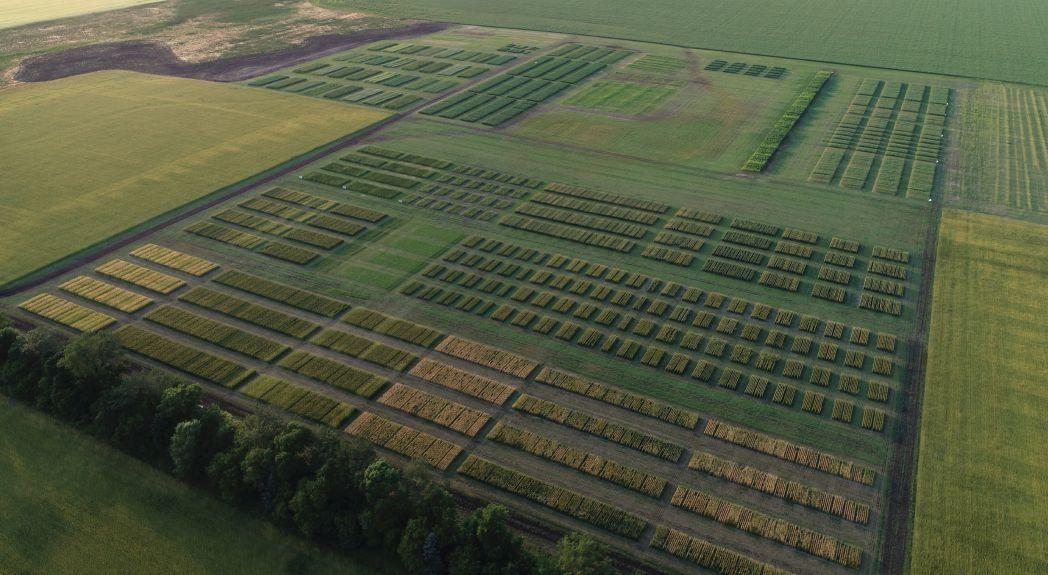
ABOVE: Cereal research plots, including the intensive wheat plot trials from the air in 2018 at the Northeast Agriculture Research Foundation (NARF) in Melfort, Sask.
pared. The conventional system included a seeding rate of 200 seeds/m2, 75 lb/ac N, 25 lb/ac P2O5 and no other inputs. Under the enhanced system, the seeding rate was 300 seeds/m2, 98 lb/ac N, 33 lb/ac P2O5 and one fungicide application at anthesis. The intensive system included a seed treatment, a seeding rate of 360 seeds/m2, 120 lb/ac N, 40 lb/ac P2O5, two fungicide applications at the flag leaf and at anthesis and a PGR (plant growth regulator) application. Data on the plant density, maturity, yield and protein were collected for each variety under each management system.
“Although we only have preliminary results for the first year, there are some interesting observations that were made,” Pratchler explains. “In general, with increasing management, yields generally increased as one might expect. Also, the soft white variety was generally higher yielding on average than prairie spring and hard red spring varieties. This trend is also typically expected. However, where we really saw some real differences standout was after applying economics across the varieties and the different management systems.”
The economic calculations were based on the regional variable costs of production per acre listed in the 2017 Saskatchewan Crop Planning Guide. The crop yields and protein levels were based on actual average field plot values per treatment, and a price return per bushel calculated from an average base price in January 2018. A ratio of total expenses was calculated and applied to each management system based on the treatments included. For example, only the intensive management had a PGR treatment, and its cost was not included in the other two systems. For the CWRS varieties, the costs of production averaged out to be $190 for conventional, $230 for enhanced and $290 for the intensive management system.
“We found that in Melfort during 2017, under all three management systems, CDC Utmost VB had the greatest return of any variety. Carberry, Cameron and Andrew also produced profits under all three systems, but Carberry tended to show decreased profits with increasing management, whereas Cameron was more stable, and Andrew tended to increase. Both CPS varieties tended to have losses or near break-even values. Results generally indicate that enhanced management can both increase yields and profits, but intensive management may not always be the best targeted management scheme. Also, despite having elevated yields, CPS varieties may not be the best selection, depending on some economic factors.
The preliminary results are based on one year of data from the Melfort site only. Once the study is completed in 2019, the economics for all five project sites and across all sites will be determined. “The preliminary observations show that cultivar selection and the level of intensive management can make a difference,” Pratchler says. “From a risk management standpoint, in most cases producers may be better off to move to an enhanced management for particular varieties, and they may not need to move to the full intensive management system to
realize good returns. As well, some growers have considered moving away from hard red spring varieties because of FHB disease concerns and lower protein levels, however these results show that economically that may not be the best recommendation.
“Another consideration is the potential additive effects of different input packages and how they interact with each other. Growers are encouraged to pencil out the economics and increasing intensity of inputs for themselves, don’t just look at yield and protein.”
The easy way to manage your farm.
Analyze your data. Plan your strategy. Then track your performance. AgExpert Field gives you the details you need to know to make the best business decisions.
It’s all new. And seriously easy to use. Get it now and see. fcc.ca/AgExpertField
FIGURING OUT NITROGEN FOR CORNY YIELDS
There are many ways to manage nitrogen.
by Bruce Barker
Two hundred bushels of corn without any nitrogen (N) fertilizer? That happened in 2016 at St. Adolphe, Man., and is one of the more surprising results of a Manitoba Agriculture research trial.
“Some soils have huge nitrogen mineralization. Unfortunately to date we’ve not been able to predict it, even based on organic matter content,” says John Heard, a soil fertility specialist based in Carman, Man.
Heard has been conducting nitrogen trials on corn for many years. In 2018, the University of Manitoba under the direction of soil scientist Don Flaten with masters’ student Lanny Gardiner started a two-year trial looking at all four factors in the 4R Nutrient Stewardship program – rate, source, timing and placement. Mario Tenuta at the university is also conducting an intensive corn N fertilization study looking at greenhouse gas emissions at a few sites across Canada including one in Manitoba.
“The previous nitrogen recommendations for corn in Manitoba were outdated, and there was some contradictory information on how
much nitrogen is needed to produce a bushel of corn,” Flaten says.
The last N research done at the University of Manitoba was in 1981 through 1983, and the Manitoba Soil Fertility Guide (2007) and the Guide to Corn Production in Manitoba (2004) publications have top yield targets of 130 bushels per acre – numbers that now feel outdated when corn yields in Manitoba now hit 200 bushels per acre or more in some areas.
The nitrogen recommendations for a 130 bushel per acre corn crop with a soil test of 30 pounds per acre are 195 pounds of nitrogen (lbs. N) from the Manitoba Fertility Guide and 225 pounds per N from the Guide to Corn Production. Those rates mean 1.7 to two lbs. N uptake per bushel of corn. For a 200-bushel corn crop, these recommendations would suggest 340 to 400 lbs. N per acre is required.
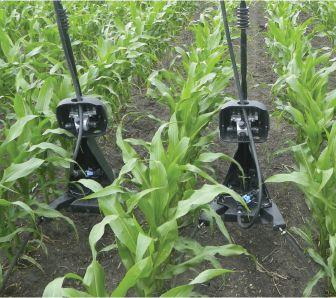
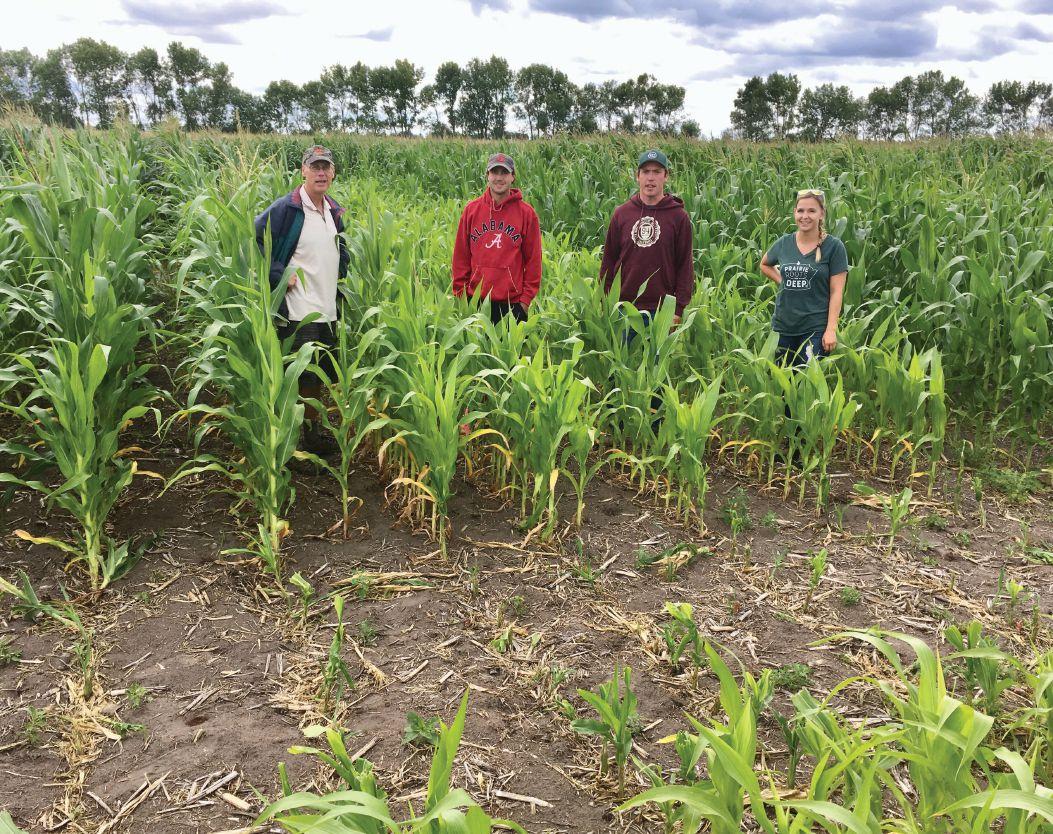
ABOVE: John Heard (Manitoba Agriculture Crop Nutrition Specialist), Jeremy Gladish (U of M summer student), Lanny Gardiner (U of M masters’ student) and Kelly McDougall (U of M summer student) in a research plot that did not receive N fertilizer near Stephenfield, Man.
However, rate recommendations are changing. North Dakota State University recommends 1.15 pounds total N per bushel for eastern North Dakota. AgVise Laboratories, with laboratories at Northwood, ND and Benson, MN, recommend 1.2 pounds total N per bushel.
“This shouldn’t be a surprise to any of us. Farmers have been doing a better job of nitrogen placement and timing, so more fertilizer N is available to the crop,” Heard says. “With the high yield potential, nitrogen use efficiency of corn has improved as well.”
Flaten also says that there is evidence that corn may be overfertilized. Soil nitrate-N from soil test data after harvest shows that the amount of nitrate-N left over after a wheat crop is 24 to 45 pounds per acre, but 56 to 61 pounds per acre after corn. The amount of nitrate-N left after corn can be double the amount left by a wheat crop.
“I think there are opportunities to fine-tune nitrogen recommendations,” Flaten says. “If we are over-fertilizing corn, it is more expensive and has more environmental risk.”
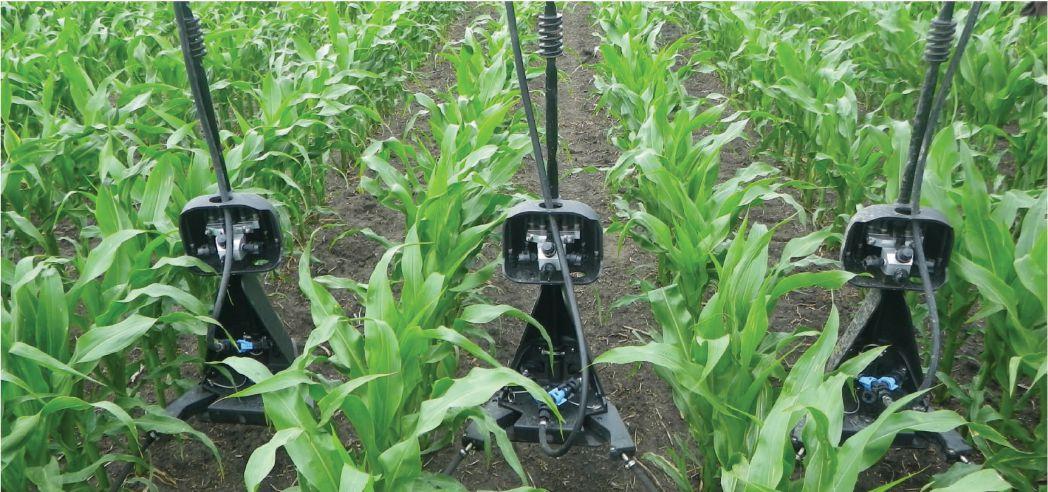
The U of M research is looking at many aspects of the 4Rs. Rate treatments range from zero to 200 pounds per acre. Sources include urea, UAN, and enhanced efficiency fertilizers alone and in a blend with urea or as UAN. Timing and placement include preplant broadcast, post-plant broadcast, and split applications of preplant and V4 or V6.
The research is also hoping to develop a better way to estimate mineralization and to develop decision tools for in-season applications. Funding is coming from the Manitoba Corn Growers Association and Nutrien.
Right rate
While the U of M research won’t have recommendations until after the 2019 growing season, Heard’s field research over the past few years provides guidance in the interim. His research in 2016 and 2017 at 10 sites compared six nitrogen rates of surface broadcast SuperU (zero, 40, 80, 120, 160 and 200 lbs. N/ac.) Additional treatments included split N application of 40 to 80 lbs. N/ac as surface dribbled UAN at V4 to V8 stages.
The most economical rate of nitrogen (MERN) was calculated using four dollars per bushel corn and $0.40 per pound of N. For three medium yielding sites with yield between 100 to 150 bushels per acre, the MERN was 150 pounds total soil and fertilizer N per acre, and was achieved with about 1.2 pounds total N per bushel. For high yielding sites between 150 to 200 bushels per acre, MERN was 182 pounds total soil and fertilizer N per acre and about 0.95 pounds total N per bushel.
Very high yields were achieved at many sites even without applied N. Estimated mineralization was 150 lbs. N per acre or more at six of 10 sites, which Heard says is about three times greater than traditional estimates. To find out if organic matter content could be used to predict mineralized N, he plotted estimated mineralized N against organic matter content of the soils and found they were poorly correlated.
“There is a tremendous amount of mineralization in row crop corn production systems. The nitrate-N soil test doesn’t account for it, so we need better tools for predicting mineralized N,” Heard says. Heard mentioned that the agricultural industry is actively developing decision tools that may help estimate in-season
Previous nitrogen recommendations for corn in Manitoba are outdated, so a team is now looking to update guidelines based on the 4R
mineralization and losses. These include tools from Climate Corporation, Adapt-N from Cornell University, Farmers Edge’s FarmCommand and N Manager, and Encirca from Corteva, but remain untested by public research in Manitoba.
Right timing and placement
Grower surveys in Manitoba, indicate that about one-third of farmers apply all their nitrogen in the fall, usually as anhydrous ammonia; another one-third as broadcast urea mostly pre-seed; and the last onethird splitting application between pre-seed and in-season.
Since corn N uptake is continuous from emergence to grain fill, Heard says there are opportunities to split N fertilizer application between seeding with an in-crop band. In his research, UAN was sidebanded with a Y-drop applicator that directed the dribbleband to both sides of the corn plant. The results found that at N responsive sites with fertilizer N of 40 lbs. N per acre or more, yield was similar between broadcast N at seeding and split applications at the V4 and V8 stages.
On-farm trials conducted by the Manitoba Corn Growers Association found similar results with split applications in 2017. These nine trials in the Red River Valley compared the farmer’s base application rate of N fertilizer at seeding compared to the base rate less 40 pounds plus a sidedress application of 40 lbs. N as UAN between V4 and V6. Application timing of sidedress UAN at one site was V8. UAN was applied with various methods including Y-drop, streamed, coulter injected and broadcast.
On average, there was no difference between the spring-applied base N and the split N application in 2017. The sidedress application at V8 had lower yield, attributed to the dry conditions where N uptake was possibly restricted.
“In the U.S. corn belt, in-season N application is common because of their wet growing season. A lot of land has tile drainage and if all the N fertilizer was put on at seeding, there would be leaching losses,” Flaten says. “In Western Canada, we don’t have the same degree of leaching risk. With our high level of mineralization, we have more cases of ‘appearance’ of N during the growing season than ‘disappearance.’”
The other challenge for split application is stranding of the
dribble band or broadcast N on the soil surface during a dry growing season. Guy Lafond’s research on split N applications on wheat at Agriculture and Agri-Food Canada in Indian Head, Sask. found that it worked two out of three years, but dryness in the third year resulted in stranding of N on the soil surface and lower yield.
“There is a grower fascination with late season split application. It is a different way to apply nitrogen, but not necessarily a better way,” Heard says.
Right source
Heard has also looked at the enhanced efficiency fertilizer ESN that helps to reduce leaching or nitrate oxide losses under wet conditions. He found that in very wet years the enhanced efficiency fertilizers produced higher yields than urea but not in dry or normal rainfall years.
“Enhanced efficiency fertilizers don’t increase yield but protect yield that could be lost because of nitrogen losses,” Heard says. “You probably wouldn’t have lost much N in 2017 or 2018 because it was dry, unless you surface broadcast urea without incorporation which would have resulted in volatilization losses.”
Heard says enhanced efficiency fertilizers allow growers to manage the risk of N losses. The decision to use an enhanced efficiency fertilizer depends on a corn grower’s individual circumstance, such as their equipment capabilities, labour constraints, soil type and risk tolerance. For example, fall N application or spring broadcast application before seeding helps to spread out the workload – so a grower might choose to use an enhanced efficiency product. In contrast, another grower might manage potential N losses through split applications to allow in-season assessment of yield potential.
“Dr. Emerson Nafziger, from the University of Illinois, has said there are 21 ways to supply 150 pounds of N to corn. We have opportunities to fine-tune our application strategies so agronomists and growers can adapt them to their individual circumstances,” Heard says.
Nutrient Stewardship program and other factors.
SMALL GRANULE, ENORMOUS POTENTIAL.
Scienti cally proven to guard against all three forms of nitrogen loss while allowing growers to cover more acres in a day, SUPERU® premium fertilizer packs unsurpassed ef ciency and productivity into every granule. Fewer passes across the eld, broader and more even spread patterns, one ready-to-use formula — SUPERU will change the way you grow. Consult with your retailer or visit SUPERUfertilizer.com for additional information.
TILL OR NO-TILL AFTER SOYBEANS?
Researchers asks producers to consider how they can adapt to minimize soil erosion in soybean fields.
by Julienne Isaacs
In 2013, Manitoba Agriculture soil fertility extension specialist John Heard brought Yvonne Lawley, a University of Manitoba cropping systems researcher, out to tour some soybean fields in Manitoba’s Red River Valley.
“He was surprised to find how much tillage was being done after soybeans in Manitoba, having worked in other regions where soybeans are grown, and zero-tillage and direct-seeding into soybean residue is common,” Lawley says.
Soybeans are typically considered a low-residue crop; unlike wheat, soybeans must be cut close to the ground.
Intrigued, Lawley started a four-year study in 2014, funded by Manitoba Pulse and Soybean Growers Association and Western Grains Research Foundation, to find out whether or not the practice of tilling to manage residue after soybeans was supported by research. Lawley set the experiment up as an on-farm trial on five commercial soybean fields on farms near Boissevain, Winkler, Homewood, Linden and New Bothwell. The farms had varying soil types ranging from loam to clay.
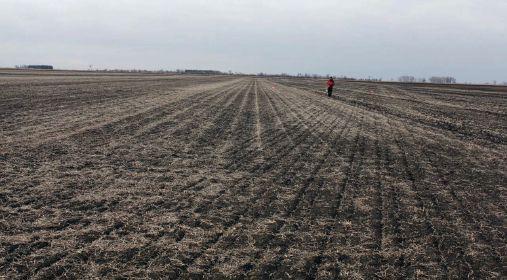
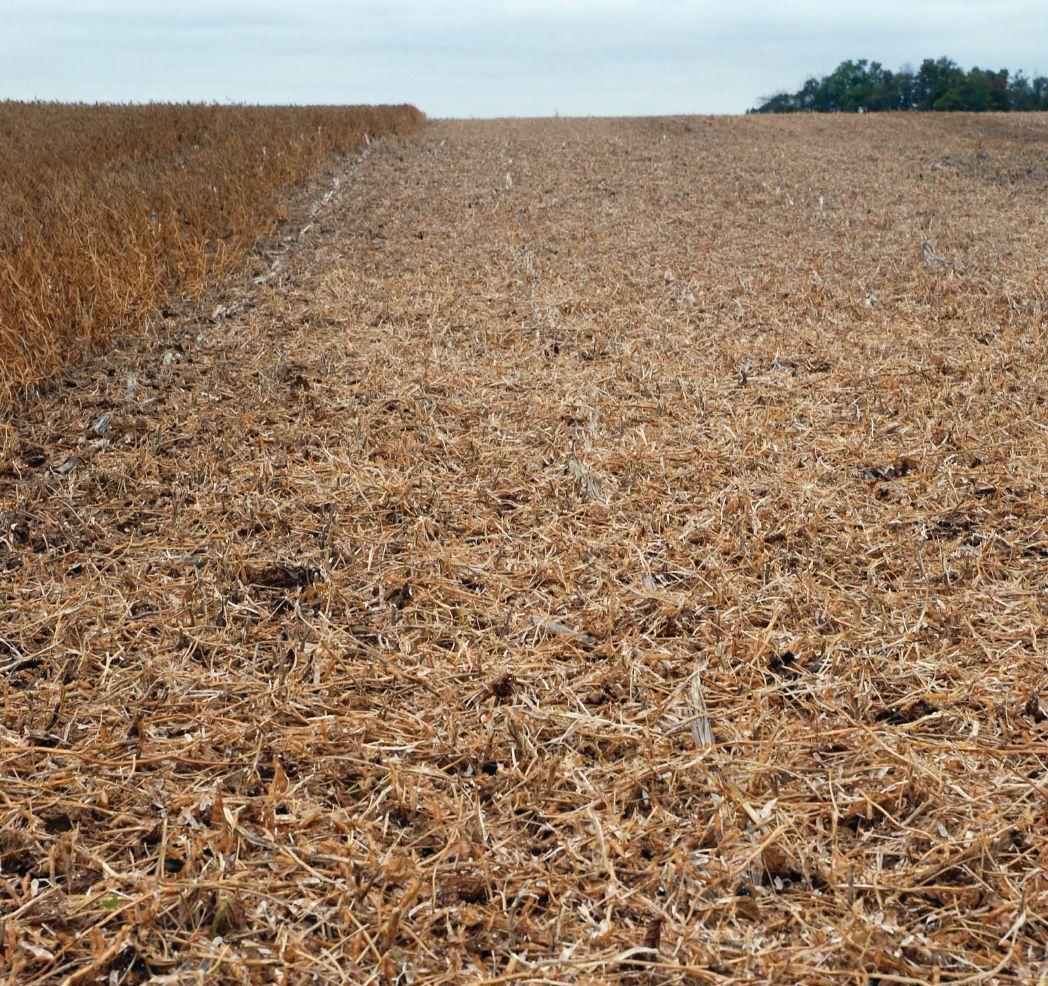
TOP: The study’s intensive vertical tillage treatment and standard tillage treatments resulted in residue amounts below 30 per cent; the other two treatments resulted in residues above 30 per cent.
MIDDLE: There were few visual differences between treatments in Yvonne Lawley’s study.
PHOTOS COURTESY OF PATRICK WALTHER AND CODI HENNAN.
WHO’S TOUGH NOW?
Exceptional weed control with NEW Enlist Duo™
NEAR-ZERO volatility
MINIMIZED potential for physical drift
An EASY-TO-USE SYSTEM for use on exceptional new Enlist™ corn hybrids
STOP WEEDS, WITHOUT DRIFT OR VOLATILITY.
Weeds started this fight. Time to finish it with the Enlist weed control system. Enlist Duo herbicide makes it easy to protect your crops. And our Colex-D technology reduces drift and volatility to help ensure the herbicide stays where it’s sprayed. So much for those so-called “tough” weeds.
Take control at EnlistCanada.ca or visit your local seed retailer.
At that time, she says, soybean acres were expanding rapidly in the Red River Valley, where conventional tillage with double-discs and cultivators is still commonly practiced. Producers typically use tillage after soybeans to resolve soil structure issues such as compaction or rutting, to improve water infiltration or to ensure soybean residue doesn’t cause problems with seeders the following spring.
During the period of the study, Lawley says, there was rapid expansion of soybean acres and adoption of vertical tillage equipment. Initially, producers were reluctant to get on board with Lawley’s experiment, but by 2017, open winters and widespread soil erosion issues had brought the issue full circle, she says. “Now there’s a lot more interest in this.”
Study design
In the first two years of the study, Lawley compared four tillage approaches: standard tillage with a disc or cultivator; a low-disturbance vertical tillage treatment that left more residue; a highdisturbance vertical tillage treatment that achieves similar results to tillage with a cultivator; and direct seeding with no tillage. In
the final year of the study, the farmer’s standard tillage practice was compared to a direct seeded approach.
Lawley says the high-disturbance vertical tillage treatment is representative of how producers tend to use vertical tillage in the Red River Valley – as a high-speed disc, in contrast to a low-disturbance approach, where farmers want to size and cut residue but leave it on the soil surface.
In each field, test crops of wheat, corn or soybeans, depending on the farmers’ rotations, were planted the following spring. All plots within each field received identical management, although management for each experiment was based on the farmers’ standard practice.
The Food and Agriculture Organization of the United Nations describes conservation tillage with a figure of 30 per cent or greater of permanent soil organic cover comprised of residues and/or cover crops. Lawley says the study’s intensive vertical tillage treatment and standard tillage treatments resulted in residue amounts below 30 per cent; the other two treatments resulted in residues above 30 per cent.
In five fields, soybean residue in the direct-seeded or zero-till-
A next step for the research could be looking at how various seeders handle soybean residue, but Lawley’s main focus is how soybean growers can increase ground cover.
PHOTO COURTESY OF TOP CROP MANAGER.
age treatment ranged from an average of 40 to 88 per cent in the fall. In two of the fields, ground cover was measured in the fall and the following spring. Notably, in these two fields, residues decreased by 31 and 57 per cent, respectively, from fall to spring – which gives an indication of the amount of residue lost during the winter to decomposition, according to Lawley.
Results
“Under most conditions you can eliminate tillage and direct seed into soybean residue . . . This would apply most when producers don’t have compaction issues or rutting after harvest.”
The study’s findings were surprising: across four of the five experiments, no significant yield differences between treatments were noted in test-crop performance.
In the fifth experiment, where a significant difference was noted, soybean test-crop yield in a conventional tillage treatment was higher by three bushels than the direct-seeded treatment. Lawley noted that soil moisture was higher in this treatment during flowering and early pod fill.
Lawley is cautious about turning these findings into broad recommendations for all producers due both to the wide range of reasons producers use tillage and the variability in on-farm conditions.
“My conclusion as a researcher was that under most conditions you can eliminate tillage and direct seed into soybean residue,” she says. “This would apply most when producers don’t have compaction issues or rutting after harvest.”
If producers intend to eliminate tillage after harvest, it’s key to use equipment that can cut through residue, she adds.
But as to the benefits and risks of a direct-seeding approach, farmers will have to assess this individually, Lawley says. “The results of this study suggest that farmers should be taking a close look at these decisions as under most conditions they can benefit from the time and tillage costs using direct seeding after soybeans,” she says.
Looking ahead
One next step for this research might be to look at various seeders’ ability to handle soybean residue. But Lawley is focused on other ways soybean producers can increase ground cover. One example is the use of cover crops. Lawley has also done work with Manitoba Pulse and Soybean Growers Association’s on-farm research specialist Gregory Bartley looking at the use of residue from a previous wheat crop to provide ground cover after soybean harvest.
“I’ve done this research and now I’m asking farmers to do their own research and consider the question: If we’re going to adopt soybeans in our rotations, how are we going to protect our soils from erosion?” Lawley says.
“This project raises questions about how we should adapt our practices. This will only intensify as soybeans move further west.”
DRYLAND CORN PRODUCTION IN SOUTHERN ALBERTA
Piecing together row spacing, seeding rate, nitrogen fertility, tillage and crop rotations.
by Bruce Barker
Irrigated corn has been a mainstay in southern Alberta, but as corn breeders push the maturity barriers lower, corn has become more appealing to dryland farmers. In order to develop agronomic recommendations specific to dryland corn production, Farming Smarter, an applied research organization at Lethbridge, Alta. conducted a three-year study from 2015 through 2017 to assess the impact of several agronomic factors on corn production.
“There hasn’t been a lot of work done on dryland corn in southern Alberta, especially considering most of the acreage would be grown under zero-till conditions,” says Ken Coles, general manager of Farming Smarter. “We have preconceived notions of corn agronomy from irrigated crops, so we wanted to find out what works on dryland corn.”
The research was conducted at Lethbridge in the Dark Brown soil zone, and Vauxhall, Bow Island and Medicine Hat in the Brown soil zone. The 2015 and 2017 growing seasons had abnormally low precipitation and high heat units while 2016 was close to normal. A Monosem vacuum planter was used in the trials. It
was equipped with fixed residue managers. The earliest maturing corn variety available at that time, Pioneer P7332R (2050 CHU), was used in the trials.
Plant population and row spacing
Coles consulted with Dwayne Beck, research manager at Dakota Lakes Research Farm at Pierre, South Dakota on what might be an appropriate row spacing and seeding rate for dryland corn in southern Alberta. Beck suggested 20-inch row spacing and 20,000 seeds per acre seeding rate.
Based on Beck’s recommendation and local experience, two row spacings of 20 inches and 30 inches were compared at Lethbridge, Bow Island and Medicine Hat. Five plant populations were compared from 15,000, 20,000, 25,000, 30,000 and 35,000 seeds per acre.
Grain corn yield was nine per cent higher on the narrower
ABOVE: The Monosem planter utilized fixed residue managers but floating residue managers might have improved no-till germination.
20-inch row spacing compared to 30-inch row spacing. For each row spacing, yield also increased linearly as seeding rate increased from 15,000 to 35,000, but maximum yield was not reached at the highest seeding rate. Seeding rate did not noticeable affect maturity.
“Narrow row spacing makes sense because canopy closure by the June solstice is a goal of corn production,” Coles says. “We thought that a lower seeding rate would mean less competition between corn plants in drier conditions. We never saw that and had higher yields with increasing seeding rates.”
Based on this research, to maximize yield Coles says that dryland grain corn should be sown at 20 inch row spacing and the sweet spot for seeding rate between 30,000 to 35,000 seeds per acre.
Nitrogen fertility
Eight N fertility treatments were explored at Lethbridge, Bow Island and Medicine Hat in 2016 and 2017 at sites with low soil nitrogen of less than 30 pounds per acre. Fertilizer rates in pounds per acre included 0, 50, 101, 160, 191, 50 side banded plus 50 in crop, 50 side banded plus 100 in crop, 100 side banded plus 100 in crop. For treatments with in-crop application, 28-0-0 UAN was applied with streamer bars and drop tubing targeted one inch from the seed rows at the V4 to V6 growth stage.
Despite overall low soil test N, Coles says there was limited corn response to N fertilizer. Average yields ranged from 78 to 83 bushels per acre, except for a significant decrease in yield with 100 pounds sideband plus 100 pounds in-crop, which dropped to 70 bushels per acre.
To better compare total available N across site years, Coles plotted the per cent of maximum yield versus soil available N added with the fertilizer N. He found that optimal yield occurred when total available nitrogen from the soil combined with nitrogen applied at seeding was between 50 kg/ha and 200 kg/ha. A rule of thumb is that 1.2 pounds per acre of N are required for one bushel of yield. With an average yield around 80 bushels per acre in these trials, this would equate to about 96 pounds per acre soil and fertilizer N.
“We never saw much of a response to nitrogen. Maybe partly because our no-till soils are more fertile and supplied more in-season mineralized N, and because moisture was a limiting factor,” Coles says.
Tillage and crop rotation
In this trial, corn was planted on wheat, soybean, pea, lentil, mustard, canola and corn stubble at Lethbridge, Vauxhall and Medicine Hat from 2015 through 2017. Zero-till and conventional tillage were compared.
Corn planted on tilled land had much better germination at 99 per cent compared to no-till at 83 per cent. The difference in germination was attributed to hair pinning of crop residue that impacted seed placement and germination. However, zero till yielded an average of 2.4 bushels per acre higher, which Coles attributes to better soil moisture conservation during the hot and dry conditions of 2015 and 2017.
Coles reported that given the dry growing conditions for much of the study, the no-till plots were much more vigorous and able to compensate with larger cobs.
Part of the challenge with the tillage study was that the fixed
residue managers didn’t always adequately clear residue in front of the disc openers. Each residue manager had to be adjusted manually, and differences in stubble types resulted in variable seed placement and germination under no-till.
“If we were to install floating residue cleaners, we are confident we could see comparable germination and possibly higher yield than we would in the cultivated plots,” Coles says.
Under conventional tillage, the types of crop residue showed little yield differences. However, no-till had significantly different yields depending on crop residue. Zero till yields were equal or greater to conventional till yields in every residue treatment except canola and mustard, which were lower. This was likely due to these two crops being non-mycorrhizal, which can mean lower nutrient uptake especially with phosphorus.
Coles says that dryland corn growers with no-till planters would have the greatest success on pulse crop stubble. Corn grown on pea, lentil and soybean stubble yielded the highest in both conventional and zero till. This was due to the nitrogen fixing properties of pulse crops in addition to low amounts of crop residue.
Overall, Coles thinks that corn has potential on dryland in southern Alberta.
“One of the surprising things we found out over the years was that corn was surprisingly drought tolerant. It performed fairly well with yields from 60 to 120 bushels per acre with little moisture,” Coles says. “That was impressive even compared to wheat.”
Trait Stewardship Responsibilities Notice to Farmers
Monsanto Company is a member of Excellence Through Stewardship® (ETS). Monsanto products are commercialized in accordance with ETS Product Launch Stewardship Guidance, and in compliance with Monsanto’s Policy for Commercialization of Biotechnology-Derived Plant Products in Commodity Crops. These products have been approved for import into key export markets with functioning regulatory systems. Any crop or material produced from these products can only be exported to, or used, processed or sold in countries where all necessary regulatory approvals have been granted. It is a violation of national and international law to move material containing biotech traits across boundaries into nations where import is not permitted. Growers should talk to their grain handler or product purchaser to confirm their buying position for these products. Excellence Through Stewardship® is a registered trademark of Excellence Through Stewardship.
ALWAYS READ AND FOLLOW PESTICIDE LABEL DIRECTIONS. Roundup Ready 2 Xtend® soybeans contain genes that confer tolerance to glyphosate and dicamba. Agricultural herbicides containing glyphosate will kill crops that are not tolerant to glyphosate, and those containing dicamba will kill crops that are not tolerant to dicamba. Contact your Monsanto dealer or call the Monsanto technical support line at 1-800-667-4944 for recommended Roundup Ready® Xtend Crop System weed control programs. Roundup Ready® technology contains genes that confer tolerance to glyphosate, an active ingredient in Roundup® brand agricultural herbicides. Agricultural herbicides containing glyphosate will kill crops that are not tolerant to glyphosate.
Acceleron® seed applied solutions for corn (fungicides only) is a combination of three separate individually-registered products, which together contain the active ingredients metalaxyl, prothioconazole and fluoxystrobin. Acceleron® seed applied solutions for corn (fungicides and insecticide) is a combination of four separate individually-registered products, which together contain the active ingredients metalaxyl, prothioconazole, fluoxystrobin, and clothianidin. Acceleron® seed applied solutions for corn plus Poncho®/VOTiVO™ (fungicides, insecticide and nematicide) is a combination of five separate individually-registered products, which together contain the active ingredients metalaxyl, prothioconazole, fluoxystrobin, clothianidin and Bacillus firmus strain I-1582. Acceleron® Seed Applied Solutions for corn plus DuPont™ Lumivia® Seed Treatment (fungicides plus an insecticide) is a combination of four separate individually-registered products, which together contain the active ingredients metalaxyl, prothioconazole, fluoxastrobin and chlorantraniliprole. Acceleron® seed applied solutions for soybeans (fungicides and insecticide) is a combination of four separate individually registered products, which together contain the active ingredients fluxapyroxad, pyraclostrobin, metalaxyl and imidacloprid. Acceleron® seed applied solutions for soybeans (fungicides only) is a combination of three separate individually registered products, which together contain the active ingredients fluxapyroxad, pyraclostrobin and metalaxyl. Fortenza® contains the active ingredient cyantraniliprole. Visivio™ contains the active ingredients difenoconazole, metalaxyl (M and S isomers), fludioxonil, thiamethoxam, sedaxane and sulfoxaflor. Acceleron®, Acceleron BioAg™, Acceleron BioAg and Design™, Cell-Tech®, DEKALB and Design®, DEKALB®, Genuity®, JumpStart®, Optimize®, QuickRoots®, Real Farm Rewards™, RIB Complete® Roundup Ready 2 Xtend®, Roundup Ready 2 Yield®, Roundup Ready®, Roundup Transorb®, Roundup WeatherMAX® Roundup Xtend®, Roundup® SmartStax®, TagTeam®, Transorb®, TruFlex™, VaporGrip®, VT Double PRO®, VT Triple PRO® and XtendiMax® are trademarks of Monsanto Technology LLC. Used under license. BlackHawk®, Conquer® and GoldWing® are registered trademarks of Nufarm Agriculture Inc. Valtera™ is a trademark of Valent U.S.A. Corporation. Fortenza®, Helix®, Vibrance® and Visivio™ are trademarks of a Syngenta group company. DuPont™ and Lumivia® are trademarks of E.I. du Pont de Nemours and Company. Used under license. LibertyLink® and the Water Droplet Design are trademarks of Bayer. Used under license. Herculex® is a registered trademark of Dow AgroSciences LLC. Used under license. Poncho® and VOTiVO™ are trademarks of Bayer. Used under license. All other trademarks are the property of their respective owners.
FOCUS ON: PRECISION AGRICULTURE
READY, SET, GO
In the past, canola growers have been advised to plant slowly to achieve precise seed placement. But now, the message is changing more than ever, as high-speed planters are garnering more interest. Moving to a planter system in a no-till or min-till system may be holding producers back, as it could mean having to set up different ways of managing fertilizer and trash. But for growers who are considering a high-speed planter for canola, there are a few key considerations.
BY Bruce Barker
For years, the message to growers was to slow down in order to precisely place canola seed at a uniform, shallow depth. While that message is still valid for air drills, it may not be valid for high speed, row crop planters.
“We are seeding canola at 7.5 to 8 [miles per hour] and getting good emergence and uniformity,” says Keith Nachtegaele in Battleford, Sask. “That’s about twice as fast as our air seeder.”
Nachtegaele purchased a Horsch Maestro 3115 row crop planter in 2017, and now has two years of experience with it. The planter is set up on 15-inch row spacing and is 40 feet wide. In 2017, he planted corn and canola with it and in 2018, he seeded canola, soybeans and black beans.
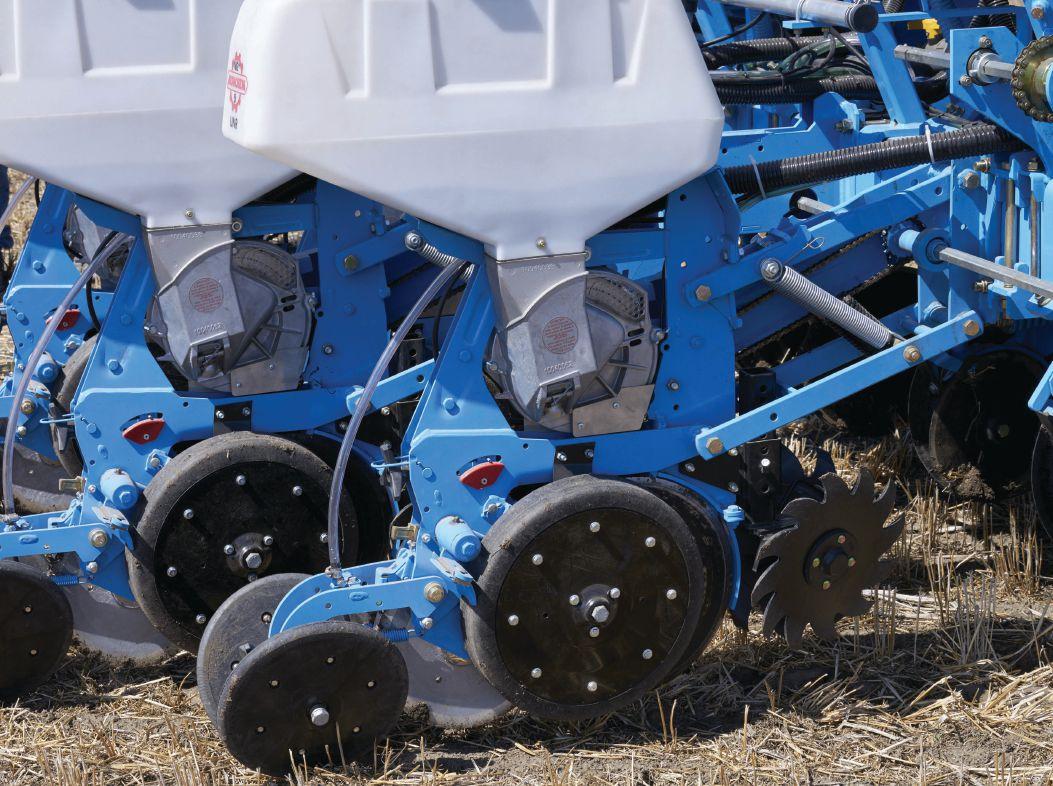
In addition to high-speed planting, a major motivating factor for the purchase was the vacuum planter technology that precisely meters out canola seed and spacing similar to traditional planters. The seed meters are driven by an electric motor, which allows faster planting speeds than ground-drive machines. Nachtegaele has cut his canola seeding rate from around five pounds per acre to two pounds per acre.
“The seed savings help pay for the drill,” he says. “I’m also interested in seeing how soybeans perform here, and think a planter will be important with them.”
The planter uses a disc opener system with on-row packing and hydraulic down pressure to maintain accurate seed depth placement. Nachtegaele says trash management is key to ensure accurate seed placement. While residue managers in front of the disc opener are an option, Nachtegaele opts for pre-seed tillage with a Gates coulter harrow that helps manage straw and mixes up the topsoil slightly.
Shawn Senko, a Canola Council of Canada agronomist in Saskatoon, says that growers who are considering a
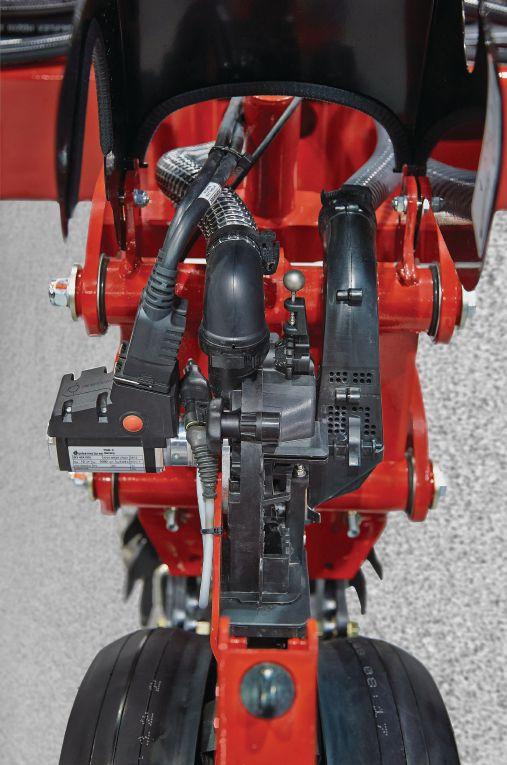
The Horsch Maestro metering system is driven by an electric motor on each individual opener.
high-speed planter for canola have a few key considerations. The first is how the fertility program will be handled. After years of one-pass seeding with side-band openers, the move to a planter will require a different approach. Nitrogen and sulfur fertilizer will need to be applied prior to seeding in some manner. While this means an additional trip over the field, it could potentially be done in the fall or early spring.
Nachtegaele applies nitrogen fertilizer as a top dress 28-0-0 application. In 2018, he is comparing anhydrous ammonia, 28-0-0 top dress, and 46-0-0 Super U N stabilizer, all fall applied. Bio-Sul sulfur fertilizer is broadcast applied. Phosphate liquid is applied in-furrow supplied from a 700-gallon liquid tank. The combination of faster speed and minimal stops to fill fertilizer means Nachtegaele is able to plant around 40 acres per hour.
Nachtegaele says the canola stems are generally larger in diameter due to the singulation and stand well. The crop is also
very uniform in maturity, although slightly delayed compared to his air-seeded canola on narrower row spacing and five pound seeding rate. Overall, though, Nachtegaele is satisfied with the performance of his Maestro.
“Moving to a planter system in a no-till or min-till system takes setting up a new system for fertilizer and trash management, and I think that is holding back a move in that direction,” Senko says.
Horsch is not the only company moving into the high-speed planter segment. The Vaderstad Tempo L has a small seeds kit that allows planting of small seeded crops like canola and sugar beets. The Tempo also uses an electric drive for each seed meter, and a disc opener with hydraulic coulter pressure to maintain uniform seeding depth.
“I’m pretty happy with the stand establishment and crop yields. You have to manage the fields differently but I think it’s worthwhile,” Nachtegaele says.
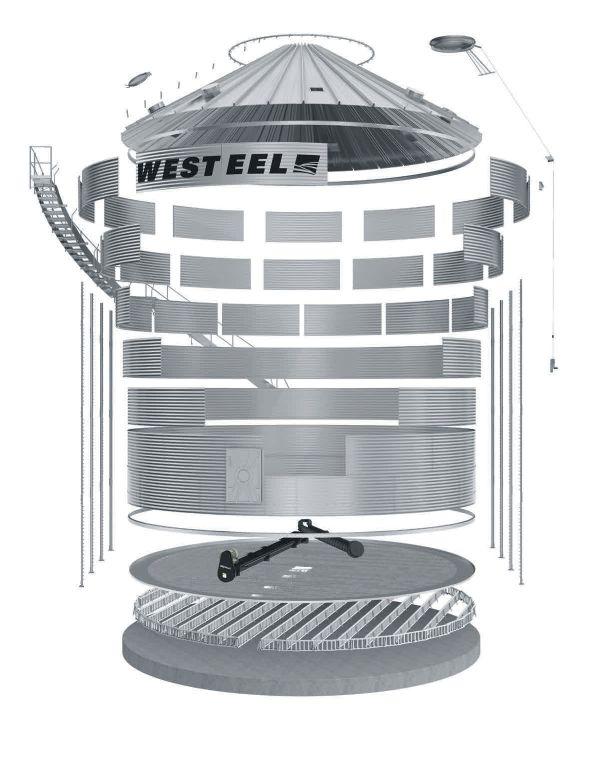
QUALITY TOP TO BOTTOM
ADVANCED CONTINUOUS ROOF ANGLE
15" ROUND GALVANIZED ROOF VENTS
SPIRAL STAIRCASE
WALK-IN-DOOR
EASYFLOW2 U-TROUGH UNLOAD SYSTEM
24" - 36" WIDE FILL CAP WITH REMOTE OPENER
4" WIDE CORRUGATION WITH G115 GALVANIZED STEEL
VARIABLE SECTION STIFFENERS (VSS)
CONTINUOUS BOTTOM RING ANGLE
LOCK-N-LOAD FLOOR SYSTEM
ZEROING IN ON THE RIGHT N RATE
Too much? Too little? This AAFC-developed precision ag tool helps get nitrogen just right. Research shows that soil type and weather conditions have the greatest impact on how much nitrogen grain corn needs. Taking into account these variables can help producers prevent under- or over-application of nitrogen.
BY Mark Halsall
Determining precisely how much nitrogen your crop requires can be tricky proposition for growers. Applying too little nitrogen can seriously impact crop performance and leave yield on the table, while excessive nitrogen fertilization not only represents an unnecessary farm expense but can have a harmful effect on the environment.
A new precision ag tool designed to take the guesswork out of assessing nitrogen needs for field corn is now available to growers in Ontario and Quebec. The fertilizer management app utilizes artificial intelligence (AI) to make recommendations on what rate of nitrogen will optimize profit per acre.
Nicos Keable-Vezina is the director of precision agriculture with Effigis Geo-Solutions, the Montreal-based company behind the tool, called FieldApex. The year 2018 is the first time FieldApex was widely available to growers in Quebec and Ontario, provinces in which many growers experienced particularly dry conditions this past summer. Keable-Vezina says as a result, growers and agronomists who followed the FieldApex recommendations generally applied less nitrogen (up to 30 per cent less in some cases) to their grain corn fields than they normally would and benefitted from fertilizer savings as a result.
At the heart of the FieldApex system is SCAN, a data-driven decision-making tool developed by researchers at Agriculture and Agri-Food Canada’s (AAFC) Saint-Jean-sur-Richelieu Research and Development Centre in Quebec, in co-operation with a number of Canadian universities. In June 2017, Effigis signed a licensing agreement with AAFC to commercialize the technology and a new web-based platform to integrate SCAN was subsequently built.
Nicolas Tremblay, an AAFC research scientist specializing in crop management, was the lead architect for SCAN, which stands for Soil, Crop, Atmosphere and Nitrogen. Tremblay believes decision-support tools like SCAN help growers save money by reducing their fertilizer inputs and achieve higher yields by adding more nitrogen when it is needed.
He notes that because SCAN technology makes it possible to determine the nitrogen requirements of grain corn fields with greater precision, it also makes it possible to eliminate excessive
Nicolas Tremblay was the lead architect for SCAN, the decision support tool behind the FieldApex system.
Nicos Keable-Vezina, director of precision agriculture with Effigis Geo-Solutions.
The entire set has paid for itself many times over and saved us a lot of money and time! Manfred Gross - Fort Vermilion, AB
Complete system:
• System attaches magnetically to any combine in seconds.
• Can be moved from machine to machine.
• Rechargeable long lasting batteries
- > 150 drops/charge
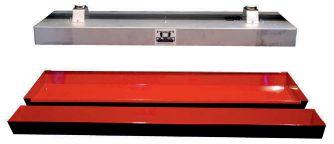
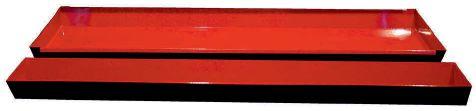
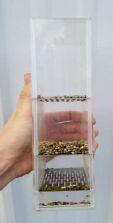
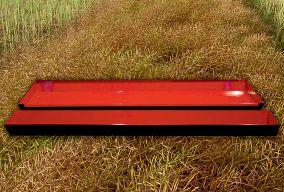
• Two different drop pan sizes in every set (narrow and wide), no tipping over in tall stubble.
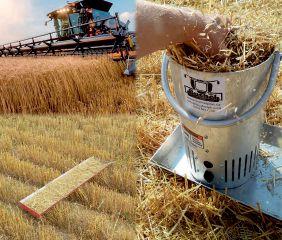
• Drop or spread your straw for testing.
• Separator to clean your sample within seconds. NEW option: Variable Speed
• Long range remotes.
• Durable field scale for actual weight, no volume guessing.
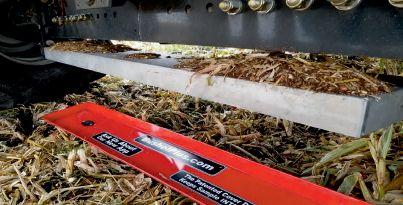
Patented Cover Design
Prevents kernels from entering into sample pan and contaminating the pan before it is released, for a true accurate sample of your loss
• User manual and loss conversions for every crop / APP.
APP
• Quick & Easy loss calculation
NEW Shakerbox to assess your cracked grain
• Create history of combine settings & crop details
• Combine optimization tips
The truth is farmers have been checking for harvest loss since the first combine was invented. What’s different today is how the Bushel Plus system has revolutionized the process. With our system, farmers can attach, release, clean and calculate a sample faster than ever before while, at the same time, they get more reliable results to calibrate their equipment. At Bushel Plus, we know that harvest is go-time with no time to waste and our system lets you work safer and saves you time so you put more grain in the bin and spread less of it on the field. It’s why our all-inone system is a must on any modern farm.
Marcel Kringe, Bushel Plus
Checking moisture of swathed grain?
Check your swath for grain moisture and quality before starting up the combine
Check harvest losses faster, easier and safer!
Validate your combine loss in less than 5 minutes.
Drying grain?
Use the separator to cool down hot dryer sample within minutes to take your accurate moisture test!
The Bushel Plus System is so easy and efficient to use! It takes almost zero effort to get a sample on your combine and know if you need to re adjust. We used it in our Canola and seed Soybeans this year and the money we saved on the crop we were kicking out paid for our investment in no time!
@thetulepps Lepp Farms, MB
• 12V Smart charger
Combine axle
Drop Pan Colour Options - We Donate!
nitrogen applications, which can lead to nitrates leaching into waterways and harmful nitrous oxide emissions.
“What we’ve found is that when you maximize profits with nitrogen, you also reduce your impact on the environment,” Tremblay says. “When that optimal rate is achieved from an economic standpoint, this is the point where the crop extracts all of the nitrogen that it needs, and no extra nitrogen is left behind.”
Extensive research by Tremblay and his team into nitrogen use in grain corn production illustrated how a wide range of factors influence how the nutrient is utilized, with weather conditions and soil texture having the greatest impact.
This work, which was based on research findings from Quebec, Ontario and other locations around North America, led to the creation of an AI algorithm that calculates economically optimal nitrogen rates based on these factors and the interplay between them.
In addition to weather and soil texture, SCAN takes into account a field’s cropping history and the soil’s organic matter con-
tent, as well as economic considerations such as historical yields and the ratio between the cost of fertilizer and the anticipated price of corn.
Over the course of a three-year testing period in commercial corn fields, SCAN produced average gains of $25 to $49 per hectare, depending on the year. These benefits were obtained through savings on fertilizer or increased yield, according to AAFC.
Tremblay says a benefit to SCAN is the multi-faceted approach to assess nitrogen needs in field corn.
“When you have a tool that uses just one parameter to assess such a complex problem of determining the optimum nitrogen rate, it’s certainly not encompassing everything you need to assess. The more complex it is, the more likely it is to be successful,” he says.
Tremblay singles out weather – or more specifically precipitation – as the most important factor related to nitrogen needs in field corn. “The more rainfall you get, the greater potential nitrogen loss you’ll have. Rainfall is also a primary driver for yield
Saikat Basu, AB
Kirsten Roy, SK Scott Day, MB
production, so it has a lot of impact on nitrogen requirements,” he says.
According to Effigis, SCAN is directly linked to weather information that provides both historical rainfall data and short-term future forecasts during the nitrogen application period.
Tremblay stresses soil texture is also very important, because some soil types are better at retaining nitrogen while others are prone to nitrogen losses. Because soil texture is relatively easy to measure, “it’s a parameter that is easily implemented in sophisticated decision-support systems.”
Effigis Geo-Solutions plans to introduce FieldApex to growers in six to eight states in the U.S. Corn Belt on a trial basis next year, according to Keable-Vezina.
In the meantime, the company continues upgrade the FieldApex platform and is planning to roll out a number of new features. This includes nitrogen variable-rate prescription maps that incorporate soil texture information derived from satellite imagery, a feature that will be available to Quebec and Ontario growers next year.
Keable-Vezina says Effigis Geo-Solutions is working on establishing agreements for integrating FieldApex with major precision ag platforms. There is also research underway into adapting the SCAN decision-making model to other crops like potatoes.
SCAN is a big improvement from tools that rely on a single factor, such as yield goals, to assess nitrogen needs in field corn.
Hayden Fox, ON
Carley Matheson, ON
Charlee McLaughlin, MB
TOWARDS INCREASED PEST RESISTANCE
Natural compounds in soybean leaves help the plant fight off aphids and mites.
by Carolyn King
Several types of plant compounds, such as flavonoids and isoflavonoids, are known to discourage insects from feeding on plants. What are the types and amounts of these compounds in Ontario soybean cultivars? How effective are they in deterring two key soybean pests? A project is underway to answer such questions. Along with identifying some existing cultivars with good resistance to these pests, the project’s findings will also help soybean breeders in developing new cultivars with improved resistance.
“For soybeans grown in Ontario, we want to know whether or not these compounds are present in high enough amounts that they would affect the soybean aphid and the two-spotted spider mite. So, we want to see if there is a strong correlation between the content of these compounds in these different cultivars and any anti-insect or anti-mite activity,” explains Ian Scott, who is co-leading this project with Sangeeta Dhaubhadel. They are both research scientists with Agriculture and Agri-Food Canada (AAFC) in London, Ont.
Soybean aphids and two-spotted spider mites are pest priorities for Grain Farmers of Ontario (GFO), which is funding the project. “The soybean aphid is a perennial problem for Ontario soybean growers. The spider mite is an emerging pest; it is not a problem every year, but it is definitely a concern to the growers,” Scott says.
Both pests can significantly reduce soybean yields. Insecticides can be used to control them but will also kill beneficial insects, such as ladybird beetles, lacewings and parasitic wasps, that prey on or parasitize these pests. So, cultivars with improved resistance would be a great tool to add to the toolbox for managing soybean aphids and spider mites.
Isoflavonoids and flavonoids are similar kinds of compounds with similar roles in plants. Dhaubhadel explains, “Isoflavonoids are legume-specific compounds. These natural products are abundant in soybean, especially in the leaves and seeds. Isoflavonoids have many biological roles including protecting the plant from diseases and insect pests.” Flavonoids are present in many types of plants. Like isoflavonoids, they play diverse roles in a plant, including protecting the plant against herbivorous pests.
She notes, “A range of flavonoids and isoflavonoids that influence host-selection behaviour by insects have been reported. But we don’t know how these compounds modulate pest feeding behaviour, so we don’t really know how they help soybeans to fight off insects.”
Dhaubhadel’s expertise is in molecular mechanisms in soybean
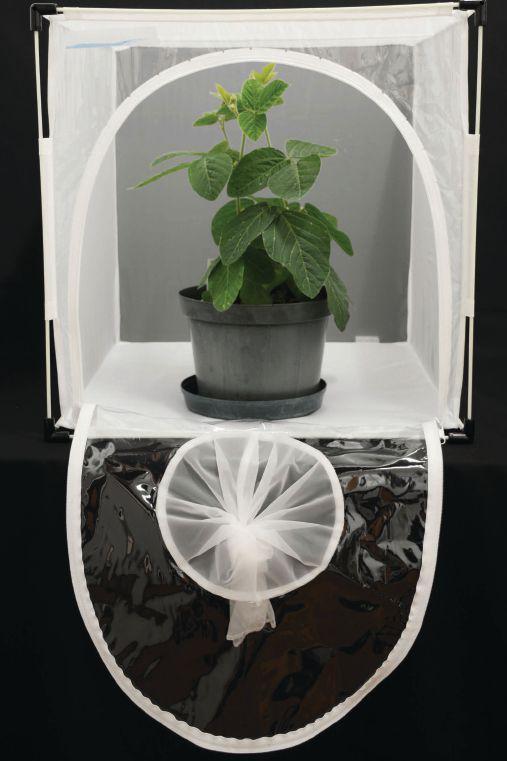
ABOVE The project team grew 12 Ontario soybean cultivars in the greenhouse and exposed them to spider mites (shown here) and soybean aphids.
related to the production of isoflavonoids and other similar compounds. She explains that the types and amounts of isoflavonoids and flavonoids in soybean leaves vary depending on genetic and environmental factors. For example, cultivars with greater resistance to pests will have higher basal levels of such compounds. Both pest-resistant and pest-susceptible cultivars will produce more of these compounds in response to stresses like attacks by insects or
been even less studied. Scott says, “Very little work has been done so far on the interaction between isoflavonoids and mites, or soybeans and mites. A lot of research has been done with spider mites on host plant resistance in other horticulture crops and field crops, but not much with soybeans.”
In developing the project, Scott and Dhaubhadel consulted with soybean researchers and breeders about which cultivars are typically grown in Ontario and what was known about the cultivars’ resistance to soybean aphids and spider mites. They selected 12 cultivars, encompassing various soybean maturity groups and a range of estimated resistance levels to the two pests.
Scott and his students from Western University, where he is an adjunct professor, set up the bioassays to determine the relative effectiveness of the different cultivars in defending against the aphids and mites. This past fall and winter, they grew the 12 cultivars in AAFC-London’s greenhouse and growth rooms, and exposed the plants to the two pests. In tests that lasted for two to four weeks, they counted the number of aphids or mites that grew on the different cultivars. They used that data to develop a rating scale to compare the susceptibility/resistance of the different cultivars.
The project team sampled the soybean leaves before and after the cultivars were exposed to the aphids or mites. The leaf samples were analyzed for six types of isoflavonoids.
New information emerging
pathogens. As well, abiotic environmental conditions such soil type, precipitation and temperature will influence the production of these compounds.
About the project
Dhaubhadel and Scott’s research hypothesis was that isoflavonoids would be key in deterring the two pests in Ontario soybean cultivars because isoflavonoids are known to be one of the main types of anti-insect compounds in soybeans.
“The effects of isoflavonoids on insects that feed on soybeans have been observed with several different types of insects in-
cluding stink bugs, some aphids, and caterpillars such as armyworms and leafworms. The compounds usually are not acutely toxic, but they do have anti-feeding effects or inhibit the growth of those insects,” explains Scott, an expert in insect toxicology.
According to Scott, some research related to soybean aphids and isoflavonoids was conducted in China with Chinese soybean cultivars. However, until this AAFC project got underway, no research had been done with Ontario soybean cultivars on soybean aphids and isoflavonoids or other similar anti-insect compounds.
Spider mite/soybean interactions have
“We are over a year into the project. We have a lot of chemical and bioassay results. And we have gathered quite a bit of new information on soybean and herbivore interactions that we believe was not previously known,” Scott notes.
The results so far indicate a strong potential for improving resistance through soybean breeding, especially resistance to soybean aphids. “We have found that the most resistant cultivar in terms of aphid resistance is as much as almost 40 times more resistant than the most susceptible. So, there is quite a range just within the 12 soybean cultivars that we selected. We don’t see quite as large a range in terms of the level of spider mite resistance,” he says.
“Also, we are finding that some of the cultivars that show resistance to the aphids are not necessarily the same ones that are
The research team counted the number of mites or aphids that grew on the different cultivars to rate their susceptibility to the pests.
resistant to the spider mites. So, the two herbivores are responding differently to the defences in those plants.”
He adds, “The one cultivar that had relatively high resistance to both the aphid and the spider mite is OAC Avatar, which was developed by the University of Guelph. OT0623 and OAC Strive had higher aphid resistance but only moderate mite resistance.”
“We are finding that some of the cultivars that show resistance to the aphids are not necessarily the same ones that are resistant to the spider mites. So, the two herbivores [pests] are responding differently to the defences in those plants.”
Perhaps the most significant finding so far is that there isn’t a strong correlation between the cultivars’ resistance levels and the isoflavonoid concentrations in their leaves. So, the chemists on the project team are now conducting a much more thorough analysis of the same leaf samples, broadening the scope of their tests to measure many other compounds that, like isoflavonoids, are produced by metabolic processes within the plant.
This expanded work is already providing additional insights. “We’re finding that the cultivar resistance level seems to have a
much stronger correlation with other classes of leaf compounds, such as compounds in the flavonoid class,” Scott notes. So, the project is now a lot more complex, but it will provide much more information on these compounds in Ontario soybean cultivars and their role in pest/soybean interactions. Dhaubhadel says, “The results from this research will help recommend cultivars for planting in Ontario based on resistance to these two pests, and will also provide direction for breeding new resistant genotypes.”
OPTIMIZING WHEAT PRODUCTION
Updating
row spacing, seeding rate and rotation recommendations for Manitoba.
by Carolyn King
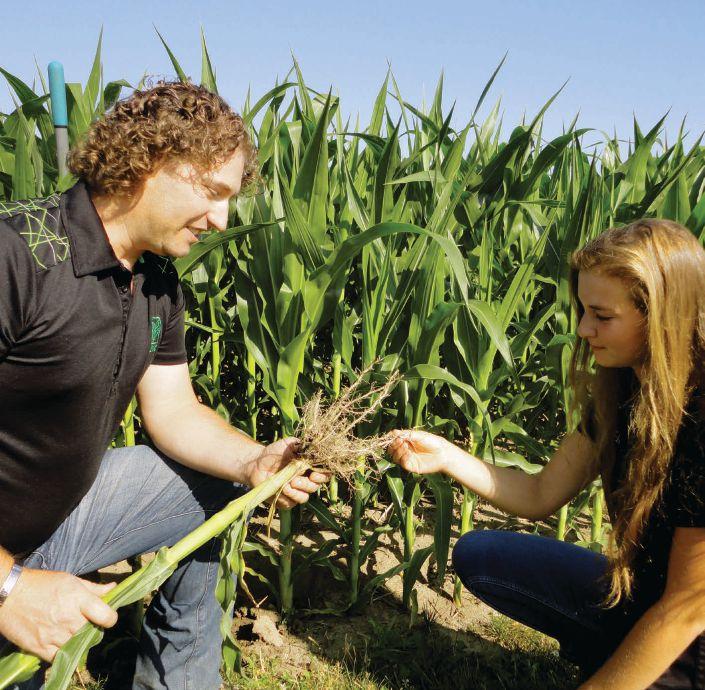
Sometimes you need to take a fresh look to see if the way you’ve done things in the past is still the best way for today’s conditions. Over the past two decades, Manitoba growers have seen changes like rapidly rising soybean acres, increasing problems with herbicide-resistant weeds, and ongoing crop varietal improvements. With that in mind, a University of Manitoba project is assessing crop rotations, row spacings and seeding rates to find the optimal choices to maximize wheat yields in current production systems.
Rob Gulden, an associate professor at the University of Manitoba, is leading the project. He is interested in crop spatial arrangements because of their influence on things like crop competitiveness with weeds, disease, lodging and yields.
“We are revisiting row spacing and seeding rate questions for several crops. This wheat project is part of that work,” Gulden explains.
“Are our wheat rows getting a little too wide? In my opinion
they probably are, but we haven’t got the science to say if that is really the case. Could wheat seeding rates be higher in Manitoba?
Research by Agriculture and Agri-Food Canada in Alberta suggests that cereal crop densities that are somewhat higher than what is usually planted actually work fine. Usually there is no yield detriment and sometimes there is a yield benefit.”
He adds, “A lot of the existing recommendations for wheat row spacing and plant density are based on studies from decades ago. We want to find the optimal spatial arrangements in light of modern cultivars.” As growers know, cultivars can differ from one another in traits like tendency to tiller, resistance to lodging and resistance to disease, which all influence optimal spacing. Gulden also notes that a recent study in North Dakota and
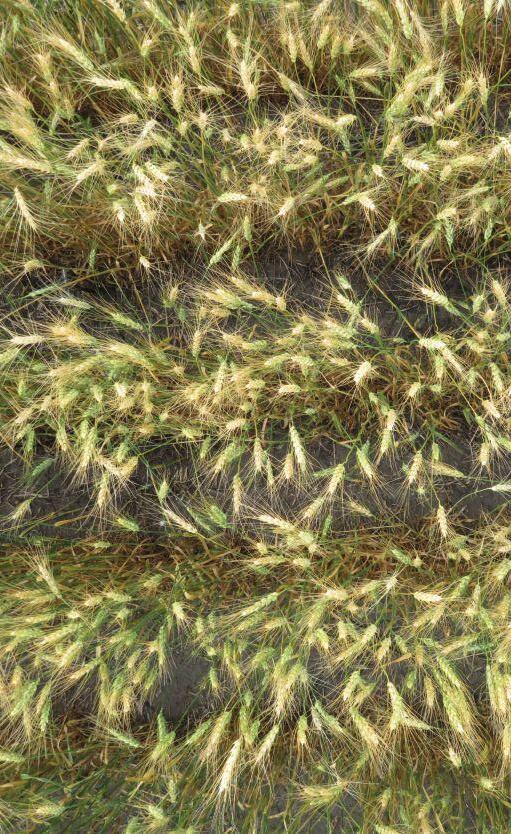
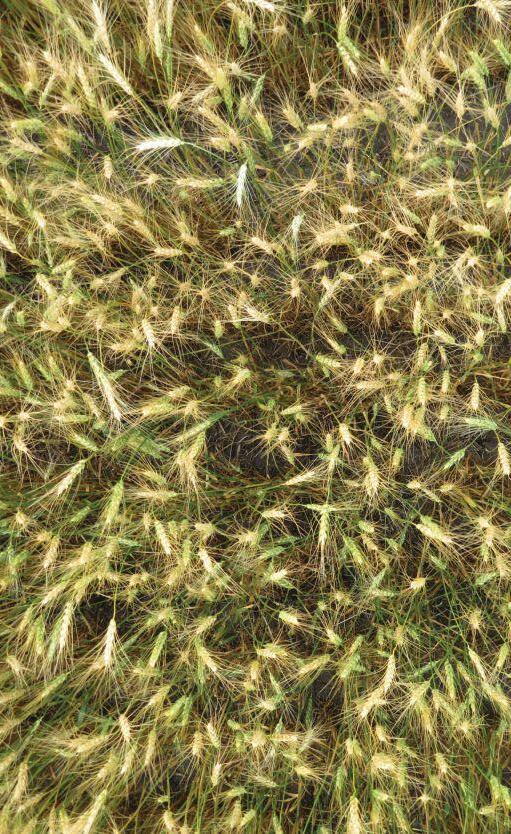
ABOVE: A Manitoba project is comparing row spacings (shown here), seeding rates, varieties and rotations to update wheat recommendations.
“A lot of the existing recommendations for wheat row spacing and plant density are based on studies from decades ago. We want to find the optimal spatial arrangements in light of modern cultivars.”
Minnesota found that hard red spring wheat’s response to increasing crop density depended in part on the cultivar, and that seeding rate recommendations should be based on the cultivar.
Gulden and his team have added another layer to the project by also examining if and how the preceding crop affects the optimal wheat stand spatial arrangement and wheat productivity. “Should we be looking at row spacing and plant density recommendations that are specific to the preceding crop to a certain extent?” he asks.
Canola and soybean were selected as the preceding crops in this wheat project because Manitoba’s three main crops are canola, wheat and soybeans. Gulden explains that whether soybean or canola comes before wheat might influence various factors that could, in turn, affect optimal wheat stand spacings and yields.
“For example, there could be differences in snow capture and water retention in the soil, so there might be a difference with respect to how much water is in the system. There may be differences in soil nitrogen content and nitrogen release, and perhaps differences in other nutrients as well, so there might be differences in nutrient dynamics. The soil microbial communities differ between soybean and canola, and those differences might affect the following crop. As well, canola is more competitive with weeds than soybean, so there might be weed differences in the following wheat crop.”
Weedy and weed-free studies
The project, which runs from 2017 to 2021, is composed of two studies. The studies are mainly being conducted at the University’s Ian N. Morrison Research Farm at Carman, with some additional work at field sites throughout Manitoba. These satellite sites involve a smaller range of treatment options, but they provide a look at the influence of different growing environments.
Study A focuses on optimized wheat production in the context of a weed-free stand. The study’s objectives are to determine the optimal plant density and row spacing combinations for wheat, and to assess how the preceding canola or soybean crop affects wheat’s optimal spatial arrangement.
The Study A treatments involve two varieties of Canada Western Red Spring (CWRS) wheat: AAC Brandon and Cardale. The study’s four seeding density treatments range from 200 to 500 seeds per square metre. The row spacing treatments are: 7.5, 15, 22.5 and 30 inches. Gulden notes, “Next year, we may add a 3.75-inch spacing, if we can manage that – our drill isn’t built for these ultra-tight spacings. But these tight spacings were used in the 1940s and 1950s; they worked back then.” The project team is collecting data on such factors as wheat yield and quality, disease levels, and amount of ground cover.
Study B is examining the effects of crop rotation, row spacing and weeds on wheat yield and quality, disease, weed management, herbicide-resistant green foxtail populations, mycor-
rhizal fungi, and rotation economics. The treatments include two wheat varieties (AAC Brandon and Cardale), four wheat row spacings (7.5, 15, 22.5 and 30 inches), and two rotations.
Study B builds on a long-term rotational experiment that began in 2000. From 2000 to 2016, the rotations included flax and oat, as well as wheat and canola. When Gulden’s team started Study B in 2017, they updated the rotations to wheat-soybean-canola and wheat-soybean-wheat-canola.
“Within that long-term rotation experiment, we have different levels of weeds resulting from the 17 years of previous cropping history. So we’re looking at how we can optimize the production system within the different weed populations,” Gulden explains.
One of Study B’s weed issues is herbicide-resistant green foxtail. Gulden notes that herbicide resistance is a growing issue in Manitoba. “Surveys from the last couple of years show that resistant weed numbers are still going up, and weeds like resistant wild oats are an increasing problem,” he says.
“One of our main integrated weed management tools is the crop’s spatial arrangement to maximize competition with weeds, while at the same time minimizing the detrimental effects of the crop on itself.” Competitive crops reduce the need for herbicide inputs, which lowers the selection pressure for herbicide resistance.
Mycorrhizal colonization of wheat roots in the study’s rotations might be affected by the preceding crop and the weed species in the plot. Mycorrhizae are soil-borne fungi that can colonize the roots of many types of plants and bring soil nutrients like phosphorus to their plant hosts. Wheat, soybean and many weed species are mycorrhizal hosts, but canola is not. So, for instance, soybean would leave a mycorrhizal network ready to colonize the roots of the following wheat crop early in the growing season, but canola would not. As a result, the wheat crop might get off to a better start after soybean, and that might enhance wheat growth, competitiveness with weeds, and yields.
For Study B, data collection includes crop yield and quality, disease incidence, and amount of ground cover. The project team is also determining the weed populations in the crop and the soil seed bank, and characterizing green foxtail’s herbicide resistance/susceptibility. As well, they are measuring the amount of mycorrhizal colonization in wheat, soybean and weeds, and identifying the type of mycorrhizae.
Gulden hopes the project will provide recommendations that result in greater net returns for Manitoba crop growers. “Even a small increase in productivity or a small reduction in cost over the large wheat growing area of Manitoba would result in a significant increase in total farm revenue,” he says.
“For producers who want to maximize or optimize their wheat production, having the ideal crop stand is very handy. We hope to get a better idea of how to adjust plant populations to reduce weed populations and disease levels, reduce the need for herbicide and fungicide inputs, lower the risk of lodging, and optimize wheat yields.”
Funding for this project is from the Manitoba Wheat and Barley Growers Association and the Manitoba Pulse and Soybean Growers.