TOP CROP MANAGER
NEW WILT PATHOGEN FOUND IN ALBERTA
Little is known about the impact of the new Verticillium pathogen in Western Canada. PG. 3
Little is known about the impact of the new Verticillium pathogen in Western Canada. PG. 3
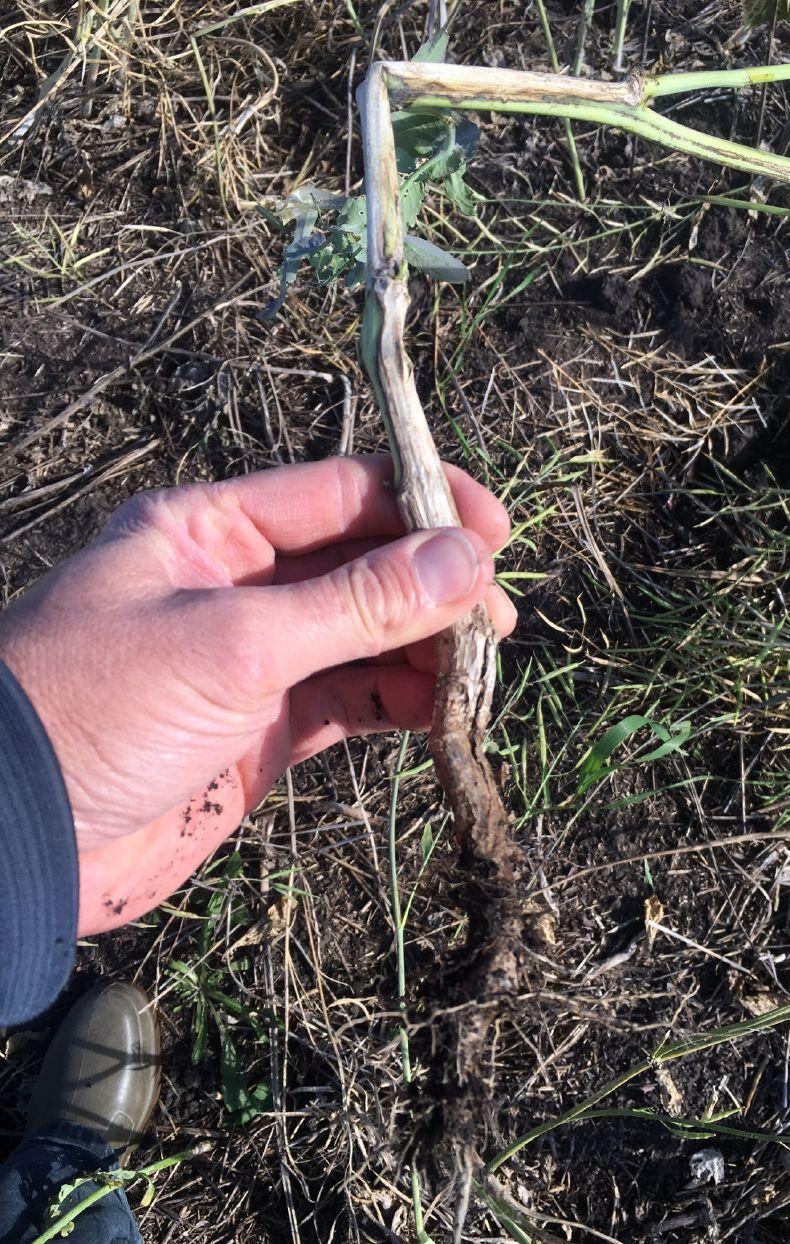
Show your pulses some love. Elatus® fungicide provides preventative and long-lasting protection so your crop can thrive. A pulse crop protected from Anthracnose, Ascochyta and Mycosphaerella blight? Now, that’s a perfect match!
For more information, visit Syngenta.ca, contact our Customer Interaction Centre at 1-87-SYNGENTA (1-877-964-3682), or follow @syngentacanada on Twitter.
For beans and peas, maximum residue limits (MRLs) have been established for all major export markets. For chickpeas, lentils and fababeans, CODEX MRLs have not been established. If applied according to label rates and only early in the crop year (e.g. single application at zero to 20% flowering), there are no export marketing issues. For chickpeas, lentils and fababeans, do not apply later than the 20% flowering stage.
Always read and follow label directions. Elatus is a co-pack of Elatus A and Elatus B fungicides. Elatus®, the Alliance Frame, the Purpose Icon and the Syngenta logo are trademarks of a Syngenta Group Company. © 2019 Syngenta.
3 New Verticillium wilt pathogen found in Alberta by Bruce Barker
8
10
ON THE COVER
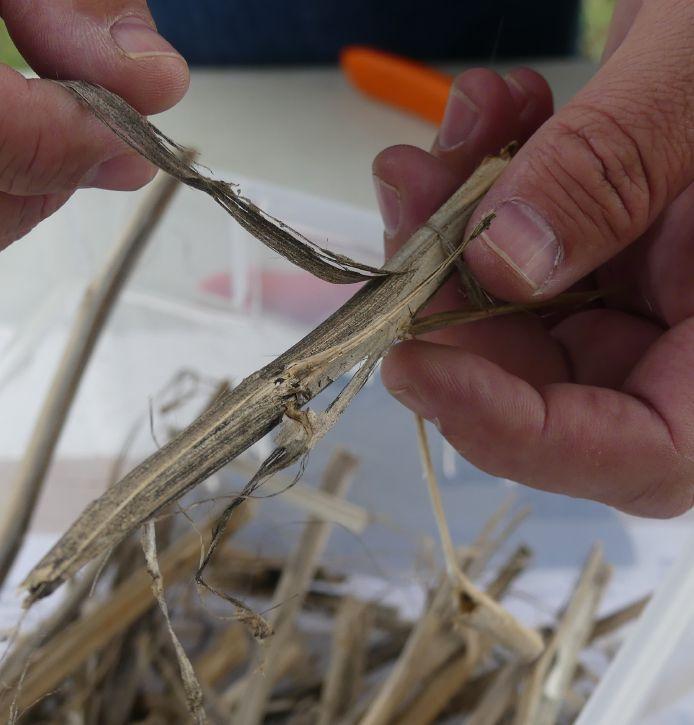
Shredded canola stem with Verticillium wilt microsclerotia.
PHOTO BY BRUCE BARKER.
Top Crop Manager thanks Syngenta for sponsoring this year’s Fungicide Guide.
First report of wilt caused by Verticillium dahliae in North America.
by Bruce Barker
Published as part of Top Crop Manager, April 2019, by: Annex Publishing & Printing Inc. PO Box 530, 105 Donly Drive South, Simcoe, ON N3Y 4N5 Canada Tel: (519) 429-3966 Fax: (519) 429-3094
EDITOR
Stefanie Croley
ASSOCIATE EDITOR
Stephanie Gordon
WESTERN FIELD EDITOR Bruce Barker
ASSOCIATE PUBLISHER
Michelle Allison
VP PRODUCTION/GROUP PUBLISHER
Diane Kleer
Canada’s original technical crop production magazine, The Western edition of Top Crop Manager, is published nine times a year. To be sure of your copies, either mail, fax or e-mail your name and full postal address to Top Crop Manager, or subscribe at topcropmanager.com. There is no charge for qualified readers.
Anew Verticillium species was discovered on canola in 2016 in Alberta. Verticillium is a genus of 10 species that cause wilt or stripe in a range of annual and perennial plants, including canola. In Europe, the pathogen is fairly widespread on oilseed rape and has caused significant yield loss of 10 to 50 per cent when the disease is established early in the growing season. While a cause for concern, little is known about the disease impact or control in Western Canada.
“This is a new disease for us and we are still learning about it,” says Sheau-Fang Hwang, a plant pathologist with Alberta Agriculture and Forestry.
Canola infected with Verticillium longisporum was first discovered in Manitoba in 2014. A subsequent survey in 2015 by the Canadian Food Inspection Agency found V. longisporum in Alberta, British Columbia, Manitoba, Ontario, Quebec and Saskatchewan in 263 of 1074 fields surveyed, with the highest concentrations in Manitoba.
Verticillium dahliae is another species in the Verticillium genus that can cause wilt and has a broad host range of more than 200 plant species. Scientists believe V. longisporum is a diploid hybrid and three Verticillium species, including V. dahliae, contribute to its genetics.
“The taxonomy of Verticillium is confusing since many of the species are very similar,” Hwang says.
ABOVE: Verticillium wilt damage at swathing.
Continued from page 3
Symptoms of wilt and the initial discovery
Verticillium interferes with the uptake of water and nutrients. Symptoms usually appear later in the growing season. Leaf chlorosis, early leaf loss and early ripening may occur.
Dark striping on canola stems may be observed and as the crop ripens, the striping becomes more evident. Shredding of the stem on dead plants may occur. Peeling back the outer layer of the stem will reveal microsclerotia that are tiny, black granules smaller than one millimetre in size. Under severe conditions, wilting of leaves may occur.
The absense of large Sclerotinia sclerotia distinguishes the disease from Sclerotinia stem rot. Blackleg would be identified by cutting the canola stem at ground level and observing blackening inside the stem, which does not occur with Verticillium wilt.
In 2016, a field survey in Alberta identified wilt symptoms on canola plants. Hwang and her colleagues at the Crop Diversification Centre North and Stephen Strelkov at the University of Alberta collected and cultured fungi from the plants to iden-
tify the Verticillium species. Genetic sequencing confirmed the species as V. dahliae – the first report of V. dahliae causing Verticillium wilt of canola in North America. Further research also found that V. dahliae can infect fababean.
Currently, no effective fungicide seed treatment is available to control Verticillium wilt. Breeding for resistance is thought to hold the most potential for control. However, no R genes have been identified in canola. Plant breeders are looking for resistance sources from other Brassicaceae species.
Crop rotation may offer some control, but Hwang says research has shown a four-year fallow period did not reduce microsclerotial density in the soil. Prevention of soil movement from contaminated areas could be an important management strategy. “We need much more long-term research to determine if crop rotation is effective,” Hwang says.
Since little is known about Verticillium wilt, Hwang says more studies are needed, such as determining the extent and host range of the pathogen and a yield loss model linked to disease severity.

HORNET (tebuconazole)
MANZATE PRODUCTS (mancozeb)
NEXICORR (fluxapyroxad, pyraclostrobin, propiconazole)
NUFARM PROPICONAZOLE (propiconazole)
PALLISER (tebuconazole)
PENNCOZEB 75 DF (mancozeb)
PIVOT 418 EC (propiconazole)
PRIAXOR (fluxapyroxad, pyraclostrobin)
PROLINE 480 SC (prothioconazole)
PROPEL (propiconazole)
PROPI SUPER 25EC (propiconazole)
PROSARO XTR 250 EC (tebuconazole, prothioconazole)
QUADRIS (azoxystrobin)
QUILT (azoxystrobin, propiconazole) TILT 250E (propiconazole)
TOPNOTCH (azoxystrobin, propiconazole)
TRIVAPRO (azoxystrobin, benzovindiflupyr, propiconazole)
TWINLINE (metconazole, pyraclostrobin)
VERTISAN (penthiopyrad)
(copper hydroxide)
(sulphur)
(boscalid)
(boscalid, pyraclostrobin)
Fungicide
Acrobat WP 40 dimethomorph
Allegro 500F 29 fluazinam
Aprovia Top 7,3 benzovindiflupyr, difenoconazole
Azoshy 250 SC 11 azoxystrobin
Bravo Zn M chlorothalonil
Cabrio Plus 11,M2 pyraclostrobin, metiram
Cantus 7 boscalid
Contans (bio-fungicide) N/C Coniothyrium minitans strain
Copper 53W M copper sulphate
Copper Spray M copper oxychloride
Curzate 60 DF 27,M3 cymoxanil
Dithane DG Rainshield M mancozeb
Double Nickel 55 / 55 LC (bio-fungicide) 44 Bacillus amyloliquefaciens (strain D747)
Echo 720/90DF M chlorothalonil
Elatus 11,7 azoxystrobin, benzovindiflupyr
Elixir M chlorothalonil, mancozeb
Evito 11 fluoxastrobin
Gavel 75 DF 22,M3 mancozeb, zoxamide
Headline EC 11 pyraclostrobin
Kocide 2000 M copper hydroxide
Lance 7 boscalid
Luna Tranquility 7,9 fluopyram, pyrimethanil
Manzate Products - 200, 75DF, Pro-stick M mancozeb
Orondis Gold 4,48 metalaxyl-M, oxathiapiprolin
Orondis Ultra 40,49 mandipropamid, oxathiapiprolin
Parasol Products - DP, WP, Flowable, WG M copper hydroxide Penncozeb 75DF Raincoat M mancozeb
Polyram DF M metiram
Presidio 43 fluopicolide
Quadris 11 azoxystrobin
Quadris Top 11,3 azoxystrobin, difenoconazole
Quash 3 metconazole
Rampart 33 mono and dipotassium salts of phosphorous acid
Ranman 400 SC 21 cyazofamid
Reason 500SC 11 fenamidone
Revus 40 mandipropamid
Ridomil Gold 480EC, Ridomil Gold 480SL 4 metalaxyl-M
Ridomil Gold MZ 68WP/WG 4,M metalaxyl, mancozeb
Scala SC 9 pyrimethanil
Serenade SOIL (bio-fungicide) 44 Bacillus subtilis (QST 713 strain)
Serenade OPTI (bio-fungicide) 44 Bacillus subtilis (QST 713 strain)
Tanos 50 DF 11,27 famoxadone, cymoxanil
Tattoo C 28,M propamocarb HCl, chlorothalonil
Velum Prime 7 fluopyram
Vertisan 7 penthiopyrad
Zampro 40,45 ametoctradin, dimethomorph
Notes: • Fungicide effective against the disease
1. Must not be used alone, only as a tank mix
2. In-furrow treatment (suppression only)
3. Suppression only
4. May be beneficial to tankmix with protectant to control group 11 (strobilurin)-insensistive strains
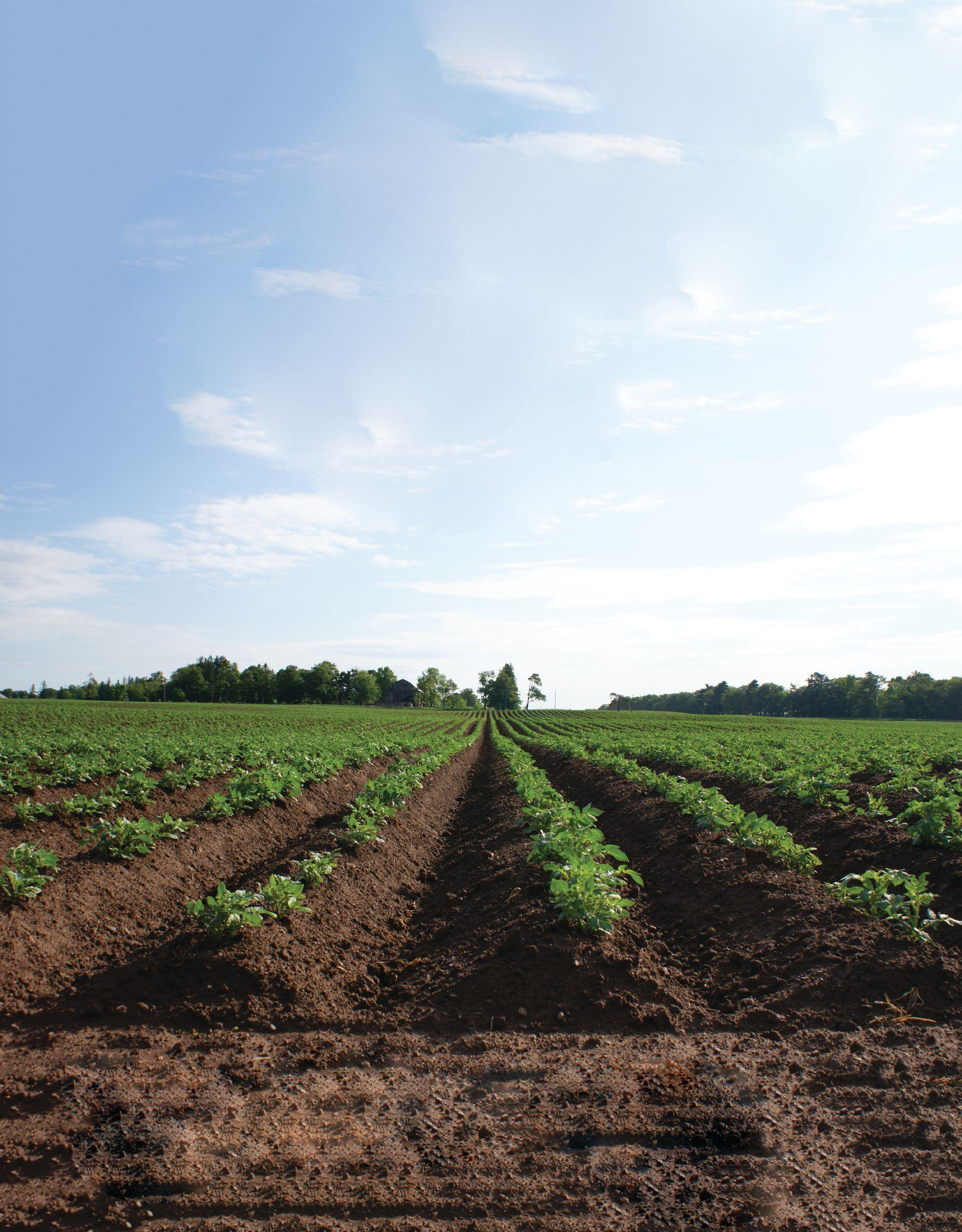
Defend your crop with Orondis Gold Potato.
Applied in-furrow, Orondis® Gold Potato fungicide goes to work early in the season, protecting your potatoes throughout the year from damaging diseases such as pink rot. Orondis Gold Potato combines the power of metalaxyl-M (Group 4) with oxathiapiprolin (Group 49) – a new mode of action to suppress pink rot and help manage resistance.
For more information, visit Syngenta.ca, contact our Customer Interaction Centre at 1-87-SYNGENTA (1-877-964-3682) or follow @SyngentaCanada on Twitter.
Always read and follow label directions.