TOP CROP MANAGER

Safely dispose of unwanted or obsolete agricultural pesticides and livestock/ equine medications – no charge!
Cleanfarms is holding collection events for these materials in regions throughout Canada in fall 2019.
Ontario – September 20 to October 1
Northern Alberta – October 7 to 11
BC, Alberta – Peace River Region – October 15 to 18
Newfoundland – October 16 to 18
Manitoba – October 21 to 25
Find details at Cleanfarms.ca – choose “what to recycle where.”
• Unwanted or “obsolete” agricultural pesticides (identified with a Pest Control Product number on the label).
• Livestock medications that are used by primary producers in the rearing of animals in an agricultural content (identified with a DIN number, Ser. Number or Pest Control Product number on the label).
• Fertilizer, diluted solution, large quantities of unopened product, and treated seed.
• Needles/sharps, medicated feed, aerosol containers premises disinfectants/sanitizers, veterinary clinic waste and medications, ear tags, and aerosols.
• Any other household hazardous waste.
By John Dietz
Donna Fleury
Barker
By Julienne Isaacs
ESN and other enhanced efficiency fertilizers may be useful as a risk-management tool.

STEPHANIE GORDON | ASSOCIATE EDITOR
Weather is one of the biggest factors in crop production. The dry weather in Western Canada had producers speeding through the planting season, and seeding progress in Alberta, Saskatchewan and Manitoba was ahead of each province’s five-year average. Though great at the beginning, the dry weather now is hindering growth, with some regions desperate for rain so crops can progress.
Out east, planting season was a different story. Relentless rain prevented Ontario producers from getting out into the fields, and even now, crops planted on heavier soils are showing signs of plant stress.
During these stressful seasons, experimenting with the latest in crop management practices might take a backseat. Why worry about testing out the latest nitrogen application strategies when there are bigger concerns, like willing the fields to dry up so you can get out and plant? But farming has always been responsive to the weather, and weather fluctuations are just a small part of the larger picture. Don’t let a slow start, or mid-season slump, stop you from making the most of the season.
This edition of Top Crop Manager Focus On: Crop Management can inspire some ideas to try this year. Yields at the end of harvest are not the only measuring stick for success. Crop management strategies also focus on reviving soil quality, cutting input costs and minimizing the environmental impact. Doing your best to manage what you can, when you can’t manage the weather, is one way to recover from a tough start.
In this edition, you’ll read about how strip till has struck a balance between improving yields and soil quality on page 4, or how foliar phosphorus may provide a top-up option for high P-demanding crops, such as canola. Finally, do not miss the story on page 10, about a herbicide system that can reduce herbicide costs by up to 75 per cent.
As the old saying goes, every cloud has a silver lining. For those out west, let’s hope that cloud is carrying rain; and for those out east, let’s hope it goes away. Whatever comes your way, we wish you a prosperous growing season!
Editor: Stefanie Croley
Associate Editor: Stephanie Gordon
Western Field Editor: Bruce Barker
Associate Publisher: Michelle Allison
Group Publisher: Diane Kleer
Media Designer: Brooke Shaw
mail, fax or e-mail your name and full postal address to Top Crop Manager , or subscribe at: www.topcropmanager.com. There is no charge for qualified readers.


Six years in, a 12-row strip till machine has more than proven itself to one family in Manitoba.
by John Dietz
Strip till is the midpoint between no-till and conventional tillage. It produces black, intensely tilled, narrow bands for planting row crops, while leaving undisturbed soil and crop residue between the strips.
Strip tillage came into widespread practice in the United States for row crop growers in the 1990s.
In 2013, Bernie Toews and his sons in MacGregor, Man., committed to getting their own strip till machine for planting. Half the farm was in corn production, and they were keen about other row crops, including soybeans.
Dean, Devin and Darren, sons of Bernie and Edna Toews, looked for a strip till machine in Western Canada. In Nebraska, they found what they wanted. They purchased a used 30-foot, 12-row Orthman 1tRipr strip till machine and hauled it home.
Now, a few more strip till machines are in Manitoba. A neighbour has two, purchased from the local John Deere dealership after it obtained a strip till franchise – a statement to how the popularity of strip till is growing in the region.
“The Toews family are the most experienced strip tillers that I know in Manitoba. We learned a lot from Dean and his brothers,” Yvonne Lawley, assistant professor of plant science at the University of Manitoba, says.
Looking for solutions
Dean Toews, the oldest brother and chief crop planner, has been farming since leaving high school in 1996. The family farms 4,000 acres of light, Almasippi sandy-loam soil. They minimize tillage to reduce erosion, conserve moisture, protect soil health and reduce fuel consumption.
“Half of our acres are in corn every year. We also grow edible beans, soybeans, sunflowers, wheat and some fall rye,” Dean says.
The light soils in this area make it ideal for potatoes, but also are prone to wind erosion, especially in row crop production. The family struggled to get nutrients in the ground for corn while keeping crop residue on the surface.
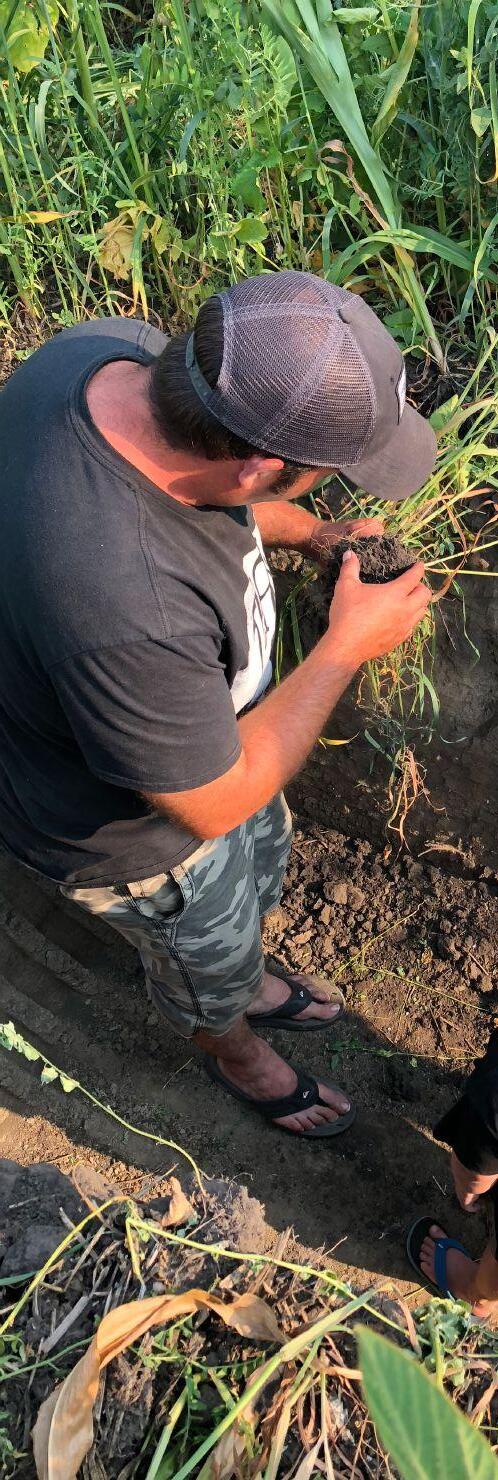
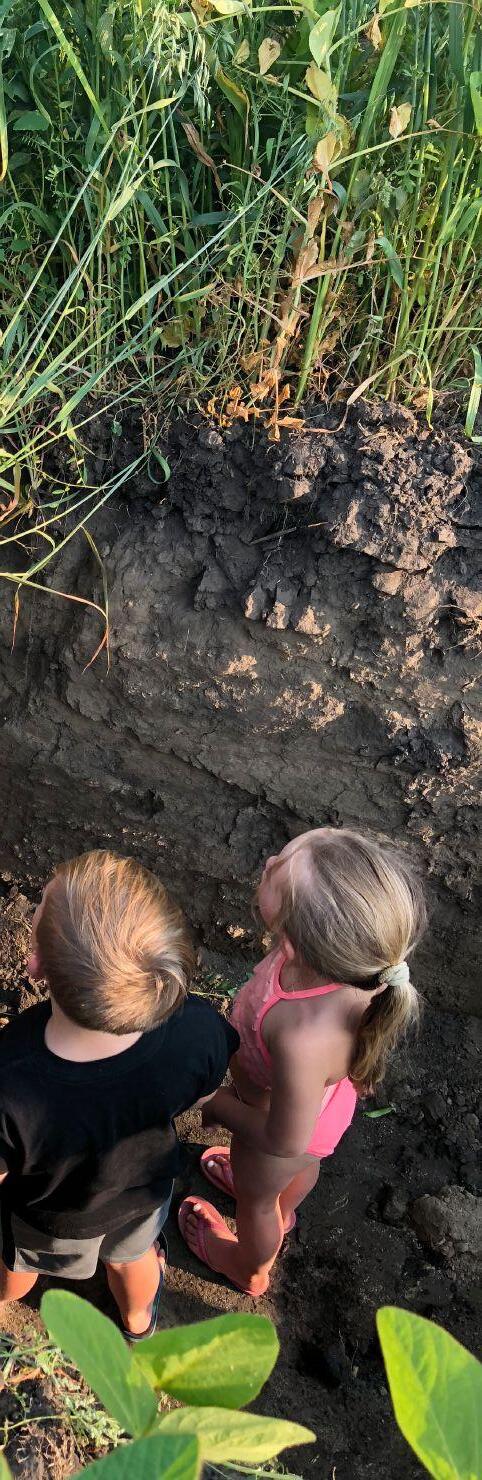
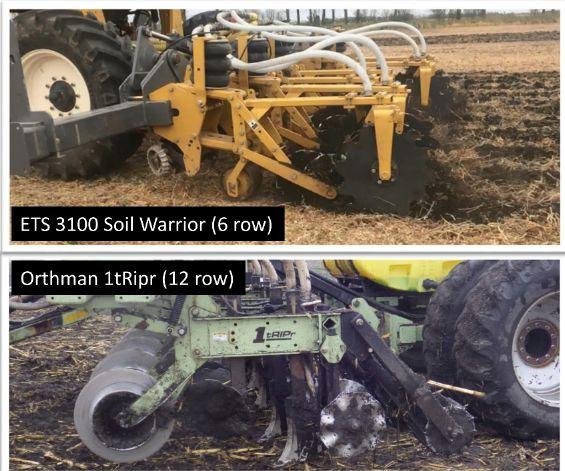
<LEFT: Examples of strip till equipment. Up until recently it was hard to access equipment in Manitoba, but it is slowly becoming more accessible.
“If the surface was bare, the land would blow. Any time things dried out, if there was little or no residue, the soil would blow in the wind,” Dean recalls.
Using Roundup Ready corn and soybean options helped, in one sense. They could control weeds without tillage. Then they stopped doing rowcrop tillage altogether.
“We’d plant and spray a couple of times,” he says. “But, we didn’t like having just Roundup Ready crops. We wanted wheat back in the rotation.”
They tried another idea, on land rented from potato growers. When the potatoes were off in late fall, they seeded it to a rye cover crop. That kept the soil in place for a few months and grew some root mass to hold the soil. In spring, the air seeder could band corn nutrients below the rye.
“But, the rye started using the nutrients we were putting in the ground for the corn, and that was affecting our yields of corn,” he says.
That was when they got interested in strip till technology, in principle, south of the border.
“Strip till was attractive because it would create a black strip and a barrier. We’d be able to till up the cover crop and give the corn seed a head start. It would take out the rye competition, next to the corn, and buy us a little more time,” Dean says.
“Before strip till, we sprayed out the cover crop before it could remove the corn nutrients – but that left soil that still could blow if the corn wasn’t advanced enough. Strip till lets us leave it longer and spray it out later. That also seems to minimize weeds throughout the growing season.
The learning curve that first spring was brutal difficult, and the first time the Toews’ put it into the ground behind their 280-horsepower tractor, they knew it needed more horsepower. It was doing deep tillage on 12 eight-inch strips, cutting eight to ten inches deep and breaking through a layer of hardpan.
“That first tractor was on its knees and spinning at four miles per hour. It needed way more power. We ended up renting a 530-hp Quadtrack tractor
for it, then later bought the tractor,” Dean says. “Now, we have it set on eight inches deep and 400- to 450-horsepower gets through most of the hardpan,”
Tools on the Orthman include a 24-inch vertical disc that cuts residue, followed by trash whippers, then a shank with two discs beside it to hold dirt in the eight-inch strip, followed by a rolling basket to that breaks up clumps and creates a berm that warms the soil by catching more sun.
Strip till was attractive because it would create a black strip and a barrier. We’d be able to till up the cover crop and give the corn seed a head start. It would take out the rye competition, next to the corn, and buy us a little more time.
“It also brought up remnants of forgotten yard sites. We ended up cleaning old yard sites a little more than we cared to,” he recalls. “One time, we pulled up an old metal steering wheel. There was a pitchfork, too.”
The brothers were using a 24-row planter, and they had a wet spring. Their Orthman had arrived with a liquid fertilizer tank and kit. To that, they added an air cart with dry products.
“At first, the planter was always waiting for the strip till to be done,” Dean laughs. “It’s easier now. We’ve gotten faster with it. You can do six or seven miles per hour. The last couple years have been drier, too. As soon as the frost is down, we start strip tilling to get a couple weeks head start on the planter.”
Staying in the strip till with GPS guidance wasn’t a piece of cake. The planter was twice as wide as the Orthman. The second year, he says, they went to RTK guidance. The third year, 2015, they put a GPS receiver on the strip till machine, set the tractor to passive mode and let the strip till machine guide the tractor.
The exception to that solution showed up soon and hasn’t yet been solved.
“We don’t use it on a couple fields in the hills with really curvy headlands,” Dean says. “It’s too much challenge for the planter to stay in those curving strips. You end up off-row more than onrow.”
Most fields are square and they do the headlands with strip till. One half-section has too many stones. Doing strip till there pulls up too many stones and has damaged the unit. Bending shanks and sinking tires were two more learning curves that came their way, as they gained strip tillage experience.
“The factory shanks three inches deep by an inch wide, with replaceable tips and a sheer-bolt trip system,” Dean says. “We upgraded to four-inch shanks, then two years ago we made a hydraulic breakaway system. Now, if a shank hits something too hard, it dumps the oil out of that cylinder and resets on its own. That’s been a big improvement.”
Deep footprints on their soft sandy soils told them they needed to lighten the load. For better flotation, the brothers added a set of wheels to the Orthman and put bigger tires on the air cart. The system has a much lighter footprint now.
Payback on the investment in strip till has come in multiple ways, according to Toews. In 2013, Dean did side-by-side trials with corn comparing fertilizer treatments by strip till, by broadcasting and by tillage with a discer. Results favored the strip till by 14 bushels per acre.
“The next two years were wetter,” he says. “The difference was about half as much, maybe 7 or 8 bushels. Then, the last two years,
we were back to a 14-bushel average difference. On one field with side-by-side passes, the difference was 20 bushels.”
The University of Manitoba plant science department and the Manitoba Corn Growers Association (MCGA), soon had word that a strip till machine was on the MacGregor area farm. Dean Toews is also one of the MCGA directors. As a result, years of official performance trials soon were underway.
For three years, Patrick Walther, a student doing his master’s thesis with Lawley on corn residue management compared strip till with other tillage practices and the response of soybeans following corn. The four treatments included strip till, vertical till with high disturbance (high-speed disc), vertical till low disturbance (residue left on the surface), and a double disc.
Dean says, “He found no difference in soybean yield from any of the tillage practices, however the strip till uses less fuel and less time. The other systems need more than one tillage pass and use a little more fuel per acre. Strip till cost us about $19 per acre less than the other systems.”
Another of Dean’s trial results in corn is perhaps more surprising. In 2017, Dean used rates of 180 pounds and 120 pounds of N – and didn’t see a yield difference. In 2018, it happened again with rates of 120 and 95 pounds.
“For two years, we have had no yield differences between low and high nitrogen rates on corn,” Dean says. “Using less fertilizer and getting the same yield has really piqued our interest. If we can keep moving forward with that, it will make a big difference on costs. We are seeing a one-bushel return with 0.6-pound rate of nitrogen, where normal is one pound per bushel. If we can continue growing those extra 10 or 14 bushels, with less nitrogen and just one pass for tillage with fertilizer, the numbers will really start adding up.”
Edible bean production and strip till held one more surprise for the three brothers. Twice, Dean says, they have planted edible beans in corn residue after making one strip-till pass between the old corn rows. They plant the beans in the strip and roll the ground. That replaces doing three passes (including strip till) that turned the roots and residue into the ground to make it blacker for beans.
“The harvesting has been better on those acres, and the yields have been equal or better – with less tillage,” Dean says.
And that points him to one more observation.
“We want to leave corn roots in the ground. Since going to strip till, we are seeing earthworm activity like we’ve never seen before. With those roots staying in the ground, we think an ecology is developing in the soil. And, maybe that’s why we’re not needing the same amount of nitrogen anymore. A lot of things are happening. It seems like the soil keeps getting better and better.”
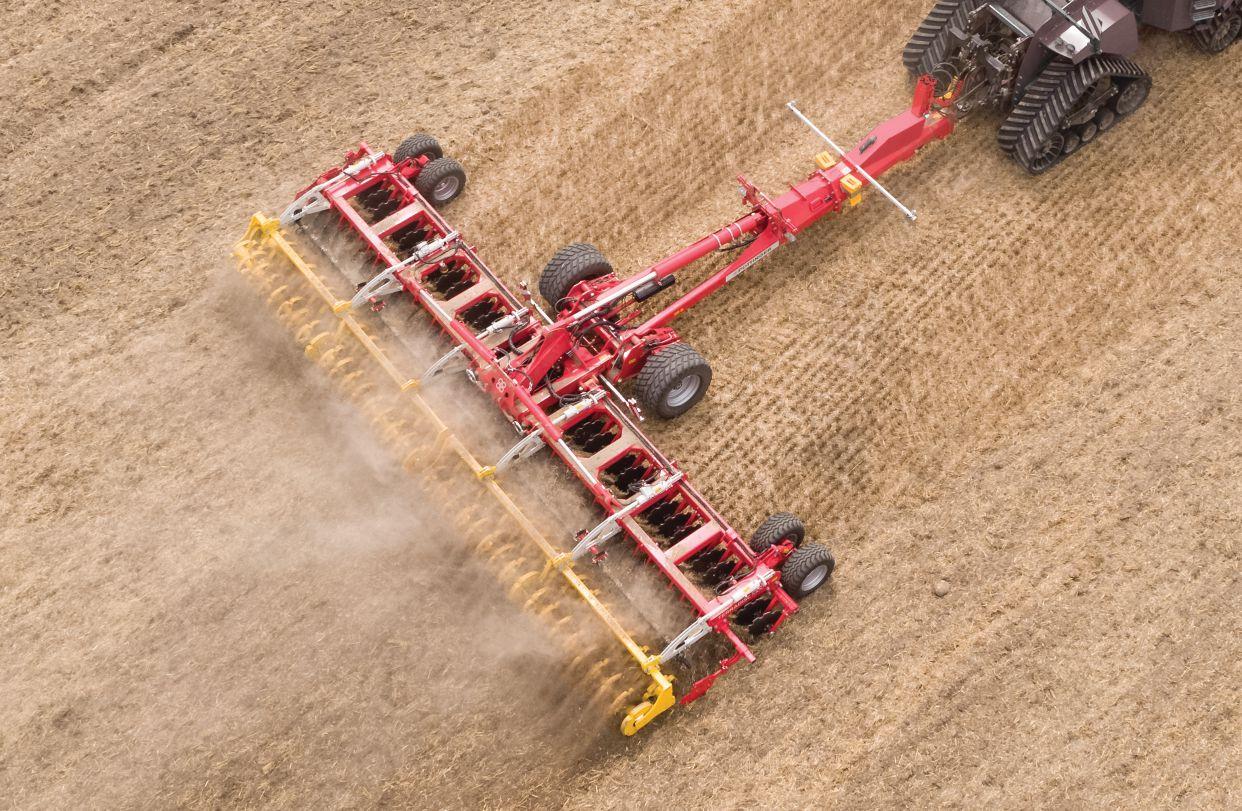
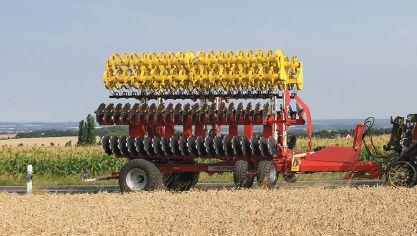
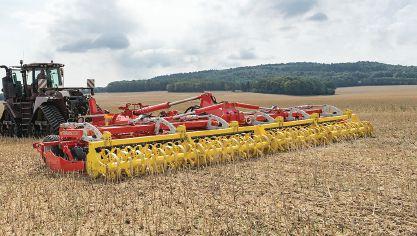
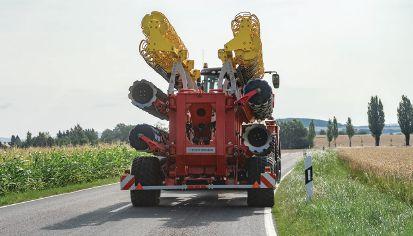
TERRADISC 8001 T / 10001 T disc harrows with working widths of 8 and 10 meters
Perfect incorporation and intensive mixing even in hard and dry conditions thanks to the solid TWIN ARM system.
High output - speeds of up to 11 mph are possible.
Straightforward operation without leaving the cab - folding, adjusting working depth and ground tracking.
Perfect ground tracking up and down - thanks to jockey wheels and adaptable frame sections.
Ideal utilization of the tractor's pulling power – saves fuel by correcting lateral forces.
For more information, please call 888-943-3009.
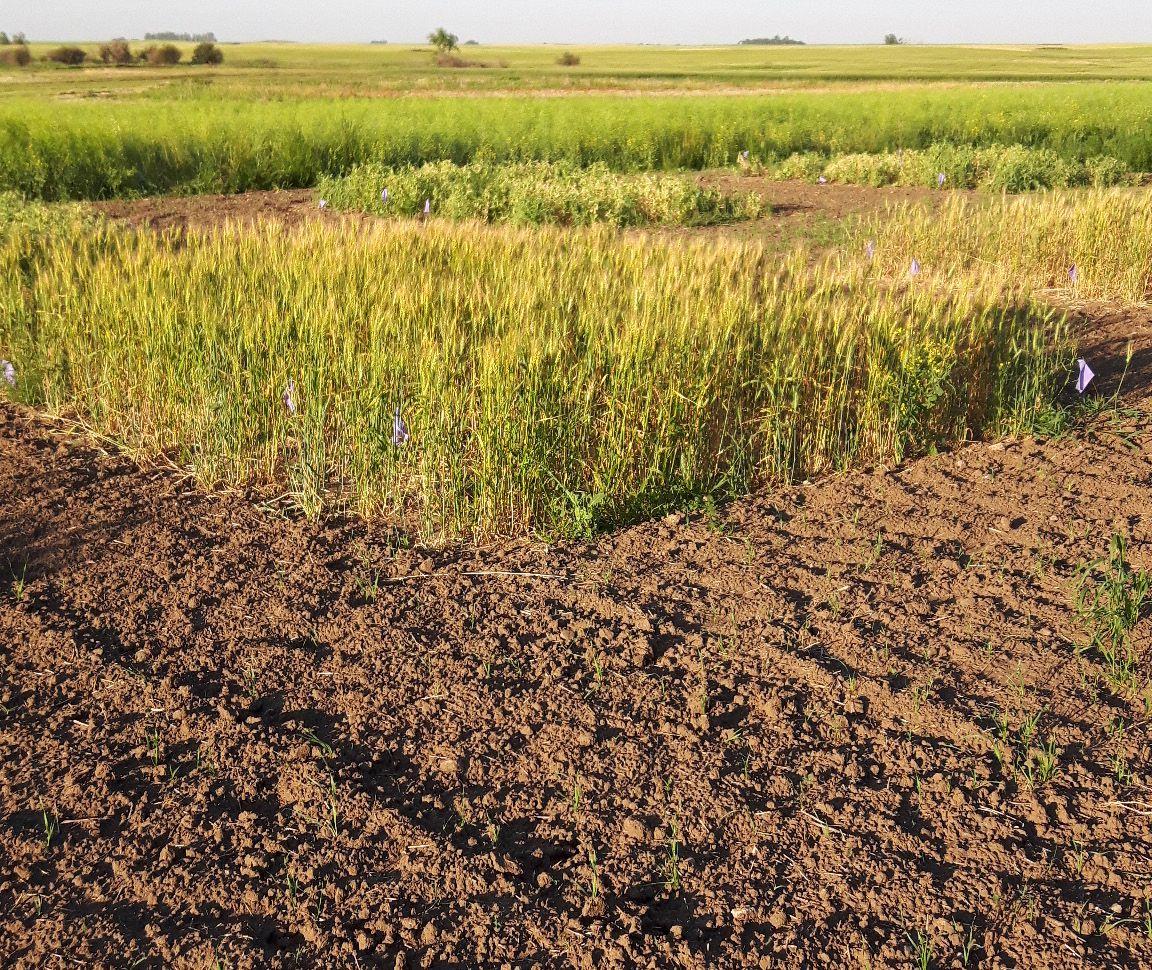
Research shows foliar P may provide a top-up option for high P-demanding crops.
by Donna Fleury
Phosphorus (P), an important nutrient to encourage early root growth and establishment in crops, has low mobility in the soil. Therefore, fertilizer P is usually applied in or near the seed row during seeding. However, seed placed rates are limited for some crops that are sensitive to injury, such as canola or peas. Researchers were interested in finding out if foliar applied P fertilizer might have potential under western Canadian field conditions.
“We wanted to evaluate whether foliar P fertilization could potentially address some of the seed-placed limitations of soilapplied P through the application of dissolved mono-potassium phosphate to crop foliage, especially to consider later season P demand,” says Jeff Schoenau, professor and professional agrologist with the department of soil science and Ministry of Agriculture Strategic Research Chair at the University of Saskatchewan.
“Few recent studies have evaluated this potential under western Canadian field conditions. Masters student Stephen Froese conducted a two-year study in 2016 and 2017 to try to answer these questions.”
The two-year study included both growth chamber and field studies, which were conducted at four sites in different soil zones in Saskatchewan with contrasting soil and environmental conditions, including Mawer, Central Butte, Rosetown and Pilger areas. The soils varied in available P status and were generally considered to be potentially responsive to P fertilization. The objective was to determine the effect of combinations of seedrow applied granular mono-ammonium phosphate (MAP), and
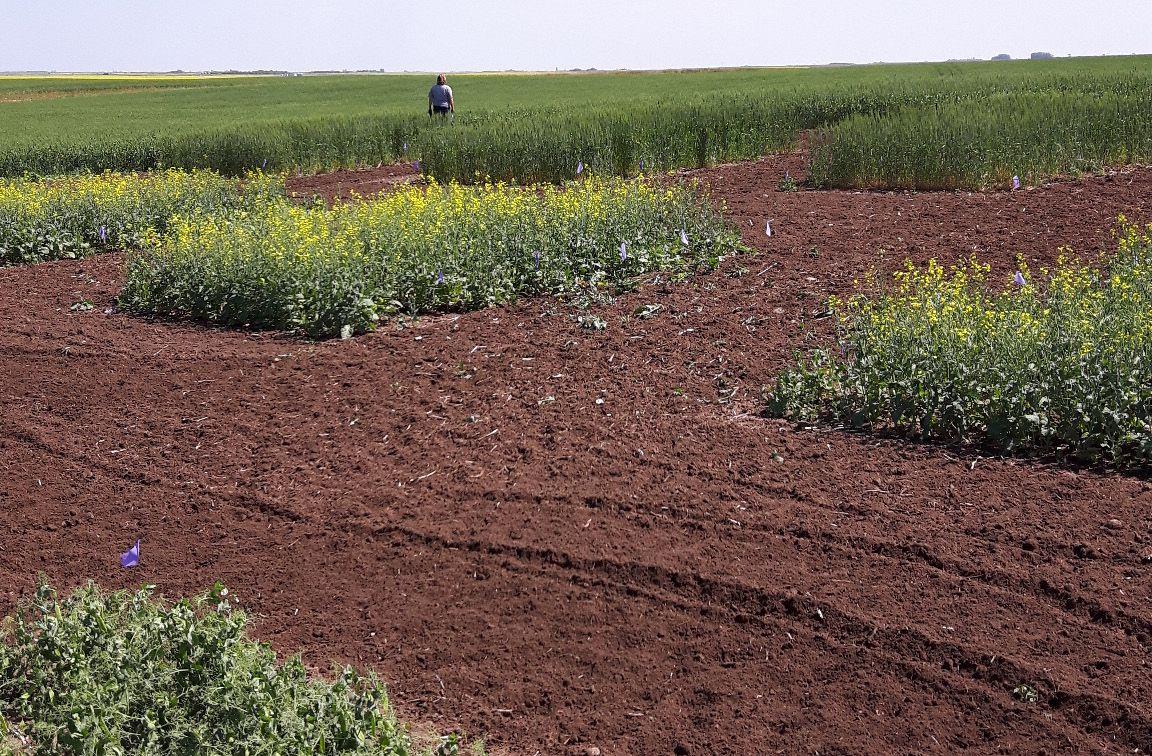
foliar applied mono-potassium phosphate solution on the crop response of canola, wheat and pea.
The trials included five treatments, with the total combined P fertilizer rates maintained at 20 kg P2O5/ ha for each of the treatments, except for the control. The treatments included: an unfertilized control, all P seed-placed, a split application of 15 kg/ ha MAP granular plus 5 kg/ha foliar-applied P, a split application of 10 kg/ha MAP granular plus 10 kg/ha foliar-applied P and all P foliar applied. The foliar treatments were made prior to anthesis (pea 6 to 9 node stage; canola 5 to 8 leaf stage and wheat near flag leaf emergence), and at a timing in-season for each crop that corresponded to another crop protection operation (fungicide or insecticide) that would be practical for the growers.
“The results showed that foliar applied P cannot entirely replace soil-applied P, as that early season P availability to the roots in the soil in the spring is important for annual crops grown on prairie soils,” Schoenau explains. “However, there was evidence of some uptake of P through the foliage, so it might be used as a type of ‘top-up’ application, particularly for high P-demanding crops and crops that are quite sensitive to seed-placed rates of P. The results showed a limited potential for the uptake of P through the foliage. As well, as the proportion of foliar applied versus soil applied P increased, we saw a reduction in yield and P uptake.”
Overall, at all of the field sites, canola was the most responsive to the P fertilization, whether soil or foliar applied. The field sites varied with P fertility, and in the locations with quite low P, the biggest response was with canola crops. The wheat trials did show some response, but less than that observed with canola. And overall, pea showed little response to P fertilization, reflecting that pulse crops are pretty good scavengers of P from the soil.
“We also looked at the influence of foliar versus soil applied P on the phytate content of the seed for each crop,” Schoenau
says. “Phytate is of interest, because it is a P-containing storage compound in seed that tends to bind with micronutrients like zinc (Zn) or iron (Fe), reducing their bioavailability to humans. However, overall foliar and soil P fertilization at the rates applied in this study had limited effect on human nutritional value of the grain as assessed through the effect on Zn, Fe and phytate concentrations in the grain.”
A second objective of the study was to evaluate the effect of method of application, either seed-row or foliar, on potential P export in snowmelt using simulated snowmelt run-off from phytotron and field soil slabs collected after harvest. Although the results showed there may be a small trend towards slightly less P removed from the soil from foliar P application, it wasn’t significant. The study did not show any significant discernible impacts of the proportion of P applied in foliar versus soil applied on the dissolved reactive inorganic P (DRP) measured in simulated snowmelt runoff from post-harvest soils.
“Our results from this study show that foliar-applied phosphate is certainly not a replacement for soil-applied P for annual crops grown on the Prairies, because they benefit from that supply of available P in the soil for uptake early in the growth cycle,” Schoenau says. “Therefore, placement in the seed row or nearby is very important to provide plants with early access to P to stimulate early growth and development. However, in crops like canola or wheat, foliar-applied P may play a role in a top-up application if needed. Foliar P fertilization may be most suitable for crops where P demands are high and amounts applied at seeding in the seed row may be limited by seed-row safety concerns. For future studies, it would be beneficial to evaluate the effect of different forms of P fertilizer and other additives that may improve uptake through the foliage and determine the efficacy at different crop stages.”
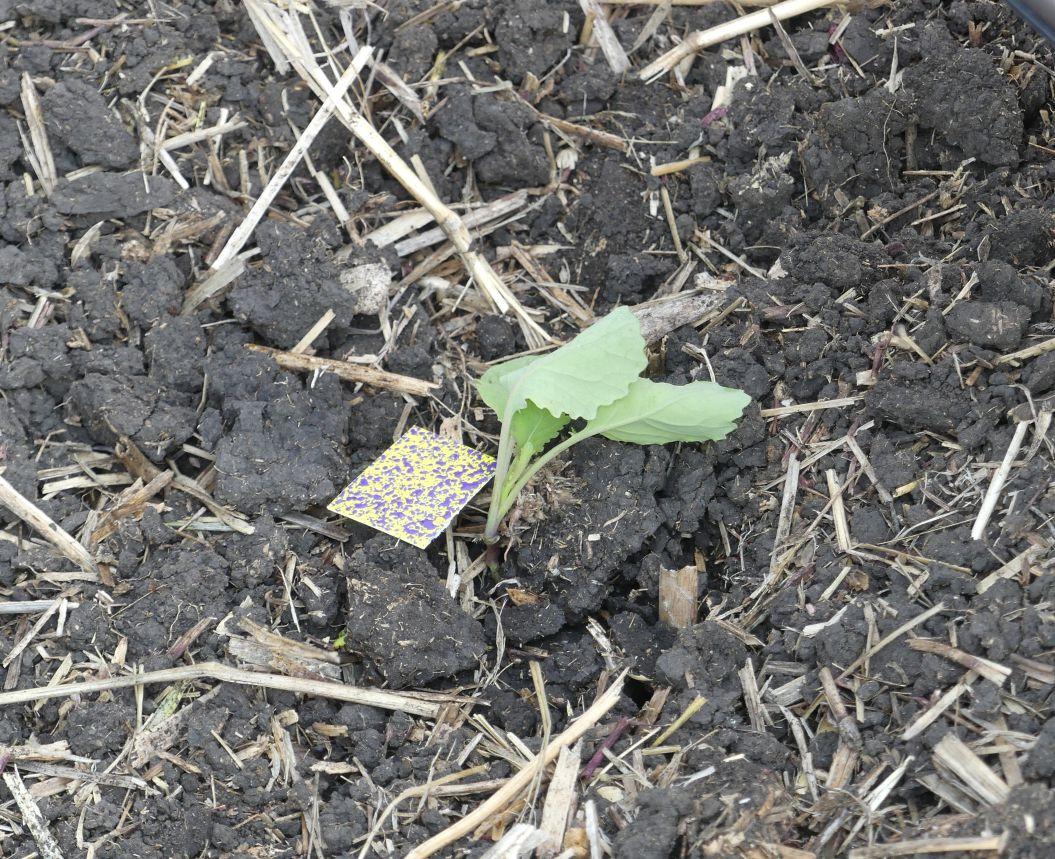
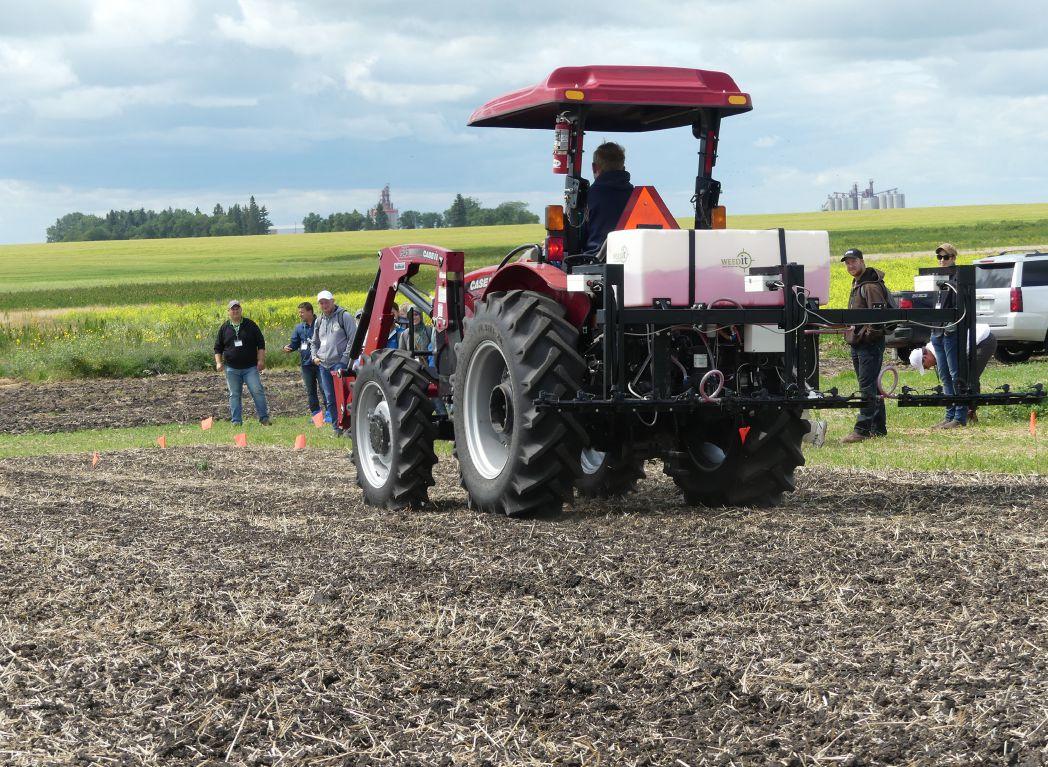
The WEED-It system only sprays when a weed is detected.
by Bruce Barker
Cut herbicide costs by 75 per cent in pre-seed and postharvest weed control. Sounds too good to be true, but farmers who have used the Weed-it spray system report huge savings in pre-seed and post-harvest burndown herbicides.
“On the 15,000 acres we covered with Weed-it last year, we saved $65,000 on herbicide costs,” says Carl de Coninck Smith in D’Arcy, Sask. “It does what they say it will do.”
The Weed-it sprayer has been around for a couple years in Canada with several sprayers now operating in Western Canada in 2019. The Weed-it sprayer uses a system of linked sensors that scan the surface of a field at a rate of 40,000 times per second. The sensors emit an infrared light that detects green plants. Five sets of nozzles cover a one-metre section of ground, and are activated when a weed is detected.
Weed-it can be fit onto most self-propelled and trailered boom
sprayers. It was installed on de Coninck Smith’s John Deere R4045 sprayer with 120-foot boom and 1,200-gallon tank. It was used for the first time in 2018.
Travis Albrecht in Medicine Hat, Alta., has been doing the installations for Weed-it in Western Canada. He says those types of savings are typical on other farms as well. The cost for a 100-foot Weed-it system mounted on an existing boom is $185,000. In Alberta, rebates of about $40,000 may be available through participation in the Alberta Environmental Farm Plan.
Tom Wolf with Agrimetrix Research and Training in Saskatoon has looked at the Weed-it system and feels it is proving to work well in Western Canada.
“The way I talk about it is that it is a tool to facilitate better
ABOVE:The Weed-it sprayer saves up to 75 per cent on herbicides by only spraying when a weed is detected.



















spraying practices,” he says. “A farmer can spray one-quarter of the herbicide to save on cost and reduce environmental impacts, and it provides the opportunity to use a more expensive herbicide or combination of herbicides to help delay herbicide resistance.”
One of the features on the Weed-it sprayer is the ability to use a bias spray in the background. This means that Weed-it is spraying continuously at a background rate of up to 50 per cent of full rate across the entire boom width. Currently, Weed-it detects thumbnail-sized weeds. A bias spray helps to ensure that weeds smaller than this are still sprayed, and because the weeds are so small, the reduced rate still provides a lethal dose. When a larger weed is detected under a nozzle, that nozzle applies the full rate on just that weed.
For de Coninck Smith, the bias spray is used in a couple of different scenarios, usually at a 20 per cent bias. Early in the spring, ahead of cereals and canola, he uses only the sensor technology for spraying. Ahead of lentil crops, he uses a bias spray to ensure all emerging weeds are controlled since lentils are not as competitive with weeds as cereals and canola. If fields have small, emerging wild oats, de Coninck Smith also uses a bias spray since the small vertical leaf makes the weed hard to detect. He also uses bias spray on chemfallow.
“On fields where we don’t use the bias, we’re saving 70 to 85 per cent. With bias, savings drop down to around 40 to 50 per cent,” de Coninck Smith says.
Post-harvest application is another area where de Coninck
Smith says the Weed-it provides weed control benefits. He doesn’t use pre-harvest glyphosate, so uses post-harvest herbicide spray applications to control perennial and winter annual weeds. “We’re saving up to 90 per cent post-harvest. Just on Canada thistle it is unbelievable. On lots of fields, I wouldn’t do without it in the fall.”
Wolf says research on Weed-it needs to be conducted in a couple different areas. In 2018, flixweed went undetected in some cases, and canola stubble sometimes caused sensing problems. When to use the bias mode and whether that impacts the development of herbicide resistance with sub-lethal doses are also questions that need to be answered.
Where soil residual herbicides are used in a pre-seed or postharvest application, Weed-it doesn’t have a fit, as residual herbicides need to be applied in a broadcast spray that covers the entire field surface.
Albrecht says the sensors sometimes have a problem detecting weeds that are very pale green, and tansy mustard with its reddish-lime green colour sometimes goes undetected. The bias mode can help control these weeds if they are small enough.
The Weed-it system was developed in the Netherlands. Croplands Equipment is currently distributing the system in Canada.
by Bruce Barker
ESN is a controlled-release nitrogen (N) product that can reduce the risk of volatilization with surface-applied N, or leaching and denitrification losses due to excess moisture.
As part of a larger corn fertility study in Manitoba, researchers looked at how ESN might fit with Western Canadian corn production. The researchers assessed the impact of ESN use, rate, placement and timing.
“Of the nine site-years for this trial, only two, possibly three, sites showed a statistically significant corn yield response to added nitrogen. That does not mean that corn does not need nitrogen. Rather, it shows that there were other factors at play, the biggest of which was excess water, that severely impacted the crop’s ability to take up N and achieve our yield targets,” says Curtis Cavers, Agriculture and AgriFood Canada agronomist in Portage la Prairie, Man.
The lack of N response made it difficult to assess how ESN and other enhanced efficiency fertilizers might work on the Prairies. Three years of trials were conducted from 2014 through 2016 with 12 different N fertilizer treatments that were compared:
• 0 N check,
• N rates for a 50/50 blend of urea/ESN at 60, 120 and 180 pounds of nitrogen (lbs. N) per acre broadcast and incorporate pre-plant,
• Urea broadcast/incorporate pre-plant at 120 lbs. N;
• UAN banded three to six centimetres below the soil surface at stage V6-V8 at 60, 120, and 180 lbs. N;
• Urea broadcast at V6-V8 at 120 lbs. N;
• Agrotain-treated urea broadcast at V6-V8 at 120 lbs. N.
• Agrotain-treated urea broadcast post-plant about one week after planting
• UAN surface dribble band at 120 lbs. N at V6 to V8.
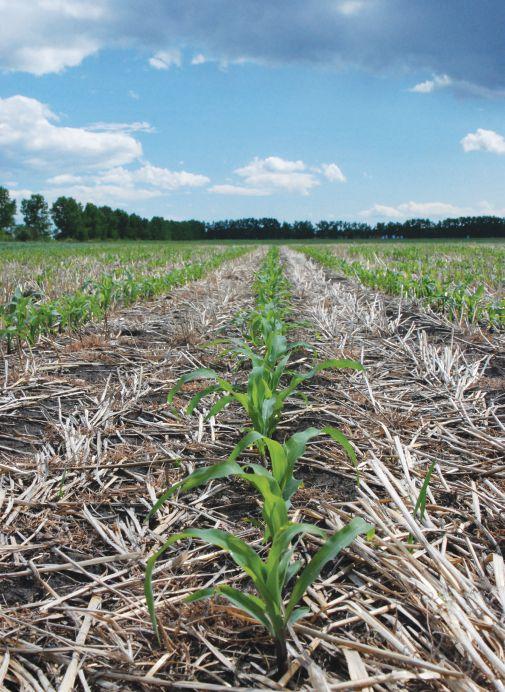
Cavers says that despite the soils testing low in nitrate-N and low in organic matter, there was little response to N application. Even the check with 0 N yielded close to 180 bushels per acre. This is despite the soils testing between 41 to 58 lbs. per acre nitrate-N prior to seeding, and organic matter ranging from 1.4 to 2.4 per cent on the three sites at Elm Creek (loamy fine sand); MacGregor (loamy very fine sand, tiled); and Morden (loamy very fine sand) in 2016.
Using 1.2 pounds N uptake per bushel of corn as a guideline and 2016 yields of 180 to 200 bushels per acre, N uptake would have been in the range of 216 to 240 pounds in 2016. Mineralized N would have been in the area of 150 to 200 lbs. N per acre – even on these low organic matter soils.
“You wouldn’t expect that level of mineralization, but under the
right conditions with good soil moisture and warm temperatures, there can be high levels of mineralization. That’s one of the reasons we didn’t see much response to nitrogen fertilizer,” Cavers says. “The problem is that you can’t depend on mineralization to supply N because it is dependent on environment.”
One of the findings from Cavers’ research was that late applications of N at the V8 stage didn’t always provide a yield response. Late applications of UAN often did nothing other than increase the amount
Continued on page 15
A recent survey shows that 94 per cent of producers would adopt nitrous oxide reducing practices if cost-effective.
by Julienne Isaacs
Arecent publication shows Manitoba agronomists support agricultural practices that reduce soil nitrous oxide emissions.
The publication is based on survey data collected during the 2015 Manitoba Agronomist Conference. A total of 135 conference attendees participated in the survey, which was led by researchers at the University of Manitoba, including soil science professor Brian Amiro.
Amiro says the survey resulted from a five-year Agriculture and Agri-Food Canada science project on the topic. The project funding covered studies but also a communication component, including interactions with agronomists who understand current practices.
“We wanted to get an idea of how we could reduce greenhouse gas (GHG) emissions from agricultural production. The question
is always, ‘What are the limitations to implementing the science?’
There has to be policy, but the grassroots is always where the change happens,” Amiro explains. “We wanted to get a sense of how farmers would like to move forward. Agronomists are in the business of helping producers farm.”
Prior to the survey, the researchers offered an introduction to GHG emissions in agricultural contexts. In agriculture, emissions are mostly caused by nitrogen fertilizer application; about one to four per cent of applied N is lost as gas to the atmosphere. Beneficial management practices (BMPs) that reduce these emissions do
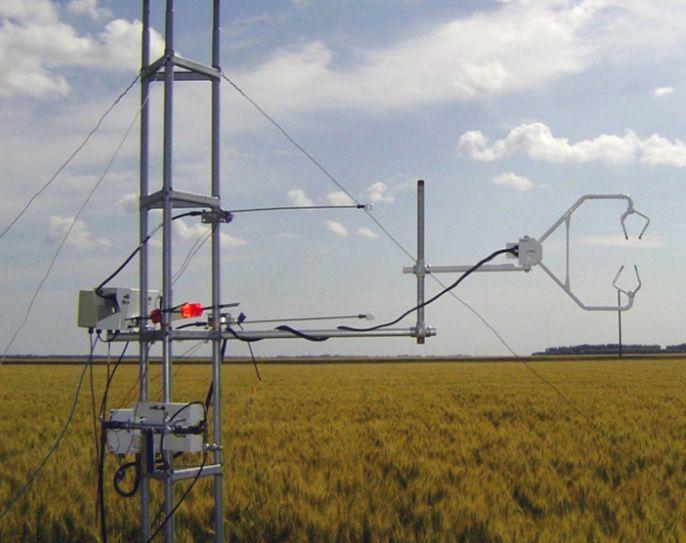
ABOVE: Soil scientists at the University of Manitoba have been measuring nitrous oxide emissions from cropping systems continuously for more than a decade using a laser diode analyser with micrometeorology instrumentation.
exist for agriculture, Amiro says. One such BMP is attention to the “4Rs” (right place, right rate, right source and right time for fertilizer application).
Survey questions were built around the 4Rs of agriculture.
Results often depend on the year, the place, moisture levels and soil types, among many other factors, meaning producers might need to make decisions based on their unique conditions.
Three questions tackled fertilizer source use. Participants were asked whether they were willing to use or recommend the use of slow-release nitrogen or products incorporating the use of urease or nitrification inhibitors. While only 13 per cent of respondents used these products, 63 per cent were “willing or very willing” to use or recommend them; an additional 35 per cent of respondents would be willing were the cost of such products subsidized.
When it came to fertilizer rates, 63 per cent of respondents said they based their recommendations for N application rates on soil testing for a yield goal.
Fertilizer timing is generally decided on the basis of fall or spring application, note the study’s authors in the publication. Fallapplied N tends to result in low N2O emissions over winter due to cold temperatures. In the survey, two-thirds of the agronomists noted they choose fall applications due to workload or other considerations.
In terms of fertilizer placement, banding of N fertilizer is generally recommended to reduce potential emissions and other losses. Roughly half of the survey respondents said they band or recommend banding fertilizer; one third commented that they would do so if equipment were available.
Amiro says the survey was designed to help researchers understand what factors are inhibiting the adoption of BMPs that have potential to reduce nitrous oxide emissions in agriculture.
“Usually the limiting factor is the extra cost that people would pay. If there’s an agronomic advantage, they’d adopt the practice much more readily,” Amiro says. “Fertilizer banding, for example –there might be some producers who just don’t have the equipment.”
Amiro believes most agronomists are in tune with producers’ needs and economic realities, and their responses to the survey questions accurately reflect how producers view the issues.
“On the producers’ part, I think they’re going to adopt practices that give them an agronomic advantage. They are responsible environmental stewards but there has to be an economic advantage,” he says.
In response to one question on the survey – “Is the N fertilizer rate you recommend or apply primarily based on obtaining the highest possible yields rather than the most economical return?” – 57 per cent either disagreed or strongly disagreed, meaning most surveyed agronomists would make decisions based on obtaining the best possible economic return rather than the highest yields.
“We often think about the balance between economic return and yield. Achieving high yield could come at a cost,” Amiro says.
When researchers do experiments to show how effective products or practices are in reducing GHG emissions and benefiting the producer’s bottom line, the results often depend on the year, the place, moisture levels and soil types, among many other factors, meaning producers might need to make decisions based on their unique conditions, he explains. “That means you can’t make big global statements about practices everyone needs to adopt.”
But Amiro points to the first question on the survey to highlight prevailing attitudes: “Providing that it is cost effective, do you believe that the reduction of N2O emissions should be a high priority?” Ninety-four per cent of survey respondents either agreed or strongly agreed that it should.
“It’s overwhelming that people want to do things that are better for the environment as long as they are cost-effective. That’s a pretty powerful message,” Amiro says.
Continued from page 13
of soil nitrate post-harvest, which is at risk of loss to the environment.
“Fertilizer rate or source is less of an issue than timing. If you apply too late for the crop to use in our short growing season, you’re not going to see a response,” Cavers says.
Cavers says that enhance efficiency fertilizers like ESN or others like Super U or Agrotain-treated urea could be useful if corn growers are applying their N at pre-plant or at planting in the spring under conditions where leaching or denitrification might occur. Those would be on sandy soils, poorly drained soils or environmental conditions where high rainfall is common.
“If you are a corn grower on imperfectly drained soils prone to excess moisture, it is likely a good insurance practice to use ESN –
we used a 50-50 urea/ESN mixture – to avoid N losses,” Cavers says.
Cavers says that producers need to decide how risk-averse they wish to be – either putting all of the corn crop’s N fertilizer needs “up front” using enhanced efficiency fertilizers as insurance, or whether they wish to supply sufficient amounts of starter N and “spoon-feed” the crop with early, in-season N applications.
“Current corn research is looking to address rate and timing. The form of N fertilizer by itself may be less important than the overall management of the fertilizer, such as placement and timing of the fertilizer, especially as it relates to moisture,” Cavers says. “We can do all sorts of tinkering with the 4R management factors, but when growing corn in areas of limited drainage and receiving high rainfall, the most yield-limiting factor is drainage.”

MANAGER