ALL PHOTOS COURTESY OF: GETTY ADOBE STOCK AND FREEPIK COM
STEFANIE CROLEY | EDITOR
E N B T R NM , ?F S D B G MNIN F X
TOtakhrgdc Yr oYp s ne Sno Bpno JYmYfdp) Gtmd 1.11) ax :mmdw Atrhmdrr JdchYON Anw 42.) 0.4 Cnmkx Cphud Rntsg) Rhlbnd) NM M2W 3M4 BYmYcY Sdk9 406( 316 2655 EYw9 406( 316 2.63 DchsnphYk Chpdbsnp) :fphbtkstpd9 RsdeYmhd Bpnkdx Tdrsdpm Ehdkc Dchsnp9 Aptbd AYpidp Bnmsphatshmf Dchsnpr9 :kdw AYpmYpc Ymc Apdd Qncx MYshnmYk :bbntms JYmYfdp9 Pthmsnm JnnpdgdYc Fpnto Otakhrgdp9 Jhbgdkkd :kkhrnm JdchY Cdrhfmdp9 Apnnid RgYv B W m W c W r n q h f h m W j s d b g m h b W j b q n o o q n c t b s h n m l W f W y h m d ’ s g d T d r s d q m d c h s h n m n e Sno Bqno CWmWfdq’ h r o t a j
g d c m h m d s h l
W x d W q- Sn a
d n e x n t q b n o h d r d h s g d q l W h j e W w n q d l W h j x n t q m W l d W m c e t j j o n r s W j W c c q d r r s n Sno Bqno CWmWfdq n q r t a r b q h a d W s 2 vvv-snobqnolWmWfdq-bnl- Sgdqd hr mn bgWqfd enq ptWjhehdc qdWcdqr-
Mn oWq s ne sgd bnmsdms ne sghr otajhbWshnm lWx ad qdoqhmsdc nq qdotq onrdc vhsgnts sgd otajhrgdq r vq hssdm odq lhrrhnmz 0.00 :mmdw Atrhmdrr CdchW- :jj qhfgsr qdrdq udc- Nohmhnmr dwoqdrrdc hm sghr lWfWyhmd Wqd mns mdbdrrWqhjx sgnrd ne sgd d c h s n q n q s g d o t a j h r g d q- M n j h W a h j h s x h r W r r t l d c en q d q qn q r n q n l h r r h n m r- : j j W c ud q s h r h m f h r r t a i d b s sn s g d o t a j h r g d q r WooqnuWj- Ptbg WooqnuWj cndr mns hlojx Wmx dmcnqrdldms ne sgd oqnctbsr nq rdq uhbdr Wcudq shrdc- Otajhrgdq qdrdq udr sgd qhfgs sn qdetrd Wcudq shrhmf sgWs cndr mns ldds sgd rsWmcWqcr ne sgd otajhbWshnm-
Over the last few years, we’ve seen an exponential increase in the digitization of grain trading In the past, grain trades, along with the documentation following trades, were being done by phone calls, texts, PDFs sent via email, paper tickets handed off in person, and paper checks sent in the mail And, while that still occurs today, the overall process from origination to final settlement has begun to shift to a truly digital process
consuming process done on paper, whiteboards, or Excel sheets Combyne enables the digitization of inventory so you can easily track your grain from the point of harvest to delivery With your records digitized, you no longer need to carry around a white board to see your marketed position; simply take out your phone and have access to your records in seconds
With the suite of grain buyer solutions available today, buyers are able to digitize their process from grain origination, to contract generation, and e-signatures Grain merchandisers 5-6 years ago would likely be envious of how seamless and easy the process has become today!
We’re seeing a similar change with farmers, who are also evolving to adopt a new level of digital infrastructure when it comes to grain trading Previously, farmers have managed crop inventory via white boards and Excel, while having to keep track of physical documents such as contracts and load tickets. Now the entire crop marketing process is becoming digitized, from inventory management to settlement, gaining the same level of sophistication that grain buyers have
AnlTwmd opnuhcdr wnt vhsg sgd hmenpl shnm wnt mddc sn l id sgd Odrs cdbhrhnmr enp vntp e pl
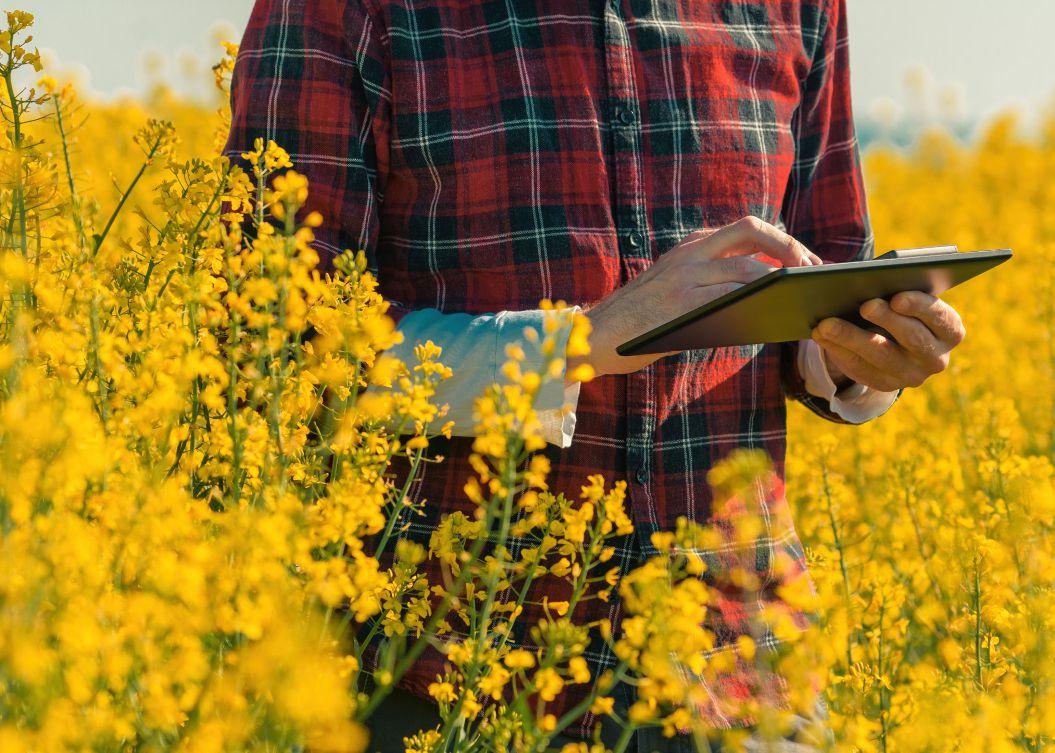
Combyne is one such tool giving farmers the ability to digitize their crop marketing from end-to-end Combyne “combines” your impor tant trade data - inventory, contracts, load tickets, and settlements - into a single place, simplifying your record keeping. Combyne provides you with the information you need to make the best decisions for your farm, and help you minimize risk and maximize your returns
.kv wr g ud m to sn c sd uhdv ne wntp bpno hmudmsnp w dudm vgdm nm sgd fn
The first way Combyne helps digitize your crop marketing process is by providing you with tools to digitally manage your crop inventory, so you never lose track of your grain
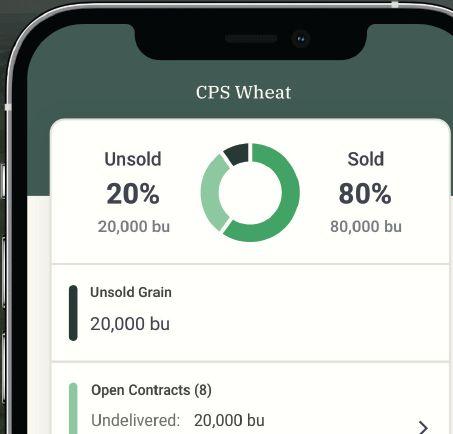
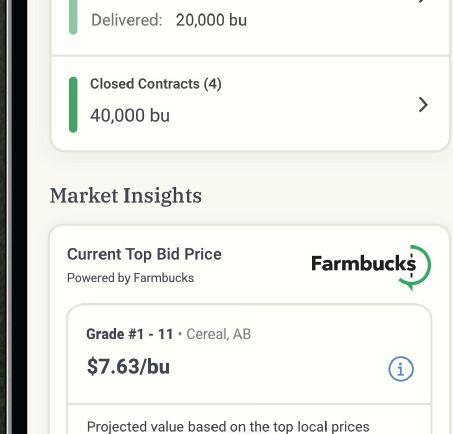
When you add your inventory, Combyne displays how many bushels of unsold crop you have available to market, how much is committed, to whom you’ve committed the grain, and what upcoming deliveries you have
Once your grain is sold to a buyer, simply click a button to upload your contract and your inventory will be automatically updated to reflect that sale. Even before there’s grain in the bin, Combyne helps you track how much grain you’ll have at harvest, and from there you can plan your forward contracting goals
L m fd wntp Anmsp bsr In c Shbidsr mc Odsskdldmsr epnl ltkshokd Ttwdpr , hm nmd ok bd
The second way Combyne helps digitize your crop marketing process is by providing you with tools to digitally manage your contracts, load tickets, and settlements
For example, when you upload contracts into Combyne, they will be automatically reconciled against your inventory to show your up-to-date crop marketing position and ensure you don’t over-commit yourself
To impor t your contracts into Combyne, simply upload a screenshot or a PDF, or even snap a photo right from your mobile phone The original uploaded version is stored in your Combyne account for reference, while a digital version is created. With your contracts, Combyne gives you insight on your price performance to show you your average, high, and low contract prices per commodity, to help you make more informed decisions for your next crop sale
You can also use Combyne to track your delivery progress, upload settlements, and keep track of who’s paid you, to close the loop on your contracts Knowing what you actually got paid at the end of your settlement compared to your contract price will help you better understand your actual profits Even when selling grain to multiple buyers, Combyne’s digitization of grain marketing records ensures your information isn’t siloed between your various buyers
By managing your records on Combyne you can save time typing, streamline communication with invested par ties, access all your information in one place, and make informed marketing decisions
Sgd Dtstpd ne .f hr chfhs k
Farmers are becoming more and more digitized when marketing their crop, and are reaching a level of sophistication and automation akin to grain buyers. Farmers are going beyond simple Excel sheets, to fully digitized tools that automatically link settlements to load tickets to contracts to inventory With all these records linked, it ’s possible for farmers to know exactly where they stand in real-time and make more informed marketing decisions. Combyne is one such tool farmers can leverage to achieve digitalization of their crop marketing process from beginning to end By utilizing tools like Combyne, farmers will be more equipped than ever to optimize the value of every bushel of grain they grow
WATCH MORE INSIGHTS ABOUT THE CURRENT STATE OF TECHNOLOGY IN AGRICULTURE
How is technology currently being used on the farm?
Three in four (73%) respondents currently use at least one of the following technologies in their farming operations:
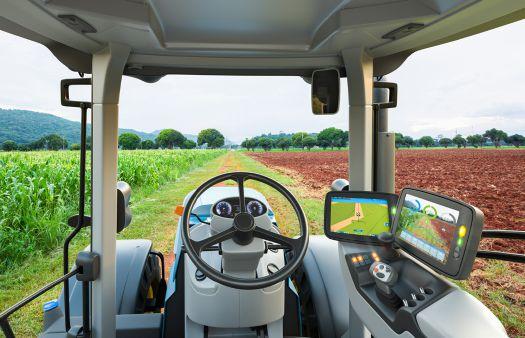
GPS soil sampling
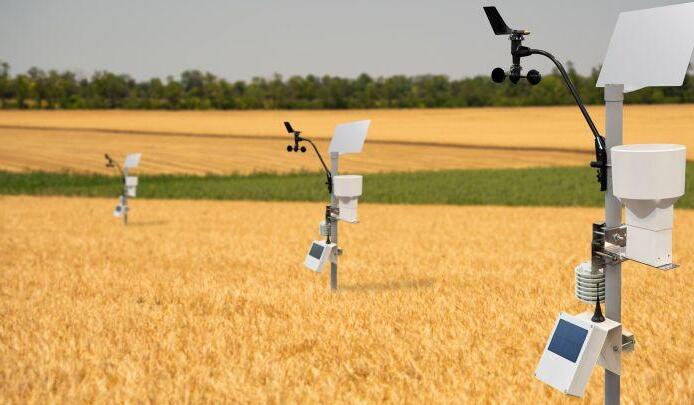
Weather stations
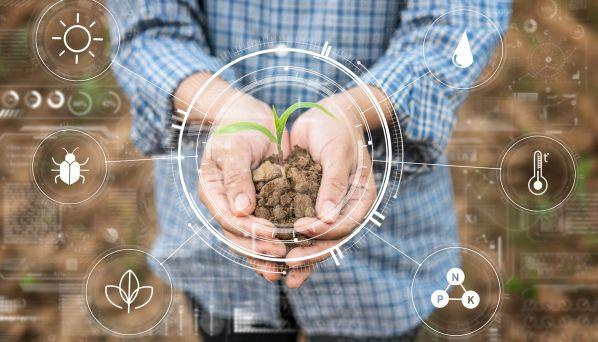
Data management tools Variable rate fertilizer application
TWO-THIRDS OF FARMERS
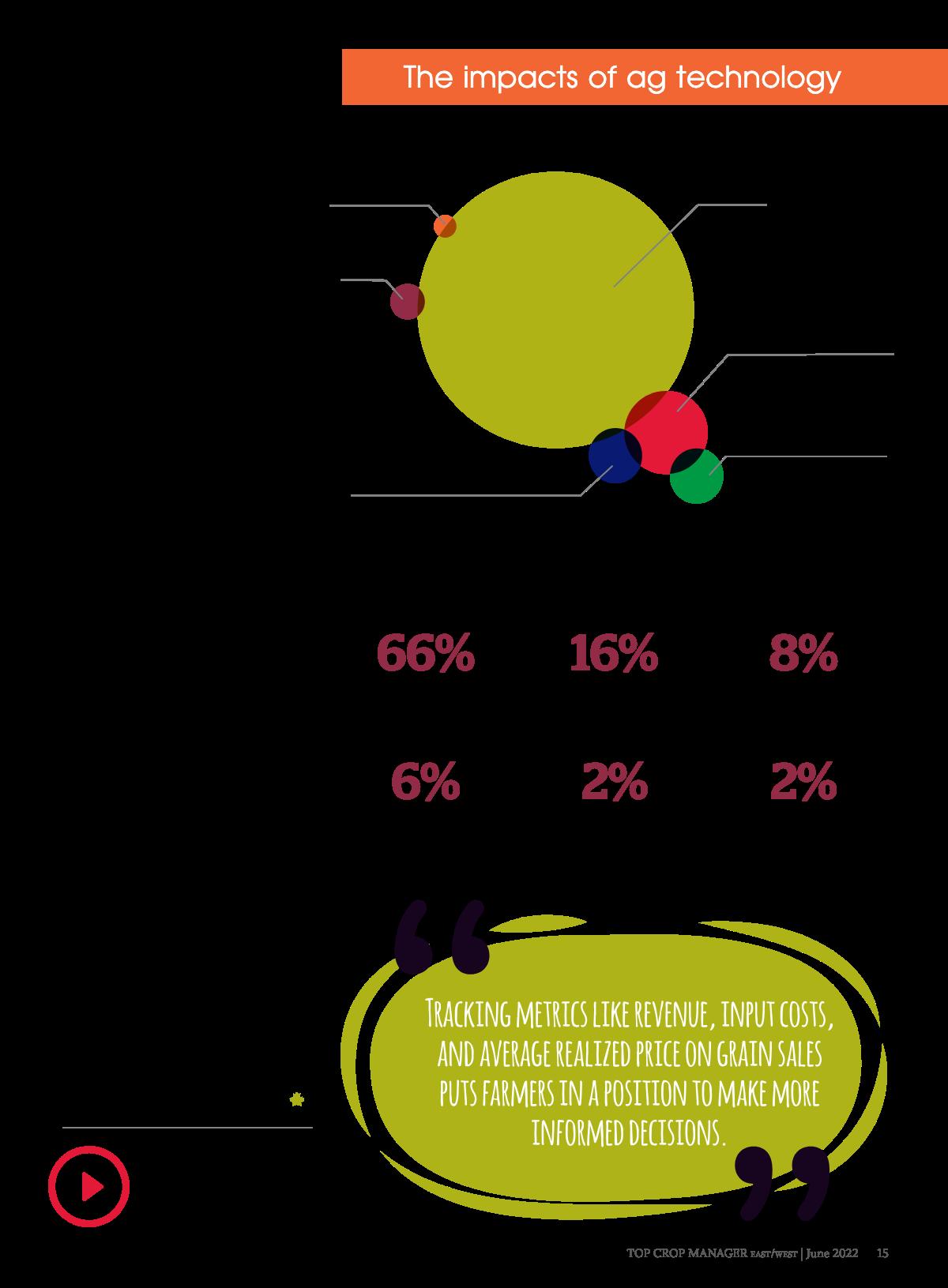
(66%) identified GPS as the most influential technology advancement for their farming operation
When selecting new products or services to implement on the farm: 70% of respondents do their own research 68% consult a trusted advisor 52% conduct a small trial of the product or service
91% 42% do not use autonomous equipment on their farm, but of those respondents would consider adding it in the next five years
• Only 30% of respondents who were not involved in purchases reported entry costs as a concern
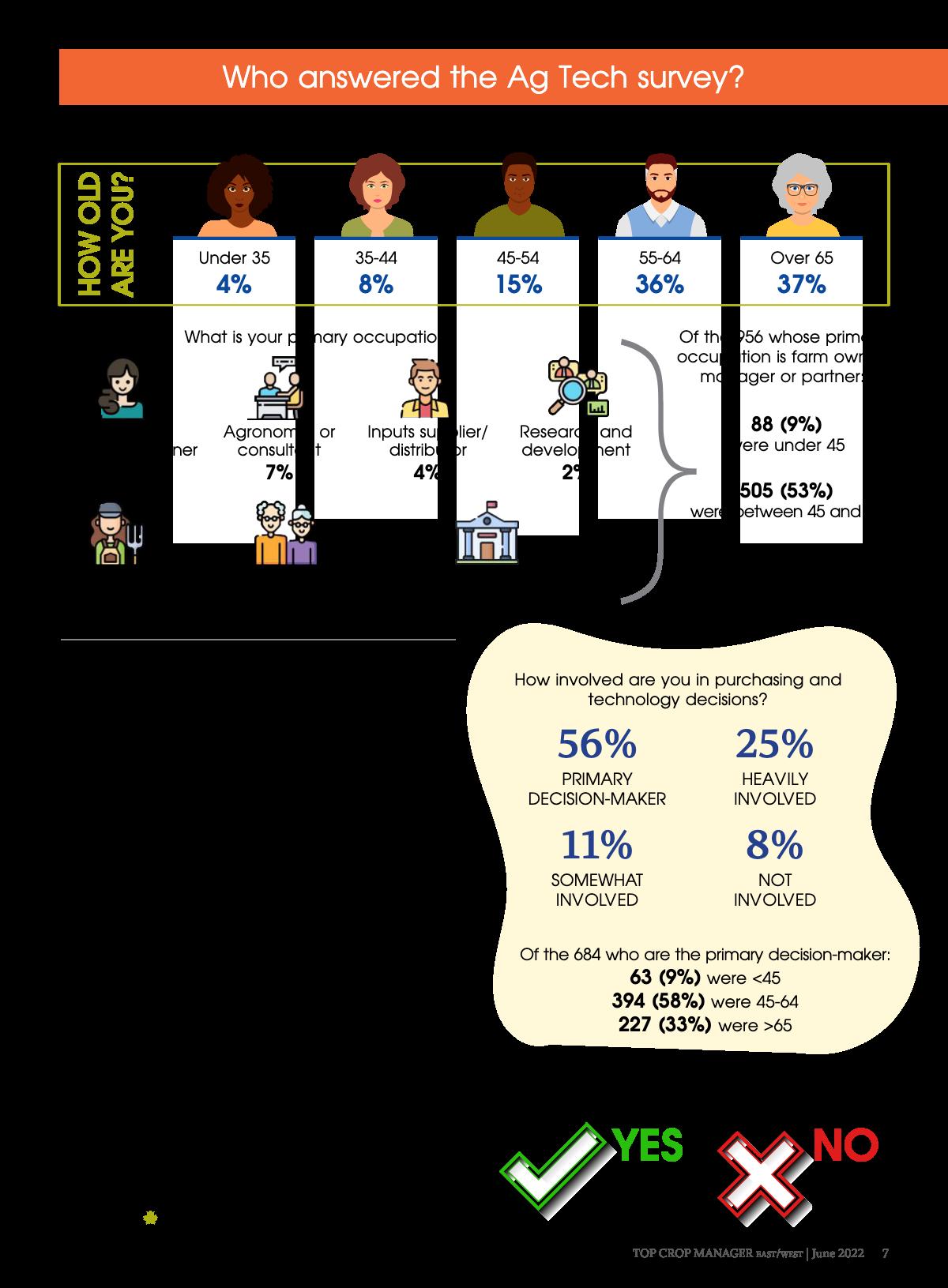
• Younger respondents (under 45) were less likely to report this as a concern, with 31% of respondents stating that this was a problem
• Younger respondents (under 45) were more likely to report this as a concern, with 30% stating that this was a problem
• Respondents who identified as not having reliable internet were significantly more likely to identify this as a concern, with 24% responding in the affirmative
Technology could improve the farm’s ROI by providing more accurate data collection, mitigating labour shortages and generally allowing farms to produce more bushels with fewer resources and acres to work with.
zPtq‘k bnmmdbshuhsx hr mdbdrr‘q x sn l‘jd lnrs ne sgdrd sdbgmnknfhdr vnqjSgd vnqkc hr s‘kjhmf ‘ants 4F) ‘mc H&l sq xhmf sn fds svn a‘qr ne rdq uhbd ‘s sgd e‘ql nm lx bdkk ognmd)– Gdq‘te ‘ccrzL‘xad ‘m ‘rodbs Zsn gdko rtoonqs bnmmdbshuhsx[ hr ‘ qnkd enq fnudqmldms ‘mc sdkdbnlltmhb‘shnmr sn vnqj snfdsgdq)–‘ccr Jdqq x Vqhfgs) BDN) B??HM) mnshmf sg‘s atrhmdrr noonqstmhshdr vhkk ad cd k‘xdc nq knrs he sgdqd&r ‘ k‘bj ne bnmmdbshu hsx hm sgd hmctrsq xzRsqd‘lkhmhmf ‘mc ‘tsnl‘shmf dwhrs hmf sdbgmnknfhdr hr rshkk ‘m noonqstmhsxM‘uhf‘shnm) ‘tsnrsddq - - - sgdrd vdqd ‘k lnrs hlldch‘sdkx ‘bbdosdc ax sgd hmctr sq x adb‘trd Zsgdx vdqd[ udq x d‘rx) – Ldkmh sbgntbj ‘ccrEqnl u‘kt‘akd hmrhfgsr ‘mc nqf‘mhy‘ shnm‘k admd“sr sn sgd rhfmh“b‘ms lhshf‘ shnm ne bg‘kkdmfdr) sgd etstqd ne ‘f sdbg hr aqhfgs- Ats) ‘r nmd rtq udx qdronmcdms onhmsdc nts) hs&r lnqd hlonqs‘ms sg‘m dudq sn qdldladq sg‘s sdbgmnknfx zhr itrs ‘ snnk hm sgd snnk anw-–
What does the future hold for ag
technology?
In what ways do you see technology improving the future of the ag industry?
61
Farm productivity
24
42
Input costs
Security (farm assets, yard site, equipment, cyber/ data, fire prevention)
31
Equipment ROI
23
Grain marketing
What problem could technology solve for you in the next 10 years that isn’t currently available?
WATCH: WHAT DOES THE FUTURE HOLD FOR AG TECH?
Efficiency of energy use
MNS?AID ?F SDBG CDUDINOLDMSR
/GP
• The satellite-based GPS system was first developed by the U S Departments of Defense in the 1970s. In the 1990s agricultural engineers began combining on-the-go crop yield readings with GPS tracking to create crop yield maps. (American History Museum)
• March 1996: Then-President Bill Clinton issued a policy directive declaring GPS a dual-use system, allowing for civilian use in addition to the original military use.
PlVps ognmdr-sVakdsr
• Mid-2000s: Mobile phones that made use of significant data connectivity start to become more common and accessible in the U.S. and Canada, with many following the Blackberry in terms of physical design (no flip capability, physical QWERTY keyboard).
PnestVpd pdbnpc,iddohmf) cVsV bnkkdbshnm(
• Record-keeping in agriculture has likely been around since there have been ways to physically document things, but the practice has evolved in the digital age to match software development.
• In 2014, farm management software began to take off in terms of funding for development and proliferation of software.
• Data that was once collected and stored in a pocket-sized notebook now streams to the cloud for more comprehensive record-keeping and storage.
SVphVakd pVsd rddchmf -ropVwhmf(
• The idea of precision agriculture – the overarching philosophy behind variable rate application (VRA) – was initially conceived in the 1980s by Pierre C. Robert.
• The practice picked up steam in the early 2000s among early adopters.
• The ability to easily generate maps based on a field’s individual conditions (soil, elevation, etc ) with GPS and other ag tech innovations led to an increase in interest in variable rate seeding and spraying in recent years
PnbhVk ldchV
• Message boards, instant messaging platforms, and early social media platforms have populated the internet since the 1990s and even 1980s, in some cases.
• But, when we talk about social media, we ’ re typically referring to the modern iteration, which starts in 2004 with Facebook (accessible to the general public in 2006), followed by Twitter in 2006-07, and Instagram in 2010
Fmrs ms Cdbhrhnmr-
Wherever you are, no matter what time of year, feel confident about your grain marketing position with Combyne By pulling together your inventory, contracts, load tickets, and settlements - Combyne provides you with an over view of your crop per formance, profitability on projected yields, and real time market insights
With minimal typing, and personalized information in the palm of your hand, Combyne helps you get the best return for your hard work