


Providers ramp up solutions to fill the demand for germrepelling, hands-free options

In search of the smooth acquisition
Merging two companies and cultures into one requires careful oversight p. 10
COVID-19 Business Impact survey results
Integrators, dealers, distributors report back on how their businesses have fared p. 12
Who’s using thermal temperature screening?







12 COVID-19 Business Impact Survey Results
A variety of companies across the industry, including dealers, installers, manufacturers and distributors, assess the toll of the pandemic.


Open door policy
Interest in no-touch and lowtouch access control has piqued as end users attempt to keep COVID-19 at bay.
By Neil Sutton
Temperature check
Thermal-based technology solutions have become part of the new normal as businesses look to re-open safely.
By Alanna Fairey

How do acquisitions generally work out?
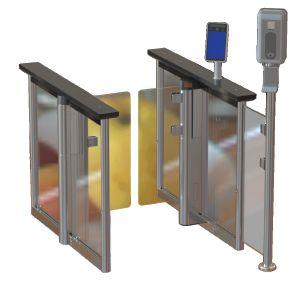
The new family of access control solutions from Gunnebo supports the return to a safe working environment by providing automated infection prevention through contactless processes, maximised social distancing, and enforcement of body temperature and personal protective equipment regimes.

Control room console
The new LundHalsey Visionline 24/7 control room console is the latest console family directly available from Legrand and manufactured by U.K.-based solutions partner LundHalsey.

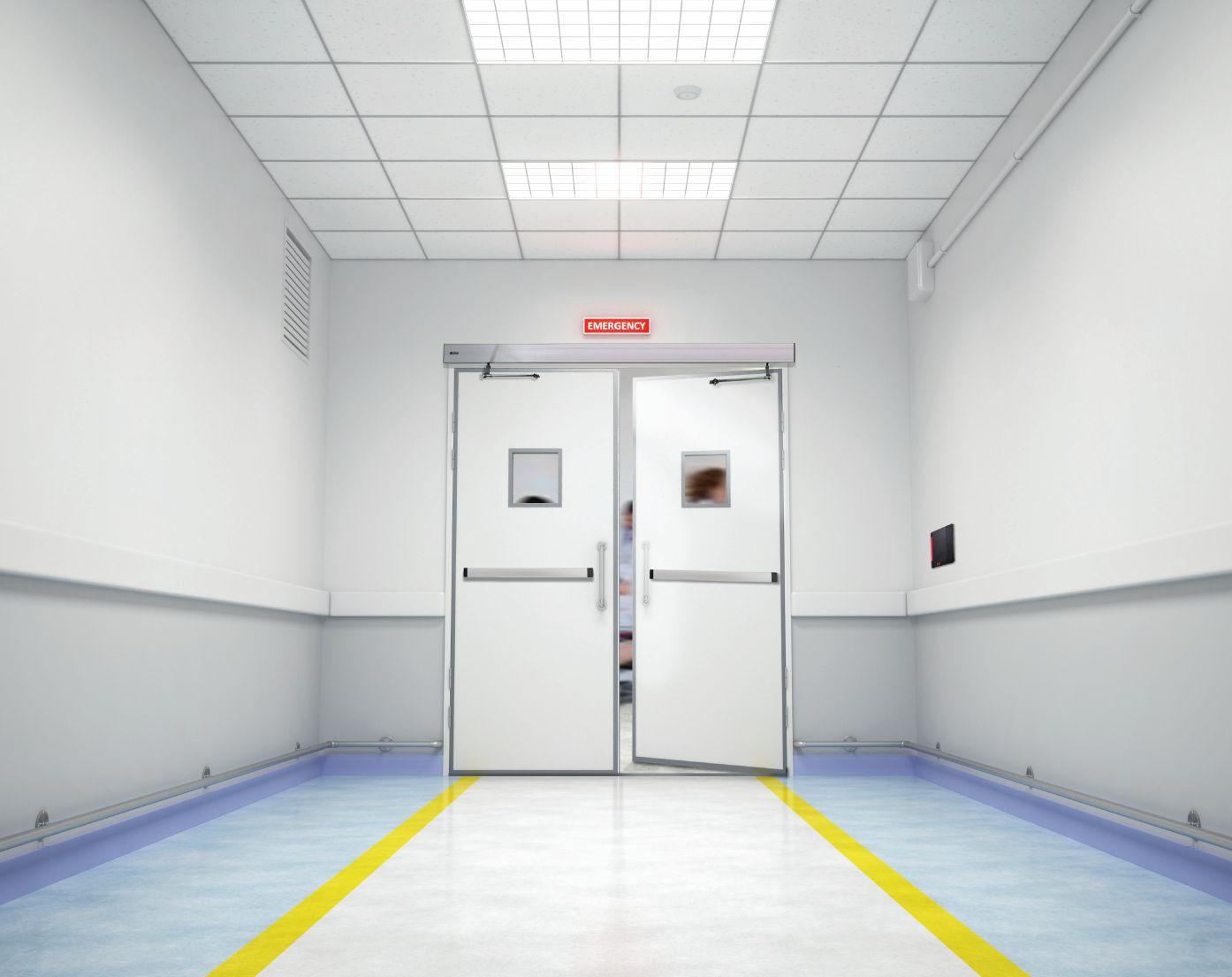
INSTALLED IN FACILITIES GLOBALLY, STRIKEIT INTEGRATES WITH HIGH IN-RUSH PANIC BARS, LOW CURRENT MLR EXIT DEVICES, ELECTRIC STRIKES AND MAG LOCKS. PROVEN POWER AND PRECISE FUNCTIONALITY COUPLED WITH AN UNPARALLELED WARRANTY, EQUALS RELIABLE ACCESS 24/7.
ALTRONIX SECURES YOUR MOST CRITICAL INS AND OUTS.
Despite the COVID-19 pandemic’s detrimental impact on the world at large, the security industry continues to perform relatively well, according to experts.
Alper Cetingok, managing director, head of diversified industrials at Raymond James, said that the security industry has always been resilient — an attribute that is carrying the industry through the pandemic.
“In many cases, we have observed that business owners or decision-makers have elected to increase their security.”
—Alper Cetingok, Raymond James
“It’s pretty rare that organizations or even individuals decrease their spending on security, because it’s such a mission critical function for them,” Cetingok said in a recent interview with SP&T News. “There’s certain sectors within security that are, quite frankly, thriving in this environment.”
According to Cetingok, one such sector is perimeter security, which has experienced positive momentum due to mandated lockdowns that forced the closure of many businesses.
“In many cases, we have observed that business owners or decision-makers have elected to increase their security, particularly in environments where high-value assets reside outdoors such as car dealerships or construction sites, because they’re just simply not around to watch and protect their merchandise.”
Cetingok also shared that other recent developments have had an impact on the security industry.
Referring to the recent social unrest in the United States, Cetingok said that recent events have helped to heighten attention around security and ensuring that people and businesses are protected.
“We’ve seen guarding companies get an uplift,” Cetingok said. “The logic is that if there are going to be less police officers available to respond to incidents, then business owners or

decision-makers have to take matters into their own hands, leading to potentially increased spending on outsourced guards to provide added security.”
While the security industry is surviving, Cetingok argues that some system integrators have not fared as well during the pandemic due to the project-based nature of their businesses.
“Those organizations that have more of a recurring revenue, managed services business model have prospered, whereas the ones who are purely project-driven have really had a tough time,” Cetingok said.
Blake Kozak, principal analyst at Omdia and author of Residential Remote Monitoring Report – 2020, observed that the COVID-19 pandemic has had the biggest impact on doorto-door sales and new installations, while noting that the DIY (Do-It-Yourself) trend “can potentially thrive during this time, especially for those that rely on the professional alarm monitored hardware.
“DIY providers like Comcast and Rogers, and other providers with traditional security providers continue to do quite well and I think that one of the main reasons for that is that they
have that longevity and the brand recognition,” Kozak said.
Kozak predicts that in a post-COVID world, the biggest change in the industry is the same level of people going into the office as there were prior to the pandemic.
“Dealers are going to have to figure out how to keep their bases engaged to arm and disarm the system, which could mean focusing on more home automation and keeping things comfortable within the home,” Kozak said.
While it remains to be seen if the security industry will continue to thrive as the year rolls out, Cetingok is optimistic that the industry will see more investment opportunities.
“We are encouraged by the current transaction activity levels, and I think you’re going to see more and more investment in 2021 which will likely include first-time investors building exposure to the industry,” Cetingok concluded.
“We’re fully confident, based on all of our conversations, that the industry will grow over the near- to intermediate-term, leading to strong M&A and financing activity for a sustained period of time.”


California apartment complex opens on time
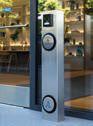
Pedestal PRO and Convergint Technologies recently collaborated on the design, manufacture, delivery and installation of custom architectural stanchions necessary for the recent grand-opening of a luxury high-rise California apartment complex.
Pedestal PRO designed and manufactured several custom stainless steel towers to house Lenel OnGuard readers and 2N IP Intercom stations. This was accomplished in less than a week, according to the company, making a June 1 move-in deadline possible for the building tenants.
Convergint’s Pleasanton, Calif., of ce was responsible for the security systems of the project which involved the construction of a complex with more than 200 units, underground parking and ground oor retail.
“Convergint was the face of this project, so it was really important to us to do everything we could to back up their reputation,” said Pike Goss, CEO, Pedestal PRO in a statement.
Florida YMCA engages in multistage upgrade
The Tampa Metropolitan Area YMCA in Florida is engaged in a multi-phase security system project including video surveillance, re and intrusion upgrades. Integration rm Redwire is responsible for the project’s implementation.

As part of the project, 150 3xLOGIC surveillance cameras are being installed and will be used to cover areas including parking lots, pools, any childcare areas, workout centres, front desks, and basketball courts. Phase 2 of the project will include upgrades of the re and intrusion systems. In Phase 3, all cameras — new and pre-existing — will be managed by 3xLOGIC’s VMS. “We want everything under one platform and standardized across the organization,” said Nate Valentin, VP of information technology, Tampa YMCA, in a statement.
A future addition will include a call centre, which will have access to live video feeds to help address issues such as basketball court availability or number of open swim lanes.

Olympic stadium upgrades 2,500+ doors and locks
The Helsinki Olympic Stadium, Finland, which reopened in August following a renovation, is using ABLOY technology on its 2,500-plus doors.
The stadium is open 360 days a year, hosting major sporting, entertainment and cultural events. An underground logistics tunnel will be built under the stadium, which can also be used as a 400-meter indoor running track, and the building will have of ce spaces available for rent.
“Due to the requirements of a multi-purpose stadium, locking and security solutions play an important role. ABLOY solutions will affect the stadium’s usability and overall safety signi cantly,” said Ilkka Rautakivi, estate and security manager of the Helsinki Olympic Stadium.

The stadium hosts approximately one million visitors a year. Abloy Oy said its electric locks, which support secure rapid evacuation in the event of an emergency, were also installed at the Warsaw National Stadium in Poland.
Sept. 21-25, 2020 Global Security Exchange Plus Online www.gsx.org
Sept. 27 - Oct. 1, 2020 BICSI Fall Conference & Exhibition Online www.bicsi.org
Sept. 29 - Oct. 1, 2020
ESA Leadership Summit Online www.esaweb.org
Oct. 1, 2020 CS Honours Online www.canadiansecuritymag.com
Oct. 5-7, 2020 ISC West Online www.iscwest.com
Oct. 21, 2020
Focus On Cannabis Security Online www.canadiansecuritymag.com
Oct. 21-22, 2020
Securing New Ground Online sng.securityindustry.org
Oct. 27-29, 2020
TMA Annual Meeting Online www.tma.us

• Mark Folmer has joined Robotic Assistance Devices (RAD) as vice-president, security and industry.


•
• RTI, a control and automation manufacturer, announced that Neal Ellsworth has joined the company as director of product

CEO effective April 1, 2021.
• Jeff Ross has been appointed director of marketing for Ottawa-based Feenics. Ross
Security (Avigilon) and Mavin Technologies.

• Christina Duffey was recently appointed as executive vicepresident for PalAmerican Security and Paladin Security Group.
By Patrick Straw
Security companies step up to the challenges created by COVID-19
The cream always rises to the top in tough times. Such is the case with the Canadian security industry.
The first phase of this began when all companies had to very quickly make changes to how they manage their staff and their interaction with their customers. This required integrators, distributors and monitoring stations to all figure out how to remain fully functional — which was done extremely well.

“Safety and social distancing became the new priorities of the work environment.”
Guard companies that saw a quick spike in their business had to adapt to social distancing protocols while still providing the invaluable services that were required more than ever.
Many businesses that were running 24x7 were suddenly closed with little or no protection. The first wave of opportunity for some security providers was obvious. Companies now had vacant space where they could install proper security systems such as video, access control and intrusion without any disruption to their businesses.
Secondly, safety and social distancing became the new priorities of the work environment, requiring different considerations as to the type of equipment that should be installed.
The ability to screen workers and visitors and to minimize the potential exchange of contamination from person to person was the imperative.
All of a sudden, many innovative new products became very essential such as:
• Access control requiring no physical touching of devices
• Thermal screening products
And every company was suddenly living on conference calls and the audio/video market could barely keep up with the demand. Sales in these areas are stronger than ever. Great job!
If you are not currently a CANASA member, contact me directly and let’s set up a phone call or Zoom meeting to discuss the benefits of membership in our organization.
We are very excited about our virtual trade show presentation that will be happening later this year. We are going to have an outstanding event that we know will give the entire Canadian security industry a chance to get together and do business.
Over the next few weeks, we will be sharing information on how you can participate, both as exhibitors as well as visitors. We know it will be a home run.
For information on how you can participate, please contact Steve Basnett (sbasnett@canasa.org) or myself (pstraw@canasa.org). Stay safe and enjoy the rest of the summer.
Patrick Straw is the executive director of CANASA (www.canasa.org).
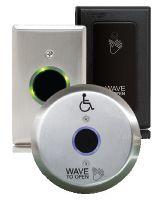
CM-331 Series: Reuse 2 existing wires for power and install an optional CM-TX99 plug-in wireless transmitter to activate the door opening! – OR –
CM-333 Series: Reuse the 2 existing wires to activate the door opening and battery to power the switch, with 2 year battery life!
Opening New Doors to Innovation, Quality and Support!
Call: 1.877.226.3369 / 905.366.3377
Visit: www.camdencontrols.com

FBy Victor Harding
There can be a number of reasons why deals don’t
pan out as expected
or companies that do a lot of acquisitions, it is easy to get caught up in the chase of the next deal without spending enough time assessing how past acquisitions went.
Back in the late 90s and early 2000s, when I was working for two national alarm companies that were both heavily involved in acquisitions, I was never shown how the deals worked out, although I brought many of the deals to each
“The woods are full of people who overpaid for alarm accounts.”
buyer. That was a mistake, because if I had seen the attrition on these deals one or two years later, I might have altered my search. I was not convinced that either company spent enough time looking at the results of past acquisitions.
BDC Capital has recently published a “Change of Ownership Study” of a large sample of deals in various industries and found the following:
• 61% of companies that went through a change of ownership did not achieve the expected financial performance one year after the transition.
• On average, companies that went through a change of ownership missed their financial targets a year later by 40%.
Why do we get these kinds of results? What did the buyers do wrong? And how do the various segments of the security industry stack up on the acquisition front?
To answer these questions I am going to resort to a) parts of the same BDC study and b) my own anecdotal experience with acquisitions. There can be several reasons why an acquisition does not work out or give the buyer the returns expected. The buyer could have had their strategy wrong, or they should not have bought that company in the first place. It could be a very bad culture fit between buyer and seller. And, as my father drilled into me years ago, the buyer may have simply paid too much. This is, more often than not, a prime reason why deals don’t work out.
Let’s look at deals in the alarm industry
first. The woods are full of people who overpaid for alarm accounts. Imagine paying a multiple of 45X RMR and then adding on the cost to maintain that base for four years, giving no chance of any return at all until half-way through the fifth year!
But it is lack of good integration that bothers me the most. Although alarm accounts are quite portable and should be able to be bought and sold without significant increase in attrition, many of us know that it does not always happen this way.
Some account bases, particularly smaller ones, have customers who are too attached to their previous owner. Buyers of these accounts have to work too hard to switch the customer’s allegiance.
Most buyers, even the ones that say they are good at integration, do not spend nearly enough time fully integrating the newly bought accounts onto all parts of their platform. Often the buyer bills, monitors and even services customers differently from the seller. If you spent $800 buying an account, why would you not take the time to communicate these differences to the customers or spend $50 to call the account and properly introduce yourself?
spect for the processes, methods and strategy of the seller. They must have been doing something right.
Many times, I have seen buyers of integration businesses be too intent on remaking the seller in the buyer’s image. It’s much better to leave the seller alone in the beginning than micro-manage it.
With fire companies, you might argue that the integration process should be easier. The inspection work is fairly standard and can be done by almost any qualified tech. The software platform and the people involved in the

The end result of all this is most monitored account acquisitions undergo higher than normal attrition in the first year.
If the buyer has a 12-month attrition guarantee and holdback, then this higher attrition hurts the seller more than the buyer. Accordingly, as a broker, I work hard to protect that 10% attrition holdback for the seller by insisting that certain attrition related clauses be inserted into the purchase and sale agreement.
In my experience, the transition of integration companies has not been particularly good. With integration companies, I would argue it is more important to hold on to the existing senior management team at least for a year or two than it is with an alarm company. These managers are likely responsible for why you bought the company in the first place.
Secondly, most integration company buyers don’t take enough care with their communication to the customers and industry about the transaction.
Finally, if you are a buyer, have some re-
scheduling of service and inspections are very important to get right in the transition.
It helps to hold on to the seller’s technicians simply because they are in great demand. But overall the integration process, I think, should be easier.
As for integrating guard companies, often what you are buying is several long-term guard contracts. So it is obviously important that the new owner make contact with these customers and build a relationship. And, of course, looking after the newly acquired guard employees is important.
There is lots of hype around doing M&A deals and when you add up all the brokers, investment bankers, lawyers and accountants, there are many people involved in getting them done. I just wish more attention was spent in making sure that integration is done properly to help produce the desired results.
Victor Harding is the principal of Harding Security Services (victor@hardingsecurity.ca).

SP&T News and CANASA engaged with Canada’s security community to find out how the pandemic has affected revenue, operations, work from home policies, travel and more
Most businesses have had to weather a rough patch due an economic blip, a sustained downturn, or an unforeseen supply or labour issue, but a global pandemic is basically new territory.
Life since mid-March has been one long learning curve as organizations adjust their business practices, customer relationships, product mixes and service levels to cope with some very challenging circumstances.
SP&T News reached out to the security community across Canada recently in co-operation with the Canadian Security Association (CANASA). SP&T readers and CANASA members were invited to take a 15-question anonymous survey covering everything from business impact to travel preferences to online engagement and community support. The survey was available to take for three weeks (June 18 to July 9) and there were a total of 99 respondents.
The respondents identified their companies as follows:
Dealer - 23%
Systems integrator - 55.5%
Monitoring station - 20%
Manufacturer - 17%
Guard company - 7%
Consultant - 11%
Distributor - 7%
Manufacturer’s representative - 5%
Vendor/Manufacturer - 17%
Other - 4%
Respondents were permitted to choose multiple lines of business. (For example, approximately a quarter of the respondents who identified as systems integrators also identified
as dealers.) They also selected the areas of business/markets they serve with the majority indicating commercial (97%) and residential (72%). Government/public sector ranked high (67%), as did health care (57%) and education (59%). A minority of respondents (9%) indicated other markets such as cannabis, automotive, aviation, food and communications.
In terms of their geographic reach, respondents answered across the board. One in five (20%) said they operate both in Canada and overseas; a similar number (18%) said they operate across Canada. One in three (32%) said locally/regionally and just over one in 10 (12%) said provincially. Not surprisingly, company size also varied greatly. Almost half (47%) work for companies that employ 20 people or less and about a third said their company employs more than 100.
In the broadest terms, security is often regarded as a recession-resistant industry but it has certainly not been exempted from the pandemic.
Across all respondents, 77% said that they have experienced a decrease in business since the pandemic hit in March. That number fluctuates slightly depending on the type of business responding to the question. For example, based on survey results, 82% of integrators, 91% of dealers, 75% of central stations, 86% of distributors and 70% of manufacturers said their business has decreased.
The only serious outlier is guard companies. Seven per cent of respondents identified as guard companies and reported a very different scenario. Only 28.5% of them said they had experienced a reduction in business. While not part of this survey, the demand for guards to help manage grocery stores and other retailers that were open during lockdown, as well as
commercial buildings, hospitals and other institutions has been well documented. (For more on this topic, refer to the column written by Winston Stewart, CEO of Wincon Security, in the summer issue of Canadian Security magazine, sister publication to SP&T.)
In terms of the impact across the businesses that said they had experienced a reduction in revenue, 42.5% said their revenue had dropped by 20% or less; 38.75% said the impact was 20-40% of revenue and the remainder (18.75%) said the impact was 50% or more.
More than half of respondents (54.5%) indicated that they had laid off or furloughed employees as a direct result of the pandemic.
Of those who said yes, 38% said that 10% or fewer of their employees had been affected and 19% said that more than half of their workforce had been laid off or furloughed.
Approximately 57% said they plan to rehire personnel when the economic situation improves. Fourteen per cent said no. The remainder did not know.
While the layoff picture is troubling, some businesses suggest they may be through the worst of it and have been able to hire staff back. Several respondents indicated that their furloughs were already complete — in a few cases, the temporary lay-offs lasted six weeks — and the employees are back at work. Another said they were considering a change to their business model and employing fewer staff overall. One respondent said they had adjusted their employee work-week to four days a week while still keeping the business open five days a week. On a positive note, at least one respondent said that their business was actively growing and they are recruiting for new staff.
The pandemic has resulted in a number of new

or modified safety needs which, to a large extent, the security industry has been able to fill. (Read reports on touchless access control solutions on p.14 and elevated body temperature
The majority of respondents (83%) said at least one area of their security business has grown since the pandemic. The most common answers were video surveillance (55%), visitor management/ temperature check stations (44.5%), touchless access control (32.5%) and
The security industry has also come together as a community to help one another out during these difficult times. More than half of respondents (56.5%) said they had consulted with other security businesses to share best practices. Respondents who indicated in the positive said they had spoken with “industry leaders” or had connected through organized associations and groups such as CANASA.
Patrick Straw, executive director of CANASA, stated in his last CANASA Update column (SP&T June/July 2020 issue) that the organiza tion’s Facebook group, Canadian Security In dustry Online, has received tremendous support from security organizations across Canada, who are coming together to share advice.

About a third of respondents (32%) said they would engage in work travel (conferences, seminars, training, etc.) if able, although most said travel would be limited to their province or Canada. Almost the same number (31%) said their company was currently engaged in an employee travel ban and about 36% said they preferred not to travel at this time.
The vast majority of respondents (85%) said they had attended webinars or virtual events since the pandemic. Several respondents also specified that they had engaged in meetings via popular video conferencing and calling apps like Zoom, Microsoft Teams and Skype.

Has your business laid off or furloughed employees as a result of COVID-19?
Yes – 54.5%
No – 42.5%

Have you seen a decrease in business since the pandemic started in March?
Yes – 77%
No – 23%

to rehire these personnel when the economy improves?
One of the defining characteristics of the pandemic is the number of people who formerly occupied office spaces and are now working from home. The security industry was declared essential in the early stages of the pandemic, but has still participated in the work from home (WFH) movement on many levels.
A necessary precaution against the spread of COVID-19, WFH has also flourished as a cul tural movement with some businesses examining the possibility of establishing such programs as a long-term or even permanent solution. Posed the question “Would you consider a permanent work from home program once offices/monitoring facilities are able to operate at full capacity?” approximately 42% said yes, 31% said no and 26% were undecided.

Some respondents said they had already established a structured WFH program before the pandemic. Another shared that employees who had been sent home to work during the pandemic missed the dynamics of working in an office environment. For some, administrative positions could feasibly be accomplished from home but others required an on-site presence due to job role requirements.
Responses were evenly split regarding the issue of government financial assistance — 42% said yes they had received financial aid and 42% said no. However, about 6% said they had applied for assistance at the time of the survey but had not received it yet. About 9% were unaware as to whether their company had applied for assistance or not.
Are there areas of your business that have experienced an increase in interest since the pandemic?
Frontline personnel - 14.5%
Other - 20.5%
Interest in no-touch and low-touch access control has piqued as end users attempt to keep COVID-19 at bay
By Neil Sutton
Two codes of conduct seem to trump all others in public spaces today: wear a mask and stay six feet away from everyone outside of your social bubble.
Another rule that may go unspoken but is now deeply embedded in our collective common sense is, don’t touch anything you don’t have to.
The access control world has been moving towards touchless solutions for years now but there is a new urgency to get those solutions into the market as institutions aim to make their facilities as people-friendly, and virus-unfriendly, as they can.
It didn’t take long after the COVID-19 pandemic broke for the demand to kick in, says Darren Blankenship, assistant vice-president,
vertical market development, dormakaba.
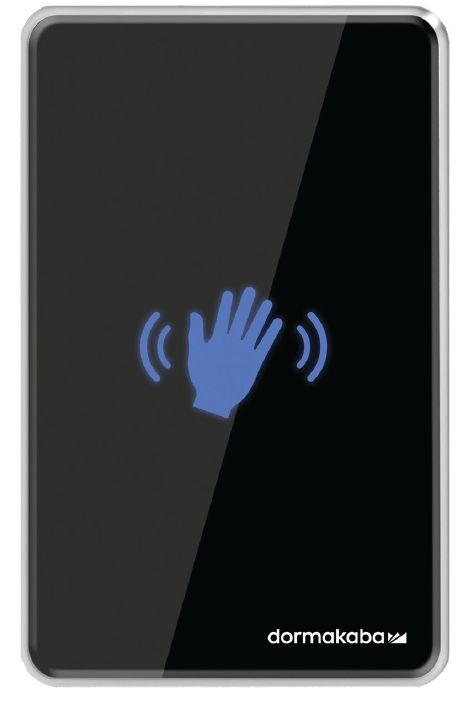
“Yes, there has been a dramatic increase in inquiries for touchless, anti-microbial and any other solutions that can mitigate a virus or bacterial transmission. We are reacting to that,” says Blankenship. The company launched what Blankenship calls a touchless project in late April/early May, adding “a tremendous amount of emphasis” on touchless and antimicrobial offerings.
Dormakaba’s portfolio covers a wide range of access control solutions — including everything from door hardware to electronic access systems to pedestrian traffic management solutions, such as gates and turnstiles through the company’s Alvarado division. All are now being channeled into helping end users address
virus mitigation, says Blankenship.
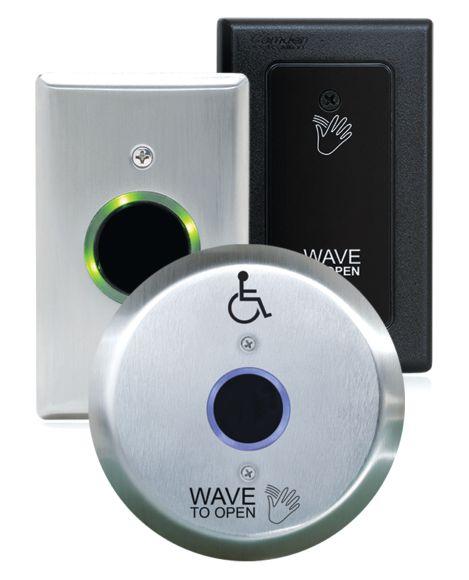
David Price, vice-president of communications and corporate development at Toronto-based Camden Door Controls, says his company is “back-ordered on touchless switches, like everyone is. We’re ramping up production volumes to get in front of it as quickly as possible.”
Price says there has been a “quantum leap” in demand for touchless products and every new installation project the company is involved in is now specified with touchless switches.
As expected, the appeal of these types of products is broad. The ubiquity of the pandemic means every organization in every country is
affected in some capacity, but there are some markets whose need may be greater than others right now. Senior living facilities are expressing a need for touchless solutions, indicates Blankenship, as are health-care institutions.
Likewise, property managers are looking for appropriate access control solutions in building common areas and washroom facilities, he notes. The hospitality industry also has a vested interest.
“Hotels are trying to open up again but they also have to build that confidence within their guests that they’re doing everything they can to mitigate [virus] transmission,” says Blankenship.
Another major market adopter, he says, is the education sector.
Price agrees, adding that some of the largest projects Camden is working on are post-secondary institutions. “We are working with large universities that are looking to change literally thousands of switches over from manual pushbuttons to wave-to-open or wave-to-exit type switches,” he says.
Not every access control solution can be completely hands-free, but there are solutions that place a premium on low-touch to minimize their human impact or employ an antimicrobial coating or treatment that may limit the surface lifespan of the virus.
Andrew Adams, associate vice-president of product management, dormakaba, says the materials door products are made from have come under increased scrutiny. “We’ve seen the third-party documentation that’s out there in terms of which material can kill COVID-19 the fastest,” he says. “We’re exploring all options. If you have to touch the device, how can we ensure that our devices are helping in a proactive nature, establishing a clean facility.”
Price says Camden is also investigating the most effective materials to deter the spread of viruses. “We’re looking at both the antimicrobial sprays and applications, as well as copper alloy finishes that can reduce the lifespan of a virus from 72 hours to much less,” he says.
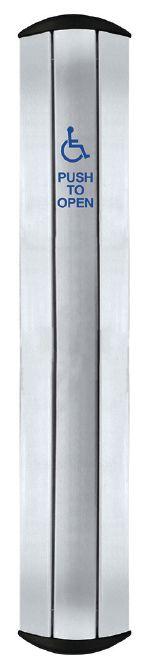
One option is to deploy switches that can be activated easily without the touch of a hand, adds Price. Camden offers a 36-inch column switch that can be triggered with a bump of a knee, elbow, hip or foot.
In many cases, institutions are regularly and vigorously cleaning any surfaces that come into human contact, whether they’re door handles, push bars or elevator buttons. While this might be an effective precaution, it comes with its own set of challenges, says Adams. Using the wrong solvent may affect the finish of door hardware, for example.
“We’ve had to communicate how to clean our devices,” says Adams. “Now more than ever, institutions and facilities are updating how they clean touchpoints throughout their facilities. If you have to touch it, they want to have processes and procedures in which to ensure the people in facilities can say, ‘We’re doing our best to clean all of them.’”
Blankenship adds that dormakaba has retrained its sales staff to best answer these types of questions and is the process of building a remote learning centre to train staff, end users and channel partners about mitigation efforts. The learning centre is scheduled to open mid-August.
Much like traditional door hardware, biometric means of access control have been viewed differently in the wake of the pandemic.
“Contactless technologies like face and iris recognition are currently forced to adapt to the emergent threat,” notes Dimitrios Pavlakis, industry analyst, digital security, ABI, who spoke to SP&T News via an email interview.
“Biometric AI and machine learning algorithms are pushed to new heights and extend governments’ protective, monitoring and screening reach. However, applications that rely on fingerprint and vein recognition modalities are suffering a significant loss due to being heavily reliant on contact-only sensors, thus posing a great hygienic risk and severely limiting infectious control protocols.”
He adds that some nations that rely more heavily on biometric identification
“Now more than ever, institutions and facilities are updating how they clean touchpoints throughout their facilities.”
— Andrew Adams, dormakaba
“We’re ramping up production volumes to get in front of it as quickly as possible.”
— David Price, Camden Door Controls
have “effectively terminate[d] all biometric-based access control, workforce management and attendance applications in certain high-risk regions.”
Shiraz Kapadia, CEO of Toronto-based biometric security firm Invixium, says he believes the market was already moving towards contactless modalities, well before the pandemic struck. The company launched its IXM TITAN product in 2018 — a multimodal face recognition device with fingerprint or vascular recognition as a back-up identifier.
Touchless biometrics were already preferred in some industries where using fingerprints may be impractical, such as mining and petrochemical, says Kapadia. But the pandemic hastened the decision for some organizations to look for touchless options. “Obviously, we didn’t envision that we will be dealing with a pandemic and the
world will only want touchless in a span of three months,” he says.
He says Invixium has sold more TITAN products in the last quarter than in the two previous years since the product launched.
The preference for contactless biometrics may be long-term, indicates Pavlakis. “Contact-only applications are likely to suffer in certain areas including enterprise, health care, border control and generally any use-case scenario that deals with workforce management and access control,” he states. “Vendors will rethink fingerprint and vein verification modalities and governments will try to give additional emphasis to face and iris technologies.”
This will inevitably create challenges for law enforcement and other authorities that currently utilize fingerprints as a major means of identification, notes Pavlakis.
But, argues Kapadia, that may be one reason why traditional biometric indicators will continue long after the pandemic.
Inevitably there will be a decline in the market, but “I don’t think fingerprints will disappear, because there are databases filled with fingerprints. It will continue, it will persist.”
In some cases, access control technology is being integrated with devices that can scan for COVID-19 indicators like elevated body temperature. Kapadia says the company recently
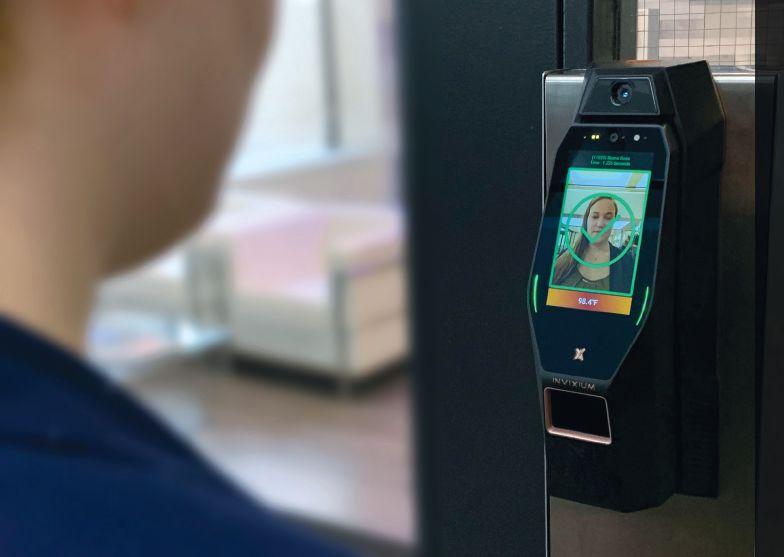
made an enhancement kit available for its IXM TITAN line, which allows for the integration of a dual camera solution for temperature screening.
The solution links with the company’s software, IXM WEB, which is able to report on employee and visitor health, in addition to access and time tracking, and payroll integration.
“Not only are we able to do touchless biometrics for access control and time and attendance, but now also detect elevated body temperature and trigger different workflows. As an example of temperature-based access control, if someone is detected with elevated body temperature, the door will remain closed,” explains Kapadia.
He added that existing IXM TITAN devices already in the field can be upgraded to include the new temperature screening feature.
Blankenship says that dormakaba products are also adapting quickly to meet these new customer demands.
Aspects of its Alvarado line, for example, can now be deployed with temperature-taking equipment, real-time building capacity monitoring and even hand sanitizer.
Body temperature technology is a popular commodity right now and its hold on the market may last for the next few years as organizations globally work through the rigours of the pandemic, suggests Kapadia. But the appeal of touchless is likely here to stay.
“Not only are we able to do touchless biometrics for access control … but now also detect elevated body temperature.”
— Shiraz Kapadia, Invixium
“Even if the vaccine comes out and we are in a post-pandemic era, people will still prefer touchless technology, and they will be hesitant to touch common surfaces,” he says.
However integrators and end users choose to proceed, Kapadia says they shouldn’t feel pressured or panicked into buying solutions as a quick fix for what currently ails us.
“Make sure that you ask the manufacturer the right questions about the technology. Do your due diligence,” he says. “So whether you buy my technology or somebody else’s, buy something proven to do the task you need.”

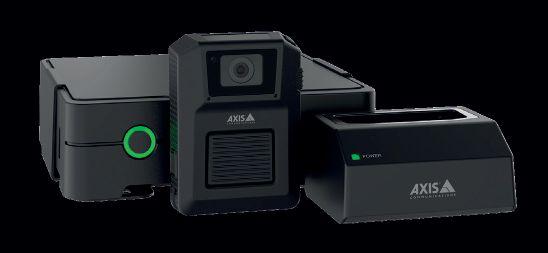
Body worn cameras from the leader in video surveillance.
Axis body worn camera solutions let you store and handle video on-site or in the cloud, using your systems or ours.* You decide. Either way, you get superior image quality for video that holds up in court. And an easy-to-use, cost-effective solution designed with you in mind. All backed by our worldwide support network.
So go ahead and do it your way.
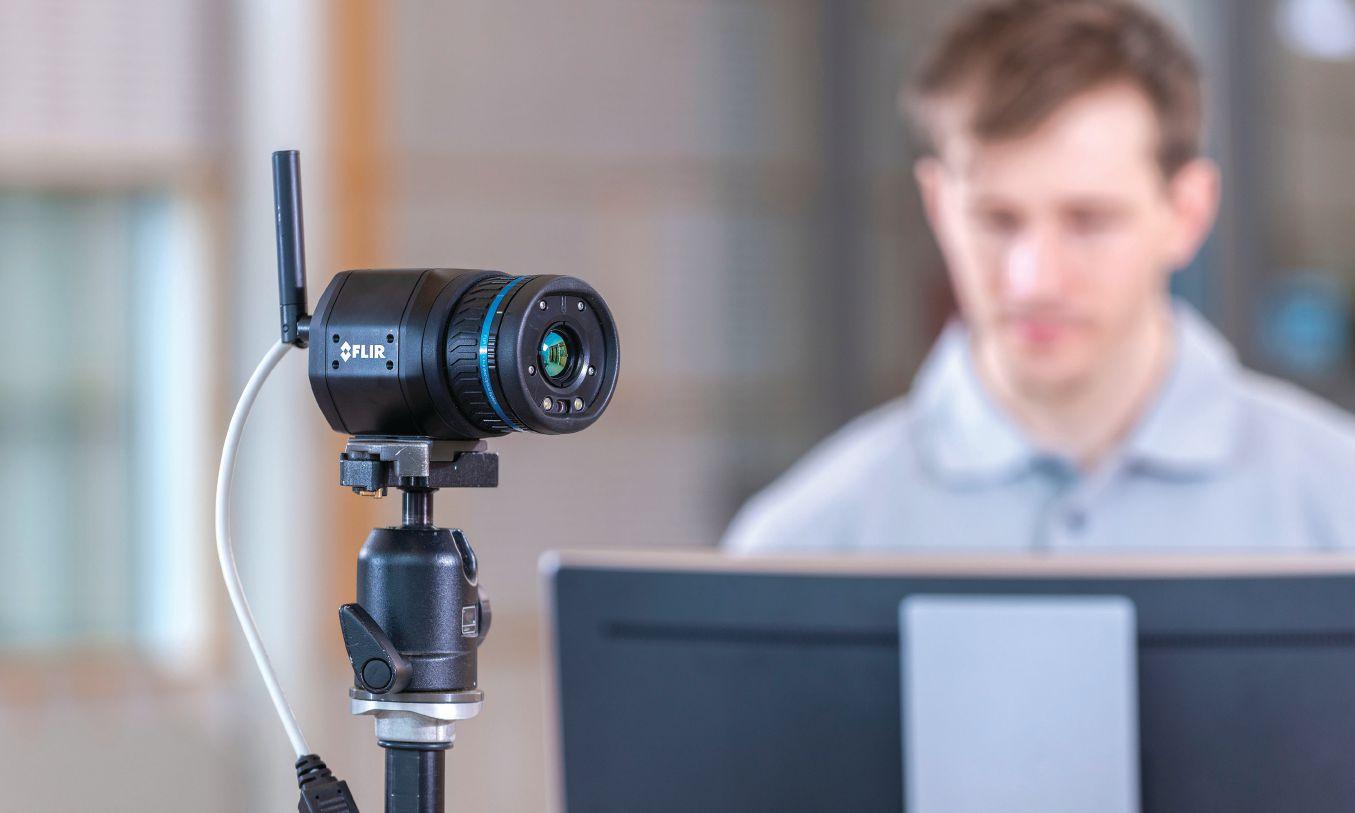
Thermal-based technology solutions have become part of the new normal as businesses look to re-open safely
By Alanna Fairey
In a world that now requires people to social distance and monitor their temperature, thermal solutions have become a technology staple.
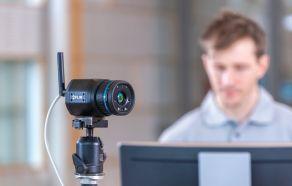
Dave Bursell, vice-president of business development and product management at FLIR, says that the company has seen an exponential increase in demand for their thermal temperature solutions. “It’s really hard to say what that new normal will look like, but this much we do know — this technology will be a part of it,” Bursell says. “We’re preparing for that and making sure that we can meet the needs of the different workplaces.”
Sharing that the company began offering thermal temperature solutions after the SARS outbreak back in 2003, Bursell says that FLIR’s thermal temperature solutions include the FLIR Exx-Series, FLIR T500 Series and A400-A700.
“The thermal imaging has a software on the camera itself called Screen ESP mode which enables that portable handheld camera to do screening, and it has auto detection,” Bursell explains.
If the temperature of the skin is above average, then the individual may be selected for additional screening. Bursell says that identify-
“I do think it is definitely a shield in your arsenal that you want to have, along with your questionnaires, along with your sanitization, along with your physical distancing.”
— Jason Haelzle, GHD
ing individuals with elevated body temperature can help reduce or dramatically slow the spread of viruses and infections.
“We introduce things like facial detection, which is detecting that there’s a face there, and then we can really concentrate the measurement on the corner of the eye,” Bursell explains. “Research has shown that that’s the best place to relate skin temperature to core body temperature.”
Bursell notes that FLIR’s thermal temperature solution technologies have seen substantial acceleration in sectors such as manufacturing and warehousing facilities, as well as distribution centres and “essentially any place where you have people gathering and coming to work, and you have a fairly large population of workers.
“We are seeing the technology being uti-
lized now as a pre-screening method, again to ensure worker safety and health,” Bursell adds.
Another sector that has recently begun to utilize thermal temperature technologies is airports. Back in June, the Government of Canada announced that temperature screenings are mandatory for all passengers on international or transborder flights travelling to Canada prior to boarding at their point of departure.
It is not just passengers who will have to be screened — it was also announced that all employees and personnel that enter or work in the restricted area of the airport and screened through a Canadian Air Transport Security Authority point will be subject to temperature screening procedures by CATSA personnel.
According to an official statement from Transport Canada, a phased approach has been taken in order to implement temperature screening. The approach is as follows:
Phase 1: On July 9, all air operators were required to conduct temperature screenings of all passengers travelling to Canada prior to departure from international or transborder points of departure.
Phase 2: On July 30, temperature screening stations were placed in the departure section of the four major airports that are currently identified for international travel (Montreal, Toronto, Calgary, Vancouver).
Phase 3: By September 2020, temperature screening stations will be in place in the departure sections of the next 11 busiest airports in Canada (St. John’s, Halifax, Quebec City, Ottawa, Toronto – Billy Bishop, Winnipeg, Regina, Saskatoon, Edmonton, Kelowna, Victoria).
“Temperature screening can be conducted with a variety of technologies, from handheld digital infrared thermometers to sophisticated contactless thermal camera-based systems that can automatically screen a high volume of travellers in queues and manage any privacy concerns,” Transport Canada said in a prepared statement. “The implementation of measures would not prescribe a single type of equipment to use.”
A representative from Transport Canada also shared that they have established technology performance standards for equipment that adheres to industry standards. This approach was taken to ensure that the thermal temperature equipment should operate as expected during temperature screening for accuracy, according to the statement.
When Toyota Motor Manufacturing Canada Inc. (TMMC) began preparation for the reopening of its Cambridge and Woodstock, Ont. plants, the automaker sought the help of GHD, a global engineering firm based in Waterloo, Ont., for recommended thermal temperature solutions.
“I don’t know any other manufacturer or business that has taken the full scale approach that Toyota has taken,” says GHD vice-president Jason Haelzle. “They move mountains to make sure that their staff and team members
are safe.”
Haelzle shares that just 11 hours after GHD had an initial meeting with TMMC, his team had to deploy to the site for a pilot of Hikvision temperature thermal screening monitors. “It was quite impressive to see the resources that are deployed, and the rapid response that Toyota did,” Haelzle says.
The installation of the Hikvision thermal imaging solutions helped to establish new safety procedures and protocols, says Haelzle.
TMMC employees are now mandated to fill out a daily questionnaire to determine if anything from a health perspective has changed. Once the questionnaire is completed, each person’s temperature is checked using thermal cameras, which has a high throughput, according to Haelzle.
“If there’s a high-level alert, it triggers and makes a sound so that you are aware of it,” Haelzle explains. “Then you can pull the individual aside for a secondary screening questionnaire.”
Looking ahead at the new normal, Haelzle believes that as more and more businesses start to reopen, thermal temperature screening solutions will be a popular solution. He notes that businesses in other sectors have also implemented similar technology.
“Some businesses are having employees do it, whether it’s at home on their own and they can register their own data,” says Haelzle. “There are probably 50 cameras at different businesses that have been sold and more cameras are going in continuously.”
While thermal temperature technologies have played an essential role in the country’s reopening, Bursell stresses that thermal imaging technology does not explicitly detect COVID-19 and urges the public to continue to remain vigilant and practice good hygiene and social distancing.
“All thermal imaging can do is detect an elevated skin temperature. Keeping that in mind and understanding that is important to be clear,” Bursell stresses.
“We want to make sure that that message is clear that [thermal imaging] does not detect a virus or a fever.”
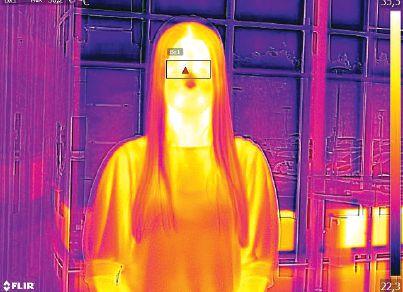
While Haelzle also agrees that thermal temperature technologies are not the sole solution to dealing with COVID-19, he believes that they do contribute in a meaningful way, and will continue to do so as the province slowly reopens.
“I do think it is definitely a shield in your arsenal that you want to have, along with your questionnaires, along with your sanitization, along with your physical distancing,” Haelzle concludes. “I think it is definitely a necessary step.”
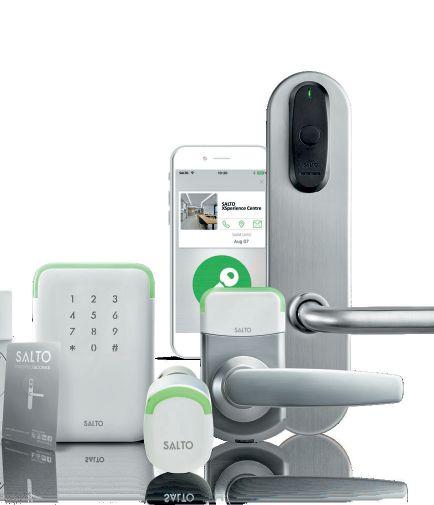
LOCKS DESIGNED TO FIT YOUR BUILDING’S NEEDS.
Realising tomorrow’s keyless buildings today with innovative thinking and advanced mobile-based access control technology.
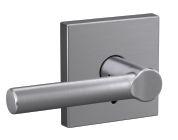
The Schlage Custom Door Hardware Collection offers both bed/ bath and hall/closet functionality in one. This universal functionality allows homeowners to change from a doorknob to a lever, a traditional look to a modern look — even a non-locking door to lockable — in minutes, without having to remove the inner core of the lock. Premium handlesets in 3⁄4 trim and 2-piece styles are also available. The Schlage Custom Door Hardware collection consists of more than 78 pre-configured products, ranging from combined interior to non-turning hardware. Homeowners can choose from a variety of styles. www.schlage.com
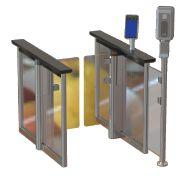
The new family of access control solutions provides automated infection prevention through contactless processes, maximised social distancing, and enforcement of body temperature and PPE regimes. Body temperature detection integrated into the gate combines image analytics with infrared thermal monitoring to deliver contactless measurement to an accuracy of ±0.3°C. The system denies entry to anyone exhibiting an elevated body temperature. Hygienic mask detection via a high precision camera integrated into the gate recognizes if the visitor is wearing a mask and denies access if it is absent. gunneboentrancecontrol.com
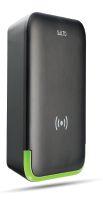
The NCoder is a contactless smart card for next-generation access control systems that integrates the encoding capabilities of an updated design encoder with a built-in desktop reader function. The SALTO NCoder configures permissions and user access plans for user credentials or hospitality guests. SALTO SPACE data-on-card-platform system operators – by defining their own user access plan and building properties with ProAccess SPACE web-based software – can take control over user rights management of their building access system. www.saltosystems.com
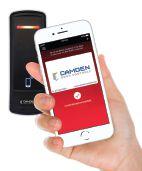
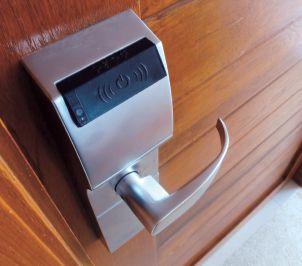
Camden introduces a mobile-ready reader based on RFID technology that combines Bluetooth Low Energy and contactless smart card technologies. It is capable of reading data stored on a contactless smartcard credential via high frequency. Also, it can read data from a mobile credential stored in a smartphone’s wallet app via BLE technology, without physical contact, and then pass the data obtained to the physical access control system. CV-7600 readers are also compatible with MIFARE prox. cards and fobs. This feature allows system managers to assign the best/preferred type of credential for each system user. www.camdencontrols.com
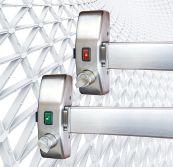
The Precision Hardware Apex 2110VI Series from dormakaba is a code compliant safe egress with visual and directional indicators for faster and more efficient security lockdown, designed for high occupancy arenas including classrooms, auditoriums or gymnasiums. This panic device incorporates the ANSI “10” function, also referred to as the “Intruder Function,” with new lock/unlock status. A directional indicator is integrated into the housing and contains reflective materials that may be seen in low light conditions. It also features an embossed directional indicator that offers quarter-turn (90°) activation to enable faster lock down. www.precisionhardware.com
MedixSafe
Key Access Ready Enclosure (KARE) key control cabinets are now available with Bluetooth format card readers. This wireless technology enables users to access their KARE cabinets using their mobile devices as their access credential. KARE is now available in three different technologies – HID, Multi-Class and Bluetooth format card readers – with a key override built right into the electronic lock. The KARE reader features a Wiegand output that can be connected to any access control panel.
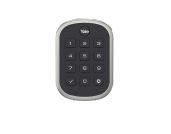
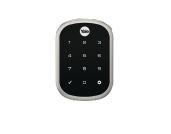
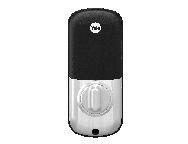
The Yale Pr SL touchscreen keyfree smart locks with built-in Z-Wave Plus (500 Series) technology offer integration with popular Z-Wave Plus smart home and alarm systems, such as ADT, DSC, 2GIG, Resideo by Honeywell, Alarm.com, Qolsys and more. The Yale Pro SL’s keypad wakes up by pressing the keys, and locks with another quick touch of the logo. To unlock, homeowners enter their custom entry code or provide trusted guests and visitors with unique codes, and then rescind access by deleting the code. Yalehome.com
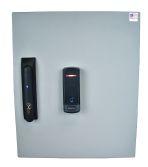
www.medixsafe.com
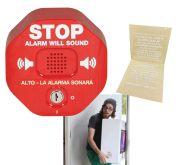
STI’s Exit Stopper Door Alarm addresses the problems of unauthorized exits and entries of fire or emergency doors. The multifunction door alarm flashes while it emits an audible alarm, helping to further attract attention and deter wrongful use of a protected door. When activated, the Exit Stopper (STI-6400) sounds a warning alarm and the LED flashes. The user selects on location the alarm volume and length (30 seconds, three minutes or continuous). A key operated override will silence the alarm and allow authorized exits. In annunciator mode, the alarm will beep several times and reset when the door is closed. www.sti-usa.com






















































































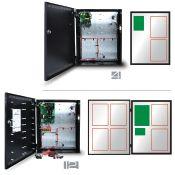
ProWire XPRESS is a new value line of single-voltage power systems featuring prewired controller terminal strips. ProWire XPRESS models come prewired for system power, faults, communication and tamper switch. Models are currently available for Mercury Security controllers in four-door (FPV4-E2M/T4X) or 12-door (FPV102-D8PE2M1/ T12X; FPV104-D8PE2M1/ T12X) configurations at 12 or 24VDC. ProWire XPRESS carries a joint Mercury/LSP UL, ULC certification and CE listing (EU).
www.lifesafetypower.com
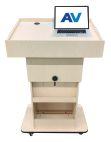
AmpliVox
The AmpliVox Maestro Adjustable Presentation Center adjusts to presenters of different heights at the touch of a dial and has a 31” extra-wide reading table that accommodates laptop and spreadsheets. Other features include a multimedia-ready design with cable pass-through grommets from the reading table to inside the cabinet’s lower storage compartment, as well as to the bottom of the lectern to facilitate connection to external equipment. Optional panels can be added to accommodate external devices: flush-mounted multi-media AV signal, room system control and electrical power jack. www.ampli.com
The new LundHalsey Visionline 24/7 control room console is the latest console family directly available from Legrand and manufactured by U.K.based solutions partner LundHalsey. The Visionline family includes two models: Visionline Air sit/stand console and Visionline fixed height 24/7 control room console. Visionline Air is a human-centred console designed to provide a sit/stand environment with an adjustable height between 26”- 47”. Designed to ISO 11064, the fixed-height model is supported by a robust frame. www.middleatlantic.com

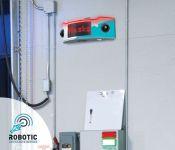
Robotic Assistance Devices
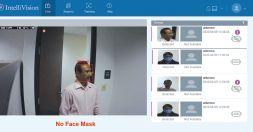
The IntelliVision face mask detection analytic was developed using a deep learning neural network and trained on many thousands of images of people wearing many different designs of face mask. Face mask detection is the first of a number of products to be released by IntelliVision as part of a broader COVID-19 back-to-work solution. The IntelliVision family of AI video and audio analytics solutions includes face recognition, object classification, intelligent object detection, intrusion/perimeter watch, object left/ removed, and licence plate recognition. www.intelli-vision.com
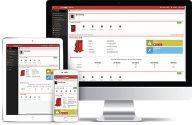
Potter Electric announces the integration of Potter fire alarm systems with the IntelliView Dashboard. The web-based dashboard allows the user to monitor their Potter fire alarm control panels in addition to the IntelliGen nitrogen generators from anywhere in the world. A mobile app is also available in the iOS and Google Play stores. A free standard version of IntelliView for fire alarm systems is available with limited features that allow for high level panel status and information. The premium version integrates with the mobile app to send push notifications for any off normal signal, give access to all signals on all fire panels, provide system data and display historical activity. www.PotterIntelliView.com
The Connect Care App is an extension to Open Options’ existing Connect Care support across four areas. The app offers another way for customers to directly access a team of experts for a quick resolution of challenges or issues, with a qualified, experienced professional at the other end of the line. Designed specifically for system users of DNA Fusion, the app provides technical proficiency, education, documentation, personalized support services, media and live chat with Open Options. www.ooaccess.com

Robotic Assistance Devices (RAD) has enhanced its autonomous security and property management devices with a new advanced mask detection feature. This feature includes an autonomous tool to identify face mask usage, create automatic alerts, and generate ongoing face compliance scores. This enhancement is integrated into RAD’s Health Screening system and can be used to automatically prevent people who are not wearing masks from entering buildings. The system can also generate audible and visible alerts to remind people to mask up.
roboticassistancedevices.com

Access Management System 3.0 includes a Master Access Controller (MAC) as an additional layer of defence between the server and the access controllers. If the server fails, the MAC takes over, ensuring continuous communication across controllers. Also, access control functionalities that involve multiple access readers, such as anti-passback and guard tour, can continue to perform. Access Management System 3.0 offers up to 15 configurable threat levels such as lockdown, controlled lockdown, or evacuation.
boschbuildingtechnologies.com

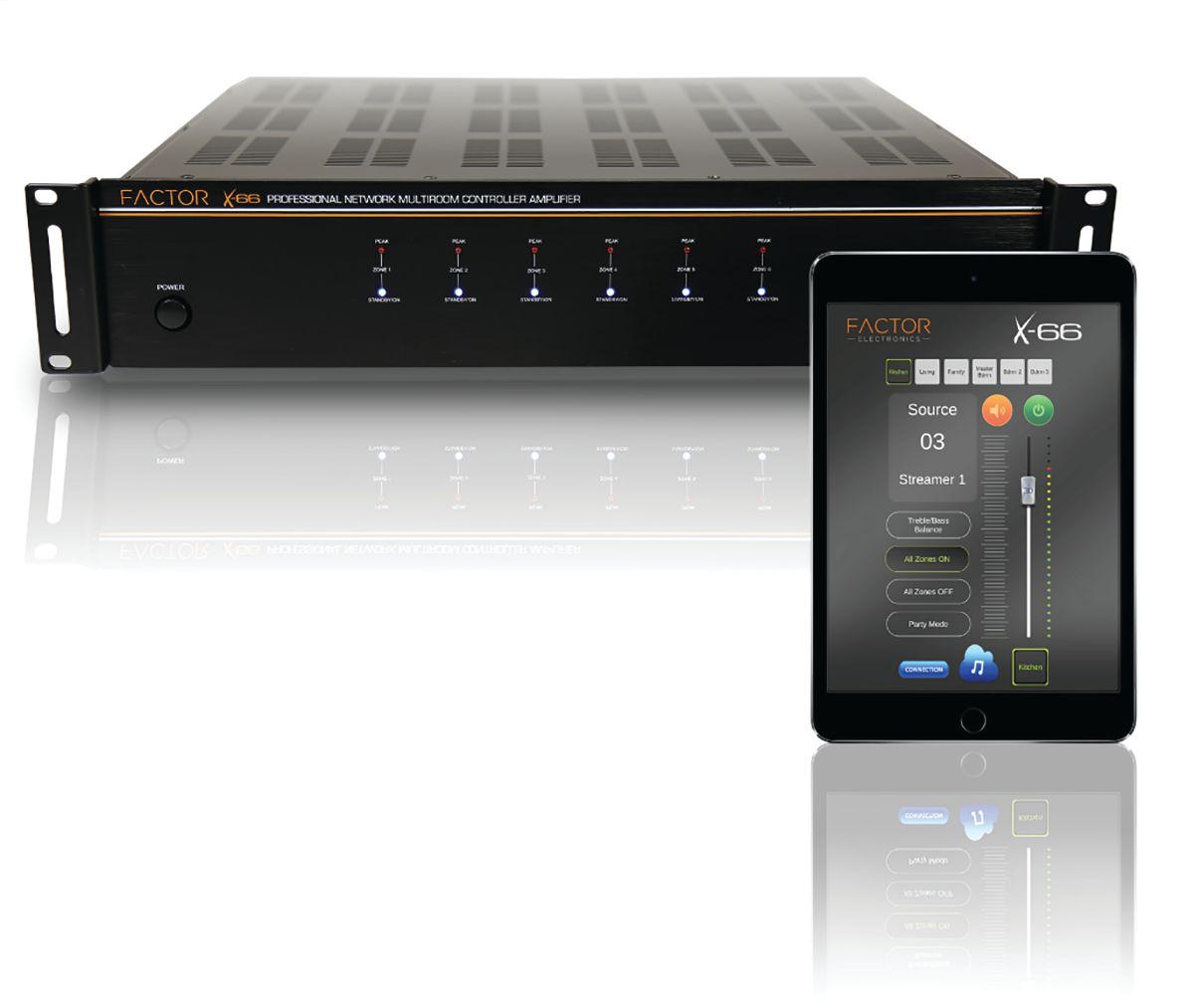




• FREE text & email notifications • FREE unsupervised openings & closings • FREE report distribution for you and your customers