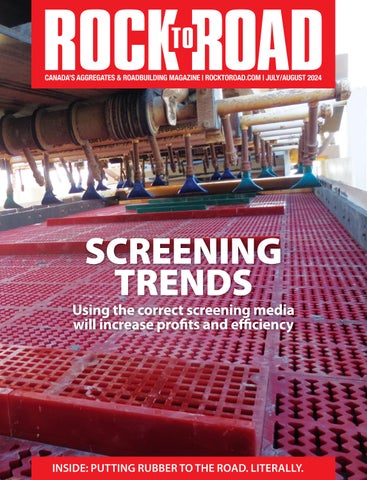
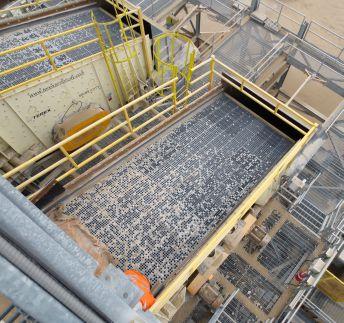
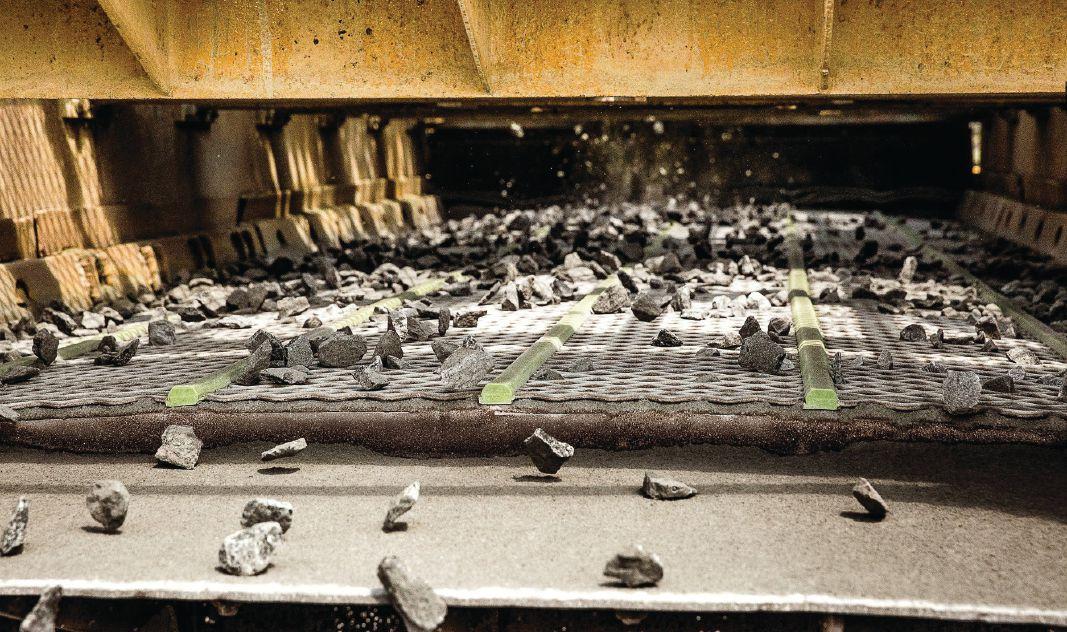
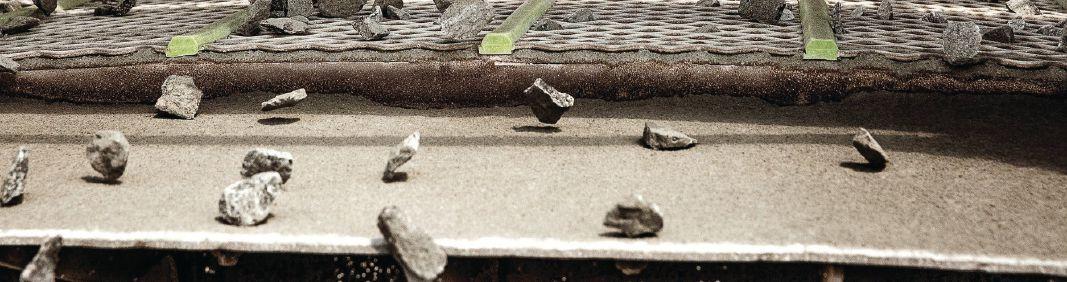
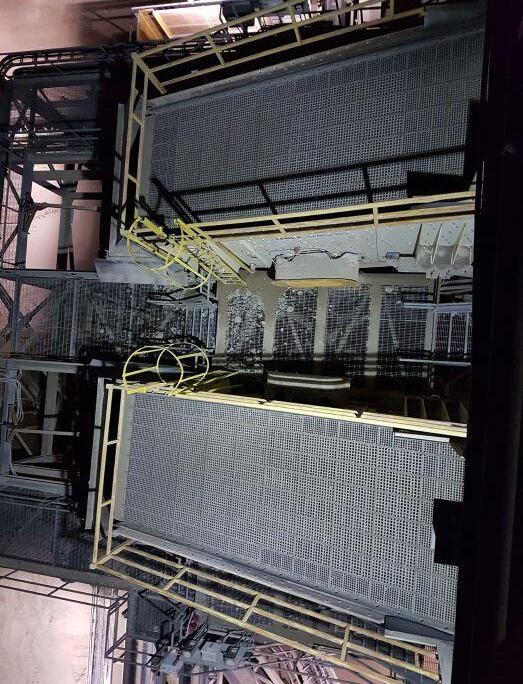
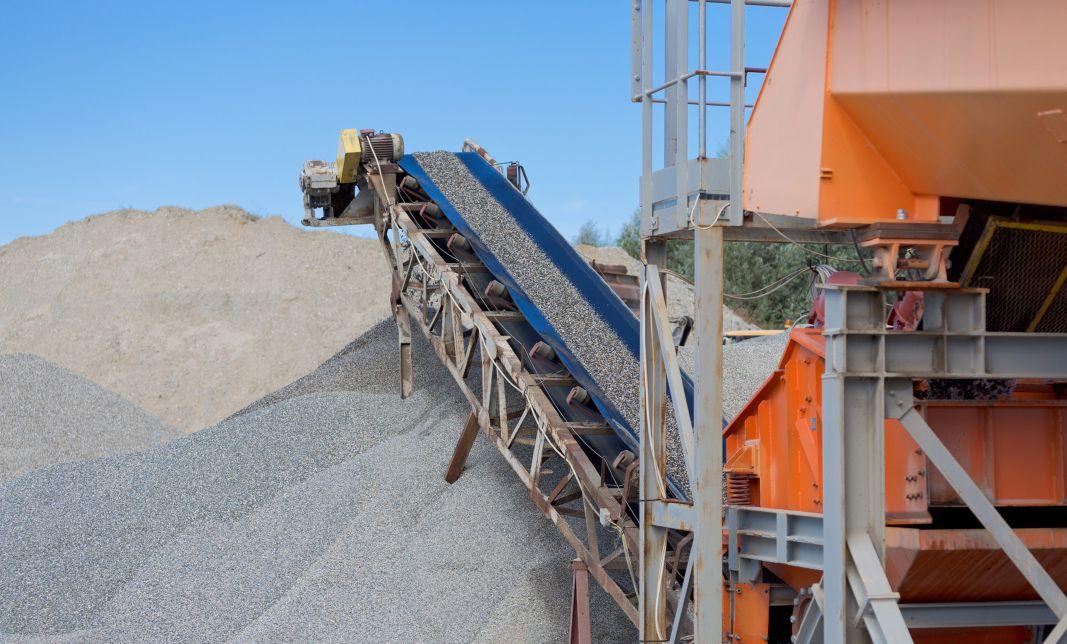
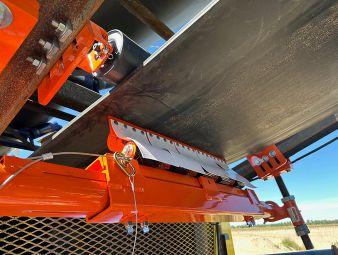
Proper screening media leads to a more efficient, profitable operation.
10 Screening Problems From the Field
Polydeck’s Alex Caruana shares two practical case studies on solving screening issues in the field.
16 Screening Product Showcase
We highlight some of the latest in screening-related products.
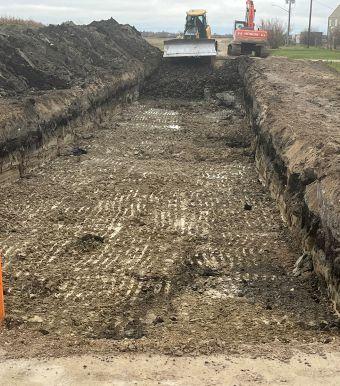
18 Digging a hole
Ontario's Metrolinx projects utilize cutting edge tech and techniques in the digging and boring sectors.
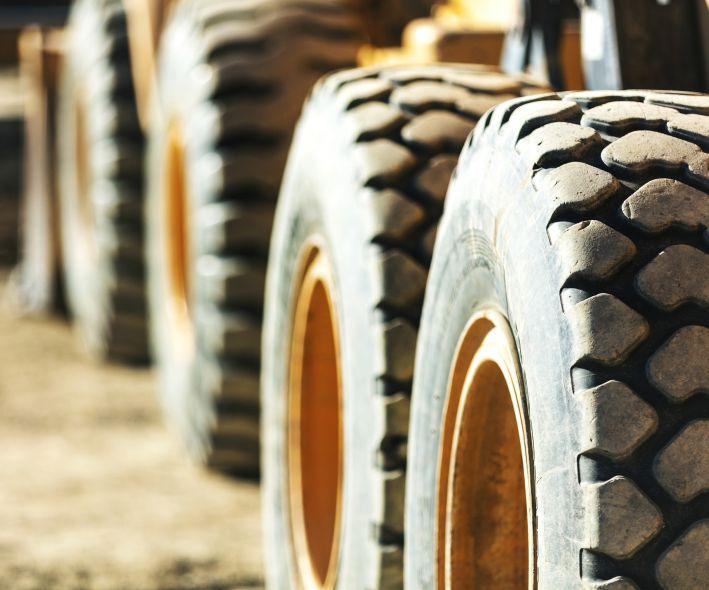
20 Tires matter
Selecting the right OTR tire will boost performance, reduce downtime and increase reliability.
22 Treading forward
A Manitoba association is putting the rubber to the road – literally. 25 4 Questions
What to consider before purchasing OTR tires.
LEARN TO CONNECT
Struggling to retain workers? Spend time understanding generational differences
Having travelled to several trade shows and conferences this year, there is one key issue everyone brings up.
The labour shortage.
Due to an aging workforce, many companies are struggling to find and keep workers. It’s a chronic problem not just in this industry, but in many sectors.
There are a variety of ways to help alleviate the problem. The most important is keeping your current employees. Doing so requires a few key ingredients, but having a happy, enjoyable workplace is among the most important.
To create such an atmosphere begins by understanding the challenges and needs of employees who often span multiple generations.
At a recent conference I attened, keynote speaker and author Ryan Jenkins dug into the challenges and potential that generational differences provide a workplace.
Finding ways to bridge the gap between generations is vital for any company to achieve success, he explained. Partnering the enthusiasm and creativity of youth with the wisdom of age can develop a thriving business.
However, multiple generations working in the same environment can often lead to friction. Understanding what is causing that friction and how to solve it should be the main priority of anyone in a leadership role.
We are, Jenkins explained, shaped by the world we grow up in and the experiences it provides. Those experiences for someone growing up in the 1960s will be in stark difference for someone who was raised in the 1980s, or someone who came of age in the early 2000s.
Unlocking the power of a multi-generational workforce starts, Jenkins said, by learning the motivations and needs of each generation.
What do they hope to get out of work? Is it just a pay cheque? Does it provide meaning to their life?
How do they prefer to communicate? Do they want regular feedback or prefer to be left alone?
Jenkins notes it’s important to remember this is a guide. Generational explanations are not carved in stone. But they can be a good start to understand behaviour and optimal ways to motivate your workforce.
Once you better understand people, then you can begin to tap into their strengths.
The big problem plaguing our society, and by extension the workplace, is the lack of connection people currently feel. Many of us are lonely, he explained, and the loneliest generation is Gen Z (those born between 1997 and 2012).
While it feels as though we are more connected than ever thanks to technology, Jenkins said we are confusing communication with connection.
“Connection is felt. And if you want to see big strides and really leverage connection, we have to take that one step further from communication to connection,” he said
He advised companies to focus on creating connected workplaces. That will result in more productive employees who want to stay with your company.
mlacey@annexbusinessmedia.com
MIKE lacey
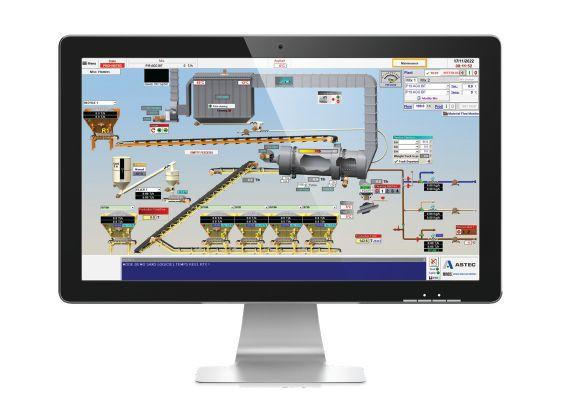
NEW IntelliPac ™ Moisture System
Astec paves the way for sustainable, innovative asphalt plants. The new IntelliPac Moisture System is a revolutionary solution that integrates seamlessly with Astec control systems. This provides unparalleled, real-time visibility into virgin aggregate moisture content. IntelliPac empowers operators to optimize mix design, minimize energy consumption, and reduce environmental impact. With Astec, you get superior asphalt production – better for the environment, better for your business.
BUILT TO CONNECT
Bird Construction purchases B.C.-based Jacob Bros
Bird Construction is purchasing Surrey, B.C.-based infrastructure construction specialists Jacob Bros for $135 million.
The announcement took place June 10. Jacob Bros is a civil infrastructure construction business of more than 350 employees. The company serves both public and private clients across a variety of projects, including bridges, earthworks, airports,
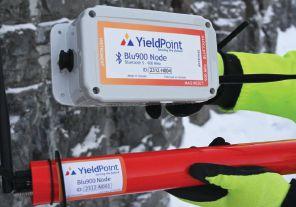
Epiroc has purchased Yieldpoint Inc., a Kingston, Ont.-based manufacturer and provider of ground support geotechnical solutions for the mining and civil engineering sectors.
Yieldpoint specializes in the design, manufacturing and selling of digital geotechnical instruments, such as ground movement sensors and telemetry solutions, to customers worldwide looking to digitize their ground support processes and create safer working environments.
“Proper ground support is crucial to safe mining and infrastructure operations. Yieldpoint’s smart and robust monitoring solutions complement our ground support offering well, and expand our portfolio of digital solutions. We look forward to welcoming the experienced and professional Yieldpoint team to Epiroc,” said Helena Hedblom, Epiroc’s president and CEO.
Yieldpoint is currently comprised of about 10 employees.
seaports, rail and the energy sector.
A press release highlighted that this acquisition supports Bird Construction’s goal of expanding its civil infrastructure expertise and expanding its geographic reach further into Western Canada. This acquisition occurred on a cash-free, debtfree basis, although Bird Construction will assume equipment debt.
SMS Equipment opens expanded facility in Timmins
Canadian heavy equipment dealer SMS Equipment unveiled the expansion of its Timmins, Ontario branch on June 25.
The company states the $30-million expansion is evidence of its continued support for Northern Ontario’s mining, construction and forestry sectors and marks its long-term investment in the region.
“We’re thrilled to open our incredible new SMS Equipment Timmins branch and serve our customers with equipment, technology, service and support right where it’s needed in Northern Ontario,” said Robin Heard, SMS Equipment president and CEO. “The demand for heavy equipment has steadily increased alongside explosive growth of the province’s mining sector and its related service industries. We wanted to invest in a facility and the personnel that could fulfill that demand with a broad range of solutions to keep our customers’ operations running smoothly.”
The state-of-the-art Timmins branch spans 37,000-square-feet and houses the company’s new and used equipment sales while also bolstering its service and maintenance capabilities in the region. The new building includes two heavy-duty welding bays, five service bays and a 100-ton heavy-lift capacity, which together accommodate new remanufacturing, welding, painting and large equipment rebuilds in-house.
BURNCO Rock Products acquires Northern Alberta’s Hammerstone Quarry
BURNCO Rock Products has entered into a Share Purchase Agreement with Brookfield Business Partners to acquire Hammerstone Infrastructure Materials Ltd.
Hammerstone’s quarry, located north of Fort McMurray, is one of the largest limestone quarries in Western Canada, with more than 750 million tonnes of aggregate reserves. Hammerstone’s operations, comprised of 110 employees, are a key support player in the province’s oil and sands industry.
“Hammerstone’s leadership group and employees are extremely pleased to be joining BURNCO. The acquisition is a great outcome for our operation,” said Nick Laganiere, president and CEO of Hammerstone.
In a press release, BURNCO stated that they plan to use the resources of the Hammerstone Quarry to further serve both Canada’s energy industry and the local community, including nearby Indigenous groups that the company is looking forward to strengthening and supporting.
FAYAT Group acquires ADM
FAYAT Group has acquired a controlling interest in Asphalt Drum Mixers Inc. (ADM).
ADM manufactures high-quality asphalt plants and components for contractors and asphalt producers worldwide. FAYAT states the acquisition strengthens the company’s strategic position in the road construction and maintenance equipment segment.
Béton Provincial acquires plants and quarries from CRH Canada
Béton Provincial Ltée, the largest Canadian-owned company in the concrete and cement sector, has acquired numerous assets from CRH Canada Group Inc. across Quebec, Newfoundland and Labrador, and New York state.
With this transaction, Béton Provincial now owns the Ash Grove cement plant in Joliette, QC, three cement terminals in Newfoundland and Labrador, two cement terminals in Greater Montreal and one in Solvay, NY.
The company will also acquire seven ready-mix concrete plants and two quarries in Greater Montreal, along with two ready-mix concrete plants in the Quebec City area.
Under the FAYAT umbrella of companies, ADM will operate as an autonomous manufacturer continuing to market its products under the ADM brand.
To ensure continuity and an effective transition, FAYAT states the Boyd-Devine family will remain as a minority shareholder and that Mike Devine will continue as president of ADM.
McCloskey International appoints new sales director for EMEA & Southeast Asia
McCloskey International has appointed Jane Halfpenny as sales director – EMEA & Southeast Asia.
Halfpenny will be responsible for the company’s sales activities in Europe, the Middle East, and Africa, as well countries in the Southeast Asia region.
Halfpenny joins McCloskey International with more than 10 years of experience in the global heavy construction equipment sector. Throughout her career she has held roles across sales, distribution and marketing on the OEM side for companies such as Hyundai Infracore and CNH Industrial, as well as in commercial vehicle and financial services.
Her appointment was effective June 3, 2024.
industry news
Eric Gavin joins Superior’s construction management division
Superior Industries, Inc., a US-based manufacturer and global supplier of bulk material processing and handling systems, has hired industry veteran Eric Gavin for a newlycreated business development role in the company’s construction management division.
In his new role as direc-
tor of business development for construction management, Gavin will identify new business opportunities, nurture existing relationships, develop strategic plans, research industry trends, collaborate with the construction management team, and support project management and onsite tasks
Durex Products Inc. announce new business development manager
Durex Products has hired Tate Sutton as the business development manager for Urethane Liners, Wear Parts and Accessories division.
Sutton has spent 16 years in sales and operations within the ready-mix industry across the American Midwest. Durex states Sutton’s deep understanding of the concrete industry equips him to empathize with customers’ daily challenges and provide in-depth solutions for customer’s operations.
as needed.
Gavin previously served as a construction project manager for Dumas Mining, operations manager for the engineering firm Meridiam Partners, and held several positions with Harrison Western, an industrial construction company. Gavin also worked with Aggregates Industries, where he served as a plant manager for operations throughout the Denver metropolitan area.
MPP Aftermarket appoints new sales director
MPP Aftermarket has appointed Matt Sloniker to the role of aftermarket sales director. Sloniker will work alongside the MPP Aftermarket business unit to grow the company’s spares and wear business, with a focus on North American dealer networks.
Sloniker brings more than 20 years of customer service in parts for the material processing industry to the role, most recently acting as director for Metso’s Classic Crusher Spares team.
As aftermarket sales director, Sloniker will be responsible for the aftermarket spare and wear parts sales programs for the entirety of MPP Global’s business units across the aggregates and material processing sectors, including McCloskey International, Lippmann, Tesab, McCloskey Environmental and MWS Equipment.
Lafarge Canada tests recycled cement production at Nova Scotia plant
A pilot project is complete at Lafarge Canada’s Brookfield Cement Plant in Nova Scotia, where the company, in collaboration with Geocycle Canada, is testing a new recycled cement solution.
The pilot project saw the Brookfield Cement Plant produce high-quality clinker, the primary ingredient in cement and the active ingredient in concrete, comprised of recycled minerals recovered from waste resources.
This project, the first-ever recycled clinker project in North America, aims to reduce CO2 levels by up to 60 per cent per ton of clinker. Clinker production occurred suc-
cessfully in February, with the output set to be used in cement production this spring for further testing and development.
The tested production method substitutes virgin raw materials with lower-carbon options from waste resources and employs fuels from otherwise landfill-bound materials. To produce completely recycled materials, Geocycle Canada collaborated with waste and byproduct generators in Nova Scotia.
“Our teams have been tirelessly working towards finding solutions to decarbonize our business in Canada,” said David Redfern,
president and CEO of Lafarge Canada (East).
“This new, recycled minerals clinker combines operational excellence with circular construction, building new and green from what is considered old and waste. This is a great example of how far we can go – the local team at Brookfield is certainly setting the tone for the industry in Canada.”
Maximum Efficiency
Most Reliable
Unmatched Support
BY ALEX caruana
PROBLEM SOLVING
Screening problems from the field
> In the world of aggregate production, vibratory screens often face multiple challenges, with numerous potential solutions. While theoretical discussions are valuable, practical case studies provide concrete examples of how theory can be applied to solve realworld problems.
CASE STUDY 1: OVERCOMING BOTTLENECKS IN A LIMESTONE PRODUCTION CIRCUIT
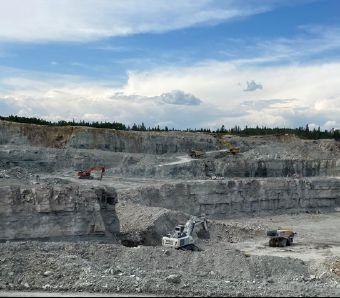
A limestone producer had been operating their circuit as designed for approximately 10 years, maintaining their equipment meticulously. However, increased sales volumes exposed bottlenecks in their system, particularly in the screen media selection on their classification screens and their recirculatory cone crusher loop. The primary issue was with the top deck media on their twin Simplicity 8x20 triple deck dry classification screens. Material rejected by the top deck would recirculate to a Sandvik 6800 cone
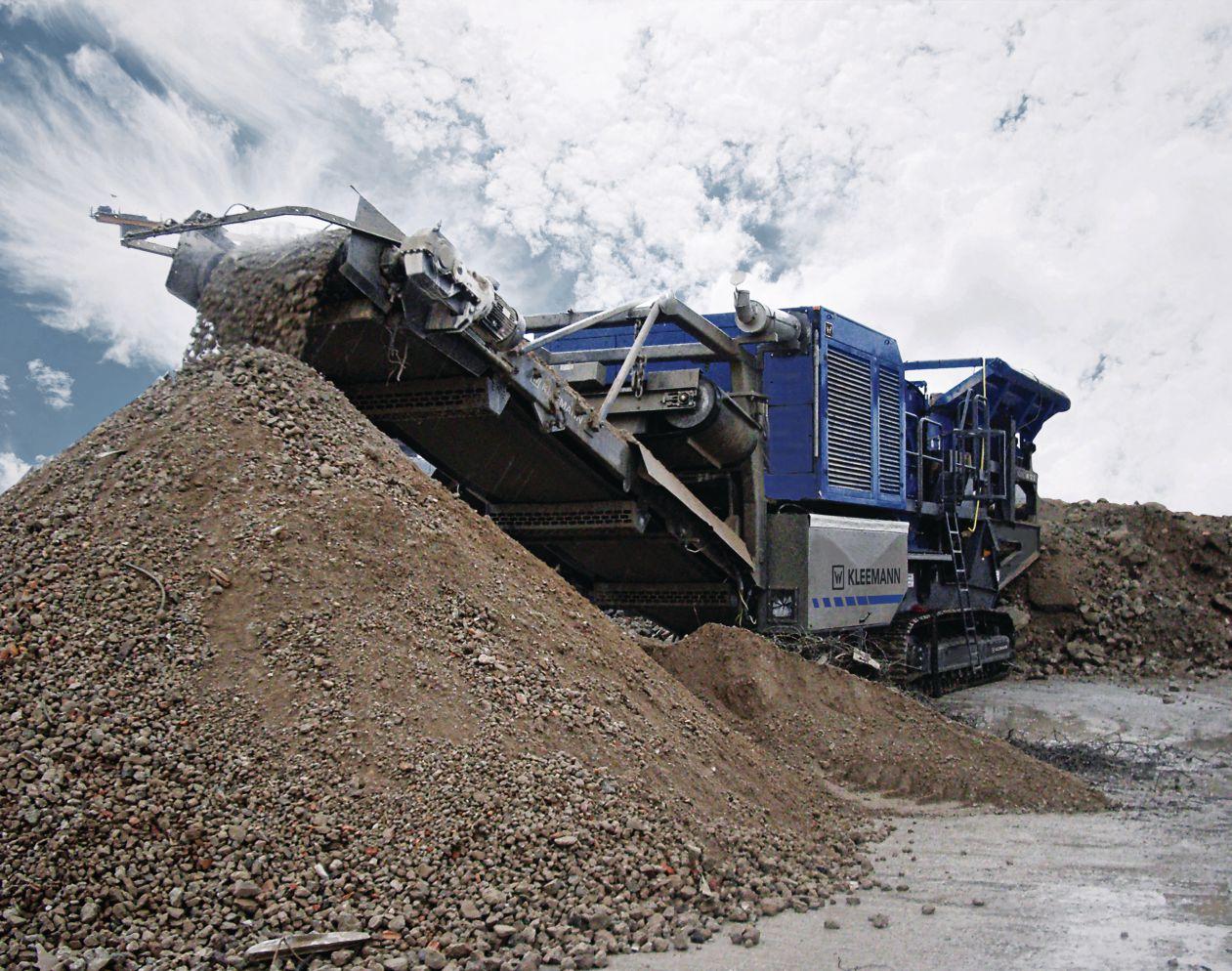
Cutline: Polydeck’s Alex Caruana shares two practical case studies on solving screening issues in the field. Photo: Polydeck
crusher. Each recirculation increased the amount of fines processed and the bed depth on the top decks, quickly becoming the limiting factor in the circuit.
Initially, the site staff adjusted the screen motor polarities to rotate the screen “against flow” or “uphill,” which resulted in a significant number of pegged particles in the screen media openings, worsening the situation. At this point, they sought assistance from Polydeck.
Polydeck’s first step was to return the screens to “with flow” or “downhill” rotation, remove the pegged particles, and reduce the screen speed by approximately 50 RPM to retain some travel time without the pegging issue. Note: it’s crucial to understand and avoid a machine’s critical frequencies when making speed changes to prevent catastrophic damage. Consult with your screen OEM before making changes.
Next, Polydeck assessed the open area of the site’s current media selection. The media had 36.4 per cent open area, lasted approximately three to four seasons, and was the same media design that had been used for 10 years. Polydeck designed a new panel with the same aperture size but increased the open area to 55.3 per cent. These high open area panels were applied to 16-feet of the 20-foot long top decks, with the first 4 feet using the older, higher wear life design to handle the feed zone’s impact. The new panels had an average lifespan of two to three seasons, allowing the site to increase the production of saleable concrete and asphalt stone without recirculating to the cone crusher. This also reduced the fines produced since less crushing was required.
Noise reduction was another critical factor, as the site was near residential areas. The initial selection of rubber media was due to its noise reduction characteristics, with synthetic media successfully halving the noise emitted from screens. Additionally, the site was able to maintain its 1’x2’ modular screen media setup, easing maintenance and enhancing safety.
CASE STUDY 2: ADDRESSING PEGGING ISSUES IN A NEW VIBRATORY SCREEN
The second case study involves a common issue with turnkey vibratory screens provided by OEMs. A customer purchased an 8x20 triple deck wash screen expected to perform at over 500 metric tonnes per hour, processing -1” crusher run into various products. This screen was also in direct circuit, meaning any top deck overs did not go to a recirculatory loop. However, after commissioning, the screen faced aggressive pegging issues, primarily on the top and middle decks.
The OEM’s initial response was to provide larger aperture sizes to avoid near-size issues, but this did not resolve the problem as all OEM panels used the same rigid polyurethane. Rotating the screen “with flow” or “downhill” helped with pegging but resulted in significant carry-over, reducing the running rate to 280 to 300 tonnes per hour, which was unacceptable.
Polydeck was then called in to provide a solution. They installed three decks of POLY-
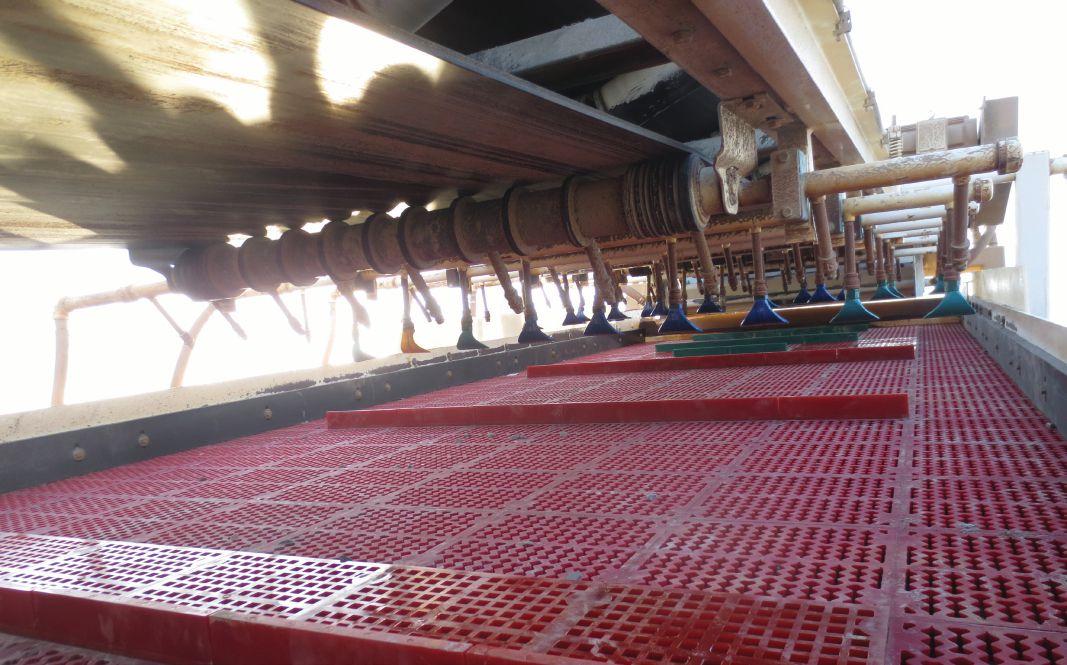
DEX VR panels, offering flexibility and relieved openings to combat pegging. Dams were placed every four feet along the deck to aid material stratification. The screen was returned to “against flow” or “uphill” rotation, successfully resolving pegging but achieving efficient tonnage of only about 450 tonnes per hour.
Further investigation revealed that the slurry box, which wet the feed before screening, introduced the feed nearly two feet into the feed zone, effectively missing 10 per cent of the screen. Adjusting the slurry box backward and aligning each spray nozzle allowed the producer to exceed their efficient tonnage target.
The key takeaway is that while turnkey packages may sound appealing, the expertise of screen media specialists often becomes crucial after commissioning. This producer now exclusively requests Polydeck for their screens, regardless of the vibratory screen OEM’s offerings.
These case studies illustrate the importance of practical solutions and expert consultation in optimizing vibratory screen performance in aggregate production circuits.
Alex Caruana is a civil engineer with approximately 18 years of experience in the industry. With a serious passion for Screening, Alex has been with Polydeck for more than a decade and his current title is National Manager, Canadian Aggregates. Recognized as “Top 10 Under 40” by Rock to Road in 2014, and “Member of The Year” by the Ontario Stone, Sand & Gravel Association for 2020, Alex has grown to be a valuable resource to his customers any time they have process and screening issues.
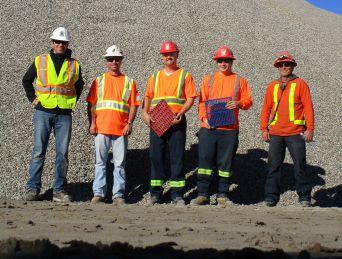
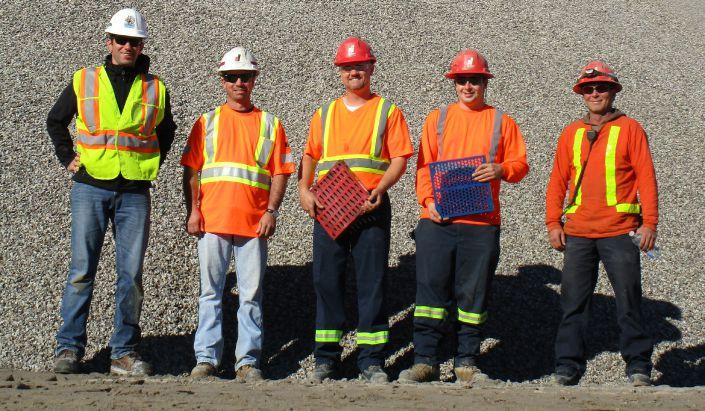
The photo of the team involved in solving a pegging issue on a vibrating screen at the Dufferin Aggregates Butler Pit (now depleted). From left: Alex Caruana, Brian Janssens, Alex Sedore, Jeremy Dingman and Matt Toth. Photo: Polydeck
A limestone producer sought out Polydeck’s expertise after experiencing bottlenecks in their system, particularly in the screen media selection on their classification screens and their recirculatory cone crusher loop. Photo: Polydeck
BY MIKE lacey
SCREENING TRENDS
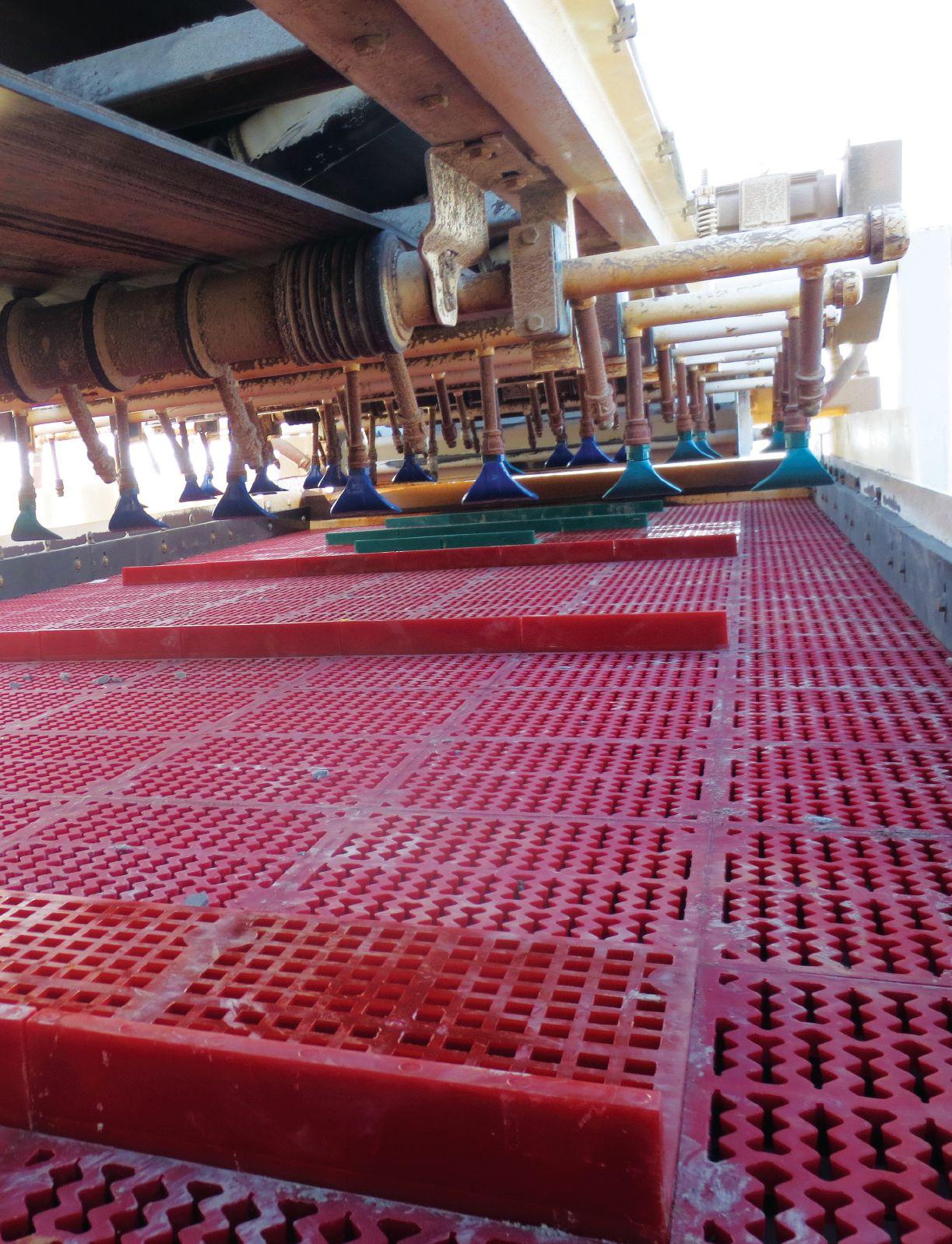
Correct screening media leads to a more efficient, profitable operation
> The use of proper screening media will boost revenue, lowers costs, and decrease downtime for maintenance and repairs.
In short, it improves profits, explains Polydeck’s Alex Caruana, national manager – Canadian Aggregates.
“In a very simple sense, having the right screen media in place enables the machine to work less for the highest throughput possible and greatly minimizes recirculating load,” he said.
Caruana notes this boosts performance on four fronts: more direct revenue generated through the screen, reduced operating costs due to less downtime
The use of proper screening media will improve your operation’s profits.
Photo: MAJOR
and maintenance, longer operating life for the screen machine and auxiliary equipment like crushers, and overall reduction in undesirable fines.
“Using the wrong or subpar screening media can cause a lot of headaches,” adds Serge Raymond, product specialist with MAJOR. “It often leads to more downtime because the media breaks prematurely. Production can also take a hit from issues like blinding and pegging. Efficiency drops when static woven wire or standard polyurethane panels are used instead of high-vibration options. Plus, other parts of the operation, like crushers, can wear out faster if material must be recirculated multiple times due to high volumes of carryover.”
BEFORE BUYING NEW SCREENING MEDIA
When buying new screening media, Caruana notes it’s key to talk with experts.
“It’s very important to lean on expert support and proactively strategize on how the screen media should be designed to fit the application it’s being used for,” he explains. “For example, I’ve come across many OEMs who offer one-stop-shop solutions with new machine purchases. This typically includes default screen media already fitted to the machine before delivery. While the convenience and bundled costs are tempting, producers who take this route frequently experience more blinding, plugging and maintenance downtime out-the-gate due to the media not being properly configured for the application it’s being used for.”
Caruana notes this issue happened recently with one of Polydeck’s clients, where a ‘one stop shop’ media was supplied by a vibrating screen OEM.
“The media selected was entirely wrong for the dry application, blinding over in hours and creating a hemorrhage of costs for the producer,” he says.
Raymond explains many screening operations run into issues of blinding, pegging, and having an inadequate open area, but the latest screening media products can help handle these problems.
“For instance, high-vibration media can cut down on blinding and pegging significantly. Many of the issues mentioned above can also be avoided with proper technical training. [MAJOR] provide SMS training on proper screen maintenance, so teams are better equipped to keep everything running at peak efficiency,” Raymond says.
He advises companies to consider what kind of material they will feed into the screens, what sellable product they’re aiming to produce and how much capacity will they need. Answering those questions will then lead to selecting the most efficient screening media that will maximize production.
“These factors help decide which screen media will boost their efficiency and maximize production,” Raymond says.
He notes MAJOR provides free screening performance assessments that examines the entire operation and offers recommendations.
“Additionally, using vibration sensors like our FLEX-MAT Sensor can help analyze screen box performance without shutting down operations,” Raymond says.
One of the services Polydeck provides is plant surveys. The company will offer a rundown of your existing screen media, static wear part and application fit, along with detailed recommendations on how to improve throughput for that application.
“Our Pro Analysis is a complete audit of not just your screen media but your screen machine as well. We give you a detailed
“I’ve come across many OEMs who offer one-stop-shop solutions with new machine purchases. This typically includes default screen media already fitted to the machine before delivery. While the convenience and bundled costs are tempting, producers who take this route frequently experience more blinding, plugging and maintenance downtime outthe-gate due to the media not being properly configured for the application it’s being used for.”
- Alex Caruana, Polydeck, national manager – Canadian Aggregates
A limestone producer sought out Polydeck’s expertise after experiencing bottlenecks in its system. Photo: Polydeck
look at how your media and screening machine are performing and provide recommendations to extend life and performance of the machine as a whole,” Caruana says.
HOW TO GET THE MOST OUT OF YOUR SCREENING MEDIA
Once you have selected the correct screening media for the application, there are steps you can take to ensure you get the most out of it.
“Something anyone can do immediately is to regularly audit their decks to make sure the media is right for the application it’s being used for,” Caruana said. “If you’re experiencing excess changeouts, plugging/blinding, or recirculating load, then working with screening experts like Polydeck to analyze the screen and allocate the right type of media for each of its distinct areas will be critical.”
Raymond notes companies should also ensure the screens are properly tensioned.
“It’s also important to use the right accessories, like clamp rails, crown bar rubbers, and overlaps, and to replace these accessories at the right time,” he explains. “This helps maintain the necessary tension and optimize operations.”
LATEST TECHNOLOGIES ON THE MARKET
Because of how important screening is to an operation, companies are constantly looking to improve on the technology.
Polydeck is excited about its Ultra High Open area modular screens, Caruana says.
“These are most commonly either high performance synthetics with very small margins, or hybrid wire screen modules also
made with high performance wire,” he says. “In both cases, the high throughput does not cost wear life in the way that traditional wire cloth does. Smaller module size also mean faster, lighter change outs with less waste.”
Raymond says there have been some exciting advancements in screening media design.
“Using the wrong or subpar screening media can cause a lot of headaches. It often leads to more downtime because the media breaks prematurely.”
- Serge Raymond, product specialist with MAJOR
“[MAJOR has] developed new advanced polyurethane (PU) that last longer and wear better in corrosive, alkaline, and/or wet conditions — environments that typically pose challenges to the standard wear life of PU strips,” he says.
He explains the company’s Optimumwire Plus technology combines the best durability with the efficiency of wire media
“We’ve also integrated RFID chips into our screening media, making it easier to manage inventory and re-order screens,” he says.
Using the wrong or subpar screening media can cause an operation lots of headaches. Photo: Getty/ izusek
MEASURING MESH SIZE
BY KEEGAN NELSON, VICE PRESIDENT OF SALES, DUREX PRODUCTS
> When selecting wire screen media for different aggregate sizes, it’s essential to determine the appropriate mesh size and wire diameter for your specific application needs.
Here’s how you can measure and choose the right wire screen media.
MESH SIZE
The mesh size indicates the number of openings per linear inch in the wire screen media. A higher mesh count means finer openings, while a lower mesh count means coarser openings.
HOW TO MEASURE MESH SIZE
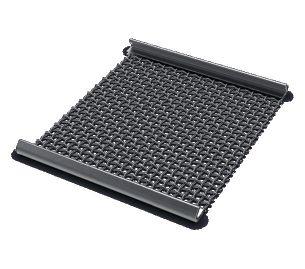
Lay the wire screen media flat on a surface. Count the number of openings (meshes) within a linear inch. Use a ruler or measuring tape along the length of the wire screen and count the openings. Mesh size is expressed as the number of openings per linear inch (e.g., 10 mesh, 20 mesh, 50 mesh).
HOW TO MEASURE WIRE DIAMETER
Wire diameter refers to the thickness of the wire used in the screen’s construction. Thicker wires are generally for heavierduty applications, while thinner wires are for finer screening.
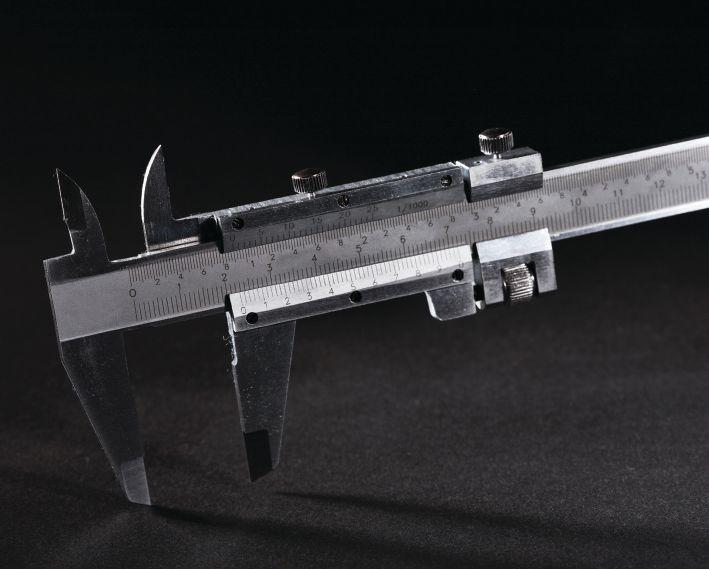
To measure wire diameter, use a micrometer or caliper to measure the diameter of a single wire strand. Measure at several points along the wire to account for any variations.
Alternatively, consult the manufacturer’s specifications, which typically include wire diameter information.
AGGREGATE SIZE CONSIDERATION
After determining the mesh size and wire diameter, select the appropriate combina-
To measure wire diameter, use a micrometer or caliper to measure the diameter of a single wire strand.
Accurately measuring mesh size and wire diameter while also considering the aggregate size, will optimize your operation’s screening efficiency and performance.
tion based on the aggregate sizes being processed.
Fine Aggregates: For materials like sand or fine gravel, use finer mesh sizes (higher mesh count) for accurate screening.
Larger Aggregates: For materials like crushed stone or gravel, use coarser mesh sizes (lower mesh count) to allow larger particles to pass through while effectively separating smaller particles.
CONSULTATION WITH EXPERTS
For specialized applications or challenging materials, consulting experts or manufacturers specializing in wire screen media can provide valuable guidance and recommendations.
By accurately measuring mesh size and wire diameter and considering the aggregate size, you can optimize screening efficiency and performance.
ABOVE:
Photo: Getty / Visage
RIGHT:
Photo: Durex Products
PRODUCT SHOWCASE
METALDEX XPT
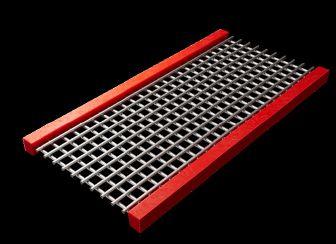
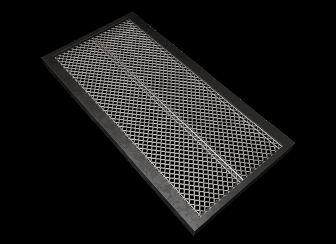
Polydeck’s METALDEX XPT is the company’s line of welded wire modular screen media. Polydeck explains it allows for fast and easy changeouts, needs minimal downtime for maintenance, and holds throughput capabilities normally found in large, bulky wire cloth.
Key highlights:
• One-foot by two-foot modular form provides fast and easy changeouts.
• Welded wire for greater durability and wear life than wire cloth.
• Opening options ranging from halfinch to three inches.
METALDEX ULTRACLEAN
METALDEX ULTRACLEAN is Polydeck’s modular wire panel engineered with secondary-motion capabilities for more effective cleaning and accurate sizing. Ideal for dry, fine-sizing applications, Polydeck states this modular screen media is perfect for minimizing plugging and blinding.
Key highlights:
• Zigzag wire design to break up plugging and build-up.
• Small gauge wire for enhanced throughput efficiency.
• Opening options ranging from 3/32inch to 5/8-inch.
PROTEX CL
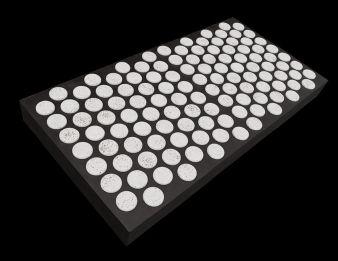
Polydeck’s PROTEX CL Ceramic Liners are engineered for maximum performance in aggressive wear environments and offer a
bolt-in solution for high- to low- impact operations. These modular liners provide long wear life, reduced noise and improved safety.
Key highlights:
• Steel-backed plate for maximum support and impact distribution.
• Multiple ceramic inserts styles available to match your impact and loading needs.
• Welded studs to eliminate hardware inside chutes (requires one side to secure washer and nut).
RUBBERDEX DMAX
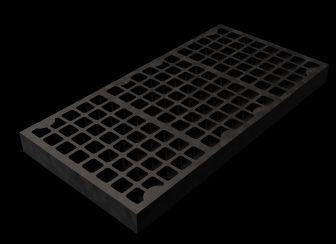
RUBBERDEX DMAX is a high open area model in Polydeck’s line of injectionmolded rubber modular panels. This product can be used in both wet and dry applications where gouging and abrasion are prevalent.
Key highlights:
• Open area rivaling standard wire cloth with wear and noise characteristics of rubber.
• Multiple aperture design options and material formulations available.
• One-foot by two-foot panels with thicknesses from 30mm to 100mm.
THE MAJOR APP WITH THE FLEXMAT SENSOR APP
The updated application combines The MAJOR App and FLEX-MAT Sensor App to create one resource for mining and aggregate customers. Users can access articles, an-
nouncements, newsletters, the RFID reader technology and the FLEX-MAT Sensor.
The app’s augmented reality measuring tool reduces the need to climb onto a screen deck while it also eliminates the need for a dedicated RFID reader as users can scan panels equipped with ID Enabled technology. Additionally, the app integrates the vibration analysis FLEX-MAT Sensor.
DROP GUARD WEAR LINERS
Niagara Drop Guard wear liners from Haver & Boecker Niagara are polyurethane liners that provide 100 per cent cross beam protection for Niagara vibrating screens. They are easily installed on an entire screen deck in as little as 15 to 20 minutes. The wear liners were highlighted at this year’s World of Asphalt and Aggregates Academy & Expo show.
RHINO HYDE LINERS
Haver & Boecker Niagara’s Rhino Hyde liners can enhance the wear life of a full range of quarrying equipment, including vibrating screens.
Rhino Hyde liners are constructed from thermoset polyurethane and boast superior abrasion resistance, durability and chemical resistance compared to alternatives like thermoplastic polyurethane, rubber or metal. The liners are installed on key wear, material handling and impact areas of chutes, hoppers, vibrating screens and more.
Rhino Hyde liners can be customized to the required size and are available in multiple different styles and attachment systems including the classic Rhino Hyde Blue, magnetic, urethane-backed ceramic, polyurethane blades, belt skirting and weldable liners
ASTEC’S VARI-FREQUENCY SCREEN TECHNOLOGY
Astec boasts that its new Vari-Frequency technology will eliminate screen cloth
blinding.
“Anyone out there that has ever run a screen box of any type, and there are multiple types of screens out in the industry that have experienced the issue of blinding at some stage and this technology that we have on the lower deck helps reduce that blinding and eliminate it in most cases,” explains Stephen White, aggregate processing expert with Astec Industries.
According to the company, the bottom deck’s anti-blinding design means more capacity than ever. Equipped with VariFrequency technology, the flexible bottom deck design incorporates supportive cables that prevent plugging and blinding. The design increases capacity while decreasing maintenance and cleaning costs.
Astec states that key highlights of the new technology are:
• Functionality is achieved through a deck that generates multiple vibrations throughout the length of the screen.
• Self-cleaning technology eliminates need to for manual cleaning.
• Does not require external power source.
• Screen has common interface points with other low-profile screens for easy replacement.
The technology is expected to be available on the market later this year.
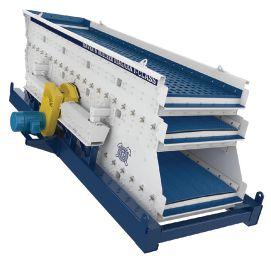
The vibrating screen is now primarily manufactured with vibration-resistant lockbolts instead of the traditional welding used in previous designs. Bar rails are now fastened to the cross beams with lockbolts, making them easy to exchange if they become worn. Haver & Boecker Niagara states the robustness of the machine also permits cross beams to be positioned and lock-bolted every four feet instead of every two feet, allowing for better clearance and easier maintenance.
Haver & Boecker Niagara redesigned the flat deck models of the new F-Class to
create the largest amount of open area possible for modular screen media. Featuring replaceable polyurethane anchors, the new high open area modular deck is suitable for virtually any pin and sleeve modular screen media. The polyurethane anchors are easy to replace and prevent premature wear on the deck frame.
The F-Class can also be manufactured for side-tensioned or bottom deck endtensioned screen media. The F-Class is available with a variety of configurations and upgrades, and can be used in both stationary and portable applications.
A LONG WAY TOGETHER
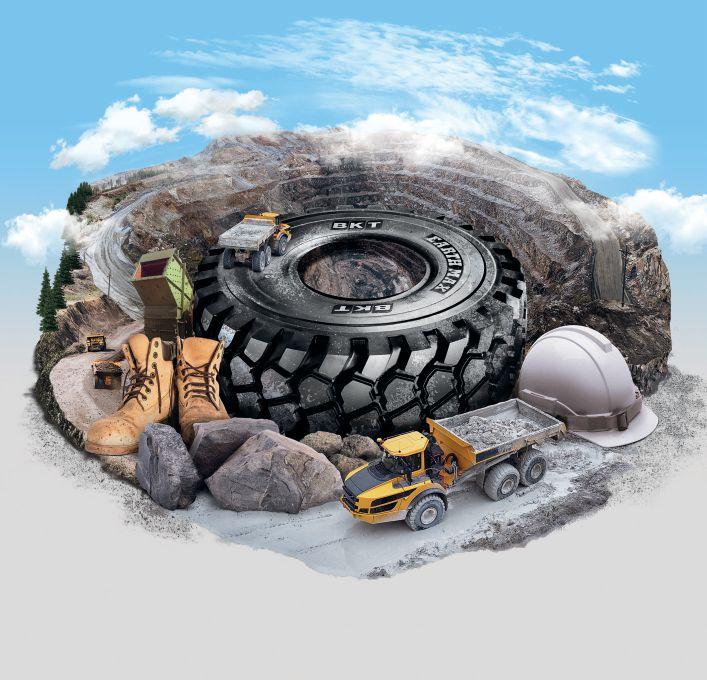
EARTHMAX SR 41
No matter how challenging your needs, EARTHMAX SR 41 is your best ally when it comes to operations that require extraordinary traction. Thanks to its All Steel radial structure and the special block pattern, EARTHMAX SR 41 provides excellent resistance against punctures and an extended service life. In addition to long working hours without downtime, the tire ensures extraordinary comfort. EARTHMAX SR 41 is BKT’s response to withstand the toughest operating conditions in haulage, loading and dozing applications.
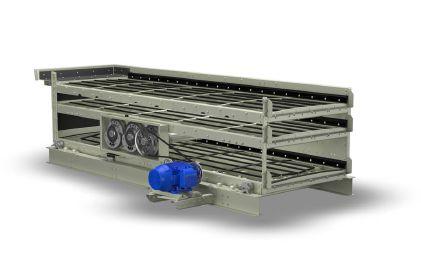
Haver & Boecker Niagara states that new technology for its Niagara F-Class vibrating screen simplifies maintenance while maximizing performance and longevity.
NIAGARA F-CLASS VIBRATING SCREEN
Metrolinx projects utilize cutting edge tech and techniques in the digging and boring sectors
> Metrolinx, a Crown corporation owned by the Government of Ontario, manages road and public transportation in the Greater Toronto and Hamilton Area. The corporation have many projects underway, including ongoing extensions to its Ontario Line, the Eglinton Crosstown West Extension and the Scarborough Subway Extension projects. Each of these projects involve a variety of new technologies and techniques in the digging and boring sectors.
NEW TECHNOLOGIES AT PLAY
“Tunnel boring machines (TBMs) have been used on a number of Metrolinx projects,” says Andrea Ernesaks, Metrolinx’s senior manager of media relations, when asked how the digging sector has evolved in recent years. “Modern TBMs have been
BY MATT jones
DIGGING A HOLE
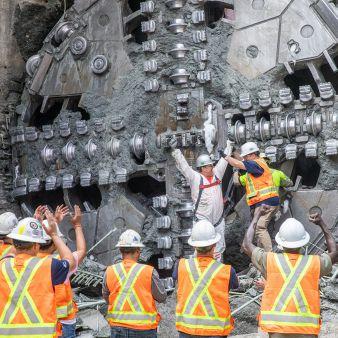
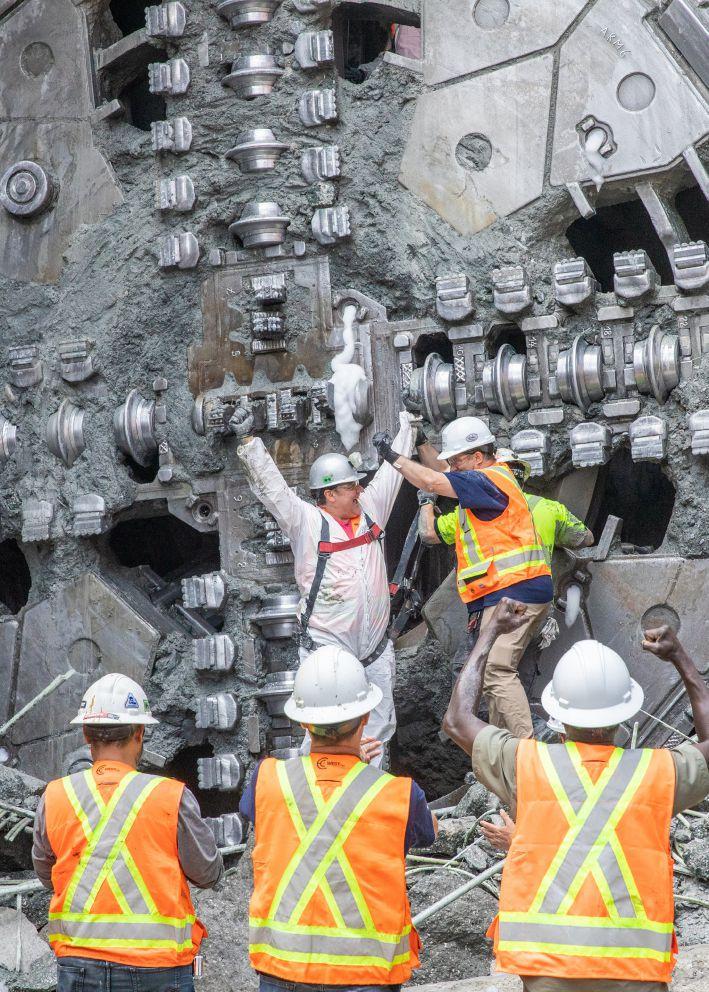
Workers celebrate as the tunnel boring Machine nicknamed Renny breaks through the final wall after two years digging tunnels for the Eglinton Crosstown West Extension.
Photo: Metrolinx
around since the 1960s, however there have been major advancements in technologies used in TBMs in recent years.”
Those advancements include navigational systems, ground treatment and face stabilization techniques, as well as better cutting tools and more accurate and realtime visualization of data. These advancements have enabled faster excavation rates and tunnel liner installation which has reduced the time it takes to complete a tunnel.
“There has also been a shift towards more sophisticated tunneling methods using TBMs,” says Ernesaks. “In the last decade or so, the Earth Pressure Balance Machines (EPBM) and slurry shield TBMs have been introduced, with both machines able to excavate in various ground conditions effectively.”
For the uninitiated, EPBMs are shield TBMs designed for use in soft ground conditions. The key feature is that they use the excavated soil as a support medium and achieve a balance with the pressure in front of the cutterhead. Slurry shields are TBMs fitted with a cutterhead that covers the entire face of the device, providing support through pressurizing boring fluid inside the chamber.
Ernesaks also notes that there is a heightened focus on safety measures and environmental sustainability, especially in urban areas. Improved ventilation systems, advanced monitoring technologies for ground settlement and tunnel integrity, and stricter adherence to environmental regulations have become standard practices.
INTEGRATING THE TECH
Regarding how these advances have been incorporated into Metrolinx’s projects, Ernesaks says that their TBM guiding system is becoming more sophisticated with each project. Their surface monitoring system went from manual to a fully automatic digital system for one example. Metrolinx also uses better ways of transporting segments into the tunnel and supplies to the TBM through wheeled transport. Tunnel belts are used to remove material, rather than muck boxes on a train and rail track.
“Remote controlled robots were also used in the tight underground tunnels for the Eglinton Crosstown West Extension. These mini excavators crawled around on Caterpillar tracks and were used to dig a cross passage between the two parallel tunnels.”
In the Scarborough Subway Extension, increased use of wear detection tools allows TBM operators to better understand the condition of the front cutterhead. Beyond wear detection, there are also continued improvements to the capabilities of TBMs to respond to changing geotechnical conditions through advanced ground conditioning agents which are injected to allow for better muck control.
“New technologies that have advanced and evolved over time have also been used in this project. This includes ground deformations monitoring using Shape Accel Arrays combined with Automated Motorized Total Stations at critical infrastructure crossings.”
Metrolinx also employs Geotechnical Monitoring Systems to keep on top of ground conditions during tunnelling and construction activities. That way, potential issues such as ground settlement or instability can be detected more quickly and mitigated.
THE BENEFITS OF NEW TECH
The primary benefit of employing these new technologies is improved safety for both workers and the public. Advanced monitoring systems and automated processes minimize risk and work in concert with enhanced safety protocols and training programs.
“These techniques also increase construction and operational efficiencies. For instance, advanced TBMs and robotics speed up excavation and construction processes,” says Ernesaks. “Prefabrication and modular construction techniques reduce on-site work time and improve project scheduling. Data analytics also optimize resource allocation and enhance project management.”
While some may be turned off by the initial investment costs in these technologies Ernesaks notes that they often lead to cost savings in the long term. These investments can lead to faster construction timelines which reduce labour costs and overhead expenses. Energy-efficient systems also lower operational costs and predictive maintenance and smart infrastructure will reduce lifecycle maintenance costs.
“In addition, innovations such as trenchless technology and modular construction techniques minimize disruption to urban environments. This includes reduced noise, traffic congestion, and surface disturbance during construction. Better logistics planning and community
engagement strategies further mitigate disruptions.”
However, there is often a growing period when new technologies are introduced. Sometimes, the initial offerings into a sector take time to fully mature – i.e. for the most optimal usage of that technology to be hit upon. Ernesaks says that full maturity is achieved when new tech is widely accepted and integrated into standard practices across the industry.
“This stage typically involved widespread adaptation, proven reliability in diverse project environments, and demonstrated benefits in terms of safety, efficiency, cost-effectiveness, and sustainability,” says Ernesaks. “As more complex projects are completed, there are more improvements/lessons learned which are incorporated into future designs of TBMs.”
TO THE FUTURE
Asked about what the next frontier of technologies for the tunnelling and digging sectors will be, Ernesaks says that Metrolinx and other sector experts have discussed several possible future developments.
While TBMs are at the current cutting edge, autonomous TBMs are currently being researched. This equipment would allow for minimal human intervention, which would enhance safety and efficiency. These technologies could also potentially lead to continuous 24/7 operations.
“Robotics and artificial intelligence are expected to play a larger role in construction activities,” says Ernesaks. “Robots could assist in tasks such as reinforcement installation, concrete spraying, and even maintenance activities post-construction. Integration of data analytics and artificial intelligence would also allow TBMs to analyze geological data and numerous sensors more effectively.”
Finally, Ernesaks points to the development of advanced materials and construction techniques as another new frontier. Innovations in materials science could lead to stronger and more durable tunnel linings which would reduce maintenance needs and extend the lifespan of infrastructure.
“Prefabrication techniques for tunnel segments and station components may become more advanced, speeding up construction timelines,” adds Ernesaks.
Tunnelling and construction is already underway for the Ontario Line, the Eglinton Crosstown West Extension and the Scarborough Subway Extension.
BY MIKE lacey
Selecting the right OTR tire will boost performance, reduce downtown and increase reliability
TIRES MATTER
>There are many benefits with having the right Off-The-Road (OTR) tire on your equipment.
It can significantly improve equipment performance, reduce downtime and maintenance costs, and ensure reliability even under the toughest operating conditions, explains Keshav Das, vice president of BKT Tires Canada Inc.
BKT is a leading tire manufacturer that provides a wide range of products for various industries, including OTR tires. Das says the company spends a significant amount of money and time on tire development, looking at reducing rolling resistance, fuel consumption and the environmental impact.
“Each tire has been specifically developed with the operation and the type of vehicle on which it will be mounted in mind, for the purpose of ensuring excellent strength, reliability, and
When looking to purchasing OTR tires, BKT Canada’s Keshav Das says it’s important to consider the tire’s resistance to cuts and punctures since OTR tires must withstand the most severe operating conditions to avoid costly downtime. Photo: getty/ Stockbyte
resistance to cuts and punctures - essential features demanded by customers for their specific operating conditions,” Das says.
WHAT TO CONSIDER BEFORE PURCHASING OTR TIRES
Das notes it’s important to consider the tire’s resistance to cuts and punctures since OTR tires must withstand the most severe operating conditions to avoid costly downtime.
“By way of example, rocks, mud, sand, or unpaved roads require tires that have specific traction and durability features. It is also important to figure out the maximum load to be carried by the equipment as well as their average operating speed, since different tires are designed to withstand different load and speed levels. Mak ing the right choice is likely to prevent both premature tire wear and potential damage,” he explains.
Das notes it’s important to look at the supplier to ensure you are well-supported with technical assistance and tire size availability.
“Efficiency, service quality, and reliability of the service dealer’s technical and after-sales support are key elements that companies must consider optimizing the performance of their tires,” he says.
ROUTINE MAINTENANCE PLAN WILL REDUCE OVERALL TIRE COSTS
Extending the life of your tires requires routine and preventative maintenance practices, Das explains. In turn, this will reduce maintenance and replacement costs as well as reduce downtime.
Das explains routine maintenance checks, such as a machine operator conducting a walk-around at shift changes, should happen every time the equipment is used.
“It is of utmost importance to regularly monitor the tire pressure, and to check at regular intervals for any sign of cuts, cracks, or bulges, so that timely action can be taken through repairs or replacements,” he adds.
LATEST ADVANCEMENTS IN TIRE DESIGN
Das says BKT has introduced new OTR tires marking a significant breakthrough in quality, sustainability and innovation.
“These tires are designed to meet the complex demands of the industry by providing superior durability and optimum performance even under the most
challenging operating conditions,” he explains. “As a matter of fact, OTR tires are built with an All Steel construction that ensures greater casing robustness, therefore decreasing the risk of damage. In addition, they are made of a special rubber compound that reduces heat development during operations, thus extending tire life and improving operational efficiency.”
BKT is also focused on increasing its OTR tire Star Rating, thus raising the tires’ load-carrying capacity to make them more robust and suitable for more demanding operating conditions.
“In fact, tires with higher star ratings provide greater durability, strength and load-carrying capacity, improving overall productivity,” Das says.
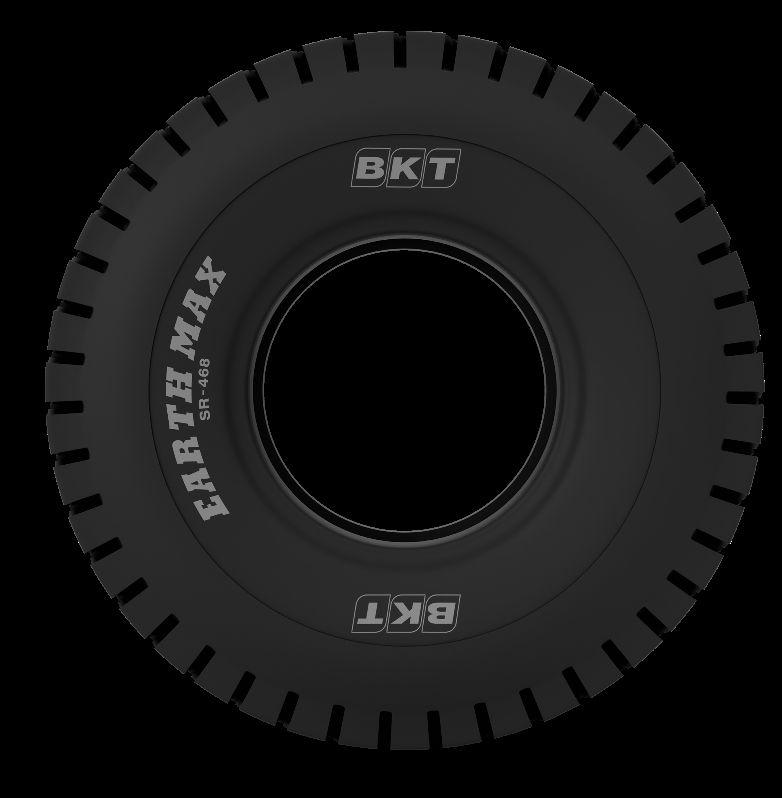
EARTHMAX SR 468
BKT has launched the EARTHMAX SR 468 tire on the market in the sizes R 57, which are intended for rigid dump trucks.
With a diameter of 3.5 meters, EARTHMAX SR 468 is the company’s biggest tire so far and, BKT states, its All Steel structure ensures extraordinary casing strength.
The EARTHMAX SR 468 has a special tread design and its heat-resistant compound also limits cut propagation, resulting in reduced tread wear. BKT notes the unique tread design with special tread compounds makes it perfect for hard, rocky and tough mining conditions. In addition, the E-4 tread depth provides extreme durability even under harshest operating conditions.
Its tread lug blocks with circumferential grooves and intertwined blocks ensures effective heat dissipation. Also, the sturdy square shoulder assist in ejecting loose stones to protect the tire from injury.
EARTHMAX SR 468 is developed using BKT’s latest technology to carry heavy loads, deliver longer service life and provide resistance to rock cuts and punctures.
BKT EARTHMAX SR 468’s heat-resistant compound limits cut propagation, resulting in reduced tread wear. Photo: BKT Tires Canada
BY JACK burton
TREADING FORWARD
A Manitoba association is putting the rubber to the road – literally
> Asphalt experimentation has exploded in recent years, with everything from tree pulp to olive oil being tested for their roadbuilding abilities. A classic among these alternatives, however, is rubber-modified asphalt (RMA), a longstanding material solution that’s gaining traction in Central Canada thanks to advocacy and research efforts from Tire Stewardship Manitoba (TSM).
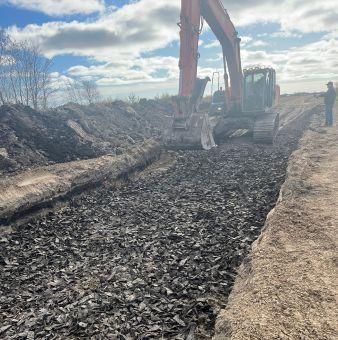
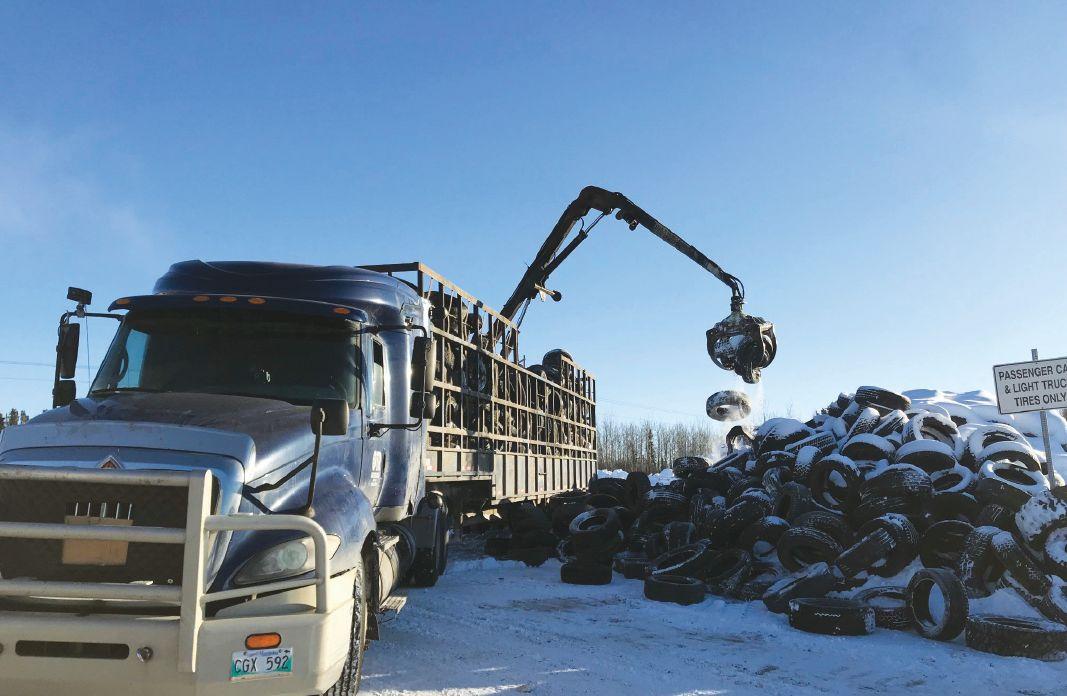
TSM’s work has led to every available end-of-life tire in the province now being recycled and transformed into construction material alternatives including aggregate, crumb rubber and fabricated and manufactured products, including rubber-modified asphalt (RMA) and tire-derived aggregate (TDA) to support provincial infrastructure and roads.
“Recycled tires not only make better roads, but they are also better for the environment and better for Manitoba,” said TSM CEO Brett Eckstein. “Tirederived aggregate has quietly been strengthening Manitoba’s infrastructure for decades.”
In addition to building roads more suited to handle the specific weather wear experienced by the province, Manitoba’s tire recycling initiatives have created more than 50 full-time jobs and $10 million in direct economic activity, said Eckstein.
TIRE-DERIVED AGGREGATES ON A ROLL
RMA was first used in the 1960s as a paving solution in Phoenix, Arizona, and has since grown in use across the United States, including extensive use
Every available end-of-life tire in Manitoba is recycled and transformed into construction material alternatives. Photo: Tire Stewardship Manitoba
STEWARDING BETTER ROADS
in California, Arizona, Florida and Texas. This solution reached Canada in the early 2000s, with testing primarily occurring across Alberta, British Columbia, Ontario and Saskatchewan.
RMA is mainly used in the construction of public roads and highways, community sidewalks, bike paths, commercial parking lots and residential driveways, and offers several benefits, including lowered maintenance costs, reduced pavement thickness, lower traffic noise and the diversion of old tires from landfills, Eckstein said.
The volume of diverted tires is significant: for each ton of TDA produced, approximately 100 tires are kept out of landfills. TDA’s higher permeability, thermal conductivity, shear strength, compressibility, combined with its lower overall unit weight, makes it a costeffective substitute for conventional aggregate materials such as stone, gravel or soil.
Passenger, light-truck and off-the-road tires (OTR) are most commonly used in the recycling process, with Eckstein sharing that OTR tires are preferred due to their produced TDA sharing a similar size to traditional aggregate. RMA is produced by mixing recycled crumb rubber from these scrap tires into conventional asphalt mixes.
While there have been limited advances beyond the testing stages in Canada’s use of these solutions, Eckstein believes that supporting the research and education needed to dial in the best practices for these materials will increase their performance potential and in turn, their overall usage.
“Under the right construction practices such as accurate mix design, and with appropriate training for contractors and municipalities, RMA [used in Canada] should show comparable performance to that of the United States,” he said.
As TSM’s leader, Eckstein oversees a number of advocacy, research and grant initiatives and partnerships across the province’s infrastructure sector that have advanced the usage of TDA and RMA in Manitoba.
Replacing the provincial government’s Tire Stewardship Board in 2008, TSM is a notfor-profit corporation formed to both protect the environment and promote economic benefit through managing the province’s end-of-life tire recycling program on behalf of tire sellers across Manitoba.
According to Eckstein, Manitoba has two tire recyclers that focus on its local markets, Reliable Tire Recycling (RTR) and the Engineered Rubber Aggregate Corporation (ERA). Between each company, a total of two million tires are recycled each year, a near 50 per cent growth compared to the provincial volume a decade ago.
In addition to its promotion of the best practices for end-of-life tire management across the province, TSM also contributes routine funding and research into the disposition and innovative use of end-of-life tires, including a life cycle assessment from 2017 to 2023 that looked to estimate the environmental performance of this solution in the province.
This research looked to compare competing products and materials whose impacts could be avoided through the use of tire-derived materials with the impacts of recycled tire material itself.
“The study found that Manitoba’s short overall transport distances and clean electricity grid produce relatively small impacts and a net environmental benefit for tire recycling in the province, and TSM intends to periodically update this study and report its findings,” Eckstein said.
FIT FOR MANITOBA
TSM’s success in promoting the use of TDA material in road construction comes largely from the unique climate of the province, and the infrastructure demands it creates being particularly suited for the benefits presented by TDA.
“Our extreme climate, poor drainage, and soil type create the perfect conditions on Manitoba’s municipal roads for frost heaving due to high ground water level close to the surface, fine soils that ‘wick’ the moisture into the roadbed and temperatures cold enough to cause ‘frost lenses’ to form in the roadbed. The eventual thaw causes the road to break down,” said Eckstein.
He explained that current efforts by
The environmental demands of Manitoba have made TDA an impactful roadbuilding solution across a number of projects, including the rural municipality of Gimli’s Anson Street.
Photo: Tire Stewardship Manitoba
the organization focus on promoting the effective use and practices of TDA across the province’s infrastructure as the first step toward its inclusion as a widespread solution in roadbuilding.
“TSM has been working with stakeholders in roadbuilding and the province to use the material more broadly in infrastructure projects, and continues to invest in research studies to verify support for tire-derived products in all potential uses,” said Eckstein. “[We’re] working towards tire-derived aggregate as a commonly-used recycled material in Manitoba’s infrastructure, and as the
ideal solution to road building, repairs, and quarry rehabilitation efforts.”
Eckstein cited numerous roadbuilding projects that have made use of RMA and tire-derived materials across the province, including the rural municipalities of La Broquerie, Springfield, West Interlake, Hamiota, Grahamdale, Lac du Bonnet, Gimli and the Town of Springfield.
Perhaps the most high-profile of those he shared, however, was a large embankment project in the province’s capital. The project leveraged the insulating properties of TDA as a shield against Manitoba’s cold weather,
with this property adding to TDA’s attractiveness for the area’s infrastructure solutions.
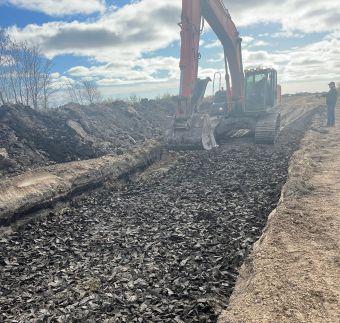
“In Winnipeg, TDA was used to build a 305-meter-long embankment above soft ground to act as a subgrade thermal insulator to limit frost penetration and prevent road damage,” he explained. ”A layer of TDA under a road can prevent the subgrade soils in northern climates from freezing in places where they release excess water during spring, and its high permeability allows water to drain from beneath the roads and reduces the chance of damage to road surfaces.”
Other types of infrastructure construction projects that Eckstein believes can benefit from TDA’s insulating properties, lightweight nature and high permeability include building foundations, septic system construction and light-rail projects.
Beyond research and advocacy, TSM’s support for TDA’s use across the province’s infrastructure construction sector also takes the form of funding through their longstanding Community Rubber Aggregate Grant.
“For a number of years, TSM has continued to offer a Community Rubber Aggregate Grant that provides funding for the use of recycled projects made from Tire Derived Aggregate delivered by Manitoba communities and non-profit organizations,” Eckstein explained.
Through the grant, 50 per cent of project costs up to $20,000 is provided to communities and non-profit organizations for their use of recycled tire aggregate. This grant is commonly put toward road restoration projects in the province, he shared, with 2023’s funding going to four rural road repair projects.
TDA’s benefits in roadbuilding come from its insulating properties, lightweight nature and high permeability. Photo: TSM
4 QUESTIONS ABOUT OTR TIRES
BY MIKE LACEY
> Selecting the correct off-the-road (OTR) tire can not only help the bottom line, but it can also have quite a few other benefits to your operation.
Rock To Road Magazine spoke with Darrin Rousselle, regional sales manager with Kal Tire, about what companies should consider when making a purchase.
1WHY IS THE ABILITY TO RETREAD SO IMPORTANT?
Rousselle explains retreading a wellmanufactured tire can save more than 50 per cent of the cost compared to buying a high-quality new tire.
“As more businesses consider sustainability in their purchase decisions, selecting a tire that can be retreaded will be even more important,” he adds.
“The rubber used on our OTR retreads now contains up to 25 per cent of recycled rubber. The recycled rubber we use is sourced directly from the rubber we take off tires for retreading.”
2WHAT QUESTIONS SHOULD YOU ASK BEFORE PURCHASING TIRES?
According to Rousselle, there are quite a few considerations when looking to purchase tires, but two key questions to ask are: what are the applications and equipment the tire will be used in, and what is the right tire for that job?
When speaking with servicing dealers, Rousselle says there are a few questions to consider.
“Does the servicing dealer have the right equipment, training and qualifications to be working on these tires? What breadth of tire supply does the service dealer have access to? Can the servicing dealer support our fleet requirements?”
3BESIDES THE FINANCIAL BENEFITS OF A CORRECT TIRE, WHAT OTHER BENEFITS ARE THERE?
Rousselle notes that the correct tire offers protection for the operator.
“The tread depth offers the tire protection against the hazards and environmental conditions, as well as the proper traction needed based on the ground conditions,” he explains. “Operators receive the proper amount of protection through proper tread depth.”
As well, he says equipment using a tire designed and rated to carry the load and
operate at necessary speeds will provide stability and comfort for the operator.
4HOW CAN COMPANIES EXTEND THE LIFE OF TIRES?
Companies should incorporate fleet surveys and site audits. Those which do will experience positive, lasting effects on its operations, Rousselle explains.
As well, make sure to conduct frequent or scheduled air pressure checks and tire inspections.
“Incorporate tire programs that can provide the right tire for the right application,” he says.
Rock To Road spoke with Kal Tire’s Darrin Rousselle about what to consider when purchasing OTR tires. Photo: Getty / Eyecrave Productions
new products
Martin Engineering unveils new secondary conveyor belt cleaner
Martin Engineering has released the next generation of secondary conveyor belt cleaners engineered to reduce dusty carryback and lower maintenance time.
Martin Engineering states the Martin SQC2S Orion Secondary Cleaner is designed to withstand the stress of heavier loads carried on wider, thicker belts at higher speeds. It features individually cushioned tungsten carbide blade cartridges for effective cleaning without risk to the belt or splices. A twotiered tensioning system means minimal adjustments and monitoring throughout the life of the blade. The heavy-duty blades are mounted on a slide-in/slide-out assembly for faster and safer one-worker external servicing. Martin Engineering states the result is improved belt cleaning with less dust and maintenance for greater workplace safety at a lower cost of operation.
Secondary cleaners play an essential role in the belt cleaning process by significantly reducing the volume of dust and fines dropped as carryback on the belt return. Located below the head pully just behind the primary cleaner, secondary cleaners scrape off the fines and dust that hide in cracks and divots in the belt.
The Martin SQC2S Orion Secondary Cleaner is appropriate for all bulk handling material applications. The unit is made up of individual 152.5 mm blades mounted on a square steel tube assembly. Not designed for reversing belts, it is suitable for 457 to 2438.5 mm belt widths, belt speeds up to 1200 fpm, and temperatures up to 121º C.
The blades are designed for heavy-duty abrasive applications in both dry and wet environments. Martin Engineering states the Orion blades were tested on hard rock and slurry belts, and offered superior cleaning results with a longer equipment life.
Takeuchi’s brings its crawler dumper to North America
Takeuchi’s TCR50-2 crawler dumper is now available in North America.
Weighing 14,440 pounds with a 118-hp engine, the TCR50-2 crawler dumper excels in a wide range of applications. With a 65-degree dumping angle and 8,157 lb. maximum loading weight, the TCR50-2 allows operators to carry up to 2.7 cubic yards of material while rotating and dumping it in a single cycle. The TCR50-2’s ability to rotate its dump bed 180° reduces both the need to constantly reposition the machine and deterioration of its rubber tracks.
The TCR50-2’s operator’s station is designed to keep operators informed, comfortable and productive. It features an intuitive 5.7-inch multi-information color display with standard 180° rearview camera, hydraulic joystick controls, adjustable suspension seat, air conditioner, radio with USB functionality and large cup holder.
In addition to its 180° rearview camera,
the crawler dumper has LED work lights and a tinted sun visor, while the cab window has rear windshield wiper and window vents, all providing greater visibility. A customizable travel alarm can be adjusted to sound for forward and reverse travel or only when the unit is put into reverse.
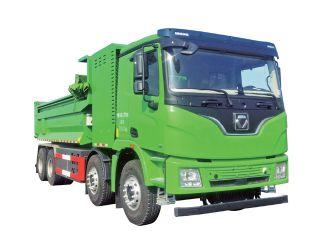
XCMG Machinery launches new hydrogen-powered dump truck
XCMG Machinery has unveiled a new hydrogen fuel cell dump truck model.
The EHSL552F is equipped with a 120kW hydrogen fuel cell and high-power battery system.
The company states this marks a significant step in reducing greenhouse gas emissions by 99.3 kilograms on a daily basis for large-scale transportation projects such as mining operations.
XCMG’s latest hydrogen-powered vehicle integrates advanced technology with robust performance features. The EHSL552F model includes a six-speed gearbox and substantial chassis clearance, enabling it to easily navigate steep slopes.
According to XCMG, the vehicle’s design incorporates computer-aided topology optimization, along with new materials and processes that reduce the vehicle weight by 200kg without compromising structural strength or reliability. Additionally, the EHSL552F is designed for reduced maintenance costs within its lifespan of over 1.5 million kilometers.
Since 2021, XCMG has been researching and manufacturing hydrogen energy
equipment, culminating in the creation of the Shanghai Hydrogen Energy Technology Research Institute in April 2022. The company has unveiled 16 different hydrogen energy equipment models, covering various sectors, including tractors, dump trucks and sanitation truck chassis. In June 2023 was the global debut of the hydrogen-powered electric loader developed in collaboration with a local mine in China.
In April, a agreement was reached between CHN Energy, XCMG and THIKO New Energy to co-develop the first-ever 240-ton hydrogen-powered mining dump truck in the world.
Volvo CE broadens its offering of more sustainable construction equipment
Volvo CE unveiled its latest equipment and innovations during Volvo Days.
The May 29 event took place in Eskilstuna, Sweden and customers were given an inside look at Volvo CE’s latest launches and innovations.
“In this time of rapid change, the global community needs the construction industry to step up and meet societal challenges with safer, smarter and more sustainable solutions,” said Melker Jernberg, head of Volvo CE. “That is why we at Volvo CE are taking a leading role in driving this transformation, investing and partnering across the entire value chain to push boundaries in the right direction. At Volvo Days, we display our most ambitious response yet to those challenges, working together with customers to move our industry forward.”
In line with Volvo CE’s multi-pronged technology approach to meet varied customer needs, the company unveiled a new generation of excavators, the Volvo EC500, EC400 and EC230. The range, which also includes the EC210 and ECR145, is equipped with intelligent technology in a new electro-hydraulic system and improved human machine interface (HMI), and designed for increased fuel efficiency, productivity and safety.
Also among the displays at Volvo Days was a look at the all-new A40 articulated hauler coming later in the year, and the launch of the R60 and R70 rigid haulers.
Just like other conventional Volvo CE machines, the new additions to the portfo -
lio can be powered by renewable HVO100 (hydrogenated vegetable oil), which significantly reduce carbon emissions compared to traditional diesel.
On top of a modernization of its conventional offerings, Volvo CE also introduced several electric pieces of equipment to the mid-size segment.
The company presented an array of new battery electric equipment. These include the EWR150 Electric, the first of Volvo’s electric wheeled excavators, and the L90 Electric and L120 Electric wheel loaders, scheduled for stepwise introductions from late 2024 in limited volumes across selected markets.
Volvo notes the equipment is supported by its broadest range of charging solutions yet with the launch of the PU40 mobile power unit, for compact equipment, available across select markets and an addition to the already available PU500 mobile power unit. Also introduced is the new My Equipment digital app, which the company states will help operators manage the charging process more efficiently.
Cemex builds first generative AI tool for construction materials industry
Cemex states it has developed the first generative AI tool of its kind for the construction and building materials industry.
The tool is an advanced knowledge assistant built using Microsoft’s AI system.
The tool is trained with Cemex’s product information and expertise regarding construction regulations, and offers both tailored solutions to a range of product requirements and accurate information on expected behaviours and needs.
The tool was built by Cemex’s Data Science team using Azure OpenAI Service. A part of Cemex’s Digital Forward initiative,
the platform is deployed through Microsoft Teams and is accessible from any internetenabled device.
“Digital transformation is a top priority at Cemex, as we are continually looking for new digital solutions to innovate and drive more efficient, sustainable, and safer construction projects for our customers,” said Fernando A. González, CEO of Cemex.
“We strongly believe that Generative AI serves as a key differentiator in our business, giving customers a unique experience and memorable experience that embodies our company’s identity.”
Terex launches MAGNA brand for high-capacity quarrying
TEREX is scaling up its crushing and screening options to answer the demands of large-scale quarrying, mining, construction and recycling operations with the launch of its new MAGNA brand.
Featuring the tagline “Made for More,” MAGNA will build on Terex’s position in the compact and mid-sized crushing and screening market established by its Powerscreen, Finlay and EvoQuip brands through offering a range of high-capacity machinery designed to meet the needs of larger output and high-volume operations.
MAGNA’s launch is spearheaded by newly-appointed business line director Neil McIlwaine, who joins from Terex’s Finlay team where he successfully oversaw several successful assignments expanding Finlay’s distribution footprint in China and South Africa.
“Large and robust crushing and screening equipment is essential for quarries and other operations that require high output and volumes. MAGNA truly is made for more; with equipment that is designed to have more power to handle more material throughput efficiently, ensuring more productivity and more cost-effectiveness for customers,” said McIlwaine.
The product roadmap for MAGNA will be supported by Terex’s global network across engineering, manufacturing, marketing, parts and servicing.
“While we have a prominent position in the global market for compact and midsized materials processing equipment, MAGNA will position us to serve customers requiring higher output machines, via our renowned and extensive global distribution network,” said Pat Brian, vicepresident of Terex Aggregates.
new products
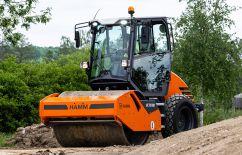
Hamm’s HC CompactLine series takes home iF Design Award
Roller manufacturer Hamm was awarded the prestigious iF Design Award for its design of the HC CompactLine series.
With 10,800 submissions from 72 countries, the iF Design Award is one of the world’s most highly regarded design competitions. The 5 to 7 metric ton models of the HC CompactLine series – the HC 50i and HC 70i – were chosen by international design experts following a rigorous two-stage selection process.
The award has been bestowed annually since 1954 and recognizes outstanding design achievements across various disciplines. The HC CompactLine series was recognized for its innovative design in the Product Design category. The focus was not only on design and construction details, but also on comfort and user-friendliness.
The iF Design Award is the second award for Hamm machines in 2024, having already received the accolade of German Design Award Special Mention.
The small compactors were launched in 2022 as a successor to the H CompactLine series and have established themselves in markets with the EPA Tier 4f/EU Stage V exhaust emission standards. In this segment, Hamm offers models with smooth or padfoot drums as well as two-piece padfoot shells. The HC 70i is also available with a VIO drum.
Mecalac’s 12MTX wheeled excavator loader now available in the North American market
Mecalac has introduced the 12MTX wheeled excavator loader to the North American market.
The 12MTX combines the capabilities of a compact excavator, loader and telehandler into a single machine that excels at digging, loading and material handling. It is also a tool carrier that can handle attachments, such as asphalt planers and flail mowers, that require high-flow hydraulics. According to Mecalac, the 12MTX eliminates the need for multiple pieces of equipment on the jobsite in industries such as construction, roadbuilding, landscaping, utility, tunneling, mining and forestry/tree care.
A three-piece, variable angle, side-mounted boom provides the 12MTX with great compactness and range of motion, allowing it to work in areas mono-boom excavators can’t. It can extend nearly straight in almost any direction or fold back on itself for maximum compactness and higher lifting capability.
The 12MTX’s top speed is 20-mph. The top speed paired with the machine’s low center of gravity makes for powerful, stable and precise handling.
The machine can lift up to four tons and the engine is positioned in the rear, offering a removed counterweight for greater freedom of handling and movement with larger roads. An articulated undercarriage, four-wheel drive and five different tire options keep the machine sufficiently grounded to ensure precision and control.
The machine features high-flow hydraulics with a 37-gpm maximum flow rate — higher than a standard excavator and similar to high-flow skid steers and compact track loaders.
Mecalac states it designed the 12MTX with user experience in mind. There is an automatically unfolding step that allows the operator to safely enter and exit the cab. The 12MTX provides superior visibility due to the boom’s position to the left of the cab so that even when dumping from its maximum height of 16 feet, five inches (five meters), the operator maintains superior visibility without the boom obstructing their view. An optional heated pneumatic seat, heat and air conditioning offers improved comfort in cold climates.
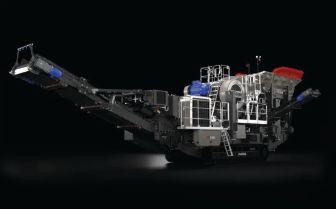
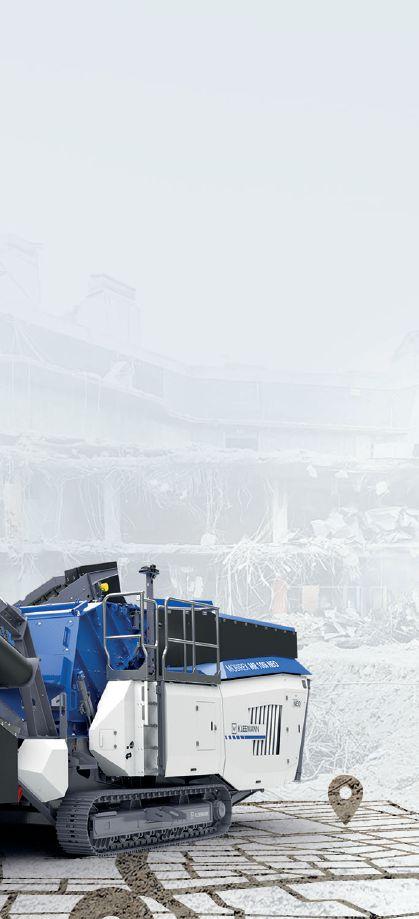
Kleeman launches mobile impact crusher MOBIREX MR 100 (I) NEO/NEOE
Kleemann unveiled the new compact NEO line at the Wirtgen America’s Center for Training and Technology.
The MOBIREX MR 100(i) mobile impact crusher can operate in a variety of tight spaces and applications due to its low transport weight and compact dimensions.
Operations can range from processing of concrete, rubble and asphalt to the processing of soft to medium-hard natural stone.
The machine is available with an all-electric E-DRIVE or dieseldirect D-DRIVE. With the E-DRIVE, the machine is free of CO2 emissions.
The NEO class also offers features such as the automatic crusher gap adjustment and zero-point determination.
> SEPT. 22-25
TACConf Vancouver, British Columbia www.tacconf.ca
The Building Show Toronto, Ontario www.informaconnect. com/the-buildingsshow/
> MARCH 25-27, 2025 World of Asphalt
St. Louis, Missouri www.worldofasphalt. com
one more load
Reducing energy use is easier than you think
Utility bills and fuel costs are increasingly becoming a line item that impact aggregate operations.
We are all quite aware that over the last few years, whether in business or our own personal use, utility costs have been rising at a rate considerably higher than the rate of inflation. Today, there is also an elevated profile and social awareness surrounding the sustainability and environmental footprints of operations, with a focus on reducing greenhouse gas (GHG) emissions.Lowering an operation’s GHG footprint and achieving cost savings can be accomplished by focusing on a few key areas: decreasing electricity usage, reducing natural gas consumption and cutting down on fuel usage (diesel, gasoline, heating oil, et cetera). There are three general approaches that can be taken to accomplish these goals: implementing low-cost/no cost measures, undertaking small capital projects, and pursuing large capital projects. It may seem daunting, but you don’t have to do it all at once. Each measure taken, however small, will incrementally make some amazing differences to one’s energy profile.
First, addressing low-cost or no-cost items can significantly reduce energy usage with little to no expenditure. This typically involves scrutinizing operations to identify areas where reductions can be made. To do this, conduct a walkthrough of one’s operations to see where areas of energy losses might be found, and involve your employees—they often have the best insights into where improvements can be made, or energy is being wasted.
For example, poorly maintained equipment can consume up to twice as much electricity as regularly serviced equipment. Switch off idling or inactive equipment, such as motors, lights or conveyors, when not in use. Install occupation sensors for lights so they switch off when nobody is in the area. Compressed air is a major area of energy waste. If air pressure can be reduced even slightly, it reduces the number of times a compressor is kicking on. Air leaks in lines means a compressor is kicking on unnecessarily, and with increased frequency—bleeding off air translates to bleeding off money. Repair defective air lines and replace suspect pneumatic equipment.
Additionally, non-maintained heating and ventilation equipment can lower performance by up to 20
per cent. Reducing heating temperatures or raising cooling by a few degrees will result in significant energy savings: a 1OC difference can save about 8 per cent without compromising comfort. Holes or cracks in buildings result in heat loss (insulate or patch). Insulating piping for hot water or steam will dramatically reduce heat loss.
Small capital projects can involve things like energyefficient equipment, such as lighting, boilers or motors. Many of these projects have payback periods as short as a few years. Production facilities often have numerous motors that are most efficient when operating at 75 to 80 per cent of their rated load. You should also ask yourself if the motors are properly sized for the given application. Many of today’s motors are much more energy efficient than old ones. Variable frequency drives installed on the motors can also reduce energy usage. Other projects include addressing lighting and building envelopes. Switching to high-efficiency lighting can reduce electricity consumption by as much as 65 per cent. Additionally, poor building envelopes—such as inadequate insulation and energy inefficient windows—can cause significant energy losses, potentially as much as 60 per cent.
As for large capital projects, they simply have a bigger dollar value but can yield substantial long-term savings. These projects could include the installation of solar power, geothermal heating or combined heat and power systems, or battery energy storage technologies. This is certainly not an exhaustive list of examples, and every facility is unique. In a combined thirteen industrial facilities that I worked on, we were successful in reducing overall electricity usage (Scope 2 Emissions) by a whopping 37 per cent just by implementing incremental low-cost measures and small capital projects. Education and the buy-in of employees was critical to achieving success. By taking these small steps, your organization can also drive meaningful change, save money, and help accomplish your corporate sustainability goals.
William Gowdy is a geologist with 35 years of experience in the aggregate, geology, mining, reclamation, and exploration fields throughout Canada and overseas (USA, Indonesia, South Africa, Mexico, Panama).
•
•
•
Effi cient when & where you nee d it – the MO BIREX MR 10 0i NEO mobile impact cru sh er! With its compact dimensions and low transport we ight, this machine is amazingly fl exible, fast and ve rsatile. The M R 100i NE O set s an all -ne w benchmark in the compact class – with highlight features such as automatic crush er gap adju st ment or Lock & Turn Quick A cc es s for tool-free, safe crusher opening in 30 seconds. Choose between two drive versions: the electric E-DRIVE or direct D-DRIVE. The MOB IREX MR 10 0i NEO: ready, set, crush!