Boosting safety culture and climate in construction
A TAILORED APPROACH
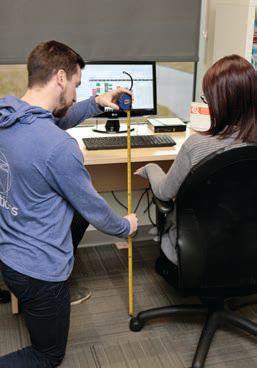
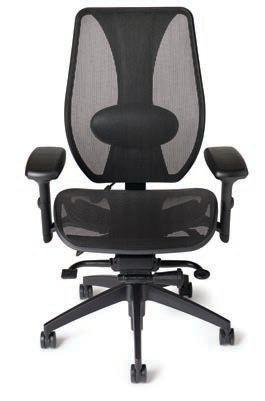
Good postures start with the right chairs
WHITE OUT
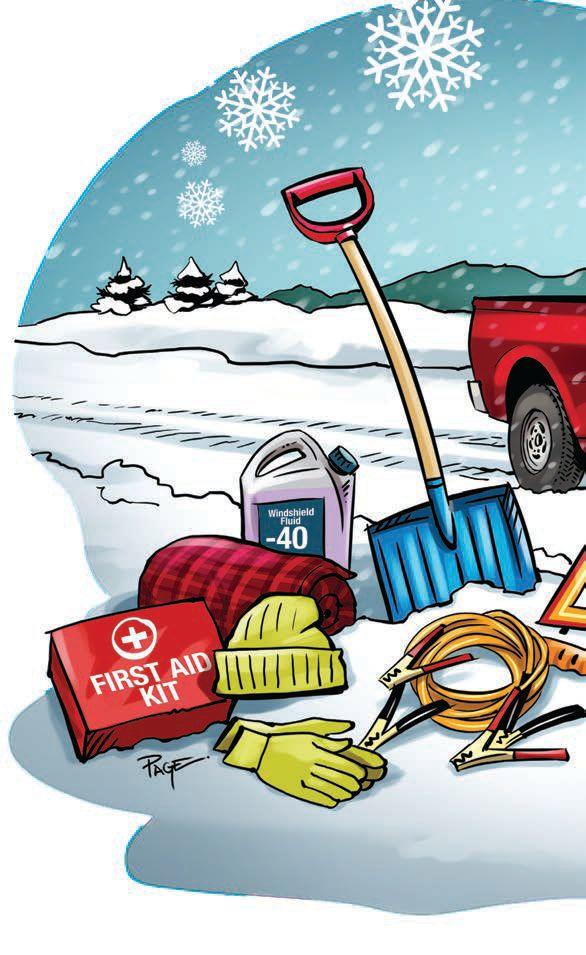
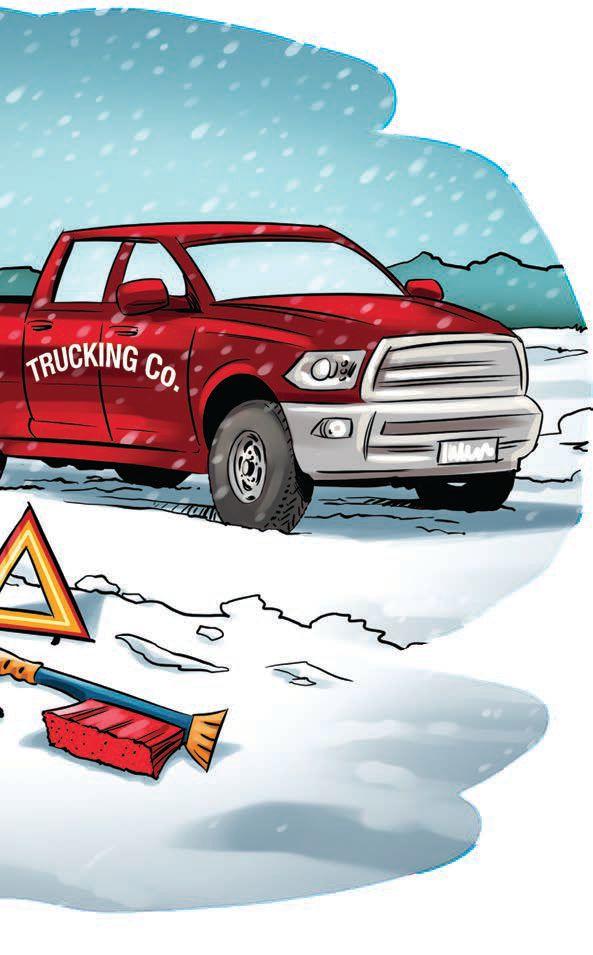
Survival tips for winter driving UP A TREE
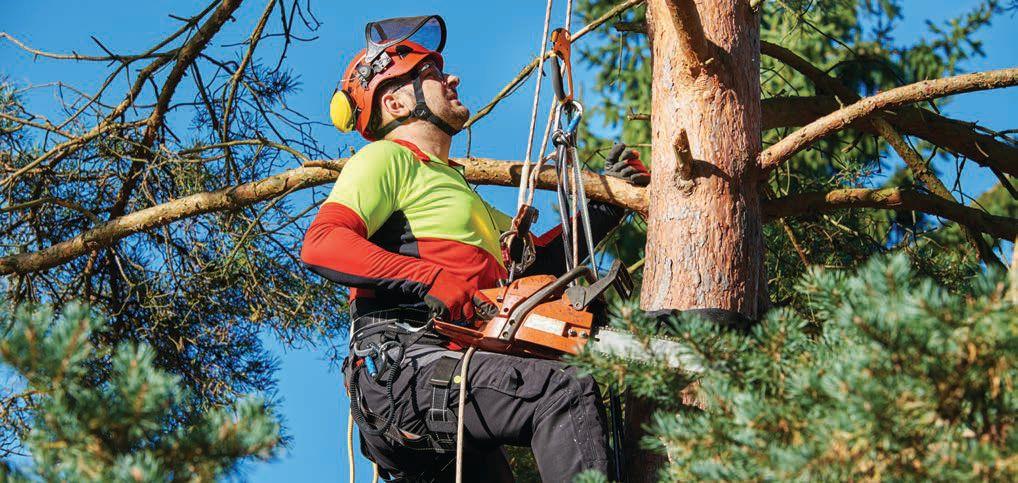
Fatality prompts rethink on logging safety
WORK TILL IT HERTZ
Dickies® FR combines Workrite Uniform Company’s flame-resistant (FR) clothing expertise with the stylish look and fit of Dickies workwear.
Schools are places where teachers impart their knowledge, but they can also be venues where teachers are at the receiving end from
BY DAVID GAMBRILL
Constructing Safety
Construction safety may get a boost from recent research that has identified eight leading indicators and developed new practical tools for the sector.
JEAN LIAN
be on the road as part of their jobs, safe.
EDITORIAL
High Time
Everyone is talking about marijuana, as the recreational use of cannabis becomes legal in July. Even OHS Canada magazine is organizing a symposium on marijuana in the workplace on February 21 at the International Centre in Mississauga, Ontario to share best practices in addressing weed at work.
Among the key concerns surrounding the use of recreational marijuana are impairment, the administration of random-testing programs and litigation risks relating to privacy issues when enforcing fitness-for-duty policies. While these are valid concerns, the focus on marijuana has overshadowed a more prevalent problem plaguing Canadian society and workplaces alike: prescription-opioid addiction.
Like our neighbour south of the border, Canada — the second-largest per capita consumer of opioids in the world after the United States — faces a national opioid crisis. According to a Canadian Institute for Health Information (CIHI) report released last November, opioid prescriptions in Canada rose 6.8 per cent between 2012 and 2016. Although the quantity prescribed declined five per cent, strong opioids like oxycodone, hydromorphone, morphine and fentanyl — which make up 57 per cent of all opioids prescribed in 2016 — are being prescribed increasingly. Opioids were also responsible for more than 2,800 deaths in Canada in that year.
The prescription-opioid epidemic has a direct bearing on job safety. A conference I attended in Indianapolis last year cited job injuries as one of the main contributors to opioid addiction. Aside from the heightened risk of addiction and occupational accidents caused by impairment, especially those in safety-sensitive positions, opioid use also affects return-to-work. In 2015, McMaster University in Hamilton, Ontario published a study showing that disability claimants who are off work due to low back pain stay off longer if they are treated with opioids. A report on opioids in the workplace by the United States’ National Safety Council confirms this finding: prescription painkillers profoundly spikes workers’ compensation costs by increasing the length of worker disability and lost time.
From this perspective, the opioid crisis is more insidious and pressing than weed, considering that the people who are getting hooked on prescribed painkillers — obtained legitimately from doctors’ offices and pharmacies — are by and large good citizens who hold jobs and pay bills.
The opioid crisis is a woolly mammoth that must be tackled from all sides: creating strong workplace policies to ensure fitness for duty; raising awareness on the danger of prescription opioids; rethinking current pain-management strategies; shifting the emphasis from quick fixes to longer-term rehabilitative programs in workers’ compensation plans and extended healthcare benefits; elevating the need to monitor opioid use and prescribing patterns; and developing treatment programs for those who inadvertently become addicted. As well, regulators need to take a closer look at how pharmaceutical companies are pushing opioids into the marketplace and making it into the go-to treatment for pain.
Until we take the bull by its horns, it will be a while before this mammoth is encased in permafrost and relegated to the realm of history.
PUBLISHER PETER BOXER 416-510-5102 pboxer@ohscanada.com
GROUP PUBLISHER PAUL GROSSINGER pgrossinger@annexbusinessmedia.com
COO TED MARKLE tmarkle@annexbusinessmedia.com
PRESIDENT & CEO MIKE FREDERICKS
EDITORIAL ADVISORY BOARD MEMBERS
DAVID IRETON, Safety Professional, Brampton, Ont.
AL JOHNSON, Vice President, Prevention Services WorkSafeBC, Richmond, B.C.
JANE LEMKE, Program Manager, OHN Certification Program, Mohawk College, Hamilton, Ont.
DON MITCHELL, Safety Consultant, Mississauga, Ont.
MICHELE PARENT, National Manager, Risk Management and Health and Wellness, Standard Life, Montreal, Que.
TERRY RYAN, Workers’ Compensation and Safety Consultant, TRC Group Inc., Mississauga, Ont.
DON SAYERS, Principal Consultant, Don Sayers & Associates, Hanwell, N.B.
DAVID SHANE, National Director, Health and Safety, Canada Post Corporation, Ottawa, Ont.
HENRY SKJERVEN, President, The Skjerven Cattle Company Ltd., Wynyard, Sask.
PETER STRAHLENDORF, Assistant Professor, School of Environmental Health,Ryerson Polytechnic University, Toronto, Ont.
JONATHAN TYSON, Association of Canadian Ergonomists/Association canadienne d’ergonomie, North Bay, Ont.
Printed in Canada
ISSN 0827-4576 (Print)
ISSN 1923-4279 (Digital)
PUBLICATION MAIL AGREEMENT #40065710
CIRCULATION
asingh@annexbusinessmedia.com
Tel: 416-510-5189
Fax: 416-510-6875 or 416-442-2191
Mail: 111 Gordon Baker Rd., Suite 400, Toronto ON M2H 3R1
SUBSCRIPTION RATES
Published six times per year – Jan/Feb, Mar/Apr, May/Jun, Jul/Aug, Sep/Oct, Nov/Dec
Canada $98/yr plus tax
USA $98/yr
Foreign $161.50
Occasionally, OHS Canada will mail information on behalf of industry related groups whose products and services we believe may be of interest to you. If you prefer not to receive this information, please contact our circulation department in any of the four ways listed above.
We acknowledge the financial support of the Government of Canada through the Canada Periodical Fund of the Department of Canadian Heritage.
34% of NURSES reported physical assault from a patient over the past year in their workplace.
(Statistics Canada Health Reports Volume 20)
Safe workers mean better care. Let’s work together to reduce violence in healthcare.
Violence in the workplace cannot be tolerated workplace-violence.ca
$11 million
Amount of fines imposed in 2016 for occupational-safety contraventions in Ontario.
Source: Ontario Ministry of Labour
770,000
Number of work days lost to injuries in Nova Scotia each year.
Source: Workers’ Compensation Board of Nova Scotia
Source: WorkSafeBC
1. Aid in Understanding: WorkSafeBC created a new flip chart to increase understanding of workplace-safety requirements related to power production in British Columbia. Safe Work Practices and Responsibilities for Power Producers reviews topics that include hazard identification and risk control, working alone, tree pruning and falling near high voltage lines and working in confined spaces.
2. A New Low: Manitoba’s average assessment rate dropped to $0.95 from $1.10 per $100 of assessable payroll in 2018, making it the lowest rate in Canada. Enhancements in return-to-work efforts and injury prevention, as well as the workers’ compensation board’s strong financial reserves, were cited as factors behind the rate decrease.
Source: Workers’ Compensation Board of Manitoba
3. Violence Leave Granted: Saskatchewan employees who are victims of domestic violence will be eligible for 10 days of unpaid, job-protected leave to relocate, seek medical attention, attend court appearances and access services from victim-services organizations. The new legislation granting support to survivors of interpersonal violence received royal assent on December 7.
Source: Labour Relations and Workplace Safety
4. Blitz Campaign: Ontario’s Ministry of Labour conducted a province-wide inspection blitz focusing on machine guarding and electrical hazards from January 15 to February 28. Inspectors visited automotive plants and sectors in wood and metal fabrication, manufacturing, chemical and plastics, as well as workplaces known to have machinery, hazardous processes and equipment and where complaints have been received.
Source: Ontario Ministry of Labour
$93,000
Grant the federal government is giving to the Migrant Workers’ Dignity Association to fund 17 workshops and develop information to enhance migrant workers’ knowledge about their rights as workers.
Source: Ministry of Employment, Workforce Development and Labour
Source: Prince Edward Island Workers’ Compensation
5. New Publications: The Workers’ Compensation Board of Prince Edward Island released new publications on worker safety and compensation coverage in the fishing industry in December. These information include posters outlining the oh&s responsibilities of a fishing vessel’s captain and crew as well as a new prevention update for sites that use ammonia refrigeration systems.
360°
FIRECRACKER FACTORY ON FIRE
1,900
The number of naloxone kits distributed to 220 pharmacies in British Columbia in January to prevent overdose deaths.
Source: Ministry of Mental Health and Addictions
Source: The Associated Press
A massive fire broke out at a firecracker factory in the industrial area of New Delhi on January 20, killing at least 17 workers and injuring one. It took three hours to put out the fire, the cause of which was not known at press time. India has a huge demand for firecrackers, which are used in religious festivals and weddings.
THE 2017 VOTES ARE IN.
# 1 Overall Pick by You
Gold -Ansell Microflex 93-260
Hand Protection:
Gold - Ansell Microflex 93-260
Silver – Ansell HyFlex 11-542
Eye Protection:
Gold - DSI Safety Inc. - Dyna-Shield Eyewear
Silver – DSI Safety Inc.
Most Comfortable OTG Glasses
Gas Detection / Instrumentation:
Fall Arrest:
Gold Draeger X-am 125 Mark II Pump
A special “thanks” to all our readers and web visitors for their votes.
We poured over the votesOur 2017 OHS Canada Readers’ Choice Awards Winners are: Congratulations
Gold - DSI Safety Inc. – Specialized Fall Arrest Harnesses
Apparel:
Gold – Ansell AlphaTech™ HiViz™ Coverall 66-687
Silver – Lakeland MicroMax NS
First Aid:
Gold - DSI Safety Inc – Personalized First Aid Kits
Education: Gold - University of New Brunswick – Online OH&S Professional Development Programs
Head Protection:
Gold – DSI Safety Inc. – Full Graphic Safety Hard Hat
LETTERS
Recent issues of ohs canada and our website, www.ohscanada.com, have provided readers with plenty to chew on.
NO TO BULLYING
Alberta proposed a law that would make workplace-harassment policies mandatory. (canadian occupational health & safety news (cohsn), November 15, 2017)
The willful impediment of an employee’s productivity and/or actions that hinder the employee’s career have been accepted by the Government of Alberta to be incidents of workplace bullying in the public sector. This must be clearly included in Alberta’s new labour standards. All employees — not just public sector unionized workers — have the right to excel without impediment.
Helene
Ontario has strict laws in place for over 10 years now. They do not work because you need witnesses; you cannot just say this person harassed me and not have a witness. I guess you could use a minicamera and microphone, but these laws still do not work and never will with most cases of harassment that I have experienced in the workplace.
Matt
MORE CLARITY
Business groups urge clearer rules on weed for employers and workers. (the canadian press, November 6, 2017)
Companies should have a fit-for-duty clause in their drug-and-alcohol policy. For employers, it is their responsibility to ensure the health and safety of everyone on their premises. If they do not have a fit-for-duty clause in place, they can either add one or have a standalone fit-for-duty policy or procedure.
Anyone who shows signs of impairment that would prevent them from
fulfilling their job duties safely should not be allowed to be at work, regardless if it is drug- or alcohol-related. For these situations, transportation should be provided for these individuals.
John F. Pellegrino CRSP, CHSC
LEAK KILLS THREE
Three people died after an ammonia leak at an arena in British Columbia. (the canadian press, October 17, 2017)
To have three people die in an arena ammonia leak seems unlikely; I feel some sort of explosion had to take place. I don’t understand having the service company involved with the incident be part of the response team. I do see there is concern to be kept upto-date on the findings. I feel real bad for the victims and their families.
Terry
BODY SCANNERS LAUNCHED
Edmonton Remand Centre has installed a body scanner to prevent visitors from smuggling weapons and other contraband inside. (cohsn , October 24, 2017)
I work in an Ontario correctional facility as a correctional officer as well as a certified union health and safety representative. We have had body scanners for almost a year now, and we have found them not to be the saviour of contraband that some claim them to be. Alberta should ensure that they have the best scanner and provide operators with the best training available. Inmates can disguise contraband by using carbon paper to wrap around contraband items, which does not show up on the monitor if the person does not have the experience to decipher what he or she is looking at... Scanners are a tool, and they should
not to be relied upon 100 percent.
Mike Laderoute
BETTER ACCESS NEEDED
A former Nova Scotia MP called for better accessibility to treatment of post-traumatic stress disorder for first responders in the eastern provinces. (cohsn, October 17, 2017)
Keep going, keep pushing, make it happen. It has been overlooked forever.
Pamela
SAFE AND SOUND
An article on hearing protection was printed in the October issue of overtime.
The issue of proper fit needs to be addressed more clearly for hearingprotective devices. Too often, earplugs are not worn correctly, exposing workers to excessive noise. This is probably more important than choosing an earplug with NRR25 or NRR33. Without a proper fit, you will be lucky to get an effective NRR of 10.
Ted Luyckx
VIRTUAL ACCOUNTABILITY
An editorial on the violence in Charlottesville, Virginia was published in the September/October issue of ohs canada
Tim Hunt’s shaming was not a Twitter mob overreacting; it was the outcome of at least two marketing campaigns aimed to promote conferences. The first campaign, run by The Social Architects, promoted the 2015 Global Diversity Leadership Exchange held at the United Nations in New York. The second campaign, run by Portia Ltd and Elsevier, promoted Gender Summit 6.
Employers have an obligation to investigate the sources and drivers of online shaming campaigns before taking disciplinary action. Some simple searches using Socioviz or OSoMe will give an indication of whether outrage is spontaneous or coordinated.
Edmund Wisty
FALL CLAIMS EMPLOYEE
A construction worker from Prince Edward Island died after falling off a roof in Calgary. (cohsn, August 1, 2017)
There is a great deal of construction in that area, and you can see both safe and unsafe work acts going on, and not just there. This fall has me bothered for so many reasons... with education, training and equipment that is available today, people still have the mindset that this will never happen to me.
Cockiness and competency do not mix. This fall should have never happened, period. Perhaps now, oh&s may put the hammer down and cruise these new sites more often.
Rosie Decnodder
OCCUPATIONAL CARCINOGENS
A story on workplace cancers was printed in ohs canada’s July/August issue.
This does not surprise me. I am a health and safety representative with the Ontario government at a highsecurity correctional institution. We have a high number of employees with various cancers. There are many possible reasons for these types of cancer. I did ask the Ministry of Labour to attend and meet with the employees and the employer regarding these issues.
Long story short — the Ministry of Labour was no help, and we are trying to deal with asbestos, gases as well as incredibly filthy duct work that has been
in operation since 1975 without cleaning or replacement... There is only so much you can prove without corporate assistance from higher ups, both in our union and the employer. Until that happens, more employees will die of cancer.
Mike Laderoute
CARBON MONOXIDE BLAMED
Canada Post responded to claims that aging postal trucks have been leaking carbon monoxide inside the cabs in the Ottawa area. (cohsn, July 18, 2017)
A lot of hot air from the corporation on this one. Regular maintenance? No, most employees can’t even get the corporation to clean the trucks — let alone maintain them.
My fleet vehicle is a newer 2009 Patriot, and it regularly goes up to 10,000 km past its scheduled oil changes. The daily inspection consists of checking fluid levels and a visual on the tires, because we do not have pressure gauges. If you get a chance at your local post office, look at the parking spots where these things are normally parked. They will be easy to identify as they are the ones covered in oil stains.
Mark McMinn
SCHOOL VIOLENCE RAMPANT
Nearly 90 per cent of teachers in Ontario’s Catholic schools have experienced or witnessed violence at work: report. (cohsn, June 30, 2017)
I believe your message may be misleading. The majority of the reported incidents were interactions between young special-needs students (mostly four to 10 years old) and educational assistants, as the Ontario English Catholic Teachers’ Association (OECTA) has advised its members not to confront aggressive students unless there is immediate dan-
ger to other students or staff. I do not believe that the writers of the violence and harassment legislation in Ontario were referencing behavioural issues with high-needs students.
I understand these issues were to be handled under the Safe Schools Act of the Ontario Ministry of Education, which is in a better position to work with educational specialists and other health professionals to deal with the behavioural and social aspects of some children that are the root cause of many of these interactions.
You may want to approach OECTA to request they release the complete survey for publication on your website, including the number of respondents, to gain a better perspective. Unfortunately, as far as I am aware, OECTA has only released portions of the survey.
J. Spencer
INVESTIGATING CRITICAL INJURIES
An article on investigating critical injuries was published in the May/June 2017 issue of ohs canada
Quite an interesting read on the why and what of critical-injury investigation.
4S Consulter
FREEDOM 65?
An editorial on retirement was published in ohs canada in May/June 2017.
I enjoyed your editorial. Nicely, simply, accurately said.
Tara Garratt
Follow us on Twitter @OHSCanada Would
OH&S UPDATE
NEW TECHNOLOGIES MANDATORY
FEDERAL — New technologies on commercial trucks and buses will become mandatory as part of Transport Canada’s new regulations to improve road safety announced on December 18.
“We are constantly looking at how technology can improve road safety, and electronic stability control and electronic logging devices fit the bill. These new measures not only make trucks and buses safer, but they also have a trickledown effect of making the roads safer for all Canadians,” says Minister of Transport Marc Garneau.
New regulations relating to both technologies are aligned with similar regulations in the United States. The new regulations require electronic stability-control technology, which reduces collisions by helping drivers maintain control, prevent rollovers and improve directional stability, to be installed on new truck tractors and heavy buses sold in Canada. School buses and intercity buses will require electronic stability
control by June 2018.
For federally regulated motor carriers and their commercial drivers, separate proposed regulations will introduce mandatory electronic logging devices to help a driver remain compliant with federal Commercial Vehicle Drivers Hours of Service Regulations and mitigate the potential for fatigue. Electronic logging devices also reduce the administrative burden related to paper log books.
Mike Millian, president of Private Motor Truck Council of Canada in Milton, Ontario, says electronic logs will make compliance easier to verify and ensure that all carriers are following the hours of service rules.
Electronic logging devices that meet a new National Safety Code technical standard will become mandatory in 2020. Devices now in use will be permitted until 2022.
SAFETY INITIATIVES ANNOUNCED
RICHMOND — WorkSafeBC has released its strategies and initiatives tar-
LACK OF PLANNING, LOOKOUT CITED
RICHMOND — Insufficient passage planning and inadequate lookout for hazards during the voyage contributed to the October 2016 grounding and abandonment of the passenger vessel Stellar Sea in Warn Bay, British Columbia.
According to a report that the Transportation Safety Board of Canada released on January 4, Stellar Sea with 26 passengers and two crew members on board departed Tofino, British Columbia on a bear-watching excursion on a cloudy afternoon of October 1, 2016. The master navigated the vessel along the confined shallow waters of Fortune Channel while, at times, looking out for wildlife. After spotting a bear in Warn Bay, he navigated in its direction, but the vessel struck a rock and went aground, causing two passengers to fall and sustain minor injuries.
The company dispatched two vessels to rescue the passengers. Nine of them boarded the first vessel, but the ebbing tide caused the Stellar Sea to heel progressively to port. The remaining 17 passengers were instructed to abandon ship and move onto the rock until the second rescue vessel arrived. The Canadian Coast Guard (CCG) was informed of the occurrence four and a half hours af-
geting high-risk industries for 2018.
According to a WorkSafeBC statement issued on January 10, High Risk Strategies and Industry Initiatives target industries and employers with a high risk of serious workplace injury and contribute significantly to the serious injury rate through implementing risk-reduction tactics. Each initiative focuses prevention efforts on high-risk areas in order to apply resources and effort where they will be most effective. Collectively, the High Risk Strategies are designed to reduce the serious-injury rate.
Based on the incidence of serious injuries and work-related deaths, the strategies include the four industry sectors of construction, forestry, healthcare and manufacturing. The initiatives will focus on 12 industries: asbestos (commercial); asbestos (residential); lead, silica sensitizer, solar and welding fumes; confined space; crane; film and production; marine; oil and gas; agriculture; bullying, harassment and discrimination; program and committee evaluation; and serious injury prevention initiative.
ter the grounding occurred and once the passengers had been safely evacuated.
The investigation determined that passage planning was insufficient and failed to include strategies to identify and mitigate risks posed by navigating alone in a challenging marine environment filled with numerous hazards, such as rocks, reefs and a large tidal range. Inadequate lookout for hazards during the voyage was another contributing factor as the master had to perform multiple tasks that interfered with his ability to focus on the course ahead, resulting in the failure to see the protruding rock in time.
Although the passengers and crew were evacuated safely before the CCG was alerted, there is an increased risk that the response will not be timely, effective or coordinated if companies or masters do not alert search-andrescue resources in a timely manner.
In March 2017, Stellar Sea’s owner company updated the emergency and operational procedures manual to emphasize the requirement to contact the CCG promptly in an emergency. The company also increased the frequency of safety drills.
REPRODUCTIVE CANCER COVERAGE A FIRST
EDMONTON — Firefighters in Alberta who contracted ovarian and cervical cancer will get workers’ compensation benefits and supports.
The new rules giving workers’ compensation coverage to firefighters who contract certain reproductive cancers on the job is a first in Canada. The minimum-exposure period for those cancers is 10 years, says a statement from the Alberta government issued on January 19. The provincial government also reduced the minimum-exposure period for testicular cancer from 20 to 10 years.
The Alberta Fire Fighters Association says firefighters are six times more likely to be diagnosed with cancer. “Adding female reproductive cancers not only strengthen the diversity of our profession, it makes Alberta a leader in the fire service,” says Craig Macdonald, president of Alberta Fire Fighters Association.
Red Deer Fire Fighters Association is also pleased with the “progressive steps that the government of Alberta has taken with the addition of female-specific reproductive cancers to the WCB presumptive coverage,” says Jennifer Buehler, firefighter-paramedic with Red Deer Fire Fighters Association.
There are more than 14,000 full-time, part-time, casual and volunteer firefighters in Alberta, of which approximately eight per cent are women.
CORRECTIONS WORKERS FIRED
EDMONTON — Correctional Service of Canada (CSC) has terminated four employees as part of a disciplinary investiga tion into allegations of harassment, intimidation and bullying at Edmonton Institution.
“In the last months, several allegations of intimidation, bul lying and workplace harassment have been made at Edmon ton Institution,” CSC Commissioner Don Head says in a state ment issued on January 9. “I want to make it clear that such behaviour is not tolerated in our organization and that it is a priority for me and my management team to ensure employ ees have a positive work environment free from harassment and discrimination.”
The Edmonton Police Service is conducting a separate, in dependent investigation related to the allegations of possible criminal activity at Edmonton Institution.
Over the past year, Head says he met with staff at Edmon ton Institution to address their concerns. In September 2017, CSC suspended several employees and contracted an inves tigative team to look into these allegations. The investigation determined that a number of allegations were founded. As a result, four employees were dismissed and additional discipline hearings are pending.
to continue improving the workplace environment at Edmonton Institution and implement recommendations from an independent workplace assessment completed in 2017.
The CSC has since undertaken several measures to improve workplace well-being across the organization, including creating a confidential tip line for employees to report misconduct, increasing face-to-face engagement by senior management and providing additional training for employees and managers to prevent and resolve inappropriate conduct.
FIRM PENALIZED FOR FATALITY
SASKATOON — A tire-recycling firm in Martensville, Saskatchewan was fined $420,000 on January 11 after pleading guilty to safety contraventions that led to a fatality.
The incident took place on January 27, 2015 when a worker’s hand and arm were caught in the pulley of a tireshredder conveyor belt. The worker succumbed to his injuries.
Shercom Industries Inc. pleaded guilty to contravening section 12 of the occupational health and safety regulations for failing to provide and maintain a plant, systems of work and working environment to ensure the health and safety of its workers. Three additional charges were stayed.
“Employers need to provide training, equipment and supervision to maintain health and safety standards,” says a statement from Labour Relations and Workplace Safety.
SAVE LIMBS AND LIVES
“The result of the disciplinary process shows that we are committed to holding employees accountable for their actions,” Head adds. On January 8, a new Regional Deputy Commissioner Prairie Region, France Gratton, and a new Warden, Edmonton Institution, Gary Sears, were appointed
IMPAIRMENT GUIDELINES NEEDED
REGINA — The Saskatchewan Chamber of Commerce is calling on the provincial and federal government to provide clear guidelines on impairment and develop reliable and standardized drug-testing protocols to ensure that workplace safety is not compromised when cannabis becomes legal on July 1.
The Chamber expressed its support for the provincial government’s announcement that it will pursue a privatesector retail and distribution model for cannabis, but it also raises its concerns over the impact on workplaces.
“While the legalization of cannabis will create new business opportunities in the province, legalization will also bring with it some new challenges for employers, particularly those operating in safety-sensitive environments,”
Steve McLellan, the Chamber’s chief executive officer in Regina, says in a statement issued on January 17. “The
Chamber calls on both the Government of Saskatchewan and the Government of Canada to provide greater clarity for employers by establishing a legal definition of impairment, developing reliable, standardized and legally-sanctioned drug testing protocols, and establishing a legal definition for the term ‘safetysensitive position’.”
The Chamber echoes the sentiments of the Canadian Chamber of Commerce and other industry groups across the country that additional guidelines on workplace safety should be put in place before legalization takes effect.
PROGRAM TO BOOST SAFETY
WINNIPEG — Manitoba is developing an industry-based safety program (IBSP) for self-insured employers to facilitate collaboration among the province’s largest employers in identifying gaps and support long-term approaches to reducing workplace injuries and illnesses.
The program, developed in partnership with SAFE Work Manitoba, delivers injury-prevention services to employers in specific industries and help improve safety and health through customized services that meet their industry’s unique safety needs.
“We are committed to protecting the health and safety of our employees, and the creation of an industry-based safety program will help to establish consistent safety practices and strengthen the culture of safety in provincial workplaces,” Growth, Enterprise and Trade Minister Blaine Pedersen said on January 4. “This is an important step forward in ensuring Manitoba’s workers continue to return home safe at the end of the day.”
The Minister adds that the creation of IBSP will provide a path for Manitoba’s self-insured employers to become SAFE Work Certified, a voluntary provincial oh&s standard built around the safety essentials of leadership commitment, hazard identification, risk control and worker participation.
Congratulations to the following OHS professionals who have recently been granted the Canadian Registered Safety Professional (CRSP)® Professionnel en sécurité agréé du Canada (PSAC)® designation.
Mark Abbott CRSP
Glynis Aguiar CRSP
Christine Alcon CRSP
Brian Alexander CRSP
Derek Allerton CRSP
Stephen Andrade CRSP
Ariel Arguello CRSP
Andrew Babiarz CRSP
John Bell CRSP
Sheri Benson CRSP
Anderson Best CRSP
Raymond Breau CRSP
Daniel Brown CRSP
Patrick Campbell CRSP
Kaitlyn Cameron CRSP
Mitchell Chartrand CRSP
Daniel Clark CRSP
Travis Clouatre CRSP
Douglas Coles CRSP
Jennifer Currie CRSP
Daniel Daerendinger CRSP
Daniel Daly CRSP
Gerald Davie CRSP
Heidi de Loe CRSP
David Deveau CRSP
Zahrah Diyaljee-Audit CRSP
Brooke Ducharme CRSP
Jennifer Dyke CRSP
Jade Eldridge CRSP
Marianne Farrell CRSP
Jordan Faust CRSP
Jason Fercho CRSP
George Foley CRSP
Stephen Foley CRSP
Randi Fuder CRSP
Michele Geoffrion CRSP
Lisa Gianfrancesco CRSP
Alison Girroir CRSP
James Golemiec CRSP
Stephen Hall CRSP
Austin Harty CRSP
Christopher Haswell CRSP
Daniel Hathaway CRSP
Todd Hazelwood CRSP
Lindsay Heng CRSP
Wayne Hesse CRSP
Valerie Hood CRSP
Brent Hopkins CRSP
Eric Huddleston CRSP
Ashley Hughes CRSP
Chika James CRSP
Noureddine Kadi CRSP
Marrium Khalid CRSP
Mohammad Khalid CRSP
Trevor Kostrosky CRSP
Ryan Lacasse CRSP
Paula Lansdown CRSP
Lee Laverdure CRSP
Jolene Lewin CRSP
Doug Lillo CRSP
Samuel Livingstone CRSP
Mary Lo CRSP
Alyssa Chantelle MacDougall CRSP
Kendra Maffenbeier CRSP
Marc Maloney CRSP
Baldip Mann CRSP
Lisa Marinic CRSP
Oliver Markovski CRSP
Michael Mass CRSP
Curtis McDonald CRSP
Patrick Michalko CRSP
Courtney Morgan CRSP
Eliane Mota CRSP
William Newbury CRSP
Brent Newman CRSP
Meshkat Nourafrouz CRSP
Jacqueline Onyszko CRSP
Justine Organ CRSP
Bradley Owens CRSP
Jillian Pacheco CRSP
Joanna Pamplin CRSP
Thomas Pechar CRSP
Tsitsidzashe Pena CRSP
Peter Penner CRSP
Sheri Philpott CRSP
Kimberly Piepmeier CRSP
Thomas Poole CRSP
Lynne Pronovost CRSP
Tyler Rains CRSP
Smitha Ramakrishna CRSP
Andy Reimer CRSP
Renee Renneboog CRSP
Vern Runge CRSP
Scott Russell CRSP
David Sacks CRSP
Douglas Schaefer CRSP
Mississauga, ON L5N 6A4 905-567-7198, 1-888-279-2777, www.bcrsp.ca
Melissa Sekulich CRSP
Dharaben Shah CRSP
William Shepherd CRSP
Elaine Skinner CRSP
David Snell CRSP
Katheryn Speerstra CRSP
Nadine St. Denis CRSP
Karen Stoller CRSP
Jared Stoodley CRSP
Brian Taite CRSP
Blair Takahashi CRSP
Christian Tardi CRSP
Denise Templeton CRSP
Kavitharan Tharumakulasingam CRSP
Krista Thompson CRSP
Tracy Thornton CRSP
Thu Tran CRSP
Melissa Turnbull CRSP
Elaine van Gellekom CRSP
Christien Venardos CRSP
Toni Volpato CRSP
Doreen von Gradulewski CRSP
Joshua Wallace CRSP
Veronica Warren CRSP
Adam West CRSP
Lisa Williamson CRSP
Mitchell Wiseman CRSP
Aaron Wong CRSP
Daniel York CRSP
EMPLOYEE FATALLY INJURED
GILLAM — An employee of a contractor working for Manitoba Hydro suffered a fatal injury on January 17.
The worker was employed by Forbes Brothers Ltd., which is building the transmission line that will carry power from Keeyask Generating Station to the existing Radisson Converter Station. The incident took place at a marshalling yard located approximately 45 kilometres from Gillam, near the Limestone Generating Station on the lower Nelson River.
Kelvin Shepherd, president and chief executive officer of Manitoba Hydro in Winnipeg, says in a statement that this is a ”sad and tragic incident.” He adds that counselling has been made available to all contractor and Manitoba Hydro employees who were on site at the time.
Manitoba Workplace Safety and Health is investigating the incident.
HARASSMENT SUITS DRAW INDUSTRY RESPONSE
OTTAWA — Canadian Heritage reiterated the importance of respect in the cultural sector, following lawsuits alleging sexual harassment filed by four actresses against Torontobased Soulpepper Theatre Company and its founding artistic director Albert Schultz.
“We stand with artists, actors and creators across industries in saying that there is no tolerance for harassment. All Canadians deserve to have safe environments to conduct their work and safely come forward to report instances of harassment,” Canadian Heritage says in a statement dated January 5.
Signed agreements between Canadian Heritage and recipient organizations include a clause requiring compliance with the Values and Ethics Code of the Public Sector. “We are currently reviewing our existing funding policies to ensure that recipient organizations promote healthy and harassment-free work environments,” the statement adds.
Canadian Actors’ Equity Association (Equity) also responded to the allegations against Schultz and Soulpepper Theatre. Equity said it is not involved in the civil lawsuit and that it has a zero-tolerance policy regarding harassment in live-performance workspaces.
“Over the last couple of weeks, Equity has watched as allegations of sexual harassment and assault rocked the film and television industry, both in the United States and at home,” says Arden Ryshpan, executive director of Equity in Toronto. “Many courageous women and men have come forward to name their abusers. We applaud their courage for doing so and recognize how difficult it is to speak out publicly.”
In early 2015, Equity’s national council surveyed its members about harassment and bullying in the workplace. Nearly half of the respondents reported having witnessed or being on the receiving end of inappropriate behaviour. While men and women both reported bullying as the most prevalent form of workplace harassment, twice as many women than men
indicated that they have been sexually harassed.
The results led to a review and overhaul of Equity’s bylaws, internal policies and disciplinary processes and resulted in the new Respectful Workspace Policy. Select senior staff have been trained as Respectful Workspace Advisors to advise members who experience unwelcome behaviour. Equity also launched an anti-harassment campaign to change industry culture by emphasizing collective oversight.
“The theatre/engager bears the legal responsibility for ensuring a safe and respectful workspace. But it is even more important for us all to work together to stop this pernicious behaviour before it starts to send a message to harassers and bullies that they can no longer behave without consequence,” Ryshpan says.
LACK OF GUARDING SPURS FINE
BRAMPTON — A roofing manufacturer in Brampton, Ontario was fined $65,000 on January 9 for an incident that critically injured a worker in 2016.
According to the Ontario Ministry of Labour, the incident occurred on August 8, 2016 when the worker was operating a laminator machine designed to join asphalt and fiberglass materials together through heat-welding, a process that involves feeding roofing material through large rollers. The worker’s arms were pulled between the rollers while adjusting
the product that was being fed through the laminator machine rollers. The machine had previously been guarded with an anti-nip bar that prevented access to the rollers, but it had been removed.
I.G. Machine pleaded guilty to failing to ensure that any part of a machine or device that may endanger a worker is equipped with a guard or other device to prevent access to the pinch point, as required in Section 25 of Ontario Regulation 851/90 (Industrial Establishments Regulation).
CHANGES TO AWARDING BENEFITS
TORONTO — Workers with no symptoms of a pre-existing condition and suffered a permanent work-related injury will no longer see a reduction in their Non-Economic Loss (NEL) awards. The Workplace Safety and Insurance Board (WSIB) will also review 4,500 decisions dating back to 2012 when the practice of apportioning NELs to non-symptomatic, pre-existing conditions started.
Under Section 46 of the Workplace Safety and Insurance Act, 1997, an employee who sustain a permanent impairment due to a work-related injury or illness are eligible for an NEL benefit, which is separate from any loss of earnings that the worker may be entitled to.
The Ontario Federation of Labour applauds the move in a statement dated December 19. “Workers in Ontario are clear in their demands,” OFL president Chris Buckley says. “They want a workers’ compensation system that respects the dignity of injured workers.”
The statement points out that the issue of awarding NEL benefits is “a long running one”. In early 2017, Industrial Accident Victims Group of Ontario (IAVGO) legal clinic published a report, which reviewed all decisions the Workplace Safety and Insurance Appeals Tribunal made from 2016.
According to the report, 626 decisions confirmed that WSIB denied workers’ entitlement to benefits without evidence to support their conclusions. Of those 626 cases, 38 dealt with the issue
of benefits being reduced due to preexisting, non-symptomatic conditions.
In addition to IAVGO’s report, the Ontario Network of Injured Workers Group launched a campaign to raise awareness and garner support across the province on three matters, one of which relates to the practice of determining NEL awards based on pre-existing conditions.
In 2014, NEL award reduction was also the subject of a class-action lawsuit filed by lawyers Richard Fink and Alan McConnell. The lawsuit, which was deemed meritorious and approved to proceed, has since been withdrawn when the WSIB agreed to stop the practice and review past denial decisions.
Fink, the legal counsel for injured worker Pietro Castrillo who launched the class-action lawsuit claiming that the Board’s actions constituted a misfeasance in public office, suggests that future claims for NEL awards will be decided based on the clarification.
“It is good news for Ontario’s workers,” Fink says.
Protecting Drinking Water Sources: What You Need to Know
Environmental responsibility. We know that you don’t take it lightly. Did you know that if your operation is located in a vulnerable area – close to a municipal well or surface water intake – then it may be subject to policies that protect drinking water sources? In these areas, industry best practices should be used to prevent and mitigate spills of hazardous chemicals or waste that could contaminate drinking water sources.
To find out if your operation is in a vulnerable area, search the Source Protection Information Atlas at ontario.ca/page/source-protection.
ONTARIO INCREASES PENALTIES
TORONTO — Ontario has hiked maximum fines for individuals and businesses that flout workplace-safety standards.
As of December 14, 2017, maximum fines for an offence under the Occupational Health and Safety Act increased from $25,000 to $100,000 for an individual or unincorporated business and from 500,000 to $1.5 million for corporations.
The province also changed the time limit to allow for prosecution from one year from the date of the offence, to one year from the date an inspector becomes aware of an alleged offence.
“Ontario has one of the best worker safety records in Canada. Despite this, people continue to lose their lives or get seriously injured in workplaces every day,” Minister of Labour Kevin Flynn says in a statement. “By increasing the fines for non-compliance, we are sending a message to all employers and workers that we are serious about enforcing workplace health and safety.”
Inspectors conducted nearly 80,000 visits to more than 34,700 workplaces, yielding 2,200 convictions for oh&s contraventions. It also imposed more than $11 million in fines in 2016.
NEW LAW EYES MENTAL HEALTH
TORONTO — Ontario workers who first seek medical attention or have been diagnosed with a work-related chronic mental stress disorder on or after January 1, 2018 may be entitled to workers’ compensation benefits under a new legislation.
Bill 127: Chronic Mental Stress Policy was designed to support workers suffering from chronic mental stress and help them return to work. Prior to this legislation, workers were eligible for benefits only if the stress was caused by a traumatic event on the job or there were no benefits for exposure to chronic mental stress in the workplace.
According to information from the Workplace Safety and Insurance Board (WSIB), work-related chronic mental stress is defined as any diagnosable
mental disorder that has been primarily caused by a work stressor.
Employees will be entitled to support for work-related chronic mental stress if these conditions are met: chronic mental stress must be diagnosed by a regulated healthcare professional; the employee has experienced a substantial work-related stressor like workplace bullying or harassment; and the work-related stressor must have caused or significantly contributed to the chronic mental stress.
An employer’s decisions or actions relating to terminations, demotions, transfers, discipline or changes in working hours or productivity expectations would not be considered as causes of traumatic or chronic mental stress.
SPECIAL PROTECTION KICKS IN
HALIFAX — Employers in Nova Scotia will find it easier to extend workers’ compensation coverage to workers who are also family members and live at home starting January 1. Employers who choose to include these workers under their regular workers’ compensation coverage can now do so by obtaining Special Protection.
Prior to this development, employers who cover these workers had to renew the Special Protection coverage every year and report the payroll and pay the coverage fee separately, apart from their regular coverage. The change will mean less paperwork, fewer in-person visits to WCB offices and a more consistent level of coverage for all employees.
“By providing employers with a choice to cover employees who are family members living at home through their regular WCB coverage, we are demonstrating that we are listening, and that we are committed to serving them the way they want to be served,” a statement from the board says.
PROVINCE RECOMMENDS INQUIRY
HALIFAX — Nova Scotia’s chief medical examiner, Dr. Matt Bowes, has recommended an inquiry into the deaths of Lionel Desmond and his family.
Desmond, a veteran of the war in Afghanistan, killed his wife, daughter, mother and himself in their Upper Big Tracadie home in Guysborough County on January 3, 2017. An inquiry would examine the circumstances surrounding the deaths.
Dr. Bowes made the recommendation under the Fatality Investigations Act on December 28. “There have been many questions raised by the family and members of the community relating to how this tragedy could have happened and whether anything could have been done to prevent these deaths,” says Dr. Bowes, who reviewed the circumstances of the fatalities and spoke with some members of the Desmond family.
“I believe that an inquiry could help us to learn from this tragedy and, in so doing, I am hopeful that we may prevent future deaths in similar circumstances,” Dr. Bowes adds.
Follow us on Twitter @OHSCanada
So, what’s on your mind?
Ever wonder what other oh&s types are thinking about? Find out by making our website poll at www.ohscanada.com a regular stop.
Women get less credit than men for speaking up
By Jean Lian
The modern workplace may not be quite the level playing field that it should be. A recent study by the University of Delaware suggests that working women get less credit for speaking up than their male counterparts.
“In sum, we find that when men speak up with ideas on how to change their team for the better, they gain the respect of their teammates, since speaking up indicates knowledge of the task at hand and concern for the wellbeing of the team,” Kyle Emich, the study’s co-author and assistant professor of management at the university’s Alfred Lerner College of Business and Economics, says in a statement released on December 13. These men are more likely to be nominated when the time to replace the team’s leader comes.
But women who speak up with ideas on how to change the team for the better are not given any more respect than women who do not speak up at all, and thus are not seen as viable leadership options. Emich describes this difference as “immense” in the researchers’ first sample involving military cadets at the United States Military Academy in West Point, New York.
On average in 10-person teams, men who speak up more than two-thirds of their teammates are voted to be the number two candidate to take on team leadership. “Women who speak up the same amount are voted to be the no. 8 candidate,” Emich says. “This effect size is bigger than any I have seen since I began studying teams in 2009.”
Results from the team’s second study involving a laboratory of working adults from across the United States indicate that men get more credit than women even when saying the exact same thing. Emich says the finding is not surprising.
“The most common reaction I get is gratitude that we finally have data to show something they have been observing for years,” he notes, while men are mostly oblivious to the study’s findings “This is because they do not need to consider their gender in most organizational contexts; thus their unconscious biases remain just that — unconscious.”
Emich points out that most individuals expect a leader at a workplace to be a man. “This is the reason it is so easy for people — both men and women — to link men’s voices (speaking up) with leadership,” he explains.
Correcting the problem will take effort and conscious attention to biases against women in the workplace. “I challenge any man reading this to go into your next meeting and see who comes up with ideas and who gets credit for them,” Emich says. He also recommends acknowledging the person who came up with the idea and that professionals consider mentoring women in the workplace.
“At the very least, understand that we all use cognitive shortcuts to get through each day,” he advises. One such
cognitive shortcuts is the propensity to consider men leaders even when women exhibit the same behaviours. “And this shortcut has very real negative consequences for women and workplaces alike.”
Ontario urges more support for nurses with PTSD
Ontario is proposing the extension of presumptive coverage to front-line nurses who provide direct patient care and suffer from post-traumatic stress disorder (PTSD). The proposal also made calls to expedite nurses’ access to benefits, resources and treatment through a presumptive clause that would do away with the need to prove a causal link between PTSD and a work event.
The current PTSD presumption covers first responders, which include police officers, firefighters and paramedics. But front-line nurses who are first responders also face traumatic situations and are vulnerable to PTSD, which can cause significant distress and impairment to functioning following exposure to one or more traumatic events.
“PTSD is a serious and debilitating injury,” Ontario Minister of Labour Kevin Flynn says in a statement issued on December 6. “With appropriate resources and timely treatment, we know it can be prevented or mitigated. It is imperative we are ready to help those nurses who put their personal health and safety on the line while helping others.”
The proposed PTSD presumption is expected to affect up to 140,000 nurses in Ontario.
Linda Haslam-Stroud, a registered nurse and president of Ontario Nurses’ Association in Toronto, says the top-five triggers for PTSD among nurses include the death of a child, workplace violence, treating patients who resemble family members or friends, death or injury of patients and heavy patient workloads.
Dr. Doris Grinspun, chief executive officer of the Registered Nurses’ Association of Ontario (RNAO), applauds the initiative. “Nurses represent the largest workforce in the province’s health system, and we believe this is an important step to recognizing and protecting nurses.”
According to RNAO, nursing is one of the most dangerous professions in the province. Between 2008 and 2013, 760 violent assaults against nurses in Ontario were reported. That figures climbs to more than 4,000 across Canada.
Nurses who struggle with mental-health issues on their own are also prone to suffer from burnout, work absences and leaving the profession altogether.
“Inclusion of these additional frontline workers will change the lives of so many workers and their families,” says Scott McIntyre, probation and parole representative with Ontario Public Service Employees Union.
More shuteye can keep depression, anxiety at bay
As we march into 2018, how about sleeping more as a new year resolution? That is what a study out of Binghamton University in Binghampton, New York recommends after results indicate that people who sleep less than eight hours a night are associated with intrusive and repetitive thoughts similar to those seen in people who suffer from anxiety or depression.
Researchers assessed the timing and duration of sleep among individuals with moderate to high levels of repetitive negative thoughts like worry and rumination. By exposing participants to different pictures that trigger an emotional response, researchers tracked their attention through eye movements and found that regular sleep disruptions are associated with difficulty in shifting one’s attention away from negative information — giving rise to the possibility that inadequate sleep is part of what makes negative and intrusive thoughts stick around and interfere with people’s lives.
“We found that people in this study have some tendencies to have thoughts get stuck in their heads, and their elevated negative thinking makes it difficult for them to disengage with the negative stimuli that we exposed them to,” Binghamton University professor of psychology, Meredith Coles, says in a statement on January 4.
“While other people may be able to receive negative information and move on, the participants had trouble ignoring it.” These negative thoughts are believed to leave people vulnerable to different types of psychological disorders, like anxiety or depression.
“This is novel in that we are exploring the overlap between sleep disruptions and the way they affect these basic processes that help in ignoring those obsessive negative thoughts,” Coles explains.
The researchers are exploring this finding and evaluating
how the timing and duration of sleep may also contribute to the development or maintenance of psychological disorders.
Report identifies causes of
helicopter crash
Flying under night visual flight rules (VFR) without adequate visual reference to the ground, a lack of crew coordination and ineffective standard operating procedures all contributed to a helicopter collision with terrain in Tofino, British Columbia in November 2015.
According to a Transportation Safety Board of Canada report released on December 20, a Helijet International Inc. Sikorsky S76 helicopter with two pilots and two paramedics aboard departed Vancouver on a night VFR medical evacuation flight to the Tofino/Long Beach Airport. While on final approach to the landing area, the flight crew lost control of the helicopter and descended about 67 feet below the landing area along the nearby shoreline. The crew regained control of the helicopter three feet above ground over the beach before it flew back up to conduct a second approach while still experiencing flight-control difficulties. The helicopter landed successfully the second time with no injuries.
The investigation found that the night VFR flight was conducted without sufficient ambient lighting, such as lights from buildings and roads, to maintain adequate visual reference to the ground. The flight crew, which did not conduct the required briefings, failed to develop a good understanding of the characteristics and challenges of the landing site.
The large control inputs made to adjust the descent angle and speed, after the pilot realized the location of the landing area was closer than expected, led to a hazardous approach profile that went unrecognized as crew members were occupied with maintaining visual reference. The company’s standard operating procedures also provided little guidance in several areas, contributing to poor decision-making.
“This investigation once again highlights the risks of flying under night VFR without sufficient lighting to maintain adequate visual reference. Transport Canada regulations do not clearly define what visual references are required at night,” the report concludes.
Helijet International Inc. has since reviewed its standard operating procedures and increased employee training, specifically on crew-resource management, night VFR operations, the black-hole effect and unprepared landing sites. It has also developed a risk-management plan for night VFR operations and provided night-vision goggles to crews.
Jean
Lian is editor of ohs canada
Follow us on Twitter @OHSCanada
NO CHILD’S PLAY
BY DAVID GAMBRILL
They
have had enough. More and more teachers are speaking up about a problem
that
has largely remained under the radar —violence against teachers from students.
One morning, a mother popped into the classroom of an elementary school to retrieve her mobile phone from her son, who was a student in the class of grade seven and eight kids. But the exchange became explosive when the boy threw his mother’s phone onto the floor, smashing it. The situation quickly escalated from there.
“I ran to the classroom door, because my door was visible to the office, to shout for help,” recalled Maria (a pseudonym to protect her privacy and from potential reprisal). “As I turned back around, he had thrown his Mom over a
desk. The Mom was banged up badly. We needed to have the police in.”
Maria said the mother chose not to press charges. Students who witnessed the incident gave their testimony of what happened to police. Maria wrote an incident report and did the associated paperwork. “That was absolutely horrific. I am still recovering from that,” she says.
After a brief suspension of a couple of days, the student was back in Maria’s class. “The kids were just extremely wary,” Maria adds. “They already were wary of that student,
because he could be explosive. It made me feel extremely unsafe. This was a kid who would do a ‘head shot’ every day, pretend like he was going to hit you.”
Maria’s story is but one of thousands of violent incidents occurring in Canadian classrooms each year, many of which target teachers. One such example is Janice Wilson, a teacher from La Loche, Saskatchewan. In December 2014, CBC news reported that a student who tried to stab Wilson with scissors was jailed for 10 months. After his release, he was returned to her class. Another violent encounter took place in her very own home when one of her students forced his way in and stabbed her three times before taking off in her truck.
THE BIG PICTURE
Are the experiences of Wilson and Maria exceptions rather than the norm, or is violence in schools on the rise? That is a tough question to answer, because there have not been any truly pan-Canadian studies collecting consistent data on the subject.
According to a 2014 Statistics Canada study, Youth Crime in Canada, about one-fifth of 101,000 violent crimes involving youth that were reported to police took place in schools, and just over one in four drug crimes (27 per cent) involving an accused youth occurred at school during school hours or during a supervised activity.
and respectful teaching environments in public schools in British Columbia. A preliminary report has been scheduled for release at the BCTF’s Violence Summit that took place in January and will be made available to members in spring.
Along a similar vein, the Ontario English Catholic Teachers’ Association (OECTA) released results of a comprehensive member survey on classroom violence in June 2017. The following are among the key findings of the survey, which was conducted last May by polling firm Pollara Strategic Insights in Toronto:
• 89 per cent of teachers have experienced or witnessed violence or harassment in schools;
There is a wide spectrum of violent acts committed by students against teachers.
Some provincial teachers’ federations have made efforts to collect more specific data on the scope of violence in classrooms. The B.C. Teachers’ Federation (BCTF), in collaboration with Simon Fraser University, has invited members to complete an online survey on their experiences of workplace violence and bullying during their careers as educators. Participation is voluntary and all information provided will remain confidential.
The findings of the survey, which was last conducted in 1999, will help BCTF officers, staff and committees raise awareness and create informed policies advocating for safe
• 60 per cent have personally experienced violence;
• 70 per cent have witnessed violence;
• 15 per cent of violent incidents in school involve weapons;
• 26 per cent of Catholic teachers had to take time off work because of mental-health effects resulting from violence; and
• 76 per cent indicate that violence makes teaching more difficult.
“We knew that we had a fair proportion of our members who had either been subjected to or witnessed some form of violence or harassment,” says Liz Stuart, president of OECTA in Toronto. “We were surprised when we found out it was about 90 per cent of the respondents who said they had either witnessed or been subject to some form of violence or harassment in the workplace. That number was higher than we were expecting,” she adds.
QUANTIFYING VIOLENCE
Ontario’s Occupational Health and Safety Act defines violence as “the exercise or attempted exercise of physical force by a person against a worker, in a workplace, that causes or could cause physical injury to the worker, or a statement or behaviour that it is reasonable for a worker to interpret as a threat to exercise physical force against the worker, in a
workplace, that could cause physical injury to the worker.” This definition of workplace violence is broad enough to include acts that would constitute offences under Canada’s Criminal Code.
Glen Hansman, president of BCTF in Vancouver, notes that there is a wide spectrum of violent acts committed by students against teachers, administrators, teaching assistants and principals.
“There is a range of things that could happen, not only in secondary school settings, but also in primary classes and special-education settings as well,” he says, citing acts that include parents or students making threats, verbal abuse or hate speech directed at a teacher or another staff member, inflicting physical violence or pulling a weapon on an educator.
But there are differing views when it comes to quantifying school violence as one might expect, because the numbers are used to guide public policy. When the OECTA released the results of its survey, the Windsor-Essex Catholic District School Board (WECDSB) in Windsor, Ontario raised concerns about the numbers and how they were derived.
According to a CBC report dated June 29, 2017, the WECDSB does not specifically record the number of violent incidents between students and teachers, but they do tally all violent incidents at schools. Recognizing that violence is a serious issue no matter how the numbers are sliced, the school board shared its numbers with the CBC as follows:
• 2012-2013: 16 violent incidents recorded
• 2013-2014: 11 violent incidents recorded
• 2014-2015: 10 violent incidents recorded
In Halifax, an enterprising reporter who obtained numbers through the Freedom of Information Act found that 11,000 acts of violence were committed in Nova Scotia public schools in 2016.
Hansman says. “The mechanisms for keeping track of these things are different.”
He adds that British Columbia’s education sector comprises 60 school districts, which translates into 60 different employers. “The internal practices in each school district vary as well, including reporting mechanisms.”
The Ontario Ministry of Education recognizes the challenges posed by different reporting mechanisms and is working with a Provincial Working Group on Health and Safety to come up with a solution. The working group includes representatives from the government, school boards, teacher federations, education worker unions and the Ministry of Labour.
The committee’s three high-priority commitments include streamlining reporting requirements to make the process easier to navigate, ensure that school staff are never discouraged from reporting and facilitate the collection of more accurate data to enhance understanding and address this serious issue going forward.
RESOURCES NEEDED
Teachers are simply fed up with a prevailing attitude that violence is just “part of the job.”
“We have around 9,400 teachers,” says Liette Doucet, president of the Nova Scotia Teachers Union in Halifax. She adds that the numbers take into consideration not just teachers, but all staff, including principals, educational-program assistants, custodians, assistants and secretaries.
The wide discrepancy between numbers and the lack of available and reliable statistics about violence in educational workplaces expose a reporting system that is fundamentally flawed — if not broken — across the entire country.
“There is a lack of clarity around how to report and deal with violence issues,” Stuart says. “For example, what constitutes a violent event in a school? There may be some doubt. If something is thrown at a teacher but it misses them, is it truly a violent event? Those are some of the questions that teachers ask in schools when they are filling out these reports. Sometimes, there is confusion about what is reportable and what is not.”
Complicating the situation is that various school boards across the country have their own way of filing paperwork when reporting a violent incident. “[Reporting] really varies from jurisdiction to jurisdiction, given the fact that there are provincial and territorial regulations at play,”
To effectively mitigate workplace violence in schools, more support personnel and access to classroom facilities are required to enable teachers to do their jobs safely. According to the OECTA survey, fewer than half of Catholic teachers believe the following professional resources are available to them when dealing with violent incidents in schools: child and youth workers (48%); social workers (42%); psychologists (26%); and psychometrists (9%). Doucet agrees that the lack of professional resources when it comes to mental-health issues and behavioural support is one of the biggest challenges. “We don’t have enough school psychologists; we don’t have enough guidance counsellors. The caseloads of these specialists are huge,” Doucet says. “We have guidance counsellors who are in two to four schools; some schools don’t have guidance counsellors. We need more of these specialists. We need these specialists to do some training in conflict resolution and violence prevention.”
Catherine Little, an education consultant with York University in Toronto, sees the need for more supports in place for teachers in classrooms. “I was an education assistant in the early 90s and there were incidents then,” Little recounts. “But it seemed to me there were more adults around. I had students rip things off the wall. When that happens in a classroom when there are only two to three other students and plenty of adults, that is an entirely different thing than that happening with one adult and 25 students. Right now, teachers are just coping.”
Little recalls having a discussion with a retired teacher who, on one occasion, took 20 of her students out of a classroom because one of her students was having a meltdown. “That is one of the ways teachers cope: they just take the students out of harm’s way,” Little says. “That is very disruptive. In the 90s, when we might have had more class-
room space, that student might have had a home base to go to if they were having a particularly trying day. Maybe an education assistant would be dedicated to being with them and could bring them back to being focused again.”
Physical and professional resources are great, but they often come with a price tag. Governments need to commit the resources to bring in these supports. Doucet points out that lack of funding is a key factor behind the lack of adequate professional resources in her province.
In Ontario, the Ministry of Education has pledged an additional $223.2 million for local priorities in the 20172018 school year, including targeted funding for additional teachers and education workers to support special education and other staffing priorities.
“These funds will support about 2,475 teachers and education workers,” the Ministry says. “Of this funding, Durham District School Board [which has received media attention lately because of teachers speaking out against violence in schools] is projected to receive more than $7 million for 2017-18, which could support an estimated 76 teachers and education workers.”
The Ministry points to an announcement in September indicating that the province will be investing $49 million over three years to improve student and staff well-being. Of this funding, $6 million will be provided for new and expanding programming to support staff well-being and classroom-violence prevention.
“Our government believes that safe, inclusive and accepting school environments are essential for students, teachers and education workers,” the Ministry states. “That is why our government has continued to make significant investments in additional staffing and other important classroom supports.”
Doucet says she would also like to see “a clear discipline policy that teachers can use to address the problems going on every day.”
DIMINISHING TOLERANCE
Without a doubt, violence against teachers is a serious occupational hazard that needs to be addressed. Workplace violence in schools may be in the spotlight partly due to statistical trends, but also because teachers are simply fed up with a prevailing attitude that violence is just “part of the job,” Hansman says.
“No worker should get up in the morning, put on their socks and come to work and expect to be spat on or hit or have their hair pulled, or any number of things that fall under the umbrella of violence,” Hansman stresses. “Just like it wouldn’t be acceptable if you were working at a bank, or in a restaurant, or a hospital, likewise it isn’t acceptable in the school setting.”
The fact that teachers work with minors does not mean that the threat of workplace violence is any less severe, Hansman adds. “Children and adolescents can also be perpetrators [of violence]. The intent doesn’t matter; it is the effect on the workers that matters.”
Maria agrees. “It means you can’t be your best teaching self,” she says of working in an unsafe school environment.
Even in a healthy school environment, Maria observes that teachers often have a heightened sense of awareness about their students and what they are doing in the classroom. “You are always checking,” she says. “But when you have had a violent incident, your radar is through the roof — and that is exhausting. You get to the end of the week and you are wrung out. Your family suffers. You have got almost nothing left when you get home.”
For teachers who find themselves working in an environment in which the shadow of violence is always lurking around the corner, the ultimate question is not if — but when — they decide to quit the profession altogether in search of a safer workplace.
Follow us on Twitter @OHSCanada
TOOLKIT OFFERS A HELPING HAND
In an effort to better protect education employees from occupational violence and meet legal responsibilities towards ensuring healthy and safe workplaces, the Ontario Public Services Health & Safety Association (PSHSA) is developing a Violence Risk Assessment Toolkit specifically for the education sector.
The toolkit, which is designed to help identify behaviours, triggers and conditions associated with violence, serves as a resource for education assistants, instructional assistants, teachers, special-education specialists and nonteaching staff such as principals, vice principals, designates and the provincial labour ministry’s Joint Health and Safety Committee members. The tools to prevent violence include the following:
• A visual that maps out the assessment of workplace violence and the corresponding rights and responsibilities of internal and external parties;
• A tool for frontline workers to identify unusual or worrisome behaviours;
• A risk-assessment tool to be completed by super visors (principals, vice principals and/or designates) to:
• Create awareness of possible violence hazards and risks in the classroom and the school;
• Identify situations that may be of risk;
• Prioritize risks that could lead to a violent incident;
• Determine whether existing control measures are adequate; and
• Identify controls, measures and procedures that should be implemented when needed.
• A document to inform workers who do not work directly with identified students who have had behavioural issues, such as call-in or supply teachers, so that they will receive the summary and be informed of the potential violence risk upon signing in.
David Gambrill is a writer in Toronto.
BY JEAN LIAN
Constructing Safety
It is no secret that construction is a high-risk sector. But the industry is getting a helping hand from recent research that has identified eight leading indicators and developed practical tools to beef up safety.
Dr. Linda M. Goldenhar, director of research and evaluation at CPWR — The Center for Construction Research and Training in Silver Spring, Maryland, shared the findings of her research on safety culture, climate and leadership to improve outcomes in construction and other high-hazard industries at the Alf Nachemson Memorial lecture in Toronto on November 1, 2017. The lecture is organized by Toronto’s Institute for Work and Health.
Back in 2012, Dr. Goldenhar and a colleague reviewed scholarly and trade literatures and learned that over the past 25 years, there has been a proliferation of articles written about safety climate and safety culture in industries looking for techniques over and above engineering controls to reduce the occurrence of catastrophic events.
But her team was surprised to find that less had been written about these topics in construction even though the injury and fatality data clearly indicate that it is a high-risk industry. Also, neither the industry nor prevailing scientific literature had reached a consensus on how to define these safety concepts, how they should be measured, or what types of interventions could be used to improve them.
This led Dr. Goldenhar and her colleagues from the United States’ National Institute for Occupational Safety and Health to invite 72 stakeholders representing contractors, employer associations, labour organization, academia, consultants and insurance firms to a construction-focused workshop in Washington, D.C. from June 11 to 12, 2013 to come to some agreement on these topics.
As outlined in the workshop report, attendees agreed that the terms “safety culture” and “safety climate” are often used interchangeably, but each has a specific and distinct meaning that needs to be measured differently. Specifically, they determined that safety culture is basically the unspoken, espoused safety-related beliefs, attitudes and values that interact with an organization’s systems, peoples and practices to establish norms about how safety is done in that organization. Safety climate, on the other hand, refers to employees’ perceptions of the consistency between those espoused beliefs, attitudes and values that the company says or writes about and what is actually practised on the jobsite.
“Workshop attendees also conclude that compared to safety culture, safety climate would likely be more amenable to change,” Dr. Goldenhar adds.
THE BIG EIGHT
In addition to defining safety climate and safety culture, attendees identified the following eight leading indicators of construction-jobsite safety climate:
1) Demonstrate management commitment: The ability to define, demonstrate and measure management commitment to safety is essential for moving culture and climate in a positive direction. This commitment can be demonstrated through providing proper personal protective equipment, including safety as a top agenda item at all meetings and providing an adequate oh&s budget.
2) Align and integrate safety as a value: Safety should be
integrated into all reward and recognition programs for workers, front-line supervisors and managers, as well as into processes like schedule and production meetings.
3) Ensure accountability at all levels: Everyone involved in a construction project, including owners, management, safety personnel, supervisors and workers should be held accountable for safety. Supervisors’ performance evaluations should reflect safety-related leadership skills and safety-outcome performance.
4) Improve supervisory leadership: As front-line supervisors are the linchpin of any safety program, interventions to improve safety climate via supervisory leadership should include an emphasis on selecting and rewarding supervisors based on their safety performance and ensuring that they receive proper safety training not just on hazards, but on leadership and communication skills that are critical to creating a positive safety climate on the jobsite.
5) Empower and involve workers: Workers need to trust that management will create a safe worksite. Management can build trust by involving workers in worksite safety and health, sharing power and responsibility through joint health and safety committees (JHSCs) and rewarding workers for reporting injuries, hazards and close calls.
6) Improve communication: Create structures to enhance two-way communication about safety through establishing JHSCs, encouraging supervisors to initiate safety discussions and reviewing safety-discipline policies, injury reporting and investigation procedures.
7) Train to improve safety climate: Training supervisors in safety, communication and leadership skills is critical for improving worksite safety climate as well as align and integrate safety into the organization.
8) Encourage owner/client involvement: Owners can drive project-safety performance by participating in OwnerControlled Insurance Programs, a self-insurance program in which owners pay for healthcare and lost-time costs that may arise to give them a financial stake in maintaining site safety, instead of having each contractor purchase insurance and workers’ compensation separately and charging the owner for those costs. Owners can also integrate safety into the front end of the construction delivery process by ensuring that safety is a substantive part of sub-contractor prequalification, mandating safety specifications, holding prejob safety planning meetings and establishing project-wide safety-related metrics of both leading and lagging indicators with accountability.
PRACTICAL TOOLS
The research team also used the information learned at the workshop to develop practical tools for improving safety climate. First, they created a workbook that companies can use to strengthen the indicators and overall jobsite safety climate. This is followed by the development of a rubric-based survey called the Safety Climate Assessment Tool (S-CAT), which is a free tool that offers tailored and actionable information pinpointing areas of success and those for future improvement. Companies can ask employees to complete the
S-CAT online or on paper. A company-level report, which includes a score for each of the eight indicators and an overall safety-climate maturity score benchmarked against scores from other construction firms that have completed the S-CAT, is generated.
Another tool that Dr. Goldenhar and her research team developed was the 2.5-hour Foundations for Safety Leadership (FSL) training, which addresses the safety-climate indicator on improving supervisory leadership. The FSL training imparts information on the costs of ineffective leadership, the benefits of effective leadership and five critical leadership skills and practices that construction stakeholders can use in their day-to-day interactions on the jobsite.
A BROADER TREND
As 2017 saw a 3.6 per cent growth or the addition of 51,000 jobs to Canada’s construction industry, there is a stronger impetus to bring safety in the sector to greater heights. Ontario did just that when the Ministry of Labour announced on May 11, 2017 several initiatives to prevent worker deaths, injuries and illness in the construction sector as part of Ontario’s Construction Health and Safety Action Plan, which contains 16 recommendations to create a more knowledgeable, skilled sector and increase the sector’s compliance with occupational health and safety laws.
A number of initiatives in the Plan have already been implemented, one of which is raising the maximum fines for violations of oh&s standards. The time limit to allow for prosecution has also been changed from one year from the date of the offence, to one year from the date an inspector becomes aware of the alleged offence.
Other recommendations that have been executed include a web tool, developed by the Infrastructure Health and Safety Association and the Canadian Centre for Occupational Health and Safety, to help those who work in construction understand key topics in the regulation for construction projects. The provincial labour ministry also conducted training, blitzes and underground-economy enforcement targeting those who work at heights and residential roofing.
On the industry front, stakeholders from the construction and maintenance industry gathered in Ottawa last October for the second National Strategy Summit convened by BuildForce Canada, an industry-led organization representing all sectors of Canada’s construction industry. Safety, productivity improvements and workforce recruitment and retention were among the key issues addressed at the Summit. “There was strong agreement across industry to focus on ensuring all workplaces are respectful, safe and flexible,” says Clyde Scollan, vice-chair of BuildForce Canada.
For Dr. Goldenhar, her goal is to create practical tools that can be easily used to enhance construction safety. “I really hope that you are able to use this information to continue doing your great work in keeping Canadian workers safe and healthy,” she said.
Follow us on Twitter @OHSCanada
Jean Lian is editor of ohs canada.
Slippery Roads
FIRST SNOWFALL: It is that time of the year again when the roads are draped in white and the landscape paints a picturesque winter wonderland. But the reality of driving on winter roads is way less pretty — if not, downright treacherous.
Despite the fact that winter is an annual affair, the first snow fall of the year is almost always greeted with a spate of collisions as drivers fail to adjust their driving to suit road conditions. The numbers speak for themselves: Edmonton saw more than 130 collisions on November 1, 2017 as motorists navigated their first winter commute, while police in Toronto responded to 63 collisions over a 12-hour period when the first blast of winter weather hit the city on November 10.
ON THE ROAD: For people whose jobs require them to drive, such as truckers, public-transit drivers and first responders, hazardous road conditions is an occupational hazard to be reckoned with. Ontario’s Workplace Safety and Insurance Board considers workers who drive from site to site or travel to meetings to be occupational drivers. Between 2006 and 2010, the board reported more than 7,000 lost-time injury claims and 149 fatalities involving occupational driving.
Workplace Safety North, one of four sector-based health and safety associations in Ontario, identifies driving as one of the highest-risk activities that an employee undertake, especially in winter. Motor-vehicle incidents in Ontario account for more than 38 per cent of all worker traumatic fatalities — a number that increases to 45 per cent when powered industrial vehicles or mobile industrial equipment such as forklifts, pallet trucks and scissor lifts are included.
While employers cannot control road conditions or the types of drivers and vehicles that share the road with their staff, they have a legal obligation to ensure the health and safety of all workers by establishing and maintaining an effective safety program that addresses the risks of driving for work purposes.
Other ways in which employers can meet their due diligence is to provide workers with the necessary training and develop written policies and an action plan to eliminate or reduce driving risks. Managers, supervisors and workers must understand their responsibilities under the company’s safe-driving policy. A review to identify risk factors relating to the driver, vehicle, the trips made and the environment should also be performed annually. Employers need to remedy unsafe conditions promptly if employees report a hazardous situation.
AVOID OR ADJUST: Precautions are good, but the best prevention measure against road hazards is to not drive at all during extreme weather conditions.
Shift To Winter, an online resources that offers winterdriving tips, advises that whenever possible, vehicle trips should be limited or eliminated by first exhausting all other means of conducting business, such as getting the work done through email, teleconferencing and telephone. When driving is absolutely necessary, factor in extra time and adjust schedules accordingly so that drivers are not compelled to rush to their destinations. The following measures can also lower the risks of road accidents:
• Assess the driving competency of workers;
• Provide information to help them understand the importance of safe seasonal driving;
• Instruct supervisors and employees to check current weather and road conditions before getting on the road;
• Encourage employees to revise their work travel schedules
during hazardous conditions;
• Develop procedures that instruct workers what to do if they are stranded on the road or is involved in a road collision and ensure that they are educated on these procedures; and
• Monitor the performance of winter-driving programs and policies, as well as seek input from drivers.
ONE STEP AHEAD
: Taking steps to minimize the risk of road accidents in winter should begin before the first snow even hits the ground. That means installing winter tires before garages are fully booked, so as to avoid driving in all-season tires on snowy days. All-season tires do not have the cold-weather compounds, tread swipes and channelling tread patterns for traction in deep snow that winter tires offer, according to Trillium Automobile Dealers Association.
A study by Quebec’s Ministry of Transport reported that proper winter tires, which enhance vehicle handling when
tires of the same type, size, speed rating and load index are installed on all four wheels, improve braking up to 25 per cent over all-season radial tires and boost collision avoidance by almost 38 per cent.
Shift To Winter recommends that each vehicle get a prewinter check up to make sure that the tires, batteries, brakes and cooling and heating systems are in good working condition. Workers should check tire pressures regularly and scrape all snow and ice from windows, lights, mirrors and vehicle surfaces before driving. If tire chains are to be used, they should receive training on how to install them safely.
Other preparations that one can make ahead of winter include equipping a vehicle with an emergency kit, snowbrushes and shovels, replacing wipers and filling up on winter washer fluid in the -40°C temperature range. Transport Canada recommends that drivers practise winter-driving techniques beforehand, as not all vehicles respond in the same way to icy and slippery roads.
Learning how to handle one’s vehicle will help reduce the chances of skidding, which is the greatest when a driver is taken by surprise. As well, avoid using cruise control on slippery roads and travel with a fully-charged cell phone for communication purpose in the event of an emergency.
HELP
THYSELF: Employees should do their part by keeping themselves informed of their companies’ safe-driving policies and procedures, review the vehicle’s maintenance record and send it in for repair if the scheduled maintenance is due. Workers should also report all hazardous conditions, bearing in mind that they have the right to refuse work if there are safety concerns.
It is also a good practice to familiarize themselves with the vehicle’s controls and take a few moments to adjust sideand rear-view mirrors as well as seat position, especially if they do not drive the same vehicle everyday. Plan and take rest breaks along the way when driving long distances to prevent fatigue and nodding off while behind the wheel.
The Canadian Centre for Occupational Health and Safety in Hamilton, Ontario also recommends a defensive driving style, such as lengthening the following distance behind the vehicle ahead as stopping distance on icy roads is double that of doing so on one that is dry. Drivers should slow down when approaching a bridge, as steel and concrete bridges are likely to be icy even when there is no ice on the ground surface. As well, drivers should never pass a snow plow during whiteout conditions and ridges of snow created by the plow.
The Right Fit
By Jean Lian
Most of us are familiar with the children’s tale, Goldilocks and the Three Bears: a little girl walked into a house inhabited by three bears who were away, so Goldilocks ate the porridge and tried out three different chairs and beds until she found the most comfortable one and fell asleep in it. What Goldilocks did is similar to what ergonomics, which is the science of designing and arranging things that people use at work to maximize productivity and reduce discomfort and fatigue, tries to achieve.
“Workplace ergonomics is an important aspect of worker health and well-being,” says Mila Olumogba, director of marketing and product (occupational health) with Horizon Occupational Health Solutions in Toronto.
Terry Cassaday, founder of ergoCentric Seating Systems in Mississauga, Ontario, says the Canadian population has become incredibly diverse in the past 30 years due to immigration, rising obesity, a greying workforce and millennials’ entry into the workforce. “And yet in many workplaces, they have one chair that everyone has to sit in.”
“Creating an understanding of the risk factors within the employee population, including the risk of injury, awareness around challenging aspects of the occupation with respect to healthy lifestyle and understanding body mechanics related to equipment and job function will benefit the ergonomic program substantially,” Olumogba says. Once workers understand these risk factors, “ergonomic process audits and assessments can be conducted in a more efficient manner.”
Horizon’s ergonomic assessment program can be summed up with the acronym AIM: “A” for assessing the ergonomic needs of a job site; “I” for improving the work environment or the way in which work is performed; and “M” for monitoring the effectiveness of the program and its ability to reduce risk over time.
“Workplace ergonomics is an important aspect of worker health and well-being.”
The problem with musculoskeletal disorders is that it surfaces over the long term. “It sneaks up on people,” Cassaday says.
While having the right ergonomic product is key, it is equally — if not, more — important for employees to be aware of how their postures and what they do during their non-work hours can affect their ergonomic well-being, says Dave Marshall, president of Ergonomic Accessories Inc. in Newmarket, Ontario. “In a lot of cases, it really requires very little intervention in terms of actual equipment, but more of a retraining to the actual user to understand how the different jobs that they are attempting to get done in their workstation can be contributing to what issues they have,” Marshall says.
Olumogba agrees. “Quite often, we only engineer the worksite and not the worker.”
A TAILORED APPROACH
A variety of approaches may be warranted when assessing workplace ergonomic needs. Some premises require sedentary positions, such as the majority of white-collar work, while others may involve task rotation or shift work, which exerts different demands on the human body.
A robust assessment of job demands, ergonomic challenges and risk factors for each worker, coupled with education, a workstation that promotes movement and allows adjustment, are all key aspects of an effective ergonomic program, Olumogba says.
“The key to effective and long-term injury reduction in the workplace lies with the development of culture around understanding individual risk factors and empowering employees to mitigate risk as it relates to them without an ergonomist onsite or the most high-tech chair,” she adds.
Cassaday recommends adjustable and modular chairs that can be modified to reduce stress arising from a seated posture and other risk factors that could lead to occupational musculoskeletal disorders. The price for an ergonomic chair ranges between $400 and $700. “Quite often if it is driven higher, it is really for special needs or aesthetics,” he says.
ergoCentric is introducing a new patent-pending seating series called tCentric Hybrid with Airless Cushion Technology™. It is designed to reduce pressure points and eliminate mesh sag that can occur over time when the mesh stretches and contracts, resulting in the majority of the person’s weight being placed on the tailbone instead of distributing it over the entirety of the seat, causing numbing or discomfort.
“People who weigh more are going to sink more; those cushions keep you from sinking too far,” Cassaday explains.
The Airless Cushion Technology™ is made of flame-retardant ethylene propylene diene monomer, which is commonly used in the automotive industry. Designed to accommodate up to 350 pounds, tCentric Hybrid is warranted for 12 years and can be cleaned with soap and water, isopropyl alcohol and solutions that are free of petroleum distillates.
For people who do not fancy mesh seats due to contact pressure at the front underside of the thigh from the frame of the mesh seat, the tCentric Hybrid offers an upholstered seat option. Other features include four levels of height adjustability and a 360-degree swivel.
“Good quality chairs get many years of use,” Cassaday says. “Because of their modularity, they can stay in use for many years.”
ON TRENDS
An ergonomic assessment (above left) facilitates good posture at work, while the tCentric Hybrid Airless Cushion Technology™ (top right) offers both mesh and upholstered seat options.
One trend that Marshall observes is that an increasing number of employers, in particular larger companies and government sectors, have ergonomic programs in place. More firms are also offering sit-and-stand workstations, and increasing demand is driving down the price point of height-adjustable workstations.
“We are at that point where it does not cost that much more than just a regular desk,” Cassaday notes.
But Marshall points out that the quality of sit-and-stand workstations varies. “By no means is standing the great panacea that some marketing companies might like you to believe that it is,” he cautions. “Staying seated all day in the same static posture is not good; standing all day long in the same static posture is equally not good.”
Marshall cites workers in assembly lines or meat-processing plants who often suffer back and blood-circulation problems in their lower legs related to prolonged standing. “The big thing to incorporate in your work day is movement and posture changes.”
Another rising trend is office hotelling. This practice of providing office space to employees on an as-needed basis, which can be particularly useful to enterprises in which employees travel frequently, reduces the amount of physical space that a company needs to provide as well as lowers the overhead costs while ensuring that every worker can access office resources when they need it.
But this type of workspaces makes applying ergonomics even more challenging. Cassaday notes that there is more ergonomic control when an employee has his or her designated workstation and chair, rather than use whatever that is available and shared by everybody, regardless of their stature and job tasks.
Modern office design is also moving towards the direction of apportioning less space to individual employees in favour of large, collaborative areas furnished with soft couches. “I very seldom see these space being used, and the couches and chairs are terrible for you to sit on,” Marshall says. He adds that getting up from these couches could be challenging for people who are overweight or have knee problems.
SOUND ADVICE
There is no one-size-fits-all solution, and the thinking that expensive and fancy equipment solves all ergonomic ills is one of the biggest misconceptions. While ergonomic chairs and height-adjusted workstations are important in mitigating ergonomic risks, “quite often, what is missing is the worker education of how to use these tools properly,” Olumogba notes.
Given the sheer variety of ergonomic products, Horizon recommends those that fit a company’s budget and meet the needs of employees.
“One new approach or trend that we see significant value in are workplaces that encourage movement through simple changes like removing waste baskets from workstations, so that employees must walk to toss away garbage,” Olumogba says. “Similarly, having common areas for printers and scanners are also of value for encouraging movement.”
For Marshall, it boils down to reorganizing the workstation in such a way that an employee does not have to twist his or her neck or bend down frequently. “It can be simple little nuances like that that can make a very big difference.”
ON THE HORIZON
One significant development in workplace ergonomics is the third edition of CSA Z412-17, Office Ergonomics: An Application Standard for Workplace Ergonomics, that was recently released. According to Cassaday, the revised standard requires employers to provide ergonomic solutions that fit 100 per cent of workers instead of the 95th percentile as previously required.
“In a very big company, some of them are leaving hundreds of people sitting in a chair that does not fit them at all,” Cassaday says of the 95th percentile rule. “This one talks about fitting 100 per cent of workers.”
Another difference is that the third edition is not a guideline. “This one is coming out as a standard,” Cassaday notes, “so it is a huge change.”
According to the standard, ergonomics has the greatest benefit when applied early in the design of a work system rather than being used to solve problems after the design is complete. The new standard also requires that persons competent in ergonomics need to be involved in the design and redesign of office work systems to provide optimal work conditions for human well-being, safety and health.
“This standard might be the thing that finally tips the balance,” Cassaday says.
Follow us on Twitter @OHSCanada
Jean Lian is editor of ohs canada.
Make Logging Safer
By Budd Phillips
On October 18, 2017, a logger was killed in a tragic incident near Mackenzie in northern British Columbia The operator was using a feller buncher to cut timber on a slope when the machine tipped over backwards, cutting off his escape route when the machine caught fire. The logger’s death was devastating for his family, his community and his co-workers.
While the cause of the incident is still under investigation by WorkSafeBC, the question arises: What can we do now to try to prevent this from happening again? That was one of the key issues discussed when WorkSafeBC’s Forest Industry Advisory Group met in November 2017 to talk about concrete steps that employers can take to make remote mechanized logging safer. Here are some of the considerations discussed:
First, it is critical that employers have an effective plan in place for those who work alone and designate a contact person to whom the lone worker can check in with on a regular, agreed-upon schedule. The worker must always carry a functioning communication device — a satellite phone, cell phone, two-way radio or satellite transceiver — as well as the check-in contact information.
The designated contact must have a copy of the workingalone procedure and any applicable emergency-response plan, contact information, locations and/or maps that may be
necessary for a rescue. Every check-in call must be recorded, and if the worker fails to check in, the contact must initiate search procedures as outlined in the plan — be that rendering assistance personally or contacting someone close by who is trained, equipped and able to assist.
Second, employers should consider situations in which their machines have the potential to roll over and particular hazards that may result. In recent years, the changing landscape of logging operations has meant an increase in the use of steep-slope harvesting equipment.
Employers, suppliers and manufacturers must ensure that their mobile equipment meets the requirements outlined in the Workers Compensation Act and Parts 16 and 26 of the Occupational Health and Safety Regulation. That includes ensuring that mobile equipment weighing 700 kg or more has a rollover protective structure, as well as structures that guard against falling, flying or intruding objects or materials. Similarly, any tools carried inside the cab need to be secured so as not to create additional hazards.
Should a rollover happen, some of the questions that an employer needs to consider include whether they have the equipment necessary to respond in such an emergency and can they be easily accessed and transported to the work site, as minutes can make a difference between life and death in a rescue operation.
Third, every piece of mobile equipment must have an alternate means of escape that is clearly marked both inside and outside the cab. Other requirements that an exit should meet
include the following: exits must not be located on the same surface as the cab door; they must be usable at all times; they should not pose additional hazards; they can be opened from the inside or out without tools when the equipment is in use; and exits should provide a clear opening with dimensions that comply with the relevant ISO Standard.
The employer should test the alternate exit regularly and provide training to familiarize workers with its location and operation, as well as ensure that they can fit comfortably through it in an emergency, as physical fitness or size may be obstacles to a quick escape. If the backup exit is blocked and/or the worker is unable to move, employers must consider what tools can be used to extricate a trapped worker.
The fact that machines are designed to keep hazards out poses a particular challenge, as specialized cutters might be needed to pierce cab windows. A supplementary fire extinguisher for use by the rescue crew should always be within reach.
Finally, consider where this rescue equipment might be stored; ideally, it will be attached to the machine itself for ease of access.
For more information on these prevention measures, please see the following resources:
• Working Alone or in Isolation Safe-Work Procedure and Checklist
• Working Alone: A Handbook for Small Business
• Requirements for Mobile Logging Equipment in B.C.
Budd Phillips is the manager of prevention field services with WorkSafeBC in Fort St. John, British Columbia.
www.wabash.ca
For ad, see page 11
For ad, see page 12
www.workritefr.com
For ad, see page 2
For ad, see page 14
www.3Mcanada.ca
For ad, see page 32
www.pshsa.ca
For ad, see page 5
www.uline.ca
For ad, see page 13
TIME OUT
MELTDOWN: It might be a hotel made of ice, but that did not stop Quebec City’s famous Hotel de Glace from catching fire on January 9. Guests staying in the room where the fire started alerted staff, and emergency crews were on the scene within 15 minutes, CBC News reported. It was believed that one of the lit candles may have sparked the fire when it fell on bedding. The flames did not do much damage to the hotel, but the facility was evacuated nonetheless as smoke quickly travelled through the structure, and three people were taken to the hospital for smoke inhalation. This is the hotel’s first “meltdown” in its 17-year history.
LOBSTER RIGHTS: Have a heart, stun a lobster. With effect from March, a new law requires that lobsters prepared in Switzerland must be knocked out before they are killed, The Canadian Press reported on January 13. The Swiss legislation came amid a contentious debate stemming from studies suggesting that lobsters can feel pain. But the ban on the practice of boiling lobsters alive is eliciting more smiles than concern in Quebec where several experts point out that an invertebrate’s nervous system is very different from that of other animals and that lobsters die very quickly when placed in boiling water. The Swiss law is not expected to have much of an effect on the eastern Quebec lobster market, since most of their catch is sold to the United States and Asia.
BATTLE OF THE BULGE:
A team of Canadian researchers is using the national sport to help men lose weight. The Hockey Fans in Training Program is a fitness program that uses the camaraderie that men share when watching hockey to help them eat healthier and lose weight. The program, piloted at Western University in London, Ontario, is rolled out by researchers at the University of New Brunswick in Fredericton in January, The Canadian Press reported on December 22. Eighty fans of junior hockey teams in London and Sarnia, Ontario met weekly for 12 weeks, with each 90-minute session focusing on healthy eating, active lifestyles and group-exercise training. Results show that participants each lost about eight pounds and maintained the weight loss over a one-year period. The program could not have been timelier for those who binged during the year-end festive period.
DRAWING THE LINE:
The recent scandal that rocked Canada’s theatre world, following lawsuits by four actresses against Soulpepper Theatre Company and its founding artistic director Albert Schultz, has given rise to a new vocation: intimacy coaches. According to an article published in The Canadian Press on January 9, an intimacy coach helps actors protect themselves physically and psychologically from unwanted contact by providing guidance and plotting clinically-precise body movements like hand positions. The boundary between discharging professional duties onscreen and sexual harassment could not have been finer for those who make believe for a living.
WHO’S LAUGHING?:
There are good jokes, and then there are bad jokes. A bank employee in Newtown, Connecticut displayed humour of the latter category by writing “help” on the fogged-up glass on the bank’s front door. Police showed up at the bank after a customer saw the message and called 911, The Associated Press reported on January 13. The employee was cited for creating a public disturbance by giving the impression that a robbery or hostage situation was taking place. Another reason why this humour is distateful? The bank is located less than three kilometres from the site of the 2012 shooting at Sandy Hook Elementary School.
LIGHTS
OUT: Blame it on the heavy rain on the previous day, but organizers of Las Vegas’ Consumer Electronics Show suffered an ironical technical glitch when a brief power outage plunged the event into darkness on January 10. Large swaths of the sprawling Las Vegas Convention Center lost power just before midday, shutting down brightly lit booths and darkening rooms used by hundreds of journalists covering the annual show, Reuters reported. A preliminary assessment by the organizers found that moisture from heavy rains caused a “flashover” in one of the convention center’s transformers. Who says Murphy’s Law is dead?
IN DEEP DOO-DOO:
A Hong-Kong-bound United plane that departed from Chicago took a crappy turn on January 4 when a passenger smeared excrement inside a couple of bathrooms. The incident led to the diversion of the plane in Anchorage where it underwent a thorough wiping, New York Post reported. This is not the only poopy incident that compelled an airliner to land prematurely: a Delta flight made an emergency landing in Montana in December to accommodate passengers’ needs after the aircraft’s bathroom malfunctioned. Mother Nature still calls the shots.
BUTCHER IN DISTRESS:
The ability to think out of the box, even when the box is freezing, saved a butcher’s life in southwest England. A British butcher was trapped in a walkin freezer after the wind blew the door shut, The Associated Press reported on January 12. As the safety button to open the door froze in the -20°C chill, the quick-thinking butcher used a 1.5 kilogram blood sausage called black pudding to bash his way out of the freezer and saved his own skin.
ALTER EGO:
People who are media-shy can take a leaf from Thai Prime Minister who walked off a press conference after leaving behind a life-sized cutout of himself and telling the assembled media that the cutout would take questions on his behalf, Metro.co.uk reported on January 9. This is not the first time that the Prime Minister stunned the media with his antics. In the past, he had flung a banana peel at cameramen and even joked that he would execute any journalist who criticized his government.
Follow us on Twitter @OHSCanada
Dear Mom, You were my rock. My best friend. From the beginning it was always us. Then suddenly, I was alone. Gliding out on the ice, my legs were shaking. My heart was broken. But you steadied me. As you always did. Thousands watched... except the one I wanted most. But we did it mom. I wish you were there. Almost as much as I wish you were here.
Joannie
Joannie Rochette Olympic medallist Lost her mom to heart attack