The AgriInvest program helps you manage small income declines on your farm. Each year, you can make a deposit into an AgriInvest account, and receive a matching contribution from federal, provincial and territorial governments. You can then withdraw the fyunds when you need thyem the most.
To participate in AgriInvest for 2010 you must:
• submit your 2010 AgriInvest form;
• open an AgriInvest account at a participating financial institutiyon of your choice (iyf you haven’t already); aynd
• make your deposit to your AgriInvest account at your financial instiytution by the deadliyne shown on your AgriInvest Deposit Notice.
Application deadli2ne for 2010 is September 30, 2011.
Please note: If you miss the deadline, you can still submit the form until December 31, 2011. However, the amount used to, calculate your maxim,um deposit will be reduced by ,5% for each month (,or each part of the month) past, the due date of y,our application.
For more information, call 1-866-367-8506 2 or visit www.agr.gc.ca/agriinvest.
Agri-investissement2
À ne pas manquer :
les avantages
Agri-investissement 2010
Le Programme Agri-investissement vous aide à gérer la légère baisse de revenu de votre exploitation agricole. Chaque année, vous pouvez déposer un montant dans votre compte Agri-investissement et ainsi recevoir une contribution de conytrepartie des gouveyrnements fédéral, provinciaux et territoriaux. De cette façon, vous pouvez retirer les fonds lorsque vous en avez le plus besoin.
Afin de participer au Programme Agri-investissement 2010, vous devez :
• ouvrir un compte Agri-investissement dans l’institution financière participyante de votre choixy (si vous en n'avez pas déjà un)y;
• faire un dépôten respectant la date d’échéance indiquée sur votre avis de dépôt Agri-investissement.
La date limite de p2résentation des de2mandes de 2010 est le 30 se2ptembre 2011.
Remarque : Si vous dépassez la date limite, vous avez quand même jusqu’au 31 décembre 2011pour soumettre le formulaire. Cependant,pour chaque mois (ou chaque partie du mois) de retard à soumettre votre demande,le montant utilisé pour calculer votre dépôt, maximal sera réduit, de 5 %.
Pour obtenir de plus amples renseignements, composez le 1-866-367-8506 ou visitezle www.agr.gc.ca/agriinvestissement.
In the Barn: Light Sense From a chicken’s perspective, not all light is created equal By
Jim Knisley
PIC UPdate: assessing Welfare Where we are now, and where we are going By
Kimberly Sheppard, Research Co-ordinator
18
ManageMent: Managing What You Can’t See Building better broiler breeder bodies
By Kristy Nudds
28
PeSt ControL: Know thy enemy Strategic reductions in pest populations can be achieved by understanding a pest’s life cycle to reduce populations before the spring re-emergence By
Kristy Nudds
ProdUCtIon: the Challenge of organic tackling the question of why it’s taken so long for organic poultry to be offered on a large commercial scale in Canada
By Treena Hein
FROM THE EDITOR
By KRISTy nuddS
supply and Demand Works
Although often critical of Canada’s supply-management system, the U.S. government has its own unique method of keeping supply in line with demand. Instead of using a regulated system, when there is a supply surplus, it simply subsidizes demand in the form of a government buyout.
In mid-august U.S. Secretary of agriculture tom Vilsack announced that the U.S. department of agriculture (USda) would buy up to an additional $40 million worth of chicken to reduce surplus production and storage stocks. the chicken purchased will be distributed among the U.S. government’s legislated food and nutrition assistance programs, including the school lunch program, the disaster relief program and food banks.
each year, the U.S. government buys poultry products and many other agricultural commodities (such as fruits, vegetables and other meats) for these programs, at a total cost estimated at $70 to $80 billion. the recently announced chicken purchase is touted as a “special program.” In a USda release, Vilsack said that the bonus purchase will not only provide extra assistance for families facing tough economic times, but “it will also provide support to the broiler industry and the many small independent poultry growers that depend on the industry for their livelihood. Broiler producers have already cut production substantially and this purchase will help them bring supply in line with demand.”
trouble is, this is not the first “special program.” In fact, the USda made the same type of purchase in 2008 ($30 million) and in 2010 ($42 million). Perhaps much of this “bonus” payout the U.S. government doles out regularly could be avoided through implementation of a regulation system, or at least by having tighter control on the supply-demand equation. For
all the criticism our supply-management system faces from opponents, you don’t see the Canadian government having to subsidize our poultry and dairy industries on a yearly basis, or at all, in fact.
the problem with unregulated industries is that, when prices for a commodity are high, growers respond by over-producing, which gluts the market. this happened during the 2008 “dairy crisis” experienced by the U.S. and europe. Unprecedented high values assigned to milk in international markets caused dairy farmers in many countries to increase production.
But the cost of feed also skyrocketed, and 2008 saw the world economy crash, lowering consumer demand. the result, according to a study prepared for the dairy Farmers of Canada by Laval University’s Prof. Maurice doyon, was that international governments were forced to provide subsidization to their farmers. according to doyon, europe spent 280 million euros and the U.S. spent $350 million in support payments. the Canadian government did not have to provide dairy farmers here with subsidization, and doyon says, “It is clear that the supply management system in Canada enables the industry to avoid some of the difficulties that were encountered in other developed countries during the 2008-2009 period.”
although it is efficient in responding to supply and demand, supply management has been criticized for being a “protectionist” measure by many other countries in the doha round of talks at the Wto. Judging by some of the astronomical figures being paid out by countries who are struggling financially, critics of the system should take a good look at their books and determine for themselves just how economical their non-protectionist measures really are. the numbers don’t lie. ■
October 2011 Vol. 98, No. 10
Editor
Kristy Nudds – knudds@annexweb.com
888-599-2228 ext. 266
Associate Editor
Jim Knisley – jknisley@kwic.com
Publisher/Sales Manager
Marilyn White – mwhite@annexweb.com 519-429-5193
888-599-2228 ext 237 • fax: 888-404-1129
Sales Assistant
Mary Burnie – mburnie@annexweb.com 519-429-5175 • 888-599-2228 ext 234
Production Artist
Gerry Wiebe
Group Publisher
Diane Kleer – dkleer@annexweb.com
President Mike Fredericks – mfredericks@annexweb.com
Mailing Address
P.O. Box 530, 105 Donly Dr. S., Simcoe, ON N3Y 4N5
Publication Mail Agreement #40065710
REtuRN uNDEliVERABlE CANADiAN ADDRESSES tO CiRCulAtiON DEPt., P.O. BOx 530, SiMCOE, ON N3Y 4N5.
e-mail: jmatheusik@annexweb.com.
Printed in Canada iSSN 1703-2911
Circulation
e-mail: jmatheusik@annexweb.com
Tel: 866-790-6070 ext 207 Fax: 877-624-1940
Mail: P.O. Box 530, Simcoe, ON N3Y 4N5
Subscription Rates
Canada – 1 Year $ 24.00 (with GSt $25.20, with HSt/QSt $27.12)
GSt – #867172652Rt0001
uSA – 1 Year $ 60.00 uSD
Occasionally, Canadian Poultry Magazine will mail information on behalf of industry-related groups whose products and services we believe may be of interest to you. If you prefer not to receive this information, please contact our circulation department in any of the four ways listed above.
Lubing Breeder and Pullet Nipples are the Combination for Success!
Pullet Nipple - FeatherSoft Nipples with 360 degree triggering start your birds off to success from day one. FeatherSoft Nipples are available in all-stainless steel or plastic and steel combination.
Breeder Nipple - Designed specifically and solely for breeders, the high-flow Breeder Nipple is constructed totally from stainless steel to withstand the aggressive behavior of breeder birds.
Contact your local Lubing Distributor for more information on our Proven Breeder Package or visit our website at www.lubingusa.com.
Fax: (403) 337-3590 Les Equipments Avipor
Tel: (519) 657.5231
Fax: (519) 657.4092
Tel: (450) 263.6222
Fax: (450) 263.9021 Specht-Canada Inc. Stony Plain, Alberta
Tel: (780) 963.4795
Fax: (780) 963.5034
FAO Warns of H5N1 Resurgence WHAT’s HATCHING HATCHING
T
he Food and agriculture organization of the United nations (Fao) is urging heightened readiness and surveillance against a possible major resurgence of the h5n1 highly Pathogenic avian Influenza amid signs that a mutant strain of the deadly avian influenza virus is spreading in asia and beyond, with unpredictable risks to human health.
Since 2003 h5n1 has killed or forced the culling of more than 400 million domestic poultry and caused an estimated $20 billion of economic damage across the globe before it was eliminated from most of the 63 countries infected at its peak in 2006. however, the virus remained endemic in six nations, although the number of outbreaks in domestic
poultry and wild bird populations shrank steadily from an annual peak of 4,000 to just 302 in mid-2008. But outbreaks have risen progressively since, with almost 800 cases recorded in 2010-11. at the same time, 2008 marked the beginning of renewed geographic expansion of the h5n1 virus both in poultry and wild birds. the advance appears to be associated with migratory bird movements, according to Fao Chief Veterinary officer Juan Lubroth. he said migrations help the virus travel over long distances, so that h5n1 has in the past 24 months shown up in poultry or wild birds in countries that had been virus-free for several years.
“Wild birds may introduce the virus, but peoples’ actions in poultry production and marketing spread it,” Lubroth noted. a further cause for concern, he said, is the appearance in China and Vietnam of a variant virus apparently able to sidestep
the defences provided by existing vaccines.
In Vietnam, which suspended its springtime poultry vaccination campaign this year, most of the northern and central parts of the country – where h5n1 is endemic – have been invaded by the new virus strain, known as h5n1 - 2.3.2.1.
“the general departure from the progressive decline observed in 2004-2008 could mean that there will be a flareup of h5n1 this fall and winter, with people unexpectedly finding the virus in their backyard,” Lubroth said. the countries where h5n1 is still firmly entrenched –Bangladesh, China, egypt, India, Indonesia and Vietnam – are likely to face the biggest problems, but no country can consider itself safe, he said.
“Preparedness and surveillance remain essential,” Lubroth underlined. “this is no time for complacency. no one can let their guard down with h5n1.”
Source: UN press release
Meat Sector Funding
turkey from ontario farmers and increase product innovation.
Ontario rural economic development (red) fund is making a $2.6-million investment in new equipment and expansions at Maple Leaf’s turkey further-processing plant in thamesford, ont. the money is to add new processing equipment, more refrigeration space and “efficiency improvements” throughout the plant. the red grant is expected to help Maple Leaf buy more
the upgrades and expansion are expected to create 30 new jobs at the plant, which is thamesford’s largest employer.
Since the beginning of July the province has made a flurry of red grant announcements. these include:
• Peterborough-area chicken processor Yorkshire Valley Farms, which gets $105,000 to set up its new organic chicken packaging and labelling line. this will
allow it to raise its production capacity by 400 per cent and add up to 14 jobs at its Peterborough plant and a Brampton co-packaging plant. the expansion is also expected to create up to eight jobs for local farmers.
• Burt Farm Country Meats of Manitoulin Island will get $44,000 toward new automated processing equipment to expand the company’s production and workforce and allow for more processing by local beef, pork, lamb and poultry producers.
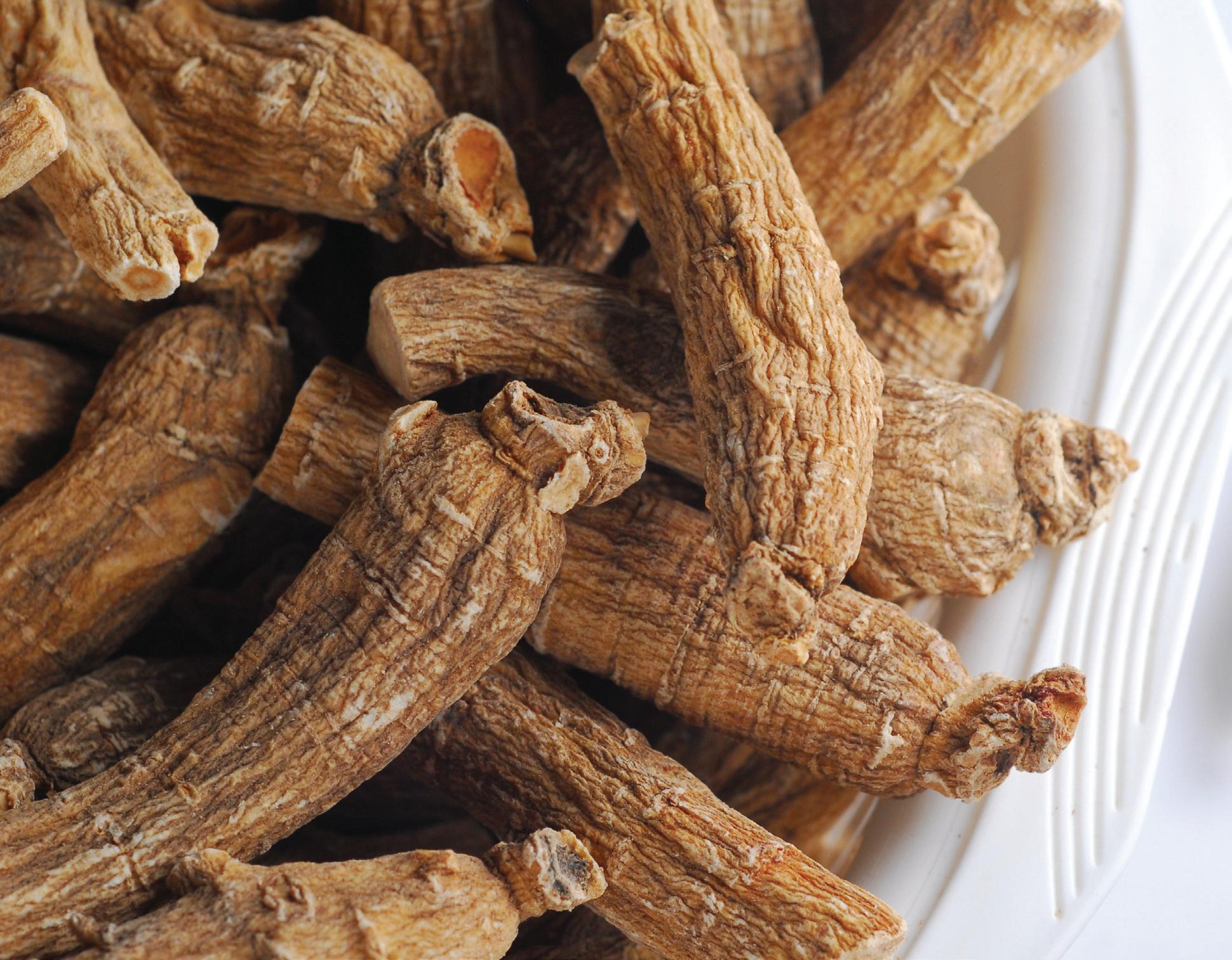
Granny’s Poultry recently launched its latest product, ginseng-Fed Whole Chicken. this product is the only one of its kind in north america.
ginseng is gaining popularity in Canada and the U.S. as a potential antioxidant and boost to metabolism. the company said in a release that chickens raised on the herb are very lean and are more tender and juicy than regular chicken.
“the ginseng-Fed Whole Chicken is part of our ongoing commitment at granny’s Poultry to improve the nutritional benefits that poultry offers,” said Craig evans, chief executive officer of the company.
granny’s Poultry ginsengFed Whole Chicken is currently being rolled out across 600 mainstream supermarkets and asian specialty food stores in Canada.
granny’s Poultry has licensed and is using the Sungrown® feeding program, based on research conducted at the University of British Columbia, to feed the ginseng chickens. Poultry nutritionists were looking at ways to produce an even healthier bird by feeding flocks vitamins, minerals and local specialty grains. researchers fed the chickens locally grown ginseng to act as an antioxi-
dant and the addition of this herb resulted in a juicier and improved chicken product. More information about the product can be found at www.ginsengchicken.ca.
Ground Broken on Sunnymel Plant
xecutives of olymel l.p. and groupe Westco announced aug. 29 that preparations have begun on the construction of their Sunnymel poultry slaughtering and cutting plant in new Brunswick. the plant will be located in the village of Clair. once in operation, the facility will have a slaughtering capacity of 450,000 birds/ week, enabling it to serve the entire Maritimes market. the
construction project is valued at more than $40 million and will create 250 jobs.
Site development for the plant began in august and will finish nov. 1, at which time construction of the facility will commence. the companies say the plant will be equipped with the most advanced, efficient equipment in the poultry processing industry, in the areas of production and biosafety as well as environmental protection.
COMING EVENTS
OCTOBER
October 30 –november 2, 2011
Antimicrobial Stewardship in Canadian Agriculture and Veterinary Medicine Conference: how is Canada doing and what still needs to be done?, toronto Marriott airport hotel, toronto, ont. a one-day session focusing on poultry will take place on nov. 1. registration is available for the poultryonly session or the entire conference. For more information, visit: www. antimicrobialcanada.com
nOVEmBER
november 10-11, 2011
Poultry Innovations Conference, Lamplighter Inn, London, ont. (*please note new location for this event) hosted by the Poultry Industry Council (PIC). For more information, visit: www.poultryindustrycouncil.ca or tel: (519) 837-0284, or e-mail: pic@ poultryindustrycouncil.ca.
november 23, 2011
Le Rendez-vous avicole AQINAC 2011
Best Western Plus hôtel Universel, drummondville, Que.
Producers, technicians, agronomists and veterinarians are all welcome to attend to the general interest lectures or the workshops (broiler, turkey, reproduction and eggs). For more information, tel: (450) 799-2440, e-mail: info@aqinac.com or visit: www.aqinac.com.
usDA Buys Excess Chicken
the United States department of agriculture (USda) recently announced it will purchase surplus chicken to bolster sagging retail prices and help farmers feeling squeezed by higher feed prices.
U.S. secretary of agriculture tom Vilsack said the government would purchase $40 million worth of chicken products and donate the meat to food banks, soup kitchens, public schools and other federal nutrition programs, as
well as disaster relief programs. this purchase is in addition to the amount of chicken the federal government normally buys for its feeding programs.
Vilsack said broiler producers have cut back production and this purchase will further help to bring supply in line with demand.
the USda periodically buys up surplus food products to help producers by keeping prices stable.
Big Dutchman Opens Brazilian Facility
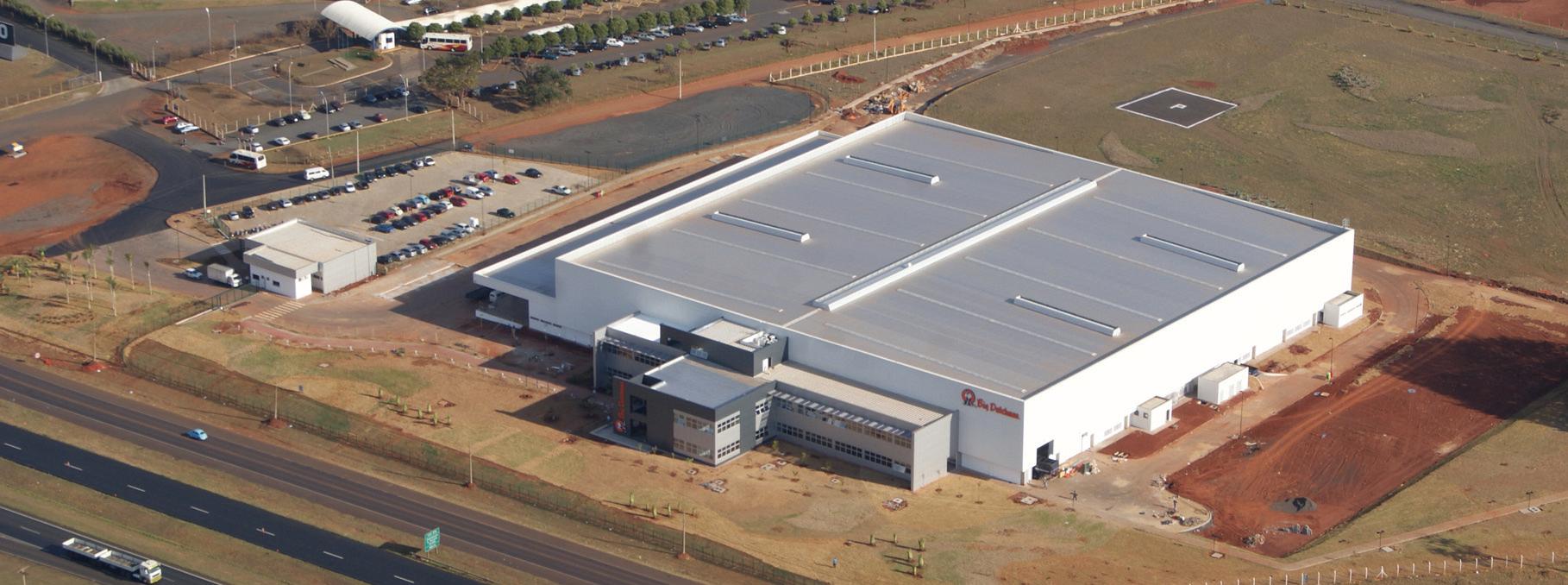
Big dutchman recently opened a new facility in araraquara, Brazil. nearly BrL $30 million was invested to build the 16,000 m2 facility, which is located on a 25-acre property.
More than 500 customers, suppliers and local authorities attended the grand opening. addressing the crowd, Bernd Meerpohl, chairman of the board of management, spoke about the huge potential Brazil has for further developing its intensive animal production and its natural ability to help feed the world. Meerpohl emphasized, though, that natural resources are not enough. It is also necessary for Brazilian poultry and pig producers to be ahead of the curve on all issues and available technologies involving their industries in an increasingly connected world.
Kai Wehmeyer, a member of Big dutchman’s board of directors, was also present. Clovis rayzel, president of Big dutchman USa, spoke about the event being above all a moment of commitment with the Brazilian market. ricardo Santanna, Big dutchman Brazil’s managing director, welcomed the guests and thanked the city of araraquara, located in the state of Sao Paulo, for supporting this project.
among several local authorities Big dutchman was honoured with the presence of araraquara’s mayor, Marcelo Barbieri and the governor of the state of Sao Paulo, geraldo alckmin, who toured the new facilities and was introduced to Big dutchman’s product line in its state-of-the-art showroom.
COMING EVENTS
JanuaRy
January 24-26, 2012
International Poultry Exposition georgia World Congress Center, atlanta, ga. For more information, visit: www.ipe11.org.
maRCH
March 13-15, 2012
Midwest Poultry Federation Convention
Saint Paul river Centre, Saint Paul, Minn. For more information, visit: www. midwestpoultry.com.
apRIL
april 11-12, 2012
London Poultry Show, Progress Building, Western Fair entertainment Centre, London, ont. For more information, visit: www. poultryindustrycouncil.ca
JunE
June 10-12, 2012
CPEPC Convention, Fairmont le Manoir richelieu, La Malbaie, Charlevoix, Que. For more information, visit: www. cpepc.ca
auGuST
august 5-9, 2012 XXIV World’s Poultry Congress
Bahia Convention Centre, Salvador, Bahia, Brazil. For more information, visit: www.wpc2012.com
We welcome additions to our Coming Events section. To ensure publication at least one month prior to the event, please send your event information at least eight to 12 weeks in advance to: Canadian Poultry, Annex Publishing, P.O. Box 530, 105 Donly Dr. S., Simcoe, ON N3Y 4N5; e-mail knudds@annexweb. com; or fax 519-429-3094.
Breathe easy!
NEW INNOVAX®-ILT VACCINE
helps protect your birds against both Marek’s Disease and Infectious Laryngotracheitis with no risk of spreading ILT.
Innovax-ILT is a brand new kind of vaccine that protects your flocks from both Marek’s Disease and Infectious Laryngotracheitis (ILT). Applied at the hatchery, it makes field vaccination unnecessary. As well, since Innovax-ILT does not induce ILT, potential reactions or house to house spread that may be associated with some other classic live ILT vaccines are virtually non-existent1
Talk to your veterinarian or hatchery today about making Innovax-ILT the cornerstone of a new vaccination program that can improve the overall respiratory health of your flock.
In the Barn
Light sense From a chicken’s perspective, not all light is created equal
by Jim Knisley
As energy costs continue to rise and the ban on the sale of incandescent light bulbs looms (occurring in 2012), alternative light sources are quickly being adopted by the poultry industry. however, chickens see light differently than we do. thus the spectrum of light emitted from these new sources must be considered, as it can have an impact the reproductive efficiency and behaviour of chickens.
a lighting option that is quickly gaining popularity is the light emitting diode (Led). dr. gregoy Bedecarrats, a professor with the department of animal and poultry science at the University of guelph, has done some initial studies on Led lighting in laying hens, and found that the spectrum of light emitted may slow or delay the reproductive efficiency of layers. he presented his results at the Poultry Industry Council’s research day this past spring.
ChiCkens and light
SEEInG LIGHT dIffEREnTLy
smoky Joe hens, which are naturally blind, were used in this study to further determine if the retina is involved in mediating the effect of light wavelengths.
Chickens don’t just “see” light. they can absorb light through the retinas in their eyes in ways that humans do not, and they can also sense light through their pineal gland and hypothalamus, which are located on top of and within the brain, respectively. Consequently, chickens can “see” a greater range of light wavelengths than we can.
to activate the receptors in the pineal gland, light needs to penetrate the skull and for the hypothalamus, light needs to penetrate even deeper.
retinal stimulation impacts behaviour, pineal stimulation affects circadian rhythm and hypothalamus stimulation affects reproduction and homeostasis.
the pineal gland works like a clock to “set” the rhythms between light and dark. For example, if the light-dark cycle is constant, a rooster will crow at the same time every day. But if the light
cycle is changed, the rooster will adapt and change the time it crows.
Meanwhile, the hypothalamus is connected to all main physiological functions such as reproduction and feeding. to stimulate the hypothalamus the light has to be powerful enough to penetrate deep, and the red spectrum is powerful enough to do this, says Bedecarrats.
this is important to the poultry farmer because the type of lights may affect the wavelengths emitted and stimulate different areas of the chicken.
For example, green light slows the birds’ maturation and, while red light has been shown to be needed for sexual maturity, it also may be tied to hyperactivity and aggressive behaviour.
the study
In the study, an rgB (red, green, blue) Led system was installed for layer cages, and the effect of wavelength on growth and sexual maturation in blind and sighted Smoky Joe pullets was tested and measured. Smoky Joe hens are a strain of White Leghorn harbouring a recessive mutation causing retinal degeneration. By eight weeks of age, all affected animals are blind. Smoky Joe hens were used to further determine whether or not the retina is involved in mediating the effect of light wavelengths.
the experimental room was partitioned into three independent sections, each equipped with Led lights providing either pure green (g), red (r) or white (W) light. For all groups, intensity was adjusted to 10 lux at hens’ level. at 14 weeks of age, 20 pullets were randomly allocated to each section (g: 11 blind, nine sighted; r: 11 blind, nine sighted; W: 12 blind, eight sighted). during the first week, incandescent lighting was provided (10 lux, eight hours photoperiod) for pullets to adapt to their new environment. at 15 weeks of age, Led lights (g, r and W) were turned on for eight hours and at 20 weeks, pullets were
led lights Can be adapted to aChieve the light speCtrum neCessary to promote faster sexual maturation and sustained egg produCtion in layers. more studies are needed to determine the behavioural effeCts of light speCtrums on broilers and breeders.
photostimulated by an abrupt change to a 14-hour photoperiod. Feed and water were freely provided throughout the study.
during the study, body weight progressively increased with no difference observed between light treatments or between blind and sighted birds. Similarly, no difference in tibia length was observed, suggesting that, in cages, light wavelength did not impact feeding and body growth.
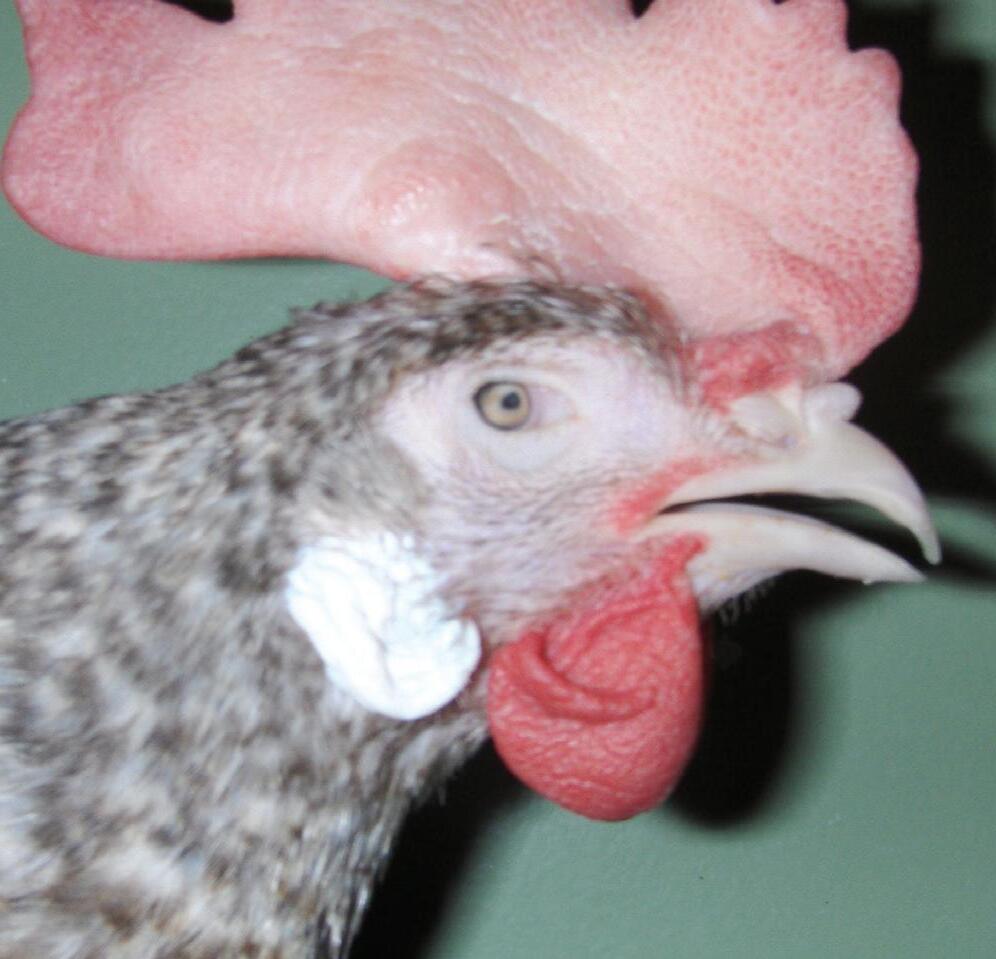
age at first egg was significantly advanced for pullets from the red light (165.9±1.3 d) and white light (166.8±1.7 d) groups compared to birds under green light (188.4±2.2 d). however, although no difference in age at first egg was observed between r and W hens, levels of estradiol after photostimulation were the highest for the r birds, suggesting that activation of the ovary and recruitment of follicles was the strongest. Combs from r and W birds were significantly taller than for g birds, again showing advanced sexual maturation.
overall egg production peaked first for the r group (25 weeks), followed by the W group (26 weeks), while it was not yet reached for the g group at 29 weeks. at 27 weeks of age, total egg production was greatest for the r group (662 eggs; 33.1±1.5 eggs/hen) followed by W group (586 eggs; 30.8±1.2 eggs/hen) and significantly lower for g group (242; 12.7±1.8 eggs/hen). no difference in corticosterone levels was observed between groups before and one week after lights were turned on. however, levels did slightly increase in the r birds after 44 days of exposure, suggesting that longtime exposure to pure red light may be stressful.
“the key message here is that the green really has an impact on reproduction,” says Bedecarrats. red is required for sexual maturation.
If you have white light that has red within the spectrum, you’re fine. But if you’re lacking the red you’re going to have problems, he says.
In conclusion, although light wavelength did not influence growth of pullets in cages, red light is required for advancing sexual maturation and this effect does not require a functional retina. Using Led lights, the spectrum could be precisely adapted to promote faster sexual maturation and sustained egg production.
lights are not Created equal
Incandescent lights are inexpensive to buy but come with a short life span and because more than 90 per cent of the energy is used to heat a metal filament they use a lot of energy for the light they emit. they are, however, dimmable and instant on, and their spectral peak is in the red at 630 to 780 nanometres.
Fluorescent and compact fluorescent cost more to purchase, but are more energy efficient. the spectrum varies from green to orange, depending upon the fixture.
there are also growing concerns about disposal of fluorescent lights because they contain mercury. “the benefits of energy efficiency might be outpaced by the problem of disposal,” he says. high-pressure sodium lights are also an option. they are in the yellow to orange spectrum – closer to red – but take longer to warm up and may not be dimmable.
Led lights are still expensive but can create the light spectrum needed with no heat generation. they are instant on and dimmable. they also have great energy efficiency and a long life span.
What next?
the next step is to look at what happens on the floor, especially with broiler breeders, for example, with regard to hyperactivity. Something that might be really good in cages might not be good on the floor because of behavioural issues, he says.
What’s needed is to:
• test light wavelengths on birds maintained on floor (broiler breeders, turkey breeders, aviary systems);
• test if the positive effects from red light can be achieved by providing bursts (or short-term exposure) during the time of photostimulation;
• Compare optimum Led protocol with other light sources currently used by the industry;
• test on “commercial strains” in a commercial environment. ■
Assessing Welfare PIC Update
Where we are now, and where we are going
B Y K IMBERLY S HEPPARD , R ESEARCH C O - ORDINATOR
Today more than ever, consumers, food retailers and regulatory agencies are seeking assurances about animal welfare standards. as a result, on-farm animal welfare assessment and audits have become part of everyday life for many of those involved in animal agriculture. For well over a decade, formal welfare assessments have been developed and conducted around the globe, and we have gained considerable experience at both the assessor and producer levels.
With so much experience behind us, we’re now able to reflect on lessons learned from existing animal welfare schemes and examine the broader aspects of these assessments: What has been successful and what can be improved upon? What innovations are at play for welfare assessments now and into the future? What are the environmental and social aspects of these audits and assessments? What are the impacts on and benefits for farmers, end-users and the animals themselves?
the Poultry Industry Council (PIC) was one of many industry sponsors of the 5th International Conference on the assessment of animal Welfare at Farm and group Level (WaFL), which was held from aug. 8-11, 2011, at the University of guelph. hosted by U of g’s Campbell Centre for the Study of animal Welfare, the conference attracted close to 300 delegates from more than 20 countries to present and discuss the most current knowledge on assessment and auditing of welfare of animals in groups – particularly on-farm.
The PIc was one of many sponsors of the 5th International conference on the assessment of animal Welfare at Farm and group level (WaFl), held recently at the University of guelph.
thirty-six speakers, 10 keynotes and 90 poster presenters shared information, experiences and research results for all animals housed in groups. of poultry, broilers and layers were most extensively covered, but coverage also included breeders, ducks and even caged game birds used for shooting. Below is a summary of the conference, with a focus on broiler welfare assessment. In november’s issue, you’ll hear about what is happening in the egg industry worldwide.
Welfare assessement
a myriad of welfare assurance schemes are in place across north america and the european Union: the United Kingdom. has the widely recognized “Freedom
Food” label; the United States has “Certified humane” and “global animal Partnership” and British Columbia has “BCSPCa Certified.” Likewise, some of the larger fast food chains and grocery retailers have their own schemes in place to ensure specified standards for the products they procure, and commodity groups have, or are developing, their own auditable animal care programs. Certain welfare assurance schemes have increased market share for welfare-added products and make it possible for producers to benefit from market opportunities. But, as with any relatively new program or process, review and revision often results in optimization.
the WaFL conference began with the acknowledgment by dr. david Main of the University of Bristol that practical
PIC Update
challenges have limited the widespread implementation of valuable welfare outcomes – meaning actual improvements in animal welfare after an initial assessment or audit. although welfare assessment can identify areas needing attention, evaluation alone is often not enough, says Main. he has been working on a program in the U.K. called assureWel, which is designed to engage producers in the assessment process, and give them the tools and information they need to take action after the assessment visit rather than being left with a report.
Focusing initially on laying hens, the project has developed inspection procedures that are feasible and scientifically robust. Using outcomes to supplement existing standards and inspection processes, the project hopes to deliver better assurance and promote genuine welfare improvement. as Canadian agriculture moves forward in developing welfare assurance protocols and responding to increasing demand for value-added products, tools such as assureWel will prove invaluable in designing similar programs that empower producers and result in measurable results for their birds.
on a similar note, in a review of the benefits and drawbacks of on-farm welfare assessment, dr. Isabelle Veissier of Inra, theix, France, discussed the validity and usefulness of output indicators (e.g., feather condition, clinical and behavioural observations) versus design indicators (e.g., housing, management) for welfare assessment. thoughts on which indicators best measure welfare have always been divided; some believe that design indicators are merely risk factors whereas output measures better reflect true welfare. For example, for thermal comfort, design measures (ambient temperature) are reliable only if repeated extensively (so feasibility is low) but behaviour of animals seems more reliable on a short visit.
Veissier’s team analyzed commonly used measures by drawing up a list of properties necessary for a measure to be considered valid for assessing welfare. they concluded that, for a welfare assessment to be robust, a mixture of output and design measures must be used, sometimes alone and sometimes in combination, but not just one or the other.
despite now having a better understanding of which measures best reflect welfare status and how to help ensure these result in positive changes when issues are detected, dr. Jeff rushen of agriculture and agri-Food Canada said that it is often difficult to gain a real and accurate assessment of welfare status during a single audit. this is because many indicators (especially behavioural ones) occur irregularly over time. however, the increasing availability of low-cost technology is making automated monitoring of animal behaviour and some aspects of physiology more feasible. these have mainly been used for large animals, but translate well to poultry in some instances.
Photos courtesy of Dr. gina caplin, University of Bristol
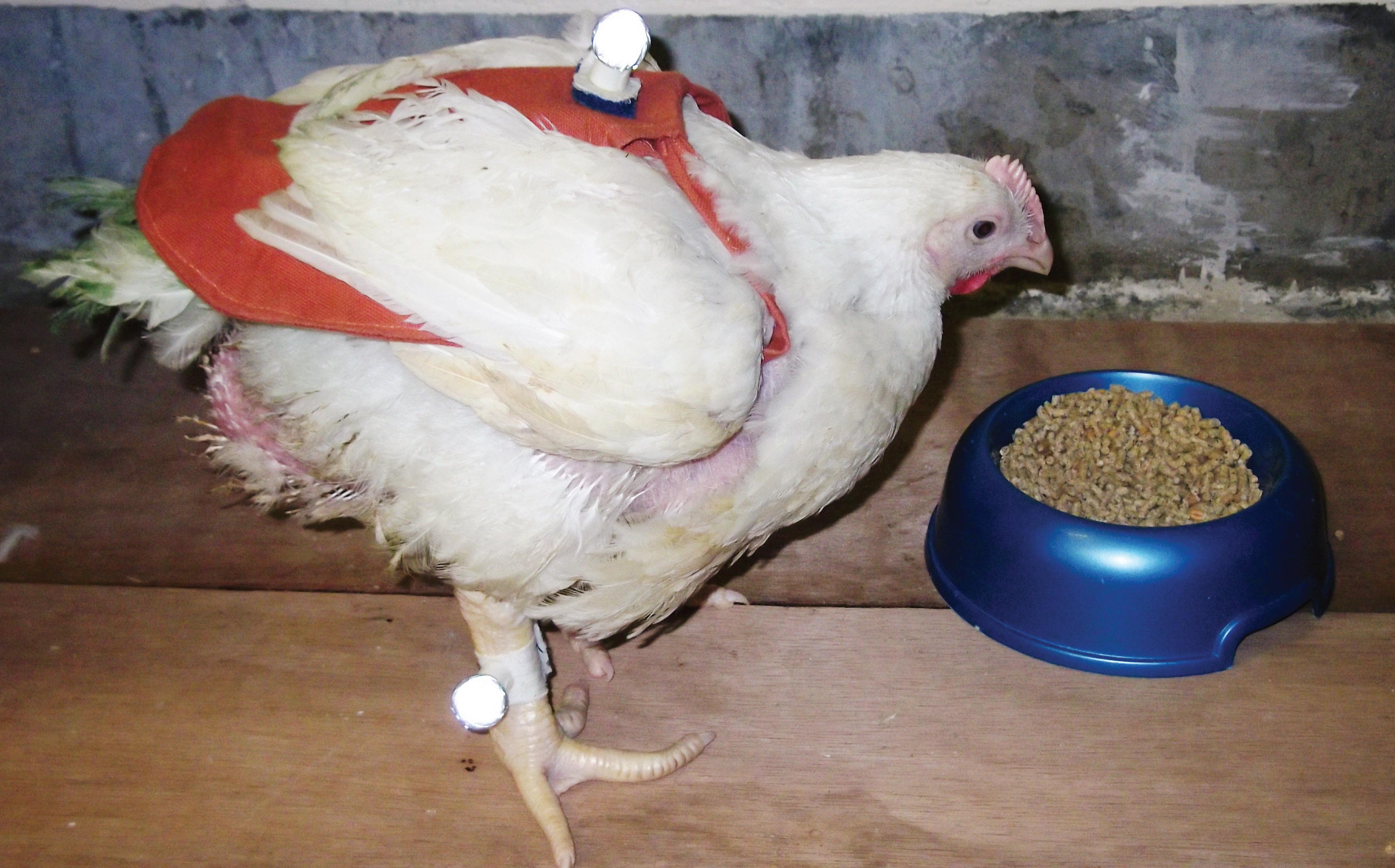
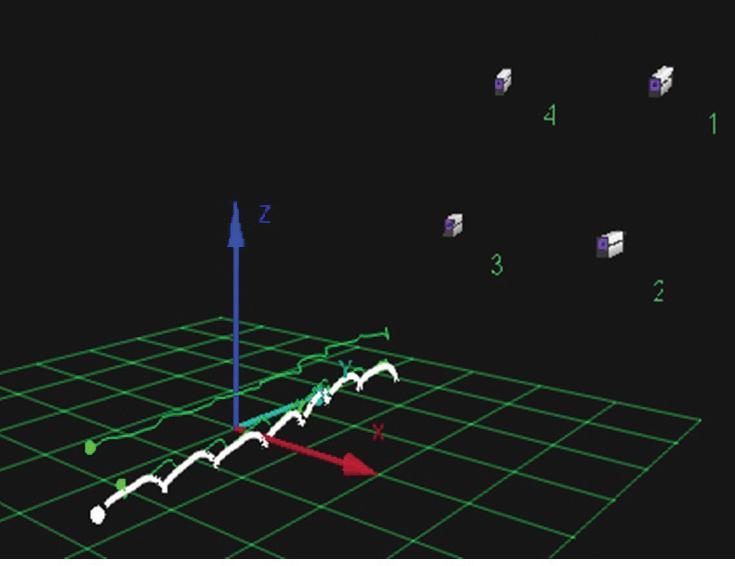
a C hi C ken fitted W ith a refle C tive marker allo W s u niversity of b ristol resear C hers to assess W alking patterns, W hi C h C an indi C ate lameness.
Whether a pullet or a mature hen, peak lay performance requires a well developed skeletal frame built with only the strongest bones. Research indicates that bones with the best strength come from diets supplemented with ROVIMIX® HY-D®. Science suggests that ROVIMIX® HY·D® provides birds with all the 25-hydroxyvitamin D3 they need to develop and maintain bones that can withstand the stresses of egg production. In young pullets, stronger bones are necessary for optimal lay persistence which can translate into more eggs. As the hen ages, ROVIMIX® HY-D® will help promote better egg shell quality
To learn more about how ROVIMIX® HY-D® can strengthen your flock, contact your DSM Nutritional Products Account Manager or go to www.unlimitednutrition-na.dsm.com or call 1 800 526 0189.
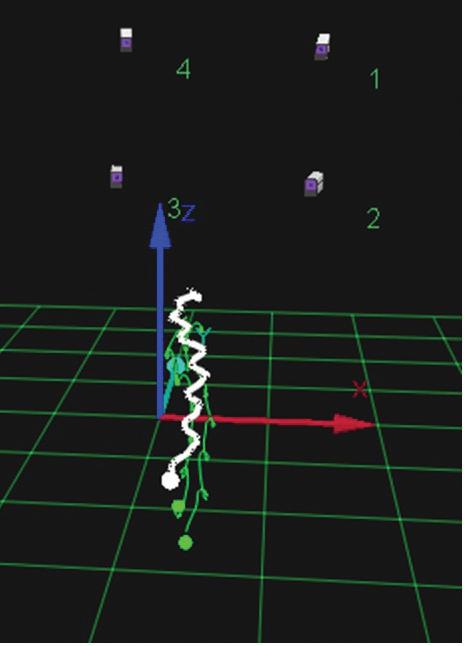
For example, automated monitoring of changes in general activity and visits to automated feeders can be used to identify animals that are becoming ill or lame, and this can be confirmed by remote recording of body temperature by infrared telemetry. Likewise, video recordings of birds in broiler houses can be analyzed and optical flow patterns have been significantly correlated with the number of birds in a house showing poor walking. this means that optical flow measures have the potential to be used as a substitute for gait scoring on commercial farms. Similarly, gait differences have been quantitatively assessed using a kinematic approach (3-d analysis of back and leg position data collected via markers on the birds and infrared camera), and correlated with visual assessment of leg health. the technique shows promise for monitoring subtle improvements in leg health following analgesic treatment
PIC Update
or in breeding programs designed to reduce lameness.
this certainly doesn’t mean that machines will someday be a replacement for people in welfare assessment, says rushen, but rather a practical and valuable complement.
What is the latest in broiler and broiler breeder Welfare assessment?
risk factors for poor welfare in commercial broiler flocks were studied by dr. arnd Bassler, Swedish University of agricultural Sciences, as part of the Welfare Quality® project. this large european project focuses on integration of animal welfare in the food quality chain: from public concern to improved welfare and transparent quality. the project aims to accommodate societal concerns and market demands, to devel-
op reliable on-farm monitoring systems, product information systems and practical species-specific strategies to improve animal welfare. risk factors for broilers were studied on 91 traditional-intensive broiler farms in France, england, the netehrlands, Italy and denmark, using the Welfare Quality broiler assessment. this large explorative study found that flock age, length of dark period at 21 days of age, litter quality and type of heating system may all be relevant risk factors for lameness, foot-pad dermatitis, and diarrhea, respectively.
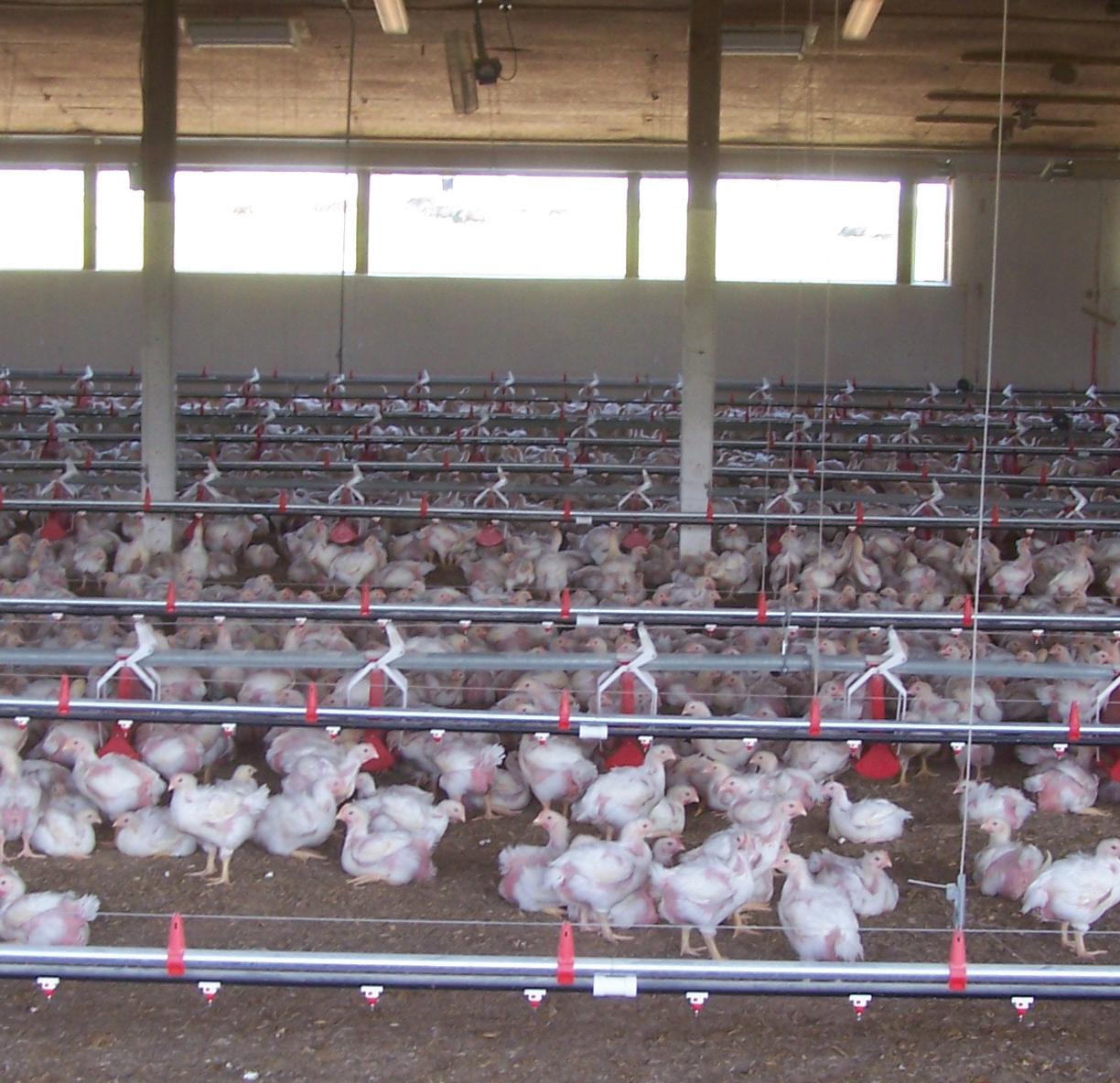
With foot and leg health being of high concern within the broiler industry, several studies focused on this area. In future, foot-pad lesions will be included as a welfare indicator in the Broiler directive in the netherlands and lesions will need to be assessed in flocks rather than at processing plants. Ingrid de Jong
Management managing What You Can’t see
Building better broiler breeder bodies
BY K RISTY N UDDS
The strong emphasis on increased breast yield in broilers has resulted in a broiler breeder that is increasingly difficult to manage. genetic selection over the last 50 years has resulted in the modern broiler being 200 per cent heavier than the typical commercial strain used 35 years ago. to maintain egg production, breeders cannot be “allowed” to express their incredible genetic potential for growth and thus their bodyweight and rate of bodyweight gain must be tightly controlled. the goal is to have a uniform bodyweight (BW) in the breeder flock at time of photostimulation, and this requires a detailed attention to management.
Martin Zuidhof of the University of alberta, speaking to a group of broiler breeder producers at the 2011 Saskatchewan Industry Poultry Conference, says the biggest complaint he hears from technical service staff is a lack of BW uniformity at time of photostimulation. If the target BW is not there at time of photostimulation, “it’s like a race, and those birds with a lower BW get left behind and never catch up,” he says. the difficulty lies in the fact that the birds are competing for a limited resource – feed. to control BW gain, a common practice is to employ skip-aday feeding. however, this results in a scenario Zuidhof described as “like rice being dropped in a famine-stricken area.” although there has been criticism concerning feed restriction in breeders, its purpose is to manage follicle develop-
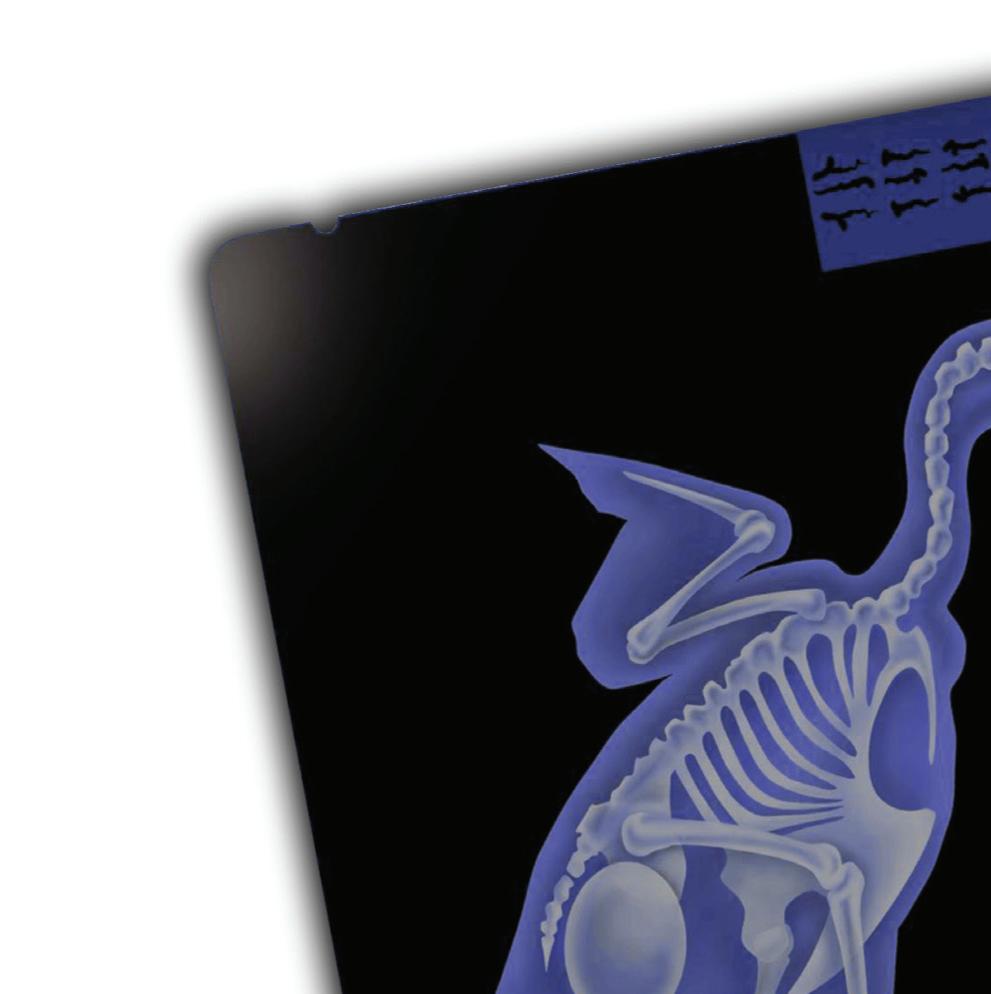
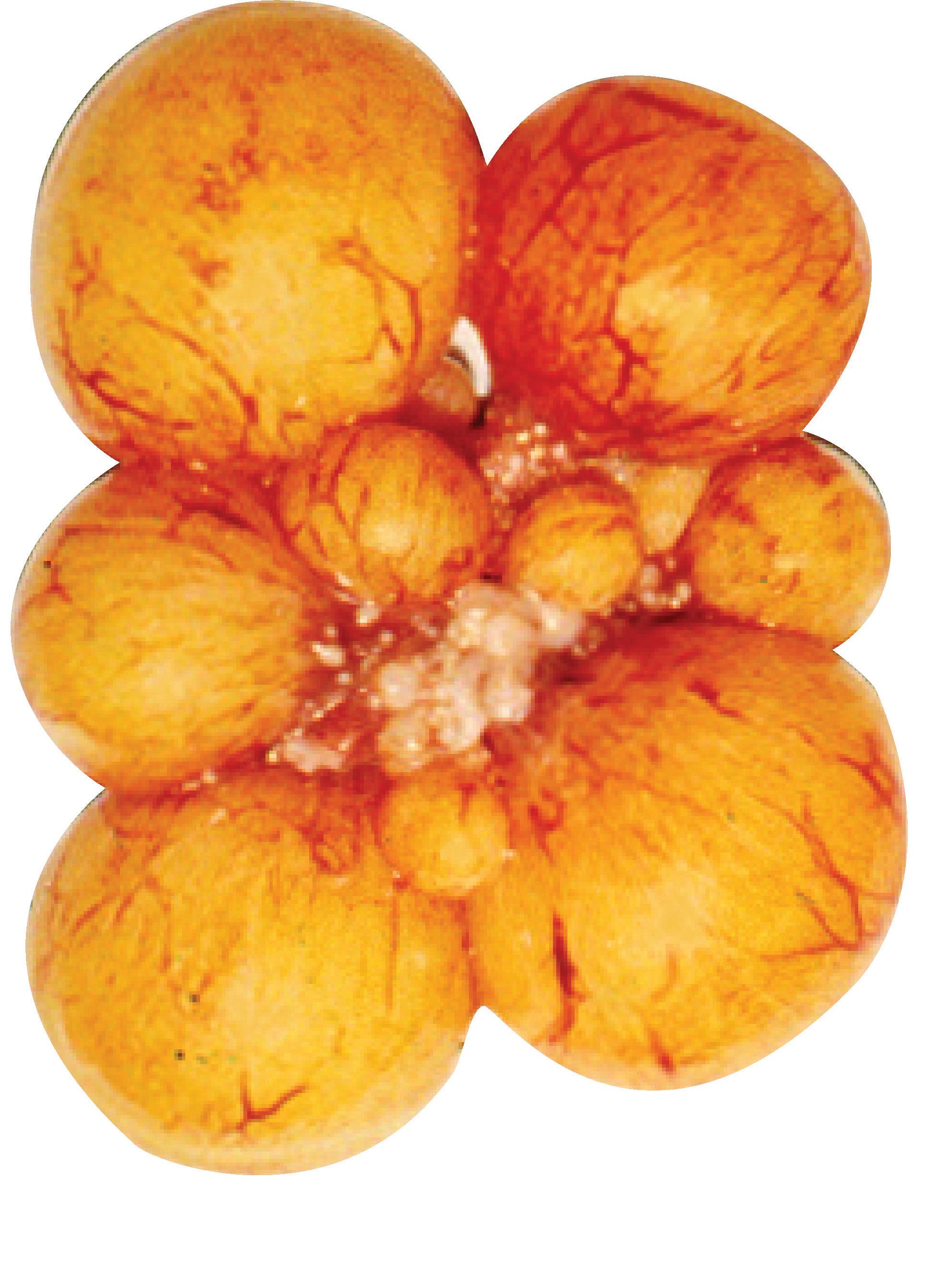
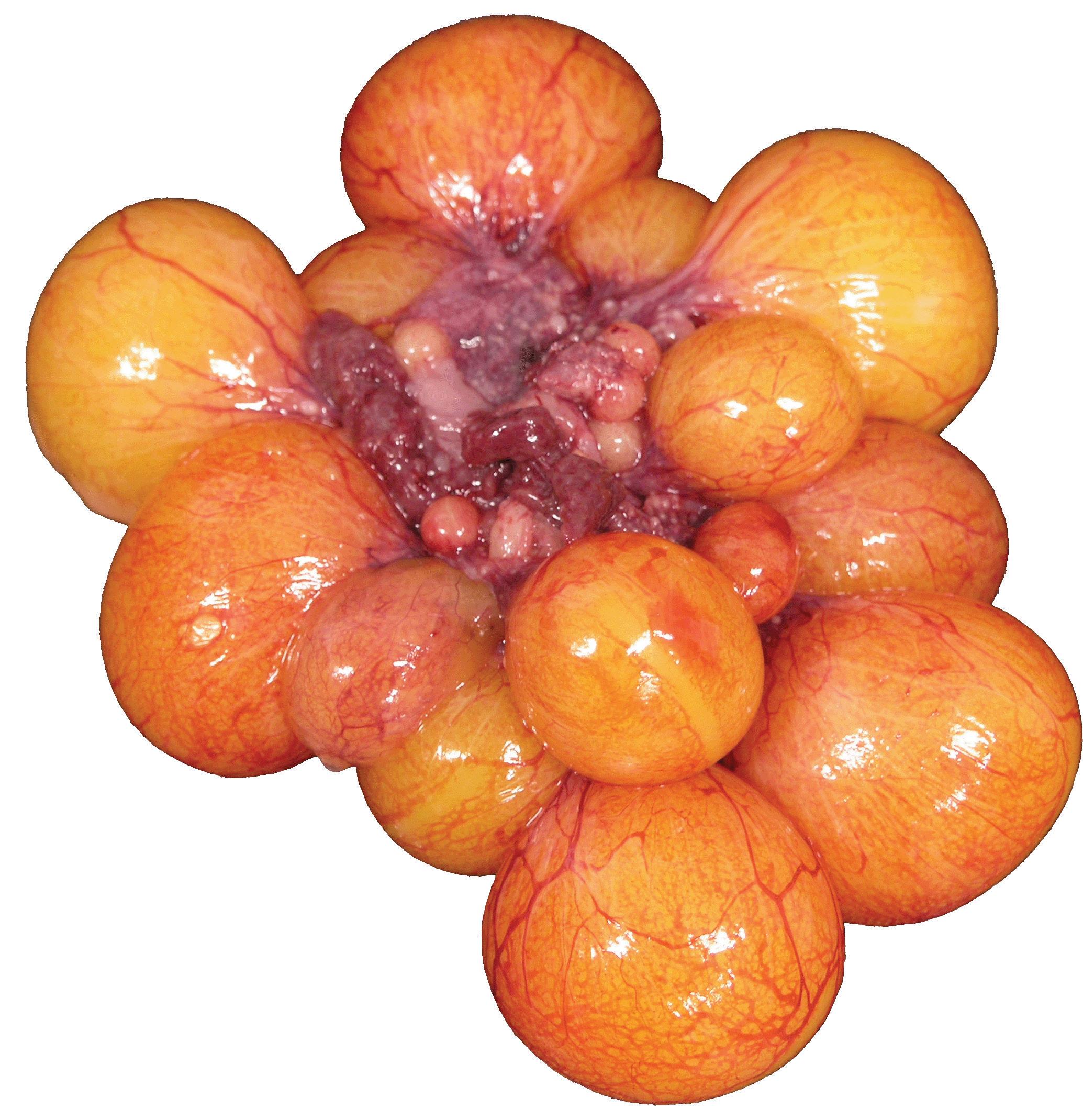
It’s important to remember that follicle development is what is really being managed in a breeder with respect to feed allocation. On the left is the ovary of a hen on restricted feed; on the right, that of a hen fed ad lib.
ment, the precursor of egg production. Feed (or specifically, the nutrients within feed) has a direct effect on the hormonal regulation of the birds. ad lib feeding results in a loss of hormonal regulation, and the result is what’s known as a “double hierarchy,” or more simply, twin follicles (two eggs). If these follicles are ovulated together, there is not enough oxygen available for embryo survival. If ovulated separately, one of the follicles is without a shell since the shell gland requires 18 to 20 hours to lay down a shell.
a lthough feed restriction will improve flock uniformity, Zuidhof says that there are trade-offs: University of alberta research show that it increases the fat stores, decreases muscle weight and average egg weight, and doubles the
size of the liver on non-feed days. It’s also a welfare issue.
In a study conducted by his Uofa colleagues Prof. Frank robinson and graduate student erica holm, skip-a-day, scatter, fibre-diluted and sorted feeding methods were studied. In terms of achieving flock uniformity at photostimulation, the sorting method was found to be the best. this involved separating the smallest birds, isolating them from the others and providing them with additional feeding space. although this method may not be practical for producers, it has been done with success in breeder flocks in Brazil and India, says Zuidhof. Scatter feeding and skip-a-day also improved flock uniformity at photostimulation.
Zuidhof says there is much that a >
WHAT YOu’RE REALLY mANAgINg
Photos courtesy of Frank Robinson
Our mission is to deliver strategy-driven and entrepreneurial leadership that builds value for the Ontario chicken industry
“We are passionate about building our business through decisive, purposeful action and positive, productive industry relations.”
A message from our CEO Rob Dougans
We’re very proud of what we do! In its role as an effective, responsive and progressive regulator, CFO works closely with farmers, key industry stakeholders and government to grow Ontario industry value and sustainability.
We have a clear strategy and guiding values. We are supported by a professional, disciplined CFO team and performance-driven operating culture.
CFO’s business model reflects our commitment to responsible supply management stewardship which will meet or exceed two primary business accountabilities,
■ deliver cost-effective and socially-responsible production of safe, high quality chicken
■ deliver value and sustainability-enhancing solutions for the benefit of the Ontario chicken industry value chain
Left to Right (back row): John Maaskant, Henk Lise, Tim Klompmaker, Adrian Rehorst, Murray Opsteen, Ryan Van Til, Ed Verkley
Left to Right (front row): Henry Zantingh, Murray Booy
Grow your Career with CFO
Our mission is to deliver strategy-driven and entrepreneurial leadership that builds value for the Ontario chicken industry. As an effective, responsive and progressive regulator, CFO is committed to deliver regulatory solutions and services to our stakeholders with effectiveness and accountability. Executing a disciplined business model, one of CFO’s primary accountabilities is to deliver the cost-effective and socially responsible production of safe, high quality chicken in Ontario.
Importantly, we recognize that CFO’s mission is only as strong as its people. Building talent at CFO for today and tomorrow is critical to our future growth and success. CFO is committed to developing your career through planning and training and encourages promotion from within.
Field Ser vice Oppor
Field Service staff are responsible for providing excellent customer service by helping farmers to continually improve farm operations, ensuring confidence in the safety and quality of our product and managing our environmental footprint.
As a representative of the CFO, you will lead Food Safety and Animal Care audits, educate farmers in Best Management Practices, new initiatives/programs and assist them in managing their farms within the CFO policies and regulations. Regular on-site inspections to ensure compliance with CFO regulations and policy will be completed for both our quota holding farmers and non-quota holding operators. You will also interface with our poultry processing community to ensure regulatory compliance and assist them in the administration of the marketing system.
tunity
Applicants should possess strong interpersonal skills, demonstrated leadership skills, work well in a team based environment, and be proficient in MS office applications. Individuals must be task oriented and have good time management skills. A good driving record and a valid Ontario Driver’s License are required.
Preference will be given to those with a University degree preferably in the agriculture and food area, experience working with various provincial and federal statutes, by-laws, policies and regulations within the agricultural sector, or experience in the poultry industry.
Interested applicants should forward their resume and cover letter to Glynis Wright, Director of Human Resources at recruiting@ontariochicken.ca or
Management
producer can do to manage BW uniformity and egg production with some basic principles that take the bird’s metabolism into consideration (see sidebar). Weigh the birds frequently; BW gain is an indicator of metabolic status and should be used to make decisions regarding feed allocation, he says. he says by weighing two times per week, a much tighter
growth curve can be achieved. “We may have more flexibility than we think when manipulating growth curves,” he says. Slow and steady wins the race, he says. Make feed increases as small and as frequent as possible. If the birds are growing on target, they are in a positive energy balance and will prioritize nutrients toward egg production.
out that producers should stimulate sexual maturity by changing daylength, and not the amount of feed.
Perfect Solution
Zuidhof says he’s currently performing what he calls a new “paradigm” in feed research: feeding based on the composition of the feed. For example, he questions whether or not the current recommendation for protein is too high, as it may result in a diversion of nutrients from egg production to breast muscle production. By changing the protein:energy ratio, breeder hens may have better nutritional support for the growing embryo. he’s also working on a proprietary feeding system that manages individual hens by providing the right amount of feed to the right bird at the right time.
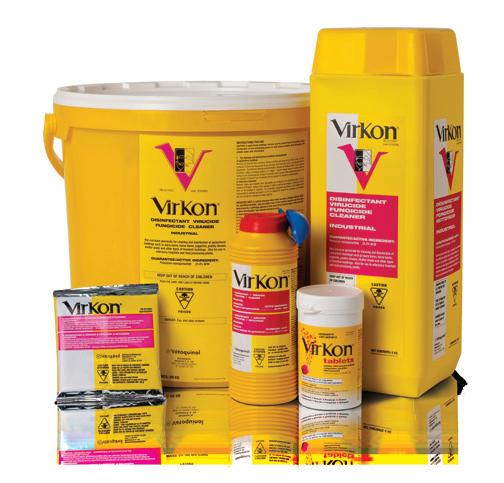
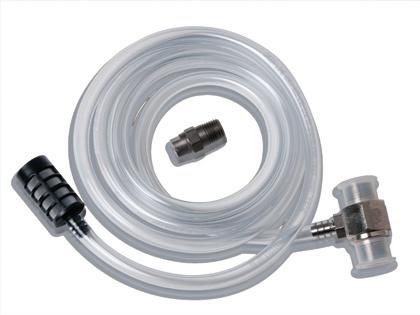
Zuidhof told producers to remember that with breeders, it’s follicles that are being managed, something that they can’t see. It’s also important to have feedback. “Managing broiler breeders without it is like driving drunk,” he says. ■ For a limited time, get the FREE Virkon Applicator Kit* when you purchase $550 or more of Virkon
Breeder m anagement Top 11
1. Know the actual weight of your birds.
2. Weigh the birds at the same time each day.
3. Flock uniformity is very, very important.
4. avoid high nutrient density diets.
5. Make sure pullets are at the minimum threshold BW at lighting.
6. Don’t make fast increases in feed intake coming into production.
7. Know what you are doing in managing post-peak feed withdrawal.
8. Keep an open mind – birds are changing every year (what worked the last flock may not work this year).
9. Don’t put your flock on “auto-pilot.”
10. stay positive and keep learning.
11. Manage birds according to bodyweight gain instead of BW.
CPRC Update scholarships and succession
Arobust research program is key to the future of the poultry industry. the Canadian industry is fortunate to have access to a wide range of research expertise that can help us meet new challenges and find solutions to the problems we face. h owever, maintaining that pool of expertise requires injection of new scientists that pick up where retirees leave off. t he Canadian Poultry r esearch Council (CPrC) promotes succession in our poultry research community by offering a scholarship program. the objectives of the program are:
• to encourage and support graduate students to carry out research in an aspect of poultry science
• to build Canada’s intellectual capacity in poultry science
• to promote graduate research in poultry science at Canadian universities
to be eligible for a CPrC scholarship award, a student must be studying (or planning to study) some aspect of poultry science. applicants are assessed on a number of criteria, including academic performance, research aptitude, career goals and a demonstrated interest in poultry research.
“Postgraduate Scholarship Supplements” are available to students who hold a n atural Sciences and engineering research Council (nSerC) scholarship. Several excellent students have received supplements to their scholarships through this program since its inception in 2006. as of 2011, a scholarship is also available to nonnSerC scholars. this change opens the availability of the scholarship program to more students with an interest in poultry science.
applications to either the scholarship or the supplement are due May 1. awards are $7,500 per year and are available to masters (eligible for one year) or doctoral level (eligible for up to two years) students. there will be only one award per year. details of the program, including application requirements and past winners, are available on the “Scholarship” section of the CPrC website.
a nd the W inner is…
after reviewing many excellent applications, the CPrC board voted to award the 2011 scholarship to Megan rose at the University of ottawa. Megan has attained a strong academic standing and has received several awards. She co-authored a journal article in 2009 with her M.Sc. supervisor on the protein constituents of the eggshell and has made a number of presentations, both refereed and non-refereed, at e uropean and Canadian poultry conferences. She is involved with the university community as a laboratory teaching assistant and is active in various volunteer activities. Megan wants to become a leading poultry research scientist.
Megan started an M.Sc. program in 2008 under the supervision of dr. Max hincke in the department of Cellular and Molecular Medicine. She looked at eggshell proteins associated with antimicrobial activity. her work suggests that components of the cuticle layer of the eggshell have significant antimicrobial properties, which may have important implications for the industry, as much of the cuticle is removed during egg washing. Before completing her M.Sc. program, Megan trans-
ferred directly to a Ph.d her current research is looking at the possibility of exploiting the antimicrobial activity of proteins known as histones. these are the proteins around which dna coils during the formation of chromosomes. Preliminary work has shown that histones have potent antimicrobial activity. the objective of Megan’s research will be to optimize histone purification from blood and test the histones for bactericidal activity. If they test positive and enough of them can be recovered, they will be assessed as antimicrobial feed supplements. If successful, this research may lead to value-added products from chicken blood and provide a potential alternative to currently used antibiotics.
Megan has already made significant contributions to her research program and displays great potential to mature into a scientist of excellent calibre –the kind of scientist we want in poultry science to help ensure the future success of our industry.
For more details on any CPrC activities, please contact Bruce roberts at the Canadian Poultry r esearch Council, 350 Sparks Street, Suite 1007, ottawa, o ntario, K1 r 7S8, phone: 613-5665916, fax: 613-241-5999, e-mail: info@ cp-rc.ca, or visit us at www.cp-rc.ca. ■
The membership of the CPRC consists of the Chicken Farmers of Canada, the Canadian Hatching Egg Producers, the Turkey Farmers of Canada, Egg Farmers of Canada and the Canadian Poultry and Egg Processors’ Council. CPRC’s mission is to address its members’ needs through dynamic leadership in the creation and implementation of programs for poultry research in Canada, which may also include societal concerns.
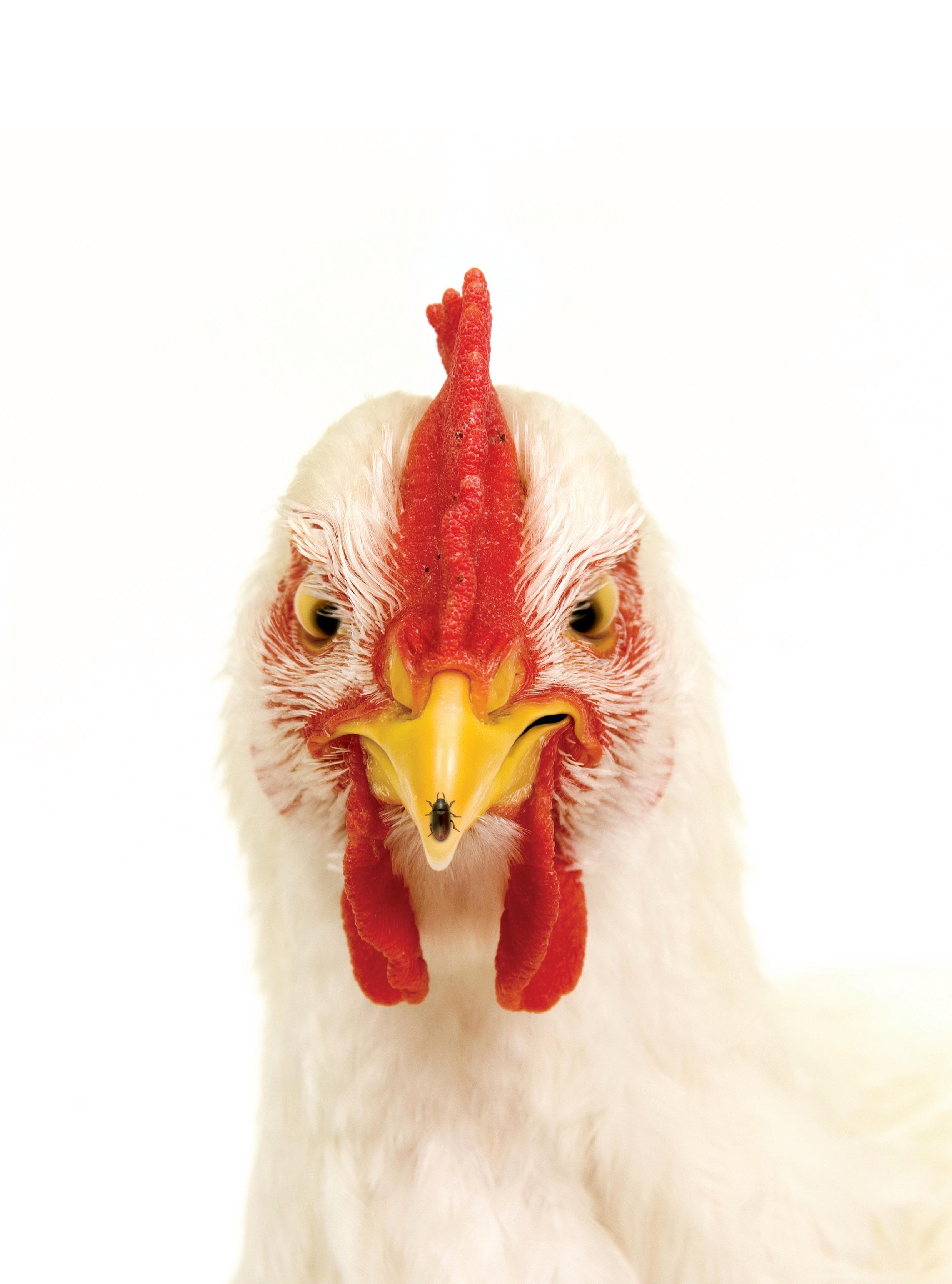
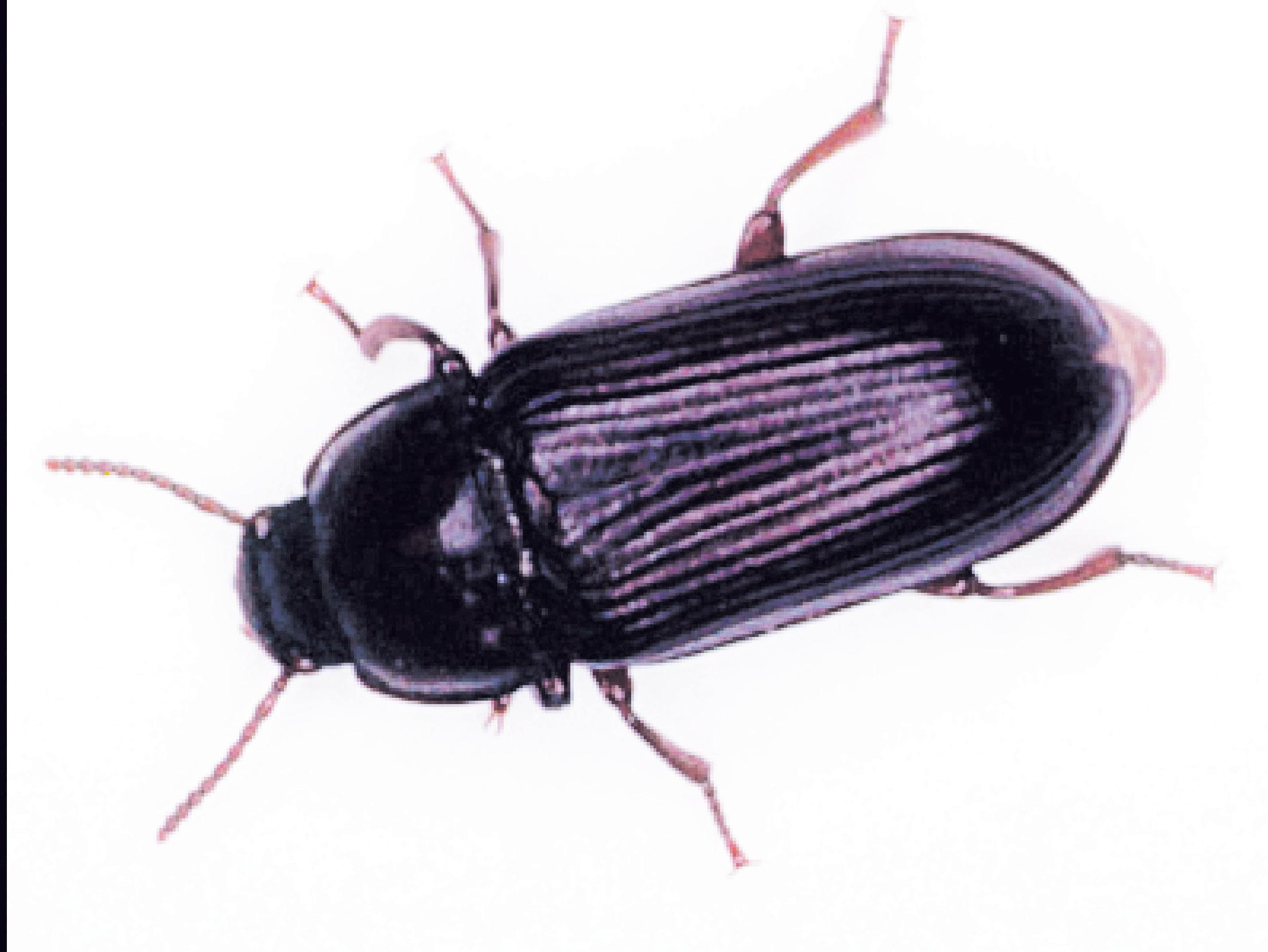
Beat beetles. Darkling beetles are evil little creatures. They wreak havoc on your fac ilities, spread bacteria and disease and irritate the most important part of your business. Your birds. So don’t hold back, hit them with Tempo®. A fast and powerful way to control darkling beetles. With rapid knockdown and prolonged residual activity, Tempo® boosts the comfort of your birds. And your bottom line. Learn more at BayerTempo.ca.
® Bayer, Bayer Cross and Tempo are registered trademarks of Bayer AG, used under license by Bayer Inc.
Office
Robert Abel Olds, Alberta 403-461-3004 robert.abel@manulift.ca
Continued from page 16
of Wageningen Ur Livestock research in the netherlands found that foodpad lesions are unevenly distributed throughout a broiler house, and recommends sampling at least 100 birds from at least 10 locations to obtain an accurate measure.
So that we can better understand pain associated with lameness in broilers (e.g., is it a painful condition, and if so, how painful?), analgesic treatment has been tested by dr. gina Caplin of the University of Bristol, as a potential tool for studying pain. effective antiinflammatory medications and doses have been identified: meloxicam and carprofen. Such tools may be useful for gaining a better understanding of how certain types of lameness affect welfare, and may be useful in breeding programs focused on improving leg health.
dr. Paul Koene, Wageningen Ur Livestock research, spoke to the continuing debate on space needs of broiler chickens. Space requirements were analyzed and computed based on the space needed for six-week-old broilers to perform certain behaviours in a flock of 20,000. density affected body space needed for drinking, ground pecking, preening, and idle behaviour. density did not affect stretching or walking. It tended to affect dustbathing but numbers of occurrences were low because the behaviour could not be well performed. this study did not include movement or social interactions, and found that stocking density in large flocks should not exceed 16 birds/m2 anything higher results in compression of birds and suppression of opportunities for behavioural expression.
For broiler breeders, one of the top welfare concerns is feed restriction. as parents of fast-growing broilers, broiler breeders must be feed restricted to maintain healthy body weights, maintain production levels, and prevent morbidity and mortality. Sometimes, broiler breeders show feather pecking, and it has been suggested that this problem may be a symptom of
Alberta
chronic hunger or a lack of dietary fibre or foraging substrate. Krysta Morrisey at the University of guelph has been investigating whether feather pecking can be reduced via dietary manipulation and inclusion of bulking ingredients and appetite suppressants, using both daily and skip-a-day feeding. diet did affect feather condition, and skip-a-day birds had better feather condition than dailyfed birds over time. Because feather cover differed, feather scoring may be a useful tool for producers to assess the level of hunger in broiler breeder flocks. Finally, at some point all poultry need to be caught and transported. dr. Karen eilers of Wageningen University used broiler catching as a case study for tradeoff between animal welfare and cost price. Improving animal welfare within livestock production seems inevitably related to extra production costs for which farmers rarely receive compensation,
PIC Update
says eilers. the issue of costs and price implications for farmers, retailers and consumers always arises when speaking about making welfare improvements, and eilers’ study was conducted as a means of providing insight into the cost of welfareimproving alternatives.
traditionally, catching broilers is done by catching crews who lift six to eight broilers upside down by their legs and place them in containers. this method results in injuries to the birds and is also a heavy, dirty job for the catchers, says eilers. the study of alternatives included catching only two birds, upright, at a time; replacing a first catching crew with a second catching crew at half-time; using an owned catching machine, and using a hired catching machine. Machine catching resulted in higher percentages of birds dead on arrival. Catching of two birds was the most animal-friendly option, but maintaining or increasing carcass qual-
ity by using this method did not result in extra returns for the average farm. all alternatives were more costly than traditional catching and although increased costs were small, says eilers, cumulated over total flock size they cannot be borne by farmers alone. Introduction of an alternative catching method is only possible when extra costs for farmers are paid, such as by consumers or retailers.
In all, poultry welfare assessment is a multifaceted and complex area, involving many approaches from the detailed study of a single biological process to wide-reaching multidimensional economic analyses. By pooling experiences and knowledge and coming together to discuss challenges and successes, we can move forward confidently as assessments are developed and carried out in Canada, knowing we are using the most promising methods to ensure the best welfare for the birds in our care whose products are on our tables. ■
Broiler, Pullet and Breeder feeding that saves you serious scratch
Many farmers have benefited from Big Dutchman’s FLUXX pan feeding systems, which provide improvements in feed conversion, flock uniformity and bigger returns to their bottom line.
From start to finish, producers have entrusted Big Dutchman to provide complete solutions resulting in higher profits.
By using Big Dutchman’s FLUXX Pullet pan, farmers are experiencing substantial feed savings per bird!
Pest Control know Thy Enemy
strategic reductions in pest populations can be achieved by understanding a pest’s life cycle to reduce populations before the spring re-emergence
B Y K RISTY N UDDS
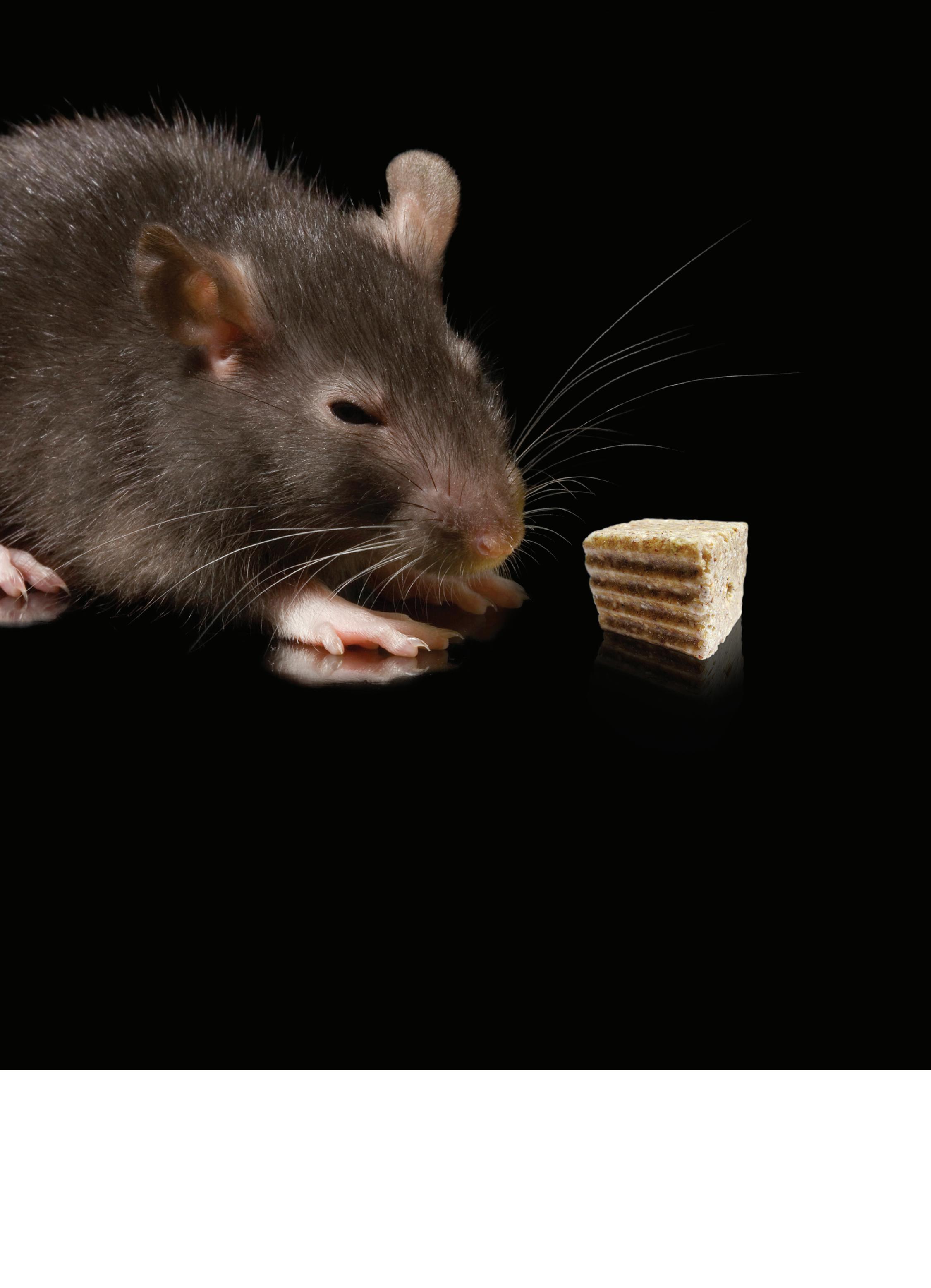
unfortunately for producers, poultry barns provide the perfect environment to allow insect and rodent pests to thrive. Inside the barn, it’s like summer all year round, and food sources and hiding places are plentiful.
Insect and rodent pests are of obvious economic concern because not only can they cause structural damage to the barn, they harbour a multitude of bacteria, parasite and viral species that significantly affect poultry health and productive performance. these include Salmonella sp., Marek’s disease, newcastle disease virus, avian influenza, Infectious Bursal disease and Eimeria sp. and E.coli sp., just to name a few.
although the barn environment remains relatively constant, the change in the outside temperature from season to season has an effect on the life cycle and behaviour of insect pests. this can be very advantageous and provide producers with the opportunity for a strategic reduction of pest populations in the cooler months so that the populations are much easier to control in the more troublesome spring and summer months.
rodents
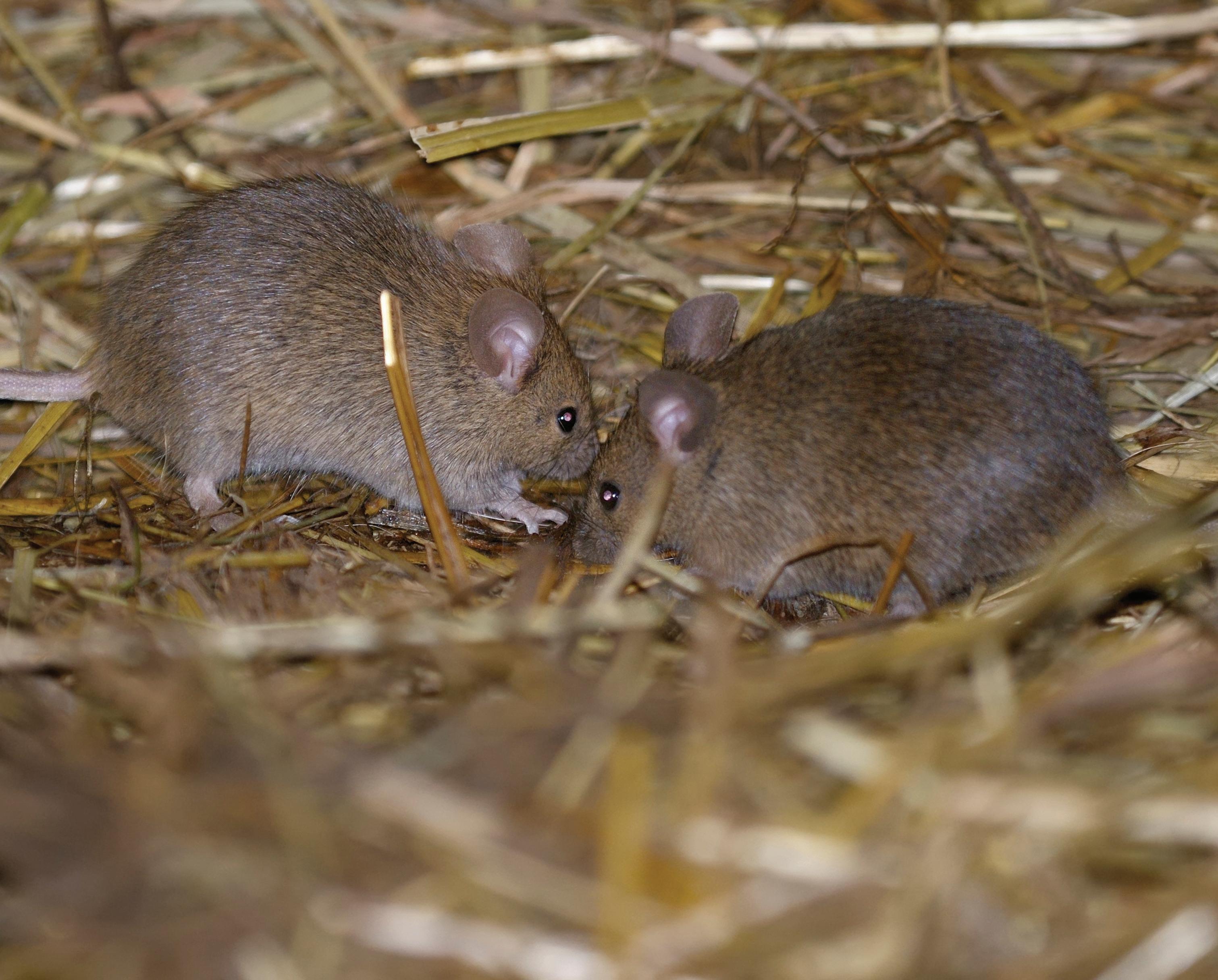
rodents may be small, but they can cause significant problems in a poultry barn. not only are they carriers of disease, they
can cause significant structural damage by gnawing on live wires and insulation, which greatly decreases r-values, says dave Van Walleghem, a biosecurity specialist with Vetoquinol.
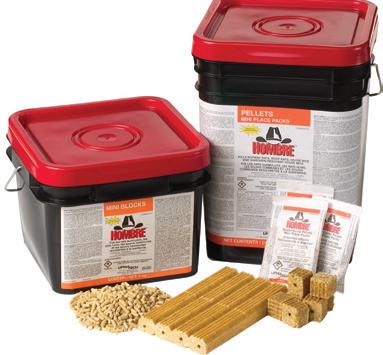
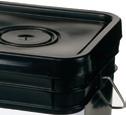
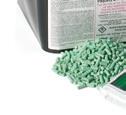
rodents are in constant search of food, so it’s best to provide control in the form of a rodenticide. rodenticides are more advanced than ever before, and are designed with the understanding of what rodents like and how the chemicals contained with them work in a rodent’s body, says Van Walleghem. however, the chemicals can be damaging to birds as well (and also require a withdrawal period if ingested) so rodenticides are best provided to birds in a bait station.
Location of the bait stations is key –they need to be placed where the rodents are moving in the barn. rodents have
poor eyesight and feel safest if they can be close to or touching a solid surface, such as a wall, says Van Walleghem. they do have a very keen sense of smell however and to aid them and others in their travels, they urinate anywhere from 300 to 3000 microdroplets a night, he says. this is a tool that can be used – avoid washing bait stations so that they smell inviting to others. If an entry point into the barn is found, Van Walleghem says it’s a good idea to spray the hole and the path to the hole with a solution of 10 per cent bleach before plugging it to confuse and scare rodents away.
the fall is a very important time to bait outside the barn as much as possible, says Van Walleghem. at this time of the year rodents are looking to move indoors, so this will prevent as many as possible
The fall season is not the time to decrease control methods for darkling beetles and rodents, say pest control experts.
sEAsONAL TImINg
Pest Control
from finding their way in. once winter does come, rodents that didn’t make their way into the barn are hibernating, but this does not mean that the rodent control program within the barn should be abandoned. rather, the fall is a key time to increase the intensity of the program, and then it should be maintained throughout the winter to decrease populations before spring, he says. “You need to get the population under control before springtime,” he says. “think of it as an investment in the spring; if you take care of your problem in the winter, you won’t have such a big fight with rodents inside and outside come the spring.”
the rodents that were in the barn already or made their way into the barn before winter are essentially “trapped,” as they can’t go outside, so the only source of food they have is what they can find in the barn. It’s also important to remember that populations can still exist even if you don’t see much activity because the environment of the barn is perfect for rodents, he says. “Mice don’t take a vacation.”
an area that is important to have bait stations as well is the attics, says Van Walleghem. Mice are great climbers and don’t need a water source because they can get enough water from food.
inseCts
Cooler fall and winter temperatures may extend the life-cycle of insect pests and seemingly decrease their populations, it is not the time to reduce control methods, according to both Van Walleghem and James Skinner of terregena Inc. on the contrary, it’s an optimal time to maintain control methods, particularly with respect to darkling beetles because it will help reduce the “explosion” that can occur in the spring.
“Why add to the problem in future if you can catch them in the meantime,” says Van Walleghem. “Fall and winter is not the time to stop treating.”
Beetle control needs to be a 12-month program, says Skinner. there is a
Continued on page 35
Powerful Performers from the Feeder Technology Leader
First Choice Bosman 8582 Hwy 23 North Listowel, Ontario N4W 3G6 (519) 291-5012 1 (800) 463-7622 E-mail: info@fcbagri.ca
Equipment 170 Rue Lague, C.P. 28 Ange-Gardien, Quebec JOE 1E0 (450) 293-0001 1 (800) 361-1003 E-mail: info@jolco.ca
L.B.J. Farm Equipment
2 Tantramar Court Amherst, Nova Scotia B4H 4H8 (902) 667-5550
1 (800) 268-5550
E-mail: lbj.farm@ns.sympatico.ca
New Technology The Challenge of Organic
Tackling the question of why it’s taken so long for organic poultry to be offered on a large commercial scale in canada
B Y T REENA H EIN
small-scale organic poultry farming has been happening in Canada for some years now, but on a large scale, organic has been slow to get going. Some of the reasons are obvious. It takes a large investment to go organic, and most poultry farmers don’t have an interest in that. It costs a lot of money to build new barns or retrofit existing barns to provide things like more room per bird (21 kg per m3) and access to the outside. (Because of this, organic poultry barns can’t be located on a migratory bird pathway where wild bird population numbers are higher at times of migration than elsewhere.) the barns must also feature the use of natural light and ventilation, which Yorkshire Valley Farms of Peterborough, ont., accomplishes with screen panelling along the sides of the building. “When the inside barn temperature builds up, our natural ventilation systems kick in,” says nick ahrens, a Yorkshire producer. Production started only last november, so nick and Yorkshire co-owner tony ambler are only now finding out how the extra room and natural ventilation will affect how their flocks fare during their first summer.
Large-scale organic poultry production has also been slow in coming
A
Tony ambler of Yorkshire valley Farms says it took a lot of legwork and learning to start a large-scale organic poultry company.
because trying something new is a gamble that involves a lot of leg-work and learning. “We took enormous risk,” notes ambler. “We had to find out about slaughtering, feed, transport, certification and more. We visited U.S. facilities on our own.” the eventual outcome was to have Yorkshire Valley Farms interconnected. the operation is one big cycle – one that’s economically, socially and environmentally sustainable, says ambler. Yorkshire Valley co-owner tom ahrens, along with son nick, grows components of the feed (soybean, wheat, corn and spelt), to which Jones Feed Mill (see sidebar)
adds other organic ingredients at its heidelberg facility to make feed. ambler says it takes 2,000 acres of organic feed for their 60,000 quota units. Spelt straw from tom’s fields is used as litter in the barns, and afterwards is composted and returned to the fields.
Yorkshire Valley lists another reason they think no one has come before them in the commercial organic poultry market. “generally speaking, ontario has not been as quick to embrace organic production as other jurisdictions,” says co-owner Ian anderson. “oMaFra programs have tended to focus on smaller organic operations. going forward, we
LOT OF LEgWORk
New Technology
are hoping to see oMaFra set out a vision for organic agriculture for ontario and back it with targets and programs that engage large and small producers alike.”
oMaFra organic Crop Production Program lead hugh Martin says oMaFra has provided informational support for organic farmers large and small for 25 years, and organic companies of any size can access oMaFra grants of up to $100,000 per approved project (up to 50 per cent of the project’s eligible cost) through the ontario Marketing Investment Fund (part of the Foodland ontario program). “Several larger companies such as harmony dairy, organic Meadow, Sunshine Pickles and Mapleton Ice Cream have accessed this fund,” he says. “organic companies can now also apply to use the Foodland ontario organic logo.”
With regard to other financial assistance for organic start-up companies of any size, Martin says there is a myriad of oMaFra funding opportunities. however, very few of them are organic-specific, so organic farming businesses have to compete with those who use conventional agriculture. Yorkshire Valley did recently receive $105,000 from the ontario government under rural economic development, which will be used for added packaging equipment in order to double production.
Yorkshire Valley also believes Chicken Farmers of ontario should look at organic poultry more strategically. “CFo always met with us, but only observed what we were doing to try to get the business moving,” says ambler. “Up until Yorkshire Valley got rolling, people could go into their grocery store and buy organic eggs, milk, meat and other products, but couldn’t buy organic chicken. that is not good for the poultry industry in our view.”
When CFo was asked a number of questions related to degree of support for organic poultry production, CFo’s director of policy and industry relations, Chris horbasz, responded, “as a regulator, it is CFo’s role to ensure that its policies and regulations facilitate the production and marketing of any and all types of chicken but it is not CFo’s role to promote or
favour any type of chicken product or market over another. CFo is supportive of all types of regulated chicken farming as we are committed to serving the market and to meeting processor and consumer demand and we work with the industry – farmers, processors and others – to ensure that we can meet that demand. . . . We will continue to assess consumer and industry trends and work with our processors and government regulators to assess the information that is available and support farmers by responding to these market needs as they arise.” horbasz wouldn’t clarify what he meant by support of farmers.
looking ahead
In addition to its current retail lineup, Yorkshire Valley will be adding ground chicken and, potentially, marinated products in the near future. they are also adding organic turkey to the lineup for thanksgiving, produced by tim deWit in southern ontario. “I’ve been growing antibiotic-free turkeys and I’m very comfortable growing turkeys without the use of antibiotics, but was waiting for an opportunity to sell birds on a larger scale,” he says. “there is a strong demand for it but the ontario market is currently not being supplied.” deWit says the
Sorganic regulations provided by the turkey Farmers of ontario specify a flock size limit of 30,000 kilograms (presumably to better contain a disease outbreak). avian influenza testing on organic turkey flocks is also required one week before they are shipped, which is not required with organic chicken. deWit gives a coccidiosis vaccine on day 1.
even with the challenges of taking the risks alone, and figuring out at each step how to proceed, the co-owners and suppliers of Yorkshire Valley are glad they’ve taken this journey. “We’ve learned – and continue to learn – how to best keep our birds healthy and happy under organic guidelines and that knowledge belongs to us,” says nick. “our feed conversion and barn mortality rates are similar to conventional operations, but our ‘condemns’ at the processing plant are lower.”
although Yorkshire Valley will not comment on profit differences between conventional and organic production, volume is obviously important and the store price has to cover costs. Yorkshire Valley boneless breasts cost about 20 per cent at retail more than conventional counterparts. “the price is competitive for the product quality,” nick notes. “there is less fat on our birds, the flesh is firmer, and of course, we think the taste is superior.” ■
m aking Organic Feed
even years ago, linwood, Ont.based Jones Feed Mills ltd. had its Heidelberg, Ont., facility certified to produce organic poultry and hog feed. The company’s entry into manufacturing organic feed was driven by customer demand, says Mike Edwards, head of Jones’ nutritional services. “We buy as much organic product as we can locally, but there are times we have to look further in order to physically obtain ingredients,” he notes. “It changes from year to year.” He notes that a few years ago, the organic dairy industry in the United states was going so strong that it made corn almost impossible to find.
Edwards says there are lots of small producers buying Jones’ organic poultry feed directly, and that Jones also sells wholesale bagged organic feeds to many feed dealers in Ontario.
“The growth of the organic meat trade . . . provides another option for organic grain producers to market their crop and provides opportunity for young producers to succeed,” he observes. “like other sectors of the feed industry, organic is a competitive market with several players and several others looking at getting into it, but that is the business we are in and we are committed to it.”
Pest Control
Continued from page 30
misconception that insects die in the winter, he says. their growth may slow, but it doesn’t stop.
the biggest mistake that producers make is reducing, or eliminating, beetle control in the fall and winter months. “It’s not as if they just go away,” he says. they are still growing in the walls, cracks and crevices and when the brooders are turned on for a new flock and the temperature in the barn increases, “what beetles were there come out again.”
Both Skinner and Van Walleghem advise using a beetle control treatment between each flock year-round.
When applying a surface insecticide, “remember to apply up the walls as well as on the floor so that when the beetles are climbing to get into the walls to pupate, they absorb the poison.”
a biological control method can be applied both before flock placement and during growout, which can be beneficial for treating late-emerging larvae, further breaking the reproductive cycle, says Skinner.
the resistanCe question
James arends, an entomologist with JaBB of the Carolinas, Inc. has been studying this pest for 30 years. his research has shown that darkling beetles “accumulate” viruses and are an important vector for reintroducing disease from flock to flock. however, the beetle we are dealing with today (as well as other insects, particularly those affecting crops) is not the same beetle of the past, he says.
arends says what we normally expect to see in an insect species is a set number of days from the time an egg is laid to larvae, pupation and adult emergence. on a graph, this appears as a steep bell curve, where the majority of beetles will complete the life cycle in the same amount of time.
Insecticide resistance has been observed around the world, but it does not explain the poor performance (i.e., not achieving the expected reduction in populations) that can sometimes occur,
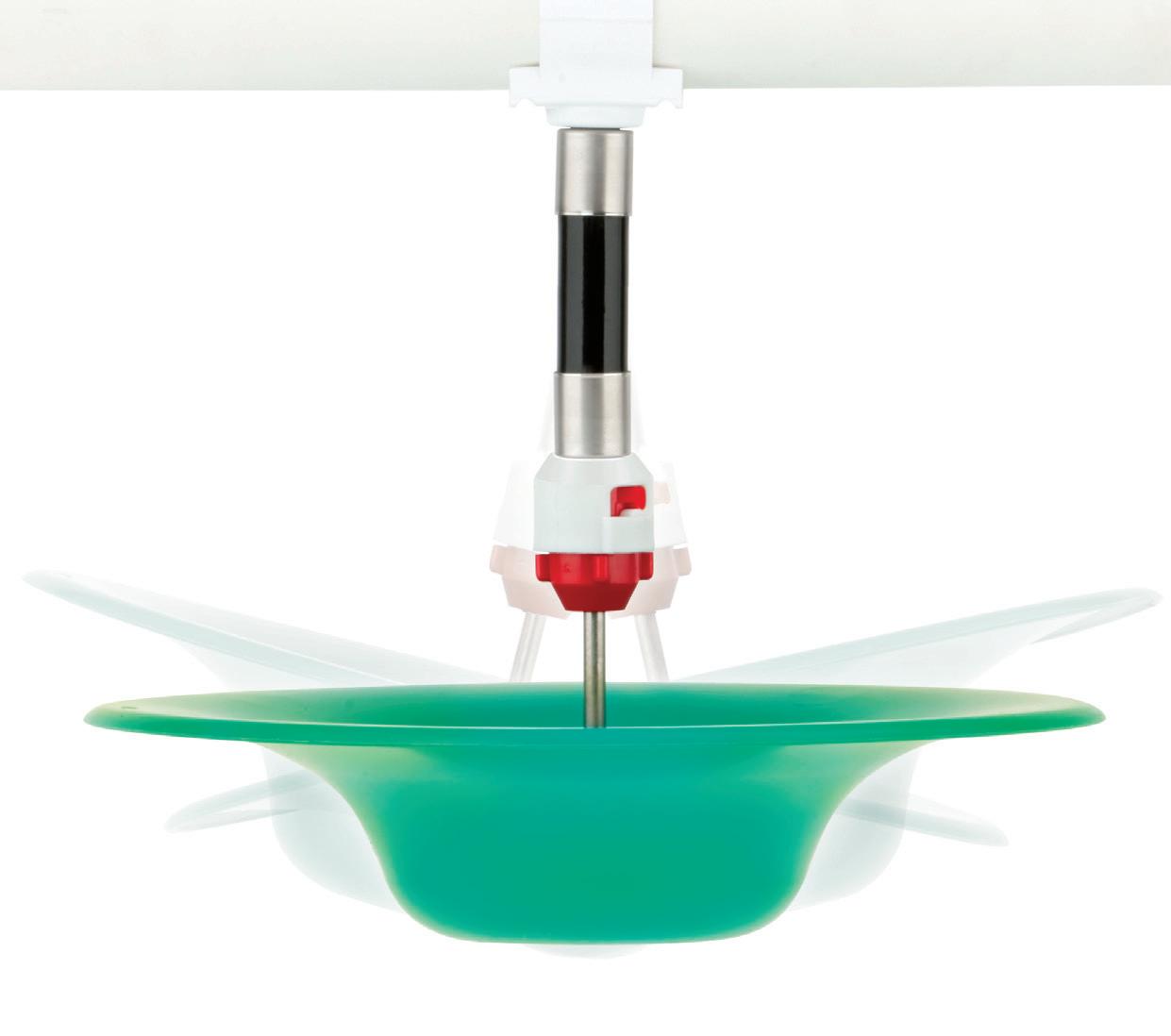
THE CONCEPT THAT MADE ZIGGITY #1 IN POULT WATERING,
built to survive
Flexible, shock-absorbing stem prevents breakage.
300 Series stainless steel is corrosion resistant.
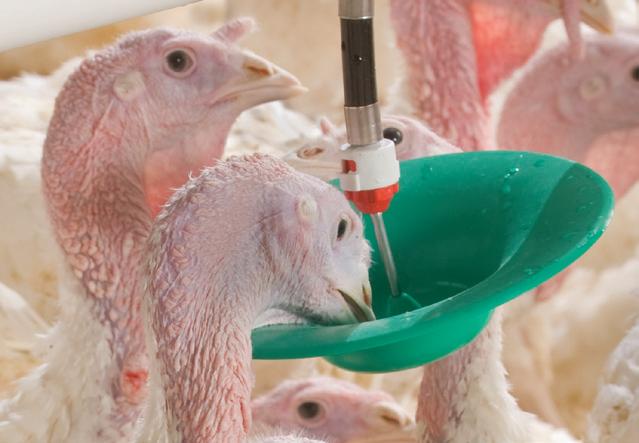
After years of field research and fine tuning Ziggity has created the robust T-Max turkey drinker using the same proven principles as our poult drinkers. Finishing turkeys requires birds to get ample hygienic water. Turkeys have poor eye-beak coordination, so we created a large target that they can’t miss. With each drinking action T-Max dispenses a small amount of fresh water, while minimizing spillage. Birds grow big. Litter stays dryer, reducing ammonia release for healthier flocks.
Tel: + 1 574.825.5849
www.ziggity.com
Big, healthy male and female turkeys. Self-cleaning. Built-to-survive. T-Max drinkers from Ziggity, the most trusted name in poultry watering.
Visit www.ziggity.com/turkey for a demonstration.
Made from long lasting, heavy duty materials and designed to prevent spillage.
self cleaning Bird drinking action tilts and rotates drinker, releasing water that swishes it clean.
Medicator Promotion
Pest Control
Soluble products constitute an efficient, economical and safe way to administer mass treatment in modern production units. You don’t have the right tool to administer them? Or you need a second medicator? Then take advantage of this offer!
To learn more, visit us on our website.
he says. he and other entomologists have discovered is that the beetles that didn’t “fit” into the bell curve explained above, which don’t make up a significant portion of a typical population, are now increasing in numbers. the reason for this can be explained in part by genetic modification, but arends says it’s also due to “adaptive behaviour” modification. Instead of having eggs that only take one week to hatch, he’s now seeing eggs hatching as late as six weeks after being laid. emergence patterns have also lengthened, and this is happening in both cool and warm weather.
the biggest cause of this modification is that we are treating based on our schedule, and not on the bugs schedule, he says. Ideally, treatment should occur when the beetles emerge, even if birds are in the barn.
to help mitigate resistance, if using insecticidal products, a rotation should be employed and it’s crucial to follow the label directions carefully for mixtures and application rates, says Van Walleghem.
although it may take several flocks to achieve, the long-term goal is to reduce beetle populations and keep them as low as possible, he says.
Before implementing any type of pest control program, seek professional help from a qualified pest control company and follow product directions. It’s also important to confer with your processor and marketing board to ensure that you are meeting any guidelines set forth with respect to pest control and its relationship with biosecurity, disease and food safety protocols. ■
PEST CONTROL
WiNDHAM CeNTre – brOiLer FArM: One barn operation. 40 x 352 x 2. Ziggity nipple drinkers. Chore-Time equipment. Sprinkler mist system. 55 kw generator and alarm system. Natural gas heaters. 12 acres on paved road.
LiTTLe briTAiN - brOiLer breeDer FArM WiTH 14256 H.e.M.S. Split flock. 2 barn operation. Barn 1- 275 x 40 x 1, Barn 2- 305 x 40 x 1. Solar wall Vencomatic Nests, Roxell Feeders, Fancom Computer, Bird weighting. Box heaters. Lubing drinkers. Automatic generator, 105 kw. New well. Pullet quota of 8257 produced off site. Year round production. 50 Acres, 45 workable tiled loam soil. New 3+1 Bdrm brick home.
LArGe POuLTrY OPerATiON: Presently set up for Turkey. 3 barn operation. 88,000 sq ft of growing area. Suitable for other poultry. Standby generator and all farm & barn equipment. Modern 3+1 bdrm home. All on 50 acres of land located near Acton, ON.
Receive a $5 gift card for every 75 purchase of Vetoquinol rodent control products at participating dealers. Valid until cards run out.