It’s simple arithmechick, whether you raise 4,000 chicks or 4 million. Victrio® is a preservative-free, antibiotic-free way to jump-start your chicks’ immune systems, preparing them to fight E. coli the natural way. Administered in-ovo at the hatchery, Victrio significantly reduces post-hatch mortality due to E. coli infection and supports your RWA production goals.
Ask your hatchery for Victrio chicks today. Learn more at Victrio.ca.


by Brett Ruffell
Arecent incident serves as a reminder of the threat activists pose. In late summer, protesters stormed the Jumbo Valley Hutterite turkey farm near Fort Macleod, Alta.
About 30 animal rights activists illegally entered the barn demanding more transparency and claiming that the birds were living in cramped conditions with poor air quality. The owner refuted those claims, pointing out that the birds were free-range and treated very well. He even gave the activists a tour to show he had nothing to hide.
The incident, which the barn’s owner described as “very, very humiliating”, eventually ended peacefully. Still, it prompted Alberta and other provinces to pledge stronger penalties for farm trespassers.
It’s not just in person that producers have to be wary of activists. A recently released report found that activists were also harassing livestock producers online.
Farmers were taking to social media intending to advocate for their industry only to be harassed by vegans. This cyberbullying is a significant source of stress for farmers, says the report.
To get some advice for how producers can navigate social media safe and effectively, I spoke with MediaStyle CEO Caitlin Kealey. The Ottawa-
based public affairs agency has worked with numerous poultry groups on their social media approach.
When it comes to cyberbullying by activists, Kealey says don’t get mad and definitely “don’t feed the trolls”.
“You’re not going to change their minds so let them be,” she says. “Unless they have a huge audience and there’s something factually inaccurate that you think is important to correct.”
She says most people will just go away if you ignore them. “If you don’t feed them there’s nothing for them to build on,” Kealey says, adding
“Don’t feed the trolls. You’re not going to change their minds so let them be.”
that if they become over the top aggressive then hit the block button.
In that respect, it’s important to understand the options on different platforms. On Facebook, for example, users can hide comments so the poster still sees them but they’re hidden from other users. On the Twitter side, users can also block certain phrases that might be popular with vegan activists who partake in cyberbullying.
Despite the activist presence, Kealey insists social media is worth the investment
for farmers. For one, she says it’s a great way to educate the public about where their food comes from. This, in turn, helps build consumer trust.
For supply managed industries, Kealey says social media allows farmers to be more united in their support for the system. “And you can make the soft sell for supply management as you’re talking about the things you do day in and day out on the farm.”
For those relatively new to using social media for professional purposes, Kealey’s main piece of advice is to be yourself. “I think authenticity plays best online,” she says. Part of that is posting about more than just your day job –talk about some of your other interests as well.
For more experienced users, Kealey offers tips for taking things to the next level. For one, she suggests adopting a content calendar to preplan what you send out. “You can program it in and have it ready to go so your social feed is filled with relevant and interesting content,” she says.
Next, Kealey encourages users to adopt video. “That’s the next step in content creation,” she notes, advising users to keep videos short, snappy and interesting.
Lastly, she says use social to engage with your industry community online, actively following and engaging with people. “Instead of treating it like a one-way medium, you can start to build your community online by finding likeminded people and other farmers.”
canadianpoultrymag.com
Editor Brett Ruffell bruffell@annexbusinessmedia.com 226-971-2133
National Account Manager
Catherine Connolly cconnolly@annexbusinessmedia.com 888-599-2228 ext 231 Cell: 289-921-6520
Account Manager
Wendy Serrao wserrao@annexbusinessmedia.com 416-510-6842
Account Coordinator
Alice Chen achen@annexbusinessmedia.com 416-510-5217
Media Designer Brooke Shaw
Circulation Manager
Anita Madden amadden@annexbusinessmedia.com 416-442-5600 ext 3596
VP Production/Group Publisher Diane Kleer dkleer@annexbusinessmedia.com
COO Scott Jamieson
PUBLICATION MAIL AGREEMENT #40065710
Printed in Canada ISSN 1703-2911
Circulation email: rthava@annexbusinessmedia.com
Tel: 416-442-5600 ext 3555
Fax: 416-510-6875 or 416-442-2191
Mail: 111 Gordon Baker Rd., Suite 400, Toronto, ON M2H 3R1
Subscription Rates
Canada – 1 Year $32.50 (plus applicable taxes)
USA – 1 Year $70.50 USD Foreign – 1 Year $79.50 USD
GST - #867172652RT0001
Occasionally, Canadian Poultry Magazine will mail information on behalf of industry-related groups whose products and services we believe may be of interest to you. If you prefer not to receive this information, please contact our circulation department in any of the four ways listed above.
Annex Privacy Officer privacy@annexbusinessmedia.com Tel: 800-668-2374
No part of the editorial content of this publication may be reprinted without the publisher’s written permission. ©2019 Annex Publishing & Printing Inc. All rights reserved. Opinions expressed in this magazine are not necessarily those of the editor or the publisher. No liability is assumed for errors or omissions. All advertising is subject to the publisher’s approval. Such approval does not imply any endorsement of the products or services advertised. Publisher reserves the right to refuse advertising that does not meet the standards of the publication.

Glass-Pac Canada
St. Jacobs, Ontario
Tel: (519) 664.3811
Fax: (519) 664.3003
Carstairs, Alberta
Tel: (403) 337-3767
Fax: (403) 337-3590
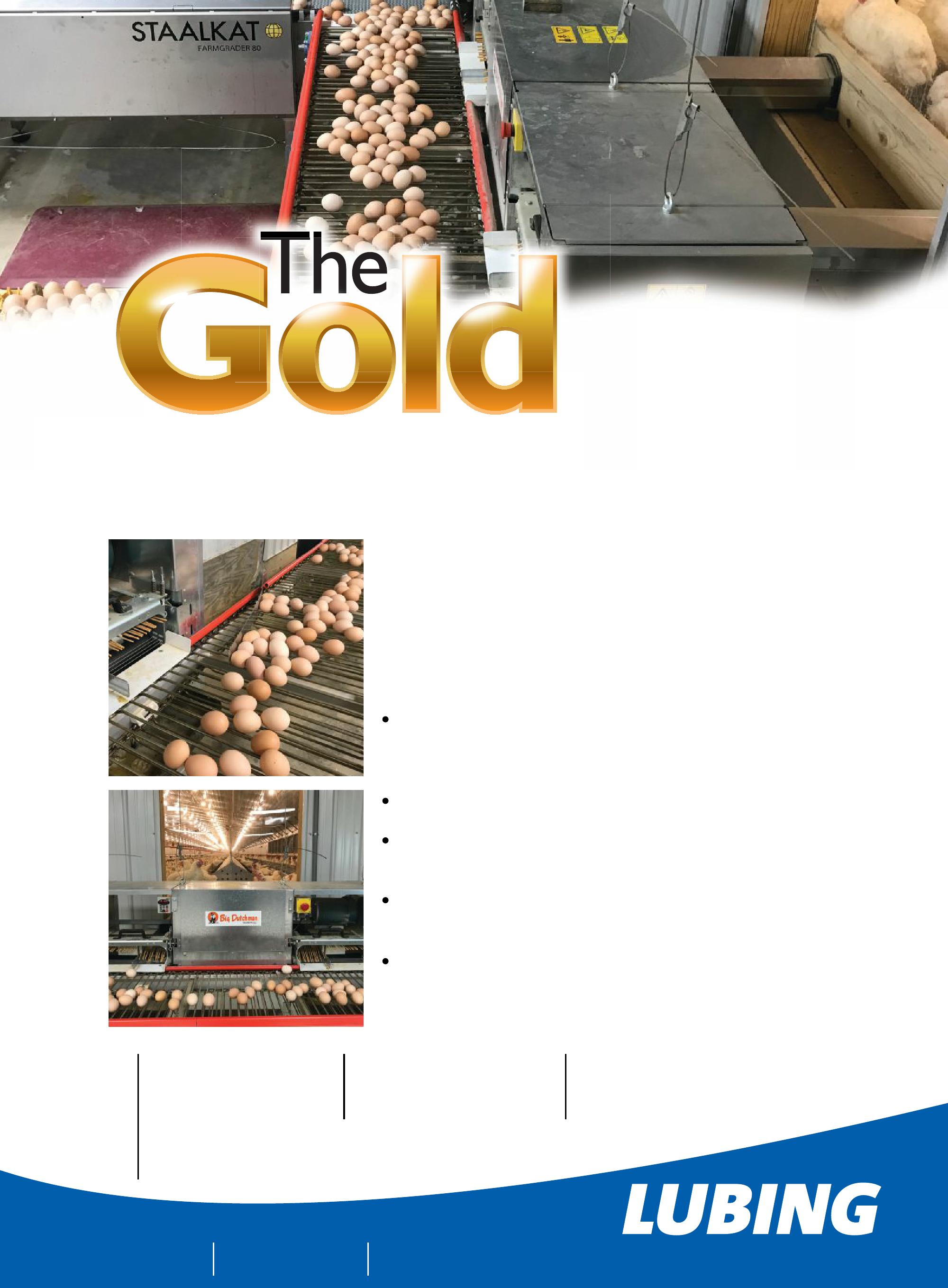
Lubing Conveyors are the safest ride for your eggs from nest to packer
The Lubing name has become one of the most trusted names in the industry because of our exceptional quality, reliability, performance and trouble-free operation.
Custom Configurations - Lubing Breeder Conveyors can be configured to work with any imaginable requirements; any necessary curves, heights and distances.
System Specifications - Available in 14-in and 20-in widths.
System Benefits - Eliminates manual labor of egg collection and reduces egg damage.
Fast Installation - Components ship completely preassembled for easy, quick installation.
Superior Service Life - With more than 40 years developing conveyor products, Lubing conveyors have an established reputation for longest lasting product life in the market
Les Equipments Avipor
Cowansville, Quebec
Tel: (450) 263.6222
Fax: (450) 263.9021
Specht-Canada Inc.
Stony Plain, Alberta
Tel: (780) 963.4795
Fax: (780) 963.5034
Alberta Premier Jason Kenney says legislation is coming soon to crack down on protesters who trespass on farms and agricultural land. Kenney says free speech must be protected, but not when protesters trespass, create mischief and pose potential biohazards. Kenney was speaking at the Jumbo Valley farm near Fort Macleod, where dozens of people protesting the treatment of turkeys occupied a barn on the property a month ago. The RCMP said that the protest remains under investigation and no charges have been laid.
One person has died and more than 100 people have become ill after an outbreak of Salmonella spread across Canada over the past year. According to the Public Health Agency of Canada, the source of the illness is likely raw chicken and raw turkey. In October, the agency said it has confirmed 110 cases of Salmonella across the country. Alberta reported the most cases, with 36, while B.C. had the second-highest amount of cases with 26, followed by Manitoba with 24.
Multidrug-resistant Salmonella was detected twice as often in samples of meat from conventionally raised chicken and turkeys compared with antibiotic-free or organic poultry, according to a Penn State study. A second study found that almost one-third of Salmonella-contaminated poultry, ground beef and pork chop samples were resistant to three or more antibiotics and more than one in six were resistant to five or more..
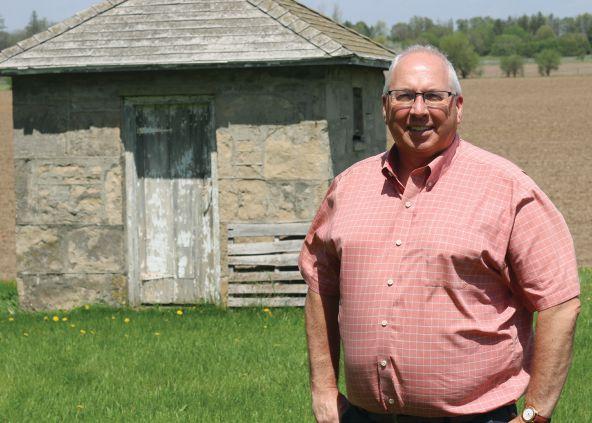

After six years as executive director, Keith Robbins has left Poultry Industry Council (PIC) to become general manager of the Ontario Processing Vegetable Growers (OPVG).
PIC is actively seeking his replacement.
“I have truly enjoyed my time at PIC and the many contacts made with the industry representatives,” Robbins said in a parting statement.
“This is a very dynamic and innovative sector that has moved the bars in a number of areas.”
Raised in rural southern Ontario, Robbins graduated from Centralia College with an agricultural business management diploma.
He joined PIC after 20 years with Ontario Pork, where he led the communications and marketing activities.
During his time in the poultry industry, he expanded education and outreach activities for the organization and strengthened the revenue stream for activities through strategic partnerships.
Since 2013, membership increased by 30 per cent, organizational revenues increased by 20 per cent, event attendance grew by 11 per cent and sponsorships grew threefold.
“We have also seen consistent growth at the National Poultry Show by eight per cent each year while still being the show that producers attend to make their business grow,” Robbins noted.
In his new role with OPVG, he’ll be leading a marketing board regulated under the Farm Products Marketing Act that represents nearly 400 Ontario processing vegetable growers producing a variety of crops.
Mike McMorris grew up on a farm just north of Guelph, Ont., right across the road from the Elora Beef Research Centre. McMorris brings extensive educational and industry experience to his new role as CEO of the Livestock Research Innovation Corporation (LRIC).
In this position, the agricultural expert strongly believes he has the potential to make a positive difference in the lives of Ontario livestock farmers, whether that means more profit, time saved or reduced frustration. We asked him five questions.
Please tell us about your career and educational background. I went to the University of Guelph for a BSc in Animal Science and an MSc in Animal Breeding. My career has been quite varied. I did extension work with the Ontario Ministry of Agriculture, Food and Rural Affairs (OMAFRA), served as executive director of Beef Farmers of Ontario, worked as director of operations with Agricorp and was also general manager of AgSights.
How has your previous professional experience prepared you for leading LRIC?
My past roles have included many of the key elements needed to do this – performing research, determining research priorities, creatively approaching problems and working with a wide variety of people and organizations.
I also understand the reality of having limited resources and, perhaps most importantly, know that we can accomplish so much more when we all work together collaboratively.
What are your first priorities for LRIC?
My first priority is to meet with each funding member to better understand their needs. LRIC must show a return on the investment members make and we can only do that if we truly understand what they value. I have met with about half so far and, to no surprise, the members need very different things from LRIC. Based on all the feedback, next up will be to focus our resources on meeting those needs and reporting to each member in a way that respects their needs and their busy schedules as well.
Where do you see LRIC in the future?
Since inception about six years ago, LRIC has done good work in research, helping sector groups to determine priorities, identify emerging issues and better communicate what is being done and said about livestock research.
Now, LRIC needs to turn some attention to innovation, which means different things to different people.
My definition is ‘change that leads to a positive outcome’. So, we’ll be focused on developing ways to get research findings into action on the farm.
What interests you outside of agriculture?
The main thing in my life is family. I have three wonderful children and an amazing grandson. I am also a long-suffering and now highly hopeful fan of the Maple Leafs. And I learned to play bagpipes later in life and am a member of the Fergus Pipe Band.
NOVEMBER 2019
NOV. 4-6
Poultry Tech Summit Atlanta, Ga.
wattglobalmedia.com/poultrytechsummit
NOV. 21-22
Poultry Innovations Conference London, Ont. poultryindustrycouncil.ca
NOV. 6-10

FarmFair International Edmonton, Alta. farmfairinternational.com/about
NOV. 25-30
Canadian Western Agribition Regina, Sask. agribition.com
DECEMBER 2019
DEC. 4
PIC Producer Update Belleville, Ont. poultryindustrycouncil.ca
DEC. 11
PIC Producer Update Brodhagen, Ont. Poultryindustrycouncil
JANUARY 2020
JAN. 15
Regional Poultry Conference St. Isidore, Ont. poultryindustrycouncil.ca
JAN. 20
PIC’s Science in the Pub Guelph, Ont. poultryindustrycouncil.ca
JAN. 28-30
International Production and Processing Expo Atlanta, Ga. ippexpo.com
While many people now keep chickens or ducks in their backyards, there has been little research into how many of these birds are carrying dangerous pathogens or what flock owners are doing to prevent pathogens from spreading until now.
University of Guelph (U of G) researchers are the first to uncover that many Ontario backyard birds are carrying dangerous pathogens, and a significant number of flock owners are not following proper hygiene practices.
“This is the first study to look at the health status of small flocks in Ontario,” says Leonardo Susta, who works in the Department of Pathobiology at U of G’s Ontario Veterinary College.
Conducted in collaboration with colleagues at U of G’s Animal Health Laboratory (AHL) and the Ontario Ministry of Food and Rural Affairs (OMAFRA), the research was published in two papers in the Journal of Veterinary Diagnostic Investigation.
The team asked small flock owners to voluntarily submit any birds who died on their properties to AHL for a post-mortem examination. They also asked the owners to fill out a questionnaire about their infection-control practices.
They received 245 specimens from 160 flocks. Most of the flocks consisted of 25 or fewer chickens kept for the purpose of laying eggs for family use.
Infectious diseases were the most common killer, the team found, causing 62 per cent of deaths. Mixed respiratory disease (caused by a combination of bacteria, viruses and fungi) was found to be the primary cause of
death in 21 per cent of the birds, and Marek’s disease, which causes fatal tumours, caused 11 per cent of the deaths.
In addition to these pathogens, the research team also found a number of chickens with Mycoplasma, a bacterium that causes respiratory disease.
“This is a disease that is rarely seen in commercial flocks, yet one in five birds in this study were carrying the pathogen,” Susta says.
The researchers also found several birds with Campylobacter, a bacterium that can lead to severe food poisoning in humans.
“The fact that we found so much Campylobacter is a testament to the fact that biosecurity measures need to be followed,” he says.
The questionnaires revealed that while some flock owners had good knowledge of proper hygiene practices when interacting with the birds, many were not taking enough precautions to avoid the spread of disease.
“We wouldn’t expect backyard chicken owners to apply the same biosecurity practices used with commercial flocks, but there are certainly steps that flock owners should be taking,” Susta says.
Fewer than 50 per cent of owners reported having dedicated shoes or clothing for entering their poultry coops or barns, less than five per cent reported using a foot bath and more than 60 per cent reported allowing visitors into the coop or barn, which is not recommended.
“Many also allowed their birds to stray outside the coop or barn, where they might have access to wild birds or their habitats,” Susta says.
Elizabeth Bobeck and colleagues at Iowa State University in Ames, Iowa, recently completed a research project in which they examined the feasibility of using a novel laser device in a broiler house to stimulate enhanced bird activity. They found that bird activity increased when this laser enrichment device was used. What’s more, weight gain and feed conversion significantly improved.

Amit Morey in the Department of Poultry Science at Auburn University recently completed a research project where he evaluated a hand-held bioelectric impedance device for its ability to detect broiler breast fillets affected with the woody breast condition. The device was found to be able to successfully differentiate severely affected fillets from normal fillets by analyzing the electrical properties of the meat. This technique may be used by plant personnel to more accurately sort breast fillets.
LUBING Systems, a manufacturer of poultry watering and egg conveying systems, recently announced two staffing changes. Firstly, the company promoted Christopher Hawk to vice president. Hawk has been working in the engineering department and field technical services with LUBING since January 2016 and has been directly involved in the development of several new products. LUBING also promoted Dustin Hicks to the position of technical director. Hicks has a history dating back to 1998 designing automated equipment for various industries.

By Lilian Schaer
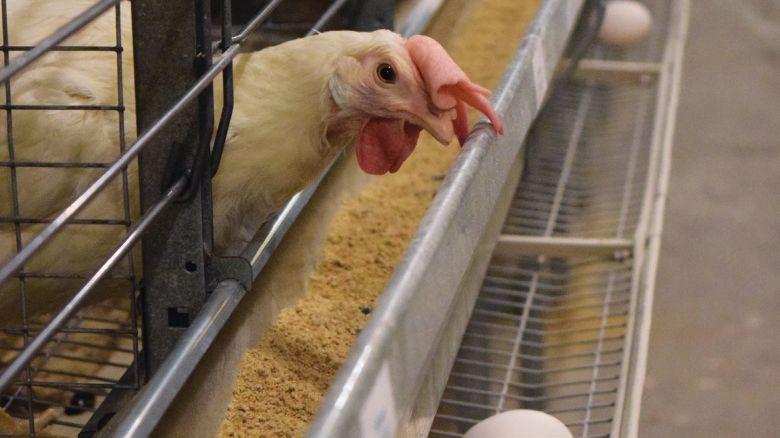
Grégoy Bédécarrats has spent the better part of a decade studying poultry and how they respond to light. It was during this research that he noticed something unusual: modern laying hens were maturing early and starting to produce eggs while they were still in the pullet barn, and without photo-stimulation, the use artificial light to trigger maturation.
“When pullets enter lay too early, they aren’t necessarily fit, because when they start laying, they stop growing,” Bédécarrats explains. “So, if a bird isn’t fully mature, it will be at risk of calcium deficiencies, egg quality issues and potential injury.”
Intensive genetic selection over the last 50 years has resulted in significant egg production advances, including reducing the age at which birds start laying, shortening the time it takes for each egg to form and considerably
lengthening the birds’ laying life spans.
Modern lines of layers are now expected to produce good quality eggs for at least 70 weeks and potentially for up to 100 weeks.
“Something inside the bird tells it that it’s ready to lay, regardless of breed or age, so we wanted to find out what triggers the laying,” says PhD student Charlene Hanlon who worked on this research with Bédécarrats.
Researchers compared three lines of White Leghorn hens: the Lohmann LSL lite commercial strain (highly selected strain), the Smoky Joe strain which is similar to a 1960s bird (non-selected strain) and the White Leghorn heritage line (mid-selection strain from 2003).
Birds were raised until 100 weeks of age. Growth, production and general health were monitored and compared, and blood and tissues were collected to help identify possible causes of any observed differ-
“If a bird isn’t fully mature, it will be at risk of calcium
deficiencies, egg quality issues and potential injury.”
ences between the lines.
“The non-selected birds had the same body weight window – 1.431 to 1.494 kilograms – as the highly selected, but the latter reached that weight level faster,” Bédécarrats says.
According to Hanlon, modern layers grow too fast, specifically their body composition or fat-lean ratio. This means management of body weight and growth of the pullets is absolutely key.
“It’s important to monitor the body weight of pullets as they grow and get closer to the time of transfer to the adult barn to make sure they don’t exceed the target weight,” she says. “If you let Lohmans eat at will, they will exceed the weight, get too heavy and start laying before going into the adult barn.”
They also found a link be -
tween hormonal changes and longer laying cycles. In modern layers, the hormonal profile of estrodial goes up and down repeatedly, and since estradiol helps absorb dietary calcium and helps put it in storage in bones, matching dietary calcium levels with estradiol profiles would be the best practice so producers could supplement rations with calcium to give birds when they need it most.
“We can directly link the hormone to the laying period; it’s the cornerstone hormone that will help the hen manage nutrients for egg production,” she explains.
Every 10 weeks of extra laying time reduces CO2 emissions by one gram per bird compared to a replacement flock. Keeping hens longer also means producers can reach their quota targets with fewer pullets, resulting in lower feed and other input costs.
However, one of the practical limitations is hens aren’t synchronized – hormonal patterns and feeding patterns are specific to the individual bird, not the flock. That said, work looking into precision feeding at the individual bird level is underway in collaboration with Martin Zuidhof at University of Alberta.
“It’s individual management, the equivalent of personalized medicine – this will be the technology of the future,” says Bédécarrats.
This research was supported by Egg Farmers of Ontario, Ontario Agri-Food Alliance, the University of Guelph’s Food from Thought program and a Natural Sciences and Engineering Research Council discovery grant.

By the Canadian Poultry Research Council
The Canadian Poultry Research Council, its board of directors and member organizations support and enhance Canada’s poultry sector through research and related activities. For more details, visit cp-rc.ca.
Antibiotic stewardship research is presently the most important priority for the poultry industry, as evidenced in the third poultry science cluster. Ten of the 18 research projects encompassing this cluster are specifically investigating antimicrobial stewardship in poultry production, which represents more than half of the $12.6 million cluster funding. The projects reflect the importance of preventing microbial infections in poultry production.
Necrotic enteritis (NE), caused by the C. perfringens, is one of the most prevalent diseases in poultry. NE is an increasing concern with the planned reduction of non-therapeutic antibiotics from poultry production in Canada. Development of effective alternatives to control NE is a considerable component of the antimicrobial stewardship research.
Two projects investigate controlling NE.
Shayan Sharif (pictured above) from the University of Guelph (U of G) leads a large multidisciplinary project aimed at reducing the use of antimicrobials in poultry and enhancing poultry gut health. It includes researchers from the University of Alberta, University of Prince Edward Island, Hospital for Sick Kids and Agriculture and Agri-Food Canada (AAFC).
Research sub-projects led by Doug Korver, John Parkinson and Juan Carlos Rodriguez-Lecompte will identify and evaluate probiotic formulations in the prevention of NE. What’s more, sub-projects led by Sharif and Joshua Gong will attempt to develop several effective vaccine-based control strategies for NE control.
In a separate project, Susantha Gomis from the University of Saskatchewan (U of S) is developing novel vaccines and probiotics while comparing and combining them with the autogenous vaccines and probiotics available in Canada.
Three projects will look at developing
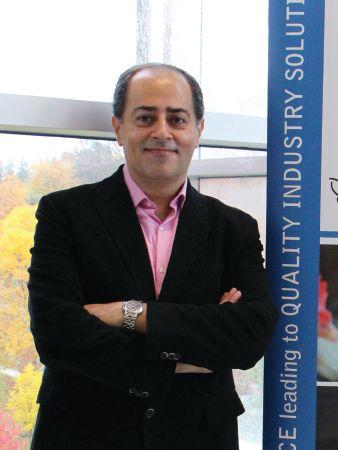
Development of effective alternatives to control NE is a considerable component of the antimicrobial stewardship research.
vaccine-based strategies for NE control.
Martine Boulianne from the University of Montreal will lead two separate projects to develop vaccines against C. perfringens in an effort to control NE.
The projects will target surface proteins and membrane vesicles of C. perfringens and bacteriocins as antigens for protection against C. perfringens. Eva Nagy from the U of G is developing an oral vaccine to induce an immune response against NetB to control NE in chickens.
Two individual research projects led by AAFC scientists will investigate feed strategies to control NE. Qi Wang will validate the effectiveness of essential oil products and Gong will investigate synergistic effects of tributyrin combined with several plant extracts to promote growth performance and control NE in chickens.
A project led by Arshud Dar from the U of S aims to identify both in ovo and posthatch administration of immune stimulants and antimicrobial peptides for prevention of C. perfringens infection and NE
control in chicks. Bogdan Slominski, University of Manitoba, is continuing research from the second poultry cluster to enhance the biological activity of yeast and yeast-derived products on poultry microbiome composition.
Salmonella and Campylobacter are present in the intestine of poultry without causing major clinical signs. However, on transmission to humans, these microbes can cause food-borne illnesses. Conversely, early chick mortality (ECM) is one of the crucial factors that determine the quality of chicken production and the economic return from a poultry production unit. Yolk sac infection and colibacillosis are the most common and major infectious diseases leading to ECM.
Three antimicrobial stewardship research projects will investigate antimicrobial alternative strategies to control Campylobacteriosis, Salmonellosis and ECM. A project led by Marya Ahmed from the University of Prince Edward Island aims to produce vitamin B5 derived peptides with antimicrobial properties specifically targeting Salmonella.
Within the large multidisciplinary and collaborative project led by Sharif, sub-projects led by Korver, Parkinson and Rodriguez-Lecompte will additionally aim to identify and evaluate probiotic formulations for their ability to enhance gut-health in chickens and in preventing Salmonella and Campylobacter infections.
Similarly, in addition to the research described above, Arshud Dar will optimize in ovo administration of immune stimulants for control of early chick mortality due to yolk sac infection and colibacillosis in young chickens.
The third poultry science custer is funded by AAFC, several provincial governments, poultry-related Canadian corporations, provincial industry organizations and the CPRC and its member organizations.

By Tom Inglis
Tom Inglis is managing partner and founder of Poultry Health Services, which provides diagnostic and flock health consulting for producers and allied industry. Please send questions for the Ask the Vet column to poultry@annexweb.com.
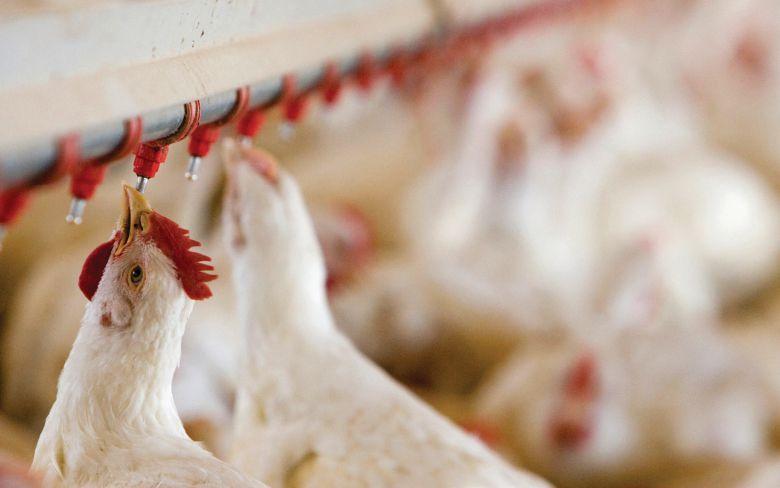
Antibiotic resistance is real. In Canada and around the world, fewer antimicrobials remain effective in controlling infection as more microbes become resistant in both human and veterinary medicine. Experts are concerned about a possible post-antibiotic era where common infections and minor injuries once again become deadly in the 21th century as so-called superbugs develop.
Already, more than 18,000 patients in Canada acquire multi-drug resistance strains of bacteria each year. The World Health Organization (WHO) has called this issue a global emergency. It is recommending that livestock and poultry producers stop using antibiotics routinely to promote growth and prevent disease in healthy animals.
On November 7, 2017, WHO issued a directive to stop giving antibiotics to healthy animals. While the development of multi-drug resistant strains of bacteria is a complex, multifactorial and poorly understood, there is little question that exposing bacteria to antimicrobials is a key step in the process. So, for those of us working in the food animal industry, the way we use antimicrobials is under careful scrutiny.
Outside of scientific and regulatory pressure, consumers and retailers are demanding access to raised without antibiotics (RWA) or no antibiotics in human medicine (NAIHM) branded products.
How is the Canadian poultry industry responding to the concerns of governments and consumers over antimicrobial resistance? The answer is with leadership and careful con -
What we have learned from RWA production is that we can apply these efforts to all production systems and see improvements.
sideration of the health of Canadians now and in the future. What’s more, it’s safe-guarding welfare, sustainability and health. The following proactive antimicrobial use (AMU) reduction strategies are in play:
• Voluntary elimination of the preventive use of category I (very high importance) in commercial chickens and turkeys and breeders in May 2014.
• Withdrawal of the preventive use of category I in parent stock by May 2015.
• The Canadian Hatchery Federation (CHF) developed a turkey-specific AMU reduction strategy to
eliminate the preventive use of category II antibiotics by October 1, 2017.
• Chicken Farmers of Canada has embarked on an AMU reduction strategy that eliminated the preventative use of category II by the end of 2018 and, pending reassessment, elimination of category III for prevention by the end of 2020.
• Turkey Farmers of Canada has embarked on an AMU reduction strategy that eliminated the preventive use of category II antibiotics by the end of 2018 and category III antibiotics by the end of 2019.
• Certain supply chains in the past few years have embarked on RWA production and marketing campaigns to provide such products for consumers who demand them. It is noteworthy that all chicken and turkey farmers are mandated to comply with the AMU reduction strategies of their respective boards. It is an individual decision whether a farmer commits to production methods like RWA or organic but they must respect AMU strategy requirements.
Conventional production under these voluntary national board directions is evolving away from preventative use of antimicrobials, while relying on diagnosis and therapeutic treatments. RWA, in contrast, is focused on avoiding all uses of antimicrobials in production. These programs are not mutually exclusive in that flocks that start out as RWA may have to be treated for health and welfare reasons and the overall reduction in use and targeted use of antimicrobials in conventional and specialty pro -
grams is an improvement. What we have learned from RWA production is that we can apply these efforts to all production systems and see improvements.
The first step in reducing antimicrobial use is understanding the farm specific risk factors contributing to the infections we have treated or prevented with antibiotics. When producers take steps to measure, understand and improve these risk factors they can see long-term success in RWA and conventional production. Some of the opportunities to focus on include:
1. Brooding: Evaluate temperature, humidity and CO2 levels. Short-term chilling of flocks can lead to longterm immunosuppression, delayed gut development and decreased growth rates. Completing brooding checks can ensure all chicks have an adequate crop fill and access to fresh water.
2. Water quality: Birds will consume twice as much water as feed. Water quality plays a big role in the overall health of the flock. Biofilm in water systems can provide safe harbor for pathogenic bacteria (even in the presence of water sanitizers), including bacteria carrying antibiotic resistance genes. Producers can do biofilm testing and bacterial testing over and above what is required in on-farm food safety programs. Random samples from in-barn water lines can have very little to no bacteria detectable when water quality protocols are successful.
3. Coccidiosis management: Evaluating intestinal health at key coccidiosis challenge periods will be beneficial in understanding overall flock health. This tool will help guide medication and management decisions. Protocols can include oocyst per gram (OPG) testing and coccidiosis scoring or health scoring systems with live birds.
4. Serology: Routinely collecting blood from flocks at slaughter and evaluating exposure to different bacteria/viruses can help guide vaccination programs.
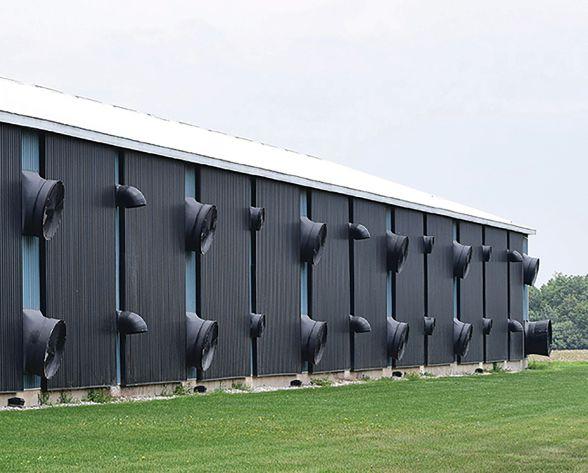
Different operations may require different vaccination programs to control field disease challenge.
5. Biosecurity: Evaluating biosecurity protocols and compliance with existing protocols should be done on a regular basis. Having an outside set of eyes look at what is happening on your operation and provide feedback can help keep these programs effective.
6. Ventilation: Evaluate temperature, humidity and CO2 levels outside of the brooding period. Completing a ventilation audit can help identify any weak points. Over time with genetic advancements the demands on ventilation systems have increased. You can use all of these tools to help navigate within a production scheme that is moving away from antibiotic use. Every operation is unique, and what may be causing issues at your farm may be under control at another farm.
Working with a trusted advisor, such as an experienced poultry veterinarian, can help to identify farm specific risk factors that contribute to the infections we treat or prevent with antibiotics. When these risk factors are properly identified they can be addressed and fixed. While we will not eliminate antibiotic treatments for sick flocks, when required we can limit antimicrobial use in our operations.




The Talon™ is a user friendly and effective way to euthanize poultry using CO 2. Collect a few culls in the bucket, place the bucket in the holder, press the button and let the Talon™ run its cycle. With the Talon™, you not only have an easy way to euthanize, but you can also enjoy the peace of mind that you are using an approved method of animal welfare.
• Portability—one unit can be used for multiple sites.
• Powered by Dewalt 20V battery
• Mount to a wall or pair it with a Poultry Hawk™ trolley system
• Simple push button operation
• Monitoring sensors & indicator lights to ensure proper operation
• Uses common 20lb. CO2 bottle
By Mark Cardwell
When it came to the use of antibiotics as a way to prevent rather to treat illness among his birds, Alberta poultry producer Adrian Tobler used to see the issue as a causality dilemma like the chicken-and-egg metaphor.
“It wasn’t clear to me whether antibiotics were more valuable as a way to keep my birds from getting sick or helping them when they got sick,” says Tobler, who raises 60,000 broilers a year for Maple Leaf on his family’s farm in Rosalind, Alta, a picturesque prairies village an hour’s drive southeast of Edmonton.
But that all changed in the spring of 2015 – the same time that the Chicken Farmers of Canada announced that it was eliminating the preventative use of category II antibiotics in the sector by the end of 2018 as the second step in its ongoing antimicrobial use (AMU) reduction strategy. That’s when Tobler and a few fellow producers met with a Maple Leaf marketing team from Ontario to hear about the benefits of raising birds without the use of antibiotics – or RWA.
“They said the market wanted it,” Tobler recalls. “I figured that if the market wants it and Maple Leaf wants it, it was the perfect time for me to do it.”
After running two transition flocks through his two adjoining barns, which are connected by a common feeding system, Tobler switched his entire operation to RWA in late 2017.
In the two years since then, he has successfully shipped a dozen consecutive RWA flocks to Maple Leaf. Notably, most of those shipments – including all seven in 2018 – have had more weight and less mortality than conventional flocks.
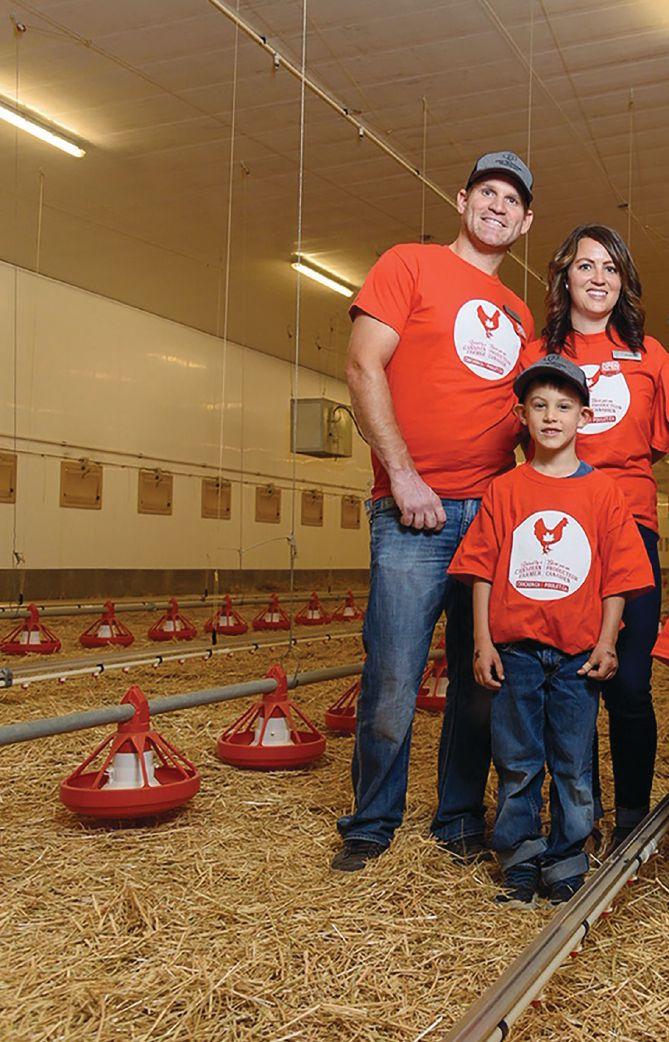
“We haven’t done that every time, but many of them are the best we’ve ever had,” Tobler says, noting that the average bird in flocks two through eight in 2018 weighed 2.31 kilograms when they shipped out at 38 days.
On top of that production success, Tobler gets timely technical support from Maple Leaf and financial incentives that include an eight-cent-per-kilo premium and two- to four-cent feed differential for RWA birds. These factors together have inspired confidence in both his farm management practices and the chicken industry’s efforts as a whole to eliminate antibiotics as a supplement in the feed of modern livestock.
“You really need to relearn how to raise chickens,” he says. “The principles of what they need and what to look for are the same. What’s different is that you need be proactive, not reactive. You’ve got to be on
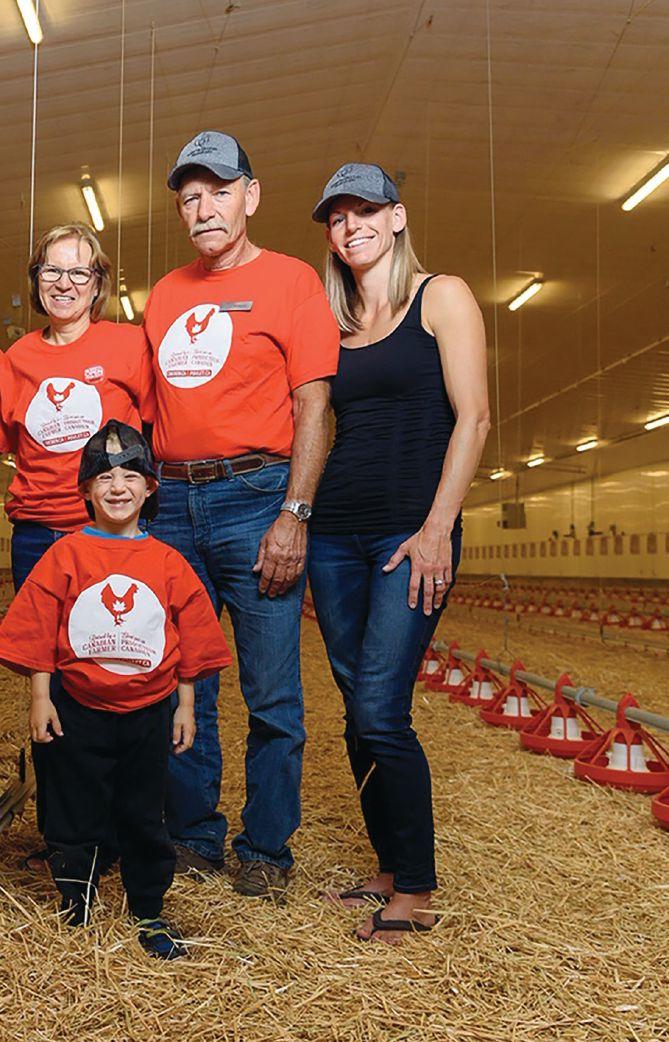
your toes and spend more hours in the barn to get to know what to look for.”
Tobler points to one technique he now uses to avoid outbreaks of painful and ultimately deadly necrotic enteritis, which is caused by undigested protein in the gut.
“You need to slow the birds down after the seven-day weight by lowering the lighting intensity to govern feed intake,” he says. “I was taught to grow kilos, so that’s been the hardest thing to get my head around. The trick is to hold them back and find out how far you can push them without becoming necrotic. You have to patient and watch for the signs.”
Another tip Tobler has for chicken farmers in regards to RWA is to keep an open mind. “Listen to everybody and don’t think you know what’s best or you’ll repeat other people’s failures,” he says. “And don’t get greedy during the grow. Wait until day 28 when the risk of disease has passed and you can add a little more light.”
Here, more producers share their RWA best practices.
1. Source clean ingredients, test regularly
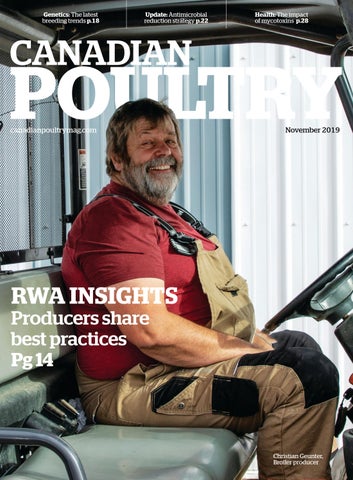
“Sourcing clean feed is one of the keys,” says Christian Geunter, who runs 100,000 birds in three barns and a diversified operation that includes other livestock and grain farming on his family’s farm near Sylvan Lake, Alta.
“I have not had any problems when using my own feed ingredients or sourcing from a quality supplier that does the appropriate handling and testing,” he continues. “Whoever you deal with, make sure it’s an audited antibiotic-free facility.”
2. Ensure cleanliness, water quality
Selected by Sofina to supply its RWA poultry program, Geunter also puts a premium on keeping his operation as clean as possible. “Cleanliness is paramount,” he says. “You need to maintain a pristine environment. It takes more work but it’s critical. You can’t afford to allow any area to become a potential reservoir for bacteria. Among a number of regular protocols, we thoroughly wash our barns from top to bottom with cleaner and hot water every cycle.
“Water quality is also a huge factor in the success of a reduced antimicrobials system. You can’t take it for granted.”
When poultry production shifts away from the use of antimicrobials, Geunter says gut health becomes the main focus. “You need to have a plan to support it,” he says.
“For me, it’s all about optimizing the diet to include and use the right ingredients and feed additives. Enzymes are important to help the birds with otherwise hard-to-digest feed components. New options such as medium chain fatty acids are coming along that show potential to support health and productivity.”
An example of the level of detail that Geunter applies to his RWA operation is to use personal and computer-based monitoring throughout the day to ensure that temperature, ventilation and humidity in barns remain optimal.
“You have to make sure that every little point is taken care of,” Geunter says. “Make sure you are prepared to implement the best, most detailed management possible. Have a strong game plan and execute it daily. Have a strong team and make sure everyone knows and does their job to the letter.”

Mike Edwards entered the industry in 2017 with more than a decade of experience working in the feed and nutrition business, where he focused on organic poultry production. Edwards was able to design his family’s organic broiler chicken operation near Milbank, Ont., to fit an RWA environment.
“With our new barn we aimed for lots of square footage,” says Edwards, who runs roughly 17,500 birds on eight-week cycles of about 37 days. “Having more space for the birds reduces the risk of disease.”
In addition to making more room for his birds, Edwards performs regular spot checks on the high-quality feed he buys to ensure it meets RWA and organic standards and nutritional specs. “We also use strategies in our feed to promote gut health, including several different feed additives that work well,” Edwards adds.
“The principles of what they need and what to look for are the same. What’s different is that you need be proactive.”
On the turkey side, Dunnville, Ont.’s Dirk Heeg switched his two-barn, 400,000-kg turkey broiler and tom operation to RWA in 2011. His goal was to align with his family’s personal naturopathic values. Heeg says the timely and proper use of vaccines is critical to help avoid illness in birds.
“The first ones are done in the hatcheries now anyway, but you need to make sure to use cocci and E. Coli. and other vaccines in the barn,” says Heeg, who overcame issues with increased mortality rates during the first few years after he switched to RWA. “And find yourself a good vet who encourages antibiotic-free production.”
Heeg also cautions producers who switch to RWA against expecting perfection from the get go. “It might take a couple of years to work out the kinks and get things running smoothly because it is a different program,” he says.
“But once you do it goes well. My birds stay healthy. And you don’t have the added costs and labour that come with antibiotics. And being RWA makes it a lot easier for the paperwork. You just have to answer ‘no, no, no’ when you fill in reports on what antibiotics you’re using.”
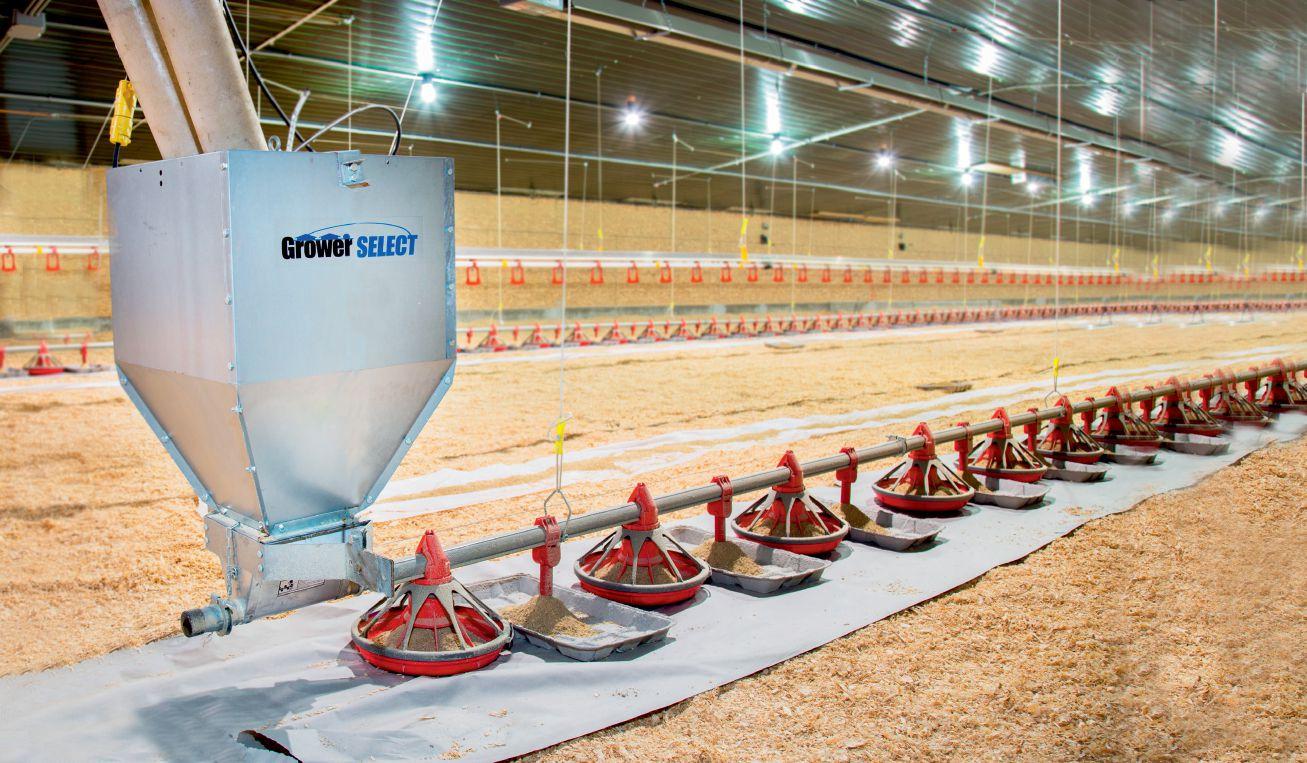
A roundup of the latest broiler, layer and turkey breeding trends.
By Treena Hein
Livestock breeding is always evolving. And with innovations like gene editing on the horizon, genetic advancements are set to reach new heights. That’s why Canadian Poultry approached major breeding firms to get the latest on the traits available in Canada, as well as current and future breeding goals.
Part one below presents the newest offerings currently on the market, with an emphasis on broiler breeding for production with reduced use of preventative antibiotics. Part two, coming in the December issue, looks at what’s ahead in poultry breeding and why.
Hybrid Turkeys’ bird portfolio is much more diverse than it was a decade ago. “Breeding goals and, thus, the products that used to be primarily sold were very focused on economic factors for either the hatchery or the grower,” Hybrid Turkeys marketing manager Blair McCorriston explains.
“More and more, the breeding goals are influenced by processors and final consumers. This is where you see the branching out into the alternative and specialty products with different breeding goals and different production expectations.”
Currently available in Canada from Hybrid Turkeys (besides Artisan, a slow-growing black turkey for niche markets) is one turkey from the firm’s core product portfolio, a grouping that offers a “precise balance between economic and welfare traits”.
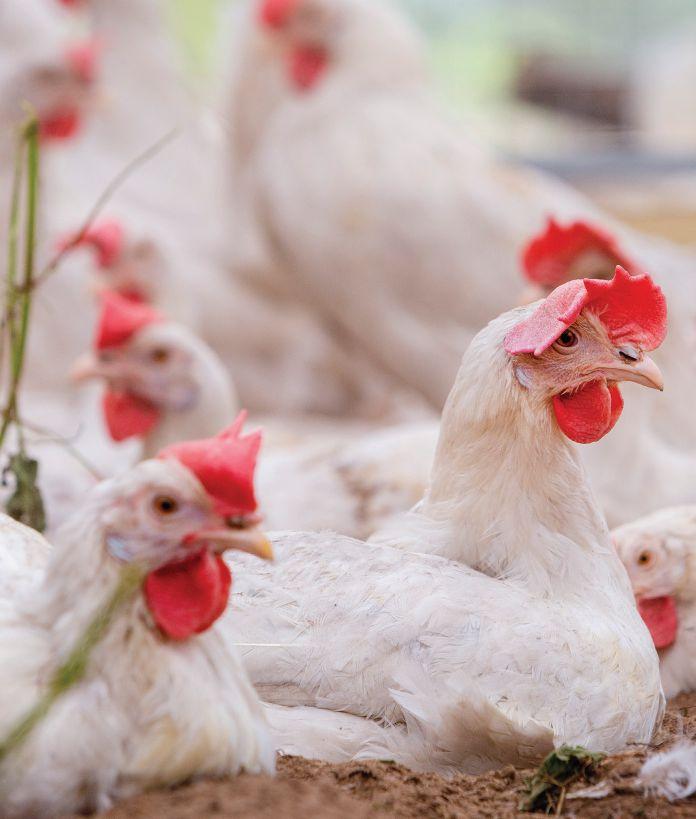
The Hybrid Converter is described as an all-around strong performer and the most widely used turkey strain in the world, with leading feed conversion, flexible processing weights and the ability to thrive in multiple climates and management systems.
Two turkeys from Hybrid’s alternative portfolio are also available in Canada. This grouping balances the economics of a commercial turkey strain while main-
taining the characteristics of a traditional breed, allowing commercial producers to diversify.
The Orlopp Bronze offers “high-quality meat with natural fat layering for superior flavour,” and “delivers competitive feed conversion and excellent conformation paired with industry-leading health status.” The MiniCLASSIC delivers the qualities of a classic, commercial bird in a smaller size.

Maintain complete control during load-out, cleaning and restocking with Cumberland’s scenario feature for EDGE®. The bypass option allows for system changes with the press of a button.

The EDGE® Controller quickly identifies issues and responds with self-diagnostics, triple layer protection and instant notifications. Revolutionize your operation with the next generation of controls.
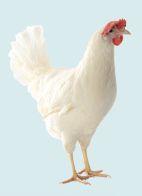
The following is a summary of breeding trends related to broilers, turkey and layers available in Canada.
Broilers
• Product differentiation to meet consumer demands for things like different growth rates.
• Focus on feed conversion rates due to the cost of feed.
• Focus on robustness, including strong gut and immune system function, to help broilers thrive with reduced preventative use of antibiotics.
Turkeys
• Market differentiation is also a trend, as is strong feed conversion rate.
Layers
• As always, hens are being bred for consistent egg output and quality.
• A current breeding focus is ensuring hens perform well in all housing systems.
Aviagen’s Nicholas Select turkey is widely used in Canada and the U.S. for light hens, heavy hens and heavy tom production. Aviagen Turkeys’ marketing and administration director Sandi Hofmann notes that this bird stands out as a leader in the industry for yield, and that its yield is increasing at an annual rate of 0.25 per cent.
“Another strength of the Nicholas Select is feed efficiency,” Hofmann says. “Field trend shows a regression line of three points’ improvement in feed conversion per year over a period of 10 years.” Altogether, the firm’s pedigree lines have a livability increase rate of 0.2 per cent per year.
Hendrix Genetics’ current laying hen offerings are marketed under the brands Dekalb, Bovans, ISA, Babcock and Shaver. These birds are efficient, healthy and highly productive, says product manager Teun Van de Braak, producing eggs with excellent shell quality even in later stages of life.
Genomic selection and technologies like visioning systems, robotics, RFID to track individual birds (see more about this in the December issue) and longer testing cycles of up to 100 weeks have significantly improved the efficiency and accuracy of Hendrix’s selection process.
“Clear progress of our products is demonstrated by the different independent random sample tests,” Van de Braak says. “North Carolina State University trials is a great example, where our products clearly outperform their competitors, both in conventional cages or cage-free.”
The W-80 is Hy-Line International’s layer offering in the Canadian market. “It is achieving a reputation for maximum output of eggs of up to 329.7 at 72 weeks,” says global marketing manager Brittney Roorda, “and the ability to produce on low-density feeds.”
In addition, the W-80 egg weight is able to remain in the range of 60 to 63 grams to the end of lay. The outstanding feather cover throughout the life of this hen, Roorda adds, means food energy consumed is put into egg production.
Roorda says Hy-Line layers are active in finding the nest in alternative systems but are also bred to exhibit positive social behaviours within a flock. “This allows the highest rates of livability and fully feathered birds to complete the laying cycle,” she says. “Under good conditions, flocks may reach the end of cycle with 97 per cent livability.”
Excellent feather cover is also a trait of the Hy-Line Brown egg-layer. It offers “unrivaled feed efficiency and superior egg colour and quality,” Roorda says. It also has
“Breeding goals and, thus, the products sold were focused on economic factors for the hatchery or the grower. ”
a docile temperament, which allows this bird to adapt “particularly well to free-run housing systems.”
Lohmann provides white and brown layers, such as the LSL Lite white bird. Lohmann’s most important traits in layer breeding are high egg number, good early egg size, feed conversion and shell quality.
The Hubbard Efficiency Plus is Hubbard’s newest conventional offering, just released this summer in the Canada and globally, with some parent flocks previously placed in the Americas, Africa and Asia. Global marketing manager Paul Van Boekholt notes that results of internal company trials show that the Hubbard Efficiency Plus breeder and broiler offer high numbers of good-quality hatching eggs and a high volume of good quality live weight/saleable meat, all at a low cost of production.
Van Boekholt says broiler markets around the world are differentiating, and that Hubbard’s Premium breeds therefore offer a variety of colour, growth rate and other attributes for different markets. These include organic, Label Rouge, 56 or 81-day free-range, Royal Society for the Prevention of Cruelty to Animals Assured in the U.K., Beter Leven and Chicken of Tomorrow in the Netherlands, as well as the Global Animal Partnership in North America and Broiler Ask in Europe.
Hubbard has been selecting slower-growing broiler breeds for more than 50 years, Van Boekholt says, and the firm is also breeding to address worldwide market demands for a large liveweight range. He adds that Hubbard’s R&D investments have resulted in their Premium broilers being more productive and efficient to keep the price of their meat “close enough” to conventional products.
Hubbard also has a high focus on feed conversion rate (FCR), as this is the single most important cost
in broiler production. On average, Hubbard achieves a genetic gain of two to three points FCR per year.
Aviagen currently offers the Ross 308 and Ross 708 broilers in Canada, with the former launched around 1985 and the latter in 2004. The Ross 308 breeder produces a high number of eggs with good hatchability, and the Ross 308 broiler is recognized globally for consistent performance with growth rate, feed efficiency and more.
Similarly, Ross 708 parent stock offers maximized breeder performance with efficient meat production. “The 708 broiler is known for the best breast meat yield and overall yield in the market as well as excellent breast meat quality,” says Aviagen marketing communications manager Wendy Parker.
The Cobb500 is Cobb-Vantress’ main broiler product in Canada. It provides “superior performance on lower cost feed rations, excellent growth rate,” and other traits.
Overall health, generally known as robustness, is a very important broiler breeding goal for all breeding companies at this point in time, as the preventative use of antibiotics has been reduced in Canada and elsewhere.
“With antibiotic-free [production] systems, a robust gut and immune function will be essential to protect the bird from a range of environmental challenges,” Parker says. “This component of the bird robustness is a key component of [Aviagen’s] the current breeding strategy.”
In terms of how Hubbard measures robustness in its breeding programs, and how easy or difficult it is to measure and change genes associated with better gut and immune function, Vanboekholt notes that robustness is a multifactorial trait with many genes involved. “In our breeding program,” he says, “we measure, amongst others, many traits like liveability, leg strength, gait score, footpad lesions and hock burn.”



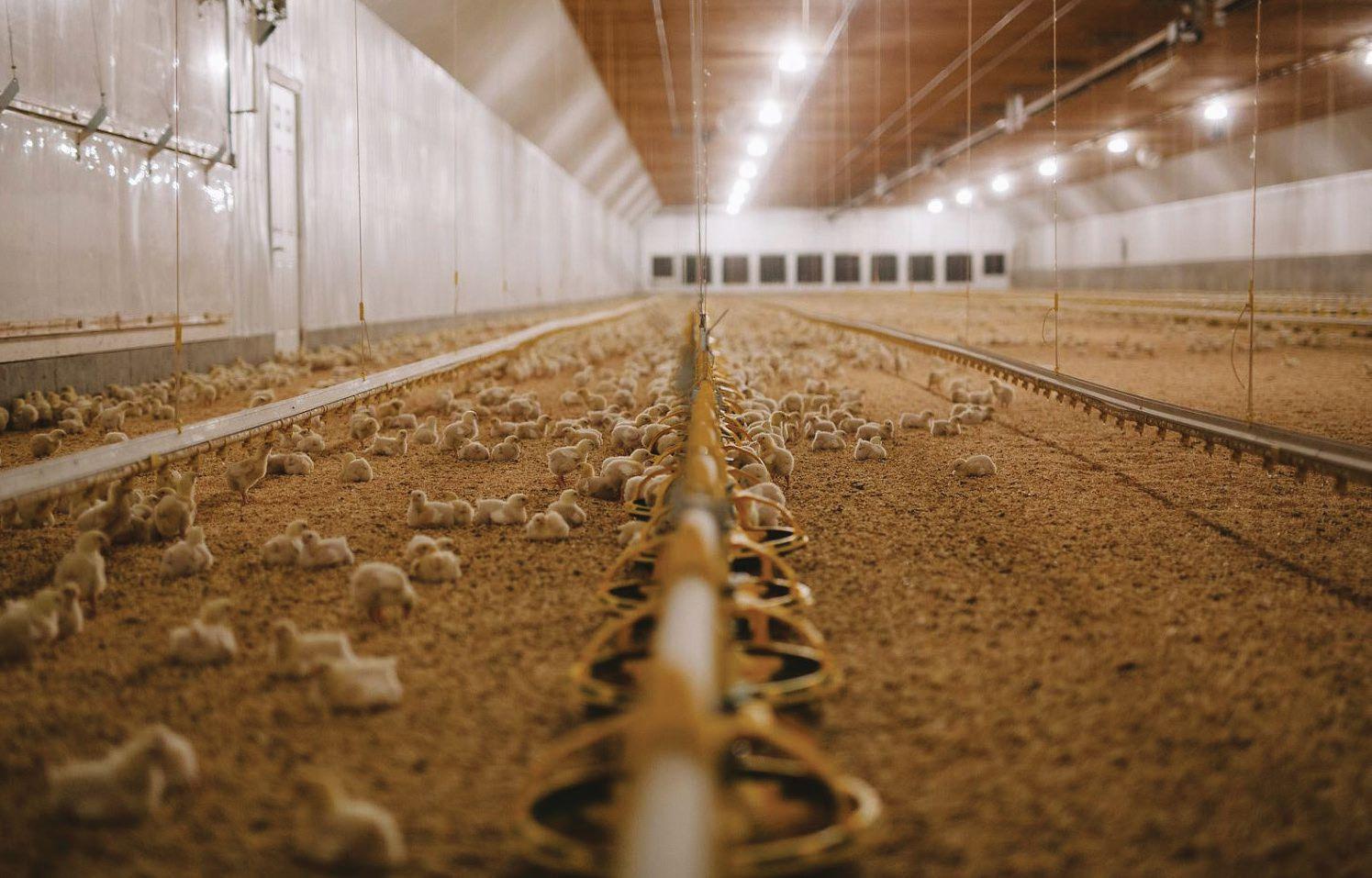
It’s been about a year since veterinary oversight of antibiotics increased. It’s been equally as long since Canadian broiler producers eliminated the preventative use of category II medically important antibiotics (MIAs). “For the most part, the transition has been smooth,” says Steve Leech, director of food safety and animal health at Chicken Farmers of Canada (CFC).
This year, CFC is assessing the preventative use of category III antibiotics with the current goal of eliminating them by the end of 2020. However, some experts are hoping that deadline will be modified. Leech says CFC directors will be deciding on that by December 2019, and that “all options are being considered”.
As president of the Canadian Animal Health Institute, which represents animal pharmaceuticals, feed additives, pesticides and more, Jean Szkotnicki has a unique
perspective of the changes to antibiotic use in poultry. When asked about the impact so far of phasing out preventative uses of some MIAs and what should occur going forward, she points to comments she sent this summer as part of a CFC survey on the issue. In her submission, she notes that it’s too early to determine the full impact of the present phase-out.
Lisa Hodgins, a monogastric nutritionist at New Life Mills in Ontario, agrees. “We cannot look forward to the end of 2020,” Hodgins says, “until we see what has happened across the country in 2019.”
One topic that Szkotnicki makes a case for is the current ban on preventative use of macromolecules (virginiamycin and Bacitracin MD). Because macromolecules are not absorbed across the gastrointestinal tract, she notes that they “hence, pose a reduced risk in transferring antimicrobial resistance (AMR) in retail poultry products. Additionally, there are relatively minor human applications for
streptogramins (virginiamycin) and Bacitracin, an important consideration when selecting an antimicrobial of the lowest human medical importance.”
Szkotnicki also points out that several disease concerns have increased across the Canadian broiler industry this year, including E. coli, yolk sac disease and E. cercorum. This has led to increased use of MIAs for treating diseased birds, she reports, along with increased concerns about the welfare of these sick birds. She adds that both have also been observed in Europe under its similar ban.
And as it now stands, there are few tools to manage necrotic enteritis (NE). “Poultry practitioners tell me that there are increases in disease, particularly NE, resulting in increased deaths when bench-marked against use of licensed products,” Szkotnicki states in her comments.
“As well, there has been increased use of coccidostats for cocci control along with increased reliance on the preventa-

Our 2,800 farmers ensure, from coast-to-coast, that the chicken that reaches your table is safe, delicious, and raised to the highest standards: yours.
tive use of category III and synthetic coccidiostats, which raises concerns of increased rate of AMR development for these treatment options.”
Szkotnicki believes that as this situation plays out, “the ability to effectively utilize rotation and shuttle programs to manage resistance will be compromised.”
Additionally, Szkotnicki notes that once a poultry facility becomes ‘seeded’ with C. perfringens spores and cocci oocysts, future flocks are at increased risk for both NE and cocci disease challenge. She notes that under the planned category III ban and even now with the category II ban for preventative use, “veterinarians would be unable to prescribe the metaphylactic use of a category II or III antimicrobial [that is, use in highrisk cases to prevent disease], an important empirical risk-based decision used in other livestock production,” she states in her comments.
“Given Health Canada’s decision to move all MIA to prescription status ensuring veterinary oversight, I struggle to understand the rationale for CFC’s plan to eliminate the preventative use of category II and III
“For the most part, the transition has been smooth.”
antimicrobials, as it will restrict future prudent antimicrobial use.”
Babak Sanei is manager of veterinary services for poultry and medicated feed additives at Zoetis. He believes that if the planned ban on preventative use of category III antibiotics proceeds for the end of 2020, broiler producers will have only Avilamycin for prevention of NE in-feed. This presents two serious perils.
“The unknown part is for how long Avilamycin can hold up its efficacy [that is, when resistance might develop] and if industry can devise alternative packages that can replace or complement it,” he explains. “At the moment, we don’t have such alternative programs clearly identified. Another factor is if Health Canada categorizes Avilamycin as a medically important product in near future, leaving the poultry industry with no effective antibiotic products to manage NE post-2020.”
While he strongly believes that controlling coccidiosis will significantly control most NE cases, he also

According to vet Babak Sanei, the Canadian broiler industry can expect the following with a total ban on in-feed antibiotics (except for ionophores that are not medically important):
• Increased incidence of subclinical or clinical necrotic enteritis (NE) in a subset of broiler flocks, mainly in colder seasons or early spring with more precipitation.
• A possible increase in non-specific bacterial enteritis.
• The need for increased treatment with more medically important antibiotics.
• Human health risks associated with higher bacterial levels in retail chicken. Higher incidences of subclinical and clinical NE in broiler flocks means higher populations of Clostridium perfringens (the causative agent of NE in birds and human food poisoning). “The food safety aspect of [this bacterium] in humans is recognized by government agencies in the U.S. and Canada but because the severity of the condition is very low, it hasn’t drawn much attention,” Sanei says.
notes other factors that must be watched closely to prevent NE outbreaks. These include ensuring high-quality feed, optimal electrolyte balance of feed, no or minimal presence of mycotoxin in feed and proper formulation. Producers, he adds, should also make sure that their flocks are not immunosuppressed by other diseases such as infectious bursal disease, reovirus or inclusion body hepatitis.
However, Sanei would like the end-of-2020 ban for category III antibiotics to be modified. He supports the idea of a transitional period post-2020, wherein producers are allowed to use Bacitracin when broilers are 20 to 30 days old. This means category III antibiotics would be eliminated in pre-starter/feed and in finishing feed, he says, but it would allow “the application of category III in the most critical stage of broiler life cycle where coccidiosis cycling of E. maxima and also E. acervuline is at its peak.
“Obviously, due to differences between farms, geographical variation and seasonality, the best approach would be to allow farmers to rely on their veterinary consultants to decide when to use preventive in-feed antibiotics for [this] short period of time.”
This plan will not only significantly reduce subclinical/clinical incidence of NE, Sanei says, but also reduce the need for treatment with higher-class antibiotics (Penicillin or Amoxicillin) in the case of an NE outbreak. In Sanei’s view, it would also provide more time to adjust to the situation, to do more field research and impact monitoring and to adopt best alternative strategies.
Alternatively, Sanei says CFC could consider postponing altogether the ban on category III at least one or two more years so that industry can continue working on field trials and devise effective feeding/management programs. As Szkotnicki suggests, Sanei identified the option for CFC to allow producers with broiler farms with recurrent cases of NE to use Bacitracin preventatively under veterinary supervision.
At this time, Szkotnicki believes management technologies in the marketplace are insufficient to transition away from preventative use of category II antibiotics, let alone category III. She notes in her comments to
“We cannot look forward until we see what has happened.”


With regards to phasing out the preventative use of category III antibiotics, Steve Leech, CFC’s director of food safety and animal health, says all options are being considered.
CFC that alternative therapies and management strategies to reduce disease (relating to disease resistance, environmental management and optimized nutrition) need to be evaluated.
CAHI suggests the industry, among other actions, should continue to support innovation in areas such as diagnostics, big data and biosecurity, and also continue to support adoption of best farm management practices. CAHI would also like CFC to consider promotion of real-time polymerase chain reaction technology to monitor antimicrobial resistance as a cost-effective viable alternative to banning the preventative use of antimicrobials.
In response to CFC’s survey question of whether the Canadian chicken value-chain will be prepared to eliminate preventive use of category III antibiotics by the end of 2020, Szkotnicki states, “I think we should ask whether the public is willing to see increased chicken costs…in the face of increased animal suffering and death as well as added potential harmful exposure to zoonotic bacteria in the environment due to increased disease incidence. There is also the concern about an increase in the carbon footprint.” She adds that these realities “are unacceptable reasons to move forward” with the category III phase-out.
For its part, CFC believes its overall strategy to phase out preventative MIA use demonstrates both “the responsible use of antimicrobials, and positions the chicken supply-chain very well to respond to customer and consumer requests,” says Leech, while also meeting “the upcoming government pan-Canadian action plan on antimicrobial resistance.”
Sanei recognizes that CFC is actively looking for stakeholder input and is holding workshops on the situation this fall, but he remains “of the opinion that there needs to be more time provided to the industry after 2020.”


By Kayla Price and Alexandra Weaver
Mycotoxins are metabolites produced by plant moulds during times of stress or following an environmental stimulus. These plant moulds can grow on crops in the field or even on stored feedstuffs and feed materials post-harvest.
Additionally, these plant moulds can still produce mycotoxins under stressful conditions. Often, livestock and poultry feedstuffs can be contaminated with multiple mycotoxins because many moulds grow under similar conditions, producing different mycotoxins.
In the field, mycotoxins can develop due to a variety of circumstances, with environmental conditions playing the largest role. Moulds can produce mycotoxins at a variety of temperatures and after either wet or drought conditions, depending on the mould species. They may also be stimulated by a sudden change in environmental conditions, such as a freeze-thaw cycle.
In storage, moulds often produce mycotoxins in spots with excess moisture or high oxygen penetration. There are hundreds of mycotoxins that these moulds can produce, and the most common mycotoxins are produced by moulds from the Fusarium, Aspergillus and Penicillium genera.
Any commodity may be contaminated by mycotoxins. Corn and corn products are the most frequently contaminated, but wheat, barley and oats can also contain significant levels of mycotoxins. Even soybean meal and other plant-based proteins can contain mycotoxins.
Multiple-mycotoxin contamination can occur in finished feeds
because it is a mixture of a variety of grains from many sources. Whether stored in a silo or a feed bin, further mycotoxin contamination may occur if the conditions foster mould growth and stress. Within the bin, there may be “hot spots” or areas of increased mould growth or stress. This type of mycotoxin contamination can occur on top of what has already happened in the field. Once mycotoxins are formed, they are very stable and will remain in a feedstuff throughout harvest, storage, feed processing and feeding.
WHY SHOULD WE CARE ABOUT MYCOTOXINS IN BIRDS?
In poultry, alternative feedstuffs –such as dried distiller’s grains, corn or wheat-gluten byproducts – can be more cost-effective. However, they may present a higher risk of mycotoxin contamination due to the concentration of these products. For example, dried distiller’s grains can have up to three times the amount of mycotoxin contamination as a raw corn source.
Certain mycotoxins are regulated, and only a certain amount of
mycotoxins are allowed in finished feed. If finished feed comes from a registered feed mill, then the feed is only allowed to have a defined maximum level of certain mycotoxins, such as deoxynivalenol (DON).
A common myth in poultry production is that mycotoxin issues are only found in long-lived poultry, such as layers and breeders, and are not a problem in short-lived poultry, like broilers. While mycotoxin contamination can build up over time and, in so doing, affect longer-lived birds, short-term exposure can also be detrimental to shorter-lived birds.
Subclinical mycotoxicosis, caused by short-term exposure or exposure to low levels of mycotoxins, is thought to be a common occurrence in poultry production, but diagnosis can be difficult.
Once mycotoxins are formed, they are very stable and will remain in a feedstuff throughout harvest, storage, feed processing and feeding.
Sensitivity to mycotoxins in poultry can vary based on the mycotoxin type and/or the bird’s age, health status or species, but mycotoxins have been shown to influence bird health and performance. Mycotoxin contamination in finished feeds, whether mash or pellet, may occur at low, medium or high challenge levels.
In the same finished feed, it is possible for different mycotoxins to be present at different challenge levels that could impact different aspects of the bird’s health. Realistically, low- to medium-level challenges may be found in finished feeds and, at these realistic doses, the immune system and predisposing factors to other intestinal challenges are often impacted, even when performance does not appear to be.
Another common belief is that mycotoxins appear alone when contaminating a grain. This is a myth. There can be several mould types in a single grain, and several mycotoxin families can be present

at once. Additionally, animal feed often contains a mixture of different grains and ingredients, which means that there may be several different types of mycotoxins present in finished feed.
The gastrointestinal tract of the bird, from the beak to the cloaca, is the first organ to encounter mycotoxin contamination in the feed. Generally, mycotoxins impair the rapidly dividing cells found in many places within the body, including the gastrointestinal tract.
Aflatoxins, type A trichothecenes (e.g., T-2 toxin), type B trichothecenes (e.g., DON), fumonisins, ochratoxins and ergot toxins all impact the gastrointestinal tract in various ways, including mouth lesions, damaged intestinal integrity, reduced feed intake, reduced nutrient absorption, immunosuppression and wet manure.
Ergot toxins are often found in grains that grow in cooler climates, such as wheat, barley and oats. Ergot toxicity increases with grain processes like pelleting. Ergotism leads to reduced blood flow to the extremities, including the comb or feet, and has also been associated with decreased feed intake, reduced growth, lower egg production, damage to the intestinal structure and diarrhea. Often, young birds are more sensitive to ergot toxins, and broilers are more sensitive to ergots than are laying hens.
Ochratoxins are thought to be the most
toxic mycotoxin for poultry. They contaminate corn and most small grains but can also be found in byproducts, such as bakery meal. Ochratoxins readily form when the temperature and moisture levels are high. In poultry feed, these mycotoxins are more common in certain parts of the world, like Europe, and are less common in North America.
In general, contamination with ochratoxins can lead to a variety of issues, including a reduction in weight gain, intestinal inflammation, diarrhea, intestinal fragility and, in some cases, feed refusal. Often, a classic sign of ochratoxin toxicity is kidney damage marked with increased levels of uric acid.
In breeders and layers, these toxins can impact sexual maturity and can decrease egg production, egg quality and immune protection in offspring chicks. In instances of low to medium contamination, liver and kidney weight could increase and immune function might decrease, which could lead to poor responses to vaccination and an increased susceptibility to other diseases.
Aflatoxins are one of the better-known mycotoxins. Compared to other poultry species, ducks and turkeys are most susceptible to aflatoxins; however, aflatoxin contamination can impact all poultry. In general, aflatoxins impair liver, kidney and pancreas function. The impairment of liver and kidney function can happen with low or high levels or with long-term contamination.
These functional effects can lead to a decrease in weight gain, feed intake, feed conversion and reproductive function. Aflatoxins can also decrease iron absorption and interact with nutrients like riboflavin and vitamin D. Some researchers have suggested that aflatoxin contamination might also impair nutrient digestion in the small intestine and decrease the bird’s ability to protect itself from stressors.
Trichothecenes, fumonosins (FUM) and zearalenone (ZEA) can all negatively impact the gastrointestinal tract. The trichothecenes group contains mycotoxins like deoxynivalenol (DON) and T-2/HT-2 toxins. Over the past several years, tricothecenes (e.g., DON and T-2/ HT-2) have been found at high levels in corn and wheat grown in several regions of the country.
DON decreases nutrient uptake and intestinal cell integrity and increases the nutrients available for certain bacterial growth (e.g., Clostridium perfringens , which causes necrotic enteritis), as well as gut permeability, allowing nutrients to leak outside of the intestines in all poultry.
FUM has been linked to black adhesive diarrhea in layers and mucous diarrhea in other poultry species. In general, these mycotoxins can suppress the immune system, which increases the risk of secondary diseases, bacterial or viral, and potentially impacts feed efficiency, weight gain, egg production and other performance parameters.
Although these toxins can cause exten-

sive damage on their own, they seem to cause even more damage when found in combination. For instance, when feed is contaminated with DON, T-2 and ZEA, birds exhibit decreased immune protection in the gut, increased intestinal cell damage and decreased intestinal cell growth.
DON and ZEA together can impair the intestinal recovery of birds infected with coccidiosis. DON and FUM together can increase intestinal permeability – that is,

the ability of organisms/contaminants to cross the intestinal barrier – and alter the microbial communities in the gastrointestinal tract of the bird.
It is important to watch birds closely onfarm and to be on the lookout for a variety of signs associated with mycotoxicosis. However, it is also crucial to remember that these signs can be both specific and non-specific, making it necessary to use an appropriate method to evaluate the mycotoxin contamination of the feed. Risk can vary with feed type, as some grains, feeds, byproducts or finished feeds will be higher-risk than others.
An ELISA-based lateral flow test is a quick and easy way to screen grains for certain mycotoxins. This strategy requires the use of reagents and a special machine that must be calibrated for the specific grains and mycotoxins being tested. Although this method is not as sensitive as other methods, it is a rapid, inexpensive way to get a better idea of what mycotoxins may be present in the grains.
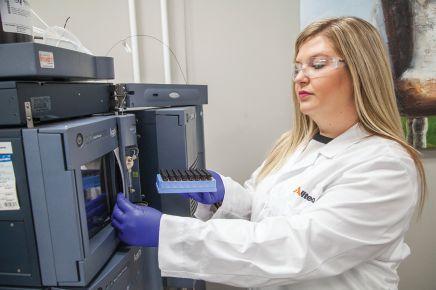
Several mycotoxin detection strategies, which vary in cost, sensitivity and accuracy, are available. The gold-standard method is liquid chromatography-tandem mass spectrometry (LC-MS/MS). This high-tech method can screen for multiple mycotoxins simultaneously in grains and in finished feeds. While this this strategy is more expensive than other methods, it is the most sensitive and accurate method of assessing mycotoxin contamination.
Mycotoxins often appear in plants or grains as the result of an environmental stimulus or in times of stress, both in the field or in storage. Once these mycotoxins have developed, they become highly stable and will remain for a long time.
If mycotoxins are detected in the grains or the feed, it is important to use different approaches – from diluting the contaminated grain to using broad-spectrum mycotoxin binders – at both the farm and the feed mill. Mycotoxin contamination can be managed, but a combination approach from field to farm must be taken.

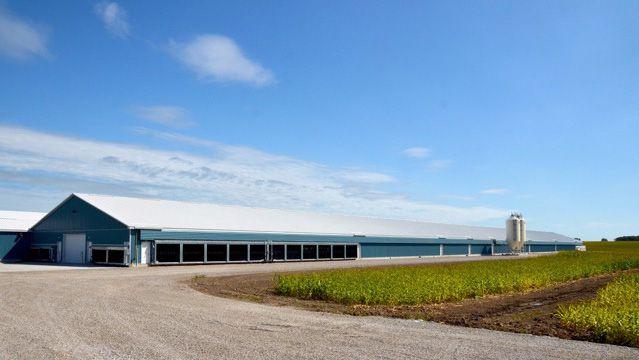
This is a 2018 built broiler operation for over 28,000 birds. Totally ready to take over. Listed for $3.2 mil this property has 50 acres of systematically tiled land, the 64’X300’ broiler barn, a second driving/ storage shed 109 foot wide suitable for solar on the roof and a 2 storey home. Located on a major highway in Huron County this is a turnkey operation ready for a new owner. Darryl Mitchell, Broker Realtor eXp Realty of Canada Inc.

Barn Spotlight highlights new and renovated barns and hatcheries. Do you know of a good candidate to be featured? Let us know at poultry@annexweb.com.
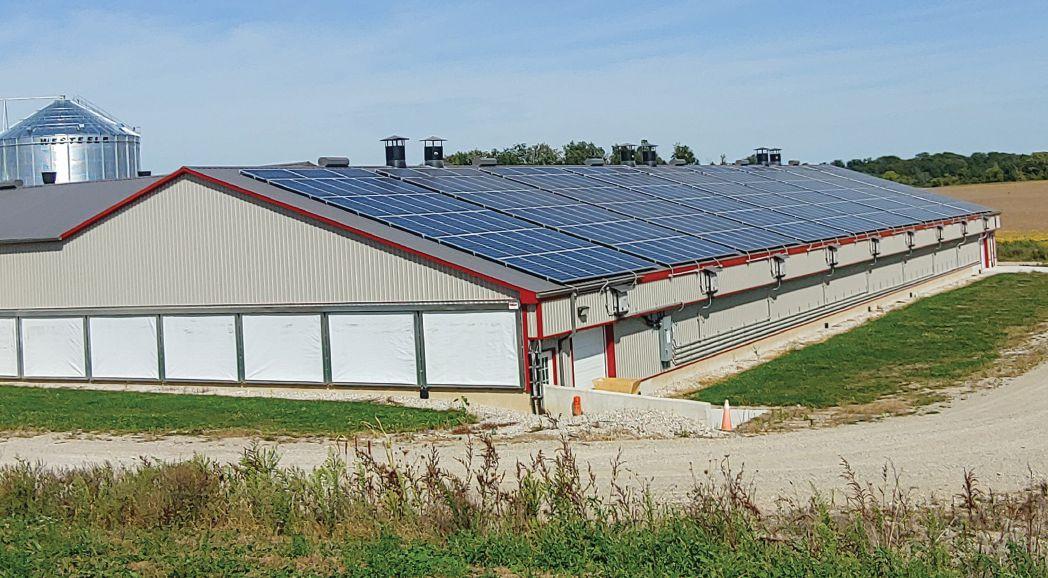
Argyle Farms was started in 1851 and is now farmed by the sixth generation of the McKillops – couples Alan and Nancy and Ian and Andi. The poultry side of the operation includes two pullet barns, one conventional that supplies the farm and one aviary that supplies pullets to nearby aviary egg farmers.
LOCATION
Ont.
SECTOR
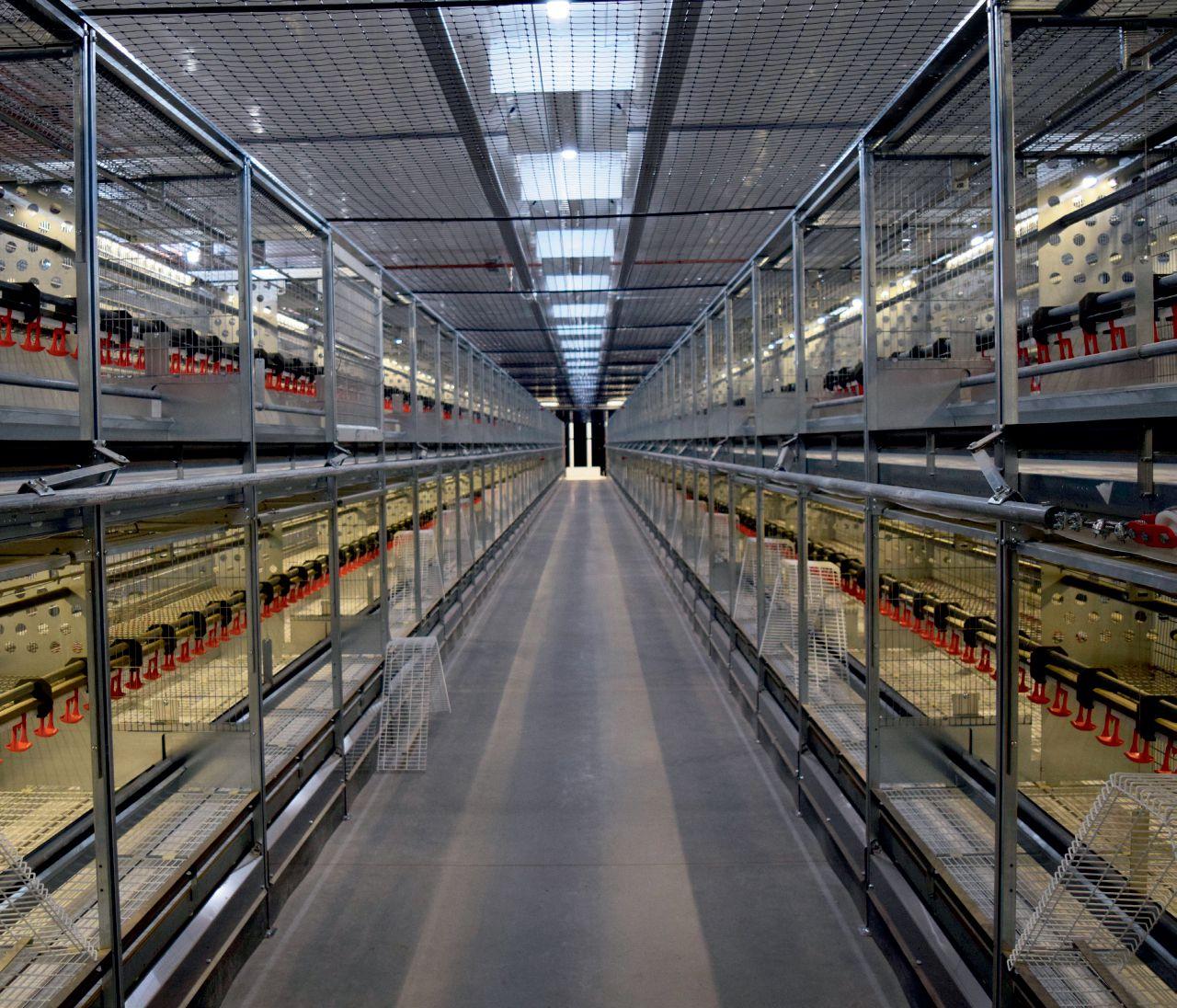
One of their two conventional layer barns did not meet layer code of practice density requirements, and the McKillops needed to build a new third barn this year to accommodate the same quota. They chose enriched housing from Tecno Equipment.
The producers prioritized their hens’ comfort in planning the new build. For hotter days, they installed tunnel ventilation and an evaporative cooling cell. They also prioritized energy efficiency. Two years ago, the McKillops completed an 85-kW solar array project on the roof of one of the pullet barns. Under a provincial program, electricity they generate flows into the grid and they are only charged a net amount based on what they use. So far, their electricity costs have been minimal. With the new barn, electricity consumption will increase but it will be held in check by LED tube/ceiling lights and three-phase fan motors with phase inverters. Natural gas box heaters warm the barn in the winter.
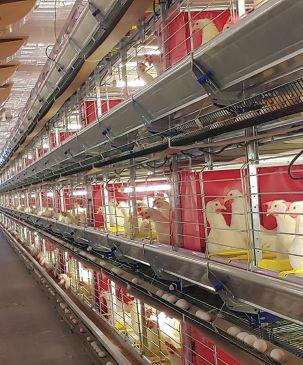
ABOVE: The McKillop’s new enriched barn holds 25,000 hens in five rows, four tiers high.
View more photos at canadianpoultrymag.com