Experts look at the viability of manure biochar on a commercial level | 12
A moment for manure? Could the trade war present an opportunity for manure to gain traction? | 15 September/October 2025
Safe and sound spreading
Fall spreading has begun – which means long hours and hard work. Those don’t need to equal cut corners. Welcome to our annual safety issue.
12 15 18
Boosting Biochar
We know the benefits. Now, experts weigh on on its commercial potential.
BY TREENA HEIN
A moment for manure Manure is still a niche for many farmers. Could the upending of global trade change that?
BY JIM TIMLICK
Beyond best practices
Take biosecurity now – with enhanced biosecurity plans in place – to avoid restrictions later. BY BREE RODY
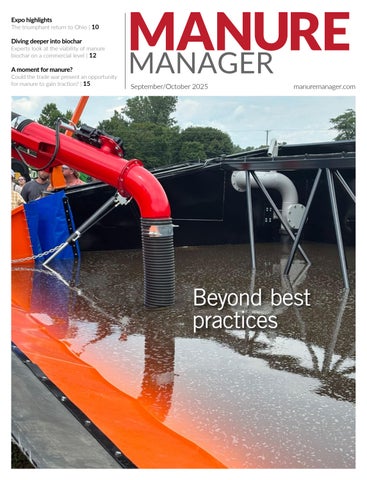
Manure transfer is essential, but can be a vector for disease transport. Photo by Bree Rody.
It was never fun and games
Our whole lives, we’ve heard from our parents, teachers, coaches and more: “It’s all fun and games until someone gets hurt.”
I’m not a parent, but I have three nephews under 10. When my first nephew was born, I was surprised how serious about safety I became overnight. When he learned to walk – and almost immediately, sprint – I felt like I couldn’t turn my back for a second. The thought of him getting hurt made me sick to my stomach. Sure, having grown up an athlete and acrobat, know a bump or scrape here or there is fine, but there’s a difference between a scrape and a head injury.
Let me sidebar – briefly – to of my early days of Manure Manager I’d written what I thought was a fun editorial, but it was pointed out that some of the puns I’ve made were a bit too scatological. Yes, we love our slogan contest at the Manure Expo, but still, we must project seriousness for a serious industry. Since then, I’ve never been flippant about the industry, and leave the jokes up to others.
Expo’s safety event in one of the most emotional, heartfelt Expo experiences yet. All of us have loved ones waiting for us to come home, and they were a reminder of that.
But farm accidents, including manure accidents, have continued to plague agriculture. In August, six Colorado farm workers, including one 17-year-old boy, died in a confined space accident. Data shows these types of accidents have not slowed down. No one has determined why that is – it’s probably not for a single reason. There are time and financial pressures, fear of asking for help, translation issues and other obstacles. The only unambiguous thing here is that six people did not make it home.
That’s why our safety issue remains of the utmost importance. Workers are the backbone of the industry, and we must do all we can to ensure they make it home to their families.
Mind you, we also must ensure our livestock stays safe, which is why, for the first time, we’re using the safety issue to dive into biosecurity
“Data shows confined space accidents have not slowed down.”
So, that phrase: “It’s all fun and games until someone gets hurt.” I’d argue that in farming, it was never fun and games. It is, and always has been, serious work.
Shortly before our 2024 North American Manure Expo, two young men from the area died after falling into a manure tanker – the second man had gone in to assist the other, and neither had made it out. The tragedy made international news –their family members spoke at the
(Page 18) and antibiotic resistance (Page 22), both of which are serious elements of safety. You can also see highlights from our 2025 North American Manure Expo, which included an interactive confined space safety demonstration, on Page 10. Finally, we welcome NDSU’s Angie Johnson for this issue’s Safety Matters column, in which she discusses how being a parent affects your views on farm safety (Page 24).
Enjoy, and get home safe.•
How to Produce High-Quality Compost with Microbial Agents
Ching-Ting Feng, Ph.D., Plant Products Division Manager, JH Biotech, Inc.
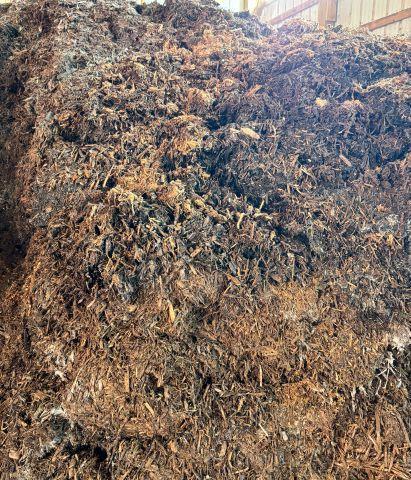
The degree of compost maturity ultimately determines its quality and more importantly, the value growers place on the final product. Well-matured, high-quality compost not only returns organic matter to the soil but also promotes crop vigor, reduces reliance on chemical fertilizers, and fosters beneficial biodiversity in agricultural ecosystems. By doing so, composting helps prevent environmental degradation and supports sustainable farming practices. For these reasons, the question of how to produce high-quality compost has become a central concern for both farmers and the agricultural industry.
The Role of Microorganisms and C/N Balance
Compost production fundamentally depends on the effective decomposition and biochemical transformation carried out by microorganisms. To achieve efficient microbial activity, the raw material mix in the compost pile must provide adequate nutrients. The most critical factor is the carbon-to-nitrogen (C/N) ratio. If the pile contains too much carbon, microbial activity slows down because of nitrogen deficiency. Conversely, excess nitrogen is easily converted into ammonia, producing foul odors and nutrient losses.
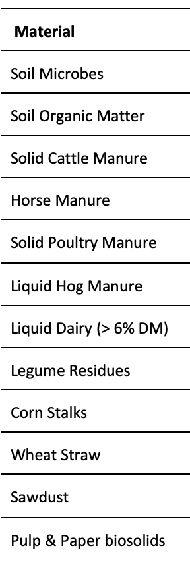
Carbon is the backbone of all living organisms. It provides the structural framework of cells and serves as a vital energy source. Common carbon-rich materials used in composting include wheat straw, corn stalks, dried leaves, and sawdust. Nitrogen, on the other hand, forms the foundation of amino acids, proteins, enzymes, and nucleic acids. Typical nitrogen sources include animal manure, slaughterhouse byproducts, legume residues, kitchen waste, and foodprocessing scraps. Although the intrinsic C/N ratio of microbial cells is approximately 8:1, additional carbon is needed to meet the energy demand during respiration. For this reason, an initial C/N ratio between 25:1 and 30:1 is generally recommended for composting. This range provides a balance between energy supply and the structural requirements for microbial growth.
Selecting Effective Microbial Agents
Not all microorganisms perform equally well in composting systems. Since microbial activity generates heat, heat-tolerant species are essential for maintaining a healthy composting process. Thermophilic Bacillus spp. and actinomycetes are well-suited, as they withstand high temperatures while continuing to promote decomposition. Moreover, since most carbon-based composting materials are rich in cellulose and lignin, microbes capable of producing cellulases and lignin-degrading enzymes are indispensable.
Beneficial fungi such as Trichoderma spp. are particularly effective at breaking down cellulose and lignin. When used in combination with Bacillus, they accelerate decomposition and stabilize the composting process. Commercial microbial products containing both Bacillus and Trichoderma strains have been shown to significantly shorten composting time, improve the release of nutrients, and enhance compost quality.
Managing Environmental Conditions
The efficiency of composting also depends heavily on moisture and oxygen availability. Adequate aeration is necessary to sustain aerobic microbial activity, while excess water can create anaerobic conditions that hinder fermentation. Ideally, moisture content should be maintained at 55% to 60%. Timely turning of the compost pile provides oxygen, redistributes
materials, and helps regulate temperature. The best time to turn is when the pile has reached its peak temperature and begins to cool. At this point, Bacillus cells often sporulate due to high heat, and turning brings cooler, oxygen-rich conditions that allow them to continue working.
Turning also allows drier surface material to mix with the moister interior, ensuring uniform decomposition. For systems where turning is not practical, installing aeration pipes at the base of the pile and supplying pressurized air is an effective alternative. This method provides oxygen directly to the microbial community, sustaining rapid fermentation without manual intervention.
Secondary Benefits of Microbial Fermentation
Beyond decomposition, microbial fermentation produces valuable secondary metabolites that benefit subsequent crop applications. For example, Bacillus and Trichoderma species can release plant growth hormones, lysozymes, and natural antibiotics during composting. These compounds not only enhance soil microbial ecology but also improve plant health, boost disease resistance, and promote growth when the compost is applied to crops or forage.
In addition, the organic acids produced by microbes—and their efficient assimilation of nitrogen—help curb undesirable nitrogen transformations. This reduces the volatilization of nitrogen as ammonia and lowers odor-causing compounds such as methylamine, hydrogen sulfide, and ammonia, resulting in a cleaner, more neighbor-friendly composting process while retaining more plant-available nitrogen in the finished product.
Practical Application and Guidance
Farmers who wish to optimize composting can choose microbial products tailored to their raw material composition and environmental conditions. Adjusting the C/N ratio at the beginning of the process, maintaining proper aeration, and inoculating with beneficial microbes are practical steps that ensure faster maturity and higher compost quality.
For more information on selecting the right microbial products for your composting system or adjusting your pile’s C/N ratio to optimal conditions, please contact the JH Biotech technical team at ct.feng@jhbiotech.com
Manure-fueled project gets government boost
A small-scale, Alberta-based biogenic carbon capture and storage project – fuelled by manure – is one of three projects in the Canadian province to receive significant funding dedicated to lowering emissions and generating clean growth.
The funding is part of a clean energy initiative entitled the Low Carbon Economy Fund, which is distributing CAD $13M (approx. USD $9.4M) to three Alberta projects and two in the Northwest Territories.
BY
One of those recipients is Taurus Canada RNG, which is constructing a remote carbon capture and storage system near Coaldale, associated with Kasko Cattle feedlot. The project is receiving just over CAD $3.4M, equivalent to roughly USD $2.5M.
Other recipients include potato processor Cavendish Farms and fertilizer processor Sherritt International, although those projects are not related to manure.
WISCONSIN PANEL UPHOLDS CAFO DECISION
A decision upheld earlier this summer by a three-judge panel in Wisconsin declares that state environmental regulators can require large livestock operations to obtain permits to seek and prevent manure spills and protect state water.
The decision comes following a 2024 ruling in Calumet County, in favor of the Wisconsin Department of Natural Resources (DNR). The
THE NUMBERS
Sobering safety statistics
26
Number of deaths of young children in farm accidents in Canada between 2011 and 2020*
124
Number of deaths of elderly people in farm accidents in Canada between 2011 and 2020*
18.3
500
DNR had been sued by the WMC Litigation Center on behalf of the Wisconsin Dairy Alliance and Venture Dairy Cooperative, which argued that the DNR’s requirements for CAFO permits and stormwater runoff regulation from farmers could not be legally enforced and were inconsistent with state and federal law.
The 2024 ruling in favor of the DNR was in the lower court; the
Average number of hours per day commercial manure applicators reported working during the busy season.**
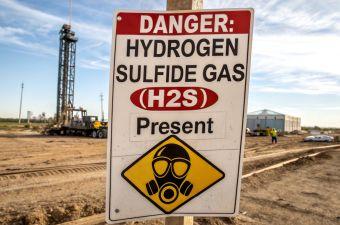
Parts per million (PPM) at which hydrogen sulfide exposure can cause loss of consciousness or respiratory disease at zero to 15 minutes’ exposure.
recent ruling upheld the decision.
The panel wrote: “The two challenged rules do not conflict with state statutes and do not exceed the DNR’s statutory authority.”
The ruling will affect Wisconsin’s near 350 concentrated animal feeding operations (CAFOs).
CAFO permits require operators to take certain steps to prevent manure-related incidents
such as spills and runoff, such as developing spill response and nutrient management plans.
The two associations issued a joint statement expressing disappointment in the decision, stating that the case “had nothing to do with weakening environmental laws” and that their mission was to “ensure that Wisconsin farmers are held to standards consistent with federal law.”
*Source: Canadian Agricultural Safety Association
**Source: Upper Midwest Agricultural Safety and Health Center
20%
Percentage of commercial manure applicators surveyed who reported at least one symptom of gas exposure while applying manure.**
700
PPM at which hydrogen sulfide exposure can cause immediate loss of consciousness, respiratory disease or near-instant death.
PHOTO: BREE RODY
Know the terms: Safety
Safety is a non-negotiable in any job, and farms are no different. Here are terms, figures and concepts with which you should familiarize yourselves – and after you do, tell your workers, colleagues and friends. Check in with one another frequently to ensure protocols are being followed, and spread the word as much as you’re spreading manure.
• H2S/Hydrogen sulfide: One of the most common and deadly gases associated with manure, which can be dangerous and even deadly at various levels (and can cause instant or near-instant death at more than 1,000 parts per million). Ammonia (NH3), carbon dioxide (CO2) and methane (CH4) are also gases of concern.
• PPE: Personal protective equipment. For gas safety, common PPE includes respirators and hydrogen sulfide monitors. When entering a pit or confined space, a SBCA (more on that below) and a harness or safety belt with a secured lifeline is also necessary.
• SCBA: Self-contained breathing apparatus (like “SCUBA” without the “underwater” part). Unlike a respirator, which filters out particles, the SCBA ensures a continuous supply of fresh air, which is necessary in confined spaces.
• Standby person: Whether referring to this person as a secondary, standby person or backup, a second person should always be located outside a manure pit or other confined space, maintaining visual and auditory contact at all times. This person
For more info visit huskyfarm.ca or call 1-800-349-1122
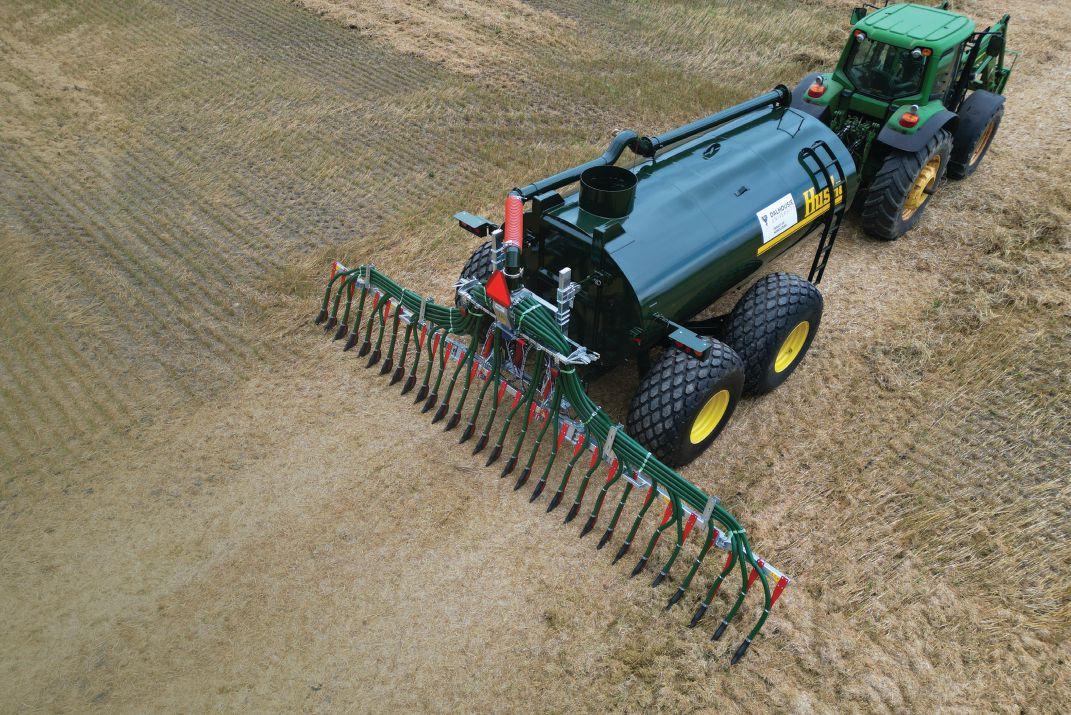
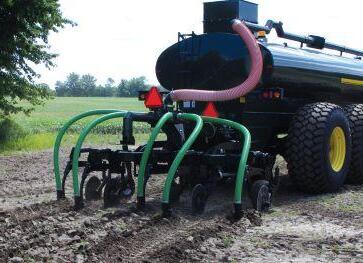
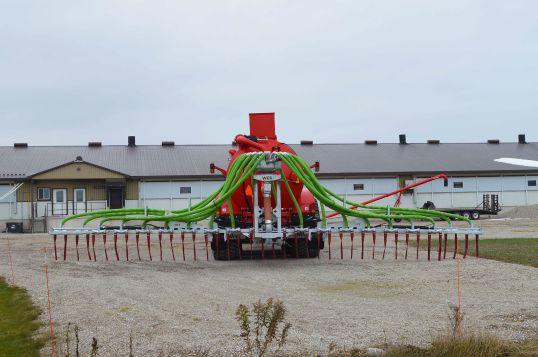
Trailing shoe booms from 6m to 30m in width. BlackBird trailing shoe booms in stock Summer 2024. Various incorporation options available. Contact us for more info on tank sizing options.
should only attempt to save a person in a confined space using the safety belt/ harness lifeline.
It also never hurts to reinforce common dos and don’ts.
Do: Turn off heaters, pilot lights and any other equipment nearby that might produce a spark if agitating or pumping manure. Manure explosions can be instant.
Do not: Attempt to rescue by entering a pit.
Do: Remember that your livestock lives’ matter too. Have someone monitor livestock if they are near risky activity such as agitation. Do not: Assume an area is safe because it is outdoors. Asphyxiation incidents can occur in open air if conditions are conductive.
Do: Regularly inspect or examine a barn’s ventilation system and ensure it is functioning at its maximum setting for optimal airflow.
FROM WASTE TO SAVINGS
When it comes manure separators, bigger is better – and can lead to widespread benefits.
As dairy farms continue to grow in both size and complexity, managing the substantial volumes of manure they produce becomes a bigger challenge. Large-scale dairy operators must carefully approach waste management and resource utilization, as separating enormous amounts of manure into valuable fertilizer and quality dry bedding can be a daunting and increasingly expensive task.
Traditional manure separators can typically process 40 to 50 gallons of manure per minute, which can quickly become inadequate for larger operations. This processing bottleneck has historically required farms to install multiple separator units, introducing both space and maintenance challenges.
The financial impact of manure management extends far beyond the initial equipment investment. Labor costs, energy consumption, and maintenance requirements all
scale with the number of processing units required. Multiple separator units require proportionally more service time and manpower. The electrical demands of multiple units with smaller motors can run high, and the physical space requirements and electrical installation costs compound with each additional unit needed.
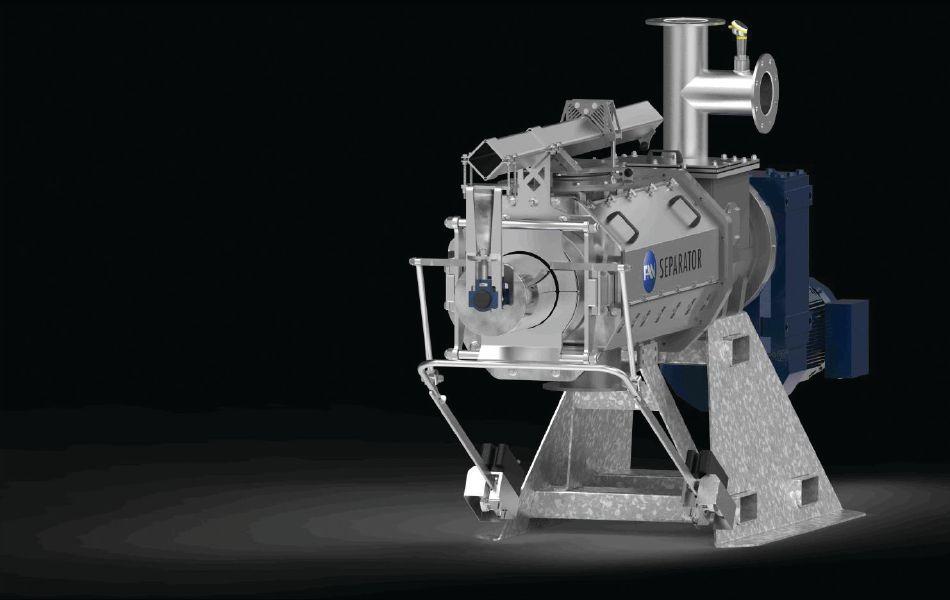
These considerations are inspiring farmers to seek new solutions. For many years, dairy farmers have grappled with the challenge of efficiently processing large volumes of manure, and have now turned to the PSS 8 from FAN Separator to tackle the task.
A PROCESSING POWERHOUSE
The PSS 8 was engineered to respond to a critical demand from the dairy industry, explains Ray Francis, sales director within North America and Canada for Bauer North America and FAN Separator.
“Dairy farmers came to us and said, ‘We’re getting bigger, and you need to grow with
us,” he says, offering the example of a 13,000cow dairy farm that may need 13 separators. Doubling the animal count would traditionally mean doubling the number of separators and taking up valuable space, energy and resources. “If they then grow to 26,000 cows, they’re going to need 26 separators,” he says.
FAN Separator worked with farmers, including a large-scale dairy operation in Morris, MN, considering their feedback and insights in the research and development phase of the PSS 8. This large-scale separator was designed with large dairy farms in mind, and engineered to process significantly more manure per hour than most conventional separators, while consistently churning out dry bedding. In development for more than five years, the PSS 8 has been commercially available since 2024.
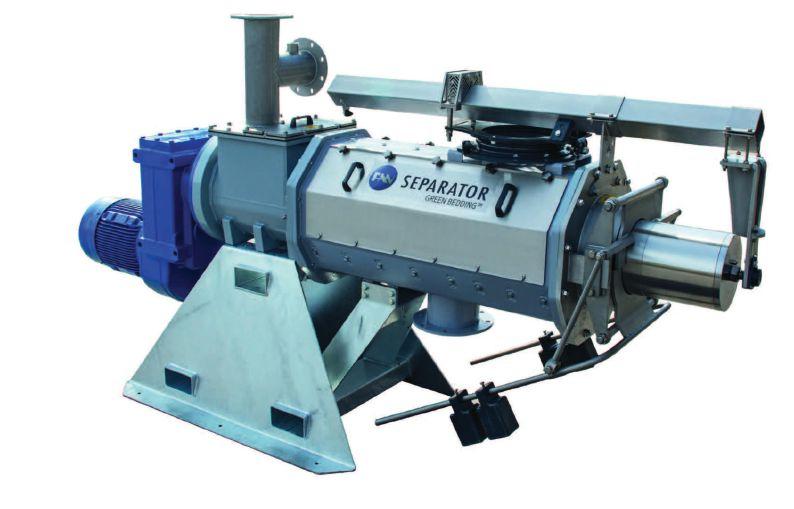
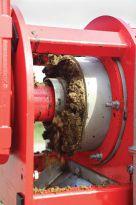
The PSS 8 is bigger than conventional separators, which makes it an ideal option for larger dairy farms that must process significant amounts of manure. It has the same capacity of up to four conventional smaller separators, with a smaller footprint. This translates into construction cost savings during installation, as it it doesn’t take up as much space as three or four conventional separators would.
Despite its large size and capacity, Francis says maintenance of the PSS 8 much less work than maintaining multiple conventional separators, as fewer machines to service means fewer man hours needed.
Electricity is another key consideration. Four smaller machines may each run with a 20-horsepower motor, for example, where a single PSS 8 relies on a 60-horsepower motor. This translates into significant energy savings, not only on the amount of energy used, but also in reduced electrical installation costs.
THE BOTTOM-LINE EFFECTS
The direct cost savings are appealing, but a larger separator comes with even more widespread benefits. One of the most significant cost factors in dairy operations is bedding material. Many farms rely on purchased sand, which represents both an ongoing expense and operational challenges. The alternative approach of processing manure into reusable bedding material can fundamentally change a farm’s economics.
Farmers can quantify this impact by referring to the direct cost savings from eliminated sand purchases and the reduced equipment wear that sand typically causes. Cattle manure can be recycled and turned into bedding, eliminating the need for sand,
avoiding associated issues like premature equipment wear, and saving farmers hundreds of thousands of dollars each year.
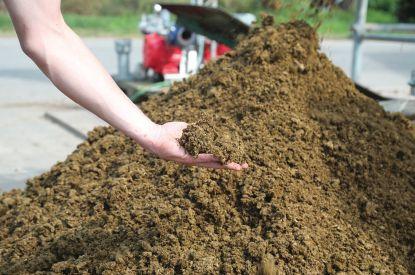
In addition to a healthy bottom line, the PSS 8 produces consistent Green Bedding at 37 percent dry matter, contributing to animal wellbeing, Francis adds. “The 37 percent dry matter is what helps Green Bedding to control bacteria and keep the animals healthy,” he says. “The bedding is well-accepted by the cows, and minimizes joint and skin abrasions.”
Under the right circumstances the PSS 8 can be even more efficient, according to some farmers. The idea that three or four conventional separators can be replaced by one refers to the use of non-digested ma-
nure. However, if manure goes through a digester first, the ratio improves to five-to-one. In some cases, feeding digested manure into the PSS 8 can allow it to perform the job of almost six conventional separators.
And, with the right screens in place, the PSS 8 excels at keeping fiber out of lagoons. Depending on farm size, this can save anywhere from an additional $100,000 up to $500,000 a year in lagoon agitation costs.
As dairy farms continue to grow, new equipment like the PSS 8 demonstrates how technology and innovation can solve both cost and operational challenges. Replacing multiple machines with one large unit can help dairy farmers save money while managing waste and keeping their animals healthy.
For more information, visit fan-separator.de.
Created by Amplify Content Studio in partnership with FAN Separator and Manure Manager.
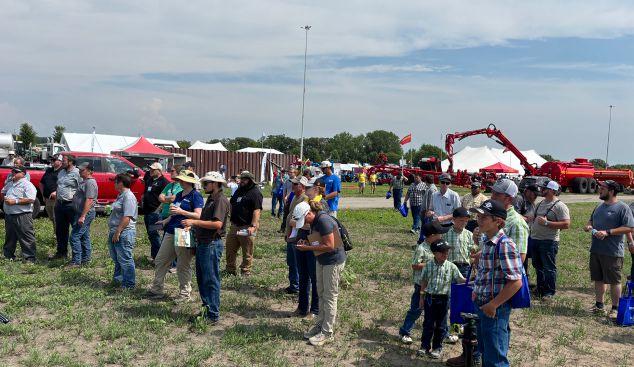
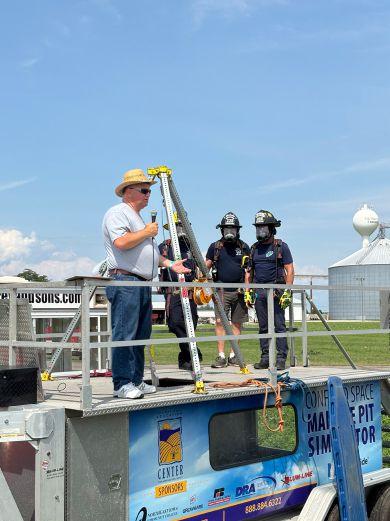
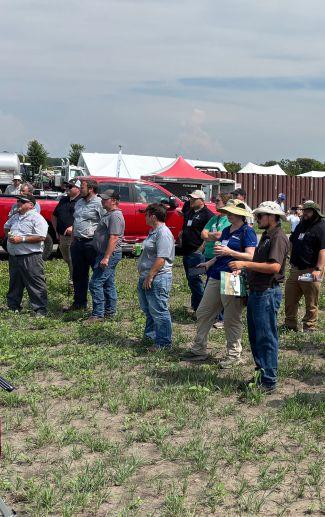
The National Education Center for Agricultural Safety presented its interactive confined space simulator as part of the Expo’s safety component.
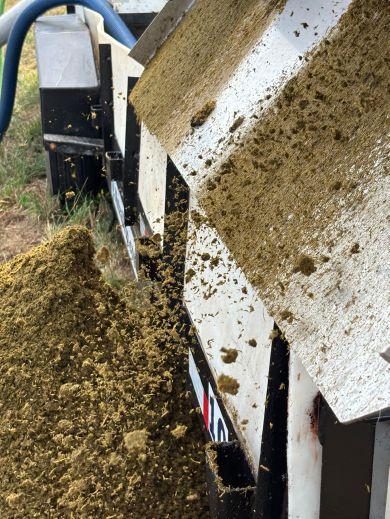
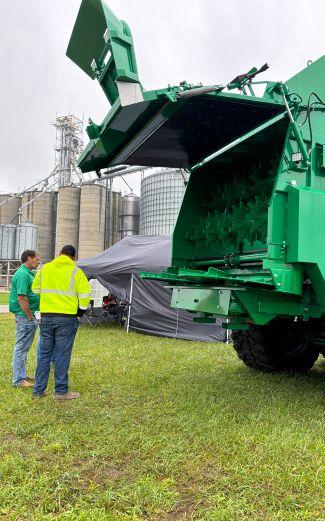
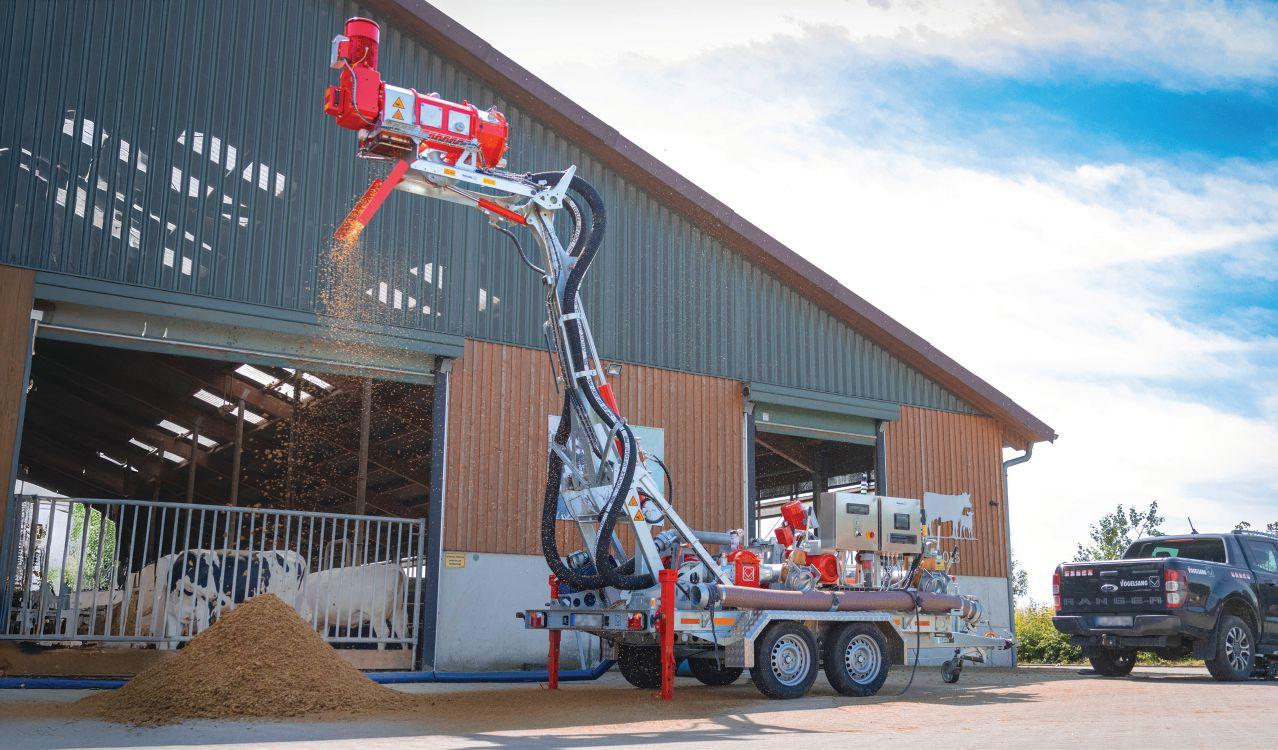
A fully operational manure separator was incorporated into the agitation demos.
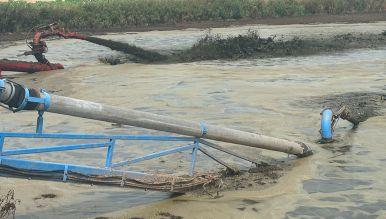
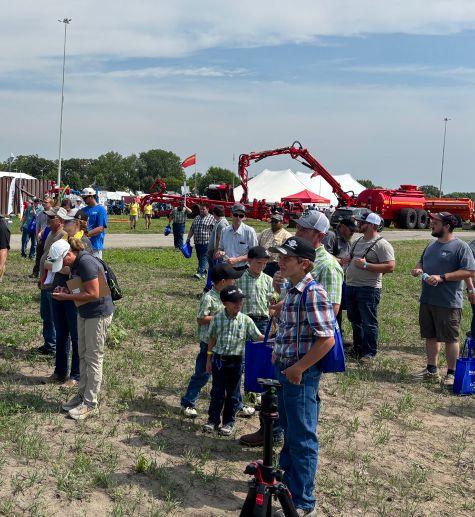
All manure agitation booms and boats running simultaneously allowed viewers to see the machines truly side-by-side.
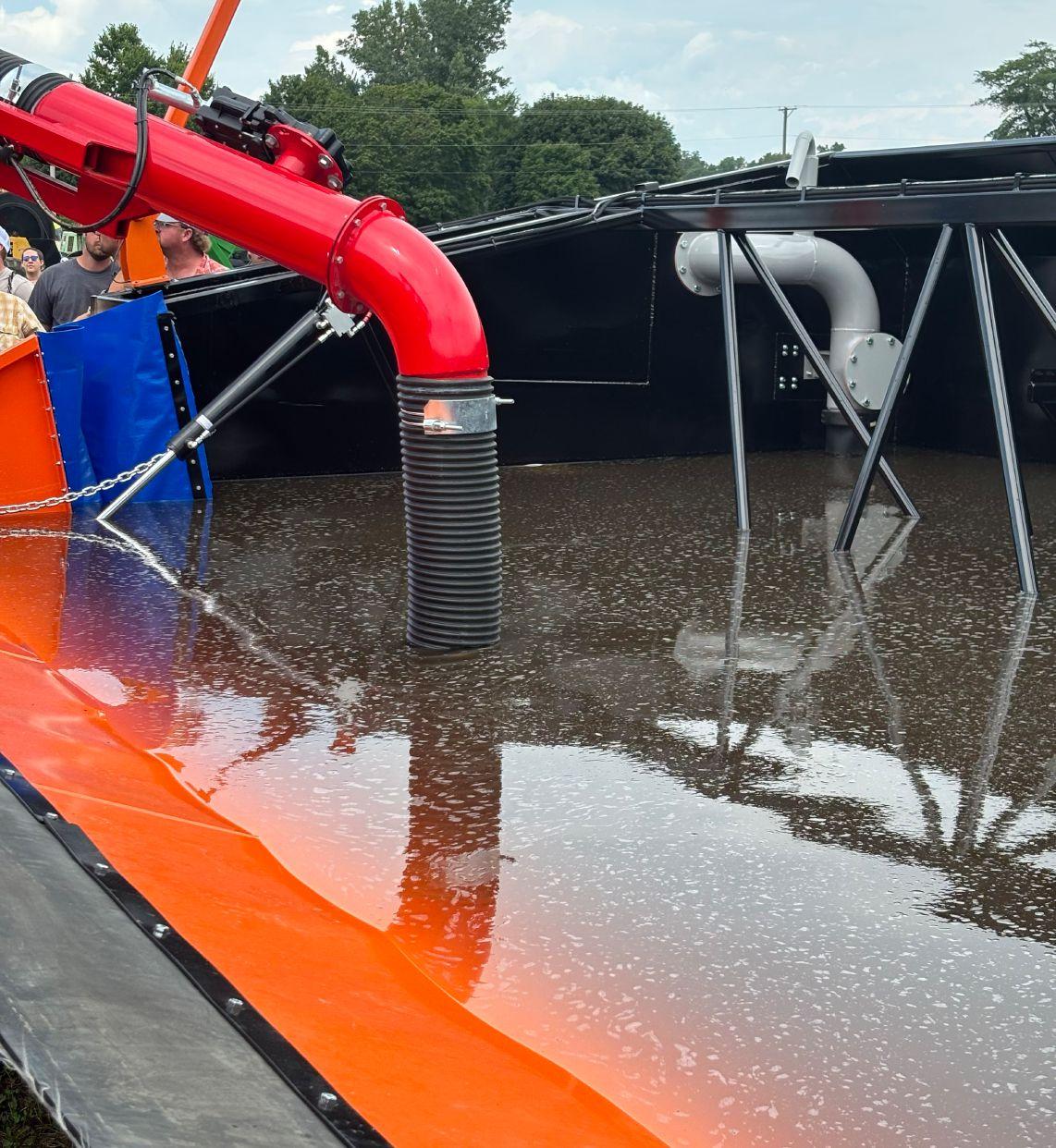
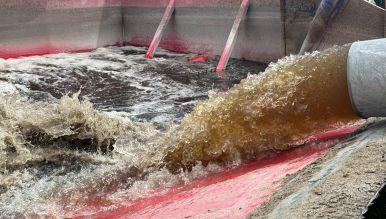
The rapid transfer demo featured manure being transferred from tankers to dumpsters in massive quantities.
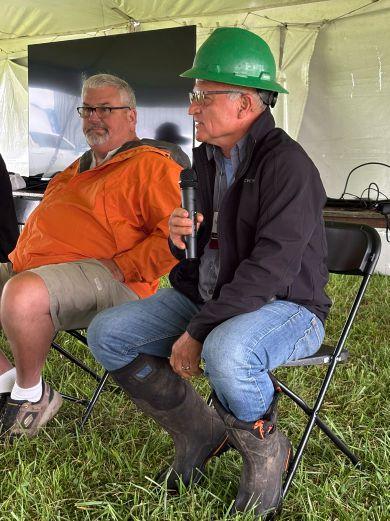
The Expo’s first-ever applicator panel featured perspectives from the industry, including from host farm owner Nate Andre.
Attendees crowd around the NECAS
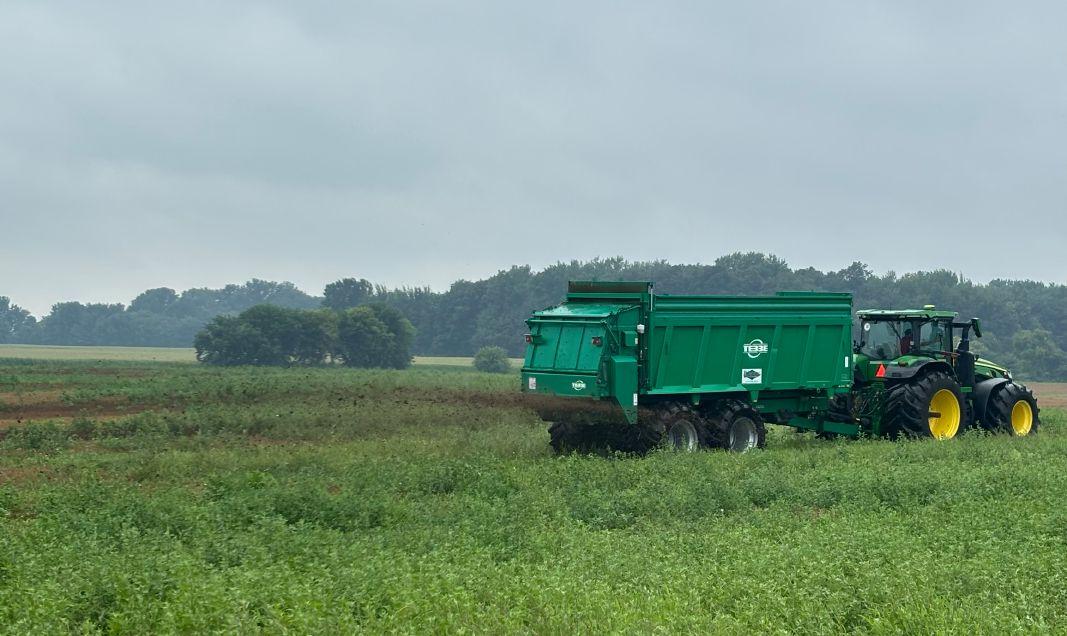
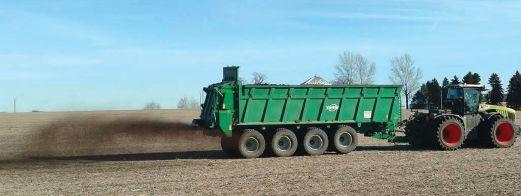
Solid and liquid spreaders were on display throughout the grounds before being showcased on day two in spreading demos.
RAIN, SHINE AND A RIP-ROARIN’ GOOD TIME
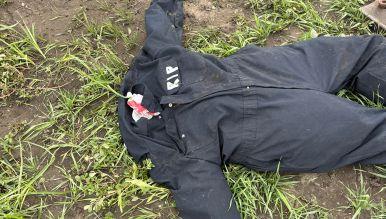
The annual hose break occurred at nearly 100 PSI, its highest pressure yet, resulting in a farflung dummy (but no humans hurt).
RIP-ROARIN’
A lot can happen in two days.
In between the morning of July 30, 2025 and the afternoon of July 31, roughly 1,000 individuals entered the Fulton County Fairgrounds in Wauseon, OH. Some were there to price or even buy equipment. Some were there to get continuing education credits. Some were there to watch manure spreaders.
During those two days, those guests saw the weather range from clear, hot and sunny to chilly and wet – but even as the weather pushed to both extremes, few were deterred. The first day featured the best of Ohio agriculture and nutrient management with offsite tours and agitation demos, as well as on-site demonstrations such as the confined space rescue and the signature hose break.
It was the Expo’s first time in Ohio since 2016.
For local farms – like host farm Andre Farms, which also hosted a tour of its smart composting operations – the Expo represents an opportunity to create better communication with the community. Ross Andre, who led the tour of his family’s operation, says communication about manure, composting and nutrient management is key to helping neighbors get along and increasing appreciation of agriculture among the general public.
“I’d like [people] to know that we’re trying to leave our fields better for the next generation,” says Andre. “We’re trying to do the right thing environmentally. There are people out there that are trying to do right by the next generation.”
Safety has been an explicit
component of the Expo for several years now, but this year’s event featured a one-of-a-kind manure pit rescue simulator, which was developed by the National Education Center for Agricultural Safety (NECAS) with support from Nationwide. The NECAS team hosts events for farmers, firefighters and other emergency and first responders to educate – using a trailer, dummies and harnesses –on the dangers of confined spaces such as manure pits, and the proper way to secure and safely retrieve a fallen colleague. Instructor Dan Neenam also stressed elements such as air quality monitoring throughout work processes, proper protective equipment and how to secure a harness and rig for below-grade rescues.
Day two saw crowds don their rain ponchos to view solid and liquid spreaders, while also taking in education sessions on water quality, manure economics and more. Other demonstrations included drag hoses and spill mitigation.
Gabe Guthrie, a Pennsylvaniabased extension educator who works with manure haulers and handlers, attended his first-ever Expo, says there was a lot of equipment on display he didn’t normally get to see at home. “It’s neat to see how things differ from region to region,” says Guthrie. “I don’t think you’re going to find another [show] that has all of this relevant stuff in one spot, between the equipment, the tours and the [educational] talks.”
The 2026 North American Manure Expo will take place in Wayne, Nebraska on July 28, 29 and 30. •
Classic Manure Expo segments like spreading demos met with new and updated features, like an applicator panel.
BY BREE RODY
confined space safety demonstration.
Speaker Francis Springer showcases how to mitigate manure spills.
BIOCHAR FOR THE FUTURE: Part II
In Part 1 of this story, we looked at pyrolysis basics, manure biochar benefits and how two leading companies are re-using heat to reduce costs of manure biochar production. Here in Part 2, we explore how we can make widespread manure pyrolysis a reality, including how to best build the biochar market, and what’s left to learn.
Bringing a new manure management approach mainstream
BY TREENA HEIN
First, let’s review why pyrolysis presents exciting possibilities as an effective manure management practice. As a storage form of manure, biochar is much lighter and significantly more stable compared to raw manure. This makes it easy to move and provides long-term storage possibilities. The stability factor also presents the exciting potential to largely avoid the nutrient runoff issues that commonly happen when raw manure is applied to fields, through applying biochar instead. Beyond fertilizer and soil amendment uses, manure biochar has other inter-
esting possibilities. Because of its nutrient content, it’s being added to feed in some parts of the world. Lastly, its high porosity and absorptive qualities make it attractive as an addition to poultry bedding, with ammonia emissions presenting long-term bird and farmer welfare challenges in the barn.
But it’s still early days, and there are a number of pieces that need putting in place before we’ll see widespread pyrolysis in North America. One requirement is for farmers to understand and be comfortable with biochar – and that means good data.
RESEARCH SO FAR
According to Joseph Sanford of the University of Wisconsin-Platteville, the bulk of the biochar research has been focused on laboratory or greenhouse settings. “These are useful, but may not be transferable to the real-world conditions,” he explains. “Most producers are not going to invest in something on a large scale without field-based findings. Most [in-field studies] are just starting.”
Of the studies Sanford knows about, results indicate field applications of biochar produce variable yield responses to various crops. Further studies are needed, in Sanford’s view, to tease out the effects of different soil types and regional climate differences across various crops, various biochars and at different rates of application. There’s also the need, says Sanford, to take a close look at the economic benefits of these applications within traditional crop systems (e.g. corn, soybean, alfalfa) in relation to yield and other factors that impact a farm’s bottom line.
The U.S. Biochar Initiative (USBI) also recognizes the need for comprehensive and detailed studies. The organization is working with scientists at Washington State University on large-scale trials of biochar and biochar-enhanced fertilizers on commercial farms, and also plans to support research into using biochar in greenhouse growing media. Starting this fall, USBI will host information sessions in conjunction with American Farmland Trust to build knowledge among interested agricultural professionals.
A CLOSE LOOK AT COSTS
As is typically the case with emerging technologies and products, costs are very high at the start. Sanford notes if manure biochar is applied at a rate of 1 ton/acre (research shows more would be needed for appropriate crop response), the cost would likely between USD $500 and $2000/ac. Yes, he notes applying biochar may boost long-term soil carbon reserves, which can boost crop yield and provide other crop benefits. Yes, it has the potential to decrease nitrogen leaching compared to raw manure, which may save farmers money. But at the same time, San ford is blunt. If applying biochar doesn’t provide significant ROI via decreased fertilizer inputs or increased yields, he says “I do not think we will see adoption without other incentives or cost-sharing programs.”
As with manure digesters, making biochar from manure on the farm would involve significant capital and operational costs. Sandford therefore doesn’t foresee it being something farmers would undertake for their own use alone. However, it could be feasible on a large scale as a way to move manure/nutrients outside of a spreadable area, maybe with one dairy farm for example making biochar from its own excess manure and excess from several other nearby farms and shipping some of the biochar to other regions.
Let’s go deeper into what biochar production on a farm would look like, with Mahmoud Sharara of North Carolina State University. He explains biochar production systems, particularly ones using manure solids as feedstock, involve complex feeding, cleaning and heating components. To ensure proper operation, trained staff would need dedicated time to carry out operations and maintenance. These sorts of systems, which involve a learning curve and experience, are hard to staff because there is already a shortage
of farm labor, says Sharara, and there may be a seasonal nature to this work as well. “Also, the availability of prompt assistance for repairs and parts replacement are typically missing with new technologies,” he says. “This can lead to longer downtimes for the equipment that both reduce productivity and discourage sustained use and wider adoption.”
So, while Sharara acknowledges costshare programs and funding to cover capital investment may be available in future, he believes the high capital costs and specific labor requirements mean only a few farms could afford the infrastructure, and also have the required livestock and workforce to make biochar from manure.
Part 1 looked at two companies capturing heat from the biochar-making process to save money drying manure. However, Sharara says for this to work on a farm, operational flexibility would have to be present. “For example, variability in manure solids properties, including water content, bedding type and soil contamination, may interrupt feeding and drying step,” he explains. “This may reduce overall energy efficiency and increase drying and conversion costs. That is not to discourage pursuing these energy-efficient strategies, but to ensure they are designed to be robust and built with an eye for conditions of on-farm manure management.”
BUILDING MARKETS
At the same time costs must be managed with producing any new product, the mar-
ket for it must be developed. Indeed, the market for biochar is the biggest economic challenge in the view of Dr. Rebecca Larson at University of Wisconsin-Madison. “While biochar has a lot of buzz, actual sales and the price of the biochar are still evolving and those implementing the systems would have to do the work to develop the market for their products,” she notes.
To build a customer base for biochar as a fertilizer and soil amendment, USBI is hiring a director of agricultural markets. And in Minnesota in mid-September, it’s also hosting the 2025 North American Biochar Conference as well – where a key workshop is laser focused on a critical market issue, the development of an American National Standard for biochar analysis. Standards, in the view of USBI, are the linchpin in creating the trust in the effectiveness of biochar products.
Jeff Porter, technical consultant at Newtrient (see Part 1), is of the same view. “Part of the marketing is that the properties of the biochar also have to be determined, so that farmer-customers can work biochar effectively into their fertility plans,” he notes. “Customers will need to know exactly what dairy manure/digestate biochar contains and to have consistency. I think standards will eventually be in place to address this concern.”
According to USBI, two sets of standards have already been developed, one by the International Biochar Initiative and
one by Carbon Standards International. However, in a recent newsletter, USBI reports that the former “were never designed with commercial laboratories in mind,” and the latter “are based on German laboratory standards and therefore are a no-go for most laboratories in North America.” As such, very few labs in North America offer analysis for biochar.”
For Larson, she’s focused on the idea of making cheaper but effective biochar products. “Say for example you can use the biochar in specific purposes to replace or reduce activated carbon, or in digesters to reduce hydrogen sulfide gas,” she says. “Alternative potential applications could greatly increase the value of biochar, making system payback more feasible.”
Like Sanford, Larson wants more info, from the impact of biochar applications on crop yield and more over time, the potential of higher-value markets, replacing costly off-farm purchases with biochar, and so on, “to be able to really model the impact of integrating manure pyrolysis systems to determine if the financial benefits can be significant enough.”
One big issue, she adds, is all biochar is different, with the characteristics depending on feedstock (including potential pre-conditioning), pyrolysis settings (temperature, duration, etc.) and possible post-processing activities. “We are just beginning to explore all these impacts,” Larson says. “It’s critical to continue to evaluate all the various biochars and vary the conditions, for example blending feedstock or altering temperature, to understand if we can create biochars with greater value for many end uses. This will take time and resources, but I am hoping that the current buzz around biochar can sustain that interest as it has the potential to really improve sustainability.”
AMMONIA, HAULAGE AND MORE
Besides the reduction in nutrient leaching that should be significantly achievable with applying biochar, ammonia emissions from lagoons are a concern. Sanford reports some small-scale studies have shown biochar can provide some help in reducing them. Spreading them on the lagoon surface is one idea. “Some areas of the country are more concerned than others about ammonia emissions, but it might be a tool in the toolbox.” Still, he says, larger-scale studies need to be done to assure these benefits are transferable to real-world situations.” •
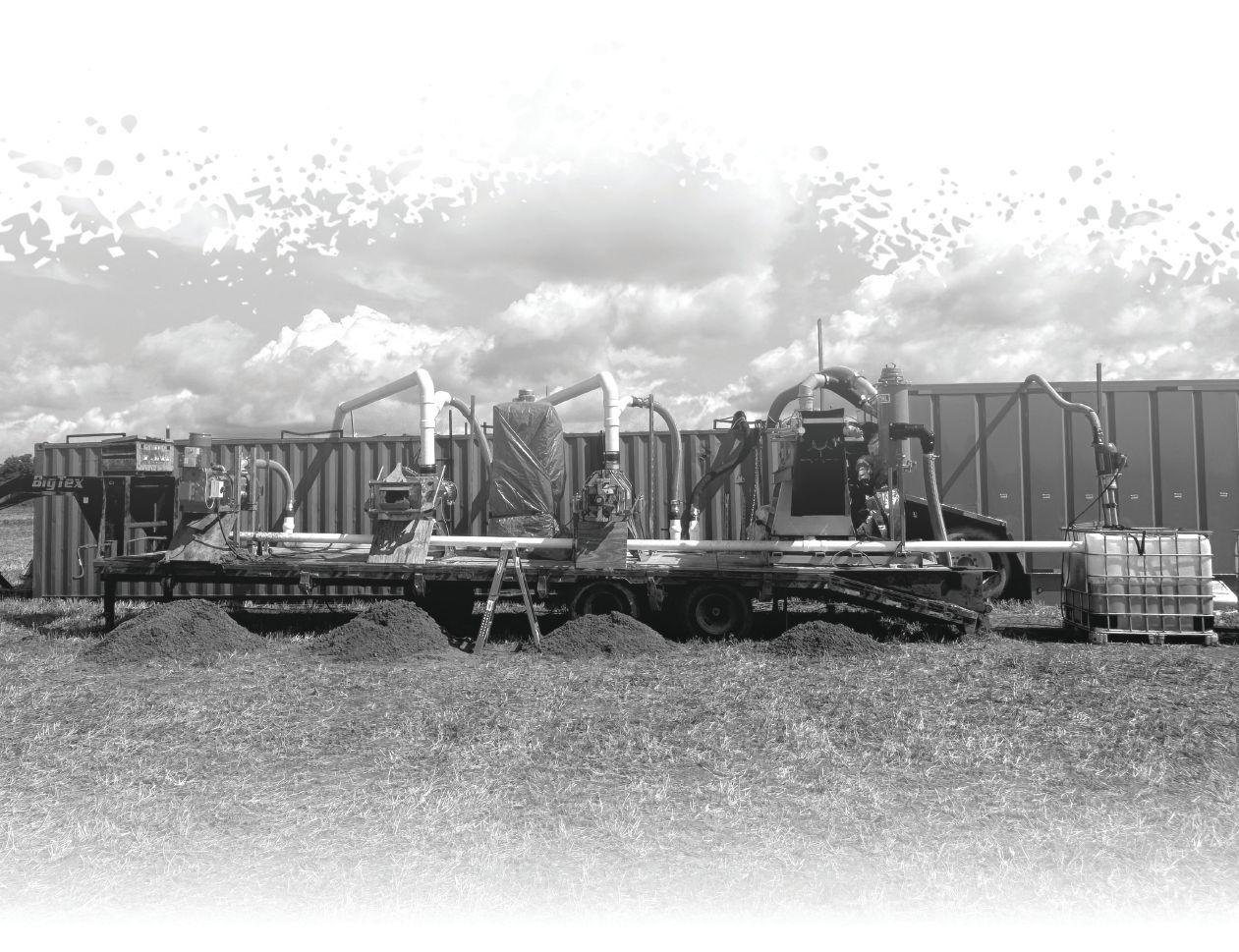
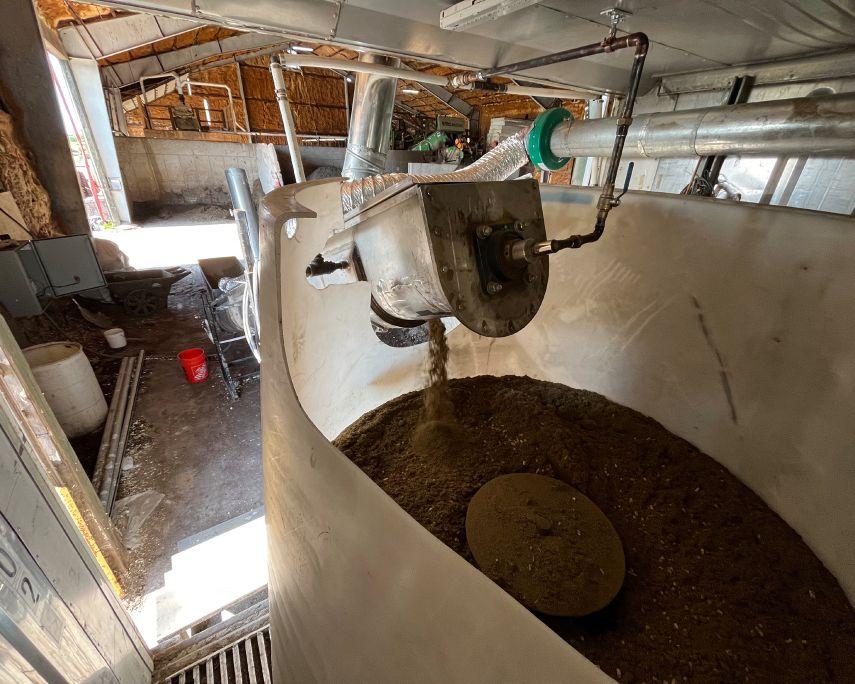
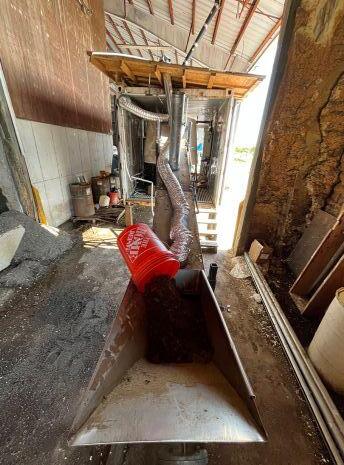
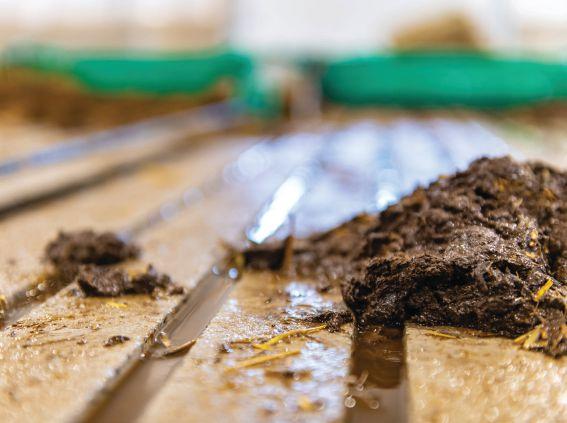
Dried manure cyles through various stages of the biochar process as part of the Cornell research project, currently undergoing intense study by Newtrient.
A moment for manure
BY JIM TIMLICK
Despite wistful thinking, some numbers indicate that the amount of North American farmers using manure as fertilizer has been in decline in recent years.
In the United States, the USDA’s most recent Census of Agriculture showed an overall decline of 13 percent in the number of farms using manure to fertilize their fields between 2017 and 2022. The situation was most pronounced in states like North Dakota and South Dakota were usage declined by 22 percent. In Canada, while manure numbers have remained relatively static overall, there has been a marked declined in some regions of the country.
But with chemical fertilizer prices soaring as a result of steep increases in the costs of the ingredients used to produce them, and the ongoing threats of tariffs and counter-tariffs resulting from the Canada-U.S. trade war, could that impact manure usage on both sides of the border? Could this be a ‘moment’ for manure, during which it enjoys a resurgence in usage?
Manure Manager recently spoke with a handful of industry experts to get their take on the situation and whether recent events could lead to renaissance for manure. Here’s what they had to say.
As mentioned, chemical fertilizer prices have been climbing for some time. In some cases, prices
have risen by 15 percent or more over the past few years. Several factors have contributed to those price increases including rising demand, supply chain disruptions such as the war in Ukraine, increased transportation costs and the aforementioned tariff threat.
With chemical fertilizer prices rising, it’s only natural that some agricultural producers may want to take a look at what other options are available to them, including manure, right?
Deanne Meyer, an extension specialist in livestock waste management at the University of California, Davis, says that’s certainly a possibility. And she would know. Meyer has been studying the production, collection, storage and utilization of manure for 33 years and jokingly says she has “spent most of my life at the back end of a cow.”
However, Meyer says it’s difficult to say definitively whether or not manure usage will suddenly increase as a direct result of current circumstances.
For one thing, manure is far less simple to use than chemically based fertilizer and the resulting boost to crops can often be much less predictable.
“Manure is not a guarantee for NPK (nitrogen, phosphorus, potassium). You have to actually sample it to understand what’s in it and how it can
be valuable for a crop. That requires some thought and energy,” she says.
“The liquid material is going to have different agronomic value than the solid material, especially when it comes to nitrogen and the availability of nitrogen for the crop. When somebody puts on commercial fertilizer they have a pretty good idea from the day they put it on when it’s going to be available to the crop. When you put on manure … it has to mineralize before its plant available. What per cent of that is going to be available next week versus next month is going to vary depending on where a person is.”
Megan Dresbach helps run W.D Farms LLC in Circleville, OH along with her father Eric. Their business has been hauling dairy manure for neighboring farms since 1987 and the pair have witnessed firsthand the many ebbs and flows in manure usage that have occurred during that time.
Dresbach believes manure could become a more attractive alternative to chemical fertilizer as a result of rising prices and tariff threats. However, she says there’s no guarantees and the situation has the potential to change quickly, as it has many times before.
“I think it goes up and down,” she says.
“When fertilizer is high, they look at us. When it’s cheap, they ignore us. It’s just a cycle. Right now the question is carbon sequestration and all these other things. ‘Maybe we need an organic fertilizer because that’s going to help our
numbers.’ So really, who knows what kind of difference (the current situation) is going to make.”
Graham Gilchrist is the founder of Gilchrist Consulting and Investigations and a member of the Canadian Agricultural Economics Society. He’s worked as an agricultural economist in Alberta for more than 30 years.
Gilchrist expects some farm operations may take a closer look at using manure if the current situation doesn’t change anytime soon. However, he suggests farmers will have to crunch their numbers to determine whether or not it makes economic sense for them. In some cases, it simply won’t.
“If you don’t have livestock of any type and you want to look at manure, if somebody’s giving it away, great. It’s free,” he says.
“But if you’re starting to pay for it, then you’ve got to take it down to a dry matter basis. It’s no different than buying and selling hay on a dry matter basis because then you’re moving water and a lot of bulk material in order to get that 10 kg of nitrogen and that gets expensive.”
Eric Dresbach is not convinced that the constant threat of tariffs coming from the White House will significantly move the needle as far as manure use in the U.S. Unlike car parts which can be bought and stored, he says most farmers don’t have the storage facilities to purchase manure and hold onto it.
“Trump’s very good at pushing things far to the right, getting everybody in an uproar and then whoever he’s pushing has a tendancy to decide maybe I should work with them and … things get better,” he says.
“There’s a lot of uncertainty right now. But in the long run I don’t think it’s going to move [things] a whole lot one way or the other.”
So, the question that must be asked is: is it realistic to expect there to be a boom in the manure business amid the uncertainty the Dresbachs mentioned? If so, what can livestock producers do to capitalize on this moment?
As far as the second question, Meyer says one of the most important things producers can do to boost this potential revenue stream is to ensure they have a consistent product to offer.
She uses the example of manure obtained from replacement heifers versus organic fertilizer produced by lactating cows. Lactating cows are typically fed a much more nutrient dense diet than replacement heifers and each will produce a manure with a much different composition than the other. As a result, those two products may need to be stored and sold separately.
Different bedding products such as wood chips or straw can likewise have an impact on the physical and chemical composition of manure. That means those materials will be handled differently by application equipment and will also
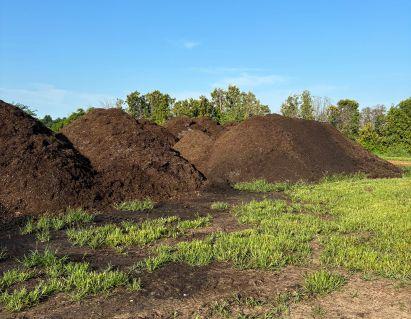
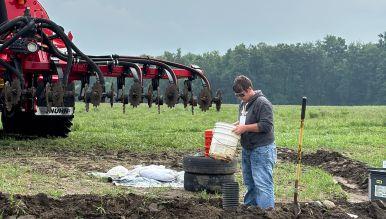
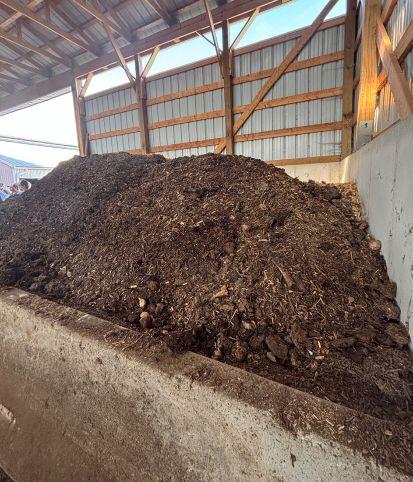
Solid manure at an Ohio farm, where it is transported to nearby operations.
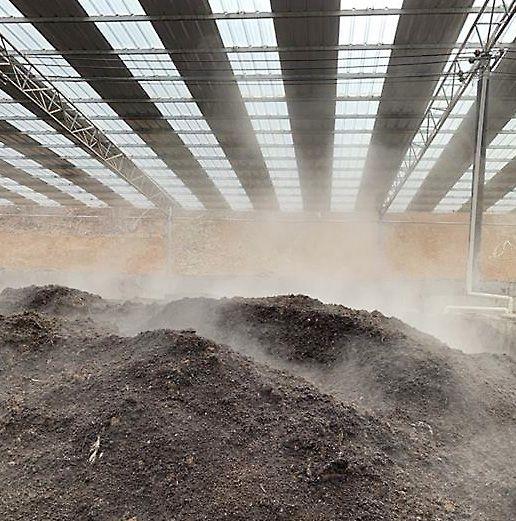
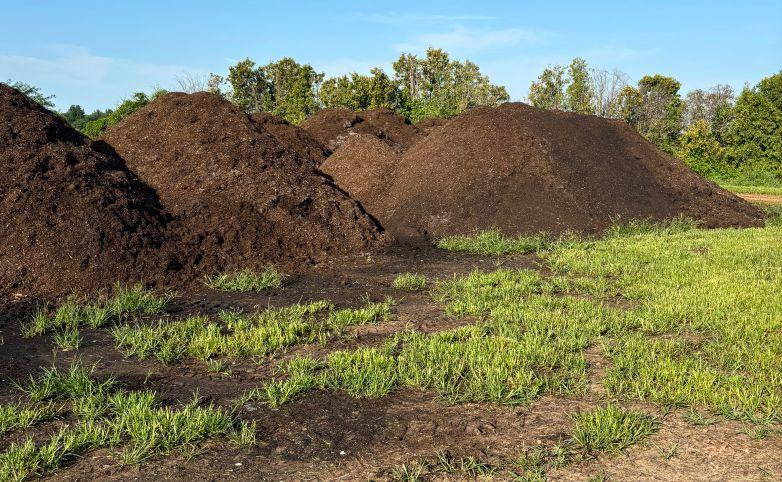
Composted manure combined with local food waste at a U.S. composting facility, which some consider a full-circle option.
impact how the manure gets incorporate in the soil, something livestock producers should keep in mind if they are selling their manure off, Meyer adds.
Gilchrist’s advice to livestock producers is to get the manure produced on their farm tested so that they have a better idea of what they are selling to customers. He also recommends cooking and composting it so that any unwanted elements are eliminated and it can be transported cheaper and easier.
“This way, you are selling a consistent product with a somewhat consistent nutrient level. That has value to it,” he adds.
Any boost in manure use would likely come as welcome news for livestock producers as manure is still considered underutilized here in North America. According to data from the USDA’s Economic Research Service, manure was applied to only eight percent of the 240.9 million acres of the seven major U.S. field crops in 2020.
Eric Dresbach believes a big reason why manure isn’t used more often to fertilize crops is the prevailing attitude towards it. He says too many farmers view it as a waste product that needs to be disposed of. That’s why he and his company have been working with producers to test the manure on their farms and provide a better understanding of its value.
Still, he says more education is needed in order to change public perceptions about organic fertilizer.
“Part of my to-do list is to spend more time working with the fertilizer industry and the applicator industry so we do a better job of testing, a better job of communicating where it goes, how much went and the value of that,” he says.
“Too often we put manure on and either the crop farmer or the fertilizer dealer puts no value on that product and then turns around and does the same commercial fertilizer program as if it received no manure. That’s a waste of resources on all fronts: dollars, commercial application and manure. We need to get the word out.”
Meyer agrees on the need for more education, especially among crop farmers.
One of the first thing she usually recommends to farmers who are contemplating using manure for the first time is to check for any marketing or supply chain restrictions that might be in place. For example, there are very strict rules in place about what kind of fertilizer can be applied to leafy greens such as spinach or lettuce.
“Certain crops that are ready to eat,
the marketing orders may frown upon the use of manure if its untreated because of potential pathogens,” she explains.
Meyer also recommends producers analyze whatever data they can get their hands on that shows what the nutrient composition is of the manure they are using.
“You absolutely have to test it,” she says. “Manure is going to come with not just NPK. It comes with NPK but also a bunch of SOL (potassium or potassium sulphate). It’s going to come with additional macro elements and micro elements. Some may be
very desirable at whatever the concentration is, and others may not.”
Regardless of rising fertilizer prices or trade tariffs, Meyer says its important producers understand the value of using manure.
“It we want to talk about resilient or sustainable farming, it’s really important to reincorporate manure into soils where the food came from, where the animals came from. They take carbon out of the soils. In order to maintain healthy soils it’s important we put more carbon back into the soil.” •
•
• Separator Feeds
• Lagoons
•
• Scraped Manure
• And More!
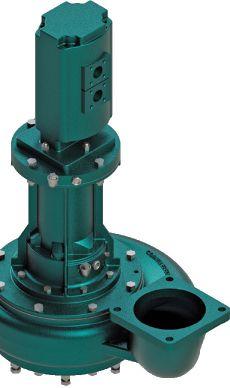
When the going gets tough, turn to the toughest pumps in the field. Vaughan has unique pump configurations specially designed for agricultural applications, including:
Barn Finish Pits
Digester Mixing
Beyond BEST PRACTICES
Biosecurity requires vigilance, proactivity and accountability, not just on the part of farmers, but also on haulers and applicators.
BY BREE RODY
Sometimes, a disease breaks from animals into the human population and causes widespread concerns over contagiousness, immunity and health outcomes.
With the recent COVID-19 pandemic barely in the rearview, that might be why when an illness spreading among livestock– like highly pathogenic avian influenza (HPAI), which has plagued commercial and wild flocks for two years, or African Swine Fever Virus (ASFV), a contagious virus endemic to parts of east Africa and saw concerning spread in some continents in the early 2020s – the primary concern among the public is often whether this will spread to humans or even be the “next COVID.”
Many of these diseases, including ASFV, are not known to infect or affect humans. Some do but have very mild symptoms or show no signs of human-to-human transmission.
The latter is the case for the recent HPAI outbreak, which did spread from livestock to some humans but, as of June 2025, according to the Center for Disease Control, has not shown any signs of person-to-person spread. Risk to the general public remains low.
Good news, right?
Not so fast, say experts.
Just because something will not acutely affect public health does not mean the public should not be concerned. When a disease spreading among livestock results in the inevitable culling of herds and flocks, the results can be devastating for producers. In the case of HPAI, consumers have already seen these effects passed onto consumers through skyrocketing egg prices and fluctuating availability of poultry products. There’s also a risk of profound mental health effects on producers as they’re forced to make difficult decisions about their livestock.
practices for the state of Michigan.
“It started with, ‘hey, this is a great idea,’” she said. But then, the swine industry was hit with Porcine Epidemic Diarrhea Virus (PEDV). “We broke with that, so [biosecurity for swine] becomes an even bigger issue. Then we had African Swine Fever Virus.”
While ASFV has not yet been recorded in the U.S., cases in the Dominican Republic brought concern for the industry. “We used to be able to say there was an ocean between us and ASFV, and now there’s not… secure supply became very important.”
Work in Michigan has focused on biosecurity on the farm. “Biosecurity is the key when we think about the movement of animals. If we are in a disease outbreak, we want to be able to permit healthy animals [to move].”
“Biosecurity manages risk. If we don’t have customers, we have no business continuity.”
Manure itself, as well as the equipment, the people running it and different processes can all be potential vectors for the spread of fomites. A 2023 study assessed the frequency of Porcine Reproductive and Respiratory Syndrome Virus (PRRSV) RNA and PEDV RNA detection in pit samples from midwestern wean-to-finish barns and the likelihood of increasing PCR-positivity of pig oral fluids after manure pumping. The odds of a PRRSV outbreak within a four-week window were greater when the site was pumped and was in close proximity to a field receiving manure. The odds of a PRRSV-negative barn becoming PRRSV-positive increased significantly after manure pumping. Similarly, a pork checkoff study sampled 30 manure pits rom barns in southern Minnesota and northern Iowa. When tested by swine bio assay, two barns on four months after having PEDV positive pigs were positive.
These outbreaks have stressed the importance of biosecurity practices worldwide. But beyond wearing PPE such as booties and gloves in barns, Elizabeth Ferry, extension educator for Berrien County with Michigan State University says manure management plays an unignorable role in the matter.
BE VIGILANT
Ferry specializes in pork, and is part of the team working on secure pork supply plans including disease response and on-farm
Ferry acknowledged that when it comes to custom haulers are not working with their own animals – but nevertheless, she says, “They have a business to protect.” That means high standards are imperative – and holistic.
FROM THE GROUND UP
First,workers must understand how diseases spread. For haulers, it can be through direct exposure, fecal-oral exposure or aerosolized spread. Insects or other wild animals can also be a vector.
Next, consider real-life examples. When PEDV was first
introduced into the U.S. in 2013, it spread rapidly through unexposed pig populations and, following the initial outbreak, sporadic re-breaks occurred, with manure hauling identified as one of the factors resulting in re-breaks.
Then, familiarize yourself with specific biosecurity basic for different manure processes. MSU Extension recommends the following practices for manure handling and pump-down process:
• Develop a standard operating procedure for manure handling;
• Communicate with farm owners, managers and employees;
• Schedule your visits;
• Verify herd health status;
• Understand biosecurity requirements;
• Do not enter buildings;
• Develop cleaning and disinfection protocols for equipment such as spreaders, trucks, pumps and hoses (including wheel wells and undercarriages);
• Identifying a water source away from the facility or traffic patterns for the crew to use to clean the manure from said equipment;
• Maintaining equipment to minimize the risk of on-farm spills;
• Consider the need for splash mitigation;
• Use dedicated roadways for manure transport; and other recommendations available through MSU extension.
ENHANCED PLANS
Enhanced biosecurity plans are also a necessity. Each state determines what an enhanced biosecurity plan means. In the case of Michigan, it’s been working with neighboring states Ohio, Indiana and Illinois, because of how many farmers cross state lines. “We’ve been trying to make sure Indiana’s guidelines match Michigan’s, so we’re not trying to meet different standards and we both have good understandings of what each state is going to accept into the state, because the state government is the one that can deny movement if we have animal disease outbreaks.”
But biosecurity, like other matters of safety, can also boil down to economic and social issues. Most would agree that best practices are a good thing – hence the term “best” – but finding the time and resources to implement them can be another story. Whether it’s lack of time, lack of resources or even language barriers,
communicating the importance of these practices and consistently upholding them can be a challenge for some. And if they don’t see an immediate risk because it doesn’t hit them in the pocketbook, Ferry cautions to think big picture.
“We look at biosecurity as a way to manage risk… If you don’t have your plans in place for enhanced biosecurity, if we have a disease outbreak, you won’t be able to move animals, you won’t be able to move manure, you won’t be able to bring things on and off your farm if you’re in a control area, and it becomes really important to have access to that through permits.” The way to obtain those permits? Enhanced biosecurity plans.
Overall, actions taken on the farm – both systemic, widespread actions and individual decisions – can have far-reaching consequences. “It’s risk of contamination, it’s soil, water and air pollution, it’s reducing those economic losses, it’s protecting human health, and then it’s maintaining consumer confidence,” she says. “If we don’t have an industry, if we don’t have consumers who want to buy our products, then we don’t have business continuity.”•
+ Low Life-Cycle Costs
+ Turnkey from a Single Source: Separator Pump(s)
Control Unit
Stationary or Mobile Skids
+ Patented Profile Auger with Counter Bearing for No Auger Screen Contact
+ Continuously Variable Dry Matter Content
+ Large Capacities
844-647-7867 www.boerger.com
CONGRATULATIONS TO OUR 2025 HONOUREES
MartineBoulia n ne AthynaCambo uris
Emily Ford CathyLennon
Jolene MacEac h ern
CandaceMitsc h ke
MeghanScot
INSPIRE LEARN LEAD CONNECT
JOIN US ONLINE
Join us live online, from anywhere, to hear from our today’s most influential leaders and changemakers in Canadian agriculture.
Hear from the 2025 IWCA honourees and other agricultural trailblazers as they share their experiences, triumphs and lessons learned during the virtual IWCA Summit.
Join us for an afternoon of panels, interactive conversation and audience Q&A as our honourees pass down their knowledge, wisdom and advice to other women in agriculture.
Antibiotic resistance in manure
Responsible use of antibiotics can help prevent a growing global threat
BY JACK KAZMIERSKI
According to the U.S. Centers For Disease Control and Prevention (CDC), antimicrobial resistance is “an urgent global public health threat.” The CDC notes that in the U.S. alone, more than 2.8 million antimicrobial-resistant infections occur each year, resulting in the death of over 35,000 individuals. Worldwide, the number of deaths is in the millions.
One of the researchers looking at this growing problem is Xun Qian, a professor in the department of environmental science at Northwest A&F University in China. Prior to his tenure with Northwest, Qian spent over four years as a postdoctoral researcher at Michigan State University in the United States, where he focused on environmental microbiology and antibiotic resistance.
Qian has been looking into antibiotic resistance
trends for many years, and his most recent research analyzed chicken, cattle and pig manure from dozens of countries in order to determine how big the problem is, and what can be done to minimize the impact manure has on the global antimicrobial resistance problem.
“Our study began in 2022, but it draws on a vast collection of scientific data spanning from 2009 to 2022 across 26 countries,” he says.
This study leveraged the power of big data and open science, explains Qian. “For over a decade, scientists around the world have been using a technique called metagenomic sequencing to study the microbes in animal manure—whether to understand gut health, detect pathogens, or explore microbial diversity,” he says.
MAIN Even though some countries have banned antibiotics for growth promotion, more than 70 percent of all antibiotics worldwide are still used in animal farming. BOTTOM Livestock manure harbors resistance genes that can defeat nearly all major antibiotics used in human medicine.
PHOTO: / ADOBE STOCK
Key Findings
Dr. Xun Qian explains the key findings from recent research into antimicrobial resistance in livestock manure:
(1) Manure is a major hotspot for resistance
Livestock manure carries antibiotic resistance genes that can defeat every major class of antibiotics used in human medicine, including those considered “last resort” drugs. This makes manure one of the most concerning reservoirs of resistance in the environment.
(2) Antibiotic resistance genes can reach humans
Many of the antibiotic resistance genes are carried by bacteria (E. coli, Salmonella, and Klebsiella) that can cause disease. Even more worrying, these genes are often on mobile DNA elements, meaning they can jump from harmless bacteria in manure to dangerous pathogens, potentially creating superbugs that are hard to treat.
“When researchers publish their findings, they’re usually required to share their raw genetic data in public databases,” he says. “Over time, this has created a massive, global archive of genetic information—like a hidden library of microbial life in livestock systems. We tapped into this resource, collecting all publicly available metagenomic data from manure samples.”
ANTIBIOTIC USE
The research shows that in and of itself, livestock manure isn’t the cause of antibiotic resistance. However, due to the abuse of antibiotics, manure has become a medium through which antibiotic resistance can spread. Qian explains: “At its core, it’s the overuse and misuse of antibiotics in animal farming – not just for treating sick animals, but also for growth promotion and disease prevention in healthy ones.”
The problem is over time, because of that misuse, some bacteria have managed to create defences for themselves. “This defence comes from small pieces of DNA called antibiotic resistance genes,” says Qian, “These genes give bacteria the instructions to do things like pump the antibiotic out of the cell, change the target the attacks, or break down the drug before it can do harm.”
This allows the bacteria to protect itself from antibiotics, and according to Qian, “Once a bacterium has a resistance gene, it can not only survive the antibiotic, but also pass that gene to other bacteria and make the sensitive bacteria resistant.”
He likens the process to the bacteria sharing a survival manual amongst themselves. “This is how resistance can spread quickly in places like farms, hospitals or soil,” says Qian.
“The more we use antibiotics [especially when not needed], the more we accidentally select for these resistant bacteria,” he says. “That’s why it’s so important to use antibiotics wisely—so they keep working when we really need them.”
HOW GENES PASS THROUGH MANURE
When farm animals are given antibiotics, antibiotic resistant bacteria can accumulate in the gut of the animal, and once the manure is excreted, the resistance can spread in a variety of ways.
For example, since manure releases dust and aerosols that can carry resistant bacteria and genes, people living near livestock farms can breathe in these resistance elements, potentially
increasing their health risks. Bacteria can also be carried on the clothes, shoes and skin of farm workers, who can then spread it to their family members, co-workers and nearby communities.
Furthermore, when used as an organic fertilizer, manure can introduce resistance genes into the soil, which means that these genes can spread to insects, worms and groundwater. So instead of applying raw or untreated manure to fields, Qian recommends simple treatments like aerobic composting or digestion, which can significantly reduce resistance genes and kill harmful bacteria.
A REASON FOR HOPE
Despite the fact that this is a growing problem, Qian insists that there are many reasons for hope. “Our data show that in countries with strong antibiotic stewardship—better regulations, monitoring, and education—resistance levels in manure are lower and more stable. This proves that smart policies work,” he says.
So rather than being pessimistic, Qian explains that, “we should use this knowledge to push for wiser, more responsible use of antibiotics and other antimicrobials in farming. The solution isn’t to stop using antibiotics—they’re vital for animal health—but to use them only when truly needed, and in the right way.”
Qian stresses that although antibiotic resistance is a serious issue, we can make a difference. “Your choices matter, whether you’re a farmer, a doctor, a policymaker or a consumer,” he says. “Every time we avoid unnecessary antibiotic use [or] advocate for better regulations, we’re helping to preserve these life-saving drugs for future generations. Antibiotics are one of medicine’s greatest achievements. Let’s not lose them to complacency.” •
SAFETY MATTERS
ANGIE JOHNSON | NDSU Extension
Parent first, farmer second
Growing up on a farm is a rewarding experience. As a child who grew up on a livestock operation, and continues raise livestock today, I value the skills I learned on the farm and through the local county 4-H program: responsibility, confidence, mastery and communication.
However, there were times where I was not always ready to take on tasks, such as driving the tractor to rake alfalfa or operating the loader tractor to place a round bale of hay in the cow pen.
Knowing when I was (or was not) ready to take on more complicated tasks on the farm was a skill my parents used often – making sure they were not putting me in a position where I felt uncomfortable, unsafe, or frankly unqualified. I continue to farm with my parents today and I remind them how grateful I am that they took the time to recognize when I was not ready to drive the tractor or feed the cows. They knew that I was not physically or emotionally ready for that specific responsibility yet, but they identified jobs I could handle.
Being a parent is not an easy job to start with, let alone also as a farmer. The hours are long; conditions are not always the best and farming/ranching work is a physically demanding job.
Nonetheless, cows need to be fed every day, crops need to be planted and harvested, and of course, manure needs to be hauled; no matter what the conditions are. These things can all be related closely with parenting and raising a child, too, as our children need to be fed every day, they need to get dressed, go to school, participate in extracurricular activities, etc. However, when pushed to our
wander into the horse pen, or climb the grain bin’s ladder. That split second has unfortunately changed so many lives for families who lost a child.
Raising a family on a farm can work. However, more attention to detail needs to be put into consideration, since farming is such a unique occupation where the worksite is also the home, playground, and parking lot.
There are key pieces to remember when raising kids on a farm or having them work on the farm:
• Role model safety behavior. If you expect your child to wear a helmet when riding an ATV or bike, you should wear one, too.
• Assign tasks or responsibilities on the farm that match the child’s abilities. Remember, age is just a number. Not all children grow and develop at the same rate, so it is important to assign tasks that fit their abilities – physically and cognitively.
• Supervise your children when having them work on the farm. Do not just walk away after you give them a task.
• Use the teach back method. If you are assigning a task to your child, first show them how to do the task, then have them teach it back to you so that you can see if they understand what is being asked of them.
• Keep young children out of the worksite and off of equipment. That extra seat in the tractor is not a buddy seat – it is an instructor seat. That seat is especially not meant for newborns, even if they are in a car seat.
• Identify and assign specific boundaries where kids can and cannot play on the farm.
“That split second has unfortunately changed many lives.”
limits, we mightcut corners on health and safety.
What happens when we start to push and expect our children to do larger farm tasks or bring them with us to work? What happens when we wear our farmer hat instead of our parent hat?
Wearing the parent hat first means that you are making decisions that prioritize your child first. This can become a grey area when you also need to wear your farmer hat, as sometimes you may be short of help or time and you ask your child to conduct a farm task that they really were not ready for. It could be that one time you need to look away to tend to something that in a split second, your toddler decides to crawl underneath the tractor,
• Remove keys from equipment when not in use.
Being safe and practicing safe habits on the farm does not have to be difficult. The hardest part is being the adult who role models safety behaviors each and every day. It is hard to expect our kids to act safely when their most trusted adult in life – both their caregiver and their boss – does not do so. Children watch your every move, even when you think they are not looking. Know when to wear your parent hat first, as losing a child to a preventable, farm-related incident is never worth it.
For resources on helping parents, guardians, and farm managers assess a child’s ability to safely preform a farm task, log on to https://staging.cultivatesafety.org/parent-first-farmer-second/ •
Nokian expands Soil King range
Nokian’s popular Soil King VF tire is now available in 14 common sizes for midand high-horsepower tractors with the addition of two new sizes in what it’s dubbed the 65 Series.
The new VF650/65R38 and VF540/65R28 are available immediately. These will be among the new tires – as well as wheels and other innovations – on display at Nokian’s booth at Agritechnica 2025 in Hanover, Germany this coming November.
The Soil King VF line is known for using Nokian’s Flexforce VF technology, which help contribute to desirable fuel economy through an XXL-sized contact area. Flexforce is also designed for smooth operation both in the field and on the roads, as well as lower tire pressures to reduce soil compaction, supporting sustainable farming practices. Recent tests conducted by the German Agricultural Society help verify Nokian’s low fuel consumption claims, and testers have highlighted the tires’ soil-friendliness, stability and road performance.
The line now includes:
• VF650/65R38
• VF540/65R28
• VF650/65R42
• VF540/65R30
• VF600/60R30
• VF710/70R42
• VF650/85R38
• VF600/70R30
• VF600/70R28
• VF710/75R42
• VF600/70R34
• VF650/65R34
• VF650/60R34.
Nokian says the range will continue to expand in the near future.
Nuhn adds a new spreader to its lineup
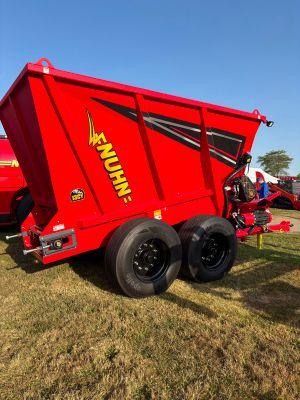
Nuhn Industries has unveiled its newest spreader: the Nuhn Pull Type Bedder Spreader.
The new spreader was introduced a year after it unveiled the self-propelled Bedder Spreader, with which the pull type shares many features.
The new 13-yard unit can be hitched to an appropriate vehicle in various ways and uses a draw-bar pull. The crossconveyor belt, says product specialist Isaac Lemmenes, is what sets the machine apart. With hydraulic drive motors on both sides, that leaves the operator able to easily direct material where it needs to be.
“We also can speed up and slow down every individual component on here,” explains Lemmenes. “It’s only driven by PTO.” A control box in the tractor cab allows the operator to slow down or speed up each function. Adjustability can also be found in the height of the lower door as material comes into the spreader.
Other elements, such as tapered floor, expands on the potential for capacity. “We’re actually gaining a lot of capacity for that with the same footprint [as] other machines,” says Lemmenes.
A LONG WAY TOGETHER
No
WHEREVER YOU ARE, BKT IS WITH YOU
Joe Dias
Eastern Zone Manager
BKT
Cell:
PHOTO: BREE RODY
MANURE MASTERY
Measure the treasure
This is part one of a three-part series looking at manure analyses to help predict nutrient availability.
Rising fertilizer prices and growing interest in maintaining or improving soil health has led to better management of manure and other organic amendments. The phrase “You can’t manage what you don’t measure” rings especially true when it comes to understanding what manure provides, when its nutrients become available and how to maximize its value.
Analyzing macronutrient (N-P-K) content in organic amendments such as manure, compost, digestate and biosolids has always been recommended, however, there is more to manure than just nitrogen (N), phosphorus (P) and potassium (K). It also contains valuable micronutrients, organic matter (OM) and other elements that can offer additional cost savings or highlight management considerations.
Manure composition – such as whether manure is liquid vs solid and the presence of bedding - affects nutrient availability to crops. Application timing, rate and placement, combined with site-specific conditions including soil pH, crop residue, microbial activity and weather, determine utilization of macro, secondary and micronutrients.
A manure analysis often reflects the remnants of a livestock ration, and nutritionist can use this data to fine-tune feeding strategies. Secondary nutrients such as calcium, magnesium, and sulphur, along with micronutrients like boron, copper, iron, manganese, molybdenum, and zinc, are essential for plant growth and when analyzed they can reveal a potential savings in commercial fertilizer. At average application rates there can be significant contribution of secondary nutrients, especially calcium, magnesium and sulphur. Elements like aluminum (Al) and sodium (Na) are also often present – especially in biosolids which are often high in Al and Fe, and compost which can be high in Na – and should be considered in management plans.
While a manure analysis provides insight into nutrient content, the role of microbial activity plays a less obvious, but key role in mineralizing nutrients and decomposing crop residues. Manure feeds soil microorganisms resulting in a larger and more diverse microbial community to enhance nutrient cycling and enzyme activity in the soil. An analysis that includes carbon to nitrogen ratio (C:N), organic matter and pH will provide insight to nitrogen availability.
Solid manure being readied for use as a nutrient for crops.
INTERPRETING THE ANALYSIS:
Dry matter (DM): Given as a percent, the analysis is usually reported in an as-applied format to help better represent what is being land applied. To convert to dry matter bases, the element is divided by the dry matter.
Total nitrogen (N): Total nitrogen in manure is made up of ammonium N (NH4-N) and Organic N. Other forms of N in manure are generally negligible. NH4-N is available quickly but easily lost through volatilization, while organic N is a slow release and dependent on microbial activity.
Phosphorus (P): Manure contains inorganic and organic P. The P in manure is about 80% crop available (compared to commercial sources). Where soil fertility levels are low, the full amount of P may not be immediately available for a growing crop, and supplemental P2O5 may be required.
Potassium (K): The K in manure is mainly in organic form and readily available – assumed to be 90% as available over time as commercial sources.
Sulphur (S): Sulphur in manure is related to amount fed in ration and/or present in water. Mainly in elemental form S is slowly released by microbial activity. Regular manure application will generally provide adequate S to meet crop require-
ments. Spring application may not provide timely release for winter cereals, canola or alfalfa crops, especially in cool, wet soil conditions.
(Al), Boron (B) Copper (Cu), Iron (Fe), Manganese (Mn), Zinc (Zn) - Trace elements are reported as measured in an analysis. The amount available to a crop uptake is not reported and is often dependent on soil pH, soil microbial activity, soil organic matter levels and soil conditions (temperature/moisture). Generally, in the year of application, about half of the Su, Ca and Mg becomes available. About two-thirds of the B, Cu, Fe, Mn and Zn becomes available for crop uptake.
Total salts (TS): Total salts include sodium (Na), K, NH4, Mg, Ca, and Al. Materials with high total salts could cause seedling/germination injury when planting occurs too quickly after application or if material is surface applied (no-till) in very dry soil conditions.
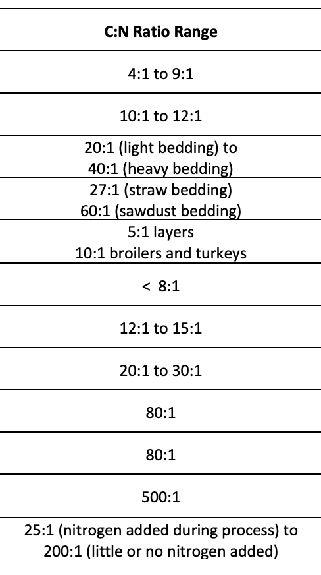
Carbon to nitrogen ratio (C:N): C:N ratio indicates how quickly carbon breakdown may occur. N is the food source for microorganisms breaking down carbon. C:N over 25:1 (e.g., manure with high bedding) could result in short-term soil N deficiency.
Organic matter (OM)/ Organic carbon (OC): OC is easier to measure in an analysis and is often used to determine OM in an analysis. OM is about 58 percent OC (% OC x 1.724 = % OM). Soil OM levels are higher where manure is applied regularly. OM impacts nutrient cycling and water holding capacity in the soil.
pH: Manure pH can affect soil pH and can affect nutrient availability and nutrient loss. NH4-N is volatilized more rapidly as pH and temperature rises above 7.5. Less methane is produced when pH is under 6.5.
Part two in this series will focus on C:N ratio and part 3 on pH influence on nutrient availability. •
SEPARA-
TE BETTER W-
Distribution from:
MANURE MINUTE
CHRYSEID MODDERMAN | University of Minnesota Extension
Manure gas safety
Working with manure presents some special safety challenges beyond the basic farm dangers of working with large machinery, stress, and fatigue. One of those challenges is harmful manure gases.
MANURE GAS SAFETY RISKS
The first step to manure gas safety is to understand the risks. In most operations, hydrogen sulfide and methane are of the biggest concern. Other gases such as ammonia, carbon dioxide, and carbon monoxide can also cause health concerns but can be more easily managed through ventilation and equipment upkeep.
Hydrogen sulfide is a colorless gas created during anaerobic (low/no oxygen) decomposition of manure which is most commonly found in liquid storage pits. It accumulates in the manure and is then released during agitation and pumping. Though it can smell like rotten eggs, you can’t solely trust your nose since your sense of smell becomes dulled to persistent odors. Levels as low as 0.1 ppm can cause eye irritation, and death can occur at just 200 ppm if there is extended exposure. Hydrogen sulfide is also dangerous because it can cause unconsciousness that can lead to drowning if near the pit, fall injury, and prolonged exposure that can cause lung damage and even death. Animals are also susceptible to these gases and may be in harm’s way, especially in below-barn pits. Keep in mind that high levels of this gas don’t just occur in deep pits or in confinement; open pits can also accumulate high hydrogen sulfide levels since it tends to hang near the ground.
Methane is also a colorless gas that is heavier than air and is created by manure decomposition. While the gas itself is not typically toxic, it can cause asphyxiation as it displaces oxygen and breathable air. The other concern with methane is that it’s highly flammable. When levels reach fove to 15 percent by volume, fires and explosions become a hazard. It is also quite mobile and can accumulate in unexpected areas, so ignition points far across the barn from the agitated manure can still pose a threat.
SAFETY TIPS
To avoid the above risks, develop safety protocols for your farm or operation when it comes to handling manure, especially activities like agitation and pumping. When working with manure, follow these tips:
AGITATION AND PUMPING:
• Remove livestock and personnel from the manure basin area where they might inhale dangerous gases.
• Turn on any fans and open any ventilation pathways available.
• Disconnect any electrical equipment that may cause a spark.
• Have the proper personal protective equipment (self-contained breathing apparatus and harness with lifeline) on hand in case you need to enter the pit or basin.
• Use personal gas monitors that have been calibrated recently.
• Have an Emergency Response Plan with updated phone numbers and contacts in case of an accident or spill.
• Put up signage or other communication measures to inform others that agitation and pumping are occurring.
• Train all employees and personnel to follow safety protocols and plans.
• f you see a person is overcome by gas, call 911 and do not follow them into the pit to attempt a rescue unless you are wearing a self-contained breathing system. The same gases that rendered the other unconscious will likely cause you to pass out too.•
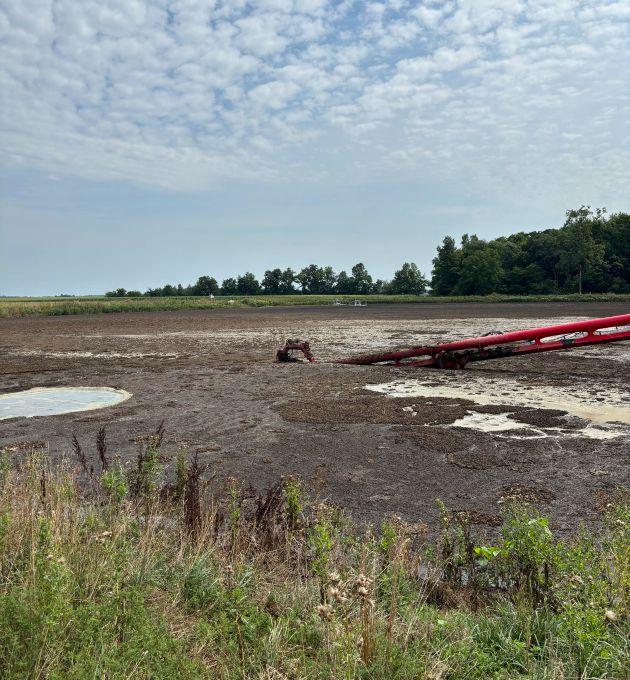
A liquid manure pit being readied for pumping, which can pose asphyxiation risk.
Driven to Perform. Engineered for Success.
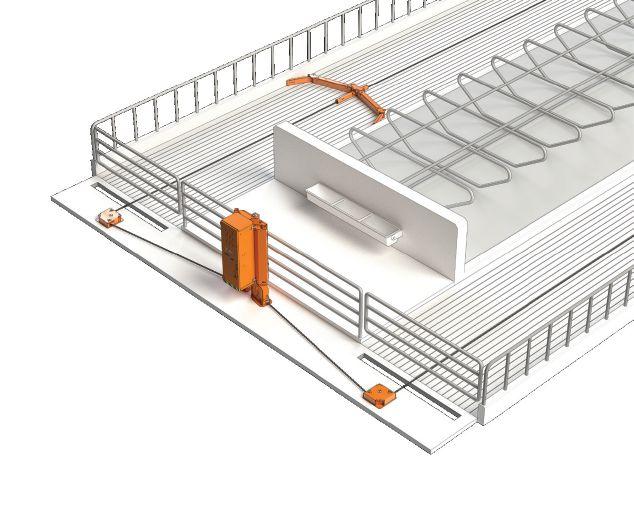
The SW cable drive unit was designed to make your life easier. It gives more freedom with regard to installation, provide efficient operation, and require minimal maintenance.
This unique design allows lateral movement of the drive as the cable is being wrapped around the rotating drum. The coiling is done without excessive stress or friction on the cable.
Lifting base and vertical wheels
Elevating the drive unit over the cross gutter allows you to use the space available efficiently, keeps the working area clean, and makes maintenance easier.
Efficient and gentle cleaning.
GEA’s cable alley scraper systems are quiet and operate without disturbing the normal behavior of the herd.