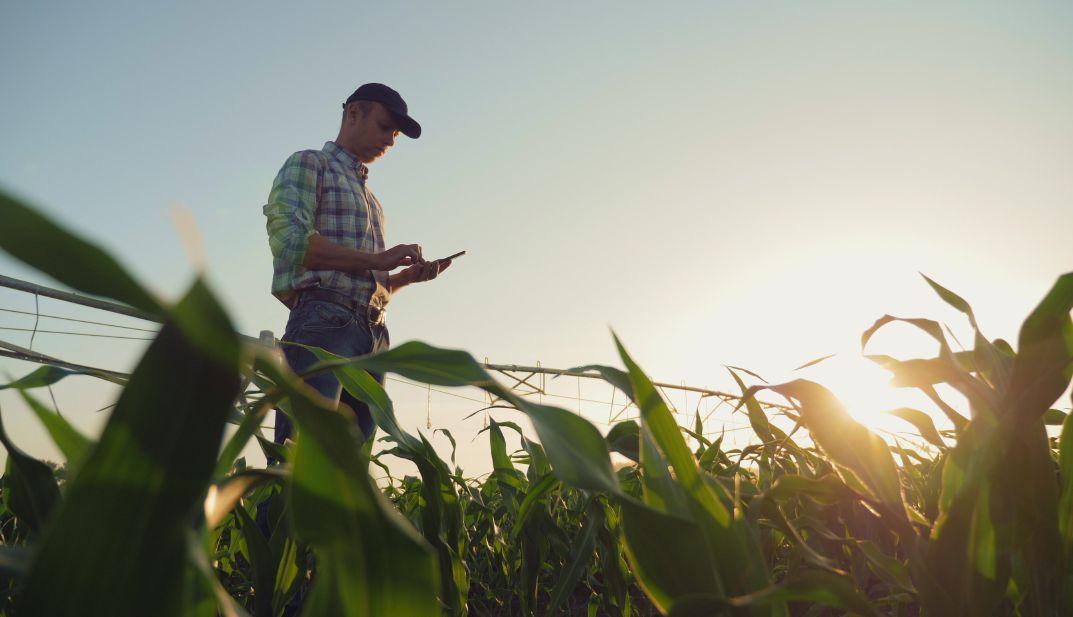
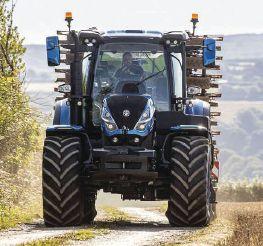
Ag equipment is now smarter than ever. Which upgrades are right for you? | 15
Digital dermatitis
The manure connection. | 18
November/December 2023
Meet the next generation of Canadian agri-food leaders
These exceptional students are the winners of the 2023 CABEF Scholarships. We are proud to support each of them with $2,500 for their ag-related post-secondary education.
Help us empower more students to pursue diverse careers in agri-food. Strengthen the future of Canadian agriculture and food by investing in the cream of the crop.
Become a Champion of CABEF and directly support a scholarship for a Canadian student.
Sarah MacDonald Vanderhoof, BC Erin Hughes Longview, AB Wyatt Pavloff Perdue, SK
Milan Lukes Winnipeg, MB
Kyla Lewis Dorchester, ON Matthew Bishop Round Hill, NS
Congratulations to this year’s CABEF scholarship recipients.
Contact CABEF today to learn how you can become a “Champion of CABEF” at info@cabef.org
CABEF is a registered charity (#828593731RR0001). For more information on all registered charities in Canada under the IncomeTaxAct, please visit Canada Revenue Agency www.cra-arc.gc.ca/charities.
November/December 2023 Vol.21, Issue 6
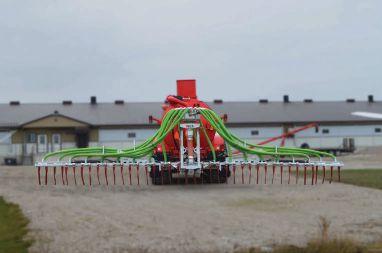
Injection perfection
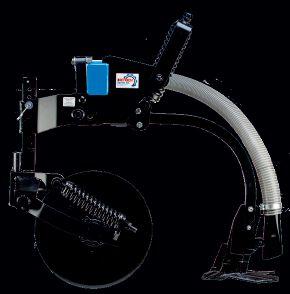
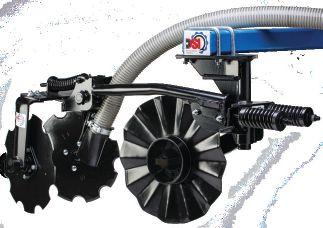
Liquid manure injection has been cited as an ideal form of application – but if it’s so great, why doesn’t everyone do it?
12 15 18
Pit foaming
There are risks associated with accumulated foam in manure pits –learn prevention strategies today.
BY RICHARD KAMCHEN
A.I., A.I., O
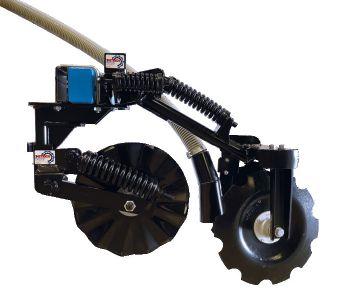
Artificial intelligence is influencing ag equipment – but which enhanced machines are best for your operation?
BY CHRIS MCCULLOUGH
Hoofing it
Digital dermatitis can cause major issues, but can be prevented through proper manure care in barns.
BY JAMES CARELESS
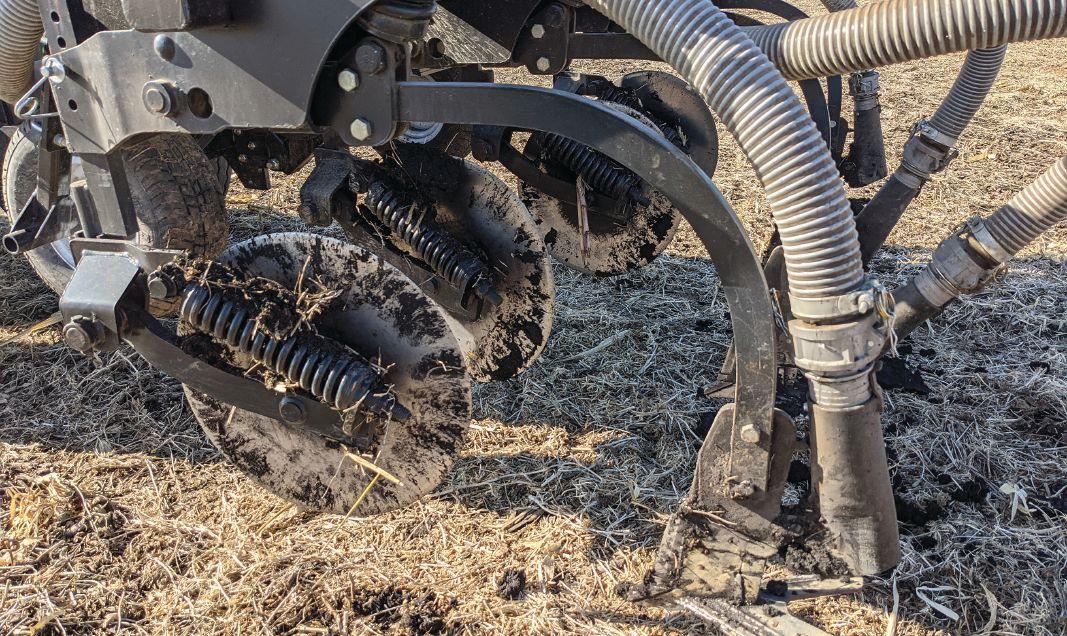
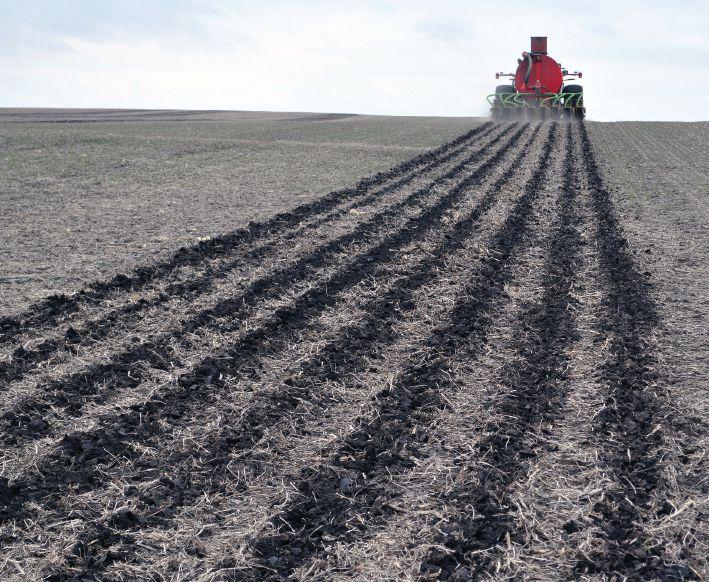
Liquid manure injection in Minnesota. See Page 8. Image courtesy of Melissa Wilson.
So fresh and so clean, clean!
Here’s a fun, behind-the-scenes fact about Manure Manager: there’s not that much time between our September-October (safety) issue and our November-December (liquid manure) issue. This is, naturally, due to our own internal production schedule, but that sprint between issues helps to create an interesting perspective: the issue productions essentially border harvest season. Living in a community fueled by agriculture means that harvest brings out the emotions. There’s triumph – just take a walk through our downtown on a Friday evening and you’ll see plenty of high spirits after a long week of work – but there’s also concern. Whether this year’s crop was too wet, the yield was lower or the quality was not as expected, there will always be fodder for worry, and talk of what adjustments to make for next year.
It also means the distant smell of fall spreading is a rather pleasant aroma! It’s a misconception that spreading is a “stinky” time; welltreated manure can actually smell rather earthy and even pleasant. There are numerous factors which go into this; anaerobic digestion or aerobic treatments (aeration) are different processes which can help reduce odors while also increasing the overall quality of manure that is eventually applied. Application methods also play a factor; manure that is injected rather than broadcast will greatly reduce odors, sometimes by as much as 90 percent. Some
jurisdictions require that injection be incorporated into a nutrient management plan, as there are also environmental benefits to injection. While there are some factors that mean injection isn’t ideal for everyone (see Page 8 for Jeff Tribe’s feature that digs deep into injection), it’s an option which should be explored if it’s available to you.
Personally, I stopped smelling the manure smell in the air a couple weeks ago – which was around the time it started getting darker at my usual wake-up time. The season was capped off with a few local traditions – from our famous county fair to a weekend-long “Pumpkinfest” – which goes to show the general appreciation for agriculture still runs high in communities that are close to ag. While I still see the occasional vehicle in the fields, the bustle has died down. It’s now time to think forward to next year.
With the off-season being a great time to make executive decisions, it’s a good time to talk to your producer
President/COO SCOTT JAMIESON sjamieson@annexbusinessmedia.com
Printed in Canada
Publication Mail Agreement #40065710
SUBSCRIPTION RATES Canada – 1 Year $38.00 (plus applicable taxes) USA – 1 Year $86.00 CDN Foreign – 1 Year $98.00 CDN GST – #867172652RT0001
Occasionally, Manure Manager will mail information on behalf of industry-related groups whose products and services we believe may be of interest to you. If you prefer not to receive this information, please contact our circulation department in any of the four ways listed above.
peers about switching to manure – or, if they’re already using manure, how to make their nutrient management plan work even better for them, their crop and the earth. There’s always so much to consider when it comes to your manure management plan, which is why we aim to provide as much useful information as possible – especially during this crucial “off-season.”
In the meantime, I will spend my winter looking forward to the smell of productivity returning to the local air.
All advertising is subject to the publisher’s approval. Such approval does not imply any endorsement of the products or services advertisted. Publisher reserves the right to refuse advertising that does not meet the standards of the publication.
BIG PUMPS TO HANDLE BIG JOBS
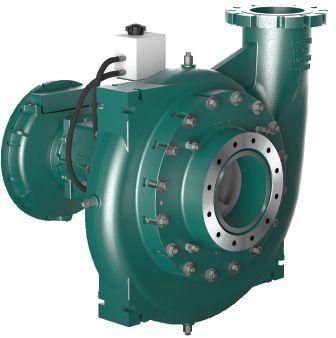
Cornell’s White Iron 81022MPL with the robust, yet compact EM19DBK Frame and Run-Dry™ Option tackles the toughest manure slurries. Featuring:
6000 GPM / 420’ TDH at BEP at 1800 RPM
7500 GPM max flow
High Efficiency
Low NPSHr
Proven Cornell construction for handling sand laden manure
Hard face seal with run-dry seal protection
With an 8” discharge, 10” suction and 3.5” solids handing, and built for high-operating pressures, MP pumps are specifically designed for coarseabrasive slurry applications. Constructed of high chrome iron, with a Brinell hardness rating above 650.
Talk with your authorized Cornell dealer about finding the best model for your application.
Cornell now offers cell connect monitoring of temperature, vibration, GPS, pressure and more.
Newfoundland invests in livestock, manure projects
The province of Newfoundland and Labrador will invest nearly $757,000 in agriculture infrastructure projects for dairy and livestock producers through the 2023-24 Provincial Agrifoods Assistance Program.
Budget 2023 approved $2.25 million for the Provincial Agrifoods Assistance Program to support current farmers and new entrants to the province’s agriculture and agrifoods sectors. The program has two streams, focusing on agriculture infrastructure and land development.
Some of the infrastructure development investments include manure technology. This includes:
• New World Dairy in St. David’s: $75,000 for a manure alley scraper to enhance manure handling
efficiency and environmental sustainability;
• Larch Grove Farm in Cormack: $75,000 for a manure pit to increase waste management capacity and enhance environmental stability;
• Gail Hansford in Goulds: $10,500 for a manure spreader to support environmental stewardship [and] increase forage production in the livestocksheep sector;
• Big Falls Agriculture in Cormack: $50,000 for a robotic manure scraper to adopt green technology and improve cow environment and animal health;
• HRT Beef Farm in Robinsons; $20,000 for a manure spreader and feed mixer to reduce synthetic fertilizer use.
TEAM TO STUDY MANURE PUMPING AND DISEASE EFFECTS
A team from the Iowa State University have begun a study examining manure pumping effects on disease onset in weanto-finish pigs. The objective is to identify practices related to manure pumping that can be managed to decrease incidence
of disease onset in pigs, while identifying associated risk factors.
The preliminary analysis was based on a total of 3,000 pumping events across 594 weanto-finish sites and 1,358 pig lots. A median of two pumping events per lot was observed. The mortality rate in the two
BY THE NUMBERS: MANURE ON THE RISE
weeks following the first pumping event was 21.3 percent lower in sites that transported manure using tanks compared to sites using drag hoses.
The preliminary analysis found that using tanks to transport manure to crop fields that are farther away from the pumped site was
associated with a lower mortality in the two weeks following the first pumping event when compared to drag hose.
The next step for the ongoing study will be modeling that includes sites with and without disease onset, and with and without exposure to pumping.
7.9%
Percentage of acres of seven major U.S. crops on which manure was applied as a fertilizer.
18,818 20%
Acres of manure applied to 7 major crops in the U.S.
Percentage of liquid and slurry manure that is injected or incorporated at application to corn.
Percentage of manure applied in the U.S. that was applied to corn.
78.8% 78% 30% 8%
Percentage of manure that is applied on the site where it is produced.
Percentage of surfaceapplied manure on corn that is incorporated into the soil.
Percentage of manure that is obtained for free.
Maryland haulers encouraged to apply for grants
The Maryland Department of Agriculture has issued a statement to remind farmers that cost-share funding is available to help cover the cost of hauling all types of manure to fall-planted crop fields with acceptable soil phosphorus levels. Grants are also available to offset costs associated with injecting liquid manure into the soil.
All fall manure transport and injection projects must be completed by Dec. 15. Claims for payment should be submitted to the department’s Conservation Grants Office by Jan. 15.
Key program highlights:
• Receiving farms/businesses can receive up to $28/ton to transport poultry manure to qualifying fields with acceptable soil phosphorus levels or alternative use projects that can use the product safely.
• Cost-share grants to transport dairy and livestock manure to qualifying fields cover up to 87.5 percent of eligible costs.
• FastTrack and standard transport options are available for both poultry and dairy/livestock manure.
• Farmers can receive up to $45/acre for costs associated with injecting liquid manure into the soil. Please note that poultry manure is not eligible for this option due to its low moisture content.
FastTrack (“haul now, apply later”) applications for poultry and dairy/livestock manure can be downloaded from the website. For special circumstances where applicants are not eligible for Fast Track, farmers should contact their local soil conservation district to apply for our standard grants. These grants require pre-approval before manure is transported or injected.
ONTARIO TO INCENTIVIZE RURAL POULTRY AND LIVESTOCK VETS
The Ontario government is launching the Veterinary Incentive Program to encourage newly licensed veterinarians to practice in northern and underserviced communities. The program will provide grants of up to $50,000 over five years to veterinarians who provide care to livestock and poultry in these communities.
“Veterinary services are a necessity for the agricultural community across Ontario, and our government recognizes the long-standing issues that farmers in underserviced areas have experienced when trying to access these services,” said Lisa Thompson, minister of agriculture, food and rural affairs in a statement.
Up to 100 newly licensed veterinarians will be incentivized to provide specialized care to animals such as cattle, sheep, goats and poultry in underserviced locations of the province. It is being delivered by the Agricultural Adaptation Council (AAC).
MADE FOR CANADIANS
MADE FOR EVERY DAY ON THE FARM
Seasons change, but you can always count on Kubota’s reliability and performance. Your best choice for everyday chores around the farm, Kubota’s M Series tractors are up to the task all year round. Get your best performance fit up to 200 HP and dependability with an industry-leading standard 2 year limited warranty.
Our extensive dealer network and great customer service means we deliver quality results for Canadian farmers. Visit your Kubota dealer today.
KUBOTA.CA/AGRICULTURE-SOLUTIONS
Injecting for success
Liquid manure isn’t perfect for every operation.
BY JEFF TRIBE
Chill out.
Realize opposites attract.
It’s OK to be needy.
And don’t forget to close the loop.
The above might be appropriate for delving into online dating. But they’re also pivotal reminders for farmers maximizing the positive impact of liquid manure application through injection.
The largest differentiator in liquid manure application is surface versus injection. The latter can be particularly advantageous for no-till systems, cutting down on nutrient losses through preventing surface runoff and volatilization, loss of applied nitrogen as ammonia gas.
That might prompt one to ask: “If it’s so beneficial and simple, why isn’t everyone doing it?”
To answer that question, it comes down to one fact: it might be beneficial, but it’s not necessarily “so simple.”
Curtis Dell, research soil scientist, USDAARS-PSWMRU, cites expense, time and tractor horsepower required over surface application.
ABOVE
“That’s probably the main barrier to getting it out on more farms.”
Growing up in Indiana, Dell’s educational background includes a degree in agronomy, a masters in soil microbiology and PhD in soil microbiology with an emphasis on nitrogen cycling. His work history includes carbon sequestering in soils, carbon and nitrogen cycling and manure management, including nitrous oxide and ammonia emissions. Dell’s career reflects a cross-section of environmental considerations with maintaining agricultural production, but (in his words) “helping farmers do it in a way that’s the most sustainable and least impactful.”
Liquid manure injection might be viewed as a positive, one-pass, multi-tasking option. There are, however, associated concerns around the potential for creating an environment conducive for denitrification, a microbial process ultimately resulting in nitrous oxide gas.
“That’s a continuing area for research with injection,” says Dell.
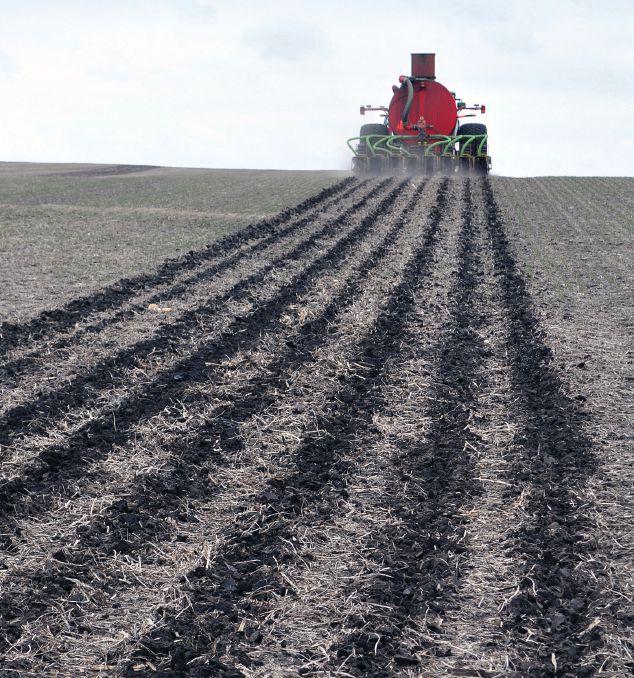
Liquid manure injected directly into the soil, versus surface or broadcast application, can cut down on nutrient losses through preventing surface runoff and volatilization.
CHILL OUT
Injection while cooler – a.k.a. “chilling out” – and at times when plant nitrogen uptake is maximized are seen as countermeasures for controlling production of unwanted gasses.
“The timing of manure with crop uptake, crop demand, is probably one of the better ways to cut down on nitrous oxide as much as possible.”
Dell says injection is most common in no-till applications, and holds the advantages of getting manure off the surface without “a whole lot of disruption” maximized.
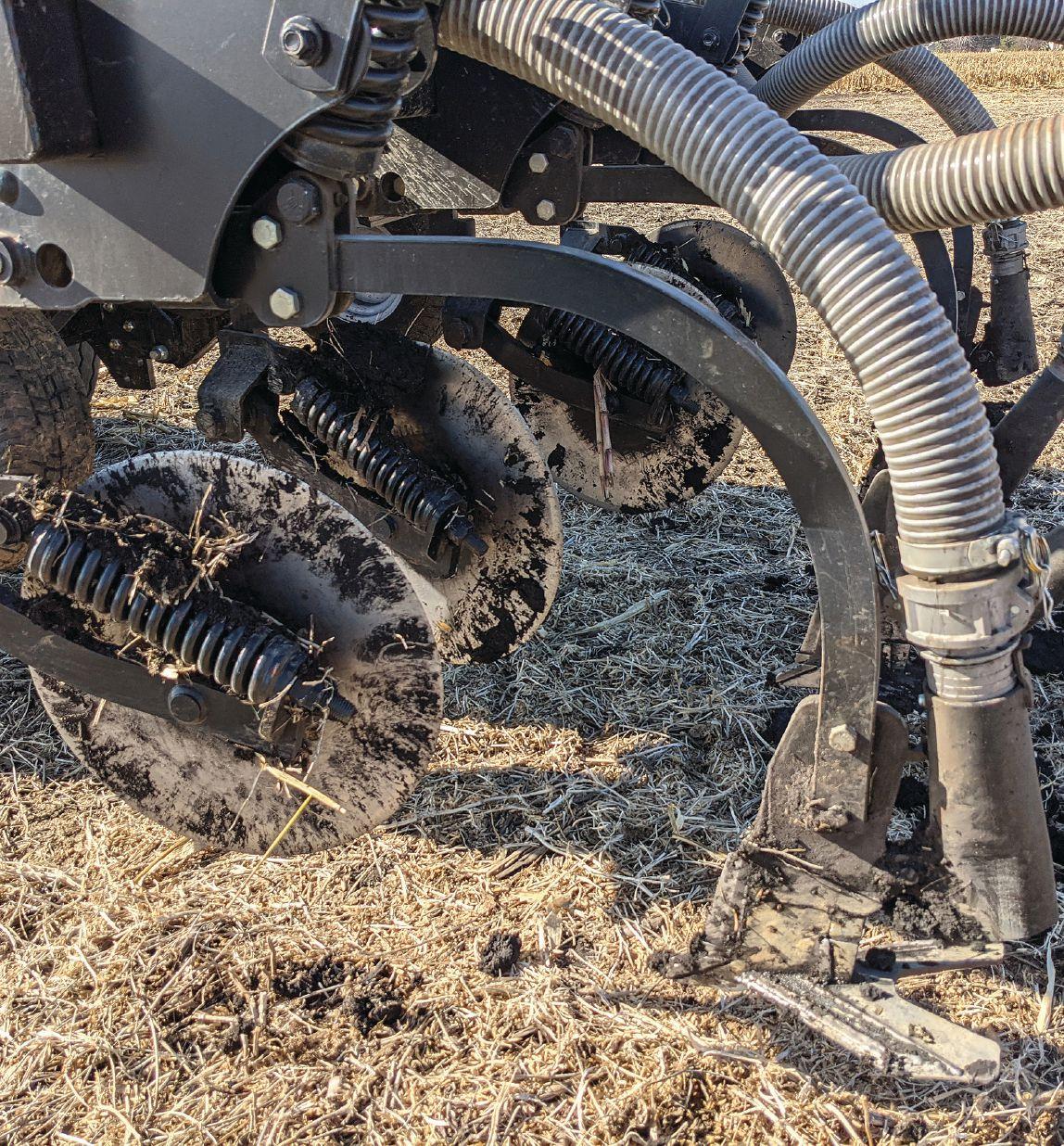
There are many application technologies, each essentially opening up a slot for manure to be injected into and ideally closing that loop afterwards. Most of Dell’s work has been with shallow disc injection, most commonly used with row crops.
Manure injection began with chiselbased systems in Europe before catching on here, he notes.
“It did more disturbance than you’d probably want in a no-till system. If you are doing no-till, you want as little disruption as possible, the shallow-disc seems to be the best for that, even with tillage.”
His work began mainly with straight discs but has evolved to ‘wavy’ models. “It’s still fairly diminished disruption.”
Liquid manure is most often injected into corn ground, says Dell. “That’s where we’re putting down most of our nitrogen and nitrogen conservation is most important.”
Soybeans are generally not a target unless storage capacity is a consideration. Injection can be used in pastures, although need is considered less because perennial cover and grass roots create lower runoff than barer ground. Injectors cut some roots or crowns, but a New York study found yield was not seriously affected.
“You’ve got some nutrients there [that] they’ll take advantage of.”
There’s also a growing trend to inject liquid manure into live cover crops early in the season, which are then cut as forage. Although done for other reasons, this also cuts down on ammonia volatilization but with less potential for nitrous oxide emission compared to injecting manure after the cover crop has been killed.
Soil type is not a huge factor, although rocky Pennsylvania fields in Dell’s area can minimally disrupt application.
“It’s not perfect because you have patches of manure up on the surface, but you tend to get most of the manure in the ground.”
He’s seen studies indicating some nitrate leaching may be related to injection in very sandy soils with shallow tile drainage. There appears to be less concern in loamy fields.
“Although that’s not an easy thing to measure.”
Field technicians who measure odor levels with devices ultimately sourcing their noses and farm neighbours may also appreciate liquid manure injection’s tendency to limit fragrance.
“It wasn’t the original intent, but it’s a good side benefit,” says Dell, who sees liquid manure injection as an overall positive.
“And in no-till systems it can get around the issue of higher ammonia losses
BEDDING® SEPARATORS
Mixer, Slurry and Water Pumps
WASTE WATER TREATMENT
Call the FAN/BAUER boys: East: Jim Dewitt, 1-630-750-3482, j.dewitt@bauer-at.com • Midwest: Trey Poteat, 1-219-561-3837, t.poteat@bauer-at.com West: Jeff Moeggenberg, 1-630-334-1913, j.moeggenberg@bauer-at.com Sales Director: Ray Francis, 1-219-229-2066, r.francis@bauer-at.com
RAINSTAR TRAVELERS
ABOVE
if you’ve leaving the manure on the surface.
Melissa Wilson, associate professor and extension specialist in manure nutrient management and water quality with the University of Minnesota, has also done more than scratch the surface on liquid manure injection.
And while she too is a fan, Wilson warns “There is never a silver bullet, there is always trade-offs.”
Liquid manure injection offers more but also takes more effort than heading into a field, opening a valve on a tank and driving up and down.
“You’ve got to have the equipment and set it up right.”
Even distribution to avoid streaking, optimal depth, proper calibration and ensuring no nozzles are plugged are included in required preparations.
“All of these settings, you have to tweak.”
Whether going deeper using shanks, with or without sweeps, or shallower with discs or double discs, the key to injection is opening the soil, creating a pocket and closing it up. Wilson recommends taking soil’s loading capacity into account along with dilution rate of the liquid manure – dairy tending to have more water in its composition, for example – into
consideration. Individual calculations recognizing specific variables ensure the injection pocket is properly filled, not over-filled, thereby defeating the purpose.
OPPOSITES ATTRACT
Wilson believes any soil type benefits from nitrogen conservation. Adding manure’s organic matter also increases a soil’s water and nutrient holding capacity, providing negatively charged ions for positively charged ammonia ions to bond with –opposite charges attracting. This keeps the nitrogen attached to the soil instead of converting to a gaseous form.
Ammonia readily converts to ammonia gas, adds Wilson.
“Once it’s in the air, it’s not fertilizing your crop.”
It can drop out anywhere, she continues, and also be a precursor to particulate matter, a particularly nasty and unhealthy form of air pollution.
“I’m sure anyone who’s had a strong whiff of ammonia knows what I’m referring to.” The smell can be equally sour on farmers’ bottom lines, given the cost of commercial fertilizers – which has been a particular pain point for the last several years.
“Injecting and incorporating is how you preserve nitrogen,” says Wilson,
referring to experimentation around injecting between rows of corn plants, “almost like side dressing.”
“We’ve been seeing really nice results with injecting it during the growing season.”
Wilson says data suggests corn plants at the V5 and V6 growing stages or beyond are susceptible to damage from draglines, but growth isn’t affected up to the fourth leaf collar.
“You can drag a line over it and it will come right back.”
Considerations within that include the respective composition of liquid dairy (50 percent ammonium, 50 percent organic nitrogen) and hog (75 percent ammonium, 25 percent nitrogen) manure. Dairy manure’s organic nitrogen takes longer to release during the growing season, rendering it less attractive in some years.
Beyond potential commercial fertilizer savings, Wilson cited one hog operation which in going from two to 2.5 turns per year, with larger animals, found they couldn’t get through a year with existing manure storage.
“With this in-season application, they can apply to one field and hold off to the fall.”
Climate also has a significant impact on liquid manure injection.
Experimentation continues around shallow, low-disturbance injection technology, but it’s most often done without crops in the ground. Planting, growth and freeze/thaw cycles do affect timing. Most injection in Maryland happens in the spring, compared to a majority of Minnesota’s in the fall, a still significant portion in the spring and the balance in between.
Related to timing, in the same manner of putting food into a refrigerator to slow microbial degradation, taking temperature into account can limit the microbial process leading to nitrification, or the process of ammonium converting to nitrate.
“We recommend waiting for soil temperatures to be 50 degrees (Fahrenheit, equivalent to 10 degrees Celsius) or lower,” says Wilson.
In conclusion, while not right for every situation, liquid manure injection in the fall, spring or possibly even summer may be the right thing environmentally as well as helping provide the best bang for farmers’ manure ‘buck.’
“It’s something to consider,” concludes Wilson. •
+ Low Life-Cycle Costs
+ Turnkey from a Single Source: Separator Pump(s)
Control Unit
Stationary or Mobile Skids
+ Patented Profile Auger with Counter Bearing for No Auger Screen Contact
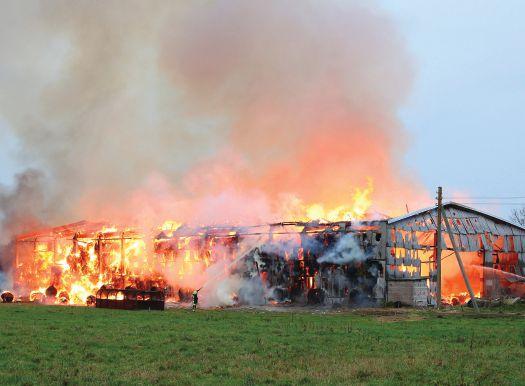
Manure foaming cases have declined in recent years, but don’t take for granted the possibility of spontaneous foaming and its associated dangers.
Foaming on manure surfaces in deep-pit barns can cause asphyxiation, flash fires and even explosions.
“We still see some cases of foaming in manure storages, though not nearly to the level we saw,” says Iowa State University’s manure management expert Daniel Andersen.
The incidence of foaming on the manure surface in deep-pit barns increased significantly starting in 2008, and was the primary cause behind several barn explosions in Minnesota, Iowa and Illinois. In one case back in 2011, an Iowa barn explosion killed 1,500 pigs and injured one worker. Human fatalities have also occurred.
ABOVE
BIOGASES
Earlier research from now-retired University of Minnesota professors Chuck Clanton and Larry Jacobson found that the risk of flash fires and explosions relates to foam trapping and holding the biogases that are emitted during the anaerobic decomposition of stored manure. If the foam is disrupted, it releases bursts of biogas with methane concentrations of 50 to 70 percent.
When mixed with ambient air, the resulting concentration could be in the explosive range of five to 20 percent, thereby increasing the chances of explosion or flash fire when a heater, motor, or light switch is activated, or someone undertakes repair work like welding, the research has said. Hazardous conditions also occur during agitation, pumping. and pressure washing.
Foam accumulated in a pumpout. Foam that is disrupted can release bursts of biogas with methane concentrations of 50 to 70 percent.
MICROBES
Deep-pit swine finishing barns with histories of developing foam typically saw several inches of foam build up, the above research found, with rarer incidents of foam depths exceeding five feet coming up through slatted floors.
Foaming manure will often foam again, whereas non-foaming manure usually won’t start foaming until something changes that triggers a microbial community change, says Andersen.
Foaming and non-foaming manures have different microbial communities, and much of that is related to diet composition, he explains. Diet impacts an animal’s manure characteristics, specifically carbon content, chemical composition, and microbial community.
“The diet generally explains about 50 percent of the microbial community that will develop from clean manure,” says Andersen. “Weather, water amounts, and a host of unknown factors control the other portion.”
MOSTLY A SWINE ISSUE
Although foaming manure is more common with swine, Andersen says he’s seen issues in both dairy and beef barns. But it’s less likely.
For dairy specifically, oftentimes the manure receives enough dilution water added from washing milk house equipment that it doesn’t fall into the range where it’s thick enough to foam.
And generally speaking, cows, as ruminants, digest differently, and are better at digesting fibre than pigs.
That’s an important factor, as pig diets high in fibre – like distiller’s dried grains with solubles (DDGS) – increased the chances of foaming and led to more methane potential, Andersen points out.
DDGS
During the time Andersen undertook his study between 2014 and 2016, the industry had moved forward with adding significantly higher levels of DDGS in rations than before, which he says played a big part in causing foaming to occur.
He explains producers were unknowingly feeding their pigs a diet that they were unable to digest well. These higher fibre diets tended to be less digested by the pig, resulting in more carbon entering the manure storage.
“And since more of it ends up in the
ABOVE
Foam found below slats. Foaming manure will often foam again, whereas non-foaming manure won’t begin until it is triggered somehow.
manure, we actually get more microbial activity to help break down some of that carbon, more methane, and that led to the foam.”
One of the changes since is improved oil extraction in the processing of
DDGS. The oil that’s now extracted was previously embedded in the fibre of DDGS fed to pigs. By separating the oil and then adding it back, it’s much more digestible, and consequently, less carbon ends up in the pit, says Andersen.
A LONG WAY TOGETHER
V-FLEXA
No matter how challenging your needs, V-FLEXA is your best ally for agricultural trailers, tankers and spreaders. This latest-generation product features VF technology, which enables the transport of heavy loads both in the fields and on the road at lower inflation pressure. V-FLEXA is a steel-belted tire with a reinforced bead that provides durability, excellent self-cleaning properties and low rolling resistance even at high speeds.
V-FLEXA is BKT’s response for field and road transport with very heavy loads avoiding soil compaction.
PIT TREATMENTS
Manure foaming issues peaked in Iowa somewhere around 2012-2013, and since then, they’ve been trending downward then, says Andersen.
That’s partly because of pit treatments like monensin –though Coban 90 is more popular, and Narasin is the swineapproved form, he notes.
“A lot of people are using Narasin, Coban or monensin as a pit additive, and it attacks certain types of bacteria that we saw were more prevalent in foaming barns,” says Andersen.
Also effective has been adding Bacillus bacteria. It’s found in numerous manure treatment products, and is known to make
LEFT
Although flash fires or barn explosions in deep-pit buildings have fallen, pit foaming can still occur.
proteoses that help break down the proteins that hold the foam together. A good establishment of Bacillus in a manure pit can therefore lessen the chances of foaming.
He adds, however, that if you start with a dirty pit, in other words, a manure storage with a microbial community established, the existing microbial community will be more resistant to change.
“When we do have foam now, farmers are pretty good about treating it quickly rather than letting the issue developed,” says Andersen.
“Every now and then we’ll see a flare up of issues, but it’s a lot more stable now and not as many people deal with it.”
VENTILATION
Also key to preventing manure foaming is ensuring a barn is well ventilated.
Foaming manures create methane at three times the rate of non-foaming manures, and that means good ventilation is required to remove that methane.
Andersen’s study urges farmers to implement uniform air distribution.
In a room less than 50 feet wide, one pit fan should be operating every 100 feet; rooms greater in size should have fans on both sides every 100 feet.
Also, supplemental heat is required in order to keep an empty barn at temperature, the study reports.
INCIDENTS
Although the frequency of flash fires or barn explosions in deep-pit pig buildings has fallen significantly, manure foaming can still occur, and a 2015 flash fire in a southwestern Minnesota hog barn resulted in two human deaths.
The cases of manure foaming have been far rarer in Canada. Canadian hog producers reported 13.8 million hogs on their farms on July 1, 2023.
Just over a quarter of those hogs are in Ontario, where several occurrences of manure foaming were reported about a decade ago. But Laura Eastwood, a swine specialist with the Ontario Ministry of Agriculture, Food & Rural Affairs, says she’s unaware of any issues in recent years.
Incidences are practically unheard of in western Canada.
“I’ve been in the western Canadian industry for the last 20 years, and that’s never been a discussion I’ve had with anybody ever,” says a Saskatchewan source.
A Manitoba government spokesperson also reports having no knowledge of any manure foaming incidents. The province accounted for nearly a quarter of Canadian hog inventories on July 1 at 3.3 million, according to Statistics Canada.
The spokesperson relates that manure foaming typically only occurs in barns with deep under-barn pits for manure storage. And while some barns with this type of manure storage exist in both older barns and new builds in Manitoba, none have experienced manure foaming.
“Most of the barns in Manitoba are outdoor steel or earthen manure storages and foaming is not an issue with these types of structures,” the provincial spokesperson adds. •
A.I. influencing trends in agricultural engineering
ABOVE
Automation and connection are the new reality when it comes to farming equipment.
Every day, manufacturers of farm machinery seem to be launching new equipment of concepts that they hope will enter commercial production at some stage.
The demands asked of these machines have changed quickly over the past 20 years and will evolve with even more pace over the next 20.
As governments react to consumer requests, they are constantly changing the playing fields making farmers jump through hoops to comply with never-ending legislation.
This is evident regarding emissions produced by the agricultural sector and how targets set by governments to reduce them on individual farms are causing huge issues.
Meanwhile, the machinery manufacturers roll out new technology, which is often guided by Artificial Intelligence (A.I.), to help farms become more efficient and productive.
A magnitude of tasks are covered under the AI umbrella, but mostly it involves the creation of data, the harvesting and subsequent processing of that data, and the development of technology to harness it.
So what does all this mean? Sensors, satellites, cameras and other tech essentially record data, should it be from livestock, tractors, milking robots, etc., which influences future trends in machinery.
One of the biggest trend changes is that of switching diesel use in tractors to alternative sources such as methane, electricity, HVO and hydrogen.
In the area of gas engines, LNG engine concepts can now also advance to become a suitable drive option in farming thanks to new LNG tanks.
Battery technology is constantly being evolved, but vehicles equipped with this are first and foremost likely to be suitable for light and
medium-duty applications.
Conversely, fuel cell drives are still in their infancy, whereas hybrid models might be a solution for medium or larger tractors.
Manufacturers of combine harvesters are continually developing innovations in threshing and separating as well as for ensuring performance stability and work quality.
Power density with limited installation space and automation are continuing to increase. The trend towards harvesting headers such as belt cutting systems that can be adapted to diverse conditions is continuing.
Considering fertiliser technology, the trend towards increasing efficiency, environmental protection and resource conservation is continuing in order to ensure the most efficient fertiliser application with the lowest possible nutrient loss.
One essential element of further developments is the integration of automation technology and simplifications in the operation and control of the application systems.
There are numerous new and further
developments in this regard in the area of centrifugal and pneumatic fertiliser spreaders and the application of liquid and solid farm manure.
Seeding machinery technology has advanced to ensure uniform seed bed preparation and consistent seed depth placement are part of their operation. Row seeding systems with singling and also precision seeding systems are gaining in importance. This year, automatic coulter pressure adjustment is an additional topic for innovations in row seeding. Another innovation trend is the simultaneous application of seed in order to meet the requirements for multiple crops on the field.
Sprayers are getting larger and their technology more sophisticated, with spot applications becoming more popular. However, as governments drive down the use of chemicals more mechanical weeding machines are also being introduced to the market.
For potato farmers, optoelectronic sorting systems are increasingly being used in the preparation of ware potatoes. In the case of combined units consisting of soil tillage, planting and ridging
tools, the separate adjustment or use of the assemblies facilitates adaptation to changing operating conditions during potato field cultivation.
Silage equipment has also been revolutionised over the years according to its intended use and at increasingly relieving the drivers’ workload. This includes front-mounted mower control that is adjusted to the inclination and curve as well as automatic mower conditioner adjustment.
The cutting qualities of self-loading trailers are aimed at a lower percentage of excessive lengths. The objective of round balers with a variable bale chamber is bales with the same dry matter content while the goals of forage harvesters are consistent cutting qualities and a very high throughput. Dimensionally stable, gas-tight round bales remain the ultimate goal for nets and wrapping films.
Digital technology is becoming used much more in farming systems with innovations ranging from tramline planning and machine automation and from management systems and apps to irrigation, crop protection and fertilisation management.
Focus is usually placed on the optimisation of entire production systems while increasing work performance and quality at the same time. The trend towards cross-manufacturer solution approaches is clearly recognisable.
With less land available each year to grow food and the world population on a steady increase, farmers know they have to grow more with less.
This is where the machinery manufacturers can excel by developing equipment that can work faster, harder, smarter, use less fuel and be more efficient.
Electric drives are improving the machines’ dynamics and reducing their CO2 emissions. The increased use of cameras and other sensors in combination with intelligent evaluation is making operation of the machines and implements easier and is ensuring a consistently high quality of work thanks to assistance systems and automation.
It sure will be interesting to see what type and size of machines farmers will be using to produce food in the next to decades.
The big question will be if your mobile phone can hold any more apps!
New Holland T7 gets special mention on Best Invention list
New Holland’s T7 Methane Power LNG tractor earned a special mention in Time’s Best Invention List in its 2023 edition. This year’s special mentions list, curated by Time editors, featured 50 inventions recognized for their unique impact. Categories included technology, beauty, entertainment, healthcare and more. Categories were expanded this year to also include artificial intelligence, sustainability and fields such as electric vehicles, green energy and the metaverse.
Carlo Lambro, New Holland’s brand president, said in a statement, “It’s an honor to receive such a prestigious recognition from Time, a publication with an esteemed legacy in journalism. This mention reflects the long commitment New Holland has in sustainability and… is a milestone for the company, so congratulations to everyone who worked so hard to achieve such incredible results.”
Lagoon Crawler turns 10
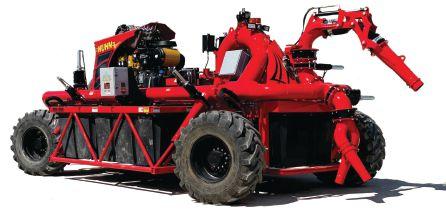
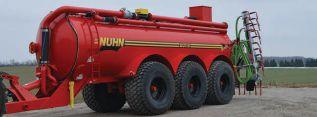
Nuhn Industries recently celebrated the 10-year anniversary of its signature Lagoon Crawler, a crawler that made its public debut at the North American Manure Expo.
Released in 2013, the Lagoon Crawler aimed to revolutionize the agitation industry. Known among fans by many nicknames including the Batmobile and Hot Wheels, and the brain child of Ian Nuhn, a prototype of the amphibious lagoon agitator was designed and constructed by the company within 10 days so that it could be displayed at the Expo. Over the next five months, the company worked to perfect the prototype, shipping the first unit in February 2014.
The original amphibious concept of the Lagoon Crawler has remained unchanged over the last 10 years, amidst the product’s and Nuhn’s various evolutions.
Nokian expands size availability of Hakkapeliitta TRI
Nokian Tyres is offering two new sizes of its Hakkapeliitta TRI, a block-patterned M+S tire. The tire is known for its winter performance, but is marketed for year-round use. The two new sizes are for compact loaders and tractors.
The range of available Takkapeliitta TRI sizes is now up to 30 sizes. The two latest additions are 400/70R18, which is common in compact loaders, and 250/80R16, which is typical compact tractor front tire size.
Hoofing it in manure
Cleaner barns, alternatives could reduce use of copper sulfate for digital dermatitis.
BY JAMES CARELESS
The health and well-being of cows in the dairy industry is vital to farmers.
So when a disease like digital dermatitis shows up, they need to combat it immediately.
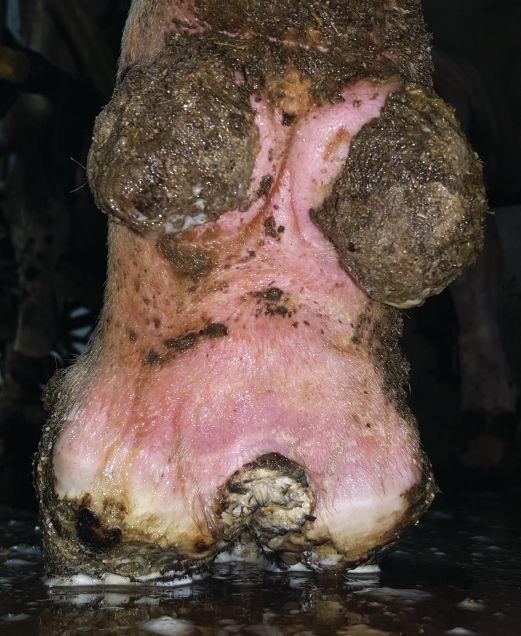
The disease, discovered in Italy in 1974, is predominantly an anaerobic bacterium that attacks the skin and tissues of the hooves of animals standing in, well, fecal matter.
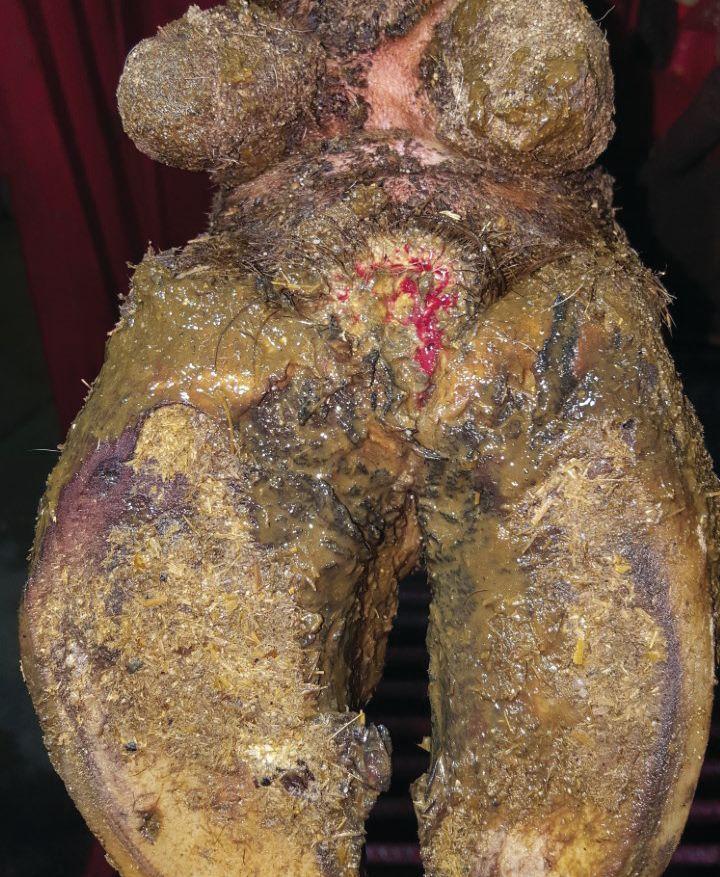
Also known as hairy heel warts, digital dermatitis is the leading cause of lameness in dairy cattle.
“It is a bacteria essentially that gets into the cow’s hoof through breaks in the skin between or around the hoof,” says Aerica Bjurstrom, a regional dairy educator at the University of Wisconsin-Madison.
“And once the cow has it, she has it for life. So you can’t cure it, you can only manage it.”
It is customary for dairy farms to treat this disease with copper sulfate foot baths, which the cows walk through on their way to be milked.
“It’s a relatively cheap product to use,” says Bjurstrom. “Copper sulfate is easy for farms to mix, relatively inexpensive and it does a good job as a
ABOVE
disinfectant. It keeps the digital dermatitis at bay.”
For the record, the mix recommended by the UW School of Veterinary Medicine is “two to five percent copper sulfate in water in a 96 square foot foot bath.”
The problem is copper sulfate can be toxic, and it leaches into our soils and water after being used in these baths. Feed grown in these soils is thus contaminated by copper sulfate.
To assess how serious a problem this is, Bjurstrom and her colleagues at the University of Wisconsin have scored nearly 11,000 dairy cows for digital dermatitis in 45 eastern Wisconsin dairy herds.
In her most recent research into the impact of copper sulfate footbath use on manure, soil, and forage, copper concentrations in eastern Wisconsin, soil, alfalfa plants, manure and cow livers from 20 farms in 12 Wisconsin counties were evaluated for copper concentrations.
Most recently, Bjurstrom presented the results of her research as part of the education sessions at
Digital dermatitis, also known as hairy heel warts, is the leading cause of lameness in dairy cattle. The bacteria attacks skin and tissues of the hoves of animal standing in fecal matter.
the 2023 North American Manure Expo, which was held in Arlington, WI this past August.
AN ACCUMULATING PROBLEM
According to available data, about 70 percent of U.S. dairy herds are affected by digital dermatitis. Worse yet, “95 percent of the large herds have digital dermatitis,” says Bjurstrom.
Copper sulfate foot baths are being widely used to treat the disease. And because one bath can only treat 150 to 300 cows, they are constantly being dumped out into the farm’s manure holding system and replaced. This means a herd of 1,000 cows goes through three to four foot baths several times a week.
While effective, constant reliance on copper sulfate foot baths can lead to an accumulation of copper in the soil, groundwater, manure and livestock.
“Just with this 1000 cow dairy example, you’re putting close to 4,000 pounds of copper back into the fields through the manure,” says Bjurstrom.
The result: “Over the course of time, copper has been building up in the environment very gradually, and it’s been building up over many years.” Moreover, as dairy cattle eat forage that is contaminated with copper, copper builds up in their livers and manure.
“You can’t cure it, you can only manage it.”
THE CONTAMINANT THAT DOESN’T DISAPPEAR
When dairy cattle consume feed with copper in it, they excrete much of that copper through their manure. “It’s not so much that the manure is bad to put on the fields or a plant can’t use the copper because the plants do use the copper,” says Bjurstrom. “It’s just that they can only use so much. And once you put that copper in the field, it does not go anywhere.”
Instead, that copper gets taken up by crops planted in the field. “Those plants are bringing up that copper into the food that we feed to these cows,” says Bjurstrom. “That’s going back to the cows. And we are seeing increased levels of copper in their livers and soft tissues.”
“Michigan State [University] did a comparison of copper concentrations in adult dairy cows from 2007 to 2015,” she explains. “I collected 26 liver samples from dairy cows from one of the participating farms. And my numbers were very similar to what Michigan State had found. We didn’t have any cows that were running into the toxicity level, but we had quite a few that were close to concerning levels.”
This isn’t great news for the cattle industry. Over time “the copper
accumulation causes oxidative liver damage,” says Bjurstrom. “When cattle are stressed, copper can be released from the liver into the bloodstream where it causes the destruction of red blood cells and death.”
WAYS TO REDUCE COPPER SULFATE USAGE
So, we now know that a disease of the hoof can lead to an accumulation of copper sulfate in the fields. This in turn propagates into the food chain for the
AGRICULTURAL AND DAIRY SOLUTIONS
When the going gets tough, turn to the toughest pumps in the field. Vaughan has unique pump configurations specially designed for agricultural applications, including:
• Barn flush pits
• Separator feeds
• Lagoons
• Digester mixing
• Scraped manure
• And more!
Choose the unmatched reliability of Vaughan. Ask about our free trial program and on-site demos.
cows, which accumulates in their liver before potentially being released into their bloodstream to cause injury and even death.
The good news: it doesn’t have to be this way. “For instance, there are other types of foot baths available,” says Bjurstrom. “There are zinc sulfates, which ultimately if you use it as much as you use copper sulfate, you’re going to run into the same situation and have an excess of zinc in the field. There are other products such as formalin. It works really well, but it’s
a carcinogen, so people don’t necessarily want to use that either.”
With so many different options, all of which have advantages and drawbacks, a better solution might be to reduce the need for foo tbaths.
Many agree that a more environmentally friendly, sustainable and safe solution is enhanced cleanliness in cattle barns.
After all, “digital dermatitis is caused or spread through cows standing in manure and having wet, dirty feet,” says Bjurstrom.
“So maybe things as simple as scraping the barn alleys more often and keeping their feet drier could be a potential way to reduce the amount of copper sulfate used.”
In other words, stop making your cows stand in manure to fight the spread of digital dermatitis.
The bacteria may be widespread, but it cannot spread without the the presence of wet cattle feet trouncing around manure in the first place.
“Maybe things as simple as scraping the barn alleys more often.”
IS ENHANCED CLEANLINESS PRACTICAL?
Enhanced cleanliness seems like common sense. However, it might legitimately be too much to ask for many dairy operators, especially for those with large herds. Time and money will always be factors.
“I’m sure everybody would like to have a cleaner barn on a daily basis,” says Bjurstrom. “Sometimes that’s not possible. But yes, having a cleaner floor for the cows to stand on will probably help with reducing that spread any time there’s new cows coming into the barn – and checking them for digital dermatitis.
“And there are products that allow you to spot-treat this problem as needed, rather than treat entire herds daily,” says
“Of course, you can’t make this work unless you have a good foot health program: You can’t typically find digital dermatitis unless you’re actually lifting up the foot and looking at that cow’s feet. So being aware of which cows have it is a big
THE BOTTOM LINE
The unavoidable consequence of copper sulfate and any other chemicals used in digital dermatitis foot baths accumulating in the soil, manure and cow livers means that current practices are unsustainable.
As impractical as enhanced cleanliness and foot care may seem to be as a solution to this problem – or at least a management approach – it is apparently the only sustainable approach to digital dermatitis over the long term. •
MANURE MINUTE
Basics of composting manure
“Oh, sure, I got a manure pile that’s been composting for a few years,” the farmer says as he points at a weedy, undisturbed heap.
But aged manure is not composted manure. Composting needs regular, active management with the right combination of temperature, size, moisture, oxygen and carbon to nitrogen ratio to keep the microbes happy and help produce compost.
TEMPERATURE
A compost pile goes through three temperature phases: (1) warm-up, which is the time from pile construction until the internal temperature reaches 105oF, (2) thermophilic, or hot composting, in which the microbes do the decomposition, and (3) cool curing, which encompasses the time when composting is complete, and the material stabilizes. Throughout all stages, heat should be monitored with a thermometer probe.
If your pile should be in the thermophilic phase but will not heat up to at least 110oF, or it’s soaring to temperatures over 160oF, there might be a problem with one or more components. Sometimes, the pile just needs to be turned. But if the too-cool or too-hot pile is still not hitting the right temperature range, you need to start troubleshooting with the components listed below.
SIZE
A compost pile should, at minimum, be three feet square by three feet deep. Anything smaller won’t
60 percent moisture, but many of the microbes will still do their job at 40 to 65 percent.
There is a simple way to check your compost’s moisture range: the “squeeze test”. While wearing gloves, squeeze a handful of compost. If water drips from your hand, the compost is too wet; if you open your hand and the compost crumbles apart, the compost is too dry.
Compost with optimal moisture will hold its shape without dripping and should feel like a damp (not wet) washcloth. Do this test a few times in different areas of the pile to get a sense of the overall moisture content. Covering the pile with a roof or tarp gives you control of the moisture level.
OXYGEN
Aerobic (oxygenated) conditions are necessary for composting. And the need for high oxygen levels is greatest at the beginning of the composting process. A minimum of five percent oxygen in the pore space is necessary, and 10 to 15 percent is optimal.
Within the compost pile, oxygen will be most abundant in the outer layers; and the compressed inner core of the pile will have the least pore space, and therefore, the least oxygen. Turning and mixing the compost is important to spread oxygen throughout the pile, bringing the center of the pile to the outside, and the outside to the center.
CARBON TO NITROGEN RATIO
If the pile resembles soil... the compost is probably done.
be able to generate the internal heat necessary for composting. If you’re composting in winter, that minimum size should be 5 ft x 5 ft x 5 ft. As for maximum size, you should not exceed the size that your machinery can effectively turn and mix. For particle size, you want small but not too small – particle sizes of 1/8” to 2” are best. Manure is crumbly and can be broken into bits of that size, but coarse bedding may need to be shredded if they are too large.
MOISTURE
Moisture is crucial to break down organic materials; and egulate temperature. The optimum level is 50 to
Carbon sources are typically bedding, and nitrogen can come from manure and bedding, depending on the bedding type. The optimal ratio is between 25:1 and 30:1.
If the C:N is lower than 20:1, nitrogen will be lost to the atmosphere as ammonia. To remedy this, you can add carbon sources such as straw or wood chips to the pile. If the C:N is higher than 40:1, nitrogen will be tied up by the excess carbon. To remedy this, add nitrogen sources to the compost pile such as grass clippings or hay.
It can be tricky to tell if your C:N is off. If the pile is not breaking down the way it should, and you’ve ruled out other factors as the culprit (moisture, size, etc.), you may benefit from sending samples of the compost pile to a manure laboratory to test for C:N. •
There
is
no secret that we don’t already know.
We know exactly of what manure is made of. That’s why our equipment is designed to handle it in the most efficient way. Our expertise is unmatched. Let our specialists and dealers advise you on a manure management plan made for your farm. Manure does not have any secrets from us.