Twin Birch Dairy’s manure management practices put it ahead of the curve. | 8
Mapping nutrient management
A new app for Wisconsin dairy farms. | 12
Moving manure
Connecting crop and livestock production through manuresheds. | 20
November/December 2020
Manure power
Turn animal manure or agricultural waste into a new revenue stream.
Benefits of becoming an RNG producer
We’re actively seeking agribusiness partners to turn organic waste into Renewable Natural Gas (RNG). We offer a turnkey package and our experts can guide you every step of the way, from setting up an RNG facility to delivering RNG to the natural gas system.
Organic waste such as manure is delivered to a biodigester.
The biodigester breaks down the waste, creating biogas. The biogas is cleaned to meet gas quality specifications.
The resulting RNG is added to the existing natural gas system to heat homes and businesses, and even fuel transportation fleets.
Talk to our experts to see how you can benefit from RNG today.
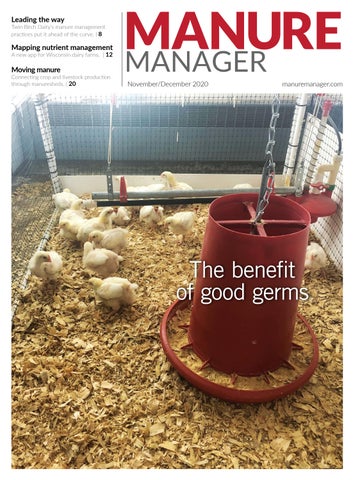
The benefit of good germs
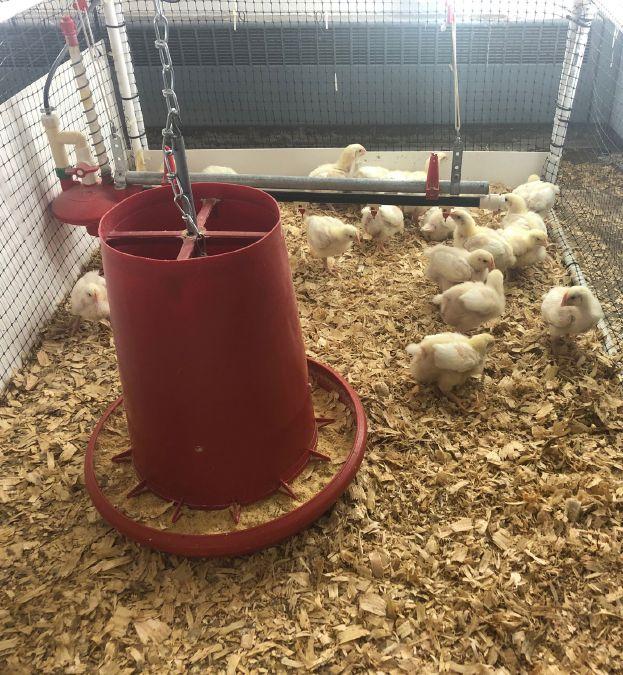
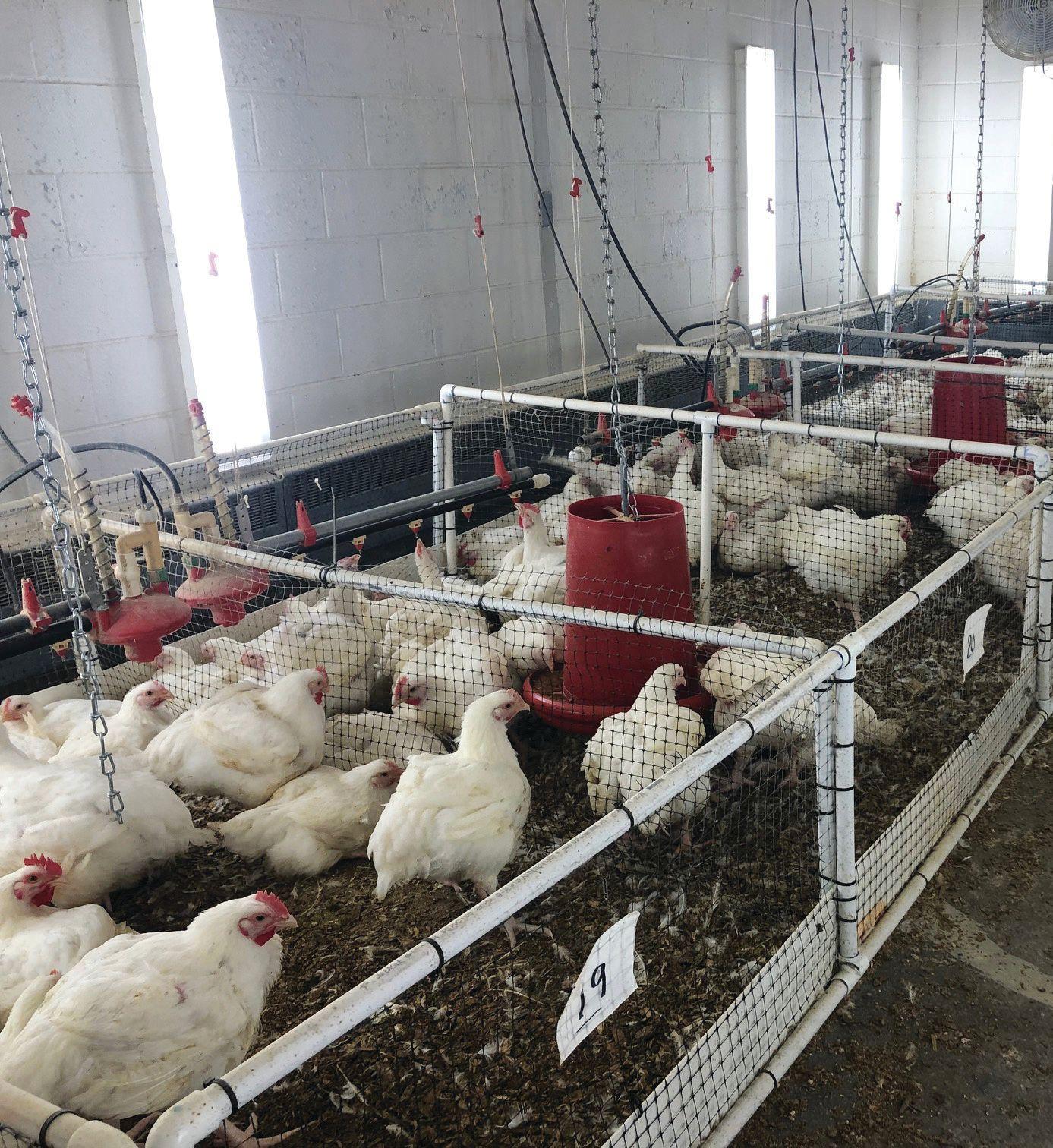
Studies from the USDA-ARS show improved health in broiler chickens housed on used litter. 8
Leading the way
Twin Birch Dairy is ahead of the curve thanks to its innovative manure practices.
Mapping software for nutrient management
Moving manure
“Manureshed” model connects crop and livestock production to recycle nutrients.
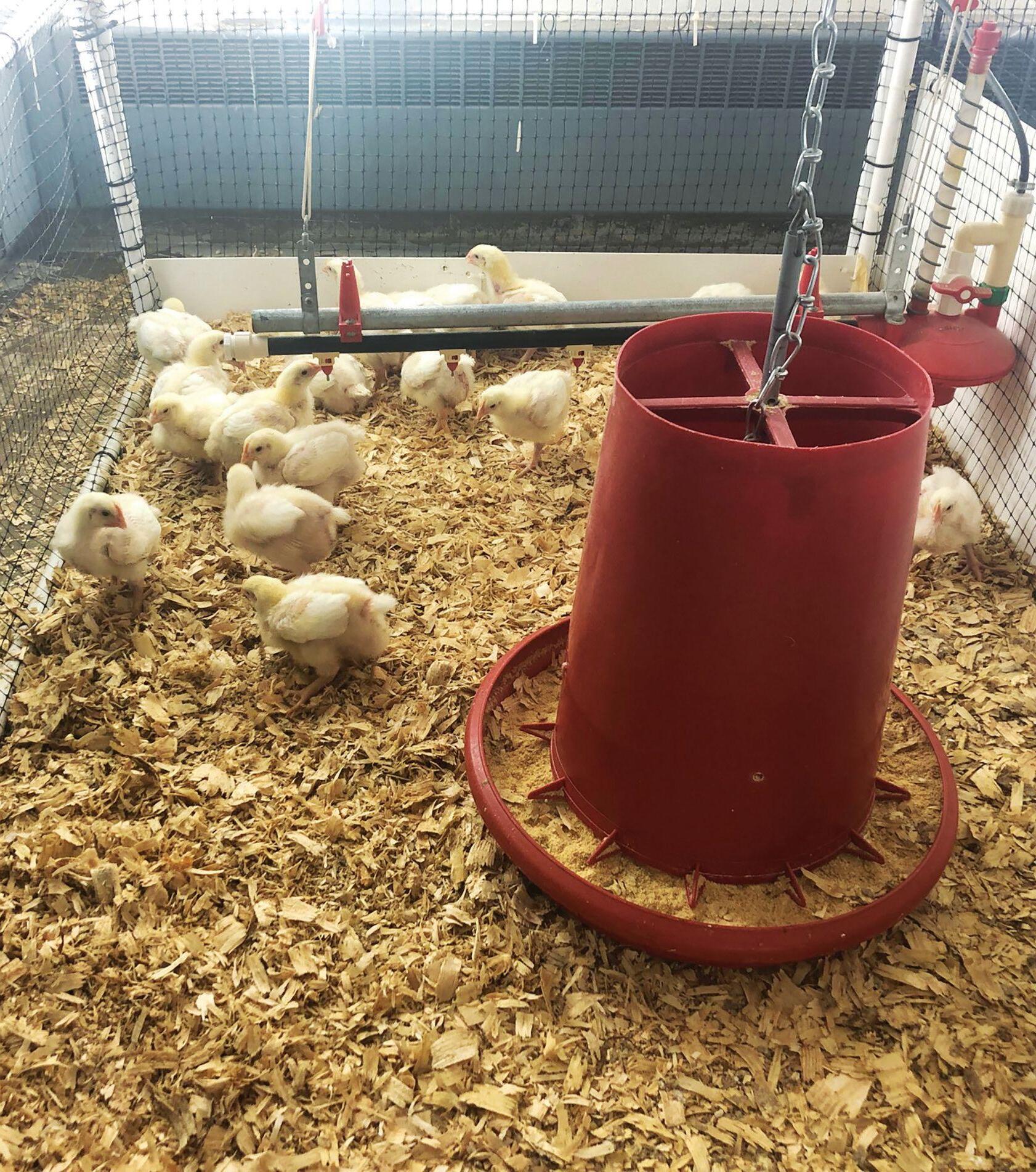
One- to two-week-old Cobb-500 broiler chicks on fresh pine
See page 14.
BY MARK HALSALL
The app will bring SnapPlus software to mobile devices in Wisconsin.
BY JULIENNE ISAACS
BY REBECCA HANNAM
shavings.
Photo courtesy of Adelumola Oladeinde, USDA-ARS.
The only certainty
The end of 2020 is almost upon us, and most people are more than ready to say good riddance to this year. It’s been a challenging 12 months, with the COVID-19 pandemic creating or compounding issues. Livestock surpluses and mortalities, changing demand, fewer in-person events and trade disputes: agriculture has had its fair share of pandemic problems, in addition to the usual suspects of inconsistent market values, rising production costs and thin profit margins. Recent government funding is welcome, but long-term policy in support of agriculture would be better.
It would be easy to focus on the negatives – there are many – but let’s talk about uncertainty.
American mathematician John Allen Paulos once said, “Uncertainty is the only certainty there is, and knowing how to live with insecurity is the only security.”
The agriculture sector is familiar with uncertainty – because it has to be. Unknowns – like weather, market demand and crop and livestock futures – that can ruin a season are a fact of life in ag. Part of being a producer is proactively taking steps to manage risk and make the
methods, improving on outdated practices and innovating to meet new demands and challenges. Livestock producers are making great strides in adopting environmental and sustainable practices. Agricultural practices and technology have changed significantly over the past century, driven by producers working for higher yields, better methods and greater efficiency. Now, fewer farmers feed more people than ever before.
Our cover story, which can be found on page 14, features new research on the benefits of reusing poultry litter for new flocks. Contrary to their initial belief, researchers discovered the bacteria found in used litter helped decrease broiler chick mortality rates. And on page 8, read about the benefits of a New York dairy farm’s 30-year philosophy of looking out for the environment and their neighbors.
Sometimes it’s important to take a step back and look at the bigger picture. When industries and cities across the country were shut down by the pandemic, the agriculture industry kept working to maintain the food supply chain. And, according to a recent American
It’s important to take a step back and look at the bigger picture.
best decisions possible with the information available.
To look at it differently, uncertainty also contains the possibility of finding something new, and maybe better.
Uncertainty pushes you to adapt. While tradition can be stagnant, agriculture does a good job of combining the old and the new –keeping the best of the tried-and-true
Farm Bureau survey, 88 percent of Americans trust farmers. Agriculture has put in the work and occupies a unique place in public opinion. When the world is most insecure, agriculture provides security to the world.
No one knows what 2021 will bring, so let’s choose to believe better days are ahead.
VP Production/Group Publisher DIANE KLEER dkleer@annexbusinessmedia.com COO SCOTT JAMIESON sjamieson@annexbusinessmedia.com Printed in Canada Publication Mail Agreement #40065710
Taking it to the Internet
Many manure, livestock, and general agriculture events in late 2020 and 2021 are moving online in response to the continued COVID-19 pandemic. The uncertainty and additional safety measures have led several event organizers to either cancel or take their event online to protect attendees and exhibitors.
Not all events are opting to go virtual – the South Dakota and Iowa Pork Congresses, Pennsylvania Dairy Summit and several farm shows in January and February plan to hold in-person events with additional safety precautions. Despite the advancements in digital communication technology, there’s no real replacement for shows featuring machinery, agtech or networking.
The International Production and Processing Expo (IPPE) has decided to cancel the in-person part of their event, opting to hold educational sessions and an exhibitor marketplace showcase. In a press release, IPPE said they would hold these sessions to ensure the industry remains connected, but couldn’t offer the full event experience their industries have come to expect.
Several events that are expected to take place in September through December next year have yet to post dates or locations, likely waiting to see how the situation changes in the coming months. To that end, be sure to check event websites and contact organizers shortly before any in-person event to check whether it’s still happening.
NEW STUDY REVEALS BENEFITS OF AGRICULTURAL BIOGAS
BY
A recent report indicates the climate benefits of agricultural biogas are greater than previously thought. Written by Aarhus University’s department of agroecology in Denmark for the Danish Energy Agency, the report examines the climatic and environ-
mental effects of degassing different biomass compositions. The report looks at the relevant effects of biogas – including energy production, greenhouse gas (GHG) emissions, ammonia volatilization and nutrient use – and quantifies
them to assist in designing future sustainability subsidies.
The study found increasing the amount of time manure is kept in biogas plants from 45 to 60 days decreased GHG emissions significantly. Holding the biomass for longer than that has only marginal benefits in GHG reduction. It also found that methane emissions from cattle manure are higher than previously thought, while methane emissions from pig manure are lower. So, degassing cow manure can have major climate benefits.
THE NUMBERS – BROILER CHICKEN BASICS
Approx. 25,500 family farms produce 95% of the U.S.’s broiler chickens.
9.2 billion number of broiler chickens produced in 2019
28.3 billion value of broiler chickens produced in 2019
GEORGIA, ARKANSAS, ALABAMA, NORTH CAROLINA AND MISSISSIPPI
• top five broiler producers
• produce 5.3 billion broilers
• 59% of total U.S. broiler value
70% of all poultry value in 2019 was from broiler chickens
SPREAD
Kubota aims for autonomous tractor tech
Kubota, a major farm equipment manufacturer based in Japan, has partnered with U.S. chipmaker Nvidia to develop self-driving farm tractors, according to a statement made in early October. This is Nvidia’s first foray into the world of smart agricultural vehicles.
Dubbed the X tractor, it is intended to be equipped with Nvidia graphics processing units and artificial intelligence, coupled with cameras to quickly process collected data. The autonomous tractor is a four-wheeled crawler with an acute turning radius for omnidirectional navigation. These measures should provide a labor-saving solution, as Japan’s agriculture industry suffers from a shortage of workers.
Kubota launched the Agrirobo line of tractors in 2017. Although the tractors can run autonomously using radar to take in surroundings, they require human supervision and do not use AI. The technology developed through the partnership with Nvida is aiming for complete autonomy.
Case IH launches virtual equipment
Case IH recently launched Case IH VX – a virtual platform for producers to see and learn about the latest equipment solutions and technology at any time, from anywhere. From crop production to harvesting, tractors to hay tools, Case IH VX offers producers an opportunity to discover agronomic solutions that best fit their individual farm needs.
The virtual platform aims to reach producers during the COVID-19 pandemic, when in-person farm shows are cancelled or inaccessible.
“Shows and events are an important way we connect with farmers. That’s why we’re excited to offer an opportunity to conveniently experience Case IH equipment during any season of farming,” said
U.S. Gain adds three new RNG projects
U.S. Gain continues to grow their portfolio of renewable natural gas (RNG) projects. In mid-October, the RNG development and distribution company announced the completion of a new anaerobic digester (AD) at Deer Run Dairy in Appleton, WI. The manure produced by Deer Run Dairy’s herd of 1,700 milking cows will be digested into RNG, as well as animal bedding and fertilizer, which will stay on the farm. The RNG will be transported to a new decanting facility constructed by U.S. Gain at Holsum Dairy in Hilbert, WI, where it will be injected into the natural
gas pipeline used by U.S. Gain’s fleet customers in California. In 2021, U.S. Gain will expand the system’s capacity by installing a mixing tank that will allow other local farms to bring animal waste to Deer Run Dairy.
In late October, they announced agreements to supply the Rogue Valley Transportation District’s bus fleet in Rogue Valley and Cherriots (also known as Salem Area Mass Transit District) in Salem; both cities are in Oregon. The economic and environmental benefits of RNG factored into these decisions, according to officials from both cities.
platform
Sy Stevens, Case IH brand marketing communications manager. “Just like any in-person show, Case IH VX offers the ability for producers to learn about and experience a wide range of equipment solutions at their own pace and in the comfort of their own home.”
Visitors to the virtual platform begin their experience by selecting a phase of farming to see equipment solutions that best match their interests. From there, they can select from a spectrum of Case IH solution sets by simply clicking on hotspots placed throughout the platform. These hotspots then allow the visitor to view a range of multimedia content, including video walkarounds, digital brochures and images.
New California biogas project now operational
In late October, Aemetis Inc. announced the first two dairies in their 17-dairy digester biogas project have begun producing biogas. The below-zero carbon intensity gas is being utilized for the production of fuel ethanol at the Aemetis Advanced Fuels Keyes facility in Keyes, CA.
The California-based industrial biotechnology company began building the digesters a little more than a year ago. In December 2020, Aemetis plans to begin construction of a gas upgrading system that will convert dairy biogas to renewable natural gas.
During 2021, the company plans to continue development of the next fifteen dairy digesters and related pipeline in the 17-dairy digester RNG cluster located near the Aemetis Keyes plant. The RNG produced at this facility will be used to generate large volumes of transportation fuel.
Erin McAfee, Aemetis chairman and CEO, notes the value these projects provide to local dairies by creating a new revenue stream, while also helping to meet California’s new stringent requirements for reduced methane emissions from dairies.
Leading the way
Twin Birch Dairy is ahead of the curve when it comes to fostering community relations and sustainable farming thanks to its innovative manure practices.
BY MARK HALSALL
The people who run Twin Birch Dairy in Skaneateles, NY, know the importance of being good neighbors.
For Twin Birch CEO Dirk Young and his partners, Todd Evans and Jeremy Brown, a key part of this has been taking steps to minimize the impact of their manure handling and storage practices on the surrounding community. But it’s much more that that – it also reflects a strong commitment by the farm to environmental stewardship.
“Taking care of the environment and maintaining viable and sustainable practices is something we believe in strongly,” Evans says.
Evans says it’s a tradition that goes back a long way on the farm, which was purchased by Young’s parents in 1960. Twin Birch Dairy has expanded significantly since then, growing from a few dozen cows to a herd numbering more than
ABOVE
3,000. It’s also grown from 290 acres to 3,600 acres of farmland, where corn is produced for silage and grain and a number of other crops are grown as well.
Considering where the farm is located, it’s easy to understand why manure management is such a vital aspect of the farm’s business operation.
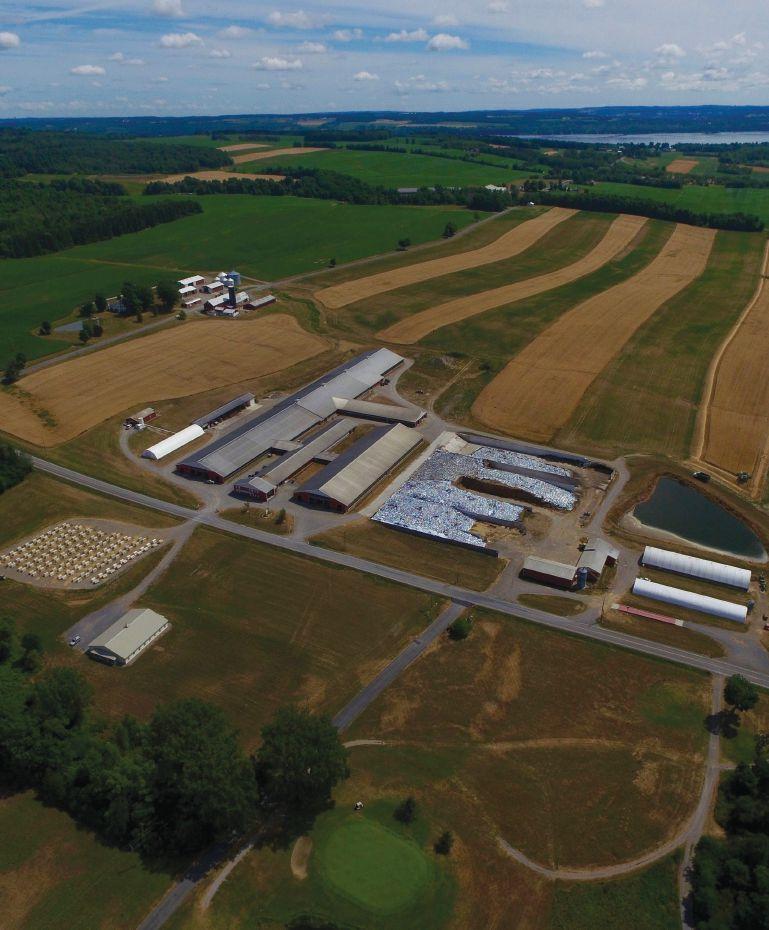
Twin Birch Dairy is situated between two lakes in the Finger Lakes region of central New York state, right across the road from a golf course and close to million-dollar lakefront homes. The lakes are important for recreation purposes and their watersheds also provide drinking water to more than 400,000 people in nearby towns and cities.
Twin Birch Dairy recognizes that protecting water and air quality and maintaining good relationships with neighbors are key to the farm’s success, and industry honors – such as the Outstanding Dairy Farm Sustainability award
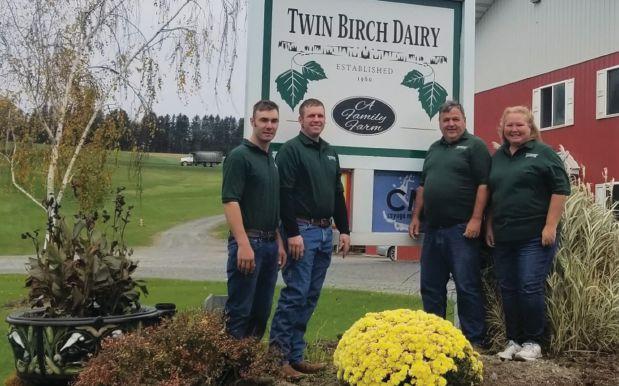
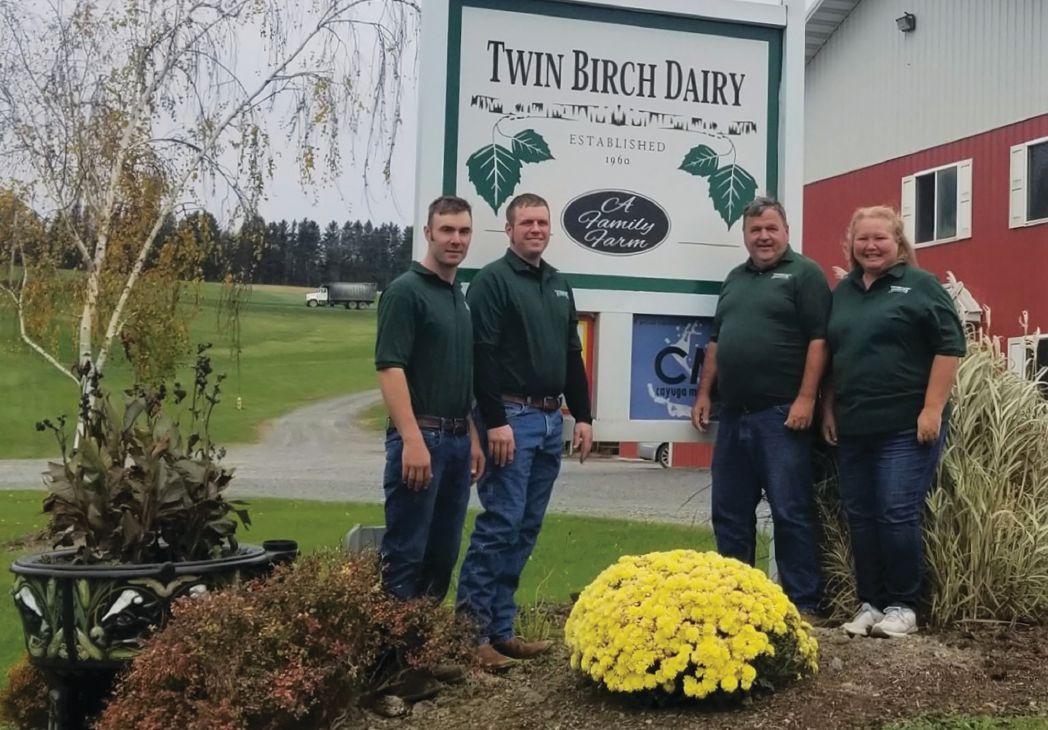
Twin Birch Dairy is run by (left to right): Todd Evans, crop manager; Jeremy Brown, dairy manager; Dirk Young, CEO; and Karen Young, CFO.
PHOTOS COURTESY OF TWIN BIRCH DAIRY.
Untitled-1
it earned earlier this year from the Innovation Center for U.S. Dairy – are evidence of that.
“We kind of look at that as recognition of 30 years of progress,” Evans says. “We’re honored to receive the award because it’s something we really believe in and would be doing in any case.”
Sustainability practices on the farm include extensive use of wheat and oats as cover crops and other erosion-control measures, which greatly reduce runoff from the farm’s fertilized, nutrient-rich soils. Numerous other practices are in place that provide environmental and community relations benefits while also helping the farm make the best use of the manure it produces.
Back in the mid-1990s, Twin Birch Dairy built a remote bunker silo to store its manure so that odors would remain unobtrusive to neighbors; a second satellite storage silo was built in 2014. Evans notes that a total leachate collection system was also installed around the storage tanks to prevent any bunk water from seeping into the ground.
In 2000, Twin Birch became one of the first dairies in the United States to install an anaerobic methane digester, which reduces odor by capturing methane from cow manure and transforming it into biogas. The biogas is used to generate power for the farm, which until recently was more than enough to meet all of Twin Birch’s electricity needs.
“Initially, it was over 100 percent,” Evans says, adding that the surplus was sold to the local power utility. With increasing cow numbers and new equipment purchases, such as pumps to increase manure handling efficiency, the power demands are greater and the anaerobic digester now produces about 80 percent of the farm’s electricity requirements.
“Most of the time, the costs associated with conservation and sustainability usually offset themselves with better land quality and water quality,” Evans says.
ABOVE
Aerial
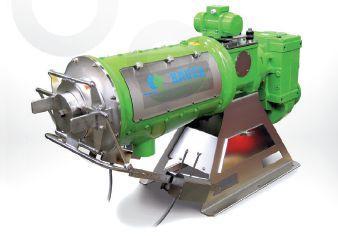
In 2002, the farm added a solidsseparator to enhance its manure handling procedures. Evans says the material that comes out of the separator is 96 percent liquid, which is much easier to pump into the farm’s two fertilizer storages. It also prevents solids from settling out and building up in the bunker silos.
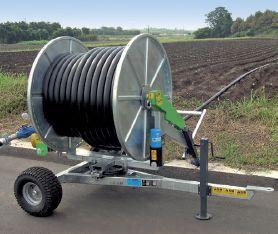
Almost 90 percent of the liquid manure produced at Twin Birch Dairy is transported out to fields via a pipeline and drag hose system and incorporated or injected directly into the soil. This not only reduces the risk of nutrient runoff, but also greatly reduces manure-related odors.
“We don’t have a dozen trucks carrying manure barreling up and down the road. The manure is not surfaceapplied, it’s all covered up, and I think this is a very important aspect of the way we handle our manure,” Evans says.
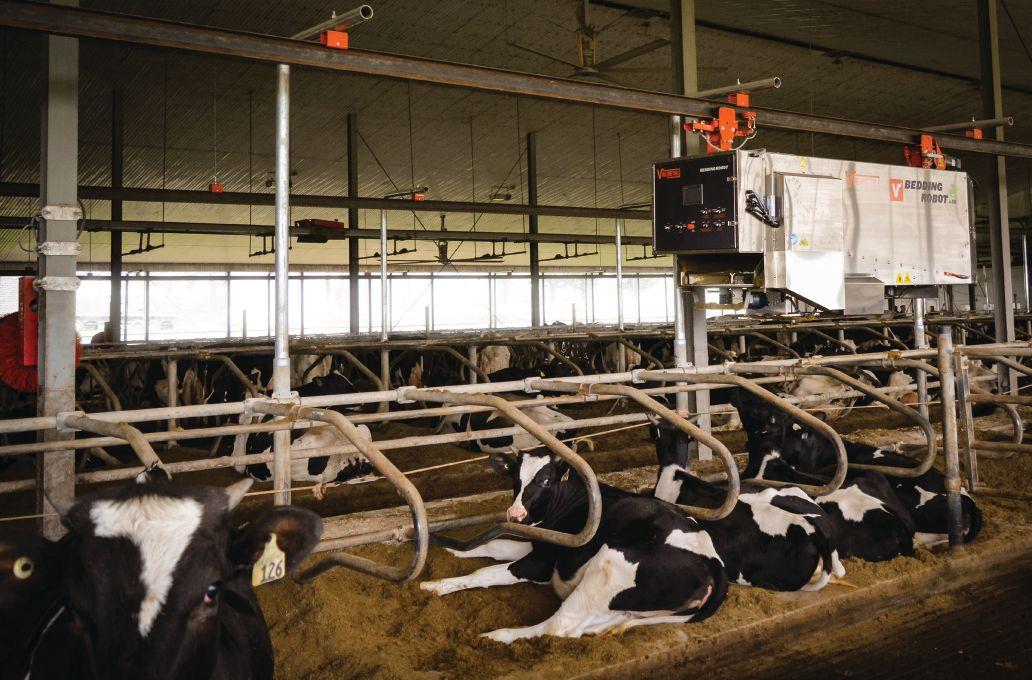
The solid matter that comes out of the separator is used as bedding for the farm’s cows, eliminating the need to bring sand, sawdust and other bedding material in from outside sources. Any excess bedding produced at Twin Birch Dairy is sold to landscapers, home gardeners and another local dairy.
Evans says he and his partners view the costs associated with making their operation more sustainable as money well spent, because it means Twin Birch Dairy will remain a successful business for generations to come.
“I would say that most of the time, the costs associated with conservation and sustainability usually offset themselves with better land quality and water quality,” Evans says. “You also have to have the support of the community. If we can’t maintain a good view in the public’s eyes, then we won’t be farming here.”
view of Twin Birch Dairy in Skaneatles, NY.
Call the BAUER boys
East: Jim Dewitt, 1-630-750-3482, j.dewitt@bauer-at.com
West: Jeff Moeggenberg, 1-630-334-1913, j.moeggenberg@bauer-at.com
Sales Director: Ray Francis, 1-219-229-2066, r.francis@bauer-at.com
Parts/Operations: Rob Hultgren, 1-800-922-8375, r.hultgren@bauer-at.com
When
This
When
MAPPING SOFTWARE for nutrient management
The app will bring SnapPlus software to mobile devices in Wisconsin, making nutrient management planning easier for farmers.
Wisconsin’s dairy farmers have come a long way in addressing the state’s water quality problem. Nutrient management plans are required for all farms, and permitted farms or confined animal feeding operations (CAFOs) are more heavily regulated than other farms, with guidelines around the use of waste storage structures and manure application under the U.S. Environmental Protection Agency’s (EPA) Clean Water Act.
tions and methods of manure land applications and wastewater processing.
BY JULIENNE ISAACS
Any animal feeding operation with 1,000 animal units or more is considered a CAFO, but smaller-scale farms can also be considered CAFOs if they have pollutant discharges to nearby wells or waterways.
CAFOs are required to submit stringent nutrient management plans that outline amounts, timings, loca-
ABOVE
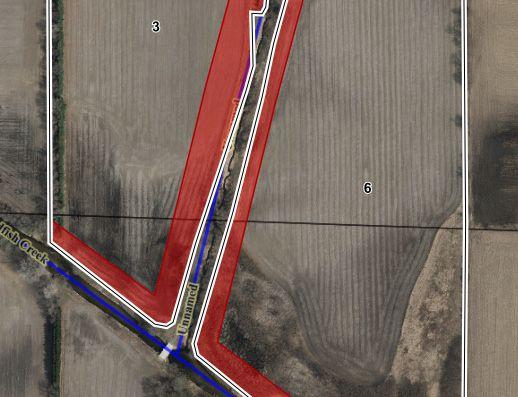
To create these plans, in-state farmers use the Soil Nutrient Application Planner (SnapPlus) software linked with SnapMaps. Developed by the University of Wisconsin-Madison, the system uses geographic information system (GIS) mapping to show areas with manure-spreading restrictions. Zones with higher risk of surface or groundwater contamination include areas near streams and rivers or surrounding municipal wells, and areas with Karst bedrock – landscapes where rock can be fractured near the soil surface, providing a direct conduit for surface runoff to reach groundwater.
According to University of Wisconsin-Madison soil scientist
The illustration shows, in red, the areas in fields where manure can’t be spread because they are adjacent to the stream.
PHOTO COURTESY OF LAURA WARD GOOD.
Manure Tracker
Currently, a very simple manure tracking app does exist; created by a different team with the University of Wisconsin’s Nutrient and Pest Management Program, Manure Tracker allows producers to count and record manure applications on a field-by-field basis. The app records spreader capacity, manure source and application method in its basic form; an advanced feature allows producers to add data on soil condition, temperature and precipitation at the time of application, as well as the driver’s name. The app helps farmers avoid applying manure twice on the same tracts of land – a significant step toward mitigating potential runoff issues.
Laura Ward Good, the software allows farmers to import field boundaries and find these restrictions. On permitted farms there must be buffers around flow channels; there are also soil-based restrictions – meaning if the field is on a shallow water table, manure can’t be spread there.
“Part of nutrient management planning involves making maps of your fields, and these include the soils and the slope and different field features where there are restrictions on applying manure,” she says.
Making the maps is one thing, but abiding by them is another. Good says that, once in the field, it’s very difficult to find boundaries unless farmers physically plant flags marking them. “Most farmers and applicators don’t have the technology to allow them to know where the boundaries are in the field,” Good says. “As you can imagine, this can be challenging.”
To address this need, Good and her University of Wisconsin-Madison colleagues John Panuska and James Beaudoin are developing an app capable of showing high-risk areas on a mobile device. The project began in early 2020 and aims to deliver a beta version ready for testing by late summer to fall of 2021, with a final platform ready for general field use by 2022.
The new project is funded by the Dairy Innovation Hub, a multi-million dollar state-funded initiative aimed at protecting land and water resources and strengthening the industry in Wisconsin.
FIELD APPLICATION
Panuska is a distinguished faculty associate in the department of biological systems engineering who works in agricultural and natural resources extension.
Demand for a more practical fieldbased tool has been growing in the state, he says. Some applicators are resorting to bringing printed maps into the field.
“Custom applicators especially, and producers as well, are frustrated when they get out in the field with a map and they’re trying to figure out where the
boundary areas are. If they get it wrong, they risk county conservation or DNR (Department of Natural Resources) staff coming out and potentially getting a fine. They want to do the right thing and they need a tool to help,” he says.
Beaudoin, a GIS developer in UW-Madison’s department of soil science, works on SnapPlus and SnapMaps. He says he joined the department five years ago when there was no geographical interface for SnapPlus to let people see restrictions in their fields and plan around them. He built that interface for the department; his challenge now is bringing that information into an app with a smooth user interface.
Good says Wisconsin farmers sub-
mitted more than 8,399 farm nutrient management plans to the Department of Agriculture, Trade and Consumer Protection in 2019, and many of those farms handle manure – meaning a large proportion of those planners use SnapPlus. But she adds that the person making the management plan isn’t always the person spreading manure, so any tools that can help keep track of application and aid communication between planners and custom applicators are valuable.
Panuska says the goal of all these tools is for as many producers to use them as possible. “A lot of people create nutrient management plans, but how many follow them?” he asks. “We’re hoping the new app will encourage or raise the interest of folks using SnapPlus to use the app and follow their plans.”
The team hopes as many producers as possible will sign on to use the beta version of the app in 2021. “The more people try it, the more feedback we get,” Beaudoin says.
Panuska adds that the team hopes to build a small test group for an alpha version of the app to get early immediate feedback before releasing the beta version.
A LONG WAY TOGETHER
WHEREVER YOU ARE, BKT IS WITH YOU
BKT provides you tires that are reliable and safe, sturdy and durable, capable of combining traction and reduced soil compaction, comfort and high performance.
BKT: always with you, to get the most out of your agricultural equipment.
THE BENEFIT GOOD GERMS
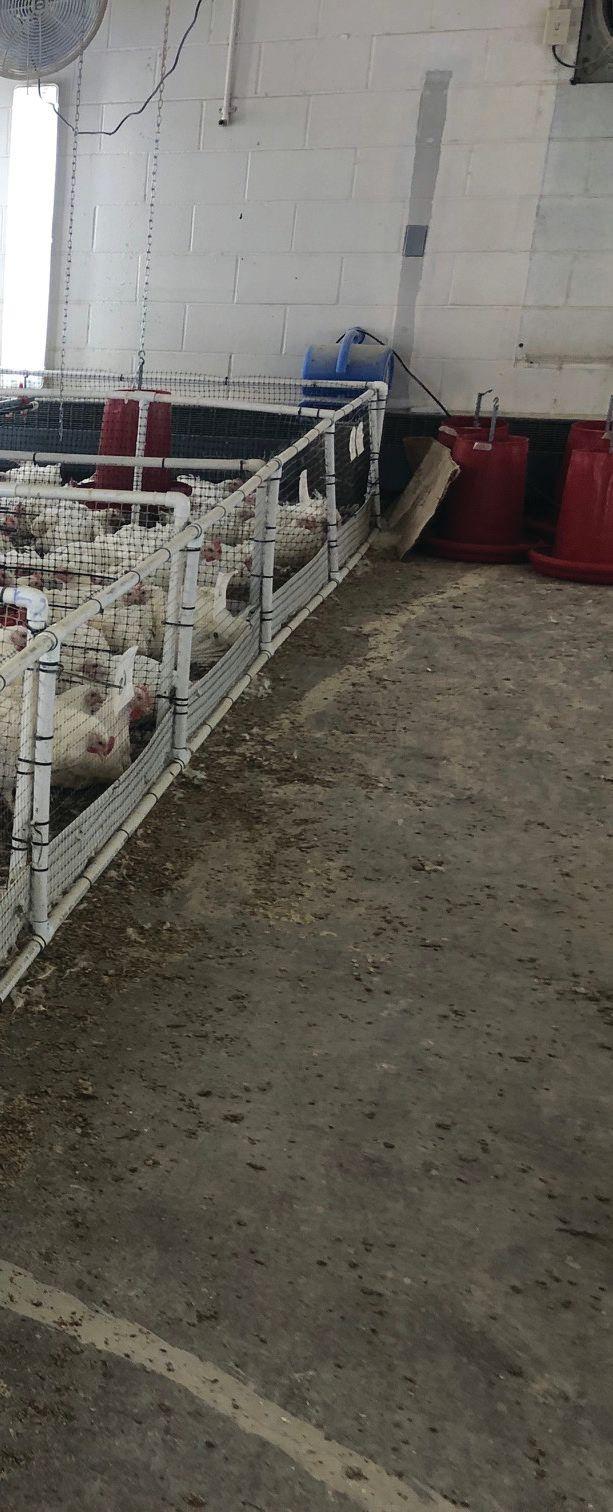
Five- to six-week old Cobb-500 broiler chickens on reused litter.
A fresher, cleaner environment is better when it comes to livestock health, right? Not so fast. Science is challenging this widely accepted theory.
Recent studies exploring used bedding litter, micro-organisms and broiler chicken health are bringing the need to sanitize barns between flocks into question. The notion that kids who eat dirt will develop healthier immune systems is similar to the research findings around the properties of reused litter. This relationship between good and bad gut bacteria is commonly understood in humans and it seems that broiler chicken litter develops a comparable microbiome over time, where good organisms can keep the bad ones (like Salmonella) in check and thereby improve the health of broilers.
The pair of studies out of the United States Department of Agriculture-Agricultural Research Service (USDA-ARS), in collaboration with researchers at Colorado State University, Agriculture and Agri-Food Canada (AAFC) and the University of Georgia’s department of poultry science, explored how aged chicken litter with certain bacteria and other organisms can influence broiler health and impact harmful pathogens. Back in 2017, when researchers began looking into reused litter, the belief was that Salmonella would become immune to the beneficial bacteria in reused litter and grow stronger than its ancestor strains.
Adelumola Oladeinde, research microbiologist in the bacterial epidemiology and antimicrobial resistance research unit with the U.S. National Poultry Research Center of the USDA-ARS, says the initial hypothesis was that cleaner litter meant healthier birds. However, he found this wasn’t the case.
“Old litter is better than new. I think the key is the type of bugs. It’s not just the volume, but the volume and type (diversity) of bugs,” he says.
“The bugs from reused litter seem to be hardy and have, over time, established the repertoire of tools needed to thrive in the broiler chicken house. They are better competitors.”
This sense of thriving means that the bacteria evolves over time, builds up and is able to break down chicken feeds and additives present in feed, survive the harsh environment of the broiler barn (temperatures, pH, humidity) and break down antibiotics and disinfectants. Chicks that live with these beneficial bugs can become inoculated with them, as they naturally peck at and eat litter, which increases the likelihood of the chicks having greater immunity. Mortality rates in chicks introduced to a reused litter environment are about the same as – and may potentially be lower than – those placed in a clean litter environment.
“We did not observe higher mortality,” Oladeinde says. “For birds raised on fresh litter, mortality was four percent after 49 days, 2.8
Studies from the USDA-ARS show improved health in broiler chickens housed on used litter.
BY RONDA PAYNE
percent after 49 days for reused litter one flock old, 2.4 percent after 49 days for reused litter two flocks old and less than one percent after 35 days for reused litter three flocks old.”
In the studies, researchers collected used bedding litter samples from the university’s poultry research center, measured each sample’s microbial characteristics and then added Salmonella to the mix. Samples were then measured on an ongoing basis to identify growth and change of the various characteristics.
Oladeinde found that the microbiome of reused litter can have the right moisture, ammonia, bacteria, fungi and viruses to keep Salmonella from establishing and becoming a health issue to broilers. But the right balance is important for beneficial bacteria to thrive. For example, two groups of bacteria, Bacillaceae and Actinobacteria, are major players in reused litter that produce antimicrobials. They need to be established prior to placing the flock and will contribute to the overall microbiome health.
“Reused litter microbiome is ‘predictable’ under raised-without-antibiotic broiler chicken production,” he says. “Broiler chicks raised on reused litter carry less antimicrobial-resistant Salmonella Heidelberg after two weeks of oral gavage.”
He adds that acid exposure gives the Salmonella strain antimicrobial and virulence resistance to the beneficial organisms. Thus, pH levels have an important role in the litter microbiome’s traits and therefore the broilers’ health. Acidic pH levels of less than 4.5, or alkaline pH levels of more than 9, are too extreme to maintain a health-benefiting microbiome.
“Efforts should be made to keep litter pH neutral and extending the litter downtime should help reduce E. coli numbers in reused litter,” Oladeinde says.
Litter downtime – the waiting period between flocks – should be more than 14 days as, during the study, the microbiome became unfavorable to Salmonella after two weeks. In a practical on-farm setting, it’s important for a farmer to understand the age of the litter prior to placing chicks, as the litter pH increases with the number of flocks on it, and adjustments shouldn’t be made once a flock is placed. Alternatively, downtime could be reduced if desired pH and healthy organism levels are achieved sooner. It’s best to check pH levels prior to placement and after downtime.
“For our studies, we left the litter
undisturbed after birds were removed and monitored the litter weekly for two to four weeks,” Oladeinde says. “After this downtime period, we applied sodium bisulphate on the litter 24 hours before chicks were placed. We did this from flock to flock for four flocks.”
Acid-based amendments like sodium bisulphate can bring the pH level down while also improving the odors associated with ammonia. However, as reused litter ages and absorbs more ammonia, these types of treatments may become cost-prohibitive to achieve the right pH levels. Oladeinde recommends starting with fresh litter at this point. Mixing fresh litter with reused is currently being explored, as is a study to reproduce the same results of a litter microbiome that reduces Salmonella strains.
While there may be cost savings from reusing litter from flock to flock, these must be considered with the offset of required amendments. The overall benefit should not be about cost reduction but about better overall health of broilers, which could lead to a lower average mortality rate and better meat that may make for a better operation, better reputation and potentially long-term financial gain.
In the future, it may be possible to further identify the types of bacteria doing the heavy lifting in the microbiome of the litter to create applications that would directly contribute to improved chicken gut health. One such example is what Oladeinde calls “pro-litter-biotics” – probiotics created from birds raised on reused litter. This concept is undergoing testing, with results expected in 2021.
ABOVE
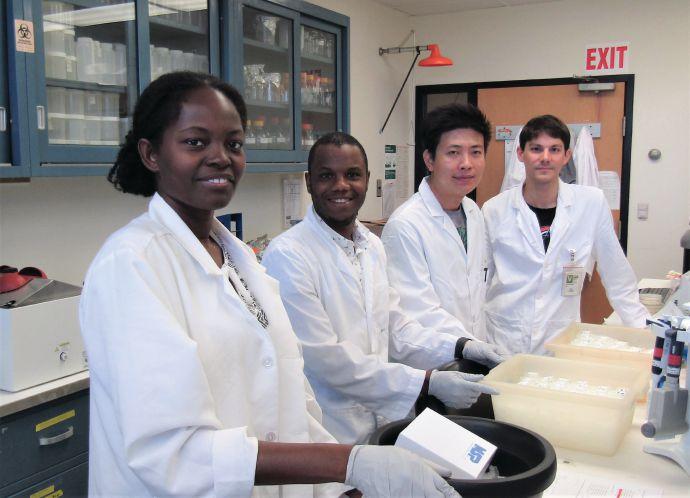
Visiting students Carli Milfort, Supanon Tu and Benjamin Zwirzitz working on DNA extraction with Adelumola Oladeinde (second from left).
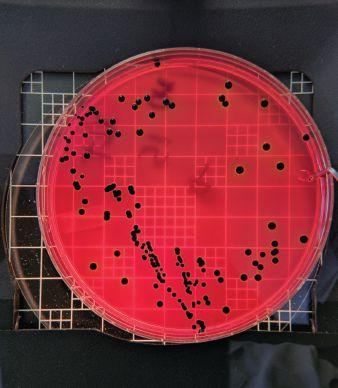
LEFT Salmonella colonies on Xylose deoxycholate (XLD) agar.
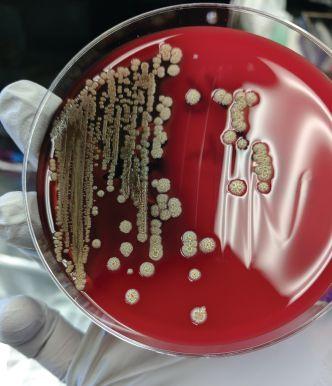
RIGHT Bacillus sp. isolated from reused litter streaked onto sheep blood agar.
PHOTOS
MM_VTI_WEBINAR_NOVDEC20_ASK.indd 1
TOUGHEST MANURE APPLICATIONS
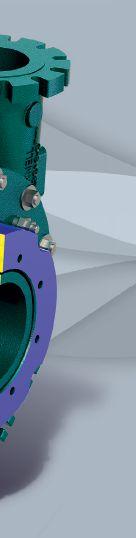
CYCLOSEAL® SYSTEM STANDARD FLOWS TO 4,250 GPM / HEADS TO 600’ HEAVY-DUTY CONSTRUCTION
6819MPC PUMP
BEST SELLER WITH MANURE PUMPERS. HANDLES UP TO 3” SOLIDS. EXCELLENT EFFICIENCY AND CYCLOSEAL®
Pump monitoring with Cornell Co-Pilot® Other MP models available w/ up to 9,000 GPM
THICK CROSS-SECTIONS FOR ABRASIVE WEAR AND HIGH OPERATING PRESSURES ENCLOSED WHITE IRON IMPELLER
REPLACEABLE WHITE IRON WEAR PLATE
HIGH-CHROME WHITE IRON OR HYBRID DUCTILE IRON PUMP-END
Nokian expands Ground King line-up
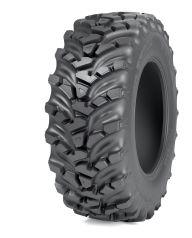
Nokian Tyres released the Ground King line of tires in 2019. Its Hybrilug technology combines lug and block patterns, enabling mobility on soft fields as well as road transports. During 2020, the Nokian Ground King tire will add eight new sizes, making it compatible with an even broader range of equipment. As of July 2020, Nokian Ground King is available in six different sizes. By the end of the year, there will be eight more.
“The trend is towards bigger and more powerful tractors”, says Tero Saari, product manager at Nokian Tyres.
“The latest new sizes, 710/70R42 and 600/70R30, will give more choice for those, and later on, there will be sizes for smaller utility tractors as well.”
Two new CS Series models added by KIOTI
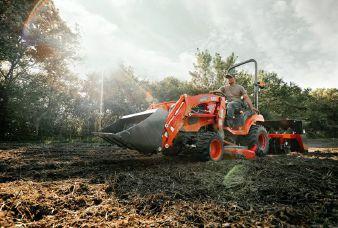
KIOTI Tractor, a division of DaedongUSA, Inc., has added two new models – the CS2220 and CS2520 – to its CS Series. These new models feature an ergonomic operator station, with standard features including a tilt wheel with power steering, twin HST pedals and a joystick valve with quick attach and detach loaders. The new “pinless” design allows the operator to quickly remove or install the loader without having to remove or install loader pins to secure it to the tractor. The 21- or 24.5-hp KIOTI diesel engine features a large power output with low fuel consumption. Engaged by a single lever, four-wheel drive is standard for these models, which can reach forward speeds of up to 9.57 miles per hour. The CS2220 and CS2520 feature a streamlined hood design to improve operator visibility with or without a loader installed. The vertically opening hood provides easy access to engine maintenance and service points. The rear PTO and high-capacity three-point hitch can accommodate a variety of implements.
ON TRACK
Puck unveils new boom truck lead pump
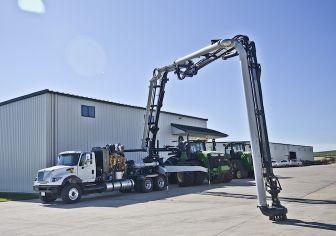
Puck Enterprises, manufacturer of liquid transfer equipment, has unveiled its new Boom Truck lead pump. It’s equipped with a CAT 13B DRPTO engine that can achieve 577 horsepower (hp), which translates to a 3,200+ gallon per minute pump capacity. The new truck’s boom utilizes Puck’s suite of hydraulic and electric control systems to ensure that an operator can place the boom exactly where it needs to go. Boom Truck also has a 70-foot boom reach, which is supported by four large outriggers. The boom is controlled wirelessly, meaning an operator can maneuver and spot where the boom is going. The lead pump is designed for maneuverability –it’s compact, but still meets DOT width requirements. Operators can also tow with the Boom Truck, allowing them to move more equipment at a time.
Dutch digester company partners on dairy projects
Host, a bioenergy installations company in the Netherlands, is seeing growing interest in its Microferm mono-manure digester system.
Through a partnership with Jumpstart co-operative, run by Dutch dairy firm FrieslandCampina, Host will build five Microferm digesters on five different dairy farms in the Netherlands, in addition to two already completed digesters. Once operational, each digester will produce 40 cubic meters of biomethane per hour from 12,000 to 16,000 tons of manure per year.
In total, the Netherlands will soon be home to 15 Microferm systems, of which two-thirds will produce approximately 3.2 million cubic meters of biomethane per year. The rest will produce green electricity and heat with a CHP (combined heat and power) unit.
Fliegl adds solid manure spreader to line-up
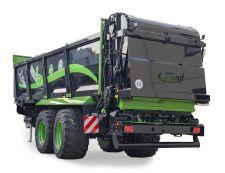
Fliegl Agrartechnik, a German agricultural machinery manufacturer, has added the KDS 270 Muck Control, a universal spreader with a scraper floor and a horizontal two-disc spreader, to their line-up. The KDS 270 has a load space capacity of more than 226 square feet (21 square meters). The scraper floor consists of two chains with 140 chain links each. The chains connect 41 continuously closed scraper floor strips, which are driven hydraulically via a side gear with adjustable speed.
MAKE YOUR DAIRY
FEATURES AND BENEFITS:
• Oil bath bearings - self cooled and lubricated, needs no water flush
• Disintegrator tool - for hoof blocks and other solids
• Heavy duty seal and bearing systemlonger life in severe service
• Ductile iron casing and bearing housingheavy castings for long life
• Heat treated cast steel wear parts - for longer life in abrasive grit service
• Most parts readily available from stock for expedited delivery
• Digester Feed
• Digester Mixing
• Small Pit Recirculation
• Tanker Loading
• Flush Water
• Feeding Heat Exchangers
• Manure Transfer
• Separator Feed Learn More at
MOVING MANURE: Redistributing surplus nutrients
“Manureshed” model connects crop and livestock production to recycle nutrients.
BY REBECCA HANNAM
Redistributing surplus manure nutrients to ensure sustainable agricultural production is the goal of ongoing research led by USDA Agricultural Research Service (ARS) scientists. Researchers have created a conceptual framework to link livestock operations with excess manure to nutrient-deficient croplands as a solution to managing concentrated manure accumulations.
Rangeland management specialist Sheri Spiegal says animal agriculture has become separated from crop farming over time and concentration has increased in specific areas. “Now we have accumulations of manure in concentrated places with no widespread, cost-effective mechanisms to get the nutrients back into cropland for further crop production.”
Among the challenges related to long-term manure accumulation are water and air quality. Lack of manure movement also contributes to patterns of commercial fertilizer use, which in turn has raised concerns about long-term food supply and environmental health.
DEVELOPING VISION
In a paper published in Agricultural Systems in June 2020, Spiegal and her ARS colleagues proposed a framework to address these challenges – reconnecting animal and plant agriculture through “manuresheds.” Similar in concept to watersheds, a manureshed is defined as the land around animal feeding opera-
tions onto which manure nutrients can be redistributed to meet environmental, production and economic goals.
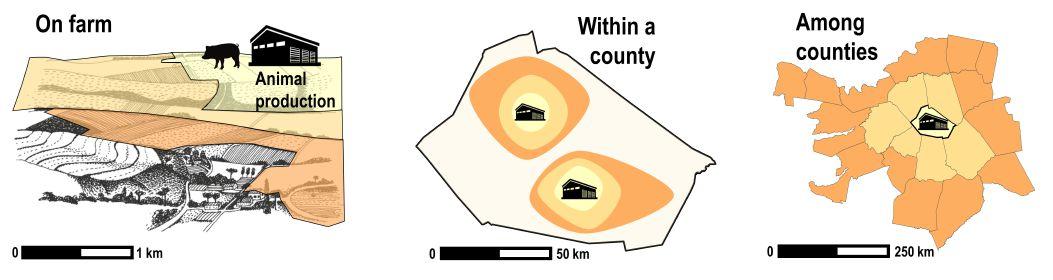
According to the paper, manuresheds can be managed at multiple scales – on a farm with both animals and crops, among animal farms and crop farms within a county or among farms across county or even state or provincial lines.
While the concept is not completely new – redistributing manure for crop production is currently a management practice used within individual farming operations as well as through agreements between animal and crop farmers – Spiegal says the vision is to develop communal or co-operative structures that are sustainable and cost-effective.
INITIAL ANALYSIS
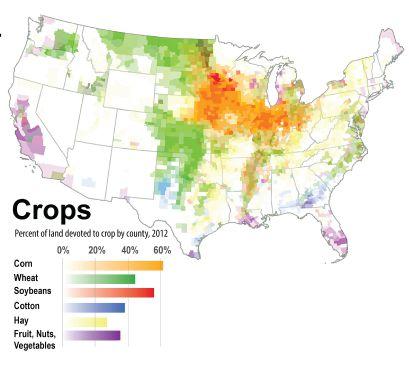
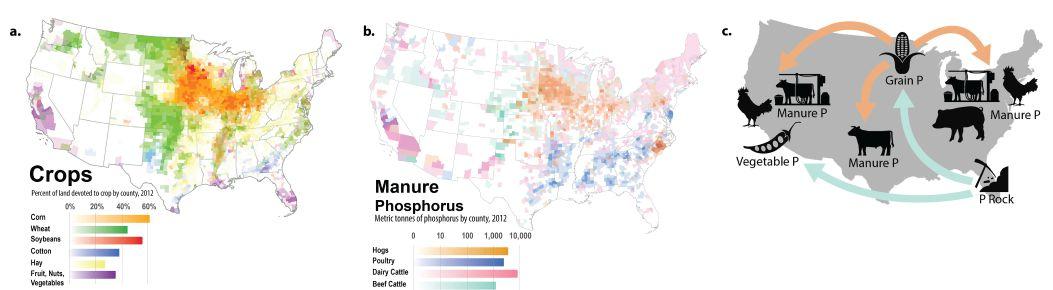
To introduce the manureshed framework, researchers used the Nutrient Use Geographic Information System (NuGIS) and the 2012 United States Census of Agriculture to classify each U.S. county as a manure nutrient “source” or “sink”.
This classification was completed using data on manure produced by confined livestock as opposed to manure from grazing lands due to relative ease of manure collection. From a nutrient perspective, this study quantified phosphorus (P) and nitrogen (N) because of their roles as major fertilizer ingredients.
The results of this analysis enabled researchers to describe four conceptual manuresheds across the U.S., representing
ABOVE
The manureshed model looks to redistribute manure to nearby cropland where the nutrients are needed.
the major livestock sectors of poultry, swine, dairy and beef.
The Puget Sound Dairy and Poultry, Southern Plains Beef and Dairy, Interior Highlands Poultry and Carolina Poultry and Hog manuresheds are detailed by characteristics of source and sink counties and the average minimum transport distances between them.
LONG-TERM PLANS
Now that the initial paper has been published, Spiegal and her colleagues are producing a special issue in the Journal of Environmental Quality. A virtual symposium will also be held at the 2020 American Society of Agronomy, Crop Science Society of America and Soil Science Society of America annual meeting.
Spiegal says the vision is to develop communal or co-operative structures that are sustainable and cost-effective.
Over the next 10 years, manureshed research will expand in many directions. “We are going to be looking at the different constraints and opportunities for manure redistribution in each animal sector as well as technologies for solid-separation,” Spiegal says, noting that separation is key to dairy and swine manure redistribution.
Researchers will be working with producer partners to conduct long-term field research on the economic and environmental costs and benefits of importing manure nutrients to cropland and grazing land in different climates.
Beyond traditional land management and technology research, Spiegal and her colleagues will also be working to build societal awareness of the benefits and challenges of the manureshed approach and determine what is needed for widespread support of the concept.
“In addition, there is a plan for economic research on the cost effectiveness of different types of management practices, as well as the need for economic incentives,” she says.
DIVERSE COLLABORATION
The researchers behind this initiative belong to the USDA Long-Term Agroecosystem Research (LTAR) network – a group focused on strategies for the sustainable intensification of agriculture. The network is a partnership between 18 research sites across the U.S., which has recently expanded to include Canadian researchers through Agriculture and Agri-Food Canada (AAFC) and the Living Laboratories Initiative.
Spiegal started working with other range ecologists and crop and soil scientists on the manureshed concept in 2018, but the group has now expanded into what she calls a vibrant team that includes social scientists and agricultural economists. She says the diversity in expertise is important because their topic targets a wide range of audiences, including producers, industry groups, policymakers, residents living near livestock operations and even urban dwellers who are interested in food production.
EFFICIENT SOLIDS LIQUID SEPARATION
ORGANIC FEED SYSTEMS
BIOSELECT
+ Solid Liquid Separation
+ With Structure
+ Without Chemicals
POWERFEED
+ Feeding and Transfer of Organic Waste
+ Closed Loop System
+ Process Control
+ Energy Efficient
Designed using the best core features and flexible options from both Broadcaster 1 and Broadcaster 2, including multiple built-in safety features, this user-friendly, economical new system will simplify and improve your operations.
The all new Broadcaster 1+ allows you to stay in constant cellular communication to monitor and control single- or multi-pump systems from anywhere worldwide, using your phone, tablet, or desktop. Stay connected. Stay in Control.
MANURE MINUTE
Back to basics: Understanding your manure nutrient analysis report
You did the work of taking a good, representative manure sample, you sent it off to a nutrient testing lab, and the lab sent you a results report. Great! But how do you interpret the results and use them for accurate manure application? Let’s first walk through the common tests, and then look at how to use them for application.
Moisture and dry matter are pretty selfexplanatory. It’s just the measure of how wet or dry the manure is. It’s reported as percent and the two values (percent moisture and percent dry matter) should add up to 100 percent.
Nitrogen (N) usually takes up a hefty portion of the report because there are many forms that are relevant for plant growth. Total nitrogen is all of the nitrogen forms combined. Ammonium nitrogen is the fraction of nitrogen that is immediately plant-available; and organic nitrogen, which is sometimes called “slow release N,” is the fraction that will need to be mineralized before a plant can use it.
in an area with sodic (high sodium) soils, adding manure with high sodium can make the problem worse.
Soluble salts are reported as EC, which stands for electrical conductivity. Much like sodium, manure with high salts can damage crops and make saline soils worse.
pH is the measure of how acidic or alkaline the manure is. The scale ranges from 0 to 14, with 7 as neutral. Higher than 7 is alkaline, and lower than 7 is acidic.
USING YOUR MANURE TEST
The most obvious use of your manure test is to calculate application rates. Of course, to do this, you also need to have a recent soil test to know what nutrients already exist in your soil. If your manure test shows a high P content and your soil P level is already high, consider applying at a rate that meets the P needs of the crop. This will likely under-apply N, but it will avoid P buildup, which can lead to runoff and pollution.
In the end, it comes down to what is important for your situation.
Phosphorus might be reported as P2O5 or simply P. Even though P2O5 is not a P form used by plants, it is the preferred form for calculating application rates since it is what’s used in fertilizer recommendations. If your lab reports phosphorus as just P, you’ll need to multiply by 2.29 to convert P to P2O5
Potassium may be reported as K2O or K. Similar to phosphorus, though plants don’t use K2O, it is the preferred form for reporting since it lines up with fertilizer recommendations. If potassium is reported as just K, convert to K2O by multiplying by 1.2.
While N, P, and K usually get all the attention, other nutrients may be important to test for if you are concerned that your soil has a nutrient deficiency for the planned crop.
Sodium, while not an essential nutrient for plant growth, may be a good test to include as very high sodium levels can damage plants. If you live
Besides application rates, there are other nuances that manure test results can reveal. For example, potatoes tend to be fond of slightly acidic soil. If you’re applying a very alkaline manure to alkaline soil, it might not be the best growth environment for your potatoes. Similarly, sodic and saline conditions are not conducive for the growth of many plants. So, if you have saline soil and your manure also has a high EC, you might want to choose to plant a crop with high salt tolerance such as barley.
There are many tests out there for manure, and what’s available may vary based on your location. Which tests you choose to order and how you use them are up to you; in the end, it comes down to what is important for your situation. If you’re trying to save some money, you certainly don’t have to order all the tests described here. It’s generally recommended to test manure, at a minimum, for moisture, total nitrogen, phosphorus and potassium.
ProManure E2353
Lagoon Super Pum
For Professionals with a
little dirt oteboots
In an industry where every minute counts and time is limite y y labor availability, weather, field-fitment, and equipment reli right equipment becomes paramount. The GEA ProManure been designed to overcome these challenges, unlike any GEA