The University of Nebraska turns decommissioning a swine manure storage lagoon into a learning tool.
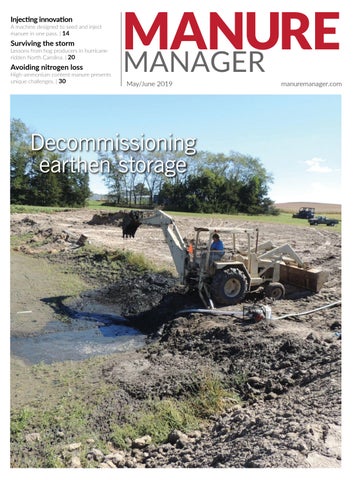
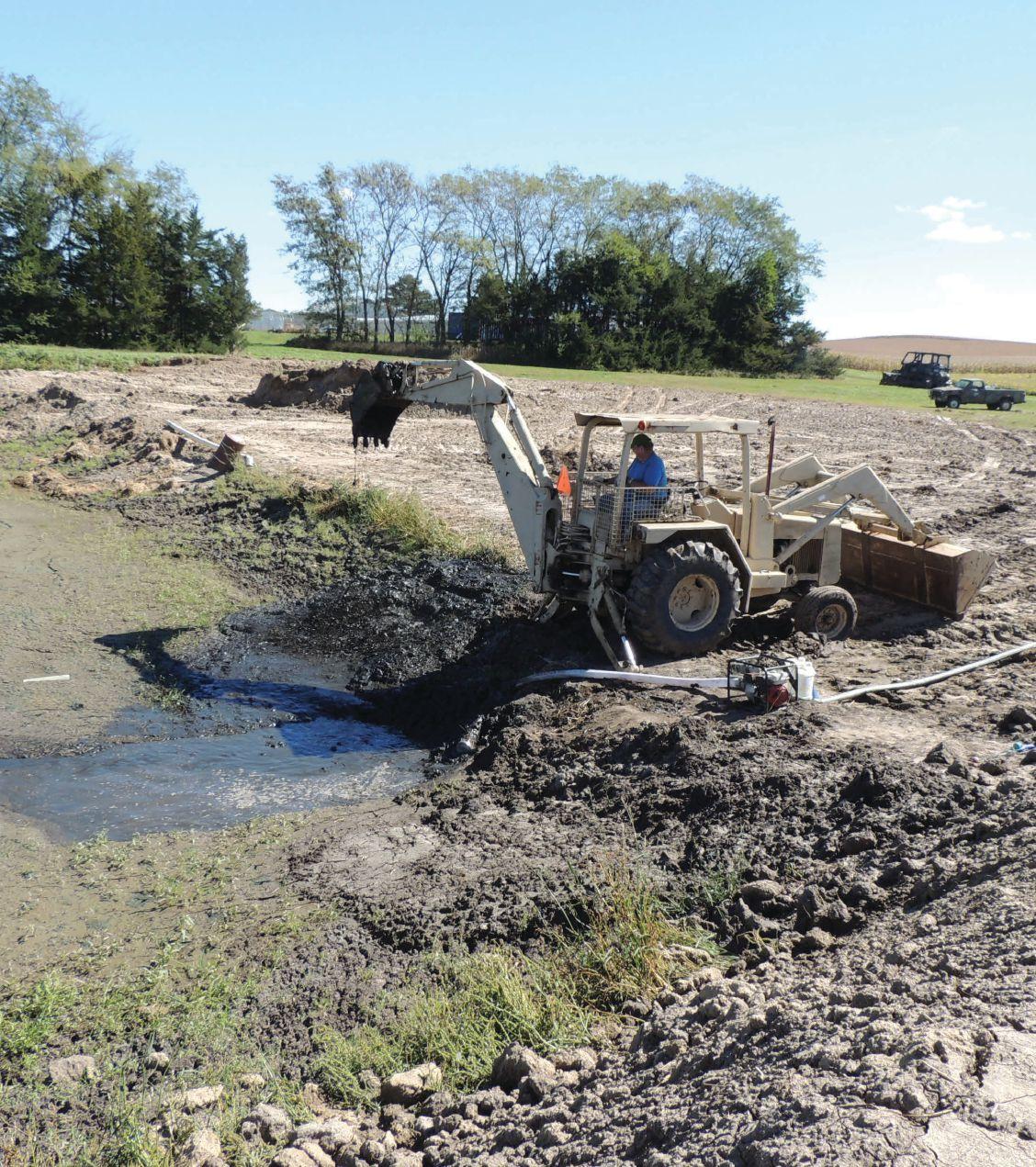
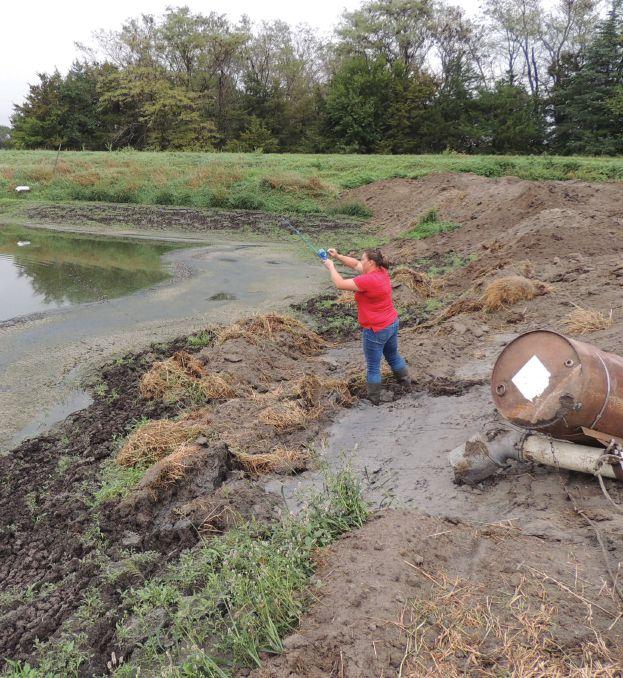
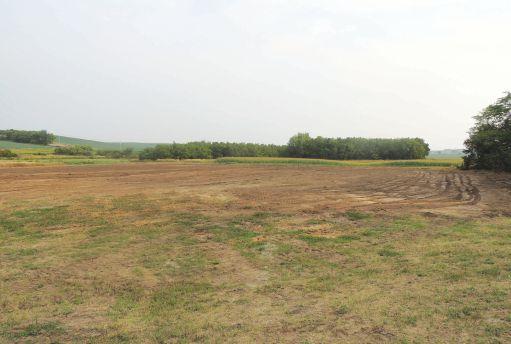
In the process of decommissioning a swine manure storage lagoon, Bob Frerichs digs a sump pit to pump remaining water after irrigation pump could no longer run. Photo courtesy of Leslie Johnson, University of Nebraska. For more, see page 10.
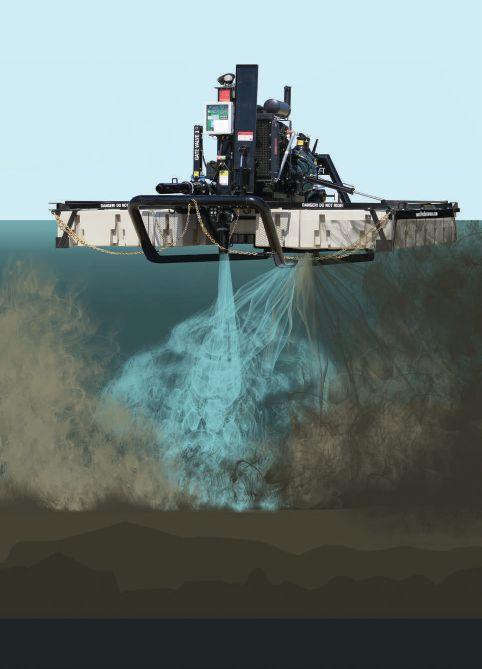
Injecting innovation
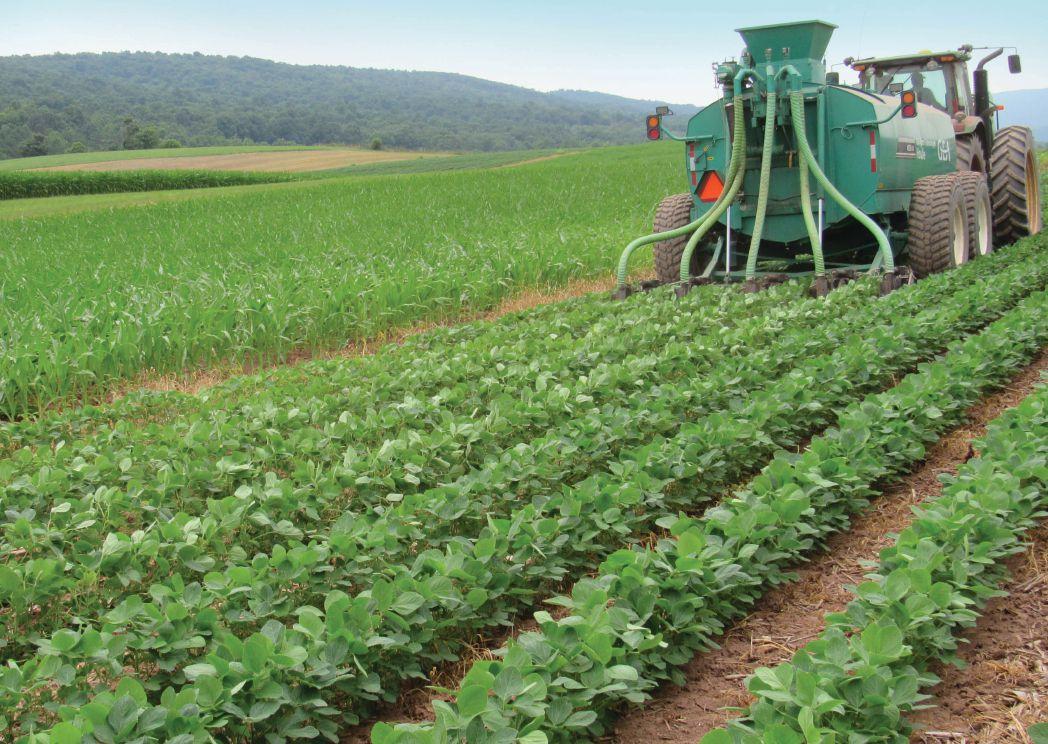
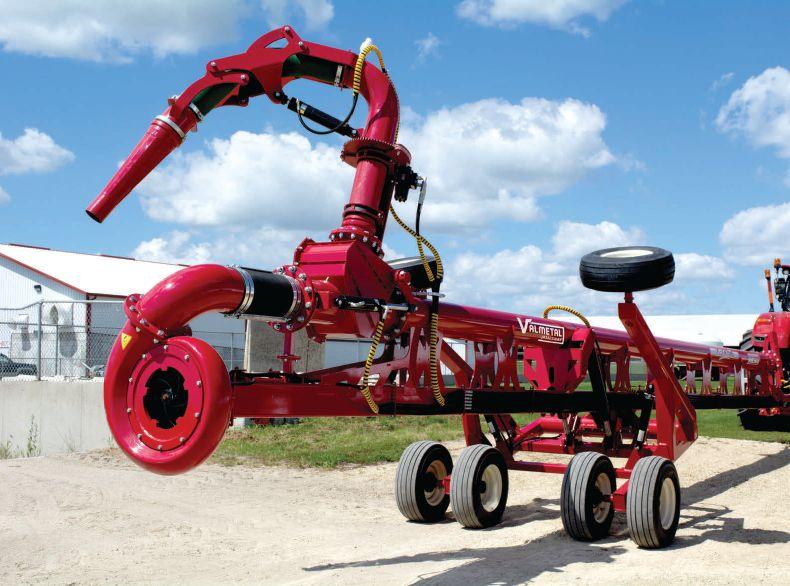
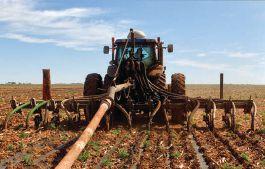
A machine designed to seed cover crops and inject hog manure in one pass.
BY DIANE METTLER
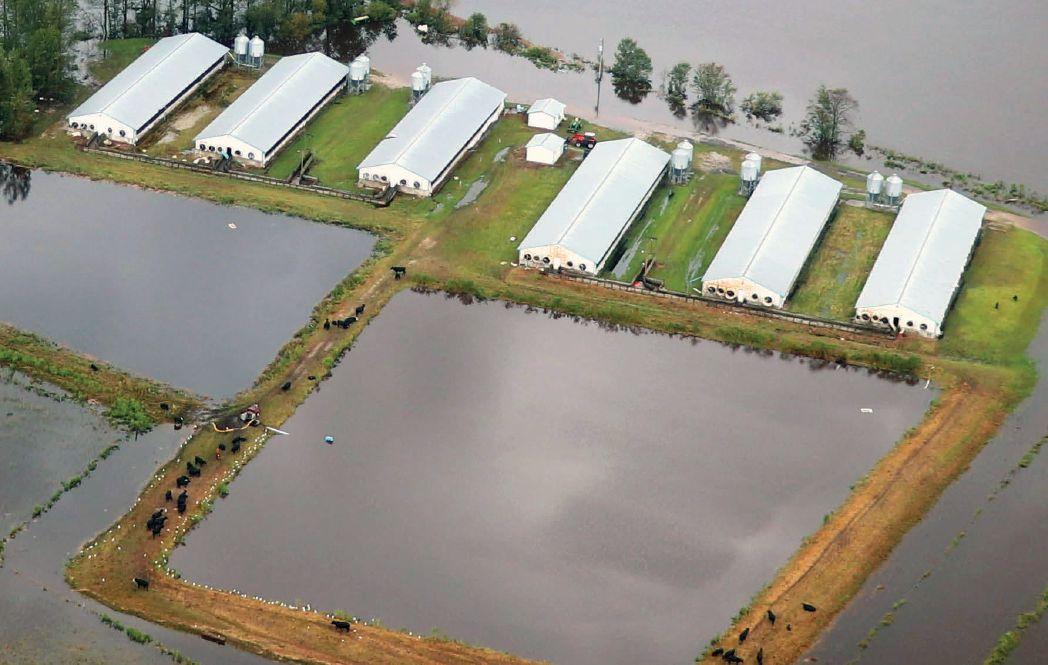
Surviving the storm
Lessons learned from hog producers in hurricane-ridden North Carolina.
Spring has arrived and here at Manure Manager magazine that means planning for this summer’s North American Manure Expo (NAME) has been kicked into high gear.
NAME is an annual event that travels around the continent offering educational sessions on sustainable nutrient management and on-field demonstrations of the latest equipment in manure management and application. This summer NAME is being held at Fair Oaks Farm (FOF) in Fair Oaks, Ind., on July 31 and Aug. 1.
First of all, the venue for this year’s event is one-of-a-kind. FOF is geared towards educating the general public about modern farming. It features interactive displays, state-of-the-art exhibits and is one of the highestrated agritourism destinations in the U.S. Discover everything FOF has to offer at fofarms.com.
In July, FOF will partner with NAME to offer livestock producers and custom applicators a place to connect and explore the latest industry tips and technologies. Along with an industry-specific trade show and the in-field demonstrations of agitation and application equipment, NAME will be offering 24 different
the NAME committee and Purdue extension educator in the department of agriculture and natural resources. If that isn’t enough, every year NAME offers up a variety of tours that take attendees inside local livestock operations. Tour details for NAME 2019 are just being finalized and do not disappoint.
This year’s swine tour will focus on biosecurity, transportation and will detail how a local operation manages its sand-based bedding. The tour will also visit a successful application business that uses a dragline system to service area customers.
The poultry and beef tour will take attendees inside a local layer farm that is operating in both a high-rise and double-decker management systems. Discussion at this farm will offer insights into how manure is sustainably managed in these two different systems. The second part of the tour will visit a multigenerational family agribusiness that produces corn, soybeans and operates a 4,500-head beef lot. The farm also incorporates a 7.2-million-gallon anaerobic digester into its operation.
“Methane from the digester powers six generators,” says Bryan Overstreet,
“Experience and resources gained through this two-day event will help producers make informed stewardship decisions...”
education sessions in four concurrent programs with the themes: Nutrient management basics and manure; soil health and manure; safety and person health with manure; and new technologies in manure management.
“The knowledge, experiences, and resources gained through this two-day event will help producers make informed stewardship decisions about manure and soil to meet the various aspects of management,” says Andrew Martin, co-chair of
NAME committee co-chair and Purdue extension educator in the department of agriculture and natural resources. “That puts electricity on the grid, while other equipment separates the liquids and solids to produce fertilizer for the row crops. They operate a proprietary, 100 percent sustainable closed-loop model.”
For more event details and to register, visit: manuremanger.com/ manure-expo. I hope to see you all this summer in Indiana at the 2019 NAME.
advertising is subject to the publisher’s approval. Such approval does not imply any endorsement of the products or services advertisted. Publisher reserves the right to refuse advertising that does not meet the standards of the publication.
The CDFA seeks commentary on grant program
The California Department of Food and Agriculture (CDFA) is seeking public comment on the draft Request for Proposals and application materials developed for the 2019 Climate Smart Agriculture (CSA) Technical Assistance Grant Program.
CDFA was authorized to administer the program under Assembly Bill No. 2377 (2018), which established a grant program to provide funds for CSA technical assistance providers to aid applicants of the Alternative Manure Management Program, the Healthy Soils Program (HSP), and the State Water Efficiency and Enhancement Program (SWEEP).
CDFA’s Alternative Manure Management Program (AMMP) provides financial assistance for the implementation of non-digester manure management practices in California, which will result in reduced greenhouse gas emissions. CDFA received $99 million from the Greenhouse Gas Reduction Fund in 2018 and
plans to allocate between $19 to $33 million for AMMP and $61 to $75 million for the Dairy Digester Research and Development Program in 2019.
Funds awarded through this competitive grant process will be distributed to technical assistance providers from Resource Conservation Districts, the University of California Cooperative Extension, and non-profit organizations with demonstrated technical expertise in designing and implementing agricultural management practices to support CDFA’s 2019 CSA incentive programs.
CDFA requests interested stakeholders and the public to provide comments and suggestions on the draft Request for Proposals (RFP). The draft RFP is available at cdfa.ca.gov/oefi/technical. Comments must be sent via email to cdfa.oefi@cdfa.ca.gov. Input received will be considered when finalizing the 2019 CSA Technical Assistance Grant Program.
CANADIAN PORK INDUSRY SEES INVESTMENT
The Canadian Minister of Agriculture and Agri-Food recently announced an investment of over $6 million to help the Canadian Pork industry harness innovation to boost production, strengthen public trust, and expand markets for Canadian pork at home and abroad.
Over $3.8 million will help launch onfarm programs for food safety, traceability and animal care and ensure compliance for the PigTrace program. Under AgriMarketing, $1.2 million will help promote and expand markets for Canadian pork and $1.1 million under AgriScience
will help producers increase their production with efficient feeding strategies.
“The projects announced today further strengthen the Canadian Pork Excellence platform and contribute to growing the Canadian economy. Canadian pork producers take great pride in producing the nutritious, high-quality pork that is in high demand in markets around the world. Our on-farm food safety and animal care programs enable producers to demonstrate their commitment to sustainable pork production,” says Rick Bergmann, chair of the Canadian Pork Council.
BY THE NUMBERS - U.S. HOG INVENTORY (as of March 2019)
Source: The National Agricultural Statistics Service, Agricultural Statistics Board, United States Department of Agriculture.
67.9 MILLION 74.3 MILLION HEAD 3.08 MILLION 6.35 MILLION
The total number of hogs under contract owned by operations with head, by contractors, accounted for 47 percent of the total U.S. hog inventory.
The first DOT-ready autonomous dry spreader
New Leader Manufacturing, a family-owned business located in Cedar Rapids, Iowa, is designing a custom dry spreader based on its NL5000 G5 for the DOT Power Platform. The G5, through its patented swath width-control technology, lets operators apply nutrients to the soil with pinpoint accuracy.
The G5 can spread material in up to 16 sections, thereby reducing overlap, decreasing nutrient waste, and optimizing the placement of nutrients.
The engineering team recently unveiled a CAD drawing of their concept at the demonstration hosted by DOT Technology Corp. at the University of Arizona, Maricopa Research Farm.
“New Leader is known for designing and manufacturing innovative, high-quality broadcast spinner spreaders that lead the industry,” says Norbert Beaujot, president and founder of DOT Technology Corp. “The company has a well-known history of leveraging technology to make its equipment more productive and effective. We are very excited to work together with them to offer farmers the opportunity to have a G5 spreader on their DOT Power Platform.”
“We’re proud to be working with DOT on this project. Both companies are committed to bringing versatile equipment to the marketplace that meets the needs
of this ever-changing industry. We’re confident the combined solution between our companies will bring a real opportunity for growers to increase productivity and efficiency,” says Rob Rudolphi, director of global business at New Leader Manufacturing.
As DOT Technology Corp. increases the number of implement partners it is working with, farmers will have more implements they can use on their power platforms, thus increasing the versatility of the Power Platform.
“We are keen to continue working with other implement manufacturers who are seeking to extend their products into autonomous farming,” says DOT CEO Leah Olson-Friesen.
“Our collaboration with companies like New Leader will broaden DOT’s value to farmers significantly, enabling them to spend more of their time focusing on the overall operation of their farms.”
The DOT Power Platform is helping farmers, by utilizing the mobile, diesel-powered machine to handle a large variety of implements commonly used in agriculture.
Through the continuous development of artificial intelligence capabilities, DOT reduces greenhouse gas emissions and creates efficiencies such as savings on fuel, labour, and equipment capital costs – resulting in a reimagination of how farming is and can be done.
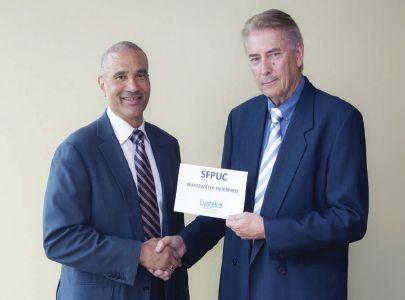
Lystek International, a North American leader in biosolids and organics management, has partnered with the San Francisco Public Utilities Commission (SFPUC) to convert biosolids, the nutrient-rich soil-like product from wastewater treatment, into a marketable, renewable fertilizer, which is now being sold to local farms.
“We are excited to be working with Lystek to produce a valuable and renewable fertilizer for our Bay-area agricultural communities,” says SFPUC general manager, Harlan L. Kelly, Jr. “This project is an example of how public-private partnerships can advance innovation and environmental stewardship while solving global challenges.”
Through its wastewater treatment process, the SFPUC extracts solids from the incoming wastewater, and uses a biological treatment process (anaerobic digestion) to transform the solids into a fertilizer replacement called biosolids – a compost-like product with valuable soil nutrients.
The partnership between the SFPUC and Lystek facilitates the production and sale of a climate-friendly fertilizer derived from biosolids and is an example of a larger international movement towards resource recovery and energy efficiency.
“We are proud and honored to share that we have been working with the SFPUC since 2017 to manage approximately 15 percent of their biosolids at our regional Organic Material Recovery Center, located at the Fairfield-Suisun Sewer District,” says James Dunbar, general manager. “Here, the patented and proven, Lystek Thermal Hydrolysis Process is utilized to convert biosolids into LysteGro, a unique, commercial biofertilizer product that is rich in carbon and nutrients.”
Yeast culture reduces methane emissions
Alltech’s flagship brand, Yea-Sacc, has been validated by the Carbon Trust to reduce cattle methane emissions and nitrogen excretion rates. Yea-Sacc is the only yeast culture designed for use in ruminant diets that has been awarded this certificate. The Carbon Trust is a global organization that provides independent advice to businesses, governments
and institutions on reducing carbon emissions.
The Carbon Trust’s findings on Yea-Sacc highlighted that reduced emissions do not need to come at the expense of improved animal performance; Yea-Sacc was shown to increase milk yield, milk fat and protein content, and nitrogen uptake via improved ruminal bacteria.
In dairy and beef animals, methane is an indicator of waste not only for the animal, but also in terms of farm profitability. Increasing animal efficiency helps the animal retain more of that potential energy. This allows for both more environmentally sustainable production as well as increased profitability for the farm.
Left to right - San Fransisco Public Utilities Commission (SFPUC) general manager, Harlan L. Kelly, Jr. and James Dunbar, general manager of Lystek International.
PHOTO COURTESY OF ROBIN SCHESWOHL OF THE SFPUC.
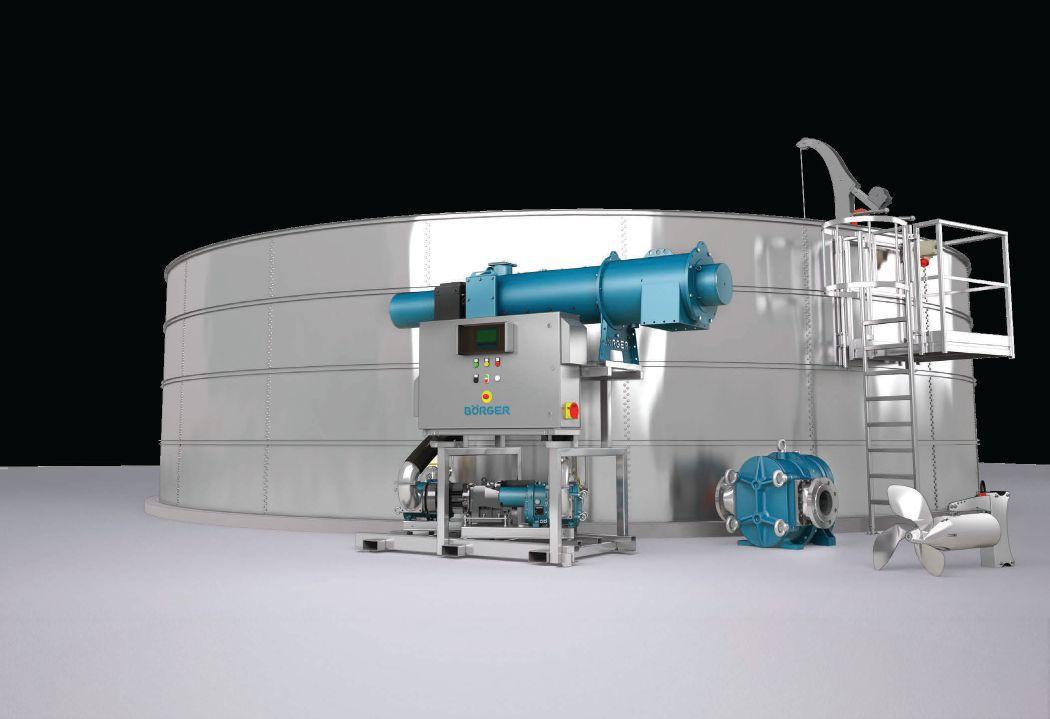
EFFICIENT SOLIDS LIQUID SEPARATION
ORGANIC FEED SYSTEMS
BIOSELECT
+ Solid Liquid Separation
+ With Structure
+ Without Chemicals
POWERFEED
+ Feeding and Transfer of Organic Waste
+ Closed Loop System
+ Process Control
+ Energy Efficient
DECOMMISSIONING earthen storage
In 2016, the University of Nebraska decided to close down their swine manure storage lagoon. The hog facility at the university had not been in operation for nearly a decade, and since the lagoon was no longer being used, it was an environmental responsibility.
While closing its swine manure storage lagoon, the University of Nebraska extension team documented the process and created a roadmap to help producers who may be taking on a similar task.
BY DIANE METTLER
BELOW
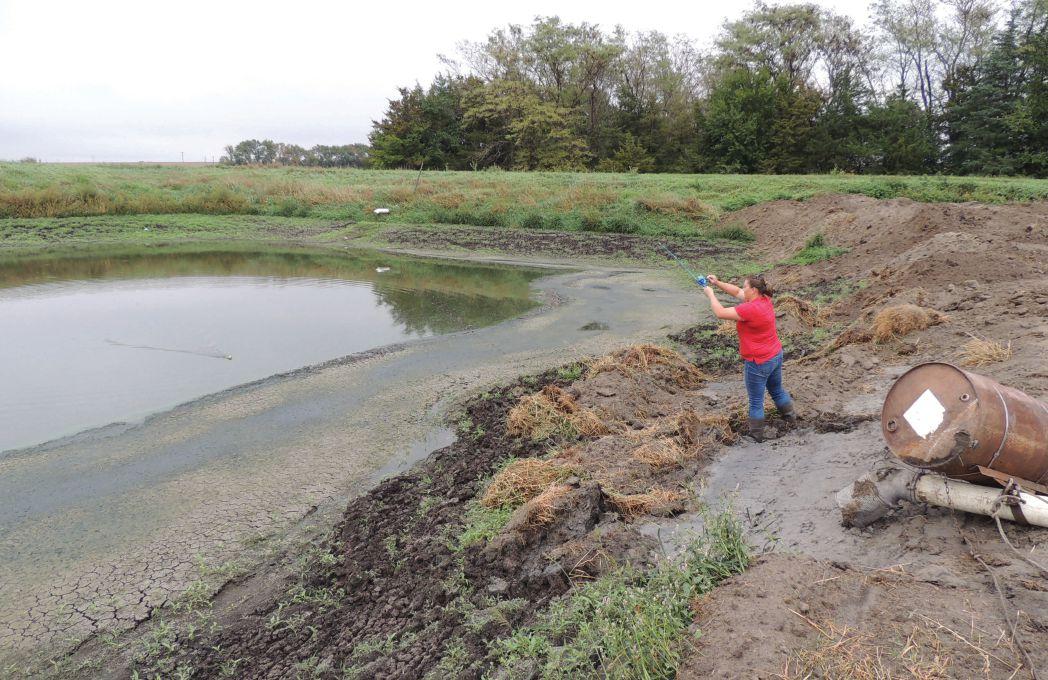
Leslie Johnson casting out a fishing rod to determine an estimated sludge depth in the lagoon.
“We felt [decommissioning] it would be a golden opportunity to chart and document the process and create a learning tool for any farmer planning to decommission their earthen manure storage, whether dairy, beef or swine,” says Leslie Johnson, animal manure management coordinator for the University of Nebraska.
PLANNING
Like with any major project, the first step is planning. Removing the contents and filling in the lagoon must be handled properly to protect the ground and surface waters.
“To minimize environmental risk, and to meet any state and local regulatory requirements, it’s recommended that a farmer consult the regulatory
agencies in the state prior to initiating a closure to identify any state-specific requirements,” says Amy MillmierSchmidt, livestock bioenvironmental engineer with the university.
LEFT
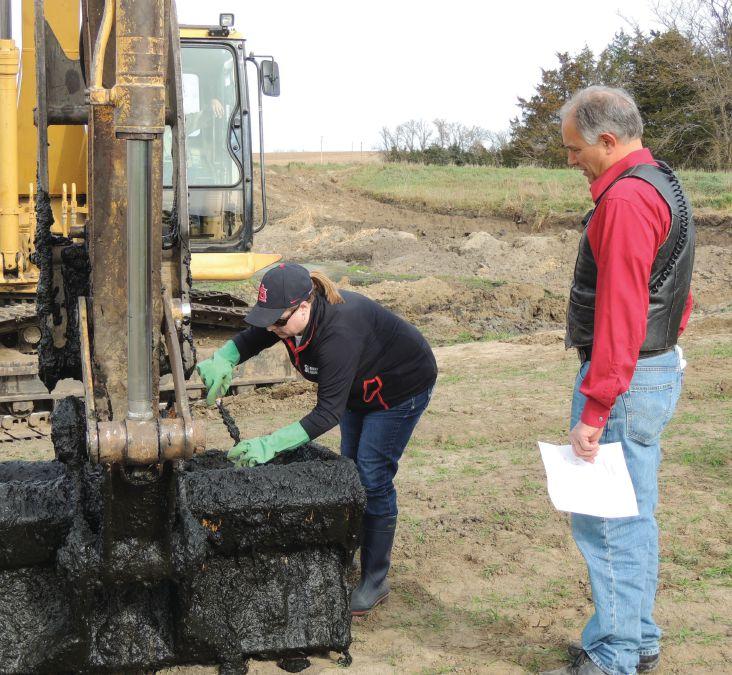
University engineer Amy Millmier-Schmidt takes a manure sample from the excavator bucket while loading sludge.
farmer must know the full depth of the lagoon, which can be found in the design plan, the nutrient management plan, or on the permit, along with stage storage levels.
“When the berms have been deconstructed and clay liner incorporated into surrounding soil, the area is mounded slightly to facilitate drainage and accommodate settling of the soil over time.”
The University of Nebraska team identified two stages to closing a lagoon. The first stage is to use the nutrients stored in the sludge and maximize their agronomic value while ensuring minimal risk to the environment. The second stage is to either bury the structure or convert it into a pond.
DETERMINING SLUDGE VOLUME
Stage one requires determining exactly how much sludge is in the lagoon, its nutrient content and the nutrient needs of the land where the sludge will be used as fertilizer. By doing this, the farmer can balance the amount of sludge distributed on the land and reduce any off-site environmental impacts.
In order to determine how much sludge is in the lagoon and how much land it will be able to fertilize, requires an analysis of both the nutrients and the volume of sludge in storage. To estimate the sludge volume, the
The more difficult part of this task is determining the depth of liquid. The most cost effective and simple method for measuring the lagoon storage’s liquid volume is to use a fishing rod with a bobber and a lead weight says Johnson. Put the lead weight at the bottom of the fishing line, and attach a bobber, at the “gestimated” depth. Cast the line out over the pond, and when the liquid depth is exactly the same as the weight, the bobber will tip on its side. If the weight is not on the bottom of the pond, the bobber stays upright. Measure the distance from the bobber to the weight. That will be the liquid depth at that particular point in the pond. Because the liquid depth will not be same across the pond, several measurements are necessary in various areas. Next, subtract that average volume measurement from the full volume of the full depth of the pond. The result will be the volume of the sludge.
A more accurate method to determine the volume of sludge is to use a boat with a sonar system, similar to a fish finder. However, this equipment is expensive, requires calibrating, and safety precautions are necessary for the persons in the boat, but the results are extremely accurate.
DETERMINING NUTRIENT VALUE
The most accurate method to obtain the nutrient value of the sludge is to take samples and have them analyzed at a laboratory. If the plan is to agitate the lagoon or storage basin prior to removing the liquid and sludge, a sample can be collected then, but should be taken again after several hours or even days of agitation to ensure a well-mixed and representative sample.
If the effluent is to be pumped,
Area after berms had been levelled. Shortly after this, cover crops were planted to protect the soil from erosion.
and the sludge removed separately, the liquid and sludge will need to be sampled independently. Since few methods exist for collecting the sludge while it is still in the storage structure, it must be collected as it is removed. Millmier-Schmidt adds that multiple samples should be collected and combined to create a composite sample for submission to the laboratory.
“While initial land application activities may be conducted without the nutrient analysis completed, lab results are usually available within a few days, and application rate adjustments can then be made for the remaining volume of sludge,” Millmier-Schmidt says.
Once samples have been collected, it is best to submit them to the laboratory as soon as possible to receive the most accurate results. Fresh or frozen samples will provide the same results. With the test results, calculations can be made to determine the amount of sludge required for the acreage of land and the nutrient concentrations needed. These calculations can be found by contacting the University of Nebraska, or, in other states, agronomists and various agencies.
SLUDGE REMOVAL
The two most common methods for sludge and effluent removal from a lagoon are either to dewater the lagoon and then remove the sludge, or agitate the lagoon and remove the slurry all at once. The first option requires access to irrigation or drag-hose systems, and then handling much larger volumes of sludge. The alternative method of agitation allows for the combined slurry to be pumped and applied to cropland through a drag hose system or tank-style spreader. Inevitably there will still be sludge remaining, but the volume will be much less than the
dewatering method.
“Remember, our pond had been inactive for close to a decade,” Johnson says. “Because it had been sitting there so long, we didn’t have a lot of water so we used the dewater method and hauled the sludge separately. I would never recommend anybody doing it that way if they can help it. It is a lot more work.”
Sludge removal in either method requires an excavator (or large loader), and a manure spreader, which can handle liquid or slurry manure. Side-slinger style spreaders are likely to handle manure of this consistency the best.
SPREADING CALCULATIONS
One of the simplest ways to calculate how much to spread is to place several 22 square-foot sheets of plastic across the field, using rocks or flags to hold the sheets in place. Fertilize the field as usual and collect each sheet individually. Weighing each sheet individually in a bucket, subtract the weight of the bucket containing a clean plastic sheet from the weight of the bucket with the manured sheet. And, because the sheet is 22-squarefeet, the application rate in tons-per-acre is equal to the weight of manure on the sheet.
“Once we started hauling, I would say the whole process took about two months because we were fitting it around other projects,” Johnson says. “But if you were on an active operation, and/or you were selling that manure and had everything in place, I would say it would not take that long at all.”
FILLING IN THE LAGOON
Some states require the regulatory agency to inspect the structure once it is empty. So, once the storage has been
emptied, contact the state regulatory agency to determine if land grading and deconstruction of the berm can progress. For structures that were built with a compacted clay liner, it can either be excavated and tilled in with the surrounding soil or left intact and covered with soil. If left largely intact, holes or trenches in the liner are recommended to allow storm water to effectively drain from the area. A liner left intact below the surface of the soil may lead to frequent ponding or permanently wet soil at the location.
“The leveling of the berms is much easier than hauling the manure out and is really easy if you have the equipment,” Johnson says. “When the berms have been deconstructed and clay liner incorporated into surrounding soil, the area is mounded slightly to facilitate drainage and accommodate settling of the soil over time.”
Establishing and maintaining permanent vegetation cover is the final step of decommissioning the storage area and prevents erosion. The National Resource Conservation Services offers a conservation practice standard (code 327) that describes criteria for establishing conservation cover. At a minimum, it is important to select plant species that are best suited to the soil, climate and site conditions. •
VIDEO ALERT!
The University of Nebraska has also published a detailed video on how to close up an earthen manure storage basin based on this experience. Visit, managermanager.com to view.
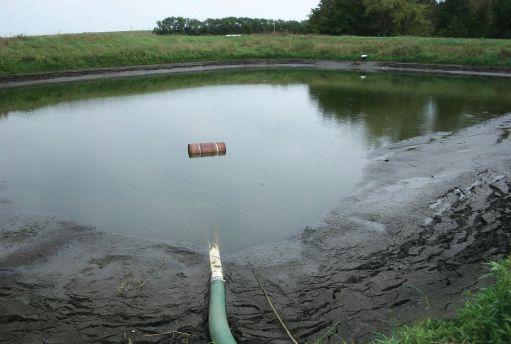
Dewatering the lagoon. The barrel serves as a float to keep the inlet out of the sludge.
Injecting innovation
The Gutshall’s machine design seeds cover crops and injects hog manure in one pass.
BY DIANE METTLER
In 2013, Pennsylvanian hog farmer and retired high school teacher, Virgil Gutshall Sr., and his son, Virgil Jr., began to explore various application methods for planting cover crops while side dressing and incorporating hog manure into his corn crops. Virgil Jr., owner and operator of Beaver Ridge Farm, Inc., finishes hogs for Country View Family Farms.
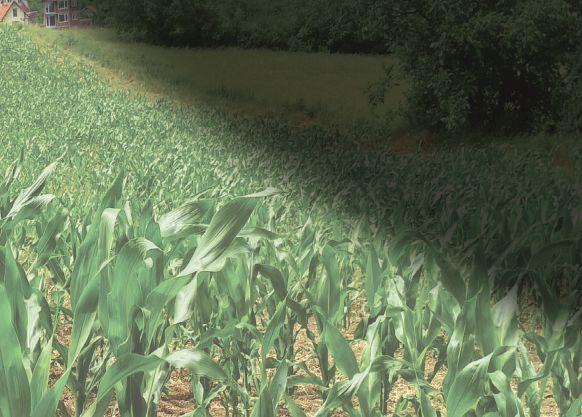
What resulted was a machine, designed by Virgil and his son, that simultaneously sidedressed the corn with liquid hog manure, while planting a cover crop. The new machine allowed the Gutshalls to fertilize their crop in June, when the corn was growing, to more fully utilize the nitrogen from the hog manure, thus increasing yields.
INSPIRATION
The Gutshall seeder/injector came to pass due to a chance meeting. Virgil Sr. was at the Keystone
ABOVE
Farm Show in January 2013 and talked to a former colleague.
“He put me in contact with Ohio State, and told me they had a two-day workshop on composting in March,” Virgil Sr. says. “My wife, Pat, and I went out for that, where we learned about the Manure Science Review held in Ohio in August. There we met Glen Arnold, the manure management specialist at the Ohio State Extension. Glen was doing some side dressing and incorporating hog manure into corn fields out there.”
“What really inspired us was when Glen said we could get 15 to 20 more bushels of corn per acre by side dressing with hog manure,” Virgil Sr. adds.
Arnold remembers the meeting. “He saw what we were doing here in Ohio and went back to his farm and worked on similar systems. We have corresponded over the years, comparing notes.”
The Gutshalls first demonstrated their new machine design at the North American Manure Review in Chambersburg, Pa., in 2015.
Slurry Injectors
CHALLENGES
Virgil Sr. came home and told his son about what he learned from Arnold, and Virgil Jr. picked up the idea and the designing began. Throughout the process, correspondence continued with Arnold.
One of the challenges the Gutshalls faced was the different topography where
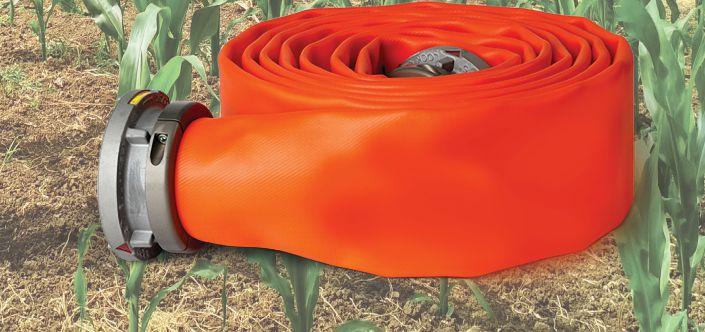
they farm in Pennsylvania. In western Ohio, the land is flat and a long drag hose system is effective. While they started side dressing corn with a manure tanker, Ohio State University researchers eventually evolved to using a drag hose to reduce soil compaction and gain greater efficiency. With more hills
and smaller fields requiring more turns in Pennsylvania, something else was needed – a tank spreader.
“We were able to buy a used Gandy orbital air seeder fairly cheap,” Virgil Sr. says. “Then my son was able to locate a device that fastened onto the tank spreader, which controlled the amount
ABOVE
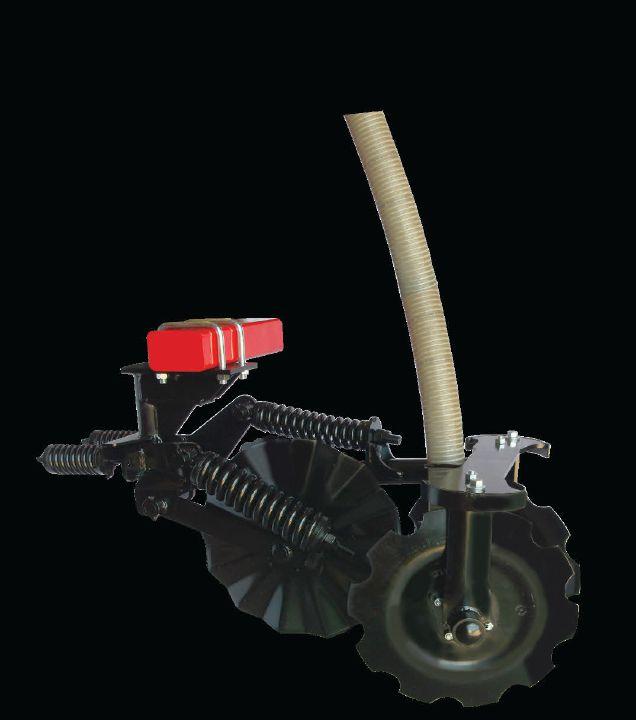
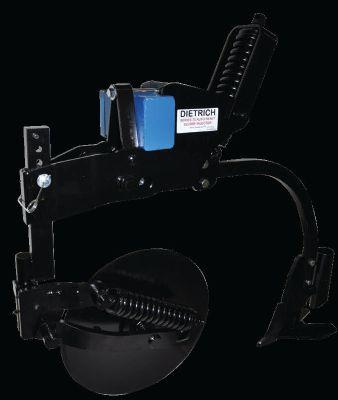
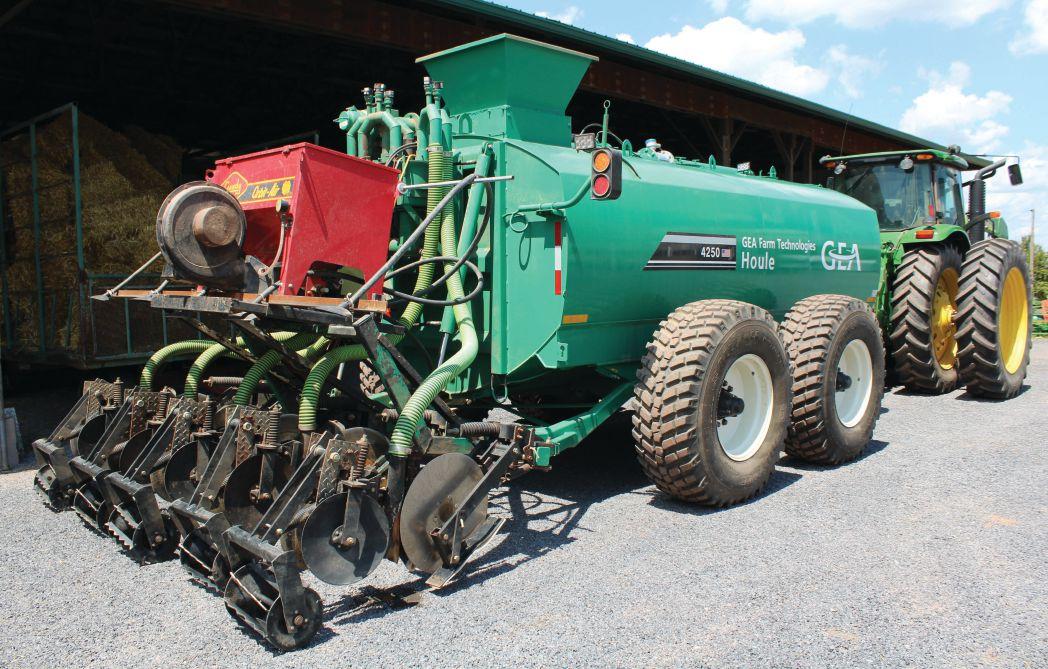
The Gutshall’s final design includes a manure spreader with a toolbar, five Yetter Avenger manure injectors and a Gandy Orbit air seeder.
LEFT
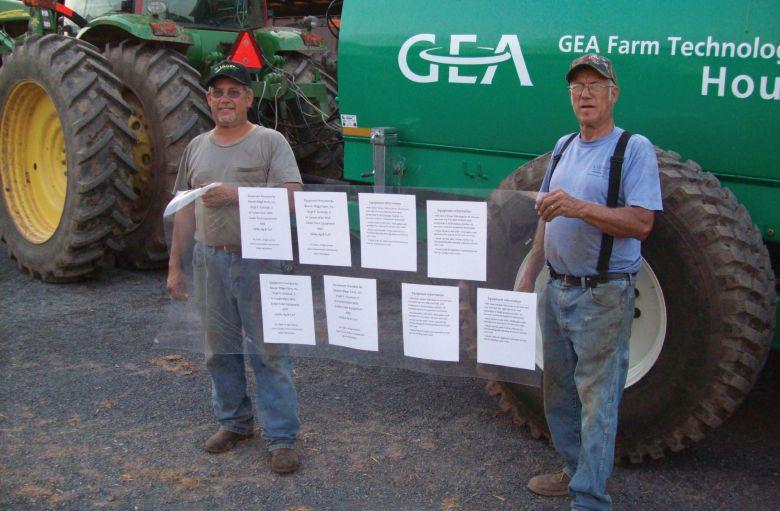
Virgil Gutshall Jr. (L) and Virgil Gutshall Sr. (R), with details on their equipment design at the North American Manure Review in 2015.
of liquid going onto the field, based on our tractor’s computerized settings. My son can set the rate depending on the soil tests, the manure analysis, and the crop needs.”
While designing, Virgil Jr. decided to take the Ohio State concept one step further and combine the air seeder and the tank spreader.
“Our goal was to spread when the corn is at the V3 stage, but as long as you can get through with a tractor and don’t break the corn over, you’re okay,” Virgil Sr. says.
TEAMWORK
Gutshall Jr. was the primary designer and three different machinery dealers worked with the Gutshalls as the project evolved, including Valley Ag and Turf (now LandPro), Cedar Crest Equipment, and Binkley and Hurst.
“If we had a question, they’d help us out,” Virgil Sr. says.
The final product was a Houle 4,250-gallon tank manure spreader with a toolbar mounted on the back and
equipped with five Yetter Avenger manure injectors, which incorporate the liquid hog manure four inches into the soil, close to the corn’s root zone. A Gandy Orbit air seeder is mounted to the top of the toolbar that broadcasts the cover crop seeds (which included ryegrass, crimson clover, and tillage radish) behind the injectors. The manure flow rate is controlled by a John Deere Greenstar 3-2630 monitor, which connects to a Krohne flow meter and computer controller mounted on the manure
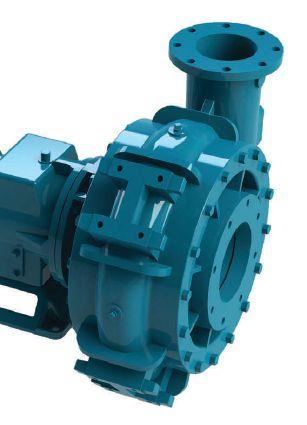
MAKE YOUR DAIRY EXTRAORDINARY
FEATURES AND BENEFITS:
• Oil bath bearings - self cooled and lubricated, needs no water flush
• Disintegrator tool - for hoof blocks and other solids
• Heavy duty seal and bearing systemlonger life in severe service
• Ductile iron casing and bearing housingheavy castings for long life
• Heat treated cast steel wear parts - for longer life in abrasive grit service
• Most parts readily available from stock for expedited delivery
APPLICATIONS INCLUDE:
• Digester Feed
• Digester Mixing
• Small Pit Recirculation
• Tanker Loading
• Flush Water
• Feeding Heat Exchangers
• Manure Transfer
• Separator Feed
IN ACTION
It was 2015 when the Gutshalls were ready to demonstrate their new machine at the North American Manure Review in Chambersburg, Pa., and the response was great.
“They thought that was just like Christmas to see something doing this with the least soil disturbance or anything like that, so it really worked out fine,” Virgil Sr. says.
“I thought he was going in the right direction,” says Arnold, who attended the demonstration. “Manure – swine manure especially – has a lot of ammonium nitrogen. As much as 30 to 40 pounds of ammonium nitrogen to 1,000 gallons of swine manure. And that’s nitrogen that we often waste because we often apply the manure in the fall when there is no growing a crop. Or, we put it out in the summer without the intention of trying to grow a cover crop or grow a second forage crop for dairy like Sudan grass or sorghum. Manure can also be used between cuttings to help alfalfa to regrow. And that’s what Virgil is doing. He’s putting that manure down into the ground three or four inches deep and capturing almost all those nutrients. And he’s doing it when the corn is growing, at least four-inches tall, when it needs it the most.”
With the new system, the Gutshalls are seeing results. “We did about 15 or 20 yield checks in 2018 and there is a definite increase in yields,” Virgil Sr. explains. “A range of 135 to 211 bushels per acre, with an average of 183 bushels per acre.”
However, he adds that yields do depend on the weather too. “If you have good weather, you’re going to get a good crop. However, this farm has been in operation for about 113 years, and the 2018 crop was the best corn crop that I can ever remember.”
Virgil Jr. does do experiments to test the yield. One simple test in 2018 was to use the injection system on six rows and then not on the next six rows.
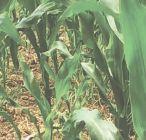
“You can see a difference in height in the corn stalks from where we injected the hog manure and where we didn’t,” Virgil Sr. says. “He also did some experiments with side-by-side varieties, some injected and some not. There was a definite difference.”
ENVIRONMENTAL BENEFITS
The Gutshalls – who have been notilling since 1980, and in recent years strip-tilling on some ground – are also experiencing positive soil and other environmental benefits with the new system.
“The manure is a good thing to incorporate,” Virgil Sr. says. “With this system you have very little soil erosion with your cover crop. So, you lose very little of your nutrients due to soil erosion. Also, if you inject the manure into the ground, you reduce the odor almost entirely. Most importantly, there is a decrease in the amount of greenhouse [methane] emissions into the atmosphere.”
Virgil Sr. adds that some people do bring up that this method could allow the manure to get into the groundwater, but he doesn’t see a problem if you are responsible and monitor how much they apply.
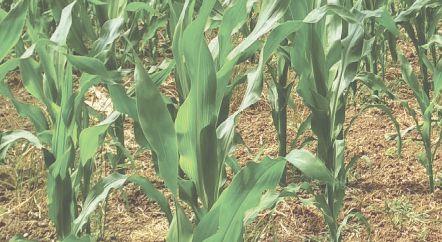
“You can see a difference in height in the corn stalks from where we injected the hog manure and where we didn’t.”
MOVING FORWARD
The biggest challenge with the system to-date is the speed. It is definitely tailored more for the small farmer, with smaller fields. As of yet, there hasn’t been a lot of interest from commercial manure applicators who prefer either broadcasting the manure or using the drag hose system, which Arnold is working to perfect.
“Injection is a slower process,” Virgil Sr. says. “Normally, if you take a 4,250-gallon tank of manure out to the field and broadcast it just on top of the ground, you can get it done very quickly. But if you inject it, you have to go slower.”
He also adds, with this kind of system, you need to ensure you have enough manure in the tank to get you to the end of the field, “because you don’t
want to go back through where you’ve already spread.”
The Gutshalls use a tractor-trailer that serves as a nurse tank in their outlying fields. They pump from the nurse tank into the manure tank spreader, which saves wear and tear on the tractor, as well as time.
“Injecting any manure will cost more than surface application but offers the benefit of better nutrient utilization,” Virgil Sr. adds. “However, since manure nutrients are better utilized with
injection, more acres will be required for manure application. Thus, needing more acres for manure injection could be a drawback.”
The Gutshalls are still working on the system and perfecting it. Ideally, they would like to have that niche piece of equipment that would work for farmers on hillsides and contours.
“That’s the next step,” Virgil Sr. says, “to get into some of the fields that are a little hillier and see how that works.” •
WHAT’S YOUR LOADING/UNLOADING HONEY WAGONS?
GAS HAZARD?
Potential Hazard: H2S
Use the: Tango® TX1 Single Gas Monitor
CONFINED SPACE ENTRY?
Potential Hazard: H2S, CH4, O2
Use the: Ventis® Pro5 Multi-Gas Monitor
PUMPING OUT PITS?
Potential Hazard: NH3, CH4
Use the: Radius® BZ1 Area Monitor !
Let us customize a gas detection solution to fit your unique application
When DISASTER STRIKES
Located in hurricane alley, many of North Carolina’s hog producers have learned a number of lessons over the years on how to mitigate damage caused by severe weather events.
BY TONY KRYZANOWSKI
Manure storage lagoons and hurricane-force wind and rain are not a healthy mix. And, as the frequency of severe storms increases, dealing with wild weather is becoming a stark reality for producers in hurricane-prone areas like North Carolina. Many lessons have been learned by the state’s hog producers over the years on how to mitigate the potential consequences of these severe storms.
North Carolina is the second largest pork producing state in the U.S., with about nine million hogs being raised on 2,100 farms. The industry manages about 3,300 storage lagoons. Unfortunately, it is also part of hurricane alley.
“We’ve experienced a lot of hurricanes in our recorded history,” says North Carolina Pork Council (NCPC) chief executive officer, Andy Curliss, and the number and strength of incoming hurricanes is highly variable from year-to-year. The two most recent and significant storms were Hurricane Matthew in 2016 and Hurricane Florence in 2018, but residents of North Carolina still remember and talk about the devastation wrought by Hurricane Floyd in 1999, which killed a devastating 21,000 hogs.
The images of last fall’s Hurricane Florence and its impact on the state are still fresh in the public’s mind. As the hurricane passed through the state, ABOVE
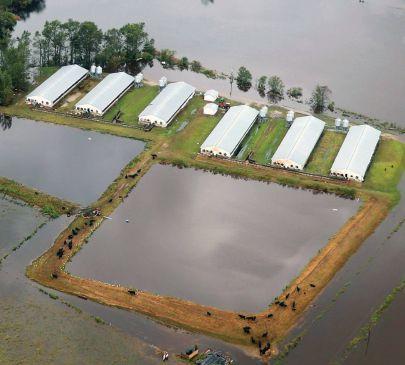
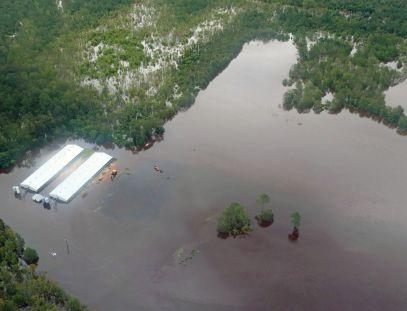
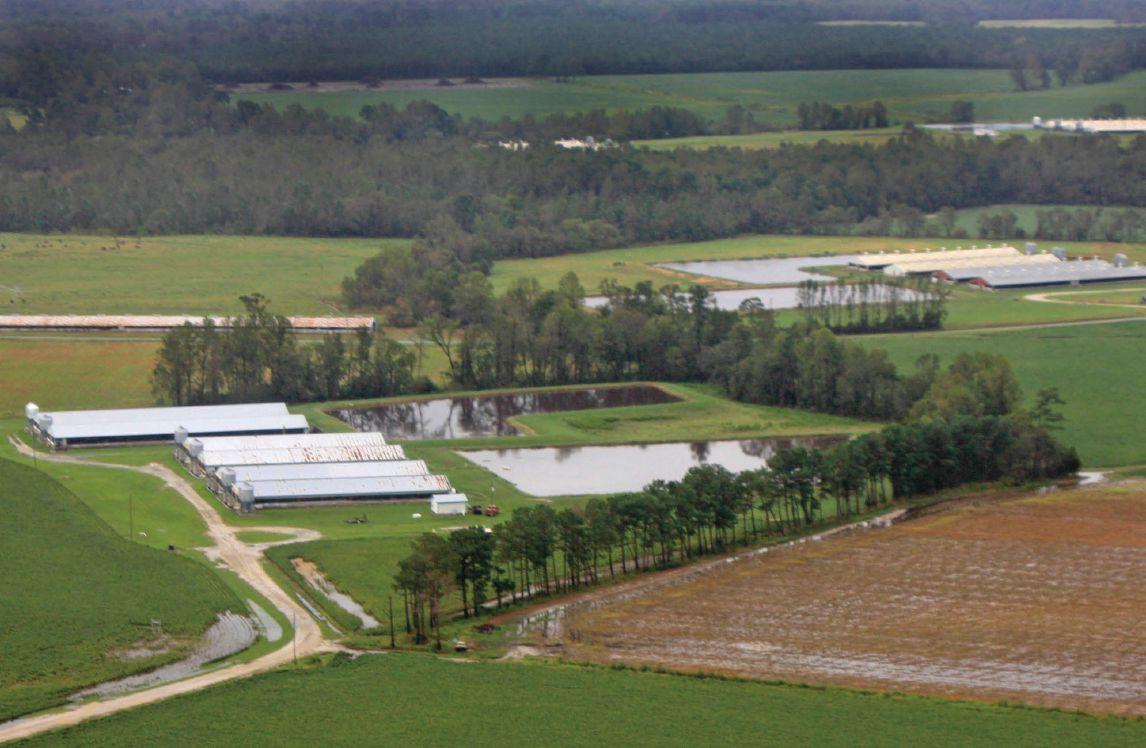
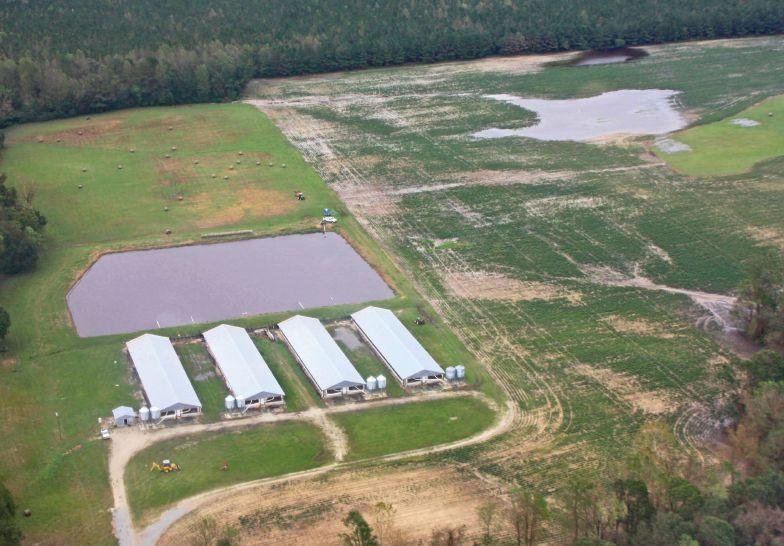
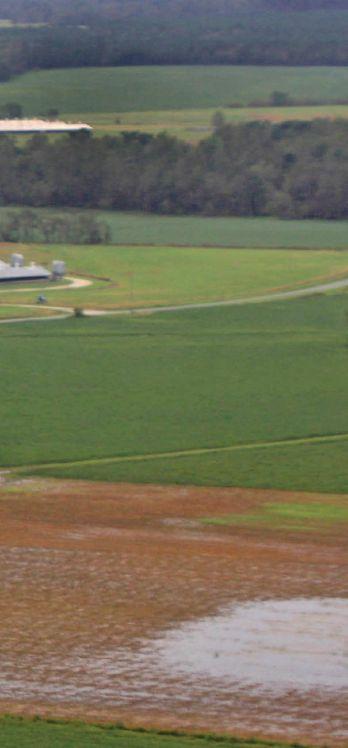
Preparedness made a big difference in the minimal impact that manure from North Carolina’s hog industry had on the environment as a result of Hurricane Florence. Many hog farmers had plenty of lagoon capacity to weather the storm.
it left a swath of damage spanning anywhere from 500 kilometers (300 miles) to 800 kilometers (500 miles) wide. Overall damage from the storm is estimated to have been as much as $22 billion. And, 40 people died as a result of the storm.
Hurricane Florence dropped anywhere from 20 to 38 inches of rain, in many cases, breaking records set by Hurricane Floyd, according to the National Weather Service. A major challenge with Hurricane Florence was the amount of rain that continued to fall in the state after the hurricane force winds had passed.
Hog producers, Elwood and Jill Garner, own E and J Farms about an hour-and-ahalf northwest of Wilmington, N.C., which sits along the
The biggest issue with hog lagoon water overflowing was the amount of rainfall and river water entering the lagoons, which hog producers had no control over.
To prepare for Hurricane Florence, many North Carolina hogs in the storm’s predicted path were shipped to market or out of state. During the storm, many producers slept in their barns to be available to look after the animals.
coast and suffered the brunt of the storm when it made landfall. They finish hogs on contract for Smithfield Foods in six barns, which have a total capacity of 5,280 hogs. They operate very near to the Cape Fear River basin.
“From a manure standpoint, we got 37 inches of rain in a four-day period,” Garner says, “but from an environmental standpoint, we did well. We try to get all the lagoons down starting in May. Before the storm came, I was sitting on 50-plus inches of freeboard from the water level in the lagoons to the top of the dyke.”
His farm was right in the centre of the storm, “and it just sort of sat on top of us for a couple of days. It was barely moving more than a mile or two an hour.”
Part of the problem with farms in the neighborhood is that high river waters flowed into some lagoons, which is an
unpredictable challenge not easily managed.
The NCPC wants to put lagoon overflow into perspective, stating on its website that, “when a lagoon is inundated, the walls remain intact, but floodwater rises over the sides and fills the lagoon. This does not cause a catastrophic environmental effect.”
That is because, by design, solids are stored and remain at the bottom of the lagoon, and the liquids on the top are heavily diluted, minimizing the environmental impact.
In the aftermath of Hurricane Florence, North Carolina’s Department of Agriculture and Consumer Services estimated about $23 million in losses for livestock, poultry and aquaculture growers. There were 5,500 hog mortalities, but substantially more poultry deaths, estimated at 4.1 million chickens and turkeys. The poultry industry is currently experiencing a building boom in North Carolina, while the hog industry has remained stable largely because of a moratorium placed by the state on any new hog operations in the late 1990’s.
The number of hog mortalities from Hurricane Florence is only one-quarter the number that died from Hurricane Floyd in 1999, likely as a result of two mitigating circumstances. The first is the aggressive program started in 2000 after Hurricane Floyd, with the support of the NCPC, to purchase hog operations located in the state’s one-in-100-year floodplain to reduce the number of hog farms likely to be impacted by future storms. The program is conducted by the Department of Agriculture and Consumer Services in partnership with the USDA’s Natural Resources Conservation Service. So far, $18.7 million has been spent to purchase 42 swine
operations and the program is still active. The program has taken 325 hog lagoons out of commission. About 60 farms still remain in this floodplain area.
The second mitigation measure is how seriously local hog producers take the potential consequences from severe storms of the magnitude of Hurricane Florence. As a storm bears down, the industry evaluates which farms may be susceptible to the most amount of rain based on the storm’s predicted path, and arrangements are made to move hogs to market or to higher ground, sometimes in other states.
“We carried a lot of pigs to the Midwest in advance of Florence,” Curliss says. “We did not have any one whole house lost in Florence. The mortality loss was really minimal.”
Wind and barn damage as a result of suspected tornadoes mixed in with Hurricane Florence is believed to have caused some of the hog mortality.
In terms of preparedness, the hog industry also ensured that there was plenty of feed, power generators and personnel available to continue to care for the hogs in the hurricane aftermath because floodwaters typically from overflowing rivers make travel on roadways difficult and impossible in some cases. With Hurricane Florence, the use of helicopters in some instances was not uncommon.
“A lot of our farmers just slept in their barns, frankly, to make sure that they could care for those animals,” Curliss says.
Garner adds that there were lessons learned from Hurricane Floyd in 1999.
“Floyd was a lot worse on me than Florence was,” he says. “I was not as well prepared with Floyd, but it taught me a lesson that I needed to be prepared, and that’s something we have tried to do annually ever since.”
However, all the planning in the world cannot stop every consequence of such a severe storm as Hurricane Florence. According to the North Carolina Department of Environmental Quality, by noon on Sept. 18, 2018, when the
storm was winding down, the walls of four storage lagoons had structural damage, nine more lagoons were being overwhelmed by flooding from nearby streams, 13 were overflowing their banks because of rainfall, and several dozen were near their limit.
“You have to keep context in mind,” Curliss says. “With 3,300 lagoons, we had impacts to a handful in a one-in-athousand-year storm. We don’t want any impact from any storm from any lagoon,
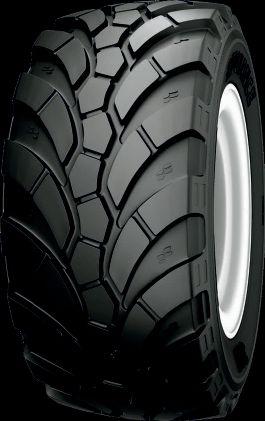
FAST. FLOTATION. THE ALLIANCE 398 MPT.
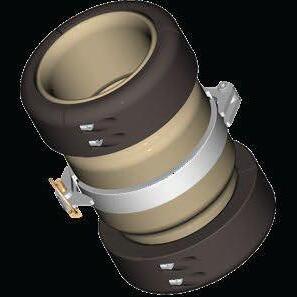
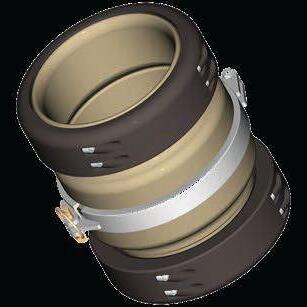
The only thing better than a high-performance flotation tire is a high-performance flotation tire that can carry huge loads at up to 62 mph (100 km/h).
That’s the Alliance 398 MPT, a multi-purpose tire created from the ground up for the demands manure applicators and livestock producers face every day. With its load-carrying brawn cloaked under a smooth, stable ride, the all-steel Alliance 398 MPT radial is ideal for manure application equipment and can even replace duals on straight-axle trucks and semis.
Plus, it’s backed with the industry-leading 10-year Alliance warranty. Learn more from your Alliance Tire dealer, visit www.atgtire. com or call us at (800) 343-3276.
but we did pretty well given the impacts of this storm.” For example, he says that the Army Corp of Engineers had 20 dams fail as a result of Hurricane Florence and many municipal lagoons failed, discharging human waste into river waters.
The Department of Agriculture and Consumer Services credits its floodplain purchase program for mitigating a much worse outcome. The Department believes that of the 42 swine operations bought out, about 34 would have likely flooded again when Hurricane Matthew hit back in 2016.
“I think the buyout program has worked,” Garner says, “I just wish the state would allow these producers to move their permits to a new location.” The moratorium essentially means that once a producer is bought out, they can’t relocate, the state loses production, and
“A lot of our farmers just slept in their barns, frankly, to make sure that they could care for those animals.”
this impacts the entire industry.
Curliss says that their members’ lagoons can typically withstand 30 inches of rainfall by the peak of the hurricane season, and the council’s website goes on to state that, “every hog farm in the state must maintain a minimum buffer of 19 inches to allow for significant rain events. This minimizes the risk of a lagoon overflowing. It is rare for a farm to have only 19-inch buffer. Many have a capacity for greater at all times, especially as the peak of hurricane season approaches.”
Farm practices in North Carolina are such that many lagoons are in the process of being emptied and nutrients land applied as part of the summer growing season before the hurricane season typically hits in late summer. So many lagoons have plenty of capacity, and a survey conducted by NCPC prior to Hurricane Florence in mid-September, 2018 showed that was the case.
Hog producers can sometimes face land application challenges when a lot of rain has fallen during the spring and summer, saturating the soil so that it
cannot accept a lot of liquid nutrients, although summers in North Carolina tend to be quite dry. If there is a lot of moisture in the soil already, this can present a problem once the hurricane season hits.
The NCPC says that within five days of Hurricane Florence, most of their 2,100 hog farms were able to resume normal operations.
PREPARATION IS KEY
When it comes to weather events of this velocity, having a foolproof emergency strategy or plan is vital and can be the difference in saving livestock and livelihood. So, where do you start? How can you best prepare your operation to mitigate risk in extreme situations?
Surveying your property is the first step. Examine the layout of your farm –the location of farm buildings, manure storage, overhead powerlines and poles, fencing and the condition of building exteriors. What about the trees? Nonnative plants will be less hardy and may dislodge in high winds. If trees were to fall, what damage would this cause? Can this be mitigated? Think about the layout of the farm and how the property would tolerate extreme winds and heavy rainfall.
Producers should also think about debris in the farmyard, as this is often the culprit of additional damage to structures. Contain, tie or weigh down any containers or material that may become a weapon in hurricane winds. Inspect fence lines for any impairments, secure heavy farm equipment, label and secure any on-site hazardous materials.
temporary fencing materials.
Ahead of the storm, evacuation or shelter in place, farmers should ensure that every animal has durable and visible identification. Written inventory of all livestock (including breeding and expense records) should be kept within an arm’s reach. An additional helpful item – a disposable camera. Documenting the storm and any resulting damage will be critical for farm records, insurance and rebuilding.
The agriculture community is certainly no stranger to talking about the weather, but as the frequency of wild weather events increase, it will become even more important for livestock producers and movers of manure to keep tabs on the forecast. When disaster is looming, listen to the meteorologist, the Hurricane Center and state representatives for changing conditions, state of emergency declarations and transportation rule suspensions. •
If your farm is located in a high-risk area, consider working with the state department of agriculture and county extension personnel who can assist in developing an evacuation plan as well as provide site-specific oversight on how to best prepare the farm.
Of course, creating an emergency or disaster kit is also highly recommended. Having vital supplies in a well-known, centrally located area can save time and stress. In this kit, experts advise to keep a list of all necessary emergency contacts (I.E., employees, neighbors, veterinarians, animal care and control, county extension, local volunteers, local emergency services, trailering services), animal feed, medication and first aid supplies, livestock tagging supplies, a chainsaw, hand tools, flashlights, batteries, animal health records and
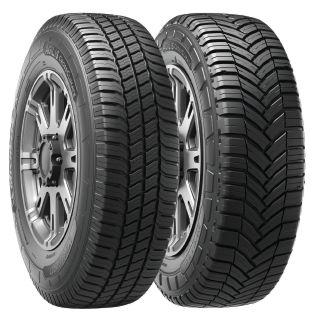
The Agilis CrossClimate tire
Michelin North America Inc. is launching the new Michelin Agilis CrossClimate tire for small business owners and commercial fleets. This tire was designed specifically for ¾- and 1-ton pickup trucks and vans used in commercial applications, as well as for European van platforms that have become increasingly popular in the North American market.
The Agilis CrossClimate tire is available in 16 light-truck (LT) sizes for passengervehicle platforms, such as the Ford F-Series, Ford Econoline, Chevrolet Express, Chevrolet Silverado, GMC Sierra, Dodge Ram 2500 and Mercedes Sprinter.
Five C-Metric sizes are available for lighter-duty commercial vehicles such as the Ford Transit, Ram ProMaster and Nissan NV200, responding to the wide-ranging demands for these vehicles in urban or suburban commercial uses.
The Agilis CrossClimate tire is engineered with innovations, such as the MaxPressure Profile, which optimizes the tire footprint for better wear life under high pressure, heavy loads, high torque and stop-and-go driving. Additionally, the distinctive StabiliBlok design provides wider and longer tread blocks that resist extreme torque while providing relatively cooler operating temperatures under full loads and at high speeds. The C-Metric tire has a directional tread design, while the LT-metric uses a non-directional tread pattern. michelintruck.com
Single Phase Power Solutions introduces pump solutions
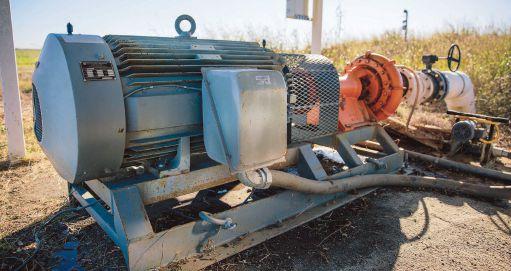
Single Phase Power Solutions’ Belle Single-Phase Motor uses Written-Pole technology to deliver up to 100 hp to power standard suction end centrifugal pumps, rotary gear pumps, and turbine pumps in both horizontal and vertical configurations. Compatible with readily available single-phase utility services, these pump solutions are ideal for irrigation, drinking water distribution, well pumps, aquifer management, water treatment, wastewater pumping, wastewater collection, wastewater treatment and discharge, and other water and wastewater processing applications.
Available in ratings from 30 to 100 hp, Belle Motors are ideal for many industrial, agricultural, mining, municipal, and oil and gas application. In addition to pumps, they are ideal for compressors, injection wells, blowers, fans, dryers, water and wastewater processing and more.
This capability frees customers from the restrictions of only having access to a single-phase power line. Single Phase Power Solutions also manufactures a one-to-three Power Source solution that generates clean, high-quality threephase power from a single-phase line for packaged equipment requiring a three-phase power source. sppowersolutions.com
JBC announces new options for telehandler range
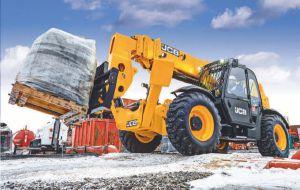
A number of new options are now available for the range of JCB Loadall lift-and-place telescopic handlers offered in North America. The new options include positive air shutoff, extra mirror package, rear-view camera package, arctic kit and non-marking tires.
The positive air shut-off option is designed to shut the engine down if flammable materials are detected, to protect the operator and the machine.
To further enhance the superior visibility of JCB telehandlers, extra mirrors and a rear back-up camera are available. The new mirror package includes additional mirrors for the boom nose, rear chassis and engine side, and can be retrofitted to existing machines. A rear back-up camera package includes a camera fitted into the rear chassis and an in-cab monitor and is available as a factory fit option.
JCB now offers non-marking, semi-solid tires for compact and lift-and-place telehandlers, including larger machines with up to 14,000 lb lift capacity. The non-marking tires are grey in color and are significantly less likely than conventional black rubber tires to leave unsightly tire marks on prepared surfaces such as concrete, sidewalks, patios and hardscapes.
The JCB Arctic kit enables the telehandler to start and operate in temperatures as low as -40 degrees Fahrenheit. The kit includes a hydraulic tank heater, cold-temperate electronic harness and hoses, battery heater, engine sump heater, storage cabinet and Arctic diesel. jcb.com
Avoiding N losses from high-ammonium manure
Field-applied manure supplies two main forms of nitrogen: organic N, and ammonium N. The ammonium portion is immediately available for plants to use, and the organic portion is not and needs time to break down to become plantavailable. Manure from monogastric animals, such as swine, tends to be high-ammonium, containing more ammonium nitrogen than organic nitrogen. Ruminants, such as cattle, are the opposite with more organic N than ammonium.
While the organic nitrogen fraction of manure will stay put and sit tight until it is broken down, ammonium has a bit of wanderlust and is more easily lost – especially when it is converted to nitrate. Therefore, high-ammonium content manure presents unique challenges for minimizing nitrogen losses, as compared to high-organic N manure. Note that high-organic N manures have their own set of challenges, but today let’s just focus on highammonium manure.
NITROGEN-LOSS PATHWAYS
When manure is left on the soil surface, ammonium rapidly converts to ammonia gas and is lost to the atmosphere in a process called volatilization. If you surface-apply a high-ammonium manure and don’t incorporate within four days, you can expect to lose half of the total nitrogen to volatilization. Of course,
high-organic N manure can still present nitrate problems, those challenges are more delayed with better odds that a plant will use that ammonium before it ever gets the chance to become nitrate.
AVOIDING NITROGEN LOSS
To retain nitrogen in high-ammonium manure, keep your ammonium in that form by avoiding conversion to ammonia gas or nitrate which are easily lost. Here are a few tips:
Whether you use tillage or injection, get the manure under the soil surface as soon as possible after application. The longer you wait to till in manure, the more ammonium will be lost to the atmosphere; incorporation within 12 hours is recommended. Injecting liquid manure will also minimize volatilization losses since the manure will spend no time on the surface.
Apply in the spring, or sidedress in the summer. Spring pre-plant or summer sidedress applications minimize the length of time manure sits idle before being used by plants. That means less time for ammonium to convert to nitrate and be lost.
For fall applications, wait until the soil temperature is below 50 degrees Fahrenheit. Since nitrification is a biological process, waiting for cool soils will slow down the conversion to nitrate.
Injecting liquid manure will also minimize volatilization losses...
the organic N portion will remain, but a 50 percent reduction in overall nitrogen is significant. In this situation, manure with less ammonium would lose less total nitrogen to volatilization.
When ammonium is converted to nitrate in a process called nitrification, there are additional ways in which it can be lost. Nitrate is easily dissolved and will travel readily with water; whether that is runoff into ditches and waterways, or leaching downward into groundwater. Nitrate can also be lost as a gas through a process called denitrification. Ammonium is only one step away from nitrate; and if nitrification conditions are right, large amounts of nitrate may form with high-ammonium manure. In contrast, organic N is two steps away from nitrate as it must first be mineralized into ammonium, then turned into nitrate through nitrification. So, while
Side note on nitrification inhibitors: Do nitrification inhibitors work with manure? Sometimes, and it depends. Research on this topic has given mixed results that are sometimes conflicting. But most studies agree that the same benefit from inhibitors can be achieved by simply waiting for cool soil temperatures before applying in the fall. If you do use these products, remember that they are not a silver bullet and will wear off over time.
Overall, nitrogen in high-ammonium manure has the advantage of being readily available for plant use, but at the cost of being more easily lost through volatilization, leaching, and denitrification than low-ammonium manure. However, there are management practices that can help retain that nitrogen such as prompt tillage, injection, spring application, sidedressing, and application to cool soils in the fall. •
Use your time wisely
Be more efficient with the Super Slider Pump and give yourself the freedom to do more!
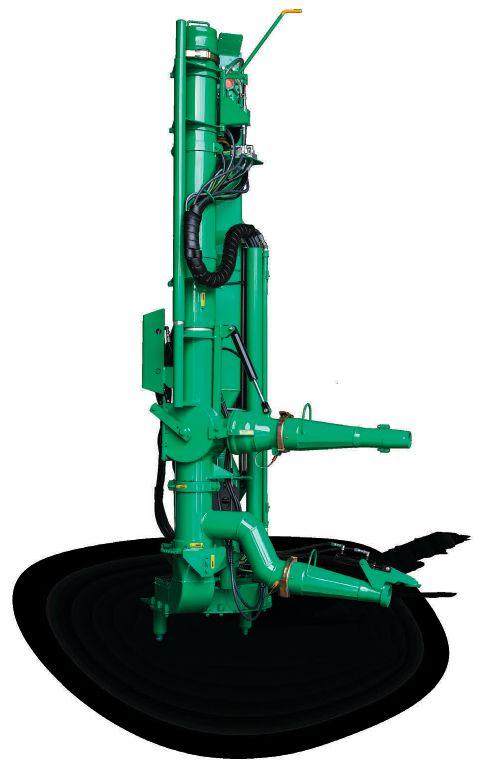
You can complete your to-do list in record time by investing in one pump that can handle manure pits of various depths. The Super Slider Pump adjusts to different lengths and is easy to maneuver, allowing operators to move quickly from one pit to the next. Its dual-nozzle design and visual indicators provide superior agitation performance and greater convenience for the operator.
Your time is valuable. Use it wisely with the Super Slider Pump — just one pump to get the work done!