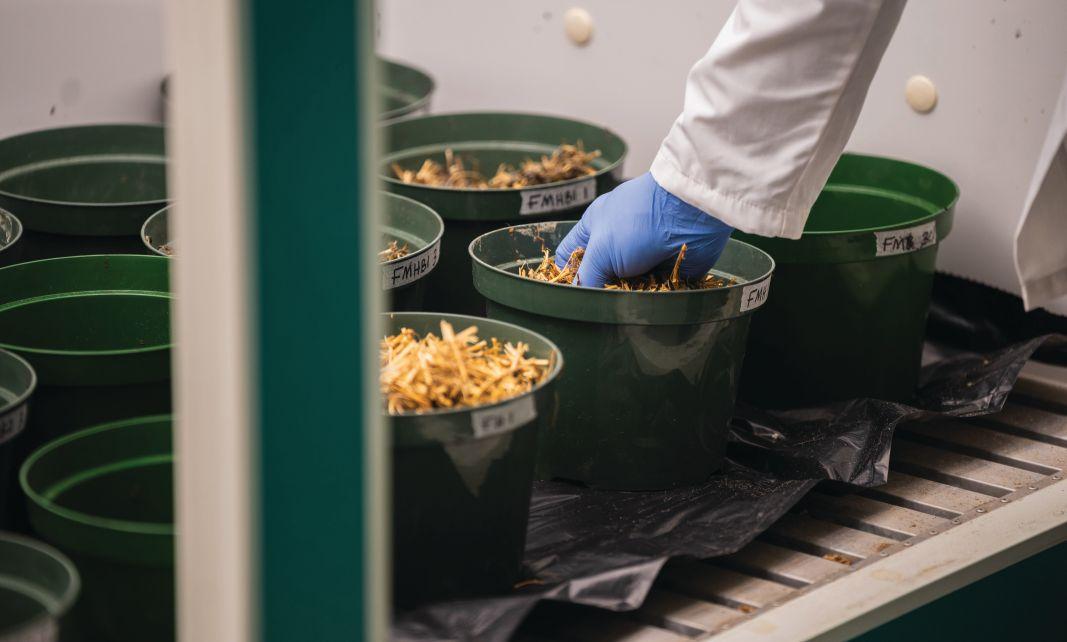
An Alberta-based farm goes all-in on cattle and makes a name for itself. | 10
A healthy mix
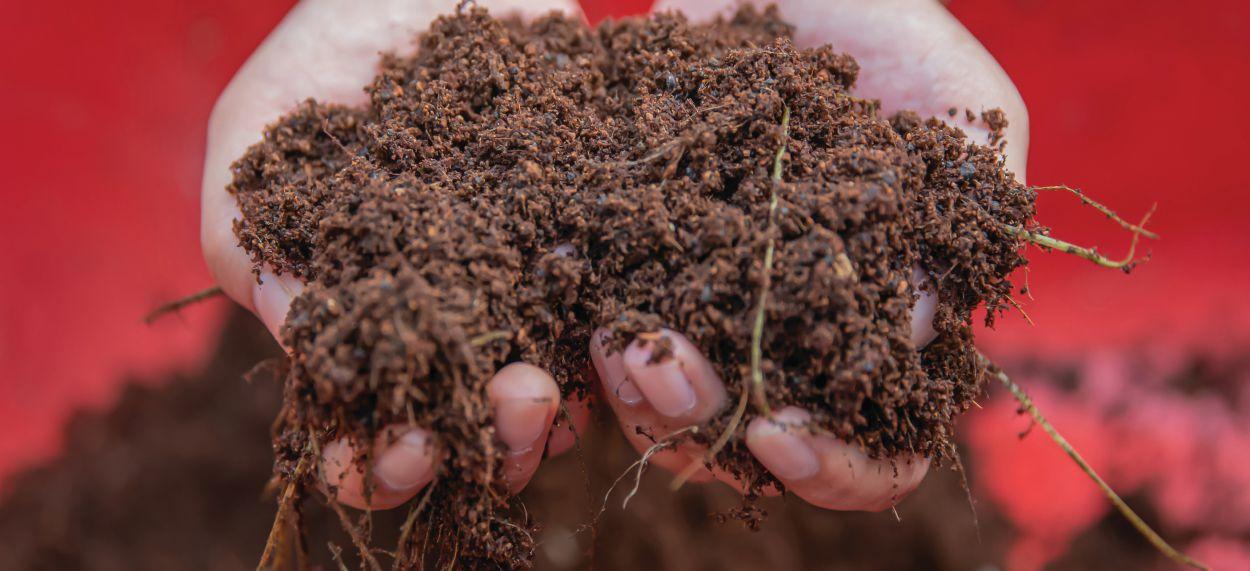
This year’s power couple: Cover crops and manure. | 24
Hair today, nutrients tomorrow Alpaca manure with a secret ingredient. | 26
March/April 2025
March/April 2025 Vol.23, Issue 2
Part
of the process
Manure processing, such as separation or digestion, has become an important part of the manure journey – but always ensure safety.
10 24 26
A family affair
ON THE COVER
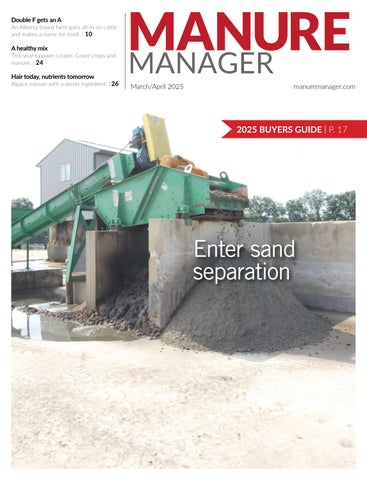
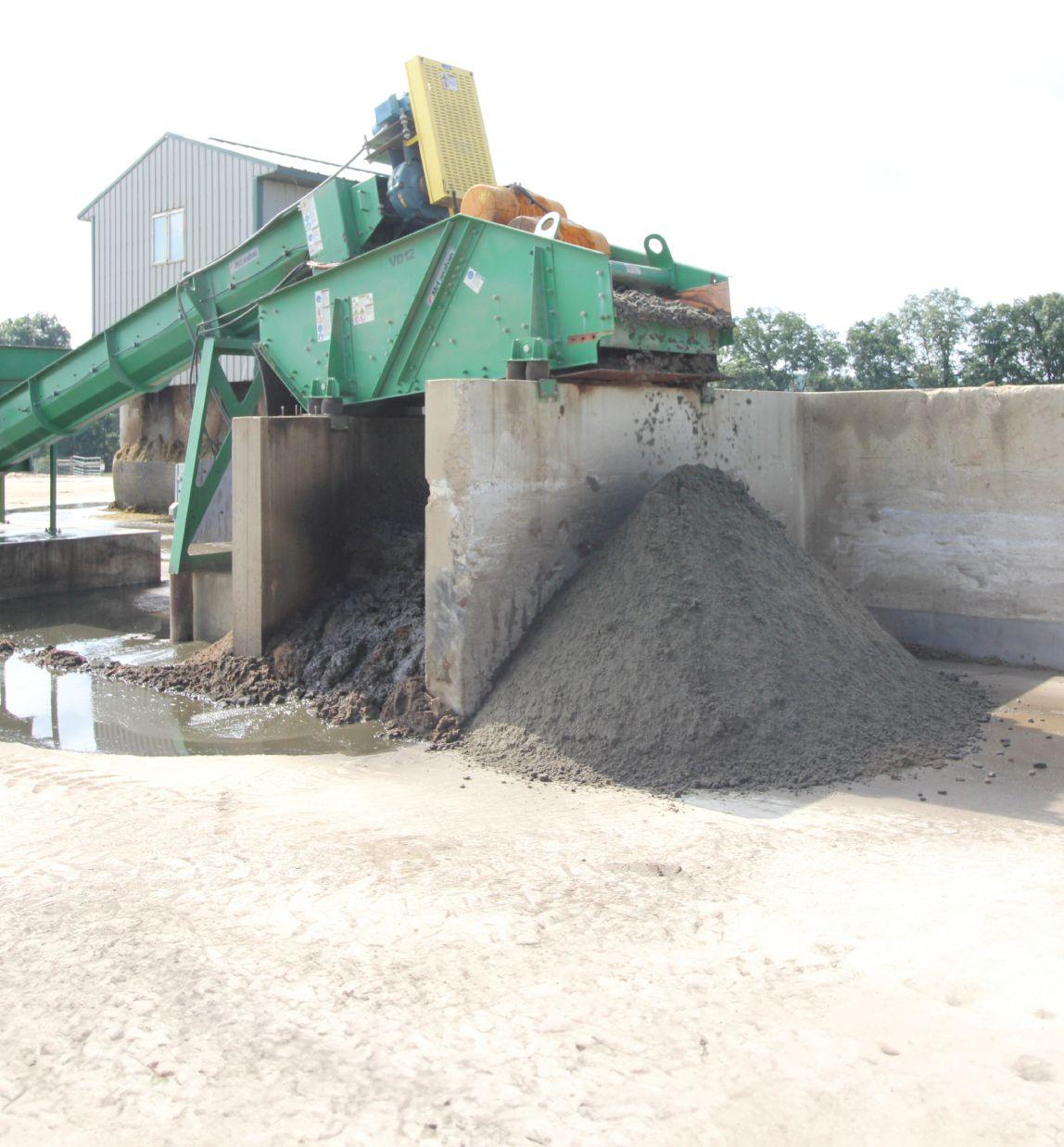
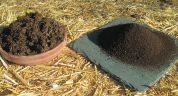
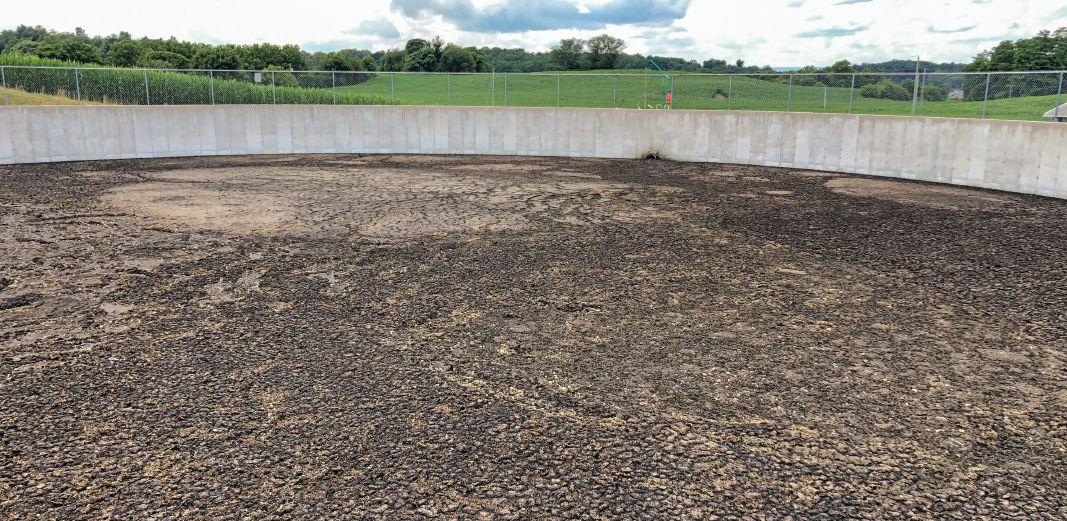
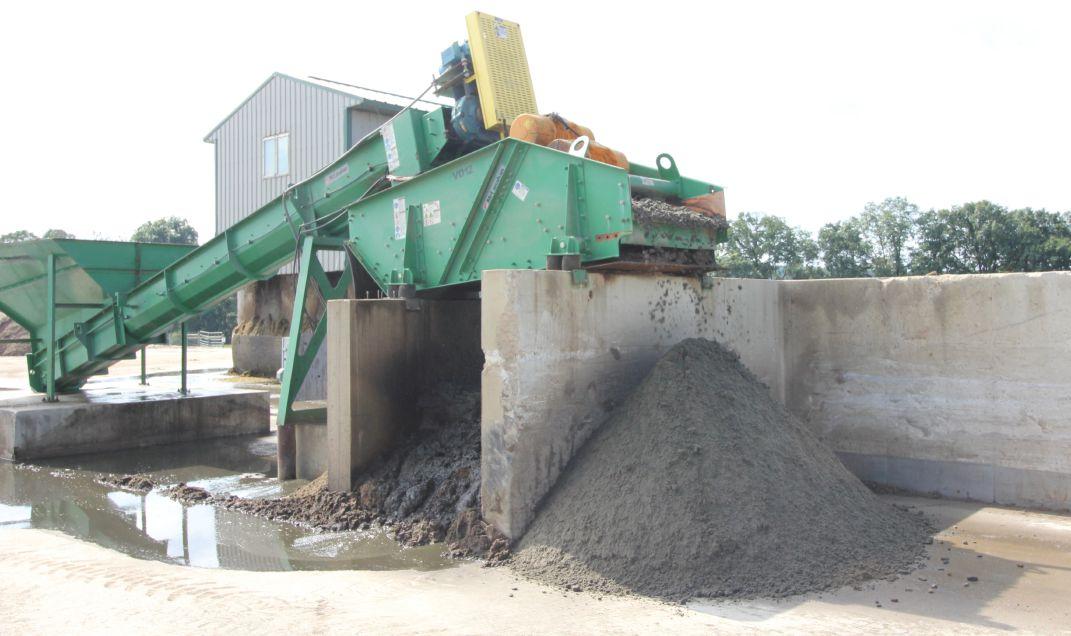
Sand separated from stored manure. See page 20. Photo courtesy of McLanahan
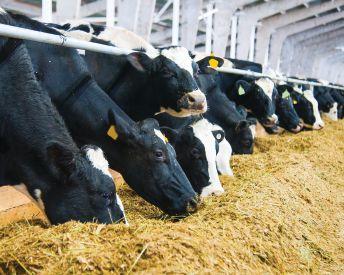
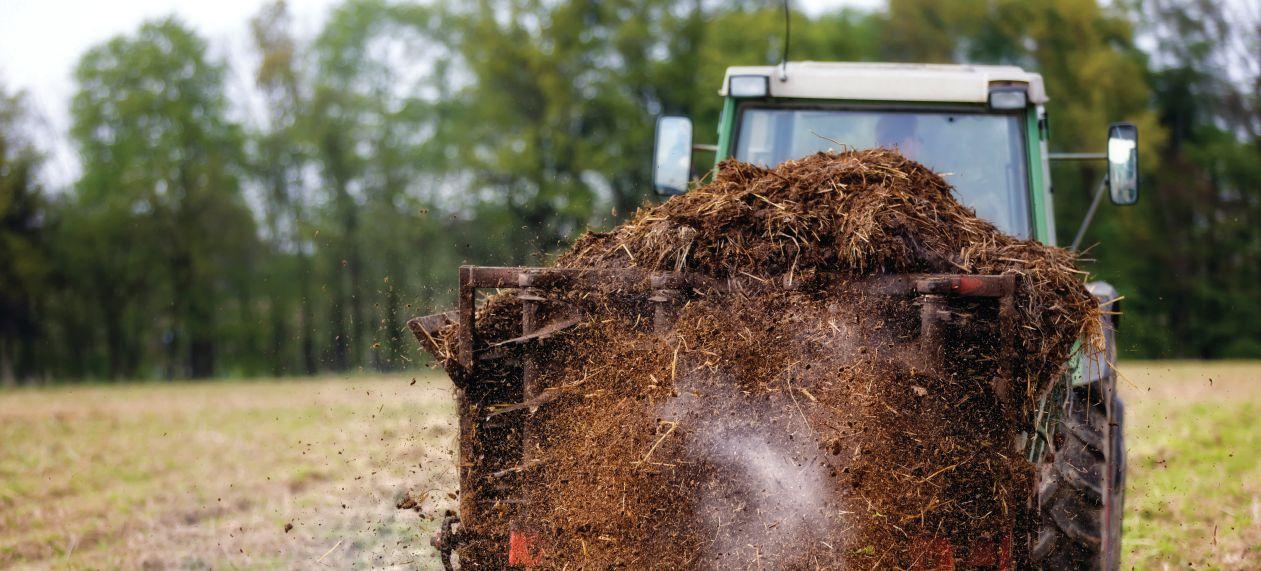
How an Alberta farm shifted its focus to cattle and took a freestyle approach to manure.
BY JACK KAZMIERSKI
A healthy mix
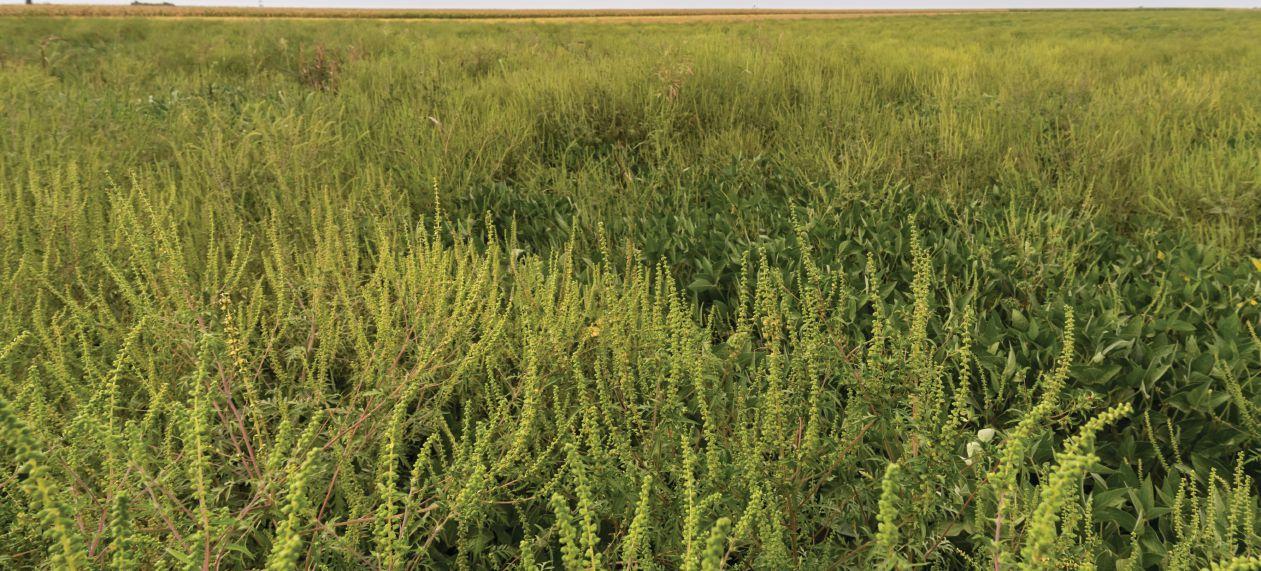
What is the ideal mix of manure and cover crops for potatoes – and could more Atlantic producers choose manure? BY
BREE RODY
Hair today, nutrients tomorrow An alpaca farm bets on a mixture of manure and discarded hair.
BY BREE RODY
Trust in manure
A few times this month, I’ve joked “I think Wiarton Willie is a charlatan.”
U.S. readers might be asking, “Who?” Wiarton Willie is to Punxutawney Phil as Mr. Dress-Up is to Mr. Rogers, as Schitt’s Creek is to Arrested Development and as Coffee Crisp is to… well, nothing compares to Coffee Crisp. Willie is the Ontario groundhog whose Feb. 2 shadow sighting (or lack thereof) predicts how the rest of winter will go. We’re currently on our fifth Willie. Canada has a few other groundhog forecasters (Merv, Sam, Fred la marmotte), but Willie is the most well-known. But being the most famous does not mean you’re the smartest. Since he got the job in 2022, results have been mixed. Which begs the question: what even is a long winter? Winter 2023 (which Willie predicted would be short) wasn’t any longer or shorter than usual, but was one of the darkest on record, followed by a spring of false starts – summery days one week, a blizzard the next. In 2022 (also predicted to be short), we had a colder-than-average March followed by a sudden warmer-than-average April. This column was written after two record-breaking snowfalls, and edited
environment. Fortunately, we’ve seen a few reactive good decisions. For example, after the 2021 floods in British Columbia, the province enacted emergency spreading rules, allowing those who had accumulated an excess of manure or whose systems were facing potential overflow to spread manure when they otherwise might not have been able to.
Now we are dealing with another uncertainty: global trade has come to the foreground for producers on both sides of the boarder. Concerns over exports, imports, input costs and currency exchanges make it hard to know what next five years will bring. Sometimes it’s hard to know what the next five days will bring.
One thing I love about manure is that it feels more predictable, and not just because you’re not dealing with costly imported fertilizer. Every year, we get more research showing manure works, which hopefully results in more manure-converts. In Ontario, we even have an alpaca farm spreading the word about manure (see Page 26).
We’re also seeing more research on how to get the most out of manure and extract even more value – our sand separation feature on Page
the next week in what I like to call “denim jacket weather.”
Unpredictability is part of agriculture. You probably wouldn’t get into farming if you wanted predictability. When we talk about things we can’t control or predict, even based on previous years’ models, weather is often the first thing that comes up. Major/unseasonable rain and snow events have caused delays in planting and spreading, sometimes resulting in impacts on yields and
20 dives into the advantages of separation systems for those whose cows sleep on sand. Despite the uncertainty in the world, it truly feels like manure is on the up and up.
So cute animals make bad meteorologists. Wow, who would have thought? It’s fun to gather ‘round a groundhog and party, but we’re all past the days of listening to everyone but the real experts. In times of uncertainty, look to those with the credentials – not the groundhogs. •
Ontario farmers less confident in sector outlook: survey
Rising costs alongside political and economic uncertainty are slowing Ontario farm business growth, according to the latest Farm Business Confidence Survey conducted by the Ontario Federation of Agriculture (OFA).
Compared to the previous year, Ontario farmers are focusing on maintaining the status quo and dialing back expansion and investment in their farm businesses, the OFA said in a press release.
Respondents also indicated little change in their top two policy priorities overall, ranking reducing
farm taxes as the top issue impacting their business followed by supporting farmers with energy costs.
Rounding out the top three this year is protecting the right of property access, dropping last year’s third spot priority – encouraging Ontarians to buy local food – into fourth place.
In Northern Ontario, compensation for wildlife damage continues to rank as a leading priority.
The online survey of more than 1000 OFA farm members was conducted from December 2 to December 20, 2024.
STUDY SHOWS NEW BENEFIT TO VERMICOMPOSTING
Vermicomposting –the natural process of micro-organisms and earthworms decomposing organic material, is commonly practiced on smaller and hobby farms, and there’s thought to be many benefits. One of those benefits could be a better understanding of antibiotic resistance.
Antibiotic resistance is a natural concern in livestock agriculture, and manure management has been thought to play a key component
in understanding and managing antibiotic resistance, since manure is thought to be a key pathway for the dissemination of antibiotic resistant genes.
A recent study from the ministry of agriculture and rural affairs in China, as well as the resulting article published in Science Direct, asserted that vermicomposting can eliminate antibiotic resistant genes, although the effect of residual antibiotics on
its reduction efficacy remains unclear. For the study, common earthworms were employed to convert cow manure with varying concentrations of the antibiotic tetracycline, from absolutely none to 100mg/kg. The earthworms and micro-organisms worked together to decompose the manure and produce a valuable soil amendment. Results showed total gene abundance in vermicomposting was significantly lower than that in natural composting.
While some unknowns remain, overall, vermicomposting could an effective method for reducing ARGs in cow manure even at high tetracycline levels. Despite being more common for smaller operations, vermicomposting has been studied for application at the scale of medium- to largesized commercial dairy farms.
Industry criticism persists as Canada delays capital gains changes
An unpopular policy change for Canadian farmers has been delayed, but not cancelled.
The federal government will delay the date on which the capital gains inclusion rate is set to increase. The date has been deferred to Jan. 1, 2026.
The rate is set to increase from to twothirds, up from one half. This would apply to capital gains realized annually above $250,000 by individuals, and on all capital gains realized by corporations and most types of trusts. The capital gains inclusion rate represents the portion of capital gains that is taxable.
Industry groups have expressed displeasure at the changes, arguing that this creates difficulty for farm owners. The Grain Growers of Canada have remained critical to the increase regardless of the date, according to a statement issued within hours of the federal government’s announcement.
“The tax hike has already forced many family farms to sell early and will increase cost for most family-run grain farms,” said the statement, attributed to executive director Kyle Larking.
“Delaying bad policy doesn’t fix bad policy – it just drags out uncertainty, derails succession planning, and challenges the future of family farms. When this tax hike takes effect, it will also target farmers’ retirement plans, move the goalposts for the next generation of producers, and further complicate the tax code, driving up accounting and legal expenses for all farmers.”
The GGC statement concluded with a call for a complete reversal of the increased inclusion rate.
New strain of bird flu found in dairy herd
The Nevada Agriculture Department confirmed on Feb. 5 that a dairy herd in the state infected with bird flu fell ill with a strain of the virus that is distinct from the one that has been spreading throughout dairy cows since late 2023.
The main virus is known as Type A H5N1. The version known as B3.13 was confirmed in March 2024 in cattle, and has infected 950 herds in 16 states. The new version confirmed Feb. 5 is known as D1.1. It was detected in milk collected as part of the surveillance program launched in December. The detection indicates that distinct forms of the virus have spilled over from wild bird into cattle at least twice, and also underscores the need for more testing and monitoring.
The D1.1 version of the virus was the type linked to both the first U.S. death tied to avian influenza and a severe illness in British Columbia that left a teen hospitalized
for approximately one month. Both of those cases were traced back to birds of some kind.
Elsewhere, a different type of avian flu –H5N5 – was detected in a backyard poultry flock. According to the Canadian Food Inspection Agency (CFIA) and the North Organization for Animal Health (WOAH), an outbreak in Gander Bay, NL that began Jan. 15 killed all 34 birds at the location. Canada
had previously recorded H5N5 in wild birds and mammals, including wild raccoons found dead on P.E.I. in 2023.
The ongoing outbreak has prompted concerns among the public and livestock industries alike – for the public, the spread has some echoing back to 2020, with fears of a new pandemic. Although bird flu has circulated among U.S. poultry flocks for years, the virus taking hold among dairy cattle and some other animals, including cats, has prompted concerns of spread from birds to mammals. Approximately 67 individuals in the U.S. have contracted the virus, however no person-to-person spread has been confirmed.
For the industry, it has resulted in heightened instability. Throughout the growing outbreak, it has worsened on poultry farms, resulting in a significant culling of poultry flocks, as well as egg shortages and high prices.
World Pork Expo returns for 2025
The 37th World Pork Expo will be held in Des Moines, IA at the Iowa State Fairgrounds June 4 and 5. Producers from around the globe are invited to the world’s largest pork-specific trade show, which offers a wide range of free seminars, networking and hospitality opportunities.
According to the National Pork Producers Council (NPPC), which produces the show, last year’s Expo saw more than 12,000 producers and industry professionals from 37 different countries at the event. The event included education on trends such as precision feeding to reduce costs, sustainability, innovation, biosecurity, swine health, consumer trends and more..
New in 2024 was the Expo’s first-ever Young Pork Advocates Issues Meet, a two-day competition designed for youth age 17 to 22 to participate in collaborative discussions around industry issues and drafting innovative solutions, with winners
and finalists receiving scholarships of up to $2,500. The goal was to engage and bring more young people to the Expo, and the result was 12 youth from eight states participating in the inaugural event.
Other key figures for last year’s expo included 395 exhibitors and 45 sponsors,
covering more than 300,000 square feet of fairground.
Other key events include Pork Academy, presented by the National Pork Board and Pork Checkoff, company-sponsored business seminars and various other networking and discussion opportunities.
Minnesota pork producer and NPPC president Lori Stevermer said in a statement she would encourage anyone in the industry to attend the Expo. “You will see the newest products and innovations, have access to educational seminars on current industry topics and get the opportunity to exchange ideas and learn from others.”
Also returning this year is the World Pork Open Golf Tournament, which invites attendees to compete for special prizes while cultivating new and existing industry relationships. The tournament takes place June 3, the day before the Expo begins, and is limited to 125 golfers.
RECOGNIZEGREATNESS
Do you know an influential and innovative woman in Canadian agriculture? We’re looking for six women making a difference in the industry. This includes women in:
• Farm ownership and operations
• Ag advocacy and policy
• Research and education
• Agronomy
• Business development
• … and more!
A FAMILY AFFAIR
An award-winning farm has a passion for agriculture and a unique approach to manure management.
BY JACK KAZMIERSKI
Based in Kirrimuir, Alta., Double F Farms is celebrating four decades in business this year.
Back in 1985 Harvey and Joyce Ference saw a wheat field in Alberta and decided to pursue their vision of changing it into a feedlot and a cow/ calf operation. Forty years later, their son Craig and wife Jinel continue to honor this vision as they grow their business, with plans to perhaps eventually hand it down to the next Ference generation.
“My dad started farming with his
ABOVE
brothers back in 1975,” says Craig. “They went their separate ways in 1985, which is when our family farm got its start.”
After graduating from university in 2004, Craig took a year off, and then came back home to work on the family business in 2005. “That’s when the expansion of the business really took off,” he says. “We were kind of a mixed farm at the time, but then we branched out more heavily into cattle, both finishing feed lots and cow/calf, while still maintaining the grain farm
Since taking over the farm, Craig and Jinel Ference have branched more heavily into cattle, while maintaining grain.
for diversification. We also keep a fleet of equipment for custom work, which helps us to spread the risk financially.”
Craig and Jinel met in university. She was studying education and he was studying business. “I did minor in agriculture,” he says, “and that has helped with running the farm over the years.”
Despite his studies in both business and agriculture, Craig says that so much has changed since he was in school that what he learned back then isn’t as applicable today as it would have been a couple of decades ago.
“I believe that our world is changing rapidly, including agriculture,” he says. “So the techniques we learned about and used 20 years ago are not necessarily the techniques that make sense today. If you want to be successful, you really have to be dedicated to lifelong learning, and be willing to adjust your approach as you gain new knowledge.”
A BUSINESS-SAVVY APPROACH
Craig’s business degree has certainly come in handy over the years as the family business continued to grow. “In 2015, we restructured into multiple companies, just because of the expansion that was taking place,” he says. “It made business sense at the time.”
Currently, the family is working on a succession plan as Craig and Jinel take over the business from the previous Ference generation. “My parents are at
that stage in their lives where they’re going to do more for themselves, and leave the business with us,” says Craig. “So, we’re planning for the next phase, and it’s a huge challenge.”
Double F Farms has grown significantly since the early years, and currently they have about 5,000 mother cows, and they run a 12,000-head feed lot, which predominantly feeds 90-day cows. In addition, they grow corn on over 18,000 acres of land.
“That’s predominantly to feed the cattle
now,” says Craig, “given the price of grain and the way commodity prices have shifted.”
One of the unique parts of their business, Craig explains, is their custom operation. “We custom corn plant, custom silage, but we also help the older generation of farmers to maintain their farms and stay in farming as long as they want to,” he says. “So, we’ll go in and take care of everything, from planting to harvest, and a lot of that is feed-related. This allows the farmers to maintain
Double F’s cattle double as manure spreaders on the farm.
their cows, minimize risk and maximize workload so they can maintain their lifestyle.”
Kirrimuir is roughly 20 km west of the Saskatchewan border, and this proximity has allowed the business to expand operations into the neighboring province.
“We run multiple farms in Alberta and Saskatchewan,” says Craig. “We summer grass in Saskatchewan, we have another farm where we graze in the winter and feed in the summer, and our main farm has about a 30-mile radius.”
This massive operation requires a lot of help, and Craig says they employ about 35 individuals during the season, and about 25 in the winter months. What’s unique about their staff is that they come various parts of the world, and are chosen specifically for the skillset they bring.
“We have people from about seven or eight different countries working on our farm,” says Jinel. “Some people are really good with cattle, some are really good with equipment, so we try to draw from the best of the best.”
Craig offers the following example, although he insists that he’s just generalizing
and that it wouldn’t be fair to say that everyone from a certain country is good at a specific task. “For instance, Irish guys are great mechanics, and Australians are really good with cattle, but they don’t really like sitting in a tractor all day,” he says.
FARM PHILOSOPHY
When it comes to running their operation, Jinel notes that she and her husband are driven by a number of core values. “Community is definitely important,” she says. “We like to contribute to our community, and we like to think of our farm as a community with people from all over the world. We also think of the beef industry as our community, so the idea of a community extends far beyond who our neighbors may be.”
A sense of vision is import, and Jinel explains that a sense of purpose when pursuing well-defined goals is key. “We set our goals, we understand why they’re important, and then we work hard,” she says. “Our vision drives us and it’s what we love to pursue.”
Craig explains that a passion for their industry is paramount. “It’s why we work
so hard,” he says. “You wouldn’t work hard if you didn’t love what you do, and agriculture is not a nine-to-five business.”
Both Craig and Jinel believe that the key to success is collaboration. “The generation before us preferred to do it themselves,” he says, “but we believe in collaborating with employees, with our neighbours, with business partners, and with many in the industry. We collaborate with a lot of people, but I think this is what has allowed us to grow and expand.”
OVERCOMING CHALLENGES
Craig and Jinel are optimists at heart, and they view hardships and challenges as opportunities. “We’re problem solvers,” says Craig. Speaking about Trump’s tariff threats, he agrees that they will present big challenges for the industry, and adds, “there will also be huge opportunities there, as long as you keep an open mind and are willing to adapt and to change.”
Last year, they lost 10,000 acres of corn, which was wiped out by a freak hailstorm. “We learned a lot from the experience, and we’re still financially viable,” says Craig.
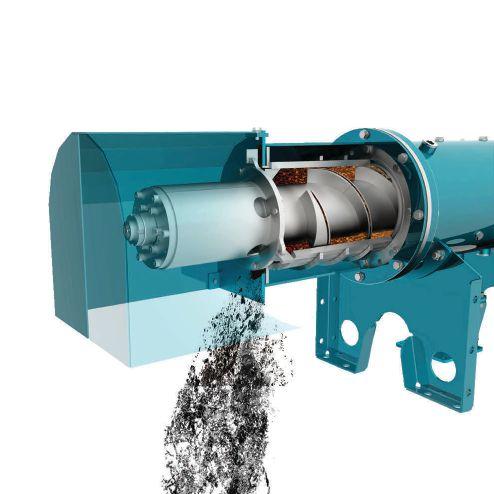
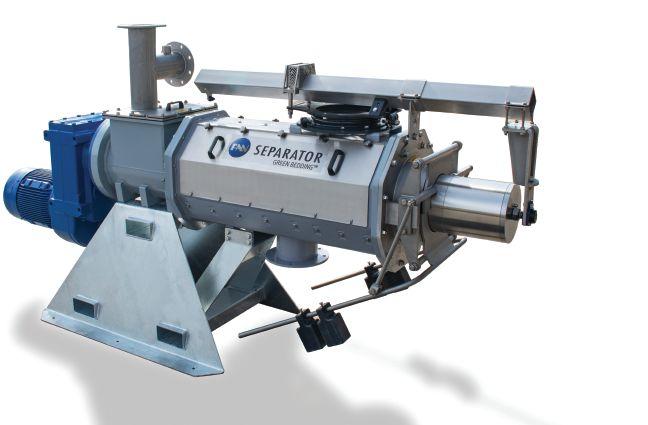
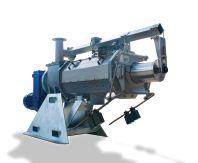
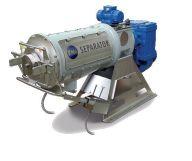
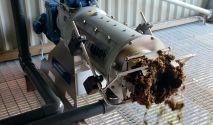
New Press Screw Separator
The PSS8 is an innovative solution for large-scale dairy and biogas production.
Key Features:
• Ecological Efficiency
• High Capacity
• Lower energy consumption and operational costs
• Durability, long service life with easy maintenance
• Robust Design: Heavy-duty auger with sturdy bearing head
• Powerful Operation: 30 kW electric motor, compatible with 400V/50Hz supply
• The PSS8 enhances productivity while minimizing environmental impact
“It wasn’t the year we had hoped for, but at least we lived to see another day.”
Having been in farming for so many years, Craig and Jinel have a long list of challenges they’ve had to deal with. However, they’re not bogged down, and they don’t complain. Instead, they see each problem as an opportunity to learn something new, pivot in a new direction, and work hard to keep going and get closer to their vision of success.
“You can never predict what’s going to happen when Mother Nature is your business partner,” says Jinel. “You have to be able to pivot and deal with what has been thrown at you. That’s why we always have a Plan A, B, C and even D, and we’re willing to learn, pick up the pieces and keep going.”
MANURE MANAGEMENT
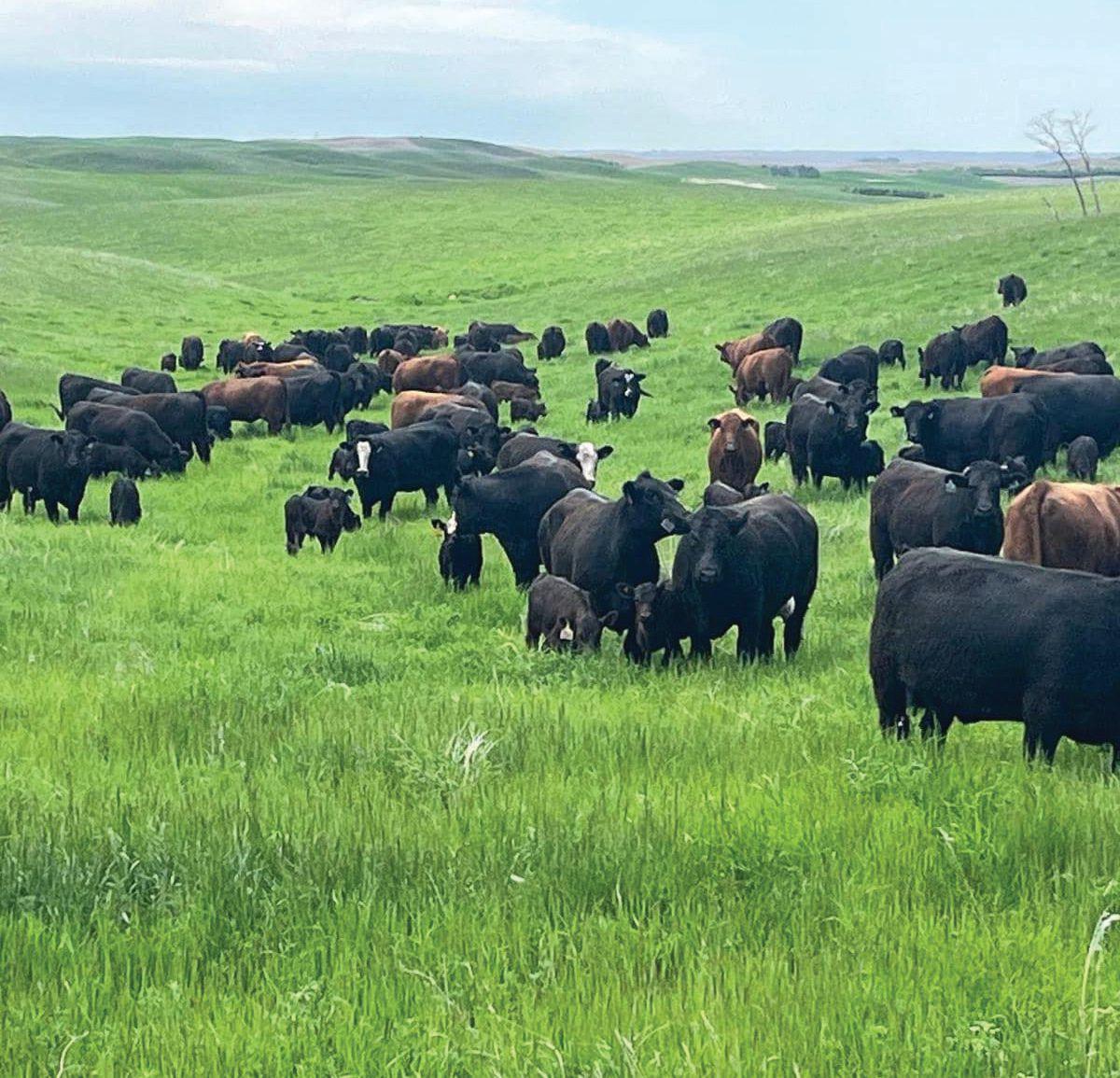
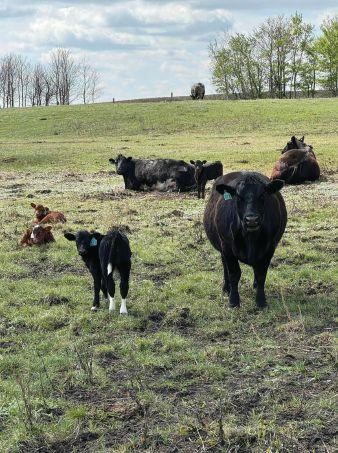
Among most farmers in teir area, Craig and Jinel have a somewhat unique approach to fertilizing their fields. In the off months, they allow their cows to graze on their corn fields, leaving behind their manure. According to Craig, they graze in 1,000-cow groups and consume about 150-200 grazing days per acre
“We have about 2,000 acres of land surrounding our feed lot, so the N and P would come from the manure,” he says. “Our winter grazing on corn is allowing us to capture the manure and urine on the land.”
One of the benefits of this approach is that there’s no need to handle the manure, since the cattle spread it evenly over the
field on their own. “We don’t have to take out our equipment, load the manure, and spread it, which also cuts our costs,” says Craig.
This approach, Craig warns, isn’t a quick-fix solution. In some cases, commercial fertilizers is still needed, but not as much. “We’ve been doing this for about five years, and we’ve been testing our soil yearly,” he says. “Now, we’re at the point where some of the heavily grazed fields don’t need that much synthetic fertilizer anymore.”
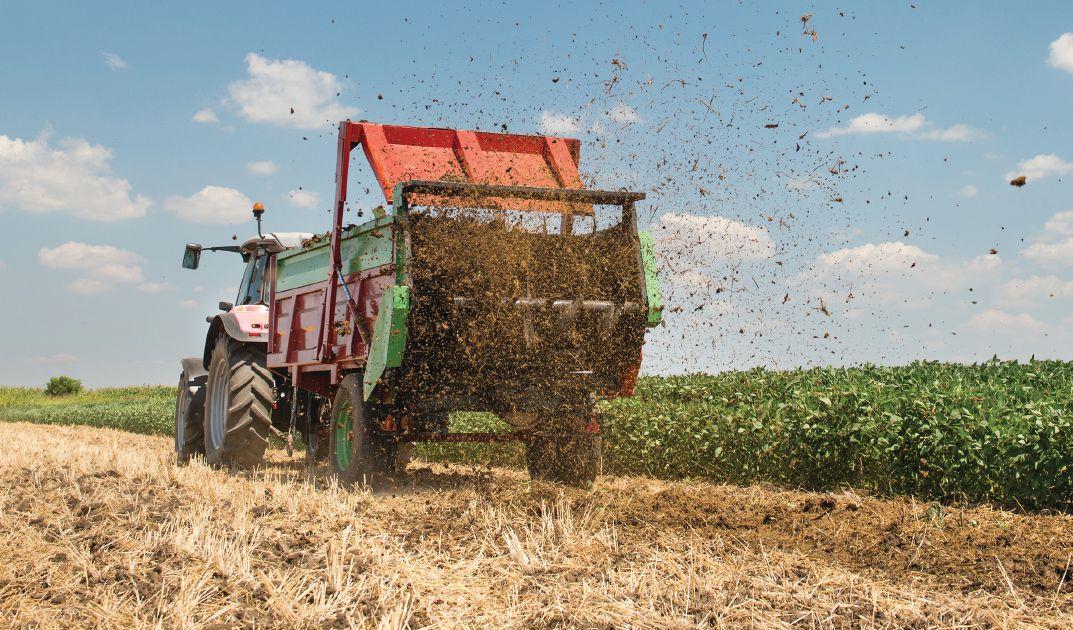
When the cattle are kept in an outdoor feed lot setting, their manure is collected in the pens, stored and then spread on the fields at the appropriate time by staff. “We have multiple storage sites, and we try to spread everything prior to planting,” says Craig. “We spread again in the fall before everything freezes up.”
AWARD-WINNING COUPLE
In 2018, Craig and Jinel were honored by Canada’s Outstanding Young Farmer’s Program as winners at the national level. According to the organization, the award, “recognizes farmers who exemplify excellence in their profession
and promote the tremendous contribution of agriculture.” The Program recognizes individuals in Canada, between the ages of 18 and 39, “who have exemplified excellence in their profession while fostering better urban-rural relations.”
“It’s quite an honor,” says Jinel. “They’re the greatest group of people, all of whom want to be in agriculture and want to see it succeed. It’s also a great opportunity to get together with like-minded individuals and learn from them. We’re all collaborating and networking – berry farmers in Ontario sharing insights with ranchers from Alberta. Great ideas from coast to coast.”
While Craig and Jinel are happy to carry on the tradition of farming that Craig’s parents started, they also realize that this may not be the path in life that their children will want to pursue, and they’re okay with that.
“This is our dream, and we’re living it,” says Craig. “It’s a family business, and we hope our kids will carry on with this passion one day. But if they don’t, we’re fine with that too. We just want to provide them with opportunities in life, and we want them to be as happy with their decisions are we are with ours.” •
A LONG WAY TOGETHER
Double F has triumphed over adversity, including losing 10,000 acres of corn.
SAFETY MATTERS
REBECCA A. LARSON | Professor, University of Wisconsin-Madison
A culture of safety: Manure gas safety
ABOVE
An outdoor manure pit, which can be a source of hazardous gases and associated dangers.
Last month, my fellow columnist Jason Oliver introduced the concept of creating a culture of safety in agriculture, emphasizing that safety is both a choice and a habit. This involves actively identifying workplace hazards and taking steps to eliminate or reduce risks whenever possible. While the intention to establish a safety culture is easy, making the time to implement safety measures in daily farm activities is more challenging.
This month, we focus on manure gas safety. Take time this month to assess your manure management system and develop safety plans and habits that help cultivate a safety culture, preventing potential traumatic incidents.
UNDERSTANDING MANURE GAS HAZARDS
Manure systems present multiple hazards, including risks associated with manure storage, tractors, and land application equipment. One of the most serious dangers is manure-related gas incidents, which have resulted in at least 150 deaths in the U.S. since 1960. The primary gases of concern— methane and hydrogen sulfide—pose significant health and safety risks. Methane is highly explosive,
while hydrogen sulfide is extremely toxic, capable of causing impairment or death. These gases are continuously released as microorganisms decompose organic material in manure. In most cases, they dissipate into the air at low, harmless concentrations. However, under certain conditions —such as warm temperatures, agitation, poor ventilation, or physical barriers that trap gases— dangerous accumulations can occur, posing severe risks to humans and animals. Understanding these risks and implementing preventative measures can significantly reduce potential hazards.
REDUCING THE RISKS
Farmers can take several steps to protect themselves, their workers, and their livestock from manure gas exposure. One of the most effective measures is eliminating risk where possible. Reducing unnecessary manure collection and storage —such as eliminating under-barn storage—can minimize hazards. Because anaerobic storage conditions promote methane and hydrogen sulfide production, shifting away from such storage systems can help reduce gas emissions. Evaluating farm layouts to
PHOTO BY BREE RODY
identify high-risk areas is a crucial first step.
When eliminating risk isn’t feasible, safeguards and warnings mitigate risk. Keeping people and animals away from manure storage areas, especially during agitation, is crucial. For underbarn storages, this includes removing people and animals before agitating and emptying, using lock-out/tag-out procedures to prevent accidental re-entry. Barriers and signage enhance awareness of hazardous zones and provide guidance on risk reduction procedures. Preventive measures should integrate seamlessly into daily operations—if they interfere with routine tasks, they are more likely to be ignored or removed.
Proper ventilation plays a key role in dispersing toxic gases. Designing storage systems to avoid barriers to gas dispersion – such as roofs and walls – can allow gases to disperse thus reducing concentrations. Integrating ventilation into barns or manure storage spaces can force gas dispersion, reducing high gas concentrations in areas where people or animals are present. Consult with experts to design effective ventilation systems that meet standards and farm goals for risk mitigation.
Installing permanent gas sensors in enclosed or high-risk spaces can provide early warnings prior to entry. Sensors are particularly useful in barns or other areas where dispersion can be limited, thus giving a visual and/or audio warning outside the area before entry.
Manure agitation is particularly dangerous, as it releases trapped gases within the manure. Avoiding agitation during warm weather or calm, windless conditions helps reduce risk. Keeping unnecessary personnel away from agitation areas is a simple but vital precaution.
Regardless of safeguards, education is paramount. Farm workers must be trained to recognize manure gas risks and respond effectively to emergencies. Developing a safety plan – including emergency response procedures – is essential. Many fatalities occur when individuals attempt to rescue someone without proper training. Collaborating with local fire departments for emergency response training can make a life-saving difference. Providing workers with thorough training on hazards and risk factors enables them to make informed decisions in high-risk situations.
Additionally, offering training in multiple formats (e.g., meetings, farm walkthroughs, written materials) and multiple languages ensures that safety messages reach all workers effectively.
Providing personal protective equipment (PPE) further enhances safety. Properly fitted respirators, with adequate training, are necessary for highrisk situations. Personal gas sensors offer real-time alerts in lower-risk scenarios, allowing workers to exit hazardous areas before exposure becomes dangerous.
Ensuring workers understand how to use this equipment correctly prevents alarm fatigue and increases compliance.
CONCLUSION
Manure gas hazards are a serious but manageable risk in agriculture. By identifying dangers, implementing preventive measures, and fostering a culture of safety, farmers can significantly reduce the likelihood of accidents. Take proactive steps today to protect your farm, your workers and yourself. •
•
•
•
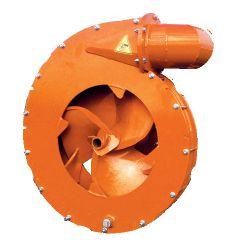
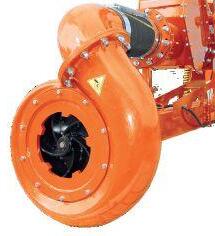
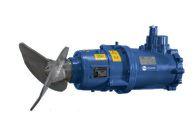
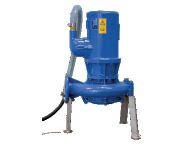
When the going gets tough, turn to the toughest pumps in the field. Vaughan has unique pump configurations specially designed for agricultural applications, including:
• Barn Finish Pits
• Separator Feeds
Lagoons
• Digester Mixing
Scraped Manure
And More!
EXTENSION COLUMN
SARAH ZEILER | Michigan State University Extension
Manure myths: Busted
Myth: Manure that is spread during the winter and not incorporated has very little nitrogen left for the next corn crop.
Reality: Winter-applied manure will have nitrogen value! When manure is spread during cold weather and the soil has moisture, much of the nitrogen is held in the soil and is available in the spring. Keep in mind a late summer application of manure N on wheat stubble may lose some of the organic nitrogen by next spring’s corn crop.
As soon as soils warm up in the spring, a portion of the nitrogen in the organic fraction is released and is readily available to the growing crop. Nitrogen will be available to the next crop, even from surface applied manure when it is applied during cooler weather.
Myth: Manure spread in March and April will not be available to corn in June.
Reality: Nitrogen in manure comes in several forms including ammonium-N (NH4-N) and organic. As the soil warms up in the spring, up to half of the organic nitrogen converts to nitrogen that is readily available to the growing crop. If the manure was injected, this organic nitrogen is available along with most of the readily available ammonium fraction. Manures like open lot beef manure or broiler barn litter, or manure’s that are surface applied have minimal ammonium-N. The organic nitrogen in these manures is a slow-release nitrogen. A fertility program that supplements manure’s organic nitrogen with inorganic fertilizer, possibly a starter fertilizer, can help with early crop vigor.
Some research has demonstrated that peak yields are observed for manure application at rate replacing roughly 75 percent of the crop N requirements, with supplemental commercial fertilizer used for the balance. Manures with significant ammonium-N content (and injected) may have less need for supplemental fertilizer for the early season vigor.
Myth: The nutrients in manure are too variable to be a reliable source of nutrients for crops.
Reality: The nutrients in manure are more variable than in commercial fertilizer if the manure comes from a pit that has not been agitated Agitation puts nutrients in suspension within the manure, which significantly improves the uniformity of nutrients applied in a field, which in turn increases a farmer’s confidence that there will be plant available nutrients when needed by the crop. A manure analysis will estimate the
amount of N - P2O5 - K2O that can be credited against the fertilizer recommendations. Sampling manure as the manure pit is emptied and having them analyzed will help you see if there is nutrient variability as the pit is emptied and allow you to make manure application rate adjustments based on the manure analysis.
It is important to spread manure uniformly as possible. If the applicator tries to spread a consistent distance, drive the same speed, and avoid random skips and overlaps, then the manure nutrients will be quite consistent.
Sand-laden manure stored in a pit will vary significantly in consistency and nutrient composition from beginning to end of emptying. Be aware if you use the ‘skim and haul’ method of emptying your pit that the first portion removed will have very little nutrient value as opposed to the sloppy fraction in the middle and the remaining manure. to Take three manure tests from these three different fractions to evaluate where and at what concentration the nutrients are located. Agitation of the pit will lead to a much more consistent manure product and requires only one manure test.
Myth: Manure nitrogen is in a form that is not available to crops.
Reality: Corn and other crops cannot tell if nitrogen is coming from fertilizer, livestock manure or cover crops. Manure contains several forms of nitrogen (organic and ammonium), and all forms of manure nitrogen ultimately convert to available forms of N for plants.
Myth: Manure is good for the soil to increase organic matter and tilth, but it should not be considered a nutrient source. Full rates of fertilizer should be applied to assure good yields.
Reality: Manure is a valuable source of nutrients that should be credited against fertilizer recommendations. Straw-packed manure does have less nutrient value, but the liquid systems that are common today are a valuable source of nitrogen, phosphorus and potassium.
Manure application rates have a major effect on the amount of nutrients provided. There is a difference in nutrients per acre when manure is being applied at three, six or nine thousand gallons per acre. To maximize the benefit, apply based on a nutrient management plan and calibrate spreaders. •
This article is printed with permission from Michigan State University Extension.
MANURE MANAGER
2025 BUYERS GUIDE
AGGERO
PO BOX 39, Register Georgia 30452 USA
Tel: 912-681-2763
e-mail: info@aggero.com
Website: aggero.com
AMMONGAS LLC
3040 Post Oak Blvd., Suite 115, 18th floor, Houston, Texas TX 77098 United States
Tel: 713-894-7992
e-mail: csoe@ammongas.com
Website: ammongas.europeanenergy.com
Follow us on
Description: Ammongas offers Amine Upgrading and CO2 Liquefaction equipment for small, medium and largescale biogas plants. The company was established in 2002 and has delivered +40 plants in North America and Northern Europe. The last handful of commissioned units in the US were deployed at dairy farms with biogas flow ranging from 250 to 650 scfm. We have existing references up to + 7,000 scfm.
AQUATIC AERATION SOLUTIONS
4270 County Rd 45, Cobourg, Cobourg ON K9A 0X2 Canada
Tel: 905-269-6518
e-mail: aquatic.aeration.solutions@gmail.com
Website: aquatic-aeration-solutions.com
Follow us on
Description: Aquatic Aeration Solutions provides aeration systems that will improve your wastewater processing. We supply aeration systems to meet your needs using electric or solar powered systems for agriculture wastewater applications. Our aeration solutions will improve your manure tank, lagoon or lift stations with results you can see.
AZURA ASSOCIATES INTERNATIONAL INC.
22 King Street South, Suite 300, Waterloo ON N2J 1N8 Canada
Tel: 226-646-4449
Toll free: 877-298-7288
e-mail: dave.ellis@azuraassociates.com
Website: azuraassociates.com
Follow us on
Description: Azura Associates is a team of bioprocess engineers specializing in how biodigesters are built, operated, optimized, and maintained. Using our more than 30 years experience treating complex wastes, Azura reduces risk at every stage of anaerobic digestion, biogas, and RNG projects while providing professional and technical consulting services to digester project owners and stakeholders.
BOERGER, LLC
2860 Water Tower Place, Chanhassen MN 55317 USA
Tel: 651-226-6539
e-mail: america@boerger.com
Website: www.boerger.com
Follow us on
Description: Boerger specializes in efficient manure management solutions with the Bioselect screw press separator. Designed for high-performance solid-liquid separation, the Bioselect offers up to 660 GPM capacity and up to 38% dry solids content. Built for durability and efficiency, it seamlessly integrates with Boerger rotary lobe pumps for optimized manure handling.
CENTRISYS/CNP
9586 58th Place, Kenosha WI 53144 USA
Tel: 262-654-6006
e-mail: info@centrisys-cnp.com
Website: www.centrisys-cnp.com
Follow us on
Description: Centrisys/CNP, based in America’s dairyland, specializes in dewatering manure. Our innovative DT Series decanter centrifuge is customized specifically for the manure industry, optimizing profitability and environmental goals. Our centrifuges address water quality and phosphorus emission for specific manure operations, maximizing performance.
CENTRITEK - MANURE CENTRIFUGE SPECIALISTS
508 Stone Road, Benicia CA 94510
United States
Tel: 209-304-2200
Toll free: 866-769-3900
e-mail: chris@centritek.com
Website: centritek.com
Follow us on
Description: CentriTEK Industrial Centrifuge Specialists is a leader in the sales and service of decanter centrifuges used for manure solids and nutrient recovery from parlor & free stall washdown, manure lagoon management & water reuse. CentriTEK services all brand including machines from Centrisys & Vision. CentriTEK offers rental systems available lease & rent to own.
DSI, INC
401 State Route 117, Goodfield IL 61742
United States
Tel: 309-965-5110
e-mail: info@dsiag.com
Website: dsiag.com
Follow us on
Description: Manufacturer of Dietrich Slurry Injectors
FORT EQUIPMENT
3216 Wabash Road, Fort Recovery OH
45846 United States of America
Tel: 567-644-5927
e-mail: office@fortequip.com
Website: fortequip.com
Follow us on
Description: Draglining Simplified. We strive to come up with new equipment to make pumpers lives easier.
NEW LEADER MANUFACTURING
1330 76th Ave. SW, Cedar Rapids IA 52404
USA
Tel: 319-363-8281
e-mail: marketing@newleader.com
Website: www.newleader.com
Follow us on
Description: Because precision agriculture can only be as precise as your spreader. Wherever accuracy and productivity are important, you’ll find New Leader spreaders. Our precision application equipment is designed for situations where the precise placement of nutrients is essential. Because we’ve made your precision our mission, you’ll see the results in every application. Our success rides on yours.
OXBO
7275 Byron Rd, Byron NY 14422 USA
Tel: 585-548-2665
e-mail: b.lortie@oxbo.com
Website: oxbo.com/oxbo-nutrientapplication
Follow us on
Description: Oxbo knows nutrient application and delivers on the 30-year TerraGator legacy in a modern, advanced line of applicators. The AT4103 and AT5105 were design with the most robust components to deliver reliable performance. Oxbo ATs are easy to operate and deliver next generation productivity and driver comfort. Oxbo ATs can apply liquid or dry manure and are backed by unmatched product support.
R BRAUN INC.
209 N 4th Ave, St. Nazianz WI 54232
United States
Tel: 920-773-2143
Toll free: 800-876-2234
e-mail: info@rbrauninc.com Website: rbrauninc.com
Follow us on
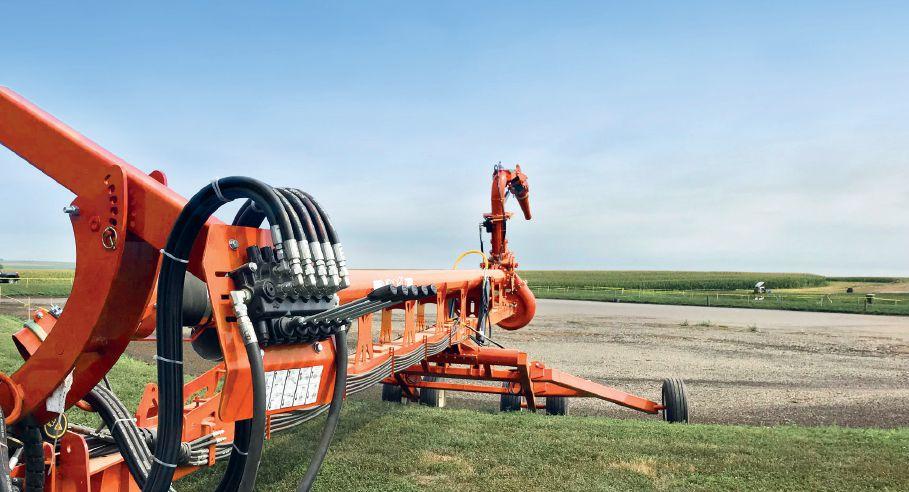
Description: Take charge of your farm with R Braun Inc! With over 60 years of experience, R Braun Inc. prides itself on quality, full service and superior products. We specialize in manufacturing manure equipment including transfer systems, hose carts, application toolbars, injection toolbars, pump units, manure semi-tankers, hose movers, load stands, and crawler hauler trailers.
SUNOVAWORX INC.
196679 19th Line, Lakeside ON N0M 2G0
Canada
Tel: 519-349-2770
Toll free: 855-386-9679
e-mail: info@sunovaworx.com
Website: web.sunovaworx.com
Description: SunovaWorX produces Broadcaster Remote Control Systems, which can be installed on engine pump units, remotely control the engine & allow for the use of a web portal to log in to see the vitals of the engine pump units and other machines. This portal can be monitored and controlled on your cellular device, your computer, ipad, or tablet through a web browser, at any time, no matter where you are.
TRIDENT TNZ LLC.
37 Highgate Road, St. Louis MO 63132
United States
Tel: 604-330-2500
Toll free: 800-799-3740
e-mail: tridentnetzero@gmail.com
Website: tridenttnz.com
Follow us on
Description: Trident TNZ offers manure treatment solutions for dairy farms and other livestock producers. Trident’s equipment line include Rotary Screen, Screw Press, DAF, Wave Separator, MD Press, Filtration, as well as conveyors, pumps etc. As a leading expert in resource recovery, Trident provides circular waste management systems that recover nutrients, water and other valuable streams from ag wastes.
US SCREEN CO.
745 Industrial Ave., Wellington OH 44090
USA
Tel: 440-647-4444
Toll free: 855-964-2662
e-mail: office@us-screen.com
Website: us-screen.com
Follow us on
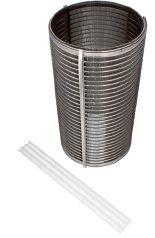
Description: US Screen Co combines over 85 years of experience in the manufacturing and distribution of wedge wire screens and related products for processing industries. With a specialization in Screw Press Screens, US Screen Co is able to manufacture and sell replacement parts for all brands of separators. Made here in America’s heartland, we stock what you need to keep your process running.
EQUIPMENT, SUPPLIES & SERVICES
ACCESSORY EQUIPMENT
DSI, Inc
Oxbo
APPLICATION METHODS
DSI, Inc
New Leader Manufacturing
Oxbo
R Braun Inc.
SunovaWorX Inc.
BARN MANAGEMENT
Aggero
R Braun Inc.
ENERGY
Ammongas LLC
TRIDENT TNZ LLC.
EQUIPMENT & TECHNOLOGY
Ammongas LLC
Aquatic Aeration Solutions
Boerger, LLC
DSI, Inc
New Leader Manufacturing
Oxbo
R Braun Inc.
TRIDENT TNZ LLC.
NUTRIENT MANAGEMENT
Centrisys/CNP
REGULATIONS, COMPLIANCE AND SOLUTIONS
Aquatic Aeration Solutions
Azura Associates International Inc.
Centrisys/CNP
SERVICES
Aggero
Azura Associates International Inc.
Centrisys/CNP
CentriTEK - Manure Centrifuge Specialists
R Braun Inc.
STORAGE, PROCESSING AND HANDLING
Aggero
Aquatic Aeration Solutions
Boerger, LLC
Centrisys/CNP
CentriTEK - Manure Centrifuge Specialists
Fort Equipment
R Braun Inc.
TRIDENT TNZ LLC.
US Screen Co.
Enter sand separation
Sand makes for a comfy bed, but shouldn’t stick around in manure.
BY JAMES CARELESS
Sand is among the more popular bedding materials for dairy cattle. Proponents of sand bedding say provides positive health and productivity benefits for milk production. It is also a cost-effective and healthy bedding alternative compared to other options, such as sawdust, wood shavings, and manure solids.
But one downside of using sand for livestock bedding occurs after it has been contaminated with manure. Dealing with this contamination and figuring out what to do with the sand is a real challenge for dairy farmers and manure managers.
WHY SAND IS SO POPULAR
Proponents say the primary benefit of sand is its association with better physical health outcomes for cows. One such proponent is Dr. Mahmoud Sharara, associate professor and extension specialist with North Carolina State University. He argues that sand reduces mastitis incidences.
ABOVE
Although there is no clear research data explicitly linking sand with a lower incidence of clinical mastitis, there is a relatively broad consensus among researchers that this correlation is logical, since there would be less opportunity for bacterial growth. “[It also] leads to better cleanliness and health when compared to organic bedding materials such as straw, shavings or manure solids,” says Sharara.
As a research and extension specialist, Sharara has served farms utilizing sand as bedding material for cows. “My experience is in evaluating sand separation and its impacts on separated solids and lagoon solids accumulation.”
Mastitis refers to the inflammation of cow udders due to infection that reduces milk production while altering the appearance of the milk itself.
According to the research paper Sand-Manure Separation for Aerobic Digestion Pretreatment,
An on-farm sand separation system, like the one pictured above from McClanahan, can add efficiency to farm operations that use sand bedding.
“Mastitis-causing organisms require food (carbon source), water, and heat to thrive and survive. Properly selected and/or separated bedding sand contains minimal organic matter. Less organic matter translates to less moisture as organic matter absorbs moisture. [Meanwhile] alternative organic beddings such as manure and wood products, although perhaps low in bacteria content at first, experience substantial increases in bacteria counts as soon as a bed is seeded with bacteria.”
Others argue sand bedding reduces physical injuries to cattle.
A cow lying down (and standing up) is a relatively complex series of movements, and during the process, both the horizontal and lateral movements of the animal’s body can be significant. Some researchers estimate that a mature cow would require 300 centimeters of longitudinal space and 109 centimetres of lateral space to complete the sequence, which ultimately resembles a controlled fall. When sand is on the surface, it acts as a cushion, reducing stresses on knees and joints. It can also offer traction and thus sureness of footing for a cow standing up or moving about in freestall
alleys. According to the Ontario Ministry of Agriculture, Food and Agri-Food (OMAFA), producers tend to report better footing and fewer problems with slipping in alleyways, leading to fewer injuries, as well as more uniform hoof wear. OMAFA’s reported field experience suggests this leads to less trimming required, although more research would be required to back this up empirically.
Advocates of sand bedding also believe dairies with deep-bedded stalls have a lower prevalence of lameness in herds compared to those with mattress stalls.
Other physical benefits, according to OMAFA, include a reduction in the number of cows with swollen hocks, hair off hocks and knee injuries. Field surveys in Ontario showed nine percent of cows with swollen hocks on mattresses and many more with hair off, in comparison to none on sand.
Then there’s the comfort factor. Humans aren’t encouraged to lie around all day, but for cows, such a laid-back lifestyle is encouraged. When it comes to milk production, comfortable dairy cows have been shown to generate more milk than uncomfortable cows.
Proponents argue that when sand-
For more info visit huskyfarm.ca or call 1-800-349-1122 Trailing shoe booms from 6m to 30m in width. BlackBird trailing shoe booms
bedded stalls are clean, dry and deep, that can lead to a comfortable cow. A more comfortable cow gives producers longer bouts of lying time – and the more time cows spend lying down, the more milk they produce. However, there’s still no research consensus that cows prefer sand to mattresses, although there is no evidence of stall refusal with sand, so even doubters would agree that the level of comfort appears to be adequate
Numerous authors have suggested that risk of lameness is greater when lying areas are uncomfortable, and other studies have shown an association between short lying times and occurrence of lameness.
On average, cows spend around 10 to 12 hours lying in free stall barns, although some studies have shown cows can lie for as long as 16 hours per day. Research shows stall surface can influence lying time, and sand is thought to be one of the preferred options for cows.
Given all of these benefits, it makes sense that sand is popular for dairy cattle bedding. It doesn’t hurt that sand is economical to buy, easy to store, and simple to move using industrial machinery.
THE CHALLENGES OF SAND AND MANURE
To turn the old cliche on its head, every silver lining comes with a cloud attached.
When it comes to sand bedding for dairy cattle, the cloud is sand after it’s become mixed with manure in the stall. Once sand and manure are mixed, it is hard to take them apart.
This is why “sand bedding has caused substantial manure handling challenges even with relatively straightforward systems such as daily haul and short- or long-term storage,” said A.W. Wedel’s research paper. “These challenges come to fruition when manure handling equipment and systems are used to process sand-laden manure. Anaerobic digestion (AD) systems are particularly susceptible to sand settling and equipment wear.”
The quote above appears to refer to sand mixed with solid manure. But sand can also be a problem for liquid manure removal systems.
“In liquid manure systems, sand can accumulate rapidly in lagoons or ponds resulting in more frequent cleanouts that can be costly,” says Sharara.
So what to do with the sand? Well, you could just dump the mix on the land and hope to get away with it. But most would agree you shouldn’t.
“Extended periods of applying manure-sand mixtures [years to decades] can change soil textures impacting water holding capacity and hydraulic conductivity,” says Sharara.
As a result, “sand mixed with manure often requires one or more separation steps to ensure that each is managed separately.”
There are a number of ways to do this.
For solid sand-manure mixtures, mechanical separators such as hydrocyclones can be used to separate out the sand. As the
name suggests, hydrocyclones spin the materials put inside their containers to separate them out based on weight. Since sand weighs more than manure, it can be separated in this way.
As well, “The implementation of mining equipment and associated system design methodologies to separate sand from manure prior to AD has proven successful over the long-term on dairies,” says Sharara. “Pretreatment systems to separate sand from manure could potentially increase AD adoption since some producers will elect not to bed with manure, which is the norm with traditional AD systems.”
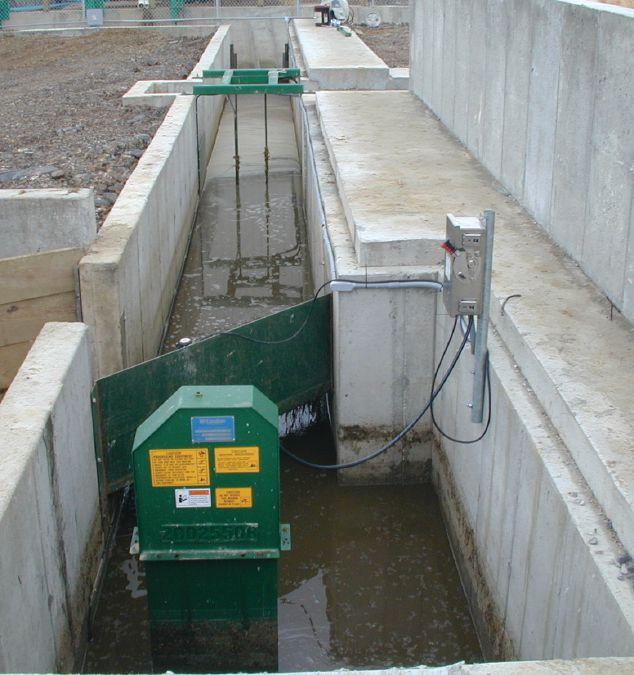
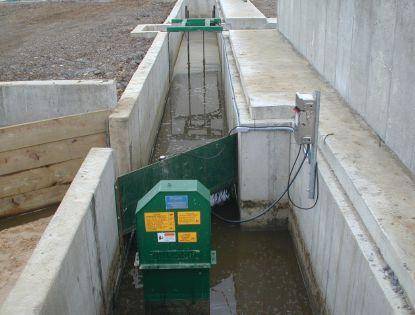
For liquid manure situations, the sand is separated out by letting it settle. To be specific, “Gravity separation using settling lanes is a common method that relies on density difference between sand and manure ingredients to collect sand in the lanes while manure is conveyed to storage ponds or lagoons,” says Sharara.
So which approach is better? There is no-one-size-fits all answer.
“Settling lanes are less complex to operate compared to mechanical separators, but require a large footprint to ensure adequate separation,” explains Sharara. “Mechanical separators are more compact and could be operated in a separation shed/structure, but are subject to wear and corrosion due to the abrasive nature of sand.
“[Whatever method is chosen] It is important to ensure the properties of sand used on the farm are compatible with the planned method to achieve high separation efficiency and avoid operational issues.”
One key property of sand is the size of its individual particles. And make no mistake: Particle size does play a role in the efficiency of sand separation.
The reason: “The size, shape, and density (in relation to a bulk medium) of a particle affects the velocity at which it settles and settling velocity is the primary consideration in the design of sand-manure separation systems pre-AD and/or advanced treatment systems,” said Wedel’s research paper. The larger the particles of sand, the easier it is for them to settle out of liquid manure due to their sheer weight. At the same time, larger particles can have a more erosive effect on the equipment being used to handle them.
EXECUTION IS KEY
Given the points described above, it is clear that sand separation is a process with some built-in challenges. But that doesn’t mean that sand separation isn’t worth the effort, say proponents.
“These advantages are the priority of dairy producers,” says Sharara. “So proper operation and management of sand separation will ensure the farm can enjoy these benefits without the challenges of poorly separated sand in manures.”
For another, properly executed sound separation systems work well. A properly designed and managed sand separation system – plus the right sand – can help farms achieve high recovery rates of sand, with some companies claiming as high as 90 percent recovery. Such figures make for a more economical and less wasteful operation in the long run, especially at a time when the dairy industry is facing challenges on both economic and environmental fronts. Those who use sand bedding should consider separation a worthy process.
It is for these reasons that dairy farms large and small need to commit themselves to the most appropriate forms of sand separation for their operations. In doing so, they will be taking actions that are good for their business, safer for the environment, and might be associated with a comfier experience for their livestock. •
A HEALTHY MIX
Manure and cover crops could be the new power couple.
BY BREE RODY
Manure advocates have long agreed that animal manure is anything but waste, especially when it comes to improvements in yields. However, increasingly, studies are looking at manure’s effects on soil health – which also pays off in terms of improved yields in the following crop year.
Win-win, right?
Recent research from Prince Edward Island looks at the impact of manure combined with residue from cover crops on soil health, specifically when it comes to one of P.E.I.’s most important exports: potatoes.
Manure is not as commonly used in potato production systems as it is for other crops, although cover crops are gaining popularity on the island. “Potatoes are grown in light, sandy
soils,” says Dr. Judith Nyiraneza of Agriculture and Agri-Food Canada (AAFC). “They are known to be succeptible to be eroded.” Additionally, she says, because potatoes leave such minimal crop residue, the carbon input is low. As such, farmers often look for ways to increase soil organic matter while also increasing yields.
Combining manure with cover crops is not a new practice – it’s been around for decades, and in fact, we’ve covered advances on the combination in a 2024 issue of Manure Manager. However, the two are still viewed by some as an either/or – cover crops that are incorporated into the soil are often called “green manure,” implying that they are an alternative. However, the P.E.I. study, along with recent and ongoing research in the U.S., suggests cover crops and manure, which are both imperfect solutions alone, could do amazing things together. “We know manure is a stable carbon,” she says. “But manure is not a very accessible source in P.E.I.”
THE STUDY
The two-year P.E.I. study was executed by Nyiraneza. It investigated the use of dairy manure mixed with straw and highresidue cover crops in potato production systems. Working off of recommendations from Living Lab Atlantic partners including the P.E.I. Potato Board, Nyiraneza planted numerous field plots and treatments at the Harrington Research Farm, reflecting the fields of P.E.I. farmers.
The team looked to stydy eight different cover crops (three annuals and the others perrennials that were mowed off) with manure applied. Tillage was also reduced on the perennial plots, but annuals had more tillage and less mowing. The crops were planted in the spring at least one year prior to potato planting season, with pen-pack manure applied during the cover cropping stage. The crops were studied to see how the manure affected yield, soil health, soil diseases and nitrate leaching. In general, incorporating manure into cover crops increased total potato yield by 28 percent.
The big winner crops were pearl millet and sorghum sudangrass for increasing yield and reducing levels of rootlesion nematodes. Pearl millet is relatively new to P.E.I., but is considered a “super grain” for its climate resilience and ability to withstand short growing seasons and high stress.
Nyiraneza says although dairy manure might not be as readily available to P.E.I. growers, those with access are encouraged to incorporate it into their fields. In general, producers are encouraged to adopt mixed farming by integrating livestock production into horticulture fields. •
AAFC’s Judith Nyiraneza in a field of sorghum-sudangrass.
ON TRACK
BKT tires gain independent quality seal
Tire manufacturer BKT has, for the second time, earned the quality mark from the independent testing institute DLG. Specifically, the BKT tires belonging to the AgriMaxFactor range – in sizes 600/70 R 30 and 710/70 R 42 –have been awarded with the “DLG Approved” quality mark in the test module Resources Protection. The test was focused primarily on the tires’ effect on soil and fuel consumption, and were conducted in field tests on farmland and simulation tests of transport activities on slope and level ground. BKT’s tires were compared against five competitor tires, on a John Deere 6R 250 tractor and a Class Xerion as braking tractor.
The average pressure on the contact area on average was a measured track depth of 7.1 centimeters, while the BKT tires generated a depth of 6.5 cm, or eight percent below the average value In the field tests, indeed, BKT tires recorded a by 1.7 percent lower fuel consumption than the average (17.4 l/ha); consumption in the transport tests was 0.3 percent below the mean value of the reference tires.
New Holland unveils new telehandler, tractors
New Holland has unveiled a slew of updates to its range this winter, including updates to three specialty tractor models and a new telehandler, which can be used for manure handling.
The new TH6.26 Compact Telehandler is designed for farmers, contractors and landscapers alike. Part of the TH Series and marketed on its size (with a narrow frame and a cab height of just 75 inches), New Holland says the TH6.26 is ideal for dairy and livestock farms, landscaping businesses and material handling operations. Tasks include stacking bales, loading feed, manure handling and more. Despite its compact profile, the TH6.26 offers a maximum lift height of 19.7 feet (6 meters) and a lifting capacity of 5,732 pounds (2,600 kilograms).
Equipped with a fuel-efficient, Stage V/ Tier 4 Final compliant 74 hp, 4-cylinder engine, the TH6.26 is equipped with a hydrostatic transmission and reaches speeds of over 18 mph.
The T4F and T4V tractors, which are designed for fruit-growing operations, and the T4F S, which is designed for orchard and vineyard operators, have also received updates for the model year 2026, focused on increased performance and comfort.
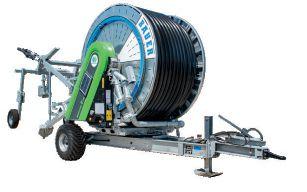
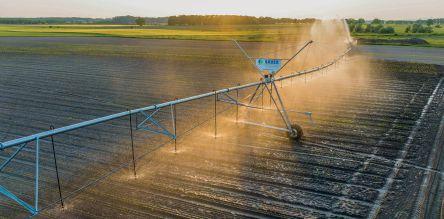
RAINSTAR TRAVELERS STATE-OF-THE-ART PIVOT SYSTEMS FAN PRESS SCREW SEPARATOR
HAIR TODAY, nutrients tomorrow
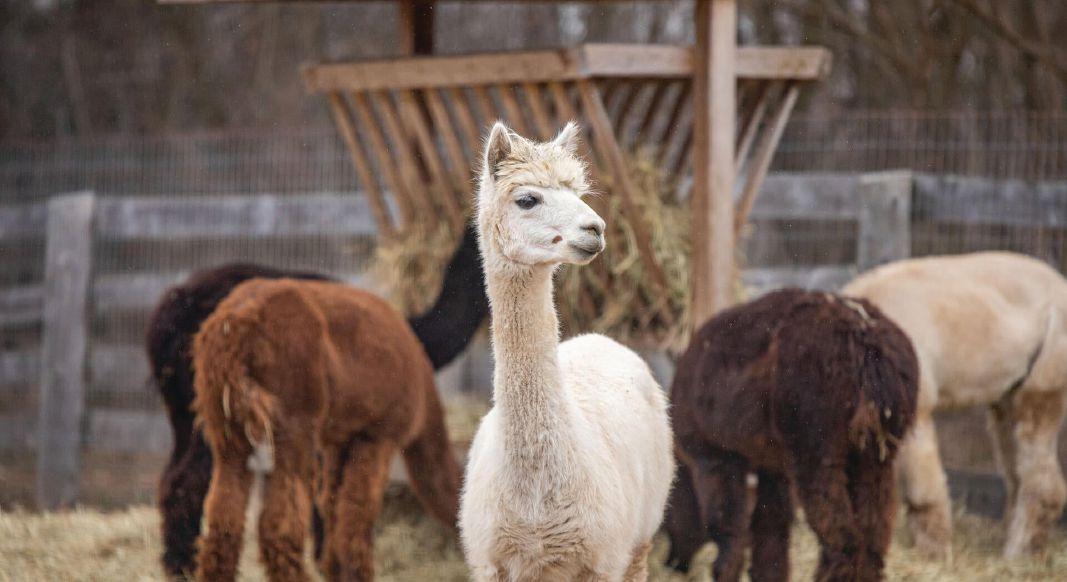
Like their cousin the llama, alpacas make good livestock guardians against small predators and have been growing in popularity on Canadian farms.
Alpacas are a camelid species smaller in stature than llamas – at 150 to 200 pounds versus 300 to 500 pounds, so they can fend off foxes and other smaller animals.
In addition to their protective nature, alpacas are also prized for their fur which has long, strong strands that are warmer than wool and resist wear better. This fine fur is long-lasting, exceptionally soft and water and stain resistant making it ideal for use in clothing.
But some of the fur around the animal’s neck and legs isn’t as soft or long as it needs to be for milling into yarn, which makes for a waste problem. And, when considered in tandem with the volume of alpaca manure, it all becomes s a lot of waste to manage.
Is there a way to use alpacas’ manure and fur together for the benefit of farmers? The University of Waterloo is unlocking this mystery in a new, one-of-its-kind study.
APPRECIATION OF ALPACAS IN CANADA
BY RONDA PAYNE
The alpacas of Ontario’s Maple Ridge Acres are among the growing number of alpacas in the country.
According to Alpaca Canada, the first alpacas came to Canada in the late 1980s and the Canadian Llama and Alpaca Association notes there were well over 30,000 of the animals registered through the association as of 2015. Registration isn’t mandatory and their popularity has grown, putting the numbers of Canadian-dwelling alpacas much higher now an additional decade later.
Augustine Osei, a post-doctoral fellow in the Faculty of Environment at the University of
Waterloo, has been working on ways to repurpose the hair and manure in ways to benefit farmers. He came into the study about a year after Maren Oelbermann, a professor in the faculty who leads the Soil Ecosystem Dynamics research Group, had been approached by the alpaca farmer at Maple Ridge Acres in Freelton, Ont.
“Maren already had a contact with an alpaca farmer,” Osei says. “In the last two decades, the amount of alpaca farming has really increased. Based on my research, it looks like there’s been quite an increase.”
Alpacas have a unique digestive system which Osei says makes their manure unlike that of other livestock. It is quite a stable form of manure, in that it has lower nitrogen levels and it can be applied directly to crops, whereas for some other forms of manure, direct application would lead to burning of plants.
“Some farmers use the manure raw on their crops,” he says of alpaca manure.
Award-winning alpaca farmer Frances Stewart of Maple Ridge Acres was piling the manure and waste hair on the farm, but as Osei explains, “nothing was happening.” The hair wasn’t breaking down and the piles weren’t composting as expected.
COMBINING HAIR AND MANURE
While putting manure straight onto crops is one option, the waste hair presents another problem – and another opportunity. The short and coarse strands don’t achieve the quality standards of the long body hairs.
That waste hair is typically burned or sent to landfills for disposal.
“They have a lot of hair that is waste,” Osei explains.
But anyone who manages and applies their own livestock manure can tell you that
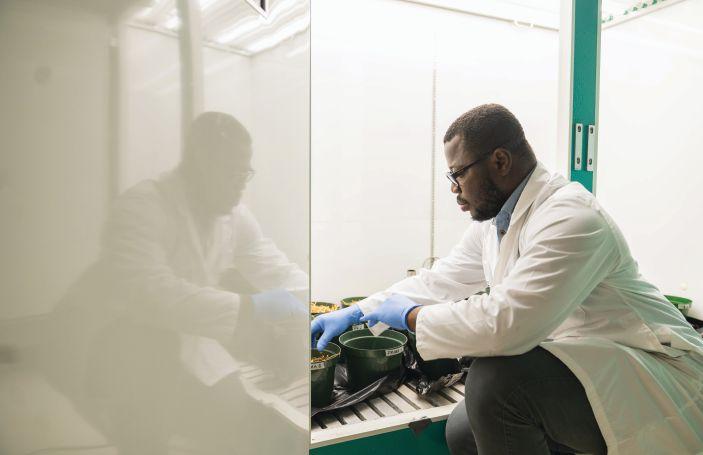
Augustine Kwame Osei is a post-dosctoral fellow conducting the experiments on alpaca manure and hair mixtures under the direction of Dr. Maren Oelbermann.
it’s dismissive to call something a “waste” product – and where some see a waste product, others see the potential for greatness.
“We can apply the manure to the soil and we also have the hair. The hair has a lot of protein and fiber,” Osei says.
Working with Stewart, Osei has access to abundant volumes of hair and manure for his testing.
Stewart had previously considered pelletizing the waste fiber, as is done will sheep’s wool, but it lacks lanolin, making it hard (near impossible) to press into pellets. Instead, she realized combining it with the animals’ manure was an option.
Wool pellets are often used as soil amendments, so the theory was to do the same with alpaca fur.
Recognizing the hair and manure weren’t breaking down, Osei decided to do an analysis of the hair and the manure, assuming the hair was going to have a high carbon level. But he was surprised to find that wasn’t the case.
The manure has a carbon-to-nitrogen ratio of about 16, while the hair has a ratio of only three, putting the combination at slightly below the desired level needed for composting. Osei is considering what the alpaca eats as an amendment to the mixture.
“To get a very good compost, a carbon-
to-nitrogen ratio of between 20 to 30 is recommended,” he says. “A carbon-tonitrogen ratio of 20 means that for every 20 parts of carbon, there is one part nitrogen.”
Having found this lower carbon-tonitrogen ratio in the hair-manure blend, he saw the need to combine another highcarbon source into the mix to enhance the microbial activities that will make the hair and manure break down. His work –the first of its kind - has been to research various amendment combinations with the hair and manure blend.
“Because the soils on which the grazing pasture of the alpacas grow are not that good, the farmer buys feed from other sources,” he explains. “That includes alfalfas and hay and other things that farmers generally use to feed their animals.”
INTRODUCING BIOCHAR INTO THE MIX
In addition to the feed amendments, Osei has begun adding biochar as an additive to the manure and hair blend. Biochar is a carbon-rich charcoal-like additive that has been used to enhance soil for centuries.
“Biochar is a high carbon content organic amendment,” he says. “Research has shown that including biochar in
compost helps to reduce odor while improving the composting process. We are seeing good results from using that.”
As the study goes forward, Osei is testing eight different combinations of the four elements of: manure, hair, hay and biochar.
“The combinations were based on targeted initial carbon to nitrogen ratios,” he says. “At this initial stage, we are doing lab experiments. The idea is to select the best three combinations out of the eight.”
Those three combinations will then go to a larger scale at Maple Ridge Acres where they will be trialed at a farm-level application in separate compost zones.
“Once we get the compost, we want to apply it to the field and compare that to a mineral fertilizer as well as to a nocompost application,” he says. “The goal is to develop compost out of this waste for farmers to use on their farms to improve their soils and increase their growth.”
Offering farmers an alternative to chemical amendments that is natural and effective could improve farm sustainability as well as providing a beneficial disposal option for alpaca hair and manure.
Osei anticipates the lab experiments will be done in the summer of 2025 and on-farm tests can proceed in the fall. •
Experimenting with varying quantities of the three materials to come up with the best possible combination that will yield fast-acting compost.
MANURE MINUTE
Reducing pathogens in manure
Livestock manure is a valuable source of nutrients, but it can also come with pathogens that may cause livestock and people to fall ill. The number and type of pathogens in manure vary based on animal species, feed and animal health, so using multiple BMPs at once will give the best results.
Pathogens can infect humans directly through contact with manure or indirectly through contaminated water and food. Children, the elderly and immune-compromised people are at highest risk of infection. Common manure pathogens include bacteria, protozoa and viruses and can cause fever, diarrhea, nausea, abdominal pain, vomiting and in the worst case scenario, death
There are three main opportunities to reduce manure pathogens: 1) In the animal, 2) During storage and collection, and 3) During application.
Livestock health is the primary way to prevent pathogen transfer from animal to manure, as sick or stressed animals are more likely to shed pathogens into their excreta. Clean feed and water, vaccinations, barn ventilation, appropriate stocking ratios, fly and vermin control, and biosecurity measures can help keep animals healthy.
can survive anaerobic conditions, most pathogens will be killed within 30 days. Using anaerobic digesters can accelerate the destruction of pathogens.
High temperatures combined with aeration also kills most pathogens. Composting is a good way to do this. A compost pile consists of organic material such as manure and bedding. Temperatures within a compost pile can reach upwards of 170oF. We recommend two cycles of temperatures of at least 131oF to kill pathogens. Aeration and uniform heat distribution are mandatory for the breakdown of a compost pile into dark, soil-like material.
The following are a few other, more costly treatment options to reduce pathogens: Added lime can reduce pathogens and odors (and when land-applied, also reduces soil acidification). Ozone destroys bacteria, though the high organic matter content in manure can reduce its effectiveness. Ultraviolet (UV) light and Pasteurization at 158oF for 30 minutes are also effective at killing most pathogens. Chlorine disinfects drinking water but should not be applied directly to manure. Because manure has high organic matter content, it will be generally ineffective and can produce toxic and carcinogenic byproducts.
Livestock health is the primary way to prevent pathogen transfer.
Feed selection is also key. Adding antimicrobials, organic acids or yeast extracts to feed can reduce the number of pathogens in manure. In some cases, replacing a high-grain diet with a hay-based diet has reduced E. coli concentrations in cattle manure. Replacing finely ground feed with coarsely ground feed can reduce Salmonella content in swine manure. Producers should talk to their veterinarian before drastically changing feed.
In storage, pathogen transfer to waterways can be minimized by using clean water diversions such as gutters and berms. Constructing a catch basin or vegetative buffer will help manage any water running off of manure storage. Make sure to follow local storage construction guidelines and locate solid manure storage on flat concrete or clay surfaces with a minimum of two feet separating the stockpile from the seasonal high-water level.
Storing manure under anaerobic (no oxygen) conditions, like deep pits below livestock housing, will also reduce pathogens. Though some bacteria
During land application, the main concern is runoff and loss through tile drainage. Pathogen concentrations decrease when exposed to UV light and drying. Since that naturally occurs when manure is surface applied, delaying incorporation will reduce numbers, but this can also have adverse environmental effects. Flies and vermin are also more likely to pick up and carry pathogens from manure left on the surface. Therefore, it is recommended to incorporate manure soon after application.
To further reduce runoff, follow proper application methods to avoid over application. Test soil and manure for nutrient content to determine how much manure to apply. Calibrate equipment carefully for the intended rate. Avoid applying manure onto frozen ground where it cannot be incorporated.
Before each BMP, consider costs and benefits. Is it economical? Will social and environmental costs be too high if management action is not taken? All in all, reduction of pathogens at the agronomic level helps protect the health of people everywhere. •
gea tuff built
When nothing beats sand, GEA Tuff can.
Increase the longevity of your electric pump in sand-intensive environments by choosing a GEA Tuff built pump. It will help reduce downtime and maintenance costs, thus enhancing overall operational efficiency and profitability.