Precise application
The latest advancements and how to put them into action. | 18
Boost Environmental
Proving a new management method. | 14
Improving application success
Tips to improve the success of variable rate manure. | 26
March/April 2019

Precise application
The latest advancements and how to put them into action. | 18
Boost Environmental
Proving a new management method. | 14
Improving application success
Tips to improve the success of variable rate manure. | 26
March/April 2019
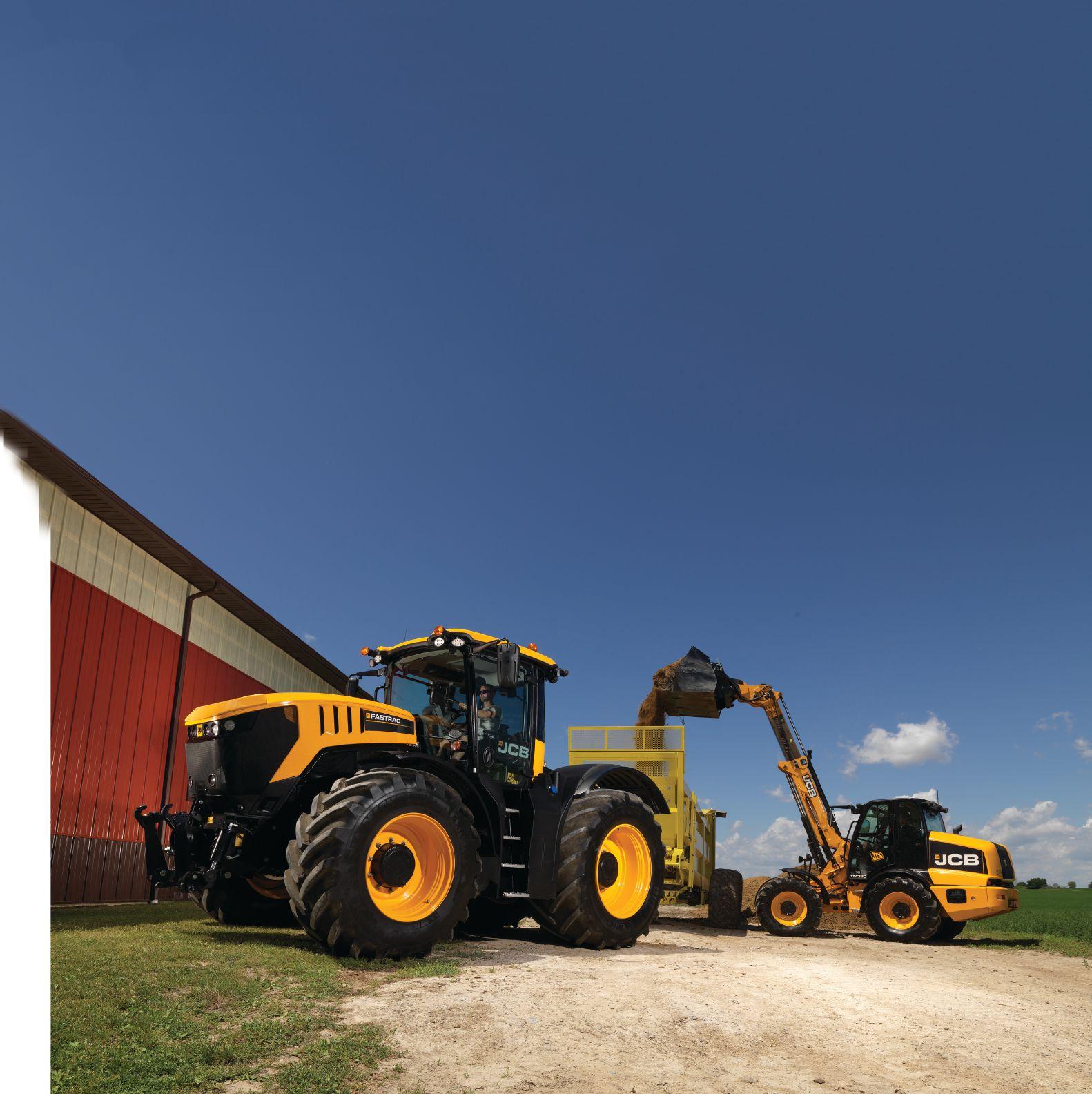
JCB Fastracs outperform the competition for manure hauling and spreading operations. On the road, outboard disc brakes and a constantly variable transmission allow you to travel at speeds up to 43 mph. In the field, full suspension on the front and rear axles and the industry’s most comfortable cab ensure your most productive days ever.
To discover the big Fastrac difference for yourself, schedule a demonstration at www.jcbagdemo.com
MARCH/APRIL 2019 Vol.17, Issue 2
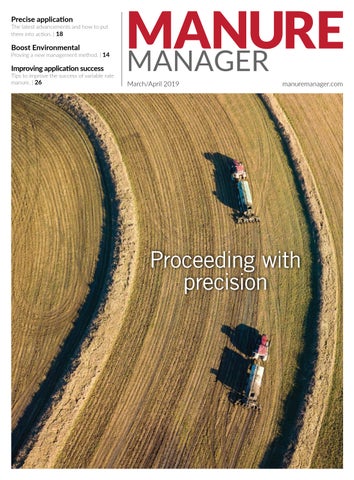
Proceeding with precision
What are the true benefits of investing and using precision application technology?
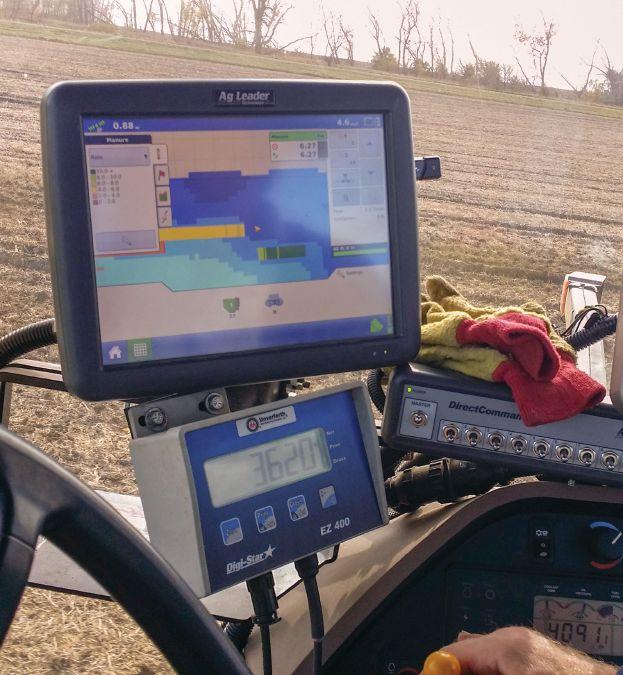
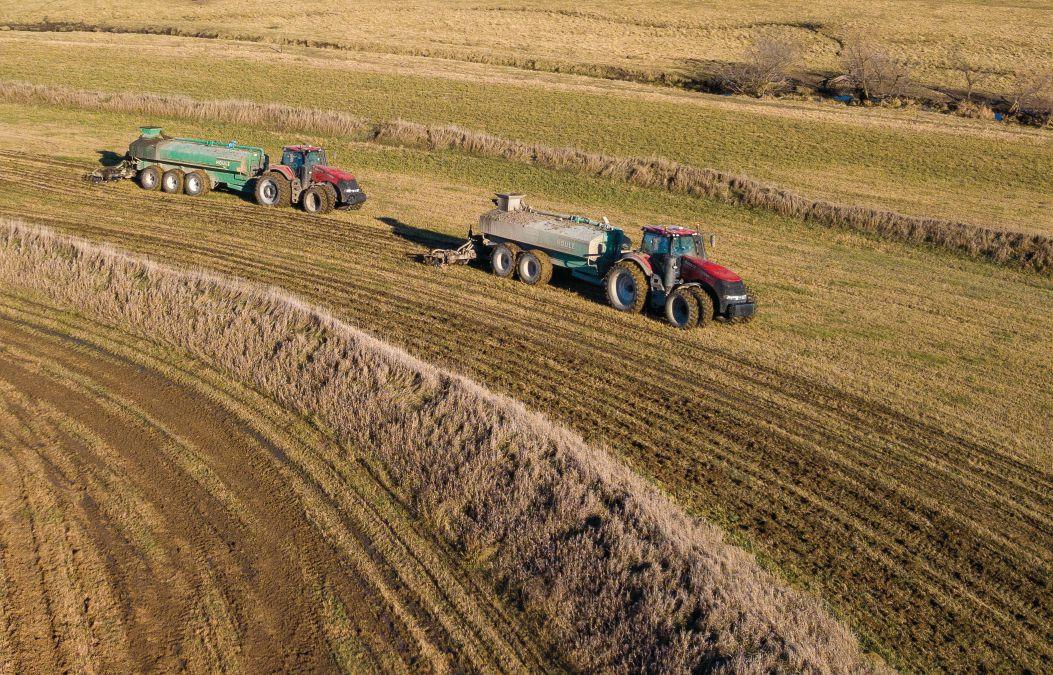
Precision application technology offers producers and custom applicators ultimate control with the ability to monitor and track where, when and how much manure is applied to field crops. For more, see page 10.
BY MADELEINE BAERG
Precise application
A look at the latest advancements in precision application technology. BY
TONY KRYZANOWSKI
Manure Minute
Improving the success of variable rate manure. BY CHRYSEIS MODDERMAN

While skimming through the latest industry news, a new tech development out of Alberta caught my eye. ManureTracker: a smartphone application for managing manure. The app was created through a collaboration of provincial organizations and is currently being tested and used by farmers throughout the province. Intrigued, I caught up with Trevor Wallace, nutrient management specialist with Alberta Agriculture and member of the ManureTracker development team, to hear more about the app and how it came to fruition.
“We have been providing paper tools for farmers for years and a few comments that kept coming back were about the lack of convivence. Producers wanted to know exactly what information they needed to keep and how they can make the whole process of collecting that data easier. So, we began by working with a number of provincial commodity groups – beef, poultry, dairy and swine – to envision what this app could look like,” Wallace says.
applied and then sends the GPS location, application rate and custom details directly to their applicator.
“[With the notes section], for example, producers are able to add that there is a neighbor in the northeast corner and to stay back 100 feet, or come into the field in a specific entrance and exit in a different spot. This can really help with neighbor relations.”
The app also connects to area weather stations, imports weather data, and uploads all the information to a cloud-based data system, where it can be analyzed or printed.
“The data we are collecting with our equipment, tractors, phones –it has really become the backbone of good management on a farming operation these days.”
When asked about advice for others who may be interested in creating an app, Wallace says to try not to get caught up in the idea of creating the ‘perfect’ app and keep it simple.
“It is very easy to get caught up and make things horribly complex.
“It is easy to get caught up and make things horribly complex.”
He adds that it’s not just about having that information but having the ability to share it with others.
“There is a lot of information going back and forth between farmers, agronomists and custom applicators, whether it is regulatory required or from a best management point of view. So, anything that we can do to make that easier and create a reliable paper trail will help in the long run.”
The app allows users to identify when and where they want manure
We asked producers what they wanted to include in the app and then created a minimum build that they could begin testing. From there, based on their experiences, we built it up, adding different aspects along the way.”
Looking forward, Wallace says this season the ManureTracker team will focus on usability and hope to gain more insight from farmers on how the app can be improved further for 2020. For more details, check out page eight. •
Simcoe, ON N3Y 4N5
JENNIFER PAIGE 416-305-4840 jpaige@annexbusinessmedia.com
Advertising Manager SHARON KAUK (519) 429-5189, (888) 599-2228, ext 242 skauk@annexbusinessmedia.com Account Coordinator MARY BURNIE (519) 429-5175, (888) 599-2228, ext 234 mburnie@annexbusinessmedia.com
M2H 3R1 Occasionally, Manure Manager will mail information on behalf of industry-related groups whose products and services we believe may be of interest to you. If you prefer not to receive this information, please contact our circulation department in any of the four ways listed above. Annex Privacy Officer privacy@annexbusinessmedia.com Tel: 800-668-2374 No part of the editorial content of this publication may be reprinted without the publisher’s written permission. ©2019 Annex Publishing and Printing Inc. All rights reserved. Opinions expressed in this magazine are not necessarily those of the editor or the publisher. No liability is assumed for errors or omissions. All advertising is subject to the publisher’s approval. Such approval does not imply any endorsement of the products or services advertisted. Publisher reserves the right to refuse advertising that does not meet the standards of the publication.


Effective Feb. 28, the province of B.C. enacted a new Agricultural Environmental Management regulation that outlines requirements for the storage and use of manure, other nutrient sources and agricultural material. Key changes include: More protective measures for operations in high-risk areas and during high-risk conditions; mandatory soil samples to determine what measures need to be taken to minimize the risk of excess nutrient loss;
and additional detail added to current requirements to create a clear understanding of how operators can work toward positive environmental outcomes. Additional requirements, such as implementing a nutrient management plan, will be phased-in over a 10-year period to give agricultural operators time to plan for and adjust to the new rules, and for government to develop the necessary guidance and tools to support implementation.
The Governor of New York recently announced that $18.4 million in grant funding is available to help New York livestock farms implement water quality protection projects. The funding will be provided through the final round of the Concentrated Animal Feeding Operation (CAFO) Waste Storage and Transfer System Program, a $50 million program launched in 2017.
The program is part of the Governor’s Clean Water Infrastructure Act, which would double under the 2019-2020 Executive Budget proposal to $5 billion. The program funds projects that will allow livestock farms to better manage and store nutrients, such as manure.
Since the program’s launch, nearly $32 million has been awarded to 89 farms. County Soil and Water
Conservation Districts can apply for the Waste Storage and Transfer System program on behalf of eligible farmers. The maximum award amount per proposal is $385,000, which includes funding for engineering and construction expenses. Grants will help CAFOpermitted farms offset the cost of manure storage construction, site preparation, and associated best management practices.
“With this third round of the CAFO manure storage grant program now available, approximately $18 million will greatly help our farms to meet the storage needs as required by law,” said New York State Soil and Water Conservation Committee chair, Dale Stein. “I encourage all farms that are eligible to work with their Districts to apply for this third and final round of funding.”
Source: Food and Agriculture Organization of the United Nations
Stocks of cattle, buffalo, sheep and goats have increased
Global manure production from all livestock increased
Since 1961 60% 66% 140% 5x 18-28
from 73 to 124 million tons of Nitrogen (N)
Swine increased Poultry saw a 5-fold increase
Nitrogen input from manure left on pasture increased from million tons of N.
48-86
Manure applied to soils increased from
Nitrogen input from mineral and chemical fertilizers grew considerably over the same period, with more than a 7-fold increase from 12 to 102 million tons of N. As a result, synthetic fertilizer-N inputs to soils for crop cultivation were smaller than livestock manure in 1961, but are currently 4 times as large.
million tons of N.
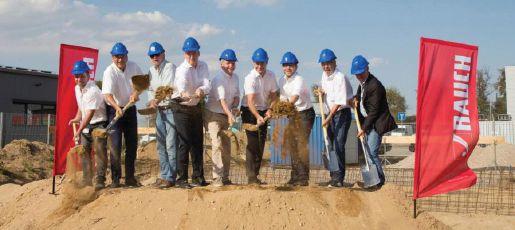
KUHN recently announced it will soon be opening a fertilizer application testing facility, in conjunction with its fertilizer spreader manufacturing partner, RAUCH.
KUHN fertilizer spreaders will benefit from this new facility and continue to showcase its commitment to the 4R nutrient stewardship program. The 4R program provides a framework to achieve cropping system goals such as increased production, greater profitability, enhanced environmental protection and improved sustainability.
With the new test facility, KUHN will be able to focus even more closely on the right source, rate, time and
placement of product to ensure safe and sustainable farming. These 4Rs will be achieved by using a test robot that pulls data from 90 fullyautomatic weigh cells to create a three-dimensional image of an entire spread pattern for all types of granular, spreadable materials.
The new facility will play an integral part in ensuring



ManureTracker is an Alberta-based manure record keeping application said to improve your farm management and move you away from paper records. ManureTracker allows you to add employees, send a request to your custom manure applicator and access records for a discussion with your agronomist.
With the ManureTracker, GPS will help identify field and manure storage locations, allowing you to make custom notes and identify any necessary setbacks. When you select the date for spreading manure, ManureTracker will automatically record the weather data around the manure application. The application will back up your information to the cloud if you allow it and synchronize all the data with those that you have given access to the farm information.
Features include: Manure production; manure application; manure transfers; nutrient and soil tests; weather data; and field and manure storage identification.
ManureTracker is created through the partnership of Alberta Agriculture and Forestry, Alberta Milk, Alberta Beef Producers, Alberta Pork, Intensive Livestock Working Group and the Natural Resources Conservation Board. Creation of the app was funded through Growing Forward 2. ManureTracker can be downloaded on Google Play for Android and the Apple App Store for iOS.
KUHN precision fertilizer spreaders provide an accurate spread pattern, putting the right product in the right place. Over 3,100 products have been evaluated for their spreading properties by KUHN and RAUCH personnel. This information has been incorporated into fertilizer identification cards that come with every KUHN fertilizer
spreader. The information is also available for download on the KUHN SpreadSet app (available on either the Apple Store or Google Play). The app allows users to select their fertilizer spreader, chose the materials they typically spread, and then calibrate for maximum accuracy.
The new $2.85 million facility will be located in Rheinmunster, Germany and have over 13,000 sq. ft. of area to spread. It will be the largest facility of its kind in Europe featuring the latest equipment created to test and analyze fertilizer spreaders. The new fertilizer spreader test building is expected to be completed and open in the first half of 2019.
A&L Canada Laboratories Inc. and Deveron UAS Corp. have entered into a service agreement where A&L will engage Deveron to administer, manage and execute A&L’s soil sampling collection business.
A&L has historically maintained a soil sampling service for numerous farmers and enterprise customers. Under this agreement, A&L will outsource the physical collection of soil samples to Deveron. Deveron’s personnel will collect samples as part of a larger portfolio of services offered to clients in regions across North America.
Deveron and A&L believe that one of the major limiting factors to maximizing yield on the farm is the understanding of soil. This agreement will allow A&L to continue offering soil analysis while allowing Deveron to leverage its network of on-demand data acquisition experts to collect soil samples. Ultimately, both companies believe current and prospective customers will benefit from this integrated relationship, which will see an expansion in the coverage of soil sampling services across North America.
A&L is a leading agricultural testing lab in North America and has been providing soil sample testing for the last 30 years to some of the largest and most innovative agricultural companies and farmers in North America.
Deveron has built a leading drone data network throughout Canada and the midwest United States over the last three years that leverages proprietary software to manage its complex network of licensed drone operators. This agreement marks the launch of another data acquisition product, soil sampling, that will continue to provide the agriculture industry with a scalable solution to acquiring data on the farm as digitization continues to become a necessary investment for farmers. The service agreement with A&L immediately increases the company’s access to paid-acres under management while expanding the portfolio of products available to Deveron’s customers.























What are the benefits of investing in and using precision application technology?
BY TREENA HEIN
Early adaptors of precision application tools say there are numerous benefits that come with implementing the technology.
“I have a customer who installed variable rate control this fall and the benefits have been huge for him,” notes Paul Bruns, owner of Precision Consulting Services in Canby, Minn. “Once we analyzed his manure nutrient content and set him up with about $3,000 USD of equipment for precision application, he saw that the manure from his cattle that he normally would have spread over 300 acres, he should (and did) spread over about 1,200 acres. That’s how much nutrient value it had.”
Bruns adds that this farmer, “crunched the numbers and told me that he saved about $70,000 in fertilizer that he would have applied to those 900 acres next spring. That $3,000 he spent on equipment has already gained back more than 20 times over. It’s been great for his livestock as well as the grain side of his operation.”
Adam Gittins, general manager at HTS Ag in Harlan, Iowa, believes the true beauty of precision
application technology is the ability to add it to existing machinery.
“With the slow economy the last few years, we can add a great deal of value to equipment by adding technology to it,” he says. “Instead of buying a new manure tanker that’s variable rate, a farmer can add a flow meter and log the rate of manure application, moving up to a variable rate system when they are ready. It really is a no-brainer.”
Gittins along with many other industry professionals agree that precision application is not as expensive, time-consuming or difficult to get started as many may think it is (check out page 18 for more details on implementing precision application technology).
“In the end, it’s about being as sure as you can of the value of your manure and optimizing that value,” Bruns says. “Farmers are ultimately after as many bushels as they can produce with as little cost as possible, and that’s what precision application provides.”



BKT Tires (CANADA) Inc. (905) 641-5636 (514) 792-9220 (604) 701-9098
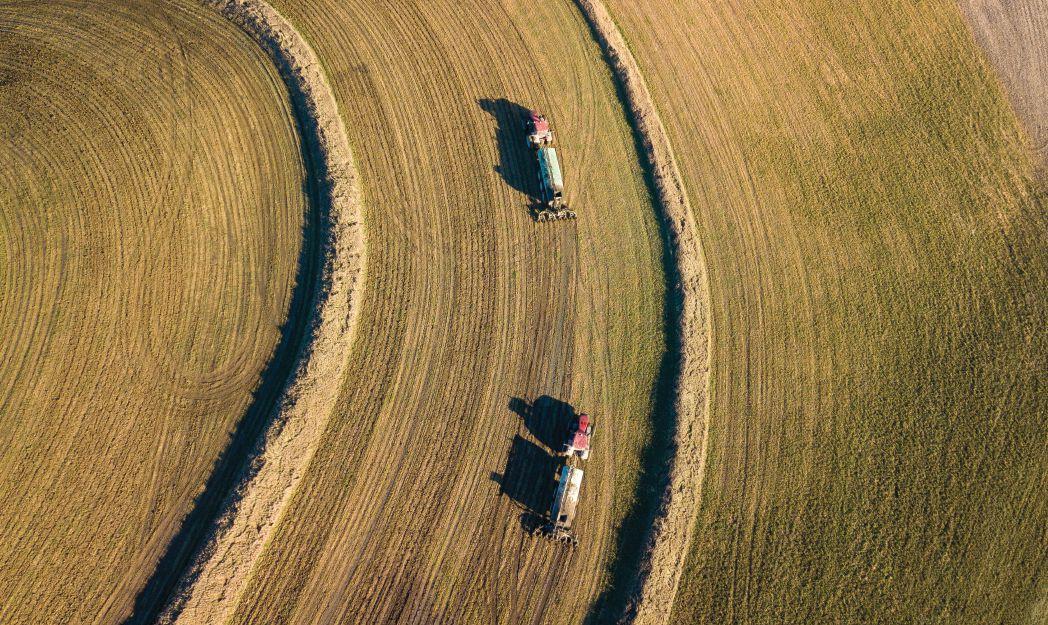
Besides the incentive of protentional large, annual savings for little investment, the other major driver to get started with precision application technology, in Bruns’ and Gittins’ view, is staying ahead of regulatory requirements.
“Custom applicators in Iowa already have to submit a map generated by an automated system to meet state environmental regs,” Bruns notes. “I am proactive with my producers, trying to convince them that it’s better for them and for all farmers to show the regulatory bodies and the public that they are already doing precision application, that they are already applying the minimum amounts of fertilizer possible. I firmly believe that precision application will
become a requirement over time, so why not get started now?”
Gittins agrees that precision application allows producers to address the regulation side of manure management. He says that the technology allows you to do a much better job at managing the nutrient side of crop management and also improves yearto-year farm management with records of how much was applied when and where, which helps to ensure all acres are rotated accurately and receive what they should.
Precision application technology often opens doors for custom applicators to offer important value-added services.
“Most custom applicators are just taking direction from farmers about
how much to apply and where. They’re not doing a lot of the management components, and they could offer these extra services,” Bruns says. “Precision tech also allows them to provide their farmer customers with excellent records for their own use and for regulatory compliance. And it simplifies billing.”
Gittins believes precision application technology is something that most producers across North America will be adopting very soon.
“It will make them better at what they do, and those who don’t use it will, in fact, be left behind,” he says. “It’s hard to say how soon everyone will have it, but within the next three to five years. These things are becoming standard.”
Bruns agrees that precision application is inevitable, but that he’s still seeing a lot of farmers who are interested but uncertain of the value and don’t have a lot of time to investigate it further.
“A lot of livestock guys are so caught up in day-to-day and they are concerned about this taking up more time and more dollars. But it is really life changing from a farm business perspective,” he asserts. “In every way, agronomically, economically and environmentally, you are able to manage your manure better and your farm better with precision application.”

Vancouver-based start-up company Boost Environmental is working to bring a new high-efficiency manure management system to market.
BY MADELEINE BAERG
Vancouver-based Boost Environmental Systems, a company created and staffed by leading University of British Columbia researchers, is in the final stages of proving a new and highly-efficient method for managing livestock manure.
Called microwave enhanced advanced oxidation process (MWAOP), the technology not only shrinks the volume of manure by 60 percent and significantly reduces greenhouse gas emissions, it isolates up to 90 percent of manure’s phosphorus, decreasing run-off concerns and creating a new revenue stream for farmers. Fifteen years in the making, researchers hope this technology is a game changer for manure management on dairy farms.
“One of the big issues that often goes unnoticed on dairy farms is the issue of nutrient management. Usually farmers have their own land that they spread their manure across. But, though nitrogen and phosphorus accumulation isn’t visible, it’s always underlying and it’s getting serious,” says Dr. Asha Srinivasan, Boost Environmental Systems’ chief technology officer. “It is going to affect farmers’ whole operations and the welfare of their animals too. We’ve gone past the stage where it’s okay to just dump manure on fields. To maintain sustainable farms, manure management should be of huge interest to farmers.”
Following the MW-AOP, the slurry is sent to an anaerobic digester for further breakdown. Pretreating the slurry via MWAOP speeds up and improves anaerobic digestion significantly, converting difficult to biodegrade portions of dairy manure into easily biodegradable material. This increases methane production and reduces the digester’s necessary size.
After the anaerobic digestion phase, the slurry’s liquid and solid components are again separated. The solid portion, which now contains only low nutrient levels, is considered a Class A Biosolid and can be applied to land. Meanwhile, the liquid component next undergoes nutrient recovery. The MW-AOP releases nitrogen, phosphorus, potassium, magnesium and calcium into the solution, allowing all to be recovered. Most importantly, the process solubilizes a full 90 percent of manure’s contained phosphorus, allowing it to be removed as concentrated, almost granular struvite at the recovery stage.
She adds that long-term sustainability will depend on farmers pursuing all available revenue streams. “If farmers can produce more biogas and produce marketable struvite (phosphorus fertilizer) too, they will be ahead of the curve.”
Boost Environmental Systems’ process begins with a simple separation of coarse solids (bedding) from the liquid component of manure. The remaining slurry then undergoes MW- AOP, which uses microwave heating and hydrogen peroxide to solubilize (dissolve in water) organics and nutrients contained in the manure.
ABOVE
According to Boost Environmental Systems’ published calculations, manure from a 120-dairy cow herd, processed via microwave AOP technology and an anaerobic digester, should produce between $23,000 and $53,000 worth of marketable struvite (approximately 19 tons) annually, and keep 2.7 tons of phosphate per year from being applied to farmland.
“Phosphorus is a very critical, limited resource. Because it is in living matter and crops use it, all animal and human waste contains phosphorus. So, why not just reuse it? That eliminates the problem of run-off and means that the resource is not wasted,” Srinivasan says.
“The UBC Department of Civil Engineering pioneered the phosphorus crystallization process, but where we come into the picture is you can only recover so much phosphorus using traditional nutrient recovery processes. Manure is very complex in nature and not easy to break down, but the MW- AOP can do it. It solubilizes nutrients into their smallest form, which is the most
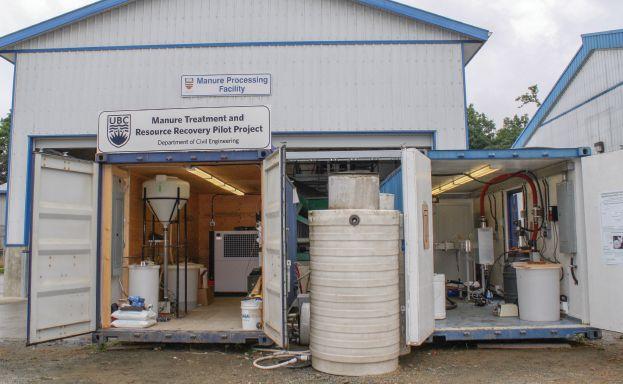
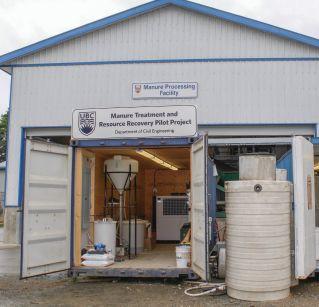
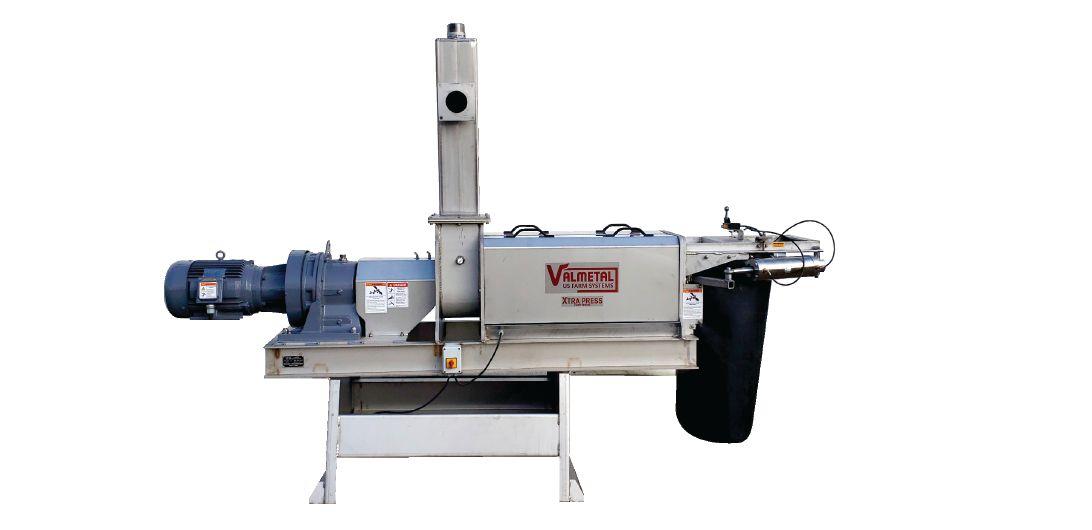
Boost Environmental Systems displays the pilot scale MW-AOP and struvite crystallizer set up at the University of British Columbia Dairy Centre, Agassiz in 2018.


readily usable, allowing you to get double or triple the amount of struvite you would without the MW- AOP process.”
Due to the fact that so much of the nutrient is removed, wastewater can be managed on-farm without concerns about run-off causing groundwater contamination or eutrophication of nearby bodies of water.
The research team is currently testing how much additional biogas can be produced by mixing manure with fats, oils and grease (FOG) from third-party
suppliers such as restaurants. FOG is an energy-rich resource that offers benefit to farmers both in tipping fees from the businesses that need to get rid of their FOG, and from additional biogas production.
“The problem with dairy manure is that it’s not a great substrate for anaerobic digestion because a cow’s gut is itself a very good digester,” Srinivasan says. “What comes out of a cow is pretty much what cannot be easily digested in any digester: A cow or an anaerobic digester. You don’t see widespread use of bio-digesters for
The only thing better than a high-performance flotation tire is a high-performance flotation tire that can carry huge loads at up to 62 mph (100 km/h).
That’s the Alliance 398 MPT, a multi-purpose tire created from the ground up for the demands manure applicators and livestock producers face every day. With its load-carrying brawn cloaked under a smooth, stable ride, the all-steel Alliance 398 MPT radial is ideal for manure application equipment and can even replace duals on straight-axle trucks and semis.

Plus, it’s backed with the industry-leading 10-year Alliance warranty. Learn more from your Alliance Tire dealer, visit www.atgtire. com or call us at (800) 343-3276.
that reason. But, if you can treat manure and FOG with MW- AOP, you can greatly improve biogas production.”
MW-AOP is currently being tested in both human and agriculture waste applications. The technology offers real potential for municipal waste water management, given that no other technology has yet proven so efficient at reducing sewage sludge. Currently, MW-AOP systems are being tested at municipal sewage treatment plants in Vancouver and Abbotsford, B.C.
Meanwhile, MW-AOP is also being proof-of-concept tested at the University of B.C.’s Dairy Education and Research Centre in Agassiz, BC. Here, a 25-kW pilot-scale MW-AOP system and a pilot scale struvite crystallizer proved very effective in reducing manure solids reduction and capturing nutrients. Now, an anaerobic digestion system is being integrated into the pilot. This combination of technology will allow the best possible nutrient management scheme, eliminating the need for trucking of excess manure, recovering phosphorus and nitrogen, obtaining a value-added product, enhancing anaerobic digestion and improving solid/liquid separation.
Srinivasan says research and development at the municipal sewer plants play an important role in the development of the manure management system as well.
“Even though we’re talking two different applications, any scale up we see in one sector will complement the second sector as well,” Srinivasan says. “We believe we will have the first commercial system in place in two years for municipal waste water. For manure waste management, the technology will be ready for full commercialization anywhere in the next year or two.”
The issues complicating manure management differ between jurisdictions and between livestock types. What is consistent across jurisdictions is the fact that farmland acreage is shrinking while production intensity is increasing, creating more manure with less area to spread it. Meanwhile, governments are beginning to look more seriously at legislating nutrient management in order to reduce greenhouse gas emissions, groundwater contamination, and eutrophication of water bodies.
“We’re coming to a situation where nutrient management has to be dealt with if we are going to continue to have as many animals in close proximity
to people,” says Nelson Dinn, the Dairy Education and Research Centre’s operations manager. “At the moment, there is no economic incentive to buy this or any other manure management technology. They are all expensive. But it is coming. There will absolutely be more demand for nutrient management technology in the future.”
Though the majority of producers still spread manure on agricultural land, there is already starting to be a push towards other options. Some farmers have begun to centrifuge the slurry to pull out the liquids and phosphorus. Several years ago, B.C.’s provincial government sponsored a pilot project wherein they brought a centrifuge to a handful of Fraser Valley dairy farms to determine the feasibility of centrifuges on average British Columbian farms.
Perhaps a better option than spreading manure, centrifuging doesn’t entirely solve the issue of exporting waste off one’s land, however, since the process leaves behind unmarketable, high-phosphorus solids. Others are investing in biodigesters which, while they do reduce bulk, do not on their own remove any nutrients. Others are also looking at a technology that uses polymers to remove the phosphorus. This process, however, remains very expensive.
“All of these systems – the polymer systems, the centrifuge, the Boost system – they all have high frontend capital costs and high operating costs. We’re not talking about just a basic piece of equipment. To keep the technology operating is another job on the farm. It’s not always easy and it’s definitely not cheap. It comes down to which solves the most problems for your application. You really have to dig down and ask ‘how can I apply it to my operation?’” Dinn says.
“There are several different types of systems that will remove P from your manure (at differing levels of removal efficiency), but if it results in having a mountain of high P solids, then what? Some P has now been removed from the manure pit, but it’s still in a different pile. What do you do with it? You have to have a plan all the way through to the end point,” he adds.
simpler and modular in design. But, despite that, I understand that from a farmer’s perspective, the costs are high,” she says.
“If you look at the economics, a larger farm with a herd of 500 or 1,000 would see economic returns from this technology. But for smaller farms, it would probably be difficult for them. If government wants to promote manure management technologies by providing incentives or other forms of support, then I’m sure there is huge commercial potential.”
Recognizing that today’s ‘spread it and forget it’ manure management won’t work in the near future, B.C.’s dairy farmers are already investing in supporting various research initiatives, including Boost Environmental Systems’ IMPACT research.
“The dairy industry has been very supportive of seeing these technologies move forward because as an industry, B.C. dairy farmers have been very proactive in staying ahead of the curve and doing what’s right,” Dinn says. •

A look at the latest advancements in precision application technology and how to put them into action.
BY TONY KRYZANOWSKI
Farming has become more precise with advanced tools to apply such essentials as seeds, commercial fertilizers and chemicals. This has opened the door to more precise variable rate application control of manure.
However, cobbling together a workable manure application system takes time because of the amount of customization required.
What hasn’t changed is the manure application math, with the simple calculation that application rate times speed equals volume applied per hectare. The technology and variability provide the ability to adjust on the fly.
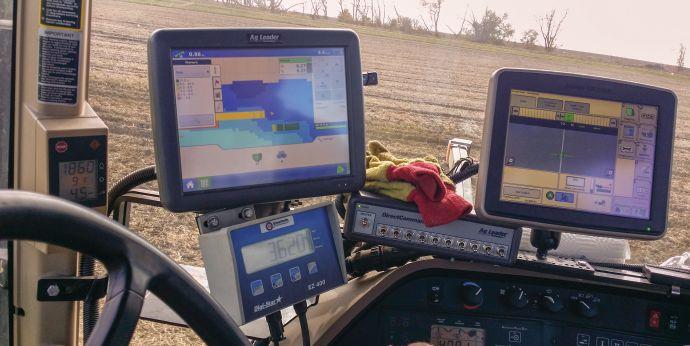
Advances in such communication, application and data-gathering technology as global positioning systems (GPS), geographic information systems (GIS), weight and flow sensing equipment, electromagnetic flow meters, electronic application controllers, and radar and ultrasonic speed sensors is helping farmers and custom manure applicators willing to invest in the latest technology to maximize the benefits that
variable rate application of liquid or solid manure can bring.
These tools are making it easier and quicker to determine manure’s nutrient content, to harmonize application rates based on nutrient content and the crop being fertilized, and to vary the application rate on the fly based on soil testing and GPS maps.
However, whether it is farmers or custom manure applicators interested in working with the most current variable rate application technology, research conducted by Indiana’s Purdue University indicates that there are few, if any, off-the-shelf variable rate application systems that fit all circumstances.
The current state of system technology is a bit like purchasing a new vehicle. There are many base-model manure application systems on the market, but for more precise control and the ability to vary the application rate and location, it requires the purchase of options that will deliver a level of performance to suit each farmer’s needs –at a cost.
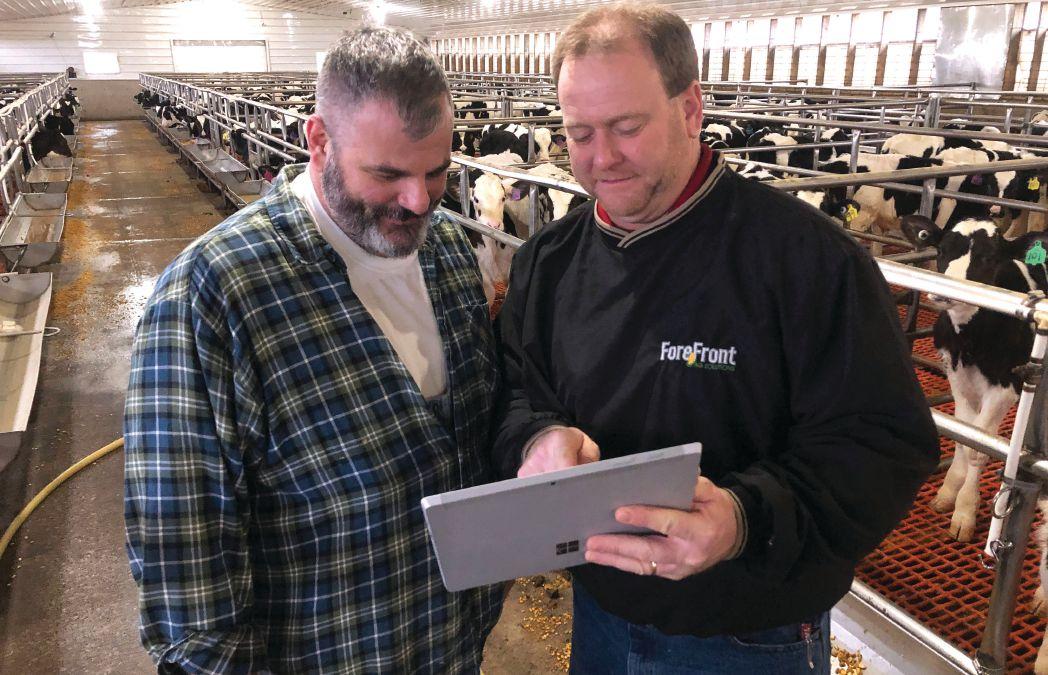
ABOVE Forefront Ag Solutions owner, Erich Eller (right), reviews variable rate manure plans with Mike Hil, owner of M&C Hill Family Farms in Indiana.

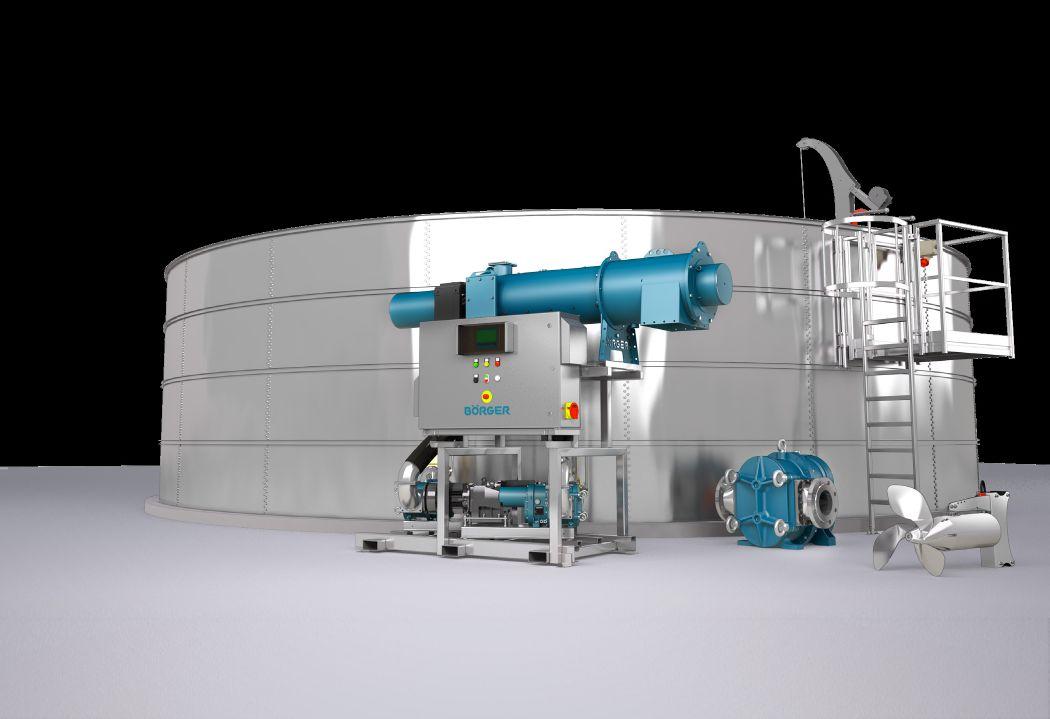
+ Solid Liquid Separation
+ With Structure
+ Without Chemicals POWERFEED
+ Feeding and Transfer of Organic Waste
+ Closed Loop System
+ Process Control
+ Energy Efficient

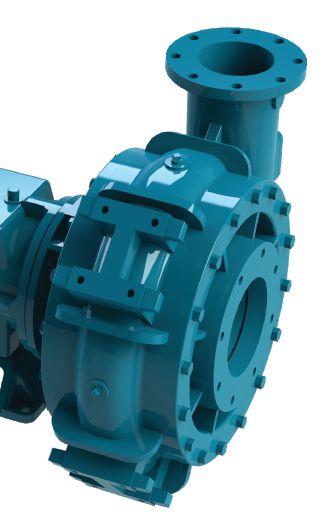
capabilities.
Hard Metal or White Iron materials available for abrasion resistance (MP Series)
Low head transfer to high head booster pumps
High efficiency — Lower HP required
Heavy duty construction — Low maintenance
50+ years’ experience in manure handling
In its publication, ’Implementing Site-Specific Management: Liquid Manure Application,’ Purdue University researchers, Daniel R. Ess, Stephen Hawkins, and D. Keith Morris, provide a roadmap of the current state of equipment for variable rate application or ‘site-specific management’ of manure, with a telling example of the daunting task faced by farmers to design an application system.
They identify two systems suppliers – Balzer Inc., headquartered in Mountain Lake, Minn., and Ag-Chem Equipment Co., located in Minnetonka, Minn.
They describe the Balzer variable rate system as a unit equipped with an electromagnetic flow meter supplied by KROHNE Inc., a pinch valve to control manure output from Red Valve Company Inc., a tank-mounted GPS antenna, a tractor-cab-mounted Raven electronic application controller by Raven Industries, and an AgLeader in-cab monitor provided by AgLeader Technology Inc.
Ag-Chem Equipment offers the Terra-Gator 2505 Nutrient Management System, which uses the Falcon CD controller to produce map-based, variable-rate liquid product application and as-applied records.
So, the advice provided here is to research and find companies like Balzer or Ag-Chem Equipment as a starting point who are willing to work with farmers or custom manure applicators to find and install options that work well together to achieve what the customer want to accomplish in the way of variable rate manure application.
Fundamentally, however, the major challenge with land application of either liquid or solid manure versus inorganic

fertilizer, seeds and chemicals is its biological nature.
The nutrient content in manure is highly variable so to avoid application mistakes and to maximize nutrient uptake benefits, the entire process of using manure as organic fertilizer still requires a high degree of monitoring from the storage lagoon to the soil, whether the manure is surface applied or injected. In other words, success as it relates to precise variable rate application of manure is as much about process as it is about application of technology.
The Purdue researchers have identified four basic principles that manure applicators need to consider when drafting a sitespecific manure management program. These are the ability to measure nutrient content, the ability to determine application rates needed for the crop being planted, the ability to control the rate applied, and the ability to produce a record of where and when the application occurred.
The next step is to go shopping based on this checklist for the latest or most affordable technology that will address each of these issues to the level of precision required by individual farmers or acceptable to the farm community where a custom manure applicator is working.
Erich Eller is owner of ForeFront Ag Solutions headquartered in Huntington, Ind. His company offers farm consulting services, including precision agricultural practices and manure nutrient management, to farmers in northeastern Indiana. A graduate of Purdue University, Erich and his wife, Jennifer, own the business.
They are working with some dairy, hog and poultry operations helping them to develop plans to land apply their manure, which typically aren’t a high percentage of their overall customer base, but they are large, with all the manure management challenges that come with that.
He says that there is no doubt that the availability of more powerful technology over the past 20 years has had a significant impact on today’s farming practices. Farmers understand the value that organic nutrients can bring to them, and Forefront has witnessed a fertility savings to customers of $62 to $185 per hectare of phosphorus and potassium alone based on rate of application and cost of fertilizer, without even considering what micro nutrients and organic matter dividends that it also provides. The company works with farm customers to design variable rate manure prescriptions based on their needs.
Erich cautions that the actual cost of hiring someone to apply the manure has to be factored into the cost benefit versus commercial fertilizer if the manure is being sold by the livestock operation. Sometimes a dairy, hog or poultry farm will give the manure away, as long as the recipient is willing to pay for the application cost. So, it isn’t free fertilizer. If the manure is being used in-house, this is a mute issue, as there is a need to dispose of the manure one way or another.
The level of interest among farmers to use manure and develop a variable rate application plan varies. There are definitely instances where some farmers have tried variable rate application in the past, it didn’t work out as expected, and it cost them some yield. So today, there is some reluctance on their part to try it again versus commercial fertilizer.
Erich says that what he has noticed is that manure users are putting in a lot more effort to understand its nutrient content prior to application, including the use of products that help to break down the solids in lagoons, which is an important step to drafting a workable variable rate application plan.
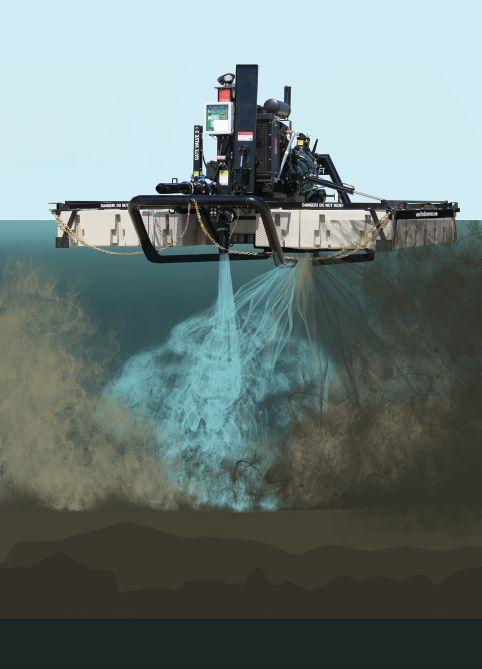
“We also have various ways to agitate that lagoon to arrive
at a fairly consistent product,” he says. Recently, some companies have developed amphibious vehicles to agitate lagoons and pumps that descend to the bottom of lagoons to stir them from the bottom up so that accumulated solids on the bottom are mixed in better, resulting in a more consistent and verifiable organic fertilizer product.
The Purdue researches also point to the current availability of nitrogen meters that, “can be used to provide a relatively accurate, direct estimate of the plant-available nitrogen.”
Eller says he aims for agitation and lab sampling to occur within three to five days of actual land application, and in addition to nitrogen, he strongly considers the phosphorus content and how much and where it can be absorbed on the land base.
“When we look at manures and the way we start to make recommendations is truly based on the phosphorus,” says Eller, because based on current issues related to phosphorus content in soils and the danger of leaching into waterways, it is the determining factor for calculating safe application rate in many areas.
New government regulations in places like Indiana regarding responsible manure application and development of nutrient management plans is also driving more precise manure application because inspectors require regular soil sampling where manure is being applied to avoid issues like phosphorus build up. So advanced soil sampling is now simply a given, with the use of that data in GPS-based applications systems to customize rate application rate by soil type in specific geographic zones. That technology to adjust on the fly exists.
“As far as software, I am aware of three or four that should be able to do the job fairly well,” says Eller, and these location, speed, and application control systems are designed to plug into current operating systems in tractors. There is a bit of a learning curve with customers he now has using the technology, but he adds that its fairly easy to learn. Custom manure applicators in particular have been leaders in adopting more advanced variable rate application technology because there are strong business reasons to make the investment in time and money.
He’s also noticed advances in the ability to generate ‘as-applied’ maps, that correlate application plans with actual
delivery maps for both verification and future planning.
Because equipment related to manure application and options that provide variable rate application is still somewhat of a niche industry, farmers and custom manure applicators likely will not find a lot of equipment dealers right around the corner. It likely will require some research time, travel to investigate systems, and meetings to discuss and cost out proven systems that meet a particular customer’s needs.
A critical aspect of making a purchase is the after-sales training and support to ensure the system works as advertised.
“I think the biggest advances with variable rate application have been better communication with all parties involved, along with better agitation and products to create better material consistency, and certainly there have been many advances in computer technology and it will continue to advance,” says Eller. •
FEATURES AND BENEFITS:
• Oil bath bearings - self cooled and lubricated, needs no water flush
• Disintegrator tool - for hoof blocks and other solids
• Heavy duty seal and bearing systemlonger life in severe service
• Ductile iron casing and bearing housingheavy castings for long life
• Heat treated cast steel wear parts - for longer life in abrasive grit service
• Most parts readily available from stock for expedited delivery
APPLICATIONS INCLUDE:
• Digester Feed
• Digester Mixing
• Small Pit Recirculation
• Tanker Loading
• Flush Water
• Feeding Heat Exchangers
• Manure Transfer
• Separator Feed
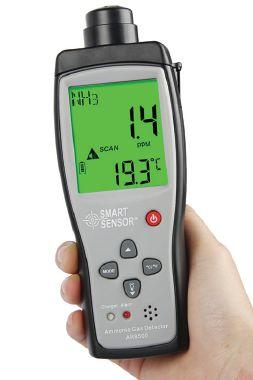
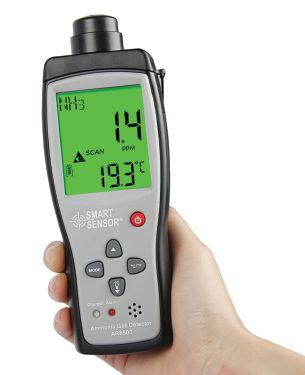
QA Supplies recently announced the release of the AR8500 Precision Ammonia Gas Detector, which detects the presence of ammonia gas in the air to help determine the environmental quality of poultry farms, cold storage, or chemical plants. As the level of ammonia in the air can have a severe impact on the health of many animals, this is a critical instrument for maintaining quality and safety.
The sensor’s high range (0-100 ppm) provides readings in environments over the typical maximum limit of 50 ppm. An audible and visual alarm are standard and both have adjustable setpoints.
The meter boasts a durable, user-friendly design. In addition to detecting ammonia levels, the precision meter monitors temperature levels. Convenient buttons and a large LCD display provides users with easy to understand readings.
The device comes with a hard-carrying case, sensor cap rechargeable battery, and USB charging cable with a wall adapter. QA Supplies offers a dedicated manual for customers with operating instructions and warranty information.
qasupplies.com/ammonia-gas-detector/
Case IH is unveiling a new AFS Connect Magnum series tractors. Powered by Case IH Advanced Farming Systems (AFS) precision technology, the tractor is outfitted with a new display, operating system, receiver and completely redesigned hardware environment that allows for remote display viewing, remote support capabilities and more.
The AFS Connect portal allows farm managers to precisely manage their farm, fleet and data from a desktop or mobile device anywhere, while feeling assured their data is securely transferring to and from the cloud.
Three new system components work in sync to simplify and elevate the AFS Connect Magnum: AFS Pro 1200 display, AFS Vision Pro operating system and AFS Vector Pro receiver. The new AFS Pro 1200 display is designed for intuitive navigation and optimum visibility. Remote display viewing connects operators with farm managers, and Bluetooth capabilities pair the display with a mobile phone to bring everything onto one display.
The new AFS Vision Pro operating system allows produces to configure their AFS Vision Pro operating system to their choosing, using technology to tailor the tractor to their operating preferences, and using pre-programmed hot keys to make on-the-fly adjustments to quickly adapt to changing conditions.
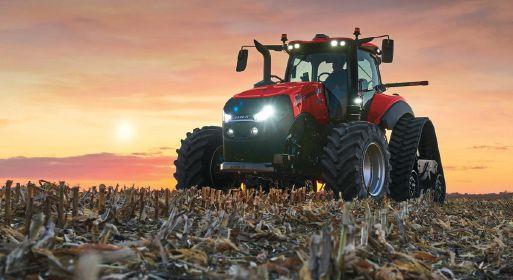
The AFS Vector Pro receiver streamlines guidance correction options, ranging from base (WAAS and AFS 1) to medium (AFS 2) to high (RTK & RTK+) accuracy levels. Whether it is a cellular, satellite or radio delivered correction, the goal is to drive efficiency.
Telescoping mirrors are adjustable from the cab, and four camera feeds can be viewed on the AFS Pro 1200 display, with two cameras standard on the luxury cab configuration; these improve visibility day and night. Additional improvements include a semi-active cab suspension option, breakaway-style marker lights and tire pressure monitoring sensors.
All Model Year 2020 AFS Connect Magnum series tractors are covered by a two-year, 2,000-hour factory warranty. caseih.com
The new Biogas Dehumidification System (BDS) from HRS Heat Exchangers removes water from biogas, protecting CHP engines from corrosion and cavitation. It also comes with a heat recovery section as standard, increasing an AD plant’s overall energy efficiency.
“The BDS reduces biogas temperatures from around 40ºC to approximately five to seven degrees, condensing more than 90 percent of the water volume,” explains HRS International sales and marketing director Matt Hale. “It works via a chiller system which supplies a coolant that is transferred to heat exchangers. Biogas flows on the product side of the exchanger, while the coolant flows on the service side. As the biogas cools, the water condenses from the gas, leaving a clean and dry biogas ideal for use in CHP engines.”
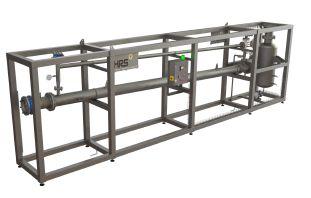
Suitable for AD plants of all sizes, HRS BDS comes skid-mounted for easy access and freedom of movement, and features an automatic control panel for full process control. hrs-heatexchangers.com































































Though winter seemed endless, it is time to start thinking about manure applications for the spring! While you are in the planning stage, you might be considering using precision agriculture for manure.
Precision agriculture means using variable rates based on management zones, and it has been gaining popularity over the past decade. Variable rate planting and commercial fertilizer application are the most common types of precision agriculture, but manure may soon be joining their ranks.
Many research studies show that variable rate manure application works, and that it’s economical; but there are also imperfections that make it complex. Luckily, in addition to the constant improvements of precision manure applicator technology, there are some practical methods that can increase the success of variable rate manure applications.
Precision application of manure is tricky because manure, itself, is not precise. It can be difficult to be certain exactly what nutrients are present in manure for a couple reasons. For one, some of the nutrients in manure are in organic forms, meaning they are not immediately available to the crop. Over time, those organic forms will break down into forms
Also, using variable rates might be a challenge because manure application sometimes occurs during a time crunch. Perhaps harvest was late, or planting was early, or the ground was too wet, or impending ground freeze came too soon; or perhaps storage was in danger of overflowing. Whatever the case, when application must be done on a tight schedule, it is easier to have a “just get it on the field” mentality; which leaves no time for the planning that precision agriculture takes.
Now that we have the doom and gloom out of the way, what can be done about these challenges?
Properly sampling manure for testing is a practical way to better understand the actual nutrients applied. To get the best representation of the manure, many samples should be taken during application and mixed well. Keeping detailed records of sample analyses will ensure planning for future applications is done with the most accurate information possible. Speaking of sampling, soil should also be sampled regularly to determine which areas of a field need different nutrient management.
In addition to spatial variations, nutrient content varies over time.
that can be used by plants; but the pace of that transformation is difficult to estimate since it is a microbial process that varies based on the environment. While tools and calculators exist to help estimate how quickly organic forms will become plant-available, they can never be 100 percent accurate.
Another issue is that manure nutrient content is not uniform. This is especially true for solid manures as the nutrient content in one area of a stockpile will certainly vary from another area. And no matter how well a liquid manure pit is agitated, some variability will still exist. In addition to spatial variations, manure nutrient content varies over time. Nutrient content from storage and handling to what is actually applied can drastically vary.
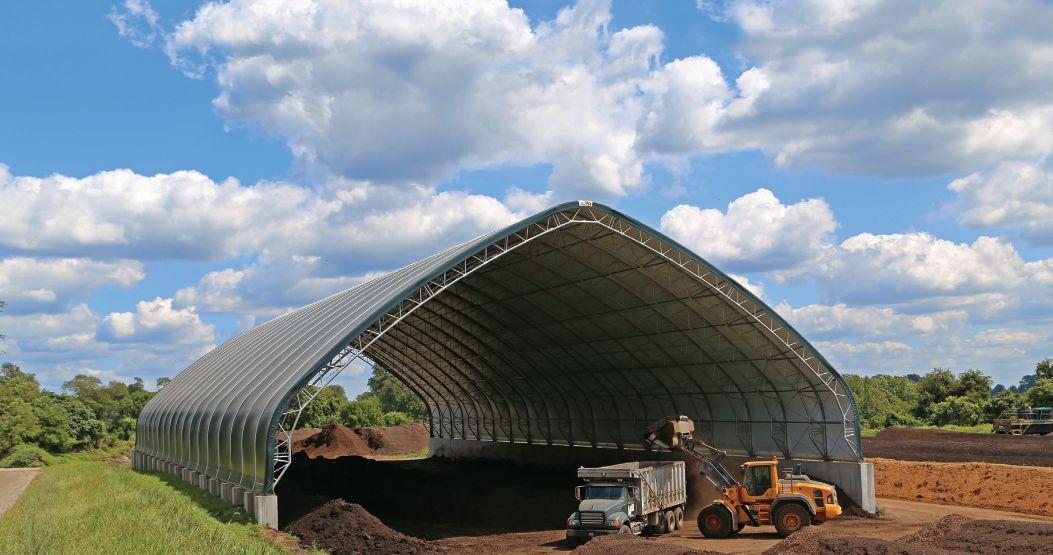
While it might not be a practical option for all farmers, composting can remove some of the inherit uncertainties in manure. Through the composting process, manure is broken down in size and is made more uniform.
With composted manure, you can be reasonably certain that the first load contains roughly the same nutrient content as the last.
Finally, a little planning goes a long way. While inclement weather can’t be foreseen, you can minimize a possible time crunch by using down time (such as in the winter or before the ground thaws) to plan and prepare for variable rate applications. Calculate how much manure will need to be spread to sustain storage until future applications can be made, make or update detailed management zone maps for each field, and decide what rate will be applied in each management zone. That way, even when the environment causes delays, you’ll have done all you can to hit the ground running with manure applications. •
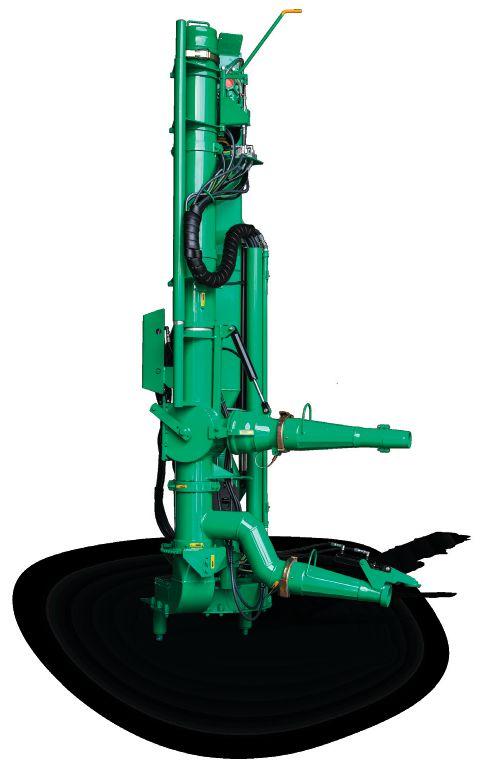
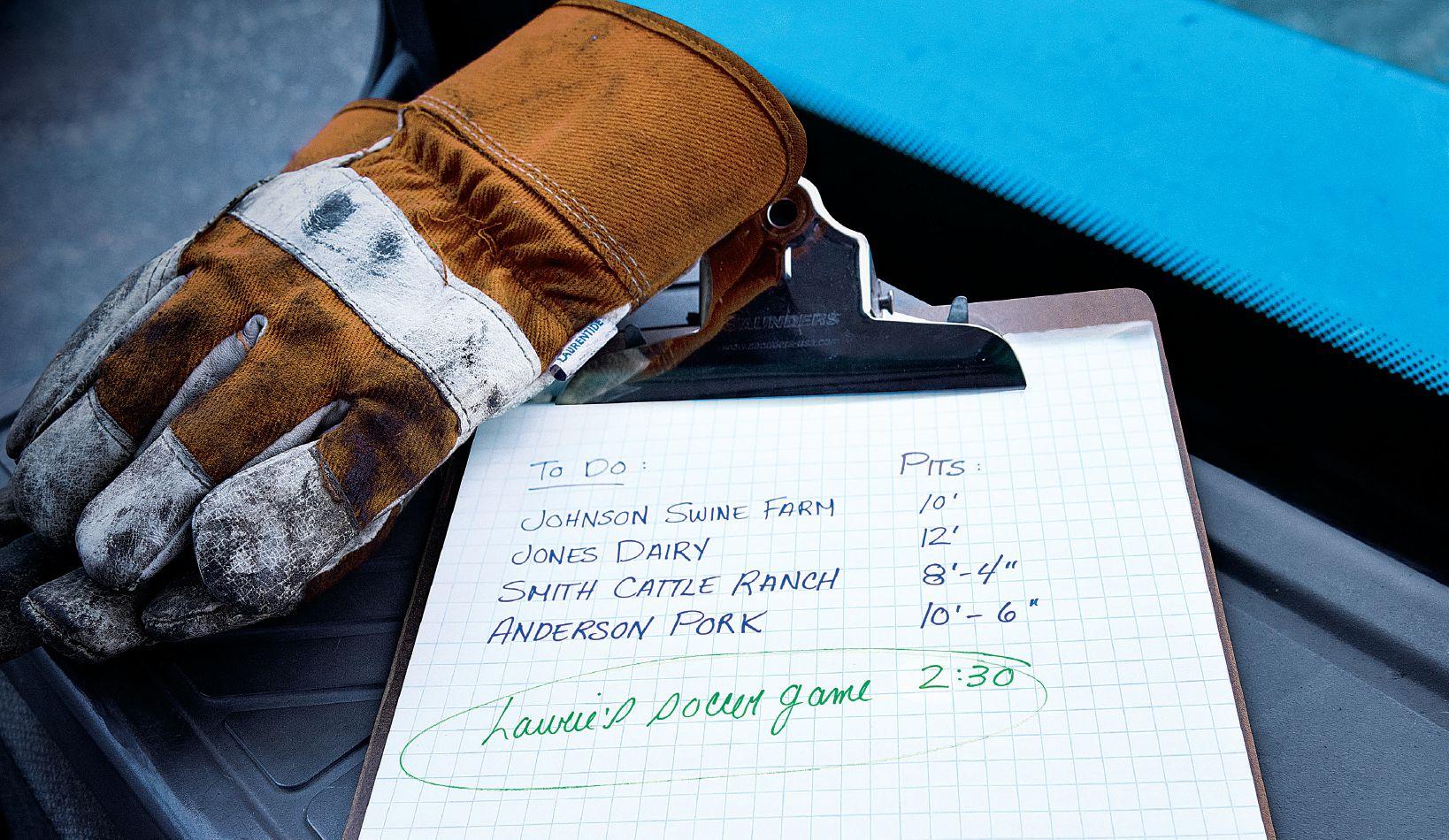
Be more efficient with the Super Slider Pump and give yourself the freedom to do more!
You can complete your to-do list in record time by investing in one pump that can handle manure pits of various depths. The Super Slider Pump adjusts to different lengths and is easy to maneuver, allowing operators to move quickly from one pit to the next. Its dual-nozzle design and visual indicators provide superior agitation performance and greater convenience for the operator.
Your time is valuable. Use it wisely with the Super Slider Pump — just one pump to get the work done!