

Chicken Farmers of Canada has joined a number of Canadian agri-food sector partners in an effort to develop a national sustainability index to demonstrate the sector’s leadership on environmental sustainability and other indicators of being a trusted food
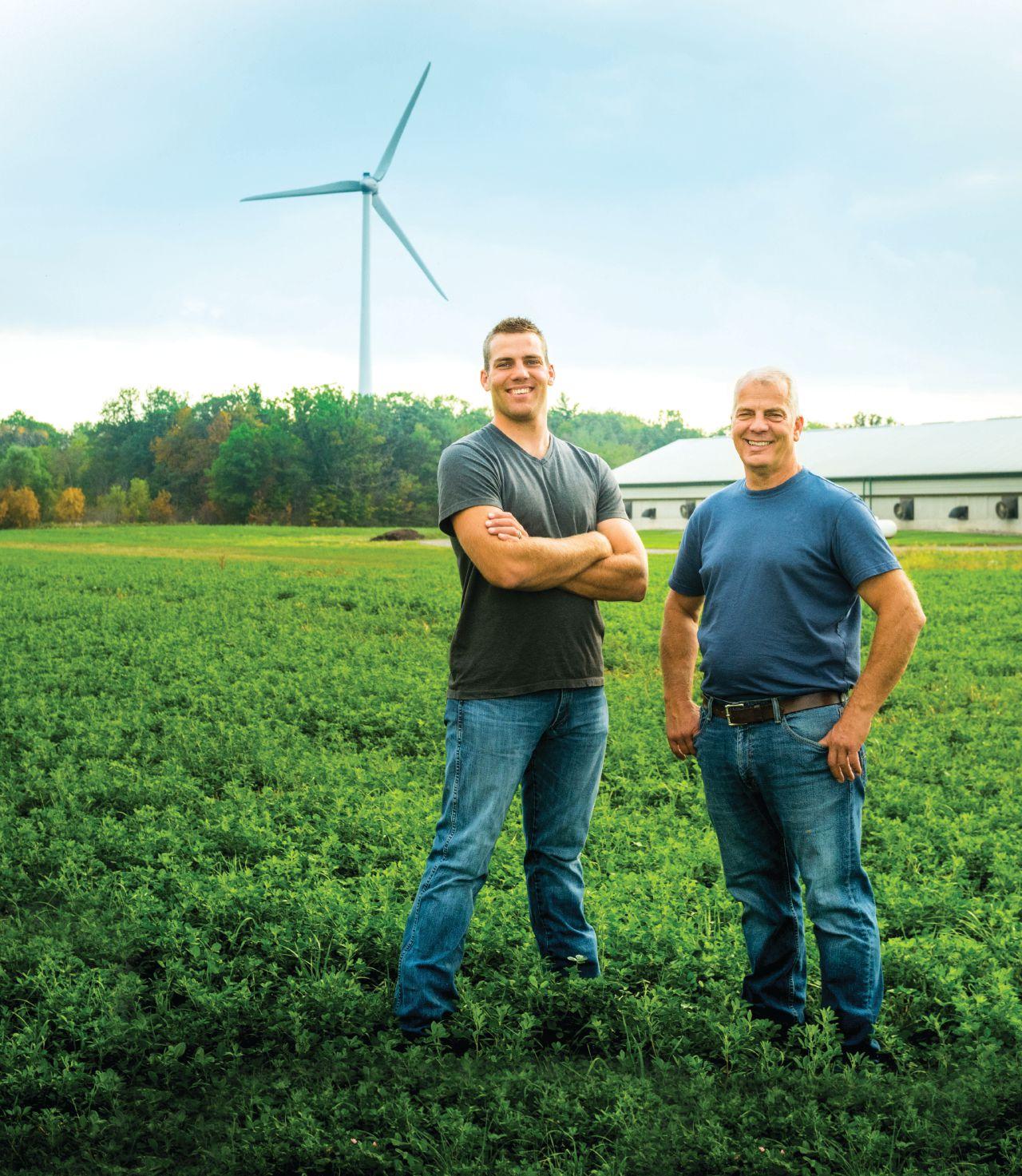
Canadian chicken farmers take sustainability seriously and are proud of the innovation and hard work they put in every day.
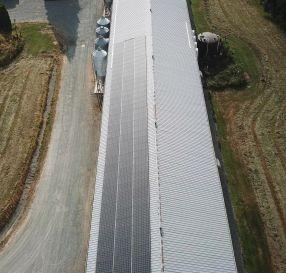

by Brett Ruffell
Help is on the way.
More than two years after the Comprehensive and Progressive Agreement for Trans-Pacific Partnership (CPTPP) came into force, the federal government has announced new programs to aid in mitigating the impacts of the deal on egg and poultry producers.
In April, Marie-Claude Bibeau, minister of Agriculture and Agri-Food Canada (AAFC), announced details of two new programs designed to help drive innovation and market development for the country’s chicken, turkey and egg farmers.
These programs, totalling more than $691 million over 10 years, respond directly to requests from producer associations and provide compensation for market impacts from the trade pact.
The Poultry and Egg On-Farm Investment Program will provide close to $630 million over 10 years to support poultry and egg farmers through on-farm investments. Producers will be entitled to an amount proportional to their quota holdings. Eligible projects are anything that helps a producer modernize, become more competitive and adapt to changing consumer preferences. This includes new barn construction or upgrading equipment like feeding, watering, lighting, ventilation, heating, and comfort systems that will promote energy efficiency and reduce
environmental footprint.
The federal government will contribute up to 70 per cent of the project cost, a ratio increasing to up to 85 per cent for young farmers to help ensure a strong future for Canada’s farms.
The intake of applications for this program will launch later this spring. Farmers will be able to apply directly on the AAFC website.
Funding will be distributed starting in 2021-22, and will be allocated as follows: $347.3 million for chicken producers; $59.6 million for turkey producers; $134 million for egg producers; and $88.6 million for broiler hatching egg producers.
The Market Development
“It’s a really broad scope of what is eligible and they’ve set it up in a way that isn’t first-come, first-serve.”
Program for Turkey and Chicken will provide $36.5 million for the Turkey Farmers of Canada and $25 million for the Chicken Farmers of Canada over 10 years.
This funding will help promotional activities that differentiate Canadian-made products’ reputation for high-quality, safe and sustainably farmed food that adheres to strict animal welfare standards.
Funding will be distributed to the national industry organizations, who will submit a multiyear strategy to AAFC for ap-
proval. The intake for applications from these organizations launches April 13, 2021.
Roger Pelissero, chair of Egg Farmers of Canada, says he’s pleased with the programs the government announced, noting that they closely reflect what industry reps discussed with officials during working groups. “I will say they are really good. It’s a really broad scope of what is eligible and they’ve set it up in a way that isn’t first-come, first-serve. If I don’t have a plan on the radar for five years, my money sits there. No one else can access it.”
He also believes it was the right decision to focus on programs that aid long-term competitiveness rather than accepting a lump sum like the dairy industry did. That’s because, in terms of the egg industry, 45 per cent of producers are under the age of 40. “These young farmers aren’t looking to retire anytime soon and so they want to mitigate trade impacts by becoming more efficient.”
Egg and poultry sectors are still seeking compensation to combat the effects of the Canada-United States-Mexico Agreement (CUSMA), which granted additional market access to supply managed industries. Bibeau says the government is first focusing on support measures for the processing sector. After that, it plans on addressing compensation for CUSMA, which could look similar to the programs announced to help address CPTPP.
“We are ready to work with the government,” says Yves Ruel, CFC’s associate executive director.
canadianpoultrymag.com
Reader Service
Print and digital subscription inquiries or changes, please contact
Anita Madden, Audience Development Manager Tel: (416) 510-5183
Email: amadden@annexbusinessmedia.com
Mail: 111 Gordon Baker Rd., Suite 400, Toronto, ON M2H 3R1
Editor Brett Ruffell bruffell@annexbusinessmedia.com 226-971-2133
Associate Publisher Catherine McDonald cmcdonald@annexbusinessmedia.com Cell: 289-921-6520
Account Coordinator Alice Chen achen@annexbusinessmedia.com 416-510-5217
Media Designer Curtis Martin
Group Publisher Michelle Allison mallison@annexbusinessmedia.com
COO Scott Jamieson sjamieson@annexbusinessmedia.com
PUBLICATION MAIL AGREEMENT #40065710
Printed in Canada ISSN 1703-2911
Subscription Rates
Canada – 1 Year $32.50 (plus applicable taxes)
USA – 1 Year $91.50 CDN Foreign – 1 Year $103.50 CDN GST - #867172652RT0001
Occasionally, Canadian Poultry Magazine will mail information on behalf of industry-related groups whose products and services we believe may be of interest to you. If you prefer not to receive this information, please contact our circulation department in any of the four ways listed above.
Annex Privacy Officer privacy@annexbusinessmedia.com Tel: 800-668-2374
No part of the editorial content of this publication may be reprinted without the publisher’s written permission. ©2021 Annex Business Media. All rights reserved. Opinions expressed in this magazine are not necessarily those of the editor or the publisher. No liability is assumed for errors or omissions. All advertising is subject to the publisher’s approval. Such approval does not imply any endorsement of the products or services advertised. Publisher reserves the right to refuse advertising that does not meet the standards of the publication.










Glass-Pac Canada
St. Jacobs, Ontario
Tel: (519) 664.3811
Fax: (519) 664.3003
Carstairs, Alberta
Tel: (403) 337-3767
Fax: (403) 337-3590
Did you know that there are over 3 billion birds around the world today drinking from a LUBING system?
LUBING nipple drinking systems have earned the reputation for being the most trusted and reliable drinkers in the world. Invest in a system that will stand the test of time.
When considering your next purchase, don’t settle for second best. Get the best ROI with a quality product from LUBING.

Got Lubing? You can’t afford not to!
Les Equipments Avipor
Cowansville, Quebec
Tel: (450) 263.6222
Fax: (450) 263.9021
Specht-Canada Inc.
Stony Plain, Alberta
Tel: (780) 963.4795
Fax: (780) 963.5034



In late March, workers at a Winnipeg landfill found five hens alive and moving among thousands of euthanized hens that had been dumped. The employees immediately alerted The Good Place: Farm Rescue & Sanctuary. The situation drew mainstream media attention, with activists ceasing upon it to call for change. Manitoba Egg Farmers released a statement saying the situation should never have happened because the industry has processes in place for humane euthanasia, adding that it takes full responsibility.
Canarm has announced changes to its agriculture team, with Paul Fallis being promoted to vice president of the company’s AG Business unit. Fallis, who’s been with Canarm for more than 20 years, will be responsible for all Canadian AG sales, marketing, new product development, sourcing development and strategy. He will still be based out of the company’s Arthur, Ont., facility and report to president and CEO Jim Cooper.
Poultry Health Services based in Airdrie, Alta., followed through on long envisioned plans to transition out of providing diagnostic service on contract with the province’s poultry industry boards. Since March 31, 2021, the industry contract has been serviced by the University of Calgary Faculty of Veterinary Medicine (UCVM). A press release from Poultry Health Services says the move will allow the business to now focus more heavily on different opportunities.
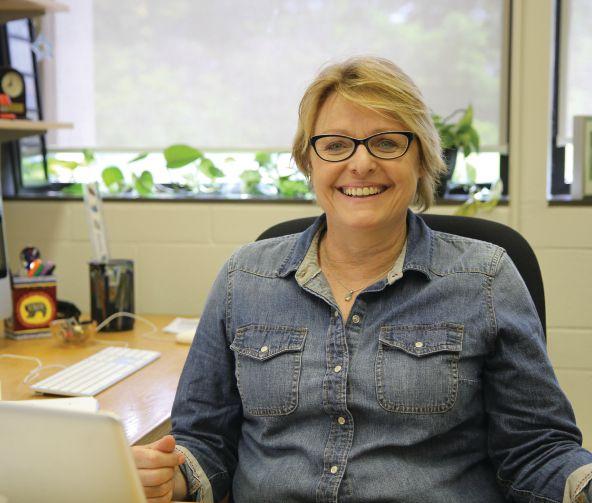
Highly regarded poultry scientist Tina Widowski, a professor with the University of Guelph and the Egg Farmers of Canada Research Chair, is one of this year’s honourees.
7is how many women are being recognized this year as part of the IWCA program.
Influential Women in Canadian Agriculture (IWCA) is a recognition program designed to honour, highlight and celebrate the work women are doing across Canada’s agriculture industry.
Following a successful launch in 2020, readers once again nominated Canadian women working in all aspects of agriculture, from farming and research to animal health, sales and marketing. We are excited to present the seven women chosen as the 2021 Influential Women in Canadian Agriculture.
Please join us in congratulating: Tina Widowski, professor, Egg Farmers of Canada Research Chair; Crystal Mackay, founder and CEO of Loft32 and Utensil; Andrea McKenna, farmer and manager, East Prince Agri-Environment Association; Leona Staples, president, The Jungle Farm Ltd.; Noura Ziadi, research scientist, AAFC-Quebec Research and Development Centre; Simone Demers Collins, professional
home economist, SDC Consulting; and Ellen Sparry, general manager, C&M Seeds.
These seven women will share their stories, wisdom and insight in the IWCA podcast series on AgAnnex Talks, a podcast channel presented by Top Crop Manager, Potatoes in Canada, Canadian Poultry, Fruit & Vegetable, Drainage Contractor and Manure Manager magazines. The first episode will air on June 14, and new episodes will follow biweekly after that. Subscribe today wherever you listen to podcasts.
This year’s IWCA program will culminate with a virtual event in October, bringing together women from across the industry to share in their experiences, offer guidance and advice in an interactive setting. Stay tuned to agwomen.ca for more details!
The team behind IWCA wishes to extend a sincere thank you to our audiences for participating in the program and to our sponsors for their support.
Concerns around food sustainability continue to grow. That’s why Ian Turner and his colleagues in the University of B.C.’s Food Systems PRISM Lab under Nathan Pelletier are seeking answers to this challenge. For his Ph.D. research, Turner is working with a team of experts to investigate how to optimize Canadian egg production systems to minimize negative environmental and animal welfare impacts, while maximizing the positive impacts of these systems. We asked him give questions.
Why sustainability in poultry?
I was always interested in sustainability. But it was never my goal to end up in sustainability research. I finished my undergrad at the University of Toronto, studying animal physiology and genome biology and planned to go to vet school. However, that plan fell flat. On a whim, I got asked to work with Nathan Pelletier at UBC on a summer contract. I thought, why not take a chance and move across the country and throw myself into a completely new field. And I ended up really enjoying it. Things took off from there.
What did you focus on first?
I came on as a master’s student for a project that Nathan had with Egg Farmers of Canada at the time that was looking at efficiency in the Canadian egg industry. So, he basically wanted to develop an assessment of how efficiently the industry was operating throughout the different housing systems. And then he wanted to see how far could the environmental impacts be reduced if you brought the industry as a whole to peak efficiency levels.
Why expand into welfare?
It was actually my idea to add in the animal welfare component. So, I basically told Nathan that I would work with him, but I wanted to focus on animal welfare as well. Luckily, Nathan was well acquainted with poultry welfare expert Tina Widowski at the University of Guelph, who I collaborated with. We then developed an animal welfare assessment methodology using the same framework that we use for environmental assessments. That way, we can conveniently look at different tradeoffs.
What’s next for your work?
The next step for my research is going to be integrating some machine learning. Broadly, it applies to using computers to try and pick out patterns or make predictions based on data you provide. We want to look at all of the environmental and animal welfare impacts that we have using the methodologies that I developed. And we want to utilize machine learning to find a set of circumstances in which the positive animal welfare impacts are maximized as much as possible, while all of the negative environmental and animal welfare impacts are minimized.
What’s your biggest career goal?
The short answer really is I’m not 100% sure yet. The nice thing about the field that I’m working in with lifecycle assessment and now some machine learning is that they are very transferable skills. And once you understand the frameworks, you can apply them really anywhere across the board. Very broadly, I hope that I’ll be able to continue helping people get on the path towards a more sustainable future.
JUNE
JUNE 2
PIP Innovation Showcase Webinar Series poultryinnovationpartnership.ca
JUNE 10

Ag Annex Farm Finance webinar: Utilizing benchmarks canadianpoultrymag.com
JUNE 16
BCPS Webinar: Inclusion body hepatitis bcpoultrysymposium.com
JUNE 17
PIC Health Webinar poultryindustrycouncil.ca
JULY
JULY 7
PIP Innovation Showcase Webinar Series poultryinnovationpartnership.ca
JULY 19-22
Virtual 2021 PSA Annual Meeting poultryscience.org
AUGUST
AUGUST 4
PIP Innovation Showcase Webinar Series poultryinnovationpartnership.ca
SEPTEMBER
SEPTEMBER 1
National Chicken Month Kickoff, Nationwide chickenfarmers.ca/national-chicken-month
SEPTEMBER 1
PIP Innovation Showcase Webinar Series poultryinnovationpartnership.ca
SEPTEMBER 1
PIC Golf Tournament, Baden, Ont. poultryindustrycouncil.ca
SEPTEMBER 14-17
SPACE 2021, Renees, France uk.space.fr
Daniel Morehouse has been promoted to product manager for Chore-Time. He will oversee the company’s broiler products in his new position. Prior to his promotion, Morehouse spent about four years as an engineer for ChoreTime, most recently working on its floor feeding product line. He is a graduate of Penn State University, University Park, Penn., with a bachelor’s degree in biological and agricultural engineering, as well as a minor in off-road equipment.
Construction of a large chicken vaccine facility just north of Guelph is underway. Maple Reinders Group was chosen to build the 80,000 sq. ft. manufacturing plant. Owned by CEVA Animal Health Inc., the facility will make vaccines to protect poultry against coccidiosis, an intestinal disease found in birds and mammals. The plant is expected to employ 40 people.
Raising chickens in the woods is being touted as a way to help improve the food security of First Nation communities by providing an alternative to dwindling supplies of traditional foods such as moose and salmon. The Regenerative Poultry Project has already produced 1,500 chickens on a small farm about 150 kilometres northeast of Terrace, B.C., using techniques developed in Guatemala. The idea is that the chickens are allowed to roam the woods, roosting in trees and foraging for food, mimicking the behaviours of their wild ancestors.

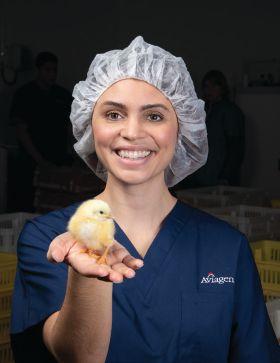
Aviagen has named Dr. Kate Hayes as its vice president of veterinary services for North America. Based in Elkmont, Ala., Hayes will report to the company’s president of North America Dr. Marc de Beer.
is the year Hayes helped the company become the first primary breeder in the U.S. to achieve the USDA National Poultry Improvement Plan “Avian Influenza Clean Compartment” certification.
In this new role, she leads a team of veterinary, laboratory, biosecurity and animal welfare specialists who collaborate to ensure the safety and security of the world’s poultry supply.
In doing so, she and her team work together with Aviagen’s internal experts around the globe to help customers with the health and welfare of their flocks.
Previously, Hayes served Aviagen as associate veterinarian and then production program veterinarian, where she effectively led the grandparent (GP) and great grandparent (GGP) operations of veterinary services, as well as the Elkmont, Ala., Veterinary Laboratory.
During this tenure, she was instrumental in helping the company become the first primary breeder in the U.S. to achieve the United States Department of Agriculture (USDA) National Poultry Improvement Plan (NPIP) “Avian Influenza Clean Compartment” certification (2017). Hayes further contributes to the industry as chair of the American College of Poultry Veterinarians (ACPV) examination committee and co-chair of the mentorship subcommittee for the American Association of Avian Pathologists (AAAP) Membership Committee, as well as a Professional Animal Auditor Certification Organization (PAACO)-certified welfare auditor. She earned a Doctorate of Veterinary Medicine (DVM) from the University of Tennessee College of Veterinary Medicine and a Master’s in Avian Health and Medicine from the University of Melbourne (in Australia).




By Lilian Schaer, Livestock Research Innovation Corporation
Livestock Research Innovation Corporation (LRIC) fosters research collaboration and drives innovation in the livestock and poultry industry. Visit www.livestockresearch.ca or follow @LivestockInnov on Twitter.
Many challenges facing livestock and poultry farmers are complex and multi-faceted and require a broad spectrum of expertise that extends beyond the individual species.
That’s why Livestock Research Innovation Corporation (LRIC), commodity organizations and the research community are increasingly focusing on a cross-sectoral approach where different teams work on specific aspects of a particular issue, like antimicrobial resistance or gut health. Not only does this reduce duplication of research and stretch limited dollars, but it also fosters new ways of thinking about solutions.
A cross-sectoral approach can also mean including processors and retailers alongside farmers and researchers or
creating collaborations across multiple research disciplines. These partnerships have proven to be very effective, says Dr. Jeffrey Wichtel, dean of the Ontario Veterinary College.
A leading example is the University of Guelph’s new One Health Institute, which works across disciplines to address health challenges like antimicrobial resistance that impact human, animal and environmental life. Wichtel is chair of the institute’s advisory board.
Academic research projects and programs are traditionally set up along departmental lines within colleges, which doesn’t encourage broader collaborations. Several initiatives at Guelph demonstrate the value of collaboration, but more can be done.
“It’s important to be talking about how we can change those structures, incentives and processes to encourage more col-
“Every livestock sector, large or small, values research and innovation.”
laboration,” Wichtel says.
That’s where Dr. Rene Van Acker, dean of the Ontario Agricultural College, believes LRIC and livestock organizations can harness their government relationships to seek support for agricultural research and innovation needs.
That includes continued funding for research programs and new infrastructure, like renewal of Ontario’s poultry research facilities. But it’s also about encouraging a shift in thinking around how those research programs are structured and including incentives for collaboration, which will result in society-wide benefits.
“I don’t think we see ourselves enough in the reality of what our sector is really all
about,” Van Acker says. “Research and innovation that helps Canadian farmers results in the protection and improvement of the health of Canadians and of our shared environment and economic growth – and that’s what we all want.”
Soil health could benefit from collaboration because of its crucial role in sustaining farm productivity and direct links to the carbon cycle, greenhouse gases and climate change. And as society’s view of animals continues to change, there is tremendous benefit from a collaborative approach to welfare.
Van Acker and Wichtel are members of the Deans’ Council – Agriculture, Food & Veterinary Medicine, which now works closely with national organizations to encourage cross-sectoral solutions.
LRIC leads the development of an annual list of cross-sectoral research priorities for the Ontario Agri-Food Innovation Alliance Research Program. It has also introduced a mentorship program for new University of Guelph faculty to learn about the livestock sector and recently launched a Horizon Series of white papers and webinars on leading issues. “Every livestock sector, large or small, values research and innovation. I hear from them, academia and government that we want more cross-sector research initiatives,” says LRIC CEO Mike McMorris. “Our Horizon Series highlights the top areas with potential for cross-sectoral research and will hopefully stimulate some follow-up action.”

By John Williamson
Every crisis is a learning opportunity. So, what have we learned from COVID-19? Perhaps the biggest lesson is that there’s no place like home – especially when it comes to procuring essential goods and services.
From the earliest days of the pandemic, Canadians have seen how important it is to have a robust home-grown supply chain for personal necessities as well as surgical gloves, masks, ventilators and other crucial medical gear. Now, a year into the health and jobs crisis, Canada’s position is worsened by a lack of domestic vaccine production.
With all this in mind, why would anyone willingly out-source Canada’s supply of our most basic food items?
I voted in favour of a private member’s bill, sponsored by Bloc Québéçois MP Louis Plamondon, that puts Canada’s dairy, egg and poultry industries off-limits for future trade negotiations.
Specifically, Bill C-216 would compel federal officials to negotiate new trade deals with other countries without giving up the tariffs or import quotas protecting Canada’s supply managed agricultural sector. Lowering tariffs or raising quotas allows more foreign-made and heavily-subsidized products to enter Canada and supplant domestic production.
The three big trade deals implemented by the federal government over the past few years, including treaties with the European Union, Pacific Rim countries and the revised NAFTA with the United States and Mexico, involved substantial agricultural concessions that have significantly affected Canadian farmers.
As an influx of heavily subsidized farm imports makes its way into Canada, it has been necessary for our federal government to pay out billions of dollars in compensation. In dairy alone, Ottawa has promised $1.75 billion over four years to compensate Canadian farmers
for the European and Pacific trade deals. More will be necessary under the new NAFTA deal.
This compensation isn’t being paid to help Canada’s agriculture sector flourish. It’s more like a death benefit payment since these trade agreements are slowly putting family owned farms out of business.
We have two options to avoid a further hollowing-out of agriculture. We can sign new trade deals that do further damage to our farmers and then offer subsidies to keep them afloat, as is the case in Europe and the U.S.
Or we can protect them with our existing supply management system. I think it makes more sense to stick with what works – and that’s supply management.
To be clear, I support Canada’s existing trade deals. We remain a trading nation and much of our economic success relies on selling our resources, manufactured
goods and services to other countries. But as we move forward in the wake of the global pandemic and its impact on jobs, we need to recognize how the world has changed.
The so-called post-war Washington Consensus, which for 40 years proposed free trade as the solution to every country’s economic problems, has run its course.
Countries are now looking within their own borders for security and supply. It is no longer sufficient to say that someone else will look after your most important needs. If you want a guaranteed supply, you need to make it yourself.
If the federal government wants to move ahead on new trade deals, it should do so knowing that our domestic supply of milk, cheese, poultry and eggs cannot be put at risk. The production of these crucial items should stay at home, where it belongs.
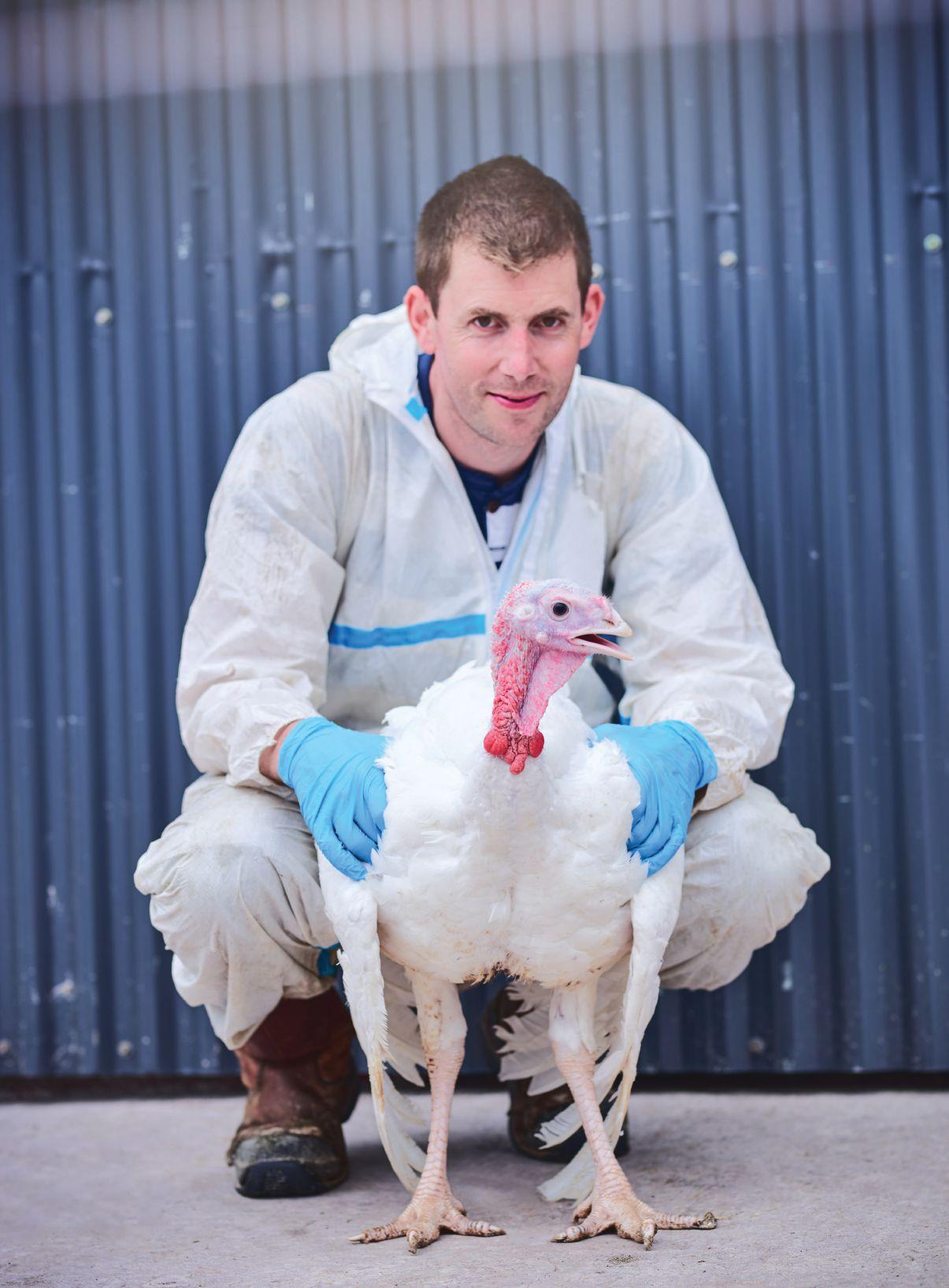
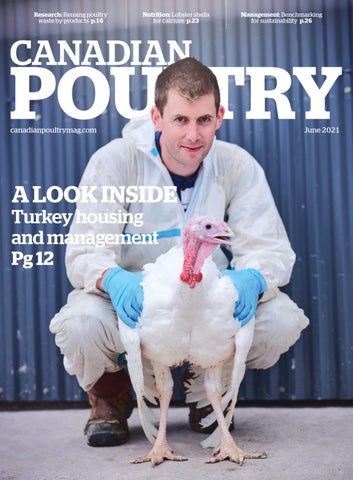
Researchers survey flock housing and management in Canada’s turkey barns.
By Lilian Schaer
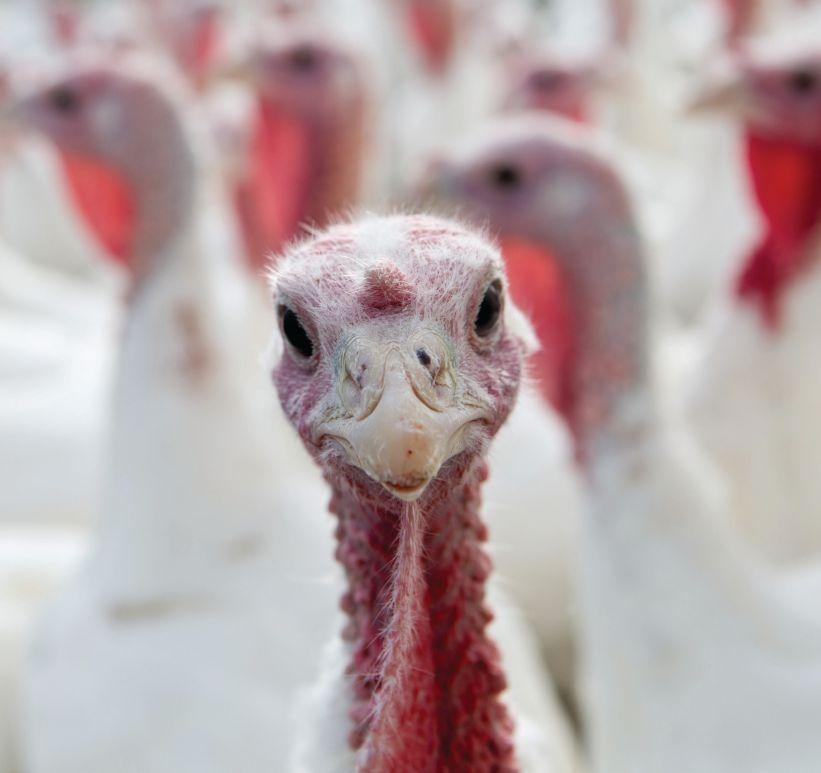
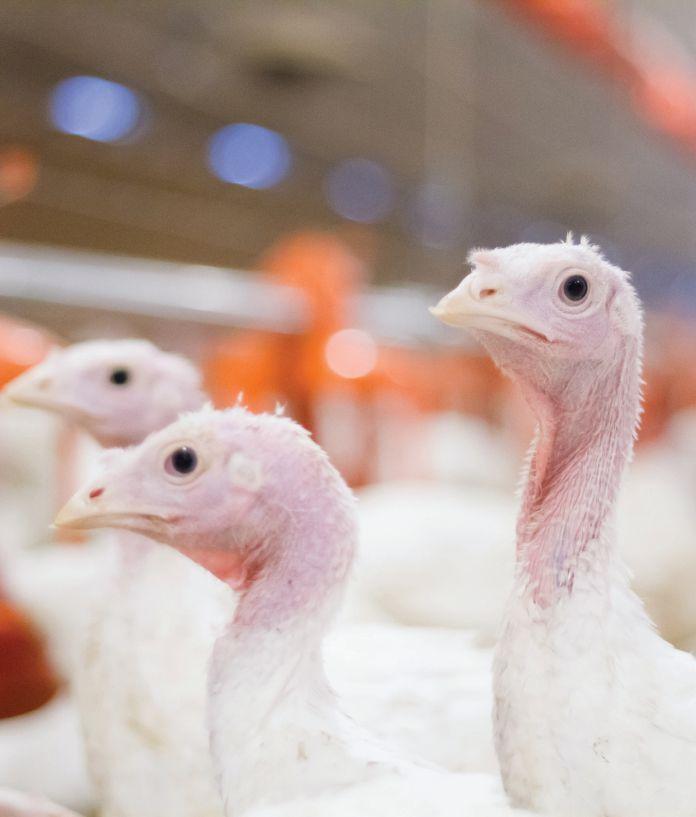
Surprisingly, there is little scientific knowledge about how farmers house and manage turkey flocks in Canada. A better understanding of onfarm production practices can help producers maintain and even improve bird health and welfare.
Now, thanks to a groundbreaking, multi-year genomics project designed to boost the productivity of Canada’s turkey flocks, researchers have gathered some of that important data.
Hybrid Turkeys partnered with the University of Guelph to adapt technology already used in laying hens and pigs by its parent company Hendrix Genetics to bring genomics-based breeding to turkeys.
Dr. Christine Baes, a professor in the University of Guelph Department of Animal Biosciences and Canada Research Chair in Livestock Genomics, was the academic lead on the five-year project, with Dr. Ben Wood, formerly a geneticist with Hybrid Turkeys and now an associate professor in the School of Veterinary Science at the University of Queensland in Australia, serving as the industry lead.
There were three main areas of research: Production; meat quality; and health and welfare.
Researchers Dr. Nienke van Staaveren and Ph.D. student Emily Leishman are part of the team working on the health and welfare component of the project and wanted to learn more about the industry and its challenges to help guide their work.
“We didn’t know what the big issues
were and where we should go with the research for the health and welfare pillar of the umbrella project,” Leishman explains.
“The turkey sector is not as well known as other poultry; a lot of research comes from boilers that is adapted to turkeys,” van Staaveren adds. “If you want to make changes or improvements, you first have to learn what you are starting with.”
That led to a cross-sectional survey of
turkey farmers in Canada to gather baseline data about general farm characteristics, such as housing (including lighting and ventilation), litter management, feed and water management, biosecurity, flock characteristics and flock health management.
Farmers also had a chance to offer their perspectives on bird health and welfare, what they feel is important and what they consider to be leading issues in the industry.
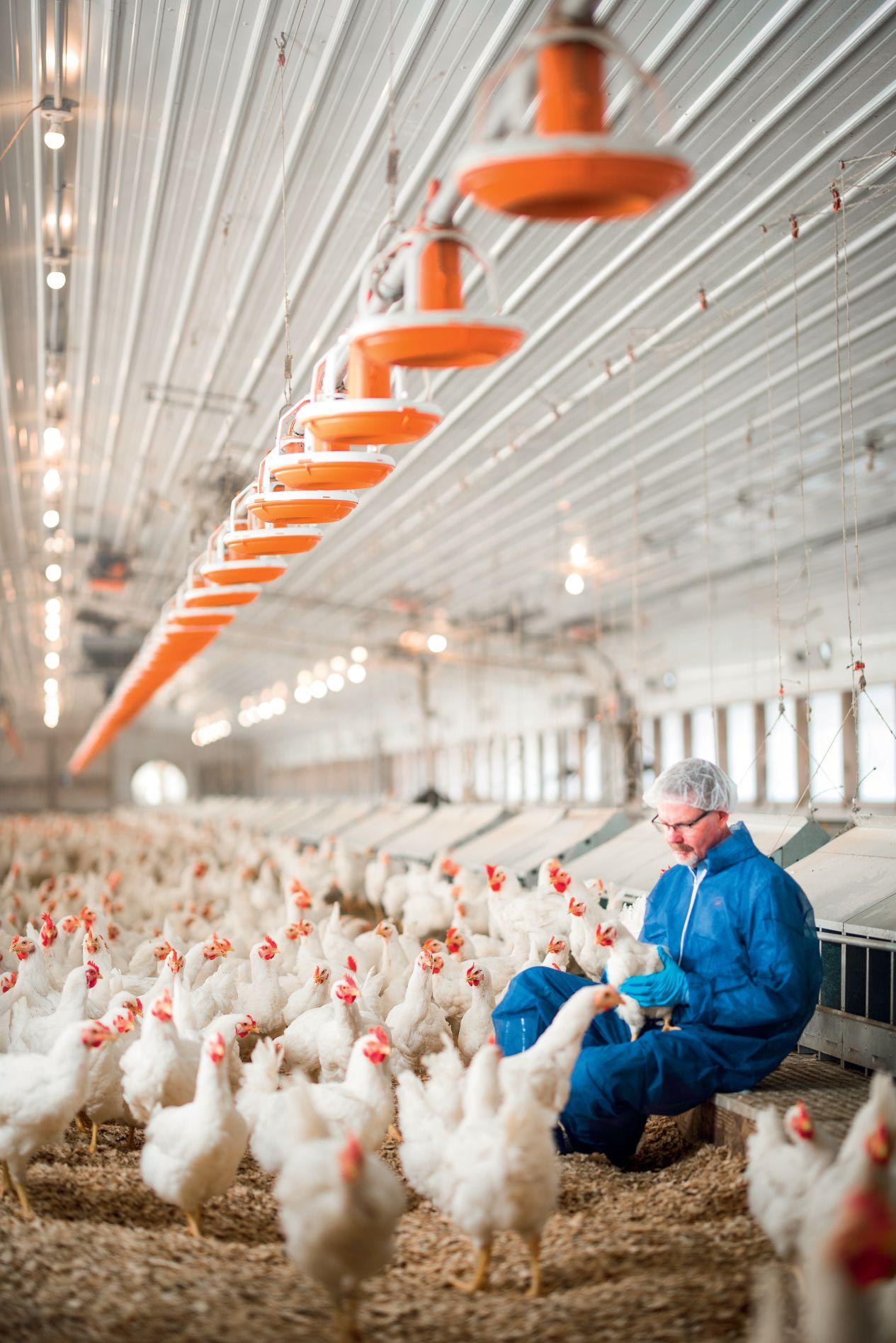

The following are key facts and figures from the research team’s report, Housing and Management of Turkey Flocks in Canada
Demographics:
• Median annual production: 30,000 birds
• Median flock size at placement: 6,715 birds
• Most common bird type: Heavy toms and heavy hens; 44 per cent of producers don’t specialize in one production type
• Bird age class: 70.7 per cent of farms have multi-age flocks
Litter:
• Most common bedding materials: Straw; wood shavings
• Median litter depth: 10 cm
Feed and water:
• Most common feed type: Pellets
• Most common watering system: Closed system such as nipple drinker
• Water cleanliness: 96.4 per cent flush water lines before flock placement; 85.4 per cent add sanitizing products
Light and ventilation:
• Most common light source: LED lights
• Most common ventilation: Fully automated, controlled system
Flock management:
• Flock inspection: 85.6 per cent inspect flocks two to three times daily
• Vaccination: A majority of flocks vaccinated against coccidiosis, hemorrhagic enteritis, Newcastle disease and colibacillosis
• Most common physical alteration: Beak treatment (98.7 per cent)
Turkey Farmers of Canada distributed the two-part survey to its approximately 500 members across Canada, and farmers had six months to reply between April and December 2019. In addition to a detailed questionnaire, producers were also asked to complete some basic health scoring of a current flock of birds for conditions like footpad dermatitis and injuries on the head and back due to pecking behaviour.
About 20 percent of survey recipients responded, according to Leishman, with good representation from all turkey-producing provinces across the country.
According to the study, most farmers are male, 45 years of age or older and have been in the turkey industry for more than 10 years.
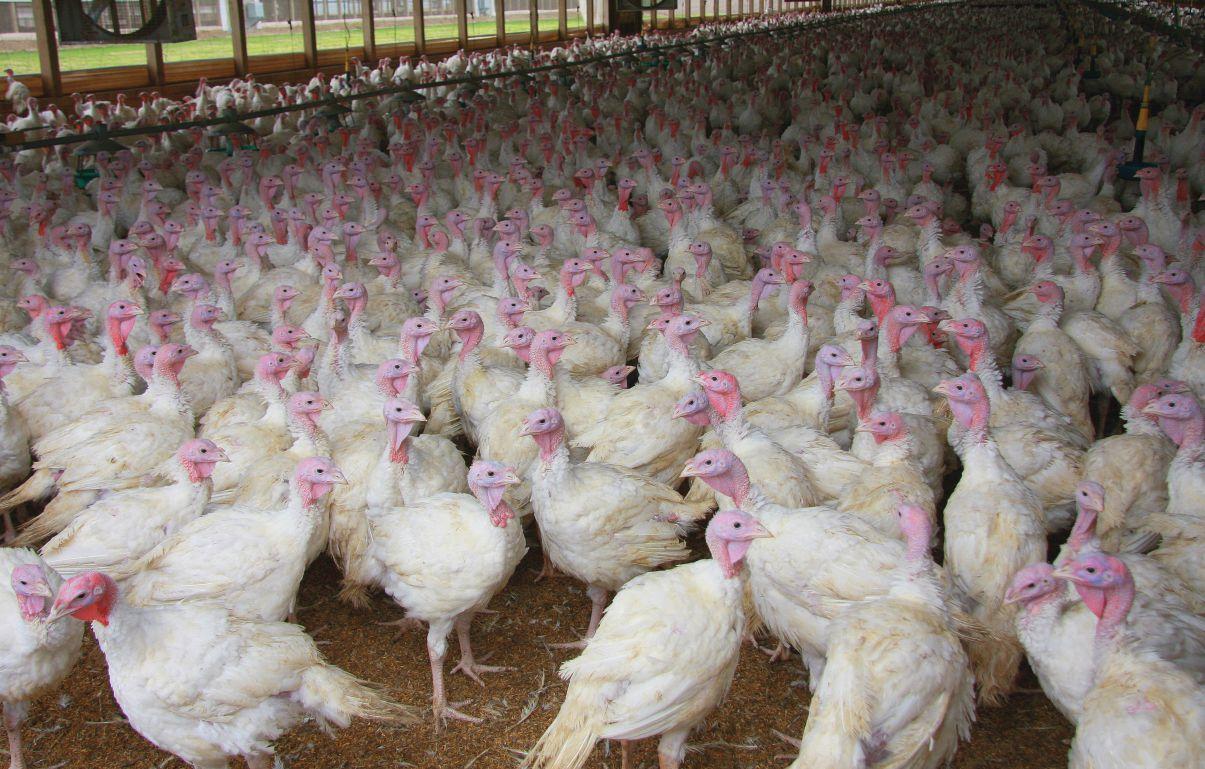
Canadian flocks live indoors, the majority on farms with one to three barns with flock sizes ranging from 3,000 to 11,000 birds. Practices related to feed and water management and environmental control were relatively consistent between turkey farms.
Despite that, it’s hard to paint a picture of a “typical” Canadian turkey farm due to differences such as climate or classes of birds produced.
For example, although barns are ventilated, how they are ventilated varies. Approximately 35 percent of respondents have open-sided barns with curtains; the rest have enclosed barns that rely on automated or power-controlled ventilation.
“We asked a lot of questions about litter management and we see a consistent trend that wet litter seems to be an issue
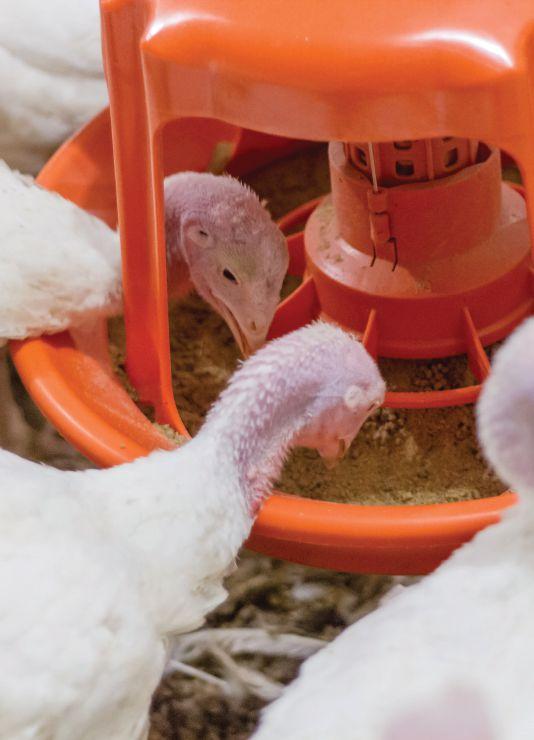
that producers are cognizant of,” Leishman says. “They know that wet litter can affect birds negatively and that environmental control can affect productivity.”
The researchers observed more variatian regarding flock health management and biosecurity practices, with producers reporting using a range of different methods. Vermin control, changing or washing boots and inspecting flocks from youngest to oldest were among the most common biosecurity protocols.
Farmers that responded to the survey are part of different certification programs. A sig-
nificant number participates in raised without antibiotics or responsible antibiotic use programs, Leishman notes. Regardless of the certification program, virtually all farmers indicated having a good working relationship with their veterinarian.
See the sidebar for more key facts and figures from the survey.
Another interesting finding was the types of questions farmers didn’t or couldn’t answer. For example, two of those topics were the relative humidity level in the barn or how many birds are deliberate -
ly culled versus those that die of specific causes or conditions.
“Some farmers don’t record those stats separately, so if you have a problem with birds dying, it can be hard to tease apart specific risk factors,” Leishman says, adding that’s why good record-keeping is a vital part of overall farm productivity and profitability.
“It’s hard to consider improvements when you don’t know where the problem lies. Good record-keeping can be an excellent benchmarking tool to help with this.”
The research team is now working to create linkages between housing and management practices to the prevalence of certain conditions, like footpad dermatitis or pecking injuries. They hope that work will lead to beneficial outcomes and impacts for Canada’s turkey industry.
“Feedback, such as the results of this study, enables breeders to evaluate current challenges in the industry to determine if a change should be made in a breeding program to adapt to new environments, or if management or environmental adjustments can offer a greater impact,” says Owen Willems, R&D rirector at Hybrid Turkeys.
“The results highlight the importance of customer feedback to fuel the genetic engine of a primary breeder. In doing so, this helps to ensure the available pool of genetics meets the needs of the market today and into the future,” he adds.
Hybrid Turkeys has already started using genomic information to accelerate its breeding process. According to Willems, it improves the accuracy of genetic information obtained through the DNA of its birds by linking together DNA and phenotypic performance.
The federal government funded the project through Genome Canada and the Ontario Genomics Institute as part of the Genome Canada Genomic Application Partnership Program. The Natural Sciences and Engineering Research Council of Canada (NSERC) and Hybrid Turkeys also provided funding support.

Robinson
Every year, the Canadian poultry industry produces 36 million spent hens and 240 million pounds of feathers.
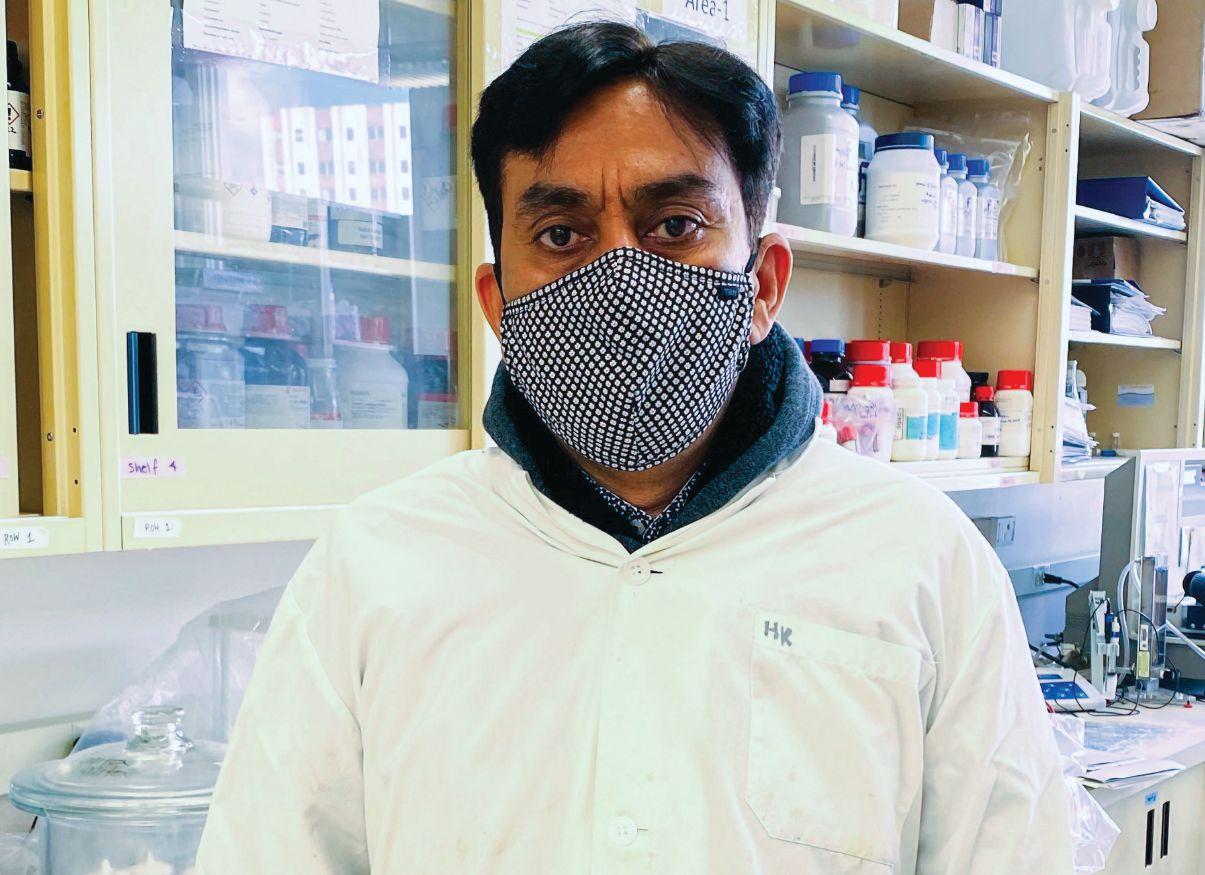
While most of these by-products are disposed of through incineration, composting or landfill, Aman Ullah is discovering ways to transform them into innovative new materials.
Ullah is an associate professor in the Department of Agriculture, Food & Nutritional Sciences at the University of Alberta. One of his main areas of research is developing novel materials from by-products that will divert waste from landfill while creating profitable new materials. And the Canadian poultry industry provides a steady source of raw material for him to work with.
Two of his current projects are using spent hens and chicken feathers to create
a new biofilm for food packaging and a biosorbent that removes contaminants in oil sands wastewater.
The impetus for much of Ullah’s research is driven by the need to find new resources in a more bio-based economy with less dependence on fossil fuels. “Poultry by-products – that don’t have any other food or feed applications for animals or people – are a huge resource for new material development as high value chemicals, polymers and sorbents,” Ullah says.
In his lab, Ullah extracted lipids (fats) and protein from spent hens using microwaves.
These components provided bio-based building blocks for materials, including
bioepoxy that could replace soybean oil epoxy used in PVC and plastics production, biopolymers used in food packaging and monomers suitable for cosmetics and biofuels.
To bring these new biomaterials closer to commercialization, Ullah is part of a new spinoff company that will hopefully make some of these materials available in the next few years. “We will be looking to connect with producers as a source of spent hens when the company starts commercial production in the near future,” Ullah says.
Chicken feathers provide another valuable raw material for Ullah’s research.
“Most of the chicken feathers produced every year in Canada end up in landfill,”
While Aman Ullah is transforming micromaterials from spent hens and chicken feathers into novel bio-based materials, two Canadian manufacturers continue to innovate on-farm composters to efficiently and safely transform deadstock into valuable field nutrients.
For the past 10 years, Lucknow Products have been manufacturing and distributing the Green Machine – a fully enclosed, self-mixing compost machine – from its Ontario location. The company has been making TMR mixers since 1980, and a new customer approached them about modifying the feed mixer specifically for poultry composting.
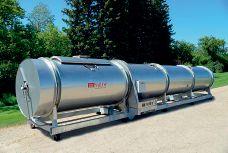
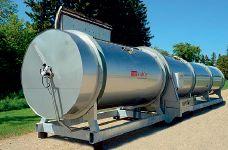
“The Green Machine is a very slow rotating horizontal four auger mixer that combines deadstock with wood shavings for active decomposition in just a few days,” says Jim Cranston, one of the owners of Lucknow Products. “Under ideal conditions, after all deadstock has been added, you have nothing left but nutrient rich compost within 72 hours.”
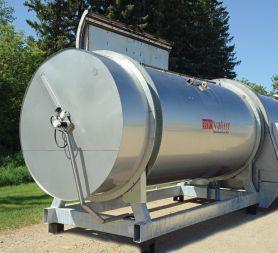
uses deadstock and wood chips to create nutrient rich compost.
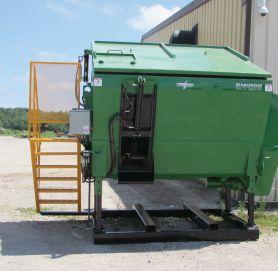
The Green Machine is a slow rotating horizontal four auger mixer that combines deadstock with wood shavings for active decomposition.
Augers are timed to regularly turn material, allowing oxygen pockets formed from the wood chips to move throughout the mixer and speed up the decomposition process. Composted material can be stockpiled in open air until it can be applied to crop land.
The stainless steel units are coated in foam insulation to keep internal temperatures up, and are currently used mostly in regions of Canada and the U.S. where warmer temperatures naturally aid in decomposition.
“We are looking at adding a heated cord in the walls of the unit so it can be plugged in for use in cooler regions,” Cranston says.
In Western Canada, another local business continues to lead the in-vessel compost market with its Biovator. Based in Swan Lake, Man., Biovator is designed, manufactured and distributed internationally through Nioex – a family owned business operated by Steven Sierens, his brother Derek and father Dan. The composter technology is used for deadstock as well composting organic waste from restaurants, zoos and abattoirs.

The Biovator uses deadstock and a carbon source – wood chips – to create nutrient rich compost. Deadstock can be loaded daily, as needed, into one end of the long, insulated stainless steel unit. Timed revolutions and paddles then work to aerate and break up material, constantly pushing mature material down the vessel towards the end where compost is removed. Mixing frequency is based on the volume inside the unit.
“The Biovator efficiently regulates the internal temperature for optimal decomposition that means material is digested into compost within three weeks,” says Steven Sierens, who’s in charge of business development. “One of newest models has the addition of remote-control hydraulics, making it much easier for daily loading of deadstock into the unit.”
Technology that monitors environmental conditions inside livestock trailers will contribute to improved animal welfare, according to a two-year research project that tested remote wireless sensors. The Canadian Animal Health Coalition (CAHC) partnered with Transport Genie Ltd., an Ontario-based technology company, to conduct the research that wrapped up this spring.
“Electronic monitoring is a step forward in providing livestock transporters with the tools they need to be able to monitor their loads effectively,” says Jennifer MacTavish, CAHC chair. The Coalition, whose objective is to work towards better welfare for all livestock and poultry, spearheaded the national research project with funding from the Canadian Agricultural Partnership AgriAssurance Program.
“We already have high standards of livestock hauling, but this initiative will make a positive difference,” says MacTavish. “Ideally, if we make it easier for the drivers to make objective decisions, then the livestock in their care will benefit from further improvement in welfare.”
The Transport Genie system uses smart sensors to monitor temperature, humidity and other environmental conditions inside stock trailers, providing critical information to drivers, dispatchers and livestock managers to ensure animal safety in transit. For instance, when conditions inside the trailer fall below an acceptable range, the sensors send a wireless signal

to the driver for corrective actions. Braking, acceleration and the duration of rest stops are also monitored.
The project tested the technology in different climatic conditions over long- and short-haul distances – using a variety of trailer designs and hauling multiple species.
Luckhart Transport, a livestock trucking company specializing in humane transport of animals based out of Sebringville, ON, tested the sensors and provided feedback.
“Transport Genie was very receptive to our suggestions. Not only do they want the sensors to work, but they want them to be easy to use and reliable,” says Angie Hurst, vice president and co-owner. “The use of real-time temperature monitoring of animals in transit is something that the industry really needs. It is preventative care, which is crucial to animal welfare.”
CAHC instigated the project in advance of new animal transport regulations for feed, water and rest intervals as well as for checking livestock in transit.
According to MacTavish, providing livestock haulers with the tools to help them comply with the regulatory requirements easily and practically was important. “Putting regulations into effect for better welfare is a good thing, but we also need the tools to make it easier for the industry to meet new requirements,” she says.
Hurst applauds CAHC for its leadership. “I believe CAHC has played a critical role in getting this product developed. It is reassuring to see the coalition embrace technology to better the transport of animals.”
Livestock Genie, and electronic monitoring systems like it, provide a valuable tool to help ensure livestock and poultry are healthy, comfortable and properly cared for during transit. “The consensus is that these systems work and are vital to supporting the industry in demonstrating accountability. At the end of the day, we’ll end up with improved animal welfare,” says MacTavish.


“Poultry by-products are a huge resource for new material development.”
Ullah says. By making structural changes to the fibres in the feathers, he’s created a biodegradable, ecofriendly keratin-based biofibre that holds great promise in water treatment. The biofibre from the feathers are the basis for a new biosorbent – a material that is able to remove contaminants from water.
“Keratin from poultry feathers is a unique material that has a lot of potential to remove multiple contaminants from water, using very low volumes of product. If we are able to remove metals, organics, pesticides and microbes in a single treatment – this is a technology that does not exist – it could be an important development for the poultry industry,” the researcher explains.
One of the initial uses for the new biosorbent is close at hand to Ullah’s lab in the Alberta oil sands. “Fresh water is used to extract bitumen but that water can’t be released or reused because of potential contaminants picked up in the process,” Ullah says. “Our new biosorbent could remove up to 90 per cent of metals in water.
“We have tested them on oil sands process affected water provided by the oil sand industry that is interested in the technology because of new regulations requiring more than 80 per cent of water to be recycled.”
Ullah is now working on larger scale trials to demonstrate how the powder-based biosorbent can help recover cleaner, recyclable water.
The water treatment technology also has potential for the poultry industry. “We did some initial work using the biosorbent with a poultry producer in Alberta and are now looking at modifying the keratin material in feathers to be able to remove pathogens from drinking water in poultry barns,” Ullah explains. “Our target is to make a single treatment technology using feathers to remove metals, organics, pesticides and microbes from drinking water.”
HP AviStart is our specialty soy protein for chicken starter feed, designed to optimize young chicks’ genetic potential for growth from the very first stage.
The feed e ciency of HP AviStart has proven superior to soybean meal, and the highly digestible protein in HP AviStart helps to optimize feed intake of your chicks.
Use HP AviStart to give your chicks the best start in life, and improve your return on investment.



Understanding your barn in different climate conditions is key to better air quality.
By Lisa McLean
Air quality concerns are a known problem on many Canadian poultry operations because emissions of particulate matter and ammonia are difficult to balance. Now, thanks to ongoing evaluation of various air quality control strategies, producers are better positioned to adopt tools that meet environmental, economic and animal welfare requirements for producing more sustainable eggs and poultry meat.
Bill Van Heyst, professor of environmental engineering in the School of Engineering at the University of Guelph, has spent nearly a decade evaluating air quality control strategies in use on Canadian poultry operations. He conducts measurement campaigns on various farms to collect data points, including indoor concentrations of pollutants, barn ventilation rates, samples from excreta, as well as other barn parameters such as indoor and outdoor temperatures and humidity levels.
“Recently, we’ve been specifically looking at problems with ammonia and particulate matter,” Van Heyst says. “Ammonia is generated when barns have wet litter conditions, and particulate matter is generated in dry, dusty scenarios. Farm operators have to find this happy medium in terms of their litter management so moisture content doesn’t favour one side or another.”
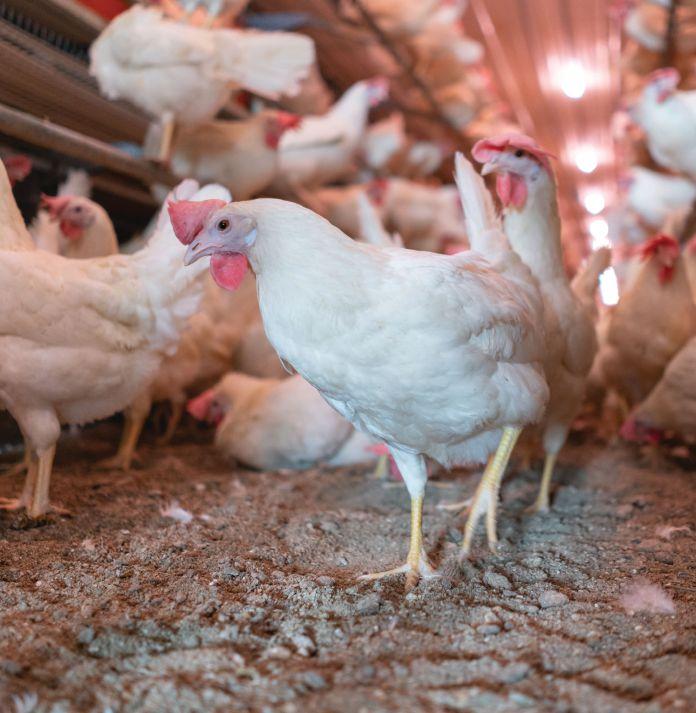
As part of his team’s project, Van Heyst recently completed studies of cage-free egg barns in Saskatchewan and in Ontario, across various seasons. He is leading similar work in broiler breeder barns in Ontario.
Dry
“Cage-free housing systems allow the birds to have more movement, and that leads to higher levels of particulate matter in the barn,” Van Heyst says. “As litter accumulates, it contributes to air quality
issues through buildup of either ammonia or particulate matter.”
Particulate matter is easy to spot in a barn setting because the air appears dusty. Van Heyst’s research has revealed particulate matter is a bigger problem in the prairie provinces, where winter conditions are dry, and barn ventilation evaporates moisture off of the litter pack. He notes size fractionated particulate matter is a nasty toxin that poses a human and animal health risk and is declared toxic under the Canadian Environmental Protection Act.
Conversely, humid winters more common in southern Ontario often lead to moisture finding its way into the barn, especially around air intakes as moisture condenses. Ammonia is common in barns with humid weather conditions, and it is more difficult for the average farm to monitor. Van Heyst says most people entering a barn may notice ammonia through a burning feeling in their eyes, but they will grow accustomed to it fairly quickly, and they might not register a problem.
Van Heyst says poultry barn ventilation is typically triggered off of temperature difference only, but secondary conditions such as carbon dioxide and ammonia levels are also reasons to increase air flow. If carbon dioxide levels get too high, birds may become sleepy. If ammonia is too high, it may lead to eye and respiratory tract irritation. Prolonged exposure to high levels of ammonia can even lead to blindness in birds.
“Managing these toxins is a balancing act and seasonal conditions across geographic locations can put that
“Farmers really have to understand their own barn and how it performs in different conditions.”
balancing act into question,” Van Heyst says. “Farmers really have to understand their own barn and how it performs in different conditions – even a new barn might take a few flocks to get ventilation under control. Once you understand it, it’s easier to use.”
He also notes that tools and strategies for managing air flow are never one-size-fits-all and a solution that fails to meet economic, environmental and animal welfare needs is not truly sustainable. It’s important that producers and researchers collect data to inform how new strategies perform in specific environments.
Most recently, Van Heyst’s team conducted a measurement campaign at a broiler breeder operation in Ontario that had installed a manure belt under the roosting areas. Later in 2021, he plans to take the same measurements at a similar operation in Ontario that does not have a manure belt.
“Broiler breeder operations are an interesting mix between cage-free layers and broilers, because the birds roam like broilers, but have fewer nesting areas than layers,” Van Heyst says. “Traditionally, broiler breeder operations do not have a manure belt and excreta builds up over time. With this project, we’re interested in whether the installation of a manure belt actually reduces the amount of ammonia the birds are exposed to.”
He notes that even with a manure belt removing excreta, the barn developed a moisture problem and registered high ammonia levels shortly after placing a new flock in winter. The farm operator worked quickly to address the issue and bring ammonia levels down. As part of the project, his team is putting handheld ammonia analyzers to the test to see how accurate their readings are compared to his team’s more advanced monitoring equipment.
Each of Van Heyst’s measurement campaigns last from six months to one year, and each one assesses control strategies to reduce or mitigate ammonia and particulate matter from Canadian poultry operations. To date, his team has also assessed the use of water sprinklers, poultry litter treatment and a centralized air exchange system.
This project is expected to be completed by 2023.
This research was funded by the Canadian Poultry Research Council as part of the Poultry Science Cluster, which is supported by Agriculture and Agri-Food Canada (AAFC) as part of the Canadian Agricultural Partnership (CAP) program. Additional support was received from Egg Farmers of Canada, Canadian Hatching Egg Producers and the School of Engineering, University of Guelph.
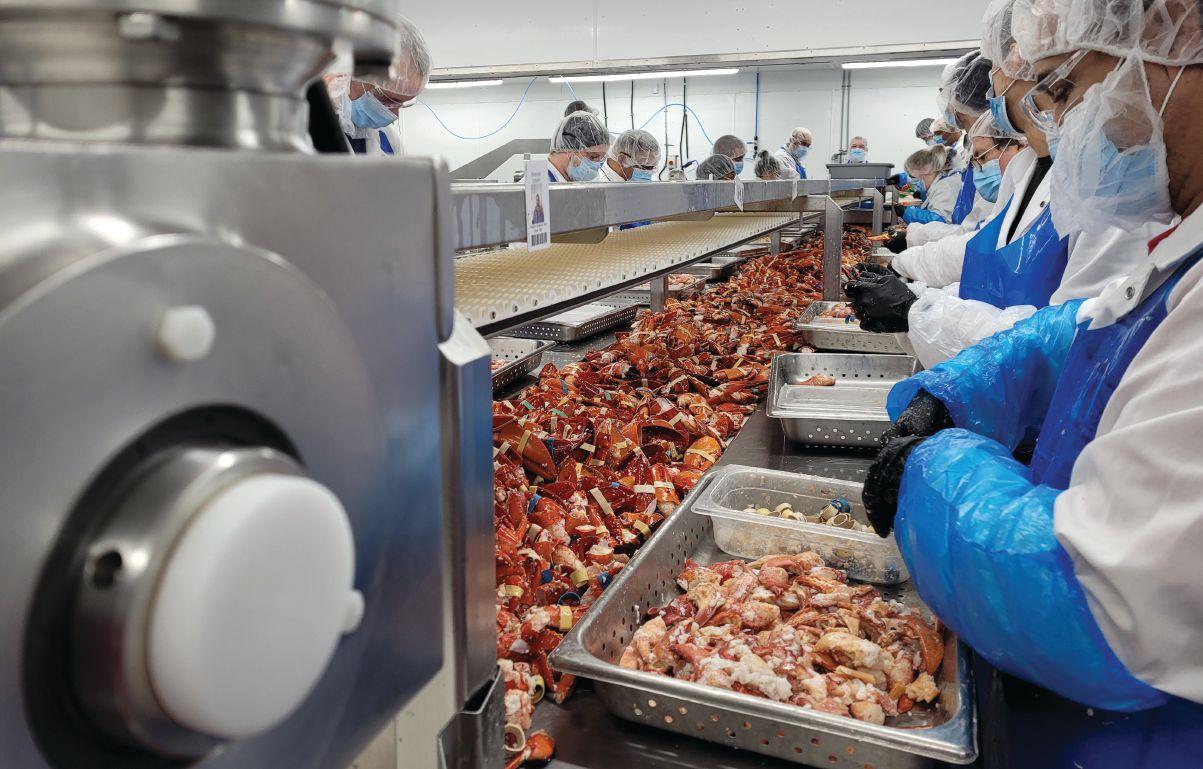
In Atlantic Canada, the seafood industry is struggling with how to deal with by-products and waste more sustainably. At the same time, the poultry industry is challenged with high feed costs. What if the two sectors could be brought together to develop a solution of mutual benefit?
Feed represents approximately 60 to 70 per cent of the total cost of production for poultry in Canada. Calcium is critical for the production of good quality eggs; ground limestone and oyster shell are currently the most common calcium sources in Canadian laying hen diets.
According to Dr. Stephanie Collins, assistant professor in monogastric nutrition at Dalhousie University’s Department of Animal Science and Aquaculture, being able to use calcium sources that are less expensive but without negative impacts on production could reduce costs for farmers.
“Replacement of oyster shell and limestone, large and fine grind, with locally
derived calcium sources could have a direct beneficial impact on the regional poultry industry due to reduced transportation costs of the ingredient,” she notes.
It turns out Atlantic Canada has a good calcium source on its doorstep: The seafood industry. Much of its processing by-products, though, are considered waste product and end up in landfills. Not only is that bad for the environment, but seafood processors must pay tipping fees for disposal.
Repurposed dried lobster shell contains approximately 17.4 per cent calcium. Currently, about 335 tonnes of dried lobster shell are produced annually, with those quantities expected to increase.
The shell is also a source of chitin and astaxanthin. Chitin is a polysaccharide found in seafood shells and insect exoskeletons that has cholesterol-lowering properties, whereas astaxanthin is an antioxidant and is what causes the reddish pigment in
lobster, salmon, shrimp and other seafood.
Enter Riverside Lobster International Ltd. The Nova Scotia seafood processor has a strong commitment to sustainability and was looking for beneficial, value-adding solutions to address its seafood waste.
Derek Anderson, a now-retired adjunct professor at Dalhousie University’s Department of Animal Science and Aquaculture, and Janice MacIsaac, a research associate at the Atlantic Poultry Research Institute, had contacts with another seafood processor, Saint Laurent Gulf Products Ltd. They had previously researched using other seafood by-products in poultry diets.
Saint Laurent recommended the research team to Riverside Lobster for a project to test the nutritional value of repurposed lobster shells in laying hen diets.
“The product itself is proprietary but it involves the use of whole lobster shells,” says Collins, who became the principal investigator on the project after Anderson retired.
The 40-week trial involved Lohmann Lite LSL white and Lohmann Brown-Lite hens that were allotted to the trial starting at 27 weeks of age.
Five different treatments were part of the project: One third large particle oyster shell and two thirds ground limestone; one third large particle lobster shells and two thirds ground limestone; one third large particle lobster shells and two thirds ground lobster shells and ground limestone; 100 per cent ground limestone; and ground lobster shells plus ground limestone.
For each 28-day period during the trial (there were 10), researchers tracked feed consumption, body weight, egg production and egg quality. At the end of the trial, the team determined egg yolk astaxanthin content and conducted a
calcium balance trial.
“The hens consumed it with no problem and there was no negative effect on feed conversion, egg production or body weight,” MacIsaac says. “There were also no negative impacts on the eggs and all treatments were in a positive calcium balance.”
“Performance results indicate that repurposed lobster shells, either as large particles or ground, are suitable alternative sources of calcium for both white and brown strains of laying hens,” Collins adds. “This is a sustainability opportunity for Atlantic Canada. Repurposed lobster shells are a possible source of calcium yet are being treated as a waste product.”
The two seafood processors are now working on a submission to the Canadian
Food Inspection Agency (CFIA) to have the lobster shell extract approved as a certified feed ingredient. Data from this particular research project is being used to support the application. Once approved by CFIA, the ingredient will be made available to any feed mills who wish to access it and include it in poultry rations.
The study did not evaluate any economic aspects related to feeding lobster shell as a calcium source, but MacIsaac notes the ingredient will need to be cost competitive in order to gain traction in the marketplace.
Funding for the project was provided by the Nova Scotia Department of Agriculture Research Acceleration Program, St. Laurent Gulf Products Ltd., Riverside Lobster International Ltd., and the Egg Farmers of Nova Scotia. The repurposed lobster shells and meal were provided by St. Laurent Gulf Products Ltd.



A close look at the strides being taken by different subsectors of Canada’s poultry industry.
By Treena Hein
In 2017, Dr. Stewart Ritchie, veterinarian and owner of Canadian Poultry Consultants in Abbotsford, B.C., got serious about measuring sustainability at his commercial broiler facility called S. J. Ritchie Research Farms. He developed a benchmarking tool (with help from Dr. Ian McKinnon) called the Sungrown Sustainability Index (SSI), and published a paper on it in the Canadian Society for Bioengineering Journal.
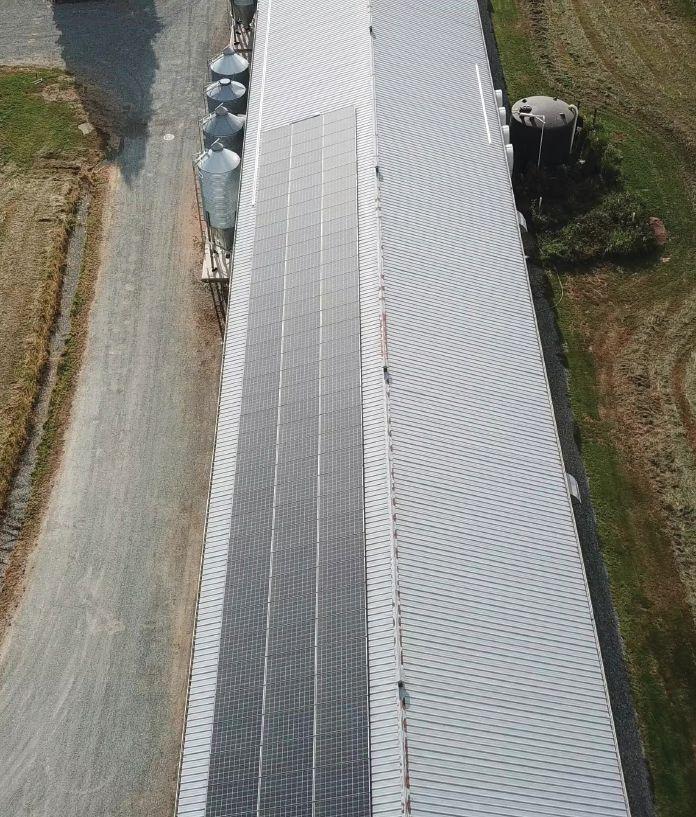
It’s the early days, but the SSI is being used at his farm and at some other commercial broiler operations, Ritchie says, to evaluate areas for improved sustainability and, ultimately, higher profitability. Producers can use their SSI benchmark to make decisions on capital improvements such a solar panels and to assess key performance indicators like feed conversion.
Benchmarking, which can be defined simply as the ability to make comparisons to measure progress at a given point and over time, is an important part of sustainability. It involves externally validated data than can be shared with consumers, supply chain customers, trading partners, regulators and investors. Benchmarking indices also enable industries to see where they can improve.
Although Canada’s agricultural environmental footprint is among the lowest in the world, without adequate
benchmarking, experts warn that Canadian farmers risk being unable to differentiate themselves against farmers in other countries. They could even being shut out of markets.
During a B.C. Poultry Symposium webinar in late April, presenters outlined where poultry is at with regards to
benchmarking. They mentioned that food product labelling related to carbon emissions certification is on its way, and that poultry producers will therefore need to benchmark for greenhouse gas emissions, electricity and water usage and more.
Now, Chicken Farmers of Canada


(CFC) is collaborating with other stakeholders to make that a reality. Twentytwo private and public partners recently published a report called Benchmarking Canada’s Agri-Food Sustainability Leadership – a Roadmap that outlines progress they’ve made in developing a sustainability index for Canada’s agri-food sector. The tool will encompass select indicators relating to environment, health and food safety, well-being and economic viability.
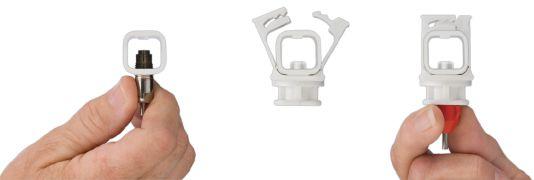
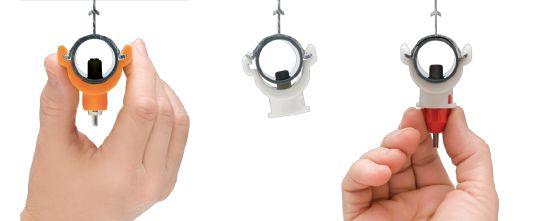
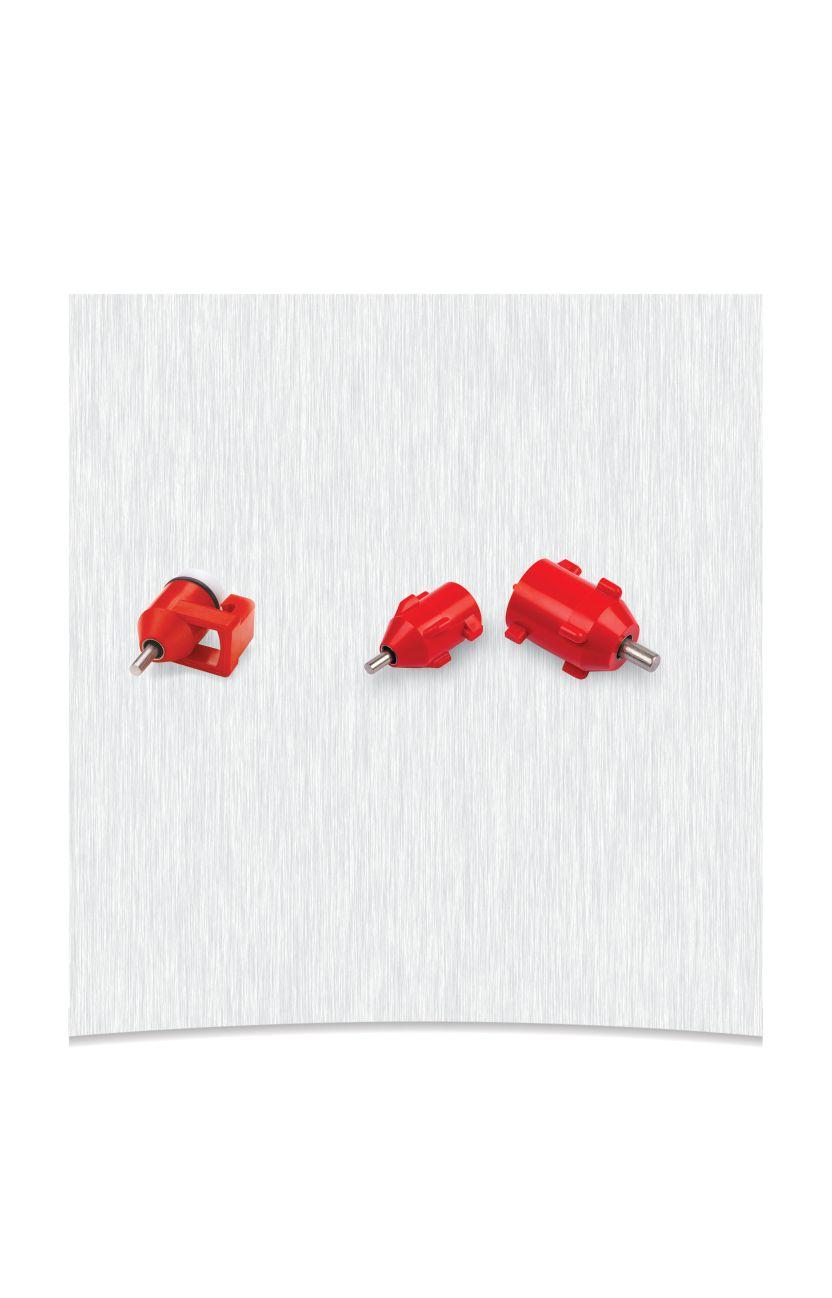
Ziggity makes upgrading your watering system fast, easy and affordable with its lineup of drinkers and saddle adapter products, designed to easily replace the nipples of most watering system brands with our own advanced technology drinkers. So if your watering system nipples show signs of wear, leaking and poor performance, just upgrade to Ziggity drinkers to start enjoying improved results! See how easy it is and request a quote at www.ziggity.com/upgrade.
“Worldwide, benchmarking agriculture and food practices against a host of environmental, social and health priorities is becoming essential to operate and compete, as well as to meet global sustainable development and net-zero emissions goals,” states CFC in a news release announcing the report. “Canada has the opportunity to build on its existing metrics to develop a more integrated picture of its sustainability and quality credentials from farm to retail.”
The project is intended to link up with various existing sectoral benchmarking initiatives and will also integrate with Canada’s sustainability commitments and global metrics. Some of the other partners include Agriculture & AgriFood Canada (AAFC), Arrell Food Institute at University of Guelph, Bayer Crop Science, Canadian Federation of Agriculture, Canadian Produce Marketing Association and Loblaw.

5/6/21 11:59 AM
8:16 AM
The report notes that, although there are differences in approach, New Zealand and Ireland have developed sustainability dashboards for their export-dependent agri-food sectors. In addition, “Based on its vision of food sustainability, the European Commission is proposing tighter market access rules and is embarking on green deal diplomacy to influence global trade.
“American producers have announced a sustainable development strategy that includes being carbon positive by 2035. Meanwhile, disclosure requirements are rising for all. Investors worldwide are expecting companies (and their supply chains) to fully disclose climate, environmental and social risks and reveal how such insight creates business opportunities.”
Some members of the group, such as CFC, have formed a new coalition that is already initiating the next phase of work. “This coalition gives CFC a chance to actively measure its progress and, ultimately, develop a more integrated picture of the chicken industry’s sustainability and quality credentials from gate to plate,” explains Dr. Christine Power, a veterinarian and CFC’s director of animal care and sustainability. “It also provides an opportunity to align CFC with Canada’s other existing sustainability programs and to represent the poultry sector in the national conversation.”
And, already several years ago, CFC received results of its first Life Cycle Analysis. It found that Canadian chicken has one of the lowest carbon footprints of all chicken sectors worldwide, and due to productivity gains since 1976, the sector’s environmental performance has greatly improved.
In addition, per kilogram of protein, the carbon footprint of Canadian chicken is lower than that of other livestock commodities produced in North America. Over the last 40 years, the carbon footprint of the sector (per kilogram of protein) was reduced by 37 per cent.
Water consumption has been reduced by 45 per cent in the same timeframe, and almost two-thirds of the entire sector’s total energy use comes from renewable sources.
CFC has created social media tools and infographics to tell the story visually and promoted them online, including through social media and on its letstalkchicken.ca website. “Over the past year, CFC has also taken out ads and sponsored other communications pieces to pass the information along to industry partners and stakeholders,” Power adds.
In addition, she notes that there are opportunities for further sustainability gains for Canadian chicken farmers through one of the two programs created by AAFC to mitigate the market impacts caused by the Comprehensive and Progressive Agreement for Trans-Pacific Partnership over the next 10 years. “This program will directly support chicken

farmers as they make ongoing improvements to their operations and enhance the long-term efficiency and sustainability of their farms,” Power says. “This is an opportunity for farmers to plan for the future.”
In terms of the egg sector, Egg Farmers of Canada (EFC) continues to develop its National Environmental Sustainability Tool (NEST), which will give farmers the ability to assess and benchmark the environmental footprint of their farms. “Currently in the early stages of development, NEST will play a central role in our journey of sustainable egg production,” EFC CEO Tim Lambert says.
EFC has also prioritized sustainability research and several projects are underway. For example, Dr. Duncan Cree from the University of Saskatchewan is exploring how eggshells from processing plants can be used to develop bioplastics. “We are also continuing our work with Dr. Nathan Pelletier at University of B.C. on how predictive analytics can help identify environmental best practices and optimize sustainability at the farm,” Lambert adds.
“With Dr. Maurice Doyon from Université Laval, we are looking at new ways we can apply circular economy thinking to egg production and reduce the amount of resources – be it energy, water or feed – that are used to produce eggs, while re-directing waste to be recycled or reused.”
Since he started S. J. Ritchie Research Farms in 1992, Ritchie had worked to optimize health, welfare and performance of birds. In 2016, he installed solar power, rainwater capture and other energy-saving concepts in order to begin gathering more data on sustainability. He presented an update on SSI to CFC in late April 2021.
Ritchie wanted CFC to be aware of his progress because he says its leadership has enthusiastically supported sustainability. “Sharing ideas and getting critical feedback on any longterm project is very important,” he says, “and extremely helpful in providing guidance for future investments in innovation and technology.”
Ritchie is also currently working with global accounting firm KPMG to assist in the development of an efficient data pipeline that will ultimately produce benchmarking data, including dashboarding, to assist in making continuous improvements.
In terms of what broiler farmers should think about in terms of sustainability, Ritchie believes they already well understand it goes hand in hand with profitability. “I encourage them to consider sustainability a very positive adventure and to show that we are transparent and are using our resources more efficiently over time,” he says. “It’s hard to bat a thousand, but we want to be great batters and be open to new ideas and it’s just important that we keep inching forward.”


Provinces continue to bridge the gap in different ways. By
Treena Hein
As is the case with many complex industry issues, how to best to ensure Canadian poultry producers are covered for all costs related to disease outbreaks is being sorted out over time – and with different approaches. Associations in Ontario, for example, have opted to move more swiftly and comprehensively, while those in other provinces are still deciding their next steps.
First, a quick review. Using avian influenza (AI) as an example, the Canadian Food Inspection Agency (CFIA) provides some compensation to producers in case of an outbreak, about 25 per cent of total losses for infected farms and none for quarantined farms. Producers must somehow pay for full market value for all birds destroyed, related costs such as cleaning and disinfection, lab and veterinary tests and all other costs related to the resumption of operations.
A few years ago, a group of poultry sector
organizations successfully sought funding from the federal government to explore the issue. They included the organization in Quebec that oversees poultry disease control (EQCMA), insurance firms Canadian Egg Industry Reciprocal Alliance (CEIRA) and Poultry Insurance Exchange (PIE) and the Feather Board Command Centre (FBCC) in Ontario, an agency created by that province’s poultry boards to coordinate disease control.
They focused on how to cover the full costs in case of an AI outbreak. The group conducted an extensive analysis (including computer modelling) and producer consultation. They concluded that insurance premiums were available and affordable.
By late 2018, three of the boards – Egg Farmers of Ontario, Chicken Farmers of Ontario and the Ontario Broiler Hatching Egg & Chick Commission – had implemented a producer-paid insurance program through PIE, with Turkey Farmers of Ontario (TFO) to come on
board this year, as it just did this past February.
PIE general manager David Bethune says the plan to have all producers in Ontario insured was intended to allow, if so wished, the entire provincial poultry industry to speak with a united voice in addressing any proposed outbreak-related regulatory changes.
“In addition, having everyone together in the insurance pool allows for better results in terms of obtaining premiums and the terms of a policy,” he says. “For us, it seemed an advantage to have a cohesive group in order to provide the best results for all producers in the province. And if we protect all producers in terms of all outbreak costs, we protect egg prices and, therefore, we are ultimately also providing better service to Canadians.”
Bethune notes that every province and even every board can have different perspectives, and that these can be affected by regulatory change. “In Ontario, it was
“The regulatory environment has been making it more difficult for producers and so they need to ensure they protect themselves.”
important from a long time ago that the whole industry be covered, and in Alberta, it was a few years ago that they sought salmonella coverage when it became a reportable disease,” he says. “It changes things for producers when a disease becomes reportable. There are added costs so you want to manage the risk of having to pay those costs.”
Another example involves the Hatching Egg Producers in Manitoba seeking coverage for expenses related to possible salmonella outbreaks, starting March 1, 2021. Bethune says the decision was preceded by two years of discussion, stemming from pressure to tighten up standards. “The regulatory environment has been making it more difficult for producers and so they need to ensure they protect themselves,” he explains. “No one enters into the decision to get insurance lightly. There are costs involved and so you need to be thoughtful.”
Bethune thinks a big factor in the discussions among the leaders of various provincial associations who do not yet have every producer insured is whether they accept the belief many experts hold that no further government assistance will be provided in the case of outbreaks.
“The government has made the industry aware that it’s not prepared to step in with any higher levels of assistance, so that leaves us to mitigate our own risks,” he says. “I’m not sure if all boards now in Ontario are insured in a cohesive way it will be a catalyst for change in other provinces, but I think it will at least spur discussions moving forward.”
Agriculture and Agri-Food Canada is providing about $559,000 to help TFO launch its insurance program within the bigger scheme. “This funding allows us to put affordable AI insurance in place for all our producers,” explains TFO chair Brian Ricker. “It’s a pool of money that’s required up front to start us off with the insurance, and this allows us to keep the yearly costs affordable, about a tenth and a half of a cent per kilogram per year. It is very much appreciated.”
Ricker adds that turkey is a smaller industry and turkeys are at higher risk of AI compared to broilers due to the longer time turkeys are in the barn. “So, the costs of AI insurance for turkey producers have been unaffordable up until now.
In 2004, a wave of highly-pathogenic AI outbreaks occurred in B.C., and by 2010, the industry had started exploring insurance strategies to cover future outbreak costs. B.C. Chicken Marketing Board chair Harvey Sasaki explains that CEIRA provides insurance to the table egg sector in B.C., covering them for both salmonella and AI.
“The hatching egg, broiler and turkey sectors manage the risk of the extraordinary cost of cleaning and disinfecting infected premises through a Fund Management Agreement,” he says, “which facilitates the prompt initiation of cleaning and disinfection following the completion of the ordered destruction of the flock.”
Sasaki adds that the strategy chosen by Ontario changes nothing in B.C. “The B.C. poultry and egg sectors have determined that the most important element of a foreign animal disease outbreak is the prompt ordered destruction of the infected flocks and commencement of cleaning and disinfection to enable timely recovery,” he says.
“Since the 2004 HPAI outbreaks, the infected premises have not had any issue with the CFIA compensation for birds ordered destroyed and are of the view that there is minimal-to-nil market value loss gap requiring insurance coverage.”
Sponsored
by

us in September as we highlight 4 outstanding young poultry farmers in a special digital issue.
for our Podcast series starting in July at canadianpoultrymag.com.
By Melanie Epp
Monitoring flock health and picking up floor eggs and mortality are time-consuming tasks that need to be done despite labour shortages. Humans, though, are primary vectors for disease, which means these tasks come with risks.
At Georgia Tech Research Institute, senior research scientist Colin Usher and his team are working on solutions to reduce the need for farmers and farmhands to enter poultry houses. Usher spoke at a recent Poultry Industry Council virtual event on applied research in robotics for the poultry barn.
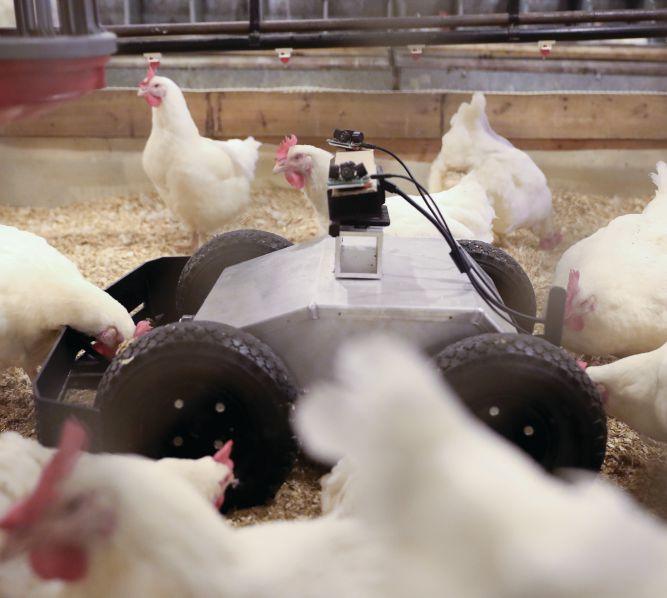
Research at Georgia Tech started with a vision: What if a robot could operate autonomously in a chicken house every day, all day? Usher and his team believed it was possible to design a robot that could take on time-consuming tasks, like picking up floor eggs, checking machinery and monitoring flock health.
Research began in 2013. Almost immediately, the team faced its first challenge – flock density. At some point on its course, the robot was bound to encounter areas where flock density was too high to move. By attaching a bumper to the robot, they were able to bump the birds gently and coax them into moving out of the way.
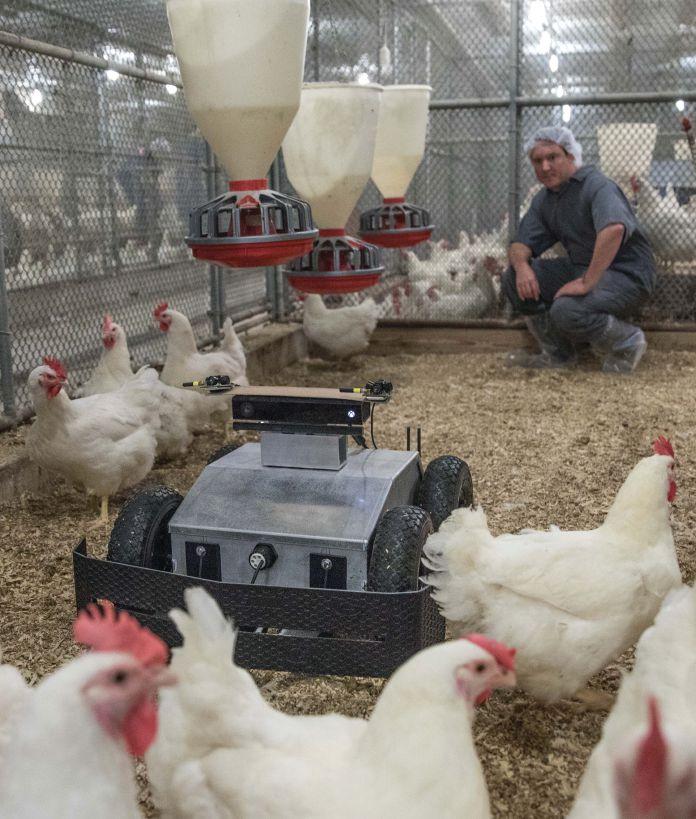
With movability addressed, they then began exploring everything they could do with a robot in the barn.
Using the GTRI Research Robot they developed, they explored applications that allowed the robot to navigate smartly through a chicken house. The aim was to
be able to execute searches in the environment and map microclimates in the barn.
“With a vehicle on the ground you can get that climate at the level of the chickens,” Usher says.
They also explored which human tasks could be taken over by a robot. They wanted to know if it was possible to have


Wisium
The Egg Quality is an egg management program, with a goal to achieve a high standard quality egg, ensuring the best return on investment. It meets the main challenges in egg production : eggshell quality, egg
Choose Wisium to make your egg production simply perfect!
a robot carry out jobs that require manipulation. Primary duties they explored include picking up floor eggs and removing mortality.
The autonomous robot is outfitted with an ultrasonic localization system similar to GPS, which does require some infrastructure, Usher says. But using this system, the robot knows its location plus or minus two centimeters in the house.
Usher and his team also developed routines to do active sensing of the chickens. If a bird doesn’t want to move, the robot will give it a little nudge. “I like to say we’re playing chicken with the chickens,” Usher jokes. If the chickens don’t move, the robot will reroute and plan a path around the obstacle.
It was important that the robot also be able to search spaces. To do this, the team spent considerable time developing algorithms for searching.
“One of the key things is that we don’t want a system that is so technically cumbersome that a farmer has to hire a roboticist just to come and operate the system,” Usher says. “If we want to search an entire floor area, we want to do that while allowing minimal setup and minimal calibration and configuration.”
To do this, they came up with a method where the farmer can define location points that the robot had to go to. Each time the robot travels between those points it takes a different path. It also remembers where it has or hasn’t been and prioritizes areas it hasn’t been over those areas it has.
“If chickens block it from reaching a particular area, it might plan around them, search other areas of the house, and come back later and search the area that was not searched before,” he explains.

In this way, it allows the robot to search the whole area, which is important for identifying and removing all floor eggs and mortality.
The GTRI Research Robot is also equipped with an environmental sensing suite that measures carbon dioxide and ammonia levels, as well as natural gas. It also includes a Geiger counter, which allows them to detect and measure ionizing radiation.
What’s more, the robot is rigged with a suite of 2D and 3D sensors that are used to detect individual eggs and chickens. Using an arm that’s fitted with a camera, the most recent model detects and collects floor eggs.
The camera guides the arm to the egg. If the egg is reachable, the robot picks it up. If it’s not immediately reachable, the camera switches to a wide-angle field of view and the robot makes micro-adjustments until it can grasp the egg. The entire operation takes 30 to 60 seconds. The research team is currently working to speed up retrieval times.
The next task the team took on was mortality detection and removal. The first challenge they faced was cost. The arm, which needed to be strong enough to pick up a 10-pound bird, came with a USD$20,000 price tag. “That’s four times what it cost us to build one of our robot platforms,” Usher says.
Now, they’ve rigged the robot with a custom-designed arm that uses a worm gear to operate. The arm is sturdy and able to pick up 25-pound objects. It’s made with a lot of 3D printed parts; Usher and his team are designing a second-generation version that will be more robust. The overall cost for their custom-built arm is $1,000.
More than just a platform that removes eggs and mortality, the robot is also capable of collecting vast amounts of data as it moves through the poultry house. The latest model has a 360° camera with teleop control, which allows farmers to view everything from equipment status to flock health to leg issues, and all from the comfort of the breakfast table without having to drive to the barn.
Beyond its current functions, Usher believes robots have great potential in the barn. In the future, he believes they could be used to perform a variety of other tasks, including disinfection, bacterial reduction, vaccination, and pest control.
“It’s really going to be interesting to see what happens as processing power goes up and costs go down,” he concludes. “It’s not a question of if, it’s just a question of when.”





Location
Aylmer, Ont.
Sector
Broilers
The business
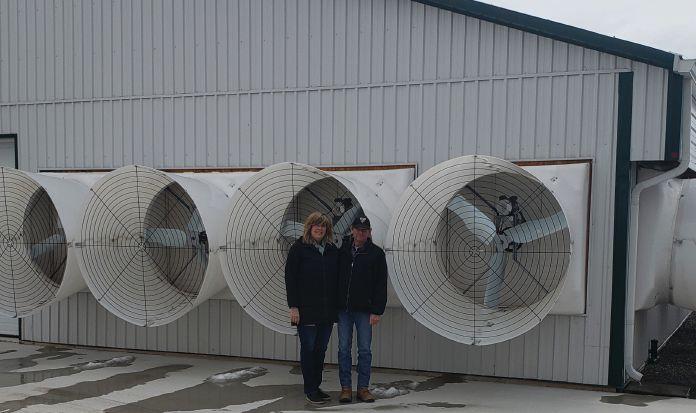
Larry and Judy Killough own two broiler farms, L&J Killough Farms and Walker Poultry. They’ve been producing chickens since the mid-1990s.
The need
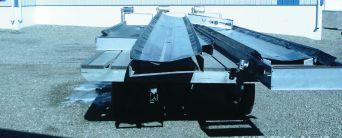
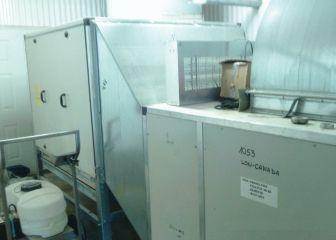
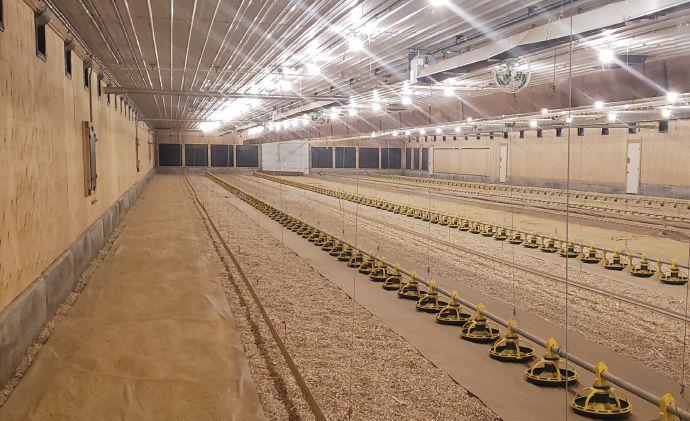
The Killoughs’ business had been growing exponentially. What’s more, the producers were switching to raised without antibiotics (RWA) production. Thus, they wanted new, modern facilities both to help accommodate future growth and to enable their transition to RWA. That’s why four years ago they started building a series of three new broiler barns, two at the Walker site and the newest one at their L&J site that replaced an aging converted pack barn.
The barn
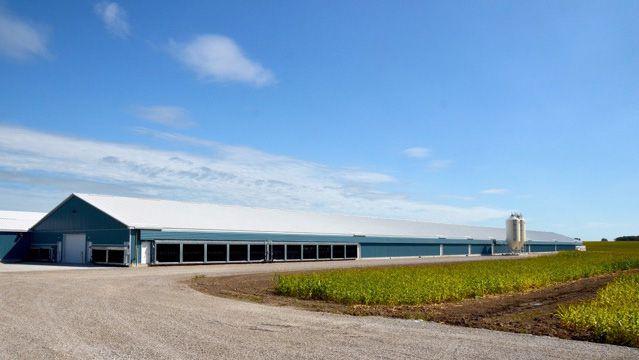
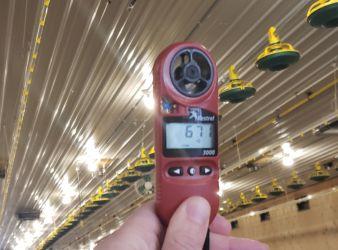
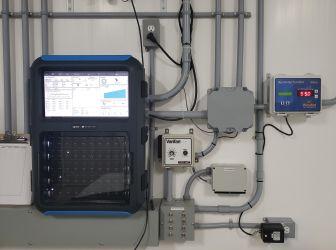
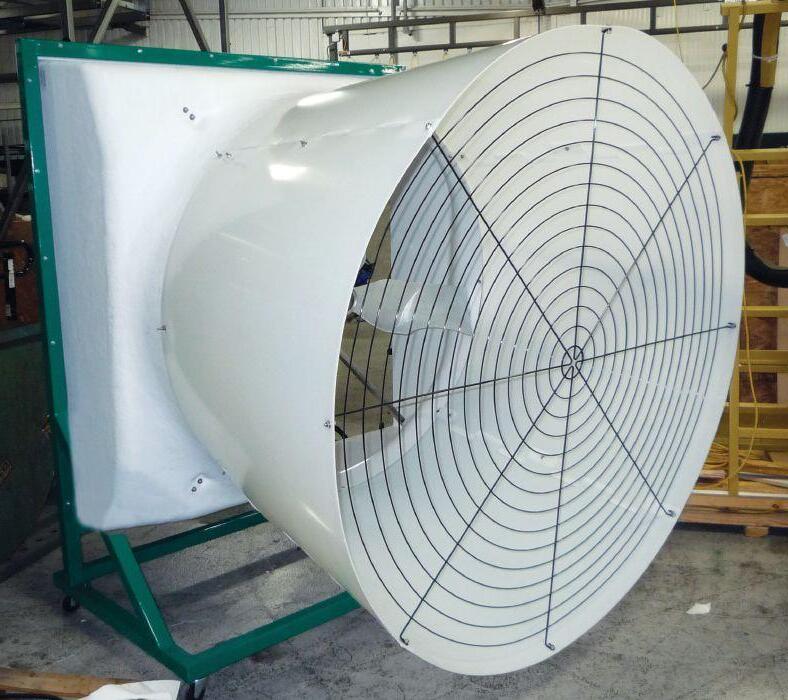
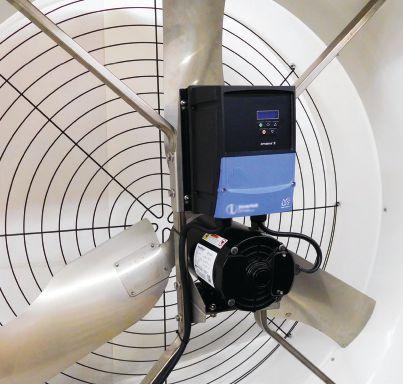
Working with Weeden Environments, the Killoughs built three identical single-storey, 500 ft. by 65 ft. facilities. They feature modular to tunnel ventilation. Ceiling inlets provide the first stage of minimum ventilation. That’s accompanied by modular sidewall inlets for continued minimum and transitional ventilation. Lastly, tunnel ventilation delivers maximum wind speed and air exchange. Weeden Sprinkler Systems provide further cooling. The sprinklers encourage birds to stand up and provide artificial perspiration for wind chill during hot summer months.

As egg farmers, we’re committed to building a better tomorrow. From how we treat our animals, to how we work with our community, to how we care for the environment, sustainability colours every decision we make. It’s our job. It’s our way of life. And most of all, it’s our passion.
SUSTAINABILITY STARTS WITH CANADIAN EGGS
Visit eggfarmers.ca to learn more about our farming practices in our Sustainability Report.