ROSS DELIVERS
• Leading
• Impressive
• Strong
• Highest Yield
• Excellent Breeder
Performance
• Exceptional Livability


by Brett Ruffell
Providing stability in times of crisis
Thus far over the course of the pandemic, supply management has shone as a source of stability. One needs only to look at what’s happening stateside to appreciate the value of the system.
For instance, as panic-buying American consumers flocked to grocery stores to stock up on food during the early lockdown days, the wholesale price of eggs rose 180 per cent and the price of a dozen tripled in many parts of the country.
This has led to two lawsuits thus far accusing producers of price gouging. The Texas attorney general and a group of private individuals in California filed suit separately in late April against the largest egg producer in the U.S. for what they call excessive, unfair, illegal profits during the coronavirus pandemic.
What’s more, U.S. poultry and egg producers have, sadly, had to cull thousands of livestock due to the pandemic. In one situation, for instance, two million broilers on several farms in Delaware and Maryland were depopulated due to a lack of employees at chicken processing plants.
In Canada’s broiler industry, however, there were no depopulations at the time of going to print. This despite the fact that many of our foodservice companies have shut down and staff at our
chicken processing plants have been similarity affected by the virus.
“We’re fortunate so far that, with any plant closures, we’ve been able to redirect birds to other plants regionally,” says Lisa Bishop-Spencer, director of brand and communications with Chicken Farmers of Canada (CFC). “We’re lucky that we have the system we have, which allows us to decide, as a whole sector, how much chicken will be produced.”
In April, chicken farmers leveraged the system again to adjust to demand. At a spring meeting, CFC’s board of dir-
“We’re fortunate so far that,
with any plant closures, we’ve been able to redirect birds to other plants.”
ectors voted to adjust its upcoming allocation (from May to July) to reduce production in order to address the concerns of its value chain partners. This means a production reduction of 12.6 per cent.
“We will evaluate as the situation with COVID-19 unfolds,” Bishop-Spencer says.
Notably, this move did affect hatcheries, who had to cull millions of incubating eggs to try to prevent even more waste later on.
Egg farmers have, to date,
kept quota the same. Like chicken producers, they credit supply management for aiding their pandemic response. “Our ability to keep eggs moving in these very challenging circumstances is yet another example of the importance and value of supply management,” says Roger Pelissero, chair of Egg Farmers of Canada. “It delivers stability to our farms, it strengthens our industry –and most of all it provides food security to our communities.”
University of Waterloo professor Bruce Muirhead, an expert in trade negotiations and agriculture policy, says Canada is lucky supply management survived recent trade talks given the widespread shortages and skyrocketing prices stateside.
“If we’d gotten rid of it in the renegotiation of NAFTA, we’d be suffering the effects right now,” he says, pointing to research showing Canada used to import 30 to 40 per cent of its egg requirements before the system.
“We wouldn’t have eggs or you’d be paying $10 per dozen. The country is far better off with supply management than without it.”
Muirhead suspects that, after this tumultuous period, other countries might adopt systems similar to supply management. “I can imagine lots of other countries would begin to consider this arrangement where you guarantee a market for producers and they come through with a steady supply that doesn’t yo-yo all over the place.”
canadianpoultrymag.com
Editor Brett Ruffell bruffell@annexbusinessmedia.com 226-971-2133
Associate Publisher Catherine McDonald
cmcdonald@annexbusinessmedia.com 888-599-2228 ext 231 Cell: 289-921-6520
Account Coordinator
Alice Chen achen@annexbusinessmedia.com 416-510-5217
Media Designer Alison Keba
Circulation Manager
Anita Madden amadden@annexbusinessmedia.com 416-510-5183
VP Production/Group Publisher
Diane Kleer dkleer@annexbusinessmedia.com
COO Scott Jamieson sjamieson@annexbusinessmedia.com
PUBLICATION MAIL AGREEMENT #40065710
Printed in Canada ISSN 1703-2911
Circulation email: rthava@annexbusinessmedia.com Tel: 416-442-5600 ext 3555 Fax: 416-510-6875 or 416-442-2191
Mail: 111 Gordon Baker Rd., Suite 400, Toronto, ON M2H 3R1
Subscription Rates
Canada – 1 Year $32.50 (plus applicable taxes)
USA – 1 Year $91.50 CDN
Foreign – 1 Year $103.50 CDN
GST - #867172652RT0001
Occasionally, Canadian Poultry Magazine will mail information on behalf of industry-related groups whose products and services we believe may be of interest to you. If you prefer not to receive this information, please contact our circulation department in any of the four ways listed above.
Annex Privacy Officer
privacy@annexbusinessmedia.com Tel: 800-668-2374
No part of the editorial content of this publication may be reprinted without the publisher’s written permission. ©2020 Annex Publishing & Printing Inc. All rights reserved. Opinions expressed in this magazine are not necessarily those of the editor or the publisher. No liability is assumed for errors or omissions. All advertising is subject to the publisher’s approval. Such approval does not imply any endorsement of the products or services advertised. Publisher reserves the right to refuse advertising that does not meet the standards of the publication.





FreeBird Your birds new, favorite song!


As the egg laying industry continues to evolve, equipment manufacturing companies must do the same. At LUBING we are fully aware of our need to progress with the changing industry and that is why our culture of innovation is the reason for our success. LUBING is leading the way by offering a wide variety of products for today’s Cage-Free housing demands as well as bio-security concerns.
Nipple Drinking Systems
Pullets / Layers with and without LitterGuard Cups
Egg Conveying Systems
Curve conveyors customizable to nearly any application Belt Conveyors ranging from 18, 24, 36, 48 and 60 inches (capable of delivering up 750 cases/hr)
Accumulator Tables
Custom-made, all-stainless tables for all situations
Perch Systems
Ergonomic design allows birds to perch comfortably Reduces stress and helps create a calm environment




Glass-Pac Canada
St. Jacobs, Ontario
Tel: (519) 664.3811
Fax: (519) 664.3003
Carstairs, Alberta
Tel: (403) 337-3767
Fax: (403) 337-3590

Les Equipments Avipor
Cowansville, Quebec
Tel: (450) 263.6222
Fax: (450) 263.9021
Specht-Canada Inc.
Stony Plain, Alberta
Tel: (780) 963.4795
Fax: (780) 963.5034
What’s Hatching
Chicken farmers to shrink national flock by 12 per cent
The Chicken Farmers of Canada is reducing the size of this summer’s flock amid fears that the coronavirus could cripple the industry’s ability to process meat. Demand for chicken has dropped following mass closures in the restaurant industry. At the same time, COVID-19 outbreaks at Canadian meat processing plants have also stoked fears that farmers may raise more chickens than the industry will be able to handle.
CFO donates $25,000 to Feed Ontario
On behalf of its farmer-members, Chicken Farmers of Ontario is donating $25,000 to long-time partner, Feed Ontario. The funds will help aid the charity’s Emergency Response program, which looks to provide pre-packaged emergency food boxes to food banks across the province. The donation will enable Feed Ontario to provide 17,500 meals and snacks, in addition to the ongoing donation of Ontario chicken, to 225,000 people.
CFC wants feds to commit to covering depopulation costs
Canada’s broiler industry has, thus far, avoided having to depopulate flocks. This despite the fact that restaurants and processing plants have been forced to close due to the pandemic. However, Chicken Farmers of Canada is planning ahead in case things change. In May, the board issued a press release asking the federal government to commit to covering both the value of the birds and the costs related to any required depopulations due to COVID-19. Existing government plans fall far short of covering these losses, the board said.

New president of Aviagen North America announced
Aviagen has appointed Marc de Beer as its new president of North America, where he will be responsible for advancing the company’s long-term business strategy and strengthening service to customers throughout Canada and the U.S.
2007
is when de Beer started his career as a nutritionist with Aviagen, where he later became global head of
Included in the new president’s charge will be to continue to improve on current business efficiency and grow the North America region. Reporting directly to Aviagen CEO Jan Henriksen, he began the position on April 13.
De Beer brings a wealth of commercial knowledge and expertise to this new role. After receiving a Ph.D. in Animal Nutrition from the University of Arkansas, he began his career as a nutritionist for Aviagen in 2007, and later became global head of nutrition.
In 2011, he joined DSM Nutritional Products, serving in various leadership positions. He comes to Aviagen from Elanco Animal Health, where he was
senior vice president, food animal and global nutritional health, United States.
“We’ve found in Marc a results-driven, forward-thinking leader who embraces technology and innovative ideas. He puts his people first, always, and his collaborative approach is echoed in our company values. Leveraging these excellent leadership qualities, he’ll help drive the continued growth of the company forward,” Henriksen says.
De Beer added that he’s pleased to be back with the Aviagen team. “Aviagen has been on a remarkable journey of growth, providing customers with consistent high-performance, quality stock, while also strengthening its service to customers, as well as the insight and expertise that enable their businesses to thrive. I am honored to have the opportunity serve as president of Aviagen North America and look forward to helping to guide our team forward.”
Marc de Beer is Aviagen’s new president of North America.
nutrition.
5 questions with pandemic planning expert Suzanne Bernier
A former journalist and government press secretary, Suzanne Bernier is now an internationally recognized crisis management consultant, speaker and author. In light of the pandemic, we asked her five questions.
Briefly describe your background in pandemic planning. I have been dealing with planning for pandemics ever since after the SARS outbreak. What we faced here in Toronto in 2003 was not a pandemic but it was definitely a localized epidemic in certain areas. Afterwards, I worked for the Workplace Safety and Insurance Board of Ontario. I was tasked with creating Ontario’s first recognized pandemic plan. We learned from SARS and made sure that we had a good solid plan to project what kinds of things may happen in an enhanced pandemic.
Is there anything that producers should note from your plan?
All of our direction was more general in scope to all employers. So, I’m not going to try to narrow it down to one industry or one area. All I’m going to say is that it is really key that every single business in North America sit back and think about what is critical, who is critical and then make sure employees who are critical have the proper personal protective equipment.
Is there anything else employers can do to curtail the spread?
The best way to curtail the spread is to encourage people not to congregate together, to stay six feet away from each other if they
absolutely must be together and then wash their hands effectively in water for at least 20 seconds. If you do not have access to that then use hand sanitizer. Lastly, use enhanced infection control procedures. There is a lot of information online right now including from the Centers for Disease Control on exactly what cleaning solutions to use. I also encourage every single employer to give information to their employees on how to self-monitor.
Should businesses start planning for future emergencies? It is so crucial. And one of the disappointing things that I’m witnessing is that we’ve been trying to give this message for 18 years to the community. Unfortunately, what I believe happened was that when H1N1 hit it wasn’t that big of a pandemic. People thought, that’s it? And a lot of them shelved their emergency plans. Unfortunately, what we’ve been telling people about has now happened. Now, we need to plan ahead for the second wave that always historically hits us after a large-scale pandemic so we’re not in reactive panic mode.
What tools are out there to help create an emergency plan? There definitely are a lot of resources online. Ideally, I think every single business needs to have a solid emergency response plan, a crisis communications plan, a business continuity plan and an infectious disease plan. All of those four, I believe, to enable your business to weather whatever storm you may face.
Canadian dairy, poultry and egg sectors rally to support restaurants
Canada’s dairy, poultry and egg farmers have joined forces to support local restaurants across the country through the Canada Takeout campaign. The movement, which officially launched April 15, encourages Canadians to order from their favourite local restaurants that offer takeout or delivery and mark the occasion by using the #TakeoutDay hashtag on social media. With more than 800,000 foodservice jobs already lost nationwide due to COVID-19 and nearly 10 per cent of restaurants already closed permanently, the sectors are adding their voice to the campaign.

ILT diagnosed in noncommercial flock in Ontario
In late April, infectious laryngotracheitis (ILT) was diagnosed in a small non-commercial chicken flock in Alnwick-Haldimand township in Northumberland county, Ont. A biosecurity advisory area has been established. This is the province’s first reported ILT case in the past 10 months.
Aid package to agriculture aims $252 million at multiple pressures
A program being heralded as the first of its kind will see the federal Liberals spend $50 million to buy up surplus food as the closure of restaurants, hotels and other major purchasers of Canadian products results in an oversupply. The money is part of a $252 million aid package that’s aimed at easing multiple pressure points on the beleaguered agriculture sector. The purchased products, which Agriculture Minister Marie-Claude Bibeau suggested will include chicken, mushrooms and potatoes, will in turn be distributed to food banks and other groups.
Suzanne Bernier is president of SB Crisis Consulting.
What’s Hatching
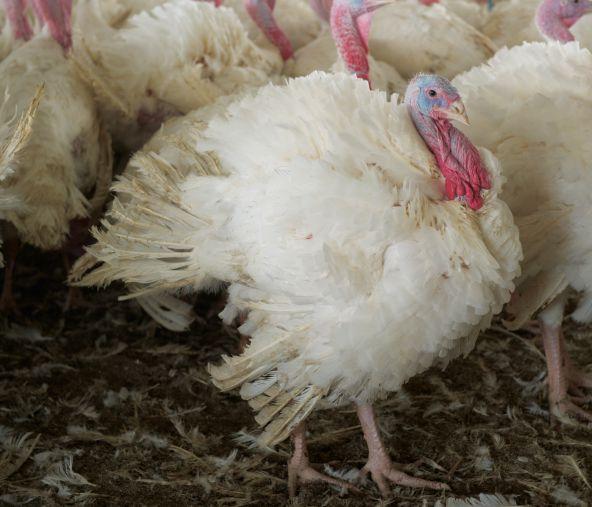
Turkey farmers, processors launch charitable project
At this critical time, Canada’s turkey farmers and processors are coming together to launch The Wishbone Project.
“The Wishbone Project is how Canada’s turkey sector, farmers and processors are giving back and helping out locally, provincially and nationally through donations of funds and food,” says Darren Ference, chair, Turkey Farmers of Canada.
As its first initiative, The Wishbone Project will donate $50,000 to Kids Help Phone to ensure young people can reach out for help during the COVID-19 pandemic.
With social distancing and school closures across the country, young people have less access to counsellors and resources than ever. For many, Kids Help Phone is the only place they can turn for support during this unprecedented time.
“For many young people and adults, their schedules and routines have changed dramatic-
ally with schools closed and forced self-isolation with many left unable to access mental health supports,” says Katherine Hay, president and CEO, Kids Help Phone.
“Since the pandemic started mid-March, Kids Help Phone has experienced a nearly 400 per cent increase in calls/texts related to COVID-19. We are truly grateful to The Wishbone Project for supporting the organization during a critical time.”
In addition, The Wishbone Project will also empower community heroes like local chefs across the country who are tackling food insecurity, and $25,000 in additional funds have been allocated for distribution to these causes.
“The more The Wishbone Project can support communities in need or at risk, the less our fellow Canadians have to worry,” says Jean-Michel Laurin, president and CEO, Canadian Poultry and Egg Processors Council.
Jones Feed Mills announces staffing addition
Jones Feed Mills, an Ontario-based feed mill and food-grain supply business, announced that it has hired Jeff Christopher as its poultry sales consultant. Christopher has a long tenure within the Ontario feed industry and has experience working with livestock producers across all species. He began working with Jones in late March and is currently familiarizing himself with the company’s processes while integrating (electronically) with the team.
Farmers, food processors get federal funds to help foreign workers isolate

As its first initiative,
Employers bringing thousands of agricultural labourers into Canada in the coming weeks will be required to quarantine them before they can work, and the federal government is promising to offset some of the costs. Agriculture Minister Marie-Claude Bibeau announced $50 million in federal funding to provide $1,500 per worker, which can be used to cover wages while they are in quarantine or the costs of space to isolate for the 14 days required under a law meant to stop the spread of COVID-19.
U.S. detects case of virulent bird flu
In April, the United States Department of Agriculture’s (USDA) Animal and Plant Health Inspection Service (APHIS) confirmed the presence of highly pathogenic H7N3 avian influenza (HPAI) in a commercial turkey flock in Chesterfield County, S.C. This is the first confirmed case of HPAI in commercial poultry in the U.S. since 2017. It appears this HPAI strain mutated from a low pathogenic strain that has been found in poultry in that area recently.
The Wishbone Project will donate $50,000 to Kids Help Phone.


Ask the Vet
By Tom Inglis
Tom Inglis is managing partner and founder of Poultry Health Services, which provides diagnostic and flock health consulting for producers and allied industry. Please send questions for the Ask the Vet column to poultry@annexweb.com.
How can I prevent it from entering my flock? Blackhead disease
With no current effective treatments, it has become increasingly important to understand the disease process and proactive measures to decrease the risk of blackhead entry into your flock.
What causes blackhead?
It is a parasitic disease caused by Histomonas meleagridis that results in clinical disease in numerous poultry species like turkeys, chickens and quail.
What does it look like?
Blackhead is a disease that primarily affects turkeys and will begin to present itself around seven to 12 days after exposure. Affected birds will have droopy wings, their head drawn towards their body, sulfur coloured droppings and appear lethargic.
Often in chronic cases the birds will begin to lose significant muscle mass. Mortality can be quite variable, but in some instances if left untreated can reach up to 100 per cent.
The necropsy lesions can be quite profound and help guide in making a quick diagnosis. There can be enlargement of the ceca with thickening of the wall and yellow caseous cores.
The liver can contain multiple target like lesions that will reach sizes of one to two centimetres in diameter. If you suspect this illness in your
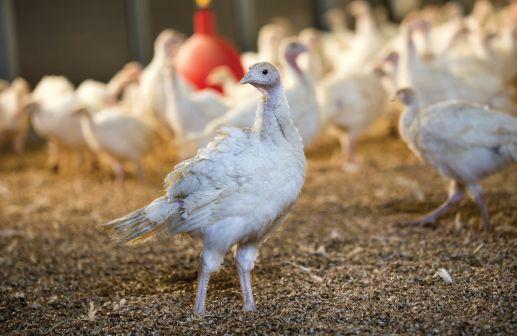
Blackhead is a disease that primarily affects turkeys.
flock, it is very important to submit birds to your local laboratory and contact your veterinarian immediately.
How is it transmitted?
Birds can contract the disease by ingesting cecal worm eggs containing Histomonas meleagridis or by ingesting earthworms that are carrying cecal worms infected with the parasite.
The most common source of horizonal transmission within an infected flock is cloacal drinking. This is a natural process where a turkey surveys the litter environment by intaking material to help build the immune system. Unfortunately, if the turkey is sitting on Histomonas contaminated feces it will allow easy access of the parasite to the gut wall.
Another way the disease is transmitted is when birds directly ingest contaminated feces within a barn or pasture. This is an unlikely initial source of infection and often only marginally contributes to
the spread within a flock.
Required actions
• Obtain a rapid diagnosis and veterinary confirmation (by gross lesions, gut scraping and microscopy).
• Use fencing to make pens in the barn with the intention of segregating the sick and healthy birds. This will also act to slow down the spread of disease within the barn.
• Cull all birds that appear depressed and lethargic. If birds are at or near market weight, plan an emergency slaughter.
• Apply hydrated lime to the litter and top dress the litter with fresh shavings.
• If possible, move the flock to a clean barn as soon as possible.
• Communicate the diagnosis to the plant for the expectation of increased liver condemnations (product is not a risk to human health for consumers or plant workers).
Follow up:
• Intensively clean and disinfect the contaminated barn.
• Increase biosecurity between flocks located on the same farm. This would include separate boots and coveralls at every barn entry.
• Work with your veterinarians to develop a deworming program.
• Apply salt to the perimeter of the barn to minimize the risk of earthworms gaining access inside and evaluate the seals of all barn entry points. This is especially important after recent rainfalls, as earthworms will prefer to move on wet cement as it will allow them to move much faster than in the dirt.
New treatment option
The Canadian Association of Poultry Veterinarians was successful in working with Health Canada to achieve an emergency drug release for Paramomycin, which is a product used in Europe to treat blackhead. The product will be held in a stockpile for veterinarians to access as needed. This process is ongoing but expect to have the product available for emergency use within the next few months.
Blackhead can be a devasting disease and hopefully by taking the necessary precautions you can lower the risk of infection on your farm.

Answers
You can rely on us for answers to your toughest questions. The Georgia Poultry team of employees is knowledgeable about every aspect of poultry production. For 50 years, we’ve built our business on this knowledge and on our continuing commitment to provide our customers with the best production equipment for their farms.
Sun rising on solar
New research a ray of light for green-powered poultry barns.
By Mark Cardwell
Canadian sustainability expert
Nathan Pelletier says feed production and manure management – not animal housing – are by far the biggest environmental challenges facing the modern egg industry. But he says using green energy sources like solar power to light, heat and cool bird barns can provide producers with a relatively big bang for their carbon reduction buck.
“The role of housing in terms of overall energy consumption in cradle-to-farm-gate egg production is quite small,” says Pelletier, an assistant professor at the University of British Columbia and NSERC/Egg Farmers of Canada Industrial Research Chair in Sustainability. “But with barns we have many technological advantages that can help to achieve substantial environmental savings.”
Pelletier points to the results of a recent study he led on the well-known net zero layer barn in the hamlet of Brant, Alta., as a case in point. Built by a Hutterite colony in 2016 with $250,000 in provincial and federal funding, the showcase barn was billed as the first electrically net zero layer barn and egg cooling facility in Canada.
Net zero refers to achieving an overall balance between emissions produced and emissions taken out of the atmosphere in any activity or process.
Pelletier and his UBC-based Food Systems PRISM Lab were tapped in 2018 to do a life cycle assessment of the barn using nine different categories of environmental impacts. The researchers utlized them to both measure and compare, among other things, the barn’s net-zero energy (or NZE) performance per tonne of eggs to an adjoining conventional pullet barn over a 30-year period.
New research findings
The results of the study, which were formally defended in a thesis by Pelletier graduate student Yang Li in April, put the anticipated environmental payback time – when
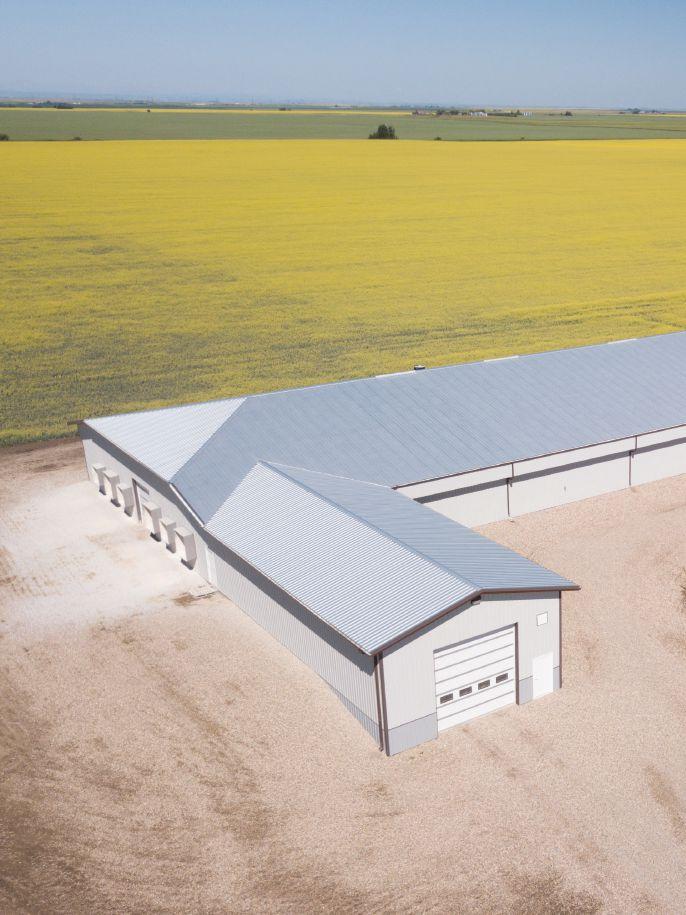
the barn is expected to begin delivering net benefits compared to the conventional barn – at just over five years for greenhouse gas emissions and nearly eight years for cumulative energy use.
“Overall, the life cycle environmental impacts of egg production are from 0.8 to 64 per cent lower in the NZE compared to the non-NZE barn,” Pelletier says. “The average infrastructure-related impacts (across all considered categories) contribute 4.3 per cent of the life cycle impacts of egg production in the NZE barn and 1.9 per cent in the conventional barn.”
Pelletier credits the NZE barn’s hyper-insulated design, which he says provides “a highly efficient thermal envelope,” together with the use of energy-saving technologies like a heat recovery ventilator, a high-efficiency egg-cooling equipment, LED lighting and a hydronic heating system that radiates heat from warm water heated by a natural gas boiler for helping to reduce energy consumption.
But he also lauds the performance of the NZE barn’s 25-kWh, grid-connected solar panel power array, which, according to the latest figures from Egg Farmers of Alberta, is generating 29,000 kWh annually.
UBC’s Nathan Pelletier led a life cycle assessment of the net zero layer barn in Brant, Alta..
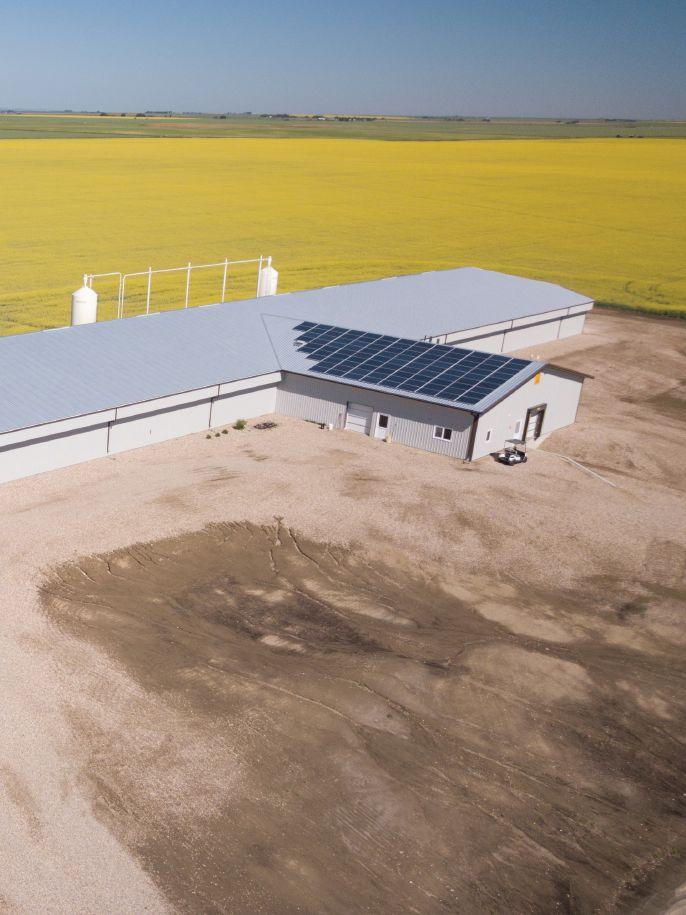
That is nearly 5,000 kWh more than total consumption of the layer barn and common areas (including an office and manure storage area) and only 2,000 kWh shy of also covering the electricity needs of the Brant farm’s pullet barn and egg cooler.
In terms of direct energy use, Pelletier’s study found the NZE barn’s consumption to be 83 per cent lower per ton of eggs produced than the conventional barn and 74 per cent lower over the entire life cycle.
It also helps to reduce the Brant farm’s overall carbon footprint by 12 per cent and electrical energy use by 30 per cent. “That more than offsets the higher environmental impacts from making and integrating all the materials needed to build the barn,” Pelletier says.
Many factors come into play when assessing potential environmental payback of an NZE barn – everything from regional climate to affordability and capacity. But Pelletier says the growing availability of improved technologies at a lower cost together with increased consumer demand and producer desire for enhanced environmental stewardship in industrial farming is fuelling interest in solar powered and other green-energy initiatives on poultry farms across Canada.
“It all depends on where you are and what you’re doing,” Pelletier says. “But the bottom line is that the salience of sustainability as a business interest has changed.”

New Burnbrae barn
The most recent Canadian alternative energy project of note is Burnbrae Farms’ first solar-powered production facility in Oxford County, a regional municipality in Southwestern Ontario.
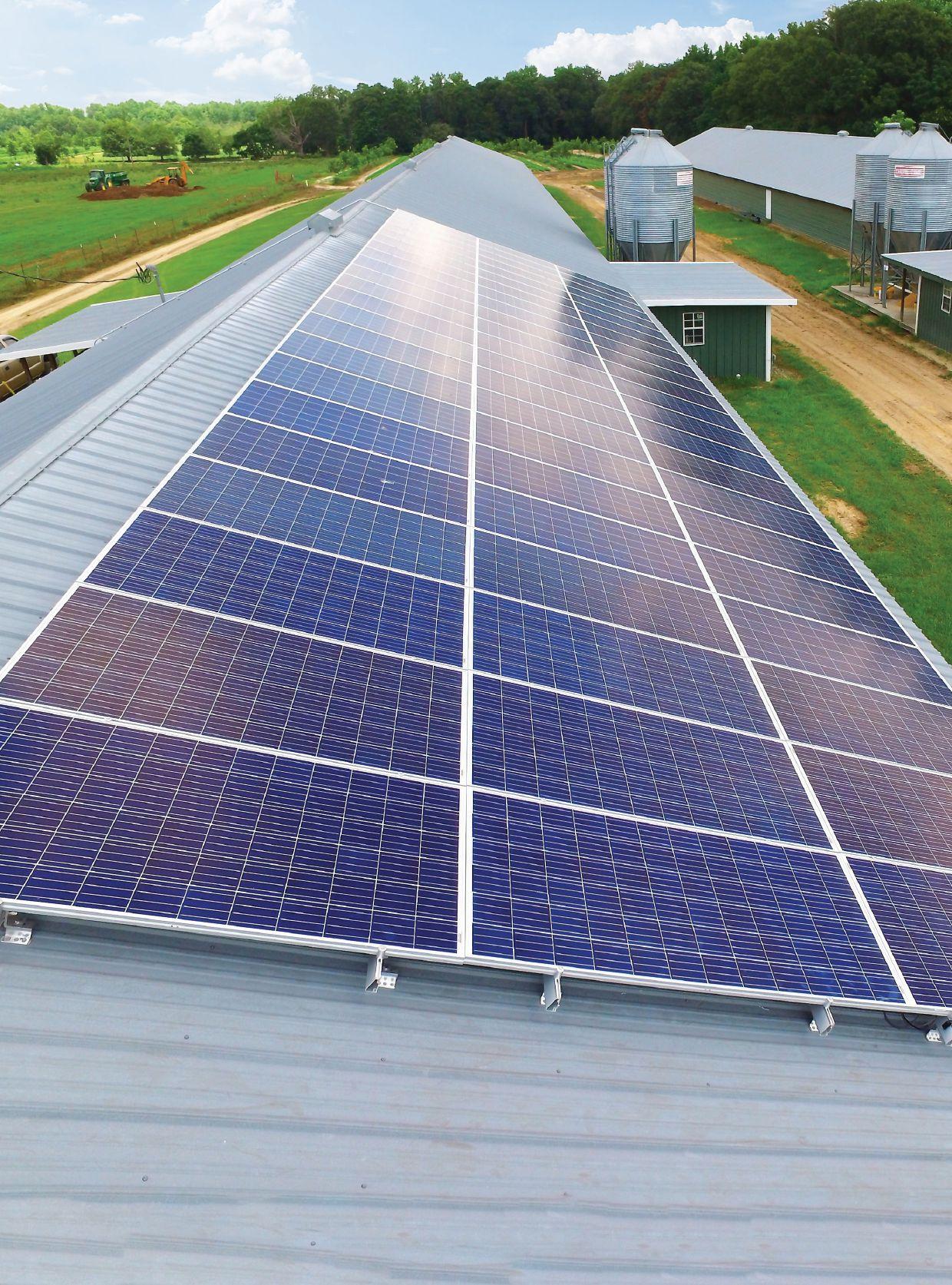
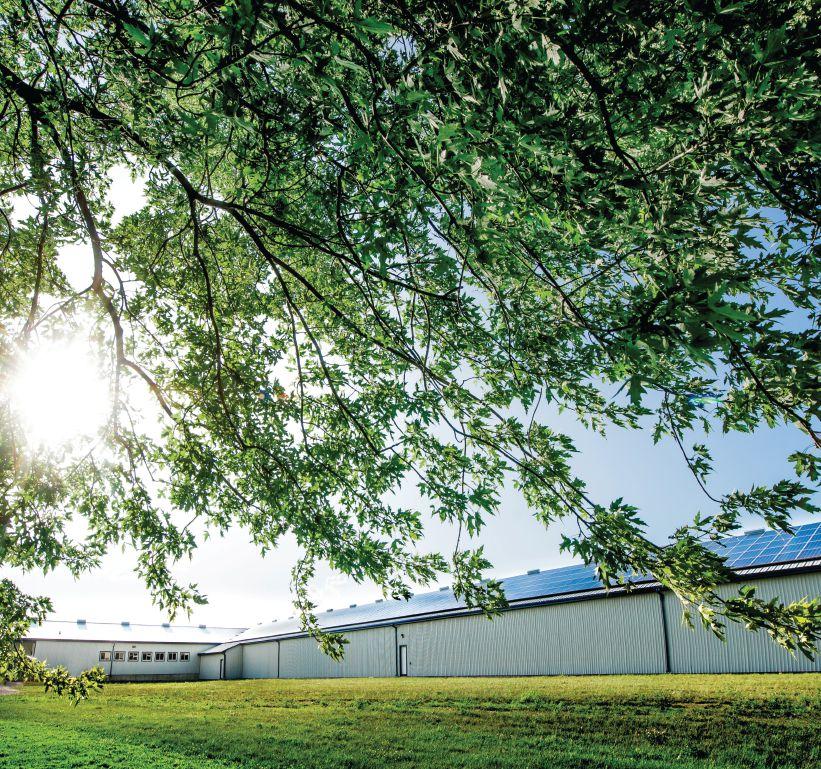
Officially opened with great fanfare in early October, the farm consists of four barns (one for starter pullets, one free-run and two free-range layer barns), three of which are lined with rooftop solar panels.
The panels provide more than enough electricity to run the high efficiency motors, lighting and ventilation systems in all four barns, with excess power sent to a neighbouring Burnbrae farm.
The off-grid, electricity-independent farm is also equipped with batteries in which energy can be stored for overnight use or cloudy days when there is limited sunlight. It also sports a backup generator to ensure power for the protection and safety of Burnbrae’s birds.
Billed as the largest solar-powered egg farm in Canada, the facility has made Burnbrae a finalist in the Environmental Leadership category for the pandemic-postponed 2020 London Chamber of Commerce Business Achievement Awards, the largest annual event of its kind in Canada.
“This farm is such a milestone for us,” says Margaret Hudson, president and fourth-generation owner of her family’s farming business, which is one of Canada’s biggest egg producers. “We’re learning so much from the process and we’ll continue to innovate our operations for future sustainability projects.”
She adds that the farm is both the fruit and continuation of the decade-long efforts of a green-minded group of expert volunteers dubbed the Green Team. The group works to lower the company’s carbon footprint by identifying and promoting projects that decrease the use of energy for production, processing and grading, as well as water usage and waste.
The company’s waste diversion and composting initiatives have notably led to a 20-per cent reduction in Burnbrae’s GHG emissions in recent years, a mark that will be further lowered with the new solar-powered facility.
Interest heating up
Though projects on the scale of Burnbrae’s new farm remain rare in Canada, American commercial solar design and installation expert Keith Freeman says interest stateside in solar photovoltaic (PV) technology – the conversion of sunlight into direct current electricity through the use of semiconductors embedded in solar panels – is quickly heating up as technology and efficiency improve and public awareness and desire for sustainable energy sources increases.
In October, Burnbrae Farms opened what it says is the largest solar-powered egg farm in Canada.
Cover Story
“When I started in this business in the early 1980s the only solar power people saw or heard about was on the space shuttle,” says Freeman, a senior partner in VerdeSol, a South Carolina-based firm that designs and builds solar PV projects for industrial, commercial and agricultural clients.
According to Freeman, whose clients have included Ted Turner, the Westin Utilities Commission, solar PV technology has taken off in the U.S. since the mid 2000s, when Chinese companies began flooding the market with low-priced, high-quality systems and panels.
“Everything has become far more accessible,” he says. “There’s more equipment, more training, more efficiencies and advances like monitoring and real-time control.”
Dollars and sense
For his part, Ontario egg and pullet producer Ian McKillop, who owns and operates
Argyle Farms with his brother Alan in the municipality of Dutton, says the decision to install nearly 300 solar panels on the south side of the roof on their new pullet barn in 2017 was a question of dollars and sense.
“It was an excellent use of existing infrastructure,” says McKillop, who also produces sheep, cattle and commercial crops on some 1,400 acres of farmland. “We did not need to take any field out of production, the panels face away from our neighbours and it’s not intrusive on the landscape like wind turbines.”
He says their 90-kW net metering solar energy system produces some 131,000 kW per year, which supplies roughly 80 per cent of the electricity needed to power his family’s home, two of their five barns (a conventional layer barn and the new pullet barn) and both grain dryers and fans for grain bins.
Under a provincial program, electricity
they generate flows into the grid and they are only charged a net amount based on the power they use.
McKillop figures the surplus electricity they upload to the grid during the sunny summer season less the energy they need to run their grain dryer in the grey fall and winter months results in an annual savings of about $18,500 a year.
“The length of our return on investment will all depend on hydro rates,” he says. “Since they’re not likely to go down it’ll likely be a period of eight to 10 years.”
McKillop says he hasn’t tried to make any marketing hay by adding solar power to his family’s farm.
“I guess we could promote ourselves as being more green,” he says. “But the truth is that, as farmers, we’re always looking for sensible ways to be good stewards of the environment. This was one way we could do that.”
DARKLING BEETLES ARE STEALING YOUR PROFITS!
Left unchecked, darkling beetles can compromise structural integrity of barns, causing an increase in energy cost, spread disease, and reduce overall ock health. As a part of a darkling beetle long-term control program, all-new Credo®, used in rotation with Debantic® and Tempo® can save producers $4,252 per 100,000 birds.1
















Business continuity
What’s being done to strengthen the post-disease outbreak recovery phase. By Treena Hein
Poultry organizations have made substantial progress in improving their response to potential disease outbreaks over the last few years. While that progress continues, they have also strengthened their plans for the post-outbreak recovery phase. They’ve done so to make sure the return to normalcy is as smooth and fast as possible.
A few years ago, the federal government provided about $1.7 million to a few organizations to help them explore how compensation might be provided to producers who suffer financial losses because of an outbreak. This helps rapidly get money to producers or quickly compensate them for the costs of cleaning and disinfection, lab tests and veterinary visits, depopulation and other tasks.
For avian influenza (AI), for example, the Canadian Food Inspection Agency does provide some compensation to producers. That said, it’s only about 25 per cent of total losses for infected farms and none for quarantined farms. Producers are obvious-
ly at risk for costs due to outbreaks of other diseases as well.
The organizations who received the funding included Équipe québécoise de contrôle des maladies avicoles (EQCMA), Quebec’s agency that oversees control of poultry diseases, insurance firms called the Canadian Egg Industry Reciprocal Alliance (CEIRA) and the Poultry Insurance Exchange (PIE), as well as the Feather Board Command Centre (FBCC) in Ontario.
FBCC was formed by Chicken Farmers of Ontario (CFO), Egg Farmers of Ontario (EFO), the Ontario Broiler Hatching Egg and Chick Commission (OBHECC) and Turkey Farmers of Ontario (TFO) to collaborate on disease control. It used the funding to do extensive analysis of how an AI compensation program might work. It used computer modelling to analyze many outbreak factors such as virus infectivity, control measures, speed of detection and the number of farms that are typically involved in an outbreak.
It also completed an extensive producer consultation. “They didn’t want premiums
to be too high, but they also learned about the total costs that any of them are on the hook for during and after an outbreak,” FBCC manager Tom Baker explains. “This includes the true value of the birds, vet and lab costs, cleaning and disinfection and the possible costs of having to rent an empty barn, if possible, for raising chicks that can’t enter a quarantine zone.”
In the end, FBBC and its collaborators concluded that premiums would be affordable, and now three of the boards have implemented a producer-paid program, with TFO to follow. “It was a lot of work and I’m really proud of Ontario poultry farmers,” Baker says. “I really think having the insurance in place is an important tool for outbreak recovery. It incentivizes producers to report a possible outbreak, as they won’t be out of pocket, and enables them to clean up more quickly because they have the money for it.”
PREMIUM CALCULATION
David Bethune, general manager at Nepean, Ont.-based PIE, has also gone through
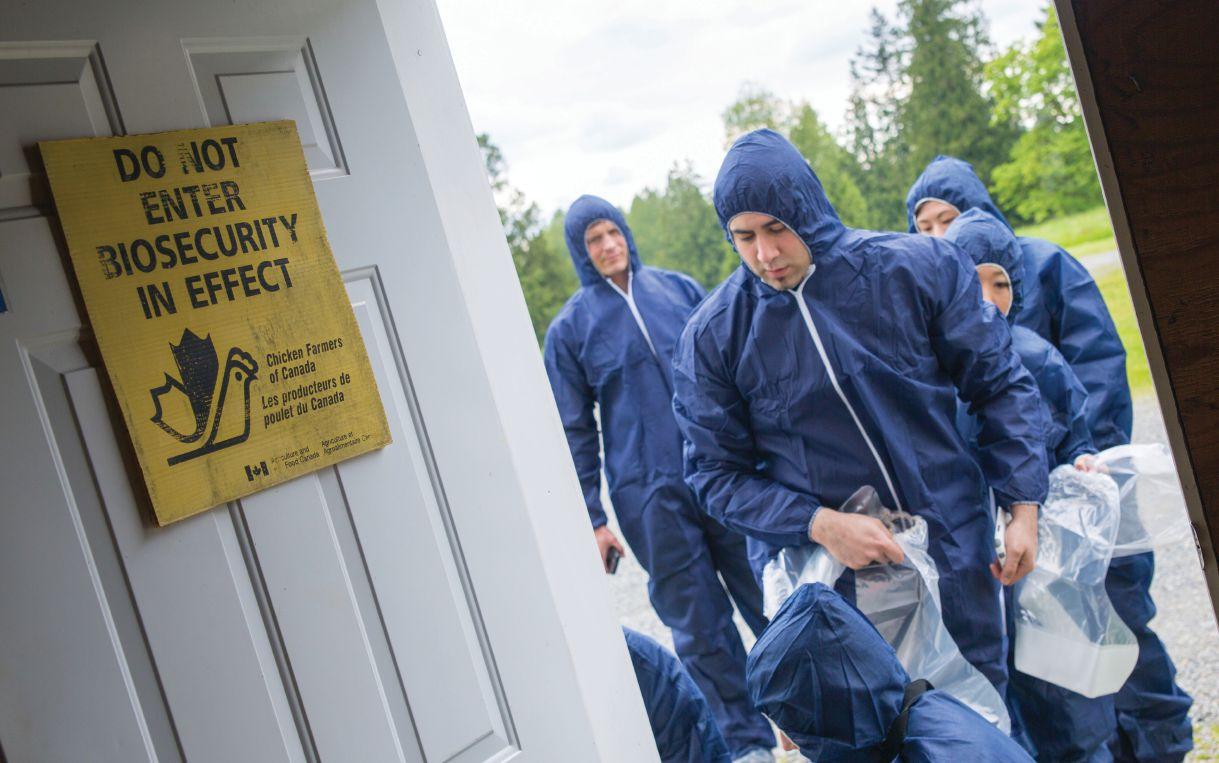
B.C.’s industry risk-mitigation strategy includes mandatory biosecurity. Pictured here are shots from the B.C. Chicken Marketing Board’s campaign to promote biosecurity.
Six women who are making a difference to Canada’s agriculture industry have been chosen and will be highlighted through podcast interviews on AgAnnex Talks starting June 15.
Stay updated by visiting AgWomen.ca or subscribing to the podcast at AgAnnex.com

the process of determining poultry disease-loss insurance premiums, modeling future outbreak risk by analyzing factors such as the frequency and severity of past outbreaks and also geography.
That is, it obviously matters whether poultry farms are concentrated, such as they are in B.C.’s Fraser Valley, or more spread out, as they are in the Prairies. “It’s a relatively sophisticated process to determine premiums,” Bethune says, “and we work yearly with consultants and reinsurers in Europe, as that’s where the global centre of livestock insurance is based.”
PIE first insured for poultry business interruption losses in 2004 relating to Salmonella en-
teritidis (SE), Salmonella typhimurium, Mycoplasma synoviae (MS), Mycoplasma gallisepticum (MG) and highly pathogenic AI or low-pathogenic H5 or H7 AI strains in broiler breeders or chicks.
Insured groups are OBHECC members and producers who hold a hatching egg producers’ licence in Alberta and Saskatchewan. In 2012, PIE began insuring EFO producers against losses due to SE, HPAI and LPAI H5 or H7 in egg layers and pullets and breeder layers and pullets. As previously stated, in late 2018, PIE began insuring members of three of the four poultry boards in Ontario for AI, with TFO to follow.
Poultry show_Elgin Straw 3/6/20 9:26 AM Page 1
Bethune notes that, in the
future, existing insurance programs may expand to include other diseases. In addition, poultry associations in other provinces may choose to put insurance in place for their members. “Each province has its own outlook and different circumstances,” he says.
“In Ontario, it was important that the whole industry be covered. In Alberta, they requested AI coverage and coverage for Salmonella when it became a reportable disease a few years ago.”
In Quebec, CEIRA provides insurance for reportable diseases such as AI and covers expenses not covered by CFIA (the insurance mainly covers the costs of disinfection). “For ILT (infectious laryngotracheitis) and MG, as there is no government assistance at all, the program covers several sources of loss, including the bird value of lost or depopulated birds,” EQCMA coordinator Martin Pelletier says. “All commercial poultry producers in the province except turkey producers are participating in the program.” (Turkeys are not affected by ILT.)
Specifically, in early 2019, CEIRA issued policies for members of EQCMA covering losses associated with ILT and MG, HPAI or LPAI H5 or H7, Newcastle disease, Pullorum and fowl typhoid. CEIRA had also issued its first SE policies for all Canadian commercial egg pro-
ducers in 2011.
B.C.’s AI coverage through CEIRA came about well after the 2004 HPAI outbreaks, when the province’s poultry industry undertook an extensive risk assessment and developed a four-point industry risk-mitigation strategy. It included mandatory biosecurity, enhanced surveillance and development of both an emergency management plan and a financial risk management plan. By 2010, exploration of insurance strategies had started. “The initial delivery mechanism was an industry-owned captive insurance company registered in B.C.,” explains B.C. Chicken Marketing Board chair Harvey Sasaki.
However, in 2013, the B.C. Farm Industry Review Board (the supervisory body for the province’s poultry marketing boards) looked into the matter. In 2014, it ruled that existing regulations did not explicitly enable the boards to establish mandatory disease insurance. However, Sasaki explains that “following the 2014 HPAI outbreak, the B.C. Ministry of Agriculture amended the legislation to make it possible.”
The industry initiated a further insurance review in 2016, and the B.C. Broiler Hatching Egg Commission and the chicken and turkey boards agreed to maintain contingency reserves to share in the cost of disinfection due to an AI outbreak in accordance with the risks of each sector. They are covered by CEIRA for both market loss and disinfection due to SE and AI. The boards also have a fund management agreement to address future AI discoveries, and they periodically review it, along with level of coverage and share of risk.


Quebec, New Brunswick & Eastern Ontario
Tavistock, Ontario 1-888-218-7829 sales@ruby360.ca ruby360.ca
Jacques Plante Saint-Hyacinthe, Quebec 514-232-2539 jacques@ruby360.ca
Alberta & Saskatchewan
Lance Fluckiger Leduc, Alberta 587-926-0090 lancen@fluckigercarpentry.com
Putting trees to work Barn
Addressing odour and dust issues with shelterbelts.
By Lilian Schaer
Odours from manure are an unpleasant by-product of livestock and poultry production. But, research over the last decade or so has shown that there’s an effective, natural tool that can help – trees. And it’s a solution that comes with some other benefits, too.
For Todd Leuty, agroforestry specialist with the Ontario Ministry of Agriculture, Food and Rural Affairs (OMAFRA), it all started with a study completed by John Tyndall of the Department of Natural Resource Ecology and Management at Iowa State University in 2008.
Livestock production in that state had started growing rapidly in the late 1980s, particularly hogs and laying hens. According to a December 2019 report by Iowa State University Extension and Outreach, for example, Iowa’s egg industry grew 6.8-fold from 1988 to 2007 alone and eight-fold by 2018, with approximately 57.7 million hens laying 16.4 billion eggs in 2018.
The rapid expansion in the state’s livestock and poultry numbers caused growing concerns about large livestock farms and their impact on the environment, including manure and odour, dust and noise. It prompted the industry to start looking for solutions.
PROVEN BENEFITS
Tyndall and other researchers began
looking at the strategic use of vegetative environmental buffers, more commonly called shelterbelts, around poultry and livestock facilities and manure storages. Their intention was to assess if they helped solve the odour problems plaguing the industry and their non-farming neighbours.
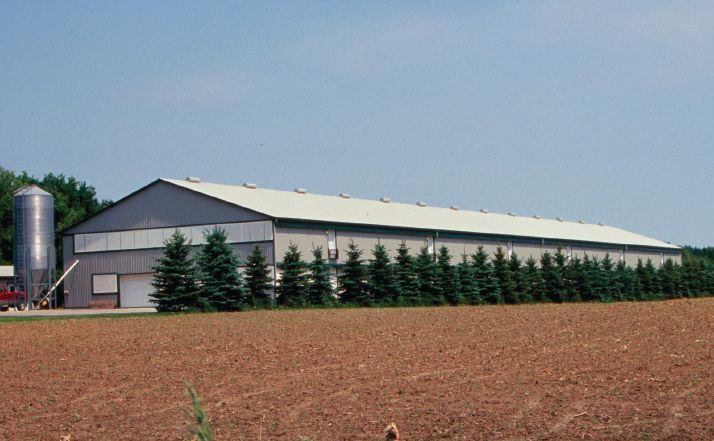
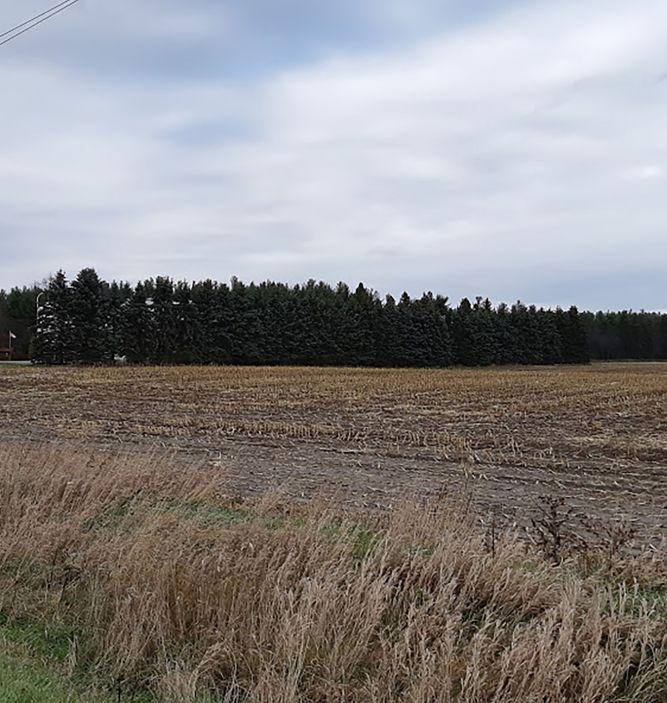
Shelterbelts are trees and shrubs purposely and systematically planted in one or more rows. They can filter and mix the air and reduce windspeed to make dust and odour less noticeable.
Tyndall’s study concluded that treebased shelterbelts can reduce odours by six to 15 per cent. What’s more, he found they can potentially lower ammonia and particulates in the air by as much as 50 per cent.
Similar research was conducted in Pennsylvania, another leading U.S. egg-producing state. Paul Patterson of Penn State University found a 67 per cent reduction in total particulate levels from a layer facility six metres down -
pers, for example, were found to trap more intermediate-sized particulates than willows. Related research identified spruce and hybrid willow as effective traps for dust and odour.
“Similar to how a windbreak works for snow control, you see that same effect with the dust that comes from a livestock or poultry barn that carries the odour,” Leuty explains. “Knocking the dust down by letting the trees catch it or slowing the wind down with trees helps manage dust and odour.”
“That initial research work done in Iowa State University formed a realization of how wind breaks work for odour management,” he adds. “The data they collected on odour reduction was quite striking and the results have been used by a lot of states and provinces since then.”
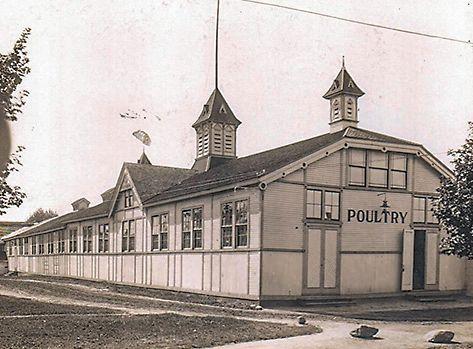
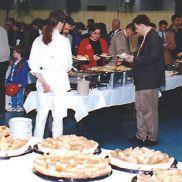
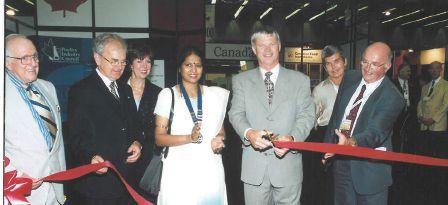
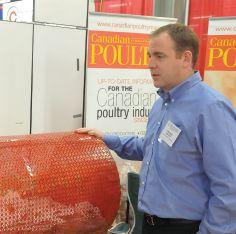

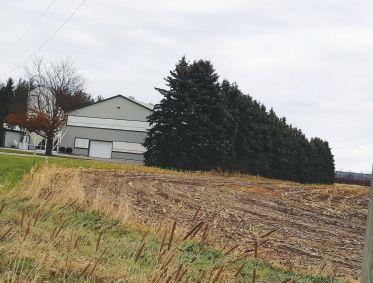
These before (top) and after photos of an Ontario poultry barn’s shelterbelts show 14 years of tree growth.








Barn Management
TREND TAKES HOLD
Tree planting was integrated into the Environmental Farm Plan as a best management practice for a variety of benefits when the popular on-farm environmental improvement program was first developed in Ontario in the 1990s. Similar programs are now available across Canada.
In Ontario, many conservation authorities have established tree planting programs to help farmers and other landowners establish windbreaks, help with soil erosion and plant treed buffer strips along water courses. The Lower Thames Valley Conservation Authority, for example, which covers an area along Lake Erie from just west of London south west to Leamington, sells between 60,000 to 80,000 trees annually. It also provides cost-share and financing options.
SHELTERBELT TIPS
The number of rows and types of trees planted in a shelterbelt depends on the intended use of the shelterbelt. Other factors include where they will be planted and whether the livestock barns are mechanically or naturally ventilated.
To be effective for mechanically ventilated facilities, shelterbelts need to be planted at least 30 metres downwind and run the length (or width) of the barn, manure storage and other buildings on the farm as well.
For naturally ventilated barns, it’s important that the trees don’t block the air flowing towards the air inlet walls. Thus, trees should be planted perpendicular to those inlets and at least 30 metres away from the building.
For management of farm-related odours and other air emissions, Alberta Agriculture and Rural Development, for example, recommends a minimum of three to six rows, depending on municipal zoning regulations and whether a farm’s neighbours are agricultural or residential.
Two to five rows of appropriately-spaced spruce conifers can provide an ideal 50 per cent density (or 50 per cent porosity) through the tree canopy. Shelterbelts are less effective for odour reduction when wind is absent, Leuty says, but they still provide many of the other benefits.
He recommends conifers as the best tree species for shelterbelts, specifically: White, Norway, Colorado Blue or Serbian spruce; White, Austrian or Scotch pine; and Eastern White cedar. Not only do they absorb gases and dissolve pollutants and are green year-round, their needles have a thick, waxy coating that makes them better able to survive
winter road salt use.
HEALTHY RETURN
50%
is the potential reduction of air particulates by tree-based shelterbelts.
6% to 15%
is the odour reduction shelterbelts provide around poultry and livestock barns.
$2K to $3K
is the estimated low-cost investment to plant a shelterbelt.
50%
tree density provides the best wind management results.
5 years
is the weed management period after planting to help young trees establish.
Similar to Tyndall’s conclusions in Iowa, Leuty says the cost for Canadian farmers to establish shelterbelts is reasonable and it’s an investment with long-term benefits for any type of livestock barn, manure storage, methane digester or farm source of dust.
“There are many cost-share programs that make it manageable – if a farmer invests $2,000 to $3,000 for a good windbreak, it will pay off for many years down the road,” he says. “That could be 30 years if the trees are managed properly.”
It takes four to five years for trees to solidly establish depending on the type of trees that are planted, and five to six years to start seeing an effect if farmers start with smaller trees. Larger trees can be transplanted yielding quicker results but requiring a larger up-front investment.
Although shelterbelts take time to establish, once fully grown, they can provide benefits even beyond air emission control. These include shielding barns and manure storages from view, reducing the heating and cooling costs of poultry and livestock facilities and other farm buildings and preventing snow drifts on roadways.
Research has found helterbelts can filter and mix the air and reduce windspeed to make dust and odour less noticeable.
Phages show food safety potential
Bacteria eaters are antimicrobial option to reduce the risk of key foodborne pathogens.
By Jane Robinson
Campylobacter and Salmonella continue to top the list of troublesome foodborne pathogens in Canada. They live in the intestines of many food producing animals, including poultry, and commonly contaminate raw meat products during slaughtering and processing.
In search of solutions, an Ontario researcher is studying bacteriophage (bacteria “eaters”), a virus that attacks target bacteria. He’s looking to see if it could be used to improve food safety while reducing the use of conventional antimicrobials.
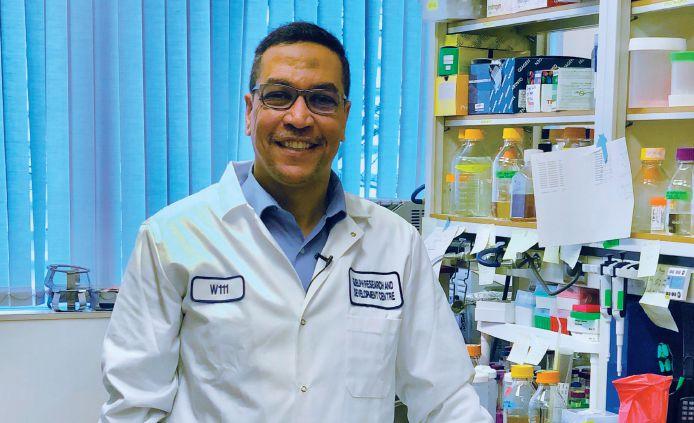
There are many points along the path from farm to table where contamination can occur. “Research clearly indicates that cross contamination during processing and chilling steps is taking place and represents a significant food safety risk during poultry processing,” says Hany Anany, research scientist with Agriculture and Agri-Food Canada. Anany is lead investigator on a three-year research project looking at the use of bacteriophage to reduce the risk of foodborne pathogen contamination on poultry products during processing.
New interventions needed
Studies over the last decade at provincial and federally inspected poultry processing plants confirm the ongoing issue of pathogen contamination. They highlight the
need for new strategies and tools to reduce the risk and improve overall food safety.
An Ontario Ministry of Agriculture, Food and Rural Affairs (OMAFRA) study looked at the prevalence of Campylobacter and Salmonella in broilers at processing plants. It found the pathogens were more prevalent after chilling (including rinsing), compared to when live birds arrived at the plant.
A study at federally inspected plants in Canada had similar findings, examining the prevalence of the pathogens in whole carcasses and cut-up chicken parts. The National Microbiological Baseline Study reported that Salmonella showed up on 16.9 per cent on whole carcasses and 29.6 per cent on cut-up parts, while Campylobacter was on 27.4 per cent of whole carcasses and 39 per cent of cut-up parts.
Anany has been studying the use of phages as a way to mitigate the risk of different foodborne pathogens to improve food safety for the past 16 years. “There is
clear evidence that Campylobacte r and Salmonella are ongoing and unresolved challenges for the poultry industry and Canadian consumers,” he says. “We need to explore various innovative and cost-effective interventions that can be applied during processing to reduce the pathogen burden without affecting the quality of the final poultry product.”
He is partway through a research project to use phages – a green, environmentally friendly technology – as a novel antimicrobial option during poultry processing. His research, with funding through the Canadian Poultry Research Council’s poultry science cluster, is exploring the use of bacteriophages during poultry carcass chilling and packaging as a novel new way to control Campylobacter and Salmonella contamination.
The promise of phages
Lytic phages are bacterial viruses designed to only infect a specific host – e.g., Cam-
Hany Anany is a research scientist at Agriculture and Agri-Food Canada’s Guelph Research and Development Centre.
Research
pylobacter or Salmonella – to disrupt the pathogen’s regular metabolism and effectively kill it. Several studies have shown the efficiency of phages to control the growth of different bacterial pathogens.
“Phages are a promising antimicrobial intervention that could be used before, during and after the water-based chilling step of poultry product processing,” Anany says. “Although phages aren’t yet being used in the poultry industry, postchill use shows promise.”
In Canada and the U.S., some phage products have been approved and are used during food processing and on ready-toeat food products. “Phages can be implemented at various stages of the food chain,” Anany says. “I see phages as one of the available tools we can use to mitigate the bacterial pathogen risk.
“We need to include phages as part of the hurdle technology to improve food safety through alternative antimicrobial
options. And we have to understand the biology of phages and host interaction to implement them at the right stage of the processing chain using appropriate application approaches (encapsulation, spraying, immersion) to ensure their efficacy.”
Anany’s research is looking at two application approaches of phages – free and immobilized – at two critical points during poultry processing, as a mean to improve food safety without impacting the quality of the poultry products. Free phages can be applied to whole carcasses and cut-up parts by dipping or spraying a phage suspension before packaging to significantly reduce contamination of target pathogens – Campylobacter and Salmonella in this case – in the final consumer product.
Immobilized phages could be used in the absorbent pads within poultry product packaging to further minimize contamination during the product’s shelf life.
“Phage-based bioactive packaging would be a controlled release to ensure added phages would be able to tackle any existing and post-processing contamination during the shelf life of the product,” Anany says. “This would extend product shelf life and improve food safety while maintaining the quality of the packaged food, including poultry products.”
Commercial potential
While phages are not currently used in poultry production in Canada, Anany believes this is because cost may be the biggest barrier for poultry processors. “It would be ideal if there was an integrated production system that includes phages throughout the production chain from farm to retail,” he says. “Phages could be added to feed and water for poultry on the farm, sprayed before and during processing and in absorbent pads for in-store packaging.”


Did




PREVENTING FATTY LIVER
Maintaining a healthy liver is crucial for hen performance.
By Rafael Lera
With the egg industry facing challenges such as significant population growth, the food/feed/ fuel conflict and an increased commitment to animal welfare, longer production cycles are important in ensuring egg production is profitable and sustainable.
More and more breeding companies and egg producers are raising their birds for longer production cycles. The lay persistence in the first 70 to 80 weeks of age can only be improved to some extent. Most production advancements are accomplished by improving the lay persistence thereafter.
As production cycles are lengthened, keeping a healthy liver becomes crucial for obtaining good performance. The reason for this is that liver health has a strong influence on egg mass, egg shell quality and persistency in lay. This is especially true as the birds age: The older birds become, the more egg mass they have produced and the more challenging it is for the liver to keep healthy. At 90 weeks, a layer will have produced a total egg mass equivalent to more than 13 times its own body weight!
Liver health has an essential role in:
• Fat metabolism;
• Carbohydrate metabolism;
• Protein metabolism;
• Mineral metabolism: storage and release of key minerals such as iron and copper;
• Vitamin metabolism: in particular activation of vitamin D3; and
• Detoxification.
What is fatty liver?
The biggest risk for layer liver health in longer production cycles is hepatic steatosis, or what’s known as fatty liver. Fatty liver is the accumulation of lipids in the liver. In wild animals, this accumulation is a physiological adaptation to energy needs in particular situations such as migration and hibernation.
Signs of fatty liver include overweight birds with excess of abdominal fat, pale combs and wattles, decrease in egg production and increased mortality. At postmortem, the liver will appear enlarged and with soft texture, with the liver turning a yellowish color due to excess fat storage. Post-mortem can also reveal liver hemorrhages, from petechiae to rupture of liver capsule.
The negative effects of fatty liver include low production, mortality, poor egg shell quality and high feed conversion rates. A fatty liver is in malfunction, then storage and mobilization of triglycerides to yolk fat and formation of transport molecules are affected. As a result, the birds will decrease their egg laying rate.
In addition, because the liver is not able to metabolize vitamin D properly, egg shell quality will decrease. Egg shell quality deteriorates when the liver is less efficient in activating vitamin D3, which is necessary for calcium transportation to the egg gland.
Predisposing factors for fatty liver are:
• High temperatures;
• High energy intake: In the case of too highly concentrated diets or excessive feed consumption, which can also be linked to feed texture;
• Energy source: Using carbohydrates (starch) for yolk fat production increases metabolic effort of the liver com-
The negative effects of fatty liver include low production, mortality, poor egg shell quality and high feed conversion rates.
Rafael Lera is a veterinarian and technical specialist, layers, with Hendrix Genetics.
pared to using fat;
• Corn diets: Choline level is much lower in corn than in wheat;
• Fat birds, which is a sign of unbalance between energy consumption and energy needs;
• Cage housing systems: Due to less activity compared to other housing systems, maintenance energy requirements are lower; and
• Mycotoxins.
How to manage liver health
First, it is important to develop a large framed, strong and lean pullet. Investing effort in this growth stage will pay off for future performance in a number of areas, not only liver health. In the production stage, it is essential to keep a balance between energy intake and energy requirements.
At the onset of lay, reaching the correct bodyweight is key and it is recommended to use a feed with higher ME if needed (depending on feed intake). After reaching adult bodyweight, the target is to keep a stable bodyweight. Fat birds will result in higher maintenance and higher production cost and will be more susceptible to develop fatty liver.
In this stage, use feed with lower ME level at the end of the laying period with a higher fiber content up to six per cent (oat hulls, sunflower seed). During the production period, it is essential to measure bodyweight frequently and monitor feed intake.
To maintain a healthy liver, one needs to consider the energy sources in the birds’ feed. Replacing dietary carbohydrates with supplemental fat, while not
increasing the energy content of the diet is helpful in maintaining a healthy liver.
Feed should also include suitable levels of lipotropic factors like choline, vitamin B12, B1, folic acid and vitamin E. Lipotropic nutrients help to catalyze the break down of fat during metabolism in the body and prevent excess fat buildup in the liver. Choline is highly effective and present in a wide variety of raw materials, such as soybean meal and rapeseed meal, but supplementary choline is always beneficial for the birds in production. The rule of thumb for added choline is to provide a minimum of 250 ppm in rearing, and between 500 and 1000 ppm in production.
Properly balanced amino acid nutrition is also important to preventing fatty liver. Amino acids are necessary for fatty acid transport to adipose tissue. Keep in mind that egg mass, rather than age, is the driving factor when it comes to amino acid requirements. When looking at the amino acid requirements, be sure to consider flock uniformity and use a higher safety margin (plus five to 10 per cent) if flocks are not perfectly uniform to ensure the requirements of the best performing birds are being met.
In summary, careful observation and control of flock bodyweight is key for fatty liver prevention. Suitable nutritional strategies and supplementation with lipotropic agents can be helpful to keep a healthy functional liver. If you are considering extending the production cycle of your birds, or if you are already working with a lengthened cycle, be sure to monitor some of these key elements of liver function for the benefit of the health of your birds.
Green guidance
An overview of what’s new with Environmental Farm Plans and how producers are using them.
By Treena Hein
Rob Foster produces broilers and crops with his family near Ilderton, Ont. About a year ago, they finished their third Environmental Farm Plan (EFP). The voluntary assessments help farmers identify environmental risks on their farms, plan how best to manage them and take advantage of risk mitigation cost-sharing projects.
Foster finds EFPs to be invaluable. “We saw opportunity in the process in that it helped us identify some things in our operation that needed attention,” he says. “And the cost-share was a bonus,” he adds, referring to the fact that the cost of select EFP projects is partially government-funded.
Like the Fosters, Canadian poultry farmers have long seen the value of an EFP. They began in Ontario over 25 years ago and have spread across the provinces. By 2017, about 80 per cent of poultry farmers in Canada either had an
EFP in place or under development, according to Statistics Canada.
With the market increasingly focused on sustainable sourcing, including minimizing environmental impacts, Canadian Poultry took a look at how EFPs have evolved and what’s new.
Provincial updates
In B.C., because the EFP planning workbook was updated in 2019 due to new regulations relating to farm operations, Cassy James says that most EFPs in the province should be renewed. James is the communications manager at the B.C. Agricultural Research & Development Corporation, which administers the EFP in that province.
In response to COVID-19, James says the 24 provincial EFP planning advisors have special protocols in place. What’s more, like other provinces, they’re only accepting applications related to costshare projects in electronic form.
Eastward, the Ontario Soil and Crop Improvement Association (OSCIA), which administers the EFP in Ontario, allows producers to renew electronically. What’s more, pending COVID-19 restrictions, it may offer a one-day renewal workshop later this year for participants who have the third edition booklet. This workshop has already been successfully piloted.
Margaret May, a regional program lead with OSCIA, says anyone new to the EFP process or who has perhaps skipped an EFP edition should attend the organization’s regular two-day EFP workshop. However, these have been cancelled for now due to COVID-19, as have workshops in other provinces.
EFPs and sustainability
As many farmers are aware, food and beverage firms have prioritized sustainable sourcing in recent years. They’ve done so for a variety of reasons, includ -
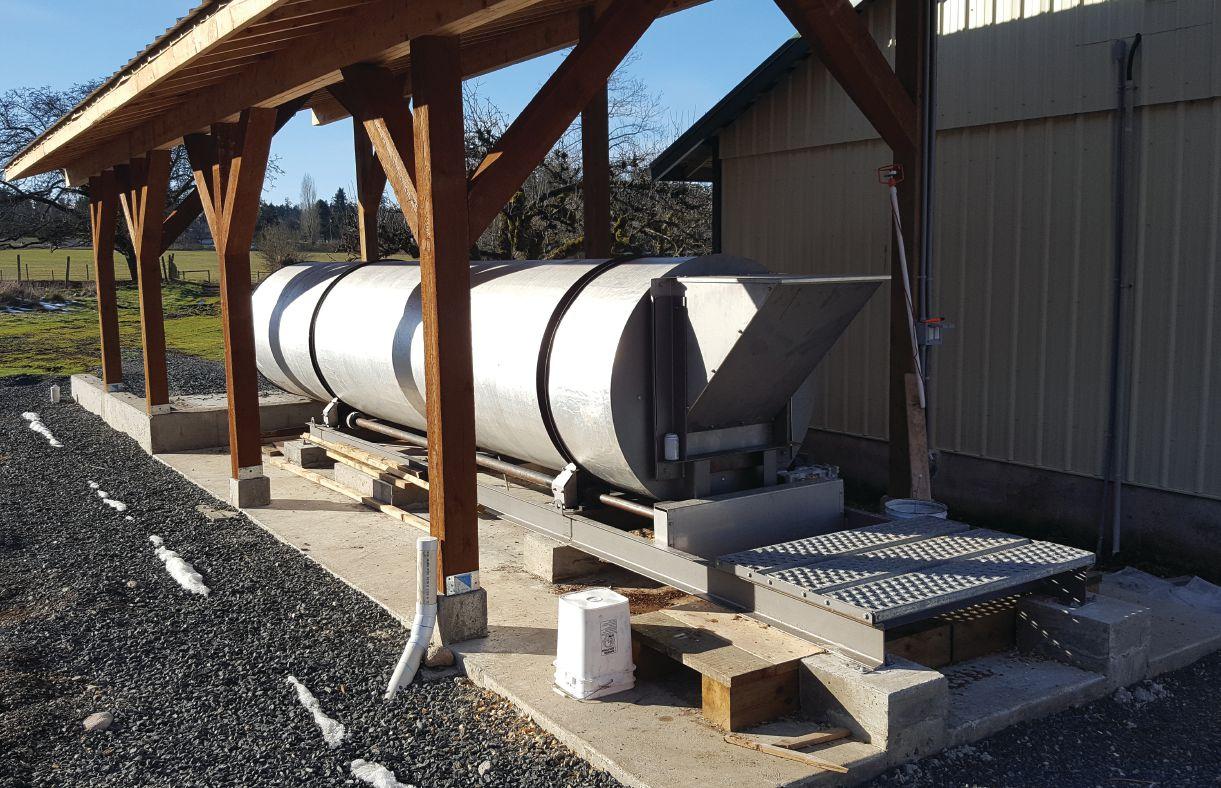
One of the Environmental Farm Plan projects broiler farmer Rob Foster undertook was purchasing a deadstock composter.
Effective: Control flies before they mature and breed. Safe: For humans and other animals. Deadly for flies. Natural: Unlike pesticides, no harmful side effects. Economical: Comparable or less cost than pesticides.

Barn Management
EFP history and stats by farm type
The Environmental Farm Plan program began as a pilot project in 1993 in seven selected counties across Ontario. Funding for the pilot project was provided by the Land Management Assistance Program, under Agriculture and Agri-Food Canada’s Green Plan. The Ontario Ministry of Agriculture, Food and Rural Affairs provided technical support.
The EFP was very successful and spread across Ontario and Canada from that point. In B.C., for example, it was initiated in 2003.
Some post-secondary agricultural education programs now have an EFP component. In addition, in 2015 in Alberta, Lakeland College became the first post-secondary institution to complete an EFP, for its student-managed farm.
Statistics Canada 2017 data shows percentages of farms with an EFP (by farm type) were:
81 per cent of dairy farms; 80 per cent of pig farms; 71 per cent of poultry farms; 55 per cent of horticulture farms; 46 per cent of field crop farms; 37 per cent of forage farms; and 30 per cent of beef farms.
ing the need to show consumers that they take the issue seriously. Sustainable sourcing is just as it sounds. It means that food companies increasingly are only buying from suppliers who demonstrate they follow sustainable practices related to worker health and safety, animal welfare, environmental impact and more.
Globally, the best-known sustainable sourcing program is the Sustainable Agriculture Initiative (SAI), started by global food giants Danone, Nestlé and Unilever in 2002. Members of the SAI now include dozens of major food industry firms, some of which use Canadian eggs and poultry products, like McCain Foods, McDonald’s and Starbucks.
SAI seeks to find common solutions to sustainability challenges faced by food companies while supporting sustainable practices in agriculture.
The most current SAI Farm Sustainability Assessment, FSA 2.1, contains environmental criteria related to many factors, from proper nutrient management, water protection and soil stewardship to minimized use of crop protection products and biodiversity conservation.
Because most of these factors are already addressed in EFPs across Canada, experts say it makes sense that farmers should seek to show they meet SAI environmental criteria by completing one of these assessments.
Progress report
Indeed, this is already underway. So far, both Quebec’s and Alberta’s EFPs have been recognized as reaching the FSA 2.1 Silver level, the second highest performance marker, on their content and governance models. Other provinces have also begun this process.
Paul Watson, EFP director at
the Agricultural Research and Extension Council of Alberta and the national co-chair for EFP harmonization, has been spearheading the effort in Alberta. He believes sustainable sourcing is already here.
“Early adoption of the documentation required to demonstrate we are sustainable not only prevents us from being left behind, but using FSA 2.1 as our standard makes sense, as it is both widely accepted and widely benchmarked against other sustainability programs,” he explains.
But, SAI’s sustainability initiative is not the only one that involves the EFP. For example, Roquette Pea Processing, which is based in France and has a plant in Manitoba, has identified an EFP as the best way to ensure its producers meet its sustainability standards. Staff at Manitoba
Agriculture have worked with Roquette to develop a specific Pea Production Chapter in that province’s EFP. Watson says some commodity purchasers in Alberta have also expressed interest in a similar path.
In addition, the environmental module of the Canadian dairy industry’s overarching food safety and sustainability program proAction is based on the EFP, with implementation of this module to begin in late 2021.
Environment risk
However, as provinces work towards harmonizing EFPs with SAI’s assessment, Watson notes that it “does not affect the primary purpose of EFPs – to bring awareness and education to environmental risk.”
In Ontario, some examples of EFP projects poultry producers
The Fosters recently completed their third Environmental Farm Plan.
have implemented include using vertical beater manure spreaders and injection systems or dribbling bars to better target manure application in the fields.
Other projects focus on reducing soil compaction caused by manure tankers or other farm equipment, controlling erosion, monitoring barn ammonia and upgrading barn ventilation systems. Other EFP projects Ontario poultry farmers have completed relate to biosecurity, such as improvements to entry systems, building perimeters and water treatment and installing separate laneways for barn-specific traffic.
On the Foster farm in Ontario, their EFP projects have so far included purchasing a deadstock composter, properly decommissioning a well, planting cover crops/buffer strips and investing in compaction-reduction equipment. In the future, Foster says they may look at doing an EFP project that improves farm manure storage prior to field application. “I think identifying projects is really valuable and then you work away at them,” he says.

A BERRY GOOD SOLUTION
Researchers discover new antibiotic resistant gene and possible remedy.
By Lilian Schaer
An antibiotic resistant gene has been discovered in a strain of Salmonella – but berries might hold the key to a natural solution.
The new gene was found in the bacterium Salmonella enterica Heidelberg, which causes human illness and is also one of the mostly commonly isolated serotypes of Salmonella in North American poultry production. The discovery was made by an Agriculture and Agri-Food Canada research team led by Moussa Diarra at the Guelph Research and Development Centre.
The newly found gene can dramatically increase Salmonella ’s resistance to fosfomycin, a broad-spectrum antibiotic often used to treat urinary tract infections in humans that are resistant to other antibiotics.
There’s hope for a solution, though, from the fruit industry in the form of certain berry crops.
Diarra’s team is working with berry wastes – specifically pomace, which is what’s left over after juice extraction –that show potential to control antibiotic resistant bacteria to create products that could be used in poultry production to boost bird immunity and productivity. His work to date has focused on broiler production.
There are approximately 2,800 chicken farmers in Canada, with Ontario and
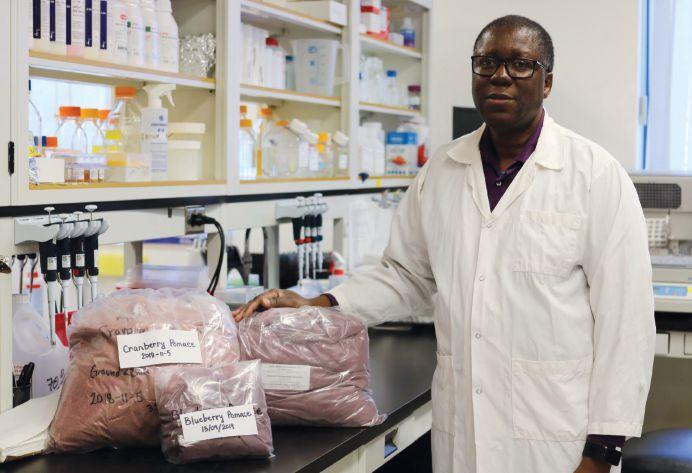
ABOVE: Moussa Diarra is part of the research team at AAFC’s Guelph Research and Development Centre who discovered the new antibiotic resistant gene.
Quebec accounting for more than half of national chicken production.
He first began working on development of a berry product against pathogenic bacteria in livestock production from cranberry juice in 2005, with funding support from Canada’s cranberry sector.
“We knew cranberry can be used to prevent urinary tract infections caused by E. coli and that cranberries have other health benefits like antioxidants,” Diarra explains. “We quickly realized that it would be difficult to develop juice in animal production, but we discovered that there are a lot of beneficial compounds in the pomace, so we could use that instead of juice.”
They also found that wild blueberry is
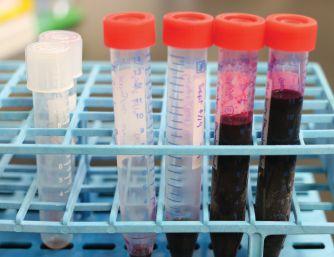
an excellent source of pomace and they’re currently also working with grape pomace left over from wine making.
The pomace is processed in a way that preserves its components. After drying and grinding, it is mixed into broiler feed as a supplement. An on-farm trial supported with funding from the national organic research cluster is currently underway on an organic farm in B.C., and additional, larger trials are planned.
An experimental study certificate approved by Health Canada permits the product to be used in a commercial pro -
RIGHT: Diarra’s team is now working with berry wastes to create products that could be used to boost bird immunity and productivity.
Key discoveries and benefits
• A new antibiotic resistant gene in the bacterium Salmonella enterica Heidelberg provides resistance against an important broad-spectrum antibiotic, fosfomycin.
• Fosfomycin is normally given to people as a treatment for urinary tract infections that are resistant to many other antibiotics.
• This research is vital in promoting a safe and healthy food supply in Canada.
duction environment and with birds approved for human consumption.
The limiting factor to expanding the on-farm trials is availability of the pomace.
“We have other farms who would like to work with us, but we don’t have the capacity to produce large amounts of pomace,” Diarra says, adding the maximum capacity of their lab-scale production currently is 3,000 birds.
The existing processing method was kept simple by design. A related project involves trying to develop additional, different processing methods that might be more economical without impacting the best composition of the product.
Final Health Canada approvals will be needed to make it more widely available for farmers, but according to Diarra, the gut health, immune-response and performance studies that could be needed to support a regulatory application are already complete.
Research shows the product, developed for organic production, works to both fight bacteria and promote beneficial gut health. The next step is finding an industry partner who can help move it into commercialization. Diarra says he’d be happy to work with a partner through that process.
“This has the potential to be developed and we have the potential to grow a lot more berries,” he believes. “My dream is to grow berries for this type of application like growing corn for ethanol.”
AAFC supported the research under the second national organic cluster, and renewed its funding under the third cluster, which will run until March 2023.



Guts of Growth
By Kayla Price
Building a green footprint
The term “sustainability” has a lot of different meanings depending on who you talk to and what their opinions are. The United Nations Brundtland Commission’s interpretation of sustainability was developed in 1987 and was defined as “meeting the needs of the present without compromising the ability of future generations to meet their own needs.” In a broad context, global sustainability is an all-encompassing approach that includes natural (environmental), social and economic resources. Regardless, when people talk about sustainability in the media, the environmental aspect is the one they most focus on, especially as it comes to agriculture. For this article, I will discuss the environmental footprint of poultry, especially broilers and layers. However, it is critical to acknowledge the positive economic and social sustainability that agriculture and poultry production contribute.
Where does poultry production stand?
Several research studies have compared poultry production, egg and meat, in Canada with other livestock sectors. These studies mostly focus on the carbon footprint and greenhouse gas emissions of each sector rather than a full analysis of what each sector can provide.
One of the major differences that makes poultry unique is the bird’s reproductive potential and the resulting creation of consumable protein, whether it is via eggs or meat. A bird generally has a three-week incubation period that is combined with efficient and rapid growth. When we look at protein production, broilers have the highest consumable protein to live weight ratio when compared with other livestock sectors.
All these factors contribute to poultry having low greenhouse gas emissions when compared with other livestock sectors. However, this type of measure -
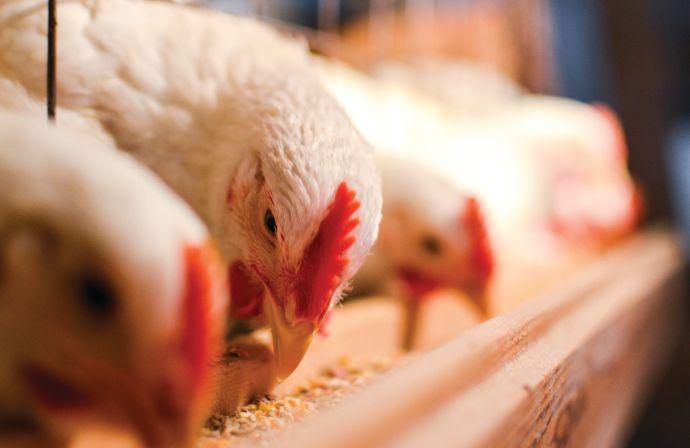
Feed production was found to have some of the highest emissions and resources impacts on the total footprint in broiler meat and egg production.
ment does not take into consideration other aspects that contribute to biodiversity, recycling carbon and other environmental considerations. For example, cattle production (beef and dairy) may have higher greenhouse gas emissions than poultry production, but their responsible grazing helps to maintain natural wildlife habitats and remove carbon dioxide from the atmosphere.
Improvements over time and differences within production systems
Researchers use environmental lifecycle assessments as a tool to study and manage resources and environmental factors in the food supply chain. This type of assessment is most common, most recognized and favoured by the United Nations environmental program. While this type of assessment is a good start to give us an idea of the impact of production, it does not consider many factors such as biodiversity, particulate matter, social and
economic impacts as well as consumer preferences.
There have been several published environmental lifecycle assessments for poultry production in Canada, as well as in the U.S. and U.K. Often, these assessments have been based on historical comparisons where modern poultry production is compared to poultry production of the 1960s or 1970s.
They have also been done to look at different types of poultry production within a system, such as conventional versus alternative and organic systems in the case of egg production. The values from these assessments can be very region specific, as production in Canada may not match production methods in the U.S. or U.K.
Based on the Chicken Farmers of Canada published data in 2017 comparing the system of broiler production from 2016 versus 1976, there have been strong improvements. Despite a higher demand for chicken meat in 2016, the carbon footprint was 37 per cent lower, 45 per cent less overall water consumption and 37 per cent lower overall non-renewable energy consumption.
A large part of this success can be attributed to factors such as genetics, manage -
Kayla Price is poultry technical manager for Alltech Canada and is an expert in poultry intestinal health.
ment and nutrition that have helped to improve broiler production feed conversion by approximately 20 per cent.
Similar positive trends, albeit with different numbers and intensity, have been noted for the USA broiler industry when comparing production between 2010 and 1965. In both countries, feed production (e.g., producing feed, growing grains) made up the largest portion to contribute to the environmental and resource impact.
Different grains had different impacts depending on water use, contribution to nutrient run-off, ecosystem acidification and release of nitrogen. Work completed in the U.K. showed the environmental impact of grains also changed depending if the grain had to imported or was grown locally. Overall, however, the different grains did require less water, land and energy to grow compared to historical grains.
Based on the environmental life cycle assessment of the Canadian egg industry published in 2018 comparing the system of egg production from 2012 to 1962, there have been strong improvements. Due to the timing when this assessment was completed, it focused mainly on layers raised in conventional systems.
Demand for eggs, and resulting egg production, increased substantially during this time period, over 50 per cent, and yet the overall environmental footprint decreased. The industry’s total emissions were decreased by 41 per cent for ecosystem acidification, by 51 per cent for contribution to nutrient run-off and by 57 per cent for greenhouse gas emissions.
Despite the larger demand for eggs, the industry’s total demand for energy, land and water use decreased by 10 per cent, 71 per cent and 53 per cent, respectively. The improvements in emissions and resource use over time can be attributed to many factors that include feed composition and feed efficiency as well as improvements in animal health, productivity and resource use.
The egg system for U.S. production conducted a similar assessment between 2010 and 1960 and found comparable results that were largely attributed to

Guts of Growth
feed efficiency and egg laying potential.
As alternative systems have become more the norm since 2012 in Canada, other environmental life cycle assessment studies were published by researchers at the University of B.C. in 2018 to look at their potential differences. The systems they assessed were conventional, enriched, free-run, freerange and organic.
Overall, the patterns the researchers noticed were similar between the conventional, enriched, free-run and freerange systems. These patterns showed that composition and amount of feed consumed accounted for an average of 35 to 81 per cent of resource use and emissions, while manure management contributed the second highest with 17 to 46 per cent.
The feed composition emissions and resource use are influenced by grain production. In this study, the organic feeds were often grown locally and had lower observed resource use and emissions. Conversely, in a U.K. study looking at similar measures the organic grains had to be imported, which had a negative impact on resource use and emissions.
We must applaud the poultry industry for constant improvements in production, resource use and emissions. However, it is always important to continue to improve. Some methods could be to work on the largest contributor to emissions, which would be feed and manure management. Aiming to continue to
improve efficiency and optimize nutrient cycling can be some example strategies for moving forward.
How can environmental sustainability relate to bird efficiency?
The connection between bird and intestinal health with environmental sustainability may seem far-fetched. The flocks have an amazing capability to turn feed (e.g., grains, by-products of different processes) into food (e.g., meat and eggs). To maintain this efficiency at its optimum level, it is important that the bird has as minimal stresses as possible so the body can be focused on digesting and absorbing nutrients.
The other side of poultry production is that what goes into the bird must come out of the bird as manure. Feeding as close to the requirements to the bird’s needs as possible is one step to reduce an overflow of nutrients being excreted into the manure. However, there is always a fine line to understand what is economically achievable, variation in raw materials used in the diet and the integrity of the gut to make an efficient exchange. Different feed additives can be used to control overfeeding of some nutrients. For example, phytase can be used to release bound phosphorous from grains to avoid overuse of added phosphorus that can be excreted and contribute to nutrient run-off. Another way to reduce the potential for nutrient run-off is the use of proteinated trace minerals that are

AGRO-DESIGN CONSTRUCTION Ltd.
readily absorbed by the animal. Nitrogen emissions to the atmosphere is an environmental concern that some regions focus on which can be partially addressed with feed. Nitrogen is a part of protein that the bird has to consume to grow. This protein is broken down in the bird and then released in several ways into the manure as different molecules that contain nitrogen. One of these molecules is ammonium that can be released into the air as ammonia.
As birds are fed closer to their true nitrogen requirement needs there is less nitrogen excretion and ammonia losses from the manure to the atmosphere. Another way to help reduce ammonia losses to the air is the use of litter amendments or through the feed with different binding products such as from the Yucca schidigera plant. However, if a plant extract is being used to combat this issue then there has to be an environmental sustainability plan in place to offset the harvesting of the plant.
Where to go from here
Overall, poultry production in Canada and in other parts of the world have reduced their total environmental footprint over time. This article only focused on the environmental impact, but it is crucial to highlight the positive economic and social benefits of the poultry industry.
Feed production was found to have some of the highest emissions and resources impacts on the total footprint in broiler meat and egg production. Recent research has looked at methods to formulate feed based on the carbon footprint of the grain, but this adds cost. However, different nutritional strategies can be used to improve different aspects that contribute to the total production environmental footprint.
As of yet, biological systems are not 100 per cent efficient at converting feed to food so there is a limit on the impact of nutritional and health strategies that have to be combined with other methods to improve emissions and resource use.
For references, view the online version of this article at canadianpoultrymag.com.

•
•
•
•
•
•
•
•


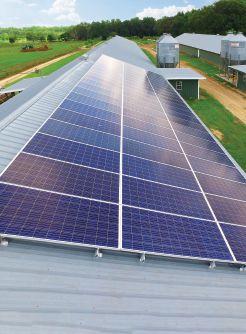

Barn Spotlight
Szmiett Farms Ltd.
Barn Spotlight highlights new and renovated barns and hatcheries. Do you know of a good candidate to be featured? Let us know at poultry@annexweb.com.
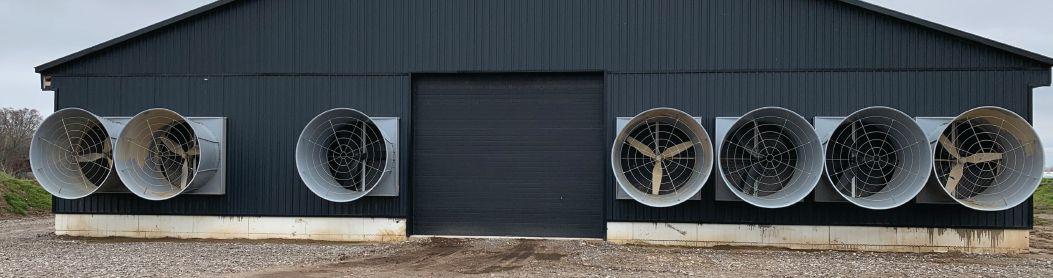
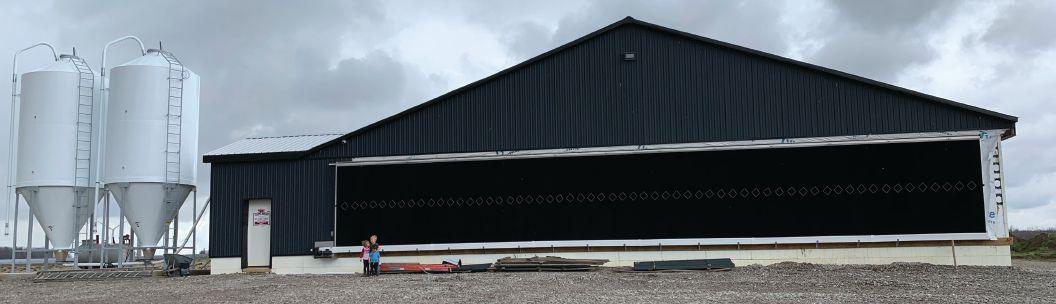
The business
Brian and Jessie Szmiett are broiler farmers based in Strathroy, Ont. They’re new to the industry, having obtained quota last year for 14,000 units under Chicken Farmers of Ontario’s New Entrant Program. They placed their first flock in December.
The need
The location is large enough to accommodate multiple barns in the future. When planning the project, they were guided by a principle: Keep it simple. They focused on features that would either save costs, enhance growth or reduce mortality. One way they decided to control spending was to have Brian build the barn from start to finish.
The barn
After comparing a conventionally built facility to alternatives, the Szmietts decided to build an insulated concrete form (ICF) barn. Brian believes it’s the first such poultry barn in Ontario. The walls are constructed of expanded polystyrene foam with a concrete core that runs from the building’s footing to the bottom of its truss. Builders often use ICF for higher end homes and, increasingly, for commercial facilities. The Szmietts thought it’d be an ideal fit for broilers. “It’s 100 per cent continuous insultation inside and out,” Brian says, adding, “You don’t have to use a vapour barrier.” He says that not only is ICF energy efficient but it’s also more durable than wood.
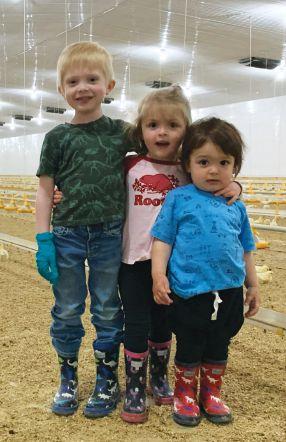

For more photos canadianpoultrymag.com
SECTOR Broilers
LOCATION
Strathroy, Ont.
The Szmietts went with tunnel ventilation using MagFans from Pols (top) and a cooling pad to improve bird health and reduce heat stress.
They have three kids, including (left to right) Jake, Emily and Owen.