…without exposing your animals, your employees or your family to disinfecting solutions containing harsh chemicals,** …or placing an added burden on our already-fragile environment? You
16
Biosecurity: can We talk? the role of communication in regional disease control
By Jean-Pierre Vaillancourt
20
Pic uPdate: iLt in Broilers controlling an iLt outbreak at the regional level requires a joint effort by all segments of the poultry industry
By Dr. Babak Sanei
24
Pest ManageMent: a Perfect Fit outsourcing your pest management program –what to ask and what to look for
By Bill Melville
30
trade: treading Water now is not the time for producers to let up their resolve to have a positive outcome from the Wto negotiations
By Dan Woolley
32
Biosecurity: information exchange ontario specialists have bridged the information gap for owners of non-regulated birds
By Kristy Nudds
34
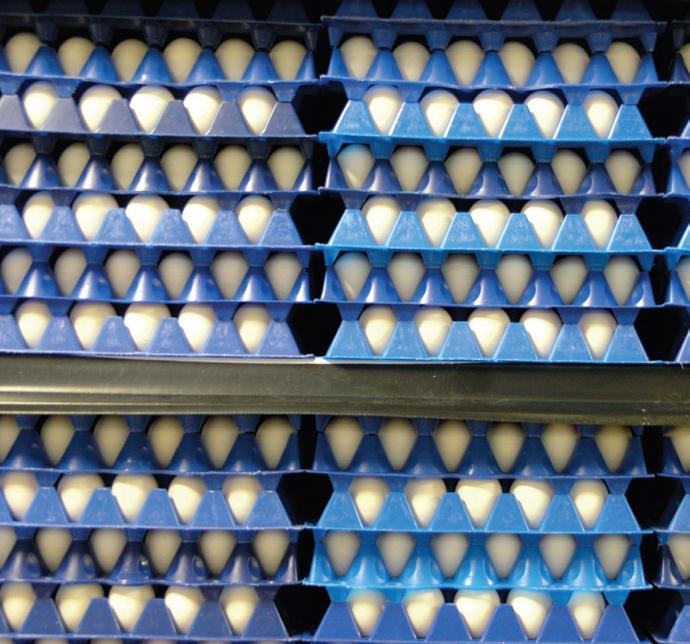
Food saFety: new Food safety technology for eggs newly-developed crossflow microfiltration membrane separation can compensate for the shortcomings of thermal pasteurization
By Laura McGinnis
FROM THE EDITOR
by KrIsTy NUdds
Remain Vigilant
in late april, the world was alerted to an influenza virus believed to have originated in swine that had crossed the species barrier and was infecting hundreds of people in Mexico, resulting in numerous deaths. as cases were discovered in the u s and several other countries in the northern Hemisphere (including canada), the World Health organization (WHo) sounded the alarm that the “swine flu” virus, influenza a subtype H1n1, could become a worldwide flu pandemic.
Fear over a possible pandemic has been haunting the poultry industry for the past six years, as an avian-adapted influenza a subtype H5n1 (commonly referred to as “bird flu”) began to infect poultry and other bird species in asia and africa. this avian H5n1 is highly virulent and is lethal to birds. although very close contact with infected birds is required for humans to acquire the virus and such transmission is inefficient, H5n1 is lethal to 60 per cent of humans that become infected, according to the WHo Human to human transmission of the virus has not been confirmed, although suspected in one case.
in contrast, the H1n1 influenza strain originating in Mexico has been lethal to less than one per cent of its human hosts, but it is transferred among humans quite readily. since the WHo and the centers for disease control (cdc) in the u s. made public their suspicions that a late-season influenza infecting Mexicans was cause for concern, the world became obsessed with pandemic talk. Media reports were all-consuming for several weeks and the pork industry suffered a major public relations challenge. culling of healthy pigs began in several countries and trade restrictions on pork from countries with human cases were quickly put into place by china.
after several weeks, one could ponder whether or not this “swine flu” pandemic was over-hyped.
However, experts say we should still be concerned. they believe the world is overdue for a pandemic, but what makes the H1n1 virus in question so worrisome to them is that it is a “hybrid” of avian, swine, and human H1n1 subtypes, containing genetic material from subtypes known to infect each species. this is what makes it so readily transferable between swine and humans, as an albertan hog farmer discovered in early May when more than 200 pigs on his farm were infected by a worker who had recently returned from a trip to Mexico.
the genetic savvy of influenza viruses is really what is at the core of the issue. although human to human transmission of H5n1 is extremely rare, what if it mixes with H1n1 in a host animal and advantageous genes are transferred – making H5n1 able to more readily infect humans, or if H1n1 acquires the pathogenicity of H5n1?
the same week the WHo reported that the number of new H1n1 cases was beginning to show signs of decline, it reported two human infections of H5n1, one resulting in death. in an associated Press article, WHo director-general chan was quoted as saying “We have no idea how H5n1 will behave under the pressure of a pandemic.”
the case of human to swine transfer in alberta and the continued presence of H5n1 in asia and africa demonstrate that the north american poultry industry must remain vigilant with respect to biosecurity. n
We acknowledge the financial support of the Government of Canada, through the Publication Assistance Program and the Canada Magazine Fund, toward our mailing and editorial cost.
Nous reconnaissons l’aide financière accordée par le gouvernement du Canada pour nos coûts d’envoi postal et nos coûts rédactionnels par l’entremise du Programme d’aide aux publications et du Fonds du Canada pour les magazines.
www.canadianpoultrymag.com
More Weight with Less Wait.
Glass-Pac Canada
St. Jacobs, Ontario
Tel: (519) 664.3811
Fax: (519) 664.3003
Carstairs, Alberta
Tel: (403) 337-3767
Fax: (403) 337-3590
J. Dean Williamson Ltd.
London, Ontario
Tel: (519) 657.5231
Fax: (519) 657.4092
Bigger. Faster. Better.
Studies prove and customers agree that higher flow rates grow BIGGER birds FASTER with BETTER results. Low-Volume flow drinkers ultimately restrict a bird's water consumption and have a negative effect on the bird's growth rate. Take the Upgrade Challenge and let us show you how much more can be going in your wallet with a quality Lubing Watering System.
Got Lubing? Contact your local Lubing Distributor for more detailed information.
Tel: (450) 263.6222
Fax: (450) 263.9021
Tel: (780) 963.4795
Fax: (780) 963.5034
A New WTO Farm Talks Chair WhaT’s HATCHING HATCHING
mbassador david Walker of new Zealand was appointed april 22 as the new chairperson of the Wto agriculture negotiations.
the selection was confirmed at a formal meeting of the agriculture negotiations on april 22. it is the result of general council chairperson Mario Matus’s consultations with Wto members. He informed them on april 8 that the consultations “have shown a consensus” to appoint dr. Walker. Helping him in the consultations were ambassadors John gero of canada, who chairs the dispute settlement Body, and Muhamad noor yacob of Malaysia, a former general council chairperson, ambassador Matus said. on March 18 he had informed members that he was starting the consultations.
Wto chairs are formally
elected by the bodies they chair. ambassador Walker is the third new Zealand ambassador to chair the agriculture negotiations, after tim groser (2003-2005, now new Zealand trade minister) and crawford Falconer (2005-2009).
ambassador groser returned to new Zealand to enter politics and ambassador Falconer returned to become a deputy secretary at the Ministry of Foreign affairs and trade.
the present terms for chairs of the negotiating groups run from one ministerial conference to the next (usually a period of about two years, sometimes longer), unlike the chairs of the regular Wto councils and committees, whose terms are annual.
About David Walker
the new chairperson has a doctorate in economics from the university of canterbury, new Zealand, where he also taught. He has a 20-year career in trade and economics, almost entirely in the Foreign
affairs and trade Ministry in Wellington, and including a brief period with telecom new Zealand.
Before his appointment as ambassador in geneva in January 2009, he was principal economic adviser at the ministry, where he led free-tradeagreement negotiations with china and other trading partners.
His postings include London and Washington. in an earlier posting in geneva (1991-1994) he represented new Zealand in uruguay round negotiations on services, intellectual property and trade remedies, and chaired the anti-dumping committee of what was then the general agreement on tariffs and trade (gatt).
after dr. Walker’s term as new Zealand ambassador began in January, Mr. Falconer remained as ambassador to the Wto doha round agriculture negotiations, which allowed him to continue to chair the talks until his return to Wellington in april.
Animal Advocate Leaves $7.5 Million to U of G
ONTarIO
The late Mona campbell was known for her passion, dedication and philanthropy. she created a legacy of giving that will live on through a $7.5-million gift to benefit the university of guelph’s ontario Veterinary college. it is the university’s largest-ever single donation.
Mrs. campbell was chairwoman and ceo of dover industries, a company she inherited from her father at age 33. at the time of her death in 2008, the company
was canada’s largest flour-milling company, with revenues of $228 million and some 500 employees. she was also the first female director of the toronto-dominion Bank.
over the years, she donated more than $1 million to various programs and efforts at the university, especially those related to animal welfare and equine issues. she was particularly interested in the work of animal and poultry science professor ian duncan, who was one of the first to bring a scientific approach to solving animal welfare problems. in 1991, Mrs. campbell started
Animal Health Expert Network Established
The canadian Food inspection agency (cFia), and the atlantic Veterinary college at the university of Prince edward island (uPei) recently announced a $1.2 million partnership to enhance animal health expertise in canada. the new canadian regulatory Veterinary epidemiology network (crVe-net) will link canada’s five veterinary schools and contribute to the development of research and training programs at the universities. it will be led by the centre for Veterinary epidemiological research at the atlantic Veterinary college. the initial phases of the project will see the establish-
ment of a research chair in regulatory Veterinary epidemiology at the atlantic Veterinary college at uPei, as well as graduate positions in epidemiological surveillance, risk analysis and disease modelling. graduates from crVe-net programs will help meet the national and international demand for additional animal and veterinary public health experts.
an endowment for a chair in animal welfare, which was named the col. K.L. campbell chair in animal Welfare after her late husband. Later, the university’s centre for the study of animal Welfare was renamed the col. K.L. campbell centre for the study of animal Welfare.
Half of her $7.5-million gift to oVc will be used to fully endow a chair in companion animal welfare and to provide further support for animal welfare research and initiatives in the name of col. K.L. campbell. the other half, which is designated for Pet trust, will support canada’s first comprehensive animal cancer centre, a priority initiative of Pet trust.
Increase in Rural Support
The alberta government is reaching out to strengthen relationships and connections with rural communities and those who contribute to growing and creating agriculture, food and bio-industrial products.
Following the results of an ard extension survey, the province will work to build new relationships, strengthen existing partnerships, deliver targeted programming and better understand the needs of rural albertans. agricultural service Boards (asBs) and their respective municipalities will have a key contact to work with to help support their needs. rural albertans will have better access to research and business development expertise.
JUNE
June 7-9, 2009
Canadian Poultry and Egg Processors Council (CPEPC) Annual Convention Moncton, n B. registration information available at www.cpepc.ca.
June 17-18, 2009
Food Meets Function Best Western Lamplighter inn and conference centre London, ontario. Join health professionals, producers, researchers and agribusiness professionals and learn about the latest research and consumer trends in functional foods. For more information, contact the agricultural information contact centre at 1-877-424-1300 (inside ontario) and 519-826-4047 (outside ontario), or visit: www.foodmeetsfunction.ca.
JULy
ILDEX India
Pragati Maidan new delhi, india. For more information: www.ildexindia.com.
July 12-16, 2009
Joint annual meeting of the Canadian Society of Animal Science (CSAS), american dairy science association (adsa) and american society of animal science (asas), Montreal.
July 20-23, 2009
Poultry Science Association Annual Meeting raleigh, n.c.
Hosted by north carolina state university. For more information, visit www. poultryscience.org/psa09.
aLbErTa
HATCHING HATCHING
H1N1 Lacks Genes of 1918
The new swine flu H1n1 virus lacks the traits that made the 1918 pandemic strain so deadly, a u s health official says. the centers for disease control and Prevention said the new virus is “a very unusual’’ four-way combination of genes from human, bird and pig viruses found in north america, asia and europe.
cdc flu chief dr nancy cox said the good news is “we do not see the markers for virulence that were seen in the 1918 virus.’’ nor does swine flu virus have the virulence traits found in the H5n1 strain of bird flu seen in recent years in asia and
elsewhere, she said.
“However we know that there is a great deal that we do not understand about the virulence of the 1918 virus or other influenza viruses,’’ that caused serious illnesses, she said. “so we are continuing to learn.’’ the global flu epidemic early last century was possibly the deadliest outbreak of all time. the virus was an H1n1 straindifferent from the H1n1 strain involved in the current outbreak - and struck mostly healthy young adults. experts estimate it killed about 40 to 50 million people worldwide.
Associated Press
Call For Tougher Food regulations M
aple Leaf Foods President Michael Mccain says ottawa needs tougher food safety regulations, but suggests federal policy continue a contentious practice in which industry largely inspects itself and government oversees the paperwork.
Mccain addressed a canadian club luncheon prior to an afternoon appearance before a Parliamentary subcommittee on food safety. during the luncheon, Mccain told attendees that the “role of government and the role of industry in food safety are
interdependent.” He said that food regulation in canada needs to get tougher, and that Maple Leaf is asking for more regulatory oversight, not less.
Mccain said regulations should focus on having officials ensure industry is complying with their inspection duties, “with tough accountability for those who are not meeting the requirements.”
the union representing inspectors has raised questions over what they say is their declining role in conducting hands-on inspection work.
Source: The Globe and Mail
COMING EvENTS
sEpTEmbEr
September 22-25, 2009
ABIC (Agricultural Biotechnology International Conference), Queen sirikit national convention center, Bangkok, thailand. For more information, visit: www.abic.ca/abic2009/ home/about.php.
Sept. 29 – Oct. 1, 2009
Poultry Service Industry Workshop Banff centre, Banff, alb. For more information: e-mail info@poultryworkshop.com or visit: www. poultryworkshop.com.
OCTObEr
Oct. 9-10, 2009
Poultry Innovations Conference hosted by the Poultry industry council (Pic), sheraton Fallsview Hotel and conference centre, niagara Falls, ont. For more information, visit: www.poultryindustrycouncil.ca.
We welcome additions to our Coming Events section. To ensure publication at least one month prior to the event, please send your event information at least eight to 12 weeks in advance to: Canadian Poultry, Annex Publishing, P.O. Box 530, 105 Donly Dr. S., Simcoe, Ont. N3Y 4N5; e-mail knudds@ annexweb.com; or fax 519429-3094.
PRODUCTS PRODUCTS
Pressure Pro
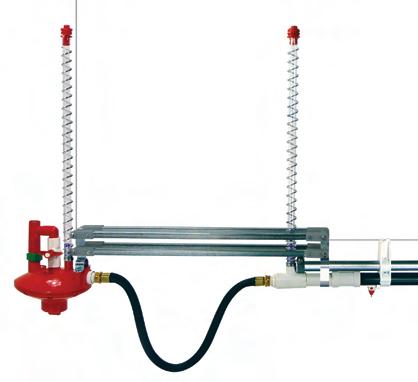
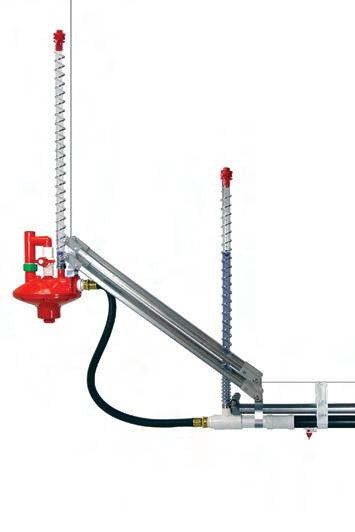
Ziggity systems, inc. is developing a new system that allows a poultry farmer to adjust the pressure at every regulator in the poultry barn equally and at the same time. Producers will be able to retrofit the Pressure Pro system onto any Ziggity floor watering system at minimal cost.
Poultry barns typically have four or more regulators that the producer must adjust about twice a week to provide appropriate water pressure as the flock matures. this involves the producer bending over and reaching under each regulator to turn the adjustment knob. Pressure Pro makes that chore obsolete and allows a producer to make the changes for an entire barn simply by turning the handle on a single winch.
With the Pressure Pro system, the regulator is attached to a mechanical arm that can move up and down. a flexible hose links the regulator to the water line. a series of cables and pulleys form a winch system that raises every regulator the same height with the turn of the winch handle. as the regulator is raised above the watering line, the force of gravity increases the pressure in the water line. the higher the regulator is raised, the higher the water pressure in the line. at the end of the grow out, simply lowering the regulators returns water pressure to the starting pressure.
the key benefits of Pressure Pro are:
• reduced labour over the course of the grow out.
• Producers can ensure that all regulators in the barn have the correct pressure setting.
• Producers no longer have
Turkey Thigh and Drumstick De-Boner
fservice life.
• Because it’s easy to do, it’s easier for producers to ensure they make the semi-weekly pressure adjustments properly. this helps assure the birds receive water at the appropriate pressure for maintaining dry litter.
• there is little that can malfunction with Pressure Pro. no expensive air compressors are needed, and there are no airlines that can rupture if the water condensation low points freeze in cold weather.
• installing Pressure Pro does not require any other changes to the watering system or its components.
• Producers can retrofit Pressure Pro to all existing Ziggity floor watering systems.
• Ziggity will offer Pressure Pro fittings for ace, Big ace and Big Z watering systems.
• Ziggity will make Pressure Pro available soon (fall of 2009). For more information, write Ziggity Systems, Inc. at 101 Industrial Parkway, P.O. Box 1169, Middlebury, Indiana 46540-1169 USA, call 574-8255849, fax 574-825-7674, or visit www.ziggity.com.
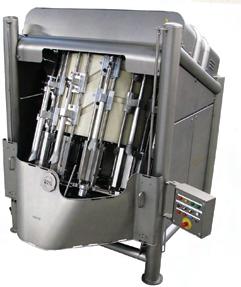
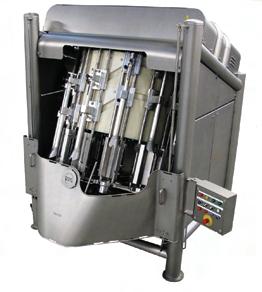
oodmate has developed the FM 8-50 turkey thigh and drumstick de-Boner, designed to process male and female turkeys on the same machine. there is a design feature that moves the thigh and drumstick into position to get the proper and accurate cuts on both the male and female. it can debone 40-45 thighs and drumsticks per minute and is capable of handling birds weighing up to 60 pounds.
Foodmate claims that processors can achieve optimal yield and performance at high speeds on both sexes without having to make adjustments, and that the FM 8-50 will leave the least amount of bone fragments in the deboned meat of any deboner on the market. the FM 8-50 can be loaded by one worker and has an automatic unloading device for the deboned thigh meat and bones. it can also debone turkey prime wing parts.
For more information, visit www.foodmate.nl to view equipment and spare parts, or telephone +31 (0) 186 63 02 40.
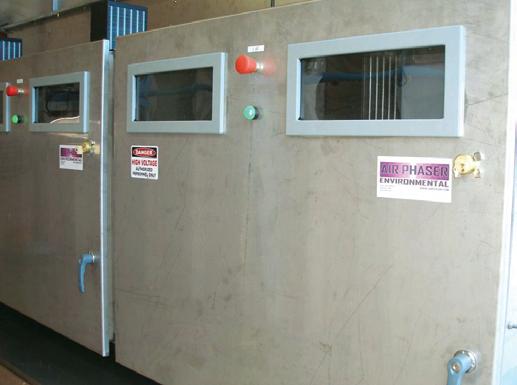
Air Phaser
airborne volatile organic compounds (Vocs) can be destroyed using only electricity in a new treatment system that uses non-thermal Plasma (ntP) technology.
the air Phaser is designed to oxidize and/or reduce airborne pollutants from compost, biosolids, manure livestock operations into less environmentally damaging forms. air Phaser’s technology transforms Vocs and other complex organic compounds to co2 and H20 and other safe, non-hazardous and non-odorous compounds, and it does so using only electricity
Manufacturers say the system can treat air volumes
from 50 to over 1,000,000 cfm using only a modest amount of electricity. the system is fault tolerant, since units are placed in parallel on larger systems and no single or even multiple unit shutdowns affect the whole treatment system.
For more information, visit www.airphaser.com or phone 604-308-7435.
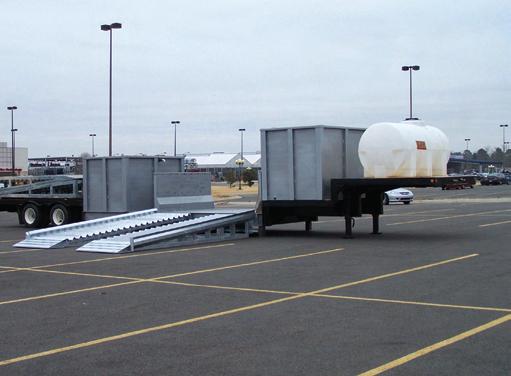
Automated vehicle Disinfecting System
Neptune northern inc. offers vehicle disinfecting systems that are designed to ensure a consistent mist to the full vehicle and cargo, and if desired, systems can be equipped with blowers to clean debris from the cargo prior to spraying. a modular design allows the customer to order systems in the appropriate length to meet their specific needs.
two systems are offered:
Neptune Full Canopy Wash
standard models available can be configured as a full canopy wash; or as a 6-ft or 8-ft sidewall system with or without spray protection; or in a custom design. systems are easily installed using a poly tank to house the disinfectant and are designed to run on single phase power. all models are engineered for ease of transport and userfriendly operation.
Neptune Mobile Instant Responder
the neptune Mobile instant responder disinfecting system is a one-piece, fully-integrated unit that can be brought in on a roll-away truck and unloaded in minutes. the system is designed to operate off of a 110-volt power circuit or can be equipped with an attached generator. simply hook it up to water and it’s ready to go. it can be used as a closed-loop
Self-Sanitizing Coating
Gens nano photocatalyst coating is part of a revolutionary three-dimensional air and surface purification system that utilizes natural mineral titanium dioxide (tio2) for surface purification in combination with HVac air purification systems utilizing uV-c ultraviolet light. Both titanium dioxide and uV-c purification technologies are environment friendly and a unique solution to the growing problem of surface and air bio-contamination risks faced by food processing facilities, food transportation, poultry farming and public buildings.
water recycling system, or the disinfectant can be allowed to run off.
neptune northern inc. will guide buyers in system selection, customization, turnkey installation, training and maintenance. they also offer parts and service support 24/7.
For more information, contact Ron Harrison tel: 866-9609277, e-mail: ron.harrison@neptunenorthern.ca or visit: www. neptunenorthern.ca
titanium dioxide itself has no toxicity to microbes, but after irradiation with fluorescent or uV light, natural mineral tio2 activates its unique photo catalytic properties. in the presence of light and humid in the air, titanium dioxide oxidizes, converts complex organic molecules into water and carbon dioxide. Photo catalytic power of titanium dioxide successfully destroys bacteria cell’s wall and its membrane, and reacts with cell’s components, which inhibits bacteria’s activity and ultimately results in the death and decomposition of bacteria, thus eliminating bad odours created by a living or decomposing bacteria and reducing risk of bacteria spread. For more information, contact Miroslaw Chrzaniecki, Green Earth Nano Science, Inc. E-mail: info@gensnano. com or visit: http://www. gensnano.com/products
HATCHING HATCHING
Lohmann Tierzucht Celebrates 50 Years
2009 marks the 50th anniversary of Lohmann tierzucht’s layer breeding and veterinary laboratory. the company has spent five decades researching layer genetics intensively within the company, as well as in close collaboration with customers and partners. the company feels that working with customers and partners has been essential to itsbreeding success, allowing its layers to increase performance by 45
per cent since 1959.
Lohmann tierzucht has production plants in five countries on three continents. the veterinary laboratory has three departments: the laboratory, veterinary services and production of flock-specific vaccines, make it unique.
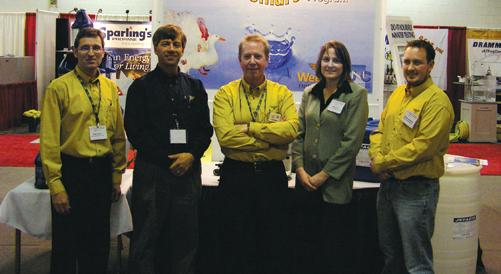
Weeden Environments Celebrates 15 Years
Mike Wolf, John stolp, Kevin Weeden, Pam Zehr and derek bender of Weeden Environments.
IPE to Change Exhibit Halls
The 2010 international
Poultry/Feed expo (iPe) will be in Halls a and B, in atlanta’s georgia World congress center, moving out of Hall c. the move was finalized at the recent exhibitor advisory committee meeting in atlanta.
the exhibitor committee met to review the 2009 show and make recommendations for 2010. committee chairman Hugh cholick, novus international says that using Halls a and B instead of B and c will make it more convenient for both exhibitors and attendees, and that access from the hotel district will be much easier.
Weeden environments is celebrating its 15th year in business. From its inception in 1994, Weeden environments has evolved into a global company, recognized for its innovative products in the poultry industry.
Weeden environments is well known for its Weeden sprinkler system that works to keep birds alive during periods of extreme heat. When the Weeden sprinkler system is activated, the water droplets hit the birds, causing them to
stand up and release captured heat underneath.
this system was initially sold for dust control and cooling, but the added benefits were discovered when the birds stood up and walked over to the water and feed lines after being hit with water droplets. in addition to being an effective cooling method, it also promotes activity, which is known to help maintain and increase average flock weights.
Founded as Weeden sprinkler systems by Len Weeden after he retired from Hybrid turkeys, the company was taken over by his son Kevin in 2003. Kevin rebranded the company as Weeden environments and continues to add innovative product lines to reduce animal stress, maximize flock yields and improve operational efficiencies.
cholick says the ’09 show was well received, despite the economic downturn.
The Georgia World Congress Center, site of the IPE.
WTO Survival
Canada’s supply managed industries could survive an agriculture trade deal at the World trade organization’s doha round, according to Mike gifford, canada’s former head agriculture trade negotiator.
gifford said an agreement on modalities, formulas and targets for tariff and subsidy cuts, is possible by late 2009 or in 2010. it would then take an additional 12 to 18 months before the modalities are implemented by Wto members.
“some people have said it is either Plan a (maintaining the status quo) or if that doesn’t work, then supply management goes. that is not the case,” gifford said.
“it (supply management) is going to adapt, as it has done over the years since the 1960s when it was first introduced in the dairy sector, and it will continue to evolve irrespective of what happens at the Wto
the question is how do players adapt to it.”
the stakeholders in supply management, the provincial and federal levels of government and producers and processors, should sit down and begin to figure out how to manage the situation if there is a trade deal, gifford said.
in canada, legislation to implement the trade deal would be controversial and would be a much easier for a majority government than for a minority government.
However, the trade talks are not just about agriculture.
“it is about industrial tariffs, subsidies and market access as well,” he said. “nobody is going to try and deny a trade agreement lightly.”
Source: Resource News International
Study Probes Avian Influenza
arecent european study has revealed that avian influenza still presents a global threat and biosecurity remains a crucial factor in the prevention of it spreading further.
an investigation was carried out by scientists at the university of Vechta looking at over 343 layer farms in germany, the netherlands and austria.
researchers have found that a number of risk factors were key to its spread. the study involved a questionnaire with 68 general
New Chair of Pathobiology at the U of G
There is an important relationship between the poultry industry and the team at the department of pathobiology at the university of guelph. the department’s new chair is not a poultry man but he understands the importance of the poultry industry and has expressed a strong desire to ensure that the close collaboration between his department and industry continues and grows.
dr robert M. Jacobs joined the university of guelph in 1985 and is presently professor and chair in the department of pathobiology at the ontario Veterinary college. He is a diplomate of the american college of Veterinary Pathologists. dr. Jacobs’ research mainly addresses common retroviral infections in cattle and various aspects of a canine model of hereditary renal disease. He has published approximately 200 papers and abstracts and
has contributed to several textbooks in applied pathology. He teaches hematology, cytology and clinical biochemistry in the doctor of Veterinary Medicine program and at the graduate leveldr Jacobs has extensive experience with public and private sector diagnostic laboratories and consults with pharmaceutical companies in the area of hematopathology (blood pathology).
questions about feed, employees, pest control and disease prevention. it was answered by poultry producers in the three countries, who were asked to keep a logbook of all contacts on the farm.
risk factors showed between 35 and 62 per cent of the farms investigated stored litter in a way that was open to contamination from the feces of wild birds or rodents. thirty per cent of farms shared machinery, yet 25 to 50 per cent did not disinfect the machinery before they returned it.
also determined: 17 to 28 per cent did not wash their hands before entering poultry houses and only a small share of the farms had a disease prevention plan. the study was conducted over small farms
with fewer than 10,000 birds, medium-sized farms with 10,000 to 50,000 birds and large farms with more than 50,000 birds.
Source: Farmers Weekly Interactive
dr. rObErT JaCObs
CPRC Update
the majority of the canadian Poultry research council’s (cPrc) support for research is directed towards four main priority areas. research priorities are determined by cPrc members in consultation with industry stakeholders, government representatives and academics during national workshops. these workshops are held every five years to assess the impact of research funded and to adjust, if necessary, industry’s research priorities. Preparations are underway for the next workshop to be held May 2010 in ottawa.
aVIaN GUT MICrObIOLOGy
one of the priority areas identified in 2004 was avian gut Microbiology. this broad theme is centred on a better understanding of the effects of antimicrobials commonly used in the poultry industry, and how these compounds can most effectively be used. Here is a brief summary of results coming out of the avian gut Microbiology program as they relate to canada’s poultry industry, along with an indication of where this program is going:
EFFECT OF aNTIMICrObIaLs
as mentioned, one of the desired outcomes of this research program is a better understanding of antimicrobial effects on populations of avian gut microbes. a joint project with researchers from aaFc, university of guelph and texas a&M looked at these populations and how they are affected by bacitracin and virginiamycin. genetic analysis revealed that many bacterial groups were affected by the presence of antibiotics, especially virginiamycin. the researchers also found that virginiamycin increased the immune response to certain antigens. this surprising result may provide insight as to why low levels of antibiotics can improve broiler chicken performance. Work is ongoing to further characterize changes in immune system gene expression in response to antibiotics. this information will be crucial to finding ways to improve the chicken’s immune function, both to enhance the effectiveness of current antibiotics and to perhaps reduce the need for them in the future.
EFFECT OF ENZyMEs
researchers at the university of Manitoba are exploiting the ability of a class of enzymes known as carbohydrases to break down components of feeds that are not well digested by poultry. the presence of these components in the gut is thought to promote the growth of pathogenic organisms such as Clostridium perfringens, the causative organism of necrotic enteritis (ne) research has shown that the enzymes can help mitigate the negative effects of C. perfringens challenge, especially when birds are fed wheat-based diets. the enzymes also increase the nutritive value of diets that contain flaxseed.
the C. perfringens story is complex and there is still much to be learned about how it causes disease in poultry. a group of researchers at the university of guelph is comparing strains of C. perfringens in the gut of birds suffering from ne to those in healthy
birds. only certain strains of the bacterium cause disease. this work will identify defining characteristics of disease-causing strains and provide clues as to how production strategies could be adjusted to minimize their numbers.
similar work at the Vaccine infectious disease organization (Vido) in saskatchewan is examining strains of Campylobacter jejuni that differ in their ability to colonize the chicken gut. C. jejuni is the leading cause of bacterial gastroenteritis in humans. if we have a better understanding of how this bacterium colonizes the gut, we may be able to reduce its numbers in poultry products.
aLTErNaTIVE METhOds
a group of aaFc scientists is collaborating with researchers from the university of sherbrooke to examine the potential of special molecules to stimulate avian immune responses to pathogens. these molecules have been shown to increase immune responses in mice; if they can do the same in poultry, they could be used to enhance the effectiveness of avian vaccines and/or offset the use of traditional antimicrobials.
another group of aaFc scientists is building on what we already know about C. perfringens by looking at how these bacteria “talk” to each other. cell to cell communications are thought to be integral to the process by which subpopulations of these bacteria cause disease. understanding this process will provide clues on how we might prevent pathogenesis.
Bacteriophages have long been touted as a potential alternative to controlling bacterial infections. this special class of virus targets specific bacteria based on surface receptors. a new project at the university of alberta with collaborators from the national research council will be looking at the potential of bacteriophage, or perhaps even small components of them, to control C. jejuni populations. this research complements other bacteriophage work underway in canada and abroad.
taken together, the research very briefly outlined above represents a multi-faceted approach to the complex issue of antimicrobial use in the poultry sector. the research projects, supported by cPrc and many other organizations that provided matching funds, complement each other and related research elsewhere. cPrc intends to use this collaborative approach to address issues of concern to the industry. We will update you on continuing progress.
For more details on any cPrc activities, please contact gord speksnijder at the canadian Poultry research council, 483 arkell rd., r.r. #2, guelph, ontario, n1H 6H8, by phone at 289-2512990, by faxat 519-837-3584, or by e-mail at info@cp-rc.ca, or visit us at www.cp-rc.ca. n
The membership of the CPRC consists of the Chicken Farmers of Canada, Canadian Hatching Egg Producers, Turkey Farmers of Canada, Egg Farmers of Canada and the Canadian Poultry and Egg Processors’ Council. CPRC’s mission is to address its members’ needs through dynamic leadership in the creation and implementation of programs for poultry research in Canada, which may also include societal concerns.
Egg Farmers of Ontario: committed to food safety
Producing high quality eggs is a top priority for the province’s egg farmers. Ontario egg farmers – who account for 40 per cent of total egg production in Canada – are industry leaders, providing safe and high quality eggs for consumers.
Working with farmers
Egg Farmers of Ontario (EFO) Inspectors regularly visit farms across the province to ensure that codes of practice are followed and cleanliness standards are met. This would not be possible if not for EFO’s strong relationships with farmers. Together, they work closely to ensure compliance and orderly production. Through these actions, EFO works to ensure that Ontario consumers continue to receive high-quality eggs.
Mandatory certification process
EFO’s On-Farm Food Safety Program started in 1997 as a voluntary certification process for farmers to build consumer confidence in regards to egg safety. It was Canada’s first poultry on-farm HACCPbased program. In order to achieve certification, farmers must adhere to policies, guidelines, principles and pass annual inspections.
Approximately 75 per cent of egg and 50 per cent of pullet farms were voluntarily certified since the launch of the program. EFO is pleased to report that 88 per cent of all Ontario egg production comes from HACCP-certified farms. In addition, 62 per cent of pullet production is HACCP-certified.
EFO is committed to achieving 100 per cent mandatory HACCP certification amongst all egg and pullet farmers.
About Egg Farmers of Ontario
Egg Farmers of Ontario is an association that represents more than 400 egg and pullet farm families. EFO works to ensure that consumers have access to safe, reliable and reasonably-priced eggs with a fair return to the farmers.
Ontario egg farmers are proud to provide consumers with safe and high quality eggs.
EFO Inspectors regularly visit farms across the province to ensure cleanliness and safety standards are met.
of
Phone: (905) 858-9790
Fax: (905) 858-1589
Website: getcracking.ca
Biosecurity Can We Talk?
The role of communication in regional disease control
B Y J E
AN - P I ERRE
vAILLANCOURT, D v M , MS C , P H D
C
ollege of Veterinary Medi
C i ne, Uni V e rsity of Montreal, s t-Hya C i nt H e , Q U e
In april of this year, the world woke up to the likelihood of an H1n1 influenza pandemic. We saw a frenzy of media coverage as the disease, including severe respiratory symptoms leading to death, was described from Mexico. We observed the fairly rapid spread of the disease to the united states and canada. soon after, other cases were being reported on other continents. the World Health organization (WHo) quickly issued statements in support of raising the level of influenza pandemic alert. in a press conference, dr. Keiji Fukuda, assistant director-general of WHo, was asked what was the most effective way to control the disease. communication, he replied. He went on to explain that you need to communicate where the disease is if you want to implement effective control measures.
these are words of wisdom that must not go unnoticed. indeed, in today’s poultry industry, it is not possible to biosecure a farm in total abstraction of its neighbours. it is equally futile to try to biosecure a region one farm at a time. in other words, for a given region, poultry people also need to develop a regional perspective to biosecurity and disease control. this is because all animal activities comprise disease transmission risks and these risks augment in significance as the regional density of such activities increases. in this environment, disease prevention as well as disease containment
LET’s KEEP TaLKING
dr. J.-p Vaillancourt writes that creating conditions that will favour effective communications as part of disease control must and can be done by industry.
must be approached considering communication issues at its core. this appeared to be understood by many poultry health professionals surveyed on biosecurity in 2001. a total of 72 north american poultry veterinarians, including 13 canadians, responsible for the health of at least three billion birds annually responded to a series of questions that also covered the issue of communication as part of disease control. on a scale of one to four, one being negligible
and four being very important, respondents ranked the regular reporting of the health status of flocks between companies or organizations (3.6) at par with knowing the health status of breeders for meat flocks (3.4). communicating with poultry personnel regarding biosecurity issues also ranked high with the recommendation of putting in place educational programmes (3.8) and having regular auditing of onfarm biosecurity measures (3.5).
When asked about what should be
Our systems create healthier environments for poultry through better feeding, watering, housing and environmental solutions, which means you can Breathe Easy because they’re good for you, your chickens and your bottom line
Complete line of fans to keep your flock cool.
Easy to maintain and controlled from a central location, your new environmental system from Big Dutchman will keep you, your employees, and your flocks all breathing easy for years to come.
Digital controls make controlling your house a breeze.
Control air volume with our wide range of air inlets.
communicated in a region when an outbreak of a serious disease occurs (e.g., infectious laryngotracheitis (iLt), Mycoplasma gallisepticum), they stressed the following: communicating the health status of all the farms in the outbreak area to growers and poultry personnel (3.9); if the disease is vertically transmitted, having the diagnostic testing in place to assess the disease status of progeny before hatch (3.7); informing utilities companies of all diseased farms and providing them with appropriate instructions (3.7); testing all the flocks in the at risk region where cases have been found (3.6); and finally, using quarantine signs at the entrance of suspected and confirmed infected farms (3.6). these communication measures ranked higher than more traditional biosecurity recommendations such as using footbaths at the entrance of each barn (2.9), washing and disinfecting equipment moved between barns on the same farm (2.7), and were at par with restricting access to visitors (3.7), and keeping barn doors locked (3.5).
these, of course, are not necessarily the opinions of poultry flock owners. We all know that, in practice, most of the above communication recommendations are not applied or at least not consistently implemented. For that to happen, it is often necessary to go through a catastrophic infectious disease event; the kind to bring about a paradigm shift in the mind of those associated with the issue. a paradigm is “a shared set of beliefs or assumptions that defines the ways in
Biosecurity
which we think and act.” it establishes or defines boundaries and it tells one how to behave to be functional within them. any information which does not fit the paradigm is usually, at best, ignored; at worst, it triggers a very negative reaction. california experienced this when people with backyard flocks and live-bird markets started moving birds around, i.e., increasing poultry traffic, during the effort to quarantine and reduce traffic to contain the newcastle epidemic of 2003. For these people, the risk and impact of losing their birds or business was considered much greater than the risk and impact of spreading a very virulent virus throughout the community.
currently, it is also very difficult for many commercial poultry growers to voluntarily declare their farm as suspected of a serious condition, such as a reportable disease. this is understandable. What will be the immediate consequences? Being ostracized? Loosing business? What will this say about the grower involved? even if the disease is not confirmed, isn’t there a financial and social risk all the same? these are all legitimate questions, mainly if there is no change in paradigm; if there is no shift from viewing poultry production as only a mechanical process essentially dictated by economics, to one where health risks are factored in by all participants for all participants.
We have enough evidence, i.e., poultry disease epidemics, in the world right now to be in no position to plead ignorance if the next outbreak affects our own region.
yet, the best disease eradication plan will be almost worthless unless the location of infected (or potentially infected) premises is known quickly. it is noteworthy that the vast majority of avian influenza simulations conducted nationwide over the past few years started with a grower willing to communicate.
can we safely assume that this will be the case next time the industry faces a real threat? not necessarily, but there are good indicators that positive changes are occurring. all the work done in British colombia over the past five years, including the establishment of a reporting system for important diseases in addition to reportable ones, is a remarkable achievement.
the poultry industry in ontario, although still spared from reportable diseases, has put in place a regional disease control plan that also covers a few non reportable diseases. it is significant that they are active at finding ways to favour disease reporting by working on private compensation plans. in Quebec, the feather boards, in collaboration with related industries (feed mills, slaughter plants, hatcheries, etc.) have created a new legal entity dedicated to intervening if a reportable disease is suspected, as well as to providing poultry people with continuous education and support on biosecurity issues. the industry in the other provinces is also not standing on the sideline.
so, to the question “can we talk?”, the answer seems to be more and more “yes” followed by “but it depends.” and this is good. Much work still needs to be done to create the conditions that will favour effective communications as part of disease control. this must be done and can only be done by industry people. this is required to establish in our general consciousness a paradigm that fits the relatively new reality of catastrophic poultry disease events. From the perspective of one who debates this issue in other countries, i say that the poultry industry in canada is positioning itself as a leader. Hopefully, the H1n1 human crisis will only further encourage the poultry industry to show how dr. Fukuda’s answer about disease control can actually be done. n
AGITA® Fly Bait
The fly solution for your farm.
AGITA fly bait delivers an innovative solution for fast effective control of adult house flies. When used according to label directions, AGITA fly bait is easy to handle and apply, and has an excellent safety profile with no known cross resistance.*
Get AGITA working for you. Contact your local distributor or Novartis Animal Health Canada Inc. customer service, 1 800-387-6325.F
AGITA Distributors:
Western Canada
Agri-Mart
Feed-Rite
Friesen Livestock Nutrition
Kane Veterinary Supplies Ltd.
Nutreco Canada Inc. (Landmark Feeds)
Ontario
Agribrands Purina Canada Inc.
Farmers Farmacy
GEA WestfaliaSurge
Masterfeeds
Quebec La Coop fédérée
Laboratoire GMF Inc.
Les Produits Agro B Inc. (GEA WestfaliaSurge)
ILT in broilers
Controlling an ilT outbreak at the regional level requires a joint effort by all segments of the poultry industry.
B Y D R B A BE k S A NEI
WhaT Is ILT?
iLt is a contagious viral disease that mainly affects chickens. despite increased awareness and biosecurity measures, there were four reported cases in Quebec and one in ontario in 2008.
in 2007 iLt virus in turkeys was reported despite earlier reports suggesting turkeys were not susceptible. this disease has always been a concern due to potentially high bird mortality, disease spread and other economic losses. iLt is on the cFia immediately notifiable disease list. additionally, all positive flocks must be declared by producers prior to exportation.
Can we detect ILT virus based on clinical signs?
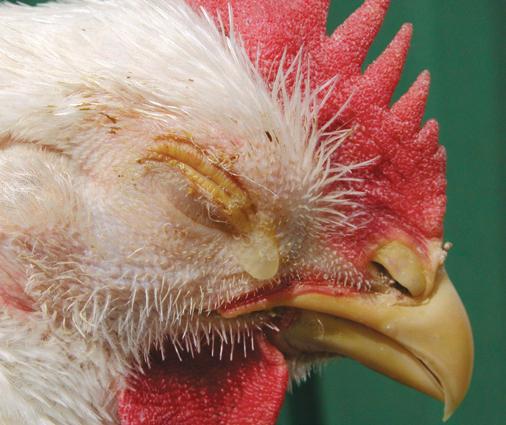
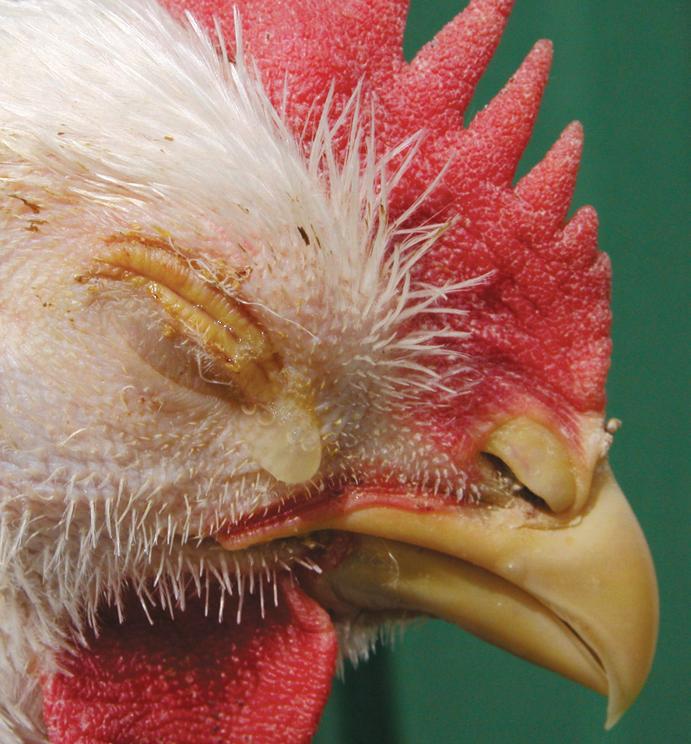
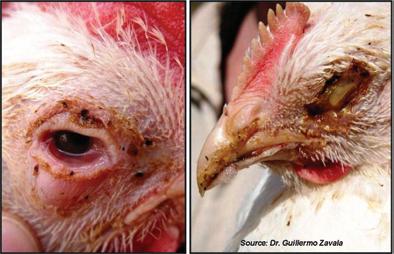
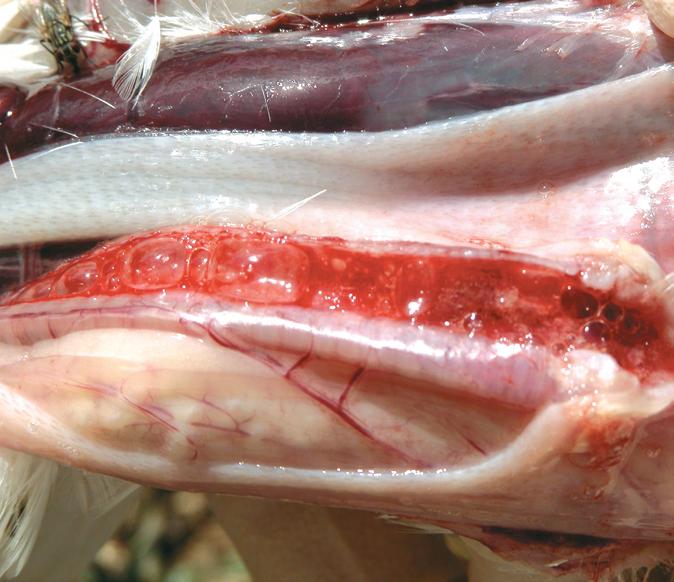
iLt outbreaks usually occur after 28 days of age. in its most severe form, iLt virus can result in elevated mortality ranging from 10-20 per cent. this disease mainly affects the upper respiratory tract, causing an accumulation of blood and mucus in the trachea. Birds will often extend their necks to ease breathing and or cough to expel blood from the lumen. swollen sinuses, watery eyes and nasal discharge are among other clinical signs of iLt
in milder forms of iLt, watery eyes and nasal discharge, with or without swollen sinuses, and low mortality (as low as one to two per cent), may be the only signs of infection. regardless of clinical appearance and severity, you should immediately contact a veterinarian if you detect signs of iLt early detection is the key to preventing the spread of disease.
Clinical signs of ilT include swollen sinuses, watery eyes, nasal discharge and conjunctivitis.
How did ILT virus infect my flock?
Lack of effective biosecurity measures or gaps in a biosecurity program are responsible for most iLt outbreaks. iLt virus can be spread through respiratory secretions, or contaminated clothing or equipment. this virus can survive in the environment for 22 hours at 37 c, or 30 days at 4-10 c additionally improper
dead bird disposal, manure handling and live haul transportation are potential risks to other flocks. infected backyard flocks may also provide a viral source for neighbouring commercial farms.
Controlling an ILT outbreak at the regional level requires a joint effort by all segments of the poultry industry.
WhaT ILT LOOKs LIKE
LAYER CAGE SYSTEM WITH BELT-TYPE MANURE REMOVAL
Fits right into any conventional building. This rugged Meller laying cage system offers many advance design features for more profitable egg production. You benefit from Meller’s decades of experience in cage design and hundreds of Meller’s installations throughout North America.
More than 45 years of experience. Meller also offers complete Aviary systems for Free run layers and Pullets.
PIC Update
PrIOr TO shIPPING
With your veterinarian, implement additional biosecurity measures such as:
• notify your marketing board, and all companies that regularly visit your farm.
• as soon as the producer of the infected flock self declares to the marketing board, the Feather Board command center (FBcc) is activated and uses geographic information system (gis) technology to notify surrounding farms to increase biosecurity.
• regular visits by service reps should be postponed.
• change clothing, footwear and wash your hands when travelling between barns.
• don’t use barn clothing and footwear off the farm .
• avoid visiting other poultry farms.
dEad bIrd dIsPOsaL
iLt mortalities are a source of infection. Proper dead bird disposal should occur at all times.
Composting
• Follow provincial requirements, which can be found at: http://www. omafra.gov.on.ca/english/livestock/ deadstock/facts/info_03-083.htm.
• the new ontario disposal of dead Farm animals regulation now also includes poultry: http://www.omafra.gov.on.ca/english/livestock/deadstock/index.html.
• Make sure that wild birds or animals cannot access your dead birds.
Rendering
• notify the rendering company so that your farm is scheduled for the last pickup of the day.
• dead birds should be transported to the roadside in a covered container.
LIVE haUL
i Lt is on the c F i a i m mediately notifiable disease list. all cases of iLt in broiler flocks must be declared prior to shipment to ensure iLt does not get into the export market.
• catchers must follow strict biosecurity measures.
• catching crews should not go for partial pickups after being in contact with an infected flock.
• the processing plant’s live haul manager should select the best routing to avoid passing through highly dense areas of poultry farms. gis technology available through the FBcc can be used to help determine the best route.
• trucks and crates as well as the processing plant needs to be thoroughly washed and disinfected.
• Processing of the infected birds should be scheduled for the last shift of the day during the last day of the week.
POsT shIPPING
Manure Management
• iLt virus is sensitive to high temperatures. once the barn is empty, don’t remove anything, simply shut off the fans and heat the barn to 38 c for 100 hours in order to kill the iLt virus particles.
• if manure is to be transported off farm, notify the truck driver to follow enhanced biosecurity measures.
• the top of the load should be dampened and tarped to control dust which can contain infective iLt particles.
• avoid immediate spreading since wind can spread the disease to neighbouring flocks.
• all provincial requirements with respect to temporary field storage of manure should be followed. http:// www.omafra.gov.on.ca/english/ engineer/facts/06-021.htm.
Barn Cleaning
thorough cleaning and disinfection (c&d) of the barn is key in eliminating virus residuals. if you are not well equipped, use a professional cleaning crew. a minimum downtime of two weeks after c&d before the next placement is highly recommended.
Continued on page 27
ILT CaUsEs aN aCCUMULaTION OF bLOOd aNd MUCUs IN ThE TraChEa.
Pest Management a Perfect Fit
Outsourcing your pest management program –What to ask and what to look for
B Y B I LL M E Lv I LLE , Q U a lity
a s s U r an C e d i re C t or, o r kin
PC o s e rV i C e s
When it comes to pest management in poultry facilities, “spray and pray” is a thing of the past. the field of pest management has evolved with the demand for more environmentally conscious alternatives. auditors and inspectors want to see evidence of proactive pest management programs that prevent problems rather than a reliance on reactive treatments.
these days integrated Pest Management, or iPM, is the preferable method of controlling pests around your flocks. iPM focuses on preventing pests through non-chemical means and does not include regularly scheduled spray treatments. if chemicals are necessary, they are used in targeted applications with the least amount possible being utilized.
iPM’s preventive approach is based on proactive sanitation and facility maintenance to eliminate pests’ access to their basic survival needs: food, water and shelter. this becomes more challenging in poultry facilities because those same three elements pests seek out are the same things you provide to your flocks. given the specialized knowledge required for iPM programs and the challenges poultry facilities present, many choose to outsource their pest management programs. But what should you look for when searching for a pest management provider? Here are some key questions to ask and elements to explore when outsourcing your iPM program:
WOrKING TOGEThEr
Quality Assurance director Bill Melville writes that ipM depends on open communication between you, your staff and your pest management provider.
CErTIFICaTION
First and foremost, make sure any pest management provider you consider has licensed, certified and insured technicians – this is essential in order to comply with federal and provincial laws. you should keep a copy of your pest management provider’s licenses, certifications and insurance
certificates on file. Keep these in a central location along with other documentation such as pest sighting memos, corrective action reports and trap placement maps.
TraINING
Would you put someone with no experience in charge of your facility? the same
Pest Management
answer should go for your iPM program. ask the pest management provider what type of training technicians receive? does the company offer regular training to keep technicians up-to-date on the latest technology and trends? are they educated on local laws, and health department and auditor requirements? Proper pest identification is essential for effective treatment so you’ll also want to make sure the pest management provider is trained in pest biology and behaviour. this means the technician can accurately identify pests’ species and growth stages.
ExPErIENCE aNd sErVICE
How long has the pest management provider been in business? do they service commercial facilities on a regular basis? Pest management in poultry housing and processing environments requires a higher standard to ensure food safety. experience with commercial facilities will help ensure your provider is comfortable with your facility’s standard operating
The Provider’s r o le
afteryou’ve found a provider, help ensure a successful iPM partnership by outlining roles and responsibilities for all parties involved. your provider’s role should include the following:
• Providing regular service with no cost for additional visits needed to meet contract provisions.
• Performing detailed inspections and determining appropriate treatment methods.
• adhering to iPM principles as defined by a recognized food industry association.
• Providing written service reports after every visit.
• carefully selecting and applying pesticide treatments in keeping with all applicable regulations.
• Providing copies of all labels and Material safety data sheets
(Msds) in an accessible on-site work centre.
• Posting written notices of any residual-pesticide applications.
• conducting quarterly program audits and annual corporate quality assurance audits.
your facility’s role should include the following:
• Making premises available and prepare for service per contract conditions.
• Promptly correcting deficiencies noted on service reports (may include facility maintenance, sanitation, landscaping work).
• training staff to conduct routine cleanings that do not disturb control methods in place.
• Monitor and evaluate contractor’s performance on a regular basis.
procedures. ask about what documentation is provided with the service. How soon is it available? you’ll also want to know how the provider addresses quality assurance. For example, what kind of service guarantee is available? What is the average response time to a pest-related emergency? is there an extra charge for such emergency responses?
COMMUNICaTION
iPM depends on open communication between you, your staff and your pest management provider. When searching for a pest management provider, ask if they regularly communicate with your staff on sanitation and facility maintenance issues as part of the iPM program. reputable providers will provide staff training on their role in the iPM process.
Based on your research, identify two or three companies from which to solicit proposals. invite each provider on the “short list” to tour your facility before submitting a proposal. identify specific pests that must be included in the contract and find out if additional charges apply when extra services are needed for a non-contracted pest. discuss and agree upon the respective roles of the provider and of your facility in the iPM partnership. Make sure the proposal and service agreement outline these roles clearly. Finally, decide up front how – and how often – the provider’s services will be evaluated. successful iPM programs are based on strong partnerships. By asking questions up front, you can help to ensure a strong and lasting relationship that helps to keep pests in their place, and your product safe. For that perfect fit, take your time when selecting a provider – you’ll be pleased, but pests won’t. n
Bill Melville is a Quality Assurance Director for Orkin PCO Services. Mr. Melville has 35 years of experience in the industry and is an acknowledged leader in the field of pest management. For more information, e-mail Mr. Melville at bmelville@pcocanada. com or visit www.orkincanada.com.
PIC Update
Continued from page 22
VaCCINaTION
• tissue culture vaccines (tco) via eye drop have been successful in broiler flocks in ontario. use an experienced vaccination crew to make sure that each bird receives sufficient vaccine. tco vaccines do not spread from bird to bird and do not cause disease in naïve, unvaccinated birds.
• chicken embryo origin (ceo) vaccines provide a higher level of immunity, however if administered improperly through mass vaccination they can cause severe clinical signs in the vaccinated flock. ceo vaccinated flocks can also be the source of infection for other flocks. Many outbreaks of iLt in broiler flocks are caused by ceo vaccine strains usually because of inadequate biosecurity measures.
CONCLUsION
the best way to minimize disease spread is through a combination of enhanced biosecurity, comprehensive c&d and minimum two weeks down time prior to placement of the new flock.
it needs the collaboration of all concerned, producers, marketing boards, veterinarians, allied industries, the animal health laboratory and the provincial government to manage an outbreak and minimize the impact of iLt if you have a slow internet connection, you can obtain the information listed above by contacting the Pic at 519-837-0284 and requesting a faxed or mailed copy.
PIC PICKs
By Tim Nelson, Executive Director
Have you ever considered how many people buy antivirus software and question its value? Why do you part with your hard-earned dollars on
Safe to use humans, animals, environment
Multiple applications foam, spray or fog
Proven effective against most harmful disease causing agents
Non-corrosive to your equipment
Cost-effective based on your real needs THE PERFECT CHOICE in your Cleaning and Disinfection Program
effective against viruses causing diseases such as Avian Influenza, Infectious Bursal Disease, Inclusion Body Hepatitis, Porcine Circovirosis, Porcine Reproductive and Respiratory Syndrome. Ask your veterinarian for VIROCID or your local supplier of Cleaning and Disinfection Products
antivirus software when Mcafee, norton, aVg and the rest only seem to sit on your computer, take up space, and slow its performance just when you need speed? or how many millions, nay billions, of dollars are invested each year in research and development of programs that try to keep up with an internet enemy that you may never encounter?
this week one of the computers at Pic caught a virus called Bobas or Bobax and what i found interesting was that when it comes to slowing business and imposing “trade restrictions” the outcome of catching this computer virus is no different from a Foreign animal disease.
there was a time when a computer virus could infect your computer and was only able to move to others via e-mail, infected floppy disks and networks.
Bobax is fairly new and much smarter than the old viruses. Just like a bird shedding a virus via feather dander or
PIC Update
droplets, Bobax “sheds” spam to the world (at your expense) and somewhere within the spam are carried little infectious Bobax germs that then infect other computers, in this case one at Pic But it doesn’t end there.
there are spam police out there in internet land who are watching for spam and because you are now (even though inadvertently), sending spam you find yourself “blacklisted.” this means you can no longer send e-mails.
the analogy here is the fact that you spend money on protecting your flock from bacteria and viruses and new vaccinations and better genetic material to help protect us from these pathogens is being developed each and every day. if we let down our guard and don’t keep developing new defences against newly emerging and evolving pathogens at some point we’ll get the disease. not only will we then have to possibly destroy our stock
we’ll also have to do a massive cleanup and there will potentially be trade restrictions placed on poultry products from our region until we can prove we’re clean again – this is exactly what we’re going through at Pic and the cost is huge.
Why am i telling you this? the point here is that Pic invests by far the largest proportion of industry funds on disease mitigation research. Many have asked “why do we spend this money? What have we got for it?” the simple answer is that the industry is buying protection. We may never actually “see” the results of this work, much of which, incidentally, is undertaken at the university of guelph’s Pathobiology Labs (see profile of their new chair, page 13). But if we’re not protected it won’t take long for us to “see” the results of dropping our guard. it’s very important work and your support for it is crucial to maintaining our industry equivalent of antivirus software.
PIC Update
Feeding Varying Levels of d
i
stiller’s
Grain with s o lubles to b r oilers and Layers
currently a significant portion of north american corn production is being directed to ethanol fuel and starch/sweetener production. the trend towards an increase in this production seems inevitable to at least 2012. therefore the increasing price of corn for feedstuffs and its decreasing availability for animal feed is a serious cause for concern for poultry producers and for commercial layer/broiler nutritionists.
it appears inevitable that distiller’s dried grains with solubles (ddgs), a by-product of ethanol production, will become an important ingredient in formulating poultry diets. there are currently five ethanol plants in ontario and likely to be four more within two years. the processing method of ddgs can affect the usability for poultry diets, and the nutrient profile must be consistent.
dr steve Leeson and his research team at the university of guelph have been studying the value of feeding ddgs to growing
male broilers and to mature laying hens. in the case of the broiler diet trials, ddgs came from different sources, and groups of birds were fed diets including varying levels of ddgs (0 - control, 5, 10 and 15 per cent) to 42 days of age. groups of laying hens were fed ddgs from only one source, at the above levels of inclusion, beginning at 52 weeks of age, for five 28-day periods.
their findings? early broiler growth, up to 17 days of age, showed a significant advantage in terms of body weight, gain and feed utilization, when birds were fed a diet containing 15 per cent ddgs compared to the control diet. results were similar for the two sources of ddgs used. after 17 days of age, there were no differences among diet treatments for broilers.
For layers, results demonstrate that birds performed equally well on the control diet and all dietary levels of ddgs. overall, both broilers and layers tolerate well up to 15 per cent inclusion of ddgs available in ontario. n
“Serving Alberta and Saskatchewan”
Trade Treading Water
Now is not the time for producers to let up their resolve to have a positive outcome from the WTO negotiations
B Y D A N W O OLLEY
It is time for supply managed producers to drag out the heavy artillery of political lobbying in the fight over the next Wto global trade agreement.
Peter clarke, 1st vice-chairman of the egg Farmers of canada told the nova scotia egg Producers (nseP) annual meeting: “now, is not the time for producers to let up their resolve to have a positive outcome from these negotiations.”
clarke reminded nseP members Wto negotiations are a political process, “and the politicians will be in the room at the 11th hour to determine what can be traded off, or not traded off for canada.”
Judi Bundrock, who manages eFc’s international trade file, observed that, although canada has won some small victories at the current round of Wto negotiations, “progress has been made and it is not moving in favour of our industry.”
she echoed clarke: “ Lobby your representatives everywhere, nationally and provincially...educate the public.”
the draft modalities (the proposed binding agreements) were published last year after lengthy and intensive negotiations, said Bundrock, noting these documents indicate where potential consensus may lie among the vast majority of Wtomember countries. “there is one thing perfectly clear: there is a certain amount of consensus that is building that will bring us one step closer to a final modality.”
the united states and the european union have moved off their previously firm positions and now there is forward movement, she said, “and it is certainly
LObby
With what is now on the table at the WTO (shown above), Canada will have to increase market access by six per cent. Canada is now required to import 21.37 million dozen eggs under WTO’s previous uruguay round negotiations.
not in our favour and the egg industry in particular.”
at present the negotiations, “are treading water,” as the new u.s. administration reviews its trade position and of the preceding u.s. government and india gets ready to hold its general elections, Bundrock said.
Many issues surrounding naMa (nonagricultural market access) and agriculture, she added, are of particular concern to these two countries.
Bundrock stated the meeting of the g20 heads of state early in april is expected to issue, “a fairly strong statement,” to their trade ministers to conclude the current doha round.
the Wto’s director-general, Pascal
Lamy, has expressed a desire to have the modalities negotiations completed by July and the governments involved signing the modalities agreement by the end of that month, she said.
Bundrock observed there are, “three big issues,” that have the potential to impact the canadian egg industry.
one is the number of “sensitive products” a country could select for less harsh treatment from more exposure to increased import competition.
outside of canada and Japan, Bundrock noted there is a consensus only four per cent of its agricultural product lines can be selected by a country as sensitive, but added, “there is a small glimmer of hope.”
crawford Falconer, chairman of Wto’s agricultural negotiations, has stated a country could designate six per cent of its agricultural product lines as sensitive. Bundrock stressed that Falconer said could, not can.
the second issue, she mentioned, is that increasing market access could have imported products displacing domestic commodities in the canadian market.
outside of canada, said Bundrock,
there is an agreement among the other Wto partner countries, to reduce the tariff from 163.5 per cent to 126 per cent. even at 163.5 per cent foreign products have been able to make it over the tariff wall, she said, which means the proposed tariff reduction would result in more displaced domestic production, equivalent to a $146-million loss in egg farmer earnings, which would also be lost revenue for canada.
With what is now on the table at Wto, continued Bundrock, canada will also have to increase market access by six per cent, noting that canada is now required to import 21.37 million dozen eggs under Wto’s previous uruguay round negotiations.
With increased access under the current doha round, she said, canada would have to import another 29 million dozen eggs, for a new total of 51 million dozen eggs.
canada has lowered its import barriers more than its other trading partners have, abiding by the uruguay round conclusion, while other countries evaded its rules, contended Bundrock.
“Why should we be forced to import more than our other trading partners?” increased market access under the current Wto negotiations, she claimed, could cost the canadian egg industry an extra $59 million, more than 35 per cent of the egg industry’s present farm cash receipts.
despite the proposed tariff cap on the Wto table of 100 per cent for sensitive product lines, she insisted; “it is definitely a serious issue for our industry.”
in the past several years, supply management has had to go through many changes, she said, commenting: “nothing on the table now is of any benefit to the egg industry or supply management.”
the canadian government has declared it seeks a zero decrease in overquota tariffs and a zero increase in market access; but Bundrock wondered: “How are they going to deliver on this?” she expected at the 11th hour of Wto negotiations” a political fix,” which could be “both risky and expensive as payment of some kind would be expected.” n
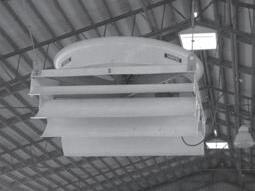
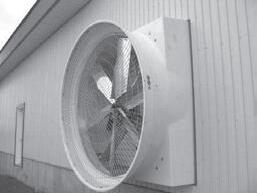
BIG FANS FOR BIG JOBS!!
• Intake fiberglass cone w/adjustable deflectors optimize air throw and direction
• Variable speed adjustment from 50 rpm to 300 rpm for ventilation in all seasons. Very efficient 3 hp motor draws 0.3Kw on low and only 2.2 Kw on high
• High air velocity creates optimum cooling plus fly and insect control for livestock and workers.Low air ability in winter reduces humidity while keeping floors dry and warm
• Covers an area of 36ft X 175ft or 6,300 sq.ft.
• Ideal applications include Dairy, larger Turkey and Swine facilities, Greenhouses, Factories, Warehouse and Machinery buildings
• On high speed produces 55,000 CFM and 25 CFM/watt at 0”S.P.
• Speed adjustment from 300 RPM down to 80 RPM. Fan power consumption reduces with speed
• Extremely quiet operation on all speeds
• Automatic belt tensioner
• Totally enclosed high efficient motor
• Heavy corrosion resistant fiberglass housing
info@exacon.ca
Biosecurity Information Exchange
Ontario specialists have bridged the information gap for owners of nonregulated birds
When avian influenza (ai) brought the British columbia poultry industry to its knees in 2003, there was a joint push from provincial and federal regulators in canada as well as industry to take a hard look at biosecurity efforts in all sectors that raise birds and improve them.
the commercial (regulated) poultry industry has been quick to point at owners of non-regulated birds – including backyard chickens, gamebirds, and waterfowl – as a potential threat with regard to ai transmission. ontario Ministry of agriculture, Food and rural affairs (oMaFra) poultry specialist al dam says that even though nonregulated birds are commonly thought of as a reservoir for ai “the facts are still uncelar,” he says. “the problem is no one had offered them information on biosecurity or flock management.”
When agriculture and agri-Food canada (aaFc) announced funding for poultry biosecurity three years ago, dam and oMaFra veterinarian dr. Babak sanei applied for some of the available money with the intention of developing something similar to a dVd offered by the animal and Plant Health inspection service (aPHis) in the u.s., for non-regulated birds. university of guelph pathobiology professor and veterinarian dr. Bruce Hunter came on board, wanting to develop information for non-poultry/rural veterinarians, those most likely called when nonregulated birds are ill.
in the end oMaFra, university of guelph and Poultry industry council ended up partnering and getting funding
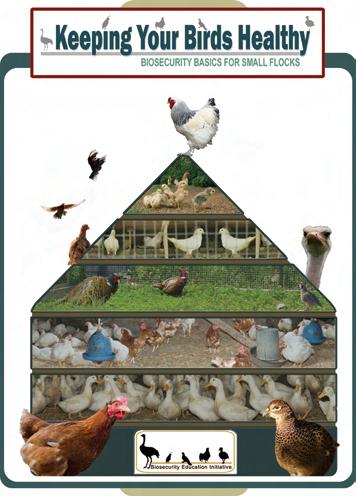
A kit has been developed for nonregulated bird owners to help them understand disease and how to manage their flocks.
from oMaFra three years of dedicated work has resulted in a information kit called “Keeping your Birds Healthy” that offers extensive resources on disease, flock management and biosecurity for nonregulated poultry industries.
getting to the final stages has been an intensive task. dam says the group struggled a long time with determining the target audience, deciding to omit groups such as falconers, zoos and the pet parrot industry, and focusing on groups they could, or should, reach. they began investigating which groups had formal associations, clubs, and loose affiliations, and summer students were hired to identify groups and begin networking and dialogue.
it proved tricky, as unlike the commercial industry, says Hunter, non-regulated flock owners are not in the loop with
respect to conferences and seminars, and don’t have dedicated poultry veterinarians and a service sector or marketing board to keep them from being “isolated islands.” their approach was also key. “ai is only one concern, but for the many non-regulated groups it’s not just an ai issue,” says Hunter. “How do you reach people, how do you set up a rapport and a line of communication with these groups, and get good management information that will improve flock management and the health of their birds.”
it was the focus on health, rather than just ai that helped non-regulated owners feel comfortable talking with these researchers. Hunter says that when california experienced its last newcastle disease outbreak a heavy-handed approach by regulatory officials drove “critically important” non-regulated groups such as cock fighters underground.
the intent was not to map the farm locations or collect personal information, but rather to create an information exchange. dam says there was initial hesitation from owners, suspicious that government, marketing board and university inquiries would interfere with
COMPLETE
PaCKaGE
B Y k RISTY N U DDS
Biosecurity
their privacy and interests. dam says once it was explained that the intent was to determine what their needs were and deliver the information in a usable form, summer students could then begin visiting the premises and collecting information. dam says that despite what members of the poultry industry might think, “these people do care.” Most of the birds in question are valuable; genetically, monetarily or emotionally, and their owners were anxious to get information on how to protect their bird’s health.
using what has been developed within the commercial poultry industry canada as standard principles of biosecurity, a gap analysis was performed to identify what was lacking in non-regulated flocks.
“We’re not here to say they can’t have birds outside,” says dam. “We wanted to help them identify where things could be tightened if a disease event ocuurrs, Foreign animal disease (Fad) or not.”
the gap analysis also helped the team identify which diseases required information in the form of factsheets. the result of his and oMaFra’s work has resulted in the “Keeping your Birds Healthy” kit, containing 60 factsheets relating to biosecurity principles, management and disease, numerous weblinks, barn/aviary biosecurity signage, a logbook, information posters, and a cd initially released last summer, the kit has been expanded and updated. By the end of this summer, Hunter says he will have finished an upgraded training program for rural veterinarians that are often unfamiliar with bird medicine and diseases to “improve their comfort level with birds” and will include a video on necropsy techniques. “Having rural veterinarians more aware of bird diseases will enhance our Fad surveillance. the more we can teach them about birds, the better off we are,” he says. those involved in the creation of the kit will also make themselves available for regional meetings for non-regulated groups, continuing the education process. “Keeping your Birds Healthy” is free and available by calling the oMaFra agricultural information contact centre, at 1-877-424-1300, visiting an oMaFra resource centre or ordering the kit online at www.healthybirds.ca. n
SolarWall
Exacon Inc.is pleased to announce that we have been appointed the Exclusive “Agricultural” Distributor for SolarWall in Ontario
• SolarWall has been installed on hundreds of agricultural and live-stock buildings, reducing heating costs by up to 30%. The system, which uses the sun to pre-heat incoming fresh air, also dramatically improves air quality and decreases humidity.
There are many reasons to consider SolarWall for your new or existing buildings:
• SolarWall provides thirty years or more of free heat.
• SolarWall means more fresh air can be brought into the building improving air quality without increasing heating costs.
• SolarWall is maintenance free and has no moving parts.
• SolarWall is cost effective - As of September 1, 2008 there is a federal contribution of $70.00/m2 of solar panel area and a matching $70.00/m2 contribution from the Ontario provincial government.
• SolarWall also contributes to cooling a building in the summer by shading the existing outside wall from the sun.
Call Exacon or an authorized SolarWall dealer near you for additional information and to obtain a free quote.
Food Safety New Food safety Technology for Eggs
Newly developed crossflow microfiltration membrane separation can compensate for the shortcomings of thermal pasteurization
B Y L A URA M C G I NNIS , a g ri C U lt U r al r e sear C H s e rV i C e , U s da
Good news for fans of raw cookie dough: a g ricultural r e search service (ars) scientists have filed a patent on technology that can protect pasteurized liquid eggs from food safety threats.
these threats include both naturally occurring spoilage bacteria and pathogens. But don’t go running for that dough just yet; the u.s. Food and drug administration still cautions against consuming raw, unpasteurized eggs or products that contain them.
the new technology was developed by sudarsan Mukhopadhyay, Peggy tomasula and John Luchansky, researchers at the ars eastern regional research center (errc) in Wyndmoor, Pa. current pasteurization technology removes heat-sensitive pathogens, but some heat-resistant spoilage microorganisms can survive. consumers can avoid illness by properly preparing and cooking eggs before consumption, but the researchers have found that new technology can compensate for the shortcomings of thermal pasteurization.
the technology, called “crossflow microfiltration membrane separation” (cMF), removes more pathogens than
ARS researchers have developed a method for removing pathogens from eggs that does not alter product consistency as thermal pasteurization can.
thermal pasteurization. and it does so without affecting the eggs’ ability to foam, coagulate and emulsify, meaning that cMF-treated eggs could be safely substituted for pasteurized eggs in angel food cake and other products where those characteristics are desired. in a pilot-scale study, cMF was shown to remove about 99.9999 per cent of
inoculated Salmonella enteritidis from unpasteurized liquid egg whites. the technology can also be used to remove Bacillus anthracis spores from egg whites. this finding adds to previous work in which errc researchers used cMF to remove 99.9999 per cent of B. anthracis spores inoculated into fluid milk. Microfiltration can also protect milk from more common bacterial pathogens, potentially extending its shelf life. although effective in its own right, cMF works best when used as an accompaniment to pasteurization, not a replacement for it. combining the two processes significantly reduces the pathogen load. ARS is the principal intramural scientific research agency of the U.S. Department of Agriculture. n
dOUbLING PrEVENTION
PLEASE
❑ Poultry Producer or Employee
❑ Government, Libraries, Schools, Universities
❑ Hatchery, Hatchery Employees
❑ Fancy or Show Poultry
❑ Wholesale Produce and Processors, Further Processing
❑ Equipment Manufacturers
❑ Drugs, Laboratories, Vaccine Companies, Chemical
❑ Veterinary and Lab Technicians
❑ Feed Manufacturers, Feed Additives, Distributors and their Salespeople
❑ Other (please specify)
Payable
CLASSIFIEDS
•
•
•
•
•
K. MILLER REALTY, BROKERAGE
Each office is Independently Owned And Operated 220 BROAD ST EAST, DUNNVILLE, ONTARIO N1A 1G2 Phone 905-774-7624 or Toll Free 1-888-718-8445 Fax 905-774-5960
www.ccagr.com
Call us for more information about investment opportunities in Ontario Agriculture.
TOWN OF LINCOLN - POULTRY FARM: Red Brick Barn 124' x 36', comes with 8500 units of Pullet Quota. Machine shed newly renovated to accommodate modern repair shop. 2nd barn 30' x 40' could be used for horses. Spacious older 5 bdrm home on paved road. Call Hans for more details.
52 ACRE BROILER FARM: 1 Barn – 20,000 sq ft. Driveshed. 16,500 quota. Auto generator. Smithville Area. Call Jack.
BROILER BREEDER FARM WITH 19010 H.E.M.S.: 1 Barn operation. Vencomatic nests. Plasson & Cumberland Nipple Drinkers. Chain feeders for Hens. Pans for Roosters. Bird scales. Plastic slats. Auto Ventilation from cross to tunnel. Birds out Fall 2008. Back in Feb. 2009. 75 KW Generator. 5 Bdrm brick home. 2nd home on property. Call Jack.
50 ACRE BROILER FARM - 2 BARN OPERATION: Barns have new steel, insulation checked and replaced where necessary. All equipment set for broilers. Barns have new vents and controls. Generator building. 3 bdrm brick bungalow completely updated. Large pond for water. Call Jack.
GRIMSBY AREA: 10 Acres on paved road. 32,000 sq ft of barns with auto generator. 40 x 60 x 2 driveshed used as retail outlet. 3 bdrm century brick home, pool. Call Jack
Jack Huitema, Broker of Record (res.) 905-774-8291 jack-huitema@coldwellbanker.ca
Richard Vyn, Broker (res.) 519-674-2434 rvyn@ciaccess.com
Ross Emerson, Sales Rep. (res.) 905-651-5456 remerson@sympatico.ca
Rich Van Soelen, Sales Rep. (res.) 905-971-1920 Rich-Vansoelen@coldwellbanker.ca
Hans Knuth, Sales Rep. (res.) 905-957-7618 caknuth@allstream.net www.coldwellbanker.com
Info
Group GMAC Real Estate Coaldale & Taber, AB 1-866-345-3414 www.canadafarmandranch.com
Info Market Group Lacombe Independently Owned and Operated
Going Concern Poultry Farm
Turkey operation on 9.49 acres in Didsbury area. Grower barn 70 x 200, brooder barn 40 x120, grower barn constructed in 2007, 70 x 240. Residence is 1998 manufactured home with 3 bedrooms & 2 baths. Includes corrals, horse shelters, fencing, turkey quota, hopper bins, electric water system, yard lighting & standby generator.
Offers an easy-to-understand baseline pathology reference that presents all information needed in North American slaughterhouses and poultry production operations to identify and diagnose pathological problems and evaluate the suitability of poultry carcasses (chicken, turkeys, ducks, and geese). Included are 405 full-colour photographs of lesions, supported by descriptive findings, 31 additional illustrations, and additional data.
POULTRY HEALTH AND MANAGEMENT: CHICKENS, DUCKS, TURKEYS, GEESE, QUAIL
Item#: 0632051728 Price: $79.49
This fourth edition discusses systems that are environmentally and welfare friendly; and there is more emphasis placed on hygiene and vaccines in disease control and the role of molecular biology and cloning. New material also includes the advances in management, with special reference to feeding, drinking, lighting, and egg collection; and advances in genetics, developments in housing, and nutrition. A comprehensive section regarding the increasingly restrictive legislation concerning the safety of poultry products and public welfare is included.
ALL THINGS CONSIDERED
by JIm KNIsLEy
Waiting to Burst?
brian ellsworth, the former general manager of the egg Farmers of ontario, used to caution about rising quota values at general meetings.
He’d warn that quota prices were getting up there and that the farmers would have to be careful. since then quota values have continued to rise and, in ontario at least, jumped 15 per cent or so again this winter and spring.
they were at $175 for layers and $75 for broilers in early april. since quota sells on the basis of willing buyer and willing seller they may be lower or higher than that now.
But even if they’ve slid a bit, owning quota has been a winning investment. Quota values may stall for a while, but the trend has been ever higher.
a chart of quota prices looks kind of like the stock market did until the middle of last year or u s. housing prices did until autumn.
in both of those situations enthusiasm was rampant. you had to buy today because prices were always higher tomorrow. you could throw money into just about any stock and be secure in the knowledge that it would rise in value.
Houses were an even better investment particularly in Florida, Las Vegas and southern california. Prices had been rising for decades and demand was insatiable. even supposedly flinty eyed, conservative banks were willing to lend 100 per cent of the purchase price or more so certain were they that housing values would continue to rise.
We now know that the whole thing was a bubble. easy credit, fancy financial engineering and a fair bit of fraud and stupidity provided the hydrogen to inflate the whole thing.
as soon as it looked like the markets might sag a bit the hydrogen flow was increased. Low, low interest rates, unsecured lines of credit, no money down – nothing was too good for anyone who could fog a mirror and wanted to buy a stock or a house. if all that didn’t work then there were fancier and completely illegal schemes such as outright fraud or well-hidden Ponzi schemes.
it didn’t deflate slowly. it went up like the Hindenburg in a massive ball of flame. even those who had tried to stay away had their eyebrows singed or worse.
the problem with bubbles is that they are hard to recognize. When things are going well everyone pretty much assumes that the natural order is that things will continue to go well. as the bubble gets bigger it is hard not to see it as something grand and substantial. it’s hard to see that it is just a lot of gas with a very thin, very fragile cover.
the best way to deal with anything that looks like a bubble is with a very sharp pencil and an even sharper mind.
Poke and prod away at what you intend to put money in. don’t be easily satisfied. Look for weak spots and poke and prod some more. check for leaks. While we have become used to the sound of bubbles popping or exploding in the past year, sometimes they just slowly deflate.
When it comes to the price of poultry quota i don’t know if it’s a bubble or not. i don’t know if prices are over inflated or not.
But i do know a dairy producer who a couple of years ago (before the recent run-up in prices) took a very hard look at the price of egg and broiler quota, and calculated that the payback on egg quota was about seven decades, and the payback on broiler quota was more than three decades. i also ran into someone recently who observed that anyone without substantial wealth who is buying quota better have an off-farm job if they intend to make ends meet.
While we have become used to the sound of bubbles popping or exploding in the past year, sometimes they just slowly deflate.
the problem was many of the stocks weren’t making any money and many of the new homeowners didn’t have sufficient income to afford house payments even at an interest rate of zero.
But while the music was playing no one worried about any of that and kept on dancing. When the music stopped the bubble burst.
that may be worrisome, or not. Quota is worth what someone is willing to pay for it and what they are willing to pay can be affected, not just by the rate of return, but also tax policy, economies of scale, international commerce and exchange rates, trade policy or even a burning desire to produce eggs or raise chickens.
Buying quota at today’s prices obviously makes sense to those who are buying. it doesn’t matter what anyone not looking to buy quota thinks.
But as someone who owns a home that is decreasing in value and owns some stock that is decreasing in value i have learned that prices don’t just move in one direction. down is, unfortunately, a possibility.
ellsworth’s cautionary words may apply more today than they did when he uttered them several years ago.
or as the sergeant used to say on the television show Hill Street Blues: “Be careful out there.” n