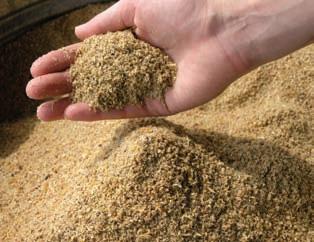
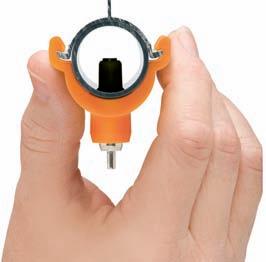
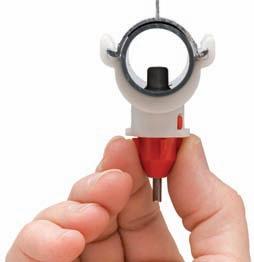
What if you could effectively control disease-causing pathogens …without exposing your animals, your employees or your family to disinfecting solutions containing harsh chemicals,** …or placing an added burden on our already-fragile environment? You
HEALTH: Gizzard Erosion and Proventriculitis in Broilers
Evidence of mycotoxins and viruses explored By Manuel Contreras and Douglas Zaviezo
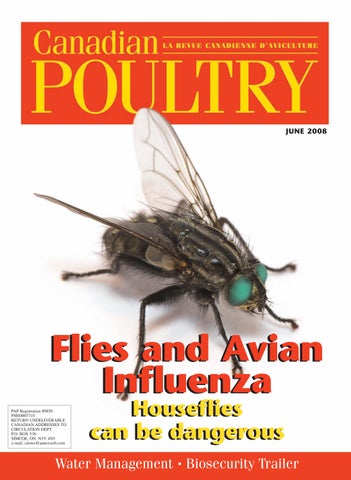
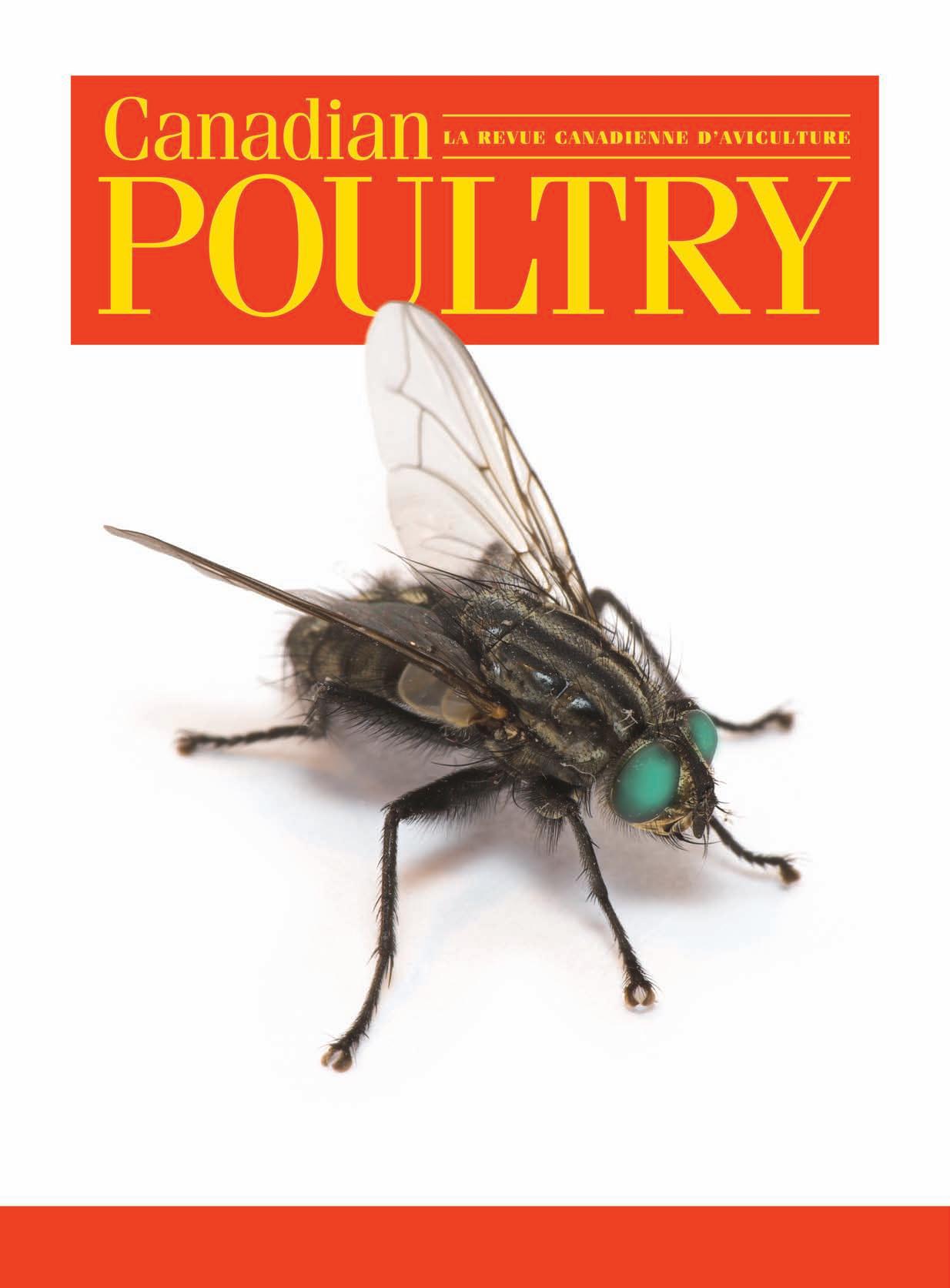
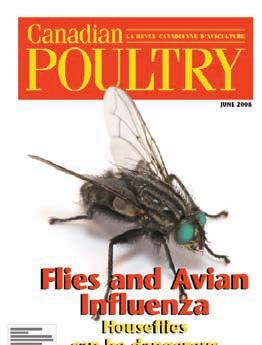
HEALTH: Flies and Avian Influenza
Houseflies can be a dangerous insect to bird health; fly management is essential By Dr. Kai Sievert, Dr. Roberta Alvarez, Raul Cortada, Dr. Martin Valks
WATER MANAGEMENT: Not To Be Ignored
A water management plan is essential By
Kristy Nudds
HEALTH: Houseflies and Salmonella
The role of flies in the spread of salmonella examined By Sharon Durham
BIOSECURITY: Educating Small Flock Owners
CFIA’s Dr. Daniel Schwartz explained biosecurity to small flock owners this winter By Karen Dallimore
BIOSECURITY: On-farm Feedmill Biosecurity
Employing biosecurity measures for your mill is worthwhile
Dan Woolley
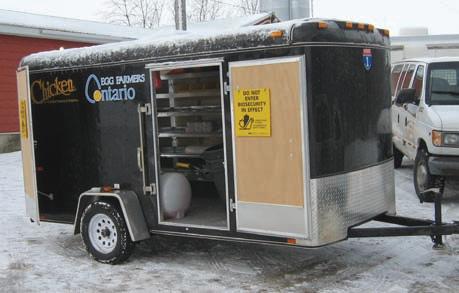
BIOSECURITY: Travelling Biosecurity Trailer
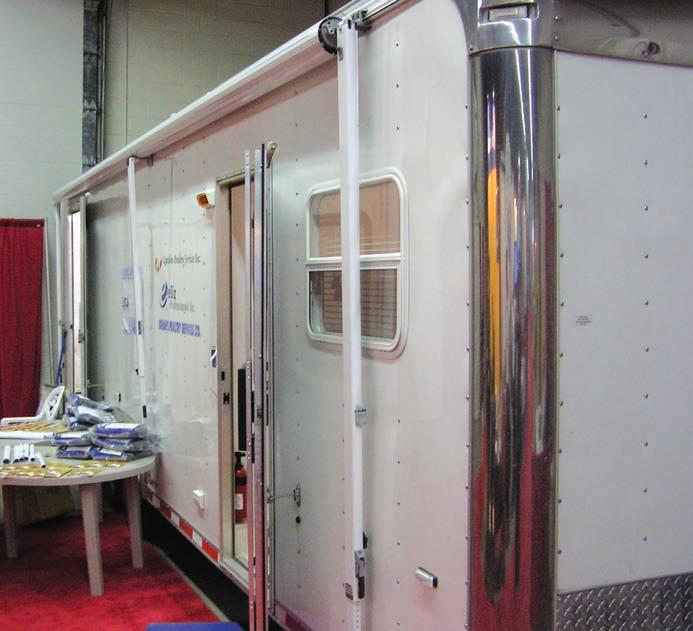
This unique trailer provides access to washing facilities and supplies wherever they are needed By Jim Knisley
FROM THE EDITOR
BY KRISTY NUDDS
A Sense of Community
It seems the chicken has become the barometer for local food advocates, or as they now being called by the media, “locovores.”
An article in the May 5th edition of the Toronto Star outlined the recent surge in popularity of the backyard chicken, and how local food proponents in Toronto and Waterloo, Ont., are pushing local governments to allow chickens.
The article “Getting to Know Your Galliformes” a Toronto woman and her three chickens, which she keeps illegally in her backyard. But more importantly, the article outlines how the “do-it-yourself” food movement is taking off.
And it’s not just in Toronto. This movement is gaining ground in cities like New York, Portland, Chicago and Seattle. Halifax has also seen an interest. Several months ago I wrote about one Halifax woman’s effort to keep her backyard “pets” and how it ignited a local food movement and a request for bylaw changes there, as people grow ever fearful of where there food comes from.
I believe the local food movement is about community – people want to belong to something so they feel as though they have control over what they and their families eat in a time when food scares and soaring prices have left them feeling helpless. As one gentleman from Waterloo says in the article, “There are broader issues . . . food prices going up, global warming and environmental sustainability, which one family cannot solve.”
The Toronto Star article mentions two websites for backyard chicken owners: www.backyardchickens.com and www. TheCityChicken.com. I took a look at these sites and noticed something very important was missing: biosecurity.
I couldn’t find any reference to biosecurity measures on these sites. They are certainly good starting points for those wishing to acquire a few chicks or for those who already have a few chickens. There is some health information, but there is little or no mention of protecting against disease from visitors, feed suppliers, other animals, etc.
Many backyard flock owners living near commercial poultry have become aware of the importance of biosecurity, but urban owners have not. I doubt it’s something that has ever crossed their minds, simply because they don’t know about it.
Toronto, for example, prohibited keeping chickens in the city due to health concerns in the early 1980s. If the locovores get their way, it’s crucial they are informed about poultry disease, its spread, and food safety. But where will they find it?
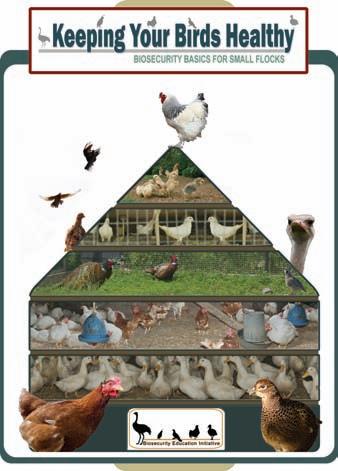
The University of Guelph, the Ontario Ministry of Agriculture, Food and Rural Affairs (OMAFRA) and the Poultry Industry Council began a Biosecurity Education Initiative project last year and have created a kit for backyard owners called “Keeping Your Birds Healthy – Biosecurity Basics for Small Flocks”.
It’s an informative kit that outlines biosecurity basics, cleaning and disinfection, how to dispose of dead birds, pest management, a visitor log book, restricted entry sign, and much more. It’s free and I think it would be worth getting a few copies to share with your neighbours, gamebird fanciers or locovores interested in chickens.
As locovores are forming communities, our community must work to educate them. I suspect we will be seeing a lot more people keeping birds, and it’s crucial they stay well informed. ■
June 2008 Vol. 95, No. 6
Editor
Kristy Nudds – knudds@annexweb.com
888-599-2228 ext. 266
Contributing Editor
Jim Knisley – jknisley@kwic.com
Publisher/Sales Manager
Marilyn White – mwhite@annexweb.com 888-599-2228 ext 237 • fax: 888-404-1129
Sales Assistant
Mary Burnie – mburnie@annexweb.com
888-599-2228 ext 234
Production Artist
Krista Misner
Editorial Director
Drew McCarthy – dmccarthy@annexweb.com
VP/Group Publisher
Diane Kleer – dkleer@annexweb.com
President Mike Fredericks – mfredericks@annexweb.com
Mailing Address
P.O. Box 530, 105 Donly Dr. S., Simcoe, ON N3Y 4N5
Publication Mail Agreement #40065710
PAP Registration #9850
RETURN UNDELIVERABLE CANADIAN ADDRESSES TO CIRCULATION DEPT., P.O. BOX 530, SIMCOE, ON N3Y 4N5.
e-mail: cnowe@annexweb.com.
Periodicals postage paid at Buffalo NY. USPS 009-324, ISSN 1703-2911. Published monthly by Annex Publishing and Printing Inc. US Office of publication c/of DDM Direct.com, 1223 William St. Buffalo NY 14240. US Postmaster send address change to PO Box 611 Niagara Falls NY 14304.
Heavy weights might be good for Sumo Wrestling but
they're even better when they are on your birds.
Glass-Pac Canada
St. Jacobs, Ontario
Tel: (519) 664.3811
Fax: (519) 664.3003
Carstairs, Alberta
Tel: (403) 337-3767
Fax: (403) 337-3590
Time after time, Lubing drinkers continue to impress growers by outperforming the competition. Our patented nipple drinking systems simply deliver the exact amount of water at each stage of the birds' life while never restricting their intake. Sumo-Size Your production with a quality Lubing Watering System.
For information regarding our cutting-edge products please contact your local Lubing Distributor.
J. Dean Williamson Ltd.
London, Ontario
Tel: (519) 657.5231
Fax: (519) 657.4092
Les Equipments Avipor
Cowansville, Quebec
Tel: (450) 263.6222
Fax: (450) 263.9021
Specht-Canada Inc.
Stony Plain, Alberta
Tel: (780) 963.4795
Fax: (780) 963.5034
WHAT’S HATCHING HATCHING
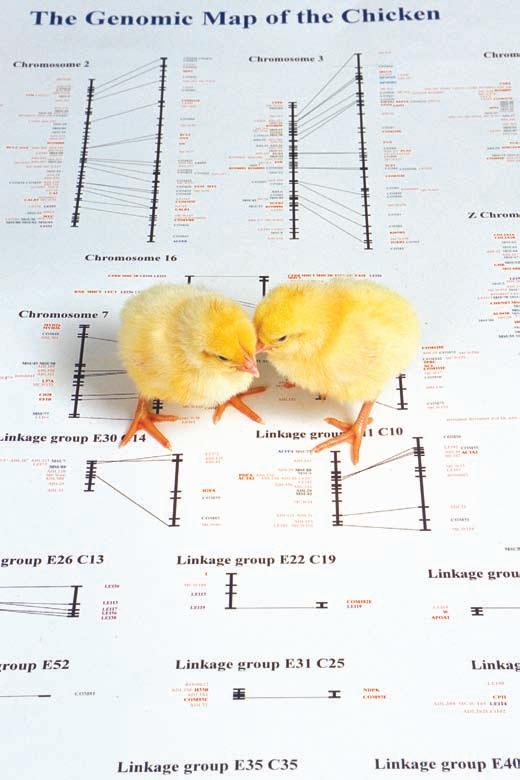
A Collaborative Genomics Program
viagen, Hy-Line International and Lohmann Tierzucht have committed to a combined initiative to evaluate and implement a new genetic technology – Genome Wide Selection – in their respective breeding programs.
The companies will use the collective experience they have gained over the past decade from their individual genomics investments and sponsor a major new research initiative to advance this breeding technology. Individually they have developed an extensive panel of markers for their unique genetic lines.
The goal of this project is to optimize the effectiveness of Genome Wide Selection in its widest sense. This will lead
to full-scale evaluation and ultimately to practical implementation of Genome Wide Selection in their breeding programs.
The group will collaborate with an advisory panel of world-renowned genomics specialists from Iowa State University, University of Wisconsin, Hebrew University Jerusalem and University of Nebraska in Lincoln; and Professor William Hill from Scotland.
The “traditional” approach to using DNA markers was to find those that accounted for large effects in animal performance. Typically, this would involve typing breeding animals for a small number of markers and using that information alongside the traditional breeding technologies. This is generally known as Marker Assisted Selection.
Genome Wide Selection uses thousands of markers spread across the whole genome. Each marker has a potential effect on performance ranging from small to large and all of the markers are used simultaneously. This is likely to result in significant gains in overall genetic progress relative to some of the current selection practices using pedigree phenotypic selection only.
An additional potential benefit of Genome Wide Selection will be the ability to collect phenotypic data expressed later in the life of the animal after selections have been made. In layers, for example, this will halve the effective generation interval, potentially doubling the rate of genetic gain over time compared to conventional selection methods.
Eggs, Meat – Local
ONTARIO
Buying Ontario produce shouldn’t just mean picking up locally grown fruits and vegetables, Premier Dalton McGuinty recently told farmers at the fourth annual Premier’s AgriFood Summit in Toronto he also wants consumers to consider buying more Ontario-produced meats, milk and eggs.
McGuinty said the
government’s marketing campaign to promote the province’s foods has been effective with fruits and vegetables, and he wants to know if it’s helping with other agricultural products.
McGuinty gave the summit attendees details of last month’s budget allocation of $56 million for a four-year program to help promote Ontario food products, including $4 million for farmers’ markets.
“No Ontario government has ever committed so much money over such an extended period of time to promote Ontario foods,” he said.
The Turkey Farmers of Ontario is the only poultry commodity in Ontario to be part of a local food initiative. They are part of an alliance with other meats known as Homegrown Ontario.
Hall of Fame Inductee
SASKATCHEWAN
John Rynsburger was inducted into the Saskatchewan Poultry Hall of Fame at the annual Saskatchewan Poultry Industry Banquet in early March.
Rynsburger came to Canada from Holland at the age of 18, working across Saskatchewan, Manitoba, Alberta and Manitoba before starting his own mobile feed service in Manitoba, eventually collaborating on the opening of a feedmill
Ministry/ University Partnership
ONTARIO
In late April the Ontario Ministry of Agriculture, Food and Rural Affairs (OMAFRA) Entered into a new 10-year research and education partnership with the University of Guelph.
Minister Leona Dombrowsky said the department has committed to spending $300 million over the first five years.
The deal comes as a successful decade-long “enhanced partnership” between the Guelph-based ministry and university is coming to a close, she said.
University president Alastair Summerlee called the agreement renewal an “astonishing” achievement that helps the country meet food, animal disease and environmental challenges.
JUNE
June 8-10, 2008
Canadian Poultry and Egg Processors Council (CPEPC) annual convention, Westin Bayshore Resort & Marina, Vancouver, B.C.
Keynote speaker: Bernard Voyer, the first North American to reach the Seven Summits.
Visit www.cpepc.ca for registration information.
June 29- July 4, 2008
23rd World’s Poultry Congress, Brisbane Convention And Exhibition Centre, Brisbane, Queensland, Australia.
For registration information and agenda, visit: www.wpc2008.com; tel: +61 (0) 7 3858 5594
JULY
July 20-23, 2008
Poultry Science Association (PSA) Annual Meeting, Sheraton on the Falls Hotel and Convention Centre, Niagara Falls, Ont. The PSA is celebrating 100 years in 2008.
in Regina. He and his wife Olive purchased the Co-op Poultry Farms in Melville and Pilot Butte, Sask., renaming them Crescent Creek Farms.
The Rynsburgers recently sold the poultry operation in Melville and moved to Dalmeny, Sask., and now farm only turkeys. Rynsburger spent 30 years in Melville, 30 years on the Saskatchewan Turkey Producers Marketing Board, serving two years as chair, and 20 years on the CTMA board of directors.
For more information, visit: www.poultryscience. org/psa08/
SEPTEMBER
September 30, 2008
19th Western Meeting of Poultry Clinicians and Pathologists (WestVet), Post Hotel, Lake Louise, Alta.
For more information, visit www.westvet.com. >
WHAT’S HATCHING HATCHING
US Industry Backs Petition
The National Chicken Council says that Texas Governor Rick Perry is to be congratulated for filing the first request for a waiver of the Renewable Fuel Standard (RFS) with the U.S. Environmental Protection Agency to reduce the amount of corn being used to produce ethanol.
The US poultry industry has backed a call from Texas Governor Rick Perry for a 50 per cent waiver from the federal renewable fuel standard (RFS) mandate for ethanol produced from grain.
The support comes from leading poultry producers and processors, Tyson Foods and Pilgrim’s Pride.
Tyson Foods President and CEO Richard L. Bond said: “Something has to be done to address corn-based ethanol’s detrimental impact on food prices and this is a good first step.”
“In addition, we hope Congress will also do the right thing by removing the tariff on imported, sugar-based ethanol and by reducing or eliminating the 51 cent per gallon federal tax credit for ethanol produced from corn in the US.”
Higher corn prices have already cost the Texas economy more than $1 billion, and if corn goes to $8 per bushel as some predict, the negative impact would be $3.6 billion.
Young Scientist Award A
Dr. Mark Lyons, director of international projects, Alltech; Craig Louder, winner of the 2008 Alltech Young Scientist Award; and Dr. Inge Russell, Alltech.
s part of its commitment to furthering scientific education, global animal health company Alltech presented its Young Scientist Award to Craig Louder as part of Alltech’s 24th International Animal Health and Nutrition Symposium, held in Lexington, Kentucky.
A student at Utah State University, Louder submitted a scientific paper on “The Estrogenic Mycotoxin Zearalenone and its
Importance in Livestock Production,” to win the award and a $5,000 scholarship.
Each student who entered the competition was required to submit a scientific paper of 3,000-3,500 words on an issue relating to natural solutions to animal health challenges. Out of the 727 entries in 2008, one representative from each region of the world was selected to present their research at the symposium.
COMING EVENTS
OCTOBER
October 1-2, 2008
Poultry Service Industry Workshop, Banff Centre, Banff, Alta.
For more information, contact Kate Cheney, e-mail: info@poultryworkshop.com; telephone1800-267-9180 or visit www.poultryworkshop. com.
NOVEMBER
November 10-11, 2008 Poultry Innovation Conference (formerly known as the Poultry Health Conference), organized by the Poultry Industry Council (PIC).
For more information, visit www.poultryindustrycouncil.ca or e-mail: pic@ poultryindustrycouncil.ca.
JANUARY
January 28-30, 2009 International Poultry Exposition and International Feed Exposition (IPE/IFE), Georgia World Congress Center, Atlanta, Ga. For more information, visit: www.internationalpoultryexposition.com.
We welcome additions to our Coming Events section. To ensure publication at least one month prior to the event, please send your event information at least eight to 12 weeks in advance to: Canadian Poultry, Annex Publishing, P.O. Box 530, 105 Donly Dr. S., Simcoe, Ont. N3Y 4N5; e-mail: knudds@annexweb.com or fax: 519-429-3094.
Parting is such sweet sorrow.
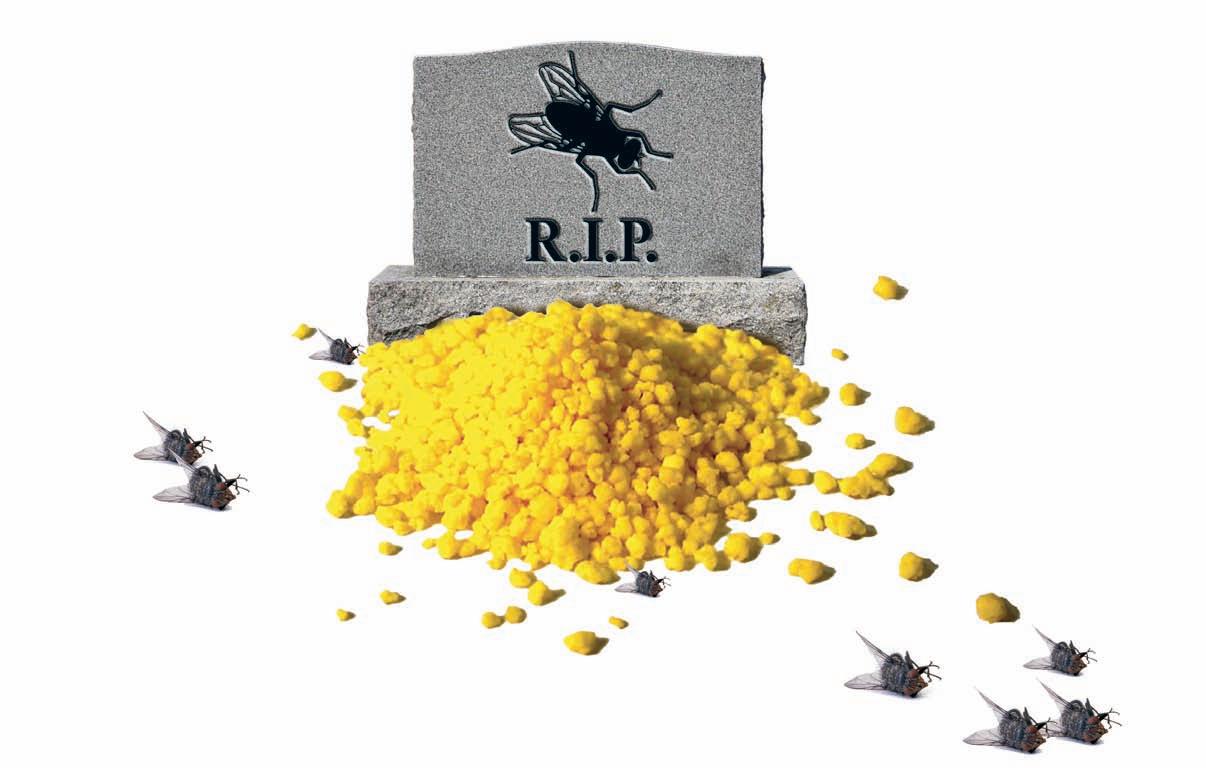
Easy to handle and apply, AGITA® Fly Bait delivers fast, effective control with a strong safety profile and no known cross resistance. This is the new standard for effective adult house fly control.
AGITA Fly Bait – The last flight of the fly
Get AGITA working for you. Contact your local distributor or Novartis Animal Health Canada Inc. customer service, 1 800-387-6325. Technical information on the correct use of AGITA is available at www.ah.ca.novartis.com.
FLY BAIT FLY BAIT
Revised Article
Effects of Flock Age on Hatching Eggs, Chick Quality and Chick Mortality
BY: ANA FRANCO, GAYLENE FASENKO AND ERIN O’DEA UNIVERSITY OF ALBERTA
A revised version of an article that appeared in the April 2008 edition of Canadian Poultry is being reprinted below. The article was originally published in the October 2007 Poultry Service Industry Workshop (PSIW) proceedings. The data presented in the proceedings was preliminary and not all of the authors were given the opportunity to approve the version of the proceedings that was presented at the PSIW. Therefore, the following correction is being published.
The reader should note that direct comparisons between the two strains mentioned in the previous article should not be made as the eggs from the two strains came from different breeder farms and management practices (such as different nutrient sources), which may have impacted production. Thus, it should not be concluded that differences observed in production data were the consequence of genetic strain.
The yolk of a hatching egg has a high fat content, and provides about 90 per cent of the energy required for growth and development of the embryo. During incubation the embryo absorbs nutrients from the yolk via the yolk sac.
It is known that hatching egg characteristics change as breeder flocks age: egg size increases, and shell quality decreases. What remains unknown in modern breeders is if the yolk composition changes and if these changes affect the embryo.
Although bigger eggs hatch larger chicks, producers may not be aware that when the hatchability of eggs that are larger than the average size (from the same flock at the same flock age) are compared, the large eggs have lower hatchability. This is because the cull rate of chicks from the larger than average size eggs is higher. Chicks from young breeder flocks tend to have a higher
mortality rate in the first week than chicks from older breeder flocks.
Although broiler producers prefer bigger chicks because they seem to be stronger and grow better; research has shown that chick weight at hatching is not a reliable indicator of final broiler body weights.
This led us to conduct research studies to examine the production of two flocks as they aged. We recorded data on egg characteristics, chick quality, and early chick mortality.
Egg Characteristics
In our first experiment, we looked at egg characteristics and chick quality in relation to breeder age of the two flocks. To do this, we used eggs from two flocks at 29, 45 and 59 weeks of age. Each flock was from a separate breeder operation.
At each age, egg characteristics (specific gravity and weight of egg components) were measured. Eggs were incubated under commercial conditions and saleable chick numbers determined. Saleable chicks were grown to 41 days, and mortality, body weight and feed consumption recorded.
We found that yolk (per cent) increased and albumen (per cent) decreased with flock age for both of the breeder flocks examined. What this data suggests is that energy reserves (the yolk) for embryo development are greater in older breeder than in younger flocks.
Regardless of flock age, all eggs had a specific gravity (SG) equal to or lower than 1.080. This is the industry minimum standard used to characterize eggs with good and poor shells. The fact that all eggs had a value lower than this industry standard suggests that modern birds have a poorer shell quality than eggs
from birds used 10+ years ago. It should be mentioned that egg holding time will increase the size of the air cell and may affect the buoyancy of eggs. In this research holding time was unknown and thus may have influenced the SG.
Chick Quality
Chick Weight
Our results showed that chick weight was affected by flock age. As expected, chicks from younger hens had the lowest weight (38.4 g) followed by chicks from 45-week flocks (43.6 g), the heaviest chicks hatched from 59-week- old flocks (48.1 g). It was interesting to observe that at 21 and 41 days, the chicks from the 45-week-old flocks had caught up to be the same weight as the chicks from the 59-week flocks. Chicks hatching from the youngest flocks had the lowest weights all the way through production until the end of the growout period.
These data suggest that when grown out under the same conditions, chicks from young flocks do not have the same ability to reach market body weight (BW) as chicks from older parent flocks.
Mortality
Chicks from the youngest parent flocks had higher first week mortality (1.0 per cent) than chicks from 45 wk (0.5 per cent) and 59 wk (0.1 per cent) parent flocks. These results suggest that chicks from younger flocks may need different conditions in the barn to allow appropriate growth and prevent chick mortality.
Egg Fat Content
In an additional experiment, we wanted to observe if the fat content of the egg influences how well the embryo can use the yolk.
Revised Article
We used hatching eggs collected from the same flocks as in the experiment previously described. Egg components were weighed, and the yolk was analyzed for the different fatty acids (the building blocks of fat) it contained.
Chicks were hatched from each of the flock ages. The chicks were weighed, humanely killed, and the residual yolk sac (RYS – the yolk that is pulled into the body of the chick through the navel) was removed from the chick, weighed then analyzed for different fatty acids.
The RYS (per cent of BW) was smaller in chicks from the youngest parent flock age (10.2 per cent) than in the 45 and 59 week flocks (16.1 & 16.4 per cent respectively). What this means is that chicks from younger flocks have a smaller nutrient reserve at hatch than chicks from older ages, and this fact may affect the survival of the chicks.
Our data analysis has shown that different fatty acids (FA) increased or decreased with age, not only in the eggs, but also in the RYS. The differences could be due to variations in the hen’s diet or a difference in the ability of the embryos from different flock ages to metabolize FA. Further analysis of the data obtained and future research may answer some of these questions.
Future Research
Yolk sac infection (omphalitis) is the main cause of chick mortality during the first week of the rearing period. Future research will evaluate the effect of factors such as barn cleaning procedures, and navel condition in the onset of omphalitis. Bacteria involved in omphalitis will be analyzed, and the role of antibodies (proteins from the immune system that protect against disease) present in the yolk sac will be studied.
To determine whether or not there is a direct maternal (hen) effect on yolk sac infections, the bacteria and the antibodies will be determined at different parent flock ages. By understanding the causes and characteristics of yolk sac infections, preventive measures could be implemented to minimize early chick mortality. ■
• White polyethylene flush mount housing (black available in some sizes)
• Standard design – self draining
• Designed to meet the rigorous demands of farm/agricultural ventilation
• Energy efficient Multifan or Performa+ Leeson motors
• 10" - 60" sizes available
• Available in 24" Variable Speed and 36" Single Speed
• One piece polyethylene housing creates the most efficient venturi, resulting in incredible C.F.M.performance. (24" =10,200 C.F.M. @ 18 cfm/watt and 36" = 15,300 C.F.M. @ 26 cfm/watt.)
• A multi-position bracketallows youto tilt and lock the fan angle and air flow direction
“AIRCOOL”
A SMARTER OPTION FOR ADMINISTERING SOLUTIONS INTO WATER SYSTEMS
• Select Doser performance yields highly accurate dosages all the time.
• Accuracy is 95+ percent, superior to water or electric powered pumps.
• Longer lasting with less maintenance than water powered dosers.
• A diagnostic tool for your watering system.
Centrifugal Cooling System
• A cooling system without using nozzles
• Adjustable water volume
• Mobile or stationary unit available
• Use for cooling air, humidity, recirculation, dust and odor control
RECIRCULATION FANS
Circular Recirculation Unit
• 16" and 20" diameters
• 3600 coverage using directional wind vanes
• Superb alternative to race tracking
• With Multifan or Performa+ Leeson motors
Circulating Fan
• 12" – 24" diameters • Polyethelyne housing
• with Multifan or Performa+ Leeson motors
The ‘Wave’Environmental Control
• Large 2.75" X 5" LCD Display Screen and 12 Quick Key Pads (to grouped settings) allows easy and precise Temperature, Humidity, Heating, Lighting and Airflow Management
• The ' Wave manages 4 variable stages and 8 or 16off/on relays for cooling, up to 8heaters, 4 clock outputs and up to 8 inlet zones
• Humidity control by increasing ventilation and heat activation
• History of water consumption, temperature, humidity and birdcount
Poultryhouse Fan
• High quality material and aerodynamic air inlet
• Variable speed Performa+ motor
• Dual voltage, fully enclosed motor
• Low energy consumption and noise level
• 16" and 20" modelsproducing 2792 and 4770 cfm
• Includes hanging hardware
PSI
• Total stainless steel construction
• Hi-Low switch
• Watertight enclosures
• Propane and natural gas
• Available in 20,000 to 225,000 BTU units Unvented Unit Heater
Totally Controlled Heat from
' The Ultimate Brooder '
• Maximum radiant surface area
• Reliable spark ignition
• Dual safety pressure switches
• Easy, unobstructed access to control components
• Various models for multiple applications (Farms, Garages, Workshops etc.)
Varifan®
• LX-641, LX-642 and LX-644 with optional SVM-1 (Smart Ventilation Inlet Module)
• DIP-1 digital Inlet Positioner
• ECS"M" Series 1, 2, 3, 4 and 5 stage controls
• IC-610 Programmable Logic Computer controls
• Plus numerous ‘Special Application’controls
• 2 yr.warranty
• Material polypropylene
• Will not harbour bacteria
• Easily cleaned
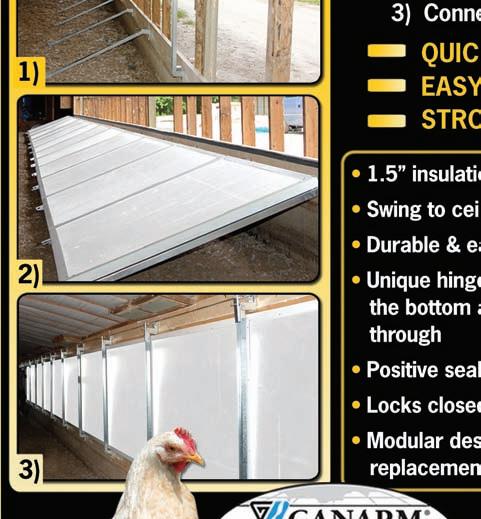
• Large 2' x 4' panels
• Reduces floor problems and breast blisters
• Keeps birds warmer, dryer, more productive
• Durable - minimal maintenance
• Easily installed
• Will not rust or corrode
LIGHT TRAP/ DARK OUT
• High light reduction
• Low resistance to air flow
• Simple Installation
• Easy to clean
• Uses P.V.C.snap release spacers
Health Gizzard Erosion and Proventriculitis
Evidence of mycotoxins and viruses explored
BY MANUEL CONTRERAS, DVM, MS, ACPV, AND DOUGLAS
ZAVIEZO, PHD
CITREX-SPECIAL NUTRIENTS
Many field veterinarians report the presence of gizzard erosion in broilers and commercial layers as a result of propitious environmental conditions for mold growth and the use of feed ingredients contaminated with mycotoxins.
Unfortunately, only in a few cases the clinical diagnosis is reconfirmed using the laboratory, therefore not much attention is placed on this finding unless the production parameters are negatively affected.
Proventriculitis or inflammation of the proventriculus is not reported as frequently as gizzard erosion and has been associated with Marek’s disease (MD) and Reovirus infections. In this article, the term proventriculitis will be used to name the inflammation and enlargement (proventriculosis) of the organ.
Proventriculitis is a naturally occurring disease of broilers characterized by inflammation, dilatation and thinning of the organ, decreasing the speed of feed passage through the lumen and predisposing to organ rupture during evisceration of the carcass.
Spillage of the retained ingesta from the torn proventriculus into the body cavity causes contamination and in some cases condemnation of the whole carcass. This contamination has a negative effect on the production cost, since it is
It is a naturally occurring disease of broilers characterized by inflammation, dilatation and thinning of the organ decreasing speed of feed passage through the lumen.
necessary to reduce the speed of the line at the processing plant to process again the broiler carcasses by washing, which represents an increase in labour cost. Several publications in the U.S. have demonstrated a higher production cost in commercial broilers affected by this condition, with an increase of up to 10 points in feed conversion.
ANATOMICAL AND PHYSIOLOGICAL CHARACTERISTICS
The proventriculus or glandular stomach produces hydrochloric acid and pepsin, an enzyme that breaks down proteins. Given its small size, feed does not stay there for too long and no digestion occurs in the lumen. The gizzard is a highly muscular organ capable of producing high
PROVENTRICULITIS
pressure on the feed, causing its trituration, without secreting any type of enzyme. The gizzard presents a hard lining composed of keratin, necessary for physical processing of feed and to protect the underlying mucosa against the degrading effects of the acid and pepsin produced by the proventriculus.
CAUSES OF GIZZARD EROSION
Mycotoxins. T-2 toxin, monoacetoxyscirpenol (MAS) and diacetoxyscirpenol (DAS) are three mycotoxins from the Tricothecenes group capable of causing gizzard erosion, oral lesions and intestinal hemorrhage in the gastrointestinal tract. T-2 toxin and DAS are considered the most caustic in the group and apparently produce gizzard erosion because of their caustic effect when touching the organ walls. It is important to point out that the caustic effect is more pronounced in the mouth (tongue, beak, palate) than in other anatomical areas of the digestive system (esophagus, crop, intestines, etc.). The presence of saliva in the mouth facilitates the adherence of these mycotoxins, which are capable of dissolving the cellular protoplasm of the cells located in that area.
Another factor to take into consideration in the mechanism of action of these mycotoxins is that after their absorption in the intestines they pass to the blood and later to the saliva, causing lesions in the mouth and possibly in the gizzard.
Copper
Due to its low cost in many countries, 0.5 to 1 kg of copper sulfate (25% Cu) per metric ton (MT) is added to the feed as a grow promoter or as a fungistatic agent. 0.5 kg/MT of this product represents 125 g of copper/MT and 1 kg/MT equals 250 g of copper/MT. The presence of gizzard erosion has been reported in birds consuming 250 g of copper/MT. An important factor to take into consideration to prevent this problem is to avoid overdosing and to choose a reliable source that will not form clumps in the feed.
Biogenic Amines
These are byproducts of the bacterial
Health
degradation of some amino acids, found mainly in ingredients of animal origin. The most common compounds in this group include cadaverine, tryptamine, histamine, putrescine, agmatine, tyramine, and phenylalanine. Several bacteria can transform the amino acid histidine into histamine, one of the biogenic amines mostly associated with the presence of poor performance in chickens. Histamine stimulates the receptors located in the proventricular glands, increasing the hydrochloric acid secretion and causing superficial gizzard erosion. The correlation between the presence of biogenic amines and poor results in broilers has been observed in the Southeast of the U.S., including proventricular enlargement and hypertrophy of the papillary glands.
In spite of these reports, most scientific papers published until this moment have not established a direct correlation between the presence of biogenic amines in the feed and gizzard erosion or poor performance.
Fish Meal (Gizzerosine)
Fish meal always has some potential of causing certain level of gizzard erosion. The lesions reported can include the presence of small cracks in the gizzard up to severe erosion and hemorrhage. When fish meal is overheated during processing, the histidine or histamine present in the meal can react with lysine forming a chemical compound called gizzerosine.
Gizzerosine is not a biogenic amine and is 10 times as potent as histamine in stimulating acid production by the proventriculus. Different publications have demonstrated the interaction between gizzerosine and mycotoxins, including reports showing potentiation of the lethal effects caused by gizzerosine when the feed is contaminated with high levels of aflatoxins.
Adenovirus
Several researchers in Japan have reported the association between gizzard erosion and this group of viruses. In a study that included 18 slaughterhouses in that country, 13 plants reported gizzard erosion caused by Adenovirus, as demonstrated
by histopathology, immunohistochemistry, and virus isolation from the gizzard. The presence of a specific antigen against Adenovirus group 1 was detected in the epithelial cells of the gizzard.
Other Factors
Other factors capable of producing gizzard erosion, but not frequently present in commercial conditions, include feed starvation and sulphur amino acids deficiency.
CAUSES OF PROVENTRICULITIS
Proventriculitis associated with Gumboro’s disease. For many years several researchers considered that the proventriculitis observed in birds affected by Gumboro’s disease was caused by this virus. In many cases, acute lesions in the proventriculus are accompanied by the presence of the IBD (Infectious Bursal Disease) virus as demonstrated by immunohistochemistry and viral isolation.
Lately a new virus has been identified and called “viral proventriculitis virus.” This type of virus is transmissible from bird to bird when administered to susceptible chickens. Some investigators speculate that the severe immunosuppression caused by IBDV is responsible for the increase in virulence of micro-organisms present in the proventriculus. Several field veterinarians, including one of the authors of this article, have observed that very virulent -IBDV strains cause a greater incidence of proventriculitis than classical and variant strains.
Microscopically, when proventriculitis is associated with IBD, the first damage reported is the presence of acute bursal necrosis. Three to five days later, it becomes a chronic follicular atrophy and in the next five to eight days an acute proventriculitis that later becomes a flaccid tissue is observed.
Marek’s Disease
This virus causes a lymphomatous lesion responsible for the enlargement of the proventriculus. When this lesion is present, the organ is enlarged and becomes rigid, because of localized areas
Continued on page 27
READ THESE STORIES AND
AT
NEWS HIGHLIGHTS
* CHICKEN “BAROMETER” FOR TORONTO LOCAL FOOD ADVOCATES
Urbanites concerned about about food miles and safety are pushing their local governments to be more flexible about backyard livestock. The desire to have backyard poultry in Toronto and in Waterloo, Ont., is gaining momentum.
* STUDY: AIR EMISSIONS FROM CONFINED FEEDING OPERATIONS
The Clean Air Strategic Alliance (CASA) announced a 10-point plan to address air emissions from confined feeding operations in Alberta. Members of CASA’s Confined Feeding Operations (CFO) Project Team have committed to support and implement recommendations on monitoring, research and managing emissions between 2008 and 2011.
* CAMPYLOBACTER SPECIES MERGING
A study at Oxford University reveals that two species of Campylobacter, C. jejuni and C. coli, are converging into a single species.
* SOUTH KOREA: AI SPREADING DESPITE CONTROL MEASURES
Outbreaks of avian influenza have spread to six of South Korea’s nine provinces despite a massive cull in late April that saw the slaughter of more than five million chickens and ducks.
READ FULL STORIES ONLINE
Glycerin as
an Energy Source in Poultry Diets
An alternative energy source needs to be identified for poultry diets due to the increase in corn and animal fat prices associated with biofuel production. USDA and Iowa State researchers performed a study to determine the potential of glycerin, a source of fatty acids, as an alternative energy source in broilers and layers.
BUYERS GUIDE
Our Buyers Guide is the only reference tool to bring the entire Canadian Poultry industry together in one directory.
BLOG
Read Jim Knisley’s latest commentary and analysis of issues facing the industry and the U.S. Farm Bill.
DIGITAL MAGAZINE
To sign up for a free trial of Canadian Poultry magazine, Digital Version, please go to www.canadianpoultrymag.com.
To sign up for our bimonthly e-newsletter, visit www.canadian poultrymag.com. It’s free!
Ontario’s Feather Board Command Centre is ready for emergency response
A partnership built on coordination, communication and preparation
Ontario’s four feather boards joined forces in 2004 to create the Feather Board Command Centre (FBCC). Recognizing the joint impact of emergency situations on all four sectors, the FBCC’s goal is to respond in a coordinated way to on-farm emergency situations, such as a disease outbreak. The FBCC partners include Chicken Farmers of Ontario (CFO) partnered with Egg Farmers of Ontario (EFO), Turkey Farmers of Ontario (TFO) and the Ontario Broiler and Hatching Egg Chick Commission (OBHECC).
Through the evolution of the four boards’ emergency response programs and its further development, CFO continues to expand its response plans. The four pillars of CFO’s emergency response plan are:
1. Keep it out - a preventative process that requires producers to practice effective bio-security on the farm daily.
2. Keep it in - once a disease incident occurs, farmers would collaborate with CFO staff to shut down access to the farm and prevent the disease from spreading to other farms. This requires full bio-containment protocols.
3. Take it down - when and if required, this process involves the culling of birds. This would be a collaborative effort between farmers, the Canadian Food Inspection Agency (CFIA), CFO staff, Ontario Ministry of Agriculture, Food and Rural Affairs (OMAFRA), and other industry and government agencies.
4. Clean it up – This process brings farms back to the point where they are ready for renewal of production. This is a collaborative effort between farmers and CFO.
Rapid Response Trailer (RRT)
Currently, CFO has one fully equipped rapid response trailer
intended for use during times of elevated biosecurity on farms. The trailer is equipped to ensure that the area of heightened biosecurity is not compromised while minimizing the potential of a disease to spread. These items include: an emergency power generator, auxiliary lights, on-board pressure washer, items that help create restricted access zones on farm, tool kits, hand operated disinfectant sprayers, first aid kit, and food supplies in case of prolonged response at a farm. Presently, a second rapid response trailer is under construction and should be available for use late spring, 2008. Both units will be geographically situated in the province to be ready to reach farms across the province as quickly as possible. The trailers are ready to respond for any of the feather boards to deal with all types of on-farm emergency situations, 24 hours a day, 7 days a week, should the need arise.
Although the trailer has yet to be used in an actual on-farm emergency, it has been utilized at industry simulations and showcased at various other venues, including Ontario Ministry of Agriculture and Rural Affairs’ Open House for Emergency Preparedness, in Guelph. The rapid response trailer has always been well received by industry and government officials of all levels. Rest assured, the rapid response trailer will be ever ready in situations of elevated biosecurity risks and potential poultry disease outbreak.
P.O. Box 5035, 3320 South Service Road, Burlington, Ontario L7R 3Y8 Office: (905) 637-0025 Fax: (905) 637-3464
Web site: www.cfo.on.ca General e-mail: info@cfo.on.ca
Health
Flies and Avian Influenza
Houseflies can be a dangerous insect to bird health; fly management is essential for protecting against disease
BY DR. KAI SIEVERT, DR. ROBERTA ALVAREZ, RAUL CORTADA, DR. MARTIN VALKS, NOVARTIS ANIMAL HEALTH INC., BASEL, SWITZERLAND
Avian influenza (AI) is currently of major concern since the disease caused the death of countless wild birds and hundreds of millions of chicken. It has a huge impact on the economic situation of poultry farmers and can even threaten their health. Recently, in the EU a budget of 1.9 billion euros has been allocated for the prevention of the disease.
Houseflies can produce huge economic and sanitary problems, especially in modern farm animal business. As an example, the annual damage in Georgia (3.3 million cattle and 27 million poultry) caused by houseflies alone was calculated to be around 2.4 million USD per year.1 The major damage in livestock is caused by the transmission of various diseases. Among them as one of the most threatening diseases not only for the animals but also for human beings is avian influenza (AI).2 Other diseases transmitted by flies are tuberculosis,3 coccidosis,4 cholera,5 helminthiasis,6 PRRS,7 and approximately 100 further diseases.8
Therefore, the housefly Musca domestica is definitively one of the most dangerous insects. Millions of humans
and countless animals are suffering and even dying from diseases transmitted by flies. They continuously fly between clean, hygienic domains in houses and farms and critical areas such as feces, waste, and carcasses. This is the way flies become mechanical vectors for several infectious bacterial, fungal,protozoal and viral diseases.
Fly control programs can reduce the risk of infection. Treatment schedules are available in the fly brochures of Novartis Animal Health, as well as recommendations for fly monitoring and other measures to improve efficacy of such programs.
The common housefly can be a transmitter of the avian influenza. Having an integrated fly control program in place is an essential tool for prevention.
pathogenic for poultry, but has the potential to infect humans, and a number of fatal cases linked to backyard poultry have been reported.
The strain (H5N1) currently spreading from Asia to Europe is not only highly
The virus was first identified in 1996 in China. Since then millions of birds and 109 people (World Health Organization (WHO)) have died. Independent from this serious H5N1 epidemic, several outbreaks of AI occurred in the past. Between 1959 and 2001, a total of 18 primary outbreaks
A DANGEROUS INSECT
of highly pathogenic AI in poultry were recorded. Millions of birds were killed each time to stop the spread of this virus, always resulting in immense economic losses for the farmers and national economy.
For example, 30 million birds were killed to stop the spread of this virus (virus isolate H7N7) in the Netherlands in 2003. In Italy 14 million chicken were killed in 2000 (H7N1) and in the mid-90s the avian influenza A subtype H9N2 raged in many countries all over the world such as the United States, Germany, South Africa, Iran and Korea.
Health
seen an outbreak of the virus in the previous months.9
• The AI virus was isolated from houseflies in chicken houses.10
These results show the potential of flies in general and Musca domestica in particular to carry avian influenza viruses!
In the scientific literature the connection between the AI virus and houseflies as transmitter is reported several times:
• Houseflies seem to be one of the predominant vectors that can transmit AI in poultry farms. An outbreak of AI (H5N2) in Lancaster County, Pennsylvania, USA, in 1983-84 lead to the death of countless birds. Up to 90 per cent of the flocks died. Transmission of the AI virus was suspected to occur in several ways. Apart from the direct contact between the birds and contaminated mechanical vectors such as man, one of the major transmission routes seemed to be insects, especially houseflies. Fifteen different species, mainly flies and beetles, were collected in 324 pools (each with 10-60 insects of one species). Among them were 72 pools only with Musca domestica as the dominant insect and 49 with two other fly species samples.2
• Flies (121 samples of three species): In more than one third of the adult Musca samples, the virus of avian influenza could be identified. Also 1/3 of samples of less abundant fly species (Ophyra and Coproica) were positive.
• Beetles and other insects: In the remaining 203 species specific samples, only two further insect samples (one of litter beetle Alphitobius diaperinus and one of hide beetle Dermestes maculates) were positive. No one of the other species sample was AI virus positive.
• An H5N1 bird flu strain was found in blow flies caught in 2004 near a poultry farm in Kyoto in western Japan that had
An integrated farm fly control should always be an important tool to reduce the threat of AI in poultry farms and to avoid the economic disaster caused by such outbreaks. It is part of the general recommendations to prevent the spread and introduction of AI virus. Based on the three key principles of biosecurity: isolation, traffic control and sanitation, a series of recommendations can be made to prevent the spread of AI between poultry premises by flies:
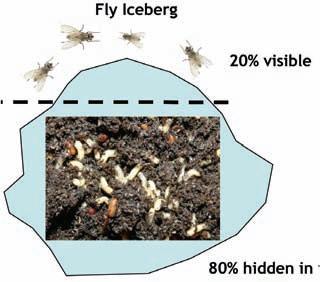
The fly population is like an iceberg. The visible part, the adult flies, are the top representing approximately 20 per cent of the total population. They are causing the problems. But the bigger part, 80 per cent of the population (eggs, larvae, pupae) is hidden in the manure, dung, spoiled fodder and other suitable places for development of the larvae. This continuously supplies new flies.
The treatment of the adult flies alone addresses only a small part of the problem and can’t solve it satisfactorily. It is essential to start the fight by using larvicides in conjunction with an adulticide treatment scheme.
An integrated anti-farm-fly program concept consists of two major aproaches:
The spread of AI often follows the movement of people and equipment. Flies can be present in feed trucks, during transport of poultry from the hatchery or to the slaughterhouse and on and in cars of visitors. In this way, flies can be easily transported from one farm to the other.
The removal of manure destroys the breeding sites of the flies.
Larvicides target the hidden majority of the fly population. They usually interfere with the hormone system of the insect larvae (e.g., methoprene), with the chitin synthesis (e.g., lufenuron) or interfere with the moulting process (cyromazine). This ensures the selectivity of the larvicides. Compounds like cyromazine (e.g., Neporex®) are even more selective since they kill only the larvae of flies. Beneficial insects like parasitic wasps or beetles – but also mites feeding on eggs, larvae and pupae of flies – are not affected. These modes of action lead not to an immediate death of the larvae but kill the larvae at the moulting stages or when they develop into adults at the pupal stage. Larvicides have no direct effect on adult flies and are thus summarized as “Insect Growth Regulators” or IGRs.
AdulticideProduct AProduct BProduct A
September OctoberNovember etc.continue until end of the fly season; normally March
LarvicideProduct LProduct MProduct L
® Registered trademark of Novartis AG, Basel, Switzerland
The mechanical transmission of AI has to be avoided. Be aware that flies can easily fly distances of several kilometres.
Health
Larvicides are applied to the breeding sites of the fly larvae either in granular form, as a spray or poured on the manure. Spillage areas under feeding troughs, moist areas beneath drinking troughs, around pillars and posts are the most critical areas as well as edges and anywhere else manure accumulates.
Adulticides are used to control the adult flies. The majority of the insecticides in current use against flies act on molecular targets in the insect nervous system. There are several wellestablished compounds out of different chemical classes (e.g., carbamates, pyrethroids, neo-nicotinoids, spinosyns). The main targets are nicotinic acetylcholine receptors, GABA receptors, glutamate receptors, cholinesterases and sodium channels.
The adulticides are available in different forms:
• As sugar containing baits mixed with an insecticide, sugar and some further attractive substance such as the fly pheromone tricosene and a yellow or red dye. The products are designed as ready-to-use, “attract-and-kill” granular baits. The flies are attracted by colour and tricosene, consume the sugar and thus the insecticide. The products mainly act as stomach poison.
• Due to the sugar matrix the baits can also be dissolved in water to be painted on pillars, posts, window frames, milk pipes or as spots on the walls
Continued on page 49
Thanks for waking up to Ontario eggs.
Update from Egg Farmers of Ontario
Year after year, Egg Farmers of Ontario (EFO) takes pride in contributing significantly to the egg and pullet industry. Last year marked numerous achievements in key areas such as World Trade Organization (WTO) talks, research, consumer education and farm management. Each of these efforts is important by itself. When combined, they form a domestic food system success story, known as the Ontario egg and pullet industry.
and author
Defending supply management
EFO participates actively in WTO talks while maintaining open lines of communication with politicians and key decision makers. Along with the Canadian Egg Marketing Agency (CEMA) and other industry stakeholders, EFO
firmly defends the three pillars of supply management: the maintenance of border controls through over quota tariffs, the ability to price our product using a Cost of Production formula, and the use of quota to manage production to fill the domestic market. These pillars are equally important, weakening one will compromise the entire system. EFO is pleased that supply management is supported by all three political parties.
Researching for the future
In 2007, EFO contributed to six new research projects that were conducted at leading academic institutions in Canada. Since 1964, EFO has contributed to research in eggshell
quality, value added products and disease resistance in laying hens. By working with industry partners, such as the Poultry Industry Council, EFO’s contributions lead to better disease management and improved poultry health. Through advances in egg and hen research, farmers reap the benefits of improved farming practices and consumers benefit from a better quality egg.
Educating consumers
Last year EFO unveiled the Egg Education Trailer that goes on the road to numerous consumer and agricultural fairs and shows. This traveling resource brings the farm and grading station, accompanied by the farmer, right to consumers where EFO can educate and inform the public.
EFO’s Egg Education Trailer explains the “Farm to Table” process for consumers.
Industry improvement and innovation
The Canadian egg industry used valuable funding in 2007 from the federal government to build on the Hazard Analysis Critical Control Points (HACCP) program. The HACCP program was established in 1999 and helps reinforce food safety in farm practices, which in turn ensures a high quality product for consumers.
EFO continues to lead the industry through innovative programs, such as improving emergency preparedness and collaborating closely with CEMA to establish insurance and welfare programs. In addition, in 2007 EFO was a founding member of the National Pullet Grower’s Association with EFO Director Andy DeWeerd elected as Chair.
For 2008 and beyond, EFO will continue to represent Ontario’s egg and pullet farmers, promoting the egg industry to create a recipe for success for farmers and consumers.
Local food activist
Anita Stewart, Agriculture Minister Leona Dombrowsky and EFO Chair Carolynne Griffith enjoy Egg Salad Cones served at the “Pick Ontario Freshness” campaign launch in June 2007.
Water Management Not To Be Ignored
Monitoring water quality and implementing a water management plan is essential for healthy flocks
BY KRISTY NUDDS
Although it comprises 70 per cent of a bird’s body and is essential for nearly every bodily function, water is a nutrient that is often overlooked.
Dr. Susan Watkins, Associate Professor and a Poultry Extension Specialist at the University of Arkansas, has told countless poultry industry audiences around the world that water quality must be something a producer continuously strives for.
She says nature designed the chicken and turkey to swallow whole seeds and bugs, not the ground feed that comprises modern diets. Water helps soften materials collected in the crop before they move on to the proventriculus and on to the gizzard to begin the grinding process. Whole seeds have a protective coating that prevents them from being attacked by bacteria, limiting their growth, she says.
Commercial feed is ground, removing this protective layer. This was done to aid digestion, but it also encourages bacteria, mold and yeast growth in the crop which may reduce performance and increase contamination rates, she says. If water quality is poor, the probability of contamination and adverse effects on production is greatly increased.
“Water has been ignored for too long,” says Kevin Weeden, President of
Water is an essential nutrient that is too often ignored. A new program has been developed to make water quality management easier for producers.
Weeden Environments, a Woodstock, Ont.-based poultry product supplier that recently joined forces with United Nutrients Corporation (UNC) – Member of the Jefo Group, developing and launching a livestock water sanitation program this past April.
A crucial component of the program is to remove biofilm – the “guck” that
builds up in water lines. Biofilm is a naturally occurring polysaccharide web that provides micro-organisms (bacteria, fungi, yeast and protozoa) food and something to adhere to, contaminating the water going through the lines. Problem is, it is extremely resistant to removal by ordinary sanitizing and
Continued on page 36
ENSURING CLEAN WATER
Food Safety Houseflies and Salmonella
The role of flies in the spread of salmonella examined
BY SHARON DURHAM, AGRICULTURAL RESEARCH SERVICE INFORMATION STAFF, USDA
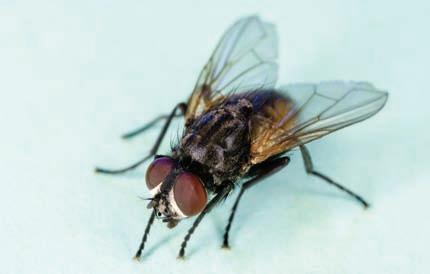
It’s common knowledge that houseflies are carriers of disease. That’s why there’s such widespread effort to keep them out of our kitchens and away from our food.
But could the common housefly, Musca domestica , also play a role in spreading food poisoning bacteria such as Salmonella enteritidis to chickens – and their eggs – even before the foods get into the marketing chain?
Microbiologist Peter S. Holt and entomologist Christopher J. Geden were curious. Holt works in the Egg Safety and Quality Research Unit at ARS’s Richard B. Russell Research Center in Athens, Georgia, while Geden is at the agency’s Center for Medical, Agricultural, and Veterinary Entomology in Gainesville, Florida.
“We decided to investigate whether infected hens could pass the infection on to flies,” says Holt, “and whether those flies could then infect healthy birds. If so, we wanted to see how that happens and where the Salmonella bacteria appear on – and in – the flies.”
In three experiments, Holt placed chickens in individual, adjacent laying cages. Geden delivered fly pupae just 48 hours short of their emergence as flies; these were placed in an open box in the bird room. Three days later the hens were challenged with Salmonella.
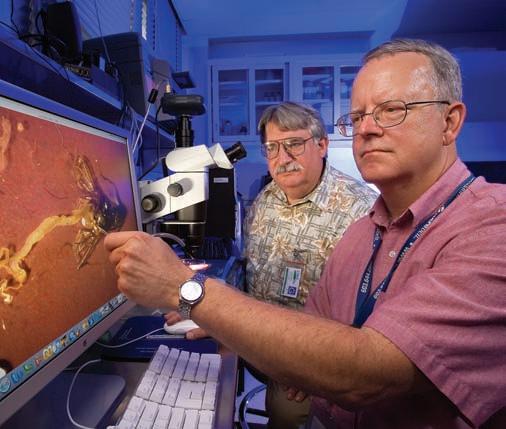
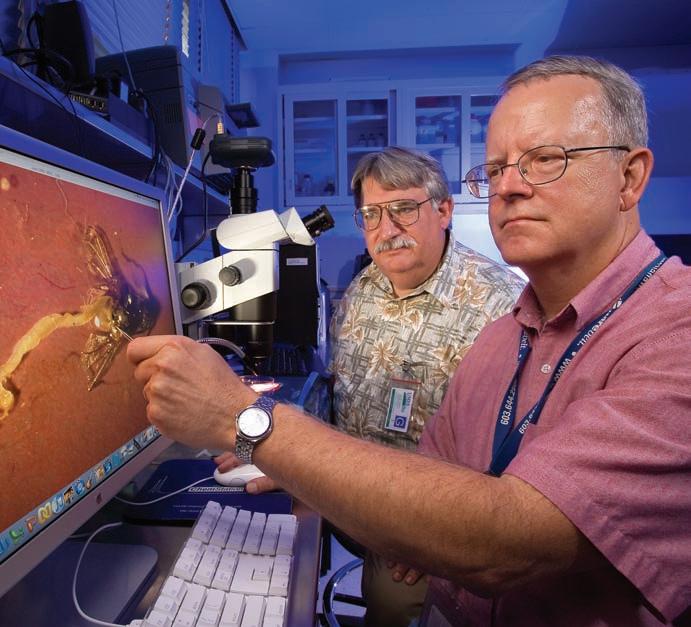
Using a dissecting scope, entomologist Chris Geden (left) and microbiologist Peter Holt identify which of a fly’s internal organs should be examined for Salmonella enteritidis contamination.
“We found that about half the houseflies became colonized with Salmonella soon after emergence,” says Holt. The bacteria were detected in and on 45-50 per cent of the flies within the first 48 hours, and levels remained at 50 per cent or higher for the following five days.
BEST IF INGESTED
Next, the researchers exposed uninfected hens to the newly infected flies. They found that just being around the contaminated flies didn’t cause healthy birds to become infected, but eating infected flies did. ■
Photos by Stephen Ausmus
Continued from page 14
presenting lymphocyte infiltration inside and between the organ glands. Sometimes, the presence of proventriculitis is erroneously thought to be caused only by MD. In order to reconfirm this disease, it is important to look for the typical lesions caused by MD in other organs as well as the microscopic lesions that differentiate it.
Reovirus
In the ’70s this type of virus was associated with the so-called “malabsorption syndrome” in broilers in several regions around the world. Proventriculitis was the most common lesion reported at that time. In the U.S. two strains have been identified as prototype: Strain S 1133, associated traditionally with tenosinovitis and vital arthritis; and strain SS 412, associated with malabsorption syndrome and proventriculitis.
Cyclopiazonic Acid
The cyclopiazonic acid (CPA) is a metabolite of Aspergillus flavus, one of the most important molds producing aflatoxins in grains and feed. Fungi from the Penicillium genus also can produce this mycotoxin.
In field conditions, birds presenting typical lesions caused by mycotoxins can also present proventriculitis produced by CPA. In experimental conditions, high levels of CPA (50 a 100 ppm) have caused inflammation of the epithelial mucosa, crop necrosis, proventriculitis and hyperplasia of the proventricular mucosa.
Other Causes
Biogenic amines can also cause proventriculitis under commercial conditions.
Differential Diagnosis
Grossly, it is difficult to establish a differential diagnosis among the agents causing proventriculitis and gizzard erosion. Microscopically, in the case of proventriculitis, it is theoretically possible to differentiate the lesions caused by a microbial agent from those of a non-viral etiology (biogenic amines, CPA, etc.).
Usually, viral etiologic agents capable
Continued on page 39
Like Changing a Light Bulb.
Top performance in an instant. It’s that easy to make the switch to Ziggity. You don’t even need a ladder. The most cost-effective way to upgrade performance is to install Ziggity drinkers, regulators and end assemblies on your existing system. Our latest-technology drinkers lead the industry in delivering all the water birds need while keeping litter or pits dry. To find out how you can upgrade to Ziggity, visit www.ziggity.com/upgrade.
PIC Update Poultry Program Team (PPT) Focus
‘Quiet
achiever’
Dr. Babak Sanei is an essential member of the team
BY TIM NELSON, EXECUTIVE DIRECTOR, AND KIMBERLY SHEPPARD, RESEARCH CO-ORDINATOR
Acouple of issues ago we profiled new PPT member Dr. Michele Guerin.
This month we focus our attention on one of the quiet achievers in the world of poultry research and education, PPT team member and OMAFRA veterinarian Dr. Babak Sanei.
The PPT members (Drs. Shayan Sharif, Gregoy Bedecarrats and Michele Guerin and Ontario Ministry of Agriculture, Food, and Rural Affairs (OMAFRA) Poultry Specialist Al Dam) provide an essential service and link between research, education and the real world – industry.
Dr. Sanei specializes in the prevention, management and mitigation of the impact of significant poultry diseases. What follows is just a small fraction of the work he’s involved in.
In close collaboration with the Animal Health Laboratory (AHL) at University of Guelph (U of G), participating hatcheries and company veterinarians this surveillance program monitors the “free” status of Ontario hatcheries and poultry breeder flocks. Free in this case means free from of significant poultry diseases and some foodborne pathogens.
Babak is a member of the National Avian Biosecurity Advisory Council which is currently working to develop National Biosecurity standards. He is also a member of the Avian Influenza Expert Committee (CFIA) which provides a national forum for AI experts to discuss issues of specific concern and provide recommendations for Canada’s preparedness and response. He’s part of the OMAFRA group developing AI emergency response activities and monitoring the disease trends of various poultry pathogens (to minimize the spread) of diseases, such as ILT and AI.
In 2006 (collaborating with Dr. Ojkic) the PPT helped facilitate funding for AHL to develop the diagnostic ability to sequence and compare strains of
OMAFRA veterinarian Dr. Babak Sanei specializes in the prevention, management and mitigation of the impact of significant poultry diseases. REDUCING DISEASE IMPACT
ILT viruses isolated from multiple field outbreaks. This knowledge helps us to differentiate between vaccine and wild strains of ILT and has proven to be valuable in the investigation of ILT outbreaks.
PPT is currently looking to support Dr. Hugh Cai at the AHL to initiate the development of PCR testing for Mycoplasma gallisepticum (MG) and Mycoplasma synoviae (MS). Both organisms can impose significant losses to breeder industry, and having rapid, accurate diagnosis a crucial management tool.
PIC Update
RESEARCH AND EDUCATION
His research work is diverse, ranging between a Biosecurity Education initiative project for non-supply managed avian species (with Al Dam and Dr. Bruce Hunter), working with the AHL on a preliminary study on Inclusion Body Hepatitis (IBH) cases in Ontario to a collaboration that is examining the use of Pro- and Prebiotics for control of food-borne pathogens and immune stimulation in poultry
His education work equally so from authoring fact sheets on applied issues to the organizing committee for the recent 2008 OAPP Technical symposium. He chaired the continuing education committee at the American College of Poultry
Veterinarians (ACPV) between 2005 and 2008 and organized their annual workshops from 2005-07, and is currently organizing the upcoming AAAP-ACPV symposium in New Orleans (July 2008).
He takes succession seriously and is an advisory committee member of a PhD student at the department of pathobiology
In between all this he’s somehow finding time to study for an MBA, read and hit the gym but most importantly he and his wife have recently had a baby daughter Eleena. Congratulations to them.
If you have questions about poultry diseases – Dr. Babak Sanei is a good person to know and he’d be happy to hear from you. He can be contacted at: babak.sanei@ontario.ca.
Impact of Antimicrobial agents as Growth Promoters
The Challenge
Subtherapeutic doses of antibacterial agents such as zinc bacitracin (ZB) and virginiamycin (VG) are used as growth promoting agents (GPs) in broiler production to enhance feed efficiency. While regulations have been put in place in Europe to reduce the use of antibiotics as GPs, the broiler industry in Canada still uses them. There is some concern that this practice is promoting antibiotic resistance by bacteria and it is believed that the bacteria use different mechanisms to create that resistance.
The Research
Dr. Ann Letellier together with her research team and masters student Alexandre Thibodeau, evaluated the effect of using GP (ZB and VG) on antibacterial resistance in commensal E. coli and Enterococcus species. They also studied the effects of these two GPs on specific genes that are thought to play a role in the development of antibacterial resistance by the bacteria.
The researchers used a commercial farm for the research where they fed groups of birds diets with or without ZB or VG. Strains of E. coli and Enterococcus species were isolated from fecal material and litter from each group, and the samples were tested for their susceptibility to various antibacterial agents.
Their Findings?
The use of antibacterial agents as growth promoters in a wellmanaged flock does not increase performance of broiler chickens. Diets containing VG and ZB were found to significantly increase presence of one of the resistance genes studied. The VG diet had a greater impact on increasing the presence of this resistance gene. The GPs did not show specific resistance in Enterococcus spp and their use seemed to decrease the percentage of E. coli isolates that were resistant to some antibacterial agents. The work leaves the question open as to whether other resistance genes might be involved in the resistance to VG.
she was appointed Chair.
Dr. Letellier obtained her degree in microbiology from the Université de Sherbrooke in 1987. She completed a M.Sc. in microbiology and pathology at the Faculty of Veterinary Medicine of the Université de Montréal in Saint-Hyacinthe in 1989 and her PhD studying the epidemiology and control of Salmonella in swine in 2000.
From 1996 she developed an R&D and diagnostic laboratory as well as acting as an HACCP consultant for businesses in the agri-food sector. During this time in collaboration with Dr. Sylvain Quessy, she developed a serological kit to detect swine infected with Salmonella.
In 2002, Dr. Letellier reoriented her career at the Université de Montréal as a research assistant until 2003 when she was named Research Chair on Meat Safety. In October 2005,
In addition to her research chair, she is responsible for overseeing the Salmonella surveillance program in swine in Quebec.
As a researcher, she supervises and co-supervises trainees, mainly M.Sc. candidates, on topics such as epidemiology, control and characterization of food pathogens, the impact of using growth promoters in swine and poultry, and the development of diagnostic tools and alternatives to antimicrobial agents.
Her research interests are focused on better understanding the epidemiology of food-borne pathogens in order to enhance infection control.
To contact Dr. Letellier, e-mail ann.letellier@umontreal.ca.
DR. ANN LETELLIER, UNIVERSITY OF MONTREAL
PIC Update
Research Funding? Great job, industry
The PIC Updates are about getting research results to you in a format you can understand and about who’s doing the work, not about where the money comes from.
More than likely the research reported in the PIC Update pages are projects that have been funded either fully or in part, by you, the poultry producers and the poultry industry service sector. Great job, guys: without your funds this work wouldn’t happen.
Funds to support research also come from various government agencies (federal and provincial) and we thank them for their support.
We don’t recognize individual funding organizations in the PIC Updates, we leave that to the researchers when they’re making presentations or submitting articles/papers for publication outside of the Updates. You’ll see PIC supporters/sponsors listed on our website.
We may from time to time mention specific funding agencies that have granted/given funds for specific initiatives. We
may also from time to time, feature research results from outside of Canada that we consider very important. If and when we do, we’ll tell you.
Looking Into the Future
PIC is currently holding meetings with industry and researchers to look at what facilities and personnel we’re going to need going forward. We’ve heard a bit about what the University is planning at Elora and it’s time for industry to reach an agreed position on what human and physical resources we’ll need to do the research that will keep us sustainable and profitable, long term. The R&E Strategy has given us plenty of important areas of work to focus on in the short to medium term. This long-term view is no less important and it needs strategic thinkers and trend watchers who are prepared to have their say, to speak up now. To help you have your say we’ve set up an online discussion forum -– and remember there are no right or wrong suggestions.
If you’d like to be involved please don’t hesitate to contact Tim Nelson (519-837-0284).
Continued on page 50
While producers such as yourself, and our competition, are trying to understand the challenges involved in designing, building and converting houses into Alternative Layers, we’ve been doing it. In fact, there are MILLIONS of Big Dutchman Alternative Layers globally. Let our Production Specialists, full-time personnel that understand production management requirements, show you how using our extensive product line can help you to get off the fence.
PIC’S PICKS
Biosecurity Educating Small Flock Owners
Dr. Daniel Schwartz explained the key elements of biosecurity to owners of small flocks this winter
BY KAREN DALLIMORE
When Avian Influenza struck in British Columbia the devastation to commercial poultry flocks was obvious. What wasn’t so obvious were the repercussions throughout the small flocks in the province, owned by those that enjoy of chickens, turkeys, pigeons, ducks, geese and exotic birds of many descriptions.
Dr. Daniel Schwartz is a field vet with the Canadian Food Inspection Agency who worked in field operations during both outbreaks in B.C. He was on tour during the winter of 2008 with a team of poultry specialists to talk about biosecurity for the small flock owner.
The experience with the avian influenza disease outbreaks has shown that there’s a disconnect between the commercial and non-commercial poultry industry, one that must be bridged in order to keep all birds and people healthy. Schwartz is asking the small flock owner to be aware of their role in preventing the spread of disease by creating a “circle of defence” through biosecurity awareness and good management practices.
He’s not just addressing those with a few chickens. Some people raise very expensive rare birds with unique genetics that are a vital gene resource pool, while others have show birds and pets. Racing pigeons are very popular and can
Dr. Daniel Schwartz of the CFIA was on tour this winter to educate small flock owners about biosecurity.
sell for up to $1,500 a pair. Schwartz has seen it all, from swans that have a doggie door to come into the house to geese that swim in the backyard pool.
Schwartz explained that there are biosecurity measures that can be put in place to protect these birds and to help control the spread of disease both to and from commercial flocks. These
measures include isolation, sanitation, site management and flock management. His advice is familiar to the commercial operator but small flock owners may not be aware of some of the key elements of biosecurity that are not difficult to put into practice.
Keeping your birds isolated is fairly easy to do. Start by providing
meller Cage Systems
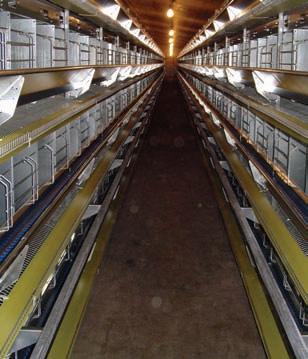
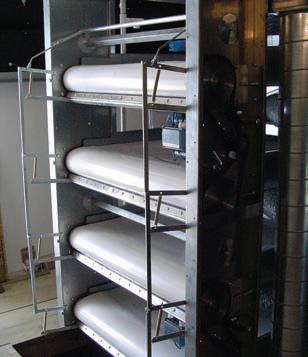
LAYER CAGE SYSTEM WITH BELT-TYPE MANURE REMOVAL
Fits right into any conventional building. This rugged Meller laying cage system offers many advance design features for more profitable egg production. You benefit from M
in cage design and hundreds of Meller’s installations throughout North America. Mor
their feed and water indoors and under cover to prevent attracting wild birds. Store your feed in sealed containers and trim the overgrown grass and shrubs close to the pens or cages. Schwartz also advises to limit the exposure of your flock to visitors but if you have people in contact with your birds, ensure that their clothing, hands and footwear
Biosecurity
are clean. “I can’t stress this enough,” he says.
Quarantine is a useful tool to reduce the spread of disease as well. Schwartz recommends isolating new birds for at least 30 days, and those birds returning from shows and exhibits for at least 14 days. Only purchase new birds from reputable suppliers who provide a health history.
Biosecurity Basics
The “Keeping Your Birds Healthy” biosecurity kit is designed for non-regulated poultry industries, bird fanciers and small flock owners. It is part of the Biosecurity Education Initiative project, which is a partnership between the University of Guelph, OMAFRA, and the Poultry Industry Council.
The mission of the project is to develop a network with the non-regulated feathered industries to enhance technology transfer of information that will improve bird health and welfare and farm biosecurity.
What’s In the Kit?
Factsheets on:
Basic Principles of Biosecurity
Barn Management
Feed and Water Management
Cleaning and Disinfection
The Right Disinfectant Dead Bird Disposal
Introduction to Disease Foreign Animal Disease
I Think My Birds Are Sick Integrated Pest Management
Rodenticides
Use of Drugs and Antibiotics
The kit also contains a visitor log book, weatherproof Restricted Entry sign, Avian Diseases poster, and information contained on the website www.agbiosecurity.ca.
Cleanliness is an important issue. Viruses, parasites and bacteria dwell in litter and soil. Small flock owners don’t have the luxury of cleaning an empty facility in an “all in, all out” management system that is used with larger commercial flocks, but bird owners can reduce the risk of disease transmission by routinely cleaning barns, cages and equipment. Schwartz recommends a three-step process of dry cleaning, soaking, and then cleaning again with disinfectant. Disinfectants won’t work through dirt. He also recommends not sharing equipment with the neighbours, and cleaning your own hands, clothing and footwear before and after handling the birds.
A CD is also included with the kit. The CD contains a video on biosecurity and keeping your birds healthy, all of the factsheets, plus information on avian anatomy and selected diseases.
Bulk/group orders can be sent to groups/clubs/associations that request them. To order the kits, call 1-877-4241300, e-mail: ag.info.omafra@ontario.ca, or visit the website www.agbiosecurity.ca.
“Signs are often there but not followed up on,” says Schwartz, who has heard such symptoms rationalized – for example, “they’re not eating because it’s hot” – instead of being treated seriously. If you suspect your birds are ill “lock down” your flock right away and contact your veterinarian. If your birds do become ill or die, find out why. There will be some cost involved but Schwartz says it’s important to get to the bottom of what’s causing the problem.
One audience member who sells eggs at the gate asked if he should keep his 50 birds in a netted area, never letting them out to scratch in the garden and never letting people drive up the lane? Schwartz advised using your own good judgment, admitting that there would never be zero risk. He says we’re simply trying to reduce the risks of disease transmission. “Do your best.”
Check your flock every day. Become familiar with signs of illness that may include a reduced appetite, lethargy, reduced egg production, swelling around the head, neck or eyes, coughing and sneezing, or diarrhea.
The University of Guelph, OMAFRA and the Poultry Industry Council have put a new small flock biosecurity kit together entitled “Keeping Your Birds Healthy” and it will be available in June 2008. It’s free and it will include factsheets and posters of all available information regarding biosecurity, as well as useful items such as a logbook and restricted entry sign for your facility. Call the OMAFRA Agricultural Information Contact Centre to get one mailed to you at 1-877-424-1300 or pick one up at your local OMAFRA Resource Centre. All of the information in the kit will also be available on the website www.agbiosecurity.ca. ■
Continued from page 24
Water Management
requires the use of unique products to be fully eliminated from lines.
Limescale deposits and mineral scale can also cause problems, says Ray Halbert, founder of Keytech Water Management. These types of deposits are what help promote the development of biofilm and can lead to leaky drinkers, resulting in wet litter, which can also impact bird health.
“Water is taken for granted,” he says. “Farmers often tell me that they’ve always had good water, but this is usually based only on the fact that it is clear, so it must be OK.”
Halbert has been concentrating on helping producers (mostly in the U.S.) remove scale and biofilm from their lines and helping them find the right people to assist with the other components of a good water quality control program: water analysis, and keeping the lines clean by using metering injection systems and products that maintain proper pH levels.
In his opinion, Halbert says poultry producers overuse chlorine and hydrogen peroxide. “Having metering and injection systems for these chemicals is essential,” he says.
The likely cause of chemical overuse is the fact that many producers are bombarded with differing information on water sanitation from so many sources, and end up using too much product, thinking that they are doing what they are supposed to – making sure that the water is at the correct pH level to maximize chlorine effectiveness, maintain water lines and ensure optimum bird performance.
Chlorine is commonly added to poultry drinking water to act as a “disinfectant,” i.e., to kill any micro-organisms that might be present.
Problem is, producers don’t know what’s going on in their water lines if they just add chlorine without testing the pH levels. “The swimming pool guys have been testing pH since the start, but the poultry industry hasn’t really grasped this concept,” says Weeden.
People with swimming pools are told to monitor their pH levels vigilantly because
of a simple fact: chlorine loses its germkilling efficacy when it is not at an optimal pH level.
Wanting to bring “clarity” to producers, Weeden teamed with UNC to create the “WATER-SMART” program to provide producers with the tools they need and most importantly, a program that was simple to follow.
The first step in the WATER-SMART program is for producers to get their water analyzed for pH and the scale-causing minerals: calcium, magnesium and manganese. It’s also a good idea to analyze the water for salt levels, coliforms, bacteria, fungi, protozoa, nitrates and sulphates, which can decrease performance by causing the birds to use energy to fight off their effects or make the water unpalatable, reducing water intake.
The program states that if the water contains more than 90 ppm combined calcium and manganese and more than 0.05 ppm manganese and 0.3 ppm iron, the producer will need to include a water acidifier in their line-cleaning program. An acidifier (typically a blend of inorganic and organic acid) will dissolve these mineral deposits in the water lines and fittings.
The second step in the program is to remove the biofilm. Once the biofilm is removed (according to product specifications), mineral buildup is then removed using an acidifier.
Weeden and UNC’s approach with WATER-SMART is to lower the pH of the water (they recommend a pH of 6.5) to where the chlorine added to the water works effectively. If a barn has water with a naturally high pH level, the program recommends injecting both chlorine and an acidifier to lower the pH down to where it needs to be.
Once the water in the lines is “clean,” it’s important to keep it clean, says Weeden. The objective of the program is to provide a clean source of drinking water with a continuous level of free chlorine at 3-5 ppm at the end of the building furthest from the proportioner. Weeden also stresses that biofilm will begin to grow again within 48 hours of being removed,
so water lines need to be cleaned between each and every flock.
Another key component of the program is to provide producers with the tools they need to maintain clean drinking water. Weeden Environments offers monitoring tools such as ORP pens and pH strips, as well as necessary equipment, such as water pumps and injectors.
The goal of any producer is to achieve the genetic potential of their birds, says Weeden. “The WATER-SMART program helps them do this.”
Need to Medicate?
I f you need to adminster a vaccine or other medication via the water lines, it’s important that the use of chlorine and other sanitizers in the drinking water is stopped during this process.
Chlorine will inactivate vaccines and reduce the effectiveness of some medications. In the case of antibiotics, Dr. Watkins says chlorine will have varying results depending on the antibiotic you’re using. A pH above 7 works best when you are using penicillin and sulfa drugs, so Watkins recommends turning off the water acidifiers and adding ammonia with a second injector. Adding these antibiotics to water with a low pH will actually turn the resulting mixture into an insoluble product.
Chlortetracycline and tetracycline work best in a low pH range. If you have high alkaline water, adding acid actually enhances absorption of these products.
While some chemical interactions can help one another to work better, the wrong chemical interaction can reduce effectiveness of the additives, not to mention the potential health consequences to both birds and humans. The following are some of the actions and interactions Dr. Watkins says that we know for certain.
ANTIBIOTICS AND PH
Water Management
When it comes to dispensing antibiotics through the water system, the results will vary depending on the antibiotic you’re using. A pH above 7 works best when you are using penicillin and sulfa drugs, so Watkins recommends turning off the water acidifiers and adding ammonia with a second injector. Adding these antibiotics to water with a low pH will actually turn the resulting mixture into an insoluble product.
effective or useless.
Dr. Watkins has been receiving a lot of calls regarding slime blooms in water systems after the use of antibiotics. These fungal growths are catching growers by surprise — literally clogging drinkers — but it makes perfect sense that such growth should occur, particularly with a dirty water system. The antibiotic disrupts the microbial population in the water lines just as it does in the gut, allowing microbes such as yeast and mold to grow unchecked. She recommends a thorough cleaning to remove the slime, but cautions that using an acidifier such as citric acid will only make it worse.
ucts to room temperature water will provide more uniform stock solutions than if cold water is used. All sanitizers lose efficacy at colder temperatures. Chlorine, chlorine dioxide and ozone are all temperature sensitive, with colder water slowing down their reaction times.
Some of the future research at the University of Arkansas will continue to test different combinations of products and evaluate new products as they arrive on the market. Dr. Watkins is also currently working on the possibility of creating an ideal water sanitization program that will help to reduce or prevent the incidence of salmonella in pullet flocks.
Some growers will distribute vaccines via the water system. Vaccines are typically proteins, so any time you run vaccines it should be at a pH above 4 or you will run the risk of denaturing the viral proteins and rendering the vaccine less
Canadian Poultry Magazine and Intervet Canada present the
FLY
Congratulations you have found Brewster!
Record the page number and issue date where this ad is located on the contest ballot located at the Intervet insert in the centre fold of this magazine. Complete the remainder of the information on the ballot, attach a first class stamp and mail to: Great Canadian “Fly the Coop” Get Away Contest, c/o Canadian Poultry Magazine, Annex Printing and Publishing Inc., P.O. Box 530, 105 Donly Drive South, Simcoe, Ontario, Canada N3Y 4N5. Good Luck! Full contest details can be found at www.canadianpoultrymag.com
One other pearl of water wisdom concerns the temperature of the water used to mix your stock solutions. Dr. Watkins suggests that adding dry acidifier prod-
Admittedly all of these chemical interactions can make something as simple as water quite complicated. As Dr. Watkins says, one thing she is sure about when it comes to water: it’s almost a daily effort to make sure you’ve got it right. ■
Great Canadian
THE COOPGetAway
Health
Continued from page 27
of causing proventriculitis as reovirus, MD and Avian encephalomyelitis (AE), are characterized by showing a lymphoid infiltration. However, when microbial agents do not cause the lesion, this type of inflammatory response is not detected. Among the viral agents listed, the localization of the infiltration varies according to the type of virus facilitating a differential diagnosis, as well as the presence of typical viral lesions in other organs.
In the case of reovirus and AE, the infiltration is present in the muscular wall of the organ and not in the gland, as it occurs in the lesions produced by MD.
Another important difference in the lesions caused by MD consists of the presence of a lymphoid infiltrate in the serosa layer of the nerves located in the external wall of the proventriculus.
CONCLUSION
When both conditions are detected in the field, an effective differential diagnosis will allow us to determine what measures must be taken to control the problem; that is, the use of IBD vaccines, reduction or elimination of feed ingredients and/or the control of mycotoxins causing the lesions by adding a mycotoxin binder to the diet. It is important to quantify the economic impact of these conditions in order to determine the incidence in the production cost.
There is no doubt that feed contamination with mycotoxins play an important role in the presentation of proventriculitis and gizzard erosion. Several published experiments indicate that the association between biogenic amines and mycotoxins (Tricothecenes) cause proventriculitis, small bursas and spleens; and gizzard erosion and dilatation. In many cases, when biogenic amines were used alone, the clinical signs were not reproduced. Under commercial conditions, it is difficult to associate these lesions with only one etiologic agent, since they represent the result of the combination of several viral, nutritional and toxic agents (mycotoxins). ■
This article is reprinted with permission from the Poultry Informed Professional.
Biosecurity On-farm Feedmill Biosecurity
Employing biosecurity measures for your mill is a worthwhile investment
BY DAN WOOLLEY
For anyone considering an on-farm feedmill, biosecurity should be a major priority, according to Alex Oderkirk.
A poultry specialist with the agricultural consulting firm, Agra Point, Oderkirk told the Atlantic Poultry Research Institute’s feedmill workshop that biosecurity issues account for 80 per cent of the content of on-farm food safety plan such as HACCP.
He commented: “It is about life security. It’s about your clients and who you are selling to; that what you are selling them is safe.”
Spending on biosecurity in the farm’s feedmill should be considered as an investment, not a cost, insisted Oderkirk, observing, “there are big returns in doing it right.”
Recently, because of product contamination during processing, U.S. packers have had to contend with a recall of 60 million pounds of beef, he said. “Someone is going to be put out of business.”
Oderkirk also defined feedmill biosecurity as being, “about you having total control in your facility.”
As for risks and hazards the feedmill operator must guard against, he said they can be physical such as inorganic heavy metals, or organic threats such as rodents. They can also be chemical as pesticides, herbicides, medications, mycotoxins, petroleum products and disinfectants.
Alex Oderkirk (right) says there are big returns on doing things right when it comes to biosecurity. He says the biggest risk comes down the laneway via traffic.
Or, they can be biological as bacteria, viruses, prions, moulds and fungi that are carried into the facility by flies, larvae or animals.
facility sanitation/housekeeping, equipment maintenance, pest control, staff training and monitoring/testing.
As for how risk material can arrive in a feedmill, he noted, “most come down your laneway, if not all, on vehicles carrying ingredients, people and
BIG RETURNS
Biosecurity
equipment that hasn’t been cleaned properly.”
Since air and water can carry pathogens, he also recommended areas around the mill should be kept clean and free of garbage.
The feedmill proprietor can also provide additional biosecurity by controlling access by putting a gate and signs on the laneway, a designated parking area well away from the feed mill, and requiring visitors to sign in, Oderkirk said.
He also recommended that any vehicle should be inspected before it enters the feedmill to ensure it is clean. Ingredients on the truck should also be checked and they should also arrive on-farm either enclosed or covered. The truck’s manifest should also be examined.
“What did it last haul? It shouldn’t be meat or manure in the morning and feed ingredients in the afternoon,” said Oderkirk.
The farmer should also have a policy of refusing supplies if he doesn’t like the look of ingredients when they arrive or the condition of the truck they are shipped in.
The ingredient unloading area should also be cleaned after ingredients are unloaded. Samples of the supplies should also be taken, said Oderkirk, then labelled as to where the ingredients came from and in which bin they were stored. “If you don’t like the look of a sample; send it out for further testing and analysis for nutrient quality and bacteria,” he said.
The feedmill operator can also further enhance his biosecurity by requiring and providing protective clothing for staff and visitors, hand sanitation stations and locked doors and windows on the facility, he said, commenting, “keep it clean inside and out.”
The facility’s integrity can also be maintained by a secure foundation to keep out rodents and a gravel surface surrounding the mill building.
Oderkirk said feed mill biosecurity risks can also be further controlled by minimizing traffic in the mill to
keep out cross-contamination. Visitors should be restricted to an office or biosecure room and the production flow should be just one direction, from the ingredient receiving and storage area, through the mill room and into the finished feed storage and shipping room.
Risks can also be further reduced
by ensuring storage bins are well sealed and a separate medication storage/ handling area maintained along with a separate scale room to measure out medications, he said.
“Keep medicated materials on the bottom so they don’t spill on other materials if their bag leaks. Keep
Safe to use humans, animals, environment
Multiple applications foam, spray or fog
Proven effective against most harmful disease causing agents
Non-corrosive to your equipment
Cost-effective based on your real needs
Biosecurity
CFIA Oversight
The Canadian Food Inspection Agency (CFIA) will make its presence known to the operator of an on-farm feedmill.
Besides its inspection visits, generally every three years, to ensure the on-farmfeed mill is operating in compliance with CFIA regulations, the CFIA continually revises its feed production regulations.
As of July 12, 2007, an Enhanced Feed Ban, issued by the CFIA, is in effect. This ban extends the prohibited materials regulation for protein originating from mammals.
Specific Risk Material (SRM) in feed byproducts derived from brains and spinal cords must now be removed from feeds manufactured for rabbits, minks, foxes, fish and pets, in addition to ruminants. Rob Murray, CFIA’s Atlantic area feed specialist, told the Atlantic Poultry Research Institute’s feedmill
bulk hoppers closed so they don’t spread dust and cross-contaminate. Don’t store bags against the wall for rodent control. Don’t leave bags open: seal them.”
Garbage bins should also be kept closed and empty bags of risk material should go immediately into these bins, Oderkirk said. “These are risk materials and you don’t want them to go back into the feedmill.”
The dust collection bin should also be outside of the mill and the mill facility should be maintained so it has no leakage, rust, holes or spillage. He observed: “If you do have a spill every animal in the country knows it.”
Other recommendations he made, were to keep vegetation down next to the facility to remove pest habitat, don’t store empty bags and pallets, or have animals for sale next to the feed facility.
Oderkirk also suggested the feedmill operator should initiate a sanitation program by cleaning the farm’s vehicles before they drive off the farm and cleaning the underside of any vehicles that arrive on the farm. He said this may mean drivers need to utilize different truck routes. ■
workshop the goal of the enhanced ban is to control SRM to prevent the further spread of BSE through other pathways.
Medicated Feed
New regulations for medicated feeds are still under consideration, he added, and they will set minimum feed manufacturing standards for better protection of animal health and food safety.
The new regulations will apply to all manufacturers of medicated feed for food animals and their feed products will have to be licensed.
The CFIA, continued Murray, will also expand its Compliance Verification System (CVS) from meat inspection to all its inspection programs.
The new CVS regulatory system provides
an efficient and uniform approach to verifying industry compliance to the regulations. It also supports, he added, CFIA’s objective of moving government and the industry to a more science-based risk management approach, while simplifying the inspection process and clearly defining a common enforcement policy.
Murray said there are currently 27 participants, including three in Atlantic Canada, in the CVS pilot project, with a rollout for CVS to all feed manufacturing facilities by this September.
The proposed CVS regulations will first be published for a 75-day comment period before they are enacted. He anticipated they will be in place by 2009, barring a federal election which could delay their installation.
Biosecurity Travelling Biosecurity Trailer
This unique trailer provides access to washing facilities and supplies where and when necessary
BY JIM KNISLEY
Shower in, shower out has become standard procedure for keeping poultry disease out of the barn.
But that practice becomes trickier in the unfortunate circumstance of a disease outbreak. In that situation the goal is to keep the disease contained and then eradicated. To this end ad hoc washdown and cleanup measures have been employed.
While these can be effective, they may not be ideal.
Brian Herman, of Brian’s Poultry Services and Country Boy Equipment and Supplies of Mildmay, Ont., decided there must be a better way.
The result is an ingenious wash in, wash out biosecurity trailer.
The trailer, which was designed and built with the assistance of federal agencies, takes the in and out facilities of a modern poultry barn, adds storage for biocontrol suits, gloves, respirators and the rest of the needed gear and allows it to be moved wherever needed.
It can also be set up right at the front gate of a farm, ensuring that everyone entering or leaving a site has followed all the proper and necessary protocols to reduce the risk of a disease spread.
Wayne Cox, of Country Boy, who put together the trailer, said in the case of a disease outbreak the trailer is “the barrier between the infected zone and
The biosecurity trailer, shown here at the London Poultry Show, was the brainchild of Brian Herman and is the barrier between infected and clean zones.
the clean zone.”
People enter from the clean side, remove their clean clothing, pass through one of two showers, put on the gear for working the other side and head out onto the farm. On the way out, the process is reversed.
With the two showers sitting side by
side in the middle of the trailer there is no way to get from one end of the trailer to the other without passing through the showers.
The whole unit is self-contained with its own generator, water supply and propane tank.
The interior of the trailer is all white
MOBILE FACILITIES
panelling for easy and thorough cleaning and disinfecting, Cox said.
The trailer cost $65,000 to build
with 80 per cent of the money from government sources and 20 per cent from Brian.
Herman said that he hopes that trailers like this one can be built for and located in every province or region. It would be a comparatively inexpensive way to ensure rapid response times and greater control in case of a disease outbreak and would help reduce the chance the disease will spread from an index farm.
Herman also said that locating the trailers and stockpiles of hazard suits, respirators, disinfectants and other gear used to clean up infected sites (the money for this is already being assembled) across the country would be an effective combination.
All that is needed now is for people to decide that more trailers should be built. They are inexpensive, will be effective and, in a disease outbreak, will be needed.
“What we need is the impetus to do it,” Herman said. ■
AGRO-DESIGN CONSTRUCTION Ltd.
The trailer has shower in, shower out facilities. There is no way of getting out of the trailer without passing through the showers.
CPRC Update
The Canadian Poultry Research Council (CPRC) recently held its Annual General Meeting (AGM). All five directors from 2007, representing all CPRC members1, have agreed to continue working with CPRC. Chris den Hertog, a broiler breeder producer from British Columbia representing CHEP, remains chair. Jacob Middelkamp, an Alberta broiler producer representing CFC, will take over from Erica Charlton as vvice-chair. Erica remains a director representing CPEPC. Ingrid Devisser, an Ontario turkey producer representing CTMA, and Helen Anne Hudson representing CEMA make up the rest of the board of directors. The CPRC would like to take this opportunity to thank these individuals for their ongoing efforts in support of CPRC activities.
STRATEGIC PLANNING
During the AGM, the directors approved a Strategy Implementation Plan designed to set the direction for CPRC over the next 10 years. While it is clear that during this long timeline there will be new developments not foreseen in the plan, the document will point CPRC in the direction of meeting the needs of its members and increasing the support for poultry research in Canada. Details will be brought to light in future issues of this article.
increased leverage of these funds. More details will come.
RESEARCH HIGHLIGHTS
Spreading and incorporating manure at the same time
Dr. Claude Laguë at the University of Saskatchewan (U of S) and collaborators Joy Agnew (U of S) and Hubert Landry (Prairie Agricultural Machinery Institute) have been engineering a precision land applicator adapted to a variety of solid and semi-solid manures (including poultry manure) and other organic fertilizers. The performance goals of the applicator include application and subsurface incorporation in a single pass, uniform distribution, and low odour and greenhouse gas emissions.
Throughout the project, several improvements were made to the original prototype applicator that had been previously developed by the U of S, especially the design of an innovative subsurface application system adapted to solid manure products. A flexible auger system was developed to feed manure into a tube that injects the material directly behind a disk opener. Another disk closes the trench, effectively incorporating the manure.
about 60kW (~80 hp). Although a larger tractor is required, manure is simultaneously spread and incorporated, which represents time and energy savings versus separate spreading and incorporating operations.
When the prototype is adjusted to achieve maximum coverage of material, subsurface application of solid manure will significantly reduce odour emissions. There is, however, a tradeoff in that greenhouse gas (CO2, CH4, N2O) emissions increase with injection – the increase is about 30 per cent for solid manure injection compared to surface application and about 45 per cent for liquid manure injection compared to surface application.
Funds for this project came from a variety of sources including provincial government, federal government and universities2 It is a great example of how relatively few dollars from the poultry industry can be pooled with other funds to produce a comparatively large investment in research. ■
As part of the strategy implementation plan, CPRC is planning a workshop among all the organizations in Canada that provide funding support for poultry-related research. The event will be an opportunity for these organizations to become aware of each other’s activities, and to identify opportunities for collaboration. The workshop will also include input from the research community with the objective of finding ways to streamline their application process(s). It is hoped that the end result will be more efficient use of industry money for research, particularly including
Not only does the new prototype incorporate manure, it distributes it very uniformly. Uniformity of distribution, measured using beef cattle manure compost (similar in physical characteristics to poultry manure), was demonstrated by a coefficient of variation (CoV) of approximately 7 per cent (CoV gives an indication of how evenly manure is applied – the smaller the number, the more uniformly the manure is spread. CoVs for commercial solid manure spreaders typically range from 30 per cent to 110 per cent . A spinner-type spreader broadcasting poultry manure over a 40-foot width has a CoV of about 50 per cent ).
The current prototype (with six injectors) requires an estimated 72 kW (~100 hp). By comparison, a spreader with similar capacity and vertical or horizontal beaters requires about 40 kW (~55 hp), while spinning disc type would require
For more details on any CPRC activities, please contact Gord Speksnijder at the Canadian Poultry Research Council, 483 Arkell Road, R.R. #2, Guelph, Ont., N1H 6H8, by phone at 289-251-2990, by fax at 519-837-3584, or by e-mail at info@ cp-rc.ca; or visit us at www.cp-rc.ca.
1The membership of the CPRC consists of the Chicken Farmers of Canada, Canadian Hatching Egg Producers, Canadian Turkey Marketing Agency, Canadian Egg Marketing Agency and the Canadian Poultry and Egg Processors’ Council. The CPRC’s mission is to address its members’ needs through dynamic leadership in the creation and implementation of programs for poultry research in Canada, which may also include societal concerns.
2Funding for this research was provided by CPRC, The Natural Sciences and Engineering Research Council, Agriculture and Agri-Food Canada, the Universities of Saskatchewan and Ottawa, the Prairie Agricultural Machinery Institute, Saskatchewan Agriculture, Food and Rural Revitalization, and the Advancing Canadian Agriculture and Agri-Food Program
Continued from page 21
where flies normally tend to gather. • Very popular is the use of surface sprays which provide a long-lasting toxic surface. They are applied where the flies prefer to rest (e.g., on walls, posts and ceilings). The products act as contact poison.
RESISTANCES
The great potential of flies to develop resistances always has to be considered by using chemical means.
The alternating use of insecticides from different insecticidal classes with different mode of action (e.g., pyrethroids and spinosyns) in a monthly manner is highly recommended. This rotation management prevents the development of resistances (Table 1).
Additionally the parallel use of adulticides and larvicides is of great importance. Since the molecular targets of IGRs (larvicides) are always different from those of adulticides it also helps to prevent the development of resistances. ■
REFERENCES
1. Riley, Douce, McPherson, Univ. Georgia Special Publication 91, 1997
2. Wilson, Schmidtmann., Richard and Lehman, Arbovirus research in Australia. Proceedings Fourth Symposium May 6-9, Brisbane, Australia, 1986, p. 221-223
3. Fischer et al., Med.Vet.Entomol.. 39, 2002
4. Milushev, Vet.Med.Nauki 15, 1978
5. Fotedar, Acta Trop. 78, 2001
6. Umeche, Mandah, East Afr.Med. J. 66, 1989
7. Otake et al., Vet.Rec. 154, 2004
8. Greenberg, Scientific American 213, 1965
9. Bean et al., Journal of Virology 53 (4), 1985
10. Sawabe et al., Am. J. Trop. Med. Hyg., 75(2), 2006
PIC Update
Continued from page 30
OPTIMIZING FEEDING FOR PERFORMANCE (RESEARCH DAY)
The day went well and the speakers did a fabulous job – you can see their presentations on our website or call in to receive a hard copy of the proceedings. Thanks to the speakers for the time and effort they put in. The day was aimed at producers, service personnel and researchers alike, as usual we could have used a few more people on the day and it would have been valuable as all who attended found it to be a worthwhile and stimulating afternoon - not to mention great value for money and a lot of fun with the wine and cheese at the end.
THANKS TO THE REVIEWERS
The July PIC pages will be devoted to the new projects being funded from our March call for proposals. The new review process has worked well considering the timelines and the fact that we’re transitioning between the old and new systems. Many thanks to all those reviewers who assisted us this year.
NEW BOARD MEMBER
PIC welcomes CFO
representative Murray Opsteen to the board. Murray brings a keen enthusiasm to the board and has already become involved in PIC activities. He replaces Henry Zantingh who served for about a year. Henry’s moved into new responsibilities at CFO. Henry was a great supporter and proved invaluable in helping guide the restructure at PIC. We wish him all the best. ■
Ici nous parlons en français
Poultry
❑ Equipment Manufacturers
❑ Drugs, Laboratories, Vaccine Companies, Chemical
❑ Veterinary and Lab Technicians
❑ Feed Manufacturers, Feed Additives, Distributors and their Salespeople ❑ Other (please specify)
•
•
•
•
•
• set high personal standards for working efficiently and carefully
Experience necessary, excellent working conditions, competitive wage. Contact us at acejd5@yahoo.com
BROILER BREEDER FARM
Good location with 18,658 units broiler breeder quota. 1 grower barn and 2 layer barns. Newer home with 6 bedrooms.
EDMONTON AREA
10 acre broiler farm with 36,600 units broiler quota. 3 Barns and insulated and heated shop. Beautifully renovated log home with 5 bedrooms.
BROILER BREEDER FARM
60 acres with 2 barns (50’ x 300’ and 44’ x 289’), 9126 + 1300 units annualized quota. Vencomatic & Van Gent nesting & egg gathering systems. 1230 sq. ft. bungalow with 5 bedrooms.
If you are looking to buy or sell a poultry farm, Andries
BROAD ST EAST, DUNNVILLE, ONTARIO N1A 1G2 Phone 905-774-7624 or Toll Free 1-888-718-8445 Fax 905-774-5960
BROILER FARM: 26000 SQ FT. 14,000 Quota available. Auto Genset. No House. On paved road. Call Jack for details.
BROILER BREEDER FARM WITH 10,000
H.E.M.S.: 5 Bedroom brick home. One barn operation. Auto nests. Ventilation and heating (NG). Egg room and service area. Eggs to Sunvalley. Vencomatic nests. Norsol ventilation. Plastic slats. Chain feeders. Separate rooster feeds. Alarm system. Call Jack.
NIAGARA AREA: 45,000 sq. ft. of barns, small acreage, 3+2 bdrm home, natural gas heat. Nipple drinkers, pan feeders, radiant tube heaters. 14,000 Quota available at market price. Indoor pool and paved road location. Call Jack.
EXECUTIVE FARM ON 30 ACRES: Brick 4 bdrm, 4 bath home. Hardwood floors and ceramic, full finished basement with 2nd kitchen. 2 car garage-workshop and large barn rented long term at $800.00/month. Paved road. Priced at $599,000.00 Call Jack.
QUOTA: 8,000 H.E.M.S available. 200,000 lbs Turkey Quota. Call Jack for details.
(res.) 905-899-1056
Scott’s Nutrition of the Chicken, 4th Edition
Nutrition of the Chicken is the classic text covering all aspects of nutrition and metabolism of meat and egg-laying birds. This new edition represents a total update and revision of all the important aspects of nutrition and metabolism covered previously, together with new chapters on Digestion, and Natural Toxins. The reference material reflects the most recent research conducted in all areas of poultry nutrition and metabolism of the major nutrients. The Chapters on Energy, and Proteins and Amino Acids cover in detail the most recent methods of quantitation and partitioning for maintenance and production. The classical sections on Vitamins and Minerals have been extensively modified to cover all aspects of potential interactions and antagonisms together with consequences of simple or induced deficiencies.
Item #0969560044 $107.00
Health of Poultry
The Health of Poultry, by Mark Pattison, is a unique book describing the overall concepts of poultry health with the emphasis on creating the right conditions and environment to minimize the occurance of disease. By demonstrating the interrelationships between husbandry, medicine and nutrition the author shows how to prevent diseases and to maximize the genetic potential made possible with modern breeds of poultry. Each of the main poultry species - chicken including breeder and broiler, turkey and duck - is dealt with in separate chapters that explain the principle of disease control with the emphasis on preventive medicine. All aspects of care are drawn together to provide guidance on devising a rigorous health regime that is controlled by proper management. Chapters on hatchery, nutrition, environment, and housing examine topics such as planning, ventilation, hygiene, quality control and medication.
Item #0582065798 $170.99
ALL THINGS CONSIDERED
BY JIM KNISLEY
New Revolution
Acouple of millennia ago Rome was at war with Carthage. The Romans kept winning the battles but couldn’t end the war.
They settled on a simple, time-honoured tactic. After they won the next battle they destroyed the crops and salted the fields Carthage used to feed itself.
They starved Carthage to ensure it would never rise again.
This column isn’t about Carthage or Rome and the long ago battles. It is, however, about food. Food is important. It is one of the big three with oxygen and water.
Without oxygen you die, without water you die, without food you riot, revolt, rebel, go to war and if those fail you die.
The French Revolution began because of the lack of food. The Russian Revolution began because of war-fuelled food shortages. Even in Britain democracy can trace itself to the aristocracy’s fear of “the mob” that had emerged because of food shortages.
In the past month we’ve seen a prime minister in Haiti toppled by food riots.
Governments in numerous countries are facing people in the street because of food prices and food shortages. They are worried, and they should be, because more governments over time have fallen because of food than for all ideologies combined.
Meanwhile in Canada and the United States politicians are fiddling while the world turns to flame.
Canada’s agriculture minister has thrown out simplistic numbers to support this country’s ethanol policy. Ethanol reduces CO2 and when Canada’s program is fully in place it will be the equivalent of taking one million cars off the road. This is impressive, except the CO2 reductions attributed to grain based ethanol are much in dispute in the scientific community with some studies showing no net CO2 reductions from grain-based ethanol. He also said, when fully implanted, grain to ethanol would only account for five per cent of Canadian acreage.
Ontario’s premier also joined the fray defending his government’s ethanol subsidies and noted that while Ontario now imports ethanol that will change and the province will be an ethanol exporter in a few years.
What he didn’t say is that for Ontario to become an ethanol exporter it will either have to import massive volumes of highpriced corn and shatter the province’s livestock industry or plant virtually nothing but corn from the Great Lakes to the Canadian Shield year after year.
He also didn’t venture into the economics of this. Ontario, it appears, has a choice. It can import subsidized ethanol from the U.S., import low-cost ethanol from Brazil or spend hundreds of millions to subsidize the production of high-priced ethanol.
Internationally, proponents of ethanol argue that grain-based ethanol production is a small factor in current food shortages. They cite the growth of food consumption in China, India and elsewhere, drought in Australia, weather problems in Europe.
All of these are facts. They are also beyond control. Droughts and wet weather happen. We can, and have, developed more drought-resistant crops. We can, and have, developed better methods of irrigation.
But there are limits.
Droughts cut production, water is becoming less available in much of the world and fertilizers – which could make many of the poorest countries virtually self-sufficient in food – are unaffordable.
The only sensible thing to do when a situation changes is to change what you are doing.
There is no instant solution. But North America and Europe could start by rolling back and eliminating their biofuel subsidies. This would result in freeing up corn for livestock feed and shifting acres to food grain production. It would even help rice production.
It’s little known that in the U.S. 600,000 acres that were traditionally devoted to rice production shifted to corn in the last three years.
Five per cent sounds like a small number. If he had said millions of tonnes of grain, tens of millions of dollars in government subsidies and millions more in higher feed and food costs – which are the same as the five per cent cited – it wouldn’t have been defensible.
As for taking one million cars off the road, high fuel prices seem to be doing a pretty fair job of reducing driving and the shift to more fuel-efficient vehicles is having a bigger impact than ethanol.
When the ethanol boom began grain supplies were bountiful and turning it to fuel seemed a sensible solution for governments tired of directly subsidizing unprofitable production.
The situation has changed. The only sensible thing to do when a situation changes is to change what you are doing but our governments seem not to have recognized this.
They have a choice: kick the alcohol addiction or watch riots spread and people go hungry. The time for weak, bleak rationalizations is over. ■
This is just one of the challenges that Danisco can help you solve.
Using new Thermo Protection Technology, Phyzyme XP TPT phytase is heat stable up to 95°C. This highly effective new generation phytase is at least 20% more effective than traditional phytases in improving the digestibility of phosphorus and other nutrients contained in many feed ingredients.
Thermo Protection Technology enables Phyzyme XP TPT to be included before pelleting in the majority of feed manufacturing processes. TPT