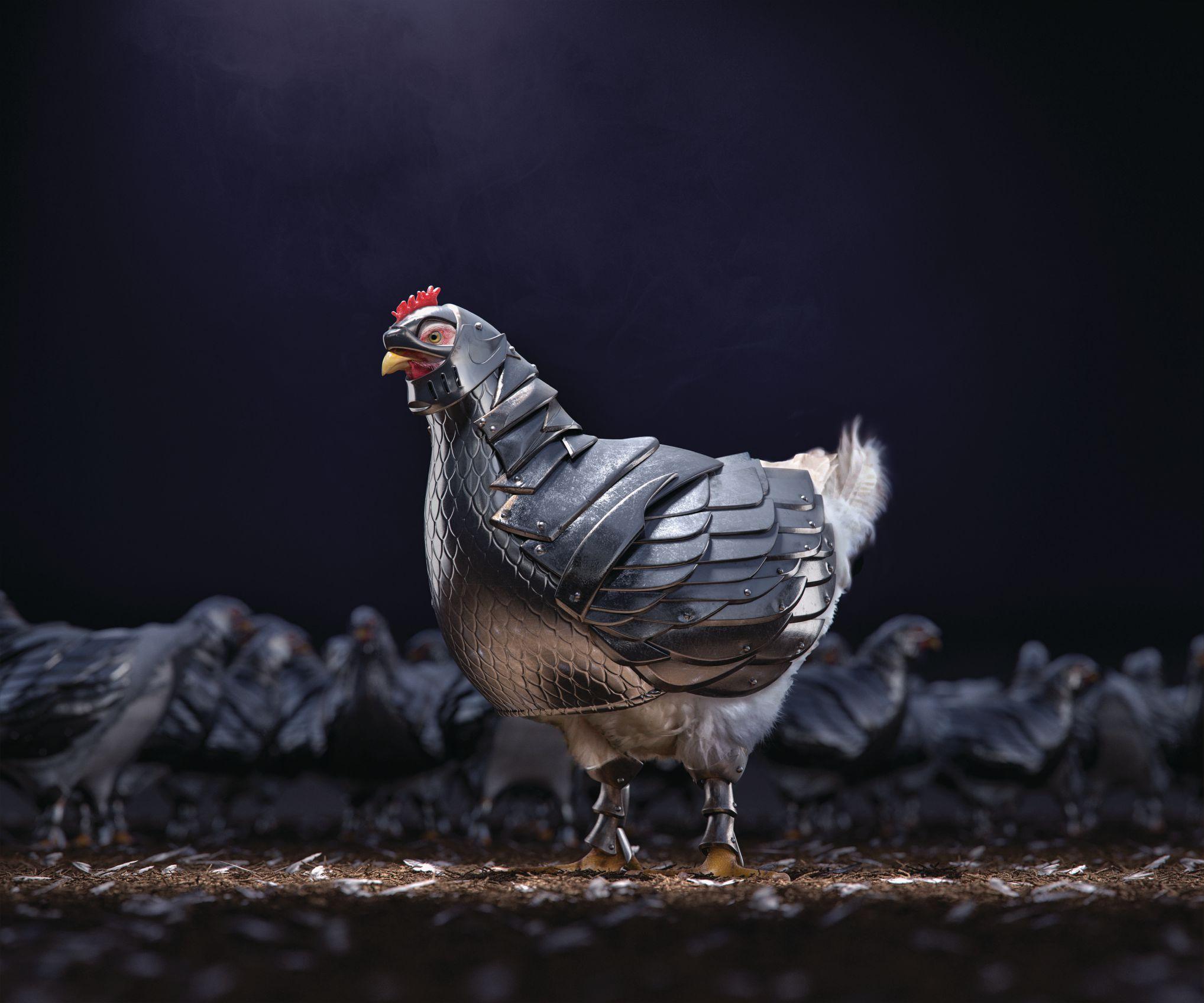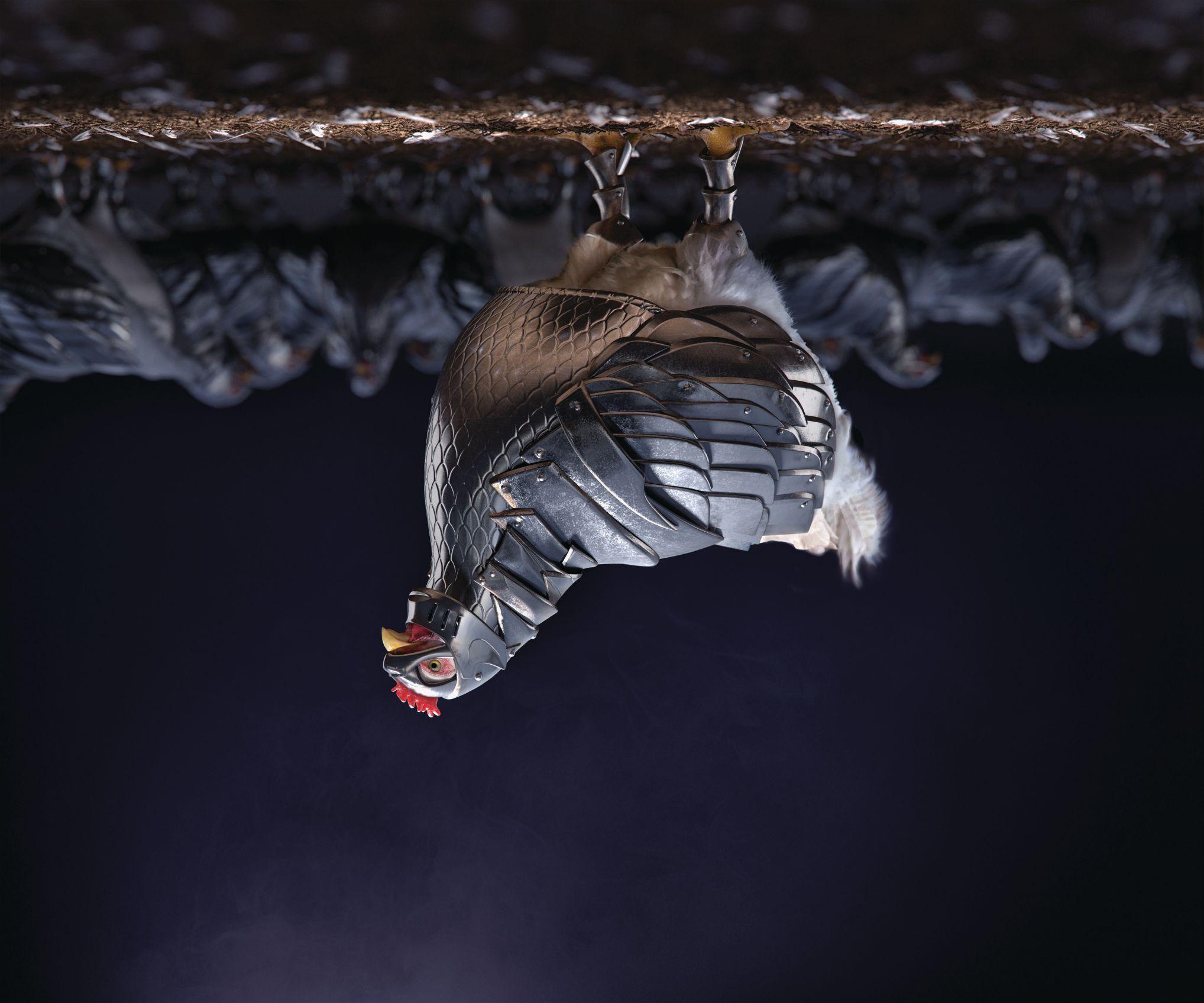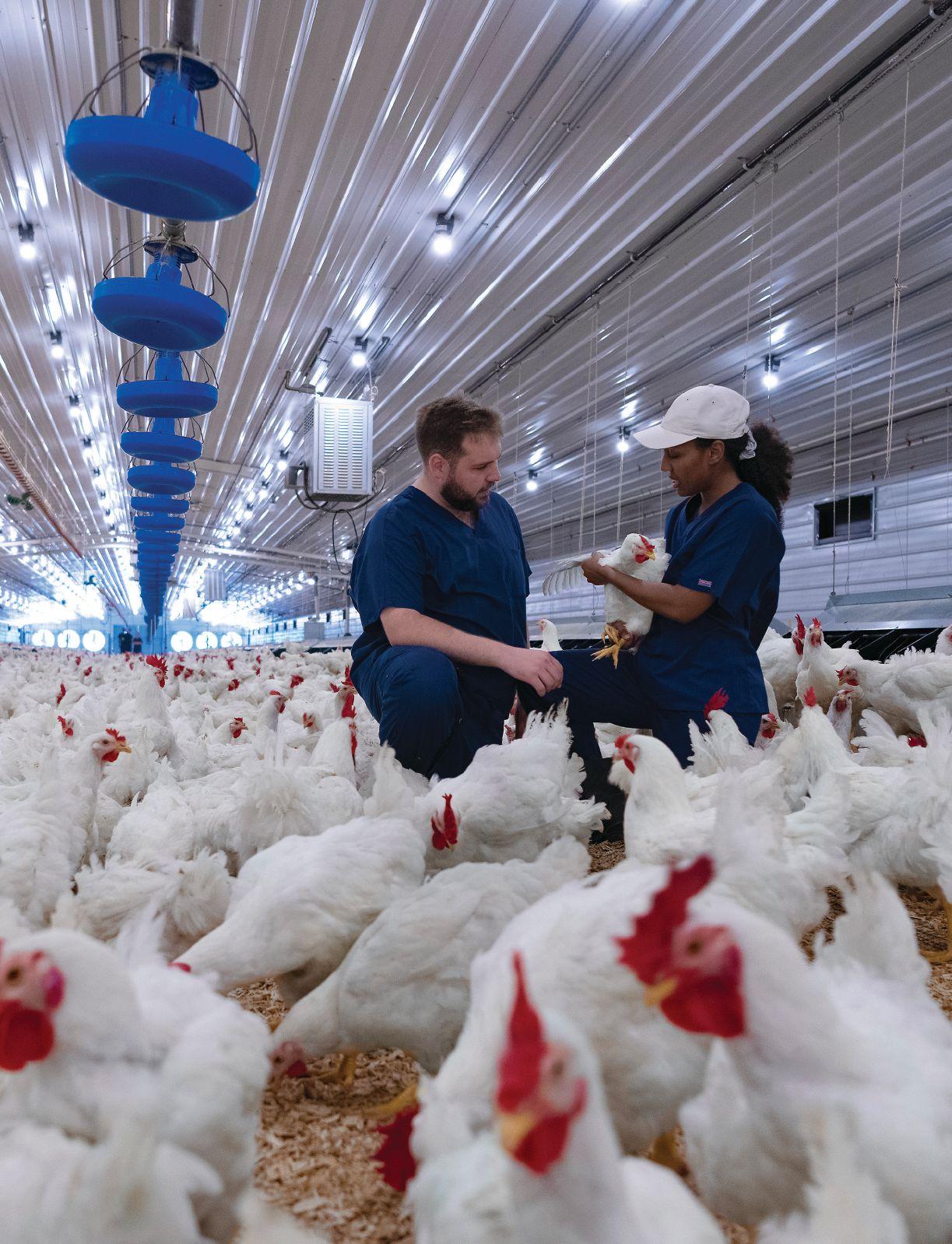

custom-made
outstanding
healthy



From the Editor
by Brett Ruffell
custom-made
outstanding
healthy
by Brett Ruffell
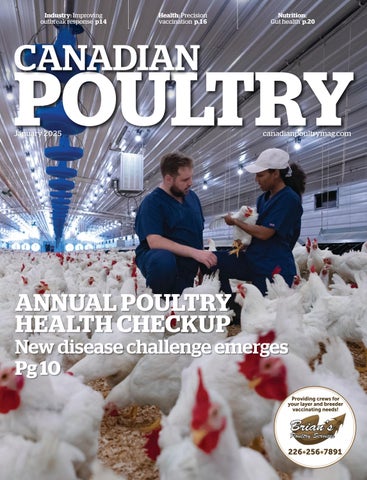
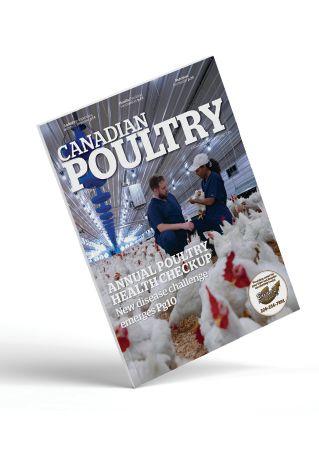
The January issue of Canadian Poultry magazine spotlights the disease challenges that defined the past year, with a detailed cover story found on page 10.
From the emergence of avian metapneumovirus (aMPV) to the persistence of E. cecorum, poultry health has been top of mind across the industry.
One of the year’s most concerning developments for the poultry industry was aMPV, a new virus to Canada that hit commercial flocks in Ontario, Manitoba, and Quebec.
Turkeys were especially hard-hit, with secondary infections like E. coli
“From the emergence of aMPV to the persistence of E. cecorum , poultry health has been top of mind across the industry.”
driving mortality rates as high as 50 per cent.
Meanwhile, E. cecorum infections rose sharply, particularly in broilers, leading to substantial losses. We explore these and other challenges in depth in our cover story, offering an important review of what the industry faced in 2024.
Adding to these issues, avian influenza (HPAI) resurfaced late in the year after an eight-month hiatus. The outbreak began in British Columbia’s Fraser Valley in October, with three confirmed cases in Abbotsford and Chilliwack.
By mid-November, 22 commercial poultry flocks in the province had been affected.
This resurgence underscores the need for ongoing biosecurity vigilance, as migratory wild birds remain a primary vector. With the outbreak affecting both commercial and non-commercial flocks, the risk of further spread has heightened, making it important that producers be more proactive than ever.
Looking ahead, Canadian Poultry invites readers to our February webinar series on disease threats. Expert presenters will discuss topics including avian influenza’s resurgence, new research on E. cecorum, insights into aMPV’s impact and more. Visit canadianpoultrymag. com to register and gain practical insights into what lies ahead.
As we reflect on the challenges of 2024, we also look forward with hope and resolve.
On behalf of the Canadian Poultry team, I wish you a happy and healthy new year.
canadianpoultrymag.com
Reader Service
Print and digital subscription inquiries or changes, please contact Angelita Potal, Customer Service Rep.
Tel: (416) 510-5113
Email: apotal@annexbusinessmedia.com
Mail: 111 Gordon Baker Rd., Suite 400, Toronto, ON M2H 3R1
Editor Brett Ruffell bruffell@annexbusinessmedia.com 226-971-2133
Brand Sales Manager
Ross Anderson randerson@annexbusinessmedia.com Cell: 289-925-7565
Account Coordinator
Julie Montgomery
jmontgomery@annexbusinessmedia.com 416-510-5163
Media Designer
Brooke Shaw
Group Publisher
Michelle Bertholet mbertholet@annexbusinessmedia.com
Audience Development Manager
Anita Madden amadden@annexbusinessmedia.com 416-510-5183
CEO Scott Jamieson sjamieson@annexbusinessmedia.com
PUBLICATION MAIL AGREEMENT #40065710
Printed in Canada ISSN 1703-2911
Subscription Rates
Canada - Single-copy $10.00
Canada – 1 Year $33.15
Canada – 2 years
GST - #867172652RT0001
Occasionally, Canadian Poultry Magazine will mail information on behalf of industry-related groups whose products and services we believe may be of interest to you. If you prefer not to receive this information, please contact our circulation department in any of the four ways listed above.
Annex Privacy Officer privacy@annexbusinessmedia.com Tel: 800-668-2374
No part of the editorial content of this publication may be reprinted without the publisher’s written permission. ©2025Annex Business Media. All rights reserved. Opinions expressed in this magazine are not necessarily those of the editor or the publisher. No liability is assumed for errors or omissions. All advertising is subject to the publisher’s approval. Such approval does not imply any endorsement of the products or services advertised. Publisher reserves the right to refuse advertising that does not meet the standards of the publication.


I have looked at many brands of drinkers and LUBING’s EasyLine 2.0 turkey drinker was our choice, and they have helped our turkeys to perform to their highest potential.
Holly Coffman - Summit View Farms
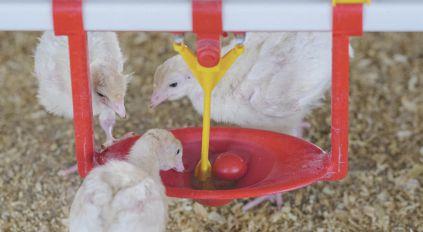
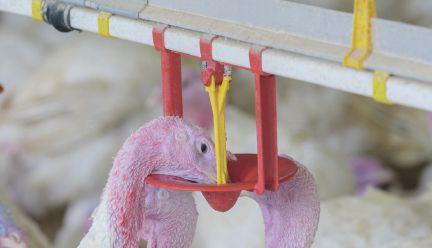
As the birds drink from the cup, their heads move the patented pendulum from side-to-side, which triggers the nipples in a vertical action which eliminates wear on the nipple.
Glass-Pac Canada
St. Jacobs, Ontario
Tel: (519) 664-3811
Fax: (519) 664-3003
Carstairs, Alberta
Tel: (403) 337-3767
Fax: (403) 337-3590
Les Equipments Avipor Cowansville, Quebec
Tel: (450) 263-6222
Fax: (450) 263-9021
Specht-Canada Inc.
Stony Plain, Alberta
Tel: (780) 963-4795
Fax: (780) 963-5034

Avian influenza has returned to Quebec after months of respite, with two new cases confirmed in commercial poultry flocks in the Les Maskoutains and La Vallée-du-Richelieu regions on November 17 and 18. These outbreaks mark the first in the province since February 2024, bringing the year’s total to four affected flocks. Authorities have established control zones to prevent further spread.
Ontario will soon launch wastewater testing for H5N1 avian influenza, led by Rob Delatolla’s lab at the University of Ottawa in collaboration with the University of Guelph. The testing, which targets agricultural areas, is part of a larger research effort to detect avian flu early in high-risk communities. The program’s urgency has grown after H5N1 spread to dairy herds and caused mild human infections in the U.S. Since COVID-19, wastewater monitoring has proven valuable for early pathogen detection.
The Poultry Industry Council (PIC) celebrated a year of achievements at its Annual General Meeting on October 24 in Elora, highlighting membership growth, impactful educational events, and the ratification of new by-laws under the Ontario Not-for-Profit Corporations Act. Caroline Gonano continues as Board Chair, joined by returning executives and three new board members bringing diverse industry expertise.
CFO’s new growth programs aim to drive sustainable expansion and meet evolving market demands in Ontario’s chicken industry.
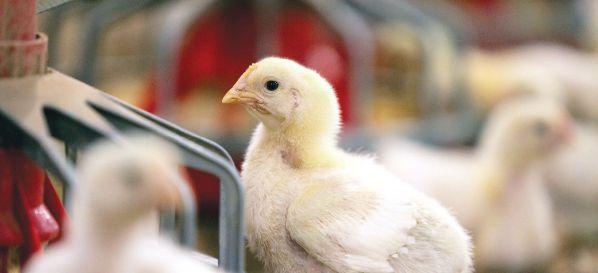
The Chicken Farmers of Ontario (CFO) has introduced a suite of growth programs to address the increasing demand in Ontario’s chicken industry. These initiatives are designed to meet the needs of evolving markets while ensuring the sector’s growth remains sustainable and well-distributed.

PIC hosted 30 events
with over 700 attendees in the past year, advancing its mission of industry success through education and collaboration.
Murray Opsteen, Chair of CFO, says the programs reflect the board’s commitment to preparing the industry for the future. “The chicken industry is fortunate to have experienced growth, and it is the Board’s responsibility to ensure that growth gets distributed to existing, new, and emerging markets in a responsible and sustainable manner,” he says.
Set to launch in 2025, the programs include targeted opportunities for both established and new participants in the Ontario chicken sector. A redesigned Market Opportunity Program will allow primary processors to access supply tailored to meet specific market needs.
Denise Hockaday, CEO of CFO, acknowledges the collaboration behind these initiatives. “The Association of Ontario Chicken Processors, independent processors, value chain stakeholders, and Ontario chicken farmers have all provided valuable input, and we’re pleased to bring these solution-oriented programs to market in the coming months,” she says.
Full details on eligibility, application processes, and program policies will be available on ontariochicken.ca as CFO prepares to roll out these initiatives aimed at fostering sustainable growth in Ontario’s thriving chicken industry.
To encourage new players, CFO has updated its New Entrant Chicken Processor Policy, enabling smaller processors to enter the market and expand their operations. Additionally, the Small Whole Bird Program has been revamped to meet niche demands, such as supplying restaurants specializing in Portuguese barbecue or small barbecue birds, focusing on birds in the 1.60-1.84 kg weight range.
sis from across Canada at:
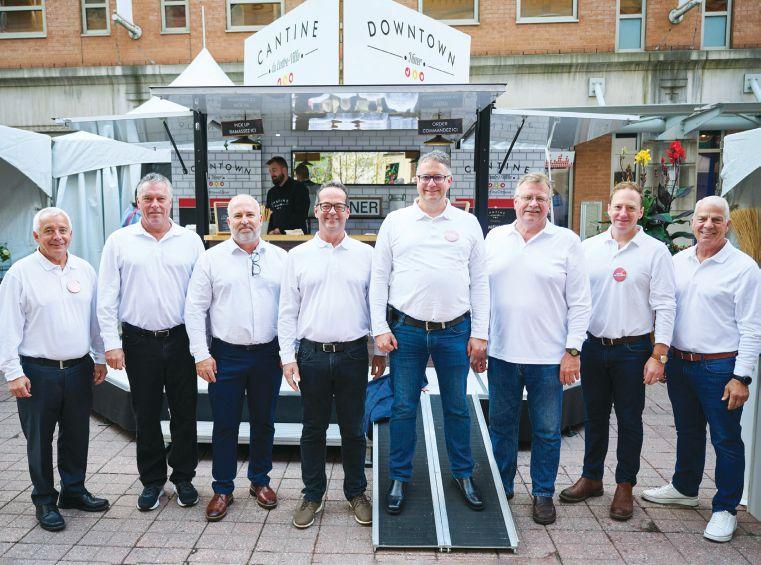
On October 3, Sparks Street in Ottawa came alive with the Downtown Diner pop-up, an event celebrating Canada’s poultry, dairy, and egg farmers.
The pop-up diner drew over 1,000 attendees, including Parliamentarians and residents, who enjoyed dishes made with fresh, locally sourced ingredients. The event was designed to spotlight the contributions of Canadian farmers to the nation’s food security.
Farmers from Egg Farmers of Canada, Chicken Farmers of Canada, Turkey Farmers of Canada, Canadian Hatching Egg Producers, and Dairy Farmers of Canada participated in the event. They answered questions about farming practices and engaged in conversations about government
policies that support the agricultural sector, such as Bill C-282, which ensures the continued strength of Canada’s supply management system.
Through supply management, these farmers can provide Canadians with a reliable, year-round supply of poultry, egg, and dairy products. The system not only supports food security but also sustains rural economies and encourages young people to pursue careers in agriculture.
The Downtown Diner was more than just a celebration – it was an opportunity to educate the public on the importance of locally produced food and the critical role farmers play in ensuring a stable, high-quality food supply.
is how many attendees the pop-up diner drew, including Parliamentarians and residents.
JANUARY
JANUARY 8, 2025
PIP Innovation Showcase, Webinar poultryinnovationpartnership.ca
JAN. 8, 2025
PIC Producer Update: Turkeys, Hybrid
Virtual and Woodstock, Ont. poultryindustrycouncil.ca
JAN. 13, 2025
PIC Science in the Pub Guelph, Ont. poultryindustrycouncil.ca
JAN. 28-30, 2025
IPPE Atlanta, Ga. ippexpo.com
FEBRUARY
FEB. 5, 2025
Canadian Poultry Disease Webinar Series canadianpoultrymag.com
FEB. 5, 2025
PIP Innovation Showcase, Webinar poultryinnovationpartnership.ca
FEB. 5-6, 2025
National Poultry Show London, Ont. poultryindustrycouncil.ca
FEB. 11, 2025
Canada’s Agriculture Day Ottawa, Ont. agriculturemorethanever.ca
FEB. 24, 2025
Western Poultry Conference westernpoultryconference.ca
FEB. 24-25, 2025
Alberta Poultry Industry Trade Show & AGM Red Deer, Alta conventionall.swoogo.com/api25

By Dr. Gigi Lin
Dr. Gigi Lin is a board-certified poultry veterinarian. She provides diagnostic, research, consultation, continuing education, and field services to all levels of the poultry industry in Western Canada. In this new column, she will help producers understand and prevent condemnations.
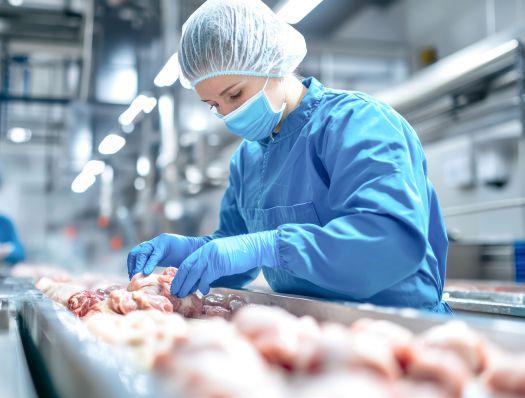
Throughout the poultry production cycle, producers spend a lot of time and hard work focusing on areas such as modifying brooding practices, maximizing flock performance, and reducing disease pressures. However, we often overlook the importance of analyzing one final piece of information – the condemnation report. Reviewing these reports is essential for optimizing production and profit, maintaining high welfare standards, and, most importantly, identifying areas for improvement. That said, here are five keys to understanding these documents.
1
The condemn report is a supplement tool for disease surveillance: I encourage all poultry producers to monitor trends and pay close attention to each condemnation report. The report provides detailed information about the birds that were rejected, whether due to diseases or infections. It helps guide us in modifying management practices or disease management plans, such as vaccine programs or feed formulation.
2
It’s not just about health monitoring: In addition to being a tool for disease detection, the report also serves as an important welfare indicator. It allows us to identify corrective actions on welfare issues such as poor housing condi-
1. National Chicken Council Broiler Welfare Guidelines and Audit Checklists. source: nationalchickencouncil.org
2. CFIA Poultry Condemnation Report by Species for Federally Inspected Plants: This report displays poultry condemnations by province for a selected month or year. source: agriculture.canada.ca
3. Litter Quality and Broiler Performance: This article out of the University of Georgia addresses how litter quality impacts performance and welfare issues, which can lead to increased condemnations. source: extension.uga.edu
tions or management practices that cause injuries or stress in birds. The processing plant’s operation is a crucial component in all well-recognized welfare programs and auditing tools. Refer to the first reference in the sidebar for essential guidelines and a handy auditing checklist.
3
The top four causes of broiler condemnations: Subcutaneous conditions (cel-
lulitis), liver conditions, abdominal edema (ascites), and respiratory conditions are the leading causes of broiler condemnations across Canada. Each of these issues has its own set of risk factors and control strategies, some of which are interconnected. This list may differ slightly across provinces, companies, or farms based on individual challenges.
The CFIA Poultry Condemnation Report by Species for
Federally Inspected Plants, see the second reference in the sidebar, is a great starting point for exploring national or provincial trends. It helps producers forecast and prepare for seasonal or regional challenges. For more specific regional or corporate processing data, I encourage producers to discuss with their processors, veterinarians, marketing boards, and fellow producers.
4Accurate diagnoses help pinpoint the problem and find solutions: “Liver condition” is a general term that describes abnormalities found in the liver. It isn’t always caused by an infectious process, although bacterial hepatitis is very common. Chronic passive congestion, another frequent cause of liver rejection, can be attributed to factors such as exposure to cold temperatures, poor ventilation, high sodium intake, and lung or heart diseases. When in doubt, communicate with the quality assurance manager, collect samples, and work with your veterinarians to obtain an accurate diagnosis.
5
Collecting samples go a long way: It doesn’t always have to follow a poor condemn result. Obtaining processing samples such as condemned whole birds, tissues, or more commonly blood samples, can provide insights into the flock’s disease status. In particularly, blood samples can help screen for common infectious diseases, including infectious bursal disease and infectious bronchitis disease, which may go unnoticed on the farm.

Delivering expertise and support to drive excellence through welfare and efficiency. Visit Aviagen at IPPE booth B7033
New disease emerges in otherwise stable year for poultry health.
By Lilian Schaer
Before avian influenza returned in the fall, it had been a fairly standard year for poultry diseases in Canada, according to two veterinarians who presented at the annual Poultry Services Industry Workshop. That is, with one exception.
That exception is avian metapneumovirus (aMPV), a new player in Canada’s poultry disease field that was first discovered this past May in Ontario and Manitoba, and in Quebec in September.
“It’s reasonably new but has been affecting the U.S. since the end of last year, so it was really just a matter of time until it came to Canada,” says Dr. Anastasia Novy of Guelph Poultry Veterinary Service. “The virus spreads through aerosols, so air and wind, which means it can spready easily.”
Turkeys are particularly susceptible and that’s where producers in Ontario have seen the most mortality in the past year, although Novy notes most of those were indirectly caused by secondary infections like E. coli . That’s because aMPV is immunosuppressive, leaving birds especially vulnerable to other pathogens.
According to Novy, turkey mortality from aMPV can range from five to 50 per cent with E.coli and gangrenous dermatitis as the most significant secondary infections.
“We also saw a lot of mortality issues and declines in egg production in broiler breeders, and drops in egg production in
layers,” Novy says.
Aviary-style layer barns faced more secondary infection problems from aMPV like E.coli, peritonitis and focal duodenal necrosis than enriched or conventional systems, in some cases causing drops in production of up to 15 percent.
Other than the detection of aMPV, the
biggest change in Ontario over the past year has been the increased incidence of E. cecorum infections, which has also been the most significant issue for broilers in Quebec for several years. Infectious body hepatitis (IBH) had previously been the leading challenge in broiler production in Ontario. In Western Canada, chick quality prob -
lems stemming from shortages caused by avian influenza continue to be one of the industry’s most significant health challenges across all commercial poultry species. From a disease perspective, E. coli was the main concern across all poultry production sectors, followed by Enterococcus spp.
“The only big difference in Western Canada compared to last year was the emergence of aMPV, which we saw in Manitoba this spring,” says Dr. Maral Rahmani, a fully licensed independent veterinarian.
Bacterial infections, especially E. coli, were the main issue in turkeys this past year, along with higher reports of necrotic enteritis.
“There isn’t just one specific cause, but chick quality played a role,” Rahmani explains.
Immunosuppressive diseases like hemorrhagic enteritis (HE) and any stress factors can make turkeys more vulnerable to secondary bacterial infections like E. coli. Since E. coli is a common bacterium in the gut, anything that affects gut microbiome balance can start to cause issues.
The only other notable change in turkey production in Western Canada, she adds, was the discovery of a few cases of aMPV in Manitoba in the spring.
The new virus was the dominant problem in turkeys in Eastern Canada; besides that, notes Novy, turkeys were generally otherwise healthy.
The main bacterial infections in broiler production in Western Canada were E. coli and E. cecorum , as well as salmonella. These were challenges in all provinces and stem largely from variable or inconsistent chick quality.
IBH remains an ongoing problem in Western Canada, with aggressive immuno-suppressive strains breaking through despite broiler breeders being vaccinated for the virus. IBH is also very common in Ontario and some areas of Atlantic Canada, with elevated outbreaks elevated in Quebec between January and March.

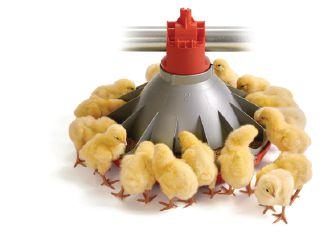
Start your whole house brood with a Konavi® Feeding System and eliminate the need for supplemental feed trays. Konavi® Feeders have a low pan height that lets chicks eat from the outside of the pan from day one.
With no trays to pick up and clean, you save labor costs and reduce feed waste. Your birds get easy access to free-choice feed from start to finish.
Another change from the previous year in Western Canada was a higher level of broiler condemnations; a specific cause can’t be pinpointed, notes Rahmani, but it is tied back to chick quality and resulting bacterial infections.
In Eastern Canada, a very humid summer led to a rise in fungal pneumonia in broilers; the higher moisture also contributed to bacterial infections and some botulism, according to Novy. Necrotic enteritis levels were elevated at the end of the summer particularly in broilers on raised without antibiotics programs.
Darkling beetles and flies, although always an issue, were particularly bad this year. Darkling beetles are the most common pest affecting Canadian poultry production and can be carriers of up to 60 poultry diseases.
Clostridial septicemia can occur as early as two to 12 days of age, with elevated mortality – four to five per cent of a flock in the first five days – of typically “good-looking” birds a being a common complaint. Unless there’s a co-infection with E. coli, there is no major issue with birds looking sick before being found dead.
“It can lead to necrotic enteritis especially in raised without antibiotics flocks,” says Novy. “If conventional birds get it, it will often resolve without treatment but without preventative antibiotics, it can turn into severe issues. There are aggressive strains that are also somewhat resistant antibiotics.”
According to Rahmani, bacterial infections were also a major concern in broiler breeders in Western Canada, especially at peak production, combined with a noticeably poor response to antibiotic treatment.
“This makes it challenging to treat. It’s not a new issue – we always see this – but we are seeing more and more of it, which is pretty alarming because it causes substantial losses and also animal welfare issues,” she says.
Other issues were fairly sporadic and similar to the year before, although infectious laryngotracheitis (ILT) continues to
be a problem in B.C., where it is considered endemic.
Bacterial lameness was elevated in both Ontario and Quebec, where it is very common, especially in the winter months and particularly in roosters. Poor ventilation and litter quality are contribution factors.
Layer health was fairly stable in Eastern Canada this past year, although higher worm levels were reported in aviary facilities in Ontario and Quebec, which could raise the possibility of roundworms being incorporated into eggs.
In Western Canada, bacterial infection, coccidiosis and Focal Duodenal Necrosis were the top three challenges across all three provinces. Marek’s Disease, which can cause leg paralysis, weight loss and poor uniformity and is one of the most significant viral poultry diseases worldwide, was reported sporadically as an issue in British Columbia.
According to Rahmani, Alberta and Saskatchewan also each reported a few cases of infectious coryza, which were depopulated.
Ontario reported two cases of fowl pox in turkeys, which is highly unusual and could be associated as a secondary issue stemming from aMPV infection. Eastern Canada also saw incidences of blackhead, with Atlantic Canada reporting cases in pullets and Ontario in turkeys and layers.
“We had warmer temperatures with less
freezing of the ground last winter,” says Novy. “We may see more of this in the future, so we may be experiencing more disease pressure in future as well. Winter is helpful in controlling diseases.”
Overall, both veterinarians encourage producers to continue to pay attention to biosecurity on their farms and to make sure they’re communicating with other farmers and with their veterinarians.
“Better communications across all stakeholders when there is a disease present is one of the things we have learned from avian influenza,” says Rahmani. “We should also be raising awareness of antimicrobial resistance. It is a growing threat for human and animal health, and we need to have responsible use and lower misuse of antibiotics to control resistance.”
Avian Metapneumovirus (aMPV) emerged as a major new threat, first detected in Ontario and Manitoba in May and Quebec in September. Turkeys are particularly susceptible. E. cecorum infections increased in broilers, causing significant losses in Ontario and Quebec.
Necrotic enteritis saw elevated levels in broilers, particularly in Raised Without Antibiotics programs, due to aggressive strains and lack of preventative treatments. Infectious body hepatitis (IBH) remained a persistent issue, with aggressive strains affecting vaccinated flocks in Ontario, Quebec, and Western Canada.

By Jane Robinson
When Jeff Wilson envisioned a National Poultry Network for Canada, he knew there was inherent value in bringing the sector together to tackles tough issues like antimicrobial resistance, avian influenza and overall profitability.
A born connector with a big world view, Wilson is a veterinarian, outbreak response veteran and president of Novometrix Research Inc, a Guelph-based business helping various sectors set up a new collaborative style of network. For the poultry industry, addressing the issue of avian influenza was a natural and needed place to start.
“The world is generally not well adapted to dealing with ‘wicked’ problems, and most of the problems we’re facing are of the wicked variety,” says Wilson, who played an active role on the outbreak response to the Walkerton water crisis.
Wilson believes we have systems in place that work well for smaller, focused outbreaks, but when it comes to complex outbreaks like highly pathogenic avian influenza (HPAI), “we don’t have a coherent system to bring all the pieces and players together to plan and respond.”
And in the absence of a cohesive system, panic and confusion often follow, in his experience.
Wilson’s desire to create greater collaboration within the poultry industry, in part to tackle issues like AI more effectively and efficiently, led to the development of three research papers he hopes will lead to a more effective response for AI.
The first paper that was just published –It’s time to apply outbreak best practices to avian influenza: a national call to action –outlined what a proper outbreak response should look like.
“This first part of the AI project is pretty neutral,” he says. “We provided a framework for how to run an outbreak properly and how to evaluate it – it’s about how do you do this right.”
Novometrix and its collaborators summarized the knowledge and expertise that exists on outbreak management and outlined four key pillars or best practices to an effective outbreak response, geared to help the industry align and organize to manage AI, or any other zoonotic disease or industry issue.
1. Establish a leadership team. An inclusive, collaborative group that includes people from across the industry with the right psychology for collaboration so they can work effectively together to fix a situation.
2. Collect information and dat. Build an information bank to collect the right data during an outbreak that might include water quality, wild bird activity, biosecurity, etc.
3. Develop intervention strategie. Based on the information gathered and in collaboration with farmers, these actions might include surveillance, diagnostics, setting up quarantine zones. “It’s important to start with what we need right now, it doesn’t have to be perfect,” says Wilson.
4. Communicate what’s going on. Let farmers and the industry know what happening. “It doesn’t have to be sugar coated just let them know we’ve moving in the right direction and need their help to fix it.”
With this four-pillar framework, Wilson and his group conducted extensive interviews
with poultry industry stakeholders to evaluate the current outbreak response to AI in Canada. These findings will be published in a second paper in early 2025 to provide an evaluation of how the HPAI outbreak has been handled to date in Canada.
Wilson acknowledges there are many good things happening to manage AI outbreaks in Canada, and many good people working very hard. “But there is no coherent, identifiable national leadership team that united all the requires players. We’ve escaped a national public health disaster but there are big gaps to address.”
Those gaps will be the heart of the third paper on HPAI outbreak response project that Novometrix will produce, on behalf of the National Poultry Network. “This paper will focus on what we should do next to more effectively manage an AI outbreak in Canada,” says Wilson. “We’ll build off what we have learned in the grassroots input, but it won’t be just one solution because it’s a complex problem. I’m quite confident we’re going to fix this, it’s just going to take some coordinated steps.”
What he knows works in any outbreak situation is the strength of the leadership. Outbreaks are rarely about money or the science, in his mind, but almost always about the ability of people to effectively work together.
“Unless you have a management leadership framework, and unless your response plan is written down and you have buy-in from key players at all levels, there’s too much stress in the moment and too many opportunities for divisiveness.”
As this project and the work of the National Poultry Network grows, Wilson really wants to continue to engage with poultry producers so they can see actual solutions for their operations.
“I know AI is a challenging issue but there is a way forward and we need producers to be involved in the solutions.”
Novometrix is looking for producers and other poultry industry stakeholders who may want to join the network to benefit from upcoming pilot projects. Anyone interested can reach out directly to Wilson at jbwilson@novometrix.com.






•
•

By Lilian Schaer
It’s been several decades since scientists developed the ability to administer vaccine protection to chicken embryos before hatching (in ovo). The first poultry vaccine available for in ovo administration around the world, including Canada, was for Marek’s disease in the early 1990s. The process is gaining increasing interest and use as the equipment required to deliver vaccines via this route advances, along with the number of vaccines available.
“in ovo vaccination is the procedure to deliver vaccine inside the egg targeting specific sites where the vaccine is capable of stimulating an immune response,” says Lívia Soares. “To reach the correct sites and ensure the embryo isn’t harmed, vaccines must be delivered when the embryo is at a specific stage of development, between day 18 and 19 of incubation, and in specific parts of the egg.”
Soares is in charge of global hatchery services for HIPRA – a multinational pharmaceutical company that’s a relative newcomer on the Canadian poultry health market. She estimates adoption rates for in ovo vaccination use for broiler vaccines to be more than 90 per cent in the U.S., about 80 per cent in Canada, Spain and Brazil, and lower rates but rising in Asia, parts of Europe and some parts of Africa.
From a bird health, welfare and labour perspective, delivering disease protection in ovo is a good fit, especially for short-lived birds like broilers.
“in ovo vaccination administration is a very popular technique with broiler production because it automates the process at hatcheries, so broiler chicks arrive on farm properly vaccinated, simplifying the process for everyone,” says Joan Molist, global product manager for poultry with HIPRA, based in Spain.
Automating the vaccination process also helps address the ongoing challenges of on-farm labour. And it’s part of a changing mindset about switching to individual administration of vaccines in ovo to ensure every chick embryo receives the proper dose for the intended protection development.
“There’s a huge benefit in terms of reliability and accurate dosing,” says Carol Jakel, technical services manager for HIPRA in Canada. “Every embryo gets the specific dose, every time. With on-farm administration or already hatched birds at hatchery we
might be spraying the vaccine on the chicks or putting it in the water where we might not get full coverage. With we know every egg gets their dose.”
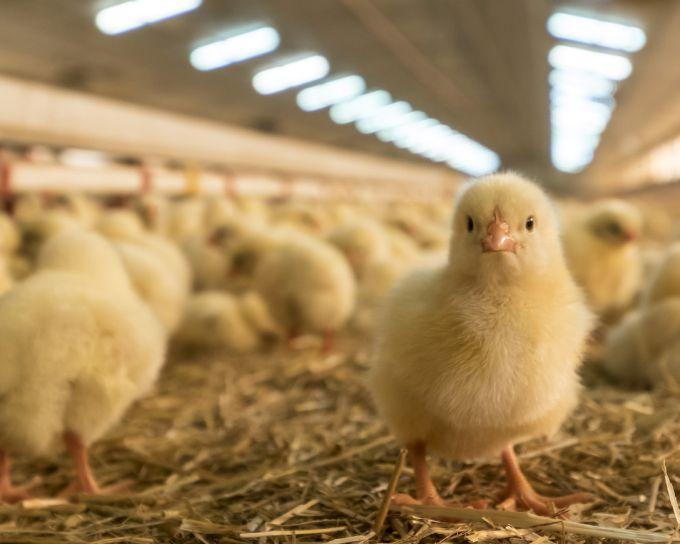
From a welfare standpoint, in ovo brings benefits too, reducing the management required on chicks and removing some of the stressors for day-old broiler chicks.
Poultry producers have access to several in ovo vaccine options in Canada and Jakel estimates nearly all broiler hatcheries in the country have in ovo capabilities.
The newest option is Evanovo – HIPRA’s new in ovo and attenuated vaccine for coccidiosis in poultry, the first of its kind in the world. The vaccine was introduced in the EU in 2022 and is now available in Canada, and provides a duration of immunity of at least 63 days.
“The technology in this new vaccine provides good immune response without gut damage that can occur with more traditional,

Authors:
Raphael Bampi, DVM, Health and Quality Assurance, Cobb LatCan
Eder Barbon, Quality Processing Specialist, Cobb LatCan
Avian Reovirus is a significant concern in commercial poultry farming. Although most strains are non-pathogenic, the emergence of new variants in the past decade has led to substantial losses globally.

Key Facts:
• Genetic Diversity: New strains arise from genetic rearrangement, leading to mutations.
• Infection and Dissemination: Affects various avian species, with meat-producing birds more susceptible. Transmission is both horizontal and vertical.
• Arthritis and Tenosynovitis: Mainly affects broilers, causing joint swelling and lameness. Younger birds are more susceptible.
• Immune Response: Neutralizing antibodies usually appear 7-10 days post-infection. Maternal antibodies typically aid early immunity.
Prevention and Control:
• Biosecurity: Strict measures and good sanitation are crucial.
• Vaccination: Programs aim to produce high levels of neutralizing antibodies.
• Diagnosis: Viral isolation, RT-PCR, and molecular sequencing can be used for diagnosis.
Economic Impact:
Lesions at processing plants can lead to significant losses, which requires reduced processing speeds to remove affected carcasses.

To read the full article and learn more about Avian Reovirus and effective control measures, scan the QR code above or visit: www.cobbgenetics.com/biosecurity

non-attenuated coccidiosis vaccines,” says Jakel. Parasite vaccines administered in ovo need to be delivered into the amniotic fluid (amnion) to be ingested by the growing embryo. When given a few days before hatch, the vaccine starts working once chicks are hatched.
“What we have seen in the first few years with this vaccine in Europe is that broiler chicks are able to develop proper levels of immunity so they can handle the challenge of coccidiosis on farm with better gut health and better performance improvements for body weight gain, feed conversion and fewer mortalities, among others,” says Molist.
Precise placement is a big factor behind the partnership and collaboration HIPRA have with in ovo equipment manufacturer Pas Reform.
The Dutch-based company has released its newest technology for in ovo vaccination (SmartVac) in 2022 in several countries around the world and expects to launch in Canada and U.S. within a year or so.
SmartVac is changing the safety and precision of in ovo vaccination technology. The system uses adjustable injectors to accommodate different egg sizes. The inoculation needle has sensors to detect the embryo inside the egg and also avoid wasting vaccines on empty spaces in the egg tray. And there are micro peristaltic pumps for dosing so the dose volume can be adjusted directly, without reducing speed or accuracy.
Steve Warren and Erwin Prinzen were part of the commercial development of the SmartVac project with Pas Reform, a global company that’s existed for more than 100 years.
“This new device has a more careful injection procedure for gentler handling of the embryo, which in many cases results in better hatchability than older technology,” says Prinzen, global commercial director for Royal Pas Reform. “And the soft touch technology with a double needle system greatly improves vaccine delivery in the amnion.”
That precision makes the new system a good fit for HIPRA’s new coccidiosis vaccine to deliver a higher percentage of in ovo injection into the amnion, compared to other devices, according to Prinzen. “What’s really different about SmartVac is not only the device, but that
it was developed from an incubation and embryology point of view.”
For Jakel, what’s exciting about the new technology is the possibilities for reducing more post-hatch in the hatchery and on-farm vaccination. “The more times we can give early and long-lasting protection, we can take away some of the boosters we’ve been giving on the farm for certain diseases,” she says.
There are vaccines currently registered in Canada for in ovo administration to protect birds against Marek’s disease, Infectious bursal disease, infectious laryngotracheitis, Newcastle disease and now coccidiosis.
“Every embryo gets the specific dose, every time.”
Most in ovo machines in Canada today deliver a set dose. As newer technology like SmartVac makes its way into Canadian hatcheries, the ability for flexible dosing will open new opportunities for delivering vaccines and nutrients.
“If we can deliver early nutrition in ovo, we may be able to have birds that are healthier and growing quickly, so we are looking at sugar and other nutrients but there are no commercial products available at the moment,” Jakel explains.
For Pas Reform, the principle of the technology is well suited to deliver nutrition, prebiotics or probiotics when that’s available. “The needle on our device doesn’t inject to a set depth but senses the embryo which allows us to target the amnion,” says Warren, sales manager for North America with Pas Reform.
And while the focus on in ovo vaccination is on broiler production, the advances of in ovo sexing would open the options for the layer production in the future.
The prospect for an avian influenza (AI) in ovo vaccine is a tougher topic. There are AI vaccines registered for in ovo (not in Canada) so the technology could work if there’s the right strain for the right country, but the real challenge is in ovo vaccines may be too weak against certain strains of AI to be effective, according to Soares.

Meller Poultry Equipment Inc.
826 Nanticoke Creek Parkway, Jarvis, Ontario, N0A 1J0
Call us on: 519-587-2667
Or visit our website: www.mellerpoultry.ca
MELLER POULTRY EQUIPMENT
AUTHORIZED DEALER VDL JANSEN
Authorized dealer VDL Jansen VDL Agrotech
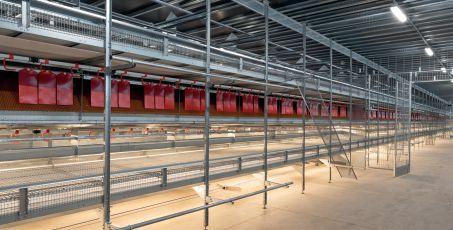
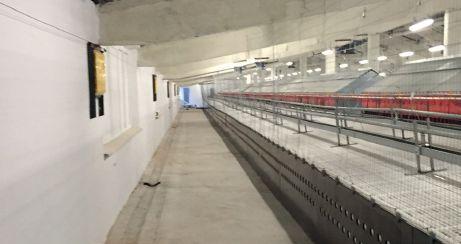
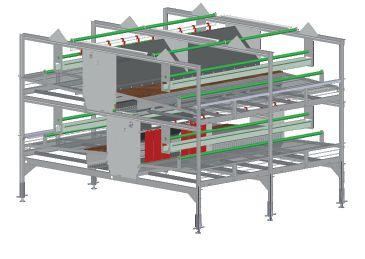
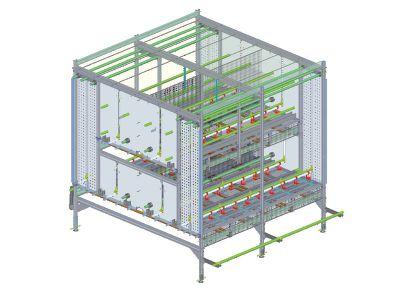
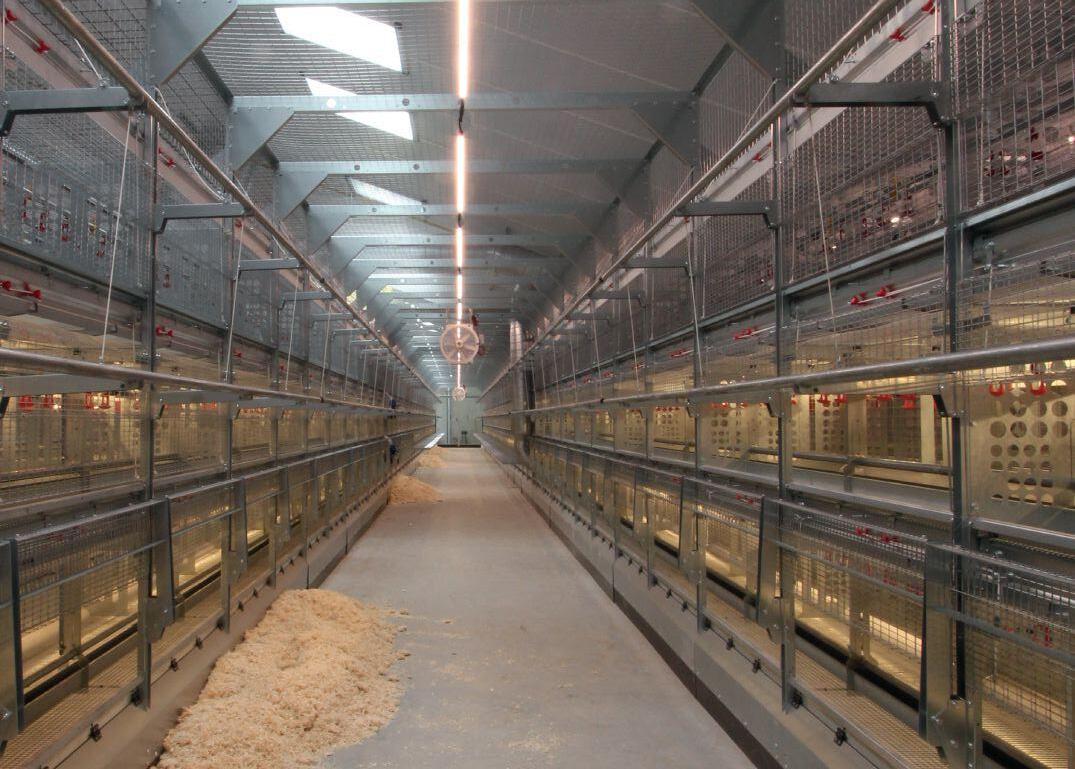
The RearMaxx is a multi-tier system designed to train cage-free pullets effectively and use the house area optimally. Apart from rearing quality, this system stands out in management and cleaning ease. Opening and closing the RearMaxx takes limited effort, which makes working with this system a true pleasure!
See you at the National Poultry show!

2024-12-05 9:10 AM
Now more than ever, with diseases like Avian Influenza challenging your birds at every turn, your ability to prevent disease has never been more critical and Neogen® can help!
Neogen provides a full range of disinfectants to help in your prevention efforts. From quaternary ammonium/glutaraldehyde combinations like our industry standard Synergize® to oxidizers like Neogen Viroxide Super™. From phenols like BioSentry ® BioPhene™ to quaternary ammoniums like BioSentry ® 904 to disinfectant wipes like COMPANION™, Neogen has a chemistry to fit your specific needs.
Call your local animal health provider or visit neogen.com today to find out which HPAI solution is right for you.
© Neogen Corporation, 2023. Neogen and Synergize are registered trademarks and BioPhene, COMPANION, and Viroxide Super are trademarks of Neogen Corporation. BioSentry is a registered trademark of BioSentry, Inc. All rights reserved. All other trademarks are property of their respective companies.
By Suttisak Boonyoung, Cobb-Vantress
Gut health influences nutrient digestion, immune regulation, and microbiota balance. Supporting it requires optimized feed and nutrition to enhance digestion, reduce oxidative stress, and build a strong nutritional foundation from ingredient selection to feed production.
The basics of digestion
After the feed passes through the oral cavity and esophagus, it enters to crop and is temporarily stored in this organ. It is also moisturized, acidified and partially fermented. The feed then moves to the proventriculus and gizzard where digestion continues chemically, with acids and enzymes, and mechanically, by muscular contractions. Next, the feed passes to the small intestine where enzymes and bile continue the chemical breakdown.
Most of the nutrient absorption has occurred by the time the feed reaches the end of the small intestines. Carbohydrates, fats and proteins are absorbed, leaving the non-digestible components, which move into the large intestines.
The non-digestible components are the substrate for bacterial fermentation in the caeca. These are blind pouches at the end of
the large intestiness, where true fermentation occurs, producing short-chain fatty acids, organic acids and vitamins.
Ingredients and feed formulation
It is important to consider the quality of ingredients for gut health. Some plant ingredients, like wheat and barley, contain highly soluble fiber that can increase the viscosity of intestinal contents, that, in turn, slows feed passage rates. Slower feed passage can create a low-oxygen environment favoring pathogenic bacteria and disrupt the microbiota balance.
Poor protein sources often contain anti-nutritional factors (ANF), compounds that inhibit digestive enzymes, which reduces protein digestion and absorption. The undigested protein passes to the large intestine where it becomes a substrate for bacteria, selectively enriching opportunistic pathogens such as Clostridium perfringens.
Mycotoxins in the feed can directly damage to the physical barriers in the gut. Tight junctions, the structural seals between epithelial cells, can be damaged by mycotoxins causing leaky gut allowing toxins and bacteria to pass between cells and enter the blood stream. Mycotoxins can also induce inflammation leading to microbiota imbal-
ance and dysbiosis. Because molds produce mycotoxins, storage areas for ingredients and feed should not support mold growth. Likewise, a testing and monitoring program helps mitigate mycotoxin issues.
Feed processing and pellet quality
Coarse corn and wheat can enhance gizzard function. The coarse grain along with good pellet quality can slow down the feed passage rate in the gizzard. More time in the gizzard strengthens the muscles and reduces the particle size. Because small particles have more surface area for enzyme and acids act upon, they are digested more easily than larger particles.
Ultimately, nutrients are absorbed more efficiency when derived from coarse grains. Conversely, fine particles and poor pellet quality usually pass quickly through the gizzard with little time being ground.
During the conditioning process, heat treatment can enhance pellet quality and promote carbohydrate absorption through the gelatinization process. The heat treatment also reduces the risk of harmful microbial contamination. To ensure good pellet quality, it is important to regularly monitor the retention time, temperature, and moisture in the conditioning process.
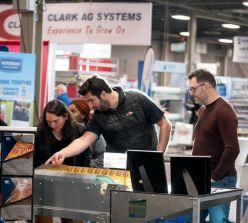


Discover the latest in technology, equipment, & feed
Gain insights from top industry experts
Connect with leaders in poultry—All in one place!
5th & 6th, | 10am - Noon, 1 pm - 3
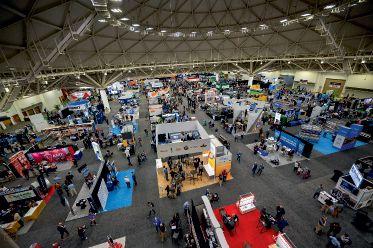
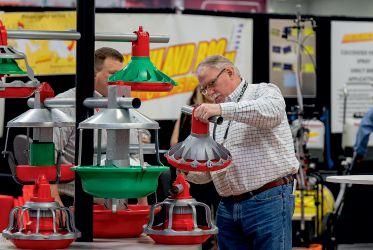
The Poultry Education Stage 2025 is now on the show floor—your go-to spot for expert insights, cutting-edge technology, and essential industry

Protein and amino acids are very important for bird growth. Crude protein and amino acid amounts in the feed that are higher than the bird’s requirement, may pass to the large intestines undigested and used as a substrate for harmful bacteria. Likewise, unbalanced amino acid profiles can have the same detrimental effects as overinclusion.
Fiber plays important roles in gut health. There are two main types of fiber, classified by their water solubility, insoluble and soluble. Like coarse grains, insoluble fiber improves the muscular strength of the gizzard and increases the chemical and physical digestion time which allows the feed to be broken down into small particles. The indigestible component of insoluble fiber can be fermented by bacteria to produce organic acids and short-chain fatty acids.
Soluble fiber should not be included in the diet because the intestinal contents can be-
come viscous. Digested insoluble fibers tend to become loosely flowing intestinal contents, while soluble fibers create viscous intestinal contents that move slowly through the intestines and remain congealed. Therefore, the viscous contents have less contact with intestinal surface leading to less nutrient absorption. The unabsorbed nutrients are then available to opportunistic and pathogenic bacteria.
It is important to consider the inclusion level of fiber. Although insoluble fiber can be beneficial, overinclusion can irritate the gut lining leading to inflammation. Too much insoluble fiber can also interfere with fat and protein digestion by speeding the rate of nutrients through the intestinal tract.
Feed additives can enhance gut health by increasing nutrient usage, enriching beneficial microflora, reducing oxidative stress and inflammation, and providing an antimicrob-


ial effect. Although there are many commercial feed additives available, it is important to carefully evaluate and select the appropriate products. When evaluating feed additives, consider factors such as formula structure, production cost, biosecurity, and flock health status.
Enzymes help enhance nutrient usage and reduce undigested components in feed. Non-starch polysaccharides (NSP) enzymes are commonly used in broiler feed to breakdown soluble fiber and reduce digesta viscosity, while protease enzymes increase protein availability for digestion. It’s important to select enzymes that are suitable for the specific feed substrate. Additionally, monitoring enzyme stability during feed processing is crucial to ensure optimal enzyme efficiency.
Probiotics are live beneficial bacteria that can enhance gut health. They can be applied in the feed or water, depending on the manufacturer. Probiotics can benefit the gut by increasing beneficial bacterial populations, reducing inflammation, stimulating development of the immune system, and enhancing nutrient digestion. Prebiotics are fermentation substrates and nutrients that are used to selectively enrich beneficial bacterial population.
Antioxidants, essential oils, and phytogenic compounds are feed additives that help reduce oxidative stress and inflammation, mitigating free radicals from oxidized feed fat or environmental stressors.
Organic acids are produced by the fermentation process of microorganisms. They can be produced by microorganism in the gastrointestinal tract as well as supplemented in the diet or water. Organic acids are antimicrobial, can selectively enhance beneficial bacteria and some can be used as energy sources by intestinal cells.
Experts discuss the benefits, challenges, and future of enrichments in broiler barns.
By Treena Hein
Enrichments can be defined as sensory stimuli that provide choices in the environment for an animal. Ideally, an enrichment should promote wellness, stimulate desirable behaviors and reduce stereotypic behaviors.
For most animals, placing specific objects in the environment achieves specific changes in behavior/activity from stimulation of the brain through physical (and potentially also social) interactions. Appropriate enrichments can vary by animal age, species, and environment, which means in the case of poultry farming, the enrichments used and needed by a broiler and laying hen may be different.
With broilers, exactly which enrichments are best are being worked out, but farmers in Canada and beyond should expect to be involved in more conversations about enrichments in the near future. It’s uncertain how many broiler barns in North America or globally have enrichments, but Dr. Chanelle Taylor of Cargill Canada notes that all of her firm’s broiler contract farmers who supply its London, Ont. processing plant now have enrichments in place in their barns.
Dr. Kate Barger-Weathers of KB Welfare Consulting in the United States collaborates with various U.S. broiler and broiler breeder companies that are implementing floor-based enrichments and lighting enrichments in a significant portion of their barns. These two poultry veterinarians recently hosted a Canadian Poultry magazine Broiler School webinar on the topic.
They both agree that retailers, restaurants and the general public expect that chicken farming is actively moving towards enrichments becoming standard. As Barger-Weathers explains, “it’s acceptable that we as an industry may still be figuring out what birds want and need, what works best at the farm level, how to best measure the associated welfare outcomes; however, the supply chain expectation is that enrichments will be part how we raise and care for chickens in the future.”
Taylor adds, “I believe eventually the codes of practice will address required and recommended enrichments. It’s best for the birds and the right thing to do.”
As mentioned, while an enrichment is defined as something that provides an animal with choices that lead to positive welfare outcomes, it is important to be sure that the animals actually use the
added object or stimuli. Nailing that down can be complex.
“Ideally, when evaluating enrichments to see what chickens use and prefer, we should measure how many birds are using it and how they are using it,” explains Barger-Weathers. “For example, do all the birds or just a subset of the same, dominant birds use the enrichment? We also have to look at whether they use it once and then ignore it, if they quickly return to use it after being disturbed, and if they use it throughout their time in the barn.
Since our goal is to improve welfare outcomes, we also have to evaluate what birds gain by using a particular enrichment. If they peck at an enrichment rather than pecking at another bird (injurious pecking), that’s huge benefit for other birds.
For the bird pecking at the enrichment, it might be more active than it would be otherwise, but maybe there are other benefits too.” (For example, with layer or breeder hens, pecking stones may reduce stereotypic pecking [abnormal pecking that may be due to boredom] and may have the added benefit of helping refine the beak shape.)
Taylor also points out that it very much matters which enrichments make sense for farmers. “We have to look at biosecurity of the object, for example whether it has to be replaced every flock

because it could harbour pathogens,” she explains. “How often is replacement required because it’s worn out? Is the cost acceptable and can it be sourced on an ongoing basis at the same quality? If it’s difficult to clean, heavy, cumbersome etc., the farmer won’t use it. There won’t be buy-in.”
However, when farmers see that they’re participating in a process where care has been taken to ensure enrichments are going to work for them and the birds, success is achieved. Considering the sustainability, safety and animal welfare benefits of an enrichment are key to achieving trust.
“When you see the birds using the enrichments, that birds are happier and seem to enjoy them, it makes you feel good,” says Taylor. “Farmers want to be able to say to the public ‘we are doing this now, and it works.’”
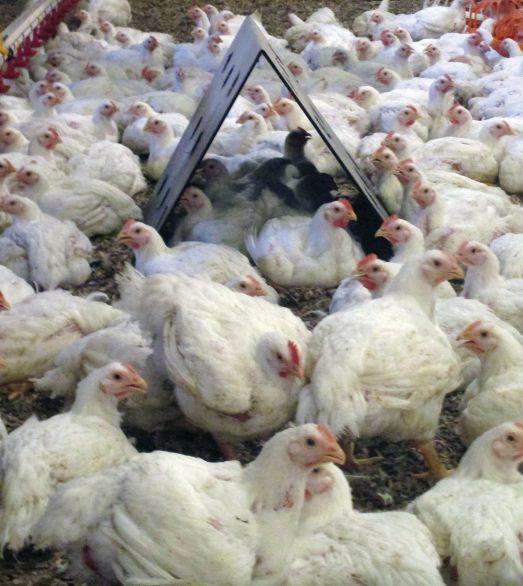
Floor-based enrichments like platforms, huts and bales are most actively being examined for broilers. Platforms can provide options for perching and allow poultry to shelter underneath, whereas hut-type enrichments allow the birds to sit under or next to the object for cover. Bales, both straw and shavings, provide shelter and encourage broilers to peck at and pull apart the bale.
Looking at platforms, there is some university data on how much broiler chickens use platforms with various ramp heights and shapes. However, more data from industry or academia is needed regarding optimal height, construction and use of the platform for broilers.
Lighting intensity continues to be a highly debatable topic for broilers. Gradient lighting (variable intensity in different areas of the barn) provides broilers with a choice within the barn and studies have shown positive welfare outcomes and broiler preferences for the gradient lighting system. Gradient lighting enhances specific behaviors, for example eating and drinking in bright areas, resting and dustbathing in dimmer areas.
Suspended enrichments are often considered for broilers but can be a challenge






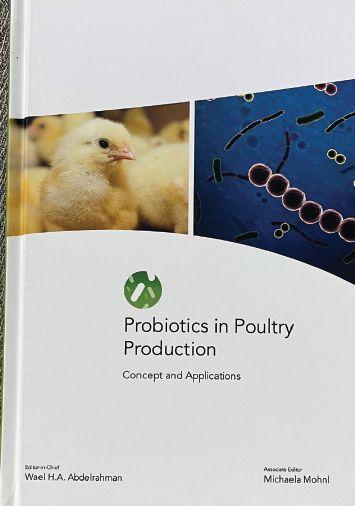
This book gives a comprehensive overview of the mode of action of probiotics and the theories behind it.
In addition, it highlights the main benefits of using probiotics in poultry production, such as maintaining gut health and integrity, reducing gut inflammation, modulating the immune system, preventing bacterial lameness, preventing reproductive tract infections, combating various enteric pathogens and improving performance. The chapters of this book illustrate various studies, which show the efficacy of probiotics in reducing livestock and poultry diseases, potentially reducing the need for antibiotic intervention, in addition to improving production performance.




due to lack of interest and biosecurity concerns. For example, metal washers on a rope have been studied as a pecking enrichment. Research shows that using two washers provide a clicking sound, which prompts repeated use, whereas a single washer on a string is typically ignored by birds.
Different types of hanging enrichments, specifically suspended pecking blocks and nets with hay, are also being evaluated by some farmers and broiler companies.
When you trial and implement these or other enrichments, Barger-Weathers says it’s useful to consider what behavior(s) you want to enhance or reduce in the flock so that the correct enrichment(s) are chosen. “For example, if the goal is to encourage both resting and increased activity, a combination of gradient lighting and the use of huts or platforms may be good to test,” she says.
“The gradient lighting allows birds to be active in the bright areas and to rest in the darker areas of the barn. The hut or platform allows birds to choose to walk to be near the enrichment and then to dustbathe, shelter or perch.”
With an enrichment in place, she stresses that everyone who works in the barn can be involved in observing the resulting behaviour details in the flock. (Also consider that on-farm trial of an enrichment may be an excellent science fair, 4H or personal interest project for a budding young scientist in the family.)
Barger-Weathers says those who work in the barn on a daily basis can evaluate behaviours such as how many birds are using the enrichment, can try and determine if its different birds or always a specific group, is there repeated use, etc.
Those in the barn daily can also evaluate if flock distribution within the barn is different now that the enrichment is present. As farmers walk through the flock, they can also evaluate whether the flock is calmer or more flighty compared to flocks in the past. “With many of the floor-based enrichments like huts and platforms, farmers can evaluate how quickly birds return to the enrich-
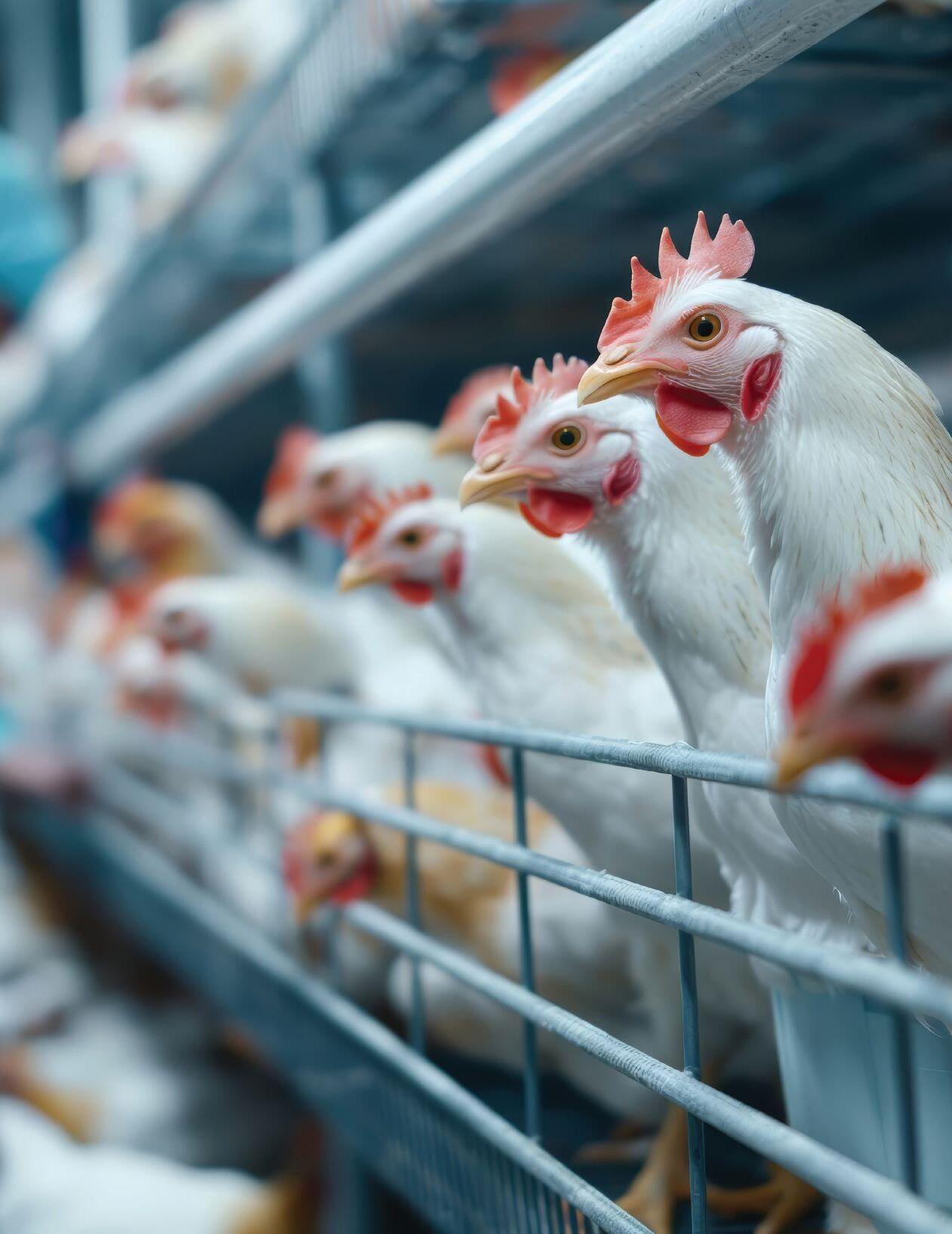
Speakers: Dr. Shayan Sharif, Dr. Martine Boulianne, Dr. Chantel Caughlin, Dr. Babak Sanei
ment after they are disturbed,” says Barger-Weathers.
“Service technicians, production managers and poultry veterinarians who visit the farms on a routine basis can also evaluate flock behavior, enrichment use and bird health outcomes. While the goal of enrichments is to positively motivate and reinforce specific behaviors and to allow the chickens to better cope with challenges, we also want to enhance poultry welfare and health outcomes.”
Overall, focus on the big picture. As mentioned, beyond bird behaviour, assessment of an enrichment should also include biosecurity and performance benefits (feed conversion, mortality/ culling, weight gain, hock condition, skin lesions, gait, etc.) along with ‘farmer factors’ (cost, ease of installation, etc.). Farmers interested in trialing enrichments should talk to their supply chain associate (i.e., processor, production supervisor, etc.) to obtain information and to understand their plan for implementing enrichments.
Both Barger-Weathers and Taylor remind us that animal welfare is a journey, and that expectations and assessments will continue to evolve since welfare is complex, multi-faceted and has many stakeholders. Standards will continue to change and advance, they note, along with advances in technology, scientific knowledge and equipment.

EXAMPLE OF BASIC DECISION TREE WHEN CONSIDERING AN ENRICHMENT TO TRIAL:
Which behaviours do you want to enhance or reduce in the flock?
E.g., enhance cover & shelter
Consider floor-based enrichments such as platforms and huts
E.g., enhance dustbathing
Consider adding dry, friable litter material in the barn, especially in areas with dimmer lighting
Ensure chosen enrichment is safe and biosecure. Install.
Create a data-gathering chart to easily evaluate use. Evaluate quantity of birds using the enrichment, how the birds use it and frequency of use. Evaluate enrichment use throughout the life of the flock.
For single-use and floor-based enrichments, evaluate wear and tear at the end of the flock.
Interview farmers to understand any changes in flock behaviour and any concerns with implementation and/or operation of the enrichment.
Summarize data and make conclusions about what to try again or what to change in the next trial.

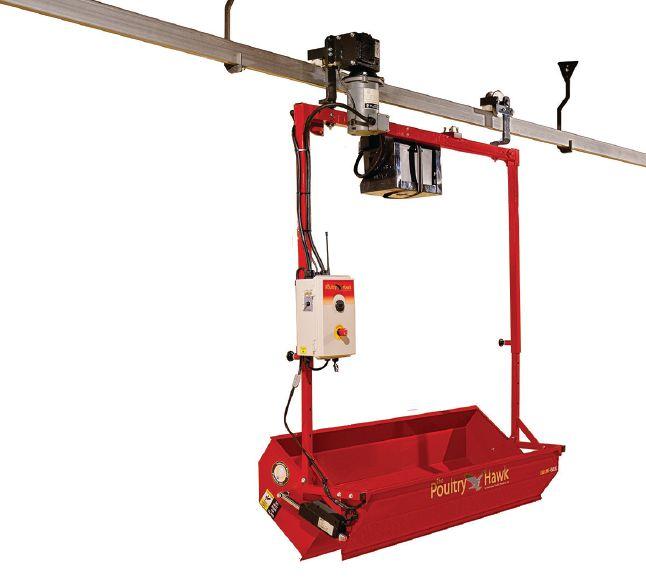
The original Premium Series was created for poultry farmers to have “A better way” to carry out daily tasks in the barn. The trolley system rolls along a heavy duty track to save lugging pails of dead and culls down the length of the barn making chores easier and more enjoyable. The system is available with a host of options that can be added right away or down the road.
Designed by a farmer for farmers:
>Powered by deep cycle 12V battery
>Dock charger option for auto charge
>High quality swagged rail system is quick and easy to install
>Powder-coated construction
>450 lb basket capacity
>Manual or automated options
Ask us about the E-series options:

Contact sales@county-line.ca 519-291-5012 (Hickson ext 4) www.county-line.ca
>Can use 20V Dewalt, Milwaukee or Makita battery
>Galvalume construction
8582 Hwy 23 N., Listowel ON Hickson 596202 Highway 59, Woodstock, ON







Location
Wallenstein, Ont.
Sector
Broilers
The business
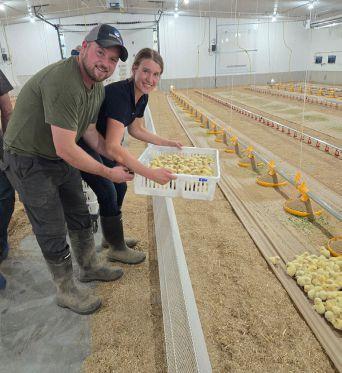
Rickeen Farms, located in Wallenstein, Ont., has been in the Shantz family since 1912. Today, Brett and Jocelyn Shantz, along with Brett’s parents, Rick and Doreen, manage this fifth-generation farm. Longtime dairy farmers, the family recently diversified into broiler production. “Dairy is stable but slow to grow, so we saw broilers as a good fit for our business,” says Brett.
The need
Expanding into poultry allowed Rickeen Farms to grow without relying on rare local land sales. Their interest was bolstered by support from Jocelyn’s family, who are experienced in broiler farming. Brett explains, “Having my father-in-law and brother-in-law as mentors gave us the confidence to get started. Their insights helped us make informed decisions.”
The barn
Rickeen Farms’ new broiler barn, built in partnership with CountyLine, measures 72 by 250 feet and features advanced equipment, including Lubing high-flow drinkers, a SKOV ventilation system, and bird-weighing scales. “We also included migration fences to optimize brooding,” Brett notes. Designed with future expansion in mind, the barn currently operates at 70 per cent capacity but could double its size with minimal adjustments. “Getting into broilers has been a great learning experience,” says Brett. “We’ve had excellent support from my father-in-law, the local feed mill, and others in the industry.
Poultry Spaces highlights new and renovated poultry facilities. Do you know of a good candidate to be featured? Let us know at poultry@annexweb.com.

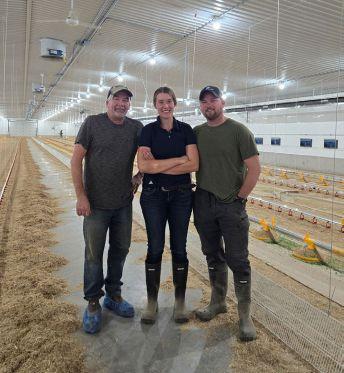
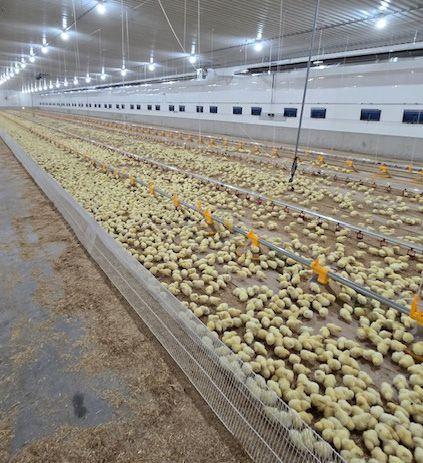
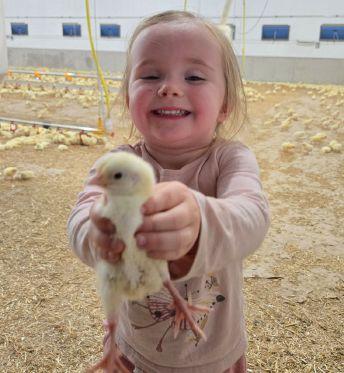
YOUR WORK STRENGTHENS THE RAISED BY A CANADIAN FARMER BRAND!
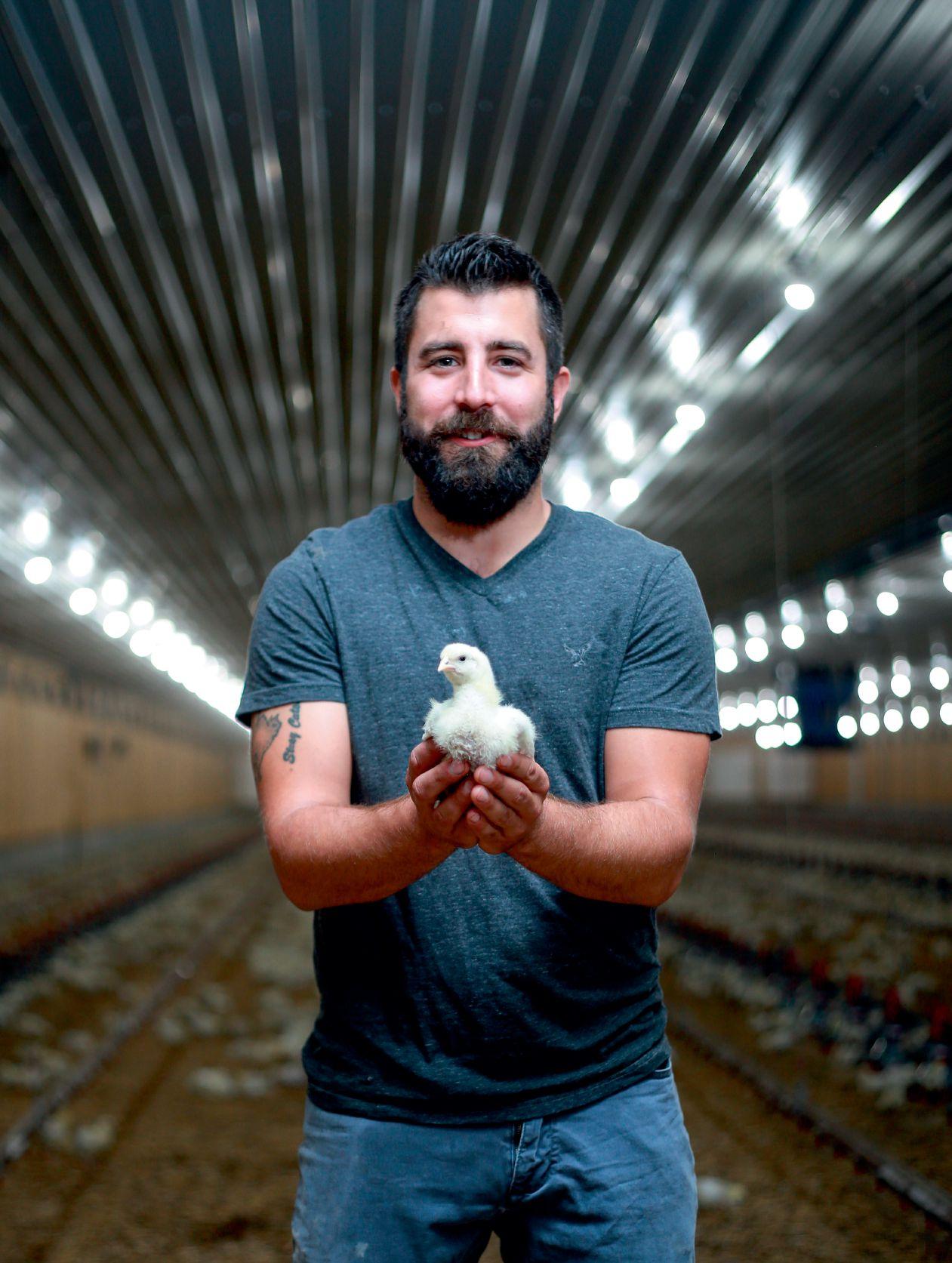
"WHEN ALL FARMS ARE COMMITTED TO IMPLEMENTING THE ON-FARM FOOD SAFETY PROGRAM, IT CREATES A STRONGER CANADIAN FLOCK BECAUSE OF CONSISTENCY IN BIOSECURITY MEASURES. THE PROGRAM STANDARDS HELP TO PROTECT NOT ONLY YOUR FLOCKS, BUT THOSE OF YOUR NEIGHBOURING FARMS AS WELL.” – DR. BEN SCHLEGEL, POULTRY VETERINARIAN IN ONTARIO.
S T R EN G T H EN Y OU R
B R OILE R F L OC K
Reduce mortality
Reduce E. coli associated lesions
Potential to reduce antibiotic use