Protection against infectious laryngotracheitis, Marek’s and infectious bursal diseases in one shot
The latest innovation from the manufacturer of VAXXITEK® HVT+IBD in
Proven safety for your flock
Poultry telehealth
How
Researchers
by Brett Ruffell
Stepping up for B.C. flooding victims
As most of you are well aware, 2021 ended tragically for one of Canada’s poultry hubs. In November, a series of intense storms brought days of continuous rain to southern B.C. This caused mudslides and flooding across the area. The waters reached depths of over two metres in some parts.
The region is known for its prime farm land and the floods caused an agricultural disaster that killed hundreds of thousands of livestock. B.C. is the third-largest chicken producing province in Canada and, according to the B.C. Chicken Marketing Board (BCCMB), 61 of the province’s poultry farms were evacuated due to the floods.
As of early December, the government reported that more than 640,000 farm animals died in the disaster, including 628,000 poultry. The experience undoubtedly took a heavy toll on producers. “The work by farmers and volunteers and companies to clean out barns and to remove these animals continues to be extremely heartbreaking,” said B.C. agricultural minister Lana Popham in a news conference.
She also pleaded with people to have compassion for what producers were going through. “I request that folks remain empathetic and caring in their comments, as they continue to do this very difficult work.”
There were some survival stories. For instance, 97 per cent
of the laying hens in the barns that were evacuated survived.
“I’d like to recognize the collective efforts of all the poultry industry members in pulling together and helping one another,” Popham said.
In positive news, farmers affected by the disaster received strong support both locally and from Canadians across the country. As an example, the community had to find several centres to hold the amount of feed and supplies people dropped off.
B.C. is also working with the B.C. Agriculture Council (BCAC) to assist farmers. Popham has started working with her federal counterpart,
“I’d like to recognize the collective efforts of all the poultry industry members in pulling together and helping one another.”
Marie-Claude Bibeau, on a recovery package to help farmers affected by the floods as well.
“We’re still in the process of quantifying those losses and we hope to firm up those numbers as the waters recede.”
The poultry industry has also stepped up for farmers affected by the floods. For instance, Turkey Farmers of Canada (TFC) donated $35,000 to the BCAC Emergency Fund for Farmers. It made the donation under the umbrella of the Wishbone Project, which is a collaboration between TFC and the
Turkey Primary Processor Sector of the Canadian Poultry and Egg Processors Council.
The BCAC disaster fund focuses on relief efforts and ongoing support for the farm families and their operations impacted by the flooding in the province.
TFC’s donation will contribute to these efforts within the B.C. farming community.
“This donation is a way for all of us across Canada to support our fellow turkey farmers, but also to more generally support farmers and their families across the Fraser Valley,” says TFC chair Darren Ference.
There are numerous other ways to help victims of the floods. In fact, the BCCMB compiled a list of credible organizations raising disaster relief funds, which can be found at bcchicken.ca.
Some of those fundraisers they’ve listed include the Canadian Red Cross, the Abbotsford Disaster Relief Fund, the Abbotsford Food Bank, the United Way for B.C. Flood Response Fund, Canadian Blood Services and more.
Look for our more in-depth report on the B.C. floods, how they’ve impacted poultry producers and the recovery efforts in the February/March issue of Canadian Poultry
Some fear more such extreme weather events are on the horizon due to climate change. Similarly, some believe warming temperatures could mean more of what we saw last summer, which we’ve outlined in this issue’s poultry heatlh update – heat waves leading to livestock mortalities. See page 10 for this year’s report.
canadianpoultrymag.com
Reader Service
Print and digital subscription inquiries or changes, please contact Anita Madden, Audience Development Manager Tel: (416) 510-5183
Email: amadden@annexbusinessmedia.com
Mail: 111 Gordon Baker Rd., Suite 400, Toronto, ON M2H 3R1
Account Coordinator Alice Chen achen@annexbusinessmedia.com 416-510-5217
Media Designer Alison Keba
Group Publisher Michelle Allison mallison@annexbusinessmedia.com
COO Scott Jamieson sjamieson@annexbusinessmedia.com
PUBLICATION MAIL AGREEMENT #40065710
Printed in Canada ISSN 1703-2911
Subscription Rates
Canada – 1 Year $32.50 (plus applicable taxes)
USA – 1 Year $91.50 CDN Foreign – 1 Year $103.50 CDN GST - #867172652RT0001
Occasionally, Canadian Poultry Magazine will mail information on behalf of industry-related groups whose products and services we believe may be of interest to you. If you prefer not to receive this information, please contact our circulation department in any of the four ways listed above.
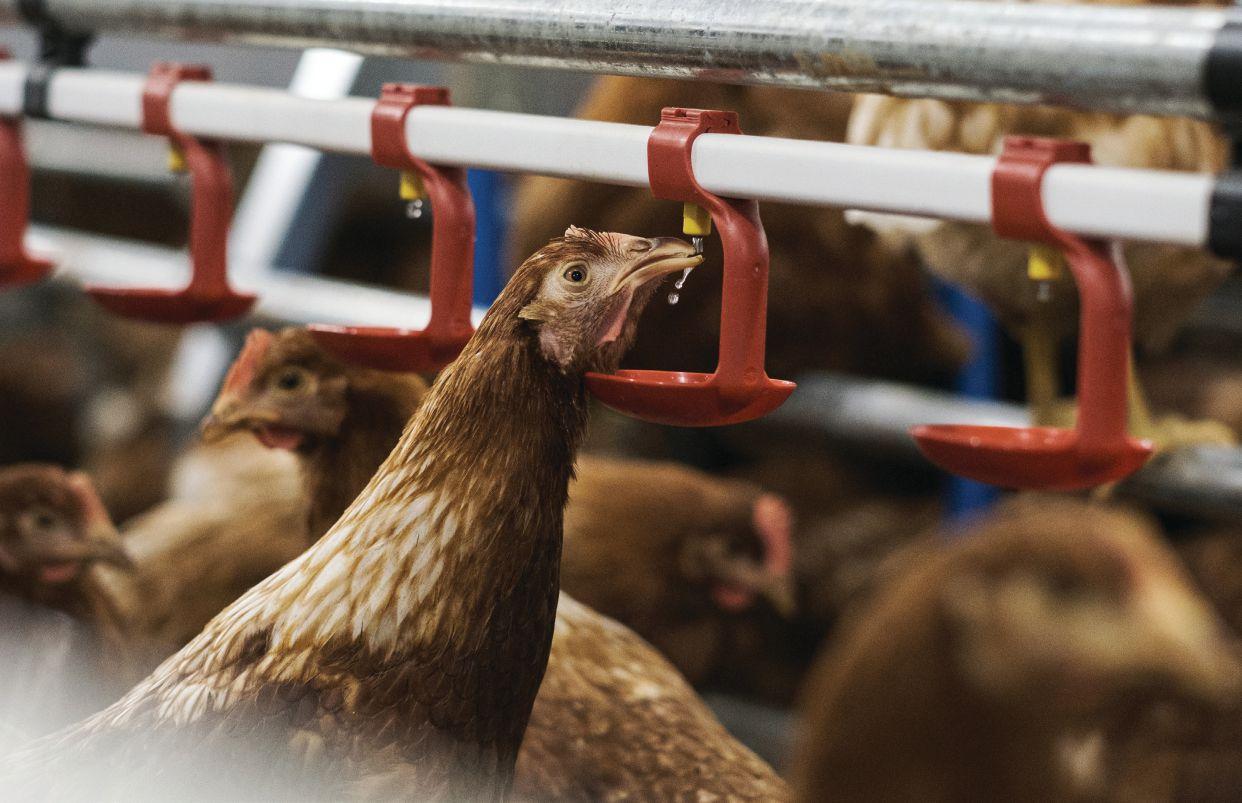
Farmers around the world trust our drinking systems to deliver a consistent flow of fresh water to their flocks for the best laying performance, and with our littergard cup your litter will remain dry and your birds healthy.
Glass-Pac Canada
St. Jacobs, Ontario
Tel: (519) 664-3811
Fax: (519) 664-3003
Carstairs, Alberta
Tel: (403) 337-3767
Fax: (403) 337-3590
Les Equipments Avipor
Cowansville, Quebec
Tel: (450) 263-6222
Fax: (450) 263-9021
Specht-Canada Inc.
Stony Plain, Alberta
Tel: (780) 963-4795
Fax: (780) 963-5034
What’s Hatching
PIC holds annual general meeting
At its virtual October 22, 2021, annual general meeting, Poultry Industry Council re-elected three returning members to its board of directors. Long-standing board member Ed Verkley of Verkley Enterprises was re-elected to the board, along with Caroline Gonano of the Turkey Farmers of Canada and Mike Terpstra of the Association of Ontario Chicken Processors. The board re-elected Verkley chair.
Think Turkey and VIA Rail launch Wishbone Reunions
Think Turkey, the five-year marketing campaign aimed at raising awareness of turkey as a delicious everyday protein option, teamed up with VIA Rail to grant seven lucky Canadians’ wish to reunite with their family and friends this holiday season. Through the Wishbone Reunion contest, each winner received return tickets for two anywhere in Canada that VIA Rail travels. With bigger family holiday celebrations anticipated to make a comeback, Think Turkey and VIA Rail invited Canadians to visit ThinkTurkey. ca/WishboneReunions and enter short stories about where they’d like to travel and why they want a Wishbone Reunion.
Maple Leaf Foods reassessing plant protein business
Maple Leaf Foods Inc. said it is reassessing its plant protein investments as it reported a third-quarter profit of $44.5 million. CEO Michael McCain says the company is seeing a marked slowdown in the plant-based protein category performance which may suggest systemic change in the extremely high growth rates expected by the industry. He says that given the performance, the company is conducting a review which will either affirm or adjust its strategies and investment thesis going forward.
In November, the Abbotsford Sumas prairie farmland –home to many chicken and dairy farms – was flooded and put under evacuation order.
Thousands of animals dead in ‘agricultural disaster’
Thousands of farm animals have died in an “agriculture disaster” in B.C. set off by floods that swamped an area of the province known for its farming industry.
628K is how many poultry died due to the flooding as of early December, the B.C. government revealed.
Agriculture Minister Lana Popham said many farmers attempted to move their animals by boat as their properties flooded but were forced to abandon them, “as the roads were disappearing beneath them.”
Even the animals that were successfully moved were in poor health and some had to be euthanized, she said.
“The animals that are getting moved through those water flows have been able to make it to a safe spot, but to tell you the truth, they’re not in good shape when they get there,” she said during the same news conference where the B.C. government declared a state of emergency.
She said hundreds of farms have been affected by flooding, many of them in the Fraser Valley, about
100 kilometres east of Vancouver.
“And we have thousands of animals that have perished. We have many, many more that are in difficult situations and we’re seeing an animal welfare issue develop,” Popham said.
Dozens of the farms that were put under evacuation orders in the Fraser Valley region are poultry farms.
Lisa Bishop-Spencer, the communications director with Chicken Farmers of Canada, said of the 310 chicken farms in B.C., 61 farms are being evacuated, 22 of which are broiler farms, where chickens are raised for their meat.
“Everyone’s still trying to make sure that themselves and their families are safe and taking as best care of their birds as possible, but we don’t have any specific information on losses yet,” she said. It’s fair to expect some losses as farmers were faced with challenging conditions trying to move animals to safety, she said.
LRIC Update
By Lilian Schaer
Livestock Research Innovation Corporation (LRIC) fosters research collaboration and drives innovation in the livestock and poultry industry. Visit www.livestockresearch.ca or follow @LivestockInnov on Twitter.
Predicting the next pandemic
For Shayan Sharif, the next pandemic was always a question of when and not if. And the Associate Dean of Research and Graduate Studies at the Ontario Veterinary College and professor in the University of Guelph’s Department of Pathobiology was fairly certain the culprit would be an influenza virus of avian origin.
Since then, the world has been living through that next global pandemic, driven by SARS-COV2, the coronavirus that causes COVID-19. And Sharif is more convinced than ever of the need to be proactive and forward-thinking when it comes to pandemic preparedness and prevention – and of the risk pigs and poultry in particular pose as potential hosts for an influenza-driven pandemic.
“I never ever imagined a coronavirus pandemic of this magnitude could result in such
a significant global response,” he says, adding that for some highly virulent avian influenza viruses transmitted to humans, the fatality rate could be 30 to 50 per cent of infected people, compared to COVID-19’s approximately one per cent.
And although the world has learned a lot through this pandemic, one thing Sharif believes hasn’t progressed is a general understanding of pandemics themselves – how, why, when and where they happen.
Boosting that understanding is what he says will help the world avoid or at least minimize the impacts of future pandemics, especially ones that affect both humans and livestock and could have much more catastrophic global impacts.
“If I were to put a coronavirus head-to-head with an influenza, hands down influenza is harder to control. Viruses are very sneaky and they know every single vulnerability in
our systems and in our communities and how to exploit our immune systems to their own advantage,” he explains. “That’s why I’m concerned about future pandemics.”
He’s particularly worried about a livestock virus that could jump to humans and then back to livestock, wreaking havoc on people, their food sources and, in some cases, their livelihoods. And if it’s a virus with the capacity to cause greater mortality in younger populations, who also happen to make up the majority of the global workforce, that could have catastrophic impacts on society and the economy.
This was a leading reason why Sharif teamed up with Rozita Dara, associate professor and data strategy director at Guelph’s School of Computer Science, to create a Decision Support System (DSS) that uses data from various sources to predict when and where an avian influenza
virus can emerge.
“We created a system that will have various components like social media posts, poultry farm density, regional climate and weather data, animal transportation and the flight paths of wild birds,” he says. “Using machine learning, we can pull all of this together and predict fairly accurately not only which regions are at risk of occurrence of outbreaks, but what decisions can help mitigate the impacts.”
Sharif and Dara’s pilot DSS system has taken advantage of the data from southeast Asia, where it has been tested for regional risk prediction of avian influenza outbreaks.
Now, the two scientists are seeking funding to determine what is needed for the Ontario and Canadian poultry industry and how to adapt the system for use here at home. That includes being able to collect and validate data used to assess and manage disease risk, for example.
They’re also seeking the expertise of organizations like the Feather Board Command Centre in Ontario, which plays a key role in foreign animal disease response for producers, and the Canadian Food Inspection Agency, which has federal jurisdiction over outbreak response.
To date, the DSS project has received funding support from the Canadian Poultry Research Council, Egg Farmers of Canada, the Ontario Ministry of Agriculture, Food and Rural Affairs, the Natural Sciences and Engineering Research Council and the University of Guelph’s Food From Thought project.
The system could also be adapted to other disease and species.
University of Guelph researchers Rozita Dara (pictured here) and Shayan Sharif are building a decision support system for avian influenza.
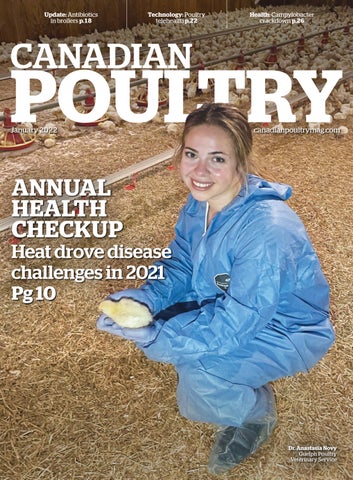
Annual health checkup
Intense
heat drove poultry disease challenges in
2021, a trend that experts say could be a harbinger of things to come.
By Lilian Schaer
Like most years, this year’s Poultry Industry Services Workshop featured updates from veterinarians on the most common diseases they see in poultry commodities across Canada. What was different, though, was the impact of something that may well be a harbinger of things to come – extreme weather.
A heat dome hit Western Canada at the end of June that caused record-breaking temperatures across B.C. and the Prairie provinces. When combined with high relative humidity, some regions reported temperatures nearing 50°C.
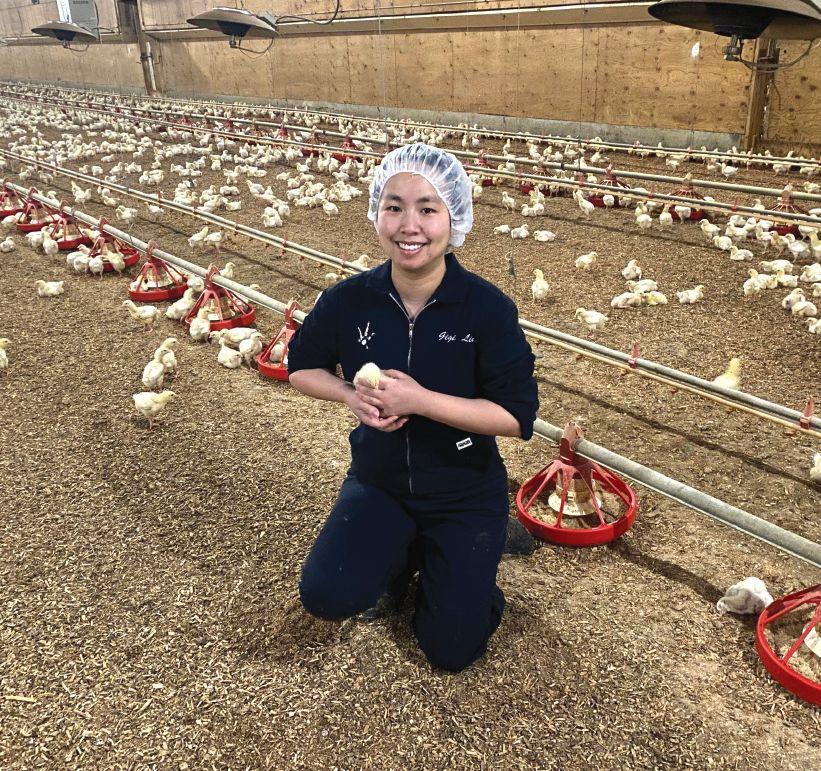
“This was unprecedented and one of the most devastating events in my career,” said Dr. Gigi Lin of B.C.-based Canadian Poultry Consultants Ltd. “We saw severe losses in poultry in all commodities, a loss of one million birds and also spikes in cases of other diseases.”
Infectious laryngotracheitis and blackhead are examples of two diseases that have more severe outcomes in poultry when associated with extreme heat, she added.
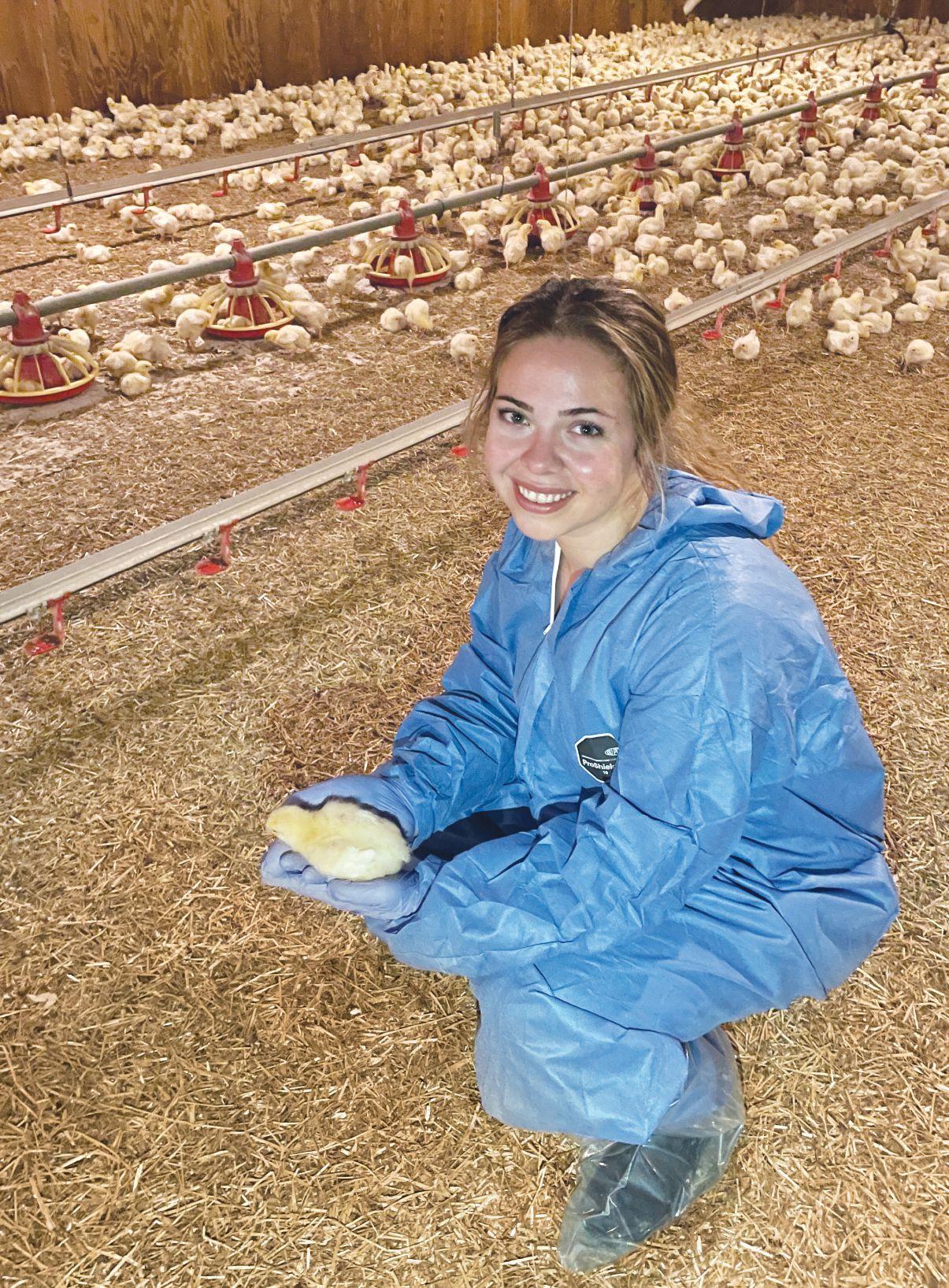
In Eastern Canada, high heat and humidity contributed to increased levels of coccidiosis and necrotic enteritis, noted Dr. Anastasia Novy of Guelph Poultry Veterinary Service.
“This is always an issue in raised without antibiotics and organic production but has
been particularly elevated this past summer,” she said. “It was so hot and humid, so producers were running sprinklers and had a hard time ventilating the humidity out.”
According to Lin, more heat events are likely in the future, so it might be time for the industry to re-evaluate its current heat stress management strategies. Producers can be better prepared for extreme heat by adding tunnel ventilation, cooling pads, fans and misting systems, as well as having a plan in place for what to do when the
heatwave actually hits.
That includes supplementing a multivitamin via water, restricting feeding between 3:00 and 7:00 pm when humidity is at its peak, ensuring adequate water supply and monitoring birds more frequently, Lin recommended.
Neither Lin nor Novy reported the emergence of any new diseases in Western or Eastern Canada this past year. And although there are some differences in prevalence across the country, infectious
Dr. Gigi Lin of B.C.-based Canadian Poultry Consultants Ltd. says the heat dome Western Canada experienced this past summer had a devastating effect on poultry.
body hepatitis, infectious bursal disease, and infectious laryngotracheitis were seen across Canada, with Eastern Canada also reporting elevated cases of necrotic enteritis, coccidiosis and bacterial infections.
Inclusion body hepatitis
Inclusion body hepatitis (IBH) remains the most common disease in broilers in Western Canada, with cases reported in all four provinces. It has been one of the most significant issues in Ontario as well. Cases are variable in terms of trends, but IBH has a considerable range of mortality from one up to 30 per cent.
For Lin, one significant change has been the emergence of serotype 8b as the predominant strain across Western Canada; according to Novy, it is also the one most commonly reported in Eastern Canada.
Approximately 80 to 90 per cent of IBH cases are accompanied by infectious bursal disease (IBD) co-infection in Western Canada, which leads to higher mortality rates. And although IBH can be a primary disease, it often affects birds who were already immunosuppressed, making them more susceptible to IBH infection.
The most common stressors, Lin noted, are feed interruption or outage, wind, cold temperatures, flooding or water leakage problems. Chicks in unvaccinated breeder flocks or in flocks that haven’t been fully vaccinated are also susceptible.
Infectious bursal disease
Infectious bursal disease (IBD) is very common in B.C. and Eastern Canada, particularly the poultry-dense areas of southwestern Ontario. A very
stable virus, it’s resistant to many environmental conditions that would typically help mitigate disease, like disinfectants and temperature, making vaccine programs very important.
According to Novy, the big challenge for producers is that the only visible signs are from secondary challenges, like poor performance, runting or late outbreaks of Coccidiosis or Necrotic Enteritis that are worse because the presence of IBD has weakened bird immune systems. The biggest risk factor is lack of vaccination or repeatedly using the same vaccine.
Infectious laryngotracheitis
There has been an increase in Infectious Laryngotracheitis (ILT) cases in all poultry commodities in B.C. this past year, particularly August and September. A significant outbreak in Ontario’s Niagara Region in late fall 2020 and winter 2021 affected five broiler flocks, one layer pullet flock and one layer flock. Of the seven infected flocks, three were vaccinated, which effectively reduced the disease’s severity, Novy said.
An acute, highly contagious respiratory disease, mortality levels are higher when an ILT outbreak coincides with other stressors, like extreme heat. According to Lin, it is a reportable disease in B.C., making it easier to track cases.
“There are obvious time and geographical clusters. It’s a very transmissible virus that can be spread mechanically on manure or litter, humans, vehicles or dust, but it can also be carried long distances via aerosols, so I often see more cases after windy days,” Lin said.
Necrotic enteritis and coccidiosis are among the leading poultry challenges in Eastern Canada. In turkeys in particular, Novy reported a definite elevation in cases this past summer compared to other summers and cases have also been higher than usual in broilers – again due to heat and humidity.
Novy also noted that bacterial infections are most common in broilers in Eastern Canada during their first two weeks of life. This is primarily caused by E. coli.. E. coli. is also a leading culprit in late bacterial infection in broilers older than 14 days, which results in more limping and runted birds and higher mortality.
“These problems often linger on and cause higher condemnations at the processing plant,” she said.
Other diseases of note
White Chick Syndrome: Alberta saw a spike in broiler breeder cases of this disease this past year, particularly in July, and some cases were also reported in Ontario and Quebec. Affected farms will see more sick,
dead and weak birds at hatch with very pale or white feathers.
Blackhead: BC recorded a surge of Blackhead cases in turkeys this past year, with the majority in the summer and into early fall. The disease causes severe liver
Dr. Anastasia Novy of Ontario’s Guelph Poultry Veterinary Service says high heat and humidity contributed to increased levels of coccidiosis and necrotic enteritis in 2021.
lesions and ceca, mortality ranging from 10 to 100 per cent. According to Lin, there are currently no approved, efficacious preventive or treatment options, so B.C. Turkeys and the B.C. Ministry of Agriculture, Food and Fisheries have launched a series of projects in the search for solutions.
Fatty liver hemorrhagic syndrome: Cases were stable in Eastern Canada, but table egg layer flocks in Saskatchewan re-
corded a significant increase in cases of this disease in 2021, with all cases happening in July and August. The issue is generally more commonly seen in backyard flocks that are being over-fed, noted Lin.
Backyard flocks
Both Lin and Novy pointed to an increase of backyard poultry flocks in Canada, primarily driven by the COVID-19 pan-
KemTRACE CHROMIUM: YOUR TOOL TO COMBAT STRESS
demic. Many owners of backyard flocks source their birds from non-reputable breeders and have little experience with poultry farming, which poses a threat to commercial production, especially in poultry-dense areas.
In Ontario, ILT and Mycoplasma are common in backyard flocks; in Western Canada, Mycoplasma, Infectious Coryza and Marek’s Disease are seen most often.
THE IMPACT OF STRESS:
• Nutrients are re-allocated from growth toward minimizing the effects of stress • Performance can be negatively impacted
This research is funded by the Canadian Poultry Research Council as part of the Poultry Science Cluster which is supported by Agriculture and Agri-Food Canada as part of the Canadian Agricultural Partnership, a federal-provincial-territorial initiative.
Biomarkers and bioactives
Scientists develop new tools to boost bird health.
By Jane Robinson
Reducing the impact of poultry diseases usually focuses on treating specific pathogens. But an Agriculture and Agri-Food Canada (AAFC) team is approaching the challenge by looking at the consequences, not the cause, of disease to develop new tools and techniques that will help producers boost bird health without the need for antibiotics.
They are particularly interested in intestinal inflammation that is often triggered when a bird is battling a pathogen (viruses, bacteria or parasites) that can cause intestinal illness. Inflammation sets off a domino effect of consequences that can be costly for the bird’s health and welfare and ultimately, the farm operation.
“We believe that targeting the bird’s physiological response to pathogens – specifically intestinal inflammation – with non-antibiotic bioactives has the potential to be an effective and broad-spectrum strategy to improve bird health and productivity, and reduce antibiotic use,” says Dr. Douglas Inglis, an AAFC scientist specializing in enteric microbiology and intestinal health at the Lethbridge Research and Development Centre who is leading a five-year research project.
Inglis and his team are developing innovative new tools to help Canadian poultry producers deal with the impact of intestinal inflammation. In conjunction with their research to develop non-antibiotic bioactives, they are also identifying factors that predispose chickens to disease, as a way to improve intestinal health, so birds are bet-
ter equipped to fight disease pressure.
Their work is particularly timely as the Canadian and global poultry industries continue to search for new options to treat bacterial infections that don’t depend on antibiotic treatment.
Practical alternatives to antibiotics
The overall goal of this research is to develop effective and non-antibiotic strategies to boost the bird’s own immune system and reduce inflammatory diseases. They are working with broilers and layers, and currently focusing on younger birds to see if they are able to modulate the immune system to provide a long-term benefit. Their findings are also relevant and applicable for turkeys.
The research project has covered a lot of ground in the last four years. Inglis and team have identified biomarkers that are predictors of bird health. They have also identified a number of bioactive molecules
that show promise as an antibiotic alternative for regulating acute and chronic inflammation in chickens. And they have developed new delivery technology for potential on-farm use.
Biomarkers to predict health
Biomarkers are biological indicators of health that are valuable when there is a correlation with a disease – like blood pressure as a predictor of cardiovascular health in people. The use of biomarkers in human medicine is well developed, but is in its infancy in poultry production. In this aspect of their research, the team looked at biomarkers found naturally in a bird’s blood or tissues signalling an abnormal process that’s predictive of disease. Some of these indicators are biomarkers in birds that indicate stress. “Stress is known to cause significant changes in the bird’s metabolism and immune function, leading to poor performance and increased disease
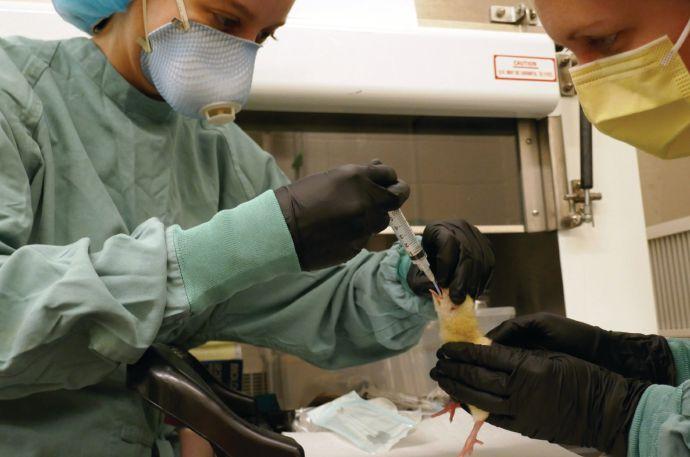
Administration of a bioactive agent to a broiler chick at AAFC Lethbridge Research and Development Centre by CPRC-funded graduate student Sarah Zaytsoff (left) and AAFC technician Tara Shelton (right).
PHOTO: DR. DOUGLAS INGLIS
risks,” Inglis says. “I was surprised through our research about the profound effect that stress has on the physiology of birds and on their ability to mitigate disease.”
Inglis and team have found that stress has a significant effect on the onset and severity of a number of poultry diseases, including necrotic enteritis. That’s why they’ve focused on identifying biomarkers that indicate a bird’s predisposition to stress and disease. Their goal is to identify biomarkers to be used on-farm by producers as another health management tool.
“We are emphasizing the use of biomarkers with bird samples that are easy to collect on the farm, like feathers, so producers are able to monitor the health status of their flock before disease occurs, and use the information to objectively evaluate the need for treatment strategies and their effectiveness,” Inglis says.
To date, they’ve detected multiple biomarkers of stress and disease in chickens, and plan to test these in simulated and actual commercial settings. If the results show promise as a practical tool for producers, they’ll look at partnerships to bring the technology to market. “An on-farm diagnostic kit that uses biomarkers could be two to five years away,” Inglis predicts.
The potential of bioactives
Another key part of the project is testing various bioactive molecules naturally produced by birds that could help modulate acute or chronic intestinal inflammation. Hand in hand with testing the bioactives, Inglis and the team are developing novel technologies that would deliver bioactives directly to the site where action is needed. For intestinal inflammation this would involve administering bioactives through
feed or water, with the delivery technologies targeting the agents to specific locations of the gastrointestinal tract (e.g., sites of inflammation) to achieve maximum effectiveness.
“Besides bioactives delivered as therapeutics, we’re also focused on developing bioactives that target inflammation to provide growth promotion and prophylactic effects for birds. Our goal is to provide practical, effective and non-antibiotic strategies to prevent and treat disease,” Inglis says.
Closer to commercialization
As the project enters its final year, Inglis and team are looking to move closer to potential commercialization of some of their discoveries. They will be evaluating technologies under conditions that simulate commercial operations, before transitioning to on-farm evaluations.
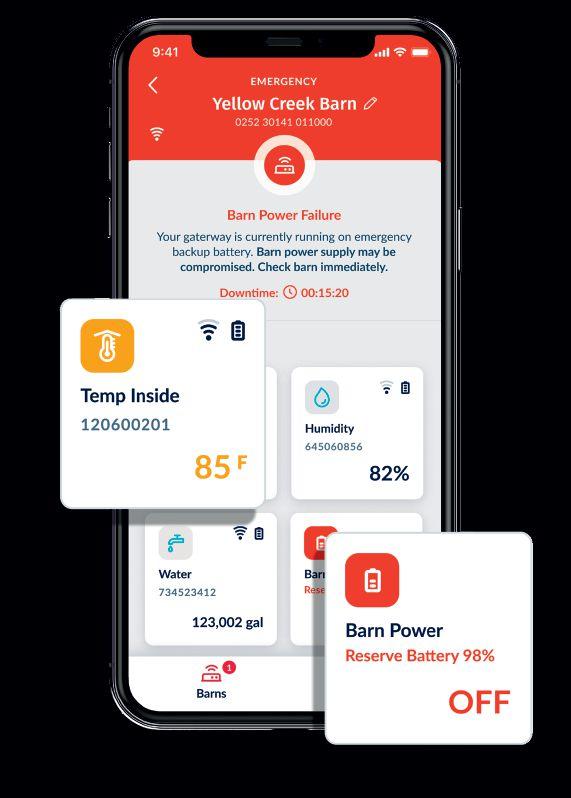
THE NEXT–GEN WIRELESS BARN
Built for poultry houses.
Built–in connectivity for rural areas. Built for your budget.
“We built BarnTalk to be easy and reliable. Our sensors are long range and can be hung, by you, across all your houses to send alarms and real–time conditions right to your phone.”
Michael Hansen | Co–Founder
Progress, with care
An update on further reductions of preventative antibiotic use in broiler production. By Treena Hein
Right now in Canada, broiler farmers have three production options relating to antibiotic use for disease prevention.
The ‘conventional’ option, as explained in a recent paper by PhD candidate Lisa Bean-Hodgins and her supervisor Elijah Kiarie at University of Guelph in Ontario, involves the potential use of categories III and IV antibiotics and avilamycin.
Broiler producers also have the option of ‘Raised without antibiotics of human importance,’ which involves no use of categories I, II, or III antibiotics for disease prevention. In this case, only avilamycin and category IV antibiotics are permitted for the prevention of coccidiosis and necrotic enteritis (NE).
The last option is ‘Raised without antibiotics’ or RWA, with no use of categories I, II, III or IV antibiotics for prevention. (Note that in Canada, ionophores are categorized as category IV, and chemical coccidiostats are not classed as antibiotics.)
As these options indicate, and everyone in the industry already knows, Canadian broiler producers have stopped using category I or II antibiotics for disease prevention.
There was a goal of having no preventative use of category III by the end of 2020 (there’s actually just one of them, Bacitracin) but in September of that year, Chicken Farmers of Canada (CFC) reassessed the timeframe.
Steve Leech, CFC director of Food Safety & Animal Health, noted at the time that a number of issues needed further examination, including the use of vaccines and alternative products. He also stressed that “having the entire industry involved in decisions, the elimination strategy and implementation of the strategy has been important from the start.”
The elimination of category III antibiotics remains an industry goal. But before we look at how that might play out in 2022, let’s look at some related progress.
Progress to date
A major reason why antibiotic use in livestock farming has been reduced over the last few years in many countries is because the amount and type of usage has been shown to contribute to pathogens becoming resistant to antibiotics. This is a very serious threat to human health when the antibiotics in question are needed in human medicine. On that front, Leech is pleased to report that as a result of the Canadian broiler industry’s policies to reduce use of antibiotics for growth promotion, the Public Health Agency of Canada “has noted a decrease in resistance across multiple antimicrobials.”
Leech also explains that it’s important that the broiler industry has sustainable strategies to mitigate the effects of removing category III antimicrobials. There is good news in that in 2021, a new opportunity for product approvals in Canada was released in the form of the new Veterinary Health Products program. In addition, new ‘Feeds Regulations’ have
The elimination of category III antibiotics remains a goal for the broiler industry.
been proposed, regulations that are expected to result in new additives that can be added to feed or water.
“The evolution of these initiatives,” says Leech, “and the resulting new products available on the market will play a role in the success of our antibiotic-reduction policies. Looking ahead to 2022, CFC will continue to collaborate with industry partners with the goal of having a larger number of feed and water additives approved.”
However, Bean-Hodgins and Kiarie note in their paper that feeding programs must be developed “that use a synergistic application of alternative ingredients in realistic diets and commercial farms.” They believe that developing programs that maximize digestibility and manage the microbiota while supporting immunity are important.
They also note that at present, “alterna-
Having the entire industry involved in decisions, the elimination strategy and implementation of the strategy has been important from the start.
tive ingredients such as probiotics, prebiotics, essential oils, and organic acids designed to replace antibiotics are not producing results with the same degree of consistency” as antibiotics – and to make real progress, they advise a change in research focus.
“These dietary concepts have been investigated as a ‘stand-alone’ strategy and are being applied within the poultry industry to support broiler markets with varying use of antibiotic applications,”
they explain. “The application of these concepts as part of a commercial broiler feed program has not been evaluated throughout the life of a flock.”
Regulatory progress
Last year, the Canadian Animal Health Institute (CAHI, which represents animal feed additives, pharmaceuticals and more) reported a long-standing backlog of submissions for the approval of new feed additives that might assist in
reaching the goal of a category III ban on preventative use. Now, CAHI President Dr. Catherine Filejski reports that while the Feeds Division of the Canadian Food Inspection Agency (CFIA) has made some progress, but a significant backlog remains. CAHI members put the timeline for potential approval at up to three years.
She further explains that collaboration with Health Canada’s Veterinary Drugs Directorate to address “any grey areas around feed additives” is essential. “Products that promote better animal health overall mean fewer infections that require an antimicrobial treatment, increase food animal productivity and in turn ensure more efficient use of the nutrients in feed.”
For its part, CAHI continues to work with the relevant stakeholders through the newly-repositioned Canadian Animal
Feed and Health Products Engagement Committee (formerly the Canadian Animal Health Products Regulatory Advisory Committee), to discuss areas of common concern such as the backlog. “Additionally over the past year,” says Filejski, “CAHI
has provided feedback…of proposed Feeds Regulations amendments in consultation with the Animal Nutrition Association of Canada and other associations to ensure a consistent approach.”
CAHI has also collaborated closely with various agencies to develop a regulatory pathway for veterinary health products to be incorporated in feed, recognizing that this is a preferred mode of administration for livestock and which will support the implementation of the proposed Feeds Regulations amendments.
Harmonization initiatives (related to product approval in Canada and other countries) stalled due to the pandemic and the federal election, but Filejski anticipates a return to more cross-border meetings in 2022 focusing on improving approval mechanisms such as the Regulatory Cooperation Council and joint sub -
CFC’s Steve Leech says it’s important that the broiler industry has sustainable strategies to mitigate the effects of removing category III antimicrobials.
mission pathways for veterinary drugs.
“We are also pleased to share that CFIA reported that at least one gut modifier product has been registered for poultry, with others reported to be close to completion as of mid-2021,” she says. “Proposed amendments to the Feeds Regulations will also create more opportunities for innovative feed ingredients such as low risk Veterinary Health Products, biologicals, prebiotics and viable microorganisms.”
Bacitracin use
Regarding how a future ban on the preventative use of category III antibiotics (Bacitracin) should play out in 2022, Dr. Babak Sanei (national business and technical manager for poultry and medicated feed additives at Zoetis) has not changed the view he’s held for several years.
He believes a postponement of the ban
is very wise as the Canadian broiler industry is still not yet at the level to cope with technical/economic consequences. Furthermore, Sanei thinks a reduction of Bacitracin use in the life of a broiler flock makes much more sense than a complete ban of the product. In his mind, alternative products cannot feasibly be used as the only source of disease prevention in all circumstances (various geographical regions and all seasons).
“There have been many efforts to look at various alternatives to antibiotics, some more promising than others,” he explains. “However, not always conclusive and repeatable so far. There is no silver bullet as such. So, what looks wisest is a proper rotation of Coccidiostats to control and prevent Coccidiosis (the main predisposing factor to NE), application of alternative products in starter flocks (and poten-
tially during the finisher stage of production) with, in addition, the use of effective antibiotics such as Bacitracin in the critical phase (15-30 days) of broiler life. This is much better approach than a complete ban of preventive use of Category III products.”
In 2022 and beyond
As CFC continues to lead the evaluation of steps that can be taken to eliminate the preventive use of Category III antibiotics, Leech notes that this process will continue to involve all stakeholders with the goal of mitigating issues and ensuring the sector’s sustainability.
“CFC is taking a measured approach to these reduction steps,” he says, “to ensure they are done responsibly and with minimizing unintended consequences and potential risks to bird health/welfare.”
“THE MEETING PLACE OF THE ATLANTIC POULTRY INDUSTRY”
“THE MEETING PLACE OF THE ATLANTIC POULTRY INDUSTRY”
“THE MEETING PLACE OF THE ATLANTIC POULTRY INDUSTRY”
For information on registration, trade show & sponsorship opportunities.
Tuesday Afternoon – Pre-Conference Workshop Theme: Ventilation – Mike Czarick
Wednesday and Thursday – Poultry Conference Some topics include:
Ventilation – Mike Czarick
Wednesday and Thursday – Poultry Conference Some topics include:
Avian influenza update and its impact on the Nova Scotia poultry industry
Avian influenza update and its impact on the Nova Scotia poultry industry
Carcass disposal options in Atlantic Canada Alternative to antimicrobials
Wednesday and Thursday – Poultry Conference Some topics include:
Wednesday and Thursday – Poultry Conference Some topics include:
Carcass disposal options in Atlantic Canada Alternative to antimicrobials
Avian influenza update and its impact on the Nova Scotia poultry industry
Alternative bedding
Alternative bedding
Avian influenza update and its impact on the Nova Scotia poultry industry
Carcass disposal options in Atlantic Canada Alternative to antimicrobials
Alternative energy systems
Alternative energy systems
Carcass disposal options in Atlantic Canada Alternative to antimicrobials
Salmonella in layer flocks
Alternative bedding
Salmonella in layer flocks
Cultured meat
Alternative bedding
Alternative energy systems
Cultured meat
Alternative energy systems
Salmonella in layer flocks
information on registration, trade show & sponsorship opportunities.
Salmonella in layer flocks
Cultured meat
Cultured meat
r yconference.com
How to make the most of poultry telehealth
How to make your vet’s life easier during remote consultations.
By Mark Cardwell
The ratio of flocks to vets is very high,” said Petrik, a veterinarian and longtime director of technical services at McKinley Hatchery, one of Ontario’s main laying hen hatcheries. “There are times when a flock needs attention but we just can’t be there.”
An added wrinkle is that not all vets treat all species of poultry, meaning that vets who specialize in turkeys, breeders, layers or broilers may be far from producers who need their services.
“Technology can help,” Petrik said at the outset of a virtual presentation he gave at the Poultry Service Industry Workshop in early October.
Entitled ‘How to be your vet’s right hand,’ the 20-minute talk offered a detailed look at best practices for the use of telehealth in the poultry industry.
For Petrik, the ongoing COVID-19 pandemic has allowed new communication technologies to flourish, enabling both the growth and efficacy of telemedicine for both human and animal healthcare.
But for telehealth to be successful for poultry, Petrik says producers must be able to use those digital technologies and know what information they should be
Dr. Mike Petrik, a veterinarian and director of technical services at McKinley Hatchery, shared recommendations for facilitating remote consultations with poultry vets at a recent virtual event.
recording and transmitting information.
“Talk to your vet, preferably in advance,” said Petrik, an author and co-author of several articles on animal welfare and poultry health.
“Communication is the key. None of this will work if you send me a random bunch of pictures and videos and ask me
my opinion.
“What often happens is that I don’t see the things I need to be able to make a diagnosis.”
Petrik laid out a series of recommendations on how producers can get the most bang for their buck when communicating virtually with their vet.
Communicating virtually
“Live conversations are ideal – assuming you have a signal (and) your vet isn’t in a meeting or out on the golf course,” he said.
Producers with good signal, he added, can and should use video conferencing platforms like FaceTime, Zoom or Teams that provide real-time interactions.
“If not, send information while you’re still on or close to your farm to easily return if necessary (in case) the quality of pictures or videos isn’t good and more details are needed,” said Petrik.
Helping vets make a diagnosis of birds requires more than just snapping pictures.
“You need to feel your way around flock and narrow down what sort of problem you’re dealing with,” said Petrik. “A shotgun approach will sometimes generate a lot of information that is not going to help make a diagnosis.”
Vets, he added, must rely on producers’ skill as technicians who know their flocks to help them zero in on problems as if they were there in person.
“You often know the type of problem you’re dealing with,” said Petrik. Common problems, he added, range from mortality and lameness to production issues like growth rate and behaviour.
In cases of mortality, for example, he said taking and transmitting pictures of everything from feed, water and mortality records to litter quality, feeders and bird distribution inside a barn often contain more pertinent information than images of dead birds.
“Very seldom do (the latter) have any value to me,” he said. “I always want to know what the records say.”
“Do your best to make me feel like I’m there,” added Petrik. “Tell me what’s going
on in the barn. Is it quiet? Are the birds active, bright, quiet or dull? How’s the litter, the air?”
Videos help
“Don’t hesitate to send a short video of the room where the birds are to give an idea what conditions are like,” he added. “What jumps out at you? What do you see that you think is weird? What is the pathology that’s there – whether it’s a wet part of the litter or a really heavy ammonia smell.”
When taking videos, Petrik recommends producers stay away from birds and even remain outside pens so they don’t get spooked and crowd together.
“I want to see how they’re acting and what their attitude is,” he said. “It gives me an idea of what the litter is, how the birds are dispersed, the light level – things like that.”
Petrik recommends producers use
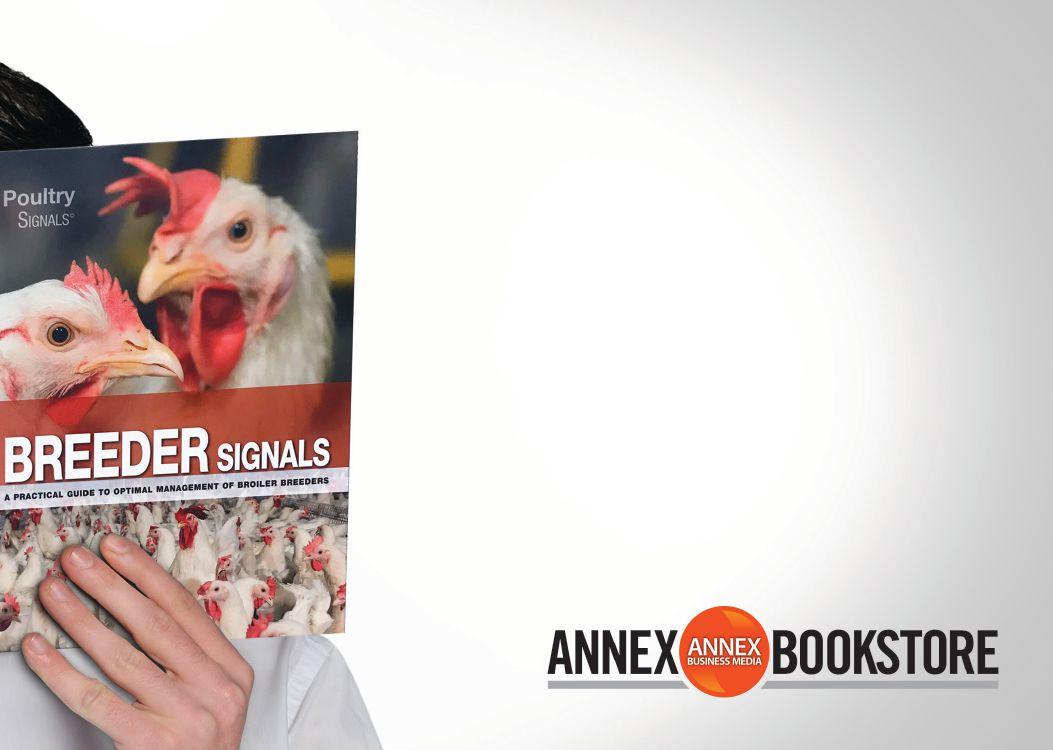
BREEDER
Breeder Signals contains practical information about broiler breeders to ensure a maximum production of first grade hatching eggs. With practical tools and modern insights to optimize egg production, fertility, sexual behaviour and hatchability, based on the look-think-act approach. It shows the best start of day-old chicks in a hygienic and healthy surrounding, rearing and the transition to productive broiler breeders. It also gives up to data information about egg handling and storage to maintain hatching egg quality. Both data and practical information provide opportunity for Breeder Signals is a necessity for all people working in the poultry meat chain as breeder farm managers and staff, advisors, veterinaries, students, etc.
$93.20 Item #9087403324
Technology
FLAWS – feed, lighting, air, water and sanitation – as a checklist to help narrow down the type and/or source of the problem.
“It helps to organize your thoughts and focus on potential problems and what might be normal or not,” he said. “Once you start to narrow it down, you need to focus on the potential areas of concern.”
Sample taking
In addition to knowing how to take and transmit photographs and videos that are clear and not blurry or washed out by flashes, Petrik said sample taking is crucial to the success of telehealth for poultry.
In regards to feed, for example, he recommends producers take a “glove full” of feed from hopper, not from pans or other areas where feed has already been picked over and may not represent what’s been delivered.
2021-03-15 9:53 AM
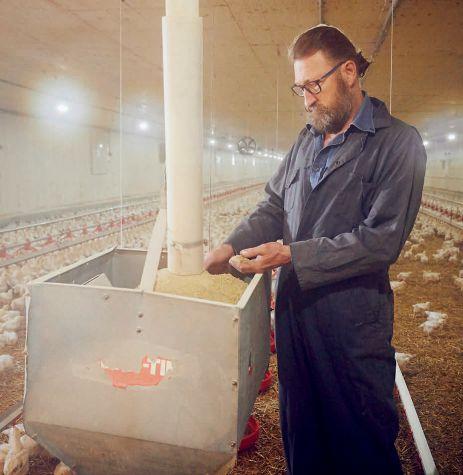
“Go to the hopper, grab a handful of feed and turn your glove inside out,” Petrik said in the presentation, which showed a producer doing the procedure. “That makes a good 100- to 150-gram sample than we can take into the lab.”
A free-flow water sample should also be taken from the line at the back of the barn, away from the supply, and be caught in a sterile or otherwise clean container.
Post mortems
In cases of suspected disease, Petrik says producers can also perform post mortems of dead birds – ideally in video contact with their vet. If not, they can take and send pictures at various stages of the procedure.
“It’s not difficult with practice,” said Petrik, who showed a series of videos and pictures of how he does port mortems, using the same procedure for poultry of all variety and age.
“(But) you need to do it in a standard, systematic way so that you’re always opening the bird in the same order and sequence or orientation so that normal things always look normal.”
Doing several birds is important, he added, “to give an idea of how uniform the problems are (and) to narrow down what’s actually going on with the flock.”
Clamping down on Campylobacter
Researchers filling knowledge gaps to develop effective risk reduction strategies.
By Jane Robinson
One of the most common foodborne illnesses in Canada is caused by the bacterium, Campylobacter jejuni and chickens are considered to be one reservoir of this pathogen. C. jejuni infections cause campylobacteriosis – a disease that often results in severe gastrointestinal discomfort and diarrhea in people. But there are knowledge gaps that are slowing the development of effective strategies to reduce the risk of C. jejuni.
Dr. Douglas Inglis and his colleagues have been studying C. jejuni for more than 20 years. They’ve discovered a lot about it and are working to fill in the gaps, including the identification of key reservoirs of C. jejuni andhow the pathogen is transmitted to people.
Inglis is an Agriculture and Agri-Food Canada researcher at the Lethbridge Research and Development Centre. He specializes in enteric microbiology and intestinal health andis leading a five-year study to uncover more about high risk strains of C. jejuni, with the goal of using this knowledge to develop effective mitigations for the Canadian poultry industry.
The research team has been taking a closer look at C. jejuni, making new insights and developing diagnostic tools to control the bacterium along the broiler value chain in Canada. “We’re looking to identify critical control points in the
broiler production continuum, especially of C. jejuni strains that pose the highest risk to people,” Inglis says.
They have isolated more than 100,000 isolates of C. jejuni from people, livestock, wildlife and water. Working with colleagues at the National Microbiology Laboratory, they have genetically fingerprinted more than 30,000 isolates.
Targeting high risk strains
Strains of C. jejuni are very genetically diverse and previous work that has been looking to reduce the impact of C. jejuni on people has been hampered by a lack of information about the bacterium at a sub-species level, according to Inglis.
“A significant finding of our research is that a relatively small subset of C. jejuni strains associated with chickens represent a food safety risk to people in Canada,”
Inglis says. “We have to be able to distinguish high risk strains from low risk strains to detect medically-relevant C. jejuni strains, especially those resistant to important antibiotics.”
To identify different strains, they examined the genomes of a large number of C. jejuni strains recovered from people and from non-human sources (e.g., chickens in barns and abattoirs) using a Genome Wide Association Study (GWAS) approach. This process allowed the team to identify and compare genetic markers present in high risk C. jejuni strains.
Markers were then used as the basis of a new diagnostic tool to identify high risk C. jejuni strains that’s expected to offer new ways to reduce the impact of the bacterium. The tool will ultimately allow the poultry sector to identify transmission routes and critical control points of highrisk strains of C. jejuni where mitigations can be used and evaluated.
Studying an agroecosystem
To gather key information and advance their research, the team used a model agroecosystem. It’s a study location in southwestern Alberta that allowed them to do a deeper dive into the troubling strains, where they are living and moving andhow to best deploy their new diagnostic tool to control C. jejuni.
“We used this location to understand more about how C. jejuni moves from livestock to people because the area naturally includes all the key elements that play a role in the movement of the bacterium,” Inglis explains. The agriculturally-important area contains high densities of chicken, cattle and hog operations. There are high rates of campylobacteriosis in people living in southwestern Alberta. And the region has one public diagnostic
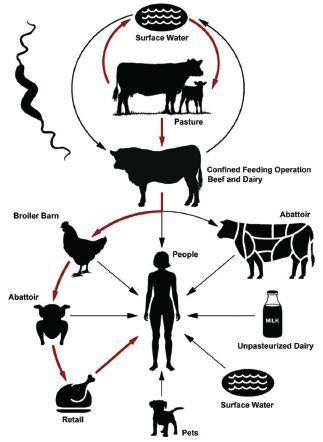
Studying Campylobacter jejuni within an agroecosystem in southwestern Alberta identified primary (red arrows) and secondary (black arrows) transmission routes that are likely similar in other parts of Canada.
PHOTO: DR. DOUGLAS INGLIS
FARMER RESOURCE PORTAL
Helpful information on antibiotic reduction and pathogen control on farm
Chicken Farmers of Canada has put together information and resources specifically for farmers. This resource portal includes everything from articles and videos to podcasts and case studies.
You can now access the Farmer Resource Portal right from the homepage of the chickenfarmers.ca website. You will find updated information on the AMU strategy, brooding, feed and water management, flock and environmental monitoring, necrotic enteritis and coccidiosis, and pathogen reduction.
chickenfarmers.ca/portal
facility that provides the researchers with all the isolates of C. jejuni infecting people. They conducted two large-scale studies within the agroecosystem to better understand the transmission dynamics of C. jejuni. The first study examined how C. jejuni strains were transmitted throughout the broiler production continuum and the second looked at transmission routes of the bacterium to people. One surprising outcome indicated that infections of people by C. jejuni living in southwestern Alberta were often linked to strains associated with cattle.
“The large-scale approach we used helped determine that cattle are the primary reservoir of high-risk strains of C. jejuni that infect broiler chickens,” Inglis says. “What was particularly surprising was that a single cattle-borne strain of C. jejuni was responsible for outbreaks of the
bacterium in individual broiler barns and that the diversity of C. jejuni strains originating from cattle increased within the poultry production continuum.”
Using a model agroecosystem proved to be an invaluable approach to address key knowledge gaps and the results from southwestern Alberta are applicable to other locations in Canada. “In this regard, the evidence we obtained implicated dairy and beef cattle as important reservoirs of high risk C. jejuni strains infecting poultry throughout Canada,” Inglis says.
Cattle-to-bird-to-people transmission
The exact mode of transmission of high risk C. jejuni strains from beef cattle to broilers is currently under investigation as part of this research. Preliminary findings indicate that wild birds and arthropods may be involved, but not air (e.g.,
windborne aerosols), water or rodents. “We expect this information will prove invaluable to disrupting the transmission pathway of C. jejuni from cattle to chickens and greatly reduce the introduction of the bacterium into abattoirs,” Inglis says.
With many important questions answered, the research team continues to strive to learn more about how C. jejuni moves and survives throughout the broiler production system. “In the final year of the project, we’ll use our diagnostic tool to determine how high risk C. jejuni strains are transferred into and survive within abattoirs and develop a risk assessment tool for the poultry sector,” Inglis says. They’ll be using the foundational information they have uncovered to develop and evaluate mitigation strategies, working closely with poultry sector stakeholders.
Barn Spotlight
LNM Farms Ltd.
Location
Tavistock, Ont.
Sector Broilers
The business
The Brennemans have been producing broilers since the early 2000s. That’s when they switched to chicken farming after their dairy farm was destroyed in a barn fire. They currently own three broiler barns near Tavistock, Ont., two under DonRon Farms Ltd. and a new one under MNP Farms Ltd.
The need
In recent years, the family’s two older barns hit capacity. Thus, the producers were at a crossroads. They could either sell some quota or expand. They chose the latter, building a chicken barn in 2020.
The barn
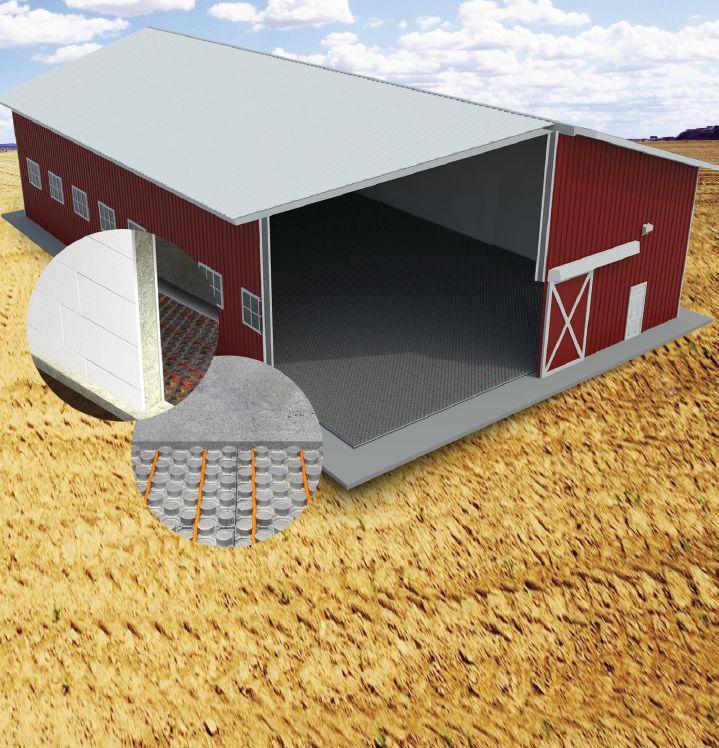
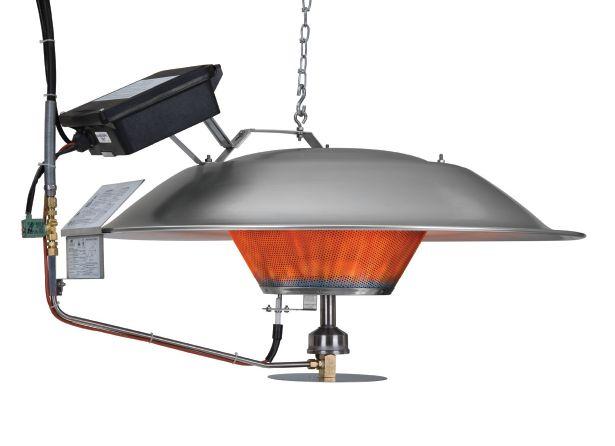
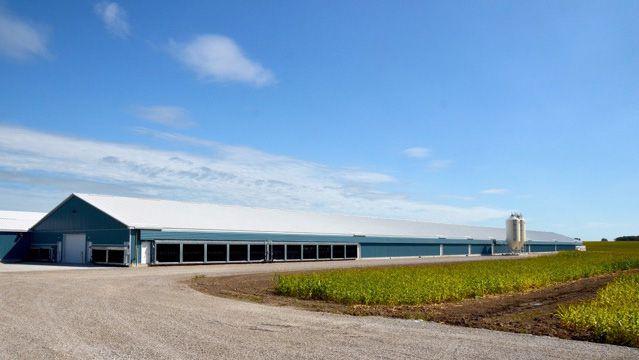
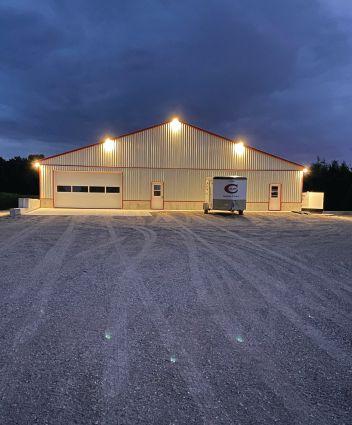
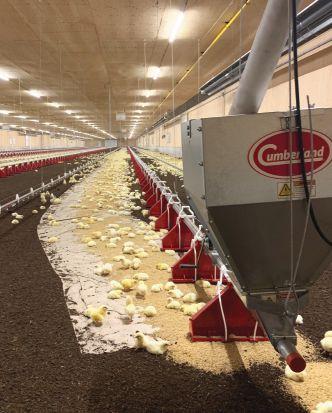
The Brennemans worked with Clark Ag Systems on the new barn, which is identical to the other two in that they’re all 500 by 64 square feet. All three also have dual baffle as well as fans and inlets on either side. What’s different, firstly, is that the producers added heaters on both sides. “We felt in the 64-foot-wide barns we were not getting as even a heat as we’d like to see down the length of the barn,” says Paul Brenneman, who farms with his wife Katherine, parents Ron and Donna and their long-time employee Brad Beattie. What’s also different is they added ceiling inlets to try to recoup some of the heat they were losing. Brenneman says he’s seeing more consistent tempeatures throughout the full grow area in the new barn. “We spend a lot of time talking about how to cool barns and maybe not enough time talking about how to keep them warm,” he observes.
The barn includes an iTouch smart controller for real-time remote management capabilities.
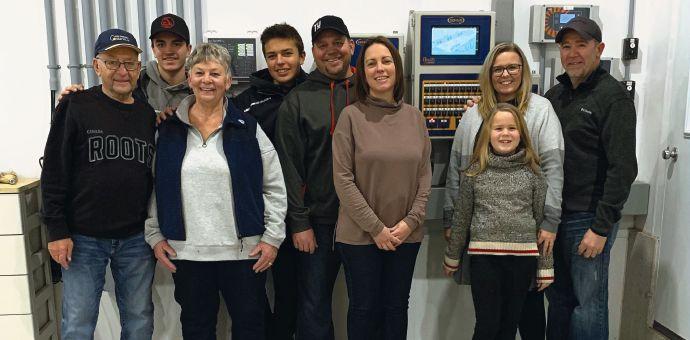
L to R: Ron, Nathan, Donna, Morgan, Paul and Katherine Brenneman with Brooklyn, Julie and Brad Beattie.
The Brennemans worked with Clark Ag Systems on the new barn, which is 500 by 64 square feet.
The producers report more consistent tempeatures throughout the full grow area in the new barn.
PHOTOS: LNM FARMS LTD.
YOU HAVE AN INSTINCT TO PROTECT. WE HAVE AN INSTINCT TO PROTECT FAST.
Introducing Poulvac® Procerta™ HVT-IBD. Timing is everything in a poultry operation, and Zoetis created its newest vector vaccine to put time back on your side. Backed by the latest science resulting in excellent overall protection, studies found that Poulvac Procerta HVT-IBD protected chickens fast against classic and important variant IBD strains.1-3 It’s a quick way to full protection from infectious bursal disease. Contact your Zoetis representative.
Brown A. et al., Early Onset and Duration of Immunity of a Recombinant HVT-IBD Vaccine Against Virulent, Variant, and Very Virulent Infectious Bursal Disease Challenges. American Association of Avian Pathologists, Virtual Conference, Jul 30-Aug 6, 2020
Brown A. et al., Efficacy of a recombinant HVT-IBD vaccine in layers following virulent, variant, and very virulent IBD challenge, International Poultry Scientific Forum, Atlanta, GA (virtual), Jan 25-26, 2021.