TECHNOLOGY: HatchCare in Canada: The update Synergy Agri Group Ltd. Celebrates its first anniversary with the HatchCare system By Treena Hein
15
RESEARCH: Selection and the reproductive axis Can on-farm management influence layer flock turnover for the better? By
Nerine T. Joseph
18
SUSTAINABILITY: Achieving sustainable food systems Donald Shaver shares his thoughts on feeding a hungry planet By
Peter Hunton
22
SUSTAINABILITY: Feel-good consumer choices made simple Chicken farmers are identifying the Canadian product consumers trust By Jessica Heyerhoff, Chicken Farmers of Canada 26
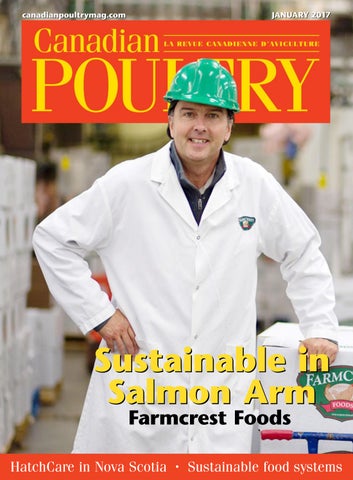
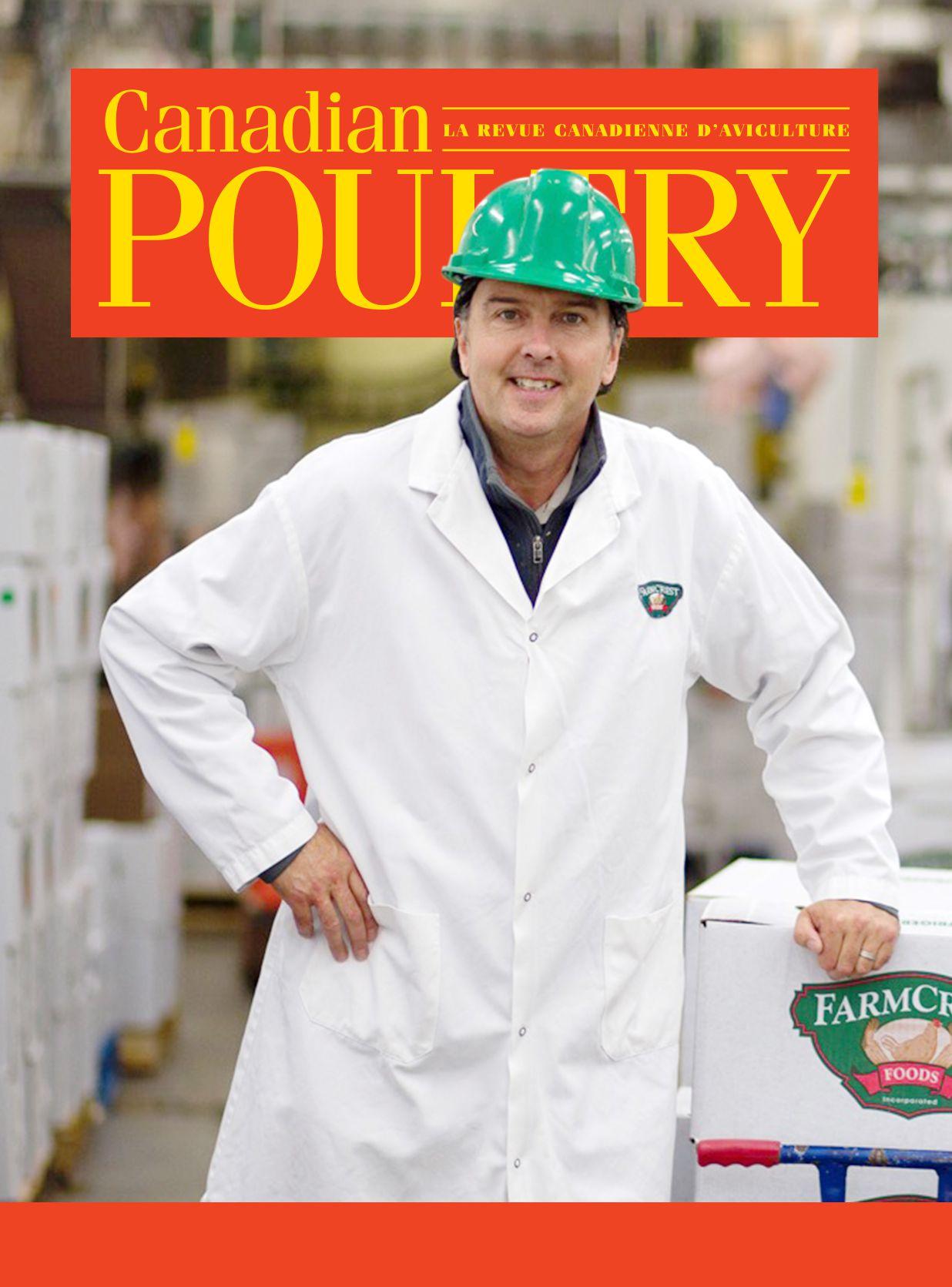
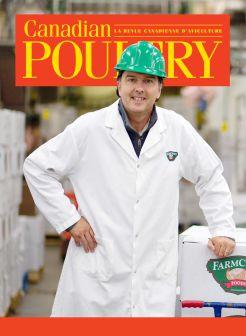
COVER STORY: Sustainability: Showcased in B.C.
Meet the 2016 Canadian Poultry Sustainability Award winner, Farmcrest Foods Ltd. By Treena Hein
photo: Alan Bird, courtesy of Farmcrest
FROM THE EDITOR
BY LIANNE APPLEBY
Farmcrest success
At a conference last month, I ran into a peer who I would dub an “agvocist” – someone very passionate about promoting agriculture to the point that it pours over into her personal Facebook posts. This woman is, for lack of a more appropriate word, effervescent.
But, when I asked her what she thought of two on-farm animal welfare breaches that made the mainstream news last fall, her shoulders sagged slightly and a small sigh escaped from her lips. I was taken aback.
“Sorry,” she said as she collected herself. “It’s just that there’s so much good being done out there that doesn’t make the news but agriculture is a slave to its exceptions.”
We carried on chatting for a little while and by the end of the conversation, she was back to her usual bubbly self, but that one brief moment of resignation startled me –perhaps because it was so out-of-character.
I think any farmer who strives to do what’s right grimaces when an undercover video surfaces. We cannot deny that Code of Practice violations will occur from time to time on Canadian farms – and yes, poultry operations too. What we can do, is acknowledge and correct those breaches. We can train personnel, instil respect for the animals in our care, reprimand and penalize as necessary and learn lessons from what happened.
But let us not forget that there’s another side to the coin. As well as recognizing when things have gone wrong, it’s equally important to acknowledge things done right, and applaud the many shining examples we own in this industry of sustainable farming. We congratulate not because they are exceptions, but because they are – happily – instances of the trending norm. As an industry, it’s essential to remind ourselves of that.
So, on that note, in this issue we are delighted to tip our cap to Farmcrest Foods
Ltd. (Farmcrest) of Salmon Arm, B.C., recipients of the 2016 Canadian Poultry Sustainability Award. As you read on, you’ll discover how Farmcrest is dedicated to continual learning and improvement, takes responsibility as stewards of a sensitive land area and works to ensure that employees are treated like family. The operation is a true model of sustainability in all of its forms.
Owners Richard Bell and Alan Bird will receive $2,000, and a farm gate sign as well as the award itself. We congratulate them on their achievement.
In closing, I would also like to take the time to first acknowledge all of the applicants for the award. Your dedication and commitment to your own longevity and that of the industry is commendable.
I would be remiss as well, if I didn’t acknowledge our Canadian Poultry Sustainability Award judges this year – former Canadian Poultry editor, Kristy Nudds; Valerie Carney, poultry research scientist and technology transfer coordinator with Alberta Agriculture and Forestry; and Al Dam, provincial poultry specialist with the Ontario Ministry of Agriculture, Food and Rural Affairs. The quality of the applicants was exceptional and selecting our winner was no enviable task. Your thorough review process and willingness to give time to the selection of our winner is appreciated.
Recognition, also, to would-be sponsors of the cancelled Canadian Poultry Sustainability Symposium: Big Dutchman, Clark Ag Systems Ltd., Chicken Farmers of Canada, CobbVantress, Egg Farmers of Canada, Farm Credit Canada and Walbern Agri Ltd. Thank you for your support. n
Subscription Rates Canada - 1 Year $ 30.95 (plus applicable taxes) U.S.A. - 1 Year $ 66.95 USD Foreign - 1 Year $ 70.95 USD
GST - #867172652RT0001
Occasionally, Canadian Poultry Magazine will mail information on behalf of industry-related groups whose products and services we believe may be of interest to you. If you prefer not to receive this information, please contact our circulation department in any of the four ways listed above.
With nearly 70 years of experience and more than 3 billion birds around the world drinking from a Lubing system on a daily basis, Lubing has established a rock solid position as a global leader developing innovative products for poultry production.
Our Tradition of Innovation keeps us at the forefront of the industry by continually offering cutting-edge technology that helps producers gain every possible advantage in production to maximize profits.
Got Lubing? You can’t afford not to. Contact us to find out how we can help improve your bottom line.
Glass-Pac Canada
St. Jacobs, Ontario
Tel: (519) 664.3811
Fax: (519) 664.3003
Carstairs, Alberta
Tel: (403) 337-3767
Fax: (403) 337-3590
Les Equipments Avipor
Cowansville, Quebec
Tel: (450) 263.6222
Fax: (450) 263.9021
(423) 709-1000
Specht-Canada Inc.
Stony Plain, Alberta
Tel: (780) 963.4795
Fax: (780) 963.5034
WHAT’S HATCHING HATCHING
Ipsos division acquired by Kynetec
KGreg Deters, former president of Ipsos Agriculture and Animal Health is now executive director of North American custom research at Kynetec.
now have operations in Canada, increasing its global presence to 21 countries.
ynetec recently announced it has completed the acquisition of the agriculture and animal health business, Ipsos North America. Ipsos Agriculture and Animal Health in North America comprises two locations: St. Louis, Mo. in the U.S. and Guelph, Ont. in Canada.
In a news release, Kynetec says that the acquisition brings additional market research expertise to Kynetec’s team, adding 25 experienced professionals to its stable of 250 market researchers. By integrating the staff and methodologies from Ipsos Agriculture and Animal Health, along with a considerable investment in innovation, Kynetec expects substantial strengthening of its North American business.
In addition, Kynetec will
“The acquisition will allow Kynetec to transform the agricultural and animal health market research landscape,” Stephen Hearn, Kynetec CEO says. “Additionally, we are ensuring that Kynetec is able to reshape and grow in an industry rapidly changing as a result of client mergers and acquisitions as well as a technology revolution.”
Greg Deters, who served as president of Ipsos Agriculture and Animal Health in North America, will now take on the role of executive director of North American custom research at Kynetec. He says that joining Ipsos with Kynetec will ultimately benefit clients.
“By bringing the custom studies experience from Ipsos, where we typically conduct more than 300
studies a year, we are bridging the gap with syndicated research and enhancing clients’ return on investment,” he notes.
According to Kynetec, Deters has particular expertise in buyer purchase behaviour, advertising and segmentation projects. He is an experienced facilitator, having moderated over 1,000 agricultural focus groups and has a clear understanding of key drivers in agricultural advancement. He will remain based in St. Louis, Mo.
The addition of Deters to Kynetec’s senior leadership team will enable new products and services to be brought to market more quickly and clients to be supported more completely.
The acquisition was effective from Oct. 31, 2016.
Ipsos Animal Health and Agriculture’s business outside of North America will remain with the Ipsos Group.
Global Egg to purchase Cargill Etobicoke egg facility
ONTARIO
Global Egg Corporation has announced that they have entered into an agreement to purchase the Cargill Etobicoke egg processing facility from U.S.-based Cargill, Incorporated. This is Global Egg’s second plant expansion in as many years.
“Integrating this new facility and the expertise of
our new employees into our existing business model will allow us to continue to meet our customers’ demands for the highest quality and most innovative value-added egg products,” says Aaron Kwinter, president of Global Egg Corporation/EggSolutions.
New technologies for feed production
SASKATCHEWAN
Anumber of nutritional strategies were discussed at the Western Nutrition Pre-Conference Symposium, hosted by AB Vista in collaboration with Robinson Bioproducts Incorporated.
Poultry scholarship seeks endowment
CANADA
Anew Canadian veterinary student scholarship is being set up through the American Association of Avian Pathologists (AAAP). Named after renowned poultry pathologists Richard Julian (Ontario Veterinary College) and Craig Riddell (Western College of Veterinary
Held in September in Saskatoon, Sask., the event formed part of the 37th Western Nutrition Conference, organized by the Animal Nutrition Association of Canada.
Themed “Leveraging tools and ingredients for animal performance and
Medicine), the annual Riddell - Julian Canadian Poultry Scholarship is intended to encourage veterinary students to pursue a career in poultry medicine.
Applications will be accepted from any undergraduate student currently enrolled in one of the five Canadian Veterinary Colleges who has clearly demonstrated an interest in poultry medicine. Applicants may be eligible for a one-time scholarship payment between $1,000 and $1,500 USD.
At this time, the AAAP Foundation is seeking funds to set up the scholarship.
Cargill has owned the Etobicoke facility since 2006. While the terms of the sale are not being disclosed, it has been confirmed that the majority of the facility’s employees will retain employment with Global Egg Corporation.
environmental benefit,’ the event included discussions on how enzymes could be used to better understand and optimize nutrition.
A video (leveraging tools and ingredients for animal performance and environmental benefit - Western Nutrition PreConference Symposium 2016) can be viewed on the AB Vista website at abvista.com.
To be self-sustaining requires an endowment of $40,000 USD (roughly $55,000 CDN). Industry members from all areas are asked for their financial support.
To donate to the scholarship fund, visit aaap. info, and click on AAAP Foundation on the left hand menu. Select “CLICK HERE to make a donation to support the AAAP Foundation.” Scroll down and click “Continue Without Login.” On the next page, under “Available Fund Choices,” select the RiddellJulian Canadian Poultry Scholarship and proceed with your donation.
COMING EVENTS
JANUARY 2017
Jan. 26 - 28, 2017
Pacific Agriculture Show, Tradex Exhibition Centre, Abbotsford, B.C. For more information, visit: agricultureshow.net
Jan. 30 - 31, 2017
International Poultry Scientific Forum, Georgia World Congress Center, Atlanta, Ga. For more information, visit: ippexpo.com
Jan. 31 - Feb. 2, 2017
International Production and Processing Expo, Georgia World Congress Center, Atlanta, Ga. For more information, visit: ippexpo.com
FEBRUARY 2017
Feb. 5 - 8
National Turkey Federation Annual Convention, Disney World’s Grand Floridian Resort and Spa, Orlando, Fla. For more information, visit eatturkey.com
Feb. 14 - 16, 2017
Atlantic Poultry Conference, Old Orchard Inn, Wolfville, N.S. For more information, visit: atlanticpoultry conference.com
We welcome additions to our Coming Events section. To ensure publication at least one month prior to the event, please send your event information eight to 12 weeks in advance to: Canadian Poultry, Annex Business Media, P.O. Box 530, 105 Donly Dr. S., Simcoe, ON N3Y 4N5; email lappleby@ annexweb.com; or fax 519429-3094. Please write ‘Event Submission’ in the subject line.
HATCHING HATCHING
New chair for Chicken Farmers of Canada
On Nov. 24, 2016 the board of directors of Chicken Farmers of Canada (CFC) elected Benoît Fontaine as its new chair.
Hailing from Stanbridge Station, Que,. Fontaine most recently served as the 1st vicechair of the CFC executive committee. He first joined the board of directors in 2013 as an alternate and became the Quebec director in 2014. He farms in the Lac Champlain area and raises chickens and turkeys. A former high school Canadian history teacher, and second generation chicken farmer, Fontaine has also been heavily involved in the Union des producteurs agricoles since 1999. Fontaine has also served on CFC’s policy committee and the production committee.
The change in leadership at CFC follows the resignation of Dave Janzen, who has stepped down as chair due to personal reasons. Janzen represented British Columbia on the CFC board of directors as an alternate in 2006 and served as the B.C. director since 2008. He joined the executive committee in 2010 and became chair in 2012.
In a news release, the CFC board of directors thanked Janzen for his many years of dedication, leadership and service and wished him well in all of his future endeavours.
At the same time, the CFC board also welcomed Derek Janzen to its executive committee, as 1st vice chair.
CFC says it looks forward to continuing its work, under this new leadership, to ensure that Canada’s chicken industry continues to deliver on consumer expectations for excellence. With an eye to the future, Chicken Farmers of Canada will work with all its partners, ensuring clear, common goals for the future, and setting a solid path and purpose for all stakeholders, and for generations of chicken farmers to come.
Poultry Industry Council: CELEBRATING 20 YEARS OF SERVICE TO THE INDUSTRY
With the arrival of 2017, the Poultry Industry Council (PIC) celebrates our 20th anniversary. As would be expected a great deal has changed over the past two decades, however the principle at the core of the 1997 merger of the Ontario Poultry Council and the Poultry Industry Centre that formed PIC remains in effect today.
While some specific areas of focus have changed, twenty years later the fundamental driver of PIC is still to enable and encourage collaboration and consultation within the entire poultry industry, bringing together the various sectors to share ideas to advance the industry and move it forward.
Keith Robbins, PIC executive director.
In 1997 research coordination was a main focus of PIC, whereas today the mission of the organization is to efficiently deliver poultry extension services, event coordination and project and program management while still supporting research capacity for the betterment of the industry. We are proud to serve our 115 members as well as the entire industry with a small staff of three, and currently offer more events, programs and discussion forums than ever before. We continually strive to ensure our offerings are relevant and highly responsive to the true needs of the industry.
While a great deal has been accomplished in 20 years, such success would not have been possible without the significant contributions of a diverse field of key industry stakeholders. On behalf of PIC’s current and past staff and directors, I would like to thank our members and industry stakeholders for enabling us to succeed.
I look forward to seeing you at our various events and programs next year, especially the London Poultry Show on April 5-6, 2017, which will mark the 60th anniversary of Canada’s largest poultry tradeshow.
PIC is pleased to work with Canadian Poultry magazine in featuring some key PIC players and their thoughts on the industry – past and present - for each issue in 2017. Look for them in this space.
Benoît Fontaine from Stanbridge Station, Que., is the latest chair of Chicken Farmers of Canada
Technology HatchCare in Canada: The update
Synergy Agri Group Ltd. celebrates its first anniversary with the HatchCare system
BY TREENA HEIN
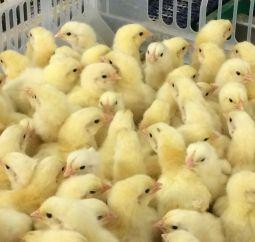
It’s been a year since Synergy Agri Group Ltd. (Synergy) in Port Williams, N.S. installed HatchCare – the first in Canada and the fourth company in the world to do so. And now, the company is currently producing 200,000 HatchCare broiler chicks a week.
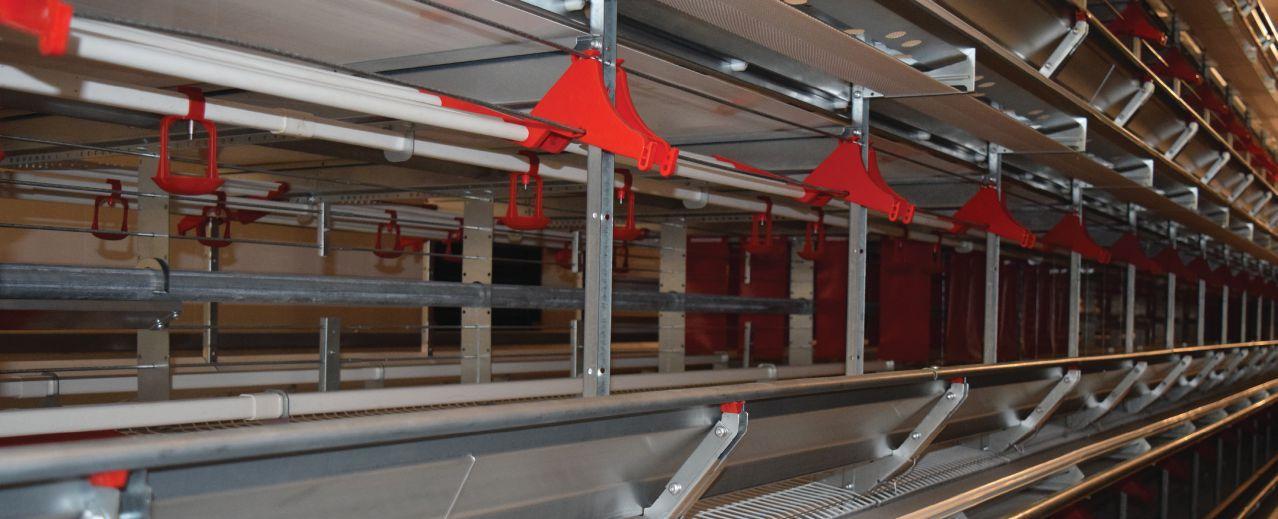
HatchTech of the Netherlands developed its ‘HatchCare’ incubation and chick care system to better benefit chicks, the environment and poultry farmers. The company conducted years of testing on HatchCare before rolling it out to market in 2014. The total number of chicks now being reared under the system per year is over 680 million, in Australia, China, Europe, South America, the U.S. and Canada.
With HatchCare, the fertility of eggs is first checked using new lighting methods so that only 100 per cent viable embryos are incubated. Chicks are vaccinated while still in the egg.
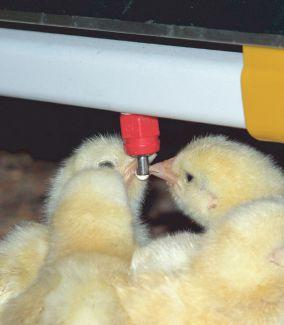
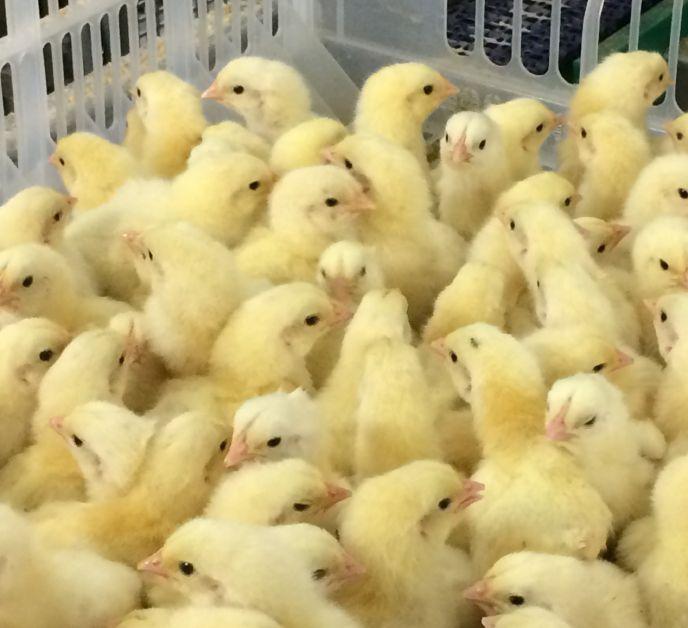
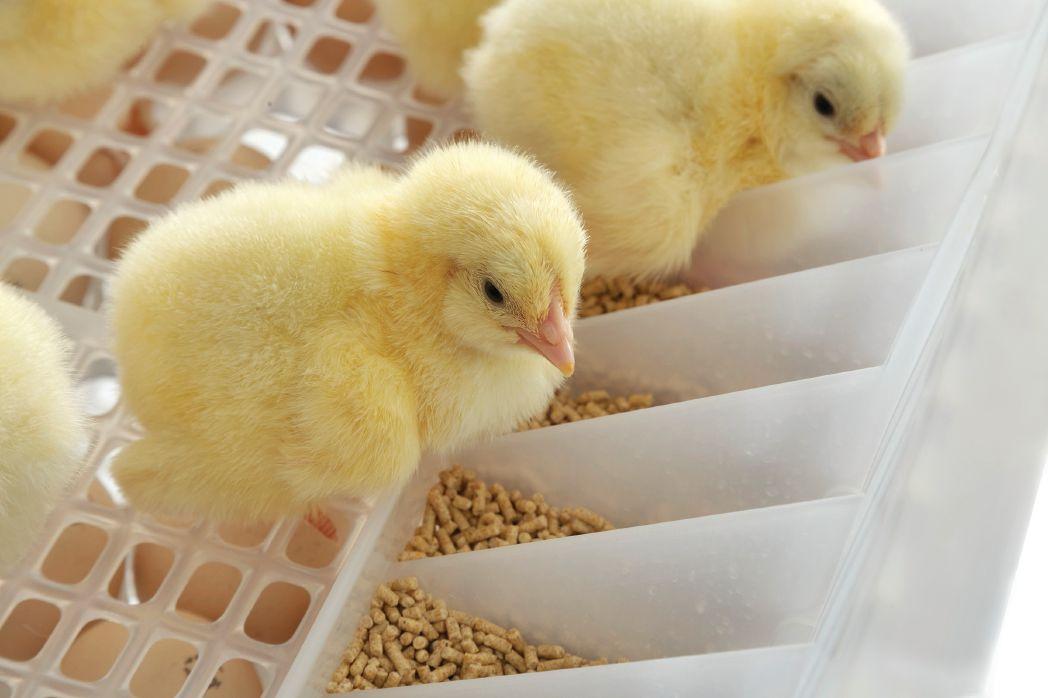
In a standard hatchery, chicks are shipped after emergence and receive their first food and water after they settle in on the farm a day later. In the HatchCare system, chicks are immediately able to drink and feed, which – several research studies have shown – results in higher body weight and breast meat yield. HatchTech also cites research findings showing HatchCare chicks to be 1 cm longer at hatch due to their incubation conditions.
HatchCare involves a unique and
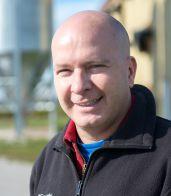
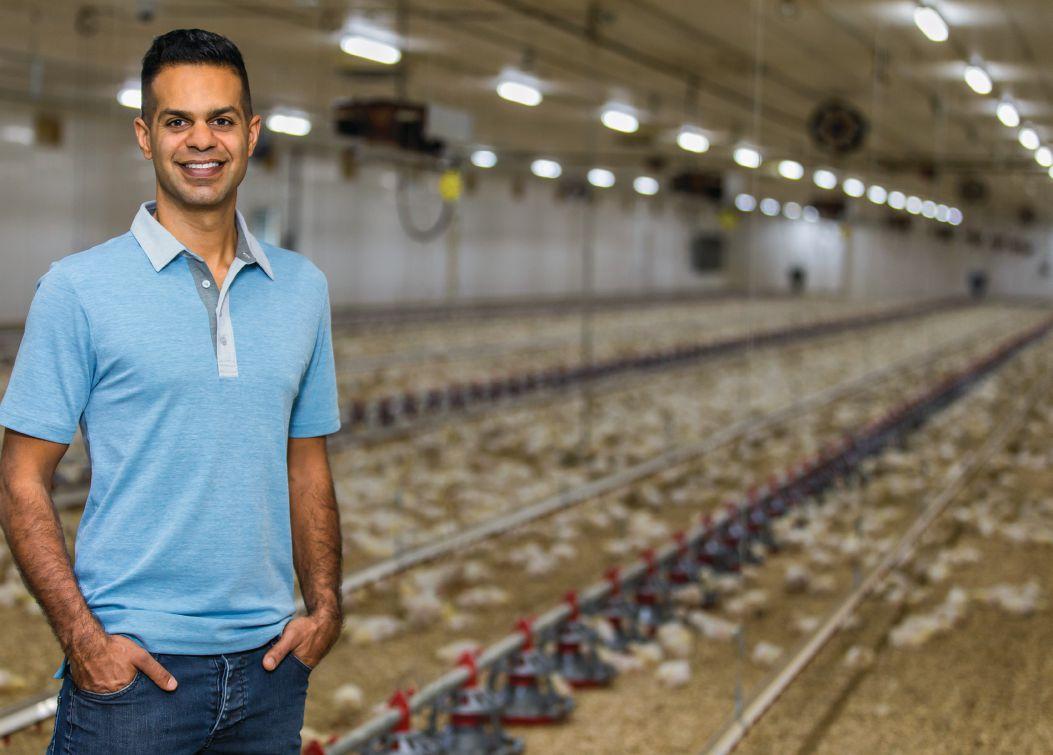
Doug Kaizer of Synergy Agri Group Ltd. says the HatchCare system has benefits for new barn managers because the chicks are less demanding of their carers.
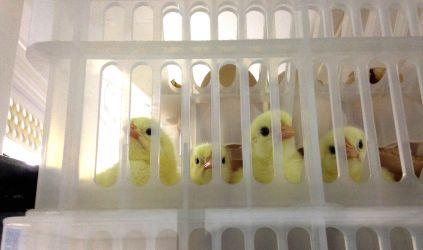
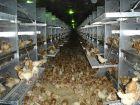
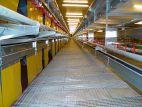
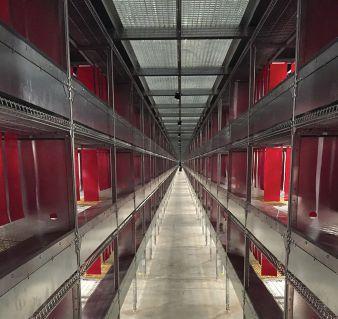
advanced handling system called HatchTraveller, where the chicks stay in small individual crates from hatching until delivery to the farm. The crates are then cleaned and disinfected for re-use. HatchTech representatives say this provides every chick with ongoing uniform conditions in terms of temperature, airflow and relative humidity. The highly
energy-efficient HatchCare system also includes several features that enhance biosecurity, such as sealed incubators with filtered entry and exit air.
SYNERGY’S EXPERIENCE
Doug Kaizer, Synergy’s chief financial officer, is very positive about their
HEAD START
decision to go with HatchCare. “We were expecting improvements in chick health, mortality, weight gains and feed conversion, but we did not expect the large improvement in early farm brooding,” he notes. “The chicks arrive ready to grow. We use lower initial temperatures, put less feed out on paper and generally treat the chicks as if they are a couple of days older than their age. This has shown to be a tremendous help in the older barns, where it was harder to get the proper conditions for the dayold chicks.”
Kaizer says the system has also helped the company’s less-experienced barn managers. “The chicks aren’t as demanding, arrive with no hatchery infections and already have a built-in pattern for eating, drinking and resting,” he explains. “It has really levelled the playing field among different-aged facilities and experience levels of the
Technology
farm operator.”
With HatchCare, Synergy has also been able to significantly lower antibiotic use. Before the installation, an average of over 20 per cent of flocks had to be treated due to issues from the breeder flock/hatchery. With HatchCare, to date that’s less than five per cent, and in most cases, Kaizer says, the reason for the treatment has been identified and the issue removed at the hatchery level. He adds that their HatchCare hatchery will be the key component in their move to RWA (raised without antibiotics) broiler production.
BIOSECURITY
In terms of biosecurity, Kaizer describes the system as “very” biosecure, partially because the entire setup - from egg delivery to chick delivery - takes place in areas isolated from each other, and because
every process has built-in biosecurity aspects. “One of the best features is the ability to clean and disinfect after each batch of eggs and chicks are processed,” he says.
With respect to fluff filtering, Kaizer notes that within the HatchCare setup, their processing room (take-off room) is extremely clean and by using a special storage area, they have reduced the size of the hatchery. Kaizer says they are adding to HatchTraveller by designing their own transport trailer, which will enable chicks to have feed throughout delivery, regardless of time or distance to the farm. “All chicks stay in the same box where they are hatched and do not undergo any of the stresses in traditional hatcheries related to handling by humans or machines,” he says. “The goal is to have an almost seamless transition for the chick from hatch to barn under perfect conditions.”
On the energy efficiency front, Kaizer says it’s hard to make comparisons with their previous setup, as HatchCare systems are very automated and also require a lot of fresh air to maintain the perfect environment for the hatchlings. He believes they are just beginning to understand all the benefits of the system.
CONTINUOUS IMPROVEMENT
OLD ORCHARD INN & SPA
Greenwich, Nova Scotia in the heart of Annapolis Valley
February 14 - 16, 2017
Come enjoy the Atlantic Poultry Conference and the tranquil atmosphere of the beautiful Annapolis Valley, Nova Scotia
CONTACT
Bruce Rathgeber
Email: brathgeber@dal.ca
Telephone: 902-893-6654
Fax: 902-895-6734
“Every aspect of the hatchery will see continued improvements over the next few months and years,” he notes. “We are working on specific incubation parameters for young and old breeder flocks as well as specific setups to enhance the hatchability and health of eggs kept over longer periods of time. Our hatching egg farms saw an immediate gain of four per cent hatchability, but we know that this can be improved by another two to three per cent with flock-specific incubation.”
“We are continuing to experiment and adjust growing procedures in the barn as well the feed inputs for the broiler rations,” Kaizer adds. “Basically, we are examining every single aspect from the hatching egg farm to live transport to the processing plant to see how things
CPRC Update Research strategy review and potential new research cluster
RESEARCH STRATEGY REVIEW
The Canadian Poultry Research Council (CPRC) facilitated development of the National Research Strategy for Canada’s Poultry Sector (the Strategy) which was released in 2012 (view it at cp-rc.ca/ research/). The Strategy identified nine priority research categories including (not in order of importance):
1. Economic viability
2. Genetics
3. Food safety
4. Animal health products
5. Poultry health
6. Poultry welfare
7. Environment
8. Functional and innovative products
9. Poultry feedstuffs
Industry’s goal was identified for each category and, rather than identifying specific projects, research target outcomes were listed. For example, industry’s goal for the animal health category is to “continue to promote the prudent use of antimicrobials and reduce their use where possible and increase the use of alternatives to antibiotics.” One of the research target outcomes is “alternatives to currently-used antimicrobials.” This approach to identifying and stating research priorities leaves it to researchers to propose projects that will address the results industry would like to achieve from its investment in research activities.
CPRC uses the Strategy as a guide in its annual calls for Letters of Intent and as a basis for development of the poultry science cluster, a five-year research program co-funded by industry and government. Agriculture and Agri-Food Canada (AAFC) contributed $4 million to the $5.6-million poultry cluster under the AgriInnovation
Program, part of Growing Forward 2, with the balance of funds from industry and provincial government funding. That program runs from April 1, 2013 to March 31, 2018.
CPRC’s board of directors has decided to review the Strategy to identify changes in existing priorities and new issues that have arisen in the past four years that should be included in an updated Strategy. The review will include a broad consultation with poultry research stakeholders including producer groups, researchers, government, input suppliers and processors. Many of these stakeholders are represented by CPRC’s member organizations.
The review is not designed to generate a research strategy from scratch but to build on the two-year process that led to the 2012 document. The priorities identified in that process remain valid but issues may have evolved over the past four years and new research opportunities (such as precision agriculture or climate change impacts) may have appeared. The Strategy review is targeted for completion so that the CPRC board can act upon a final draft at its March 2017 meeting.
POTENTIAL NEW RESEARCH CLUSTER
The science cluster program is part of the five-year federal-provincial agreements that include risk management, market development and research funding programs. The science clusters were introduced in Growing Forward and continued in Growing Forward 2. Inclusion of a third science cluster program in the next federalprovincial agreement is not certain; however, AAFC has received good reviews from
industry and government.
CPRC is hopeful that the science cluster program is included in the next agreement. The cluster program fits well with CPRC’s system. It is a five-year funding commitment and allows CPRC to cooperate with other organizations to combine funding and design a more extensive research program than is the case with CPRC’s annual funding, which is usually for two or three years. This approach allows CPRC to target longer-term objectives, such as vaccine development, in the cluster but still respond to more immediate issues, or those closer to the end user, with the annual funding calls.
Updates to the research strategy will provide information that will help CPRC and its industry partners develop a strong cluster proposal that will include research based on industry-identified priorities.
CPRC, its board of directors and member organizations are committed to supporting and enhancing Canada’s poultry sector through research and related activities. For more details on these or any other CPRC activities, please contact the Canadian Poultry Research Council, 350 Sparks Street, Suite 1007, Ottawa, ON K1R 7S8. Phone: 613-5665916, fax: 613-241-5999, email: info@cp-rc. ca, or visit us at cp-rc.ca.
The membership of the CPRC consists of Chicken Farmers of Canada, Canadian Hatching Egg Producers, Turkey Farmers of Canada, Egg Farmers of Canada and the Canadian Poultry and Egg Processors’ Council. CPRC’s mission is to address its members’ needs through dynamic leadership in the creation and implementation of programs for poultry research in Canada, which may also include societal concerns. n
Research Selection and the reproductive axis
Can on-farm management influence layer flock turnover for the better?
BY NERINE T. JOSEPH
The Poultry Industry Council (PIC) funded several research projects in 2016. The following project addresses the layer sector of the poultry industry directly.
Grégoy Bédécarrats and his research team from the University of Guelph will be performing research which investigates the control of reproduction in poultry, within the context of a continuously evolving genetic makeup.
Specifically, the study will seek to reveal whether intensive genetic selection of commercial layer chickens has impacted control of the reproductive or HPG axis. HPG axis refers to the hypothalamus, pituitary gland, and gonadal glands as a single system because these glands often act in concert.
In an interview, Bédécarrats described recent research in which he observed that modern strains of layers no longer fully fit the accepted neuroendocrine models. He hypothesized, “While doubling egg numbers laid per hen, the past 50 years of genetic selection may have altered the normal physiological controls.”
KEY QUESTIONS
Bédécarrats highlighted the key ques-
Grégoy Bédécarrats and his team are working to find out whether intensive genetic selection of commercial layer chickens has impacted control of the reproductive or hypothalamic–pituitary–gonadal (HPG) axis.
tions being formulated through recent analysis of commercial layers, “Why do they tend to mature without stimulation? Why do they display extended laying persistency? Is there desynchronization of the ovulatory process?”
PURPOSE OF THE STRAIN
The proposed research aims to answer these questions by comparing a strain not selected for egg production versus
a modern commercial strain selected for egg production. The approach is to compare production parameters and relate these to molecular events. Differences in the function of the HPG axis between the two strains will be identified. Bédécarrats explains “Identifying differences between strains will give insight into the understanding of the actual mechanisms responsible for maturation, ovulation and persistency of lay. This will show how genetic
Even the best watering systems won’t give you the best results if they are not managed properly. And there is, frankly, a lot of misinformation in the industry that leads to improper system management.
Because of this, you’ll find us talking about best management practices more than about our products.
That’s why we started Poultry Watering U at poultrywatering.com. This is where we help you get the best information and best practices that enable producers to maximize flock performance.
Go to Poultrywatering.com. You won’t find a formula or a magic number. Just information and videos to help you get your best results.
www.PoultryWatering.com
• How-to videos
• Poultry Watering U news
• Management downloads
Research
According to Grégoy Bédécarrats, modern strains of layers no longer fully fit the accepted neuroendocrine models
selection may have impacted the reproductive axis.”
STUDY OBJECTIVES
The initial objective of the study will be to determine the relative importance of photostimulation versus metabolic status to initiate sexual maturation in commercial layers. The study will then go on to investigate if a previously observed second estradiol peak is specific to modern commercial strains and correlated with laying persistency. The study will conclude by determining if the second estradiol peak is the result of activation of the entire reproductive axis as opposed to independently ovarian activation.
OUTCOMES
“Outcomes of this research will assist in adjusting and/or refining onfarm management procedures and could help update codes of practice as it relates to layer flock turnover,” Bédécarrats said. n
This research is funded by the Natural Sciences and Engineering Research Council of Canada’s Discovery Program and the Ontario Ministry of Agriculture, Food and Rural Affairs - University of Guelph Research Program.
Sustainability Achieving sustainable food systems
Donald
Shaver shares his thoughts on feeding a hungry planet and the immediate concerns for food producers
BY PETER HUNTON
Donald Shaver has been retired from poultry breeding since 1986, but this hasn’t diminished his passion for feeding a hungry world and promoting his vision for accomplishing it.
Shaver recently gave a keynote presentation to the 11th International Symposium on Avian Endocrinology, held in Niagara-on-the-Lake, Ont.
Entitled “Mandating a sustainable economy before it’s too late”, the presentation dealt with a number of current issues critical to, in Shaver’s view, the future of humanity, as we know it.
For sustainable development, he used the United Nations 1987 definition that it “is attained when current generations could meet their needs without undermining or destroying future generations’ chances of having their needs met”.
Of course, much has changed since 1987, especially recognition of the twin challenges of climate change and the associated problem of finite water resources.
“There isn’t an alternative presently known to man that will safeguard the well-being of our grandchildren, short of immediate, co-ordinated reductions in CO 2 emissions to levels that will assure human survival,” Shaver said, with regard to global warming and CO2 emissions.
According to Donald Shaver, governments need to restore the priority of food production and agriculture in the scientific world.
“The economics of the so-called market place alone, will not be able to accomplish this, for it is a truly Churchillian undertaking.” The consequences of existing climate change in terms of loss of ice cover and rising sea levels, increasingly volatile weather phenomena, etc. are well known.
Many of these factors are already influencing the world’s food supply. But it is not just climate change that is affecting food security. Shaver quoted Mahatma Gandhi (who died in 1948) as saying that
“the earth provides enough for everyone’s needs, but not for everyone’s greed”. The West’s model for food production, Shaver stated, will fail to feed the world if adapted globally, because it destroys resources and many of the traditional farmers whose knowledge is so essential to future food security.
One of the main thrusts of the presentation was the need for governments to restore the priority of food production and agriculture in the scientific world.
MUSINGS FOR MODERN SUSTAINABILITY
Photo courtesy of the International Symposium on Avian Endocrinology.
Meller Aviaries for Layers and Pullets
Meller offers a wide variety of Poultry equipment to meet today’s standards and needs. The Meller Aviary meets all EU standards as well as providing an exceptional living space where the welfare and production of the flock are able to flourish.
Starting from day old chicks to 19 week layers Meller has it all.
Call for more information or check out www.meller.ca • Email: meller@optionsdsl.ca
Official Dealer for all Jansen Poultry Equipment products in Ontario and Manitoba
Sustainability
Apart from those involved in space or defense programs, scientists’ funding is unreliable and short term. The need for worldwide food security is paramount. And the industrial systems now operating in the West are not only largely unsustainable in their present form, they are unsuited for exporting to Africa and other less-developed food systems. This is particularly so for animal systems which, except for ruminants, compete with the human population for food resources.
EFFECTS OF CLIMATE CHANGE
Climate change is already reducing crop yields. Research has shown that, while corn yields in France rose by 60 per cent between 1960 and 2000 (the green revolution), they were flat for the next decade. They are predicted to fall by 12 per cent over the next twenty years. Wheat and soya yields showed a similar pattern and are expected to fall by up to 20 per cent. In the U.S. Midwest, higher temperatures are expected to lower crop yields by up to 63 per cent by the end of this century. Similar reductions may be expected in the Canadian prairies, and, as the world’s sixth largest agricultural economy, this can be predicted to significantly affect the world’s food supply.
The inequity in food distribution is well known. Obesity is
rampant in the West, and yet many economies are characterized by widespread malnutrition. Shaver stated, “Nor do the industrialized countries recognize that, for their own future security, they must commit to helping find an enduring solution to the chronic food shortages present in too many disadvantaged areas. Some of us are beginning to think that terrorism is not entirely based on religious differences.”
Shaver also made reference to the inequalities in income and spending power between the “one per cent” and the rest of society. In the past half-century, taxation has favoured the rich in many countries, particularly the U.S.
FINDING WORKABLE SOLUTIONS
“If we are to build a more sustainable economic system, we must legislate a less reckless financial sector,” he said. “Neoliberal capitalism may create wealth, but no attempt is made to distribute this wealth with any degree of fairness, much less honesty. We have apparently accepted a “CEO mythology” replete with excessive salary, bonuses. Even in Great Britain, CEO’s from the top 100 companies enjoyed a 10 per cent salary increase in 2015 and are now paid 129 times more than their employees. Research has shown that since 2008, 91 per cent of all financial gains in the U.S. went to the “one per cent”, and they are basically not spending the money, while many of the other 99 per cent spend all their money just to get by. This weakens demand and suppresses growth.”
While admitting that Canada, on its own, can do little to alter the world’s CO2 levels, we have nothing to lose by establishing a sustainable food system. Shaver proposed the establishment of a “senior cabinet post, second only to the prime minister, responsible for sustainable economic development and the sciences. Shaver envisions that this person would firmly direct our national scientific activity with respect to sustainability, eliminating duplication and managing the function of bureaucracy in areas where it lacks expertise. Furthermore, he would require the creation of a sustainability commission, chaired by the chief scientist; a non-partisan group, with long-term goals. It would not only create plans for Canadian sustainability, but also liaise with similar bodies in other countries.
Shaver sees this commission initially providing the prime minister with three 10-year plans, reviewed and if necessary updated as circumstances change. The rewards envisaged would accrue to the scientists involved with the various projects and would be a serious incentive for long-term scientific endeavour. In many cases, the challenges we face can be solved with existing knowledge. What is needed is the will to recognize and prioritize the need for action in the field of sustainability.
In conclusion, Shaver said that “the future human reality will be centred less on technology and industrial might than on food and water security for all mankind. An Eastern philosopher observed that knowing the facts is easy; knowing how to act based on the facts is difficult!” n
Sustainability Feel-good consumer choices made simple
Chicken farmers are identifying the Canadian product consumers trust
BY JESSICA HEYERHOFF, CHICKEN FARMERS OF CANADA
Consumers want to know where their food comes from and the vast majority of Canadians believe that it is important that domestic chicken be labelled as such.
SOLID VALUES
Based on that feedback, Chicken Farmers of Canada (CFC) has made it easier for consumers to choose Canadian chicken with its new “Raised by a Canadian Farmer” logo, which will be applied to chicken products at the grocery store level.
By buying chicken with this brand, not only are consumers getting quality Canadian chicken, but they are also supporting farmers they trust – farmers who effectively manage bird health and raise their birds with welfare top-of-mind, who produce safe chicken for Canadians, who preserve the health of the land and their farms and who provide value to Canada, and affordable food to Canadians through supply management.
These are the key values of CFC’s new sustainability program. The first sustainability report will be published online in early 2017.
These concepts are what make the Canadian chicken industry sustainable –the hard work, and the good work, of all chicken farmers.
Chicken Farmers of Canada is making it easy for consumers to choose Canadian chicken at the grocery store.
The sustainability journey is a process of continual improvement. Chicken farmers have come a long way with the implementation of on-farm programs, responsible antibiotic use and growth in the industry which has contributed to the Canadian economy and helped support rural communities.
There will always be more work to do, however. Chicken farmers are striving to continually evolve and work to improve policies and practices that will deliver on the expectations of Canadian consumers.
Read on for a summary of projects and initiatives.
PROTECTING BIRD HEALTH AND WELFARE
CFC is implementing a national, mandatory Animal Care Program that is enforced and includes third party audits.
The Canadian chicken industry is implementing a comprehensive “Antimicrobial Use Strategy” which
SUSTAINABILITY STAMP
• 141.73” x 24.61”
• Easy bird management
• Two perch heights
• Available with Salmet’s WHISK manure drying system
PEDIGROW 2 Cage Free Rearing System
• Excellent chick management
• Quick close to open transition due to multipurpose elements
• Unique design promotes excellent uniform development of the birds
• Easy access to feed, water & perches
HIGH RISE 3 Cage Free Laying System
• Unique design allows easy bird & system management
• System eggs are removed automatically
• Hens have short distance to feed, water & nests
• Touch screen control
• PC access
• Remote access via smart phone & tablet
• Bird scales
• Load cells
• Batch weighers
• Egg counting & full egg flow control Let OES integrate your entire facility into one high quality, pre-designed, preengineered control system for maximum
and profitability
• Soft Start eliminating energy spikes
• Qualifies for most all regional energy rebates
• Significant energy reduction over standard AC motors
involves surveillance, education, research and reduction.
Innovation is the foundation that provides farmers with the information and tools to be able to effectively manage bird health and welfare.
CFC is a founding member of the
Canadian Poultry Research Council (CPRC), the organization through which the majority of research funds are allocated.
The CPRC is dedicated to supporting and enhancing Canada’s poultry sector through research and related activities.
PRODUCING SAFE CHICKEN FOR CANADIANS
• CFC is implementing a national, mandatory On-Farm Food Safety Assurance Program which has received full recognition from the federal, provincial, and territorial governments.
• The Canadian chicken industry has an effective and responsive traceability system in place, as well as well as communication and operational plans for dealing with potential disease outbreaks.
PRESERVING THE HEALTH OF OUR LAND
• Canadian chicken farmers have adopted practices on the farm to reduce environmental impact. Examples include renewable geothermal heating, high efficiency lighting, and improved manure storage to prevent groundwater contamination.
• The chicken industry’s environmental footprint has the lowest greenhouse gas intensity among all major livestock and poultry sectors in Canada [1].
• Canadian chicken farms are healthy and vibrant, welcoming new entrants each year to a strong community of family farms.
PROVIDING VALUE THROUGH SUPPLY MANAGEMENT
Supply management allows for the implementation of on-farm programs, for farmers to invest confidently in their operations and for the industry to contribute positively to the Canadian economy. It also allows chicken farmers to give back to local communities and for consumers to be assured of a steady supply of fresh, high-quality chicken at a reasonable price. J. A. Dyer, X. P. C. Vergé, R. L. Desjardins and D. E. Worth, “The Protein-based GHG Emission Intensity for Livestock Products in Canada,” Journal of Sustainable Agriculture, vol. 34, pp. 618629, 2010.
Note: Adapted from the presentation CFC prepared for the 2016 Canadian Poultry Sustainability Symposium. n
Cover story Sustainability: Showcased in B.C.
Meet the 2016 Canadian Poultry Sustainability Award winner, Farmcrest Foods Ltd.
BY TREENA HEIN
The arduous review process is over and the award has now been bestowed. Of the various operations nominated for the 2016 Canadian Poultry Sustainability Award, Farmcrest Foods Ltd. (Farmcrest) is the winner.
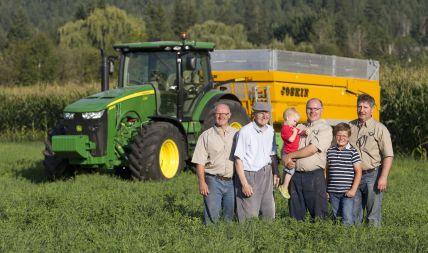
The enterprise was started in 1999 and is owned by Richard Bell and his brother-in-law Alan Bird, whose families both originate from Ireland and came to Canada looking for new opportunities. In addition to Richard and Alan, members of three generations of the families currently help out on the farm, including Richard’s father Cecil (a retired farmer), brother Henry and sons Henry Jr. and Jack.
The operation includes: a hatchery and poultry barns (in addition to growing their own birds Farmcrest also contracts 16 new entrant growers to supply chicken to their processing plant); feed mill; processing plant; rendering plant (renderings are not used on the farm but sold for animal feed); enclosed mechanical composting for bird mortality, and crop production (200 acres of owned land and 400 acres of leased land farmed with potatoes, sunflowers and soybeans). Farmcrest also has its own poultry retail store. In total, the operation employs 45 people.
The farm itself is situated on soils ranging from clay and loamy clay to
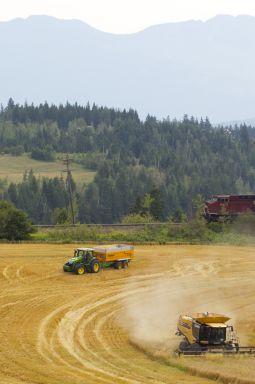
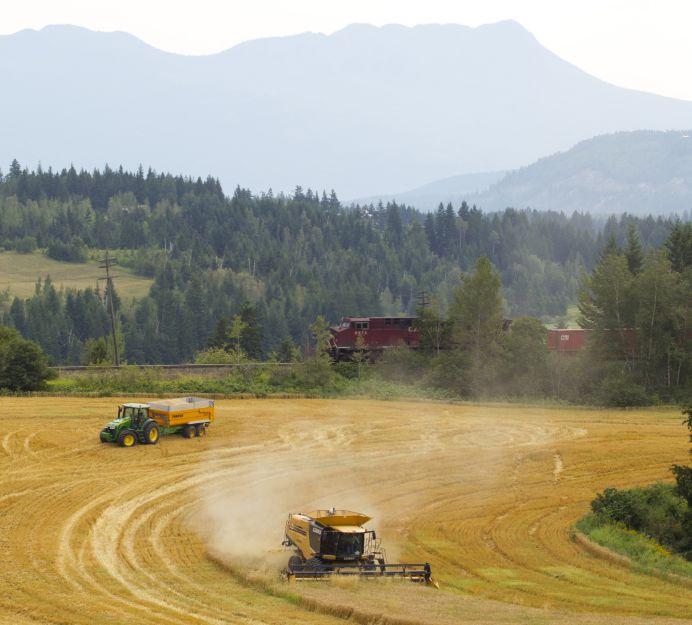
Farmcrest’s productive farm operation is situated in a picturesque area very close to the city of Salmon Arm, B.C.
sandy loam with some peat areas in a relatively flat river bottom area near Salmon Arm, B.C.
“It is also very close to Shuswap Lake,” Bell explains. “We therefore need to be very careful with the amount and type of nutrients applied to this well-drained area to prevent runoff.”
Farmcrest’s regular nutrient management practices include using a concrete pad (contained to prevent runoff) for manure storage. There is also virtually no runoff of nutrients from the fields (and little odour) as manure is worked in with a disc or ploughed under immediately after application.
“We only apply the manure to the
FULL STEAM AHEAD
The energy savings will blow you away.
The winds of change are blowing through today’s livestock building ventilation. Canarm and Intelia bring you the first EC motors for agricultural fans, a smart and energy-efficient alternative to conventional AC motors. Plus, our new ECsmart™ motors run cooler and last longer than common fan motors. They’re a breath of fresh air for your energy budget.
Cover story
fields needing it for the seed that is being planted,” Bell notes. “Our soil health has improved steadily in the last five years since these measures were put in place.” No commercial fertilizers are used.
Farmcrest has an environmental farm plan and has used expert advice from a certified crop advisor since 2011. In 2013, Farmcrest also began a working relationship with Poultry Partners, a team of technicians, production specialists, veterinarians and nutritionists based in Airdrie, Alta., which offers a variety of agricultural industry services. The firm supported Farmcrest’s nomination for the sustainability award through a letter of recommendation - as did the British Columbia Chicken Marketing Board.
“They’ve done an excellent job farming intensively in a very ecologically-sensitive area,” Shawn Fairbairn, Poultry Partners general manager says. “They have committed to improve soil fertility, optimize production and most importantly, reduce chemical and pesticide use and virtually eliminate synthetic fertilizer to ensure the surrounding ecosystem remains undisturbed. There is on-going monitoring and testing of the manure, soil and crops to ensure their goals are being reached. The investment in new equipment to allow for less soil disturbance and odour when poultry manure is applied is one example of their forward-thinking.”
Fairbairn also notes that farm equipment is continuously upgraded at Farmcrest so that the most precise technology is used with the most fuel-efficient engines. “By growing about 85 per cent of all the feed ingredients their chickens consume, they have dramatically reduced the carbon footprint of their operation,” he adds.
Farmcrest also uses moisture and pH meters for soil testing to understand when conditions are optimal for manure application.
An overall goal to achieve air quality improvement (reductions in odour, ammonia and particulate matter inside and outside the barn) has been achieved by ensuring an optimal level of nitrogen is available to the birds. Ingredient and feed sampling are conducted on a regular basis to track this, and tests to track soil nitrogen levels are also completed annually. Because of all this monitoring and adjustment (not to mention an on-farm feed mill that makes immediate changes in the ration possible), Farmcrest has seen improvements in bird growth as well as air quality and soil improvement.
Visit www.canarm-intelia.com or call 1-800-260-5314 for more information.
No irrigation is used at Farmcrest, and as much water as possible is conserved through the use of an ‘air chill’ system in the processing plant, nipple drinkers in the barns and a misting system for barn disinfection. Farmcrest has built 14 new poultry barns in the last five years, and Richard says their goal with each build is to be as energy efficient as possible. This includes the use of R60 insulation, LED lighting, high-efficiency electric motors and radiant tube heating.
Join the OBHECC, EFO, TFO pilot and over 1000 poultry farms to help stop disease spread.
Be Seen Be Safe uses your smartphone to trigger a reaction from a geofence.
Feed Companies and Service Providers are joining
A geofence is a virtual boundary remotely established around a property using satellite technology. There is no physical fence. Geofences can be made in any shape and and can be placed anywhere.
When a person carrying a Be Seen Be Safe enabled device crosses a Be Seen Be Safe geofence, a signal is created notifying the property owner who has entered or exited property. For example “The veterinarian arrived” and “The veterinarian has exited.” This automatically creates a record of the to the property.
The system also sends a notification message to the person carrying the device on the Be Seen Be Safe registered property. For example “Welcome to Rosedale Farms” and “Thank you for visiting Rosedale Farms.” These records are then securely stored for
PRODUCT DIFFERENTIATION
Farmcrest was the first in its region to grow grain corn and now non-GMO grain corn. This led to the operation breaking new ground on a national level by being the first poultry operation in Canada to market non-GMO chicken (verified through nongmoproject.org). Poultry Partners assisted with further development of products. “[Farmcrest] listened to their customers and have proactively responded to the demand that was there in their local market. This has been extremely good for their business and the long-term financial viability of their operation.”
Fairbairn describes the Bird and Bell families as having a “tangible passion” for poultry and farming. “We love working with clients that are ‘hands-on’ and engaged,” he notes. “And the folks at Farmcrest are extremely engaged. Their work ethic and commitment to the
Cover story
environment and their local community is easy to grasp when you spend time with them. They are big believers in continuous learning and improvement. There is on-going reinvestment in all aspects of their operation to allow for improved welfare, safety and production efficiency for the birds, workers and the food they produce.”
TEAM EFFORT
The fact that the Farmcrest owners directly work alongside their employees every day has created, in Fairbairn’s view, a culture of hard work and high standards. “It is also unique to see three generations of family all working together towards a common goal,” he notes. “The youngest generation is actively involved in working and planning and will be well prepared to continue the legacy of this agri-busi-
ness. The owners are always looking for new technologies and ideas. They literally travel the world to attend trade shows, farm tours and crop production events to ensure they are on the leading edge of agriculture. As a consulting group, we are extremely fortunate to have a client like Farmcrest.”
Bell says he feels honoured that Farmcrest has won the 2016 Canadian Poultry Sustainability Award. “It is very much a team effort,” he notes. “I wish to thank my staff and our team for their dedicated efforts each and every day.” n Visit farmcrestfoods.ca if you would like to read in more detail about the business.
LONDON POULTRY SHOW
5 & 6, 2017
can be improved for the chicks with the HatchCare system. The possibilities are almost endless.”
Besides the initial cost of the system and needing to keep a good inventory of spare parts, the biggest drawback of the
Technology
system in Kaizer’s view, is digesting the amount of information that’s becoming available and almost being overwhelmed by the number of future trials they want to do.
FACILITY TOURS
In the past year, Synergy has hosted a
The Poultry Service Industry Workshop thanks their sponsors for their continued support which allows the planning committee to provide a strong education program as well as various social networking opportunities for engagement.
lot of interested people who want to look at HatchCare in action. This has included staff from hatchery companies all over North America, South America, Europe and Australia. “As we say to all who have toured our facility,” Kaizer notes, “This is not an easy or cheap hatchery, but it produces the best chicks for the broiler farmer. If your organization’s goals are focused on health, animal welfare and broiler performance, this system is for you. But if your goal is least-cost hatching, you are better to look at the traditional hatchery systems.” However, he believes anyone thinking of building a new hatchery has to consider animal welfare and be concerned with traditional hatchers that don’t allow newly-hatched chicks access to food and water for many hours or days. He says all personnel at Synergy firmly believe HatchCare is the future of hatching for both animal health and animal welfare reasons. “When this system was unveiled,” concludes Kaizer, “we actually stopped our hatchery construction and redesigned the entire project to allow for the HatchCare system. Looking back, this was the best decision our company has ever made.”
RETURN ON INVESTMENT
Asked about the return-on-investment timeline, Kaizer says that as an integrated system, when they add the profitability of the hatching egg farms and broiler farms to the hatchery profits, they are very satisfied with the rate of return. “Our customers [farmers and shareholders] not only benefit financially, but take great pride in knowing that the chicks they grow are the healthiest and most humanely-hatched chicks in North America,” he says. “There is no better return as a farmer than when you go home each day and can tell your ten year-old daughter that we hatch the healthiest, happiest chicks in the entire world.” n
PERSPECTIVES
LILIAN SCHAER FOR THE AGRI-FOOD MANAGEMENT INSTITUTE
Business management habits pay for poultry producers
Anew study, Dollars and Sense, by Kynetec (formerly Ipsos Agriculture and Animal Health) has identified the top seven habits of Canada’s best farmers. For the first time, researchers have established a direct link between farm business management planning and higher farm income and profitability.
According to the report, leading Canadian farm businesses in the top 25 per cent financially out-perform those in the bottom 25 per cent by a wide margin: a 525 per cent increase in return on assets (ROA), 155 per cent increase in gross margin ratio, and 100 per cent increases in return on equity (ROE) and asset turnover.
“This is the first time we clearly see how specific business management practices positively affect a farm’s financial outcomes,” says Agri-Food Management Institute (AMI) executive director, Ashley Honsberger. “Management matters and this study illustrates just how much of an impact the top habits can have.”
The study, commissioned by AMI and Farm Management Canada, included 604 farms of all types and sizes, and farmers of all ages, nationwide, in the grains and oilseeds, beef, hogs, poultry and eggs, dairy, and horticulture sectors.
The leading driver of farm financial success is continuous learning. Farms in the bottom 25 per cent are three times less likely to seek out new information, training or learning opportunities.
business plan, knowing and monitoring cost of production, assessing and managing risk, and using budgets and financial plans.
Of the 55 poultry and egg farmers surveyed nationwide, 69 per cent felt the financial health of their farm was a little or much better now compared to five years ago.
The top 25 per cent of poultry and egg farms shows a five per cent ROA compared to 0 per cent in the bottom 25 per cent; 37.7 per cent gross margin ratio compared to 0 percent; 15.6 per cent ROE compared to 15.4 per cent; and 13.6 per cent asset turnover compared to 10.1 per cent.
Poultry and egg farmers lead the pack. Thirty-six per cent have a formal business plan, well ahead of the 25 per cent average of all other farmers, 36 per cent have a financial plan with budget objectives, which again is higher than the average of all other farmers at 33 per cent, and 26 per cent have a formal human resources plan, considerably more than the 17 per cent average of all other farmers.
The study also showed that 69 per cent use supply chain relationships to add value, which is significantly higher than the 49 per cent of all other farmers.
Thirty-six per cent of poultry and egg farmers have a formal business plan
Number two is keeping finances current so that key farm decisions are made based on an accurate financial picture of the business. Farms in the bottom quartile are three times more likely to have financial records that are months behind and are also almost three times more likely not to monitor their cost of production.
The third driver of farm success is seeking the help of professional business advisors or consultants. Farms in the top quartile are 30 per cent more likely to work regularly with a farm business advisor or team of advisors.
Four other drivers also ranked highly: having a formal
Honsberger advises farmers considering making business management changes to divide a large task into smaller steps, such as using the off-season to attend education events or meet with a business advisor.
A resource for farmers, dubbed “Pledge to Plan” can also help with business management activities for each season, support tools, and stories of producers who’ve already gone through the process. It’s available at pledgetoplan.ca.
The study was funded through Growing Forward 2, a federal-provincial-territorial initiative.
AMI promotes new ways of thinking about agribusiness management and aims to increase awareness, understanding and adoption of beneficial business management practices by Ontario agri-food and agri-based producers and processors. n
INVESTING IN YOUR FUTURE
Preparing for tomorrow
• Since 2008, $150mm invested in R&D
• Doubling of research scientists
• Strategic global acquisitions
• Global pedigree farm expansion
• Exploitation of genomics technology
• Experimental research
• Development of data technologies
• Experimental research for continuous genetic progress
We understand the need to invest in R&D
Farmer Automatic Enriched Housing
ECO II The Next Generation of Enriched Layer Housing System
• Flexible nest position for optimal bird behaviour and ease of management
• Flexible colony size to optimize building space and bird population, multiple sizes available
• Innovative center feed trough increases feed space per bird and provides second feed access point
• Pro Swing Elevator or Finger Elevator egg collection systems available