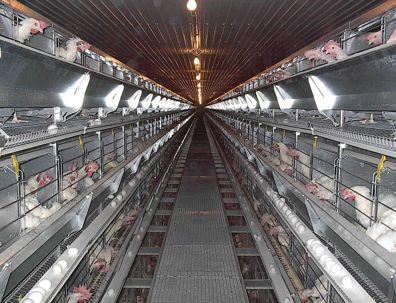
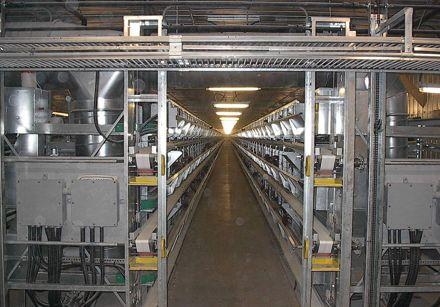
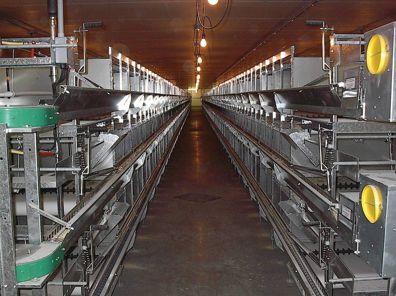
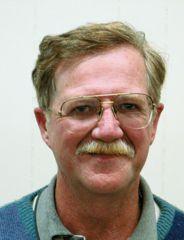
“We are very pleased with our decision to purchase Hellmann Layer Cages with Manure Air Dry. Manure drying has eliminated flies in this layer house. “We have observed productivity gains and improved feed conversion. Mortalities are very low and the hens are staying at peak (production) for a longer period of time.”
Andre Merks, Merks Poultry Farms Ltd., Avonport, Nova Scotia
...“To date, I am very pleased with my pullet results from my Hellmann Pullet Cage System. Uniformity for my most recent crop was 94% at 15 weeks. I grew 32,000 birds and had less than 1.6% mortality. The birds showed excellent weight and I had a feed conversion of 5.6 ... Labour inputs are very low...”
John Van Aert, CJVA Farms Ltd. Watford, Ontario
I was impressed with Hellmanns’ product engineering. The equipment is strong and easy to operate. The deep feeder troughs and reliable chain feed system are a bullet-proof combination. My weekly results consistently exceed the productivity charts. My production numbers are making me money. Money makes me smile.”
David Drain, Telford Egg Farms, Norwood, Ontario
Maritimes
Contact: Jim Currie
Phone: (519) 868-1882 or (519) 453-3913
Fax (519) 453-3996
e-mail: hellmannpoultry@bellnet.ca
Manitoba, Saskatchewan & British Columbia
Contact: Greg Olson
Phone: (306) 260-8081 or (306) 492-2266
Fax: (306) 492-2265
e-mail: gaolson@sasktel.net
Eastern Ontario & Quebec
Contact: Stephane Chouinard
Phone: (450) 266-9604
Fax: (450) 263-0003
e-mail: stef@echeberg.ca
Alberta Contact: Len Mandel
Phone: (403) 308-7288
Fax: (403) 320-5866
e-mail: doubledd@shaw.ca
Western & Central Ontario
Contact: Jack Lepelaars
Phone: 1-866-767-2986 or (519) 348-8483
Fax: (519) 348-9271
e-mail: jack@newtechag.com
U.S.A.
Contact: Jim Currie
Phone: (519) 868-1882 or (519) 453-3913
Fax: (519) 453-3996
e-mail: hellmannpoultry@bellnet.ca
14
Production: Labour of Love
those trying to save canada’s chantecler breed are experiencing some growing pains, and aren’t in it for the money
By Suzanne Deutsch
17
EnvironmEnt: carbon Footprint of Poultry and Eggs
A canadian study examined GHG emissions of animal protein sources, and results for poultry are favourable
By Dr. Peter Hunton
22
Pic uPdAtE: Fowl Adenovirus (FAdv)
Pathogenecity of the dominant serotype 8 FAdv of ontario, Part 2
By Kimberly Sheppard, Research Co-ordinator
26
BiosEcurity: Biosecurity
Fatigue speakers at the Pic innovations conference indicate that although producers are tired of hearing about biosecurity, compliance is important By
Jim Knisley
By Treena Hein
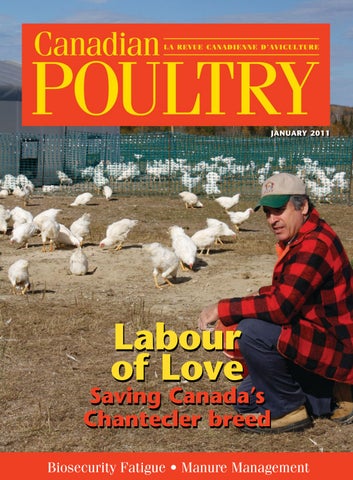
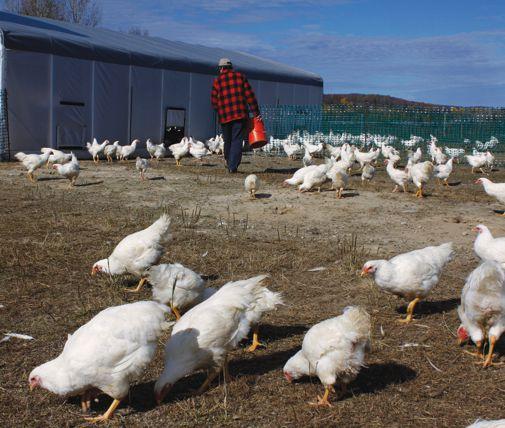
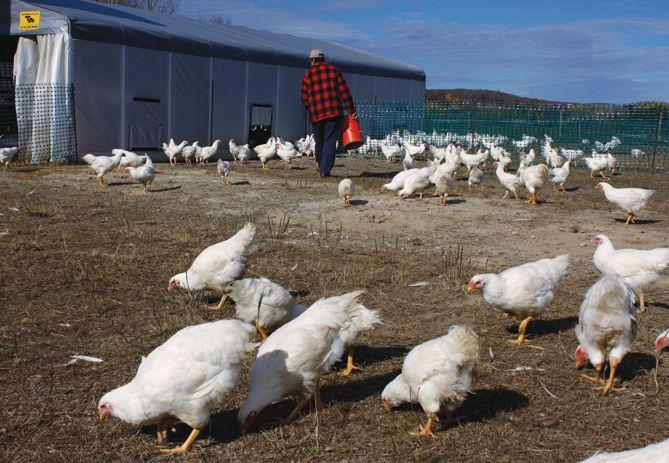
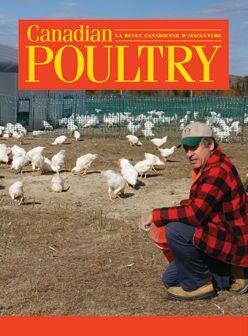
photo by suzanne deutsch. shown here is mario Bélanger with his flock of chantecler chickens.
FROM THE EDITOR
bY KRIStY NUddS
Biosecurity revisited
Biosecurity fatigue” was a phrase used by dr. J.P. vaillancourt from the university of montreal at the recent Poultry industry council (Pic) innovations conference held in niagara Falls, ont.
He said “biosecurity fatigue” exists within the poultry industry because producers are tired of hearing about it. one might assume that if procedures are now second nature and “fatigue” is occurring, then compliance with respect to biosecurity must be up to par. But this isn’t the case, according to vaillancourt. despite the strong focus on biosecurity within the poultry industry during the last decade, he said “lack of compliance is the biggest issue in veterinary medicine.”
Why does this dichotomy exist? vaillancourt and graduate student manon racicot recently gathered information and are currently analyzing it, in a fascinating research study to try to determine the barriers preventing biosecurity compliance.
they used video cameras on 24 poultry farms in Quebec to evaluate and describe the application of various biosecurity measures when producers, staff, and visitors entered and exited the barns.
they divided the farms into three groups. the control group had a hidden camera in the barn entrance, and a nonfunctional camera elsewhere in the barn. the “camera” and “audit” groups both had a poster outlining basic biosecurity rules to be followed, such as signing a log book, and changing footwear before entering the barn. the audit group had a hidden camera at the entrance, as well as a non-functional camera elsewhere in the barn, and this group was also subjected to an audit by racicot. the camera group had only a visible, functioning camera in the entrance.
data were measured in the short term (two weeks of observation) and the long term (six months). their initial results were
“not encouraging,” said vaillancourt. not surprisingly, the camera group had the greatest compliance, yet this compliance was far from the ideal of 100 per cent. the presence of visible cameras and threat of an audit did reduce the frequency of errors, but these results were only valid for the shortterm assessment.
on average, the researchers recorded three errors per farm visit, and people observed over several visits made an average of six different errors. the maximum amount was 14 errors in one visit! this led vallaincourt and racicot to conclude that, obviously, more training and educational material showing how to apply biosecurity measures is needed. Although much of this material exists, is it getting to everyone employed in poultry production? High turnover rates and language barriers exist among farm workers, and these factors need to be addressed.
they noted that human behaviour is also a crucial factor that warrants further study. For example, if a red line marking off a “clean” zone existed, this was not as well perceived by growers and employees as a physical barrier, such as a bench, when it came to changing boots and putting on coveralls.
vallaincourt’s key point? Producers must lead by example. despite “biosecurity fatigue,” vaillancourt said, “we are wrong to think we know it all.” Although people mean well, there are aspects of compliance and the biosecurity measures themselves that just aren’t being understood, he said. the beginning of a new year seems a good time to conduct a checklist or audit on your farm. Are there things you could be doing better? What prevents you or your employees from complying at times? the better we get at recognizing and understanding what barriers exist, the more compliance will become just part of the daily routine. n
January 2011 Vol. 98, No. 1
Editor Kristy Nudds – knudds@annexweb.com
888-599-2228 ext. 266
Associate Editor
Jim Knisley – jknisley@kwic.com
Publisher/Sales Manager
Marilyn White – mwhite@annexweb.com
519-429-5193
888-599-2228 ext 237 • fax: 888-404-1129
Sales Assistant
Mary Burnie – mburnie@annexweb.com 519-429-5175 • 888-599-2228 ext 234
Production Artist
Kelli Kramer
Group Publisher
Diane Kleer – dkleer@annexweb.com
President Mike Fredericks – mfredericks@annexweb.com
Mailing Address
P.O. Box 530, 105 Donly Dr. S., Simcoe, ON N3Y 4N5
Publication Mail Agreement #40065710
REtuRN uNDEliVERABlE CANADiAN ADDRESSES tO CiRCulAtiON DEPt., P.O. BOx 530, SiMCOE, ON N3Y 4N5.
Canada – 1 Year $ 25.20 (includes GSt – #867172652Rt0001)
$ 27.12 (includes QSt/HSt) uSA – 1 Year $ 60.00
Occasionally, Canadian Poultry Magazine will mail information on behalf of industry-related groups whose products and services we believe may be of interest to you. if you prefer not to receive this information, please contact our circulation department in any of the four ways listed above.
[ spek-tak-yuh-ler ] Of the nature of a spectacle; impressive or sensational.
Nothing says specktacular like OptiGROW!
Les Equipments Avipor
Cowansville , Quebec
Tel: (450) 263.6222
Fax: (450) 263.9021
Glass-Pac Canada
St. Jacobs, Ontario
Tel: (519) 664.3811
Fax: (519) 664.3003
Carstairs, Alberta
Tel: (403) 337-3767
Fax: (403) 337-3590
Lubing's all-new Opti GROW Nipple i s designed to work in today's challenging broiler environment. Because the nipple has been optimized for growth, you will be amazed by the first-week performance and explosive bird growth. OptiGROW offers:
Large body and pin
Acid resistant design
Easy triggering for day-old birds
Low mortality
Increased side-action flow
Larger flow range for jumbo birds
Increased weight gains
Improved feed conversions
Visit us at the 2011 IPE and find out more about this specktacular new product!
Specht-Canada Inc.
Stony Plain, Alberta
Tel: (780) 963.4795
Fax: (780) 963.5034
J. Dean Williamson Ltd.
London, Ontario
Tel: (519) 657.5231
Fax: (519) 657.4092
BOOTH 5417 Exhibit HALL B
HATCHING HATCHING
strengthening Food safety
Agriculture minister Gerry ritz has announced the appointments of seven highly qualified advisors to the ministerial Advisory Board (mAB) of the canadian Food inspection Agency (cFiA) in an effort to strengthen canada’s food safety system.
the mAB includes a range of experts from the food, animal and plant health sectors who will advise the minister on food safety. this fulfils another recommendation of the report of the independent investigator into the 2008 Listeriosis outbreak (the “Weatherill report”).
“this highly qualified and diverse advisory board builds upon our Government’s increased investments, hiring of more inspectors, and enhanced Listeria testing,” minister ritz said in a release.
the Advisory Board will be an active forum; it will meet
regularly and report annually.
“this outstanding group of individuals will be a vital, external source that will advise on how to further strengthen our food safety system,” said minister ritz. “our Government will continue to work towards fulfilling all 57 recommendations of the Weatherill report.”
the cFiA is responsible for safeguarding canada’s food supply, monitoring animal health and protecting plants.
Advisory Board members are:
• Chair: Ronald Doering ronald doering was the President of the canadian Food inspection Agency from 1998 to 2002.
• Vice-Chair: Dr. David Chalack
dr. chalack is a doctor of veterinary medicine.
members:
• Dr. Rob McLaughlin
dr. mcLaughlin holds a doctorate degree in plant breeding and genetics from the university of Guelph.
• Brooke Taylor mr. taylor is a former nova scotia minister of Agriculture.
• Dr. Harold Bjarnason dr. Bjarnason is a past dean of the Faculty of Agricultural and Food sciences at the university of manitoba.
• Dr. Keith Downey dr. downey is a renowned plant breeder and has received numerous awards including the order of canada.
• Marcel Groleau
mr. Groleau has been a member of the dairy Farmers of canada executive since may 2004.
• Ex-Officio Member: Dr. Brian Evans
dr. Evans is canada’s first chief Food safety officer. n
BioAlberta’s 2010 Company of the Year
AlBeRtA
Canadian Bio-systems inc. has been given the 2010 company of the year Award by BioAlberta, a not-for-profit association for Life science industries.
BioAlberta’s company of the year is awarded to member companies who have shown a commitment to innovation
Larsen Plant to Close
NoVA scotiA
After 71 years in operation, the Larsen meat-packing plant in Berwick, n s., will close in April, putting 280 people out of work and dealing a serious economic blow to the area.
maple Leaf Foods, which has owned the plant since 2000, told the employees in mid-november that the plant will start winding down in February and be fully closed by April 29.
Workers will receive severance pay and some will be offered jobs at maple Leaf’s operations in Bedford, truro or moncton.
“our industry is under mounting competitive pressure to become more efficient, and this means we have to make very difficult decisions,” said michael mccain, president and cEo, maple Leaf Foods. “While this is the business reality, it is hard to make the necessary changes, particularly in a community where we have such an important presence. We are initiating discussions with all levels of
and entrepreneurship, have a science-based business foundation and have demonstrated strong sales growth and market share both domestically and internationally.
Headquartered in calgary and established in 1984, canadian Bio-systems develops, manufactures and distributes enzyme, flavour and yeast based supplements for the
global livestock and aquaculture markets.
BioAlberta is the central voice and the organizing hub for the life sciences in Alberta, and advocates for, promotes and proactively facilitates the growth of Alberta’s life science sector – www.bioalberta.com.
For further information, contact canadian Bio-systems at info@canadianbio.com.
government and we will work diligently with all parties to find potential alternate uses for the plant that leverage the skilled workforce and provide ongoing employment opportunities in the region. We are also doing everything possible to ease the impact on our people.”
maple Leaf pledged to work with all levels of government, economic development agencies and community leaders to support initiatives that will help ease the transition and support recovery efforts in the region, including providing access to financial, operations and technical resources. this will include joint efforts to find alternate uses for the facility that would leverage the skill base of the workforce and
assist in the process of identifying new economic diversification opportunities for the region.
the Berwick plant is a 200,000-square-foot multipurpose facility that produces bacon, ham, sliced meats, sausage and deli products primarily under the Larsen and private label brands.
the shutdown follows others in the agricultural processing industry, including maple Leaf’s poultry plant in canard in 2007, the Avon Foods vegetable and apple processing operation in Berwick in 2004, and AcA co-operative’s Eastern Protein chicken processing plant in Kentville last december. About 570 jobs were lost at those three plants.
Source: The Chronicle Herald
PEOPLE IN THE NEws
Lianne Appleby recently joined hybrid turkeys in the newly created position of marketing and communications manager. most recently, lianne spent five years with the ontario cattlemen’s association as communications manager, and prior to that, worked as a communications specialist with chicken Farmers of ontario.
lianne comes to hybrid with extensive knowledge of the poultry industry, having received both a bachelor of science in agriculture, and master of science in poultry nutrition from the university of guelph.
over the next few months, lianne will be tasked with creating mid- and long-term marketing and communications strategies that will form the basis of all hybrid’s activities and initiatives. lianne will also lead the development of all promotional and communication activities.
mick Whelan has been named general sales and marketing manager for ctB’s agile mfg., inc. business unit. whelan will be responsible for overseeing sales, marketing and distribution of various roXell®, sheNaNdoah®, Proterra® and agro logic® products for poultry from ctB’s anderson, missouri, facility to customers in the united states, canada, and portions of latin america.
Mick WhelAN
liANNe AppleBY
Photo courtesy of Carroll McCormick
HATCHING HATCHING
New Online Agriculture Resource
Agriguide.ca, an online, bilingual directory of canadian agricultural associations, is now available. this new resource, developed by the canadian Agricultural Human resource council (cAHrc) represents a new networking tool for those with an interest in agriculture.
Agriguide.ca contains information on more than 500 national, provincial and terri-
torial farm-related associations. Each listing includes contact information and a brief description of not-for-profit and publicly funded farm organizations and commodity groups across canada.
Agriguide: The Directory of Canadian Agriculture Associations is also available for purchase in a downloadable pdf format for those who prefer a hard copy of the directory.
cobb’s state-of-the-art hatchery
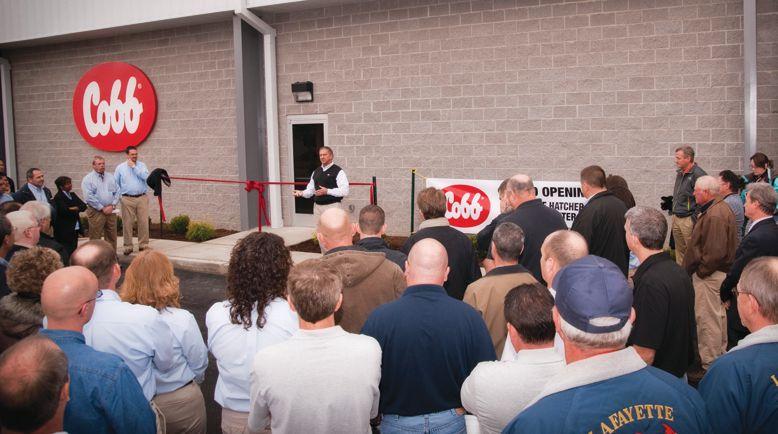
Tstan Reid, cobb vice-president of sales and marketing, speaks before more than 140 guests in lafayette, tenn.
he new $14-million cobb hatchery – using the latest energy saving technology –has been officially opened at Lafayette, tenn.
the hatchery has been developed to supply the growing demand for cobb parent stock in the united states, and will ultimately be supplied with hatching eggs from 27 breeder farms being constructed in conjunction with local farmers.
the hatchery will begin producing parent stock in January and will have an output of more than 600,000
JANUARY
January 24-25, 2011
International Poultry Scientific Forum, Georgia World congress center, Atlanta, Ga. the forum presents information on industry topics such as environmental management, nutrition, physiology, pathology, processing and products, and avian diseases. Program and registration information available at www.internationalpoultryexposition. com/ipsf
January 26-28, 2011 International Poultry Exposition, Georgia World congress center, Atlanta, Ga. For more information, visit: www.ipe11.org
febRUARY
February 9-11, 2011 Atlantic Poultry Conference, old orchard inn, Greenwich, n s. For more information, please contact Bruce rathgeber (902) 893-6654, or visit: www.atlanticpoultryconference.com
chicks/week when at full capacity later in the year. it will be hatching predominantly the cobb500 and the cobb700.
A single-stage design was chosen to aid biosecurity and temperature profile settings. incoming fresh air passes through micro-filters and ultraviolet light to supply the entire hatchery. the heat recovery system – one of the first in a u.s. hatchery – will save 35-40 per cent energy usage and is expected to pay for itself in well under two years.
We welcome additions to our Coming Events section. To ensure publication at least one month prior to the event, please send your event information at least eight to 12 weeks in advance to: Canadian Poultry, Annex Publishing, P.O. Box 530, 105 Donly Dr. S., Simcoe, Ont. N3Y 4N5; e-mail knudds@annexweb.com; or fax 519-429-3094.
Global Expertise. Local Solutions.
At Pfizer Poultry Health we use our global knowledge base and vast industry experience to provide innovative solutions for your specific poultry-related needs. Whether you have a breeder, broiler or commercial layer operation, our dedicated teams of field experts can help you achieve the best results possible.
Our substantial commitment to research and development activities has helped us produce some of the industry’s most trusted devices, pharmaceuticals and vaccines. With our comprehensive product portfolio—and our focus on exceptional customer service—we are your partner for a healthy bottom line.
AChicken-Catching Platform Horizontal Rotary Extension for Thick Bin walls
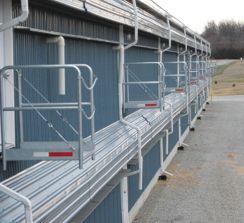
swent & sons Ltd. have designed and manufactured chicken-loading platforms that meet the farm safety standards of both the ontario occupational Health and safety Act and the ontario ministry of Labour.
A. swent & sons Ltd. is a metal fabricator and machine shop, offering a standard 44 x 36 inch platform with handrails, as well as custom sizes to fit your requirements. they also offer retrofitting of existing platforms, as well as removable
handrails for tight spots. their platforms come with an installation kit, or the company will install if that is preferred.
For more information, call 905-776-2620, or visit: www. swentltd.com.
Rotary for Corrosive Materials
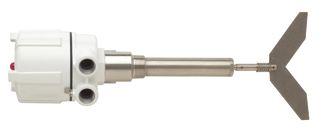
Bin m aster® Level
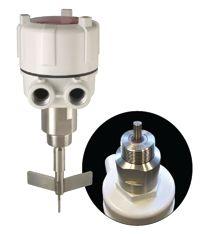
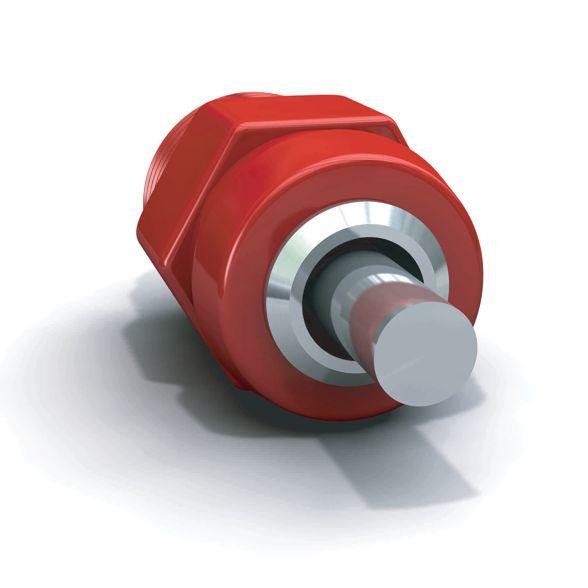
c ontrols has introduced a stainless steel process connection for the B mr X and m AX im A+ rotary level indicators that is designed especially for use in corrosive materials. t he 304 ss solid stainless steel fitting is available in both 1-1/4-inch and 1-1/2-inch n P t sizes and comes with a stainless steel seal/bearing carrier. r otaries equipped with this connection are configured so that all materials that come into contact with the rotary are stainless steel, making it ideal for applications such as food processing or in caustic materials. t he connection was designed by Bin m aster and is machined in house in the company’s iso 9001:2008 registered facility.
t he new stainless steel connection fits into existing 1-1/4-inch and 1-1/2-inch connections and can be used in conjunction with any of the three-vane, twovane, insertable or bayonet-
style stainless steel paddles offered by Bin m aster. t he company says a popular configuration is this stainless steel connection used with the collapsible paddle, which enables the rotary to be installed and removed without entering the bin.
Bin m aster rotaries are designed for level detection of dry bulk material storage and flow in bins, hoppers, tanks, chutes and conveyors. t he B mr X and m AX im A+ fail-safe rotaries can be used in materials with a bulk density as low as 1 lb./ ft. 3 (30 kg/m 3) and as high as 150 lb./ft. 3 (68 kg/m 3). m anaging material storage and flow with Bin m aster rotaries helps prevent bin overflows and costly spills, empty conditions, clogged chutes, and jammed conveyors. t hey eliminate the need to climb bins to check levels, and reduce material waste and unnecessary down time.
For more information, visit www.binmaster.com.
Bin m aster® Level
c ontrols has introduced a horizontal rotary extension that provides the ability to install a rotary through the side of a bin wall, such as those in concrete silos, up to 12 in. thick. t his rotary extension design allows for rotaries to be side-mounted with minimal risk of damage during operations. t his optional assembly includes an extended drive shaft with a protective shaft guard that keeps the shaft centred and Binm aster’s “no packing” seal at the end of the shaft. s tandard lengths of 6, 8, 10, or 12 in. are available for both the m AX im A+ or Bmr X rotaries.
When fitted with Bin m aster’s collapsible paddles, the rotary can be easily installed through an existing 1-1/4- or 1-1/2inch opening, so there is no need to enter the bin to install or remove the rotary. Plus, the horizontally extended rotary design features a unique protective bearing at the end of the shaft extension that forms a seal between the rotary shaft and the shaft guard. For more information, visit www.binmaster.com.
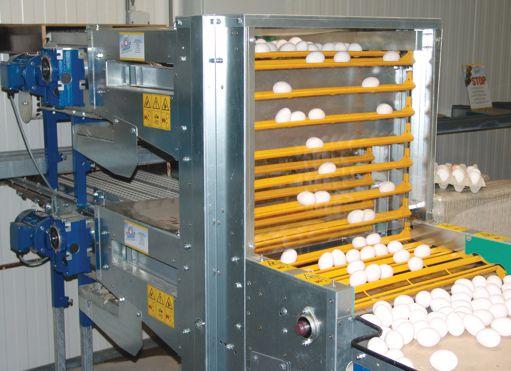
MultiFlex Egg Elevator by Jansen
the multiFlex Elevator is used to transfer eggs from multiple tiers to a cross conveyor or egg collection table. it is suitable for a two-tier laying nest (Premium+, XL and Laymaxx) and volmaxx commune layer cage, poultry houses with multiple floors, or multitier comfort aviary or nest systems. the multiFlex elevator can easily over-bridge differences in height; without requiring the use of elaborate conveyor systems.
Advantages
• unique egg carrier, with minimal contact between egg and carrier. therefore, the chances of star cracks and cracked eggs plus contamination are greatly reduced.
• the egg transfer between the egg belt and the multiFlex Elevator ensures a smooth transition of the egg onto the elevator. the egg transfer also separates shell-less eggs and expels any possible dirt into the dirt collection tray situated underneath.
• At both the entry and
exit unit of the multiFlex Elevator a unique curve guiding system is implemented. this prevents eggs from being bounced into each other.
• the integrated dirt collection tray underneath each transfer and exit unit, which collects dirt and shell-less eggs, is easy to remove and clean.
• Because the multiFlex Elevator takes up a minimum of space, more of the house’s floor space can be used to house birds.
• the multiFlex Elevator is nearly maintenance free. the chain mechanism for example, has been designed
to be self-tightening, which keeps maintenance to a minimum. it also has a long operating lifetime, high efficiency and a very low breakdown level.
Technical Specifications
• suitable for egg belts with a width of 120, 250, 400, 500 or 600 millimetres.
• the maximum capacity is 35,000 eggs per hour per elevator, sufficient for every common situation. For more information, please contact your local Jansen Poultry Equipment dealer, e-mail info@jpe.org, or visit www.jpe.org.
space-Ray Poultry Tube Heaters
F or additional safety in poultry houses, space-ray has developed a line of positive pressure radiant gas tube heaters with an innovative patent-pending tube integrity safety system™ (tiss), unique to space-ray, that automatically shuts off the heater in the unlikely event of tube failure. Available in five models in natural or propane gas, the new PcA/Pcs series radiant Gas tube Heaters positive pressure heaters save in fuel costs, reduce maintenance and permit higher
mounting for broader coverage in the poultry house and added efficiency.
the space-ray PcA/Pcs tube Heaters use positive pressure to push products of combustion through the heavy-duty calorized aluminized steel combustion chamber. calorized or heattreated emitter tubes are offered as an option by space-ray. calorized tube material offers improved corrosion resistance and greater radiant output. the tube heaters come with a choice of one-stage or two-stage
Metal
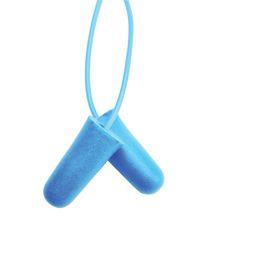
Detectable Earplugs
two new products to its Jackson safety brand hearing protection line: the H10 and H20 metal detectable disposable and reusable earplugs for use in the food and pharmaceutical processing industries. Earplugs with embedded metal are used by these industries to ensure – via scanning – that earplugs or other forms of PPE for workers can be easily detected during food and pharmaceutical processing. the new earplugs are:
• a distinctive blue colour for effective compliance monitoring and increased visibility in food and pharmaceutical processing environments;
• individually packaged for hygienic purposes;
• available in universal sizes;
• disposable and reusable; and
input controls for added flexibility and a totally enclosed burner box that places all the power, thermostat and gas connections in one central location for easier installation and maintenance.
Five Models Available csA-certified, the gas tube heaters are available in five models and numerous configurations. For more information, visit your local spaceray dealer; telephone 800849-7311 or 704-372-3488; or visit www.spaceray.com.
• available with a cord, for improved safety and convenience.
As with other Kimberlyclark Professional safety products, these hearing protection products feature an alphanumeric naming system designed to simplify and streamline the product selection process.
For more information about these and other Kimberly-clark professional safety products, visit www. kc-safety.com.
National Farmed Animal Health and welfare Council Formed
farmed animal industry groups, provincial governments and the Government of canada are working together to implement the national Farmed Animal Health and Welfare strategy (nFAHWs) through the formation of the national Farmed Animal Health and Welfare (nFAHW) council. the nFAHW council will provide ongoing advice to governments and industry on the implementation of the strategy which provides a comprehensive framework for enhancing canada’s farmed animal health and welfare system.
the council includes members from animal industry groups, academia, and federal and provincial governments, and is supported jointly by federal, provincial and nongovernment partners. While reporting to the FPt regulatory Adms, the council is accountable to all partners.
the inaugural meeting of the nFAHW council was held on october 28-29, 2010 in Guelph, ontario. co-chairs rob
mcnabb and Wayne Lees were selected at this meeting. in recent years, environmental concerns, the increasing globalization of trade, and emerging zoonotic diseases such as avian influenza have tested current farmed animal health systems in canada. the nFAHW council facilitates industry-government collaboration and aligns animal health activities to help meet current and future challenges.
members of the inaugural nFAHW council are:
• dr. ian Alexander, canadian Food inspection Agency
• dr. Pauline duivenvoorden, dairy Farmers of canada
• dr. rainer Engelhardt, Public Health Agency of canada
• dr. david Fraser, uBc Animal Welfare Program
• dr. Gerald Hauer, Alberta Agriculture & rural development
• dr. Wayne Lees, manitoba Agriculture, Food & rural initiatives
• mr. John maaskant,
Poultry worker of the Year
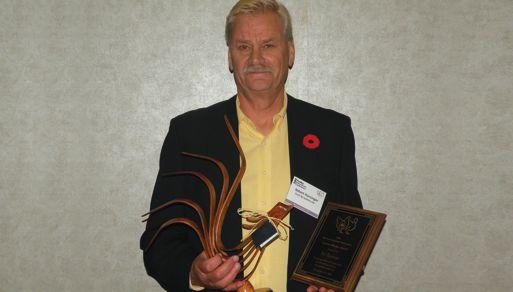
bob Hunsinger, who will be retiring next spring after 37 years with clarke companies, is the Poultry industry council’s Poultry Worker of the year.
He was presented with the award by Ed mcKinlay, chairman of the Pic, at the Poultry innovations conference in niagara Falls.
mcKinlay said Hunsinger was in the forefront of the drive to modernize canadian poultry farms by persuading farmers to adopt and utilize new technology. the technologies included nipple drinkers, manure removal systems, ventilation and heating systems. Each generation of new equipment and technology has improved animal welfare, on-farm effi-
chicken Farmers of canada
• ms. Jennifer mactavish, canadian sheep Federation
• dr. michel major, ministère de l’Agriculture, des Pêcheries et de l’Alimentation du Québec
• mr. rob mcnabb, canadian cattlemen’s Association
• mr. Florian Possberg, canadian Pork council
• mr. John ross, Agriculture & Agri-Food canada
• dr. norm Willis, norm Willis Group the canadian Animal Health coalition has been contracted to provide secretariat services for the nFAHW council, for a term of three years. communications to the council should be directed through the canadian Animal Health coalition at the address below.
For information: national Farmed Animal Health and Welfare council c/o canadian Animal Health coalition 660 speedvale Avenue West, suite 205 Guelph, ontario n1K 1E5 info@animalhealth.ca.
ciency and profitability.
Hunsinger was surprised by the announcement. “there are at least 100 people who deserve this more than i do. i am deeply appreciative.”
Production labour of love
those trying to save canada’s chantecler breed are experiencing some growing pains, and aren’t in it for the money
B Y sU z ANNE D EUT s CH
canadian consumers love to have choice when they shop for food. that’s why a group of 10 heritage breed chicken breeders are betting they can use this growing demand for more food choice to save canada’s own chantecler chicken breed from extinction.
they believe that, if given the opportunity, enough consumers will be willing to pay a premium for a product that has a controlled and Guaranteed designation of origin, to make the breed commercially viable. in 2009, Quebec’s three poultry marketing boards have granted the group an exceptional right to produce the equivalent of about three million dollars’ worth of broilers and table eggs to prove their point.
mario Bélanger, president of the federation of producers of heritage breeds, firmly believes that consumers will pay more for products from heritage breed chickens but they aren’t planning to mass market them throughout the province. “our target is upscale restaurants and hotels,” he says. “A few select meat shops, like the one at Jean-talon market, will also carry them.”
in a classic example of the old chicken or the egg dilemma, before creating demand for the products, producers want to make sure they can deliver the product, while also ensuring that they will make enough of a profit in order to make the necessary investments required to meet the market demand.
chantecler birds are a cross between cornish, white leghorns, white Plymouth rocks and wyandottes, and carry a number of traits of their ancestors.
cUltURAl sYMBol
the chantecler chicken is a breed unique to canada. it was developed in the early 1900s by Brother Wilfrid châtelain, a trappist monk living near oka, Que., to be hardy enough to withstand our harsh winters. the birds are a cross between dark cornish, White Leghorn, rhode island red, White Wyandotte and White Plymouth rock, and carry a number of their traits. the birds are white, with a long body, a deep breast, yellowish skins, small heads, a bright red face with a small comb and a short beak. their walnut-shaped combs and wattles are small enough that they aren’t prone to frostbite.
While they were created to be both good layers and meat birds, the slower growing breed had long since fallen out of favour with commercial producers and had been replaced by high-performance broiler hybrids. By the time the breed
officially received heritage designation in 1999, André Auclair, general manager of the federation of producers of heritage breeds, says, less than 1,500 birds survived in barnyards across the country.
“the chantecler will never be able to compete with an industrial broiler, and nor should it try to,” says dr. Fred silversides, a poultry research scientist with Agriculture and Agri-Food canada. the vast majority of industrial chickens available are supplied by one of two companies. current market differentiation has nothing to do with genetics; it has to do with how the broilers have been fed or processed. in short, a broiler is a broiler. the value of the chantecler is that it’s a different product.
it has already piqued foodies’ interest and Bélanger is getting an increasing number of calls from distributors waiting for him to start delivering them by the caseload. restaurants and hotels say they
cANAdiAN desiGN
Production
Federations supportive of the project
Saving a breed from extinction doesn’t happen overnight. “it’s a long-term project,” explains martin dufresne, president of les Éleveurs de volailles du Québec. he says the chantecler producers are in the start-up phase, and are probably facing a few hurdles. what’s more, the breed isn’t known for its performance so it comes as no surprise that things aren’t progressing as quickly as they had hoped.
ten producers, from various regions in Quebec, were given the right to produce the chantecler. so far, each operator has been hatching his or her own eggs and producing meat birds as well as eggs, according to the breeding plan outlined by dr. Fred silversides, a poultry research scientist with agriculture and agri-Food canada who produced a report to help save endangered species in the 1970s. they feel it’s the best way to reduce the risk of disease or anything else going wrong.
dufresne says the Quebec poultry federations recommended they eventually concentrate their activities and designate one central location to produce all the chicks they need to increase their overall efficiency, and truck the chickens to the nine remaining facilities.
“they will have an expensive product, which will require a good marketing strategy to cater to an upscale niche market,” says dufresne. he feels the heritage breed federation’s plan to save the chantecler is serious and well structured. if demand takes off, production of the chantecler would be handled like any other breed, and would have to comply with regulations, and follow supply management guidelines.
“we took exceptional measures to save the chantecler because we felt it would be cost prohibitive if producers had to pay for quota for an inefficient bird,” explains dufresne. “Producers are well aware, however, that things would change if there proves to be an increasing market demand for the product, and that wouldn’t be a bad thing in itself. the project would never have been able to materialize without help on our part.”
will welcome a chicken that is a distinctly, regional product.
Bélanger is eager to take some of his birds to some of the province’s top chefs, over the winter. However, he wants to make sure the birds are ready before he does. He noted that he would be cooking one the night of Canadian Poultry’s visit, to see how this batch has turned out. “i don’t want to move too quickly,” he adds. “you don’t get a second chance to make a good first impression.”
GeNetic diVeRsitY
the Quebec poultry federations decided to encourage commercial production of heritage breeds for several reasons. While all
Continued on page 20
CPRC Update poultry science cluster Underway
poultry research in c anada is getting a boost from the federal government. Last n ovember, m ember of Parliament Ed Fast (Abbotsford), on behalf of Agriculture m inister Gerry r itz, officially announced that the c anadian Poultry r esearch c ouncil ( c P rc ) will receive up to $1.8 million to lead a Poultry r esearch c luster. t he c luster brings together expertise from across the country to tackle some important research issues for the industry. t he funding comes from the Growing c anadian Agrii nnovations Program, a $158-million, five-year program announced in m ay 2009 to support industry-led science and technology projects. t he program is delivered nationally by Agriculture and Agri-Food c anada (AAF c ) as part of the federal commitment to Growing Forward, a federalprovincial-territorial initiative designed to support the productivity, profitability and competitiveness of our agriculture industry.
Activities within the c luster can be divided into three main themes, which align with national research priorities:
• t he biology and control of gut-borne bacterial diseases in poultry;
• Biology and control of avian influenza in poultry;
• i nnovative production technologies and practices for canada’s poultry sector. t he proposed research is divided into 11 core activities led by 21 principal scientists and a number of support personnel from the following institutions:
• Agriculture and Agri-Food c anada;
• c anadian Food i nspection Agency;
• u niversity of Alberta;
• u niversity of Guelph;
• u niversity of m ontreal;
• u niversity of s askatchewan;
organizations are contributing funding for research within the c luster:
• Agriculture and Agri-Food c anada;
• Agriculture Funding c onsortium (Alberta);
• Alberta Livestock and m eat Agency;
• c anadian Food i nspection Agency;
• c anadian Poultry r esearch c ouncil;
• dsm n utritional Products;
• o ntario m inistry of Agriculture, Food and r ural Affairs;
• Poultry i ndustry c ouncil;
• s askatchewan Agriculture Fund;
The program is delivered nationally by Agriculture and Agri-Food Canada (AAFC) as part of the federal commitment to Growing Forward
• vaccine and i nfectious d isease o rganization.
c P rc is contributing $589,000 towards the research over three years. c oupled with the funds from AAF c and those from other industry organizations ($170,000) and government offices ($293,000) plus in-kind contributions, the total c luster budget exceeds $3 million. t he following
• s askatchewan c hicken i ndustry d evelopment Fund. this collaboration among scientists and support organizations is the core value of the cluster approach to research and is an initiative cPrc is developing as part of a national poultry science strategy. Pooling intellectual and financial resources to address issues of common interest is a powerful way to maximize the impact of our collective investment in research. research within the Poultry science cluster is scheduled for completion early in 2013. the work fits in well with canada’s existing poultry research programs and promises to yield valuable information for the industry. Among the expected outcomes are a better understanding of certain poultry diseases, a novel means of their control, and recommendations on management practices that will further improve poultry health and welfare. We will bring you details on the outcomes of this research as it becomes available. For more details on these or any other cPrc activities, please contact Gord speksnijder at the canadian Poultry research council, 483 Arkell road, r.r. #2, Guelph, ontario, n1H 6H8, phone 289-251-2990, fax 519-837-3584, e-mail: info@cp-rc.ca, or visit us at www.cp-rc.ca. n
The membership of the CPRC consists of the Chicken Farmers of Canada, the Canadian Hatching Egg Producers, the Turkey Farmers of Canada, the Egg Farmers of Canada and the Canadian Poultry and Egg Processors’ Council. The CPRC’s mission is to address its members’ needs through dynamic leadership in the creation and implementation of programs for poultry research in Canada, which may also include societal concerns.
Environment carbon Footprint of poultry and eggs
a c anadian study examined ghg emissions of animal protein sources, and results for poultry are favourable
BY D R . P ETER H UNTON
there is no doubt that as history unfolds consumers will request, and may even require, ever more information concerning the origin of the food offered for sale in grocery stores. the food industry has for many years been including nutritional information on a wide variety of foods, and this will clearly increase. Already in the united states, there is a requirement for country of origin Labeling (cooL), which has caused considerable grief for the pork industry. some commentators believe it is only a question of time before some indication regarding the carbon footprint of food products will become a necessity.
A paper by Jim dyer, formerly of the university of Guelph and now a private consultant, plus three scientists from Agriculture and Agri-Food canada, was recently published in the Journal of sustainable Agriculture. Entitled “the Protein-based GHG Emission intensity for Livestock Products in canada,” this publication provides very valuable data and is especially favourable to the poultry industry.
What the paper attempts to do is to compare the GHG emissions based on the
total ghg emissions from beef, pork and poultry in canada in 2001. in this data, “poultry” refers to broilers and eggs combined.
amount of protein produced in the various systems. While this may appear unduly complex, it does remove one major element of variability; i.e., water content. in addition, beef, milk, pork, eggs and chicken meat are all purchased primarily as protein components of the human diet. data from a series of previous papers, giving total GHG emissions from animal agriculture, are also included.
there are a lot of assumptions made in the preparation of the data presented. these relate to the relative Global Warming Potential of the various gases involved. For example, how do we account for methane, nitrous oxide and carbon dioxide in a single statistic? We have to accept that the authors are following a previously accepted method for doing this.
the total GHG emissions calculated from the various livestock groups are given in table 1. in these data, “poultry” refers to broilers and eggs combined.
Eastern and Western canada are listed separately because of significant differences in GHG emissions for producing feed crops
in the two regions. this also illustrates the preponderance of beef in the west, and Poultry in the east.
these data may be placed in some perspective when viewed against total GHG emissions from all sources in canada. the total from all livestock of 50.27 megatonnes represents about 6.5 per cent of total canadian emissions from all sources. Emissions from poultry (including eggs) are about 0.4 per cent.
in table 2, we see the relative emissions from the various livestock types in terms of protein output.
standard methods were used to estimate the protein content of the various products.
From these data, it is clear that the carbon footprint of the beef industry is several orders of magnitude greater than any of the other food protein sources. this is primarily due to the low reproductive rate of bovines, which have a gestation period of 285 days and no more than one offspring per year. this is compared with a gestation period of 114 days for hogs, allowing two litters annually of six to 14 offspring each.
GhG eMissioNs FRoM ANiMAl AGRicUltURe
tABle 1
Environment
For the poultry species, both meat and egg chickens are even more efficient, with an incubation period of three weeks and 100 to 120 usable offspring per breeder per year.
Another point to note in this comparison is that, of the total GHG emissions attributable to beef, more than half were due to methane emissions. in the case of broilers and eggs, methane accounted for
only four per cent and 13 per cent respectively. there is little that can be done to reduce methane emission in beef production. in the case of eggs, the methane is produced in the process of manure breakdown; in appropriate circumstances (and at significant cost) it can be captured and used as fuel, thus further reducing the emissions to the atmosphere.
While consumer demand will certainly continue to support the beef industry, it does so at the continuing cost of significant GHG emissions. For those people who decide to consider the carbon footprint of their food protein sources, turning to broilers would be a natural choice. milk and eggs are somewhat unique in that there are no real substitutes for either of them. However, it does the egg industry no harm to recognize its advantage with respect to GHG emissions relative to other foods, and if the time comes to use this as a promotional tool, the information is already available. n
ReFeReNce
J.A. dyer, X.P.c. vergé, r.L. desjardins and d.E. Worth, 2010. the Protein-based GHG Emission intensity for Livestock Products in canada. Journal of Sustainable Agriculture, 34:618-629
tABle 2. pRoteiN-BAsed GhG eMissioNs FoR FiVe liVestock coMModities iN 2001
Continued from page 15
producer groups are always interested in developing new niche product markets, they were also very concerned about maintaining the canadian chicken flock’s genetic diversity as an insurance policy against future climate change and disease outbreaks. maintaining the chicken’s gene pool is a constant battle. delegates to a united nations Food and Agriculture organization (FAo) conference in switzerland in 2007 were told that more than 1,000 domesticated chicken breeds have vanished in the past century.
Because silversides had produced a report on how to save endangered breeds 20 years ago, the federation turned to him in 2007 to come up with a new proposal to save the chantecler breed. He jumped at the chance. He produced a new proposal that included a large
Production
enough breeding plan to preserve the chantecler’s gene pool and allow for the development of a market for them so the breed could support itself. in short, his report concluded that the best way to save the breed was to market it for the dinner plate.
Quebec’s three poultry supply-management federations, which control the hatching egg, table egg and broiler production, signed an agreement with the federation of producers of heritage breeds, which allowed limited commercial production and market access for the chantecler in 2009. Gaining the right to produce the breed commercially was a huge step. Without the quantities that were allotted, there is no way producers could maintain sufficient supply to develop a market. “once that’s in place, you can develop your business plan and your slaughtering plans and all of the rest of it, really,” says silversides.
GettiNG stARted
A year into production, results are less than optimal, says Bélanger, one of the 10 producers involved in the project. He started with about 100 chantecler, in 1998. He’s now up to 300. He split the group in two and put half with 15 roosters and half without. He is using a 48 x 20 foot temporary shelter specially adapted for chickens, with small openings on the sides for the birds to go in and out, as they wish.
the shelter isn’t heated and the birds can remain outside until the temperature reaches –20 c. Bélanger will move them indoors, inside the barn during the winter – which will remain unheated – and dismantle the temporary shelter to make room for the new barn he plans on building next spring.
Bélanger’s barn also houses three pigs and a flock of sheep. Because most chantecler were raised on mixed farms,
they have better disease resistance and foraging ability, among other things, explains silversides. this is why this breed, unlike current hybrid varieties, is better adapted to such an environment. they don’t require strict biosecurity protocols that restrict one species per unit.
NUMBeRs ARe doWN
there is quite a learning curve involved in going from a small 42-egg hatcher to one that contains 750 eggs, explains Bélanger. “i can hardly imagine what it’s going to be like once we start with the ones that can hold up to 3,200 eggs!”
Bélanger goes on to explain that they’ve been asked to comply with industry regulations from the get-go, but the race has more or less returned to its natural state as producers switched to more performing hybrids. “very little selection was been made in the past 50 years and producers are finding it challenging to meet the goal of having a uniform flock that averages 200 eggs a year, even though the standard established for the breed is 225 eggs per bird.”
He estimates it will take a good three years, or six generations, to get the breed back on track to meet the target of 8,000 dozen eggs per year, using 500 layer hens.
Bélanger is aiming to finish the birds at about the same weight of a conventional chicken. the target weight for males will be 2.1 to 2.2 kilograms at 18 weeks and between 1.7 to 1.9 kilograms for the females, at 20 weeks. All 10 chantecler producers’ goal is to produce roughly 20,000 birds, per year, as allocated by the federations.
dr. silversides isn’t surprised Bélanger’s layers aren’t performing to Brother Wilfrid’s standards. He says this is an example of natural rather than artificial selection. “if you take away the selection, the breed will find an ideal body weight and an ideal number of eggs which are different from what we want.”
He thinks Bélanger won’t have any problem achieving his goals within that time frame. He cautions producers of overselecting the birds to the point that they resemble broilers. “if they do, then what’s the point?” he says. n
PIC Update
Fowl Adenovirus (FAdV)
Pathogenecity of the dominant serotype 8 FadV of ontario, Part 2
B Y K IMBERLY sHEPPARD , R E s EARCH C O - ORDINATOR
Fowl adenoviruses (FAdvs) are common in the poultry environment. Although adenoviruses have been associated with numerous clinical conditions, including inclusion body hepatitis (iBH), their primary role in disease is still not unequivocal. to learn more about this adenovirus, dr. Éva nagy and her research team at the university of Guelph decided to study the pathogenesis of a serotype 8 virus (FAdv-8). this virus was isolated by the Animal Health Laboratory (AHL) at the university of Guelph from an outbreak that occurred at an ontario broiler farm and was diagnosed as iBH.
An experimental trial in specific pathogen-free chickens (sPF) was conducted using oral and intramuscular (im) inoculations, the latter being the normal and widely accepted route for virus administration in research settings. Because horizontal spread of the virus among chickens is mainly related to the oral-fecal contact, the researchers decided to perform oral inoculation as well, to mimic the more natural way of infection.
their findings? clinical signs or pathologic changes well known for iBH were not seen in the inoculated chickens. intranuclear inclusion bodies (the classical characteristics of iBH in liver cells) were not present in any of the infected chickens. despite the lack of clinical signs and pathological changes, the virus was present in tissues and cloacal swabs of all of the inoculated chickens.
Hpic ’s p icks
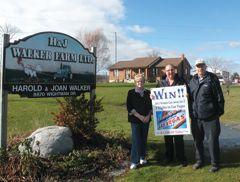
arold and Joan Walker of mount Brydges, ont., are the official winners of the Pic’s 2011 trip to las Vegas. the contest was organized as part of our Biosecurity outreach Program, garnering much interest everywhere we went, including the london Poultry show, outdoor Farm show, royal winter Fair and other smaller venues across the province. the draw took place on Nov. 11 during our 39th annual Poultry innovations conference. the contest attracted more than 500 people, including commercial producers, as well as small flock or exhibition poultry producers who would not generally be attracted to our booth.
as a result, we were more able to provide small flock biosecurity kits, personal protective equipment (PPe) kits and details regarding the growing Forward cost share Program to these people.
harold and Joan walker entered into the egg production business in 1969 and haven’t looked back since. having raised three children on their farm, Joan commented that this farm offered her the best of both worlds – a great working environment and also the chance to be there for their children.
harold and Joan will be winging their way to las Vegas in February to celebrate their 48th wedding anniversary. congratulations to both of you!
Quantitative real-time Pcr (described in Part 1, found in the April 2010 issue of Canadian Poultry) was employed to establish viral copy numbers in liver, bursa of Fabricius and cecal tonsil.
viral dnA was detected in 95.1 per cent of the collected tissues, the 4.9 per cent negative samples originated from the bursa of Fabricius. the cecal tonsil was the organ with the highest number of viral copies through the entire study period in both, orally and intramuscularly inoculated chickens. the presence of virus in cloacal swabs was also identified, and virus shedding occurred throughout the entire study period – 28 days in both, oral and im groups – although at later days the percentage of shedders
decreased. the orally inoculated chicks shed the virus in higher titer than chicks inoculated im.
since the disease was not reproducible in sPF chickens and under experimental conditions, the primary role of FAdvs remains non-equivocal. other conditions, such as environment, diet and co-infection with other agents, might compromise the health status of the birds.
overall, the very long virus shedding in feces as determined in this study is a continuous source of virus in the barn environment. in addition to the hardy nature of FAdvs, this maintained viral transmission in and among barns and flocks makes FAdv eradication from commercial flocks very difficult, if not impossible.
B Y T IM N EL s ON , Ex ECUTI v E D IRECTOR
PIC Update enhancing immune Response
lactic acid-producing bacteria (LAB) are a group of microbes that can be found in the intestines of mammals and avian species. several LAB, including lactobacilli, have been found to have probiotic activities. some
lactobacilli are normal members of the intestinal community of microbes and confer upon their host health benefits, including control of disease-causing enteric microbes and enhancement of host immune response.
in the poultry industry, some practices, such as the prophylactic use of antibiotics, alter the composition of the intestinal microbial community and may limit the ability of commensal microbes to control disease-causing microbes, such as salmonella, a costly foodborne illness. therefore, it has become an urgent matter for the poultry industry to develop strategies for control of transmission of foodborne pathogens from poultry to humans.
Probiotics containing lactobacilli offer one such strategy. Probiotics help to control enteric pathogens, and lactobacilli possess immunomodulatory activities. However, the immuneenhancing mechanisms of probiotics in the chicken have not been studied in depth. more importantly, a very limited number of probiotic products are currently available with proven immuneenhancing capabilities in chickens.
dr. shayan sharif and his research team at the university of Guelph conducted a series of studies to screen commensal lactobacilli present in the chicken gut microbiota, to identify isolates that have superior immunomodulatory activities. First, they examined changes in intestinal microbes after treatment of chickens with antibiotics that are used routinely as growth promotants; namely, bacitracin and virginiamycin. they then looked into whether changes in gut microbial composition by treatment with antibiotics can affect generation of antibodies in chickens. Finally, they collected isolates of L. reuteri, L. salivarius and L. acidophilus, further characterized them, and used them in a cell culture model to gain a better understanding of the way they can affect immune response of chickens.
their findings? Lactobacillus salivarius was significantly inhibited by a high dose of virginiamycin, but enriched by a low dose of virginiamycin or bacitracin. Lactobacillus acidophilus and Lactobacillus reuteri were not significantly affected by
Biosecurity Biosecurity Fatigue
speakers at the Pic innovations conference
indicate that although producers are tired of hearing about biosecurity, compliance is important
B Y J IM K NI s LEY
Akey to better biosecurity might be to avoid using the word “biosecurity,” according to J.P vaillancourt of the university of montreal.
Poultry farmers have heard so much about biosecurity in recent years that they tend to turn off at the mention of the word, he said. i n general, they have also absorbed the message and they and their employees know what to do. t hey know the rules and protocols of biosecurity; the problem is that many just aren’t rigorous in applying them, he told the Poultry i ndustry c ouncil’s i nnovations c onference in n iagara Falls.
vaillancourt said a team of researchers from the university decided to take a look at the most basic of biosecurity protocols – changing boots. t hey set up video cameras at 24 Quebec poultry farms and told people that they were on camera.
t hey found that 25 per cent of those entering a poultry barn failed to follow the basic protocol of changing their boots. When it was assumed there wasn’t a camera watching noncompliance rose to 55 per cent.
“ t his is far from good biosecurity compliance,” he said.
From interviews and questionnaires it had been determined that all of the
university of montreal researcher dr. J.P. Vaillancourt says although producers know the rules and protocols of biosecurity, many aren’t rigorous in applying them.
employees knew the proper biosecurity protocols; they just failed to consistently adhere to them.
t he adherence to biosecurity rules also deteriorated over time. When the cameras were first set up compliance was pretty good. But as time passed compliance fell dramatically.
“ i t’s not very encouraging,” he said.
vaillancourt said the team found a host of other problems that included illegible writing in the sign-in logs, coveralls that are worn in summer but not winter, and visitors who signed in
but were unknown to the farmer and employees.
vaillancourt said that improving biosecurity will be a challenge but offered the following advice. o ne key element is to keep it simple, write down the rules and make sure that everyone receives training to understand them. Providing educational materials in the native language of employees is important. i f the employee’s native language is s panish or French providing English educational tools makes little sense.
RUles Not AlWAYs Applied
The
It’s
BROILER MANAGEMENT
ENRICHABLE / ENRICHED COLONY HOUSING
LAYER AND EGG COLLECTION SYSTEMS
2010 Poultry service Industry Workshop
The Poultry Service Industry Workshop thanks the following sponsors for their continued support which allows the planning committee to provide a strong education program as well as various social networking opportunities
ELITE LEVEL
PREMIUM LEVEL
SUPPORTER LEVEL
s taff turnover is sometimes high and as a result the farmer or senior employees must be prepared to train and educate new employees in the necessity of biosecurity. t he design of barn entrances should also be improved. A line on the floor isn’t good enough and a physical barrier should be in place to differentiate the biosecure area.
Anyone working in the barn should have boots that can be easily cleaned before they are disinfected. trying to disinfect without cleaning doesn’t work.
A NAtioNAl tReNd?
vaillancourt said what the cameras revealed in Quebec is likely common across c anada. i n the next stage of the study an industrial psychologist will be brought in to try and determine why people aren’t doing what they know they should do and how compliance can be improved.
vaillancourt also said that vaccination crews and others who come on farms and fail to change boots and coveralls have been connected to infection and disease.
He pointed out that the best way to deal with disease is to prevent it. While the poultry industry and government agencies have come a long way in recent years in setting up procedures to control a disease outbreak once one occurs, that isn’t good enough.
“ i f we get hit by a serious disease, it will go beyond our capacity to deal with it,” he said.
t he disease challenge is increased because new diseases are appearing and old ones are reemerging every year.
Jan s argeant, director of the centre for public health at the u niversity
Hybrid Turkeys
stoppiNG the spReAd
Biosecurity
Continued from page 28
of Guelph, also emphasized the importance of biosecurity and stopping disease before it spreads.
t he recent H1 n 1 flu pandemic didn’t directly involve the poultry sector, but provides an example of how fast and far disease can travel. H1 n 1 began near the m exicou s . border. t he first reported case seems to have been in c alifornia; then it was found in m exico. s ubsequently, it was found in people from n ova s cotia who had been in m exico. Within six weeks of being detected, H1 n 1 had been found in nine countries, including England, s pain, Egypt and n ew Zealand. i n less than a week it was in nine more countries and within two months it was in 168 countries. s oon after it was being found virtually everywhere and had infected at least two billion people.
As bad as this was “it could have been an awful lot worse,” she said.
H1 n 1 spread rapidly from person to person, but had a low rate of mortality. H5 n 1 on the other hand has a very high rate of mortality – about 60 per cent – but doesn’t spread easily among humans.
if influenza were to emerge that combines the characteristics of H1n1 and H5n1 it would be “very serious,” she said.
i t’s also important to recognize that “biosecurity is not just about sick people or sick birds,” she added.
People with a flu virus will start shedding and spreading the virus days before they feel sick. “ you don’t have to be sick to infect others.” And this doesn’t just apply to people. “Animals can make you sick, you can make animals sick.”
WAteR sANitAtioN iMpoRtANt
dr Helen Wojcinski of Hybrid turkeys said one of the most important and necessary things producers can do to keep their birds healthy and productive is to ensure a supply of clean, sanitized water. “improving water sanitation is proven one of the best investments a grower can make,” she said.
“What do you want to do: s pend a little on sanitizer or a lot on meds?” she asked.
Farmers must also do everything they can on pest control and other elements of biosecurity, including carrying out audits. “don’t let a disease audit your biosecurity for you.” c leaning and disinfecting must go together. i f a barn and its equipment aren’t thoroughly cleaned, disinfecting won’t work. And there are some things that can’t be properly cleaned and disinfected – feed bins, for example – unless they are taken apart. When you take them apart you will find a buildup you didn’t know was there. i t’s the old rule “if you don’t look, you won’t find it.”
A key to ensuring that good biosecurity is in place on the farm is to establish procedures and even barn designs that “make it difficult to make a mistake,” she said. n
Nutrient Management Manure Management services
the many advantages of not doing the spreading yourself
B Y T
REENA
H EIN
Rather than spread their own manure, many ontario farmers are seeing the wisdom of having someone else handle that part of operations. “it’s cheaper to have us come in than for a farmer to buy spreading equipment and maintain it,” says ron Bults, who co-owns Pit King Ltd. in Alma with his business partner tony roelofsen. “Also, while we’re working, farmers can go about their chores and get other things done, so it’s more efficient. We can have it done in a day and that keeps the neighbours happy too.” Like many other manure handling service companies, Pit King has increased business every year. it started in 1994, and uses vacuum trucks and a dragline to spread manure for mostly dairy, hog and beef producers.
A poultry farmer with 90,000 birds located between London and Kincardine who wishes his name kept private agrees convenience and cost savings were key in his decision a few years ago to stop spreading himself. instead, he has claussen Farms custom Farming inc. of Brucefield spread his solid poultry manure – 700 tonnes in the spring and 300 tonnes in the fall. “the up-to-date equipment to apply these volumes is too expensive to buy and also have it sitting around when you’re not using it,” he says. “claussen uses 12-psi tires that are between $1,000 and $10,000 per tire, alone.” the company evenly applies the exact amount of manure he wants, and
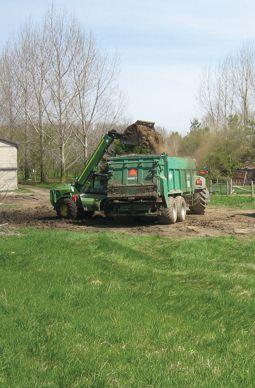
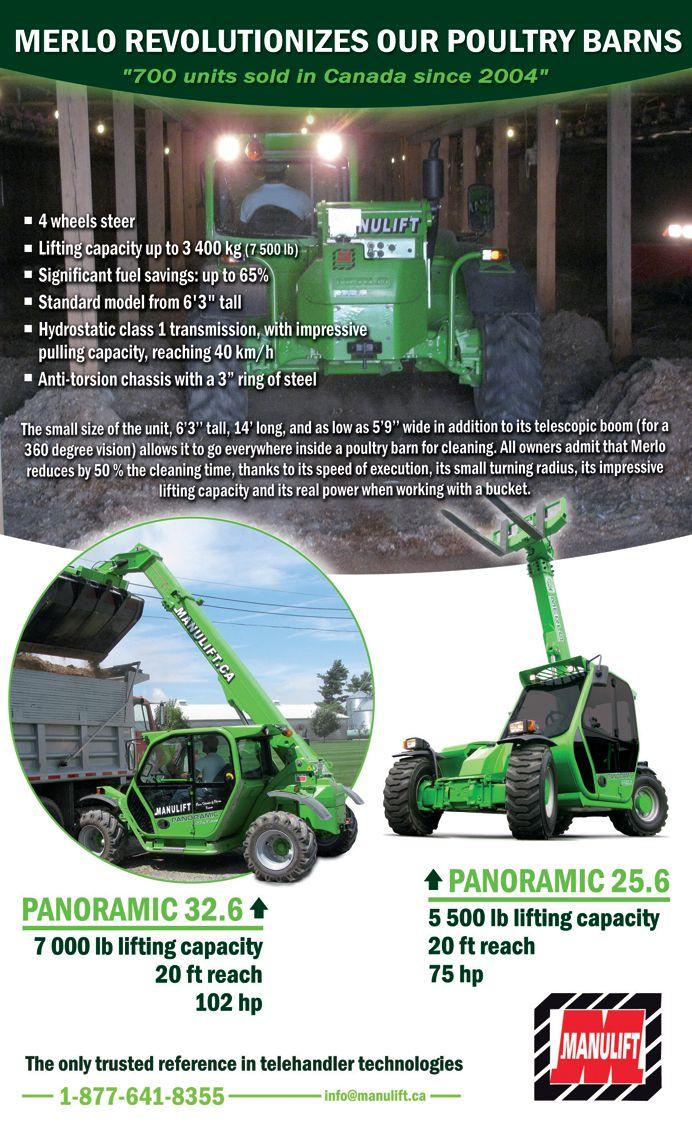
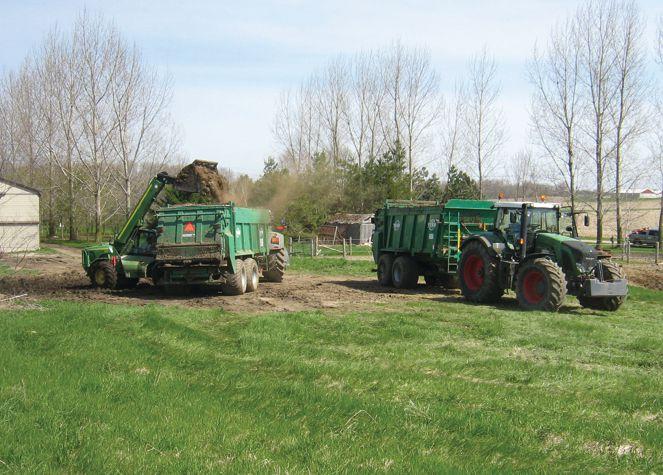
some poultry farmers are finding it more time and cost effective to utilize the services of a manure management company. shown here are two tebbe solid manure spreaders and the telehandler for loading.
also combines, plants and analyzes soil for this farmer. “i just don’t have time to do all the spreading myself,” he adds. “they just did 300 tonnes for me the other day, and they were here from 9:30 a.m. to 1 p.m. that amount would take me at least two days.”
Farmers with acreage that’s located some distance from their barns are also among those finding it cost-effective to hire companies to haul and spread manure. “We have tractor-trailer delivery for those fields that take too much time for the farmer to drive to with a tractor and tank,” says Henry van iperen, an application technician and consultant with Bartels Environmental services inc. in Ancaster, ont. Like others, Bartels
offers a variety of manure and digester management services, as well as soil sampling and nutrient management planning. For application, they employ a dragline system or nuhn quad train, which has flotation tires.
Having fields some distance away from the barn is the main reason dairy farmer Henry Kelly hired Bartels in spring 2010. Kelly has 250 cattle on his farm north of dunnville, ont., and although he has three tankers he uses to take liquid manure from his lagoon to fields two to three kilometres away after haying, he usually finds it convenient to hire someone else during spring planting. “it’s a necessity to get the nutrients out there and spread
iNcReAse eFFicieNcY
Photo courtesy of Claussen Farms Custom Farming Ltd.
Nutrient Management
it on as many fields as possible,” he says. “it’s costly [to hire a company], but when corn and beans have been at the price they’ve been at the last three years, you can’t ignore the good fertilization manure provides.”
Besides tight timing in the spring, “many of my customers own manure tanks but will not use them in the spring for compaction reasons,” observes Frank Boere, president of Boere custom irrigation Ltd. of Kerwood, ont. Boere says dragline systems are advantageous that way, and also provide accurate liquid manure spread patterns. With his six-inch lay flat hose, he can spread manure up to 3.5 kilometres away from a pit (a transport truck is used for greater distances). “the drag hose is laid out in such a manner that it will cover up to a 60-acre piece of land in one setup,” Boere explains. “the drag hose is connected to a tool-bar applicator with
three nozzles that spread 48 feet wide and only 24 inches from the ground with a very accurate triangular spread pattern.” the flow meter displays total gallons spread and gallons per minute, and the targeted gallons per acre is achieved using a speed chart.
pRiciNG the JoB
choice of spreading system, type of spreading (on-field or injected) and location of fields are the main factors affecting total service cost. “it makes a big difference whether we can reach manure with our dragline or having to put it in tractor-trailers and transport it to the location,” van iperen explains. With regard to application rate, he says, “With a dragline, the industry standard cost is one cent per gallon top spread and 1.1 cents for injected in the ground.” the nuhn quad train tank-
ers hold 12,000 gallons, have a 14-foot injector, and have an hourly fee instead of a rate per gallon. if the manure has to be trucked to the field, there is an hourly fee per truck, and Bartels’ trucks each hold 9,000 imperial gallons. van iperen gives an sample scenario of a farmer with 100 acres five kilometres from the main farm, who wants a dragline used and 500,000 gallons of manure in his pit to be injected into the fields. using industry standards, the estimated costs are as follows: For dragline application, the spreading cost is 1.1 cent per gallon X 500,000 gallons = $5,500. two trucks are required to keep the dragline supplied at approximately $125 per truck per hour. if each truck holds 9,000 gallons, 56 truckloads will be needed in total. At 2.5 truckloads per hour, this equals 23 hours of trucking time, for a total trucking cost of $5,750. the total cost would therefore be $11,250 plus
Hst. if the farmer would like the quad train system, the cost would be approximately $250 per hour for the tractor and quad train. two trucks are again required to keep the spreader supplied. At two loads per hour, it will take 28 hours to truck the 56 loads. thus the spreading cost would be $250 X 28 hours = $7,000, and the trucking cost would also be $7,000, for a total cost of $14,000 plus Hst.
Boere notes that cost is one of two important advantages topspreading holds over injection. “the cost to inject manure with the drag hose system would be approximately 40 per cent more, and a lot of farmers are not willing to pay for that,” he says. “Also, it is hard to inject manure at the low rate per acre required by most nutrient management Plans.” However, using a dragline to have liquid manure spread means farmers should till soon afterwards to prevent nutrients from evaporating. the cost of Boere’s services is $10.50 per 1,000 gallons up to 1.5 kilometres from a manure pit. Larger distances of up to 3.5 kilometres cost up to $15 per 1,000 gallons.
heed these tips
to ensure all goes smoothly with custom manure application, there are a number of important issues farmers should pay attention to. it’s critical, for example, to communicate well with your chosen provider. Because most custom jobs must to be done in a timely manner, sonke claussen, co-owner claussen Farms custom Farming inc., says “i always tell my customers to call me as soon as their land is ready or they want some services. We’ll then talk back and forth often, and nail down a date. We may have to look at the field, as well.” services may, of course, be delayed by weather, and farmers should also note that companies sometimes attempt to
Selling your quota? What’s next?
John Fischer, CIM, has been working with farmers for the past 28 years. His understanding of the agriculture industry and strong personal relationships with farmers and ex-farmers give him unique insight into the issues that farmers face when dealing with personal finances and estate planning matters.
If you’re interested in:
• preserving capital
• managing cash flow
• generating tax efficient income
• securing your legacy for your heirs
then call John Fischer today!
John Fischer, CIM MGI Financial Inc.
237 Mapleview Drive E., Unit 3A
Barrie, ON L4N 0W5
705.726.7526
or 1.800.392.1388 ext. 7553 www.mgiwealth.com
Nutrient Management
group farmers in one area together to maximize efficiency.
instead of beginning the communication process in the spring, however, claussen strongly recommends having discussions far ahead of that point in time. “We prefer to meet at least twice during the winter with the farmer to do long-term planning, so that we can move forward quickly in the spring and everyone is on the same page,” he says. Having winter meetings with written plans also allows for time to analyze how factors such as a nutrient management Plan, choice of crop varieties and type of tillage relate to how much manure should be spread and how.
At the time of service, farmers should be provided with a detailed written report from their provider. “We summarize what has been spread, how much, what location, conditions that day, and might also list things we think the farmer should follow up on,” claussen says. For Eric Barton, a broiler farmer located north of clinton, this might include soil testing and subsequent side-dressing of solid poultry manure at some point after
farmersclaussens spread 650 tonnes for him every spring.
Another factor that may come up is the value of services provided in relation to cost. “most of our customers understand from the start that we take pride in the quality of our work and we try to do the job right and on time, and so we are not the cheapest on the market,” notes claussen. “However, sometimes there must be some discussion of this.” claussen stresses that farmers should view the decision to hire custom services as the first step in building a long-term working relationship. “it takes about two years to fully establish a partnership, so to speak, for farmers to fully understand the process,” he notes, “and for trust to be built on both sides.”
Barton strongly appreciates the training and knowledge possessed by manure management service providers. “it’s very good for the farmer and for the whole community,” he says.
the omAFrA list of manure and sewage spreading firms is found at www. omafra.gov.on.ca/english/nm/nman/ brokerlist.htm. n
Free Fertilizer
can also get sewage bio-solids distributed on their fields free of charge by companies like Brantford-based wessuc inc. the company operates over a large area, from Barrie to haldimand-Norfolk county. “the current ministry of environment regulations stipulate that farmers can receive only one application over a five-year period,” says wessuc land application co-ordinator matt Jolley, “but that’s about to change.”
starting in January 2010, applications will be done on a nutrient-specific basis and regulated under the ontario ministry of agriculture, Food and rural affairs. this means there will be a regulated limit of nutrients able to be applied within a five-year period, explains Jolley. this means the soil testing already required by law (for both macronutrients such as phosphorus and micronutrients such as copper) will become even more important.
the amount of nutrients available in sewage bio-solids depends on whether they are in liquid or solid form, says Jolley, and can differ a little also between loads. however, based on an application rate of 135 kg/ha/5yrs of anaerobic liquid sewage bio-solids, he says each acre of field generally receives 120 pounds of nitrogen and 50 pounds of plant-available phosphorus, as well as micronutrients. however, potassium levels are generally quite low. “when we work with farmers who have Nutrient management Plans, we make sure our application fits in properly,” Jolley adds, “but these farmers are few because the ones with Plans usually have lots of their own manure.”
PIC Update
Continued from page 24
antibiotic therapy. virginiamycin, and potentially L. salivarius, were implicated in enhancing antibody responses to some antigens in chickens. it was also demonstrated that L. acidophilus is effective at inducing a pro-inflammatory response, while L. salivarius induces an anti-inflammatory response.
moreover, when chickens were treated with the above lactobacilli alone or in combination, it was discovered that L. salivarius or L. reuteri treated birds had significantly more serum antibodies to a selected group of antigens compared to the birds that were not treated with probiotics. cell-mediated immune responses were also induced more significantly in chickens that received L. reuteri.
overall, these studies have identified a few promising lactobacilli strains that may be used for enhancement of immune response in chickens. these findings should lead to the development of defined and rational probiotic products that have superior immuneenhancing activities and are devoid of undesirable properties, such as carrying antimicrobial resistance genes. n
Old OrChArd INN & SPA
Greenwich, Nova Scotia in the heart of Annapolis Valley February 9-11, 2011
Come enjoy the Atlantic Poultry Conference and the tranquil atmosphere of the beautiful Annapolis Valley, Nova Scotia
CONTACT
Bruce Rathgeber
Email: brathgeber@nsac.ca
Telephone: 902-893-6654
Fax: 902-895-6734
Independently
CHICKEN FARM
Full 1/4 section of land in good location. 2 chicken barns, first is a double decker of approx. 5000 sq. ft., second is 40 x 228 single storey with dirt floor & metal siding. Both have Cumberland feeders, Ziggity water lines & Fancom controls hooked up to cell phone alarm system. Coal burning unit with gas furnace backup heats both barns.
Other out buildings include 40 x 80 quonset, 50 x 88 shop, hip roof barn,10,000 bushel grain bin, fuel tank on stand in main yard, 2 water wells & older garage with work bench. Residence is a 1000 sq. ft. bungalow with attached garage. Yard is nicely landscaped. 5000 units of quota available to purchase with farm. Call Andries Steegstra Phone (403) 782-2114 4916 50 Avenue Lacombe, AB T4L 1Y1 realty@telusplanet.net www.centralalbertafarms.com
THINGs CONsIDERED
bY JIm KNISLeY
trans-Pacific Partnership
canada’s poultry farmers may have another prospective trade deal to worry about.
this one, interestingly enough, has seemingly come out of nowhere. it wasn’t ushered in with the international pomp and ceremony of the Wto’s doha talks. it doesn’t carry the closed-door cache of canada’s free trade negotiations with Europe. this one kind of snuck up.
it is called the trans-Pacific Partnership, or tPP. Presently, it involves just four small nations: singapore, new Zealand, chile and Brunei. it is, according to Wendy dobson and diana Kuzmanovic of the university of calgary school of Public Policy, “a high-quality, comprehensive free trade agreement –one of the few in existence.”
in other words the tPP is about real free trade. it isn’t one of those lily-livered deals like the Wto where barriers are bartered, or nAFtA with escape hatches buried in the rhetoric.
A recent canadian Press story said: “the Harper government is eyeing a new Asia-Pacific economic block – the transPacific Partnership – and may be willing to negotiate aspects of canada’s supply management system for certain farm products in order to get in.”
the reason canada is looking at the tPP is straightforward – it appears to be growing, with the united states, Australia, vietnam and Peru preparing to join and Japan and other East Asian countries taking a hard look.
the canadian Press report says: “no decision has been made about whether canada will formally request to join the club.”
But trade minister Peter van Loan told the canadian Press that canada has indicated its interest and is in the process of assessing whether or not it will seek to join and if it would be welcomed.
it might, however, have little or no choice. the current talks use what dobson and Kuzmanovic call a “negative list approach” whereby things are in unless specifically excluded.
“coverage already includes goods (even agriculture), services obligations, intellectual property, screening of foreign investment, pharmaceuticals, government procurement, services that improve the business environment such as customs arrangements, and standards such as sanitary and phyto-sanitary ones,” they write.
For canada to gain entry into the tPP it might have to dramatically change or wipe out supply management. As previously mentioned, the united states is no friend of supply management and new Zealand is, if anything, even more harshly against it.
new Zealand is interesting. it is the world’s largest exporter of dairy products, it has an absolute economic advantage in the production of dairy due to climate and the skill of its producers and dairy is far and away the country’s largest export. it exports about 95 per cent of its dairy production and the vast majority of the production and virtually all of the exports come from one company – a co-operative owned by more than 10,000 dairy producers. canada has nothing – in any industry – that compares.
Under the TPP everything, including supply management’s tariffs and quotas, is on the table
A reason canada might not be welcomed is supply management. the united states, arguing on behalf of its poultry industry, wants supply management gone. new Zealand, which is the world’s premier dairy exporter, wants access to canada. if canada were to try and gain entry to the tPP everything, including supply management’s tariffs and quotas, would have to be on the table.
“it’s quite normal and natural for each country to have sensitivities, but we agreed in the European union talks that all issues are on the table and if we were to enter into the tPP, it could be on the same basis,” van Loan told the canadian Press.
But canada will not abandon supply management as a precondition for membership, he said.
dobson and Kuzmanovic write that chile was also sensitive to changes in agriculture policy but “has agreed to phase out its tariffs by 2017 using safeguards during the transition period.” if canada were to join it “might need to rationalize its supply-management programs by, for example, phasing in the liberalization of quotas,” they write. they conclude by writing:
“the status quo in canada is not a compelling one: the border with the united states is thickening, and canada has been left out of the potentially game-changing trans-Pacific Partnership agreement. canadian policymakers now must up their game. While there may be opposition canada must move forward, they say. “the case for change has been made. can canadians afford not to try?”
the argument requires the belief that the u s. policies currently affecting canada would change if we join the tPP. that may not happen. it also requires that one accept that the trade gains to canada from joining the tPP would outstrip the costs. that is unclear.
What is clear is that poultry and dairy farmers have another prospective trade deal they’ll have to keep their eyes on.
Dobson and Kuzmanovic’s paper can be found at www.policyschool.ca. n