






INTR ODUCING THE NEW





By Ruby Gonzalez

By Seyitan Moritiwon
By Mari-Len De Guzman
Industry-leading
Lynn Fantom


INTR ODUCING THE NEW
By Ruby Gonzalez
By Seyitan Moritiwon
By Mari-Len De Guzman
Industry-leading
Lynn Fantom






































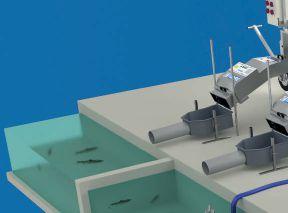

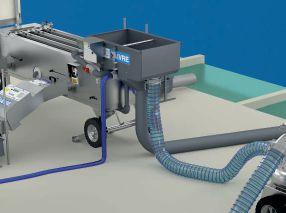
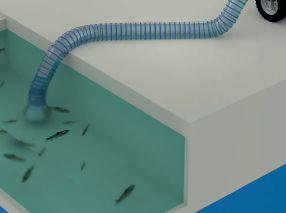





15 different packs, made to manage fish from 0.03 oz. to 8 lbs.


VOLUME 25, ISSUE 5 | SEPTEMBER/OCTOBER 2024
Reader Service
Print and digital subscription inquiries or changes, please contact customer service
Angelita Potal
Tel: (416) 510-5113
Fax: (416) 510-6875
Email: apotal@annexbusinessmedia.com
Mail: 111 Gordon Baker Rd., Suite 400, Toronto, ON M2H 3R1
Editor Jean Ko Din jkodin@annexbusinessmedia.com
Associate Editor Seyitan Moritiwon smoritiwon@annexbusinessmedia.com
Contributors Bob Atwiine, Mari-Len De Guzman, Lynn Fantom, Ruby Gonzalez, Nicole Kirchhoff, Travis May, Magida Tabbara, Vladislav Vorotnikov
Associate Publisher / Advertising Manager Jeremy Thain jthain@annexbusinessmedia.com +1-250-474-3982
Account Manager Morgen Balch mbalch@annexbusinessmedia.com +1-416-606-6964
Account Coordinator Catherine Giles cgiles@annexbusinessmedia.com
Media Designer Svetlana Avrutin savrutin@annexbusinessmedia.com
Audience Development Manager Urszula Grzyb ugrzyb@annexbusinessmedia.com 416-510-5180
Group Publisher Anne Beswick abeswick@annexbusinessmedia.com 416-410-5248
CEO Scott Jamieson sjamieson@annexbusinessmedia.com
PUBLISHED BY ANNEX BUSINESS MEDIA 105 Donly Drive South, Simcoe, ON N3Y 4N5
Hatchery International is published six times a year by Annex Business Media. The authority for statements and claims made in Hatchery International is the responsibility of the contributors. Reference to named products or technologies does not imply endorsement by the publisher.
Subscription rates (six issues) Canada: $37.74+Tax
Within North America: $48.96 CAD
Outside North America: $63.24 CAD
To subscribe visit our website at www.hatcheryinternational.com
PRINTED IN CANADA ISSN 1922-4117
Publications Mail Agreement #PM40065710
RETURN UNDELIVERABLE CANADIAN ADDRESSES TO 111 Gordon Baker Rd., Suite 400, Toronto, ON M2H 3R1
Annex Privacy Officer Privacy@annexbusinessmedia.com Tel: 800-668-2374
The contents of Hatchery International are copyright ©2024 by Annex Business Media and may not be reproduced in whole or part without written consent. Annex Business Media disclaims any warranty as to the accuracy, completeness or currency of the contents of this publication and disclaims all liability in respect of the results of any action taken or not taken in reliance upon information in this publication.
Next Ad Deadline
The advertising deadline for the Nov/Dec issue is Sept 19. Don’t miss the opportunity to be part of this exciting aquaculture publication. For more information, or to reserve space in the next issue, call our advertising department at +1.250.474.3982 jthain@annexbusinessmedia.com
Next Editorial Deadline
The editorial deadline for the Sept/Oct issue is Sept 9. Contact Jean Ko Din at jkodin@annexbusinessmedia.com for details. Material should be submitted electronically with prior arrangement with the editor.

Looking back at this publication’s 25-year history was a good exercise for me and associate editor, Seyitan Moritiwon. Putting together this anniversary issue felt a little differently than that ones we’ve worked on this year because it forced us to reflect on our work in a more macro level. We didn’t want to let this milestone pass us by without acknowledging what came before.
A major lesson that I took away from learning more about its 25-year evolution is that this publication is not afraid of change. I think this is unusual in more mainstream print publications. For example, I’m sure that if you think of the New York Times or Vogue, you have a clear image of what that front cover and masthead looks like without even trying. These publications have built strong, iconic brand recognition over decades and people can recognize it sitting on a table from a mile away. But Hatchery International is not like that and I think it’s to this niche publication’s advantage.
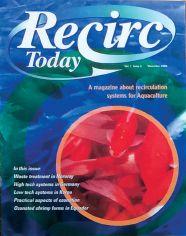
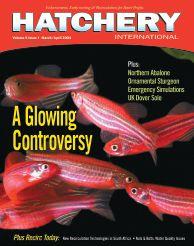
It turns out that this publication has lived many lives. Looking at the different names and covers over the years, you can clearly see how the movements of this publication reflected the movements of the industry. As our understanding of the industry evolved, so did Recirc Today, or Hatchery Magazine, or Hatchery International, and RAStech Magazine
As we talked to the former editors about this publication’s evolution over its 25 years, it helped me understand how important it was to embrace that change. This industry publication earned its longevity by actively listening to trends, market movements, and ultimately, the interest of its readers.
This community of hatchery professionals continued to read and support this publication because the editors intentionally created a mirror to the priorities of the aquaculture
BY JEAN KO DIN

and hatchery industries it served. And I hope that in the next 25 years, this publication can continue to do just that.
Today, Hatchery International not only lives in print but online. In fact, I believe that we have a very rich online presence. Annex Business Media has not shyed away from experimenting with new digital content ideas that forced us, as an editorial team, to get creative in how we shared and presented the latest information.
We’ve successfully executed a number of great digital projects that I think deserves way more spotlight than it currently receives. The Hatchery 101 webinar series, for example, is a project that I’m proud of. In the past two years, we’ve built a collection of thoughtful videos that present practical knowledge about hatchery work. We’ve gathered a diverse group of experts to share their expertise about relevant subjects. And it’s all freely accessible on our website and on our YouTube channel at any time. How many aquaculture publications can boast this much valuable content?
We’ve also had some great success in bringing in high-level experts in our virtual events. Our first ever virtual event under this brand was last year’s World Trout Culture Summit. We were able to give a spotlight to the latest knowledge and expertise in this sector of fish culture. Again, there are some valuable resources available to everyone on our website.
This reader community also has access to content from our sister publications, Aquaculture North America and RAStech Magazine In those brands, they can enjoy more webinars, more virtual events, podcasts, and even an online RAS Academy.
Publications like these only fulfill its purpose if we can help share knowledge across professionals. But the most valuable ally we have in curating these stories is you. Keep in touch at jkodin@annexbusinessmedia.com.

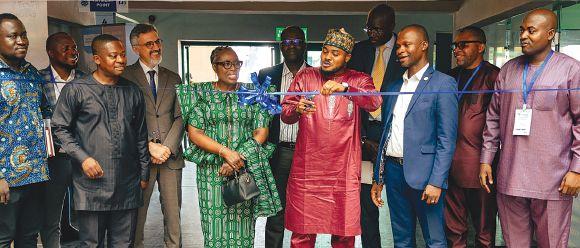
Foluke Omotayo Areola, the president of the African Chapter of the World Aquaculture Society (WAS), is asking African governments, non-state actors, and aquaculture industry players to collaborate to find long-lasting solutions for some of the complex challenges facing the industry across the continent.
Areola was making a key address in Accra, Ghana on behalf of WAS during the opening of Aquaculture Ghana 2024.
“I wish to encourage governments, industry, and other non-state actors to collaborate in addressing the complex challenges facing the aquaculture industry in West Africa especially those which include the high cost of feed and feed inputs, access to the international market, development of cost-effective technologies, and sustainability,” said Areola.
High fishmeal prices and other fish farm inputs are the major challenges in Ghana which saw many small-scale fish farmers closing businesses in 2023. This also affected the country’s competitiveness on both local and international markets with industry players accusing the government of failing to address their concerns despite their repeated calls.
Currently, the cost of producing a kilogram of fish in Ghana is US$2.15, nearly doubling that of other countries on the continent, according to Seth Akwaboah, CEO of the Association of Ghana Industries.
“The economic benefits include resource mobilization – human, financial, and technical, to support collaboration and ensure the meaningful contribution of all the parties involved. It ensures a structured system of collaboration and coordination of activities and improves the cost-benefit ratio of operations,” Areola said.
Areola, who is a fishery professional, consultant, administrator and facilitator, explained to conference attendees that low collaboration does not promote dialogues and interactions or the sharing of ideas, research and development linkages. She noted that research findings are not disseminated adequately and knowledge exchange between stakeholders is poor.
She added that with this collaboration, other social benefits make monitoring, evaluation and learning processes easier, ensure the formation of collaborative structures – associations, working groups, and societies, to promote stakeholders’ engagement and foster the civic engagement of non-state actors to provide practical knowledge and experiences on social issues for application by the government.
“The environmental benefits will facilitate consensus decisions for best available practices that will guarantee environmentally friendly



practices, and establish self-regulatory practices,” she stressed.
Areola further noted that West Africa contributes about 16 per cent of the total aquaculture production in Africa, adding that the region’s aquaculture production increased from 346, 660 in 2020 to 388, 375 tonnes. Of this regional production level, Nigeria and Ghana contributed about 93.6 per cent in 2021.
In line with the theme for the conference: “Stakeholder Collaborations: A Key to Building a Resilient and Strong Aquaculture Industry,” Areola explained that the World Aquaculture Society African Chapter is well positioned to boost collaboration among aquaculture stakeholders on the continent.
Speaking at the same function, Ghana’s minister of fisheries, Mavis Hawa Koomson, noted that the Ministry and the Fisheries Commission have prioritized the implementation of a plan to achieve increased commercial output of farmed fish from about 88,000 metric tons in 2021 to 216, 000 metric tons in 2028.
The plan also targets increased market share of commercially farmed fish from 14 per cent in 2020 to 30 per cent in 2028 and the value of farmed fish output per annum from US$186.3 million in 2020 to US$436.5 million in 2028.
The minister added that the plan further aims to improve the performance of 50 per cent of aquaculture value chain enterprises by at least 80 per cent within the plan period and sustainably improve the environment for aquaculture production, aquatic animal health standards and social acceptability of aquaculture products.
The minister also assured the conference attendees that the ministry would continue to create the enabling conditions for aquaculture to thrive and to contribute to national development.
– Bob Atwiine






UVAXX, A*STAR develop epitope-based vaccine for Asian sea bass
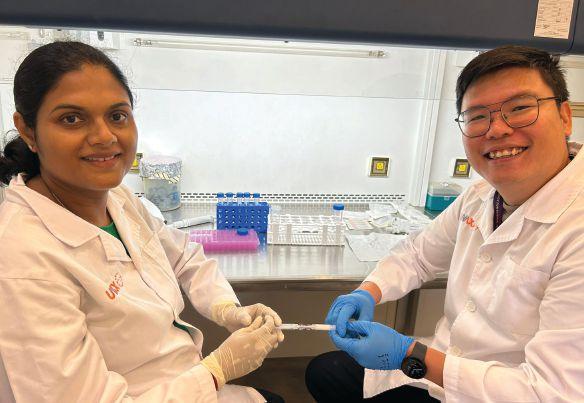
UVAXX Pte Ltd., a subsidiary of Barramundi Group Ltd., and the Agency for Science, Technology and Research (A*STAR), have developed a new epitope-based vaccine that can defend against the Scale Drop Disease Virus (SDDV) infection in Asian sea bass, Barramundi.
SDDV is endemic in Southeast Asia, causing fish to shed scales, develop skin lesions, and die. The vaccine could potentially benefit the region’s sea bass aquaculture sector.
The vaccine solution combines specific parts of the virus known as epitopes that trigger immune responses. The epitope-based technology in vaccines is novel in fish health applications, as conventional fish vaccines typically use inactivated or attenuated virus vaccines. It aims to strengthen the fish’s natural defences against the virus, has an efficacy rate of 75 per cent and will be integrated into routine operations at hatcheries and fish farms, according to a press release from UVAXX.
“Derived from pathogen proteins, the epitopes, are the targets of specific arm of the immune system such as antibodies that neutralize viral particles, and killer cells to directly eliminate infected cells and regulate the immune responses. In many ways, this epitope-based vaccine design is novel for the aquaculture sector and we are energized and committed to identify more use cases of this technology together with UVAXX,” said RÉNIA Laurent Claude Stéphane, senior fellow, A*STAR Infectious Diseases Labs.
The company stated that there are currently no commercially available solutions to defend against SDDV and UVAXX and A*STAR scientists want to change that.
The research and development project is funded by the Singapore Food Agency through the Singapore Food Story R&D Programme.
“Through our 12 years of experience working with farmers to provide veterinary services and fish health solutions, we have witnessed first-hand the severity and devastation caused by SDDV. Asian sea bass farmers across the region need and want a solution. Having an efficacious SDDV vaccine can lead to a paradigm shift in aquaculture disease management, from a reactive to preventative approach, and transform farm production unit economics,” said Dr. Sunita Awate, research director, UVAXX Pte Ltd.
The next steps will include researching how to bring the product to market, doing commercial-scale field trials with local farm partners, and assessing the vaccine’s safety and effectiveness. This also involves setting up the vaccine manufacturing process and getting regulatory approval.
Fish Welfare Initiative (FWI) has released the results of a study to assess whether data predicted from satellite imagery could help to detect water quality issues remotely.
FWI collaborated with Captain Fresh, an Indian seafood company using satellite imagery in aquaculture, on a study that involved 20 fish farms that are part of the Alliance for Responsible Aquaculture (ARA) in the Kolleru region of Andhra Pradesh.
It focused on six water quality parameters including ammonia, dissolved oxygen (DO), chlorophyll-a (Chl-a), phycocyanin (PC), pH, and temperature. Data for these parameters were collected empirically (through direct measurements) and remotely (via satellite imagery analysis provided by Captain Fresh).
For each parameter, the collected data were divided into two groups. One group was used to train a predictive model, while the other was used to validate the model. The data was collected over three weeks.
A scientist at the University of New Hampshire (UNH)’s College of Life Sciences and Agriculture (COLSA) is studying how integrated multi-trophic aquaculture (IMTA) has found oysters help control the production of nitrogen produced from farming shrimp.
IMTA is a system in which two or more organisms are farmed together. This process could make shrimp farming more sustainable and support the growth of this industry in the United States.
Elizabeth Martin, a graduate student in the marine biology program at COLSA is studying IMTA systems that pair farmed shrimp with water-filtering species, like oysters, to determine if the grouping will cut down on the amount of ammonia and phosphorus that remains in the water as part of the farming process.
“Much of the shrimp we consume comes from overseas, where they don’t need to follow the same environmental regulations as we do here in the U.S.,” said Martin. “And shrimp is also one of the highest valued seafood imports for the U.S., so developing a local industry would help reduce reliance on these overseas markets.”
Although shrimp produce ammonia naturally, there are other ammonia contributors, including shrimp feed, the natural decomposition of the shrimp feed, dead organisms, faeces and other materials found within the large artificial ponds where shrimp are commonly raised.
This water is then discharged into the surrounding environment, resulting in effluent entering waterways and, in the U.S., potentially violating regulations like the EPA’s Clean Water Act. In natural environments, water-filtering species, like shellfish, help clean the water of excess nutrients.
Martin tested if a similar method could be used in more of a closed farming system, in which native oysters and non-native red seaweed could grow alongside Pacific white shrimp.
“We had three treatments – shrimp with the seaweed, shrimp with the seaweed and an oxygenator, and shrimp with the seaweed and oysters,” said Martin, who conducted her experiment at the UNH Coastal Marine Lab in New Castle, N.H. “And what we found was that the final treatment, the shrimp with the seaweed, which absorbs and stores nitrogen, and the oysters resulted in a reduced level of nitrogen (including ammonia, nitrite and nitrate) over time.”
The oysters controlled nitrogen production better, resulting in significantly lower amounts over a 30-day window, compared to the other two treatments.
Although the implementation of such systems faces challenges, including regulatory issues and environmental concerns unique to the U.S., Martin said the study could provide a pathway for more sustainable practices that could be adopted widely.
Researchers assessed the models using four statistical measurements: correlation coefficient (r), coefficient of determination (R²), root mean squared error (RMSE), and mean absolute percentage error (MAPE). Ideal models have r values close to ±1, R² values close to 1, and low RMSE, and MAPE values.
For four of the six water quality parameters – ammonia, DO, Chl-a, and PC – predicted and empirical data were sufficiently correlated to suggest that remote monitoring has utility.
The pH and temperature showed no correlation between predicted and empirical data. The r values for these parameters were 0.22 and 0.41, and the R² values were 0.05 and 0.17, indicating a significant deviation of predicted values from actual values. This suggests that remote monitoring of pH and temperature using these models is not currently viable.
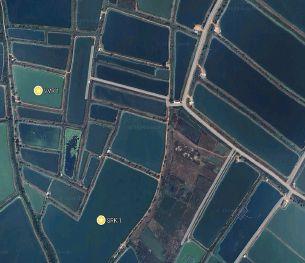
A satellite image view of four ARA farms—VVR 1, SKR 1, SBR 1, and KIS 1—participating in the study. This image is representative and not from the actual technology used.
INITIATIVE
The four water quality parameters with high r and R² values (ammonia, DO, Chl-a, and PC) also had low RMSE and MAPE values. This implies that the models’ predictions were close to the actual values, supporting the potential utility of remote monitoring for these parameters. In contrast, the high RMSE and MAPE values for pH and temperature further indicate that the models for these parameters are not accurate.
FWI stated that these results are encouraging, indicating real potential to utilize remote monitoring for ammonia, DO, Chl-a, and/or PC via analysis of satellite imagery as part of FWI’s flagship ARA program.
Although this concept will have utility for the ARA, it’s too early to roll it out in the ARA, FWI stated in the results. More work needs to be done to improve the models for predicting the water quality parameters to ensure accuracy and reliability. The models need further training with larger data sets and data collected over a longer period to avoid bias from the short study window.
The researchers said they also need to understand how weather, particularly cloud cover, may impact the accuracy of satellite-predicted water quality values. Nonetheless, they’re excited by the potential of incorporating this technology into their programming to help scale their work and improve the welfare of many more fishes.
A lack of broodstock has been named as the second most pressing issue for Russian aquaculture in a recent opinion poll held by a local IT company, Fogstrim.
The study, conducted among 100 farms in European Russia, discovered that problems with sourcing broodstock were the most troublesome for 15 per cent of those surveyed. Nearly 30 per cent of farm managers named a deficit of high-quality aquafeed as the key challenge. A large share of the survey participants complained about demand and logistics issues, while nine per cent warned about a lack of advanced aquacultural machinery due to Western sanctions.
Indeed, Russian farms almost have no access to imported fish feed and broodstock, while local offers do not always match expectations, commented Alexender Zavyalov, senior analyst with the aquacultural department of the Russian fish industry institute VNIRO.
Zavyalov unveiled that the lack of sufficient quality fish eggs is a pain in the trout segment.
Vladimir Mazanov, the executive director of the National Association of Industrial Aquaculture, on the other hand, said the shortage on the market triggered a boom in broodstock production in Russia, particularly in the Northwestern part of the country, close to St. Petersburg.
Quite a few hatcheries have been launched in the past few years, as in the current situation, breeding fish fry appears to be technologically easier than growing fish in commercial conditions, Mazanov explained.
On the other hand, the Russian RAS segment felt the brunt of the Western sanctions. As reported by Mazanov, projects of numerous
RAS farms have been cancelled after local firms lost access to advanced European technologies.
Investors have largely lost interest in this segment, Mazanov complained.
RAS technologies played an important role in the broodstock production. Mazanov estimated that eight per cent of fish in Russia is grown in RAS farms, of which only 1.5 per cent to 2 per cent is commercial fish, while the rest 6-6.5 per cent is broodstock. – Vladislav Vorotnikov

By Ruby Gonzalez
Input is a determining factor in output.
A steady stream of research has been identifying diet supplements that boost broodstock nutrition. Complementing sustainability, the goal is to improve broodstock reproductive performance, seed production, quality and yield.
The inclusion of squid oil (SQO) in the experimental diet of butter catfish (Ompok pabda) yielded remarkable results. Per a study conducted in Bangladesh, “Effects of dietary squid oil on breeding performance and embryonic and larval development of butter catfish Ompok pabda,” the cohorts produced the best breeding performances, fecundity, embryonic, and larval developments.
The study determined SQO could improve breeding and embryonic and larval development. The research article on the study was published on Heliyon.
Butter catfish is in high demand in the country, particularly due to its flavour and texture profile, and topped up with a high nutritional value. Diminishing catch from the wild, however, has placed it in the endangered list. Controlled broodstock management is seen as a solution. Study results could serve as foundation to improve animal broodstock development and survival rate of offspring.
Compared to the control group, the experimental group showed significant lead in fecundity, spawning, fertilization, hatching rate, and survival rate of fry.
SQO is rich in docosahexaenoic acid (DHA) and eicosapentaenoic acid (EPA), omega-3 fatty acids that are integral to growth, embryonic development and survival of fish larva and their development.
“Fish nutrition is one of the most important factors influencing the breeding performance, embryonic and larval development of cultured fish. The lack of nutrient-rich feeds causes mortality and poor survival rate in fish which impedes the need to produce enough fingerlings to meet the high demand for fish,” cited authors MD Saddam Hossain et al.
Size of fertilized egg diameter, growth and early developmental stages of larvae were also better in the experimental diet group.
Differences in this category, however, with the control group was not significant.
“Collectively, the results of the present study showed that dietary SQO supplementation improved the breeding and reproductive performances of butter catfish,” they said.
While broodstock nutrition is integral, rearing salinities have been found to be also crucial in New Zealand geoduck (P. zelandica) seed production.
New Zealand geoduck broodstock can be successfully conditioned with different microalgal ratios of Tisochrysis lutea (formerly Isochrysis galbana) (ISO) and diatom Chaetoceros muelleri (CM) and produce viable gametes. Rearing salinities, however, impact embryonic development and survival.
“Embryos of P. zelandica were observed to be highly sensitive to changes in salinity. Rearing embryos in decreasing salinity from 35 ppt had a negative impact on embryonic survival, D-veliger yield, an increase in incidence of abnormalities in the D-veligers, and an overall reduction of the size of D-veligers,” said authors Shaneel S. Sharma et al.
The microalgal diets were utilized in the New Zealand study to establish the co-relation between geoduck P. zelandica broodstock diet, survival rate and quality of offspring.
Growing the industry of farmed geoduck, which has high commercial potential, is stymied at seed production stage. There is the early life-stage mortality. It was likewise explained that unlike other bivalve species, this species of geoduck spat cannot be sourced from the wild. This necessitates “high-quality hatchery-produced spat”. The difficulty of obtaining adult animals adds another layer of challenge to the situation.
Embryonic performance and transition to the first feeding larval stage (D-veliger) was reported in the research article, “Carry-Over Effects of Broodstock Conditioning on the Salinity Tolerance of Embryos of the New Zealand Geoduck (Panopea zelandica)”. This was published on Aquaculture Research.

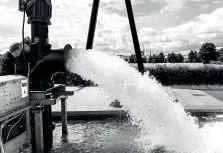
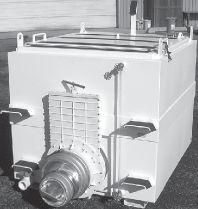
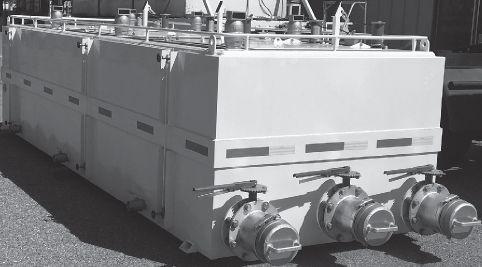
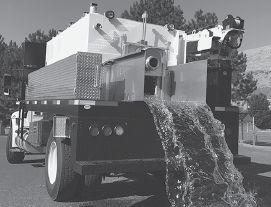
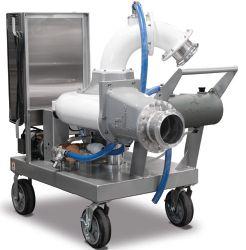
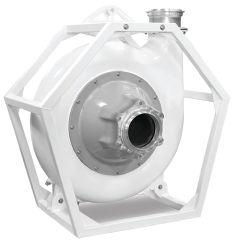
Specialists in corrosion-resistant, reliable and stable propeller pumps, with high uptime and low energy consumption- for a healthy and sustainable aquaculture.


The embryos came from four groups of broodstock that were fed at different ratios of ISO and CM during gametogenesis at ratios of 25: 75, 50: 50, 60: 40, and 75: 25. The broodstock were placed in rearing salinities of 26, 30, 32, and 35 ppt.
The lower limit for survival of P. zelandica embryos is between 26 and 30 ppt.
“The P. zelandica embryos obtained from broodstock that were kept on similar proportions of ISO and CM (50:50 and 60:40) tended to have a higher baseline survival, D-veliger yield, and a decrease in abnormalities of the D-veligers. This suggested that having similar proportions ISO and CM during the conditioning period produces embryos that are more tolerant to the changes in salinity,” they said.
The combo diet of ISO and CM, which are readily available in the market, has been previously proven to be effective in supporting New Zealand geoduck gonad development and spawning.
Combining microalgal species in diets is a common protocol because no single species is able to provide all the nutrient requirements for broodstock conditioning during gametogenesis.
Tilapia broodstock management
Highlighting the global demand for tilapia and the subsequent need to improve production and quality of fry, an article reviewed previously published literatures on broodstock nutrition in tilapia to provide stakeholders a comprehensive best practices reference.
“Broodstock nutrition in Nile Tilapia and its implications on reproductive efficiency”, by Flipos Engdaw and Akewake Geremew, was published on Frontiers on Aquaculture. Nile tilapia is one most farmed fish in Ethiopia, where the authors are based.
Diet with soybean boosts fecundity and resulted with improved frequency of spawning, number of fry per spawning and total fry product. Soybean is rich with n-6 fatty acids.
Supplemental protein content levels in diet positively affects frequency of mating and quality of fertilized eggs.
Along with the increase in supplemental protein came the increase in fertilizability and hatchability of eggs. “Broodstock supplied with a higher amount of protein in the diet had higher numbers of normal larvae with reduced number of days taken for hatching and yolk sac resorption,” it was noted.
Decreased protein content resulted in reduced occurrence in mating. Fertilized eggs produced had deformed larvae and lower yolk sac resorption.
Contributions of essential dietary nutrients such as lipids and vitamins are necessary for the normal embryonic development of fertilized eggs.
Supplementation of varied fatty acid levels to broodstock fish showed that optimum values, identified at >1%, are essential for the normal early embryonic developmental stages.
Dietary Vitamins C and E deficiency produces immature gonads, reduced hatching rates and lower fry survival. None of these were noted in increased levels of vitamins. Cohorts in the latter produced increased percentage of buoyant eggs, improved hatching rates, and reduced number of deformed larvae.
Genetic variability and non-optimal feeding behavior of female broodstock are key factors contributing to larval quality. At the same time, the nutritional composition of the diet must also be considered.
“In summary, the nutritional composition of the diet provided to tilapia broodstock significantly impacts their breeding behavior, reproductive biology, and the quality and quantity of their offspring. A well-designed nutritional regime is pivotal to ensuring successful breeding and the health of the tilapia population,” they said.




By Seyitan Moritiwon
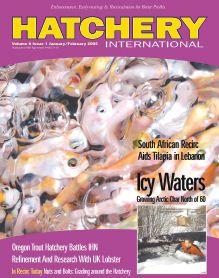
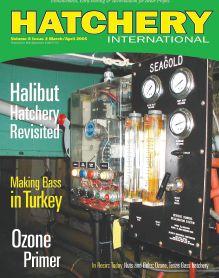
It’s not every day that a very niche publication makes it to its silver jubilee. Hatchery International turns 25 years old this year and we’re reflecting on how the magazine has evolved from 1999 till now.
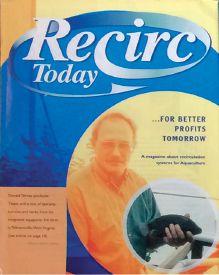
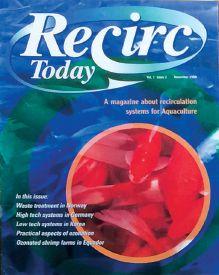
Born out of an evolution of Aquaculture North America, Hatchery International started its life as Recirc Today, a publication for readers in the aquaculture industry interested in the emerging Recirculating Aquaculture Systems (RAS) technology. Back then, the technology was successful in the hatchery sector, providing a more sustainable way to raise fish fry.
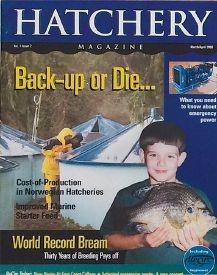
Peter Chettleburgh, the former editor, publisher and owner of Hatchery International said the recirc industry was still growing so after a few issues. “We decided at that time to evolve the magazine from Recirc Today into a magazine for hatcheries and incorporating recirc technology as well,” he said. Thus, Hatchery Magazine was birthed.
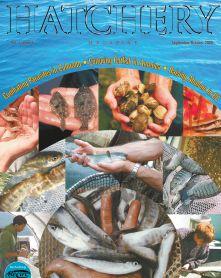
The name was later changed from Hatchery Magazine to Hatchery International, broadening the magazine’s scope from being North American-focused to international-focused.
The magazine focuses on fish hatcheries and shellfish hatcheries around the world
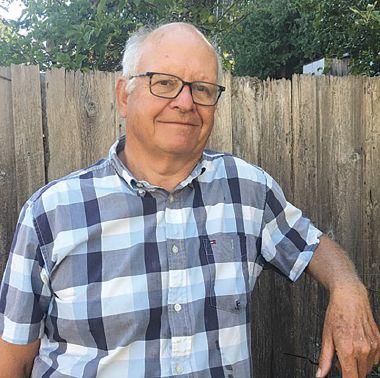
Peter Chettleburgh was editor between 2005-2017 and owner from 1999-2017.
with a concept to provide technical information, news and opinions relating to fish hatcheries worldwide. “There wasn’t a magazine like that at the time. There still, really isn’t a magazine like that,” Chettleburgh said.
International audience
Hatchery International’s content caters to the commercial hatcheries that serve the
commercial aquaculture industry and government-run hatcheries for enhancements.
Chettleburgh had the herculean task of catering to an international audience from North America. He said finding that balance was challenging as he’d only previously worked on national and regional publications.
“And when I say balance, I mean not just the balance from different countries, but different species. Like I often ended up having too many salmon articles or too many trout articles. I always wanted to try and satisfy as many readers as possible who were raising different species,” Chettleburgh added.
“Switching up to doing international publication and trying to find writers and advertisers worldwide was quite a challenge.”
But hiring Jeremy Thain as marketing manager in 2004, Chettleburgh recalled, was one of his most memorable moments. They were able to grow the magazine’s readership to 62 countries.
“Jeremy was very important for the magazine. Jeremy is a very good salesperson and enabled us to grow the magazine quite quickly after he joined us,” he said.” The revenue enables you to generate the stories and the editorial and Jeremy was and still continues to be very good.”

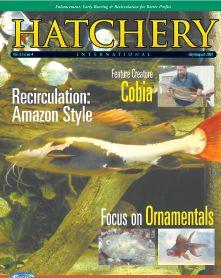
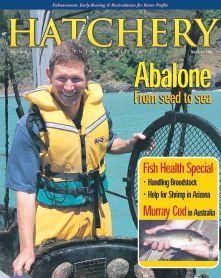
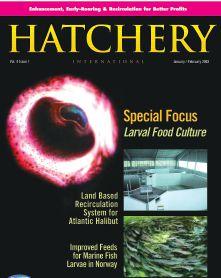
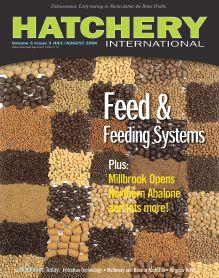
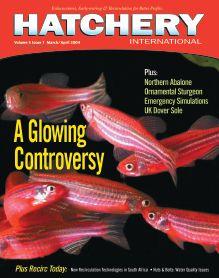
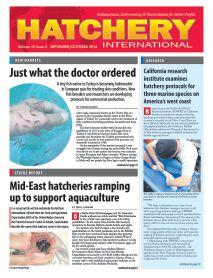
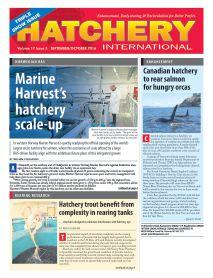
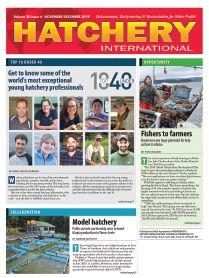
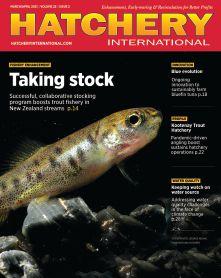
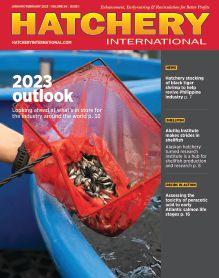
In 2017, Annex Business Media, Canada’s largest B2B media company acquired Hatchery International (HI) and brought in a new editor, Mari-Len De Guzman.
When De Guzman was told that she would take over as the editor in 2018, she asked, “Does it have to do with eggs?” “She’s like ‘Yeah, close enough eggs, but specifically fish eggs,’” De Guzman recalled her conversation with HR.
One of the projects De Guzman launched is HI Top 10 Under 40 to recognize the leadership and innovation of fish and shellfish hatchery professionals under the age of 40 years. She reminisces on the impact of the award, as people worldwide engage in the process, of nominating their colleagues doing great work in the industry.
“I think that’s one of the proudest moments because the magazine recognizes the next generation of leaders that’s going to be in this industry, especially when it’s an industry that doesn’t really necessarily attract a lot of the new generation,” she said.
In her time as editor, the magazine’s format changed from tabloid to a bigger magazine format and is more visually appealing because of graphics and pictures. The publication has gone ahead to include digital content creation with tools like webinars and social media in its storytelling. Yet one thing remains, the editorial focus because the audience is the same.
The editorial and sales teams are constantly thinking of ways to engage the audience

and provide content on what hatchery professionals need.
In 2018, RAStech Magazine was launched as a spin-off publication to cater to a growing group of people interested in using RAS technology to grow fish from egg to slaughter. From two editions being published in a year, RAStech now publishes four editions and hosts one of the biggest conferences and trade shows yearly.
Twenty-five years later, Hatchery International has readers in about 134 countries. The publication’s current editor, Jean Ko Din, said she is continuing in the footsteps of her predecessors. She aims to look for new writers in different areas of the world
who can talk to the communities about their priorities and the new species that are important to them.
“Diversity is something that’s been really important for me as editor, in terms of really touching on what hatchery work looks like in the different corners of the world,” she said.
Chettleburgh said Hatchery International is more necessary than ever. It remains committed to serving the hatchery side of aquaculture, covering stories on shellfish, tilapia, shrimp and more.
“Fish hatcheries, I think they’re not going to go away. And the more pressure there is on the wild fisheries, the more relevant aquaculture is, and the more relevant aquaculture is, the more relevant fish hatcheries are. So I think there’s a good future for Hatchery International,” Chettleburgh said.
Hatchery International has seen many iterations and name changes in its 25 years.
“Beyond what it’s called, or what it looks like, the publication has to continue to reflect the priorities of the industry. It has to be always in service of what the industry needs in the moment. And that’s what I think the next 25 years should look like,” Ko Din said.
To the HI team, who continues to make the magazine work, De Guzman said, “Congratulations on the anniversary. I expect more things, great things to come from the HI team.”
“I’m glad it’s reached its 25th anniversary, and I hope I’m around for the 50th,” Chettleburgh concluded.
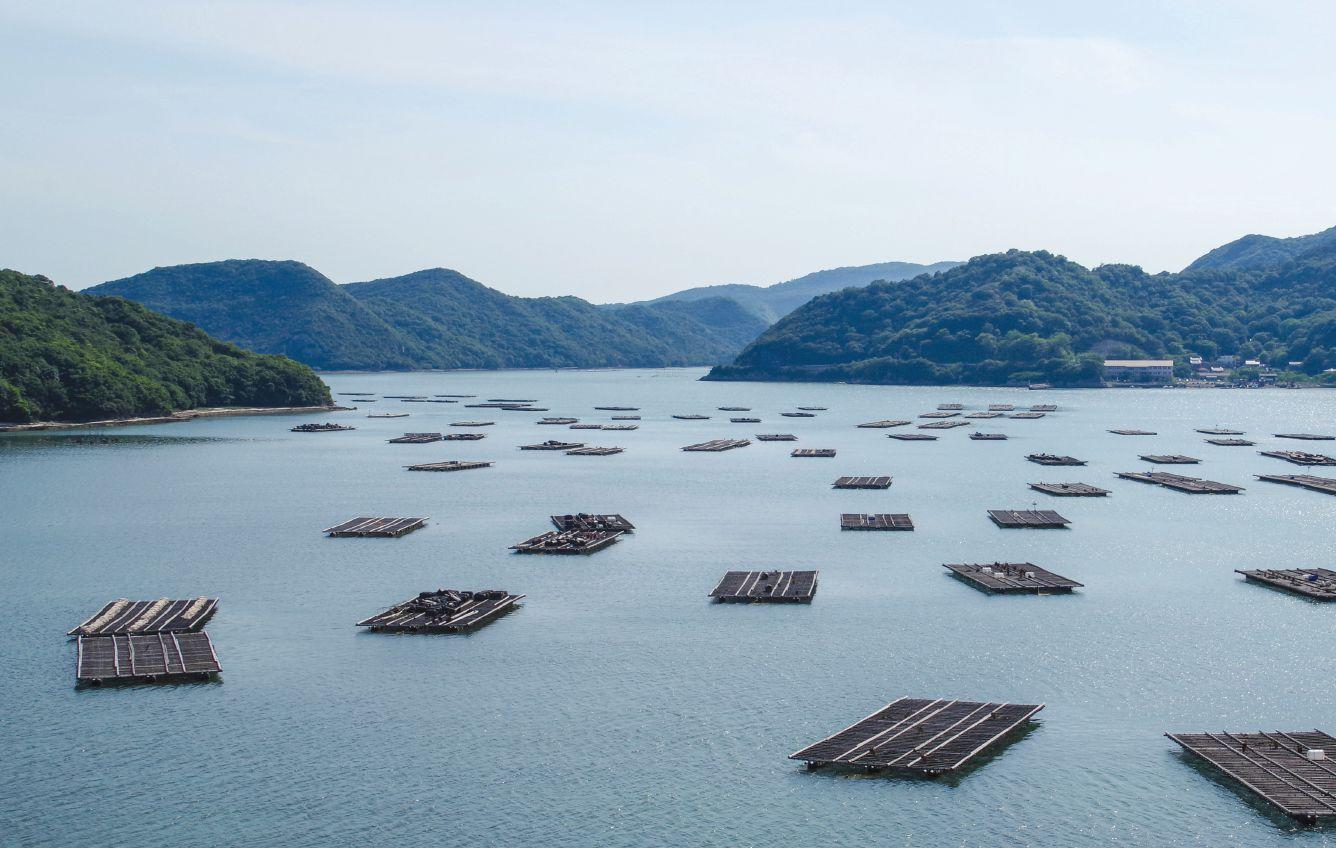
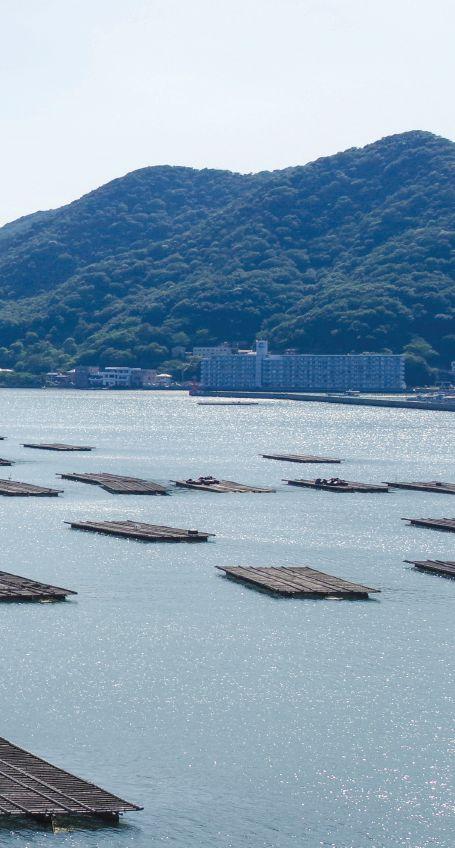
When Japan was experiencing a slight but steady decline of aquaculture production of Pacific oysters several years ago, it triggered a multi-national research cooperation between Japan and the United States, investigating the causes of adult oyster mortality during the reproductive season and seeking to establish mitigation measures.
It was one of several other collaborative efforts undertaken by the U.S.-Japan Natural Resources (UJNR) aquaculture panel over the last half-century. For more than 50 years, the UJNR has been embarking on a cooperative research and technical exchange to address environmental and technical issues that affect aquaculture in the two nations, covering a variety of species.
The Pacific oyster collaboration is a comparative study on the impacts of environmental change on energy allocation, reproduction, and mortality of Pacific oysters in both Japan and the U.S., given the differences in culture systems, habitats and environmental conditions between the two countries. The study aims to shed some light on the cause of the high rate of die-offs among adult oysters during spawning season through a comparative
By Mari-Len De Guzman
study to assess oyster reproduction, and determine how habitat and environment affect reproduction. The end goal is to enable a more successful aquaculture for Pacific oysters.
“It’s very important because both spawning and mortality events continue to influence Pacific oyster production, in both countries and along the Pacific Rim, actually. So they’re comparing and exchanging samples and results, and comparing the environmental influence or the factors that might be part of this mortality event,” explains Dr. Janet Whaley, U.S. chair for the UJNR aquaculture panel and lead veterinary medical officer at NOAA Fisheries.
The comparative study was launched in 2019 and involved oyster culture experiments during the reproductive season in intertidal and subtidal zones in seagrass habitat in Hiroshima Bay in Japan and Willapa Bay in the U.S. The main researchers include: Natsuki Hasegawa of the Hokkaido National Fisheries Research Institute; Brett Dumbauld from the Hatfield Marine Science Center at the US Department of Agriculture’s; Masakazu Hori from the National Research Institute of Fisheries and Environment of Inland Sea in Hiroshima, Japan; Satoshi Watanabe from the
National Research Institute of Aquaculture in Minamiise, Japan; Michael Rust, NOAA Office of Aquaculture; and Zachary Forster, Washington Department of Fish and Wildlife. Results from this multi-year study are expected to be released soon, according to Whaley.
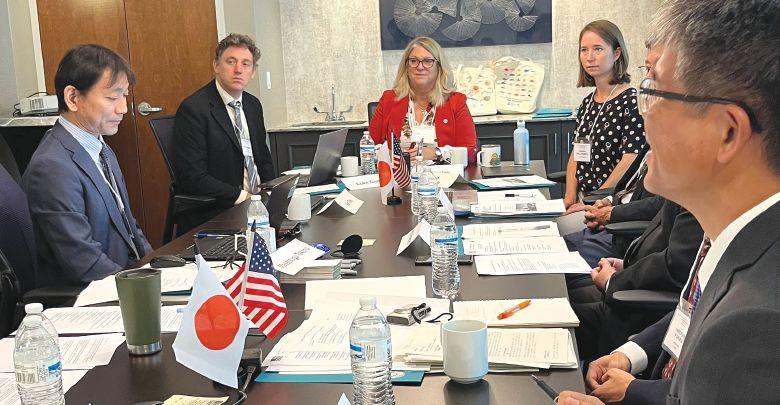
The similarities and differences between Japan and U.S. aquaculture serve the two countries well in this bilateral collaboration. Established in 1971 by NOAA Fisheries and the Japanese Fisheries Research and Education Agency, the UJNR aquaculture panel has been working together in a number of research initiatives, symposia and conferences since its first joint meeting in Tokyo in October 1971.
The aquaculture panel is one of 18 panels created under the U.S.-Japan Cooperative Program in Natural Resources established in 1964. The program aims to provide a cooperative forum to “promote the development and conservation of natural resources through cooperation in applied science and technology; improve the environment for present and future generations; and increase and enhance the bonds of friendship between Japan and the United States,” the UJNR document states.
Meeting annually in a scientific symposium for the last 51 years, the aquaculture panel has been the venue for many discussions and
For 50 years, a team of researchers from the United States and Japan have been working together to understand the impacts of Pacific oysters aquaculture.
knowledge sharing on technical and environmental issues affecting aquaculture.
“Since the 1960s, aquaculture production has increased several fold in the U.S. and Japan to meet the need for nutritious and safe seafood,” Whaley says.
There are differences between the two countries in the type of aquaculture species they produce, as well as the technologies and techniques for rearing. U.S. aquaculture species include catfish, crawfish, oysters, clams, trout, salmon, tilapia, striped bass, shrimp, and mussels, while Japan produces oysters, scallops, yellowtail, red seabream, Kimmy and kombu kelp.
Whaley says while there are differences, the aquaculture panel finds common ground by which to collaborate on potential innovations.
A significant amount of seafood consumed in the U.S. and Japan are imported, she notes. The aquaculture panel seeks to “close the gap” by strengthening their respective domestic seafood production and become more self-sufficient.
Beyond the U.S. and Japan, however, aquaculture production has seen a steady increase in recent years as well. In fact, in 2022 and for the first time ever, global aquaculture surpassed capture fisheries in the production of aquatic animals, accounting for 130.9
million tonnes compared to 92.3 million tonnes of global capture fisheries, according to data from the 2024 State of World Fisheries and Aquaculture report by the UN Food and Agriculture Organization (FAO).
“Aquaculture growth indicates its capacity to further contribute to meeting the rising global demand for aquatic foods, but future expansion and intensification must prioritise sustainability and benefit regions and communities most in need,” the FAO said in a statement.
Currently, only 10 countries are responsible for 89.8 per cent of total seafood production, globally – China, Indonesia, India, Vietnam, Bangladesh, the Philippines, Republic of Korea, Norway, Egypt, and Chile. Targeted policies, technology transfer, capacity building and responsible investment are crucial to boost sustainable aquaculture where it is most needed, according to the FAO.
The increasing demand for seafood protein and the growing global food insecurity challenges have sparked the growth of aquaculture around the world, and is one of the drivers for the creation of the UJNR aquaculture panel
“Because the U.S. imports between 70 to 85 per cent of our seafood and (in) Japan, half of its seafood supply is imported. So both countries see a need to increase domestic aquaculture. And we are making some strides towards self-sufficiency and food security,” Whaley explains.
Through the years, the UJNR aquaculture panel has facilitated not just scientific collaboration but also knowledge exchange benefitting aquaculture farmers.
In the mid 1970s, UJNR facilitated an active knowledge exchange between Japan
and hatchery developers in Alaska. Japan’s salmon hatchery research in the successful return of hatchery-raised Chum salmon proved invaluable to and have influenced the development and success of what is now Alaska’s salmon industry, Whaley notes.
“And our collaboration continues with the exchange of aquaculture technology in Seriola or Yellowtail, that’s like amberjack, aquaculture,” she adds. The effort has resulted in a series of workshops on Seriola aquaculture over a number of years, participated in by more than 100 stakeholders from 14 countries.
Along with the Pacific oyster comparative study, those are just some of the many examples of scientific and technical collaborations between the two countries that have had real-world impacts on domestic aquaculture.
Reflecting on the panel’s accomplishments over the last 50 years, Whaley says beyond the technical collaborations and scientific exchanges, the increased cultural understanding between the two countries, the formation of long-term friendships between scientists, and a broader understanding of world issues are equally significant.
“For the next 50 years, we need to be better equipped to adapt to the emerging challenges, such as changing climate, changing habitats, to adapt to the new innovations that are coming,” Whaley says.
The aquaculture panel focuses on specific themes in its annual meetings. Over the last three years, the theme revolved around control and management of aquaculture diseases. This year’s meeting, which will be held in Japan in the fall, will focus on sustainable aquaculture, with topics such as alternative feeds, genetics and selective breeding, seaweed culture and ecosystem management, among other things.
The Northeast Oyster Breeding Center will supply hatcheries with better-performing broodstock at no cost.
By Lynn Fantom
The June heat dome that had baked the northeastern United States in 90-degree F (30 C) temperatures shifted south just as officials from the National Oceanic and Atmospheric Administration (NOAA) and the United States Department of Agriculture (USDA), as well as a range of guests, gathered in Milford, Connecticut, officially launched the Northeast Oyster Breeding Center (NOBC).
A cooling breeze from the harbour not only refreshed attendees at the ribbon-cutting ceremony but signalled the relief many felt at the culmination of decades of work.
The goal of this state-of-the-art center, which represents a partnership between the
two federal agencies, is to develop a genetically improved Eastern oyster that resists disease better and grows to market size faster in the diverse growing conditions of the Northeast. And it might even have a deeper cup to hold more of that delicious brine.
“From the farmer to the consumer, everyone can benefit from these improved strains,” said Tom Delomas, the USDA research geneticist who developed the breeding plan for the new program.
“The scientific work done here will benefit shellfish farming everywhere,” noted U.S. Senator Richard Blumenthal, who spoke at the event. It is expected, said Milford Laboratory Director Gary Wikfors, that NOBC will
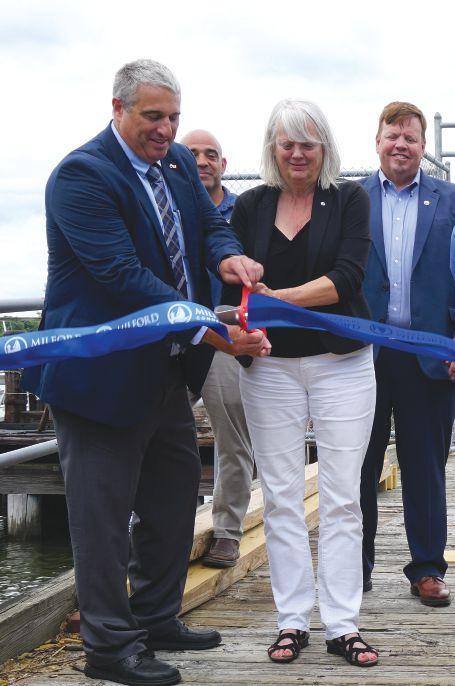
Breeding Center in Connecticut. PHOTO: NOAA FISHERIES/ GILLIAN PHILLIPS
serve as a template for additional regional oyster breeding centers in the U.S. Shellfish represents more than 80 percent of the value of U.S. marine aquaculture production, according to NOAA Fisheries.
Northeast Oyster Breeding Center’s commitment is to breed 100 new families of oysters annually that will be grown out on partnering farms from Maine to the Long Island Sound. How each family performs will be carefully monitored. And then every year the process will begin again.
Getting to the June ribbon-cutting required persistence. Federal government spending cuts followed by Covid shutdowns, supply chain delays, and regulatory curveballs plagued the project, seemingly nonstop. But it was a stroke of genius to approach the challenge jointly.
“NOAA Fisheries Milford Lab brings its innovation in shellfish hatchery and nursery systems. The USDA’s Agricultural Research Service contributes expertise in genetics, genomics, and performance evaluation,”
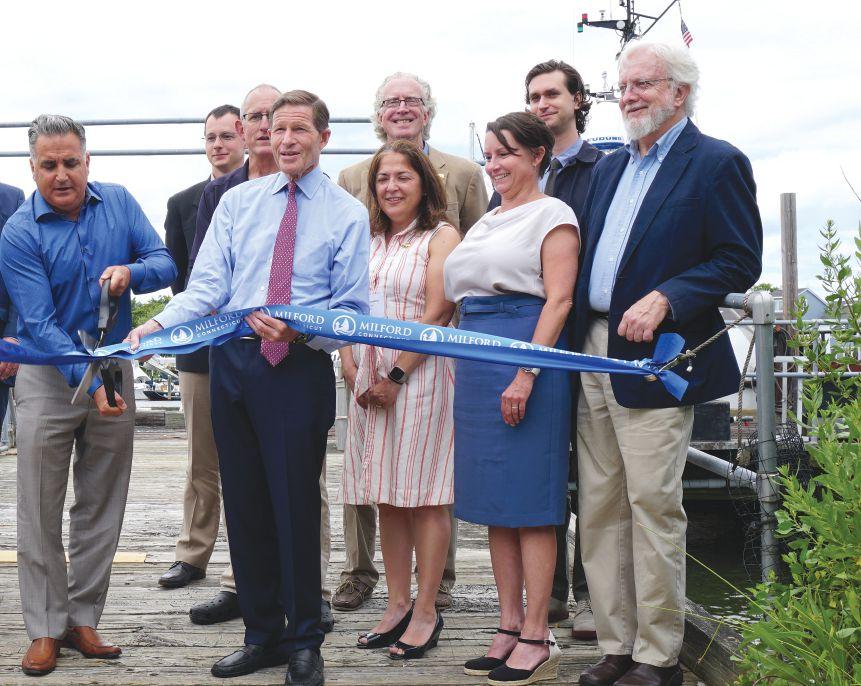
Janet Coit, NOAA Fisheries assistant administrator, said at the ceremony.
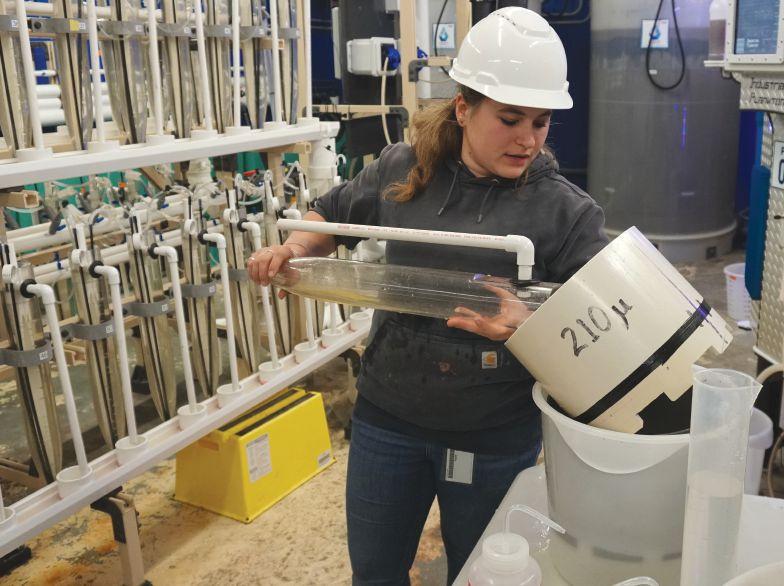
Housing the new center in Milford required rebuilding work areas and constructing new infrastructure. The high-tech hatchery now features four lab rooms: for broodstock conditioning; embryo incubation; microalgae production and larval rearing; and setting and upweller nursery culture.
Innovation exists throughout. For example, Industrial Plankton, manufacturer of the lab’s two photobioreactors which were purchased in 2020, also customized a diluter system to deliver a set quantity of microalgae to feed the larvae in the Cawthron Ultra Density Larval System (CUDLS).
The CUDLS technology itself is the first of its kind in North America. Four years ago, Wikfors obtained special permission from the Cawthron Institute of New Zealand to purchase 100 of its proprietary acrylic cones. “I want to highlight how important international collaboration and connection are in this small world of shellfish hatchery science and development,” he told Hatchery International in 2021.
These cones formed the core of the high-density, flowthrough larval culture system that utilizes temperature-controlled seawater which has been passed through a one-micrometer filter to minimize biofouling. The racking structure for the 2.5-litre cones, designed by Milford Research
The goal of this state-of-theart center, which represents a partnership between the two federal agencies, is to develop a genetically improved Eastern oyster that resists disease better and grows to market size faster in the diverse growing conditions of the Northeast.
chemist, George Sennefelder, is part of why CUDLS has a much smaller footprint, about one-fifth the space of a traditional system.
But just as strong global relationships aided acquisition of materials for the Milford Lab, supply chain challenges slowed progress, Wikfors said.
Throughout the hatchery renovation, special materials needed to be ordered and customized. “It’s not like ordering pet toys for your dog with a click of a button,” said biological science technician Isaiah Mayo, one of four full-time technicians who operate the systems. “It definitely took a team to resolve issues,” he added. “I also give a lot of credit to our contract technicians.”
Through NOAA Fisheries, the center is receiving US$750,000 a year for equipment and technician compensation for the next four years.
A long time coming
Two groundbreaking advances in genomics laid the cornerstone of the new center: the sequencing of the Eastern oyster genome in 2012, followed by the development of the SNP-ChIP, an achievement of the Eastern Oyster Breeding Consortium, which launched in 2019 with a US$4.4 million grant.
That “lab on a chip” technology now allows scientists to rapidly detect thousands of small segments of DNA that are markers for important traits.
“This has been a work-in-progress for a significant amount of time,” said research geneticist Dina Proestou, who has been dedicated to projects related to Eastern oyster genetics for over 11 years.
The development of a specific breeding program for the Northeast Oyster Breeding Center began in 2021, when research geneticist Tom Delomas joined Proestou at USDA’s Agricultural Research Service (ARS )National Cold Water Marine Aquaculture Center in Kingston, Rhode Island. For its work on the East Coast oyster breeding program, USDA-ARS has US$3.6 million in funding, according to a USDA spokesperson.
One of its first goals was to create a base population of oysters from which the breeding program could be launched. ARS set about collecting oysters, sampling about 40 wild populations from Maine to the Long Island Sound. Use of the SNP-ChIP helped assure a wide range of genetic diversity.
From seven different populations, researchers selected the animals that would be the broodstock for the new breeding center hatchery in Milford. It was an important achievement because, as Proestou said, “genetic diversity is what drives selection. It has a huge influence on how much selection we can actually do.”
“Our approach to dealing with things in the future – such as environmental changes that we don’t even know what they are yet –goes back to this first couple of generations, the oysters we produced this year,” she emphasized.
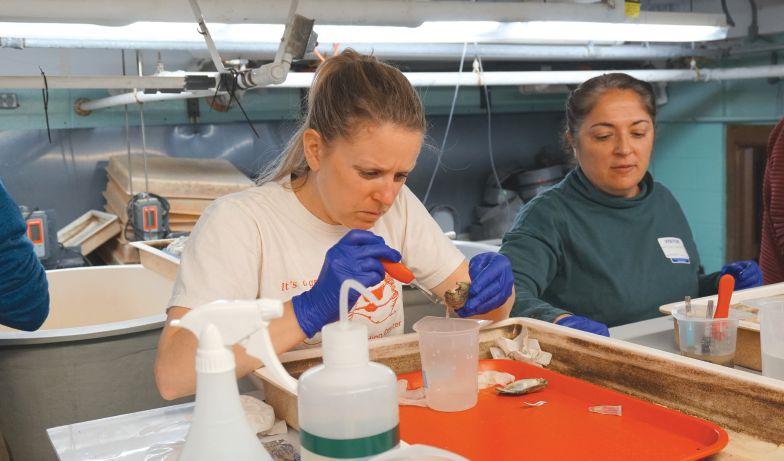
To do that, Proestou and Delomas traveled to Milford in April to oversee a critical “spawning event.” Technicians successfully removed eggs or sperm from individual broodstock, which were then combined for fertilization. The oyster larvae produced will be the parents of the selectively bred oysters in the next generation.
“After a couple of generations, we expect to have oysters that perform well on farms and we’ll provide those oysters to industry hatcheries so that they can produce seed
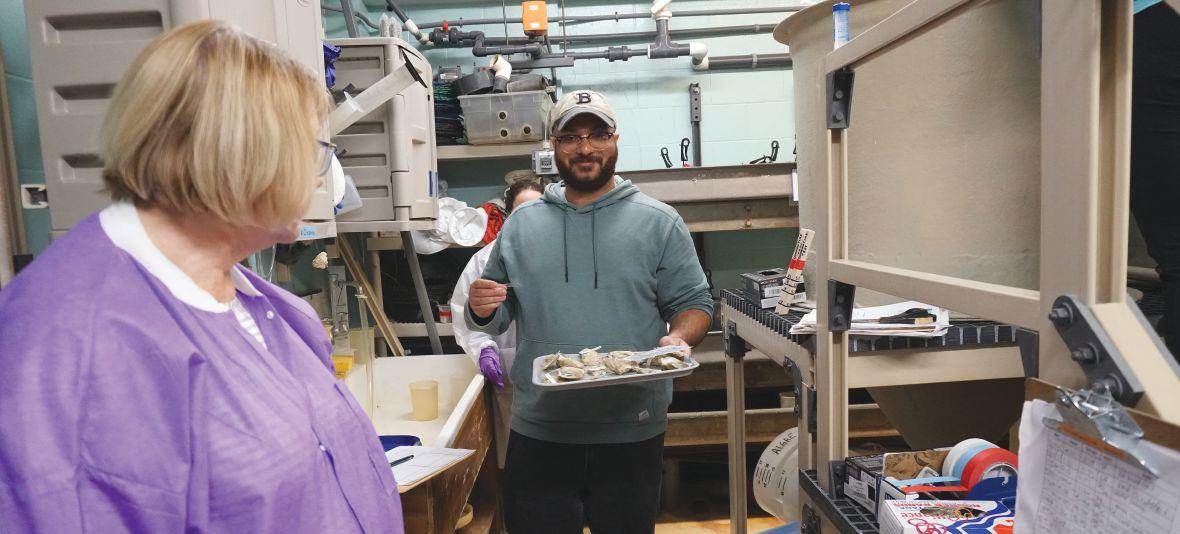
During the April strip spawning event at NOBC, Biological Science Technician Isaiah Mayo carries oyster gamete samples to check their quality and determine if they are eggs or sperm.
PHOTO: NOAA FISHERIES/KRISTEN JABANOSKI
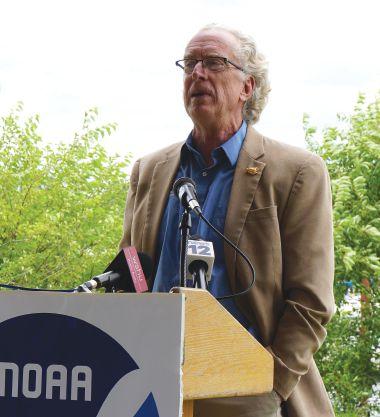
Bob Rheault, executive director of the East Coast Shellfish Growers Association, speaks at the launch of the Northeast Oyster Breeding Center. He is credited as a “driving force” behind its creation.
PHOTO: NOAA FISHERIES/GILLIAN PHILLIPS
for grow out,” Delomas said. “One of the important things about the broodstock we [will] provide is that it comes with no royalties or licensing. Our project is funded by the taxpayers, and so we provide the outputs to the industry with no charge.”
Oyster industry leadership
A critical role in this project – and also a challenging one – belongs to the growers, who will be rearing the oysters from about five millimetres when they leave the hatchery to market size. “If you’re doing this kind of work, you need to be able to keep a hundred lines of animals separate,” said Bob Rheault,
executive director of the East Coast Shellfish Growers Association (ECSGA), which represents 2,300 shellfish growers from Maine to Texas. They collectively harvest almost US$200 million of shellfish annually.
This year, one grower will have that challenge – John West at Moonstone Oysters in Rhode Island. But in the future, there will be farms in Maine, Massachusetts, Connecticut, and possibly New York, Proestou said.
The role of growers in the breeding program is much greater than that, though. “The industry decides on the traits that need to be focused on, and we’re first focused on survival of disease,” Rheault said.
Much credit goes to ECSGA, which lobbies and informs policy makers and regulators, along with providing a slew of resources, guidelines, best practices, and information for growers, the food industry, and consumers.
In fact, said Milford’s Wikfors, “Bob Rheault has been the driving force behind establishment of the NOBC.” A PhD who is an adjunct professor at the University of Rhode Island and a former owner of an oyster farm himself, Rheault became ECSGA’s executive director in 2008. He is a visionary – one who’s persistent, pragmatic, and straight-tothe-point.
“He and the industry he represents long ago recognized the fundamental importance of breeding to overcome environmental and disease challenges to shellfish production. Bob also knows well that an effective breeding program requires the sustained institutional commitment that federal agencies are best suited for, and he has lobbied tirelessly to secure the commitments in NOBC made by both NOAA Fisheries and USDA/ARS,” continued Wikfors.
A few days after the ribbon-cutting ceremony, where Rheault was one of only four speakers, he told Hatchery International how important the new breeding and nursery technologies are.
“We have storm intensity and rainfall intensity associated with climate change. But what really makes me worry the most is the progression of pathogens up the coast. As they get more prevalent, they become a more serious problem,” he said. He ticked off MSX, Dermo, SSO, and JOD, the risks of which increase as waters warm.
“So, these are tools which will allow growers to persist into the future. That’s why I’ve been pushing so hard for so many years,” he said
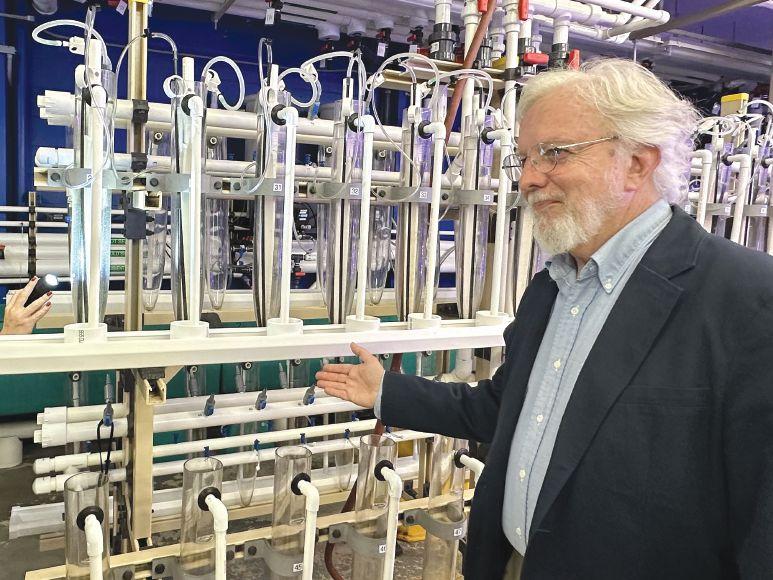
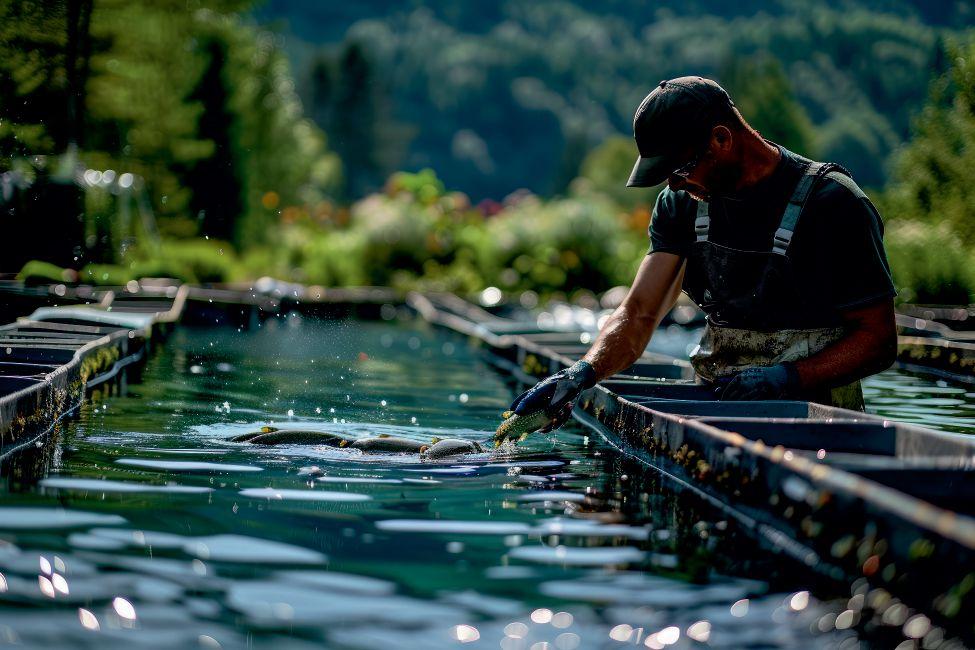



By Bob Atwiine
For Uganda, as with other sub-Saharan African countries, fortunes are to be found in aquatic life because it plays a crucial role in guaranteeing food security – the basis for national economic growth and poverty reduction.
With the recent progressive depletion of marine and inland fisheries in recent years due to uncontrolled fishing activities on its water bodies, the government has come up with partnerships with intent to harness the power of sustainable aquaculture to feed a growing population while preserving the delicate balance of its precious water resources and environment.
At the China-Uganda Friendship Agricultural Technological Demonstration Center (UCFATDC) in Kajjansi Uganda’s Wakiso district, the sounds of laughter and splashing water fill the air as government and Chinese experts work together to pioneer a new approach to fish farming through rice-fish culture system.
The partnership project dubbed as the South-South Cooperation is one of several initiatives supported by the Food and Aquaculture Organization of the United Nations (FAO) and the Chinese government.
According to Chinese aquaculture expert, Chen Taihua, who is overseeing the project under the FAO, the rice-fish culture SouthSouth exchange between China and Uganda is seeking to utilize the centuries-old, successful, integrated rice-fish system – which
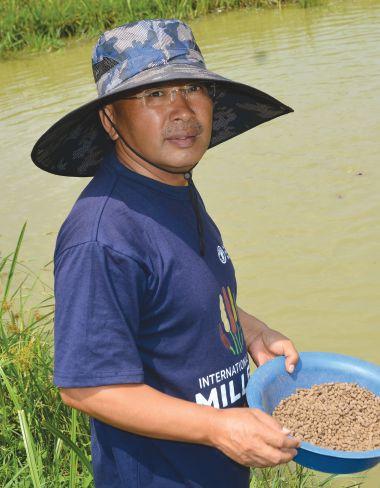
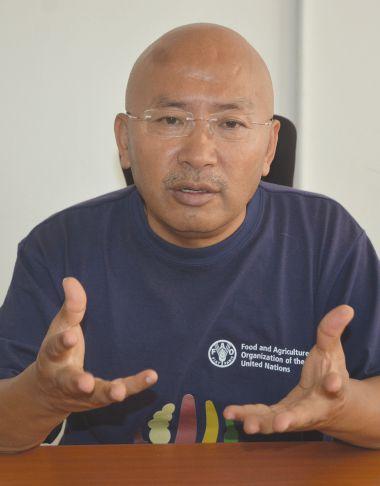
makes it possible to raise fish and plant rice simultaneously in rice fields in a symbiotic relationship – in order to enhance rice and fish yields, increase farmers’ income, create an ecological agricultural system and protect the environment.
At Kajjansi, Chen oversees rice-catfish culture demonstration farm where hundreds of fish farmers throng daily to learn about the system. He says he stocks 500 to 1,000 mature catfish fingerings in the rice pond and can harvest one kilogram per piece after every four months.
Chen notes that rice-fish cultures lessen the environmental impact of agricultural chemicals and help to make rice farming more profitable.
He further explains that the initiative offers a regional and global network of expertise, experience and skills that are expanding on this newer approach to farming throughout the South that addresses multiple development challenges at once.
Together with other Chinese experts stationed in Uganda and with their local counterparts are combing the country to

Uganda agreed to commit more than US$10 million for the project. China will inject nearly US$2.4 million. UN FAO and China are implementing the project, driven by the urgent need to address and develop the country’s aquaculture value chains.
The project will benefit 9,600 farmers including 3,000 women, 1,000 livestock farmers, 100 fish farmers, some of whom are also rice crop farmers.
The project will further facilitate a brooder system to produce over 10 million fish fingerlings, production of over 15 metric tonnes of fish feeds and establishment of at least 100 rice- fish culture farms, according to the head of the project at Kajjansi.
The fish farmers in 30 districts across the country are being empowered through inputs, technical assistance, training and knowledge exchange from Chinese experts.
share tools for knowledge exchange, including training courses and workshops for fish farmers and other aquaculture enthusiasts.
The team conducts orientation workshops followed by pilot activities that have a low investment cost. Once pilot results are monitored, the rice-fish model is scaled up to other potential sites in the country. These activities go hand-in-hand with capacity development activities that include sharing of knowledge and experience to bolster local capacity. The introduction of new technologies is part of the overall rice-fish system assimilation process.
This system has been considered a globally important indigenous agricultural heritage system. Using an integrated technology, it allows fish culture to grow rotationally or concurrently with rice crops in rice fields and at different levels of intensity.
The Chinese expert explains that rice plants offer shade to fish while fish nourish rice plants, soften the soil and oxygenate the water.
“The fish can kill insects that come to destroy rice and rice provides fish with hiding places. So they help each other both to produce high yields,” Chen noted.
The system minimizes risk to resource-poor farmers, increases their net income, and reduces pesticide, herbicide and fertilizer use.
Its influence extends beyond Wakiso district, inspiring similar initiatives in other districts of Alebtong, Amuria, Apac, Budaka, Bugiri Bukedea, Butaleeja, Dokolo, Ibanda, Iganga, Isingiro, and Kaberamaido. The others are Kalungu, Katakwi, Kibuku, Kiruhura, Kole Kumi, Lira, Luwero, Mbarara, Mpigi, Namutumba, Ngora, Otuke, Oyam, Palisa, Serere and Soroti.
Beyond this project, a country-wide fish farming movement is growing. The project partners are connecting government aquaculture experts, farmers and industry stakeholders to share knowledge, resources, and best practices.
The partners have been implementing the project since 2012. Phase two ran from 2016 to 2018 while phase three which started at the end of last year 2023 will focus on more female and youth beneficiaries
The rice-fish system has been effective in doubling yield: on average, 6.7 to 7.5 tons of
rice per hectare, and a total of 0.75 to 2.25 tons of fish per hectare.
“For example on 1,000 square kilometres, you stock 500 to 1,000 fish inside rice and in about four months you are able to harvest each piece of fish measuring 1 kilogram if you feed it on natural feeds,” Chen revealed.
Chen, a Chinese fish expert for over 35 years says similarly, in Uganda, said fish fertilization rose from 26 per cent to 81 per cent, the survival rate of catfish fingerlings improved to 99 per cent, fish formulas for different growth stages improved, and farmers’ uptake of the system increased along with their incomes.
Dr. Papius Magara Tibihika, PhD is the head of the Aquaculture Research and Development Center. He also remarked that through innovative research, community-driven projects, and continent-wide collaboration, Africa is poised to become a global leader in sustainable aquaculture.






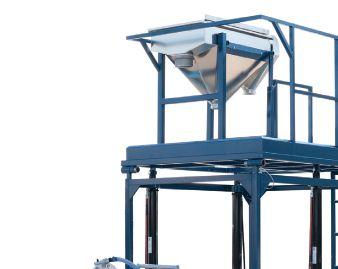



Fishmeal has always been the traditional protein of choice for aquaculture.
Fishmeal has an almost perfect nutritional profile, which supplies the fish with the necessary amino acids and fatty acids needed for good growth. However, problems such as sustainability and availability have been pushing nutritionists away from fishmeal.
The most recent El Niño event which started in June 2023 and dissipated in April this year was considered one of the strongest events recorded in history. With that, problems of fishmeal availability were exacerbated, especially with Peru declaring a 50 per cent observed decrease in industrial landings.
With that being said, we as fish nutritionists are more willing to experiment with feed formulations to include sustainably produced ingredients and by-products to provide our fish with affordable, available and nutritious proteins.
When looking for sustainable ingredients to be used in fish feed, it would be a good idea for us to think from a circular economy perspective. If we adopt this approach, we could recycle resources from any agricultural sector, reuse it efficiently to produce high-quality, affordable animal protein, while also reducing emissions and waste. One way to go about that is to try and use insects and their by-products or co-products as ingredients in fish feed.
Insects are considered the most diverse group of animals on the planet, constituting more than 90 per cent of life on earth. Insects serve a wide range of
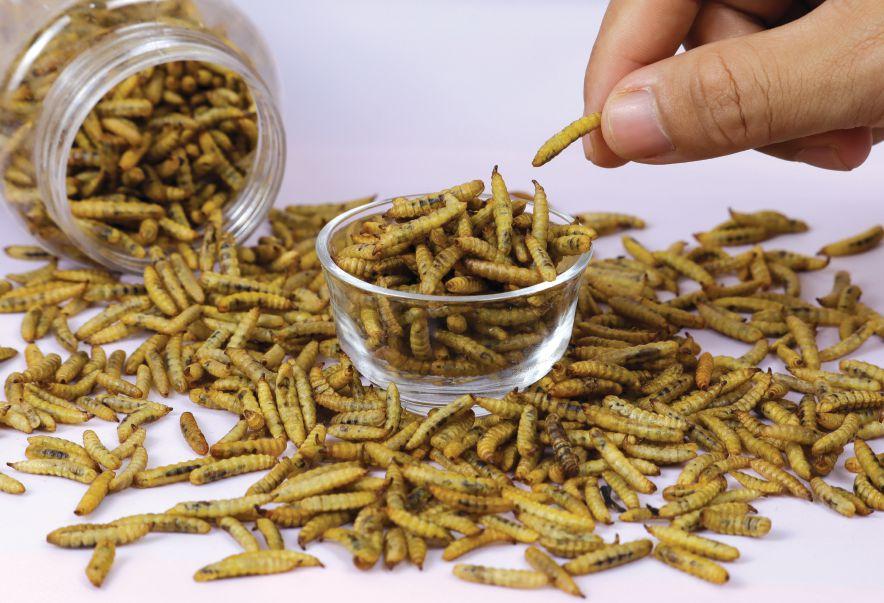
ecological purposes, as they play a paramount role in transferring energy among trophic levels. Additionally, insects decompose detritus and organic matter into basic nutrients.
Their larval form is of particular interest, as they can help degrade plastics. Insect farming is an ancient practice dating back more than 10,000 years. The insects are farmed for a variety of reasons, and feed production can benefit from their ability to cycle nutrients. Insects can use waste organic substrate as a nutrient source to grow into a valuable source of protein. Additionally, insect farming calls for the least amount of land and water to grow the animals, and has low contribution to environmental degradation. Bearing all of the above in mind, it seems that
insects can mitigate the challenge associated with accessing sustainably produced feed ingredients.
According to the literature, 62 species of insects are being farmed either for biological control, food, animal feed, pollination, industrial use, medicine and pharmaceuticals, waste management and research. Among those 62 species, eight are produced mainly to be used as animal feed ingredients.
Black soldier fly is the most popular feed insect, followed by mealworms, house crickets, Mediterranean field crickets, silkworms, common house flies, common green bottle flies, and sun beetles. The insects constitute an important source of nutrients, with their protein content varying anywhere between 34 and 66 per cent. These insects are rich in antimicrobial
peptides, which, along with the chitin from their exoskeleton, can exert immunomodulating effects in fish.
When considering the possibility of using insects as protein sources, we must think about how efficient their use could be.
According to Guiné et al. (2021), the protein concentration of crickets, which can be used as a measure of ingredient efficiency, is around 20.5 per cent, which is very comparable and close to that of poultry and even beef.
Despite all of these attractive features, we should take into account three key factors when formulating feed: the nutritional requirements of the fish, minimizing feed cost, and minimizing the use of certain ingredients that negatively impact the environment.
In order to improve fish growth performance and feed efficiency, an equilibrium must be established between quality nutritious feed, cost-effectiveness, and sustainability. New research is focusing on adjusting the algorithm of feed formulation softwares to simultaneously account for lower cost and environmental impact.
Such adjustments are referred to as “multiobjective formulations”, and are considered compromises between lower costs, lower environmental impacts, and fish growth performance. If entered within the system, insects in their variety of forms can account for a big chunk of the feed formulation.
Insects can help ensure the fish are obtaining high-quality proteins and lipids, while following a circular economy/ ecological principle that is based on recycling and repurposing
by-products and co-products of agricultural ecosystems.
Insects have a big potential to overtake a big part of fish feed formulations as sustainable nutrient sources. Insects, in general, have an attractive protein and fatty acids profile and are produced with minimal environmental impacts. If used as part of multi-objective formulations that factor in the fish’s nutrition, cost-benefit analysis, and environmental considerations, insects can support other meat industry by-products in recycling nutrients and minimizing waste.
The main factor we need to consider though is social acceptance of using insects to feed the food that we will eat. Little research evaluates consumers’ opinions regarding the matter. However, collected data so far suggests that people seem to
strongly encourage using insects as feed ingredients when they’re presented with information that emphasizes the environmental benefits of such use.
We need to advertise the benefits of insect-containing animal feed to help insects buzz their way into aquaculture to help mitigate feed-related challenges.
[1] Chary, K., Van Riel, A., Muscat, A., Wilfart, A., Harchaoui, S., Verdegem, M., Filgueira, R., Troell, M., Henriksson, P. J. G., De Boer, I. J. M., & Wiegertjes, G. F. (2024). Transforming sustainable aquaculture by applying circularity principles. Reviews in Aquaculture, 16(2), 656–673. https://doi.org/10.1111/raq.12860
[2] Guiné, R. P. F., Correia, P., Coelho, C., & Costa, C. A. (2021). The role of edible insects to mitigate challenges for sustainability. Open Agriculture, 6(1), 24–36. https://doi.org/10.1515/opag-2020-0206 Hancz, C. (2020). Feed efficiency, nutrient sensing and feeding stimulation in aquaculture: A review. Acta Agraria Kaposváriensis, 24(1), 35–54. https://doi.org/10.31914/aak.2375
[3] Roccatello, R., Endrizzi, I., Aprea, E., & Dabbou, S. (2024). Insect-based feed in aquaculture: A consumer attitudes study. Aquaculture, 582, 740512. https://doi.org/10.1016/j.aquaculture.2023.740512
The State of World Fisheries and Aquaculture 2024. (2024). FAO. https://doi.org/10.4060/cd0683en
[4] Wilfart, A., Garcia-Launay, F., Terrier, F., Soudé, E., Aguirre, P., & Skiba-Cassy, S. (2023). A step towards sustainable aquaculture: Multiobjective feed formulation reduces environmental impacts at feed and farm levels for rainbow trout. Aquaculture, 562, 738826. https:// doi.org/10.1016/j.aquaculture.2022.738826




By Travis May, Freshwater Institute
Photoperiod and light intensity play a critical role in the growth rate, vigour, and sexual reproduction of many fish species. Yet, many unknowns exist about how light characteristics, such as intensity and wavelength, are perceived by farmed fish (Oldham et al., 2023).
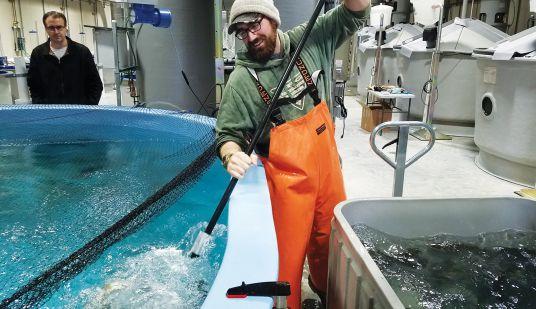
We recently reviewed LED (light-emitting diode) lighting systems for recirculating aquaculture systems (RAS) at the Freshwater Institute (FI), specifically for Atlantic and Coho salmon production.
Today’s advertisements for lighting systems all seem to be for LED-based systems. LED lights are more energy efficient than metal-halide and fluorescent bulbs and can be tuned for light intensity, wavelength, and photoperiod. Before upgrading or selecting your farm’s lighting system, consider the following specifications.
Lighting system specifications
1. Light Spectrum/Wavelength: Visible light is made up of three different wavelengths: long wavelengths (red light 625-740 nm and orange light 590-625 nm), medium wavelengths (yellow light 565-590 nm and green light 500-565 nm), and short wavelengths (blue light 440485 nm and violet light 380-440nm) (Wu et al., 2021). The effects of light spectrum on fish vary based on species and can profoundly impact growth, survival, behaviour, and physiology. Nofima (Norwegian Institute of Food, Fisheries and Aquaculture Research) researchers recently noted that narrow-spectrum LED lights, specifically blue, positively affect postsmolt salmon.
Other studies have shown that different wavelengths can either stimulate or inhibit growth, depending on the species. For example, red light has been found to increase growth rates in some freshwater species, while blue light is beneficial for marine species like salmon during certain life stages. Understanding
these differences for your species is essential for optimizing your farm’s lighting setup.
2. Dimmability (Control Systems): Not all LED lights are designed with the same capacity for dimming. Some LED lights can transition on and off seamlessly, while others must step up or down in light intensity; for example, the light intensity may change every five minutes, starting at 100% and progressing at 25% increments: 50%, 25%, and 0%. This type of stepped transition may present a problem, especially when the lights first turn on. The step from 0% to 25% intensity may startle fish, resulting in negative swimming behaviors like darting, reduced appetite, and increased stress. It is important to understand how your species reacts to stepped lighting transitions.
Smooth dimming systems offer benefits because they avoid abrupt changes in light intensity that can lead to stress responses in fish. Therefore, investing in advanced dimming technologies that offer gradual transitions can enhance fish welfare and productivity.
3. Light Intensity: Light intensity is an environmental factor that influences the growth and reproduction of fish (Di et al., 2023). Light intensity is measured in lumens per square meter (lx) and can vary depending on the placement and number of lights used, water depth, and turbidity. When selecting lighting systems, operators need to work closely with the manufacturer to understand the number of lights required to achieve a target intensity and wavelength, the power consumption of each light, and the placement of the lights either in or around the tank. Large, deep tanks may require a mix of in-tank and above-tank lighting to ensure the light penetrates the bottom of the tank in clear and turbid water quality conditions.
The optimal light intensity can vary significantly between species and even between
Atlantic Salmon 440-565 nm 43 lx Qiu et al. 2015, Handeland et al. 2013 Minimum light intensity for smolt welfare, growth, and development
Tilapia 450-600 nm 2,000 lx Wang et al. 2023 A light intensity of 2,000 lx resulted in better growth when compared to tilapia reared at 1,000 and 3,000 lx, respectively.
Shrimp 500-565 nm 473 lx Reis et al. 2023 The wavelength and intensity listed performed best for shrimp culture using biofloc technology culture systems.
different life stages of the same species. For instance, juvenile fish might require higher light intensities to stimulate feeding behaviour, while adult fish might thrive under lower intensities that simulate natural conditions. Tailoring light intensity to the specific needs of your fish can lead to improved growth rates and overall health.
There are many LED lighting systems and control manufacturers, but only a few offer Aquaculture-specific lighting solutions. Working with a lighting specialist aware of the challenges presented by aquaculture facilities could be beneficial to a farm. Two such manufacturers recently identified by FI are discussed below.
1. Bioled: Bioled provides in-tank and abovetank LED lighting systems that can be used in net pens and land-based farms. Above-tank lighting is recommended for early life stages, from first feeding to fingerling. Bioled abovetank lights emit a white spectrum light. The lights can be linked to Bioled’s light control software, which allows the operator to create a photoperiod for the fish. It is unclear if the light controller can mimic a natural photoperiod with smooth transitions.
2. Philips: Philips lighting systems for landbased facilities are provided through ScaleAQ for purchasing and technical support. Their LED lights are sold as having a patented fish light spectrum. This patented fish light spectrum is stated to optimize fish growth and welfare, though it is essential to verify the specific needs of your species with their technical support team. The associated control system’s ability to mimic natural photoperiods can help reduce stress and improve feeding efficiency.
Species-specific requirements
Lighting needs vary depending on the species and life stage you are raising. For example, Reis et al. (2023) noted that Pacific white shrimp raised in a biofloc system performed better under green LED lights than red, yellow, or blue lights. Wu et al. (2021) noted that cod, barfin flounder, and rainbow trout cultured under blue light showed decreased growth and increased stress response. In addition to Wavelength
wavelength (i.e., color), light intensity has been observed to affect fish performance. Wang et al. (2023) found that Nile tilapia grown in RAS grew larger when cultured at a light intensity of 2,000 lx when compared to 1,000 and 3,000 lx due in part to the fish’s ability to see the food within the water column.
Understanding the specific light requirements of different species is crucial. For instance, tilapia may benefit from higher light intensities that enhance their ability to locate food, while species like cod might require lower intensities to reduce stress. Customizing your lighting system based on species-specific research can significantly improve growth rates and overall fish health. It is important to complete background research on your species before selecting and installing lighting systems.
More research on wavelength and light intensity is needed to identify optimal lighting that promotes growth and immune system response for even the most commonly farmed fish. Furthermore, a better understanding of how light is affected by the RAS environment, such as system turbidity, water colour, fish density, and tank depth,
is needed to help operators make the right lighting decisions for their facility.
Aquaculture companies should consider partnering with research institutions or investing in pilot studies to test lighting alternatives. Pilot studies can provide valuable data on the most effective lighting conditions for specific systems and species. Additionally, staying current with the latest advancements in LED technology and aquaculture research
can help operators continuously improve their practices.
Selecting the best LED lighting system involves careful consideration of light wavelength, intensity, and photoperiod control system. By understanding the specific needs of your fish species and working closely with system suppliers, you can create an optimally lit environment that enhances growth, reduces stress, and improves overall fish health.
[1] Di, Z., Li, K., Li, T., Yan, L., Jiang, H., & Liu, L. (2023a). Effects of light intensity and photoperiod on the growth performance of Juvenile Murray Cods (maccullochella peelii) in recirculating aquaculture system (RAS). Aquaculture and Fisheries, 8(3), 274–279. https://doi.org/10.1016/j.aaf.2021.12.009 Oldham, T., Oppedal, F., Fjelldal, P. G., & Hansen, T. J. (2023). Adaptive photoperiod interpretation modulates phenological timing in Atlantic Salmon. Scientific Reports, 13(1). https://doi.org/10.1038/ s41598-023-27583-7
[2] Reis, W. G., Wasielesky Jr, W., Abreu, P. C., Brandão, H., & Krummenauer, D. (2023). The influence of different light wavelengths in the culture of the Pacific White Shrimp Litopenaeus Vannamei reared in BFT using LED lights. Aquaculture, 563, 738924. https://doi.org/10.1016/j.aquaculture.2022.738924
[3] Wang, K., Li, K., Liu, L., Tanase, C., Mols, R., & van der Meer, M. (2023). Effects of light intensity and photoperiod on the growth and stress response of Juvenile Nile tilapia (Oreochromis niloticus) in a recirculating aquaculture system. Aquaculture and Fisheries, 8(1), 85–90. https://doi.org/10.1016/j. aaf.2020.03.001
[4] Wu, L., Wang, Y., Li, J., Song, Z., Xu, S., Song, C., Han, M., Zhao, H., Zhou, L., Wang, Y., Li, X., & Yue, X. (2021). Influence of light spectra on the performance of juvenile turbot (Scophthalmus Maximus). Aquaculture, 533, 736191.
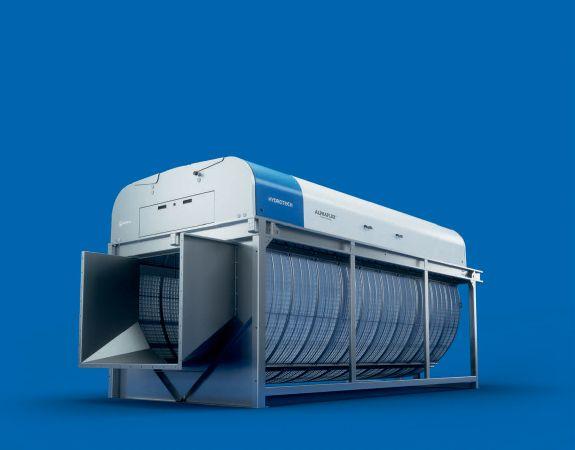
The Hydrotech Drum Filter Value series focuses on reduced maintenance, increased component quality and simplified operation – all to give your plant maximum filtration performance at a minimum operational cost.
Let us help you!
Call +46 (0)40 42 95 30, or visit www.hydrotech.se

Primerdesign launches Norovirus detection kit for oysters
Primerdesign, a company that makes real-time PCR kits and reagents, has launched the genesig® Easy_oys Detection Kit for Norovirus in oysters.
The quantitative PCR (qPCR) assay enables rapid and reliable detection of genogroup (G)I and GII Norovirus pathogens in oyster tissue. The user-friendly workflow offers a solution that can be used on-site to identify the contamination points across the production line, helping to reduce public health risks and minimize shellfish farm closures.
It was developed together with oyster farmers and the Shellfish Association of Great Britain, providing them with an accessible tool to rapidly assess the food safety risk and give them confidence in the quality of their oysters.
“After many months of working closely with Shellfish Association of Great Britain members, I am delighted to see the hard work come to fruition with the launch of Primerdesign’s Norovirus testing workflow. Due to the pollution of our coastal waters, this is much needed by our industry, as we strive to ensure we market a nutritious, wholesome and,
crucially, safe product,” said David Jarrad, CEO, Shellfish Association of Great Britain.
There is a growing need for methods to detect and quantify viruses in bivalve shellfish to control and risk manage potential outbreaks and spread. The Centre for Environment, Fisheries and Aquaculture Science (Cefas) in England and the Marine Institute in the Republic of Ireland currently perform a limited number of tests on each grower due to resource constraints.
“Many farmers are under pressure to test for Norovirus in order to prevent an outbreak and risk consequent closure. However, the lack of approved commercially available tests currently available in the UK and limited accredited testing facilities often results in delays, presenting a significant challenge to the industry,” said Dr. Stephanie Anderson, product manager, Primerdesign.
The genesig Easy_oys Norovirus kit is highly sensitive and demonstrates detection of both GI and GII down to 500 copies/gram, making it a suitable risk management tool to ensure that oysters with high infection risk are detected. The kit includes all the reagents needed to conduct viral testing in line with
the ISO 15216 guidelines, without any prior lab experience. The complete testing workflow, including the exisgMag extraction kit, genesig Easy_oys Norovirus kit, and the genesig q16 instrument, delivers results within four hours.
Piotr Postepski
Protix, a company that makes insect-based ingredients for animal feed, has appointed a new Chief Commercial Officer (CCO).
Piotr Postepski will begin his new role of driving the company’s international expansion in August 2024. He will be responsible for the overall commercial strategy, leading the sales team, marketing and business development activities as well as product development.
Postepski has almost two decades of international experience at global companies and a career that spans various leadership
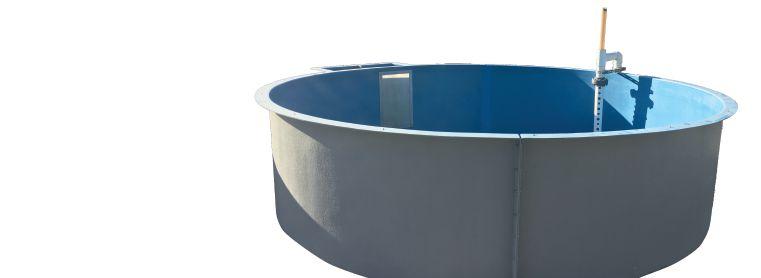





roles in the pharmaceutical sector. Before joining Protix, Piotr was instrumental in the development and scaling of a global, innovative animal health business.
He’s a trained veterinarian and holds a master’s degree in veterinary medicine from the Agricultural University of Lublin, Poland. He also attended the Warsaw School of Economics and the London Business School.

Todd Young, executive vice president and chief financial officer of Elanco Animal Health (PHOTO: ELANCO ANIMAL HEALTH)
Merck Animal Health has completed its acquisition of the aqua business of Elanco Animal Health Inc.
Merck stated in a press release that this acquisition bolsters its position in the aqua industry to promote fish health, welfare and sustainability in aquaculture, conservation, and fisheries.
“We are excited to welcome our new colleagues to Merck Animal Health and we look forward to working together, driven by our common purpose of the Science of Healthier Animals,” said Rick DeLuca, president of Merck Animal Health.
On Feb. 5, Elanco announced it was being sold for about US$1.3 billion, about seven times the estimated 2023 revenue of the Elanco business. The sale was completed for US$1.3 billion in cash, with approximately $1.05-$1.1 billion in net proceeds available for debt paydown in the third quarter of 2024.
As a result of the acquisition, Merck Animal Health now owns products such as CLYNAV, a new generation DNA-based vaccine that protects Atlantic salmon against pancreas disease and IMVIXA, an anti-parasitic sea lice treatment and water treatment product for warm water production, complementing Merck Animal Health’s vaccine portfolio.
“Finalizing this transaction marks a significant milestone in concentrating our focus on high-value opportunities in pet health and livestock sustainability while creating balance sheet flexibility,” said Todd Young, executive vice president and chief financial officer of Elanco Animal Health. “The proceeds from this transaction, combined with increased free cash flow from our operations, accelerate our deleveraging and positions us to deliver substantial value over time.”
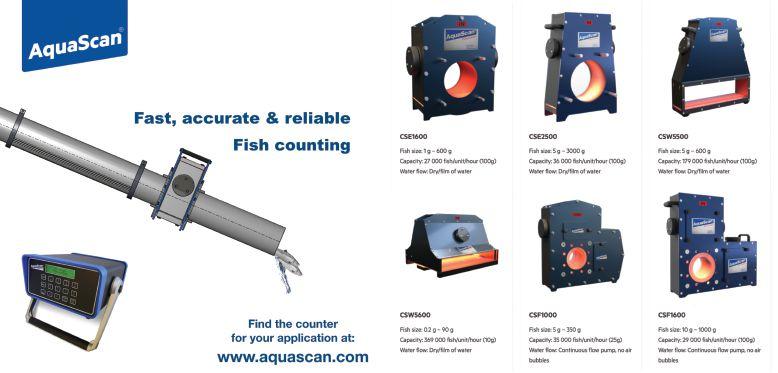


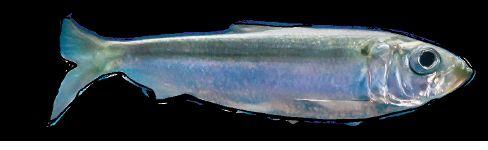
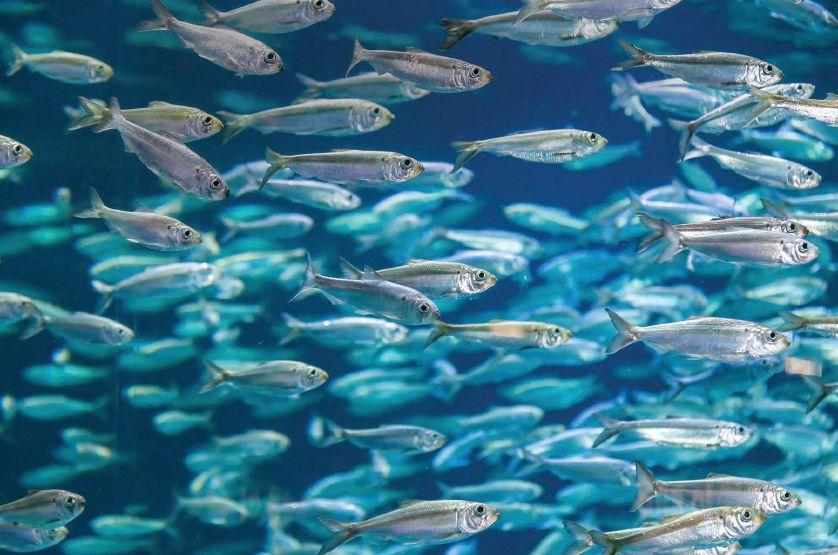

Choose a model with 30 or 50 quick adjust settings. Fish pass hassle-free through large bars.


We are your source for professional aquatic and aquaculture products and services. Our hands-on experience allows us to offer practical solutions to your situation, big or small. We have years of experience in retrofit and new construction and understand your needs. Contact us today to learn more!
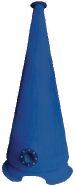

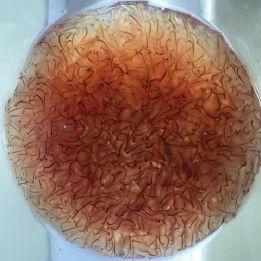





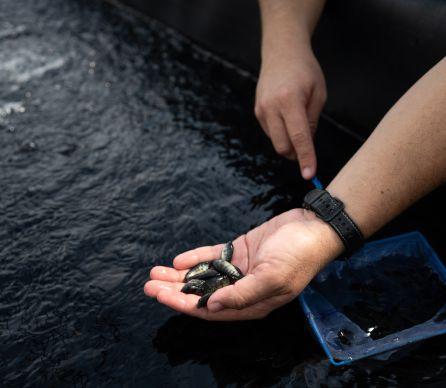

Can RAS transform shrimp farming
George Chamberlain, The Center for Responsible Seafood

Sustainability is more than a name David Roberts, Sustainable Blue

Leading with confidence Trond Håkon Schaug-Petterson, Samon Evolution

The rise of Japanese RAS Dharma Rajeswaran, Proximar Seafood

Hard path to innovation with Atlantic Sapphire Johan Andreassen, Atlantic Sapphire



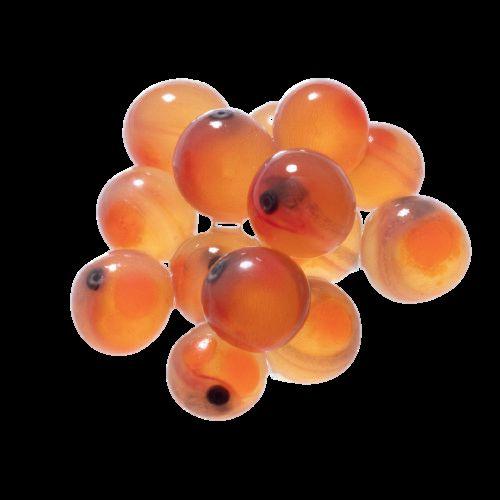


HATCHERY HACK by Nicole Kirchhoff
The goal for every business, hatcheries included, is to maximize productivity and profitability. With so many variables, dynamics, and risks, inventory management and planning can be a complex but essential exercise for both managers and staff to perform.
Let’s go through this five-step process.
STEP 1: The power of goal setting Articulating your production goals as specifically as possible is your first step.
In an optimal world, how many animals (or plants) can your hatchery produce? What is the production interval between batches or until they are moved between hatchery and nursery or between hatchery and sale?
How much live feed (live algae, rotifers, Artemia, etc.) is needed and when specifically during each batch is each feed required? What is the production lead time needed for each live feed and what volume do you need to produce to supply what you need for production?
How much weaning diet, algae paste, or other consumables are required per batch? How does production vary with season? With customer order preferences?
Essentially you are setting your goal posts and describing, as specifically as possible, the steps and items needed.
Here is a simplified example, but your evaluation should be far more detailed than this: Farm X can potentially produce 40,000 red drum at 28dph in their hatchery and can hold 32,000 red drum in their nursery for another 21 days to transport size of 0.5 grams.
This means that optimally 12 batches of 32,000 red drum (384,000 fish) can be sold each year. Each batch requires eight days of rotifers (at 54 million per day, at 20 per cent culture volume harvested per day means 220 litres of intensive culture) and five days of Artemia naupli (at 11 million per day or 44 grams cysts hatched in 100 litres), eight days of green water (using 1.5 litres of Nanno paste per day), two weeks of the weaning diet suite and three weeks of transition pellets. Two populations of broodstock (two females and two males each) to ensure egg production year-round.
Keeping a hatchery running at full production year-round can maximize both
production and economic. Therefore, next, you should describe variables that impact your production consistency.
How predictable are your species spawns, spawn quality, and spawning intervals? How variable is your production performance (i.e. survival, time to each diet transition, growth, etc.)? How variable is your live feed production? Are there times of the year, like the holiday season, when you can’t produce, move fish around the hatchery, or transport fish to customers like normal?
What variation can you anticipate from your customer orders? Are your customers ever late in picking up or receiving orders? Are their orders consistent in volume and product size/species? Is your product demand consistent year-round or are some products only available or have demand seasonally?
How long does it take to move and/or pack your product? How long does it take to clean and prepare your farm for a new batch? How early can you know a batch will be successful and what variables should you measure to predict this? Is there a time of year when you consistently cannot produce or the risks of a batch failure are too high?
The more production data or experience you have, the more accurate your list and description of variability. This is where having friends in the industry, industry association groups, and other extension documents can help.
What emergencies can you anticipate, when, and what frequency can they occur? Storms and power outages. Disease. Consumable shortages. Equipment failure. Staff changes or shortages. Security threats. Customer farm failure or turnover. A spreadsheet would be a great way to organize sources of variability and risk to your operation.
Blaming, complaining, and making excuses for each production limitation or risk to your farm will get you nowhere. Instead, take responsibility and realize you have the power to direct your operation and create your own success. For each source of variability and risk listed above, brainstorm how to mitigate or overcome it.
For example, if your broodstock can predictably produce x amount of good eggs per
month per mating pair but only predictably produce for three months of the year, you will need to have four different populations of y numbers of mated pairs per population to get spawns you need year-round. To accurately time each spawn, we will use slow-release spawning implants.
To prevent the build-up of organics and to perform preventative equipment maintenance, you may decide to shut down some or part of your hatchery for two weeks every year for cleaning and servicing. And since maintaining the hatchery temperature is difficult for my farm in the middle of winter and the risks of storms and power outages are consistently high in January, we will plan to shut down the first two weeks of January every year.
To mitigate rotifers failure, I will divide my rotifer production into three tanks. I will also off-cycle larval batches so only 50 per cent of my hatchery is consuming rotifers each week, the other half consuming Artemia or weaning diet.
There are many extension publications and consultants that may help you brainstorm ways to empower your farm to increase performance and mitigate risk. Think outside the box as more developed terrestrial farming industries have great ideas that can be borrowed.
Now it’s time to pull this together into an annual production and inventory management plan complete with stocking production goals, data collection time points, and even dates for each spawn induction, tank stocking, and harvest for the season. And prioritized a list of hatchery investments, upgrades, and design innovations. (Where does that backup generator and oxygen probe go again?)
Both your hatchery and sales team will appreciate the detailed plan, as well as your investors and management.
Today, many products are claiming to help hatcheries and growout farms to manage inventory. For example, AI and digital cameras are utilized to track tank stocking density, survival, growth, feed utilization, etc. While extremely useful, these products will never replace the benefits of going through this exercise at least once, if not every couple of years.







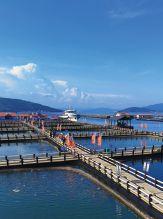



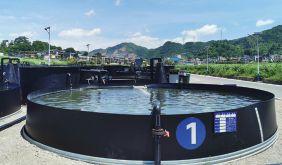






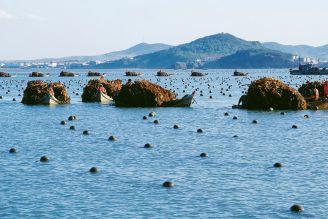



















































ASSOCIATE






























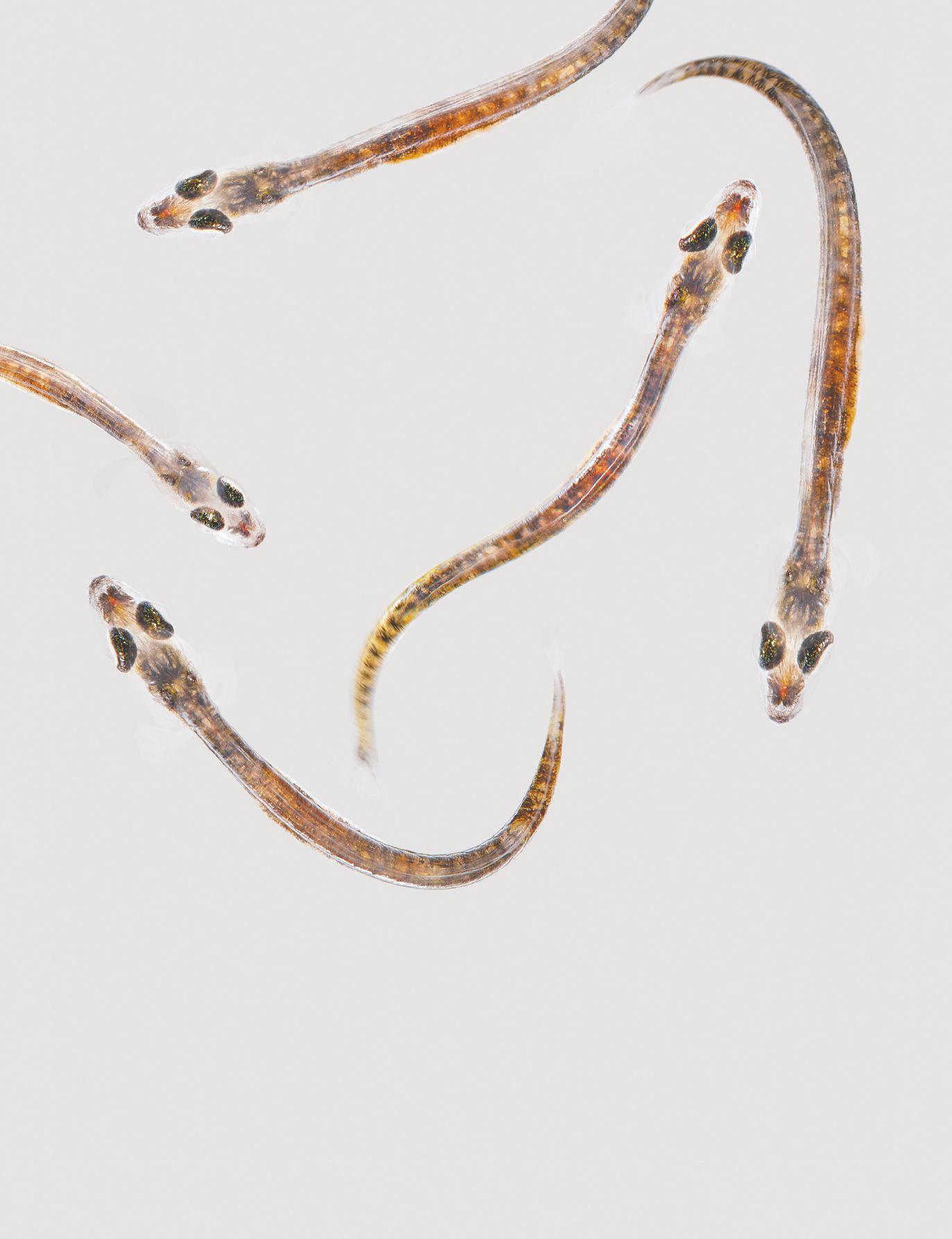
LARVIVA is a complete range of hatchery feeds. It is specially developed to maximize the success of the hatchery operations by giving your larvae a strong start ensuring high quality, robust and performing fry ready for the grow out stages. www.larviva.com