Media Designer Svetlana Avrutin savrutin@annexbusinessmedia.com
Audience Development Manager Urszula Grzyb ugrzyb@annexbusinessmedia.com 416-510-5180
Group Publisher Anne Beswick abeswick@annexbusinessmedia.com 416-410-5248
President/COO Scott Jamieson sjamieson@annexbusinessmedia.com
PUBLISHED BY ANNEX BUSINESS MEDIA 105 Donly Drive South, Simcoe, ON N3Y 4N5
Hatchery International is published six times a year by Annex Business Media. The authority for statements and claims made in Hatchery International is the responsibility of the contributors. Reference to named products or technologies does not imply endorsement by the publisher.
Subscription rates (six issues) Canada: $37.00
Within North America: $48.00 CAD
Outside North America: $62.00 CAD
To subscribe visit our website at www.hatcheryinternational.com
PRINTED IN CANADA ISSN 1922-4117
Publications Mail Agreement #PM40065710
RETURN UNDELIVERABLE CANADIAN ADDRESSES TO 111 Gordon Baker Rd., Suite 400, Toronto, ON M2H 3R1
The advertising deadline for the Nov/Dec issue is Sept. 22. Don’t miss the opportunity to be part of this exciting aquaculture publication. For more information, or to reserve space in the next issue, call our advertising department at +1.250.474.3982 jthain@annexbusinessmedia.com
Next Editorial Deadline
The editorial deadline for the Nov/Dec issue is Sept. 27. Contact Jean Ko Din at jkodin@annexbusinessmedia.com for details. Material should be submitted electronically with prior arrangement with the editor.
JEAN KO DIN
New ideas happen everyday
Iadmit that the shrimp farming industry is still something I don’t fully grasp yet. But after attending the 2023 Shrimp Summit virtually, I feel a new sense of understanding and inspiration to pursue more stories about the sector.
This fast growing sector is faced with many challenges ahead but if the meeting at Ho Chi Minch City is any indication, the industry is fired up to make real progress. I immediately identified with George Chamberlain’s closing remarks. As someone who also organizes an annual industry conference (RASTECH 2024 is in Charlotte, NC), I am also driven by the hope that facilitating opportunities for knowledge sharing will eventually lead to industry-wide progress. A lot of knowledge was shared in this industry meeting and I invite all readers to stay tuned on our website for more summit coverage.
Our Top 10 Under 40 program is another thing that you can stay tuned for. I’m happy to report that we’ve received a record number of nominations from around the world this year. In past years, I’ve struggled to ensure a diverse pool of candidates to feature in our
November/December issue. But this year, I’m excited to dig in and bring forward some young professionals that are rejuvenating their industry.
Thank you to all those who sent nominations and helped bring new corners of the world to our attention. The Top 10 Under 40 program may seem simplistic, but it’s such a valuable part of bringing the global industry to these pages. Representation matters.
These Top 10 winners become representatives for their company and for their community. Their passion helps inspire younger generations to pursue diverse fields of work and assure older generations that the future is in good, capable hands.
This issue is also filled with this intent. From Rwanda to Vietnam, to Norway, to the United States, there are so many new ideas and developments to share.
Yet, these are only some of what we were able to fit in our pages. The goal is to continue identifying ongoing industry problems and sharing new ideas to solve them. I’d love to hear your ideas at jkodin@annexbusinessmedia.com.
Biodegradable seed mussel collector developed in the Netherlands
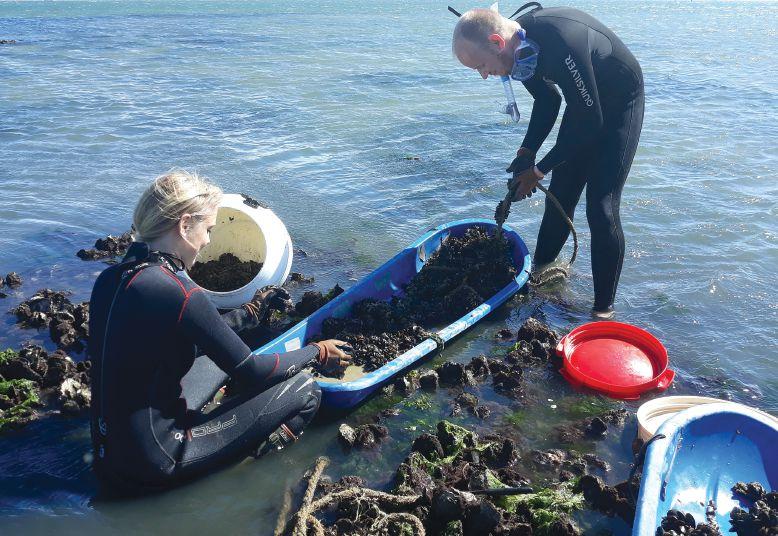
Collaboration among the Royal Netherlands Institute for Sea Research (NIOZ), Wageningen Marine Research and machine factory, Bakker BV, all located in the Netherlands, has developed the BioShell-SMC, a biodegradable seed mussel collector (SMC) used for on-bottom mussel cultivation.
It ticks all the boxes in terms of sustainability and conservation. “As a biodegradable seed mussel collector, the BioShell-SMC could potentially be relevant during this time of increased focus on sustainability and conservation. The biodegradable materials, of which the Bio-Shell has been made of, break down naturally over time, reducing the potential for long-term environmental impact,” Lisanne A. van den Bogaart, researcher at the NIOZ, told Hatchery International
Van den Bogaart is one of the authors of the study, “Comparing traditional vs. biodegradable seed mussel collectors (SMCs) for seed settlement, seed density, and seed growth: Effect of deployment depth and location,” published on Aquacultural Engineering
“Traditional SMCs are made of nylon and plastic. Potential loss of parts of the system or degradation of the fibers can lead to littering of the littering of the sea. The biodegradable components of the BioShell-SMC align with the principles of sustainability and conservation by minimizing waste and reducing the accumulation of non-biodegradable materials in marine ecosystems.”
The BioShell-SMC consists of a biodegradable sock based on a compound of aliphatic polyesters, placed around a coconut-fiber carrying rope and filled with empty cockle shells.
Similar to traditional SMCs, the system can be deployed in the sea to collect drifting mussel spat in the water column.
“After a few months, the entire system can be retrieved and transported to designated bottom culture plots. The inclusion of empty cockle shells within the socks makes the BioShell-SMC particularly suitable for on-bottom placement, as it provides a suitable attachment substrate for the mussel seed. This approach offers a more controlled seeding process compared to traditional mussel collectors,” she explained.
In six out of nine locations, the Bio-ShellSMC’s yield was comparable to the traditional collector types, which is a conventional SMC made of multi-filament synthetic fibers around a core of coated lead.
Developed for one-time use, it can be seeded as an entire system and it will break down after some time. Even with equivalent capture
LONG-LASTING AQUACULTURE PUMPS
and cultivation results, the BioShell-SMC is not more expensive than traditional ropes, van den Bogaart said.
In large quantities, socks per metre cost €0.19 (US$0.21), with an additional €0.08 (US$0.9) for filling it with empty cockle shells, making the total cost €0.27 (US$0.30) per metre for the bio collector. Price of traditional weighted SMC with a similar underwater weight is €2.20 (US$2.43) per metre, with a lifespan of eight years. Annual depreciation cost is at €0.28 (US$0.31).
The BioShell-SMC is not commercially available. Its use is currently limited to the project and not implemented on a larger scale. “If future studies demonstrate positive results for BioShell-SMC, it has the potential to make a valuable contribution to the Dutch mussel industry,” she said.
–
Lisanne A. van den Bogaart, researcher at the Royal NetherlandsInstitute for Sea Research, with colleague, Tim Grandjean. PHOTO: LISANNE A. VAN DEN BOGAART
Ruby Gonzalez
France study finds advantages in using lower incubation temperature in European seabass eggs
European seabass eggs incubated at 11°C until hatching produced juveniles that exhibited less changes following the fast-refeed regime.
This was demonstrated in experiments ran in the experimental facilities of IFREMER IRD, INRAE facilities in Palavas-Les-Flots in France.
“Food deprivation did not significantly modify the morphology of the foregut and the liver parenchyma recovered sooner in fish from the 11 °C egg thermal regime compared to fish from the other thermal regimes following refeeding,” cited Ana Patrícia Mateus et al.
Their study, “The impact of egg thermal regimes on the response to food deprivation and refeeding in juvenile European Seabass (Dicentrarchus labrax)” was published on Aquaculture.
“The first message coming from the study is that eggs/embryos should be rapidly harvested from broodstock tanks into an incubator with a controlled and desired water temperature,” Dr. Deborah Power, corresponding author, told Hatchery International. Power is a professor at the University of Algarve in Portugal.
She suggested that the usual industry protocol of using 13.5ºC “should be reconsidered by different hatcheries and they should consider not only immediate quality criteria but also juvenile quality.”
Stressing the importance of time and temperature, she said, “The fertilized eggs/embryos should be collected as soon as possible from broodstock tanks into a constant thermal regime to ensure constant thermal conditions during embryo development to minimize one of the factors causing variability between production lots.”
Eggs were incubated at 11, 13.5 and 16°C until hatching. Afterwards, these were reared at a common temperature until nine months, when fish were deprived of food for one week.
Fasting and refeeding challenge was done during the research to assess if the egg thermal regime influenced the response in late juveniles. Power explained the team wanted to select a challenge that normally happens in aquaculture. Food deprivation occurs pre-harvest, during an equipment malfunction or when feeding levels are inappropriate for fish mass versus water temperature.
– Ruby Gonzalez
HI_Arvotec_MayJune23_CSA.indd 1
Head researcher, Deborah Power (right), with her team
Dutch company opens new aquafeed plant in East Africa
Fish farmers in Uganda and East Africa at large may now have greater access to affordable aquaculture feed with the opening of a new production plant by Dutch animal feed manufacturer, Royal De Heus.
Production is set to begin by mid-2024 at its new plant in Njeru-Jinja, Eastern Uganda.
De Heus, the parent company of Koudijs, is a family-owned Dutch company established in 1911, currently run and managed by the fourth generation. The company has more than 100 factories in Europe, Asia, Africa and Latin America, and is ranked among the top 10 global animal feed companies.
Bon Tjeenk Willink, general manager of De Heus Uganda, says the plant will be producing 50,000 metric tons of fish feed per annum for the East African market and hopes to reduce on import bill of aquafeeds in the country and the region.
“De Heus will build on the Koudijs reputation for consistent high-quality feed,” said Willink. “Soon, with local feed production, the business case for fish farmers will improve significantly and we are confident more people will start and grow fish farms.”
Aquaculture is still very young in Africa and access to feeds is one of its greatest impediments so far. The situation is worsened by the supply strain due to the Russia-Ukraine war which has reduced supply, on top of high feed import costs. Many African fish farmers have closed business as a result, while those still standing are struggling to provide fish meal.
Willink notes that the plant seeks to solve this problem of fish feed import dependency by sourcing its raw materials – such as maize, cassava, soybeans and others – locally as much as possible.
Dutch Ambassador to Uganda Karin Boven also emphasized that the Netherlands community in Uganda is always ready to give out support by investing in commercial farming to ensure productivity and improved standards of living.
– Bob Atwiine
De Heus Uganda ground breaking took place on June 27
PHOTO: BOB ATWIINE
Kakhovka dam destruction hits the Ukrainian fish farming industry
At least a dozen fish farms were destroyed as a result of the Kakhovka dam breach on June 6, causing death to thousands of fish and contamination of vast territories, Ukrainian scientists reported. The effect is expected to be long-term as it may take decades and billions of dollars for the ecological situation to recover.
In the Kakhovka area alone, 12 fish companies ceased to exist due to the draining of the water reservoir, estimated Roman Novitsky, head of the aquaculture department of the Dnipro State Agrarian and Economic University. Most of these businesses used to purchase broodstock from local hatcheries to stock the water reservoir and catch fish when it reached commercial size.
The Ukrainian Agricultural Ministry estimated that fish production in the area before the dam breach was nearly 2,000 tonnes per year. The Ukrainian government assumed that it would not be possible to fully revert the situation unless a new dam was built. The Economy Ministry preliminary calculated that the cost of the project could be close to US$1 billion.
Before the catastrophe, the Kakhovka ecosystem consisted of 52 fish species, with five to six of them, produced commercially, the Dnypro University claimed, estimating that even if the work starts now, it would take 25-30 years to rebuild the destroyed ecosystem.
In addition, numerous pond-type farms downstream the Dnipro River were also lost, Novitsky said, adding that the impact was seen with the naked eye in the Maryanskaya village in the Dnipro River, where 28,500 dead crucian carp was discovered on the riverbanks following the flood. Some consequences, however, should come to the fore with a three to six months delay.
Kakhovka water reservoir was feeding large agricultural territories in the south-eastern parts of Ukraine, and now they are expected to suffer.
In addition, the territories affected by the flood are dangerously contaminated, said Vladislav Balinsky, head of the local ecological NGO Green List. Among the substances found in the flooded territories, scientists have already detected salmonella, astrorotavirus infections, and cholera-like vibrios. The regional authorities in the Dnipro and Kherson regions have even banned selling locally grown fish, citing safety concerns.
The long-term impact is also associated with an unprecedented shift in the natural balance of the aquatic environment, Balinsky said.
“Due to the large inflow of water from the Kakhovka reservoir, the sea is desalinated, which negatively affects marine life. Freshwater fish, in turn, is washed away due to large-scale flooding. Some species, like carp, go blind from high levels of salt and lose the ability to navigate. The remains of dead fish will settle and rot, causing new environmental problems,” Balinsky said.
In addition, the water in the Dnipro Riverbank, downstream of the Kakhovka dam, is heavily contaminated with numerous chemicals since the flood also washed out various munitions, in the first place, land mines in substantial quantities.
Over the past years, the Ukrainian government subsidized fish stocking in the Dnypro River under a contract with a group of hatcheries across the country. This work is expected to be suspended for the time being.
solutions for fresh & sea water.
Shrimp Summit takes deep dive into industry challenges
By Jean Ko Din
Shrimp farming is something that can make poor men rich and rich men poor. But, Robins McIntosh said it is passion that drives the business.
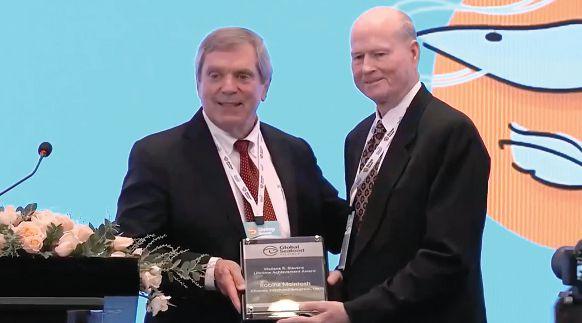
McIntosh was named an honoree of a Lifetime Achievement Award at the inaugural Global Shrimp Summit. In his keynote address, he shared about his lifetime in the industry and how he has seen the passion that drove him and his colleagues to keep going “even though maybe logic says we shouldn’t.”
“I think it’s one of the hardest jobs you can do. And it really has created a brotherhood around the world,” said McIntosh, CEO of Homegrown Shrimp USA and executive vice-president of Charoen Pokphand Group Co., Ltd.
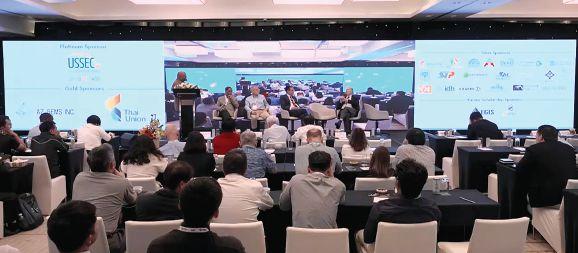
The 2023 Global Shrimp Summit took place on July 24-26 at the New World Saigon Hotel in Ho Chi Minh City, Vietnam. The event was also available to virtual attendees on the event website.
The industry event was organized by TCRS, a non-profit organization dedicated to becoming a global hub for knowledge sharing, applied research and collaborative programs for the seafood industry. The Shrimp Summit is co-hosted by the Global Seafood Alliance (GSA), the Vietnam Department of Fisheries, the Vietnam Fisheries Society (VINAFIS), and the International Collaborating Centre for Aquaculture and Fisheries Sustainability (ICAFIS).
TCRS president, George Chamberlain, said the event welcomed international seafood buyers, technical experts, NGO representatives, government officials and producers. As global demand for farmed seafood increases, he said there is a growing need for the industry to come together to create sustainable solutions.
“In my mind’s eye, I could imagine every session drawing to the ultimate conclusion, and we would know the road map, but of course, that’s unrealistic in one hour,” said Chamberlain at the closing address of the event. “The thing that I think is crucial is to follow up. We need to not lose the momentum.”
From sustainable feeds, improver programs, investment and innovations, many topics were discussed during the three-day event.
McIntosh joined a panel discussion of fellow experts deriving key differences between shrimp breeding programs in Ecuador and Asia. He presented on the merits of specific pathogen-free (SPF) breeding and farming, which is a method that he attributes to the “Asian Shrimp Revolution” that began in 2000.
“Once (the SPF method) was installed, it was a straight line up for survival rates,” he said.
But as the Asian industry faces major biosecurity concerns, McIntosh was asked about India as an example of whether genetics and breeding can be harnessed to take on these challenges. He explained that the mortalities many Indian farmers face cannot only be solved through genetics, it’s also the level of pathogens in the farms.
“I can’t send my animals to India,” he said during a panel. “The levels have built up to very high levels. If you reduce your levels and stock at lower densities, and I’ve talked to Indians that have done this, they are successful.”
In comparing Ecuador’s mass selection method to the SPF model, McIntosh added that the path forward for the Asian industry might not be in either method, but in first applying lower density systems.
“Yes, you can select for basically anything with the right model,” added John Buchanan, CEO of the Center for Aquaculture Technologies. “I think it’s important to note that production’s accommodation of health management, nutrition, husbandry and genetics, I don’t think genetics is the only solution. And it wouldn’t be instantaneous.”
In his presentation, Buchanan explained the advantages and disadvantages of many shrimp breeding methods. Looking to the salmon industry, he said genomic selection method is gaining popularity in shrimp farming and could be the next step.
“Genomics coming on board can really speed those processes up and make more gains per generation, at a cost. So, you need to make sure that you understand the return on investment and it’s not a burden,” Buchanan said.
João Rocha, an Ecuadorian geneticist with Texcumar and AQuest, presented data from CNA Ecuador that showed the rapid growth of the country’s shrimp production from 2010 to present day. It also showed in the first half of this year, the country had already produced 18 per cent more than the previous year.
“This is a success in production, but in terms of the economy of production, you know very well that with this excess of production, the prices went down,” said Rocha.
The shrimp market around the world has been experiencing rapid growth in production. Allan Cooper, Vitapro business and value creation director, explained that while shrimp production grows stronger, the current market demand is lagging. Cooper said if the industry wants to drive further growth, companies must build demand and “be N.I.C.E.”
“Narratives that highlight benefits. Innovation towards new usages. Consumption trends that build momentum. Education for first-timers to refute misconceptions,” he said, explaining the acronym.
For more coverage of the 2023 Shrimp Summit, visit hatcheryinternational.com
The 2023 Shrimp Summit took place on July 24-26 in Ho Chi Minh City, Vietnam.
PHOTOS: THE CENTER FOR RESPONSIBLE SEAFOOD
SAVE YOUR PRODUCTION!
Water quality has a significant impact on the aquaculture industry. Water control and treatment are essential to ensure the health and growth of fish, mollusks, or crustaceans present in the hatcheries and RAS. In hatcheries, water quality and cleanliness are of critical importance. At the start of their lifecycle, animals are particularly sensitive and susceptible to disease outbreaks. In recirculating aquaculture systems (RAS), nutrients in the water chemistry cause serious health hazards for the fish. A deterioration in water quality increases the risk of bacterial and viral proliferation, responsible for diseases.
To minimise the loss caused by these harmful micro-organisms, to prevent the proliferation of algae, the development of diseases in the water, and to improve the living conditions of the fish, it is important to effectively treat the water.
Bio-UV Group’s technologies are able to enhance water quality in the tanks, reproducing natural ecosystems.
Aquaculture production of shrimp is a business that has expanded from Asia to the rest of the world. This industrial monoculture is highly susceptible to disease. White spot syndrome (WSS) (or Whispovirus) is the most widespread virus in shrimp farming, it can affect crustaceans, particularly shrimp and prawns. WSS has significantly impacted the global aquaculture industry, leading to widespread mortalities and economic losses.
Infected crustaceans typically exhibit several characteristic symptoms. The most prominent sign is the appearance of white spots or patches on the exoskeleton, giving the disease its name. Other symptoms may include lethargy, reduced feeding activity, abnormal swimming behavior, soft shells, and high mortality rates.
This virus can be transmitted through various means, including direct contact with infected organisms, contaminated water or equipment, and ingestion of infected tissues. The virus is robust and can survive outside a host for extended periods, allowing it to spread easily.
WSS has had devastating effects on the aquaculture industry worldwide. Outbreaks of the disease can lead to mass mortalities, with affected farms experiencing significant financial losses. The virus spreads rapidly and can cause up to 100% mortality within a short period, resulting in the collapse of shrimp farming operations.
Shrimp farming is also sensitive to bacteria such as vibrio genus, mycelium, and others.
To prevent the spread of viruses or bacteria and limit production losses, laboratory and hatchery water in shrimp farms must be treated during shrimp development, before being transferred to natural ponds.
Adapted treatments for salt water with UV-C or ozone
BIO-UV Group proposes UV-C or ozone solutions to meet all water challenges in terms of water: salinity, quality, temperature, etc. It allows to propose a water treatment perfectly adapt for aquaculture industry in terms of cost, energy and disinfection.
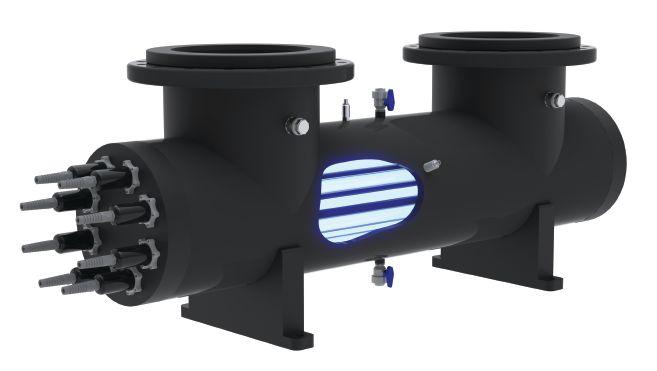
The group offers a full range of UV reactors capable of eradicating viruses and bacteria in salt water without any by-products. BIO-UV Group reactors has been specially designed for seawater treatment needs, with anti-corrosive coating.
BIO-UV Group’s products are already installed and successfully operating in Madagascar and Vietnam shrimp farms.
Reactors are located downstream of the filtration circuits and continuously treat the flow rate at each pass, according to the turbidity and transmittance of the water.
By its germicidal effect, all micro-organisms are eradicated without any chemicals: the water is naturally disinfected, perfectly healthy, and secures your shrimp production.
As nature’s most powerful oxidant, BIO-UV Group’s Ozone solutions are another simple and effective way to treat water in an environmentally sustainable way, optimizing water consumption and quality by breaking down a wide variety of contaminants.
Following application, Ozone has the unique property of breaking down spontaneously into its original form, Oxygen, so it supports increased dissolved Oxygen levels, simulating natural waters in healthy ecosystems, for optimum fish health and yield. It also acts as a flocculant and general water conditioner, to produce crystal clear water with no smell or taste (a benefit that is transferred to the quality of the final product on the customer’s plate!). Suitable for both general disinfection and improving overall water quality, Ozone can be combined with UV for multibarrier disinfection, optimizing of dose rates, and combining the unique advantages of both technologies.
Triogen® PPO3 ozone generators
With expertise developed over more than 35 years, and a drive to provide the most effective and sustainable water treatment solutions, triogen® by BIO-UV Group is expanding its new PPO3 ozone generator range for the aquaculture industry, with a capacity now capable of producing up to 1.2 kg/hour of ozone. The latest Ozone generation systems incorporate advanced safety and operational features, plus state-of-the-art communications and connectivity, all designed and manufactured in-house.
Small units, big impacts
Thanks to a new stacking system, hatcheries in the UK and North America are breaking new ground in overturning the declining number of lobsters in the wild.
The United Kingdom is seeing a crisis in the number of lobsters in its waters.
Lobster fisheries have long played a key role in local economies and fishing communities, but today, the species is fully exploited and at risk of collapse. The lobster
By Bonnie Waycott
most under threat is the European Clawed Lobster (Homarus Gammarus), while there is growing concern over the state of its sister species, the American Clawed Lobster (Homarus Americanus).
The reasons behind the declining number of lobsters are a multitude of issues
from overfishing and continued fisheries mismanagement, to lobster habitat degradation, resulting in fewer lobsters that are able to reach adulthood.
Wild populations are also likely to be affected by climate change. For example, temperature changes in waters off the state of Maine have been blamed for a huge lobster migration to northern waters.
This situation is something that lobster hatcheries in the UK want to change, and fishing communities and organisations are now employing hatcheries to restock their regions and help the sustainability of catch numbers.
Captive breeding programs to rear the species before growing them in the open sea offer hope that stock enhancement
could be significantly improved and lobster farming could provide new prospects for diversification and employment to fishing communities.
A pioneering new system
One technology that’s making significant contributions to lobster hatcheries is the Aquahive, produced by Ocean on Land Technology (OOLT), a developer of hatchery and industry-specific aquaculture systems in Northampton, UK.
Specifically designed to allow the rearing of large quantities of cannibalistic and predatory species like clawed lobsters, this proprietary juvenile system can be adapted efficiently and safely to meet hatchery requirements. From their controlled juvenile stage, the lobsters can then be transferred to sea for restocking programs around the UK. The Aquahive is a cylindrical container measuring 876mm high and 686mm wide.
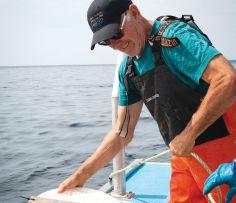
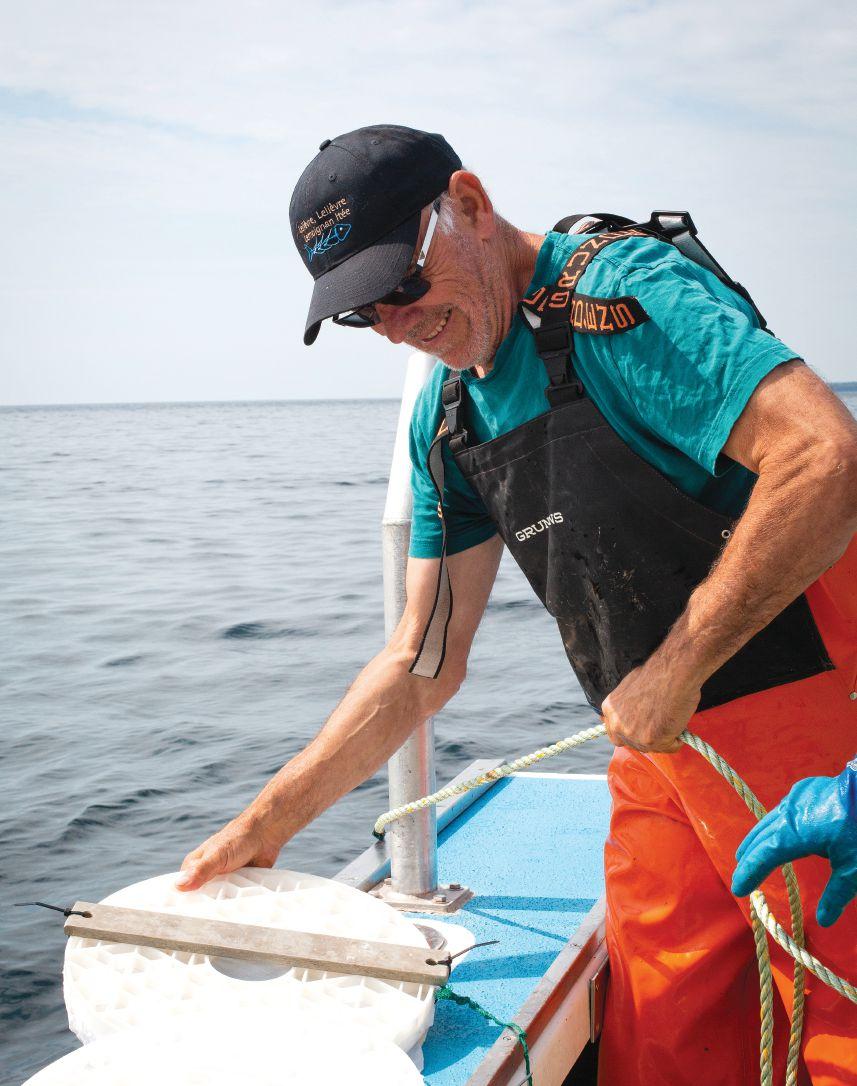
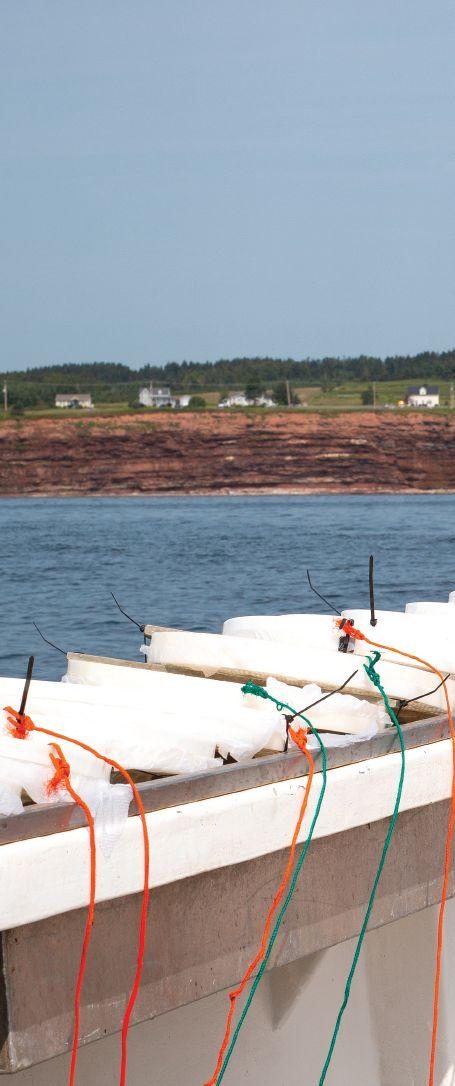
Lobsterman Michel Cyr is releasing trays attached to a longline to put them on the sea floor.
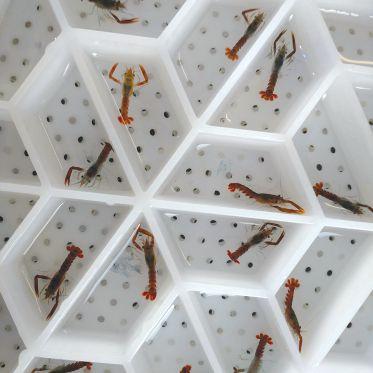
It was originally designed to enable higher survival rates of juvenile clawed lobsters to facilitate the transition stage between stages three, four and five of the rearing process (this traditionally carries a high mortality rate due to cannibalism). One Aquahive container can hold up to 3,780 lobsters in less than 0.5m<ss> 2</ss> of floor space and comes with circular perforated honeycomb-shaped trays that are divided into individual cells. Each tray holds 140 juveniles, while the container can carry a maximum of 28 trays. Once in the containers, the lobster are weaned onto a formulated feed. Isolating individual clawed lobsters into their own cells greatly increases overall survival, reduces close proximity stress, and has been shown to increase growth and development compared to traditional mono-layered tray systems. It can also benefit other aquatic species that share similar biological characteristics and predatory behaviours to lobster. The Aquahive also comes with spare feed
pumps and heavy acetyl and skeleton trays to release juveniles back into the wild with lower rates of predation.
“As well as housing many thousands of lobsters, the system also employs an automatic feeding system, which enables hatchery staff to feed their lobsters simultaneously without disturbing or stressing them within their trays,” said Stephen Allen, OOLT business development director “The tray system can also be adapted so that Aquahive can be used for non-aggressive species like crab, langoustine, spiny lobster species and even sea cucumber.”
Complex hatchery rearing
Producing juvenile lobsters in a hatchery is no easy feat. Wild-caught buried hens (females with eggs) are brought ashore under licence before being reared in a light and temperature-controlled broodstock unit that mimics the perfect habitat to bring on the release of larvae.
These larvae are then collected and moved to the juvenile part of the hatchery for the larval stages, which involve an upwelling system that keeps them slowly moving within the water column to prevent them from gathering and nipping at each other.
After the larval stage, they are moved to the Aquahive, where many thousands of juveniles are separated in a safe habitat so that they can develop further prior to being released into the wild.
One of the biggest challenges that a lobster hatchery faces is keeping the lobsters separate in order to maximise survival rates, said Allen. In the wild, the survival rate figure is circa one per cent. This is because during the larval stage the juveniles are planktonic and follow the currents, which means that predation is very high, but the Aquahive has given hatcheries survival rates of up to 58 per cent.
In other words, if one female releases 20,000 larvae, over 12,000 will reach stage five/six of the rearing process and be ready for release (in the wild, it is estimated that only one juvenile from a similar female would reach maturation).
Another challenge is releasing the lobsters safely.
“To start with, there were several release processes, including from accessible beach areas which, although easy to do, limits the geographic ability to release in deeper water offshore,” said Allen.
“From here, techniques such as pouring the lobster in at the surface and pumping them down to the seabed were also used but with limited success. This is because both processes require the lobster to
pass through the water column and ultimately they can be picked off by fish. So, along with one of our hatchery owners in Canada, we came up with a release system using the trays that the lobsters are housed in within the Aquahive, with skeleton trays now being carefully lowered back into the wild, resulting in much lower rates of predation. This system is incredibly successful and our preferred mechanism for release to this day.”
Most major lobster hatcheries in and out of the UK are now using Aquahive. Jean Côté runs the Gaspe Bay Lobster Hatchery in Quebec. In 2010, the Regroupement des Pêcheurs Professionnels du Sud de la Gaspésie (RPPSG) began producing lobsters in a hatchery to release juveniles at sea and compensate for three to five percent of its fishermen’s annual commercial catches. In 2011, the RPPSG was the first in North America to use the Aquahive.
“This innovative system has several advantages,” said Côté. “It allows a larger production in a minimum space and time, and simplifies daily feeding of post-larvae in culture. In addition, releasing juveniles lobsters into the ocean directly in the Aquahive trays facilitates seeding logistics, reduces predation and gets fishermen involved, making them aware of the fragility of the resource. The first Aquahive we bought increased production from 20,000 to more than 60,000 lobster at stage five and above that were then released annually. Since acquiring a second Aquahive in 2017, we are producing more than 200,000 lobsters at stage five and above.”
Jean Côté of RPPSG explaining a group of juvenile clawed lobsters in the Aquahive trays
Side view of the Aquahive system
PHOTOS: JEAN CÔTÉ, RPPSG
Effective adaptation and new initiatives
Work is continuing to tailor Aquahive so that it fits hatcheries’ needs and delivers the best possible solution based on the number of lobsters that a hatchery wants to produce. From that number, the entire hatchery unit is designed, incorporating the broodstock, larval and grow-on stages within a single modular facility.
With the reported rise in sea temperatures and the effect that this is having on catch numbers in some regions, Aquahive can also be temperature-controlled so the lobsters can be reared in warmer temperatures. This means that when they are released into the wild, the warmer sea temperature is not a cause for concern.
Depending on hatchery feedback, other improvements can also be made, primarily with adaptation for use with other species and simplifying the rearing process in other shellfish species.
To date, OOLT has created custom solutions for 16 different species with no signs of slowing down. As Aquahive became more popular, the company realised that there was huge potential to offer more closely associated products to help protect wild lobster stocks, and came up with the Hatchery in a Box system, a containerised pre-built production system that can be customised and utilised for the production of various species. It occupies a small footprint and is fitted in one or more specifically-fitted-out sea containers of 20 feet or 40 feet that can be easily shipped around the world to coastal areas and harbours.
Meanwhile, the Aquahive trial system has proved popular with academic institutions that are looking to explore the production processes and requirements for new species where production knowledge is limited.
Allen is thrilled by the many possibilities opening up for lobster enhancement and aquaculture programs as a result of the Aquahive system.
“Its popularity has brought interest from institutions looking at developing systems to rear other predatory species like crab,” he said. “Aquahive is currently being used in trial systems for the production of king crab, snow crab, brown crab, dungeness crab and even crayfish. In the meantime, the hatchery in Gaspe Bay is pushing to double its capacity in the coming year because local fishermen are so pleased with the increase in catch numbers and the number of juvenile animals coming up in the pots. If the fishermen are reporting this, that is high praise indeed. It’s a very exciting time and we are looking forward to seeing what the future holds.”
A tray on top of the Aquahive filled with stage IV juvenile clawed lobsters
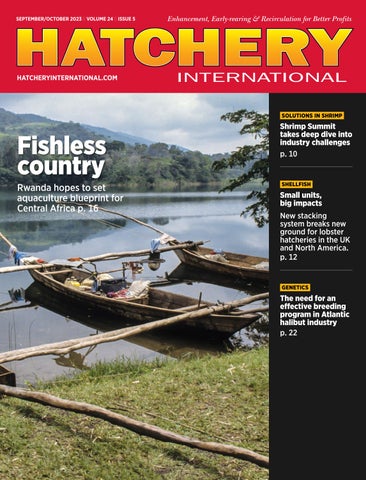
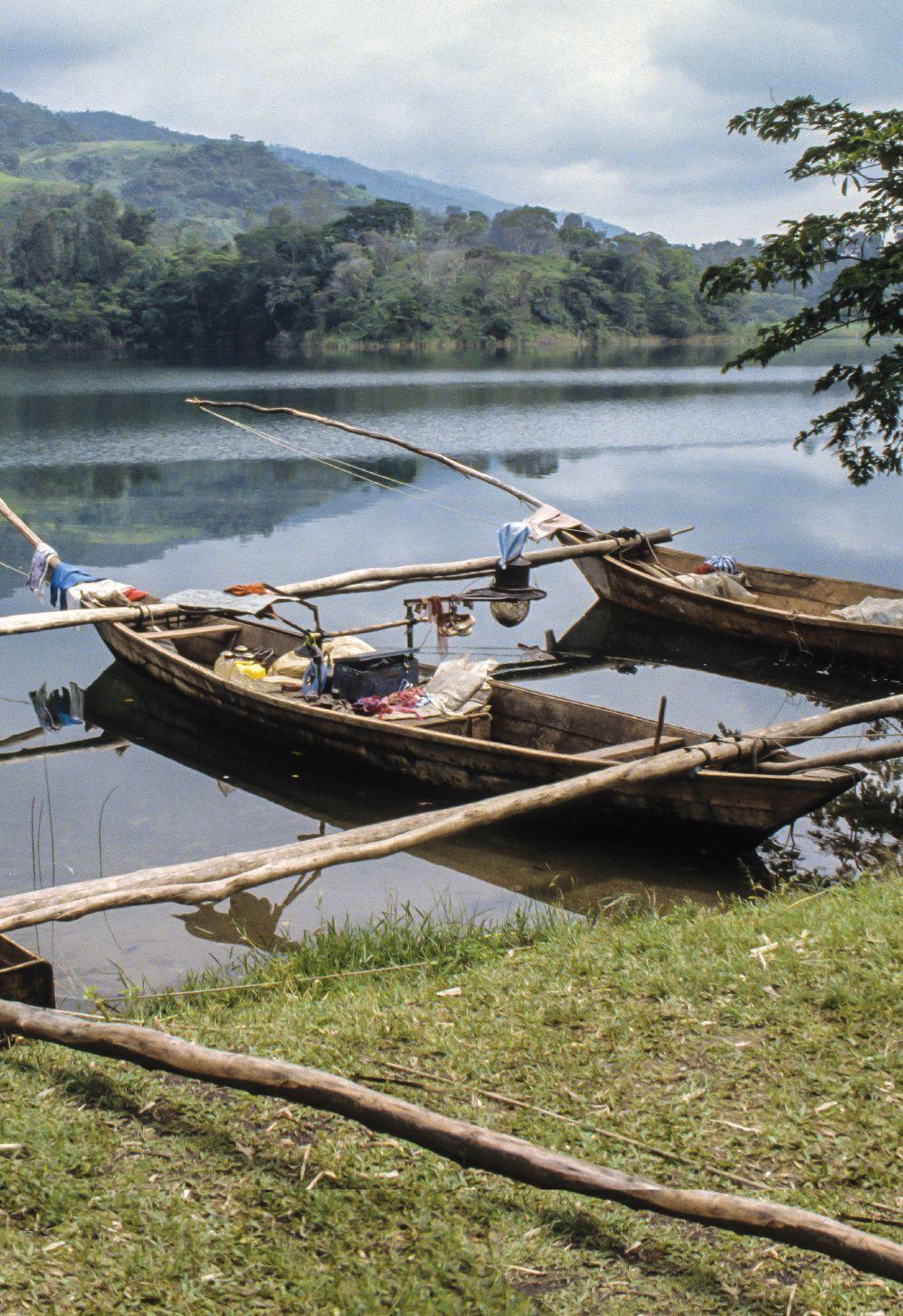
Fishless country
Rwanda hopes to set aquaculture blueprint for Central Africa
By Bob Atwiine
For Rwanda, as with other Central African countries, fortunes are to be found in aquatic life; an equitable source of food available to all regardless of status.
Nevertheless, fish farming in this tiny Central African country is highly exposed to many factors, which for a long time, have hampered the production of enough fish.
The country boasts 101 lakes, 861 rivers and 860 marshlands though major fishing is carried out in only 24 of these lakes and four rivers, distributed in 15 districts. Despite having all these water bodies, these lakes and rivers have the least number of fish species, compared to those in the regional neighbours like Burundi, Uganda, Tanzania and the Democratic Republic of Congo. Rwanda’s fish demand is expected to rise to
112,000 metric tonnes by 2024 but with only a few months remaining to hit the national target, it does not even produce half of the projected demand.
According to Uwutaze Solange, the deputy director general in charge of Animal Resources Research and Technology transfer at Rwanda’s Agriculture and Animal Resources Development Board, the country’s fish production in 2021 was 39,269 tonnes, of which 87 per cent was from fish capture and 13 per cent from farmed fish.
The major question is why with all these hundreds of lakes and rivers, Rwanda is grappling with fish deficit in order to certify its demand?
Over the years, several scientific research studies have been conducted and results show the problem is linked to topography.
Environmental constraints
Rwanda is hilly and mountainous, averaging elevation of 1,700 metres. It enjoys a moderate tropical climate due to its high altitude, with average annual temperatures of 20°C, which is low and unfavourable for most fish species to grow naturally.
According to the Auburn University study, Rwanda’s unusual temperatures make it “not the ideal place to do fish farming” because all the country’s waters are generally too cold for the warm water species and too warm for the cold water species.
Pond water temperatures are usually in the low twenties; soil pH is usually 4-5; and surface waters have total alkalinities of 1020 mg l-1 as CaCO3. The proportion of acid soil coverage is estimated at 45 per cent of the total 46 agricultural lands in Rwanda.
Thus, cool temperatures, acidic soil, and soft water pose challenges to fish culture in Rwanda, according to the study.
Oxygen shortage
Over the years, the country has witnessed mortalities, most especially on Lake Muhazi, where more than 10,000 fish in cages were
found dead. Findings showed that they died from depletion of dissolved oxygen caused by water turnover, which triggers a deadly algal bloom that causes competition for oxygen consumed by the fish and the algae.
Scientists explain that the country’s deep waters contain no oxygen and every year, lakes experience a condition where the oxygen-less waters come up and mix with the surface water, killing almost all the fish in lakes including those in Lake Burera and Lake Ruhondo.
A study published in 2020 in the Rwanda Journal of Engineering, Science, Technology and Environment found that water in Lakes Burera and Ruhondo were also “unusable for drinking.”
Fewer fish species
Researchers also discovered that Rwanda has a minimal number of native fish species.
Dr. Karen Veverica from the Department of Fisheries and Allied Aquaculture
at Auburn University in Alabama, USA published research that explains that Lake Kivu used to be part of the Nile River drainage, which used to drain up to Lake Edward in Uganda.
But when the Virunga Mountains formed (in the early part of the Pleistocene Epoch, relatively young), it changed the drainage of Lake Kivu to go to the south to Lake Tanganyika in Burundi and Tanzania.
This, according to Veverica’s findings, may have resulted in few new species that were naturally introduced in the lake due to its isolation. Thus, Rwanda has the fewest fish species compared with the neighbouring countries.
Government action
Several years ago, the Rwanda, Tanzania, and Burundi governments agreed to construct a hydropower dam at Rusumo Falls along the countries’ shared border. Scientists argued that the dam is one reason there are fewer
fish species in Rwanda because it blocked the migration upstream.
The country’s aquaculture has been insignificant because of lack of infrastructure, resources, pond fertilization from livestock wastes. There are also inherent managerial weaknesses in the public sector with many dependent on handouts to subsistence farmer. The new model must be developed from scratch.
Rwanda’s new 2023-2035 Aquaculture Strategy aims to boost annual fish production through aquaculture from a paltry 39,269 tonnes to 127,000 metric tonnes by 2035. This initiative aims to reduce undernourishment among the populatoion by increasing the nation’s per capita consumption of 2.3 kilograms.
The new strategy is to produce farmed fish using three production systems such as earthen ponds on 324 hectares, floating cages comprising 59,390 cubic metres, and 41 dams with a total capacity of about 31.3 million cubic metres.
Caption
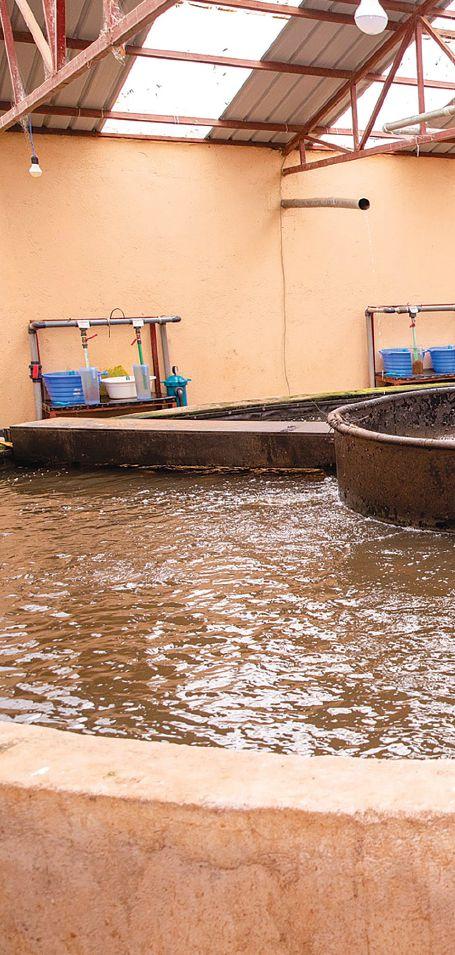
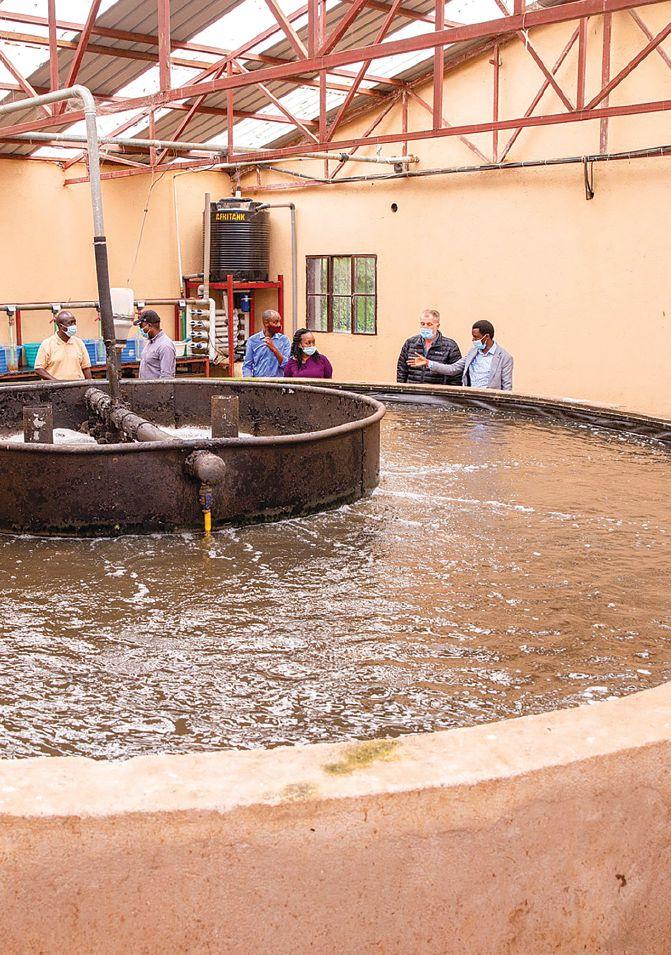
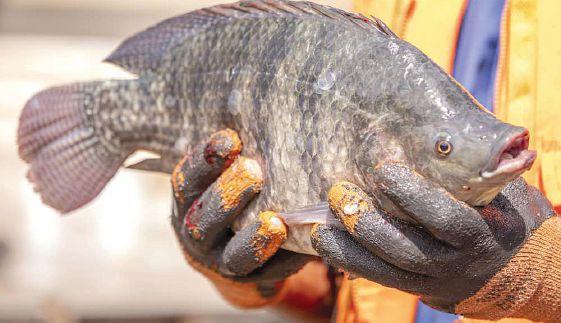
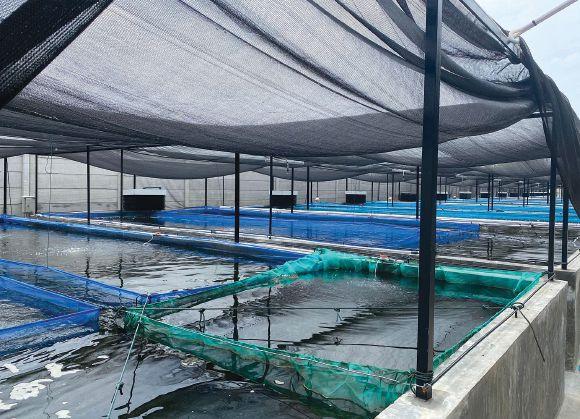
Aquaculture scientists at Gishenda Fish Farm are conducting genetic checks on Nile tilapia. In the middle is an indoor closed hatchery system at Lakeside Fish Farm in Bugesera district.
Private-public model
Despite all the scientific challenges, the country has developed a national strategy to prioritise sustainable fish farming and fish production by rolling out private-public model fish hatcheries across the country.
The government has mobilized and facilitated new investors in intensive fish farming and in tilapia hatcheries.
They include Radco Food Ltd. in Bugesera for pond farming, Kivu Choice Ltd. owning a tilapia hatchery in Gisaga (Kigembe) and cages in Nyamasheke for tilapia growout (production of table fish).
Akagera Management Company Ltd. in Kayonza has set up a modern tilapia hatchery and started intensive tilapia production in Recirculating Aquaculture System (RAS) run on solar power. Known as Gishanda Fish Farm, this Akagera project is funded in partnership between Akagera National Park (managed by African Parks), Food Tech Africa, and a consortium of Dutch private companies. This project is also supported in part by the governments of Rwanda and the Netherlands. It is also the country’s learning centre for aquaculture.
Gishanda is expected to produce one million to 1.5 million tilapia fingerlings annually, of which 110,000 will be retained for farm production. A high-quality strain of tilapia, the commercial scale of around one million fingerlings is meant to bolster the country’s aquaculture sector.
About 300,000 to 400,000 will then be used for restocking lakes in the region, generating locally viable sources of protein and economic growth, according to the management.
It has also established three catfish demo ponds on-site to teach household-level catfish farming to community members. Pond supplies and assistance will be provided to the community to develop catfish farming for nutritional and enterprise purposes.
Other new companies include 2CN Ltd. in Rutsiro for Cage Fish Farming, Edgard Enterprise in Rutsiro for cage fish farming and Great Lakes Africa in Karongi.
Solange Uwimana notes that these hatcheries will greatly increase the access and availability of quality fries and fingerlings, thereby enabling fish farmers to expand their existing operations.
Cage farming
According to a report provided by the Ministry of Agriculture and Animal Resources Rwanda, to increase fish production, more efforts are being deployed to promote modern fish farming in cages, dams, tanks and ponds where about 43.7 million fingerlings were produced in 2021/2022 financial year.
The government through the ministry of Agriculture has also deployed graduates from the University of Rwanda and other Israel- trained Rwandan students who acquired hands-on skills in aquaculture to help the government increase national ponds’ fish production from 30 kilograms per 100 square metres to 200 kg per 100 square metres.
These have since introduced Nile tilapia in 1,099 ponds across the country as it targets to produce 112,000 tonnes of fish every year by 2024.
The team has also trained hundreds of fish farmers on rice-fish integration, cage fish farming, tilapia hatchery and lake guardians.
The government early this year announced plans to commit more than US$16 million towards implementing a five-year project with funding from the Belgium government to boost aquaculture in the country.
This project is expected to start by improving and increasing fish feeds to reduce the high prices of feeds made from soya beans and maize. Currently, the country has only two factories able to produce feeds that are suitable for tilapia in the country.
This would also in turn address the issue of poor cash flow in the rural areas which initially hindered both purchase of inputs and sales of fish.
Investment in Aquaculture Research
Rwandan research scientists recently concluded a study on the effect of using different broodstock densities on the reproductive performance of Nile tilapia (Oreochromis nileticus ). The objective was to evaluate the growth performance, survival rate and feed conversion ratio on introduced tilapia sourced from the Netherlands by Til-Aqua International Company and cultured in tanks to be distributed to local farmers.
The country has also conducted a study to make the production of maggot, feed formulation and feeding fish to study the effect of soybean meal replacement by black soldier fly larvae meal in Nile Tilapia diet to address the challenge of high costs of fish feeds imported from abroad.
This study has concluded that black soldier fly meal is considered as one of the best alternatives for partial or complete replacement of soybean meal in Nile tilapia diets. The government has started
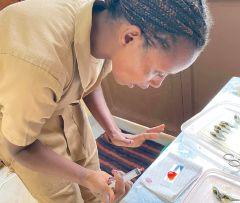
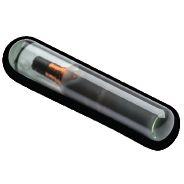
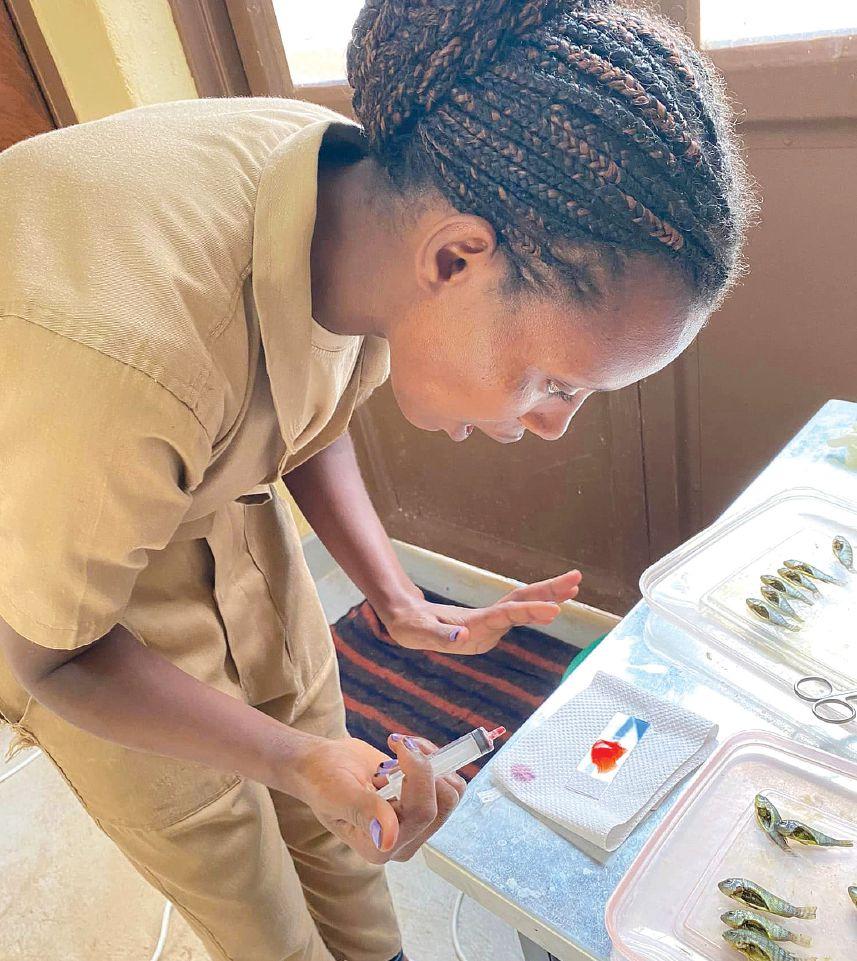
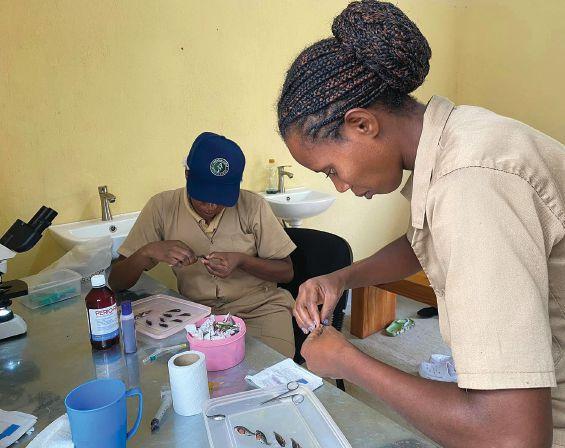
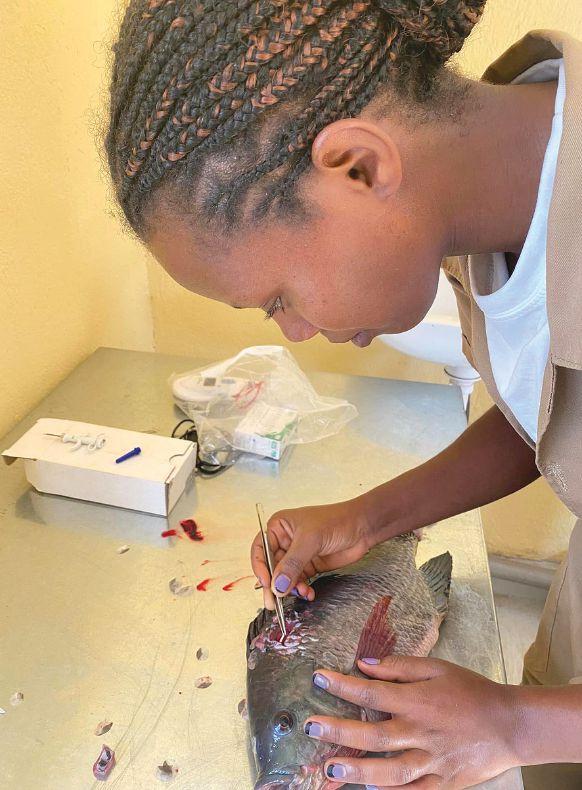
An aquaculture scientist conducting microchipping and recycling at Gishanda Fish Farm
recommending the adoption of this animal protein source to fish farmers to sustainably produce cheap and nutritious fish feed capable to increasing yields and maximizing profits.
Uwutaze Solange, the deputy director general in charge of Animal Resources Research and Technology transfer at Rwanda
Agriculture and Animal Resources Development Board, emphasizes that the government is working hard to make enabling policies and regulatory frameworks to ensure sustainable environments for development and realize full potential through collaboration with all stakeholders.
Lakeside Fish tilapia farm in Bugesera district
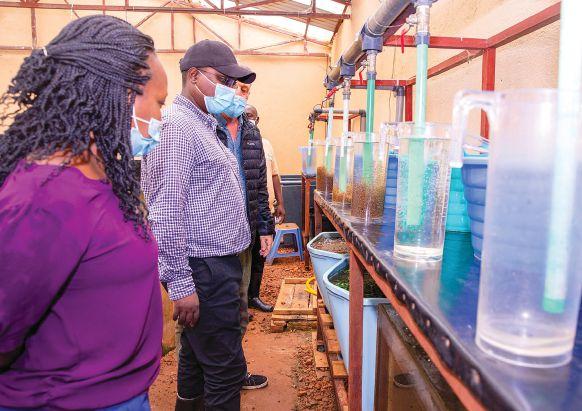
Officials from Rwandan ministry of agriculture inspecting hatchery jars at Lakeside Fish Farm in Bugesera district
SNP’S VS. MICROSATELLITES:
Out with the old and in with the nucleotides
Bob Dylan once said, “the times, they are a-changin’”, and this sentiment rings as true today as the day it was written. For those who embrace change, the future is bright, and this is certainly true in the realm of genotyping. Over the past 154 years, researchers have progressed from the identification of DNA to the widespread use of genotyping as a foundational tool in aquaculture breeding, management, and research. Like the times, genotyping methodology has changed as well. The old and established practice was based on the use of microsatellites, which works well for some limited applications. However, those companies interested in receiving the highest quality information, in a customized fashion, and with less expense, are using SNPs (single nucleotide polymorphisms) as their genotyping tool. The question companies interested in genotyping must ask themselves is this: are we stuck in the past or will we embrace the future?
To understand the benefits of SNPs over microsatellites, it’s important to understand these two genotyping methods. Microsatellites look at parts of the genome which
have repeating nucleotide sequences. From there, users can identify differences between individuals or groups by looking for small differences within those repeated parts of the genome and building statistical associations. A SNP is a single nucleotide difference, and these are scattered throughout the genome. Using SNPs means targeting and identifying specific nucleotide locations in the genome, including locations within genes associated with certain characteristics, seeing which nucleotide occupies that location, interpreting that data, and generating statistically useful information. Here are the advantages of SNPs compared to microsatellites:
Broader Genomic Coverage:
1.
SNP arrays cover a much larger portion of the genome compared to microsatellites, providing more comprehensive information about an individual’s genetic makeup. This broader coverage enables researchers and breeders to access a wealth of genetic data, leading to a deeper understanding of genetic diversity, relatedness, and population structure. SNP arrays can be classified by how many locations in
the genome they cover and are labeled as low density, medium density, or high density. Low-density arrays have less than 1,000 SNPs and can be used to explain the genetic structure of the population, including understanding diversity, relatedness, and levels of inbreeding. They are also useful for parentage assignment and can be customized to include tests for genetic sex, species identification, or geographic origin. Microsatellites can be used reasonably well for these same applications. Medium-density arrays include up to 10,000 SNPs and can be used to increase precision, impute to high-density information for genomic selection, and expand low-density applications. High-density arrays boast over 10,000 SNPs, enabling their utilization in various cutting-edge applications. From indepth parentage and marker-assisted selection to genomic selection and genome-wide association studies (GWAS), they diligently identify markers linked to genomic regions associated with performance traits, genetic variation and inbreeding assessment. These techniques are very difficult with microsatellites; thus, SNPs are required to conduct cutting-edge genetic research.
Higher Precision and Resolution: SNPs stand out for their elevated precision and resolution, surpassing microsatellites. While microsatellites are used to analyze genome regions with repetitive DNA sequences, SNPs target specific individual nucleotide variations across the full genome. This targeted approach allows for more accurate identification of genetic differences and associations with particular traits or characteristics.
Automated Data Collection and Analysis: SNPs are much easier to identify compared to microsatellites. SNP genotyping brings the benefits of automation and standardization in data collection and analysis, streamlining the entire genotyping process. This automation significantly reduces the time and resources required to process large numbers of samples or large numbers of markers, making SNPs ideal for high-throughput applications and data analysis.
Highly Customizable Assays: SNP arrays are highly customizable, allowing researchers and companies to design arrays tailored to their specific species, populations, research goals, or breeding objectives. This flexibility enables the inclusion of markers associated with particular performance traits, diseases, or environmental adaptation. In contrast, Microsatellites are difficult to identify, and
customization after creating a panel is a significant amount of work.
Future-Ready Technology: The widespread adoption of SNPs lays the foundation for future advancements in genotyping technology. The wealth of actionable data generated by SNP arrays contributes to the development of new applications, analyses, and technologies. With every new genome sequenced, additional SNPs are mapped and available to be used in genotyping applications. Another benefit of widespread SNP adoption is that genotyping technology is always improving and evolving. SNPs remain a key part of this evolution, and actionable SNP data will feed into new applications and a next generation of analyses and technologies. Ultimately, this advancement will enable analyses with millions of SNPs at a time. Importantly, evolving SNP technologies now facilitate the identification of actual DNA changes in genes linked to desirable traits, 2. 3. 4. 5. 6.
Cost-Effectiveness and Scalability: Contrary to misconceptions, SNP genotyping is typically more cost-effective than microsatellites due to advantages in automation and scalability, and the relative ease at which customization of SNP panels is possible. The ability to process large quantities of samples simultaneously reduces per-sample costs, making SNP arrays a cost-efficient choice for large-scale projects.
opening the door to genome editing for aquaculture. Genome editing, as a developing technology, holds the promising potential to revolutionize aquaculture selective breeding in the very near future.
As leaders in genetic research, the Center for Aquaculture Technologies has extensive experience in the use of both microsatellites and SNPs. With very few exceptions, we advise clients to switch to using SNPs if they have not already, owing to the clear and extensive benefits outlined above. On the benefits of SNPs, Jason Stannard, CAT’s Director of Genotyping, says, “not only have SNP tools and technologies increased and improved, but the cost to run a given sample has dropped dramatically.”
In summary, SNP genotyping offers superior precision, broader genomic coverage, automated data processing, and high customizability. Contrary to the notion of being more expensive, SNPs provide cost-effective solutions for large-scale genotyping projects. Moreover, their implementation sets the stage for the future of genetic research and applications in aquaculture and beyond. Embracing SNP technology allows researchers and companies to stay at the forefront of genomics, harnessing its potential to drive advancements in aquaculture breeding, management, and research. With SNPs, organizations in the industry can unlock the ability to gather vast data and transform it into invaluable insights quickly and affordably. The times are changing, and so is genotyping. Embrace the future and make the switch!
The need for an effective breeding program in Atlantic halibut industry
By Valentina Krivenjeva Sinani, INN University & Cryogenetics AS
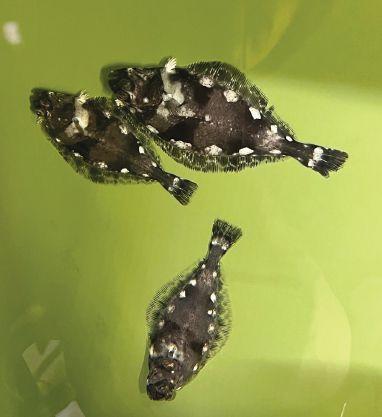
Atlantic halibut (Hippoglossus hippoglossus) is the largest flatfish of the Pleuronectidae family and is distributed throughout the northern part of the North Atlantic Ocean and in parts of the Arctic Ocean. Atlantic halibut is traditionally a highly valued food, but due to overfishing and subsequent stock collapses it has become scarce.
The production of Atlantic halibut has shown a positive trend in recent years but it still remains at a low level compared to other major aquaculture species such as the Atlantic salmon (Salmo salar). The main reason for this is the lack of breeding programs available for halibut.
Establishing a breeding program requires a founder population with sufficient genetic diversity. Therefore, the first objective of the project is to determine the genetic diversity in the broodstock populations of different Norwegian halibut companies.
In the case of the Atlantic salmon, breeding programs have increased production efficiency substantially. Selective breeding programs resulted in genetically improved salmon which grow twice as fast as wild Atlantic salmon and require 25 per cent less feed. Thus, there is a need to evaluate if it is possible to establish a breeding program for Atlantic halibut as well.
Therefore, Cryogenetics company headquartered in Hamar, Norway, together with Inland Norway University of Applied Sciences has initiated a project (industrial PhD) funded by the Norwegian Research Council that will elucidate and assess the critical factors for establishing an effective breeding program for Atlantic halibut.
Systematic selective breeding
Until now, there is no systematic selective breeding program in operation for Atlantic halibut. The research was more focused on other production-limiting factors such as weaning, diet and pigmentation problems, than the establishment of halibut breeding programs.
There were attempts to start a breeding program, which proved unsuccessful.
In 1992/1993, the Institute of Marine Research Austevoll research station outside Bergen used Atlantic halibut for the first time for breeding purposes. However, in order to increase the genetic diversity, the majority of halibut production is still based upon wild-captured individuals being used as broodstock.
Between 1997-1998, in an experimental breeding project funded by the Research Council of Norway, 22 family groups were produced. In these families, traits such as survival rate and growth varied significantly.
Valentina Krivenjeva Sinani on a visit to a halibut producer in Norway
The study suggests adding genetic variation for the significantly different traits (1).
There was also an attempt to establish a low-cost breeding program in Scotland, but this was unsuccessful as well due to significant variation in the survival of different family groups, with a consequently low effective population size and increased inbreeding rate (2).
Moreover, a study conducted by Reid et al. (2005) performed microsatellite analysis using 18 microsatellite markers (3). The study included an analysis of 160 halibut fish from four locations in the northwest Atlantic (Bay of Fundy, Scotian Shelf, Gulf of St. Lawrence and Iceland) and found an absence of halibut population structure. Therefore, the halibut industry has a huge potential for exploitation in a commercial breeding program.
Better together
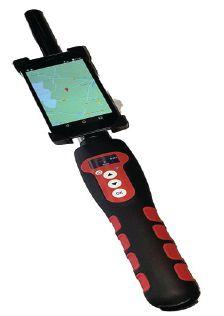
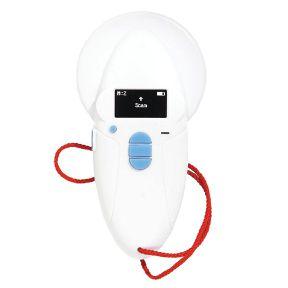
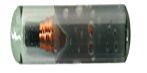
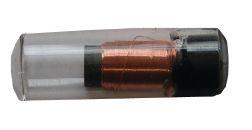
PIT TAGS & SCANNERS
Based on previous studies (above-mentioned) related to the estimation of genetic variation in the broodstock population of Atlantic halibut, a low genetic diversity is expected in the Norwegian companies participating in the project. Therefore, a collaboration between Norwegian halibut producers to share the genetic material of the Atlantic halibut is very important in order to develop an effective and sustainable breeding program.
Effective breeding programs
Effective breeding programs aim to maintain genetic diversity to avoid inbreeding. Establishing a breeding program requires a founder population with sufficient genetic diversity. Therefore, the first objective of the project is to determine the genetic diversity in the broodstock populations of different Norwegian halibut companies. Additionally, a breeding goal and plan on how to register and select desirable production traits is required. The breeding strategy and selection of traits will aim to mitigate persisting challenges in the production cycle.
A central problem in modern, intensive halibut production is decreased growth and poor fillet quality as a result of precocious maturation, particularly in male fish (male halibut mature earlier, ultimately attaining smaller size than females). Furthermore, halibut fry production in Norway in the last 10 years has been dominated by a disease associated with high fry mortality, which is caused by infection with Atlantic halibut reovirus.
Recirculation System Design, Supply and Construction.
• Commercial Farms, Hatcheries, Aquaponics, Research Labs, Public Aquariums, Live Holding Systems – we do it all!
• Representing leading RAS equipment manufacturers.
GENETICS & BROODSTOCK
Evaluating the two commonly employed breeding program strategies will help in choosing the right one for halibut:
1. Family-based breeding program is a traditional breeding program that maintains genetic diversity through independent family lines. This depends on the magnitude of family skews and the impact of sampling to detect, evaluate, and select underrepresented families.
2. Tracing and identifying families using genetic markers, including microsatellites and single nucleotide polymorphism (SNP) panels has shown to be an effective alternative.
These genetic approaches have proven reliable to recover important genealogical information from communally reared families. Genetic markers have been used for parental assignment and family distributions in several species that have been communally reared such as the pearl oyster (Pinctada maxima), barramundi (Lates calcarifer), Kuruma shrimp (Marsupenaeus japonicus), white leg shrimp (Litopenaeus vannamei), and black tiger shrimp (Penaeus monodon).
In most aquaculture species, it is impractical to track families from independent spawnings through physical tagging methods, due to their small body size and high fecundity.
READ ABOUT THE WINNERS OF THIS YEAR’S HI TOP 10 UNDER 40 IN NEXT ISSUE!
In most aquaculture species, it is impractical to track families from independent spawnings through physical tagging methods, due to their small body size and high fecundity. Therefore, the practical and economic consequences of choosing the right breeding strategy need to be considered.
A sophisticated genetic tool
As mentioned above, the use of genetic markers has shown to be an effective approach to estimating genetic variation.
A single nucleotide polymorphism (SNP) is the most frequent type of variation in the genome and represents a variation at a single site in DNA. SNP-array is a high throughput genotyping tool (or a type of DNA microarray) which is used to detect polymorphisms within a population. Such a tool containing the genetic information for 60,000-70,000 SNPs is under development.
The use of SNP-array in halibut breeding will help to clearly determine the genetic diversity in the broodstock population. Lastly,
this powerful tool will allow us to perform genome-wide association studies.
References
1. Olesen I, Barr Y., Holmefj ord I., Refstie T., Pante Ma. J.R. and Lein I. (2001). Avlsforsing på kveite. Sluttrapport. AKVAFORSK AS. Fagrapport 37/01. 16 s.Olesen, I, Y. Barr, I. Holmefj ord, T. Refstie og I. Lein. Avlsforsking på kveite. 2002. Norsk Fiskeoppdrett, 27: 42.
2. Frank-Lawale A.S., Taggart J.B., McAndrew B.J. and Woolliams J.A. (2005). The use of microsatellite markers for pedigree analysis in the Atlantic halibut, Hippoglossus hippoglossus: the first step towards a sustainable breeding programme. Aquaculture, 247: 13.
3. Reid, D.P., Pongsomboon, S., Jackson, T., McGowan, C., Murphy, C., Martin-Robichaud, D. and Reith, M. (2005), Microsatellite analysis indicates an absence of population structure among Hippoglossus hippoglossus in the north-west Atlantic. Journal of Fish Biology, 67: 570-576.
Valentina Krivenjeva Sinani is in the third year of the industrial PhD, a collaboration project between Inland Norway University of Applied Sciences, Cryogenetics AS, halibut producers, and financed by Research Council of Norway. Her background is in bioinformatics, molecular biology, and quantitative genetics. Her commitment is to elucidate and assess critical factors for the establishment of an efficient breeding program for Atlantic halibut.
PHOTO:
JOIN US ONLINE
OCTOBER 18, 2023
11 A.M. EST
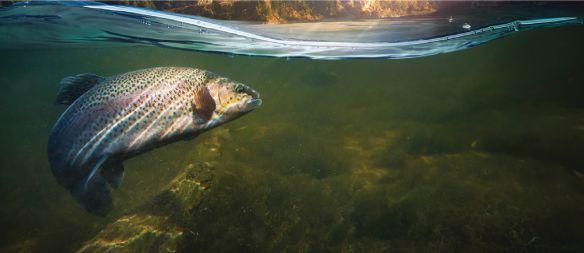
The World Trout Culture Summit will bring together the fisheries and aquaculture sector to share knowledge about this freshwater species. From population enhancement in local watersheds to food security for global demand, this virtual summit aims to unite trout culturists, scientists, farmers, technicians, suppliers, and other experts to drive innovation for this valuable species.
AGENDA*
(UTC-5:00 Eastern Standard Time)
11:00 AM to 11:50 AM Genetics & broodstock
11:50 AM to 12:00 PM Break
12:00 PM to 12:50 PM Growth performance
12:50 PM to 1:00 PM Break 1:00 PM to 1:50 PM RAS technology * Agenda is subject to change
Interact with global experts in the world of trout culture, learn about the latest in the species’ research and development; and connect with like-minded professionals about sustainable trout production.
MAKE A SPLASH with one of our Sponsorship packages at the online trout event of the year!
Research to evaluate peracetic acid for use in U.S. recirculating aquaculture
By Christopher Good, Freshwater Institute
As with other water quality parameters, bacteria and biofilms can accumulate in recirculating aquaculture systems (RAS) over time, and in some situations, disinfection efforts need to be applied to reduce waterborne microbial populations. Effective, full-flow disinfection can be achieved through the combined use of ozonation and UV irradiation; however, equipment, operating, and maintenance costs must be considered with this approach. Chemical disinfectants applied to RAS water can be an alternative method, although the balance between antimicrobial efficacy and biofilter performance can be problematic, i.e., the necessary
concentrations of specific chemicals for killing target organisms might also impact bacterial nitrification processes in the biofilter, leading to levels of ammonia and/ or nitrite that are unsafe for fish. As such, low-dose approaches to chemical water disinfection have been an area of investigation in Europe and North America, to determine biofilter-friendly yet efficacious application procedures.
Peracetic acid (PAA) is one such water disinfectant that has received considerable attention, especially in Denmark, where RAS farmers have been seeking alternatives to formalin to control waterborne fish pathogen loads. Compared to formalin, which poses a carcinogenic risk to RAS
operators, PAA is considered relatively safe and environmentally friendly, as it degrades to acetic acid, oxygen, and water in the aquatic environment, and does not impart toxic residues. Danish researchers have demonstrated that low-dose applications of PAA can be efficacious for reducing RAS bacterial loads while not significantly impacting biofiltration. Currently, PAA is approved for use in the European Union as a water disinfectant in aquaculture settings; however, until 2023 PAA was only approved in the U.S. for use as a surface disinfectant on fish farms and was not approved for administration while food fish were present. This year, a commercial PAA product (VIGOROX® Trident; Evonik, Piscataway, NJ) has finally been registered by the U.S. Environmental Protection Agency as a water disinfectant for use in RAS and ponds. While this approval is good news for U.S. RAS operators, continuing research is necessary to refine and optimize PAA application protocols across a range of RAS environments, as it is well-known that PAA efficacy can be significantly influenced by differing water quality profiles.
From 2015-2023, The Conservation Fund’s Freshwater Institute (Shepherdstown, WV) has been part of the Norwegian Research Council-funded CtrlAQUA program, hosted by Nofima and composed of a range of Norwegian and international research institutions and aquaculture industry partners. The major objective of the CtrlAQUA program was to support the functional and economic viability of closed containment aquaculture through technological and biological research and innovation. The scope of CtrlAQUA research projects has been very broad, and one area that The Freshwater Institute has been involved with is investigating disinfection practices in RAS; collaborating Nofima scientists have included Drs. Carlo Lazado, Lill-Heidi Johansen, and Åsa Maria Espmark. In particular, one CtrlAQUA study led by The Freshwater Institute’s Research Support Specialist Christine Lepine has focused on the impacts of PAA application on biofilter performance, specifically fluidized sand biofilters, which are more common in U.S. RAS facilities than in other countries.
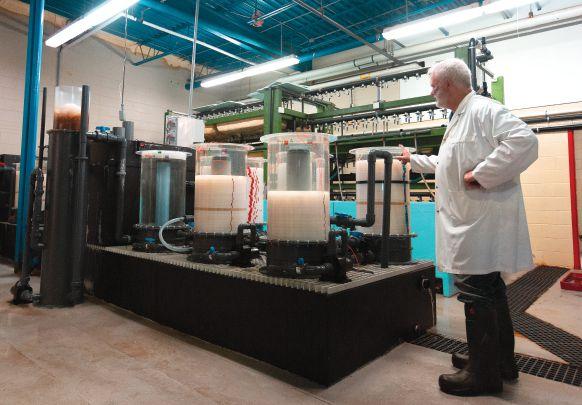
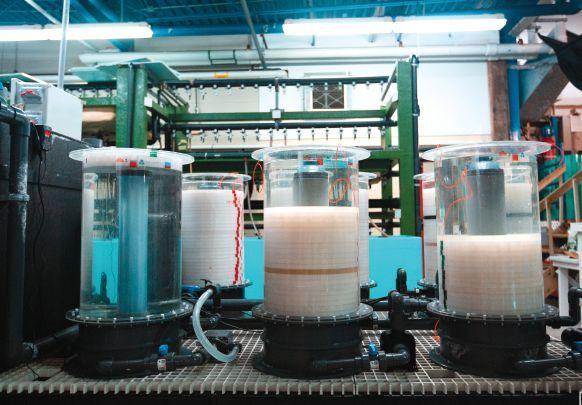
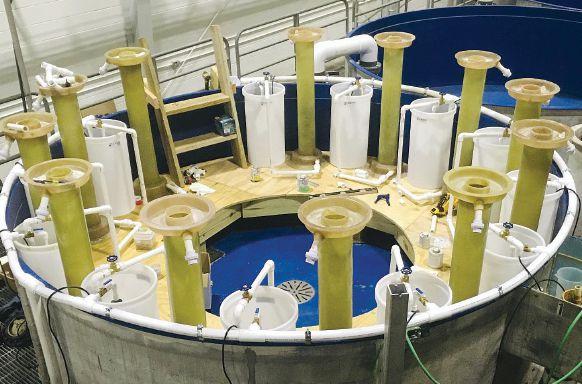
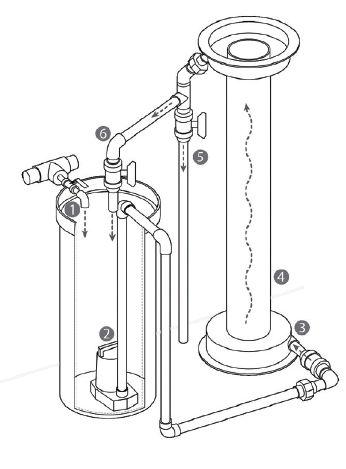
FIGURE 1. Twelve replicated experimental-scale fluidized sand biofilters used to examine the impacts of low-dose peracetic acid on nitrification performance.
2. Schematic of an individual experimental-scale fluidized sand biofilter.
1. System influent.
2. Submersible pump.
3. Biofilter influent.
4. Fluidized sand bed. Post-biofilter water flow can be sent to 5. Discharge, or
6. Recirculation within the biofilter system.
In support of this research avenue, Lepine led the on-site construction of twelve replicated experimental-scale fluidized sand biofilters (MAHI International, Indianapolis, IN; Figures 1 & 2) which received water from a nearby semi-commercial scale RAS as a source of ammonia-nitrogen. Once nitrification in each biofilter was established, PAA was first assessed by quantifying its decay kinetics following a single pulse application, with target doses ranging from 1.0 mg/L to 2.5 mg/L; the commercial PAA product used consisted of 15% PAA and 10% hydrogen peroxide. It was observed that, under the study conditions, approximately 50% decay occurred by 10 minutes post-application, and that most (if not all) PAA had decayed by 30 minutes. Biofilter performance post-treatment was assessed via total ammonia nitrogen (TAN) removal efficiency, i.e., the percentage of TAN in the biofilter effluent water relative
to the influent water TAN concentration. No significant differences in TAN removal efficiency were observed at 1, 3, or 5 days following the initial pulse dose of PAA, regardless of initial PAA dose concentration.
A second study was performed to mimic more closely a PAA application in a commercial RAS setting, specifically by providing a semi-continuous dose over a 4-hour period with the objective of maintaining recirculating PAA concentrations at target levels for an extended period of time. Target concentrations were low (1.0 mg/L), medium (2.0 mg/L), and high (2.5 mg/L). It was noted during the 4-hour application period, a stable concentration of PAA at the low dose was achieved at around the 25-minute mark, whereas both medium and high PAA concentrations did not plateau until close to the end of the 4-hour period. At 1- and 3-days post-PAA application, no significant differences in TAN removal efficiency were noted. Biofilter effluent nitrite-nitrogen (NO2-N) concentrations, however, were significantly higher in the high PAA dose treatment group at 3- and 5-days post-treatment, although concentration observed were still within a safe range for fish health.
Water is our element!
Aerator Minimax
• Latest aerator development
• extremely economical motor
• speed-controllable direct drive
• High efficiency
• Ready for use delivery
• Clean Design
LINN Gerätebau GmbH
An der Sauerlandkaserne 1 D-57368 Lennestadt (Oedingen) Telefon: +49 2725 22021-0 info@linn.eu . www.linn.eu
HI_Linn Geratebau_JulyAug23_CSA.indd 1
The experiments performed by Lepine et al. demonstrated that, under study conditions, low-dose PAA applications (both pulse and 4-hour semi-continuous) at concentrations that might normally be used to treat waterborne opportunistic pathogens (i.e., 1.0 -2.5 mg/L) did not result in significant disruption of fluidized sand biofilter nitrification performance. This finding is similar to observations in European RAS facilities that typically use different biofilter types. Further research in this area should confirm efficacy against target pathogens at these PAA concentrations, as well as assess longer-term impacts on biofiltration following repeated PAA applications under a range of RAS water quality profiles.
HI_Linn_MayJune23_CSA.indd 1 2023-03-21 9:22 AM
FIGURE
SHOWCASE
Benchmark announces commercial team expansion
Lene Stokka, Catrine Smørås, and Ruben Helmersen Johansen joined Benchmark’s commercial team for salmon. This change, which is a combination of promotions and position restructuring, aims to enhance the company’s sales of products to the salmon industry.
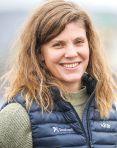
Kate Furhovden Stenerud has been namedcommercial director for salmon at Benchmark. She will be joined by experienced colleagues in the reorganized team. Lene Stokka and Catrine Smørås have been working as fish health specialists in the technical department at Benchmark Animal Health since 2021. Close dialogue with customers in connection with sea lice treatments has been an important part of their work, and they will continue to fulfill this task in their new roles in the commercial team.
“In addition to customer contact, Lene and Catrine will ensure that the team enhances their expertise by sharing their knowledge and experiences with their colleagues. This change will also contribute to closer follow-up with our customers to ensure best practices and optimal use of our medicines,” said Stenerud.
Lene and Catrine will report to the commercial lead for health, Preben Matre.
Ruben Helmersen Johansen has now been nemed sales and technical associate. He will report to the new commercial lead for Genetics, Thommy Holmvåg, and his primary task will be to work closely with the company’s customers in Southern Norway to ensure their successful ova inlay practices. www.benchmarkplc.com
Veramaris publishes sustainable development report
Veramaris has released its first sustainable development report to provide an update on its sustainability journey and showcase algal oil as a reliable and renewable source of Omega-3 (EPA & DHA) for aquafeed.
This is timely as farmers revisit Omega-3 feed specifications to improve animal health, quality, and farm productivity, while fish oil supplies face uncertainty due to reduced forage fisheries quotas and the risk of a powerful El Niño on the horizon.
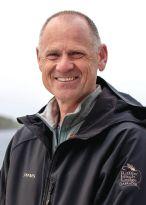
“No genuine growth can come without efforts to improve our own sustainability. I believe our responsibility as a forward-thinking company is to do better ourselves, while helping others do better, too,” said Gertjan de Koning, CEO of Veramaris.
Structured around six UN Sustainable Development Goals, the report includes Veramaris’ first greenhouse gas emissions statement.
The report provides updates on the company’s value chain marketing efforts, which involve collaborating with partners to reduce marine dependency and ensure the health and nutritional quality of farm-raised seafood.
“Working with supply chain partners, Veramaris has shown how algal oil can be used to control Omega-3 content in farmed salmon, creating value by ensuring maximum product quality and offering consumers an excellent source of Omega-3. Leading retailers are already making algal oil part of their ESG communication.”
www.veramaris.com
BioMar further invests in Larviva hatchery feed
BioMar Group announced the expansion of the marine hatchery trial facilities at their Aquaculture Technology Centre (ATC) Hirtshals in Denmark.
The investment in this facility follows the continued success of the Larviva hatchery feeds across the main hatchery markets, together with the two capacity expansions at the production facility in France to cover the market demand.
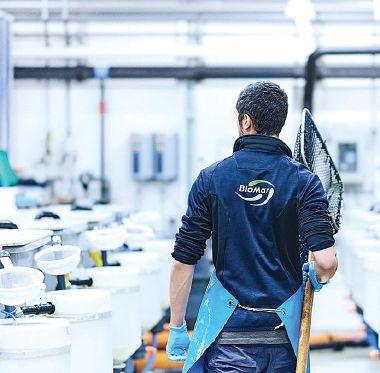
“We believe that this investment will unlock potential for growth in new markets and new species. This will bring innovations further solidifying our position as a leading provider of premium-quality hatchery feeds,” said Henrik Aarestrup, VP LATAM, Shrimp & Hatchery at BioMar. “The expansion of the ATC Hirtshals facility aligns with BioMar’s strategic plan for the hatchery segment which is a key pillar for the development of marine fish and shrimp feeds.”
The hatchery trial facilities will serve as a hub for research and development activities, with the addition of six multinational R&D staff to the team of experts in marine hatchery operations. It will include units dedicated to larval rearing and live feed production, allowing for extensive research and testing of hatchery feeds for several marine species.
“We are commissioning advanced larval research facilities, to ensure the continued high performance of LARVIVA, as well as developing further products for this highly specialized global market,” said Simon Wadsworth, global R&D director at BioMar. “The core research team has also been strengthened by leading larval rearing expertise from the Mediterranean region. The new facility will significantly strengthen our research capacity in this dynamic segment.”
www.biomar.com
Ruben Helmersen Johansen
Catrine Smørås
Lene Stokka
Gertjan de Koning, Veramaris CEO
AgrifoodJobsite.ca is Canada’s premier online job portal for the growing agrifood sector. A laser focus on the right people across the country’s largest agrifood media audience means you get the right applicants the first time. No more massive piles of unqualified applicants, just professional employers reaching qualified professionals.
Powered by the top agrifood media brands in Canada, the reach to over 500,000 industry professionals on AgrifoodJobsite.ca is amplified by:
Website advertising to 185,000 qualified monthly site visitors
A comprehensive and magnifying reach across multiple associated job boards
Email promotion and job alerts to 131,000 industry emails using Canada’s largest CASL-compliant direct access to agrifood professionals
Social media promotion to all brand networks on Facebook, Instagram, Twitter and LinkedIn
Ace Aquatec transforms operations for Australian Murray Cod producer
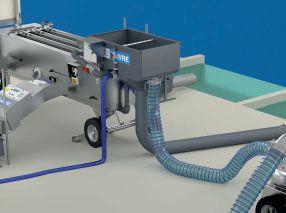
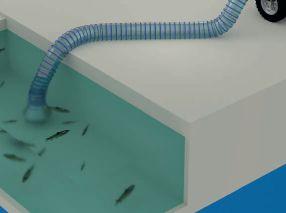
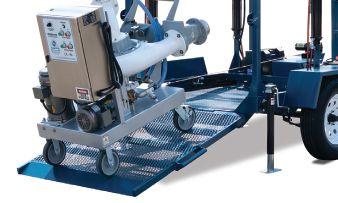
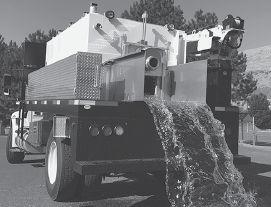
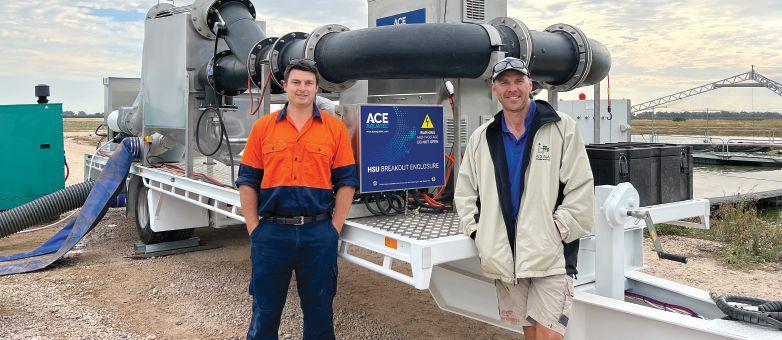
Ace Aquatec has installed its first trailer mounted in-water stunner, overseen by Australian distributor Fresh by Design.
“Since installing the stunner in April, Aquna Sustainable Murray Cod have seen a vast improvement in the welfare of the fish during the harvesting process and have made huge strides in reducing the environmental impact of their harvesting practices.”
The in-water nature of Ace Aquatec’s humane stunner solution no longer requires Aquna to use percussion stunning techniques, which can be stressful for fish and the staff who handle them. The bespoke solution also means that live fish are no longer transported over long distances, which was stressful to fish and required the use of large vehicles.
“Our sites are spread across 200 kilometres so the tailored solution offered by Ace Aquatec has allowed us to integrate with a mobile trailer to harvest on site at a time that works for us which has made a huge difference to us in terms of welfare and fish quality, not to mention the vast reduction in on road transport and consequent environmental impact,” said Mat Ryan, managing director of Aquna Sustainable Murray Cod.
Aquna Sustainable Murray Cod has growth ambitions of producing 10,000 tonnes by 2030 and having produced 4,500 tonnes of fish already this year, “the installation of this technology will support this growth as the popularity of the fish continues to grow.”
“Aquna came to Ace Aquatec because they wanted to be the first producer in Australia to stun their Murray Codhumanely, using our in-water electric technology,” said Tara McGregor-Woodhams, CSMO of Ace Aquatec.
DESIGN | EQUIPMENT | SOLUTIONS
We are your source for professional aquatic and aquaculture products and services.
Our hands-on experience allows us to offer practical solutions to your situation, big or small.
We have years of experience in retrofit and new construction and understand your needs. Contact us today to learn more!
Trade
“By working so closely with the team at Aquna Sustainable Murray Cod, we have developed a unique stunner system that not only improves the welfare of the fish, but greatly improves the efficiency of the whole process, provides safer conditions for staff, and minimises the environmental impact of the harvesting process.” www.aceaquatec.com
Innovasea introduces NexTrak, acoustic telemetry system
Innovasea has introduced NexTrak, an acoustic telemetry system that improves performance in the water while providing the technological foundation for fish tracking.
NexTrak uses digital technology and advanced coding schemes “to improve coverage, extend range and provide researchers with more accurate data.”
“Put simply, NexTrak is a giant leap forward because it does everything better than previous acoustic telemetry systems,” said Mark Jollymore, president of Innovasea. “Whether it’s generating more robust and accurate data sets or enabling the study of new habitats for the first time, NexTrak represents the future for aquatic animal researchers.”
According to the company, the new system delivers less interference and fewer tag collisions, signal strength data to better show the proximity of fish to receivers, and higher quality data and enhanced post-processing capabilities.
The first NexTrak receivers will be available for order later this year. They will be part of a larger NexTrak ecosystem that includes new receivers, transmitters and enhanced cloudbased tools that will provide researchers with a complete picture of animal behavior. www.innovasea.com
Lachlan Bassett, General Manager of Fresh by Design, and Mat Ryan, Managing Director of Aquna Sustainable Murray Cod.
An independent trial conducted at Otter Ferry Seafish in Scotland, showed that the inclusion of Orego-Stim Forte, a natural and sustainable feed additive, to the commercial diets of juvenile ballan wrasse resulted in improved growth performance, survivability, lower feed conversion and higher specific growth rates.
Orego-Stim Forte is a high-quality functional feed ingredient, manufactured by Anpario and specifically developed for aquaculture, containing 100 per cent natural oregano essential oils and quillaja saponins.
“Ballan wrasse are increasingly utilized in salmon farming for sustainable sea lice management. By improving the performance and survivability of ballan wrasse using Orego-Stim Forte we’re able to drive productivity, fish welfare and ultimately reduce the overall environmental footprint,” said Lawrence Brown, senior technical & account manager at Anpario.
“We’re excited to be working with cleaner fish producers and aquafeed manufacturers to harness the benefits of our functional feed ingredients.”
This research was part-funded by UK Agritech Centre CIEL as a “successful recipient of aquaculture project seed funding.” www.otterferryseafish.com
Sincere Aqua launches SC-4K Shrimp Counter
Sincere Aqua, a company specializing in biomass insights, has introduced the SC-4K Shrimp Counter, a tech that Oceanloop has integrated it into its operations in both farms in Munich and Kiel.
“Oceanloop is dedicated to continuous improvement and delivering optimal outcomes,” said Oceanloop’s Co-CEO, Dr. Bert Wecker. “Sincere Aqua’s shrimp counting technology addresses a regularly occurring challenge we face in accurately determining our stocking density especially at smaller shrimp sizes. With this advanced solution, we can precisely manage our shrimp populations, streamline our operations, and reduce the need for manual handling.”
The SC-4K Shrimp Counter is equipped with advanced sensor technology, artificial intelligence, and computer vision, ensuring precise and reliable shrimp counting during the transfer from nursery to the grow-out phase. With a counting speed of 200,000 shrimp per hour and the ability to accurately count sizes ranging from two to eight centimetres, the SC-4K sets a new industry standard. Sincere Aqua guarantees a minimum accuracy of 90 per cent as long as the average size falls within the 2-8 centimetre range.
“Oceanloop’s technologically advanced approach to inland shrimp farming is truly remarkable,” said Fríði Mellemgaard, CEO of Sincere Aqua. “They employ a multitude of advanced methods and technologies, making them a leading force in the industry. Their dedication to sustainability and adoption of cutting-edge solutions make Oceanloop a true innovator in land-based shrimp farming.” www.sincereaqua.com
Ian Roberts, Director of Communications at MOWI Canada, Scotland, Ireland
with Mari-Len De Guzman, Aquaculture Writer and Editor
Presented by
Sponsored by
LLENCE AT THE SERVICE
Producers like you for over 40 years
Rainbow trout eggs
Selected AquaSearch products can now be ordered in a premium version, where a “no 2nd winter maturation” genetic marker has been applied.
Combining DNA sequencing technology and field phenotypes in genome wide association studies has enabled AquaSearch to identify a highly significant genetic marker on chromosome 28 correlated with 2nd winter maturation in Rainbow trout.
Applying this genetic marker in breeding and commercial products, has been patented, and is now routine in the AquaSearch LATE breeding line and offered as an additional feature with selected AquaSearch products. Efficiently reducing the risk of 2nd winter maturation in these products.
STA R T ST R ONG. STAY
ST R ONG.
LARVIVA is a complete range of hatchery feeds. It is specially developed to maximize the success of the hatchery operations by giving your larvae a strong start ensuring high quality, robust and performing fry ready for the grow out stages.