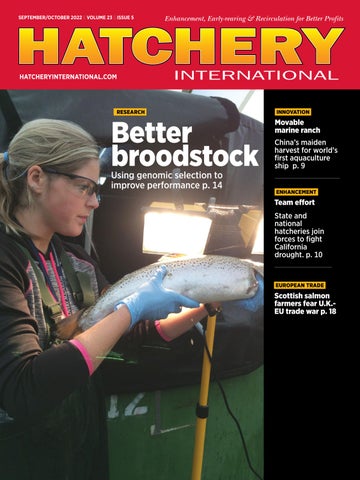
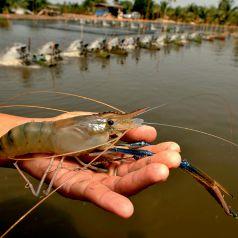
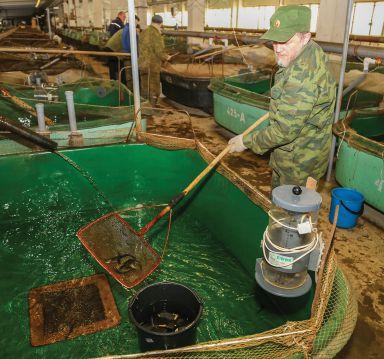
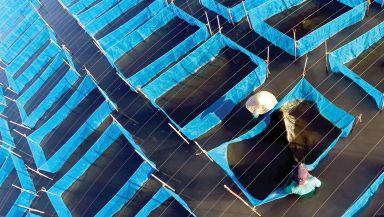
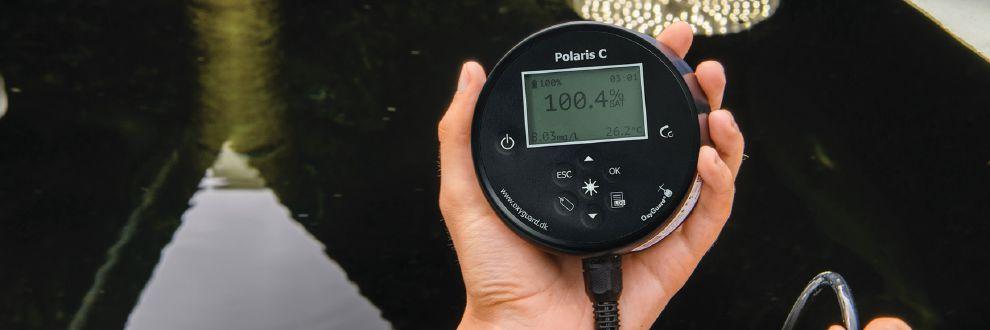
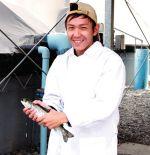
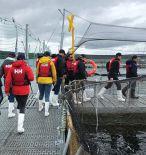
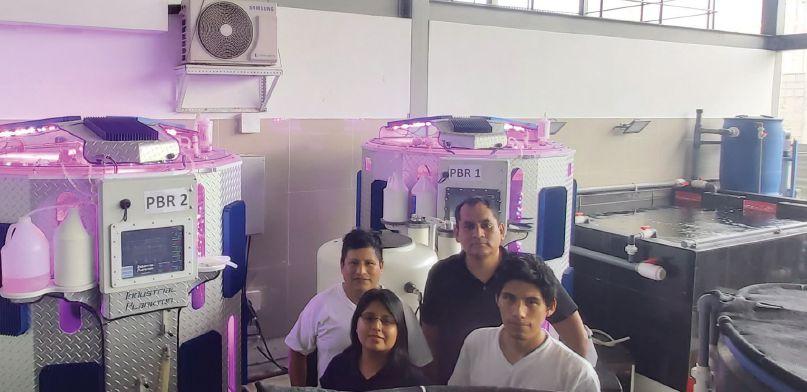
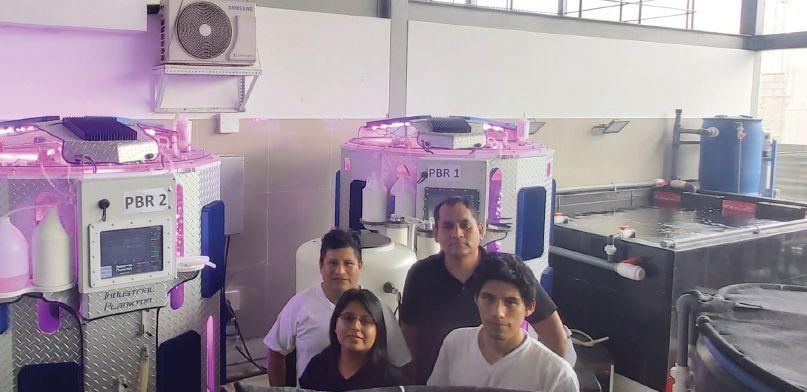
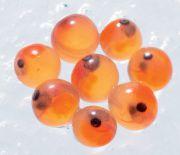
Using genomic selection to improve performance p. 14
INNOVATION
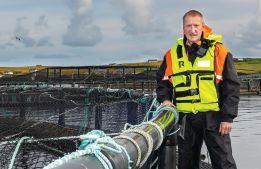
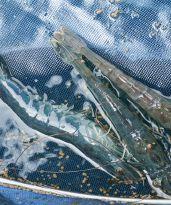
Movable marine ranch
China’s maiden harvest for world’s first aquaculture ship p. 9
ENHANCEMENT
Team effort
State and national hatcheries join forces to fight California drought. p. 10
EUROPEAN TRADE
Scottish salmon farmers fear U.K.EU trade war p. 18
FISH WELFARE & SUSTAINABILITY
TOGETHER
MSD Animal Health offers a seamlessly-integrated suite of biopharmaceutical and technology solutions to ensure the welfare of aquatic species and support healthly ecosystems in which those species can thrive.
By Ruby Gonzalez
Julia Hollister
By Treena Hein
By Colin Ley
VOLUME 23, ISSUE 5 | SEPTEMBER/OCTOBER 2022
Reader Service
Print and digital subscription inquiries or changes, please contact customer service
Angelita Potal
Tel: (416) 510-5113
Fax: (416) 510-6875
Email: apotal@annexbusinessmedia.com
Mail: 111 Gordon Baker Rd., Suite 400, Toronto, ON M2H 3R1
Media Designer Alison Keba akeba@annexbusinessmedia.com
Audience Development Manager Urszula Grzyb ugrzyb@annexbusinessmedia.com 416-510-5180
Group Publisher Todd Humber thumber@annexbusinessmedia.com
COO Scott Jamieson sjamieson@annexbusinessmedia.com
PUBLISHED BY ANNEX BUSINESS MEDIA 105 Donly Drive South, Simcoe, ON N3Y 4N5
Hatchery International is published six times a year by Annex Business Media. The authority for statements and claims made in Hatchery International is the responsibility of the contributors. Reference to named products or technologies does not imply endorsement by the publisher.
Subscription rates (six issues) Canada: $37.00
Within North America: $48.00 CAD
Outside North America: $62.00 CAD To subscribe visit our website at www.hatcheryinternational.com
PRINTED IN CANADA ISSN 1922-4117 Publications Mail Agreement #PM40065710
RETURN UNDELIVERABLE CANADIAN ADDRESSES TO 111 Gordon Baker Rd., Suite 400, Toronto, ON M2H 3R1
The advertising deadline for the Nov/Dec issue is Oct. 3. Don’t miss the opportunity to be part of this exciting aquaculture publication. For more information, or to reserve space in the next issue, call our advertising department at +1.250.474.3982 jthain@annexbusinessmedia.com
Next Editorial Deadline
The editorial deadline for the Nov/Dec issue is Sept. 28. Contact Jean Ko Din at jkodin@annexbusinessmedia.com for details. Material should be submitted electronically with prior arrangement with the editor.
FROM THE EDITOR
Work together
Collaboration seems to be the theme of this issue, as we explore the different areas in which different teams come together for a common problem to solve.
In our cover story, we take an in-depth look at the research initiatives that are taking place at Huntman Marine Science Centre in St. Andrew’s, New Brunswick in Canada. The research centre is collaborating with Mowi Canada East to further understand “economically-important traits” and cost-effective genotyping strategies. Projects like these will not only benefit those that are involved in this individual study, but it could contribute to the productivity, efficiency and sustainability of the aquaculture industry as a whole.
In the restoration and enhancement sector, we look at how the California drought is bringing together the United States’ federal and state hatcheries to overcome production challenges. This regional story is an example of how hatcheries cannot work in isolation. The effects of climate change creates a chain reaction throughout watersheds and river systems, and it will take all of us to find sustainable solutions for the fish, the community and the environment.
Unfortunately, there are too many parts of the world that still struggle with bringing
Charles Murgat Aquaculture................................................8 Dabie
TO ADVERTISE Contact
Jeremy Thain
JEAN KO DIN
groups together in one goal. The British government is still dealing with the complex implications of Brexit, and it looks like Scottish salmon farmers are worried that their industry could become a casualty. They believe that a trade war between the United Kingdom and the European Union is looming.
On the other side of the world, China is doing something interesting with its aquaculture. Conson-1 is the world’s first marine ranch at sea and its preparing for its maiden harvest of croaker, grouper and Atlantic salmon. Such a vessel could make it possible to push aquaculture farther out in the open seas where there is less pollution. It could also relieve the environmental pressures of offshore farms.
Projects like these are harder to keep an eye one than any activity I have access to here on the Western hemisphere. But diversity and a global scope is my goal and I must rely on many leaders in different regions around the world to identify this publication’s blind spots.
I would love to see stories of professionals in South America, East Asia, the Middle East and all of Africa. If you have story ideas, my inbox is always open at jkodin@annexbusinessmedia.com.
@HatcheryInternational
Russia pumps billions into new hatcheries
The Russian government has approved building several new hatcheries, primarily to breed Atlantic salmon (Salmo salar) and trout broodstock, with the investment of 5 billion rubles (US$90 million).
Reducing the Russian aquacultural industry’s dependence on broodstock imports is a key task now, commented Vladimir Mazanov, executive director of the national association of the industrial aquaculture companies, citing problems Russian fish farmers faced as Western sanctions barred the way for most Western broodstock to the country.
Several leading Russian scientific institutions, including the Federal Research Center for Nutrition and Biotechnology, as well as the Russian Federal Research Institute of Fisheries and Oceanography, are planning to participate in the program, he added.
Mazanov expressed hopes that Russian scientists would be able to contribute to import replacement by combining international experience and their own scientific research “to form a portfolio of innovative and sustainable genetic solutions.”
“One of the promising areas is the search for genetic solutions that allow growing Atlantic salmon in freshwater industrial RAS complexes,” Mazanov said, adding that this solution if developed, would boost investor interest in RAS projects in Russia in general.
It is expected that the new hatcheries would be established as RAS, Mazarov said, adding that they are planned to be organized with two independent modules: to obtain fry from incubated eggs and to raise it.
“The autonomous organization of these technological chains with the addition of a breeding and genetic section will pave the way to creating a highly intensive fully import-independent production and provide the [Russian] market with any amount of domestic broodstock. They [new hatcheries]
would meet the demand in broodstock of salmon farmers in the Barents Sea, which amounts to tens of millions of units, avoiding the risks associated with the termination of its import,” Mazanov said.
“The Russian aquaculture market is highly dependent on import supplies of broodstock,” said Inna Golfand, partner at the Russian consulting firm. “Russia produces around 1,500 tonnes of broodstock per year, but these volumes are not enough to meet the needs of the industry. In addition, Russian Aquaculture has two factories in Norway that produce Atlantic salmon smolt, which is then shipped to Russia,” she added.
Under the Russian aquacultural industry development program, by 2030, farmed salmon species production in the North-West federal district is expected to jump to 150,000 tonnes, including 30,000 tonnes produced in RAS.
So far, production in RAS was limited to 4,000 tonnes per year, and there are strong concerns that the declared production targets would not be beaten, as Russian farmers are currently stripped not only of broodstock but also of RAS technologies, which are not produced in the country.
The Philippines Bureau of Fisheries and Aquatic Resources (BFAR) has granted the world’s first Specific Pathogen Free (SPF) certification to a tilapia producer.
The newly-certified facility is GenoMar Genetics Group’s nucleus and grandparent site located at the Central Luzon State University where the company has been operating a breeding program since 1999. This facility acts as a hub to other tilapia farms in Asia and Latin America.
The SPF certification covers viral pathogens most significant to tilapia aquaculture - TiLV (Tilapia Lake Virus disease), VER (Viral Encephalopathy and Retinopathy, also known as VNN) and Megalocytovirus (Iridoviral disease). It means that companies and countries importing genetic material from this facility are in good health and have low risk of transferring these pathogens.
According to GenoMar’s press release, the certification process began three years ago as the facility was frequently audited. Samples from the fish were collected and analyzed by PCR, following the guidelines set by the World Organisation for Animal Health.
“We are extremely proud of this achievement and want to congratulate all our old and existing colleagues for having secured an excellent health status on this iconic facility over the years”, said Alejandro Tola Alvarez, CEO of GenoMar Group.
Russia wants more hatcheries to mitigate problems with broodstock. PHOTO: ILIM
PHOTO: GENOMAR GENETICS GROUP
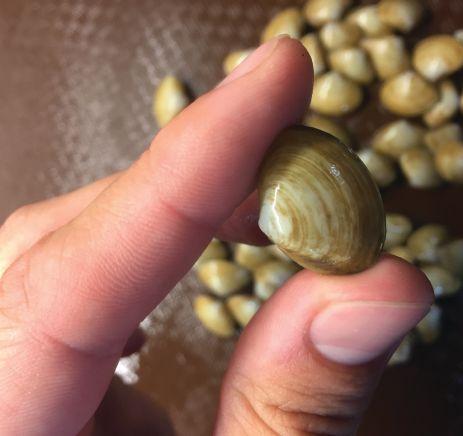
Feasible surfclam husbandry techniques for Northeast shellfish growers
A study that provides technical aspects of Atlantic surfclam (Spisula solidissima) husbandry supports the feasibility for the culture of the species in the U.S. Northeast region.
“Overall, successful surfclam nursery culture aligns well with the Northeast’s established shellfish farming framework, and growing surfclams should be technologically feasible for any interested grower,” Dr. Michael Acquafredda, postdoctoral research associate at the National Research Council, told Hatchery International
The research article, “Evaluating the efficacy of nursery gear types for cultivating Atlantic surfclams (Spisula solidissima)” by Acquafredda et al. was published on Aquaculture Report
Surfclam exhibits many features that make it amenable to aquaculture, particularly in the region.
“Surfclams grow rapidly, with a spawnto-sale production cycle as short as 12 to 18 months. Surfclams are native to the region and are generally recognizable to the public,” Acquafredda said, before adding its consumer selling point. “Importantly, farmed surfclams have a sweet, buttery flavor, making them a delicious seafood choice!”
Controlled experiments were conducted to evaluate the efficacy of various gear types that are commonly used to rear other juvenile bivalve species. In the Northeast, downwelling, upwelling, and bell siphon systems are commonly used to rear bivalves during the early nursery phase.
Cargill
and Innovafeed
The entire research was conducted at the Rutgers University Haskin Shellfish Research Laboratory and Aquaculture Innovation Center. It demonstrated that multiple rearing methods can effectively produce commercial-scale quantities of surfclam.
“Our results show that during the early nursery phase (shell length = 0.4–2.7 mm), a variety of methods, including downwellers and bell-siphon systems, can be used to successfully rear surfclams.
“However, once juvenile clams grow larger to enter the late nursery phase (shell length = 1.1–18.0 mm), the upweller system becomes the optimal gear type. In our study, upwellers significantly outperformed shallow raceway systems, and we found no advantage of rearing surfclam seed in sediment,” he explained.
The use of multiple rearing methods brings down the cost. While downweller can provide clams with consistent and optimal environmental conditions, maintaining highly controlled conditions can be complex and costly, especially for small enterprises.
“Sufficient early juvenile surfclam growth and survival can also be achieved using the flow-through bell siphon method. Once clams are large enough and enter the late nursery phase, it is recommended that they be transferred from either method to a flow-through upwelling system.
“Upwellers with high flow rates produce superior growth and survival compared to
extend partnership to develop insect meal feed
Cargill and Innovafeed have announced that it is extending its partnership from three years to ten years in an effort to renew the companies’ commitment to developing insect meal in aquafeed.
The agreement combines Innovafeed’s expertise in formulating insect ingredients and Cargill’s global animal nutrition
capabilities to scale up the use of insect ingredients in multiple types of animal feed. Insect-based feed has become a competitive alternative to other sources of protein at all levels, including nutrition, production, and sustainability.
Cargill said in a statement that this partnership is also part of its SeaFurther
LONG-LASTING AQUACULTURE PUMPS
Surfclams has spawn-to-sale production cycle of as short as 12 to 18 months
shallow raceway systems,” he said.
He stressed the importance of careful acclimatization of surfclam when transferring this from controlled to flow-through condition in order to sustain growth.
“This can be accomplished by slowly adjusting the water temperature to match the raw seawater temperature at a rate of 1 C per day and by closely monitoring food consumption before and immediately following the transition,” he said.
– Ruby Gonzalez
Sustainability Initiative to reduce its CO2 emissions in the aquaculture industry.
“A contract of this size and scope for insect ingredients in aquafeed is a first in our industry and marks a major milestone in favour of more sustainable and efficient animal feed, thanks to novel ingredients and insects more specifically,” said Clément Ray, Innovafeed’s co-founder and CEO.
Specialists in corrosion-resistant, reliable and stable propeller pumps, with high uptime and low energy consumption- for a healthy and sustainable aquaculture.
PHOTO: DR. MICHAEL ACQUAFREDDA
Finnish hatcheries mull destroying tonnes of broodstock destined for Russia
European sanctions against Russia are expected to push Finnish hatcheries to destroy tonnes of rainbow trout (Salmo gairdneri) broodstock, Finnish news outlet Yle reported, citing market participants.
Russia used to import trout and salmon broodstock and fish feed from Norway, Sweden and Finland, but supplies have ground to a halt in recent months due to punitive sanctions introduced by the European Union against Russia.
In theory, Finnish hatchers could raise rainbow trout to adulthood to sell it in the European market, but this would require the local regulator to adjust environmental impact permits in the fish farming industry.
Fish farming activities in Finland require an environmental permit, which specifies limits on the volume of fish that can be raised and the maximum amount of feed that can be used in raising them, Yle explained.
A group of Finnish fish farmers has appealed to the Agricultural and Forestry Ministry with a petition to ease the existing regulation, but government officials said it was unlikely to happen.
The Ministry explained in a statement that the Environmental Protection Act, under which environmental permits are issued, envisages no option of temporary adjustments. Farmers who want to expand production for the domestic market right now will likely have to go through the process of acquiring new permits with higher production ceilings.
Yrjö Lankinen, head of a fish farmers’ consortium said that several hatcheries have a large
surplus of salmon broodstock they decided to produce, anticipating some improvements.
“Some operators have found a place for them to be grown and some are taking a risk and raising them. What happens to those being raised at risk remains to be seen,” he said.
“We would have been able to easily increase the volume of fish raised with our current facilities, but more can’t be produced without permits,” says Kari Vääräniemi, CEO and owner of Kalankasvatus Vääräniemi, adding that obtaining new environmental permits is not a way to solve the current problems.
It takes half a year to prepare a permit application and at least a year to complete the process, he added. By the time the permit is obtained, it would be too late because the production cycle in trout farm breeding is shorter.
Russia imports roughly 90 per cent of salmon and trout broodstock from Scandinavia for the farms in the northern basin. Russian sources put the overall size of imports at 40 million units of fingerlings per year, most of which come from Norway.
– Vladislav Vorotnikov
Michigan invests $34M
for fish hatchery upgrades, new survey vessel
The Michigan Department of Natural Resources (DNR) announced that it has earmarked US$34 million in next year’s budget to go towards upgrading its fish hatchery programs.
According to the U.S. state’s website, $30 million will go towards fish hatchery infrastructure improvements, including upgrading production water supplies, replace roofs, upgrade outdated electrical systems, upgrade water aeration systems, replace old backup generators, repair/replace deteriorating asphalt and provide biosecurity enhancements to support fish health.
“Upgrading electrical distribution systems, replacing outdated backup power supplies and improving water supplies would all reduce the likelihood of catastrophic fish loss and increase our ability to manage disease issues,” said DNR Director Dan Eichinger. “Overall, this investment will improve rearing conditions, which will translate into more consistent fish production levels and high-quality fish.”
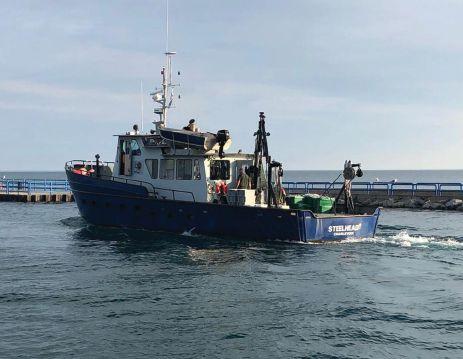
An additional $4 million has been allocated to replacing an outdated Grate Lakes fisheries survey vessel. The current vessel has been in operation for 54 years. The new vessel will play a “vital role” in conducting continued research and surveys of the Great Lakes.
“The S/V Steelhead is more than 20 years older than the average Great Lakes research vessel, which means we are spending more each year on maintenance issues and increasingly struggle to find parts to keep the vessel operational,” said DNR Fisheries Division Chief Jim Dexter.
“Given the age, maintenance costs and large carbon footprint of this survey vessel, a replacement is necessary to provide the needed level of assessment capabilities to meet fisheries management information requirements.”
HI_Charles Murgat
Russia experiences problem with imported broodstock. PHOTO: ILIM
SV Steelhead leaving Charlevoix PHOTO: MICHIGAN DEPARTMENT OF NATURAL RESOURCES
INNOVATION
Movable marine ranch
China expects maiden harvest in autumn from the world’s first-of-its-kind aquaculture ship
By Ruby Gonzalez
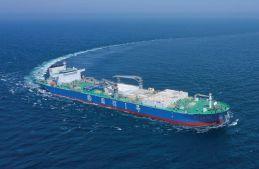
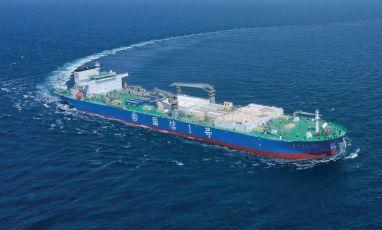
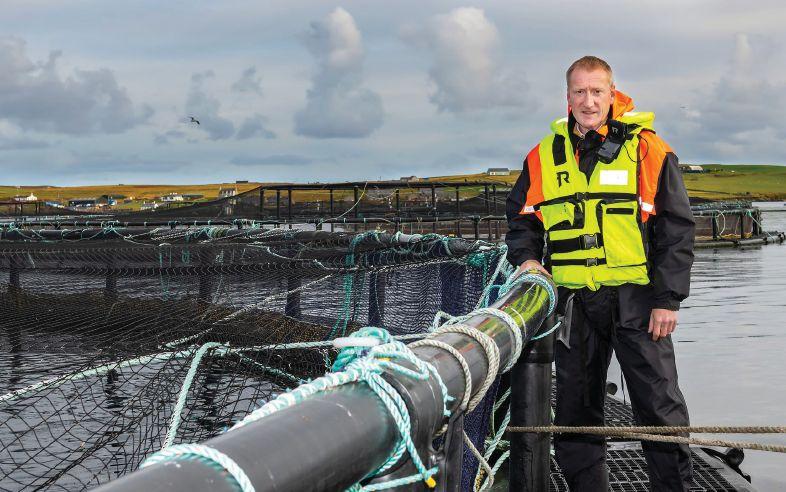
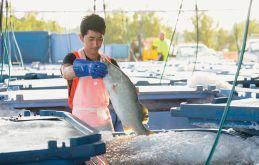
The latest aquaculture technology innovation in China has delivered an aquaculture ship, a.k.a. “movable marine ranch” offshore. With the optimum natural conditions and onboard technology, it is expected to produce an annual harvest of 3,700 tons of species such as croaker, grouper and Atlantic salmon.
Described as the “world’s largest fishing vessel with the most comprehensive functions, practicability and reliability,” Conson No. 1 was delivered in May in Qingdao, China’s eastern Shandong province.
It was deployed to the Yellow Sea, located off the city’s coast, East China Sea and South China. The maiden harvest of yellow is scheduled by fall.
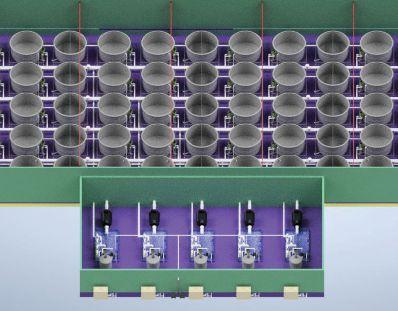
The 100,000-ton ship, with displacement of 130,000 tons, was commissioned by Qingdao Conson Development Group at a cost of CNY400 million (US$56 million). It measures 250 metres long and 45 metres wide. Its 15 tanks have a combined capacity of approximately 90,000 cubic metres.
Deputy general manager, Dong Shaoguang, reports that the ship is equipped with technology that produce a shorter aquaculture cycle than traditional cages and stocking density of three to five times more fish in the same space.
He also stressed the non-stop supply of seawater pumped into the tanks, leading to a stable environment. The controlled and enclosed environment keeps natural challenges at bay such as red rides, pollution and typhoons.
Underwater cameras, sensors and an auto-feeding system supports onboard operations. Connectivity allows land-based offices to monitor the fish, as well.
Same models, Conson-2 and Conson-3, are due for delivery by March 2024. The construction of an improved version, the Conson-4, is planned to begin in late 2023.
The company plans to commission 50 more similar vessels within 10 years.
The ship was designed to produce fish without polluting the environment. By going to open seas, it will produce fish in an open sea environment where there is no pollution. And this is the main goal of building the ship, according to the deputy GM.
Such a vessel has made it possible to push aquaculture areas farther out in the open seas,
where high-quality seawater can provide important nutrients to the fish, Chen Zhixin, chief scientist of the Fishery Machinery and Instrument Research Institute, told Xinhua News Agency.
Conson-1’s operation is in sync with China’s Water Pollution Prevention and Control Action Plan. To sustain China’s supply of clean water, one of the directives is to put a cap inland and coastal aquaculture.
The maiden target harvest of 3,700 tons is similar to the output of Chagan, one of the China’s largest freshwater lakes.
The launch of Conson-1 has stirred global interest, with reactions that go opposite ways. This was reflected in comments to a Facebook post. There were those who, citing carbon footprints and discharged effluents, questioned points on “being environmentally-friendly.”
There were those who appreciated the merits of the vessel. Among them was Nuraini Arsad, an environmental scientist at Shell: “[I] can see how this might be a good innovation for fish export, actually.”
Instead of farming the fish on the coast or on land, and then transporting the fish frozen, she cited, the vessel returns for docking when the fish is ready for harvest. The same space is thus used for both functions.
“It arrives fresh rather than frozen, probably eliminating intermediate handling and/or packaging steps,” she said.
With regard to environmental issues, she said that the “mostly biodegradable effluent of aquaculture” goes to open sea.
“It would not be in danger of exceeding the local carrying capacity of much smaller/ confined water bodies and ecosystems, which may even help spur oceanic productivity as it is normally nutrient-limited,” she said.
Plans for three more vessels are in the works.
PHOTO: QINGDAO CONSON DEVELOPMENT GROUP
TEAM EFFORT
State and national hatcheries combine forces to fight California drought. By Julia Hollister
California’s drought has a tightening grip on all sectors of the state’s economy and hatchery-raised fish are really feeling the pinch.
“Droughts are nothing new,” said Brett Galyean, U.S. Fish and Wildlife Service for 22 years, and project leader at Coleman National Fish Hatchery in Anderson, Calif. “Since being at the hatchery, we experienced droughts in 2008-2009, 2013-2015 and most recently, 2020 to the present.”
At Coleman and Livingston National Fish Hatcheries, fish species that have been impacted by drought include Steelhead and Chinook salmon (winter-run Chinook, late fall-run Chinook and fall-run Chinook).
Chinook salmon have been most impacted by drought due to their need for cold, clean water.
United effort
The U.S. Fish and Wildlife Service (USFWS) has a plan in the works to support native hatchery-raised fish during the current drought.
Facing a third year of drought, state and federal agencies anticipate low water storage and warm temperatures in the region will have significant impacts on salmon. To help address this issue and minimize impacts, USFWS, in cooperation with other state and federal agencies, is coordinating urgent actions, including increased hatchery production of Sacramento
winter-run Chinook at Livingston Stone National Fish Hatchery.
USFWS has also increased the number of winter Chinook salmon adults collected, it rented large chillers to provide cool water to the hatchery from July through early December, established captive broodstock programs, and transferred winter-run Chinook salmon eggs and fry from the captive broodstock program to fish hatcheries located on Battle Creek.
Battle Creek is an east-side tributary to the Sacramento River, downstream of Shasta Dam. Battle Creek is unique because its cold water springs and high year-round base flows provide the only historic spawning habitats for winter-run Chinook salmon downstream of Shasta Dam. Coleman National Fish Hatchery, began releasing fallrun Chinook salmon fry earlier in March to take advantage of better release conditions than the fry would encounter in late spring/ early summer.
Galyean said staff at the Red Bluff Fish and Wildlife Office have created a fish release assessment to determine whether fall-run Chinook salmon smolts should be released in the river or transported via fish distribution truck and released down river or in San Francisco Bay.
“Before fall-run Chinook salmon are released, our staff will evaluate current and projected river flows, river water temperatures, state water operations, and salinity barriers of release conditions that the fry will encounter as they migrate through the Sacramento River and out to the Pacific Ocean,” he said.
The Wildlife Service has started to release adult winter-run Chinook salmon to upper reaches of North Fork Battle Creek above Eagle Canyon Dam. This marks the first time in over a century that an anadromous fish has been in this reach, as restoration efforts have yet to be completed. Moving salmon to this location is critical during this third year of drought because water temperatures are cooler, and habitat is more conducive to spawning.
Save the salmon
The Battle Creek Salmon and Steelhead Restoration Project – which is a multi-entity effort between U.S. Bureau of Reclamation, National Marine Fisheries Service, California Department of Fish and Wildlife, U.S. Fish and Wildlife Service, and Pacific Gas & Electric – is an ongoing effort to restore habitat and increase the accessible of these habitats for Central Valley salmonids, including winter-run Chinook.
Since 2017, the Service has been leading
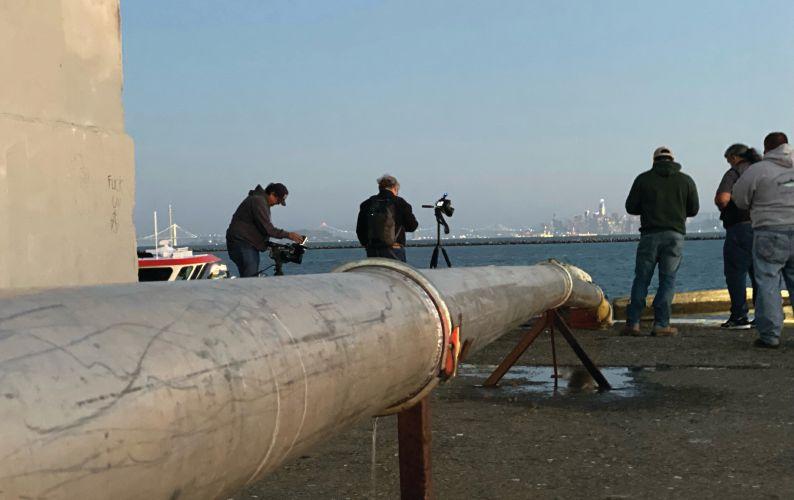
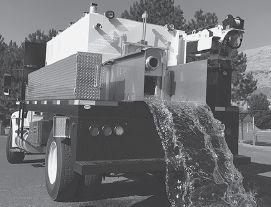
Piping used to transport fish from tanker truck into Bay for release. PHOTO: KEN PAGLIA
FISH
PUMPS + GRADERS + COUNTERS
Fish farming equipment designer and manufacturer
More than 15 complete grading packs, nursery packs, grow out packs, harvesting packs.
ENHANCEMENT
efforts to reintroduce winter-run Chinook salmon into Battle Creek, while the Restoration Project actions continue to be implemented.
The Livingston Stone National Fish Hatchery is located at the base of Shasta Dam, north of Redding. Historically, winter-run Chinook salmon spawned in the upper reaches of tributaries to the Sacramento River including the McCloud, Pit and Upper Sacramento Rivers. Upon completion of Shasta (1945) and Keswick (1950) Dams, access to this historic spawning habitat was blocked. With the completion of these dams the spawning area for winter-run Chinook salmon was reduced to the area just downstream of Keswick Dam.
Populations of winter-run Chinook salmon declined over the years, and in 1989 the winter-run Chinook salmon were listed as endangered under the California Endangered Species Act and was threatened under the Federal Endangered Species Act.
The National Oceanic and Atmospheric Administration Fisheries, or NOAA, considers winter-run Chinook salmon a “Species in the Spotlight” because it is one of just nine species considered to be most at risk of
extinction in the near-term and in need of urgent protection.
Galyean says the news is getting better.
In 1993, the population of returning adults reached an all-time low of 186 individual fish, and in 1994, the population was relisted as endangered under the Federal Endangered Species Act. In 1997,
the hatchery was established and in April 1998, the hatchery released their first winter Chinook salmon and has been in continuous operation since.
“The winter Chinook salmon supplementation and captive broodstock programs at Livingston Stone are the reason why there are still winter-run Chinook salmon in the
Fall run Chinook salmon smolt
PHOTO: KEN PAGLIA
Sacramento River,” he said. “The warm water and low river flow conditions during drought years have been devastating on the natural populations of winter Chinook salmon, and the programs at the hatchery played a key role in rearing winter Chinook.
State affairs
“California is a very large and diverse state with both California Endangered Species Act-listed fish and sport fisheries being impacted by the drought,” said Kirsten Macintyre, communications manager for the California Department of Fish and Wildlife (CDFW). “The exact number of fish species impacted by the current drought is unknown. However, most fish species are likely impacted to varying degrees.”
CDFW focuses its monitoring efforts on watersheds that provided habitat to special status species, or those that were expected to face the greatest risks from drought. Under normal years, it conducts emergency fish rescues of the most at-risk species, but sees a sharp increase during drought. In the last year, CDFW Fish Rescue and Stressor Monitoring program rescued 19 different species.
Poor water quality conditions in the rivers and at its hatcheries has forced CDFW to release fish to alternative locations or to other hatcheries.
“For example, in the spring we trucked more than 19.7 million (and 16.8 million in 2021) juvenile Chinook salmon from four Central Valley hatcheries to sites around San Pablo, San Francisco, Half Moon and Monterey bays,” said Macintyre.
In 2021, on the American River, CDFW moved 450,000 Steelhead from Nimbus Hatchery to the Mokelumne River Hatchery. On the Klamath River, in cooperation with the Hoopa Valley Tribe, CDFW relocated 1.1 million fall-run Chinook smolts from Iron Gate Hatchery to the Trinity River Hatchery. And on the Russian, 4,000 juvenile coho were relocated from Warm Springs Hatchery to the conservation facility at Casa Grande High School. CDFW is continuing to plan for similar actions in 2022 and developing further contingency plans, if warranted.
CDFW has increased fish production efforts this year to mitigate drought impacts on commercial and recreational fishing. It has implemented the use of a new fish rescue and stressor monitoring database to capture metrics on fish habitat in drought-stricken areas and track fish relocations and staff effort spent on these activities to help inform future fisheries management decisions.
Since 2021, CDFW conducted 34 fish rescues statewide in 27 waterbodies across 13 counties. A total of 6,838 fish from 19 species were rescued. Also, more than 31 staff spent over 1,800 hours monitoring 66 waterbodies across 13 counties for drought impacts to aquatic habitats.
CDFW continues to engage with the State Water Resources Control Board, DWR, federal agencies, local landowners, and Water Districts in requests for temporary modifications to existing permits and licenses, curtailments, emergency regulations, water transfers and variance requests to address and minimize impacts to fish and wildlife.
In high priority watersheds such as the Klamath, Sacramento-San Joaquin and Russian, Fish and Wildlife is working with willing landowners and water users on Voluntary Drought Agreements that provide landowner incentives to reduce or adjust water diversions to protect instream flows.
“Existing regulations allow CDFW to close recreational fishing along the central and north coasts upon the triggering of certain biological and hydrologic metrics.” Macintyre said. “The time window in the calendar for this authority is not synching with the ‘new normal’ of drought conditions.”
Improve fish quality
Decrease water consumption
Protect fauna and flora
Eliminate viruses and bacteria
High disinfection
Easy installation and maintenance
Natural technologies
BETTER BROODSTOCK
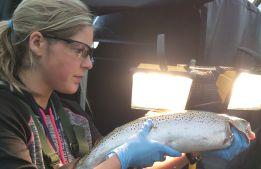
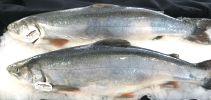
Using genomic selection to improve general performance, resistance to sea lice and tolerance to changing water temperature
By Treena Hein
North American Atlantic salmon
aquaculture, like other aquaculture sectors, has already benefited greatly from selection of better-performing stock over time. However, genomic selection promises to substantially speed up the rate of genetic improvement in breeding programs.
Genomic selection predicts the total genetic merit of individuals for key traits via the use of genome-wide genetic marker data.
“The use of a selection index can then be used to ascertain the cumulative genetic value of an individual,” explains Dr. Klara Verbyla,
director of genomics & breeding at the Center for Aquaculture Technologies Canada (CATC).
“This approach has already been shown to be highly effective in aquaculture species, with the potential to double to rate of gain for some traits.”
Genomics data can also be used to monitor genetic diversity and levels of in-breeding across any type of breeding program, says Verbyla. It also removes – for the reconstruction of pedigrees in family-based breeding programs – the need to physically track genetic families of fish.
New project
A new four-year collaborative project exploring genomic selection in North American Atlantic salmon is now being led by Mowi Canada East (part of the of Mowi ASA group of Norway) and the Huntsman Marine Science Centre (HMSC) in St. Andrews, New Brunswick. The project was recently announced under the federal government’s Genome Canada Genomic Applications Partnership Program.
Dr. Amber Garber at HMSC, leading the project with Dean Guest (freshwater director for Mowi Canada East), first explains that this project builds on previous work going back to 2010.
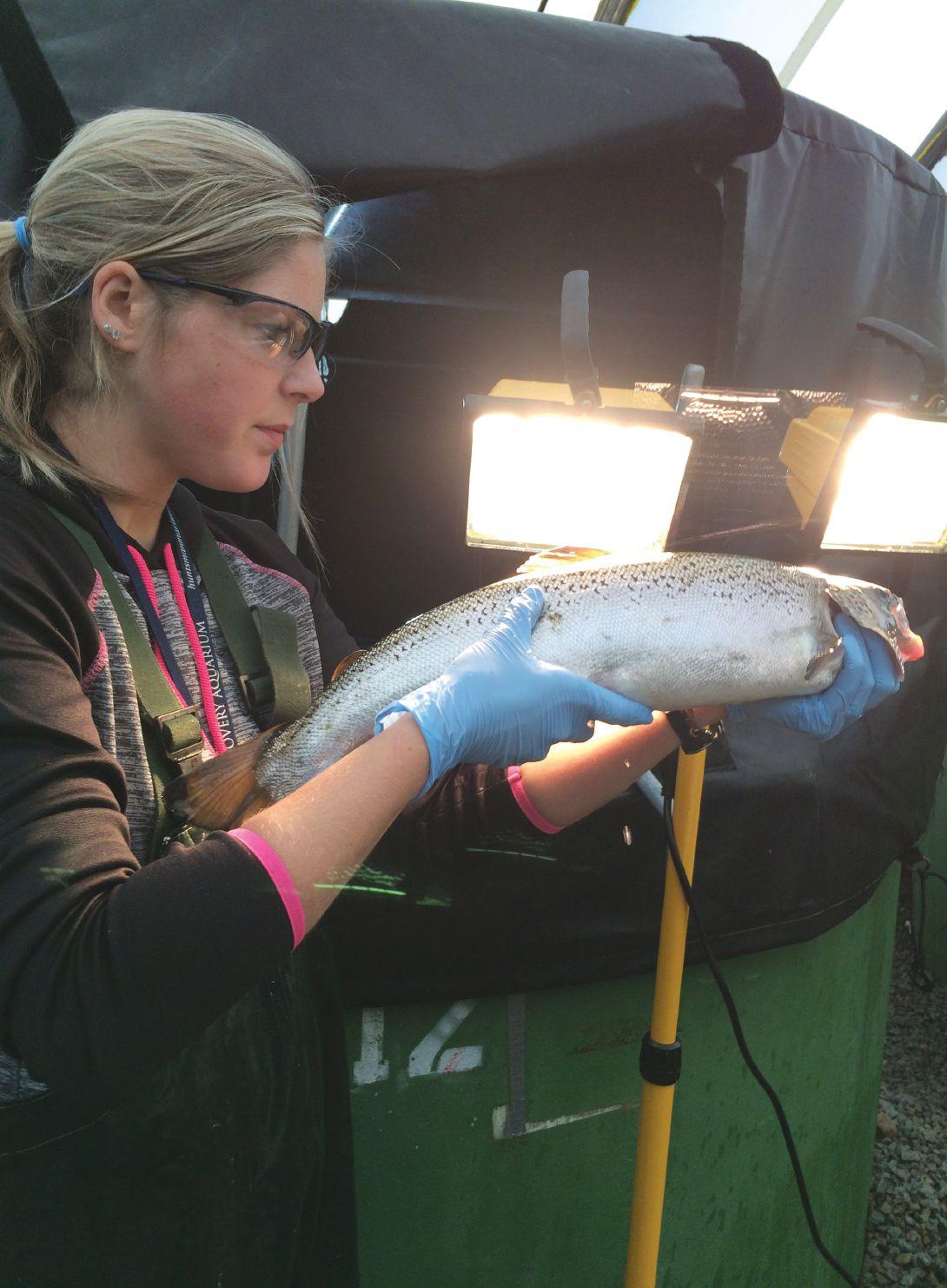
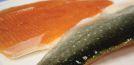
From a specific genetic line of broodstock, the team has already collected thousands of data points and fin clips to support a selection program at the “family” level. This project will go much further in enabling selection of broodstock with improved traits on an individual basis, with a large number of markers involved. They relate to three trait areas: better general fish performance (including body weight and fillet colour), resistance to sea lice and improved tolerance to changing water temperatures.
A look back
As mentioned, Garber and her colleagues have been collecting fin clips from parents that were produced starting in 2006. “At that time, there was no specific plan to use the fin clips,”
she notes. “They were archived, providing a very powerful biobank of genetic material. Therefore, while we are moving forward in time with this project, we are also able to use the historical phenotypic and now genomic data at any time-points of interest.”
The family-based selection program has so far resulted in improvements across the generations. Some of the fish hatched in 2010 were used to create the generation hatched in 2014, repeating again in 2018 and again this year. “We have challenge test data, harvest data and performance data on candidates across each of the year classes,” Garber explains.
In addition, she says “we have tested techniques developed in other facets of Huntsman research and scaled them up – to test at the level of a breeding program – resistance to Saprolegnia parasitica.”
How much improvement individual genomic marker-based selection will provide in breeding programs compared to family-level selection is not certain at this point. Garber can say, however, that she and her team expect markers of significance for the year classes of 2010, 2014, 2018 and 2022 to differ somewhat from the next. As well, differences in the site environments in which these fish were (and are) raised could impact the specific markers relevant to this project.
Resistance to sea lice
Analysis of data from other Mowi populations
of Atlantic salmon (of European origin) suggests that sea lice resistance is controlled by many genes of small effect that need to be selected simultaneously in order to see an increase in resistance. Garber and her colleagues expect this to be similar in their North American Atlantic salmon study population.
“For every year class, we run controlled sea lice challenge tests on siblings of individuals (candidates) who will later spawn, creating eggs and milt for the next generation,” she explains. “Without genomics, this data allowed us to identify families that are more resistant and families that are less resistant to sea lice, and to select unchallenged candidates from the most resistant families.”
However, there is individual variation in resistance to sea lice within families, which is captured by layering on genomic information and taking advantage of the knowledge these scientists have of the fish family tree, stretching back multiple generations.
Tolerance to water temperature changes
This team’s first published paper on tolerance to temperature changes validated the appropriate method to explore Atlantic salmon survival in increasing seawater temperature
Dura-Cast
that also mimics conditions in sea cages. Heritability of the trait was addressed in another paper. This work formed the basis for Master’s student Charlotte Bartlett at University of New Brunswick, co-advised by Garber and Dr. Tillmann Benfey.
Looking forward to what they will discover about water temperature tolerance, Garber says it’s quite possible that tolerance/performance in warmer and colder temperature are different traits, and they may be correlated positively, negatively or not at all.
Early maturation
Genomic selection also provides an efficient solution to the perennial issue of early maturation in Atlantic salmon, a situation which can lead to reduced growth, poor flesh quality and mortality.
A few years ago, Dr. Tiago Hori, who was then CATC director of genomics, found in collaboration with Cermaq Canada, that genomic selection could lead to late-maturing selection accuracies of greater than 40 per cent. Hori noted that genomic selection will only be feasible for this purpose, however, if costs can be reduced by using a combination of highdensity (HD) and less-costly medium-density
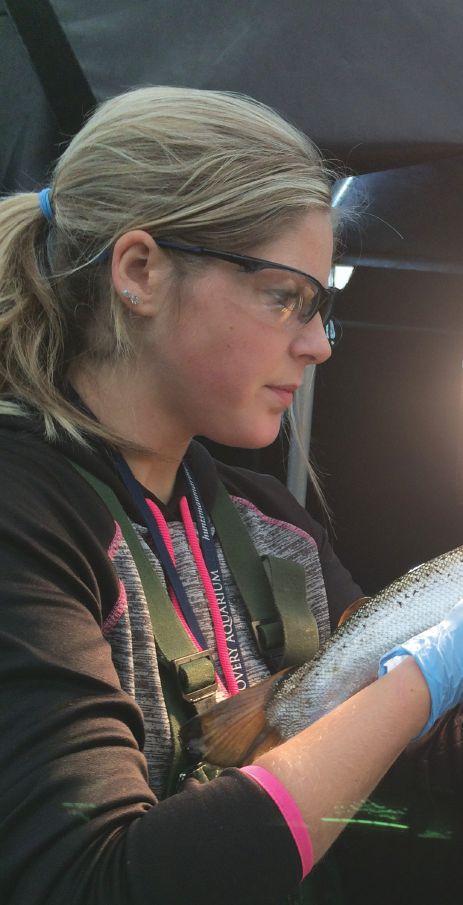
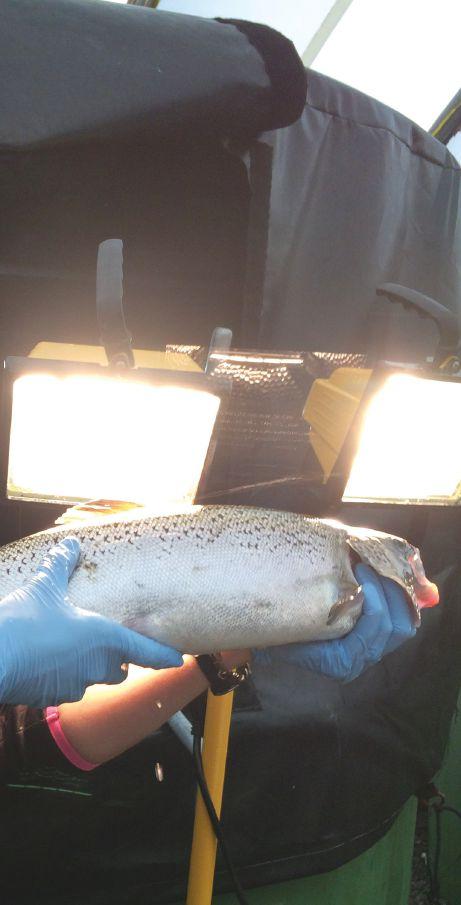
HMSC team member, Rebecca Eldridge, counts sea lice on an Atlantic salmon at the end of a challenge.
PHOTO: AMBER GARBER
(MD) marker panels.
Verbyla notes that nowadays, MD panels are key to efficient genotyping in many aquaculture breeding programs and that they can be used in two ways.
One is as a low-cost primary panel where genomic selection can be applied with only several thousand markers – but she says this can still provide a substantial impact on the accuracy of selection and rate of genetic gain. The second is to use an MD panel with imputation of the MD marker data to an HD panel.
Garber and her colleagues will actually be exploring the use of a low-density panel with imputation to an HD panel, while optimising the group of individuals to genotype at high density as candidates for spawning. This approach had already been used elsewhere in selective breeding programs, and was already trialed within the program with existing phenotypic and genotypic data available.
In terms of cost, Garber explains that the feasibility of genomic selection with HD genotyping is very much dependent on a company’s investment level in genomics.
“Mowi has implemented genomics in all of its other business units farming European salmon,” she says. “This project provides the
perfect opportunity to explore the genetics of economically-important traits whilst simultaneously developing and optimising a cost-effective genotyping strategy that can be immediately adopted by Mowi Canada East at project end.”
Biggest challenges
The traits involved in this project are expected
Created by:
Airlift Pumps
to be complex. Garber explains that with the generation period for Atlantic salmon being four years over that period, “there can be changes to the present environment of the Atlantic salmon where they are farmed, changes in the technology in which they are farmed, changes in the diet they are fed, and very likely changes in sea lice with a much shorter generation period, amongst many other factors such as variable family response by life stage.”
The team is using that generational knowledge of these specific Atlantic salmon, as well as global genomic knowledge of Mowi Genetics (research lead Dr. Serap Gonen) to structure the challenges. They’ll get solid genomic data while also enabling further description of the complex nature of these traits.
Verbyla explains that genomic selection has already been demonstrated as a game changer for a range of aquaculture species across a range of traits including growth and disease resistance.
“As more programs seek to utilise this technology, expanding the set of traits targeted, further improvements in productivity, efficiency and sustainability will be achieved, benefitting not just the individual programs but the industry as a whole,” she says.
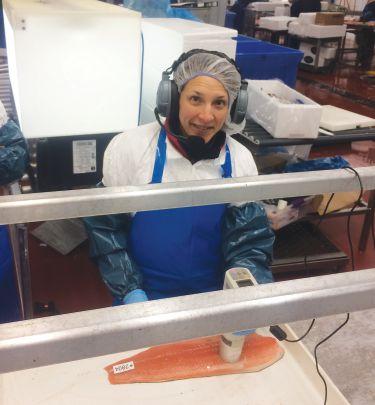
Dr. Amber Garber using a Minolta Chromameter to evaluate Atlantic salmon fillet colour as part of overall fillet quality assessment during a harvest evaluation. PHOTO: SUSAN HODKINSON
Research and benefits of Pichia guilliermandii in shrimp feeds
By François Jégou, Sarah Cooper and Delphine Weissman, ADM Animal Nutrition
Functional feeds offer synergistic opportunities to reduce the effects of adverse situations, environmental conditions, or potential disease – such as Acute Hepatopancreatic Necrosis Disease (AHPND), also known as Early Mortality Syndrome (EMS), or White Spot Syndrome Virus (WSSV) disease.
Recent ADM studies have demonstrated how Pichia guilliermondii (PG) inactivated yeast is leveraged in aqua feeds and used to alleviate disease stress through a modulating effect on gut microbiota and immune functions.
Cardozo et al. 2018 compared in vitro bacterial aggregation capacity of inactivated PG and Saccharomyces cerevisiae (Sc), with Mannose as the positive control. PG demonstrated twice the aggregation capacity at
all commercial dosages compared to that of Sc. Pathogen aggregation is critical in innate immunity and homeostasis.
To assess the bacterial aggregation capacity of PG in vivo, we conducted a bacterial clearance study where Litopenaeus vannamei shrimp were injected with Vibrio harveyi
After three hours, the concentration of V. harveyi was more than three times lower compared to the control-fed shrimp. The study also showed that granular hemocyte blood cell concentration in hemolymph was 56 per cent higher after four weeks in PG fed shrimp compared to the control.
In order to confirm these results and the potential benefit of PG in shrimp culture, two separate disease studies were performed. These showed that survival of Litopenaeus vannamei five weeks after either Vibrio
parahaemolyticus or white spot syndrome virus challenge was increased by 76 per cent and 84 per cent respectively, compared to control without PG inclusion. In a field condition test without any specific pathogenic challenge, vannamei shrimp fed supplemented diets showed a significant 10 per cent increase in growth performance compared to a control diet at the end of a seven-week trial.
Additional studies also show that PG yeast has the potential to further support other aquatic organisms with adaptive immune functions, opening opportunities for ADM to develop formulations for fish as well.
For the aquaculture industry, science and evaluations definitely help determine how functional feeds affect the health and performance of the animals, thus creating optimal technical and economic results for farmers. Incorporating functional feed additives like Pichia guilliermondii yeast as early as possible into aquaculture feeds offers unique traits for use in shrimp cultures and daily management, improving growth while significantly helping the shrimp to better cope with constant physiological and disease stress.
Scottish salmon farmers fear U.K.-EU trade war
By Colin Ley
Scotland’s salmon farmers are living on a trade war knife-edge, months after warning the U.K. government in May that current post-Brexit policies are threatening to destroy export sales into the EU worth £372 million (US$580 million) a year.
Having only just begun to emerge from a painful and costly adjustment of EU export rules and regulations, the industry is desperate to avoid a fresh outbreak of cross-border aggression. After listening to U.K. government threats that it would impose its own export solution if the EU didn’t negotiate, Salmon Scotland made a direct approach to British Prime Minister Boris Johnson, urging him step away from a trade war.
Salmon Scotland is a whole supply chain organisation representing 33 producer and
Oregon
supplier companies. Originally founded as the Scottish Salmon Producers Organisation, the current organisation completed a name change in November last year. Since then, it has added 12 supply chain companies to its membership.
Since writing to the PM, however, Salmon Scotland has been treated to virtual silence from the British government. At the same time, the PM continued to use anti-EU rhetoric as a rallying call for his supporters, particularly as he battled for his own survival in office in the face of a steady stream of questions concerning his behaviour during the COVID-19 lockdown (the so-called Partygate scandal for which he was fined by the police) and the way in which he handled serious allegations against some his own ministers.
Having eventually resigned as PM on July 7,
Hosted by the U.S. Fish and Wildlife Service and the Fish Culture Section of the American Fisheries Society, this year’s NW Fish Culture Concepts will take place at the DoubleTree by Hilton Hotel Portland 1000 NE Multnomah Street, Portland, OR 97232
Conference information: Contact Jesse Rivera at 360-604-2541 or Jeremy Voeltz at 623-670-2854
Trade show/Vendor information: Contact Bob Turik at 509-538-2755 or Hayley Muir at 231-233-4761
Hotel Information: Call 503-281-6111 71st Annual NW Fish Culture Concepts December 6 – 8, 2022 Portland,
Johnson will be replaced as leader of the U.K. government in early September, with former British chancellor, Rishi Sunak, and foreign secretary, Liz Truss, fighting to replace him. Meanwhile, the threat of a trade war with the EU continues to rumble on.
The original dispute, involving the Johnson government and EU leaders, is based on the mechanism which was created during the Brexit negotiations to enable Northern Ireland (NI), which is part of the U.K., to trade with the Republic of Ireland (ROI), which is part of the EU, without a physical border having to be reintroduced in the island of Ireland.
The so-called Northern Ireland Protocol was designed to avoid such a border between NI and the ROI, protecting the integrity of the EU’s single market for goods while also enabling England, Scotland, Wales and NI to trade with internal freedom and for NI goods to be included in free trade agreements between the U.K. and third countries.
While this is clearly a complex protocol, it was agreed and signed by both the U.K. and EU as part of the U.K.’s departure from the EU, otherwise known as Brexit.
Go-it-alone
However, after a series of protocol issues, resulting in the suspension of NI’s devolved government, the Johnson administration set its sights on a new solution. This was unveiled by Liz Truss on May 17, in her role as foreign secretary, when she stated that while Britain would prefer to reach a negotiated settlement with the EU, the urgency of the NI situation meant that “we can’t afford to delay any longer.”
This “go-it-alone” message produced an immediate and sharp response from Salmon Scotland chief executive, Tavish Scott, who wrote to the PM urging the U.K. government to “step back from any sort of confrontation with the EU on trade.”
“The last 18 months have been tough for U.K. exporters,” he declared, pointing out that salmon farming businesses had been forced to cope with fresh border checks, extra paperwork and confusion, all of which had added to export costs and delays.
“We know this only too well, given that more salmon is exported from the U.K. than any other fresh food product.”
The Scottish salmon industry is rightly proud of the “robust logistics chains” which it has put in place to enable exports to be maintained to more than 50 different countries. Within that global business, however, a massive 61 per cent of Scottish salmon exports end up with EU buyers, a trade which is currently worth £372 million (US$445 million) a year.
Having worked hard to make the post-Brexit
Hosted By:
trade with the EU operate smoothly, Salmon Scotland’s members are particularly anxious to avoid new export barriers being put in place, as threatened by Truss.
Political football
At a time of rising costs and concern about
food security, the last thing farmers, or Scotland, needs is a trade war with our partners in Europe. Please don’t treat us like a “political football,” Scott added.
Despite the industry’s deep concern, U.K. government ministers continue to downplay the seriousness of the trade war threat, an
approach voiced by Alister Jack, secretary of state for Scotland.
“We don’t believe there will be trade wars,” said Jack, who is a member of the British Cabinet. “We spend a lot more with the EU than they spend with us, first and foremost. Secondly, what we’re proposing for the NI protocol is a tweak. We are not preparing to tear it up, we are proposing to tweak it.
“The tweak is quite simple. It’s a green channel for goods going from Great Britain (England, Scotland and Wales) into NI and a red channel for goods going from GB into the ROI, or the U.K. into the ROI. That is a really important difference to what we have now. Through the red channel we still have a trusted trader scheme, and we don’t see how that isn’t a very sensible solution.”
ROI Taoiseach (Prime Minister) Micheál Martin was blunt in his comment on the issue, stating that a U.K.-EU trade war would be “shocking” and “unnecessary” and that the U.K. government needed to “get into the (Channel) tunnel and negotiate” over changes to the post-Brexit trade arrangements for NI. ROI and the EU “do not want a trade war” with the U.K., he added.
Tavish Scott, CEO of Salmon Scotland, wrote a letter to the U.K. government to prevent EU trade wars. PHOTO: SALMON SCOTLAND
Precision Aquaculture is a step towards smart RAS farming
By Rakesh Ranjan
Though much of the innovation in precision aquaculture is driven by the needs of the coastal, open-system sea cage farms, these technologies can be customized for other production systems including land-based, closed containment operations using recirculating aquaculture system (RAS) technologies.
For more than three decades, The Conservation Fund Freshwater Institute has worked toward innovation, development, and optimization of RAS to improve commercial viability for farmers. Recognizing the enormous potential of cutting-edge smart technologies, we recently added the ‘Precision Aquaculture’ domain to our research program to investigate and adopt precision technologies to solve problems in land-based aquaculture, and to develop knowledge-based decision support for commercial-scale RAS farms.
Precision aquaculture
The term “precision” broadly refers to data-driven management strategies, aiming to improve resource use efficiency, product quality, yield, profitability, and sustainability in production.
Current industry practices typically rely on manual fish handling and management.
Manual approaches are subjective and labour-intensive, which adversely affects fish health, welfare, yield, and management decisions. The adaptation of modern sensing technologies and data analytics approaches in aquaculture can assist farmers with knowledge-based decision support to monitor, control, and document biological processes. Such approaches help in reducing
subjectivity and dependency on manual labour through automation, while improving sustainability, fish health, welfare, and productivity. A precision fish farming (PFF) framework developed by Føre et al. (2018) promoted the adaptation of emerging sensing technologies and automated systems to improve fish production.
According to this framework, underwater wireless acoustic sensors, sonar, camera system (visible, multispectral, hyperspectral, stereo vision), water quality sensors, Autonomous Underwater Vehicles (AUVs), etc. can be adopted to make precise and informed decisions on fish biomass, feed optimization, fish health and behaviour monitoring, and disease management. This framework was developed for salmon production in coastal sea cages; however, it can also be implemented for other species and production systems.
Challenges and opportunities in RAS
Harsh environmental conditions, high sensor installation and maintenance costs, limited power and data connectivity, and inaccessibility due to remote locations are some of the major challenge the adaptation of precision technologies at coastal fish farms.
In contrast, RAS enables fish production in a controlled, indoor environment, and therefore, the installation and maintenance costs of sensor nodes are expected to be reduced. Moreover, these sensing and data processing units can take advantage of existing in-house
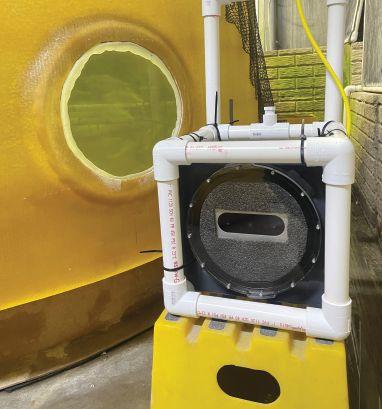
The imaging platform to collect underwater images in the grow-out tank every 5s.
power and communication networks utilized in RAS operations.
Nevertheless, high fish density typical to intensive RAS culture, underwater image distortion, water turbidity, and dynamic targets (i.e., swimming fish) introduce new challenges for quality data acquisition.
Freshwater Institute efforts
The Precision Aquaculture group at the Freshwater Institute is focusing on utilizing computer vision and artificial intelligence (AI) to eliminate some of the bottlenecks in current RAS management practices.
Individual fish detection in an industrial-scale, high density RAS tank is a crucial and challenging problem. A computer vision system integrated with an efficient fish detection algorithm could assist in non-invasive monitoring of fish health and welfare, biomass estimation, and feed optimization.
Our team is working on the development of a convolutional neural network (CNN) trained in-tank fish detection model for real-time identification of fish (partial or whole) in the field of view of the vision system. Machine learning is a data-intensive process, and the performance of a CNN model vastly depends on the image data size and quality. Therefore, selection of effective imaging sensors and data acquisition protocols plays an important role in the development of a robust object detection model.
Taking this into consideration, we have developed an imaging platform with an onboard red-green-blue (RGB) color sensor customized for underwater image acquisition. This imaging platform can be programmed to automatically capture images/videos inside the tank for an extended time at a user-defined frequency.
Additionally, an LED light grid was fabricated to provide supplemental light during data acquisition. For the development of the fish detection model, around 8,000 images were acquired in a semi-commercial fully recirculating grow-out RAS tank stocked with rainbow trout (density=40 kg/m3, average weight=4.5 kg).
The acquired images were annotated, pre-processed, and divided in the training, validation, and test dataset prior to training the CNN model. Thereafter, the model was optimized for sensor selection, light conditions, and various model hyperparameters.
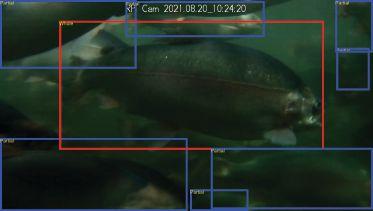
The optimized fish-detection model effectively detected whole and partial fish in the test image with satisfactory performance (mAP > 85%; mean average precision (mAP) is an important indicator of the model performance).
The model was also deployed on a video feed of a camera system to track the real-time movement of individual fish and their swimming pattern. This information can be used to investigate the effect of various physical and biological stresses on fish behaviour.
Real-time monitoring of fish activity during a feeding event can also be utilized to optimize fish growth and FCR and to minimize wasted feed through automated adjustment of the feed delivery rate.
Additionally, future research plans include the development of a computer vision tool for non-invasive biomass prediction to eliminate the handling stress associated with manual measurements. We look forward to sharing outcomes from pertinent investigations and further exploring applications of such technologies to improve RAS productivity.
References
Føre, M., Frank, K., Norton, T., Svendsen, E., Alfredsen, J. A., Dempster, T., ... Berckmans, D., 2018. Precision fish farming: A new framework to improve production in aquaculture. Biosystem Engineering 173, 176–193.
Precision Agriculture Definition. International Society of Precision Agriculture (ISPA).
O’Donncha, F., Grant, J., 2019. Precision aquaculture. IEEE Internet of Things Magazine 2(4), 26–30.
Rakesh Ranjan is a research scientist leading the Precision Aquaculture program at The Conservation Fund Freshwater Institute. The Precision Aquaculture team includes Rakesh Ranjan, Kata Sharrer, Scott Tsukuda, and Christopher Good.
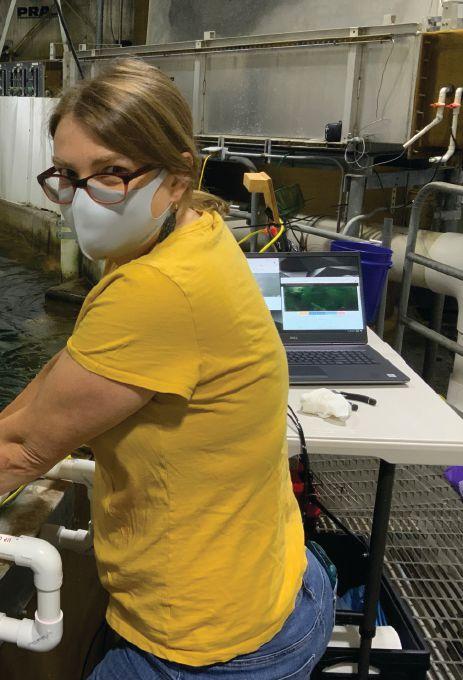
Kata Sharrer during a data collection event.
Partial and whole fish detected by the developped CNN model.
HATCHERY HACK by Ron Hill
Working with Ozone
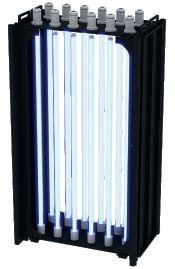
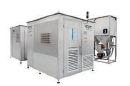
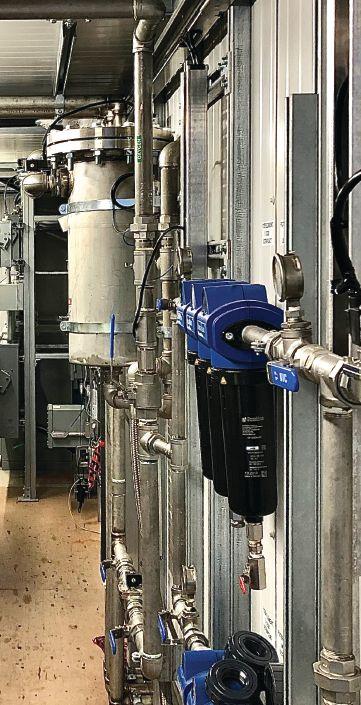
While there are many benefits to using ozone at a fish production facility, there can be resistance to consider adopting ozone disinfection. There are many misconceptions about ozone and ozone use, much of it based on lack of knowledge and a false sense that ozone is dangerous for staff to work with. Ozone is in fact, practical, economically viable and as safe or safer than chemical disinfection systems such as chlorine.
Ozone generators use oxygen (O2) to create ozone (O3). O3 is a powerful oxidizer that will oxidize any organics it comes in contact with, destroying them. This oxidizing potential makes ozone an effective disinfecting agent that destroys pathogens. Ozone is injected into aquaculture facility
water destroying any organics it comes in contact with.
Because of the oxidizing power of ozone, systems must be robust and use quality. Stainless steel is highly recommended over plastic piping and fittings because of its high material resistance to oxidation. For the same reason, PTFE is highly recommended for gaskets.
Where to use
Ozone is most commonly used for two applications in aquaculture facilities: 1) disinfecting influent water for the facility from the water source, 2) in line water treatment as part of a recirculating aquaculture system (RAS) filtration setup.
Depending on a facility’s water source, ozone may be an effective choice to treat water as it is delivered to the facility. Many facilities that draw from water sources
containing known pathogens will use ozone to annihilate all harmful microorganisms and break down organics in the water before it enters the facility. Surface water from lakes and rivers, as well as ocean-draw influent systems, often use ozone to create pathogen free water needed for aquaculture.
RAS can incorporate ozone disinfection into the filtration/ disinfection system to provide effective pathogen removal. Ozone is injected into the water after solid removal and biofiltration. After a brief contact time, the water is irradiated with UV light to remove the residual ozone. Following irradiation, the water is ozone free and ready to be oxygenated and sent to the fish tanks. Some operators will use low dosages of ozone to improve water quality and suppress background bacteria and rely on the other parts of their filtration/ disinfection system to provide primary disinfection.
Water filtration has never been so easy
The Hydrotech Drum Filter Value series focuses on reduced maintenance, increased component quality and simplified operation – all to give your plant maximum filtration performance at a minimum operational cost.
Contact us!
Call +46 (0)40 42 95 30 or visit www.hydrotech.se
Redundancy
Choosing an ozone unit and system setup can be overwhelming to a facility operator. There are many companies and types/styles of ozone generators. Redundancy is one stressful “solution” operators have to weigh.
Because of the high cost of ozone systems and the relatively low amounts of maintenance, few facilities will choose a completely redundant system with a full backup. Larger companies tend to build in extra capacity or purchase oversized generators. Smaller companies tend to look for durable, fixable units with some extra capacity.
For any ozone application, essential spare parts, as laid out in the owner’s manual, should be on hand for maintenance staff.
“Companies looking for ozone units should always evaluate
their CAPEX versus OPEX cost,” advised Chris Kinasewich, president of VEK Environmental and ozone system expert. “Cheap upfront units often come with expensive or difficult-to-get parts, which will need to be frequently replaced as routine maintenance. Some distributors and manufacturers provide no or very little support to the client. A reputable company with a good generator that requires little maintenance and offers support for the equipment can provide to a facility long term savings.”
Good oxygen for good ozone
The biggest key to operating and maintaining an ozone system is to keep the system from fouling. The unit will not foul on its own, the quality of the oxygen supply directly affects the unit’s ability to operate efficiently and continue
to operate long term.
Oxygen can be generated on site from ambient air or be purchased as liquid oxygen (LOX). Aquaculture facilities are unique in that they already have a functioning oxygen system. This allows a facility to add capacity to their current oxygen system to be used for the ozone system or create a dedicated source of oxygen for ozone production. High quality gases for ozone units have two essential qualities (correct purity and correct dryness) measured as dew point.
“Ideal oxygen purity for ozone production is in the 93-96 per cent range which is the operating range for most oxygen concentrators,” says Kinasewich. “If the oxygen is too pure a nitrogen booster must be added to lower the purity.”
This is generally associated with using LOX as it comes with a purity of 98-99 per cent O2. Kinasewich warns, “Purity below
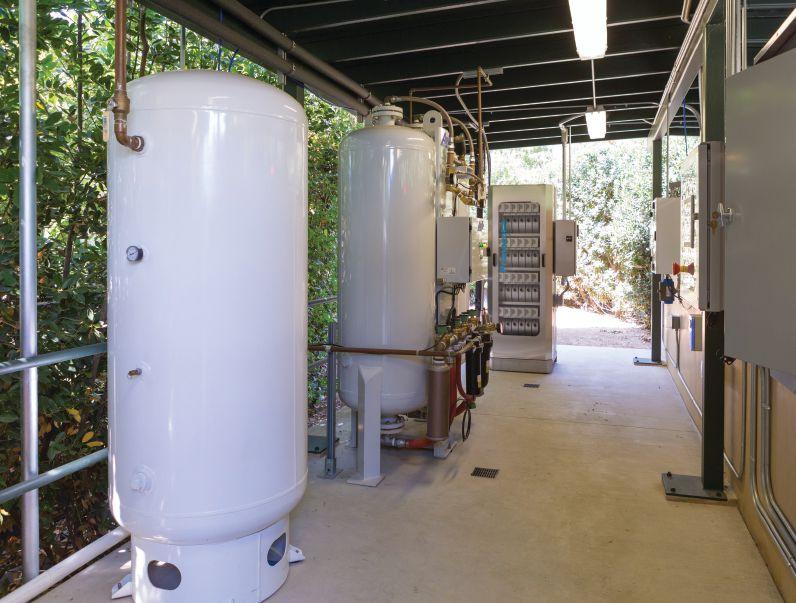
Ozone system installed in Marystown, NL, Canada PHOTO: VEK ENVIRONMENTAL
93 per cent puts the unit at risk of fouling and can cause issues with the dielectrics that will need to be cleaned, repaired, or replaced.”
Dew point is the temperature where a gas no longer holds water vapour and the moisture precipitates in the form of liquid water (condensation). In the case of an ozone plant, it indicates the temperature where water will come out of the gas and condensate inside the ozone generator. Low dew point values indicate dry. Ozone manufacturers request that feed oxygen supply have a dew point below -60oC. If the dew point rises, this indicate the oxygen coming into the ozone generator isn’t being properly dried or there is contamination from outside gases.
“Water vapour forms a water layer on top of the dielectric surfaces increasing surface conductivity which will lower ozone production,” advises Kinasewich. “Water within the ozone unit turns into sticky brown nitric acid which creates a film that can clog discharge gaps. Nitric acid can corrode the inside of the unit and lead to dangerous arcing that can blow protective fuses and cause dialectic failure.”
Ozone systems should have an automated shutoff attached to the dew point sensor to shut down the ozone generator if dew point rises to a certain threshold.
Managing and monitoring
Comprehensive automated controls and sensors systems are available to automate and integrate the ozone system into the facility’s centralized monitoring and control platform. A facility’s choice of ozone monitoring and
control will depend on individual need and available budget. The greater the budget the more bells and whistles available.
Dew point, incoming oxygen purity, oxygen flow and ORP are essential monitoring/ alarm points. For human safety, ambient ozone alarms connected to a central alarm system are required. If ozone is detected the first alarm will trigger. The second alarm will trigger if ambient ozone approaches unsafe levels, also causing the ozone generator to
shut down and the flow of ozone to cease.
Effectiveness of an ozone unit is measured through oxidation-reduction potential (ORP) sensors. ORP is a measurement that indicates the degree to which a substance is capable of oxidizing or reducing another substance. Ideal ORP for most ozone units in freshwater is -350mV, though facilities will choose based on their needs and water quality.
“Changes in ORP indicates one of two things,” Kinasewich asserts. “Changes in the contents or quality of the water or issues with the ozone unit itself causing ozone production to drop.”
Influent systems drawing and disinfecting surface water that may have changing conditions are wise to consider automated control of the ozone unit through ORP. Events like storms and lake turnover can put heavy amounts of sediment and organics into the water column. This extra organic material can overwhelm current ozone production. Sensors detect the decrease in ORP, and automated controls can increase ozone production to maintain effective dosage for disinfection.
Maintenance
Ozone units do not require a lot of scheduled maintenance. There is a huge variety of ozone units on the market and the owner’s manual and the distributor/manufacturer should provide a comprehensive maintenance schedule. Units can run for many years without a decrease in effectiveness as long as the unit is properly cared for.
“I cannot understate the importance of
HATCHERY HACK by Ron Hill
VEK Environtmental’s Primozone generators. PHOTO: VEK ENVIRONMENTAL
maintaining the oxygen supply, specifically the oxygen concentrator and air compressor. Maintaining a supply of high-quality oxygen through scheduled routine maintenance of the generation system is one of the best ways to maintain the ozone unit,” stressed Kinasewich.
Issues with ozone generators usually show themselves through reduced effectiveness or a loss of production capacity. This typically leads to cleaning or repairing the ozone generators. Depending on the make or model of the ozone generators, this could range from an easy fix to an extensive service repair which then leads to a complete shut down of the ozone system.
Shutdowns can be problematic for many operations as there are fish in the system that must be maintained. Some systems do not have a shutdown period, movement options aren’t always available, and the operator must risk operating without the ozone system for a time. Downtime and fish juggling increase the cost of maintenance quickly. Facility staff may or may not be able to perform the disassembling and maintenance, adding an expensive service call (and all the associated delays) to the problem.
A safe choice
The ozone industry has worked hard to promote awareness and increase both safety and knowledge.
“The industry has done and exceptional job educating manufacturers and sales representative on ozone safety. Very good safety standards have been developed and are provided to customers,” Kinasewich commented on ozone safety.
“Safety is driven by education. Taking the time to train staff about operations and safety is the best way to promote safe operations. Technicians that understand the technology from the outset will become experts with the unit, can educate other staff and will properly maintain their system.”
Distributors and manufacturers provide safety technology options and work with the facility safety group to develop a safe operation plan. Training and hand-off services include seminars to get employees who will be working with the ozone system comfortable operating the equipment.
The International Ozone Association (IOA) is a not-for-profit educational association that shares information about ozone equipment, operations and safety and has been a key player developing standards for ozone. The IOA provides excellent resources for ozone operators including safety sessions and technology webinars to educate and promote ozone (www.ioa-pag.org).
FC2 - 300gr to 5Kg
FC4 - 50gr to 900gr
FC8 - 10gr to 120gr
FC12 - 0,5gr to 20gr -
Sightline Systems releases EDM 5.16
Sightline Systems has released its EDM 5.16, featuring an AI-powered, real-time data collection, visualization, historical correlation and advanced analytics solution.
It provides access to better root cause analysis for rapid identification of where an issue
Alevastad’s CompHatch AutoTend
The slim design of the new CompHatch trays allows for installation of the intelligent AutoTend system for automatic robotic tending of fry and eggs. AutoTend require minimal human interaction.
The AutoTend system has been built from the ground up to be rigid, stable and ready for continuous operation with minimal maintenance for many years to come. The AutoTend system is designed so that the motors/robot will stop momentarily if it meets a
originated, stronger predictive analytics for improved forecasting, and clearer data visualization to see patterns and understand the meaning behind the data.
Sightline EDM 5.16 allows the combination of business data with your IT and OT data for better data visualization, analytics, and reporting. View cross-facility data with relative time filtres and gain real-time visibility into process and production data conveniently broken out into customized groups, such as batches or data from a single machine. The update allows the combination of relative time charting capabilities within EDM 5.16 along with additional functions including the ability to group key data and enjoy minimum, maximum, average and sum capabilities. www.sightline.com
slight counterforce/resistance/obstacle.
The AutoTend houses an advanced vision system that allows for a dual evaluation of the object before it gets discarded. Meaning no healthy eggs or fry will be discarded by accident.
The AutoTend system are ready for retrofitting to our new CompHatch 2020. In a few steps it is possible to retrofit to older systems as well.
Features include delicate handling of roe and fry using suction to extract, and pressure to move the top layers of roe and fry to access the bottom layer.
www.alvestad.com
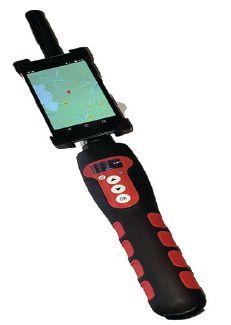
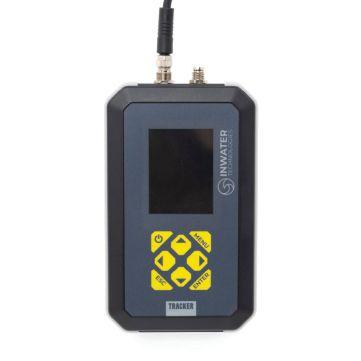
InWater TGP tracker
The InWater Technologies’ tracker with TGP probe is a handheld, portable device provides reliable and accurate measurements of total dissolved gas pressure (TDGP or TGP; mmHg or percentage saturation), ΔP, barometric pressure (mmHg) and temperature (ºC).
The tracker is used for spot checks or to data log at adjustable intervals. A new ergonomic design allows for single handed operation of the tracker while deploying the probe with the other hand.
Other features include:
• Handheld meter dimensions
Length: 16 centimetres (5.1 inches)
Width: 8.4 cm (3.3 in)
Height: 2.8 cm (1.1 in)
• Probe weight
0.45 kilograms (1.0 lbs)
• Handheld meter weight
0.18 kg (0.4 lbs)
• Temperature range
Storage / Operating: -5 °C to +60 °C
• Response time
Typical: five minutes (90 per cent)
• Power
2000 mAh Li-ion Polymer battery
• Battery runtime
Up to 8 hours
• Connector – Probe
4-pin male M8, IP-67
• Connector – USB
4-pin female M8, IP-67
• Probe Cable
5 m (16 ft), 4 conductor, thermoplastic elastomer jacket
• Charger cable
0.9 m (3 ft) USB cable
• Display
Colour 6.1 cm (2.4”) LCD graphic display
• Datalogging
Manual or continuous logging (11,000 records)
www.inwatertech.com
QRILL Aqua appoints two executives
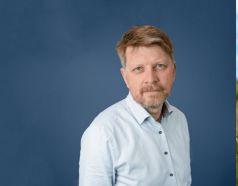
Aker BioMarine has appointed two new leaders; sales executive, Bjørn Wallentin, will join the company as senior vice-president, QRILL Aqua Sales; and Aker BioMarine’s current director of sustainability, Ragnhild Dragøy, will take on a new role as vice-president, product management, a newly created department within Animal Health and Nutrition.
Bjørn Wallentin comes to Aker BioMarine from the position as regional vice-president for the Americas region at Jotun, a company where he has spent 27 years of his career in a number of different roles. In his new role as a part of the QRILL Aqua team, he will work to continuously to support and build the teams sales and value creation within the QRILL Aqua existing and future product lines.
“Aker BioMarine has exciting opportunities in its sights, as we look towards to new markets, new retail channels and new ways of reaching customers. To have the opportunity to work with such a professional team played an important role for me moving to Aker BioMarine,” said Wallentin.
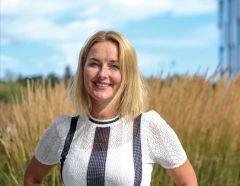
Ragnhild Dragøy is a long-time marine biotechnology executive, who joined Aker BioMarine in 2021 as director of sustainability. She previously served as research director, marine biotechnology, for Nofima Norway. In her new role, she will help build up the company’s new unit, which will focus on the product lifecycle within Aker BioMarine’s Animal Health and Nutrition business.
“My role will be to manage and develop a very competent team that is equipped to meet our new unit’s goals. We must also work to secure solid collaboration across the company, to optimally position our QRILL products in every segment,” says Dragøy. “It’s especially important to integrate the important sustainability work into our QRILL product and messaging.” www.akerbiomarine.com
•Recirculation System Design, Supply and Construction.
•Commercial Farms, Hatcheries, Aquaponics, Research Labs, Public Aquariums, Live Holding Systems – we do it all!
•Representing leading RAS equipment manufacturers.
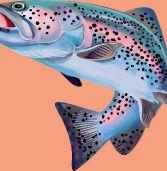
MORE THAN 25 YEARS OF MORE THAN 25 YEARS OF SELECTION IN SELECTION IN RAINBOW TROUT RAINBOW TROUT
INTERNATIONAL presents a series of free webinars that feature thought leaders and experts in hatchery management and operations, discussing important topics and best practices on farm management and fish rearing.
• BEST OF CLASS • BEST OF CLASS GROWTH POTENTIAL GROWTH POTENTIAL
• COMPLETE • COMPLETE TRACEABILITY TRACEABILITY
• 2 STRAINS DESIGNED FOR
• 2 STRAINS DESIGNED FOR PORTION SIZE PORTION SIZE AND AND LARGE TROUT LARGE TROUT
•• REGULAR REGULAR PRODUCTION THROUGHOUT PRODUCTION THROUGHOUT THE THE YEAR: YEAR: FEMALE STERILISED ORGANIC FEMALE, STERILISED, ORGANIC , , LE, E, S L
NOVEMBER 2022
Be sure to keep an eye out for dates and topics to be announced!
Visit www.hatcheryinternational.com/webinars for more details UPCOMING WEBINAR DATES: FEBRUARY 2022 MAY 2022 AUGUST 24TH, 2022