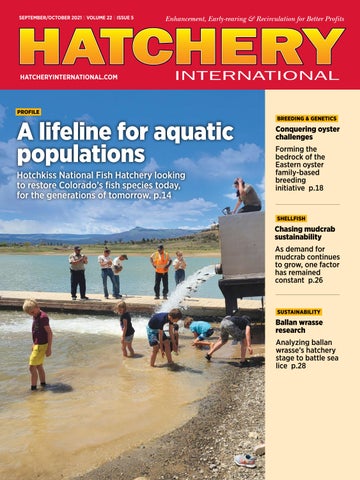
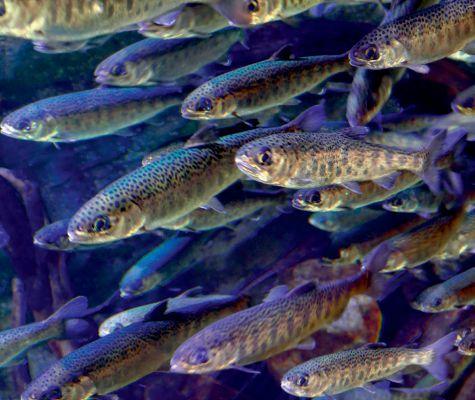
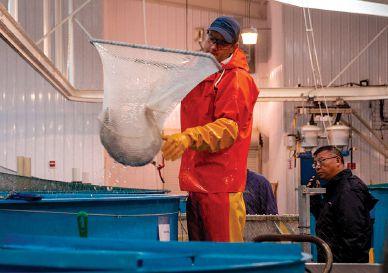
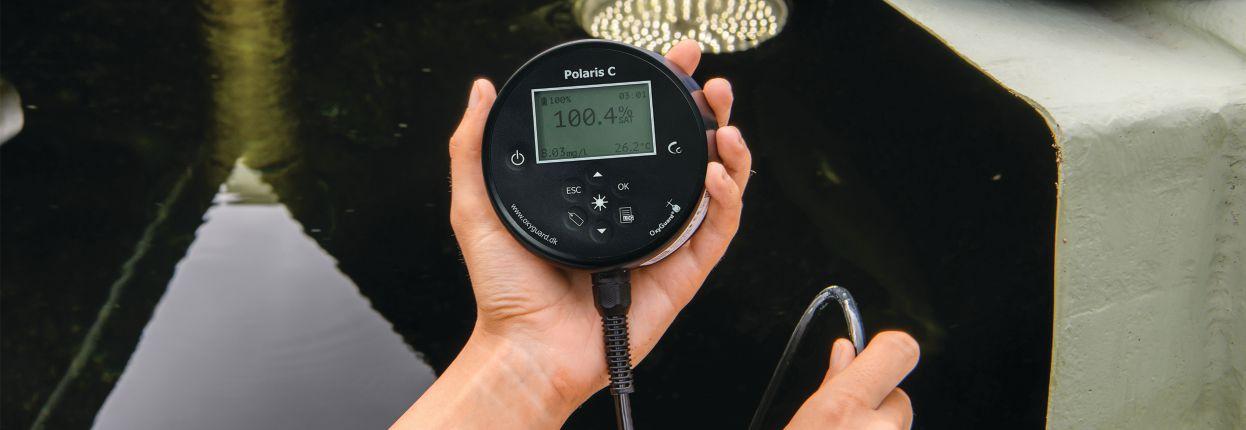
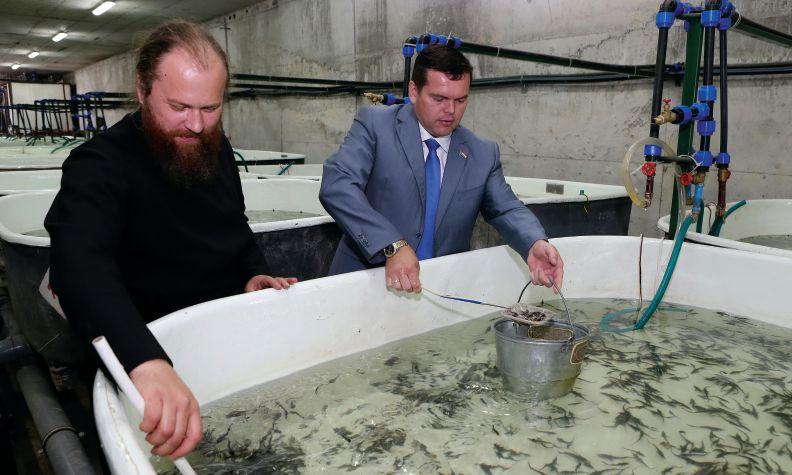
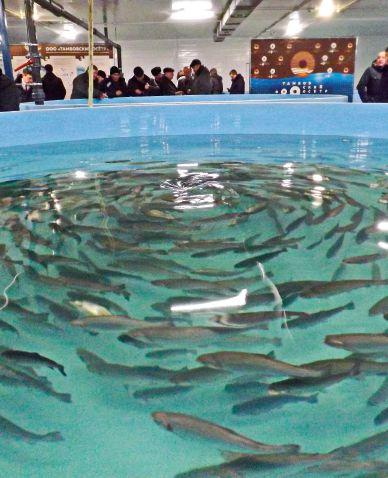
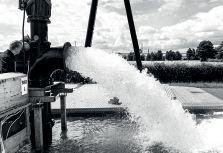
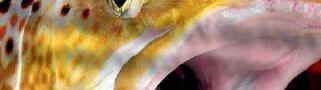
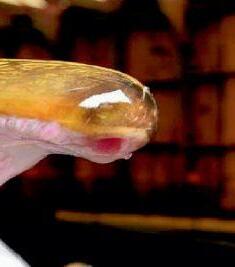
Hotchkiss National Fish Hatchery looking to restore Colorado’s fish species today, for the generations of tomorrow. p.14
Conquering oyster challenges
Forming the bedrock of the Eastern oyster family-based breeding initiative p.18
Chasing mudcrab sustainability
As demand for mudcrab continues to grow, one factor has remained constant p.26
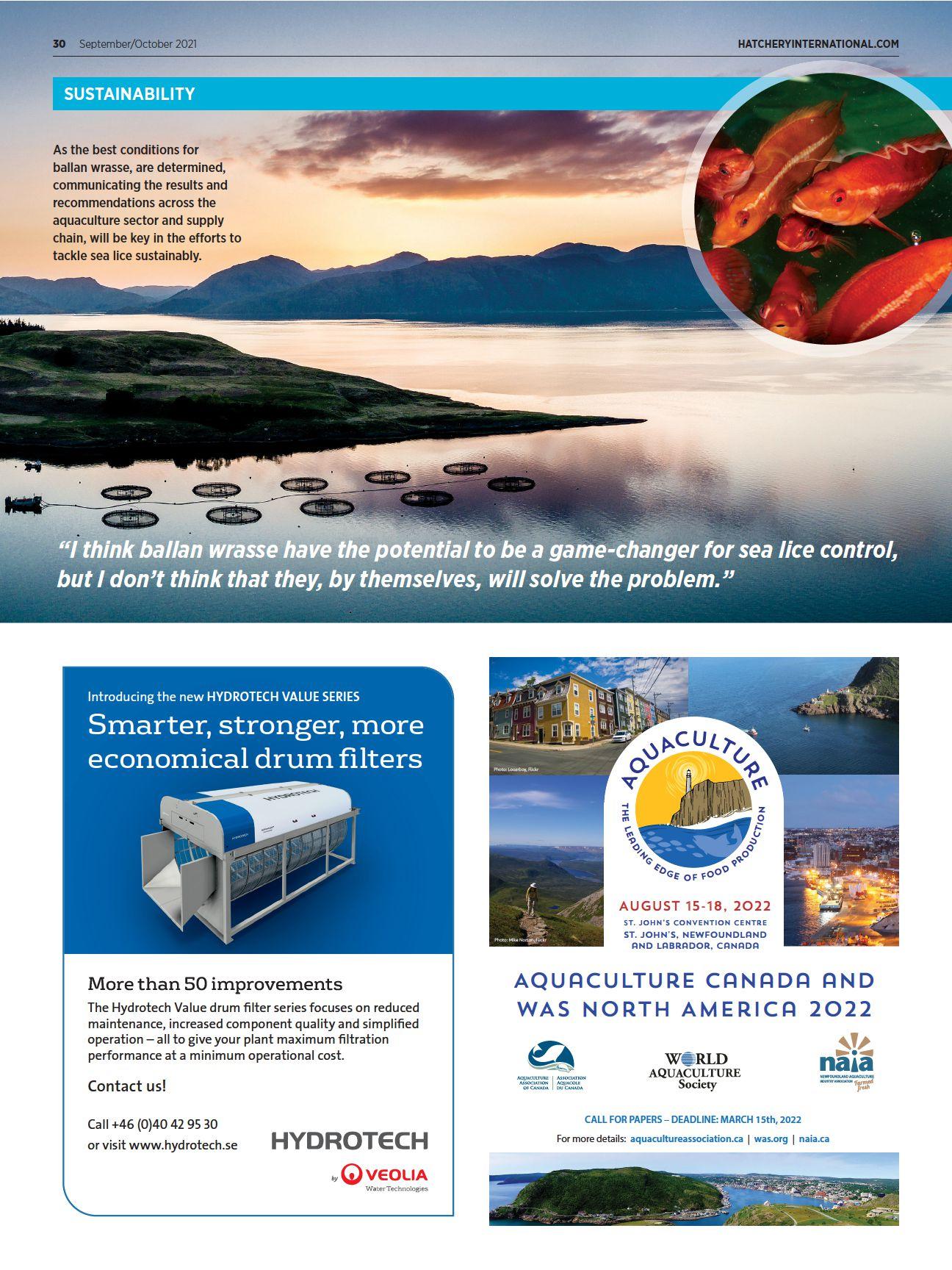
Ballan wrasse research
Analyzing ballan wrasse’s hatchery stage to battle sea lice p.28
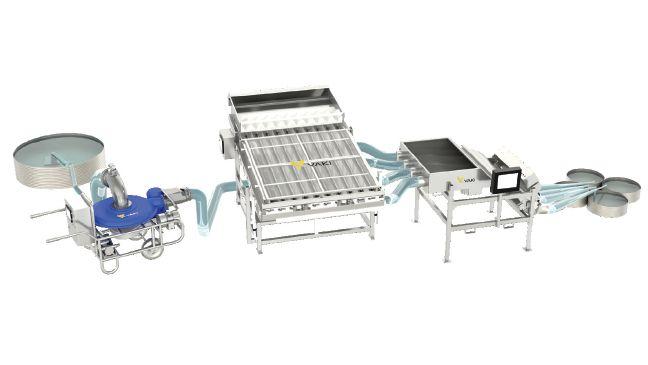
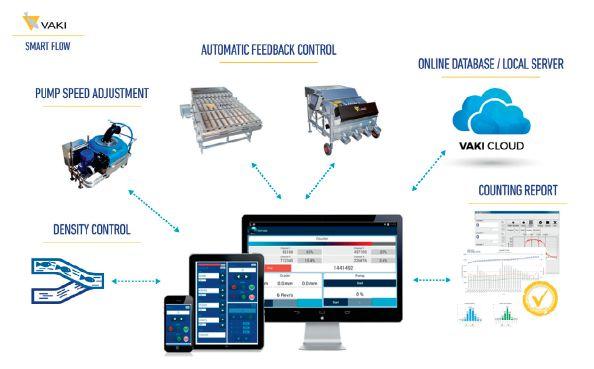
VAKI SMARTFLOW
VAKI CLOUD
14 A lifeline for aquatic populations
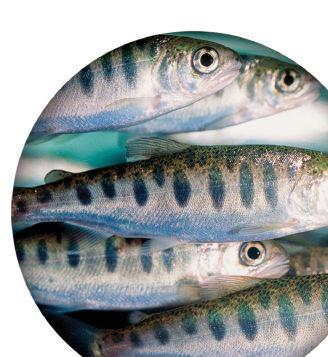
The Hotchkiss National Fish Hatchery restores Colorado’s fish species today, for the generations of tomorrow.
By Julia Hollister
18 Conquering oyster challenges
Forming the bedrock of the Eastern oyster family-based breeding initiative
By Lynn Fantom
20 Persevering through a pandemic
What does one do, when there is no longer access to fish feed? A situation the Tilapia Hatchery Centre's staff-of-12 hoped they would never have to face.
By Catarina Muia
26 Demand for sustainable mudcrab hatcheries continues
As global demand for mudcrab, Scylla serrata, continues to grow, one factor has remained constant.
By Ruby Gonzalez
28 Cleaner fish for cleaner farms
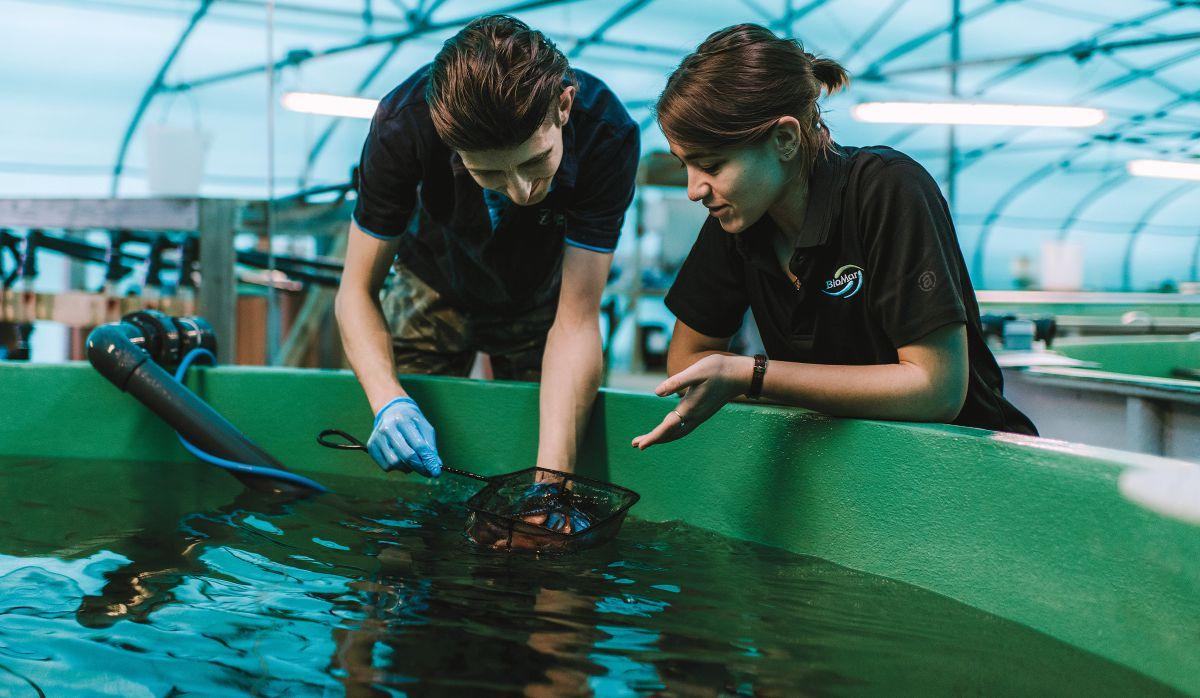
Researchers in Scotland explore the lifecycle of the ballan wrasse’s hatchery stage to establish optimal rearing conditions.
By Bonnie Waycott
VOLUME 22, ISSUE 5 | SEPTEMBER/OCTOBER 2021
Reader Service
Print and digital subscription inquiries or changes, please contact Urszula Grzyb, Audience Development Manager
Tel: (416) 510-5180
Fax: (416) 510-6875
Email: ugrzyb@annexbusinessmedia.com
Mail: 111 Gordon Baker Rd., Suite 400, Toronto, ON M2H 3R1
Editor Catarina Muia cmuia@annexbusinessmedia.com
Associate Editor Jean Ko Din jkodin@annexbusinessmedia.com
Contributors Nestor Arellano, Ruby Gonzalez, Ron Hill, Colin Ley, Liza Mayer, Vladislav Vorotnikov, Bonnie Waycott
Associate Publisher / Advertising Manager Jeremy Thain jthain@annexbusinessmedia.com +1-250-474-3982
Media Designer Svetlana Avrutin savrutin@annexbusinessmedia.com
Group Publisher Todd Humber thumber@annexbusinessmedia.com
COO Scott Jamieson sjamieson@annexbusinessmedia.com
FROM THE EDITOR
BY CATARINA MUIA
Putting hatchery health first
Hello all, my name is Catarina Muia and I’m excited to introduce myself as the new editor of Hatchery International magazine. I’m even more thrilled to become part of this growing community dedicated to the knowledge transfer, technology, innovation, discoveries, sustainability, and success of the land-based aquaculture industry, and its related sectors.
While I am still quite new to this industry, one thing has been made very clear to me: the world needs the land-based aquaculture industry. As climate change continues to rapidly effect wild fish stock, industry professionals are working tirelessly to provide solutions and rejuvenate at-risk species.
top of the issues, being prepared, and coming up with new strategies.” Be sure to check out the full webinar featuring a full Q&A session, at www.hatcheryinternational.com/webinars
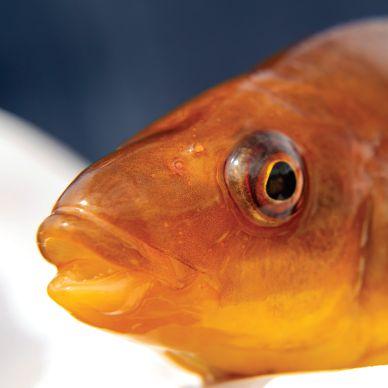
Currently, one area of study in relation to fish health management is determining the optimal conditions for ballan wrasse hatcheries, as ballan wrasse have been found to control sea lice in farmed salmon. Discussing the study, Heather Jones, CEO of the Sustainable Aquaculture Innovation Centre (SAIC), explained: “It builds on years of valuable cleaner fish studies and is a prime example of how innovation and collaboration can help solve challenges in new ways, for the benefit of the entire sector.” Be sure to read the full article, ‘Cleaner fish for cleaner farms’ by Bonnie Waycott, on page 30.
With so many projects, studies, and ventures being pursued, it’s an exciting time for the land-based aquaculture sector, and I’m eager to learn about the industry’s newest and most innovative endeavours by connecting with you, the professionals!
Hatchery International is published six times a year by Annex Business Media. The authority for statements and claims made in Hatchery International is the responsibility of the contributors. Reference to named products or technologies does not imply endorsement by the publisher.
Subscription rates (six issues) Canada: $37.00
Within North America: $48.00 CAD
Outside North America: $62.00 CAD
To subscribe visit our website at www.hatcheryinternational.com
PRINTED IN CANADA ISSN 1922-4117
Publications Mail Agreement #PM40065710
RETURN UNDELIVERABLE CANADIAN ADDRESSES TO 111 Gordon Baker Rd., Suite 400, Toronto, ON M2H 3R1
Annex Privacy Officer Privacy@annexbusinessmedia.com Tel: 800-668-2374 PUBLISHED BY ANNEX BUSINESS MEDIA 105 Donly Drive South, Simcoe, ON N3Y 4N5
The advertising deadline for the November/December issue is Sept. 17th. Don’t miss the opportunity to be part of this exciting aquaculture publication. For more information, or to reserve space in the next issue, call our advertising department at +1.250.474.3982 jthain@annexbusinessmedia.com
Next Editorial Deadline
The editorial deadline for the November/December is Sept. 17th. Contact Catarina Muia at cmuia@ annexbusinessmedia.com for details. Material should be submitted electronically with prior arrangement with the editor.
A key point in achieving these endeavours is first, knowing how to take care of your fish and ensuring they are healthy. In July, I had the opportunity to moderate the ‘Ask the Vets’ webinar, part of Hatchery International’s 2021 webinar series sponsored by OxyGuard International. The webinar, led by Dr. Mykolas Kamaitis, focused on salmon and trout hatchery health. Attendees learned about and asked several questions on early rearing and production systems, fish health and disease management, and application of fish health management strategies.
“Aquaculture is growing and developing quickly, with that comes fish health challenges,” Kamaitis explained during his presentation. “As quickly as we’re making advancements and getting ahead of things, new issues pop up. Fish health is optimized by staying on
ADVERTISERS' INDEX
Is there a topic you would like to learn more about, or would like to teach your community about? Feel free to send me an email at cmuia@ annexbusinessmedia.com. I would love to hear your feedback and get to know the members of our community. I’m looking forward to meeting and learning from each of you.
With that, I leave you to read, learn, and enjoy this issue of Hatchery International magazine. Happy reading!
cmuia@annexbusinessmedia.com
NEWS BRIEFS
OPERATIONS
B.C. hatchery to get $60K upgrade
The Prince Rupert Port Authority (PRPA) has announced a $60,000 commitment through its Skeena River Salmon Enhancement Program to upgrade the Toboggan Creek Hatchery, located in Northwest British Columbia, in an effort to improve and monitor wild Coho and Chinook salmon stock productivity.
First built in 1985 as a five-year pilot project, the Toboggan Creek Hatchery has reached the end of its intended lifecycle, and upgrades to modernize and improve biosecurity will allow for the hatchery to provide fish with a safe and productive place to rear, as well as keep the stocks separated.
The project will include the removal of old wooden dividers that separate the stock and replacing them with more durable steel separators, as well as reshape the ponds and line them with aggregate.
Through ongoing assessment activities, the Toboggan Creek Hatchery has provided uninterrupted Coho salmon exploitation, ocean distribution, and survival data for 35 years.
RESEARCH
The field data and samples gathered from the facility’s spring smolt trapping, mid-summer coded wire tagging and marking, and fall adult assessment fence operations, directly inform Fisheries and Oceans Canada’s Pacific Northwest Coho salmon fishery and additionally, determine the annual allowable commercial retention of ocean-going Coho.
“Our hatchery is the only Coho indicator stock in the Skeena watershed and we are grateful to receive support from the Prince Rupert Port Authority’s Skeena River Salmon Enhancement Program, as it reinforces our efforts and reaffirms our shared commitment to improving the health and vitality of wild salmon populations,” said Kris Bulloch, manager at Toboggan Creek Hatchery.
Australian research hub funds sustainable lobster aquaculture
The aquaculture industry has taken one step closer to sustainable onshore lobster systems, as the Australian Research Council (ARC) welcomed the launch of the ARC Research Hub for Sustainable Onshore Lobster Aquaculture, which officially opened at the University of Tasmania.
Throughout the next five years, the new ARC Research Hub will receive $5 million in funding from the ARC, as it looks to establish the world’s first sustainable onshore lobster aquaculture industry, focused on lobster production from hatchery to market.
The ARC Research Hub will engage some of Australia’s top researchers, who will collaborate with aquaculture industry professionals in finding solutions to the current challenges facing the industrial economies, while simultaneously training the future workforce for these specific industries.
“The ARC Research Hub for Sustainable Onshore Lobster Aquaculture will investigate new industry practices and provide alternate solutions for lobster culture in bio-secure and cost-effective onshore systems,” said ARC CEO Sue Thomas.
The new ARC Research Hub for Sustainable Onshore Lobster Aquaculture will collaborate with University of the Sunshine Coast, the University of Auckland in New Zealand, the PFG GROUP Pty Ltd, and Ornatas Pty Ltd.
RESTOCKING
DFO announces $647M for Pacific salmon restoration
The Canadian government is earmarking $647.1 million toward initiatives that support the protection and restoration of Pacific salmon populations.
Hon. Bernadette Jordan, Minister of Fisheries, Oceans and the Canadian Coast Guard (DFO), hosted a teleconference with Hon. Jonathan Wilkinson, Minister of Environment and Climate Change Canada and Parliamentary Secretary Terry Beech to announce the new Pacific Salmon Strategy Initiative (PSSI) for in Budget 2021 on June 8 to mark World Oceans Day.
The Initiative declares four priorities: conservation and stewardship; enhanced hatchery production; harvest transformation, and; integrated management and collaboration.
“Canada’s Pacific Salmon Strategy is not a new report or a new study. It’s ready-to-go funding that will lead to comprehensive efforts to achieve a single goal – to stop the decline of Pacific wild salmon now and to help rebuild populations in the longer term,” said Jordan during a teleconference on June 8.
Jordan adds that her office is looking to “invest heavily” in grassroots conservation and stewardship efforts that will produce integrated salmon ecosystem data, research, and analysis to support program decisions.
“We’re starting the process to make sure that we are having these consultations with First Nations, with stakeholders, with industry, with the province and territories, and all partners who are interested in this and who have so much expertise in the area,” she said.
Under the PSSI, the DFO promises an additional $100 million to the province's British Columbia Salmon Restoration and Innovation Fund from its current $142.85-million program. A new Restoration Centre of Expertise will also be created, with an advisory board, to collaborate on and support the work of local partners in B.C. The secretariat will act as a “caretaker and integrator” of all data collected for this initiative.
The DFO has begun consultations and planning to build two new hatcheries in an effort to enhance the efforts of existing hatcheries and support economic opportunities for recreational fishing.
“Salmon may also be the 21st century’s canaries in the coal mine, when it comes to climate change,” said Wilkinson. “I’m here as Minister of Environment and Climate Change, knowing that salmon are keystone species keeping ecosystems in balance, providing food for wildlife people, and at the end of their lives, supply nutrients to our forests.”
– Jean Ko Din
PHOTO: TOBOGGAN CREEK HATCHERY
BUSINESS MANAGEMENT
California hatchery relocates 1.1M juvenile Chinook salmon
The California Department of Fish and Wildlife (CDFW) has successfully relocated 1.1 million juvenile fall-run Chinook salmon via truck, from its Iron Gate Fish Hatchery in Siskiyou County to a nearby satellite facility and the Trinity River Hatchery almost 200 km away.
The Klamath River has experienced a drought and poor water conditions, making it unsuitable for the fry’s typical release in May and June.
To carry out the unprecedented relocation, federal partners, academic specialists, and three Native American tribes in the lower Klamath Basin needed to collaborate closely, and carry out extension monitoring.
“The reality is most of these fish would have died if we released them into the river. We need to maintain the integrity of the fall run on the Klamath River and we especially can’t afford to lose this generation of fish,” said Dr. Mark Clifford, hatchery environmental scientist for CDFW’s Northern Region.
Once conditions in the Klamath River improve and before the salmon are released, they will first be returned to the Iron Gate Fish Hatchery for a number of weeks, which will allow the fish to further imprint on the Klamath River.
REGULATIONS
Canadian government takes new measures to protect Pacific salmon
As the Pacific salmon population steadily declines, the Government of Canada’s Department of Fisheries and Oceans minister, Bernadette Jordan, has announced what she calls once-in-a-generation changes to the Pacific wild salmon management, which will significantly reduce the commercial salmon fishery and offer licence buybacks.
Announced on June 29, the initial step being taken, which is part of longer-term reductions in fishing pressure on stocks of conservation concern, includes commercial salmon closures for the 2021 season.
These closures, which will affect commercial salmon fisheries and First Nations Communal Commercial fisheries, will further reduce pressure on salmon stocks and will be included in the 2021-22 Pacific Salmon Integrated Fisheries Management Plan. These conservation-driven management decisions will be implemented with the goal to protect the most fragile stocks of concern across the pacific region.
“What cannot be debated is that most wild Pacific salmon stocks continue to decline at unprecedented rates. We are pulling the emergency brake to give these salmon populations the best chance at survival,” said Jordan.
“With fewer and fewer returning every year – disappearing before our eyes – we have to act now. We will continue working closely with industry, Indigenous communities, and partners as we move forward with these initiatives and do everything in our collective power to save pacific salmon and ensure a sustainable future. Together, we will turn the corner.”
PHOTO: CDFW PHOTO/TRAVIS VANZANT
Azerbaijan’s recreation program gains momentum
A group of Azerbaijan hatcheries released a record-breaking number of fish fry in the Caspian Sea basin under a government-run recreational program.
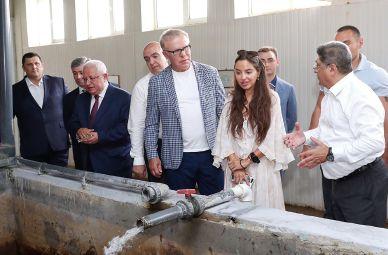
Xıllı-Balıq, AzVarvara, and Azerbaijan Fish Farm released 550,000 units of fish fry to several rivers of the Caspian Sea basin under the Rich Pools project – a government initiative aimed at supporting the fish population in the region.
Since the launch of the recreational program in May 2020, the hatcheries have produced three million units of fish fry.
Rich Pools is primarily called to restore the sturgeon population in the Caspian Sea basin.
The number of sturgeons in the Caspian Sea declined nearly tenfold over the past decade due to the large-scale poaching and environmental problems, pushing the Caspian states to introduce a 10-year moratorium on industrial sturgeon fishing from 2011. Recent research, however,
Norway's strategy to grow the aquaculture industry
The Government of Norway has announced a new aquaculture strategy, ‘A Sea of Opportunities,’ to simplify the country’s entire licensing system. A Sea of Opportunities provides a blueprint for Norway’s aquaculture industry for the next 10 to 15 years. The plan’s message was clear: growth will come, but it must happen sustainably.
With this new plan, the government looks to establish a committee who will review the licensing regulations for the whole aquaculture industry, while exploring how they can be adapted to meet today’s, as well as tomorrow’s challenges in an efficient and coordinated way. By 2050, Norway plans to produce five million metric tons of salmon and trout per year, which is almost five times the current volume.
Currently, the size of farming permits is based on the maximum allowable biomass (MTB), which states how many tons of salmon can be left in the cages at any given time. During the review of licensing regulations, the committee will likely assess whether MTB is still the most suitable tool to determine the size of farming permits.
showed that all recreational measures taken since that time so far were in vain, as the sturgeon population in the sea keeps shrinking.
Russia, Kazakhstan and Iran are also participating in restoring the sturgeon population in the Caspian Sea.
According to the Iranian International Scientific Research Institute, sturgeon fish stock, including several species that are only found in the Caspian Sea, has constantly been shrinking during the past years, and with no positive changes, sturgeon could extinct in the region already, in the 2020s.
The environment protection campaign in Azerbaijan is likely to strengthen with the launch of the Varvarynsky Fish Farming Facility in the Yevlax district, which is slated to reach the full designed production of 50 million units of sturgeon fry per year until 2022. Launched in 2017, this is the Caucasus’ largest hatchery, said Mohammed Allahverdiyev, the director of the hatchery.
– Vladislav Vorotnikov
Additionally, the committee will review framework conditions for land-based aquaculture, with a focus on strengthening biosafety and environmental measures. The government will look to continue facilitating offshore aquaculture.
Other aspects of the plan include:
• Assessing if infections between sites can be reduced by changing the current site structure;
• Facilitating suitable recirculating aquaculture systems (RAS) technology and revising regulations for environmentally-friendly inland farming;
• Facilitating the development of new feed raw materials for the aquaculture industry;
• Work for customs conditions in the export markets that make Norwegian farmed fish competitive. Zero tariffs for farmed fish is an objective in all new free trade agreements; and
• Continue the focus on aquaculture research, including research on new species and fish feed/new feed ingredients.
Because
PHOTOS: THE GOVERNMENT OF AZERBAIJAN
L-carnitine beneficial to rotifer under ammonia stress in culture medium
Inclusion of L-carnitine (LC) in culture medium may significantly improve the growth performance of rotifer (Brachionus rotundiformis) under ammonia stress. The study in China cited that the volume at one −100 mg L−1 may achieve this result.
“Overall, our results indicate that the rotifer growth can be inhibited by ammonia (AC), and under AC stress, LC can also improve the population growth, anti-stress ability of rotifer, and the bacterial numbers in the medium. The amelioration of rotifer-growth may be linked to the anti-stress ability and the bacterial numbers,” Yong-sheng Gao et al. said in their study, “L-carnitine can improve the population growth and anti-stress ability of rotifer (Brachionus rotundiformis) under ammonia stress”. The team is from the Jilin University and the Fishery Technical Extension Station of the Province of Jilin. The study was published in Aquaculture Reports
Rotifer, a first live food for larval fish, has a fast reproductive cycle that allows mass production. Intensive culture systems, however, result in an increase in ammonia levels that are enough to cause mortality. AC build-up is caused by rotifer carcasses, feed residues and rotifer excretions.
Microscopic in size, rotifer is a slow swimmer and has the ability to be enriched with adequate nutritional supplements
The study investigated the effects of LC on growth performance, antioxidant enzymatic activity, bacterial numbers, and eradication of AC toxicity in rotifer. Experiments used LC concentrations of zero to 1,000 mg L−1 and AC concentrations of zero to 20 mg L−1. A batch culture experiment treated with LC and AC was performed.
During the seven-day experiment, the population density of rotifer exposed to LC significantly increased relative to the control group, and the specific growth rate and the population density reached the maximum on day four and day six, respectively.
The importance of controlling the concentration of AC in rotifer culture was stressed since irotifer have low AC tolerance and cannot tolerate high AC concentration for a long time. AC median lethal concentration (LC50) was identified at -24 h and was 12.24 mg L−1 . This was based on data on survival of rotifer exposure to AC levels pf 0 -20 mg L−1, observed from zero to 72 hours.
Exogenous LC could mitigate the adverse effect of AC on rotifer growth, the authors explained, by increasing the antioxidant enzyme activity.
“LC can also promote the bacterial growth in cultured medium. And there was a significant correlation between bacterial numbers and the rotifer population density,” they said.
– Ruby Gonzalez
Siberia's hatchery for the largest river fish gene pool Russian authorities rolled out plans to establish a gene pool of all fish in the Yakutia Republic within a single hatchery, which will likely become the world’s biggest gene pool of river fish, in one place. For instance, the Yakutia Republic is the world’s largest country subdivision with an area of 3.083 million km, comparable to the territory of India. Yakutia’s total river length is an estimated two million km – longer than that of Europe.
The new hatchery is planned to be built in the Mirninsky district, the Yakutian Ecology Ministry said. “We need to create a gene pool of all fish species we now have in our republic, giving us the ability to restore and multiply this or that fish population. Therefore, we must create a broodstock for the production of fry and its subsequent release into water bodies,” explained the governor of Yakutia, Andrei Tarasenko.
The new facility is designed to be an autonomous branch of Chernyshevsky fish hatchery – one of the biggest Yakutian hatcheries, primarily focused on restoring the fish population in Siberian rivers.
“The new hatchery will be the core facility for the conservation and reproduction of freshwater biological resources in Yakutia. The main task is to increase the efficiency of artificial reproduction of aquatic biological resources, including in cooperation with subsoil users operating on water bodies,” the Ministry said in the statement.
In the past several years, the Russian government obligates subsoil users, primarily mining companies, to invest in various ecological projects in their region. Many opt to restore the freshwater fish population and purchase broodstock from local hatcheries to release into rivers and lakes.
“The region's valuable commercial species are Arctic cisco (Coregonus autumnalis), vendace (Coregonus albula), broad whitefish (Coregonus nasus), Muksun (Coregonus muksun), and Siberian white salmon (Stenodus leucichthys). Therefore, the reproduction of these valuable commercial species is a priority task,” the Ministry said.
New hatcheries in the region wouldn't just help the environment but would also contribute to the development of commercial fish farming, Andrei Tarasenko said.
– Vladislav
Vorotnikov
PHOTO: THE RUSSIAN FEDERAL AGENCY FOR FISHERIES (ROSRYBOLOVSTVO)
Speeding up salmon breeding
While North American Atlantic salmon are one of the main marine finfish grown in the U.S. aquaculture industry, until now, uniquely developed genomic resources were not publicly available for the research and breeding of this species in the U.S.
However, after recently assisting scientists from the U.S. Department of Agriculture’s (USDA’s) Agricultural Research Service (ARS) in the development of single nucleotide polymorphism (SNP) markers, Breeding Insight has partnered with the USDA through Cornell University to help provide genetic tools for U.S. breeders, which will quicken the breeding of North American Atlantic salmon.
“SNP markers are like milestones on the highway,” said Dr. Yniv Palti, USDA ARS research geneticist and project lead. “These navigation points dramatically increase the speed at which breeders can select and introduce genes for traits that benefit fish farmers and consumers alike.”
To assist USDA researchers in the salmon SNP marker project, Breeding Insight provided expertise at the intersection of molecular biology and computing technology, more commonly known as bioinformatics.
By enabling researchers to pinpoint sections of the genome associated with particular traits, this program looks to bring the power of predictive breeding to salmon breeders.
Some traits of interest specific to North American Atlantic salmon include: sea lice, disease resistance, fillet colour and composition, and beneficial fatty acids
“By combining traditional breeding approaches with genomics and informatics, it is now possible to accurately predict some of the traits and performance of an individual long before it matures,” said Dr. Moira Sheehan, director of Breeding Insight. “But the challenges facing specialty species such as salmon too often hamper technology adoption and limit program efficiency. Our goal at Breeding Insight is to level the playing field and create new opportunities for specialty crop and animal breeders to take value out of the genomics era.”
Early indications point to successful uptake of the SNP markers by the salmon breeding industry, as biotechnology company, The Center for Aquaculture Technologies (CAT) has organized a consortium committed to offering processing of 50,000 copies of the SNP set, as part of a genotyping services offered by CAT.
Low water level, high performance for elver eel in vertical aquaculture system
Water level that is just enough to cover elver eel A. bicolor’s bicolor body (1.5 cm) in a vertical aquaculture system produced good growth performance indicators, said researchers in Indonesia.
“Elver eels A. bicolor could be reared in a container arranged vertically with a recirculation system and, in most cases, give the same responses to different water levels,” Eko Harianto et al. cited in "The effect of water level in vertical aquaculture systems on production performance, biochemistry, hematology, and histology of Anguilla bicolor bicolor," published in Scientific Reports. The authors are from IPB University in Bogor.
“The water level of 1.5 cm provides advantage in several ways, namely the least in water use and gives blood biochemistry values that
are the closest to normal condition, also the best concentration of temperature and dissolved oxygen.”
They likewise cited the level’s water usage efficiency.
Water levels of 1.5 cm, 2.25 cm, 3.0 cm and 3.75 cm were used in the experiments. Production performance based on a 60-day rearing period showed the different water level treatments had no significant effect on the parameters of survival rate, weight, specific growth rate, average growth rate, absolute growth rate of biomass, feed conversion ratio, and oxygen consumption rate. Survival rate was 100 per cent across all treatments.
In general, the study shows better results than the previous studies with the use of water volume of culture media, individual growth
rate, and biomass of the eel A. bicolor bicolor stadia elver reared for 70 days at a water volume of 0.4 cubic metres.
Based on weight coefficient diversity, weight uniformity rate was also high. Weight coefficient diversity illustrates the level of weight diversity at the end of the rearing period. The lower the weight coefficient diversity values, the higher the weight uniformity rate is. Weight coefficient diversity values in this study was under 20 per cent.
Eel’s migratory movement patterns has made it adaptable to various depths of water. In a laboratory-scale, eel is bred and reared in regular aquarium with water depth of 20 to 35 cm. It is commonly between 50 and 200 cm deep in production scale-pond. – Ruby Gonzalez
Biological science technician, Davin O’Connell (left), at the USDA ARS National Cold Water Marine Aquaculture Center. PHOTO: BREEDING INSIGHT
Russia partially withdraws sanctions against imported broodstock
The Russian Economic Development Ministry has published a draft bill proposing to withdraw African Clarius catfish ( Clarias gariepinus) under the 2014 food embargo. If approved, in theory, the bill could help other fish farms to battle for foreign broodstock.
Russia completely banned the import of broodstock among other food and agricultural products on Aug. 7, 2014.
The goal was to limit market access for countries, which had supported sectoral sanctions introduced over the Russian annexation of Crimea a few months earlier. The other rhetoric of the counter-sanctions was to support domestic producers via trade restrictions, or by other words, import substitution.
The food embargo barred the way to the Russian market for suppliers from the U.S., Canada, the European Union, Australia, Norway, and several other countries. The measure was adopted as a response to Western sanctions against Russia.
In an explanatory note to the bill, the Ministry indicated that the partial withdrawal of the economic sanctions was needed for the new state-of-the-art fish farm currently under construction in the Khabarovsk region, in the Far Eastern part of Russia. The farm is expected to be the first one to breed African Clarius catfish in the country.
The Ministry explained that the anticipated import substitution on African Clarius catfish never happened, and the project would experience severe difficulties if broodstock is subjected to economic restrictions.
“The construction began in 2018, with the assistance of Dutch specialists,” the Ministry
said, adding that the plant is going to be unique in many ways and produce 10,000 tons of fish, growing from five to eight fish species.
Most importantly, the project would reduce Russian import-dependence on fish products, the Ministry stressed. Currently, the domestic consumption of African Clarius catfish is miserable since this fish is almost entirely imported into the country and is rather expensive.
In 2014, shortly after the food embargo decree was adopted, the government had to remove some broodstock from under the sanctions - in particular, salmon (Salmo salar ) and trout ( Salmo gen.) fry. Similarly,
this decision was made following a request from local fish farms, in particular the Russian Sea - Aquaculture and Russian Salmon, which depended on broodstock import from Norway.
The new draft bill could have great importance for the entire Russian fish farming industry. Market participants complained that in some segments, broodstock could not be sourced in Russia, and during the past few years, this factor hampered the Russian aquaculture industry’s development. It is believed that by lifting the ban on African Clarius catfish import, the authorities could set their sights on other fish species.
– Vladislav Vorotnikov
Fish farms in Russia look to import foreign broodstock. PHOTOS: THE RUSSIAN FEDERAL AGENCY FOR FISHERIES (ROSRYBOLOVSTVO)
Russian scientists develop a new oxygen saturation machine
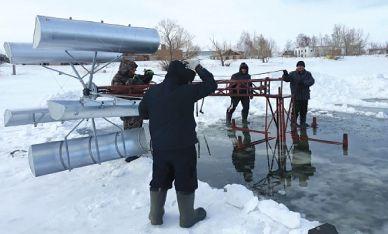
A group of Russian scientists has designed a new oxygen saturation machine, which has recently passed field trials at several lakes in the Altai region. The new equipment is called to help breeding fish in the harsh northern conditions in Russia.
“In Soviet times, we had [in Altai region] a hatchery breeding valuable species like pike (Esox lucius) and European carp (Cyprinus carpio). It operated six compressors running on diesel fuel and saturating the water with oxygen. We found a more rational solution,” said Alexander Pashinin, a leading scientist.
The old hatchery stopped operating many years ago, and now the Altay lakes only house crucian carp (Carassius carassius) and minnow (Phoxinus phoxinus).
In winter, Pashinin and his team installed a seven-metre mast with a specially-designed pump and wind turbine at one of the Altai lakes. A pump powered by wind energy raises warm bottom water to the surface, which slowly melts the ice, eroding the holes.
“Something like an ice reservoir is formed, which provides additional photosynthesis of underwater plants that release oxygen. And the fish breathe easier,” Pashinin said, explaining the proposed technology is not only environmental-friendly but also cost-effective.
The Soviet approach required diesel fuel. Any disruption in its supply, which was
Producing high-quality hybrid catfish with freshwater fish oil
Low levels of freshwater fish oil can go a long way in improving performance indicators of aquacultured hybrid catfish broodstock. This was observed in hybrid catfish broodstock fed with one and two per cent FFO-supplemented diets in an experiment at the Maejo University in Thailand.
“We found out that supplementation of low levels of freshwater fish oil to standard manufactured fish food improves overall condition and increases reproductive indicators in hybrid catfish broodstock,” Dr. Dušan Palić of the Ludwig-Maximilians University in Germany and Dr. Kriangsak Mengumphan of Maejo University told Hatchery International Palić and Mengumphan are part of the team that conducted the study, “Effect of freshwater fish oil feed supplementation on the reproductive condition and production parameters of hybrid catfish (Pangasius larnaudii x Pangasianodon hypophthalmus, Sauvage, 1878) broodstock”, published in Aquaculture Reports.
There are two probable reasons behind the effect of the freshwater fish oil supplementation, according to Palić: providing additional
frequent in Siberia in Soviet times, and all fish in the pond were jeopardized.
Fish farming in naturally impounded bodies is not widespread in Eastern Russia these days as most fish species fail to survive the winter. As lakes remain captured with thick ice for nearly six months in this part of the country,
energetic value of the diet with increased energy from fat/oil, and enhanced palatability of the standardized food. He said the role of freshwater fish oil in fish metabolism and signaling mechanisms is not fully understood.
Fish oils in diets can also contribute to better reproductive performance in “subtle” ways, he said. “The composition of poly-n-saturated oils in the freshwater fish oils additive can add essential micronutrients to the fish and support increased demand for metabolic activities occurring during preparation of the ovaries and eggs, as well as testis/sperm for spawning.”
most fish suffocate due to the lack of oxygen. Last year, thanks to the project, pike fry managed to survive in an Altai lake for the first time in decades, Pashinin said.
According to Pashinin, at the end of June 2021, the scientists planned to run a new experiment, installing the equipment at several lakes to release carp fry. If all goes well, the scientists expect the new technology could be of interest to fish farmers, at least in this part of the country.
– Vladislav Vorotnikov
Freshwater fish oil over marine fish oil was used for cost and sustainability factors. Industrial processing of whole catfish to frozen fillets produces up to 60 per cent of offal. Unfit for human consumption, this is frequently used as raw material to produce fishmeal and oil or, in some cases, fertilizer.
Freshwater fish oil from offal has significant amounts of unsaturated fatty acids usable as supplement to catfish diet.
Thailand is a major importer of catfish fillet. Lack of high-quality larvae and fingerlings slows down expansion of grow-out farming. The study contributes a solution to this impediment.
“The quality of broodstock is directly related to good reproductive performance and production of high-quality eggs, larvae and fingerlings. When higher survival rate, better disease resistance and faster growth of hybrid catfish fingerlings are supported through a national know-how in regional/ local hatchery, it will quickly become an incentive for Thai producers to turn to local suppliers for stocking good-quality fingerlings,” Mengumphan said.
– Ruby Gonzalez
Hybrid catfish broodstock
PHOTO: DR. KRIANGSAK MENGUMPHAN
PHOTOS: THE RUSSIAN FEDERAL AGENCY FOR FISHERIES (ROSRYBOLOVSTVO)
Thermal manipulation induces milkfish spawning during offseason in the Philippines
Heated tanks hold the potential to ease the Philippines’ tight supply of locally-produced milkfish fry.
The Southeast Asian Fisheries Development Center Aquaculture Department (SEAFDEC/AQD) said milkfish broodstock normally spawn only from March to October when the weather and consequently, the water is warmer. Thermal manipulation, they said, induces broodstock to spawn during November to February, when the cool weather would normally deter these from being productive.
“Water temperature manipulation in tanks of milkfish breeders allows the fish to spawn during the cold and off-season. Water temperature control using the installed water heaters gave way to the increase in the water temperature making the breeders spawn,” Dr. Roger Edgar Mamauag, scientist and head of Technology Verification and Extension Division at SEAFDEC/AQD, told Hatchery International
“Along with the expansion of hatcheries and improvement of milkfish breeders, this technology will further increase the production of milkfish in the Philippines and reduce the dependence of milkfish fry imports.”
The national milkfish industry requires at least 2.5 billion fry annually, according to the Philippine Milkfish Industry Group. Per DA-BFAR, only 1.1 billion is locally produced. Indonesia and Taiwan are major sources of imports.
The experiment used two 500-ton broodstock tanks. The treatment tank, (an average temperature of 29.9 C), had 76 broodstock and control, 119. From November 2019 to February 2020, approximately 23.6 million of good eggs were produced and 12.5 million hatched into larvae. Control had nil production.
Excess feeds and wastes were siphoned off and water was changed 20 per cent daily to
maintain good water quality. The tanks were provided with a flow-through water system maintaining an eight-feet water depth.
LONG-LASTING AQUACULTURE PUMPS
“The thermostat of water heaters installed at the water source were adjusted to the highest temperature setting at 35 C at the water source. Since the hatchery practices a flow-through system, water temperature subsides as it passes from the source to the broodstock tank through the canal-in,” he explained.
Mechanisms to prevent over-heating were in place. Temperature from the water source, canal-in and broodstock tank were monitored every two hours daily for calibration. Water heaters have a built-in thermostat to maintain the water temperature. When the temperature rises to its upper limit, the water heaters will automatically turn off. In contrast, when the temperature approaches its lower limit, the water heaters will turn on.
The “promising innovation” was brought to the SEAFDEC/ AQD demonstration activity from November 2020 to January 2021. A 500ton heated tank with 100 broodstock. Out of the 2.9 million good eggs produced almost 1.7 million larvae were hatched.
Specialists in corrosion-resistant, reliable and stable propeller pumps, with high uptime and low energy consumption- for a healthy and sustainable aquaculture.
– Ruby Gonzalez
Tanks at SEAFDEC/ AQD in Iloilo, Philippines. PHOTOS: SEAFDEC/ AQD
Monitoring water temperature in a heated tank.
A lifeline for aquatic populations
The Hotchkiss National Fish Hatchery restores Colorado’s fish species today for the generations of tomorrow.
By Julia Hollister
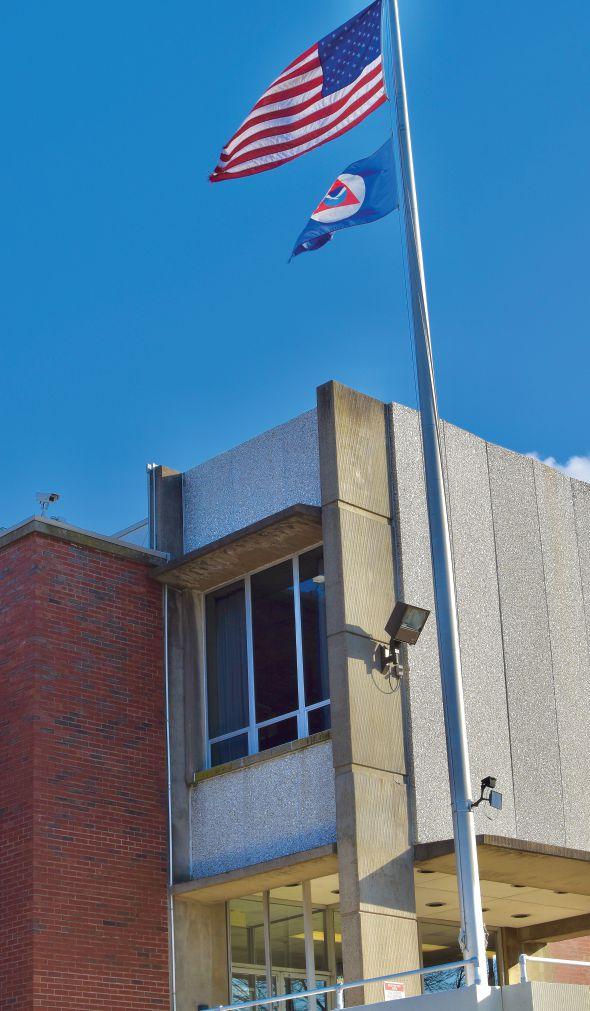
Colorado’s Hotchkiss National Fish Hatchery (Hotchkiss NFH) began its first full year of production as a mitigation hatchery in 1970, and the need was overdue.
“The Upper Colorado River Storage Project Act of 1956 has had a significant impact on the development and management of water in the Upper Colorado River Basin (Colorado, New Mexico, Utah, and Wyoming) with the creation of built reservoirs,” said Hotchkiss project manager, Craig Eaton. “When dams were built and filled, it covered acres of wildlife habitat. To help mitigate for the loss of wildlife habitat, the Department of Interior built Hotchkiss NFH for stocking fish in some of these reservoirs.”
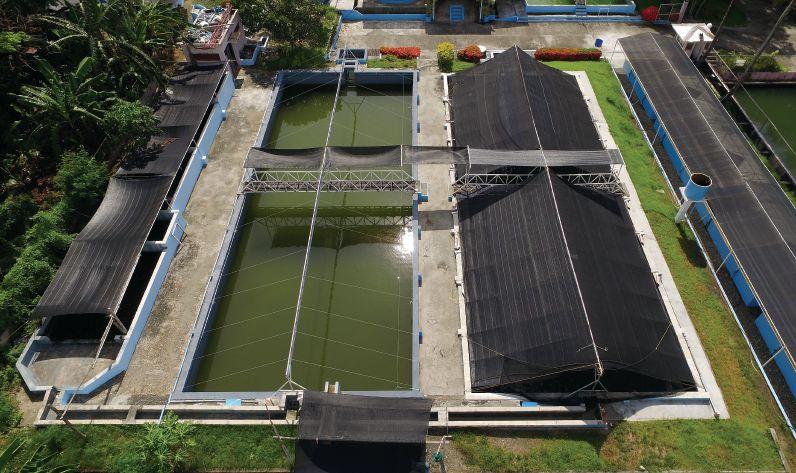
The hatchery is operated by the U.S. Fish and Wildlife Service (USFWS), built under the provisions of Section 8 of the Colorado River Storage Act, water development project. The facility includes 24 inside nursery tanks, 40 concrete raceways and two earthen ponds for treatment and sedimentation.
Hotchkiss NFH is a federal hatchery. There are two other federal hatcheries in Colorado: Leadville National Fish Hatchery, Leadville, and the Ouray National Fish Hatchery-Grand Valley Unit in Grand Junction.
Other hatcheries in Colorado are part of Colorado Parks and Wildlife.
“Hotchkiss’ most important mission is rearing and stocking of mitigation recreational trout in federal reservoirs for the Bureau of Reclamation and the U.S. Fish and Wildlife Service (USFWS),” Eaton continued. “We also meet our Tribal Trust responsibilities by stocking the Southern Ute Indian Tribe with trout.”
Explaining the restoration of aquatic populations and how this process benefits tribes, can be complicated.
Human-caused activities such as agricultural, mining, cattle grazing, timber harvesting, etc. have accelerated widespread alteration of watersheds, floodplains and riparian zones, adversely affecting aquatic plant and animal communities. Restoring these wetland habitats help plants and animals in rebuilding their aquatic populations. Reintroducing native plants and animals to the repaired habitat can also help kickstart their populations.
Hotchkiss NFH stocks the Southern Ute Indian Tribe (SUIT) waters as part of USFWS Tribal Trust responsibility. Selling fishing permits to non-tribal visitors for fishing waters on their reservation helps create funds to increase SUIT’s ability to restore habitat and aquatic populations. Other tribes are benefited through restoring aquatic populations because their culture evolves around certain
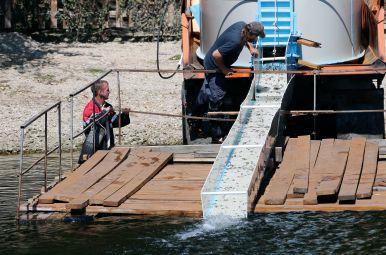
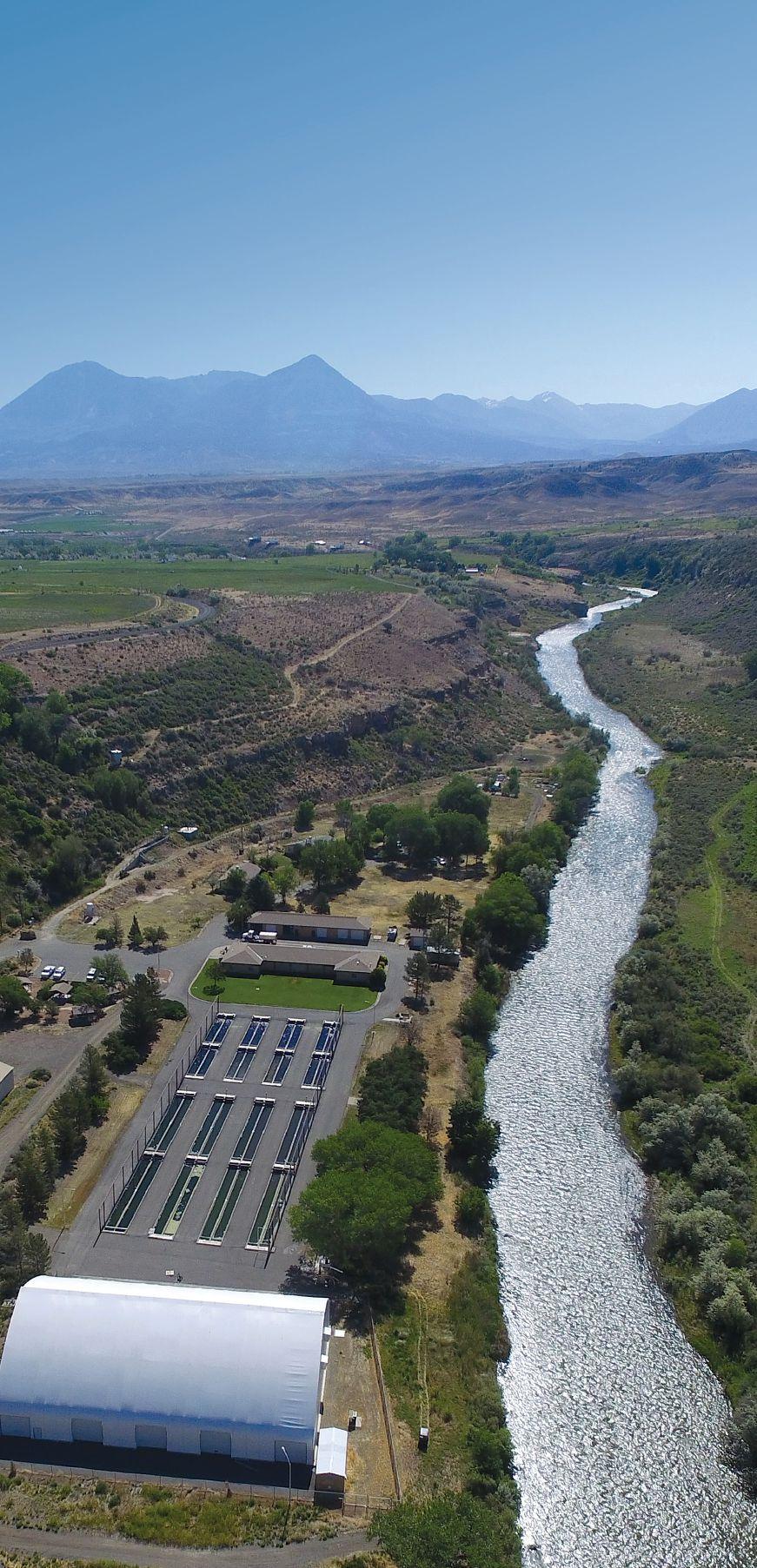
A drone photo of Hotchkiss Hatchery.
PHOTO: KESSNER G.C., INC.
fish species (e.g. salmon), and subsistence fisheries provide a much-needed food source for tribal communities.
USFWS supports tribal projects through Tribal Wildlife Grants Program. This program is a competitive grant program available to federally recognized Indian tribes to conserve fish, wildlife, plants, and their habitats. Disease is the dark cloud that never seems to go away.
If there is fish in a hatchery then disease management is always an ongoing problem, Eaton said. With the North Fork of the Gunnison River being a stone’s throw away from the main outside fish rearing raceways of Hotchkiss NFH, there are current and potential problems that occur and can occur, sometimes seasonally.
The decline of wild fish populations is also a looming concern.
“The decline is the reason fish hatcheries exist,” he said. “I believe that without fish hatcheries there wouldn’t be any recreational fishing, except on private lands. Hatcheries can help in rearing and rebuilding native populations, and stocking fish into areas where the public frequents can lessen fishing
"My wish for the future is that there will be fish caught by young kids, which will inspire them to become fish biologists, aquaculturists, and hatchery managers, to perpetuate fish for future generations."
pressure on the wild fish, while allowing the public to catch stocked fish.”
There are four unique fish species that can only be found in the Colorado River system: Colorado Pikeminnow, Humpback Chub, Razorback Sucker, and the Bonytail.
Dale Ryden is the project leader of U.S. Fish and Wildlife Service at the Grand Junction Fish and Wildlife Conservation Office, and an expert in recovering endangered fish.
“Our hatchery here in Grand Junction, is called the Ouray National Fish HatcheryGrand Valley Unit,” said Ryden. “It is a small
hatchery that grows only endangered fish. Currently we have two endangered fish species on-station (Razorback Sucker, Xyrauchen texanus; and Bonytail, Gila elegans) that we culture and stock back into the wild.”
The entire reason for this hatchery’s existence is to help recover populations of these endangered Colorado River fish species and its tributaries. The hatchery stocks these species into the Colorado, Gunnison, and San Juan rivers in support of recovery efforts.
The hatchery currently stocks about 6,000 Razorback Sucker annually into the Colorado and Gunnison rivers, 10,000 Bonytail annually into the Colorado River, and 2,000 Razorback Sucker annually into the San Juan River.
All of the work is funded through, and overseen by, two endangered fish recovery programs: the Upper Colorado River Endangered Fish Recovery Program (UCREFRP), and the San Juan River Basin Recovery Implementation Program (SJRBRIP). Both of recovery programs are made up of numerous partner entities that range from federal, state, and tribal resource agencies to water user and environmental groups.
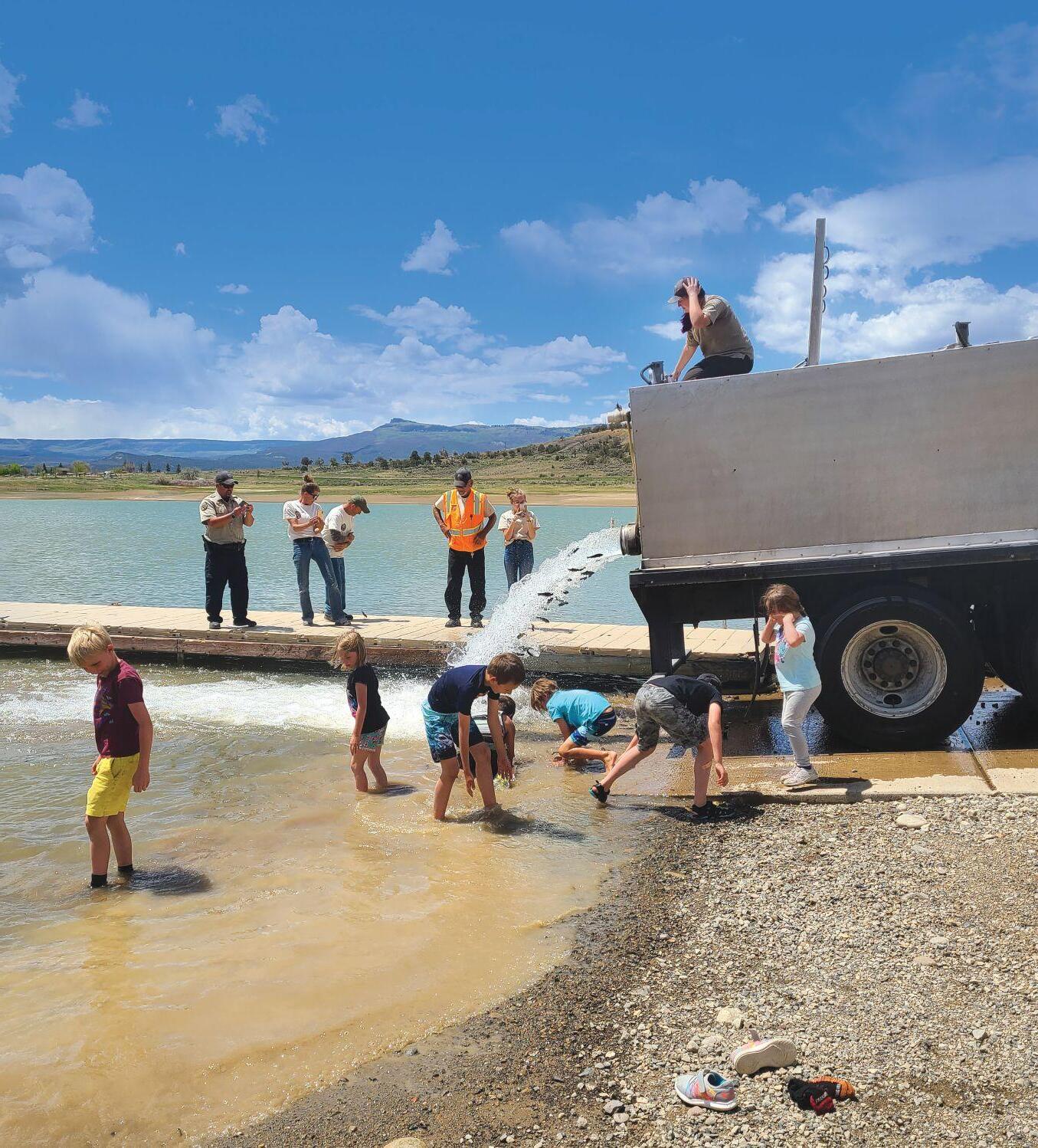
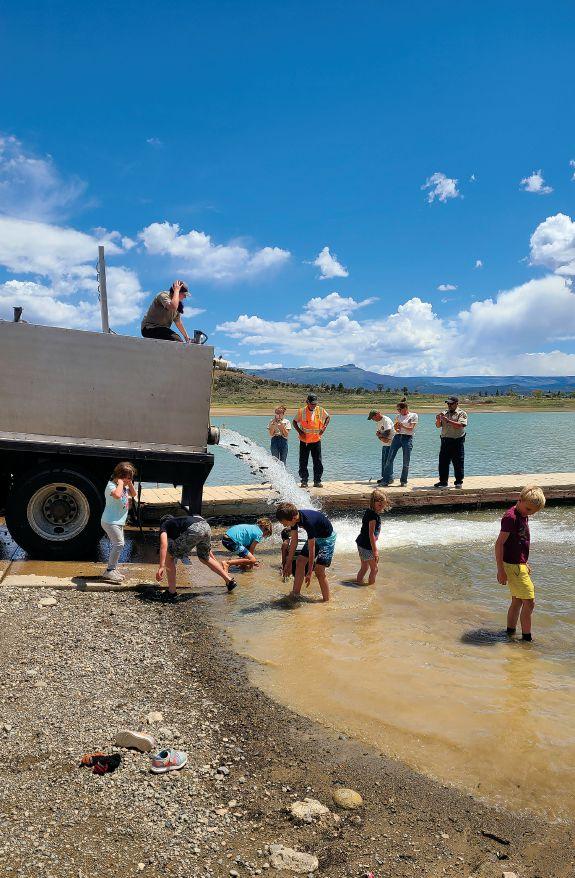
Stocking a reservoir at Hotchkiss Hatchery.
PHOTO: KATELYNN RUSSELL
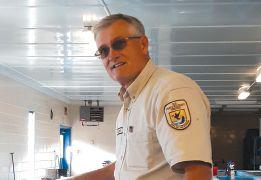
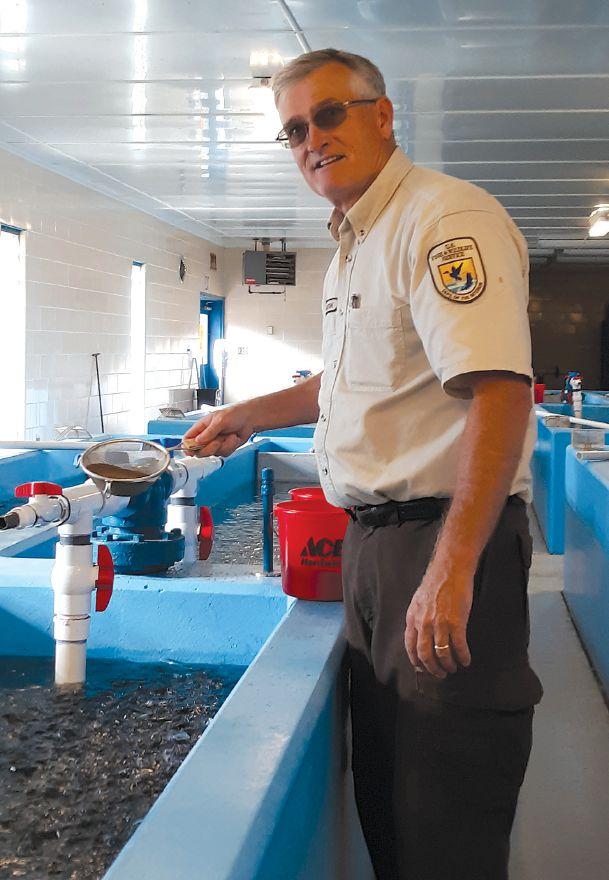
Craig Eaton, project manager, Hotchkiss National Fish Hatchery in Colorado. PHOTO: BEN PRIOR
According to Eaton, there is a long list of challenges facing the 70 federal fish hatcheries.
Through U.S. Congress, the USFWS headquarters determines what the priorities are for the current controlling administration. The following are the top priorities of the National Fish Hatchery System, the funding comes from Bureau of Reclamation and from U.S. Fish and Wildlife Service, both agencies under the Department of Interior.
Hotchkiss NFH currently is in priority 3 (b &d), and 5 (a & b):
1. Recovery of aquatic species federally listed as threatened or endangered.
2. Restoration of imperiled aquatic species to restore to abundance, prevent further decline.
3. Tribal trust programs
Tribal trust/non-discretionary – Programs specifically required by treaty or legislation or required or supervised by a court pursuant to a consent decree or court order.
Tribal trust/general authority – Programs established under the authority of a treaty or
legislation and operated under the USFWS’s general tribal trust responsibilities.
Tribal fisheries/native fish – Programs not established or otherwise required by law, treaty, or litigation and operate to support tribal fisheries by propagating native fish species.
Tribal fisheries/non-native fish- Programs not established or otherwise required by law, treaty, or litigation and operate to support tribal fisheries by propagating non-native fish species.
4. Native species
a. Native species propagation that fulfills mitigation obligations of other federal agencies and for which the USFWS is fully reimbursed by the mitigation agency.
b. Native species propagation that fulfills mitigation obligations of other federal agencies and for which the USFWS is not fully reimbursed by the mitigation agency.
c. Native species propagation that is not for mitigation purposes but for which the USFWS is fully reimbursed.
d. Native species propagation that is not for mitigation purposes and for which the USFWS is not fully reimbursed.
5. Non-native species
a. Non-native species propagation that fulfills mitigation obligations of other federal agencies and for which the USFWS is fully reimbursed by the mitigation agency.
b. Non-native species propagation that fulfills mitigation obligations of other federal agencies and for which the USFWS is not fully reimbursed by the mitigation agency.
c. Non-native species propagation that is not for mitigation purposes and for which the USFWS is fully reimbursed.
d. Non-native species propagation that is not for mitigation purposes and for which the USFWS is not fully reimbursed.
Reflecting on the past and looking toward the future, Eaton has a message:
“My wish for the future is that there will be fish caught by young kids, which will inspire them to become fish biologists, aquaculturists, and hatchery managers, to perpetuate fish for future generations.”
•
•
•
•
•
•
Game changer for marine nurseries
LARVIVA ORBIT is the innovative feed concept specially designed for marine nurseries operating on RAS.
LARVIVA ORBIT is the solution for maximising efficiency, performance and profitability of marine nurseries by providing increased advantages and minimising challenges in production.
www.larviva.com
Sponsored by:
Hatchery health 101
BY CATARINA MUIA
Healthy fish are a key factor in producing a successful hatchery stock. This may sound simple, but becomes complicated with numerous factors affecting fish hatchery health. In July, Hatchery International's third virtual event in its OxyGuard International-sponsored 2021 Webinar Series, was titled ‘Ask the Vets’ and focused on salmon and trout hatchery health. Led by Dr. Mykolas Kamaitis, private practice aquaculture veterinarian and owner of Bellwood Lake Veterinary Services, the webinar discussed hatchery and early-rearing production systems; principles/approaches to fish health management; fish health challenges faced in salmonid hatcheries; and application of fish health management strategies.
Fish health management
Fish health management looks to maintain the specific environmental and physiological requirements needed to ensure the survival and promote the well-being of the fish. When discussing fish health management, Kamaitis
explained that it’s best to be proactive by building a robust system that can not only sustain challenges, but prevent them from occurring initially. “As vets we get called in when things are already ‘burning down’, but to prevent this, a system should be in place to allow for the monitoring of these issues as they develop,” Kamaitis. “If things go wrong, a system will enable you to respond quickly and efficiently to mitigate loss.”
Kamaitis noted that hatchery workers must differentiate between health and disease management. While disease management is part of fish health management, “it should be the last step and is only necessary when there has been an issue or breakdown in fish culture practices, biosecurity, or environmental conditions,” he explained. “The best way to promote and manage fish health is through excellent fish husbandry and fish culture practices, as well as minimizing stressors.”
Applying the strategies
When developing a fish health management system, it’s crucial to keep a number of strategies in mind including biosecurity, health checks and post-mortem examinations and classifications, vaccinations, and treatment
options. For disease prevention, biosecurity contains a number of important strategies to apply. “Biosecurity can be thought of as procedures and strategies developed and instituted to prevent the introduction and/or spread of biological agents to or between a population of animals,” said Kamaitis. “It can be common sense if you have an understanding of how diseases are transmitted.”
While fish health issues and mortality are avoided, they're inevitable. “Where there’s livestock, there’s deadstock,” Kamaitis quoted. “But by completing a basic post-mortem exam, you gain some value from a given mortality.” Kamaitis’ main suggestion is to have a postmortem exam expert come in to train hatchery workers, giving staff the necessary skills and knowledge to have eyes on the stock at all times. “Remember, vets are not firefighters,” Kamaitis emphasized, “Vets thrive when they are treated as fish health managers and can actually help you build a robust system to minimize damage and prevent serious issues from occurring.”
Be sure to check out the full 'Ask the Vets' session at hatcheryinternational.com/webinars to hear Kamaitis’ full presentation, followed by a Q&A session with the audience.
Conquering oyster challenges
Forming the bedrock of the Eastern oyster family-based breeding initiative
The Milford Laboratory, a world leader in aquaculture science, is the new home of a Cawthron Ultra Density Larval System (CUDLS) — the first in North America, according to Kristen Jabanoski, sciences communications specialist at the lab. The Cawthron Institute of New Zealand originated this technology to deal with one of the most vexing challenges of a shellfish selective breeding program: how to reliably produce a large number of shellfish families in a hatchery setting without breaking the bank.
The innovative technology also ushers in the launch of the Northeast Oyster Breeding Center (NOBC), a joint program between the U.S. Department of Agriculture (USDA) and the National Oceanic and Atmospheric Administration (NOAA) Fisheries. The NOBC hatchery will be located within the Milford Laboratory facility.
Still subject to a final agreement between the two governmental agencies, the creation of the new centre comes at a time of increased commitment in the U.S. to breed oyster lines that resist disease, are resilient in the face of climate change, and perform well in different regions. To that end, in 2019, NOAA Fisheries made a five-year, US $4.4 million grant to shellfish scientists to develop new tools to accelerate selective breeding supporting oyster culture. Known as the Eastern Oyster Breeding Consortium, it includes 10 universities, as well as the USDA and NOAA Fisheries.
The consortium also has strong support from its commercial partners, the East Coast Shellfish Growers Association, which represents 1,500 shellfish farmers from Maine to Florida. BREEDING
By Lynn Fantom
“This is all predicated upon the remarkable success of oyster farming on the East and Gulf Coasts of the U.S. Commercial success has led to this science investment,” says Dr. Gary Wikfors, lab director of Milford. “In turn, our research will make oyster farming more dependable and ensure better economics for growers.”
An international CUDLS network
Wikfors first become aware of the Cawthron system while collaborating with French researcher René Robert, who had built an experimental hatchery in Brittany (the northwesternmost region in France), which incorporated many ideas from Cawthron. Maintaining a 25-year relationship with French shellfish researchers, he later met Julien Vignier, who was subsequently hired by the Cawthron Institute to operate the CUDLS hatchery for selective breeding of Pacific oysters.
“I want to highlight how important international collaboration and connection are in this small world of shellfish hatchery science and development,” says Wikfors.
Last year, Cawthron authorized its New Zealand manufacturer to sell Wikfors’ lab 100 CUDLS acrylic cones that now propel the family-based breeding program forward.
From mussels to oysters
It was almost 20 years ago when Cawthron announced its success in rearing New Zealand’s iconic Greenshell mussel under hatchery conditions. The invention of the Cawthron Ultra Density Larval rearing tank was a product of this research.
Its enhanced larval density results in “dramatic increases in efficiency and reliability beyond
The Milford Laboratory will house the new Northeast Oyster Breeding Center, featuring a state-of-the-art ultra-density larval system.
other rearing units,” Hatchery International reported in a profile of Cawthron in 2018.
Now, U.S. researchers are turning the technology to the family-based breeding of the Eastern oyster. The key to its success is the ability to make specific genetic crosses while producing many families, simultaneously. This results in gaining genetic advances faster.
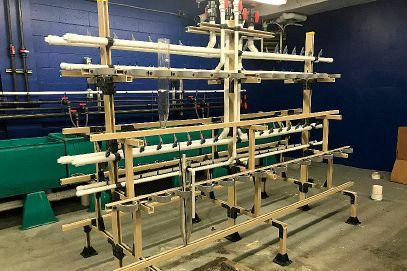
Flexible racking structure for cones
Milford’s research chemist, George Sennefelder, has customized a culture system featuring the acrylic cones purchased by the Northeast Fisheries Science Center, part of NOAA. For the pilot project, he has built a rack that can hold up to 56 of the individual cones. Into each 2.5-litre cone flow two pipes,
PHOTO COURTESY: LYNN FANTOM
56
one supplying filtered seawater and algae from a header tank, and a second providing air. A fluorometer measures how much algae are actually in the water so that “we can control that mix,” Sennefelder adds.
The racking structure for the cones has a much smaller footprint than that of a traditional system—about one-fifth the space. Although Milford has what Wikfors calls a “big tank farm building,” this space efficiency is still a major advantage.
Sennefelder opted to construct the support structure of fiberglass, a material he has been using for the last few years in wet labs. “There are no health risks to the animals. Nothing leaches off of it,” he notes. It is also “completely adaptable,” accommodating farther separation of the cones, for example.
Another design innovation Sennefelder introduced, was to divide the racking system into quarters. Because of this, researchers will be able to experiment with different flow rates, water volumes, and concentrations of algae.
“It is a continuous flow-through environment,” Wikfors emphasizes. This translates into “significantly less hands-on work,” resulting in both reduced labor and handling loss.
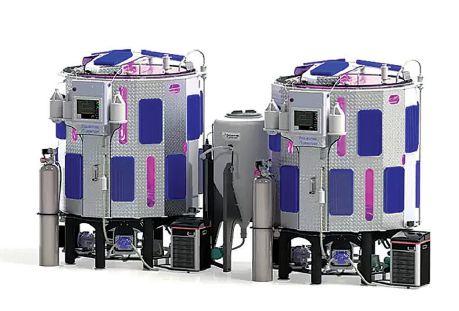
For algae production, the Milford team will also be able to tap an Industrial Plankton photobioreactor (PBR), purchased by the USDA. It’s a PBR 2500, which grows two algae cultures in separate 1,250-litre (330-gallon) tanks. “The PBR optimizes the growth of the algae with a very high density
on a small footprint,” Sennefelder says, adding that they look a little bit like R2-D2.
CUDLS role in the selective breeding program
“There are two super important advances that are essential to applying 21st century genetics to oysters,” says Wikfors. One is the annotated genome of the oyster, first sequenced in 2012 and subsequently enhanced with a description of what different genes do.
The other is the SNP-Chip, for which NOAA provided funding and development is underway. It’s essentially a small piece of silicon glass to look among samples of oyster tissue for DNA sequences that are different— providing a genetic marker.
“It is quite important for a big group, like the consortium, to have a comprehensive tool for measuring the genetics of an individual oyster—inexpensively,” says Wikfors. “The development of the SNP-Chip has moved along ahead of schedule and under budget, which is kind of a miracle.”
So, how will the program work?
A geneticist, newly hired by USDA Agricultural Research Service (ARS) and located at the University of Rhode Island, is developing a breeding plan based on knowledge of the genetics of the fathers and mothers in different families of Eastern oysters. The blueprint anticipates combinations that will yield traits suited to, say, the colder waters of Maine, USA, or lower salinity in Long Island Sound in the USA.
Some 50 to 100 families will be reared in CUDLS, then grown out in marked cages by commercial farmers. Then USDA scientists and staff will collect samples from those farms and analyze their genetics, correlating them with performance metrics like survival and growth rate. Information goes back to the geneticist with the master plan, and the cycle begins again.
From breeding to brood stock
The goal of the family-breeding program is to find parentage that produces lines of oysters that perform well in different locations. To do that, it will be necessary for the Milford scientists to produce annual rounds of seed at factory scale. As results become conclusive, says Wikfors, part of the breeding centre's operation will transition to provide hatcheries with brood stock to produce commercial quantities of seed.
“The process is to get our science into the farmers’ hands,” he says. But key throughout will be communication from industry constituents back to the laboratory. “They need to tell us what’s working, what isn’t and that informs our next round of research,” says Wikfors. “It prevents us from going down an academic rabbit hole.”
This pilot-scale rack holds up to
individual 2.5-litre acrylic cones. PHOTO COURTESY GEORGE SENNEFELDER
An Industrial Plankton photobioreactor will produce two algae cultures in separate 1,250-litre tanks. PHOTO COURTESY INDUSTRIAL™ PLANKTON
Persevering through a pandemic
What does one do, when there is no longer access to fish feed? A situation the Tilapia Hatchery Centre’s staff-of-12 hoped they would never have to face.
By Catarina Muia
Starting in late April 2020, the Tilapia Hatchery Centre (THC), located in the Cayo District of Belize, faced a challenging situation when the COVID-19 pandemic caused the border between Belize and Guatemala to close. For one month, THC couldn’t import any fish feed, and workers had to think quickly before their stock risked taking a hard health hit.
A sizeable space
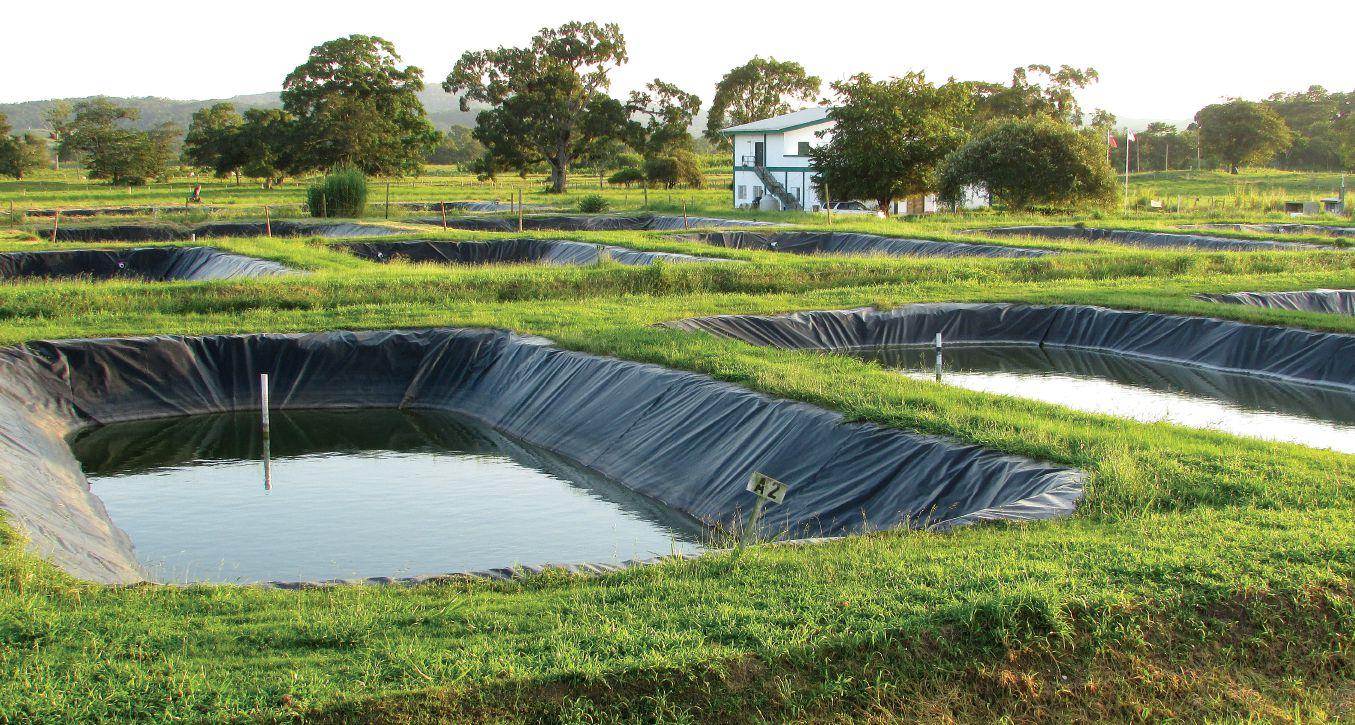
On a piece of land that’s 13.3 acres, 50 per cent of the area is occupied by the THC, which consists of:
• a two-storey office building
• a feed shed
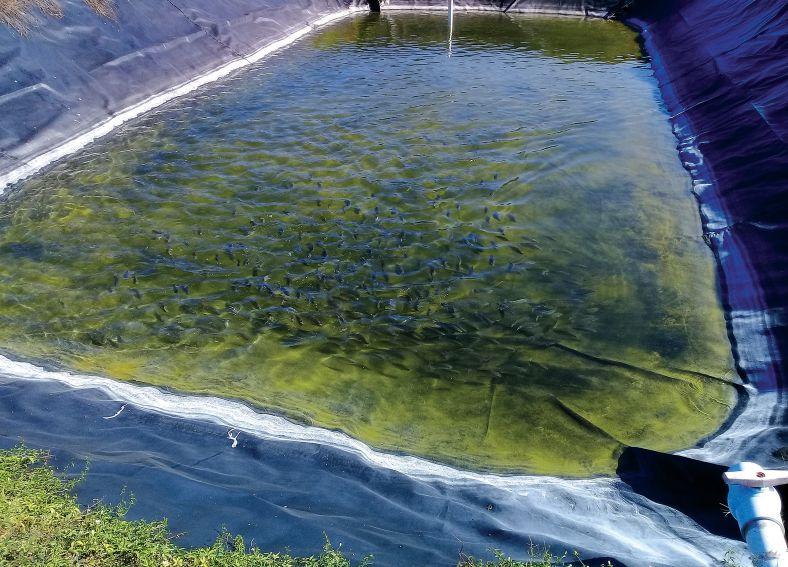
• 12 ponds (21m by 21m) for tilapia breeding;
• four ponds (24m by 24m) for grow-out;
• an outdoor, open-air nursery with 16 concrete nursery tanks (seven tons), and 12 smaller, concrete storing tanks;
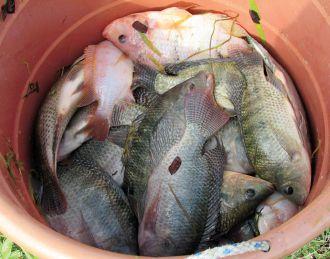
• and a processing facility for workers to prepare and send the fish out for distribution. The ponds hold two different breeds of tilapia popular in Belize: red tilapia and grey
tilapia. “In each of our red tilapia breeding ponds, we have 140 breeders,” says Neri Bol, aquaculture technician in the Aquaculture Unit of the Belize Government’s Department of Agriculture, which runs the Tilapia Hatchery Centre. “When it comes to breeding, we have a three to one ratio, which is three females to one male,” Bol continues. “In the grey tilapia ponds, while it typically differs, we currently have a total of 130 breeders in each.” When it comes to grow-out, the centre keeps a total of 800 fingerlings in each of the four grow-out ponds.
Sitting on a 13.3-acre piece of land, the Tilapia Hatchery Centre (THC), located in Belize, consists of 16 ponds, and 16 nursery tanks.
The THC's aquaculture technician, Joe Saravia, coordinates to find a balance between work onsite, and work at fish farms across the country.
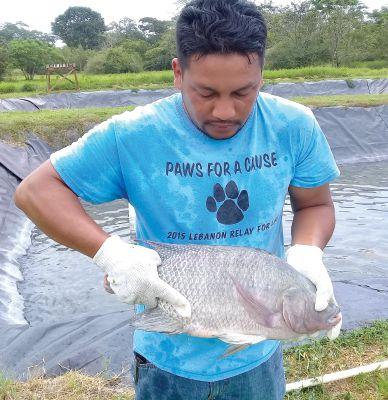
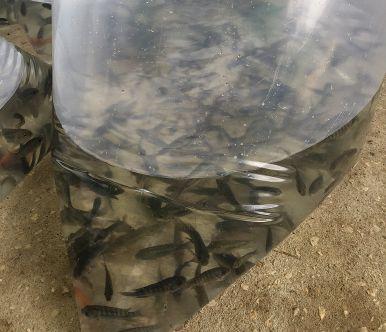
Responsible for the harvest, are the THC's field labourers. “We have many tasks to achieve around the hatchery, such as changing the water, feeding the stock, and harvesting,” says field labourer, Evral Trapp. “We’ll harvest once, wait about 14 to 15 days after, then harvest again.” Harvesting two times per month, the THC harvests a total of 24 times each year.
“In 2018 we produced 476,500 fry. Once sex reverse was completed, we sold 158,338 fingerlings to farmers,” Bol states. “In 2019 we produced 233,500 fry, and sold 118,362
PHOTOS COURTESY: TILAPIA HATCHERY CENTRE
fingerlings. Last year, in 2020, we produced 211,700 fry, and sold 113,416 fingerlings.”
This year, from January to July, the centre has already sold 142,378 fingerlings. “I was surprised and impressed after seeing the calculations, especially after the decrease we saw in both the production and sales totals in 2020, due to COVID-19.”
A need for feed
With only seven of the 12 staff members directly involved with the THC’s day-to-day responsibilities, Bol explains that the lack of manpower caused by the pandemic put them in a tight spot.
“In 2020, we never had enough manpower. We had to go into a rotation period where only a certain number of staff members could work at a time,” he explains. Additionally, as the THC’s commercial fish feed is provided by a company located in Guatemala, the staff was taken by surprise and had to do some quick thinking, once the borders closed.
“When the pandemic started, we didn’t even think to worry about feed. We didn’t think the factories would close, or people would stop going into work and feed would stop being produced, so we just kept feeding
the fish like normal,” recalls Joe Saravia, aquaculture technician for the Ministry of Agriculture. “But then, it hit us; we realized there was no feed. My supervisor quickly thought of alternative feeding.”
EWOS TRANSFER CLEAR
From January to July 2021, the THC has sold 142,378 fingerlings; an increase compared to sales in 2020.
Several ideas were put on the table, as research was conducted on hormone treatment, feeding, growth, and water quality. In the end, three different feed types for tilapia were created, with protein contents of 28 per cent, 32 per cent, or 38 per cent. “We used both plant- and animal-based protein in the feed,” Saravia explains. Soybean meal was used as the plant-based protein and meat meal was used as the animal-based protein.
“We don’t have access to, nor do we produce fish meal here in Belize, so we use poultry waste to produce meat meal.” Holding the meals together was flour and to ensure the fish had a well-balanced diet, the feed further consisted of wheat meal, rice bran, vitamins, and minerals. “Additionally, we used salt in our feed as it purges the tilapia, which is a freshwater fish, of any disease or bacteria that may be trying to attack inside.” The THC produced between 1,000 to 1,500 pounds of alternative feed for the fish, during the month when food couldn’t be imported.
Once the feed had been produced, the staff needed to train the fish to eat the alternative feed. “Unlike commercial feed, which floats, our feed sinks,” says Saravia. “In Belize we use a pelletizer machine, which causes the feed to sit at the bottom. We needed to stand at the side of the tank to feed them so they could see the food sink to the bottom, and slowly they broadcasted that throughout the pond.”
As a result of the lack of feed, as well as the time needed to train the fish once alternative feed had been produced, the THC saw a loss in production, and its fish had lost weight. However, no other health risks or changes were noted in the fish. “If I change your diet from
one day to the next, you might not eat the same amount right away,” Saravia points out. “But slowly, you get used to it and you’ll start to eat the same amount again.”
To ensure water quality is good in its ponds, the THC is supplied with water quality test kits to monitor ammonia, oxygen, pH, and salinity.
Along with training the fish how to eat again and mitigating the various challenges imposed by the lockdown, the THC’s aquaculture technicians had to continue carrying out their regular, day-to-day tasks. At the THC, technicians inspect the ponds daily, monitor oxygen levels, check fish feed, feed the fry and fingerlings, and fix service pumps. Another major part of their responsibilities, which takes place offsite, is the staff's extension work. This consists of visiting and assisting all the national farmers.
Assisting nation-wide
The THC was first established as a joint project between the governments of Belize and Taiwan in 2012 and it has since become a great source to boost the Belize economy, and promote the aquaculture and agriculture industries. What started out as a single, government-run tilapia hatchery, has turned into 170 small- to medium-scale, privately-owned fish farms across the country.
“While the main concentration of production takes place here in the western districts, all six of Belize’s districts farm and produce tilapia,” says Bol. Following the COVID-19 pandemic, he noticed there was a spike in interest nation-wide, noting that people see it as a way to persevere and hold their own during times of crises.
However, with so many farms nation-wide, the THC's aquaculture technicians face busy and tight schedules, coordinating their daily tasks at the THC, with their extension work of visiting the national farms. Since the THC, as well as the privately-owned fish farms do not have access to automated monitoring systems or equipment, any monitoring or testing must be done manually, with kits supplied to the THC.
“When we visit the farmers, we measure the growth of their fish, we make recommendations for feeding, water quality, stocking, conservation, and construction, and we can also assist with farmers’ budgeting and capital needed,” Saravia explains.
When going from farm to farm, the technicians must ensure each pond’s water quality is good, and use a water quality test kit that monitors for ammonia, oxygen, pH, and salinity.
“We also don’t have access to equipment necessary to perform research on things like microbiology, diseases or fungus, but we work hand-in-hand with the Belize Agricultural Health Authority (BAHA). If we ever want to perform tests on a disease or something of that matter, they will do it for us.”
Moving forward
Compared to 2020, this year has already seen a significant increase in fingerling sales for the THC. For the THC staff, it’s a sign that the aquaculture industry in Belize will continue to expand.
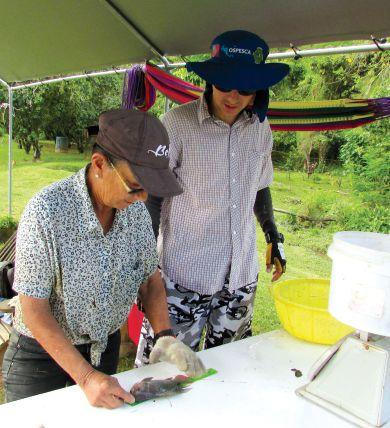
Looking to lead the growth and sustainability of the Belize aquaculture industry, the THC will also continue to expand, starting with its new processing facility, which completed construction in 2017. While it was completed almost four years ago, it took about a year and a half for the staff to be fully trained and have the entire process running smoothly. “At first we were preparing and packaging whole fish,” Saravia recalls. “Then, we received a one-day training session to learn how to fillet the fish. This was difficult because you need to be careful of losing meats, and need to ensure you are cutting in the right places. It took a lot of practice.”
Staff were required to participate in food hander’s training to obtain a food hander’s licence. “We had an officer from BAHA come in and give recommendations on our processing facility. He trained us on the amount of chlorine that needed to be in the water for processing, as well as how to store our cleaning equipment. At the end, it was a lot of coordination and cooperation with different organizations.”
Additionally, the THC is looking to expand by constructing two to three more grow-out ponds to keep up with the market demands
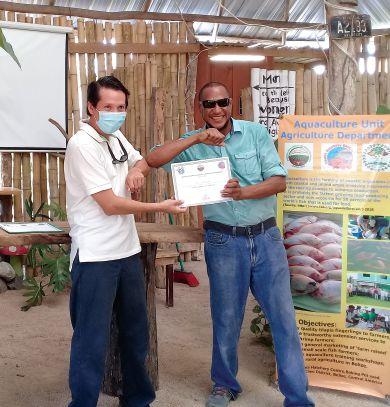
To increase public interest in tilapia, the THC participated in many public events where staff filleted their product and distributed to attendees.
for tilapia. “To be honest, tilapia production isn’t difficult to handle and in our district the product is moving relatively quickly, as tilapia consumption has increased,” Bol admits.
Belize’s tilapia consumption was originally quite low, as people would often associate tilapia with the term, ‘mudfish’. As the THC began to grow-out though, staff participated
in public events and offered the filleted product to attendees. “People started tasting it and slowly began to realize that the taste isn’t what they had expected. Slowly, they started to gain interest,” Bol exclaims. “And it has only increased. I definitely see the production and consumption of tilapia continuing to grow, year after year.”
Demand for sustainable mudcrab hatcheries continues
As global demand for mudcrab (Scylla serrata) continues to grow, one factor has remained constant.
By Ruby Gonzalez
Singapore is pinning hopes on a micro-hatchery within the Aquaculture Innovation Centre (AIC) for its locally-grown supply of mudcrab crab Scylla serrata.
“We want to close the loop in the micro hatchery and, hopefully, we can supply crablets to the farms for grow-out or for those farms who can do soft-shell crabs,” said AIC deputy centre director Dr. Diana Chan at the “Aquaculture Innovation Webinar 1: Meeting Rising Demands”, held in March 2021.
Crab is big business in the city-state, where the people love it cooked in a particular way.
“There is always demand because Singaporeans love chili crab. One of the major restaurants supply chain requires one ton every day just to meet the local consumption needs,” Chan said at the webinar.
Singapore heavily relies on importation of wild-caught crabs mainly from the Philippines, Indonesia, Malaysia, Bangladesh, and Papua New Guinea.
AIC, which launched in 2019, serves the local aquaculture industry through contract services, applied research and development, and manpower training. It is the national centre for aquaculture funded by Enterprise Singapore, a government agency,
Currently, Singapore has only a couple of crab-fattening farms. No commercial hatcheries exist. AIC, which is non-commercial, is the country’s only organization involved in R&D in mudcrab hatchery. One could say that AIC is the ground zero of the city-state’s mudcrab industry.
“We aren't a commercial and production centre but we would license our developed technologies and products to companies , keen to take them further and commercialize them,” she told Hatchery International Companies and farms interested in getting into hatchery and grow-out operations may go to the centre for a good push. With regard to mudcrab, the objective is to develop specific pathogen-free crablets (C1-C3) for farms and companies to take on for grow-out.
“AIC intends to develop its own line of specific pathogen-free broodstock for sustainable quality production of crablets,” she said.
Technology and innovation are seen as the equalizer to Singapore’s glaring lack of arable
land for agriculture purposes. It represents only one per cent of the country’s land area.
R&D includes conditions and processes in health checks from adult spawning to crablet stages, as well as customization of feeds for ease of crablet development from larviculture stage. Culture conditions for each growth stage are carefully being developed.
On top of having specific pathogen-free crabs with improved feed intake and better
growth performance, they are also batting for reduction on wastage, water pollution and dependence on seafood as natural feeds.
These IP technologies will be licensed out to companies for grow-out and commercialization. Other than licensing the IPs out to companies, AIC will also look at working with local relevant authorities in releasing the crablets for conservation purpose.
Philippines
It seems that no one can rest assured as far as crablet supply goes.
The Philippines may be one of the world’s top exporters of mudcbrab but it could produce much more, based on stakeholder feedback. And a solution may be just hiding in plain sight. Inadequate supply of crablet has been holding back their production volume, farmers said during an on-site training course organized by the Southeast Asian Fisheries Development Center Aquaculture Department (SEAFDEC/AQD) in the province of Capiz. These are mostly of wild-caught origins coming from far-away provinces.
Conversion of abandoned and underutilized hatcheries in Capiz could create faster access and increased supply of crablets, SEAFDEC/ AQD chief Dan Balilao suggested. Twelve such facilities have been identified. These used to be tiger shrimp hatcheries until the 1990s when the industry, which used to be very lucrative, collapsed because of disease outbreaks.
Capiz, known as the “Seafood Capital of the Philippines,” produced 2,000 metric tons of cultured mangrove crabs in 2019. The value of P1B ($21M) made up for 11 per cent of the national mangrove crab output from aquaculture.
SEAFDEC/AQD has been researching on mangrove crab since 1981 has made its mark in the advancement of mangrove crab technology. Part of its advocacy is regular providing seminars.
India
The government of India was among those who tapped SEAFDEC’s expertise. India is a mudcrab exporter but at that time, in 2002, it was importing crablet. Today, the Rajiv Gandhi Centre for Aquaculture (RGCA) is the country’s pioneer in mudcrab hatchery.
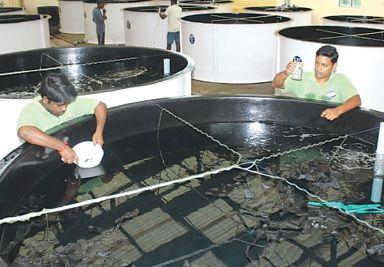
Larval rearing section at the Rajiv Gandhi Centre for Aquaculture PHOTO: RAJIV GANDHI CENTRE FOR AQUACULTURE
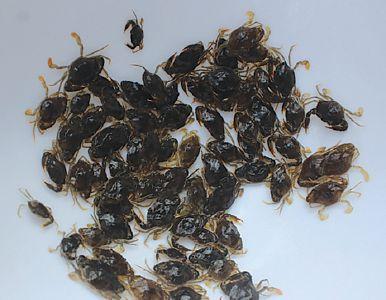
Instar in India ready for delivery PHOTO: RAJIV GANDHI CENTRE FOR AQUACULTURE
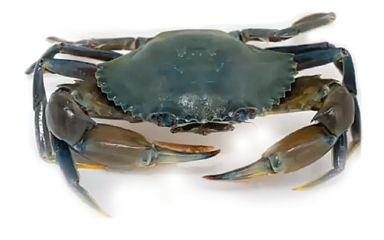
Mudcrab,Scylla serrata Singapore wants to start building its mudcrab industry with SPFbroodstock PHOTO: AQUACULTURE INNOVATION CENTRE
Through patented technology, they produce disease-free crablet and instar survival rate of 7.5 per cent. The average survival rate of three to five per cent in some Asian countries was taken as benchmark when patent application was submitted in 2011. The patent was received this year.
“The consistent and reliable survival rate from zoea to crab instar is vital in the success of crab hatchery commercialization. This patented hatchery has already achieved as high as 17.5 per cent survival rate from zoea to crab instar in the succeeding years of hatchery operation,” said Dr. Shanmugam Kandan, head at RGCA. Instar stage is reached at 4 to 5 mm.
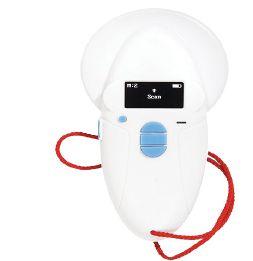
Readers with Bluetooth wit
PIT TAGS & SCANNERS
The R&D arm of Marine Products Export Development Authority (MPEDA) of the Ministry of Commerce and Industry, is a no-profit, no-loss organization. They produce other species for aquaculture, as well.
The patented mud crab hatchery technology serves the crab farmers in coastal communities. Conservation is also part of the mandate. By using hatchery-produced seedstock, the wild crab population is conserved.
Qualified entrepreneurs may avail of financial assistance to set up hatcheries in India.
The commercial hatchery was established in 2013. The proprietary technology it uses was developed beginning 2004. Mudcrab expert Dr. Emilia Quinitio, at that time the head of the National Mud Crab S&T Program at SEAFDEC/AQD, came on board as consultant to train the technical team and establish the hatchery.
“The patented technologies include the fully bio-secured facilities and the protocols involved in the production of crab instars –starting from the screening broodstock for OIE-listed diseases, well-designed indoor algal laboratory, larval-rearing facility, diet preparation facility, Artemia production unit, and harvest and packing unit designed under one roof are unique,” said Kandan.
Since 2011, the centre has produced and distributed 7.28 million instars to 659 farmers.
The hatchery can produce 1.4 million instars annually and can go as high as 2 million. Yearly volume of supplied instars has peaks and lows. After hitting a record high between 2018 and 2019, figures significantly dropped due to natural calamities and the pandemic.
“Increase in production is expected after the pandemic when mobility is no longer a problem for the farmers to source crab instars from RGCA hatchery, feeds and other supplies,” Kandan said.
CM AQUA TECHNOLOGIES
Cleaner fish for cleaner farms
Researchers in Scotland explore the lifecycle of the ballan wrasse’s hatchery stage to establish optimal rearing conditions. Could this hold the key to tackling sea lice on salmon farms?
Ballan wrasse have already been found to control sea lice in farmed salmon, but their ability to do so effectively depends on keeping them content in their environment. Now, research at the Institute of Aquaculture in Scotland supported by the Sustainable Aquaculture Innovation Centre (SAIC), cleaner fish producer Otter Ferry Seafish, nutrition firm BioMar, and salmon farmers Scottish Sea Farms and Mowi, are investigating the best conditions in ballan wrasse hatcheries. To do this, nutritional and environmental factors including feed, rearing conditions and how these impact the specie’s growth and welfare, must be taken into consideration. The team hopes that a better understanding of the hatchery stage will help ballan wrasse thrive from the beginning of their lifecycle and make them even more efficient at removing sea lice.
“This particular project is a logical continuation of others that have been conducted over the last 10 years aiming to fully domesticate ballan wrasse,” explained Professor Herve Migaud of the University of Stirling’s Institute
By Bonnie Waycott
of Aquaculture. “Cleaner fish are seen as perhaps the most environmentally-friendly strategy to control sea lice and they are very effective but not yet fully reliable. There is quite a lot of viability. We are currently using fish that are very close to the wild genotype but this is always problematic in aquaculture because their performance is never optimal in a farming environment. We will be moving toward more fish that are adapted to farming conditions and can, therefore, perform better.”
Nutrition research
The hatchery stage is particularly important in marine species and in this case, for effective sea lice removal. In order to establish optimal conditions in the early larval and juvenile stages, feed and environment, and in particular temperature, are key. Studying the nutritional requirements of ballan wrasse in terms of live feed enrichment during the larval stage, necessary nutrients such as minerals, and the use of immunostimulants and functional ingredients to improve disease resistance, could all help ballan wrasse acclimatize and increase their robustness and efficacy in a salmon farm.
“Ballan wrasse are a stomach-less, slow-growing, grazing species,” said Dr. Antonios Chalaris, product manager at BioMar. “Their natural diet is non-piscivorous and primarily consists of hard cell crustaceans and molluscs. They lack acid digestion so we need to have easily digestible feed sources. They also have an omnivorous diet, which gives us the luxury of expanding our raw material basket and the flexibility to add more materials than expected, such as plant-based sources.”
Ballan wrasse diets primarily consist of crustacean meals, but additionally, the final diets need to be high in moisture. “We’ve seen that we can increase growth and feeding efficiency with that by at least 20 per cent. The focus now is on probiotics, minerals and immunostimulants, which need to be tested and adjusted to fit the specific requirements of ballan wrasse,” Chalaris continued. While the basic nutritional requirements and foundations are there, the research team is looking to explore the recipes more in depth.
“I think what is quite complex when it comes to nutrition, is that we are not looking at one recipe but a range of feed formulations
PHOTOS: THE SUSTAINABLE AQUACULTURE INNOVATION CENTRE (SAIC) Located in Loch Creran, Scotland, is a salmon farm.
throughout the production cycle,” said Migaud. “What is very clear now, is that live feed and enrichments are extremely important and a lot of the problems we see can arise from that early stage. Now we really need to deploy the knowledge we have, to understand fish performance. There is a need for nutritional trials where we can manipulate specific micro-nutrients and that’s what we want to do.”
Eyes on the rearing
Further research is also underway to establish an optimal rearing temperature to successfully regulate the growth and metabolism of ballan wrasse, while minimizing stress. In some hatcheries, there are also opportunities for the selective breeding of desired traits such as increased growth rate, temperature tolerance, and disease resistance. Other areas, including tanks, are also important.
“Ballan wrasse are very different to many other species we work with,” said Migaud. “They are very social fish, very aware of the environment and they display some peculiar behavioural traits including sleep-like behaviour at night. We must ensure that the environment, and what we call the furniture in the tank, is optimal. We have artificial kelp in the tanks for the fish to rest in or use as a shelter. This significantly minimizes stress and improves the welfare and comfort of the stocks.”
Work is also being done to ensure that fish welfare and robustness remain optimal in all stages of the hatchery process, as well as the period between departure from the hatcheries to the start of delousing. Other areas being investigated include when and how ballan wrasse are transported to salmon farms, whether there are disease outbreaks on those farms, and whether any husbandry
for salmon, such as other sea lice treatments, impacts ballan wrasse performance.
“We are still in the research and development (R&D) phase but we are moving as fast, and the level of progress from ongoing projects is quite impressive,” said Migaud. “I think ballan wrasse have the potential to be a game-changer for sea lice control but I don’t think that they, by themselves, will solve the
Staff at a hatchery check in with their ballan wrasse stock.
problem. Sea lice need to be tackled from different directions as they are extremely good at adapting to anything. An integrated pest management strategy is the way forward. Very promising results are also coming in from research on sea lice resistance in salmon.”
United effort
With a range of ballan wrasse projects underway, hopes are high that the coming years will see a more resilient salmon industry and the full domestication of ballan wrasse. Migaud explained that science and academia-industry collaboration is the basis of the success to come.
“So many things have to be considered, such as feed or the hatchery rearing process; that’s where science is really important,” he said. “Now we can start to pinpoint a host of factors and optimize them, and that can only be done through robust experimental setups.”
Charlaris explained the potential major game-changer is farmed ballan wrasse broodstock, not wild. “We have seen radical changes in the nutritional requirements of ballan wrasse over the past 10 years. We have been working on wild-caught broodstock and BioMar has a suitable diet for them. However, there is still a need for further fine-tuning. But how will the offspring quality of farmed broodstock be? Will we need to boost this even more through nutrition? We don’t know, but my feeling is that we will need more radical changes with these new generations of ballan wrasse. We still have a few years until we reach this stage but it’s going to be a major game-changer.”
SAIC’s CEO, Heather Jones, expressed confidence that the hatchery project will have wide, positive implications in addressing the sea lice challenge.
“It builds on years of valuable cleaner fish studies and is a prime example of how innovation and collaboration can help solve challenges in new ways, for the benefit of the entire sector. Determining the best conditions for ballan wrasse, and communicating the results and recommendations across the aquaculture sector and supply chain, could lead to significant progress in the collective efforts to tackle sea lice sustainably,” she said.
Reason #22
YSI’s
With
Dr. Antonios Chalaris, product manager at BioMar.
Heather Jones, CEO of SAIC.
Microbe oil make good substitute for fish oil in trout feed: study
Fish grown in aquaculture systems do better when given a diet that contains marine microbe oil rather than oil obtained from wild-caught fish. This was what researchers from Nova Scotia’s Dalhousie University found out when they completely replaced fish oil used in the diet of farmed rainbow trout and Atlantic salmon with oil from a new strain of marine microbe. Stefanie Colombo, an assistant professor in Dalhousie’s Department of Animal
Science and Aquaculture and a Canada Research Chair, tested oil from Schizochytrium (T18), a new strain of microbe.
Colombo and her fellow researchers found that both trout and salmon grew just as well or better than fish that were fed oil from wild fish.
The salmon and trout also stored more DHA in their fillets, which is important for consumers, according to a press release from the Dalhousie University.
“Inclusion of Schizochytrium sp. (T18) oil at high or low levels in the diet resulted in a similar growth performance as seen in trout fed the control diet; however, muscle and liver fatty acid profiles were impacted by diet,” according to the article the by the researcher which was published in the scientific journal MDPI. “Overall, our results showed that Schizochytrium (T18) is an effective source of omega-3 fatty acids in diets for rainbow trout.”
The findings are important for the aquaculture industry since it now provides operators and business owners a sustainable source of omega3 for fish feed. The aquaculture industry relies heavily on oil obtained from wild-caught fish, a practice that is not sustainable.
Bailey Hart (left) and Angelisa Osmond (right), M.Sc. students, weighing rainbow trout as part of experimental activities in the lab. PHOTOS: DR. STEFANIE COLOMBO
According to new research from Dalhousie University, a microbe oil diet resulted in similar growth performance in trout.
Nutritional programming via Artemia increases soybean meal intake in largemouth bass diet
Researchers in the U.S. turned to nutritional programming in increasing levels of soybean meal replacement in fishmeal in largemouth bass ( Micropterus salmoides ) larva diet. Live food was used as a vehicle for soybean meal since introduction of dry feed in life stages is known to negatively impact growth and survival rates.
“The programmed group experienced a significantly higher percentage weight gain during the plant protein-challenge than the non-programmed group. In addition, the live feed programming resulted in significantly longer distal villi, and a higher villi length to width ratio, compared to the non-programmed group,” G. Molinari et al. cited in the study, “The use of live food as a vehicle of soybean meal for nutritional programming of largemouth bass Micropterus salmoides”.
It was published in Scientific Reports. The team represents the Center for Fisheries, Aquaculture, and Aquatic Sciences at Southern Illinois University-Carbondale (SIUC).
The study determined the effect of nutritional programming induced during the larval stage via plant protein-enriched live feed on growth performance; expression of genes associated with inflammation and any morphological changes in the intestine; and muscle free amino acid composition in largemouth bass during its later life stages. Experiments were done with fish at four to 122 days post-hatch.
The significantly higher length-to-width ratio of the distal villi, they explained, signifies an increased surface area for nutrient absorption in the intestine as a result of the nutritional programming.
Artemia nauplii was used a live food. Fishmeal-based diet, and a soybean mealbased diet, serving as the plant protein diet, were used. The soybean meal diet had a full fishmeal replacement with soybean meal (46.3 per cent) and soy protein isolate (15.4 per cent).
Soybean meal is the most commonly used replacement for fish meal but maximum inclusion level is recommended at 25 per cent. Previous studies showed that higher levels negatively impact growth performances significantly.
The experiment was carried out at SIUC using a semi-recirculated aquaculture system with two mechanical (sand) filters and two biofilters.
“The programmed group experienced a significantly higher percentage weight gain during the plant protein-challenge than the non-programmed group.”
Live feed enrichment was prepared by finely grinding soybean meal at <0.25 mm and mixing deionized water to form a solution. The solution was thoroughly homogenized and filtered through 150 µm to ensure it was able to be absorbed by the live food.
Nutritional programming is a concept that
an organism can be ‘programmed’ to utilize a certain dietary component through exposure during early life stages. Traditionally, nutritional programming has been induced using dry feed during the juvenile stage of the fish’s development.
–Ruby Gonzalez
Unenriched Artemia (A) are shown next to Artemia that were enriched for three hours with spirulina (B) and SBM (C). PHOTO: SCIENTIFIC REPORTS
HATCHERY HACK by Ron Hill
Grading essentials
Grading is an essential farm task at any production facility, especially for juvenile fish. Grading, which is the sorting of fish into groups by size, serves three major purposes:
• breaks the feeding hierarchy;
• reduces cannibalism;
• creates production groups of fish around the same size.
Grading is a stressful event for the fish but if done effectively, grading is very safe and can be done without mortality. Proper setup, inspection and monitoring are key to ensuring a successful grade.
Breaking the feeding hierarchy
Fish in a tank will set themselves up in a feeding hierarchy. More dominant fish will take the best positions with the best access to feed, enabling them to grow faster. The farmer is always trying to outflank the feeding hierarchy by maximizing feed availability
and ease of feeding for all fish in the tank, wanting to feed their stock evenly to achieve uniform-sized fish. However, there is only so much the farmer can do to outflank the hierarchy; genetics play a large part in growth, and big fish that emerge will continue to be the big fish. The coefficient of variation (CV) is a common way to describe the size variation in a tank. As time goes on, the CV in a population- the size variation- increases. The only way to break the feeding hierarchy is to sort, mix or split the fish, and force the fish re-establish the feeding hierarchy. Grading is a good way to reform groups of fish to maximize feeding efficiency across the population. Each group created by the grade will establish a new hierarchy, where competition for feed between individuals is much more even. Because the fish are close to the same size, fish that were once marginalized, or had somewhat restricted access to feed due to larger fish in the tank, suddenly have easier
access to feed because their main competitors have been removed. The CV of the tank goes from largest to smallest. Overall, more fish have access to feed and therefore, the biomass of the fish will grow faster and end much higher, than if the group was left ungraded.
Reducing cannibalism
The rise in CV in a group of fish is of particular concern to farmers raising species with cannibalism issues. Voracious fish with large mouths such as barramundi will prey on each other with little size variation between them. There are many strategies/techniques producers use together to reduce cannibalism, one of which is frequent grading, up to every other week. The idea is to keep fish of the same size together and minimize the number of fish available to be eaten by larger tankmates.
Creating production groups
Grading fish creates production groups of fish with similar growth rates and sizes, from fish that have been growing at different rates and have created a group(s) with a large CV. The average weight of any population is just the average, there are many fish above and below the average weight. By grading these fish into, for example, three groups (small, medium, and large), three production groups are created. The fastest growing fish are now grouped together for grow out, as are the medium and small groups. By selecting the right grade sizes, the farmer can control the size of their production groups and set their created production groups up for sequential grow-out and harvest.
Grading setup and operation
Regardless of the grader type you use, proper setup is the key to successful grading. As so many fish are running through the grader, it is extremely important to make sure everything is smooth in operation and in fact. All surfaces, transitions and chutes should be checked for sharp edges and burrs. A small
While stressful for the fish, if done properly, grading is a safe process that can be done without mortality PHOTO: AQUACULTURE ID
Safety first
By Travis May
Operators at recirculating aquaculture system (RAS) facilities can encounter a variety of safety challenges. Hazards and risks range from slips, trips, and falls, to toxic gas inhalation, drowning, and chemical exposure, among others.
Not only are injuries harmful to employees and their families, but they can also negatively impact profitability through decreased worker productivity, increased insurance costs, and in some cases, legal fees and damages to company reputations.
Worker safety should be prioritized and planned for, as RAS facilities increase in size to capitalize on the benefits of economies of scale. This article discusses simple practices that are designed to enhance worker safety and prevent injuries in and around RAS facilities.
Design for safety
Worker safety should start during RAS facility design. It is important to consider how fish production staff will safely execute important tasks such as harvesting, system cleaning, and feeding fish when designing and building a facility.
For example, working height of routinely used equipment such as fish feeders, water
quality probes, and unit process access points must be considered before facility construction. Installing feeders too high or out over tank openings can increase risk of back injuries as workers attempt to lift heavy feed bags to fill feed hoppers.
Additionally, equipment and access points may require a stool or ladder, increasing risks of falling. An elevated platform can provide safe access to fish and equipment around large tanks at an optimal height for worker safety. Elevated platforms can be constructed using anti-slip grating to prevent injuries from pooled water and wet surfaces. Designed to comply with safety regulations, railings should be strategically placed around elevated platforms to prevent falls.
RAS operators routinely climb ladders to clean components at the top of the system or check feed supplies within a silo. Ladders should be equipped with a safety cage to prevent falls, and rungs furnished with anti-slip measures. Self-closing safety gates should be installed at the entry to the platform accessible by a ladder, preventing falls down the ladder chute. Another area where fall protection is important is in and around microscreen drum filters and similar equipment with rotating components. This type of equipment produces significant mechanical torque to rotate the drum during a backwash cycle. Caution must be taken to ensure that hair, clothing, or other loose materials aren’t caught and pulled into the rotating components. Platforms with railings are recommended around this equipment to ensure that staff do not lose balance and fall into the filter.
Work safely
Unavoidable safety hazards at a RAS facility may include noise and risk of drowning in large, deep fish culture tanks. Noise from pumps, blowers, and the constant droning of cascading water can have adverse effects on workers’ hearing. To protect employees, facilities should regularly test sound levels using a sound meter or dosimeter. U.S. Occupational Safety and Health Administration (OSHA) guidelines state that a hearing conservation program must be administered if employee noise exposure is equal to or exceeds an eighthour time weighted average sound level of 85 decibels. At or above this level, the employer must make hearing protection available.
The risk of drowning is always present when working around water. Large fish tank sizes, fast water velocities, and unknown interactions with a large biomass of fish could make it difficult for even an experienced swimmer to reach safety should they fall into a tank. Flotation devices and rescue life hooks or rings should be easily accessible around tanks, to be thrown or extended if a worker has fallen in.
Additionally, first aid training conducted by a reputable provider such as the Red Cross or American Heart Association is recommended annually for key staff members. OSHA-approved first aid kits should be in each building at easily accessible locations. First aid kits should have enough supplies to ensure everyone working in the area is covered, and include a program to check supplies periodically to replace expired items or restock inventories.
The potential for life-threatening emergencies at any RAS facility requires an emergency response plan.
• a list of emergency contacts with phone numbers of key personnel including the operations manager, hatchery/fish production manager, local first responders, and state regulatory authorities, as well as critical utility vendors including electrical power, propane, and industrial gas companies; • a centralized meeting location outside of buildings and far enough away from any danger, where all staff members can be accounted for (i.e., a muster point).
Breathe safely
Some RAS facilities use hazardous gases like ozone (O3) for water treatment. O3 gas may be generated onsite and applied in RAS systems to microflocculate particles and fine colloidal solids. Leaks in O 3 supply lines can result in dangerous levels of O3 inside a building. OSHA has set a permissible exposure limits as an eight-hour, time weighted average
value of 0.1 ppm for O3 gas. Ambient O3 gas detectors should be installed around fish production tanks near ground level adjacent to O 3 injection points, such as a low head oxygenator sump or foam fractionator. Ambient O 3 monitors should be calibrated annually or more frequently if recommended by the manufacturer, and spare parts should be kept on hand for quick repairs. Additionally, continuously operating ambient O3 detectors should be connected to an alarm that’s both audible and visual, and buildings be equipped with high-volume ventilation fans and O3 generator shutoff switches, which automatically turn on and stop the flow of O3 gas during an alarm condition, avoiding additional danger to workers.
The gas hydrogen sulfide (H2S) can form in fresh and saltwater RAS facilities and associated wastewater treatment systems. H2S can form when solids are degraded by anaerobic bacteria, resulting in a highly toxic and flammable gas that can displace oxygen and rapidly overcome unprepared workers. According to OSHA, this gas is the leading cause of workplace gas inhalation deaths in the U.S. Staff can risk encountering toxic H2S when entering confined spaces, such as tanks and pump sumps (particularly those containing organic solids) for routine cleaning between production cycles, or when performing maintenance tasks. Identify and label all confined spaces as part of a confined space safety program. Entry into confined spaces should adhere to a well-defined standard operating procedure, which requires two people. The procedure includes testing
the area’s air for H 2S levels, other airborne contaminants, and appropriate oxygen levels with a handheld meter, prior to entering. If H2S levels are higher than OSHA’s exposure limit, the space will need to be ventilated outside of the building using an explosion proof ventilation system. Once ventilated, the area should be retested to ensure that it is safe to enter. While working within the area, H 2S and oxygen levels should be continuously monitored.
Final thoughts
There are important safety concerns and associated preventative measures to be considered in and around RAS facilities. This is not an exhaustive list of potential hazards and solutions. It is recommended that a comprehensive worker safety program be developed for any RAS facility. One of the first steps is to form a safety committee consisting of staff across multiple departments who will meet regularly to discuss existing or developing safety concerns, and guide the implementation of onsite safety policies.
This article expresses the opinions of the author based on his own experience, is informational-only in content, does not constitute advice or guidance specific to any one employer or facility, and is intended to assist generally employers and facilities in providing a safe and healthful workplace. All employers should comply with federal, state, local, and industry legal and regulatory safety and health standards, as well as having a safety plan based on their specific facility, equipment, employees, and particular needs.
Ladder rungs equipped with anti-slip material
A handheld H2S gas detector
Biomark research suggests new approach for salmonid conservation Aquaculture technology company, Biomark, has published a new research study designed to estimate the carrying capacity for juvenile salmon.
The study uses quantile random forest (QRF) models that demonstrate the viability of guiding habitat restoration efforts that the company says could de-list salmon from the endangered species list.
The research study, entitled “Estimating Carrying Capacity for Juvenile Salmon using Quantile Random Forest Models,” was published in Ecosphere, a journal of ecological science and interdisciplinary studies relating to ecology.
“In our research study, a QRF model was developed using fish and habitat data from seven watersheds in the Columbia River Basin to estimate life-stage specific habitat-based carrying capacity,” said
IMV Technologies acquires Genetirate
IMV Technologies Group has completed the acquisition of aquaculture biotechnology company, Genetirate.
Genetirate launched in 2018 by founder, Dr. Benhamin Renquist of the University of Arizona College of Agriculture and Life Sciences. He developed a technology capable of identifying and sorting animal species (fish, crustaceans and mollusks) by their metabolic rate.
primary author Kevin See, senior biometrician at Biomark.
“This new approach leveraged nearly a decade of detailed habitat data from the Columbia Habitat and Monitoring Program to determine habitat characteristics that best explain salmon abundance and density, which is used to predict contemporary capacity at those sites and extrapolated throughout the basin.”
As more ecological datasets become available, and the ability to sample large areas of habitat becomes more feasible (e.g., aerial imagery, LiDAR), the QRF framework demonstrated in this study provides a robust structure for using a capacity-based approach to prioritization, implementation and evaluation of habitat rehabilitation actions.
www.biomark.com
Technologies family. Dr. Renquist and his lab have developed important technology that we believe should be taken to the market for the benefit of the salmon, trout industries and beyond,” said Dr. Eric Schmitt, director of innovation, science, and technology at IMV Technologies.
Genetirate received the North Atlantic Seafood Forum’s Seafood Innovation Award in 2018 for improving sustainability and production.
“We are excited to welcome Genetirate and its team to the IMV
IMV Technologies specializes in animal assisted reproduction technologies and entered the aquaculture world in the early 2000s. Since it was founded in 1963, the French company has expanded to subsidiaries in Brazil, China, France, India, Italy, the Netherlands, Russia, Scotland, South Africa and the United States. www.imv-technologies.com
STIM bacteriophage against Moritella viscosa
Norwegian feed producer STIM has launched a new product designed to combat a bacteria known to cause winter ulcers in farmed broodstock along the Norwegian coast.
The company has announced a new bacteriophage product that has been designed to fight against Moritella viscosa, during the Lofoten Seminar in June.
A rising number of Moritella outbreaks has been linked to mutations in the bacteria, making available vaccines less effective. It has also been linked to widespread mechanical sealice treatments on wellboarts that may render the skin for infection from the bacteria.
“Field tests remain, but we fully expect it to be equally as effective as our first bacteriophage product,” says director of Research & Development, Hans Petter Kleppen.
To combat the threat of another winter with Moritella outbreaks, STIM is looking to spend the summer on production scaling the new product, as well as necessary field and safety tests. The company is also looking into producing autogenic vaccines as a short-term solution based on isolates from single sites or locations.
“In collaboration with competent vaccine producers we will be able to deliver these vaccines within three months from receiving the needed isolates. If we act fast, we can be in much better shape going into the next Moritella season,” says STIM CEO, Jim Roger Nordly. www.stim.no
Troutlodge take next steps in BCWD resistance research
Troutlodge and the United States of Agriculture (USDA) are getting ready to expand its bacterial cold water disease (BCWD) resistance efforts to more spawning groups.
Troutlodge and the USDA have been working together since 2013 to improve resistance to Flavobacterium phychrophilum in the trout industry. Flavobacterium phychrophilum is a causative agent of bacterial cold water disease (BCWD) and Rainbow Trout Fry Syndrome (RTFS).
Most of its early research has been conduvted on the Troutlodge May spawning group and with improvements reported in controlled laboratoray challegens and with clients in the field, the research team is looking to expand in hopes of producing eggs with improved resistance being available year round.
The May strain has been under selection since 2015, which means that the current generation has experience three generation selections.
“With renewed efforts and investment in the collaboration between Troutlodge and the USDA, we hope to shorten the time needed for genetic improvements in additional spawning groups,” senior geneticist, Kyle Martin, said in a company statement. www.troutlodge.com
Fish farming equipment designer and manufacturer
SHOWCASE
Cargill
and Ecolab announce new class of Techstars
Cargill and Ecolab are supporting 11 startups as part of its three-month mentorship Techstars program. The Techstars Farm to Fork Accelerator was created to support entrepreneurs that are utilizing technology to innovate in areas such as food retail, food safety, and workforce development and management.
During the three-month program, the chosen companies are surrounded with a network of corporate partners, investors, and alumni. The program provides funding and fundraising opportunities, workshops and curated resources.
The accelerator program officially began on July 19 and a demo day is expected on Oct. 15.
Nofima researchers win animal research prize
Researchers Carlo C. Lazado and Elisabeth Ytteborg were awarded the Norecopa 3R Prize for their efforts to advance strategies for reducing the number of laboratory animals in fish health studies.
Lazado and Ytteborg, who work at Nofima in Tromsø, Norway, have developed techniques for measureing the health of salmon without killing the fish first. They used in vitro models to measure responses to stimuli in cells in the lab, instead of in live fish. They also base projects on fish that are already in trials for more efficient use of data and research inputs.
The Class of 2021 includes startups from around the world, including the program’s first two teams from Africa.
“Cargill is continuing to invest in technology, both internally and externally — putting the best minds, most innovative people and companies to the task of addressing the biggest challenges facing the food system,” said Justin Kershaw, Cargill CIO. www.cargill.com
major in-house project, we therefore involved colleagues from multiple disciplines and diverse approaches. We collaborated with existing projects to gain insights into and increase the value of studies that were already in progress. As a result, we were able to make more efficient use of the fish already in the research trial, but also gained access to more analyses for testing our hypotheses.”
The Norecopa prize, which awarded virtually during Norecopa’s general meeting, is a diploma and NOK 30,000 (about US $3,300).
GSA announces one-of-a-kind certification program
The Global Seafood Alliance (GSA) has introduced a new third-party certification program for Best Seafood Practices.
The program is the wild fisheries equivalent to the Best Aquaculture Practices third-party certification program. Both are housed by GSA.
This Best Seafood Practices (BSP) program is meant to provide credible third-party assurances linking responsible wild-capture fisheries to Responsible Fishing Vessel Standard (RFVS)-certified vessels and Seafood Processing Plant Standard (SPS)-certified facilities through the Chain of Custody (CoC) Standard.
“We value our relationship with the Global Seafood Alliance and commend their continued commitment to expanding seafood certification programs. The Best Seafood Practices program can provide the third-party assurances that companies like US Foods can use to support ongoing responsibly sourced seafood programs, and we look forward to exploring these opportunities,” said Jennifer Wandler, senior director of category management-seafood for US Foods.
“Many projects are undertaken concurrently with each other and apply related approaches to research on fish in Norway,” Lazado explains. “In a
The researchers said they intend to invest the prize money in hosting a workshop on reducing the number of fish used in research. www.nofima.no
GSA, formerly known as the Global Aquaculture Alliance, officially changes its name in April following votes by the organization’s board of directors and the board of directors of its sister organization, the Global Seafood Assurances. The new name reflects the merger between the two nonprofits. www.aquaculturealliance.org
INVE launches online knowledge hub for Artemia
INVE Aquaculture, part of Benchmark Holdings PLC, launched a new web-based service dedicated to sharing information and expertise about the most widely used live feed in aquaculture, Artemia.
The online hub was designed for hatchery managers, researchers and newcomers that are looking to understand the fundamentals of the live feed, the advances in Artemia technology and how to effectively benefit from its use.
“Our approach has always been to work closely with researchers and users of our products and solutions,”says Geert Rombaut, INVE Artemia specialist. “This platform is a natural extension of our way of working, helping to fill the gap between knowledge and practical application. We have an incredible history in Artemia and we’re constantly looking for new ways to share our insights, know-how and experience.”
www.artemia.inveaquaculture.com
Innovasea launches new tech for field research
Innovasea is touting what the company says is a groundbreaking technology for fish researchers.
A new module for Teledyne’s G3 Gliders allows autonomous underwater vehicles to be dispatched out to Innovasea’s VR40-UWM underwater receivers to offload data.
The receiver is a passive acoustic listening station with batteries that last more than six years, making it perfect for long-term migratory studies. It can communicate with nearby vessels via an acoustic modem, so it doesn’t need to be retrieved and redeployed.
In addition to detecting tagged fish swimming within range, the VR4UWM can also store environmental data from Innovasea’s aquaMeasure sensors, including dissolved oxygen, blue-green algae and chlorophyll.
“This revolutionary new capability will make data retrieval much easier for scientists, who are using AUVs more and more as part of their research,” said Mark Jollymore, president of Innovasea. “Rather than having to charter a boat and spend hours traveling from receiver to receiver, our new module and its sophisticated software let researchers send out a glider to collect data from all their receivers in a fraction of the time.”
Teledyne’s Slocum-style gliders are piloted remotely or can run pre-programmed routes based on GPS coordinates. They can travel at speeds up to two knots and can dive to depths of 1,000 metres –and they can be used in a variety of settings, including shallow water and beneath ice.
“We are pleased to be working with Innovasea to add this capability to Slocum gliders,” said Clara Hulburt, Teledyne Webb Research’s APEX product line manager.
The Real-Time Aquatic Ecosystem Obsercation Network will be the first to receive the equipped gliders from Teledyne and will use them in their ongoing research in the Great Lakes. www.innovasea.com
Gael Force group to invest millions in fish health R&D
Gael Force Group, announced “a multi-million pound investment” in research and development as part of its international growth strategy.
The Scottish aquaculture supplier has partnered with the Royal Bank of Scotland to invest in projects that to look to improve fish health, reduce predation and create a more carbon-friendly aquaculture operation.
“It’s something we have in common with the team at Royal Bank of Scotland, who have made the re-banking process as streamlined as possible,” said Robert Foster, finance director of Gael Force Group. “They understand our vision and our shared sentiment for sustainable growth, and we are confident this is the beginning of a fruitful and lasting partnership.” www.gaelforcegroup.com
JUST$75USDFORARASPASS!
RAS PASS
throughout 2021 where you can: • View pre-recorded on-demand content • Chat and network with industry colleagues from around the globe
Rainbow trout eggs
Genetic marker assisted breeding and commercial egg production
Together with our research partners AquaSearch has recently identified genetic markers related to the following traits in rainbow trout:
• No second winter maturation
• Improved resistance against:
- Vibriosis
- Furunculosis
- White spot disease and
- Rainbow trout fry syndrome
Produced on request for customized improvement of already superior genetics
V. anguillarum challenge trial with significantly reduced morbidity in genetic homocygotes as well as heterocygotes.
COUNTING AND GRADING REPORT
The SmartFlow System uses software to gather and store information about all measured fish for easy comparison. SmartFlow facilitates the optimization of every operation, as it helps all devices in the VAKI product line to be controlled and fine-tuned to refine the desired output. SMARTFLOW