RESOURCE
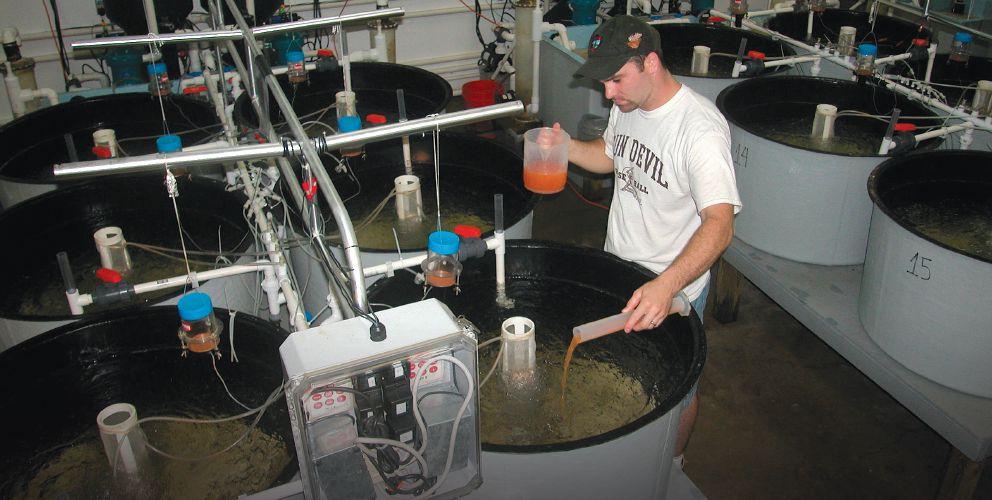
RESOURCE
BY LIZA MAYER
“ C ontrolled environment agriculture” sounds like a mouthful and perhaps an unfamiliar term to some, but on it could rest the future of aquaculture.
The phrase is an umbrella term under which technology-based approach in food production falls, for instance, recirculating aquaculture, aquaponics, hydroponics and aeroponics.
Academic and research institutions are leading cutting-edge research in these fields but they also play another crucial role: providing the industry with a qualified, adequately trained workforce.
Recent heightened interest and investment into technical food production systems have put the industry’s manpower shortage under the microscope.
Will technology and innovation be the key to attracting young people to work in aquaculture?
“I can think of two (investors) right off the bat that I’ve spoken with in the last three months and both need to hire, in a three-year horizon, between 80 and 120 people per location,” says Dr. Michael Schwarz, director of the Virginia Seafood Agriculture Research and Extension Center.
He says the massive U.S. seafood deficit has attracted significant domestic as well as international capital over the past two years and this is powering the expansion of U.S. aquaculture. The Trump administration’s executive order in May 2020 sought to promote the competitiveness of American seafood. It would remove barriers to aquaculture in order to help the industry expand.
BY JEAN KO DIN
that ensures food security, one innovative company believes the aquaculture industry must take a long, hard look at reducing its environmental footprint.
MicroTERRA is a Mexican start-up that is turning heads in the industry for developing a scaleable water treatment system that could become a win-win solution for the local fish producer.
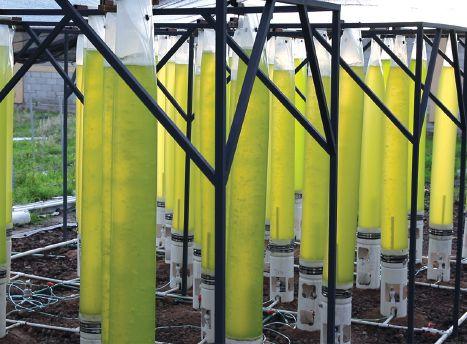
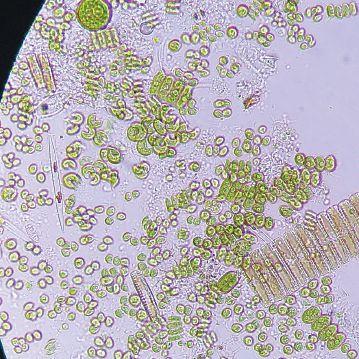
The company was founded in 2018 with the idea of unlocking the untapped resource contained in fish wastewater. MicroTERRA has developed a circular treatment system that pumps polluted water from fish tanks into a series of cylindrical bioreactors where microalgae is used to absorb nutrients, nitrogen and phosphorous present in fish waste.
Through the process of photosynthesis, microalgae is separated from the clean, oxygenated water. The microalgae can then be harvested and dried to produce up to 60 percent of the farmer's own fish feed.
Belgian entrepreneur plans hatchery expansion after early rearing success
BY LYNN FANTOM
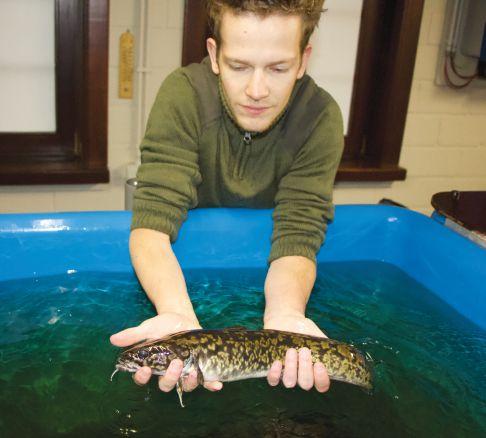
Joachim Claeyé started his business in a garage. Like many entrepreneurs, he shares his story with a special group of collaborators and mentors.
But Claeyé’s tech skills are in recirculating aquaculture systems (RAS). And his innovation is to pioneer next-generation menus with a species that was virtually extinct in Europe: the burbot (Lota lota)
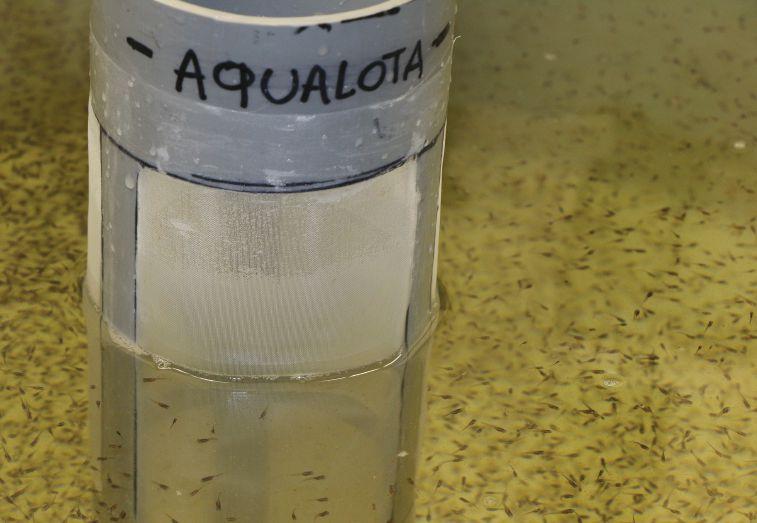
At age 20, Claeyé founded Hatchery Aqualota in Zele, East Flanders, Belgium. Now, three years later, he is expanding commercial operations in space leased from University College Odisee, where, as a student, he had participated in industry-leading research at the Aquaculture Education and Research Facility (Aqua-ERF).
This growth of Aqualota is coming at a time of increased global interest in cultivating burbot. On the other side of the Atlantic, the lab of Dr. Kenneth Cain, associate director of the Aquaculture Research Institute at the University of Idaho, has been testing how different commercial feeds affect the growth and health of burbot. “It is a really promising candidate for aquaculture,” Cain says.
continued on page
Publications Mail Agreement #PM40065710
RETURN UNDELIVERABLE CANADIAN ADDRESSES TO 111 Gordon Baker Road, Suite 400, Toronto, ON M2H 3R1






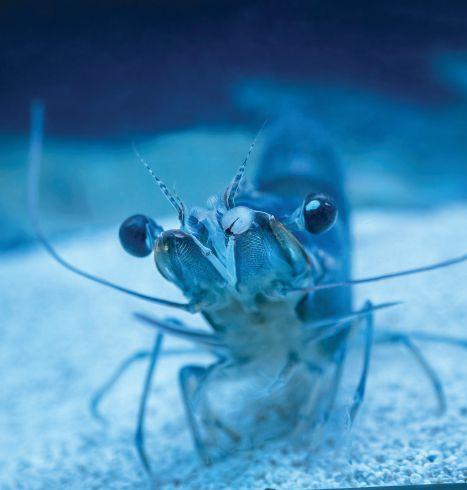
A new virus has spread across shrimp and crayfish farms in Taiwan. Out of the 30 farms so far tested by authorities, at least 16 have been found to be infected by a virus known as decapod iridescent virus 1 (DIV1).
Very little is known about DIV1 but it is confirmed to be highly contagious although it does not infect humans, according to a report from Taiwan News.
However, the virus is reported to attack shrimp at all stages of their growth. According to the news outlet, tens of thousands of the crustaceans are being culled under the supervision Taiwan’s Council of Agriculture (COA).
Of the 16 farms, two king prawn farms are in New Taipei City, while the other king prawn farm and one giant tiger prawn farm are in Yilan County, COA Deputy Minister Huang Chin-cheng told a news conference in Taipei.
Norwegian food research institute Nofima has released a new handbook on welfare indicators for farmed rainbow trout.
The 130-page handbook imparts “welfare indicator toolboxes” for a wide range of production systems and operations in which rainbow trout are raised. It is available in English and Norwegian.
“Atlantic salmon and rainbow trout dominate farm animal production in Norway and are key aquaculture species in many other countries. There is increasing interest in their health and welfare from a wide range of stakeholders including those working within aquaculture, the R&D community and society in general,” says Lars Helge Stien, a Senior Scientist at the Institute of Marine Research.
The rainbow trout handbook is the second such publication from the Fishwell research project. Last year, it released a handbook for measuring Atlantic salmon welfare. That handbook is now part of Cermaq’s new fish welfare policy.
Seven of the crayfish farms are in Pingtung County, and the rest are in New Taipei City and Kaohsiung, as well as Hsinchu, Nantou and Yunlin counties, he added.
The council had notified customs to also test imported shrimp and prawns for DIV1, according to Taipei Times.
The crayfish, shrimp and prawn industry grosses more than US$134.9 million per year.
The COA said it will compensate farms for the crayfish, shrimp and prawns destroyed due to DIV1.
The Fisheries Institute and the Animal Health Research Institute will aid farmers in rehabilitating their ponds, Huang said.
Huang advised aquaculture farmers to start the rehabilitation process by draining their ponds for six months to a year before raising crayfish, shrimp and prawns again.
– Nestor Arellano
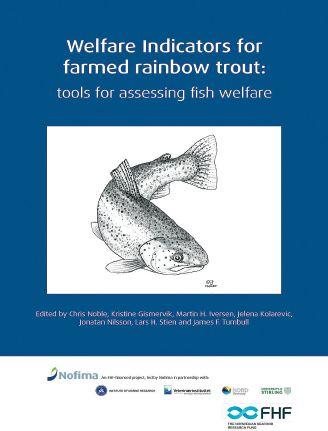
The Fishwell project was conducted through a collobaration among Nofima, the Institute of Marine Research, the Norwegian Veterinary Institute, Nord University in Bodø, the University of Stirling in the U.K. and the Norwegian Seafood Research Fund. The handbook is now available to farmers, for free, on Nofima’s website.
– Liza Mayer

• Microdiets
• Weaning Diets
• Micro Algae
• Live Feeds

DISEASE MANAGEMENT
Three California Department of Fish and Wildlife (CDFW) hatcheries in the eastern Sierra and Southern California have been battling a bacterial outbreak that has affected 3.2 million fish. After consultation with fish pathology experts and exhausting all avenues of treatment, CDFW decided the affected fish, which are all trout, must be euthanized to stop the spread of the Lactococcus garvieae bacteria.
The affected facilities – Mojave River Hatchery, Black Rock Hatchery and Fish Springs Hatchery – provide fish for stocking waterways in CDFW’s South Coast Region and Inland Deserts Region.
In early July, the Mojave River Hatchery already reported some 60,000 fish mortalities due to the bacteria.
“This bacterium is resistant to all the treatment options we have available for fish. The fish losses were getting worse despite our treatments. The best option we have available that will get us back to planting fish from these hatcheries in the shortest timeline is to clear the raceways, thoroughly disinfect the facilities, and start over,” said Jay Rowan environmental program manager for CDFW hatcheries.
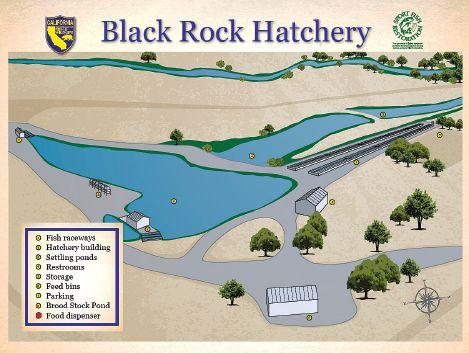
CDFW has had the three facilities under quarantine for more than a month, while pathologists and hatchery staff treated the affected fish and researched potential options. The outbreak of Lactococcus garvieae has been reported in cattle and poultry farms as well as fresh and salt water fish and shellfish hatcheries around the world, but had never before been detected in fish in California.

The Singapore government is injecting fresh funds into the country’s aquaculture and agriculture sectors to adopt cutting edge technology to implement innovative practices geared toward sustainable production.
Enterprise Singapore (ESG) recently announced that it is setting aside some S$55 million (US$39.5 million) to foster the growth of aquaculture and agriculture companies. ESG is a government agency that champions enterprise development. It is a national standards body that works with local companies to build capabilities and encourage innovation.
“Modern technology in agriculture and aquaculture has enabled the development of climate-resilient, resource-efficient, and high-yield farming solutions, offering opportunities for food producers to grow more with less in densely built-up environments,” the agency said. “ESG has been supporting local food producers in their development and adoption of these technologies.”
ESG has five food technology and local life sciences accelerator programs focused on nurturing start-ups through fundraising, product development, commercialization, and helping companies reach an international market. ESG is helping about 150 start-up companies.
“We will also continue to support agrifood tech startups and the use of disruptive innovation to future-proof food production in Asia,” said Ted Tan, deputy chief executive officer of ESG. “The current COVID-19 situation has underscored the importance of this, amidst the disruptions observed across the global food supply chain.”
New research from Norway has found that the skin of Atlantic salmon post-smolt that has become acclimatised to salt water is stronger than those that have been raised in freshwater before being transferred to the sea. Salt water acclimatisation makes the salmon more resistant to the skin ulcer bacterium called Tenacibaculum, according to an article published on Nofima’s website.
Many of the fish wound problems seen in Norwegian aquaculture are related to the initial period when fish are transported to sea. Some of these wounds are caused by an ulcerative bacterium infection called Tenacibaculum, which causes tenacibaculosis.
Nofima earlier discovered a suppression of immunity in salmon during smoltification, reducing their resistance to infections and making them at risk of disease when they are transferred to sea pens. Nofima’s fish health scientists were recently involved in testing this in relation to bacterial infection and seawater acclimatisation.
In the trials organised by Cermaq R&D and the University of Bergen (UiB), the scientists tested various smolt production strategies, testing them in relation to Tenacibaculum susceptibility. Post-smolt salmon are normally transferred directly from freshwater to seawater shortly after smoltification. Other strategies include keeping the fish in freshwater for longer periods, or adding salt water before transferring them to the sea. In connection with these trials, Nofima took samples of smolt before and after infection. This was done to investigate what happens in the skin when fish are infected. Results of the trials were submitted by University of Bergen student Marte Fredriksen in her master’s thesis.
The trials were carried out at the Industrial and Aquatic Laboratory (ILAB) in Bergen. After the fish were smoltified – post-smolt weighing 70 grams, 100 grams and 150 grams, in both freshwater and in brackish water (26 parts per thousand of salt) – they were transferred to seawater and infected with the Tenacibaculum bacterium.
The study showed that the skin of salmon farmed in freshwater developed differently compared to fish reared in brackish water. The surface of the skin of the freshwater salmon was also weaker than the skin of the brackish water salmon when transferred to seawater, explained Christian Karlsen, an aquamedicine scientist at Nofima.
“This suggests that the fish can be acclimatised to seawater by keeping them in brackish water before transferring to seawater, therefore reducing the risk of tenacibaculosis,” Karlsen said.





It is one approach that delivers three results. By putting duckweed in Nile tilapia broodstock ponds, it acts as a biofilter, provides high-nutrition feed supplement and increases production of fry.
This is the outcome of the study, “Duckweed as a biological filter in tilapia fish hatcheries and its impact on tilapia reproduction,” conducted in Egypt, where decreasing access to freshwater has led some tilapia hatcheries to tap agricultural drainage water.
Duckweed is widely used as a less expensive alternative in the phytoremediation process.
“According to the present study, duckweed can be efficiently employed as biofilter within the Nile tilapia (O. niloticus) broodstock ponds for reducing nutrients concentrations, nitrogen and phosphorus. Thus, this reduces the water contamination and, subsequently, water consumption in the tilapia hatcheries,” said authors Ahmad A. A. Ali et al, who are from the Agricultural Research Centre in Egypt.
Duckweed increases the level of dissolved oxygen so it helps in stemming the harmful effects of ammonia. It can also reduce the level of total suspended solids as well as microalgae within the fish ponds by competing on nutrients.
“Furthermore, duckweed increases the O.niloticus fry production, which enhances the economic efficiency of tilapia hatcheries. Finally, duckweed itself can be used as feed supplement for fish since it has a high nutritional value,” they said.
Three treatments were prepared in concrete ponds at the Central Laboratory for Aquaculture Research. The first, the control pond, had no duckweeds (ODW). The second had duckweed density of 200 grams (200DW), and third with 400 grams (400DW). All had identical number of broodstock. Artificial feed was applied daily. The experiment was done over four hatching cycles of 15 days each.
The best performance was observed in 400DW. Total ammonium concentration decreased by over 52 percent. It had the highest density growth difference of duckweeds and highest fry production, which was almost 14 percent higher than the control.
Treatment 200DW likewise performed better than control.
Since lower densities of duckweed than recommended were used, the authors said that higher removal rates can be achieved at high stocking density.
– Ruby Gonzalez
Efforts to encourage the production of barramundi in India recently got a boost with reports that a facility in Karaikal in the Union Territory of Pondicherry produced 15 tons of the fish from a mere one-hectare area.
The demonstration farm operated by Rajiv Gandhi Centre for Aquaculture (RGCA), was established to persuade the local farming community to grow the fish, also called Asian sea bass, as an alternative to shrimp aquaculture. The RGCA is the research and development arm of India’s Marine Products Export Development Authority (MPEDA).
RGCA is also operating a three million-fry capacity seabass hatchery at Thoduvai in Tamil Nadu’s Nagapattinam district that is the first of its kind, according to MPEDA.
As much as 18 million seeds have been been produced and supplied to the farming community across the country as an alternative species for shrimp aquaculture.
“For farmers in the east coast of the country, especially those in Kerala, the seabass seeds from the RGCA hatchery in Tamil Nadu are brought and reared to fingerlings in MPEDARGCA Multispecies Aquaculture complex (MAC), Vallarpadam, and supplied to the farming community at affordable cost,” a press release from the marine export body said.
Barramundi is traditionally produced as “plate fish” for the restaurant trade, but the fish is now largely being sold as fillets for direct sales to the major supermarkets, according to MPEDA.
“It has white flaky flesh and milk flavour, is highly preferred by consumers and fetches around 400 to 500 rupees (($5.02 to $6.60) in local markets. It is having good demand and value in both domestic and export market,” MPEDA said.
Barramundi is farmed in freshwater, brackish water and saline waters, and can be cultured in open pond as well as in cages.
The RGCA farm produced its first harvest in just 10 months. The average body weight of the fish was 1.2 to 1.5 kg.
The fish were fed with artificial floating pellet feeds and the food conversion ratio (FCR) was found to be extremely encouraging at 1:1.8.
The production cost was$3.96 per kg and the fish were sold at farm gate price of $5.55 to 450 per kg. A profit of $22,454 was earned from the fish produced from the farm, according to MPEDA.
– Nestor Arellano


The planned dredging on the Pripyat River in the Chernobyl exclusion zone could contaminate the entire Dnieper River with radioactive cesium and strontium accumulated in the sludge during the first years after the Chernobyl disaster, a group of Ukraine environmental protection organizations warned.
This could potentially destroy all hatcheries along the Dnieper basin, as all fish grown in its waters would be radioactive, the ecologists said. It was estimated that the radionuclides could make two-thirds of Ukraine’s fresh water undrinkable and the problem could also affect some neighboring countries.
Ukraine’s Sea Port Authority has already signed several agreements for dredging on Pripyat, and work was slated to begin in the first half of 2020. This is part of the E40 water channel project, designed to establish a water link between the Black Sea and the Baltic Sea.
Ukraine hatcheries, most of which are state-owned, have been reluctant in commenting about the government’s plans. A statement from the Kherson Hatchery said that it was “following the situation”, but do not have enough information on the matter. A spokesperson for another hatchery who requested anonymity commented that “the negative forecasts looked too Apocalyptic to be true,” adding that “hopefully the government officials know what they are doing.”
The French organization, Association for the Control of Radioactivity in the West (ACRO), has expressed support for the environmentalists, saying that the planned dredging in the exclusion zone could be too dangerous. The catchment basin of the Dnieper River is still polluted with the radioactive isotopes, ACRO said.
Government officials, however, argued that the dredging would liquidate the sandbars formed on the Pripyat River using sand coming down from Belarus. That sand comes from outside the 30-kilometer Chernobyl exclusion zone and preliminary studies showed they were free from radioactive isotopes, the government said.
– Vladislav Vorotnikov
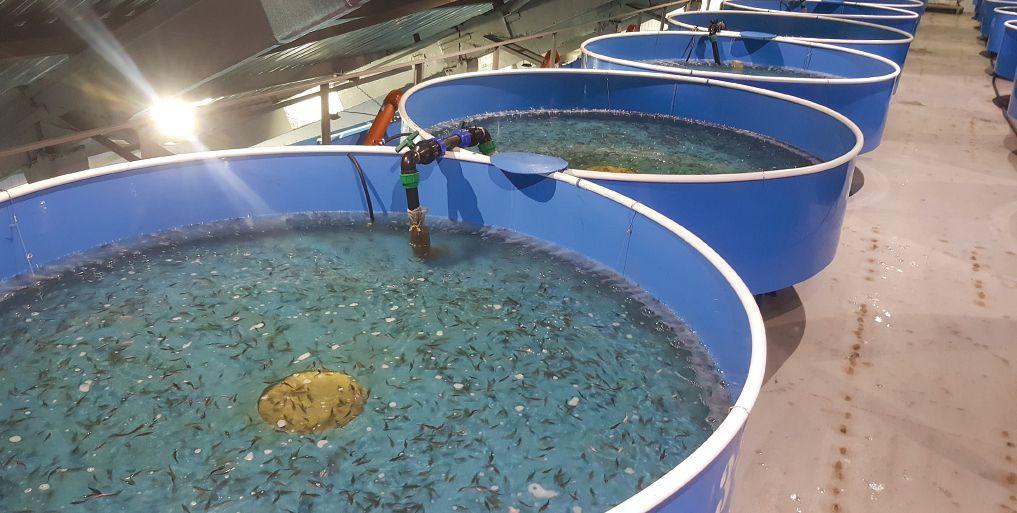
ish farms and hatcheries will be getting soft loans from Russian state-owned banks under various investment projects, according to the Russian federal agency for fisheries, Rosrybolovstvo.
FThis is an improvement from the old scheme of state support provision when the government was subsidizing interest rate on loans, which have proven to be extremely ineffective, Rosrybolovstvo admitted.
Russian treasury allocated only Rub269 million ($4 million) to subsidize interest rates on loans for fish farms and hatcheries in 2019. The regional governments were then instructed to collect applications for state aid from companies within their jurisdiction and submit them to Rosrybolovstvo. However, many regions have failed to implement this process, although there are aquaculture companies operating in their territories, commented Vasily Sokolov, deputy director of Rosrybolovstvo. In 2019, only seven out of 85 Russian regions submitted applications for state aid from aquaculture companies.
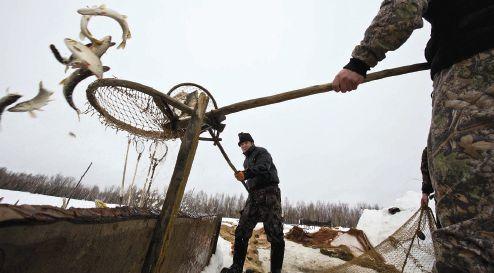
Allegedly, bureaucratic hurdles were discouraging the government in most regions from collecting and submitting applications for state aid to the Russian treasury.
The new system is designed to be way more effective, because the regional government are no longer expected to act as intermediaries, Sokolov said. The state aid would be provided directly by the banks in the form of soft loans with low interest rate, he explained. It is expected this new measure would significantly increase the amount of state aid available for the industry.
Despite the previous challenges, Russian fish farms produced 287,000 tonnes of aquaculture products in 2019, up 20 percent compared to the previous year, Rosrybolovstvo estimated.
– Vladislav Vorotnikov

BY RUBY GONZALEZ
Dosage of higher-than-recommended levels of micronutrients showed positive impact on skin health and fin erosions in European seabass, according to a new study.
“Fish during early life stages are quite susceptible to diseases and their immune system is not welldeveloped. Our goal was to understand if higher dose of these micronutrients could improve the health status of the fish,” Dr. Fotini Kokou told Hatchery International. She is one of the authors of the study, “Surplus of dietary micronutrients promotes antioxidant defense and improves fin erosions in European seabass (Dicentrarchus labrax) fry.”
Kokou and her team are from the Hellenic Center for Marine Research and University of Crete, both located in Greece; the Pontifical Catholic University of Valparaiso in Chile; and the Wageningen University and Research in the Netherlands.
“Fish during early life stages are quite susceptible to diseases and their immune system is not well-developed. Our goal was to understand if higher doses of these micronutrients could improve the health status of the fish.”
In the control group, European seabass fry were fed with a diet including micronutrients zinc, niacin, selenium and ascorbic acid at recommended levels. The test group diet included surplus of these micronutrients. Based on the recommended levels, niacin was at 191 percent, selenium 236 percent, ascorbic acid 235 percent, and zinc 338 percent.

“Surplus of these micronutrients significantly reduced the percentage of fish with eroded fins, while also induced the activity of catalase and seleniumdependent glutathione peroxidase. Fish growth and bacterial loads in the water and fish skin mucus were not affected, whereas no skin lesions were observed,” the authors said.
In the Mediterranean, the main diseases related to the European seabass are mainly associated with bacteria, specifically Vibrio, Photobacterium and Tenacibaculum genera.
Kokou said, “Appearance of these diseases are associated with skin lesions (hemorrhages), while they also affect the intestine, spleen and muscles. Fin erosions are mainly associated with the high stocking densities when the fish are reared, and especially during these early stages.
“Stress can also cause fin erosions and skin wounds related to cages conditions, such as thunderstorm or bad weather conditions, or from predator attacks. In addition, the appearance of those symptoms can be related to different environments. For example, Tenacibaculum maritimum is more prevalent in lower temperatures and during winter compared to the other bacterial pathogens.”
Injuries from this bacterium, she continues, cause the most significant impact on fry health, causing high mortality rates and increased susceptibility to other pathogens.
Consequently, the bottom line is also affected.
“High labor costs of treatment and enormous expenditures on chemotherapy have been reported and associated with this disease,” she said.
continued from cover
“Investors see the benefits to taking their capital and their technology and engaging in the U.S. production sector to access the U.S. market. They see the potential in having production in the U.S. versus importing, and from their perspective exporting from Central America, South America, Europe or Southeast Asia. That’s accelerating, and it is exacerbating the demand for workforce development, there’s no question.”
Founder and CEO of recruitment firm AquacultureTalent, Cristian L. Popa Aved, says the aquaculture industry has expanded “extremely aggressively” in the last five years but various academic institutions’ capacity to churn out a trained workforce has lagged.
While official U.S. government data specific to aquaculture workforce is unavailable (federal agencies lump aquaculture under the category “other animal production”), anecdotal evidence suggests that the shortage of skilled manpower is a reality that companies are grappling with.
Seafood farmers in Canada face the same problem. According to the report, “Labor Market Forecast to 2029” released by the Canadian Agricultural Human Resource Council, there will be 600 fewer people in the aquaculture workforce over the next 10 years, as workers retire and the industry expands. Farm operators expect to grow over the next five years to meet the strong market demand for seafood. Labor shortages could prevent or delay those plans.
“Unfortunately, we’re still not getting the next generation jumping into the industry,” says Schwarz. “We’ve had ‘agricultural flight,’ as we’ve termed it, and this has been going on for a generation. Very little has changed in that aspect. The general trend continues. And it’s not just aquaculture, but agriculture in general.
“If we look at agriculture statistics, there’s a general reduction in agriculture farms in the U.S., there’s fewer family farms,” he continues. “The children that used to work on the farms are going into other sectors. I don’t have to go any further than my children or my friends’ children. They’re going to college, they’re going into engineering, computer engineering, software design.”
KEY CHALLENGE
The Canadian report highlighted the rural location of most aquaculture operations as a key challenge in recruiting and retaining workers.
“It’s not for everybody,” says Brenda Bailey, assistant freshwater production manager at Grieg’s hatchery in Gold River, British Columbia, Canada. The small coastal town of roughly 1,200 doesn’t even have a grocery store. Some newly arrived workers sometimes forget this, Bailey chuckles. “So they come here with nothing, not even groceries. I say: ‘I told you there’s no grocery store here.’ There’s a pub, but it’s not for young kids, and there’s a gas station where one can get milk and some dairy and vegetables, but the nearest grocery store is over one-hour drive, in Campbell River.”
“In sea sites you’re actually living together, you can’t go anywhere,” she adds. “At the hatchery it’s a little bit different because you can get away from work. There’s hiking, there’s fishing, trail walks, caving, rock climbing. But yes, if you’re a young kid that is used to city life, it’s not the place for you.”
Bailey’s daughter Ashlee, who grew up in Gold River, is also assistant freshwater production manager at Grieg BC. The mother and daughter have been working together for a little over 10 years now, both starting out at the company as part-time hatchery technicians (See page 12).
“I don’t feel I’m missing out because I’m an outdoorsy person,” says Ashlee Bailey, on the limited social and cultural opportunities in rural communities. “I think as long as you’re an outdoorsy person, you’re good. I know a lot of people that I work with on my shift who love the fact they could go for a hike after work.”



Mauricio Moreno, hatchery manager at The Kampachi Company, an offshore farm in La Paz, Baja California Sur, in Mexico, encounters challenges in recruiting young workers.
“Things have changed in the last 10 years,” he says. “I remember when I was just out of college I started working in a shrimp farm located far away from everything and I was really happy to be working there. And I thought that was the mindset of everyone that just got out of college. But what I have been seeing now is that people want to live in the city where they have everything. The new generation coming out of university is not willing to sacrifice their comfort when starting their professional life.”
Dr. John Supan, retired research professor at Louisiana State University (LSU) and retired director of LSU’s Louisiana Sea Grant Oyster Hatchery in Grand Isle, adds: “There are life challenges that come with youthfulness but there’s a lot of excitement in their minds and hearts because they’re out of college, which in itself is an achievement. They’ve got their degree and they’re glad to have a job in a field that they studied for. But over time there’s life’s other interests, whether it’s relationships, family or wanting a more youthful life than living in this small little coastal town where there’s nothing to do.”
This is why it is crucial to find people with the passion, not only the skills, for fish farming. Moreno says: “I choose people that are willing to develop a career in this field and are not simply here to have a job. People who want ‘just a job’ won’t want to sacrifice their comfort. Those who want to grow professionally in this field would be willing to make those sacrifices.”
“The children that used to work on the farms are going into other sectors. They’re going to college, they’re going into engineering, computer engineering, software design.” >









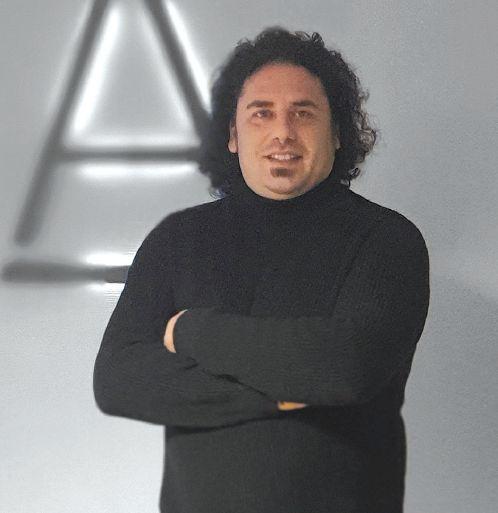
of careers in aquaculture.
“Our main priority is to find the right candidate from a different perspective: that he or she is qualified and has the personality for the job and that he or she understands the company."
Aquaculture recruiter Popa Aved says being the “right fit” for a job isn’t just about having the right qualifications and background, but also having the right personality traits. It is also critical, he says, that both employer and potential staff are clear about each other’s expectations.
“Our main priority is to find the right candidate from a different perspective: that he or she is qualified and has the personality for the job and that he or she understands the company. Most important is to have the candidate stay in the position. We don’t want to hear that six months later the candidate has left the job."
AquacultureTalent, launched in 2016, has so far had 100-percent retention rate for candidates – from technician to CEO positions – it has placed with employers, according to Popa Aved. Specific to hatchery work, the firm has hired about 90 technicians and assistants over the past two years on behalf of clients worldwide.
“We always tell our clients that we want to invest a little bit more time with each candidate to make sure he knows what to expect. We ask the company to have the candidate over to meet management, co-workers, see the facility and location, etc., for a couple of days to a week before making the offer so the candidate can determine if it’s the right place for him and if he is the right candidate for them. About 80 percent of our clients are willing to do that. When it comes to senior positions, it’s a must,” he adds.
The perception that work is financially unrewarding may be another reason why young people are not attracted to this industry. Popa Aved says there’s limited information available regarding the economic potential of careers in aquaculture.
“On the other hand we do have candidates that realize that salaries and benefits are much higher than other industries and they jump in and are willing to learn,” he says.
Dr. Louis R. D’Abramo, professor emeritus at the Department of Wildlife, Fisheries and Aquaculture at Mississippi State University, says that aquaculture is still a young and minor industry in the U.S. so “young individuals may not be fully aware of the critical importance of aquaculture and the opportunities it could present.”
“They don’t see it as a job that, in fact, will contribute to the food security of a growing world population. Also, there is a lot of disinformation and misinformation about the quality of farmed seafood and the detrimental effects of aquaculture on the environment. Aquaculture is not viewed as eco-friendly.”
“I also believe that young people of this generation are not all interested in hard working and high-risk ventures. They are looking for instant gratification. When you have an infant industry, be prepared for setbacks and slow growth toward achieving progress and success. I think that the aquaculture industry is going to have to come up with some type of profit-sharing plans as incentive to get young people into the industry. Interest and devotion will ultimately come from being part of the company. There need to be avenues for promotion and, of course, good benefits.”
Brenda Bailey of Grieg BC says the retirement package at the company is something she hasn’t seen in any of her previous employment. “For every 1 percent we put in, Grieg matches it with 1.33 percent. The benefits are also good. And we’re always looking at new ways to train people or making sure that they are trained. We’re always trying to improve the health and safety of our employees. It’s a wonderful company to work for, let alone the industry.”
But the negative perception of aquaculture may also be a hindrance in attracting some youth. “When I tell people that I raise Atlantic salmon, the feedback is: Oh you’re one of those people,” says Bailey.
She believes the industry can capture the interest of the young people “if we just continue doing what we’re doing – because I think there’s such a bad name around farmed fish – being open and honest with the world and educating people, and by word of mouth.”
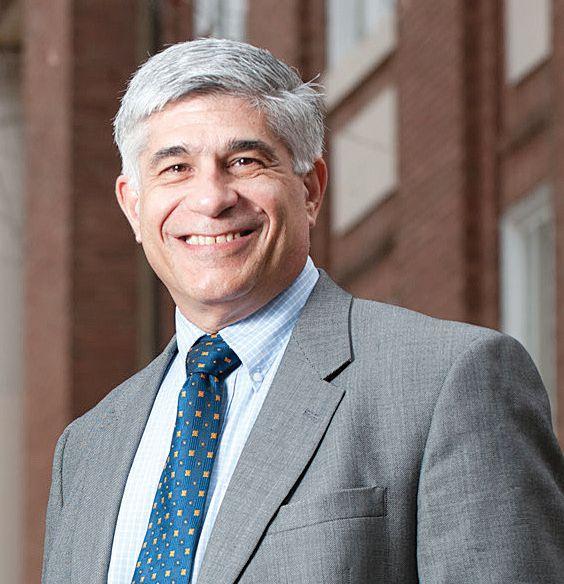
As traditional fish farming becomes more high-tech and controlled environment agriculture expands, perhaps the industry will encourage more youth to engage in the sector?
“A good question and I would say, yes,” says Schwarz. “If we look at Virginia Tech’s new SmartFarm Innovation Network, which contains the Controlled Environmental Agriculture Innovation and Education Center, we can take any industrial or academic discipline and fit it inside that program.
“SmartFarming and precision aquaculture incorporate new technology. At Virginia Tech we’re looking at SmartFeeds, SmartFarm, automation, robotics, blockchain traceability, big data management, and much more – these are large industry activities and requirements as we move into large-scale agriculture. These are all needs being expressed to us at summits with the industry, with the private sector.”
D’Abramo says the industry will require more trained engineers as production becomes more technologically advanced throughout the life cycle stages as well as postharvest processing.
“There will also be a need for individuals who have a business background, most probably individuals who have earned an MBA with an emphasis in aquaculture business management. In the education area, there will be a need for individuals who are specifically trained and graduate from a two-year college with an Associates degree. There will be a special need for these workers as the industry matures. Individuals in these programs need to be educated about the level of work and risks involved and be afforded opportunities to work as part of an internship program.”
THE STORY IS CHANGING
Schwarz says the issue of manpower supply has been a constant in discussions with the industry for the past several years, but over the past two years these conversations have become “more sincere and more substantive.”
“Whereas before it was ‘Yes, we’re looking for capital. We’re looking for a loan and if we get the loan and if we build it, it will create this many jobs…’ you know, the typical economic development cycle. But now it’s coming more to where the industry is starting to push, saying: ‘We’re going to need these people. Where are they coming from?’”
“So at Virginia Tech we’re now working more closely with economic development, state agencies and academia in developing aggressively a workforce development program, not just in anticipation but as a result of industry request for assistance to develop the workforce.”
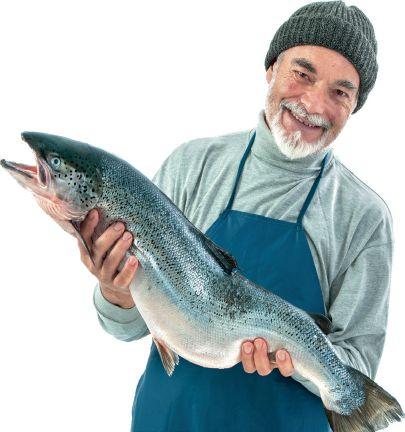
Another sign that aquaculture’s story is changing can be gleaned in display cases at big retail chains. While offerings include the usual favorites – shrimp, salmon, tilapia – the range is widening. “This shows aquaculture product is going into these main distribution channels, which signals the sector is maturing. This means these are large vendors because these large wholesalers cannot purchase products from very small farms,” says Schwarz.
“We’re not seeing significant growth in what we call the ‘homestead farms’ or small-scale farms, but we’re starting to see significant capital investment in recirculating aquaculture systems and aquaponics,” he says. “Barriers are lifting and boundaries are spreading. I think there’s more broad-based opportunities in aquaculture, in controlled environment agriculture.”
“I was just at Costco the other day and there was farmed barramundi, Coho salmon and rainbow trout cultured in the U.S., and farmed snapper from Central America. What
normally would have been fisheries-caught are now farmraised. More of the seafood that’s there is farmed and it’s more appreciated because it's no longer something novel. The industry is very proactive in doing many things right, we have quality, very safe seafood and it’s entering the market by demand. And that’s what drives industry,” he adds.
continued from cover
“ H ow’s your day?” is a question often heard over family dinners but at the Bailey household the conversation could turn into a work meeting if one isn’t mindful, admits Brenda Bailey.
Brenda is an assistant freshwater production manager at Grieg BC Seafood Ltd’s Atlantic salmon hatchery in Gold River, British Columbia, in Canada, and her daughter Ashlee Bailey also works there and holds the same position.
“We kind of have an unwritten rule that if we’re going to talk about work in family settings, we give ourselves a time limit. I know my husband sometimes will look at Ashley’s fiancé and ask him: ‘Do you have any idea what they’re talking about?’ You got to be mindful of that, right?” says Brenda.
One doesn’t have to go any further than the Bailey household to see aquaculture’s economic impact on coastal communities. Gold River used to be a pulp and paper mill town but the mills’ shutdown in 1998 left more than 350 people jobless and prompted outmigration. Grieg BC currently employs 24 people in the town and 170 province-wide.
Brenda’s three children were employed at Grieg BC at some point in their lives. Her eldest son had worked on a construction crew that built one of the buildings on the hatchery site and then moved on to work at the company’s sea site; he’s now in logging. When Brenda’s daughterin-law managed the broodstock site, Brenda’s youngest son and Ashlee worked after school and on weekends and holidays to help out at the facility.
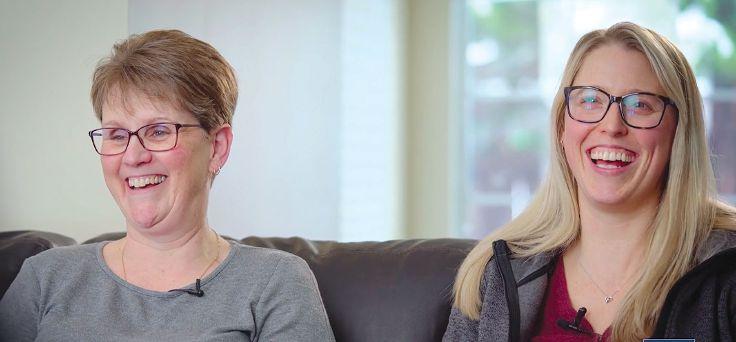
We have an unwritten rule that if we're going to talk about work in family settings, we give ourselves a time limit.
It’s been roughly 12 years now since the mother and daughter first step foot in Grieg’s aquaculture facility. It took much soul-searching for Brenda (long hours and the fact she could be called in attend to the hatchery in the middle of the night) before she applied for the assistant manager position in 2015, but she knows she made the right choice.
“Seeing the end product is so rewarding,” she says. “When I worked as a hatchery technician I worked in the smolt department and when you’re shipping them out
to the sea site, it’s like shipping out your kids at the house to go to the university. It’s a good feeling. You’re prideful because you know they come in as eggs. The other thing is you’re helping feed the world because eventually there’s not going to be wild stock. So that’s the good part. And the other part is that when you hear about us selling our product to restaurante, like the Kentucky Derby and things like that, I’d think: I grew that!”
For Ashlee, the decision to apply for the assistant manager position came within a few months of her exposure to hatchery work. “At first I really didn’t know anything about hatchery because I was working in the broodstock facility, doing anything from injecting the fish to stripping the eggs. After a transfer to actual hatchery work I started becoming really, really interested. After three or four months, I knew that it was something I wanted to do full time,” she says.
Asked what is the most rewarding part of her work, she replies: “A few years ago, I would have told you that watching the fish grow was my most rewarding part. I think now that I’m an assistant manager the most rewarding part is watching the people grow.”
– Liza Mayer











BY BONNIE WAYCOTT
Fish otoliths are used for hearing and balance but they also contain valuable information. As they grow, they incorporate naturally occurring elements from the water into their structure, allowing researchers to determine a fish’s origins and migration patterns.
Elements, and isotopic ratios in water, vary with the underlying geology so each river, stream and tributary has a unique elemental and isotopic signature. Matching signatures in an otolith with water samples from a given area can infer where a fish was and when for much of its life. Otoliths can also reveal the size of a spawning population or a critical habitat for more effective conservation management.
But they also shed light on fish from hatcheries, say scientists at the U.S. Department of Energy’s Pacific Northwest National Laboratory (PNNL).
“In addition to water, a fish’s food also contributes to an otolith’s elemental and isotopic signature,” says Megan Nims, a chemist at PNNL, who is working with Pacific salmon. “Most hatchery fish have a marine diet that’s very rich in an element called strontium (Sr). This has a very distinct isotopic signature. Because the chemistry in an otolith is a product of water and diet, a marine diet creates a distinct, predictable shift in the otolith chemistry of a freshwater fish.”
Nims says that it’s also possible to distinguish fish from different hatcheries if they have significantly different water sources. Otoliths also reveal whether hatchery fish use a different habitat from wild fish or have a different diet, offering clues on how hatchery and wild fish interact and compete in streams and in the ocean.
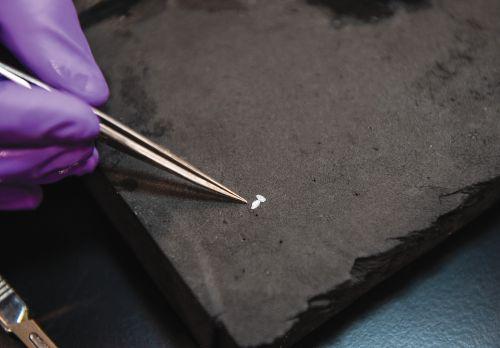
Researchers at PNNL are studying tiny ear bones of fish to learn about their migration.

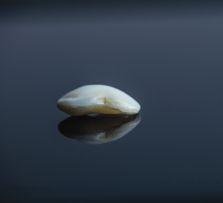
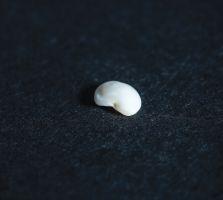
Matching the chemistry of various bodies of water with the chemistry incorporated in the concentric rings that form the ear bones over a fish’s lifetime reveals information about where the fish has been.
Andrea Starr, Pacific Northwest National Laboratory)
The otoliths of hatchery fish also differ structurally from wild populations.
“Some hatcheries use a thermal marking technique to mark the otoliths of their fish with special patterns,” says Nims. “Otoliths can also tell us a fish’s growth rate as a small ring is formed every day. Hatchery fish often grow more rapidly than wild fish and you can see this in the width of their otolith’s rings.”
Hatchery fish can potentially compete with native fish for resources and negatively affect natural populations if not managed responsibly, so accurate methods that indicate how many fish in a given population are from a hatchery are important.
Nims and her team use otoliths to determine whether fish have escaped from a hatchery, whether wild and hatchery fish contribute proportionally to a population in a given area, and whether the majority of adults returning to spawn are of hatchery or wild origin.
“Once, we found that the majority of fish in a given creek had escaped from a nearby hatchery. Since otoliths are structured like tree rings with a very distinct time structure, we could tell when they escaped,” says Nims. “One important thing when interpreting otolith signatures is understanding the different factors that influence them, like species type, genetics or development. This can help us better understand the uptake of elements and isotopes and contribute to more accurate, detailed assessments.”
Having researched species of concern in the Pacific Northwest, such as white sturgeon and burbot, Nims and her team are currently working with state and tribal agencies that operate fish hatcheries in Washington and Montana.
In addition to Nims, the PNNL research team members include fisheries biologists Tim Linley and Jill Janak, as well as geologists/chemists Eirik Krogstad, Steve Shen, Kelly McHugh, Elise Conte and Sara Kimmig.
operating efficiency many years ahead?
Specialists in corrosionresistant propeller pumps, closely adapted to the needs of the individual customer.
www.lykkegaard-as.com
BY JOHN MOSIG
he acquisition of Murray Darling Fisheries (MDF) from Noel and Maria Penfold has established Murray Cod Australia as the country’s largest Murray cod (Maccullochella peelii peelii) producer.
TMurray Cod Australia (MCA) has a vision to take the iconic Australian species to the mainstream seafood markets, both domestically and overseas under the Aquna Sustainable Murray Cod brand. Murray cod, with its densely marbled flesh, already has a strong local following and, before the COVID-19 pandemic, was becoming es tablished in several high-end markets in East Asia, Europe, the U.K. and the U.S.
“We see the species as an excellent prospect for aqua culture because they’re a high-quality premium table fish. They don’t grow in any other river system in the world and there’s no wild catch fishery to compete with,” says chair man Ross Anderson. “We’re situated in the Murrumbidgee Irrigation Area (MIA) which gives us access to infrastruc ture support, reliable power supply and a skilled workforce.”
Anderson adds that building their system locally has two ad vantages. “Firstly, we have systems that we know we can work with and that suit our specific practices, and secondly, that we have easy access to spare parts and maintenance,” he says.
The largest cod caught since European settlement weighed in at over 100 kilograms, while fossil remains suggest that it could reach more than twice that size. Irrigation has changed the nature of the Murray Darling Basin and during the re cent calamitous drought, several large fish kills were recorded over many reaches of the Darling and its tributaries.
STOCKING PROGRAM
With the expansion of their hatchery capacity, MCA will play a major role in the recovery and replenishment of native fish across the Murray Darling Basin. The company will stock in excess of two million Murray cod and golden perch (Macquaria ambigua) fingerlings working alongside NSW, Victorian, ACT and South Australian governments on various restocking programs.
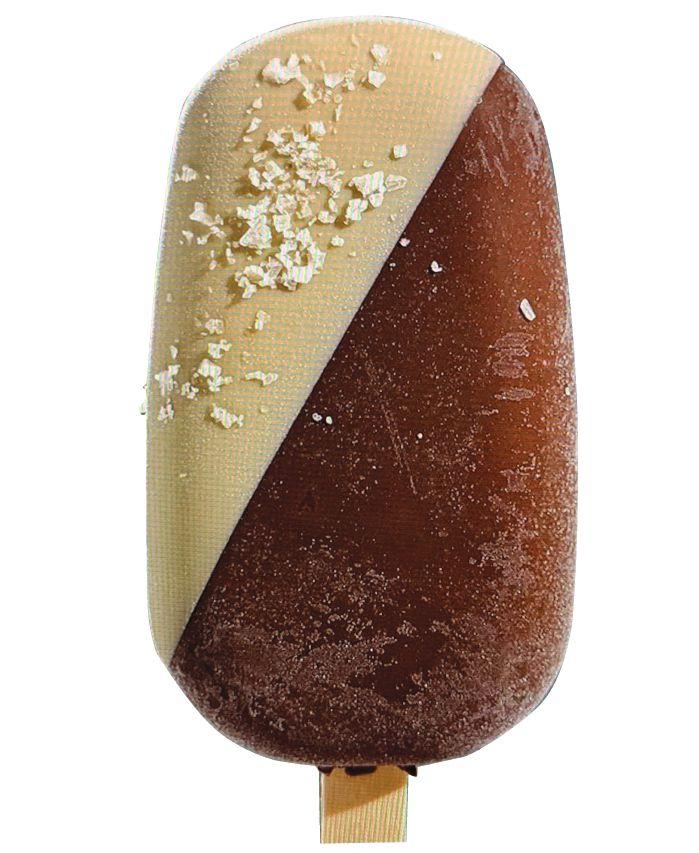
World-renowned chef, Josh Niland, of Saint Peter restaurant in fashionable Paddington (NSW) has used the gelatin in the cod fat to make a delicious caramel and chocolate ice cream.
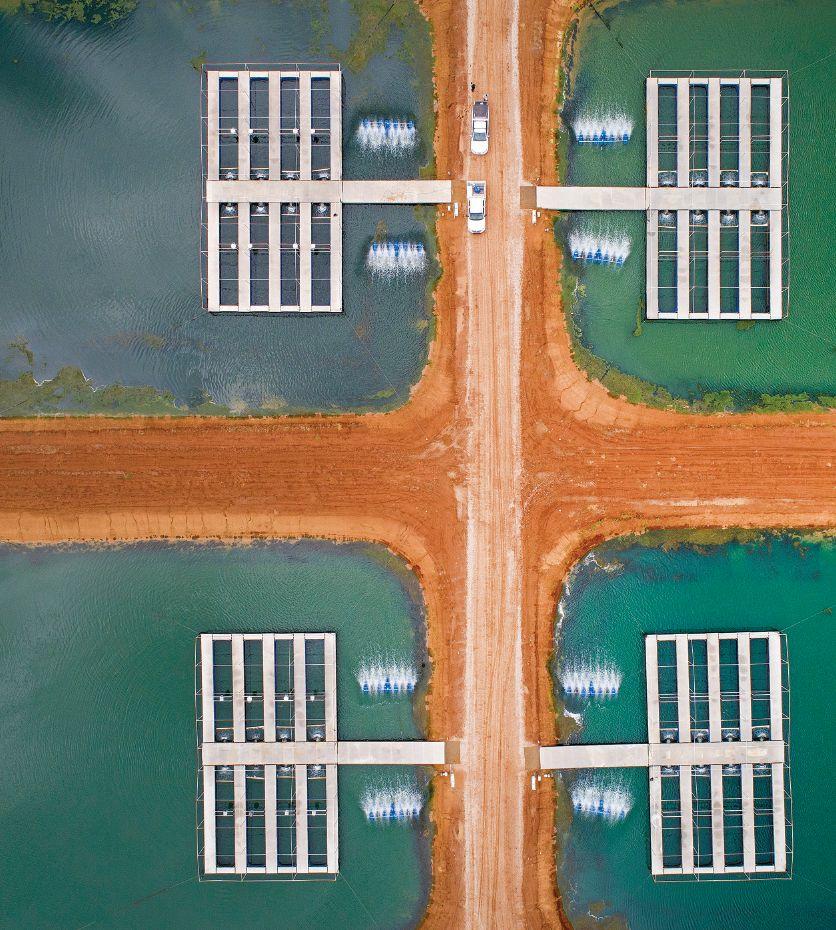
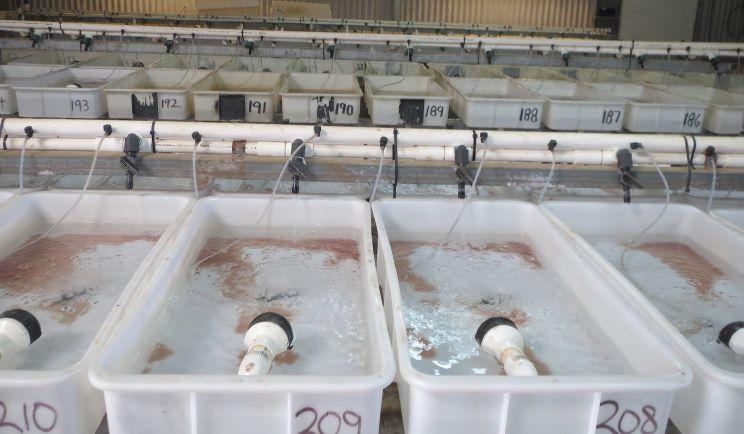

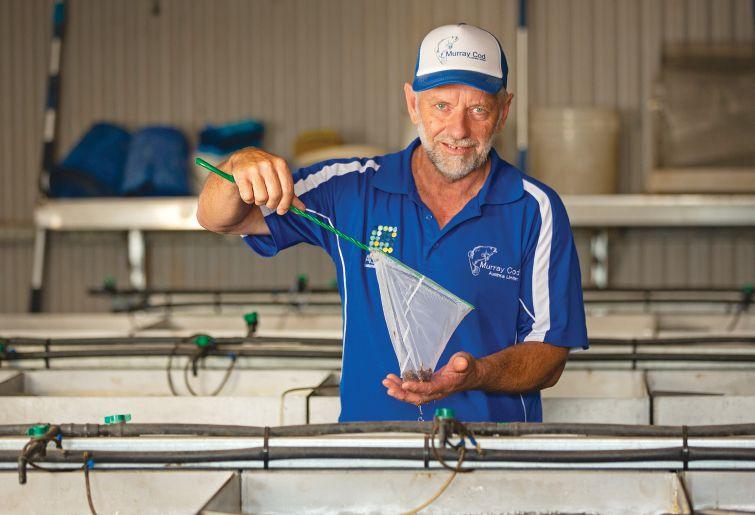
Business development executive, Ian Charles, says the purchase of MDF doubled their existing cod fry production while at the same time allowing it, to keep its goal of sustainability, to participate in these massive river regeneration programs.
The original Silverwater Hatchery at Grong Grong will remain a Murray cod facility but MDF, renamed Euberta Hatchery, will remain a multi-species producer, spawning golden perch, cod and silver perch (Bidyanus bidyanus).
The company currently has a production capacity in excess of 1,000 tonnes per year across several sites. It is also in the first stage of developing a new “super” site incorporating all the hard-earned technology they have accumulated over the previous three years.
Twenty-five minutes south of the home farm at Bilbul, the Whitton facility will see eight 16-megaliter ponds in production, in time for the next spawning season. The company expects to have a total of 35 ponds in production at the new site by 2023. When in full production, the annual stocking would require four million fry.
Because of the small scale of the sector, species specific diets have nott been available previously. With barramundi, for example, the current commercial feed conversion ratio is 1:1, which has proven effective. However, proponents believe this can be further improved and trials for this purpose are currently underway,
MCA is already using broodstock chosen by mass selection for growth and conformity traits. Increases in production across the board suggest these selections are proving beneficial.
“As more and more of our product is being processed, conformation becomes important,” says Charles. “Our customers have remarked on the depth of the fillets from the fish we’re sending them and the fish are certainly more placid in the cages than the stock we first started with.”
Charles adds that the company is looking to formalize a partnership with a research institution to expand the genetic selection program along family lines.
“With the expanded pool of broodstock from the MDF
hatchery acquisition, plus our own reserve of improved broodstock, we have a very wide genetic pool from which to choose,” he explains. “From this platform, coupled with a scientifically driven genetics program, we expect significant productivity gains.”
A program of this nature would be a first for Murray cod but based on similar selection programs applied to other finfish species globally, Charles says the company expects to see “significant and ongoing gains.”
MARKET PROSPECTS
Corporate affairs manager, Lynsey Reilly, says the COVID-19 lockdown had “thrown all the balls in the air.”
“We immediately lost our local restaurant market and the global chain was broken,” she says. “But since we’ve cautiously crept out of lockdown, sales have picked up and interestingly enough, we’ve found people are being more adventurous with their home cooking. Similarly, overseas shipments have also been able to resume, including to our budding sashimi market in Japan.”
While on lockdown, Reilly says the company was able to establish some brand recognition.
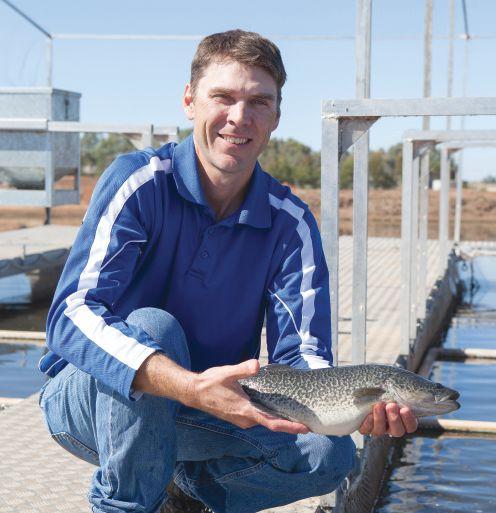
One area of success for the company is with the smoked cod proving to be a popular product. Murray cod is a species that freezes well, which can be attractive to the food service industry that loves the extended shelf life. It provides an avenue through the retail sector, as well.
Australian inland fish is another area of development. Reilly says the species has evolved in an inconsistent environment and has then developed a capacity to lay on cavity fat as a result.
“We’ve been rendering it down and found that there’s a ready market for it, much like the market for duck fat. We’ve also found markets for other by-products from our processing facility. Nothing’s wasted,” she says. “If there’s a silver lining in the coronavirus cloud, it’s been that we’ve found ourselves innovating.”
The company is also moving into live marketing to the southern capitals. There’s a call for 800- to 1,000-gram fish through the restaurants and there seems to be a growing call for one- to two-kilgram fish and larger.
Having weathered the impact of the pandemic, Aquna Sustainable Murray Cod remained motivated. The company did not only expand its business model but also readjusted it for the post-pandemic future.

In 2009, Wouter Meeus, the man who was to become Claeyé ’s mentor, was hired by University College Odisee in East Flanders. The European Union had just launched AquaVlan to move aquaculture forward in Flanders and Holland. At that point, aquaculture was “very small – the research institutes involved in aquaculture could be counted on one hand,” says Meeus.
Fish farming was having difficulty gaining traction. VitaFish, the largest tilapia farm in Europe at the time, had recently failed. With no long-standing aquaculture tradition in Flanders, interest languished. When potential producers did pursue aquaculture projects, they were doomed to a legislative purgatory. Consumer adoption was hard to predict. And then there were the high cost of entry, forbidding operational costs, and a delayed return on investment.
Projects stagnated in the “intention phase,” says Wouter. But the AquaVlan partners, primarily research institutes, were determined to catalyze commercial production.
‘FORK-TO-FARM’
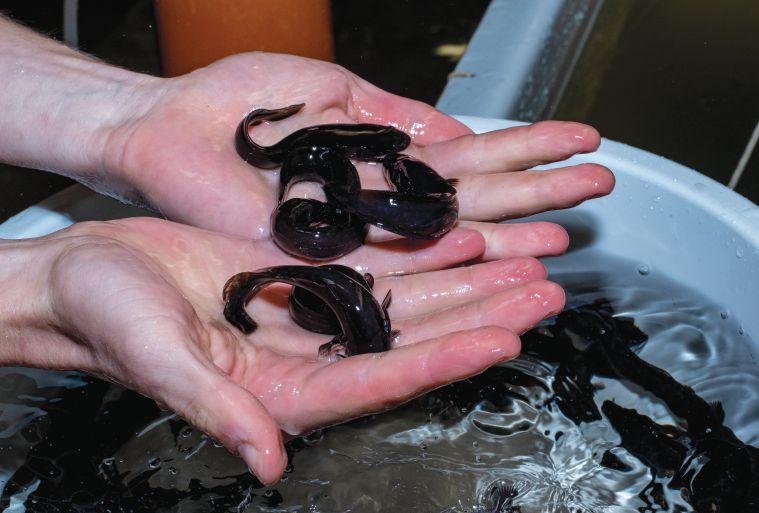
For the researchers at Aqua-ERF, the AquaVlan project started with selecting a species. They chose burbot, an endemic freshwater fish in Flanders that had disappeared because of loss of spawning grounds, water quality and overfishing.
Burbot offers a flavor that some compare to American lobster and a firm texture that resembles cod – in fact, it is the only freshwater species that is related to cod.
The researchers selected it “not because it was an easy fish to culture. The other way around, the fork-to-farm principle,” says Wouter.
Burbot had a market not only among a growing number of fish eaters in Belgium but also with traditional cooks. It plays a prominent role in Gentse Waterzooi, a national treasure in comfort food, which dates back to the 16th century when it was a favorite of Charles V, Holy Roman Emperor.
The Flemish choice of species contrasted with the approach taken by neighbors to the north, the Netherlands, who began culturing tilapia and African catfish. In time, however, those farms went bankrupt because “you cannot compete with Asia,” Meeus says. Bur-


bot, on the other hand, could garner a higher price to offset expensive farming methods because it offered both quality and a tradition.
“It’s also the experience you’re selling,” he says.
But the market is even broader. Its liver, which represents 10 to 12 percent of its body weight under natural conditions, is prized as a delicacy. “It can be sold in the same niche as foie gras,” says Claeyé. The Scandinavians enjoy its roe. And the Swiss use its skin to produce a fine, soft, beautifully patterned leather for watchbands, wallets and other accessories. “It has a lot of potential,” Claeyé adds.
As Meeus forged ahead with the design and construction of the recirculating aquaculture system at Aqua-ERF, he also stepped up recruiting and brought Jurgen Adriaen on board




as an aquaculture scientist. That was the start of over a decade of research on burbot: reproduction, larval production and grow-out factors.
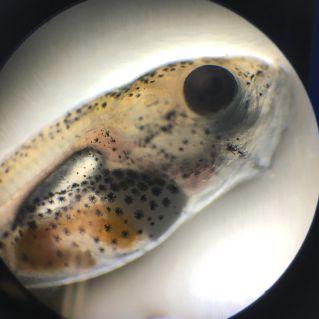
And Meeus was right about the challenges of raising burbot. They start at spawning, which occurs once a year. As larvae, this species demands live feed. What’s more, they are cannibalistic. But Claeyé has successfully confronted these hurdles and more.
Burbot require temperatures below four degrees Centigrade, and egg incubation takes up to one and a half months – “quite a prolonged period,” says Claeyé. During this time, he’s on the watch for fungi, such as the “dreaded” Saprolegnia. Each day, Claeyé cleans the miniscule eggs, removing dead ones from the frigid water.
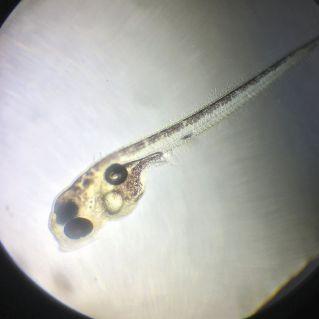
Between hatching and the first feeding, the larvae undergo important developments: yolk sac resorption, swim bladder inflation, and formation of other internal organs. This all occurs as they grow from approximately 2.8 millimeters (mm) to 4 mm – less than half the length of an average human eyelash.
So much can go wrong. “If the larvae haven’t filled their swim bladders, they will waste a lot of energy maintaining their positions. If they have hyperinflated their swim bladders, they will be floating on the surface…and die off.” While constantly monitoring water current, light and pH, he also checks larvae under the microscope.
“Burbot larvae are much more sensitive than other species I’ve worked with,” says Claeyé.
Burbot larvae have a prolonged live feed period, in which they are manually fed artemia – an expensive and time-consuming process. “But it is a prerequisite to get good survival and quality fingerlings,” says Claeyé.
“When we started with larval research, one of the issues was the long artemia period of more than 60 days and high mortality at weaning,” adds aquaculture scientist Adriaen. The challenge was that, although burbot larvae could eat dry feeds, most would not come up to the surface to feed and there was a lack of slow-sinking dry larval feed of 200 micrometers.
But with some changes in the protocols and feeding methods, the Aqua-ARF team has already reduced the artemia period to 50 days, according to Adriaen, “and this can probably be lowered more.”
Cannibalism can also be a major issue, especially during the late larviculture and weaning phases. So, during larviculture, Claeyé manually sorts out the bigger individuals, which tend to be the most cannibalistic. That behavior, including tail biting, occurs if feed is insufficient or stocking density isn’t right.
“Burbot can be quite aggressive feeders,” says Claeyé. Later, burbot are mechanically graded to help manage cannibalism.
GROWING GUIDELINES
At Aqua-ARF, researchers also learned they could stock this benthic species with densities of 60kg to 100kg per square meter in a commercial RAS set-up. They hypothesized that the higher density broke a social hierarchy, thereby achieving more equal growth distribution. During grow-out, optimal water temperatures range between 14 and 16 degrees Centigrade. In RAS, burbot grow to 500 to 600 grams in 12 to 15 months; in flowthrough, it takes 1.5 to 2.5 years.
And the good news is that, after challenging the hatchery as such finicky larvae, burbot later are satisfied with a much more economically attractive diet, yielding a feed conversion ratio of 1:1.
BRIGHT FUTURE
The early efforts of the Flemish AquaVlan partners were successful in getting aquaculture “back on the rails” in Flanders, says Wouter, now head of Aqua-ERF.
At this point, he can point to a RAS hatchery and grow facility for jade perch (known also as omega perch because of its plentiful Omega-3 fatty acids), a hatchery for pike perch, a biofloc-based shrimp farm, a burbot hatchery and some small-scale burbot grow-out units.
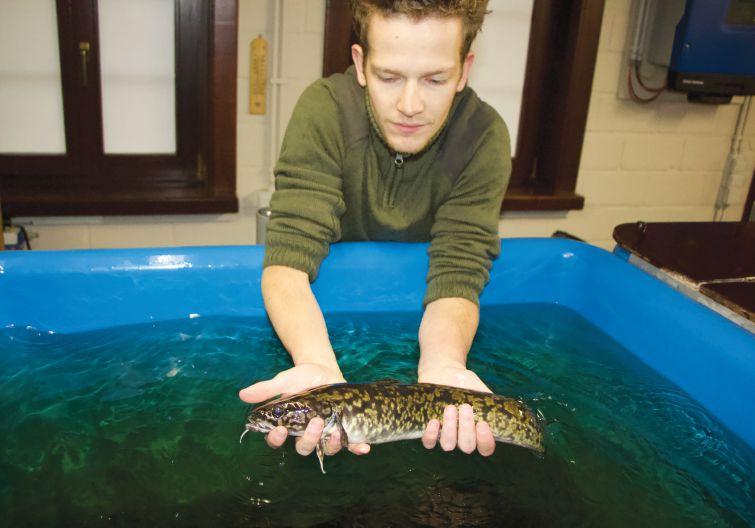
“There are some new projects in the pipeline, so I expect new farms in the near future,” he adds. With a decade of knowledge to fuel their success, he appears confident production will soon reach “critical mass” to prove aquaculture is viable in Flanders.
No doubt the 24-year-old Claeyé will be playing a key role. This year, Aqualota produced 50,000 fingerlings. The company aims to “at least” double production next year and triple it by 2022.
At the side of the young Claeyé will be his father, his co-founder, who assists in fingerling production. “He is also interested in aquaculture and decided to help me both financially and practically, for which I’m very grateful,” says Claeyé.
In addition to the space they are leasing at Odisee, they are also renting next door where they are building a RAS to house fingerlings and to pursue some grow-out themselves. The plan is also to relocate the broodstock and the hatchery system there.
And then maybe his father can move his car back into the garage.
“The by-product is the protein and that is the way that we make it profitable, because the wastewater treatment process is quite expensive, especially for inland fish farmers in Mexico who are struggling to pay for the fish feed, which is up to 70 percent of their variable costs,” says Fanny Villiers, chief operating officer of microTERRA.
“So our objective is to provide a system that will treat their water and at the same time produce a high value microalgae biomass biomass that can be transformed into a feed ingredient, in order allow the fish farmers to have true and great savings on the fish feed. And with these savings, they can pay for the water treatment systems.”
SUSTAINABLE ALTERNATIVE
The company’s founder, Marissa Cuevas, got the idea for such a system after attending an environmental conference where the main topic of conversation was water conservation. Villiers says they were all shocked to learn that the main cause of water pollution in the world comes from runoff water from agriculture and aquaculture operations.
After doing some research, Cuevas discovered microalgae-based wastewa ter treatment as a sustainable method. Microalgae water treatment relies on phototrophic micro-organisms to supply oxygen to aerobic organic pollutants. As a result, this process removes nutrients and pathogens that are present in the water.
Latin America is an ideal climate for this system because the region’s warm climate and abundance of sunlight meant there was no need for artificial lighting or temperature to create an ideal environment for the bioreactors. It makes their system as cost-effective as possible.
The company first proposed the harvested microalgae as alternative fertilizer for the agriculture industry, however, Villiers says there was not much interest for it in the market. They then decided to look at microalgae as a feed ingredient.
Microalgae is also a well-researched protein alternative for fish feed because
Never

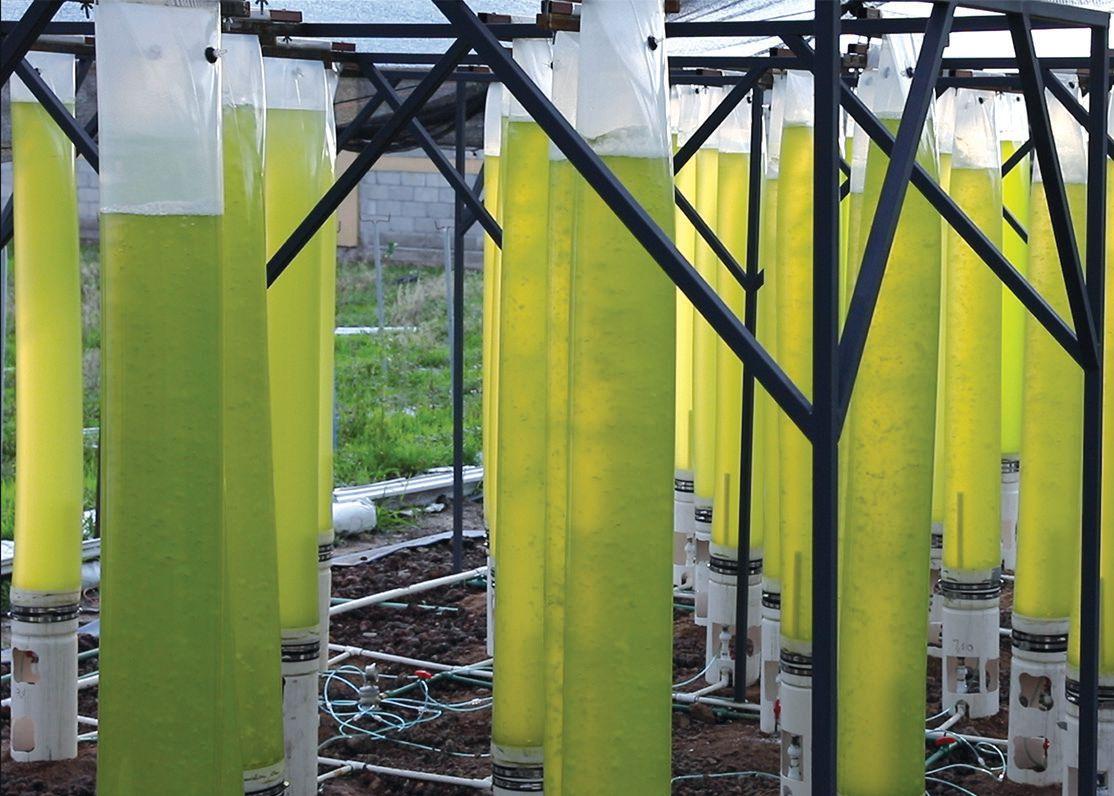
it is known to be a cost-effective ingredient that can provide essential nutrients and Omega-3 fatty acids, as well as antioxidants. Fish feed is the largest operational cost in any aquaculture facility, so developing a feed alternative that could reduce those costs is very attractive to farmers.
The company’s pilot project was completed in June 2019. MicroTERRA worked with a local tilapia producer in Irapuato, Mexico, to build a system that can treat 5,000 liters of wastewater every three days and

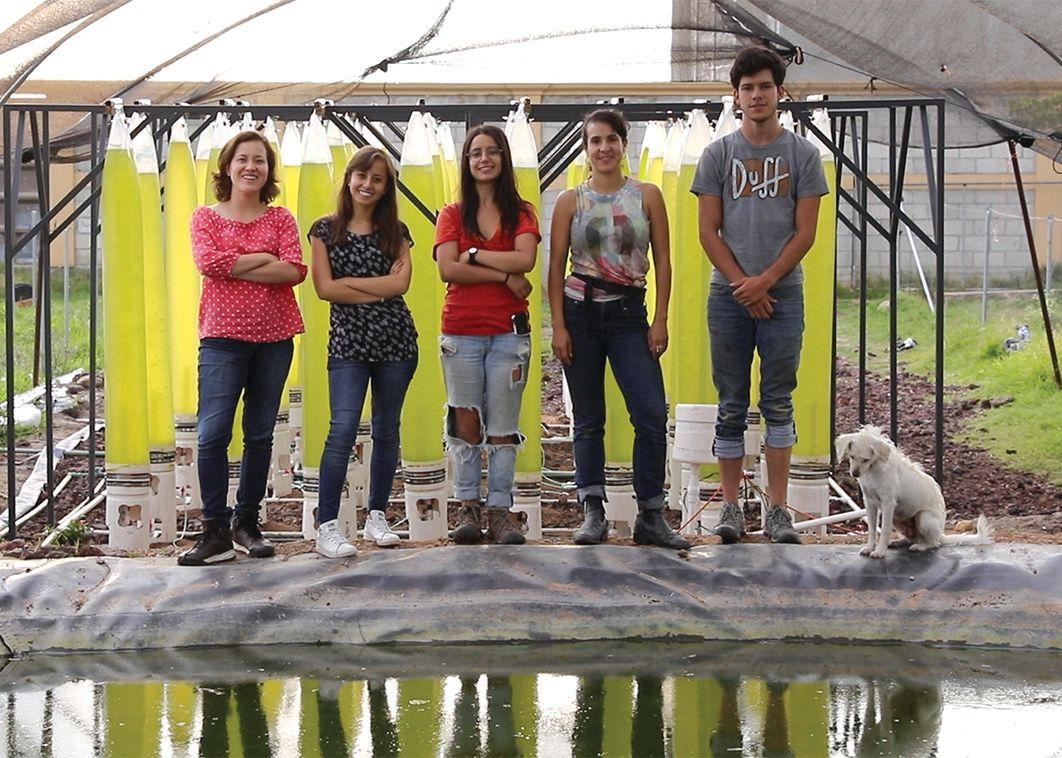
produce a total of 1 ton of dried microalgae every year.
“It was a great project for the team because we built it ourselves. We got to learn a lot on the farmer's necessities, what are his pain points,” Villiers says. “The system was built with low-cost materials that you can buy in any agro shop.” That is critical, she adds, because the challenge with bringing in high-tech systems to Mexico from other countries like Germany, for instance, is that it can be difficult to find a technical person locally to maintain it, “so it’s not that sustainable.”
Paola Constantino, chief technical officer, says the microTERRA team is in constant communication with the farmer of their pilot system. Every week, a team member visits the farm to talk with the farmer about the everyday maintenance and operation of their system. Using sensors installed in the bioreactors, water quality and the behaviour of the mi-
croalgae are constantly being monitored on a cloud platform that the farmer can access through a mobile app.
GOING GLOBAL
With data gathered from this 5,000-liter system, microTERRA has brought their innovation to the world stage. The company was selected for the 2019 cohort by the Techstars Sustainability Accelerator, a three-month mentoring and business development program backed by The Nature Conservancy and Amazon.
Most recently, Constantino also received a grant through the National Geographic Explorer program to support her ongoing research of applied biotechnology to fight climate change.
“We’ve been introduced to the national association of livestock feed production and they have a section for aquaculture where they have representatives from the biggest fish producers that are operating in Mexico,” says Villiers. “They’re super interested about the protein because they’re looking for alternatives to fishmeal all the time. So they’re asking for samples.”
The company is currently in talks with 10 different fish feed producers in Mexico. Aside from helping the local farmers produce their own fish feed to offset operational costs, microTERRA wants to liaise with fish feed producers that might be interested in buying these raw ingredients from the farmers.
“Our objective is not to compete with other fish feed producers,” says Villiers. “We prefer to focus on the biotechnology... So we want to partner with them, not necessarily to develop a formula, but to make sure that we have a go-to market strategy for us or for the fish farmers in order to sell the protein.”
Villiers says it feels validating for the company to be recognized not only by the Mexican aquaculture community, but by key players in the global market. What started out as a passion project to reduce water pollution has become a viable business to elevate aquaculture in Mexico.
“The objective is to go to market at the end of next year with a system that will have the capacity to treat 500,000 liters, which is the average volume of wastewater disposed by the fish farmers in the watersheds nearby the farm every day,” says Villiers. “This is where our bioinformatic strategy comes in because we can speed up the microalgae investigation, not only relying on what’s happening in the lab but also with real-time data.”
The company is currently evaluating tilapia farms in Mexico to install their second pilot. Villiers says they are looking for a facility where they can scale the capacity of the system at least 20 times.
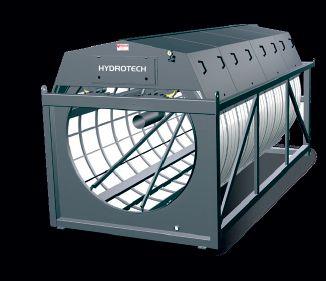
With over 30 years of experience in Aquaculture, a track record with more than 11 000 filters installed worldwide, and a global sales and service organisation we can assure you - we know what we are doing.
BY LIZA MAYER
Much has been said about the role of fisheries and aquaculture in the fight against hunger and poverty. However, little is known about its role in helping advance environmental sustainability through use of aquaculture by-products and fish processing waste – and with good reason. After all, roughly 88 percent of the world's fish production is used for direct human consumption while only 12 percent is used for non-food purposes, according the Food and Agriculture Association.
In this Q&A, we digress a bit from food fish and take a look at the industry’s new and exciting contributions to other industries. Sofie Allert, co-founder and CEO of Swedish Algae Factory (SAF), shares her company’s perspective as a Norwegian startup backed by aquaculture investment firm Aqua-Spark.
According to the Netherlands-based impact investor, SAF has developed the first economically-viable facility to grow high-value algae on RAS effluents. “Swedish Algae Factory offers an affordable, sustainable solution for farmers. Through its circular model, the algae cleans wastewater,
absorbs carbon dioxide, and also creates nutrient-rich organic biomass that can be used for fish feed or fertiliser,” it said.
Hatchery International: What does Swedish Algae Factory do and why is this work important?
Sofie Allert: Swedish Algae Factory wants to prove that it is possible to create an industry that is climate positive and thereby, does not endanger the environment and human health. This is important if we ever want to create a truly sustainable industry. We accomplish this with the help of algae, where our algae is used to produce a nanoporous high-tech material (Algica), Omega-3 fatty acids and a nutrientrich biomass that can be used to, for example, make fish feed more sustainable.
HI: In layman’s language, can you explain what Algica is and its uses?
SA: Algica is the unique porous silica (glass) shell of the microscopic algal group called diatoms. The porous structure is so unique that we humans cannot synthesize it. This structure has advanced light-manipulating,
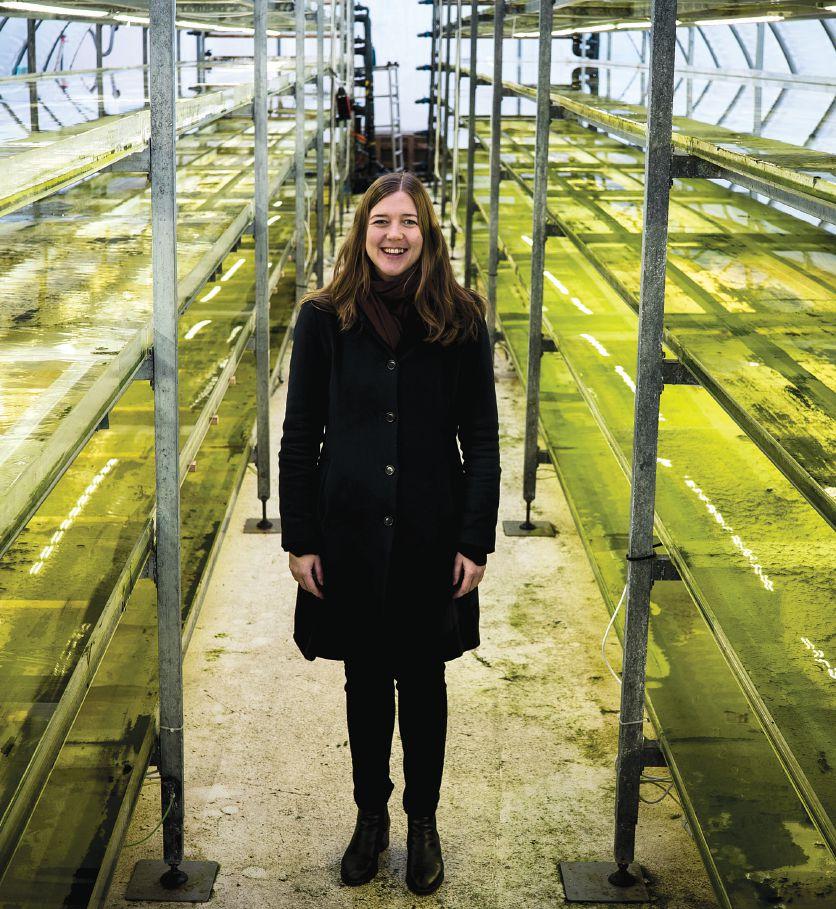
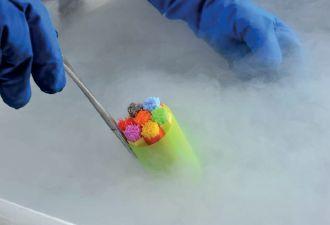
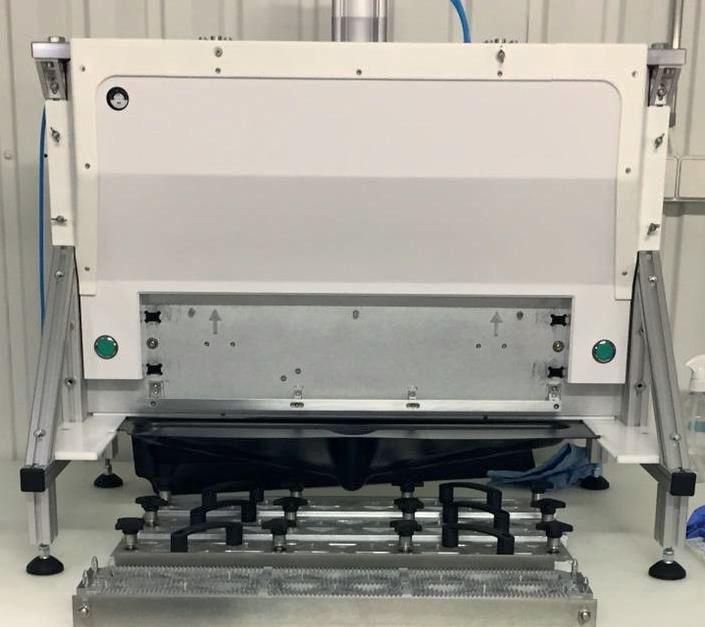
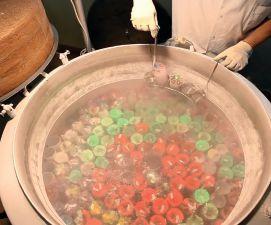
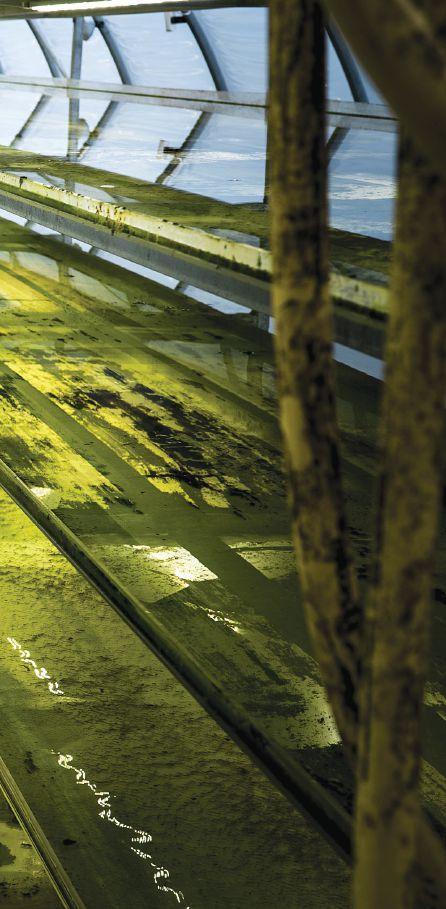
Co-founder and CEO of Swedish Algae Factory Sofie Allert at the company's algaegrowing facility
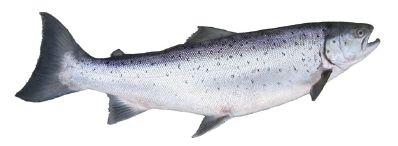
(Right, bottom) Algica, a high-tech material from algae, replaces harmful and less efficient chemicals in solar panels.

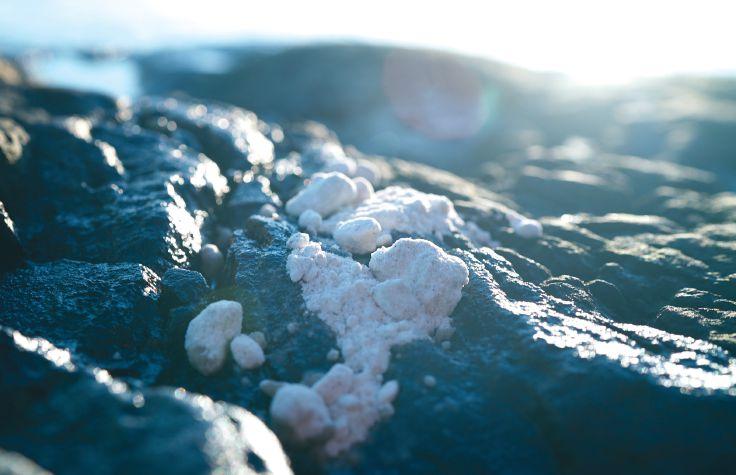
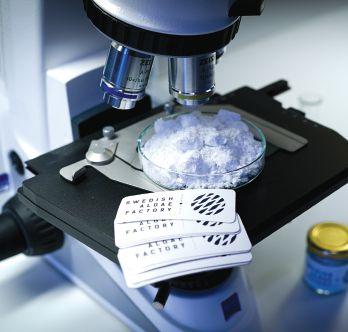
absorbing and releasing properties, which makes it interesting in a wide range of applications. Today, Algica is sold to the personal care industry and is tested with actors in the solar industry, with positive results.
HI: What market need did you see that led you to produce this product?
SA: We started out with commercialization in the solar industry where we saw the need for a material like ours to be able to further enhance the efficiency of solar panels. The solar industry, though, needs large volumes before commercialization, which we do not yet have. By coincidence, we were contacted by a personal care actor that saw the potential of adding Algica in their products to make them more environmentally-friendly and ocean-safe. Now we are really happy to be able to contribute to making personal care products more sustainable.
HI: What makes RAS effluent ideal as a growing medium for Algica?
SA: To make the production process as environmentally-friendly as possible, we clean wastewater from excess nutrients instead of using virgin nutrients that often are produced in unsustainable ways. By doing this, we make use of nutrients that otherwise might have been released to the sea or lakes, increasing harmful algal blooms. For a marine ecologist, it was natural to use RAS effluent as it is ideal for growing algae. It basically mimics the natural environment
where algae and fish are living in symbiosis. Fish are producing carbon dioxide and nutrients for algal growth and in turn the algae provide oxygen, valuable nutrients and Omega-3 fatty acids for the fish.
HI: How does a fish farmer benefit from your use of effluent water for his RAS farm?
SA: Their cost of wastewater treatment is lowered and the wastewater treatment becomes more stable. Algae is used as the first wastewater treatment step and are thereby producing oxygen to the following bacteria step, as well as for the fish. By using algae in the wastewater treatment, the nutrients are also put to better use where the organic biomass of the algae can be used to feed the fish more sustainably.
The fish farm is mainly a supplier of nutrients and we are a wastewater treatment service to them, as well as a potential fish feed ingredient supplier. For this to work in an optimal way, a close collaboration is crucial. In that way, a win-win both from an environmental and financial standpoint can be maximized.
HI: Are you on commercial production now?
SA: We are now at a small commercial-scale production (pilot) and are in the process of scaling up in order to enable sales to the solar industry and larger actors in the personal care industry. We foresee several more applications of our Algica.
HI: Do you see aquaculture having a bigger role in your efforts?
SA: We would be happy to build a business model when scaling up around collaborations with fish farms, both using seawater and lake water. Until now, we do not see any uses of Algica in seafood farming. The by-product from extracting Algica, the organic biomass, however, could be used as a feed ingredient in all kinds of seafood farming not the least since microalgae being the very origin of omega-3 fatty acids.
HI: What are your priorities over the next two to three years?
SA: Scaling. By the end of 2021, we aim to have our first larger facility up and running, together with a land-based fish farm. From then on, we would like to spread our idea globally and have an impact, making RAS and circular economy the mindset for sustainability.
Recirculation System Design, Supply and Construction.
• Commercial Farms, Hatcheries, Aquaponics, Research Labs, Public Aquariums, Live Holding Systems – we do it all!
• Representing leading RAS equipment manufacturers.
Improved
The Australian Rainbow Trout Farm (ARTF) is a family farm and one that has found a way to survive in the challenging times faced by small producers, even before the COVID-19 pandemic. Like most trout farms in Victoria, it operates under an aquaculture license that go back to the 1950s. The economic theory then was to utilize stream flows to provide alternative income for agricultural farmers. For their viability they relied heavily on the farmer managing all aspects of the operation: seedstock production, growout and marketing. To say times have moved on would be an understatement. Improvement in available feeds is just one area of efficiency, others of course have been the rationalization of the industry.
Not all change has been for the better. Over the last 20 years, the hostile change in the climate has accelerated and summer stream flows and temperatures, caused by drought, heatwaves and bushfires, have driven many stream-diversion farms out of business, particularly the smaller ones.
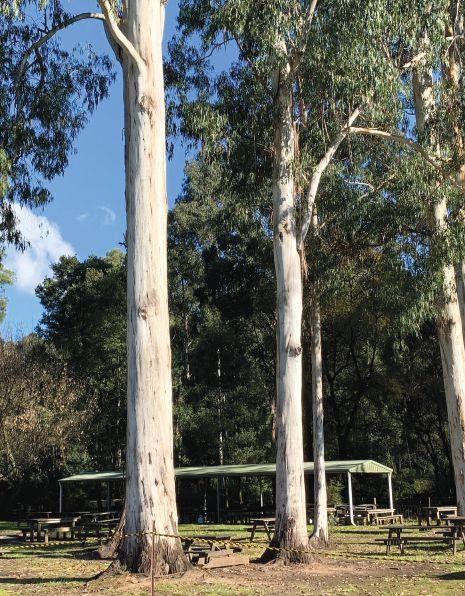
The Malseeds - who own ARTF – have been fortunate. Located on the upper reaches of the Woori Yallock Creek on the cooler southern side of the Great Dividing Range, they’ve survived by diversifying their market and widening their product range.
And just when we’re easing restrictions here in Victoria, people dropped their guard and we’ve had to retighten the lockdown. It’s hard to know how and when it’s all going to end. At least it started raining again."
– Malseed
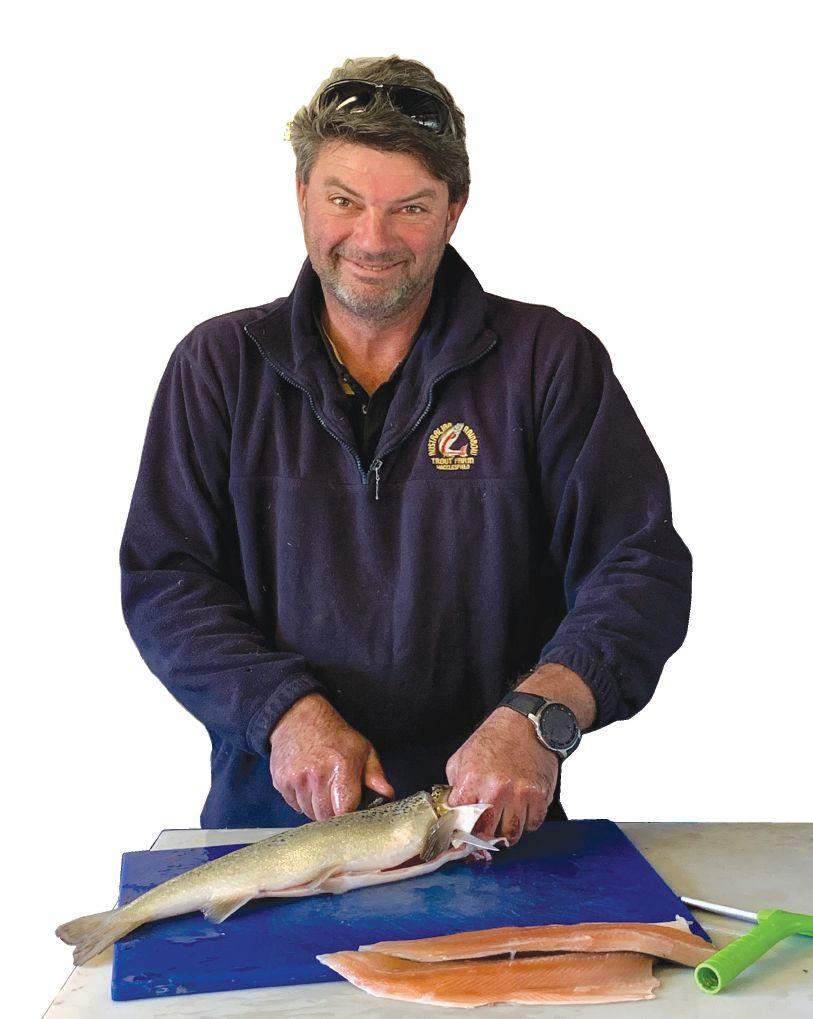
Steve Malseed cleaning salmon for a customer
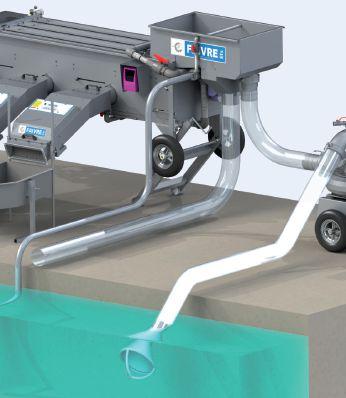
Since 1958, Faivre has been developing and manufacturing high quality equipments for the aquaculture industry















The farm's proximity to Melbourne’s five million people – only an hour’s drive from the centre of the city – has provided them with an eager client base of people wanting to catch their own fish and have a day out in the bush. The “day out in the bush” experience has been enhanced with the addition of a small sanctuary with emus and kangaroos, and livestock and poultry wandering around the place.
For purists, the three large settlement ponds have been set aside for fly fishermen and are stocked with trophy fish. But the real hook comes from the range of species.
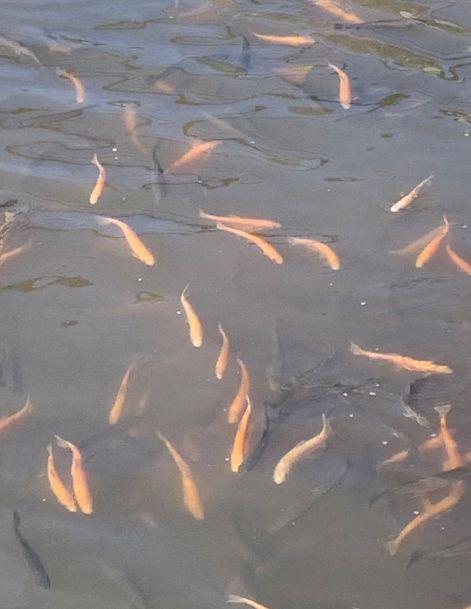
Atlantic salmon (Salmo salar), brown trout (Salmo trutta), rainbow trout (Oncorhynchus mykiss), “golden trout” and brook trout (Salvelinus fontinalis) can all be caught in sizes ranging from plate size 800-gram to a 3-kilogram banquet fish. However, it’s the brook and golden trout that have caught the imagination of the day-trippers.
Brook trout – they’re actually a char – are great eaters and put up a decent fight on light tackle. The golden trout, a colour variant of the rainbow trout brought in from an alpine farm that is no longer operational, has been popular for its difference.
All fish are bred on the property in a three- to fourweek window once the water temperatures have dropped to 10-11ºC which, starting with the brook trout, is usually mid to late May. Incubation takes between 300 and 400 degree days.
Steve Malseed, worked on the farm during his school holidays and weekends. After finishing his agricultural science degree, he took over the operation of the farm.
“Despite the horrendous bushfires across the whole country, last summer turned out to be one of our mildest," he says. “Once the rains came in January, stream flows picked up and temperatures stayed mild. The previous January (2019) we had water temps of 26.8ºC. We >


have never seen these sorts of readings in the 32 years we’ve been here. We exchanged as much water as we could from the reduced stream flows, stopped feeding and used paddlewheels and mushroom head aerators to keep the dissolved oxygen levels as high as we could. It was a costly time for us, I can tell you.
“On an industry basis, we talk between farms and select for the more temperature tolerant fish for broodstock, but apart from that there’s little you can do, really.”
Summer temperatures have a huge bearing on growth rates. During the winter months they lose a bit of growth after a frosty spell when water tem-
peratures can get down to 5ºC, but they’re usually in the 8-10ºC range. Even with reduced feeding rates when the thermometer climbs, the trout take 18 months to reach a marketable 400 to 450 grams while the salmon will be around 500 grams plus in the same time.
“The salmon shoot away after that. Tourism makes up 90 percent of our business and the other 10 percent is split between aquaponic growers and farm dam stocking. In both markets it’s the variety that is the main attraction,” Malseed says.“During the spawning season the salmonids put a lot of energy into their egg production and tend to lose colour but some customers like to fish them then for the roe.”
What roe doesn’t get off the farm with the anglers the farm sells to commercial processors.
“We feed Skretting salmonid diet range to all species. The Brookies could probably benefit from lower energy diet but as it’s the marbling the customers are looking for it helps maintain that aspect,” he says.
While there’s no commercial interest in the outcome, male brook trout milt will fertilize female rainbow and brown trout ova. The offspring are sterile and not as robust as the parent stock but there is interest in them as trophy fish. The progeny of the former are called “cheetahs” and those of the latter are called “tigers.”
As if climate change wasn’t enough, the coronavirus has hit the farm severely. “The lockdown restrictions from mid-March included travel and fishing. It’s one of our busiest times,” laments Malseed. “It’s a beautiful time to be in The Hills and on a good day we can have as many as 700 people barbecuing their catch and enjoying the rest of the parklands. And just when we’re easing restrictions here in Victoria, people dropped their guard and we’ve had to retighten the lockdown. It’s hard to know how and when it’s all going to end. At least it started raining again.”
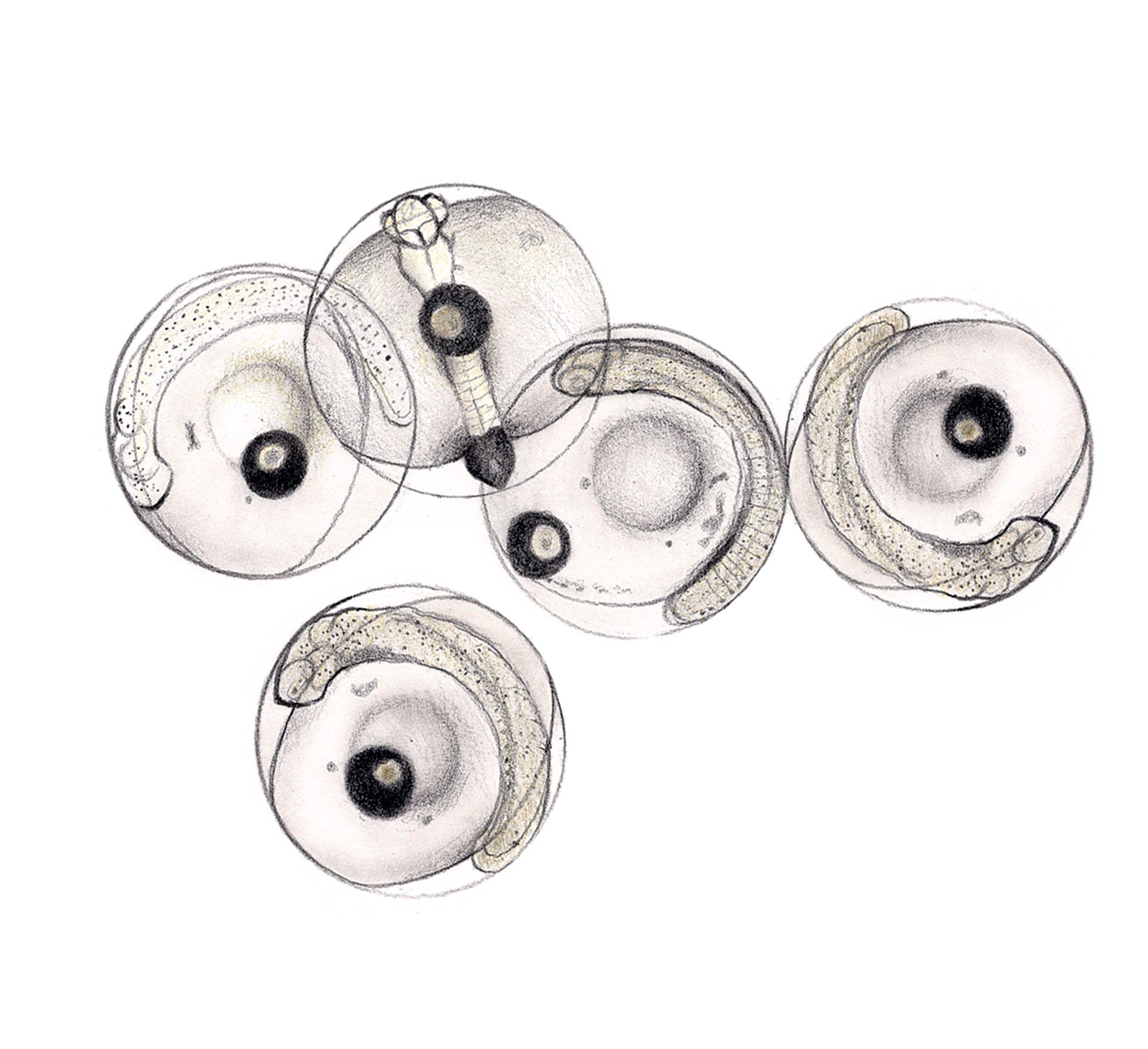
Introducing Vitalis PRIMA, the most comprehensive marine fish broodstock diet. Based on international research collaboration and in-depth explorations with hatchery professionals, Skretting has developed a new standard in broodstock nutrition.
A total of 5 highly specific upgrades have been added to the previous market leading Vitalis CAL specification to address modern broodstock management challenges. For more information, please contact your local feed consultant.
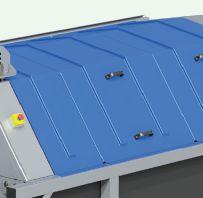
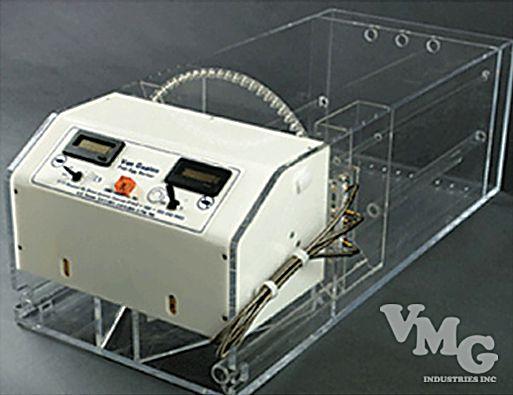
The Van Gaalen Fish Egg Sorter uses the most current technology to bring you an egg sorter that o ers: variable egg sizes, speed, accuracy, egg counts, safety and versatility.
VMG Industries Inc.
2972 Bellmeade Way
Longmont, CO 80503 USA
T: 303.682.8890
www.vmgindustries.com




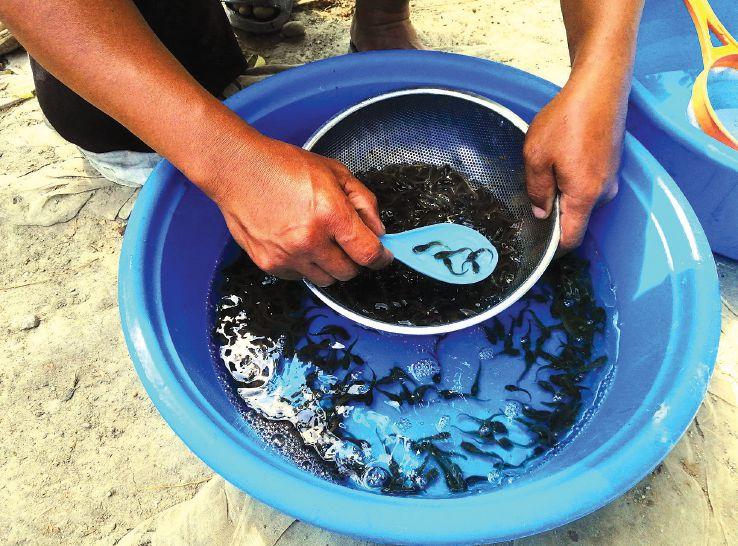
BY RUBY GONZALEZ
There will always be pros and cons but the proposition is tempting, especially when the numbers do the talking.
“There is a minimum of 30 percent to 50 percent gross savings in total production costs when you do your own feeds,” Joel Sims, owner and operation manager of Hito Central, a catfish hatchery in the Philippines, tells Hatchery International
Sims likewise cited the assurance of ingredients – you know exactly what go into the feeds – and high fish performance. “If farm-made feeds are done right and consistent, you definitely achieve a fast growth rate with the ideal animal form/quality and low feed conversion ratio,” he says.
Hatcheries could benefit most from making their own feeds for fish in the larval and post-larval stages. But it is not easy.
“The hatchery and early rearing are the most critical phase since it is where the animals are being molded properly to achieve a good head start and momentum. Thus, feed formulation and feed processing should be done thoroughly,” he says.
‘MOTHER’S MILK’
With stress on quality, using the “best clean raw materials and formulations” should be strictly based on the animal’s requirements.
For the most popular cultured finfish species in the Philippines, such as milkfish and catfish, the best model for fish diet in the hatchery and early rearing phase is replicating what they eat in nature. “These natural foods are considered as mother’s milk for the fry,” he explains.
Tilapia has a different diet because of sex reversal. During fry to juvenile production, the feeds should be high-protein and high-quality since the objective of the early stages of fish culture is for proper development of the animals.
“Natural food, especially for fry production, is a combination of phytoplanktons (aquatic plants) and zooplanktons (aquatic animals). Some species may start from phytoplanktons then to zooplanktons, while others would require zooplanktons such as copepods. During the latter part of the larval stage it is being fed with higher aquatic animals such as worms,” he says.
Readily available artemia, which is sold in cans, is also commonly used in hatcheries.
Gerry Antonio, an advocate for natural foods, says, “The culture of natural foods is the key to profitability.” These natural feeds range from zooplanktons, microworms, moina or daphnia, mosquito larvae, bloodworms, grindal worms, maggots, tubifex and earthworms.
“Based on my actual experience as an aquarium fish hobbyist, my feed cost went down from 70 percent to 20 percent of production costs when I learned how to culture natural live foods. This is why I encourage aquaculturists to learn how to culture these natural foods,” he says.
The savings from farm-made feeds do not factor in expenses from acquiring machines and equipment to pelletize or extrude the feed output.
While Sims says that making high-quality customized feed is ideal, he notes that it is a tedious and long-winded process – dealing with many suppliers, raw material testing, stowage and additional work load for the production crew, among other things.


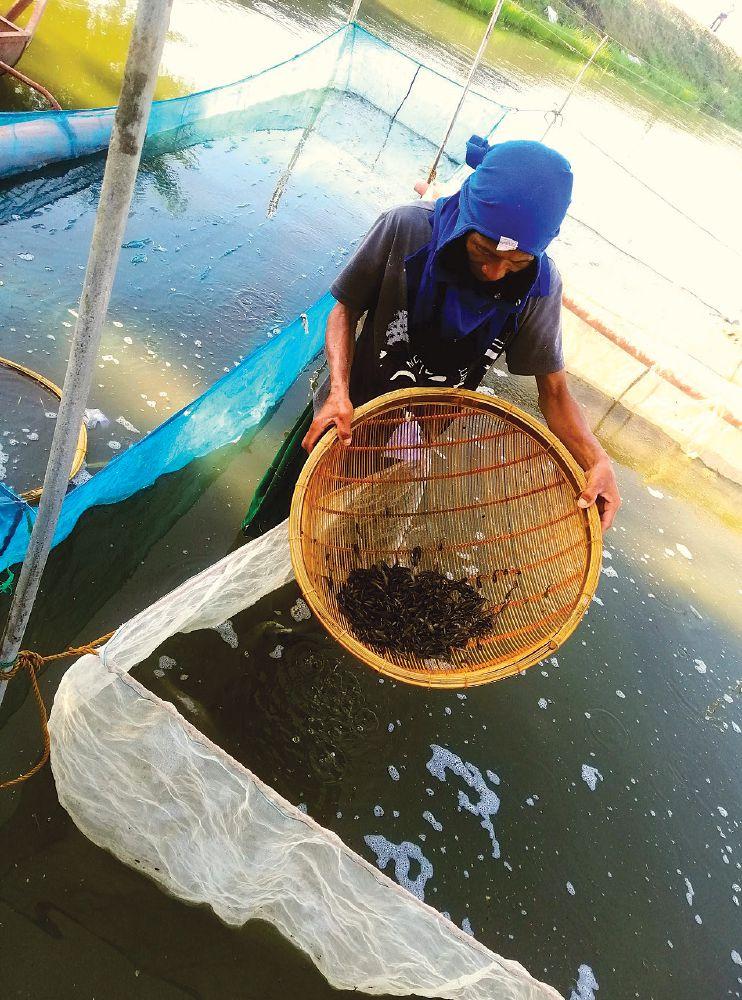

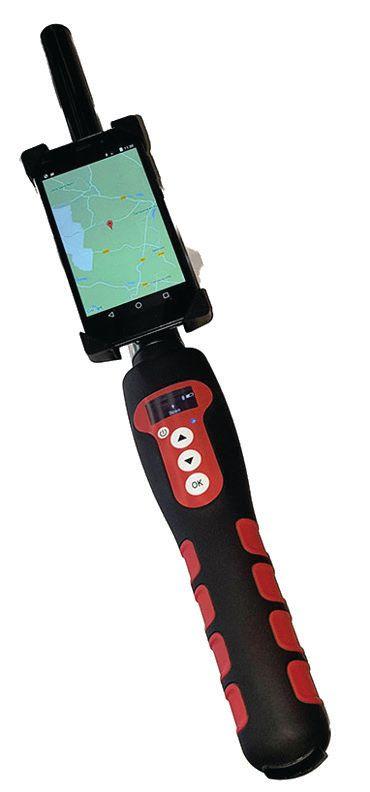
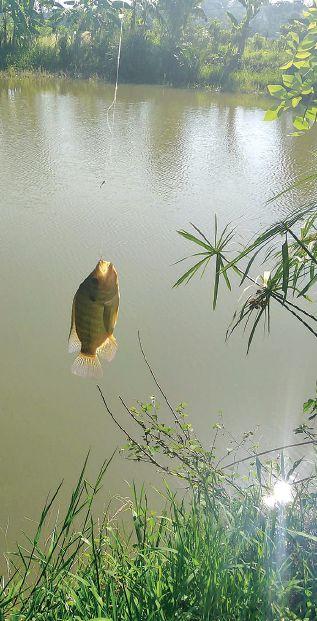
Farm-made feeds don’t always translate into savings.
“Sometimes, choosing the best raw materials may be more expensive than buying the commercially available feeds but you will be assured that you’ll have the best quality seedstock in terms of recovery and quality. It still boils down to the 'you’ll-get-what-you-give syndrome,'” Sims says.
He doesn’t use farm-made feeds in his catfish hatchery and prioritizes quality over costs. He uses high-end commercial feeds with protein content of 48 percent. There are times when he enhances the feeds by adding more vitamins, minerals and prophylaxis, using egg as binder.
“I would recommend getting the best and not the cheapest commercial feed available. Remember that ‘cheaper is more expensive’ is based on the result it usually provides,” he reiterates.
“Good quality feeds are more expensive but will give good results. To justify its price, I would suggest to have that feed periodically analyzed. If it meets your standard, then the problem will just be getting familiar on the strength and usage of the feed. Feed-enhancing by adding in more additives to customize it for your animals can be easier done than making your own feed from scratch,” he says.
At the opposite end of the spectrum is the case of Renante Areola, a hobbyist who owns and lives at Citrus Grove Cottage, a homestead in Ballesteros, Cagayan, in Northern Luzon. He has earthen ponds stocked with six types of fish, crayfish and prawn. He has never spent on feeds.
Areola’s ponds have assorted aquatic plants and the edges are lined with nipa palms. “I never feed the fish. I never sell them. I never maintain my ponds,” he says. He improvises. To provide extra protein to fingerlings, he installed an additional light in his hatchery. At night, the reflected light on the pond surface attracts hordes of insects, providing ad libitum protein feeding for the fingerlings.

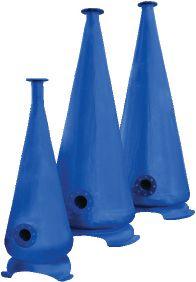
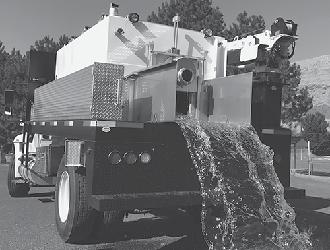
BY RON HILL
The way water moves into, within and out of tanks and rearing areas is a subtle but essential consideration for fish husbandry. Water moving through the tank provides self-cleaning, flushing away solid and dissolved waste products. It also distributes oxygen throughout the water column and should provide water conditions specific to the species being reared.
The most important aspect of water flow to the fish farmer is flow rate. Flow rate is the amount of water that flows into a tank over time; that is, how fast water is coming into the tank. If the flow rate is too low, fish health will quickly suffer.
Flow rate must be high enough to keep ammonia and CO2 levels from accumulating. Usually expressed as L/min or ft3/sec, tank flow rate is determined by the desired turnover rate. Turnover rate is how long it
takes to replace the entire volume of a fish unit. Turnover rate is specific to the species being reared and rearing density, but one turnover per hour is a good place to start for many species.
For example: a 5,000-liter tank of trout requires a turnover rate of one hour. (5,000 liters/60 minutes = 83.3 L/min) Thus, a 5,000-liter tank requires flow rate to be set at 83.3 L/min to provide one turnover each hour.
Flow rates are, of course, just guidelines and operational requirements will dictate the flow rate chosen. Fish behaviour and oxygen demand often require adjusting the flow rate above or below the calculated turnover rate. As fish density increases, the amount of water in the tank decreases.
Consider the 5,000-liter tank in the example above. If the fish in this tank have a biomass of 200 kilograms, then the volume of water in the tank is 4,800 liters once you subtract the water displaced by the
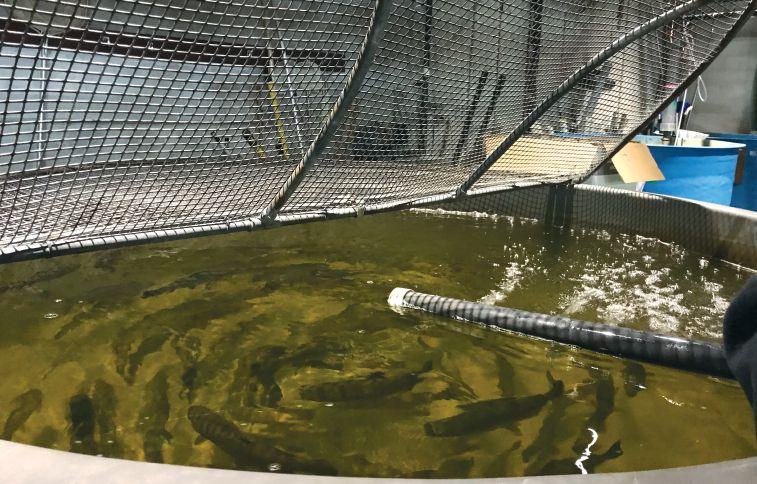
fish. As density increases, waste production increases, but actual volume decreases. Increased flow is needed to keep up with the metabolic demands of the fish.
Circular tanks are designed to distribute oxygen throughout the water column to be self-cleaning. With proper inflow setup, tanks should have the look of a gentle whirlpool, sucking used water and solids around and around until it reaches the centre drain.
The rate at which the water travels in a circle within the tank is known as spin rate. Spin rate does not affect the rate at which
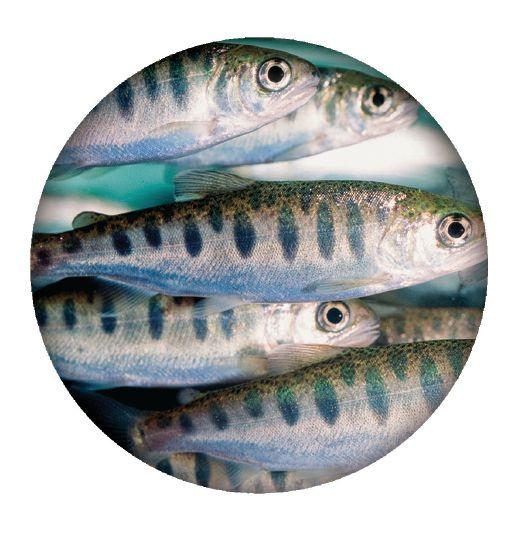
water enters or exits the tank, it is only how fast the water is traveling around. The spinning effect provides fish with current and can be adjusted by moving the inflow water angle.
For trout or salmon, fish will point themselves into the current (spin) and, when at rest, each fish will have its own little space in the school. The overall effect is good distribution of fish within the tank and even conditions throughout.
Choosing the right spin is a matter of observation. For trout and salmon, about 1.5 fish lengths per second is a good starting point but fish observation is essential. Tank spin shouldn’t make the fish struggle against the current but allow them to keep station easily.
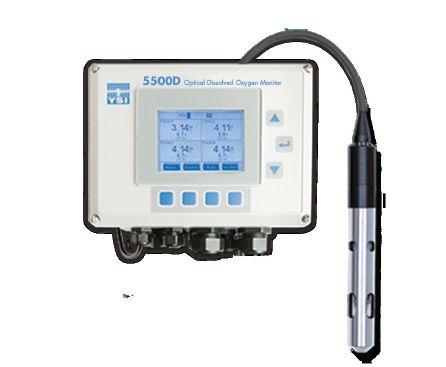
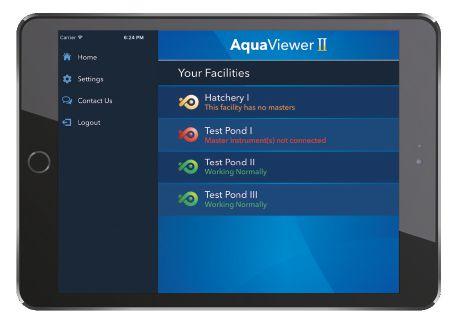

A tank is known to short circuit when its spin rate is set poorly, and the whirlpool water pattern breaks down. No longer is water travelling a nice circle, the water pattern is erratic and not uniform.
Certain parts of the tank will develop dead spots where the water doesn’t mix. When this happens, usually one will see oxygen decrease drastically in the tank, fish distribution will not be uniform and solid waste begins to accumulate. The vortex over the drain can be seen to migrate around the center drain instead of being fixed over top.
Generally, short circuiting occurs when the inflow(s) are not angled properly, which is more common in tanks with more than one inflow pipe. Inflow should be aimed at the tank wall to ensure the best “push” around the outside of the tank. Pointing the inflow towards the center of the tank will create short circuiting.
Aiming the inflows at the tank wall at 45 degrees is a good starting place when setting the spin. If there are two inflows, try to keep their angles even so they are working together. Inflows should be set up with vertical spray bars to ensure water is injected throughout the water column and to ensure dissolved oxygen in the line is not lost to the atmosphere before it is exposed to the water. This ensures the entire water column is moving evenly. Horizontal spray bars can also be added to the inflow depending on application.
Though not set up the same as circular tanks, long tanks like raceways and troughs still have the same considerations of flow to maximize water quality. Flow rate is still equally important and provides necessary turnover. Spin rate is not a consideration as the water velocity is determined by the flow rate going through the raceway.
Dead zones are generally non-existent in raceways and troughs but there are water quality considerations regarding flow. Because of the long nature of the raceways, water quality degrades the further the water travels from the inflow. Flow must be maintained to provide acceptable water quality at the end of the raceway or trough, where the water quality is poorest, not just the head or middle sections.
Farmers overcome this shortcoming by injecting oxygenated water at different points along the raceway to boost the water quality, or use air stones to inject oxygen straight into the water. Self-cleaning of the tank bottom isn’t as thorough as in a circular tank and waste feed and feces can accumulate on the bottom.
Some sites will fix inflows strategically along the length of the raceway with the aim of pushing waste along to the end with the extra current. Most sites, however, will simply opt for frequent cleaning and vacuuming up waste to maintain good water quality in raceways and troughs.
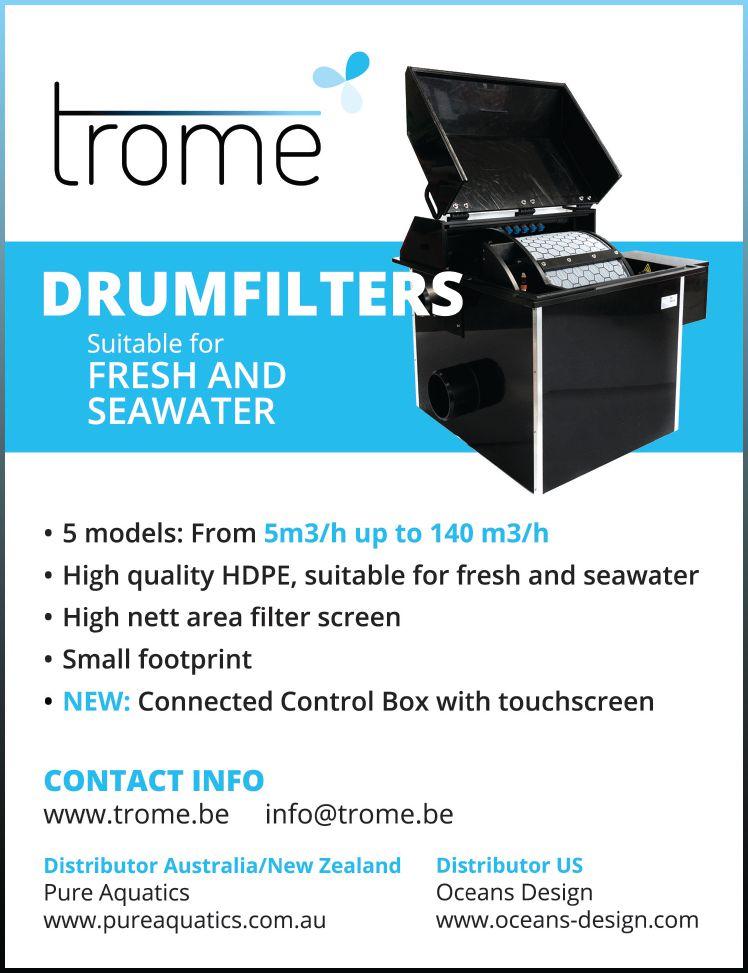
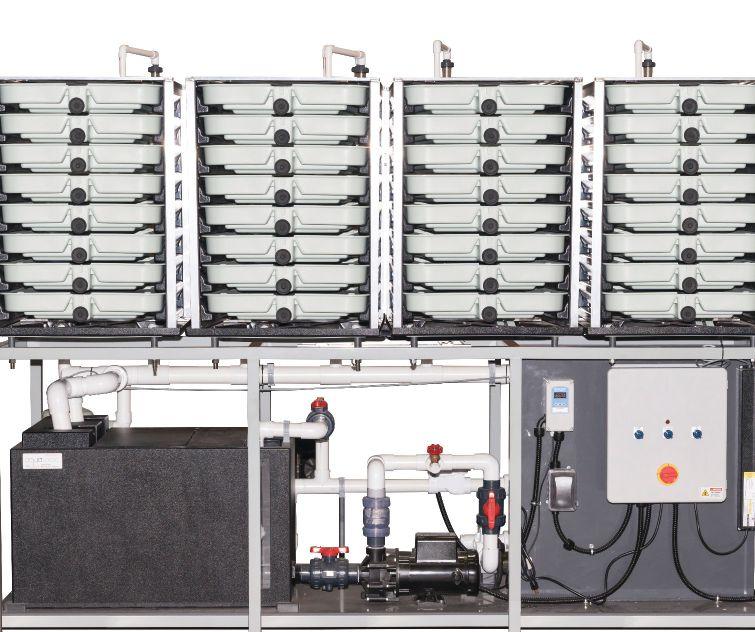
The all-new HydroHatch Incubation System from MariSource gives hatcheries increased efficiency. With recirculation, germicidal UV filter and a titanium heat exchanger, the HydroHatch delivers increased survival rate and significantly reduces water consumption.
Features and Benefits:
65 gallon sediment and recirculation tank
Requires only 150 gallons to completely fill the unit and reservoir
High-quality, long-life quartz germicidal UV filter
Complete isolation of eggs
Easily able to increase the dissolved oxygen content of the water
230 volt 30 amp control panel
Insulated titanium heat exchanger
Precise temperature control
Comes standard with four 8-stack incubators
Additional four 8-stack incubator option available
The new HydroHatch Incubation System is ideal for Salmon, Trout, Steelhead, Perch, Channel Cat Fish, Walleye, Eels, Shrimp and Muscles.

Lior Gal is AquaMaof’s newest director of sales for North America.
Gal brings 10 years of experience in global sales and marketing. He will be responsible for pre- and post-sale support for the company’s customers and projects in North America.
“We are looking forward to him driving our marketing and sales efforts to new heights,” says Shai Silbermann, VP of marketing and sales at AquaMaof. “North America is a strategic market for us, where interest in our solution has risen significantly. The interest is derived from the growing local demand for seafood, as well as the US administration’s policy to encourage the local aquaculture industry.”
Before AquaMaof, he worked as the international trade manager at Galilee Export, where he spent five years on local and global sourcing of agricultural products for trading worldwide.
AquaMaof Aquaculture Technologies Ltd. specializes in RAS technology and complete RAS-based fish farming solutions. www.aquamaof.com

The secret to better catfish production is better biology.
Millions of organisms makeup the microbiome which influences catfish health, growth rate and quality. BiOWiSH Technologies introduces two new products that are meant to work simultaneously within the water and through the feed to get catfish to market size faster and more reliably.
AquaBuilder is a blend of probiotics for reducing sludge accumulation and reducing nitrogenous waste accumulation. It helps maintain optimum dissolved oxygen levels for a better growing environment for the catfish broodstock, according to BiOWiSH.
Hoopers Island Oyster Co. in Maryland, USA, has unveiled new oyster handling equipment for high-production shellfish processing.
The Hydraulic Bin Tipper is a free-standing, stainless steel unit that uses two hydraulic cylinders capable of lifting up to 1,500 lbs. of shellfish. The machine was developed as a request from Little Wicomico Oyster Co. in Huntsville, Va. to eliminate manual tipping of bins of shellfish into processing equipment.
The Outfeed Tumbler Conveyor is designed to eliminate the need to stop work to change the tub or discharge the conveyor. The machine can be configured with one or two portable conveyors that attach to the sides of a tumbler frame, versus a standard end-of-unit position. The conveyor can operate continuously, which could increase the number of oysters processed from 300 to tens of thousands.
“These machines are the latest in the line of innovative processing equipment,” said Ricky Fitzhugh, managing partner. “Employee safety, efficient handling and dependable customer service, are critical to today’s high-volume shellfish-growing operations.” www.hoopersisland.com
FeedBuilder Syn 3 is a direct-fed microbial that can be used on-farm or combined with feed at the time of manufacturing. It is a water soluble prebiotic, probiotic and postbiotic that coats onto feed to increase feed attractability and digestibility.
BiOWiSH Technologies provides biotechnology solutions for the aquaculture, agriculture and environmental management industries. www.biowishaquaculture.com
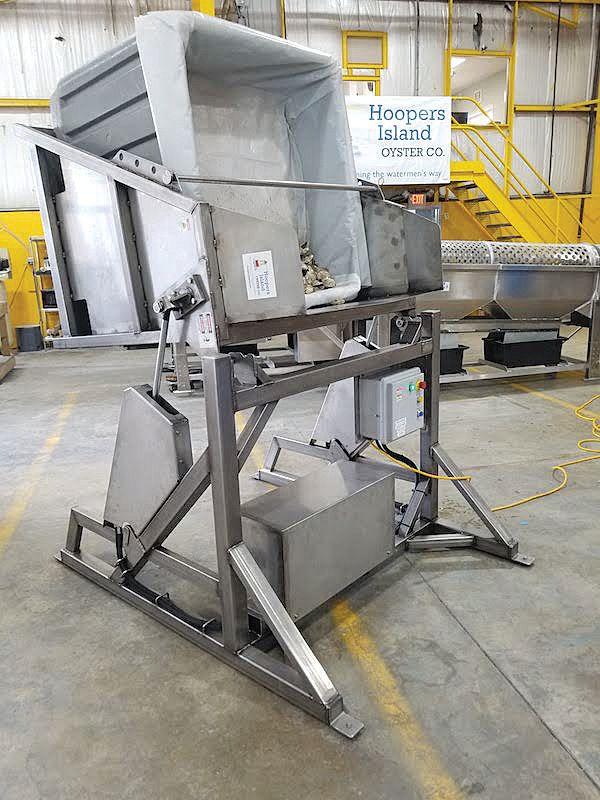
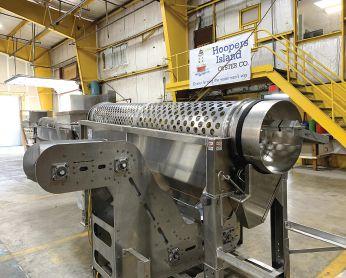
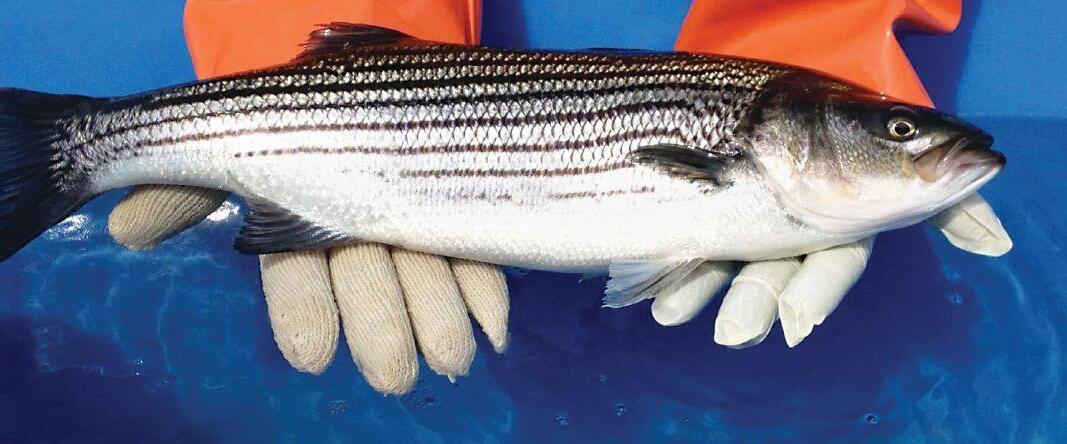



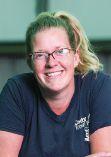


• Shows deep understanding and knowledge of fish culture
• Demonstrates a strong work ethic
• Demonstrates an ability to lead and innovate
• Has a strong passion and commitment to sustainable and responsible production
• Commits to the highest standards of hatchery practices
• Has been influential in addressing the hatchery challenges caused by the COVID-19 global pandemic
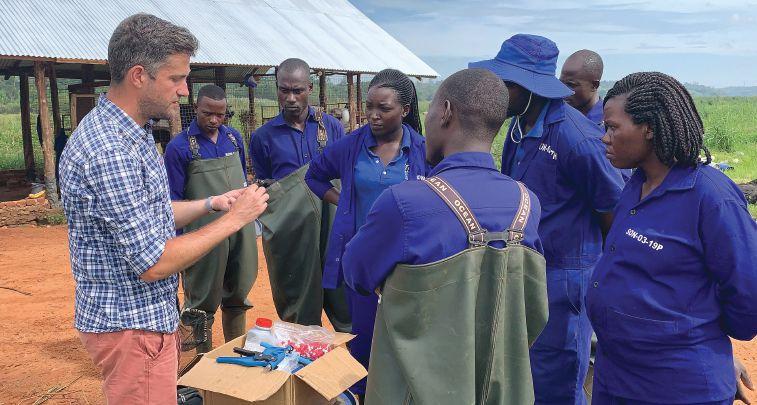
Xelect Ltd. is helping modernize genetic selective breeding of tilapia in Kenya and Uganda.
The Scotland-based genetics company has just completed a genetic analysis project supported by Msingi East Africa, an industry development organization.
The project involved working with partner farms in the region, training them in extracting tissue samples to be analyzed at Xelect’s genetics laboratory in St. Andrews, Scotland. The tissue samples were used for DNA extraction and genetic analysis.
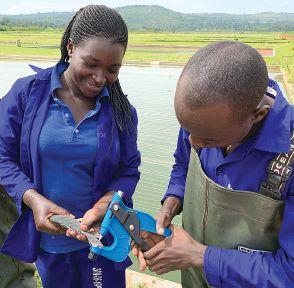
The data collected will help East African tilapia producers create long-term, sustainable breeding program plans. Operations director, Dr. Tom Ashton, said the project could be a major step in helping with regional food stability in the area.
“With so much inward investment in the industry, we’ve reached a tipping point,” said Xelect CEO Ian Johnson. “We believe the market will ultimately fracture into major producers, using the latest genetics best practice, and smaller local operations. Investors would be very unwise to commit significant resources to aquaculture operations if they don’t truly understand – and protect – the genetic capital of their broodstock.”
Xelect Ltd. is a provider of specialist genetics and breeding management services. Through the company’s new partnership program, Xelect Introducers has attracted six new partnerships in recent months.
The company is looking to expand its breeding program management team, as well as a new rapid response genetics service. A number of key hires in genetics and marketing is also planned for this year, according to a company statement. www.xelect-genetics.com
Kvarøy Arctic has announced the new head of its newly-formed smolt business.
Pia Moeller has been named the chief executive of Kvarøy Smolt AS. Prior to joining Kvarøy Smolt, Moeller served as chief finance officer of Coop Helgeland SA and served as a board member for multiple retail companies. She holds an MBA from Nord University.
“I love a good challenge,” said Moeller in a statement. “We have a competent team here, which is essential as I look for ways the company can optimize its processes, continue to practice best-in-class health and safety methods, and maintain a work environ-
Skretting introduces a new global product line to improve water quality for fish and shrimp farming systems.
AquaCare Control is the first of a new range of products dedicated to improve water quality. It is a combination of beneficial bacteria, minerals and micronutrients on a carbon rich carrier.
“Before a fish or shrimp needs feed, it needs water,” said Tonje Dueland, global product manager at Skretting. “The Skretting team and the AquaCare range aims to help fish and shrimp farmers everywhere. The safer we can make the industry today, the more we will safeguard its long-term future.”
AquaCare Control consumes organic material, faeces and uneaten feed that would otherwise end up as sludge. AquaCare Control also provides water conditioning microbes that actively uses ammonia compounds, including nitrite and nitrate.
The recommended dosage is to use 500 grams per hectare every five to seven days. The product is most effective within the pH range of 5.8-10.5 with a salinity range of 0-55 ppt and a temperature from 10 degrees celsius. It is recommended that the product is distributed in the afternoon with aerators turned on.
AquaCare will first be launched in Egypt and Vietnam, with other countries to follow.
www.skretting.com
InWater Technologies is a new Canadian company specializing in water quality monitoring solutions.
The company has taken over the Point4 Systems Inc. product line of water quality monitoring/controls and has begun manufacturing the equipment line at its Vancouver Island headquarters.
“Some of us, like our chief engineer Rob Busch, have a long background with Point4 and we are very proud to have brought the line back to the west coast of Canada,” said InWater’s co-owner Kurt Lang.
Lang adds that InWater is focused on maintaining the reliability of the Point4 line as well as developing some new solutions in water treatment. The company distributes a range of equipment including Vaki’s fish handling equipment and Arvo-Tec’s feed systems. With a small team of field service engineers, they also provide field support and in-house probe repair services.
Lang and Stephanie King founded InWater Technologies in August 2019. www.inwatertech.com
ment that is equitable for all and inspiring to be part of.”
Earlier this year, Kvarøy Arctic’s parent company, Kvarøy Fiskeoppdrett AS acquired its primary supplier of smolt, Ranfjord Fiskeprodukter. Now renamed as Kvarøy Smolt, it becomes the company’s new supplier of Atlantic salmon smolt among other aquaculture companies in Norway. Located in Mo i Rana, Norway, it produces about 5.5 million smolt per year with about a quarter going directly to Kvarøy Arctic.
In addition to buying smolt from Kvarøy Smolt, Kvarøy Arctic will continue to secure a supply of smolt from Gryttåga Settefisk. www.kvaroyarctic.com




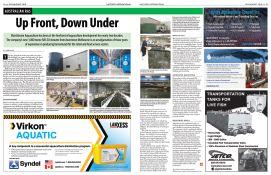


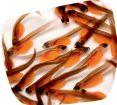
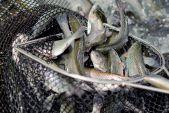





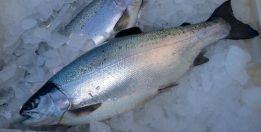
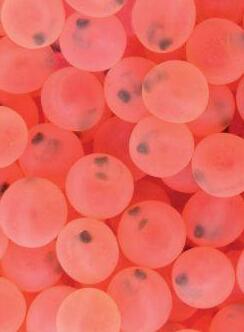


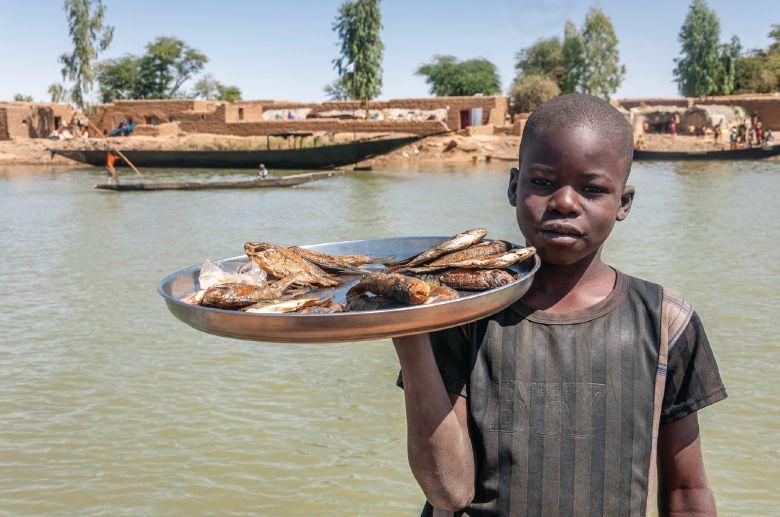




























































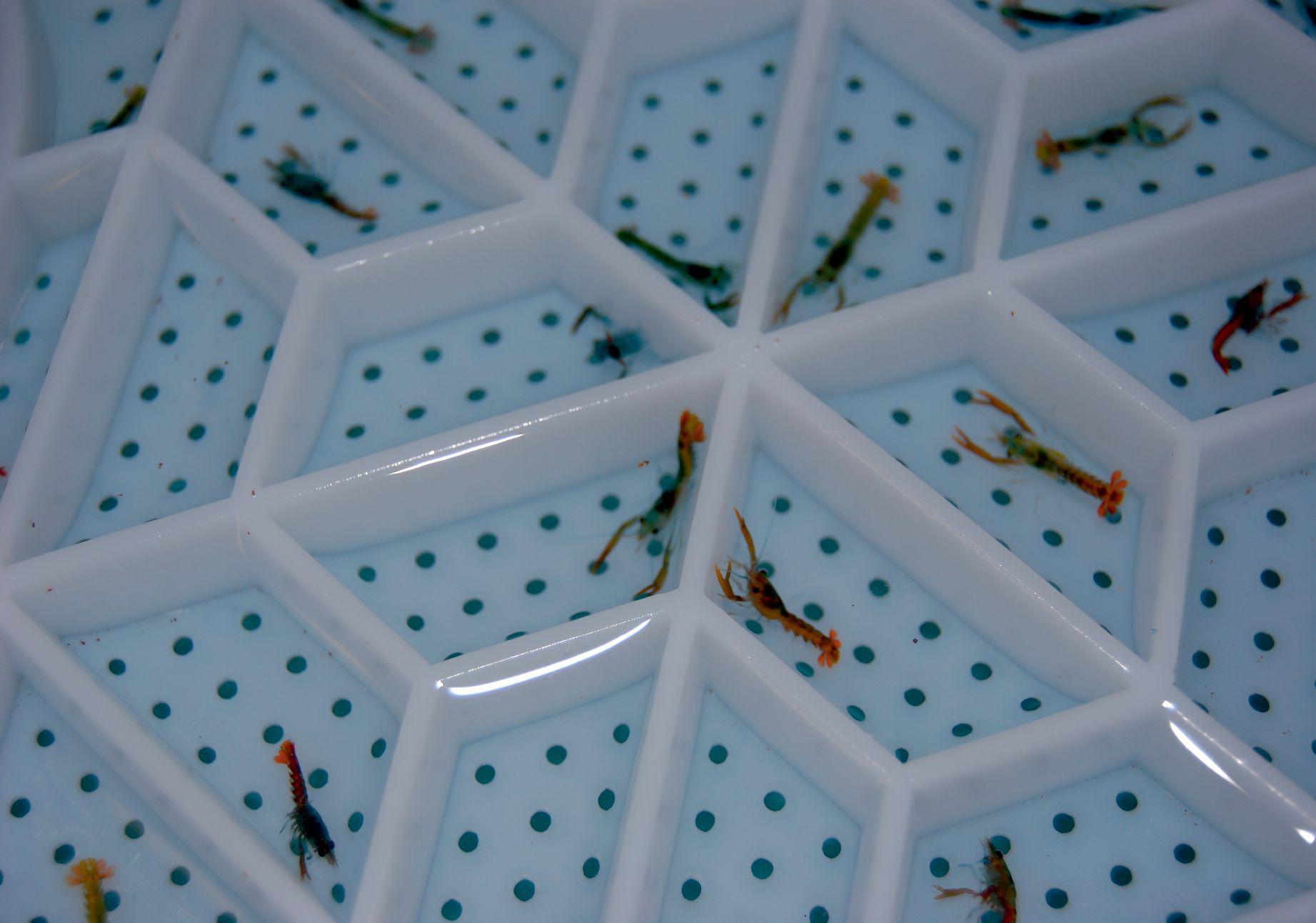
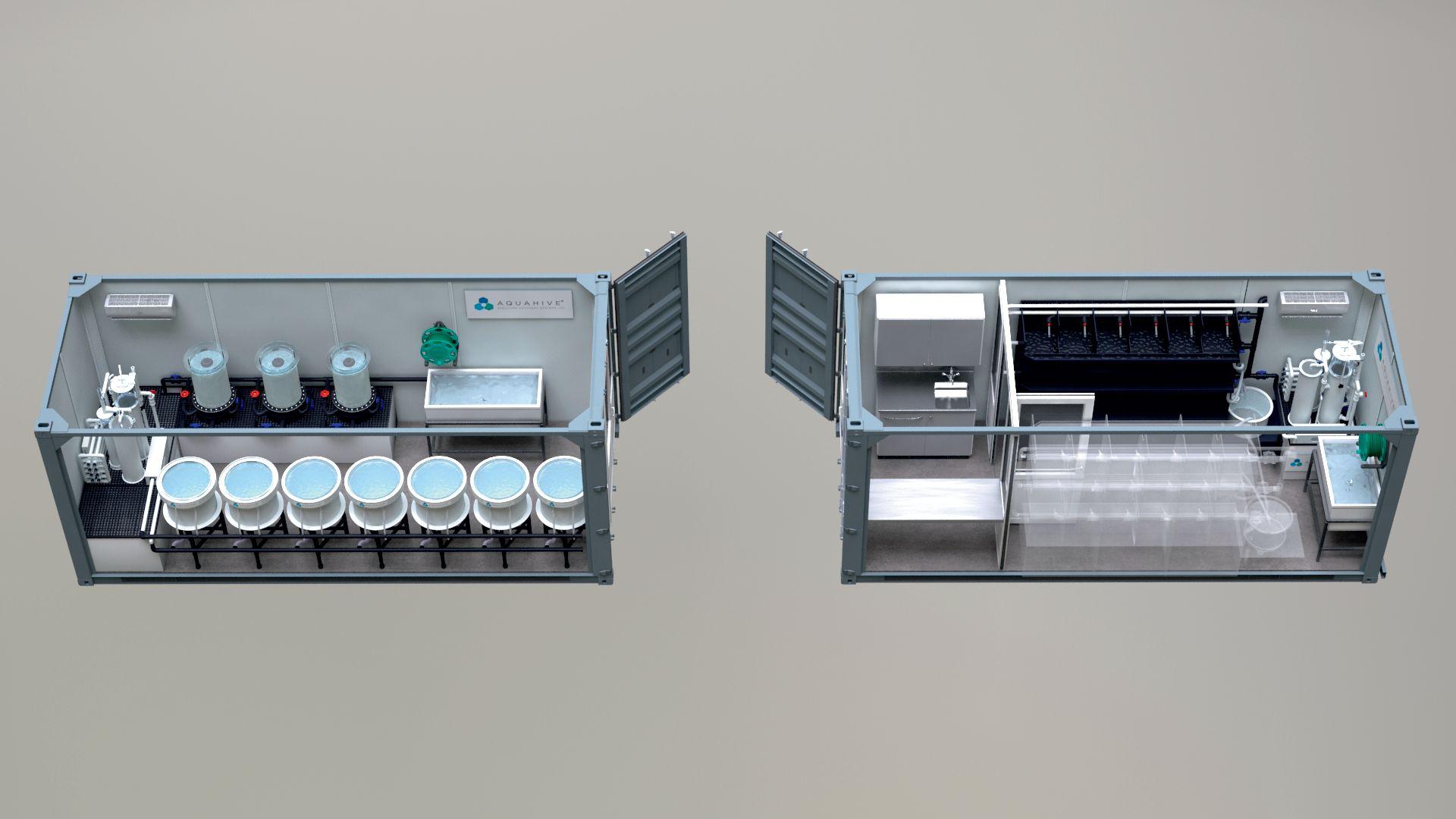
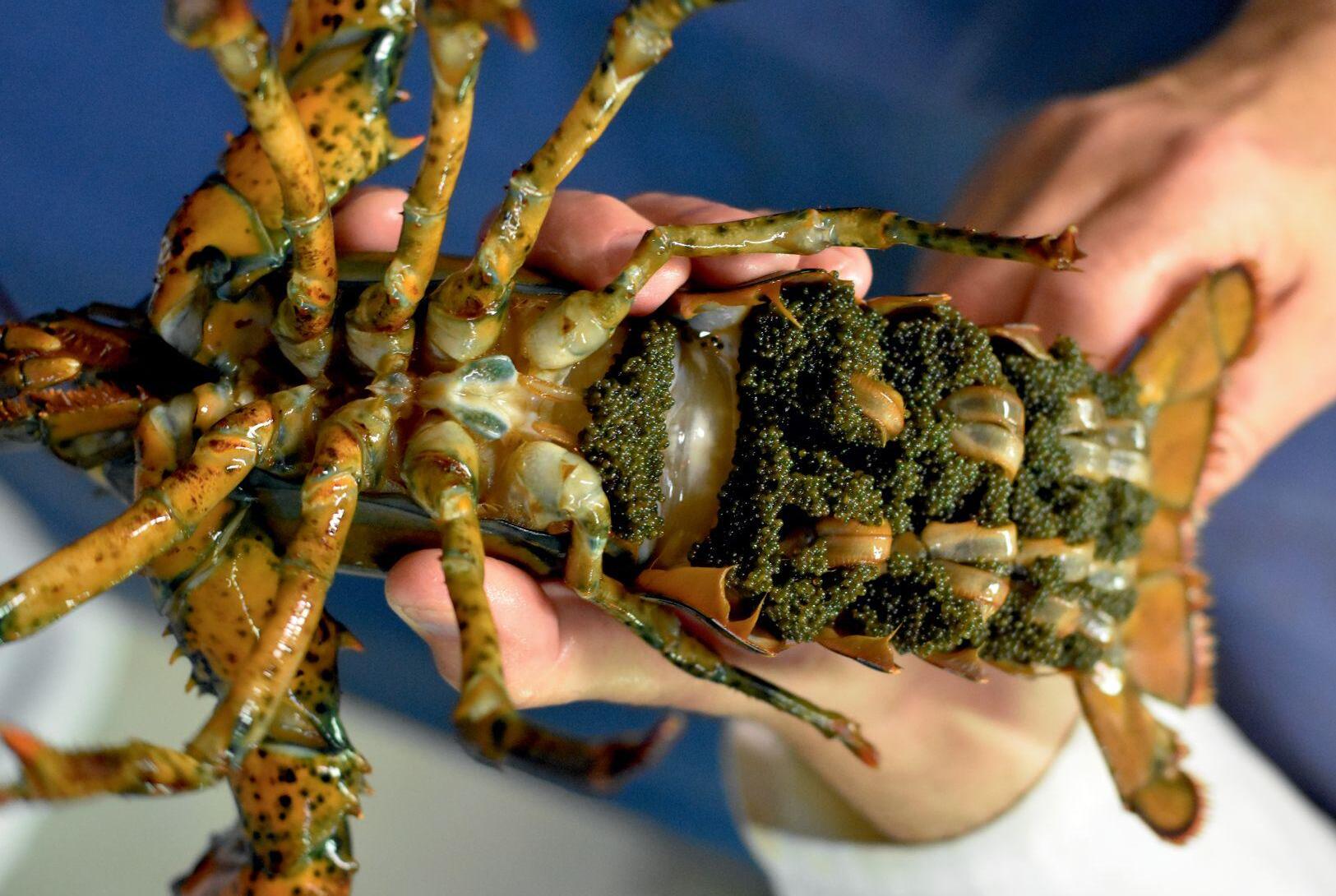
To discuss your lobster hatchery needs and for more information go to Manufacturers of modular Hatchery-in-a-Box solutions for clawed lobster production, utilising our unique technology