Norwegian company brings cool concept to live feed

Planktonic AS utilizes cryo-preservation techniques to provide live zooplankton for marine hatcheries.
BY MATT JONES
As the arms race to develop more efficient and effective live feeds for hatchery applications continues Norway’s Planktonic AS has developed a unique approach which they say could be a game-changer for the industry.
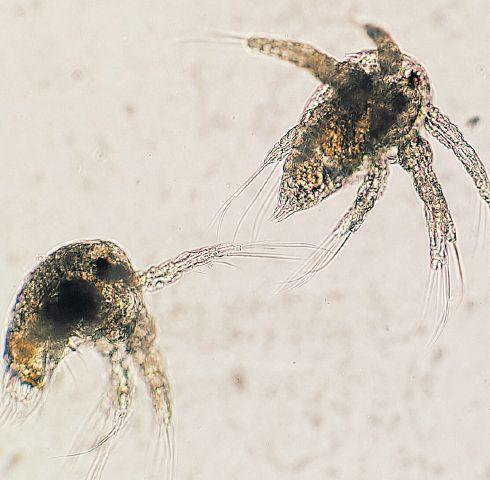
The process includes a method for harvesting large amounts of plankton from the ocean, which is then cryopreserved. The plankton is packed in sacks of 600g, corresponding to about 30 million plankton individuals, and these are stored in thermos flasks with liquid
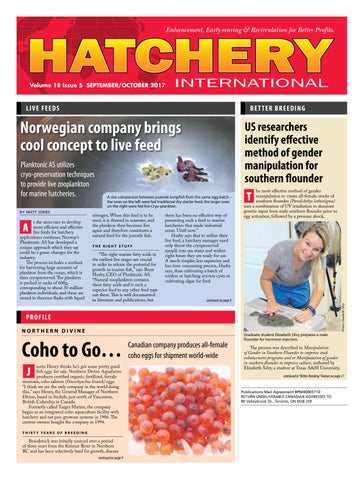
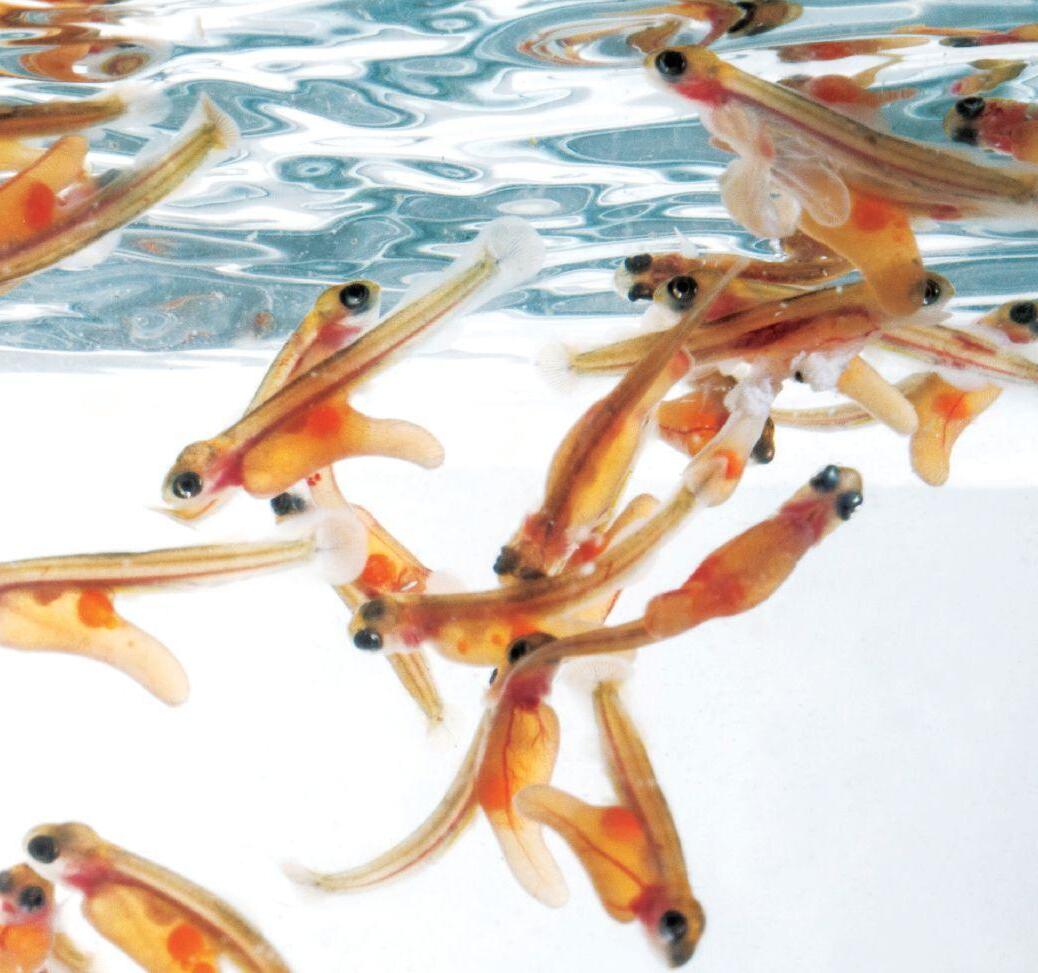
A size comparison between juvenile lumpfish from the same egg batch –the ones on the left were fed traditional dry starter feed, the larger ones on the right were fed live Cryo-plankton.
nitrogen. When this feed is to be used, it is thawed in seawater, and the plankton then becomes live again and therefore constitutes a natural feed for the juvenile fish.
THE RIGHT STUFF
“The right marine fatty acids in the earliest live stages are crucial in order to release the potential for growth in marine fish,” says Rune Husby, CEO of Planktonic AS. “Natural zooplankton contains these fatty acids and is such a superior feed to any other feed type out there. This is well documented in literature and publications, but
Coho to Go…
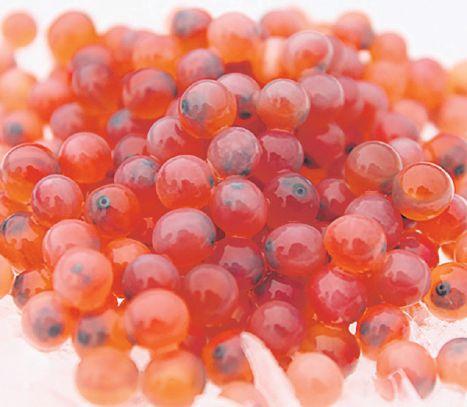
Justin Henry thinks he’s got some pretty good fish eggs for sale. Northern Divine Aquafarms produces certified organic, fertilized, female monosex, coho salmon (Oncorhynchus kisutch) eggs.
“I think we are the only company in the world doing this,” says Henry, the General Manager of Northern Divine, based in Sechelt, just north of Vancouver, British Columbia in Canada.
Formerly called Target Marine, the company began as an integrated coho aquaculture facility with hatchery and net pen-growout systems in 1986. The current owners bought the company in 1994.
THIRTY YEARS OF BREEDING
Broodstock was initially sourced over a period of three years from the Kitimat River in Northern BC and has been selectively bred for growth, disease
there has been no effective way of presenting such a feed to marine hatcheries that made industrial sense. Until now.”
Husby says that to utilize their live feed, a hatchery manager need only throw the cryopreserved nauplii into sea water and within eight hours they are ready for use.
A much simpler, less expensive and less time consuming process, Husby says, than cultivating a batch of rotifers or hatching artemia cysts or cultivating algae for feed.
continued on page 8
Canadian company produces all-female coho eggs for shipment world-wide
US researchers identify effective method of gender manipulation for southern flounder
The most effective method of gender manipulation to create all-female stocks of southern flounder (Paralichthys lethostigma) uses a combination of UV irradiation to denature genetic input from male southern flounder prior to egg activation, followed by a pressure shock.
The process was described in Manipulation of Gender in Southern Flounder to improve stock enhancement programs and or Manipulation of gender in southern flounder to improve culture, authored by Elizabeth Silvy, a student at Texas A&M University,
continued in "Better Breeding" feature on page 21
Publications Mail Agreement #PM40065710 RETURN UNDELIVERABLE CANADIAN ADDRESSES TO 80 Valleybrook Dr., Toronto, ON M3B 2S9
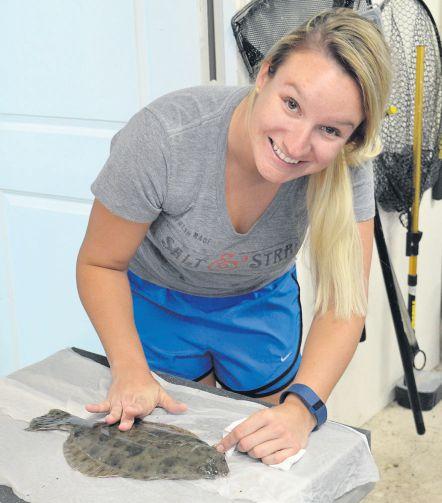
Graduate student Elizabeth Silvy prepares a male flounder for hormone injection.
Photos: Elizabeth Silvy








Disease and poor health are some of the main constraints for sustainable aquaculture.
MSD Animal Health develops environmentally responsible products to maximize fish survival, growth and production efficiency for the major farmed fish species: salmon, tilapia, trout and other marine species.
Every day, in every corner of the world, progressive fish farmers turn to MSD Animal
Health. They ask about our full range of products for managing the most serious diseases in aquaculture. Even more, they come to us for integrated health solutions to help them become more profitable, competitive and sustainable.
For more details please contact your local MSD Animal Health representative or contact us at aqua@merck.com or visit us at www.aqua.merck-animal-health.com.
Volume 18, Issue 5 | SEPTEMBER/OCTOBER 2017
Editor Peter Chettleburgh, peter@capamara.com
Science Editor David Scarratt, scarratt@ns.sympatico.ca
Regular Contributors Quentin Dodd, Diogo Thomaz, John Nickum, John Mosig, Erich Luening, Philip Nickerson, Matt Jones, Ruby Ganzalez
Advertising Manager Jeremy Thain, jthain@annexweb.com Tel. +1-250-474-3982, Toll-Free (North America) 1-877-936-2266
Circulation Manager Barbara Adelt, badelt@annexbizmedia.com
Design & Production James S. Lewis, james@capamara.com
Group Publisher - Scott Jamieson sjamieson@annexweb.com
COO – Ted Markle, tmarkle@annexweb.com
President & CEO – Mike Fredericks

outside North America. To subscribe visit our website at www.hatcheryinternational.com
Subscriptions Angie Potal, apotal@annexbizmedia.com
Tel: 416-510-5113 • 1-800-668-2374 (CDN) • 1-800-387-0273 (US/FGN) Fax: 416-510-6875
Printed in Canada. Publications Mail Agreement #PM40065710 RETURN UNDELIVERABLE CANADIAN ADDRESSES TO: Hatchery International. CIRCULATION DEPT. 80 Valleybrook Dr., Toronto, ON M3B 2S9 ISSN 1922-4117
Next Ad Deadline
The advertising deadline for the Nov/Dec issue is Sept . 8th. Don’t miss the opportunity to be part of this exciting aquaculture publication. For more information, or to reserve space in the next issue, call our Advertising Department at +1.250.474.3982 jthain@annexweb.com
Next Editorial Deadline
The editorial deadline for the Nov/Dec issue is Sept . 8th. Contact the Editor, Peter Chettleburgh at +1.250.478.3973 for details. E-mail to peter@capamara.com. Material should be submitted electronically with prior arrangement with the editor.
NEWS BRIEFS
ISA suspected at AquaGen brood site
According to a recent press release from AquaGen, a virulent variant of the ISA virus was detected in salmon broodstock at the company’s Merraberget sea site in western Norway.
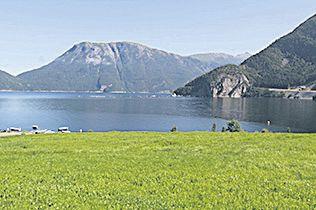
The release from AquaGen notes that the Atlantic salmon population in question have an average weight of about 12 kg and were planned to produce eggs from September 2017. There are a total of 14,500 broodfish at the site.
“There has not been any increase in mortality,” notes AquaGen, “and the virus detection was initially reported on 6th July 2017 as part of routine surveillance and sampling carried out by the fish-health service Åkerblå. The site is located in Tingvollfjorden and the distance to the nearest neighbouring site is over 10 km.
AquaGen’s other egg producers in Hemne and Steigen have additional capacity and the company says that it will be able to meet customers’ egg requirements for the egg-season 2017/2018.
New facility to produce omega-3 fatty acids in Nebraska
New funding, jobs for Canadian research
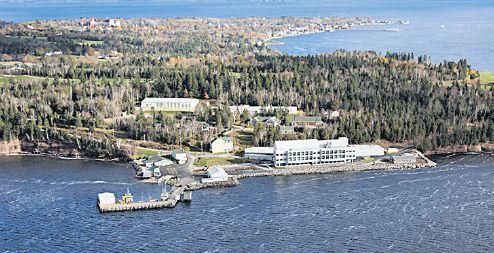
Canada’s Department of Fisheries and Oceans has announced the establishment of eight new marine science jobs and continuation of some $8.9 million in funding for the agency’s St Andrew’s Biological Station in the eastern province of New Brunswick.
The money will also be used to “rebuild” some of the aging laboratory facilities at the station which was founded in 1908 - Canada’s oldest biological research station. The facility carries out scientific studies focused on the Bay of Fundy and the Gulf of Maine, as well as monitoring regional coastal ecosystems and the state of traditional fisheries stocks and aquaculture programs.
Evonik and Royal DSM recently announced that the companies will build a commercial-scale production facility for omega-3 fatty acids using natural marine algae in Blair, Nebraska.
DSM Nutritional Products and Evonik Nutrition & Care plan to invest up to US$ 200 million in the facility (US$ 100 million by each party over two years).
According to an announcement from the companies initial annual production capacity will meet roughly 15% of the current total annual demand for EPA and DHA by the salmon aquaculture industry.
The new facility will allow for the production of omega-3 fatty acids without using any fish oil from wild caught fish. Initial applications will be in salmon aquaculture and pet food.


View of the Merraberget sea site in the Tingvoll fjord, Norway.
St Andrew’s Biological Station.


Cargill opens new research lab in Norway
The Cargill fish-feed company recently opened a new aquaculture- research lab addition in Dirdal, Norway, dedicated to developing new diets for the fish-farming industry.
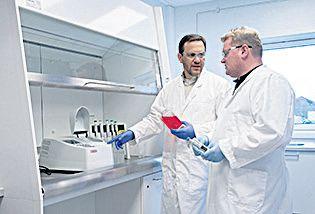
Created at a cost of $1.25 million, says the company, the new research building unit “furthers Cargill’s commitment to strengthening its aquaculture research and development capabilities.” It was built on the Cargill (formerly EWOS) Innovation Center grounds, where research has been conducted for more than 30 years.
The new lab houses 11 employees who will work to support Cargill’s pilot plant, sea site fish trials and aqua scientists.
Lampreys besiege California hatchery
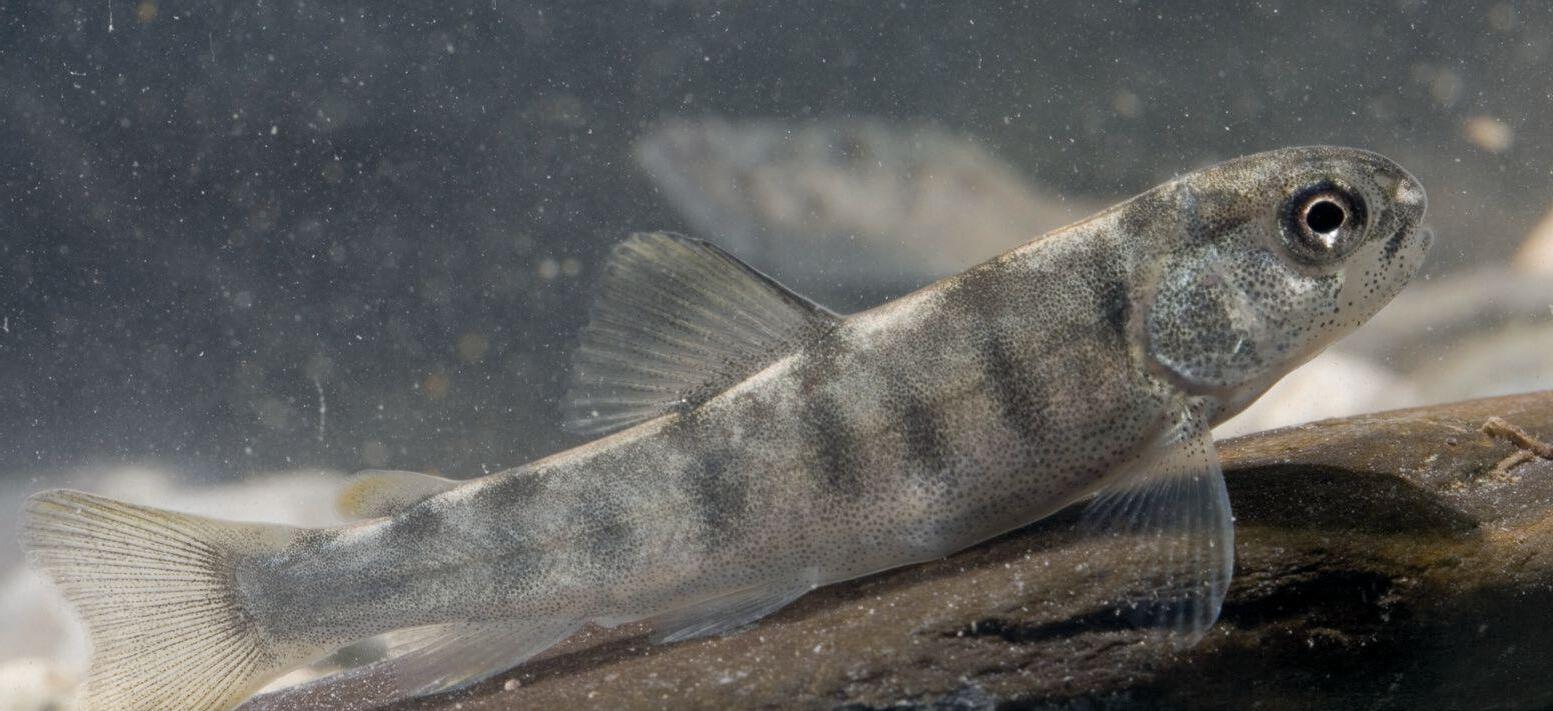
After the Feather River Fish Hatchery in Oroville, California was hit by flooding earlier this year, personnel at the facility confirmed that the unit has also experienced a sudden, unexpected invasion of lampreys.
A statement from the state Department of Water Resources notes that the eellike fish have always lived in the depths of the Feather River, but recently hatchery manager Penny Crawshaw said the unit’s external fish ladder was suddenly blitzed by hundreds of the creatures, some of which got stuck to the hatchery’s public-viewing windows.
Crawshaw said nobody at the hatchery had seen any lamprey at that location in something like 25 years and the size of the invasion made them considerably more visible than they had been for decades.
The hatchery staff eventually shut off the water flow through the ladder so the fish couldn’t go up, and returned hundreds to their usual stretch of river.
None of the lamprey entered the hatchery, said Crawshaw.







UAE launches restocking program
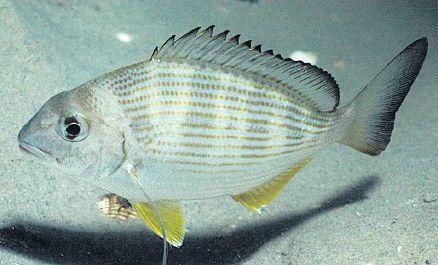
A report from Dubai notes that the United Arab Emirates’ Ministry of Climate Change and Environment, working in collaboration with a private facility, recently released numbers of large (150gram) Qabit (rhabdosargus sarba) and black sea bream (Sha’am) fish in protected marine areas, with 30,000 of the specially cultured fish to be released in each emirate.
Minister Thani Bin Ahmad Al Zeyoudi said the initiative is aimed at increasing the stocks of local fish and developing the local fish species’ breeding program – as well as providing technical services and advice to small local fish farms.
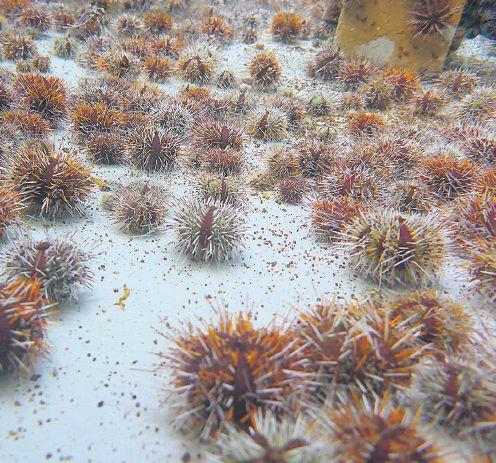
Australian scientists breed sea urchins to test export potential
ea urchins are a favourite menu item for sushi consumers in Japan, especially on Okinawa, where collector urchins (Tripneustes gratilla) grow naturally but are now seriously over-fished.
With this in mind researchers at Australia’s Southern Cross University (SCU) in New South Wales have been breeding it at the National Marine Science Centre (NMSC) in Coffs Harbour. A recent statement from the Centre says it’s about to send some to Japan and also plans to boost the state’s aquaculture industry by exponentially increasing the numbers of urchins available for export.
Over the past decade, according to SCU program leader Associate Professor Symon Dworjanyn, personnel at the NMSC have not only closed the life cycle of the collector urchin, but have succeeded in growing “millions” of them in the laboratory. In the process, one member of the team has made an extraordinary discovery, which may well account for the high densities at which the urchins normally grow in the wild, and which could make them a candidate for culture for the export trade.
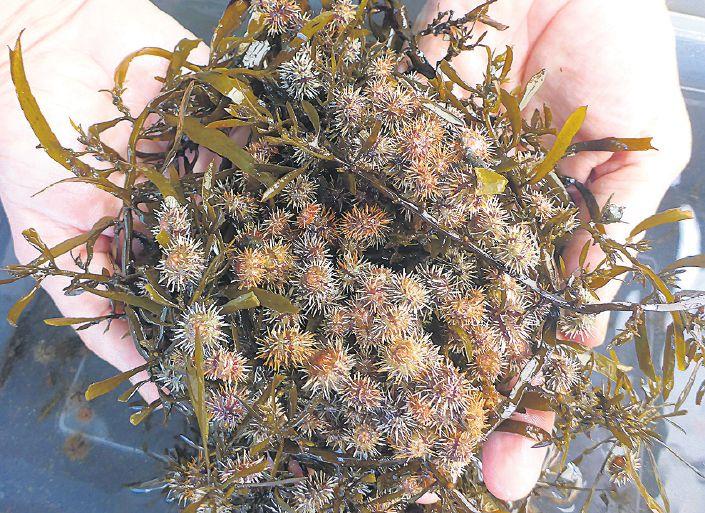
SCU marine biologist and PhD candidate Hannah Sheppard-Brennand discovered that collector sea urchins have an anti-predator defence mechanism called pedicellariae – miniscule but fairly potent venom-bearing jaws that grow between the urchins’ spines and which can be released in a small cloud to deter potential predators.
These pedicellariae release a venom that is effective in deterring fish, but which Dworjanyn said has never been any serious problem for him or his staff when spawning sea urchins in the lab.
Getting them to spawn is comparatively easy. The urchins are brought to the verge of releasing eggs and sperm by feeding to the point of excess with the common Sargassum seaweed, then they inject a small group, usually three males and three females, with potassium chloride (KCl). The urchins are normally kept at temperatures of 24-27°C, and three females can release tens of millions of eggs apiece, while the males put out 1015 (many billions) sperm. Fertilization is external.
The researchers speculate that the pedicellariae, in addition to the urchins’ short spines, could help account for the high densities at which the urchins can grow in the wild, if not over-fished.
Dworjanyn said that increasing consumer demand and reduced natural supply are creating opportunities for commercial sea urchin culture in Australia, and that the technology they have developed to produce juvenile sea urchins “is world beating in its efficiency.” He believes that, through SCU and the Centre’s research program, Australia has an excellent opportunity for growing sea urchins in high quality, warm water aquaculture sites with a clean “green” image.
The program has received financial support and assistance from the federal government, and planned a shipment of juveniles to Japan in July this year.
– Quentin Dodd

The key to your future in aquaculture is here.
Over the past decade staff and researchers at the National Marine
Centre (NMSC) in
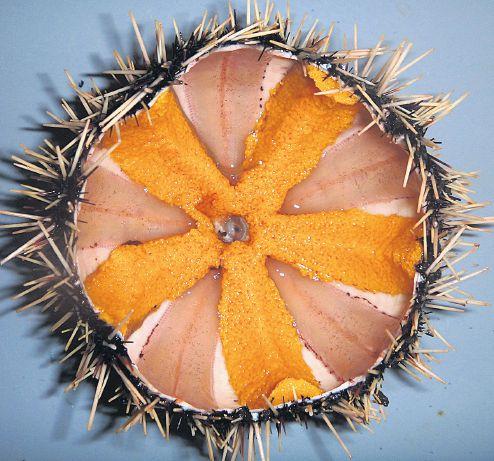
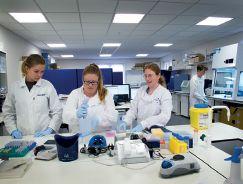
have closed the life cycle of the collector urchin and succeeded in growing millions of them in the laboratory. It's hoped that the success will help boost the state’s aquaculture industry by exponentially increasing the number of urchins available for export. A trial shipment of juveniles to Japan was planned for this summer.

Photos: Ben Mos
Science
Coffs Harbour, New South Wales
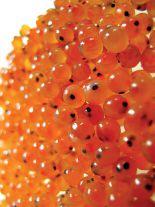
Tripneustes gonads.
POINT OF VIEW NEWS
Multi-species marine hatchery opens in Sri Lanka
Sri Lanka’s first multi-species hatchery for marine finfish was inaugurated at Tharmapuram, in the city of Batticaloa – on the east coast of the island – last June. Designed to assist in the development of marine finfish farming that has already been started in the region, the facility will help local farmers and fish breeders meet growing local and export demands.
The Head of Cooperation for the European Union’s official delegation to Sri Lanka and the Maldives, Libuse Soukupova, said that the proper handling of a new marine finfish hatchery could bring substantial export earnings and benefits to Sri Lanka, since it’s already been shown there is a market in the European Union for a variety of marine finfish species. She mentioned in particular sea bass, grouper, milk fish, silver pomfret, sea bream, mahi mahi, cobia and snapper. She also said that encouraging the culture of such species would help minimize the exploitation of native lagoon and marine fisheries and increase income levels in fisher communities.
The Multi-Species Marine Finfish Hatchery was built by the Food and Agriculture Organization of the United Nations (FAO), in partnership with the National Aquaculture Development Authority (NAQDA), with some 142 million rupees (roughly $2.2m USD, 1.2m Euros) from the European Union. Established under the European Union Support to District Development Program (EU-SDDP), it has enough capacity to produce four million fingerlings a year for distribution to finfish farms throughout the country.
– Quentin Dodd
Early life stage research… a new opportunity for US aquaculture
BY JOHN NICKUM
The Foundation for Food and Agriculture Research (FFAR) is a nonprofit organization established by the United States’ Congress in the 2014 Farm Bill. Remarkably for these times, there was bipartisan congressional support for the organization and the activities it supports, which include aquaculture.
The FFAR announced a competitive, matching grant research program in early June (2017), designed to stimulate innovative research on farmed production of fish and shellfish. One of the focus areas identified in the announcement was research to identify best practices for early stage life cycle production of commercial fish.
Studies to identify additional species with potential for commercial production are another focus area. And studies to analyze the potential for expansion of presently cultured species into additional geographic areas will also be encouraged.
These types of research and development studies are complicated and difficult, but they are important, perhaps essential, if the United States is to become competitive in international aquaculture production.
environments are required for live feed production. Those who prefer formulated feeds argue that adding facilities and operations for these live food items increases costs and the possibilities for failure… one more chance to screw up. Conversely, developing formulated feeds and feeding systems that meet all the requirements needed by the newly hatched fish can be costly and complicated… very complicated.
THE WALLEYE CHALLENGE
My own research, many years ago, provides an example of the challenges involved with the culture of early life stage fish, especially species that have not been hatcheryreared previously.
FINANCIAL CONSTRAINTS
The financial capabilities of the aquaculture community for research and development studies are very limited, essentially non-existent; so, it is encouraging to obtain support from an organization such as FFAR.
Research focused on production of “new” species and, especially on early life stage production methods, is rarely a priority for commercial farmers, or even managers of state and federal facilities.
When current methods are considered to be satisfactory (good enough?) and produce satisfactory survival and growth of the species under production there is little, or no, incentive to investigate new methods and/or culture of additional species.
Budgets are always lean, so exploring new horizons is pretty much an unaffordable luxury for most farmers and managers. If new methods are to be developed, or production of “new” species explored, funds will have to come from government programs, or non-profit foundations.
DIFFERENCE OF OPINION
There is a long-standing argument among fish culturists concerning the preferred approach for culturing early life stage fishes. Those who prefer to maximize control of the entire process want predictable feeding regimens based on formulated feeds. The other, traditional, side of the “discussion” argues that it is unrealistic to design feeds that the young fish will eat and satisfy all of their survival and growth needs. These culturists contend that offering live food items, similar to those the fish would eat in a natural environment is more realistic.
However, the live food approach requires additional culture operations; production of an array of invertebrates and/or algae. Extra culture units and/or natural pond
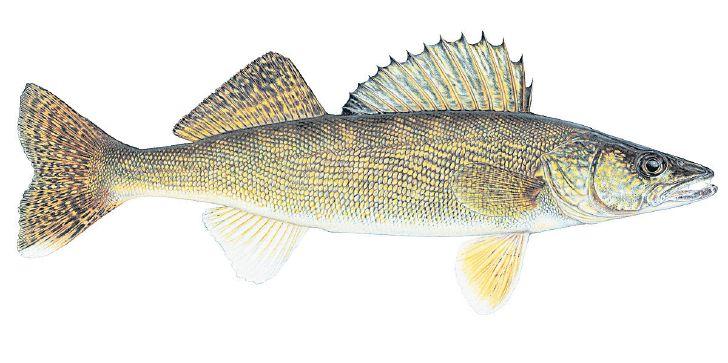
My students, research associates, and I focused on developing intensive culture systems for walleyes (Sander vitreus); systems to rear them from first-feeding early life stage through to market size. Walleyes, and other fish similar to them, such as striped bass (Morone saxatilis), are especially difficult because the newly hatched fish are very small (7-8 mm), have small mouths, and very small yolk sacs. The energy and nutrient reserves in their yolk sac are extremely limited. They must begin feeding within 3 to 4 days, at the longest, or they “sink” into energy and nutrient deficits from which they cannot recover.
Adding to the problems in the case of walleyes is the fact that first-feeding larvae lack several gut enzymes; therefore, digestibility of feeds was a major issue. We designed initial feeds on formulas designed to replicate the nutrient and energy composition of walleye eggs, but with lower fat content. Feeds with full equivalent fats had the consistency of peanut butter.
Tank/trough culture of first-feeding fish requires solutions to an array of culture conditions in addition to a satisfactory feed. Water temperatures, light conditions, water movement, and aeration systems all must be controlled within narrow limits similar to those experienced by each species in its natural habitat.
In the case of walleyes, and similar carnivorous species, control of cannibalism adds to the challenges. All these challenges notwithstanding, it is technically possible to rear walleyes from hatching to market size fish (~ 4 kg) under intensive culture conditions. However, price competition from wild-caught fish captured primarily from large Canadian lakes, has prevented the development of economically feasible walleye farming.
CREATIVE FARMERS
The research support offered by FFAR will provide creative farmers, managers, and researchers with incentives to identify species with market potential, and design research plans to address the myriad challenges inherent in the culture of early life stages that suit the needs of “new” species in new geographic areas.
Given the reality that the United States currently imports almost 90% of the seafood consumed domestically, half of which comes from foreign aquaculture sources, it is vitally important for American producers to accept and meet these challenges.
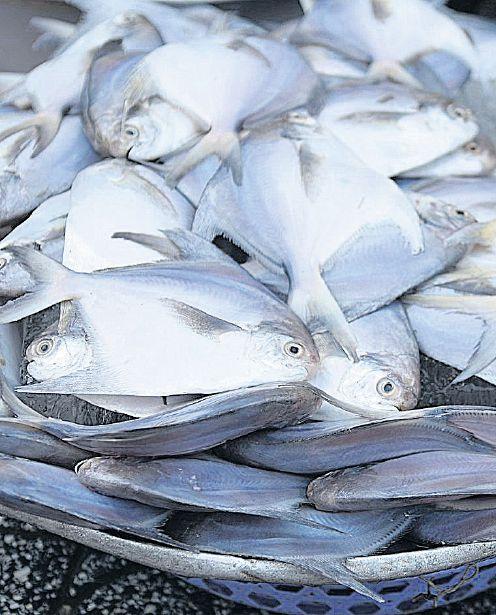
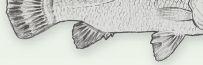
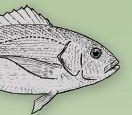
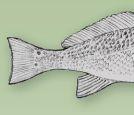
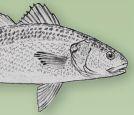
Silver pomfret is one of the species under consideration for production in the new facility.
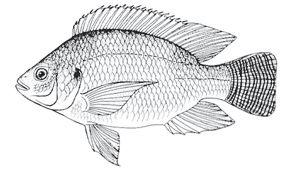
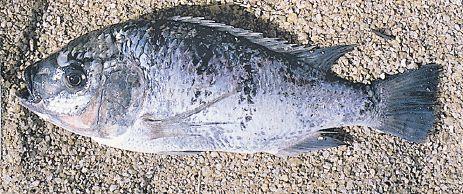
lorida red tilapia (Oreochromis sp) fry may tolerate salinity levels up to 36‰ without requiring acclimation if they come from broodstock acclimated at the same level, according to researchers from Egypt.
Tilapia broodstock and larval production under different water salinities without acclimation, published in the Journal of Aquaculture Research & Development, “highlights the importance of rearing Florida red tilapia broodstock in saltwater in order to have offspring tolerable to the marine environment.”
“While the suitability of the Florida red tilapia strain for seawater grow-out has been demonstrated by high growth rates and feed conversion efficiencies, the hatchery phase of production remains restricted to water of lower salinities. The need for low-salinity water for maintaining broodstock and fry – thus affecting the ability of farmers to obtain fingerlings –restricts the establishment of future hatcheries in low-salinity water areas,” the authors said.
The study was conducted for 32 weeks at El-Max Research Station, NIOF, in Alexandria, Egypt.
FOUR SALINITY LEVELS
TWO-PHASE STUDY
Conducted in two phases, the study began by focusing on the effects of different salinity levels on the broodstock’s growth performance and fry production.
Placement:
The research team was composed of Ghada R. Sallam, Hadir A. Aly, Mohamed A. El-Absawy, and Zeinab A El-Greisy from the National Institute of Oceanography and Fisheries (NIOF), Alexandria Branch; and Walied A Fayed from the Alexandria University.
Red tilapia fingerlings, which were raised as broodstock, were acclimated in fiberglass tanks on four salinity levels – 9‰, 18‰, 24‰, and 36‰ – and freshwater as a control treatment. After spawning, fry were collected for the second phase of the experiment. Each batch of fry from broodstock of a different salinity level was exposed to three different salinity levels, low, medium and high at 9‰, 18‰, and 36‰, respectively,
without an initial acclimatization period.
“The results implied that best growth for broodstock was observed with 36‰ and no significant difference in survival,” the authors cited.
Broodstock with 18‰ produced the highest number of fry/kg. But this indicator aside, fry from broodstock with 36‰ performed the best. It tolerated high salinity levels of 18 and 36‰ with high survival rates of 90 and 92‰, respectively, and with highest growth rate.
INCREASED PERFORMANCE
“It could be concluded from the study
of Florida red tilapia broodstock increases with increasing salinity after gradual acclimation.
“Also, when fry of Florida red tilapia from acclimated broodstock are reared in marine water they could possibly tolerate high salinity (marine environment) levels without acclimation. Therefore, the study highlights the possibility that acclimation of Florida red tilapia broodstock at high salinity levels produces seed that could tolerate the direct transfer to marine water without requiring acclimation,” they said. – by Ruby Gonzalez

















cool concept
continued from cover
MAXIMIZING THE GAINS
“Less work, faster growth, improved pigmentation and reduced mortality will certainly contribute to better economics for the hatchery manager,” says Husby. “In addition, reduced microbiological activity in the fish tanks reduce the need for cleaning the tanks. The fish will experience better health and lower mortality. The immune system will benefit from the right type of feed and we have conducted studies ourselves showing that fish getting our feed better cope with stress than fish given traditional feed.”
Transporting Planktonic’s feed requires a cryocontainer to maintain the temperature. “It’s not like you can take it in a suitcase and carry it on a plane, but I think it’s quite efficient,” adds Husby.
Planktonic AS was formed initially in 2008 by Nils Egil Tokle, a PhD in marine biology, and Haavard Aakeroy, a mussel farmer and co-owner of Norway’s largest mussel producer. The company was formed initially to focus on inert feed, but in time developed the cryopreservation technique.
“They started experimenting with this in a small scale and had a little bit of a hunch as to what species that this could actually work with,” says Husby. “Due to both extreme creativity and in-depth knowledge about zooplankton biology, they could actually leap-frog a lot of stages that people otherwise would struggle with for years. When we discussed this with people from either academic circles or people from the cryopreservation business, they are struck with awe that this is actually possible with an organism in this context.”
BIGGEST CHALLENGE
The biggest challenge for the company currently is producing enough product to meet demand. They currently sell everything they produce. Expansion of their business will require proportional expansion of their operations.
“It’s about purchasing equipment,” says Husby. “It’s about making the equipment even better, and actually doing everything we do a little bit better. So, it’s all about industrializing the process and being able to produce even more tons than we do today. We have to make sure everything in all departments is working efficiently.”
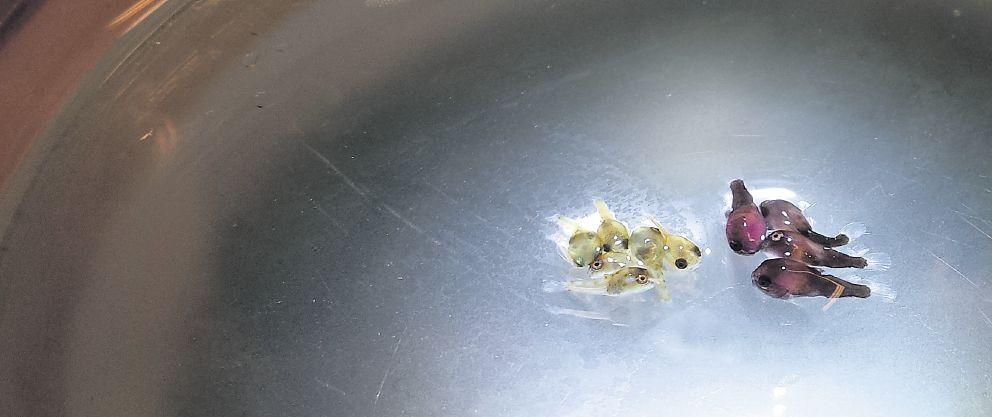
To utilize the Planktonic product a hatchery manager need only throw the cryo-preserved nauplii into sea water and within eight hours they are ready for use.
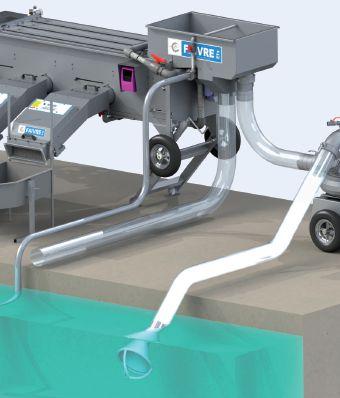
Since 1958, Faivre has been developing and manufacturing high quality equipments for the aquaculture industry















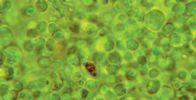
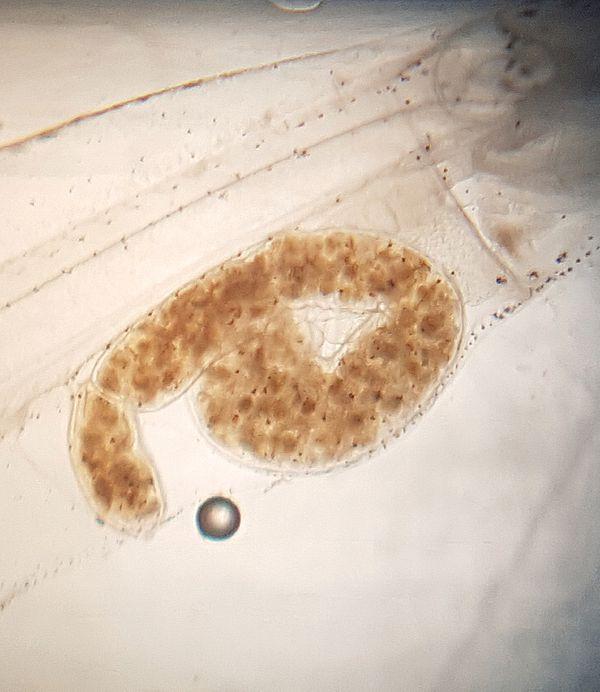
An x-ray shows the Cryo-plankton inside the stomach of a sole.
COVER
Northern Divine Profile
resistance, body conformation and color for over 30 years.
“Our breeding program has remained incredibly diverse,” says Henry. “We have never had to go back and collect more stock.”
As an aquaculture species, coho have a number of advantages and when you factor the all-female component, you can literally double those advantages, Henry explains.
“Coho have a fast growth rate that really sets them apart from other salmon,” he says. “In salt water at an ambient temperature between 6 – 20°C, a 50g smolt typically reaches 3 kg in 13 months.” That rate can be increased in a controlled system with optimal rearing photoperiod and temperature, Henry adds.
It’s a great product Henry maintains. “Coho are a bright silver colored salmon,” he says. “The flesh can be a very dark red and they are leaner than Atlantics or chinooks. Chefs looking for something a bit out of the ordinary love them.”
Coho are equally at home in both salt and fresh water and are suitable for ocean or lake pens, or land-based facilities. “We have salmon farmers raising them in ocean pens, trout farmers raising them in full RAS and a variety of combinations in between,” says Henry.

THE QUEST FOR FEMALES
But it’s the coho roe, that got Northern Divine on the quest for an all-female population.
“In the olden days of salmon farming, the roe was just being thrown into the offal tote with the rest of the guts to go for rendering,” Henry recalls. “One day a customer asked if we could send him some of the roe so that he could make ikura, or salmon caviar. We did, and at the end of the season he sent us a cheque for $7,000.”
“Well, we didn’t throw out any more roe,” Henry chuckles. He says coho roe has the second highest market value to that of chum salmon, which is only sourced from the wild. Indeed he should know, Northern Divine also raises white sturgeon for caviar and flesh sales.
“We wondered if it was possible to produce an all-female population,” says Henry. “It took 10 years, but that is what we did. It’s a similar process to that used for rainbow trout and chinook but its trickier.” He says the process is proprietary, and complex, involving manipulating various environmental conditions. “But we are certified Organic,” he adds. “So that tells you something.”
MULTIPLE BENEFITS
Producing an all-female egg multiples the benefits of raising coho. With an allfemale stock, you are able to save costs. “There is no risk of precocious males that will need to be taken out of your production,” Henry says. “Because there are no males, you are able to push your smolt growth faster without worrying about the risk of jacking.”
“And if you are looking to do Ikura, with all-female fish you have double the roe.” Henry notes.
Over the years Northern Divine phased out the net pens and fresh salmon sales and moved all their broodstock holdings onto land. A full RAS system re-uses 99% of their water.
“We are in an isolated situation with excellent ground water and our landbased system allows us to be certified disease-free,” Henry points out. He says the company is certified by the Canadian Food Inspection Agency (CFIA) compartmentalization program,
that follows the guidelines of the World Organization for Animal Health (OIE). The program includes specific premise requirements to ensure that the exported eggs are consistent with international standards for aquatic animal health management.
“The compartmentalization from CFIA allows us to more easily export our eggs,” says Henry. “We are currently shipping across North America as well as Europe, Asia and South Africa and we hope to be servicing the Chilean market soon.”
Temperature and light controls allow them to have four spawn cycles with extended windows of availability. “We are able to ship eggs throughout the year,”
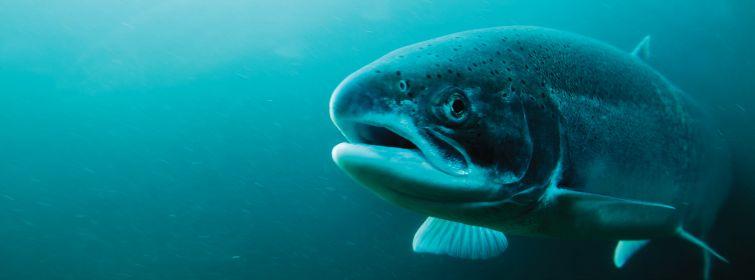
Customers are diverse. Salmon farmers are adding them to their sites Henry says. “Coho are resistant to ISA and to sea lice so adding coho to a location can be beneficial.” Henry acknowledges that it is a niche market, but one that pays a premium.
“The feedback we get is that the trout farmers who have tried them are sticking with them,” says Henry. “They are looking to diversify, they find that the growth is amazing and they like the benefits of the all female. That’s the opportunity we are offering our customers.”
Henry says. “Trays of 50,000 live eggs, on ice in insulated boxes, can go around the world.”
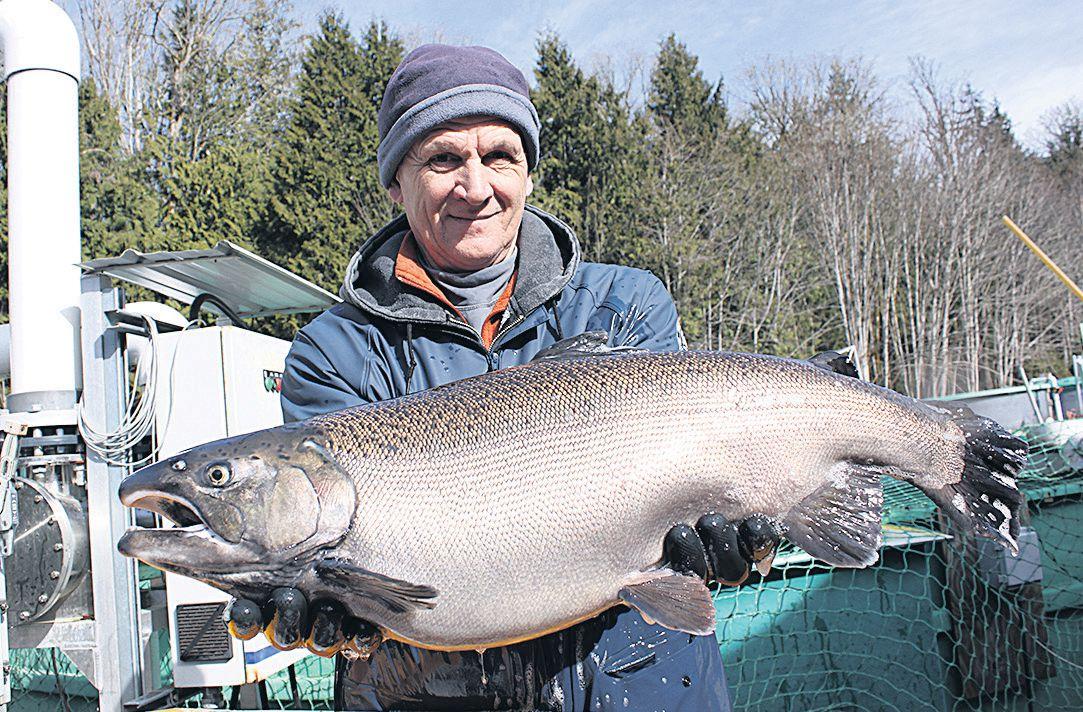
Lloyd Henry, long time aquaculture technician at Northern Divine Aquafarms, holds big female coho salmon during broodstock sort.
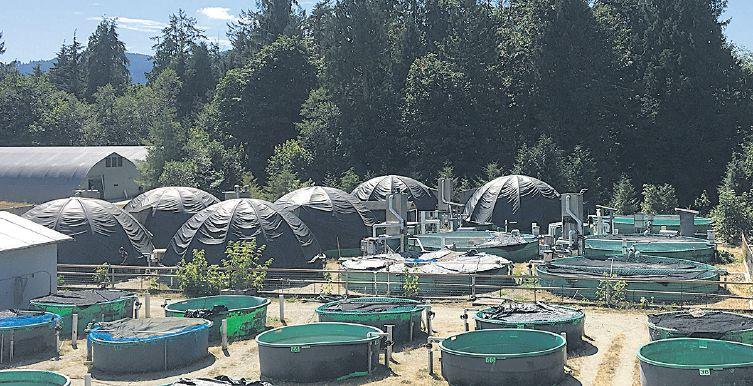
Overview of outside tanks at Northern Devine Aquafarms.
White River national hatchery back in business
early six years ago floodwaters caused by Tropical Storm Irene slammed into the US Fish and Wildlife Service’s White River National Fish Hatchery in Bethel, Vermont resulting in its closure. Now, following an extensive $2.3 million renovation and repair program, the hatchery is “back in business” with a new mission to produce eggs for landlocked salmon destined for Lake Champlain, and lake trout for Lakes Ontario and Erie.
N“contaminating” the remaining tanks. Thousands of big Atlantic-salmon broods-fish were donated to Native American groups for use in ritual ceremonies, and approaching 500,000 lake trout intended for stocking into Lake Ontario and other locations had to be destroyed.
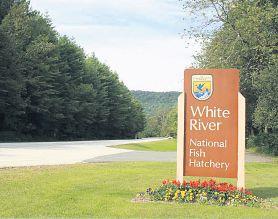
Not all the tanks inside and outside the main hatchery building as yet have fish, but many do and the hatchery is revving up for its new work in producing and distributing eggs. In a special reopening ceremony Vermont’s US Representative, Peter Welch, referred to the hatchery as “a real symbol of resilience” as well as of respect for nature.
In August 2011 floodwaters from the White River inundated the hatchery’s outdoor holding tanks, flushing out thousands of hatchery-raised Atlantic salmon (Salmo salar) into the river and
Prior to 2011, the hatchery’s main purpose had been to raise Atlantic salmon for release into tributaries of the Connecticut River, as part of a decadeslong program to restore the native stocks of Atlantics in Connecticut, Massachusetts, Vermont and New Hampshire.
Then, according to manager Henry Bouchard, in the following year, USFWS officials decided to abandon the Connecticut River since too few adult fish had been returning to the river to reproduce, and agreed that the facility’s new role would be to maintain broodfish and raise eggs to send to other units.

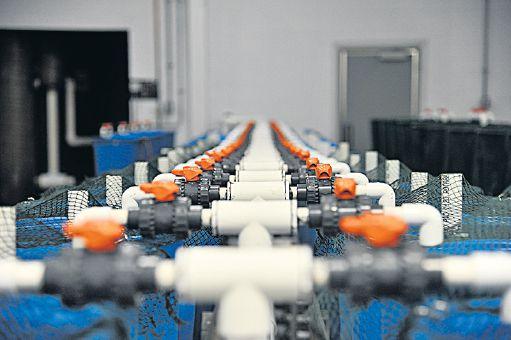
U Turkish producer touts record shipment to Oman
ntil recently, Kilic's sea fish were shipped by sea, but market demand from land-locked areas in the Persian Gulf necessitated a look at alternative transport.
The fish transported to Oman were placed in boxes made of special plastic and loaded on a plane equipped with oxygen for the flight.
Serkan Ilgaz, Director of Hatcheries and Foreign Investments, reports in a company release that Turkey has become the market leader in sea bream and sea bass.
“Our hatcheries in Muğla and Aydın produce 200-250 million seed fish a year – half the seed fish production in Turkey.
We are now exporting live fish to Tunisia (where we have 30% of the market), Oman, and Saudi Arabia.” Kilic produces 50,000 tons of fish annually, of which 70% is exported.
Turkey’s Kilic Holding successfully completed its largest air shipment to date when 1.2 million live juvenile Mediterranean sea bream (worth USD $500,000) were airlifted to Oman.
Russian hatcheries to offset negative impact of new bridge
Three hatcheries from Krasnodar Krai in Russia will release 500,000 sturgeon fry per year, or 1.5 million in total, to the Kuban River and Azov Sea from 2017 to 2019, partly to help mitigate damage done by construction of the Kerch Strait Bridge.
The Kerch Strait Bridge is a road-rail bridge under construction to establish a land connection between Crimea and mainland Russia. However, according to ecologists, primarily from the Ukraine, whose government actively opposes the project, the new bridge will seriously damage the local environment, including populations of sturgeon in the Azov Sea.
estimated that total damage to the flora and fauna of the Kerch Strait from construction of the new bridge could be as high as UAH 10 billion (US$381 million). It promises to take Russia’s government to the international court over these claims.
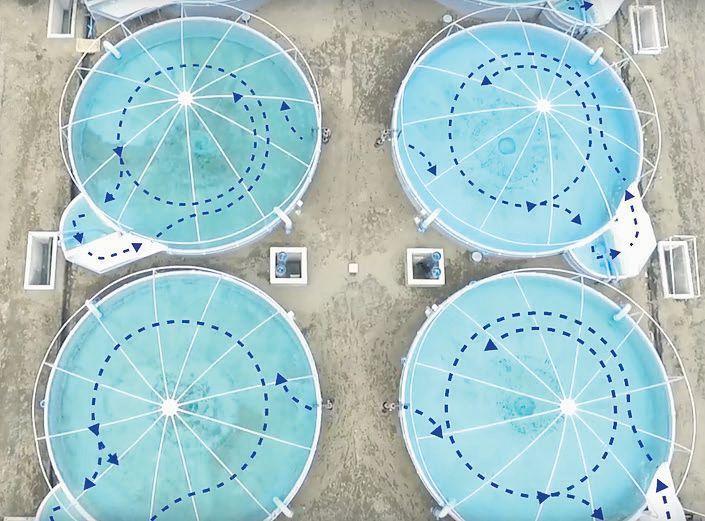
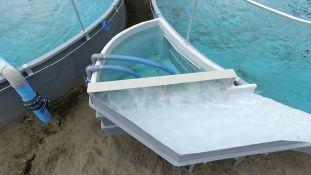

The program itself doesn’t indicate that the Kerch Strait Bridge will actually bring harm to the local environment, suggesting instead that populations of sturgeon in the Azov-Black Sea basin should be increased because in recent decades it significantly dropped owing to large-scale poaching in the region.
The Institute of Water Problems and Melioration of the National Academy of Sciences in the Ukraine recently
For hatcheries in southern Russia the construction of the Kerch Strait Bridge will mean increased utilization. In accordance to several contracts, three hatcheries operating in the region, already release significant sturgeon fry to regional waters per year and within the new contract this figure will be increased.
– Vladislav Vorotnikov
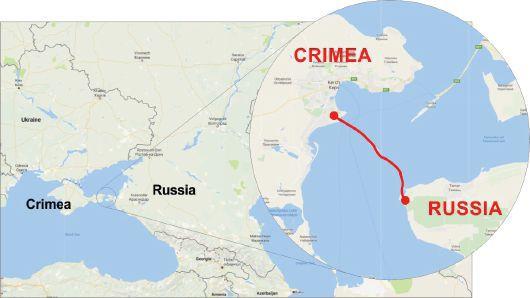
The Kerch Strait Bridge is a road-rail bridge under construction to establish a land connection between Crimea and mainland Russia.
New aquaponics facility planned for Malawi
Students and professors from Lakeland University, Sheboyan, Wisconsin, were recently reported to be preparing to fly to Malawi, Africa to collaborate in building an unusual aquaponics facility. The project is a joint effort between business- and biology students at the college and graduate student Patrick Tembwe, who hails from Malawi. Tembwe, graduated from Lakeland in 2004 and was back on campus studying for his MBA, said he’s excited to be planning what he thinks will be the first aquaculture-and-hydroponics business in that country.
A report from Wisconsin said that the plan is to grow tomatoes, lettuce, onions, kale and other vegetables, along with chambo (Oreochromis lidole), a tilapia-like fish native to Malawi. The plants will be grown without soil, supplied with nutrients from the fish culture tanks.
And in addition to selling the produce, Tembwe intends to supply a nearby orphanage with vegetables and fish. He and four Lakeland students were reportedly learning how to operate the system, in part through a partnership with Lake Orchard Farms Aquaponics, located near Sheboygan. Tembwe has already learned to set up his own system in Africa, initially using 110-gallon (420 litre) tanks rather than the 500 gal tanks he is used to at Lake Orchard Farms.

PROFILE
Dainichi Corporation Japanese producer a veteran in sea bream sector
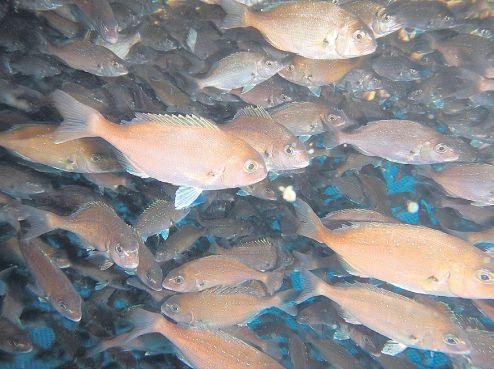
For 35 years a marine hatchery on Japan’s Shikoku Island has been producing red sea bream juveniles for deep-water growout in local waters.
BY BONNIE WAYCOTT
ed sea bream (Pagrus major) has been eaten in Japan for at least 5,000 years. It’s featured prominently in festive occasions because the Japanese word for the species, madai, sounds like medetai, meaning auspicious or joyous. It’s also an important species for Japan’s commercial aquaculture sector. Its fast growth rate and ability to spawn naturally in captivity makes it economically advantageous and particularly attractive.
EARLY DAYS
One company that’s been reaping the benefits of red sea bream is Dainichi Corporation on the island of Shikoku, southwest Japan. Since its establishment in 1982, it’s been specialising in deep sea farming – the rearing of red sea bream at depths of 40 to 50m, with a nearby hatchery called Yamasaki Giken Co., Ltd supplying juveniles for growout. Although Yamasaki Giken began as a machine manufacturer, its founder’s interest in the environment sent it moving in a totally new direction.
“Our founder is extremely interested in the severity of declining fish stocks,” explained Sachi Morita of Yamasaki Giken’s Research and Development division. “He decided to open a hatchery because he believed we should produce the fish we want to eat, not take from the wild.”
Yamasaki Giken sits on an area of 10,000m2 and faces Uranouchi Bay, an enclosed bay in the southern part of Shikoku. At 10.5km long, its morphological features suggest what’s known as a submergent coastline. The bay is
low and narrow with small inlets that offer protection from high waves and strong winds.
Yamasaki Giken employs 33 people divided into five departments – land operations, sea operations, research and development, sales and marketing and management.
REARING SYSTEMS
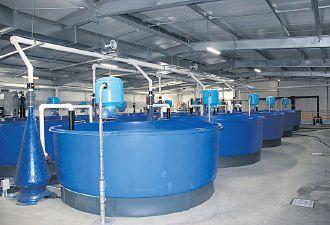
Two round tanks, each containing up to 50 fish, are used to rear broodstock, and 22 holding tanks are used for larvae and fry. Rotifers are reared in 12 holding tanks, while artemia are incubated in four and grown in four.
Selected references of landbased RAS2020™ fish farms
• Salmon – Swiss Alpine Fish, Switzerland
• Kingfish – Sashimi Royal, Denmark
• Salmon – Fredrikstad Seafoods, Norway
WATER TECHNOLOGIES
Landbased fish farming for the future
We provide turnkey standard solutions, such as RAS2020™
– aquaculture systems, for large-scale sustainable fish production.
• No underground piping
• Reduced foot print – up to 40 – 50 pct.
• Flexible production – adjustable tank size
• Tailored wastewater treatment
For further information please contact us at aquaculture@kruger.dk Meet us at Aqua Nor booth A2-601
Resourcing the world
Seawater for the tanks is drawn directly from the ocean, disinfected through ultraviolet sterilization and pumped into the holding tanks. Once purified, it’s returned to the ocean. Regular water checks are conducted in line with Japan’s Water Pollution Prevention Act and strict controls are in place for broodstock selection.
“We select our broodstock based on size and traits,” said Morita. “We tag them for identification, photograph them, and take a DNA sample. We make sure that they have a high level of genetic diversity and that inbreeding is avoided. We check that the fish are active with complete fins and scales and free from disease. This is key to sustainable production.”
BROODSTOCK AND EARLY REARING
The broodstock are put into holding tanks at the beginning of December. Water temperature and light are carefully controlled and in February and March their eggs are collected, transferred to separate tanks and divided into floating and sinking. Dead eggs that settle at the bottom are removed by siphoning, while the floating ones are transferred to rearing tanks until they hatch into larvae. Samples are also taken to check for the virus that causes Viral Nervous Necrosis (VNN) that typically affects the younger stages of fish.
After hatching, the condition and feed intake of the larvae are monitored daily. On the first day, they are minute at around 3mm and live on their yolk sac for the initial three days. By the fourth day, when their eyes and mouths become more prominent, the actual feeding begins. When they’re between 2 and 26 days old they are given rotifers, artemia at 14 to 29 days old, frozen copepods at 15 to
All photos: Yamasaki Giken Co
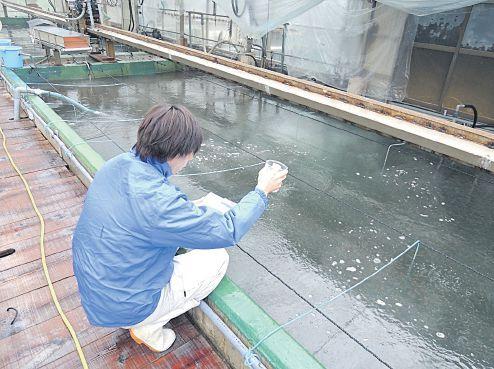
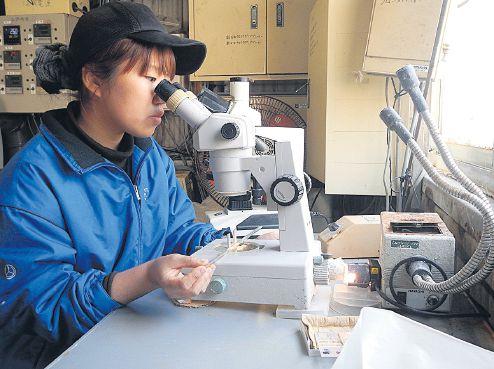
A hatchery technician checks quality of rotifers.
Juvenile red sea bream just prior to delivery.
Routine water quality check and monitoring.
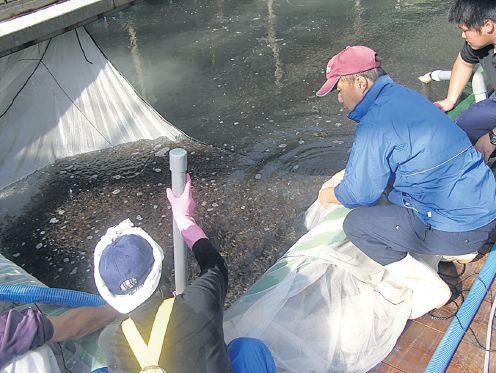
Hatchery staff seine up juveniles for delivery to grow-out sites.

29 days and formulated feed from day 23 onwards.
“We control feeding, water temperature and dissolved oxygen using a computer, said Morita, “while an automated system rears rotifers and artemia, cleans them and distributes them to the tanks. When the larvae are around 40mm and have developed into fry capable of feeding themselves, the tanks start to become congested so they are moved to offshore cages.”
OFFSHORE OPERATIONS
The fry are reared offshore until they’re around 70mm. They are then divided according to size into small, medium, large and extra large, and separated to allow more space to move around and reduce stress. When they’re around 80mm, they’re returned to the hatchery and checked for any deformities (those that cannot be delivered are removed) before being shipped out in line with orders received from Dainichi and other growout facilities.
The fry are delivered on boats or conventional light trucks containing open tanks for shorter distances or closed tanks for larger quantities and long distances. After delivery, a Yamasaki Giken staff member checks the fry and makes sure that any information that could be required in the next stage of production is shared.
Biosecurity and disease prevention are key to a successful procedure.
DISEASE PREVENTION
“Our disease prevention measures are pretty thorough,” says Morita. “Staff must step into trays containing Glutaraldehyde before entering the tank areas. We have lost thousands of larvae to disease before, so we rigorously disinfect equipment, and if necessary, minimize frequent transfers to tanks.”
Any larvae or fry suspected of carrying disease are taken to Yamasaki Giken’s research laboratory for examination. Dissection, the isolation of bacteria and PCR diagnoses can identify any possible disease and contribute towards early detection and prevention. Those that have already been shipped can be returned if required, and feedback is provided that will be of use in the next production stage.
Morita believes that farmed fish will continue to be a key commodity.
“The demand for farmed fish is rising,” she said, “and there will be more sales, not just within Japan but also to the rest of the world. Security, safety and good product quality are vital, beginning at the hatchery stage. Our mission is to make our operations more transparent and work in line with the needs of today’s fish farmers.”








systems for fish farms for both freshwater and marine fish species
Aeration and degassing systems
Wastewater treatment plants for industrial and domestic sewage
Bioscrubbers and cooling towers
EXPO-NET Danmark A/S Georg Jensens Vej 5, DK-9800 Hjørring, Denmark Email: plast@expo-net.dk www.bio-blok.com - www.expo-net.com





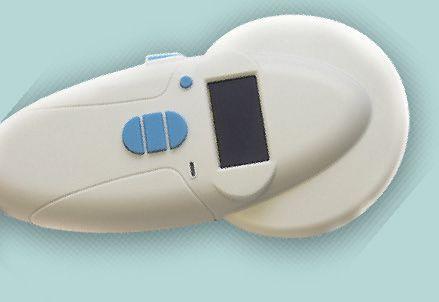









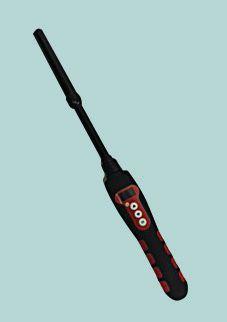



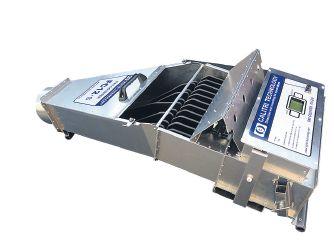





The BIO-BLOK ® filter media is a Danish manufactured and patented product.
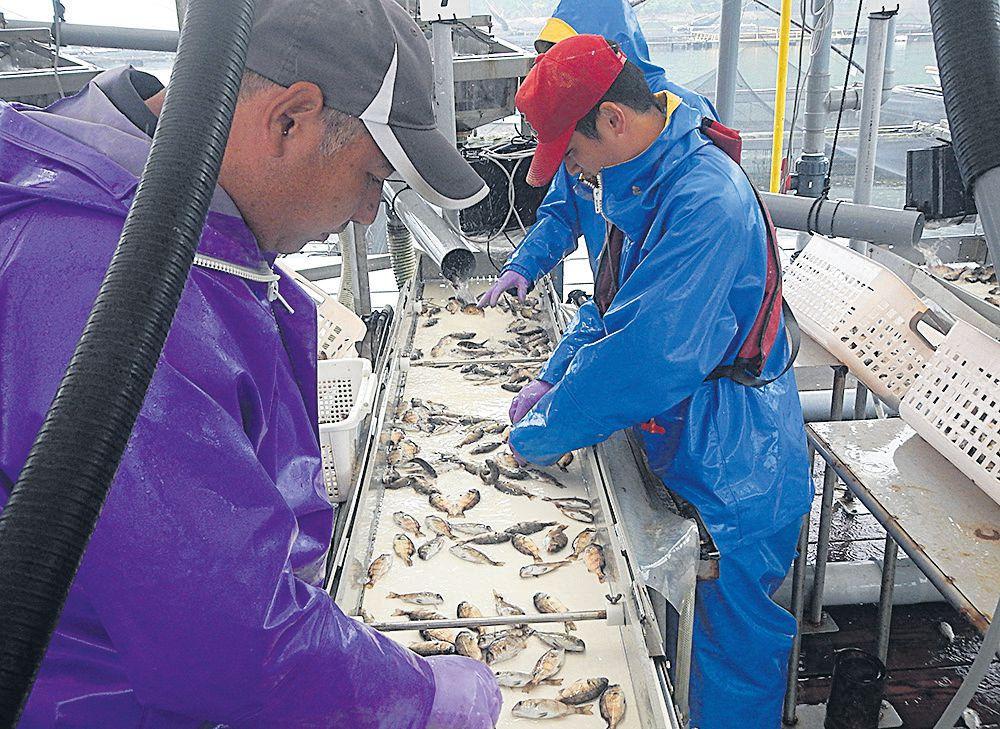
Hatchery staff inspect juvenile red sea bream prior to delivery to sea sites.
RESEARCH NOTES
Effect of diet on carp reproductive performance and quality of progeny



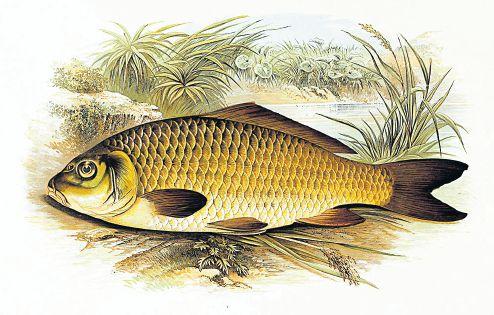
ish oil (FO)-based diets attained the best production performance value for common carp larvae and fry, “although not significantly,” according to an abstract entitled the Effect of the diet composition on reproductive performance of common carp breeders and development of progeny.
“Long-chain polyunsaturated fatty acids (LcPUFAs) of the ovary samples have shown significant differences between the control and fish oil (FO) group. FO and vegetable oil (VO) groups had higher eicosapentaenoic acid (EPA) and docosahexaenoic acid (DHA), but lower arachidonic acid (ARA) proportions than control groups most likely caused by the applied feeds,” noted Sándor et al of Hungary’s Research Institute for Fisheries and Aquaculture in the abstract.
Histological observations, they said, did not reveal any significant differences in vitellogenic oocytes between dietary treatments. It was explained that this was probably due to the nearly adequate simulation of natural food supply.
“Broodstock nutrition can significantly impact reproductive performance and affect the quality of progeny. The nutrient supply regarding the fatty acids, especially LcPUFAs, has special importance as they significantly could contribute to adequate nutrient reserves of the eggs,” they noted.
Groups of female breeders and males were each assigned to specific feeds in order to document the effect on the quality of gametes in common carp breeders and to the development of progeny of diets with different LA+LNA (Linoleic acid/Alpha-linolenic acid)/LcPUFA and n-3/n-6 ratios.
These had moderate fish meal and fish oil content (feed FO with low LA+LNA, high LcPUFA); plant protein and vegetable oil (feed VO with high LA+LNA, low LcPUFA); and wheat as control feed and by applying additional pelleted feed to simulate the contribution of natural food (1/3 of protein requirement was supplied in the additional complete pelleted feed).
At the end of trial, an identical number of males and females were sampled. Gonads were collected for FA measurements and eggs for histological analysis.
At three days post-hatch, the larvae were sampled to evaluate rate of deformity, weight and height. During the pre-nursing period, the fry were reared on natural feed. Fry performance production and FA composition were conducted after four weeks of rearing.
– Ruby Gonzalez
Canadian government reverses decision to cut salmon enhancement programs on west coast
anada’s Department of Fisheries and Oceans (DFO) has decided against a number of proposed cuts to its salmonid-enhancement and – support programs on the nation’s west coast.
The department is also reversing cuts to its Resource Restoration Unit, the engineers and biologists who help volunteers run community-based enhancement programs such as small hatcheries and stream restoration projects on the west coast of Canada.
One volunteer in a stream-keepers group in Hecate Strait, halfway up British Columbia’s coastline, called the reversal “a success story for community volunteers all through the province,” adding that there are an estimated 35,000 such volunteers scattered across BC. “Locally, it would have been devastating to our programs, our little hatcheries, and especially the salmon in the classroom.”
In Haida Gwaii, the Salmon in the Classroom program brings egg incubators to 15 elementary – and high school classrooms every winter and spring. A teacher in the area said elementary students learn the salmon lifecycle – from egg to
fry, smolt and finally adult salmon, while the high-school youngsters deal with such subjects as ecology and habitat, stream restoration and forestry practices.
According to DFO, the Salmon Enhancement Program (SEP) budget this year is $27 million, with most of that money going to 23 major hatcheries run by the department. The department’s review of the Salmon Enhancement Program had suggested cutting out “non-core” projects such as community-run hatcheries that apparently raised only 8% of the total salmonid-fry released in 2015.
The proposed cuts were immediately unpopular, particularly in Haida Gwaii, where local New Democratic Party Member of Parliament Nathan Cullen was quoted as saying he found them “mystifying” – particularly given the small amount of money that would be saved.
“We need kids knowing more, not less about the salmon world, so they can become the generation that does better than the previous one at protecting it,” he’s cited as saying.
–
Quentin Dodd









SHELLFISH
Photo: Devin Harvey, SeaWeb

Fish farms made in Germany
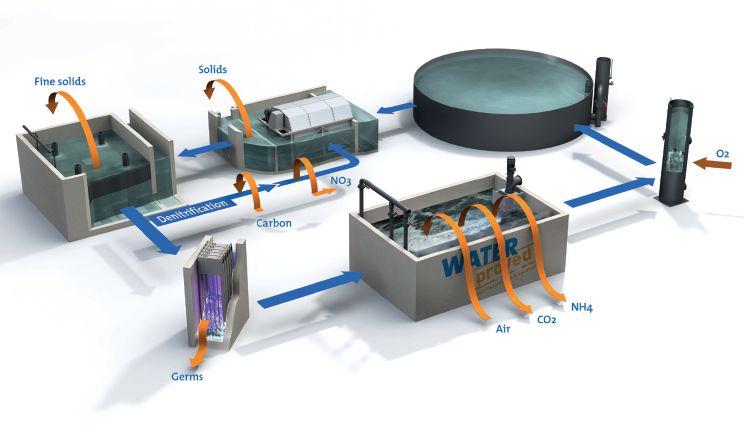

• Fish farm design: RAS and flow through
• Turn key systems
• Drumfilters
• Moved bed filters
• Fixed bed filters
• Denitrification
• Oxygenation
• UV disinfection
• Oxygen monitoring

• Farm control systems
• Feeding systems
Seed supply a challenge for North American oyster producers
The head of Taylor Shellfish in North America talks about the challenges of seed supply and sounds the alarm on the POMS virus.
BY TOM WALKER
The seed side of the shellfish farming sector is challenging, says Bill Taylor, the president of Taylor Shellfish based in Washington state, and the largest shellfish grower in North America.
“I tell people all the time that there is a reason why a mature Pacific oyster female has 100 million eggs,” says Taylor, only partly joking. “It’s because you need a lot of eggs to come up with adequate survival. They have very high mortalities in their progeny and the reason they have been able to survive is because they are very fecund.”
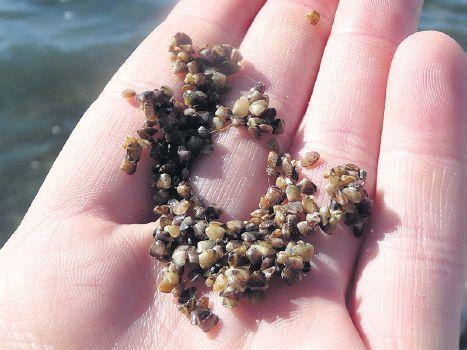
One of the biggest issues for Taylor Shellfish and indeed for producers across the industry, is having a consistent and reliable source
One of the biggest issues for Taylor and indeed across the industry, is having a consistent and reliable source of seed. “I would say there is probably a shortage of oyster seed and it is a perpetual problem,” adds Taylor.
He describes it as a boom and bust cycle. “Some months are great for hatcheries and some are not great. The seed you thought you had dies and so what you thought was going to be a great year all of a sudden is not so great.” There is seed available Taylor elaborates, but it doesn’t always come at the times, or in the sizes, or the quantities, that an operation wants.
“We have a facility in Hawaii, facilities in Washington state, and our secondary nurseries in Northern California,
Washington, and up in British Columbia and in every one of those sites there is a potential for losses,” he says.
“The hatchery larval level is usually where you have the most issues,” Taylor points out. “We know some basic things about larval culture at this stage of the game but I think we are a long way away from having a comprehensive idea as to everything that affects the larvae.”
“We definitely had problems with ocean acidification(OA) starting about 10 years ago,” he adds. “But that is only one component at the larval level.” He says the effects of temperature, water supply and salinity can be equally as challenging.
The unusually cold and late running winter in the Pacific Northwest this year delayed seed growth and crops by about
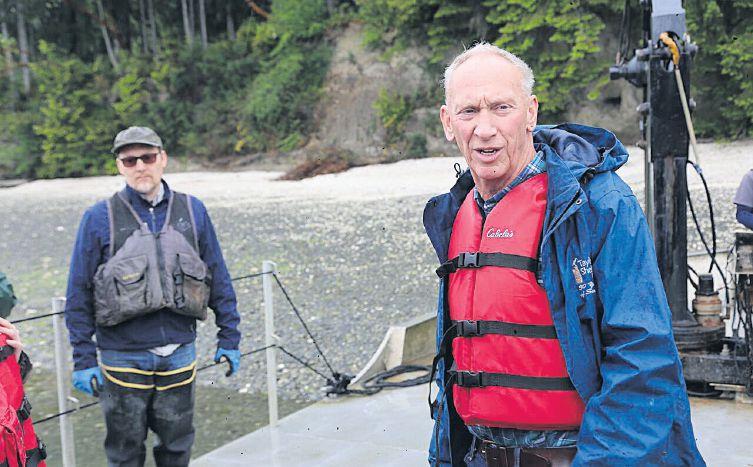
Bill Taylor (foreground) readily acknowledges larval-level problems related to ocean acidification, but also points to concerns regarding the effects of temperature, water supply and salinity.
of seed.
POMS and the risk of imported seed
Producers need seed but Bill Taylor is concerned about the risk of importing seed from outside the Pacific Northwest region.
“We have a high health program here in Washington, Hawaii and British Columbia so we have a pretty good idea of what our seed is like.” he explains. “Seed being brought in from other areas definitely needs to meet those standards. I am very concerned with the POMS, (Pacific Oyster Mortality Syndrome) or herpes oyster virus, because it has devastated both France and the New Zealand and Australian industries.
“Having seed bought in that is even close to a POMS area scares us a lot,” says Taylor. “We have talked to friends in Australia who have had to deal with it. They basically lose their whole crop. So it is of major concern to us. And it should be a concern for everybody in the industry. It will wipe out 99% of your younger stock.“
A lot of issues like marketing or predators are part of daily life, he comments. “They are certainly concerning, but at the end of the day nothing is static in the marine environment or in business; you are always adapting.”
“Those kinds of things I call incremental, we can deal with them, they aren’t catastrophic,” says Taylor. “But something like POMS definitely can be catastrophic.”
Taylor says he understands POMS is something hatcheries can breed resistance to fairly quickly. “But until you actually have the POMS virus, it is very difficult to know what broodstock might be resistant to it,” he points out. “Just because you have a very hardy oyster now doesn’t mean it’s resistant to POMS.”
But after three to five years without any income and trying to figure this out you can easily be out of business, warns Taylor. “Is it better to go without seed rather than to risk wiping out an industry? That is definitely our concern.”
two months Taylor says. “We’ve been farming shellfish for a long time and I don’t know that I have ever seen a year where there was this dramatic a delay of growth,” he maintains.
“We had poor results in our Quilcene hatchery here in Washington for oyster larvae and we suspect there is an algae coming in from our water source that has a toxin in it. We think that the algae is toxic to shellfish but we don’t know 100% if that is the problem.”
The key, he says, is to isolate the problem and work on it, which is what they did with OA. “Once we understood the problem (and that took us about a year and a half to realize) it took us about another year or so to come up with a solution. It’s frustrating, but you just dig in and work at it.”
“We know that OA affects the early larval stage,” he notes. “What we don’t know as much about, but are somewhat suspicious about, is that it may affect the setting stage and that early week or two post-set.
It’s harder to gather information on post-set Taylor points out. “It is a less controlled environment where we are doing the remote setting.”
In the hatchery they have sophisticated monitoring systems, but in a remote setting location where there is simply a tank, water heater and a pump they often don’t have the right equipment for monitoring.
“Again, it might be ocean acidification, but it might be a whole host of other issues that are affecting the setting.”
Taylor calls them ‘head scratchers.’ “There are some things we just don’t know the answers to and suspect it will be like that for some time.”
COMPLETE AUTOMATED HATCHERY FEEDING SYSTEM
Purpose-designed complete feeding system for any hatchery.
The system caters for ALL feeds, live, liquid and dry, from Algae, rotifers, Artemia to microdiets and weaning diets.
Fitted with a computerized, touch screen controller, the system is extremely flexible with feeding schedules and feed amounts (as low as 50mg per feeding event).
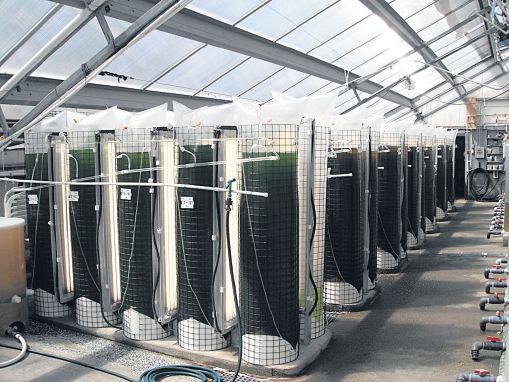
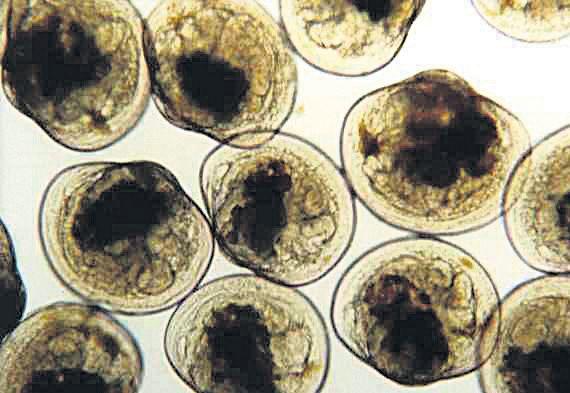
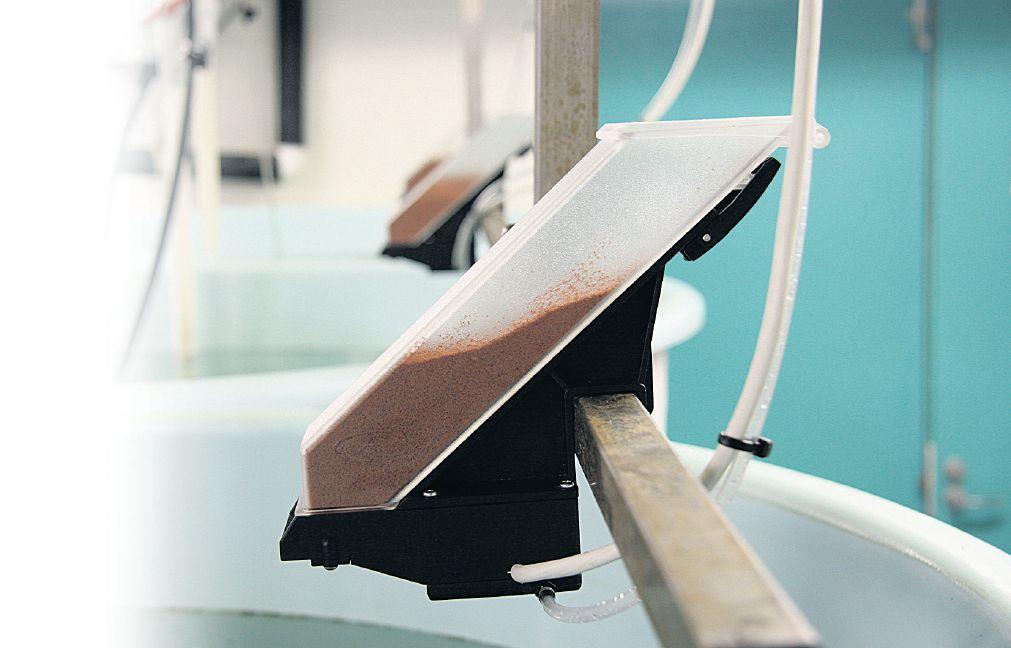






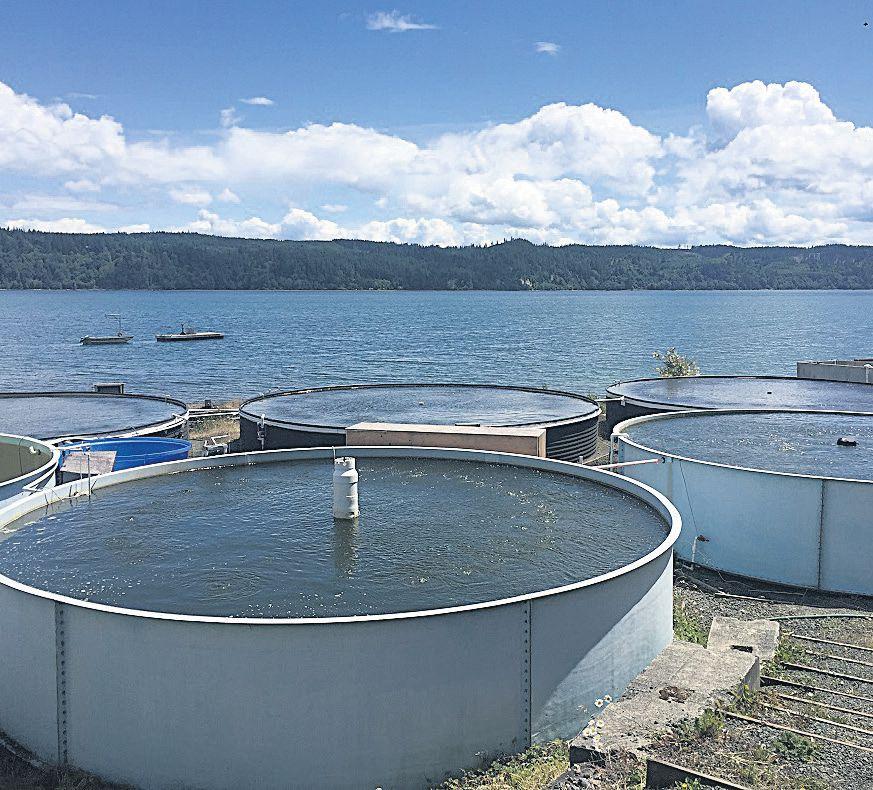
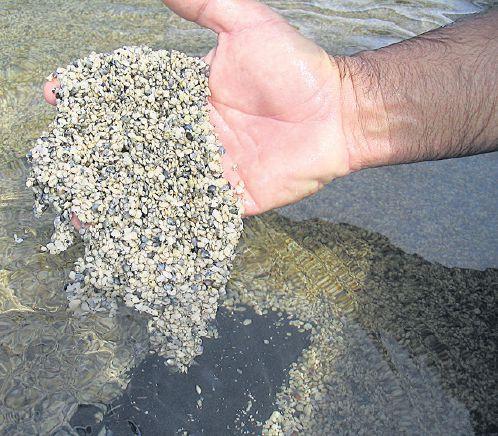
Taylor Shellfish has facilities in Hawaii, Washington state, and secondary nurseries in Northern California, Washington, and in British Columbia, Canada. An unusually cold and late running winter in the Pacific Northwest this year delayed seed growth and crops by about two months.
BAHAMAS
Egg variation a key to restoration of dwindling conch populations
Different genetic makeup provides quality and quantity
BY RUBY GONZALEZ
ollecting queen conch eggs from several females is a key factor to ensure variation in the offspring from an experimental hatchery in the Bahamas notes a recent study.
The hatchery was set up as part of a program to restore queen conch populations in the region. The project originated with the Hummingbird Cay Foundation (HCF) and is part of their mission. HCF conducted this study in partnership with the Florida Atlantic University and Harbor Branch Oceanographic Institute (HBOI-FAU).
“We conducted this study to determine variation between egg masses from different females. Each egg mass holds half a million eggs, meaning one egg mass could be all we need to run our hatchery. But since we found evidence of variation, we concluded that we need to gather eggs from many females to sustain a hatchery with the purpose of restoring the species,” Laura Issac told Hatchery International. Issac is a student of Biology, Environmental and Sustainability Studies at the University of Kentucky and a 2016 & 2017 summer intern at the HBOI-FAU.
AN ENDANGERED SPECIES
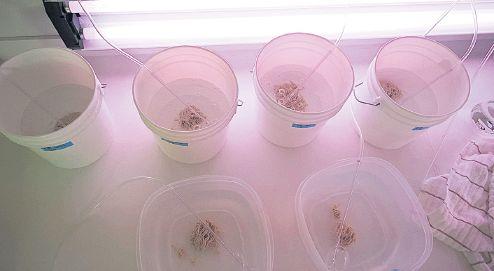
View of egg mass experiment set-up. Just small pieces of each egg mass are shown.
Overfishing in the ‘70s marked the beginning of the decline in conch populations. By 1992, it was listed in Appendix II of the Convention on International Trade in Endangered Species of Wild Fauna and Flora (CITES).
Initial experiments investigated the viability of the new hatchery by conducting studies that observed conch egg mass hatch rates and veliger (larval) growth and development.
“Population genetics tells us if all members in a population have a similar genetic makeup – without variation in offspring – there could be a higher possibility of a population crash. For example, one disease could wipe out all the members,” she added.
Variation of veliger hatching, development, and growth from five Strombus gigas queen egg masses: for restoration of the species, was authored by Issac under the mentorship of Dr. Megan Davis. It was conducted from June 20 to July 4, 2016 in Hummingbird Cay, a private island off the southwest shore of Great Exuma, Bahamas.
Davis, an associate executive director at HBOI-FAU, was a co-founder of the world’s first queen conch farm in the Caribbean, where she was instrumental in developing commercial techniques for queen conch aquaculture.
Queen conch, take three years to reach maturity. Survival is threatened by sharks, rays, turtles, lobsters, predatory gastropods and humans.
A total of five egg masses (EM) were collected from two locations. Thirty-one to 100% of the veligers hatched out on the first night.
On day 1, EM1 had 100% hatching rate, followed by EM5 (89%), EM3 (88%), EM4 (35%) and EM2 (31%).
It was observed that throughout the five embryo development stages, EM1 and 5 and, then EM3 and 4, developed at the same rate. EM2 required an extra 24 hours to develop to stage 5, or the ready-to-hatch stage.
A study was conducted for veligers that hatched out of EM1 to determine growth and development of the veligers fed three different phytoplankton feeds.
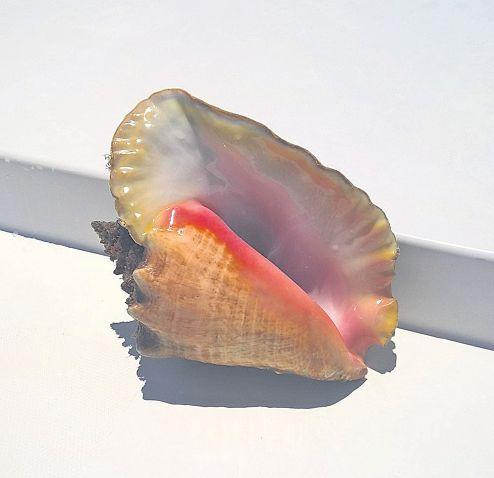
Queen conch – “among the most desirable yields that the Caribbean can offer.”
This study determined how well veligers could be grown exclusively on natural foods found in unfiltered seawater.
The veligers were fed either Tahitian Isocrysis galbana (Tiso) with naturally occurring foods in unfiltered seawater, Chaetoceros gracillis (Cg) with the natural foods in the unfiltered seawater, or only naturally occurring foods in unfiltered seawater.
The rest of the veligers from other egg masses were fed a traditional commercial phytoplankton feed with the naturally occurring foods in unfiltered seawater.
FEEDING CHALLENGES
The four-day feeding experiment showed that veligers fed with Tiso had the fastest growth rate and had a siphonal length of about 490 µm on day 4. Those fed with Cg followed closely at about 475μm. There was significant
difference with those fed natural foods; these veligers were about 335 μm.
The highest survival rate was shown to be 97% for veligers from EM1, which were fed Cg. The lowest, 77% for veligers, from EM4 fed with Tiso and natural foods. The veligers from the other EM fed with Tiso and natural foods had significantly higher survival rates.
“Further experimentation will show if there is a better way to feed veligers in this specific hatchery setting,” Issac said.
Asked about the components of a successful conch restoration program, she said, “There are many,” and implied that the issue must be tackled through a holistic approach.
“One is education of the public and of the fishermen and hopefully getting them engaged in our efforts. Another is providing an alternative way to get conch, such as through aquaculture. Finally, this situation may even call for a fishing intervention,” she said.
There are cultural and bureaucratic challenges, among others.
“Conch fishing is a large part of the Caribbean life style. We would be asking fishermen to alter this now to ensure they still have conch later. Fishing is not regulated as heavily here as it is in the United States, so that’s another challenge,” Issac said. “Trying to place a moratorium will be difficult, and keeping poachers away may prove to be even more challenging.”
Photos: Laura Issac
Laura Issac, study author, left, and her mentor, Dr. Megan Davis, associate executive director at HBOI-FAU.




SPECIAL SECTION BETTER BREEDING
Norwegian researcher touts benefits of selective breeding
elective breeding of aquatic species has economic benefits coming from increased productivity, better utilization of natural resources, as well as improved welfare of the animals.
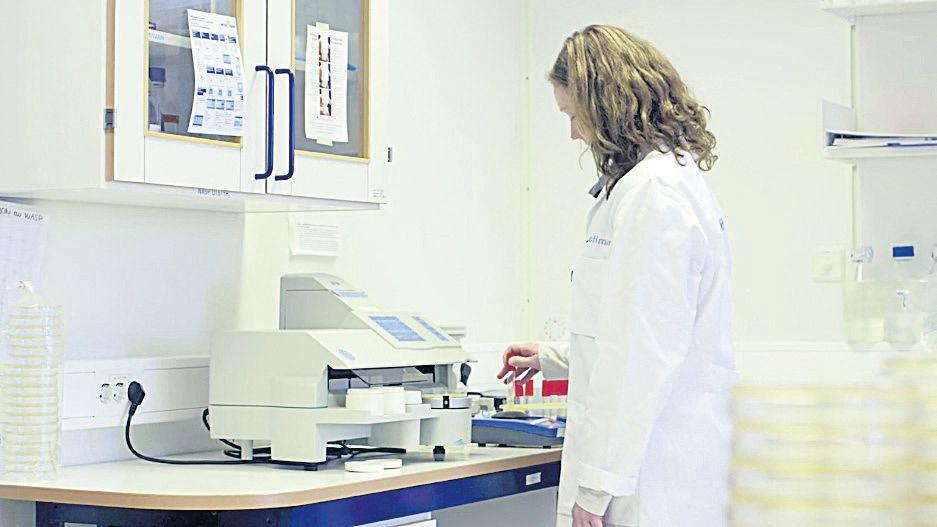
In The benefit of using selective breeding for aquatic species, published in the Journal of Aquaculture Research & Development, Trygve Gjedrem of the Department of Breeding and Genetics at Nofima AS, Norway, noted, “Results from selective breeding of aquatic species is very encouraging. Estimates of genetic gain per generation for key traits, like growth rate, is in the order of 13%, implying that it can be doubled in six generations. Results are also promising for other traits particularly for disease resistance. Aquaculture farmers should be stimulated to start breeding programs for major breeds.”
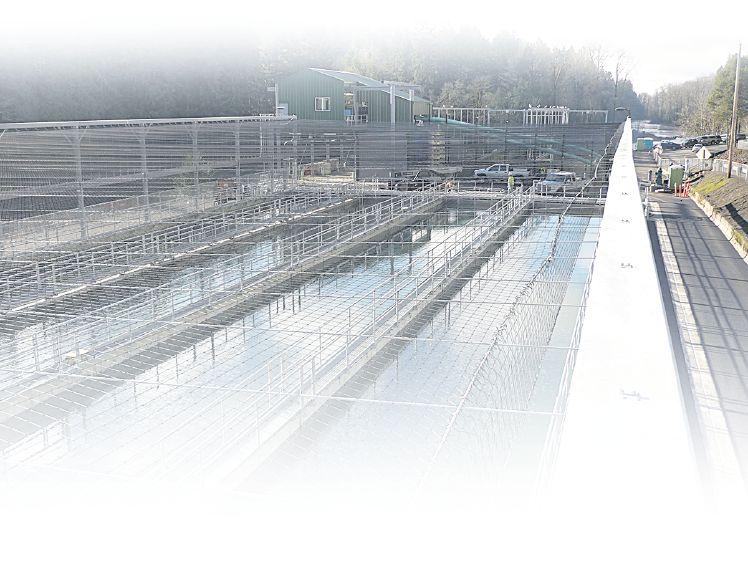
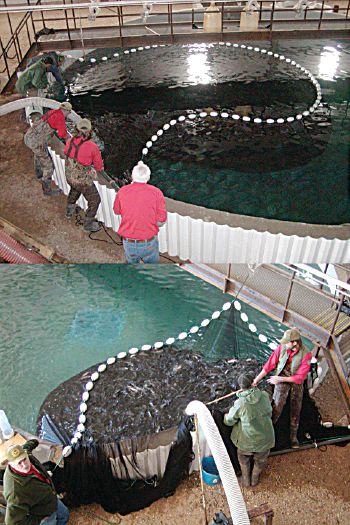
As an example, Gjedrem used the Atlantic salmon, which is said to be “the only aquatic species where close to 100% of the fish produced are genetically improved.” At present a four-kg Atlantic salmon takes only two years to produce, which is half the time it took in the 1970s.
The economic benefits: Production is doubled using the same infrastructure; loss due to mortality is reduced (because length of life is shortened); cost of labor per kg fish produced is markedly reduced (close to halved); and by providing such benefits, the breeding programs have revolutionized salmon production.
“If FCR is 30% improved by selection after 11 generations compared with the wild base population this means that the Norwegian salmon production today saves $0.7to 0.8 billion in feed costs because of efficient breeding programs,” he said.
For more aquatic species breeding programs to be implemented, he recommended the following actions:
Scientists and aquaculture organizations should inform farmers about the great benefit of using genetically improved stocks and further, encourage them to form cooperatives and start breeding programs.
Local governments should stimulate as well as financially support establishment of breeding programs.
The number of farmed species should be reduced/maximized because running a breeding program has a cost.
– Ruby Gonzalez
Genetics roadmap to develop more resilient farmed fish
Tilapia a focus
WorldFish will embark on new research to create more resilient fish with characteristics such as disease resistance and more effective feed utilization.
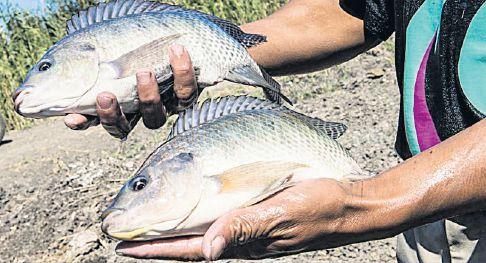
Based on a roadmap developed with world experts at a WorldFishhosted fish breeding workshop at the Roslin Institute in Edinburgh last spring, the research will use advanced techniques such as genomic selection to introduce these characteristics into its improved tilapia strains.
Since 1988, WorldFish has used selective breeding to develop and manage the fast-growing Genetically Improved Farmed Tilapia (GIFT) strain. The strain has been disseminated to at least 16 countries, mostly in the developing world, and is grown by millions of small-scale fish farmers for food, income and nutrition across the globe.
Use of genomic selection tools, which enable the selection of animals based on genetic markers, will allow WorldFish to expand its GIFT research beyond a growth-only focus and introduce selection for characteristics that are otherwise difficult to measure, such as resilience and feed efficiency. Genomic selection has enabled a steep change in the rate of genetic improvement of terrestrial livestock, and has the potential to do the same in fish.
Expansion of GIFT research is a key part of the CGIAR Research Program on fish (FISH) and supports WorldFish efforts under its sustainable aquaculture program to increase the productivity of small-scale aquaculture to meet growing global demand for fish.
John Benzie, Program Leader, Sustainable Aquaculture, WorldFish noted: “Incorporating new traits in the breeding program for GIFT will help fish farmers prepare for future challenges such as climate change and increasing evidence of disease risks. This will particularly benefit farmers in Africa and Asia, where tilapia is critical for food security yet farmers often have limited access to improved fish breeds suited to local conditions.”
Estimates of genetic gain per generation for key traits, like growth rate, is in the order of 13%, implying that it can be doubled in six generations.
Since 1988 WorldFish has used selective breeding to develop and manage the Genetically Improved Farmed Tilapia (GIFT) strain.
BETTER BREEDING
gender manipulation for southern flounder
Dr. Robert Vega of Texas Parks and Wildlife Department, and her supervisor, Dr. Todd Sink of Texas A&M AgriLife Extension Service.
“These genetically monosex female offspring can then be gender-reversed to become functional males while remaining genetic females. The sex-reversed flounder can then be spawned with normal females to create all-female populations,” Silvy told Hatchery International.
Gender determination in southern flounder is more dependent on temperature than genetics. Due to high temperatures caused by natural and manmade reasons, gender has been skewed to as high as 16 males:1 female.
Females can spawn hundreds of thousands of eggs per year, while it only takes a single male to fertilize several females over the course of a spawning season. Thus, the greatest impact of a stock enhancement program on a wild population comes from the females. “The creation of gynogentic, gender-reversed prodigy will allow stock enhancement programs to produce and stock a greater number of females,” she said.
Three methods were used to manipulate gender: induction of gynogenesis through pressure shock with later gender reversal by steroidal hormones; induction of gynogenesis through cold shock with later gender reversal by steroidal hormones; and induction of triploidy through pressure shock of normal gametes.
Induction of triploidy using pressure shock is another method to improve growth of southern flounder. Triploids still exhibit male or female characteristics, but because they have three sets of chromosomes they are sterile and do not expend a great deal of energy or nutrients on reproduction that are instead directed toward growth.
Two study controls were also used. One used normal gametes and the other irradiated sperm to ensure the UV irradiation process worked.
While studies on gender manipulation had been done before, this is the first time different methods had been used side-by-side on one species.
The benefits of the stock enhancement programs are far-reaching. “In the case of benefits to either the aquaculture producers or commercial fishermen, the end result is that consumers will benefit through increased market availability of southern flounder and potentially reduced prices,” she said.
Foodfish aquaculture was a major consideration for the studies.
The male southern flounder is slow to grow, taking several years to reach 12 to 14 inches. In culture, it may never reach the minimum market size of 1 pound, and if it does, it may require two to three years. This results in a long period of no cash flow for the producer.
“Females grow faster and achieve larger sizes, so monosex female cultures are optimal for production. Consequently, the methods we employ to create allfemale populations using gynogenetic, gender-reversed broodstock have potential to increase commercial foodfish production,” she noted.
– Ruby Gonzalez
continued from cover
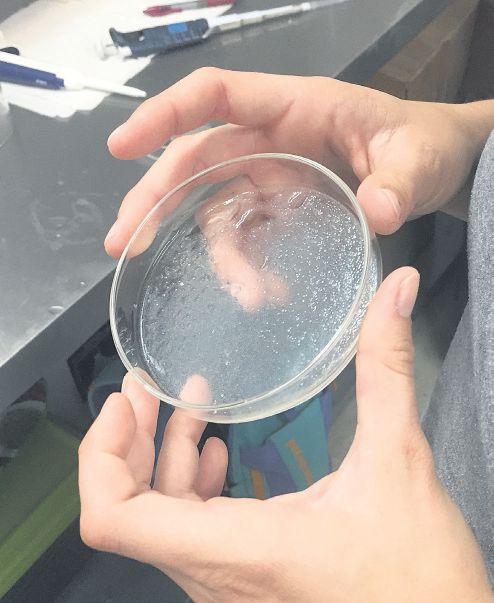
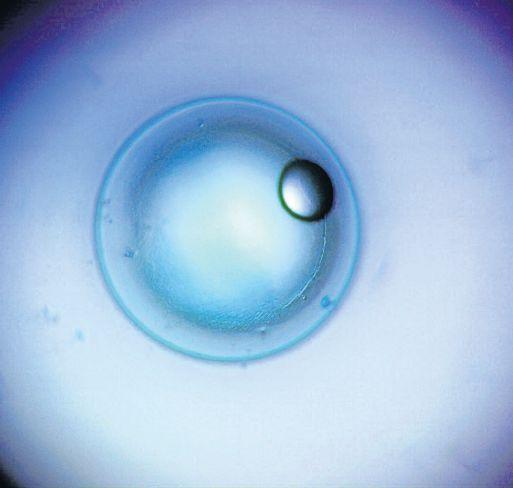
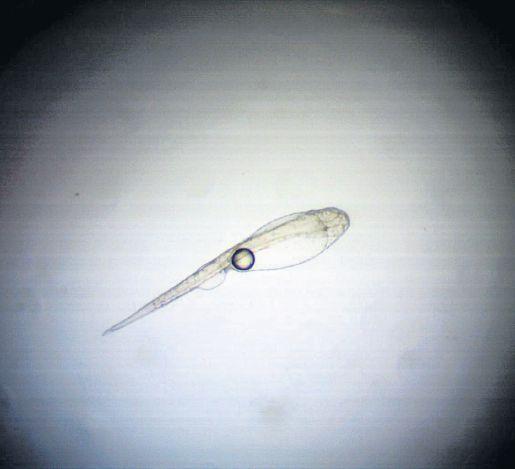


Milt and eggs are mixed by gently swirling to promote fertilization.
Photos: Elizabeth Silvy
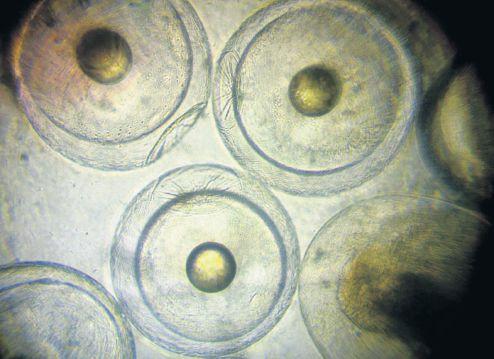
Eggs activated by irradiated sperm display arrested development.
Eggs activated by ‘ normal’ sperm’.
Larval flounder at 3 days post hatch.
High Density

Self Cleaning
Biosecure • Compact
Call us today at +1-250-889-5075 info@industrialplankton.com www.industrialplankton.com
BETTER BREEDING
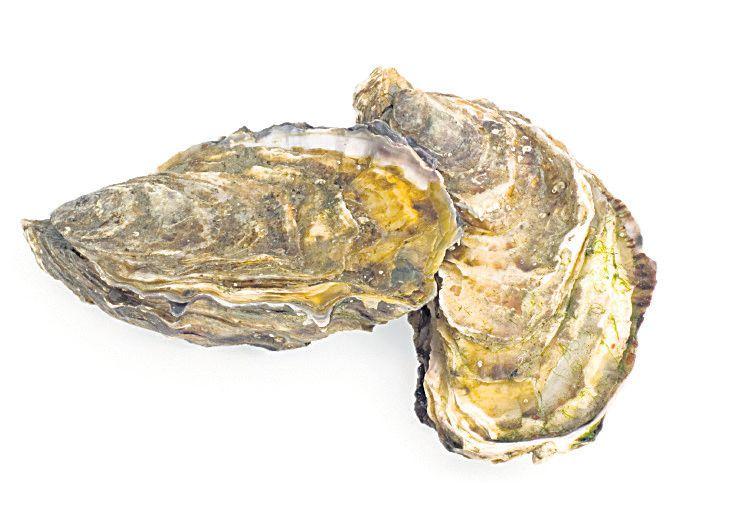
The Roslin chip has been developed for two key species – the Pacific oyster (pictured) and the native European flat oyster, which is also an important species in many locations.



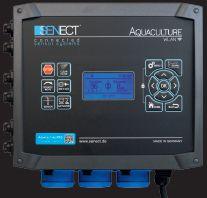
● O2 control with optical sensor, intelligent feeder control and many more functions
● Data, status and alarming on smartphone, tablet or PC
● Ideal for ponds, raceways and recirculation systems
SENECT GmbH & Co. KG, An 44 - No. 11, D-76829 Landau / Germany phone: +49 - 6341 - 95 95 210, email: info@senect.de
Genetic advance for oyster culture aimed at improving broodstock selection
BY COLIN LEY
Anew genetic tool, designed to enable oyster farmers to select breeding stock according to both disease resistance and yield benefits, is at an advanced stage of development at the University of Edinburgh’s Roslin Institute.

specialists in several European countries, plus Australia and Mexico.
The team at Cawthron already has extensive selective breeding experience in relation to oysters and disease resistance, dating from a crisis point in 2010 when ostreid herpes (OsHV-1) virus almost wiped out New Zealand’s Pacific oyster stocks.


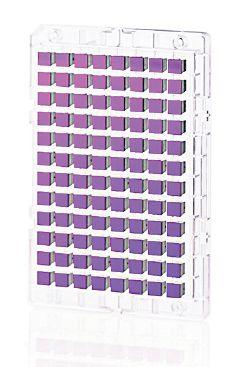
Scientists at Roslin have created a genetic chip ‘loaded with tens of thousands of pieces of DNA, each of which carry a specific fragment of the oyster’s genetic code.’

MULTIPLE GOALS
Initially developed to help identify oysters with a specific resistance to the highly damaging Oyster Herpes Virus (OHV), the chip is currently being assessed for its ability to also identify oysters with desirable characteristics, such as faster growth rates.
Working now with the new Roslin chip, Cawthron’s researchers are exploring its impact on virus resistance issues and seeking to establish whether it can supplement and enhance the selective breeding programmes they have already put in place to produce resistant strains.










“We’ve already completed challenge experiments on DNA samples, looking at the genetic basis of observed natural resistance to OHV in some oysters, seeking to establish why some survive the virus while others don’t,” Roslin Institute’s Dr Ross Houston told Hatchery International “In addition, we’re examining whether there are individual genes that contribute to the observed resistance.
“The more we learn and understand about the genetics of resistance in relation to OHV, the greater the opportunity to use these genomic tools to assist in selective breeding for resistance to the disease.”
While OHV losses vary greatly from incident to incident, severe outbreaks have been known to result in mortality levels of up to 90%.
CHIP CHALLENGE EXPERIMENTS
The chip challenge experiments carried out so far have been run by the Centre for Environment Fisheries and Aquaculture Science (Cefas) in Weymouth, using oyster seed from a farm in Guernsey. Researchers at Edinburgh Genomics and at Cawthron Institute in New Zealand are also involved in the work, alongside input from
“Initially developed to identify oysters with a specific resistance to the highly damaging Oyster Herpes Virus (OHV), the chip is also being assessed for its ability to identify oysters with desirable characteristics, such as faster growth rates.”
END-USE POTENTIAL
Scientists at both Roslin and Cawthron are keen to see the chip developed to be used as widely as possible by hatcheries, not just restricted to its original virus focus. In that context, Roslin’s academic basis, alongside Cawthron’s academic plus industry R&D focus, is designed to help expand the end-use potential of development.
“Our aim is to provide the industry with a genetic test to predict which oysters, from which they are selecting breeding stock, are more likely to be resistant to OHV,” said Dr Houston. “In terms of timescale, such a test could be available for use commercially about two years from now with the combination of selective breeding and genomic technology having the potential to combat both disease issues and improve production levels.”
Roslin Chip
BETTER BREEDING
Genetic discovery a breakthrough in search for disease-resistant seaweed
esearch conducted into the genetic make-up of a resilient red alga has taken scientists a step closer to breeding disease-resistant seaweed.
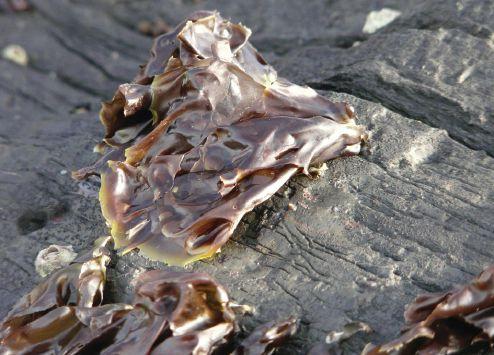
Researchers at the Scottish Association for Marine Science (SAMS) in Oban, Scotland have established the genetic code for the Porphyra umbilicalis, a small, but tough intertidal species that can tolerate a range of conditions and is among the world’s most valuable commercial seaweeds.
The researchers mapped the 13,125 genes in the seaweed – a human has around 20,000 – to help discover what makes the intertidal species so resilient, as they aim to breed marketable seaweed that can withstand threats from common diseases.
They examined the red alga’s pathogen receptors –the equivalent of antibodies that recognise diseases and alert the alga to an attack – and found that the alga’s defences are unlike other plants.
The SAMS work has contributed to a research paper [Insights into the red algae and eukaryotic evolution from the genome of Porphyra umbilicalis] recently published in the American Journal Proceedings of the National Academy of Sciences (PNAS).
seaweed industry – the British botanist Kathleen Mary Drew-Baker unveiled the life cycle of this alga and paved the way for the industrialisation of seaweed in Japan – and we hope our work can play a part in developing this industry into the future.”
Porphyra umbilicalis, more commonly known as Laver, can adapt to conditions on different parts of rocky shores and is able to withstand prolonged periods of exposure to the air as well as tolerating a greater degree of wave action than most other red algae.
The development of resilient and marketable seaweed would be of great

SAMS algal pathologist Dr Yacine Badis said: “Like any living organism, algae are plagued by diseases. Understanding how they detect and defend against disease is key to unlocking the future development of resistant strains.”
“Although red algae and land-based plants are related, the typical defence mechanism found in plants was not detected in Porphyra. This means that Porphyra has original pathogen detection strategies, a finding that opens exciting avenues of research into red algal immunity and its use in modern breeding programmes.”
“UK research on Porphyra umbilicalis has previously helped to shape the global
benefit to the global aquaculture industry, which has developed at an unabated pace over the past six decades and is thought to be worth in excess of $5billion. However, farmed stocks are extremely susceptible to disease.
SAMS molecular phycologist Dr Claire Gachon said: “This work is part of our long term efforts to support the development of seaweed aquaculture worldwide through a better understanding of the diseases that plague the industry.”
The work at SAMS is part of the GlobalSeaweed project, a network of scientists advising on global seaweed policy funded by the UK’s Natural Environment Research Council (NERC).

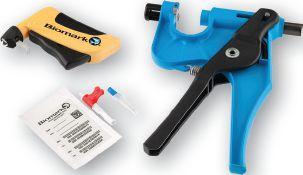
Tissue sampling unit for streamlined genetic sample collection
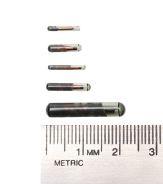
PIT Tags
Pre-loaded PIT Tag System


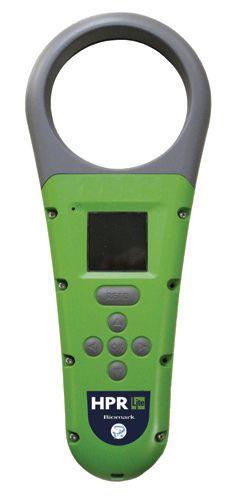
Readers
• Tag Management Software
• Custom PIT Reading Systems
• Onsite-tagging Services, Training and Technical Workshops
The red alga Porphyra umbilicalis has proven to be tolerant to a range of environmental conditions and could be key in breeding disease-resistant seaweed.
BETTER BREEDING
Genomic selection a boon for breeders
Continuing research leads to healthier fish
BY ERICH LUENING
very salmon hatchery manager would love to breed fish whose progeny are immune to certain diseases that harm fish as they grow to market size on the farm. They may get their chance sooner than they thought.
Researchers in Norway and elsewhere in Europe continue with research to develop new ways to manipulate salmon genes that will protect offspring from common fish illnesses like Pancreatic Disease (PD).
The team in Norway, led by Nofima’s Hooman Moghadam, has identified the inheritable genetic component of the disease in Atlantic salmon which makes it possible for hatchery managers to breed fish with a natural resistance to the viral disease.
For fish with high breeding values for PD, the survival rate was close to 90%, while for fish with low breeding values, it was just below 60%. These findings were confirmed in two different infection test models: intraperitoneal and cohabitant infection, according to Nofima’s announcement.
“We essentially now have empirical data of the selective breeding that shows we can prevent PD,” Hooman told Hatchery International in a Skype interview.
Funded by the Research Council of Norway’s HAVBRUK2 funding program, the research project, SalmoResist, aims to look at the connection between phenotypic properties and fish genotype.
Fish from families with high and low breeding values have been tested in the infection tests for their ability to resist infection by the PD virus. By analyzing the genomes of these fishes, a phenotypic trait such as mortality can be linked to variations in the fish’s DNA,
Moghadam is very optimistic, explaining that the partners involved, including SalmoBreed, have so far done two infection tests with selected family groups of fish. When they saw big differences in the survival rates between the groups, already after a few generations’ selected, they knew that they were on the right track.
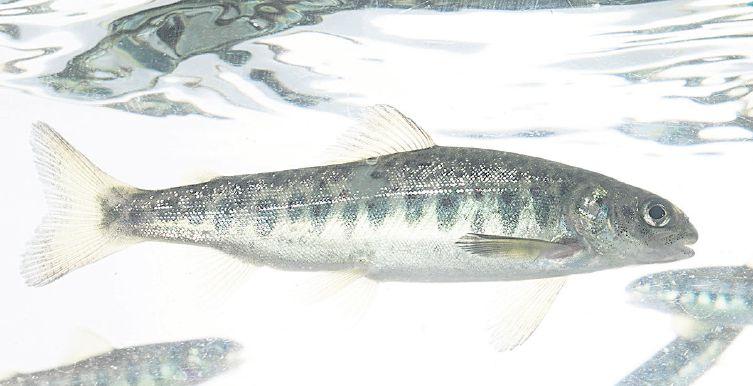
allowing for a more efficient selection of PD-robust brood fish at an individual level, according to project papers. Such information can be employed to increase the success rate through breeding and increase the safety of selection compared to traditional family breeding, according to the researchers.
SalmoBreed’s Genetics Manager Borghild Hillestad was also involved in the project.
“Our research shows that verification for selective breeding actually works,” she said.
Prior to 2015, SalmoBreed used a quantitative trait lotus (QTL) for selection of fish with higher tolerance against the PD virus. This has also been the method that significantly reduced the number of outbreaks of the IPN disease in salmon farming. QTL-based selection methods are most effective
WMT Microscreen Filtration
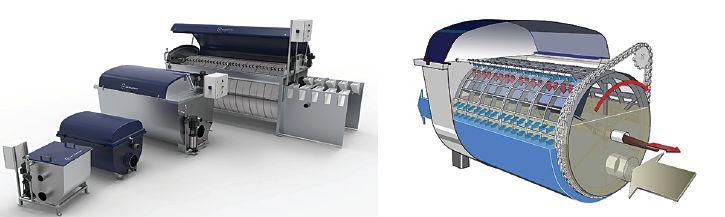
when the trait is controlled to a high degree by one or a few genes, Hillestad explained that discovering such a powerful QTL as they found for IPN is a rare event and controls around 8090% of the genetic variance of the fish’s resistance to the disease.
However, many characteristics are affected by a large number of genes. Alone, each gene has a small effect on a trait, but together they explain a large part of genetic variation which is where the genomic selection method (GS) comes in to play and has shown to be far more precise than just the QTL for many properties.
She explained that the ability to use the GS method depends on a good understanding of the genetic variations in the genome of the species.
Under the SalmoResist project GS is allowing researchers to evaluate the entire salmon genome of the species in order to identify variations associated with PD survival.
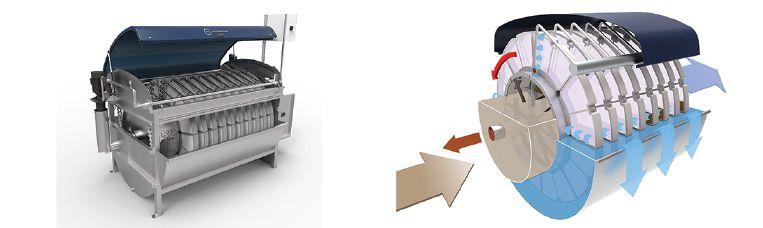
Innovative design delivers improved structural integrity, reduced weight and increased submergence. These innovations reduce investment and ownership cost.

“By acquiring a deeper understanding of such factors, we have a much stronger capacity to breed effectively for resistance to the disease,” she said.
The new work also opens the door to researching genetic resistance to other salmon viruses and disease. Hillestad said her team has seed in the pipeline to research infectious salmon anemia (ISA) as well.


Scientists in Norway and elsewhere in Europe continue with research to develop new ways to manipulate salmon genes that will protect offspring from common fish illnesses like Pancreatic Disease (PD).
Nofima's SalmoResist project manager Hooman Moghadam.
SalmoBreed Genetics Manager Borghild Hillestad.
BETTER BREEDING
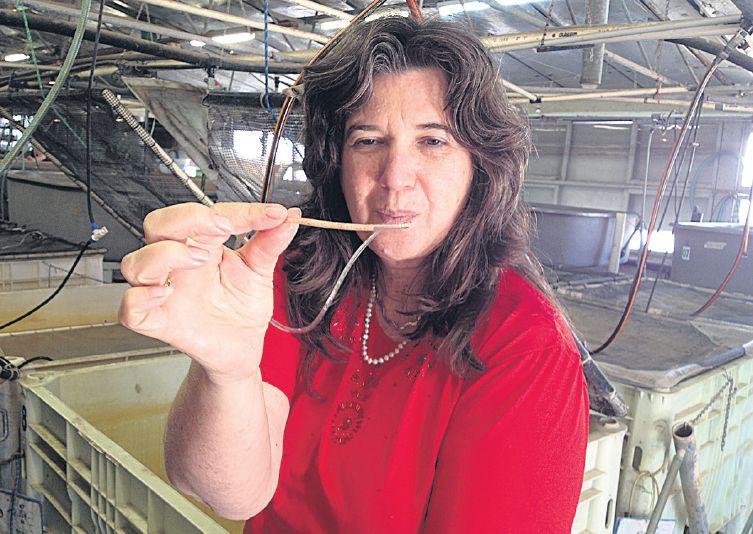
A new way to grow fish faster
A new and innovative way to grow bigger fish faster by inhibiting the reproductive system has been developed by scientists at the Hebrew University of Jerusalem
The innovation has earned aquaculture expert professor Berta Levavi-Sivan a prestigious award from the institute for its sustainability aspects.
One of the major challenges to fishfarming companies as they try to produce market-size fish more rapidly is that in many species the natural development of reproductive organs (testes and ovaries) –diverts energy away from growing, causing the growth rate to slow.
In a recent report from Hebrew University, Levavi-Sivan said she has spent close to 20 years in research with her students, looking for the hormones involved with the metabolism and reproduction of fish, and the genetic makeup of fish, in her case in tilapia (Oreochromis niloticus). She has identified two neuropeptides – neurokinin B (NKB) and neurokinin F (NKF) – which are secreted by the brains of fish and apparently play a critical role in their reproductive maturation.
Levavi-Sivan, who is a specialist at Hebrew University’s Robert H. Smith Faculty of Agriculture, Food and Environment, said that she and her team synthesized a protein for use as a feed supplement that renders NKB and NKF ineffective. This inhibits the fish’s reproductive development, thus leaving the fish with more energy for growth. This repro-inhibitor has now been licensed by Yissum, Hebrew University’s technologytransfer company, to a start-up company AquiNovo Ltd, established and operating within the framework of the Trendlines Group, which now produces the protein in powder form and continues to carry out experiments with it.
Levavi-Sivan said there are still many questions to be answered regarding the inhibitor, such as when to start feeding it to the fish and at what dosage. She confirmed that young tilapia fed the inhibitors for
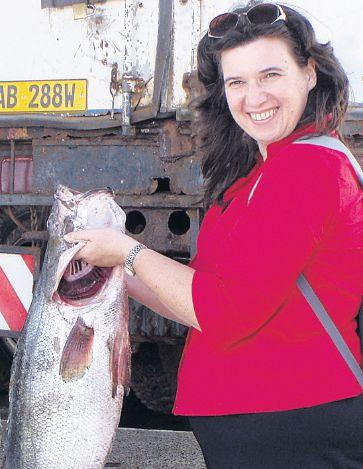
two months gained 25% more weight than those that weren’t given the feed supplement.
So far, she feels that tilapia should be given the supplement beginning just 10 days after hatching, and administered in all feedings. It may be that treatment should be continued up until the fish are harvested. She also said that NKB has been found in 20 different species of fish, opening up the possibility that the inhibitor could be effective in a broad spectrum of species.
In recognition of her work, LevaviSivan was given the Kaye Innovation Award for 2017. The Kaye Innovation Awards were established at Hebrew University by Isaac Kaye of England, a prominent industrialist in the pharmaceutical industry. The awards are designed to encourage Hebrew University faculty, staff and students to develop innovations with commercial potential that will benefit the university and society at large.
– Quentin Dodd
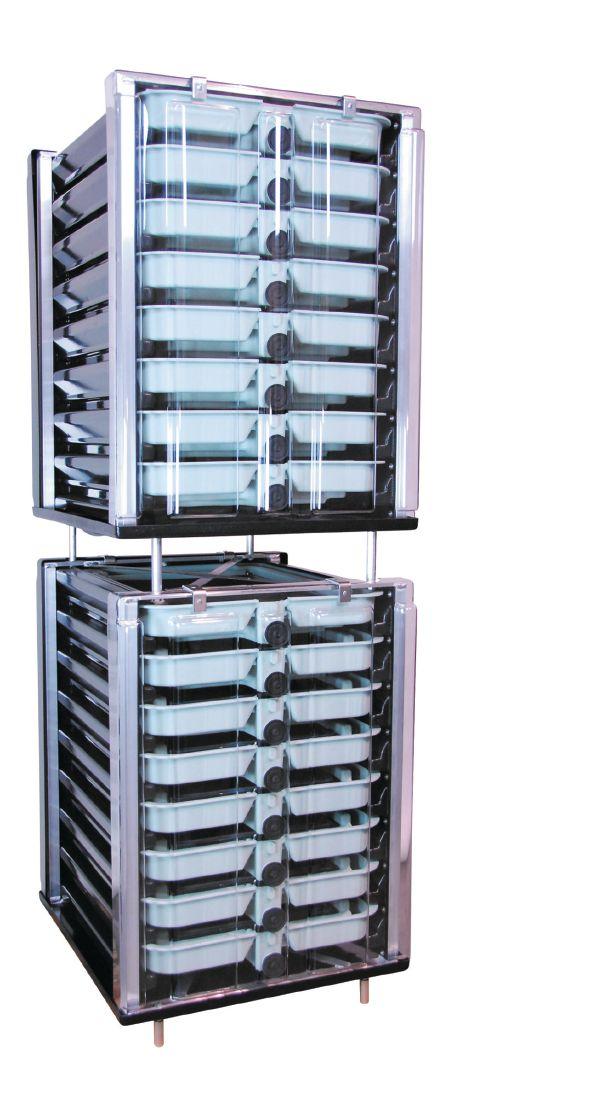
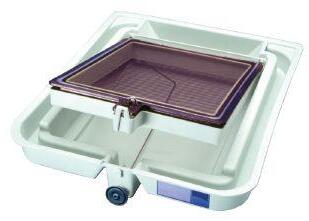
More efficient modular and flexible stacking systems
Better survival rates
Easy isolation options
Maximize manpower, floor space and water supply
Vertical systems can be stacked in 4-, 8-, 12- or 16-tray configurations
Professor Berta Levavi-Sivan examines carp eggs in a tygon tube.
Berta holds up a big Nile perch.
BETTER BREEDING
FOREWARNED IS FOREARMED
Selective breeding counters threat of POMS in Australia
BY JOHN MOSIG
he island state of Tasmania is arguably Australia’s aquaculture heartland. The industry generates 30% of the nation’s total seafood production of AU$2.5billion. Of this, $25m comes from the production of edible oysters. But more significantly, Tasmania produces 95% of the Pacific Oyster (Crassostrea gigas) seedstock for the domestic industry, which is spread across New South Wales, South Australia and Tasmania. Consequently the hatchery sector has found itself playing an important role in the development of better performing and disease-resistant genotypes for a good segment of the Australian Pacific oyster sector.
GENESIS OF THE PROGRAM
Australian Shellfish Industries (ASI) was formed and funded in 2004 by the Seafood Cooperative Research Centre (SCRC) to develop faster growing oysters. In 2008 the growers took over the program using funding from a $2.80/1,000 levy on spat. Matt Cunningham was appointed manager and the focus was directed at creating commercial strains of oysters for local conditions and markets. Uniform shell shape, better meat condition, hardiness, as well as faster growth became the benchmarks.
in the estuaries of the east coast of Australia are washed by the warm East Australian Current and face the environmental pressure of hot spots identified by CSIRO climate researchers. Such hot spots can be protracted during an El Niño event.
Oysters grown in South Australia face upwelling events from the Southern Ocean, and while it has not yet been categorically established, it appears that these events are more stressful to the oysters during a La Niña oscillation. In the South Australian case, Matt explained, the upwelling generated an instantaneous rich phytoplankton bloom, which dissipated just as quickly once the upwelling waned. He believes that the diatom bonanza lifted the animals’ metabolic rate and left them stranded when the food supply suddenly dropped off. They’ve been making some progress, but the heritability for the survival traits from these events is 0.1 (10%) and progress has been steady, but slow.
ARRIVAL OF POMS
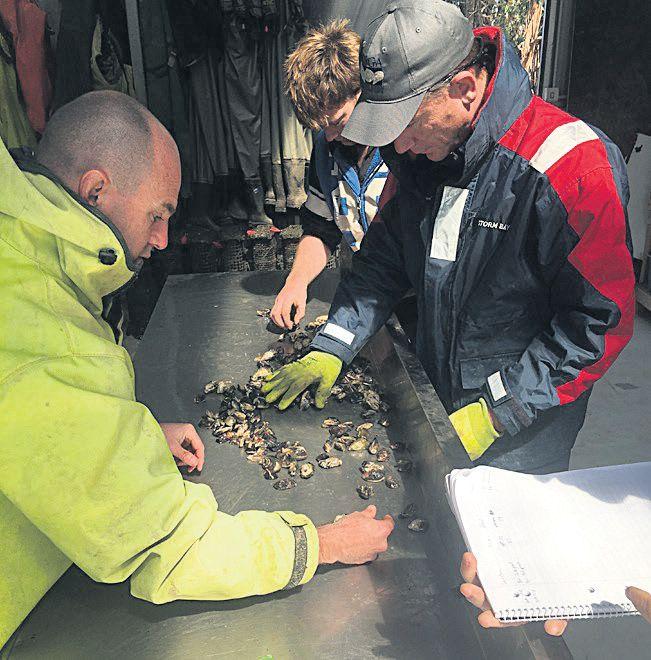
Matt believes these targets have been achieved. “Growth has been improved by around 20%, and shell shape has become regular. There were 24 family lines when ASI became a grower-funded operation; we now have over 80. This has allowed us to mark the performance of the progeny without losing bio-diversity,” he said.
Of the three regions, Tasmania is more representative of C. gigas’s natural habitat. Not surprisingly, selecting specific traits for regions spread over a range of habitats presents many challenges. For instance, oysters grown
The arrival of the Pacific Oyster Mortality Syndrome (POMS) virus (Ostreid herpesvirus) in Australian waters has altered the focus of the breeding program. A Fisheries Research & Development Corporation (FRDC) report in 2011 warned that POMS had been responsible for mortalities of 80-100% in parts of Europe and New Zealand. The report (FRDC2011/043) was the result of an investigation conducted in response to the threat posed to the Australian oyster industry after the disease was discovered in two NSW estuaries in late 2010, and early 2011. The fear was that if the virus spread it would have the potential to devastate an industry worth over $100 million/year. On the strength of that it was declared a notifiable disease and a breeding program was commenced between ASI and the CSIRO to select for a POMS-resistant strain of oyster, in preparation for a wider outbreak.
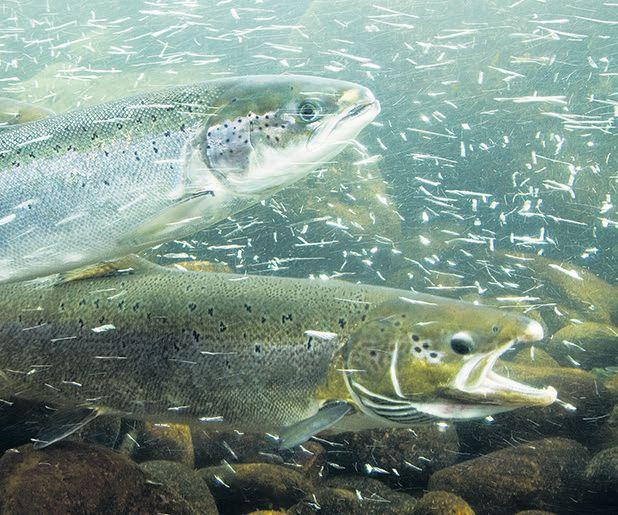








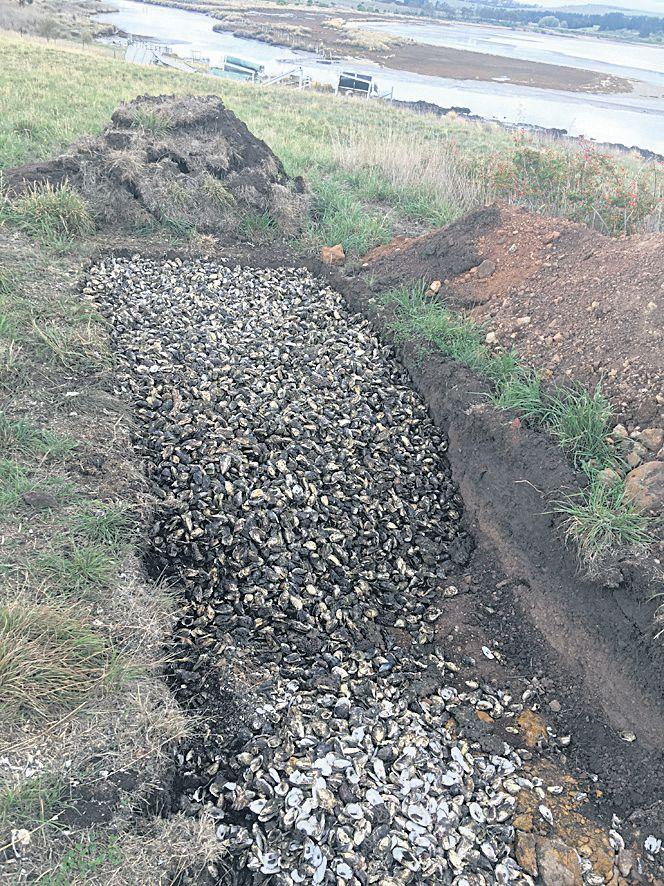
Early Assessment of small stocks live/dead.
Photo: Matt Cunningham
Diseased oyster burial.
Photo: Matt Cunningham
Live oyster spat.
Photo: John Mosig
Oyster biologist Matt Cunningham. Photo: John Mosig
Initially, because NSW was under quarantine, they were unable to bring any of the survivors back to the lab for breeding.
“It meant we had to take a fairly crude approach,” explained Matt. “When we breed from brothers and sisters of survivors, if they were from a batch that had a 40% survival, all you could hope for was for the spat to have a 40% chance of survival.”
BOOST FOR RESISTANCE
When the inevitable occurred four years later in 2015, the selection program for resistance to POMS was given a boost. Matt and his team were able to go directly to the offspring of the family lines that carried POMS-resistant genes and augment the broodstock pool considerably.
A further bonus has been the heritability of the resistant genes. Matt said the factor of 0.4 (40%) was an outstanding score by any standard of heritability, and based on that he was reasonably hopeful that they would have family lines of broodstock that would produce spat that would have a 70% survival rate at 1-year-old by 2018.
An encouraging sign that the selection program is on the right track has been that the survival of spat stocked in NSW has mirrored the survival of spat spawned under the program and stocked in the now-infected Tasmanian waters. “We have identified one really standout family.” said Matt. “We virtually didn’t lose an oyster from its spawnings.”
“Until POMS came along we’d been breeding from two-year old oysters. Since then we’ve been breeding from one-year old animals to shorten the generation time. That’s been successful. We’ll now be breeding from one, two and three-year-old oysters, and assessing the breeding values of the different age-cohorts.”
FISH HEALTH
“Tasmania
produces 95%
of the Pacific Oyster seedstock for the domestic industry, which is spread across New South Wales, South Australia and Tasmania.”
CHOICE OF STOCK
The results of these findings are passed on to commercial hatcheries and the growers make up their own minds about which lines they want to stock.
“The system has worked well,” adds Matt. “Our job is to create a pathway from the genetic research we do to commercialization. The hatcheries have the performance data for particular lines and make their broodstock requests according to the orders they receive. There’s no extra charge; all the running costs have been covered by the levy.”
The industry’s ability to respond quickly and constructively to the POMS threat has been due in no small measure to having had ASI in place to deal with the issue. With 2015 being the warmest year on record and global temperatures for the years 2000 to 2014, being 0.69°C above the 20th Century average, and ten of the of the warmest years on record having occurred since 2000, ASI’s on-going breeding program will likely have plenty of work ahead.
For more information contact: matt@asioysters.com.au
New genetic tool helps identify SRS-resistant coho broodstock
ollaboration between aquaculture scientists in Chile has led to what is being claimed as the first genomic tool for assaying whole-genome variation in coho salmon (Oncorhynchus kisutch). And an offshoot of that work by AquaGen Chile, Blue Genomics Chile and the Favet-Inbiogen University of Chile, is a genomic tool for identifying resistance to Salmon Rickettsial Syndrome (SRS), also known as Piscirickettsiosis or Coho salmon septicaemia, which for years has been a disease of serious concern to the Chilean salmon sector.
Dr. Thomas Moen, research director for AquaGen Norway, explained that the new tool to help in the development of SRS-resistant coho through selective breeding is a miniscule DNA-reading chip that uses technology developed by the Affymetrix company of San Diego, California.
Moen said the tiny chip is capable of detecting up to 220,000 molecular variations, called polymorphisms, in an individual fish’s genetic makeup. A single nucleotide polymorphism (SNP) is a variation at a single site in DNA, the most frequent type of variation in the genome. The new SNP-chip, developed specifically for coho, would help coho breeders be more precise in their selection of which fish to use to generate SRSresistance.
Moen confirmed a statement from the scientific team saying that the work on the new genomic tool for assaying whole-genome variations – in this instance in coho – was based on whole-genome sequencing of fish from AquaGen’s coho breeding population, and that project participants, particularly within AquaGen, used earlier experiences with Atlantic salmon (Salmo salar) and rainbow trout (Oncorhynchus mykiss) in making the new chip. He noted that SNP-chips have led to new
The new SNP-chip, developed specifically for coho, would help breeders be more precise in their selection of which fish to use to generate SRS-resistance.
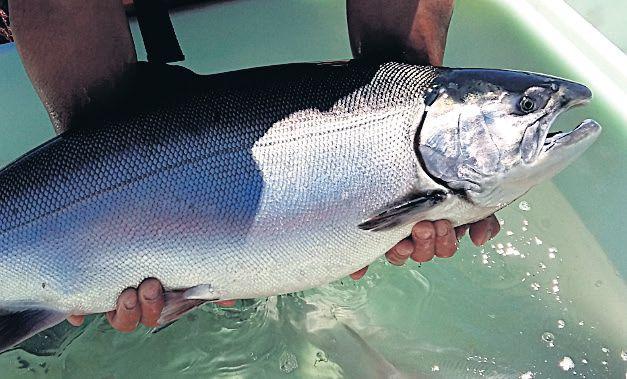
To test the chip’s ability to identify DNA markers that indicate resistance to SRS in coho, some 2,000 fish were challenged with the disease and were then assessed with the chip.
possibilities in the field of selective breeding and have also yielded ground-breaking insights into salmonid biology.
To test the chip’s ability to identify DNA markers that indicate resistance to SRS in coho, some 2,000 fish were challenged with the disease and were then assessed with the chip. Variations were noted in the markers between the fish that died soonest, those that lived longer, and those with the most resistance to the disease that survived.
The scientists said they can now analyze both preexisting data and newly-conducted experiments to identify fish that are more resistant to SRS. The new SNP-chip will be useful for dealing with other diseases and future breeding challenges and improving overall knowledge of the species’ biology.
– Quentin Dodd



Clean Plate System
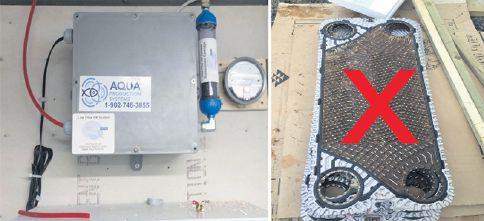







Reduce feeding costs Track productivity
Eliminate waste
Visit us at www.aquanetix.co.uk
Contact us: info@aquanetix.co.uk


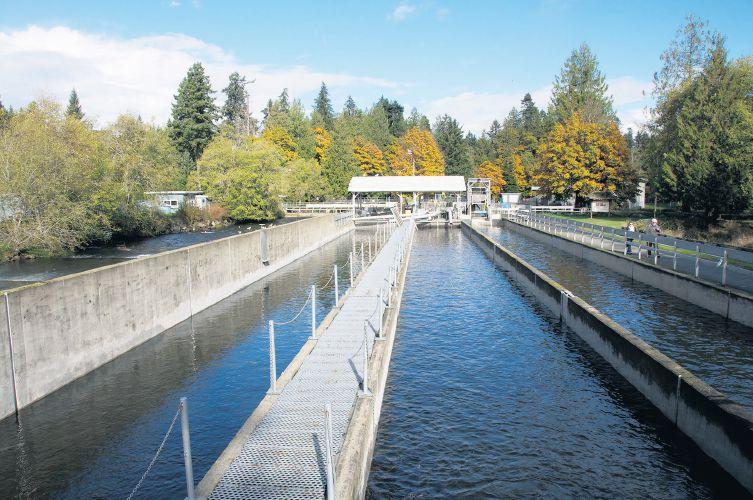
Windstorm causes losses at BC enhancement hatchery
BC Facility loses almost 400,000 coho salmon smolts
Looking for a Better Solution?


-Non-Corrosive schedule 80 PVC reactor bodies are stronger and handle higher internal pressures compared to HDPE and Polypropylene. Schedule 80 reactor bodies are seawater safe and will not corrode in harsh environments, unlike stainles ssteel
-Single end glassware access makes for easy maintenance when replacing lamps and quartz sleeves
-Thermoplastic or Fiberglass NEMA 12 Power supply enclosures with Standard HMI control package or optional HMI Pro Series control package.
-Electronic ballasts matched to the performance of the specific lamp for optimal UV-C output and longest useful lamp life
-Standard Over Temperature Safety Cutoff Switch thermally protects reactor when water temperature reaches 120 Degrees F
-American made low pressure amalgam (ALH/
- AUH models) and high output (HLH/HUH models) lamps. These lamps are rated 80% efficient at the end of 12,000 hours.
hatchery on Vancouver Island in British Columbia, Canada suffered significant loses earlier this year owing to a windstorm which caused a power interruption. The Big Qualicum Hatchery aims for a production target of 400,000 coho (Oncorhynchus kisutch) smolts every year in support of marine fisheries in the Strait of Georgia and as a Pacific Salmon Treaty indicator.
“On Tuesday, May 23, there was a power interruption due to a windstorm, resulting in a pump shutdown to the ponds containing the coho from the 2016 return,” said a spokesperson for the Department of Fisheries and Oceans (DFO).
“Due to a failure in the alarm system, staff were not alerted to this until 6:30 am Wednesday, May 24.”
The majority of the 2016 coho production was lost – of the targeted 400,000, approximately 5,000 remain, saved by hand by hatchery employees.
told CHEK News. “Come around the corner and I could see the water was down about six inches in each container and the bottom was covered in dead fish… It is devastating when you see that much of a loss.”
A plan to mitigate some of the lost production has been developed. 50,000 coho salmon fry from the Puntledge River Hatchery were moved to Big Qualicum to be reared and released as smolts in the spring of 2018.
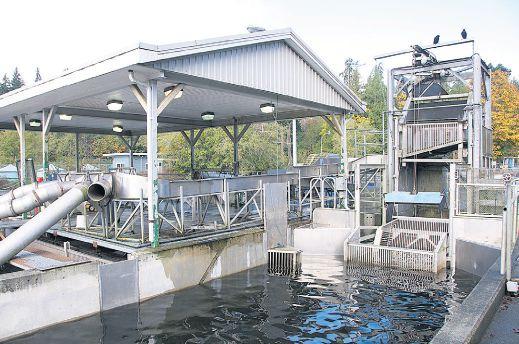
“Target production of marked coho at hatcheries around the Georgia Strait in 2016 was 3.9 million, so this loss represents a 10% decrease in coho available to the fishery,” said the DFO spokesperson.
Hatchery manager Les Clint told local media that this is the first time he’s seen this sort of loss in his 35 years experience.
“Absolutely, you just feel sick,” Clint
“Puntledge and Big Qualicum fish are available in the same marine fisheries, therefore this will somewhat offset the loss of Qualicum production,” said the DFO spokesperson.
In the meantime, DFO Engineering staff have been contacted to review alarm, pump and other mechanical infrastructure systems.
– Matt Jones
The Big Qualicum Hatchery raises several species of Pacific salmon for stock enhancement. A recent windstorm caused the loss of approximately 395,000 coho.
Sorting station at Big Qualicum Hatchery.
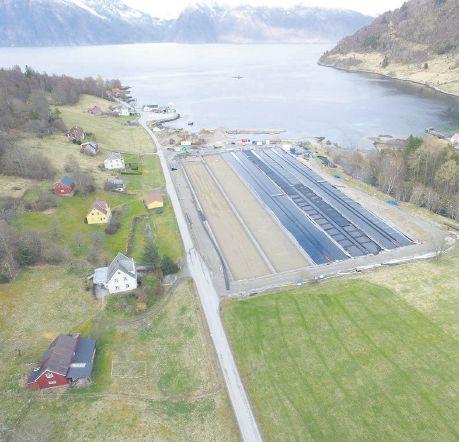
New sites to increase capacity for Norwegian halibut producer
Norway’s Sogn Aqua is putting together a small collection of efficient land-based units for growing halibut (Hippoglossus hippoglossus) along the banks of Sognefjord in western Norway, north of Bergen.
The latest announcement was that with the assistance of partners SWECO and architect Todd Saunders, the company had delivered a plan for a new facility in the Ortneset area.
That makes it within an hour’s drive north of Bergen, where it will become Sogn Aqua’s fourth halibut site within a 25-km radius.
All sites are being fitted with direct access to clean, cold and deep water from the fjord.
Sogn Aqua says it’s been farming halibut on land since 2009, which makes it one of the younger halibut breeders and producers, working first out of a location at Slantevika.
Ole-Kristian Hess-Ergan, in charge of the company’s hatchery program, told Hatchery International that while the company is still the smallest in its field, it’s not likely to remain that way much longer, particularly since the final phase of the five-part Ortnevik operation lies just ahead.
Sogn Aqua believes that the best place to breed and farm halibut is on land, giving the operators control over seawater quality and temperature and allow the fish access to the conditions they prefer.
At all plants, says the company, water temperatures are kept stable at about 8-10 degrees year-round.
And it’s understood there are plans to seek approval for a 40,000sqm facility at Brekke, as part of Sogn Aqua’s long-term strategy for increasing production in the years ahead, again within a fairly small area of the Sognefjord.
Sogn has also said that one of its wishes is to grow and strengthen the aquaculture industry along the southern side of Sognefjord, with modern, stateof-the-art facilities that employ good architectural and aesthetic elements.
The development at Ortneset is projected to provide 20-25 jobs by itself.
- Quentin Dodd
Russian agency ramps up hatchery enhancement to restore failing fish populations in Lake Baikal
Russia’s Fisheries Agency, also known as Rosrybolovstvo, intends to revive two hatcheries in the Republic of Buryatia, in Siberia, in a bid to restore populations of Arctic cisco (Coregonus autumnalis) in Baikal Lake. However, recent findings of scientists examining the plan look discouraging as the ecological situation in the world’s largest freshwater reservoir continues to worsen.
Nikolay Buduev, Russian MP and the deputy head of the country’s natural resources committee, referred to several studies showing that out of millions of fish fry and fingerlings released annually into Baikal Lake only 1.5% actually survive. This, he said, is because the waste treatment facilities at the lake have deteriorated by nearly 90% and require urgent modernization.
In particular, Buduev indicated, the waste treatment facilities in Baikal do not prevent phosphates and industrial chemicals from entering the lake so the waters have gradually becomes poisonous for the fish. In this regard, he says, almost all recreational programs on the lake are doomed to failure.
In 2017 Rosrybolovstvo plans to release two million fingerlings and 55 million Arctic cisco fry, increasing these figures by 30% and 40% respectively compare to the numbers released in 2016. In the past 15 years populations of Arctic cisco dropped by more than half in Baikal, so the regulator plans to completely ban catching this species for several years starting from 2017, according to recent statements from Rosrybolovstvo.
Rosrybolovstvo also plans to take over Bolsherechensky Hatchery and start breeding Arctic cisco there as well, according to official information. This hatchery was privately-owned in the past, but was not performing recreational duties properly, according to information from regional authorities.
– Vladislav Vorotnikov







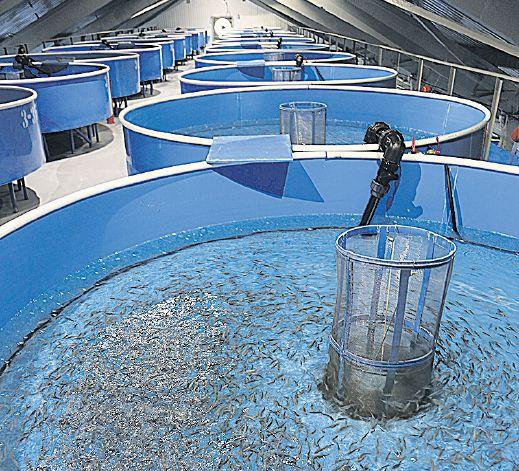
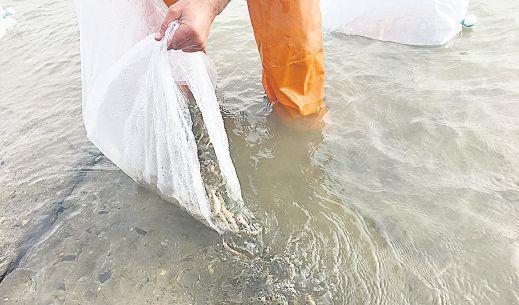

























Aerial view of the new site at Ortnevik.
Russia’s Fisheries Agency says that it plans to release two million fingerlings and 55 million Arctic cisco fry, increasing these figures by 30% and 40% respectively over numbers released in past years.
Indian state invests in breeding endangered carp


The Jammu and Kashmir state government in northern India has announced it will set up a freshwater brood bank for mahseer. Tenders have been floated for the freshwater brood bank and for the construction of two seed hatcheries.
Minister of State for Forest, Environment, Fisheries, Animal and Sheep Husbandry and Cooperatives, Mir Zahoor Ahmad, held a meeting earlier this year to review the progress of work undertaken to date under the Blue Revolution Scheme for 2016-2017.
According to reported information from the meeting, the government is spending Rs 14.13 crore (US$210,000.00) on the program under the Integrated Development and Management of Fisheries segment for the current fiscal year.
Construction of 67 new freshwater ponds and tanks was approved in 2016 for 2017. Work has now started on 50 ponds.
Officials also said the department has also started renovation work on 200 preexisting ponds, at an estimated cost of just over one million rupees (US$15,000.00).
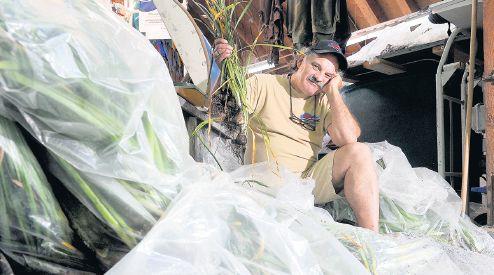
NoSpot
– White spot syndrome virus/EMS/AHPND – Increased survival rate and weight gain – Improved feed conversion ratio
Microalgae
NannoPrime and IsoPrime – Freeze dried Nannochloropsis & Isochrysis – Marine fish GWT, mollusc, shrimp hatcheries – Absolute pathogen free – Single cell dispersion, no sedimentation






algae.proviron.com info@proviron.com / www.proviron.com
DESIGN BUILD GROW
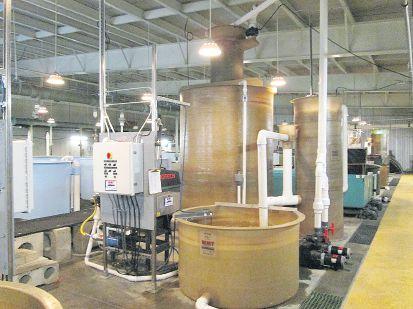
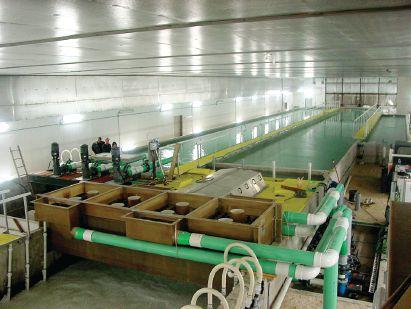
Phone: (225) 755-0026 • Fax: (225) 755-0995 www.w-m-t.com • wmt.information@w-m-t.com
Canadian hatchery besieged by flower bulbs
Fundraiser a success after bulb donations swamp facility
As part of the annual Noon’s Creek Hatchery Fingerling Festival, the facility has established a yearly fundraiser with the local municipality donating tulip and daffodil bulbs for the hatchery to sell. This year, however, nature and chance conspired to give the Port Moody, British Columbia hatchery so many bulbs that they nearly obstructed the hatchery’s operations.
“What happened this year was we had a late winter and normal flowers in the gardens weren’t ready to be pulled out in the first week of May,” says Dave Bennie, vice-president and director of special events and school programs for the Port Moody Ecological Society which runs the hatchery.
With their usual bulbs delayed by the weather, Omni, a contracting company stepped in. The company had done a promotion which involved pots full of daffodils and they had them pulled, bagged and donated to the hatchery to help offset the lack of municipal donated bulbs and give them something to sell for their fundraiser.
Then the municipal bulbs started arriving. And more and more and more of them.
“We were just swamped at the hatchery,” says Bennie. “The hatchery is 40 x 40 square. We have a lab, an office, two big tanks and a 20-foot long trough. The tanks were full of bulbs. We had sheets of plywood on top of the tanks covered in bulbs. We had three plastic folding tables stacked three high and all covered in bulbs. All the way around the trough was covered in bulbs. One end of the hatchery was stacked three feet high with bulbs. We had another storage shed as well, full of bulbs. You were just stumbling over bags.”
At the time, Bennie and the other hatchery staff were concerned not only about being able to perform their usual duties, but that the flower bulbs would go mouldy if left stacked around the facility. As luck would have it, the bulbs sold surprisingly quickly.
“They all went out in a week,” says Bennie. “We never had that, it usually takes months. We made about $1200 this year.”
The fundraiser, in its 15th year, raises funds for school programs, environmental education, water quality monitoring and community outreach among other efforts. This summer, the hatchery will feature a variety of aboriginal cultural events, including cedar weaving, drum-making and house post carving with Coast Salish representatives.
– Matt Jones
Dave Bennie was overwhelmed by tulip and daffodil bulbs at the Noon's Creek Hatchery in Port Moody, British Columbia earlier this year. As part of an annual fund-raiser the local municipality donates bulbs for the hatchery to sell. This year, however, nature and chance conspired to give the Port Moody, British Columbia hatchery so many bulbs that they nearly obstructed the hatchery’s operations.
Photo: MARIO BARTEL/THE TRI-CITY NEWS
Spanish researchers identify ideal temperature range for rearing Octopus paralarvae
mbryotic development when cultivating common octopus paralarvae responds better to a lower temperatures. In the case of a study conducted in Spain, Influence of temperature in the growth of Octopus vulgaris paralarvae, the ideal temperature range is 16° C increasing to 21°C.
“A lower temperature during incubation allows the yolk of paralarvae to last longer, providing them more time to learn to hunt and maintaining their nutritional needs. In addition, the lower temperature reduces the metabolic rate, which reduces the need for food during the first days of cultivation,” cited Rocha et al in the abstract.
The researchers are from the Department of Ecology and Animal Biology, Campus As Lagoas-Marcosende, University of Vigo and Estación de Ciencias Mariñas de Toralla (ECIMAT), University of Vigo, Isla de Toralla, both located in Galicia, Spain.
The research, which was presented at Aquaculture Europe last fall, studied the cultivation temperature’s effect on the paralarvae growth and survival.
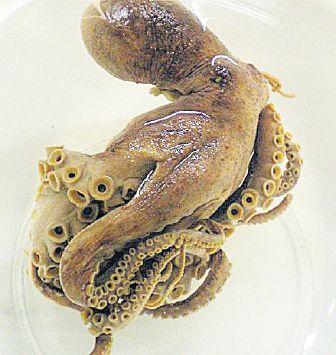
Octopus vulgaris. For several species of octopuses, temperature is one of the most important factors to controlling both embryonic development and cultivating.
For several species of octopuses, temperature is one of the most important factors to control larval development.
The basics of the research work were described in the abstract: “The paralarvae were cultured in 150 L cylindrical tanks with dark walls. Open seawater with a renovation of four parts per day was employed using 10µm filtered water. A cycle of 12 hours light and 12 hours dark was employed. The temperature of culture was 16°C and 21°C for controls 1 and 2, respectively. The experimental tanks were maintained the first six days at 16°C, then temperature was increased one degree every day until reaching 21°C. The paralarvae were fed ad libitum with Artemia sp.”
For measurement of dry weight and total length, samples were taken on days zero, five, 10, 15, 20 and 25.
Preliminary results showed that the best growth occurred in the experimental tanks where the temperature increased from 16°C to 21°C. These demonstrated continued growth throughout the experiment.
Culture temperature with 16°C produced a continuous growth throughout the culture until day 20, when it decreased.
The constant temperature of control 2 at 21°C gave the worst result, showing a much lower growth than control 1 with 16°C and the experimental culture with 16°C increasing to 21°C.
High mortality of paralarvae was observed in control tanks at 21°C.
-Ruby Gonzalez
AUSTRALIA
Popular hatchery turns 70
isheries Victoria in Australia recently held a 70th birthday party for the state’s Snobs Creek Hatchery. Nearly 500 people turned out to tour the hatchery and learn how fish are grown for release into regional waterways.
Fisheries Victoria executive director Travis Dowling confirmed that a blend of old and new technology was on display for people to see at the celebration, along with an archive showcasing how fish production has changed through the decades.
Dowling explained that a total of approximately 1.4 million fish are bred each year at the hatchery, including brown and rainbow trout, chinook salmon, Macquarie perch, trout cod, golden perch, catfish and the iconic Murray cod.
This year the hatchery released 27,000 rainbow trout, into 70 local lakes in the Family Fishing Lakes program, just in time for the school vacation.
VisitusatinTrondheim:BoothF-507

Neruda’s Recipe
Conger eel is the main ingredient used to prepare a dish described by the celebrated Chilean poet Pablo Neruda in his ‘Ode to Conger.” Three varieties of this genus are caught off the Chilean coast and one of them is currently being farmed – at an experimental level near Puerto Montt.
BY CHRISTIAN PÉREZ MALLEA
undación Chile (FCH) unintentionally started this venture in 2011 following the accidental capture of some wild Golden kingklip individuals. The adults were kept in captivity and one year later the first eggs were obtained.
As the foundation continued with different research projects using this species, larvae and juveniles from the wild broodstock were a successful consequence, with strong adaptation to farming conditions an ever-more common trait observed by FCH’s scientists.
THE SPECIES DEFINED
Golden kingklip (Genypterus blacodes) is found in the wild off the coast of several countries in the Southern Hemisphere, notably South Africa, New Zealand, Australia, Argentina and Chile. This fish is usually located in benthic/demersal habitats related to rocky substrates between 50 and 500 m in depth.
According to the Aquaculture Executive Director at Fundación Chile, Martin Hevia, Golden kingklip has a firmer meat when compared to similar species. Its main markets are Spain, the United States, Portugal, the Russian Federation and Brazil. The average market price is around US$ 7-8 per kg.
A STROKE OF LUCK
FCH started working with this species by chance in 2011. They were catching hake for another project and the long-lines captured 20 individuals of Golden kingklip by accident, which were reduced to a dozen by the time they got to shore.
Juan Carlos Sánchez, Aquaculture Technical Director at Fundación Chile, remembers that the decision was made to keep them and see how they reacted.
“That’s when the species began to surprise pleasantly, because it is a fish with a lot of farming attributes. It quickly adapts to the tank and within a few days begins to receive artificial food,” he said.
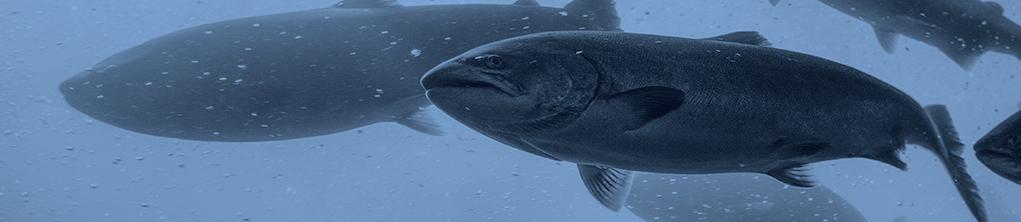
Globally Trusted UV Experience
Proven bio-security; over 35 years, 380 installations, more than 740 million gallons per day
Lifetime Disinfection Performance Guarantee
Aquafine Genuine parts program provides this peace of mind
Long-term Industry Commitment
Collaboratively advancing UV research in aquaculture
aquafineuv.com

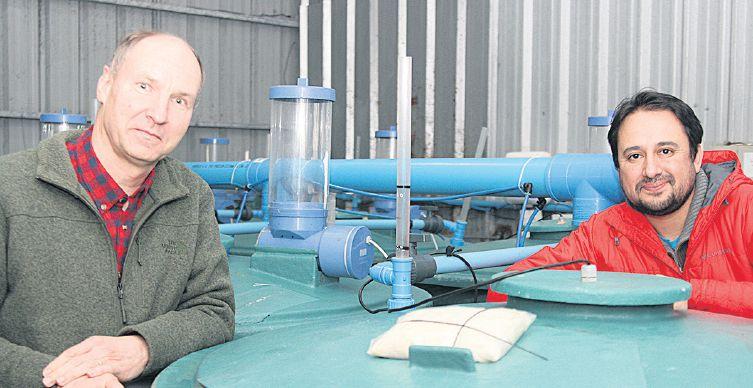
Hevia commented that it was interesting to discover that it is not essential to have shelters for them. “They are quite gregarious and have no problem getting piled up in a pond. Then, we begin to observe that these fish had certain farming attributes; for example, they support high densities.”
Another aspect that caught the researchers’ attention was the feeding process. At first they fed them almost anything, even large pellets intended for salmon.
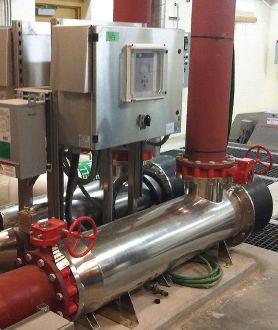
“They adapt very easily, even the wild individuals,” said Hevia, adding that over time they have noticed that this species has been accumulating more attributes that they call “aquacultural.” For example, once, owing to a malfunction, the water flow was cut off and the fish faced a severe oxygen drop, managing the deficiency quite well.
“After these observations we decided to instigate a Corfo-funded project and transform these fish into breeders, and try to get some larvae and begin the reproductive stage,” noted Hevia.
Since then even more promising findings continued to pile up about this species. Researchers found out that unlike
Pablo Neruda
Pablo Neruda was the pen name and, later, legal name of the celebrated Chilean poet-diplomat and politician Ricardo Eliécer Neftalí Reyes Basoalto. He derived his pen name from the Czech poet Jan Neruda. Pablo Neruda won the Nobel Prize for Literature in 1971.
most marine fish, when Golden kingklip spawn, eggs are not dispersed throughout the column. These fish place their eggs in a sort of gelatin, which once hydrated produces a mass of eggs, like that observed in frogs. That mass of fertilized eggs floats and reaches the surface, facilitating its collection and its later transportation to the hatchery. “That is a very important attribute, which makes it easier to manipulate,” said Hevia.
Regarding this production stage, Juan Carlos Sánchez said that it would be easy to escalate this species to a commercial stage, owing to the large number of gametes released.
THE REARING FACILITY
These fish are reared in the Experimental Station ‘Quillaipe,’ belonging to FCH and located about 25km East of Puerto Montt, in the Region of Los Lagos. The water intake comes from Puerto Montt harbour, through an inlet pipe with a distribution grid that feeds the different rooms.
Those rooms intended for Golden kingklip have flow-through systems, with





Martin Hevia and Juan Carlos Sánchez, leaders in the project.
Capture of wild Golden kingklip individuals in 2013.
FISH TRANSPORT TANKS
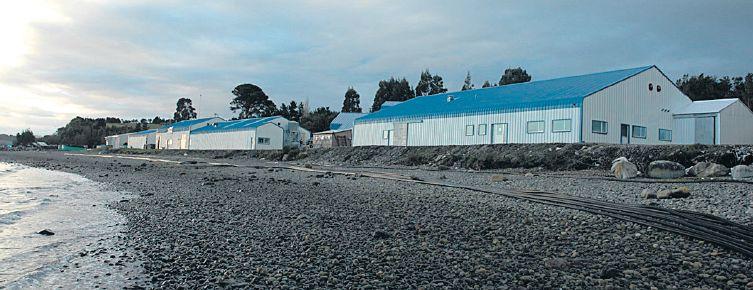
a mechanical sand filter in the entrance and UV filters in the outlet. Light levels and temperature conditions are maintained unchanged throughout the year, because this species lives in an environment without major variations in the wild. “We use a chiller to keep the temperature stabilized between 10 and 13°C, especially in summertime,” Juan Carlos Sánchez explained.
Breeders are kept in the breeders conditioning unit, consisting of two tanks of 25m3 and two tanks of 29m3 and 2.8m depth. In these tanks, water is totally renewed four times a day.
Meanwhile, juveniles are reared under the same conditions, but in three tanks of 2m3 each. Sixteen hatching units for marine species are used in this project.
AQUACULTURAL ATTRIBUTES
The first spawning of Golden kingklip in the world was at the end of 2012. This allowed researchers to obtain larvae and juveniles. After that aquacultural attributes continued adding up, said Hevia. For example, this species is not cannibalistic, something quite typical of most marine fish species. “It is probably because of such gregarious behavior that Golden kingklip exhibits,” Hevia explained.
Currently, there are around 60 F1 juveniles in the facility, reaching a commercial size of about 1600-1700g.
The researchers also performed a bioassay at the aquaculture development unit of FCH, Aquadvise, to help determine the sensitivity of Golden kingklip to the sea lice Caligus rogercresseyi. One tank was filled with Atlantic salmon individuals and another one with Golden kingklip. Both tanks were infested with the same methodology and number of parasites.
“To our surprise, Golden kingklip was not infested by sea lice at all. In contrast, salmon was highly infested,” Hevia noted, adding that “over time, we have also observed that the fish do not get easily sick. They are quite robust.”
Meanwhile, FCH is close to obtaining breeders of those first spawned individuals. They have already obtained roe of those F1 fish. Unfortunately, the males have not reached sexual maturity yet. “Females may already be laying their eggs, but males are not yet synchronized,” Hevia explained.
This project is now concentrated in the reproductive stage and soon will be focused on growth curves of the progeny. That should be accompanied by the design of a specific diet for this species, to obtain the maximum growth potential without damaging fish physiologically.
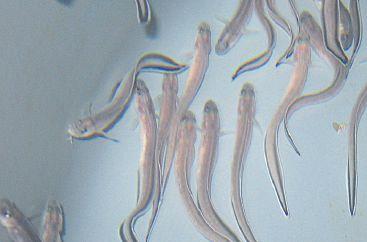
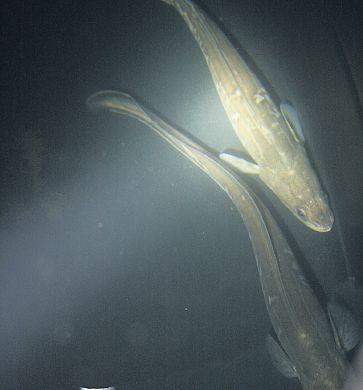
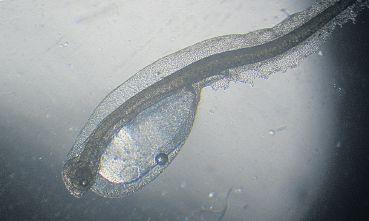
FUTURE GOALS
With two years remaining for those F1 males to reach sexual maturity, the research team expects to discover if a more domesticated F1 or F2 generation can produce a range of sizes different from the original wild fish. That is one of their future research goals.
Likewise, they expect to create a family core, which requires a much deeper genetic and genomic study.
“This is something we hope to do in the future, together with photo and thermoperiod manipulation, to produce eggs throughout the year; and to have different origins of these fish,” Hevia said.
Juan Carlos Sánchez added that now they also have a project that aims to evaluate the effect of hormonal induction – which triggers the release of gametes, to achieve a better synchronization in sexual maturity and a higher rate of fertilization.
“The main challenge we are currently focusing on is to achieve a large juvenile production,” he said. “Once we have a significant number of individuals, that would allow us to do everything we want, for example, bioassays with growth diets, genetic studies, build stocks of breeders, studies of farming densities, etc.”

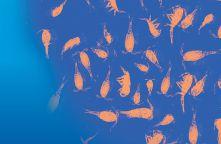
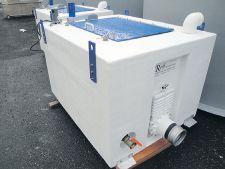




Copepods

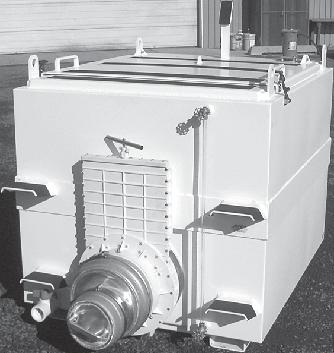




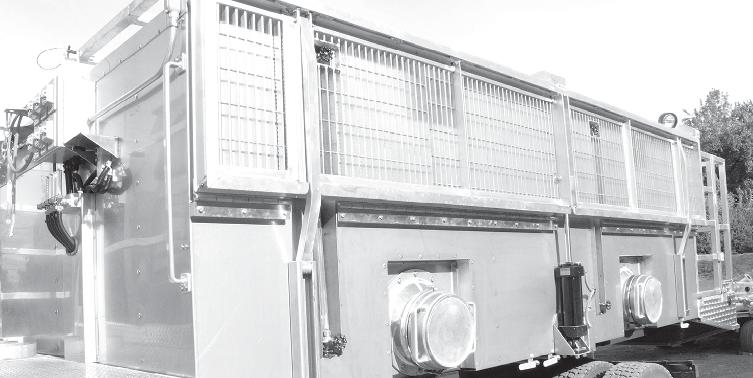



Above: View from the shore of the experimental station, ‘Quillaipe’. Right: Golden kingklip juveniles. Below right:Wild kingklip breeders. Bottom: Yolk-sac larva. Photos: Fundación Chile






Innovative RAS rears grey mullet and sea bass fingerlings in Israel
Latimeria Ltd, located at the EinShemer kibbutz between Tel-Aviv and Haifa, is developing innovative techniques and technology to establish water-recirculating, minimum-discharge centres for breeding and production of grey mullet (Mugil cephalus) and sea bream fingerlings (Spondyliosoma cantharus)
Essentially the company is conserving energy by not pumping water from the sea and
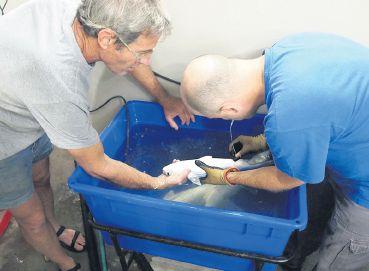
is very high due to the fact that we do not introduce pathogens from the sea.”
Heinisch said that personnel routinely monitor for water quality, pH and water temperature and other factors such as alkalinity, salinity, dissolved oxygen and metabolites – nitrogen and phosphorous.
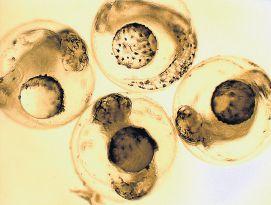
Heinisch noted that mullet is a new candidate for aquaculture. Under normal circumstances they put out just a single batch each year, typically between September and December. The bigger broodstock can put out 4-5 million eggs that are about 780 microns across.
“Survival can be anywhere from zero to 20% and even 30%, depending on the quality of the batch,” Heinisch said, adding that the mullet’s lifecycle in captivity has been achieved at an Israeli research center, the National Center for Mariculture, in Eilat, an important step forward for the aquaculture industry.
· Our range of biological products for aquaculture. · We have 5 inactivated vaccines indicated for
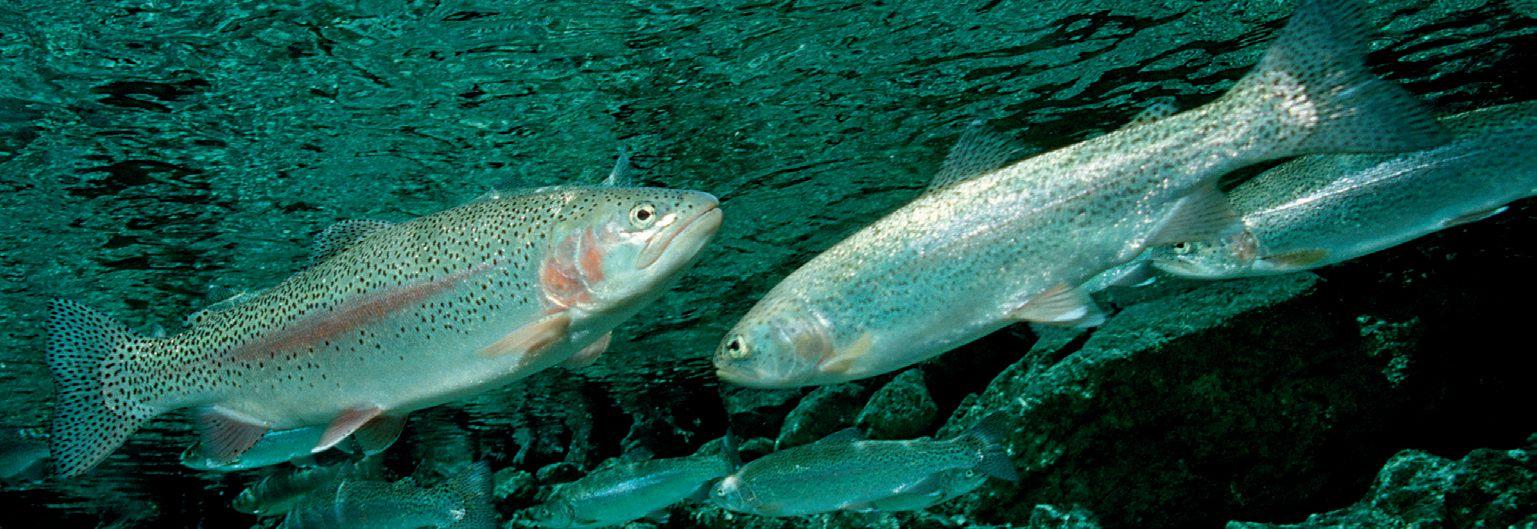



avoiding pathogens present in seawater. Tap (drinking) or agricultural water is desalinated and then salted with regular marine salt to achieve the different levels of saline required.
The water goes into special polypropylene tanks called “water rings” in which the fingerlings are bred and raised. Two ring-shaped tanks go one inside the other. The larger one holds the fish and the smaller one is used for treating and recycling the water from the fish tank back to the fish.
“Our technology has several unique advantages,” chief biologist Dr Gilad Heinisch is quoted as saying. “We have very low energy demands compared to traditional breeding centres that pump seawater; we have nearly no locational limitations, since we are totally disconnected from the sea, and use sea salts to create what is really artificial salt water as needed by the fish. Our biosecurity level
Sea bream on the other hand, Heinisch said, has been fully domesticated, and after more than four decades of research and development, is the major species –along with sea bass – in Mediterranean mariculture.
The systems Latimeria has developed are “nearly zero-discharge” with more than 99% of the water treated and recirculated. Water temperatures are maintained at between 15 and 25°C
“We control our climate in the building,” he said. “In the winter we heat the water a little and in the summer we chill it. We also maintain broodstocks in shifted seasons. We don’t use solar power but our calculations and estimates reveal that we use about 20 times less energy on climate control than traditional marine breeding centres.”
The company is currently working with “several 8.5 cubic metre Water-Ring tanks” and is developing some bigger units as well.
Eventually Heinisch notes, Latimeria hopes to see its breeding centres spring up across the globe.
– Quentin Dodd
Pompano successfully bred in Indian RAS
The mass-scale seed production of Indian pompano (Trachinotus mookalee) in captivity is being hailed as an important achievement for the Indian aquaculture industry. The feat was accomplished, at the Central Marine Fisheries Research Institute (CMFRI) of Visakhapatnam, in the province of Andhra Pradesh.
Pompano is considered to be a good species for aquaculture because of its fast growth rate, adaptability to culture conditions, and acceptance of artificial feed. The marine fish is widely distributed throughout the Indo-West Pacific region, and native to some 15 countries scattered across the Asian continent.
Reports from Visakhapatnam state that despite some early failures to obtain seed in 2011, CMFRI scientists renewed broodstock collection a couple of years ago, when captured fish were held in a land-based water-recirculating aquaculture system (RAS) to develop and mature. The project was successful.
Grey Mullet eggs.
Under normal circumstances grey mullet put out just a single batch each year, typically between September and December. The bigger broodstock can put out 4-5 million eggs that are about 780 microns across.
Danish RAS owner mystified by catastrophic salmon loss
tlantic Sapphire moved quickly to reassure industry observers after the company’s Langsand Laks salmon-farming subsidiary in Denmark was hit by “a sudden and unexpected mortality” of 250 tonnes of growout fish at its on-land, facility. The smolt unit, however, was not affected.
Langsand Laks has been running its land-based growout operation for the last two years with an “extremely low mortality” rate said Atlantic Sapphire chief executive Johan E, Andreassen, adding that the company was mystified by whatever caused the loss of the entire stock in less than 24 hours. He said that “full efforts” were immediately launched to identify the cause, in part by sampling fish for analysis.
“The foremost experts on RAS fish farming, fish health and water sampling are involved,” Andreassen said in a statement sent to Hatchery International. “The biomass is insured against death by disease or any other causes.”
In his statement Andreassen noted that it had already been concluded that the incident was not caused by a disease. “At this time, the company believes the cause of this incident is either from toxins produced inside the farm, from the intake water, or from criminal activities – sabotage,” he said. “Disease outbreaks, algae outbreaks, parasites and toxins are common issues in fish farming. And while land-based farms have barriers to prevent most of these issues, it is not an absolute guarantee.
– Quentin Dodd
US sea bass producer progressing with saltwater RAS
he Great American Aquaculture (GAA) company in Waterbury, Connecticut is finishing off initial development of what it claims will be one of the largest recirculatingsaltwater aquaculture facilities in the northeast United States.
When complete, the unit will produce some 300- 350,000 European sea bass (Dicentrarchus labrax) (known as branzino) a year. The facility is being developed using technology designed and provided by Pentair AES of Florida.
When the entire development is completed, the operation will likely incorporate an aquaponics unit that company president Eric Pedersen says could eventually produce both sea bass and perhaps salt or brinywater seaweeds or leafy green vegetables and herbs.
Currently the sea bass are imported to the US Northeast from the Mediterranean but in future Pedersen confirmed that he intends to obtain fingerlings from a hatchery in Maryland.
Pedersen told Hatchery International that for now the fish are being grown from fingerlings in a quarantined and isolated on-land complex.
GAA has implemented “a very rigorous”
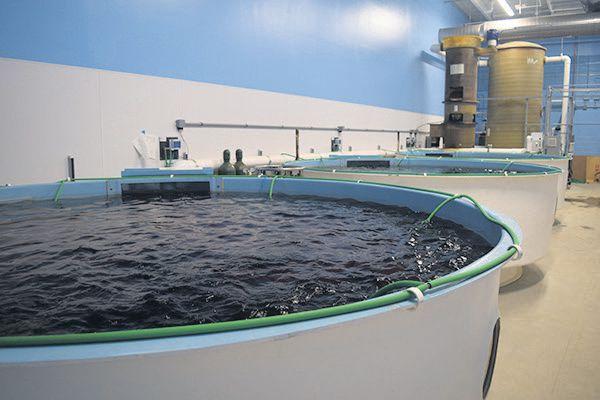
When complete, the unit will produce some 300- 350,000 European sea bass a year.
biosecurity system at Waterbury that will see the tiny fingerlings go into a series of four quarantine and nursery fish-tanks for the first four months at their new home.
A mixing tank provides different concentrations of sea salts to make briny water tailored to the different growing stages of the fish.
When asked about the waste material from the fish and from the feed, Pederson explained that there hasn’t been much yet, but what there is, is being collected, then flushed to remove some of its salinity so it can be used by local farmers for composting.
Once the new aquaponics unit is in place and operating much of that waste material will help with growing plants in that part of the system.
– Quentin Dodd

SHRIMP
Eric Pedersen
SHOWCASE
Iodine infuser offers solution to heat exchanger bio-fouling
BY TOM WALKER
consistent water temperature yearround provides multiple benefits for land-based fish culture systems. Steady temperatures contribute to fish health and allow producers to obtain optimal growth.
Yet balancing temperatures usually requires heat exchangers, which are a considerable capital expense. They incur high energy costs and require a significant amount of maintenance. A big chunk of that maintenance is keeping the system clean, and a US company hopes their “I2” iodine infuser will help aquaculture operators with their cleaning tasks.
“Tank effluent and most cooling water sources are rich with nutrients and fouling species,” says Mike Radicone, president of I2 Air Fluid Innovations Inc. “The heat exchanger is an ideal environment for bio-film formation, which can grow very rapidly.”
BIO-FILM BLUES
In some cases less than a week after a heat transfer system has been cleaned, bio-film starts to grow, causing several problems. “The heat transfer surfaces start to foul up and this reduces the effectiveness of the cooling system through biological
insulation and you start to use more energy to get the same temperature,” says Radicone.
“The bio-film can reduce or obstruct the flow through the heat exchanger and other piping, pressure will drop and you’ll spend more energy keeping the water moving.” There is also the risk that the temperature may fluctuate, stressing the fish, and ultimately, you have to shut the system down and clean it. Again.
WHAT ABOUT CHLORINE?
Chlorine is a solution, but remember it's bleach. “Chlorine and bromine are widely used as biocides due to their low cost and availability,” explains Radicone, “However, the EPA and other environmental agencies around the world restrict their levels in water effluent discharge streams, because of their detrimental effects. They can also lead to corrosion in a system and of course, there is a potential toxic impact on your fish.”
Chlorine is often injected into a system during back-flushing, but the permitted accepted dosage can be inadequate, Radicone points out.
“Proper dosage to kill foulants may require super chlorination that can exceed


The process uses a gaseous diffuser that releases iodine bubbles into the narrow spaces of a heat exchanger where they come in contact with bacteria.

discharge permits,” he says. And that forces the operation to de-chlorinate prior to discharge, (read more costs). Chlorine also requires a dedicated secure storage location within your operation.
THE IODINE ALTERNATIVE
Iodine, Radicone says, offers an alternative. “Iodine is known for it’s antimicrobial properties and has long been used in the health care and water bottle industries as an antiseptic and a disinfectant,” he points out. Indeed, it is still the hikers’ standby when they need to drink from an unknown water source. Two tablets will kill most things in a quart of water, but not you. Iodine is a naturally occurring element essential to our health.
Radicone says iodine has a rapid and profound biocide effect, even at low concentrations (the I2 system imparts under 100 ppb to the fluid) It’s less hydrolyzed in water, persists longer, reacts less with organic matter and is effective over a broader ph range than chlorine.
The company has developed a gaseous iodine diffuser that makes it possible to safely impart to circulating and one-pass water systems and that could be a boon to the aquaculture industry.
BEAUTY OF BUBBLES
“We are placing iodine bubbles into the narrow spaces of a heat exchanger where they come in contact with bacteria and
kill it,” says Radicone. “Its amazing when somebody opens up the exchanger after six months of use and there is no bio fouling.”
And it’s simple, he adds. There is no modification to the heat exchanger. You need a compressed air source, a 110-volt connection and space for a 10”x16”x6” (~25x40X15cm) box. A short hose connects the unit to a nozzle on the heat exchanger’s inflow. The unit is set to inject iodinated air for 5 minutes every hour or half hour, up into the exchanger plates.
“People always ask me, is that it?” quips Radicone. The unit costs less than $1000 US and cartridges containing a proprietary iodine resin are a few hundred dollars (based on the system size) to replace once a month.
Phillip Nickerson of Aqua Production Systems Inc. in Nova Scotia, Canada builds aquaculture systems and is the first dealer for the I2 system in North America. (He sells the product as the “CleanPlate”)
“There was always an uncomfortable conversation to have with the customer about the high burden of maintenance that comes with the plate exchanger,” says Nickerson. “The CleanPlate device removed that conversation from the table. Now I tell my customers they do not have to backwash or shut down for chemical treatments, or use dangerous chemicals around their live animals.”
Typical bio-fouling.
SHOWCASE
New path forward for marine hatchery in Florida
BY ERICH LUENING
Although Troutlodge dropped its marine division in Florida after its merger with Hendrix Genetics, the hatchery is still up and running under the name ProAquatix. The facility currently breeds pompano and ornamentals.
In late 2008, the salmonid breeding giant Troutlodge expanded its marine finfish division by establishing a presence in Vero Beach, Florida through the purchase of Great Bay Aquaculture’s cobia broodstock and facilities. There they produced cobia eggs and juveniles for sale to on-growing farms throughout the Americas. In addition to work with cobia they also began producing eggs and juveniles of Florida pompano (Trachinotus carolinus), as well as selling marine fish ornamentals through the ProAquatix division.
However, in 2014 Scotland-based Landcatch, US-based Troutlodge, and Hendrix Genetics signed a Memorandum of Understanding (MoU) where Landcatch would own 45% of Troutlodge and expand its global salmon and trout production capacities. After the dust settled following the deal, Troutlodge dropped ProAquatix as a division, leaving the facility to operate as a separate entity.
Eric Wagner, Manager and Director of Sales at ProAquatix, was there in the beginning and is still at ProAquatix running its ornamentals breeding.
“Marine species with ornamentals has been our best business,” he said. “We’ve ramped up the ornamental business every year since.”
Wagner claims his operation in Vero Beach still has the original Troutlodge pompano broodstock, producing eggs and juveniles.
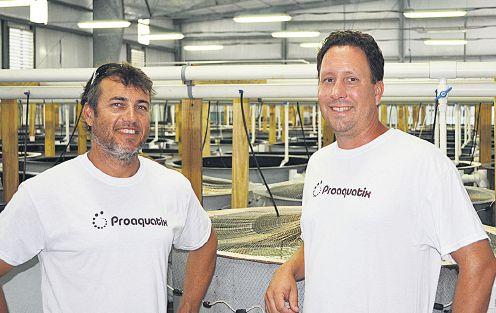
“Pompano now but if someone is interested in Cobia we will do it,” Wagner said.
OPERATIONS TRANSITION
The ProAquatix hatchery is currently going through a transition, according to Wagner.
“For many years we had flow-through from the ocean waters, supplemented by recirculation systems on the beach site,” he explained. “We also share our in-house site where we have a full recirculation aquaculture system where we house month-old and six-month-olds until they’re sold.”
The seaside broodstock facility in Vero Beach contains 26 tanks which utilize seawater pumped directly to the facility from the nearby Atlantic Ocean. Here, the crew is able to produce eggs using a research-based broodstock

program. The hatchery has a capacity of several million eggs per year.
The land-based facility in Vero Beach is a fullyenclosed marine hatchery containing six tanks that utilize a recirculation system to maintain water conditions for rearing fingerlings. The facility is designed with one purpose in mind – to produce the highest quality marine finfish juveniles. It has a capacity of 400,000 cobia juveniles per year, although for now the facility supplements the rearing and growout operations for the ornamentals business.
LOOKING FORWARD
Wagner’s team feels confident about the future of their ProAquatix hatchery operations in Florida.
They’re focused on the future, looking and hoping for offshore fish farms in the Gulf of Mexico, looking to grow cobia or pompano, or any other marine food-fish fingerlings they can sell to start-ups in the Gulf.
“Absolutely! That would be wonderful. Though most fish farmers want to spreadsheet their business and do their own hatchery production, some start-ups will be looking for regional hatcheries that can provide marine food-fish ready for growout,” Wagner added.
Other top level staff members at ProAquatix include: Hatchery manager and larval expert Fabricio Bueno, food fish program manager Drew Gaskins, broodstock manager Kyle Macke, growout manager Jamie Irvin, and algal manager Chris Withstanley.
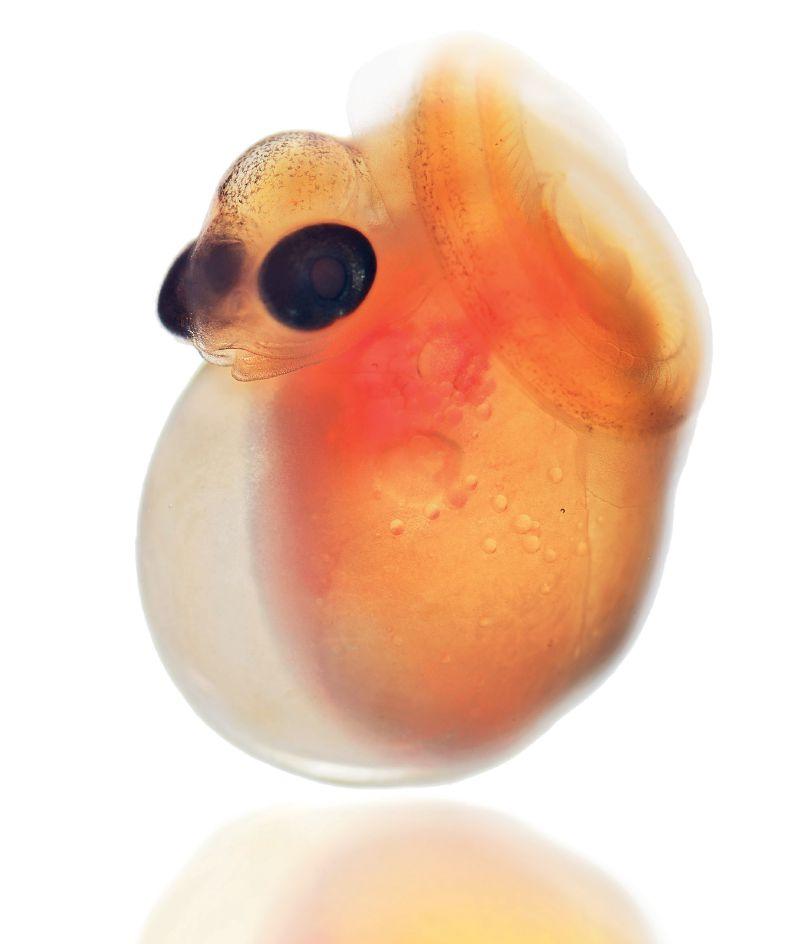
Hatchery manager Fabricio Bueno (left) and facility Manager Eric Wagner.
SHOWCASE

For the first time it is now possible to access Cryogenetics’ patented solutions for cryopreservation of fish milt in SquarePack® at your facility.
Cryo-Lab for SquarePack® includes everything you need for:
• Quality Control
• Dilution and filling
• Cryopreservation
• Storage
• Software for production and inventory management
• Fertilization
• Access to our unique knowledgebase and procedures for best practice
• Consumables
F Marine Harvest acquires Norwegian smolt
producer
or the past 10 years Norway’s Vagafossen Settefisk smolt company has been delivering all its product to Marine Harvest (MH), which until recently held 48% of the Norwegian company’s shares.
In June MH acquired the rest of the shares from company owner Osvald Kaldheim, who founded Vagafossen Settefisk in 1986.
“The collaboration with Marine Harvest has been very positive for the development of Vagafossen Settefisk,” Kaldheim is quoted as saying in a press release announcing the change of ownership.
Bjarte Saevareid, MH’s freshwater manager for its southern region in Norway, said that the water recirculating aquaculture system (RAS) demonstrated good production and the personnel have clearly obtained expertize in the operation of RAS.
The water-recirculating facility currently has a capacity for two million smolts a year with a turnover of some 26.3 million Norwegian kroner ($3.1m USD) last year, which translated into a pre-tax profit of 4.4m kroner ($524,265 USD).
Bühler to build
industrial-scale insect processing plant
Bühler Insect Technology will build its first industrial plant to process black solider flies for animal nutrition together with its partner Protix in the Netherlands.
Bühler will deliver the technology, equipment, and process know-how for the rearing and processing of the insects and the feedstock preparation.
With construction starting this year, the plant is expected to be operational in the first half of 2018. It will produce protein meal and lipids that are used in the animal nutrition sector to feed pigs, chicken, fish, and domestic animals.
The black soldier fly larvae are fed organic byproducts from local distilleries, food producers and vegetable collectors in the Netherlands.
Troutlodge opens big new incubation unit
routlodge, headquartered in Washington state, recently held a formal opening for its newlyrefurbished egg-incubation facility below its offices at Bonney Lake.
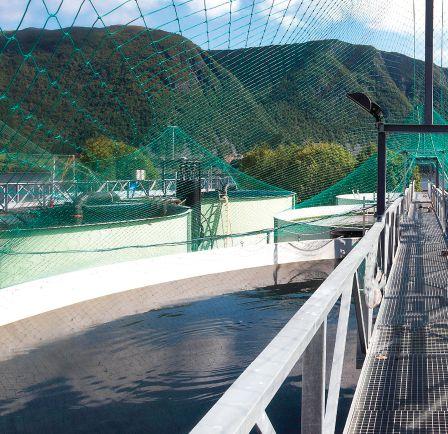
TJohn Dentler, vice-president for sales, marketing and government relations, told Hatchery International that the broad-based revamp will roughly double the number of trout eggs the unit can produce per year, from about 50 million to around 100 million.
And Dentler said the new facilities within the unit will also improve the overall quality of the eggs, all without increasing the number of staff in the unit from its current eight.
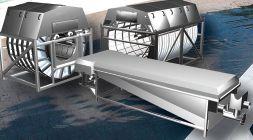
Altogether Troutlodge produces about 500 million eggs and sells them into some 50 countries throughout the world. It operates seven trout hatcheries in Washington state.
Dentler said the new upgraded incubation facility at Bonney Lake had been up and running for a couple of months when Congressman Dave Reichert performed the ribbon-cutting in the presence of about 20 invited guests.
Referring to the renovation as “a rather wholesale remodel” of the unit, Dentler said the water-recirculating facility has three different “cells,” two where the company controls the water temperature and a third which runs at the local ambient temperature.
He said that Troutlodge works constantly to improve the rainbow trout eggs it produces for the aquaculture industry, mostly by improving the fish’s genetic makeup or genomics, particularly at the molecular level, through the company’s strong relationship with Hendrix Genetics.
He said the original incubation facilities were started in the 1960s with what was available at that time.
“The new facility is much better designed and has access to much more and better water, so it’s much more advanced,” he said.
General Manager Keith Dry nan noted that, “Our new incubation hatchery is very likely the largest privately owned trout egg incubation facility in the world. Troutlodge can now incubate eggs at several different temperatures to facilitate customer requirements, as well as sterilizing and reusing the incubation water several times.”
– Quentin Dodd
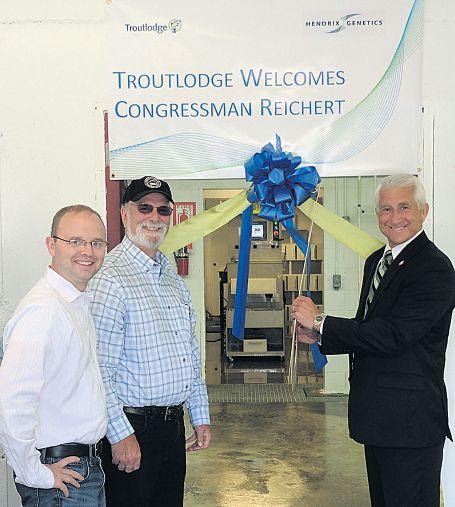
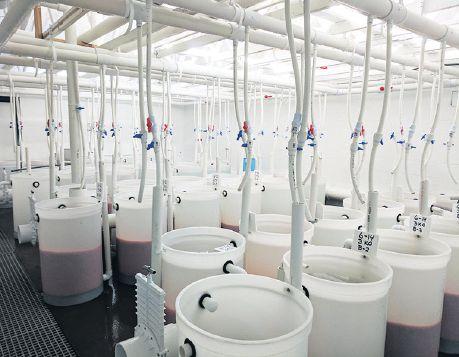
Congressman Dave Reichert cut the ribbon dedicating the completion of Troutlodge’s newly remodelled trout egg incubation facility in Bonney Lake, Washington.
New incubation barrels at the Bonney Lake facility.
New CEO for GenoMar
Alejandro Tola Alvarez has been appointed the new Chief Executive Officer of GenoMar Genetics, an EW Group company targeting the development and distribution of improved genetics for the rapidly developing tilapia industry.
Alvarez holds a Doctorate in Veterinary Medicine and master’s degrees in the areas of aquaculture and business administration. He has played a major role in both R&D and commercial development of genetic brands in global tilapia aquaculture.
“We are very pleased to find a highly qualified internal candidate for the CEO position,” says chairman Odd Magne Rødseth. GenoMar Genetics, based in Oslo, Norway with its main operations in Luzon, Philippines has developed the Genomar Supreme Tilapia strain (GST) through more than 25 years of selective breeding.
Alejandro Tola Alvarez.
EW GROUP, based in Visbek, Germany, is a family-owned holding company with more than 120 subsidiaries in over 30 countries. The core business of the group is animal breeding, animal nutrition and animal health. Over the last 10 years EW GROUP expanded into the aquaculture sector and includes companies such as AquaGen, Aquabel, GenoMar Genetics and Vaxxinova.
Celebrating 46 years in the aquaculture industry and specializing in Pompano Farming
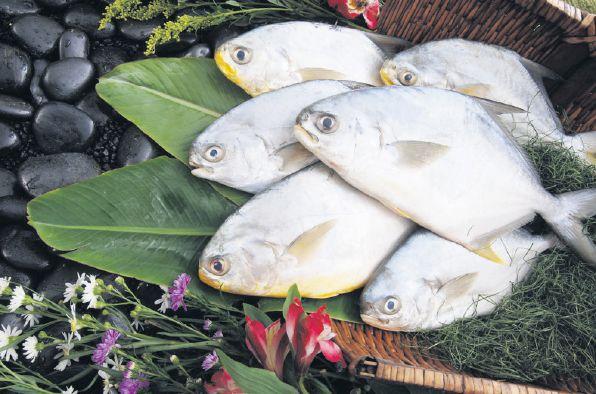
Background: http://www.FAO.Org/Fishery/culturedspecies/Trachinotus_spp/en
Authored by: Michael F. McMaster
Offerings for new and established farms: Project assistance from Concept to Strategy to Implementation with fully vertically integrated transfer of intellectual property giving rise to successful commercialization projects.
KNOWN AND TESTED SCIENCE ALONG WITH PROFIT MOTIVATION IS OUR CALLING CARD
Experienced in a wide range of marine species from phytoplankton to Artemia biomass to invertebrates to larval culture of finfish and more.
For further information see www.mariculturetechnology.com and www.pompanofarms.com
P.O. Box 1020 Oak Hill, Florida 32759 USA Phone: (386) 345-3337, Email: Sales@MaricultureTechnology.com
Mainstream Aquaculture Group is Hiring
Mainstream is a rapidly growing vertically integrated aquaculture business that produces and distributes Barramundi (lates calcarifer) products domestically and internationally, with exports to clients in 21 countries. Mainstream is in the process of expanding its Melbourne, Australia, based hatchery, nursery and grow-out facilities and is looking for passionate, motivated and qualified people to support its continued growth.
Mainstream is seeking applications for the following positions:
•Head of Operations
•Hatchery Manager
•Production Manager
•Sales Manager
•Inventory and Procurement Manager
•And Multiple Senior Aquaculture Technicians
Mainstream selects people not only because they have the right skills, but more importantly, because they have a passion for aquaculture, the capacity to evolve and the drive to deliver outcomes as the business continues to face new and exciting challenges.
Throughout your career with Mainstream, the company will encourage and empower you to take an active role in managing your development. Together, we can enjoy professional and personal success and make a positive contribution to our community and the industry.
If you are interested, please submit a cover letter, clearly stating to which role you are applying, along with your resume to enquiries@mainaqua.com.au
In your cover letter, please focus on why a career at Mainstream is of interest and demonstrate you have researched the company. Generic applications will not be considered.
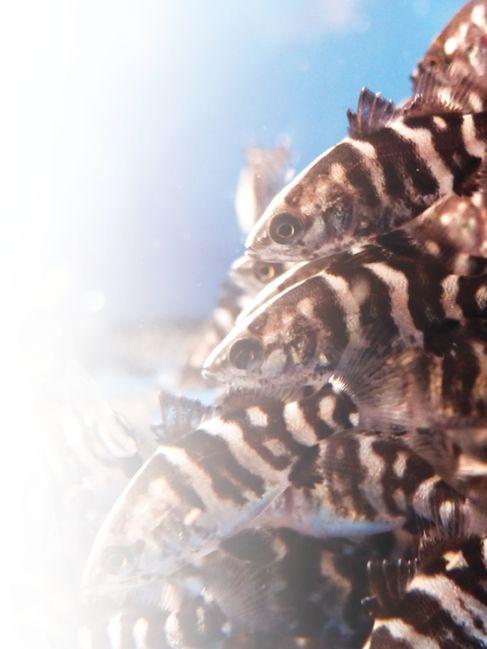
Email: enquiries@mainaqua.com.au
SHOWCASE
Skretting immune pack designed to counter environmental changes
lobal warming is affecting the oceans’ ecosystems as well as disrupting their physical and chemical parameters. One of those parameters most affected is water temperature, which by some reports has risen 2-3°C above the historical average. As ocean temperatures rise, so too does the risk of Vibrio spp. outbreaks.
Another recognized effect is the increased acidification of seawater, where the pH has decreased from 8.0 to 7.7 in some cases. This represents a significant evolutional stress for those marine species that depend on the bioavailability of calcium carbonate in seawater.
To counter the negative effects of these environmental changes on shrimp, Skretting has incorporated an immune pack into its Vitalis 2.5 and PL diets, comprising combinations of functional ingredients such as organic acids, plant extracts, vitamins, minerals and antioxidatives that Skretting says
are proven to work in synergy with the immune systems of shrimp.
“This helps the animals to better cope with external stressors,” notes a Skretting report, “and modulates specific genes of the immune system. Group immunity results from the feeds’ physical characteristics such as acidity and feces binding, which in synergy maintain better water quality in the culture tanks.”
According to Skretting, this product is designed to replace a percentage of fresh feeds in the shrimp maturation departments. “Vitalis 2.5 can replace up to 80% of fresh diets,” notes the company. “Replacing fresh diets that are disease vectors reduces the risk of the broodstock becoming infected and passing disease on to its progeny. This ensures that the first stage of shrimp production is healthy. Vitalis 2.5 is used in quarantine areas before the broodstock enter maturation as well as in the maturation areas.”
“Broodstock fed with Vitalis 2.5 showed better survival than the group fed with the traditional diet. Development was also greater in the Vitalis 2.5-fed animals.”
Skretting is undertaking additional trials to determine if animals fed with Vitalis 2.5 handle transportation stress better than those fed with traditional diets.
The Shrimp Immune System
For more details on protocol or case studies, contact Aedrian Ortiz Johnson, Technical Support Manager for Skretting Marine Hatchery Feeds at aedrian.ortiz@ skretting.com or Eamonn O’Brien, Product Manager for Skretting Marine Hatchery Feeds at eamonn.obrien@skretting.com
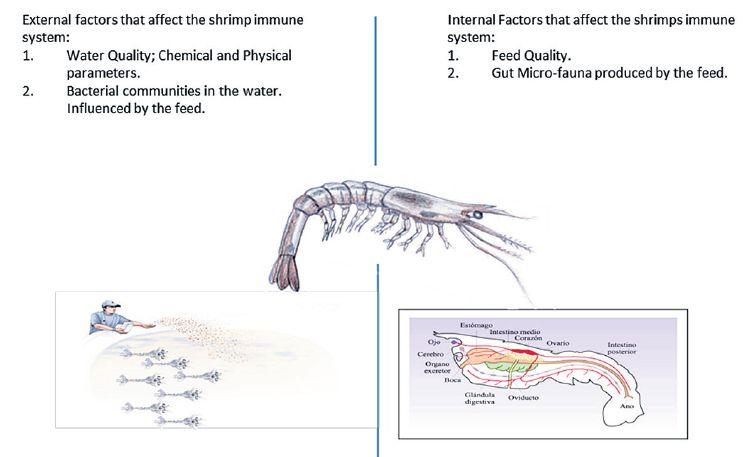
SEA BASS EGGS AND LARVAE
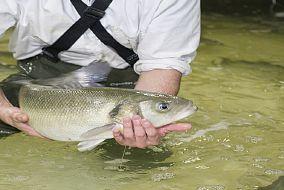

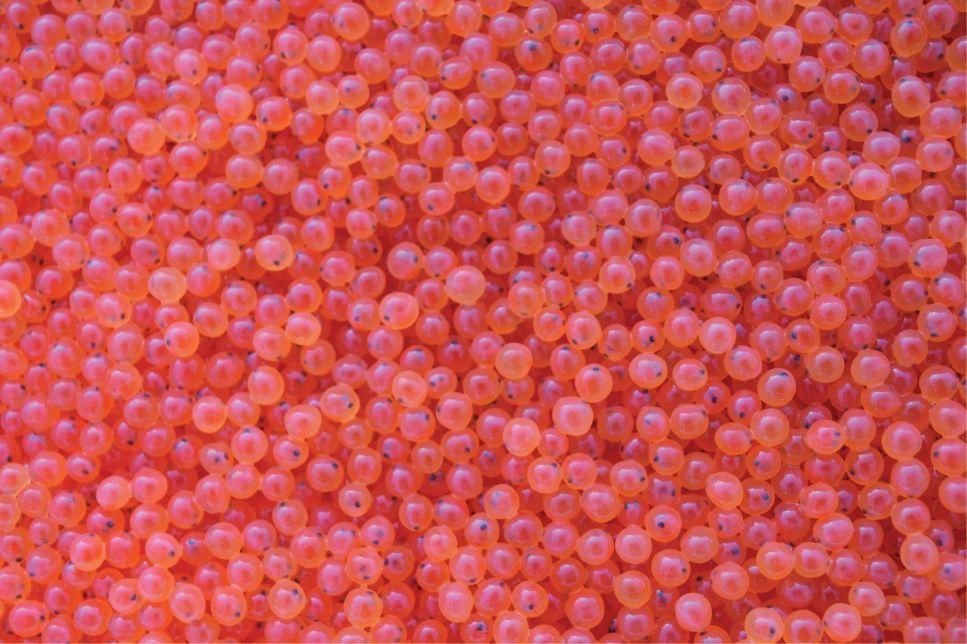


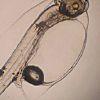
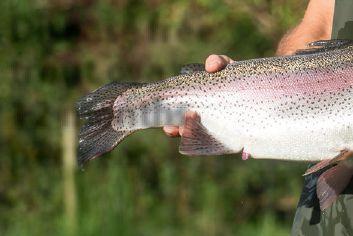
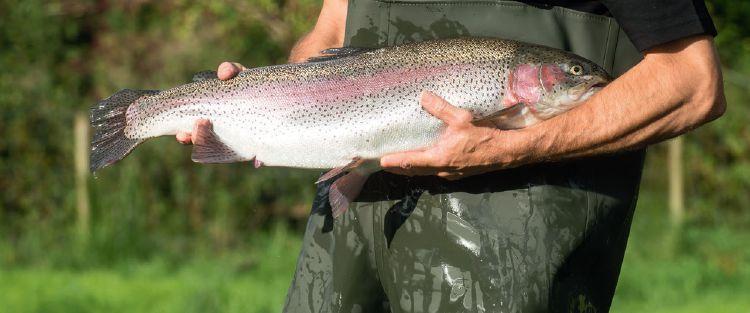

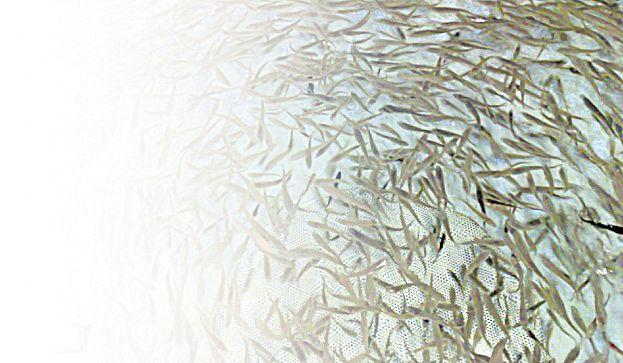

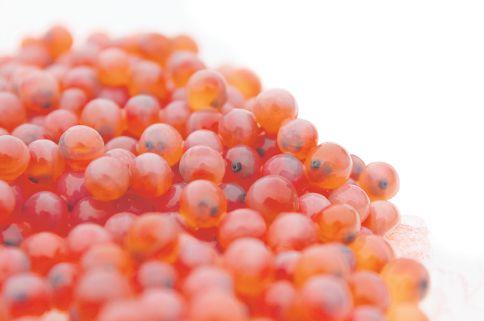


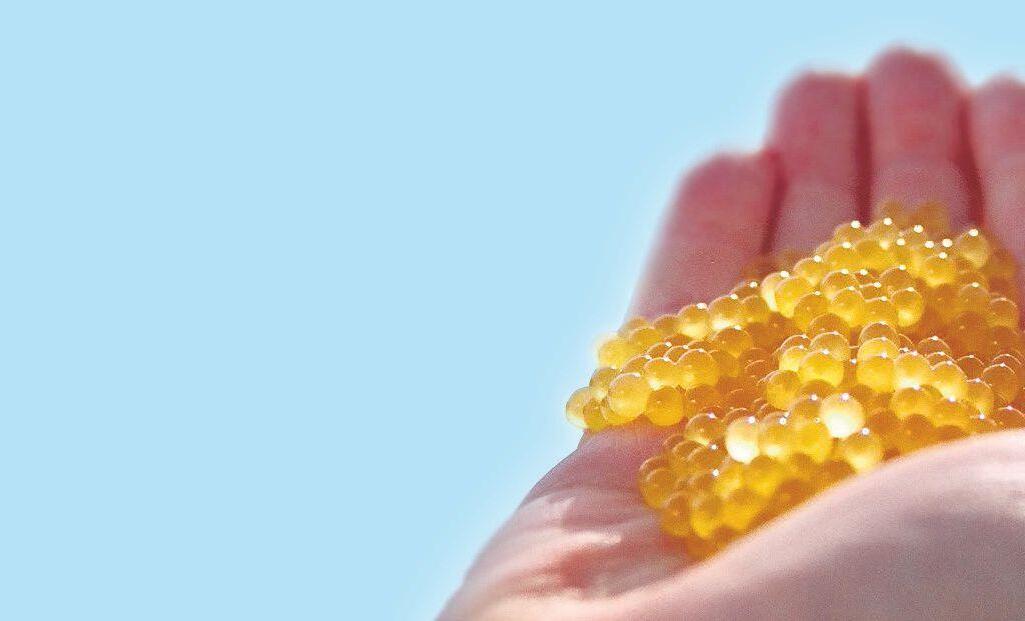


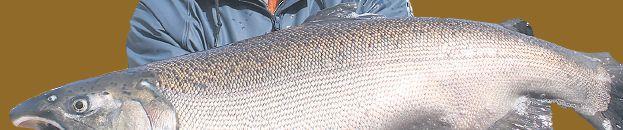
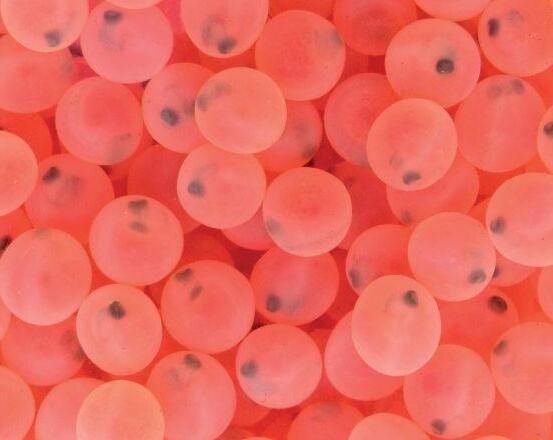
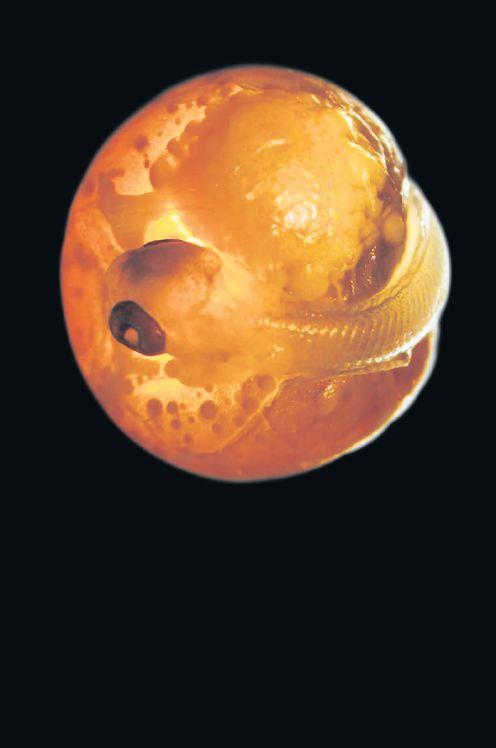
EVENTS
RAS course scheduled
The Conservation Fund’s Freshwater Institute has scheduled a Water Recirculating Aquaculture Systems (RAS) course slated to start September 11 in Halifax, Nova Scotia, Canada. The four-day course will cover the fundamentals of water reuse systems for fish culture, including circular task design and management, and include a discussion of system operation & management, and system design.
Other parts of the course cover carrying capacity, biofiltration, solids control, oxygenation, carbon dioxide control, water quality, ozonation, UV and fish health and biosecurity.
68th Annual NWFCC
December 5-7, 2017, Red Lion Hotel, Redding, California
“Conservation, Mitigation, Recreation”
Hosted by the California Department of Fish and Wildlife, this year’s NWFCC will take place at the Red Lion Hotel, on Hilltop Drive, in Redding, California.
Conference Information
Michael Ficele: 707-945-1237 / Dr. Mark Clifford 530-918-9450 Hotel information: 530-221-8700


http://fishculture.fisheries.org/northwest-fish-culture-concepts/

EVENTS CALENDAR
SEPTEMBER
September 18-21, PCSGA Annual Conference and Tradeshow, Welches, OR, www.pcsga.org
September 21-23, US Trout Farmers Association Fall Conference, Twin Falls, Idaho, USA
OCTOBER
October 3-6, GOAL 2017, Dublin, Ireland, www.gaalliance.org
Oct 12-13, 4th Nordic RAS Workshop, Aalborg, Denmark, http://www.nordicras. net/Workshops
October 17-21, Aquaculture Europe 2017, Dubrovnik, Croatia, www.easonline.org
NOVEMBER
November 14 – 17, Latin American & Caribbean Aquaculture 2017, Mazatlan, Mexico November 29-30, Aquaculture Innovation Workshop, Vancouver, BC, www.conservationfund.org
DECEMBER
December 5-7, 68th Annual Northwest Fish Culture Concepts, Redding, CA, http://fishculture.fisheries.org/northwestfish-culture-concepts/upcoming-nwfccworkshop/

Your future career in aquaculture… may be just one click away.

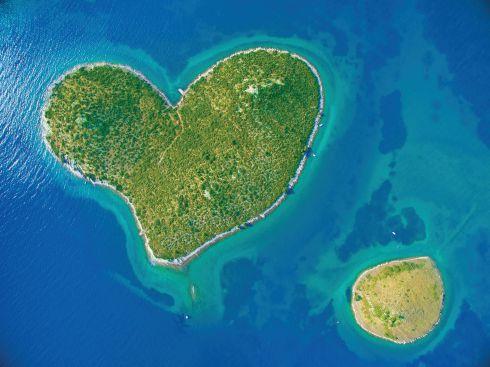
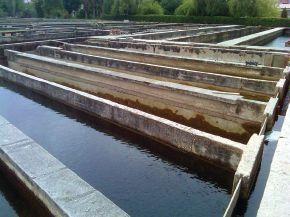
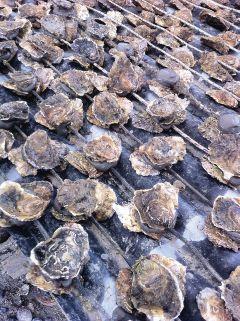
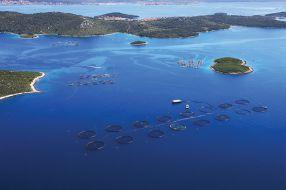


An uncommon effort to achieve our common goal of healthy fish.
You take pride in your operations and the health of every fish matters. Infectious Hematopoietic necrosis (IHN) is highly dangerous and unpredictable and now, more than ever, it is imperative that your fish stocks are protected. With one small dose of Apex-IHN you can help protect your fish against this deadly disease by stopping it before it starts.

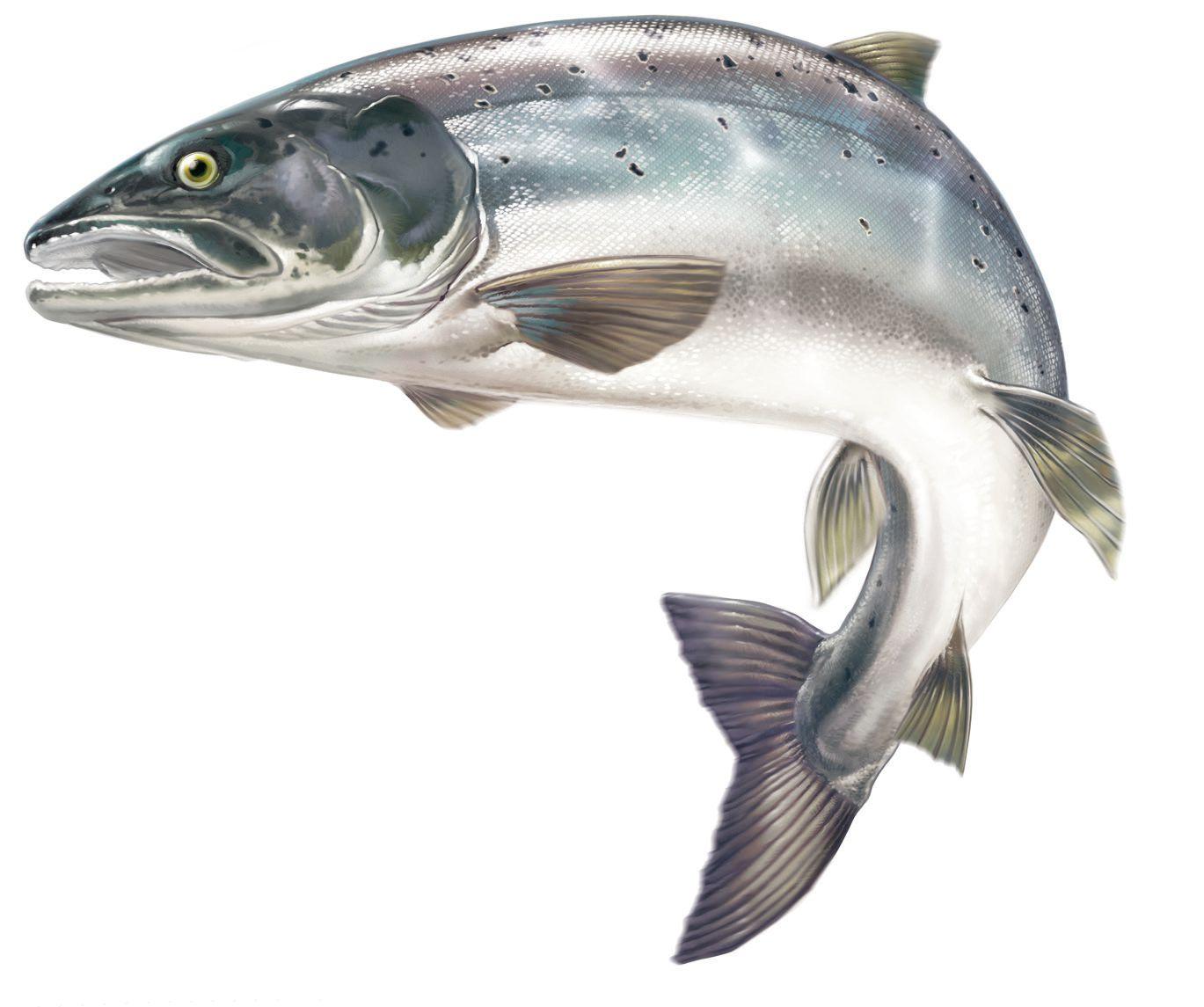

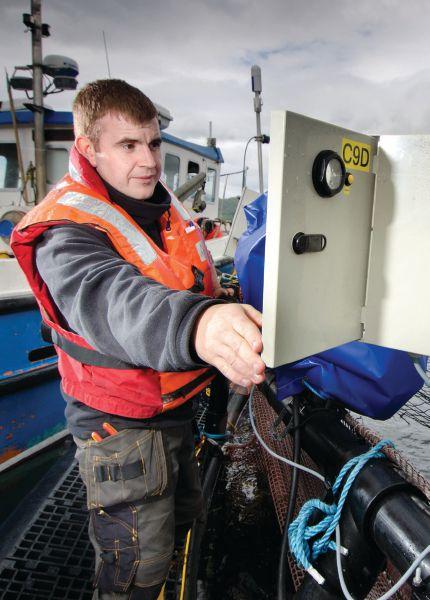
Economic Feed Conversion Ratio—Growth Trend

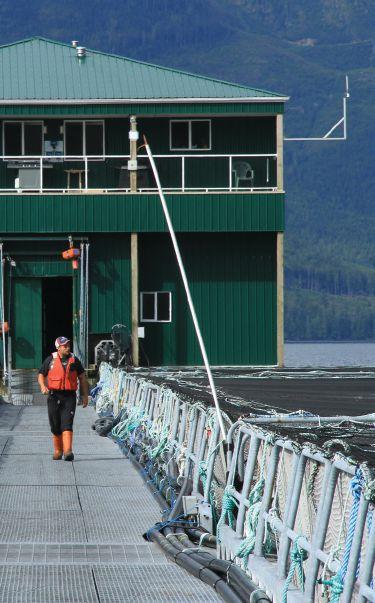
BIOMASS DAILY
REVOLUTION IN BIOMASS MEASUREMENT
With a Vaki Biomass Daily frame placed permanently in each cage, fish are continually measured with pinpoint accuracy. For every site and every cage, the daily overview of average weight, size distribution, condition-factor and growth is available 24/7. Pentair AES has assembled a team of experts with diverse backgrounds in aquaculture, with decades of research and commercial industry application experience. Accurate information, real time data and reliable overview. Trust in a team that’s here to help you—ASK US!