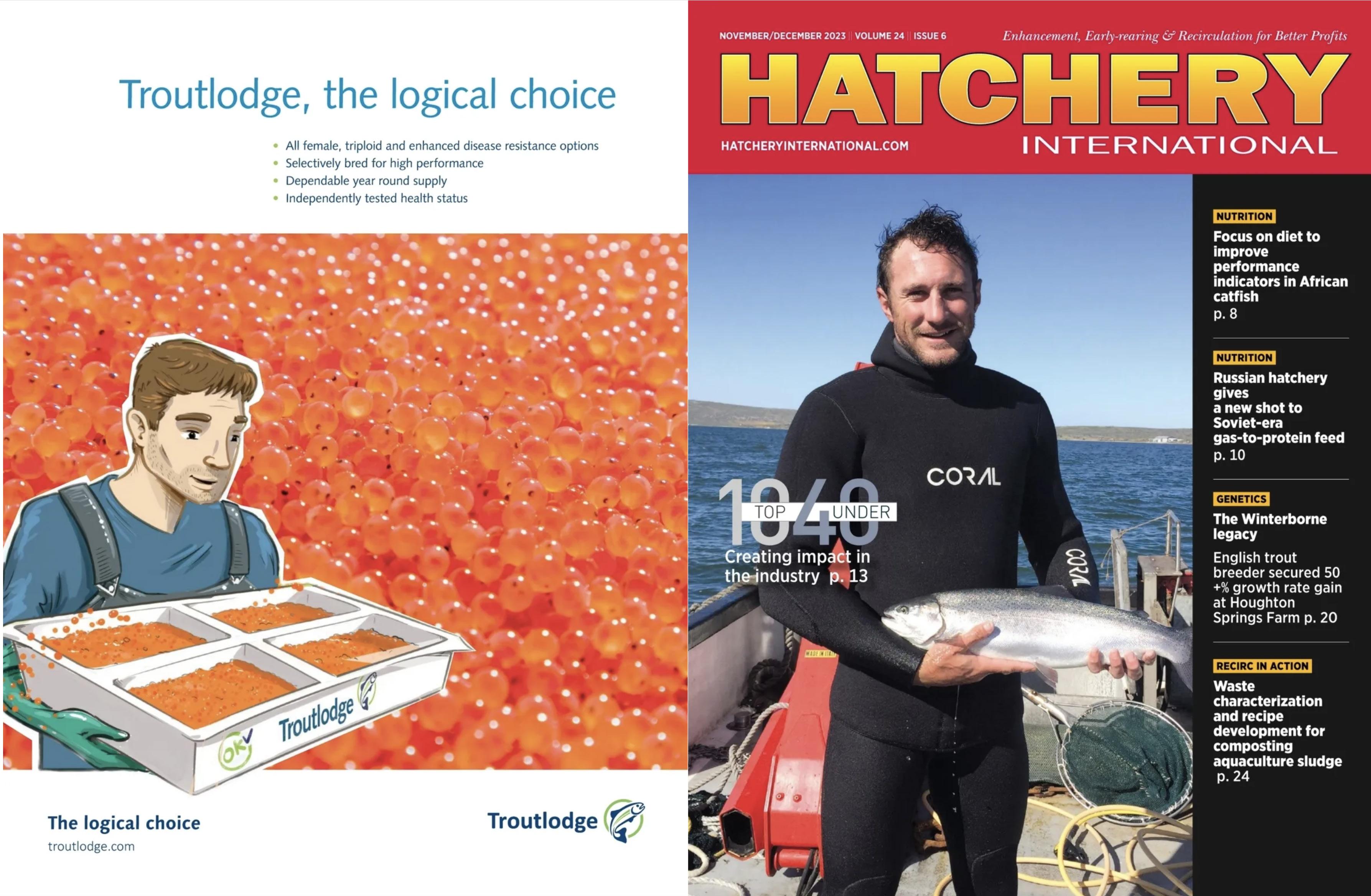
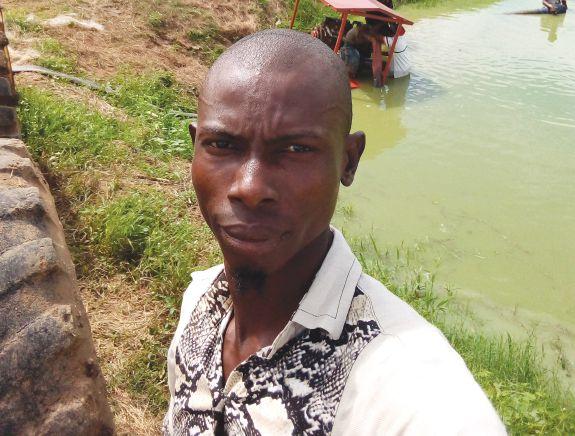
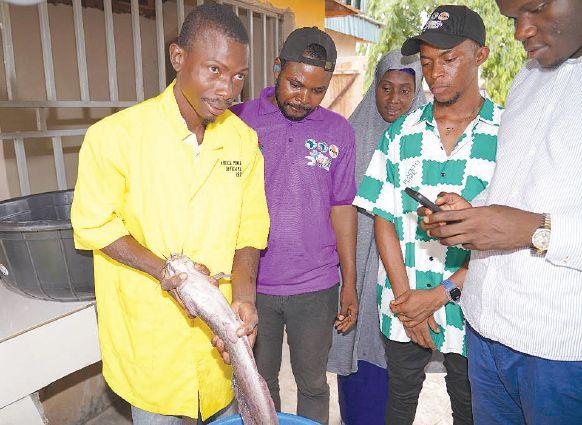
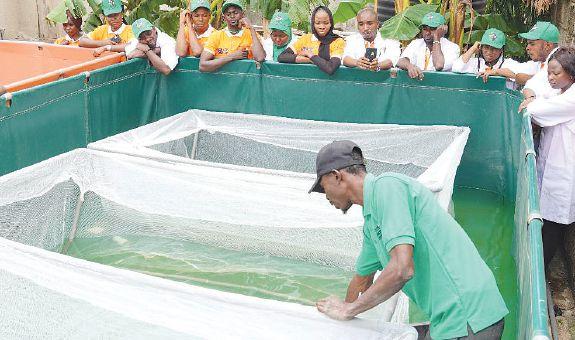
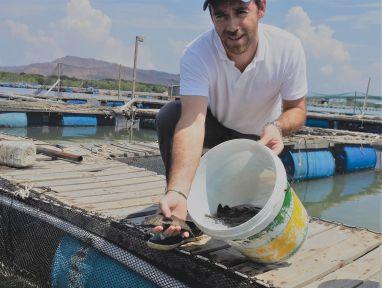
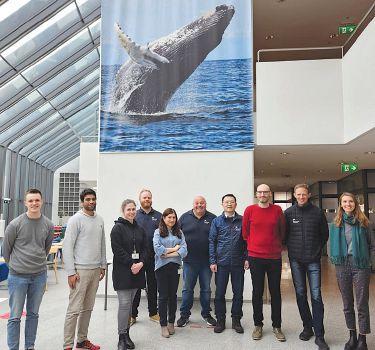
This year’s HI Top 10 under 40 presents an array of people across different backgrounds, and countries with different skills all contributing to make the industry better.
By Seyitan Moritiwon
By Colin Ley
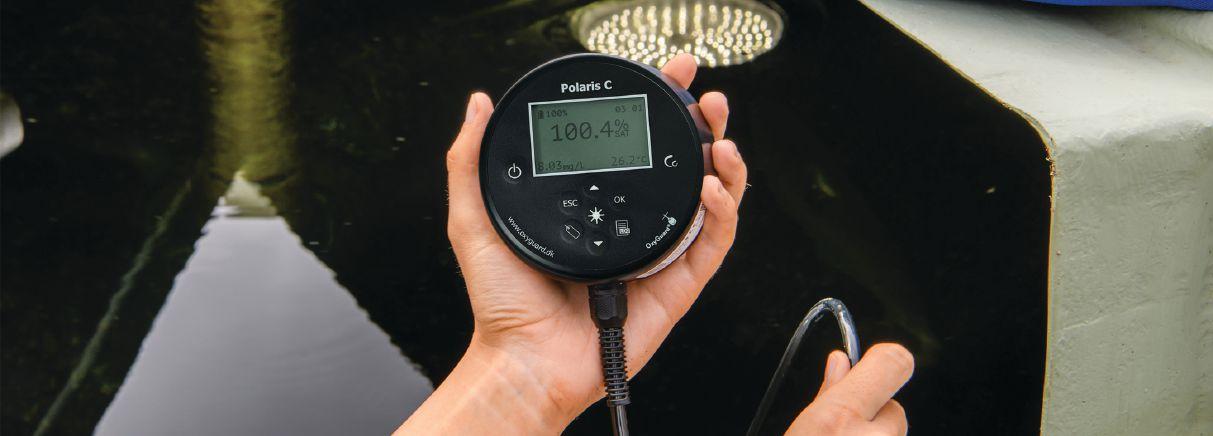
Smarter Sensors
Industry-leading optical dissolved oxygen provides higher accuracy readings with less maintenance
Seamless Integration
Modbus communication integrates directly to the PLC or data logger you already have without additional software
Automatic Compensation
Optional built-in conductivity automatically compensates for salinity — improving accuracy
VOLUME 24, ISSUE 6 | NOVEMBER/DECEMBER 2023
Reader Service
Print and digital subscription inquiries or changes, please contact customer service
Angelita Potal
Tel: (416) 510-5113
Fax: (416) 510-6875
Email: apotal@annexbusinessmedia.com
Mail: 111 Gordon Baker Rd., Suite 400, Toronto, ON M2H 3R1
Media Designer Svetlana Avrutin savrutin@annexbusinessmedia.com
Audience Development Manager Urszula Grzyb ugrzyb@annexbusinessmedia.com 416-510-5180
Group Publisher Anne Beswick abeswick@annexbusinessmedia.com 416-410-5248
President/COO Scott Jamieson sjamieson@annexbusinessmedia.com
PUBLISHED BY ANNEX BUSINESS MEDIA 105 Donly Drive South, Simcoe, ON N3Y 4N5
Hatchery International is published six times a year by Annex Business Media. The authority for statements and claims made in Hatchery International is the responsibility of the contributors. Reference to named products or technologies does not imply endorsement by the publisher.
Subscription rates (six issues) Canada: $37.00
Within North America: $48.00 CAD
Outside North America: $62.00 CAD
To subscribe visit our website at www.hatcheryinternational.com
PRINTED IN CANADA ISSN 1922-4117 Publications Mail Agreement #PM40065710
RETURN UNDELIVERABLE CANADIAN ADDRESSES TO 111 Gordon Baker Rd., Suite 400, Toronto, ON M2H 3R1
The advertising deadline for the Jan/Feb issue is Nov. 3. Don’t miss the opportunity to be part of this exciting aquaculture publication. For more information, or to reserve space in the next issue, call our advertising department at +1.250.474.3982 jthain@annexbusinessmedia.com
Next Editorial Deadline
The editorial deadline for the Jan/Feb issue is Nov. 10. Contact Jean Ko Din at jkodin@annexbusinessmedia.com for details. Material should be submitted electronically with prior arrangement with the editor.
Most wonderful time
Ialways enjoy putting together our November/December issue because it is that time of year when we are able to celebrate our Top 10 Under 40 program.
I’m so proud to be able to share new faces from the industry who would not otherwise be celebrated for the work that they do quietly in their own companies and in their own communities.
When farmers and culturists are so immersed in their own production work, it is important that we can provide you with a snapshot of the different types of work going on around the world. It is important to me that we represent different regions, different disciplines, different species, etc. Diversity and representation doesn’t just end with someone’s gender or nationality. My personal mission of seeking out new communities is an intentional effort to create a big picture that illustrates the countless possibilities and opportunities that are available to young professionals in this industry.
At the very least, I hope that the stories of these Top 10 remind you of your own passion for the work and why you entered
ADVERTISERS' INDEX
JEAN KO DIN
the field in the first place. At the most, I hope these stories inspire the industry to continue to be more community-minded initiatives, looking outside of your own day-to-day production to share knowledge that could create meaningful change in the larger network or even in the natural environment in which many of you work.
The global hatchery industry is widespread but it is a small niche within the larger fisheries and aquaculture sector. I believe it is the duty of publications, like Hatchery International, to serve as a connection hub and I hope that in 2023, we were able to serve that purpose for you.
As we look ahead into the New Year, I want to incorporate more ideas about technical innovation, as well as bring you the most current issues around the world. I want to focus on providing more practical knowledge that can be truly useful to your daily operations.
In that spirit, I welcome you to engage with me and share your thoughts on topics that we should we covering in our pages. I’d love to hear your ideas at jkodin@ annexbusinessmedia.com.
Russian state hatcheries abandon Western tech
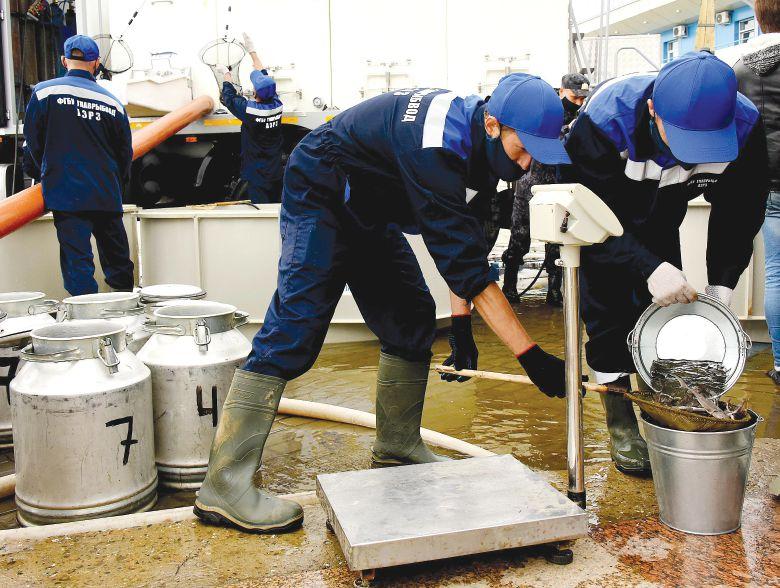
At least one division of Glabrybvod, a Russian government agency running all state-owned hatcheries, has prohibited its workers from using Google and Apple services.
Employees of the Nizhnevolzhsky branch were required to switch to alternative solutions starting Sept. 1. The workers are not allowed to use iPhones and iPods in their workplaces or wear an Apple Watch.
Glabrybvod explained that the restrictions were required by “informational security specialists,” not providing additional details.
The initiative is believed to be a part of the import-replacement program Glabrybvod announced in 2022.
All Glabrybvod hatcheries run on imported equipment but have a sufficient margin of safety, Sergey Tkachuk, head of the NorthWest agency branch, disclosed in August 2022. He also unveiled Russian hatcheries were replacing foreign technology where necessary, adding there were no problems in this field.
Earlier, Russian hatcheries largely switched to domestic fish feed after supplies from Western countries were disrupted, Tkachuk added.
Despite the challenges, Glabrybvod released 1.963 billion units of fish fry and fingerlings last year, fulfilling the state plan by 102 per cent, Dan Belenkiy, head of Glavrybvod, said, describing these figures as a solid result.
Study results bode well for copepod production in Vietnam
Two protocols on biomass production of tropical copepod (Acratia sp.) have been established in a study in Vietnam. The results are expected to boost the production of the popular larval feed in Central Vietnam, a major hub of the country’s farmed fish production
Focus areas are on nauplii stocking density and survival, and adult density on egg and nauplii production.
“Different densities may be applied for biomass production or for harvesting eggs from the culture,” cited Hung Quoc Pham et al. in the study published on the Journal of the World Aquaculture Society. The team is with Nha Trang University.
The study determined development time, survival, size of adult males and females, and egg and nauplii production.
“These parameters are essential for the biomass production of copepods for aquaculture purposes,” they said.
Fish feed was the biggest challenge last year, though, in the end, Glavrybvod even benefited from the crisis, as it managed to switch to Russian products, which appeared to be cheaper. Speaking about technology, Belenkiy said that Glavrybvod modernized 60-70 per cent of state-owned hatcheries
HUNG QUOC PHAM
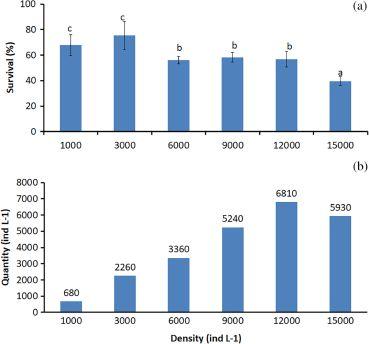
The experiment on nauplii was done using stocking of nauplii at 1,000, 3,000, 6,000, 9,000, 12,000, and 15,000 individual L−1.
A separate experiment on adult stocking was at 1000, 1500, 2000, and 2500 individuals L−1
The initial nauplii density of 3000 nauplii L−1 did not affect the survival of Acartia sp. from
during the past six years, and they did not require additional investments.
On the other hand, 20-30 per cent of stateowned hatcheries need some modernization, Belenkiy said, admitting that that task “has become a little more complicated now.” - Vladislav Vorotnikov
nauplii to adulthood. “However, the total number of adults was highest at the nauplii stocking density of 12,000 individuals L−1,” they cited.
“Eggs and nauplii production was reduced when the adult density was higher than 2000 individuals L−1.”
The species is a popular larval feed for a wide range of aquaculture species because it contains high levels of highly unsaturated fatty acids. These are building blocks of normal development of marine fish larvae and juveniles.
High-density culture to cope with demand, however, is constrained but current production protocols. At the usual density of less than 400 adult individuals L−1 in tropical and subtropical conditions, aquaculture ponds, production is low.
“The challenge is to produce a large number of copepods raised in artificial conditions for marine fish larvae rearing on a commercial scale,” they said.
– Ruby Gonzalez
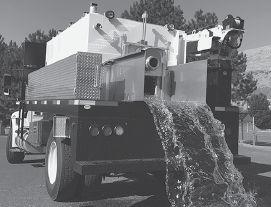
Glavrybvod bans Google, Apple and other Western tech. PHOTO: GLAVRYBVOD
CREDIT:
EAS
honours pond aquaculture veteran with life membership award
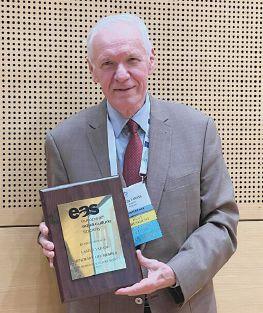
The European Aquaculture Society (EAS) has given aquaculture professional, László Varadi, an Honorary Life Membership award.
Varadi was honoured at the opening ceremony of the Aquaculture Europe 2023 event in Vienna, Austria, for his dedication toward the recognition and development of pond aquaculture in Europe and beyond.
Since 1974, Varadi has been involved in the development of the industry when he started to work at the Research Institute of Fisheries, Aquaculture and Irrigation (HAKI) in Hungary and retired as director of HAKI in 2012. He was also involved in various aquaculture development projects in Asia, Africa and Latin America.
Varadi was actively behind the creation and establishment of the Network of Aquaculture Centres in Central and Eastern Europe (NACEE) in 2004.
He was the recipient of the Federation of European Aquaculture Producers (FEAP) Award for Excellence in 2015 for his contributions to freshwater aquaculture, playing a key role in developing the Hungarian sector as well as less developed countries.
Varadi, who was the EAS President between 2006 and 2008—was honoured for even more contributions to the industry—and is among the several people the EAS has given the Honorary Life Membership award since 1981.
Crab hatchery opens up in Florida for coral reef restoration
Mote Marine Laboratory & Aquarium has opened its Florida Coral Reef Restoration Crab Hatchery Research Center. It is said to be the first fully operational Caribbean king crab hatchery of its kind and will aid in saving Florida’s coral reefs.
U.S. Representative Greg Steube who was present at the official opening said Florida’s coral reef is an environmental and economic asset for both the State of Florida and the United States.
The new facility was funded partly by an award from the National Marine Sanctuary Foundation as part of the Mission: Iconic Reefs (M:IR) Capacity Building Grant program.
“We will be able to produce 34,000 Caribbean king crabs in this new facility within the next four years as we grow our holistic coral reef community restoration approach under the leadership of Mote’s Coral Reef Restoration Research Program Manager, Dr. Jason Spadaro,” said Mote president and CEO, Michael Crosby.
Caribbean king crabs are said to eat up more algae than any species of parrotfish in the Caribbean and feed on urchins. Their ability to reduce the threat of algae overgrowth was concealed by their low natural abundance in the region.
The 6,000-square-foot hatchery is home to over 100 Caribbean king crabs that will serve as the initial broodstock at Mote’s Aquaculture Research Park in Sarasota, Fla. They aim to increase this to 300-400 broodstock and in the end, produce about 250,000 juvenile crabs yearly. Once the juveniles are big enough to be released, they will be screened and released onto restoration sites along the reef.
CANADA (866) 248-5212 / sales@syndel.ca INTERNATIONAL sales@syndel.com
HI_Syndel_Mayjune23_MLD.indd 1
László Varadi receives Honorary Life Membership award PHOTO: EUROPEAN AQUACULTURE SOCIETY
Focus on diet to improve performance indicators in African catfish (Clarias gariepinus) fingerlings and juveniles
BY RUBY GONZALEZ
Fast growth rate, threshold for extremely high stocking density, tolerance for the environment and a ready market are just some of the strengths of culturing African catfish ( Clarias gariepinus ). Fully tapping the market potential, however, is stymied at the grassroot level, including insufficient availability of fingerlings and mortality rates. Many researches focus on diet to improve performance indicators.
Dietary benfotiamine
In the Philippines, where survival rates in African catfish from fry to juvenile stages swing wildly between five and 80 per cent, there is a clamour for fry that deliver, at the very least, sound projections for the growout operation.
A “minute” application of benfotiamine, a synthetic pro-vitamin B1 and a lipid-soluble derivative of thiamine, to fry diet offers a solution.
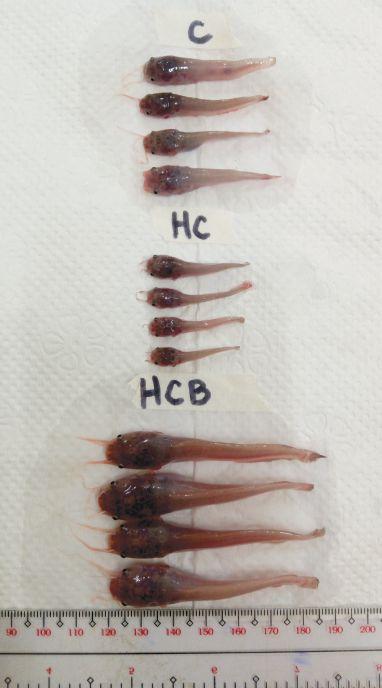
The study by Rey Obeda et al., “Dietary benfotiamine in high carbohydrate diet improves growth and resistance to abrupt shift to higher salinity in the African catfish Clarias gariepinus juveniles”, demonstrated that supplementation of benfotiamine to the high carbohydrate (HC) fry diet at 0.02 per cent produced juveniles with enhanced performance parameters and higher survival rates. The authors are affiliated with the University of the Philippines – Miagao, Iloilo.
The other diets in the study experiments contained 15 per cent cornstarch as a source of carbohydrate (control), and a high
carbohydrate (HC) which contained similar ingredients except that the cornstarch content was increased to 20 per cent.
“Results show that the high carbohydrate supplemented with benfotiamine (HCB)
LONG-LASTING AQUACULTURE PUMPS
diet resulted in significantly higher final average body weight, weight gain specific growth rate, and significantly better food conversion ratio than the values for both C and HC groups,” the authors said.
Fast growth contributes to higher survival rates. “This allows the young fish to attain a certain size that enables them to somehow ‘discourage’ predators to go after them and thus, escape from them,” corresponding author Dr. Augusto Serrano Jr., explained to Hatchery International
Supplementing fry diet with benfotiamine and, to some extent, thiamine, enhances the whole process of glucose utilization partly for energy and partly for storage as fat. Almost all aquatic animals are considered ‘diabetics’ because of the inability of their system to allow blood glucose to enter their body cells.
Serrano stressed, “Body fat storage in young fish is very important for their survival during the transition from nursery to grow out. A more important aspect of dietary incorporation of benfotiamine is the enhancement of resistance to adverse conditions such as higher salinity, temperature, ammonia toxicity among others.”
On top of producing quality juveniles, supplementation of benfotiamine could also bring down feed costs. With its protein sparing effect of dietary carbohydrates and attractability, feed manufacturers for catfish may cut down the feed costs.
“This means that they could reduce the proportion of dietary protein perhaps by about five per cent or less and replace it with dietary carbohydrates, which are a lot
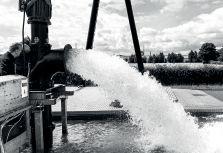
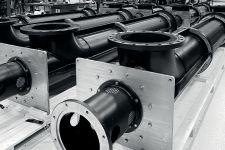
Specialists in corrosion-resistant, reliable and stable propeller pumps, with high uptime and
energy consumption- for a healthy and sustainable aquaculture.
Bigger and better with high carbohydrate supplemented with benfotiamine (HCB) diet
CREDIT: REY OBEDA
cheaper. Since benfotiamine is a processed thiamine, a vitamin for all animals, there is no risk or very negligible risk, if any, to the consumers,” he said.
Feeding strategies
In Nigeria, researchers from the Akwa Ibom State University said that mortalities in larval stages are mostly traced to poor feeding strategies.
“Fry need consistent and high-quality food provided in sufficient quantities at regular intervals for smooth transitional growth and satisfactory survival rate,” E. Ekong et al. said. “Therefore, to achieve desirable outcomes and improved rates, using high quality feeds and proper management techniques is inevitable.”
In their study, the test diet of a combination of spirulina and soybean trumped the control diet of fishmeal in African catfish larva. The research team from Akwa Ibom State University evaluated the effects on the diet on performance parameters.
The difference was most notable in weight gain. Cohorts in the test diet posted an
increase of 2.42 grams while control had 1.28 grams. Survival rate in the test was 62 per cent. It was 52 per cent in control. It was noted that FM was not easily accepted by fry.
Tried-and-test encapsulated artemia as feed fits the description but high cost makes it beyond the reach of most of the growers in Nigeria. This has led the authors to identify an alternative larval diet with ingredients that are readily available and acceptable.
“Spirulina is considered one of the most concentrated natural sources for nutrition to both terrestrial and aquatic animals. Therefore, Spirulina could be an excellent source of useful nutrients as well as a good energy source that can be used as crucial component for animal feeding,” they said.
On top of having high macro- and micro-nutrient contents, they said another strength of spirulina is that it grows in water and can be harvested and processed easily.
“Comparative study of fishmeal and a test feed on the growth and survival rate of Clarias gariepinus (African catfish) larvae” was published on Journal of Ecology and Natural Resources.
Neighbourhood pollutants
Still in Nigeria, external factors contributing to catfish welfare were considered by a team from the Michael Okpara University of Agriculture. P.A. Chinedu-Ndukwe et al. focused on effects of effluents discharged by beauty salons.
“It was concluded that hairdressing salon effluents had some negative effect on histopathology and behavioural responses of juvenile Clarias gariepinus.” the authors said in “Effect of Hair Dressing Salon Effluent on the Juveniles of African Catfish (Clarias gariepinus)”. This was published on African Scientist.
Tell-tale indicators in affected fish were observed: odd swimming patterns, jerk movements, bottom resting and loss of appetite. Post-mortem, there were histopathological changes in the liver and fills of the fish.
With the practice of indiscriminate discharge of pollutants and the impact on water quality, the study said that both the government and private sectors should step in.
“Management strategies should be developed, the populace should be informed about the adverse effects of effluents and the role they play in our immediate environment.”
Smarter, stronger, more economical drum filters
The way to become a market leader in any industry is to give customers a quality product that fits their exact requirements at the best possible price. That’s why we have developed the Hydrotech Value series of drum filters.
The Hydrotech Value drum filter series focuses on reduced maintenance, increased component quality and simplified operation – all to give your plant maximum filtration performance at a minimum operational cost.
There are more than 50 technological improvements in the new Value series, compared to the previous series, that make these filters excellent value for money.
Russian hatchery gives a new shot to Soviet-era gas-to-protein feed
BY VLADISLAV VOROTNIKOV
Sobskaya hatchery, one of the largest in Siberia, has kicked off an experiment of feeding muksun (Coregonus muksun) fry with gaprin, a protein derived from methane.
The preliminary results of the trials are promising, said Sobskaya, which is playing a vital role in the recreational programs in this part of Russia. As a part of regular fish feed, gaprin secures better gains, lower mortality, and bolsters immunity.
The technology is not brand new. In the 1970s, the Soviet Union tried to launch an industrial production of protein from hydrocarbons, building 12 plants across the country for the production of what was called bioprotein. Their combined performance was close to one million tonnes of either paprin, single-cell protein yeast grown on liquid paraffin medium; or gaprin, inactivated biomass of methane, oxidized bacteria, Methyllococcus capsulatus
The problem, however, was that both technologies lacked sufficient studies confirming the efficiency and safety of the end products. Shortly after the beginning of the commercial use, farmers discovered that animals consuming paprin started to get sick.
“During several studies, meat from animals fed with paprin was found accumulating abnormal levels of amino acids, which were incorporated into nerve cells membrane, disrupting the processes of conducting a nerve impulse,” said Raisa Bashirova, senior researcher at Bashkiria State University. Moreover, paprin was found to be toxic for farm workers.
“The workers of the plants and local residents were developing diseases like thrush and bronchial asthma (after being in contact with paprin),” she added.
Not long after the problems were discovered, bioprotein production was curtailed, though gaprin was never found to be as hazardous as paprin. Several attempts to revive gaprin production have been made over the past few years, but with no tangible results, as gasto-protein technologies remain one of the most controversial in the Russian feed industry.
In 2020, a Russian company, Metanica, started producing inactivated protein biomass of methane under the brand name, Metaprin, claiming it used a technology different from that utilized in paprin and gaprin production. The company explained Russia lacked from 1.5 million to 2 million tonnes of feed protein per year. Metaprin is primarily called to replace fishmeal in animal feed.
Russian authorities hope new protein will help its recreational campaign. PHOTO: GAZPROMSTROY
Here we go again
Russian scientists have edited the genome of bacteria converting methane in gaprin to make the technology more efficient, Sobskaya hatchery said, not providing additional details on this project.
Alexander Litvinenko, professor of the State Agrarian University of the Northern Trans-Urals, in charge of the project, disclosed that during the first week of the experiment, fish fry getting gaprin doubled its weight from 20 milligrams to 40 milligrams. The average yield was 40 per cent higher compared to the control group feeding on a regular diet.
“Protein from methane or natural gas was produced on an industrial scale back in the Soviet Union,” Litvinenko claimed, not saying anything about its safety. “In the 1990s, the plants were shut down, and the technologies were taken abroad. Now they are being restored.”
The success of the trials at the Sobskaya hatchery should breathe new life into gaprin technology, according to Litvinenko. Within a year, the first since the Soviet times, industrial gas-to-feed protein production is expected to be launched in the Tatarstan Republic in the central part of Russia. It is forecasted that several more plants will follow in the next years.
Sobskaya hatchery is not the first trying to use gaprin, Litvinenko disclosed. A group of Russian scientists have already tried to feed sturgeon (Acipenser) fry with this protein in the Tyumen region. The results of those trials were also encouraging. The average survival rate, usually limited to 55 per cent, jumped to as much as 90 per cent, while the average yields soared 50 per cent compared to the control group, Litvinenko reported.
Big Brother pays attention
The new attempt to revive gaprin production has already captured public attention in Russia.
The regional government of the Yamal-Nenets Autonomous Okrug reported it planned to have a closer look at the production technologies developed at the Sobskaya hatchery. The results of the experiment are likely to be included in a comprehensive programme aimed at restoring fish populations in the Siberian rivers. Among other things, this means the company will be eligible for an ample state aid.
Lyubov Okhman, deputy director of the agricultural department of the Yamal-Nenets Autonomous Okrug, expressed hopes that thanks to a better survival rate, the technology could help the authorities to restore the muksun and whitefish population in the Ob basin more effectively.
In 2023, Sobskaya hatchery plans to release 14 million units of fish fry to the regional lakes and rivers of the Yamal peninsula, Sergei Glukhov, chief fish farmer at the hatchery, reported. Since its launch in 2016, the hatchery has released 110 million units of fish fry. It is too early to say how the new technology could change production figures.
PHOTO: GLAVRYBVOD
CONGRATULATIONS TO THE 2023 WINNERS OF HATCHERY INTERNATIONAL’S
TOP 10 UNDER 40
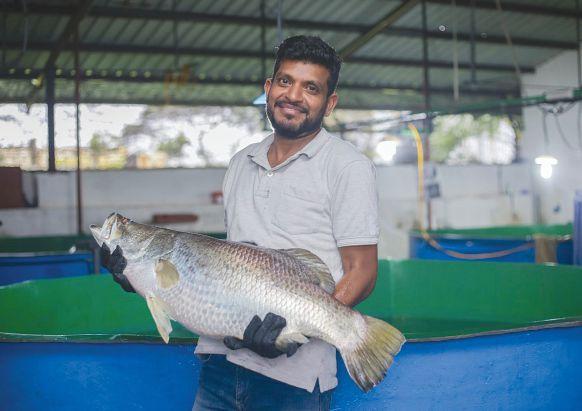
ASLAM PATHIRI
General manager of hatchery and grow out operations
Oceanpick. PVT.
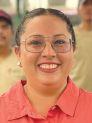
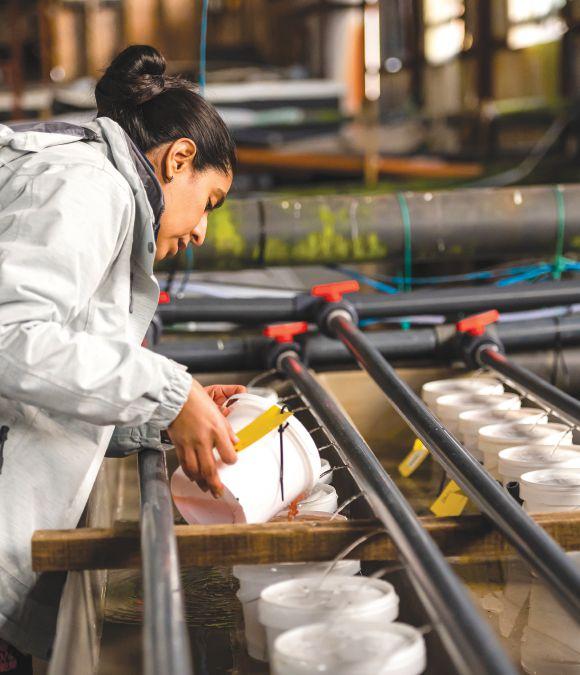
BLANCA COLIBRI RUEDA MAZA
Biotechnologist engineer
Innoacua
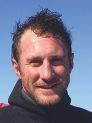
DANE KIESER
Smolt production manager
New Zealand King Salmon
ERIC IGNATZ
Ph.D. candidate
Memorial University
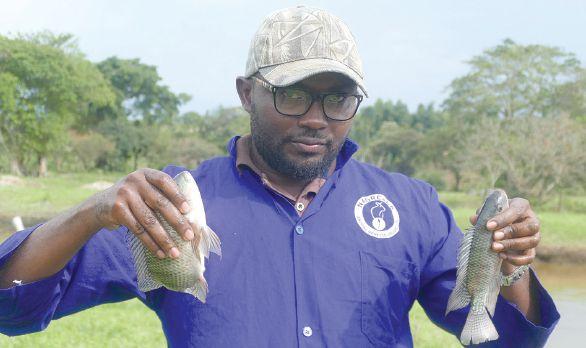
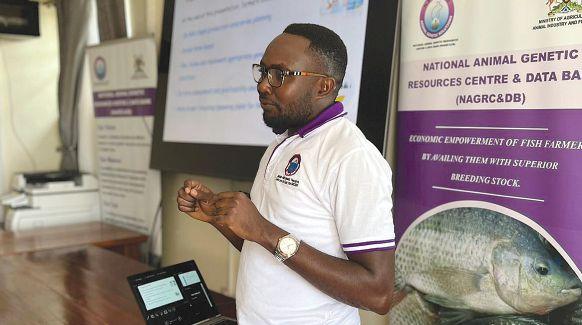
EZRA BYAKORA
Fish program manager
National Animal Genetic Resource Centre and Databank
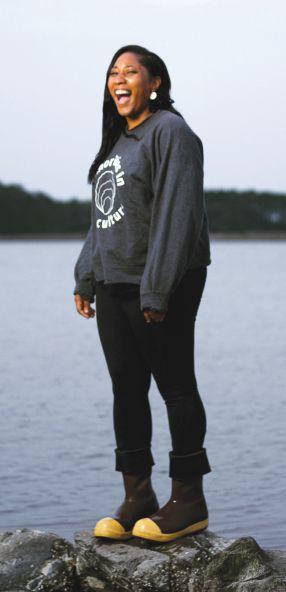
IMANI BLACK
Founder & CEO Minorities In Aquaculture
UMCES Horn Point Lab Shellfish Hatchery
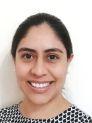
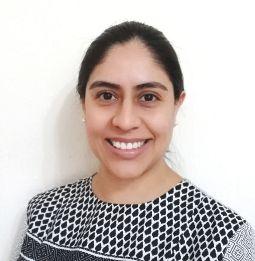
LIDIA DE LOS RIOS PEREZ
Breeding programme manager
Xelect Ltd
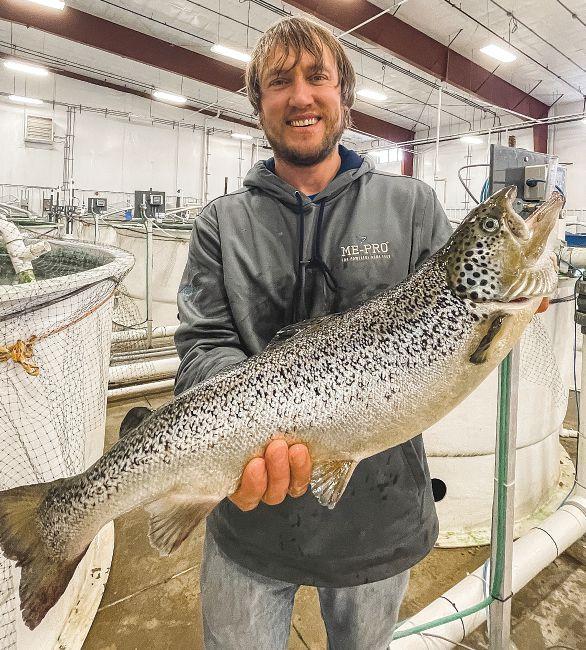
LUCAS FREDRICKSON
Aquaculture research manager
Prairie AquaTech/Houdek
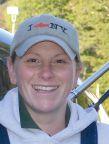
MICHELLE POPRAWSKI
Hatchery manager
New York State Department of Environmental Conservation
SUNDAY ELEBIJU
Aquaculture officer and consultant, Africa Projects Development Centre
Top 10 Under 40
Spotlighting young hatchery professionals that are creating an impact in their community and in the industry at large. By Seyitan
Moritiwon
This year’s Top 10 under 40 presents an array of people across different backgrounds, and countries with different skills all contributing to make the industry better. Some of this year’s winners grew up knowing they wanted to farm fish and for some, it wasn’t even on their radar. Regardless of how different their journeys to aquaculture have been, they all ended up in the same sector, making an impact in their own way. Hatchery International celebrates some of the brightest fisheries and aquaculture professionals in this edition.
ASLAM PATHIRI
Harnessing creativity
After coming across aquatic resources on a coconut farm in India, Aslam Pathiri became interested in using them to make sustainable animal protein for human consumption. He saw a potential for inland aquaculture, bioconversion efficiency and a rising economic value of freshwater resources.
Pathiri, 37, is passionate about looking for fish behaviour under newly subjected variables and imparting knowledge to newbies in the industry. Sharing knowledge and training others in the industry is what drives his work.
“From that, I can get the drive, grit and spirit to recharge my mind and soul faster,” he said.
With 15 years as an aquaculture professional in the bag, Pathiri has worked at the Government of India’s Kerala Ministry of Fisheries and has done assignments overseas. He currently works as a general manager of hatchery and growout operations at Oceanpick PVT Ltd. in Sri Lanka.
An experience Pathiri won’t forget in a hurry was when a viral epidemic caused his team to lose 95 per cent of their newly stocked fingerlings. But they came back stronger, successfully creating a new method to immunize fish against that viral infection before placing them in sea cages. It took many attempts but, in the end, it worked.
His advice to people new to the hatchery business is to put in the work, get familiar with all the sectors in the industry, and get knowledge from others in the industry.
“In order to succeed in a hatchery, you should approach every aspect with creativity, be willing to take risks or challenges in the worst-case scenarios, maintain composure under pressure, be proactive rather than reactive, and develop your problem-solving abilities through ongoing learning about all hatchery activities.”
PHOTOS: ASLAM PATHIRI
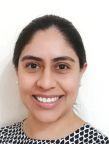
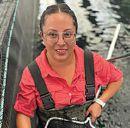
BLANCA COLIBRÍ RUEDA MAZA Hatching opportunities
Blanca Colibrí Rueda Maza, 34, had always been certain that a desk job with a monotonous routine wasn’t her calling. Fortunately, her path in aquaculture ensures she enjoys a dynamic work environment. But she didn’t land on that career path by choice — but by what some may call fate.
After finishing university in Mexico, she encountered her first boss and others who helped her understand that the industry was more than producing food. “It was providing jobs, it was bringing development and well-being to remote communities, it was offering high-quality protein to Mexican diets,” she said.
She began her professional career at Regal Springs Mexico in 2010 where she led their 100 per cent hatchery initiative, which succeeded in going from 3.5 million larvae per month by trapping, to 5.5 million larvae by hatching, while maintaining the same number of broodstock.
As a biotechnologist engineer and hatchery professional with over 10 years of experience, Maza understands that every year will be different, and experience will teach you to handle those differences.
Maza currently leads a personal fry production project at Innoacua, something she’s very proud of. “I clearly remember the satisfaction and relief when connecting for the first time the pump that started with the recirculation system of the incubator, hearing how the water fell and passed through the filters, that’s when I knew that everything was becoming reality,” she said.
Agustin Carrera Patricio, Maza’s co-worker said she recognizes the importance of caring for the environment and natural resources. “Her approach is to optimize resources by applying measures that reduce environmental impact, measures such as the use of recirculation, water quality management through the use of biofloc and symbiotics,” said Patricio, who nominated her.
Maza, a dedicated mother of one, perseveres in her dedication, striving to create job opportunities for more families.
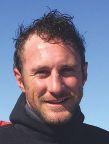
DANE KIESER A soul’s calling
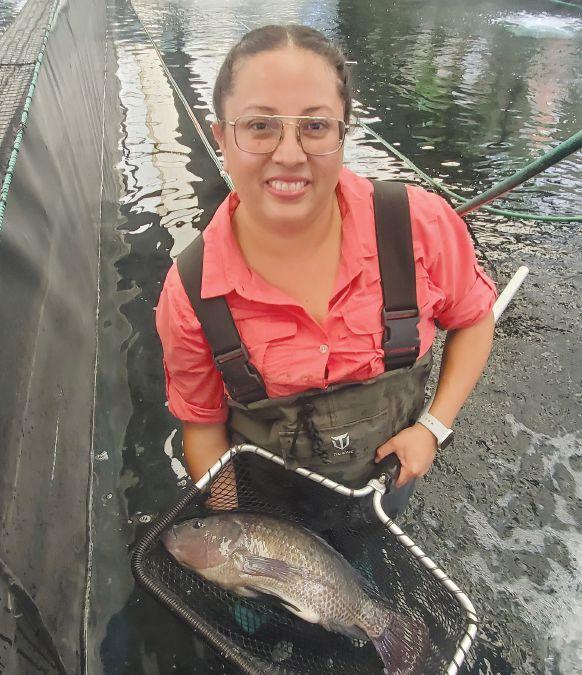
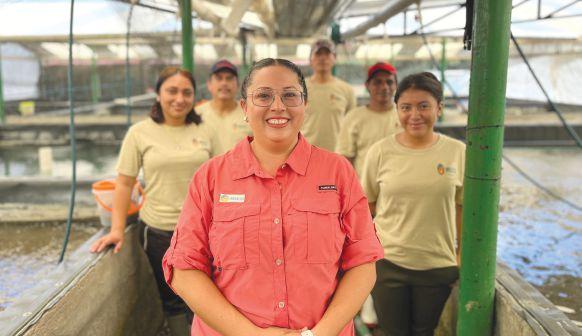
PHOTOS: BLANCA COLIBRÍ RUEDA
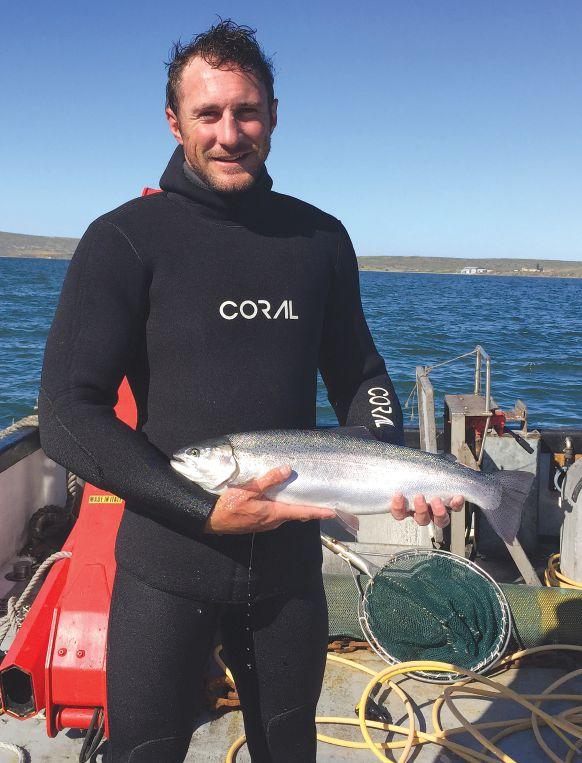
PHOTO: DANE KIESER
“There is nothing I would rather do than farm fish.”
That was what smolt production manager Dane Kieser said about the way he felt working as a farm technician at Molapong Aquaculture in South Africa.
The 34-year-old studied aquaculture production management at the University of Stellenbosch and has participated in the implementation and operation of New Zealand’s only first-feeding facility, introducing newly designed/innovative substrate frames for eggs to name a couple.
Raising animals to the point where they get distributed worldwide, and seeing the joy people get from consuming them, gives Dane satisfaction.
Even though there isn’t a lot of information about culturing Chinook salmon compared to Atlantic, and although that’s challenging, he said that’s what makes them special and makes farming them exciting.
A core memory for Kieser was when he tried farming Coho salmon, a species that had never been farmed in South Africa. He imported the species and despite having a low survival hatch twice, he tried the third time and it yielded success.
To new hatchery professionals, he advised: “Keep working the long days and nights, keep reading up on your species and keep learning. Do everything 100 per cent and your animals will reap the benefits and the results will speak for themselves.”
ERIC IGNATZ
Embrace the challenge
After Eric Ignatz took a field trip out to the Alma Aquaculture Research Centre, now known as the Ontario Aquaculture Research Centre as a student at the University of Guelph, Canada, he found his calling.
He is a current PhD candidate at Memorial University where he’s researching mitigation strategies that will minimize the impacts of climate change on the production of important aquaculture species.
“Having worked in both the industry and academia, what I can say I love about both aspects is that you are never going to get bored,” the 30-year-old said.
Matthew Rise and Kurt Gamperl, Ignatz’s co-supervisors nominated him, and they said, “Through his work, he hopes to help the sector identify and mitigate the challenges that rising sea surface temperatures and other environmental stressors bring to the production of aquatic species. He believes in the industry taking proactive measures to ensure animal welfare and minimize environmental impacts.”
PHOTO: ERIC IGNATZ
Ignatz recently started working as a postdoctoral researcher in collaboration with Atlantic Aqua Farms and Dalhousie University, where he’s studying the ecophysiology and genomics of farmed triploid mussels and working in a team to develop production strategies for them. So far , he’s been fascinated by how different
shellfish hatcheries are from salmonid ones. He said the amount of scientific literature on how to rear mussels in hatcheries is a small fraction of what is available to salmon producers, but he wants to help solve this challenge over the next few years by filling in some of the knowledge gaps.
Enjoy your work
Growing up, Ezra Byakora never ate fish. It was a taboo in some subregions in Uganda and he was the first person from his family to eat fish. So, it’s not strange that aquaculture was not on his radar early on in life even while he was on a government scholarship in a Fisheries and Aquaculture Program.
But after taking on a volunteer role at The National Agricultural Research Organisation (NARO) he gained an interest in aquaculture, a love that kept growing daily and earned him titles like fish midwife, Mr. Fish, Dr. Fish and Uncle Fish.
The 35-year-old’s favourite thing to do is work with farmers and see them grow. “In all the work that I do in private and public programs, my ultimate goal is to put a smile on the farmer’s face, it is so refreshing and motivating to produce fish that give a farmer more encouragement to grow from one production scale to another or have a better performance in every cycle or transformation phase.”
Bob Atwiine, who nominated Byakora, said the fish program manager at the National Animal Genetic Resource Centre and Databank, Uganda also advocates for environmentally sustainable practices in his work.
“In his practices, he has been implementing environmentally sustainable aquaculture practices including responsible feeding to avoid excess feed decomposition and over-enriching the environment that would increase the nitrogen and phosphorous concentrations and bring about eutrophication in aquatic ecosystems,” said Atwiine.
Byakora’s advice for new hatchery professionals is “Be you. Be Fish. Enjoy your life and profession.’’
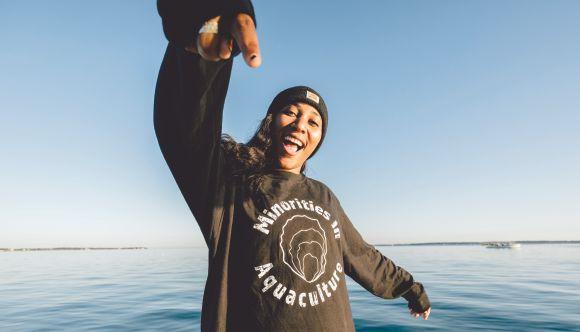
IMANI BLACK Fight for representation
As early as seven years old, Imani Black wanted to be in the marine science field. Her fascination with restoration and conservation guided her toward aquaculture in college.
She enjoys being outdoors and working and learning on the boat. And every job she’s had so far has been next to or on the water. “That space energizes me because it pushes me to think quickly on my feet to solve problems and find solutions to move forward.”
In Black’s first six years in the industry, she never worked with another woman of colour in a leadership role. And never knew or saw another Black oyster farm owner until 2020. “While that might not seem like a huge deal to some, that lack of representation impacted my safety and overall well-being on many oyster farms/facilities/operations throughout my career,” the 28-year-old said.
So, in October 2020, she established the nonprofit, Minorities In Aquaculture (MIA), in response to her need and passion to create a workforce and community representative of women of colour.
Anoushka Concepcion, Black’s friend said Black currently runs MIA full-time while rounding off her graduate degree. “She ties the cultural and historical significance of seafood production into her work and enjoys teaching others, especially young women of colour, about the role aquaculture plays in sustainable seafood production, with hatchery production being the first step in the development of a viable aquaculture industry,” said Concepcion.
Black said the industry, hasn’t explored its full potential yet and can be more sustainable and impactful, something she thinks any young professional can tap into.
EZRA BYAKORA
PHOTOS: BOB ATWIINE, EZRA BYAKORA
PHOTOS: IMANI BLACK
LIDIA DE LOS RÍOS PÉREZ
Dedicated service
After Lidia de los Ríos Pérez did her thesis on shrimp genetics during her studies in veterinary medicine and animal husbandry, she decided to focus her career on a combination of genetics and aquaculture.
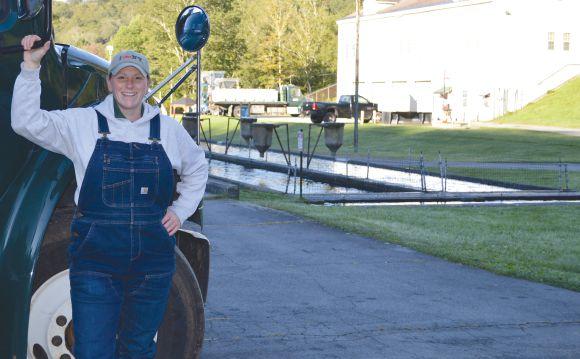
The 35-year-old was nominated by her colleagues at Xelect Ltd., in Scotland and was applauded as one of the fastest-developing staff members in the company. As breeding programme manager, she manages five of their customers.
“It’s not uncommon to find Lidia working in the middle of the night for the convenience of the customers she looks after, because spawnready animals require return within a few hours for a viable spawning operation. This is a meticulous operation that requires preparation, a forensic mind and quick thinking,” the statement from the nomination form reads.
Pérez has published her research in peer-reviewed journals and aquaculture magazines. “I firmly believe in the importance of sharing knowledge, and there is a unique sense of fulfilment in realizing that your research serves both the academic community and, importantly, the farming industry,” she said.
From visiting clients during sampling or spawning seasons, she’s able to learn about the different production methods used in different species across different countries and learn about their cultures. And she finds this exciting.
As exciting as her job is, planning for the unexpected—when working with live animals—to produce good results is challenging. Notwithstanding, she advises anyone looking to join the industry to step out of their comfort zone and take every step as an opportunity to learn something new.
LUCAS FREDRICKSON
The fish whisperer
Not everyone can boast of going to work every day with excitement and a desire to learn but aquaculture research manager Lucas “Luke” Fredrickson, 37, can.
On a tour of a tilapia farm, while studying at the University of Minnesota, many of Fredrickson’s classmates found it dark, smelly, and unappealing but his eyes were opened to the wonders of fish farming that he never knew existed. “I remember knowing this was what I wanted for my life,” he said.
He’s gone ahead to gain experience with different types of systems including flow-through, pond, and RAS. He said operating a RAS facility requires attention to detail and fortunately, his team is great at communicating.
“I need to make sure everyone is consistently on the same page and all details are communicated every day. Every day is different when you are dealing with live animals. I feel like they are my ‘babies’.”
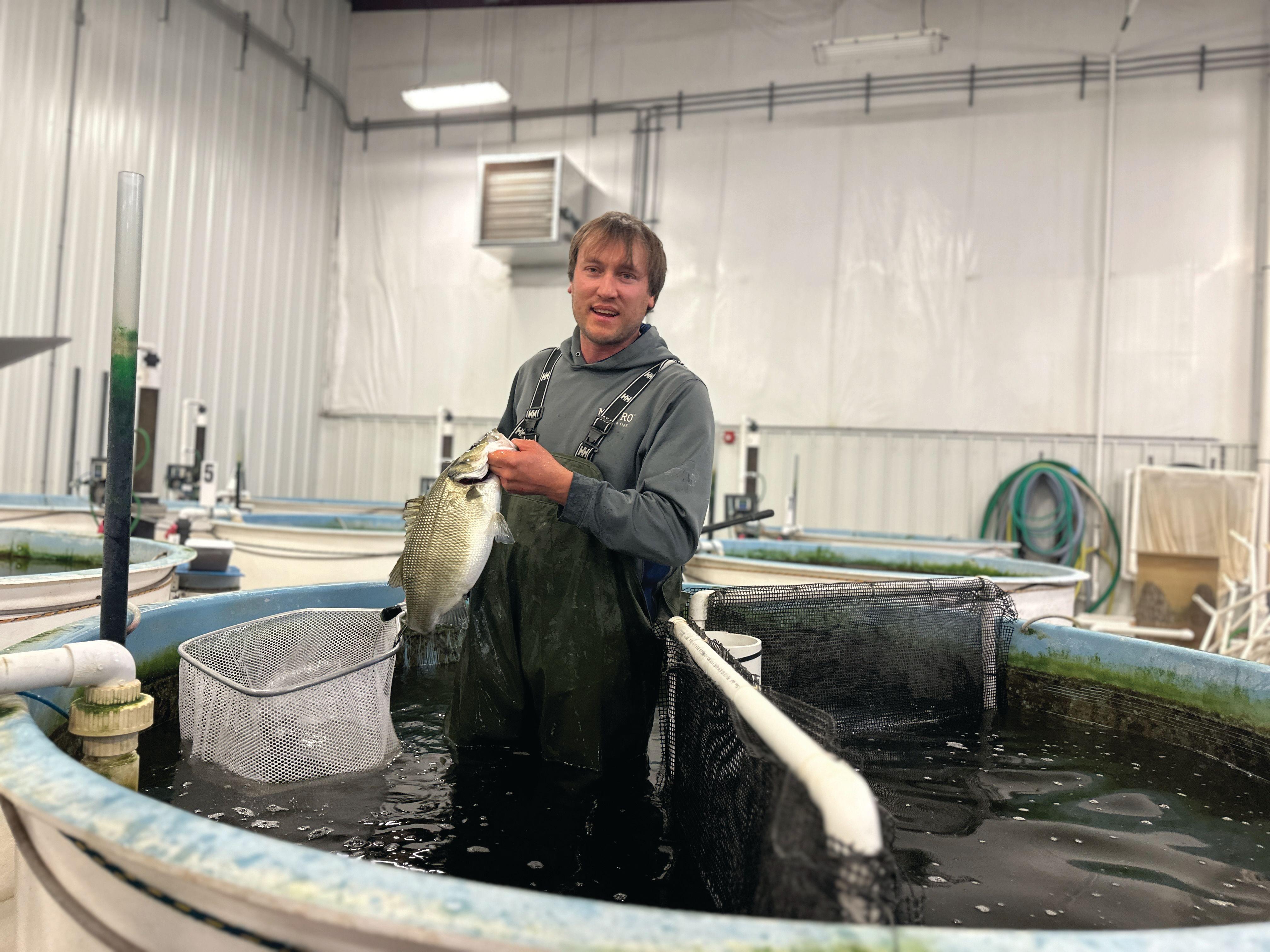
Fredrickson’s team at Houdek/Prairie AquaTech who nominated him said he oversaw crucial feed trials that led to the full-scale production of the plant-based protein ingredient developed specifically for aquaculture, ME-PRO®.
“Houdek/Prairie AquaTech has received a significant amount of industry recognition including Global Aquaculture Alliance’s innovation award, AquaFeed’s innovation award, and the South Dakota Trade’s business exporter of the year award. In each case, and in every success of ME-PRO (used around the world today), Luke’s leadership persists.”
Fredrickson has worked on over 100 trials that include 10 different species of fish.
“I wish I could say I have a favourite, but I can’t. I am proud that I can come to work every day with a desire to learn with the same excitement that I had when I first got introduced to aquaculture,” he said.
PHOTOS: XELECT LTD.
PHOTOS: LUCAS FREDRICKSON
PHOTOS: MICHELLE PROPOWSKI
SUNDAY ELEBIJU
Passion and perserverance
Sunday Elebiju, 35, grew up by the river and developed an interest in aquaculture after seeing his grandfather rear fish and his mother sell fish but it wasn’t until his cousin nudged him to consider a career in aquaculture that he took it seriously.
He went ahead to study fisheries technology and is an expert in climate-smart fisheries and aquaponic technology.
In 2013, Elebiju took a job at Tiddo Fish Farm in Benue State, Nigeria, where he managed the West Africa Agricultural Productivity Programme (WAAPP) seed multiplication project. His farm was the only one that recorded over 70 per cent of its quota in producing over one million Clarias Gariepinus and Nile Tilapia (Oreochromis niloticus) fingerlings among over 50 farms that participated in the project.
Bob Atwiine who nominated Elebiju said, “Fish farming was at the juvenile stage (back) then in Benue, and he had so much interaction with both fish mongers, practicing fish farmers, artisanal fishermen and prospective fish farmers.”
Elebiju has faced challenges along the way, including waking up to see his farm submerged in water in September 2022, but Atwiine said
he told him he was determined to not give up but to try again.
His favourite part of his job is when he creates solutions for reducing the cost of fish production and when he provides sustainable fish production practices. “I am a creative expressionist, especially in aquaculture, and solving problems in the simplest way has always been my motivation in creating aquaculture solutions and innovations.”
To anyone looking to become an aquaculture professional, Elebiju advises to understand water quality and broodstock management.
PHOTOS: SUNDAY ELEBIJU
The Winterborne legacy
English trout breeder secured 50+% growth rate gain at Houghton Springs Farm
By Colin Ley
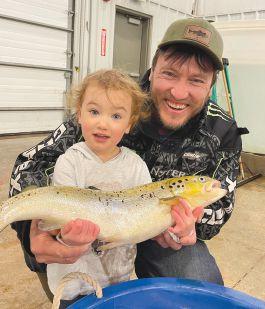
Agenetic selection process, launched in 2004 at Houghton Springs Fish Farm in North Dorset, England, has delivered a 51.9 per cent gain in growth performance for the unit’s “forensically selected” rainbow trout strain, known as The Winterborne.
The “forensically selected” description is the way Houghton Springs founder, Hans Hoff, described his 19-year rainbow breeding journey, speaking to Hatchery International earlier this year, prior to his passing in September after a short illness. It’s a journey which stands as an amazing legacy to Hans and his breeding vision in creating the first and only genetically selected rainbow trout strain in the U.K. and is fully demanding of the following report.
Houghton Springs is located on downland in the southern England county of North Dorset, drawing on the local groundwater resources that supply the River Winterborne at Winterborne Houghton. Bought by Hoff in 1986, the farm remains in family ownership, at least for the time being. A plan was announced late last year for Hoff to “hang up his wanders” (his phrase again) with the farm being prepared for sale in due course.
Originally established as a mixed farm to supply both rainbow and brown trout to restocking clients, the vision of delivering improved stock to a growing customer base took over as the business developed.
As a result, Houghton Spring’s breed enhancement programme, based on DNA parentage assignment, was launched with the farm’s first genetic selection process beginning in 2004. This was a couple of years
PHOTOS: HOUGHTON SPRINGS FISH FARM
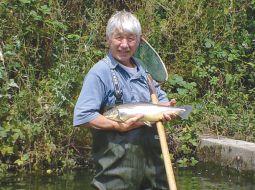
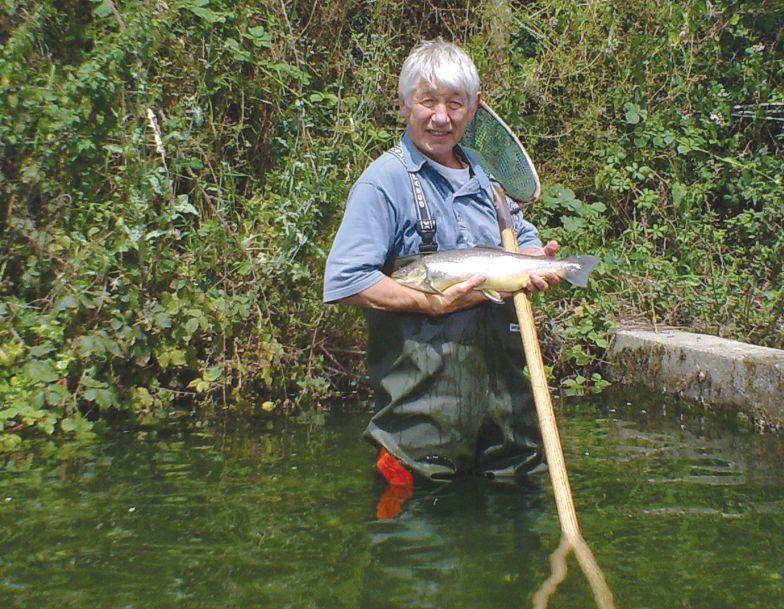
Hans Hoff holding an Arctic Charr in July 2011
of initial broodstock selection at the Dorset farm began with fish being chosen for further development according to how they already performing and their broadly identical appearance. Working with fish which looked and performed identically, obviously raised the possibility that selections were derived from the same family groups, a factor which meant the potential for inbreeding between sibling crosses had to be addressed.
before the French business, the Aqualande Group, started using DNA parentage assignment within their own breeding system.
Impressed by Aqualande’s operation, Hans visited their French hatchery in 2011 to ‘exchange ideas’ and possibly obtain some ‘old fashion’ sperm from their enhanced mix-sex strain for organic production.
While he didn’t reveal the precise details of what he learned during his time in France, Hoff returned with a deep conviction that the French industry’s ‘great emphasis’ on genetic selection and their use of data fully confirmed the benefits of investing in selective breeding.
“For comparison, I have calculated that The Winterborne strain achieved an average gain in growth of 51.9 per cent between 2004 to 2020,” he said, adding that the Aqualande Group subsidiary, Les Sources de l’Avance, has reported a 20 per cent gain in FCR and a 60 per cent gain in growth, both linked to a long-term investment in selectively bred rainbow trout.
Alongside its impressive growth record, The Winterborne has certainly stood the test of time, now being into its ninth generation.
Selection challenges
Examining the background of Houghton Springs’ breeding systems, the crucial task
Innovation Beyond Measure Results Beyond
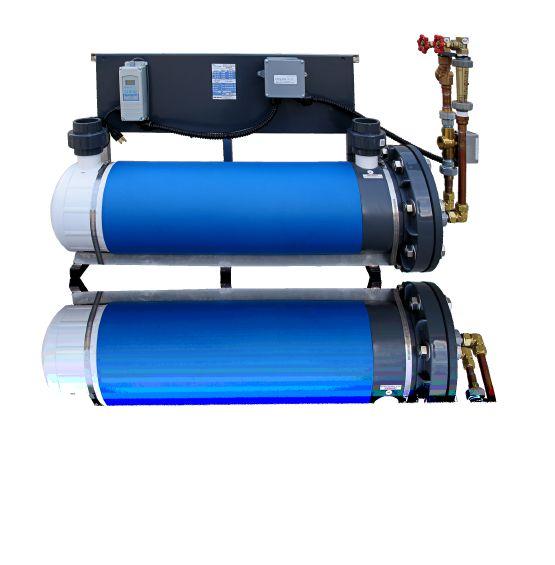
• 100% Titanium Heat Exchangers
• Hot & Cold Water Loop Systems
• Available with Tube Sheet, Helical Coil, or Plate
• Compact Designs
• Easy Installation
• Salt & Fresh Water Safe
• Chiller & Heat Pump Packages
• Electric Heaters & Gas Boilers
Where Water Drives Innovation.
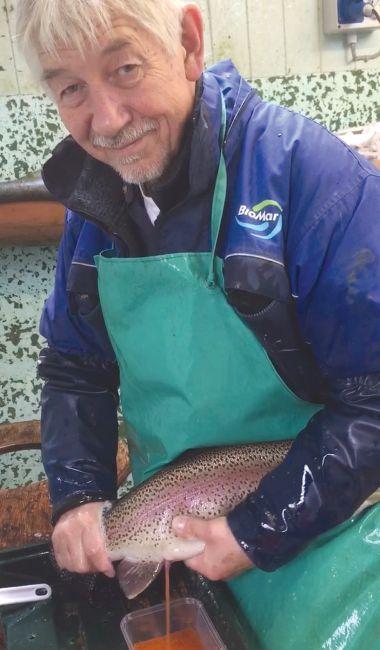
Hans Hoff stripping rainbow trout in 2014
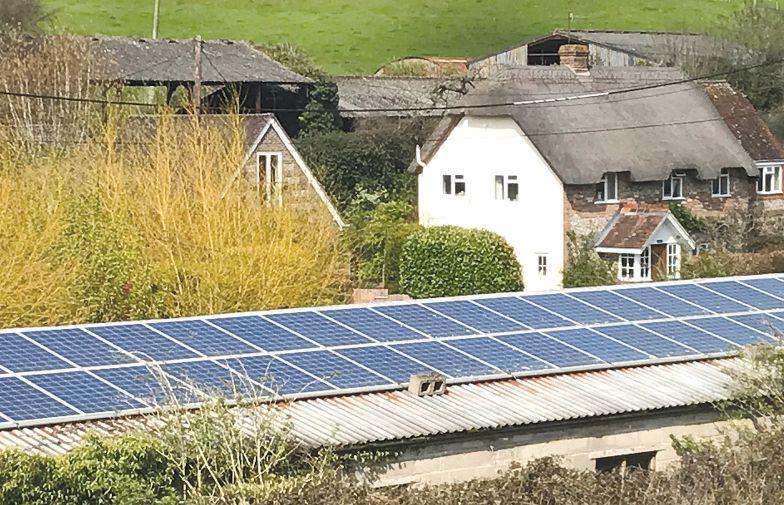
Solar panels at Houghton Springs Fish Farm
Identifying the fastest ‘converting’ families was completed using genetic finger printing techniques, as applied to the top performing fish, which were then grown to market size on a commercial farm.
To counter this risk, suspect crosses were eliminated by the application of genetic finger printing techniques, whereby each individual was identified, and its family history mapped.
The tradition of selecting the ‘heaviest’ available fish for breeding, also raised the potential for bias to be created towards families which were best able to lay down fat, a trait which wasn’t particularly desirable. Hans and his team eliminated such bias risks, however, by basing their selections on ‘aggressive’ feeders, concentrating on fish which were found to be able to convert feed without laying down fat.
In addition, during the physical selection process, individual brood fish with suitably high potential were tested in a flume in which water velocity was controlled. From this base,
only the top performing 50 per cent of tested fish were taken forward for further development. This largely eliminated cardiac defects and deformities in each new generation.
Identifying the fastest ‘converting’ families was completed using genetic finger printing techniques, as applied to the top performing fish, which were then grown to market size on a commercial farm.
While, to date, the Houghton Springs team have concentrated on enhancing fish growth, the fact that other traits have now been proven to be genetically linked, such as shape, ability to pigment. etc., is bringing new breeding goals into vision. It’s already recognised, in fact, that the farm’s next big breeding advance will become possible once the trout genome has been completed,
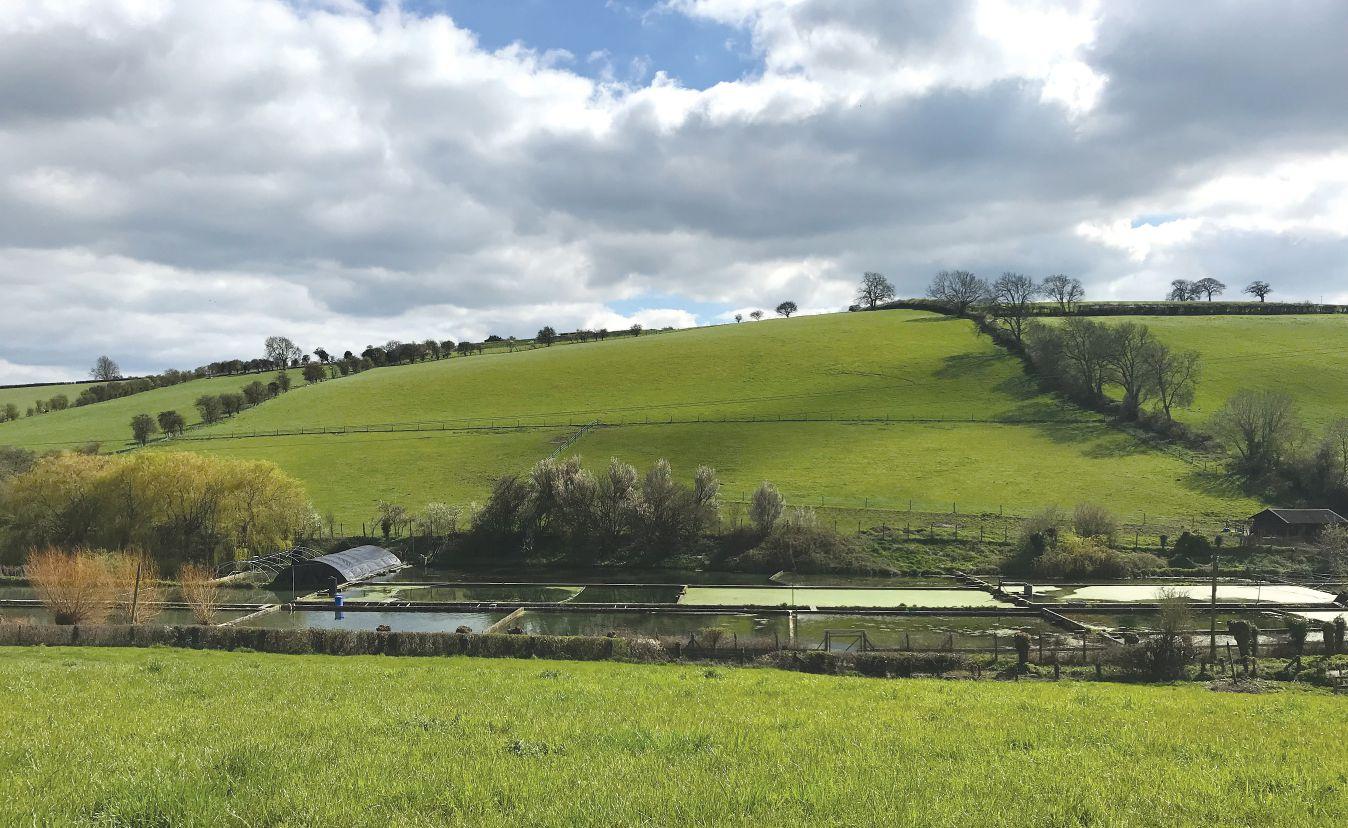
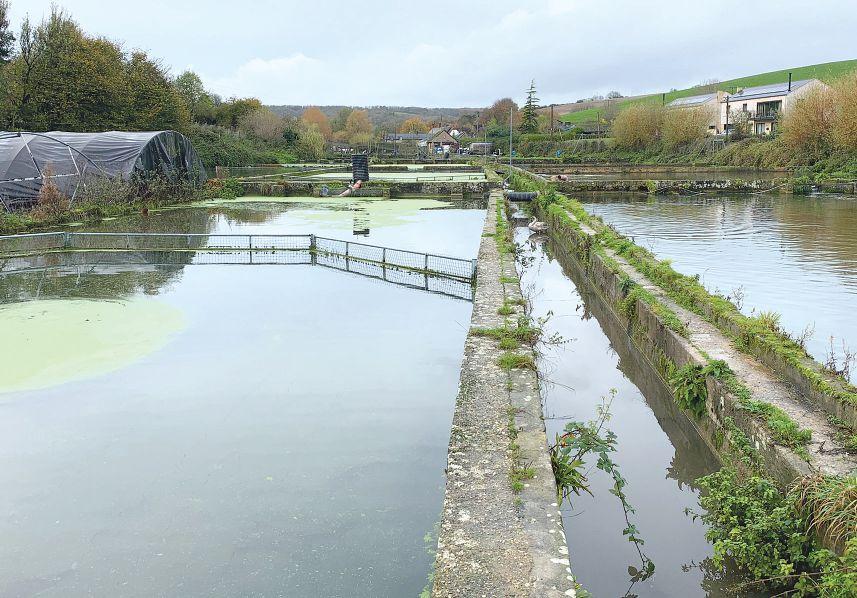
A section of Houghton’s 28 concrete ponds, all of which are supplied by artesian and pumped water from onsite.
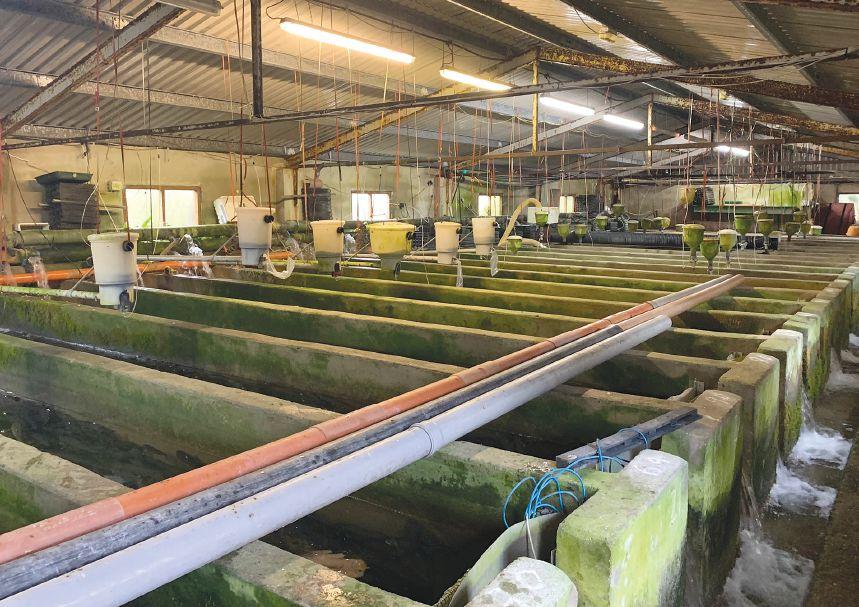
Purpose-built hatchery with 22 raceways which benefits from the farm’s RAS system
alongside the established identification of makers for susceptibility to various diseases.
For the time being, however, the enhanced growth potential of The Winterborne rainbow strain is being maintained through ongoing genetic selection. This is being carried on in tandem with Arctic charr production, a significant aspect of the farm which has developed from an original importation of ova from Canada in 2006, a stock arrival which established Houghton Springs as the only producer of Arctic Charr in England.
RAS at Houghton Springs
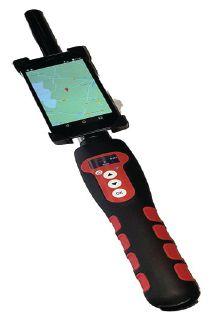
PIT TAGS & SCANNERS
Hatchery and early rearing processes are carried out on borehole water, with the contrast pursuit of ever faster growth rates, alongside sustainable water usage, being centred on the farm’s RAS unit. This employs two fluid bed bioreactors, following on from the removal of suspended solids through a conveyor belt filter. In addition, a specially designed computerised oxygen injection unit maintains optimum oxygen levels.
All fish movements are pumped, enabling handling to be kept to a minimum with the help of mechanical grading and electronic counting. The handling of eyed eggs, meanwhile, is facilitated through a digital Maskon Fish Egg Sorting unit.
On-farm power requirements benefit from an array of 10 kW solar panels which covers the south facing roof of the hatchery building.
For the last five years no antibiotic or other treatments, except for routine formalin flush of RAS unit, have been applied.
Water supplies to the farm come from a series of 18 artesian on-site boreholes, sunk to a depth of 25-30 metres. As a result, water quality is deemed to be high, with the benefit of flowing at a constant temperature. The risk of pollution, with this structure, is minimal.
The farm’s pumped abstraction licence is subject to a maximum of 211.2 million gallons a year, not including artesian flow or spring water.
There is a series of 28 adjoining concrete ponds with a natural chalk base varying in depth from 0.9-1.3 metres. The pond area covers 2.2 acres. A series of pumps/oxygenation units interlink the ponds to deliver effective recirculation across the entire farm. Liquid oxygen tanks and distribution systems service the entire farm.
Farm output today includes eyed trout eggs; rainbow fry and fingerlings for on-growing, sold into the table and sporting sector; and approximately 12 tonnes of Arctic Charr a year, supplied to the high end restaurant market.
• Recirculation System Design, Supply and Construction.
Commercial Farms, Hatcheries, Aquaponics, Research Labs, Public Aquariums, Live Holding Systems – we do it all!
• Representing leading RAS equipment manufacturers.
&
We are your source for professional aquatic and aquaculture
Our hands-on experience allows us to offer practical solutions to your situation, big or small.
We have years of experience in retrofit and new construction and understand your needs. Contact us today to learn more!
Waste characterization and recipe development for composting aquaculture sludge
By Abhinav Choudhury, Christine Lepine, Kaid Ryland
Composting is an aerobic process where microorganisms are used to decompose organic matter. Typically, decomposed materials lose mass and moisture, accompanied by the transformation and release of nutrients, such as organic carbon, nitrogen, and phosphorus, into water-soluble forms and volatile gases (e.g., carbon dioxide and ammonia). The end product or ‘compost’ is a nutrient-rich, soil-like product that can be used as an amendment or nutrient source in agriculture, home gardens, and lawn management.
Traditionally, composting uses nitrogen inputs such as food scraps or animal waste/ mortalities and carbon inputs such as paper/ cardboard waste, woodchips, or wood shavings. Alternatively, composting condensed fish waste solids from recirculating aquaculture systems may offer aquaculture farmers a method to generate value from an otherwise underutilized resource.
However, the properties of aquaculture waste solids also present some unique challenges. Sludge’s low carbon-to-nitrogen (C/N) ratio and high moisture content may need to be managed using large volumes of dry carbon-rich bulking agents, resulting in elevated operating costs.
Equipment
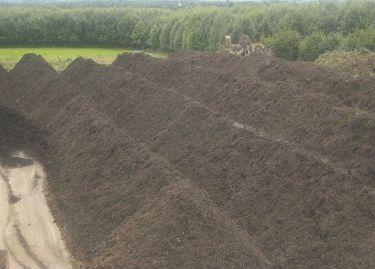
Compost can be produced in simple and inexpensive “windrow” piles (Figure 1A) but with reduced control over the process parameters. More expensive and increasingly
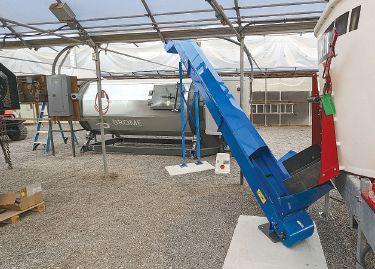
sophisticated systems, such as rotary drums (Figure 1B) with “smart” control panel integration, may offer precision control of operating conditions via remote operation. More operator control decreases overall compost time and may reduce the amount (and cost) of carbon inputs.
Recipe development
The first step for compost recipe development is to characterize feedstocks, the available aquaculture sludge (i.e., the nitrogen input) and the chosen bulking agent (i.e., the carbon input, generally wood-based). Sludges can be analyzed using standard water and wastewater testing methods. Bulking material will require testing at a facility equipped for soil or compost analysis.
Generally, feedstocks should be analyzed for pH, moisture, organic matter, and nutrient content. It is also important to note that
Commercial Filtration Systems
Commercial Filtration Systems
sludge characteristics may vary daily, and bulking materials may not be homogenous, so several samples should be collected to determine an average for the materials.
Once the feedstocks have been characterized, the data is used to develop a basic recipe using the different components’ C/N ratio and moisture content. Ideally, the C/N ratio of the mixture (waste substrates + bulking agent) should be within 25-35, while the moisture content should be between 4565 per cent. With aquaculture sludge having a substantially high moisture content (over 99 per cent without any dewatering unit processes), it may be more economically feasible to aim for a mixture moisture content of 60-65 per cent to minimize bulking agent expenses.
Commercial Filtration Systems
Commercial Filtration Systems
Customized for your fish farm, hatchery or research operation!
Customized for your fish farm, hatchery or research operation!
Customized for your fish farm, hatchery or research operation!
Customized for your fish farm, hatchery or research operation!
Our Commercial LSS Packages are custom engineered to meet your specific needs.
Dewatering unit processes that help separate and concentrate the waste solids could also reduce the amount of bulking material required. Similarly, the low C/N ratio of the aquaculture sludge (typically around 6-8) may necessitate the requirement of a bulking agent with a relatively high C/N ratio (60-80).
Our Commercial LSS Packages are custom engineered to meet your specific needs.
Our Commercial LSS Packages are custom engineered to meet your specific needs.
Our Commercial LSS Packages are custom engineered to meet your specific needs.
• Marine and Freshwater
• Marine and Freshwater
• Marine and Freshwater
• Mechanical filtration
• Marine and Freshwater
• Mechanical filtration
• Mechanical filtration
• Chemical filtration
• Chemical filtration
• Mechanical filtration
• Chemical filtration
• Ultraviolet disinfection
• Ultraviolet disinfection
• De-gassing towers
• De-gassing towers
• De-gassing towers
• Wide variety of flow rates
• Wide variety of flow rates
• Wide variety of flow rates
• De-gassing towers
• Flow control valves
• Flow control valves
• Flow control valves
• Wide variety of flow rates
• Protein skimmers
• Protein skimmers
• Chemical filtration
• Ultraviolet disinfection
• Protein skimmers
• Flow control valves
• NEMA enclosed controls
• NEMA enclosed controls
• Variable frequency-drive pumps
• Variable frequency-drive pumps
• NEMA enclosed controls
• Ultraviolet disinfection
• Bio-filter towers
• Bio-filter towers
• Temperature management
• Variable frequency-drive pumps
• Protein skimmers
• Temperature management
• NEMA enclosed controls
• Bio-filter towers
• Bio-filter towers
• Temperature management
• Variable frequency-drive pumps
• Temperature management
All our systems are pre-plumbed and fully water tested prior to shipping. Call us today at 206.937.0392 www.AquaticEnterprises.com
Controlling the process
While several parameters control the composting process, focusing on the C/N ratio, moisture content, aeration, and pile temperatures is crucial for success. Microorganisms require carbon as an energy source and nitrogen for biomass growth.
All our systems are pre-plumbed and fully water tested prior to shipping. Call us
All our systems are pre-plumbed and fully water tested prior to shipping. Call us today at 206.937.0392 www.AquaticEnterprises.com
All our systems are pre-plumbed and fully water tested prior to shipping. Call us today at 206.937.0392
A low C/N ratio attributed to relatively high nitrogen concentrations could lead to odour issues from excess ammonia production. Conversely, a high C/N ratio may result
FIGURE 1. Windrow composting (A) and rotary drum composting (B) with accessories
There can be several challenges associated with composting aquaculture sludge. Some of these issues could be farm-specific, such as sand from biofiltration units in the sludge, which reduces the organic matter content, or the unavailability of dewatering equipment for the sludge.
in slower growth rates for the microorganisms, leading to reduced rates of organic matter breakdown and lower pile temperatures for pathogen destruction.
The moisture content also affects the activity of the microorganisms. Low moisture content could lead to reduced microbial activity due to reduced water availability. High moisture content may lead to reduced access to oxygen, leading to anaerobic conditions, a change in the microbial community, and hydrogen sulfide production, causing odour issues and nitrogen loss.
There is a higher risk of elevated ammonia and hydrogen sulfide production for aquaculture sludge due to the low C/N ratio and high moisture content of the sludge, especially if an adequate quantity of an appropriate bulking material is not added to the mixture. Improving aeration by turning windrow piles every two to three days or using a blower for an in-vessel composting system may help alleviate anaerobic conditions.
Pile temperatures in the thermophilic range (excess of 55 C, 131 F) are necessary for pathogen destruction in the finished compost. The EPA (Title 40 CFR Part 503) recommends that the number of days the average pile temperature should stay above the threshold mentioned above for different composting systems. For example, in-vessel composting via rotary drum requires temperatures in the thermophilic range for at least three days to qualify as a Class A biosolid.
Challenges
There can be several challenges associated with composting aquaculture sludge. Some of these issues could be farm-specific, such as sand from biofiltration units in the sludge, which reduces the organic matter content, or the unavailability of dewatering equipment for the sludge.
Other challenges may arise from the quality and type of the bulking material, which determines aeration demands. Readily available bulking materials with relatively high bulk densities may increase the need for aeration due to compaction and poor porosity in the pile. The increased aeration could create a cascading effect and result in a decrease in pile temperatures.
However, one of the primary challenges with recipe development for aquaculture sludge is balancing the mixture’s moisture content and C/N ratio. The high moisture content of the sludge generally necessitates the use of a large volume of a carbon-rich bulking agent. In some cases, lowering the moisture content of the sludge to an optimal value by adding bulking material could lead to C/N ratios over the ideal range, which would impact the composting temperatures. Co-composting or adding a secondary waste substrate may be necessary to balance these parameters. On aquaculture farms, mortalities or discarded viscera waste after a harvest could act as the secondary substrate for co-composting.
Composting aquaculture sludge could be an effective means of creating additional value from aquaculture sludge. The Conservation Fund Freshwater Institute is currently researching aquaculture sludge composting and co-composting using an in-vessel composting system.
Water is our element!
Aerator Minimax
• Latest aerator development
• extremely economical motor
• speed-controllable direct drive
• High efficiency
• Ready for use delivery
• Clean Design
LINN Gerätebau GmbH
An der Sauerlandkaserne 1 D-57368 Lennestadt (Oedingen) Telefon: +49 2725 22021-0 info@linn.eu . www.linn.eu
Canada’s Ocean Supercluster (OSC) has announced a HydroAware Project to expand hydropower and safeguard habitats using AI-powered fish monitoring.
The project—led by Innovasea in Bedford, Nova Scotia— aims to advance fish monitoring technology by enhancing reliable fish tracking in harsh marine environments and increasing the availability of fish tracking insights from remote locations.
“AI (artificial intelligence) in ocean has the potential to help transform the way we do ocean business. Today Canada’s Ocean Supercluster announce the C$10.5 million-dollar (US$7.7 million) HydroAware Project, bringing together partners across different ocean sectors to advance AI in fish tracking technology, manage the movement of fish around hydropower infrastructure, support the sustainable growth of an industry and create economic benefits and jobs in the process,” said Kendra MacDonald, CEO, Canada’s Ocean Supercluster.
OSC is contributing C$5 million (US$3.6 million) to the project through the Pan-Canadian Artificial Intelligence Strategy (PCAIS) program and the balance of funding coming from project partners, Fundy Ocean Research Centre for Energy (FORCE), BigMoon Power, Nova Scotia Power Inc., New Brunswick Power Corporation, and DeepSense.
“Incorporating artificial intelligence capabilities to our existing fish tracking technology will help ensure that hydropower producers in Canada and beyond are able to meet their green power goals in a manner that safeguards habitats and minimizes impacts to marine life. AI will enable us to monitor fish activity in environments that were previously too remote or inhospitable, ultimately serving as a catalyst for the next generation of hydro and tidal power facilities,” said Mark Jollymore, Innovasea president. www.oceansupercluster.ca
Benchmark Genetics creates research team
Benchmark Genetics has expanded its research and development by recruiting people in the reproductive technologies team.
The team was established to help the company with innovation, working on breakthroughs in sterility and gene editing that will impact the salmon industry’s productivity, animal welfare, and sustainability.
“With our strategic expansion in R&D in this area, we are consolidating our position as a leading company in this area globally, poised to bring these breakthroughs to customers to benefit industry sustainability, animal health and welfare. We achieve this through strategic collaboration with world-leading research groups and targeted internal programs of close-to-market research and commercial-scale product development,” says Dr. Ross Houston, Benchmark’s Director of Genetics and Innovation.
Dr. Diego Crespo is the most recent recruit. He joined on Aug. 1, from the Institute of Marine Research in Bergen, Norway and has over 15 years of experience in fish reproduc-
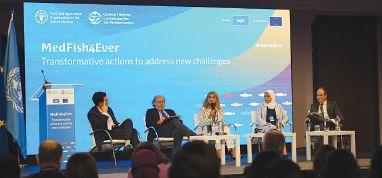
General Fisheries Commission for the Mediterranean (GFCM) conference on MedFish4Ever initiatives: Transformative actions to address new challenges recognized the region’s outstanding new work in fishing technology and aquaculture research and in the fight against illegal, unreported and unregulated (IUU) fishing. It was held on Oct. 3-4.
An awards ceremony—at the event—which was held in Malta celebrated the innovation and creativity moving the Mediterranean fishing and aquaculture sectors forward.
“Fishers, fish farmers, scientists and companies are key elements to provide the solutions we need for the sector, and the spirit of collaborative innovation that is being
tion and biotechnology, including CRISPR gene editing targeting sterility.
Dr. Zhiqiang Zeng and Stefan Eggertsson joined the team earlier in the year. Zeng has over 20 years of experience in developmental biology, transgenics, and gene editing.
Eggertsson has expertise in molecular biology and gene editing in model organisms.
The team will work out of the research facilities in Reykjavík, Iceland, under the leadership of Dr. Eduardo Rodriguez. www.bmkgenetics.com
sustainable future for all,” said Miguel Bernal, GFCM executive secretary.
The winners will later present their projects at two scientific events: the International Symposium on Fisheries and Aquatic Sciences (SOFAS 2023) and the GFCM Forum on Fisheries Science in the Mediterranean and the Black Sea (Fish Forum 2024). www.fao.org/gfcm/meetings/MedFish4Ever/ awards
AquaGen appoints new director of supply security
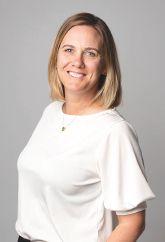
Kristin Meyer is now the director of supply security at research-oriented breeding company, AquaGen.
Meyer is experienced in sales and operations planning (S&OP) in food production and has for the past 20 years worked at TINE SA, Norway.
“To deliver what they need when they need it is a promise we make to our customers. When we now, through our appointment of a director for supply security, expand the management team with special expertise in supply chain management, we are well equipped for an even more holistic approach to our planning work around the needs and supply of our products,” said Knut Røflo, CEO of AquaGen. www.aquagen.no
Kristin Meyer
celebrated here is what we need to secure a
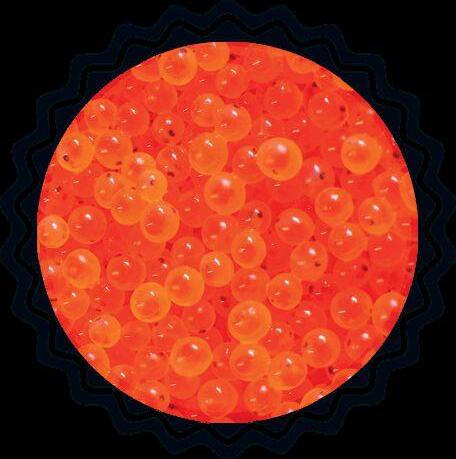
Rainbow trout eggs
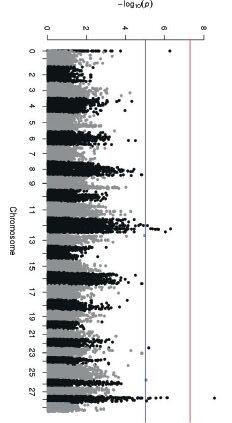
Selected AquaSearch products can now be ordered in a premium version, where a “no 2nd winter maturation” genetic marker has been applied.
Combining DNA sequencing technology and field phenotypes in genome wide association studies has enabled AquaSearch to identify a highly significant genetic marker on chromosome 28 correlated with 2nd winter maturation in Rainbow trout.
Applying this genetic marker in breeding and commercial products, has been patented, and is now routine in the AquaSearch LATE breeding line and offered as an additional feature with selected AquaSearch products. Efficiently reducing the risk of 2nd winter maturation in these products.
2
and Ian Roberts, Director of Communications at MOWI Canada, Scotland, Ireland
with Mari-Len De Guzman, Aquaculture Writer and Editor
Presented by
Sponsored by
DRUM FILTERS
15 different packs, made to manage fish from 0.03 oz. to 8 lbs.