First steps for slipper lobster culture in the Philippines
Ongoing studies are headed toward launching a new lobster farming industry p.10
CLIMATE CHANGE
Australia’s hatcheries keep an eye on climate change p. 20
SHELLFISH
The oyster choice
Triple N Oyster Farms is determined to build the U.S. oyster aquaculture industry p. 24
By Jean Ko Din
By John Mosig
By Treena Hein
By Julia Hollister
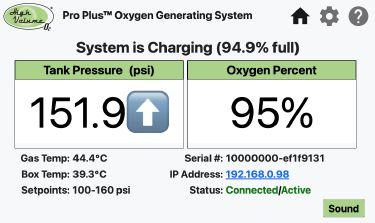
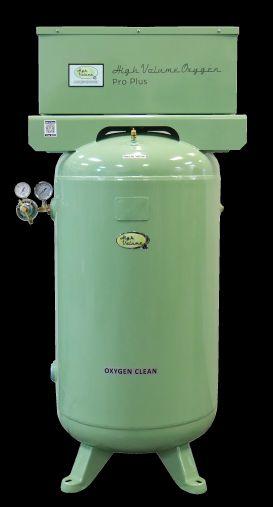
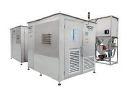
The low-cost HVO Pro Plus™ Oxygen Generator is an ideal fit for your fish hatchery!
The HVO Pro Plus™ offers fish hatchery professionals the latest technology for generating and monitoring oxygen production at an affordable price.
Unbeatable price per unit of delivered oxygen
Low Total Cost of Ownership due to reliability and self-serviceability
Fault-tolerance through redundancy that keeps your system up and running
Reliable, Convenient, & Economical
Designed for use in fish hatcheries, the HVO Pro Plus™ enables higher pressures and increased LPM output. Stores as much as 3,600 liters of oxygen while providing flow rates of up to 280 LPM with regulator pressures up to 130 psi.
Cloud-enabled to provide monitoring and notification features, as well as historical data that may be viewed on HVO’s secure web portal.
Touchscreen displays real-time status information, enables Wi-Fi configuration, and more.
Features & Benefits
• Modular expandability
• Fully automated operation
• Notifications via text and/or email when readings are
• outside of normal ranges
• No waiting for oxygen deliveries
• No swapping cylinders
• No tank rental, HazMat or weekend delivery fees
Sanctions could disrupt operations of Russian state hatcheries
In the wake of Western sanctions, Russian stateowned hatcheries keep battling against an acute shortage of aquafeed.
For instance, the Baikal branch of the Russian government agency, Gravrybvod, has recently warned about possible operational disruptions due to a lack of European fish feed supplies.
“We face a big problem: fish feed. All fish feed is banned, there are no [import] supplies at all. We used Danish and Finnish feed and now have to search for alternative options,” said Leonid Mikhalchik, director of the Baikal branch of Gravrybvod.
The current problems could pose a danger to the local environment. Gravrybvod runs almost all state-owned hatcheries in Russia, producing broodstock for commercial and recreational purposes. In Siberia, the government agency is primarily engaged in restoring fish population in Baikal and several local rivers, where fish stocks were undermined in the previous years by poaching and poor ecological conditions.
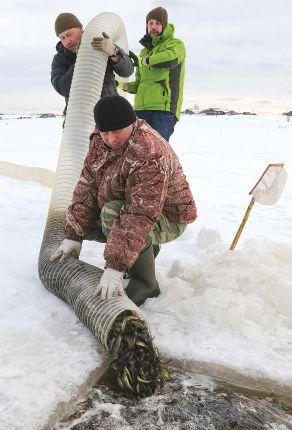
PHOTO: ROSRYBOLOVSTVO
Mikhalchik said that Gravrybvod managed to collect fish feed among all available sources in Russia. However, the current stocks would be enough to maintain production until the end of the year. After that, the operation could be disrupted.
On the other hand, Russian government officials remain optimistic about import replacement in the aquafeed segment. The Russian federal veterinary watchdog, Rosselhoznadzor, has recently reported that fish feed imports to the aquacultural companies in the Khakasia Republic ground to a halt. However, Rosselhoznadzor said that most farmers managed to switch to products of Russian origin.
New fish feed receipts have been developed in Russia and were already greenlighted for commercial use, Rosselhoznadzor said, not providing any additional details. However, this statement contradicts the complaints voiced by market participants, who insist that most products of Russian origin have dubious quality.
In addition, the price of Russian aquafeed has reportedly jumped by 30 per cent to 40 per cent following the exodus of Western suppliers.
The Russian government has recently approved a 20 per cent subsidy of capital costs for the construction and modernization of feed mills focused on aquafeed production. This measure is scheduled to come into force on Jan. 1, 2023. In addition, the government set the task for the Russian federal agency for fisheries and scientific organizations of the Russian Academy of Sciences to provide the industry with advanced feed recipes. In total, Russia plans to launch nine large feed mills focused on aquafeed production in the next five years to boost the output in this segment by 220,000 tonnes, Russian Agricultural Minister Dmitry Patrushev said, speaking during a conference in Moscow.
An Armenian hatchery produces same-sex caviar
A family of Armenian fish farmers has discovered a way of producing rainbow trout (Salmo gairdneri) caviar, from which only female fish hatches. Their hatchery is now on the fast track to boosting production.
Hovsep Hovsepyan, the hatchery owner, said he spent 30 years developing this technology, which he shared only with his son. Hovsepyan noted that the formula is now a family secret.
“However, I am sure that the new technology will provide the whole country with hatching caviar,” said Hovsepyan, adding that his company already sells it and fish fry to other farmers. Same-sex caviar grows in the same way as normal caviar.
“If the water temperature is 10 degrees, the fry will start hatching in 34 days. And if, for example, the water temperature is one degree, then we will have to wait for the birth of the fry for 340 days,” said Hovsepyan.
There are dozens of farmers growing rainbow trout and Armenia and hundreds across the Caucasus region. They prefer female trout primarily due to bigger weight gain.
“In order for a female to become sexually mature, it takes two years, while males become sexually mature at the age of one year weighing only 400-500 grams. After that, their growth stops, and in business, weight and kilograms matter, “ said farmer Marat Hovsepyan.
In addition, local caviar is believed to be more resistant than imported to diseases that are typical for the Caucasus region. Hovsepyan expressed the opinion that the region where the trout was grown largely influences the health condition of its offspring.
The Hovsepyan family has already applied for a government grant to purchase new equipment to expand production capacity.
Currently, rainbow trout caviar is considered a delicacy with its price varying vastly across the region. The price of caviar is believed to be lowest in Kyrgyzstan, where one kg reaches only US$47. On the other hand, in Moscow, this figure reached $83.
State owned hatcheries experience a lack of aquafeed.
Increasing value of pearl oyster spat collection in Fiji
An Australian-Fiji cooperative project is giving pearl oyster (Pinctada margaritifera) spat collection a push towards increasing its economic value. Research funded by the project said the profitable scenario may be deployment of spat collectors in early summer (October) for a period of 14 months, followed by a six-month intermediate culture. The protocol produces larger oysters at a higher price. In Fiji, pearl oysters are priced according to weight.
“This culture scenario generates the highest estimated income for farmers,” said Paul Southgate, corresponding author of the study, which includes estimated income based on production values only; input costs are not considered. Southgate is the professor in tropical aquaculture at the University of Sunshine Coast (UniSC) in Australia.
Spat collectors in Fiji are generally deployed between 10-18 months to produce oysters that are close to 120mm in shell length, the required size for cultured pearl production. Larger oysters are more attractive to pearl farmers, it was explained, because it cuts down time and husbandry inputs prior to pearl production.
“Optimizing community-based pearl oyster spat collection strategies in the Fiji Islands,” by Erasito et al., observed that an eight-month spat collection deployment period produced about 20 gram-oysters. Oysters harvested after a 14-month deployment period reached about 90 grams.
Smaller size was likewise observed in oysters removed from spat collectors after eight months and grown in panel nets for a further six months. Final mean length of oyster from shorter deployment was about 72 mm, compared to almost 105 mm of oyster from the longer deployment.
The research team represented the University of the South Pacific in Suva, Fiji, and UniSC. The study was published in Aquaculture Reports. Southgate said that a cost-benefits analysis is still needed before they could “definitively” say which protocol is the best option for spat collecting communities.
“This culture scenario (14+6) has the longest culture duration (20 months) and, therefore, has greater input costs. Without a cost-benefit analysis, accounting for production value and input costs, we cannot definitively say which is the best option,” he said. Time is another factor to consider. “In the Pacific, it may be unrealistic to expect people to wait 20 months for income from any venture.”
The research is part of an Australian Centre for International Agricultural Research (ACIAR) project operating in partnership with the Fiji Ministry of Fisheries (MoF). The project oversees community-based pearl oyster spat collection, mabé pearl production, training in design and value-adding, such as jewelry and handicraft. It likewise supports local enterprise development.
“These activities are done collaboratively with our research partner, the MoF. Beneficial research findings, like this, are included into community extension and training programs carried out by the project and the MoF pearl team,” he said.
A UniSC postdoctoral project scientist based in Fiji works closely with the dedicated pearl team within MoF. Southgate said, “Both make regular visits to partner communities to do training, establish infrastructure, disseminate research findings and establish new community ventures.”
- Ruby Gonzalez
Aquaculture 2022 Booths 411 - 413 29 Nov - 2 Dec • Singapore (SINGAPORE)
PHOTO: AUSTRALIAN CENTRE FOR INTERNATIONAL AGRICULTURAL RESEARCH/MINISTRY OF FISHERIES-FIJI
The first shrimp farm launched in Kazakhstan
A group of Kazakhstan farmers have launched the first shrimp (Litopenaeus vannamei) farm near Almaty, mulling plans of establishing aquafeed and broodstock production.
The farm was originally scheduled to become operational in early 2020, said Anton Ruppo, co-owner of Krevetka.kz.
“We ordered the first batch of shrimp fry from Thailand, paid for 200,000 units and expected their delivery in just a couple of weeks. But, the shrimp didn’t reach us then: a pandemic began, and all borders were shut,” said Ruppo.
The company spent a lot of effort to get water to appropriate condition and struggled to keep it that way for the next two years. This led to a paradoxical situation when the farm kept running without prawns.
“For two years, we did not turn off our systems for a single day, paid all utility bills, and paid salaries to employees. We could not bring fish here because the microflora would be disturbed, and we would have to change all the water, re-purchase all the minerals and salt,” he said.
The long-awaited batch of shrimp fry arrived only in May 2022. From the first 200,000 units, almost half died during transportation. In addition, some share of the broodstock died already in the pools.
“To launch the fry, not only water prepared according to chemical parameters was
High doses of Lactobacillus reuteri boost Nile tilapia performance
Supplementing diet with high doses of probiotics, Lactobacillus reuteri, enhances performance in tilapia, a study in China cited.
The study, “Effects of dietary Lactobacillus reuteri on growth performance, nutrient retention, gut health and microbiota of the Nile tilapia (Oreochromis niloticus),” found that 1010 (R10 group) colony-forming units (CFU) of L. reuteri per kilogram of basal diet produced the best probiotic effect.
Dietary L. reuteri improved the growth performance and nutrient retention of Nile tilapia, increased its villus heights, mucin secretion, digestive enzyme activities and tight junction proteins, said authors Li et al. in the study published in Aquaculture Reports. They likewise observed that its supplementation altered the diversity and composition of gut microbiota. The team is with Zhonghai University of Agriculture and Engineering in Guangzhou, China.
“Probiotic use in tilapia production is considered a viable, safe, and environmentally-friendly strategy to enhance growth performance, feed utilization, immunity, disease resistance, and survival against pathogens and environmental stress,” they said.
Performance was analyzed after eight weeks of culture among the treatment groups. Weight gain rate (WGR) and specific growth rate (SGR) were significantly higher in the R10 and R11 groups than the control group.
Other experimental groups were in 109 and 1011 diets. Difference
needed. It must also contain certain bacteria from the shrimp themselves—such a vicious circle. So, when we received the first batch of fry, they ended up in prepared but not entirely favourable water conditions. Therefore, we lost another part of the shrimps from this batch,” said Ruppo.
The company worked hard to convince local restaurants to try their product, which eventually bore fruits. Today, the fish farm has signed contracts with 15 Almaty businesses. With the designed production performance limited to 45 tonnes per year, the company has no opportunity to reach out to the mass market segment. However, the capacity expansion is already around the corner.
“The next stage of our development is associated with feed production. We have a formula, an understanding of how to make it and by what technology, so we will start creating it in the near future,” claimed Ruppo, adding that producing broodstock is a more ambitious goal.
“We want to get our own broodstock to not depend on imported fry. This will be a breakthrough for Kazakhstan in terms of science. On this issue, we are starting to interact with the [Russian] Institute of Fisheries, attracting foreign specialists. Now we are preparing a kind of laboratory – where we will need to create a certain ecosystem and grow algae. This is a very labour-intensive process. I think we can do it,” he said.
between R10 and R11 were not significant. R10 had WGR of 8.01, SGR of 3.92 and feed conversion ratio (FCR) of 1.03. R11 performance was at 7.92, 3.91 and 1.06, respectively. Control was at 6.94, 3.7 and 1.12.
FCR tended to decrease in the L. reuteri-supplemented groups, although the differences were not statistically significant.Nile tilapia has a taste profile that appeals to consumers and is a perennial favorite all over the world. Demand aside, growers choose the animals because of its rapid growth, high production, and good disease resistance.
The last trait, however, has been compromised by semi-intensive and intensive aquaculture practices. High stocking ratio may lead to incidence of fish disease that could lead mortality rates and, consequentially, financial losses.
In China, as elsewhere, the use of probiotics in aquaculture is gaining traction as eco-friendly solutions are being sought to improve fish health. Probiotics have been proven to improve nutrient digestibility, stress tolerance, and reproduction.
L. reuteri , a lactic acid bacteria (LAB), plays an important role in the host digestive tract and modulates the host immune response. It is generally regarded as safe even for humans. It is widely used in aquaculture. Compared to Bacillus spp., another probiotic, LAB do not generate spores. Thus, if it becomes imperative, it is “easier to reduce” the bacterial load.
- Ruby Gonzalez
Kazakhstand’s first shrimp farm has launched, but not without its challenges.
PHOTO: KREVETKA.KZ
Despite sanctions, Russia hopes to ramp up mussel and oyster production
Russian hatcheries fail to secure import replacement.
broodstock.
Russia has a good chance to ramp up mussel (Modiola) and oyster ( Ostrea ) production to meet the domestic demand and abandon imports, a research conducted by the Russian state bank Rosselhozbank showed.
In the first half of 2022, Russian mariculture farms in the Black Sea produced 10 tonnes of oysters and 252 tonnes of mussels, 25 per cent and 16 per cent more than during the same period of the previous year, respectively, the official statistical data showed.
These figures do not include mariculture production in Crimea, where farmers have battled severe challenges this year due to the consequences of the Russian invasion of Ukraine, including a complete prohibition of going out to the sea during the initial period of the war.
In 2021, Russia imported more than 400 tonnes of oysters primarily from Morocco, New Zealand and Japan, Rosselhozbank said, adding that large volumes were also purchased from European and American suppliers. Over the past few years, imports have been steadily growing by more than 10 per cent per year. However, in the current conditions, Russia aims for self-sufficiency in mariculture products, the Russian bank said.
The domestic demand for oysters is estimated at 5,000 tonnes per year. Currently, it is primarily covered by wild oysters from the Far East, commented Alexander Ejel, director of the Russian mariculture company Zhemzcuzhina. However, the wild catches of
oysters are expected to plummet in the next few years because uncontrolled catches in the Far East in the previous years undermined its population, Ejel said.
This year, Russian mariculture production was cut off from imported broodstock. This appeared to be extremely painful for oyster farmers, Ejel said.
“The only country that exports broodstock is France. There are no other options,” said Ejel. “For a small domestic Russian market, it is very costly to create the domestic spat production.”
In theory, the government could try to appoint a Russian institute to develop a technology for growing oysters, but this has not happened yet. Without imported broodstock, the Russian oyster farms are poised to die out gradually.
“The ship under the name oysters from Vladivostok will sink in the next year,” said Ejel, explaining that this is associated not only with a lack of spat but with a complex of problems, including an excessive bureaucratic burden in Russian mariculture.
However, Russian scientists argue they have already mastered mariculture broodstock production and can help farmers avoid the impact of sanctions.
Irina Burlachenko, head of the aquaculture department of the Russian state scientific institute VNIRO commented, “Technologies for growing oyster spat have been widely known for a long time and can be easily adapted to local conditions. So, for example, in 2020-2021, the Pacific branch of the VNIRO developed a technology for growing oyster spat, adapted for the conditions of Primorye.”
PHOTO: ROSRYBOLOVSTVO
Russian aquaculture suffers from a lack of
PHOTO: ROSRYBOLOVSTVO
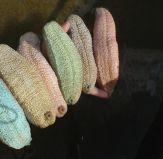
First steps for slipper lobster culture in the Philippines
Slipper lobster (Thenus orientalis) has been identified as one of the Philippines’ prime candidate species for aquaculture. Ongoing studies are headed toward launching a new lobster farming industry in the country and rest of Southeast Asia.
The species has traits that are easy to appreciate, particularly vis-à-vis the more popular spiny lobster ( Panulirus spp .). “Slipper lobsters have shorter larval stages compared to the larval stages of the spiny lobsters. Larval stages, or puerulus stages, in spiny lobster are quite extensive, lasting over a period of six to 12 months, with up to eight to 11 moltings. “On the other hand, slipper lobsters undergo four phyllosoma stages over a period of only 28 to 35 days,” Shelah Mae Ursula, project leader at the Southeast Asian Fisheries Development Center/ Aquaculture Department (SEAFDEC/AQD) in the Philippines, told Hatchery International the species’ traits that make it ideal for aquaculture.
Shorter larval stages, she pointed out, lead to short culture period compared to spiny lobsters. For slipper lobster, hatching to reaching market size takes between 14 to 16 months. For spiny lobster, it is 22-24 months.
Shorter culture period
Slipper lobster, however, has less edible yield because the meat is only in its tail. Spiny lobster, for instance, has meat in its claw, body, and tail. This is where the shorter culture period comes to play.
“The slipper lobsters may be smaller in size compared to spiny lobsters, but the shorter culture period will make up for it in terms of economic returns,” said Ursula.“Hardiness of the slipper lobster in the larval stage and fast growth in the juvenile stage are advantages over the other lobster species.”
This is one of the traits that convinced
her to focus on the species for the lobster research project.
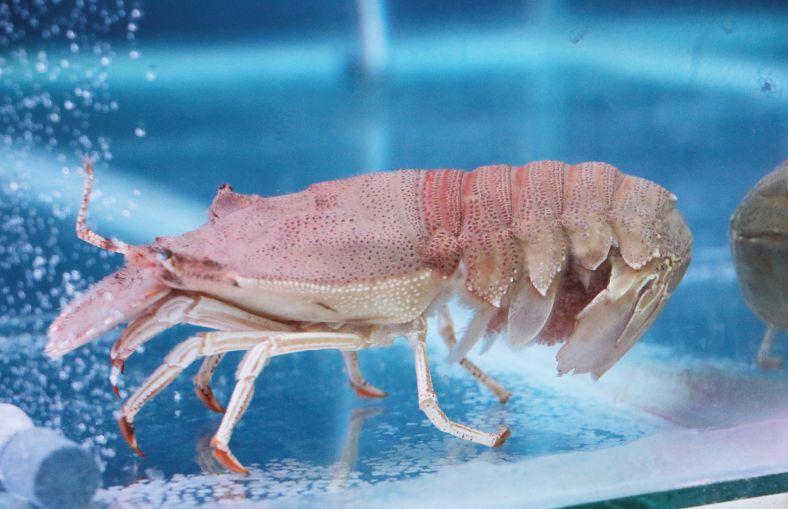
The name of the lobster is descriptive of its flattened carapace. Slipper lobster is one of the few endemic and edible lobsters in the Philippines and has a very accessible price. It could easily cost only a third of the price of spiny lobster.
The research on propagation and culture of slipper lobster reached a milestone in September 2021with the first spawning and hatching, about five months since egg-bearing specimens were brought over to the experimental facilities. This was followed by several more hatching events.
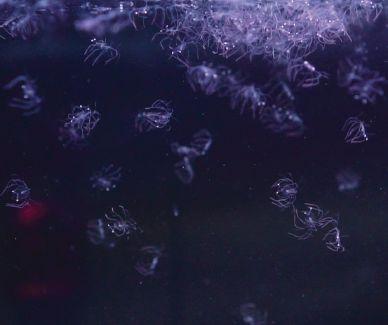
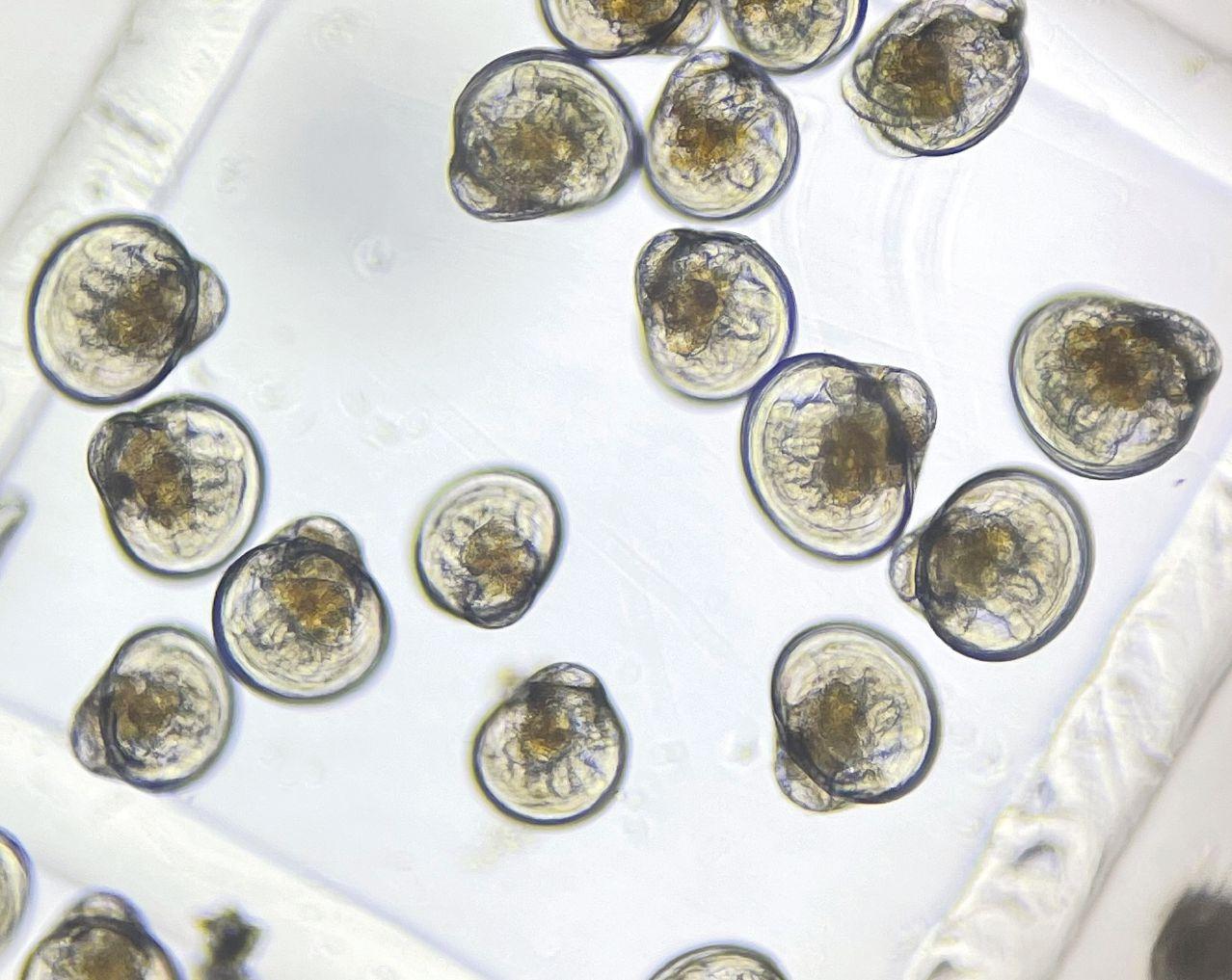
One of the latest happened in June 2022. This was videotaped to document the hatching behavior, which SEAFDEC/ AQD uploaded in its FB page. The broodstock was shown hatching “tens of thousands of baby lobsters,” looking like floating particles. This offered a viewing experience that was previously limited to only a very few people.
The research project is expected to be completed in 2024, as funded by the Government of Japan Trust Fund.
Providing updates, Dr. Leobert de la Peña, the Research Division head at SEAFDEC/ AQD, said, “The slipper lobster project just started the hatchery phase with the development of protocols for the live transport of the breeders, spontaneous hatching of the phyllosoma larvae, and larval rearing under tropical conditions. Slipper lobster breeders already hatched out their phyllosoma larvae in the hatchery facilities of SEAFDEC/AQD. The larvae are being reared in UV-treated seawater and fed with algae ( Tetraselmis, Nanochlorum), rotifer, and Artemia nauplii.”
Challenges
Ursula and her team are currently facing the challenges of rearing of the phyllosoma larvae, the most critical stage of hatchery production. “Various factors are being considered such as type of feed, feeding scheme,
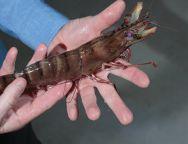
The slipper lobster broodstock is so called because of its flattened carapace.
PHOTOS: REX DELSAR
Dried nori “superior diet” for long-spined sea urchin: U.S. study
A chokepoint in the production of long-spined sea urchin (Diadema antillarum) has been removed, clearing initial steps toward the holistic approach to improving the long-term sustainability of Caribbean reefs. The study identified dried nori, a Japanese food staple, as a “superior diet” for juvenile culture.
“Coral cover and D. antillarum population recovery are interdependent as corals provide habitat for D. antillarum shelter, and in turn, D. antillarum graze upon macroalgae and reduce competitive interactions that inhibit coral recruitment,” wrote Hassan et al. in the study, “Growth and foraging behavior of hatchery propagated long-spined sea urchins, Diadema antillarum: Implications for aquaculture and restocking.” It was published in Aquaculture Reports.
Stocking hatchery-propagated, long-spined sea urchins is a priority option. Scant information on captive culture of the sea urchin from gametes, however, has hampered restoration efforts.
water management, type of holding tank, and light intensity,” she said.
“Proper hatchery protocols are crucial due to the translucent body of the larvae which makes observation, and even cleaning the tank bottom, challenging. Furthermore, the larvae have very delicate swimming legs that requires care in water management to minimize disturbance of the water column. Tetraselmis, Nanochlorum, Brachionus sp., Artemia nauplii are used as feed during larval rearing.”
In the hatchery phase of slipper lobster culture, Ursula stressed the importance of using UV-sterilized seawater and maintenance of optimum physico-chemical parameters: temperature at 26 to 29 °C; salinity, 30 to 35 ppt; dissolved oxygen at 6.5 mg/mL; and ammonia-nitrogen, < 0.1 ppm.
Lobsters are still usually wild-caught in the Philippines. The government has to intervene in 2020 due to unsustainable practices, leading the focus on culture.
SEAFDEC said growers rely on harvest of wild-caught juveniles, a government-regulated enterprise. As such, commercial production of seeds is much needed.
“The slipper lobster has a very high commercial potential product in the Philippines for export,” said SEAFDEC/ AQD Chief Dan. “The development of hatchery technologies to produce the seeds and, eventually, the commercial feeds for slipper lobster are expected to provide the needed juveniles for grow-out culture.”
Hatchery technology development will be dove-tailed by the development of grow-out technology, he said. SEAFDEC/AQD conducts regular training courses for government and private entities and internship programs for students to disseminate technologies. Requests for trainings and internships are sent to the Training and Information Division of SEAFDEC/AQD. Lobster growers in the Philippines are keeping a tab on the project progress.
- Ruby Gonzalez
During the study conducted in Florida, hatchery-propagated D. antillarum juveniles were cultured using two diets, commercially available herbivore pellets and dried nori, with the presence/absence of stony coral (Acropora cervicornis) skeleton to understand how diet and habitat complexity affect growth and behavior of juveniles.
The 99 per cent survival rate at the end of the experiment showed that diet or supplemental structure did not affect survival. The effect of the diet was demonstrated in growth and behaviour in juvenile.
Juveniles fed with dried nori gained more live weight and test diameter than cohorts on herbivore pellets after six weeks. The daily growth of juveniles fed dried nori was numerically faster than herbivore pellet.
Results showed that while juveniles can be cultured in captivity using both herbivore pellets and dried nori, macroalgae should be considered as the main ingredient of an optimal feed.
“We have observed a bottleneck in culture shortly after settlement when juveniles are yet to develop hardened mouthparts and appear to feed on benthic bacterial or algal biofilms,” they said.
There was no significant difference in live weight or test diameter in juveniles cultured with the presence or absence of supplemental coral structure.
“The presence of supplemental coral structure did not affect growth or behaviour but modulated habitat usage patterns.”
- Ruby Gonzalez
Innovation Beyond Measure
Results Beyond Expectation
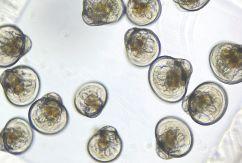
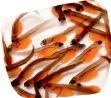
Newly hatched slipper lobsters. SEAFDEC/ AQD researchers say these larvae are hardier than spiny lobsters.
Where Water Drives Innovation.
TOP 10 UNDER 40
ALEKSANDER HAUGEN
Department Manager Larvae
MOWI ASA Norway
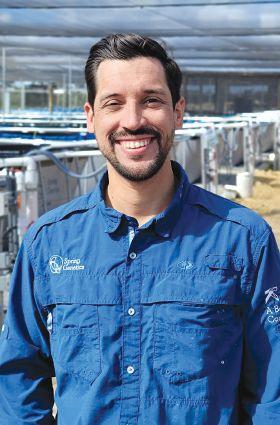
CARLOS LOPEZ
Operations and Commercial Manager
Spring Genetics
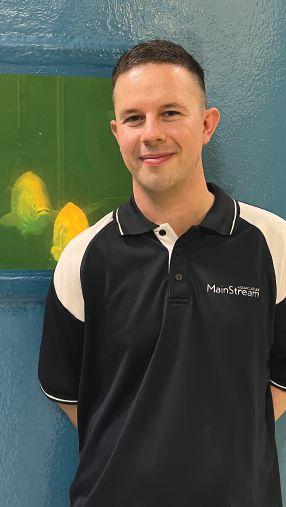
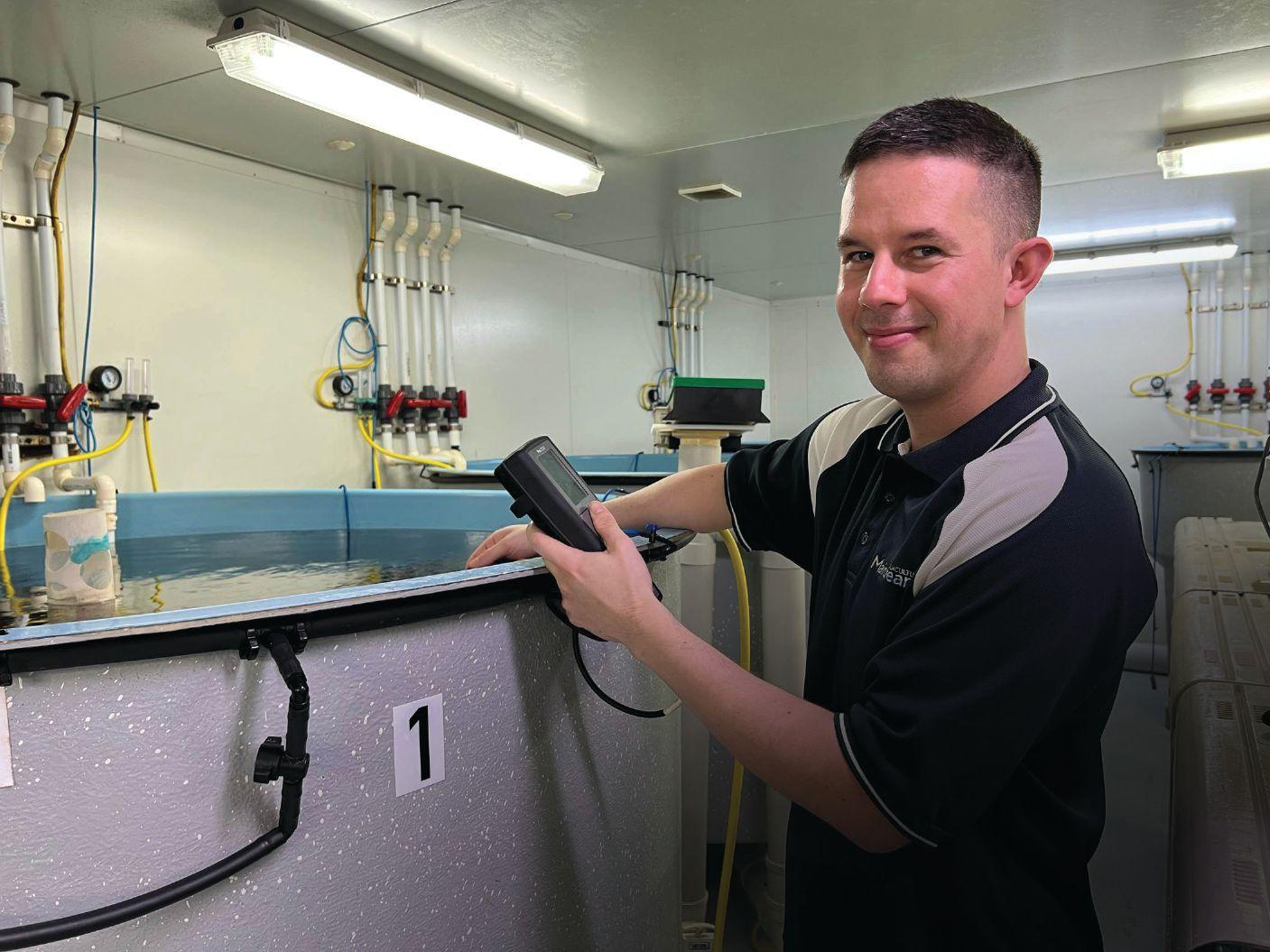
DANIEL MOHRING
Production Manager
Mainstream Aquaculture
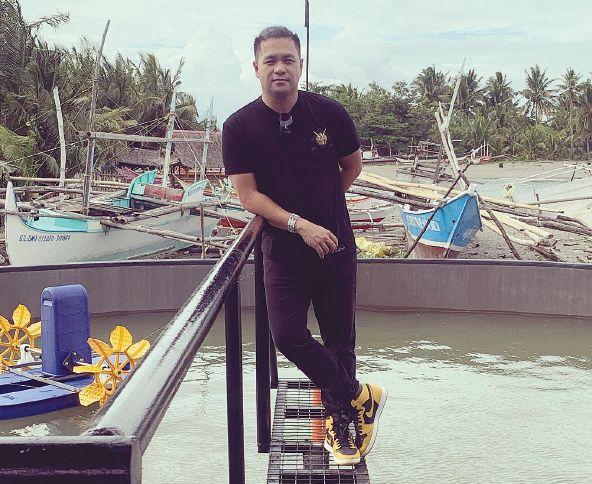
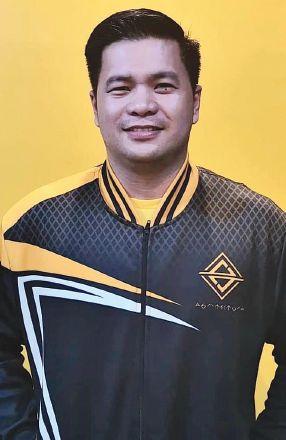
FRANCIS QUIJANO
Architect
Agritektura Enterprises
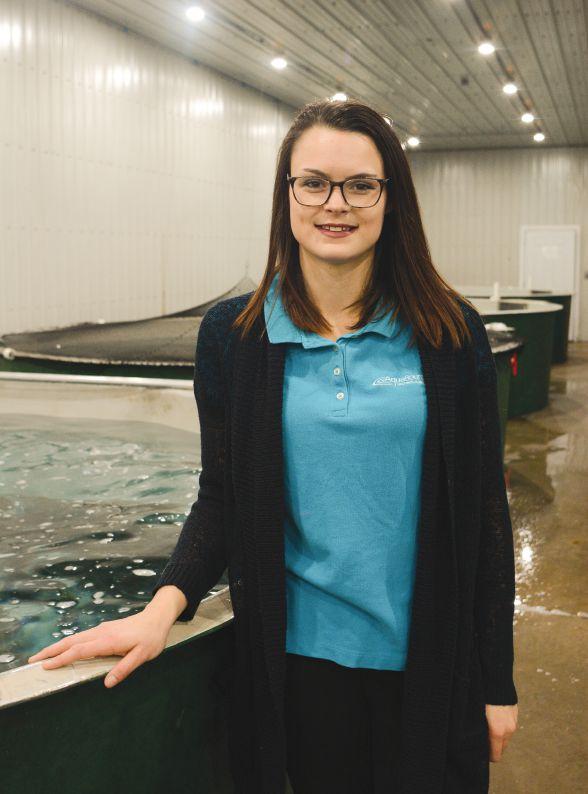
NICOLE BELL
Team lead, Rollo Bay Hatchery
AquaBounty Canada
NICOLE KIRCHHOFF
CEO and Founder
Live Advantage Bait LLC
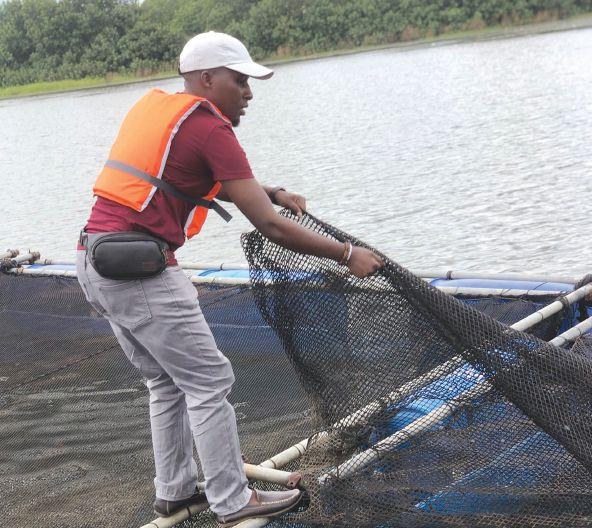
ORISHABA BENJAMIN
Hatchery Supervisor
Aquagrow International
PATRICK HAINFELLNER
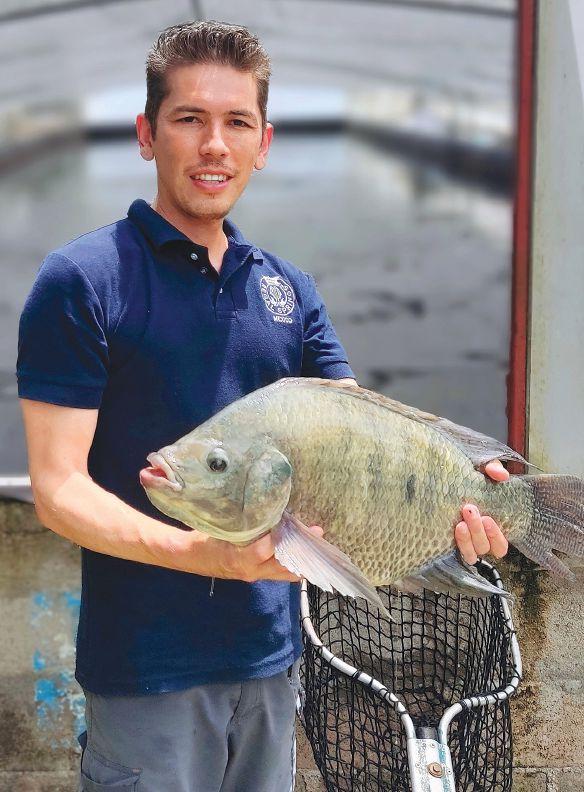
Hatchery Manager
Regal Springs Mexico
RACHAEL WILBOURN
Laboratory Manager
Xelect
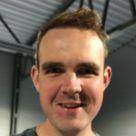
TRAVIS MAY
Aquaculture Production Manager
Freshwater Institute
Sponsored
Top 10 Under 40
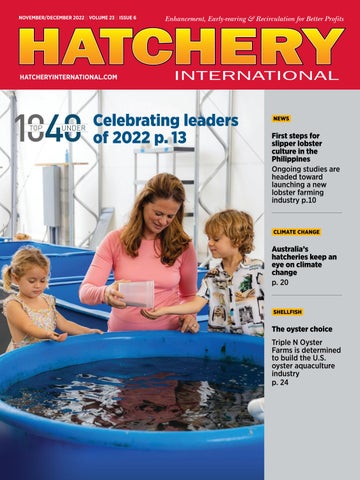
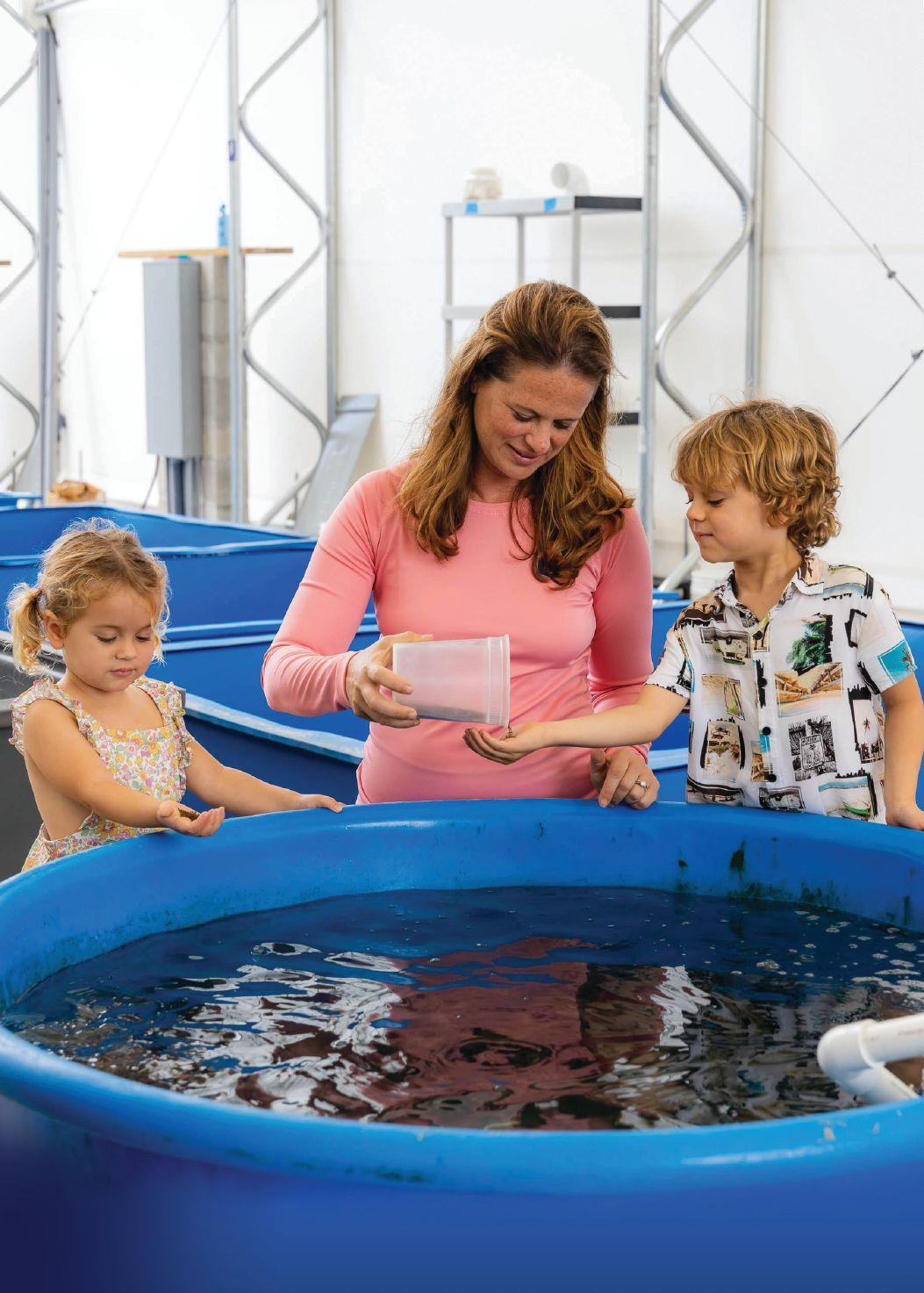
Celebrating the leaders of 2022
By Jean Ko Din
The world of seafood is as diverse as the ocean and this year’s winners paint a very diverse picture of the skills, techniques, and life experiences that make up the industry. One thing that unites them all is their love and dedication to their work in the natural world. Once again, Hatchery International’s Top 10 Under 40 program celebrates the best and the brightest professionals in our global fish and seafood hatchery community.
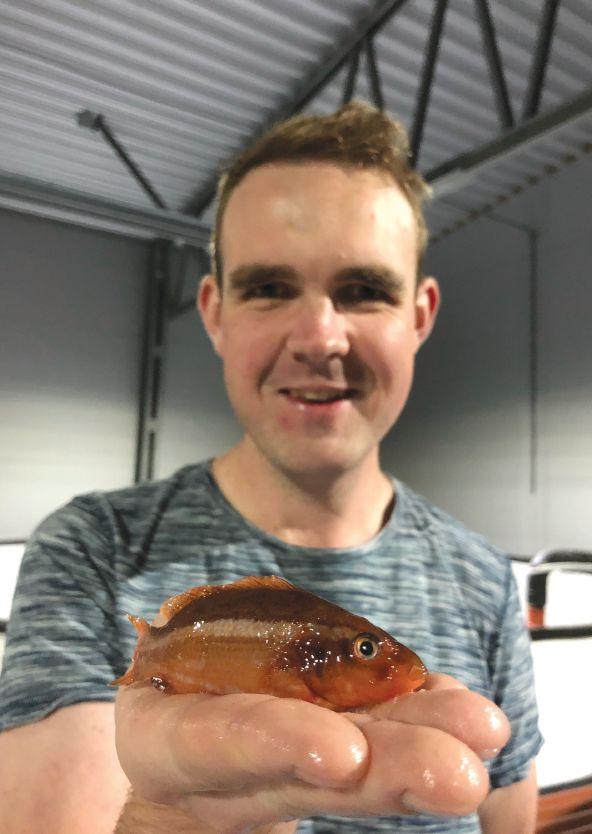
ALEKSANDER
Ballan wrasse can be an intimidating species to grow, but for Aleksander Haugen, who has been around fish farms since he could walk, he embraces the challenge.
Haugen, 27, is the head of the larvae department at Mowi’s Øygarden ballan wrasse facility in Norway. Whether it’s experimenting daily light variations for stress reduction, or improving the tank cleaning procedures at the facility, he is excited by the diverse demands of the job.
“I don’t really find much challenging; it is only an opportunity to learn and develop,” he said. “It is always an exciting challenge getting a new species off the ground, especially a fish as difficult and complicated as ballan wrasse.”
Anette Lekva, who nominated Haugen for the Top 10 program, said that he been a big part of getting the facility’s production cycles more stable. As Huagen began to tweak and improve the operations of the larvae department, efficiency and productivity also increased.
“Previously, we sometimes had crashes in the larvae phase,” explained Lekva in her nomination. “After we started cleaning the facilities more regularly and more totally, the production is more stable. Aleksander has also participated in making several upgrades in the larvae department and also has further plans to improve the tank environment. He also helps the veterinarian.”
There is no job too big or too small for Haugen. He enjoys working with the fish and it’s something that he has done since he was five years old, watching his father work in a salmon farm.
He started working as an apprentice at Mowi’s Øygarden ballan wrasse facility in 2013, straight from aquaculture high school at 18 years old.
HAUGEN
The right ballan wrasse
CARLOS LOPEZ Global impact
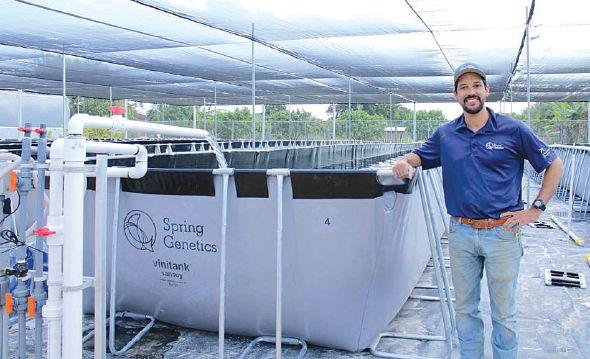
Growing up in Miami and in the Florida Keys, Carlos Lopez, 31, always knew he would be working out on the water. What he didn’t know is that his passion would bring him to so many places around the world.
In college, he pursued a Bachelor of Science degree in Environmental Microbiology at the University of Florida in Gainsville. He moved back to Miami in 2014, pursuing a Master’s degree in aquaculture and worked as a graduate assistant to Daniel Benetti at the University of Miami. He gained experience in broodstock management and larval rearing of Cobia, Mahi-mahi, Florida Pompano, Goggle-eye, Nassau Grouper, Stone Crab, Yellowfin Tuna and Pacific Olive Flounder.
An internship at Open Blue Sea Farms brought him to Panama in 2015, where he got his first hands-on experience with commercial aquaculture. He worked on several hatchery projects for vaccination trials, anti-parasitic feed coatings and protein level manipulations in feed.
A year later, he moved to Thailand to work as an assistant general manager at Aqquua, working with hybrid grouper.
In 2018, he joined Benchmark Genetics and found his way back to Miami, Florida. As commercial and operations manager, he is now in charge of overseeing the commercial operations at the Benchmark Genetics USA (or Spring Genetics) breeding nucleus, also providing technical support to customers in the United States and globally. He took part in the design of the new state-of-the-art tilapia hatchery.
Lopez is also the global tilapia representative for Benchmark’s animal welfare committee and a committee member that developed the new BAP (Best Aquaculture Practice) hatchery certification standard.
“I love the technical support aspect of my job,” said Lopez. “I am able to visit different farms and do my best to help troubleshoot problems and provide them with advice for improving production and animal welfare. I love being able to solve those puzzles and help farmers around the world. It makes me feel as though I am able to have a positive impact through sharing my knowledge with them.”
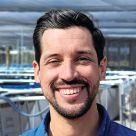
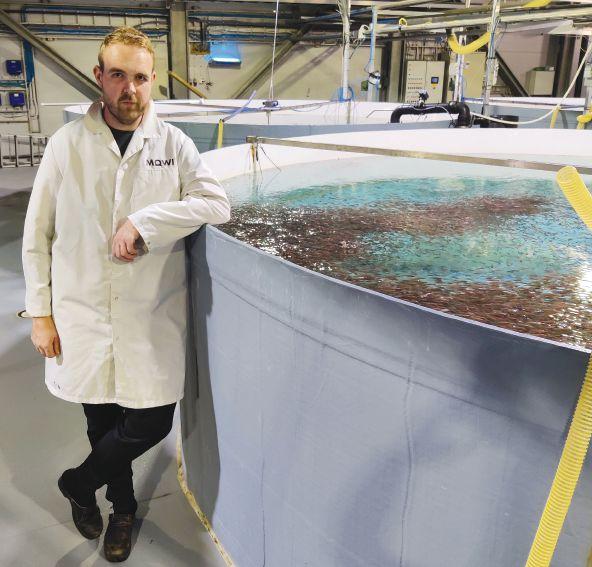
DANIEL MOHRING Driving growth
Daniel Mohring believes the possibilities are endless in aquaculture, for those who pursue it ardently.
“There are so many opportunity pathways available to those who are willing to work diligently for them,” he said.
“Always consider and actively pursue your career goals! Always! If employed by an organisation, do not hesitate to make these known to your employer no matter how big or small the dream is.”
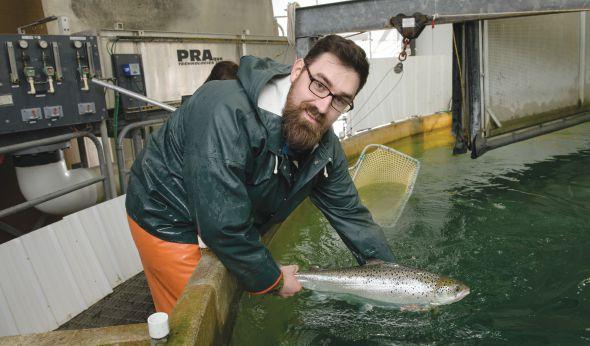
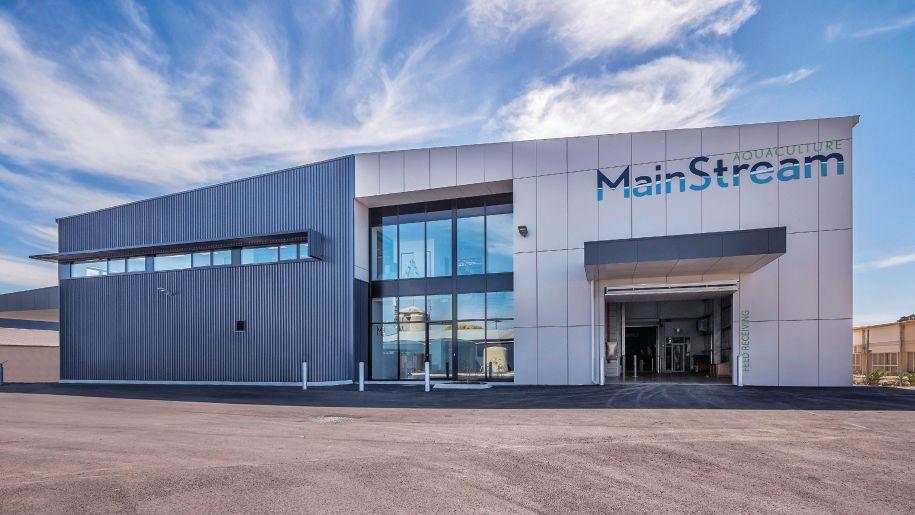
The 35-year-old’s own ambitions have driven him to great achievement in his own career at MainStream Aquaculture in Melbourne, Australia.
As production managere, he has been part of the company’s growth in the development of its proprietary nursery RAS technology. He has helped build health surveillance and response programs for maximising survival rates for juvenile barramundi. He is also one of the company’s go-to contacts for hatchery client support.
Looking ahead to the company’s expansion to the United States, Mohring will also play an integral part in the company’s first international acquisition. MainStream recently purchased 1,100 acres in Arizona, USA to develop a barramundi RAS farm for the American market.
“The opportunities to throw yourself into something new and learn are potentially endless which keeps the job exciting,” said Mohring. “The latest of which has been involved in the commissioning of our new desert-based Barramundi farm in the USA.”
PHOTOS: DANIEL MOHRING
FRANCIS QUIJANO
Community builder
Francis Quijano is an architect with aquafarm roots.
Although he is is not a traditional hatchery fish farmer like many of our Top 10 candidates, his contributions to further Philippine fisheries and aquaculture infrastructure speaks for itself.
The 39-year-old’s background is in architecture. In his research of farms in Japan and Korea, he realized that the key to improving the Philippine industry’s production is first through functional design. He started Agritektura Enterprises while also pursing additional training and workshops under Philippines’ Bureau of Environment and National Resources and with the South East Asian Fisheries Development Center.
“My favourite part of my job is research and development. I love introducing disruptive innovations in the industry,” said Quijano. “As a start-up company, one of the most challenging parts is to raise that R&D fund. People will believe if you have a working prototype.”
In 2016, he partnered with the Philippine Bureau of Fisheries and Aquatic Resources (BFAR) to start a saline (molobicus) tilapia hatchery program. The program supplied fingerlings in the community, as well as support university research and on-the-job training programs.
Since then, Agritektura Enterprises has become a BFAR-accredited farm in Mindoro, Philippines that supplies fingerlings of saline tilapia, whiteleg shrimp, hard-shelled crab, soft-shelled crab and milkfish. The fully solar-powered hatchery is a recirculating aquaculture system that can adjust its environmental controls as it switches species cohorts. His farm also grows “high value” crops in its surrounding land, like dragonfruit and organic rice.
In 2020, the company introduced a new portable pond system called the portaSHIP. The technology focuses first on basic food like tilapia and vegetables in an aquaponics system. The technology is replicable and expandable which means that it can be applicable in many rural farms that are looking to expand their crop diversity.
“He sees himself as a community transformer, aiming to help various communities,” said Ruby Gonzalez, who nominated him. “His effort of introducing Agritecture system as his way of helping level up Philippines’ industries is indeed remarkable.”
NICOLE BELL
One for the team
At the height of the COVID-19 pandemic, Nicole Bell, 27, decided to live on-site at the AquaBounty Canada hatchery in Rollo Bay, PEI.
She often worked alone or with minimal contact with other team members to ensure that everyone remained safe and socially-distanced. She had very few opportunities to visit family during this time, but she also had the company of her three beloved dogs.
Even with this challenge, Bell’s nominator and manager, Dawn Runigan, said that she developed a leadership role quickly. This earned her the title of Team Lead at the hatchery.
“Nicole (Bell) was hired by AquaBounty upon graduating Dalhousie University,” said Runigan. “She took her love of research and rearing fish and quickly became involved in every aspect of the organization that she could.”
In her short five years working at the hatchery, she became an advocate of Occupational Health & Safety (OHS) in the facility. She developed many Standard Operating Procedures (SOPs) and trained new team members.
Her favourite part of the job, of course, is working with the animals. Bell said that she originally studied Animals Science at Dalhousie to become a veterinarian. When she took an introduction to aquaculture course, she said her “mind was blown.”
“I was introduced to a whole new world I didn’t even know existed, and I was hooked,” she said. “My passion is a little intense and it shows in all the work I do, from research to animal husbandry!”
Bell is also the lead on many in-house research projects and has gained extensive experience in the care of broodstock and spawning procedures.
“My advice to anyone starting out in aquaculture is never be afraid to learn and try new things because you never know what you may discover about yourself,” she said.
PHOTO: NICOLE BELL
NICOLE KIRCHHOFF Founder’s journey
Nicole Kirchhoff clearly stands out as a leader.
So it was only natural for her to start her own company, Live Advantage Bait LLC, in 2013 so that she could make her knowledge and expertise in hatchery technologies available to her Florida aquaculture community.
“Nicole knew that hatchery technology was her strength,” said Kevan L. Main, nominator, and colleague from Mote Marine Laboratory & Aquarium. “Dr. Kirchhoff’s innovations include the scientific advances... One of these projects is focusing on commercializing a hormone implant to facilitate maturation and spawning in fish, while the other is developing a rapid diagnostic test for marine velvet disease (Amyloodinium occelatum) in aquaculture systems.”
She has published six scientific papers in aquaculture journals on the impact and mitigation of diseases in southern bluefin tuna. She has several more papers on this topic either in review or the final stages of preparation.
Kirchhoff, 39, has been recognized for her contributions many times during her 17-year career. She is a recipient of multiple Small Business Innovative Research awards. She was also awarded the “Best New Start-up Business in South Florida at Crowdfunding and Cocktails” by the Cox Media Group in the same year she launched her company in Jupiter, Flo.
Kirchhooff is dedicated to the larger aquaculture community in Florida. In fact, she is well-known as the administrator of the Florida Aquaculture Community Facebook page where she facilitates communication about aquaculture issues, job opportunities, equipment and seafood product availabilities and any other hot topics. The Facebook page has about 1,100 followers.
During the pandemic, she conducted on-farm research trials at her own facility to assist academic colleagues that were unable to carry out trials on campus. This has helped her sustain close ties to customer channels with universities and research institutions in the region.
As a mother of two young children, she juggles many activities, including pursuing research grants, her fish production business, participating in two professional boards (American Water Security Project and the Florida Farm Bureau), while also mentoring graduate students.
“Farmers live and breathe aquaculture every day, they are innovators, experts, and can teach you more than any book or many universities can possibly offer. Even if you have to work for free to get your foot in the door, it is worth it,” said Kirchhoff.
ORISHABA BENJAMIN
Hard work transforms
Orishaba Benjamin knows well that hard work can transform any hatchery.
The 28-year-old started his career in 2017, working on a small catfish farm in central Uganda while also studying Fisheries and Aquaculture at Makerere Univeristy.
“During my time there, I saw that critical advancements were needed in the country’s aquaculture sector,” said Benjamin. “I wanted to change the perception that fish farming is a ‘poor man’s job’, into an innovative field using my university degree.”
One of the biggest challenges he has had to face in his six-year career so far is in 2020. Yalelo Farms in Uganda was hit with a 30 per cent fingerling survival rate after being hit by the bacterial infection, Francisellosis. Yalelo Uganda is one of the country’s leading tilapia producers.
Benjamin worked as the hatchery feeding supervisor and when the mass mortalities hit, he was undeterred by the challenge. Hewas quick to change several procedures for a well-detailed hatchery biosecurity plan.
“When he left Yalelo in January 2022, survival in the hatchery was 80 per cent, followed by the best FCRs in company history,” said Andrew Leingang, marine scientist and mentor to Benjamin.
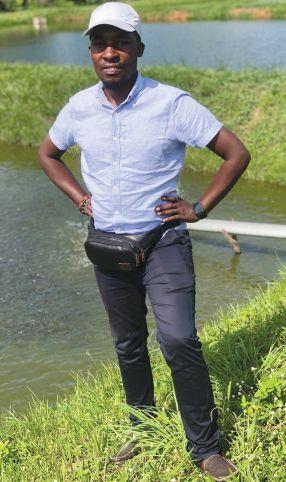
Benjamin left Yalelo to start his own consultancy firm in called Kachotera Aquatics International, which helps East African fish farmers to achieve profitability and sustainability. He now balances his business with his role as hatchery supervisor for the government’s tilapia project at Aquagrow International in Côte d’Ivoire.
“I eager to learn more about new technology in the sector so that I can help many local fish farmers in Uganda and Africa to achieve their farming projects,” said Benjamin. “This led me to work with big commercial fish farms where technology and best fish farming practices are in place to enrich my expertise and experience.”
PHOTOS: ORISHABA BENJAMIN
PATRICK HAINFELLNER
Knowledge is power
Patrick Hainfellner made a name for himself early in his career.
In his first job in aquaculture, he quickly rose through the ranks to become general manager at PreVet sanidade aquícola in Jaboticabal e Região, Brazil. PreVet is one of the biggest hatcheries in Brazil and Hainfellner had been an instrumental part in the development of a new water recirculation system.
“He was working as a technical consultant of the biggest hatcheries in Brazil, designed and developed a model of a specific water recirculation system for hatcheries and that’s how he became known by everyone who works with reproduction,” said Jorge Vieira Barbosa, nominator and former boss at Aquaamérica e Aquaporto.
Barbosa has worked on many hatchery projects with Hainfellner, including the design of a recirculating aquaculture system facility for Lake’s Fish Ltd. and Aquaporto Piscicultura Ltd. He added that during the time he has known him, Hainfellner has always been generous in spreading the knowledge in almost every state in Brazil, giving free courses and lectures at universities, federal institutes, post-graduates, etc.
“My favourite part of the job is literally the exchange of knowledge,” said 38-year-old Hainfellner. “We all have something to teach and learn, from the most experienced researcher to the gentleman responsible of feeding the fish on a small farm, knowledge is worth nothing if it is kept.”
His pursuit for knowledge didn’t end after acquiring his PhD in Aquaculture from Universidade Estadual Paulista Júlio de Mesquita
Filho (UNESP). He has travelled to many fish farms around the world, including India, China, Japan, Chile, Thailand and Cambodia. His passion for fish even bleeds into his hobbies as sport fisherman, kayaker, licensed scuba diver, aquarist, and builder of koi carp water gardens. “Directly or indirectly, we are responsible for millions, billions of fingerlings that will feed our own families and the world but depending on how we do this will decide for how long we will be able to do it, ethically and on sustainable way, so it is in our hands to decide the future,” said Hainfellner.
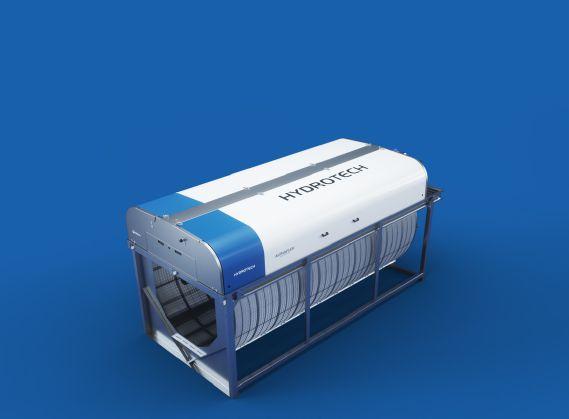
Smarter, stronger, more economical drum filters
Water filtration has never been so easy
The Hydrotech Drum Filter Value series focuses on reduced maintenance, increased component quality and simplified operation – all to give your plant maximum filtration performance at a minimum operational cost.
Contact us!
Call +46 (0)40 42 95 30 or visit www.hydrotech.se
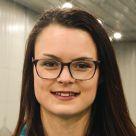
RACHAEL WILBOURN
Devoted geneticist
Rachael Wilbourn, 35, never really considered a career in aquaculture. She described it as sheer luck.
Throughout her academic career, her focus had always been on the evolution and ecology of wild animal populations. When her post-doctoral contract at the University of Edinburgh was coming to an end, she found a position as a laboratory manager at Xelect in St. Andrews, Scotland.
“While I had never considered or believed I was experienced enough to take on a management position, I surprisingly ticked many boxes on the advert, so I thought, ‘Why not?’ and applied,” Wilbourn admitted modestly. “After spending almost two hours at Xelect, I was absolutely thrilled.”
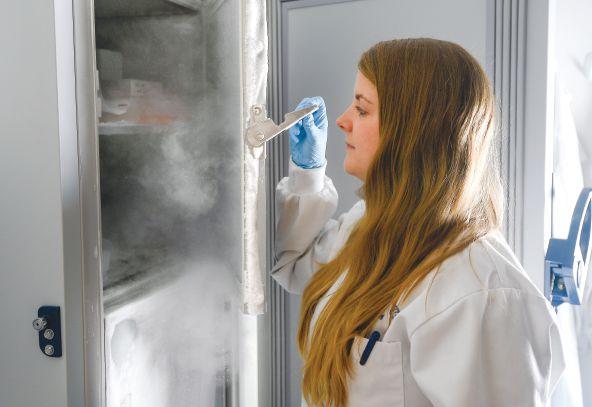
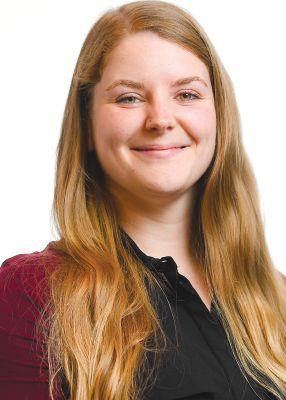
She describes Xelect as a small, but ever-growing aquaculture genetics company. All departments work closely together on a daily basis, which is what she likes most about her job. Tom Ashton, Xelect director, said he nominated Wilbourn because of the great commitment she displayed to the company’s customers.
“When our usual panel of suppliers were unable to meet our requirements, Rachael had to scour hundreds of suppliers, sourcing key items from a patchwork of providers. This was further complicated by major issues with the global supply chain, meaning that deliveries were often subject to major delays,” said Ashton in his nomination form. “Thanks to Rachael’s resourcefulness and initiative, not a single job was delayed, and the hatcheries we support were able to continue to operate unaffected.”
Wilbourn’s laboratory work supports more than 20 customers in 18 countries and covers 15 different species. Ashton said she also plays a vital role in recruiting, training, and growing the team, especially in what were difficult circumstances during the pandemic lockdown.
“Hatchery managers in every continent depend on Rachael and her team to genotype and analyse thousands of fish and shellfish every day,” said Ashton.
TRAVIS MAY Care support
May remembers his early days as an Environmental Science intern at the Freshwater Institute fondly.
“I knew nothing about landbased aquaculture at the time but was willing work hard and wasn’t bothered if I showed up to class dripping wet or covered in fish slime,” he said. “I spent a year working with John Davison, who taught me the foundations of fish culture. When my internship ended, I knew land-based aquaculture was the industry I wanted to work in.”
May, 35, is the aquaculture production manager at the Freshwater Institute (FI) in Shepherdstown, West Virginia in the United States. He manages a team that maintains the operation of many aquaculture systems at FI, including flow-through, partial reuse and full recirculat ing aquaculture system (RAS). He works with the scientists to ensure that fish are growing years in advance of timed projects and that tanks are available for all life stages.
“The most challenging part is foreseeing the unforeseeable,” said May. “You need to make sure everything is optimized and there are emergency systems in place for when something unexpected happens, because there are so many factors at play. Animal lives are at risk, and they can only depend on you.”
Beyond supporting the research within FI, May has also demon strated great leadership in his community. Because he oversees the facility’s Hazard Analysis Critical Control Point program, which ensures that harvested fish are safe for human consumption, May has spear-headed numerous fish donations to charitable organizations that feed people in need. Through his efforts, thousands of pounds of Atlantic salmon have been donated to feeding programs including DC Central Kitchen and the Mountaineer Food Bank.
“Travis’ fish husbandry experience, work ethic and leadership are matched by his down-to-earth nature, positive attitude, and can-do outlook amidst our challenging work environment,” said Chris Good, FI director of research. “In leading aquaculture production at our institute, Travis and his team form the backbone of our successful research program.”
Travis
PHOTOS: FRESHWATER
Australia’s hatcheries keep an eye on climate change
By John Mosig
There is now no doubt whatsoever that climate change is driving extreme weather events around the planet. While it is still argued whether the cause is anthropogenic or a natural cycle, there is no denying the impact is real and economically devastating. Australia’s position, wedged between the Indian Ocean Dipole (IOD) and the El Niño-Southern Oscillation (ENSO), leaves it particularly vulnerable to the mood swings of these two thermodynamic forces.
When the IOD is in negative phase, it brings wetter than normal seasons to Australia, and conversely when the surface temperature of the western Indian Ocean is warmer, it brings drier times to southern Australia and the tropic north. The ENSO phases are similar. El Niño means drier times for eastern Australia and when the ENSO is in its La Niña phase, it brings wetter than normal rainfall. When the two wetter phases line up, vast floods can occur, inundating urban areas and farmlands. The converse brings catastrophic droughts and bushfires across great swarths of the country. All food producers have had to deal with this and the ever-increasing damage done by the violent storms driven by the excess
energy built up in the atmosphere. How has the local aquaculture industry, in particular the hatchery sector, coped with these volatile, high-risk situations?
While a great deal of the grow-out is still carried out in intensive open systems and sea cages, over the last two decades, the hatchery sector has largely moved indoors to climate-controlled systems; secure against the vagaries of the weather.
The economic and strategic benefits of this are obvious, and have arguably been the driving force for the investment boom in the Australian industry. Apart from biosecurity and having control over the conditioning of the broodstock, the hatcheries have been able to reliably produce huge volumes of seedstock to a timetable suitable to growers. Growers, who would otherwise be at the mercy of seasonal conditions for their seedstock supply, gained confidence to invest and were able to establish a marketing point of difference over their wild caught competitors. It is fair to say that climate-controlled, indoor hatcheries have climate-proofed the Australian hatchery sector, and consequently, driven the growth of the aquaculture industry over the last 20 plus years – from a value of AU$747 million at the beginning of the century to a value of over AU$2.2 billion in 2021. Some of this added value can been due to the rising value of seafood generally, but most can be attributed to a reliable source of quality seedstock. Having control over the breeding cycle has led to the ability to select for key genetic attributes, such as growth rates, conformation, consistency and docility. The threat from climate change varies from sector to sector,
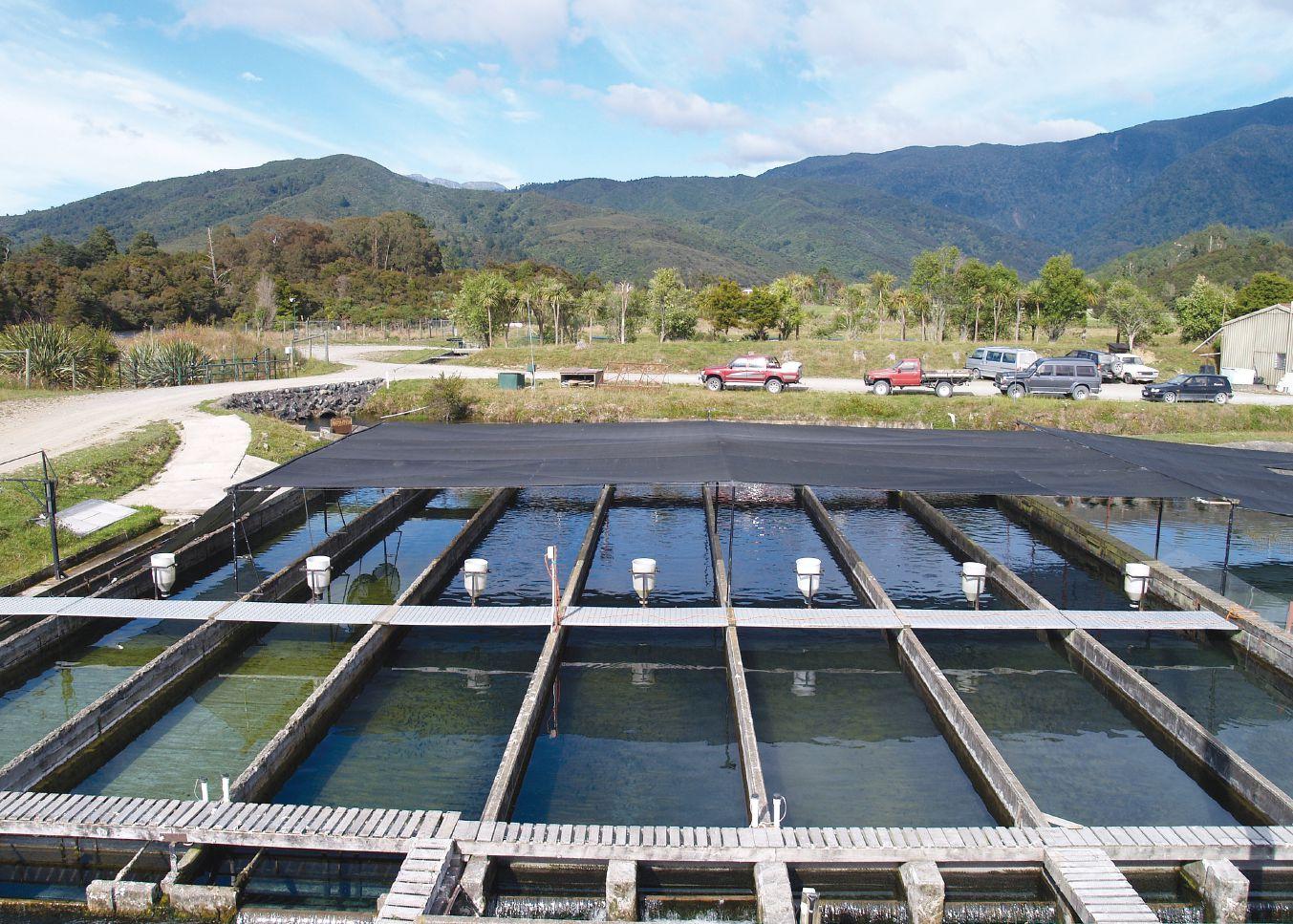
Open, flow-through salmon broodstock holding pens
PHOTOS: JOHN MOSIG
however the introduction of genetic science into breeding programs has given hatcheries the capability to deal with rising temperatures and acidification, and it has put them at the forefront of the solution.
The Tasmanian salmon industry is amongst the most technically sophisticated aquacultures in Australia. For some time now, smolt have been produced under environmentally controlled conditions and the hatcheries are secure from changing climatic conditions. However, the location of the sea cages, in the path of the East Australia Current, leaves the industry’s grow-out sea cages somewhat vulnerable. The Institute of Marine and Antarctic Studies (IMAS) has been working with growers since 2015, among other genetic attributes, to increase the temperature tolerance of Atlantic salmon. And the work is ongoing.
Individually, Victorian trout growers still farm under the traditional flow-through, open hatchery method. Ed Meggitt of Goulburn River Trout said that even breeding in the depth of winter, climate change was having no impact on their spawning and fry production.
Land-based Abalone aquaculture relies totally on marine waters pumped ashore.
Selecting salmon broodstock the old way
Mark Gervis, chair of the Australian Abalone Growers’ Association, said that while temperature hasn’t been a major issue as yet, there have been different effects at the various abalone farms around the country.
“There’s definitely a rising trend in seawater temperature and this has probably been most noticed on the east coast of Tasmania where the effect of the East Australian Current has become more dominant over recent years,” he explained. “Anyone farming shellfish would be also be concerned about ocean acidification and its potential effects on the prevention of shell formation in larvae or the reduced strength of shells in adults. As land-based growers, we are all also concerned about both the likely increase of storm damage and the rate of sea level rise as many farms operate with a low head above sea level.”
The shellfish hatcheries – mussels, scallops and oysters – were amongst the first to first to shift to on-shore production. In the case of oysters and scallops, it was a logistic-driven move. With secure spat supplies, the industry could expand exponentially. Closing the cycle also had economic benefits. Broodstock could be conditioned in a bio-secure situation out of season and spawned so that triploid spat were available for stocking the water temperatures on the marine leases were optimal.
Prawns, mainly Penaeus monodon, are grown along the tropic and sub-tropical east coast.
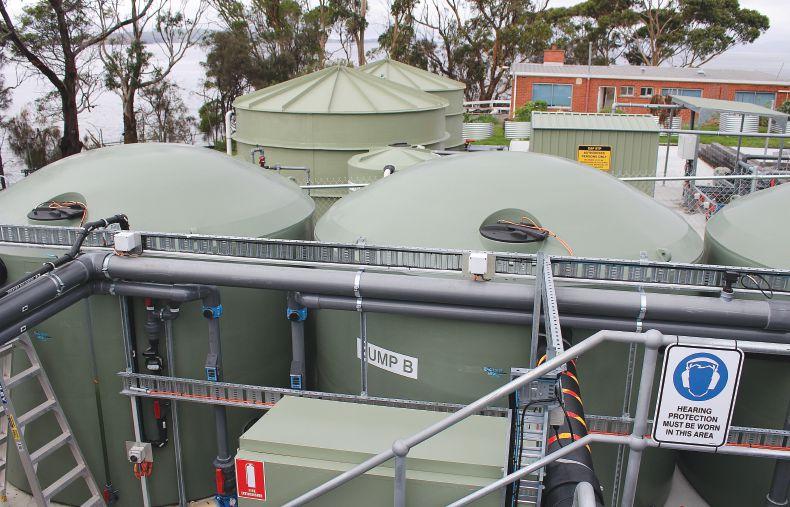
Part of the water treatment plant at the IMAS facility in Tasmania that is part of the salmon industry’s future-proofing genetic program.
While, because of its established climate-controlled spawning practices, the hatchery sector generally sees no immediate negative impact from climate change, however, it is fully aware of the vulnerability of growers in open system from inundation from excessive rainfall events and temperature spikes.
Shellfish Culture Ltd. in Tasmania is one of the country’s largest shellfish hatcheries. Scott Mactier is general manager of breeding and R&D. “It appears we aren’t facing any direct impacts from issues such as ocean acidification. In saying that, breeding low-pH tolerant lines is something we may look to do in the future as a risk mitigation strategy. It may be that we are, however, seeing changes to microalgal assemblages in nearby waterways through increased incidence of harmful algal blooms. This can directly affect hatchery performance if the right filtration systems are not in place.”
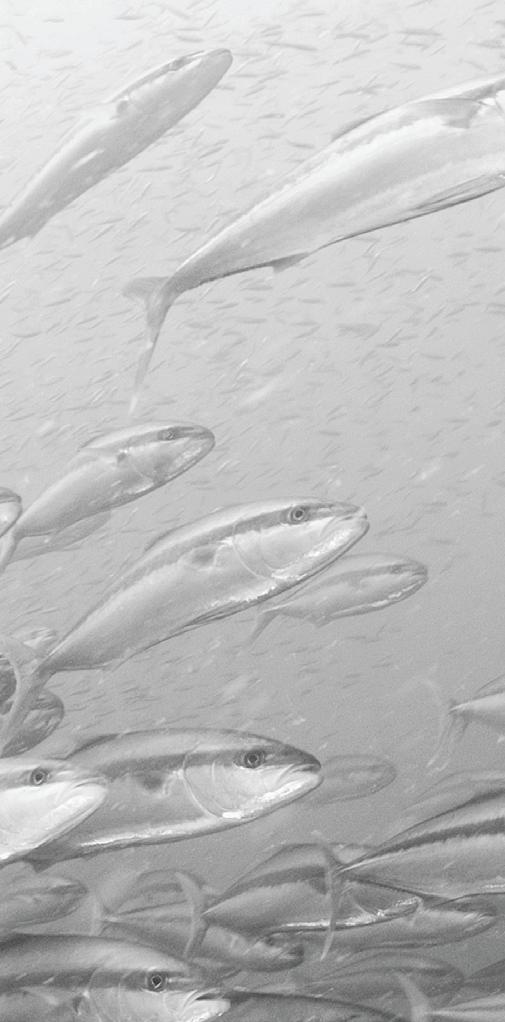
Yellowtail kingfish is an emerging species. Western Australia’s Department of Primary Industry R&D has been operating a pilot hatchery at their Fremantle facility since 2012. Aquaculture R&D director, Greg Jenkins, said their marine operations were secure against the impact of climate change for now. However, as an industry supplier, they were aware some of their more northerly based clients, at some time in the future, would have the challenge of tropical water along with some tropical species extending further south. As the DPIRD hatchery is located on the coast at Fremantle, any impact of rising sea levels would be severe. DPIRD also operates the States trout hatchery at Pemberton. Climate change is impacting WA’s southwest with lower rainfall and
A view of the climate-controlled trials that, among other attributes, is selecting a salmon genotype with temperature-tolerant tendencies.
A modern climate-controlled salmon hatchery.
“Temperature tolerance is something any future selective breeding program would incorporate,” Greg said.
Barramundi are typically bred in environment-controlled systems. MainStream Aquaculture’s founder and chief scientist, Paul Harrison said, “Our hatcheries are climate and biosecure, which provides a reliable supply of barramundi to the growout sector. However, the fish are predominantly supplied to farms that operate in open systems subject to environmental extremes. Fortunately, barramundi naturally grow well over a wide range of conditions and can tolerate rapid change, making them a good future-proof species. Despite this, in an effort to optimise barramundi’s natural tolerance, our breeding program does include targets for environmental tolerance (temperature and salinity), which is seen as an important improvement to mitigate the impacts of climate change.”
Australian native fish have evolved under the island continent’s unpredictable seasonal regime. While the hatchery sector still relies on open plankton ponds for larval rearing, the development time from larvae to fry is short and at a time of the year before temperature spikes become a problem. At this stage, only Murray cod appear likely to become a mainstream commercial species, and their larval development lends itself to controlled breeding, and with the new larval and fry diets now available, to environmentally secure rearing.
It would seem that while every hatchery sector is aware of the changing climate, they see the risks in different ways. However, they expressed confidence in their ability to cope and where genetic programs are part of the hatchery operation, their capability to deal with future changes. Climate impact risks are more to their relative, open-system, client bases.
Hosted by the U.S.
Conference information: Contact Jesse Rivera at 360-604-2541 or Jeremy Voeltz at 623-670-2854
Trade show/Vendor information: Contact Bob Turik at 509-538-2755 or Hayley Muir at 231-233-4761
Customized for your fish farm, hatchery or research operation!
Customized for your fish farm, hatchery or research operation!
Customized for your fish farm, hatchery or research operation!
Customized for your fish farm, hatchery or research operation!
Our Commercial LSS Packages are custom engineered to meet your specific needs.
Our Commercial LSS Packages are custom engineered to meet your specific needs.
Our Commercial LSS Packages are custom engineered to meet your specific needs.
Our Commercial LSS Packages are custom engineered to meet your specific needs.
• Marine and Freshwater
• Marine and Freshwater
• Marine and Freshwater
• Mechanical filtration
• Marine and Freshwater
• Mechanical filtration
• Mechanical filtration
• Chemical filtration
• Chemical filtration
• Mechanical filtration
• Chemical filtration
• Ultraviolet disinfection
• Ultraviolet disinfection
• De-gassing towers
• De-gassing towers
• De-gassing towers
• Wide variety of flow rates
• Wide variety of flow rates
• De-gassing towers
• Wide variety of flow rates
• Flow control valves
• Flow control valves
• Flow control valves
• Wide variety of flow rates
• Protein
• Protein skimmers
• Chemical filtration
• Ultraviolet disinfection
• NEMA enclosed controls
• NEMA enclosed controls
• Protein skimmers
• Flow control valves
• Variable frequency-drive pumps
• Ultraviolet disinfection
• NEMA enclosed controls
• Bio-filter towers
• Bio-filter towers
• Variable
• Protein skimmers
• Temperature management
• NEMA enclosed controls
• Bio-filter towers
• Bio-filter towers
• Variable frequency-drive pumps
All our systems are pre-plumbed and fully water tested prior to shipping. Call us today at 206.937.0392 www.AquaticEnterprises.com
more severe summers.
The oyster choice
Triple N Oyster Farms is determined to build the U.S. oyster aquaculture industry
By Treena Hein
To say the oyster industry in the Gulf Coast of the U.S. has had a difficult last three years would be an extreme understatement. But companies like Triple N Oysters of Baton Rouge, La. are doing their best to give it a solid future.
“Over the last few years, both the off-bottom (alternative oyster culture or AOC) farms and the conventional bottom farmers were devasted by two hurricanes, Zeta in 2020 and Ida in 2021,” says Dr. Steve Pollock, owner of Triple N Oysters, current president of the Louisiana Oyster Aquaculture Association and a voting member of the Oyster Task Force, an oyster industry advisory group of the Louisiana Department of Wildlife & Fisheries.
“In 2019, we also had a record flood of the Mississippi River and this lowered salinity, which also negatively affected oyster production in Louisiana,” he says. “And of course, the restaurant and tourism closures of the pandemic have also devasted this industry.”
But even before all this, oysters were struggling to survive and reproduce in the
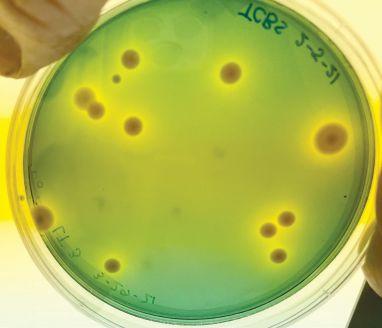
Thiosulfate-citrate-bile salts-sucrose agar (TCBS) bacterial culture plate that selects for Vibrio sp.
Gulf coast states, down into Mexico and up into Canada. Lower oxygen levels and acidification of water are some of the suspected factors, as are emerging pathogens and swings in salinity levels. No one answer has been found, and Pollock notes that every state of the Gulf Coast has its own unique issues.
“There’s too much salt in Florida seawater for example,” he says. “I think pollutants are also a factor in Louisiana. We do a lot of spraying for mosquitos here. I call oysters the canary in the water. They are very sensitive to water quality.”
After his PhD (on algae biology) and while
Several million oyster seed getting washed and counted.
working at Louisiana State University, in 2015 Pollock and his wife started an AOC farm off the coast of Louisiana near Grand Isle. They sold many oysters to restaurants in the Baton Rouge area.
“Then there was a seed shortage, so we started a nursery,” he says. “It went well. We sold seed up and down the coast, but then we couldn’t get enough larvae from the state-run hatchery. So we decided to start our own RAS hatchery in 2018. We use our own artificial seawater, so we are not affected like hatcheries that use seawater, by the salinity levels swings that affect the coast of Louisiana, due to the varying volumes of the Mississippi River, currents and weather. Salinity is a big factor in oyster production. If salinity is too low, they will not reproduce and there is also some adult mortality.”
Oyster choice
The “Triple N” in the company name refers to the ploidy of the oysters. Pollock sources from 4Cs, which has a monopoly on licencing tetraploid oysters in Louisiana, across the U.S.
and beyond. Triple N oysters result from crossing tetraploid oysters with diploid. “They’re almost all sterile and don’t waste resources reproducing,” Pollock says, “so they are much fatter through the summer months.”
Like other hatcheries, Triple N mostly sells to AOC operations, about 25 right now and mostly beginners in the industry. In this type of production, oysters are grown in cages suspended near the top of the
Steve Pollock is owner and operator of Triple N Oyster Farms in Baton Rouge, La., USA.
water column. The density must be thinned over time and market size is achieved in about a year. This is much faster than conventional farming, where crushed concrete or limestone is placed at the bottom of the Gulf (millions of dollars is spent on this every year), the beds are tended and market size is achieved in two to three years.
“AOC oysters are generally called ‘boutique’ oysters and they are marketed with other names in a wide variety of ways,” says Pollock. “They are a premium product and get more money than conventional, but I’m not sure how much right now. There are a lot of supply and demand issues with everyone recovering from the hurricanes and COVID-19.”
AOC oysters receive more oxygen and algal concentrations being at the top of the water column. The constant rocking action of the waves generates a deep cup. Pollock says they have a uniform shape, are very pretty and taste great.
And although Pollock says AOC production could be developed to form a considerable amount of production in the state, it can only produce a fraction of what is produced conventionally.
“And right now, conventional production is less than five per cent of what it’s been over the last thirty or forty years,” he explains. “There is money to be made in oyster production, but newcomers to conventional or AOC don’t have the deep pockets that long-established farmers still have, and won’t be able to financially withstand a hurricane.”
Projects
Like other hatcheries, Pollock also sells into the coastal restoration project market. These projects are aimed at improving water quality in the Gulf Coast and oysters are a top project priority. Oysters filter water and remove large amounts of nitrogen. Oyster beds also serve as nurseries for crabs and many other species, and act as hurricane buffers to protect the coastline.
“There has been millions and millions of government money spent on restoration projects involving oysters in all states along the Gulf coast,” says Pollock. “It really took off after 2010, when BP was fined billions for a major oil spill. A lot of this money was earmarked for these restoration projects and there’s still lots of money available for them.”
Concern over getting funding could have been an issue when Pollock decided to situate the hatchery inland in Baton Rouge to avoid the threat of hurricanes and lost some investors.
“We weren’t considered a coastal interest and perhaps there was concern that we wouldn’t be eligible for funding because we moved inland,” he says. “But we have survived because we weren’t on the coast and therefore didn’t get hit by Ida. We remained
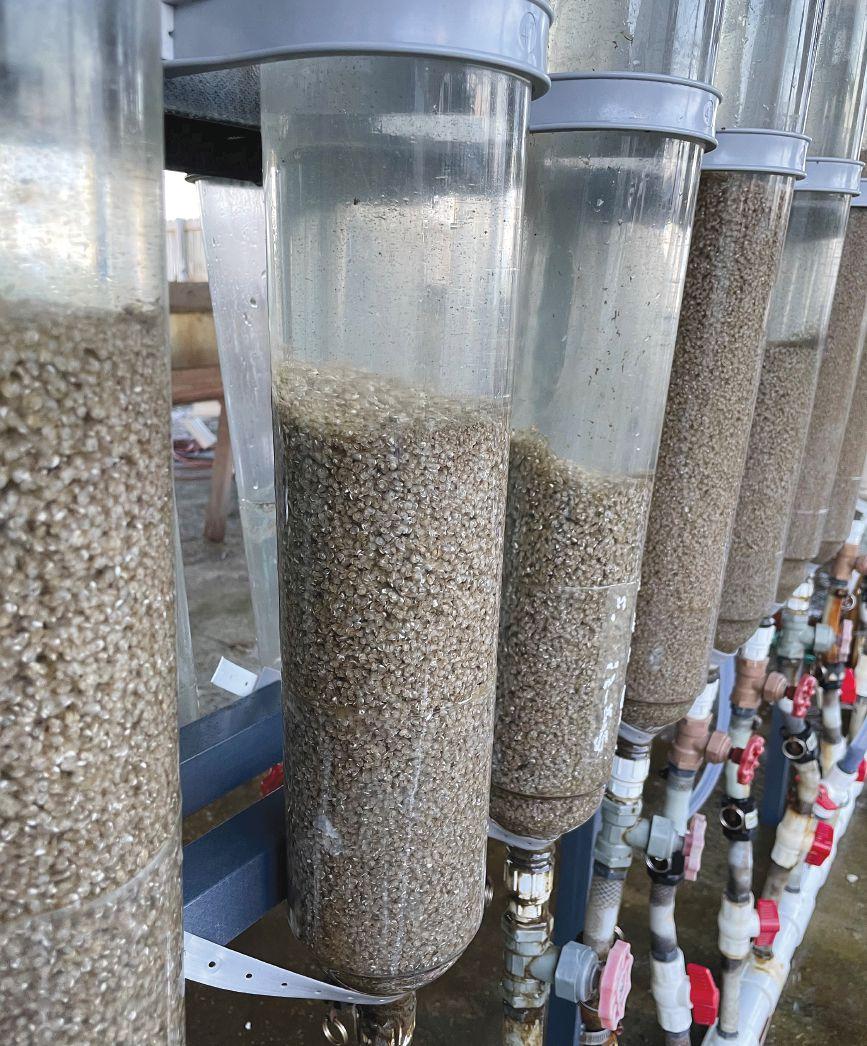
Oyster seed growing in a bottle nursery to eventually transition to oyster farmers and coastal restoration projects across the Gulf Coast and beyond.
in operation and were able to get farms along the coast going again to the extent they have been able to do so because we moved away from the coast – and also supply coastal restoration projects.”
Current production
Last year, Triple N produced just over 100 million larvae. Pollock also has a small experimental nursery which he hopes to expand.
Hatchery production under the RAS system this year, however, has struggled, not in terms of steady temperature and salinity control but in terms of bacteria.
Pollock is using ozone and UV to destroy bacteria and is adding various strains of beneficial bacteria back to the sterilized water.
“I am working with my current business partner, who is a microbiologist at Louisiana State University,” he says. “We purchase strains of good bacteria and also culture our own when we have a good batch of larvae. We also get them sequenced to identify them. But it’s proving very challenging to get the right microbial community. There are so many variables and they are very hard to control. It’s the hardest lesson I’ve ever learned, that living things are not that easy to control.”
December decision
Looking to the future of oyster production in his state, Pollock notes that in December, the government of Louisiana will make an important decision.
“The state has been planning on spending US$2 billion to divert the Mississippi River to prevent additional land loss,” he explains. “Constant coastal erosion is a big problem due
EWOS TRANSFER CLEAR
to the levy on either side of the Mississippi that was built long ago to keep the river deep enough for shipping. But diverting the river will cause a salinity drop that will make entire areas of the coast unfarmable for oysters. They will die within 30-60 days. They can’t move like shrimp and crab and fish. And this diversion will only create 21 acres of land over a timespan of 50 years. So, it’s controversial to say the least.”
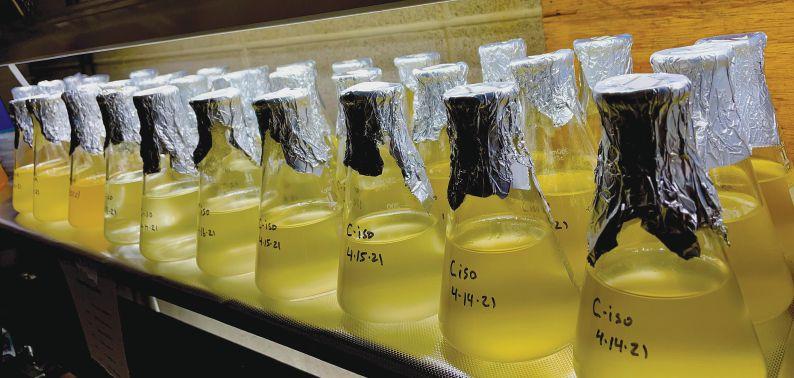
Algae starter cultures are maintained year round at the hatchery to feed oyster broodstock, larvae, and seed.
Restoring the “King of Fish”
By Julia Hollister
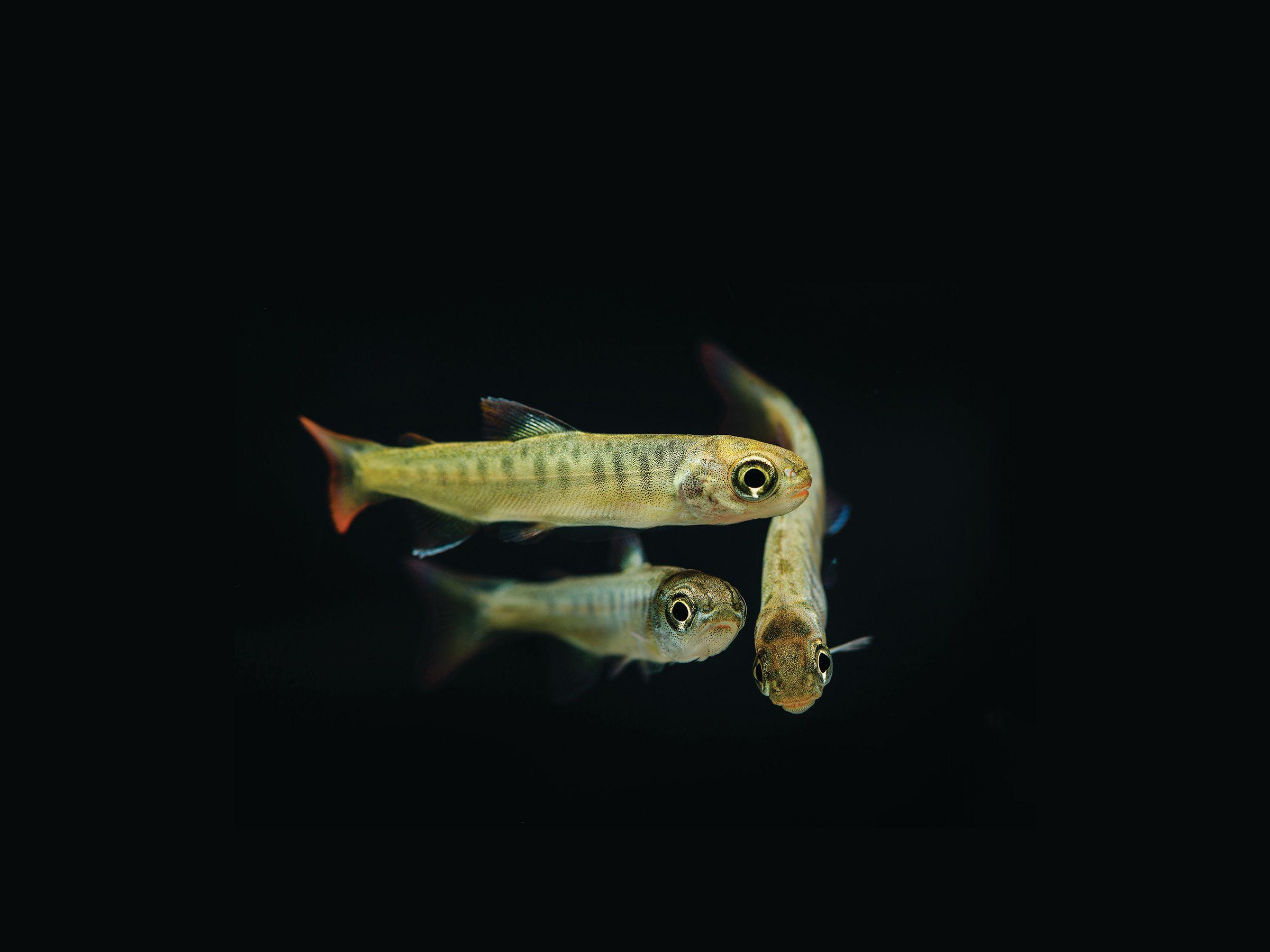
In the Atlantic Ocean, the Atlantic salmon is known as the “King of Fish.” Unfortunately, overfishing and dams once blocked their ability to reach their preferred spawning grounds.
Today, Green Lake National Fish Hatchery is working to ensure these fish continue to thrive and retain the regal title.
“Green Lake National Fish Hatchery (NFH) was authorized by Congress in 1967 for the purpose of rearing Atlantic salmon for restoration and management of the fishery in Maine and other waters in New England,” said hatchery manager, Oliver Cox. “At Green Lake NFH, we predominantly work with the Penobscot River strain of Atlantic salmon.”
Atlantic salmon is the only species cultivated at the hatchery. It was constructed in 1973 and the first fish distributions began in 1978.
Green Lake NFH is working to conserve and restore Atlantic salmon to Maine. All of the Atlantic salmon reared have been listed as an endangered species under the Endangered
Species Act and are part of the Gulf of Maine Distinct Population Segment. The restoration program maintains seven river specific lines of Atlantic salmon.
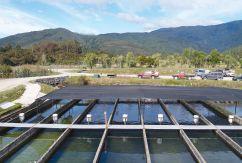
The hatchery is situated on the outlet of Green Lake and is built at a lower elevation than the lake and the flow of water to the hatchery maintained by gravity The lake is about 3,000 acres and has a maximum depth of 170 feet. So, it is a good source of coldwater for growing salmonids.
Green Lake NFH utilizes an accelerated growth regime to produce about 200,000 Atlantic salmon parr and 650,000 smolts annually.
It also maintains a domestic brood line of Penobscot origin Atlantic salmon to produce about 1.3 million eyed-eggs annually. Life stages of Atlantic salmon are egg, eye eggs, fry, parr, smolt and adult.
Cox said the hatching process is lengthy.
The primary production cycle for Green Lake NFH relies on receiving Atlantic salmon eyed-egg from Craig Brook National Fish Hatchery in East Orland. Adult salmon are collected from a fish lift and trapping facility at the Milford Dam on the Penobscot River, Milford, Maine.
Adults are held at Craig Brook NFH from May to December and spawned in November. Eyed-eggs are then transferred to Green Lake NFH in January and February and placed in incubation trays. Alternatively, biologists can use eggs from our domestic line.
“Our fry start hatching in late February with most hatching in March.,” he said. “Fry are transferred to small circular tanks for initial feeding and rearing in April. In June, they are transferred to our outside rearing pools.”
Green Lake Hatchery has 102 circular pools where salmon continue to grow until they are released or transferred as parr in the fall, or they are held overwinter and released as a one-year-old smolts in April.
The hatchery crew tries to release the smolts to coincide with the wild smolt migration window. Following the release of smolts into freshwater, they begin their migration to the ocean. Most of the Atlantic salmon migrating from Maine rivers spend two years in the ocean.
While at sea, they migrate to the North Atlantic Ocean off West Greenland and then return as mature adults to their river of origin. The adult Atlantic salmon that return to the Penobscot River complete the hatchery
Maine is the last state in the U.S. that still has wild sea-run Atlantic salmon and they need all the help they can get.
cycle when they are collected and spawned at Craig Brook NFH.
“Our domestic brood line is maintained by keeping about a 1,000 of our 0+ parr each year and rearing them to maturity,” Cox said. “We spawn these fish at age 3 and 4 and then release them. Typically, the eggs from this source are transferred to the State of Maine for stocking but on occasion we will incorporate them into our production.”
Green Lake Hatchery supplies most of the Atlantic salmon returning to waters.
On the Penobscot River, where most of the smolts are stocked, 88 per cent of the adult returns are the result Green Lake NFH’s smolt stocking efforts. Overall, about 76 per cent of all Atlantic salmon returns to Maine are of known hatchery origin; however, the number of hatchery origin adult returns is higher because biologists are not able to assess the origin of all adults return. Adults return from the smolt stocking can be identified by looking at the growth pattern of a fish scale or through genetic analysis.
Both require biological staff to capture and handle the adult salmon to collect scales and or tissue samples. Cox said he can identify the smolts raised at Green Lake NFH because the accelerated growth regime results in a different scale pattern than a fish raised in a natural freshwater environment. In addition, they are not able to distinguish the origin of fish that are the result of stocking eggs, fry and even some parr based on scale analysis.
“We release several life stages of Atlantic salmon,” he said. “Our 1-year-old smolts are about 8 inches long and weight about 2.5 ounces each. They are release in April, a little over one year after hatching. We produce over 100,000 pounds of smolts each year. Our 0+ parr are typically 4 to 5 inches long and weight 0.6 ounces each. They are released on in September and October about six months after they hatched. We release our retired brood stock. Those fish are about 20 inches long and weigh about three pounds. We also release fry and eggs.”
Other tidbits of information:
1. The Atlantic salmon restoration program involves many partners including the National Marine Fisheries Service, Maine Department of Marine Resources, the Penobscot Nation, and a few non-governmental organizations.
2. Maine is the last state in the U.S. that still has wild sea-run Atlantic salmon and they need all the help they can get.
3. Our accelerated growth program that
produces a one-year-old smolt is achieved by increasing the water temperature to advance egg and fry development. A typical wild Atlantic salmon will spend two or maybe even three years in freshwater before migrating to the ocean. It is this difference in the freshwater growth that allows us to distinguish hatchery adults form smolt stocking from other origins based on the pattern of annuli and circuli of a fish scale.
OFFERINGS
•
• Boiler & Chiller Packages
• Ti/SS Heat Exchangers
•
• Plate & Frame Heat Exchangers
• Air Cooled Chillers & Heat Pumps
•
•
•
•
•
Recirculation System Design, Supply and Construction.
• Commercial Farms, Hatcheries, Aquaponics, Research Labs, Public Aquariums, Live Holding Systems – we do it all!
• Representing leading RAS equipment manufacturers.
Understanding depuration
Practical implications for reuse or discharge at RAS facilities
By John Davidson
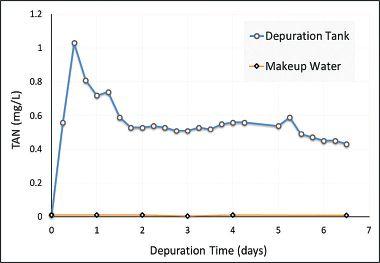
Depuration is a proven finishing process that eliminates earthy, musty off-flavour from RAS-produced salmonids and other fish species before they are harvested and sent to market. This relatively simple procedure, alternately referred to as “purging,” begins with transfer of market-size fish from RAS grow-out tanks to flow-through or partial reuse systems. First use water lacking the common off-flavour compounds geosmin and 2-methyisoborneol (MIB) is rapidly exchanged while withholding feed. Depurating fish subsequently eliminate off-flavour across the concentration gradient with the passing water. Although depuration is effective when specific procedures are applied, there are disadvantages to the process including a requirement for significant water use (Davidson et al., 2020). Nevertheless, several RAS facilities have adapted to this challenge by repurposing depuration system effluent as supply water for recirculating systems. The premise for this application assumes that fasting fish excrete minimal waste products during the purging process, resulting in a high-quality effluent that can be reused. Until recently, however, depuration system water quality had not been characterized, and
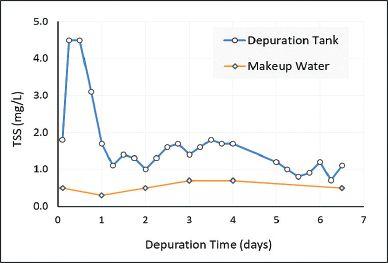
the implications of its reuse or discharge were not fully understood. Therefore, researchers at the Freshwater Institute (FI) thoroughly assessed water chemistry and waste production metrics in a depuration system fully stocked with market-size Atlantic salmon. A comprehensive article describing this research was recently published in the Journal of the World Aquaculture Society (Davidson et al., 2022). The most important findings are summarized herein.
Study Design & Methodology
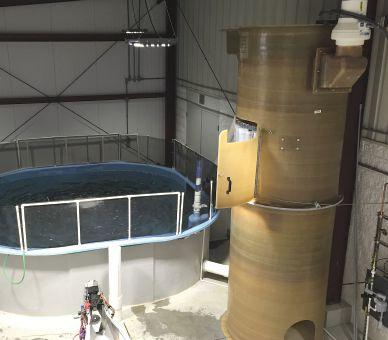
Atlantic salmon were cultured to market-size in six identical freshwater RAS. Once the fish were ready for harvest, depuration procedures were initiated by pre-cleaning and disinfecting a designated partial reuse system with an 18 m3 dual-drain culture tank (Fig. 1). Continuous spring water addition was then established resulting in complete replacement of the system volume 7-8 times per day, and feeding was discontinued in the six RAS one day before relocating fish. The next day, 311 salmon weighing 5-6 kg were removed from the RAS and stocked in the depuration tank at a commercially relevant density of 100 kg/m3. The salmon were purged over a seven-day period following proven procedures developed by FI researchers. To characterize
depuration system water quality, samples were collected every six hours via grab sample or use of a programmed autosampler. Subsequent testing was carried out in FI’s Water and Environmental Chemistry Lab for total suspended solids (TSS), total phosphorus (TP), and total ammonia nitrogen (TAN), among other parameters. In addition, dissolved oxygen (O2) and temperature were continuously monitored via a Hach SC100 system. Gas flow to a low head oxygenator was regularly adjusted to maintain >100% O2 saturation in the depuration tank.
Important water quality trends
Immediately after stocking, TSS, TP, and TAN concentrations spiked indicating that the salmon continued to excrete residual wastes despite 24 hours of prior feed deprivation. Over the next six days, TSS (Fig. 2) and TP levels gradually declined, approaching concentrations similar to the makeup water. On the contrary, TAN levels plateaued suggesting that salmon began to catabolize somatic tissue in the absence of dietary nutrition (Fig. 3). The change in concentrations between the depuration tank water and the makeup water ranged as follows during the seven-day period: 0.4–3.5 mg/L TSS, 0.015–0.200 mg/L TP, and 0.42–1.02 mg/L TAN.
Implications for water reuse
Results from this study provided a wealth of practical knowledge for reusing depuration system water in RAS. First, the spike in waste concentrations measured immediately after stocking confirmed that one day of preliminary feed withdrawal is not sufficient to clear the gastrointestinal tract of market-size Atlantic salmon (Einen et al., 1998) before depuration. Land-based salmon producers could therefore adopt a two or three-day feed withholding period before moving fish to purge systems, which would allow most of the waste excretion
FIGURE 1. Partial reuse depuration system with 18 m3 culture tank and gas conditioning tower (on the right).
to occur in the original RAS. These data also suggest that when depuration system water is introduced within RAS, it should be added before a solids removal process like a microscreen drum filter. With this strategy, remaining solids would be rapidly removed thereby reducing the potential for particle breakdown, inhibited nitrification, and other negative impacts that solids have on system performance and fish health. In addition, because most of the measured TP in the depuration system water was likely contained within residual suspended solids, much of that phosphorus would also be removed by the drum filter. Moreover, the trend for continuous TAN production validates the recommended location for introducing depuration water in RAS, because biofiltration typically follows solids removal processes in the water treatment sequence.
Important lessons related to O2 management and carbon dioxide (CO2) control were also gleaned when depurating Atlantic salmon at relatively high density. For example, during the stocking process, Atlantic salmon consumed greater amounts of O2 due to mild handling stress and increased gill ventilation rate. Over the next six days, oxygen consumption gradually declined as salmon acclimated to the depuration system environment. Fish production managers could prepare for these dynamic oxygen requirements by supersaturating depuration system water with O2 before stocking fish and by making frequent gas flow adjustments at the oxygenator. Setpoints for backup O2 systems could also be adjusted to periodically diffuse extra oxygen to maintain safe O2 levels in the depuration tank at such high densities. Lastly, maintenance of safe CO2 concentrations of 10 mg/L at high salmon density further validated a suggested requirement to exclude water aeration media from depuration systems (Davidson et al., 2014).
In addition to these practical takeaways, the reported waste production data are also beneficial for mass balance calculations used
2. Total suspended solids (TSS, mg/L) in depuration and makeup water over a 7-day period (Davidson et al., 2022).
FIGURE 3. Total ammonia nitrogen (TAN, mg/L) in depuration and makeup water over a 7-day period (Davidson et al., 2022).
to determine required flow rates across water treatment devices such as biofilters and oxygenator units; therefore, the published data provide relevant information for RAS engineers designing land-based Atlantic salmon facilities.
Implications for facility discharge
Water quality and waste production results from this study are also relevant to salmon RAS facilities that plan to discharge depuration system water, particularly in localities with relatively stringent pollution elimination requirements. Although waste production was generally low in the depuration system, solids and nutrients were still released by the fish. These waste
LONG-LASTING AQUACULTURE PUMPS
concentrations would contribute, in part, to cumulative effluent levels at a RAS facility. During the seven-day depuration period, cumulative waste discharge from the depuration system ranged as follows: 0.14–0.55 kg TSS/ day, 0.004–0.029 kg TP/day, and 0.060–0.109 kg TAN/day. It is important to note that these metrics should be considered with specificity to the study conditions including system flushing rate, biomass density, and background concentrations of the makeup water.
Off-flavour
Although this study was focused on water quality and waste production in depuration systems, off-flavour levels were also assessed in water and fish flesh. Average geosmin and MIB levels were < 4 ng/L in the original RAS over the eight-month period that preceded this study, and salmon fillet concentrations were < 100 ng/kg when the fish were removed for purging. Therefore, these salmon may have been “on-flavour” before the depuration process began. FI scientists and collaborators are actively assessing the cumulative conditions that limited off-flavour production including RAS water quality and system microbiome.
1. Davidson, J., Schrader, K., Ruan, E., Swift, B., Aalhus, J., Juarez, M., Wolters, W., Burr, G., Good, C., & Summerfelt, S.T. 2014. Evaluation of depuration procedures to mitigate the off-flavor compounds geosmin and 2-methylisoborneol from Atlantic salmon Salmo salar raised to market-size in recirculating aquaculture systems. Aquacultural Engineering 61, 27–34. https://doi.org/10.1016/j.aquaeng.2014.05.006
3. Davidson, J., Redman, N., Crouse, C., & Vinci, B. 2022. Water quality, waste production, and off-flavor characterization in a depuration system stocked with market-size Atlantic salmon Salmo salar. Journal of the World Aquaculture Society, early view. https://onlinelibrary.wiley.com/doi/epdf/10.1111/jwas.12920
Einen, O., Waagan, B., & Thomassen, M.S. 1998. Starvation prior to slaughter in Atlantic salmon (Salmo salar) I. Effects on weight loss, body shape, slaughter- and fillet-yield, proximate and fatty acid composition. Aquaculture 166, 85–104. https://doi. org/10.1016/S0044-8486(98)00279-8
Specialists in corrosion-resistant, reliable and stable propeller pumps, with high uptime and low energy consumption- for a healthy and sustainable aquaculture.
FIGURE
HATCHERY HACK By Ron Hill
Reviewing our Hatchery 101 webinar series
The Hatchery 101 Webinar series, sponsored by Oxyguard International, brings together aquaculture professionals from around the industry together to discuss some of the finer details of aquaculture operations and share some of their hard-earned knowledge with their peers. A diverse cast of characters from extremely diverse facilities volunteered their time in the first three sessions of 2022.
In this issue of Hatchery Hacks, I wanted to reflect on some of the valuable advice and knowledge shared by these aquaculture specialists in each of our webinars.
Setting Up for Success
In the first installment of the series, we explored many topics in facility management and operation. I was joined by Cole Cochran, hatchery manager at the North Mississippi Fish Hatchery, Arlen Taylor, co-Owner and operations manager of Cedar Crest Trout Farms; Amanda Luxton, hatchery manager at Ocean Falls Hatchery with Mowi Canada West and finally, David McAlpine, assistant manager at Sandplains Aquaculture.
One of the most notable themes from this episode was a focus on the importance of quality and well-trained staff. In fact, for each topic, the importance of well-trained staff surfaced as one of the most import factors in the successful management of important tasks and scenarios.
Staff that know a facility can anticipate problems, find it easier to troubleshoot issues, and know what to do in an emergency and when its most important.
Another key theme from this session was the huge diversity in facilities and backgrounds. Still, many similar challenges exist but there are very different ways to approach the same problem or task.
Technology and construction, species selection and water source make each aquaculture
facility distinct. All the panelist agreed that redundancy is of the utmost importance, but the needed redundant technologies are highly dependant on the facility.
A great lesson to take home: Technologies are great, but the right simple technology can also be effective and cost-effective.
Recruitment and training
Episode 2 brought together Jeff Hetrick, director of Alutiiq Pride Marine Institute, Benjamin Normand, PEI mussel farmer, and Leah Stoker, senior advisor of business development and head hunter at Aquaculture Talent.
Everyone agreed that it is always a challenge to recruit and train new staff for a facility. The panelists shared some of their challenges in recruiting in remote locations that are so prominent in aquaculture. Small labour pools in these locations add to the challenge and competition between farms.
Selling potential employees on work in the aquaculture industry is a key point in recruitment. Many people on the outside know little about the field and the exciting work being done in the industry. Getting information out to potential workers to pique their interest can draw in good people.
Employees entering the field are looking at their first job as the first step into aquaculture. Opportunities for growth and advancement are heavy considerations for people considering a career in any field. Workers not only want to feel valued, but they also need to see their company values their lives outside of work.
In Episode 2 of Hatchery 101, the panelists shared the challenges of recruiting new talent for facilities in remote areas.
Master your monitoring
The third installment of the Hatchery 101 webinar series had panelists Steve Pollock, owner of Triple N Oyster Farm, Paw Peterson, CEO of Oxyguard International and Dan Paynter University of Prince Edward Island discuss water quality monitoring technology.
One of the first things that was apparent at this session was how water quality monitoring is very site, species, and life stage dependant. What needs to be monitored and how frequently varies greatly based on these factors.
Only experience can tell the farmer what parameters are very consistent or consistently need to be monitored. Time will make need apparent. That which changes quickly and highly affects the stock must be monitored constantly.
Building a monitoring system is an expensive task. Over-alarming a system can make the system cumbersome and prone to time wasting nuisance alarms. Probes and test kits come with high price tags. Experience with the facility and stock will point to the parameters that need to be tested and what the price of testing and failure to test is.
When physically building, Paw Peterson reminds to build something modular that you add to and build upon, and to avoid systems that are pre-setup and do not accept new features. These systems are more likely to be replaced than built upon.
Closing reflections
I want to thank all our panelists for volunteering their time and experience to forward the industry. Our next episode in the series is still upcoming, so keep an eye out on Nov. 17 at 11 a.m. EST. I hope you’ve enjoyed it so far.
Water quality monitoring is very site, species and life stage dependant. Panelists on Episode 3 agreed that only experience can tell the farmer what parameters are important.
SHOWCASE
Aquasend beacons help to revive centuries-old Hawaiian fishpond
Aquasend has deployed three Aquasend beacons in the Hawaiian fishpond, Waikalua Loko l’a, through our partnership in the Xylem Innovation Labs’ Incubator Program.
The Pacific American Foundation, tasked with this project, is utilizing the beacon’s data to assist with the restocking of native mullet and milkfish.
Prior to Hawaii’s statehood, there were nearly 500 fishponds across the Hawaiian Islands. As time has passed the number of fishponds has decreased to less than 100. Efforts to preserve the remaining Hawaiian fishponds are increasing with the help of The Pacific American Foundation.
The Aquasend beacons will monitor the amount of biomass the pond is equipped to support through dissolved oxygen (DO) levels and temperature data collected.
Waikalua Loko l’a operates with stationary gates called makahas, which are located in the canal and built into the seaward wall of the pond. Maintaining the original design created by Hawaiian ancestors, the gates are designed with small vertical standing wood poles held together with rope to let smaller fish into the pond. The fish would be fed, grow and become trapped in the fishpond due to their larger size.
The Aquasend Beacon will continuously monitor the pond’s dissolved oxygen (DO) and temperature levels throughout the day to assess the pond’s fish density.
“We are thrilled to be part of the Waikalua Loko l’a pond regrowth and have the opportunity to expand Aquasend water technology operations through our partnership in Xylem’s Incubator Program. It’s our goal to support this industry with data and solutions,” said Kristin Elliott, CEO of Aquasend.
Three Aquasend beacons were deployed and installed across the pond’s brackish water to gather data on both moving and stagnant water points. The buoys are collecting real-time dissolved oxygen and temperature measurements continuously each day over three months. www.aquasend.com
ADM premium feeds for broodstock fish and shrimp
ADM’s global BernAqua hatchery and nursery feed brand has released its Royal Spawn and Omega Spawn broodstock fish and shrimp feed ranges.
These feeds are currently available in Europe, Brazil, Ecuador, Vietnam, India, Bangladesh and Nigeria.
The ingredients in Royal Spawn and Omega Spawn work to:
• Increase attractability, palatability and digestibility for enhanced growth, stress tolerance and boosted survival rates.
• Provide special nutrients for maturation performance to enhance the biosynthetic process, mobilize fatty acids to the organs, improve egg viability and support hepatic functions.
• Support immune function.
Royal Spawn is a supplementary maturation feed for shrimp and fish breeders that includes new marine ingredients with the addition of
algae to support immune function. The broodstock feed also promotes an improved fatty acid profile with microalgae-derived products, paying special attention to astaxanthin, phospholipid and vitamin levels in the feed.
Omega Spawn offers a semi-moist maturation feed for fish and shrimp broodstock that contains all the necessary ingredients and is processed with cold extrusion technology to prevent denaturation of essential nutrients. Omega Spawn can improve fecundity and egg quality in fish and shrimp, and reduce biosecurity risks by replacing fresh seafood supplementation. www.adm.com
Yeast feed research wins Nutreco’s top prize
Agboola Jeleel Opeyemi was crowned this year’s winner of Nutreco’s Young Researchers’ Prize for his research, “Can fish grow on trees? Yeast as future feed ingredient.”
Opeyemi is a research fellow of Animal and Aquacultural Science at the Norwegian University of Life Sciences studying the nutritional potential of yeasts produced from wood sugars as sustainable fish feeds. He was presented with a cheque for €12,000 (about US$11,675) as first prize.
Nutreco’s Young Researchers’ Prize challenged PhD students and first- and second-year post-doctorate researchers to put forward innovative ideas that could contribute to Nutreco’s overarching purpose of Feeding the Future. This year, the program received 37 applications from around the world.
“Having my research recognised in such a way reassures me that I’m making a proactive and meaningful contribution towards feeding our growing population more sustainably,” said Opeyami during an awards ceremony on Oct. 11 in Amsterdam. “I’m looking forward to using the prize money to further my aquaculture research as well as dedicating some time to my own personal and professional development.” www.nutreco.com
String Bio and Skretting Australia to seek novel fish feed ingrediants
Skretting Australia will validate a novel ingredient through feeding trials held in R&D facilities located across Australia and New Zealand.
Since 2020, String Bio has been working with Skretting’s global team to speed up the process of developing a commercially accessible novel ingredient.
Skretting recognized the String Bio product as an exciting novel raw material which aligns with their own sustainability target of including five to 10 per cent novel ingredients in feed formulations, according to its 2025 Sustainability Roadmap.
Skretting is exploring inclusions of ingredients which do not compete with human consumption or that can reduce our carbon footprint. String Bio’s proprietary fermentation
process allows for the conversion of methane, a harmful greenhouse gas, into protein-based solutions.
According to the Intergovernmental Panel on Climate Change’s AR6 report, methane traps around 27 times the amount of heat in the atmosphere as carbon dioxide (CO2) and is responsible for a third of the global warming. Reducing methane emissions is one of the fastest opportunities we have to slow the rate of global warming.
“We are excited to see the results as novel ingredients are a high priority at Nutreco and very much aligned with our sustainability ambitions,” said Rhys Hauler, marketing manager at Skretting Australia. www.skretting.com
Aquaticode closes US$6 million in first its external round of financing
Stian Rognlid, Aquaticode CEO
Aquaticode has recently closed US$6 million in its first external round of fundraising.
Investors included Nacre Capital, Innocreative Capital, Martin Halusa (former Apax chairman) and Einar Wathne (NCE Seafood Innovation Cluster chairman).
The funds will accelerate projects to detect, identify, and predict relevant performance traits across multiple marine species.
“Aquaticode is ready to take a leading role in the blue food revolution,” said Einar Wathne, Aquaticode advisor and chairman of the NCE Seafood Innovation Cluster. “Their innovations enable farmers to produce more with less. But this is only the beginning. Aquaticode can decode a world of knowledge from an array of pixels – which will change the way fish are farmed in the future.”
Aquaticode is launching its first two products this fall, both capable of identifying gender in juvenile salmon through non-invasive methods:
• SORTmini (portable scanner), and
• SORTpro (an automatic, high-speed machine).
The solutions are the result of more than 15 industrial research partnerships, and an unparalleled database of more than three million images and videos.
“The fundraising round and the incoming sales revenue allow us to fulfill the market’s demand for our machines. This enables a transition from start-up to scale-up,” said Stian Rognlid, Aquaticode’s CEO. www.aquaticode.com
DESIGN
MORE THAN 25 YEARS OF
MORE THAN 25 YEARS OF SELECTION IN SELECTION IN RAINBOW TROUT RAINBOW TROUT