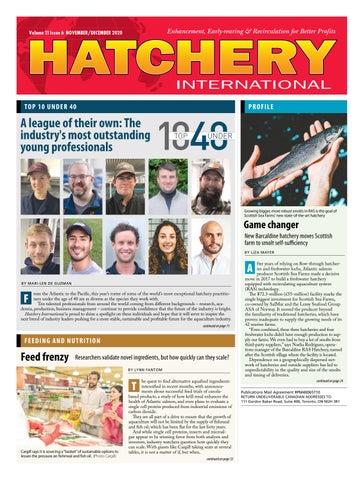
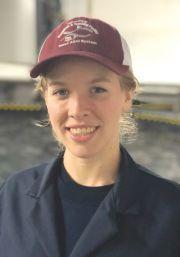
A league of their own: The industry's most outstanding young professionals
BY MARI-LEN DE GUZMAN
F
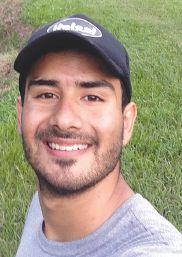
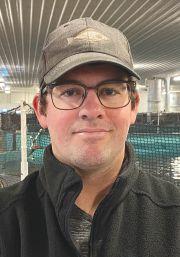
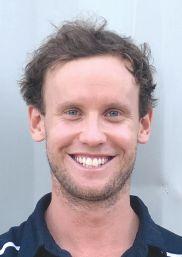
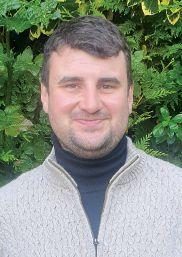
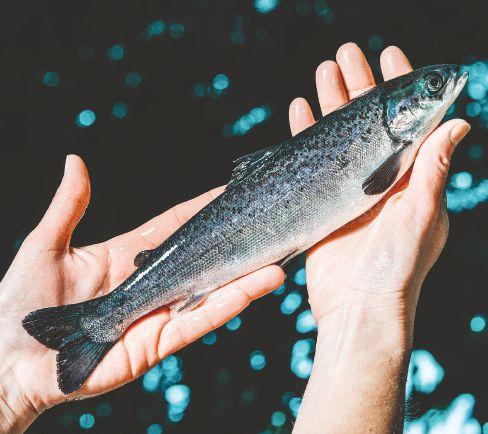
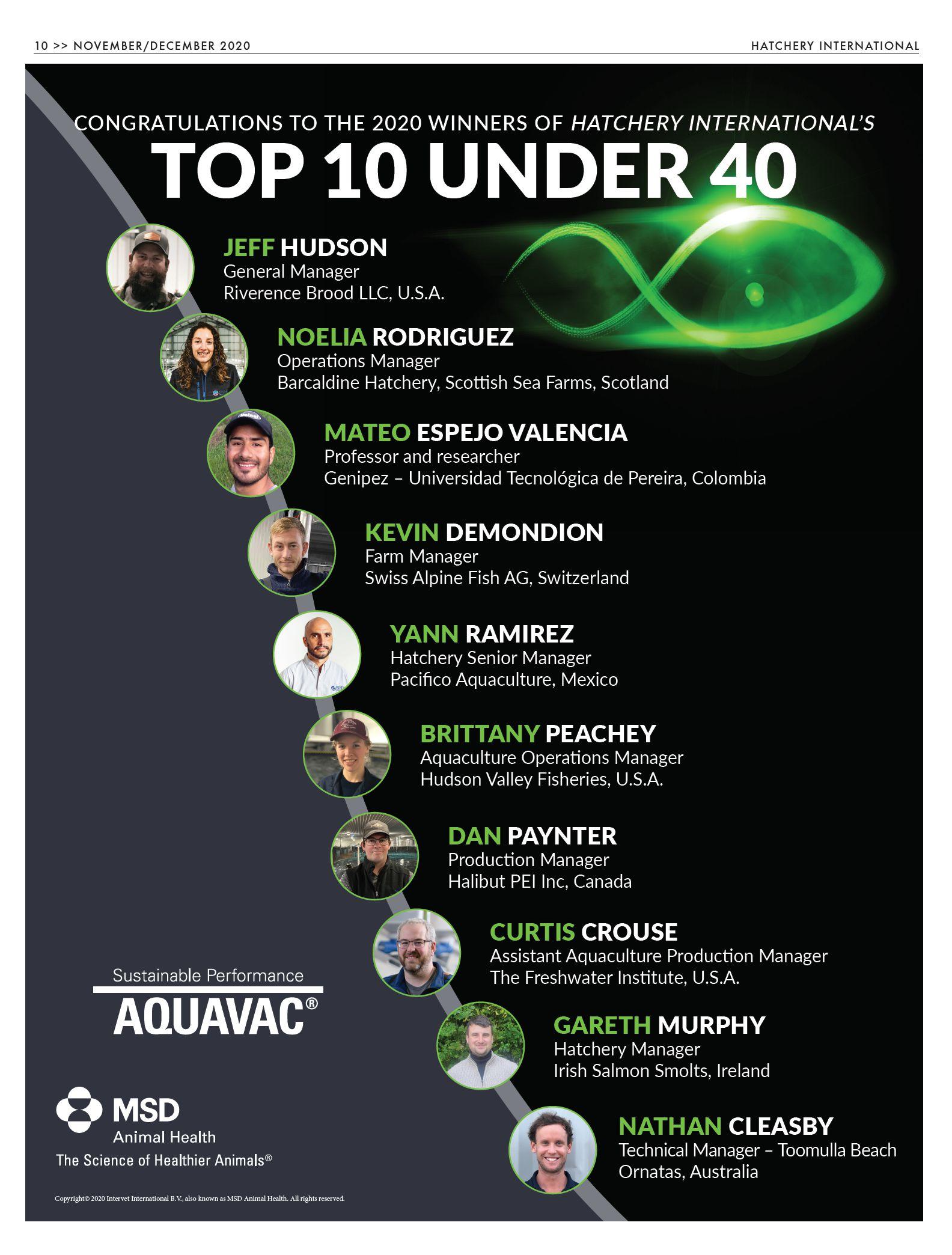
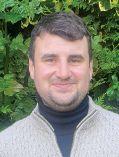
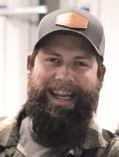
rom the Atlantic to the Pacific, this year’s roster of some of the world’s most exceptional hatchery practitioners under the age of 40 are as diverse as the species they work with. Ten talented professionals from around the world coming from different backgrounds – research, academia, production, business management – continue to provide confidence that the future of the industry is bright.
Hatchery International is proud to shine a spotlight on these individuals and hope that it will serve to inspire the next breed of industry leaders pushing for a more stable, sustainable and profitable future for the aquaculture industry.
continued on page 11
Feed frenzy
Researchers validate novel ingredients, but how quickly can they scale?
BY LYNN FANTOM
The quest to find alternative aquafeed ingredients intensified in recent months, with announcements about successful feed trials of canolabased products, a study of how krill meal enhances the health of Atlantic salmon, and even plans to evaluate a single cell protein produced from industrial emissions of carbon dioxide.
They are all part of a drive to ensure that the growth of aquaculture will not be limited by the supply of fishmeal and fish oil, which has been flat for the last forty years.
And while single cell proteins, insects and microalgae appear to be winning favor from both analysts and investors, industry watchers question how quickly they can scale. With giants like Cargill taking seats at several tables, it is not a matter of if, but when.
continued on page 32
Game changer
New Barcaldine hatchery moves Scottish farm to smolt self-sufficiency
BY LIZA MAYER
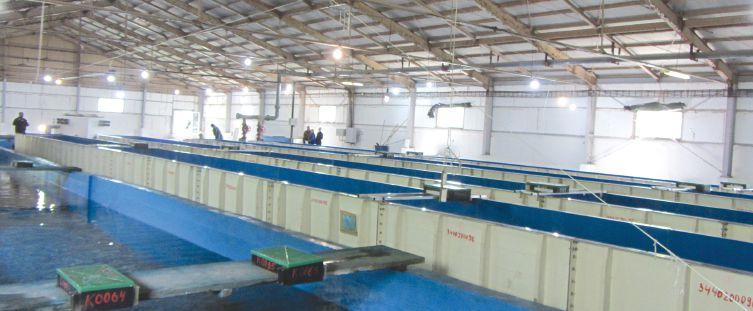
After years of relying on flow-through hatcheries and freshwater lochs, Atlantic salmon producer Scottish Sea Farms made a decisive move in 2017 to build a freshwater hatchery equipped with recirculating aquaculture system (RAS) technology.
The $72.3-million (£55-million) facility marks the single biggest investment for Scottish Sea Farms, co-owned by SalMar and the Lerøy Seafood Group ASA of Norway. It moved the producer beyond the familiarity of traditional hatcheries, which have proven inadequate to supply the growing needs of its 42 marine farms.
“Even combined, these three hatcheries and four freshwater lochs didn’t have enough production to supply our farms. We even had to buy a lot of smolts from third-party suppliers,” says Noelia Rodriguez, operations manager of the Barcaldine RAS Hatchery, named after the Scottish village where the facility is located.
Dependence on a geographically dispersed network of hatcheries and outside suppliers has led to unpredictability in the quality and size of the smolts and timing of deliveries.
continued on page 24
Publications Mail Agreement #PM40065710
RETURN UNDELIVERABLE CANADIAN ADDRESSES TO 111 Gordon Baker Road, Suite 400, Toronto, ON M2H 3R1
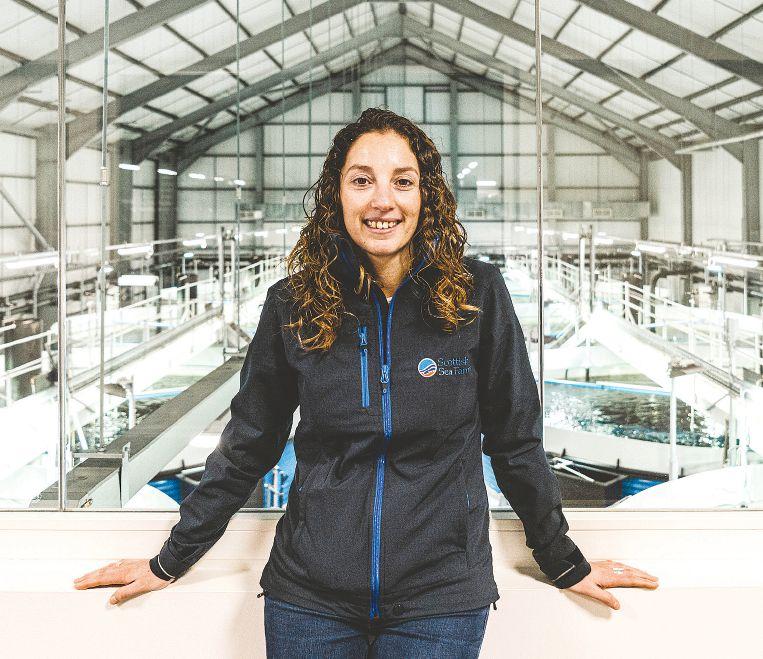
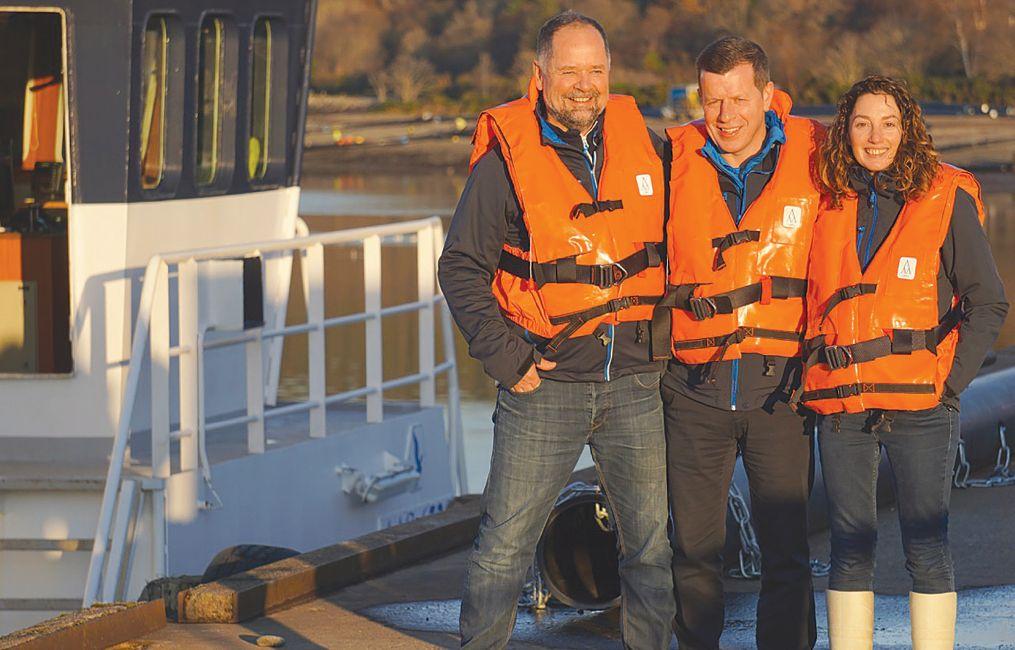
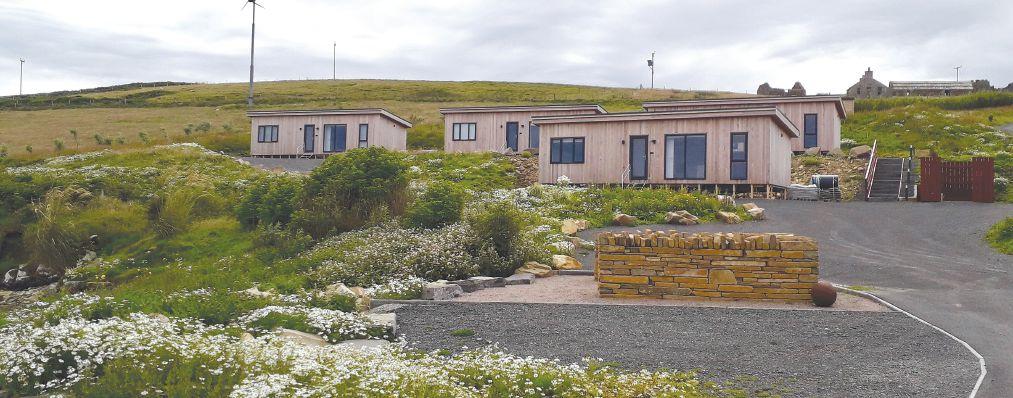
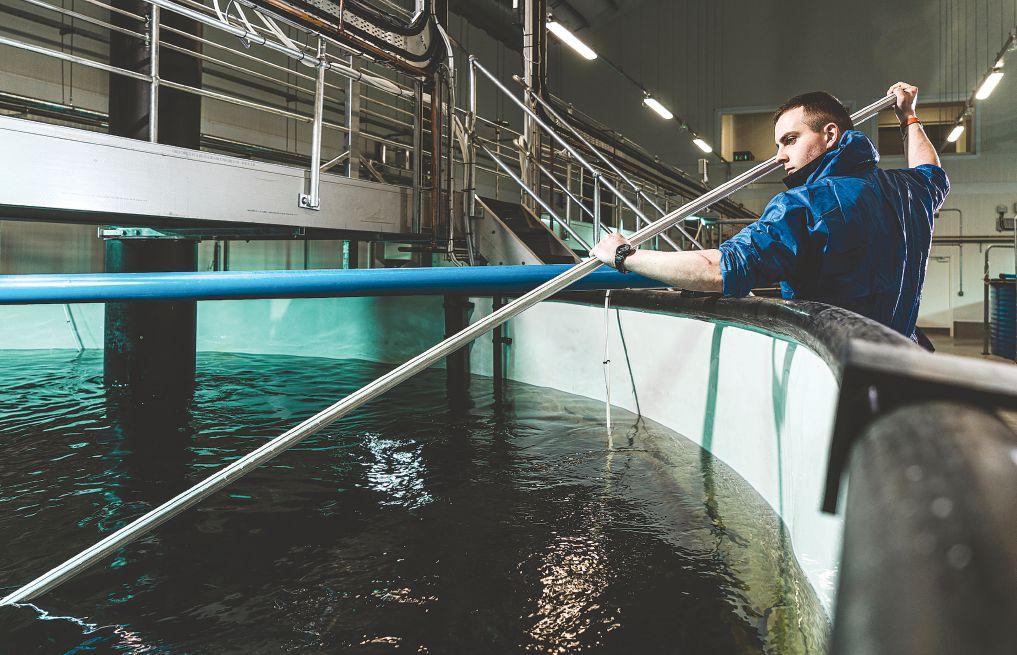
Growing bigger, more robust smolts in RAS is the goal of Scottish Sea Farms' new state-of-the-art hatchery
TOP 10 UNDER 40
Cargill says it is sourcing a “basket” of sustainable options to lessen the pressure on fishmeal and fish oil. (Photo: Cargill)
VITALIS
NEW
Vitalis PRIMA
Maximum vitality for offspring
Introducing Vitalis PRIMA, the most comprehensive marine fish broodstock diet. Based on international research collaboration and in-depth explorations with hatchery professionals, Skretting has developed a new standard in broodstock nutrition.
A total of 5 highly specific upgrades have been added to the previous market leading Vitalis CAL specification to address modern broodstock management challenges. For more information, please contact your local feed consultant.
Editor Mari-Len De Guzman, mdeguzman@annexbusinessmedia.com
Associate Editor Jean Ko Din, jkodin@annexbusinessmedia.com
Regular Contributors Jennifer Brown, Lynn Fantom, Ruby Gonzalez, Ron Hill, Matt Jones, Liza Mayer, John Mosig, Vladislav Vorotnikov
Advertising Manager Jeremy Thain, jthain@annexbusinessmedia.com Tel. +1-250-474-3982, Toll-Free (North America) 1-877-936-2266
Audience Development Manager Urszula Grzyb ugrzyb@annexbusinessmedia.com • Tel: 416-510-5180 Fax: 416-510-6875 or 416-442-2191
Production Svetlana Avrutin, savrutin@annexbusinessmedia.com
Group Publisher Todd Humber, thumber@annexbusinessmedia.com
COO Scott Jamieson, sjamieson@annexbusinessmedia.com
PUBLISHED BY ANNEX BUSINESS MEDIA 105 Donly Drive South, Simcoe, ON N3Y 4N5
Hatchery International is published six times a year by Annex Business Media. The authority for statements and claims made in Hatchery International is the responsibility of the contributors. Reference to named products or technologies does not imply endorsement by the publisher.
A subscription to Hatchery International (six issues) is $37.00 within Canada, $48.00 CAD within North America and $62.00 CAD outside North America. To subscribe visit our website at www.hatcheryinternational.com
Circulation Costumer Service
Email: ugrzyb@annexbusinessmedia.com
Tel: 416 510 5180 • Fax: 416-510-6875 or 416-442-2191
Mail: 111 Gordon Baker Road, Suite 400 Toronto, ON M2H 3R1
Printed in Canada. Publications Mail Agreement #PM40065710
The advertising deadline for the January/February issue is November 10th. Don’t miss the opportunity to be part of this exciting aquaculture publication. For more information, or to reserve space in the next issue, call our Advertising Department at +1.250.474.3982 jthain@annexbusinessmedia.com
Next Editorial Deadline
The editorial deadline for the January/February is November 10th. Contact Mari-Len De Guzman at mdeguzman@annexbusinessmedia.com for details. Material should be submitted electronically with prior arrangement with the editor.
FROM THE EDITOR
Full-spectrum sustainability
here is no doubt sustainability is an important component of corporate governance and has become a regular feature in any reputable organization’s corporate social responsibility systems.
TThis is true for aquaculture, where the trend is shifting towards responsible seafood production, and innovations in technology and process applications are aimed at encouraging more responsible operations with a much reduced carbon footprint. But while much of the focus in recent years have been on developing, refining and mainstreaming sustainable technologies and processes for fish rearing, recent innovations signal a promising progression.
As hatcheries and other land-based aquaculture facilities increase their production output to respond to the growing challenge of food security, the amount of waste generated also increases. Managing aquaculture waste is one of the biggest sustainability challenges of this industry. In Asian aquaculture production, every ton of fish produced can generate an average of 0.8 kilograms of nitrogen and 0.1 kilograms of phosphorous, according to an article from the Global Aquaculture Alliance. That’s equal to the daily waste produced by 73 people.
Feed efficiency is one of the most significant ways aquaculture is reducing waste. Feed manufacturers in recent years have been working continuously to improve feed conversion ratios for farmed fish in an effort to help reduce the industry’s carbon footprint.
Waste conversion – from aquaculture waste into useable raw materials for other industries – has also been the subject of a series of technology innovations in recent years. There are several examples of these and many of these innovations
BY MARI-LEN DE GUZMAN
originate from startup companies backed by investment firms looking to put money into ventures that are providing sustainable solutions to today’s environmental challenges.
A Tasmanian aquaculture producer has parterned with a nearby cherry orhard to use waste by-product from the fish farm to produce nutrient-rich compost to feed the cherry farm. Norway’s Andfjord Salmon, which is building a 10,000-ton land-based, sea water flow-through salmon farm, has already made arrangements to send its bio-residues to a neighbouring peat moss production facility, which will use it to enhance its production. These are just a couple of examples.
Although they are increasing, sustainable solutions to addressing waste in fish farms are still few and far between, and have yet to make mainstream debut. Bringing down the cost of these innovations will be key in gaining traction.
Sustainable seafood is not just about where the fish comes from or how it is farmed. True sustainability is about responsible production across the full production spectrum: eggs, smolt, feed, water, energy, waste, biomass and people.
Is it possible to create a production system that generates no waste, where every component is captured and re-used? If recent developments and enthusiasm from the world’s most innovative, young entrepreneurs are any indication, then the answer is, Yes. It’s just a matter of time.
Speaking of young, innovative minds, congratulations to this year’s Top 10 Under 40 winners. We received a number of outstanding nominations and I wish we can name all of them. But our editorial team has gone through the submissions and chosen the best of the best. Thank you to Merck Animal Health for sponsoring this year’s program.
Editor’s Note: We're downsizing! You will notice that your next issue of Hatchery International will be a tad smaller than what you have been used to. The new tabloid-size format will come in high-quality glossy paper, and is part of our effort to streamline the publication, while trying to reduce our carbon footprint. Have a story idea? Email mdeguzman@annexbusinessmedia.com.
NEWS BRIEFS
FEEDS
Medicated feeds for catfish disease worth the extra cost
Feed restriction can be cheap but it impacts growth rate.
Researchers from the Mississippi State University’s Thad Cochran National Warmwater Aquaculture Center noted in its recent study that medicated feeds ensure regular feeding, which results in better biomass – but it is expensive.
The study provided an economic justification for the use of medicated feeds as opposed to restricted feeding in the fingerling production phase, which they said resulted in net economic benefits of as much as US$1,800 per acre.
“The growing season for catfish fingerlings is only seven months long, when ponds temperatures are in the mid-20s to 30 C. This temperature window is also optimal for enteric septicemia of catfish (ESC) outbreaks. With the limited time period for fish growth, producers need to feed their fish to obtain maximal growth even during disease epizootics,” Dr. Patricia Gaunt told Hatchery International
Gaunt, professor of aquatic animal health, and Dr. Ganesh Kumar, assistant research professor, are the authors of the article, “Medicated-Feed Intervention in Catfish Farming: An Economic Perspective,” published in the North American Journal of Aquaculture.
The increased survivability and growth resulting from medicated treatments as opposed to restricted feeding resulted in a net benefit of US$1,800 per acre for channel and about US$1,700 per acre for hybrid fingerling catfish.
“The key factors that lead to the higher net benefits per acre for the channel fingerlings are increased survival and increased growth from feeding medicated feed at the onset of ESC outbreak,” Gaunt said. “The factors determining the economic benefit include the value of the fingerlings, degree of progression of the disease, and degree of intensification of culture practice.”
Feed restriction requires 10 to 14 days to combat ESC. This leads to a loss of growth and a minimum mortality
Blockchain tech takes test drive at Bangladesh hatcheries
Hatcheries in Bangladesh are participating in a blockchain-based food traceability trial spearheaded by Indian tech company ByteAlly and Feed the Future Bangladesh Aquaculture and Nutrition Activity (BANA).
According to blockchain news site, Ledger Insights, the blockchain food traceability program was scheduled to start in the first week of September, initially involving fish farms, hatcheries and nurseries from Bangladesh’s Jessore district. The second phase will target the marketplace, such as distributors, processors and retailers.
Feed the Future is a U.S. government initiative working with other countries to address food security and poverty challenges. BANA is a five-year project with an investment of $24.5 million by the U.S. Agency for International Development,
Using ByteAlly’s technology, the project will use blockchain to trace a new high-yield carp variety, which has been developed to grow to harvest size in just 18 months, a few months faster than the traditional 24-month production cycle for the species.
“Using blockchain technology, BANA will track and trace the fish, thereby establishing trust, managing risk, and ensuring the quality of the carp,” the report said. “If successful in its future phases and possible expansion, the program will benefit not only the stakeholders of the seafood and aquaculture market, but also the wider population in tackling poverty and malnutrition throughout Bangladesh.”
cost
more than commercial unmedicated feeds.
Patricia
rate of 60 percent for channel fingerlings and 44 percent for hybrid fingerlings.
Economic benefits in hybrid food fish production phase are lower because of “relatively higher additional costs” – US$487 per acre and US$680 per acre in traditional and intensive ponds, respectively. “The net benefits from medicated feeding will depend on the biomass held in the ponds and degree of the disease,” Gaunt said.
BUSINESS
Brazilian tilapia genetics firms consolidate under new umbrella
Brazil’s largest tilapia fingerling and juvenile producer, Piscicultura Aquabel, and leading tilapia breeding and genetics firm AquaAmerica will consolidate under one distribution umbrella, AquaGenetics do Brasil Ltd.
This follows after the acquisition of AquaAmerica by Norway-based breeding and genetics firm GenoMar Genetics Group earlier this year.
Under this new restructuring, AquaGenetics do Brasil will become the exclusive distributor of the AquaBel and AquaAmerica tilapia genetics brands in Brazil.
Aquabel, the Brazilian company’s original name when it was founded 26 years ago, will remain as the name of one of the most popular tilapia genetics brand in Brazil.
“The Brazilian tilapia industry is evolving rapidly and with it our responsibility to have the capacity and the customer focus to supply the industry with high quality fingerlings and juveniles,” said Gustavo Crosara, chief executive of AquaGenetics do Brasil.
“Our 26 years experience, world-class infrastructure and team of specialist is a perfect environment to further develop both the AquaBel and AquaAmerica brands. Our work is to unlock the genetic potential of these brands through the pursuit of superior fingerling quality, all year product availability and after sales support.”
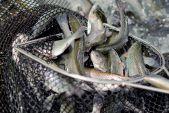
Catfish feeding. Medicated feeds
about $500/ton
(Photo:
Gaunt)
-Ruby Gonzalez
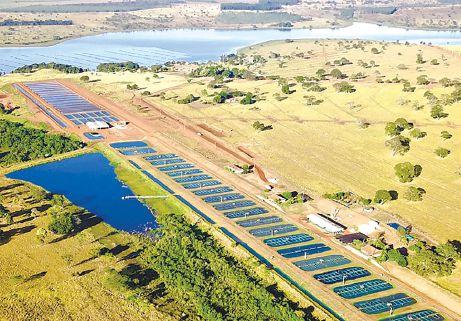
AquaGenetics do Brasil’s Paranaiba facility, located in the state of Mato Grosso do Sul, Brazil. (Photo: AquaGenetics do Brasil)
U.K. hatchery kickstarts land-based lobster production
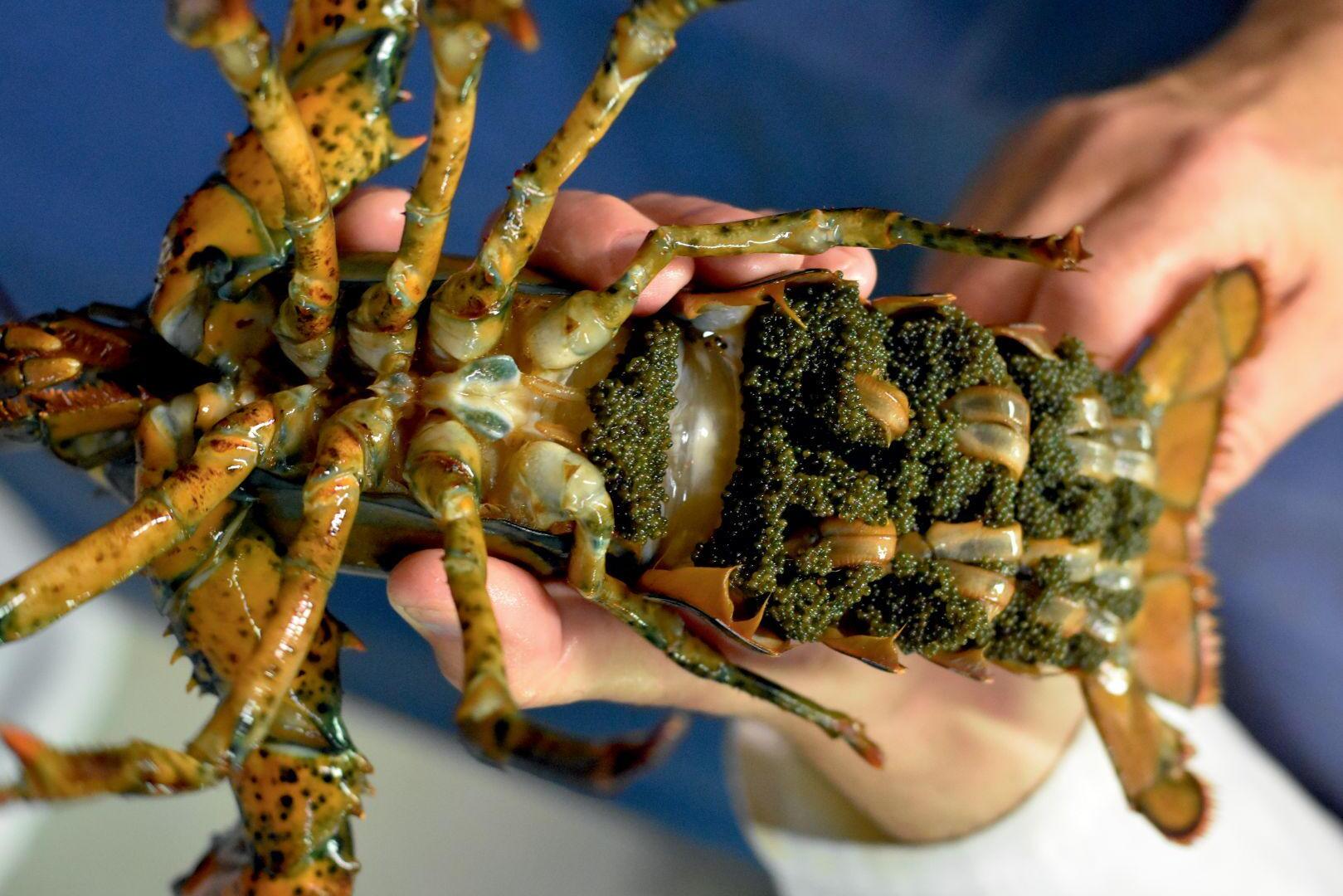
U.K.-based Orkney Shellfish Hatchery has announced plans to produce clawed lobsters on land, as it takes delivery of its first lobster broodstock. The announcement comes after the multi-species hatchery revealed its significant progress in the production of Native Flat Oysters last month.
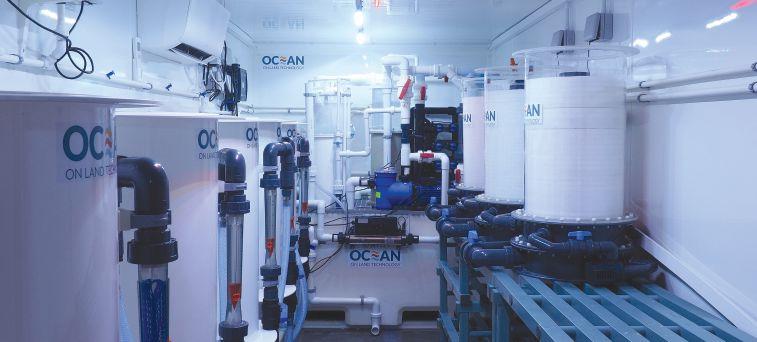
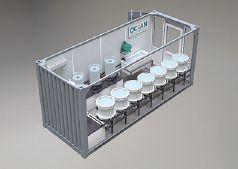
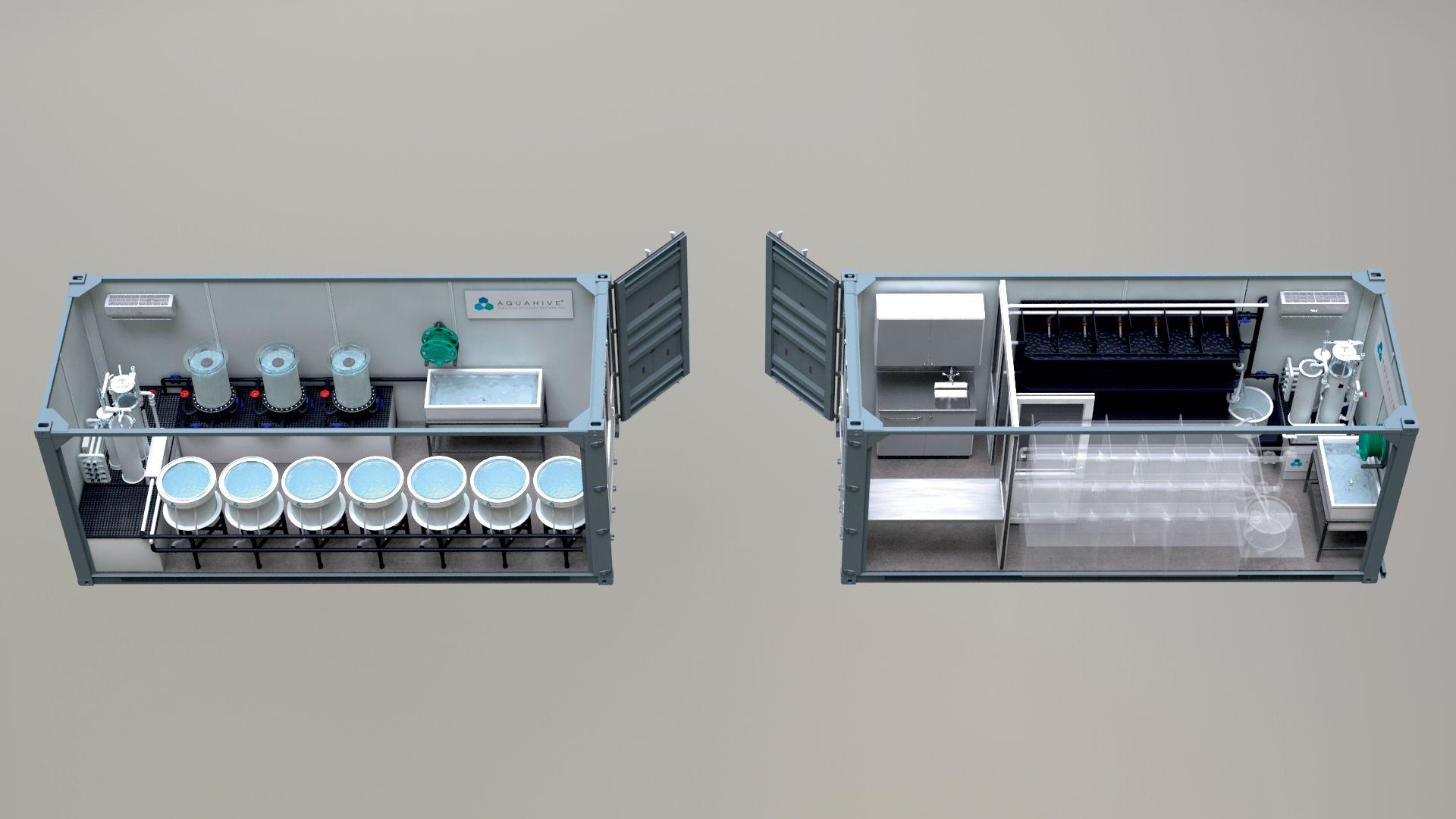
Since the arrival of its first lobster broodstock, the hatchery team has been adjusting the broodstock to hatchery conditions using Ocean On Land Technology’s Hatcheryin-a-Box system. The Hatchery-in-a-Box is a complete hatchery solution that aids in the culturing of clawed lobsters on land, from holding and conditioning broodstock lobsters to the production of juveniles. The small-footprint hatchery also features the proprietary Aquahive product, which when used, can drastically increase juvenile lobster survival rates, resulting in stronger and healthier lobster juveniles, a press release from Orkney Shellfish Hatchery said.
As a research and development facility for the wider aquaculture market, Orkney Shellfish Hatchery has made significant investments into its advanced biosecurity protocols, efficiency measures and the development of nutritional solutions for its produce, the company said. The hatchery is part of the Cadman Capital Group’s Aquaculture Division.
“At Orkney Shellfish Hatchery, we are excited to launch our clawed lobster production project, as we begin to introduce a second species to the hatchery. As well as culturing clawed lobsters, we will continue to refine our techniques and technologies in order to produce specialist shellfish in a world-class facility,” said Dr. Nik Sachlikidis, managing director of the Cadman Capital Group’s Aquaculture Division.
Orkney Shellfish Hatchery is a multi-species aquaculture hatchery designed to pro vide premium seafood products including oyster spat, European lobster, microalgae and nutritional solutions to the aquaculture industry. It is supported through investment from Cadman Capital Group, a multinational alternative investment firm.
Canadian seafood community hails Throne Speech
Canada’s fisheries and aquaculture sector has welcomed the government of Canada’s commitment to investing in and developing a “blue economy” for the country.
The Fisheries Council of Canada (FCC) and the Canadian Aquaculture Industry Alliance (CAIA) issued a joint statement following Governor General Julie Payette’s Speech from the Throne, where she noted that the “Blue Economy will help Canada prosper.”
“Today, the Government of Canada in the Speech from the Throne recognized it is time we have a Blue Economy strategy to help us sustainably secure this economic potential,” said Tim Kennedy, CAIA president and CEO, in a statement following the speech.
The FCC and CAIA joint statement stressed that a blue economy strategy will be an opportunity to embrace Canada’s fish and seafood sector, and “unleash our innovative potential to produce the best and highest quality seafood in the world.”
The FCC/CAIA statement pointed out the increasing demand for fish and seafood, particularly during the COVID-19 pandemic, and highlighted Canadians’ increasing concern about food security and a stable employment prospects – areas that the seafood sector continued to thrive in despite the pandemic.
“With world-leading seafood production and a talented workforce Canada’s fish and seafood producers are ready to work in partnership with our government to capture this potential for economic recovery in the coastal, Indigenous and rural communities that depend on us,” said Paul Lansbergen, president of FCC. “The time for economic innovation led by our oceans is now.”
Canada’s seafood farmers, represented by the CAIA, generate more than $6 billion in economic activity and employ over 25,000 Canadians across the country.
The FCC is an association of Canada’s wild capture fish and seafood industry, whose members include small, medium and large-sized companies as well as Indigenous enterprises that harvest and process fish from Canada’s oceans.
Single cell protein as substitute for fishmeal in juvenile rainbow trout diet
Aproprietary single cell protein product gets high marks as a sustainable replacement for fishmeal.
American company, Sasya LLC, developed a novel method to produce a single cell protein product intended as an ingredient for farmed fish. The nutritional value of the single cell protein can be manipulated to enhance the levels of targeted essential amino acids and fatty acids with laboratory-scale production.
“It is a great source of alternative protein ingredients for sustainable aquaculture which has a potential to replace fish meal completely,” said Vikas Kumar, assistant professor at the Aquaculture Research Institute, University of Idaho.
“It is a great source of alternative protein ingredients for sustainable aquaculture which has a potential to replace fish meal completely.”
Kumar is the author of “Fishmeal alternative from renewable CO2 for rainbow trout feed,” published in Aquaculture Research.
Kumar and his team evaluated the effects of replacing fishmeal with Sasya’s single-cell protein on in vivo digestibility, growth, feed efficiency, wholebody proximate/amino acid composition and gene expression levels of various hepatic enzymes in rainbow trout.
They recommended 18 percent fishmeal and 13.6 percent single cell protein in the diet of rainbow trout fingerlings. “However, based on growth and muscle fatty acids data, it looks like addition of single cell protein can increase the omega-3 fatty acids, especially EPA in muscle,” Kumar said.
Diet 1 had 30 percent fishmeal and 0 single cell protein, and Diet 2 had 24 percent fishmeal and 6.8 percent single cell protein.
Survival was high in all three treatments, with 100 percent in Diets 2 and 3, and 98.9 percent in Diet 1.
During the nine-week period of the experiment, the fish grew over tenfold. Feed intake and feeding efficiency were likewise not significantly different among the treatments.
Sasya’s single cell protein can “enlarge the portfolio of alternative protein sources that can be used in fish diets and open a new market opportunity for use of a new feed resource in the feed industry,” the authors cited in the study.
Research on substitutes for fishmeal in feed formulations is often hampered by plant-based anti-nutritional factors. Depending on dosage, these may lead to reduced fish growth, feed intake and health issues.
“Due to the sensitivity of salmonids to anti-nutritional factors, research is increasingly exploring the feasibility of using non-plant-based proteins as fishmeal alternatives, which has included single cell proteins from yeast,” they said.
-Ruby Gonzalez
Global pandemic impacts Russian hatcheries
Russian hatcheries were not spared from the coronavirus pandemic as several operations were shut down due to staff infections.
On May 20, the Kaliningrad-based Bars fish plant was temporarily shut down after 15 employees had tested positive for COVID-19, the Russian sanitary service Rospotrebnadzor said in a statement.
Some hatcheries, fish farms, and fish processing plants switched to operating in isolation, limiting contacts with external entities to the maximum possible extent. For example, the Kamchatka-based Crystal Plus fish plant has closed its doors after one employee tested positive for the virus on May 21.
However, as of late August, all affected facilities have resumed operation, according to Rospotrebnadzor.
Russian aquaculture production totaled 112,000 tonnes in the first quarter of 2020, the Russian federal agency for fisheries Rosrybolovstvo said, a nearly 30 percent increase compared to the same period of the previous year.
The Far East region of the country also increased production nearly twofold compared to the same period in 2019 to 39,500 tonnes, Rosrybolovstvo estimated. Production performance has been growing in all regions where aquaculture production is taking place, the agency said.
Despite strict border control measures implemented due to COVID-19, broodstock imports have continued. Russia is highly dependent on broodstock imports, supplying up to 95 percent of fish farmers’ requirements in certain parts of the country, including North Ossetia and the Republic of Karelia, the local news outlet DP reported. This is largely due to poor performance of local broodstock production. Industry observers believe disrupting the flow of imported fish feed or broodstock into the country will negatively impact the country’s aquaculture production.
– Vladislav Vorotnikov
New Zealand mudsnail invades Montana hatchery
BY MARI-LEN DE GUZMAN
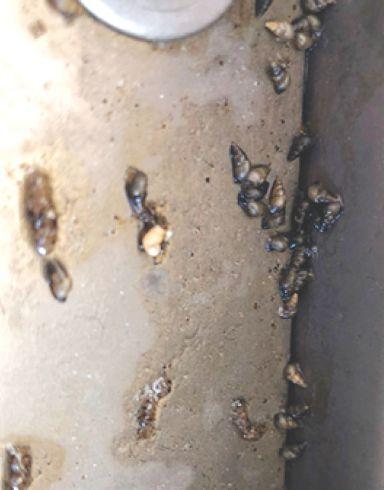
The Montana Fish, Wildlife and Parks said the New Zealand mudsnail (NZM) infestation at one of its hatcheries was likely caused by a drainpipe that connects the hatchery to a creek that’s positive for NZM.
The department first detected the invasive species in August at the Bluewater Fish Hatchery, located near Bridger in southcentral Montana. Bluewater Fish Hatchery produces trout and is the third largest production facility in the state. This is the first time New Zealand mudnsails (NZM) have been found at an FWP hatchery.
The likely cause of the infestation is a drainpipe from the hatchery that drains into neighboring Bluewater Creek, which is positive for NZM. The operating procedures for the hatchery call for the pipe to be elevated above the creek, but over the years, the pipe has become submerged. NZM were likely able to make their way up the pipe and into the hatchery, according to FWP.
The department is continuing its investigation on how exactly the New Zealand mudsnails were able to get into the Bluewater Fish Hatchery and whether infected fish were stocked at lakes or reservoirs.
New Zealand mudsnails are an aquatic invasive species. It was first discovered in Montana in 1995 in the Madison River above Hebgen Lake Reservoir. Since then, they have been detected in multiple locations across the state. NZM can be eaten by fish and other animals, like birds, but unlike native snails, they are undigestible and can be spread by fish and wildlife into other waterbodies.
In a confined facility, like a fish hatchery, NZM can be quickly eradicated and the facility decontaminated. However, due to the detection, the fish at the hatchery – about 20,000 pounds – were euthanized and disposed of. FWP had about $85,000 into rearing the fish. FWP staff are working on a containment and mitigation strategy, the department said.
The plan is to make up the losses from Bluewater with surplus fish from other FWP hatcheries.
Prior to this detection the Bluewater hatchery had contributed to relatively few releases in 2020, all of them into state/public waters. Monitoring for New Zealand mudsnails and other invasive species will continue in these waters and others.
All hatcheries in Montana are inspected annually for AIS and fish pathogens. The mudsnails at Bluewater Fish Hatchery were detected during the hatchery’s annual inspection.
Russian hatcheries have resumed operations following COVID-19 related closures.
Nova Austral commits to BAP certification, opens new hatchery
BY MATT JONES
Following negative publicity from a 2019 lawsuit that led to criminal charges due to false mortality reporting, Chilean salmon producer Nova Austral appears to be on the mend, committing to certify all of its farms, including a new hatchery in Tierra del Fuego, under the Best Aquaculture Practices (BAP) program.
As of last July, one of its farms, the Arecena 19 salmon farm had achieved BAP certification. The company aims to certify all of its remaining farm operations by December 2020.
“We are gratified with this certification, as it is the outcome of the efforts and hard work that the company has been doing since last year to strengthen and rebuild Nova Austral in terms of sustainability, environmental responsibility and good practices,” said new Nova Austral CEO Nicolás Larco in a press release.
Nova Austral director of sales Alex Malaguti said the goal is to have the new hatchery in Tierra del Fuego BAP certified before the end of 2020. He believes that the hatchery already follows all the necessary requirements as part of their standard operation practices.
“We are also engaged with the Aquaculture Stewardship Council (ASC) in order to re-certify all our operations by December 2020,” said Malaguti. “Our company’s mission is to be among the most sustainable salmon producer in the world. BAP and ASC are must-haves in order to be globally recognized as such.”
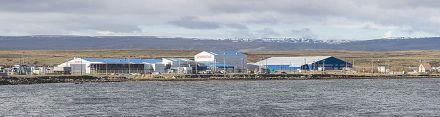
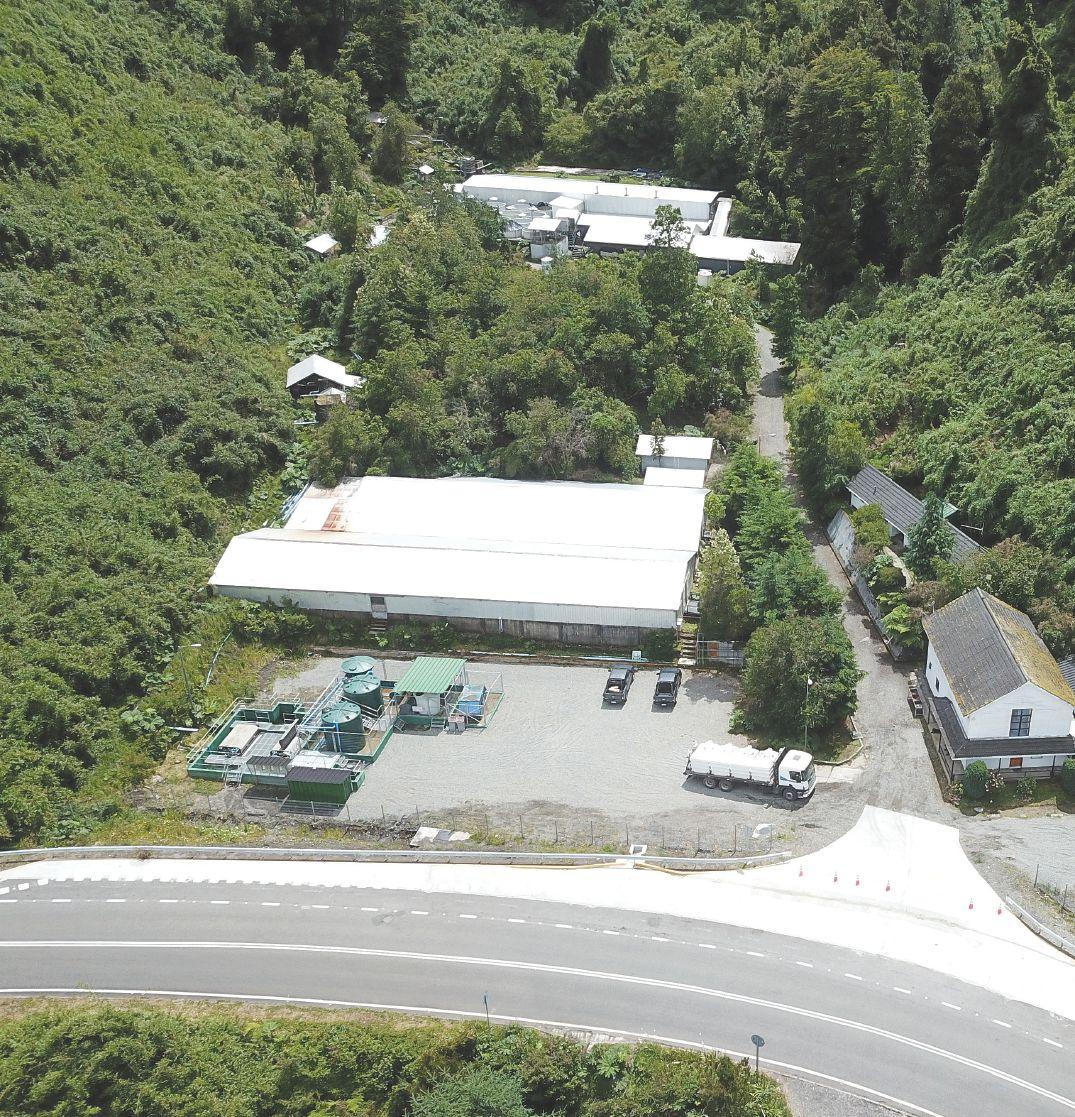
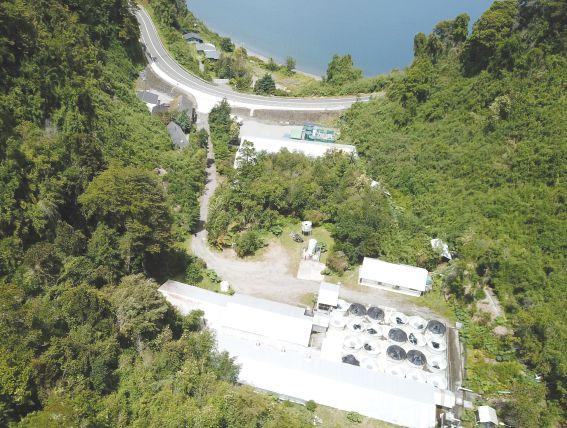
The new hatchery is operational and Nova Austral has transitioned to only using smolt from that facility for the company’s grow-out operations. The 18,000-sq.m. facility was built by Billund Aquaculture and has a smolt capacity of 12 million. The hatchery is strategically located near a seaside cliff, which allows the use of gravity instead of pumps to push the smolt out to well-boats, decreasing stress and possible injuries.
“We intentionally located the hatchery in the Antarctic region of Chile, in order to create a bio-security zone for all our salmon operations,” said Malaguti. “Our farms and now our hatchery are completely alone and away from large cities and human activity. It is the most remote and isolated hatchery in the southern hemisphere.”
In order to further enhance bio-isolation, the company has prohibited the use of outside vessels to travel to and from the farms or hatchery – only vessels native to the islands are allowed to navigate within a specified zone.
“The location of our new hatchery also allows us to transfer smolt in less than eight hours to our sea farm site,” said Malaguti. “This is amazing for the wellbeing of the animals. I believe all other producers in South America have at least a one- to two-day transport time between their hatcheries and farm site.”
Malaguti said that these efforts are part of the company’s sustainability mission, which includes a commitment to never use antibiotics at any stage of fish production.
The criminal charges against Nova Austral in 2019 stemmed from the company’s false reporting of fish mortality numbers and resulted in fines amounting to CLP 150 million (US$190,200). Last June, Chile’s Council for the Defense of the State also filed a criminal lawsuit against one current and four former executives of the company.
Kazakhstan scientists tout new pike perch rearing tech
Agroup of Kazakh scientists from the National Agrarian Scientific and Education Center has patented a new pike perch (Stizostedion) breeding method that they say could help restore the species population in the area. With the new technology, the pike perch are caught in natural reservoirs and transported to a fish hatchery, where the reproduction is carried out in artificial conditions, the scientists said in a statement.
Pike perch are spawned in cages, and the eggs are incubated in the Amur machines, the technology that the scientists have patented. The juvenile pike perch are reared in cages, while fingerlings are reared in ponds with carp, producing high-quality viable broodstock of pike perch with a high survival rate, the scientists said.
This is the first time a biotechnical method of growing two-year-old pike perch in ponds in polyculture conditions have been developed in Kazakhstan. The technology is being made available to farmers and can be used when growing pike perch at fish farms. This technology will help restore pike perch populations in natural reservoirs, the press office of the National Agrarian Scientific and Education Center said.
The Kazakh government has provided state aid of 430 million tenges (US$1 million) to subsidize the operation of 30 hatcheries. Since August 2020, the government has subsidized up to 25 percent of the new fish farms and hatcheries in the state.
Several fish farms are expected to be built in the country over the next few years, with production capacity between 20,000 and 40,000 tonnes. During the past decade, 13 fish farming projects have been financed in Kazakhstan worth 13.9 billion tenges (US$33.2 million), the government estimated.
Kazakhstan exports 30,000 tons of fish products to 36 countries every year. The government eyes ramping up fish export by developing the domestic aquaculture industry.
– Vladislav
Vorotnikov
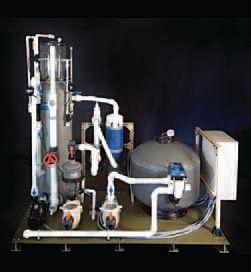
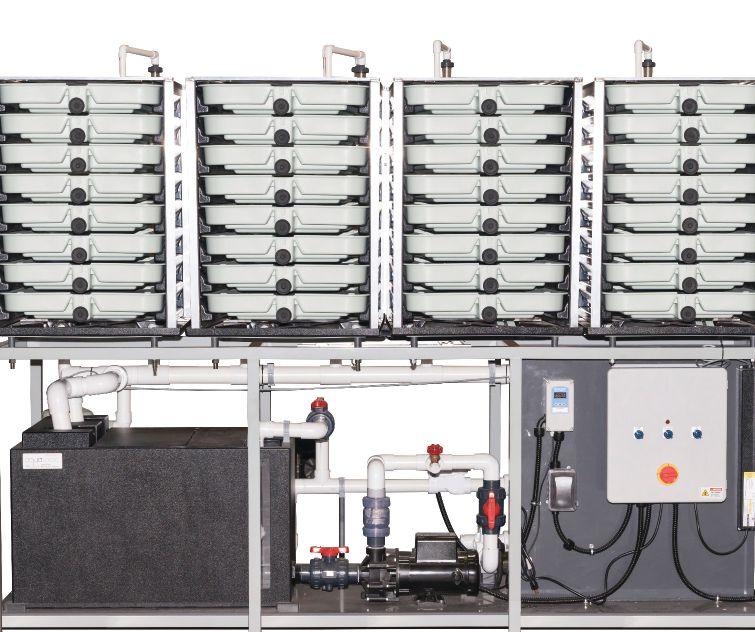
Customized for your fish farm, hatchery or research operation!
Our Commercial LSS Packages are custom engineered to meet your specific needs.
• Marine and Freshwater
• Mechanical filtration
• Chemical filtration
• Ultraviolet disinfection
• NEMA enclosed controls
• Bio-filter towers
• De-gassing towers
• Wide variety of flow rates
• Flow control valves
• Protein skimmers
• Variable frequency-drive pumps
• Temperature management
All our systems are pre-plumbed and fully water tested prior to shipping.
Nova Austral’s Tierra del Fuego RAS hatchery
Russian mining firm building hatcheries after environmental damage
ussian mining company Norilsk Nickel will build two new hatcheries in an effort to offset the damage caused by the Arctic fuel spill, the company’s owner Vladimir Potanin said.
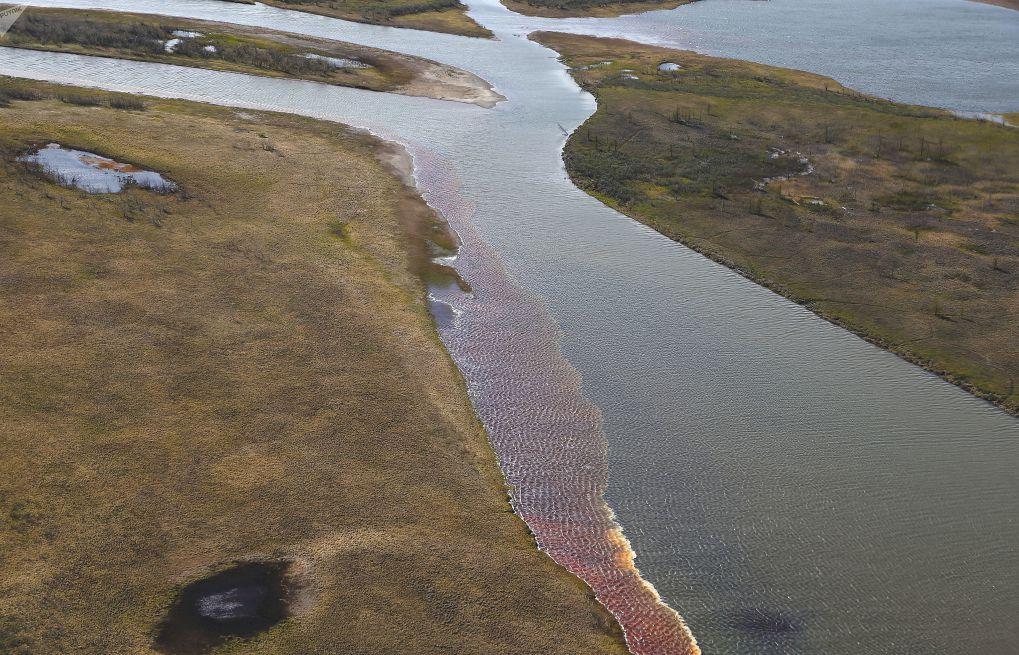
RIn May, a large-scale fuel spill at Norilsk Nickel’s subsidiary, Norilsk-Taimyr Energy Company, caused massive environmental damage in the Russian Arctic.
Approximately 21,000 tons of diesel fuel leaked out of a damaged reservoir, spreading into nearby rivers and the surrounding soil.
The company has vowed to follow the relevant recommendations of Russian government agencies, which are expected to conduct a study on the impact of the oil spill over the next few months. The eventual target is to restore ecosystems affected by the accident, Potanin said.
The company plans to work with local hatcheries to restore the fish population in the affected territories, but these efforts alone might be insufficient.
Two new hatcheries would need to be built in the Krasnoyarsk Krai, where the accident took place to restore the fish population in the region, estimated Ilya Shestakov, director of the Russian federal agency for fisheries Rosrybolovstvo.
Preliminary damage assessment showed that it would take up to 10 years to restore the damaged ecosystem from the fuel spill, and would require substantial resources, Shestakov added.
Demanding voluntary compensation for damages to the local environment, Russia’s regulatory agency for natural resources, Rosprirodnadzor, assessed the damage at 148 billion
rubles (US$2 billion). Part of the fund should go to building new hatcheries and ordering broodstock, the agency said.
The company has expressed willingness to do what is necessary to restore the region’s ecological balance.
Local environmentalists warned that the fuel spill could impact dozens of fish species, that local hatcheries don’t currently produce.
– Vladislav Vorotnikov
Significant environmental damage resulted after 21,000 tonnes of fuel spilled from a damaged reservoir at the Norilsk-Taimyr Energy Company in May.
Aquaculture, cherry farm collaborate on waste management
BY NESTOR ARELLANO
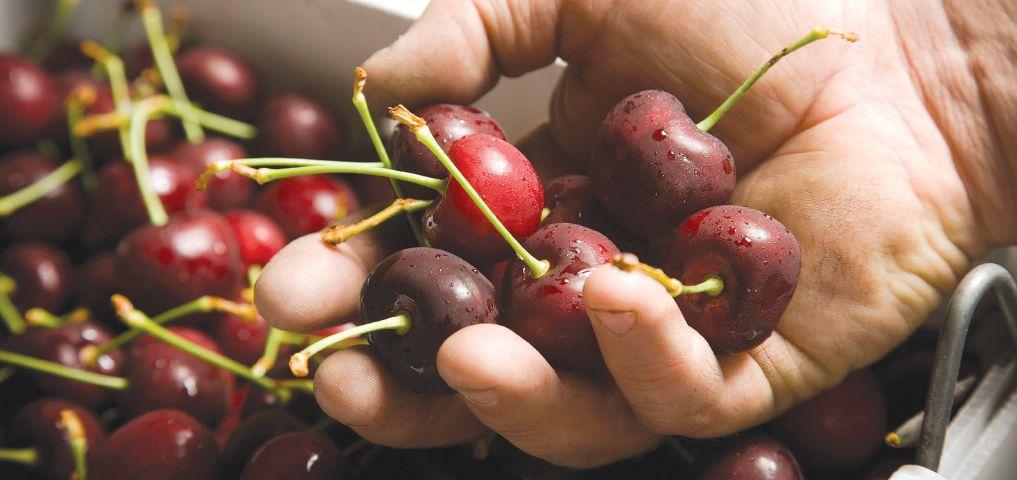
ATasmanian aquaculture company is using waste matter from its land-based facility to produce nutrient-rich compost for a cherry farm.
Huon Aquaculture is collaborating with Cherries Tasmania in a project that uses waste by-product from Huon’s Whale Point Salmon Nursery to help grow premium cherries at the agriculture company’s Old Beach orchard. The first large-scale spread of the compost across Cherries Tasmania’s orchard was carried early this month.
The fish waste is filtered by Whale Point’s state-of-theart water treatment system then collected and trucked to the Old Beach orchard, according to a press release from Cherries Tasmania.
“Our partnership with Cherries Tasmania is so simple – they take our fish by-product, which looks a little bit like brown putty, add it to their house-made compost, with a touch of locally-sourced council green waste from Barwicks,” said Frances Bender, co-founder of Huon Aquaculture.
It’s all part of an in-house freshwater improvement program (FIP) being carried out by Huon Aquaculture.
The program places a cap on discharge limits and site biomass capacities, to reduce the potential for any adverse environmental impact.
The Whale Point facility uses a water recirculation technology that enables 98 percent of the freshwater to be repeatedly treated and re-used. The remaining two percent of water has the solids removed through a flocculation process which separates solid and liquid particles first through a belt filter and then centrifuge for inclusion into compost.
“We run a closed-loop compost system. Anything that
is still too large after the first compost screening, goes straight back on for another few months,” said Bender.
The waste water from the nursery is also sterilized and re-used on board Huon’s wellboat which further reduces the company’s reliance on Tasmania’s freshwater supply.
Nick Hansen, owner of Cherries Tasmania, said an earlier small-scale trial showed that adding the salmon waste to the compost has meant an almost exponential improvement in biological diversity.
He said his compost system was fungi-based which sees the rows of compost naturally reaching 70 degrees Celsius +/- . This heat kills off bad bacteria and breaks down the compost.
“I think we can slow the decline of our soils and the best way to move forward is to improve the soil biology so that my son inherits an orchard that has extremely healthy soils,” he added.
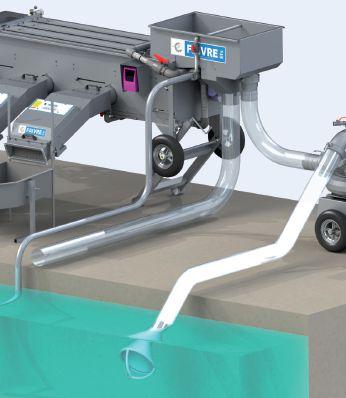
Since 1958, Faivre has been developing and manufacturing high quality equipments for the aquaculture industry
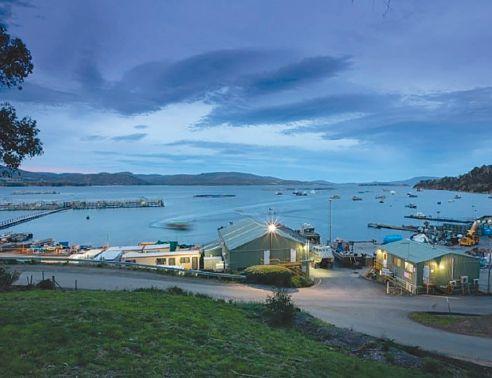
Huon Aquaculture's Hideaway Bay headquarters in Dover, Tasmania
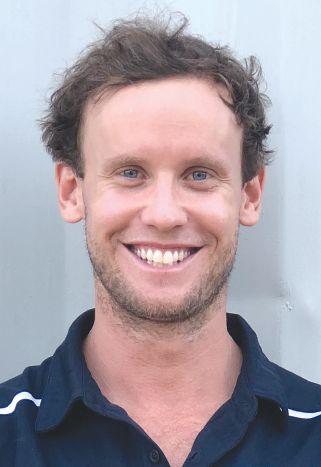
Top 10 Under 40: Shining a light on hatchery sector’s outstanding young professionals
Meet the 2020 Top 10 Under 40
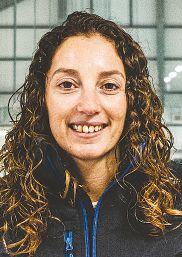
1 BRITTANY PEACHEY
Innovating sustainability
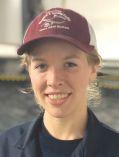
The ability to use technology innovations to pursue a more sustainable and responsible future is what pushed Brittany Peachey to a career in aquaculture, particularly in the application of recirculating aquaculture systems (RAS) in seafood production.
“I was drawn to aquaculture, RAS in particular, by the intersection of science/technology, fish care, and providing for people,” Peachey says. “I love watching the fish develop over time.
There’s such beauty in watching them grow.”
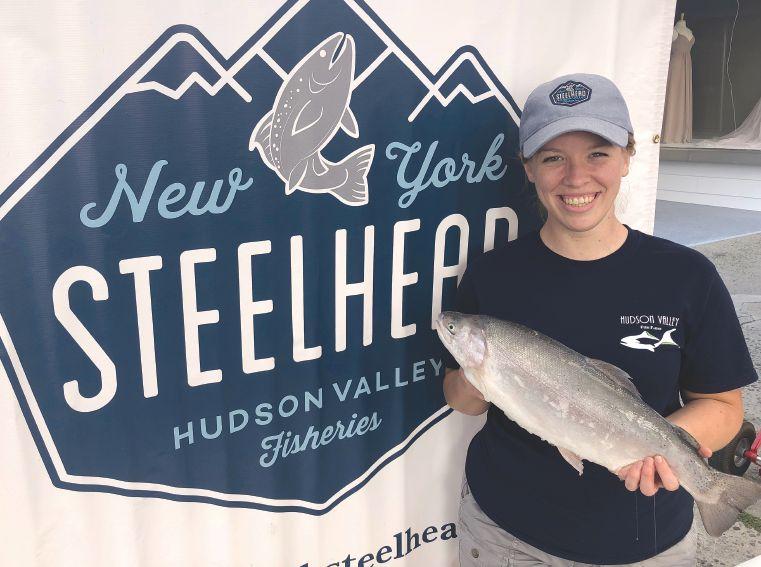
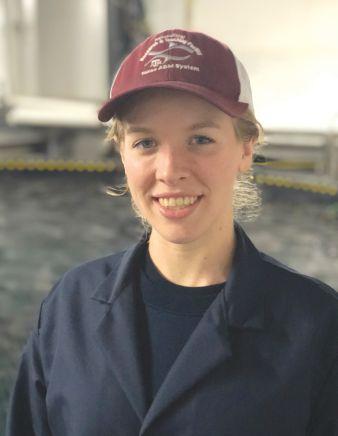
At just 28 years old, Peachey is the operations manager for Hudson Valley Fisheries (HVF), a Hudson, New York-based land-based RAS farm producing Steelhead trout (Oncorhynchus mykiss). She is responsible for the health and welfare of millions of fish across 54 tanks housed at the 163,000-square-foot RAS farm. She manages a staff of 15 aquaculture technicians and oversees all aspects of the operations: egg procurement, hatchery, nursery, grow-out, harvest, biosecurity, equipment management and maintenance.
This young professional demonstrates her leadership not just by fulfilling her responsibilities to the business but also by being a resource for members of her team and for future aquaculture practitioners, according to Heidi Raker, a co-worker who nominated Peachey for the Top 10 Under 40 recognition.
“Brittany is passionate about sharing her knowledge and love for aquaculture with her team and teaches aquaculture students and hosts interns as well,” writes Raker. “Brittany’s leadership skills, along with her support of aquaculture education programs, and her continued strides in the field of aquaculture, make her an excellent candidate as one of the world’s Top 10 Under 40 hatchery professionals.”
Peachey is keen on helping mould the future of the industry and is optimistic about the career prospects for them.
“I see a good number of young professionals that have academic knowledge but lack hands-on experience in industry. Fortunately, if the growing number of RAS projects is any indication, we’re at the beginning of an explosion in aquaculture job availability in the U.S.,” Peachey says.
Armed with a Master’s degree in Aquaculture, Wildlife and Fisheries Science from Texas A&M University and a Bachelor of Science in Biology, Peachey quickly put her knowledge to practice, working as an intern at the Virginia Institute of Marine Science as an oyster aquaculture researcher. It is here that she found her passion for RAS and sustainable production.
“Another attraction of RAS is the constant opportunity for improvement and innovation. I enjoy the challenge of fine-tuning the systems,” Peachey says. “I’m blessed to lead a team of dedicated individuals who take pride in their work.
With a long list of awards and citations from her academic years, Peachey continues to pursue excellence in her professional career. She has co-authored two studies published in the peer-reviewed scientific journal, Aquaculture, participated in several aquaculture research initiatives, and has presented at a number of international aquaculture conferences over the last several years.
Her specific interest in RAS and its potential for advancing its role in seafood production is an important aspect of why she does what she does, and she has high hopes for the future of the technology.
“On the grand scale, I’d like to help push this industry forward in such a way that people can see how much we care about fish health and welfare, as well as sustainability,” Peachey says. “We need to produce high quality fish to feed the world’s growing population while stewarding the resources we’ve been given. RAS is playing an increasing role in this; my aim is to perfect the procedures and processes of RAS to increase our efficiency in food production.”
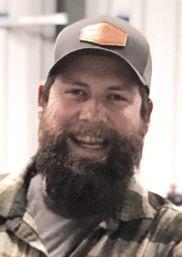
2 CURTIS CROUSE Problem solver
Curtis Crouse could still remember that fishing trip with his dad when he caught the fish that would inspire him to pursue a career in animal science. It was a tiny bluegill, small enough to fit in his Slurpee cup that he was able to bring home with the intent of keeping it as a pet. It eventually ended up in his uncle’s pond where he watched his friend grow bigger.
“When I saw how large he had grown, I was as excited as when I originally caught it. I may not have known what to call it at the time, but this is the origin of my interest in fish culture,” Crouse recalls.
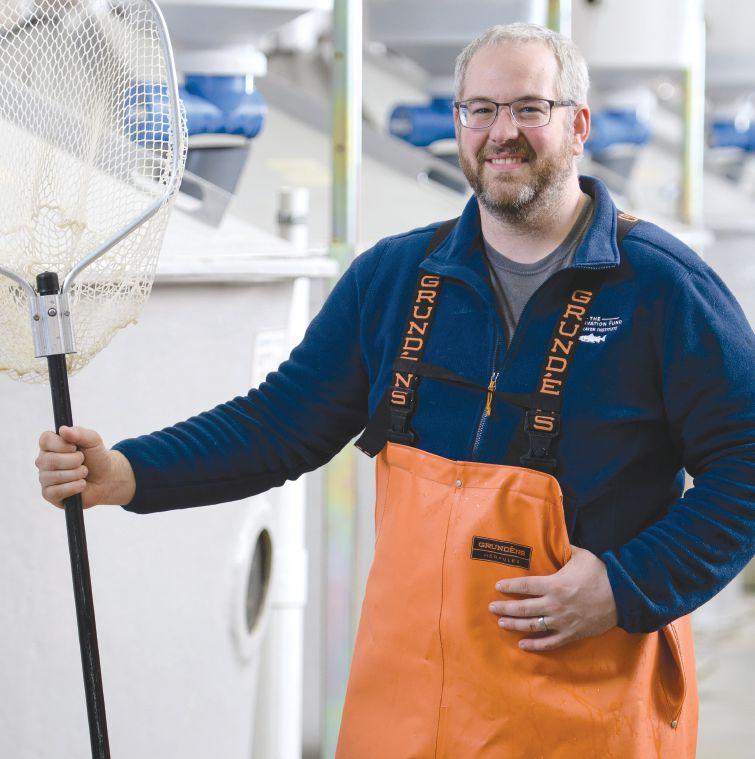
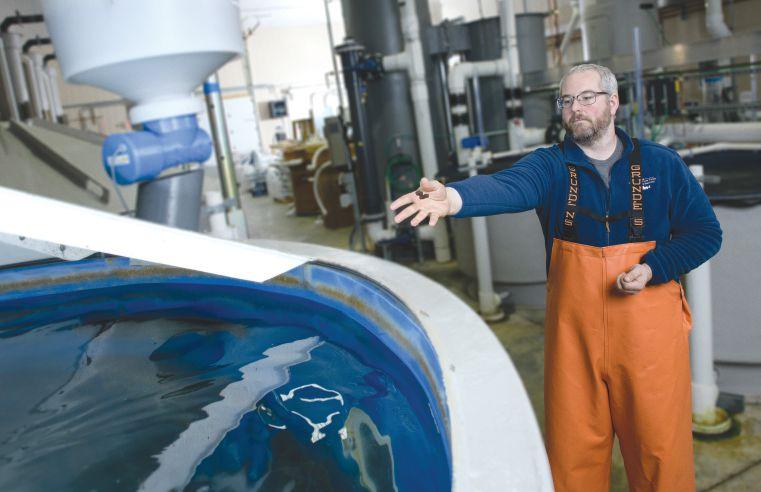
Thirty-four-year-old Crouse is the assistant aquaculture production manager at the Conservation Fund's Freshwater Institute in Shepherdstown, West Virginia, in the U.S. He has a Bachelor of Science in Animal and Avian Science from the University of Maryland and a Master’s in Zoology from Southern Illinois University. Prior to joining the Freshwater Institute, Crouse gained considerable experience in fish research at various institutions, working with diverse fish species, including raising zebra fish in recirculating rack system, hybrid striped bass in ponds, and salmon in both RAS and flow-through systems. Since joining the Freshwater Institute, Crouse has become one of the organization's hands-on RAS experts.
“In just six years, Curtis has made strides in helping the RAS community solve the challenges they don’t have the time or expertise to tackle. Curtis does excellent work and gets things done, and he is modest,” writes Crouse’s manager Travis May, in his nomination submission.
Crouse has authored and co-authored numerous studies published in peer-reviewed journals, including: a study on growth and fillet quality attributes of five genetic strains of rainbow trout reared in partial water re-use system; production of market-sized European strain Atlantic salmon in a land-based RAS; and the use of alternative lipids and finishing feeds to improve nutritional value and food safety of hybrid striped bass. He has also presented at numerous aquaculture conferences over several years.
“Curtis is an exceptional writer and researcher,” says May. “As you can tell from the following list of publications and accomplishments, Curtis has conducted research in numerous areas of interest within the RAS field. In addition to producing peer-reviewed publications, Curtis has a strong focus on spreading practical RAS information.”
Crouse is a scientist by nature, preferring to investigate the fish – their movement, size and history – in a production tank rather than in a fishing ground. He is excited about the vast knowledge potential that are yet to be harnessed about the various food fish species and how he can contribute to improving techniques that will maximize production in a sustainable manner.
“Aquaculture will have a large role to play in sustainably feeding the world’s growing population,” Crouse says. “As such, production will need to scale to meet the growing demands. My goal is to create resources and be a resource myself that can be helpful for the growth of the aquaculture industry both internationally and domestically.”
He stresses the important role that young professionals – even the neophytes – can play in a production facility’s growth, particularly in the face of increasing pressures to produce more with the same or fewer resources while maximizing efficiency.
“I think young professionals can help at any site, even their first day on the job, simply from seeing how a facility operates with fresh eyes and trying or suggesting a different approach,” Crouse points out.
He adds the importance of continuous learning for those who want to pursue a career in aquaculture. Consider the diversity of opportunities that exist within the aquaculture realm and try to gain experience in as many settings as possible. “Given the relatively small pool of experienced aquaculture farm workers, this may also set you apart.”
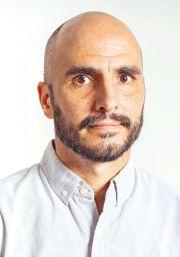
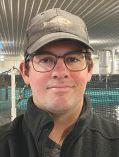
Growing up on an island surrounded by the ocean and where fishing is a part of his family’s DNA, Dan Paynter developed a passion for marine life. After graduating high school, he left his home province of Prince Edward Island (PEI), Canada, to earn a degree in fish biology at the University of New Brunswick. He then pursued an internship at the University College of Dublin in Ireland, where he studied juvenile fish populations in the Irish and Celtic Seas.
“When looking at potential careers, a sustainable industry on my home island of PEI was too good an opportunity to pass up,” Paynter recalls.
Paynter, 35, is currently the production manager at Halibut PEI (HPEI), in Victoria, a land-based, vertically integrated, Ocean Wise-certified producer of halibut with broodstock, egg fertilization, hatchery, nursery and grow-out operations.
“Recirculating aquaculture systems (RAS) for land-based fish farming, culturing Atlantic halibut, a relatively new species, is at best a complicated system to manage,” writes Gerald Johnson, Paynter’s supervisor, in nominating Paynter. “To add a larval marine hatchery utilizing several RAS systems and brood stock in more than one location on different systems requires strong knowledge and a sound understanding to synthesize and integrate the variety of biological, mechanical and electronic issues.”
Paynter joined HPEI in 2011 as an aquaculture biologist. In addition to his regular responsibilities of feeding the fish, carrying out routine husbandry and water quality tasks and training the technical staff, he also completed a number of internal research projects aimed at optimizing halibut growing conditions, Johnson adds.
Paynter’s expertise grew as the company grew, eventually becoming the production manager at the same time as the Atlantic halibut hatchery was being built, overseeing its construction and the eventual operation. As HPEI developed its operations and improved its systems, Paynter honed his own skills and expertise in growing halibut in RAS.
Still, the journey is not without challenges, says Paynter. “A niche aquaculture species such as halibut provides additional challenges as the hatchery production still faces bottlenecks which require constant evaluation, feedback and troubleshooting.”
And for young professionals just entering the industry, the reality that any given aquaculture operation is at the mercy of a biological schedule can be difficult to wrap one’s head around.
“The necessary sacrifices an individual must make and the pressures of life or death that are constantly on one’s plate are very difficult to compartmentalize,” Paynter says.
Despite his company’s success in farming a relatively new species in RAS, Paynter and his team have made great strides in pursuing a more stable, efficient and optimal growing conditions for the Atlantic halibut. Paynter continues to facilitate research projects to improve the various aspects of the farms’ operations, including in live transport, evaluating density improvements, and gathering genetic samples from brood fish in other parts of the world, Johnson explains.
Paynter’s ultimate goal in his profession is to develop and optimize a land-based halibut industry in Atlantic Canada “that check off all the boxes of sustainability” including protein sources, environmental impact and the stability of the surrounding community.
And Johnson is confident Paynter will realize this goal. “Dan Paynter is on a trajectory to become a significant player in a developing aquaculture species. His age and rapidly growing skill sets will allow him to become a major player in the development of sustainable land-based farmed halibut. His role in developing a unique RAS-based Atlantic halibut hatchery is a major achievement. The continuous innovations developed will continue to contribute to stabilizing juvenile supply,” he writes.
now carry all FIAP Products Including belt feeders and parabolic screen filters.
NEW WEBSITE WITH ONLINE ORDERING
New products being added daily! If you don’t see what you need, let us know. There is nothing we can’t source! Subscribe to our newsletter to receive updates.
4
GARETH MURPHY
Thriving at thirty
Thirty-year-old Gareth Murphy’s career choice came down to the lesser of two evils: the smell of salmon feed versus the grit of mussel lines. Now the hatchery manager at Irish Salmon Smolts in Cork, Ireland, it’s clear that Murphy chose smell over grit.
But his journey toward aquaculture as a profession was not without detours.
“My father had sent me to a boarding school in anticipation I would get an office job,” Murphy recalls. “After completing college and getting that office job, I managed a week and said I couldn’t possibly do this for the rest of my life. Four walls and a screen? No chance. And I left the job and went straight into aquaculture.”
Today, his father is a top supporter and admirer of that ultimate career choice. In nominating his son for the Top 10 Under 40, John Murphy explains how his son – with very little fish farming experience – managed to rehabilitate not just one but two hatcheries and develop the protocols for a highperforming organic production facility for salmon smolt.
“Gareth turned 30 this year,” writes the elder Murphy in his nomination. “He has managed a mussel farm, lumpfish hatchery, and re-established two salmon hatcheries. He has done so without large funding. He is highly ambitious and has goals of setting up a postsmolt unit one day in Ireland. He has worked non-stop to develop these businesses and lived the risks that many others would crumble under.”
Much of Gareth’s aquaculture experience was gained working at a mussel farm in Cork’s Bantry Bay, spending long summer nights in mussel rafts thinning mussel stocks. Then on the weekends, he would feed the smolts at a local hatchery. Once he decidedly pursued his passion for fish farming, he soon took over a lease on an old salmon hatchery in Cork,
PUMPS FOR AQUACULTURE
installing the proper equipment and systems to operate the hatchery to best-practice standards. That hatchery is now producing 150,000 smolts per year.
Drawing from his successful foray into the hatchery world – with a track record of less than three per cent mortality rate, according to John Murphy – the young Murphy took on another defunct hatchery in Galway, Ireland, in 2019. With a licence and capacity to produce one million fish, this second hatchery is currently undergoing development to bring the operations up to par with current organic farming standards.
Gareth emphasizes the value of hands-on experience to excel in the aquaculture industry.
“We are in an age where a college degree is to be expected of most young people but for the aquaculture sector, experience is valued significantly higher and therefore getting the opportunity to advance in a role and take on more responsibility takes significantly longer than in other professions. Aquaculture can be extremely rewarding both personally and professionally. It just takes time,” he says.
One of his biggest aspirations is to someday design a large-scale, high-performance post-smolt system, inspired by a previous visit to a post-smolt facility in Norway. “I would love to develop a unit like that and bring it to Ireland.”
His advice to up-and-coming young professionals in the industry: “Get as much experience in farming as possible, whether it’s feeding at a nearby site on weekends or cleaning tanks. The more time you can spend in that environment, the more you will learn and understand the role.”
5 JEFF HUDSON A breed of his own
Jeff Hudson is the 32-year-old general manager of Rochester, Wash.-based Riverence Brood LLC. He and his team are responsible for the company’s highvalue broodstock: Riverence’s Rainbow trout/Steelhead lines, Cascade Atlantic salmon, and Domsea Coho salmon.
Hudson started working at Riverence when he was 16, working part-time through high school. Once he graduated high school, he began working full-time, juggling work and school as he pursued post-secondary education.
“Jeff started like most of us did, cleaning tanks and feeding fish. But his work ethic and ability soon attracted management’s attention and he was given greater responsibilities,” writes his co-worker Jesse Trushenski in his nomination.
When the farm rolled out its first RAS in 2011, Hudson was appointed to oversee this development, a role that eventually led to a bigger responsibility of overseeing the company’s plans to renovate and upgrade the entire facility.
“Jeff managed operations during a complete overhaul of the Rochester property, overseeing its transformation from a somewhat outdated, flow-through brood station to a state-of-the-art RAS facility,” Trushenski says. “Under his leadership, Riverence Brood has become one of the most recognized suppliers of eyed salmonid eggs. Jeff’s commitment to quality and consistency is evident in day-to-day activities on-site and in the company’s unmatched customer satisfaction.”
For Hudson, those days he spent working part-time at the hatchery was instrumental to his decision to pursue a career in this field. He liked the scientific and biological aspects of fish husbandry, he says. And the technology advancements in recirculating systems galvanized his interest.
“Aquaculture is not always an easy industry to be in, you have to really enjoy it to stick with it,” Hudson says.
In addition to sustainability efforts Hudson helped institute within Riverence, he is also involved in local conservation efforts through enhancement hatcheries. He is a member of the advisory board of the Northwest Fisheries Enhancement, a not-for-profit organization dedicated to strengthening salmon and steelhead returns to Pacific Northwest watersheds, according to Trushenski. He visits local government-run hatcheries to offer his advice and recommendations on improving spawning and species survival rates.
“Being an egg supplier is great because I get to work with so many hatcheries in different locations with different conditions. I think that being connected and sharing information, so that we can all do better, brings up the industry,” Hudson says.
Hudson wants to see and be part of the growth and advancement of this industry, by sharing his expertise and knowledge any way he can. He not only does that through his hatchery visits, but also by engaging with the young students around the community, and helping educate potential future aquaculture practitioners.
His advice to these young people: “Get started with some hands-on experience as soon as you can and keep your eyes open for opportunities. I’ve been lucky to have several good mentors along the way that helped me. Try to learn whatever you can from the experts, the people who have been living it for a long time. There are several places that do internships, which is a great way to get your feet wet and see what it’s all about.”
6 KEVIN DEMONDION
Moving up
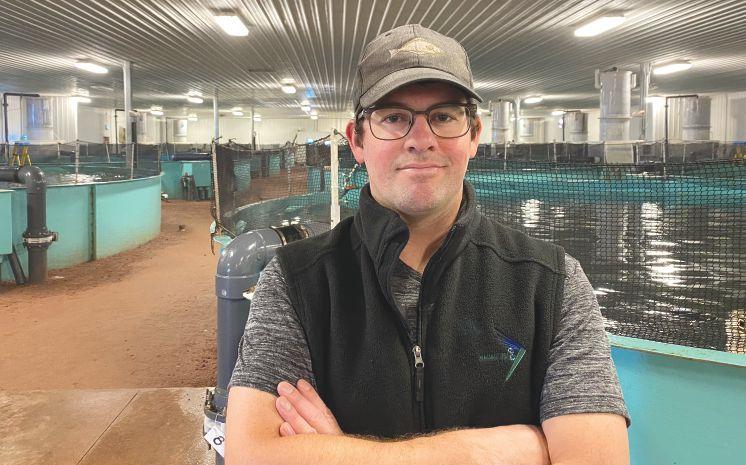
Twenty-seven-year-old Kevin Demondion manages one of the most successful land-based salmon farms in Switzerland. The general manager for Swiss Alpine Fish AG, located in Lostallo, in the Swiss Alps, Demondion began his journey at the company as a hatchery manager. Even from the beginning, he had his work cut out for him, according to his former manager Thomas Hofmann.
“He had to stabilise the production, improve the system and build a team. He never disappointed me as today the hatchery delivers the best quality fish,” writes Hofmann, nominating Demondion for the Top 10 Under 40. “He simplified protocols, managed to train and supervise a small team of people (who had) no background in aquaculture.”
When Hofmann left his position as the farm manager for Swiss Alpine, he was confident in his decision to promote Demondion as his replacement – and the company’s board of directors supported that call.
“Kevin evolved from being a technician, focusing on the fish, to developing the business,” Hofmann says. “His understanding of the industry starts with the fish but he really developed skills on being business-focused – the economy of it and finding compromises according to the needs of the investors.”
Demondion is no stranger to managing a farm. Originally from France, he worked as the farm manager for L’Esturgeonnière, a sturgeon farm in Le Teich, France. Following “important family events” he left France and found a new career path in Switzerland, but managing to stay connected to his passion for fish culture.
“Being a hatchery manager is much more than a job, it is being professional and parenting at the same time because at any given moment the fish or the system may need us and we must be there to respond and always give our best,” Demondion says.
As a farm manager to one of the most successful and sustainable RAS farms in Switzerland, producing 600 tons of salmon raised in clean, fresh water from the mountains, Demondion knows his responsibility goes beyond just raising the fish, but all the other factors that go in between.
“We have to be sentinels of water quality, animal welfare, and all other parameters that will condition the success of our fish after hatching,” he explains.
This is the same concept he wants to impart on future hatchery practitioners. Attentiveness to the evolution of both the fish under their care and the technologies and farming techniques that are constantly changing. Passion for the job is essential as it does not come without challenges, he says.
His goal: “I would like to have the chance later on to develop a RAS system that really corresponds to the expectations of fish, fish farmer and sustainability.”
All-New HydroHatch Incubation System
Increased Survival Rate with Significantly Reduced Water Consumption
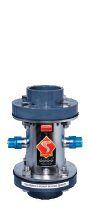
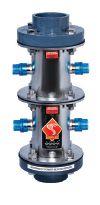
The all-new HydroHatch Incubation System from MariSource gives hatcheries increased efficiency. With recirculation, germicidal UV filter and a titanium heat exchanger, the HydroHatch delivers increased survival rate and significantly reduces water consumption.
Features and Benefits:
65 gallon sediment and recirculation tank
Requires only 150 gallons to completely fill the unit and reservoir
Easily able to increase the dissolved oxygen content of the water
230 volt 30 amp control panel
Insulated titanium heat exchanger
Precise temperature control
Comes standard with four 8-stack incubators
Additional four 8-stack incubator option available
The new HydroHatch Incubation System is ideal for Salmon, Trout, Steelhead, Perch, Channel Cat Fish, Walleye, Eels, Shrimp and Muscles.
7
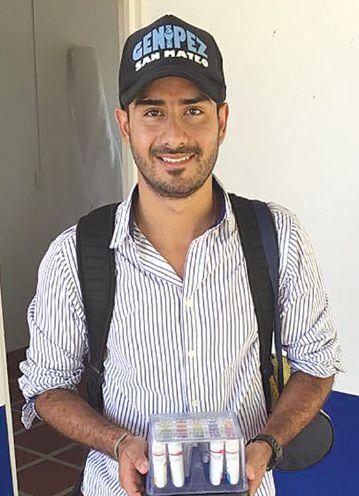
MATEO ESPEJO VALENCIA All in the family
His father is a veterinarian who has played an important part in the development of the aquaculture industry in Colombia and in Latin America. He grew up visiting various fish farms that his father, Carlos Espejo, would visit to provide his expertise while he played with the fish and jumped in and out of the ponds. This exposure developed an interest in Mateo Espejo Valencia and pushed him to pursue his studies in the U.S. and learn more about fish and fish farming.
“I studied at an American university called Lubbock Christian University (in Texas), where there was no interest nor resources or even a place to practice aquaculture,” Valencia recalls. “Given that it was located in the middle of the Texan panhandle, I had to study a lot about cows and horses. However, I was quite certain of what I wanted and pushed two or three projects with professors that also wanted to study fish.” That project was a recirculating aquaculture system for tilapia.
At 27 years old, Valencia is a professor teaching future aquaculture practitioners at one of the largest post-secondary institutions in Colombia, Universidad Tecnológica de Pereira. He is the youngest professor in the school’s veterinary program.
“I have been drawn to aquaculture since the first days that my father brought me to those farms and played around with little fish,” says Valencia.
In addition to teaching, Valencia also manages his family’s tilapia hatchery and genetics farm, Genipez, producing around 500,000 fingerlings for the domestic and international markets.
“This company, which Mateo manages technically and financially, does constant research in genetic improvement of both Oreochromis niloticus and Oreochromis sp. Mateo is in charge of multiple research operations in microchip evaluations for genetical improvement of both male and females of both strains of Tilapia,” writes his student and friend Jhon James Arias Padilla in his nomination.
One of Valencia’s ultimate goals is to be instrumental in developing and improving Colombia’s aquaculture production and research capabilities and productivity. And his work at the university and his family’s farm puts him in the right place to accomplish his goal. Valencia is currently involved in developing what is being touted as “one of the best aquaculture research laboratories in Colombia” with a recirculating aquaculture system which would have both a hatchery and grow-out for research and production of tilapia. The laboratory will also conduct research in the reproduction of Sabaleta (Brycon Henni), a species native to Colombia, for restocking in the river systems, according to Padilla.
Research and innovation are a huge part of Valencia’s professional development, Padilla explains. He has developed a series of breeding protocols for two different strains of tilapia that could be consequential to tilapia producers around the world, he adds. That study is in the process of review and is expected to be published soon.
“He has built a hatchery in the mountains in Colombia that uses an artificial incubation process with modern and rustic products, combining the Colombian creativity and the modernity of global aquaculture,” Padilla says.
Asked what he thinks is the biggest challenge for young professionals in the aquaculture industry, Valencia responds: Respect.
“Many people would probably argue that it is the lack of opportunities in multiple countries. However, once given the opportunity, not many people respect the young professional’s decisions,” Valencia explains. “It is difficult to enter a new project or company with older workers and become their boss, and the difficulty of it is borne from the lack of respect.”
And that is speaking from experience, says Valencia, who learned along the way that by having confidence in one’s abilities and being responsible for one’s own actions and decisions, that the respect from his older peers are eventually earned.
For young workers looking to grow their careers in aquaculture, Valencia says be prepared, not just intellectually or academically, but psychologically.
“Our industry is tough and requires the best of the best. We need to study and give ourselves to new projects that can grow and (become) beacons of development to the traditional producers. I would tell them to prepare more in the administrative ways and learn the financial areas of the business. The technical ways are learned in the process, but as I tell my students, ‘The administration is an art that is learned, practiced and suffered through years of professional practice.’”
8 NATHAN CLEASBY Tech savvy
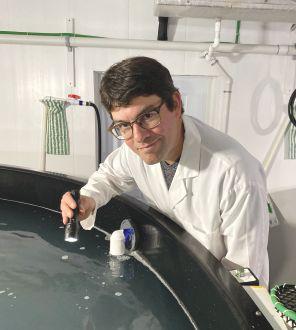
Very few young professionals get a chance to be involved in cutting edge work that have vital consequence to an industry they work in. In Australia, one hatchery practitioner has been given such an opportunity and is proving he is up to the task.
Thirty-year-old Nathan Cleasby is the technical manager for the Toomulla Beach hatchery in Queensland, run by Tasmania-based Ornatas. The company is the offshoot of research from the University of Tasmania – Institute for Marine and Antarctic Studies that successfully closed the breeding cycle of the tropical rock lobster (Panulirus ornatus). Established in 2018, Ornatas is in the process of building a pioneering stateof-the-art recirculating aquaculture system (RAS) hatchery that will pave the way for the commercial production of the tropical rock lobster.
As technical manager, Cleasby is tasked with the design, construction and operation of RAS technology at Ornatas. “Ornatas heavily relies on Nathan’s past experience in prawn and finfish aquaculture to adapt and innovate new technology with existing best husbandry methods to achieve results,” according to Shanae Reid, an industry colleague who
nominated Cleasby for the Top 10 Under 40. “Nathan has led the way to overcome a number of significant hurdles for this business in the scaling up of technology by the use of automation, RAS design and procedures.”
Cleasby’s diverse aquaculture background – barramundi broodstock selection and genetics, macroalgae culture for bioremediation, commercial prawn hatchery production – prepared him for the challenging yet rewarding work that’s been delegated to him when he joined Ornatas.
“My goal in aquaculture is to be involved with a progressive team, commercializing new species, prioritising animal welfare and sustainability,” Cleasby says. His work at Ornatas gets him a few steps closer to realizing those goals.
His interest in aquatic life began at a very young age, with most of his early years spent at the beach. He pursued this interest in academia, learning about aquaculture and its role in sustainable seafood consumption at James Cook University in Queensland. After finishing school, he kickstarted his career working for an NGO in the Solomon Islands, where he developed innovative aquaculture protocols to help address local food security challenges.
“I have always enjoyed the challenges associated with rearing delicate aquatic animals and the production that comes with high quality husbandry,” Cleasby says.
Sustainability is important for this young aquaculture professional, who currently finds himself working on the coast that faces one of the world’s most beautiful and protected coral reef systems, Great Barrier Reef. That added responsibility of ensuring those ecological protections are built into the farm’s systems.
“Nathan has a background in bio-remediation with macroalgae and is committed to return the water to the environment at a higher quality than when it was pumped onto the farm,” his colleague Reid writes. “With the farm situated along the Great Barrier Reef, it is imperative that the highest level of sustainability be employed to protect and improve local water quality through a number of treatment processes prior to water leaving the site.”
As rewarding as his work is, Cleasby admits the work of a hatchery practitioner is not without its challenges, particularly for the younger generation. The heavy workload of hatchery operation can be a “shock” to young professionals. Add to that the typical geographical challenges of working in hatcheries that are typically located in isolated places.
That is true for aquaculture in Northern Australia. “This means that young people often have to move on-site or to small country towns to work in the industry. It is challenging for a young person to prioritise their early career over the comforts of home,” Cleasby comments.
But aquaculture is such a diverse industry and Cleasby says finding an aspect of this industry that one can be passionate about is key to a successful and meaningful career. “And be prepared to work hard to achieve your goals.”
9 NOELIA RODRIGUEZ Fast learner
Thirty-seven-year-old Noelia Rodriguez knows full well that smolt quality will play a key role in the growth and success of fish at sea cages. This realization came to her while working at Scottish Sea Farms’ marine farm in Shetland, Scotland, overseeing the delivery, behaviour and performance of Ballan wrasse, including mortality levels and cause of death.
In 2017, when she was given the opportunity to work as a freshwater fish health and welfare manager, she took on that responsibility, bringing her marine farming experience into the role.
PR AQUA
A WINNING COMBINATION
“By this stage, the company had already made the commitment to build a RAS freshwater hatchery and I wanted to be involved in what was set to be a truly transformational project, both in terms of fish welfare and the end product for the consumer,” Rodriguez recalls.
Today, she is the operations manager at the new Barcaldine RAS hatchery. This £55-million (US$71.4 million) RAS facility delivered its first batch of smolt to Scottish Sea Farms’ ocean grow-out in late 2019, with each smolt weighing an average of 146 grams, three times the size delivered by typical hatcheries.
Rodriguez notes the first two years into her job at the Barcaldine hatchery was a learning curve, particularly on the RAS technology. But learning is integral to growing in the profession. Graduating from the University of Oviedo in Northern Spain with a biology degree, Rodriguez’s first foray into the aquaculture sector was as a research associate for the NAFC Marine Science Centre in Shetland. In 2012, she joined Scottish Sea Farms as a fish health biologist for the marine farm. In a span of eight years, Rodriguez learned the production ropes in the full lifecycle of farmed fish – from hatchery to nursery to grow-out, and from marine farming, to freshwater flow-through to recirculating aquaculture systems.
“She left her home country of Spain to gain practical marine farming experience and a related qualification. She took the lessons learned and successfully applied them to freshwater farming to bring about real advances in team work and communication. And very quickly, she made the leap from traditional hatchery methods to RAS hatchery methods; methods which are delivering Scottish Sea Farms’ biggest, most robust smolts yet that require up to two months less at sea,” writes Lesley Rice, Rodriguez’s colleague, in her nomination.
One of the biggest lessons Rodriguez has learned through the years and one she would like to impart to younger workers: Patience.
“Aquaculture and hatchery work are not specialisms that you can learn 100 percent at university,” she says. “You will have a great knowledge base to work from, but practical experience is also required, so there’s a need to be patient. The opportunities to progress will come but first you need to understand the fish themselves and the systems.”
The initial success of their work at the Barcaldine Hatchery is only the beginning for Rodriguez, who feels there is still much to be learned, particularly in raising fish in the most sustainable and responsible way possible. She also wants to share her knowledge and experiences in salmon farming across the industry, and help showcase the industry’s role in achieving global food security.
Her advice to young people in the industry: “Go for it,” she says. “Show what you can do, care for the fish, work well with the people around you and absorb knowledge from everyone you can. There are many experienced people and they are always happy to share what they know.”
10 YANN RAMIREZ
All about the bass
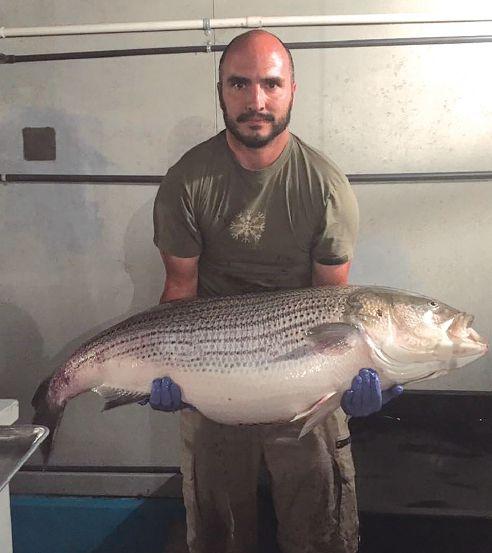
He developed the hatchery protocols for spawning and larval rearing of striped bass (M. saxatilis) at Pacifico Aquaculture in Baja California, Mexico. Now the senior hatchery manager, 37-year-old Yann Ramirez, thrives in a “very challenging and ever changing” production environment.
“Yann successfully executed the first-ever phase shifting of striped bass broodstock in a commercial setting in 2016,” writes Ramirez’s manager Omar Alfi, in nominating his hatchery senior manager. “Since 2016, Yann continually managed a large and growing broodstock portfolio while achieving year-round production by maintaining multiple cohorts of broodstock in phase shifted cycles.”
Ramirez did not only gain the respect and admiration of his manager at Pacifico Aquaculture, but also those of his peers outside the hatchery. One such person is Shane Hunter, a technical adviser at AquaBioTech Group, who also nominated Ramirez for the Top 10 Under 40.
“Yann had a great background when he joined the company and has flourished as hatchery manager, leading his team through successes and failures so as to ensure that the cage farming operations are stocked with healthy fish. Taking a new species to market in such a short period of time is a huge achievement that deserves recognition,” writes Hunter.
Since joining the largest marine aquaculture operations in Mexico, Ramirez has achieved many firsts for Pacifico Aquaculture’s striped bass production, including the successful commercial breeding and juvenile production of the species that enabled the company to commercially farm striped bass in the ocean – the only one of its kind in the world, according to Hunter.
Overseeing a staff of about 25 hatchery professionals, Ramirez leads a hectic work day but he thrives in such a dynamic workplace. “It not only keeps you on your toes technically, but also requires a lot of practical know-how, which makes the job very gratifying at the end of the day,” says Ramirez.
“The interesting thing about being involved in a hatchery is that you are not only in charge of everything that entails animal husbandry and improving that process, but also and as important, is knowing and operating the system. RAS systems are rapidly changing and improving, and you always need to be up-to-date and adapt to new technologies that work for your specific species, making it again, a very dynamic world,” he adds.
Like many veteran hatchery professionals, Ramirez acknowledges the challenges of working in a hatchery, not the least of which is the remoteness of many of the locations which can be difficult for young workers who are just starting in the industry. The routines and the seemingly repetitive tasks, such as cleaning and feeding, can also be daunting, he says, but necessary for one to develop competencies and expertise. It’s the nature of the business and those who endure are bound for a rewarding career.
“Do not get frustrated,” he advises young workers. “Understand that all the simple chores which one starts are critical to the operation and are what makes production successful.”
In addition to his significant contributions to the success of Pacifico Aquaculture’s operations, Ramirez is also committed to the development of future aquaculture professionals in Baja California, engaging in collaborative initiatives with local universities and the community, according to Alfi.
“He plays a central role in Pacifico’s partnership with the UABC (Universidad Autonima de Baja California) and has hired over 25 graduates from the university to work at Pacifico. Through his efforts, and those of his colleagues and teammates, Yann is helping build the foundation of an extremely talented and capable local workforce which will drive innovation in aquaculture in Baja California for years to come,” Alfi says.
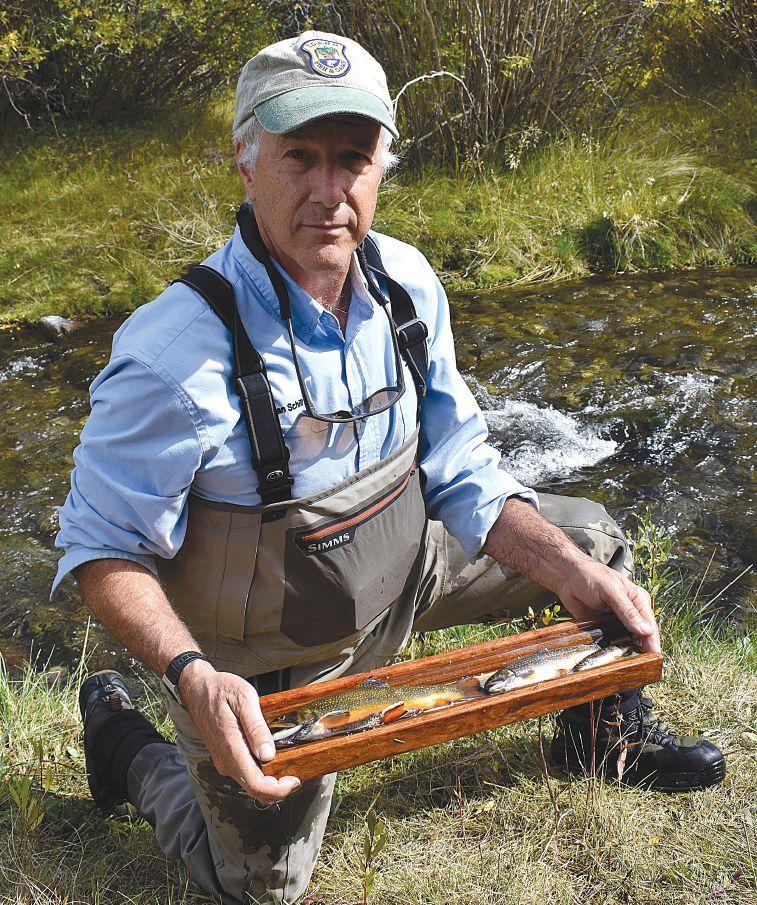
Idaho Department of Fish and Game scientist Dan Schill says that with positive results in developing a YY broodstock of brook trout, experiements have begun to test the technique on other species.
Monosex fish might help to address invasive species, researchers say
BY MATT JONES
Testing is currently underway to determine if monosex fish populations could be used to reduce or eradicate invasive or otherwise unwanted fish populations in the wild.
Researchers and hatchery staff with the Idaho Department of Fish and Game (IDFG) proposed this application for brook trout several years ago and partners at a variety of states are now conducting experiments with different species.
In the technique, young fish are exposed to low doses of a natural female hormone, estradiol, which causes male fish to produce eggs when they mature.
Egg producing-males are crossed with standard males, producing around 25 percent male offspring with YY chromosomes. That offspring is then used to produce another generation which would be exclusively male.
IDFG scientist Dan Schill said their
efforts with brook trout appear to be successful.
“Now we’re able to say, okay, we kind of know how to do this broodstock and we’re going to move on some other species to see how difficult it will be to build those broodstocks,” he said.
In addition to continuing research into brook trout, partners at state and federal hatcheries are working on brown trout, the common carp, lake trout, northern pike and walleye.
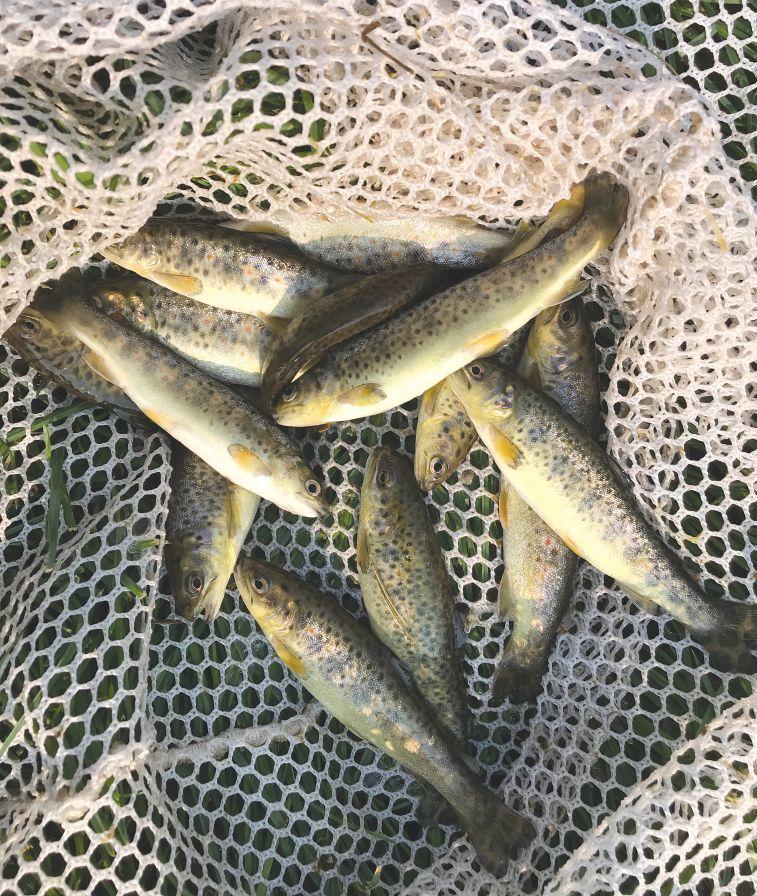
Earlier this year, brown trout at South Dakota’s McNenny State Fish Hatchery were treated with estradiol. Biologist Jill Voorhees says that brown trout aren’t a particular nuisance in their area but they did have them available.
“People in the western U.S. are the ones who usually find them to be problematic because brown trout are not native to the U.S. They’re native to Europe,” said
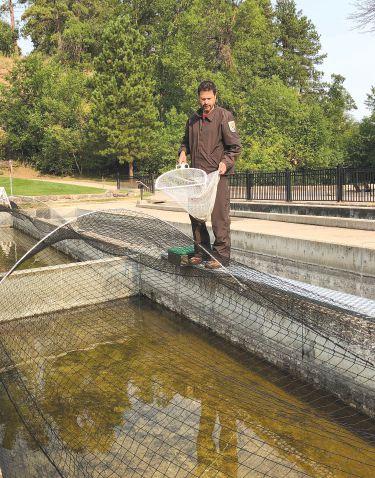
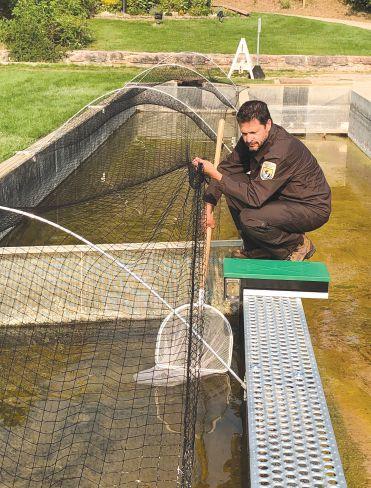
Experimental brown trout will be housed at DC Booth Historical National Fish Hatchery and Archives for several years. Hatchery Superintendent Carlos Martinez says that if the experiment is successful, DC Booth may help produce monosex brown trout for eradication purposes in other areas.
Voorhees. “There’s a lot of streams with brown trout in them who are out-competing some of the native populations of rainbow trout.”
After the treatment was complete, the 1,000 trout were transferred to D.C. Booth Historical National Fish Hatchery & Archives where they will be raised for several years.
“We are looking at the possibility, if there is success with this project, that D.C. Booth would be home to one or
more YY broodstocks that in the future would be used for eradication purposes,” said D.C. Booth Hatchery superintendent, Carlos Martinez.
The trout will be housed at D.C. Booth for two to four years, during which time Schill and his team will periodically be testing the efficacy of the process. Martinez said there is some speculation that the brown trout could revert back to being XY males later in their maturation cycle, so that will be monitored closely.
It is hoped that monosex populations of invasive fish species, such as brown trout, could serve as a more effective and efficient form of population control than the use of toxicants or netting.
Public hatcheries weather uncertainty
How government hatcheries are navigating COVID-19 consequences, looming budget cuts
BY JENNIFER BROWN
F or government-funded fish hatcheries in Canada and the United States, COVID-19 has affected operations on various levels; in some cases, changing processes to enable social distancing, and causing the cancellation of some programs. But the fallout may not yet be fully realized.
One thing became clear this past summer though – as anglers headed out to enjoy more time on the water, the importance of the work hatcheries do in stocking lakes became even more evident during the pandemic as people went in search of outdoor activities.
Provincially-funded hatcheries in Canada and federally-funded ones in the U.S. appear to be staying the course. Those in Alberta have benefited from refurbishment funding announcements made earlier this year. However, state-run hatcheries such as those in Washington State could be headed for steep budget cuts over the next few years.
SHIFTING STOCKING OPERATIONS
“In some areas, we have reduced production, but in other areas, we are able to continue the program as normal,” says Kurt Schilling, hatchery program supervisor for the U.S. Fish and Wildlife Service, Great Lakes Region based in Minneapolis-Saint Paul. This region oversees hatcheries and fish health centers.
“We have five facilities that support work in the Great Lakes and one of the five overlaps river operations. Another facility is located in southern Missouri that does mitigation for rainbow trout,” Schilling explains.
The Great Lakes region has not been notified of any budget cuts so far.
“I don’t anticipate any issues. We will probably be functioning on a continuing resolution, which will mean funding for the next fiscal year at current year levels, so we’re looking at a flat budget,” he says.
Schilling says health and safety restrictions have meant functioning differently and defaulting to other means of stocking fish.
“We have our own broodstock for lake trout for the Great Lakes and Coaster brook trout stocked for Lake Superior, and a lake herring program for Lake Huron – those are functioning as normal. We did have to shift our stocking operations for lake trout this past spring. Normally, 95 percent of our fish are stocked offshore, but due to safety restrictions, we ended up shore stocking our lake trout this year, which hasn’t been done for a number of years,” says Schilling.
While outdoor spaces at hatchery facilities have remained open throughout the pandemic, interpretive centers have largely been closed to the public.
“They have remained that way depending on local conditions at county, city and state levels and the national level, according to COVID-19 caseloads and infection rates,” he says.
Schilling says that at some facilities where in-house brood programs don’t exist or don’t have carryover fish from prior years, such as walleye and lake sturgeon, they weren’t able to have production cycles this year. That’s because they couldn’t maintain social distancing in the field for spawning.
For rainbow trout, the eggs are sourced from facilities throughout the United States.
“They can ship the live eggs to us so we can maintain that program from a production standpoint,” says Schilling.
The Great Lakes service, through the Department of Interior, has initiated an adaptive operations plan that includes job hazard analysis, risk assessments and analysis of COVID-19 cases in the local area.
“We are in different phases of implementation depending on local conditions, and we put the decision with project leaders because they are close to the decision for their area and can consult with us,” he says.
Right now, some travel is restricted for the staff, with only overnight trips approved.
“We will be able to function where we have our own broodstock and have our own eggs, but where we have to get into the field to spawn and depending on how caseloads go and whether a vaccine is developed or not, we will have to adapt accordingly. We may have a few species we have to delay, but hopefully, by spawning time for walleye next spring and lake sturgeon, we can have a path forward,” he says.
Unlike some state-run hatcheries that have experienced some personnel layoffs, staff have been retained at hatcheries at the federally-funded hatcheries, says Schilling.
“We’ve been fortunate on the federal side – we haven’t had to lay anyone off. We have created a split crew where different pods of people work together, and we have maximum telework happening, but for those people who we need to maintain production, we are maintaining distance and using masks and disease control guidelines,” he says. “It’s been a similar function nationally – every region handles it a bit differently.”
In late June, the Washington State Department of Fish & Wildlife issued projections for budget reductions of up to 15 percent and outlined areas it may cut over the next few years up to 2023, including the proposed closure of salmon and stealhead hatcheries and reductions in salmon and trout hatchery production.
There has been a 30 percent increase in fishing activities in Alberta since COVID-19 hit, according to Copeland.
One of the stocking trucks at Cold Lake Fish Hatchery
The Alberta government has allocated $10 million for the upgrade of the Cold Lake Fish Hatchery, which produces about 65,000 kilos of trout per year for stocking.
All photos: Craig Copeland
“Our cost per fish that we stock will be much cheaper. We won’t stock more – we produce 65,000 kilos of trout per year already at Cold Lake, but it will lower operating costs by introducing recirculation into the system.”
“The closures are just proposed at this point, nothing is certain yet. If they occur, they would take place beginning next summer,” says Washington Department of Fish & Wildlife pubic affairs director Carrie McCausland in an email.
If approved, hatchery repairs would also be cut by 32 percent. About 25 percent of the departmental budget is used to operate its 80 hatchery facilities.
In the Canadian province of Alberta, an injection of funding first announced earlier in the year provided some welcome good news for upgrading facilities.
“We were stocking fish when COVID-19 hit, and we put out about 1.3 million trout throughout Alberta. We stock about 170 lakes in total,” says Craig Copeland, manager of the fish hatchery in Cold Lake, Alberta, and who oversees three others in the province. “We have operated the business as usual as much as we could.”
“We’re an essential service – the fish need to be taken care of every day and so what we did right away at the hatchery was develop small work teams, practiced social distancing and controlling movement in the facility. We closed down any facilities to the public. Anyone with symptoms stays home and gets tested,” says Copeland.
The Cold Lake Fish Hatchery is closed to the public for the time being, including educational programs for about 2,000 kindergarten children who visit the hatcheries.
The timing was certainly on the side of provincial hatcheries in Alberta, where funding previously asked for was announced in January and in August. Copeland, who is also the mayor of Cold Lake, manages the hatcheries in the province, including Cold Lake, Raven Creek Brood, Allison Creek Trout Station and Sam Livingston Fish Hatchery.
In August, Alberta Premier Jason Kenney announced $10 million in funding for the Cold Lake Fish Hatchery for the construction of new infrastructure that will allow for reuse of water during operations and to help reduce utility costs. About $3 million will be earmarked for a new oxygen generator and replace the hatchery’s water head box, metal roof and motor control systems.
Copeland says the funding request was submitted a year ago to lower operating costs over time.
“Our cost per fish that we stock will be much cheaper. We won’t stock more – we produce 65,000 kilos of trout per year already at Cold Lake, but it will lower operating costs by introducing recirculation into the system,” he says.
Funding of $26 million was also announced in January for a new hatchery to replace the Raven Creek Brood Trout Station near Caroline, Alta.
Copeland says there has been a 30 percent increase in fishing activity in Alberta during COVID-19 as seasoned anglers and those looking to enjoy an activity outdoors head to the province’s lakes for recreation.
“We’re getting reports of ponds we stock getting fished out,” he says.
SPAWN CAMP CANCELLATION
The Saskatchewan Fish Hatchery in Fort Qu’Appelle in Saskatchewan, Canada, is managed by Nelson Bergh, who says he is not expecting funding cuts, but due to physical distancing regulations, an annual project did not go ahead as planned.
“One of the biggest implications we had this year was that our walleye spawn camp was cancelled just due to the logistics of people being in close proximity during the camp. The government cancelled their request for walleye fry this year,” says Bergh.
Funding for Saskatchewan’s hatcheries is provided by a fish and wildlife development fund – 30 percent of hunting and fishing licence sales goes into the fund.
“As of right now, we don’t see any financial implications from all of this right now,” says Bergh.
On average, about 500,000 trout fingerlings are produced each year at the hatchery. A visitor centre that would typically be open remains closed – about 4,000 people who visit the centre each year.
“The facilities are staying closed, and we are doing more sanitization, especially when in the stocking phase of the season with trucks going out all the time and coming back. We have been doing sanitization between trips, especially when switching drivers,” says Bergh. “We are definitely doing more maintenance and painting some buildings that we typically wouldn’t get to in a given year.”
The hatchery’s summer students program still took place, and the only change was that in an average year, the students would be taking part in stocking trips, but with COVID-19 restrictions, travel was limited to one person per vehicle.
On Canada’s east coast in Nova Scotia, it has mostly been business as usual for provincially funded hatcheries, says the Minister of Fishers and Aquaculture, Keith Colwell.
“Heading into COVID-19, the Province of Nova Scotia was in good financial shape, and we’re not headed for any cuts to our in-land fisheries operations, at this point anyway,” says Colwell. “We’re suffering like any other province, but we have put solid programs in place to deal with the financial issues and COVID-19 issues that go hand-in-hand.”
The province operates three sportfishing hatcheries in the province – Fraser’s Mills Hatchery, McGown Lake Hatchery and Margaree Fish Hatchery. About 200 lakes are stocked each spring as part of the urban stocking program. Hatchery interpretive centres in the province are not open to the public, but people can still visit facility grounds as long as they abide by public health orders.
Game changer
“We knew from the experiences of our parent companies, both of whom have RAS hatcheries, that RAS offered much greater control over the key growth factors: water quality, temperature, oxygen levels and light. In turn, it offered clear benefits in terms of producing bigger, more robust smolts that required less time at sea,” says Rodriguez.
But she knew they would have a mountain to climb before getting the first smolts from the new hatchery into the grow-out farms. A dire warning by an executive of a rival business did not help: “Be prepared to lose your first and possibly second crop.”
After vetting nearly 40 sites around Scotland, the company chose the village of Barcaldine near Oban on the west coast of Scottish mainland as the ideal site. Construction of the 17,500-sq.m. hatchery began in 2017 but the first Atlantic salmon eggs were brought in, mid-construction, in November 2018.
“It was challenging,” admits Rodriguez, reflecting on those early days. “On the one hand, the technology gave us more control, and on the other, we were learning the rest of this technology as we went along and rearing our first fish, while much of the facility was still under construction.”
The Barcaldine hatchery announced in December 2019 that it has delivered smolts – from that first batch of eggs – to one of Scottish Sea Farms’ Shetland farms. The hatchery’s performance surpassed expectations: the smolts’ average weight of 146g was three times that achieved using traditional hatchery methods.
Fish handling has been significantly reduced at the hatchery, as well, enhancing fish welfare.
The controlled RAS environment enabled the hatchery to avoid incidence of Saprolegnia, a fungus that commonly strikes at freshwater stage. In addition, the facility’s strategic location relative to the marine farms, allowed the transfer of the young salmon directly from the hatchery to a wellboat, instead of transporting them first by road or by air.
The absence of fungus infection combined with proximity of the hatchery to the grow-out farms effectively reduced the need for fish handling, Rodriguez explains.
Sustainability is at the hatchery’s core. It recirculates 99 percent of the water it draws from the nearby Gleann Dubh reservoir, saving over 20 times the freshwater consumption in a conventional hatchery producing the same crop of salmon.
And thanks to the use more energy-efficient heat pumps and heat exchangers, the facility uses significantly less energy in heating or cooling the water.
“It’s the system, the people, and our determination to make it work,” says Rodriguez, looking back at the past two years.
Scottish Sea Farms is now 100 percent self-sufficient in smolt supply. The Barcaldine hatchery provides 90 percent of the needs of the marine farms, while one of the three original flow-though hatcheries provides the 10 percent – the other two have been sold. Third-party is no longer required.
SMOLT QUALITY
Feedback from colleagues in the company’s various marine farms tells Rodriguez that she and her 19-strong hatchery team are on the right track.
“For us, the purpose of getting the fish into the hatchery is to eventually get them out. So once we get to the point of sending them out to sea, we have accomplished our goal. What have made everyone of us here proud are the positive comments from the marine sites.
“They said the smolts are behaving like loch fish: healthy, robust, quick to eat and not at all spooked by their new surroundings. It’s the biggest compliment they could pay us,” she says.
The first batch of smolts nearly doubled their weight in six months, attesting to their robustness compared to their counterparts from the “old days.”
“That was a big difference for us,” says Rodriguez, adding that the maiden batch will be harvested by the end of the year when they would be weighing approximately five-anda-half kilos each. Since its first delivery in December 2019,
All Photos: Scottish Sea Farms
(L to R) Scottish Sea Farms’ freshwater manager Pål Tangvik, managing director Jim Gallagher and Barcaldine RAS Hatchery operations manager Noelia Rodriguez celebrating the first transfer of smolts to sea pens
With colors depicting the sea, the Barcaldine hatchery enhanced the landscape in the village of Barcaldine near Oban on the west coast of Scottish mainland.
"On the one hand, the technology gave us more control, and on the other, we were learning the rest of this technology as we went along and rearing our first fish.”
the hatchery has delivered three batches of roughly 2.6 million smolts each – totaling nearly eight million young salmon – to the grow-out farms as of September 2020.
Having started at Scottish Sea Farms in 2012 as a fish health biologist in the marine sites, Rodriguez couldn’t overstate the crucial role of smolt quality.
“I could see how critical the right start was to fish survival and the overall success of a crop. Smolt quality is perhaps 80 percent of your success at sea. Obviously in recent years there have been a lot of environmental challenges, which one doesn’t have control over, but certainly quality smolts going at the right time will grow well. It’s half the battle won.”
As head of operations, Rodriguez sees the opportunity to make a real difference by fostering greater collaboration between the freshwater and marine groups. She said improving communication is key to doing this.
“Historically, in probably most companies, the marine and freshwater are two separate departments. It’s always ‘us’ and ‘them.’ So when I became health manager I made
sure that everyone in both departments understood what was going on. I think that it is critical that freshwater colleagues inform marine site colleagues, for instance, why this smolt may not be the best and why. It’s also important to let them know in advance so they know what to expect and will know what they’d need to do,” she says, adding, “To be able to be part of the solution is amazing.”
MOVING FORWARD
With the hatchery up and running, Rodriguez says they are now focused on optimizing operations.
“At the moment we are producing four batches a year. We’re looking at producing five batches a year. It’s about looking at how much more we can produce out of this site; it could be an extra batch, more fish or heavier weight. But at the moment we’re in a pretty good position.”
Meanwhile, like everyone else, the team is waiting for the COVID-19 pandemic to subside. The onset of the pan-
demic has derailed the official opening of the Barcaldine hatchery, which was originally scheduled for Spring 2020. For Rodriguez, the official opening isn’t merely symbolic, but rather an opportunity to celebrate with the local community and thank them for their support.
“We consulted with the neighbors when we were about to build the hatchery and they were supportive. They welcomed us. It is good to celebrate with them what we have achieved.
“The site before we came in was not a very pretty site. Now, when you’re driving around you see the hatchery – a beautiful building, with colors that mimic a seaside town. Visually, it is a lot prettier. We have also created a path for the community so they could walk to the beach because that’s what they wanted,” she says.
“So it’s very important to celebrate for not only ourselves but for everyone around, our owners as well and management of the whole company. This really has been transformational,” she concludes.
Barcaldine RAS Hatchery makes Scottish Sea Farms 100-percent self-sufficient in smolt supply.
The first batch of eggs brought into the hatchery in November 2018 were delivered as smolts to one of Scottish Sea Farms’ Shetland farms in December 2019.
Successfully transferring smolts directly from hatchery to wellboat was a first for mainland Scotland.
BREEDING AND GENETICS
Benchmark Chile embarks on selective breeding
Ensenada hatchery ensures local supply of genetically improved salmon eggs
BY CHRISTIAN PÉREZ-MALLEA
When Benchmark Genetics Chile took over operations of the Ensenada Hatchery in the middle of this year, it is with the intent of strengthening its position in the Chilean market for genetically improved salmon eggs.
Built in 1987 at the foot of the Osorno volcano, 76 km northeast from Puerto Montt and a few meters away from the Llanquihue Lake, Ensenada is an emblematic freshwater facility located in located in Las Cascadas. The facility formerly belonged to Pesquera Antares, a company that was subsequently purchased by salmon producing giant AquaChile in 1993.
Following its acquisition of the Ensenada facility, Benchmark Genetics Chile invested heavily on transitioning the hatchery into a state-of-the-art facility that includes a cryogenics laboratory. (See sidebar.)
The Ensenada facility includes a total tank capacity of 1,300 cubic metres intended for breeders. Its incubation units (Zoug jars) can hold about 75 million eggs, and about 200 tanks are dedicated for the different genetic families. Additionally, it has a spawning and fertilization room, as well as all the infrastructure needed for the screening of breeders.
Based on Benchmark Genetics Chile’s current business model the company is targeting to produce 50 million high-quality eyed eggs of their Chilean strain, according to the company’s general manager Pablo Mazo.
The Ensenada facility is responsible for the maintenance of broodstock, incubation of nuclei and multipliers, as well as maintaining groups of fry that will be used for research in developing resistance to pathogens, Mazo explains.
He adds, through genetic selection, the Chilean company is developing products that are both fast growers and disease resistant, particularly against the infectious pancreatic necrosis virus, Piscirickettsia salmonis, sea lice, and bacterial kidney disease.
“This will be available in the eggs that we will have for the year 2021. Soon (2022), we will also include resistance to HSMI (heart and skeletal muscle inflammation), which has already been challenged in our 2018 genetic cores,” Mazo says.
RESPONSIBLE PRODUCTION
The Ensenada Hatchery houses a waste warehouses, with a necropsy room and an effluent treatment system.
Although the Ensenada hatchery was built in 1987, Benchmark Genetics Chile has heavily invested in instituting state-of-the-art technologies in the facility. (Photo: Benchmark Genetics Chile)
the Chilean cryolab, milt from ‘elite
is frozen and stored at
from
The site uses an flowthrough system and treats the effluent through mechanical filtration and UV disinfection.
“Our hatchery is supplied with first-use spring water of excellent quality, especially for the incubation of eggs. For that, we have water rights over a watershed that originates within the premises of this freshwater site,” Mazo says.
The Benchmark general manager explains the site operates under strict biosecurity control and procedures. The limited biomass production at the site, coupled with the effluent treatments and disinfection systems in place ensure a responsible operation that meets all requirements and regulations, he adds.
This is particularly important considering the large number of national parks, forestry reserves and other ecological tourist attractions in the area, including the Llanquihue Lake, which is the second largest in the country spanning 860 square kilometres.
This freshwater site has existed in the area and have become part of the environment for many years. “It is an installation that is on the edge of the road, but in an area where it is possible to co-exist with the natural heritage in a harmonious way and without risks to the biological balance of its environment. To ensure the latter, in addition to permanent supervision, we have procedures and contingency plans, which allow us to ensure and maintain a responsible and sustainable operation,” Mazo says. He tells Hatchery International that his company is currently working to achieve the GLOBALG.A.P. standard certification, which will allow them to validate, raise and improve their operations in a manner that is environmentally responsible. GLOBALG.A.P. is an internationally recognized standard for farm production.
CRYOPRESERVATION EXPLAINED
Pablo Mazo, general manager for Benchmark Genetics Chile, explains how his company is using cryopreservation to produce superior salmon eggs. The following is an excerpt of that conversation with this writer:
"The aquaculture sector is increasingly demanding highly specialized products with characteristics, such as resistance to pancreas disease (PD), bacterial kidney disease (BKD), against infectious pancreatic necrosis virus (IPN), piscine reovirus (PRV), piscirickettsia salmonis (SRS), cardiomyopathy syndrome (CMS) or resistance to caligus (sea lice).
Cryopreservation contributes to greater selection accuracy and, therefore, to greater steady and robust genetic progress. It is the tool that allows us to have these features available to our clients at the specific time they need it, since cryopreserved milt can be stored for several years in excellent conditions for use.
The principles of cryopreservation are relatively simple, but the technology and expertise required to carry them out efficiently is extremely complex and demands lots of teamwork and collaboration from our research scientists, production facilities, geneticists, and breeder experts. The technique basically consists of freezing and storing milt at -196 °C from pathogen-free males that show the highest and best performance in key traits (or ‘elite’ males). The milt is evaluated under strict quality control processes, before and after cryopreservation.
By using cryopreservation, we avoid relying on the natural spawning season or the quality of males available at that time to produce the best quality eggs. Our Ensenada cryopreservation laboratory provides our clients with the utmost precision in selection for key traits, availability and access to the best genetics, where and when they need it. The cryopreservation laboratory network – Benchmark Genetics Cryolabs – has been established in connection with our eggs and breeders production sites in Norway, Iceland and Chile.
We have been using cryopreservation in Europe for several years with many and particularly good results, achieving total control of the genetic material and its selection. The creation of Benchmark Genetics Cryolabs makes possible the optimal use of the milt of the best males in our genetic program and allows the use of milt from the same male for various fertilizations, allowing flexibility and optimization in production. Establishing our own biobanks ensures that we are in full control of genetic material and significantly reduces the risk of disease outbreaks."
The Llanquihue Lake (at the top of the photo) is less than 100 meters away from this freshwater site. (Photo: Benchmark Genetics Chile)
In
males’
-196 °C. Those gametes are
pathogen-free males that show the highest and best performance in key traits. (Photo: Benchmark Genetics Chile)
Texas hatchery succeeds with help from tiny species
BY JULIA HOLLISTER
Craig Upstrom knew he was on to something big when he joined Aquaculture of Texas’ revolutionary shrimp hatchery. And wait, there’s more. It is the only hatchery in the wetern world to produce all male shrimp that Upstrom copyrighted as ‘ZZ Males’.
The company, located west of Fort Worth, Texas, was formed by six investors in 1986 as a Sub-S Corporation, It has stock holders but is not traded on Wall Street and is not a public company. Upstrom started out as a worker in late 1986 and over the years was able to buy enough stock to gain control of the company. He owns more than 51 percent of the stock and is currently the company’s president.
“It is a year-round hatchery of post-larvae and juveniles of Macrobrachium rosenbergii that ships 125 million shrimp a year,” he says. “I do about 10 larvae runs a year, it takes 33 days to complete a larvae cycle. I sell the post-larvae or I nurse them to a 30, 45, or 60-day juvenile shrimp and sell them.”
Freshwater prawns are a tropical species, and require warm water to survive. Because of this, all the nursery and hatchery work must be done indoors in the U.S. All the grow-out is done by farms with ponds. A correctly engineered, constructed and well-managed pond will result in a predictable harvest of about 1,000 to 1,200 pounds/acre of a large, highly valuable 10 count/lb. whole shrimp. In tanks, the farms use a high protein sinking feed and the shrimp feed at least twice a day: morning and evening.
Upstrom developed the nursery techniques that are now widely used around the world. Representatives from Brazil, Trinidad, Greece, Japan and others have come to learn from him.
Hatching goes on year-round. In the spring, the shrimp harvest are delivered to the U.S. market, while the rest of the year is designated for exporting. The business was not exempted from the effects of COVID-19 as several customers reduced their orders due to September’s closed marketing venues.
AQUAPONIC POTENTIAL
Another shrimp market for Aquaculture of Texas is the aquarium market, making it an unusual and perfect choice for a home hobby. Prawns can be an interesting and unique addition to your tank, says Upstrom. A wide range of different sized shrimp are available throughout the year from Aquaculture of Texas for the aquarium market.
“Freshwater prawns will make a unique addition and increase the efficiency of your aquaponics system,” Upstrom says. “They are hardy, easy to grow and a highly valued product.”
These prawns consume waste of any kind, thereby helping to break down and convert organic matter into material that can be used by plants. They also eat snails and can be used to control or eliminate them in aquatic systems.
Tropical freshwater prawns will survive water temperatures between 57°F and 105°F, with the optimum temperature range being 78°F to 88°F. While freshwater prawns live as long as three years, you can begin to harvest large prawns as early as six months of age.
Juvenile prawns can be incorporated into different growout system, and will take approximately four months to mature to harvest size in an aquaponics system, Upstrom says.
“As these juvenile prawns grow, their requirements for space also increase: large prawns weighing 2 oz. will have a body length of seven inches, and will require one to two square feet of space,” he says. Juvenile prawns can be purchased at $75 per 400 animals.
The larvae feed 12 to 14 hours a day and must be fed every hour. Every spring, Upstrom hauls the juvenile shrimp to the farms. In addition to commercial farms, the hatchery also works with Trophy Bass farms, hydroponic facilities, schools and universities, medical research and environmental testing labs.
To defray or even eliminate the high costs of shipping, the regional nursery concept developed by Aquaculture of Texas for commercial prawn farming can be adapted to supply regional aquaponics operations and their customers on a year-round basis.
“For this reason, we encourage aquaponics professionals to set up a small, independent nursery that can be used to supply their own needs as well as the needs of other aquaponics operations in their region,” Upstrom says. “Small 100 to 500 gallon, inexpensive systems can be used to nurse 2,000 to 10,000 post larvae prawn to a juvenile size using aquarium filters, heaters and air pumps.”
So as not to exceed the recommended density of 20 animals per square foot, a simple substrate made of PVC pipe and multiple layers of bird netting is placed in the tank to provide sufficient habitable surface area.
Becoming a regional nursery also presents income opportunities for owners of aquaponics systems, Upstrom says. Post larval prawns are less expensive than juvenile prawns, and can be shipped at a much lower unit cost. Because a large number of animals can be nursed in systems as small as 100 gallons, a nursery can inexpensively produce and distribute juvenile prawns within an area.
Craig Upstrom (top) is the president of Aquaculture of Texas, one of few hatcheries in the world that produces all-male shrimp, which the company has copyrighted as ZZ Males.
Canadian Maritime oysters show resilience to ocean acidification, study finds
BY MARI-LEN DE GUZMAN
Arecent study has revealed that Atlantic Canada oysters may be reacting differently to ocean acidification than what earlier research has generally found.
A hatchery in New Brunswick, Canada, has teamed up with researchers from the Canadian government’s Fisheries and Oceans Canada to study the tolerance of oysters from Saint-Simon Bay in Northern New Brunswick of decreased pH in ocean waters.
“The oceans are a massive sink for atmospheric carbon dioxide,” says Jeff Clements, lead author of the study. “At one point in time this was thought to be a good thing since the oceans could reduce CO2 in the atmosphere and perhaps slow climate change, but what we’ve come to learn is that this extra CO2 is changing the chemistry of the oceans, with potentially deleterious effects for marine calcifiers,” explains Clements.
Ocean acidification describes the decrease in seawater pH due to the oceans absorbing excess carbon dioxide from the atmosphere.
When carbon dioxide reacts with water, it creates carbonic acid, and that reduces the oceans’ pH, making the seawater more acidic.
While ocean pH is not actually acidic by definition, the change in ocean pH presents a challenge for marine life. A major consequence is that shellfish like oysters have a harder time making shells.
The experiment was conducted at the L’Étang Ruisseau Bar oyster hatchery in Shippagan, New Brunswick.
“The experimental trials were designed to investigate: (i) the impact of low pH on the progress of oyster conditioning in both males and females; (ii) whether parental conditioning history had any intergenerational effects on the status of the offspring larvae 48 h post-spawning; and (iii) whether low pH exposure during spawning and embryogenesis affected larval status at 48 h,” according to the study published in the ICES Journal of Marine Science.
Contrary to earlier study findings of the negative effects of ocean acidification on oysters in the eastern United States, the recent New Brunswick oyster hatchery trials found that their Atlantic Canada counterparts are showing improved reproductive development in the same conditions. The study also found that while oyster larvae tend to be smaller and likely to develop deformities with low pH levels, their survival rates are actually higher.
“To our knowledge, this is the first study showing such positive effects of low pH on this species of oyster, which is quite promising,” says Clements.
The researchers attribute the toughness of the oysters in this region to a long history of exposure to low pH conditions.
“The estuarine waters in which these oysters have evolved are very dynamic and show large natural fluctuations in pH due to events like freshwater runoff and daily fluctuations driven by photosynthesis – these waters regularly experience episodes of low pH,” says Martin Mallet, co-author of the study and hatchery manager at the L’Étang Ruisseau Bar oyster hatchery.
“I am cautiously optimistic that Eastern oysters may be more resilient than other oyster species, like for example the Pacific oyster on which much of the initial work on ocean acidification was done,” he adds.
Both Clements and Mallet admit that there are some caveats to the study that are important to note. For example, the relatively short time periods to which the oysters were exposed to low pH means that longer-term studies are needed to see if there are any effects of chronic exposure. Overall, however, they think their results provide room for cautious optimism for the region and hope to follow this study with more work in the future.
“This isn’t just good news for the oyster industry in Atlantic Canada, but it’s also great news for industry and government research in the region,” says Clements.
Mallet agrees. “We have a great relationship and plan to continue working on research projects together in the future.”
This is a question supervisors and managers in aquaculture are often faced with from new employees – and one that they really don’t want to answer. Having faced this question many times from students and employees, I tend to agree. Simple as the question may seem, it is seldom that the answer is as simple.
The problem is a difference in mindset, in how the fish are viewed by the farmer against the perceptions of an outsider or new farmer. Farmers are looking at the fish in the tank as a herd, not particularly interested in any one fish, but in the integrity of the herd.
The farmers' main objective to produce the best quality herd comes before the needs of any individual or small group of fish.
When I answer the question, “What’s wrong with this fish?” I often don’t have the clear and decisive answer people want. Explaining how fish health diagnosis works – that it’s expensive and time consuming to test fish and that the information will likely be of very little value because it’s just one fish and it’s already dead – doesn’t really satisfy inquisitive minds looking for answers.
Through experience on the floor working and understanding fish management, farmers look at the fish in a way that outsiders just can’t see. When outsiders look at a tank of fish their eyes are immediately drawn to the one dead fish on top. A farmer notices the fish on top, but will acknowledge the 2,499 fish in the tank that are healthy and swimming even more. Farmers are concerned about the herd and their objective to produce the best quality herd comes before the needs of any individual or small group of fish.
Unless operating an ornamental facility with expensive individual fish or certain broodstock facilities, fish are managed as a herd. Fish are moved, graded, sorted and managed and sold, not as individual fish, but as herds. A koi breeder or broodstock keeper may remove an injured or sick fish, treat it individually and attempt to nurse it back to health, whereas, the fish farmer would simply cull the suspect fish to protect the herd. The value of an individual fish is too low for the common fish farmer to try and spot treat each case. Besides the difficulties in diagnosing issues with a live fish, the cost of treatment is likely to greatly exceed the value of the spot treated fish at harvest. If fish get sick, they receive treatment as a herd, with the treatment applied to the entire
HERD FIRST
tank encompassing the entire herd. Treatments are designed to be cost-effective by protecting the herd from infection by both treating the fish in the herd that are showing illness and providing a prophylactic treatment to the rest of the herd.
Getting employees to develop a mentality for herd management is something that takes time. Most new employees are eager and interested to learn but don’t have the background in farming to think about herd management. New employees tend to get hung up on something they notice about one fish or a few fish, but fail to notice issues of greater importance which affect the herd as a whole. They are likely to see a few side-swimmers but miss the signs of fungus creeping in before its too late.
Developing a herd first mentality takes time and active thinking about fish management on the part of the employee, the best way to develop herd first thinking is through experience.
MANAGING THE HERD
New employees tend to get hung up on something they notice about one fish or a few fish, but fail to notice issues of greater importance which affect the herd as a whole.
Issues with individual fish or small groups of fish must be considered in the context of the herd and fit into long-term trends and thinking. Individuals give clues as to what affects the herd, and thus, are the triggers for how the herd is managed. The fish manager must glean information from fish mortalities, moribund fish, and fish behaviour in order to manage issues with the herd. This information must be examined to see the trends and compared to historical data and anticipated results.
With the data compiled and examined, the fish manager or technician must then use their eyes to detect issues in real time and make their decisions. Resources – time and money – must be deployed to effect solutions.
Cost/benefit analysis is integral to herd management. Is the value of the solution worth the cost of solving the problem? For the new worker who asked, “Why did this fish die?” about the one mort found, the answer is a definitive, No, because the solution likely doesn’t yield a benefit. However, if a tank of fish is having mortality issues, with rising mortality over time, looking into the issue is very important because the entire herd is being negatively affected. Sending fish away to be tested may be immediately necessary and, because of the high number of fish at risk, will be well worth the cost of knowing and applying a solution.
Herd first thinking applies to larger groups than just tanks of fish. Entire rows, buildings or the entire farm can be seen in terms of larger levels of the herd. Cost/benefits can be taken a step further by thinking in terms of larger herds. Does addressing the issues with one tank level herd have a connection to risks or issues with the larger herd, like that entire row of tanks? Is there benefit to applying a solution to a larger herd? Instead of treating one tank, is it worth treating all the tanks in the row? Is an upgraded system justified that would protect all the tanks (the entire farm herd) against this issue?
Of course, everything depends on the particulars of the farm, problem, solution, and cost/benefit. Herd first thinking allows the farmer to frame their problems and issues in a context that facilitates preventative strategies, protects the most fish in your stock and allows for quality and efficient decision making.
COVER FEEDING & NUTRITION
Feed frenzy
An analysis published in Nature Food in May does the math and, through it, suggests that the recipe for success may well be a combination of complementary ingredients, including those that are plant-based, to augment forage fish – the small pelagic fish such as herrings, sardines, and anchovies used to make meal and oil.
Aquaculture now uses approximately 16 of the 29 million tonnes of forage fish, according to the analysis. To forecast what will be needed by 2030, researchers tapped three growth scenarios for aquaculture, yielding demand ranging from 24 to 38 million tonnes. They then projected the highest threshold of fishmeal and fish oil novel aquafeed ingredients could plausibly replace. The gap forecast aquaculture’s global forage fish demand in 2030: a dramatic reduction to between 8 and 10 million tonnes.
Researchers at UC Santa Barbara, the University of Tasmania and the International Atomic Agency built this analysis from a synthesis of 264 scientific articles. “This was a maybe-scenario,” says the paper’s lead author Dr. Richard Cottrell – dependent upon the alternative proteins getting to scale.
SINGLE CELL PROTEINS
Single cell proteins (SCPs) have the potential for high production volumes, spurred on by investments, joint ventures and government grants. They will become commercially relevant and scale more rapidly than either insects or microalgae, predicts Laura Krishfield, a research associate at Lux Research.
SCPs are a novel aquafeed ingredient, but not exactly new. In fact, the term was coined in 1966 by an MIT scientist. “Research of single cell proteins has been going on for a while, but interest is recently renewed due to the increasing demand for alternatives to fishmeal,” Krishfield notes.
SCPs are the dried cells of micro-organisms used as protein supplements both in human foods and animal feeds. Including yeast and bacteria, they grow by using inexpensive feedstock and wastes. Since these include agricultural by-products and industrial wastes – from potato starch processing waste to methane – SCPs have a ‘circularity’ appeal where ‘wastes become resources.’
Scientists have conducted extensive trials to evaluate growth and feed conversion when fishmeal is replaced by an SCP product to feed whiteleg shrimp, Atlantic salmon and Rainbow trout.
Innovation Beyond Measure
Results Beyond Expectation
• 100% Titanium Heat Exchangers
• Salt & Fresh Water Safe
• Available with Tube Sheet, Helical Coil, or Plate
• Hot & Cold Water Loop Systems
• Compact Designs
• Easy Installation
• Incubator Rack Systems
• Gas Boilers
“Research of single cell proteins has been going on for a while, but interest is recently renewed due to the increasing demand for alternatives to fishmeal.”
“These studies are highly encouraging of SCP’s role in the growing aquaculture industry. Not only do they offer another high-quality protein ingredient applicable across a wide range of species, but several studies suggest further health benefits to the fish and shellfish,” notes a paper published last February in Current Opinion in Biotechnology. And now, the biotech companies behind such innovation have the potential to scale faster because of funding from “aligning industries,” including both ingredients companies and energy producers, according to Lux. (See sidebar.)
INSECTS
Venture capital funding is fueling the ramp-up from pilotto industrial-scale insect feed production, according to Lux. With additional backing from the European Union, Ynsect has broken ground on what will be the first fully automated facility to produce insect protein. Integrating both farming and processing of mealworms at its operation in northern France, Ynsect will supply meal to Skretting, which has been testing insect feed formula since 2014.
InnovaFeed, another French company, is also constructing a new production site in northern France next to a starch facility. A key strategic element of the company, which espouses a “zero waste” philosophy, is to locate operations – it has plans for five – near agro-industries whose co-products can feed InnovaFeed’s larvae.
Last year, InnovaFeed and Cargill formed a strategic partnership which will tap cereal co-products for insect feedstock.
Beyond critical funding, such partnerships with companies in adjacent industries can bring to bear technologies relevant to start-ups, as well as powerful operational experience.
“They’re really helping to push scalability forward,” says Dr. Joshua Haslun of Lux Research.
In addition to Ynsect and InnovaFeed, other key players in insect feed include Protix, AgriProtein, and Nutrition Technologies, headquartered in the Netherlands, England, and Singapore, respectively. But there are many others –significantly more than SCPs, a fact that will make future production levels “pretty competitive” with the output of SCPs, says Krishfield.
The European Union legislation of 2017 that permitted insect protein in aquafeed has opened up opportunities in many geographies. The International Platform of Insects for Food and Feed (IPIFF) has 57 members from 21 countries.
Tests of feed produced from crickets, mealworms and black soldier fly larvae have shown effectiveness as an ingredient up to 30 percent.
Where Water Drives Innovation.
Laura Krishfield, a research associate at Lux Research, has conducted an analysis of novel aquafeed ingredients, assessing their political, economic, social, and technological advantages and limitations. (Photo: Lux Research)
Dr. Joshua Haslun, a senior analyst at Lux Research, notes how giants in adjacent industries are pushing forward the scalability of start-ups.
(Photo: Lux Research)
FeedKind, produced by Calysta, is one of the single cell proteins that have potential for high production volumes.
(Photo: Calysta)
Because most wild fish eat insects as part of their natural diet, this fishmeal replacement garners certain positive perceptions. That approval also accrues because food waste and by-products are used to feed larvae.
A challenge that faces these producers, however, is the variable quality of the feedstocks that nourish the insects.
To ensure consistency, some insect feed producers analyze the nutritive content of the different waste coming in, calculate how to mix them, and develop their food cakes that then go to the insect production, says Haslun.
“It is an interesting level of competence to have to monitor, manage, and standardize an input to make an industry product that’s reliable and highly nutrient-dense – down the line,” he notes.
MICROALGAE
Microalgae have long been successful feed sources in hatcheries. In recent years, scientists have been in pursuit of their potential as a fishmeal replacement for species like Atlantic salmon and Nile tilapia.
A key challenge has been not only to determine which of the approximately 200,000 microalgae species are most suitable but also the optimal inclusion levels for digestibility, nutrient retention, and feed conversion ratios.
Some of the most exciting news coming out of the sector involves microalgae as a functional feed ingredient to supplement traditional feeds during sensitive times of production.
Veramaris, a joint venture between Dutch biotechnology firm DSM and multinational chemical giant Evonik, has zeroed in on raising the algae strain Schizochytrium ssp, feeding it dextrose from corn feeds in huge fermentation tanks. Scaling from pilot sites in Slovakia and South Carolina to a new production facility in Nebraska, completed last year, the company adds sustainability credibility by feeding the remaining biomass to cattle after it processes algae to extract oil.
But the process is expensive. According to Lux, algae protein production remains economically unviable to compete against existing protein sources. Cottrell agrees, adding, “No producers will take a feed that ultimately lessens the efficiency of the fish feed conversion because this fundamentally embeds into their overheads. Feed is such a big part of production expenses.”
In addition, says Krishfield, high demand from competing sectors hinders algae innovation for the aquaculture feed industry. For example, Dutch ingredient manufacturer Corbion produces an algal oil for aquaculture known as AlgaPrime DHA, but also offers branded products for skin and hair care, food, and lubricants in what it touts as its “algae portfolion.”
CANOLA
New technologies are also bringing to aquafeed a plant crop that has been available since Canadian scientists first bred it from the same family that includes mustard, broccoli and cauliflowers back in the 1960s. (Thus, “can” begins the name of this healthy oil.)
Among the forerunners is Botaneco, with its novel technology that separates and purifies the natural ingredients from oilseeds. In August, the Alberta, Canada-based
company announced that tests starting in 2019 at the Centre for Aquaculture Technologies “showed excellent feed acceptance, salmon growth, and weight gain,” according to the press release issued by Protein Industries Canada, an investor in the project to open new markets for canola.
Also in August, Nuseed announced that its trademarked new product called Aquaterra is a “highly effective, sustainable” partial replacement for fish oil in aquaculture feed. Trials conducted in Chile over 18 months with three million salmon across three sites were the largest study of its type with new feed ingredients, the company says.
Nuseed is a subsidiary of Melbourne-headquartered Nufarm, an agribusiness giant operating in more than 100 countries. Sounding a note of environmental sensitivity, the company has specified that its new product is derived from canola grown on existing, converted canola farmland.
In addition to Atlantic salmon, canola-based alternatives to omega-3 fish oil have been tested effectively with Rainbow trout and Nile tilapia.
Cargill also has a seat at this table, with its own novel omega-3 oil, Latitude, which has been effective in replacing 100 percent of fish oil. As a precursor to fully entering the market, it will be available this year for market development purposes, says Chantelle Donahue, the commercial leader for Latitude.
Ynsect is scaling beyond its demonstration facility in eastern France (shown here) to a new fully automated, vertically integrated operation near Amiens in the north. (Photo: Ynsect)
The new Veramaris facility for production of omega-3 EPA & DHA from natural marine algae in Blair, Nebraska. (Photo: Veramaris)
Canola plants are the source of novel omega-3 oils, emerging as alternatives to fish oil as aquaculture grows. (Photo: CanolaInfo)
COVER FEEDING & NUTRITION
THE WINNER
Many factors will determine the ingredients most important to helping aquaculture feed the future: nutritive performance, price and cost stability, and a reliable supply year-round. Also high on farmers’ lists is the impact on fish flavour.
To address that key criterion, InnovaFeed organized an exclusive tasting for top chefs to sample insect-fed trout. Veramaris conducted a blind taste test in which Kampachi raised on algal oil was deemed to have a more desirable taste compared to fish fed on a standard diet. And Aker BioMarine, which harvests Antarctic krill, reports that supplementing the diet of Atlantic salmon produced higher fillet firmness.
Another key concern is sustainability – not in terms of whether or not the resource will run out but how it will affect greenhouse gas emissions, land use, water demand, and other resources. Analysts agree there is a need for a full lifecycle assessment of the environmental impact of each novel ingredient – and they have yet to be fully tackled, according to Lux.
“There’s no silver bullet for replacing fishmeal. We’ve known that for a long time now, and there’s going to be a lot of efforts needed across feed manufacturing, as well, to produce the most effective feed in terms of using complementary ingredients,” says Cottrell.
Cargill has described its pursuit to lessen the pressure on fishmeal and fish oil as sourcing a “basket” of sustainable options from terrestrial sources, by-products, and novel ingredients. How much of each is yet to be determined, but within such a basket may lie the winning meal plan.
Follow the money
Single cell proteins (SCP), also known as microbials proteins, deserve a sustainability fan club because they are commonly grown on agricultural waste products. They also can develop using carbon from carbon dioxide or methane.
The ability to grow with such different feedstocks also yields options in terms of economic sustenance. And to date, this sector in novel aquafeed has been receiving investments from both ingredients companies and energy producers
Last year Cargill inked a deal with White Dog Labs (WDL) for its SCP product produced by fermentation with corn feedstock. The animal nutrition giant plans to offer it initially in salmon feed, with the possibility of expanding to shrimp and other species as White Dog Labs’ production volume increases. (COVID-19 has pushed back the opening of a new WDL production facility in Minnesota, which had been slated to start production this year.)
This is not Cargill’s first foray into SCPs. In 2016, it formed a joint venture called NouriTech with another biotech firm, California-based Calysta. When NouriTech’s plant in Memphis, Tennessee, is completed in 2022, it will be the world’s largest gas fermentation facility, according to NouriTech.
Last year, British Petroleum made a $30 million investment in Calysta and will take a seat on Calysta’s board. While Calysta will get funding and benefit from BP’s operations experience, BP will supply power and gas to Calysta’s feed protein plants.
And just to show that Calysta’s dance card is not full, the alternative protein producer in February signed a joint venture with Chinese-owned feed additives maker Bluestar Addisseo to build a plant in China, anticipated to deliver 100,000 tonnes of aquaculture feed.
The high capital expenditures for these plants has been a hurdle for the biotech start-ups to scale, but the wave of investments from companies, joint ventures, and government grants are driving momentum.
“Everybody is trying to figure out how they fit into the equation right now,” says Dr. Joshua Haslun, who specializes in emerging ecosystems in agrifood at Lux Research.
Industry watchers will continue to follow the money.
Calysta is led by Dr. Alan Shaw, shown here at the company’s first production facility in the UK. Calysta has announced partnerships with Cargill, British Petroleum, and Chinese-owned Bluestar Addisseo.
FEEDING & NUTRITION
Brazil study identifies ideal whole banana meal-cornmeal ratio in tambaqui diet
BY RUBY GONZALEZ
Researchers in Brazil are recommending an eight percent replacement of whole banana meal (WBM) in cornmeal in the practical diet for tambaqui, (Colossoma macropomum) juvenile.
“Whole banana meal recorded high digestibility values for tambaqui juveniles; eight percent of cornmeal could be replaced by WBM without prejudice to juvenile’s growth. Intestinal activity and immune system were improved with increasing whole banana meal to cornmeal ratio,” professor Carlos Eduardo Copatti told Hatchery International Determination of digestibility is one of the most important aspects in evaluating the use of different ingredients for fish nutrition.
Copatti is the corresponding author of “Effects of whole banana meal inclusion as replacement for corn meal on digestibility, growth performance, haematological and biochemical variables in practical diets for tambaqui juveniles (Colossoma macropomum),” conducted at the Federal University of the San Francisco Valley in Brazil.
The recommended diet reduces the elimination of nitrogenous residues from the fish, contributing to improvement of water quality and fish welfare, and reduction in the production costs.
“In an integrated view, this can result in savings for the fish farmer and improved cultivation conditions for the species,” Copatti said.
Corn comprises 10 to 40 percent of omnivorous fish diets in Brazil, where its price has increased and public stocks reported in consumer regions have decreased.
“Thus, there is a greater stimulus in the search for alternative food sources that can complement and maintain the fish productivity without harming their zootechnical performance and health,” he said.
Eight to 32 percent whole banana meal replacement in cornmeal could represent half the cost of using corn, he said. Brazil is among the world’s top producers of banana, which is rich in potassium, crude fibre, proteins, amino acids, vitamins and poly-unsaturated fatty acids.
“There is a greater stimulus in the search for alternative food sources that can complement and maintain the fish productivity without harming their zootechnical performance and health.”
High wastage is associated with the fruit. According to FAO 2015 data, fruit and vegetable losses in South America were at 40 to 50 percent. “This high waste, when evaluated together with the high perishability of the banana, demonstrates that there is a large supply of unused banana for human consumption that could be used as food in aquaculture,” Copatti said.
Experimental diets had 0 percent, 8 percent, 16 percent, 24 percent and 32 percent whole banana meal replacements. Banana contains anti-nutritional factors, which may impair fish nutrient metabolism and health.
Fish growth was maintained with the inclusion of eight percent whole banana meal. Higher concentrations of the whole banana meal diet may have caused hyperglycaemia in fish but did not cause liver damage. Authors said that values above 16 percent whole banana meal included in the diet are not recommended.
The study was published in Aquaculture Reports.
Tambaqui is Brazil’s second most cultivated species.
(Photo: Dr. Carlos Eduardo Copatti)
SHOWCASE
Indian state pushes biofloc tech for land-based aquaculture
The government of the Odisha aims to use biofloc technology to intensify land-based production of fish and shrimp in the eastern Indian state located near the Bay of Bengal.
Under the program, 1,080 biofloc tanks will be developed from 2020 to 2021 through a government subsidy scheme. The aim is to provide livelihood for individuals and alleviate the economic hardships caused by the ongoing COVID-19 pandemic.
The program is targeted at freshwater fish and brackish water shrimp farmers (grow-out tanks, nursery and seed tanks); fish and shrimp hatchery operators; private entrepreneurs; and young people who face unemployment due to the pandemic.
The government is providing a subsidy of 40 percent to general applicants and 60 percent subsidy to female applicants who want to build biofloc systems to raise fish or shrimp.
Subsidy support is only for infrastructure costs and doesn’t include any operational costs.
Program beneficiaries will undergo specialized training on biofloc.
“This programme aims to support fish farmers/ young entrepreneurs including migrant farmers affected due to COVID-19 for generation of income and livelihood support,” according to Odisha government files. “Person having small land holding (as small as 150-200 square metre of land) and having either mu-
Using biofloc technology, fish farmers can produce significantly more fish in small tanks compared to traditional forms of aquaculture in large ponds. The technology can be used to boost production of shrimp and species such as tilapia and carp.
The biofloc system was developed to enhance environmental control over fish production in areas where water is scarce and land is expensive. Key to the system is waste treatment.
Biofloc systems use an approach that encourages solids and associated microbes to accumulate in the water. With sufficient aeration the system is able to maintain an active floc or loosely clumped mass of particles suspended in the water and control water quality.
– Nestor Arellano
Merck and Biomark hire new Canadian manager
Merck Animal Health (MAH) and Biomark is expanding its North American team with Matthew Liutkus as Merk’s new key account manager and Canadian representative for Biomark.
Liutkus will be based in Campbell River, B.C. to service the Canadianwide aquaculture and conservation industry sectors. He will be supporting a number of ongoing MAH projects, including the SLICE Sustainability Project, while working to build more awareness of Biomark’s Canadian product portfolio.
Liutkus has an advanced diploma from the Marine Institute and a Master of Science degree from the University of New Brunswick. He has experience working in both the east and west coast of the Canadian aquaculture industry, the federal government and in feed manufacturing.
He currently serves as president of the Aquaculture Association of Canada and has volunteered with the organization for 15 years.
www.merck-animal-health.ca
Skretting offers carbon neutral aquafeed
Skretting Italy has launched a new aquaculture feed product, which the company touts as carbon neutral.
Feed4Future is the company’s first low-impact feed available to fish farmers in Italy.
“With the spotlight on the impacts of food production, Feed4Future can take Italian aquaculture to new levels of sustainability,” said Umberto Luzzana, Skretting Italy marketing manager. “With 80 percent of fish farms’ carbon footprint related to feed, its application means that together we are taking effective action against one of the most far-reaching issues facing our planet today: climate change.”
The feed is produced using the company’s MicroBalance technology, which uses raw materials and high-quality byproducts sourced from the food industry that don’t compete with human consumption. This enables a Feed4Future diet to provide 10 percent lower carbon footprint than standard diets, with the remaining CO2 emissions compensated for by carbon credits.
Further carbon neutrality programs will enable Skretting customers to achieve carbon neutral farms, the company added. For producers looking to achieve fully carbon neutral farms, Skretting has developed CarbonBalance.
Under the program, Skretting calculates the carbon footprint of aquaculture facilities. Then the company identifies measures to reduce the carbon footprint. CarbonBalance also provides links to those thirdparty certification bodies that are already onboard with the program, and will offer support in communicating these actions to the market.
www.skretting.com
Matthew Liutkus
nicipal piped water supply or bore well water supply can establish this business with small investment.”
Innovasea establishes Chilean operation
Innovasea has set up permanent Chilean roots with a new office.
Located in Puerto Varas, Chile, the aquaculture technology company is bringing its range of tools and technologies to the country’s more than 300 active fish farms.
Juan Pablo Barrales is the office’s new managing director. He brings with him more than 20 years of experience in the industry. He also holds an aquaculture engineering degree from Universidad Andres Bello.
“Innovasea’s sophisticated solutions will greatly improve how fish farms operate in Chile,” said Barrales. “Not only will that boost productivity and profitability, but it will also help the industry lessen its environmental impacts and make it more sustainable.”
The Food and Agriculture Organization of the United Nations ranks Chile as fourth in the world in marine-based finfish cultivation, producing 867,000 metric tons of farmraised finfish in 2018. Chile is also second to Norway in farmed salmon production. www.innovasea.com
Troutlodge expands stock of BCWD-resistant strain
Troutlodge is welcoming a new generation of BCWD-resistant rainbow trout.
The rainbow trout egg supplier has been working with the United States Department of Agriculture (USDA) to develop a genomic selection approach that could increase selection accuracy for bacterial cold water disease (BCWD).
The genomic selection process for BCWD resistance was applied to three generations of Troutlodge broodstock and has resulted in a challenge survival increase from 33.5 percent in 2015 to 78.3 percent in 2019. This is an improvement of about 134 percent, the company said.
After making the BCWD-resistant eggs commercially available in 2017, Troutlodge is expanding its research to additional strains. A first generation of genomic selection for BCWD is now being applied to the company’s November strain, while the company is getting ready for BCWD laboratory challenges on its February strain nucleus.
Flavobacterium psychrophilum, the bacteria that causes BCWD, causes substantial losses in the rainbow trout industry. It is endemic worldwide and impacts traditional and aquaculture salmonid production. www.troutlodge.com
•
Research Labs, Public Aquariums, Live Holding Systems – we do it all!
• Representing leading RAS equipment manufacturers.
www.industrialplankton.com w wwww w innd
SHOWCASE
Anue Water presents new odor elimination system
Anue Water Technologies Inc. is launching a new customizable geomembrane coverings system that promises outstanding odor elimination.
Entering the aquaculture markets in the U.S., Canada and the Caribbean region, this technology can be used in any application, such as tanks, sludge pits, open channels, vessels, fowl offal, truck bays, vertical vents and fugitive emmissions from vent covers.
The coverings systems consists of high-strength geomembranes that are fitted with pockets containing replaceable filter pods. Each one is custom-engineered to fit each application and ensure exceptional broad-spectrum odor control.
The filters are designed to remove all odors, including sulfide and ammonia. This eliminates the need for costly chemicals or scrubber equipment, and reduces labor touch and OSHA risks.
“These geomembranes provide many more municipal and industrial customers an even lower-cost approach to sustainable odor control. This broadens Anue’s product line to a wider range of odor control solutions,” said Anue VP and general manager, Greg Bock.
Anue first commercialized this technology in 2011 and it is currently being used in 11 countries in major companies and municipalities, including in industrial, municipal and food and beverage applications.
Founded in 2008, Anue manufactures high-efficiency ozone, oxygen generation and related systems to eliminate odor, corrosion and FOG (fat, oil, grease), and industrial and municipal wastewater. www.anuewater.com
Kvarøy Arctic uses blockchain traceability
Kvarøy Arctic is joining IBM Food Trust to enhance the traceability of its Norwegian farmed salmon.
Corporate buyers, including restaurants and Whole Foods Market stores, can scan a QR code which will provide a provenance history for the salmon and the feed it was raised on. They will also be able to download images and video of the farms to see the conditions and animal welfare standards that the company upholds.
The IBM Food Trust is an ecosystem of food producers, distributors, manufacturers and retailers that use a permissioned, permanent and shared record of food system data on blockchain.
Kvarøy Arctic is also working with its feed provider, BioMar, to begin uploading supply chain data to the network.
“Blockchain is the future when it comes to ending fraud in the seafood industry. It is a level of transparency that shows our dedication to being the best of the best,” said Kvarøy Arctic CEO Alf-Gøran Knutsen. “The technology tracks a level of detail that helps us reduce food waste so we can feed more people in the world.”
“Our work with Kvarøy Arctic further builds on our progress in promoting transparency and sustainability in the seafood trade,” said IBM Food Trust GM Raj Rao. “IBM Food Trust is delivering the tools needed to collaborate across industries and take the action to preserve and maintain our global fisheries, while protecting the integrity of the seafood supply chains.”
www.ibm.com/blockchain
Hatchery in a box
Get a complete hatchery solution with a fraction of the footprint.
Ocean On Land presents a novel design of a fully-insulated and temparaturecontrolled hatchery fitted in 20 ft. sea containers which can be easily transported around the world to coastal areas, harbours and greenfield sites.
The Hatchery-in-a-Box concept was first designed for the production of clawed lobsters, utilising Oceon On Land Technologies’ patented juvenile lobster holding system, Aquahive. It is easily movable, allowing users to relocate their operations if a site is seasonal or if a better site is found. It also allows operations to be tested in different seaside locations.
The Hatchery-in-a-Box is available in four different models which can be scaled from 20 ft. to 40 ft. containers. It utilises a plug-and-play concept that, once connected to the main electrical supply and sea water connected to the filtration systems, users can begin farming and restocking.
Extra features which are available separetly include a customizable water quality monitoring and alarming system, ozone generator and redox controller, back-up or stand-by power, prefiltration and external seawater storage, training packages for staff and feeds.
www.oceanonland.com
LaMotte puts new spin on water testing
LaMotte Company introduces a newly optimized solution for analyzing fresh and salt water.
The WaterLink Spin Touch FF water analyzer combines analytical chemistry technology with centrifugal fluidics photometry. Users can fill one unique Spin reagent disk with less than three mililiters of water to receive up to eight different tests in fresh or salt water in two minutes.
All test results can be viewed on the full-color touchscreen display or can be transferred into WaterLink Solutions through LaMotte’s cloud-based software program that captures data, time, test results and location for each pond and tank.
The lab comes with the Spin Touch Photometer, an instruction manual, three syringes, a meter check disk, a disk cover, a sample bottle, USB cable with AC adapter and a carrying case. Disks are sold separately. www.waterlinkspintouch.com
SHOWCASE
INVE presents sustainable innovation for shrimp hatcheries
INVE Aquaculture offers an upgrade to its SEP-Art technology suite with new tools for shrimp and fish hatcheries.
The three new products – HandyMag, CystTM 2.0 and AutoMag – allows all hatcheries to produce higher quality brine shrimp (Artemia nauplii) in a stan dardized and efficient way. These tools are based on the Artemia SEP-Art technology, which was originally launched in 2008.
YSI features new chlorine analyzer
The 3017M Chlorine Analyzer is Xylem YSI’s newest online analyzer.
This DPD colorimetric analyzer can continuously measure chlorine in aquaculture and aquatic habitats. The device is designed for disinfection control, monitoring dechlorination and process optimization in wastewater.
The 3017M is simple and easy to use, with Flow Injection Analysis, factory calibration and simplified tubing. It features a low limit of detection, high accuracy, simplified maintenance and two configurable alarm relays. It ensures reliable data for process optimization and reporting.
The analyzer can operate as a stanalone unit or be integrated into YSI’s IQ Sensor Net system of online controllers, analyzers and sensors. www.ysi.com
Traditionally, Artemia nauplii are separated from cysts using a double sieve or a decapsulation method which can cause mortalities in the nauplii, quality issues and is often labor intensive. INVE’s SEP-Art technology consists of cysts covered with iron particles which are attracted to magnets, leaving nauplii in the solution.
“We have been working on this innovation over two years and are now very pleased to bring our new tools to the market,” said Geert Rombaut, product portfolio manager. “Efficiency is an important part of any aquaculture production system and we hope that these tools will support the healthy growth of fish and shrimp and our customers’ businesses.”
Belgium-based INVE Aquaculture is part of Benchmark Holdings, a leader in applied biotechnology for aquaculture production. www.inveaquaculture.com
Xelect Genetics offers its expertise with new BioAudit
Xelect Genetics is hoping to provide more confidence in the quality and sustainability of your broodstock through its new BioAudit services.
BioAudit harnesses Xelect’s specialist genetics skills with its industry know-how to provide independent and confidential genetic audits, alongside bilogical due diligence. For investers and potential buyers, this new wealth of insights can equip them to make more informed decisions about a company’s biological capital.
Xelect CEO Ian Johnston said each BioAudit project typically includes a site visit, interviews with key personnel and a detailed genetics analysis of the broodstock at the Xelect laboratory.
“Customers get a detailed report and presentation, highlighting any risks from inbreeding or past genetic management, and an assessment of whether there is sufficient genetic diversity for selective breeding to improve key commercial traits – all key factors for the future sustainability and profitability of the business,” said Johnston. www.xelect-genetics.com
SEEDSTOCK DIRECTORY
Rainbow trout eggs
Highly selected breeding lines for large trout and pan-size trout production, in fresh or saltwater.
Certified specific disease free all female, triploids and mixed sex material available year-round.
For fast growing, no second winter maturing all female material, please request background information and documentation.
Check out our new product range SalmoRAS4+ and SalmoRAS4+IPN, optimized for full-cycle salmon farming in land-based RAS-system. Both products are selected for strong growth and have All-female as standard and Triploid as an additional option to avoid maturation. That is what we call Girl Power!