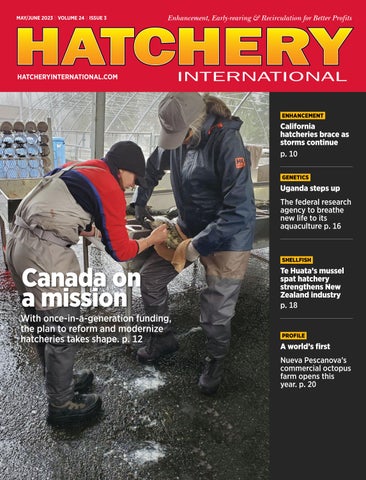
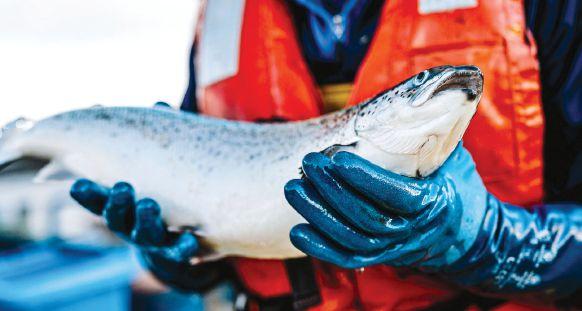
With once-in-a-generation funding, the plan to reform and modernize hatcheries takes shape. p. 12
ENHANCEMENT
California hatcheries brace as storms continue p. 10
GENETICS
Uganda steps up
The federal research agency to breathe new life to its aquaculture p. 16
SHELLFISH
Te Huata’s mussel spat hatchery strengthens New Zealand industry p. 18
PROFILE
A world’s first Nueva Pescanova’s commercial octopus farm opens this year. p. 20
10 California hatcheries brace as storms continue
By Julia Hollister
12 Canada on a mission
With once-in-a-generation funding, the plan to reform and modernize hatcheries takes shape.
By Lynn Fantom
16 Uganda steps up
The federal research agency aims to breathe new life to its aquaculture through genetics.
By Bob Atwiine
18 Te Huata’s mussel spat hatchery strengthens New Zealand industry
A new hub for mussel production and a significant venture for the Te Whānau-ā-Apanui
By Bonnie Waycott
20 A world’s first Nueva Pescanova’s commercial octopus farm opens this year.
By Treena Hein
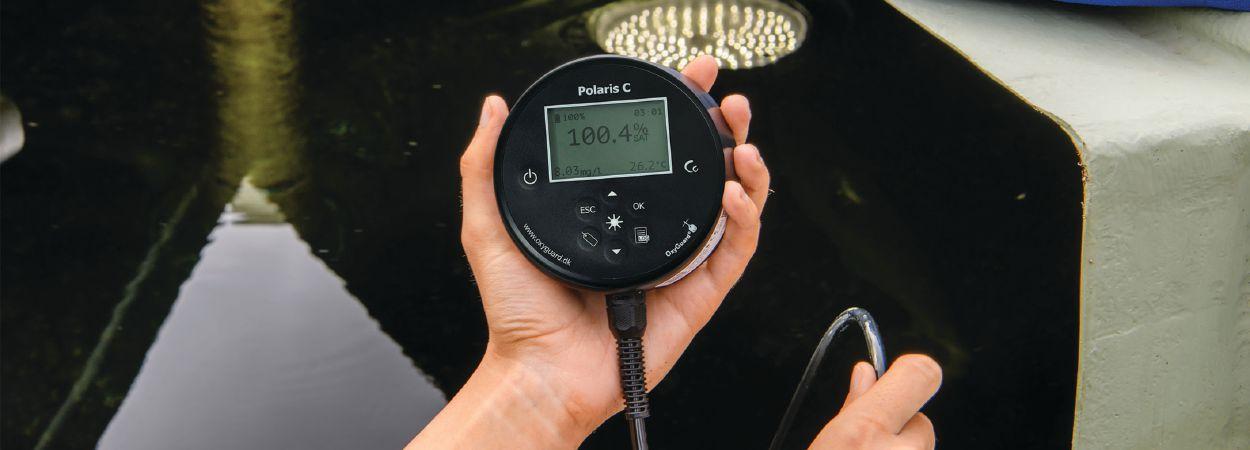
Smarter Sensors
Industry-leading optical dissolved oxygen provides higher accuracy readings with less maintenance
Seamless Integration
Modbus communication integrates directly to the PLC or data logger you already have without additional software
Automatic Compensation
Optional built-in conductivity automatically compensates for salinity — improving accuracy
Hatchery 101 Changing with the
STA R T ST R ONG. STAY
ST R ONG.
LARVIVA is a complete range of hatchery feeds. It is specially developed to maximize the success of the hatchery operations by giving your larvae a strong start ensuring high quality, robust and performing fry ready for the grow out stages.
VOLUME 24, ISSUE 3 | MAY/JUNE 2023
Reader Service
Print and digital subscription inquiries or changes, please contact customer service
Angelita Potal
Tel: (416) 510-5113
Fax: (416) 510-6875
Email: apotal@annexbusinessmedia.com
Mail: 111 Gordon Baker Rd., Suite 400, Toronto, ON M2H 3R1
Media Designer Svetlana Avrutin savrutin@annexbusinessmedia.com
Audience Development Manager Urszula Grzyb ugrzyb@annexbusinessmedia.com 416-510-5180
Group Publisher Anne Beswick abeswick@annexbusinessmedia.com 416-410-5248
President/COO Scott Jamieson sjamieson@annexbusinessmedia.com
PUBLISHED BY ANNEX BUSINESS MEDIA 105 Donly Drive South, Simcoe, ON N3Y 4N5
Hatchery International is published six times a year by Annex Business Media. The authority for statements and claims made in Hatchery International is the responsibility of the contributors. Reference to named products or technologies does not imply endorsement by the publisher.
Subscription rates (six issues) Canada: $37.00
Within North America: $48.00 CAD
Outside North America: $62.00 CAD
To subscribe visit our website at www.hatcheryinternational.com
PRINTED IN CANADA ISSN 1922-4117
Publications Mail Agreement #PM40065710
RETURN UNDELIVERABLE CANADIAN ADDRESSES TO 111 Gordon Baker Rd., Suite 400, Toronto, ON M2H 3R1
The advertising deadline for the July/Aug issue is May 19. Don’t miss the opportunity to be part of this exciting aquaculture publication. For more information, or to reserve space in the next issue, call our advertising department at +1.250.474.3982 jthain@annexbusinessmedia.com
Next Editorial Deadline
The editorial deadline for the May/June issue is May 24. Contact Jean Ko Din at jkodin@annexbusinessmedia.com for details. Material should be submitted electronically with prior arrangement with the editor.
Building blocks
Research innovations and developments are happening all the time in the world of hatcheries. This issue is clear evidence of that. In these next pages, we explore new stories about genetics and broodstock, which are the building blocks of any hatchery production.
It seems many countries now understand that investing in its fisheries and aquaculture are of great national interest. Canada can be a great example for this, as the cover story takes a closer look at what the Department of Fisheries and Oceans (DFO) plans to do with its “once-in-generation” investment. In the country’s west coast, hatcheries are being given a renewed mission to fight against the dwindling stocks of native salmon species in its rivers and waterways.
However, I can’t help but think that celebrating the DFO’s investment is a bit bittersweet. While federal hatcheries are given a confidence boost, this same agency is driving the closure of its aquaculture industry in the Discovery Islands, B.C. Our sister publication, Aquaculture North America, has followed these events closely.
JEAN KO DIN
Other countries, like Uganda and New Zealand, have a different perspective to its aquaculture industry. Both countries are looking to improve genetic research that could boost production and its local food markets.
We, at Hatchery International, know that these are only some of the countless stories of hatcheries looking to improve and modernize. These operations are an intergral part to a nations’ food security, as well as its preservation of natural waterways. Because of this, I’m happy to be bringing back our Top 10 Under 40 program for 2023.
Once again, we’re looking for young hatchery professionals that represent a bright future for the industry. We want to spotlight people who are bringing new ideas to drive progress.
Registrations for Top 10 Under 40 will open on May 1 and will be open until Aug. 7. Keep a close eye on our email newsletters as we get ready to announce this year’s campaign. You can find all the information you need on our website. As always, my inbox is open: jkodin@annexbusinessmedia.com.
Alternative suppliers save the day for Russian salmon industry
Several key broodstock and aquafeed suppliers curtailed trade with Russia last year, but salmon (Salmo salar) farmers managed to source inputs in other countries, the Russian Union of fish companies, Rosrybhoz, said.
Russian aquafeed import was in turmoil last year after supplies from Denmark and Finland came to a halt. In this background, deliveries jumped from alternative directions, including Norway (45 per cent of imports), Belarus (16.2 per cent), France (9.1 per cent), Turkey (7.7 per cent), Germany (6.9 per cent) and Armenia (6.1 per cent), Rosrybhoz estimated.
Russian feed mills also struggle to fill the gap in the market but failed to ramp up production volumes in time, the organization admitted.
Anticipating even more considerable turbulence, Russian fish farmers rushed to stock up on aquafeed for at least several months ahead. As a result, its import stood
at 126,000 tonnes last year, 30 per cent higher than in 2021, the Russian veterinary watchdog, Rosselhoznadzor, reported.
The story is similar in the broodstock segment. The U.S. and France, in the previous years the largest suppliers of salmon smolt
Ukrainian fish farmers suffer tremendous losses
The combined damages and losses of the Ukrainian aquaculture sector reached US$21.6 million, which is 63 per cent of the annual gross value of sales in the sector, research conducted by the Food and Agriculture Organization (FAO) of the United Nations showed.
“Spring is typically the period in which aquaculture farms produce fry and begin restocking operations. These activities have all been affected by the ongoing war. The local aquaculture market system was destroyed due to martial law and the relocation of a large proportion of the population. Before the war, freshwater aquaculture consisted of 1,400 companies with 17,000 tonnes of annual fish production,” FAO reported.
Overall, 12 per cent of the interviewed aquaculture companies reported damages to assets, including 32 per cent of the farms in the frontline oblasts.
LONG-LASTING AQUACULTURE PUMPS
to Russia, were replaced by Spain (27.3 per cent), Denmark (26.3 per cent), South Africa (14.3 per cent, and Norway (11 per cent). Russian hatcheries also took steps to expand operations to replace import, Rosrybhoz said, citing Sochi-based hatchery Adler, which saw a 38.4 per cent increase in trout fry production.
Russia is still having strong dependence on imported Atlantic salmon fry, the organization admitted.
Rosrybhoz has also praised the generous state aid the Russian government subjected fish farming to last year. In addition to lowering import duty on aquafeed, the authorities spent 2.1 billion roubles (US$28 million) on subsidizing the interest rate on bank loans for the purchase of aquafeed, veterinary drugs and broodstock. Compared with the previous year, this figure jumped by a factor of five times, Rosrybhoz estimated, adding that in addition to federal programs, fish farmers also enjoy state support programs at the regional level.
In 2022, fish farms were mainly affected by the complete or partial loss of reared fish, FAO said, estimating that this issue hit five per cent of farms at a national level and 21 per cent in the frontline territories. Smaller and similar shares of farms reported losses of fry and broodstock. An additional five per cent of farms at a national level, including 15 per cent in frontline regions, experienced other production challenges.
In the background of ongoing hostilities, most fish farms in Ukraine find themselves in dire financial conditions. The average annual income reduction, when compared to 2021, was reported at 24 per cent at a national level and 40 per cent by the farms in the frontline territories, amounting to US$8.1 million, FAO reported.
About 58 per cent of the surveyed aquaculture farms evaluated their financial standing as unfavourable. In addition, 65 per cent of the companies were unable to access credits and loans.
Russia experiences a shortage of aquafeed.
PHOTO: BAIKAL RYBA
Pre-treatment of R. okamurae enhances suitability as diet inclusion in juvenile European sea bass
Pre-treatment of Rugulopteryx okamurae, a brown algae species, “significantly reduced” its side effects when used as dietary inclusion in juvenile European seabass diet, according to the study, “From invasion to fish fodder: Inclusion of the brown algae Rugulopteryx okamurae in aquafeeds for European sea bass Dicentrarchus labrax (L., 1758)”.
“We believe that R. okamurae could be a suitable resource for aquafeeds for the European sea bass, although its use requires a pre-treatment before inclusion. Otherwise, while the fish still have a positive growth performance, the gastrointestinal tract pays a toll on the integrity, transport, and inflammatory processes,” authors F. Fonseca et al. said.
The study, published on Aquaculture, was conducted in Spain. It believed that a five per cent dietary inclusion of pretreated R. okamurae biomass could be a suitable raw material for aquafeeds in the animal.
Through its research, it was confirmed that adding raw R. okarumae to aquafeeds affects intestinal process in European seabass and algal biomass enzymatic hydrolysis/ fermentation pre-treatments significantly reduce impact.
Brown algae have properties that are both beneficial and harmful as inclusions in aquafeed formulations. It has good protein and lipid content and contains bioactive compound. R. okamurae, in particular, has antimicrobial, anti-inflammatory, antifungal and antitumoral properties.
At the other end of the spectrum are the anti-herbivory properties and high fibre content in the cell wall that hinders release of potentially bioactive compounds and other nutrients.
Assuming the raw algae biomass could negatively impact animal performance, the study prepared four experimental formulations by including macroalgae material at five per cent using crude enzymatically hydrolyzed and fermented, enzymatically hydrolyzed, or fermented R. okamurae biomass, which were tested against a control feed.
While the study showed that dietary inclusion of non-treated brown seaweed still produced positive performance, it was cited that “the gastrointestinal tract pays a toll on the integrity, transport, and inflammatory processes.”
An invasive species in southern Europe, R. okamurae has been causing problems in the regions, such as bio-diversity loss, massive accumulation of biomass on shores and snagging in fishing nets.
“The sustainable use of invasive algae as an aquafeed ingredient would comply with several principles of the European Union Blue Circular Economy,” they said.
– Ruby Gonzalez
HI_Reed Mariculture_MayJune23_CSA.indd
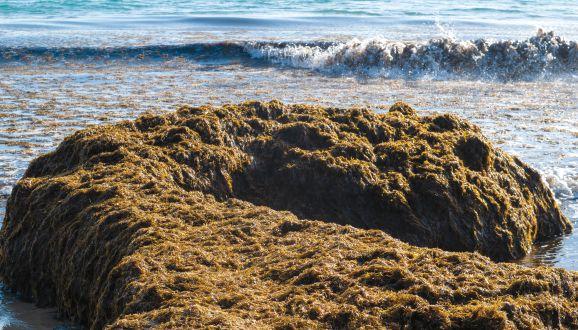
The invasive algae, Rugulopteryx okamurae, is native to the Pacific Ocean, invades the strait of Gibraltar and produces natural disasters on the beaches.
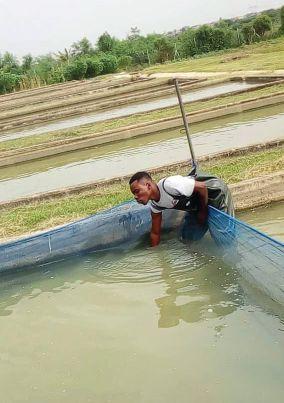
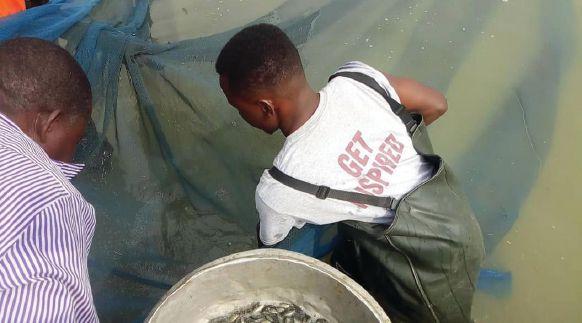
Fish farmers in Ghana have been forced to close business due to skyrocketing cost of fish feeds on the market.
According to fish farmers, the cost of fish feed has gone up by about 200 per cent across the country which has rendered many businesses profitless.
David Appah, director in one of the companies dealing in fish
farming and aquaculture extension services in the Greater Accra region, told Hatchery International that there has been rapid increase in the price of feed where a bag of 15 kg feed was sold at 90-100 Ghanaian Cedis (US$7.23 -8.03) in 2020, but currently the same bag is now sold at 300-500 Cedis ($24.10-40.16) in 2023.
“The rapid increase in price has affected many small scale farmers, and even bigger farms. Most farms have paused or stopped production. Also, the price of fish keeps falling even though the cost of production is high, making most farms unable to profit. Sometimes the best option is to break,” said Appah.
The rising cost of ingredients such as maize and soya beans have resulted in the sector relying heavily on imports to produce feed for their fishes.
“Most of these feed producers are foreigners. For them, they want to make 100 per cent profit. Some
Use of commercial probiotics pays off in Bangladesh cultured giant freshwater prawn
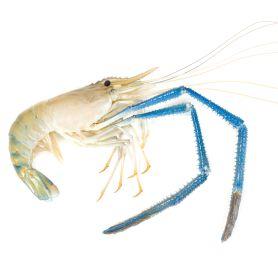
Not only does the application of commercial probiotics in Macrobrachium rosenbergii (giant freshwater prawn) farming produce best performance indicators, it also delivers the best financial returns.
These were among the findings of a study by Md. Abul K. Azad et al. in Bangladesh that looked into the application of commercial probiotics in all culture phases of giant freshwater prawns.
of us can equally produce good feed like them but we lack the resources and the raw materials are also expensive,” he added.
Appah blames government for failure to intervene and arrest the situation adding that that it only targets on getting a percentage from the big companies producing feed and neglecting local fish farmers.
He wants the government of Ghana to intervene and regulate the prices of feed and if possible subsidise it for local fish farmers.
Asked on the state of the aquaculture industry in the
The application of probiotics from the hatchery-rearing stage to the end of the culture cycle can significantly increase the earnings of the farmers, the authors cited in the study published on Journal of the World Aquaculture Society.
The cultured prawn industry is among the top high-value exports of the country, with the European Union, USA, Japan, Russia and China as the top markets.
Bangladesh has the natural environment conducive for farmed giant prawn production. To sustain industry growth, ongoing studies are being done on methods to handle diseases and buffer the threats of high mortality and economic losses.
Previous studies on probiotics application focused on grow-out stage. “Application of zymetin and super PS probiotics in hatchery, nursery, and grow-out phases of Macrobrachium rosenbergii and
West African country, Appah noted that the government line ministry is unable to provide a detailed description of the situation it because of lack of national data about the industry.
The Chamber of Aquaculture Ghana was recently launched to collect national data of all aquaculture industry stakeholders. The organization also calls on the government to consider tax waivers and research to enable players in the sector to discover new ingredients for fish feed production, among others.
– Bob Atwiine
their impact on culture environment, production, and economics” is the first study on application of probiotics on all culture stages.
Per estimated fixed cost for one cycle of production, variable and total cost – all per hectare, production areas with probiotics application at all culture stages (T1) generated more expenses compared to areas where probiotics was applied only during the grow-out stage (T2) and control. These well expenses well spent as cost-benefits analysis showed that T1 yielded the highest net return to land, family labor, and management: T1 (US$3778.33 ± 61.08); T2 ($3263.02 ± 173.30); and C ($2619.21 ± 188.22) (p < 0.01).
Zymetin is a feed probiotic useful for enhancing the physical strength and growth of prawns. It aids in the stimulation of immune activity, and reduces pathogenic bacteria by competitive exclusion. It was added to the feed for a specific length of days every week.
Super PS is a soil probiotic that significantly improves shrimp health and growth by biodegradation of organic pollutants, reduces hydrogen sulfide and toxic gases, and maintains optimum water quality and soil parameters. It was applied in tanks or ponds before stocking PL or juveniles. Post-stocking, super PS application was done at varied quantities at several culture stages.
– Ruby Gonzalez
High fish feed prices force Ghanaian fish farmers to close business
PHOTOS: BOB ATWIINE
PHOTO: SIRAWUT / ADOBE STOCK
Aquaculture veterinary training initiative launched in Scotland
Scottish researchers and one of the country’s major fish farming companies are to work together on a £39,000 (US$47,800) skills training programme in a bid to boost the flow of seafood technicians and veterinary professionals into the industry.
Scotland’s Rural College (SRUC) and Scottish Sea Farms have announced a combined effort to create three new types of skills courses, including technician training piloted with SSF and professional development (CPD) courses offered to vets which will include topics such as higher-level data skills, fish health and gill health.
“The health of our fish, and the development of the people who care for them, are central to everything we do,” Ronnie Soutar, head of Veterinary Services at Scottish Sea Farms, told Hatchery International “This new collaboration with SRUC will support both these aims by providing current and emerging generations with opportunities to gain practical experience and, in turn, grow their skills and understanding of the sector.”
“The number of vets coming into salmon farming continues to grow,” he added, “aided by a concerted drive to increase understanding of what we do, why we do it, and the positive difference vets can make to all aspects of fish welfare: from genetics, broodstock and freshwater stages, right through to marine farming and humane harvesting. It’s hugely important, however, that we work equally hard to ensure that, once in the sector, vets have ready access to the training, development and support they need and want.”
Mary Thomson, vice principal of Skills and Lifelong Learning at SRUC, commented: “This is a fantastic opportunity to support the aquaculture sector with upskilling which can improve business productivity. It will also expand SRUC’s existing CPD provision, and learners will benefit from improved understanding of the sector and career pathways available.”
Funding for the new collaboration has been provided by the £100 million (US$122.7 million) UK Seafood Fund which aims to support the long-term future and sustainability of the UK fisheries and seafood sector.
–
Colin Ley
Hydrotech Drum Filter Value series focuses on reduced maintenance, increased component quality and simplified operation – all to give your plant maximum filtration performance at a minimum operational cost.
New courses will improve the skills and knowledge of people working in the seafood sector. PHOTO: SCOTTISH SEA FARMS
California hatcheries brace as storms continue
By Julia Hollister
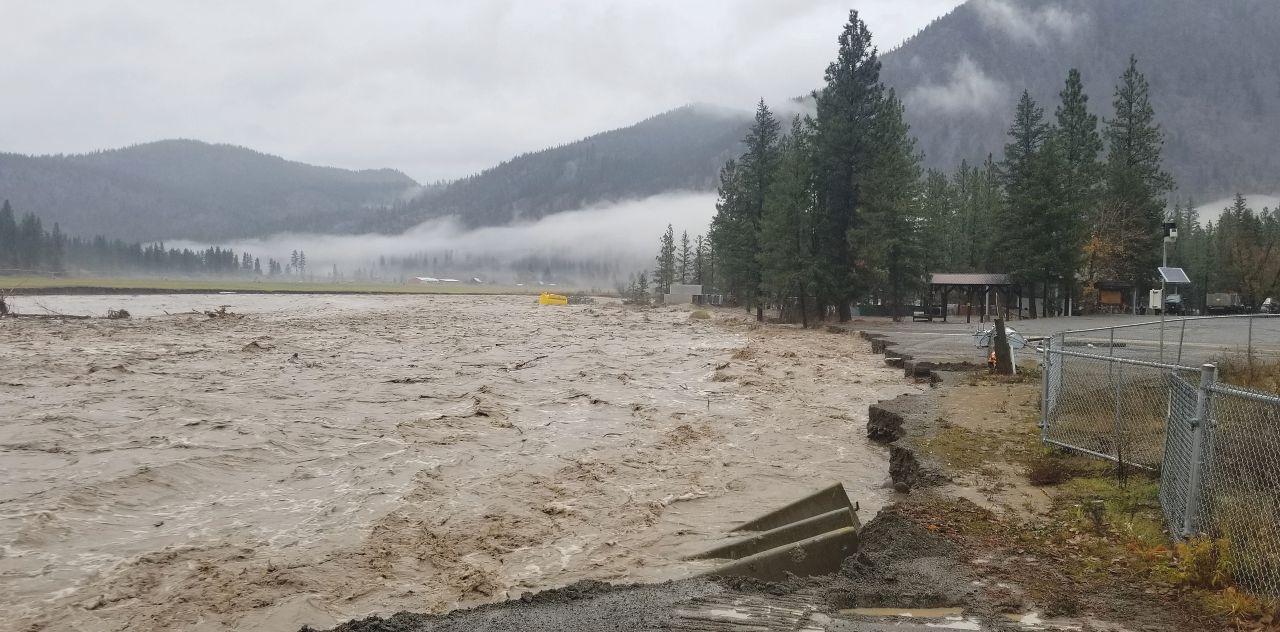
The storm signs were all over: darkening clouds, chilly winds and then the rains came with fierce force.
“Rain started really picking up around the 3rd and 4th of January and the storm and was pretty non-stop for about three weeks,” said Connor Greenwood, at the
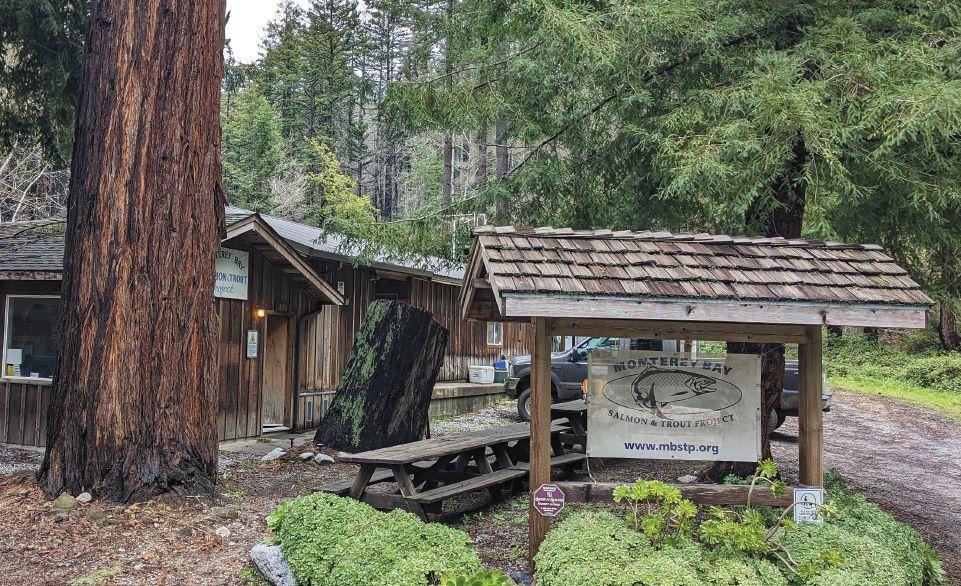
Monterey Bay Salmon and Trout Project (MBSTP). “No more damage at the hatchery today (March 14)… But, water is high and wind is bringing down trees in our valley so if anything happens, you’ll be one of the first to know.”
The primary hatchery, Kingfisher Flat, is located on Swanton Road, about 20 minutes north of Santa Cruz, Calif. The genetic conservation, non-profit hatchery was founded in 1976, but the hatchery was opened in 1982. The facility is critical to the recovery of local, native salmonids, namely federally endangered Central California coast Coho salmon and threatened steelhead of Monterey Bay.
In February, the hatchery helped release over 360,000 juvenile Chinook salmon to Monterey Bay. These fish are released at coastal sites to give them a better chance of survival.
Fish produced at Kingfisher Flat facility are of the highest genetic diversity and are the offspring of locally-sourced broodstock. This practice is representative of MBSTP’s efforts to recover native salmon and trout populations of the greater Monterey Bay region while preserving local genetic resources and supporting, rather than impacting, wild populations.
The hatchery is in an ideal
setting for a small-scale conservation and recovery hatchery, although this location also comes with some challenges. The hatchery has experienced intense flooding, drought and substantial wildfires in the Big Creek watershed, and has withstood them all.
“Luckily our fish were not affected too badly with the 2023 storm,” Greenwood said. “We lost flow from our main water intake once or twice due to debris or sediment blockages, but our systems are partially recirculating via pumps on a backup generator, so dissolved oxygen never dipped too low.
“Turbidity also caused some stress, but losses were minimal. We were stressed because we couldn’t see the fish and didn’t know how they were doing until the water cleared up about a month later.”
Greenwood said was “all hands on deck during the storm.” The hatchery had multiple people on site every day for the duration of the storms to monitor conditions, maintain systems, clean up the facilities, and clear up log jams to avoid flooding. But with a staff of just two, it was a rough stretch.
Once or twice they were forced to leave the hatchery due to a large amount of treefalls in our valley. They had to carpool in the company truck because their personal vehicles couldn’t cross the pond
that formed on Swanton Road on the way into the hatchery.
Dennis Taylor, with the Monterey Herald , reported that in a recent report by District Environmental Resources Manager Thomas Christensen and District Engineer Larry Hampson, the damage to the facility from last month’s flooding is estimated to be about US$250,000. The emergency funding will come out of a reserve account and the district will later seek reimbursement from state and federal agencies as well as insurance.
The storms presented no new problems for Mount Shasta Hatchery in the northern part of California because the area is used to snow. The ‘tons’ of snow cooled the water a little but the fish aren’t bothered. The main problem is trying to keep the roads cleared.
In Santa Cruz, public workers are refilling sand bags and hoping summer comes soon.
“We are keeping an eye on flooding and other situations. These precautions are especially important considering the average age of California hatcheries is 78 years.”
“We are aware of the oncoming storms,” said Hatchery Program Manager Kenneth Kundarje with the California Fish and Wildlife.
“We experienced no major damage in the recent storms but every hatchery has emergency plans in place to make sure what do when an emergency arises.
“We are keeping an eye on flooding and other situations. These precautions are especially important considering the average age of California hatcheries is 78 years.”
The Monterey Peninsula Water Management district resource manager, Thomas Christensen, heads the mitigation project on the Caramel River that rescues young steelheads when the pools dry in summer. The fish are transported
to a rearing facility upstream in the river where the fish are kept all summer. The program came online in 1996.
“The steelheads are reared at the Sleepy Hollow facility located along Carmel River,” he said.
When the river flows again, the fish are released back into the river and hopefully, migrate to the ocean and return to spawn in spring. This is a unique program that is funded by local people who pay their water bills. There is no salmon fishing allowed because they are threatened species, with a short season for catch and release only.
“With the threat of recent storms, we were lucky that we got them out before storms came in,” he said.
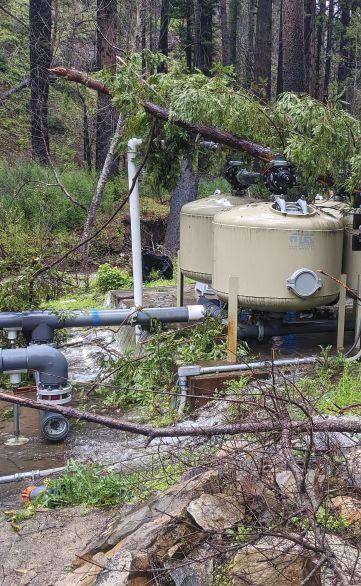
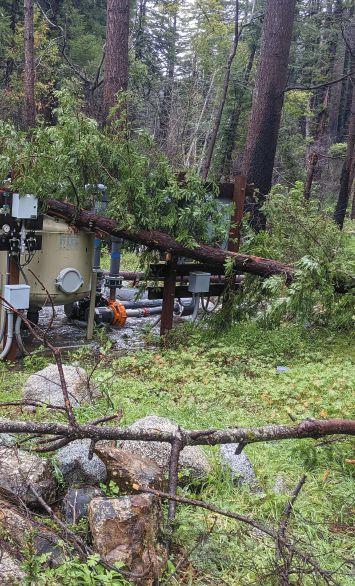
Kinfisher Flat hatchery contines its work as staff contend with extreme weather. On right, a tree has fallen on its filtration systems after a recent storm. PHOTOS: MONTERAY BAY SALMON AND TROUT PROJECT
Canada on a mission
With once-in-a-generation funding, the plan to reform and modernize hatcheries takes shape. By
Emerging science has led some conservationists to question whether hatchery production was a cost-effective restoration tactic and to sound alarms about the practice of releasing hundreds of millions of domesticated hatchery fish to mix with wild salmon.
But an eye-popping C$647 million (US$473.6 million) was earmarked in the 2021 budget of the Government of Canada which signaled a new confidence and urgency to rebuild the drastically declining populations of Pacific salmon.
Called the Pacific Salmon Strategy Initiative, Fisheries and Oceans Canada (also known as DFO) is carrying out a five-year strategy that includes habitat restoration, management of commercial harvests, and deep collaboration with stakeholders — along with a sophisticated, science-based approach to hatcheries.
“We used to make mistakes, right? We thought a fish was a fish, and we would distribute them all over the place and wonder why they wouldn’t survive. Not just the DFO, but fisheries managers throughout the world,” said Michael Crowe, a regional manager of Salmonid Enhancement Program (SEP), which was founded in 1977.
“We now have so much more information about their biology and nature.”
An evolving focus
“We’re basically moving from the origins of the program, which were more around production for harvest, to a broader one with a conservation focus,” said Corino Salomi, the regional manager of DFO’s Enhancement Operations. “Originally, a lot of the production was relatively high numbers to directly feed recreational, First Nations, and commercial fishing. And what we’re really trying to do is add the capacity to help rebuild or restore stocks that are at a lower conservation status.”
Lynn Fantom
The DFO operates 17 hatcheries, most of which are located on rivers and focus on the species of that river, according to Salomi. But now conservationists have identified problems in other rivers, farther away from where the current hatcheries are located. So, programs are going to have to involve more transport activities.
Such an effort requires a crew to collect broodstock from that river, transport it to the hatchery facility to conduct “a small, discrete conservation program with that stock,” and then transport the juvenile fish back.
“We’re facing and trying to manage extinction risks,” Crowe emphasized.
So, in terms of hatchery infrastructure, that will mean replacing large, long raceways with smaller rearing containers, as well as increasing biosecurity controls and transport capabilities.
“Our objective is now to go from large numbers of a few stocks to many stocks but in fewer numbers,” he added.
Even though this is “a massive generational investment,” as regional manager Adam Silverstein described, the 2021 federal commitment will need to focus on “some major renovations at a couple of facilities and then a cascading series of upgrades in terms of equipment across the rest of the infrastructure.”
These will include increasing good surface and ground water as well as enhancing incubation flexibility such as the UV sterilization and chilling needed for different stocks. Back-up infrastructure, ranging from generators to alarms, will also rank high due to its importance in times of extreme weather events.
“We might have the last few gametes of a population in a particular location, and we need to protect those with all the resources that we have,” added Silverstein, who is overseeing the hatchery reform and modernization.
In addition, the program will build two new facilities in the mid and upper Fraser River, where unprecedented rains, landslides, and elevated water temperatures have challenged chinook and sockeye salmon in
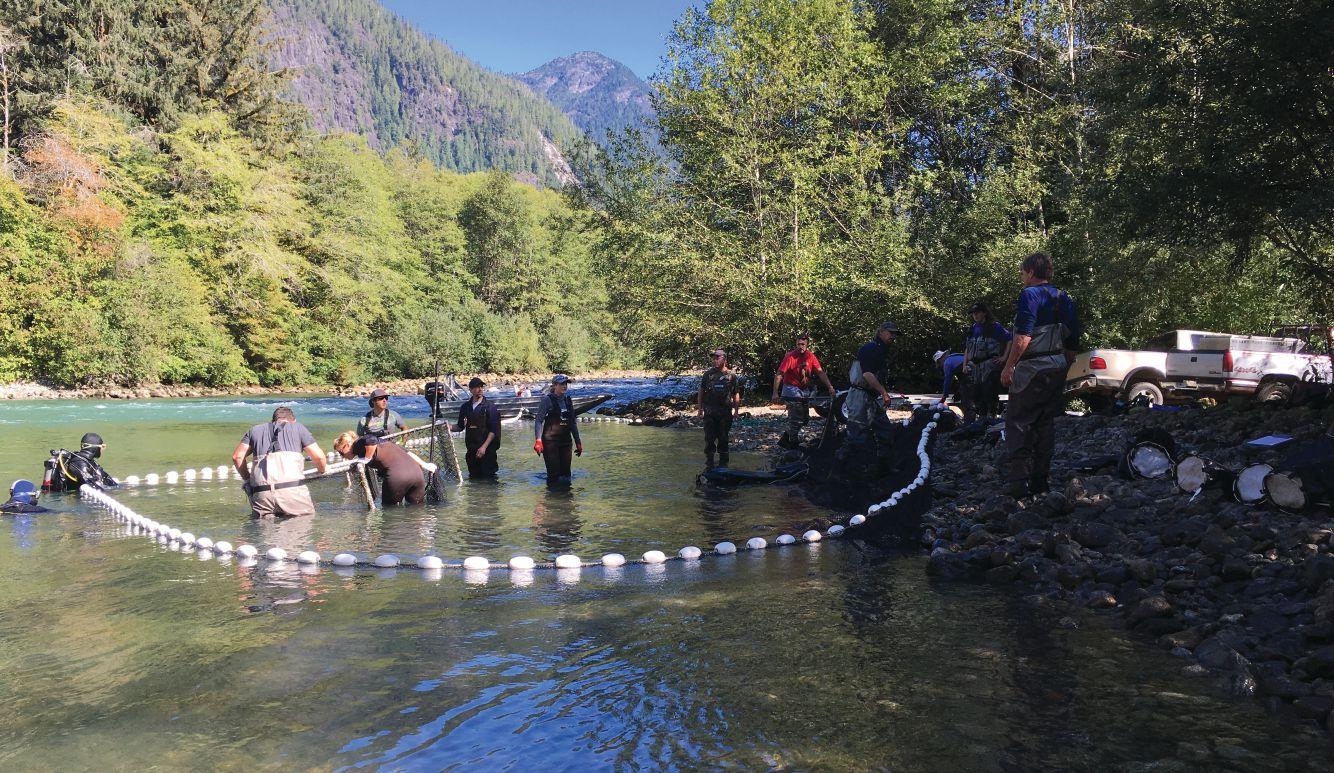
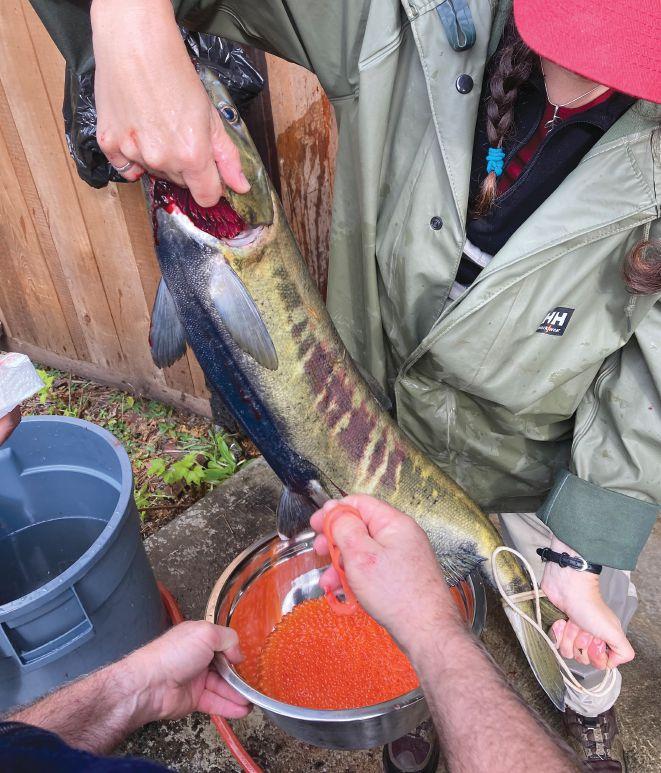
Phillips River chinook broodstock collection
recent years. Also under consideration are four other hatcheries that would be operated by First Nations communities or volunteers in collaboration with the DFO for the shared purpose of conservation. The goal is to locate new facilities where the conservation concern exists.
Research capacity
“There is a ton of science that is emerging around enhancement techniques, both the benefits and the risks,” Silverstein said. “We are in a much better position to understand the genetic composition of salmon populations and the roles that hatcheries might have in influencing those.”
To that point, a 2018 paper published in Marine and Coastal Fisheries examined levels of pink, chum, and sockeye salmon in the North Pacific from 1925-2015 and zeroed in on whether they originated in the wild or in hatcheries. A key finding is that hatchery salmon represented approximately 40 per cent of the total biomass of adult and immature salmon in the ocean.
In addition, recent abundance of these particular salmon species is “the highest since the collection of relatively comprehensive statistics began in 1925,” wrote the authors, reflecting “generally favourable ocean conditions and, in recent decades, releases of large numbers of hatchery salmon combined with improving hatchery technologies after 1990.”
In contrast though, they noted declines in natural-origin chinook salmon, coho salmon, and steelhead in the eastern North Pacific. Because salmon compete for food at sea, researchers hypothesized that in Alaska, for example, declines among chinook and coho salmon may be related to the alteration of the food web by highly abundant pink salmon. They also pointed to an empirical model based on several decades of data that predicted an 18 per cent decline in productivity of natural-origin British Columbia Fraser River sockeye salmon (1.8 million fish each year) in response to an increase of 50 million adult hatchery pink salmon in North America.
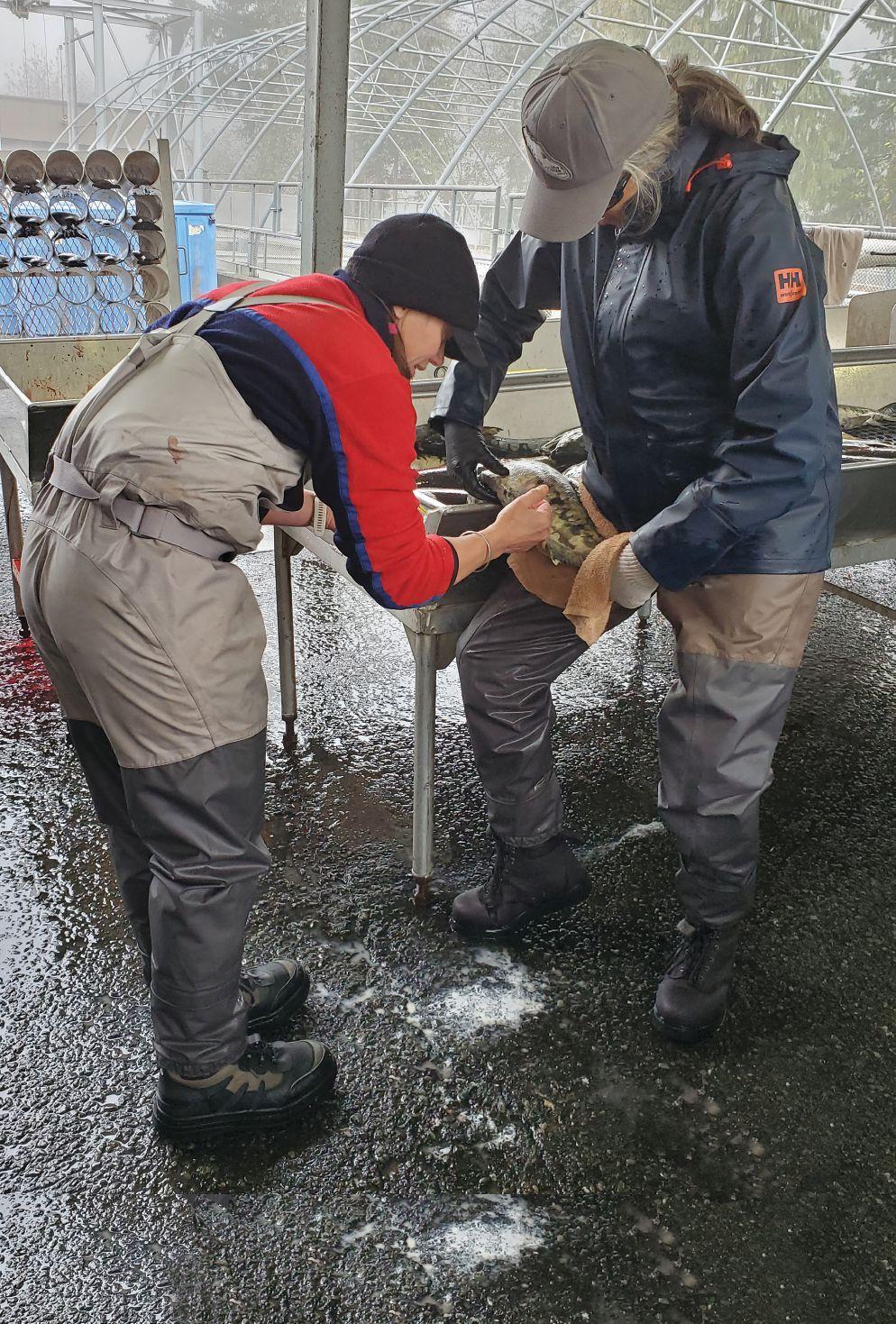
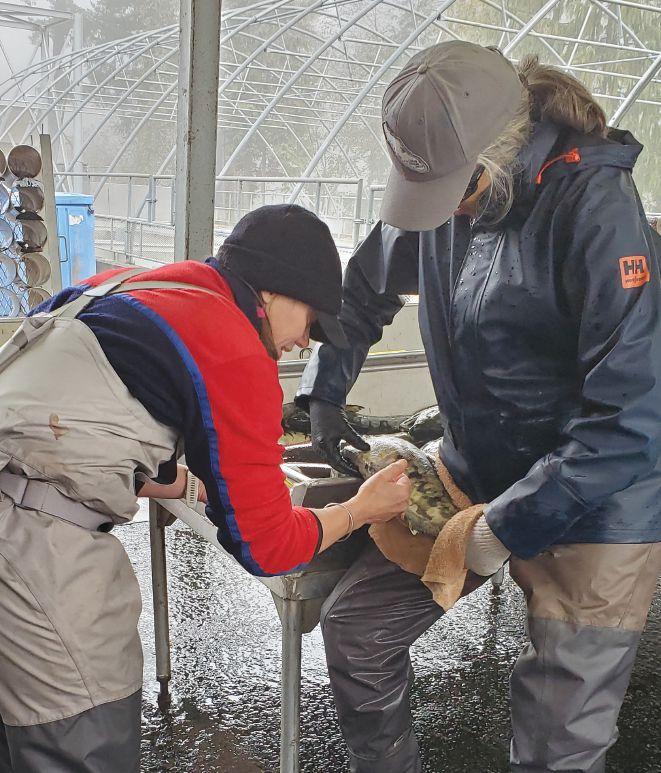
A technician assists in the egg take of a salmon at Zeballos Hatchery on Vancouver Island. This hatchery is operated by the Ehattesaht/Chinexint First Nation.
Puntledge River Hatchery in Courtenay, B.C. was built to save chinook salmon from extinction and rebuild other species.
LINN Gerätebau GmbH
The researchers urged marking or tagging hatchery salmon so that they can be identified after release. A coded wire tag program has been in existence since the 1970s, but under the DFO initiative, the capacity for marking will increase, as well as leverage new technology, said Silverstein. For coho and chinook salmon, the program is already collecting DNA of the broodstock. It is also intensifying its study of mass marking and mark selective fisheries.
A keystone species
Climate, competition for food, habitat degradation, damming of rivers, and pressure from fisheries have all threatened Pacific salmon populations, which have significant commercial, cultural, and social value.
For example, over 200,000 people visit the Capilano River Hatchery in North Vancouver annually to learn more about the iconic species and, at the right time of year, witness salmon swimming past to spawn further up the river. In addition to being a tourist attraction, it is an operating hatchery and one that will be benefiting from a C$50 million (US$36.6 million) rebuild as part of the Pacific Salmon Strategy Initiative funding.
The new facility will feature “all of the modern technologies” for fish rearing, according to engineering expert, Shaun Loader, as well as incorporate design best practices for water use, heating water with renewable sources, locally sourced building materials, and reusing excess heat by having the public center and the hatchery facility together.
The new interpretative centre — and the project overall — will also reflect the in-depth collaboration that has been occurring with strategic partners, including municipal representatives and members of local First Nations communities.
“For me, it’s not the engineering exercise, but this collaboration that’s been the most rewarding part of the rebuild,” said Loader, who visited the hatchery as a kid and has since taken his own child there.
The stakes are high and the challenge is daunting. For one reason, there are so many Pacific salmon populations on the central coast of British Columbia—according to one researcher, 79 different groups that are genetically, ecologically, and spatially distinct.
“They have evolved in different streams to the specific conditions of those streams — latitude, elevation, size of the stream, water temperature, migration distance — to the point that you can’t treat them all the same,” emphasized Crowe. “Their migration timing leaving and, more importantly, coming back in as adults can be very different based on the stock. So it’s very, very important that we manage these fish at that small geographical unit.”
The massive hatchery rebuild is one step in the right direction that has several strategic pathways. Will it succeed?
“If you follow the science, this is going to be challenging. We are facing very difficult conditions,” said Silverstein. “But what I am optimistic about is that people care very deeply about salmon across BC.”
Recent flooding at Spius Creek Hatchery in Merritt, B.C.
PHOTO: FISHERIES AND OCEANS CANADA
Micromanaging your microbiome: Moving from Reactive to Proactive Bacterial Solutions in RAS
The wisdom gleaned from decades of aquaculture tells RAS operators that it is better to deal with problems when they are small, as opposed to letting them grow. In RAS, the growth you don’t want, such as populations of unwanted bacteria, can result in problems with the performance and quality of your aquatic organisms. High rearing densities, the recirculation of contaminated water, and the fact that the problem is bacterial means that often you can’t even see the growing problem until it has resulted in a negative outcome: disease, off-tasting flesh, or even mortality.
The world is witnessing a rapid expansion of RAS for grow-out of aquatic organisms. This emerging practice is coming with a whole host of new challenges. An example of a prominent bacterial issue that challenged early endeavors into full life-cycle RAS culture for food production was the infamous off-flavor bacteria. Pre-harvest purging is the most common solution employed to combat this issue, which is costly and time consuming. Considering this, extensive research is being carried out to find a more proactive solution to this bacterial issue.
It is certainly worth pointing out that not all bacterial growth in RAS is unwanted. The microbiome of any RAS system is composed of a full suite of beneficial microorganisms in balance with their environment. A healthy microbiome is one that is in equilibrium; microbes grow alongside one another, and the populations of unwanted bacteria are kept in check by balanced populations of beneficial bacteria and environmental factors. For example, in a healthy RAS system, conditions encourage the adequate growth of nitrifying bacteria. However, a change in conditions or the introduction of a new variety of unwanted bacteria can push this microbiome out of equilibrium, and these unwanted bacterial populations can begin to grow beyond acceptable limits.
There are effective methods of controlling the growth of unwanted bacterial populations after it has occurred. However, many of these solutions come with challenges as well. Antibiotic use for disease, for example, has financial and public-perception costs. Regular checks on the status and makeup of one’s RAS microbiome are an effective method for identifying potential bacterial issues before they result in a negative outcome.
Traditional sampling of the microbiome involves identifying which bacteria you believe could be the source of your issue. Samples from the
RAS are collected, placed under conditions for the growth of bacteria, and then the bacteria is identified using microbiological laboratory methods. This process is less than ideal for a few reasons. First, some types of bacteria are very difficult, or impossible, to culture. Small errors in sample handling and culture can result in false negatives. Second, it’s very difficult to narrow your results down to a specific species and to estimate how abundant that species is compared to others in the system. Finally, it is a slow process. A regular, effective testing regime, of any design, is one that gives you results in a time frame that allows you to act before an issue arises. So how can operators efficiently keep tabs on their RAS microbiomes?
One alternative the aquaculture industry can use is to regularly check the status of their microbiome by using a Microbiome Sequencing service. Microbiome Sequencing uses the bacterial DNA collected in samples to rapidly identify and quantify species of bacteria present in RAS microbiomes, with a higher degree of accuracy than traditional bacterial culture. Through this service, a producer can move from sampling to delivery of results in a matter of days. This short turnaround time opens the door for a regular microbiome testing regime. By carrying out such testing regularly, operators can build a baseline profile of their RAS microbiome, which enables them to identify problems early and implement targeted solutions in their systems. As well, it offers operators and researchers alike an efficient tool to aid in research into streamlined bacterial solutions, such as proactive off-flavour bacterial remedies. Dr. Adriana Artiles, Business Development Manager for Genetics at the Center for Aquaculture Technologies (CAT), suggests that clients carry out Microbiome Sequencing monthly, as a minimum, although the suggested monitoring period can vary from system to system. Microbiome Sequencing (a service offered by CAT) can, “characterize the community of bacteria and archaea in any sample”, says Dr. Artiles.
A stable and productive ecosystem is not much more than many organisms interacting in equilibrium, and a RAS mirrors that larger picture. A RAS microbiome that is in equilibrium is crucial to the efficient rearing of organisms in that system. Conversely, a microbiome that is in disequilibrium causes production challenges. CAT’s Microbiome Sequencing offers the ability to identify disequilibrium early, allowing operators to course-correct before a negative issue emerge.
Uganda steps up
The federal research agency aims to breathe new life to its aquaculture industry through genetic improvement.
By Bob Atwiine
In Uganda, aquaculture is a high-risk business that is prone to genetic factors. Yet, more than one million Ugandans are engaged in fish farming.
Many farmers in the country want to be in control of their own broodstock but this is not always possible and so they must import fry from other countries. Importing strains from other countries can sometimes bring biosecurity risks if not managed carefully and it is not always possible from a regulatory perspective.
The National Animal Genetic Resources Centre (NAGRC), a government research agency tasked with enhancing animal genetic improvement and productivity, has rolled out a program to revive fish breeding across all its stock farms.
Started at Kasolwe and Rubona stock farms, more fish production infrastructure has been established in other centre farms of Lusenke, Bulago and Maruzi. The aim is to enable production of quality fingerlings in all corners of the country and increase farmers’ access to them.
Priorities
NAGRC’s fish program is meant to support sustainable market-oriented fish production through fish genetic improvement for improved food security and household income.
Ezra Byakora, programme officer at NAGRC, says getting the right fish genetics has tremendous impact on achieving farming goals.
Byakora reveals that much of the priority is now focusing on improving the fish growth rates to six to seven months, such that fish farmers can have two production cycles every year.
“The foundation of all growth performance is the genetics and that is what we are trying to work on,” he explains. “We are looking at fish from different farms or different seed producers, and genetic issues of inbreeding, and also to do with fish strains of different species, comparing them with their farmed relatives.”
Byakora notes that the next focus, after growth performance, will be on disease resistance. The intensification of fish farming business in the country is increasing at higher and higher rates.
Optimized feed conversion ratios are also a research and development interest.
Government thinking
Byakora believes that with continued research and development in aquaculture, the government will be able to support youth, women farmers and other underprivileged groups of people by giving them fingerlings stock to be able to improve their livelihoods.
This will be supplemented by providing quality feed that is produced from an NAGRC farm in Kasolwe for ensured efficiencies in fish production at affordable prices.
The government has set a target of 1.7 million tonnes of fish production per year of which one million is expected to be from aquaculture.
Target
species
According to Byakora, NAGRC will focus its research specifically on Nile tilapia, African catfish, and mirror carp fish. These are considered cheap, “poor man’s” fish but have now become everyone’s fish and one of the most viable ventures in aquaculture.
In fact, tilapia and catfish are the main reason Uganda’s fisheries sub-sector is the second highest agricultural foreign exchange earner.
According to Uganda’s Central Bank statistics, over the last 15 years, the fisheries and aquaculture sector has played an important social and economic role in Uganda, contributing 26 per cent of its Gross Domestic Product (GDP) and 123 per cent to agricultural GDP.
“Previously the improvement, most especially on tilapia, has been based on physical observation; by just looking at the size of the fish and doing selection. But now, we use genetics and genomics,” he says.
Unlike catfish, Byakora notes that tilapia’s survival rates are very high.
“Where we have a problem with catfish is because the system and the process of producing it is very sensitive, especially when it comes to incubation and hatchability,” he explains.
Catfish also usually experience problems with fungal infections. As a result, hatchling and fry survival rates are very low. Other problems also stem from the water quality and the feeding.
However, Byakora says they have set up good breeding infrastructure, currently using athen ponds that favour natural breeding behaviours and other indoor hatchery systems for catfish to guarantee high health status.
Education
Even with the demand for more development research, there are some industry players that remain skeptical of the value of investing in the genetic quality of their fingerlings and juveniles.
“Previously, most farmers were not producing fish basing on the genetics. They just looked at the fish to see the size, colour or good shape, so they base on that for selection,” Byakora explained.
“We have had some training with farmers, including help from experts from the UK and we proved to them that you cannot do any improvements in fish without genetics and they really appreciated.”
Another source of skepticism among farmers and other industry players comes from a misconception that genetic improvement automatically means engineering of fish genes to produce Genetically Modified fish species, especially in Africa where GMOs are not popular.
“[Genetic improvement] is based on getting the best gene with evidence and crossing it with the medium or the worst to also improve them to something you want. This is not bringing a gene which is not in this fish and inserting it to another fish to produce GMOs,” Byakora emphasizes. “The farmers are now appreciating because of this explanation we give them.”
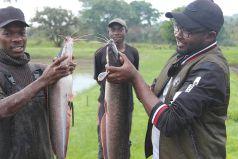
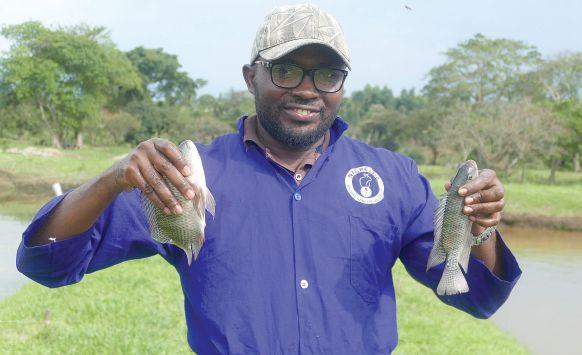
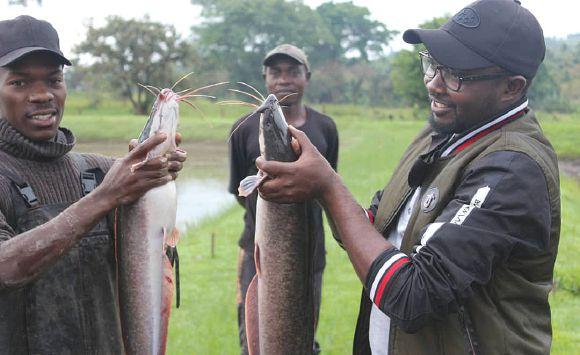
Ezra Byakora (right) and aquaculture technician, Aggrey Mukunde, pose with catfish reared at Rubona stock farm in Bunyangabu, Western Uganda.
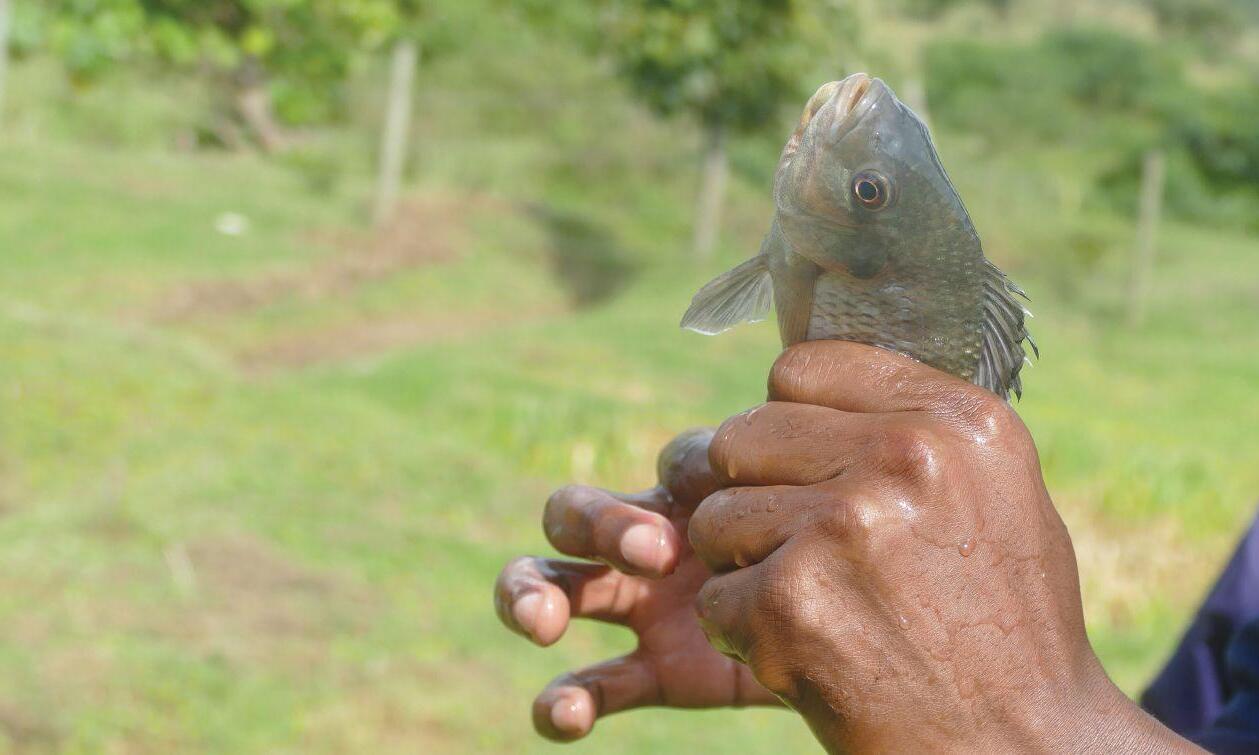
Ezra Byakora showing some of the genetically-improved tilapia at Rubona farm.
Te Huata’s mussel spat hatchery strengthens New Zealand industry
A new hub for mussel production and a significant venture for the Te Whānau-ā-Apanui
By Bonnie Waycott
Mussel farming in New Zealand is worth US$380 million a year, but one new hatchery is going to be more than part of a thriving industry.
Last year, the New Zealand government announced plans for a green mussel spat hatchery near Te Kaha, in Te Moana-a-Toi Eastern Bay of Plenty, to help the Indigenous tribal nation of Te Whãnau-ã-Apanui develop the knowledge and rearing processes critical for successful mussel farming. Those involved hope that the Te Huata Mussel Spat Hatchery will alter the course of an industry that is reliant on wild spat and do much for the Te Whãnau-ã-Apanui people, who have been dependent on the natural environment for food and resources for generations.
“The mussel spat that feeds farms in this country comes from the wild in Te Oneroaa-Tõhe, or Ninety Mile Beach, in the north of New Zealand,” said Hayden Read, board member of the New Zealand Chambers of Commerce Eastern Bay and spokesperson for the Te Hēteri, Te Whãnau-ã-Apanui project.
“However, wild spat doesn’t guarantee a continuous supply, and the mussel industry
has been hurt on a couple of occasions. In certain seasons, supply doesn’t meet demand, while moving spat into different waters results in a high mortality rate. One of our goals with this new hatchery is to reduce the mussel industry’s reliance on wild spat, but we also want to generate wealth, wellbeing, and a better standard of living for the Te Whãnau-ã-Apanui iwi. The project is very tightly coupled with the iwi’s historical connection to the sea.”
Self-sufficiency
and more
The Eastern Bay of Plenty is one of the most deprived regions in New Zealand, and the Te Whãnau-ã-Apanui iwi, consisting of around 15,000 people and 13 hapu (sub-tribes), which have struggled for generations.
Surveys from 2018 show that they are more socioeconomically deprived than New Zealand as a whole, and little has changed in the last two decades, largely due to the lack of employment. The tribe’s vision is that not only will the hatchery provide high quality mussel spat to meet present and growing demand, but also secure their livelihoods into the future.
“The iwi (tribe) members are very clear that through the hatchery, they want to create a pathway for people to come back,” said Read. “What captures their imagination is having jobs for kids, having purpose and being able to bring people home... About 90 per cent or more of their people don’t live inside the boundaries of their landmass, and remaining members are seeking to build capability among themselves. People would come home tomorrow if they had a job, but a job means full employment.”
“The iwi also has huge knowledge around plants and the environment for medicinal purposes and a whole raft of other things,” Reed continued. “It’s interesting that with this new hatchery, some of these cultural manifestations that have been around for generations are being combined with science to get a better outcome for all. Also deeply connected to the iwi’s thinking is environmental sustainability, that the hatchery is not extractive, it’s complimentary. That is deeply embedded in their stories.”
Strength and support
The Te Whãnau-ã-Apanui iwi has joined forces with Aotearoa Mussel Limited, which will exercise the investment in practice. The joint venture will build the hatchery and research facility, and supply spat to the New Zealand mussel industry. Also on board is the Cawthron Institute in Nelson, New Zealand’s largest independent science organisation. Cawthron is partly funded for the project by Callaghan Innovation, a central government agency that supports opportunities like the new hatchery project, while other agencies such as Kãnoa, the New Zealand Trade and Enterprise and the Ministry of Social Development have also offered support. During the COVID-19 pandemic, the team made the most of the lockdowns by focusing on hatchery design and work such as geotechnical reports, environmental surveys and cultural values assessments. Today, preliminary work for the right to build is now over, and the detailed hatchery design is underway prior to the application for building consent.
“The most specific objective of our research with Cawthron is to get a detailed understanding of two critical things,” said Read. “The first is producing mussel spat at pace and scale, and the second is redesigning how we want to build a mussel spat hatchery in this country with a focus on production principles.”
A world-class hatchery
The New Zealand government has set a goal for aquaculture to reach NZ$3 billion (US$1.9
billion) in exports by 2035. Nonprofit membership association Aquaculture New Zealand has indicated that the New Zealand green mussel industry has the potential to provide up to a third of this goal. A reliable source of quality hatchery-raised juveniles will be an important step in helping New Zealand’s aquaculture be more resilient, improving its supply chain and securing its long-term sustainability.
The new hatchery is expected to provide at least 10 per cent more selectively bred spat into the New Zealand marketplace. This spat will be evolved to mature faster, with a greater tolerance to changing global climate conditions. In parallel with the hatchery development, a breeding programme has been initiated so that once the hatchery is up and running, there will be improved broodstock available at the earliest opportunity, says Nick King, senior aquaculture scientist and project lead at Cawthron Aquaculture Park.
“At this stage, there are multiple breeding objectives and broodstock is being sourced from a range of populations to ensure that they have the greatest coverage of appropriate genetic diversity to feed into the breeding programme,” he said.
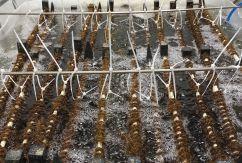
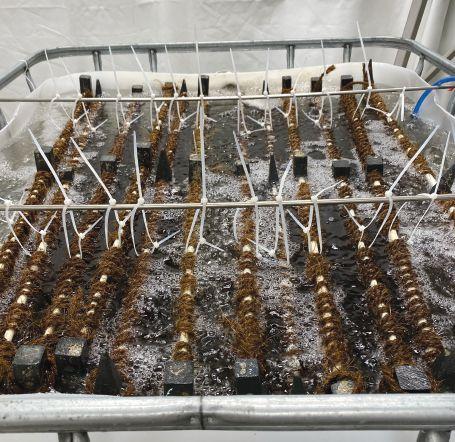
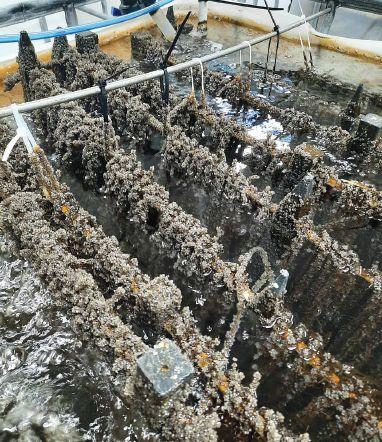
Hatchery production and capability in New Zealand tends to focus on high-density, continuous larval rearing, and work has been underway to develop and adapt these methods to suit the hatchery’s requirements, says King. The continuous larval rearing process utilises continuous feeding with classical live micro larval feeds produced using a mix of hanging bag and carboy production. Photo bioreactors are also likely to feature in the new hatchery. Typical larval densities will be in the hundreds per ml, with direct settlement onto rope substrate as larvae reach metamorphosis. Water quality at the new hatchery site is normally excellent, says King, but a lot of thought is being given to risk mitigation tools like buffer storage for the rare occasions when a seawater supply is unavailable.
“When developing a new hatchery, the top four things that must be taken into account would be access to clean seawater, a skilled and motivated workforce, biosecurity freedom to operate and services such as power, communication and freshwater,” said King. “Location is also key. This new hatchery will be in Te Whanau ã Apanui rohe, where the seawater is typically very high quality, deep and clear rather than muddy or estuarine. It’s also in the same region as several other aquaculture-related initiatives that are underway, such as port development at Opotiki, a new mussel processing
plant at Opotiki and Whakatohea Mussels farm development in the Bay of Plenty.”
Developing the methods and capability to run a commercial-scale hatchery has been a steep learning curve, says King. Cawthron have provided the fundamental knowledge to get started and the facilities for staff to “learn by doing.” The goal is to help de-risk the hatchery development process and ensure that the capability is ready to go once the hatchery is built, he says. So far, the team has learned very quickly how to produce near commercial-scale larval batches, which has built confidence and been critical for informing the design and scale of the new hatchery.
Sights on the future
Today, New Zealand’s mussel industry is thriving, and despite the COVID-19 pandemic and associated market failures, it has continued to deliver growth and is being recognised for its export value. Hopes are high that the new hatchery will not only build knowledge and capability of mussel spat rearing, but also give a purpose and imperative to the Te Whãnau-ã-Apanui iwi.
“We love doing this kind of work as it aligns with our organisational objective to apply our knowledge in ways that support iwi aspirations, whether they are seeking environmental, community or economic outcomes, or all of the above,” said King. “This partnership approach ensures that our research delivers the greatest possible impact. The Maori worldview has a lot to offer that everyone could benefit from, and that perspective is being embraced within this work. There is no one-size-fits-all approach. It’s a collaborative process and we are really enjoying working through this with the awesome staff from Te Whãnau-ãApanui.”
A world’s first
Nueva Pescanova’s octopus farm opens this year.
By Treena Hein
After decades of research conducted in many locations around the world to crack the mystery of octopus reproduction in captivity, recent breakthroughs in Spain have allowed a company there to open the world’s first commercial octopus farm this year.
Grupo Nueva Pescanova, headquartered in Galicia, is set to begin farming the most common octopus eaten in Europe and beyond, Octopus vulgaris. According to the company, it is also the most common octopus species harvested throughout the Mediterranean and the Atlantic Ocean.
The research was conducted at the Spanish Oceanographic Institute (Instituto Español de Oceanografía, IEO). It is here where scientists in 2018 announced they found a successful method for octopus born in aquaculture to reach adulthood and reproduce. In 2019, the institute patented its method and reached an exclusive patent agreement with Nueva Pescanova, where research now continues.
The company’s principal cephalopod researcher, Ricardo Tur, explained on the Nueva Pescanova website that octopuses are sensitive organisms that, even in the wild, require very specific conditions for development –the right temperature, salinity, current levels and so on. In fact, the survival rate of a wild octopus is 0.0001 per cent. Nuevo Pescanova has achieved 50 per cent so far.
In terms of basic octopus biology, the lifespan is between two and three years. Females lay eggs in the environment and tend them for about a month until they hatch.
Controversy looms
Protests against octopus farming have been significant and has involved both animal rights groups and scientists over many years. On World Octopus Day (Oct. 8) last year, protests were held around the globe focused on pressuring the Spanish government to shut down Nuevo Pescanova.
Britain’s state-sponsored news outlet, BBC, claims to have documents showing Nueva Pescanova will kill octopuses in an ice slurry. The BBC quotes Prof. Peter Tse, a cognitive neuroscientist at Dartmouth University, saying that this type of “slow death… would be very cruel and should not be allowed.”
Jonathan Birch, associate professor at the London School of Economics, published a review of more than 300 studies which show that octopuses feel pain and pleasure. The species is therefore recognised as “sentient” in the UK’s Animal Welfare (Sentience) Act 2022.
In the US, the State of Washington has proposed a ban of octopus farming. In Hawaii, the Kanaloa Octopus Farm has been accused of cruelty and was recently ordered to discontinue its activities by the state government due to not having the correct permits. The farm’s owner has stated the permits in question do not apply to his activities, but that the farm will cease octopus breeding for now and apply for the permits in question.
Sensitive transition
When Grupo Nueva Pescanova moved forward with the research, its scientists focused on developing a viable protocol for rearing octopus as what’s called the “settlement phase” of the juvenile’s life ends and the benthic stage begins.
This was the most difficult challenge, explains David Chavarrías, director of the company’s research arm Pescanova Biomarine
PHOTOS: GRUPO NUEVA PESCANOVA
Nueva Pescanova’s research centre in Galicia.
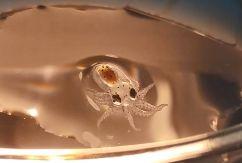
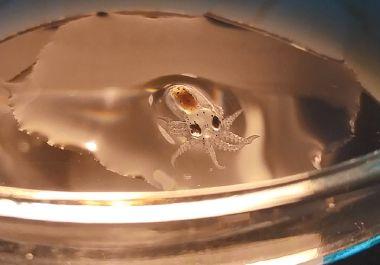
Octopus paralarvae
Center, because octopuses undergo major physiological and behavioural changes during the transition to a benthic lifestyle. Until now, researchers have been unsuccessful with get ting them through this phase, experiencing very high mortality rates.
However, Nueva Pescanova’s researchers say they’ve found a solution. “The main innovation in the breeding of this species was to improve the management of the tank environment, not only in terms of water quality, but also in terms of light conditions and water currents,” says Chavarrias. “At the end of the research process, our team reached a high level of expertise, enough to complete the process and leading us to good survival rates.”
Teasing apart life stages
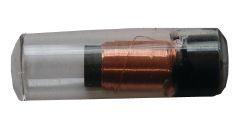
PIT TAGS & SCANNERS
In order to ramp up the scale of the larval cultures, the Nueva Pescanova researchers also needed to closely examine each phase of development. “As an example of our progress, we can now identify four to five different stages in the life of octopuses before they reach their juvenile stage,” says Chavarrias.
These phases are not only defined by morphological changes, but most of them, he explains, are defined by changes in behaviour.
“Proper adjustments to the tank and culture conditions between these different phases are vital for the proper development of pre-benthonic and early-benthonic octopuses,” says Chavarrias. “Our advances solve this bottleneck by rearing individuals that meet their needs in terms of diet, water quality, tank environment and welfare.”
While the company cannot share further details of the tank conditions or details of the tanks themselves, Chavarrias can say that the early life stages “are so sensitive to stress factors that guaranteeing their well-being is key to end a successful culture.”
“We are fully committed to the animal welfare and, in this sense, we are promoting several welfare studies around this species, specifically aimed at finding the physiological basis of their stress response systems,” he adds.
The challenges of maintaining the system for octopuses are very different from those faced by fish farmers, Chavarrias explains, mainly due to the ammonia metabolism of octopus and the rapid replacement of their sucker skin.
“Because of these characteristics, the waste produced by octopus is too much for mechanical and biological filters to handle,” says Chavarrias. “As a result, we had to modify the recirculation system using certain proprietary technologies.”
Recirculation System Design, Supply and Construction.
• Commercial Farms, Hatcheries, Aquaponics, Research Labs, Public Aquariums, Live Holding Systems – we do it all!
• Representing leading RAS equipment manufacturers.
Learn about Chilean aquaculture through its production facilities, stores and anecdotes.
greetech.cl/en/contact/ contacto@greetech.cl
We Bring the Visitor to Know a Living Industry
Guided by Christian Pérez-Mallea
Artificial intelligence aided in-tank fish detection in RAS
By Rakesh Ranjan, Kata Sharrer, Scott Tsukuda, Christopher Good
Artificial intelligence and machine learning can help answer fish production-related questions and assist growers with important management decisions in recirculating aquaculture systems (RAS). Because data quality plays an important role in the accuracy and reliability of machine learning models, data used to train a machine learning model must be sufficient, consistent, accurate, and representative of the system being modelled.
Underwater data collection, high fish density, and water turbidity impart major challenges in acquiring high-quality imagery data in RAS environments. Keeping the importance of data quality in mind, the Precision Aquaculture team at the Freshwater Institute conducted a study to develop an underwater sensing platform that can acquire high-quality imagery data in RAS growout tanks, suitable to train robust in-tank fish detection models. Additionally, we investigated the effect of sensor selection, imaging conditions, and data size on the performance of the fish detection model.
Underwater sensing platform
Three imaging sensors [Raspberry Pi camera (RPi), Luxonis OAK-D, and Ubiquiti security camera (Ubi)] were selected for this study and integrated with a single-board computer for data acquisition and model deployment. The computers were programmed to acquire images at user-defined frequencies.
The sensor-computer assemblies were installed inside waterproof enclosures, sealed, and vacuum tested to ensure underwater seal integrity. The assembled sensors were attached to a customized PVC cube. An off-the-shelf waterproof GoPro camera (GPro) was also installed on the platform for comparison. The platform was mounted to the tank wall to hold the sensor assembly approximately 1.2 metres below the water surface. Moreover, a supplemental light grid, consisting of four sets of diffused LED tube lights, was fabricated and mounted at the tank top to improve underwater visibility.
Fish detection model
Approximately 8,000 images were collected for model training in ambient light (i.e. only the ceiling light turned on) and supplemental light (i.e. both ceiling and supplemental lights turned on) conditions. The models were trained using images captured with various sensors (RPi, OAK-D, Ubi, and GPro) to detect whole and partial fish in the field of view of the sensor under both lighting conditions.
Mean average precision (mAP) and F1 score are commonly used metrics to evaluate the performance of machine learning models, particularly in the context of object detection and classification tasks. Two different types of object detection models (YOLOv5 and Faster R-CNN) were tested. The performance of the fish detection model trained with various dataset size (100–2000 images) was analyzed using mAP and F1 scores.
Model performance
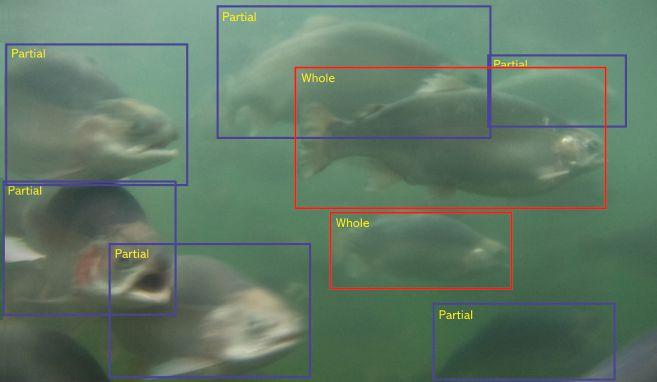
Despite the high fish density, which resulted in object occlusion in the training images, the developed models effectively detected both partial and whole fish in the field of view of the sensors (Figure 1). The models performed best when trained with 1,000 images. Both YOLOv5 and Faster R-CNN models attained satisfactory mAP and F1 scores.While the best-performing Faster R-CNN achieved a mAP score of 86.8%, the highest score for YOLOv5 model was 86.5%.
FIGURE 1. Whole and partial fish detected by the model in ambient light conditions
on model performance
The training time for YOLO models, however, was six to 14 times less than the Faster R-CNN models. Therefore, the former model was determined to be relatively efficient for real-time edge computer vision applications and was selected for further investigation.
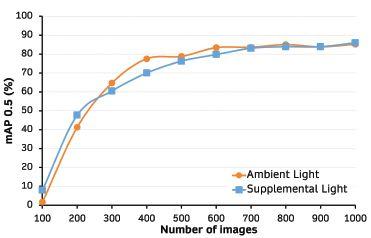
While inspecting the images from each light condition, it was observed that the background fish in the images captured in ambient light conditions had blurry features. Provided supplemental light, foreground and background fish had relatively well-defined features with no blurry edges. Despite relatively poor image quality in ambient light conditions, the ambient and supplemental models performed similarly (Figure 2).
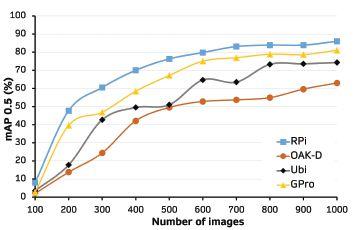
Since the ambient model was trained with a relatively complex dataset and had sufficient data to learn, it performed well on a test dataset captured in similar light conditions. We also learned that sensor selection substantially affected the model performance. In both light conditions, mAP and F1 score for the RPi model was considerably higher than GPro, OAK-D and Ubi models (Figure 2). Additionally, OAK-D and Ubi models had a lower whole-to-partial mAP ratio compared to RPi and GPro.
A lower whole-to-partial mAP ratio indicates that the model performed poorly in detecting whole fish compared to partial fish. This disparity can negatively impact the real-world application of such models, especially for applications like selective fish grading or robotic harvesting, where whole fish detection is critical for decision making.
The RPi model achieved the highest whole-to-partial mAP ratio of 0.9. Furthermore, the number of whole fish annotated for the RPi model was highest due to the larger field of view of the RPi sensor (140º) compared to GPro (120º), Ubi (86º), and OAK-D (69º). The higher number of input features in the RPi training data set perhaps resulted in more robust model performance.
Overall, RPi sensor performed best among the tested sensors and can potentially be adopted to develop computer vision applications for decision support. The optimized model was deployed on a video feed of a camera system to track the real-time movement of individual fish and their swimming pattern. This information can be used to investigate the effect of physical and biological stresses on fish behavior.
Real-time monitoring of fish activity during a feeding event can also be utilized to optimize fish growth and FCR and to minimize wasted feed through automated adjustment of the feed delivery rate.
FOOD SAFE PIT TAGS
NANO PIT TAGS
STANDARD PIT TAGS
FIGURE 2. The effect of light condition (top) and sensor selection (bottom)
Changing with the climate
In the first installment of the Hatchery 101 webinar series, experts tackle the challenges of climate change
When one looks at the intersection of topics such as climate change and hatcheries, it becomes clear very quickly that, well… it’s complicated.
On one hand, you have hatcheries: water quality, maintaining temperature, husbandry challenges, etc. On the other hand, you have climate change: increasing global temperatures, increased storm occurrence and severity, changing rainfall patterns, etc.
When exploring the intersection of these two topics, big questions abound: How can my operation adapt? How will my source water change? Will I even have source water?
FREE WEBINAR
HATCHERY 101 PART 1: CLIMATE CHANGE
When tackling such big questions in a short window of time, one needs big expertise with big ideas and concision. This Hatchery 101 webinar did not disappoint.
While I always recommend you tune in to the webinars, there is a recording available Hatchery International website. However, since you’re a busy hatchery professional, and time is always of the essence, I offer a digest of some key points.
Moderated by yours truly, the Feb. 15 panel included Dr. Tiago Hori, director of Aquaculture Innovation at Atlantic Aqua Farms Ltd.; Molly Steere, engineer and technical editor with Four Peaks Environmental Science and Data Solutions; and Carlos Lopez, commercial and operations manager at Benchmark Genetics Tilapia (a.k.a. Spring Genetics).
We explored some key strengths of the hatchery as a rearing environment in the face of decreasing natural stability. Control was the essence of all answers. In hatcheries, you have more control over the organisms and their environment than you do out in nature.
Speaking of instability, pathogens are showing up in areas where traditionally the climate was inhospitable to their flourishing. Lopez touched on the fact that his clients are seeing pathogens that they never thought to look for show up in their operations, which is bringing a host of challenges. Hori took
this idea a step further into the realm of biofouling and invasives, discussing the situation of tunicates in Prince Edward Island mussel farming operations, where milder winters are allowing Ciona tunicate to adapt and overcome winter more successfully.
From here we pivoted to the importance of breeding programs in supporting aquaculture in a changing climate. Hori did not mince words in relation to just how important effective and robust breeding programs will be in the future.
“It’s the only solution,” he said. “Realistically, to breed any local, resistant strains for any animals is our best, if not only, chance against climate change… What we’re going to see more and more of is cultivars.”
A cultivar, in this context, means a lineage of an organism that has been bred for specific traits that will allow it to thrive in a local context. An example could be breeding two salmon families: one which can tolerate prolonged heat waves on Canada’s west coast and another which can better withstand prolonged starvation while being locked under the ice of Canada’s east coast winters, as opposed to trying to breed the universally “perfect” salmon.
Both Hori and Lopez echoed the importance of long-term thinking when approaching the development of any breeding program. A
Ben Normand, host Dr. Tiago Hori, director of innovation for Atlantic Aqua Farms
Carlos Lopez, commercial and operations manager at Benchmark Genetics Tilapia
Molly Steere, engineer and technical editor at Four Peaks Environmental Science & Data Solutions
more traditional program requires many generations of time and monetary investment. One based on genomic editing is faster, but also very expensive. Either way, it is likely that increased cooperation between producers will be required to help everyone carry the costs.
When asked about some of the weaknesses of the hatchery in the face of climate change, Steere pointed out that many facilities rely on ambient water sources, which are under threat in several areas due to drought, storm events causing increased sedimentation, and increased temperatures.
“In a hatchery, you’re dealing with fish at their most vulnerable stage… so any small changes can affect your stock in a big way,” Lopez added.
“We have to transition from resistance to resilience,” Hori agreed.
The panelists explored some specific things operators should be looking at in their own operations when assessing their vulnerabilities. Lopez mentioned the importance of shifting production into more controlled spaces. Steere echoed this sentiment and emphasized the importance of needing to build backup systems as much as possible. For example, you could have a well to supplement your surface water source.
While moving production into more complex systems can offer a solution to your initial problems, both also agreed it can also increase your risks in other ways. For example, a loss of power in a pond-based operation is not likely to cause big headaches in a short timeframe, whereas it can be catastrophic in the context of high-density RAS.
When asked about how hatcheries are poised to aid their growout counterparts in their own adaptation, Lopez and Hori both touched on the need to find ways to create more robust juveniles, either through genomic techniques, breeding programs, or controlled stress exposure. Interestingly, Hori also pointed out that hatcheries are uniquely positioned as cultivation spaces for the development of effective artificial intelligence (AI) and automation solutions that can benefit the whole industry. This is because, in a controlled environment, it is easier to experiment, as well as gather good baseline data, that allows for the effective development of predictive systems.
Steere said that AI, big data, and advanced analytics will play a crucial role in increasing automation. Hori reinforced the importance of this development because automated systems operate with predictable errors, whereas human error is unpredictable. Lopez said production will generally shift towards more
intensive and controlled systems such as recirculating aquaculture systems (RAS).
To end things on a positive note, I asked them when thinking of these issues, what brings you hope?
“One of the main things that gives me hope is seeing the passion behind the hatchery managers and operators,” said Steere.
“We’ll be okay, we have to just keep adapting day-by-day and I think aquaculturists are experts at adapting to each day and finding solutions,” said Lopez.
“[The technology] out there is mind-boggling, so the future is bright, and we can’t be too skeptical,” said Hori.
While this discussion will be hard to match, join us on May 17, where we bring new panelists to explore the topic of energy conservation in hatcheries. Energy conservation is a major goal when pursuing sustainability and so it rests at the front of many minds. This will be one you do not want to miss.
Visit
hatcheryinternational.com/webinars to register for the Hatchery 101 webinar series.
Ace Aquatec unveils first in-water portable prawn stunner at SENA
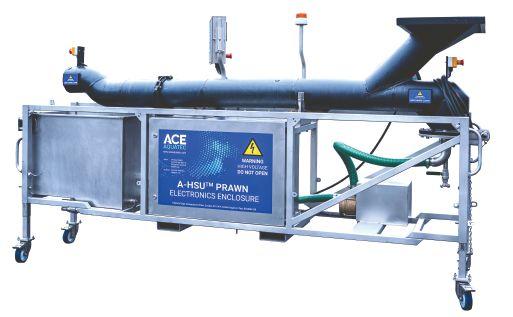
Ace Aquatec has launched the portable Humane Stunner Universal (A-HSU) for prawns, following on from trials of Pacific white shrimp (Litopenaeus vannamei) with Neomar, Förde Garnelen and Crusta Nova in Germany.
With over 400 billion prawns farmed each year, the global shrimp industry is one of the most prominent sectors in aquaculture. But until recently there has been no requirement to stun farmed prawns prior to slaughter – as is required of other farmed animals – until the scope of the Animal Welfare (Sentience) Bill in the U.K. was extended to recognise lobsters, octopus and crabs and all other decapod crustaceans (e.g. prawns) and cephalopod molluscs as sentient beings.
development of humane methods of slaughter for these animals.
ensures that they lose consciousness immediately and are maintained in the fields in order to maintain long insensibility after removal from the water. The whole process takes 40 seconds from start to finish and means prawns are not removed from the water, which research has shown causes them to react badly and become stressed.
The European Food Safety Authority (EFSA) also considers decapod crustaceans (e.g. prawns) to have the capability to experience pain, suffering, and distress. This means greater focus has been placed on the
The new Prawn A-HSU, developed in collaboration with scientists from the Silsoe Research Institute, uses Ace Aquatec’s Humane Stunner Universal technology to stun the prawns unconscious in less than one second, minimising their sensitivity to pain. This enables an immediate, humane and stress-free stunning process for prawns of all sizes and guarantees insensibility without compromising quality or shelf-life.
The process begins with prawns being pumped or brailed into the entrance chute, where they flow directly into the water of the stun tube. The electric field in the stun tube
Benchmark Genetics Iceland appoints new general manager
Benchmark Genetics Iceland HF announced the appointment of Benedikt (Benni) Hálfdanarson as General Manager.
Jonas Jonasson is stepping down as CEO of Benchmark Genetics Iceland and will continue as the global production director for salmon in Benchmark Genetics, a role he has served since 2019. Jonas has been with the company since 1996, first as genetics and broodstock manager and since 2006 as the CEO.
“I am convinced that Benedikt has the skills and experience needed to continue the successful journey of Benchmark Genetics Iceland. I know him as a collaborative and inspiring leader who can get the best out of his staff. His proven records from bringing the company Vaki Aquaculture Systems from a local business to a global aquaculture tech company are impressive,” said Jonasson.
In addition to his management experience, Hálfdanarson has an MBA from the University of
“We know that current slaughter practices, including boiling alive, chilling, dismembering, Co2, high pressure processing, asphyxiation or immersion in ice slurry, are all harmful for shrimp welfare,” said Nathan Pyne-Carter, CEO of Ace Aquatec. “Thanks to the inclusion of decapod crustaceans in the Animal Welfare (Sentience) Act 2022, we’re now seeing retailers and producers approaching us to facilitate a humane electrical stunning process for these animals. The launch of our A-HSU for crustaceans will allow us to expand on our mission to elevate harvesting standards for all marine life, including invertebrate species.”
www.aceaquatec.com
Iceland and a Master’s in Marketing Science from the Norwegian School of Management – BI. “I have followed the company from StofnFiskur to becoming the globally recognised genetics supplier of salmon ova and lumpfish fry, Benchmark Genetics Iceland, and it is with a great deal of humility that I now take over the responsibilities of managing the business from Jonas,” said Hálfdanarson. “I am impressed by the level of knowledge of the Icelandic team, and I look forward to drawing on their experience, combining my expertise from the industry and collaborating on developing the business further.”
www.bmkgenetics.com
DABIE
aquacultureassociation.ca/aac-conference/
HI_Aquaculture Association of Can_Mayjune23_CSA.indd 1 2023-03-16 9:21 AM HI_Ovapiscis__MayJune23_MLD.indd 1 2023-03-27 9:42
Patented genetic marker for no 2nd winter maturation
Rainbow trout eggs
Selected AquaSearch products can now be ordered in a premium version, where a “no 2nd winter maturation” genetic marker has been applied.
Combining DNA sequencing technology and field phenotypes in genome wide association studies has enabled AquaSearch to identify a highly significant genetic marker on chromosome 28 correlated with 2nd winter maturation in Rainbow trout.
Applying this genetic marker in breeding and commercial products, has been patented, and is now routine in the AquaSearch LATE breeding line and offered as an additional feature with selected AquaSearch products. Efficiently reducing the risk of 2nd winter maturation in these products.
JOIN US ONLINE
OCTOBER 18, 2023
The 1st World Trout Culture Summit will bring together trout culturists from around the globe including:
• trout farmers & hatchery technicians
• fish & wildlife professionals
• enhancement/restocking technicians
• trout nutrition and health experts
• freshwater fisheries associations
• industry suppliers, investors, academia and more!
AGENDA*
11:00AM to 11:50AM Fish health and welfare panel
11:50AM to 12:00PM Break
12:00PM to 12:50PM Trout restocking panel
12:50PM to 1:00PM Break
1:00PM to 1:50PM Trout aquaculture panel
* Agenda is subject to change
Featuring live presentations, Q&A sessions and panel discussions, plus a host of on-demand presentations from some of the industry’s leading experts, this new virtual event promises to give trout culturists some valuable take aways to consider.
MAKE A SPLASH with one of our Sponsorship packages at the online trout event of the year!