Media Designer Svetlana Avrutin savrutin@annexbusinessmedia.com
Audience Development Manager Urszula Grzyb ugrzyb@annexbusinessmedia.com
416-510-5180
Group Publisher Anne Beswick abeswick@annexbusinessmedia.com 416-410-5248
President/COO Scott Jamieson sjamieson@annexbusinessmedia.com
PUBLISHED BY ANNEX BUSINESS MEDIA 105 Donly Drive South, Simcoe, ON N3Y 4N5
Hatchery International is published six times a year by Annex Business Media. The authority for statements and claims made in Hatchery International is the responsibility of the contributors. Reference to named products or technologies does not imply endorsement by the publisher.
The advertising deadline for the May/June issue is Mar 12. Don’t miss the opportunity to be part of this exciting aquaculture publication. For more information, or to reserve space in the next issue, call our advertising department at +1.250.474.3982 jthain@annexbusinessmedia.com
Next Editorial Deadline
The editorial deadline for the May/June issue is Mar 15. Contact Jean Ko Din at jkodin@annexbusinessmedia.com for details. Material should be submitted electronically with prior arrangement with the editor.
The genetics edition
In this issue, we dive into the genetics and broodstock world. In fact, it’s probably more like a universe.
Genetics is where the work begins for hatchery professionals. And although, I am not trained in this area of expertise, I can appreciate how incredibly difficult and complex breeding programs can be. That’s why I leave it up to the professionals.
From what I’ve learned developing stories like these over the years, breeding programs are very unique to each operation and millions of dollars are invested in these programs every day, in the perpetual effort to produce stronger and more resilient fish and seafood.
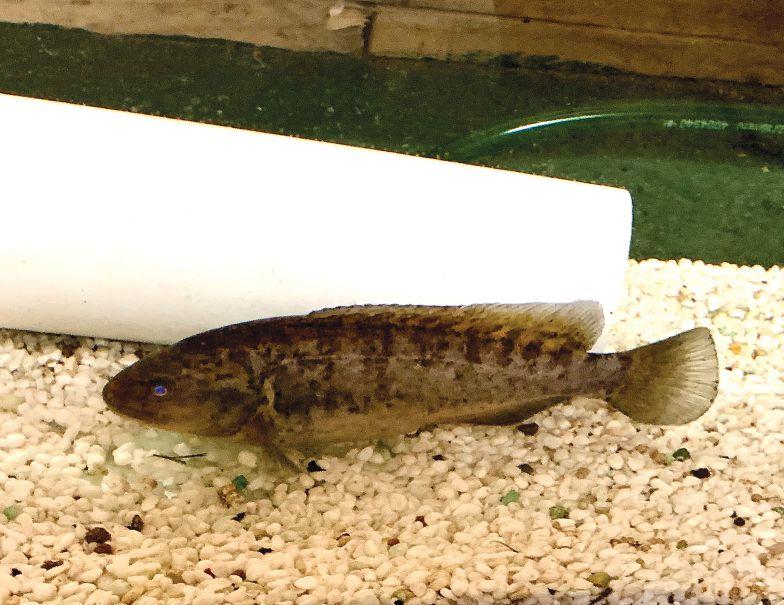
Whether it is to save an endangered species, like the Australian river black fish, or to further economize rainbow trout aquaculture, there are painstaking research and development hours behind each one.
I’m most interested in what you, the readers, think about this issue’s installment of the Hatchery Hack column with Nicole Kirchhoff. She explains some fundamental thought processes behind building a breeding program in-house or through a
BY JEAN KO DIN
third-party supplier. There are, of course, benefits and disadvantages to both, depending on each farm’s own resources and capabilities.
I am in no position to recommend what method works best for you, but I do understand the importance of prioritizing your time and resources. Not many farms can be all things to all markets. And so, the questions become: Is traceability and control over the growth cycle an important part of your operation? Or is it best suited to concentrate your efforts on mastering the daily operation?
Genetics and breeding is very specialized work that requires a lot of attention and care. And we’ll continue to do our best to share knowledge that can help your work.
In fact, I’d like to invite you to also register for our first Hatchery 101 webinar of the year. The Genetics & Broodstock webinar (Feb. 14) is free and recordings will also be available at www.hatcheryinternational.com/webinars.
We hope to continue providing you with relevant content that futhers your work in hatcheries. Let’s keep in touch at jkodin@ annexbusinessmedia.com.
Attendees call for more farmer-centred program for AFRAQ conference
Industry attendees have challenged the organizers of the next Aquaculture Africa conference to put more emphasis on designing a program for ordinary fish farmers and small-scale farmers.
According to professionals who attended the second edition of AFRAQ in Mulungushi Zambia, the whole setting was an academic exercise and had less impact on an ordinary farmer. The conference took place on Nov. 13-16, 2023.
Royd Mukonda, a Zambian aquaculture expert and chief executive officer of Mukasa Fish Farm in Kabwe, Zambia, says the main criticism from fellow attendees he has talked to was that the program was not farmer-centred but about research and academia.
“It should be the one that answers the needs of small-scale fish farmers who have little capital and not too sophisticated and expensive which is highly prohibitive,” he said.
The Zambian hatchery design consultant adds that during presentations, there should have been more public awareness on local radio stations to increase awareness about sustainable aquaculture that answers farmer’s needs and technology.
Mukonda presented two papers at the conference – one on the impact of Technologies for African Agricultural Transformation (TAAT) programs in Zambia and another one on aquatic animal health research work on Saprolegnia treatment protocol tool.
Nevertheless, Mukonda noted that the conference created an opportunity for networking and technology exchange.
“As a business, it gave us an opportunity to get to know the suppliers of good quality aquaculture equipment,” he said.
AFRAQ 2023 attracted members from 73 countries who converged in the Zambia’s capital, Lusaka.
Special side sessions and covering several important thematic areas were held and
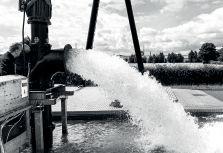
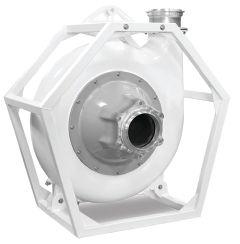
LONG-LASTING AQUACULTURE PUMPS
hosted by development organizers which equipped attendees with knowledge regarding aquatic animal health, welfare, and biosecurity.
– Bob Atwiine
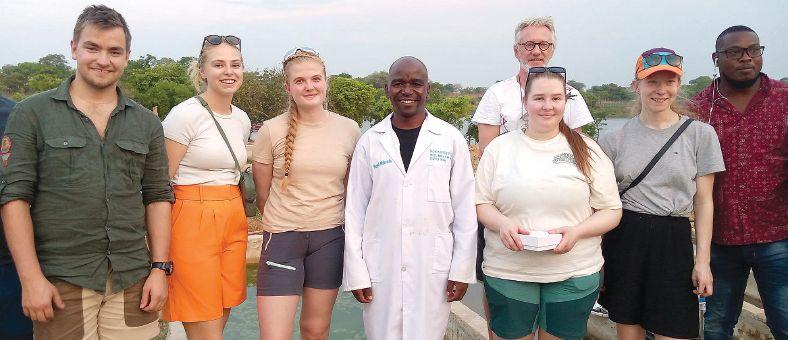
Royd Mukonda, centre with a lab coat, with vistors at Mukasa Fish Farm in Kabwe, Zambia
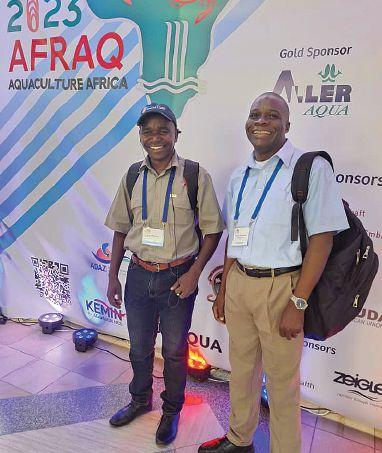
Royd Mukonda, on right, with a colleague after presenting his paper at AFRAQ 2023
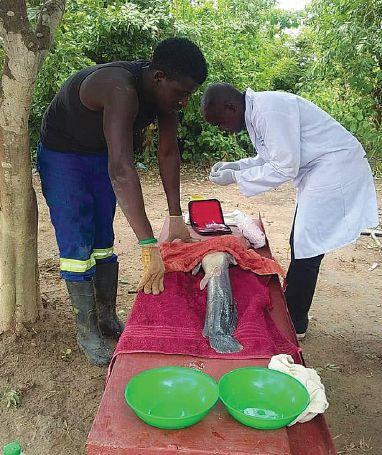
Conducting tests on Clarias spp. at fish farm
PHOTOS: BOB ATWIINE
Oxolinic acid effective against Aeromonas hydrophila infection in Nile tilapia
With high mortality in tilapia traced to bacterial diseases, effective management is important, especially in terms of bottom line and production growth.
A study in India, where tilapia is a top aquaculture product, demonstrated the efficacy of Oxolinic acid (OA) in Aeromonas hydrophila-infected Nile tilapia (Oreochromis niloticus) juvenile.
“OA treatment yielded better consequences in terms of increased feed intake and biomass and decreased plasma biochemical parameters, histopathological changes and improved recovery from A. hydrophila infection compared to the untreated group. Wounds of the OA-treated group healed at a faster rate, with complete healing within 12 days post-injection, while the wounds of the untreated group took longer to heal,” said authors Patel et al.
The group with untreated feed took longer to heal.
Aeromonas hydrophila is the most common cause of motile Aeromonas septicemia (MAS), which is among the leading causes of bacterial diseases in the species.
The environment in intensive farming is conducive to the spread of bacterial infections.
In the experiment, fish challenged with the bacterium showed, among others, initial signs of lethargy, resting at the bottom and vertical swimming. Inflammation and hemorrhages developed in the area where the injection was administered.
Within 24 hours post-injection, the fish condition worsened to “tissue reddening, inflammation and skin peeling at the site of injection became evident, along with the appearance of open sub-epithelial wounds.”
Upon application of OA therapy, conditions began improving, with gradual decrease in reddening and inflammation. Complete wound closure was observed within 12 days post-injection.
As effective as OA has been proven in the bacterial treatment in Nile tilapia, the study advised prudence in its usage because of its classification as a “critically important medicine for humans.”
Following the recommendation of the World Organization for Animal Health, the study stressed that OA administration against A. hydrophila infection should only be used as a second-line treatment choice when no other alternatives are available.
– Ruby Gonzalez
Water is our element!
Aerator Minimax
• Latest aerator development
• extremely economical motor
• speed-controllable direct drive
• High efficiency
• Ready for use delivery
• Clean Design
LINN Gerätebau GmbH
An der Sauerlandkaserne 1 D-57368 Lennestadt (Oedingen) Telefon: +49 2725 22021-0 info@linn.eu . www.linn.eu
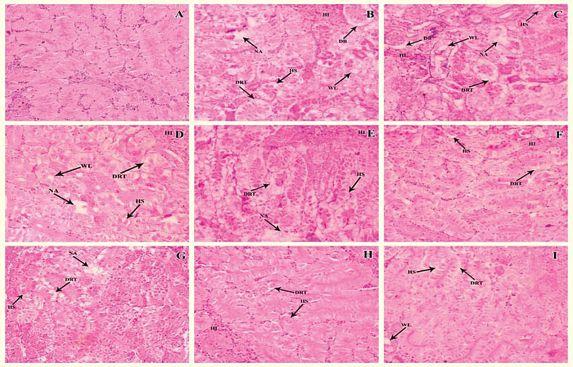
Histoarchitecture of the kidney tissues of Aeromonas hydrophila challenged Oreochromis niloticus
PHOTO: TJ ABRAHAM, AQUACULTURE STUDIES
Pacific salmon breeding plan is outperformed in Russia
During the first nine months of 2023, Russian hatcheries released 201.7 million units of Pacific salmon fry in the Far East, against 178 million envisaged by the state plant, Glavrybvod, a Russian government agency managing state-owned hatcheries, has disclosed in a statement on its website.
As usual, most Pacific salmon was bred for the Sakhalin Island, where 110 million fry were released, compared to 104 million prescribed by the government plan, Glavrybvod reported.
Maintaining the fish population at a high level significantly contributes to Russian food security, Glavrybvod emphasized in the statement.
Russia’s Pacific salmon catches are on the rise. In 2023, Russian Far Eastern fishermen caught 609,000 tonnes of salmon – the second-largest result. The figure is more than twice above the level of the previous year, and 13 per cent up compared with 2021, the Russian federal agency for fisheries, Rosrybolovstvo, estimated.
Russian recreational programs are believed to play an essential role in the growth of catches. Over the past few years, several prominent Far Eastern fishing companies have established
One study, discovered that the replacement of wild populations by hatchery fishes, as a result of abundant juvenile hatchery releases combined with extensive poaching in spawning grounds, was apparent in Russia.
Innovation Beyond Measure
Results Beyond Expectation
• 100% Titanium Heat Exchangers
• Hot & Cold Water Loop Systems
• Available with Tube Sheet, Helical Coil, or Plate
• Compact Designs
• Easy Installation
• Salt & Fresh Water Safe Chiller & Heat Pump Packages
hatcheries to support the salmon population in the region, and complement the government efforts in this field.
Some environmentalists, however, warned against scaling up the recreational program. One study, for example, discovered that the replacement of wild populations by hatchery fishes, as a result of abundant juvenile hatchery releases combined with extensive poaching in spawning grounds, was apparent in Russia.
The researchers claimed that the importance of the conservation of wild salmon populations requires a more detailed study of the consequences of interactions between natural and artificially reared fishes.
– Vlad Vorotnikov
Hatcheries play an important role in the Pacific salmon catching in Russia. PHOTO: MAXIM FEDOTOV, ROSRYBOLOVSTVO
Salmon catches are important for Russian food security. PHOTO: MAXIM FEDOTOV, ROSRYBOLOVSTVO
Sudan aquaculture suffers destruction from war
Exactly one year since a war between the Sudanese Armed Forces (SAF) and the paramilitary Rapid Support Forces (RSF) rival factions of the Sudan government begun on April 15, 2023, the country has experienced political and economic shutdown.
Gas prices are soaring, hunger and famine are biting hardest, and many businesses closed doors or halted operations. It seems no business is unaffected, even aquaculture and feed firms are feeling the effects.
Total capture fisheries and aquaculture production in Sudan in recent years had increased between 30,000 to 40,000 tonnes per year before the war broke out. The main species which were being produced by aquaculture are Nile tilapia and different species of catfish (Clarias spp.).
The cultivation of both species had become increasingly technical and intensified.
“My
“Our businesses are no more; my fish farms were destroyed and looted by the fighting groups after war broke out in our area. I had to run away to spare my life and that of my family,” said Al-Nimeiry Mohammad, a fish farmer from Omdurman.
fish farms were destroyed and looted by the fighting groups after war broke out in our area. I had to run away to spare my life and that of my family.”
The biggest fish farming business is done on river Nile, the second longest river in the world with more than 6,600 km, along with a large number of artificial lakes created from the Nile such as Lake Gebel Aulia, the Roseires or Lake Nubia among others.
However, all these gains over decades are in ruins after being ravaged by the intense fighting between the two military factions seeking to rule the oil rich nation.
Fish farmers are reporting heavy losses of fry and broodstock because fish farms are not accessible due to heavy shelling and the breakdown in the production of the fish meal.
“Even the remaining fish died because of harsh conditions. We don’t have electricity because it was cut off. No oxygen supplies because rebels control most of parts in the area. Due to the ongoing hostilities, we are in dire financial conditions, my children are hungry because they have no food to eat. We want the war to stop such that we can also have peace and resume work,” Mohammad added.
Several smaller farms have reportedly ceased to exist in Omdurman and other regions. The power outages across the country have hampered the operation of fish meal manufacturers across the country
Mamuru Gobeng, a fisheries expert from South Sudan, noted that a regional fisheries office in Omdurman which has been providing extension services to fish farmers in the area was abandoned by staff, after being attacked and ransacked by the rebels fighting to topple Khartoum regime.
According to Gobeng, just like other sectors, aquaculture industry in Sudan is currently in ruins because of the effects of the bloody war between the two warring army generals turned fierce enemies.
– Bob Atwiine
scientists begin breeding the world’s most nutritional fish
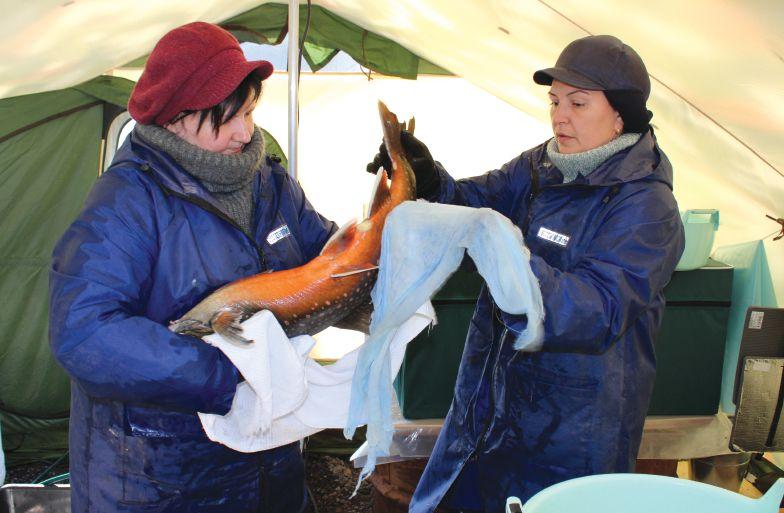
A group of Russian scientists have delivered the first batch of Putorana char eggs to the Norilsk Hatchery in Siberia, making the first step towards establishing a breeding base for this fish.
Nearly 23,000 of Putorana char eggs have been collected by the scientists on the Lake Sobachye during the first expedition, supported by Arctic Development Project Office, a Russian government agency.
The expedition was kicked off shortly following a study conducted by the Siberian Branch of the Russian Academy of Sciences, which discovered that Putorana char contains record content of long-chain polyunsaturated fatty acids of the omega-3 family.
The scientists concluded that the Putorana char was the world’s most nutritious fish, offering more health benefits to consumers than any other fish species.
Putorana char is a rare fish found only at the Putorana plateau – a hard-to-reach area in the Putorana mountains deep in Siberia.
Based on the findings of several studies, Russian scientists have decided to establish a breeding base for Putorana char to encourage commercial farming. Larisa Glushchenko, associate professor at Siberian Federal University, who was heading the expedition, disclosed that it will take five to seven years before the scientists can start offering broodstock to farmers.
“Every year, the existing breeding base will be supplemented with new genetic material to make the fish population healthier,” Glushchenko said.
In the coming years, the scientists also plan to work on an optimal feed composition for Putorana char. During the first expedition, the scientists examined the bottom sediments of Sobacjie Lake and took samples of the muscle tissue of adult fish - to find out what the char eats in its natural habitat.
At least two more hatcheries in Siberia and the Russian Far East will participate in the project.
– Vlad Vorotnikov
Snubnose pompano co-culture in Vietnam works
Co-culture of sandfish with snubnose pompano not only provides bioremediation but also contributes to better performance indicators in both species. The co-culture environment creates system productivity and profitability benefits, the authors said in a study conducted in Vietnam.
“The feasibility of sandfish co-culture with pompano based on results generated during this study is high, with positive species compatibility,” Mai Nhu Thuy et al said in the study, “Integrated aquaculture of sandfish (Holothuria scabra) with snubnose pompano (Trachinotus blochii) for increased production and nutrient recycling”, published on Aquaculture Reports
High weight gain and fast growth rate were observed in both species. Sandfish successfully bioremediated pompano waste and cleaned sediment.
The first experiment, conducted in concrete tanks, established the ideal stock density for co-culture. Results were applied on the proceeding experiment, which evaluated growth and survival performance in a commercial-scale, earth pond-based growout.
Pompano weight gain average on co-culture treatments was almost 12 per cent higher compared to monoculture. At pompano: sandfish stocking densities of 1:0.5 and 1:1, sandfish registered 11.6 per cent more weight gain compared to the group at 1:1.5.
The pond-based culture experiment proved the feasibility of co-culture within a commercial context, with higher yields and growth rate over the duration of the eight-month culture period, and accompanying improvements in sediment quality parameters.
This study was carried out at the National Centre for Marine Breeding, located in Van Ninh, Khánh Hòa Province, Vietnam.
“Determining the ability of sandfish to utilise organic matter in pompano culture ponds is an important step towards improving integrated culture methods for these species and understanding the capacity of sandfish as bioremediators within culture systems,” the authors cited.
A confluence of favourable factors make pompano a “lucrative mariculture option”. Increasing production volume, however, may have high environmental repercussions. The fish has requirements for large volumes of high protein feeds, which cause nutrient pollution. Co-culture with sandfish, which has proven its effectiveness in nutrient cycling, may give such an expansion a push in the right direction – Ruby Gonzalez
Russian
Russian scientists collect eggs of Putorana char PHOTOS: RUSSIA ARCTIC DEVELOPMENT AGENCY
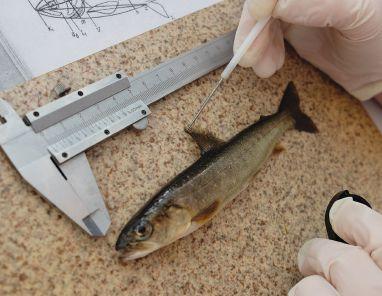
Putorana char
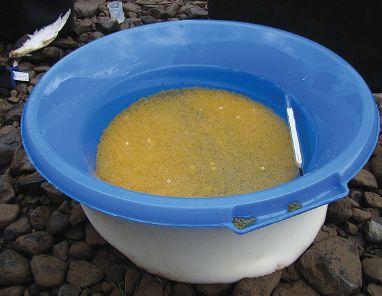
Eggs of Putorana char
Tanzania government embarks on reshaping fisheries sector landscape
In a bold move to boost the growth of aquaculture sector and increasing its contribution to its gross domestic product (GDP), the government of the United Republic of Tanzania has embarked on massive investment and development of fisheries sector on Lake Victoria in northern part of the country.
Officials say the program which started in 2023 is aimed at reshaping the landscape of fisheries sector and increasing its contribution to the GDP from the current 1.08 per cent.
This year, the government through the Ministry of Livestock Development is giving out 682 cages, four million fingerlings and 800 tonnes of feeds to farmers as soft loan with zero interest for five years.
The beneficiaries are the fish farmers from the five regions in the lake zone which include Mwanza, Kagera, Geita, Simiyu and Mara both on Lake Victoria, Africa’s biggest freshwater lake and home of Oreochromis niloticus for riparian states.
Elpidius Mpanju the country’s pioneer of the aquaculture business and one of the biggest fish farmers in Tanzania says he expects huge development in the aquaculture industry because of the government’s commitment to fully support the sector.
“It going to be a game changer, our government is serious about aquaculture. Farmers will get soft loans for five years with no interest. Each farmer or a group is getting six cages, fingerlings and feeds. More than 1,000 farmers will benefit from the program,” says Mpanju, adding that this is a continuation of the program which started last year.
My Fish Tanzania, a company owned by Mpanju has since been contracted to manufacture and supply 318 of the 682 HDPE cages set to be supplied to various fish farmers.
Tanzania also scrapped off all taxes and other tariffs concerning aquaculture in the country in order to align with the global trends which estimate that over 50 per cent of the consumed fish is from modern farming productions.
Aquaculture sector is key to the Tanzania government as it supports about 4.5 million people, with fishing activities dominated by smallscale fishermen accounting for more than 95 per cent of the total fish produced.
Tanzania fish production in the fiscal year 2022/2023 rose to 392, 933 metric tonnes, earning significant forex of over Tsh 1.85 trillion (US$800 million) compared to previous years.
In 2016, the country’s total comparable output was just over 5,000 metric tons with a value of almost US$18.3 million.
The rise in earnings is attributed to a raft of measures taken by the government to safeguard the industry.
Through working together with its development partners, Tanzania government is working to increase aquaculture production, as well as to reduce post-harvest fish losses, boost fish consumption by women and children, and encourage better management of smallscale coastal and inland fisheries.
–
Bob Atwiine
One of the cages under construction at My Fish Tanzania PHOTO: BOB ATWIINE
Magida Tabbara
From carnivores to herbivores
Genetic selection towards herbivory might promote sustainable rainbow trout production
An all-plant diet for fish has been a decade-long aquaculture sustainability agenda. In the past decade, aquaculture has become more receptive to using plant-based ingredients as protein sources or supplements in diet formulations, and produce cost-effective feed. Soybean meal is one of the most popular plant-proteins used in aquafeed. Unfortunately, some species of fish, especially carnivores like salmonids, do not perform very well on diets with high soybean meal content. In the process of producing soybean meal, soybeans undergo roasting prior to the grinding step. The main purpose of this is to eliminate anti-nutritional factors that might have adverse effects on fish welfare. Despite the roasting step, some of the anti-nutritional factors (including but not limited to trypsin inhibitors, phytates, glycinin, and
oligosaccharides, among others) remain in the beans.
These factors were shown to cause enteritis in fish, and inflammation of the small intestine that is quite similar to Crohn’s disease in humans. Enteritis deteriorates fish health and results in poor growth. Luckily, habits can impact us on a genetic level in the long run. Having been exposed to soybean meal repetitively and for a long time in experimental setups, some fish exhibit genetic changes that help them cope with the change in their diet.
A research team from the University of Idaho, in collaboration with the U.S. Department of Agriculture-Agricultural Research Service (USDA-ARS), was able to develop a “vegetarian” (herbivorous) strain of rainbow trout, employing genetic selection rather than gene modification. Using fish from the
eighth generation, the team compared the expression of inflammatory genes in trout offered a soybean meal free diet and a 40 per cent soybean meal diet.
The approach
The laboratory was able to develop a strain of rainbow trout – named Hagerman strain (after the laboratory) that is selected for growth on a 100 per cent plant-based diet comprised of around 20 per cent soybean meal and close to 26 per cent soy protein concentrate. The Hagerman strain is currently in its ninth generation and is characterized by good growth and resistance to developing distal gut enteritis.
Two diets were formulated to meet the dietary requirements of rainbow trout at 40 per cent protein and 20 per cent lipid. The first diet did not contain any soybean meal, whereas the second contained 40 per cent soybean meal. Then, the diets were randomly assigned to 12 tanks, each stocked with 30 fish (either Hagerman strain from the eight generation or a commercial strain).
Fish were offered feed twice a day to apparent satiation, and feed was quantified. The experiment was performed over 12 weeks, during which the fish were weighed and counted every four weeks.
Additionally, five fish were euthanized from each tank at each weighing in order to collect distal gut samples for gene expression analysis and histology. At termination, fish were weighed, counted, and aside from the fish euthanized for distal gut collection, three fish per tank were euthanized for whole-body protein, lipid, energy, and moisture analysis.
The remaining fish were returned to the tanks and offered feed in order to collect feces for nutrient digestibility analysis and microbiome analysis, for which feces were collected 16 hours post feeding.
Growth was expressed in terms of final biomass, weight gain, and specific growth rate (SGR). Survival was also assessed, and the condition factor (K) was calculated in order to evaluate fish body condition. Feed intake was reported, the feed conversion ratio (FCR) was calculated, and fish metabolism and body status were evaluated using
Table 1. Growth performance of rainbow trout (commercial and Hagerman strain) offered diets containing 0 or 40% soybean meal for 12 weeks.
*Specific growth rate (SGR, %) = [(ln(final fish weight(g)) – ln(initial fish weight(g)))/total number of days]×100
**Condition factor (K) = [fish weight (g)/(total fish length in mm)3]×105
***Feed conversion ratio (FCR) = dry weight of feed consumed (g)/wet weight gained (g)
hepatosomatic (HSI) and viscerosomatic indices (VSI), in addition to fillet yield.
Symptoms of enteritis were evaluated histologically by measuring the thickness of the lamina propria and the submucosa –those layers of the gut that become thicker when inflamed, hence hampering nutrient absorption. Inflammatory genes and genes involved with immune cell regulation were also studied.
The outcome
Results of the present work indicated that the Hagerman strain grew better than the commercial strain, regardless of the diet offered. Also, the vegetarian strain had a smaller FCR than the commercial strain.
That means the new rainbow trout strain not only can grow well on cost-effective plant-based diets, but doesn’t need much feed to grow, hence is cheaper to culture.
Results of the present trial also suggested a reduction in the inflammatory response of Hagerman strain rainbow trout even when offered a diet rich in soybean meal.
Taking into consideration that aquaculture today covers more than half of our seafood needs, it comes as no surprise that sustainability is an important aspect of the industry. But when we think of sustainability, our thoughts often jump to the more conspicuous aspects of it, such as feed, waste, and energy, and we tend to forget to look “deeper” into the fish itself.
And yet the genes are there, and genetic selection might very well be the way forward to increased production of naturally carnivorous fish such as rainbow trout. The future of sustainable aquaculture production lies in combining genetic selection with cost-effective feed, sustainable ingredients, and smart formulations.
References
Full scientific article citation: Blaufuss, P. C., Bledsoe, J. W., Gaylord, T. G., Sealey, W. M., Overturf, K. E., & Powell, M. S. (2020). Selection on a plant-based diet reveals changes in oral tolerance, microbiota and growth in rainbow trout (Oncorhynchus mykiss) when fed a high soy diet. Aquaculture, 525, 735287. https://doi.org/10.1016/j. aquaculture.2020.735287
profifeed
[1] The State of World Fisheries and Aquaculture 2022. (2022). FAO.
[2] Marandel, L., Seiliez, I., Véron, V., SkibaCassy, S., & Panserat, S. (2015). New insights into the nutritional regulation of gluconeogenesis in carnivorous rainbow trout (Oncorhynchus mykiss): A gene duplication trail. Physiological Genomics, 47(7), 253–263. https://doi. org/10.1152/physiolgenomics.00026.2015)
Spawning breakthrough
Australian citizen scientists work to revive the endangered river blackfish.
By John Mosig
The Australian river blackfish ( Gadopsis marmoratus ) has long been the subject of debate amongst the scientific community. There is even conjecture that it may not belong in the family Gadopsidae and should be listed as a member of the temperate water perch family, Percichthyidae. It is endemic to southeastern Australia and found in coastal drainages as well as the lower reaches of the Murray Darling Basin
(MDB). The controversy centres on the fish’s different appearance under different environmental regimes. These can range from the lowland and highland reaches of temperate coastal rivers to the sluggish flows of the MDB and the highland reaches of its southern tributaries.
It has now been divided into three allied species based on their range and differences. Those found in the upper reaches have been called the two-spined blackfish ( Gadopsis
bispinosus). Similar in appearance to river blackfish, their dorsal fin usually has one to three spines as compared to the seven to 13 of its floodplain cousins. Of the four varieties of coastal freshwater blackfish, those found in Victoria have been named Gadopsis gracilis. Varieties are also found in the upland streams of the isolated Grampians in Western Victoria and the Mount Lofty Ranges in South Australia. This would suggest a heritage of some antiquity.
About the species
While the scientific community battles with the taxonomy, the angling community has no problem defining what has become the sluggish inland water “slimy”, the upper reaches inland “northern blackfish”, and the coastal catchment “southern blackfish”. The inland species have a maximum size of 30 cm and the coastal variety has been recorded at 60 cm and 5.5 kg.
Once abundant, farming practices, river and land clearing, and the consequential silting, have placed pressure on the species’ habitat options. It has disappeared from many of its catchments and is vulnerable elsewhere.
Nevertheless, blackfish have proven to be a resilient species where it can find a suitable niche. In the wild, they have been impacted by introduced trout, however, they’ve thrived in farm water impoundments.
The fish is not fecund; the average spawning is 800-1,000 eggs. The female deposits the adhesive eggs in a hollow log or a protected gravel bed. Once fertilized, the male guards and aerates the eggs for an incubation period of 14-16 days. The larvae remain tethered to the eggshells by a fine thread while they absorb their yolk sacks over a further 14 days and remain guarded until they become free-swimming fry (20-25 mm) after another seven days.
To the rescue
Apart from establishing the genetic integrity of the species from its various catchments, government agencies had shown little appetite for developing restocking programs, and breeding protocols were left to enthusiasts to explore. Enter Stephen and Sherryl Mueller.
They’re long-term members of Native Fish Australia (NFA), a volunteer body dedicated to the preservation of Australia’s rich heritage of indigenous species, particularly the endangered trout cod (Maccullochella macquariensis) and Macquarie perch (Macquaria australasica).
The Mueller’s progress, like that of so many pioneers in this field, was a trial-anderror process.
Unable to visually sex the fish, they stocked what they hoped were breeding combinations in tanks in the hatchery hothouse. When this proved unsuccessful they reverted to nature. They had observed the overlapping habitat and biological similarities between Murray cod (Maccullochella peelii peelii) and the far shyer and smaller blackfish, so they introduced spawning drums to the broodstock holding ponds.
The drums produced results and the egg screens from the drums were removed to the hatchery. The results were unsatisfactory, so they built dedicated spawning ponds.
“Saprolegnia tends to be a problem. Because we’re using a natural environment to induce spawning, we keep handling to a minimum. It would advance the program to get some tags on them once the gender of particular fish has been established.”
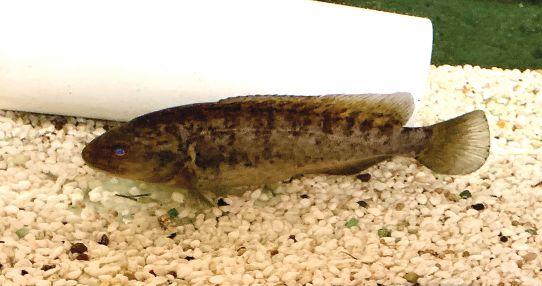
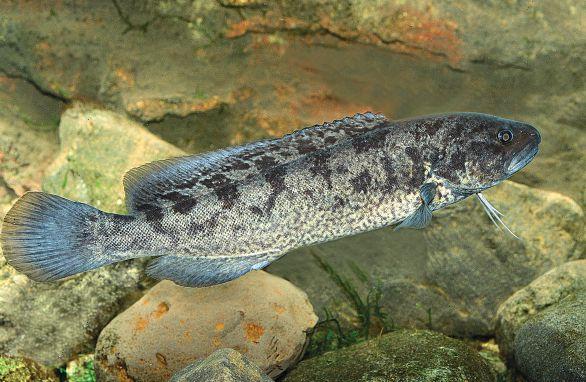
Australian river blackfish being observed in a fish tank. PHOTO: JOHN MOSIG
The Australian river blackfish can be found in the lower reaches of the Murray Darling Basin.
Stocking each pond with a breeding team of five to seven fish and monitored the ponds constantly once the temperatures had reached 16 C. They knew blackfish were nocturnal so they placed shrimp traps in the ponds to remove the free-swimming fry and rear them on rotifers and copepods in the hatchery tanks.
Stephen laboriously monitored them – in case predatory invertebrates and crustaceans invaded the traps – on an hourly basis throughout the night. It was then that he discovered that the juvenile fish, once they’d left the nesting area, were diurnal. Stephen put this down the predatory nature of the adult fish in the ponds. Trapping, as intensive as it was, worked and they set about streamline the system.
SECURE - GROW - EVOLVE
“They’re extremely shy fish, and stress easily. We can reduce stress by anesthetizing them first, but they still don’t take kindly to handling,” Stephen said. “Saprolegnia tends to be a problem. Because we’re using a natural environment to induce spawning, we keep handling to a minimum. It would advance the program to get some tags on them once the gender of particular fish has been established.”
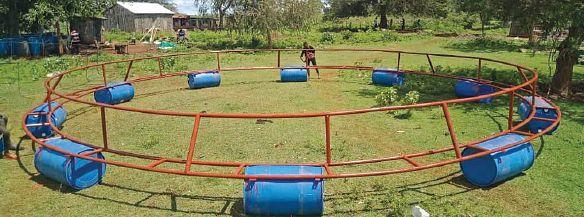
The next step was to install 4,500-litre circular, concrete cattle troughs. By dividing them with mesh they were able to “draft” the fry to one side of the tanks and remove the adult breeding team once they’d completed the spawning and hatching process.
Seafood Expo North America (US) 10 – 12 March
Aqua Sur (CHI) 19 – 20 March
Seafood Processing Global (SP) 23 – 25 April Scan the QR code for more information www.oxyguard.dk/about/events/
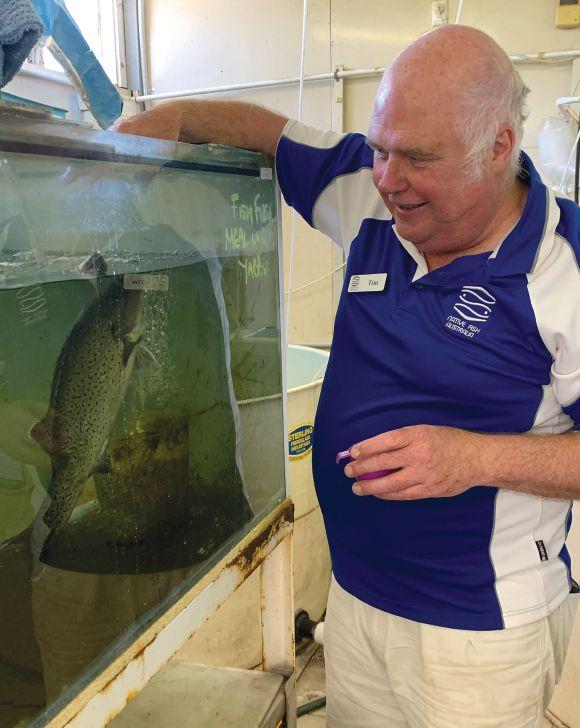
NFA President, Tim Curmi, feeding one of the Association’s breeding team of endangered trout cod PHOTO: JOHN MOSIG
La Trobe University hatchery is being built. Move-in date is slated for March 2024. PHOTO: NATIVE FISH AUSTRALIA
Feeding knowledge
Working under such restrained conditions, nutrition was another element of the cycle they had to consider. Species specific diets were out of the question; the commercial fry and broodstock diets available were designed for cold-water salmonids or tropical barramundi.
As keen observers of nature, they established what would be accessible to the blackfish locally and seasonally and went about, where possible, developing a controlled source of the identified food items.
They also fertilized the ponds to enhance zooplankton production for the juveniles, which further added to the labour intensity of the process.
The first identified, and easily produced, was the ubiquitous freshwater crayfish, known across Australia as the yabby (Cherax destructor). While dedicated ponds supplied this base to the fishes’ diet, the supply slowed during the colder months. Cultivated mealworms (Tenebrio molitor L.) provide another constant nutrient for broodstock and juveniles.
Seasonal cycles and the odd purchased prawns and blood worms provided the balance of the diet. The Otway region is rich in scrub worms and by enhancing their habitat on the farm, they proved a rich source of nutrition through the winter months. Come the summer and black crickets are prolific, followed in the autumn by the emergence of bardee moths (Abantiades atripalpis).
A bonus to this labour-intensive diet was that the boosted nutritional intake led to serial spawnings and the breeding program was able to be continued across the warmer months.
Community outreach
They fund the operation with sales to aquarium enthusiasts and out of their own pockets.
“Genetically, the stock we raise are akin to our local Otway catchment but forestry clear felling and farming practices, especially the over-use of chemicals, have compromised their habitat so badly it’s probably a waste of time restocking them in the wild,” Stephen said.
“I need to expand my set-up and have been talking with NFA president, Tim Curmi. It’s been a real breakthrough for this endangered species and with just a little funding we’d make some serious steps toward being able to stock enough suitable waterways and impoundments to give this beautiful fish some much-needed breathing space.”
Hatchery International caught up with NFA president, Tim Curmi, at the association’s new La Trobe University hatchery. He was particularly excited about the breakthrough that Stephen and Sherryl Mueller had achieved.
“The stock we raise are akin to our local Otway catchment but forestry clear felling and farming practices, especially the overuse of chemicals, have compromised their habitat so badly it’s probably a waste of time restocking them in the wild.”
“They’ve worked tirelessly at their own expense and with limited facilities to reach this point. We have two members who did their post-graduate theses on the ecology of river blackfish and NFA will be supporting their endeavours at our new facility,” said Curmi.
“There’s been a lamentable lack of interest in blackfish from the authorities. Five years ago we requested, to reduce angling pressure, that the Victorian Fisheries Authority (VFA) reduce the bag limit to two fish and increase the minimum size to 30 cm.”
The above demonstrates how the efforts of dedicated citizen scientists, using observation and ingenuity, can make a huge difference in not only saving an endangered species but ensuring its survival into a future threatened by environmental pressures.
“This development in their breeding program will provide us with a launching pad to promote the plight of this wonderful ancient species to environmental bodies and its value as a sport and eating fish to the angling community,” said Curmi.
Bespoke, cost-effective aquaculture breeding.
Cawthron has over 30 years of aquaculture breeding experience, enabling shellfish and finfish producers to reap the benefits of genetic improvement and sound genetic management.
We can help you with:
• breeding programme design, operation and management
• shellfish hatchery design and supporting technologies (e.g. triploidy, cryopreservation)
• phenotyping and genetic analysis
• the application of genomics for improving gain.
Find out more at cawthron.org.nz/breeding or email us at breeding@cawthron.org.nz
Australian river blackfish PHOTO: NEIL ARMSTRONG
Inside India’s billion-dollar seafood challenge
By Gordon Feller
Aquaculture is considered a “sunrise sector” in India. For more than 10 years, the Indian seafood sector has exhibited strong growth, expanding from US$8 billion in 2006 to a predicted US$80 billion by 2030. India now holds the title of the world’s third largest seafood producer; lagging behind China and Indonesia, but ahead of Peru and the U.S.
While all regions are expected to expand their aquaculture production, the largest expansion is expected in Southeast Asia and India. Southeast Asia is expected to represent 15.9 per cent of global aquaculture production in 2030, while India would represent 9.2 per cent.
Although India’s fisheries sector has registered tremendous growth, its performance is sub-optimal. It seems that the sector is increasingly bedeviled by serious environmental sustainability and seafood safety concerns.
Sector governance
India lags behind several key governance and regulatory frameworks, especially
those dealing with illegal, unreported and unregulated fishing and conservation of depleting fish stock and habitats.
Lack of an adequate policy and regulatory framework in marine sub-sector has led to unsustainable exploitation of marine resources and limited the country’s ability to meet its international obligations. In the inland segment, there are no clear policies or guidelines for leasing and licensing out water bodies, nor is there a regulatory framework to ensure the quality of aquaculture inputs. For example, seed and fish feed, wherein import controls further serve to exacerbate the problem.
About innovation
India has made significant achievements in aquaculture research and development, including the development of improved rohu carp through selective breeding with a record of 17 per cent higher growth response per generation, availability of balanced supplementary feed for different life stages for diversified cultivable species, and appropriate disease management measures.
However, there seem to be institutional
weaknesses in the development, diffusion, and use of new technologies, along the production chain have resulted in a low-productivity equilibrium. The private sector has been crowded out in the hatchery and nursery segment of seed production.
Government support has been a driver for breed improvement and genetic resources management, but regulation and quality assurance have been inadequate. Weaknesses in the innovation system have also constrained the diversification of cultured species and in the disease management, control, and surveillance system.
National efforts
The national government is starting to focus on the amelioration of some of these challenges. During the past few years, it rolled out several new programs, plus policy initiatives.
In 2017, with their eyes on fisheries, the Indian government rolled out the Blue Revolution program to ensure more focused development and management of the sector. The aim was to promote the prosperity of the fisheries-dependent population, as well as
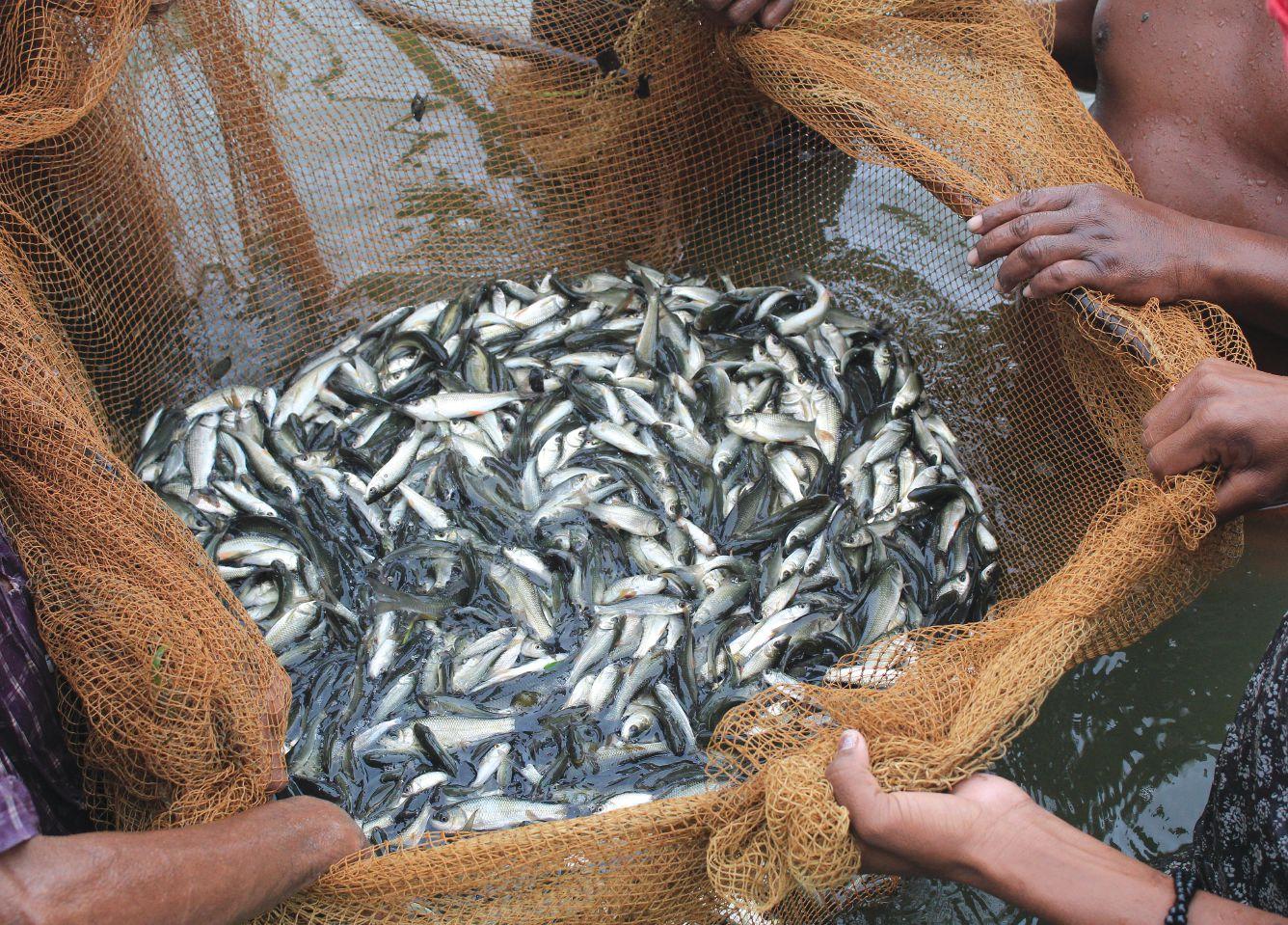
Indian major carp fingerling fish seed ready for sale to pisciculture farmers
contribute towards India’s food and nutritional security.
Blue Revolution is now operating under a new name, the Prime Minister’s Fisheries Resources Program (PMMSY). PMMSY has expanded targets while retaining the aims of the Blue Revolution. It’s put additional emphasis on the following:
• Transforming the management framework and the regulatory framework, especially related to these key priorities: quality and hygiene of fish and fish products’ fish disease risk management; adoption of resources-efficient and good farm management practices; genetic resources management.
• Creating an appropriate ‘Extension Service’ focused on aquaculture and fisheries.
• Leveraging private sector and commercial bank finance to complement the governments’ budgetary resources.
• Augmenting institutional capacities and systems for increased resilience, efficiency, productivity and seafood safety in the fisheries and aquaculture sector in selected Indian states.
Future ambitions
India’s government set out an ambitious goal for their new national aquaculture project to “improve the productivity and diversity of fish production.”
The focus of the project’s first phases has been on improving incentives and the enabling environment for larger private sector investment in freshwater aquaculture and mariculture.
India’s fisheries sector now lies at a crossroads. One direction points toward giant leaps in productivity, intensification, industry concentration and improved environmental stewardship and sustainability for aquaculture; effective management and redirecting subsidies in capture fisheries for restoring fish stocks health and productivity; increased diversification, improved seafood safety and quality and increased trade in fish products.
The other possible direction points toward stagnation – or even a downward spiral in productivity, increased environmental degradation, reduced biodiversity, depleting wild stock, increased biosecurity, and public health risks, and impoverished and marginalized small producers.
India may find its way and chart a path towards a balanced road map for fisheries by building synergies between the sector’s diverse agendas: the efficiently productive, the market-driven, the environmental, the nutrition-sensitive, and the pro-poor.
VAST SUMS ARE BEING ALLOCATED TO THE NEW PROJECT TO PROVIDE MUCHNEEDED TECHNICAL AND FINANCIAL SUPPORT IN NINE DISTINCT AREAS:
Establishing facilities for epidemio-surveillance of aquatic animals, biosecurity and disease risk management system.
Augmenting public investments such as brood banks, referral laboratories, etc., to ensure acceptable quality of inputs for aquaculture.
Divestiture of public sector hatcheries and feed mills - while strengthening relevant public sector regulatory capacity and role in creating an enabling environment for the private sector in tandem.
Facilitating access to finance including as may be appropriate, a credit insurance scheme.
Exploring new export markets and deepening existing ones.
Upgrading domestic production, processing and postharvest technologies and practices to international standards.
Establishing aquaculture extension services at state/district levels either as a private sector investment or as small enterprises, maximizing use of digital service delivery.
Launching annual technology competitions with National Forum and Expo to attract and complement the “Start-up India” program.
Promoting innovations in safety, resource efficiency circular economy (such as: putting fish wastes and byproducts to productive purposes; cleaner production systems (audits, certification, etc.); use of blockchain for traceability and sustainable produce value chain tracking; increased automation in mariculture).
HATCHERY HACK by Nicole Kirchhoff
Should you invest in your own breeding program?
It is no secret that breeding has been the key to a worldwide aquaculture boom, especially for salmon.
Aquaculture species can now grow faster, are more disease-resistant, use fewer resources, and are potentially healthier than their wild counterparts.
One of the most important gains is economic viability, as a farm can increase production yields. But for many species and many farms, on-farm breeding programs are drastically underutilized. I would argue that a breeding program is one of the most important tools in an aquaculture business tool belt.
What is selective breeding?
Selective breeding occurs when humans select which individuals of a larger population will produce offspring, usually to enhance one or more traits. This is different from natural selection, where environmental pressures decide which traits will survive in subsequent generations.
Selective breeding has been used for thousands of years to produce high-yielding, disease-resistant, and good-tasting terrestrial crops such as wheat, corn, rice, cows, and chickens. In broodstock management, “wild” are those broods obtained directly from the wild, held in captivity, and spawned. “Captives” are those selected for one to two generations. “Domesticated” are those selectively bred for three or more generations.
The advantages
Since the 1990s, the growth rate of tilapia has increased 350 per cent, salmon has increased 270 per cent and shrimp 240 per cent. But growth is only one of many variables. Some species were not even able to be aquacultured without selective breeding.
For example, striped bass took many generations before they would effectively eat and survive in captivity. While farmers may primarily select for growth, disease resistance, or other easily measured traits, many other “passive” traits are also selected such as willingness to accept artificial feeds, tolerate handling and crowding stress, ability to mature and reproduce in captivity, etc. The result is animals that can far outperform their wild or captive counterparts in commercial aquaculture settings.
“We often only highlight the biological gains selective breeding programs provide without the added reminder of the
“The easiest trait to look for is growth to market. A farm is growing out their product to market anyway, so selecting the top performers at harvest isn’t an expensive extra step.”
downstream effect, improved economic viability of the farm,” said Megan Sorby, CEO of Pine Island Redfish and former operations manager of Kingfish Maine.
“This is particularly important in the growth of the RAS sector, where every efficiency must be realized to overcome the upfront capital expense of the facility as well as the ongoing big three costs – feed, energy, and labour... In just a few generations, you can experience a doubling of growth rate and improved feed conversion, which tremendously improves the financial trajectory of the RAS farm.”
You farm set-up
One of the many myths is that a breeding program takes a considerable amount of investment. Organization and records, yes. But most of the time, it only requires a farm to select a proportion of the fastest growers or those with the best marketable traits such as coloration or market yield, at the end of each production cycle as breeders for the next generation.
Even a small investment made into a breeding program can quickly pay for itself. A hatchery that can demonstrate superior seed, can also ask for a higher market price. A growout operation can produce greater yield for less time and resources.
Dr. Ben Reading, director of the North Carolina State’s Pamlico Aquaculture Field Laboratory, has selectively bred striped bass for over 30 years to improve growth rates, stress tolerance, and disease resistance, and to optimize feed efficiency. He has observed 15 to 30 per cent better growth with each selected generation and after five generations he had fish that grew in captivity twice as fast.
“The easiest trait to look for is growth to market. A farm is growing out their product to market anyway, so selecting the top performers at harvest isn’t an expensive extra step. You don’t even need to hold broodstock between spawning seasons. You can produce offspring from the best producers as soon as they can reproduce and then send those parents on to market,” said Reading.
“In addition, every farm has a catastrophe at some point, whether it be a low DO or disease event. Breed those survivors and a farm already has a potentially hardier crop. Often it only takes three generations to see large gains in yield. Selecting on your farm also has the increased benefit of producing strains that are best suited for your unique conditions.”
The Benchmark Genetics USA facility runs tilapia breeding programs for farms around the world.
PHOTO: JEAN KO DIN, HATCHERY INTERNATIONAL
While it may be easy to select the top performers each production cycle, a farmer must, however, ensure they are breeding from a variable enough genetic stock so as not to create inbreeding.
The FAO has a genetic rule of thumb: breeding from 50 females and 50 males should maintain sufficient genetic diversity. This may be easy for highly fecund species but may be far more difficult for those species that may produce small numbers of offspring each season.
Third-party breeding
Genomic technologies have created opportunities to make production gains at a much faster pace and select for traits not easily seen. For example, sequenced genomes of individuals can be data mined to find those that may contain disease resistance or superior environmental tolerance, not easily seen with the human eye.
And even further, genetic engineering, common for terrestrial crops, is showing up in species like AquaBounty’s salmon. This has created business opportunities for third parties
such as Benchmark Genetics to specialize in creating a series of superior-performing seed lines for salmon. (I.e. salmon ova)
An argument can be made, if you are to be economically competitive in today’s business landscape and produce salmon, tilapia, shrimp, sea bream, striped bass or any other extensively bred aquaculture species, you must utilize third-party seed.
Reinventing the wheel is just far too costly in both time and IP to catch up with the market. Some of this superior seed is controlled and produced by private companies and some is organized by cooperatives held at government or research institutions. As a business owner, it is important to do your research to get the best seed for your situation. (I.e. environment, culture system, price, market, etc.)
If you are producing a newer species or one where a third-party breeding program does not exist, you can still benefit from some of these new technological leaps. The cost of obtaining genetic snips from your best producers and mining them for other less obvious superior traits is declining every year.
8 Tests in 1 Shot!
In addition, many governments have recognized the high return on investment of creating and managing genetic breeding programs at government or academic facilities such as the United States Department of Agriculture ARS labs, Virginia Institute of Marine Science, and Cooperatives such as Dr. Reading’s Striper Hub housed at N.C. State.
It is worthwhile contacting your local government or academic institution to ask about current offerings or opportunities to organize your own program. And as always, make sure you are following the regulations, as in some locations or culture systems you may not be able to use selectively bred lines of seed.
Whether your farm starts its breeding program or invests in seed from selectively bred lines, the gains from superior-bred aquaculture products are many.
Nicole Kirchhoff is the owner of Live Advantage Bait LLC (www.liveadvantagebait.com), a wholesaler of warmwater marine fish, fingerlings, and eggs for baitfish and foodfish growout, research, and restoration located in Florida, USA. Kirchhoff has a PhD in Aquatic Animal Health and was Hatchery International’s Top 10 Under 40 in 2022.
Evaluating the feasibility of feeding RASproduced fish during the depuration process
By John Davidson, Snir Azaria, and Jaap van Rijn
The
Conservation Fund’s Freshwater Institute
The Hebrew University of Jerusalem
Depuration, also known as purging, is a pre-harvest procedure that removes earthy, musty off-flavour from RAS-produced species.
To begin, market-size fish are transferred from RAS into flowthrough or partial reuse systems where water containing negligible off-flavour is exchanged while withholding feed. Under these conditions, unpalatable compounds like geosmin (GSM) and 2-methylisoborneol (MIB) are eliminated by fish across a concentration gradient with the surrounding water. Feed is typically withheld i) to reduce fish stress prior to slaughter, ii) to eliminate digestive tract waste for sanitary processing, and iii) to create a low-nutrient environment that limits undesirable off-flavour-producing bacteria.
Depurating fish are usually kept off feed for five to 14 days depending on species and site-specific parameters including somatic lipid levels, water temperature, and the
system flushing rate applied per fish biomass. Although depuration is generally a fail-safe method for remediating off-flavour, this procedure does have several drawbacks including significant water use, additional fish handling, and notable fish weight loss, the last of which is the focus of this article.
Fish weight loss
Several studies with Atlantic salmon have shown that the fasting period that coincides with depuration results in fish weight loss. Burr et al. (2012) found that salmon weighing 2.4 kg lost 3.8 of their body weight after five days of depuration and 5.8% after 20 days.1
Similarly, May (2020) reported that 7-8 kg Atlantic salmon, lost 2.1% of their body weight after six days of depuration and 4.2% after 14 days.2
From a commercial perspective, fish weight loss occurring just before harvest could result in reduced revenue. Concern
about the welfare of fasting fish has also been expressed. However, the results of several studies suggest that the short fasting periods used to depurate salmonids do not cause harm to the fish.3,4,5 Nevertheless, shortening the fasting period during depuration could reduce welfare concerns and negative perceptions of this procedure.
Based on this background, researchers at the Freshwater Institute (FI) and the Hebrew University of Jerusalem (HUJ) designed and carried out several depuration studies that characterized weight loss in three commercial species commonly produced in RAS: Atlantic salmon, rainbow trout, and barramundi. Studies with Atlantic salmon and rainbow trout also examined the impact of feeding on fish weight loss and off-flavour elimination during depuration. This research was funded by the Binational (U.S./Israel) Agricultural Research and Development Fund (BARD).
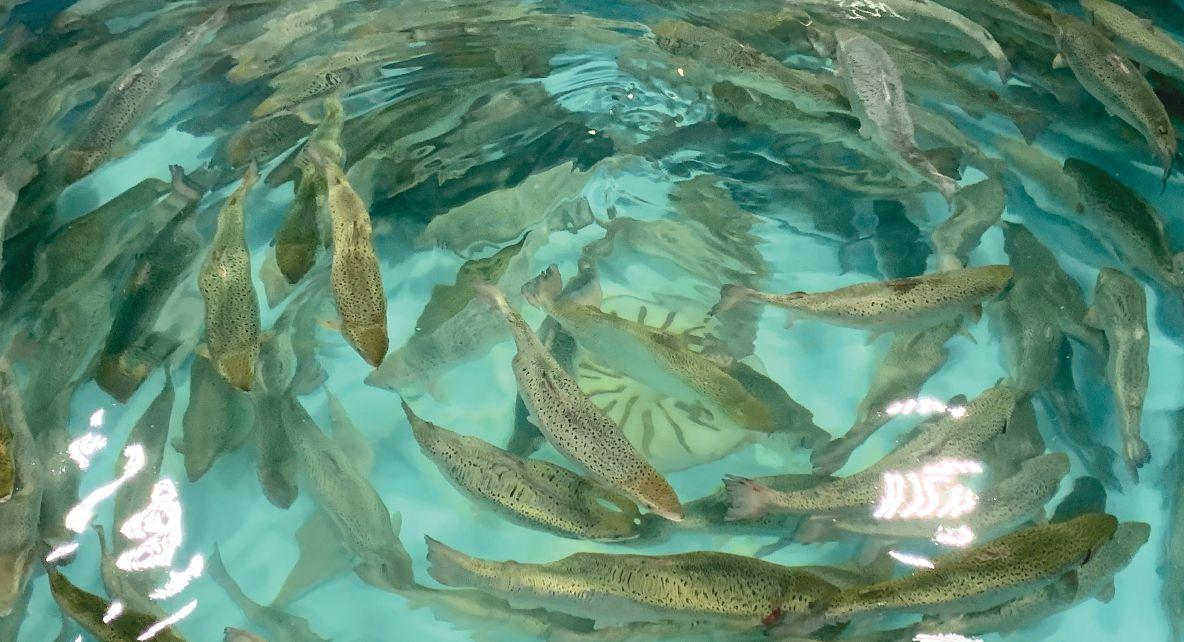
Depurating fish often leads to notable body weight loss.
Feeding depurating salmon
During this initial study, 3-4 kg Atlantic salmon produced in FI’s water reuse systems were moved to separate tanks where a representative number of fish were tagged with passive integrated transponders (PIT).
Two weeks later, the fish were exposed to concentrated GSM and MIB to boost flesh concentrations. After two days of feed withdrawal to clear the gut, the salmon were weighed and divided into eight partial reuse systems with 5 m3 tanks at a stocking density of 55 kg/m3. The system volume was replaced seven times per day through continuous spring water addition, and temperature was maintained at 14.9 C. Feed was either offered during four of six days of the depuration period or withheld entirely (n=4). On Days 0, 3, and 6, fillet samples were collected and later analyzed for GSM and MIB using solid phase microextraction mass spectrometry (SPME-MS) procedures.
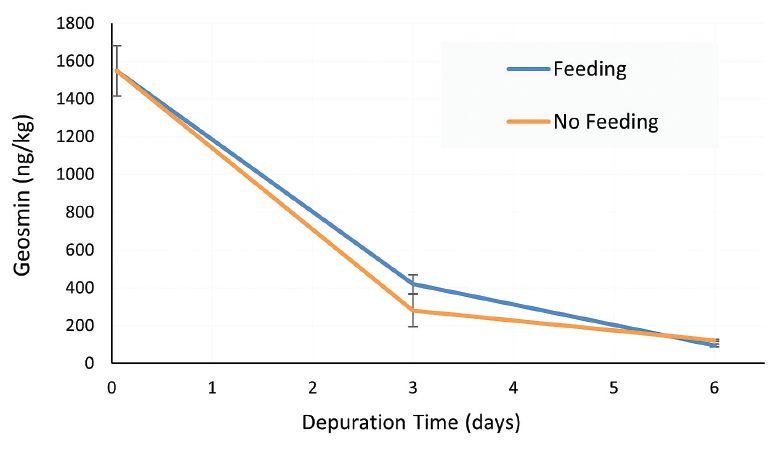
Salmon from both treatments rapidly eliminated GSM and MIB (Fig. 1), but significantly lower levels remained in fish that were fed, albeit the differences were relatively small. After six days, fed and fasted salmon lost 0.3 and 1.1% of their initial body weight, respectively (P<0.05). Therefore, feeding minimized salmon weight loss without compromising off-flavour removal.
We also noted that different preliminary gut evacuation methods have been applied across similar depuration studies. For example, Burr et al. (2012) began with fish that had not been fasted before depuration.1 As such, some of their reported weight loss was likely associated with excreted waste, which is irrelevant to sellable product weight. Extending the preliminary off-feed period to two days, as was done during our study, eliminated digesta from the fish gut, thereby negating false weight loss measurements.
Moreover, salmon processing data suggested that most of the weight loss occurred in the visceral mass; thus, cost implications likely depend on the final product form (whole fish, head-on-gutted, or fillets) and whether value is generated from the offal. Associated economic modelling for whole-body fish sales showed that minimized weight loss could result in US$250,000 of additional revenue for a 5,000 mt/year salmon RAS facility.
This research was described in a recently published article in the Journal of Applied Aquaculture.6
Feeding depurating trout
During a second FI study, 4.2 kg rainbow trout (steelhead) originally raised in a
semi-commercial scale RAS were moved to two 18 m3 depuration tanks where the water volume was exchanged 6-7 times daily, and temperature was maintained at approximately 13.5 C. Some of these trout were PIT-tagged for identification, but the fish were not exposed to concentrated off-flavour.
The focus of this study was to compare weight loss while feeding or fasting rainbow trout in a depuration setting. Fed rainbow trout were offered a high-energy diet for seven of ten depuration days. Feed was withheld on Day 0 and Day 1 to minimize stress and Days 8-10 to evacuate the gut.
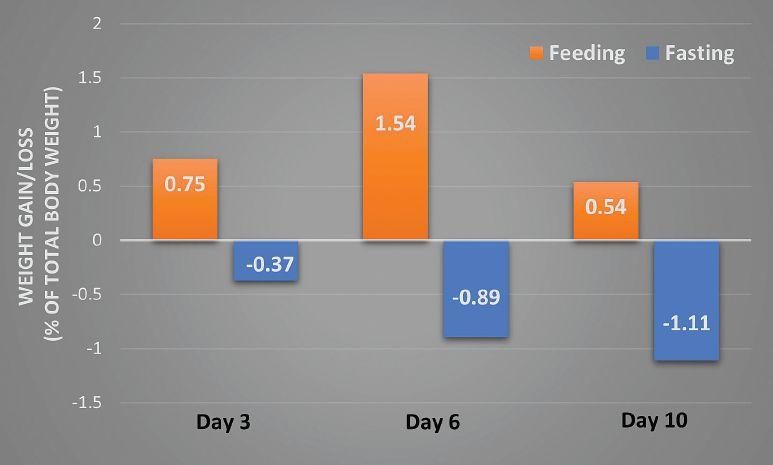
In summary, fed rainbow trout increased their body weight by 0.54%, while fasted trout lost 1.11% of their body mass after 10
days of depuration (Fig. 2). Average GSM and MIB levels were <100 ng/kg in fish from both treatments, and feeding did not negatively affect off-flavour concentrations.
Depurating barramundi
In a study conducted at HUJ, barramundi (approximately 600 grams mean weight) were stocked in a common tank and exposed to concentrated GSM. Six hours later, the fish were weighed and moved to replicated 0.4 m3 tanks at densities of 25 kg/m3 or 40 kg/m3 where they were purged for five days without feeding.
Depuration was examined as a function of flushing rate (0.07, 0.10, and 0.14 m3 water/ kg fish/day) and fish density. Each stocking
FIGURE 1. Geosmin and MIB levels in fed and fasted Atlantic salmon during a six-day depuration period (Davidson et al., 2023).
FIGURE 2. Weight loss percentages in fed and fasted rainbow trout over a 10-day depuration period.
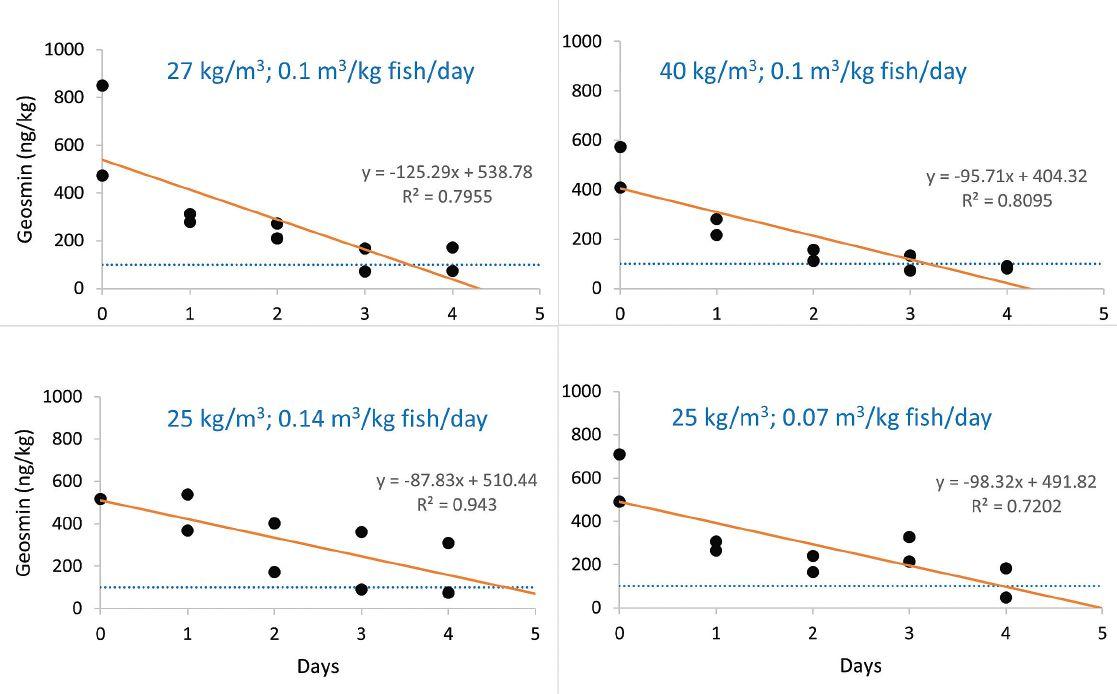
FIGURE 3. Geosmin levels in depurating barramundi at different stocking densities and flushing rates. Broken lines indicate approximate human threshold of detection at 100 ng/kg.
References
density and water exchange combination was tested in duplicate depuration systems. Two fish from each treatment were humanely euthanized each day and fillet samples were collected and analyzed using SPME-MS.
Geosmin levels in barramundi flesh steadily decreased for all treatments. Between Days 3 and 4, average GSM levels were approximately 100 ng/kg (Fig. 3), which is around the threshold of human detection in barramundi as determined through research by Azaria et al. (unpublished). Therefore, it can be concluded that off-flavour was effectively remediated under all tested depuration conditions.
However, unlike the previously described studies with salmonids, barramundi did not lose weight during the four-day depuration period, therefore research evaluating the effects of feeding was not required for this species.
Practical perspectives
Feeding depurating Atlantic salmon and rainbow trout appears to be a viable approach that reduces fish weight loss without negatively impacting the rate of off-flavour elimination, which could result in economic benefits. However, these findings should be
considered with specificity to the applied procedures.
For example, the depuration systems used at FI were brushed to remove microbial biofilms and disinfected with 200 mg/L hydrogen peroxide before stocking fish, which is standard practice at this facility. Moreover, the dual-drain culture tanks created hydraulics that rapidly removed feed and fish waste through a bottom center drain. These aspects may be critical to maintaining effective off-flavour removal while feeding depurating salmonids.
Feeding fish during depuration also increased solids and nutrient levels in the effluent, which could affect waste discharge levels or the feasibility of reusing depuration system effluent as supply water for RAS.
Decisions to feed depurating fish may depend on these factors and other site-specific variables such as the selected fish species. For example, as demonstrated with barramundi, feeding was not required to mitigate weight loss for this species during a four-day depuration period.
Disclaimer: This research was approved by the Institutional Animal Care and Use Committees at each facility.
1 Burr, G., Wolters, W., Schrader, K., & Summerfelt, S., 2012. Impact of depuration of earthy-musty off-flavors on fillet quality of Atlantic salmon, Salmo salar, cultured in a recirculating aquaculture system. Aquacultural Engineering 50, 28–36.
2 May, T., 2020. Quantifying off-flavor effect on profitability. RASTECH Magazine, September 1, 2020.
3 López-Luna, J., Vásquez, L., Torrent, F., & Villarroel, M., 2013. Short-term fasting and welfare prior to slaughter in rainbow trout, Oncorhynchus mykiss. Aquaculture 400–401, 142–147.
4 Hvas, M., Stein, L.H., Oppedal, F., 2020. The metabolic rate response to feed withdrawal in Atlantic salmon post-smolts. Aquaculture 529, 735690.
5 Hvas, M. et al. (7 coauthors), 2022. Full compensatory growth before harvest and no impact on fish welfare in Atlantic salmon after an 8-week fasting period. Aquaculture 546, 737415.
6 Davidson, J., Schrader, K., May, T., Knight, A., & Harries, M., 2023. Evaluating the feasibility of feeding RAS-produced Atlantic salmon (Salmo salar) during the depuration process: effects on fish weight loss and off-flavor remediation. Journal of Applied Aquaculture. Published online 9/27/2023.
CSIRO’s AquaWatch technology completes initial testing Australia’s national science agency, CSIRO, has completed initial testing of a weather service for water quality in the Spencer Gulf in Australia and plans to use the technology in local seafood farms.
Nagur Cherukuru, CSIRO senior scientist said the Spencer Gulf is called Australia’s seafood basket. “The region’s aquaculture will put seafood on the table for thousands of Aussies these holidays, with the local industry’s production worth over AU$238 million (US$156 million) a year,” said Cherukuru.
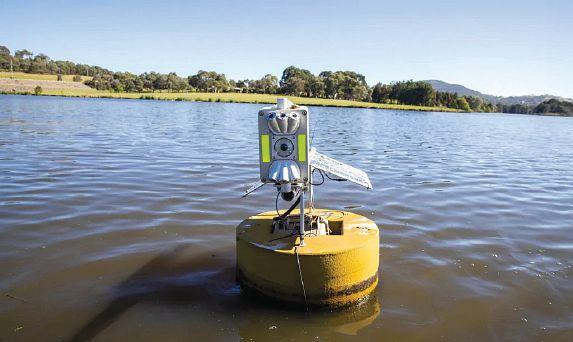
CSIRO’s AquaWatch Australia Mission — which aims to support better water quality management across Australia — combines data from water sensors and satellites before applying computer models and artificial intelligence to provide near real-time water quality monitoring and forecasts.
The Spencer Gulf test site is the first in Australia to demonstrate the AquaWatch technology works in partnership with SmartSat CRC and the South Australian Research and Development Institute (SARDI).
“We are working hand-in-hand with CSIRO to harness data from satellites so we can better manage this very valuable resource,” said Andy Koronios, CEO of SmartSat CRC.
The team is collecting data to inform the area’s thriving aquaculture industry, which could warn them of harmful marine events such as algal blooms before they occur.
Kirsten Rough, research scientist at the Australian Southern Bluefin Tuna Industry Association, said although the Spencer Gulf is a great area for aquaculture because it typically has good water quality that
makes for healthy fish, the current water monitoring efforts need improvement.
“In certain conditions, algal blooms can form, which threaten our stock and can cause significant losses for the industry,” said Rough. “Whilst we do monitor water quality, it’s currently time-consuming and labour-intensive. Real-time monitoring means we can scale up surveillance and adjust feeding cycles. Early warning forecasts would allow for planning decisions like moving pens out of the way of harmful algae.” www.csiro.au
The SARDI research team replaced one of the water sensors on the AquaWatch buoy in the Spencer Gulf. PHOTO: CSIRO
Benchmark expands commercial team in the U.K.
Benchmark has appointed Harry Tziouvas to the role of commercial lead U.K. and global land based. Tziouvas was global sales and technical manager for salmon, and previously served as senior biologist for the Scottish Salmon Company (now Bakkafrost Scotland), overseeing fish health management across marine and freshwater sites in the north region.
Joining Tziouvas in his commercial team is
Alex Kulczyk, a sales and technical U.K. associate with a background as site manager at AquaGen’s Holywood Breeding Centre. He holds a BSc in Aquaculture and Fisheries Management.
“I am thrilled that Alex has embraced this exciting opportunity to contribute his expertise to Benchmark,” said Tziouvas. “His background and experience will undoubtedly strengthen our support for Scottish and Irish customers.”
”I am very excited to join and contribute to the dynamic team at Benchmark. Aquaculture is a fast-paced and innovative industry, and I believe that the specialized products and services that Benchmark provides will support a sustainable and resilient future. I look forward to
working alongside and supporting our Scottish and Irish customers and being a part of this forward-thinking company,” said Kulczyk. www.bmkgenetics.com
Marina Delphino appointed as fish health & quality group manager
GenoMar Genetics Group has appointed Marina Delphino as the group’s fish health & quality solutions manager.
Delphino’s task will involve developing and implementing a unified vision and strategy for fish health, welfare, and quality for all the company’s global operations. Alejandro Tola Alvarez, CEO of GenoMar Genetics Group said Delphino has set and maintained a new standard in biosecurity and health management at their tilapia breeding center in Latin America.
“We want to replicate similar standards across all our operations and lead the way in the biosecurity as much as we do in genetic performance. Her skills, experiences and uncompromising attitude will provide great leadership to our global teams to reach that goal, said Alvarez.
Marina is a veterinarian and holds a PhD in veterinary epidemiology from the University of Brasilia, Brazil.
“I’m excited to take up this new role at GenoMar. Building on my journey since 2020 as the fish health and welfare manager at the Brazilian Breeding Center, I will be dedicating my efforts to maintaining our top-tier biosecurity and health standards across all units. Furthermore, my focus will be on achieving crucial certifications and building systems for quality control of the final product. This move represents a major step forward in the company’s collective pursuit of sustainable, high-quality aquaculture,” she said. www.genomar.com
National Fisheries Institute welcomes new media & communications manager
National Fisheries Institute (NFI) has a new media & communications manager, Kayla Bennett.
Bennett is a graduate of Ohio University and was a marketing and communications fellow at The Texas Tribune in Austin and an Ohio Statehouse News Bureau Reporting fellow for the USA Today Network in Columbus.
“I’m excited to be returning to NFI,” said Bennett. “These days, working on advocacy communications in the nation’s capital is an exciting challenge and I’m eager to help ensure NFI’s members get their message out.”
Bennett will also produce multimedia projects, anchor the weekly Inside NFI video/ newsletter, and join Richard Barry as the new co-host of the SoFISHticated podcast.
Lisa Wallenda Picard, NFI president and CEO said the NFI is happy to welcome Bennett. “We think of communications as a core competency around here but one that’s always evolving. Having a fresh set of eyes on what we’ve been doing and what we might do in the future makes a strong team even stronger,” Picard said.
Harry Tziouvas, commercial lead U.K. and global land-based in Benchmark
Alex Kulczyk, sales & technical U.K. associate
Marina Delphino
Kayla Bennett
In addition to being the primary video and audio producer who helps craft the association’s social media strategy and develops editorial content, the media and communications manager collaborates with global communication stakeholders and partners across the seafood community. www.aboutseafood.com
Genics launches Shrimp MultiPath2.0 for early pathogen detection
Genics has released Shrimp MultiPath2.0 which brings capabilities to shrimp pathogen detection.
The latest edition of testing technology identifies 18 shrimp pathogens with a single test: WSSV, AHPND pirA/AHPND pirB, EHP, GAV YHV2, IHHNV, IMNV, YHV 1, YHV 7, HPV HDV, MBV, LSNV, MoV, TSV, NHP, DIV1, PvNV, CmNV and MrNV.
It also detects and differentiates between genetic subvariants of major pathogens, delivering optimal protection. The Shrimp MultiPath2.0 allows farmers to detect prominent disease threats and detects and differentiate between genetic subvariants of major pathogens, delivering optimal protection.
Shrimp MultiPath2.0 sample collection systems are easy to use on the farm, with a one-to-five-day farm-to-lab data delivery window worldwide, including shipping and processing time at the lab. www.genics.com.au
We are your source for professional aquatic and aquaculture
Our hands-on experience allows us to offer practical solutions to your situation, big or small. We have years of experience in retrofit and new construction and understand your needs. Contact us today to learn more!
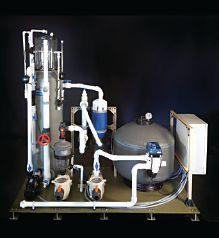
Commercial Filtration Systems
Commercial Filtration Systems
Commercial Filtration Systems
Customized for your fish farm, hatchery or
Commercial Filtration Systems
Customized for your fish farm, hatchery or
Customized for your fish farm, hatchery or
Customized for your fish farm, hatchery or research
Our Commercial LSS Packages are custom engineered to meet your specific needs.
Our Commercial LSS Packages are custom engineered to meet your specific needs.
Our Commercial LSS Packages are custom engineered to meet your specific needs.
• Marine and Freshwater
• Marine and Freshwater
• Marine and Freshwater
• De-gassing towers
• De-gassing towers
Commercial LSS Packages are custom engineered to meet your specific needs. • Marine and Freshwater
• Mechanical filtration
• Mechanical filtration
• Mechanical filtration
• Chemical filtration
• Chemical filtration
• Chemical filtration
• Ultraviolet disinfection
• Ultraviolet disinfection
• Ultraviolet disinfection
• Wide variety of flow rates
• Wide variety of flow rates
• Flow control valves
• Flow control valves
• Protein skimmers
• Protein skimmers
• NEMA enclosed controls
• NEMA enclosed controls
• NEMA enclosed controls
• Bio-filter towers
• Bio-filter towers
• Mechanical filtration • Chemical filtration • Ultraviolet disinfection • NEMA enclosed controls
• Variable frequency-drive pumps
• Bio-filter towers
Bio-filter towers
• Variable frequency-drive pumps
• Temperature management
• De-gassing towers • Wide variety of flow rates • Flow control valves • Protein skimmers • Variable frequency-drive pumps
• Temperature management
Temperature management
our systems are pre-plumbed and fully water
Temperature management
our systems are pre-plumbed and fully water tested prior to
High quality fish farming equipment
Designer & Manufacturer Since 1958
One Supplier, all your solutions and equipment for your RAS
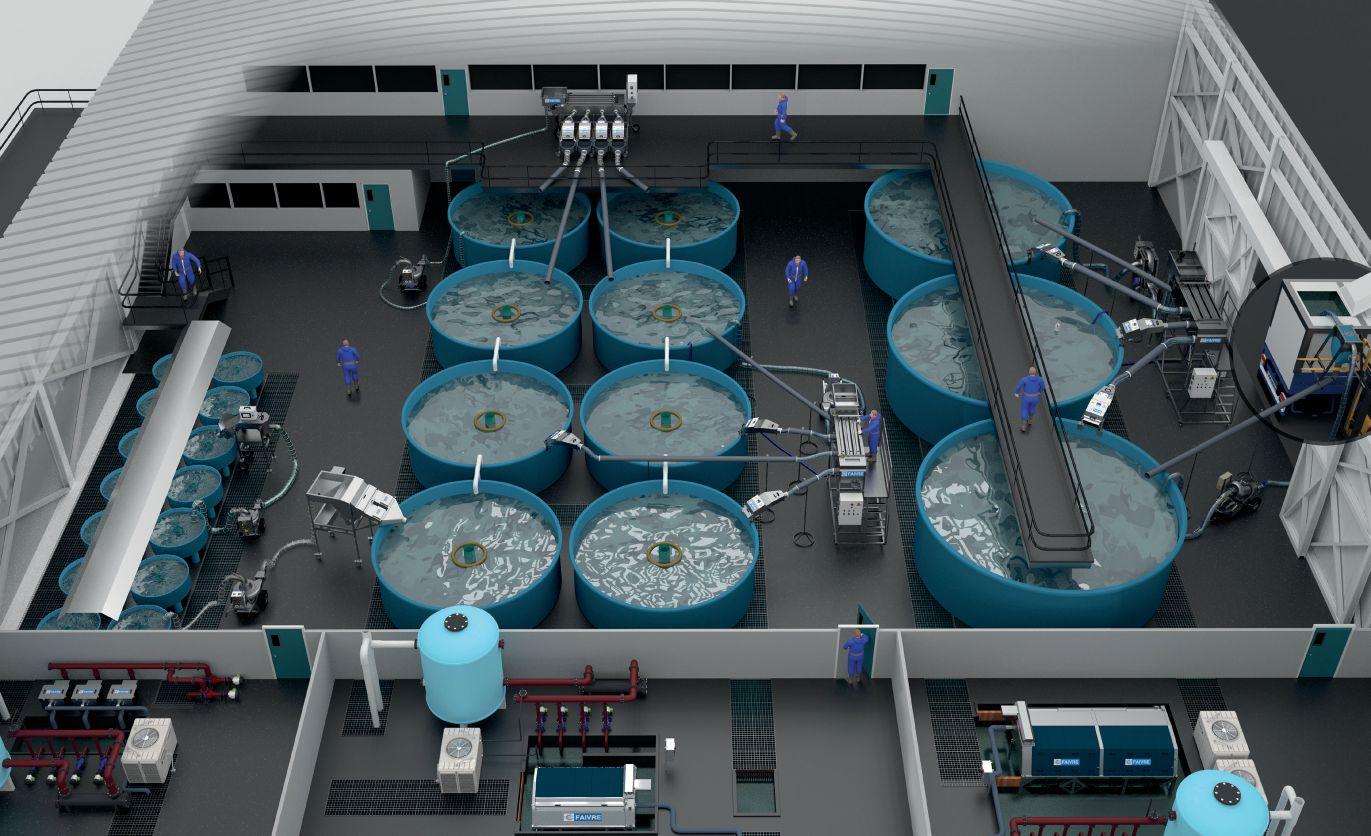
FAIVRE Group has developed its activity in industrial equipment design dedicated to aquaculture. With more than 60 years of experience, this French structure has developed its technological success thanks to its family history. Today Faivre is a world leader in its field and offers complete solutions from water treatment to fish farming equipment.