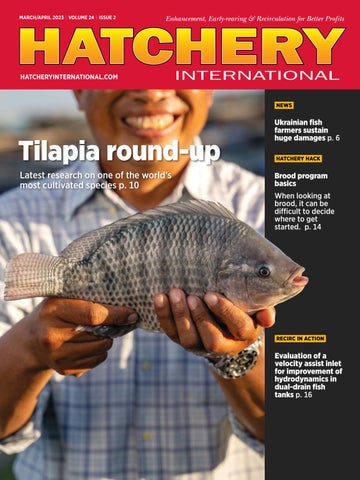
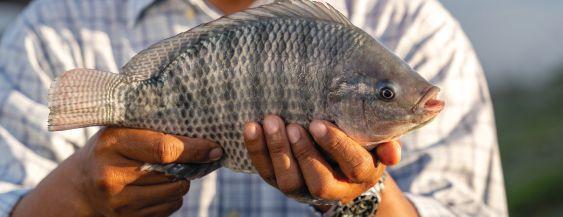
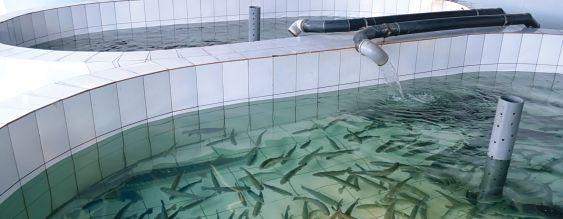
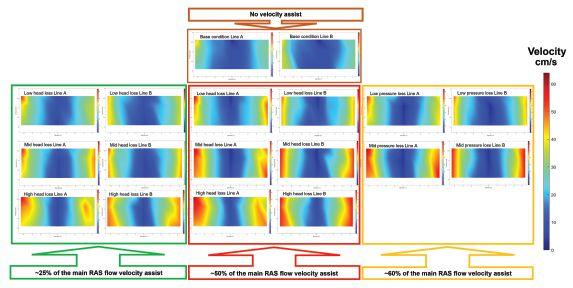
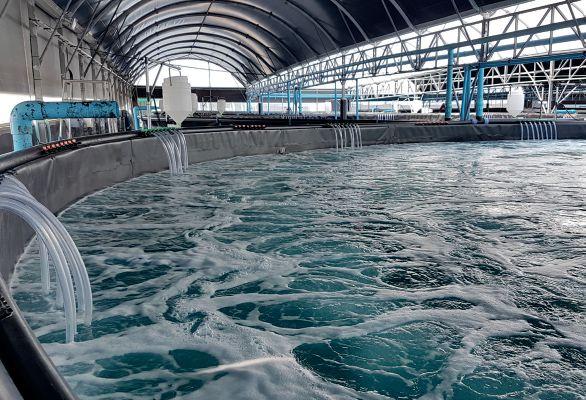
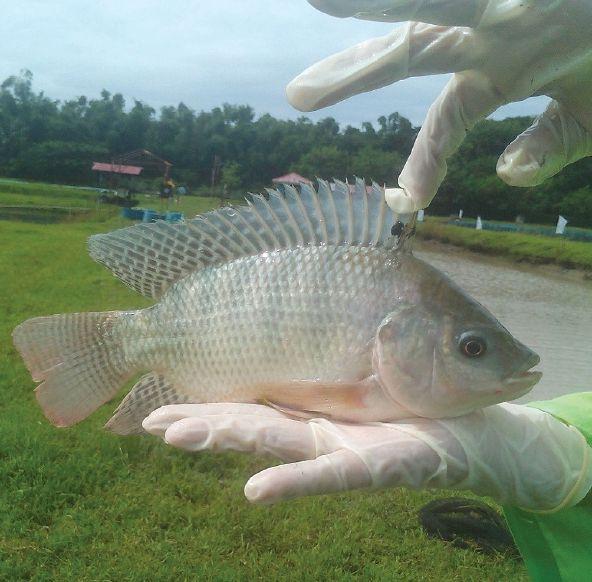
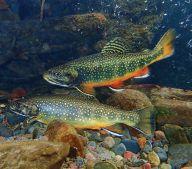
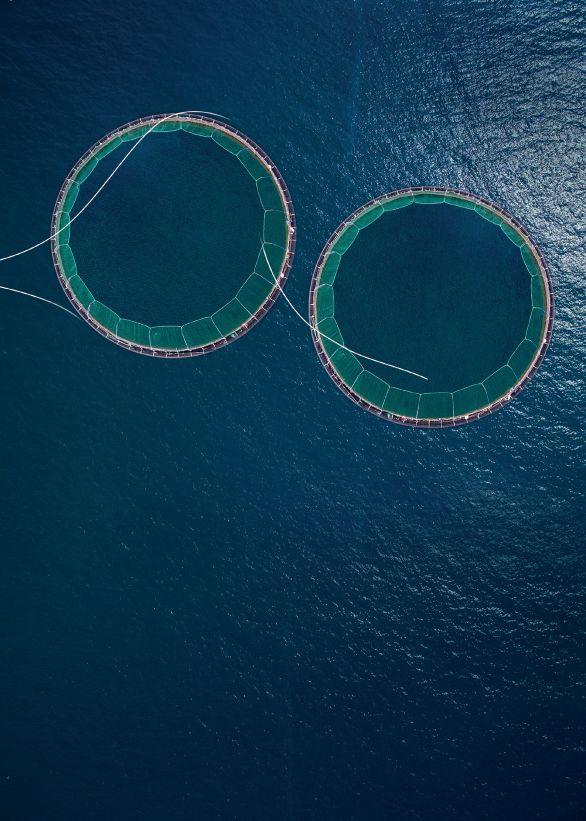
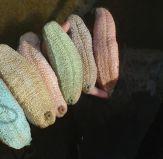
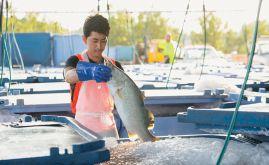
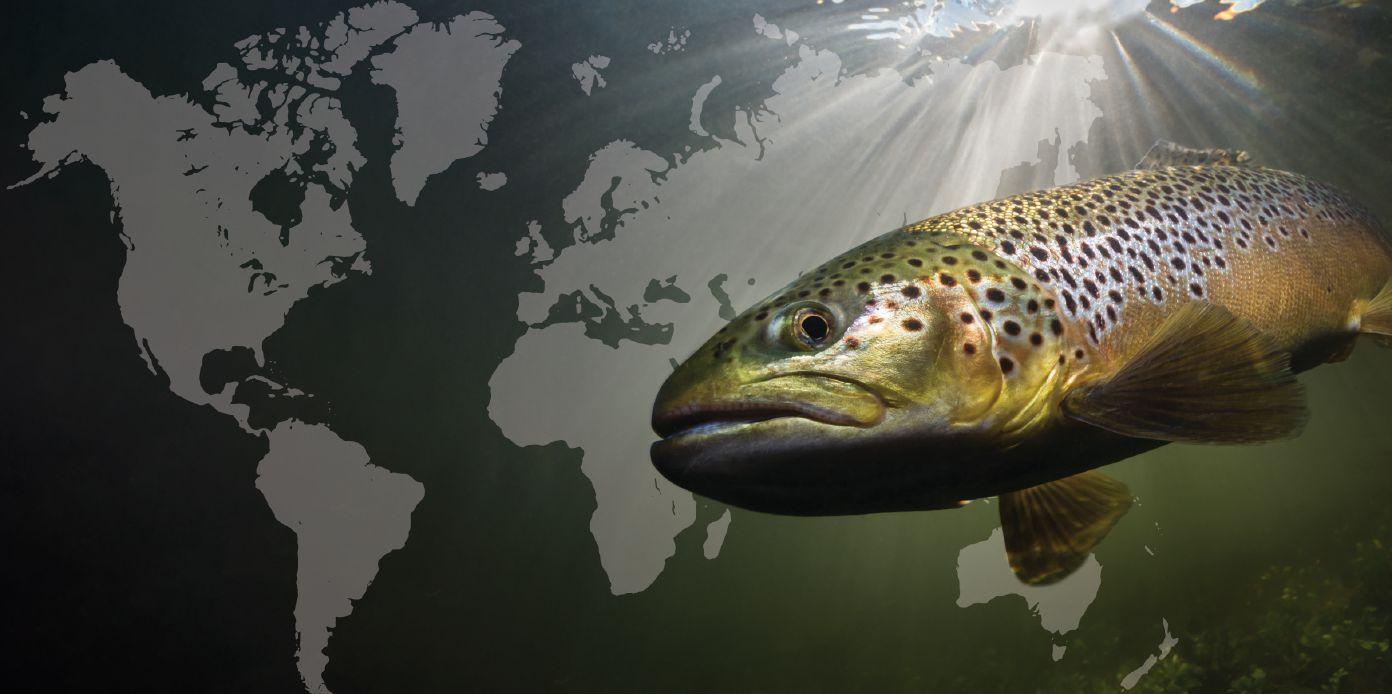
Latest research on one of the world’s most cultivated species p. 10
Ukrainian fish farmers sustain huge damages p. 6
HATCHERY HACK
Brood program basics
When looking at brood, it can be difficult to decide where to get p. 14
RECIRC IN ACTION
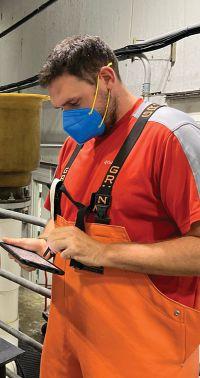
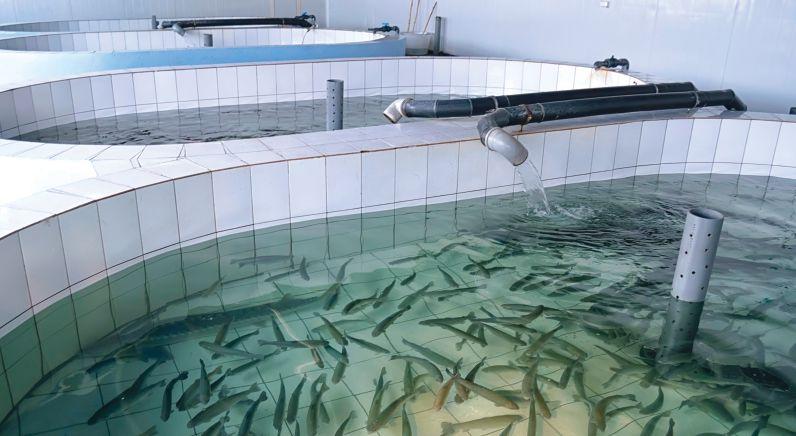
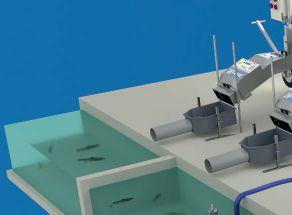
Evaluation of a velocity assist inlet for improvement of hydrodynamics in dual-drain fish tanks p. 16
By Ruby Gonzalez
By Ron Hill
Industry-leading
Modbus
Optional
APRIL 20 – 21, 2023
JW Marriott Orlando, Grande Lakes I Florida, USA
Whether it’s raising fish juveniles, smolt or full-harvest size, this event covers the latest innovations and research in Recirculating Aquaculture Systems (RAS) technology. Learn more from global RAS experts and network with your fellow RAS operators, designers, engineers, contractors, consultants, researchers and investors.
Engage with over 80 RAS technology & product providers in our trade show and listen to the late st product showcase presentations.
VOLUME 24, ISSUE 2 | MARCH/APRIL 2023
Reader Service
Print and digital subscription inquiries or changes, please contact customer service
Angelita Potal
Tel: (416) 510-5113
Fax: (416) 510-6875
Email: apotal@annexbusinessmedia.com
Mail: 111 Gordon Baker Rd., Suite 400, Toronto, ON M2H 3R1
Media Designer Svetlana Avrutin savrutin@annexbusinessmedia.com
Audience Development Manager Urszula Grzyb ugrzyb@annexbusinessmedia.com 416-510-5180
Group Publisher Anne Beswick abeswick@annexbusinessmedia.com 416-410-5248
COO Scott Jamieson sjamieson@annexbusinessmedia.com
PUBLISHED BY ANNEX BUSINESS MEDIA 105 Donly Drive South, Simcoe, ON N3Y 4N5
Hatchery International is published six times a year by Annex Business Media. The authority for statements and claims made in Hatchery International is the responsibility of the contributors. Reference to named products or technologies does not imply endorsement by the publisher.
Subscription rates (six issues) Canada: $37.00 Within North America: $48.00 CAD
Outside North America: $62.00 CAD
To subscribe visit our website at www.hatcheryinternational.com
PRINTED IN CANADA ISSN 1922-4117
Publications Mail Agreement #PM40065710
RETURN UNDELIVERABLE CANADIAN ADDRESSES TO 111 Gordon Baker Rd., Suite 400, Toronto, ON M2H 3R1
The advertising deadline for the May/June issue is March 14. Don’t miss the opportunity to be part of this exciting aquaculture publication. For more information, or to reserve space in the next issue, call our advertising department at +1.250.474.3982 jthain@annexbusinessmedia.com
Next Editorial Deadline
The editorial deadline for the May/June issue is March 14. Contact Jean Ko Din at jkodin@annexbusinessmedia.com for details. Material should be submitted electronically with prior arrangement with the editor.
FROM THE EDITOR
Search for new ideas
I’ve always believed that a magazine is at its best when it brings together a diverse collection of voices and ideas. Whether it be about fish hatcheries or any other industry, readers should always feel like its pages reflect their own thoughts and ideas.
This issue features a lot of new learnings. In the cover story, we did a round-up of the latest research being published about the tilapia species. It is the third most important fish species in aquaculture, after salmon and carp. It is versatile and tolerant of a variety of environments. It’s no wonder that so many have taken an interest and turned this species into one of the fastest growing sectors.
This issue also features technical advice from our regular contributors, Ron Hill of Hatchery Hack and the Freshwater Institute for Recirc in Action. These are trusted voices in the industry and I hope these sections continue to bring new ideas for you.
I also have a role to play in introducing new and challenging ideas to the readers. But, I would otherwise be working in a bubble if I wasn’t being thoughtful about how Hatchery International represents the whole.
With this thought in mind, I’d like to introduce you all to our new editorial advisory
JEAN KO DIN
board. For two years, they will serve as a trusted focus group of experts whom I can turn to for feedback and guidance.
I took great care in selecting respected professionals in the hatchery industry with different backgrounds and different expertise. They also represent the industry in different parts of the world.
My aspiration for this advisory board is to help challenge my own work. They are meant to give me, as editor, an enhanced assurance that the content that I curate for this publication continues to serve relevant information to hatchery professionals in fisheries and aquaculture.
But at the same time, I’d also like to reassure you that each of these members’ professional affiliations do not earn them any exception or privilege that would otherwise compromise the journalistic integrity and accountability that I strive for.
My first responsibility will always be to you, the reader.
And speaking of, I would like to continue relying on you, as well, for new topics and ideas. If you would like to contribute, I invite you to send a message through my inbox at jkodin@annexbusinessmedia.com.
Belarus set sights on aquaculture development despite sanctions
Belarus wants to diversify and make fish farming more effective for the benefit of domestic customers, according to the country’s officials.
In the past few years, Belarussian aquaculture saw the share of total carp production falling from 95 to 71 per cent, estimated Vladimir Kostousov, deputy director of the Belarussian Institute of Fisheries.
In Belarus, carp are bred in ponds using traditional methods. Although carp will likely keep dominating the industry in the foreseeable future, fish farmers plan to enhance their efforts aimed at product diversification.
“You won’t surprise the consumer only with carp,” said Yury Bazhenov, the director of the fish farm, Selets. “To meet the growing consumer demand both at home and abroad, the focus must be placed on valuable fish species.”
Over the past few years, Belarus established the production of broodstock of several new fish species. This was a necessary step to develop production, as Western sanctions have made it challenging for Belarussian farmers to import broodstock.
“Today, we can boast of having a broodstock of sterlet, Siberian sturgeon, and beluga. The margins of [breeding] these fish species are very high. The profitability of sales of smoked fish, caviar and broodstock stands at 20 per cent, or even higher,” Bazhenov said.
In addition, Belarussian scientists are working to make fish farming more effective. Kostousov disclosed that until recently, Belarussian feed mills imported protein components to manufacture high-quality fish feed. However, the supplies have also been disrupted by the sanctions.
“The task of the institute is to minimize the costs and damage caused
Ukrainian fish farmers sustain huge damages
Ukraine’s fish business suffered confirmed losses of US$47 million due to the Russian invasion, said Vitaliy Holovnia, deputy minister of agriculture and food in Ukraine, citing a study conducted by the Ukrainian government in cooperation with the UN.
“We have losses of $21.6 million in aquaculture and $25.4 million in industrial fishing. These are data for Nov. 1, 2022,” Holovnia said, adding that those are preliminary figures, and the authorities have no doubts they will skyrocket when the hostilities are over, and making proper calculations will become possible.
Ukraine’s fishing sector saw a 70 per cent drop in output due to the invasion, Holovnia said, not providing any additional information about the scale of damages in the fish farming industry.
As of early 2022, nearly 150 fish farms were registered in Ukraine. More than 85 per cent of them were classical pond fishing facilities, primarily breeding carp.
LONG-LASTING AQUACULTURE PUMPS
by the current external economic conditions,” Kostousov said, adding that the work is being done in multiple directions, including “to increase the digestibility of the carbohydrate component of fish feed” and improve feed production technologies.”
There are several confirmed casualties in the Ukrainian fish farming industry. Donetsk fish factory, one of Ukraine’s largest fish farming companies, reportedly lost 80 per cent of production capacities due to hostilities in the region. The Kharkiv-based Pecheneg fish farm, another industrial fish farm used to breed catfish, pike perch, silver carp, pike, grass carp, and crucian carp, has been completely destroyed. Several smaller farms have reportedly ceased to exist in Kyiv and Kherson regions.
In recent months, Ukrainian RAS farms and hatcheries have also been suffering from repeated power outages.
Ukraine’s state energy company Ukrenergo use scheduled and emergency outages to compensate for the impact of the Russian repeated missile strikes. The power outages hamper the operation of food manufacturers across the country, resulting in lower production and higher prices, the Ukrainian authorities warned. Currently, fish companies struggle to establish backup power generation sources using diesel generators.
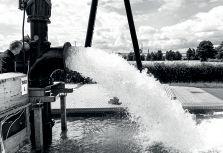
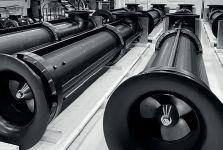
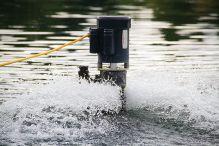
Specialists in corrosion-resistant, reliable and stable propeller pumps, with high uptime and low energy consumption- for a healthy and sustainable aquaculture.
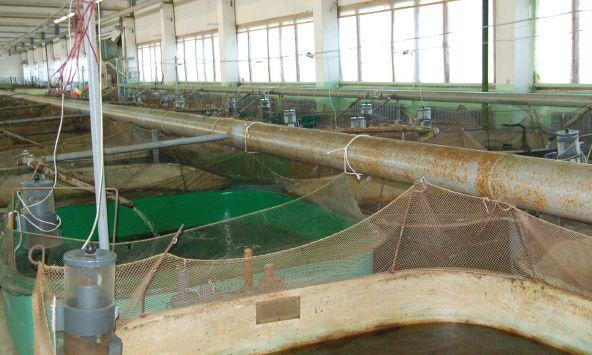
Fish farming in Belarus is primarily about carp breeding.
PHOTO: NASHA RYBA STORE
Russia considers expanding state aid program for independent hatcheries
In 2023, Russia will begin reimbursing capital costs of building new hatcheries, Eugeny Kats, director of the aquaculture department in the Russian Agricultural Ministry, outlined during an industry conference in December.
Last year, import-replacement issues in Russian aquaculture came to the fore as supplies from Western countries were disrupted by sanctions. In this background, the government greenlighted state aid for the construction of feed mills specializing in fish feed production, Kats said, estimating that under the proposed scheme, nine new feed mills are planned to be built in Russia in the next few years.
“We still have an issue with reimbursement of capital costs for the construction of hatcheries. I believe we will solve it in 2023, both in terms of mechanism and the source of money,” Kats said.
Last November, the Russian government exempted young fish, bloodstock and fish embryos from VAT for two years. Russian fish farmers association Rosrybkhoz welcomed the decision but asked the authorities to raise the threshold on revenue not subjected to VAT from the current 60 million roubles (US$850,000) to 350 million roubles ($5 million).
Most hatcheries in Russia are part of Glavrybvod, a state-owned operator primarily engaged in environment-protecting activities. The new state aid is promised for private investors breeding fish for commercial purposes.
In addition, the authorities promise to expand the soft loans programme for Russian fish farmers and hatcheries. Rosrybkhoz estimated that in 2022 its members got loans with a subsidized five per cent rate with a total value of 635 million roubles ($9.5 million), 30 per more compared to the previous year.
Russia’s dependence on imported broodstock is close to 80 per cent, estimated Anton Alexeev, head of Aquafarm, operating a RAS trout farm in Leningrad Oblast. Before the sanctions, Russian farmers imported broodstock from European countries, such as Denmark and Poland.
Currently, to keep production running, the best way for Russian businesses is to purchase broodstock through third countries, like Armenia or Kazakhstan, though this entails higher logistics costs, he said.
Natural technologies to improve water quality & fish welfare
Easy to install, operate & maintain
State-of-the-art controls & communications Live OPEX calculator & trending
Russian fish farming is not in the best shape.
PHOTOS: SEVRYBVOD
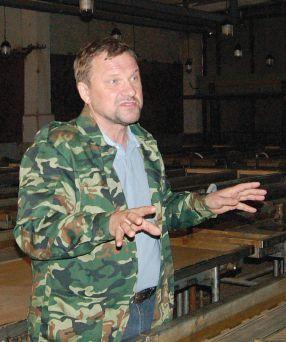
Russian hatchery worker shows facility upgrades are needed.
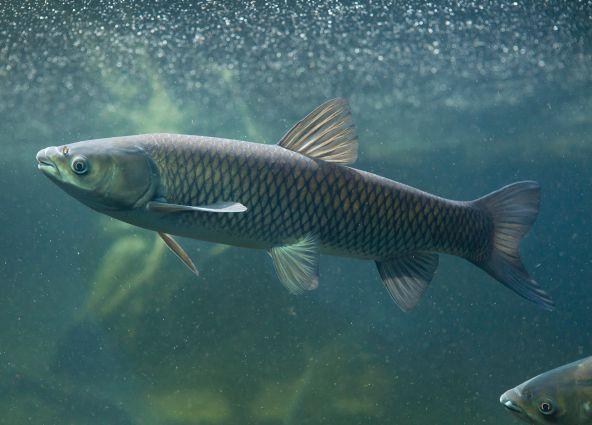
Seaweed for juvenile grass carp shows potential for Gran Canaria’s blue economy
Macroalgal wracks have potential as a feed additive in juvenile grass carp (Ctenopharyngodon idella) diets, creating an economic value to the marine plants.
A study in Spain by Galindo et al. cited that seven per cent of the macroalgae may be included in the diet “without detrimental effect on C. idella survival, growth, proximate composition, FA (fatty acids) or LC (lipid classes) profile, oxidative status, and digestive capacity.”
Inclusion of either a mixture of seaweed wracks species or a Lobophora sp. wrack produced similar growth performance than the commercial control diet.
A freshwater species, grass carp has been the major fish species produced in the world in the last years.
As a feed ingredient, algae have been identified as alternative sources of lipids and proteins.
The experiment focused on using relatively small doses of the ingredient to make diet inclusion more economically viable. “In our study, a dietary seven per cent inclusion of either a mixture of seaweed wracks species or a Lobophora sp. wrack produced similar growth performance than the commercial control diet. The utilization of seaweeds as an ingredient per se, at an industrial scale, requires expensive processes that makes it often not economically viable.
“Thereby, in the last years, the interest for macroalgae has emphasized on a quality more than on a quantity approach, based on their content in bioactive compounds. Hence, the inclusion of macroalgae in aquafeeds is now more focused on low inclusion levels, than on their use as main ingredients,” the authors explained.
Seaweed wracks are clamps that are break free from seabed and washed over the beach, creating an eyesore. These are usually collected and brought to the landfills. Left untouched on the shore, the biomass decomposes and eventually produce an unpleasant smell.
“The utilization of macroalgal biomass that is usually discarded in aquafeeds might contribute to the sustainable use of ocean resources empowering the blue economy strategy in islands, also reducing aquaculture reliance on fish oil and fish meal,” they said.
The study, published on Aquaculture Nutrition, was conducted over 100 days on juvenile grass carp in RAS facilities in Gran Canaria, Spain. –Ruby Gonzalez
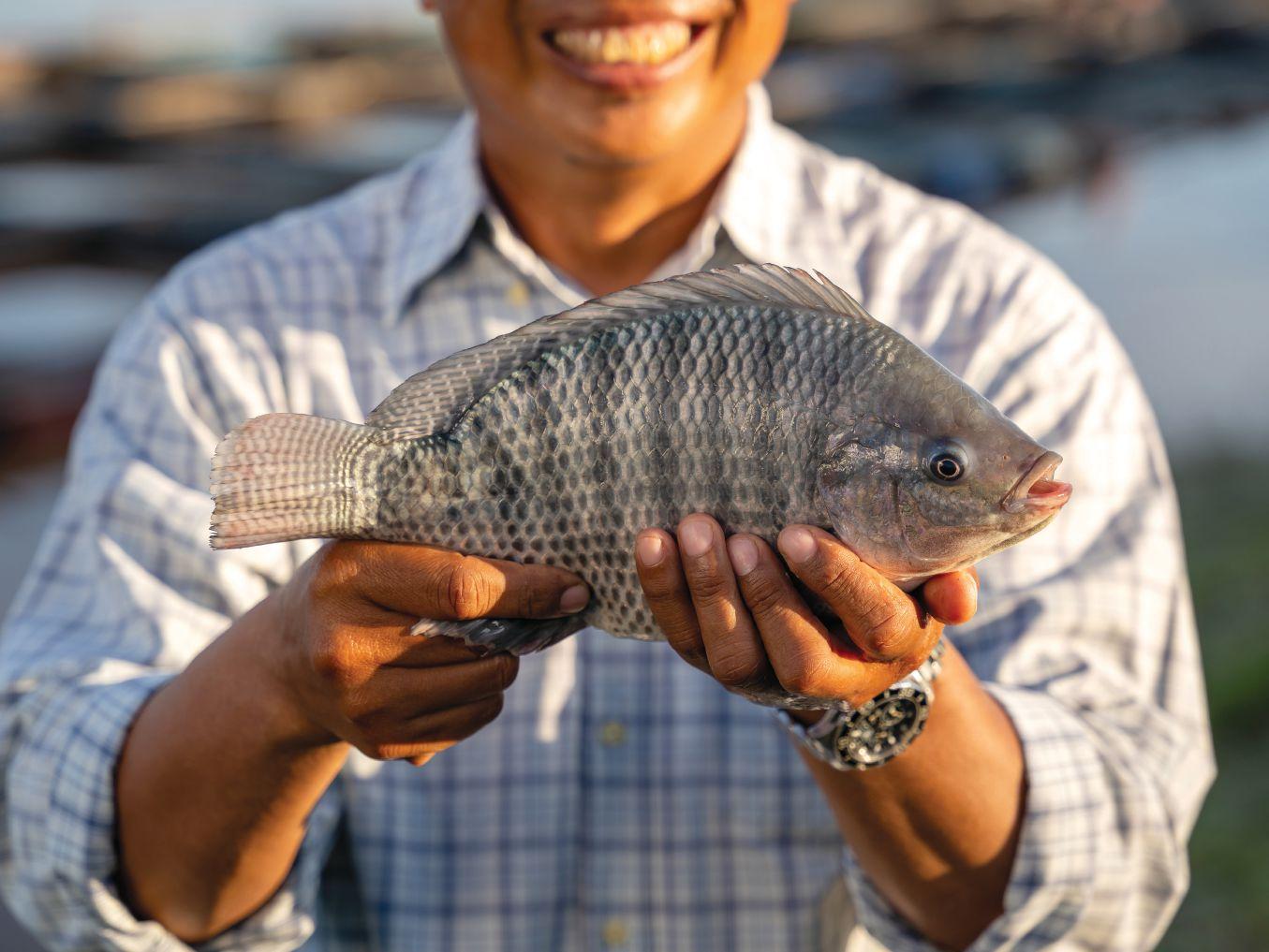
Tilapia global round-up
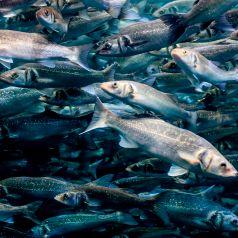
Latest research on one of the world’s most cultivated species
By Ruby Gonzalez
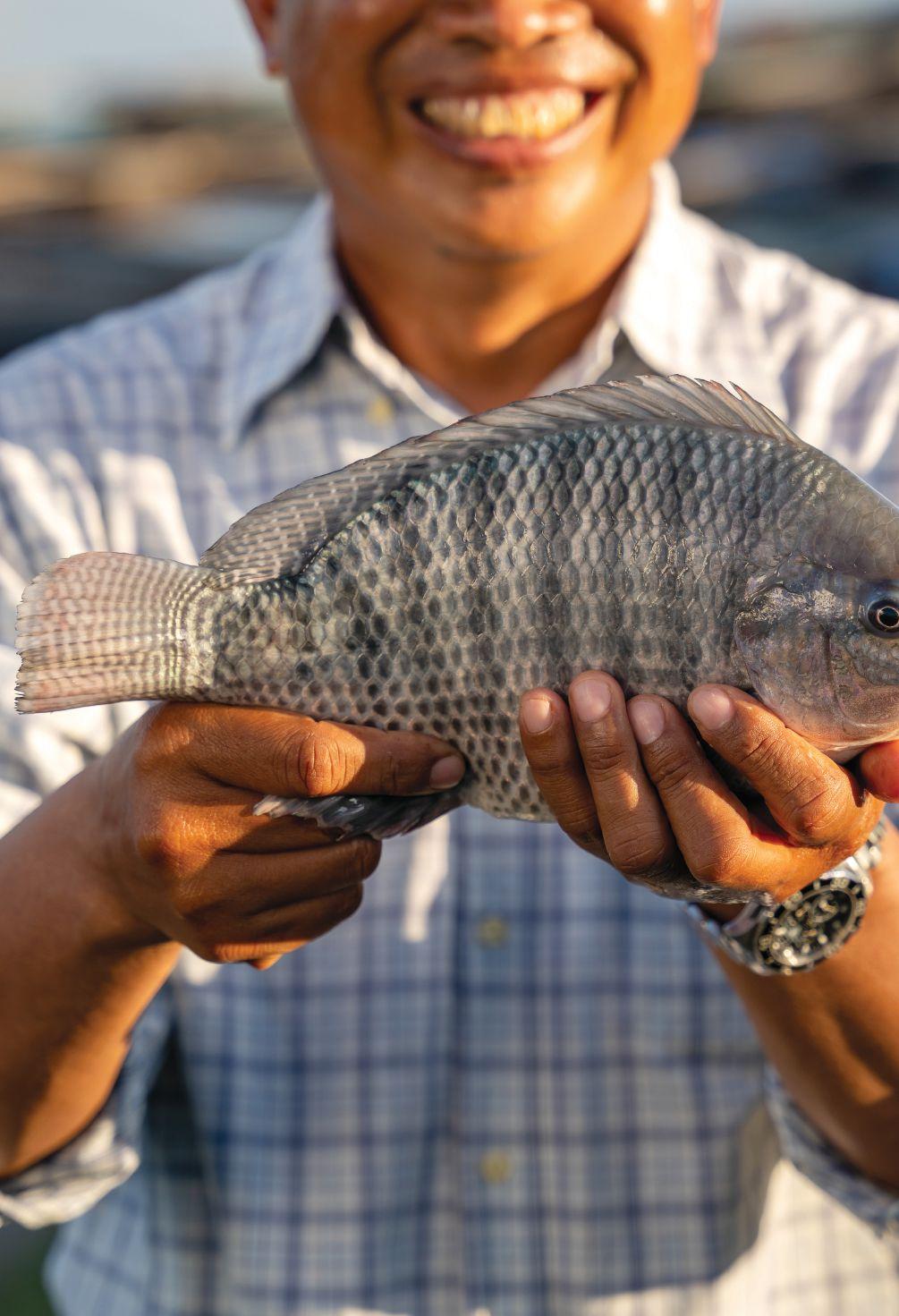
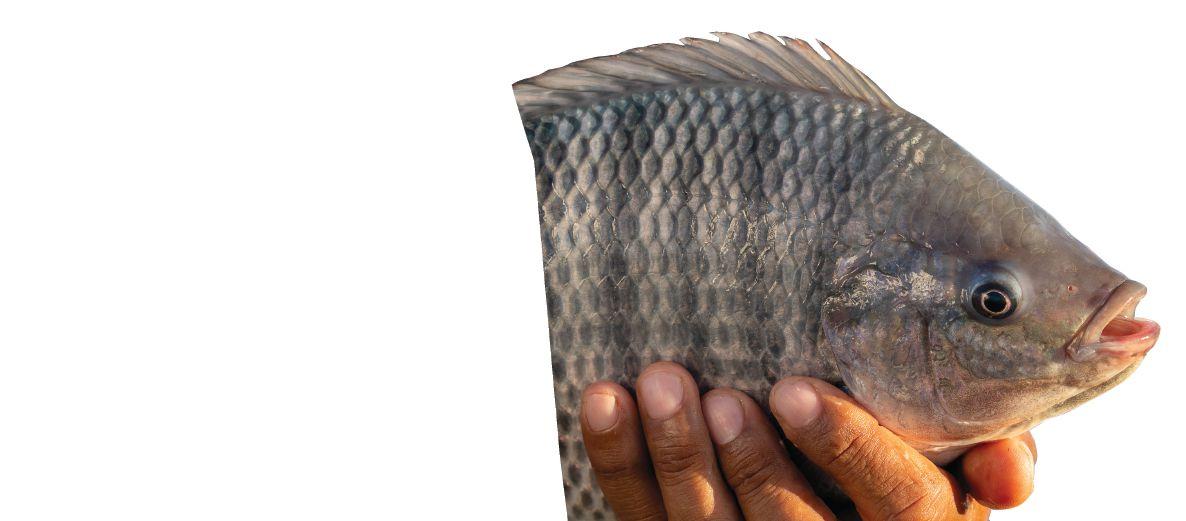
Tilapia is one of the world’s most farmed species, currently grown in more than 120 countries. It has a temperature tolerance that allows it to thrive anywhere from the Sub-Sahara to Scandinavia. The world’s top producers are China, Indonesia, Egypt, Brazil and the Philippines.
Favoured by the market because of its universal flavour profile, farmers say it has traits conducive to aquaculture. Highly adaptable,
it has a fast growth cycle and known to survive in poor quality water and overcrowded environment.
As demand continues to grow, intensive fish culture is clearly the way to go. Systems and protocols that make it possible to deliver volume, ironically, are also creating multi-pronged sustainability challenges. High-volume stocking, for instance, raises environmental and fish welfare issues.
PHOTO:
Overcrowding leads to accumulation of ammonia excreted by the fish. This inorganic compound of nitrogen and hydrogen affects health, growth and mortality parameters of even the hardiest of fish.
Developments from around the world addressing these issues are never lacking.
New protocols
Antibiotics and chemicals get the flak for the impact on fish bacterial resistance, ecosystems, human health and consumer perception. There may be alternatives that deliver desired results without the downsides.
Among these are the use of herbal and other non-antibiotic feed additives. In their study, researchers in China provided this option with compound additives of magnolol, palmatine and β-glucan at 0.24-0.48 per cent in in tilapia ( Oreochromis niloticus ) diet. The combination improved antioxidant activity, immune response and resistance to Aeromonas hydrophila. It also improved the anti-disease capacity of the animal.
The study is believed to be the first to report on the combined use in fish of magnolol, palmatine and β-glucan.
Per results, inclusion of 0.24-0.48 per cent compound additives improved the anti-oxidant-related parameters in the animal. Addition of same percentage volume also enhanced the immune response. Addition of 0.48 per cent compound additives enhanced enhance resistance of tilapia against A. hydrophila
There was no impact on growth performance. Protein efficiency ratio in animal was improved, however.
“Although the mechanisms of action of magnolol, palmatine and β-glucan are different, they have synergistic effects in improving the antioxidant capacity of the body and promoting immune regulation,” Cao et al. explained.
Magnolol, extracted from the bark of Magnolia officinalis, has anti-oxidant and anti-inflammatory, and anti-bacterial properties.
Palmatine can be extracted from herbs. In addition to having anti-inflammatory and anti-oxidant effects, it also known to boost immunity.
β-glucan, widely found in nature has the ability to stimulate the immune system of different vertebrates, causing cells such as macrophages to produce immune memory.
Aeromonas hydrophila damages the gills, liver, and intestine, resulting in histopathological changes in the infected organs.
China is the world’s top producer and exporter of tilapia.
“Antibiotics are widely used as feed additives in aquaculture because of their excellent disease resistance and growth-promoting effects. On the contrary, long-term overuse of antibiotics not only affects ecosystems and human health, but may also lead to the development of resistance in pathogenic and non-pathogenic bacteria,” they summed up.
Formalin-killed vaccine
In Bangladesh, a major tilapia producer, a group of researchers focused on the development of a vaccine to fortify the fish resistance against diseases.
They have developed formalin-killed vaccine candidate against streptococcosis caused by Enterococcus sp. in Nile tilapia. The vaccine was prepared from E. faecalis, E. hirae and E. faecium against the streptococcosis in Nile tilapia. It is said to be the first in this field.
The study described vaccination as an environmentally friendly and safe disease-control strategy that boosts production. “Fish vaccine significantly improve the fish health and survival which reduce the farming cost. Consequently, it reduces the economic loss from fish farm by decreasing the disease related fish mortality,” said Akter et al.
expanding line of Instant Algae® microalgae includes 6 single species of algae and 9 blends. Intact, whole-cell algae retains full nutritional value, no need to hydrate.
pathogen-free and clean.
Bacteria, borne from high-density stocking, are one of the leading pathogens causing fish disease all over the world. Streptococcosis is identified as being one of the prominent bacterial diseases in aquaculture that are caused by a multi-complex group of bacteria, they said.
“Antibiotic treatments are not effective to control the disease as the recurrent infection occurs after withdrawing the antibiotic application,” they cited. “Thus, vaccines appear to be the best preventive measures for disease management and considered as one of the safest tools that can replace the use of antibiotics,”
Mortality rate was lower in Nile tilapia given formalin-killed vaccine against Enterococcus sp. infection. “Formalin-killed vaccine with Enterococcus sp. were developed which improve the hematological parameters and IgM Therefore, the mortality was reduced in the vaccinated fish and RPS (relative percent survival) were higher in the vaccinated group of tilapia,” they said.
“It indicates that the killed vaccine is effective to boost immunity in tilapia against the streptococcal diseases caused by E. faecalis, E. hirae and E. faecium . Vaccination with killed vaccine revealed a higher relative percent of survival,” Akter et al. said on “Development of formalin killed vaccine candidate against streptococcosis caused by Enterococcus sp. in Nile tilapia.”
Results, they stressed, showed that interperitoneal injection-vaccination method is better than BI for fish immunization with formalin killed vaccine. For the same purpose, bath immersion could also be an alternative strategy for the same purpose.
Ammonia threshold
High levels of ammonia are formed in intensive fish farming systems. These can compromise fish immunity, growth or even cause mortality. Whatever the effect, the bottom line is impacted. Even at relatively low volumes, ammonia can cause chronic and acute toxic effects.
In Brazil, one of the world’s top producers of tilapia, another research breakthrough calculated the maximum threshold for ammonia that may be present in water for the safe culture of Genetically Improved Farmed Tilapia (GIFT) fingerlings: maximum of 0.48 mg/L fingerlings weighing at least 0.47 grams.
COVER STORY TILAPIA
Tilapia grown at the College of Fisheries at Central Luzon State University in the Philippines PHOTO: DR. RAVELINA VELASCO
“No study in the literature has addressed the acute toxicity of NH3 in GIFT Tilapia. Due to the increasing relevance of this variety, research should be carried out to determine maximum NH3 concentrations that promote safe fish farming while ensuring high survival rates to increase zootechnical performance, without damage to vital structures, such as fish gills,” Ortiz et al. in their study, “Evaluation of acute toxicity of ammonia in Genetically Improved Farmed Tilapia”.
In aquaculture, ammonia come from fish excretion and uneaten feeds. There are also external contributors such as runoff from agricultural areas.
GIFT was found to be suitable to environment with potential risks to exposure to moderate NH3 concentrations. “GIFT is a strain with high tolerance to the toxic effects of NH3 and surpass the values previously reported in the literature,” they cited.
The research observed the acute toxicity of ammonia in fingerlings and juvenile GIFT Tilapia (average fish weights: 0.47, 6.54 and 19.11g), based on the evaluation of two factors: NH3 concentration and stocking density. Animals were observed in RAS.
Smaller GIFT fingerlings were more susceptible to the toxic effects of ammonia. Mortality rate above 60 per cent were posted for the initial concentral of 5.0 mg/L.
Experiments conducted confirmed that high mortality was a consequence of the toxic effects of NH3.
Additional salt in transportation water
Transport of live fish is another critical point in the industry. Stress stemming from transport may cause weight loss, deterioration of flesh quality and even mortality – all contributing to economic loss.
Adding 4 g/L salt to water may be what it takes to ease stress in Nile tilapia in transport. A study in Iran said that this protocol reduces stress in the animal. “Fish transportation is associated with drawbacks such as stress, hydromineal imbalance and oxidative stress. Thus, it is worth finding methods to improve fish health and welfare during transportation,” Yousefi et al. cited in “Alleviation of transportation-induced stress in Nile tilapia, Oreochromis niloticus, using brackish water”.
It was previously observed that fish transported in salt water exhibits lower degree of stress, lower hepatic damage, lower hepatic oxidative stress, and better hydromineral balance, although there is no benefit regarding water quality.
“According to the present results, 4 g/L salt is beneficial in Nile tilapia transportation. More comprehensive studies with mechanistic examination and timely sampling may better reflect the roles of salt addition on the fish health during transportation,” they said.
Water salinity had no significant effects on the water dissolved oxygen and ammonia levels. There was no significant difference in water pH after transportation
Adding 4 g/L salt to water suppresses hepatic oxidative stress and improves hepatic health. Addition of 2-4 g/L to water suppresses stress and hydromineral imbalance.
While adding salt to water for transportation of freshwater fish to ease transport stress is an acceptable practice, there are those who don’t believe in its merits.
The team evaluated the mitigation of stress responses, hydromineral disturbance and oxidative stress in O. niloticus transported in brackish water. Quality of water during transportation is compromised by a number of factors. Fish increases oxygen consumption and carbon dioxide and ammonia excretion. Stress heightens cortisols, fish stress hormones, that may lead to mortality. The stressful condition increases metabolism rates, which may consequently lead to passive loss of internal ions and entering water to body.
The main studies cited in this article were published on Aquaculture Reports
HACK by Ron Hill
Brood program basics
Brood is an entire field unto itself, complicated and with high stakes. There are many intricacies to a brood program and many worthy books and papers on the subject. When looking at brood it can be difficult for the farmer to decide where to get started. The initial impulse for the farmer is often in favour of keeping brood, but the question is an essential one to explore for any farm.
Should a farm have its own?
The answer, of course, is that it depends on the farm and the nature of the venture. Brood programs are expensive. They require specialized staff and contractors, specialized tools and analyses and a staffing commitment. Brood programs also take up space; rearing units with brood are not producing fish for direct profit. Brood programs provide a
self-sufficient source of new fish, but is that a risk or a security? The difficulty and viability of egg production varies species to species. Inexperience with the species or inexperience with live feeds for larvae production create a steep learning curve that is likely to negatively affect production at least at the outset. The cost of purchasing eggs or fingerlings from a reliable source must be weighed against the expense and risk of self-production. The nature and size of the source farm must also be taken into consideration. Quarantine for outbreaks in other regions that limit import of a species can be devastating for a farm that relies on imports.
Setting up
“The first thing you need when setting up a brood program is clear goals,” says Mowi
Canada West’s brood support specialist, Trevor Dawes. “What do you want your breeding program to accomplish and what traits are most desirable? From there, you start to work backwards through the planning from your desired end result back through the production cycle.”
Indeed, goal-oriented selection is the basis of any brood program. Whether it’s getting a better FCR from the stock, increasing stock resistance to disease or harsh conditions, or getting more top-quality colour fillets in the processing plant, brood goals are designed to increase efficiency and advance the ability of the company to growth their fish through genetic improvement of the fish stock.
Having decided to pursue a brood program and selected a goal or goals, detailed planning must be undertaken, as well as a thorough assessment of the current stock and facilities. For example, salmon farmers generally plan four to six years ahead, but planning needs will depend largely on the life history of the species reared.
“There are many traits that can be selected for including flesh colour, growth rate and disease resistance,” explains Dawes. “The goals of the program, and therefore the needs of the farming operation, determine the most desirable traits. Some traits like flesh colour or growth rate are easy for farmers to track and trace, others such as disease resistance can be hard to select for without the use of DNA analysis.”
Program management
In general, there are two ways to manage brood: using genomics or not using genomics. Using genomics means matching and breeding fish based on genetic analysis of the species’ genes. Knowing the genes allows the farmer to breed fish with desirable genes to improve the stock performance and breed out undesirable traits.
The choice to use genetic analysis is very specific to the farm and farmer. The decision comes back to the goals of the breeding program, the size of the operation and the funding available.
Using genomics
DNA analysis is incredibly helpful and is the best way to improve a breeding program. It is easy to use the eye test to select fish with outwardly desirable traits, but lose desirable traits that are unseen or worse, perpetuate unseen undesirable traits. Fish are PIT tagged, DNA sampled and sexed with an ultrasound are soon as size allows, with salmon or trout this is before they are one year old. The information is recorded along with the rest of the important details about the fish. At this point, geneticists can analyse the DNA and decide which fish they want to keep for breeding and backups, and let the farmer remove the undesirable brood and excess males from the brood program. These
HATCHERY
excess fish are usually added to a production group as the size is small.
Using DNA analysis, undesirable fish are removed from the population early in the life cycle allowing the brood program itself to be sig nificantly smaller, take up significantly less space and allow greater mixing of groups since each fish can be identified by scanning the PIT tag.
Not using genomics
Not using genomics usually means the farmer will be following a ‘Do No Harm’ philosophy. A program without genomics relies on the farmer’s ability to select brood groups based on desirable traits and maintain family brood groups. These groups are managed to avoid inbreeding depression and are matched with other isolated groups for spawning. Tracking traits is a long-term process as analysis happens after the traits are expressed (fish must reach adulthood to be evaluated). This setup necessitates a much larger brood program with more individual tanks for keeping individual groups separate or rudimentary tagging (like fin clipping or coded wire tags) to allowing some mixing of groups.
A two female to one male breeding program allows the low-tech brood farmer to track traits. Paternal traits will be expressed in the offspring from both females while maternal traits will only be expressed by their own offspring.
A low-tech approach can be very effective. There are many examples of successful brood programs that do not use genomics, but the ability to improve the stock is limited compared to using genomics.
Tools of the trade
These useful tools can help a farmer get the most out of their brood program:
Ultrasound – used for sexing, allows farmers to remove excess males from the population and know the number of females. Knowing number of females allows farmer to anticipate number of eggs. Eliminating excess males from the brood population early allows more females to be stocked.
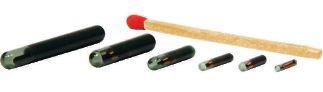
PIT tags – allow individual fish to be identified by scanning the implanted tag. Info can be recorded including sex, lineage, DNA etc. Fish can be placed in a mixed tank of brood as they can be re-identified with a scan.
Cryo milt – a great tool allowing desirable male milt to be used in multiple generations. Milt is cyropreserved and then thawed as needed. Useful as insurance against excess mortality or poor performance.
Performance evaluation groups – PITtagged fish are sampled throughout the production cycle to see how they are perform under farm conditions at different life stages.
Commercial Filtration Systems
Commercial Filtration Systems
Customized
Commercial Filtration Systems
Customized
Our Commercial LSS Packages are custom engineered to meet your specific needs.
Our Commercial LSS Packages are custom engineered to meet your specific
• Marine and Freshwater
•
• Marine and Freshwater
• Mechanical filtration
• Mechanical filtration
• Chemical filtration
• Chemical filtration
• Chemical filtration
• Ultraviolet disinfection
• Ultraviolet disinfection
• Ultraviolet disinfection
• NEMA enclosed controls
• De-gassing towers •
• De-gassing towers
• Wide variety of flow rates
• Flow control valves • Protein skimmers
• NEMA enclosed controls
• Bio-filter towers
• NEMA enclosed controls • Bio-filter towers
• Bio-filter towers
• Variable frequency-drive pumps • Temperature management
Evaluation of a velocity assist inlet for improvement of hydrodynamics in dual-drain fish tanks
By Brian Vinci, Khurram Shahzad, and Curtis Crouse
Cornell-style dual-drain tanks used in RAS are advantageous because the rotational velocity caused by the inlet water injection creates a self-cleaning effect. These fish tanks also provide a relatively uniform environment for the fish, with minimal gradients in dissolved oxygen (Davidson & Summerfelt, 2004). In a typical Cornell-style dual-drain circular tank, the injection of treated RAS water causes a rotational velocity highest at the tank perimeter with decreasing velocity toward the tank center. Recent research indicates that increased water velocities provide performance benefits for Atlantic salmon post-smolts raised in fish tanks (Timmerhaus et al., 2021).
To achieve these benefits, an additional inlet can be installed on a separate pumped loop that removes water from the fish tank and re-injects it to increase water velocities.
This internally pumped “velocity assist” inlet aims to increase water velocities available to larger post-smolt and harvest-size salmon. This study sought to evaluate the effect of the velocity assist technique by testing combinations of three different water flow rates and three different nozzle headloss configurations for a velocity assist inlet in a semi-commercial scale RAS used for land-based grow-out of Atlantic salmon with the intent of determining optimal combinations for increasing water velocities at minimum energy.
Materials and methods
The velocity assist technique was empirically evaluated by adding a pumped velocity assist loop with an adjustable inlet in a 150 sq. m. Cornell-style dual-drain circular tank that is part of the semi-commercial scale RAS at the Freshwater Institute. Empirical water velocity
sampling of tank currents was carried out for all combinations of the following: ~30% of the main flow as velocity assist flow (1136 lpm), ~50% of the main flow as velocity assist flow (2271 lpm), ~60% of the main flow as velocity assist flow (2763 lpm) and low (0.14 bar), medium (0.33 bar), high (0.56 bar) velocity assist inlet nozzle headloss. Water flow was adjusted by changing the number of pumps operating and adjusting a control valve. Nozzle headloss was adjusted by changing the number of 2.54 cm openings on the inlet.
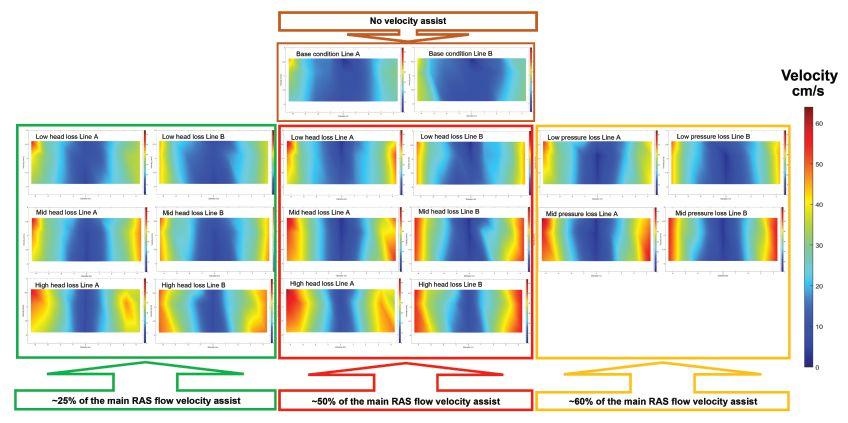
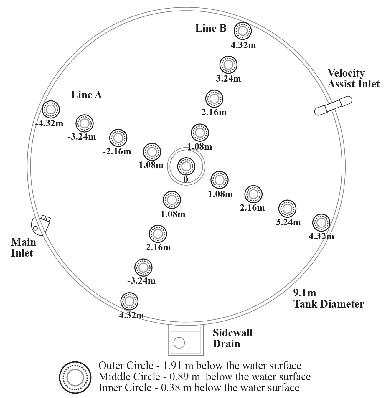
Water velocity measurements were collected using a SonTek Argonaut-ADV 3-axis Doppler velocity meter at three depths across two cross-sections (Line A and Line B) once steadystate conditions were achieved for each combination of flow and headloss (Figure 1). Water velocities were also characterized for the tank without the velocity assist inlet in operation.
FIGURE 2. Water velocity intensity plots for all conditions evaluated.
is part of the semi-commercial RAS at the Freshwater Institute facility (USA).
Results
Water velocity data collected across all conditions ranged from 2 cm/s to 64 cm/s, with the lowest velocities at the tank center and the highest velocities at the tank perimeter. Data were visualized using intensity plots with the x-axis and y-axis representing the tank cross-section and colour illustrating water velocity.
In general, tank water velocities increased as the velocity assist inlet was operated at increasing flow for the same velocity assist inlet nozzle headloss, as well as for increasing inlet nozzle headloss at the same flow (Figure 2).
Operating conditions were ranked according to the number of velocity data points for both cross-sections that fell below a minimum velocity criterion (Table 1). A velocity of greater than 20 cm/s was used as the minimum required to move solids in the water column toward the tank center drain and promote tank self-cleaning.
The ranking indicated that as the velocity assist inlet nozzle headloss increased, the number of data points below the criterion decreased, independent of velocity assist inlet flow. Additionally, the ranking indicated that for the highest velocity assist inlet nozzle headloss, the number of data points below the criterion decreased as velocity assist inlet flow increased.
Discussion
In both the data visualization and ranking analysis, the operating condition with the velocity assist inlet at 50% of the main flow as velocity assist flow (2271 lpm) at the highest inlet nozzle headloss provided the highest increase in water velocities over the baseline condition. This operating condition yielded a water velocity range between 40-62 cm/s near the wall region of 1.5-2 metres and a smaller region of lower velocities in the tank center region than other
conditions evaluated. Increasing velocity assist inlet flow from 50-60% of the main flow as velocity assist flow (2763 lpm) did not result in a better ranking for either low or medium inlet nozzle headloss conditions (the high inlet nozzle headloss condition was not achievable for the highest inlet flow due to equipment limitations). The lack of improvement in fewer data points below the criterion may have been due to the increased turbulence created by the inlet nozzles at the highest flow.
Conclusion
Results indicate that the velocity assist inlet improved velocity profiles in the 150 m3 Cornell-style dual drain circular tank versus the baseline condition without a velocity assist inlet. Higher velocities were observed throughout the tank with higher velocity assist inlet water flow and nozzle headloss. The velocity assist inlet effectively decouples the control of tank water velocities from the primary inlet flow and allows for more control of rotational velocities. This technique is valuable for providing fish with an optimal training regime. It can also achieve a range of optimal velocities for different fish species and sizes.
This research was part of the CtrlAQUA SFI, Centre for Closed-Containment Aquaculture,
TABLE 1. Operating conditions ranking according to the number of velocity data points equal to or below 20 cm/s.
funded by the Research Council of Norway (project #237856/O30) and the CtrlAQUA partners.
References
1. Davidson, J., & Summerfelt, S. (2004). Solids flushing, mixing, and water velocity profiles within large (10 and 150 m3) circular ‘Cornell-type’ dual-drain tanks. Aquacultural Engineering, 32, 245–271.
2. Timmerhaus, G., Lazado, C.C., Cabillon, N.A.R., Reiten, B.K.M., and Johansen, L.H. (2021). The optimum velocity for Atlantic salmon post-smolts in RAS is a compromise between muscle growth and fish welfare. Aquaculture, 532, 736076.
Innovation Beyond Measure Results Beyond
Expectation
• 100% Titanium Heat Exchangers
• Hot & Cold Water Loop Systems
• Available with Tube Sheet, Helical Coil, or Plate
• Compact Designs
• Easy Installation
• Salt & Fresh Water Safe
• Chiller & Heat Pump Packages
• Electric Heaters & Gas Boilers
FIGURE 1. Locations of water velocity measurements in the 150 m3 Cornell-style dual drain circular tank that
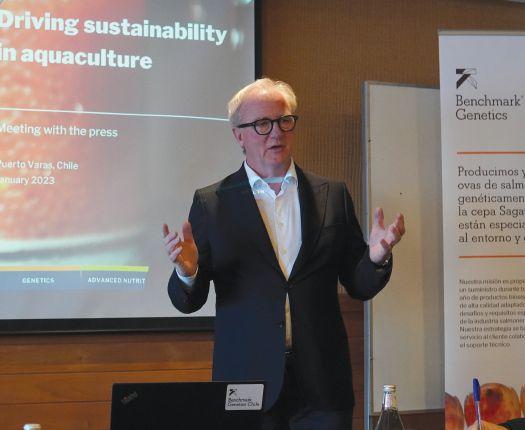
Benchmark Holding presents financial results in Chile
In line with the recent establishment of Benchmark Holdings in Chile, the company has presented the group’s financial results for 2022 and revealed some of its future plans.
With an increasing income along the past years, the company totaled £158 million in revenues in 2022, which represented a 49 per cent increase compared to the 2020 results. The group -composed by three divisions, Genetics, Advanced Nutrition, and Animal Health, reported a loss before tax of £23.2 million last year, in part due to an increase in depreciation principally related to the leased vessels used in the CleanTreat delousing operations.
“We are working very hard to get the company on the positive bottom line. We are on a good journey to do that but first we need operations that work and obtain earnings. That progress has been very central to us, but we are on a good path to also make the bottom line positive this year,” said Trond Williksen, CEO, Benchmark Holdings.
Regarding Benchmark Holding’s listing at the Euronext Growth Oslo on Dec. 15, 2022, he explained that as an aquaculture company, they are moving the listing to Oslo because the city is the epicenter of aquaculture listed companies. “
We think that’s beneficial for the company and what we did just before Christmas is the first step in our process. We’re aiming to be main listed in Oslo because that will bring forward the values and understanding of the company in a better way than to be listed in London. We’re not doing it to be a Norwegian company. There will be Norwegian people there, but we are truly an international company,” he said.
He explained that although the group raised about NOK 158 million (US$16 million) in this stock exchange operation, it was not intended to obtain equity capital.
“We raised the money required to get the liquidity in the share that is needed in order to fill the requirements to be on Euronext Growth,” he said. www.benchmarkplc.com
FAI launches tilapia welfare app and online training
Working with scientists and farmers in Brazil, Thailand and China, FAI Farms has developed a free to use tilapia welfare app that uses scientifically validated welfare indicators for fish health, behaviour and nutrition, as well as environmental conditions.
“Who cares the most about tilapia welfare? We believe farmers are the most important actor to drive welfare improvements in aquaculture. Farmers are an untapped force for good whose power can be unleashed through practical farm assessments that align business and welfare objectives,” said Øistein Thorsen, CEO of FAI.
The app integrates well-established animal welfare science into farmers’ daily routines. It monitors progress, identifies improvement opportunities and provides real-time insight to users, supported by online training in multiple languages.
“We are now looking for partners – farmers, production companies, hatcheries and processors – who want to trial the app and start assessing their fish in order to improve welfare, production outcomes and profitability. Our experience is that assessments kickstart a positive spiral of improvements,” said Murilo Quintiliano, director at FAI.
The company is also launching free online training on tilapia welfare in five languages: Chinese, Spanish, Portuguese, Thai and English.
“FAI’s online training suite on tilapia welfare is the first of its kind focused on implementing welfare practices in tilapia aquaculture daily routines, from hatchery to slaughter. The courses can be accessed on a smartphone, tablet or computer and were created for everyone working in tilapia aquaculture,” said Thorsen.
The training modules focus on tilapia nutrition, health, environment and humane slaughter. After completing each module, the learners have the option to take a final quiz and get a free certificate of completion.
“I can access the training on my smartphone, I can see progress and get a final certificate for free. Everyone wins - the farmers and the fish,” said Paulo Tahara, owner of Brazilian tilapia farm Tahara Pescados.
The first training session on tilapia welfare indicators and on tilapia nutrition and welfare are now available to try. Participants will be able to register to get direct enrolment to the free courses once they are launched in early 2023. www.mytilapia.farm
Cadman Capital joins Urchinomics to accelerate next stage of growth
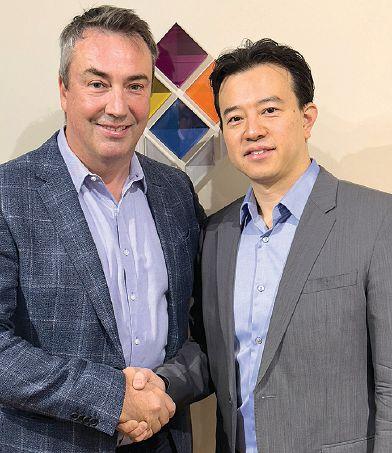
Cadman Capital Group has taken a strategic equity stake in Urchinomics, an aquaculture venture that turns ecologically destructive sea urchins into seafood. It was announced in December that Urchinomics has secured “the world’s first kelp restoration blue carbon credit,” issued after research project in Kunisaki and Nagato, Japan.
Cadman are owners of the largest licensed Urchin aquaculture facility in Canada, Quoddy Savour Seafoods, which ran a pilot study for Urchin ranching with Urchinomics in 2022. Cadman’s involvement will allow Urchinomics to progress ranching for the North American market, and will allow kelp restoration to start across the Bay of Fundy and the East Coast.
The Group is an established investor and operator in restorative aquaculture with over 20 years of experience in the development of processes within on-land lobster and oyster farming.
“We have long recognized that solutions need to focus on the holistic restoration and the sustainable improvement of marine ecosystems, allowing the creation of stronger biodiversity that helps the planet,” said Giles Cadman, ecopreneur and founder of Cadman Capital Group. “Urchinomics’ core model of restorative aquaculture is synergistic to our current operations, particularly within lobster production, and we look forward to supporting Brian and the team to accelerate their operations globally.”
“Cadman Capital Group’s scientific and operational experience in restorative aquaculture means we can now move forward with an aligned mission to improve ocean health,” said Brian Tsuyoshi Takeda, founder and CEO of Urchinomics. “It signifies the start of the next stage of our growth plans and to further our efforts in developing systems that can truly make a difference to the future of our planet.” www.urchinomics.com
Caption PHOTO: CADMAN CAPITAL GROUP
Rainbow trout eggs
Genetic marker assisted breeding and commercial egg production
Together with our research partners AquaSearch has recently identified genetic markers related to the following traits in rainbow trout:
• No second winter maturation
• Improved resistance against:
- Vibriosis
- Furunculosis
- White spot disease and
- Rainbow trout fry syndrome
Produced on request for customized improvement of already superior genetics. V. anguillarum challenge trial with significantly reduced morbidity in genetic homocygotes as well as heterocygotes.
HI_Aquaculture
JOIN US ONLINE
OCTOBER 18, 2023
The 1st World Trout Culture Summit will bring together trout culturists from around the globe including:
• trout farmers & hatchery technicians
• fish & wildlife professionals
• enhancement/restocking technicians
• trout nutrition and health experts
• freshwater fisheries associations
• industry suppliers, investors, academia and more!
AGENDA*
11:00AM to 11:50AM Fish health and welfare panel
11:50AM to 12:00PM Break
12:00PM to 12:50PM Trout restocking panel
12:50PM to 1:00PM Break
1:00PM to 1:50PM Trout aquaculture panel
* Agenda is subject to change
Featuring live presentations, Q&A sessions and panel discussions, plus a host of on-demand presentations from some of the industry’s leading experts, this new virtual event promises to give trout culturists some valuable take aways to consider.
MAKE A SPLASH with one of our Sponsorship packages at the online trout event of the year!