Media Designer Svetlana Avrutin savrutin@annexbusinessmedia.com
Group Publisher Todd Humber thumber@annexbusinessmedia.com
COO Scott Jamieson sjamieson@annexbusinessmedia.com
PUBLISHED BY ANNEX BUSINESS MEDIA
105 Donly Drive South, Simcoe, ON N3Y 4N5
Hatchery International is published six times a year by Annex Business Media. The authority for statements and claims made in Hatchery International is the responsibility of the contributors. Reference to named products or technologies does not imply endorsement by the publisher.
Subscription rates (six issues) Canada: $37.00
Within North America: $48.00 CAD
Outside North America: $62.00 CAD To subscribe visit our website at www.hatcheryinternational.com
PRINTED IN CANADA ISSN 1922-4117
Publications Mail Agreement #PM40065710
RETURN UNDELIVERABLE CANADIAN ADDRESSES TO 111 Gordon Baker Rd., Suite 400, Toronto, ON M2H 3R1
The advertising deadline for the May/June issue is Marth 8. Don’t miss the opportunity to be part of this exciting aquaculture publication. For more information, or to reserve space in the next issue, call our advertising department at +1.250.474.3982 jthain@annexbusinessmedia.com
Next Editorial Deadline
The editorial deadline for the May/June issue is March 8. Contact Catarina Muia at cmuia@annexbusinessmedia.com for details. Material should be submitted electronically with prior arrangement with the editor.
BY CATARINA MUIA
Expanding our industry knowledge
An eventful year is upon us, with new opportunities to learn and expand our knowledge, right at our door. The hatchery industry in particular is looking to incorporate new technologies and systems into every day operations in order to achieve greater sustainability, efficiency, and fish health and welfare, than ever before.
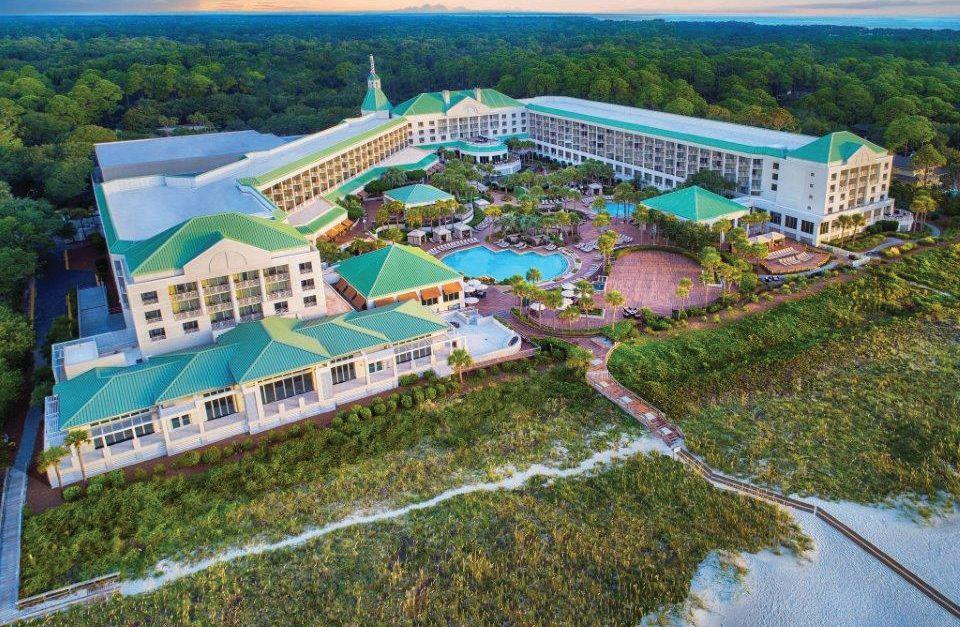
For those who have their eye on the recirculating aquaculture system (RAS) sector, be sure to join us on March 30 and 31 at Hilton Head Island in South Carolina, USA for the RASTECH 2022 Conference & Trade Fair, hosted and organized by Hatchery International sister brand, RAStech. Industry experts and workers from around the globe will gather to share their knowledge, introduce new solutions and innovative technologies, and reconnect with peers after almost two years of virtual meetings and events.
For hatchery managers and operators that work with RAS, or are looking to introduce RAS into their farms, be sure to sit-in on the conference’s two hatchery-focused sessions: Achieving High-Performance in RAS Hatcheries; and Biosecurity in RAS Hatcheries. Led by Benchmark Genetics and Spring Genetics representatives, the event’s hatchery-focused sessions will hear from the perspectives of salmon and marine fish specialists/vets, RAS designers, and feed specialists who will discuss good genetics, growth rates, live feed, and disease management/prevention in RAS hatcheries.
ADVERTISERS' INDEX
For those who will be unable to join us for the RASTECH 2022 Conference & Trade Fair, or who are not RAS-focused, be sure to check out Hatchery International’ s 2022 Webinar Series, sponsored by OxyGuard International. The first webinar in the series, “Hatchery 101,” which will be held on Wednesday, Feb. 23 at 10:00 a.m. EST, will shed a light on common challenges experienced in hatcheries by operators and managers, and the best practices used to solve them. The webinar will take a roundtable format, and will hear from a panel of hatchery professionals who will address challenges they’ve experienced within their own operations, how they mitigated the issues, and how they incorporated preventative measures to avoid similar issues in the future.
The Hatchery International 2022 Webinar Series will be a four-part series, with other areas of focus including maintaining good water quality in a RAS hatchery, emerging species in the aquaculture and hatchery industries, hatchery stories and lessons learned from hatchery veterans. Be sure to visit www.hatcheryinternational.com/ webinars/ to register and learn more about the Hatchery International 2022 Webinar Series.
With that, I leave you to read, learn, and enjoy this issue of Hatchery International magazine.
Happy reading, Catarina Muia
cmuia@annexbusinessmedia.com
BIOTECHNOLOGY
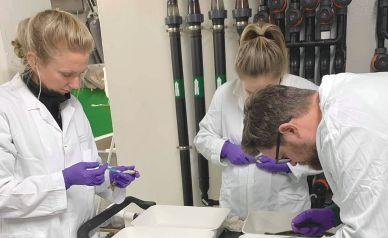
researchers Cecilie Isachsen Lie, Helle Velle Mayer, and Henrik Duesund mark fish for vaccination trials. PHOTO: CERMAQ GROUP AS
Benchmark and Cermaq develop vaccine against Tenacibaculosis
Benchmark Animal Health and Cermaq Group AS have received NOK 4.2 million (approx. US$4.8 million) in funding from the Research Council of Norway, to put toward a partnered research project to develop a vaccine against salmon diseases caused by Tenacibaculum bacteria. Mouth rot and Tenacibaculosis represent a major issue for the health and welfare in farmed Atlantic salmon, reduce quality at harvest, and have caused major economic losses to the Atlantic salmon aquaculture industry in Canada and Norway. A preventative vaccine for these diseases would provide a major benefit for the aquaculture industry.
Funding from the Research Council of Norway will allow Benchmark and Cermaq to undertake research evaluating and optimizing novel vaccines against Tenacibaculum bacteria. From Cermaq’s side, the project will be headed by PhD Sverre Småge and the researchers Cecilie Isachsen Lie and Helene Velle Mayer. At Benchmark, Sarah Barker and Sindre Rosenlund will lead the project alongside the researchers Claire Stanley, Fiona Tulloch, and Matthias Winkle.
In Norway, the Norwegian Veterinary Institute reported that Tenacibaculosis was considered the fifth most important cause of mortality in on-growing salmon in 2020, sharing third place with typical winter ulcer disease in terms of reduced salmon welfare.
In British Columbia, Canada, mouth rot typically occurs following the transfer of smolts to sea sites and can result in up to 40 per cent total cumulative mortality in affected cages.
Even though there is a significant negative impact of Tenacibaculosis and mouth rot on fish welfare and the salmon farming industry, there is not yet a commercially available vaccine or preventative solution.
GOVERNMENT
Kazakhstan greenlit subsidies on broodstock purchases
The Kazakh Ecology Ministry has approved a draft decree under which fish farmers can get a 50 per cent reimbursement for the costs of broodstock in 2022.
These new measures are part of an ambitious aquaculture development program embarked on by the Kazakh government in 2020. The main goal of which is to ramp up the domestic farmed fish production from 7,000 tonnes in that year to 270,000 tonnes per year in 2030.
The ministry also stipulated that fish farmers are eligible for a 30 per cent compensation for aquafeed and a 50 per cent reimbursement for veterinary drugs. Hatcheries are allowed to return 50 per cent of other production costs from the national budget. Businesses can also get compensation for the costs of electricity, fuel, water, and wages.
The authorities pledged to secure funding under the project of 541 billion tenges of investments (US$1.3 billion), which makes this program the most expensive fish farming development campaign in post-Soviet space ever adopted.
Kazakh Ecology Minister, Magzum Mirzagaliyev, said state subsidies introduced to compensate production costs are considered the main point of the new program. He said that the government already compensated some costs associated with the purchase of feed, and equipment for fish farms, adding that this “was clearly not enough to take the industry off the ground.”
With the new program, Kazakhstan aims to become a major fish exporter, selling
INNOVATION
Molofeed invests in new RAS hatchery Molofeed is looking to invest in a new research and development (R&D) facility located in Natal, Brazil, which is considered the biggest shrimp farming region in the country.
farmed fish for some US$330 million per year to foreign customers.
Speaking during a press conference in December, Kazakh Prime Minister Askar Mamin expressed confidence that in the context of the growing demand on the global food market, the country has a real opportunity to become one of the world’s leading suppliers. Mamin called the authorities to make the country self-sufficient on food by 2023.
Kazakh fish farmers depend on the import of broodstock, aquafeed, and equipment. It was estimated that the country needed to build at least seven to eight big hatcheries to overcome dependence on imported broodstock.
– Vladislav Vorotnikov
Within this new recirculating aquaculture system (RAS) R&D facility, Molofeed looks to develop advanced hatchery nutrition solutions and new hatchery-related technologies for shrimp and finfish.
The company has said the state-of-the-art facility will upscale its value origination, and allow Molofeed to fast-track several hatchery solutions in its pipeline, carve new technologies, and accelerate new collaborations.
Additionally, Molofeed foresees the facility contributing to aquaculture to unchain efficiencies across all sections of the hatchery operations worldwide.
“By providing customers with a more focused and responsive R&D, we’re expanding the ability to better understand the species we raise and as a result, unleash more efficient use of key natural resources, so that the industry will be better prepared to deal with future challenges and continue on this amazing growth trajectory,” said Marcell Boaventura, Molofeed CEO.
The facility was designed to give complete control of environmental conditions, allowing multi-factorial and multi-species research, focusing on tropical species’ early stages.
Cermaq
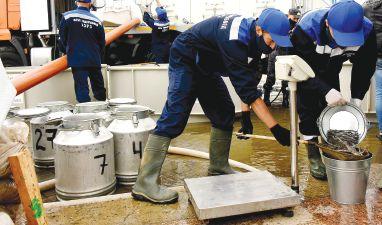
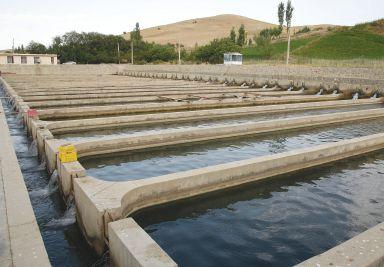
Kazakhstan hopes to ramp up fish farming production in the next few years.
PHOTO: GLAVRYBVOD
PHOTO: MOLOFEED
PHOTO: MINISTRY OF AGRICULTURE OF THE REPUBLIC OF KAZAKHSTAN
RESEARCH
New Canadian research facility studies fish stress caused by climate change
University of Waterloo in southern Ontario, Canada is opening a new research facility to research aquatic stressors that could impact the future of aquaculture.
The new Waterloo Aquatic Threats in Environmental Research (WATER) facility aims to simulate and research threats to prepare the aquaculture industry to prevent current and future problems.
“Many environmental changes are impacting both wild and aquaculture fish,” said Paul Craig, a professor in the Department of Biology and one of the lead researchers in the new WATER facility. “Our new multimillion-dollar facility will allow researchers to bridge the gap between lab and fieldwork by studying the impact of climate-related stressors in a controlled environment.”
The WATER facility was a two-year C$5.2 million-project (US$ million) and is now one of the largest aquatic test facilities in Ontario. It has the capability of studying aquatic organisms from Canadian cold water fish to tropical fish and amphibians. The facility is also equipped to trace multi-generational effects of different environmental stresses. A new pathogen challenge area will allow researchers to study the impact of disease agents and contaminants of concern on aquaculture, expose populations to controlled climate-related stressors (like water temperature and oxygen saturation levels), and measure effects of human-centric pollution, such as wastewater in ecosystems.
“With the opening of the WATER facility, we are looking to expand our research areas and expertise, and invite researchers across Canada
in areas of water research and aquatic conservation to collaborate with us to carry out new and innovative research,” Craig said. According to the university’s press release, the WATER facility aims to reduce water usage by 90 per cent compared to the groundwater flow-through system that was previously used in aquatic research at Waterloo.
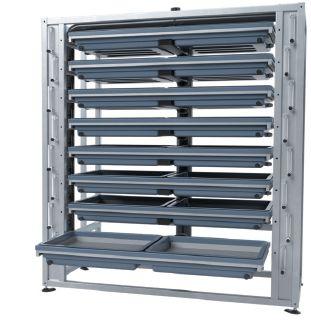
Market leading hatchery has been improved!
Hatching tray and EasyHatch substrate are molded together in one unit
Less components for easier service and cleaning
Replaced water tubes with channels to improve water distribution
The water pipes have been replaced with built-in water channel
2020 is AutoTend Ready!
AutoTend in action at alvestad.com/en/produkter/autotend/
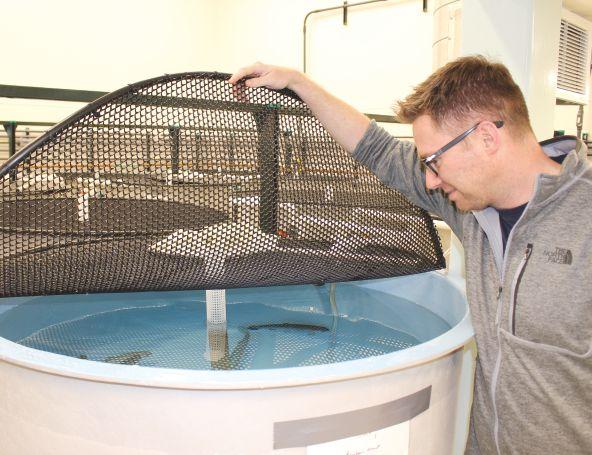
Prof. Paul Craig looks at fishes in a tank at the new WATER facility.
PHOTO: UNIVERSITY OF WATERLOO
Iran seeks self-sufficiency on broodstock
The Iranian government hopes to expand the aquaculture industry in the coming few years while completely abandoning broodstock import. Nabiullah Khoonmirzaei, head of the Iranian Fisheries Organization, said the Iranian government has made some progress in developing its fish farming sector as it gradually overcomes import dependence on broodstock.
“Last year, import of salmon broodstock constituted only a third of the previous two years, as most of our needs were met by domestic production,” he said. “We still have salmon production on the agenda, and we hope to increase (broodstock production) up to the level of self-sufficiency.”
Khoonmirzaei added that this is a part of a wider initiative aimed at making the country less dependent on foreign suppliers. Iran used to import more than half of its broodstock from the EU and other Middle Eastern countries. However, import supplies narrowed after 2018, when former U.S. President Donald Trump re-imposed tough sanctions on the Iranian economy.
The probable cause for red discolouration in channel catfish (Ictalurus punctatus) fillet has been suggested by a U.S. study, bringing the industry a step closer to fighting economic losses.
More than one per cent of the catfish fillets from each harvest is rejected by processing plants because of diffuse red discolouration in the fillet. Per 2019 data, the estimated annual loss was US$683,000 for catfish processors.
In the study by Shay S. Keretz et al., “Effects of Aeromonas sobria on physiology and fillet quality of market-sized channel catfish ( Ictalurus punctatus ),” fillets from channel catfish inoculated with bacteria A. sobria demonstrated redness values similar to that
of the catfish fillets rejected by processors.
Fillet redness was analyzed on days three, six, and nine post-inoculation. Treated fillets were redder than control on day three but statistically similar on days six and nine. Fillet redness in control fish was lower on days three and nine, and higher on day six.
In the control group, which was sham-injected with phosphate-buffered saline, the overall average redness of fish fillets was similar to that of acceptable processed catfish fillets.
The study was published on the Journal of World Aquaculture Society
Physiological responses of inoculated animal “included decreases in hemoglobin and
Currently, Iran faces two impediments in buying foreign products. The first hurdle is to pay for foreign goods amid a U.S. banking sanction that threatens foreign banks with third-party sanctions if they deal with Iran.
The second problem is the lack of foreign currency, as the U.S. oil sanctions substantially reduced Iran’s dollar earnings since 2018, forcing the country to dip into its foreign currency reserves, which dwindled during the past few years.
Iran produced 529,000 tonnes of farmed fish last year, more than the government had forecast. Khoonmirzaei said that Iran has great potential in boosting the production of sturgeon caviar and shrimps in the next few years.
In 2021, the Iranian government rolled out ambitious plans to boost the domestic farmed fish production from 560,000 tonnes last year to 1.6 million tons by the end of the decade.
Several Iranian regions declared plans to increase broodstock production in the coming years for the benefit of the local fish farmers.
– Vladislav Vorotnikov
hematocrit presumably because of hemolytic anemia caused by hemolytic toxins produced by A. sobria and increased histological lesion grades for multiple organs, because of inflammation and necrosis.”
A. sobria was cultured and juvenile catfish was initially used in the experiment to determine the effective bacterial dose subsequent to the inoculation of market-sized animal.
A. sobria is a pathogenic bacteria prevalent in acceptable catfish fillets at channel catfish plants in the Mississippi Delta. Some aeromonad strains have been identified as highly virulent and are known to lead to hemorrhaging and, it was explained, could either cause or contribute to the production of red fillets.
Aside from discolouration, processors reject catfish fillet on the basis of texture being too soft or hard.
Some cited that the small, singular red discolouration marks could be caused by the fish locking their pectoral pins in response to predator stimulation or high stress levels. “When there are high stocking densities of catfish, locked pectoral fins may cause puncture damage to adjacent catfish, which result in red spots on the fillets,” it was explained.
Previous studies had also factored in the impact of water quality. Although poor water conditions are a stressor, it was proven that it does not induce the formation of red fillets.
– Ruby Gonzalez
Bacteria A. sobria could cause red discolouration in channel catfish fillet: U.S. study
Iran looks to overcome import dependence and competely abandon broodstock import.
PHOTOS: MINISTRY OF AGRICULTURE JIHAD
Russia to establish first oyster spat hatcheries on the Black Sea
A group of Crimean businesspeople plan to start growing oyster (Ostrea) spat near Sevastopol under a technology recently developed by the Russian Academy of Science.
The new technology was recently rolled out by the Kovalevsky’s Institute of Biology of the Southern Seas – a Crimean-based branch of the Russian Academy of Science.
Vitaly Ryabushko, doctor of biological sciences and one of the project authors, explained that the demand for oyster spat is clearly on the rise in Russia. Currently, around 15 million oysters are consumed in Russia per year, and a growing number of them come from local farms. However, the entire spat supplies are coming from abroad, primarily the EU.
“In Russia, until now, there was no technology for the production and growing of spat that took into account the peculiarities of local conditions: the level of salinity and changes in the temperature of the Black Sea,” Ryabushko said, explaining the rationale behind the project.
The scientists claimed they developed a “semi-industrial technology, under which 500,000 units of giant oyster spat can be produced in a single production cycle” in a hatchery of a standard size.
In the hatchery, a total of 10 different algae species for feeding spat are available at various stages of life. At each stage, the environment for the spat must contain particles of different sizes and with a different composition of valuable substances suitable to be used as feedstuff. The scientists describe this as “specially selected baby food,” explaining that this is one of the most crucial parts of the growing process.
Ryabushko also went on to say that a special environment is also required to control the growth of spat, which in the early stages of life exists in the form of plankton.
“Experimental cycles of spat growing in Crimea have shown that if you start the process in mid-spring, then the age at which oysters settle and become suitable for transfer further to grow into mollusks-like-state come about six months later. The survival rate of oysters is about 70 per cent – similar to that at
LONG-LASTING AQUACULTURE PUMPS
Locally-produced oyster spat are needed to support Russian oyster industry.
PHOTO:
FONTEGRO
the farms in the Atlantic and Mediterranean,” Ryabushko said.
Ryabushko added that commercial use of their technology would cut the cost of oyster production in Russia, as well as reduce risks of closing companies “due to the changing geopolitical situation.”
“The introduction of domestic technologies will significantly reduce the cost of oyster production and remove dependence on imports, the conditions of which are constantly changing due to the international political situation for the country,” the scientists said.
Besides, it is not always possible for local fish farmers to import foreign oyster spat into Russia since it often fails to meet the country’s veterinary requirements, the scientists said. – Vladislav Vorotnikov
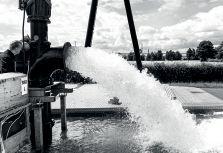
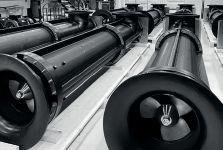
Specialists in corrosion-resistant, reliable and stable propeller pumps, with high uptime and low energy consumption- for a healthy and sustainable aquaculture.
GIFT is good but some Bangladesh farmers still prefer local strains
Genetically-improved farmed tilapia (GIFT) is tried-and-tested but some farmers in Bangladesh still go for local strains. This practise is seen as potentially holding them back economically. There is, however, the other side of economy talks.
Access to better credit may steer low-income tilapia hatchery operators towards producing GIFT.
“It may be hypothesized that poorer farmers lack the capital to invest in more expensive fish seed, commercial fish feed, or other improved farming practices,” Stephanie Horn told Hatchery International. Horn is the corresponding author of the article, ‘Comparative juvenile performance assessment of genetically improved Nile tilapia (Oreochromis niloticus L.) under commercial conditions in Bangladesh’, published in Aquaculture Research.
“Our study suggests there may be a greater propensity for better-off farmers to appreciate the potential benefits of improved strains over poorer farmers,” she said. “However, this has not been explicitly shown in our study and further investigations are required to identify barriers to technology adoption for improved farming practices.”
The research project compared key performance indicators for GIFT and non-GIFT tilapia seed and to investigate fish farmer perceptions of GIFT in Bangladesh.
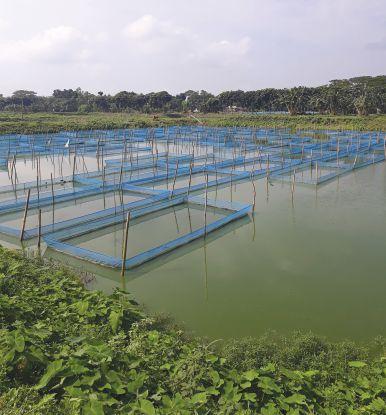
Tilapia fingerlings are raised in net hapas before being released into ponds, where they are grown for foodfish size.
PHOTO: STEPHANIE HORN
The good performance of the genetically-improved Nile tilapia emphasized its strengths over the local strain. While the local strain had a significantly higher specific growth rate (SGR) than GIFT during the early nursing trial, come advanced nursing trial, GIFT posted significant higher SGR.
Throughout the early nursing trial, GIFT survival rate was over 88.5 per cent compared to the local strain’s 70.9 per cent. The mean survival rates during the advanced nursing trial were not significantly different. For both trials GIFT had a higher individual weight.
Summarizing, the authors said, “Economic
Pinning down parameters in transport of live Peruvian grunt (A. scapularis) juveniles has removed one of the choke points in furthering research on the new species for aquaculture development in Peru.
Transporting fish has caused mortality at or after seeding because of poor physiological conditions of haul stress. Seawater quality and stocking density have major impacts on survival rate. During transport in polyethylene bags, the survival rate of Peruvian grunt juveniles was higher at low densities and duration, according to the study by Luis A. Espinoza-Ramos et al.
“The transport of live fish for aquaculture is a key issue in the domestication of new species. National level programs were developed in Peru for controlled repopulation of Peruvian grunt (Anisotremus scapularis), reared in extensive systems or ongrown in floating cages, but these were limited by inadequate knowledge of the best transport parameters to ensure survival,” the authors said in, ‘Effect of transportation time and stocking density on seawater quality and survival of Anisotremus scapularis (Perciformes: Haemulidae)’, published in the Journal of World Aquaculture Society
The researchers evaluated the effects of stocking density and transport time of the animal, and analyzed key parameters such as seawater temperature, dissolved oxygen, pH, ammonia, during transport and effect of these on survival. During the experiment, groups of animals were deposited in 24-litre volume polyethylene
analysis indicated GIFT fish produced a net return 84 per cent greater than that of local strain fish at the end of the early nursing period, and by the end of the advanced nursing period, this difference had grown further such that GIFT generated a gross return over double that of local strain.”
Two strains of tilapia seed were assessed through on-farm trials which compared performance variables of GIFT with a traditional hatchery strain fry during the early nursing and advanced nursing stages of monosex seed production. Production indices and economic performance were investigated.
“GIFT seed is often preferred by farmers as it has been shown to produce higher production yields. There are various genetically improved tilapia strains which are produced by several private and governmental organizations, and tilapia farmers are often aware of the potential benefits of using improved seed – i.e. higher production yields,” she explained.
The authors consistently focused on productivity and said that they had not factored in the reasons that make hatcheries stick to producing local strain fry. Prone to inbreeding, local strains are marked with stunted growth and low value. But demand for this smaller fish has remained strong, especially from people who only have a budget for smaller fish.
The “poorly managed mixed-sex systems” that produce the small fish also produce seeds and, consequently, provide continuous supply that’s less costly to establish and operate. – Ruby Gonzalez
bags with eight litres of sterilized seawater. Low-density (LD) bags had 48 animals; medium (MD), 72; and high (HD), 96.
Each density was at eight, 10, and 12 hours of transportation.
The highest survival rate was posted in treatments performed at eight hours — 100 per cent — in MD. No significant variance was noted in survival rates among the densities. LD had 95.83 per cent and HD, 97.92 per cent.
Highest mortality came from the 12 hours with HD at 70.49 per cent; MD, 67.13 per cent; and LD, 61.11 per cent.
Factoring in other variables and parameters that were not measured such as stress, the study recommends transport of LD at eight hours. There is a leeway for up to 10 hours of transport time and 72 animals per bag of stocking.
The highest ammonium concentrations were reported in treatments with HD at 10 and 12 hours, as well as at MD at 12 hours of transport, and the lowest concentration in treatment LD at eight hours of transportation.
The direct proportion between the ammonium concentrations and density, with the degradation of seawater was traced to increase of fish excretion metabolites.
Seawater temperature increased the end of all experimental treatments compared to the initial temperature.
– Ruby Gonzalez
Hapas.
Study identifies optimum parameters for transport of live Peruvian grunt
New large-scale hatchery opens in the Russian Far East
A new fish hatchery with a designed production performance of 26 million units of fish fry has been recently launched on Iturup Island near Sakhalin, Russia.
The regional government said on its website that this is one of a series of hatcheries designed to bolster wild salmon reserves on the Russian Far East.
The new hatchery is owned by a local company, Continent, which already runs three similar facilities in the Sakhalin region. The company previously rolled out plans to boost production in the next few years. It is estimated that in 2020, 90 million units of salmon fry was released to Kuibyshev Bay, where the company operates. By 2025, this figure is expected to rise to 200 million units, the regional government reported.
Alexander Pidzhakov, Continent director of aquaculture, said that the work on restoring the wild salmon population in the Russian Far East already bears some fruits.
“At the beginning of our operation in 1999, the filling of natural spawning grounds in the area of the Kuibyshevka River was only 10 to 15 per cent. We ensured the protection of this
territory and built our first salmon hatchery – Kuibyshevsky,” Pidzhakov said, adding that these measures restored the spawning grounds in the region.
The launch of new salmon hatcheries is said to increase the return of chum salmon (Oncorhynchus keta) to the fishing areas of the
Sakhalin Oblast. For instance, in the small river Saratovka, the entire salmon population was extinct in the past due to uncontrolled fishing and poaching. However, the population has been restored, even allowing commercial catching of 1,800 tonnes of salmon per year.
Continent is the first company in the Russian Far East to test the lake feeding method on salmon fry. This means that fish juvenile feeds both on microorganisms from a lake where it is grown and on floating feed cages, the company explained.
Currently, it is believed that all chum salmon in the Sakhalin region have an artificial origin, the Sakhalin region’s government reported.
Several new salmon hatcheries were launched at Sakhalin Island during the past few years. In 2019, Russian company Salmo Plus started building a new hatchery with the designed production performance of 73 million units of Siberian salmon fry, the company said in a statement.
The company declared plans to release the first batch of Siberian salmon into the local waters in 2020, adding that full-grown fish will return only in 2023.
- Vladislav Vorotnikov
Russia releases fish to restore commercial population in the Far East. PHOTO: MINISTRY OF AGRICULTURE OF THE RUSSIAN FEDERATION
A local initiative
Ontario-based hatchery pivots its business model and turns tragedy into triumph.
By Ron Hill
The COVID-19 pandemic has hit many businesses very hard, especially small businesses. Family-owned businesses like Cedar Crest Trout Farms found their world turned upside down and their business in jeopardy as restrictions hit and order cancellations poured in. Stuck with thousands of fish with no destination and staring at a huge loss of revenue, Arlen and RJ Taylor, owners of the second-generation farm, forged this disaster into an opportunity for new success.
Cedar Crest Trout Farms
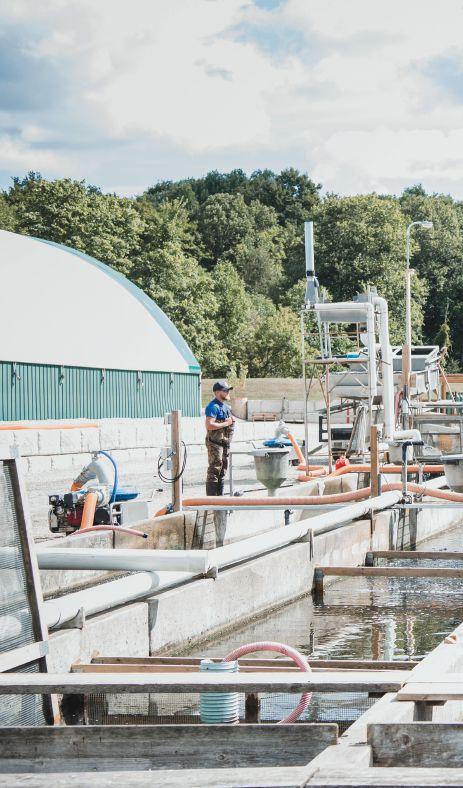
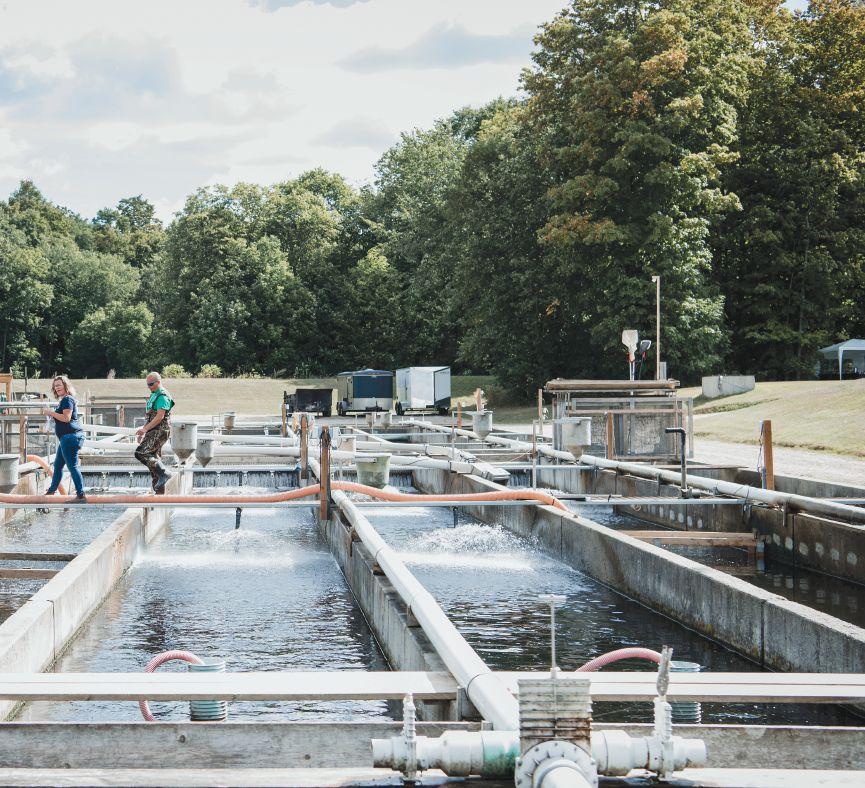
Cedar Crest Trout Farms, in Hanover Ontario at the base of the Bruce Peninsula, is located in the heart of Ontario’s rainbow trout (Oncorhynchus mykiss) production area. The location is perfectly placed to ship fingerlings to Cedar Crest’s primary clients cage farming on Lake Huron. Jim and Lynette Taylor founded Cedar Crest in 1986 and after the permitting and building process, opened the first hatchery in 1995. Jim and Lynette have retired, and Cedar Crest is now run by
their daughter Arlen and son RJ, and their operations now include four hatcheries and a processing facility.
What will we do with all these
fish?
In 2010/2011 Cedar Crest began scaling up their rainbow trout breeding program to meet the growing demand for fingerlings. Scaling up the breeding program meant more market sized fish were available as by-products of the increased breeding program. Cedar Crest has always maintained a significant portion of their rainbow trout production for stocking ponds and private lakes for put and take angling opportunities. Thousands of fish culled from the breeding program each year were sold as market sized stockers. The pandemic changed everything, as suddenly nearly every order for their market-sized fish was cancelled. The nature of a fish farm requires fish to be harvested or removed by sale regularly to maintain a production cycle, and allow space for other growing fish. RJ and Arlen found themselves with a huge problem; what are we going to do with all these fish?
Direct sales
Cedar Crest began selling trout locally at farmers markets as their brood program scaled up. Using their brand Springhills Fish, fresh and smoked trout were peddled successfully throughout the summer market
In the early 2010s, Cedar Crest scaled up their rainbow trout breeding program to meet the rise in demand for fingerlings.
Cedar Crest began to locally sell trout as their brood program scaled up.
season. “We had already started to expand our fresh fish sales and smoking when the pandemic hit,” explained RJ Taylor. “We had some success at the farmers markets, and we expanded our smoked trout operation. With the purchase of Springhills Fish, we acquired a small processing facility we began to work out of. Our dedicated team cleaned and packaged all the fish by hand on evenings and weekends.” With the onset of the pandemic and the changing buying habits of people, it was decided to try and sell excess fish directly to consumers. “We started with the local community Facebook Marketplace pages and advertising our fish for sale. Fiveor 10-pound boxes, frozen fresh and delivered direct to your door. The response we got from the community was awesome. What
was even more exciting was that people from other towns started to ask if we would expand delivery to their town.” With this snowballing local success, Springhills Fish began advertising further and further away.
Expanding products
“We found customers loved our rainbow trout products, as we knew they would, but we kept getting asked ‘what other types of fish do you sell?’ We were asked so many times that we decided to see what else we could sell. We never pictured ourselves selling someone else’s fish, so it was a difficult decision for us, but in the end are very happy we did,” said RJ.
Firstly, Cedar Crest acquired some Arctic char (Salvelinus alpinus) from Icy Waters in the Yukon and subsequently begun rearing
and selling fillets. Secondly, Cedar Crest acquired Coho salmon (Oncorhynchus kisutch) to raise and sell fillets. They also partnered with another local producer, Sandplains Aquaculture, to offer their barramundi fillets
Cedar Crest Trout Farms is located in Hanover Ontario at the base of the Bruce Peninsula.
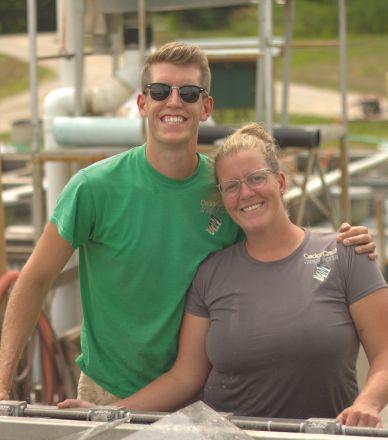
RJ and Arlen Taylor
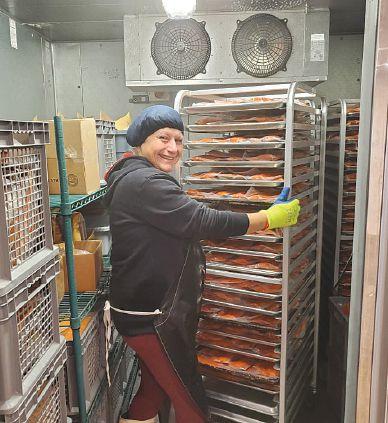
Cedar Crest’s small processing facility allows the team to clean and package all fish by hand.
(Lates calcarifer). Another partner John O’s Foods, fish processor in Wheatly, Ont., processes the barramundi and also supplies Springhills Fish with wild caught walleye (Sander vitreus) fillets.
“We are proud fish farmers,” explained RJ, “and believe wholly in the aquaculture industry, so we all felt it was a compromise selling wild caught fish. We took the decision very seriously but, in the end, the Marine Stewardship Council certification of the Lake Erie walleye fishery made us feel the fishery was sustainable and it was acceptable for us to sell them.” With the new additions, Springhills Fish offers their customers a variety of fishes and also mixed sampler boxes of species such as the 10 lbs four fish combo featuring trout, char, barramundi, and walleye.
The Taylor’s own processing facility has grown significantly, now employing nine people and operating two to three days per week with machines for cleaning and packaging. Fish are delivered live from the hatchery. At the processing facility they are netted from the tank, percussive stunned, bled, headed, gutted, vacuum packaged, and frozen within three hours. “Our quick processing time from live to frozen avoids rigor mortis setting in and gives our frozen fish extremely high flesh quality,” explained RJ.
Expanding markets
To substantially grow their processed fish sales, Cedar Crest needed to bring Springhills Fish to larger markets. Starting with the closest cities, such as London, and Kitchener/Waterloo, Springhills Fish began to advertise in large urban markets through social media. “By offering monthly deliveries and a subscription service we have managed to grow quite well in local cities. We soon started deliveries to cities
even further off like Hamilton and into Toronto.” All told, Springhills Fish deliveries are now made to more than 1,500 homes per month.
Connecting farmers with consumers
One of the unexpected benefits for the farmer of selling direct is connecting and talking directly with the consumer. Most producers operate two or more steps removed from the final consumer, creating a disconnect. Aquaculture associations and corporations try with great difficulty to engage the public and raise awareness of aquaculture in general. “In terms of raising awareness about aquaculture, our direct sales have turned into a fabulous messaging system for the industry.” Customers are often excited to see their local fish farmer at their door and interested in information about their fish. Where was it grown? What was it fed? What is fish feed made of? Do you use antibiotics? “It means a lot to customers to hear facts from the farmer who is standing in front of you.”
Indeed, the entire team at Cedar Crest find themselves answering many questions and providing information the aquaculture industry has made public but had trouble communicating to consumers for years. The direct relationship between farmer and customer is something customers increasingly desire. “We can convey to our customers that we are environmentally responsible, we are advocates for fish welfare, that our fish are happy and healthy because of it, and that aquaculture is the right thing to do. Our fish are 100 per cent traceable and anyone is welcome to visit them at the farm and see the fish for themselves. People really appreciate that.”
Going forward
“This pandemic has been going on so long that we’ve seen some lasting changes to consumer behaviour. They want more local options and are much more curious about where their food comes from. They’ve also had more time cooking at home and they’re more willing to try home delivery,” explained RJ.
The team at Cedar Crest Farms/Springhills Fish will be working hard going forward to expand into more urban markets and offer new products. “We harvested our first batch of in-house raised Coho salmon in January 2022, which was a really exciting moment for us. Many of our customers are asking for salmon.” In a short 18 months, the team at Cedar Crest/Springhills Fish has turned their fortunes from tragedy to triumph, and forged Springhills Fish into a profitable and established brand throughout the region.
Partnering with farms across Canada, Cedar Crest now also offers Arctic char, Coho salmon, barramundi, and walleye fillets. PHOTO: SPRINGHILLS FISH
Papain for juvenile sterlet in Poland
A pathogenic bacteria challenge test, a key indicator of fish health status, highlighted the benefits of papain in juvenile sterlet health welfare in a study in Poland. Papain dietary supplementation increased sterlet survival following the challenge test.
The study, “Beneficial effects of dietary papain supplementation in juvenile sterlet (Acipenser ruthenus): Growth, intestinal topography, digestive enzymes, antioxidant response, immune response, and response to a challenge test,” published on Aquaculture Reports, likewise demonstrated that papain improved growth efficiency and feed utilization over a period of 56 days, and stimulated immunity in aquaculture conditions. The feed supplementation is safe for both fish and the natural environment.
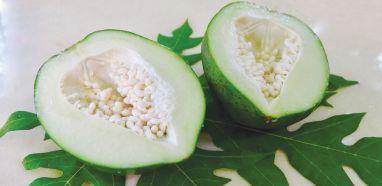
Papain is an enzyme extracted from different parts of papaya (Carica papaya) such as the leaf, unripe fruit, and fruit sap. As a feed supplement, papain increases the digestibility of protein in feeds and improves its assimilation, which affects feed utilization and growth indices.
Up until this research, papain supplementation in sterlet had not been studied before. The study of Grzegorz Wiszniewski et al. examined the impacts of papain supplementation on sterlet growth, immunity parameters, enzymatic activity, the pathological structure of the liver and intestine, proximate body composition, oxidative response, and a challenge test with Yersinia ruckeri. It is a species of gram-negative bacteria, known for causing enteric redmouth disease in some species of fish.
During an eight-week period, juvenile sterlet in the control group were provided commercial feed and two other groups were given experimental feed supplemented with papain in doses of 10 g/kg−1 feed (P1) and 20 g/kg−1 feed (P2).
The experimental diets produced final body weights that were significantly higher compared to the control group. No fish mortality was noted.
– Ruby Gonzalez
Probiotics with R. Flavefaciens boosts Nile tilapia juvenile performance
A study cleared a commercial probiotic containing Ruminococcus Flavefaciens in Nile tilapia (O. niloticus) fingerlings.
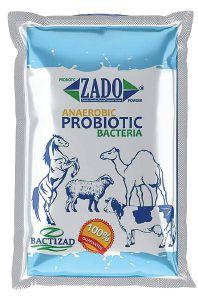
Zado, manufactured by Bactizad in Egypt, could be used as a safe alternative for improving hematologic, immune, antioxidants and growth profiles, according to authors, Mohamed Adbel Gayed et al. Fish fed with enriched diets had significantly increased immunity, improved hematologic and leukocytic readings, and biochemical parameters.
Zado works to break down aflatoxin and raises the level of immunity in animals fed on it.
The six-week experiment, conducted in Egypt, evaluated the potentially beneficial effects of Zado probiotic dietary inclusion on hematobiochemical profiles, immunity, and antioxidant system in tilapia weighing around 16 grams.
It was mixed with the basal diet for the experimental groups at one and two g/kg. Best growth performance was observed at Zado supplementation at two g/kg.
“Probiotics application in aquaculture could be a key solution to enhance the overall immune and growth indicators of cultured fish,” the authors said. Culture of tilapia requires intensive farming, which is usually challenged by diseases. Using eco-friendly prebiotics and probiotics is seen as a good choice for fish and consumer welfare. Haematological data in fish in treatment groups underlined the positive effects of Zado in fish.
“White blood cells are considered an essential component acting as a core to both the innate and adaptive immune response and consequently, a higher abundance implies activation of immune system,” they said.
A previous study observed a higher abundance of circulating white blood cells in probiotic-fed tilapia when compared to those fed non-supplemented diets after supplementation with Ps. florescens. “Those activities could be attributed to the overall improvement of immune response,” they said.
In both groups receiving the probiotic supplement, anti-oxidant enzyme levels were significantly higher and pro-oxidant malondialdehyde (MDA) decreased compared to those in control groups. Anti-oxidant defense capability is important in confirming the animal status while MDA level is commonly used as an indicator of oxidative stress.
The supplementation had significant effects on body weight, body mass, specific growth rate and length growth rate. The best growth parameters were observed in the group at two g/kg Zado. The same also showed the most significant decrease in feed conversion ratio compared to the control group.
The study was published in Fish and Shellfish Immunology Reports – Ruby Gonzalez
Innovation Beyond Measure
Where Water Drives Innovation.
Papain is extracted from papaya leaves, unripe fruit and fruit sap. PHOTO: RUBY GONZALEZ
PHOTO: BACTIZAD
CHOOSING A MATE:
Wild vs. hatchery Coho salmon
Researchers say learning about the differences in how wild and hatchery Coho salmon choose mates could improve hatchery fish. By Bonnie
Waycott
Animals that are bred and raised in captivity often differ from their natural-origin counterparts. For example, they can have lower
reproductive success, perhaps due to a lack of information on the various factors that affect mate choice. This is because in a captive context, ‘who mates with who’ is often mediated
by people rather than the animals themselves. One group of species to which this applies is Pacific salmon (Oncorhynchus), which is frequently reared in hatcheries. Although there are many positive aspects to rearing Pacific salmon in this way, their reproductive success could be reduced compared to those that live in their natural environment.
Now, a recent study of the genetic profiles from free-choice breeding among wild and hatchery Coho salmon (Oncorhynchus kisutch) in a natural context, published in the journal, Integrative Organismal Biology, has revealed some key differences in how the two types of fish form mating pairs. Hopes are high that new insight into these differences can inform different mating strategies that may improve the survival of hatchery fish, and lessen their impact on wild fish.
“When hatchery fish return after spending most of their life in the ocean, some of them interface and breed with wild fish in a natural context,” explained Dr. Michael Banks, a fisheries genomics, conservation and behaviour professor in the Department of Fisheries, Wildlife and Conservation Sciences and the Coastal Oregon Marine Experiment Station at Oregon State University’s Hatfield Marine Science Center.
Mates selected so that their genotypes best match productive matings observed in the wild
PHOTO:
MICHAEL A. BANKS
PHOTO: WILLIAM L. FINLEY PHOTOGRAPHS COLLECTION, CIRCA 1900-1940 (ORG.LOT 369, OHS)
Mariculture | 2022 Ad | Theme: New! ARPods 500 - Aqua 2022 booth | Design: B | Version: 3
markers,” said Heather Auld, a post-doctoral research associate at Oregon State University’s Coastal Oregon Marine Experiment Station, and the study’s lead author. “Once we were confident in genotypes of all the fish, we used permutations and other statistical analysis to figure out whether they were mating assortatively, in other words picking mates with similar genotypes to themselves, or disassortatively – following the concept of opposites attract.”
“Most studies show that when this happens, they often don’t have as many offspring as wild fish and therefore present a risk of drawing down the fitness of an already-struggling natural system. This means that many regions need to adopt policy that preclude opportunity for hatchery fish to mate with wild fish, which often reduces hatchery releases. Our goal is to learn how to produce a better hatchery fish that may have similar productivity to wild fish, and one of the things we are looking at is how wild fish choose their mates,” he continued. “We have three essential questions – can we use genomics to learn how most productive wild fish choose mates? Can we then use those lessons to see if we can emulate wild-like mate choice in a hatchery context, and would this increase the fitness of hatchery fish?”
Differences in wild and hatchery mate choices
Using a previously-established pedigree of wild and hatchery Coho salmon from the Umpqua River in southern Oregon, the research team carried out a full genome characterization process called genotyping-by-sequencing (GBS) – cutting the genome into
little DNA fragments using enzymes – extracted from the fin-clips of parents engaged in the free-choice breeding context described above. The ends of these DNA fragments were then sequenced to reveal a representation of specific markers spread out across the entire genome for about 800 wild and hatchery fish that had mated with each other. The aim was to identify single-nucleotide polymorphisms, or SNPs, that are associated with variation in mate choice between wild and hatchery fish.
Hatchery International | Size: Quater-Page vertical | Dimensions: 89 mm x 136 mm (3.875” x 5.375”)
The team found that in both hatchery and wild mating, around 70 per cent of choices were disassortative, and 30 per cent were assortative. This finding is not surprising, said Auld. But most intriguing was that the actual markers displaying each mating type in wild fish were completely different to the markers displayed in hatchery fish (only three per cent of disassortative and one per cent of assortative markers were shared in common).
“We looked at more than 15,000 different
“Although little is known about how genes associated with these markers manifest in Coho salmon, these findings raise an important question: is there a reason why hatchery fish use different traits for their apparent mate choice in the wild or are they just making bad decisions?” said Auld.
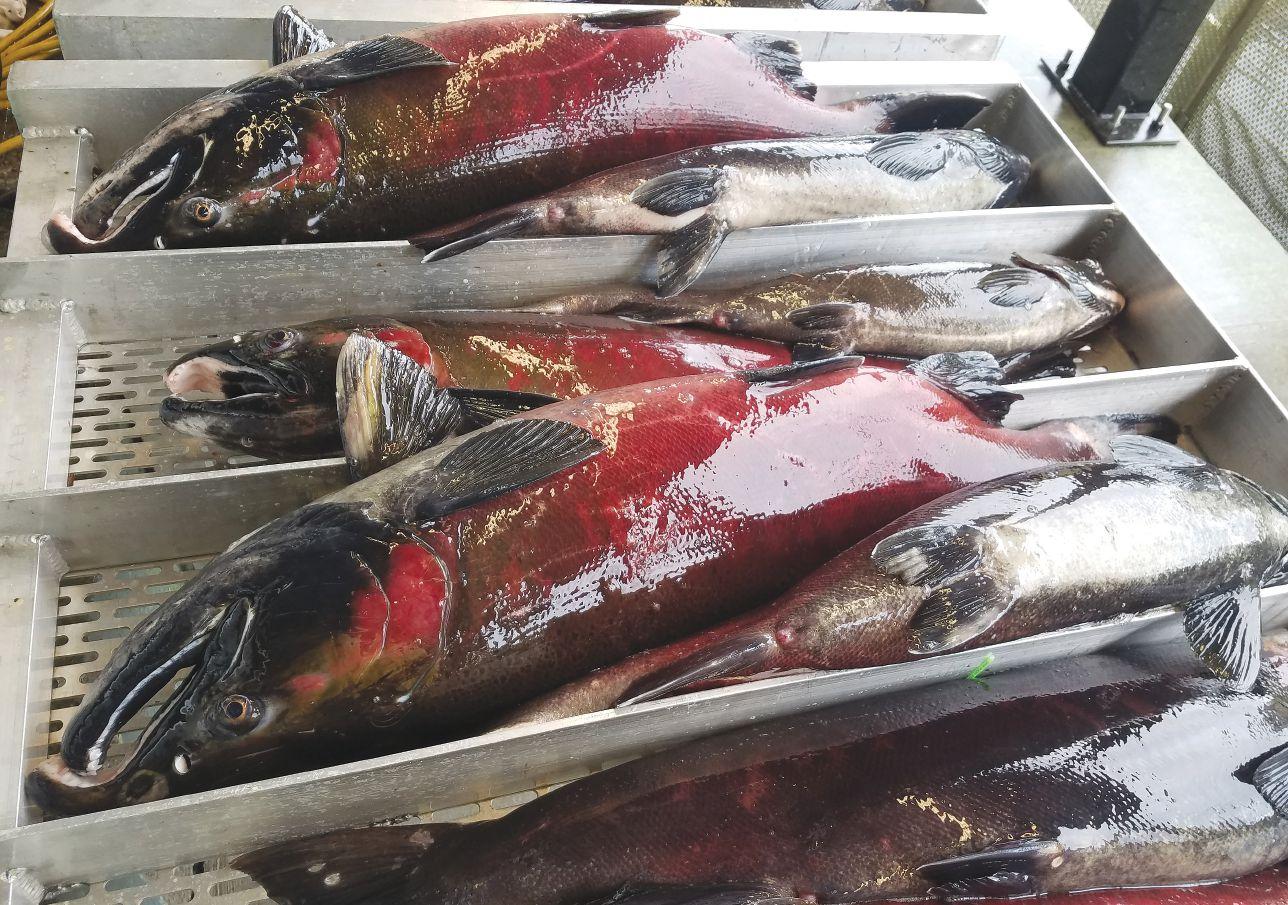
Spawning Chinook salmon
GENETICS & BREEDING
A helping hand for hatcheries
Understanding how Coho salmon choose their mates may be key to better emulate natural mating in hatcheries and maintain productivity and conservation goals. The next phase of the work is to test this notion. For three consecutive years, Banks, Auld and their colleagues have been working with hatchery staff to test the potential value of implementing ‘wild-like’ mate choice in hatcheries to increase productivity and lessen the differences of their offspring and thus, their impact on wild fish. Eggs of up to 120 females were divided into two. One half was combined with a randomly chosen male, as is typical for many hatcheries, and the other half combined with a selected male following wild-fish mating patterns, identified in the study.
“We generated a total of up to 240 families, half random bred, the other half selected to best emulate ‘wild-like’ choices,” said Banks. “But the effect of female genetic background is controlled because each of the half-sib families have the same mother. We are very excited about the ‘proof-of-concept’ that will be revealed after analyzing returns through 2025.”
To better understand and identify optimal mating pairs, Auld and Banks said that hatcheries could also look at how the immune system influences breeding. A number of genes could be characterized and used, while fish length, weight, and other traits may also help form optimal mating pairs. It is also possible that hatchery fish make different mate choices to wild fish based on different exposures and selection pressures experienced by their parents, while fish behaviour and social environment could also be significant.
Selecting broodstock and passing the skill across generations.
PHOTO: MICHAEL A. BANKS
“There has been a lot of work done on female mate choice, while comparatively, male mate choice has been neglected. Traditionally, it was said that males aren’t choosy
and will mate with anyone, but this is not the case. How social environment influences mate choice could be another important area for hatcheries to look at,” said Auld.
“Auld’s PhD study observed that some guppy males copy the mate choice of other males,” said Banks. “It’s like a social dimension of mate choice. I don’t know how hatcheries could incorporate this but they could work on observing fish characteristics, such as whether a fish is shy or bolder. What is so fascinating about this subject is how different it is among different species and contexts.”
Going forward
In November 2021, the team sampled first returning jacks from year one of their experiment (jacks are young male salmon that reduce their ocean residence to spawn precociously with females a year or two ahead of their sisters). All Coho returns through 2025 are expected to be from this experiment, said Banks, and genetic samples will continue to be taken and analyzed throughout that period. If ‘wild-like’ spawned hatchery fish have higher productivity and other traits expected of them, the
team’s findings could potentially alter how hatchery fish are mated, resulting in fish that are more like wild fish, with less impact on wild fish. Because many hundreds of fish pass through hatcheries on most spawning days that include many processing tasks, adding the need to take fin-clips from each of them is logistically challenging. Thus, work is underway to facilitate, for example by using robotic samplers. Further communication with other hatcheries and those in management and policy is also in the cards.
“Bringing people to the table and sharing our discoveries in ways that have the best outcome is a big priority for us,” said Banks. “Besides necessary scientific steps, there are political and social aspects to consider, in other words convincing people, spreading the word, and getting them to understand our research, shortfalls and benefits. We can promote the success of hatchery fish, but it’s also important to honour that nature is very complex, as are the many different goals among the different hatcheries that are out there. With the best intent, we still have much to learn about multiple strategies that may advance hatchery practice, conserve and protect the natural context that they may be in, but also maximize the outcome of what the hatchery’s intent actually is,” he concluded.
“This work has a lot of potential in captive-reared species and the basic idea behind it can be applied to species other than Coho salmon,” said Auld. “Although our results cannot simply be taken and laterally transferred to all species, the overall framework can, to some extent. I would also say that communication is key to working with hatcheries and the larger community they serve. There is a large social and communication component that needs to happen between folks who love hatchery fish and those who are against them because they think that they are going to be the downfall of wild salmon populations. We need to get people talking so that they understand the different viewpoints, if hatcheries are to remain successful.”
PHOTO: SANDY FISH HATCHERY
A step forward in environmental stewardship
Loch Long Salmon plans to create Scotland’s first semi-closed salmon unit.
Loch Long Salmon (LLS) in Scotland is on course to create the country’s first semi-closed production unit with follow-up ambitions to build four more semi-closed units over the next five years.
The development is a joint venture operation between Simply Blue Aquaculture, Trimara Services, and Golden Acre Foods, and has already been presented to local authority planners as a major step forward for environmental stewardship and animal welfare in relation to Scottish aquaculture.
The first farm, to be called Beinn Reithe Fish Farm, is scheduled to be built in 2023. Located in Loch Long, a 20-mile-long sea loch contained within Argyll and Bute, the farm will be a post-smolt operation. However, LLS director, Stewart Hawthorn, told Hatchery International that the new business will be looking to source smolts from Scottish suppliers and that the semi-closed design will enable them to work with 95- to 100-gram smolts, rather than being restricted to larger intake sizes.
The first big step for LLS is to secure planning approval from the Loch Lomond and
By Colin Ley
Trossachs National Park Authority, who control the selected location for Beinn Reithe. The business has already been told that their planning application is in order and will be considered in April 2022.
Although destined to be substantially more expensive to build than would be the case with a conventional open-net system, the new farm is seen by the LLS partners as a strong
and cost-effective long-term farming solution, with the potential to help Scotland achieve a doubling of farm salmon output by 2030.
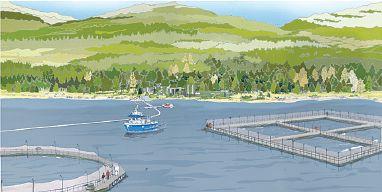
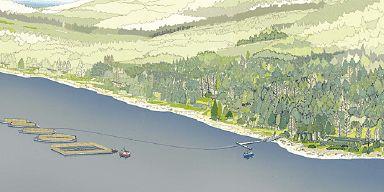
The semi-closed model, already used in Canada and Norway, has a conventional appearance at surface level but is quite different under the water, where an outer barrier is constructed around an inner net, within which the farmed salmon are kept. Water is pumped through the enclosure from deep below the surface.
The outer barrier, which is impermeable, is designed to prevent sea lice from entering the farmed environment, thereby stopping sea lice from attaching to the salmon. The pumped water is also drawn from beneath the depth at which sea lice live. The outer barrier also prevents seals and other predators from seeing the fish. Another feature of the LLS design is that it will enable the vast majority of uneaten food and fish waste to be captured and dealt with.
Costly but cost-effective
“It is an expensive production solution in terms of capital and operating costs, at least for some items, but we believe Beinn Reithe will be entirely cost competitive in comparison to current open net designs, certainly in terms of overall production costs. This is because we will obtain a health dividend from the semi-closed design by effectively preventing problems rather than having to cure them,” said Hawthorn.
“As we will be preventing sea lice from reaching our fish, for example, we won’t need to treat for sea lice so will immediately save on treatment costs. The fish also won’t be damaged during treatment, which will be a saving from a welfare perspective. In addition, we won’t need to use any chemicals for treating the fish, which means no chemicals going into the environmental, delivering an obvious environmental dividend. And with no sea lice being able to breed on our farm fish, we won’t be affecting wild salmon or sea trout in the surrounding coastal waters.”
Hawthorn added that such health and environmental benefits would offset the extra capital cost, compared to an open net system, of such things as pumping water into the unit and any associated oxygen costs.
“We are obviously looking at a substantial investment to create Beinn Reithe, and the additional four farms we hope to have
PHOTOS: LOCH LONG SALMON
working in Scotland over the next five years,” he said. “We firmly believe, however, that a semi-closed approach to farm salmon is a very good model for coastal Scotland.”
RAS not for Scotland
Recirculating aquaculture systems (RAS) are continuing to be implemented in farms worldwide, but Hawthorn explained he didn’t believe the option of switching to a RAS in the new farms would be right for Scotland.
“Big investments in RAS systems to grow fish to market size are happening in such places as Miami, Japan, and South Korea,” he said, “but they’re not happening in Edinburgh or more remote areas of Scotland. RAS involves much higher operating costs than flow-through systems, which means RAS operators have to save money on freight for getting fish to market, to make them work financially,” Hawthorn continued.
“In contrast, our big advantage in Scotland is our pristine, fantastic marine environment, which is why we’ve chosen the semi-closed approach to keep the salmon industry here growing in coastal Scotland.”
When asked if he thought there would be any chance of a conventional open pen site being approved for the Loch Long site, Mr Hawthorn responded with a definite ‘no’. “Conventional systems are coming up against regulatory pressures and concerns from communities,” he said, adding that he didn’t believe an open net system would not be suitable for the selected Beinn Reithe location.
“It is ideal for us, however. It is a sheltered site, which removes potential infrastructure risks during bad weather, has a great shore base next to forestry land and lovely deep water, all of which is very important for our type of development. We will also be geographically isolated from other farms which means we can show what semi-closed technology can do without having to worry about anything that might be happening in the surrounding area.”
A 3,452-tonne limit
The planning application for Beinn Reithe specifies a maximum of 3,452 tonnes of fish being able to be held on the farm at any one time. The capacity of the four follow-on farms will be decided according to ‘a lot of environmental analyses’ to agree the holding limit for each individual location.
“Our stocking levels will be better than is possible with open nets but less than is achieved with RAS systems. This is because we have to control oxygen levels and water flows all the time,” Hawthorn explained.
“We will be able to take in smolts at around the 95 to 100-gram mark, being able to keep
“It is acknowledged in Scotland that we want to double the size of the salmon industry here by 2030. Continuing to do what we have done so far, however, will not deliver that doubling of output.”
to smaller sizes due to the control and protected environment of our farm. As such, we will be looking for healthy and good quality smolts, which we will be seeking to source from Scottish suppliers.”
Asked whether or not he thought the LLS semi-closed vision might put the development on something of ‘clash course’ with farmers who are already running conventional open net systems, Hawthorn said he is confident that wouldn’t be the case.
“It is acknowledged in Scotland that we want to double the size of the salmon industry here by 2030. Continuing to do what we have done so far, however, will not deliver that doubling of output,” Hawthorn admitted.
“Farming salmon has so many green credentials in terms of low CO2 outputs, good animal protein, low land inputs and excellent feed conversion rates. As such, we are all starting from the same base, we all want the industry to grow in Scotland, and we want to stay firmly rooted in the country’s coastal communities. To do that, however, we need to find alternative farming systems of which the LLS model is one. We accept that our choice will not fit all locations and that it won’t replace existing units, but rather that it complements what has already been achieved in Scotland.”
PARTNER DETAILS
Stewart Hawthorn, LLS director, has worked in the international aquaculture sector for more than 30 years in Scotland, Canada, and New Zealand. He has been responsible for many farming operations, including freshwater RAS systems, marine farming systems and breeding improvement programmes. He is currently the owner and director of Trimara Services UK Ltd, an aquaculture equipment and services company working with customers in Scotland and internationally.
Christoph Harwood, LLS director, is managing director and a founder of Simply Blue Aquaculture, which was established in 2018 with a view to developing new salmon farming models in Scotland. He is also a director of Simply Blue Group. Golden Acre Foods is a U.K.-based foods group.
Salmon and steelhead at home in Nimbus Hatchery
California hatchery continues to rejuvenate Chinook salmon and steelhead populations in American River affected by construction of Nimbus Dam in 1955.
By Julia Hollister
Located in scenic California’s eastern Sacramento County, Nimbus Hatchery raises Chinook salmon and steelhead for release to the American River.
“The hatchery was built by the United States Bureau of Reclamation (USBR) in 1955 and is operated by the California Department of Fish and Wildlife (CDFW),” said Jason Julienne, senior environmental scientist at the CDFW - North Central Region Hatcheries.
The purpose of the hatchery program is to mitigate for salmon and steelhead spawning and rearing habitat eliminated due to construction of Nimbus Dam and, secondarily, to support in-river and ocean fisheries.
Annual production targets are to release four million fall-run Chinook salmon smolts and 430,000 American River steelhead yearlings.
The purpose
There was a reason the hatchery was first “hatched”.
The Nimbus Fish Hatchery traps, spawns, and rears Central Valley fall-run Chinook salmon (Oncorhynchus tshawytscha), species of concern, and American River winter-run steelhead trout (Oncorhynchus mykiss) for the USBR to help fulfill mitigation requirements for the loss of spawning and rearing habitat due to construction of the Nimbus Dam.
The Fish and Wildlife Coordination Act report of 1953 requires the USBR to compensate for the loss of 72 per cent of the historic Chinook salmon habitat and 100 per cent of the historic steelhead trout habitat in the Lower American River as a result of the construction of Nimbus Dam. The Bureau equated adult returns estimated at 26,144
Fish Hatchery’s fish ladder allows the hatchery to access anadromous fish returning to their natural waters that will be used as broodstock production of those species.
Chinook salmon and 1,287 steelhead trout. To help the USBR meet these mitigation goals, the hatchery production goals are set at an annual collection of eight million fall-run Chinook salmon eggs and the release of four million smolts, and annual collection of 1.2 million steelhead eggs and release of 430,000 yearling steelhead trout.
A sustainable operation
The Nimbus Fish Hatchery is an approximately eight-acre facility located adjacent to the lower American River, approximately 15 miles east of the City of Sacramento, and downstream from Nimbus Dam, at the river’s 35 kilometres (river’s 22 miles). The facility consists of six outdoor rearing ponds, or raceways, which are 400 feet long and two hatchery buildings for egg collection, incubation, and fry rearing, and several outbuildings for storing equipment and supplies.
The incubation periods vary with the species.
“Once spawned, fall-run Chinook salmon hatch after about a month and a half. Steelhead will hatch after about one month,” said Julienne. “Once hatched, hatchery fry are held in indoor rearing tanks before being moved to the outdoor raceways. Chinook salmon are held indoors for approximately two months and steelhead are held indoors for approximately three months.”
The ominous drought plays an increasingly uneasy role in the operation of hatcheries and the future of fish growth.
“Drought is shaping how our hatcheries operate, particularly on the Lower American River,” Julienne continued. “Drought reduces the availability of cold water to the Nimbus Fish Hatchery and Lower American River, primarily during the summer and fall months.”
During the adult fall-run Chinook salmon migration and holding period, warm water temperatures are suggested to delay adult migration and maturation. This disrupts the timing and availability of mature Chinook salmon to the hatchery for egg collections and data suggests this shifts the spawn timing of natural area spawning fish.
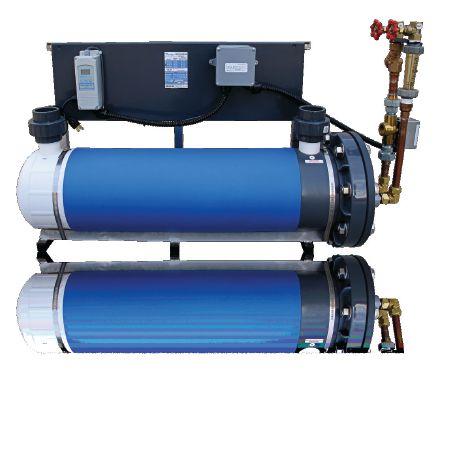
“Drought also changes how eggs are incubated at the Nimbus Hatchery,” Julienne said. “In the early fall months during drought years, the hatchery uses water chiller units to cool the water supplied to egg incubation jars in an effort to maintain water temperatures at or below 58 F. Without the use of these chiller units, the hatchery would lose most, if not all, of the eggs collected in the early fall months until ambient temperatures cool source water temperatures to levels acceptable to Chinook salmon egg incubation.”
Nimbus Fish Hatchery raises Chinook salmon and steelhead for release to the American River.
Nimbus
Climbing the fish ladder
The hatchery’s fish ladder is a crowd pleaser with the visiting public.
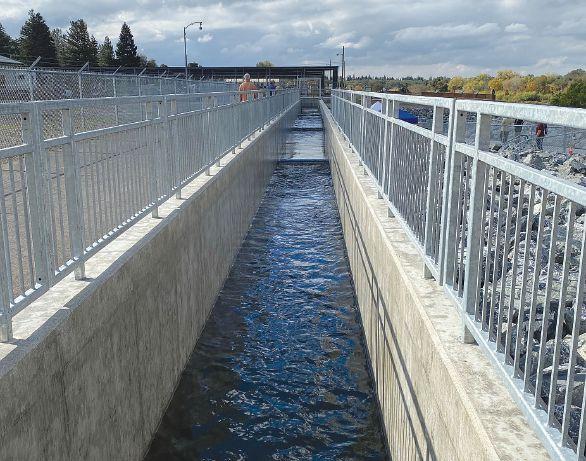
The USBR designed, funded, and built a new fish ladder for the Nimbus Fish Hatchery. The ladder construction began in the summer of 2019 and was completed in the summer of 2021. Originating near the base of the Nimbus Dam, it is approximately 0.4 miles long and follows the south bank of the Lower American River downstream towards the Nimbus Fish Hatchery. Steps and long flume sections are used to gain elevation from the river to the hatchery building where adult Chinook salmon and steelhead are collected as broodstock for hatchery production.
Fish ladders are a common and often essential component of anadromous fish production hatcheries. It allows the hatchery access to anadromous fish, in this case fall-run Chinook salmon and steelhead trout, returning to their natal waters that will be used as broodstock in the production of those species. Fish ascend the ladder and enter a trap at the top where hatchery staff bring them into the hatchery spawning building where they are spawned to meet production goals.
The hatchery’s ladder will be used by both fall-run Chinook salmon and steelhead trout, but across the state there are hatcheries that use ladders to aide in the broodstock collection of other species such as Coho salmon and Lahontan cutthroat trout.
Mitigating environmental impacts
“The biggest challenge facing California’s state hatchery system is without question, climate change,” Julienne reflected. “These impacts are significant and are affecting hatcheries now. Unsuitably high temperatures have forced the evacuation of fish from two of the state’s largest trout production hatcheries, and two of its salmon and steelhead hatcheries.”
The state has spent millions of dollars installing chillers in facilities that had never had water temperature issues over the previous 50 years. Throughout the state, hatchery operators have had to modify spring and summer stocking plans, including delayed fish releases until cooler winter temperatures returned.
Wildfires have caused staff evacuations from hatcheries over a half dozen times in the last three years due to encroaching fires and unsafe air quality, resulting in weeks of work stoppages. Over a dozen hatcheries, including two key salmon hatcheries and both primary broodstock hatcheries for rainbow trout are in designated extreme fire risk areas.
“The Department of Fish and Wildlife sees recirculating aquaculture systems (RAS) as a critical component to building climate change resilience in the California hatchery program,” said Jay Rowan, CDFW fisheries branch chief and former hatchery program manager. “In fact, RAS have been installed to provide a temporary safe haven for Endangered Species Act- (ESA) or California Endangered Species Act(CESA) listed and other important species that would likely perish if left in the wild during recent droughts. RAS affords the ability to chill large volumes of water which will be critical to rearing fish at hatcheries where we occasionally see unsuitable water temperatures.
“These improvements will allow us to diversify and expand our broodstock and egg production capacity into existing hatcheries that don’t currently have cold enough water to induce egg and milt production.”
The state has recently received funding allocations from the legislature to implement hatchery modernization projects, employing RAS technology and other tools aimed at building climate resilience, and meeting its public trust responsibilities.
As the Global Aquaculture Industry continues to evolve, so does Syndel.
China eyes fishmeal alternatives in largemouth bass diet
By Ruby Gonzalez
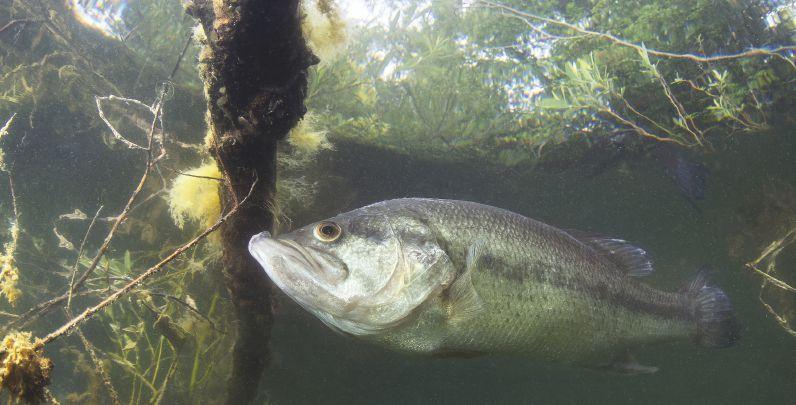
Since its introduction to the Chinese aquaculture circuit in the 1980s, production of largemouth bass (Micropterus salmoides) has steadily grown, driven by demand and price. In 2020, production hit 620 tonnes. Production volume underlines the commensurate volume of feeds that support the industry. Fishmeal is still the choice diet but, considering sustainability and economics, alternatives are becoming a mission.
Fermented soybean meal (FSM) ticks the right boxes as a partial replacement in fishmeal (FM) in juvenile largemouth bass diet.
The voracious requirement of largemouth bass for dietary protein has launched many researches for alternative sources for fishmeal that are readily available at low cost. The FM content in commercial diets usually tips at 40 to 55 per cent.
Results of a study in China said 150g/kg FSM could replace 100 g/kg FM – or 28 per cent of the dietary FM – in a basal diet containing 350 g/kg FM without compromising growth, nutrient utilization, antioxidant capacity, and intestinal health of largemouth bass. Proper dosage of FSM improved animal resistance against bacterial infection.
Sustainability
“Fishmeal replacement with other protein sources is extremely important for the sustainable development in largemouth bass aquaculture,” Hang Yang et al. said in the study “Effects of replacing fish meal with fermented soybean meal on the growth performance, intestinal microbiota, morphology. and disease resistance of largemouth bass (Micropterus salmoides)”.
When compared to the control fish, whole body composition of fish fed with FSM-replaced diets showed not much differences in moisture, crude protein, crude lipid, and crude ash contents with the control fish.
No mortality was recorded during the eight-week feeding period, when five diets were fed to largemouth bass with initial body weight of 21.2 ± 0.1 g.
Along with the control, there were four experimental diets with steadily decreasing FM content with increasing FSM content.
The results showed that FSM-30 group presented lower weight gain, and FSM-22.5 and FSM-30 groups displayed higher feed conversion ratio than those of the control group.
FSM is a product produced by inoculating specific microorganisms in soybean meal for a period of fermentation. The FSM used in the study was produced by fermenting soybean meal with lactic acid bacteria for 72 hours.
During the fermentation process, the anti-nutritional factors are degraded, and bioactive components as small peptides, organic acids, probiotics, and flavonoids contents are produced or increased.
Soybean meal contains a number of anti-nutritional factors which can be reduced or eliminated by microbial fermentation.
Novel approach
Going past plant proteins and animal by-products has led a research team in China to clostridium autoethanogenum protein (CAP) as a fishmeal replacement in the diet of juvenile largemouth bass. And with good results.
CAP is bacterial protein meal, which belongs to new type non-grain single cell protein. It is produced by C. autoethanogenum and is a by-product of ethanol production.
“The present study demonstrated that dietary fish meal replaced by CAP could improve protein efficiency ratio, decrease feed conversion ratio and have no negative effects on the growth performance, such as final body weight, weight gain rate, specific growth rate, survival rate and condition factor,” said Shujie Zhu et al. in the study, “Partial substitution of fish meal by Clostridium autoethanogenum protein in the diets of juvenile largemouth bass (Micropterus salmoides).”
The optimal replacement level of CAP was identified at 49.80 per cent for maximum weight rate of largemouth bass.
In a diet containing 50 per cent fish meal, dietary fish meal can be substituted by CAP up to 51 per cent without adverse effects on growth performance, proximate composition, digestive enzymes activities, haemato-biochemistry, and liver functionality of largemouth bass. It was also observed that replacement within 63 per cent had improved the antioxidant capacity, the apparent digestibility and intestinal health of fish.
Animal fed with substitution level below 39 per cent had improvement in villus length, villus width, and muscular layer thickness. The indications are good. “The higher and wider villus possesses a large absorptive surface area for abundant essential nutrients to be absorbed, and is good for growth and welfare of animals,” they said.
There was no significant change in animals that received over 51 per cent, compared with the control group.
100 per cent
The 60-day feeding trial ended with a 100 per cent survival rate of fish fed with different dietary CAP, an indication that largemouth bass could be totally adapted to the husbandry conditions and experimental feed in this study, it was cited.
CAP contains high nutritional values with an abundance of balanced essential amino acid profile and other nutrients, equivalent to high quality fish meal. It been added to the Government of China’s feed additive list in 2021.
The bacterial protein industry is getting a lot of attention because of its sustainability framework. It has high production efficiency and provides good alternative protein in animal diets.
“It was reported that the bacterial protein meal contains about 70 per cent crude protein, 10 per cent crude lipid (dry matter), and well-balanced amino acid profile as well as vitamins, which is similar to that of fish meal,” the authors said. And all these are delivered without cultivated land or putting excess pressure on natural resource.
In investigating the novel ingredient, the authors had considered some of the limitation of other alternative protein sources. Plant protein is a promising source as fishmeal alternatives, but there are caps because of low contents of essential amino acids, unbalanced amino acid profile, low palatability, and presence of antinutrient factors. Animal by-products are another source but factors, among them potential pathogenic bacteria and consumer intolerance (a.k.a. ick factor), pose a hindrance.
Both of the studies were published in Aquaculture Reports
DESIGN | EQUIPMENT | SOLUTIONS
We are your source for professional aquatic and aquaculture products and services. Our hands-on experience allows us to offer practical solutions to your situation, big or small. We have years of experience in retrofit and new construction and understand your needs. Contact us today to learn more!
Skretting’s new hatchery diet inspired by nature
GEMMA Neo is expected to further reduce the dependence on traditional feed ingredients and offer fish hatcheries the highest level of nutrition and water quality.
By Bonnie Waycott
Hatcheries and integrated producers must be able to respond to new production and economic challenges, and one way to do this is through feed. In late 2021, aquafeed firm Skretting launched a hatchery diet for sea bream and seabass, two key species in the Mediterranean. GEMMA Neo took three years to develop and is based on Skretting’s larval weaning feed, GEMMA Wean.
“We have been carefully listening to the new requirements of hatcheries and producers over the years, and GEMMA Neo is a radically new food concept that will help support the aquaculture production process,” said Eamonn O’Brien, international product manager at Skretting. “Our research team at the Skretting Aquaculture Research Centre (ARC) screened new ingredients that could be integrated into the formulation. The
focus was on nutritional upgrades, physical attributes, and how the feed impacts overall management of the larval rearing process. Together with our centre for hatchery feed production in Skretting France, we developed the necessary production expertise to commercialize production and quality.”
Unique aspects
GEMMA Neo’s dark, almost black colour makes evaluating feed uptake or stomach repletion easier and more accurate, enabling a more precise weaning process. The added raw material is 100 per cent natural and chosen because of its fibre content, which also acts on the feed’s physical properties, making it less hygroscopic and more free-flowing, facilitating its use in feeders and spreading on the water surface. GEMMA Neo is also the first larval feed to be formulated with zero fish oil. All essential fatty acids are supplied through cellular encapsulation via algae and marine proteins, ensuring that the feed remains stable and the water clean. The diet is also produced using a complex low temperature process that focuses on optimal freshness, uniform size distribution and water stability. Hatcheries can expect much cleaner tanks and water, much less foam and oil leaching, a much faster feed uptake, and less challenges with clogging in automatic feeding systems.
“Life start sets life performance, so it is crucial that all aspects of nutrition from broodstock to nursery diets are maintained at the best possible level,” said O’Brien. “Moreover,
we want to go beyond nutrition and make the feed more user-friendly and appealing for the fish by working on its presentation on and in the water column. With GEMMA Neo, we addressed water quality issues by decreasing any environmental impact in flow-through and/or recirculating aquaculture systems (RAS). This involved reducing leaching and improving particle integrity. Hatcheries’ requirements are many and complex. They need a high quality, stable nutritional performance from feed, cost effectiveness, quality assurance, traceability and sustainability, and these are all important in an integrated farming approach. Having local specialists who are experienced in dealing with the specificities of hatchery production is also essential, and this is a great strength of our Skretting network.”
But perhaps GEMMA Neo’s most important feature is that it’s inspired by what happens in nature. In the wild, marine larvae feed on a range of food sources that have different protein profiles. Skretting’s research team has successfully replicated this feeding behaviour by diversifying beneficial raw materials to deliver a stable diet that larvae find very appealing. Because GEMMA Neo contains raw material ingredients that larvae naturally want to consume, it also offers flexibility –hatcheries will be able to introduce the diet at their own discretion, which could accelerate weaning or shorten co-feeding, and remove any difficulties associated with the sourcing and delivering of live feed.
“When developing new feeds for hatcheries,
Skretting’s hatchery diet, GEMMA Neo, has been created for sea bream and seabass, two key species in the Mediterranean.
GEMMA Neo trials have shown improved growth and survival, reduction in size dispersion among fish larvae, and have resulted in improved overall cleanlieness in hatchery systems.
one of the most important points is relevance, making sure we understand the challenges hatcheries are facing and matching the diet to address those needs,” said O’Brien. “It’s also important to ensure that we continually push the boundaries on sustainability, alternative raw materials, feed safety, and traceability. We need to ensure that we can continually make the same feed with the same consistent quality at all times.”
Positive results
Trials with GEMMA Neo have shown improved growth and survival, and a reduction in size dispersion among fish larvae. Additionally, hatcheries have reported improved overall cleanliness in their systems and improved handling; for example, siphoning has become much easier as the feed doesn’t disperse easily into the water when disturbed on the tank base. COVID has been a huge challenge, said O’Brien, with difficulties in getting on-site or availability in the hatcheries so that work can continue, but customer trials are underway with key producers and the team is now evaluating feed efficacy on different species from cold water to tropical marine fish. Hopes are high that GEMMA Neo will set a new standard for marine larval feeds, with more opportunities to simplify production and increase productivity.
Gemma NEO is now being rolled out in the Mediterranean market where the focus is primarily on seabass and sea bream, while other species such as meagre, sole, and turbot are also being investigated. The diet has already been validated on lumpfish with excellent results and is due to be rolled out for those species in due course. The team is also keen to ensure that existing clients of other species such as barramundi and snapper get the chance to evaluate the diet in their systems.
“The hatchery feed market has become a crowded place, which means that it’s becoming increasingly complex for hatchery managers to distinguish the pros and cons of new diets,” said O’Brien. “We have created a truly unique diet whose physical effects are easily recognized, and we expect 2022 to be the year of GEMMA Neo. It will also be a year where we hope to get out into the field a lot more to spend quality time with the hatchery fraternity so we can continually learn together.”
Ultraviolet and ozone water treatment systems for freshwater and saltwater aquaculture
Improve fish quality
Decrease water consumption
Protect fauna and flora
Eliminate viruses and bacteria
High disinfection
Easy installation and maintenance
Natural technologies
Ron Hill
Alarm system set up and response procedures
The lifeline for any land-based facility is the alarm response system. The alarm system equipment, as well as the response procedures need to be operated and set up properly. Alarms solutions are as diverse as the land-based farms that employ them and are detailed to the needs of the facility. There are many points to consider when setting up or evaluating how alarms are handled at a farm and there is much diversity in solutions.
What to alarm
The answer as to what to alarm in the hatchery is of course: everything. An easy answer to give and hope for, but budget will determine how far monitoring and control systems will cover a facility. Alarm systems is no place HATCHERY HACK by
to look for cost savings and expect success. The more vital for the survival of the fish, like oxygen, water flow and temperature, the more vital the need for monitoring and proper alarm coverage.
Equipment alarms for things like pumps and filters are also key and a great help for troubleshooting. The more alarms that can be added, where useful, the lower the risk. More alarms allow the source of a problem like a pump failure, rather than the symptoms of the problem, like low flow or low oxygen, to be instantly identified. The more pinpoint the alarms are, the easier for technicians to diagnose the problem.
An alarm for low oxygen in a tank may occur from loss of flow from pump failure, but a technician will have to investigate in
person before the issue is identified, if only responding to the low oxygen alarm. The technician will have to trace the issue back through the system from the tank to the source of the issue and check things along the way, instead of going straight to the failed pump and forming an action plan.
Alarms system as a piece of equipment
The alarm system is part of the monitoring/ control system, which is a piece of equipment like any other in the hatchery. It needs to be maintained and serviced on schedule if it is expected to run properly. A maintenance and testing schedule should be upheld. Sensors especially need to be properly maintained and properly deployed if they are to monitor the system reliably.
Often lost in the monitoring and control system setup is the need for redundancy. Like all pieces of equipment, components of the monitoring and control system will fail, be damaged from wear, or could be deployed improperly by staff. Overlapping monitoring with corresponding alarms is a key tool that adds redundancy to the alarm system. As an example- if a pump fails and shuts down, an alarm on the pump would trigger, as well as a low flow alarm trigger. If one of these sensors had failed for some reason, the other may catch the issue. The more overlapping systems to trigger alarms the less risk of an issue slipping through undetected.
Choosing your system
The system chosen depends a lot on the needs of the facility, how it is setup and where it is located. Systems may be standalone dedicated to a fish system, or part of a higher building control system. A lab within a university or research facility could have a much different system than a commercial farm.
Whatever system is chosen, the system must be reliable and the pieces of good quality. A strong hardware backbone to run the monitoring, control, and alarms that communicates with other sensors is key to establishing a strong system. Avoid sensors that require their own unique hardware that cannot interface with the farm’s larger monitoring and control system; everything should run through one control system if possible. A provider who is experienced with aquaculture facilities is a huge consideration as well. Sensors and alarms are too important to compromise quality or service.
Alarm system knowledge and training is as essential as the monitoring and alarm systems themselves. PHOTOS: RON HILL
NATURAL TECHNOLOGIES TO MAINTAIN HEALTHY, QUALITY WATER IN AQUACULTURE
BIO-UV Group, specialists in water treatment, as well as design and manufacturing of UV, ozone, and advanced oxidation process (AOP) disinfection systems. The group has an international presence and offers solutions to a wide range of markets including swimming pools, aquaculture, industrial water, wastewater, and ballast water treatment.
BIO-UV Group products provide a high standard of disinfection thanks to clean, sustainable technologies that yield clean water in an environmentally-friendly manner.
Having mastered UV and ozone technology for more than 20 years, the group presents easy-to-install and space-saving solutions to meet the demanding needs of the aquaculture industry: UV close reactors and UV open channels reactors, ozone generators for fresh and saltwater areas in recirculating aquaculture systems (RAS), as well as wellboats.
In treating water in fish farms, it is critical for professionals to ensure the productivity and health of the fish. BIO-UV Group systems destroy bacteria causing illness in species, thereby reducing their mortality rate, and simultaneously protecting the environment by improving wastewater. By keeping the water clean, aquaculture operations can optimise renewal of water in ponds, therefore reducing water consumption.
The solutions put forward by the BIO-UV Group in aquaculture are practical and cost-effective; they address growing constraints in aquaculture, while ensuring quality.
Ultraviolet in aquaculture
BIO-UV Group systems are located downstream of the filtration area, continuously treating at each stage, with the flow rate depending on turbidity and water transmittance.
By applying a dose of UV germicide, all targeted pathogenic micro-organisms are eradicated without the use of any chemical product, providing fish and crustaceans natural and perfectly clean water.
BIO-UV Group manufactures reactors to meet the needs both of new builds and refurbs. BIO-UV Group products are suitable for saltwater environments with specific materials or finishing (in HDPE,
super-duplex or stainless steel with high-quality electropolishing).
The Integra and TTPE product ranges have been Norwegian Veterinary Institute(NVI-) certified, which guarantees bacteriological performance to suit aquaculture requirements.
BIO-UV Group has the capacity to handle any constraint in aquaculture facilities, reactors can process flow rates up to 10,000 m3/hr and drop water transmittance to 70%, while assuring 99.9% micro-organism eradication.
The lamps in the UV reactors, fitted with sensors, ensure maximum disinfection efficiency throughout their lifespan, which is up to 16,000 hours, depending on the systems.
Choose Ozone
Ozone is one of the most powerful oxidants available. Ozonation in RAS, hatcheries, and hydroponics provides a simple and effective method of disinfection and eradication of both organic and inorganic contaminants, in turn helping to reduce fish stress, increase yields, and reduce water consumption.
Ozone can be introduced at various stages in an aquaculture system, including into the incoming water supply, pre-biofilter, and even to treat effluent before discharge into the environment, depending on the primary goal of treatment. Any unused Ozone decomposes back to pure Oxygen after treatment, increasing the concentration of dissolved Oxygen in the water.
ISO 9001 and CE certified, the triogen®
The triogen® UV Integra range has been designed to disinfect influents and effluents and for recirculation in fish farming and on wellboats.
range of TOGC and O3-Flex Ozone generators and systems have been adapted to suit needs in aquaculture thanks to their reliable Ozone production modules able to achieve variable Ozone outputs between 0.4–55g O3/h.
Wellboat
To guarantee clean water, while transporting fish from the hatchery to growing cages in open water, UV reactors from the BIO-UV Group are an effective and durable solution for the needs of wellboats.
The triogen® UV Integra range has been designed to disinfect influents and effluents and for recirculation in fish farming and on wellboats.
The Integra range eliminates pathogens with a strong dose of ultraviolet, delivered via medium pressure lamps positioned in a strategic manner.
Reactors equipped with medium pressure UV lamps have been designed and thoroughly validated in real conditions by an independent laboratory. BIO-SEA’s expertise in ship ballast water treatment has enabled BIO-UV Group to optimise its products to suit the specific requirements of wellboats.
UV Integra reactors are corrosion resistant, and the only ones on the market to integrate Marine certified power cabinets - perfectly compatible with treatments on land and at sea.
Communication and flow
The question, “What happens when there is an alarm?” should be top of mind when designing the alarm system and setting up a hatchery. When the alarm is triggered, what happens at the farm? How is the alarm communicated to responding staff? Lights and sirens can be useful at some facilities, especially when they are large, lightly staffed, or in a remote location.
For afterhours calls, smart device alerts are becoming the norm. However communicated, alarm calls should go directly to the responding technician(s), who understands the urgency of the alarm. The more humans and steps between the alarm and the responding technician, the greater the risk of communication error, and the slower the response time. Security guard stations, alarm security monitoring companies, non-responding supervisors, and managers should not be relied upon to convey alarms to responders if it can be avoided.
Response time
A realistic time for alarm response after hours depends on the farm. Intensive farms generally have a staff residence so technicians are
onsite and can respond quickly even in the middle of the night. The longer the response time the greater the risk, directly added to a risky emergency situation. If the worst has happened, how long before the fish are lost? How long will it take to respond, identify, troubleshoot, and apply a solution? These two questions give you the maximum alarm
response for your facility. Times are based not on when everything goes right with system redundancies but when everything goes wrong. Redundancies and pieces of redundancies will also fail. Just because the new pump should switch on automatically when the old fails, does not mean it will every time. At some point, something in the redundant system or transfer technology will fail. If the response time is too long to save the fish if a redundant system has failed to start automatically, the facility is running at high risk of catastrophe.
In general, though all these numbers are highly farm dependant, five- to 10-minute response time max is ideal for most facilities, intensive farms may require quicker. Ten to 20 minutes is pushing it. Twenty to 40 minutes may be enough depending on the farm, but the risk is significant and time for action may be very limited. Response times longer than 40 minutes are generally unacceptable and run with high risk attached. Longer response times are usually associated with on call staff not close to the facility and their response times tend to be elongated, sometimes significantly, by traffic and weather issues as staff travel to the facility.
Smarter, stronger, more economical drum filters
Water filtration has never been so easy
The Hydrotech Drum Filter Value series focuses on reduced maintenance, increased component quality and simplified operation – all to give your plant maximum filtration performance at a minimum operational cost.
Contact us!
HATCHERY HACK by Ron Hill
Alarm calls are the last line of defense protecting against fish disaster.
Responding to alarms
The many alarms end up being nuisance alarms (an alarm blip, anomaly, or small sensor trip that ultimately requires no action) or issues requiring minor adjustment. However, each alarm call should be assumed to be of the utmost importance even if it is suspected to be a nuisance alarm. There are no alarms that go without an in-person response and subsequent system inspection. It is easy for a period of frequent nuisance alarms to weary the responding technician, to cause them to let their guard down by assuming they know the alarm cause before responding. In complacency lies danger, and diligence must be maintained through each alarm. Power outages or transfers should always trigger a full system inspection and alarm controls inspection.
Staff training, problem solving and trouble shooting
Responding technicians need to have a level of familiarity with the facility to be able to use the monitoring and control systems, manipulate the alarms, and understand the workings of the facility such that they can troubleshoot and understand problems. Day time alarm calls usually have the benefit of staff being on site to help, after hours responses rely almost entirely on the responding technician. Having resources and training for responding staff is essential, but standard operating procedures (SOPs) and written procedures are only tools. Technicians must use their senses to determine what is happening, what the problem is, and how to respond.
Being on call
Being on call and being responsible for fish facility alarms is stressful and can be intimidating at first. The risk of catastrophe hangs over the responding technician at all times. On call is a large inconvenience for technicians as all personal plans and priorities must be secondary to alarm calls and they must stay within a short distance of the facility. The fate of the facility, fish, and perhaps the entire company will depend on the competence of the emergency responder. The assigned person must be competent with the facility but also motivated to respond to alarms with urgency. People with a lax or negligent attitudes should not be placed in on call roles; there can be no distractions or nonsense.
It is difficult to train for alarm responses and emergencies, experience is unfortunately the best teacher. Experience working with the system and responding to alarms cannot be duplicated and must be slowly learned. There is always pressure for companies to find staff willing to be on call and start putting people on call right away; staff must be mentored and vetted to be able to work on call.
Final thoughts
The alarm system is the last line of defense between catastrophe and salvation and must be designed carefully to reflect that reality. Equipment is going to fail, and alarms are going to trigger. Being ready with redundant systems, solid monitoring/alarm choices with proper alarm response, and on call protocols will lower risk and help avoid disasters big and small.
The alarm system structure depends on facility scale, farming intensity, layout, and location.
Emergency response for RAS
More than three decades of experience from the experts at the Freshwater Institute By
John Davidson
Most of you are probably familiar with Murphy’s Law, which implies that if something can go wrong, it likely will. This commonly used adage is not all that scientific, but it is a reasonable mindset to have when operating recirculating aquaculture systems (RAS). With more than three decades of fish production research, the Freshwater Institute (FI) has certainly encountered our share of unforeseen circumstances. Standout incidents recounted by our longest tenured employees include: a week-long power outage, a burst underground supply pipe that spouted water like Old Faithful, and a tree falling on the main pumphouse that just missed the electrical and pump control panels. Other more common emergencies have included power blips, pump failures, drum filter problems, leaky pipes, and partially clogged oxygen lines, to name a few. With these experiences under our belt, FI staff will be the first to admit that Murphy’s Law undoubtedly applies when it comes to operating RAS. However, the FI team also takes pride in the fact that catastrophic loss of fish has rarely occurred at our facility despite these emergencies.
You might wonder then, how we have generally avoided catastrophe amid these challenging circumstances and over such a long period of time. When polling our fish production team, the most common answer was: effective emergency response. Effective emergency response begins with well-trained and knowledgeable staff who are willing and able to respond to alarm situations in a timely manner - day or night. Dedicated personnel are essential to the process; however, successful emergency response involves much more. It is a holistic process with many interconnected parts
including monitoring systems, planning protocols, and system design elements. Specific components include, but are not limited to, identifying areas in RAS where problems might occur, integration of trustworthy alarm systems, backups, redundancies, preventative maintenance, and development of standard operating procedures for specific emergencies.
The following sections overview the key components of FI’s emergency response program that have been integral to our success.
Water flow and dissolved oxygen alarms
Within every RAS, two key elements are critical to fish survival: 1) sustained water flow, and 2) maintenance of acceptable dissolved oxygen levels. Significant disruption of either can quickly result in mass mortality in highdensity fish populations. Departure from these important operating conditions can happen for a variety of reasons. For example, loss of typical water flow can be caused by pump failure, power outage, leaking pipes, or incorrect use of valves or standpipes. Low dissolved oxygen typically follows; however, oxygen deficiencies can also result independently from oxygen leaks, O2 inlets that become clogged with debris, or incorrect adjustment of gas flows.
Accordingly, each RAS at FI is equipped with alarm capabilities that rapidly alert us to these emergency conditions. Associated equipment includes water level float switches strategically located in sumps, and sensor-based systems that continuously monitor oxygen levels. Several monitoring systems are utilized at FI, each of which offers a selection of alarm setpoints. When an undesirable oxygen level is sensed, a relay changes state, and an alarm is sent to a dial-out system. A solenoid valve is simultaneously
activated, and backup oxygen immediately flows to submerged diffusers to keep fish alive while help is on the way.
Alarm system and multipersonnel response Each dial-out system includes a voice programming feature that allows input of the type of alarm (e.g., water level or dissolved oxygen), and in most cases, the precise location where the problem exists (e.g., fry, fingerling, or growout system), which provides important information to the first responder. Once an alarm is received by the dial-out system, it begins to call a series of mobile phone numbers including those of all fish production and operations staff, none of whom live onsite. Of the personnel receiving the call, rotating responsibility for emergency response is delegated to one individual who is assigned to alarm duty that week. Nevertheless, because approximately six people receive the call, a series of communications follows to ensure that the person on duty is tending to the alarm, and to determine if additional help is needed. Response to critical emergencies always begins with prompt resolution of water flow and/or oxygen deficiencies;
Realtime video capture of onsite aquaculture systems, available 24/7 to FI staff.
however, exact response varies depending on the circumstances. Therefore, responding personnel must be well trained on a range of standard operating procedures.
Redundancies and backups
In addition to call receiving redundancy, other overlapping features and backups are included around our facility. For example, generators that support each fish production building are wired to provide backup power to all RAS in the event of a power outage. Generator startup and power transfer are tested weekly to ensure optimal function when it is needed the most. Other redundancies are integrated within each RAS including a secondary pump that is wired to start if the primary water recycle pump fails. Preparation for emergencies also extends to the supply shelf. Extra pumps, drum filter motors and gearboxes, blowers, and miscellaneous parts such as solenoid valves, relays, and plumbing supplies are always kept in stock. Moreover, FI’s operations team follows a preventative maintenance regimen that requires regular service of mechanical system components, a process that eliminates certain emergencies before they happen. Storm
preparation is also important and typically involves advance testing of alarms and backup systems, and under the worst expected circumstances, a temporary halt to fish feeding.
Alarm anomaly
Over 30 years of RAS operation, the FI team has been successful at keeping fish alive and healthy amid the most challenging circumstances. In fact, we have only experienced one incident (circa 2000) that resulted in significant loss of fish.
Following this event, we evaluated the source of the alarm failure and upgraded our systems to prevent future issues. Since that time, we’ve also added a single analog backup phone line, which allows us to receive calls if our digital phone link fails. More recently, we bolstered our capabilities by adding webcam and data monitoring systems that can be proactively viewed on cell phones and home computers via our VPN internet connection. Realtime video provides an extra level of monitoring in addition to computer
screens that remotely detail existing dissolved oxygen concentrations and water level status.
Final words
The Freshwater Institute has gained a wealth of knowledge about emergency response procedures, and we are constantly adapting and improving. We know that emergencies can and will happen at RAS facilities; however, catastrophic loss is avoidable. As such, we strongly recommend that RAS companies
develop a robust emergency response plan and frequently test its effectiveness. A well-designed emergency response program will significantly reduce the risk of catastrophic events and will ultimately lead to successful fish production at RAS facilities.
Visit
Pump redundancy provided in FI’s partial RAS where a maximum of two pumps are operated and the third is wired as a backup.
John Davidson is a research scientist at the Conservation Fund’s Freshwater Institute where he has worked for more than 23 years.
A backup generator that supports FI’s pumphouse and one fish production laboratory.
First
commercial spotted rose
snapper genetic program
Central American aquaculture company, Martec, is partnering with Xelect Genetics to launch its first large-scale genetic breeding program for the spotted rose snapper (Lutjanus guttatus).
Martec is a fully-integrated producer based in Quepos, Costa Rica. In partnership with Xelect, the company is harnessing advanced genetic techniques to balance pedigree control and inbreeding with continuous gains in important traits through selective breeding. They are looking to ramp up production to 10,000 metric tonnes per year.
“After more than a decade applying traditional methods, we’re starting to use 21st century technology to choose the best fish for breeding our future generations,” said Tony Broadhurst, Martec’s technical director. www.xelect-genetics.com
Vaccination by immersion for hatcheries
FishFarmFeeder introduces a new machine that administers vaccines bathing fish in an immersion tank containing the vaccine in suspension.
The Bath Vaccinator is suitable for any fish species, ideal for weight from four grams to 10 grams. Its standard inner screens have a 4 mm internal between bars that can be customized for smaller fish.
Fry are “dewatered” automatically during a standard time before being admitted in the vaccination bath. The bath duration can be adapted by the operator from around 25 seconds to 70 seconds.
The volume of the bath chamber can be standardized to allow for precision dosage of the commercial vaccine product. The quantity of the commercial vaccine suspesion can also
be reduced through less wastage and optimal vaccinated biomass control.
The device can be controlled by a single operator for the whole process.
www.fishfarmfeeder.com
Xelect Lab doubles its genotyping capacity
Xelect Genetics Laboratory says its doubling its genotyping capacity with the installation of its second Illumina MiSeq genetic sequencer.
The MiSeq promises to be a workhourse for the Lab, allowing for quick, cost-effective analysis of tissue samples to get genetic insights needed to run its advanced breeding programs.
“Given that over the last year alone we’ve analysed over 50,000 samples this is a big step forward for us,” said laboratory manager Rachael Wilbourn, who is overseeing the final setup.
“We’re taking on new customers all the time, and it’s vital that we can provide them with the analysis and guidance they need as quickly as
possible. Having a second sequencer is going to give us the capacity to not only increase our sample throughput, but also the opportunity to expand our research and development capabilities.”
www.xelect-genetics.com
Blue Ocean Tech expands team
Norwegian sludge treatment experts, Blue Ocean Technology, has announced some new additions to its team.
Allan Ødegård has been hired as vice-president of sales. Coming from his position as segment leader aquaculture at Schneider Electric, the company is looking to Ødegård to increase its foothold in land-based and closed-cage aquaculture facilities in Norway and internationally.
Blue Ocean has also hired Martin Solbakken as its new mechanical engineer. Solbakken has experience as a sheet metal worker and as a travel fitter. He will be responsible for designing and constructing the Blue Ocean Technology systems, as well as ensuring quality before and after delivery. www.blueoceantechnology.no
HI_Charles Murgat
Martin Solbakken
Allan Ødegård
New and improved CompHatch
Alvestad has made some upgrades on its hatching tray system.
CompHatch 2020 is designed for easier and more efficient incubation of 360,000 salmon eggs and fry. The aim for the overall design is for a smaller footprint and a reduced number of components for easier service and cleaning.
The hatching tray and EasyHatch substrate are moulded together in one unit. Water flow is also improved with an increased area of outlet screen and improvement of Easy Hatch. The water pipes have been replaced with a built-in water channel and an increased outlet grid which can result in up to 15 per cent higher flow capacity.
Substrate are improved with more holes along the tray wallls which make better conditions for the dry. New trays can be retrofitted in older systems with a few adjustments. www.alvestad.com
GenoMar hires new Asia Pacific breeding manager
Thea Luz Pineda is GenoMar’s newest breeding manager for its Asia Pacific breeding centre in the Philippines.
Pineda has been working at GenoMar Supreme Tilapia in the Philippines for six years, first as a research assistant for four years and then as a senior research assistant for two years. She has experience overseeing all laboratory experiments, fish health management, providing technical works and supervising field trials.
In her new role, she will be managing breeding activities to ensure quality and standards of GenoMar tilapia fingerlings.
“I believe that passion, dedication and hard work are essential to achieve progress in research and development,” said Pineda. “This is the foundation of the ability to supply high quality fingerlings with the best possible traits to the farmers. Every new generation of tilapia we make in our breeding program must possess better traits with respect to growth, health, and fillet quality than the previous generation.” www.genomar.com
Commercial Filtration Systems
Commercial Filtration Systems
Commercial Filtration Systems
Customized for your fish farm, hatchery or
Commercial Filtration Systems
Customized for your fish farm, hatchery or
Customized for your fish farm, hatchery or research operation!
Customized for your fish farm, hatchery or research operation!
Our Commercial LSS Packages are custom engineered to meet your specific needs.
Our Commercial LSS Packages are custom engineered to meet your specific needs.
Our Commercial LSS Packages are custom engineered to meet your specific needs.
Our Commercial LSS Packages are custom engineered to meet your specific needs.
• Marine and Freshwater
• Marine and Freshwater
• Marine and Freshwater
• Mechanical filtration
• Marine and Freshwater
•
•
• De-gassing
• De-gassing towers
•
• Mechanical filtration
• Mechanical filtration
• Chemical filtration
• Chemical filtration
• De-gassing towers
• Mechanical filtration
• Chemical filtration
• Ultraviolet disinfection
• Ultraviolet disinfection
• Wide variety of flow rates
• Chemical filtration
• Ultraviolet disinfection
• Flow control valves
• NEMA enclosed controls
• NEMA enclosed controls
• Ultraviolet disinfection
• NEMA enclosed controls
• Bio-filter
• Bio-filter towers
• Protein skimmers
• NEMA enclosed controls
• Bio-filter towers
• Bio-filter towers
and
• Variable frequency-drive pumps
• Temperature management
• Recirculation System Design, Supply and Construction.
• Commercial Farms, Hatcheries, Aquaponics, Research Labs, Public Aquariums, Live Holding Systems – we do it all!
• Representing leading RAS equipment manufacturers.
Thea Luz Pineda
Aquaculture 2022
FISH
PUMPS + GRADERS + COUNTERS
Fish farming equipment designer and manufacturer
More than 15 complete grading packs, nursery packs, grow out packs, harvesting packs.