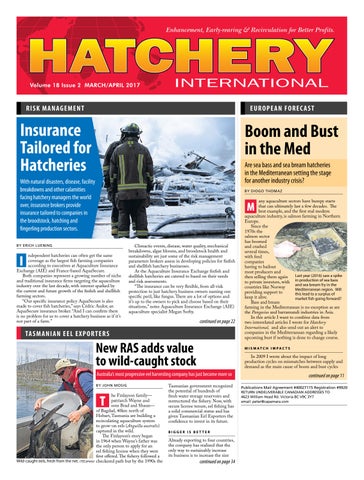
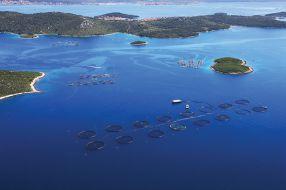
With natural disasters, disease, facility breakdowns and other calamities facing hatchery managers the world over, insurance brokers provide insurance tailored to companies in the broodstock, hatching and fingerling production sectors.
BY ERICH LUENING
Independent hatcheries can often get the same coverage as the largest fish farming companies according to executives at Aquaculture Insurance Exchange (AIE) and France-based AquaSecure.
Both companies represent a growing number of niche and traditional insurance firms targeting the aquaculture industry over the last decade, with interest sparked by the current and future growth of the finfish and shellfish farming sectors.
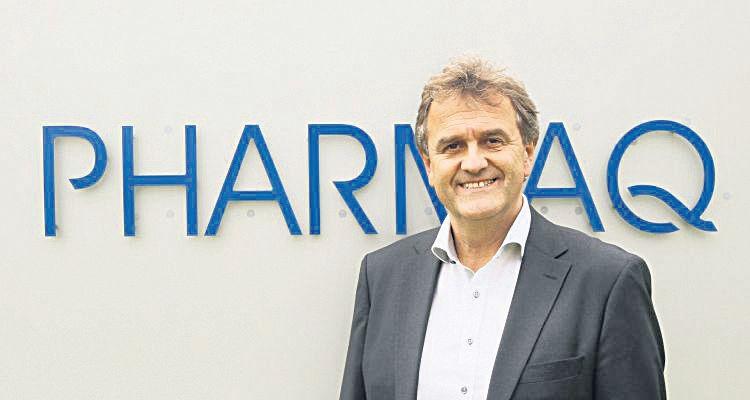
“Our specific insurance policy AquaSecure is also made to cover fish hatcheries,” says Cédric Audor, an AquaSecure insurance broker. “And I can confirm there is no problem for us to cover a hatchery business as if it’s not part of a farm.”
TASMANIAN EEL EXPORTERS
Climactic events, disease, water quality, mechanical breakdowns, algae blooms, and broodstock health and sustainability are just some of the risk management parameters brokers assess in developing policies for finfish and shellfish hatchery businesses.
At the Aquaculture Insurance Exchange finfish and shellfish hatcheries are catered to based on their needs and risk assessments.
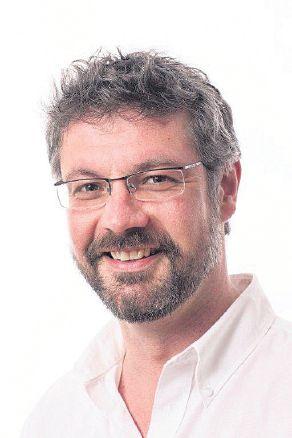
“The insurance can be very flexible, from all-risk protection to just hatchery business owners naming one specific peril, like fungus. There are a lot of options and it’s up to the owners to pick and choose based on their situations,” notes Aquaculture Insurance Exchange (AIE) aquaculture specialist Megan Sorby.
continued on page 22
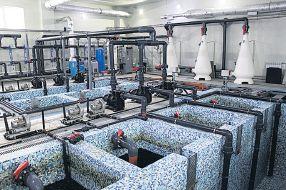
New RAS adds value to wild-caught stock
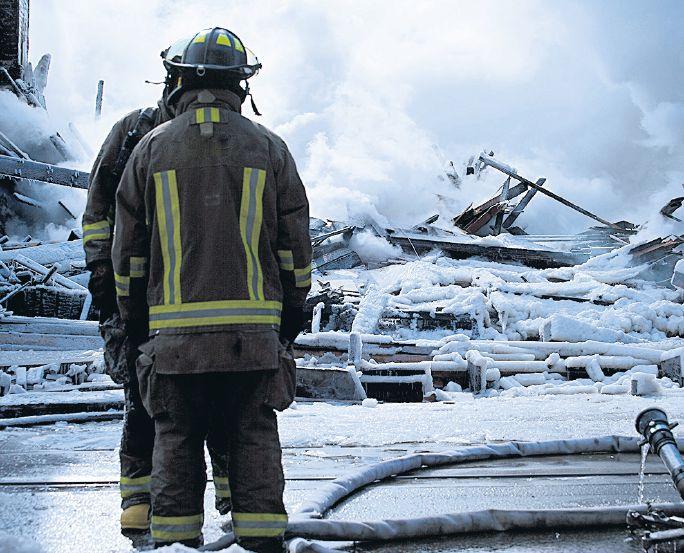
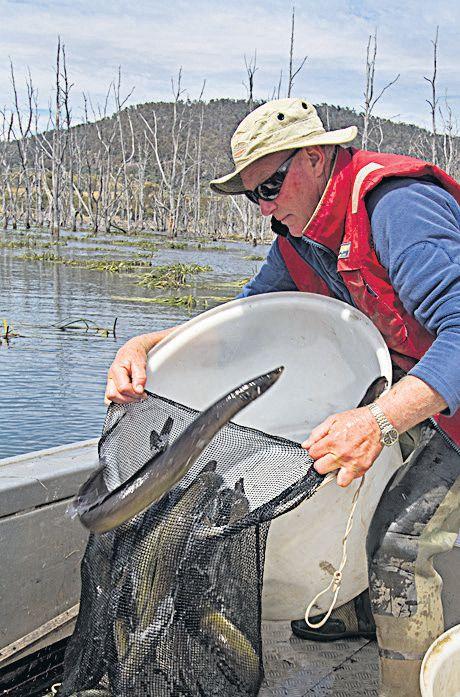
Australia’s most progressive eel harvesting company has just become more so
BY JOHN MOSIG
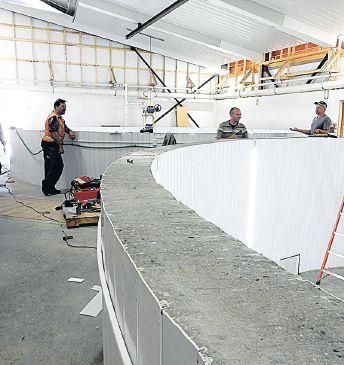
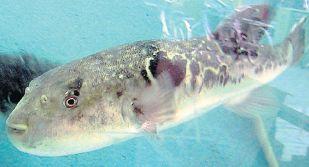
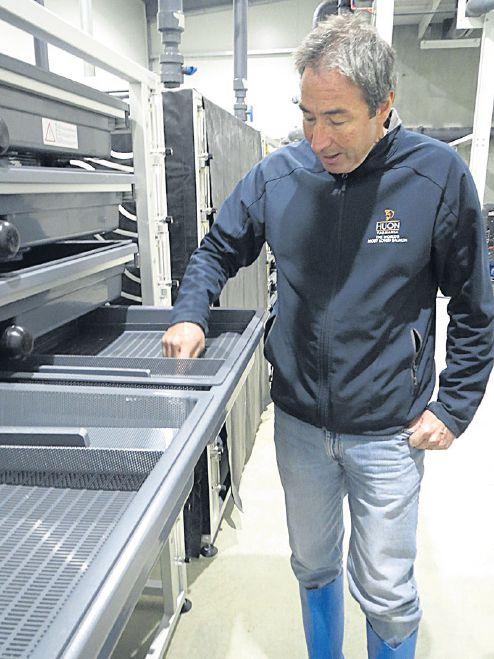
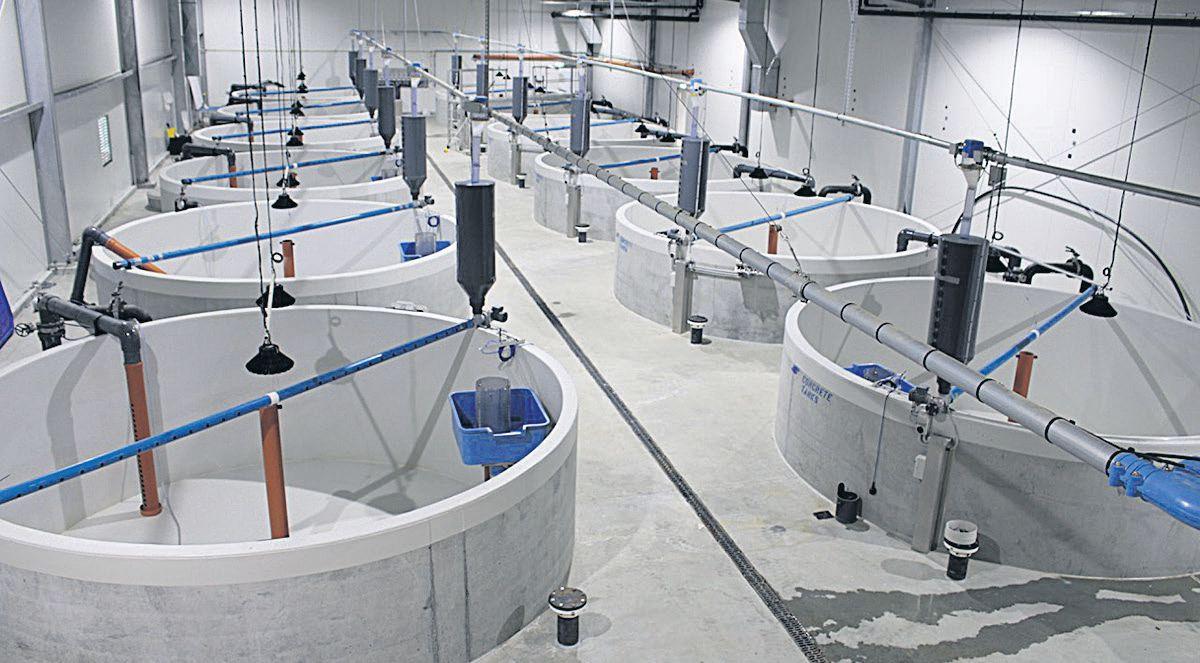
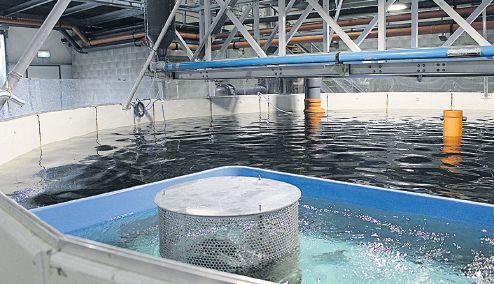
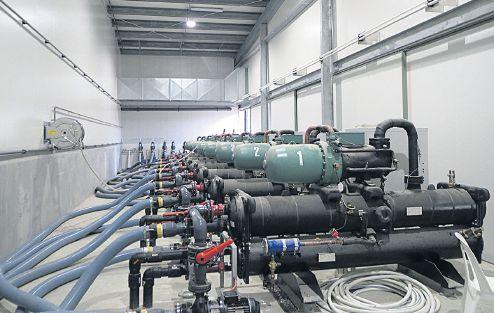
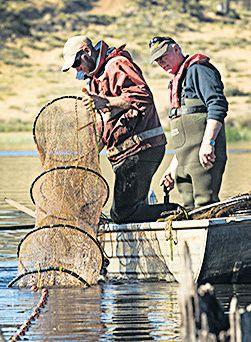
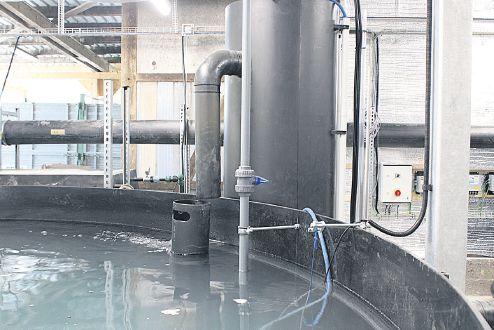
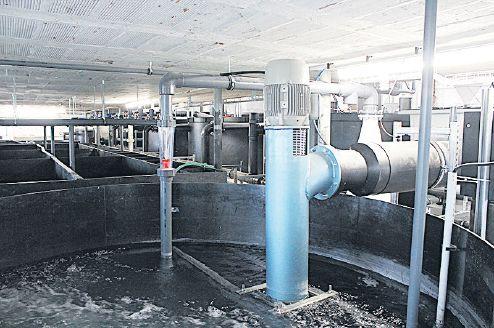
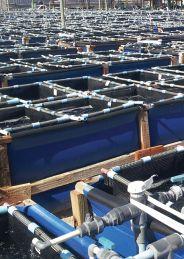
he Finlayson family— patriarch Wayne and sons Brad and Shaun— of Bagdad, 40km north of Hobart, Tasmania are building a recirculating aquaculture system to grow-on eels (Anguilla australis) captured in the wild.
The Finlayson’s story began in 1964 when Wayne’s father was the only person to apply for an eel fishing license when they were first offered. The fishery followed a checkered path but by the 1990s the
Tasmanian government recognized the potential of hundreds of fresh water storage reservoirs and restructured the fishery. Now, with secure license tenure, eel fishing has a solid commercial status and has given Tasmanian Eel Exporters the confidence to invest in its future.
BIGGER IS BETTER
Already exporting to four countries, the company has realized that the only way to sustainably increase its business is to increase the size
Boom and Bust in the Med
Are sea bass and sea bream hatcheries in the Mediterranean setting the stage for another industry crisis?
BY DIOGO THOMAZ
any aquaculture sectors have bumpy starts that can ultimately last a few decades. The best example, and the first real modern aquaculture industry, is salmon farming in Northern Europe.
Since the 1970s the salmon sector has boomed and crashed several times, with feed companies having to bailout most producers and then selling them again to private investors, with countries like Norway providing support to keep it alive.
Last year (2016) saw a spike in production of sea bass and sea bream fry in the Mediterranean region. Will this lead to a surplus of market fish going forward?
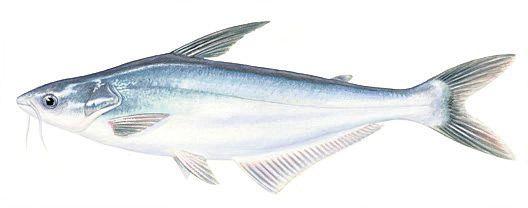
Bass and bream farming in the Mediterranean is no exception as are the Pangasius and barramundi industries in Asia.
In this article I want to combine data from two interrelated articles I wrote for Hatchery International, and also send out an alert to companies in the Mediterranean regarding a likely upcoming bust if nothing is done to change course.
MISMATCH IMPACTS
In 2009 I wrote about the impact of long production cycles on mismatches between supply and demand as the main cause of boom and bust cycles
continued on page 11
Disease and poor health are some of the main constraints for sustainable aquaculture.
MSD Animal Health develops environmentally responsible products to maximize fish survival, growth and production efficiency for the major farmed fish species: salmon, tilapia, trout and other marine species.
Every day, in every corner of the world, progressive fish farmers turn to MSD Animal
Health. They ask about our full range of products for managing the most serious diseases in aquaculture. Even more, they come to us for integrated health solutions to help them become more profitable, competitive and sustainable.
For more details please contact your local MSD Animal Health representative or contact us at aqua@merck.com or visit us at www.aqua.merck-animal-health.com.
NEWS BRIEFS
Volume 18, Issue 2 | MARCH/APRIL 2017
Editor Peter Chettleburgh, peter@capamara.com
Science Editor David Scarratt, scarratt@ns.sympatico.ca
Regular Contributors: Quentin Dodd, Diogo Thomaz, John Nickum, John Mosig, Erich Luening, Philip Nickerson, Matt Jones, Ruby Ganzalez
Advertising Sales Jeremy Thain: International Marketing Manager
Toll Free 1.877.936.2266 (in North America) Int.Tel. +1.250.474.3982
Design & Production James S. Lewis, james@capamara.com
Russian hatchery caught in corruption scandal
Several MPs in the Tyumen Oblast region of Russia have appealed to Russia’s Investigation Committee, asking them to check into irregularities during reconstruction of the Ugra Hatchery in the Khanty-Mansiisk autonomous district.
According to officials, work at the hatchery started in 2008 and was meant to be finished in 2009. However, after nearly eight years it still is not complete.
Publisher, Peter Chettleburgh
Hatchery International is published six times a year by Capamara Communications Inc. The authority for statements and claims made in Hatchery International is the responsibility of the contributors. Reference to named products or technologies does not imply endorsement by the publisher.
A subscription to Hatchery International (six issues) is $35.00us within North America and $45.00us outside North America.
To subscribe visit our website at www.hatcheryinternational.com
Hatchery International, 4623 William Head Road, Victoria, BC. Canada V9C 3Y7 Fax orders to +1.250.478.3979
Printed in Canada. Canadian Publications Mail Products Sales Agreement #1453556
Postage paid at VANCOUVER B.C..
ISSN 1498-136X REGISTRATION NO. 9920
RETURN UNDELIVERABLE CANADIAN
ADDRESSES TO: Hatchery International, CIRCULATION DEPT.
4623 William Head Road, Victoria, BC V9C 3Y7
Next Ad Deadline
The advertising deadline for the May/June issue is March 10th. Don’t miss the opportunity to be part of this exciting aquaculture publication. For more information, or to reserve space in the next issue, call our Advertising Department at +1.250.474.3982 jeremy@capamara.com
Next Editorial Deadline
The editorial deadline for the May/June issue is March 8th Contact the Editor, Peter Chettleburgh at +1.250.478.3973 for details. E-mail to peter@capamara.com. Material should be submitted electronically with prior arrangement with the editor.
In addition, the cost of the project rose from RUB 2 billion (US$63 million) to RUB 3 billion (US$100 million) in 2012. The rise in cost has been attributed to several mistakes that occurred at the design stage. According to the Russian MPs, it is a result of these problems that the facility failed to begin operation and found itself in pre-bankruptcy.
A source in the region said that a criminal investigation could be launched on the accusation that some of the problems are linked to misconduct by individuals and companies involved in the project.
Ugra Hatchery is one of the largest facilities for the production of fingerlings in that part of the country. It is still unclear how or if the corruption scandal may affect its operation.
NOAA finalizes hatcheries plan
The United State’s National Oceanic and Atmospheric Administration (NOAA) recently released a new plan for managing the 62 hatcheries it oversees in the Columbia River Basin in an effort to protect endangered populations of fish within the watershed.
The plan calls for reduced hatchery production in some areas, and a complete halt to using hatchery broodstock from outside the Columbia River.
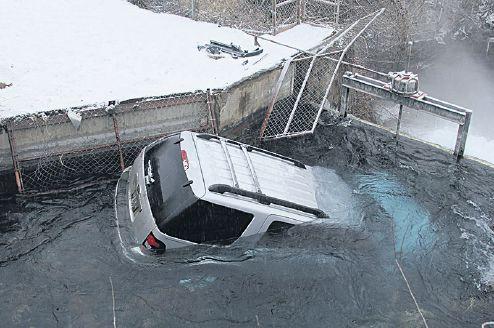
SUV takes swim in hatchery intake
The new year got off to a wet start at Idaho’s Niagara Springs state hatchery when an SUV skidded into the facility’s intake pool.
Fortunately, Idaho Fish and Game hatchery employee Derek Tuttle happened to be adjusting the water at the facility and witnessed the accident.
With some quick thinking, Tuttle was able to rescue the driver before the vehicle sank. No serious injuries were caused to those involved and none to the hatchery’s fish.
The hatchery, located in the town of Wendell, between Twin Falls and Boise, is owned and financed by Idaho Power Co, and operated and staffed by the department, rearing almost two million steelhead smolts a year.
In total, says a summary of the finalized plan, it would reduce hatchery-chinook releases while moving funding into boosting overall coho output.
And the shift is expected to bring with it reduced allowable catches for all sectors, including sports, commercial and tribal fishing across the US’s Pacific Northwest.
Some studies have indicated that hatchery fish can damage depressed wild salmon runs and steelhead populations by competing for food and spawning grounds.
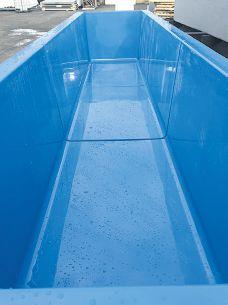
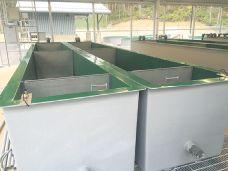
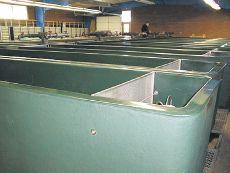
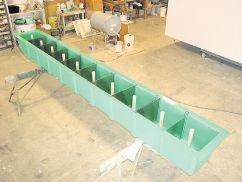
REARING TROUGHS & EGG INCUBATION TROUGHS
We build the highest quality rearing troughs available to hatcheries:
• Smooth inner gelcoat, USDA approved and fish friendly
• Strong, deflection resistant trough design
• Drawings available for all trough sizes
• Custom built rearing troughs available at any size
View our gallery of completed rearing troughs for customers at www.reiffman.com
Call us today with your trough specs! Toll Free 1-800-835-1081 or 509-525-1081
David Reiff at david@reiffman.com
FISH TRANSPORT TANKS
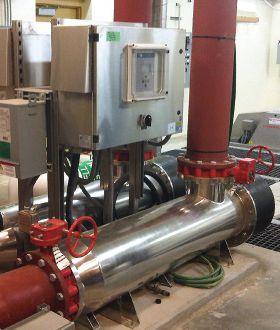
Globally Trusted UV Experience
OPENING SOON
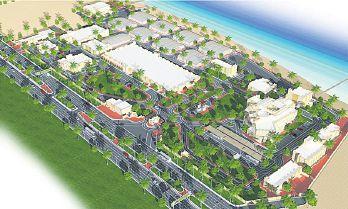
Qatar breeding centre nears completion
A recent report from Qatar notes that more than 90% of the construction work on a new Aquatic Research Centre has now been completed.
The facility is designed to carry out research and assist the state to achieve self-sufficiency in finfish and shrimp production through development of fish farming.
And a statement by the Ministry of Municipality and Environment says that the centre will offer a variety of suitable environments for breeding fish in order to improve Quatar’s food security, as well as protecting natural resources and marine environment.
Expected to become fully operational later in the year, the facility has been projected to cost a total of 230 million Qatari Riyal ($63.1m US) and cover 110,000 square metres on two floors.
Besides laboratories and other facilities, the facility includes 28 administrative offices, two meeting halls, a hall for lectures, a library, and a cafeteria for on-site personnel. The new centre also includes a large hatchery.
We build the highest quality Fish Transports available:
• Smooth inner gelcoat, USDA approved and fish friendly
Proven bio-security; over 35 years, 380 installations, more than 740 million gallons per day
• Strong, 3/16" aluminum interior and 3/16" fiberglass exterior.
Lifetime Disinfection Performance Guarantee
• Removable bulkhead fittings; threaded or bolt-on available
• Large hatch openings for easy access
Aquafine Genuine parts program provides this peace of mind
• All SS hardware for long life, including SS toggle clamps
Long-term Industry Commitment
View our gallery of completed fish transport tanks at www.reiffman.com
Collaboratively advancing UV research in aquaculture aquafineuv.com
Call us today with your requirements! Toll Free 1-800-835-1081 or 509-525-1081
David Reiff at david@reiffman.com
The statement says it has extra space in order to produce up to 10 million juvenile fish a year.
Climate change alters breeding pattern
One of Alaska’s most abundant freshwater fish species has altered its breeding patterns in response to climate change, according to a new study by researchers at the University of Washington.
Listening
THE DIFFERENCE
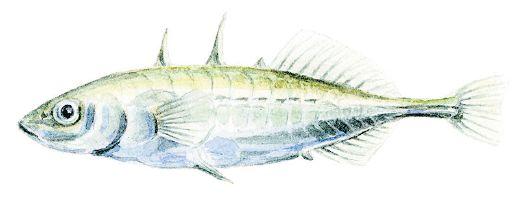
Three-spine stickleback.
The researchers suggest that this could impact the ecology of northern lakes in Alaska, which are already starting to display acute signs related to the effects of a changing climate.
The finding, published in Global Change Biology, analyzed reproductive patterns of three-spine stickleback fish over half a century in Alaska’s Bristol Bay region.
The data showed that the stickleback breed earlier and more often each season in response to earlier spring ice-breakup and longer summers prior to freeze-up.
The report says the study is the first to document multiple breeding cycles for fish in a single season owing to climate change.
Basa in Jamaica
The Algix Fisheries and Hatchery company in Jamaica recently announced that its research team has successfully bred Pangasius (basa) in substantial quantities.
This, notes a report from the region, makes Jamaica the first country in the Caribbean to produce the fish in commercial quantities.
Algix noted that it will be expanding production in order to address local and export markets.
RICK KARNEY
BY ERICH LUENING
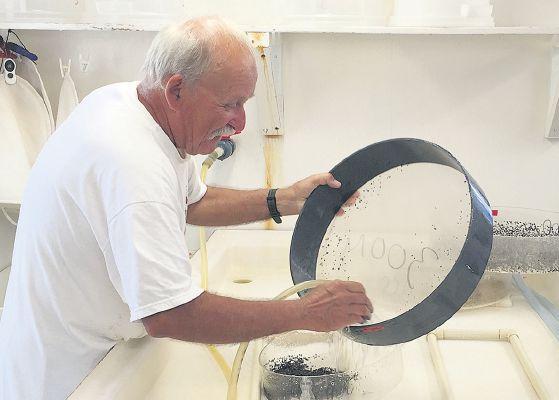
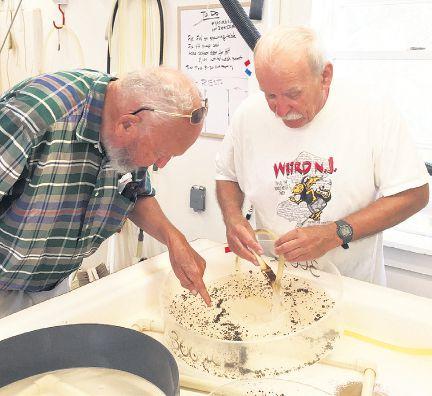
ver since he was a young boy exploring the flood plain of a brook near his childhood home in New Jersey shellfish biologist Rick Karney has always been fascinated by the natural world around him.
“I spent a lot of time in those woods and brook,” Karney told Hatchery International. “Sadly when I was 10 they built Interstate 287 right on the other side of the brook, straightened the brook and took out most of the woods. Paradise lost. That loss still feeds my passion to protect the natural environment.”
The United States-based director of the Martha’s Vineyard Shellfish Group (MVSG) is stepping down after four decades of founding, developing and fostering the shellfish aquaculture business in waters around Martha’s Vineyard, a small island off Cape Cod, Massachusetts.
“My father had a boat and the family spent weekends at a lake or at Barnegat Bay on the edge of the Jersey Pine Barrens where I got to catch and observe lots of marine organisms. At one point when I was older, I watched a documentary about an ecologist and remember deciding that was exactly what I wanted to do.”
He then led a life where he helped shape shellfish aquaculture in Massachusetts and beyond.
At 66 Karney has retired as director, handing over most of his responsibilities to his longtime assistants, shellfish biologist Amandine Surier and Emma Green-Beach, who will manage the hatchery operations the group manages around the island, including the solar shellfish hatchery he helped build over forty years ago.
Karney came to the Vineyard from Virginia in the 1970s as a young shellfish biologist, hired by the late Michael Wild who was the coastal planner for the Martha’s Vineyard Commission. Wild wanted Karney to assist shellfish constables in the six Island towns. At the time there was no regional program, no hatchery and aquaculture was a novel idea in a place where wild shellfish were abundant, the water unpolluted, and the surrounding land sparsely developed.
“There was no hatchery on the Island when I arrived in 1976,” he explained. “My first job out of college in 1973 was at an experimental shellfish hatchery at a field station at the Virginia Institute of Marine Science in Wachapreague on the Eastern Shore of Virginia.”
It was there he said he first learned hatchery design and culture techniques.
“I’m sure one of the reasons I was hired on the Vineyard was because of my hatchery training. It was clear that my governing board wanted me to begin a shellfish hatchery on the Island,” he said.
Prior to his arrival, the town of Tisbury had been given a parcel of land on Lagoon Pond as conservation land and there were some small tanks set up in one of the outbuildings where a 4-H marine biology club met,” he said, referring to the non-profit national youth development program.
“I used that cinder block building to experiment with trying to spawn some shellfish and by 1978 we built the small pilot hatchery where we produced our first seed shellfish,” he explained. “The solar hatchery was built in 1980.”
It was the first public solar hatchery in the country.
INTERNATIONAL EFFORTS
His bonafides and expertise over the years went far beyond the island’s aquaculture industry and many people in the industry, locally and internationally, also consider him a colleague, mentor, and friend.
“Well, it’s interesting. He is one of those people who acts locally and thinks globally,” Woods Hole Oceanographic Institute’s visiting scientist Scott Lindell told Hatchery International. “By that philosophy he has done a great service to the island in jump-starting the shellfish industry out there. He has always been active in state and national organizations and a mentor for young biologists and those who work summers in marine science.”
Lindell travelled with Karney to Mexico for Aquaculture without Frontiers (AwF), the non-profit NGO that promotes and supports sustainable aquaculture through improving rural livelihoods in developing and transition countries.
But it was their work together closer to home that brought the two aquaculture biologists to a greater understanding of the difficulties local aquaculture entrepreneurs have just getting started in the industry.
Karney led an effort to develop several locations around Martha’s Vineyard for offshore shellfish aquaculture projects. They were the first offshore aquaculture requests for permits in Massachusetts state waters, which began
a huge march through the state and federal permitting process.
After it was all said and done, Karney’s path is now in place for shellfish farmers to follow, making it easier for them to get through that complex phase of starting a new seaweed or shellfish farm around the island. A number of blue mussel and sugar kelp pilot projects have blossomed from his efforts.
“He and I became blood brothers going through the permitting process for the offshore mussel sites. He did a memorable narrative for getting through the permitting process,” Lindell said. “It made it much easier for others to follow.”
Karney also humbly touts the pioneering hatchery methods he and his team devised with bay scallops. Now he’s focused on slowing down and stepping aside. His official title will be MVSG director emeritus.
“Presently I’m semi-retired and plan to work about half-time with the shellfish group, helping out where needed and maybe at some point pursuing some individual projects,” he explained. “All in all I’m really happy that my career evolved as it did and can’t think of anything I would have changed. I have been very lucky to work in a field I love, provided by my Board with lots of freedom to pursue my various interests... and all the while doing what I always felt was a meaningful mission."
Martha's Vineyard Shellfish Group after four decades of
around Martha’s Vineyard, a small island off Cape
Troutlodge Isle of Man
Between its two farms on the Isle of Man, Troutlodge produces 50-60 million eyed rainbow trout eggs for delivery to customers worldwide.
BY KEITH DRYNAN
Troutlodge’s European Rainbow trout egg production sites lie within the British Isles on the independently governed Isle of Man. The island’s status is that of a self-governing Crown dependency, but via the UK’s current membership in the EU it is considered part of the customs territory of the European Union, facilitating trade and stock movements.
Although the island is small, 32 miles long and 14 wide, Troutlodge operates two farms on the island. The main incubation centre and broodstock farm called Glen Wyllin is on the scenic west coast at Kirk Michael and has been in operation under various monikers since 1947.
The other farm, Cornaa, which is a government-owned facility close to the northern town of Ramsey, produces a spawning crop which is then reconditioned and used to restock around 23 tonnes for angling purposes in the reservoirs around the island, an arrangement operated under a cooperative agreement with the Isle of Man Government’s Department of Environment, Food and Agriculture.
HATCHERY INVESTMENT
The Glen Wyllin farm was subject to a considerable investment over the past few years, including photoperiod systems for advanced and delayed spawning along with ongrowing of subsequent year classes.
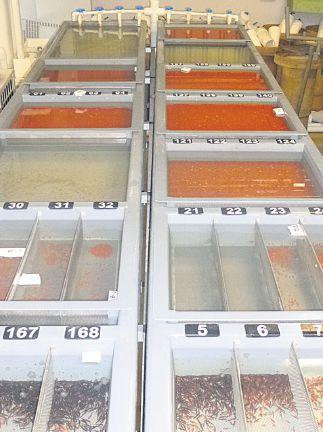
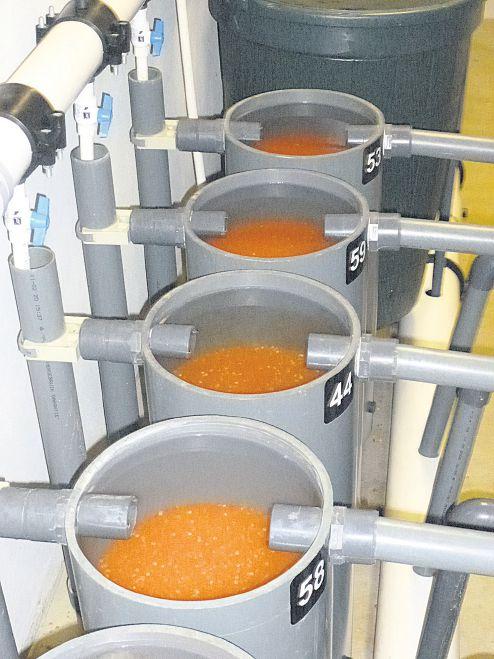
The showpiece of the farm is the egg incubation facility, consisting of five independent recirculation units designed by TMC. These provide the flexibility to hold large batches of eggs at the same temperature profile whilst providing multiple incubation strategies which can be utilized to meet customer requirements. A record keeping system which was designed in house also provides the traceability requested by customers involved in chain of custody assurance schemes. It allows for analysis of criteria such as yields in each batch, and contrasting survivals through the triploidy process
boxes.
Isle of
Below
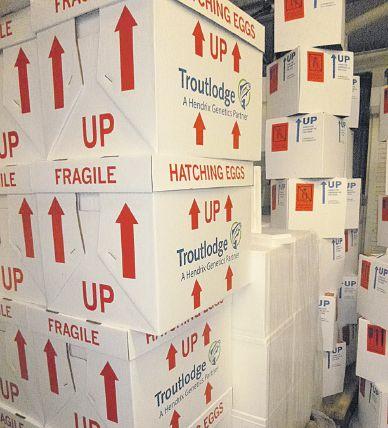
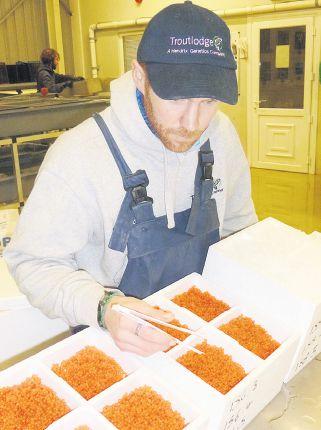
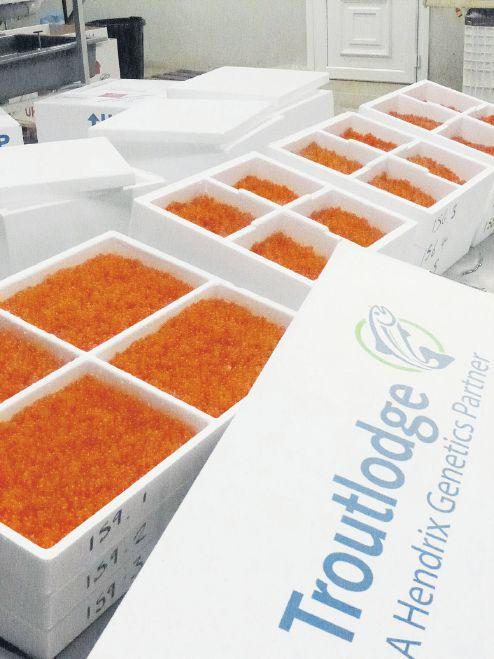
Tim Knighton, newly appointed production manager for IOM facilities, picks eggs prior to shipment. Below centre: Shipping day: Between the two farms 50-60 million eyed eggs are produced from October to April each year.
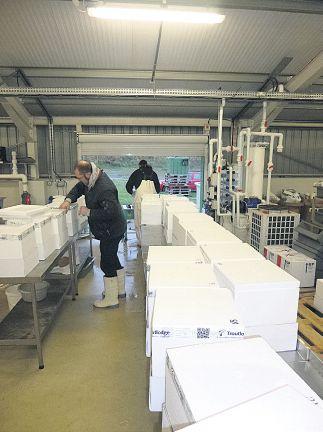
Above left: Gordon Hindle (left), and Jasper Hook Hultgren sorting fish. Above right:Troutlodge shipping
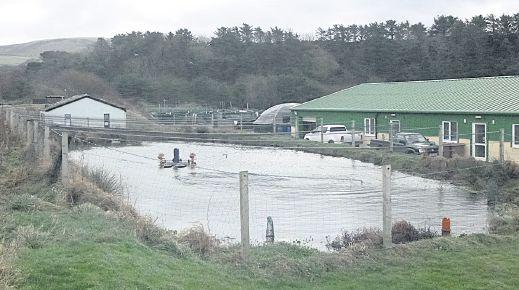
Right: Troutlodge hatchery on
Man.
left:
WEEKLY BROODSTOCK SORT
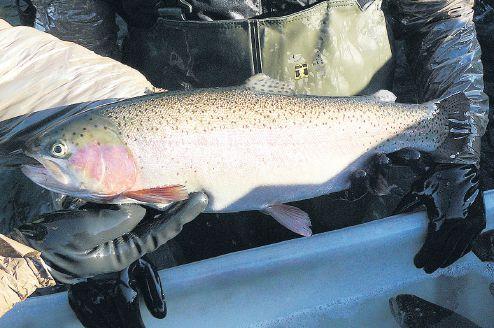
Sorting all the broodstock to test for ovulation on a weekly basis is a labour intensive task, but this allows for spawning in one or two batches to make best use of available staff from the small team, as well as bringing eggs into the hatchery in fewer, larger batches. These are then incubated discretely to produce significant numbers on synchronized degree day development for customers’ convenience.
Each batch of eggs is incubated undisturbed until visibly eyed. At around 200 degree days shocking is undertaken prior to sorting through Winsorters, after which eggs undergo a proprietary process to remove pale and poorly developing eggs. Improved quality control measures after this stage (random counts within the batches and reprocessing where necessary) as well as the retention of a quality control sample for hatching checks are all important parts of the process.
Between the two farms 50-60 million eyed eggs are produced from October to April each year, with increasing effort on photoperiod to extend and balance the supply.
WORLDWIDE DISTRIBUTION
Eggs are distributed from the island to a worldwide customer base, so the freighting and logistics system are subject to a great deal of focus and effort. Provision of correct documentation to allow for smooth customs clearance at the recipient border is essential, and the company has been aided in providing these by the local government Agriculture office which provides and validates health certificates. Shipments are monitored at critical flight changes by the freight provider, TQ Express, which is based in Manchester. Customers are kept upto-date with progress and have e-copies of documents in advance of arrival of goods.
Shipping freight off of a small island may be challenging at times, but is compensated for by the exceptional health status enjoyed here. The Island lies within its own zone and is approved by the EU as free of IHN, VHS, IPN, BKD, SVC and Gyrodactylus salaris To support the pathogen-free status both farms undergo surveillance testing twice per year which is undertaken by CEFAS (Centre for Environment Fisheries and Aquaculture Science – a UK Government agency) on behalf of the Isle of Man Government.
ELITE TROUT EGGS
The farms saw two major steps forward in the season which stretched between 2015 and 2016. Firstly, in December 2015, the island sites took delivery of a shipment of elite Troutlodge rainbow trout eggs from the breeding programme in the United States. This stock movement was negotiated with the Isle of Man authorities, and the imported stock was hatched and grown under strict quarantine conditions until the fry were large enough to undergo disease testing. On receipt of a clean bill of health the fry were placed within the wider farm and mark the first step in standardizing the genetic material supplied from these sites with Troutlodge in the US.
The other development was that after almost a year spent committing operating procedures to paper (or word files), reviewing record keeping, production plans and training, as well as preparing policies and protocols, the company achieved GlobalGAP accreditation for all farm base and aquaculture base – finfish, in February of 2016. As an initial assessment this represents a significant change in operations, but one which provides a significant basis for the company to continue to develop on.
With logistics and production improvements in hand as outlined above, ongoing product development is driven by the research and selection work undertaken in the United States. This itself now has deeper support as Troutlodge is part of Hendrix Genetics’ Aquaculture business unit which also includes Landcatch in the UK (Atlantic salmon egg and juvenile producer), and Hendrix Genetics Aquaculture SA in Chile (Atlantic salmon and Rainbow trout egg and juvenile producer).
Each batch of eggs is incubated undisturbed until visibly eyed. At around 200 degree days shocking is undertaken prior to sorting through Winsorters (below right). After sorting, eggs undergo a proprietary process to remove pale and poorly developing eggs. Eggs in insulated shipping boxes (above right) are distributed from the island to a worldwide customer base.
by Design
UV LAMP TECHNOLOGY
23 Years Strong
Electro polished 316 stainless steel or Polypropylene Materials of Construction
Barrel or open channel gravity
High E ciency Lamp Driver saves Energy
Touch Screen User Interface
16,000 hour Lamp Life
WMT accepts water samples to test for transmissivity
Keith Drynan was formerly General Manager, Troutlodge, Isle of Man, and has recently been appointed General Manager of Trout Lodge Inc.
Skretting is a global leader in providing innovative and sustainable nutritional solutions for the aquaculture industry. We deliver outstanding feeds & services worldwide for the sustainable production of healthy and delicious fish and shrimp.
Skretting’s innovative nutritional programme for shrimp include a broodstock diet which provides specific nutrition and biosecurity for egg and nauplii production as well as a high quality starter diet which is designed to offer advanced larval and post-larval nutrition.
Both diets contain a unique innovative marine algal blend and are produced with a low temperature sophisticated technology which ensures maximal nutrient availability, freshness and stability. They also include a immunity pack which helps to shield the shrimp from environmental impacts.
Maximum vitality for offspring
Vitalis 2.5 is an innovative feed for shrimp broodstock which provides specific nutrition and biosecurity for egg and nauplii production.
Vitalis 2.5 is a highly digestible and stable, low temperature extruded pellet formulated with high end marine proteins, algae and micronutrients.
PL is our high quality shrimp starter diet designed to offer advanced nutrition to shrimp hatcheries.
PL , with its unique innovative marine algal blend, is produced with a sophisticated technology utilising low temperatures to ensure maximal nutrient availability, freshness and stability.
Hatchery found in violation of Clean Water Act
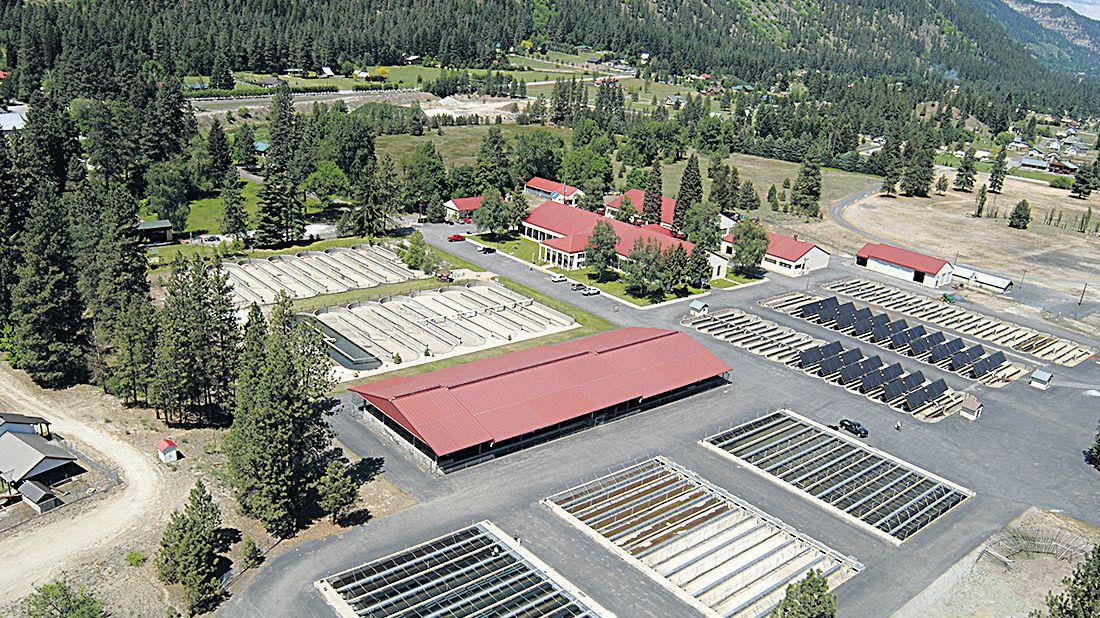
The Leavenworth National Fish Hatchery in Washington state is violating the US’s Clean Water Act by operating without a current pollution discharge permit, according to a US District Court ruling handed down early in January. Water from the hatchery run by the US Fish and Wildlife Services (USFWS) is released into Icicle Creek, a tributary of the Wenatchee River draining part of the Alpine Lake Wilderness. The discharges may include fish food, fecal matter, chemicals, antibiotics and other pollutants.
The hatchery, one of the largest in the world when it was built in 1940, and now part of three-facility complex near Leavenworth, has apparently been operating without the required permit since 1979.
The lawsuit against the USFWS and the hatchery was filed in 2015 by the Wild Fish Conservancy and the Center for Environmental Law & Policy after learning that although the hatchery had a discharge permit in the 1970s, it had expired. Draft discharge permits issued by the Environmental Protection Agency (EPA), including one in December, were apparently never finalized. The most recent draft, now open for public comment, is an 89-page document that places restrictions on the types and amounts of discharges.
Kurt Beardslee, executive director of the Wild Fish Conservancy, stated in a news report, that there are particular concerns - especially during low water flows - with phosphorus pollution that can fuel algae growth, lowering oxygen levels for the fish in Icicle Creek. He acknowledged that the draft permit is “a step in the right direction.”
Dan Von Seggern, a staff attorney for the Center for Environmental Law & Policy, was reported as saying that the hatchery, which raises some 1.2million fish a year, is suffering from decades of deferred maintenance and is in need of “serious upgrades.”
The USFWS received the judge’s ruling and as Hatchery International was going to press, was reviewing the findings.
Hatcheries to play a role in mitigating effects of climate change on fisheries
Anews item from the southeast Indian port of Kochi reports on the call for the establishment of fish sanctuaries for the improvement of natural stocks and a common-access gene bank for species vulnerable to climate change.
To mitigate the effects of climate change a number of recommendations were made, including developing collaborative and comprehensive efforts to address climate-change vulnerabilities.
In addition to the sanctuaries and gene banks, another recommendation is the introduction of saline temperature-tolerant and fast-growing fish species for coastal aquaculture, to be achieved with the aid of hatcheries and selective breeding of natural stocks shown to have these characteristics.
The recommendations were made after India’s Central Marine Fisheries Research Institute (CMFRI) submitted its Country Status Report (CSR). The Indian Council of Agricultural Research institute, (ICAR) the leading fish research body in the country, presented the report at a meeting between the South Asian Association for Regional Cooperation (SAARC) Agriculture Centre (SAC) and representatives from the SAARC nations.
Leavenworth National Fish Hatchery. (Photo:USFWS).
Floods and waste pits could mean trouble for hatchery
aurent Frisson, the manager of the Quinsam Salmon Hatchery in Campbell River, BC on Canada’s west coast is worried that the hatchery and its production are headed into troubled times.
More than two years ago BC Hydro utility had to release a huge inflow of melted snow from reservoirs above the short but productive Campbell River. And though the precise impact won’t be known until the 2018 salmon returns, large numbers of the river’s chinook redds and their gravel and eggs were swept out into the ocean.
Frisson acknowledges though that this is not the end of his concerns about the facility, which also produces coho and pink salmon, as well as some cutthroat trout.
Frisson said he’s been receiving conflicting reports from the federal Department of Fisheries and Oceans (DFO), which owns and runs the hatchery, regarding Campbell River’s Uplands Excavating Ltd plans to install plastic-lined gravel pits above the hatchery to receive and dispose of construction waste and other material not classified as toxic or hazardous to humans.
The pits would be upslope and possibly upstream of both the community’s drinkingwater intake system and the hatchery’s vital Cold Creek water source. Cold Creek is a vital part of the hatchery program, never varying more than fractionally in its temperature year-round.
What is troubling to some observers is that one of the salmon-farming companies in the region may want to dispose of its ocean-pen copper nets in the gravel pits, rather than having them taken out of province for disposal.
Frisson notes that copper has long been recognized as toxic to salmon, especially pinks and conflicting opinions regarding the affects copper leaching could have on the community’s drinking water and hatchery are only contributing to his concern.
Frisson is not alone. A deep-seated opposition to the project is evolving as residents start to wonder about the adverse affects of the disposal pits, not only on their drinking water but their much-beloved Quinsam hatchery. The hatchery has a long historical relationship with the community and the area’s Tyee Club, because of Campbell River’s big Pacific chinook which have drawn fishermen from all over the world and on which the city has based much of its identity.
- Quentin Dodd
RESTOCKING
UK power firm commits £750,000 to new salmon hatchery
he UK energy supplier, Scottish and Southern Energy Plc (SSE), recently completed a £750,000 salmon hatchery investment in Scotland to honour its commitment to ensure that its hydro schemes don’t result in the reduction of local wild salmon stocks.
The company’s new hatchery, which is located at Contin in Easter Ross, is equipped to accommodate three million eggs at a time, all of which are taken from wild salmon females which are caught in the company’s fish traps, sited close to hydro dams.
The eggs are then fertilised with sperm from males which are also caught in the traps. Fertilised eggs are taken to the Contin hatchery for holding until they’re ready for transfer in the spring to carefully prepared river-bed sites.
The trapping and hatchery ‘detour’ is necessary to address the fact that hydro schemes, first built in the River Conon area 60 years ago, effectively destroyed traditional spawning beds in upriver tributaries.
According to an Act of the UK Parliament, dating from 1943, the various power companies operating the relevant hydro schemes over the years have been required to ‘avoid, as much as possible, injury to fisheries and to stocks of fish in any waters affected by hydro developments.
As such, a hatchery system was first put in place at least 50 years ago by the power companies which originally built and ran the hydro network. The new hatchery, now owned by SSE, is therefore the latest modernisation of a very longstanding ‘helping-hand’ for the area’s wild salmon.
“We have a legal and, I would say, moral obligation to look after the salmon here as their natural spawning grounds were affected by dams we put in the 1950s,” said SSE’s Marine Biologist Alastair Stephen, adding that salmon are an iconic part of the Scottish wildlife, bringing huge socio and economic benefits to the area.
“That’s why SSE has invested so heavily in the new hatchery building, replacing the former unit which was getting past its sell-by date.”
SSE sees the new hatchery as a way to help ensure that eggs from between 1,000 and 1,500 salmon can be successfully incubated each year.
- Colin Ley
Quinsam Salmon Hatchery.
Staff remove fish from one of the SSE salmon traps.
Boom and Bust in the Med
continued from cover
in the industry. Later, in 2012, I discussed the dilemma of fry producers between cooperating amongst themselves (and optimizing industry value) or not (and looking only at their immediate gains) and on the impact that these strategic options can have on the value of the whole industry.
Last year (2016) was a peak year in terms of bass and bream fry production in the Mediterranean and with the 18-month production cycle of these species, in 2017 we will start to see large volumes of these species available in the market. But other factors affect this picture and we don’t yet know how they will play out…
INCREASING SUPPLY
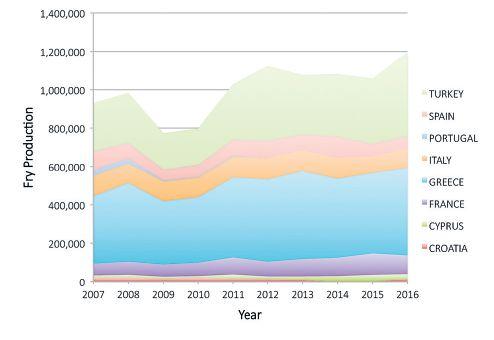
Figure 1 shows bass and bream fry production in the Mediterranean. As we can see, after the production of close to 1 billion fry that led to the 2009/2010 industry bust, since 2011 production volumes have again increased to the 1 billion (1B) fry level and in 2016 they reached almost 1.2B fry.
However, fry supply by itself is not the only predictor of the supply of market-sized fish. In the last 3-4 years pathological conditions in various parts of the Mediterranean as well as weather-related losses have increased overall mortality from fry to harvest. It is not easy to put numbers on this but I believe that overall seabass mortality must be between 40-50% and for sea-bream this value is between 25-35%. These numbers have been going up steadily but over the last 12 months, owing to a soft winter and summer, these values may have come down a bit.
When 30% of the 1B fry stocked die before harvest this means that from the potential supply of 400,000 tons of bass and bream we get less than 300,000 tons. In the last year, where 1.2B fry were stocked, if average mortality comes down by, let’s say, 10%, we will get 430,000 tons of fish produced in 2017. The numbers are a bit stretched but the likelihood is that we will have a significant increase, perhaps greater than 30%, in the biomass of fish harvested in 2017, compared to 2016.
OTHER FACTORS
Italy is a key country in the bass and bream industry, not so much because of supply but mainly because of its impact on demand. Italians eat and trade close to 50% of the Greek bass and bream production and a smaller but growing fraction of Turkey’s production was well. With an economic crisis looming and the weak status of major Italian banks there is a real risk that the global demand for bass and bream will go down in the near future. Some Greek producers I talked too already see a reduction in demand from long-time Italian customers and payments have been taking longer and longer to be settled…
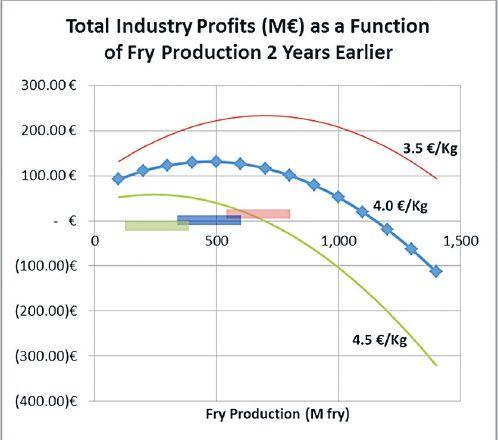
In the article I wrote about the fry producer’s dilemma there was a simulation that attempted to predict the value of the bass and bream industry as a function of total annual fry production and of average production costs. (The results are shown in Figure 2). What is worrying is that fry production volumes today are close to the right side of the x axis in the graph and average production costs, owing to increases in mortality, are also becoming very close to the green line on the graph, in many farms exceeding the 4.5€/kg (a reminder also that this is a luxury product with a limited market).
CAN WE DO SOMETHING ABOUT IT?
The industry is again, as they say, between a rock and a hard place. If a harsh winter leads to high mortalities, supply in 2017 may not be as high as forecast, but costs of production will go up. The fry are already in the sea and eating food, every day.
Sales and Marketing departments in the larger companies have been improving and the size of the bass and bream market has been growing but at a relatively
1 - Fry production
slow pace. These high-value species remain traditional culinary prizes of Southern European kitchens even if the potential is there for other, richer markets.
Consolidation of the industry continues and this is also good. In Spain Culmarex now produces over 50% of the national volume. In Greece Selonda got Dias and there is activity for further consolidation that may lead to a giant company made up of Selonda plus Nireus. In Turkey the number of companies has been coming down through consolidation and we now have a few large or very large players in the country.
There is a risk, however, that this potential oligopoly shoots itself in the foot by focusing only on marketshare without valuing profits enough. If there are no internal regulatory mechanisms, such as the Fry Council I proposed early in 2009 or other ways to regulate supply, the industry will become a victim of its own ambition… Today in the salmon industry we have reduced sales points, very high industry consolidation and mechanisms that limit production; the result is that for the last few years the price of farmed salmon has more than compensated farmers for the harsh conditions they work in!
Figure 2 - Using historical market and industry data we can calculate the relationship between total bass and bream fry production and the overall profits generated by the industry. We need to make an assumption about the cost for production and here I show profit curves for costs of 3.5, 4.0 and 4.5€/Kg. We see that in all cases profits go up to an optimal point but as fry numbers continue increasing profits turn downwards and become losses. Optimal fry production for costs of 3.5, 4.0 and 4.5€/Kg are respectively 650-700M fry, 400-550M fry and 200-400M fry. In all cases fry production today has gone clearly above these values and if the real costs are closer to the 4.5€/Kg then this industry has become loss-making.
Diogo Thomaz, PhD, MBA, is a Technical and Business Consultant for the aquaculture industry based in Athens, Greece. After 15 years as R&D project manager and other industry positions he now leads Aquanetix (www.aquanetix.co.uk), a data management and reporting service for the global aquaculture industry. He also heads RealSales Ltd (www.realsales.eu) a sales consultancy company that helps businesses expand their opportunities in export markets. He can be contacted by email on diogo@aquanetix.co.uk
Figure
in the Mediterranean. Data between 2007 and 2015 comes from FEAP and data for 2016 was supplied by an industry expert (P. Pavlidou).
Genomic tool will select best trout for the environment
BY ERICH LUENING
Researchers in Denmark from both the academic and business trout breeding sectors are developing a genomic tool that will help breeders select fish with traits best suited to specific production environments.
Denmark’s Aarhus University and AquaSearch Farm ApS are working together to develop a breeding tool that makes it possible to select the fish with the best traits for a given production environment without having to test them in the environment first, the university researchers explained.
Researchers believe that a DNA sample can reveal which parent fish will have optimal traits in a given production environment. Those fish will be used in breeding to develop stock adapted to the different environmental conditions that exist in different countries around the world, like Chile and Peru, where some environmental parameters are different than in Europe.
By establishing reference populations at foreign producers, AquaSearch and Aarhus University intend to compare the traits of trout in the production and breeding environment across borders using DNA markers.
Through that effort researchers hope to select the most suitable eggs for an individual producer.
With genomic selection, the researchers will take tissue samples of fish in different countries around the world and determine the relationship between their production characteristics and their DNA, according to
Aarhus University documents on the program.
“When we know the link between the DNA and the traits, we can develop a model that allows us to identify the breeding fish with the DNA profiles that are best suited for different production environments,” Kristian Meier from AquaSearch farm ApS stated in a post on the project’s website.
Over the coming months researchers intend to compare the traits of trout in the production and breeding environment at locations in South America and Europe using DNA markers. In this way, they
hope to select the most suitable eggs for the individual producer.
The genomic breeding project for rainbow trout breeders is a collaboration between the Center for Quantitative Genetics and Genomics (QGG), Department of Molecular Biology and Genetics at Aarhus University in Denmark and the company AquaSearch Farm Aps. The project is co-financed by the Green Development and Demonstration Programme (GUDP) with a grant of DKK 6.4 million over a four-year period.
SHRIMP
The researchers believe that a DNA sample can reveal which parent fish will have optimal traits for a given production environment. These fish would then be used in breeding to develop stock adapted to the different environmental conditions that exist in different countries around the world.
Several hatcheries in Russia remain frozen at construction stage
t least two projects for the construction of hatcheries have been frozen in Southern Russia owing to the economic crisis. These include Baltisky Bereg, a facility pegged to rear sharptooth catfish, and Caviar Kuban for breeding sturgeon.
Construction was stopped at Baltisky Bereg in 2015 with the main problem identified as a lack of quality feed in the region. Construction was to re-start in 2016, however, last year there was no any progress on the project and it remained completely frozen.
Caviar Kuban faced different problems, principally financial as before construction was complete the budget was exhausted. The company has started to look for new investment but it seems to have been unsuccessful as the project still remains frozen and prospects for its future remain unclear.
Aquaculture centre proposed for Grimsby, England
onsideration is being given to the establishment of a new National Aquaculture Centre at the Humber Seafood Institute in Grimsby, England. The centre would be a useful instrument bringing together academic knowledge and ability, technical know-how and experience, and knowledge of the supply-chain field.
Clifford Spencer, chief executive of the Global Biotechnology Transfer Foundation, is reported to be spearheading the project. Conceptually, he is reported as saying, the center would focus on studying and then promoting “the entire value chain of fish and shellfish farming, from breeding and physical production techniques to transport and marketing.”
Yorkshire’s Hull University has agreed to be the centre’s “official academic partner.” Apparently meetings have been held with the university’s Institute of Estuarine and Coastal Studies and the nearby Hull International Fisheries Institute.”
Innovation in fish breeding, culture and management boosts production
Self-sufficiency within two years is the goal of Bangladesh authorities who have announced plans to significantly boost the country’s fish production.
Achieving this goal depends heavily on boosting hatchery production of various species popular in the region, explained fisheries minister Sayedul Haq during the opening of a two-day workshop on fisheries research planning, held by the Bangladesh Fisheries Research Institute (BFRI) last year.
Experts and officials attending the workshop were quoted as crediting the present successful rate of production to the innovation and the implementation of advanced technology on fish breeding, culture and management; and in this regard, the Department of Fisheries was particularly praised for its ongoing efforts to encourage farmers to make broad use of new and emerging technology.
Ultraviolet water treatment for fresh and salt water for Aquaculture, Pisciculture, Aquariums and Fish ponds
BANGLADESH
Purchase of inland hatchery to help revive oyster industry in the Gulf of Mexico
An article about the role the Mississippi inland hatchery, AquaGreen, played in the restoration of the gulf oyster industry appeared in the last (Jan/Feb 2017) issue of Hatchery International. Since then the University of Mississippi has announced plans to purchase the facility.
sing $7.7 million of BP compensation money from the US Treasury the University of Southern Mississippi (USM) is buying the 47 acres and 10 aquaculture buildings of the Aqua Green aquaculture company in Perkinston, 40 miles from the Mississippi coast.
The money is designated for the Oyster Restoration and Resiliency Council, adding to the $3million provided by the Mississippi Legislature.
Dr Gordon Cannon, USM’s vice-president of research, said the program will sell sizeable quantities of oyster larvae to the region’s commercial oyster farmers, with the goal of reviving Mississippi’s battered oyster industry.
Cannon noted that Walter Boassa, AquaGreen company president, saw an opportunity after the BP oil spill to sell his operation to USM for a new oyster hatchery he could then operate.
The state oyster council recommended in 2015 that the Aqua Green site be purchased and used for the project but the university decided to take about a year to research various aspects and ensure the viability of the program.
The university acquired the facility for $7.7million.
Cannon said it’s expected it will cost more than $2million a year to operate the unit, which will be fed by water from three wells. The facility will then add the correct balance of artificial salts to the water to mimic as closely as possible the natural habitat of saltwater oysters in the Gulf of Mexico or Chesapeake Bay.
Cannon told Hatchery International that the facilities will re-use the water for a time but that a certain amount of it will be deliberately evaporated away, with the salts recovered for adding to the new water coming in from the wells.
- Quentin Dodd
British Trout Association joins UK antibiotics reduction alliance
The British Trout Association (BTA) has joined RUMA (Responsible Use of Medicines in Agriculture), a UKbased alliance of food and farming organisations which is committed to helping British producers play their part in the global drive to reduce antibiotic use across animal and human medicine.
RUMA, whose membership already included the Scottish Salmon Producers Organisation, announced BTA’s decision to join the 20-year-old alliance alongside news of tripling of membership funding for 2017.
“While stewarding use of antibiotics in human medicine to reduce the risk from resistant bacteria is a pressing priority, farming has an important role to play in reducing risk of resistance developing through the food chain,” said RUMA chair, Gwyn Jones.
“A well thought-out, science-based approach that improves natural immunity, reduces disease burden and finds different ways to manage infection is essential to protect the well-being of animals. There is no silver bullet, however. It’s all about making small incremental changes that are carefully tried and tested before implementation.”
- Colin
Ley
The AquaGreen facility is located in Perkinston, about 40 miles from the Mississippi coast.
(HI File photo).
Fishboost project to advance selective breeding objectives for six European species
he main goal of the EUsupported Fishboost project is to advance selective breeding to the next level for the six main finfish species in European aquaculture. These species are Atlantic salmon, rainbow trout, gilthead seabream, European seabass, turbot and common carp. In line with other factors such as improved fish nutrition and health, selective breeding is an obvious way to improve aquaculture production. Indeed, in European aquaculture it’s clear that major improvements can be made by establishing new programmes and expanding existing selective breeding programmes.
RESULTS READY TO USE
Nofima scientist Anna Sonesson works with the design of breeding schemes, including marker-assisted and genomic selection schemes, and with QTL mapping. She’s a supporter of the Fishboost project and believes that it will have a significant impact on European aquaculture.
An important goal is to enhance the innate protection against fish diseases in farmed species. Especially for this group of traits, Fishboost partners have developed genomics tools and techniques for improving breeding programmes. One example is RAD sequencing technology to genotype in a cost-effective manner. Other examples include methods to reduce genotyping costs for genomic selection by pooling DNA from individuals with extreme phenotypes in the reference population. These results may lead to wider scale implementation of genomics in aquaculture breeding programmes with the ultimate aim to reduce disease incidences.
(Photo: Jon-Are Berg-Jacobsen, Nofima)
For production traits, focus has so far been to develop tools that record production traits indirectly. That is done by recording morphological traits on live fish, for example fillet yield and lipid percentage. This is important to increase genetic gain for these traits in the breeding programmes, and it contributes to improvement of the humane use of animals for research purposes in the European aquaculture sector.
SOFTWARE DEVELOPMENT
Software has been developed for fish breeders to manage inbreeding in the selection and mating steps in a breeding programme. Other software selects strains or individual fish to form a base population for breeding. Bio-economic models have also been developed for the Fishboost species. These models can be used to calculate economic values for production efficiency traits in order to select for the most important traits under different production systems. The results can also be used to quantify the effectiveness of breeding in an aquaculture production system.
Today, there are 37 breeding programmes in Europe for the main six finfish species.
Fishboost is a collaborative project funded by the European Commission under the 7th Framework Programme for Research and Technical Development. The duration is 2014 to 2019.
By working with Cryogenetics you can:
1
2
Measure sperm concentration with Cryogenetics photometer technology – now available for even more species
Dilute to optimal ratio with Cryogenetics AquaBoost® products
Achieve high and predictable fertilization
If you would like to discuss your facilities’ specific needs, or simply get more information, please contact us:
RESEARCH
Preventing Kudoa in Japan’s marine hatcheries
indai University Associate Professor Sho Shirakashi was studying the ecology and evolution of animal parasites in Canada when he became interested in fish parasites. One of his recent research targets is Kudoa “I started researching Kudoa after people who had eaten infected flounder in Japan got food poisoning,” he said. “We rear flounder at Kindai, and fortunately have never detected the Kudoa species which causes food poisoning, but we did discover a closely-related parasite and thought we could work to prevent future infections.”
Kudoa are microscopic parasites of 10 microns that often infect marine species of fish. Most research occurs in Australia, Japan and North America but there is still very little information on the parasite and some varieties have yet to be discovered. The highest number of Kudoa species is found in the skeletal muscle, followed by the central nervous system. The heart, and organs such as gills and the brain, can also be targeted.
“Fish whose brains are infected by Kudoa display abnormal behavior. Their bodies also become bent and cysts can form in the brain in four weeks,” Shirakashi explained. “The fisheries and aquaculture industry can also be affected through economic losses when a fish’s marketability is reduced. For example, when the Kudoa parasite affects muscle, macroscopic cysts form on the fish and it can’t be sold. The flesh of infected salmon can sometimes melt after death too. This is where our work comes in.”
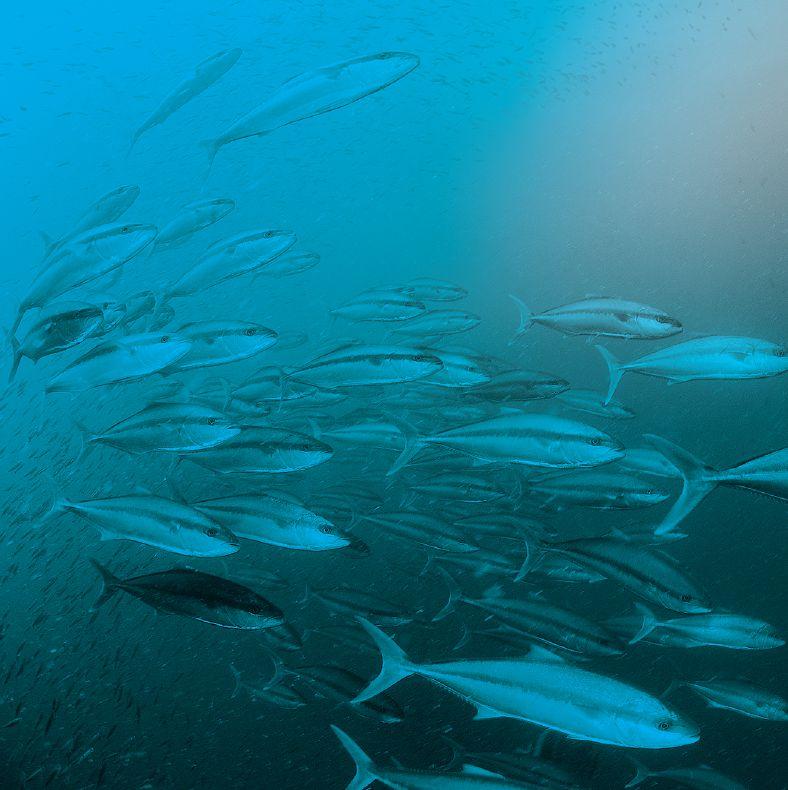
Shirakashi first obtained basic information about the infection kinetics of Kudoa by studying Kudoa yasunagai (a brain-infecting kudoid myxozoan) in yellowtail amberjack (Seriola lalandi) at a commercial hatchery in Wakayama, Japan where infections were known to occur annually. Ten juveniles were sampled every week for a month to monitor infection. The experiment detected Kudoa yasunagai from the brain at three weeks with a detection rate of 40%, which went up to 100% within the subsequent two weeks. There was also a rapid increase in Kudoa DNA in the spinal cord after three weeks.
To develop an effective way of controlling infections, Shirakashi turned to treating water. He began by rearing yellowtail amberjack for seven weeks in 500L tanks containing water irradiated with different UV doses (0, 5, 15 and 30mJ/cm2 ), and examining them weekly for infection over a 4-week period. The infection rate of yellowtail amberjack reared in untreated water was 45%, and less than10% in fish reared in UV-treated water at 5mJ/ cm2. This dose also reduced the infection rate and intensity of infection. No infection was detected in the
Japanese researchers test the effectiveness of UV treatment on kudoa parasites in hatchery-reared yellowtail amberjack
To develop an effective way of controlling Kudoa infections, the Japanese researchers turned to treating water with UV. They began by rearing yellowtail amberjack for seven weeks in 500L tanks containing water irradiated with different UV doses (0, 5, 15 and 30mJ/cm2 ), and examining them weekly for infection over a 4-week period. The infection rate of yellowtail amberjack reared in untreated water was 45%, and less than10% in fish reared in UV-treated water at 5mJ/ cm2
water treated at 15 and 30mJ/ cm2, indicating that a UV irradiation dose of between 5 and 15mJ/ cm2 would be sufficient to prevent infection.
“As there’s no medicine to kill Kudoa, stopping infections is vital,” Shirakashi explained. “The infective stage of Kudoa is still unknown, but we found that UV was effective because the parasite appeared to be small and weak against ultraviolet rays, weaker than we expected. We hope that one day, we’ll be able to kill Kudoa in the same way that we can kill ordinary bacteria.”
Shirakashi is hopeful but says there are still issues to address.
“We know it’s possible to prevent infections,” he said. “The question now is preventing them once the fish have left the hatchery. We must learn more about the Kudoa life cycle and where it comes from, investigate its ecology while it’s in the water and establish a genetic approach to further identify and quantify it. We’re looking forward to further developments.”
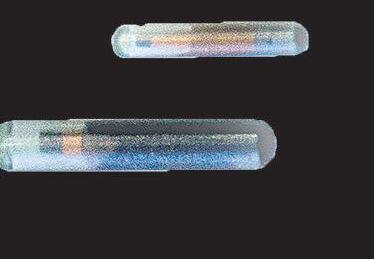
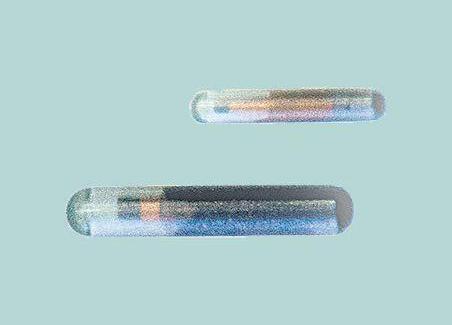
• Tissue sampling unit for streamlined genetic sample collection
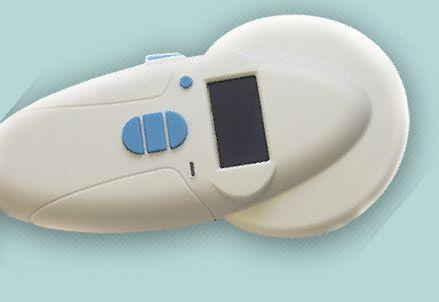
PIT Tags
• Pre-loaded PIT Tag System Readers
• Tag Management Software
• Custom PIT Reading Systems
• Onsite-tagging Services, Training and Technical Workshops
Above: Kindai University's Shirahama Station. Below: Kindai University Associate Professor Sho Shirakashi.
FISH HEALTH
Managing Fish Health in a Marine Hatchery
t the Conference on Recirculating Aquaculture held last August in Roanoke, Virginia, Nick King of the Fish Vet Group in Portland, Maine presented a plea for better sh health management in marine hatcheries.
King argued that the expansion of marine (and freshwater) n sh culture will require greater hatchery production of juveniles, and an increased ability to produce them regularly and consistently in any geographic location.
Fry survival in marine sh hatcheries rarely exceeds 50%, even for commercially developed species, and with new species where hatchery protocol development is still underway, fry survival is often less than 20%.
rough applied research on the farm— including trial and error—survival will likely increase, however, the goal of full commercialization is not only to optimize larval and fry survival and maximize production in an economical way, but to have consistent and stable results, cycle after cycle.
King notes that consistency and stability in hatchery performance can only come from a quality management program that sets measurable performance standards and accordingly minimizes risk. Protocols must arise from the methodical investigation of a predictable, calibrated system. Otherwise, the results will be too random, and the protocol will become unnecessarily complex and open to instability.
An evidence-based hatchery health plan, he says, can identify the pathogens present in the facility and the risks they present. Some pathogens — such as parasites — may a ect hatchery performance and program stability even if they are only present in small numbers and do not rise to the level of a disease outbreak. us, an e ective hatchery health-monitoring program should survey the facility for underlying bacterial, viral, parasitic and non-infectious diseases at critical points in the production cycle. is provides the foundation for biosecurity decisions that will ultimately minimize risk.
DEVELOP A PROCESS
So how can that be done in a coste ective manner? King suggests that sampling a sh population for pathogens or parasites requires that a su cient number of sh be killed to provide a statistically meaningful result. A sample that gives 95% con dence of pathogen detection is recommended by the O ce International des Epizooties (OIE) and American Fisheries Society-Fish Health Section, which aim to detect assumed pathogen prevalence levels (APPL) of 2-10% in the total population. Most often, it is assumed that we need to know when APPL is at 5%. For example, in a lot of 2,000 sh, sixty sh should be sampled to give 95% con dence that a pathogen would be detected, and 145 sh for detecting pathogens at 2% prevalence. e sample sizes do not change
much for larger populations: numbers for a stock of 100,000 sh are 60 and 150 at 5% and 2% prevalence respectively.
But much insight can be obtained by routine observations that will show any changes in sh behavior including things like shoaling, twirling, non-feeding, aggression, cannibalism; or changes in appearance such as changes in coloration (pale or dark), deformities, swim bladder problems, eye membrane swelling caused by gas super-saturation, and other indicators of problems.
DEVELOPING A PROGRAM
In correspondence with Hatchery International King outlined a series of steps best followed in setting up a health management /risk analysis program. Ideally this would be done in consultation with a local veterinary laboratory. ey include:
• Knowing the sh source, water source, new materials in ux, ow of tra c.
• Creating a list of potential pathogens based on species and life-stage susceptibility.
• Establishing a surveillance and screening program.
• Developing and following strict biosecurity standards.
• Using reliable sources for all new materials (including the sh).
• Establishing disinfection protocols. Limiting site access.
• Determine a baseline mortality. (A“signi cant” mortality event could be an 0.05% increase in mortality over the baseline for three consecutive days).
• Develop intervention thresholds and appropriate strategies.
• Make sh husbandry a priority.
He also noted that routine fallowing and disinfection can break an infection cycle, and are important components of a management program.
SEND SUSPICIOUS SAMPLES TO THE VET
Few sh hatcheries will have the capabilities to process or read histology slides, but they certainly can collect a sh, slit the belly and drop it into a sample container to ship to back to the diagnostic lab. Some hatcheries may be able to do bacterial plating on selective agars (like TCBS for Vibrio), but wouldn’t necessarily be able to ID any bacteria on them. e follow-up is for them to send the plates to the local diagnostic lab for isolation and identi cation.
I am indebted to Nick King for explaining some of the subtleties of hatchery health management. For more speci c information contact him at: nick.king@ shvetgroup.com.
- Dave Scarratt
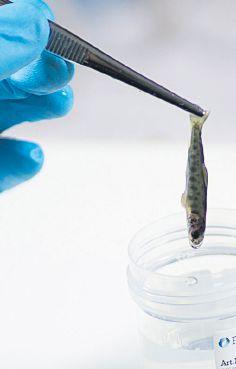
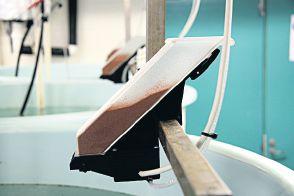
Left: The small fish in the centre has a slight vertebral deformity. Viewing fry on a light table can show skeletal deformities. Small fish can be passed across the table directly from the nursery tanks and returned via a central waterway. They are out of water for only a few seconds.
Below: Suspicious looking samples should be sent to a vet.
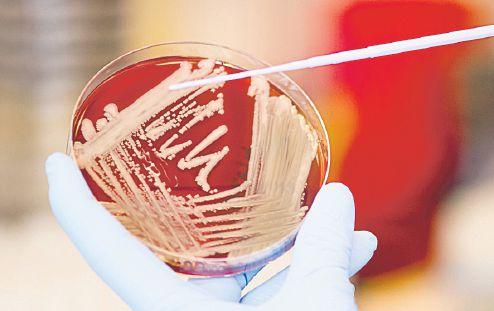
Some hatcheries may be able to plate bacterial samples for identification by the local veterinary lab.
RESTOCKING
Special knowledge required to save endangered freshwater mussels
With some species of freshwater mussels in Ontario, Canada listed as Species at Risk, the Fish Culture Section of the Ontario Ministry of Natural Resources and Forestry is developing the special skills and knowledge to support species recovery efforts through culture and restocking.
BY RON HILL
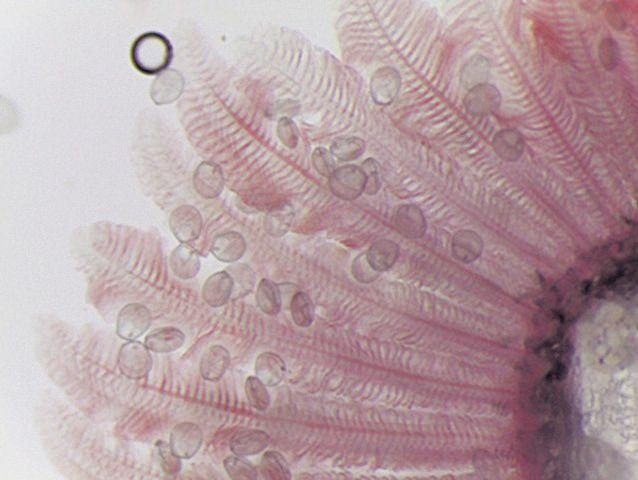
Most of Ontario’s native freshwater mussel species have a unique life history that includes a parasitic larval stage known as glochidia. To complete their life cycle these glochidia need to attach themselves to the gills of host fish where they embed and eventually metamorphose into fully formed juvenile mussels.
Females mussels employ a variety of strategies to facilitate the attachment of glochidia onto the gills of suitable host fish, such as by modifying their gill tissue to act as lures, or by expelling packages of glochidia that resemble natural food items (like blackfly larvae).
As a glochidium matures to a fully formed mussel, it falls to the substrate. The fish is not harmed by the process and helps spread the juvenile mussels as it migrates.
After a rocky start, and through consultation with leading mussel experts at Missouri State University, the University of Guelph and Alabama Biodiversity Center, culture of the wavy rayed lampmussel (Lampsilis fasciola) met with much success in 2013. A year later the Ontario Ministry of Natural Resources and Forestry (MNRF) expanded efforts to three other species of mussel.
HOW IT’S DONE
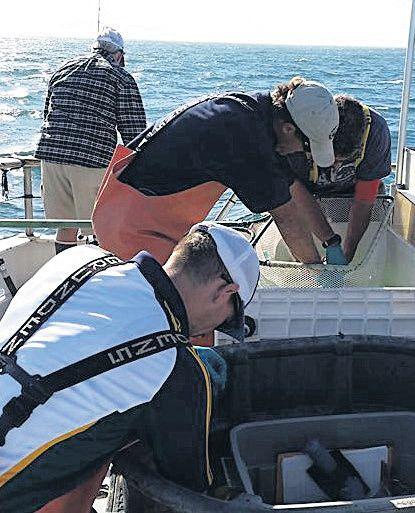
Gravid female mussels are collected live from the stream and brought to the hatchery where glochidia are collected. The mussels are then returned to their location in the stream.
Each species of mussel has its own specific host fish. At-risk mussel species often have an at-risk fish as their primary host, which can cause issues with collection. Mussels are very picky and will not use fish other than the two preferred. For the wavy rayed lampmussel the primary host is the smallmouth bass
To infect the fish, glochidia are counted and made into a concentrated slurry for maximum infestation. The host fish are put into a small container with the concentrated solution and agitated. After 30-60 minutes the fish are removed, rinsed and placed in their tank. To collect the juvenile mussels when they fall off the fish a special tank with a conical bottom is used. Because the mussels are so small (like a grain of sand) effluent is filtered through a plankton net to collect them.
INGENIOUS REARING UNIT
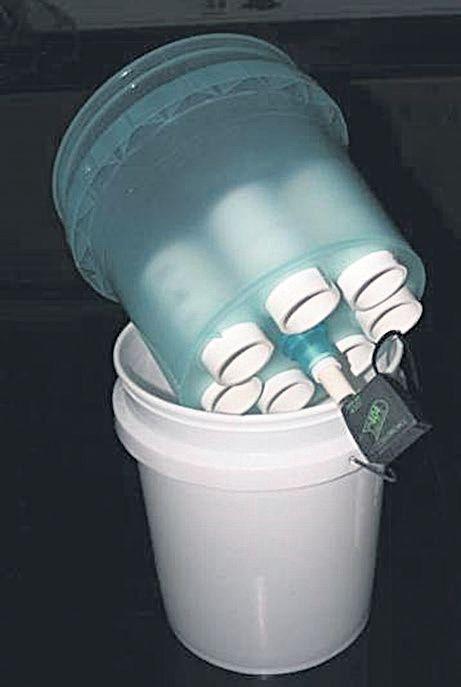
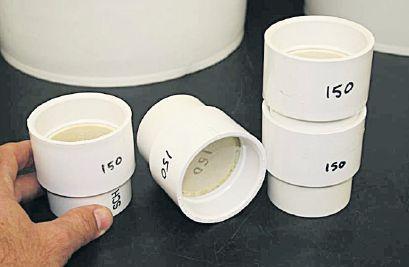
Juveniles are counted and eye-dropped into their rearing vessel, the muckit bucket. This ingenious device, designed by Chris Barnhart at Missouri State University, is a self-contained rearing unit that holds the mussels between two screens. Juveniles are fed an off-the-shelf diet of Nano-algae.
At this stage the mussels are very sensitive to water quality and frequent water changes are essential. Unlike fish, mussels show no outward sign of stress and can found dead before a technician realizes they were in distress.
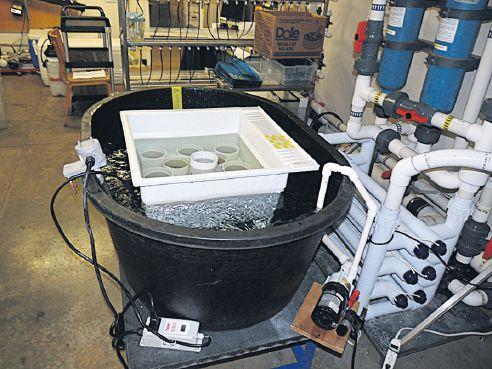
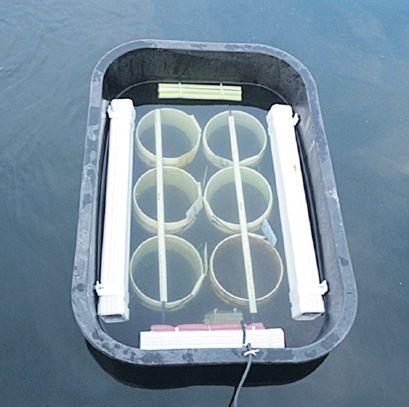
As they grow, the mussels are transferred to larger versions of the muckit bucket. In summer months the adult mussels are moved to FLUPSY (floating upwelling system) units in ponds where they can uptake a natural diet.
Gill tissue with glochidia attached.
Photo: MNR
MNRF staff assess the concentration of glochidia on a fish’s gills.
Photo: MNRF
Juvenile mussels are moved into larger rearing units as they grow. Photo: C. Barnhart
NATURAL REARING STRATEGIES
MNRF is now using the 2013 wavy rayed mussels to develop its adult mussel rearing practices as well.
“We’ve noticed that growth is much better once the mussels are moved to the ponds in the summer. It’s thought a more diverse natural diet available in the pond could be contributing,” says MNRF Production Planning Biologist and mussel team lead Chris Wilson.
“We are interested to see if they will mature and spawn within the hatchery setting. The development of ‘ark’ populations may become an important tool”.
PVC cups with Nitex screen.
Photo: C. Barnhart
Older mussels moved into the FLUPSY for the summer months show improved growth.
Photo: C. Barnhart
Glochidia become juvenile mussels which are collected and reared in the mucket bucket system. Photo: C. Barnhart
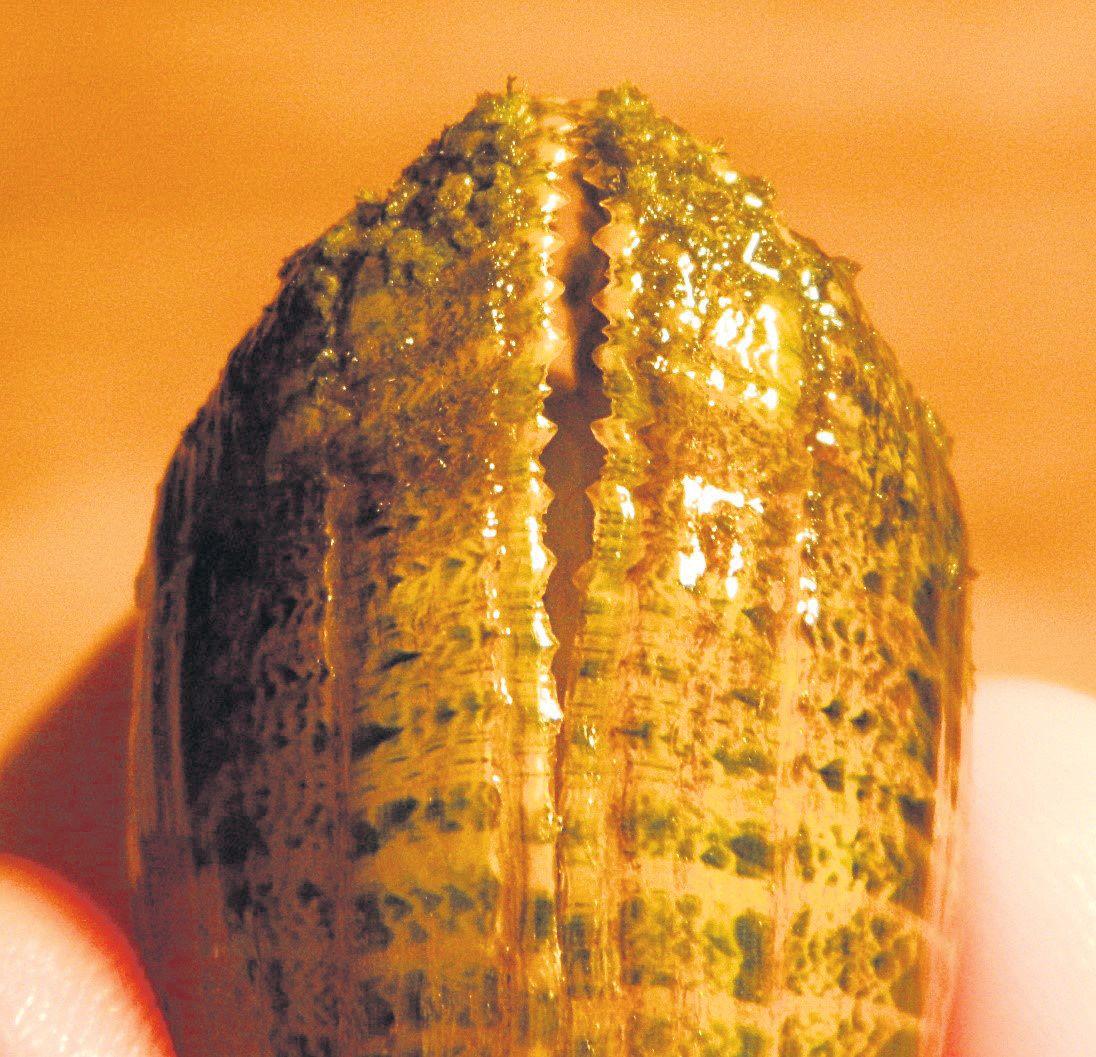
The rare freshwater snuffbox mussel (Epioblasma triquetra) is protected as an endangered species. Serrated shell of the Snuffbox assists with capturing and holding their host fish species. (Photo courtesy of MNRF).
PICTURE
Insurance Tailored for Hatcheries Hatchery risks
Both AquaSecure and Aquaculture Insurance Exchange are divisions of larger insurance brokerages that have been in the business of providing personal and commercial insurance services for years.
The companies launched their aquaculture-specific divisions within the last several years as part of their diversification model based on the strong growth of the aquaculture industry over the past decade.
The risk assessment of any business breaks down to a few general questions: What can go wrong? How likely is it to go wrong? What would be the consequences of it going wrong? And what can be done to reduce either the likelihood or the consequences of it going wrong?
Of course, with finfish or shellfish hatcheries there are all sorts of risks involved, such as pathogens; aquatic organisms that may be introduced or transferred; or a chemical, heavy metal, or biological contaminant.
Those are just a few of the risks involved. And when taking into account all of the potential risks to a facility – i.e. systems failure owing to power loss – one can see why having insurance to back up the business of rearing fish from broodstock to fingerlings or shellfish spawn to seed is essential protection for any hatchery business, big or small.
AquaSecure was founded in 2008 by the traditional marine and fisheries insurance company Guian SA in France with the hiring of Cédric Audor, a longtime aquaculture specialist with over 15 years in the industry, working for the Ministry of Agriculture, managing the Aquaculture Research and Development Department.
Audor said a typical example of an AquaSecure hatchery specific client is the French sea bass hatchery SeaStream (Previously covered in the January/February 2012 issue of Hatchery International). The sea bass fingerling producer employs 25 people and produces 16 million fingerlings annually, earning the company 2 to 3 million Euros a year.
INSURANCE FOR SMALLER COMPANIES
Sorby, of AIE, says her company sees opportunities in the smaller operations. In the current aquaculture insurance environment insurers are developing less costly insurance packages for aquaculture start-ups and small businesses.
“Insurers were used to writing for bigger companies,” she said. “It’s been more difficult to get coverage for smaller and new species operations.”
That’s where her expertise as an aquaculture specialist with years in the industry comes in.
“They wanted someone to be available who has aquaculture experience,” she said. “Someone who knew the right questions to ask. Do they have back-up oxygen, and pumps, etc. They needed someone who could pick up on the little things. We get a lot of inquiries from farms in North America and Europe.” AIE has aquaculture insurance partners in the UK.
FLEXIBLE PACKAGES
The insurance can be very flexible, she added. We can cover everything from all risks to just an individual named peril.
Also national and local protocols for insurance come into play wherever the hatchery is sited.
“It’s geared more to hatchery best management practices as dictated by state or federal guidelines,” Sorby explained. “We look for businesses to be held to the highest standards and practices regulated by authorities. The sustainability factor can also show that the business is living up to best practices which helps us estimate risks and evaluate the clients insurability.”
Hatchery to benefit from $50 million settlement
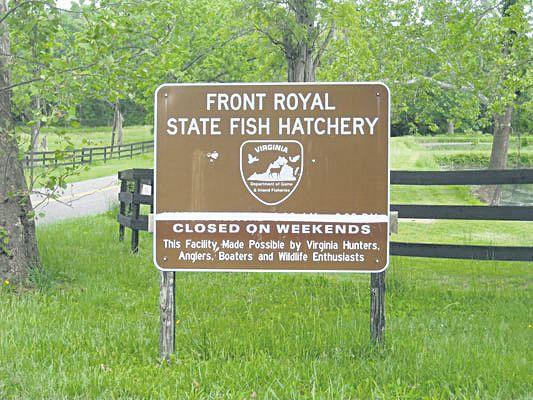
The Front Royal Fish Hatchery in Warren County, Virginia, may receive up to $10 million in renovations as part of a proposed environmental damages settlement reached between DuPont and state government agencies last December. The total settlement is valued at approximately $50 million and is cited as the largest of its kind in the state’s history.
The suit came about as a result of claims that the former E.I. DuPont de Nemours and Company plant in Waynesboro released mercury into the South River in the 1930s and 1940s. The toxic metal contaminated more than 60 km of river and
Hatchery productivity to increase with financial support
The Tamil Nadu Fisheries University (TNFU) in coastal southeast India, is developing fish-breeding and hatchery units to produce hatchlings of three popular marine fish species – milkfish, cobia and sea bass.
With the financial assistance of 13 million rupees ($194,000 USD) from the National Agriculture Development Program, the program will be established at TNFU’s Marine Finfish Breeding Centre at Seeniappa Dargah, according to university spokesperson K. Rathnakumar, current acting vice-chancellor and registrar.
Rathnakumar is quoted in a media report last year as saying the breeding, hatchery and rearing units would “go a long way” towards meeting the huge continuing demand of hatchlings for cage culture.
To start with, he indicated, the units would have a capacity of producing roughly five million hatchlings, but that could be increased to produce as many as 10 million – depending on demand. The report on the university’s plan says the TNFU also approached the National Fisheries Development Board with the idea of establishing a marine ornamental-fish breeding centre, taking advantage of the unpolluted seawater in the area for rearing small ornamental fish.
Your future career in aquaculture… may be just one click away.
associated flood plain. Data collected during the last 20 years shows that mercury levels have remained stable showing little sign of decline.
Public meetings were held in January with the goal of having a final resolution by mid-late February, 2017.
The department of Game and Inland Fisheries uses the Front Royal Fish Hatchery in the production of walleye and smallmouth bass fingerlings and serves as a distribution point for trout, catfish and other species to waterways in northern and northwestern Virginia.
• 100% Titanium Heat Exchangers
• Salt & Fresh Water Safe
• Available with Tube Sheet, Helical Coil, or Plate
• Hot & Cold Water Loop Systems
• Compact Designs
• Easy Installation
• Incubator Rack Systems
• Gas Boilers
INDIA
Aquaponics expansion next step for North Carolina farm
ucky Clays Fresh was launched in 2011 at Norwood, North Carolina when owner Judy Carpenter expanded her existing farm to include a demonstration sized aquaponics system.
LOne of Judy’s driving philosophies had always been to live with the smallest impact to the environment and with that in mind the majority of the 450 acre (182.25 ha) farm and conference center is run on solar and wind power and all the new buildings are LEED certified.
In 2011 as the team discussed environmentally friendly options for a farm expansion, they decided to test a small demonstration aquaponics system. The ultimate goal would be to expand later once they proved the viability of an aquaponics system in the area.
ORIGINAL SYSTEM
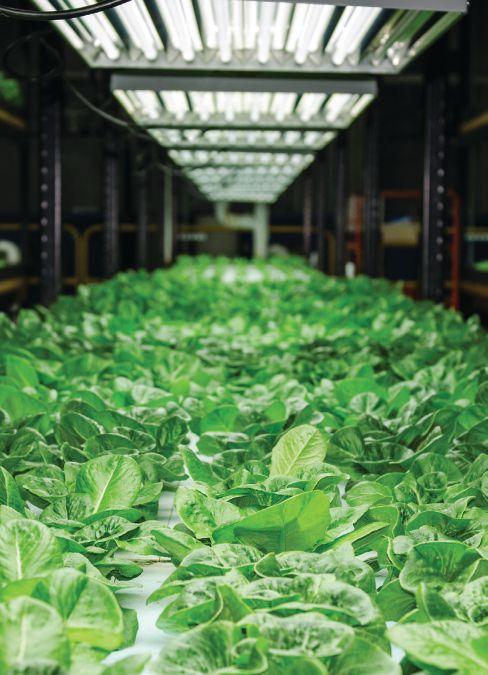
The new system will produce over 18,000 heads of lettuce per week, with the accompanying fish systems growing striped
The original demonstration system consists of a 4,600 square foot (420 m2) greenhouse with 1,152 square feet (108 m2) of deep water culture, media beds and 4,800 gallons (18.2 m3) of fish rearing tanks. Lucky Clays Fresh produces tilapia, leafy greens, herbs and microgreens in the demo system. Products are sold throughout the Charlotte, North Carolina area.
Throughout the design and implementation of the system, thought was always given to efficiency. For this reason, Bradley Todd developed a gasification system. This uses wood chip waste from local logging companies to heat and dry air in the greenhouse.
BIGGER AND BETTER
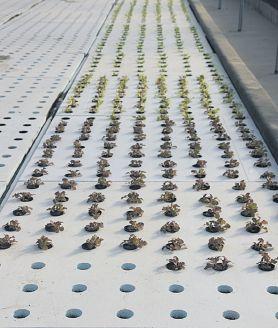
Once the demo system was proven, they decided to begin building a full scale system. The new system includes over 43,000 square feet (4,000 m2) of greenhouse with 13,000 square feet (120m2) of deep water culture, 36,000 gallons (136.26 m3) of fish rearing tanks, 40,000 gallons (151.4 m3) of bio-floc shrimp culture as well as four small research systems to test out new ideas. The new system will be producing over 18,000 heads of lettuce per week. The fish systems are growing, striped bass, sunshine bass and tilapia. Cool water species are also being considered for future species.
The fish rearing systems utilize 120 micron screen filtration, moving bed biofiltration as well as oxygenation. As the water flows to the growing beds, it is treated with UV filtration and has a side streamed mineralization loop. Each deep water culture system is approximately 18’ x 84’ (5.5 x 25.6 m) which makes it among the largest beds currently in use. Water is ozonated before being returned to the fish rearing system after flowing through the DWC.
TIME TO DIVERSIFY
Lucky Clays Fresh’s customer base is asking for them to diversify which is why they are experimenting with bio-floc systems to raise pacific white shrimp. This system consists of twenty 2000 gallon (7570 l) tanks and settling tanks to manage the floc population as needed. As this system matures, they will begin testing different salt tolerant plants to grow in conjunction with the shrimp.
Additionally, they teach biannual workshops to the public in the hopes of providing information to others interested in aquaponics. They do not sell equipment which allows them to really focus on the practical applications and day-to-day operations without concerns for equipment sales goals. The course highlights both their successes and their failures.
Justin Jones checks operation of the filtration system (biofilter, drum filter) and Water Source heating unit (right).
bass, sunshine bass and tilapia.
California institute takes up the challenge to replenish halibut
The Hubbs SeaWorld Research Institute (HSWRI) has teamed up with the Coastal Conservation Association of California (CCA) to collect broodstock for a halibut replenishment program. The Institute is also working closely with the recreational fishing sector and state regulators.
California halibut was recently given priority as a “species of interest” for replenishment. But one of the key challenges in its replenishment is that halibut stocks have a complex genetic make-up that occurs in multiple subpopulations along the coast. This is in marked contrast to the single, wellmixed population of white sea bass that HSWRI had been working on for a few years.
“Until this issue is resolved with more certainty,” says the report from HSWRI, “we intend to ensure that breeding practices in the hatchery meet strict genetic guidelines, whereby halibut offspring are produced from breeders originating from a constrained geographic range.”
The company says that at its research facility in Mission Bay, the halibut broodstock inventory is made up mainly of individuals from Santa Monica Bay.
“As the Dick Laub Fisheries Replenishment Program (DLFRP) has gained traction,” it states, “the desire for additional San Diego halibut broodstock has become apparent, especially to facilitate future pilot release studies.”
To this end, in early November, a team of 15 CAA anglers and three institute scientists set out from Point Loma on the Mission Belle with sports fishing captain Ron Baker aboard, to visit some known halibut fishing hotspots.
Despite rough conditions, the outing proved to be a success, and under a California Department of Fish and Wildlife scientific-collection permit, 12 halibut were caught for the program. The broodstock have since acclimatized to their new home and offspring are expected in the spring.
Photo: Coastal Conservation Association of California
Late last fall a team of 15 anglers and three institute scientists set out to capture potential broodstock from known local halibut fishing hotspots. Despite rough conditions, the outing proved to be a success, and under a California Department of Fish and Wildlife scientific-collection permit, 12 halibut were caught for the program.
REI NVESTI NG IN R&D MAKES TH E DI FFERENCE
World leaders in aquaculture nutrition
Ewos is a world leader in the research, development and manufacture of feed and nutrition to the international aquaculture community.
7721
Good news, bad news for Washington’s salmon recovery plan
Salmon runs throughout most of America’s Washington state are still in trouble, according to the State of Salmon in Watersheds report released early in January by the Recreation and Conservation Office.
“Washington State has been investing in salmon recovery for nearly two decades, and we are seeing some results,” said Governor Jay Inslee in his statement. “But we still have many challenges ahead, such as population growth and climate change… We can’t give up on salmon recovery until they are taken off the endangered species list. Salmon are ours to save.”
have declined significantly because of fewer fish and limits on how many fish can be caught to protect wild salmon.
The newly created Fish Barrier Removal Board recently released a report indicating that despite two decades of investment, an estimated 35,000 to 45,000 barriers to fish passage remain.
The sobering news according to the report, is that salmon remain below recovery goals set in federally approved recovery plans. Washington is home to 33 genetically distinct populations of salmon and steelhead, 15 of which are classified as threatened or endangered. Of the 15, seven are not making progress or are declining, six are showing signs of recovery and only two are approaching recovery goals.
Commercial and recreational harvests
Since 1958, Faivre has been developing and manufacturing high quality equipments for the aquaculture industry
But the news is not all discouraging.
Hatcheries are operating in more fishfriendly ways. Twenty years ago only 18% of hatcheries met scientific recommendations to ensure conservation of wild salmon and steelhead. Today 88% of Washington state hatcheries operate under guidelines to ensure they are not harming wild salmon and steelhead.
State-wide an estimated 6,500 barriers to fish passage have been corrected with fish-friendly culverts and bridges in Washington streams, opening an estimated 6,400 miles of habitat to salmon since 2000. Restoration projects have improved salmon habitat along the banks of more than 800 miles of shoreline and more than 4,400 acres of estuary.
– Quentin Dodd
Governor Jay Inslee
BC salmon RAS seeks new investment
fter depleting its start-up funding from various government programs, public agencies and philanthropic organizations, the Kuterra land-based Atlantic salmon farm on British Columbia’s Vancouver Island has confirmed it’s seeking new financing from private investors.
A spokesperson for the business, which is owned by the ’Namgis First Nation near the Vancouver Island community of Port McNeill, said a number of changes have been made in recent months, some with the company’s financial viability and planned expansion in mind.
Kuterra spokesperson Jo Mrozewski noted that Kuterra has installed two new harvest tanks to allow for weekly harvests and to aid in smoothing out fluctuations the unit has been experiencing with its harvest fish, sold under contract through Albion Fisheries in Vancouver. Mrozewski said the new harvest tanks allow the old harvest tank to be used for grow-out, which is expected to increase the average size of the fish by around a pound, to an average of around seven pounds (3.2 kg), while at the same time helping flatten out the variability.
Mrozewski explained that because deliveries of smolts have not been evenly spaced throughout the year, occurring in batches of 40,000 in January, April and October, there’s been a considerable difference in growth periods for the different batches, with resulting size fluctuations of fish delivered to Albion in the harvests.
Over the past three years Mrozewski said that Kuterra has produced an average of 282 metric tonnes of live fish a year. With fish now being harvested every week, rather than every two weeks, she said, Kuterra can offer fresh weekly deliveries and expand its market opportunities.
Those fish are given primary processing at a plant in nearby Port Hardy before going on to Albion. Albion does secondary processing and distribution before the fish go to Safeway stores in western Canada, to a chain of retail stores in Ontario, and to select finedining restaurants.
Mrozewski added that there has been some interest in Kuterra and the company has had exploratory talks with potential investors.
- Quentin Dodd
BETTER BREEDING
Gene editing gives consumers more to chew on
According to a media report from Japan, scientists at the Japan Fisheries Research and Education Agency have edited the genes of the highly poisonous pufferfish. The result is the “torafugu” or tiger pufferfish, which has 1.4 times more edible flesh than the pufferfish.
Genome editing is a technology that allows the changing of certain genetic information in the genome. Only target characteristics of living creatures can be altered through the method. Specific genes can be inactivated or added.
In the case of the pufferfish, the editing allowed researchers to inhibit the activity of myostatin, a gene that has now been shown to curb the growth of muscle.
The researchers working with colleagues from Kyoto University, Kindai University and other organizations, were also able to inactivate a gene which suppresses the appetite of the fish. This meant that the torafugu could eat more feed, growing and maturing more quickly, reducing the time and costs for growing fish to market size.
“We want to develop a species that will have more edible parts and grow quickly,” Yasutoshi Yoshiura, a senior researcher at the agency’s National Research Institute of Fisheries and Environment of the Inland Sea, based in Takamatsu, is quoted as saying. Yoshiura, who presented the results of the research project at a conference of the Japanese Society of Fisheries Science in Nara last fall, is cited as saying the technology is “drastically more efficient” than conventional techniques.
The pufferfish is an expensive delicacy that can only be prepared for consumption by specially-licensed and trained chefs. Although gene editing creates additional edible flesh, it does not affect the toxicity in the fish.
of the Van Gaalen Fish Egg Sorter Since 1984 The Van Gaalen Fish Egg Sorter uses the most current technology to bring you an egg sorter that offers: variable egg sizes, speed, accuracy, egg counts, safety and versatility.
Harvest tanks under construction (above) and new operations manager John Burton (left), replacing former operations manager Cathal Dinneen who left Kuterra late last year to help launch a larger scale RAS in Norway.
Tiger pufferfish.
TASMANIA
HUON’S
FOREST HOME
HATCHERY
Capable of producing two million 100-200g smolt a year, Huon’s new hatchery/smolt RAS underwrites the company’s 20,000 tonne annual salmon production for the domestic and overseas market.
BY JOHN MOSIG
uon Aquaculture is at the forefront of innovation in Tasmania’s salmon farming sector. Their new hatchery/smolt production facility at Forest Home, Judbury, on the Huon River, is part of that innovation.
David Mitchell is Huon’s General Manager of Freshwater Operations. He said the planning and construction rollout was a well-timed ‘just in time’ operation:
“In response to increased market demand for high quality salmon there was an increased requirement for a reliable supply of high quality smolt,” he said. “In a country that regularly suffers from drought conditions, the answer these days is a RAS facility. Based on our experience from our Lonnavale RAS plant that has been operating since 2006, the benefits of having control over environmental factors give optimum feed performance, and extraordinary quality and growth.”
Huon took several things into consideration when choosing a manufacturer. Fish welfare and performance were top of the list and to ensure this the size of the treatment area is important.
“You get better outcomes from a large de-gassing and bio-filter area,” Mitchell noted. “Our environmental footprint was also a major factor in making our decision. Minimal water usage and waste treatment were high priority items for us as well. Aquatec Solutions and Billund both offered proven commercial systems that would fit our specifications on this scale.”
“We completed our first cycle while the building was still under construction. The planning permit went to the Council in July 2014. By June 2015 we were stocking our first eggs from Springfield and Saltas. The first fry were ready in August 2015; the first parr by February 2016; and the first smolt were put to sea in June 2016.”
To give some idea of the commitment Huon has made, the capital outlay was over $30m.
HARD WATER HELPS
Water is drawn from both the river and a bore (well). The farm — tanks and treatment plant together — hold approximately 5,400m3 of water. The bore water has a high alkalinity that helps buffer the pH in the system. The water is mechanically filtered down to 25µm before being ozonised to kill any microbes that might be present and to oxidize and precipitate any unwanted minerals such as iron and manganese. The water is mixed according to the farm’s buffering needs. When the river is in flood, turbidity can make the bore water the preferred option.
Water exchange through the tanks is every 45 minutes and water replacement — due to evaporation and splash, but primarily sludge removal — is a very low 5-7% daily. Water flow through each system is driven by one set of main pumps and through individual oxygen cone pumps for each tank. The whole facility is on one level, which reduces the number of pumps required and energy costs. Overall there are five separate modular, quarantined, recirculating production units: two for incubation; one for 12 fry tanks; one for 12 parr tanks; and one for 12 smolt tanks. Fry tanks measure 5 x1.6m @ 30m3; parr: 7.4 x 2.3m @ 96m3; and smolt 11 x 2.3m @ 220m3
THOROUGH WATER TREATMENT
Water treatment starts with the removal of suspended organic matter in a 50µm drum filter. The water is then degassed before going through the up-welling bio-filter, the media beads of which are only 15% of the void. The flow is slowed at this stage to allow any remaining particulate matter to precipitate. Four minutes of ozonation follow before the water passes through another de-gassing chamber to remove residual O3 and CO2. The water also passes through a side stream vacuum de-gasser to remove supersaturated O2 and other foreign gases before being picked up by the main pumping system. The treated water is then supersaturated through the O2 cones to 100-110% and returned to the fish tanks
The best start for your fry:
- Granulates or minipellets
- Floating or slow-sinking
- High or medium energy
- Conventional or organic
...but the quality is not optional!
- Let’s
separator removing floculated sludge. It becomes a valuable by-product of the hatchery process.
The 5-7% side stream flow that goes through to the sludge treatment plant passes through a plate separator to remove the large particles that are transferred to the sludge tank before passing into a denitrification filter that converts nitrate into nitrogen gas. The phosphorus remaining in the flow complexes into particles after the addition of ferric chloride, which is then settled out and added to sludge tank from where it’s collected for recycling as manure. The separated liquid, after passing through a large ozone contact chamber, goes to two storage reservoirs from which it’s used to irrigate Huon’s surrounding agricultural land.
The solid waste stream passes through an anaerobic digester, where bacteria reduce the volume. The resultant by-product is dewatered through a belt filter and is now in a form that can be used as a highly nutritious plant food.
Forest Home facility is fully computer controlled, and is backed up by two generators of 900kVA and 1,200kVA, respectively.
David Mitchell examines the Comphatch incubators.
Belt
The fry rearing room (parr- and smolt- halls are similar but with larger tanks). The blue box in each tank is the Fish Tank Collector. A pipe (not visible in the picture) takes away water and leads to the central drain (brown standpipe), and on for treatment beginning with the suspended solids filter. The central standpipe is for harvesting fish: a U tube comes up to a stub in the floor beside each tank to which a trolley-mounted Biostream pump can be attached to deliver the fish, via a hose, to wherever they are needed. The black hoppers on each tank are part of the centralized feed delivery system: A button/chain auger delivers food into each hopper from a central store via the grey overhead pipe. Food in each hopper is dispensed by an augur into the blue pipe that lies horizontally across each tank, and through holes in the pipe into the water. Finally, the brown pipe close to the tank wall receives water from individual oxygen cones in pits beside each tank. Water enters the tank through inflow holes from top to bottom so flow is distributed evenly. Overhead LED lights run 24hr for fry. For smoltification, fish need six weeks on a 10-12hr day followed by four weeks pre-transfer on a 24hr day.
POINTS WITH THE PUBLIC
The other benefit from this extremely efficient technology is that it adds good will to the company’s brand. Aquaculture, as the new primary food industry, comes in for some intense scrutiny from the environmental movement. The Aquatec facility built for Huon Aquaculture at Forest Home produces 400 tonnes of fish per year, has a 5-7% daily water intake and negligible nutrient discharge. It would be fair to say that few other food producing sectors could make that boast. As David said, “We are not an industry that can afford to pollute the water in which we make our living.”
TEMPERATURE-CONTROLLED INCUBATION
Spawning is in May/June with incubation using Comphatch Incubators designed and built by Alvestad Marine AS in Norway. The spiky substrate is for the alevins to sit amongst. The eggs sit on a removable tray that sits above the substrate. When the alevins hatch the egg tray is removed leaving the alevins among the substrate. Initially eggs are held at 7-8°C until they reach 150 degree days. Thereafter the incubation temperature is changed for different batches dependent on when they are scheduled for commercial harvest. Stock due for transfer to sea cages in April (Batch 1) continue incubation at 7-8°C and will be harvested from April to July the following year. Stock due for transfer in June (Batch 2) are incubated at 4-6°C to slow their development and will be harvested from August to November, The last batch is incubated at 2-3°C which slows their development significantly. This batch will be transferred to sea in September and harvested from December to February. Once the alevins hatch, the temperature is brought up to a standard 8-10ºC for a few days. They’re held in the Comphatch trays until their yolk sacks are exhausted, usually 30 days. At this stage they’re moved to the fry rearing room and fed a starter diet The fish are batched in sequence through the tanks in the fry- parr- and finally the smolt-hall before transfer to sea.
Smolt are transported in custom-converted milk tankers to the company’s well boat, the Ronja Huon, moored at the wharf at Port Huon, approximately 45 minutes from the hatchery. Dependent on fish size, this
COMPLETE AUTOMATED HATCHERY FEEDING SYSTEM
controller, the system is simple and labour-saving
The system includes the innovative Automated Microdiet Dispensers (AMD), peristaltic pumps and a touch-screen PLC controller
Features include:
Moulded feeders with a splash-proof hopper and air knife to prevent clumps
Delivery of small adjustable accurate quantities of microdiets (as low as 0.1 g per shot)
Splash-proof peristaltic pumps
Fully programmable touch screen
• Individual control for each feeder/pump and/or group together
• Several different Feeding schedules during the day (‘rush’ hour feeding in the morning, less in the evening etc.)
• Unlimited options of feeding protocols including; amount per feed, number of feeding events etc.
http://www.fish.wa.gov.au/amd/
One of the smolt rearing tanks at Huon Aquaculture’s Forest Home hatchery.
Newly hatched alevins.
Chillers for fry, parr and smolt tanks.
The upwelling bio-filter.
Clean Plate System
• No more having to take heat exchanger apart every month
• Removes need for chlorination treatments
• Saves considerable energy
• Prevents exchangers from getting dirty due to biofouling
(902)-746-3855 for pricing and availability!
Huon’s Forest Home Hatchery continued from page 31
can mean up to 14 truck transfers per day. After the last truckload has been discharged into the boat, the fish will be in the Ronja for 1-3 hours before reaching their destination sea cage. Such short transfer times ensure good water quality is easily maintained for the whole journey.
EFFICIENT STAFFING
As the aquaculture industry becomes more automated, staffing numbers can be reduced. The farm runs a standing staff of two shifts working 7 days on and 7-off. Each shift consists of a senior manager, a leading hand and three technicians and a maintenance engineer. There is someone at the plant on a 24-hour basis for alarm cover. However, as David said “…labour input becomes relevant in comparison with an open system,” but automation will reduce that differential.
Huon Aquaculture employs over 500 people, drawn both from local talent and from overseas. David Mitchell is one of the managers in the Tasmanian industry who learnt their craft on Northern Hemisphere salmonid farms. His wide experience in Tasmania and Scotland gives him an overview that benefits the whole business, from R&D to operations management.
As part of its risk mitigation strategy, Huon produces fry at four of its hatcheries, Forest Home, Lonnavale, Springfield and Bridport, and also on-grows fish at two freshwater sites at Meadowbank and Millybrook. These different locations give Huon a safety net of different operational and temperature options. With the threat of global warming sharpening the focus of many vulnerable food-producing industries, Huon Aquaculture has a very clear view of what has to be done to future-proof its assets and income flow, and at the same time, assure its clients of a reliable supply of high quality produce grown in an environmentally sustainable way. For more information email David Mitchell on: dmitchell@huonaqua.com.au.
TASMANIA’S SALTAS
How the Tasmanian government and salmon industry effect genetic selection for changing environmental conditions
Atlantic salmon (Salmo salar) culture began in Australia in the 1960s with shipments of eyed eggs from Nova Scotia, Canada, to the New South Wales Fisheries’ Gaden hatchery. All the Atlantic salmon grown in Australia since then come from those original shipments.
The Tasmanian industry was established in 1986 with three shipments of eyed eggs from Gaden to the Tasmanian Fisheries facility at Taroona. The first commercial crop from those eggs was 53 tonnes, shared among the commercial participants.
In the beginning, all the smolt were produced in the government/industry hatchery under the Saltas (Salmon-Tasmania) banner. Back then there were 14 industry shareholders, who, in collaboration with CSIRO, set Saltas up in 2004.
As the industry rationalized over the years, this has been reduced to three major commercial producers — Tassal, Huon Aquaculture, and Petuna. All three have established their own hatcheries and smolt-growout nurseries. In addition to their own production, they receive an annual allocation of smolt commensurate with their shareholding in Saltas. Tassal is, through acquisition, the largest shareholder.
the base population, and Amoeba resistance, measured as an increased freshwater bath interval, has increased by 34%. These improvements have been achieved whilst maintaining positive trends for the three minor traits: age at maturity, pigmentation, and flesh oil content.
Shareholders also receive a proportional allocation of broodstock from approximately the top ten ranked families (called the “Elites”), to on-grow themselves. This mitigates the risk of having all the broodstock at one site.
Currently Huon and Tassel both run a marine pen, each with 2,500 individually pit-tagged fish from the 180 families. Marine performance of these fish is closely monitored with weight gain and amoeba resistance measured for each fish.
David Mitchell, Huon’s General Manager of Freshwater Operations, said that in a changing environment they are able to pick the best performing fish in that changed environment.
Winter water temperatures have risen by 1-2ºC in the last 10 to 20 years, and in summertime El Nino weather events, peak sea-water temperatures are higher and may last longer than formerly. This takes the salmon out of their normal comfort zone but does allow selecting the best performing fish as future broodstock for these changing conditions.
Saltas houses the Tasmanian Atlantic Salmon breeding program and CSIRO continues to provide technical services and research to support the program, coordinated by geneticist Dr. Brad Evans. The breeding program is drawn from 180 family lines, and has delivered positive benefits to the industry. Five weighted criteria are considered: growth, disease resistance, maturity, flesh pigmentation and oil content. Selection is targeted with three points allocated to growth and resistance to amoebae, with the others traits receiving one point each.
Growth has improved each year since the program began in 2004 achieving a 30% improvement against
Future-proofing the broodstock pool genetically is an on-going priority. However, it is not only temperature that is changing. Aware that no single attribute should be selected for in isolation, David pointed out that dissolved oxygen, phytoplankton and zooplankton assemblages, predator trauma, and any new health issues were all considered. These are all experienced in the indicator pens enabling selection of the most robust fish for anticipated production conditions.
Smolt being loaded for sea-release.
Hatchery production the key to Philippine push into sea cukes
Photos: Jon Altamirano
Sandfish (Holothuria scabra) commands top price
BY RUBY GONZALEZ
The Philippines, at one time the world’s largest producer of highvalue sandfish (Holothuria scabra), wants to bank again on this economic opportunity.
When processed as sea cucumber meat products, sandfish and golden sandfish (H. lessoni), another species available in the country, command as much as $1670 a kilo in China, the world’s biggest market for such products.
Propping up this objective is the industry’s Strategic S&T Program for Sea Cucumber, which was launched in 2012 by the Department of Science and Technology - Philippine Council for Agriculture, Aquatic and Natural Resources Research and Development (DOST-PCAARRD).
It bats for the restoration of depleted populations and production of premiumsized sandfish.
With its comprehensive approach that involves all stages, from larval rearing to post-harvest processing, this program is seen as essential to creating interest in the Philippines.
A NEED FOR HATCHERIES
“No study has been conducted yet to look into the economic viability of a standalone sandfish hatchery in the Philippines. Currently, research-based hatcheries produce sandfish for experiments and small-scale culture trials,” Dr. Jon Altamirano told Hatchery International. Altamirano is an associate scientist at the Aquaculture Department, Southeast Asian Fisheries Development Center (SEAFDEC/ AQD) in Iloilo, Philippines.
“Economic analyses using researchbased operations will tend to be unrealistic and some business-based sandfish hatcheries are still experimenting. Commonly, trial hatchery production runs of sandfish were done by incorporating sandfish and additional species into an already existing hatchery for finfish, crustaceans or shellfish. Commercial production of sandfish is still challenged by a lack of potential clients for grow-out
Wild sandfish broodstock collected from muddy island shores in Concepcion, Iloilo, Philippines, are returned after spawning in the hatchery.
culture of the species,” he said.
Since 2010, SEAFDEC has been offering a training course, Sandfish hatchery, nursery operations and management, at its Iloilo station.
SEA
CUCUMBER HOTSPOT
“Interest in sea cucumbers has indeed been increasing but not steadily, with an average of five to 10 participants. In the past three years, we received more participation from foreign countries than from the Philippines. Also since 2013, we needed to offer two courses in a year to accommodate increasing requests for training.”
The Philippines is a recognized sea cucumber hotspot with 200 species. Of its 35 common commercial sea cucumber species, half are high- and medium-value. To compare, there are around 1,400 species of sea cucumbers worldwide and only 60 are commercially important.
From its heyday of being the world’s top producer, the Philippines has dropped to the eighth slot with less than a thousand tons, per FAO 2015 report. Its biggest recorded production was in 1990 with 4,000 tons.
DIVERSIFIED SYSTEMS
Sea cucumber farming involves a growout period that sometimes takes more than two years and could have low post-release survival. To make sea cucumber farming profitable, the study cited the importance of reducing the cost of juvenile production.
A low-cost nursery system was developed to reduce cost and diversify systems for juvenile production. This technology makes it accessible to smallscale growers as well.
The inexpensive and readily available materials include fine-mesh nets and PVC pipes to make hapa cages.
“The system involves a combination of different land and ocean-based nursery and grow-out systems to scale up sandfish production depending on the biophysical conditions and culture facilities in a particular locality,” the study cited.
Post-metamorphic juveniles, sized 4 mm, are reared to release size of over 3 grams for up to 60 days in hapa nets in marine ponds. Sandfish are harvested at 320 g. When fully dried, this shrinks to 5 cm, which is the minimum size required by the Philippine National Standards for dried sea cucumber products.
• Fish farm design: RAS and flow through
• Turn key systems
• Drumfilters
• Moved bed filters
• Fixed bed filters
• Denitrification
• Oxygenation
• UV disinfection
• Oxygen monitoring
• Farm control systems
• Feeding systems
Preparation of sandfish adults for batch spawning in a small-scale hatchery at SEAFDEC/AQD, Iloilo, Philippines.
Study
identifies effective treatments for promoting walleye gas bladder inflation in RAS
he survival rate of walleye larvae in RAS increases when micro-diffusers and oil absorbent socks are used, according to a study by Laramée et al, Development of techniques to promote gas bladder inflation of walleye (Sander vitreus) larvae in intensive recirculating aquaculture system.
Asked how these treatments could be combined to produce better results, Benjamin Laramée told Hatchery International, “The combination of these treatments may ensure optimal gas bladder inflation because it acts on different elements in the tank. The oil absorbent sock allows removal of an oil layer that prevent larvae catching air bubbles on the surface of the water.”
“The micro-diffuser, meanwhile, allows larvae that do not go to the surface to catch an air bubble in the bottom or middle of the water column. Furthermore, upwelling
movement from the center, which is induced by upwards bubbles, can contribute to evacuate oil towards the tank wall, then to the absorbent sock considering the circular flow,” he said.
Laramée presented the study at Aquaculture Europe 2016 held last fall in Edinburgh. He has a masters studying Intensive Walleye Culture in RAS from the Université Laval and is currently working on his PhD in aquaponics, also at the same institution.
The non-inflation of gas bladders in walleye in RAS has been identified as a deterrent in raising this species.
The study noted that while this and other problems have been “broadly solved” using specific tank culture techniques, gas bladder
inflation problems continue to be an issue in RAS.
Being physoclistous, walleye’s gas bladder and digestive tract are only temporarily connected to each other during the first few day’s post-hatch.
“To inflate the gas bladder, physoclistous fish have only a short window of time to catch an air bubble at the surface of the water. If the surface water is contaminated by bacteria or fungi, the gas bladder’s duct may be infected which, in turn, affects its inflation,” he said.
Being negatively phototactic is another critical trait. “A too high light intensity may keep larvae away from the surface.”
The study tested four treatments for their potential to promote GBI of walleye larvae:
• A low outflow 90° surface water spray, generally used in flow-through tank culture to emulsify oil film induced by intensive feeding
• A high outflow 90° surface water spray
• A commercial oil absorbent sock combined with a low outflow 90° surface water spray
• An in-tank micro-diffuser to provide air bubbles for larvae under the surface, combined with a low outflow 90° surface water spray.
At the end of the study, a higher proportion of larvae with a fully inflated gas bladders were observed in tanks with micro-diffusers (67 ± 9 %) and oil absorbent socks (66 ± 5 %). High and low-surface water sprays posted lower proportions at 58 ± 4% and 39 ± 7 %).
The experimental treatments did not affect water quality nor larvae growth. All water parameters were similar among treatments.
-Ruby Gonzalez
Five walleye (Sander vitreus) larvae at the same age and length (17 days post hatch; 17.5 ± 0.3 mm). The two larvae at the bottom have their inflated gas bladder whereas the upper ones do not. Magnification: 0.63X
(Photo: Benjamin Laramée)
Towards zero liquid discharge: Denitrification and refractory organic cleanup in RAS
ecirculating aquaculture systems (RASs) are evolving towards even higher levels of water recycling and water efficiency. This was the message presented by Dr. Dallas Weaver from Scientific Hatcheries, Huntington Beach, California, at the Recirculating Aquaculture Conference held last August in Roanoke, Virginia. Weaver and his colleagues Mark Francis and Jimmy Williamson from Aquaneering, Inc. San Diego, California; and Conal True from Universitad Autónomia de Baja California, Ensenada, Mexico, have designed, built, tested and installed a denitrification system geared to service multiple RAS systems while maintaining biosecurity between them.
Cumulative feed burden (CFB), expressed in kg/m3 of the dry weight of feed used in the system divided by the liquid discharge volume (including wet sludge) from the system, is a common way of viewing intensiveness of RAS operations.
In RAS technology with suspended solids (SS) removal and O2, NH3, pH, CO2, temperature and salinity control, nitrate is the final product and its concentration, along with some refractory organic compounds, tends to build up as the CFB increases. By adding a denitrification capability and reducing the NO3 to Nitrogen gas N2, it was expected that CFB could be increased by a factor of 10+, thus decreasing water usage. At this point, when water consumption is at an absolute minimum, an aquaculture facility becomes relatively independent of the actual water supply, and can be sited at any location desirable for logistical or other reasons. This flexibility is very valuable for hatcheries, research labs and other aquatic facilities where water supply is limited by cost, regulation, or other constraints.
NEW RAS MINIMIZES LIQUID DISCHARGES
The denitrification unit is geared to service multiple RAS systems in a hatchery where the ongoing drought on the West coast of North America has effectively reduced fresh water supply to below the point where a conventional RAS can be operated. The initial NO3(N) design load was for 1.8 kg/day.
In principle, bacteria can remove NO3 from water under anaerobic reducing conditions with no oxygen and low ORP readings (-50 to -150 mV). However, a second treatment step is required to clean up some of the undesirable anaerobic by-products and other refractory organics with a fine media, fluidized bed bio-filter. Instead of using the standard methanol or elemental sulfur as a reducing element for denitrifying bacteria, the system uses common sugar as a carbon source, thus eliminating the need to handle flammable and hazardous material.
In correspondence with Hatchery International, Weaver noted that the use of sugar as a carbon source is somewhat unique, but the whole objective was to avoid the regulatory insanity that goes with using flammable hazardous materials. Purchasing bags of sugar is a lot easier and cheaper than having approved flammable enclosures, inspections, hazardous materials permits, etc., and the added frustrations of “watching inspectors demonstrate their ignorance of chemistry and mastery of archaic bureaucratic thinking at the same time.”
The entire system was designed and skid-mounted to minimize installation time and effort. This design approach allowed for testing and activation of the media for the biofilters before installation.
The system was started up and the bioreactors stabilized at the Aquaneering Inc. facility in San Diego, CA, where the microbiology and feedback control systems were tuned before shipment to the site. Having the biological startup, with its inevitable time delays completed before shipment allowed almost instant startup at the hatchery. For more information contact Dallas Weaver at: deweaver@mac.com
A GRADER THAT MAKES YOUR JOB EASIER
Now you can adjust grading sizes without juggling multiple baskets. Our graders float, adjust quickly and have larger bars so fish pass through with little chance of gill damage Perfect for fresh or salt water, choose either the 30 or 50 settings model.
Check out our aerators and feeder too!
Visit www.freshflo.com for more details.
of the fish before marketing them. This will improve the condition of the eels and extend production over the whole year. Eels are sold live, packed in polystyrene boxes—13kg of fish to a litre of water in double-lined plastic bags filled with oxygen. They’re shipped to high-end Chinese restaurants in New York as well as to buyers in China, Japan and South Korea. There is also a domestic following in Sydney. The company has increased the number of its Tasmanian fishing licenses (reservoirs) and can now comfortably
harvest 60t of eels a year. However, adverse conditions such as the recent El Niño saw Tasmania’s water reserves down to 12% of capacity and this can severely restrict eel migration and reduce harvests.
HISTORIC DATA SET
The Finlaysons have a historic data-set of eel catches from all the waters they have fished over the years, which allows them to follow recruitment trends and plan their harvesting schedule. This has streamlined
their operation, boosted production, and reduced operational expenses.
The data also help maintain sustainability: they can transfer juvenile eels from overstocked waters to more productive ones, and with the help of Hydro Tasmania, they can capture migrating elvers trapped below power stations and liberate them further upstream. They have noticed that harvesting areas depleted of large fish have enhanced recruitment the following season. This reduces the number of market-sized eels in the catch, but provides more fish for the grow-out facility.
HARVEST OPTIONS
The harvest weight of wild eels varies, as does their condition. Shaun Finlayson pointed out that putting them through the RAS farm will ensure that every eel sold will be in prime condition, meriting a premium price. Currently they sell three sizes: 1kg+; 600-999g; and 300-599g. It is envisaged that the third grading, (small, poor quality fish) will no longer be offered, and that they’ll be able to lift all sizes to premium grade.
Fish are captured in fyke (trap- or hoop-) nets that are very portable and easy to re-set wherever the fish are running. The fishing season normally runs from September to May. Shaun noted that the first decent cold snap stops eel movement in its tracks. Breaking the recent drought and the unseasonably warm temperatures last winter had seen the eels moving until the end of June.
“Stock management is something we’re working on,” Shaun says. “We’ve got 30 tonnes of holding capacity now, and with the new farm we’ll be able to hold and fatten another 30 tonnes. A lot of what we’re doing hasn’t been done before on this scale, and in many respects we’ll be pushing the boundaries of what little information is on hand.”
RAS MAKES IT POSSIBLE
The grow-out farm was designed and installed by Fresh By Design (FBD): one of Australia’s most innovative RAS construction companies. Chief Designer, Lindsay Hopper, was enthusiastic: “At Fresh By Design we are often tasked with the unusual, so when the Finlayson family
Typical fyke net used to harvest wild eels (TEE photo)’
700m2 insulated building housing the recirculation system.
UV’s: One for each row of tanks.
MBBR Blowers (Duty & Standby).
came to us with their plan/dream for an eel grow-out facility we were instantly excited. It will be the only one like this possibly anywhere in the world and to be involved from conception through to commissioning is a truly motivating experience.”
The insulated building is temperaturecontrolled via the combination of a 21.8kW Oasis Heat Pump and air conditioning system ducted through the room to control humidity.
There are twenty 9m3 poly culture tanks, with a filtration system designed around a peak feeding rate of 525 kg/day. Water is pumped into the tanks through four 960watt Emperor Aquatics U.V. Sterilizers, then through an oxygen cone (FBD Model 1) on each tank.
Oxygenation can be matched to the demand at peak eel biomass, which could exceed 150kg/m3 stocking density. Water leaving the tanks is gravity-fed via specifically engineered floor channeling, to a Faivre 16/120 On-Frame Drum Filter fitted with 36µm screens, and then through a Moving Bed Bioreactor (MBBR) and bioblock degassing unit into the sump.
The MBBR contains 40m3 of FBD’s C1 NitroBio Filtration Media, which has a specific surface area of 800m2/m3. FBD has recently introduced this new improved media which, being black in colour, results in increased nitrification performance. In order to get to peak stocking density rapidly, FBD’s special biological inoculum blend, Bio-One, & Nitrospira MKII, are now part of the startup and conditioning process.
AERATION & FILTRATION
Two 7.5kW side channel blowers are plumbed in a duty/standby configuration that provides aeration and circulation to the MBBR. Up to 563,000 l/h is processed through the MBBR, and pumps returning water to the tanks achieve a water exchange every 24 minutes. Additional filtration is provided by an RK600PE Freshwater Protein Fractionator, to which ozone (model RK2, 15g/hr) is added to enhance water quality control. Further control over dissolved solids (TDS) is ensured by the inclusion of an AST (Aquaculture System Technologies) Propeller-wash Bead Filter, with an automatic backwash control system. A local farmer is ready to take the solid waste material for soil conditioning.
PUMPS AND FEED
Australian designed and manufactured Paterson Turbine pumps were chosen for their energy efficiency, serviceability and reliability. They also negate any concerns over nitrogen super-saturation given their submersed design.
Oxygen from a bulk supply is delivered to the oxygen cones at rates up to 10 l/ min, and, via a back-up emergency delivery system, to Colorite oxygen rings in the tanks.
Feed is delivered automatically over 24 hours at 1-3% of biomass per day, depending on the appetite of the particular batch of fish. In the absence of a speciesspecific eel diet, they’re using Skretting’s salmon rations. Expected FCR is 1.3:1. From some preliminary trials they’ve carried out, time in the “fattening” tanks will be 7-12 weeks.
EEL MARKETING PLAN
The basic plan is to sell all wild-caught eels that weigh over a kilo, and on-grow the others in the RAS. According to Wayne, feeding them under controlled conditions to produce bigger and better quality eels has many positives and very few negatives. Management of the wild fishery will continue as before to keep the farm fully stocked.
The economics are that even at an FCR of 2:1, the new facility, once fully operational, has the capacity to produce 260kg of eels daily; product that would otherwise not be available. That translates to nearly 100 t/year of premium quality eel, almost a 160% increase in output. At an FCR of 1.5:1—a realistic target— production from the wild fishery and the farm has the potential to reach 330 tonnes per annum.
The learning curve will be steep, but it will be upwards. The Finlaysons admit that it’s a leap of faith, but are confident that they can navigate the path from huntergatherers to farmers. They have three generations, and a half century of hard-won experience and data to draw from, and the incentives are lucrative.
For more information contact: admin@tasmanianeelexporters.com.au
• Designed to maximize space and energy efficiency and minimize maintenance
• Preassembled, skid-mounted Life Support System with multiple options
• Full system monitoring available
• Salt water and fresh water versions available to suit any species e.g. crab, lobster, geoduck, tilapia and more
Faivre 16-120 model Drum Filter poised over the MBBR.
MariSource Vertical Incubators
RAS set for further growth says German systems specialist
Increasingly stringent regulations concerning water use and a consumer demand for “home-produced” fish are key factors fuelling the expansion of Recirculating Aquaculture Systems (RAS), especially in the hatchery sector.
BY COLIN LEY
ccording to German RAS systems specialist, Alex Rose, the demand for recirculation is continuing to grow in Europe, both with new developers and with farmers needing to modernise existing units to keep pace with current regulatory demands and modern consumer trends.
“We are definitely optimistic about the future growth of RAS,” said Rose, managing director of WATER proved GmbH, Fürth, Germany.
“All the newly built hatcheries I’ve been involved with in recent years have wanted to include RAS elements, at least as a component of their business. The view, in almost all cases, is that some degree of RAS is necessary to address water quality and stability issues, many of which are ‘less good’ than they used to be.
“Hatchery owners also see RAS as a valuable step towards increased biosecurity, another point which is becoming increasingly important as each year passes.”
Having founded WATER proved GmbH in 2011, Rose has already completed projects in Germany, Switzerland, Armenia, Romania, Latvia, France, Austria and Russia, with more in the pipeline for 2017.
In addition to rising pressure on water usage, he believes the pace of RAS uptake is being driven by good, old-fashioned consumer demand.
“There is a growing group of niche market consumers who want their food to come from their own country and their own farmers,” he said. “This is definitely the case in Germany and Switzerland.
“To achieve that alongside the range of species which these same consumers want, hatcheries and on-growing units need to create warm water conditions, a challenge which is most easily met through RAS.
“We recently completed a new build in Switzerland, for example, which was designed to produce a specialist cherry salmon crossbreed (Onchorhynchus masou macrostomus and Onchorhynchus masou), a
species which requires a temperature range of 18-22 °C. Our system delivers this partly because while the farming unit maintains a total water circulation rate of 250 cubic metres per hour, its daily intake of new water is just 15 cubic metres.”
The net result is that Switzerland’s niche market fish consumers are now able to buy Swiss-grown cherry salmon, a product which sits well alongside Swissgrown pike, perch, barramundi and many other species.
“The other driver behind RAS, of course, is that farmers setting up new units can no longer secure permission to establish flow-through systems in the way that used to be possible,” said Rose. “This is certainly true of Germany and Switzerland and is increasingly becoming the same in other countries.”
Swiss livestock farmer Florian Schwerin (left) and RAS specialist Alex Rose.
The new Swiss facility was designed to rear a unique cherry salmon crossbreed using (Onchorhynchus masou macrostomus and Onchorhynchus masou). The fish is known locally by the brand name, BachtellachS.
The farm was built into an existing livestock building and is situated in Attiswil, Switzerland. It contains eight 12-cubic-metre production tanks, with an average stock carrying capacity of six tonnes. The average daily feed throughput is 70 kilo, with a total water circulation of 250 cubic metres per hour and a daily water intake of 15 cubic metres. It’s a fully recirculating facility utilizing a range of typical RAS technology including drumfilter, moving bed filter, fixed bed, denitrification, UV disinfection, oxygenation.
How to turn an old cattle shed into an efficient fish farm
Swiss livestock farmer Florian Schwerin has recently embarked on his first year as a producer of cherry salmon, having spent five months last year watching one of his old cattle sheds being converted into an ultra-modern RAS unit.
The former cattle building, located at Attiswil in Switzerland, was pretty standard in design and structure, being built of concrete with a slatted floor through which the livestock slurry dropped into a holding cellar.
As a conversion to fish farming project it offered a few significant advantages for the unit builder, WATER proved GmbH. There was, however, a major drawback, in that the entrance to the building consisted of one three-metre door, through which everything had to be taken in and out, throughout the conversion.
“The bonus of the slurry cellars was that they gave us about two metres of space to work with below the new fish farm floor,” said WATER proved GmbH’s Alex Rose. “We were therefore able to install a water purification system in this area, free from the need for extensive pumping requirements.
“Working with a three-metre doorway wasn’t so good, however, especially when you’re trying to install a nine-metre moving bed filter. There was also very little turning room within the building, all of which meant we had to take equipment into the building in bits and assemble it inside, sometimes having to break items down into eight parts for welding together again later.”
Started in April last year and finished in August, the completed fish farm production unit is equipped with a range of water treatment and oxygenation equipment. It uses a CM Aqua drum filter, and the moving bed filter, fixed bed filter and DE nitrification units are designed by WATER proved. Biomedia in all filters is from RK Plast.
The UV disinfection is an open channel unit from UltraAqua. Most of the oxygen supply is delivered through LHOs (Low head oxygenator), one LHO per tank. WATER proved designed those on its own. For very highly stocked tanks there is also have the possibility to take supersaturated water from an oxygen cone.
The new unit contains eight 12-cubic-metre production tanks, with an average stock carrying capacity of six tonnes. The average daily feed throughput is 70 kilo, with a total water circulation of 250 cubic metres per hour and a daily water intake of 15 cubic metres.
When completed, the unit was stocked with fingerlings under a franchise arrangement with the Swiss specialist hatchery Bachtellach, which produces a crossbreed between Onchorhynchus masou macrostomus and Onchorhynchus masou, which is marketed under the brand name BachtellachS®
The annual grow-out programme at Attiswil starts with the delivery of BachtellachS fingerlings at two grams, beginning a growth process which produces fish to a market size of 500 grams.
orwegian-based AquaGen recently announced that it has identified two genetic markers (QTLs) with significant correlation to flavobacteriosis resistance. The markers, says AquaGen, will be used in rainbow trout egg production in Norway, the United Kingdom and Chile starting early this year.
Flavobacteriosis, also known as Rainbow Trout Fry Syndrome (RTFS) is a significant problem in rainbow trout production world-wide. It is widespread and can cause high mortality and lesions in fry and larger fish in freshwater hatcheries and on-growing sites. Antibiotics are often used to treat stock affected by flavobacteriosis.
Previously AquaGen has identified and implemented several gene markers for disease resistance in Atlantic salmon. They are currently employed to produce salmon with increased resistance to the viral diseases IPN, PD and CMS. In rainbow trout, AquaGen has found gene markers for IPN - and flavobacteriosis resistance.
Andrew Reeve, sales manager for AquaGen in the UK and Ireland says that this is an important innovation: “The new product for significantly increased resistance to RTFS will deliver value by reducing the economic impact for the farmer and will improve fish welfare throughout the production cycle.”
New Turkish plant focuses on hatchery feeds
Nektar Yem’s new feed production plant in Izmir, Turkey was completed last year. The facility produces a range of hatchery and broodstock feeds for the local market and also represents hatchery-related products for Belgium-based BernAqua. Certification for the facility by Global GAP was one of the priorities for the company.
Fast-track offer for ‘best new fish feed’
he global feed company, Nutreco, is set to give one progressive feed developer the chance to ‘fast-track’ their best innovation idea to the benefit of fish farmers across the world.
The Netherlands-based company has been running a special one-off ‘FeedTech Challenge’ for the last two months with the aim of giving the world’s best new fish feed solution the chance to hit the market in record time.
The big prize being offered by Nutreco is for their chosen feed developer to be granted a “scientific on-farm validation trial” for his or her idea, based at one of the company’s own sites.
“This challenge, and in particular the validation trial, can provide a significant contribution to introducing new breakthrough innovations into real life,” said Nutreco’s CEO Knut Nesse.
“For start-ups it is a great opportunity to accelerate the development of their innovations, possibly even leading to a funding offer from Nutreco or one of our partners.”
A specialist industry jury will select 10 development finalists in time for them to be exposed to feedback and training during so-called “pressure cooker” sessions during Nutreco’s FeedTech Challenge Event February 22-23 in the Netherlands.
Judges include Prof. Dr. Johan Verreth of Wageningen University & Research, the Netherlands, where he leads the aquaculture and fisheries group. Prof. Verreth has a specialist interest in the ecological sustainability of fish farming.
- Colin Ley
Aller Aqua building new feed mill in Zambia
ller Aqua Zambia Limited is under construction. According to a recent press release from the company the goal is to have fish feed ready for September 2017. The factory will have a production capacity of 50,000 tonnes per year.
“With the investment in Zambia [10 million USD], we will be the market leader in Africa in terms of modern and environmentally friendly fish feeds for aquaculture,” said Henrik Halken, vice chairman in charge of Aller Aqua’s factories in Africa. “This will enable us to expand our sales not only in Zambia but also the surrounding countries such as… Nigeria, Ghana and Kenya.”
Aller Aqua Group is a Danish family-owned group with headquarters in Christiansfeld. The company produces fish feed for aquaculture which is exported to more than 60 countries from factories in Denmark, Poland, Germany and Egypt. The company employs approximately 270 people and has a total turnover in the region of 1 billion DKK.
The first sales agreement for the new Zambian plant is with one of the largest tilapia producers in the World –Yalelo Limited.
Aquashade to the rescue at Philippine tilapia hatcheries
Astate university in the Philippines has implemented a no-frills technology to address the effect of rising water temperatures associated with global warming in open-air mud-dike tilapia hatchery ponds.
Aquashade, which is made of netting materials and a metal frame, decreases the temperature in shaded ponds and positively impacts the reproduction and spawning rate of tilapia. It is especially helpful during the summer months of March to June, when temperatures in the country hit over 36°C.
“One problem for the tilapia seed production industry in the Philippines is the effect of very high temperatures during summer, leading to very low or no seed production,” said Dr. Emmanuel Vera Cruz, who developed the technology “For tilapia, the best temperature for reproduction is between 28 to 32°C.”
Vera Cruz is dean of the College of Fisheries and concurrent director of the Freshwater Aquaculture Center at the Central Luzon State University (CLSU) in the province of Nueva Ecija.
“Aquashade makes use of netting materials installed on top of ponds and serves as protection against excess sunlight during tilapia breeding,” he added. “It reduces water temperature to make it favorable for reproduction, improves the oxygen holding capacity of the water, reduces the fluctuation of water temperature and increases the economic benefits of increasing fry production especially during summer months.”
Aquashade installed in a tilapia breeding pond. Seed was produced in both pond-based and hapa-based production systems.
He explained that shading the breeding area during summer reduced the mean water temperature by around 3 to 4°C during the hottest period of the day. This results in increased spawning rates and increased seed production compared to those of breeders stocked in unshaded ponds.
Tilapia is one of the dominant species in Philippine aquaculture, but there has been a consistent drop in annual production, based on data released by the
Philippine Statistics Authority.
The factors cited for the drop on the year-onyear figures were high mortality rates, high water temperatures, and fewer stocking opportunities.
- Ruby Gonzalez
Credit:
Dr. Emmanuel Vera Cruz
Skretting hosts shrimp hatchery seminar in Mexico
kretting recently held shrimp hatchery seminars in Mazatlán and Ciudad Obregon, Mexico. The theme of the seminar was, “New Innovations and Nutritional Solutions for Shrimp Larva Production.”
The seminar covered topics such as production of high quality nauplii., post-larval nutrition and feeding through the nursery stages.
Speakers from Brazil, Mexico and Belgium shared their experiences with the more than 100 participants, which included some of the key shrimp hatcheries in the region.
Pictured (left to right):
Giovanna Garcia (Marketing Manager Mexico), Eamonn O’Brien (Products Manager Skretting Marine Hatchery Feeds), Luis Lauro Gonzales (General Manager Mexico), Adriano Alvim Guarana (Technical Regional Manager Brazil) and Aedrian Ortiz Johnson (Technical Support Manager Skretting Marine Hatchery Feeds).
Pharmaq acquires Norwegian fish vaccination company
harmaq, a business unit of Zoetis, recently announced that it has acquired the Norwegian company Nordland Sett Vaks.
Nordland Sett Vaks, based in Nesna, Norway, was established in 1995. It offers machine fish vaccination services and vaccination machines for a variety of different fish species in several markets including Norway, the UK and the Mediterranean.
“We have known Nordland Sett Vaks for a long time, and we have been very impressed with their high focus on quality and innovative solutions,” said Morten Nordstad, President of Pharmaq. “We are delighted to start working even closer together with Nordland Sett Vaks and to support the company’s international expansion.”
According to a joint press release from the companies, the acquisition of Nordland Sett Vaks will enable Pharmaq “to offer complete vaccination solutions to customers around the world.”
Terms of the transaction were not disclosed.
New GM for Hendrix Genetics’ Troutlodge operations
According to a recent press release from Hendrix Genetics, effective January 1, Keith Drynan has been appointed General Manager of Troutlodge Inc.
Drynan was formerly Head of Broodstock Operations for Landcatch in Scotland, and for the last two years has managed the Troutlodge Isle of Man operations in the UK.
Drynan steps into the shoes of Steve Brown who served as the Chairman of Troutlodge between 2005 and 2014 and as its CEO from 2014 to the present. He was a principal in the firm from 2005 to this past September when he sold his remaining shares to Hendrix Genetics. Brown will support Keith for a three-month transition period to ensure no disruption to Troutlodge customers.
With this change, Hendrix Genetics notes that it will continue to build upon the global reputation of Troutlodge with advanced genetic and genomic technologies and continued improvement to the quality of the Troutlodge strain.
Keith Drynan has been appointed General Manager of Troutlodge Inc.
On-site algae unit gets upgrade
Building on the success of their 100L and 1000L algae photo bioreactors, Industrial Plankton of Victoria, BC Canada has launched a larger upgraded model: the PBR-1250L. With a higher surface area-to-volume ratio, deeper light penetration and custom LEDs, the manufacturers says that users can expect it to double the daily production of the PBR-1000L.
According to specs from the company the new machine incorporates all the features of the PBR-1000L including biosecure tank design, self-cleaning between cultures, integrated heating and cooling, closed-loop pH control, and automated scale-up, harvest and nutrient addition.
For more information go to: www.industrialplankton.com
Morten Nordstad, President of Pharmaq.
CALENDAR
MARCH 2017
March 14-15, International Conference on Marine Science & Aquaculture, Sabah, Malaysia
March 19-21, Seafood Expo North America, Boston, MA, USA www.seafoodexpo.com
March 20-24, Giant Prawn 2017, Bangkok, Thailand, www.giantprawn.org
March 26-30, National Shellfisheries Association Meeting, Knoxville, TN, USA www.shellfish.org
March 29-April 1, Salmonid Restoration Conference, Davis, CA USA www.calsalmon.org
APRIL 2017
April 10-12, AquaME, Dubai, UAE, www.aqua-middleeast.com
April 25-27, Seafood Expo Global, Brussels, Belgium, www.seafoodexpo.com
MAY 2017
May 20- 24, International Association for Aquatic Animal Medicine, Cancun, Mexico. www.iaaam.org
May 28-31, Aquaculture Canada 2017, Halifax, NS www.aquacultureassociation.ca
JUNE 2017
June 5-7, SeaWeb Seafood Summit, Seattle, WA, USA www.seafoodsummit.org
June 6-8, National Aquaculture Extension Conference, Boise, Idaho USA
June 26-30, World Aquaculture 2017, Cape Town, South Africa, www.was.org
JULY 2017
July 3-7, Annual Symposium of the Fisheries Society of the British Isles, Exeter, UK www.fsbi.org.uk/events/symposia
July 12-16, Annual Larval Fish Conference, Austin, Texas
July 16-20, World Recreational Fishing Conference, Victoria, BC, Canada, www.wrfc8.com
July 24-27, Asian Pacific Aquaculture 2017, Kuala Lumpur, Malaysia www.was.org
The future of aquaculture is PRO
With a rapidly growing human population, we need to make the best of the resources we have. High quality proteins will be hard to come by in the years to come, at least in high enough quantities.
Farmed polychaetes is an effective way of producing edible protein sustainably. Polychaetes contain nutritious, versatile proteins that can form a solid foundation for high quality aquaculture feed.
Our goal is to create an exceptionally effective aquaculture feed, making the industry able to produce better food more easily. And that’s exactly where ProChaete wishes to contribute.
The future of aquaculture is only for the pros Thats where ProCheate comes in
Read more about how we use protein at prochaete.com
Artemia
Optima
Excella
Nurser y
Semi Moist
DESIGN
SERVICE
Today’s modern aquaculture farmer needs a partner that is able to help with the scope and variety of challenges they face every day. That is why Pentair AES has assembled a team of experts with diverse backgrounds in aquaculture, biological and technological engineering that is grounded in decades of research and commercial industry application experience. We help our customers run successful operations by providing the design expertise they need, a responsive service team and the largest selection of equipment and supplies in the industry. Trust in a team that’s here to help you—ASK US!