Media Designer Svetlana Avrutin savrutin@annexbusinessmedia.com
Group Publisher Todd Humber thumber@annexbusinessmedia.com
COO Scott Jamieson sjamieson@annexbusinessmedia.com
PUBLISHED BY ANNEX BUSINESS MEDIA 105 Donly Drive South, Simcoe, ON N3Y 4N5
Hatchery International is published six times a year by Annex Business Media. The authority for statements and claims made in Hatchery International is the responsibility of the contributors. Reference to named products or technologies does not imply endorsement by the publisher.
Subscription rates (six issues) Canada: $37.00
Within North America: $48.00 CAD
Outside North America: $62.00 CAD To subscribe visit our website at www.hatcheryinternational.com
PRINTED IN CANADA ISSN 1922-4117 Publications Mail Agreement #PM40065710
RETURN UNDELIVERABLE CANADIAN ADDRESSES TO 111 Gordon Baker Rd., Suite 400, Toronto, ON M2H 3R1
The advertising deadline for the September/October issue is July 15. Don’t miss the opportunity to be part of this exciting aquaculture publication. For more information, or to reserve space in the next issue, call our advertising department at +1.250.474.3982 jthain@annexbusinessmedia.com
Next Editorial Deadline
The editorial deadline for the September/October issue is July 15. Contact Jean Ko Din at jkodin@annexbusinessmedia.com for details. Material should be submitted electronically with prior arrangement with the editor.
FROM THE EDITOR
The work continues on
War affects us all. We are slowly, but steadily reaching the six-month mark of Russia’s invasion into the Ukraine. And whether we like it or not, the industry around the world watches anxiously as supply chains begin to crumble before our eyes.
For this issue’s cover story, we looked to feed producers to understand how the war is affecting its supply of raw materials. With Russia and Ukraine being leading suppliers for wheat, corn, and barley, these companies are finding it hard to provide its already strained inventory to its awaiting customers. If sanctions and supply disruptions continue, it’s hard to predict the domino effect it will have on global fish production overall.
I didn’t think that we would be talking about fish production and populations to be a casualty of war. But war truly escapes no one.
Ukrainian and Russian hatcheries are most affected, of course. And despite the challenges, the work to restore its ecology continues on.
We will continue to watch these regions closely, but in the interest of protecting our team on the ground, these stories will be published without a byline. The Russian police continue to arrest reporters in an attempt to
ADVERTISERS' INDEX
JEAN KO DIN
surpress bad press about the Russian military and the war against Ukraine.
In my short time as editor of Hatchery International , I’ve learned how passionate and intelligent our team of writers are. Whether they are in Russia, Ukraine, Australia, United Kingdom or Southeast Asia, I rely heavily on their expertise.
I look forward to discovering new stories all the time. Hatchery work can be very specific to its geographical and environmental conditions, yet the science and the best practices can be universal. It’s a challenge to balance sharing unique applications, while also ensuring that it resonates with different audiences.
But maybe this is where you, the readers, come in. We have once again launched our annual Top 10 Under 40 contest, in search of new, amazing talent. Help us by nominating young professionals in your network who you think will lead the industry in innovation and development. Nominations are open until Aug. 1! More information can be found on www.hatcheryinternational.com/ top-10-under-40.
Also, my inbox is always open at jkodin@annexbusinessmedia.com.
World’s first round scad spawned in captivity in Philippines
The promise of farming round scad (Decapterus macrosoma) has started with the successful spawning of the species in captivity – a world first - at the Southeast Asian Fisheries Development Center, Aquaculture Department (SEAFDEC/AQD) in Iloilo, Philippines.
The research on round scad, funded by the government of Japan, is part of the five-year study on development of new aquatic species for promotion and creation of local aquaculture industry. The study started in 2020.
Locally known as galunggong, the Philippine staple that is so popular that the Galunggong Price Index serves as a quick reference for Philippine inflation rates.
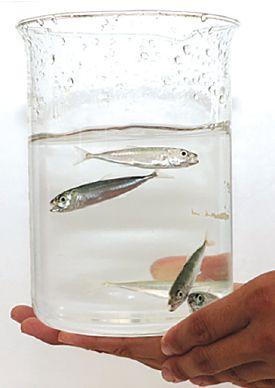
Some of the world’s first captivebred round scad 48 days after hatching, at the Southeast Asian Fisheries Development Center Aquaculture Department (SEAFDEC/AQD) in the Philippines. PHOTO: JF ALDON
“This fish was never maintained in captivity thus, maintaining the wild caught breeders, spawning in captivity and larval rearing were carried out in this species and were considered important factors to highlight in this research. Survival of this fish during larval rearing is comparable to other marine fish and perhaps may be higher when appropriate protocols designed for this species are established,” SEAFDEC/AQD researcher, Ma. Irene Cabanilla-Legaspi, explained to Hatchery International.
“As observed in the previous trials, the harvestable size of galunggong during the hatchery stage is way bigger compared with other marine fish which can be obtained only in less than a month of rearing.”
Broodstock collected from the wilds in October 2021 started laying eggs in December 2021 and continued to do so through February.
Among others, it is hoped that farming of the species would create a steady supply for demand and ease importations. And lead to a stable, affordable price. Needless to stress, the expectations from the research are very high. But it will take quite some time to deliver these.
The research on the species is still in the early stage, Cabanilla-Legaspi said, and there are still a lot of work to do.
“This is a five-year project and starting a new aquatic fish species for aquaculture entails a lot of experimental trials, verification, demonstration and finally recommendation for commercialization,” she stressed.
Fry would be available for commercial-scale production only once the protocols for production techniques for hatchery, nursery and grow-out are established and show acceptable results in terms of survival rate, growth rate, and adaptability to various culture conditions.
“This study also takes economic analysis into account in order to produce a profitable outcome for farmers. Then we can say that this species is suitable for commercial-scale production.”
She cited another SEAFDEC breakthrough in the 70s and 80s in the Milkfish culture. This took several years in developing broodstock technology, completing the life cycle in captivity, formulating effective larval and broodstock diets, and coming up with the treatment in case diseases occur.
– Ruby Gonzalez
GLOBAL LEADER IN FISH HEALTH SOLUTIONS
Our industry leading anesthetic has a new name.
Formerly Aqualife TMS®
HI_Syndel_MarApr22_CSA.indd 1
NOAA seeks public comment on environmental justice strategy
NOAA Fisheries is sharing its first draft of its new Equity and Environmental Justice Strategy. Public comments are welcome through to Aug. 19.
The 39-page draft document is meant to outline the agency’s national strategy to identify growing needs in “underserved communities” in the United States and its territories. The strategy also aims to build on existing equity and environmental justice efforts to reduce barriers.
“NOAA Fisheries is focused on serving all communities more equitably and effectively, and this strategy will provide the framework
Ukraine hatcheries continue ecological efforts despite the war
Several thousands of sterlet (Acipenser ruthenus) fry have been released into the Dniester River in the Chernivtsi region of Ukraine, the Ukrainian Environmental Ministry said in a statement on its Facebook page on April 9. This is the first time the Ukrainian hatcheries resumed. The recreational campaign suspended across the country with the beginning of the Russian invasion on Feb. 24.
Stocking has been carried out near the village of Doroshivtsi, in the Middle Dniester basin. Authorities explained that the sterlet population in the river was endangered by a mix of factors.
“The artificial breeding of sterlet is important because due to the construction and operation of hydroelectric power stations on the Dniester River, the population has lost the
to do just that,” said Janet Coit, assistant administrator for NOAA Fisheries and NOAA’s acting assistant secretary for Oceans and Atmosphere.
opportunity to migrate,” the Ministry said, explaining that fish migration used to ensure the “exchange of genetic material and the maintenance of fish population’s homeostasis”.
The freshwater sterlet in the Dniester River is protected by the Red Data Book of Ukraine, the Berne and Bon Conventions, CITES, the IUCN Red List, and the European Red List. In Ukraine, the sterlet in small numbers dwells in the lower reaches of the Danube, in the basin of the Middle and Upper Dniester, and is very rare in the Dnieper basin.
Fry launched into the Dniester were grown at the local Ishkhan hatchery. Chernivtsi region is a part of Western Ukraine. So far, it has been spared by the war, as most fights have been taking place in the eastern and southern regions.
The Ukraine environmental-protecting organization EcoPolicy also confirmed plans to release 2 million units of carp (Cyprinus carpio)
Innovation Beyond Measure
Results Beyond Expectation
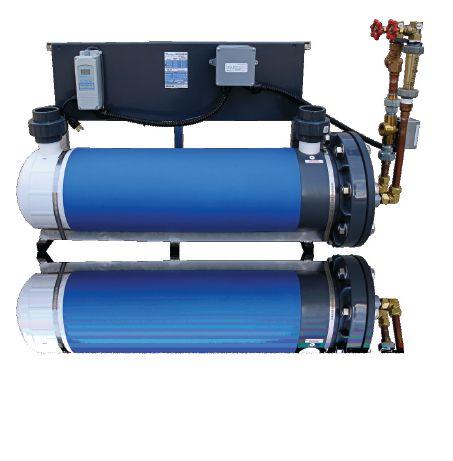
• 100% Titanium Heat Exchangers
• Salt & Fresh Water Safe
• Available with Tube Sheet, Helical Coil, or Plate
• Hot & Cold Water Loop Systems
• Compact Designs
• Easy Installation
• Incubator Rack Systems
• Gas Boilers
“We are committed to advancing equity and environmental justice, including equal treatment, opportunities, and environmental benefits for all people and communities, while building on continuing efforts and partnerships with underserved and underrepresented communities,” she added.
NOAA is asking the public to provide comments online or through live participation in its only webinars, by phone, and at in-person meetings until Aug. 19. The webinars will be held on:
• May 24, 2022, 4:00-6:00 pm Eastern time
• June 21, 2022, 3:00-5:00 pm Pacific time
• June 30, 2022, 1:00-3:00 pm Hawaii time
• July 19, 2022, 4:00-6:00 pm Eastern time
and silver carp (Hypophthalmichthys molitrix) fry into the Dnieper River originally rolled out before the war. This task is likely to be risky since the Dnieper region is bordering with Donetsk region, which has reportedly been declared the primary target of the Russian invasion.
As explained by Irina Ponikarova, director of the Department of Ecology and Natural Resources of the Dnipropetrovsk Regional State Administration, stocking Dniepr with carp was called not only to restore the fish population in the river but also to prevent the river from flowering. This task is laid upon several local hatcheries.
She explained that fish consume underwater parts of plants, algae, and microorganisms, thus filtering and purifying water. The Ukraine authorities put a lot of effort to improve the ecological situation in Dniepr. The National Academy of Science forecasted that due to pollution by chemicals the Dnieper river in 300 years can turn into a desert.
Where Water Drives Innovation.
NOAA Fisheries welcomes feedback for new national strategy document. PHOTO: NOAA
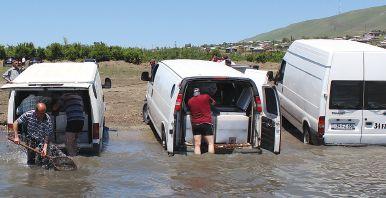
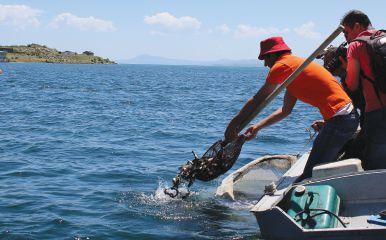
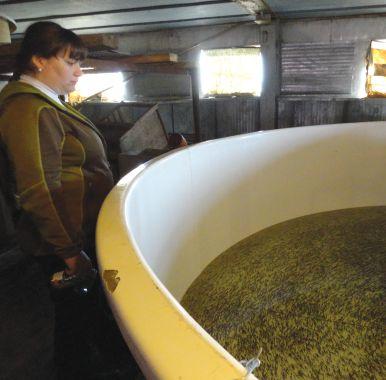
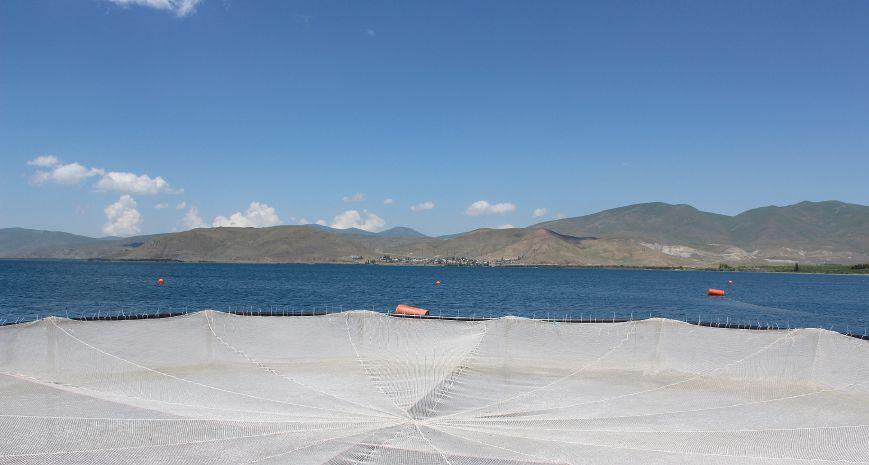
Ukraine resumes recreational campaign despite all odds. PHOTOS: FOUNDATION FOR RESTORATION OF SEVAN TROUT STOCKS AND DEVELOPMENT FOR AQUACULTURE
Sanctions jeopardize Russian salmon and trout production in the Atlantic
Russian salmon (Salmo) and trout (Salmo trutta trutta) producers in the North-West federal district may stop operation as the import of feed and broodstock has been disrupted by sanctions.
Fish farming in the Karelia Republic is in danger as the available stocks of feed is enough to maintain operation for only two months, said Vladimir Labinov, Minister of Agriculture and Fisheries of Karelia.
“Karelia has faced a shortage of feed due to sanctions. The region needs 50,000 tonnes of fish feed per year, of which 85 per cent traditionally was imported. The main suppliers are Norway, Denmark, and Finland”, Labinov said, adding that these companies pulled out of the contracts with the Russian fish farmers.
On the other hand, Russian companies would not be able to meet domestic needs. The Karelian Fish Plants Group of Companies, the only major producer of fish feed in this part of the country, is ready to increase its capacity only to 8,000 tonnes per year.
“Under the technological cycle, the active phase of feeding begins at the end of May,” Labinov said, adding that there is not much
time to source feed. “We consider imports from Belarus. There are operational facilities, but they lack raw materials – fishmeal.”
Russian fish farmers have appealed to the federal agency for fisheries Rosrybolovstvo to consider establishing alternative supply routes, including through Turkey and Iran.
Fish farmers also experience a shortage of broodstock and equipment, but the absence of feed is a more pressing issue and needed to be solved quickly.
As explained by Stanislav Bazhulin, director of Lafor Managing Company LLC, a trout producer in Karelia, the problem with the shortage of feed is alarming.
“Before [the Russian invasion of Ukraine], we used to purchase hundreds of tonnes of fish feed from Coppens, Skretting, Raisio during the feeding season, from April to October, and it cost us €1.6 to €1.7 per kilogram,” Bazhulin said.
Russian factories fail to boast regular quality, Bazhulin said, explaining that the quality of feed varies from batch to batch. Besides, the price tends to be higher compared to European products.
“We are open for dialogue with everyone we send requests all over the world - from Vietnam and China to Spain and France. There are no specifics, only preliminary results. We are looking towards China, Iran, Turkey,” he added.
Russia imports red fish from Turkey, Chile, and the Faroe Islands, but locally grown fish accounts for around 80 per cent of domestic consumption. Having the production disrupted, Russia may see an unprecedented shortage of salmon and trout. Currently, there are 67 trout farms in the Karelia Republic, with a production capacity close to 36,000 tonnes per year.
Smarter, stronger, more economical drum filters
Water filtration has never been so easy
The Hydrotech Drum Filter Value series focuses on reduced maintenance, increased component quality and simplified operation – all to give your plant maximum filtration performance at a minimum operational cost.
Contact us!
Call +46 (0)40 42 95 30 or visit www.hydrotech.se
Russia lacks hatcheries to overcome sanctions.
Lost in the Black Sea
Being stripped from Western broodstock and equipment seafood companies in the Russian south and occupied Crimea fear to see their business crumbling. New hatcheries might partly solve this problem, but building them seems as a tricky task, especially since fish farmers have to deal not only with just sanctions, but also with the direct impact of the war.
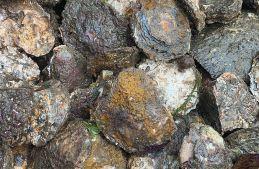
Over the past few years, farmers in the Russian Black Sea region put a lot of effort to ramp up mussel and oyster production. In 2021, the Crimean production of oysters and mussels was expected to reach 1,700
tonnes, estimated Andrey Ryumshin, Agricultural Minister of the Russian Crimean administration. Crimea has been supplying oysters to not only local hotels and restaurants during the summer season, but also met the demand of Moscow, St. Petersburg, and other parts of the country, he added.
The rapid seafood industry development was stemming from broodstock and technology imports from Western countries. Though making businesses with the Crimean-based companies remains prohibited for European companies since the Russian annexation of the peninsula in 2014, the supplies continued,
LONG-LASTING AQUACULTURE PUMPS
in most cases through companies registered in other Russian regions.
However, the Russian invasion of Ukraine has changed the cards on the table, pulling a plug on the broodstock import, and putting the seafood industry in a tough situation.
The first hatchery
The hatchery for growing oysters from scratch is planned to be created in Sevastopol, in order to replace the French spat, Denis Profatilov, director of the Sevastopol economic development department has recently told the local press.
Specialists in corrosion-resistant, reliable and stable propeller pumps, with high uptime and low energy consumption- for a healthy and sustainable aquaculture.
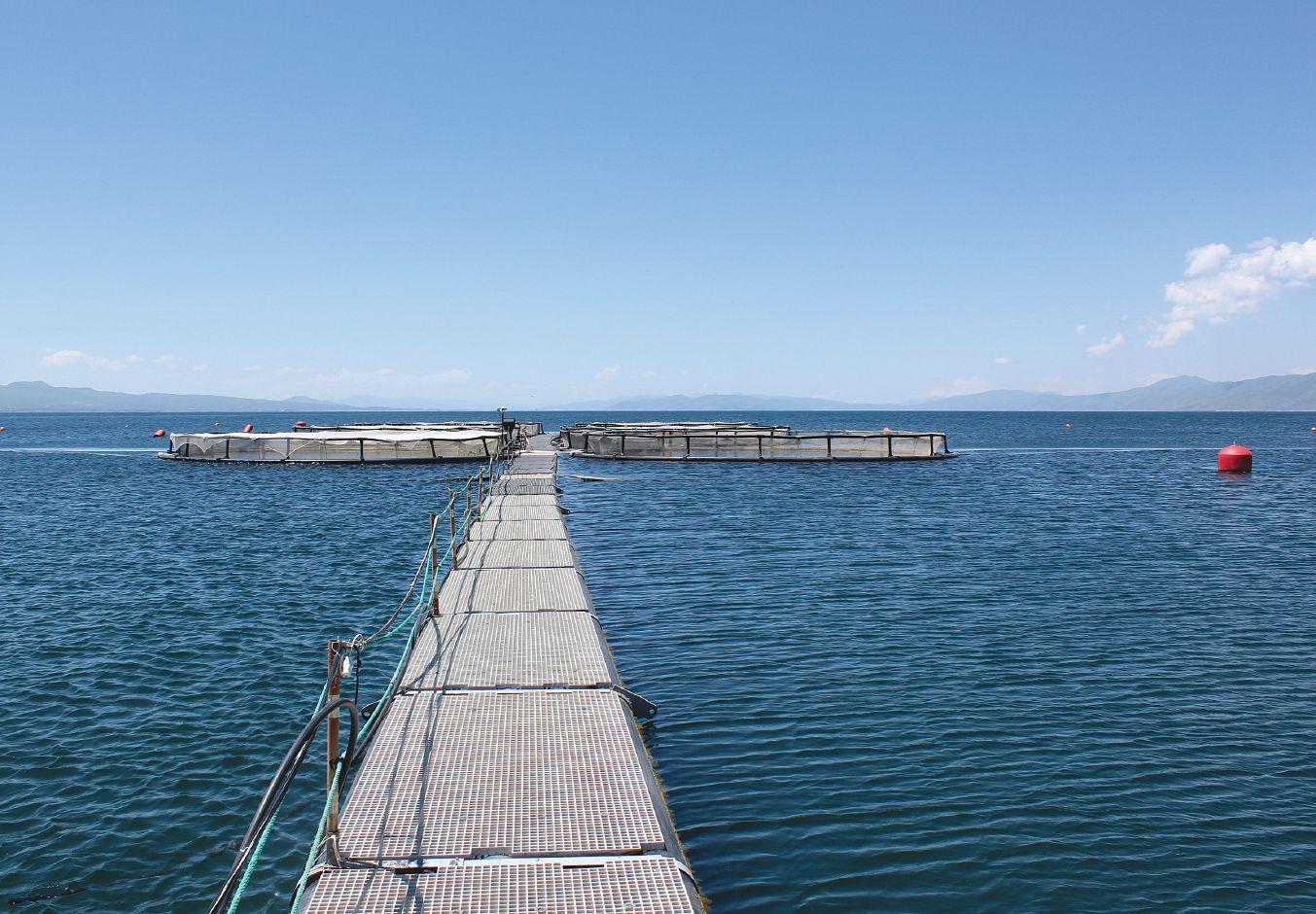
Fish farming in Black Sea may cease to exist. PHOTO: INSTITUTE OF BIOLOGY OF THE SOUTHERN SEAS
“A replacement broodstock of 10-12 million units of spat a size of 6 mm or more will be created in recirculating water supply installations, and we also plan to determine the optimal diet for oysters growing in these pools,” Profatilov said.
A group of scientists from the Institute of Biology of the Southern Seas of the Russian Academy of Sciences is now developing technology for growing oyster spat, taking into account the local environmental conditions.
An unknown investor is expected to take advantage of the new technology, the Sevastopol economic development department said in a follow-up statement.
“Sevastopol farmers traditionally purchased 2.5 million units of oyster spat from France per year. Due to sanctions, deliveries have been stopped, though oyster farms managed to make purchases in advance for this season,” Profatilov said.
In 2021, Sevastopol accounted for 40per cent of the Crimean shellfish production. Farmers in other parts of the peninsula have also been barred from the Western broodstock.
“All the enterprises of the Azov-Black Sea basin fell under the sanctions regime, and now there is no way to produce oysters at all.
It is a shame and a pity that in the Russian Federation, which consumes 15-16 million oysters a year, there is still not a single hatchery. The Black Sea fully relies on the French spat. I proposed the idea of launching an oyster hatchery, but the idea is still under discussion,” said Sergey Tatko an owner of a Sevastopol-based mussel farm Center for Marine Food Resources.
Canceled plans
Some investors have wrapped up previously declared development plans, citing the lack of imported broodstock as one of the main concerns.
MOST COMPLETE SELECTION OF MICROALGAE
For instance, Rostov-based Azovo-Don Sturgeon Company has suspended building a mussel and oyster farm in Crimea, the company’s founder Ivan Milovanov reported.
“We have frozen this project. We did not set up collectors, as against the backdrop of sanctions the situation is incomprehensible,” Milovanov said.
The new farm was expected to be the largest on the Crimean peninsula. Azov-Don Sturgeon Company targeted to build it in three stages. In the first stage, the company planned to produce 5.5 tonnes of oysters and 300 tonnes of mussels per year in 30 collectors. The second stage envisaged tripling these figures. The final
Farms in the Black Sea are jeopardized due to war. PHOTO: INSTITUTE OF
PRODUCTION
production performances were expected to depend on the actual state of demand.
The construction of several other smaller farms reportedly was also suspended. All key equipment suppliers refuse from selling anything to Russia.
“Sleeves for breeding the Black Sea mussels are produced in France and Italy. Due to a spike in [the exchange rate of] euro, we are faced with the problem of supplying these sleeves, we don’t even know what to do. We are considering all possible options, trying to find a Russian alternative that is more or less suitable. We even tried to use instead of a simple vegetable net, in which root crops are packed in the markets,” said Oleg Luzin, chairman of the Innovative scientific and technical team, Midiya.
Cost of war
However, the lack of broodstock is not the only problem fish farmers in occupied Crimea have to face. The continuing Russia-Ukraine war has nearly paralyzed shipping along the Ukraine coast due to the fights and drifting sea mines. Since the beginning of the conflict, farmers in Crimea have lost access to their farms.
For example, the Sevastopol-based Center for Marine Food Resources may lose a three-year harvest due to the Russian government’s restrictions, prohibiting civil ships to go out to the sea, warned Sergey Tatko the company’s owner.
“For the second month, we have not been able to go to sea. For our company, this is very dangerous and jeopardizes our harvest. The mussel, gaining weight, can sink to the bottom,” he said, explaining that this would mean that all production would be lost.
The farm is located one mile from the coast on 144 hectares. The harvest is estimated at
100 tonnes. Tatko said that no one has ever produced so many mussels in Sevastopol before. The products could be lost in a matter of several weeks.
The company already has no products left for sale, and was forced to close its retail stores in Crimea, he added.
“I wrote several letters [to government officials]. Someone must give a go-ahead to go to the farm at least once a week. We understand that the Ukrainians have planted these mines. But you can’t just take and destroy something that has been growing for three years,” he added.
In addition, the Center for Marine Food Resources uses an Italian specialized stocking in which mussels are placed to grow. There are no analogs in Russia, and import supplies have been disrupted, Tatko said.
The sea mines are expected to be a big problem for fish farmers in the Black Sea.
The Russian Institute for CIS countries expressed worries that the sea mines deployed near Odessa could jeopardize shipping in the region for years ahead. Some sea mines have already reached Turkish territorial waters where they were disarmed. There is no reliable information on how many mines were laid across the region by both sides, but the figure is likely to be huge.
Tatko warns that if nothing is changed Russia may lose the entire oyster production already in 2023.
“Next year we will see a collapse of the oyster market. They will sell all the leftovers, and, in fact, that’s it. Or we will work in the old-fashioned way – smuggling [feed, broodstock, and equipment] through friendly countries. But I think it will not work. This is a very serious problem. There is no positive insight,” he said.
Russia wants to establish a hatchery with its biggest gene pool of fish.
PHOTO: YAKUTIAN ECOLOGY MINISTRY
Less-studied
yeast species, Pichia guilliermondii, examined as juvenile rainbow trout additive
The potential of Pichia guilliermondii as functional additives in juvenile rainbow trout is good news for consumers.
“The identification of a variety of vifuncitable yeast products in rainbow trout could induce more price competition and potentially reduce costs associated with including these products in commercial feeds,” Dr. Wendy Sealey, told Hatchery International.
Sealey is the corresponding author of “Evaluation of the ability of Pichia guilliermondii to improve growth performance and disease resistance in rainbow trout (Oncorhynchus mykiss).” She is with the USDA, Agricultural Research Service, Bozeman Fish Technology Center in Montana.
Sealey adds that this would provide feed manufacturers and trout producers the flexibility of increased utilization of the products to improve trout production efficiency.
The trials ended with supplementation of either P. guilliermondii or the gut supplement improving growth and food conversion
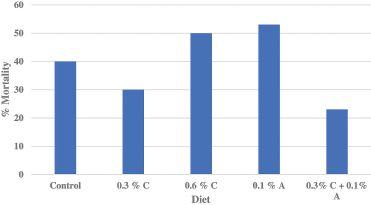
Mortality of rainbow trout fed Pichia guilliermondii (CitriStim® labeled as C) and and/or a commercial dietary gut supplement (Anco® FIT labeled as A).
PHOTO: JOURNAL OF WORLD AQUACULTURE SOCIETY
efficiency in juvenile rainbow trout when fed for 16 weeks in a recirculating aquaculture system (RAS).
“Pichia guilliermondii and gut supplement both increased feed intake and protein retention efficiency in rainbow trout leading to improved feed conversion ratio and growth and suggesting improved gut health in the supplemented animals,” she explained.
P. guilliermondii comes from a spent yeast byproduct following the microbial fermentation of carbohydrates by the yeast in the commercial production of citric acid.
A lot of research has looked into yeast and yeast-derived products as additives in fish have focused on Saccharomyces cerevisiae, a byproduct generated from many industrial processes, including beer, alcohol and bio-ethanol production.
The research, published on the Journal of World Aquaculture Society, showed that animals fed with an extruded diet supplemented with 0.3 or 0.6 per cent P. guilliermondii alone or 0.3 per cent P. guilliermondii with a dietary gut supplement at 0.1 per cent improved growth and food conversion efficiency in rainbow trout when fed for 16 weeks. No effect of supplementation on mortality was observed.
Commercially available products were used in the fish diets. P. guilliermondii was supplied through, CitriStim. Anco FIT was used as gut supplement containing active natural ingredients
Ease of delivery and cost-effectiveness, she said, are strong points of using products derived from yeast culture.
– Ruby Gonzalez
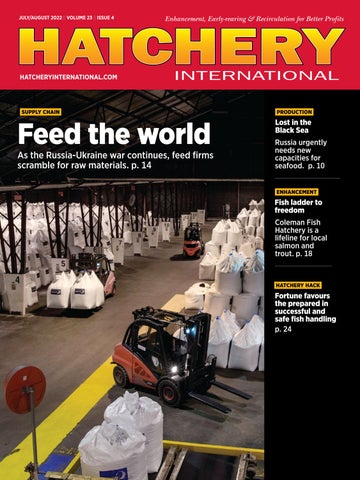
FEED THE WORLD
As the Russia-Ukraine war continues, feed firms scramble for raw materials. By
In the weeks since Russia launched attacks on Ukraine, the world has experienced political and economic upheaval. Gas prices are soaring, and many businesses have pulled out of Russia or halted operations in protest. It seems no industry is unaffected,
Bonnie Waycott
even aquaculture, and feed firms are feeling the effects.
Russia and Ukraine are among the most important producers of agricultural commodities. According to the FAO, in 2021 they ranked amongst the top three global exporters
of wheat, maize, rapeseed, sunflower seeds and sunflower oil and amongst the top ten for corn and barley. Corn, and especially wheat, are important for feed manufacturers but now, prices for wheat, barley, corn and others are all picking up speed.
“Some of the biggest implications that we’re seeing from the war are reduced availability of ingredients, higher prices and a lot of uncertainty in the market about the new crops coming from Russia and Ukraine,” said Robert van den Breemer, procurement director at Skretting. “Over the past two years, we have seen disturbed logistics, disturbed raw material flows and extremely disturbed prices. The war comes on top of an already very challenging sourcing environment due to COVID-19.”
“We are very much influenced by the increasing raw material prices as a result of what’s happening,” said Kenneth Patrick Madsen, Group Marketing Manager at Aller Aqua, which purchases significant volumes of protein crops from Ukraine. “We have also closed activities in Russia and Ukraine and our logistics have been disrupted.”
Some feed firms have taken significant steps in response to the war. In early March, BioMar announced that it would cease trading with Russia following the invasion of Ukraine. The move includes sales of finished products as well as the sourcing of raw materials and applies to all BioMar entities around the globe. The ban is a major step for the company, as substituting raw materials
and losing sales volume will have a significant impact. That same week, SHV, the Dutch conglomerate that owns feed producer Nutreco and its aquafeed subsidiary Skretting, said it would not undertake any new investments, projects or exports to Russia.
Others, however, are continuing with a business-as-usual attitude but the situation is having strong impacts, especially when it comes to raw materials.
Van den Breemer says that for firms like Skretting, the ingredients most impacted are rapeseed, soy protein concentrate and other vegetable ingredients originating in Russia. In addition, the overall pressure on the prices of wheat and corn, and reduced availability of vegetables and other ingredients, are making it difficult to contract what is needed. This has led to previously unheard-of prices due to little or no alternatives.
Russia and Ukraine ranked among the top three global exporters of wheat, maize, rapeseed, sunflower seeds and sunflower oil, and among the top ten for corn and barley. PHOTO: JAN INGE HAGA
Robert van den Breemer, procurement director at Skretting, says the war only added to an already “very challenging sourcing environment” due to the COVID-19 pandemic. PHOTO: SKRETTING
“Regarding our expectations in the future, in the short-term, prices are expected to remain at current levels,” said van den Breemer. “When the summer crops from the Americas become available, it’s possible that prices will decrease slightly but overall, inventories are at record low levels. To a certain extent, the price increases can’t be avoided. We have a continuous and active dialogue with the commercial team to ensure that we manage the price increases in the best way for our customers.”
“We expect to see fluctuating prices but when the global market has adapted to this. Things may become more balanced,” said Madsen. “The need for cheaper food protein alternatives will also rise and solutions for better feed efficiency will be in high demand. This is likely to affect feed prices and the price of raw materials in the future.”
Going forward, Skretting is looking to source more local materials where possible, find alternative ingredients and use its decades
of expertise to ensure that it continues to supply its customers with feed that meets the nutritional requirements that they need.
“We are a strong team and capable of handling this situation,” said van den Breemer. “Stopping the war in Ukraine will be beneficial for the world and also for the feed industry, when some uncertainty is removed from the market.”
“The rise in feed prices due to more expensive raw materials will force many farmers to choose cheaper feeds or other solutions,” said Madsen. “This could prolong production cycles and lead to less production output and less fish. This, in turn, will become a problem because fish is consumed more frequently now but there will be less supply for consumers. The Russian and Ukrainian markets are important when we look at the raw material situation. They are major players and of significant importance to feed firms. However, at Aller Aqua we are managing, and we believe that the market will adapt from having gone through this difficult period. Governments could invest more in fish production or perhaps make other plant-based materials such as wheat more easily available so that farmers can keep their optimum feed and maintain production.”
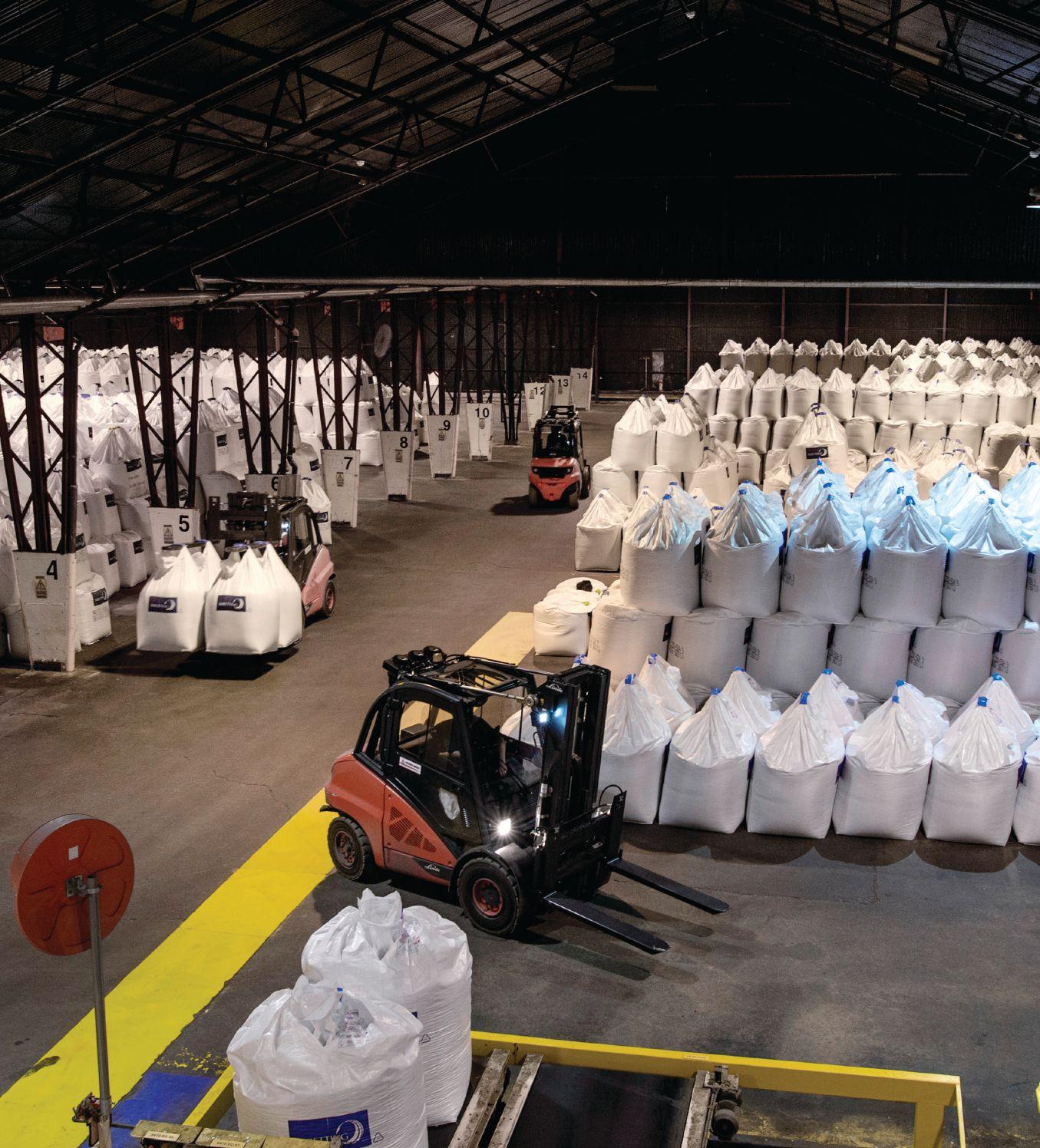
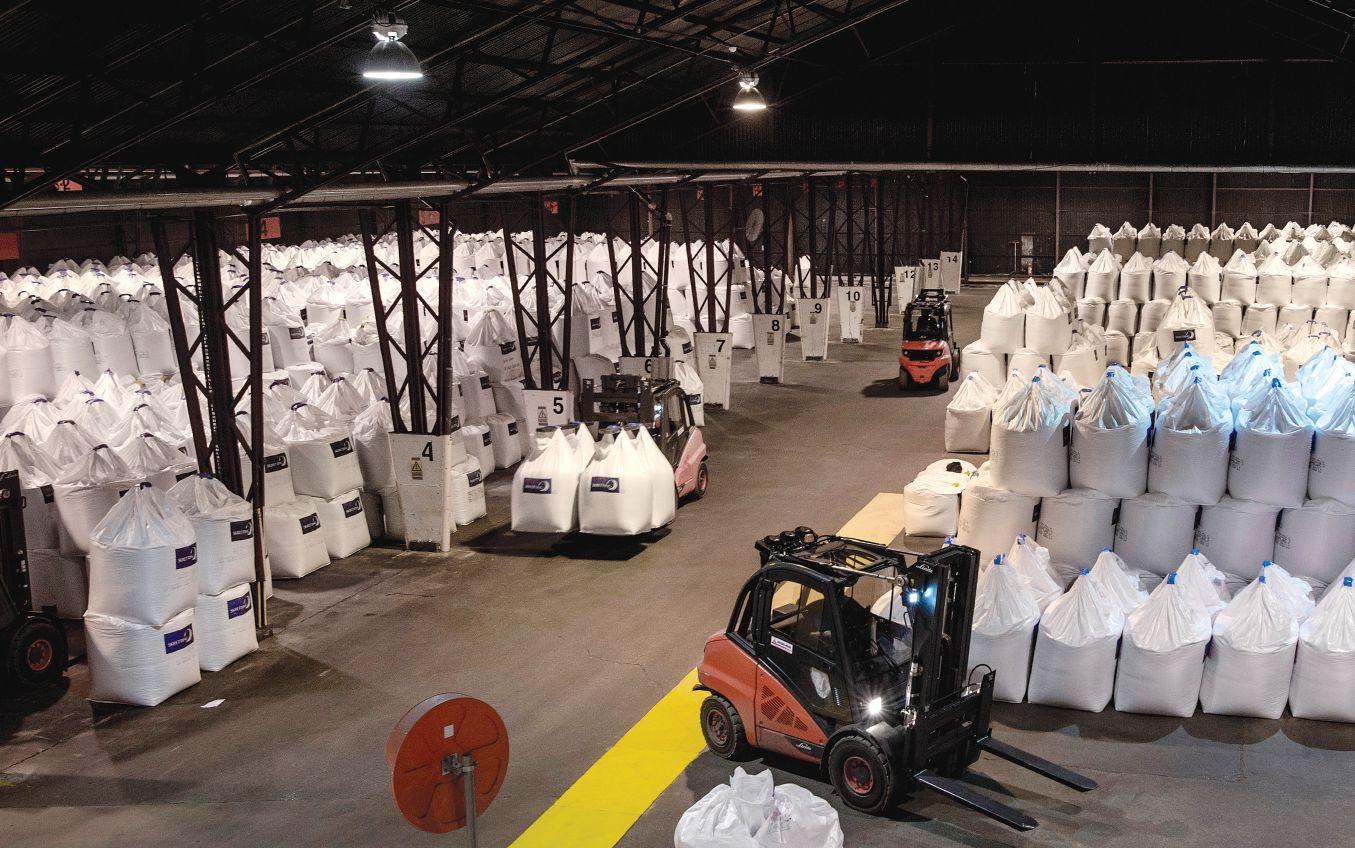
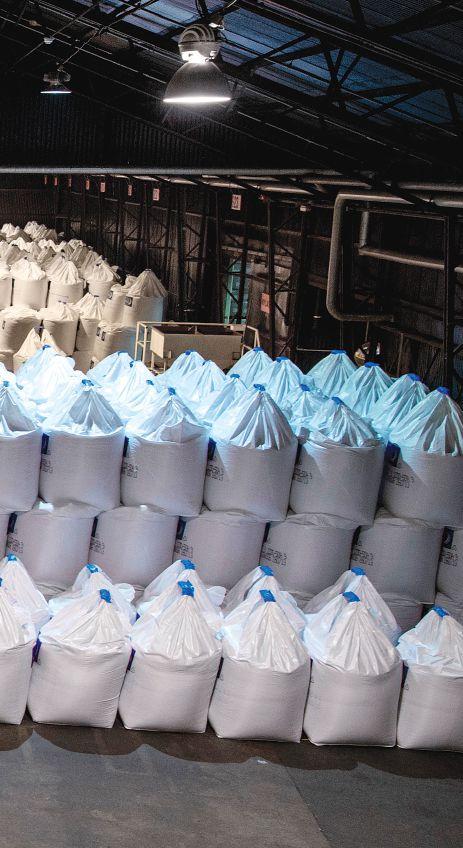
Inventories are at record low levels at feed manufacturers. PHOTO: MARCO JIMENEZ
Return of the flat oyster in Victoria
By John Mosig
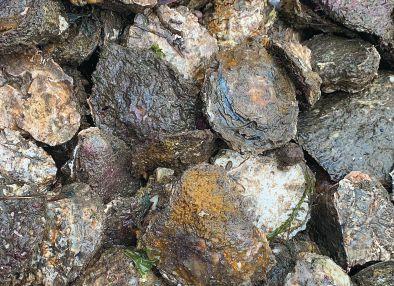
On the arrival of Europeans, the substrates of Port Phillip and Westernport were so densely populated with flat oysters, they were literally mined for their lime to help build the colony. Today, they’re being bred to re-establish the once vast reefs, and as a commercial crop for the dinner plate.
Steve Cooper, the founder of Flinders Oyster Company (FOC) said the Ostrea angasi shared the same environmental position as the famous belon oyster of France (O. edulis) and he is confident that he can create a local oyster industry based on the product’s universal market acceptance. He said the market enquiry he’s had so far would top 30 million dozen without including any exports.
The operation is divided into two sections: FOC and the Phillip Island Oyster Hatchery. The hatchery has the algal capacity to grow 50 million spat to 4 mm, but has the space to increase that threefold.
Conveniently located in the channel that separates the Island from the mainland, the tidal flow from Bass Strait ensures a reliable flow of healthy oceanic waters for the hatchery. The water is aged for 24 hours, sterilized and pasteurized before the nutrients are added in the algae room. Four different algal species are used in varying proportions during the different life stages of growth before the larvae metamorphose into spat. Another range of micro algae are employed in the spat rearing tanks before they’re taken out to sea.
“We’ve developed and designed a specific system for growing angasi oysters. As a sub tidal oyster, they’re a very different proposition to the other species farmed in Australia – the Pacific and the Sydney rock. With the robust cages we’ve designed, we’re able to stock in high energy waters and being submerged, the oysters don’t lose that low tide feeding period,” says Cooper.
Keeping the environment clean is paramount, he adds. The mechanical system is hydraulically driven. The cages are lifted from the water, the oysters are cleaned and graded and any fouling is removed from the cages. They’re out of the water for a very short period of time.
“Our system allows us to service three leases per crew. That’s a very economical use of manpower and equipment,” says Cooper.
The hatchery mainly spawns from wild stock but this season, Cooper says they’ve been able to incorporate a few selected breeders from their own pool. Normal spawning
stocked in the early spring. “This will give us two full summers and we can reduce our growing cycle to 18-24 months and catch the market gap when the rock oysters have spawned and not at their prime,” he says.
“This also opens the door to producing a triploid oyster,” says Cooper
Cooper believes that with some solid science behind their breeding, oyster farming can become a major aquaculture industry in the region. It could see the return of the indigenous angasi as a mainstay of the local seafood markets.
Cooper had an interesting slant on CO2 sequestration and nutrient stripping, too.
is in November which means the spat are stocked on the leases in January to February and are ready for harvest in 24 to 30 months.
The oysters spawn when the water temperature reaches 18o C and the larval stage takes 20 to 22 days at which stage the oysters are 300µm. The spat rearing stage to 4mm takes another six weeks. During this phase, the spat are graded into growth rate cohorts.
A cohort of 1,600 are then stocked into one cage of the ladder. When they double in size they’re graded, split and stocked in two cages. This splitting process continues until all six cages have 20 dozen oysters in them. Cooper is working towards conditioning selected family lines so spawning can commence mid-winter and the spat can be
“Oysters are filter feeders. Each mature oyster filters 200L of water a day. When the first Europeans sailed into these waters you could see the bottom 10 meters down. They strip excess nutrients from the water while at the same time they’re removing calcium carbonate to build their shells,” he explains. This carbon can be audited and qualifies for carbon credits and he believes Port Phillip Bay and Westernport could be turned into aquaculture provinces. More than that, by re-seeding the local reefs, they could act as a natural carbon sink.
“We certainly have the hatchery capacity here at San Remo to get the ball rolling. Once re-established, the reefs would expand naturally. All it needs is a coordinate government approach,” says Cooper.
HI_Charles Murgat
Flinders Oyster Company hopes to restore oysters as a mainstay in local seafood markets in Victoria, Australia. PHOTO: JOHN MOSIG
Fish ladder to freedom
Coleman National Fish Hatchery is a lifeline for local salmon and trout. By
Julia Hollister
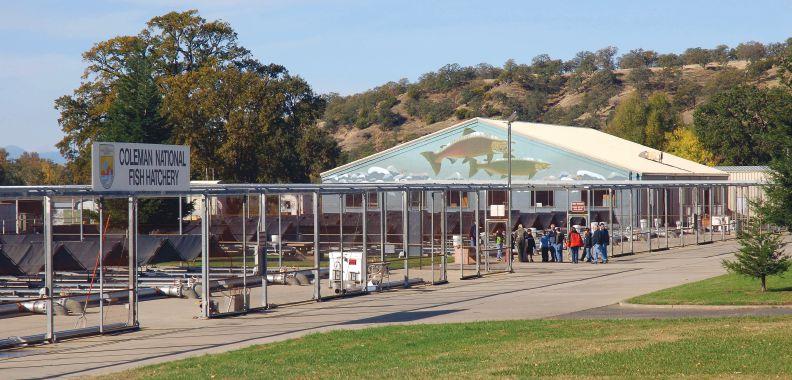
When Federal Fish and Wildlife opened the Coleman National Fish Hatchery on Sept. 25, 1942, it was a lifeline for local salmon and trout.
“The hatchery was constructed to partially mitigate the effects of Shasta Dam, which blocked approximately 50 per cent of the Chinook salmon and steelhead spawning and rearing habitats in the upper reaches of the
Sacramento, Pit, and McCloud rivers,” said Brett Galyean, project leader at Coleman National Fish Hatchery.
Coleman NFH is located in Shasta County, Calif., USA, on a relatively flat parcel of land on the north bank of Battle Creek. It is approximately 5.8 miles east of the Sacramento River, 10 miles southeast of Anderson, and 20 miles southeast of the city of Redding.
Battle Creek provides surface water supply for the hatchery. The creek’s discharge is regulated above the hatchery by four small power plants, and several small reservoirs and diversions. To the north and south of the hatchery lie the rolling foothills of the Cascade Range, with peaks ranging from 1,000 to 2,700 feet.
The hatchery covers approximately 75 acres of land owned by the federal government. An additional 63 acres of land are in perpetual easements for water delivery pipelines and access.
Small valleys and sharp breaks in the land are produced by numerous seasonal streams draining the area. Battle Creek flows through a valley from the east to the west along the south edge of the hatchery property. Battle Creek enters the Sacramento River 5.8 miles to the west of the hatchery.
The hatchery currently propagates four salmonid stocks: fall Chinook salmon, latefall Chinook salmon, winter Chinook salmon and Steelhead.
The incubation period is lengthy. The time varies between the programs based on water temperature. However, normal incubation period for fall Chinook salmon is October to December, late Fall Chinook salmon is from January to March, winter Chinook salmon is
from June to August, and Steelhead is in late December to March.
Each year Coleman NFH releases approximately 12 million fall Chinook Salmon, one million late-fall Chinook salmon, 240,000 winter Chinook salmon, and 600,000 steelhead trout.
Fish ladders are common at most salmonid hatcheries and are crowd pleasers for tour groups.
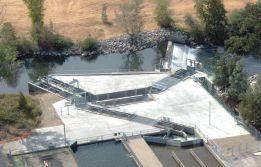
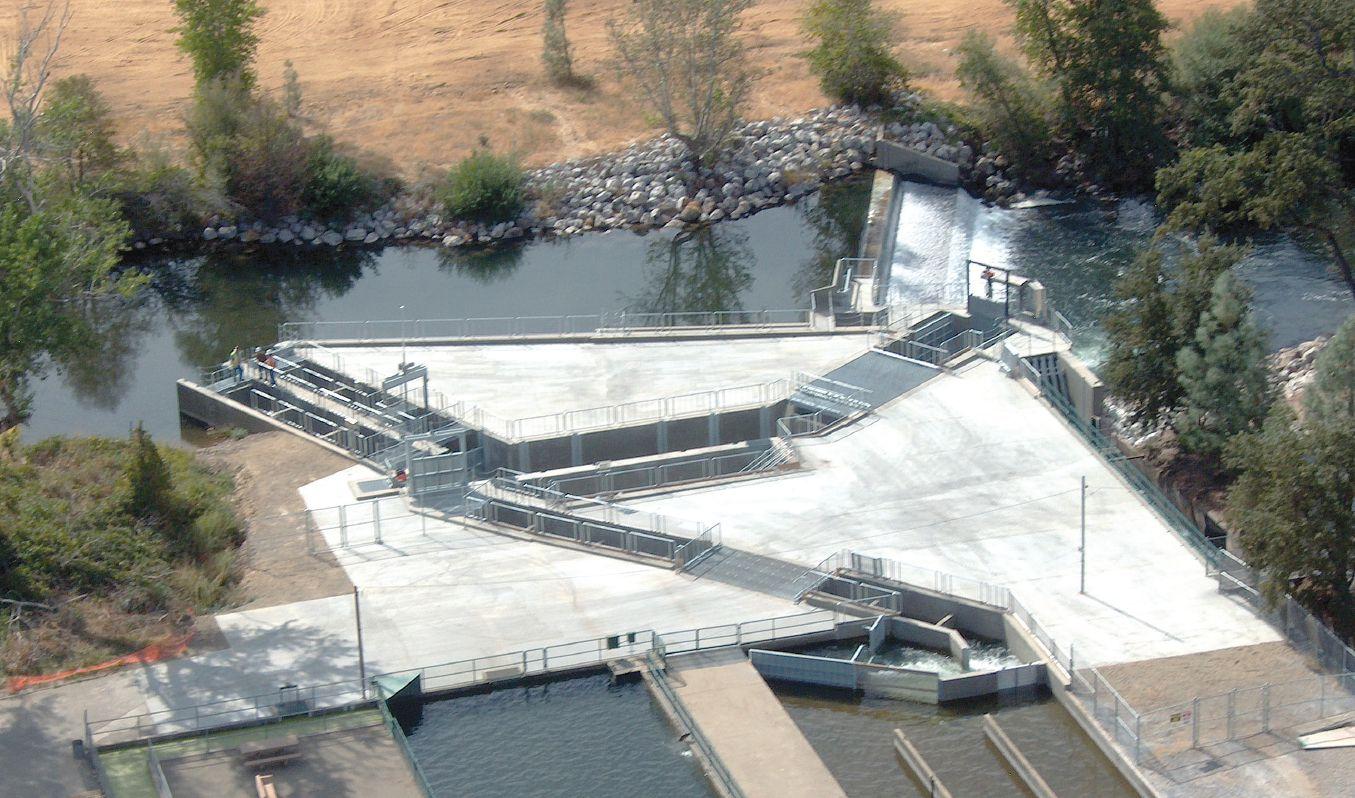
The current fish ladder in Coleman was constructed in 2009 and is a vertical slot baffle fish ladder design. Each time an adult salmon swims through the vertical baffle slot, they go up one foot in elevation. In order to enter the hatchery holding pond, an adult salmon must swim through 11 vertical slot baffles in the fish ladder.
It is not built specifically for the salmon; it can be used for different species. Other non-salmonids, like lamprey and suckers, can migrate through the Coleman NFH fish ladder. The fish ladder is important because it connects Coleman National Fish Hatchery to Battle Creek and is the avenue by which adult salmon swim into the outside holding ponds. The fish ladder at Coleman NFH was redesigned in 2009-2010 allowing the
hatchery to collect adult salmon broodstock between the months of October to June.
When the hatchery is not collecting adult broodstock, the fish ladder can be modified to allow anadromous salmonid and other native fish access around the barrier weir at the hatchery, to continue their migration into upper Battle Creek.
The runs of salmon are named when the adults enter freshwater from the ocean to
EWOS TRANSFER CLEAR
begin their migration back to their natal stream or river (a.k.a. the stream or river where they were born).
In addition to maneuvering through the ladders, Galyean said there are predators lurking.
“As juvenile fish and through the adult stage, salmon are both prey and predators throughout their life cycle,” he said. “In order to minimize predation on the salmon that are released from Coleman NFH, we try to coordinate our
Coleman National Fish Hatchery releases about 12 million fall Chinook salmon each year.
PHOTOS: UNITED STATES FISH AND WILDLIFE SERVICE
PIT TAGS & SCANNERS
VMG Industries Inc.
2972 Bellmeade Way Longmont, CO 80503 USA T: 303.682.8890 • www.vmgindustries.com
hatchery releases with storm events, higher water flows, and increased water turbidity. All of these factors would aid the salmon in their outmigration survival.”
The number of salmon released today has not changed in the last five years. However, the hatchery has added additional research projects and programs, such as 360,000 fall Chinook salmon as part of an offsite research study, two million fall Chinook un-fed fry release project, and a “jump start” reintroduction program of 240,000 winter Chinook salmon into Battle Creek.
On the third Saturday in October each year, Coleman National Fish Hatchery celebrates the annual Return of the Salmon Festival. This festival has been celebrated at the hatchery since 1991 in an effort to increase outreach and visitor use; during this one day festival thousands of people visit the hatchery. Visitors can view the hatchery’s salmon spawning operation and salmon aquarium welcome the salmon back at the free event.
There are challenges facing all the national fish hatcheries. Galyean said the biggest challenge facing Coleman NFH is securing a reliable cold water source while minimizing hatchery impacts on winter and spring Chinook salmon reintroductions in Battle Creek. (The hatchery is located on Battle Creek, which is a tributary of the Sacramento River).
Galyean said one challenge is looming. California’s drought has played a large role in the growth of salmon.
“The drought has impacted every aspect of how fish are raised at Coleman NFH,” he said. “The impact is felt from collecting adult salmon, to rearing conditions for juvenile salmon in raceways, having suitable water conditions in order to tag and mark the juvenile salmon, to coordinating fish releases with storm events.”
When drought comes to California, it is a dire warning as fish engage in a struggle to survive. Less rain and snow means a drop in water quality, warmer water and less streamflow, leading to increased disease and predation for many species.
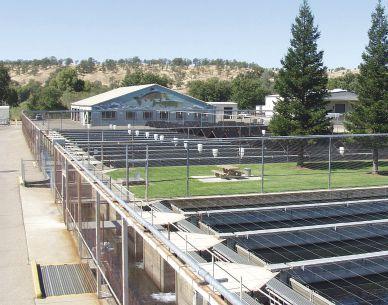
Coleman NFH has 14 outdoor raceways.
PHOTO: UNITED STATES FISH AND WILDLIFE SERVICE
Temperature effects on Atlantic salmon performance and maturation in freshwater RAS
By Curtis Crouse, John Davidson and Christopher Good
Early maturation of farm-raised Atlantic salmon is a complex process that is influenced by numerous environmental factors. Fortunately, recirculating aquaculture systems (RAS) production allows for greater control of the culture environment than other production methods.
Environmental control in RAS has shown promising results for optimized growth and fish welfare, and continued research into RAS-specific maturation cues will likely facilitate development of standard operating procedures that minimize early maturation.
Research at the Freshwater Institute (FI), previously investigated the effect of several environmental parameters on early salmon maturation in RAS, including photoperiod (Good et al., 2016), use of ozone to reduce waterborne hormones (Davidson et al., 2021), and swimming exercise (Waldrop et al., 2018).
While generally considered advantageous for fish growth, warmer water temperatures characteristic of RAS can also be associated with increased early maturation. Anecdotally, researchers at FI observed better early maturation outcomes in a cohort of Atlantic salmon grown out in slightly cooler water (13.3 C) in a semi-commercial scale RAS than previous cohorts.
Past observations also suggest that salmon begin to exhibit signs of maturation soon after moving from relatively cool flowthrough and partial reuse systems used for early life stages into warmer experimental RAS. Accordingly, rearing temperature was investigated for its impact on growth performance and early maturation in RAS.
Full details of the study were published in Aquaculture journal on “The effects of two water temperature regimes on Atlantic salmon ( Salmo salar ) growth performance and maturation in freshwater recirculating aquaculture systems.”
Eyed eggs were received from a commercial supplier and incubated at 7.5 C until first feeding. Newly installed chilling capacity allowed for temperature control through the entire life cycle of the fish, starting at first feeding where fish were reared <12 C to 51 grams mean weight. The fish were then stocked into six replicated 9.5 m3 RAS and raised for eight months at either 12 or 14 C.
Every two months, fish were sampled from each RAS to measure weight and length and for examination of external maturation signs
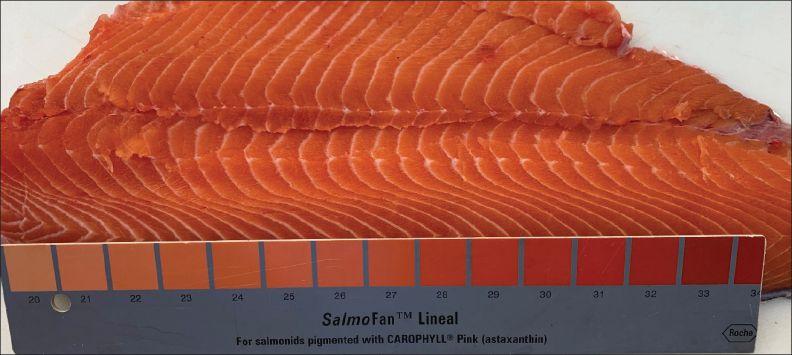
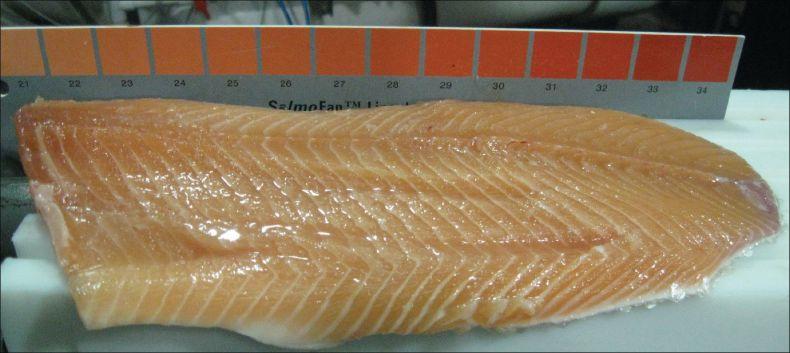
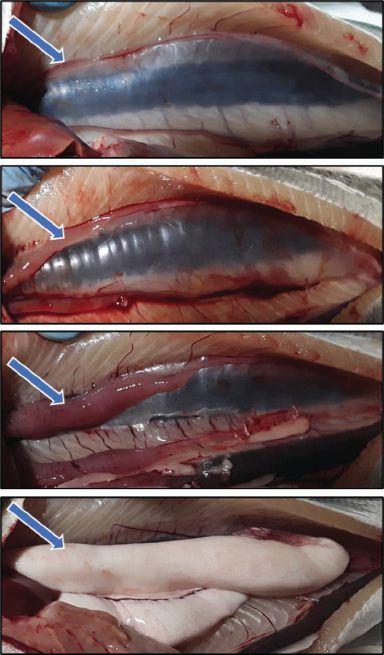
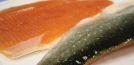
FIGURE 1. Fillet from an immature Atlantic salmon (top) and mature Atlantic salmon (bottom). PHOTOS: FRESHWATER INSTITUTE
including skin coloration, kyped jaws, and ovipositors. At the conclusion of the study, gonadosomatic index (GSI) was calculated for all sampled fish to determine maturation status.
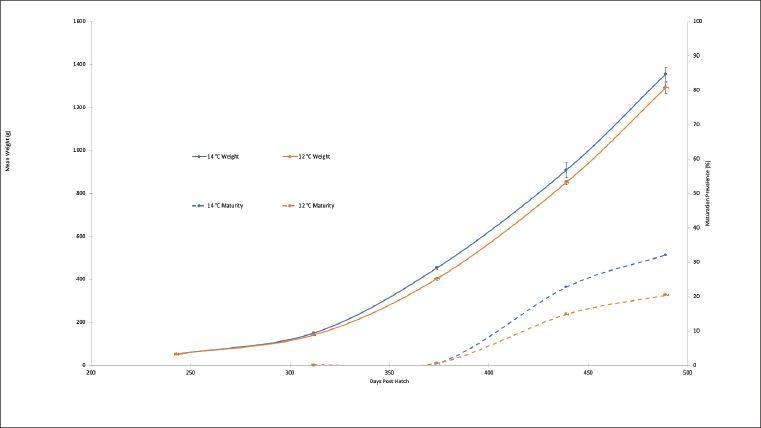
Although fish raised at 14 C were expected to grow faster than their 12 C counterparts, growth performance to ~1.3 kg was similar between the two temperature treatments. Survival, condition factor, feed consumption, and feed conversion ratio were also similar. Further, comparable growth in different temperatures resulted in higher thermal growth coefficient for the 12 C treatment.
This could indicate that a slightly lower temperature than those proposed for optimal Atlantic salmon growth provides a more balanced environment for the fish, in terms of other physiological processes and may
Although fish raised at 14 C were expected to grow faster than their 12 C counterparts, growth performance to ~1.3 kg was similar between the two temperature treatments.
yield secondary benefits to the producer through improved product quality or feed conversion.
While growth and performance outcomes were largely unaffected, the timing or magnitude of important life history milestones were influenced by temperature. At the first sampling event, a higher prevalence of fish
reared at 12 C were observed to have bronze colouring and parr marks characteristic of pre-smolt Atlantic salmon.
By the second sample, few of these fish were observed in either treatment, demonstrating that the cooler temperature slowed the rate or delayed the timing of the parr-smolt transformation. Atlantic salmon exhibiting characteristic external signs of maturation became more common by the six-month sample when fish reached approximately 900 grams at 439 days post hatch.
Though the prevalence of external maturation characteristics was not significantly different, GSI measurements from the final sample confirmed differences in maturation status between the temperature treatments. Using a GSI threshold of 0.3 per to differentiate immature and maturing
Atlantic salmon indicated 20.4 and 32.1 per cent maturation prevalence in the 12 and 14 C treatments, respectively. Mature fish were exclusively male, though GSI of fish below the maturing threshold of 0.3 per cent were higher in the 14 C treatment for both male and female fish.
In comparison to previous trials with postsmolt Atlantic salmon reared in the same replicate RAS, the maturation prevalence for both temperature treatments represent a dramatic improvement. For example, Davidson et al. (2021) reported per cent maturation of salmon populations reared with and without ozone of 63 and 48 per cent using a higher one per cent GSI threshold to differentiate mature and immature fish. Interestingly, mean and maximum water temperatures during this trial were 14.7 and 16.2 C, respectively. Overall, cooler temperature yielded similar growth performance and reduced maturation prevalence. However, the maturation prevalence observed in this study (>20 per cent) would still represent a large loss to a
FIGURE 3. Mean weight and maturation prevalence of Atlantic salmon grown in RAS at 12 C or 14 C
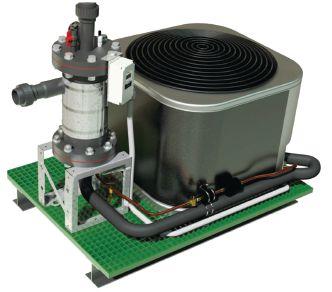
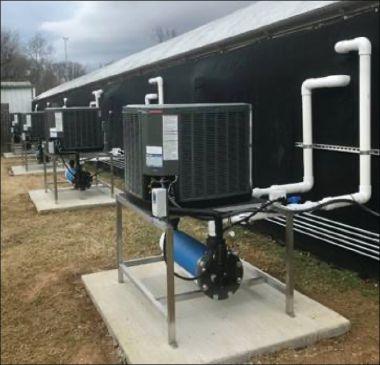
FIGURE 2. Air cooled water chillers installed along the outside wall of the building adjacent to respective replicated RAS.
RAS producer, and reduced maturation prevalence may not offset investment in new chilling capacity.
Eliminating early Atlantic salmon maturation in RAS through temperature control alone could require cooler temperatures than 12 C, and future water temperature research on early maturation outcomes should be conducted in tandem with other environmental manipulations and culture techniques.
While research continues to refine optimal environmental conditions for diploid mixedsex fish, careful stock selection of all-female and triploid Atlantic salmon may help to alleviate or eliminate early maturation in RAS for the short term.
References
Crouse, C., Davidson, J., May, T., Summerfelt, S., & Good, C. (2021). Production of market-size European strain Atlantic salmon (Salmo salar) in land-based freshwater closed containment aquaculture systems. Aquacultural Engineering 92, 102138.
Davidson, J., Summerfelt, S., Espmark, A.M.O., Mota, V.C., Marancik, D., Earley, R.L., Snead, A., & Good, C. (2021). Effects of ozone on post-smolt Atlantic salmon (Salmo salar) performance, health, and maturation in freshwater recirculation aquaculture systems. Aquaculture, 533, 736208.
Good, C., Weber, G.M., May, T., Davidson, J., Summerfelt, S. (2016) Reduced photoperiod (18 h light vs. 24 h light) during first-year rearing associated with increased early male maturation in Atlantic salmon Salmo salar cultured in a freshwater recirculation aquaculture system. Aquaculture Research, 47, 3023-3027.
Tran, K., 2020. Land-based salmon: aquaculture’s new disrupter. Intrafish Media. https://info. intrafish.com/businessintelligencereports?__
hstc=51925745.f3bd4d983447dd5b9df1c0f3a5e 49d1a.1560959758458.1632320096135.163233124 7756.194&__hssc=51925745.1.1632331247756&__ hsfp=2394149468. (accessed 26 October 2020).
Waldrop, T., Summerfelt, S., Mazik, P., Good, C. (2018) The effects of swimming exercise and dissolved oxygen on growth performance, fin condition and precocious maturation of early-rearing Atlantic salmon Salmo salar Aquaculture Research, 49, 801-808.
FISH COUNTERS VERY
EASY TO USE
4 types of counters
FC2 - 300gr to 5Kg
FC4 - 50gr to 900gr
FC8 - 10gr to 120gr
FC12 - 0,5gr to 20gr - FRY COUNTER
COUNTING ACCURACY: 98%
COUNTING CAPACITY: 4 tons/hour
www.calitri-technology.com
Commercial Filtration Systems
Commercial Filtration Systems
Commercial Filtration Systems
Commercial Filtration Systems
Customized for your fish farm, hatchery or research operation!
Customized for your fish farm, hatchery or research operation!
Customized for your fish farm, hatchery or research operation!
Customized for your fish farm, hatchery or research operation!
Our Commercial LSS Packages are custom engineered to meet your specific needs.
Our Commercial LSS Packages are custom engineered to meet your specific needs.
Our Commercial LSS Packages are custom engineered to meet your specific needs.
Our Commercial LSS Packages are custom engineered to meet your specific needs.
• Marine and Freshwater
• Marine and Freshwater
• Marine and Freshwater
• Mechanical filtration
• Marine and Freshwater
• De-gassing towers
• De-gassing towers
• De-gassing towers
• Wide variety of flow rates
• Mechanical filtration
• Mechanical filtration
• Chemical filtration
• Chemical filtration
• Wide variety of flow rates
• Wide variety of flow rates
• De-gassing towers
• Flow control valves
• Flow control valves
• Chemical filtration
• Mechanical filtration
• Ultraviolet disinfection
• Ultraviolet disinfection
• Flow control valves
• Protein skimmers
• Wide variety of flow rates
• Protein skimmers
• Chemical filtration
• Ultraviolet disinfection
• Protein skimmers
• Flow control valves
• NEMA enclosed controls
• NEMA enclosed controls
• Variable frequency-drive pumps
• Variable frequency-drive pumps
• NEMA enclosed controls
• Ultraviolet disinfection
• Bio-filter towers
• Bio-filter towers
• Bio-filter towers
• NEMA enclosed controls
• Bio-filter towers
• Protein skimmers
• Temperature management
• Variable frequency-drive pumps
• Temperature management
• Temperature management
• Variable frequency-drive pumps
All our systems are pre-plumbed and fully water tested prior to shipping.
All our systems are pre-plumbed and fully water tested prior to shipping.
• Temperature management
Recirculation System Design, Supply and Construction.
• Commercial Farms, Hatcheries, Aquaponics, Research Labs, Public Aquariums, Live Holding Systems – we do it all!
• Representing leading RAS equipment manufacturers.
FIGURE 4. Relative gonad size of immature (GSI 0.05% and 0.15%) and mature (GSI 1.0% and 8.0%) Atlantic salmon.
HATCHERY HACK by Ron Hill
Fortune favours the prepared in successful and safe fish handling
Handling fish is a necessary evil at all fish sites. There is always the risk of disasters, small and large, such as dropped or damaged fish during the event. There is also higher-level risk created by increased stress from handling that can leave the stock vulnerable to pathogens. The fish must be handled, but proper handling is essential.
Preparation
A checklist should be run through setting up each phase of the operation to ensure the layout is correct, equipment is inspected and is in place, and that staff are properly assigned and trained to their task.
Starvation is a good place to start prep. Depending on the event, water temperature and the characteristics of the fish stock, a one to three-day starve will lower oxygen consumption and eliminate solid waste.
Oxygen monitoring is also key. In the crowder, in the anesthetic bath and in the recovery tote/tank are three key areas that must have a staff member assigned to watch the oxygen monitor. Areas where fish are concentrated, can deplete oxygen fast, especially if the fish react poorly to crowding. Have an oxygen strategy in place to deliver emergency oxygen quickly.
Crowding
Crowding can be a huge source of fish stress that often goes unnoticed. Using a divider to push fish into a dense crowd allows them to be captured by a net or pump easily but can have negative effects on the fish. Crowding must be done slowly to keep the fish crowded enough to allow capture, but not cause panic and stress.
Crowding the fish too much will cause collisions between fish and rubbing against the crowder, eroding slime and scales. Some fish will panic if they are aggressively crowded. Salmonids will “sound” when stressed – a school of overcrowded fish will suddenly release bubbles indicating their panic as they frantically swim into a dense ball or against the crowder. Don’t be afraid to back the crowder off if the fish are too dense.
Crowders are usually custom made for the farm and come in many shapes and sizes. The crowder should be looked over to make sure there is no damage that could hinder operations and also look for sharps that could scratch or damage fish.
Netting Fish
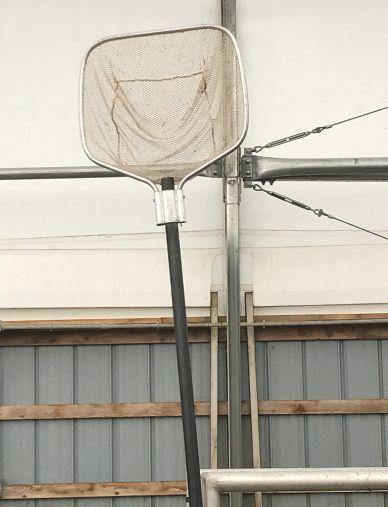
The time-honoured way of capturing fish is the trusty net. A great tool, so long as it is maintained and used properly. Dipping fish is a small art form that should be approached conservatively. Fish scoops should be gentle but firm and should keep the fish in the net for the shortest possible duration.
Avoid stabbing motions that strike the fish with the rim of the net. Use the tank walls to trap fish; use a partner for the “salad tong” method of bringing two nets together to trap fish. The biggest mistake made netting fish is too many fish in the net, causing fish on the bottom to be crushed.
To give some perspective, when a technician picks up a heavy net of fish, the weight of the net the tech is lifting is the same amount of weight pushing down on those fish at the bottom of the net. Nets should be inspected regularly for holes. Fish get stuck in net holes just like a commercial gill net. Holes are also a weak point that will continue to rip more as wear increases and can suddenly leave the technician with a net full of fish on the ground when the mesh lets go.
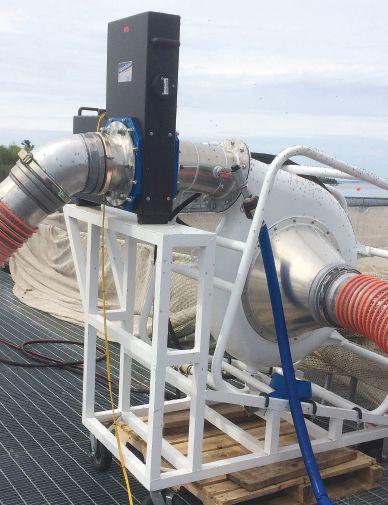
Pumping Fish
Pumping fish, though much less labour intensive, requires proper operation and care. Moving the fish in water, without netting, decreases potential stress on the fish. Crowding becomes very important for pumping fish because the crowder controls the flow of fish into the pump.
PHOTOS: RON HILL
Too many fish being pumped at once, too many fish in the line, causes collisions and friction throughout the trip. These crowded fish in the line deplete oxygen quickly as well. Fish moving through a fish pump tend to be moving fast which means there must be something to slow them down as they leave the hose, such as flaps, a deep-water bath, or a pad–solutions vary- to prevent high speed collisions with solid objects such as tank walls.
Anesthetizing Fish
Anesthetizing fish properly with the right amount of anesthetic and monitoring their “sleepiness” is as essential as safe handling. Care must be taken to let the fish reach full anesthetization before handling. Care must also be taken to anesthetize only enough fish in a batch that can be handled before they overcome the anesthetic.
Fish in the anesthetic must also be carefully watched to make sure none stay in the anesthetic too long or are lost in the bath when new fish are added. Awake or half-awake fish are both a fish health and human health risk, especially during delicate handling events like tagging or vaccination.
Fish handling success is achievable with very low mortality if the farmer puts together a good plan and puts fish health first.
Handling Tasks
Whether it be vaccination, measurements, tagging, ripeness checks, etc., there are many handling tasks that would require a fish handling event. Each facility should develop SOPs with best practices for each particular task. Whatever the task, technicians should follow these principles to ensure the best for the fish:
1. Keep the fish in water as much as possible.
2. Handle the fish as gently and as little as possible.
3. Work as quick as accuracy/safety allows.
4. Combine as many handling tasks as feasible/safe to one handling event.
5. Put the fish into recovery as soon as possible.
Return and Recovery
Return and recovery seems like the end of the line, past the crucial point of the handling
event, where fish are cruising safely home. However, without a proper return and recovery system anesthetized fish are still at risk.
Fish return should be gentle and strategic as the fish are probably not awake and will not be able to swim or gain their equilibrium for some time. Return lines, or return nets, buckets, etc. should be setup to put the fish into a safe place in the tank for them to recover.
Fish should drop into the tank at a shallow angle to avoid hard impacts with the tank bottom and away from the tank wall to avoid impacts there. Ideally, fish should drop away from the centre screen so they are not sucked to the screen and scratched or damaged before they can swim away.
In some situations, a separate recovery tote or tank can be a benefit before adding fish back to the population. Recovery tarps, placed like a small shelf or cradle 12 inches underwater in the tank, can be a safe place for fish to recover, allowing them to rejoin the population when they can swim again.
Fish handling success is achievable with very low mortality if the farmer puts together a good plan and puts fish health and safety first.
WHO WILL BE THE NEXT
• Shows deep understanding and knowledge of fish culture?
• Demonstrates a strong work ethic?
• Demonstrates an ability to lead and innovate?
• Has a strong passion and commitment to sustainable and responsible production?
• Commits to the highest standards of hatchery practices?
• Has been influential in addressing hatchery challenges caused by the COVID-19 global pandemic?
Nominate them for Hatchery International’s Top 10 Under 40 and shine a spotlight on these exceptional young leaders.
NRGene launches soy genotyping solution
NRGene announced the launch of Soy SNPro, a product in a line of pre-designed SNP sets for genotyping (DNA tests) of various crops. SNPro is an off-the-shelf complete genotyping solution that combines low-density genotyping with high-density imputation. It was developed based on NRGene’s SNPer solution, launched in 2020, which enables a custom design of a SNP set for any breeding program to maximize genetic information with a minimum number of DNA data points.
Soy SNPro, the first available pre-designed SNP set, can be applied to Northern and Southern U.S., Canadian and South American germplasm.
“We are excited to launch SNPro and assist breeding companies and organizations of all sizes to gain a competitive edge by advancing their programs towards genomic selection. This will allow them to develop new elite varieties faster by efficient utilization of their resources,” said Gil Ronen, CEO and Founder, NRGene.
Soy SNPro was validated in a public soy breeding program at the University of Missouri. The goal of the program is to shift breeding from conventional to molecular methods to provide high-yielding soybean varieties with multiple commercial key traits, such as disease resistance and improved seed quality. www.nrgene.com
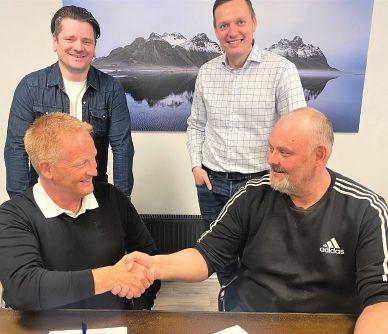
(Front) Haraldur Snorrason, and Geir Olav Melingen, commercial director at Benchmark Genetics. (Back) Páll Ágústsson, CFO of Landeldi and Róbert Rúnarsson.
Landeldi and Benchmark Genetics extend cooperation
Since December 2020, Benchmark Genetics Iceland has provided Landeldi with over two million salmon ova. Recently, the two Icelandic companies signed a three-year extension where Benchmark continues to fulfill Landeldi’s needs for its ongoing expansion.
“Our Öxnalækur hatchery has recorded very low mortality for about one and a half years. We attribute that mainly to a consistent quality product from Benchmark, our flow-through system and the quality of the pristine Icelandic groundwater,” said Haraldur Snorrason, Head of Smolt Operation, Landeldi.
Landeldi is on a steady course building up its first phase of 6,500-ton annual production and has the ambition to grow to 33,500 tons of total production in the coming years.
“We are located only one hour from Landeldi and cooperate closely with them,” said Róbert Rúnarsson, Global Sales Manager, Benchmark Genetics. “Landeldi is a promising company and an important client for Benchmark in Iceland.” www.landeldi.is
BioMar acquires intelligent feeding technology
BioMar has acquired AQ1 Systems, a producer of acoustic feeding technology for the shrimp farming industry.
BioMar has intensified research and advisory services, embracing the complex interconnection between feed solutions, environment and shrimp performance.
“During the last years, we have seen, that the use of intelligent feeders in shrimp farming can optimize feed efficiency, production yield, and sustainability, when introduced along data-driven farm management,” said Carlos Diaz, CEO, BioMar Group. “Adding BioMar feed solutions and technical knowledge to the equation opens new opportunities.”
PHOTO: LANDELDI
IMAGE: NRGENE
AQ1 will continue as an independent company with its own commercial set-up, business systems, and distribution channels, servicing both BioMar customers and customers with other feed providers.
“We very much look forward to the collaboration with BioMar and their parent company Schouw & Co who have significant investments in electronic and mechanical engineering,” said Ross Dodd, managing director and founder, AQ1. “We believe this will enable us to develop new markets and create value from an extensive combined knowledge base and global reach.” www.biomar.com
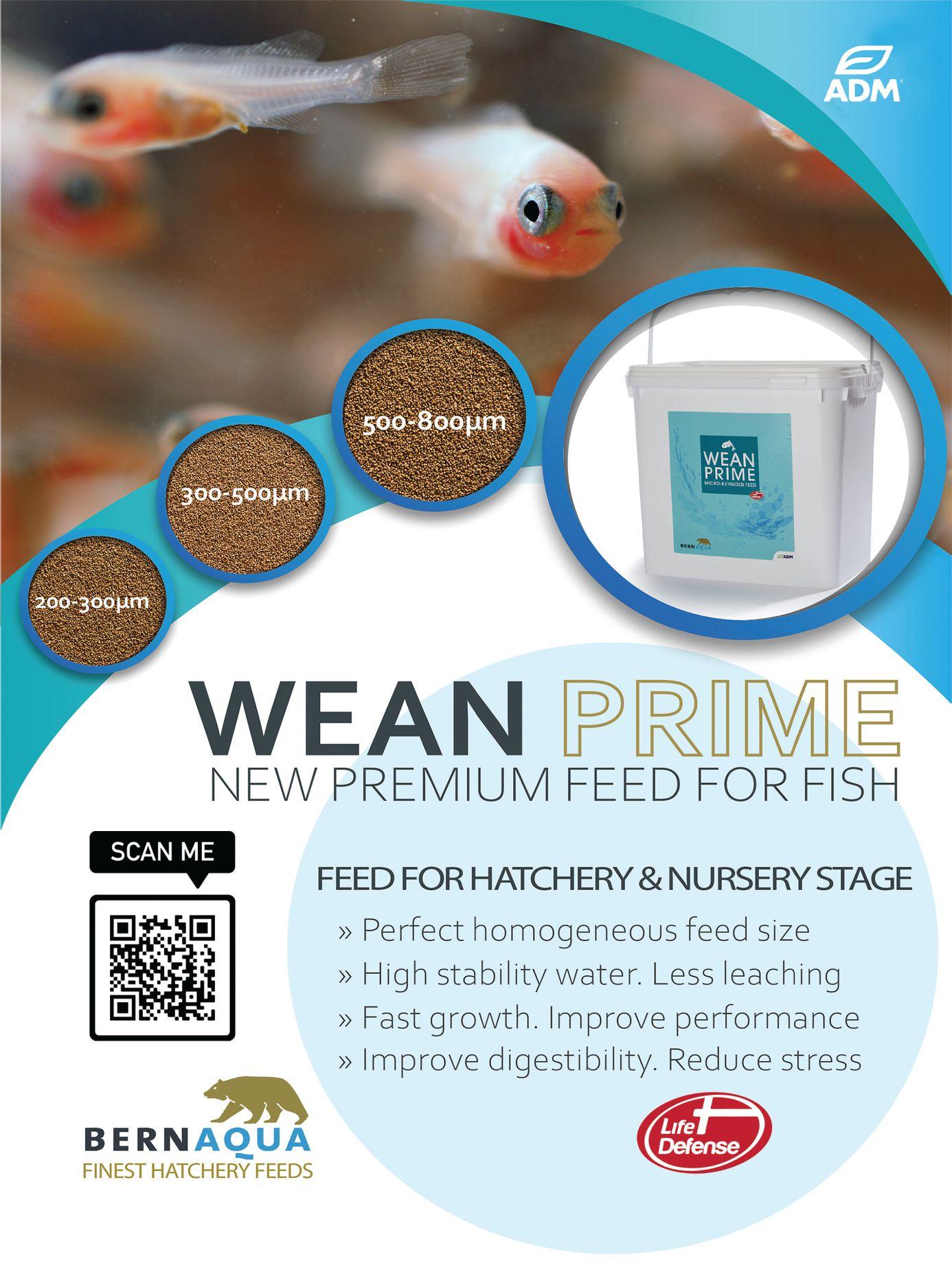
New generation of nursery feed from BernAqua
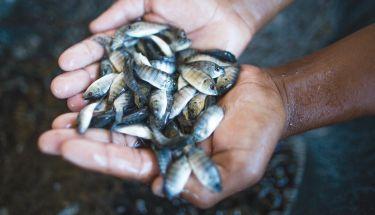
BernAqua developed a range of nursery feed adapted to various species of fish and shrimp, and its first nursery feed of this new generation is a premium feed for tilapia.
In its natural environment, tilapia is omnivorous, and at early life stage, it feeds mainly on phytoplankton and zooplankton. BernAqua’s feed is adapted to the natural metabolism of the animal with a balance between animal and plant components. Some algae ingredients are also added in the formula.
To counter the impacting effects of stress, and consequently reduce use of chemicals and drugs, BernAqua has developed a feed concept that improves digestibility of feed: Life Defense. Life Defense is a blend composed of feed additives intended to help the fish to better cope with disease stress. It is a triple action formula acting at the intestinal level which finality is to improve absorption of nutrients during stress events, and optimize global gut function. In this nursery feed for tilapia, WeaN Prime, BernAqua has adapted the composition of this feed additives blend to support technical and economic performance at the farm level. www.bernaqua.com
PHOTO: BERNAAQUA.
PHOTO: BIOMAR
MORE THAN 25 YEARS OF
MORE THAN 25 YEARS OF SELECTION IN SELECTION IN RAINBOW TROUT RAINBOW TROUT
• BEST OF CLASS • BEST OF CLASS GROWTH POTENTIAL GROWTH POTENTIAL
• COMPLETE • COMPLETE TRACEABILITY TRACEABILITY
• 2 STRAINS DESIGNED FOR • 2 STRAINS DESIGNED FOR PORTION SIZE PORTION SIZE AND AND LARGE TROUT LARGE TROUT
•• REGULAR REGULAR PRODUCTION THROUGHOUT PRODUCTION THROUGHOUT THE THE YEAR: YEAR: FEMALE STERILISED ORGANIC FEMALE, STERILISED, ORGANIC
Here is our new website ! https://aqualandeorigins.com/ SELECTION FOR SELECTION FOR PREMIUM QUALITY & PREMIUM QUALITY & PERFORMANCE PERFORMANCE
HATCHERY INTERNATIONAL presents a series of free webinars that feature thought leaders and experts in hatchery management and operations, discussing important topics and best practices on farm management and fish rearing.
UPCOMING WEBINAR DATES:
FEBRUARY 23RD - HATCHERY 101 MAY 2022
JULY 2022
NOVEMBER 2022
Sponsored by UP NEXT!
Be sure to keep an eye out for dates and topics to be announced!
Visit www.hatcheryinternational.com/webinars for more details
Aquaculture 2022
FISH
PUMPS + GRADERS + COUNTERS
Fish farming equipment designer and manufacturer
More than 15 complete grading packs, nursery packs, grow out packs, harvesting packs.