Media Designer Svetlana Avrutin savrutin@annexbusinessmedia.com
Audience Development Manager Urszula Grzyb ugrzyb@annexbusinessmedia.com 416-510-5180
Group Publisher Anne Beswick abeswick@annexbusinessmedia.com 416-410-5248
President/COO Scott Jamieson sjamieson@annexbusinessmedia.com
Industry resolutions
In a way, we all know what’s ahead for us in the new year in the global hatchery industry. They are the same political, economical and environmental challenges that we’ve been facing in the past few years.
Still, this does not mean that we have to be complacent in taking stock of our new year resolutions for the industry.
On this, our first issue of 2024, we reflect on where the industry has been and where we hope to go in the new year.
As our cover story outlines, there is still much more work to be done. Climate change isn’t going away, nor is the rising demand for global food security. Economic imbalances are still creating challenges for stabilizing inflation around the world.
BY JEAN KO DIN
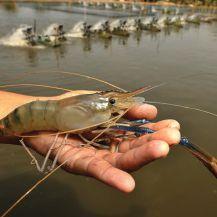
Perhaps, Hatchery International is uniquely positioned to democratize this information and make progress available to all. Whether you are a shrimp hatchery in Vietnam, or a trout farm in Turkey, or a tilapia research centre in East Africa, or a salmon enhancement hatchery in the west coast of North America, there are lessons to be learned from each other.
My hope for the new year is that you can come to rely on this publication to make this exchange of information easier. I want our digital projects, like the Hatchery 101 webinar series and the Top 10 Under 40 program, to become online meeting places for hatchery professionals to acknowledge the quiet work that is constantly driving change in the community.
This year, we will also be celebrating this publication’s 25th year anniversary. As we reflect on how we have evolved editorially, we also rely on you, dear reader, to keep us accountable and to ensure that our work continues to serve your work in the hatcheries.
If this work isn’t for you, who else is it for? I encourage you to share with us at jkodin@ annexbusinessmedia.com.
Hatchery International is published six times a year by Annex Business Media. The authority for statements and claims made in Hatchery International is the responsibility of the contributors. Reference to named products or technologies does not imply endorsement by the publisher.
Subscription rates (six issues) Canada: $37.74
Within North America: $48.96 CAD Outside North America: $63.24 CAD
To subscribe visit our website at www.hatcheryinternational.com
PRINTED IN CANADA ISSN 1922-4117
Publications Mail Agreement #PM40065710
RETURN UNDELIVERABLE CANADIAN ADDRESSES TO 111 Gordon Baker Rd., Suite 400, Toronto, ON M2H 3R1
Annex Privacy Officer
Privacy@annexbusinessmedia.com Tel: 800-668-2374 PUBLISHED BY ANNEX BUSINESS MEDIA 105 Donly Drive South, Simcoe, ON N3Y 4N5
The advertising deadline for the Mar/Apr issue is Jan 16. Don’t miss the opportunity to be part of this exciting aquaculture publication. For more information, or to reserve space in the next issue, call our advertising department at +1.250.474.3982 jthain@annexbusinessmedia.com
Next Editorial Deadline
The editorial deadline for the Mar/Apr issue is Jan 19. Contact Jean Ko Din at jkodin@annexbusinessmedia.com for details. Material should be submitted electronically with prior arrangement with the editor.
However, the industry outlook story also outlines progress. As you go through each of our regional coverages, dear reader, I’d also like to point out the industry’s potential to unite and collaborate on these shared challenges. If there is a way for these problems to reach out to us across borders, so can the solutions that many experts around the world are pursuing.
CAT partners with C4U Corp. for advanced CRISPR gene editing
The Center for Aquaculture Technologies (CAT) is looking to harness CRISPR-Cas3 technology to promote genome editing in major commercial fish species and drive technological advancements within the industry.
CAT is partnering with Japanese biotech company, C4U Corporation, which is best known for its proprietary “next generation” gene editing platform developed by C4U founder, Tomoji Mashimo. According to CAT’s press release, it could provide a “practical substitute” because it is unencumbered by intricate patents associated with CRISPR-Cas9 gene editing.
The CRISPR-Cas3 technology platform is similar to CRISPR-Cas9 in terms of its engineering, efficiency, and delivery methods, and has already been validated both in vitro and in vivo.
C4U said it presents the distinct benefits of no off-target deletions (improved safety)
Kazakhstan hammers out bill on aquaculture
Kazakhstan lawmakers are developing a bill on aquaculture, which is due to pass its first reading in federal parliament in November. Nariman Zhunusov, chairman of the fish farming department under the Ecology Ministry, unveiled this news during an industry conference.
Under the law, nearly 1,200 new fish farms are planned to be built in Kazakhstan by 2030, Zhunusov said. Only 380 farms are officially registered in the country currently. The combined production performance will be 270,000 tonnes, against 19,100 last year. The law envisages broad state support measures, including soft loans and state subsidies. In addition, the government
and efficient knockouts of large, programmable gene sequences. C4U’s patent portfolio is exclusively licensed worldwide to the company by Osaka University for use in eukaryotic cells, thus simplifying sublicensing transactions in sharp contrast with the complex and heavily litigated CRISPR-Cas9 patent landscape.
plans to put efforts into localizing aquafeed production for salmon and sturgeon species.
Some work also needs to be done to improve veterinary safety, which will involve international experts, said Zhunusov, not providing additional details.
A strong production growth should pave the way for Kazakh fish to the foreign
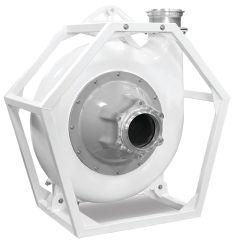
LONG-LASTING AQUACULTURE PUMPS
Akimitsu Hirai, president and CEO of C4U, said the company’s commitment through C4U CRISPR is to ensure it is accessible for improving health outcomes and sustainable food.
“The name C4U encapsulates our vision of bringing the benefits of CRISPR technology directly to the industries that need it most, from medical therapies to enhancing aquaculture’s growth, aligning with CAT’s mission to meet the global food demand responsibly,” said Hirai.
CAT states that genome editing is a sustainable way to meet the world’s food requirements and contribute to the economic vitality of the aquaculture sector.
John Buchanan, CEO of CAT, reiterates, “Our collaboration with C4U is a key part of our mission to introduce advanced genome editing technologies to aquaculture. We are invested in pursuing relationships that propel the industry forward, addressing the global food demand sustainably and responsibly.”
market. Currently, 17 Kazakh fish companies are approved to export their products to the European Union.
In addition, Kazakhstan is working with China to expand the industry’s export potential. Sixty-five fish companies have the right to export their products to China, and this figure is expected to grow in the coming years, the Ministry reported.
Over the past several years, Kazakh farmers named a lack of infrastructure and state aid as the main factors constraining the aquacultural industry development in the country. Kazakhstan Ecology Ministry said that fish farming is possible in 42,000 lakes across the country, plus cage farming has a huge potential along the Caspian Sea coast.
- Vlad Vorotnikov
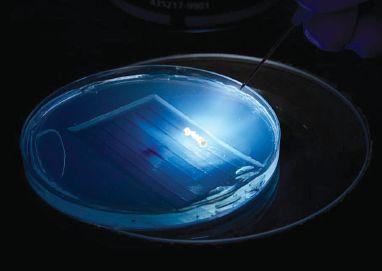
Eggs Microinjection at the CAT Finfish Genetics Innovation Center
PHOTO: THE CENTER FOR AQUACULTURE TECHNOLOGIES
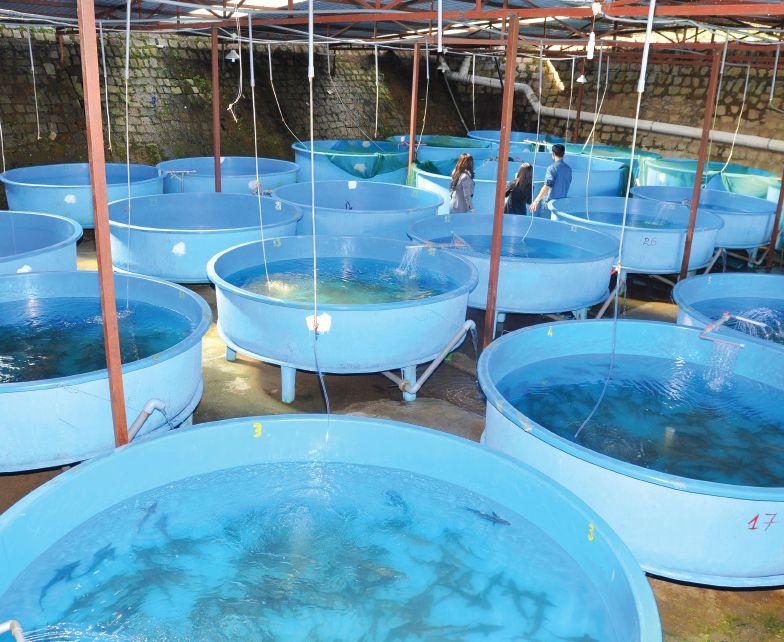
PHOTO: TRAINING CENTER ENERGY
Chamber of Aquaculture Ghana appeals for support after devastating dam spillage
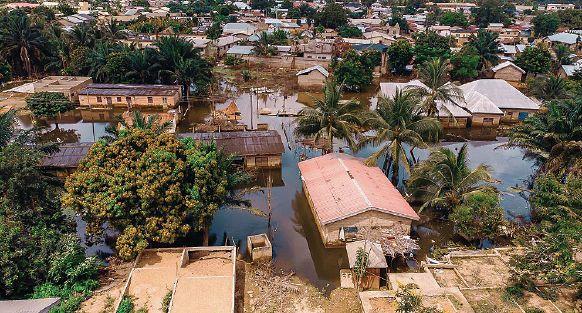
Hundreds of Ghana’s cage fish farmers are counting losses following a devastating impact of the water spillage from the Akosombo Dam, along Volta Lake.
Volta Lake is the country’s artificial lake in the South-Eastern region. The increased water flow in the Volta River has led to flooding in lowlying areas and more than 26,000 individuals have been displaced by these floods.
The water spillage washed away fish farming assets to the estuary at Ada and is beyond repair. Over 500 cages have been destroyed. Cage farmers are losing fish stock, broodstocks and fingerlings. Some hatcheries situated close to the Volta riverbank have been submerged and many fish have perished due to high turbidity and shock.
Chamber of Aquaculture Ghana says its members and other farmers operating on the Volta River have lost an estimated GH₵46 million (about US$3.9 million) worth of investment as a result.
“The Chamber of Aquaculture Ghana is therefore appealing to cage farmers to exercise due care to protect their investment,” says Patrick Anabila, the chamber spokesperson. “Cage farmers are advised to adjust their anchors to firmly hold their cages. In addition to anchoring the cages, cage farmers are encouraged to constantly monitor the activities of the Volta River Authority in order to prevent any unaware situation that will cause further havoc to assets and investments. Cage farmers should fix floats or barrels around cages to minimize the direct impact of the fast-moving water currents.”
The Chamber also advised cage farmers along Volta Lake to avoid stocking their cages to prevent further loss of investments, harvest matured fish before further spillage is executed, and ensure that feeders and divers are constantly observing the state of affairs of the nets and debris trapped.
The Chamber is calling on the government, the sector ministry, stakeholders, and other supporting agencies to aid fish farmers affected. The Chamber is also appealing on the Volta River Authority to use the various media outlets and other platforms to announce to its stakeholders, the volume of water being spilled as this will enable farmers to adequately prepare and put in place measures that will mitigate the impact of the spillage.
The Volta River Authority says there was a comprehensive simulation exercise on evacuation with all stakeholders in the affected communities of the Akosombo Dam spillage before the opening of the dam.
The ongoing controlled spilling from the Dam has been carried out on an incremental basis since Sept.15, starting gradually from 20,000 cubic feet per second, to the current level of 180,000 cubic feet per second. As the controlled spilling continues, VRA says it is doing its best to help victims in affected communities downstream.
- Bob Atwiine
Water is our element!
Aerator Minimax
• Latest aerator development
• extremely economical motor
• speed-controllable direct drive
• High efficiency
• Ready for use delivery
• Clean Design
LINN Gerätebau GmbH
An der Sauerlandkaserne 1 D-57368 Lennestadt (Oedingen) Telefon: +49 2725 22021-0 info@linn.eu . www.linn.eu
Geratebau_JulyAug23_CSA.indd 1
HI_Linn_MayJune23_CSA.indd 1
HI_Linn
Nofima’s breeding program shows reduced spawning in farmed cod
A study by Nofima indicates that farmed cod can spawn fewer times when they’re bred for growth.
In the past, farmed cod in Norwegian breeding program could spawn three times before reaching harvest weight but after being selected for growth, they spawn once.
Spawning is not a desired trait in fish farming because it means reduced growth for the farmer and there may be a risk of spreading fertilized eggs in the sea cross with wild fish in the following generation.
Many cod attain sexual maturity (which affects fast growth) prematurely if light cycles are not manipulated but, in the industry, development is controlled with light.
Nofima – also known as the Norwegian Institute of Food, Fisheries and Aquaculture Research – says that although it is a prerequisite that cod spawn in a breeding program, it is not desired in commercial farming.
“Therefore, Nofima wants to put an end to early sexual maturation,” a press release from the company reads.
The research institute runs a national breeding program for cod and supplies fertilized eggs to cod farmers. For six generations, their breeding goal has mainly been growth.
South Korean research explores reproductive cycle of farmed Pacific blue tuna
The reproductive potential of farmed Pacific bluefin tuna (PBT, Thunnus orientalis) was confirmed in a study in South Korea, contributing to the sustainability of this industry.
Identifying the spawning period in a culture environment, the research team, Jin Woo Park et al., said mature gonads capable of spawning occurred mostly from July to August.
The study, “The reproductive potential of Pacific bluefin tuna farmed in sea cages in South Korea,” was published in the Journal of the World Aquaculture Society.
It investigated farmed wild-caught PBT and their development into mature individuals, paving the phase for the rearing of reproductively mature individuals. PBT farming in South Korea is dependent on wild-caught juveniles, which are grown to harvest-size.
“Currently, in South Korea, private companies are conducting the technical groundwork for PBT farming in sea cages, and preliminary research on their reproductive physiology has further progressed to
Nofima breeding scientist, Anne Kettunen, led a trial where she tested the extent of early sexual maturation on over 100 full-sibling families in net pens in Nordland.
The study showed that 84 per cent of females and 91 per cent of males reached sexual maturity at two years when they were not managed with light. Calculations show a genetic variation in early sexual maturation in
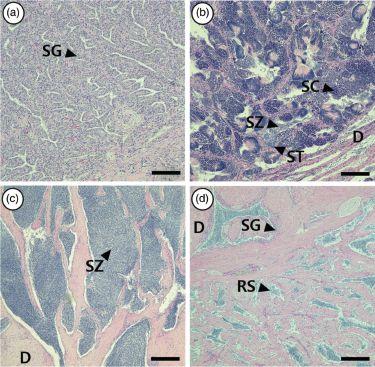
Histological sections of PBT testes at different stages of gonadal development. The testes stages are as follows: (a) resting; (b) maturing (spermatogenic); (c) spawning capable; (d) post-spawning.
PHOTO: JOURNAL OF WORLD AQUACULTURE SOCIETY
ensure the availability of PBT that reach the reproductive age (five to six years).
“This study was conducted to identify the reproductive cycle of PBT reared in sea cages in South Korea and explore the possibility
cod. Thirty-three per cent of the trait depends on genes and the rest on the environment.
“This means that it is possible to breed for lower frequency of early sexual maturation, and thus further reduce the risk of spawning in net-pens. In Nofima’s breeding work, we are looking for several solutions, where breeding is one of them. Of course, production management at the fish farms is also part of the solution,” says Kettunen.
of spawning in this environment to advance our knowledge of PBT farming. To the best of our knowledge, this is the first study to investigate the reproductive potential of PBT in South Korea,” authors said.
They stressed the importance of identifying environmental effects on the reproduction cycle and sex hormones for ensuring sustainable productivity in farming the species.
Between June to August, which represented the potential reproduction periods, the water temperature varied from 22-24 C. The photoperiod was 14 hours light to 10 hours darkness.
“Overall, this study provides useful insights into PBT farming in South Korea and is the first to investigate the reproductive biology of PBT,” they said.
“However, the environment surrounding sea cages varies on an annual basis, thus continuous research on environmental and maturity changes is required to establish the reproductive characteristics in the sea cages, which may be useful to manage the broodstock for sustainable PBT aquaculture.”
-Ruby Gonzalez
A SNP panel can be seen in the background, which scientists Anne Kettunen and Luqman Aslam can use to breed better farmed cod. PHOTO: JOE URRUTIA/NOFIMA
Cause of massive summer mortality in New Zealand’s Greenshell mussels identified
Coinfections by pathogens, Photobacterium swingsii and Vibrio mediterranei, cause high mortality in New Zealand’s Greenshell (Perna canaliculus), according to a New Zealand study.
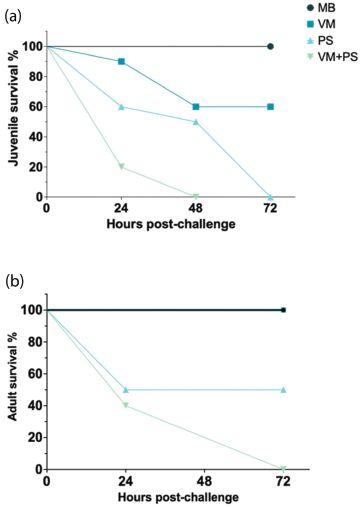
In the experiments, juvenile and adult injected with both pathogens resulted in zero survival. Juvenile died at the fastest rate, with nil survival at 48 hours post-challenge (hpc). Adult had 40 per cent survival after 24 hours and nil survival at 72 hpc.
Compared to adult, these results show that juvenile are more susceptible to coinfections than adult mussels.
“This susceptibility can be attributed to the fact that smaller mussels have a lower tolerance to pathogens, since juveniles may not have fully developed immune systems,” cited Azizan et al. in “Investigating the effect of bacterial coinfections on juvenile and adult green-lipped mussels (Perna canaliculus).”
The study was able to demonstrate the juvenile’s susceptibility to pathogenic infections by focusing on the animal’s different sizes and life stages.
Survival plots of juvenile (a) and adult (b) mussels after a 72 h post challenge to marine broth (MB), V. mediterranei (VM), P. swingsii (PS), and coinfection of both VM and PS (VM + PS). PHOTO: JOURNAL OF WORLD AQUACULTURE
SOCIETY
Findings provide valuable insights into the immune system of mussels, their susceptibility/ resilience to pathogenic infections, and potential mechanisms of infection progression for this valuable mussel species. The study is the first to explore the mechanisms of pathogen coinfection in Greenshell mussels and support efforts to strengthen biosecurity management in New Zealand. It is part of a larger research program focused on the investigation of mussel summer mortality in New Zealand.
Summer months cause increased seawater temperatures, which act as a stressor on mussels, it was explained. The essential biological process was affected, including metabolism, reproduction growth, behaviour, immune system and survival. The higher temperatures likewise create favorable factors for bacteria in marine environment.
V. mediterranei has previously been identified as a dominant bacterium in ailing and dying giant fan mussels (Pinna nobilis) during mass mortality events. P. swingsii is known to be pathogenic in oysters.
Greenshell mussel is endemic to the New Zealand and the country’s top seafood export.
- Ruby Gonzalez
Mediterranean countries unite for aquatic conservation and sustainability
More than 20 countries and the European Union have adopted measures to ensure the conservation and sustainable use of aquatic living resources.
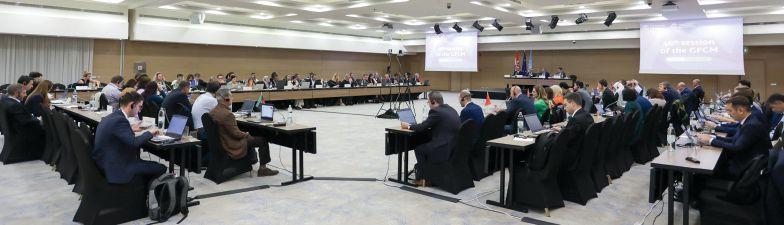
The 46th session of the General Fisheries Commission for the Mediterranean (GFCM) of the Food and Agriculture Organization (FAO) of the United Nations was held in Croatia and saw 34 unanimously adopted decisions, including 24 binding recommendations.
Executive Secretary Miguel Bernal said members should be proud of the successful adoption of a record number of decisions.
“I’m delighted by the ambitious attitude our members brought to the session this year, coming together to achieve common aims and objectives. I also commend the groundwork laid by countries in our technical advisory bodies: it’s their knowledge and expertise that give our members the foundation they need to make more and better decisions about our collective future,” said Bernal.
The proposals which also ensure sustainable development of aquaculture in the Mediterranean and the Black Sea centred on three major areas: improving fisheries management, addressing climate and environmental issues in the fisheries and aquaculture sector, and enhancing compliance.
In the past 10 years, GFCM reports that it has implemented strategies to promote and uphold sustainable harvesting of fisheries,
while addressing overfishing and aiming for consistent, productive yields over the long haul.
“Data from the field show that the plans are making a real difference towards sustainability targets,” said Valérie Lainé, head of the fisheries management unit for the Mediterranean and the Black Sea, at the Directorate-General for Maritime Affairs and Fisheries of the European Commission. “It’s very encouraging to see the impact of our shared efforts.”
Members agreed on a regional plan of action to protect vulnerable species while endangered species received increased levels of protection. They also brought forward proposals for the decarbonization of the aquaculture sector. These proposals advocate for sustainable energy adoption, methods for capturing carbon, and the use of low-impact production techniques.
Additionally, they’ve introduced a regional climate adaptation strategy aimed at enhancing the sector’s ability to withstand changes in a warming environment.
Amongst other steps to enforce stronger capabilities, two permanent inspection and monitoring programs were initiated for international waters, while new catch documentation systems for commercially significant Black Sea turbot and Mediterranean red coral will improve transparency and aid in combating illegal, unreported, and unregulated fishing practices.
IFFO reports fishmeal production is down 26% from last year
IFFO – The Marine Ingredients Organization reports that fishmeal production during the first nine months of 2023 was down by approximately 26 per cent compared to around the same time frame last year.
The cumulative total fishmeal production was collected from Peru, Chile, Denmark, Norway, Iceland, the U.K., Ireland and Faroe Islands, USA, South Africa, Ivory Coast and Mauritius, Spain. According to IFFO, “the predominant factor behind this is the 70 per cent year-on-year production decrease in Peru.”
Fish oil’s total cumulative output in the first nine months of the year was down by 21 per cent year-on-year. Chile was the only country that reported an increase year on year due to healthier catches and higher-than-average oil yields in the south of the country.
In September, the overall raw material used by these countries was in line with the 2014-2022 average for the same month. Its use of raw materials increased by six per cent in September compared to the same month in 2022 because of better catches in Northern Europe.
Also, the cumulative imports of fishmeal by China through September dropped by 8.7 per cent yearly, “reflecting both a weaker domestic demand from aqua- and piglet feed producers and a lower supply worldwide.”
According to the press release, “the domestic aquaculture sector is encountering various challenges, including environmental pressure, technological challenges as well as intense competition among feed mills and farmers. These result in overcapacity and oversupply.”
PHOTO: GFCM, NIKOLA BRBOLEŽA
Russia shifts aquaculture development targets
In 2023, Russian aquaculture production will exceed 400,000 tonnes, ahead of the original forecasts, according to Rosrybolovstvo, the Russian federal agency for fisheries.
The Russian authorities might need to revise the aquaculture development targets for the coming years, as fish farming outperforms the official projections, Maxim Sokolov, deputy head of Rosrybolovstvo, stated.
By 2030, the output in the industry is scheduled to reach 600,000 tonnes, according to a state development plan. By that time, nearly 613 billion roubles (US$6.5 billion) will be invested in ramping up production capacities, Ilya Shestakov, head of Rosrybolovstvo, disclosed during a conference in September 2023.
During the next seven years, the industry’s turnover is slated to reach 888 billion roubles (US$9.2 billion) per year, nearly 60 per cent up compared with 2022, Shestakov added.
Salmon production remained the largest and the fastest growing segment of the Russian fish farming industry, accounting for 154,000 tonnes of production last year, Sokolov said. A strong dependence of this
segment on imported feed remains one of the critical challenges for future growth.
Providing that the current growth pace in the industry remains in the next few years, by 2027, Russia will need 220,000 to 250,000 tonnes of feed to meet the demand of the salmon sector alone, Sokolov said, expressing confidence that the issue will be largely solved already by 2027, while in 2030 the country will meet up to 95 per cent of demand on the salmon feed market.
Rosrybolovstvo has not disclosed anything about the new production targets for the Russian fish farming industry. In April 2023, Sergey Dankvert, head of the Russian veterinary watchdog Rosselhoznadzor, expressed confidence that the industry’s production potential was enough to secure one million tonnes of annual production. He assumed that this level could be achieved in the foreseeable future.
- Vlad Vorotnikov
PHOTO: VALAAM
Ugandan agency develops herbal fish medicine
Researchers are developing an herbal antigen in the race to control bacterial pathogens threatening tilapia hatcheries.
By Bob Atwiine
Uganda is one of the countries in Africa where fish farming is on the rise, largely dominated by Nile tilapia and African catfish. Scientists in the fisheries sector say that fish diseases in the recent past were not a pressing issue for fish farming in Uganda. However, this may be masked by the low level of disease knowledge and awareness among fish farmers.
Due to the training conducted under donor-funded projects, like Smart project, aimed at advancing a certain strain of tilapia, the Ministry of Agriculture Animal Industry and Fisheries says it has been able to conduct awareness campaigns about the prevalence of fish diseases in the country. Under this campaign, fish farmers are now able to identify sick fish and can manage fish health.
Fish diseases in Uganda
According to researchers at the Aquaculture Research & Development Centre Kajjansi, common bacterial pathogens threatening fish in Ugandan hatcheries, ponds and cages include, Flavobacterium columnare, a causative agent of columnaris disease. It presents with skin lesions, fin erosion and gill necrosis, with a high degree of mortality, leading to severe economic losses in affected farms.
The researchers also identified another serious disease, Edwardsiella tarda, infecting both cultured and wild fish species in Uganda. Other diseases being studied are Saorole, Saprolegnia and Aeromonads.
Although the country is facing a challenge of bacterial pathogens and fungal infections, no viral diseases have been detected in fish farms, according to the Ugandan scientists.
Catherine Agoe, a research scientist at Aquaculture Research & Development Centre Kajjansi, says in fishes, there are a few cases which have specific signs and symptoms but notes that in general, fish diseases present the same signs and symptoms like ulcerations (wounds on the body), hemorrhage on the skin, and internal organs like liver.
Catherine Agoe explains that before treating fish, whenever approached by farmers, they always first dig up the history of what has been taking place inside the farms previously like grading, water quality parameters. It is from there that they advise farmers on what to do other than rushing to prescribe medications something she says has worked for very many fish farmers.
Herbal antigen
Although there is little challenge reported about fish disease in both wild and aquaculture fish, the burden of fish disease exists and scientists are inventing new innovations for treating the same.
Scientists at the Aquaculture Research and Development Centre, Kajjansi, have developed an antigen from plants such as bidens pilosa (blackjack) to treat some diseases that attack fish.
Agoe told Hatchery International that some years ago, they identified that there were some common bacterial infections in fish farms across the country that were causing high fish mortalities.
“This prompted us into venturing into the use of plant extracts like herbal medicine to see how to mitigate the problem. Our focus was to see if the herbals promote growth because you know some herbs can treat and at the same time inhibit growth,” explains Agoe. “Our main emphasis was seeing if they promote growth in fish and boost immunity and that is using it as prevention and treating fish in case of disease occurrence.”
Agoe adds that others present with bulging eyes, loss of appetite while in some situations fish like being at the pond inlets either for oxygen or the gills used for respiration have been damaged by the pathogen or the parasite.
The researchers were able to conduct laboratory tests and on-farm trials against a particular pathogen and it worked very well. The plant extract in both powder form is mixed in the fish feed and in liquid form which is used for bathing the fish. A mixture of water is used and the liquid extract where they can pour fish fingerlings for a specific period of time before they are poured into the pond.
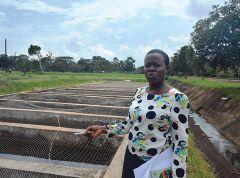
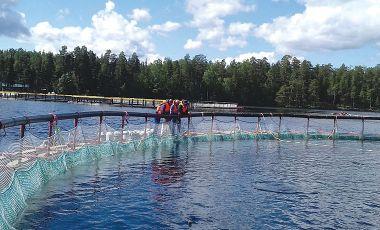
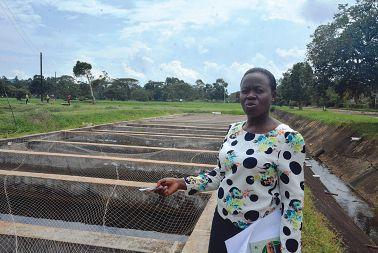
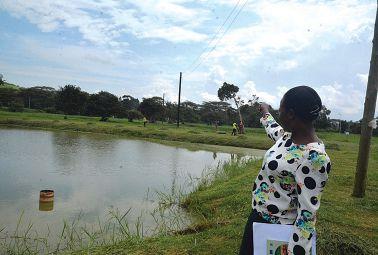
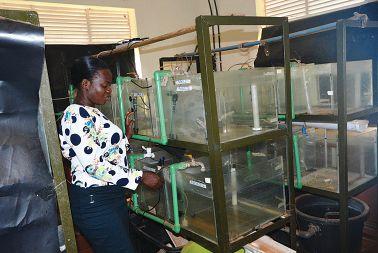
Catherine Agoe shows nursery ponds, in the top photo, where the herbal medicine was used to conduct tests at Aquaculture Research & Development Centre Kajjansi. The middle photo earthen ponds where the fish are being reared for research. The bottom photo shows the Challenge Lab. PHOTOS: BOB ATWIINE
Agoe reveals that for laboratory trials, 90 per cent of fish survived while on-farm trials registered 80 per cent. But, the fish that did not feed on the extract registered 100 per cent mortality rate.
“This helped us to make the conclusion that it was a specific concentration that promoted growth and boosted the immune system of the fish,” she said.
This antigen will be used in the treatment of Aeromonas hydrophila which was most prevalent at the time the research commenced in 2018.
“We isolated the pathogen using some of our international partner labs like Cefas lab in the U.K. and Virbac laboratories in France. We characterised the strain and subjected it to different plant extracts and it was a few plants that responded,” Agoe added.
Avoiding antibiotics
According to these researchers, the reason for using plants is because of its low or no residual effects on the ecosystem comparable to antibiotics.
Agoe notes that however much a fish farmer may appropriately use antibiotics, with time, disease pathogens become resistant to them since living organisms evolve and change to new forms difficult to treat under different conditions.
Using antibiotics in ponds, cages and hatcheries to treat fish diseases is not allowed in Uganda. This is to prevent antibiotic residues used in cages and ponds from being washed away into Lake Victoria the home of the lucrative Nile perch and Nile tilapia which have high demand on the international market. The government is also concerned about the occurrence of micro-bacterial resistance if antibacterial drugs are used to treat fish.
In 2021, the Government of Uganda said an estimated 100 tonnes of Nile perch died mysteriously in a space of two months. The reason for the mass death of seemingly healthy fish remains unclear up to date raising fears of possible poisoning.
According to researchers at the Aquaculture Research & Development Centre Kajjansi, common bacterial pathogens threatening fish in Ugandan hatcheries, ponds and cages include, Flavobacterium columnare, a causative agent of columnaris disease.
The massive death of the Nile perch has since created its scarcity on major fishing sites on Lake Victoria. The maw from the Ugandan Nile perch sells like gold in Hong Kong and Mainland China where it is used to manufacture other products.
Fish farmers are instead sensitized to use rock salt once they have disease outbreaks on the farms in addition to strict enforcement of biosecurity measures.
Fish health challenge
Scientists say fish health management in Uganda is still a big challenge and sometimes makes it difficult for the government to control disease outbreaks.
Agoe explains that sometimes, fish farmers sneak imported fish strains and brood stock undetected from countries where diseases are prevalent, which brings in new imported fish diseases.
“Fish health management is still a problem, however, through several donor-funded programs, we have been able to train fish farmers how to apply the best farming practices and how to control disease outbreaks on the farms, we are seeing some improvements.”
Biosecurity practices
The scientists contend that farmers must adopt best biosecurity measures and practices on their farms in order to reduce disease occurrence or reduce mortality rates.
When put together, these measures would constitute a holistic approach toward achieving a high level of biosecurity and disease outbreak control.
Agoe advised that farmers must ensure water quality before setting up fish farms saying that water is the most important limiting factor in the rearing of fish and directly affects feed efficiency, growth rate, the fish’s health, and survival.
Aquatic life is highly dependent on the physical, chemical, and biological factors of water, playing a substantial role in the biology and physiology of fish.
“Is the water a farmer going to use free from pollutants? Is it underground water? Is he going to degas it because those gases affect fish, once it is high in concentration with carbon dioxide, fish won’t be able to survive in that water?” Agoe posed.
She also advised farmers to construct parallel ponds with screened inlets to stop unwanted foreign materials, stock quality fish fingerlings by quarantining them for at least 14 days for disease checks before stocking into the pond.
Others include systematic and consistent routines for cleaning ponds, followed by disinfection of farm staff before accessing farms, and restricting visitors to the hatcheries to reduce carrying diseases.
Zoning by avoiding or reducing sharing input factors such as fish fingerlings, equipment, personnel, and water resources to minimize disease transmission.
Removing and destroying sick and dead fish to shed pathogens to the surroundings and continuous removal and adequate destruction of ensilage of the fish to reduce the overall infection pressure.
Following through an operation where an aquatic establishment is emptied of aquatic animals susceptible to a disease of concern or known to be able to transfer the pathogenic agent. Disease surveillance through a systematic series of investigations of a given population to detect and trace the occurrence of a disease for control purposes.
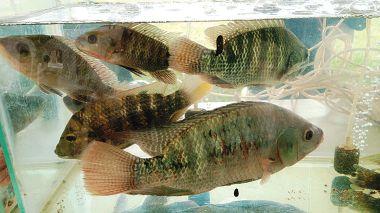
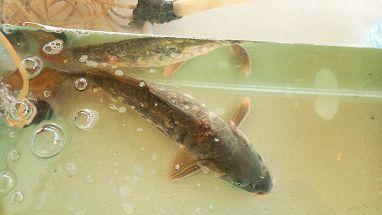
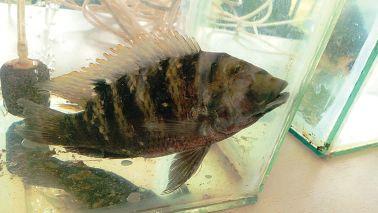
Sick mirrorcarp with fungal infections and ulcerations are being studied as part of the research. PHOTOS: BOB ATWIINE
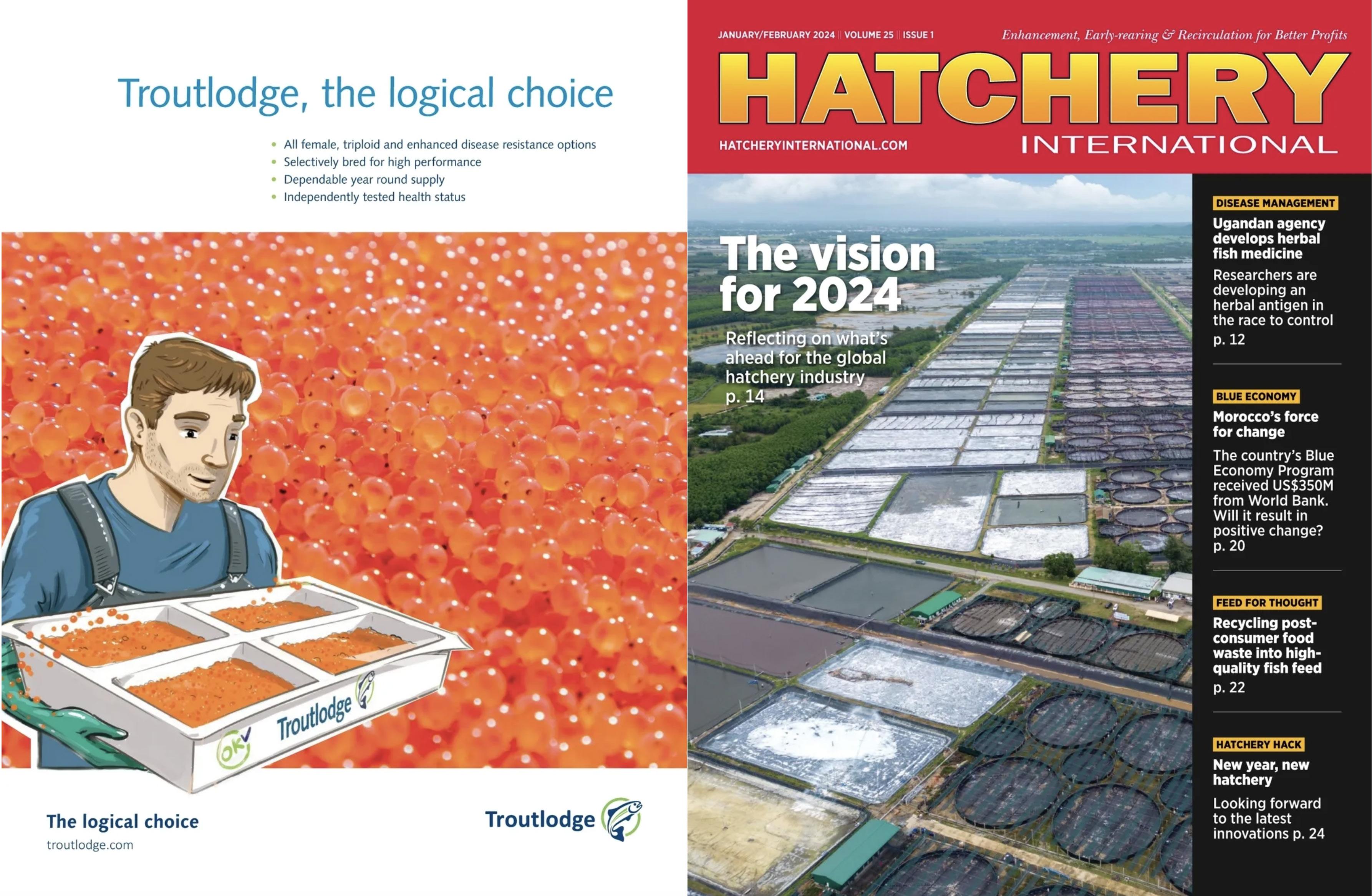
The vision for
2024
Reflecting on what’s ahead for the global hatchery industry
The global hatchery industry has austere times ahead.
Inflation and climate change are major themes being felt around the world. Hatchery operators are being faced with economic and ecological challenges that need urgent solutions.
Once again, the editorial team at Hatchery International comes together to take stock of the regions they report from, and bring us a bird’s eye view of the industry’s state of affairs. The goal of this annual outlook is not to discourage those in the industry, but rather embolden experts around the world to share knowledge and collaborate on solutions to the shared challenges that lie ahead.
NORTH AMERICA
Some hatcheries in North America are small — like an Ontario community facility that produces “local fish for local lakes” or a Maine shellfish research center. Others are large enough to support Canada’s global salmon producers or the needs of the U.S. Fish and Wildlife Service to stock for both restoration and recreation. Tribal hatcheries also support fisheries and natural runs where salmon populations have declined.
From size to species to purpose, it’s a big mix that has one element in common: change.
Climate change, in particular, makes it hard to forecast 2024. From floodings to fire, severe weather events threaten infrastructure and the resources that allow hatcheries to operate. Overall, dwindling water supplies are a cause for concern across the continent.
Several hatcheries within New York State’s Department of Environmental Conservation (DEC) rely on surface water but rising water temperatures impact production. As a management action, the DEC is assessing the expanded use of well and spring water, as well as partial water reuse systems, said fisheries biologist, Jim Daley.
Beyond climate change, hatchery managers have much on their minds: coping with inflation and energy costs, attracting staff, dealing with regulations, and adapting business plans.
After delays related to the pandemic and supply chains, Marbase, a startup in Newfoundland and Labrador, decided to diversify species. “The growth cycle of lumpfish is actually shorter than wolffish but the latter is much more valuable, making the economics of our hatchery stronger,” said CEO Paul Antle.
Others are seeking to modernize aging infrastructure and take advantage of new technology. Blair Paul, an algae systems consultant, points to an increase in installations of photobioreactors in some large shellfish hatcheries in Washington and Hawaii. “Oftentimes algae is a limiting part of hatchery work because it’s hard to get enough. [More reliable algae production] will have a big impact on these hatcheries in 2024,” Paul said.
- Lynn Fantom
Inflationary costs of fishmeal and fish feed are a major concern for hatchery managers around the world. PHOTO: JEAN KO DIN, HATCHERY INTERNATIONAL
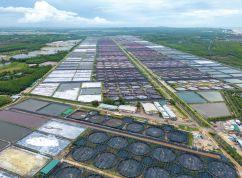
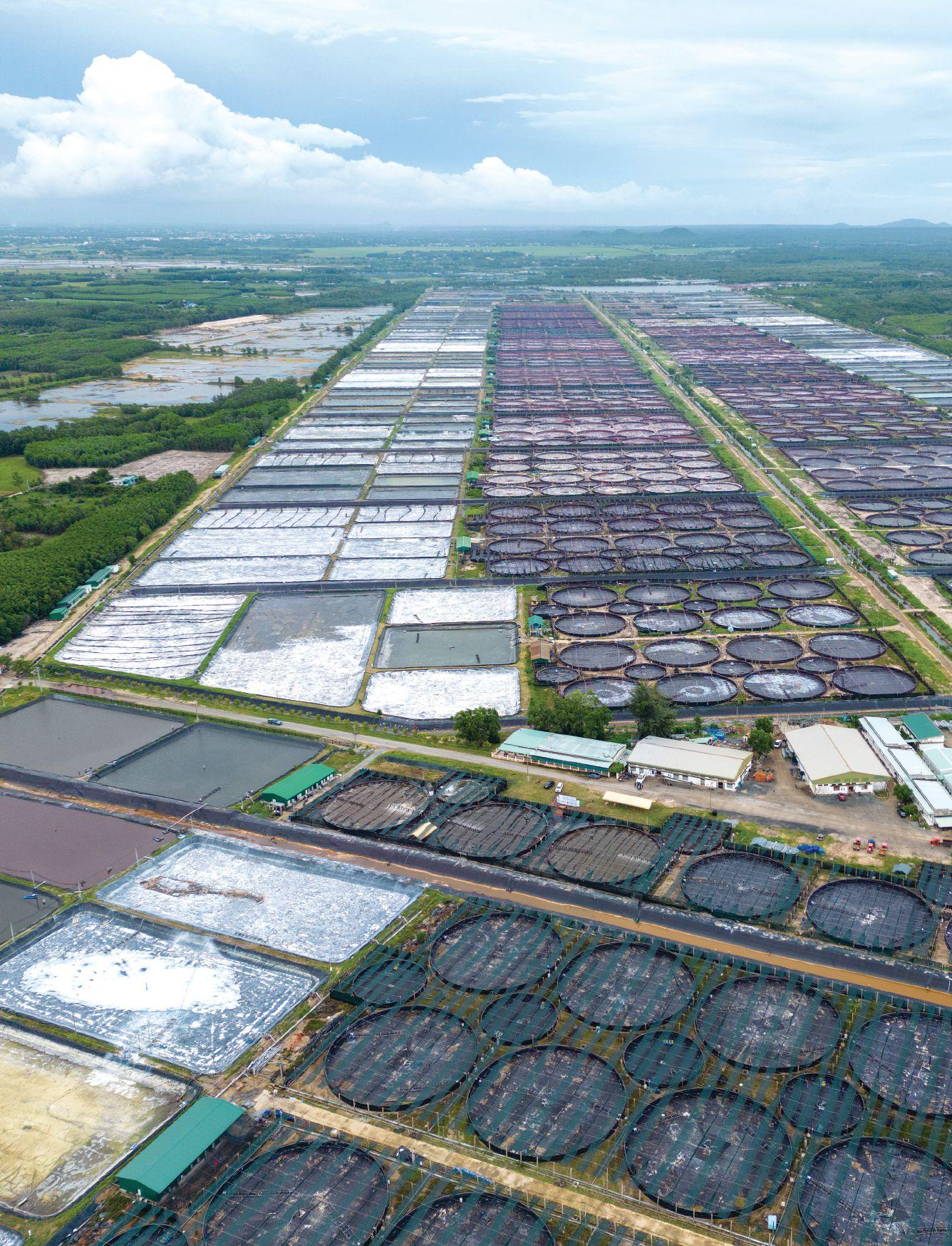
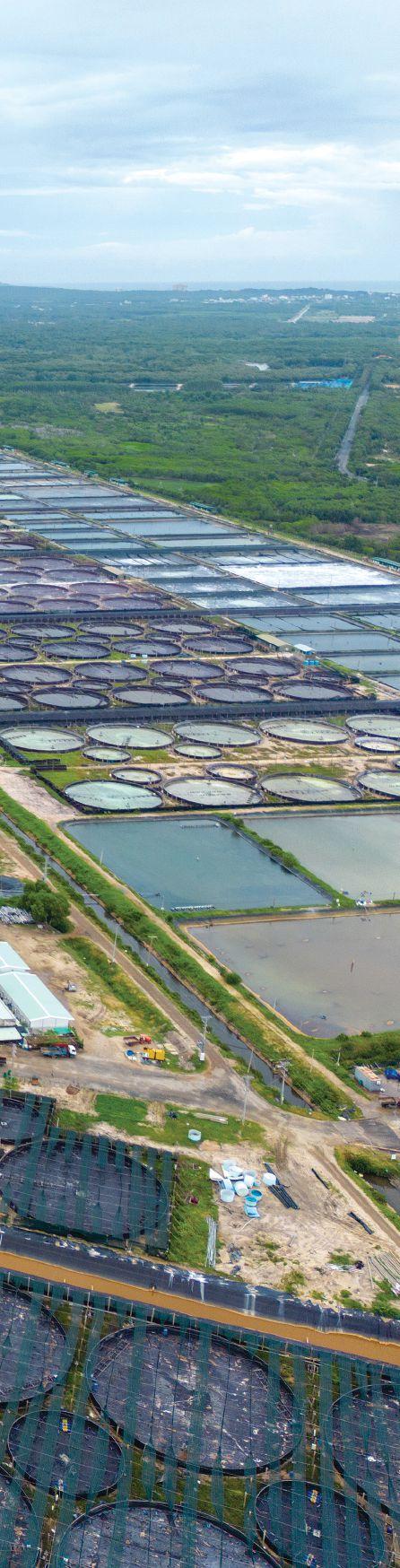
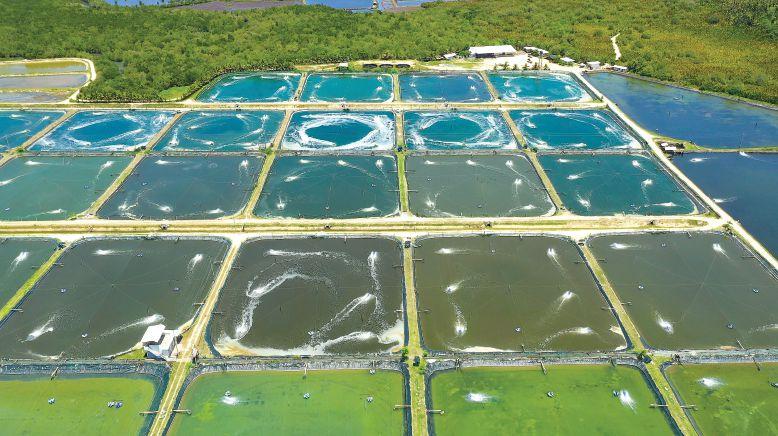
A bird’s eye view of Minh Phu shrimp farm in Loc An, Vietnam. PHOTO: THE CENTER FOR RESPONSIBLE SEAFOOD
UK & EUROPE
The past year in the U.K. and Europe has been challenging for producers and consumers alike.
Hopes for a peaceful end to the war in Ukraine have proved unfounded, leaving all food producers, including fish farmers, to keep absorbing high energy costs, alongside the continued disruption of raw material supplies.
For consumers, particularly in the U.K., the soaring food price inflation helped trigger a month-by-month rise in interest rates, fuelling a punishing cost-of-living squeeze, which is still impacting many households.
To the credit of fish farmers, however, there are still good signs of progress and persistence.
The latest Scottish Fish Farm Production Survey, for example, was welcomed by Scotland’s Cabinet Secretary for Rural Affairs, Mairi Gougeon, as proof of aquaculture’s significant contribution to the country’s economy. Having generated approximately £885 million gross value added (GVA) during the survey year, the sector was applauded for the positive impact of its deployment of innovations and new strategies.
Gougeon also praised producers for enabling a reduction of the country’s reliance on imported salmon ova and for their increase in hatchery output.” This strengthens our domestic supply chain and improves our resilience,” she said.
In the midst of witnessing the volatility of modern aquaculture in Europe, it was good to be able to celebrate one of the industry’s enduring pioneers, Gustavo Larrazábal, who was recognised by the Federation of European Aquaculture Producers (FEAP) as someone who has “skilfully survived” over the past 39 years, the “deadly boom and bust cycles of the Mediterranean sea bass and sea bream sector.”
Recipient of the FEAP Award for 2023, Larrazábal’s career highlights have included heading Aquanaria SL, one of the most successful fish farming companies in Europe, while his company in Northern Spain, previously called Tinamenor SA, was home to one of the first hatcheries of seabass and seabream in Europe.
- Colin Ley
AFRICA
For African aquaculture, the year 2024 could remain challenging for fish farmers as they continue to grapple with high prices of fish meal, input costs and high energy prices due to weaker economies coupled with a likelihood of weaker demand as observed in the last year.
High costs of doing business due to inflationary pressures are expected to remain unchanged across Africa because of a stronger dollar playing against most African economies. During 2023, we have seen that inflation impacted African fish farmers greatly leading to very high prices of fish feeds and making the industry very undesirable. We saw in Ghana, Nigeria, Cameroon, among other countries where fish farmers/producers were severely hit by the effects of high feed prices and energy prices forcing many to close business.
The decrease in fishmeal prices across the continent in real terms is expected to remain insignificant this year due to the ongoing tight supplies and strong demand.
Furthermore, a fish consumption decline is projected in Africa where per capita consumption is the lowest due to increased competition from other meats and other factors compared to the rest of the world.
In the last year, in order to alleviate this challenge, most hatcheries across Africa tried to save money by using lower cost feed quality because the conundrum has been whether to produce or not given the uncertainty in the markers since farmers were not stocking or delaying stocking.
By closely looking at these key issues, Africa’s hatchery industry 2024 outlook paints
Tilapia farms inside a greenhouse belonging to Lakeside Fish Farm in Bugesera district, Rwanda. PHOTO: BOB ATWIINE
Scottish Sea Farms opened a new incubation facility in Barcaldine, Scotland in September last year. PHOTO: SCOTTISH SEA FARMS
a gloomy picture and thus requires hatchery owners to quickly adapt to the demands and costs of doing business to stay afloat.
Genetics and breeding companies must also look at the year ahead and discuss issues that directly affect hatcheries and the role of genetics in the current context.
Facilitating a greater exchange of knowledge between the rest of the world and Africa can improve the capabilities of both, with training and education programs, technical assistance, mentoring and coaching all ways to improve the skills of local actors in the sector. Investing in African aquaculture is not just about unlocking a new borderline with enormous potential, but it is also about addressing the pressing challenges of today.
- Bob Atwiine
EAST EUROPE
Rabid inflation makes the lives of fish farmers across Eastern Europe challenging, as customers find themselves under pressure to revise their budgets.
retail prices will remain at last year’s level, said Andrzej Dmuchowski, vice-president of Polski Karp. PHOTO: POLSKI KARP
In 2022, fish consumption in Poland, the largest market in Eastern Europe, dropped by eight per cent compared with the previous year, owing to a population’s weak purchasing power and soaring prices, a study conducted by Bank Ochrony rodowiska showed.
farmers expressed concerns over the carp market situation in the Christmas season, according to local press. Carp is a traditional Christmas dish in Poland, though last year, the price spiked to PLN 65 (US$15.6) per kilogram of fillet, or almost a quarter. Although
Currently, Poles consume 12-13 kg of fish per capita, and both customers and fish
This year, the price is not expected to go further up, Andrzej Dmuchowski, vice-president of Polski Karp, assured.
“Although breeding costs increased, retail prices will remain at last year’s level,” Dmuchowski said, adding that cheap grain helped farmers stick to the same price tags.
In the meantime, there is no confidence among Polish carp breeders that consumption will be high this year, as customers have to better plan their expedites.
In other countries of Eastern Europe, the picture is similar. The annual consumption of freshwater fish in Slovakia currently is as low as one kilogram per capita, Michal Madžunkov, president of the Association of Fish Breeders in Slovakia.
Last year, carp prices jumped by 18 per cent, weighing heavily on consumption. Currently, Slovak fish farmers try to encourage citizens to eat more fish, including by offering to purchase carp directly from the farm. However, the demand has yet to bounce back.
Seafood consumption in Europe has fallen 27 per cent in the past six years, according to the European Fish Processors and Traders Association.
- Vlad Vorotnikov
SOUTHEAST ASIA
Indonesia and the Philippines, international leaders in farmed seafood production, have similar production forecasts as well as challenges for this year. Governments are stepping in to do their share.
Indonesia is batting for over 10 per cent growth in annual aquaculture output volume. Its blue economy is propped by five species: shrimp, lobster, crab, tilapia, and seaweed.
One of the major challenges cited by the government is the provision of quality seeds.
The government is pinning hopes on a national seed network to improve the quality of broodstock candidates, broodstock and fish seeds. More than coming up with quality seeds, the network aims to produce “an effective, efficient and comprehensive seed and brood stock provision logistics ecosystem that aligns with decision-making both at the central and regional levels.”
Meanwhile, it has set up Smart Fisheries Villages, most of these located in Java. It is an innovative and holistic approach aiming for the sustainability of small stakeholders. The concept includes the application of high-quality seeds, information and communication technology, proper management, sustainability, and economic growth
in line with the aquaculture village program and Innovation Village/Partner Village.
The Philippine government has allocated a budget of P6.9 billion (US$123 million) to the National Fisheries Program “to elevate the standard of agri-fishery practices, product quality as well as farmers and fisherfolk’s income.”
There is a separate budget of P211 million (US$3.8 million) for the Boosting Aquaculture Production program to support a 10 per cent increase target in fish production.
Like the situation in Indonesia, seed supply is also a challenge in the Philippines. Sen. Cynthia Villar says the answer lies in the establishment of more hatcheries.
Through the Committee on Agriculture, Food and Agrarian Reform, which she chairs, 23 government-funded multi-species hatcheries are targeted to be completed in different municipalities throughout the country in 2024.
Villar has been emphasizing the importance of having more hatcheries to ease dependence on imported fingerlings and provide access to small players. She specifically cited fingerlings like milkfish, tilapia, mangrove crabs, pompano, shrimp, and grouper.
Dependable supply of locally produced fry and fingerlings is critical to sustaining the aquaculture industry. Per Philippine Statistics Authority data, farmed seafood accounted for over 54 per cent of the country’s total fisheries production in 2022.
- Ruby Gonzalez
AUSTRALIA
With the El Niño Southern Oscillation (ENSO) turning to the dry, El Niño cycle, coupled with a positive Indian Ocean Dipole (IOD), the Australian continent can expect
the climate over the next 18 months, or more, to be drier and hotter than the longterm average.
This is the polar opposite to the last three years during which extreme rain events caused major flooding, but cooler and more stable water temperatures.
The impact of these conditions on hatchery operators, depending on the time of the spawning cycle, will vary. Apart from the obvious threats from bushfires, drought, and water conditions reaching upper critical limits, extreme heat waves place an enormous burden on the power grid.
With Australia transitioning from a fossil fuel-powered electricity grid to a sustainable alternative energy source, many of the older coal-powered generators have become uneconomical and have been decommissioned.
Others, ironically some of the newer installations, have suffered rolling outages. Power companies have expressed concerns there may be times when the power supply cannot keep up with demand.
The hatchery operators whom Hatchery International spoke with said they were well equipped to generate emergency power should this happen, and were confident blackouts wouldn’t be a problem.
Most barramundi and all salmon spawnings are carried out in insulated, climate-controlled recirculating systems and juvenile seedstock are produced around the calendar. Barramundi are spawned on a lunar cycle and salmon broodstock are conditioned for autumn and spring smolt stockings.
Mussel and flat oyster spawnings are carried out during the cooler months, and hatchery operators feel confident they can manage any unseasonal temperature spikes that may occur.
Indonesia and the Philippines governments are stepping in to do their share to boost its blue economies.
Structural changes, coupled with production issues at some rock oyster hatcheries meant spat supply in the 2022/23 season fell short of grower demand. That, coupled with unexplained mortality events in Pacific oyster stock in NSW tested many growers.
John Ramsden, hatchery manager at Tasmanian Oyster Company, feels the availability of a healthy number of mature broodstock is meeting current demand. However, while above-average winter water temperatures have led to higher growth rates, with an El Niño warning in place for the 2023/24 season, hatcheries are preparing spawners as best they can for heatwave conditions.
As native freshwater species (Murray cod, jade, and silver perch) are traditionally raised to juvenile size from induced hatchery spawnings and in open larval rearing ponds over late winter to early spring, pond temperature spikes are rarely a problem. In fact, they can boost plankton production and advance growth rates.
The Australian hatchery sector is experienced and, in the main, prepared for hostile weather conditions. As with all commercial enterprises, it’s dependent on the viability of its clientele: the growout sector. This
base, except for the RAS farms, is facing production problems associated with an El Niño cycle.
Project1_Layout 1 04/09/2023 12:14 Page 1
TO SEA IS TO BELIEVE.
- John Mosig
Also, being at the higher end of the animal protein shopping list, consumer choices during any cost-of-living crunch may affect sales. Both the growout and hatchery sectors are confident Australia’s growing demand for fresh seafood will outstrip supply for some time.
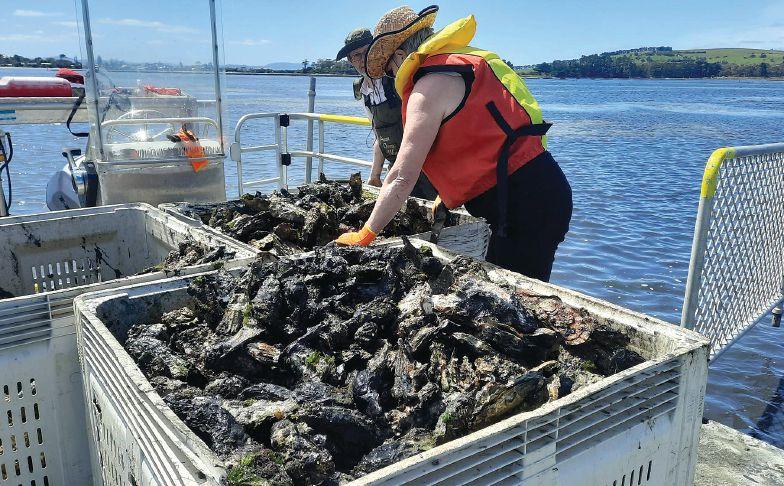
John Ramsden, hatchery manager at Tasmanian Oyster Company, feels the availability of a healthy number of mature broodstock is meeting current demand.
PHOTO: TASMANIAN OYSTER COMPANY
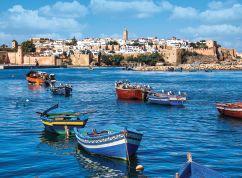
Morocco’s force for change
The country’s Blue Economy Program received US$350M from The World Bank. Will it result in positive change?
By Gordon Feller
Morocco’s government has decided that it needs to urgently address the growing impacts of climate change. With the help of both private companies and global organizations, it is now working to develop an inclusive and resilient blue economy (BE).
Morocco’s national government leaders, together with private sector executives and international agency heads, have all agreed that the resiliency of key BE sectors of the economy must be strengthened – and especially so if they are to adapt to climate change.
Unlike almost every one of its neighbours in North Africa, Morocco has made significant progress in climate change mitigation and adaptation measures. They have aimed to make its “territory and civilization more resilient to climate change while ensuring a rapid transition to a low-carbon economy.”
However, BE sectors require additional financial and technical investments to develop capacity, pilot innovative climate-smart technologies, and establish new climate-resilient models. For example, fisheries are vulnerable to meteorological and oceanographic shifts, which could affect the distribution, abundance, migration, and
reproductive patterns of important commercial fish species.
Based on analyses of data collected by the Food and Agriculture Organization of the United Nations (FAO), the Moroccan fishing industry was quite substantial in 2022:
• Employment in the fisheries sector: 650,000 people
Morocco is one of the leading fishing countries in Africa, and its fishing industry plays an important role in the country’s overall economy. The industry provides food and jobs for millions of people, and it also contributes to the country’s export earnings. The main types of fish caught in Morocco include sardines, anchovies, mackerel, and tuna.
The country also has a growing aquaculture sector, which produces fish such as seabass,
seabream, and trout. The good news for the national economy is that the production of a varied menu of aquaculture products – such as fish, shellfish, and seaweed – has been on a steady climb.
One reason for the aquaculture industry’s success has been the fact that Morocco’s traditional fishing industry is facing a number of persistent and hard-to-reverse challenges, including overfishing, climate change, and pollution. However, the government is taking steps to address these challenges, such as implementing sustainable fishing practices and investing in aquaculture.
Morocco exported US$1.8 billion worth of fish and fishery products in 2022. The main export markets for Moroccan fish and fishery products are the European Union, the United States, and China. Morocco imported US$346 million worth of fish and fishery products in 2022. The main import markets for Moroccan fish and fishery products are Spain, Norway, and India.
The scientific facts are increasingly clear: climate change is threatening the future of Morocco’s economy. The country is particularly vulnerable because 81 per cent of the country’s industries are concentrated in coastal areas. These enterprises are increasingly susceptible to sea level rise and storm damage. Coastal erosion threatens more than half of Morocco’s shoreline, which can cause economic loss through damage to coastal communities and lost tourism revenues.
Poor households are known to suffer the greatest economic losses from extreme weather events. Low-income, marginalized populations, especially women, youth, rural populations, and small enterprises along the coast, are vulnerable as they often lack resources to adapt to intensifying weather events - such as floods, landslides, droughts, and heat waves. Increased poverty due to the COVID-19 pandemic has further limited the capacities of residents to cope with these challenges.
In 2021, Morocco ranked 123 (out of 191) in the Human Development Index assessed by the United Nations Development Programme. Their ranking dropped two slots from the previous year, in large part due to global climate risks – including the economic effects of rising temperatures and declining rainfalls.
Against this backdrop, the national government is launching a national BE program to build a more inclusive and resilient BE. The government program aims to improve economic growth and job creation, food security, and sustainability and resilience of natural resources. Especially, the food security objective has assumed increased importance over the past weeks given the impact of the war in Ukraine. The program aims to help achieve some of objectives built into the country’s “Coastal Law”. It is aligned with the country’s “National Determined Contributions”, which Morocco’s obliged to identify under the terms of the Paris Climate Treaty (aka the UN Framework Convention on Climate Change). Given the wealth of marine and coastal assets of the country, Moroccan coasts offer significant opportunities for job creation, equitable recovery from the pandemic, and increased resilience in the face of climate change.
Two key organizations have been mobilized by the Prime Minister and the King:
• The National Institute of Fisheries Research (INRH) in Morocco: This institute is responsible for fisheries research in Morocco and may provide up-to-date statistics on the fishing industry.
• The National Ministry of Agriculture and Fisheries in Morocco: The ministry oversees the country’s agricultural and fisheries policies and may release reports on the performance of the fishing industry.
With its blue riches in both the Mediterranean Sea and the Atlantic Ocean, Morocco is widely seen around the world as having high potential for developing its BE. The country has a wealth of marine resources underpinned by high biodiversity with 600 identified fish species.
In total, Morocco’s coastal areas contribute 59 per cent of GDP and provide 52 per cent of jobs in the country. The fisheries sector alone contributes 1.5 per cent of GDP and provides 700,000 direct and indirect jobs. According to the Exchange Office (Office des Changes), exports from the fisheries sector account for 7.1 per cent of the total export. In 2021, the government set a target to create 450,000 jobs in maritime fishery and the agri-food industry within five years, as part of the overall efforts to create new jobs and help the national economy recover from the pandemic.
The government’s “2020 Halieutis Strategy” identified aquaculture as a sector with high growth potential – especially in light
One reason for aquaculture’s success has been the fact that Morocco’s traditional fishing industry is facing persistent and hard-to-reverse challenges, including overfishing, climate change and pollution.
of the fact that international and domestic demand for seafood is growing. The main bottlenecks hampering growth include lack of technical capacity and limited access to financing. With additional investments and capacity development, the sector could play a key role in addressing fishing pressures and contributing to food security.
The degradation of marine and coastal ecosystems is a threat to Morocco’s BE. It costs US$260 million per year, equivalent to 0.27 per cent of Morocco’s GDP. In addition, both the Mediterranean Sea and the Atlantic Ocean are facing increasing overexploitation of fishery resources. In the Mediterranean, 75 per cent of fish stocks are subject to overfishing, although recently there have been signs of
recovery. In addition, illegal, unreported, and unregulated fishing puts pressure on already vulnerable fish stocks.
Morocco’s coastal ecosystems are vulnerable to climate change impacts. Approximately 54 per cent of the coastline is subject to serious erosion. On average the sandy beach shoreline is retreating 12 cm per year on the Atlantic coast and 14 cm on the Mediterranean coast. Sea level rise may submerge half of the beach areas by 2050 and 72 per cent by 2100, potentially affecting 187,400 people by flooding. Over-extraction of water in coastal regions is causing saltwater intrusion in aquifers and salinization of agricultural land in these regions. Rising demand for freshwater further intensifies pressure on aquifers and creates challenges for economic activities that rely on this supply.
Like many other governments around the world, Morocco’s national government, together with the private sector, has been working to develop its aquaculture sector. The key aim is to reduce dependency on wild fisheries. Whether it can succeed, even with generous help from The World Bank. and others, is still an open question.
From refuse to reuse
Recycling post-consumer food waste into high-quality fish feed
Food waste represents a major ethical dilemma, especially when considering the increasing need to produce food to satisfy the needs of the ever-climbing global population.
Despite aquaculture offering nutritious sources of animal protein for less, some of the industry’s production expenses hamper its ability for further development. Thus, aquaculture needs alternative, cheap ingredients to grow the animals in a cost-effective manner and feed the world.
One such option by which nutritionists can attempt to kill two birds with one stone is to recycle the available human food waste into adequate aquaculture feed. The waste is mostly comprised of unconsumed edibles and plate scraps. After all, post-consumer food waste retains some nutritional value that, with a bit of processing, can be turned from “refuse” to “reuse”.
The idea
Human demand for food is not solely based on the need to fill one’s stomach, but rather on obtaining high-quality protein and essential fatty acids and molecules. Fish are an important source of protein (marine fish particularly so) and a great source of omega-3 fatty acids (EPA & DHA) which are necessary for proper brain function and a healthy heart. Aquaculture mostly produces freshwater fish, which can be a source of omega-3s if provided with EPA & DHA in their feed.
Beirut is a beautiful city located on the coast of Lebanon where a lot of restaurants offer authentic Mediterranean food, rich in omega-6 fatty acids, fish products, and carbohydrates. With sustainability, demand for food, and recycling in mind, our research team at the American University of Beirut decided to make use of restaurant food waste by recycling it into fish feed.
Knowing that food waste composition is not consistent and that it can be deficient in some nutritional aspects, we suggested using inexpensive and available biological processes and agents to try and improve its nutritional value.
To increase the protein content of food waste, we chose to use the main byproduct of the brewing industry, brewer’s yeast, as it has high nutritional value and protein content coupled with a good essential amino
acid profile that offers a variety of sugars and enzymes. In the presence of oxygen, yeast can ferment sugars into proteins.
Use of brewer’s yeast in fish feed is not, however, an innovation. Previous research has already demonstrated that yeast can improve fish growth and even promote immune system activity [1,2,3]. Furthermore, food waste in the Mediterranean region is rich in omega-6 fatty acids, as olive oil represents an essential component of Levantine cuisine. If we were to try and produce freshwater fish with EPA and DHA in their fillet, the omega6s in the food waste must be somehow converted into omega-3s.
Previous research mentioned that two species of common soil fungus, Aspergillus niger and Trichoderma virens, have enzymes capable of doing just that. Therefore, we decided to use microorganisms to bioprocess the waste into a nutritious feed ingredient.
The approach
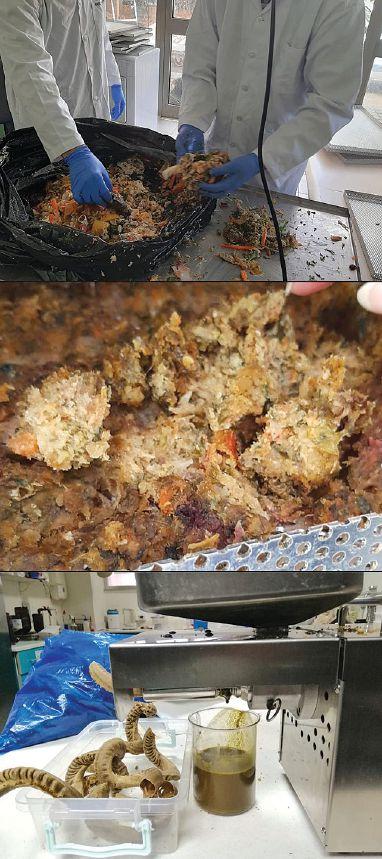
We collected plate leftovers from a local restaurant, hand-sorted the waste prior to drying and then ground it into powder. We then extracted the oil from the food waste powder using a grain oil press, resulting in a lipid content of six per cent. The obtained waste powder was then used in a screening trial to evaluate whether the microorganisms can improve the protein content of the food waste and increase its omega-3 levels. All microorganisms were cultured in the laboratory and transferred into a liquid suspension prior to being spread on the food waste. Ten days later, the bioprocessed food waste was analyzed for protein and fatty acid content.
Based on the results of the screening trial, we chose to formulate fish diets to contain various levels of food waste fermented with brewer’s yeast. A feed mixture was prepared, and the fermented food waste was used to replace 0, 15, 20, 25, 30, 35, and 40 per cent of the diet before pelletizing it, allowing for a total of seven diets.
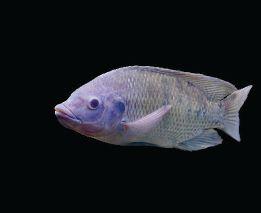
Nile tilapia was the fish of choice for the trials, owing to its popularity, mild taste, and a meat profile suitable for a plethora of cuisines.
Nile tilapia juveniles from our laboratory were sized and sorted by hand, and 13 fish were stocked into each of 21 glass aquaria in a recirculating aquaculture system, allowing for three replicates per diet.
Diets were randomly assigned to the aquaria, and the fish were offered feed manually four times a day. The feed ration was adjusted weekly when the fish were weighed, at four per cent of the heaviest replicate. The experiment lasted 42 days, during which water quality parameters, including temperature, salinity, dissolved oxygen, total ammonia nitrogen, nitrite nitrogen, and pH were maintained within adequate ranges for optimal Nile tilapia growth.
At termination, the fish were groupweighed and individual weight and length were measured. The measurements were
FIGURE 1 (A) Manual sorting of food waste. (B) Dry ground food waste. (C) Oil extraction from food waste.
TABLE 1 Survival (S; %), final body weight (FBW; g), total length at harvest (TL; cm), feed conversion ratio (FCR), specific growth rate (SGR; % day1), and Fulton’s condition index (K), values of juvenile O. niloticus offered diets with increasing proportions of fermented food waste. All values are represented as (mean ± SE)
Values in the same column with different superscripts are significantly different from each other (p < 0.05).
used to calculate such parameters as specific growth rate (SGR), feed conversion ratio (FCR), and Fulton’s condition factor, as the latter allows for body condition assessment.
Afterwards, four fish from each aquarium were euthanized prior to dissection in order to weigh the liver and the viscera. These data were used to calculate the hepatosomatic and the viscerosomatic indices, allowing for body condition evaluation. Finally, the fish were macerated, dried, and analyzed for whole body protein, lipid, moisture, and ash content.
The outcome
Results of the screening trial demonstrated that baker’s yeast increases the protein content of food waste by 15.3 per cent on a per weight basis. However, both species of fungi failed to bio-convert omega-6 fatty acids into omega-3s. Accordingly, only the yeast was used to produce the food waste used in tilapia feed.
The fish feeding trial made it clear that tilapia growth, survival, and FCR remain the same even when up to 30 per cent of their feed is food waste. Even the metabolic indices of the fish were normal, which very much encourages recycling food waste in Nile tilapia feed.
This study gives us hope that recycling human food waste can be as beneficial for humans as for the environment. Using living microorganisms can help improve the nutritional value of food waste, which in turn can help sustainably and inexpensively improve food security and decrease pollution.
References
Full scientific article citation: Tabbara, M., Monzer, S., Zein Eddine, R., Abiad, M., & Saoud, I. (2022). Bioprocessing post consumer food waste for use as a fish feed ingredient. Aquaculture Research, 53(6), 23832391. https://doi.org/10.1111/are.15756
[1] Dimitroglou, A., Merrifield, D. L., Carnevali, O., Picchietti, S., Avella, M., Daniels, C., Güroy, D., & Davies, S. J. (2011). Microbial manipulations to improve fish health and production – A Mediterranean perspective. Fish & Shellfish Immunology, 30, 1–16. https://doi. org/10.1016/j.fsi.2010.08.009
[2] Leclercq, E., Pontefract, N., Rawling, M., Valdenegro, V., Aasum, E., Andujar, L. V., Migaud, H., Castex, M., & Merrifield, D. (2020). Dietary supplementation with a specific mannan-rich yeast parietal fraction enhances the gut and skin mucosal barriers of Atlantic salmon (Salmo
salar) and reduces its susceptibility to sea lice (Lepeophtheirus salmonis). Aquaculture, 529, 735701. https://doi.org/10.1016/j. aquaculture.2020.735701
[3] Rawling, M., Leclercq, E., Foey, A., Castex, M., & Merrifield, D. (2021). A novel dietary multi-strain yeast fraction modulates intestinal toll like-receptor signalling and mucosal responses of rainbow trout (Oncorhynchus mykiss). PLoS One, 16(1), e0245021. https://doi. org/10.1371/journal.pone.0245021
HATCHERY HACK by Nicole Kirchhoff
New year, new hatchery
Hatchery managers weigh in on the latest innovations
This time of year we are all making assessments and goals and the same goes for hatcheries. Did last year’s production and business go as planned? How can we be proactive to make this one the best year yet?
One way hatcheries can make advancements in production and economics is by being on trend; whether it is altering hatchery space allocation to address the latest production demands, or adopting new technology to reduce costs.
I know for my business, Live Advantage Bait LLC, we are planning both. In production, we are planning to make shifts in allocation of broodstock tanks and larval schedules for the species we produce with shifting customer preferences.
For example, demand for one species of our marine baitfish – pinfish ( Lagodon rhomboides) – has declined, while another – Atlantic croaker (Micropogonias undulatus ) – has skyrocketed. And demand for marine food fish species such, as red drum (Sciaenops ocellatus), are also increasing in both frequency and size of orders.
We are also adopting new technology such as reliable rural internet providers and
wireless sensors. Artificial intelligence (AI) will potentially reduce extreme weather production risks and make production planning a lot easier to track.
In nutrition, we are also going to roll out into our main production tanks some new rotifer and artemia replacement larval feeds we trialled last year with high success.
As diverse as the international aquaculture industry is, so are our annual reflections and new trends. Therefore, I asked five international leaders to share what they are excited about for the upcoming year.
Production
Tom McCrudden President, Great Florida Shellfish Company
“The shellfish industry has seen numerous obstacles and disasters related to hurricanes and seed shortages for both clams and oysters. To meet these increased demands, we have increased our production over 50 per cent from last year and plan to increase
another 50 per cent in 2024. We are currently building an additional hatchery/nursery on Florida’s West Coast to allow diversity and risk due to hurricane or water quality issues. This will also allow us to provide oysters to the panhandle area who have been plagued with consistent seed supplies for many years. Along with the shellfish industry’s increased demand for seed, the restoration needs further stretch the existing hatchery’s ability to provide these needs. We are able to balance these demands by refining our production facilities and hiring qualified staff to operate our various locations and the ability to provide seed year-round. It is important for the private sector to step up and provide these services for industry and restoration needs so universities or other non-profit organizations do not compete with existing hatcheries. This practice of ‘supplemented’ research groups stepping in to ‘help’ provide seed for new species, industry, or restoration needs has harmed the development of private hatcheries and their ability to survive and still occurs to this day.”
Equipment and engineering
George Nardi Vice-president of Aquaculture Services, Innovasea
“Having 30 years experience in the marine finfish hatchery industry, I have been encouraged at Innovasea to see new equipment and technologies that either reduces effort or enables better hatchery production and survival. For example, improved hatchery monitoring, automation and smart components that can react to a situation, be it low oxygen, sub optimum pH, CO2, or another parameter on a 24/7 basis. Equipment such as drum filters that only use the minimum water needed or degassing units whose operation is linked to CO2 levels. In an era of ever increasing HAB’s and other toxins in the coastal environment, developing robust water intake systems using ozone has proven its worth. Of course, none of these advances will mean anything unless there is a solid animal husbandry foundation in place for live feed and larval fish culture.”
Nutrition
Scott Snyder, PhD
Nutritional technology manager, Ziegler Bros. Inc.
“I am most excited for the commercialization of several new to aquaculture ingredient candidates. Demonstrated by the greatly reduced Peruvian fishmeal quotas in 2023; our continued reliance on marine-based proteins and oils coupled to limited commercialization efforts of alternatives left our industry reeling from the highest aquafeed costs in history. Continued increased operational costs along with flat market value of aquaculture products have led to tremendous reduction in aquaculture production globally. As a means to survival, large segments of the aquaculture industry incorporated low-quality, lower-priced feeds into their systems. Unfortunately, the result of using poor quality feeds manifested in increased disease, reduced water quality,
2
and ultimately even further reduced farming success. In and of itself, aquaculture cannot bring about the commercialization of novel ingredients like fermented plant-based proteins, single cell proteins, and omega-3 rich oils. I am hopeful that in 2024 we see increased collaborative approaches, linking aquaculture with pet, poultry, swine and other feed-intensive agricultural industries to concentrate commercialization efforts on a few key novel ingredients with the goal of stabilizing feed costs.”
Jesse Trushenski, PhD
Chief science officer, Riverence
“We are most excited about the availability of STIM’s SuperSmolt Feed Only in the USA. SuperSmolt Feed Only is a feed that predictably induces smoltification and keeps salmonids in the smoltification window—without the need for photoperiod manipulation or artificial ‘winter signal’ to synchronize smoltification.
Several groups in the USA are already using the product, and we think SuperSmolt Feed Only could be used to manage the smoltification process in other conservation hatcheries and commercial farms.
Disease
Matthijs Metselaar, DVM, PhD, Dipl. ECAAH, CertAqV, MIFM, MRCVS Owner and managing director, Aquatic Vets Ltd. UK Specialist aquatic veterinary surgeon RCVS specialist in fish health & production
“Presence of pathogen does not equal presence of disease. I am looking forward to the increased understanding of pathogen-host interaction that AI will start to unravel in advance sectors such as salmon. In most sectors, like sub-Saharan aquaculture, we are still working on the basics. A holistic approach is vital here.”
and Ian Roberts, Director of Communications at MOWI Canada, Scotland, Ireland
with Mari-Len De Guzman, Aquaculture Writer and Editor
Presented by Sponsored by
Yield10 and BioMar to commercialize Omega-3 Camelina Crop
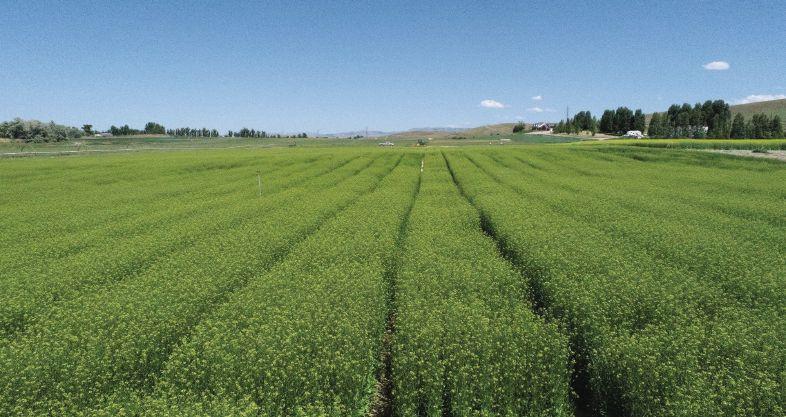
Yield10 Bioscience and BioMar Group have signed an agreement to form a long-term partnership to commercialize a Camelina crop containing enriched levels of eicosapentaenoic acid (EPA), and docosahexaenoic acid (DHA) equal to fish oil.
Omega-3 Camelina technology is advancing toward market availability and has the potential to become an important, high-quality supplement to the supply of marine long-chain fatty acids.
The new Omega-3 Camelina product is ideally designed for the needs of the aquaculture industry. Oliver Peoples, Ph.D. president and CEO, of Yield10 Bioscience said a partnership with BioMar could accelerate the development of the product.
“We look forward to working closely with BioMar to develop a collaborative program to bring this new source of high-quality EPA and EPA+DHA omega-3 oils to the market to strive to meet the aquaculture industry’s growth demand and sustainability goals,” said Peoples.
Yield10 plans to scale up planted acres of
Camelina to supply BioMar with oil for formulation and testing while securing regulatory approval for commercial production of Omega-3 Camelina oil and meal in the production areas.
Aquaculture AI company launches salmon sorting machine
Aquaculture AI company, Aquaticode has officially launched a new product, SORTpro.
SORTpro uses a combination of non-invasive imaging technologies, artificial intelligence, and automation to scan, classify, and sort 20-100g salmon smolt according to characteristics such as gender, maturation, and other important performance traits.
Powered by artificial intelligence, the machine uses neural networks that mimic the structure and function of the human brain, learning from examples. Aquaticode says it can process up to 10,000 fish per hour at more than 97 per cent accuracy, requiring minimal training and effort.
“We want to give a huge thanks to the team, whose curiosity, courage, and capability
The companies believe that the Omega-3 Camelina technology will play a role in the future omega-3 market and pave the way for growth within the aquaculture industry. www.yield10bio.com www.biomar.com
have brought this product to life. We are also deeply grateful for the invaluable contributions from our early customers, partners, advisors, ecosystem, and owners,” information from their website reads.
Aquaticode says soon, the machine will have the ability to identify deformities and disease resistance and plans to expand SORTpro‘s functionality through over-the-air updates. www.aquaticode.com
Yield10 Bioscience Camelina containing the omega-3 EPA trait growing at acre scale in spring 2023.
Bionetix releases AQUACLAR to improve water quality
AQUACLAR—Bionetix International—a water-clarifying bacteria/enzyme blend to clean polluted water, is on the market.
Since wastewater lagoons and ponds get dirty and smelly over time because of waste buildup and small lakes and ponds have the challenge of nutrient pollution that causes algae growth, AQUACLAR is efficient in cleaning small lakes, ponds, canals, and fish farms.
It lowers toxicity by allowing the separation of heavy metals and ammonia.
“These non-pathogenic bacteria and accompanying enzymes improve water clarity by digesting and consuming nutrients that cause algae growth,” a press release from the parent company, Cortec Canada, reads.
The company says the benefits of AQUACLAR are: lower BOD/COD, breakdown of fecal and other organic waste, less TSS and organic sludge, fewer malodors and nitrogen removal.
For applications that need a higher level of power and effectiveness, Bionetix has an extra-strength version called AQUACLAR PLUS, which contains five billion colony-forming units per gram (50 times more than the 100 million CFU/g of regular AQUACLAR).
www.bionetix-international.com
Merck launches new courses for aquaculturists
Merck Animal Health launched two new training modules in its AQUA CARE365 fish welfare series to address operational and welfare aspects of harvest and PIT tagging.
Tim Kniffen, technical services veterinarian at MSD said aquaculturists must act ethically and responsibly as they help meet the world’s growing demand for fish. The two new modules are part of a six-part series.
“The AQUA CARE365 program addresses topics that provide valuable insights and information to help educate anyone with an interest in aquatic animal welfare, but especially caretakers working with fish,” said Kniffen.
“Being observant on the farm is important, as it may take an entire production cycle before fish handlers become familiar with the basics,” said Dr. Jimmy Turnbull, professor at the University of Stirling. “Fish handlers need to be trained so they know when to report abnormal behaviour, as it may require immediate intervention for the health and welfare of the fish.”
www.merck-animal-health-usa.com/ aqua-care365
Benchmark Genetics to launch customer portal, My Pages
Benchmark Genetics is getting set to launch their BreedControl customer portal, My Pages.
BreedControl is a production software which specializes in broodstock and salmon ova production. It was launched in December 2018.
My Pages will focus on gathering essential information for customers in one place. It will include active certificates for easy accessibility, contact information for the commercial team, the customer’s signed ova contracts, an overview of ova shipments, and information on the specific customer’s site and contacts.
Commercial Director for Salmon, Kate Furhovden Stenerud, said BreedControl My Pages meets a real customer need. “My Pages gives our customers access to information they request frequently and gives them the opportunity to provide direct feedback on the performance of the ova we deliver and receive instant benchmarking data in return.”
Stenerud praising the work of the development team, headed by Bára Gunnlaugsdóttir said, “Bára and her team are working tirelessly to get My Pages ready for launch on November 30. My Pages with the integrated ova survey will be very valuable for our continued work to improve the genetics of our ova.” www.bmkgenetics.com
Symrise Aqua Feed appoints new Latin America and North America sales director
Symrise Aqua Feed has appointed Eduardo Hurel as its new Latin America and North America sales director.
Hurel assumed his new role on Oct. 1, overseeing business and performance in the two groups.
He’s been part of Symrise Aqua Feed since 2018, where he successfully developed the fish and shrimp hydrolysate business in Ecuador and Latin America.
“His experience and acknowledge of the market will help him to succeed in his new role,” a press release from the company reads. www.symrise.com