A novel partnership in fisheries conservation aims to preserve endangered Atlantic salmon in the Bay of Fundy
BY DEBORAH IRVINE ANDERSON
The Inner Bay of Fundy Atlantic Salmon (Salmo salar) were declared endangered in 2003. Of the more than 40 rivers that were home to the species, mostly have none now.
But there is good news. The Fundy Salmon Recovery project is a world’s first. It’s innovation is simple, yet effective. The recovery program collects juvenile salmon from the Upper Salmon River in New Brunswick’s Fundy National Park after they’ve hatched in the wild. The parr overwinter in a hatchery and in the spring they are moved to an ocean environment where they are raised to maturity in a marine farm run by Cooke Aquaculture that is dedicated to growing wild Atlantic salmon. When mature, they are brought back to the Upper Salmon and Petitcodiac Rivers to spawn.
Compared to many other conservation efforts, researchers at the Fundy Salmon Recovery Project
are seeing results. And it’s due in large part to a wide variety of stakeholders working together: Parks Canada, Cooke Aquaculture, the Atlantic Canada Fish Farmers Association, the Province of New Brunswick, Fisheries and Oceans Canada, the University of New Brunswick,
continued on page 8
In RAS, off-flavour is off-putting
A veteran RAS-man urges producers to clean up their act, for themselves and for the good of the sector
BY JUSTIN HENRY
At Northern Divine Aquafarms, we first used RAS to grow salmon smolts in1998. This was before the term “RAS” was coined and we just called it “recirc”. We soon realized that this technology allowed us to produce smolts six months earlier and three times as big when compared to our flowthrough system. I remember thinking “why would you grow fish in anything else?” Lots of people had the same idea which led some to start growing fish right through to harvest in RAS.
EARLY DAYS, EARLY CHALLENGES
It was 17 years ago that we started to harvest our first RAS-grown sturgeon for meat. Today, the sturgeon, caviar and coho salmon grown at Northern Divine have the cleanest taste possible
at harvest; however, that is not how it started 17 years ago.
Farmers growing fish such as catfish in ponds have been battling this problem for years, though many others who grow fish in net pens or flow-through systems have, for the most part, not historically encountered this challenge. When RAS came along there were initially no problems with off-flavour since most of the production was for smolts which no one was eating.
As farmers realized the benefits of growing fish in RAS, they started to experiment with growing several species to market size. Unfortunately, in many instances, the market knew there was a problem before the farmer.
One of our first harvests of sturgeon for meat went to a banquet at an aquaculture conference 15 years ago. Various types of seafood were served at different stations throughout the venue. The first sturgeon that came out was delicious; this was the first time that many people had ever tried sturgeon. An hour or so later, they refreshed the
Norwegian researchers launch hatchery water quality study
Research effort aims to develop early warning system for dangerous bacteria
BY MATT JONES
The Norwegian research organization SINTEF has launched a multi-year research effort, studying water quality within systems at salmon hatcheries. Funded by the Norwegian Seafood Research Fund and various industry partners, researchers hope that their analysis will help develop useful techniques to better stave off issues related to potentially dangerous bacteria.
Biologist and Researcher for the study, Kari Attramadal, says that studies into these types of issues have previously only been conducted after fish are already showing signs of illness. As such, there is very little information about the microbial environment fish are raised in, especially under normal conditions.
“We wanted to have a project where we could measure for a long time and get all the data to know what the normal variation is and what the normal
continued on page 22
Publications Mail Agreement #PM40065710 RETURN UNDELIVERABLE CANADIAN ADDRESSES TO 80 Valleybrook Dr., Toronto, ON M3B 2S9
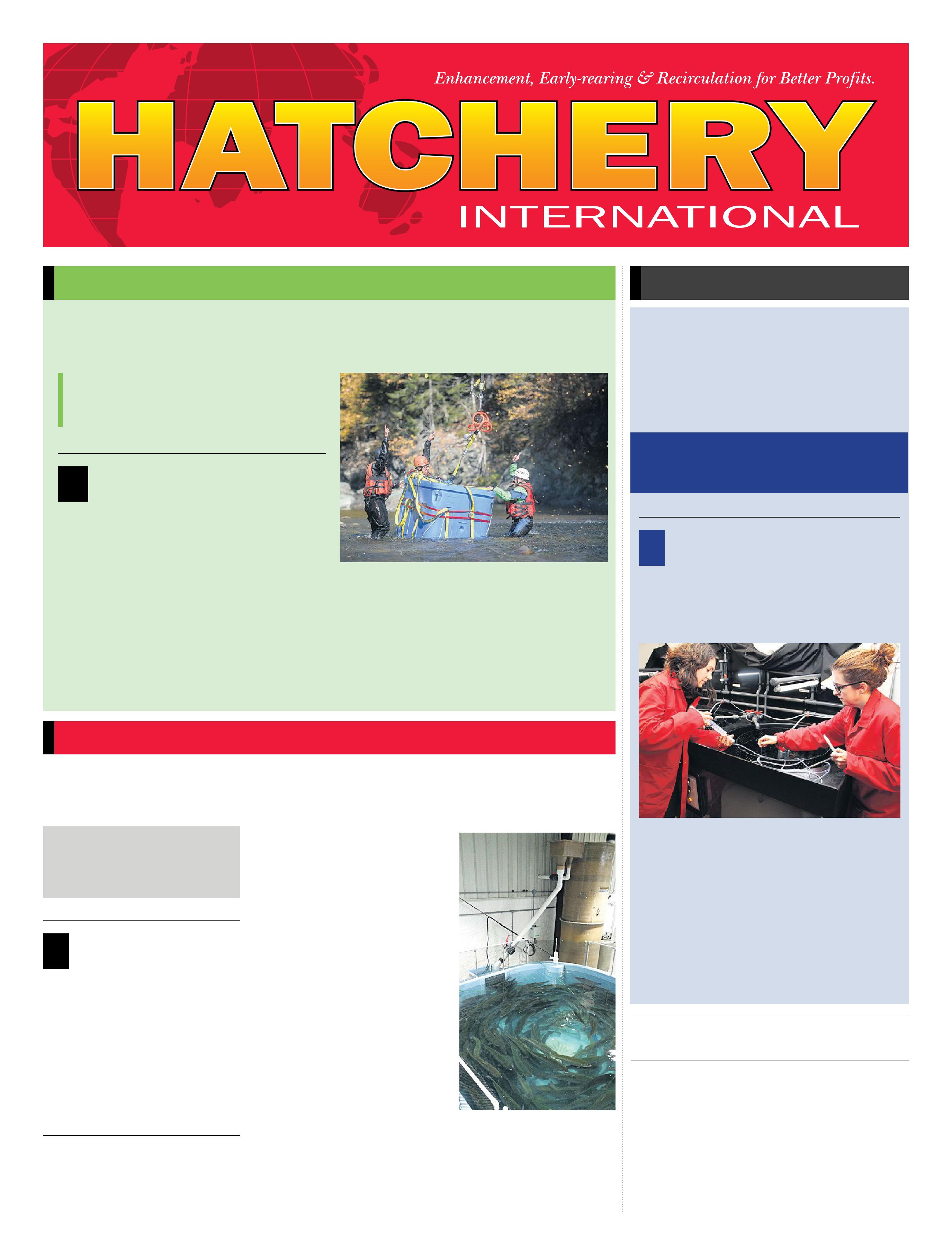
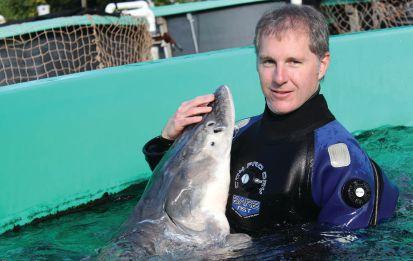
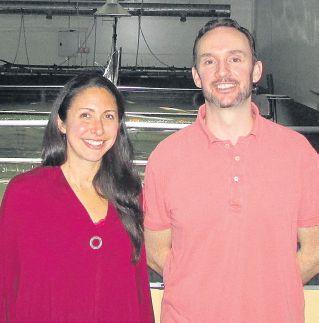
SINTEF researchers Kari Attramadal (left) and Stine W. Dahle take water samples for DNA extraction of the microbial community composition.
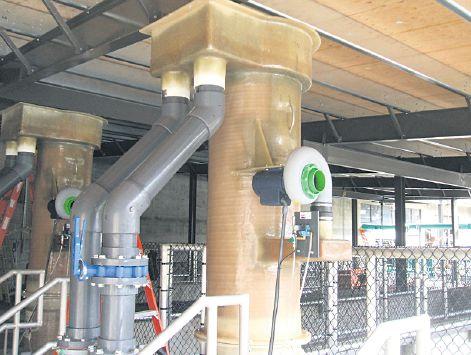
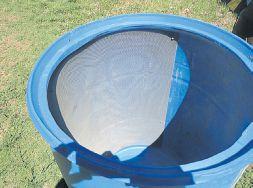
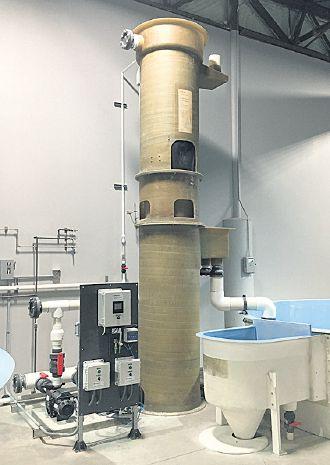
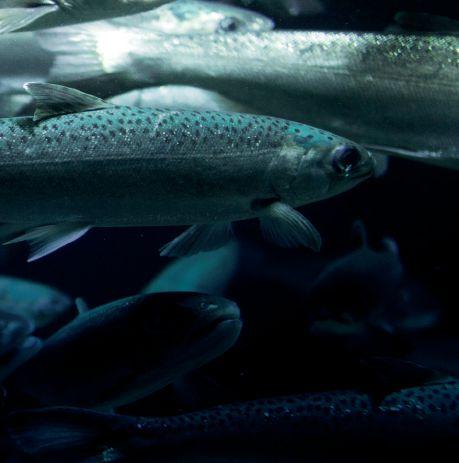
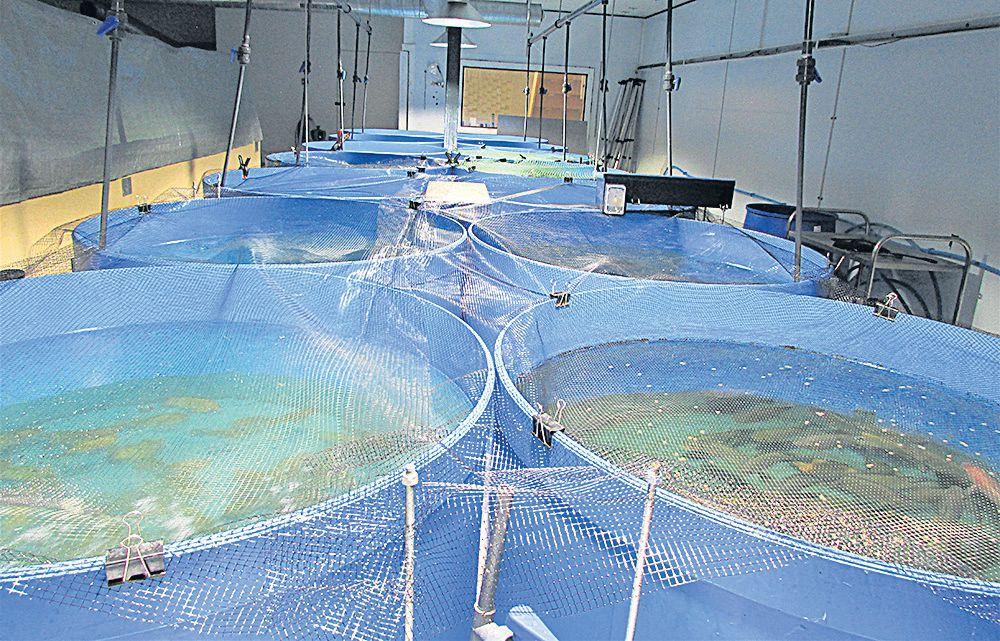
Atlantic salmon in a conditioning tank at the Freshwater Institute. Filters contain no media on which bacteria can accumulate.
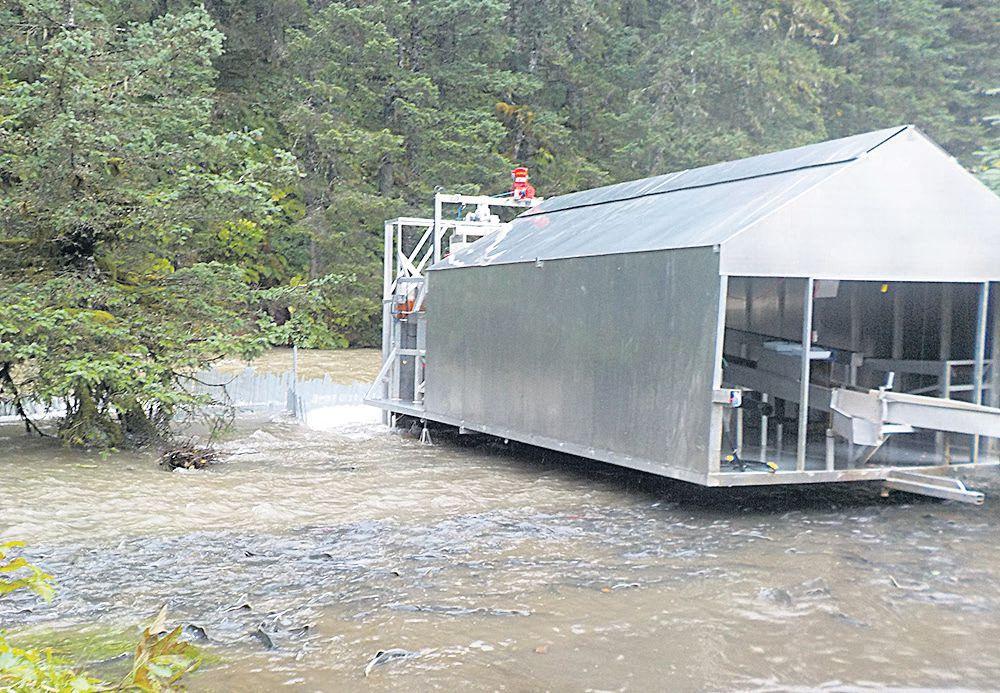
A helicopter delivers adult salmon to team members of the Fundy Salmon Recovery Project at Upper Salmon River in Fundy National Park.
Disease and poor health are some of the main constraints for sustainable aquaculture.
MSD Animal Health develops environmentally responsible products to maximize fish survival, growth and production efficiency for the major farmed fish species: salmon, tilapia, trout and other marine species.
Every day, in every corner of the world, progressive fish farmers turn to MSD Animal
Health. They ask about our full range of products for managing the most serious diseases in aquaculture. Even more, they come to us for integrated health solutions to help them become more profitable, competitive and sustainable.
For more details please contact your local MSD Animal Health representative or contact us at aqua@merck.com or visit us at www.aqua.merck-animal-health.com.
Volume 19, Issue 1 | JANUARY/FEBRUARY 2018
Editor Peter Chettleburgh, peter@capamara.com
Science Editor David Scarratt, scarratt@ns.sympatico.ca
Regular Contributors Quentin Dodd, Diogo Thomaz, John Nickum, John Mosig, Erich Luening, Philip Nickerson, Matt Jones, Ruby Ganzalez
Advertising Manager Jeremy Thain, jthain@annexweb.com
Tel. +1-250-474-3982, Toll-Free (North America) 1-877-936-2266
Circulation Manager Barbara Adelt, badelt@annexbizmedia.com
Design & Production James S. Lewis, james@capamara.com
Group Publisher - Scott Jamieson sjamieson@annexweb.com
COO – Ted Markle, tmarkle@annexweb.com
President & CEO – Mike Fredericks
outside North America. To subscribe visit our website at www.hatcheryinternational.com
Printed in Canada. Publications Mail Agreement #PM40065710 RETURN UNDELIVERABLE CANADIAN ADDRESSES TO: Hatchery International. CIRCULATION DEPT. 80 Valleybrook Dr., Toronto, ON M3B 2S9 ISSN 1922-4117
Next Ad Deadline
The advertising deadline for the Mar/Apr issue is Jan. 12th. Don’t miss the opportunity to be part of this exciting aquaculture publication. For more information, or to reserve space in the next issue, call our Advertising Department at +1.250.474.3982 jthain@annexweb.com
Next Editorial Deadline
The editorial deadline for the Mar/Apr issue is Jan. 2nd. Contact the Editor, Peter Chettleburgh at +1.250.478.3973 for details. E-mail to peter@capamara.com. Material should be submitted electronically with prior arrangement with the editor.
NEWS BRIEFS
Big returns a surprise in California
The recent fall salmon spawning season was forecast to be below average for California and extremely poor for the northern part of the state.
But information from the state now indicates that some rivers saw exceptionally good salmon fishing during the summer, followed by better than projected returns of spawners to the hatcheries.
The fall chinook run on the Feather River was particularly surprising.
All-told, the return approached 19,000 fish, which yielded 22 million eggs, enough to meet the hatchery’s mitigation goal of nine million fry.
Another ray of sunshine for salmon and steelhead in the area was the Mokelumne River Hatchery, where by the latter part of November, the return of 13,799 spawners was more than three times the count at the same date last year.
Grant to help Australian oyster hatchery
The biosecurity of South Australia’s oyster industry will be bolstered by a $267,500 Regional Development Fund (RDF) grant to Eyre Shellfish at Cowell.
Eyre Shellfish was established in 2016 in response to the need for South Australian-produced oyster spat, owing to the detection of Pacific Oyster Mortality Syndrome (POMS) at facilities operated by Tasmanian producers.
“The support of the RDF grant means we can ensure that our systems and processes – including quarantined rooms, and water treatment and storage –meet specific biosecurity standards, reducing oyster stress and the risk of diseases such as POMS,” said Eyre Shellfish General Manager Greg Bowers.
RAS course for
Scottish producers
The North Atlantic Fisheries College Marine Centre (NAFC) under Scotland’s University of the Highlands and Islands recently launched a new short training course in Water Quality Awareness targeted at personnel involved with running recirculating aquaculture systems (RAS).
As the latest addition to NAFC's expanding list of specialized aquaculture training courses, the course is designed to provide an introduction to fundamental aspects of monitoring and maintaining water quality and fish health within RASs.
Further information about the new course is available on the centre’s website.
A new centre has been approved in the large metropolitan city of Allahabad, in India’s Uttar Pradesh state, for the establishment of a turtle sanctuary and breeding facility.
The project will also include a turtle rearing centre or permanent nursery at Triveni Pushp and annual makeshift hatcheries.
The official statement said the program will provide a much-needed platform for visitors to learn about the turtles’ and their place in the ecosystem.
Committee to address dwindling New Zealand salmon stocks
A new Salmon Action Committee has been proposed in New Zealand to take a lead role in what is being described as a “last ditch effort” to save the nation’s wild salmon populations. The action committee came about following “a summit” gathering of close to 120 anglers and scientists called to discuss the country’s diminishing wild salmon populations.
The “summit” came after five decades of ongoing declines in wild salmon populations, and Salmon and Riparian Support Trust chairperson Phil de Joux said that a recent symposium recommended the increased planting-out of juveniles in various streams and rivers, along with the addition of more hatcheries to supplement dropping populations.
The stepped-up program is to be put into place as rapidly as possible over the coming three years, but de Joux is cited as saying that some populations are now so small that it will be starting from “a very low base”.
First spat leaves Scottish mussel hatchery
The first mussel spat reared at the Scottish Shellfish Hatchery Stepping Stone project in Shetland was scheduled to be transferred to on-growing sea sites late in 2017.
The milestone was announced by Daniel Cowing, Aquaculture Scientist & Technician at the NAFC Marine Centre, and Michael Tait, Chairman of the Scottish Shellfish Marketing Group, at the Association of Scottish Shellfish Growers (ASSG) annual conference in Oban.
“We’re not yet achieving the quantities we would like, “said Cowing, “but we are now seeing larvae develop through to spat stage and settle onto ropes, which is a major advance in itself. The next step will be taking the ropes offshore, where the spat will be closely monitored over a growing period of two years.”
Check the dorsal
In many jurisdictions anglers identify the difference between hatchery and wild fish by the presence, or lack thereof, of the fish’s adipose fin.
But in an unusual break with precedence the Washington state Department of Fish and Wildlife recently modified the requirement so that hatchery steelhead in the state’s Hoko River could be identified by measuring the fish’s dorsal fin height.
The department noted that if the dorsal fin is less than two-and-two-eighths inches in height – or the adipose fin is missing – then the fish can be identified as hatcheryproduced.
The department explained that it’s been shown that the dorsal-fin height in hatcheryproduced steelhead are typically smaller or lower than comparably-sized wild steelhead.
The WDFW added that hatchery steelhead released from the Makah Tribe’s hatchery last year weren’t fin clipped because of fish health concerns resulting from warm river temperatures at the time.
Fish respond to predator attack by doubling growth rate
cientists have known for years that when some fish sense predators eating members of their species, they try to depart the scene of the crime and swim toward safer waters. This sensible behavior is exactly what evolution would be expected to produce.
Now, a group at the University of Wisconsin-Madison has shown a second, equally sensible result of the evolutionary pressure called predation: faster growth among the surviving fish.
Large fish, explains lab director Terence Barry, senior scientist in animal sciences at the UW, are harder for the predator to eat.
The discovery, now published online in the Journal of Fish Biology, resulted from Barry’s attempt to make the best of a bad situation.
ACCIDENTAL DISCOVERY
“I was trying a new method to raise larval yellow perch (Perca flavescens), which are hard to rear,” he says, “and I had 2,000 small, 2-gram fish in the tank. My perch were ready to sell, but about half had a spinal deformity, probably due to a nutritional deficiency, and I decided to feed these fish to a couple of big walleyes we were raising.”
What happened next was not standard at all, Barry says. “A student came to me three weeks later (and said), ‘Did you see those fish?’ To the naked eye, the perch that were not eaten were about twice as big as expected. I thought, ‘What’s going on here?’”
Palou Yang, who was in the lab as part of the university’s PEOPLE Program, took on the experiment. In one test, the odors from predatory walleye eating yellow perch flowed into another tank containing yellow perch fingerlings - and these fish grew faster.
SOMETHING IN THE WATER
The cause had to be something in the water, Barry says, “but it was not just coming from the walleye themselves, since the fast growth only happened when walleye were eating perch each day and the perch and the walleye shared their water supply.”
Further investigation showed that the cause was a pheromone that might be released from the perch skin, the feces or urine of the walleye, or even stress hormones that leaked from the perch into the water. Pheromones are chemicals that cause specific behavioral changes, usually at low doses, in organisms that sense them.
Barry, who grew up in Madison, has a B.S. in zoology and a Ph.D. in endocrinology from UW-Madison. He served in the Peace Corps in the western Pacific nation of Samoa and raised yellow perch at his fish farm in Poy Sippi, Wisconsin, for 10 years.
Tank trials by university researchers in Wisconsin show that larval perch grow at accelerated rates when they smell something in the water that signals the presence of predators.
WATER-BORNE ALARM
The finding builds on the picture of the water-borne “alarm substances” that are released during predation. Not only could they cause prey fish to scatter and, in the case of one species of carp, cause them to grow too wide to fit a predator’s mouth. Now the substance was causing faster growth in length and weight.
“Nobody had shown that the fish would grow big, and it was awesome, but still, it was just one experiment,” Barry says, “so we set up five treatments and saw more or less the exact same thing.”
Perch growth accelerated even if the walleye ate fathead minnows, but the phenomenon did not appear in walleye preyed upon by northern pike, perhaps because walleye are less often victims of predators than perch.
The experiments do not prove the evolutionary basis for the phenomenon, but fleeing and growing too large for a predator both make sense in terms of species survival, Barry says.
CHEMICAL COMMUNICATION
“In water, the surviving perch grow twice as fast, because they are smelling something that signals the presence of predators,” Barry says. “We do know that chemical communication is widespread in fish. When a male smells a female that is ready to spawn, it gets a surge in the pituitary hormone gonadotropin, which binds to the testes, causing them to produce testosterone, leading to sperm production. We think a similar thing may be going on here where the growth-promoting pheromone causes a surge in pituitary growth hormone.
COMMERCIAL POTENTIAL?
Barry says yellow perch grow too slowly to interest most fish farms but, “if we can speed up the growth, it’s got a lot of commercial potential.” He has filed a disclosure with the Wisconsin Alumni Research Foundation covering the use of pheromones to increase fish growth; a patent filing is expected.
Barry, Paul Hoppe, a Ph.D. student in reproductive endocrinology, and colleagues hypothesize that chondroitin sulfate may be the chemical signal.
Finding this kind of stimulus-response reaction is satisfying, since the response makes so much sense, Barry says. “We were not looking for this phenomenon, but we do know that underwater, chemicals travel further than light. Fish can’t survive without chemical communication.”
“Yellow perch grow too slowly to interest most sh farms, but if we can speed up the growth, it’s got commercial potential.”
Caroline Barry, a research specialist in animal science, draws a blood sample from a yellow perch during research at the Water Science and Engineering Laboratory at the University of Wisconsin-Madison as Ph.D. student Paul Hoppe looks on. (Photo by Jeff Miller / UW-Madison)
Terence Barry, senior scientist in animal science, shows one of many tanks of fish being studied at the University of WisconsinMadison. (Photo by Jeff Miller / UW-Madison)
A blood sample is drawn from a yellow perch as part of a research study in the lab. (Photo by Jeff Miller / UW-Madison)
Automotive toxicants killing coho spawners in Western US
Identification of die-off hotspots vital to species conservation and recovery
BY RUBY GONZALEZ
tormwater runoff containing contaminants from motorized vehicles and roads might be killing adult coho salmon (Oncorhynchus kisutch) in Washington State, USA, putting future populations at risk.
S
Forty percent of the Puget Sound river basins have been included in a study’s hotspot vulnerability map. Loss to die-rates has been estimated at 60 to 90% of an entire fall run within a given urban stream.
“If you consider the salmon life cycle, only a fraction of fertilized embryos will survive to become juveniles. Of these, only a fraction will survive the journey to the ocean. Finally, of these, only a fraction will survive the return migration to freshwater stream networks to spawn. Thus, high rates of mortality at the final adult spawner stage is likely to disproportionately reduce the future abundance of wild populations,” said Dr. Blake Feist, a statistician at the Northwest Fisheries Science Center (NWFSC), National Oceanic and Atmospheric Administration (NOAA)
“Consistent with this, initial modeling by NOAA has shown that the rates of coho spawner mortality observed in Puget Sound urban watersheds can be expected to cause local population extinctions on a timescale of several years to a few decades. Urban runoff is therefore a pressing conservation challenge for coho, particularly as the region undergoes increasing human population growth and development,” he said.
MORTALITY RATES
Feist et al authored Roads to ruin: conservation threats to a sentinel species across an urban gradient, which identified current and urbanization-related threats to wild coho and showed where green infrastructure and similar clear water strategies could prove most useful for promoting species conservation and recovery.
The study was funded by the U.S. Environmental Protection Agency, NWFSC, U.S. Fish and Wildlife Service.
Toxic urban runoff could kill coho salmon within a few hours of reaching freshwater. “Affected adult males and gravid females become disoriented and show surface swimming, gaping, a loss of equilibrium, and finally death on a timescale of a few hours,” the study said.
It was suggested that toxicants found in stormwater runoff are the most likely culprit after ruling out stream temperature, dissolved oxygen, spawner condition, tissue pathology, pathogens or disease, and other factors commonly associated with fish kills in freshwater habitats.
PROPOSED SOLUTION
Research on clean water strategies to promote species conservation and recovery has been promising.
“The good news, at least initially, is that there are relatively simple, low cost clean water strategies that filter stormwater through soil systems to remove a range of toxic chemicals, including those that are killing coho,” Feist said. “Researchers at NOAA have been working with counterparts at the U.S. Fish and Wildlife Service as well as Washington State University’s Stormwater Center in Puyallup to identify these and other green stormwater infrastructure methods that protect salmon and other aquatic species. The applied science has implications for
Above: Example of an adult female coho returning to a Seattlearea urban stream and dying prior to spawning, as evidenced by nearly 100% retention of eggs. The urban mortality syndrome has been repeatedly documented in Puget Sound and elsewhere in western North America for the past several decades.
Left: Blake Feist, NOAA Fisheries in Seattle, lead author of recent scientific paper that identified potential links between urbanization and coho spawner mortality syndrome and created a predictive map of mortality rates for all coho bearing stream basins in the Puget Sound region.
urban areas that are currently under redevelopment, as well as non-urban watersheds that may face future development pressures. Despite promising early advances, much more work is needed in this area.”
Common sources of automotive toxicants include crankcase oil, coolant, tailpipe exhaust, and the wearing of brake pads and tires. During rainfall events, chemicals from these and other sources are washed by stormwater into runoff conveyance systems that often drain to freshwater habitats that support coho salmon and other aquatic species.
• EPA registered broad spectrum disinfectant and virucide*
• Maximum 10 minute contact time
• For use in cleaning and disinfecting environmental surfaces associated with aquaculture
(Photo: NOAA Fisheries)
Photo by Stephen Ward
Research project to benefit marine hatcheries
BY TIFFANY WOODS
The National Oceanic and Atmospheric Administration (NOAA) has awarded scientists at Oregon State University two aquaculture grants, one that will help hatcheries feed certain marine fish more efficiently and the other intended to make oysters safer to eat.
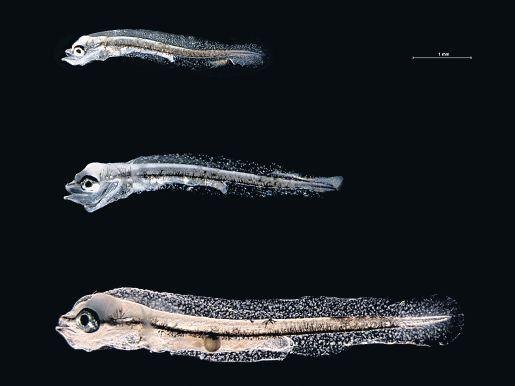
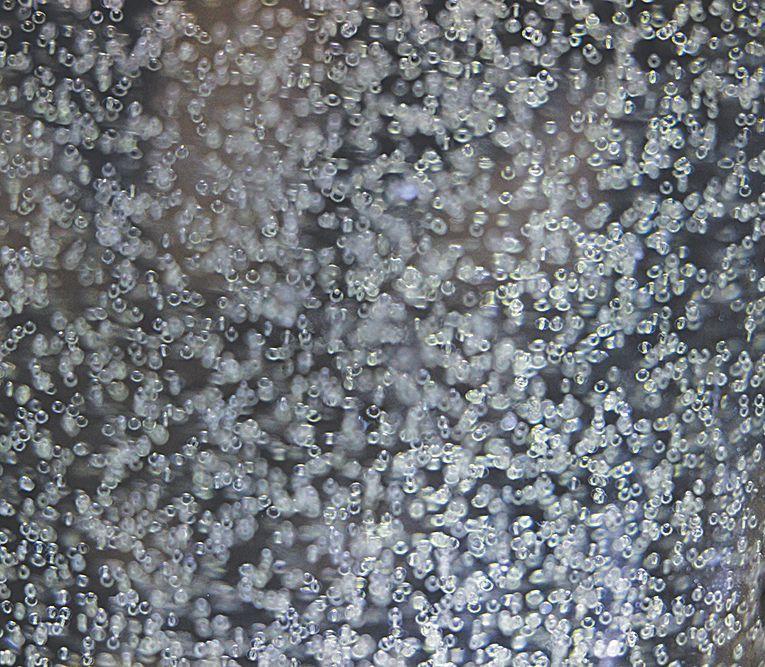
The first, worth $629,000, aims to improve the nutritional value of live prey such as rotifers and brine shrimp fed to California halibut (Paralichthys californicus), California yellowtail (Seriola lalandi dorsalis) and southern flounder (Paralichthys lethostigma) when they’re in their larval stage. Owing to the fact that these organisms are less nutritious than copepods, the natural prey of many marine fish in the wild, the researchers plan to feed rotifers and brine shrimp vitamin C and taurine, an amino acid. To make sure these nutrients don’t dissolve in the seawater, the researchers will encapsulate them in bubble-like liposomes, which can have impermeable membranes.
The researchers plan to:
• Determine the optimal concentrations that should be used for taurine and vitamin C;
• Evaluate how these nutrients affect the growth, survival and stress resistance of the fish;
• Develop methods to produce the liposomes on a larger scale instead of just at the laboratory level;
• Study how long-term storage affects how the liposomes retain the nutrients, and
• Determine how much it would cost to produce and store liposomes and how many liposomes would be needed to feed a certain amount of prey.
The leader of this three-year project is Shelby Walker, director of Oregon Sea Grant, but the research will be conducted by the lab of Chris Langdon, a professor with OSU’s Department of Fisheries and Wildlife, as well as by staff at Hubbs-SeaWorld Research Institute in San Diego. Partners include the Texas Parks and Wildlife Department and Reed Mariculture. Bill Hanshumaker, a marine educator with Oregon Sea Grant Extension, will be involved with outreach activities.
The other project, funded at $150,000, aims to reduce bacteria known as Vibrio parahaemolyticus in oysters without altering their texture and consistency. Researchers plan to add naturally occurring marine probiotics, which are live or freeze-dried microbial supplements, to the seawater in depuration tanks.
The researchers also aim to develop a dipstick containing antibodies to quickly screen adult oysters for V. parahaemolyticus. The idea is that people would not need special training or equipment to use this diagnostic tool.
The leader of this two-year project is Shelby Walker, although the actual research will be conducted by the lab of Claudia Hase, a professor with OSU’s College of Veterinary Medicine. Partners include mAbDx, an immunodiagnostics company in Eugene, Oregon and Reed Mariculture near San Francisco.
Oregon Sea Grant will administer the funding for both projects. They are part of 32 grants totalling $9.3 million awarded by NOAA to further develop the nation’s marine aquaculture industry.
All projects include public-private partnerships and will be led by universitybased Sea Grant programs.
Chris Langdon, a professor with Oregon State University's Department of Fisheries and Wildlife, is undertaking research to improve the nutritional value of live prey such as rotifers and brine shrimp fed to various marine species while they’re in the larval stage.
Partners in a Wild Notion
the Atlantic Salmon Law Enforcement Coalition and Fort Folly First Nation.
UNIQUE STRAIN
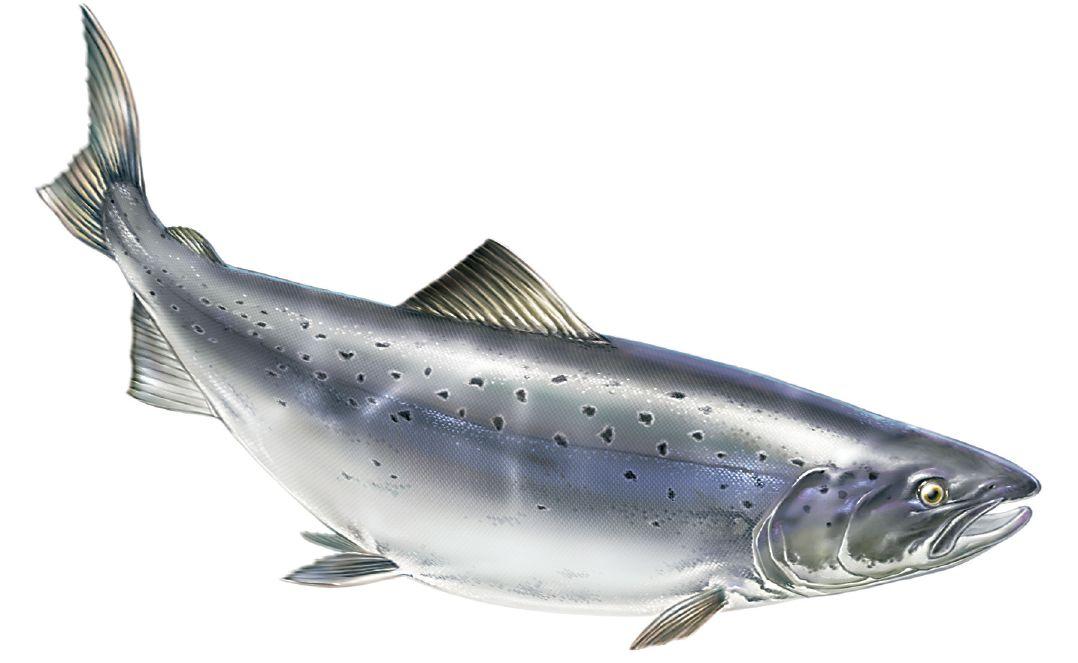
The Inner Bay of Fundy salmon is a unique strain. Unlike most Atlantic salmon which leave their home rivers on the eastern seaboard and travel across the ocean to Greenland and return back to their home river to spawn, the Inner Bay of Fundy salmon stay within the cool waters of the Bay of Fundy and Gulf of Maine all year long. And they’ve been struggling to survive for decades.
The stock in the project come from eggs held at the live gene bank at the Mactaquac Biodiversity Facility, a hatchery 200 kilometres away. They are descended from remnant wild salmon from Fundy Park saved almost twenty years ago.
“If the hatchery wasn’t involved, there would be no fish for us to work with,” said scientist Kurt Samways with the Canadian Rivers Institute at the University of New Brunswick in Fredericton. “We’d be like every other river in the inner bay of fundy with no salmon. The hatchery has kept this genetic stock alive and allowed us to try this new strategy.”
SALMON CONSERVATION
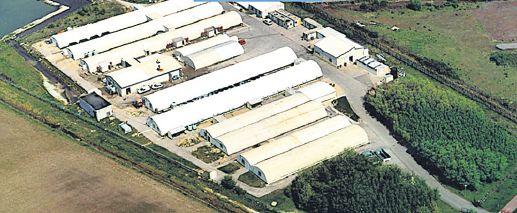
The Mactaquac Biodiversity Facility was built in 1968. Its hatchery sits on the banks of the Saint John River, 15 minutes outside New Brunswick’s capital city Fredericton. For almost 50 years the 5.3 hectare site has dedicated itself to researching and saving various species of fish native to New Brunswick. Each day, as much as 70 million litres of well and river water are used to raise more than two million eggs and up to one million fish of various life stages.
Operated by the federal department of Fisheries and Oceans, it houses the world’s largest Atlantic salmon conservation hatchery.
“Our department has worked since the late 1990s to maintain this population through Live Gene Banking in the hopes that this iconic species will recover,” Dominic LeBlanc, Minister of Fisheries, Oceans and the Canadian Coast Guard said in a news release. “When it comes to conservation and rebuilding stocks, we all have a role to play, which is why partnerships such as these are so important.”
Since 1958, Faivre has been developing and manufacturing high quality equipments for the aquaculture industry
Salmon are collected at the hatchery in Mactaquac before transportation to the Wild Atlantic Salmon Marine Conservation Farm.
Fundy National Park ecologist Corey Clarke (foreground) and other team members of the Fundy Salmon Recovery Project at the sea cages in Dark Harbour, Grand Manan, NB.
Photos by Nigel Fearon
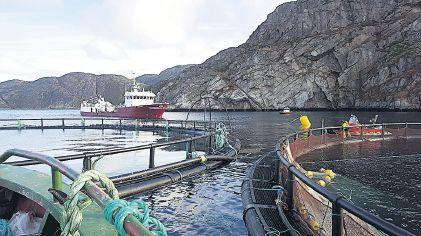
Sea cages at Dark Harbour, Grand Manan, New Brunswick the home of the world’s first Wild Atlantic Salmon Marine Conservation Farm operated by Cooke Aquaculture.
COVER
GENE BANK PROGRAM
Fundy Park first partnered with the live gene bank almost twenty years ago.
“The Mactaquac DFO’s live gene bank program is key as it safeguards our population from extirpation, while we continue to improve our recovery method design,” says Fundy Park ecologist Corey Clarke.
When the project first began, juvenile salmon from the park were captured, raised at the hatchery, spawned at the hatchery and returned to the river at various stages. Fundy Park’s monitoring showed that fish with more captive exposure had lower levels of wild fitness.
With this knowledge in mind the team captures parr from the river for transfer to the Mactaquac Biodiversity Facility.
“We rear them in 25-foot concrete swede ponds. The numbers we receive are at the mercy of the success of electrofishing crews within the Park, but the numbers have been in the range of 500 to 2000, the latter being preferred,” says facility manager John Whitelaw.
“Being wild captured fish, the first challenge is transitioning the fish to an artificial diet.”
The facility uses freeze-dried krill as the intermediary food source and transitions the fish to a commercially available feed once they are feeding well on the krill. Whitelaw says it takes about two months.
“The following spring the majority have smoltified, and approximately 300 are retained for future broodstock,” he says. “Salinity tolerance trials confirm the remainder are ready and available for transport to the marine conservation pens.”
Clarke says John Whitelaw and the DFO staff at the Mactaquac facility have been invaluable, advising the project every step of the way when it comes to fish health and feeding.
“They have a wealth of expertise there. The Mactaquac facility is really world class and so are its staff,” says Clarke. The next step of the project is truly unique.
WORLD’S FIRST
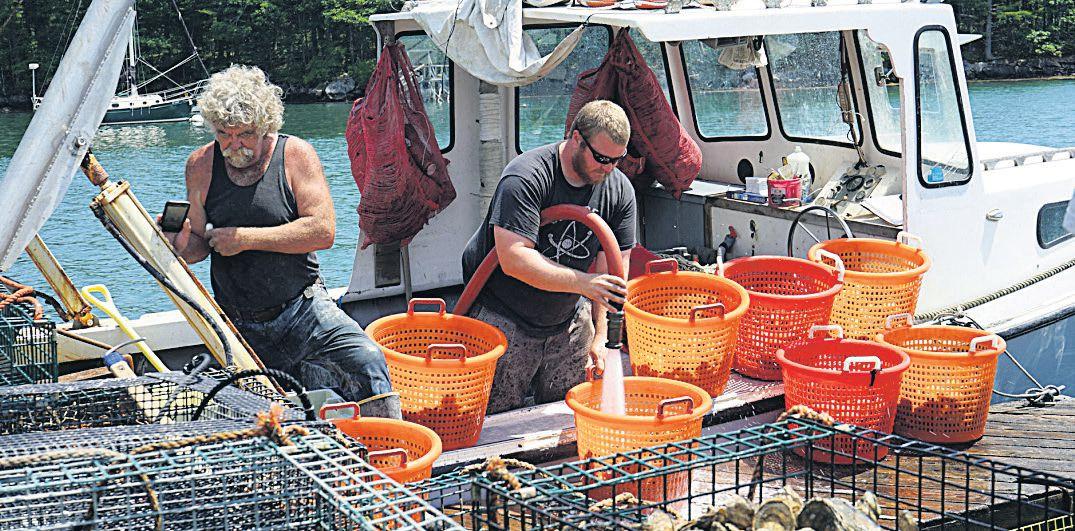
Dark Harbour, Grand Manan is famous for its dulse: sundried seaweed that ranks with fiddleheads and salmon as a traditional New Brunswick culinary delight. This sheltered harbour is the perfect spot for salmon farming, affected by the bay’s famous high tides, yet sheltered from more severe weather.
Dark Harbour is also home to the world’s first Wild Atlantic Salmon Marine Conservation Farm. Salmon farmers at Cooke Aquaculture collaborate with the the scientists from DFO, Fundy National Park and UNB to improve the chances of young wild Atlantic Salmon. This is where the smolts will live for the next few years until they reach maturity, monitored and fed daily by salmon farmers on site.
“Wild Atlantic salmon are incredibly important to our region, to our environment, to our people and our culture. The Fundy Salmon Recovery collaboration is a perfect example of the positive impact we can have when we pool our knowledge and our resources toward a shared goal,” said Glenn Cooke, CEO of Cooke Aquaculture in a news release. “Seeing these fish in their native waters is a tremendous payoff that we’re all proud of.”
AQUACULTURE A KEY
Involving aquaculture in conservation has been key to the success of the program says Clarke. Each fall, a team of biologists from all project partners survey the salmon in the pen, identifying which ones are mature and ready to make the journey back to Fundy Park. When the time comes, the salmon are transported via truck, ferry and then by helicopter to the Upper Salmon River.
The annual release day is the culmination of hard work by the diverse group of stakeholders that make up the Fundy Salmon Recovery Collaboration.
“Salmon are so important to us and are an essential part of a healthy ecosystem on which we all depend,” says Rebecca Knockwood, Chief of Fort Folly First Nation. “We are happy to have this opportunity to reconnect our youth with the land and this iconic species through this work.”
CRUCIAL PARTNERSHIP
“Our biggest success is the partnership. It’s not easy to get all these groups on the same page.” says scientist Kurt Samways with the Canadian Rivers Institute at the University of New Brunswick in Fredericton. “It’s quite an emotional day, seeing everybody come together so seamlessly, all the partners working together. It’s like, ‘Wow, look what we’ve been able to do.’”
What they’ve been able to do is resuscitate a river whose salmon were all but gone. The program is seeing historically high numbers of fish returning to this river. In 2012 they counted 42 fish, a 20 year high. In 2015 smolt production was higher than expected on the river owing to good survival of offspring produced during those returns in 2012. They began releasing adult fish again in 2015 and again have seen bumps in adults returning/surviving until the following year in both 2016 and 2017.
After the release, biologists and researchers from the University of New Brunswick and Fundy National Park
monitor the fish using two kinds of monitors: PIT tags and radio transmitters. They gather a variety of data, tracking the fish, genetics, and river nutrient levels.
Clarke is thrilled with the success he’s seen so far in Fundy National Park.
“We are seeing adults that we release survive from year to year to come back and spawn again. So already the ecosystem in Fundy National park has improved.”
The project has been so successful the park now offers opportunities for park visitors to book exclusive swim with the salmon experiences each fall. And local authorities are worrying about poaching.
REPLICATING THE SUCCESS
The project’s success isn’t going unnoticed. Members of the team were recently in Cape Breton, Nova Scotia to consult with the national park there. The park hopes what’s been learned from the New Brunswick team can be replicated in other places facing salmon stock crises.
All partners agree the key to success now and in the future is having everyone involved from government and academia to aquaculture and First Nations.
“Time will tell how profound the impact of this project is on conserving Inner Bay of Fundy salmon. What is an unarguable and immediate success is the cooperation and collaboration of a multitude of partners working together on this common goal,” says Whitelaw. “Something as formidable as conserving an endangered species cannot be done by one group, department, agency or industry. The breadth and depth of this collaboration and the collective work being done with this Fundy Salmon Recovery project is nothing short of impressive."
The Mactaquac Biodiversity Facility sits on the banks of the Saint John River, just outside New Brunswick's capital Fredericton and minutes from New Brunswick Power's hydroelectric dam at Mactaquac.
Fundy Park ecologist Corey Clarke.
Hormones could be key to egg survival
niversity of Maine assistant professor of marine biology and aquaculture, Dr Heather Hamlin has been studying why the survival rate of salmon eggs in hatcheries has declined by as much as 50% in the last 18 years. And now Hamlin and Ph.D. candidate LeeAnne Thayer may have gone some distance to solving the problem
Earlier this year a paper published in Aquaculture Research reported that the researchers had identified two hormones that may play a role in governing egg-survival rate.
Hamlin and Thayer collected tissue samples from Atlantic salmon ages 2-4 from three sites: the National Coldwater Marine Aquaculture Center, and two sites owned by Cooke Aquaculture.
Focusing on the endocrine system, the team found that female salmon with the highest levels of 11-ketotestosterone (11-KT) an androgen, and 17ß-estradiol (E2) an estrogen, were more likely to produce embryos with an 80% survival.
Perhaps boosting these hormones in the female hatchery broodstock could increase survival. The team was cautiously optimistic that this could be the case, and had been continuing their research.
In the meantime, they are helping producers adjust their breeding programs by taking hormone levels into account. Adding hormones to fish doesn’t please either consumers or regulators, but there might be ways to encourage the fish to produce more of these key compounds or breed fish with higher levels of them.
– Quentin Dodd
Sterlet hatchery pledged for central Russia
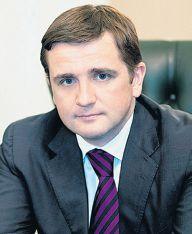
hatchery for the production of four million sterlet (Acipenser ruthenus) fry per year will be built in the Republic of Tatarstan, Russia according to Ilya Shestakov, chairman of the Russian Federal Agency for Fisheries (Rosrybolovstvo).
The facility is planned to start operating in 2018, although it will not be in commercial scale production, Shestakov noted. In the first years the hatchery will be releasing its entire output of sterlet fry into the Kama and Volga rivers.
In its first years of operation
This investment agreement for the facility is unique, Shestakov emphasized, as the project is to be implemented jointly by federal and regional authorities.
The government of Tatarstan took on an obligation to build the hatchery and transfer it to federal management. The price tag of the facility is Rub 760 million ($13 million).
Local news media have estimated that the new hatchery is going to be the largest in terms of sterlet fry production in that part of Russia.
- Vladislav Vorotnikov
LARVIVA ProStar t™ is the only ear ly weaning diet with Bactocell®, an unique probiotic developed by Lallemand and approved by the European Commission for its documented effect in reducing the occur rence of vertebral deformities in fish larvae and fry.
Dr Heather Hamlin.
Ilya Shestakov, chairman of the Russian Federal Agency for Fisheries.
the new hatchery in Tatarstan will be releasing fish fry into the Kama and Volga rivers.
A clear solution to the hidden threats of BKD
Producing high quality fish in freshwater requires a great deal of time, care and consideration. Widespread and often undetected presence of Bacterial Kidney Disease (BKD) poses a threat to your investment. Chronic and long-lasting, BKD infection commonly leads to higher background mortality and lower performance. Renogen® is a vaccine specifically designed to aid in the prevention of BKD and reduce the need for later treatment, leading to healthier fish at a lower production cost.
Hatchery interactions take heat for salmon shut-down in southeast Alaska
This past summer saw a closure for fishing on all Pacific chinook salmon (Oncorhynchus tshawytscha) in the southeast part of Alaska.
Scientists and fisheries managers behind the shutdown are looking for answers that could help the state’s stocks - all of which are officially classified as wild, even though many millions start their lives in hatcheries.
It’s thought by some scientists that hatcheries may impact the genetics of the fish they produce, so genetics are strongly viewed as holding one key to tackling the deteriorating situation in some parts of Alaska’s commercial and recreational fisheries.
For the last six years observers and participants in the fisheries have funded ongoing research efforts to try and determine if Alaska’s own enhancement programs are seriously harming the wild populations. They’re concerned that escalating numbers of hatchery-produced Alaskan salmon might be exceeding the carrying capacity of the Pacific Ocean’s marine feeding grounds.
There are other theories too: Earlier this year a scientific paper revealed that up to 40% of hatchery-bred salmon may be rendered half-deaf by efforts to make the hatchlings grow as rapidly as possible.
The researchers suggested that not only could the hearing loss affect the youngsters ability to avoid predators soon after release but it could also affect their navigation skills.
All of that, say the researchers, could adversely affect their successful return to natal waters as adults to spawn.
In the meantime, scientists and fisheries managers have been looking into the question of so-called “hatchery strays” with the continuation of the Wild Hatchery Inter-
action Study created by hatchery operators and the state government in 2010.
It’s known that a small proportion of a river’s salmon run may stray from the “home” stream into another. That’s always been a part of their in-born, natural strategy to help a population survive.
But it’s argued that an over-abundance of strays from “other” streams and hatcheries could mean too much competition with non-hatchery spawners on the breeding grounds.
And it’s also believed that crossbreeding between hatchery-origin salmonids and wild fish can weaken the resulting wild offspring genetically and in their survival skills.
Compounding the concern is the fact that no other state has such a massive hatchery-salmon program or one that’s funded in part by commercial fishermen.
And that’s where this year’s complete shutdown of chinook salmon fishing in southeast Alaska left such a sour taste in so many fishers’ mouths.
Numbers of the harvesters were cited as grouching that they had paid towards fish through the state’s 3% enhancement tax but weren’t allowed to catch this year.
It was also noted that the results of the Wild Hatchery Interaction Study aren’t due out for another seven years or more, since the study is due to continue until 2024.
The 11-year project, which is being run out of the Sitka Sound Science Center focuses on the genetic consequences of hatchery salmon straying into wild streams.
- Quentin Dodd
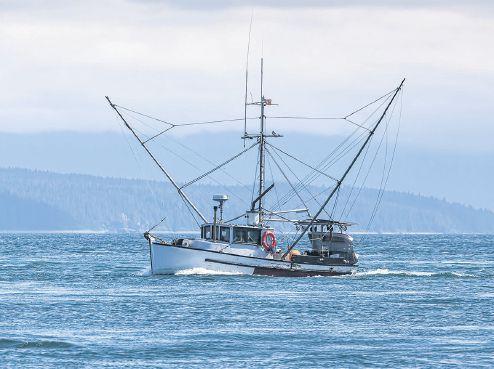
Salmon troller in Southeast Alaska.
Feed innovation makes your shrimp more valuable
Our innovations deliver new, effective and efficient ways of producing feed. This means feed that works better, reduces disease, making automated feeding possible.
As innovation is at the core of our brand, our customers see healthier aquacultures, easier upkeep, effortless storage and a steady, transparent, predictable supply of high quality feed - as well as entry into potential new desirable markets.
The ProChaete brand was set up in 2013 in order to create innovative feed formulations for aquaculture production, without the dependency on fish ingredients and for a rapidly growing world population.
ProChaete is part of Sea Farms Nutrition Ltd.
Crowd-funding helps save endangered Australian fish
ne of Australia’s rarest freshwater fish species is being brought back from the brink of extinction through a crowd-funded program that researchers hope will secure the species' survival.
The Running River Rainbowfish (Melanotaenia sp) - not to be confused with rainbow trout - is native to just a 13-km stretch of the river of the same name, in the upper Burdekin catchment near Paluma. That’s about 80km northwest of the township of Townsville in northern Queensland.
A couple of years ago Dr Peter Unmack, a researcher from the University of Canberra, was part of a small team of fisheries researchers in the upper Burdekin. They were monitoring the region’s freshwater fish populations, and Unmack discovered that the Running River Rainbowfish was under threat of extinction, mostly due to the presence of a nonnative relative which had been introduced upstream.
Unmack said it was “just by luck” that the researchers were in the area sampling at the time, and they noticed there were a few of the foreign rainbowfish down in the main part of Running River. So they went upstream to take a look and found “thousands” of the invaders. Which made them realize the natives were in trouble.
Apparently, the Running River Rainbowfish is a particularly colourful variety, and as a result is well known to aquarium keepers around the world.
But with only minimal government money available to help conserve the species the University of Canberra group took it upon themselves to go online to attract the cash they needed.
And because of the significant interest, much of it from overseas, in the popular aquarium fish, the group decided to go for crowd-funding through different clubs which were encouraged to donate support money for project to bring the fish “back from the brink.”
The crowd-funding effort brought the group some $12,000, cash that now been spent for trips to collect a total of 207 of
remaining Running River Rainbowfish, to breed them in captivity for release into a new environment in Puzzle and Deception Creeks, upstream of Running River and separated from the original range of the species by high waterfalls.
There the experts hope to avoid further dilution of the Rainbowfishs’ gene pool in an area owned by Australian Wildlife Conservancy (AWC).
Master's student and research assistant Karl Moy, also from the University of Canberra, has adopted the fish for his thesis project, and started breeding the special fish in captivity. So far, he’s reported to have released around 4,000 fingerlings in the two creek systems, beginning earlier this year.
He’s cited as saying that to date they’ve been doing well and the population is spreading throughout the catchment to add to the ones spawning and breeding successfully in the wild.
Above: Running River rainbowfish. Below: Collecting samples in the river.
Japanese firm succeeds in full cycle octopus culture
Hatchery phase tricky but achievable
BY BONNIE WAYCOTT
Octopus, or tako, in Japanese, is a special ingredient in Japanese food culture. There are over 250 different species in the world with roughly 60 caught in and around Japan. Two thirds of the world's share, or 160,000 tons, is consumed every year in Japan as sushi, sashimi, tako-yaki balls and western-style dishes.
Amidst a growing global demand for octopus, scientists have been trying to rear the species from egg to export. Last summer, Japanese seafood firm Nippon Suisan Kaisha, also known as Nissui, reported that it had successfully hatched over 100,000 eggs at its laboratory in the Oita Marine Biological Technology Center in Saeki city, Oita Prefecture, western Japan.
"Many researchers have tried to come up with a reliable form of octopus seed production technology, but there have been tremendous hurdles in the rearing of larvae," said a representative of Nissui's Public Relations Section. "Finding optimal food for the larvae has been particularly challenging but we successfully identified suitable aquatic organisms that can act as food for growing octopus. Now we are using this, along with optimal rearing methods, to develop our rearing technology."
Under the full-cycle aquaculture process, eggs are derived from animals that were themselves conceived by artificial incubation. Because a female octopus looks after its eggs very carefully, those obtained last summer hatched naturally. Nissui's success could have significant consequences, offering a stable octopus supply and meeting global demand.
"Octopus seed production doesn't really require any particular equipment," said the Nissui representative. "A lot of it is the same technology as that used in the production of finfish seed. However, with octopus it is important to realize that rearing conditions and food can be significantly different. This is the key to successful operations."
Finding optimal food for the larvae has been particularly challenging, but the Japanese researchers successfully identified suitable aquatic organisms that can act as food for growing octopus.
Aquaculture production has been rising, reflecting the burgeoning demand for seafood around the world. Against this backdrop, Japanese seafood companies have been hastening to build up a stable supply of cultured species. Nissui will continue to monitor growing conditions and attempt to improve the survival rate of octopus, in particular during the floating and settling larval stages. Further investigations will be required for the survival rate to reach a feasible level, which is why commercial production is not yet an option, but hopes are high that fully farmed octopus could be available in restaurants and retailers across Japan as early as 2020.
The first aquaculture specific waterproof RFID reader.
• Easy to Use
• Rugged
• Bluetooth™
• Lightweight
• Reads Most Tags
• Pre-loaded PIT Tag System
• PIT Tags and Readers
• Tissue sampling unit for streamlined genetic sample collection
• Tag Management Software
• Custom PIT Reading Systems
• Onsite-tagging Services, Training and Technical Workshops MENTION THIS AD FOR FREE SHIPPING UP TO $75.00 USD
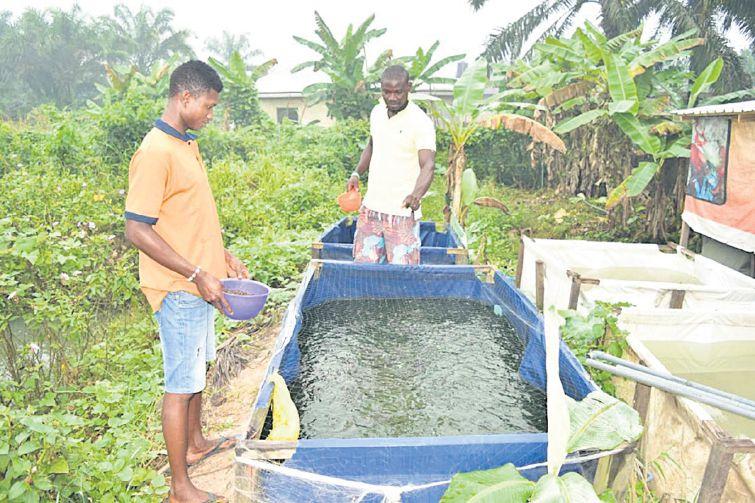
Nigerian hatchery meets rising demand for catfish seed
The lack of good quality fingerlings is a major challenge for finfish production throughout the region
BY BONNIE WAYCOTT
With huge contributions to the livelihood, employment and food security of coastal communities in Nigeria, the fisheries sector is one of the country's most important. Amidst a high demand for quality catfish seed, one hatchery in Ughelli Delta State could have significant impacts on Nigeria's aquaculture.
Catfish and their hybrids (Clarias heterobranchus) make up around 80% of overall cultured species in Nigeria, with African catfish (C. gariepinus) the most significant. It is among the most highly demanded fish species in other African nations owing to its resistance to disease, ability to tolerate a range of environmental extremes, high stocking densities, fast growth (reaching 1kg within four to five months), pleasant taste and good quality meat. Because it eats a variety of foods, such as aquatic weeds and insects, small fish and snails, it's also extremely easy to feed and its high fecundity and fertility rate allow it to produce over 4,600 eggs.
THE RIGHT TIMING
V&T Hatchery Ltd at Ogode quarter in the town of Ufuoma in Nigeria's Ughelli Delta State has been producing catfish seed for Nigeria's aquaculture industry for the past four years. In light of the high demand for such seed, the hatchery's establishment in February 2013 was extremely significant for many in the aquaculture industry.
"Before, farmers were buying seed from unreliable and distant sources," said Oleh Donald Emuejevoke, the hatchery owner and a former fish farmer. "They were also taking seed from the wild, but it can be difficult to determine the correct age of seed that comes from natural waters, and it doesn't often meet the necessary criteria for good aquaculture production. Seed that is bought from far away has a higher mortality and stress rate, and of course there are additional costs for transportation. The lack of a good supply of quality fish seed is a major challenge for catfish production in Ughelli and Warri Delta State. Our hatchery was established to address this."
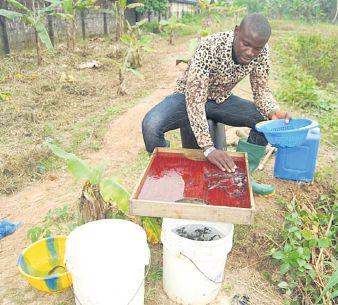
Today V&T Hatchery Ltd supplies fingerlings to most aquaculture farms in Ughelli Delta State. Using an artificial propagation method, the hatchery environment is controlled and starts with the selection of broodstock that usually weigh between 2 and 3kg (2-2.5kg for males and 2-3kg for females). Induced breeding is conducted using a hormonal treatment before artificial fertilization and incubation of the fertilized eggs, which are then reared for up to four to five weeks when they become fingerlings.
"We select our broodstock from our rearing ponds and induce final maturation and ovulation using hormone treatment," said Emuejevoke. "The eggs are procured through stripping and the milt through dissection of the male donor. After artificial fertilization, egg incubation and hatching, we're then ready to rear the larvae."
FEEDING AND MONITORING
Extra care must be taken with the larvae during the first week of life, and certain feeds play a major role in their growth and survival. During week one, they are given shell-free decapsulated Artemia eggs or Coppens feed of 0.22mm. Some farmers use daphnia, which is cheaper to obtain.
The size of the feed is increased in week two to between 0.3mm and 0.5mm and changed to Skretting feed of between 0.5mm and 0.8mm as the larvae grow into fry and fingerlings. By week five, the fingerlings have already reached the required size of around 2 - 3cm but can sometimes be slightly bigger. To reach the juvenile stage, they are fed Skretting feed of 0.8mm - 1.8mm before being sorted according to size. Feeding then continues manually and the fingerlings are fed three to four times a day every four hours until they are big enough to be sold.
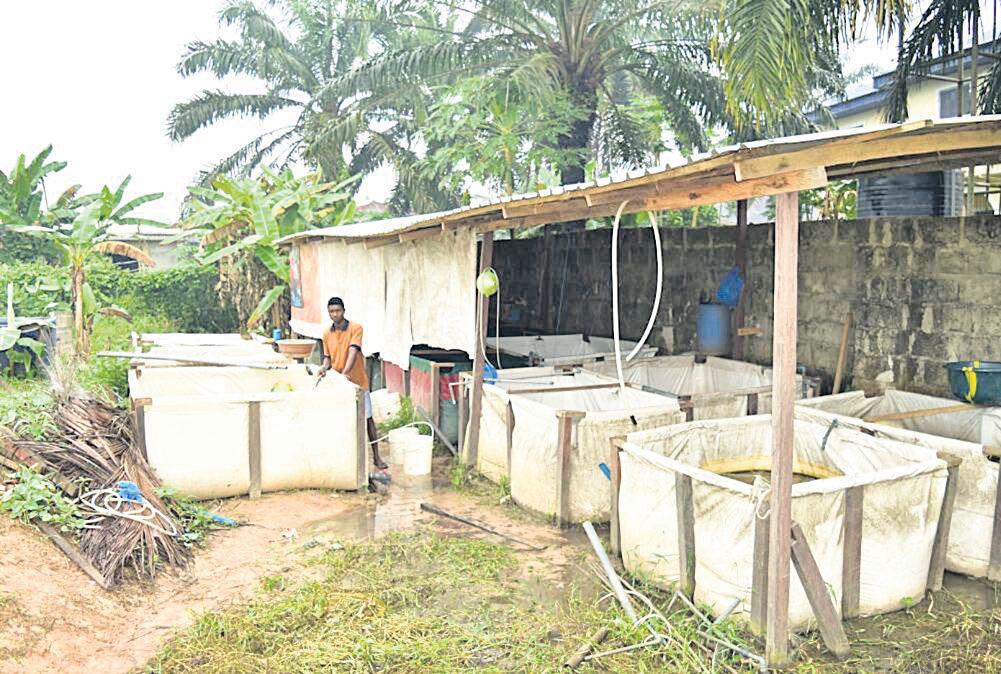
Due to an unsteady power supply, aerators cannot be used at the hatchery so oxygen levels are monitored through virtual observation with a constant flow-through system. Measuring temperature is also challenging owing to the lack of technology available, but can be kept steady by constantly covering the tanks with tarpaulins, especially when the weather is cold. This also keeps predatory insects away.
PRODUCTION CAPACITY
The hatchery occupies around one hectare of land and is designed to produce about 2.4 million fingerlings a year. It supplies around 280m3 of
Staff at V&T Hatchery Ltd have been supplying fingerlings to fish farms in the region for the past four years.
Two full-time employees and five part-time workers operate a flow-through system, drawing water from a
that is channeled to a holding tank and powered by a generator-powered
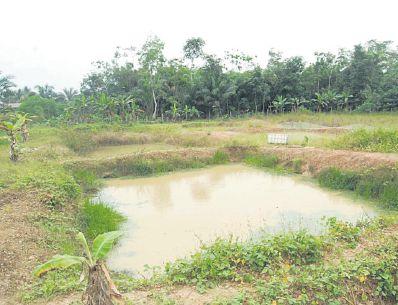
of 14 tarpaulin tanks and 10 earthen ponds.
water for the tarpaulin ponds each day. Two full-time employees and five part-time workers operate a flow-through system throughout, getting water from a borehole that is channelled to a holding tank and powered by a generator water pump. Sodium bicarbonate (soda ash) is used to treat the water after pumping before it is supplied to the hatchery.
Each tank raises 25,000 to 30,000 fingerlings. Although some fingerlings are sold to local aquaculture farms, others are reared further in other tanks to avoid overcrowding and to maintain the right oxygen levels for growth. The hatchery keeps a total of 14 tarpaulin tanks and 10 earthen ponds. The water temperature in the tanks and ponds is usually kept between 26C and 28C.
BRIGHT FUTURE
In future, V&T Hatchery Ltd hopes to bring in more technology, hire more skilled and unskilled workers, offer more training to its staff and establish branches in Ghana and other African nations. It also recognizes the need to offer plenty of good quality production to meet an increasing demand from other countries. Given the hatchery's key role in providing quality seed, however, Emuejevoke believes that from now on, the hatchery will have even bigger parts to play.
"Although catfish farming is popular in Nigeria, the industry is in the infant stages, and there is still a lack of adequate infrastructure for hatcheries and fingerling production,” he said. "However, we want to work hard to expand. Our aim is to grow further, firstly to meet the demand for seed in Nigeria and then supply Ghana and other African countries. We also want to look into culturing and hatching other species of freshwater fish, especially tilapia. There is still a lot to do, but I continue to remain optimistic."
Hatchery project provokes dispute in Florida
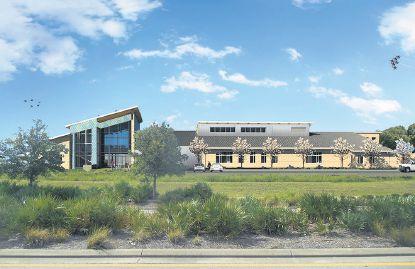
hether or not the construction of a hatchery, education centre and recreation area will begin is anyone’s guess at this point. The Gulf Coast Marine Fisheries Hatchery and Enhancement Center was to be built on Bruce Beach, near Maritime Park, in Pensacola, Florida. And the Florida Fish and Wildlife Conservation Commission Research Institute notes that the facility if built would produce a variety of sports fish popular in the area including red snapper, red drum, and spotted sea trout, all populations of which were affected by the BP spill in the Gulf or Mexico.
Artist’s rendering of the proposed Gulf Coast Marine Fisheries Hatchery and Enhancement Center, planned for Pensacola’s Bruce Beach. Providing it goes ahead as planned, the state-of-the-art facility would be built using $18 million in BP funds as part of the Natural Resource Damage Assessment (NRDA) process.
When the city received $18 million in compensation from BP it set about making plans to build the project on leased land in Pensacola. Things started out well with support from Council, the community, the Florida Fish and Wildlife Conservation Commission (FWC), and the Florida Department of Environmental Protection (DEP).
But what started out well now seems to be mired in controversy. Former supporters have backed off and lawsuits have been launched to try to halt the project. One assertion is that FWC failed to follow due process and didn’t meet agreedupon deadlines for the lease arrangement, and therefore the lease agreement is not valid.
In response, supporters contend that “The Florida Fish and Wildlife Conservation Commission (FWC), the Florida Department of Environmental Protection (DEP), and the city, all agree that the FWC is not in violation of the terms of its lease and that the agreement remains
For more information, contact Oleh Donald Emuejevoke by phone at +234 (0) 8166891671 or +234 (0) 8034055460, or by email at: don2smooth@gmail.com or don2smooth@yahoo.com
valid.”
The commercial real estate trade organization of North Florida (NAOIP) has entered the arena and issued a statement calling on the Community Redevelopment Agency (CRA) to hold state and local governments to the same standards set for commercial development.
One of the main complaints against the project is that the lease went before council without going before the CRA. However, it’s noted that all members of council, who were in support at one time, are forming members of the CRA.
The concern now is that if the project doesn’t go ahead quickly the BP compensation money could be diverted elsewhere, perhaps out of Pensacola or Florida.
Governor Rick Scott is cited as stating he supports the commission’s planned hatchery in Pensacola.
- Quentin Dodd
borehole
water pump. The hatchery keeps a total
(Photo courtesy City of Pensacola)
More improvements to come for New York’s Salmon River Hatchery
he Salmon River Hatchery in New York state produces much of the fish for restocking Lake Ontario, including 1.7 million chinook (Oncorhynchus tshawytscha), 240,000 coho salmon (O. kisutch), 600,000 steelhead (O. mykiss) and 150,000 brown trout (Salmo trutta).
Recently, Ken Lynch, the Department of Environmental Conservation’s (DEC) executive deputy commissioner, announced the completion of $150,000 in improvements to the facility’s visitors’ center over the past year. This is good news, but even better news is that there are more improvements to come for the Department of Environmental Conservation (DEC) flagship hatchery.
Plans for the future include an engineering study to maximize energy efficiency and reduce water use and enhance fish production along with infrastructure upgrades including new windows and doors, a new and better heating system, backup power, cellular phone service and a new fish ladder.
There will also be “re-imaging of all interpretative and visitor areas for a seamless and enhanced visitor experience.”
DEC is cited as noting that the hatchery's economic impact includes some $27 million a year spent by Salmon River anglers, with another $85.9 million from those fishing the open waters of Lake Ontario and other New York tributaries to the lake.
Russian Aquaculture acquires second Norwegian smolt producer
ussian Aquaculture has completed the purchase of Olden Oppdrettsanlegg AS, a smolt production facility in Norway.
The main purpose of the deal is “to cut both operating costs and biological risks,” said Ilya Sosnov, General Director of Russian Aquaculture.
This was the second takeover of a Norwegian smolt production facility by Russian Aquaculture in 2017. It purchased Villa Smolt last July.
Olden Oppdrettsanlegg AS is able to produce 2 million smolts per year, while Villa Smolt produces 5 million.
Russian Aquaculture plans to become fully self-sufficient for smolt in the coming years, after constructing its third smolt plant in Murmanks Oblast, which was designed for 12 million smolts per year.
The company’s ultimate goal is to establish a vertically integrated production cycle and to boost salmon production in Berentsk Sea fourfold to 20,000 – 30,000 metric tonnes by 2025, Sosnov added.
In 2016 Russian Aquaculture purchased four million smolts from Norway to produce 5,300 metric tonnes of salmon at its ten farms in Russia, according to company information. Norway was the sole supplier of smolts for Russian Aquaculture.
- Vladislav Vorotnikov
European project to boost Integrated Multi-Trophic Aquaculture
ight organisations from Spain, France, Ireland, Portugal and the United Kingdom have partnered up to implement project INTEGRATE.
Looking for a Better Solution?
- Non-Corrosive schedule 80 PVC reactor bodies are stronger and handle higher internal pressures compared to HDPE and Polypropylene. Schedule 80 reactor bodies are seawater safe and will not corrode in harsh environments, unlike stainless steel
- Single end glassware access makes for easy maintenance when replacing lamps and quartz sleeves
- Thermoplastic or Fiberglass NEMA 12 Power supply enclosures with Standard HMI control package or optional HMI Pro Series control package.
- Electronic ballasts matched to the performance of the specific lamp for optimal UV-C output and longest useful lamp life
- Standard Over Temperature Safety Cutoff Switch thermally protects reactor when water temperature reaches 120 Degrees F
- American made low pressure amalgam (ALH/AUH models) and high output (HLH/HUH models) lamps are rated 80% efficient at the end of 12,000 hours
INTEGRATE seeks to improve the environmental performance of Integrated Multi-Trophic Aquaculture (IMTA).
Multi-Trophic aquaculture systems contribute to making aquaculture more sustainable and competitive. However, despite being encouraged by European Union (EU) policies such as the Blue Growth Strategy, the Atlantic Action Plan and RIS3, there still are socio-economic, administrative and legal bottlenecks hampering the development of IMTA to its full potential. To overcome these, INTEGRATE supports cooperation between academia, the corporate sector and relevant authorities, thus strengthening collaborative networks in the field of Atlantic IMTA.
“INTEGRATE will deliver tools to effectively increase competitiveness in Atlantic IMTA, unlocking sectorial green growth and improving the quality and public perception of aquaculture products,” explained María del Mar Agraso, Technical Director at the Andalusian Aquaculture Technology Centre (CTAQUA), INTEGRATE’s lead partner organisation.
INTEGRATE is a three-year project that started in June 2017. Amongst its expected results are the creation of an Atlantic IMTA platform for sectorial collaboration and three pilot actions to develop Atlantic IMTA technology and farming techniques. The project will also launch Atlantic IMTA expert groups
and dissemination events are envisaged to facilitate collaboration and knowledge transfer.
“We will assess the environmental impact of Atlantic IMTA, identify bottlenecks to IMTA development and design a suitable strategy for its industrial up scaling,” said María del Mar Agra so. “This project will provide us with the knowledge we need to start working alongside policy makers towards the creation of a regulatory framework that will support industrial IMTA in the European Atlantic Area”.
INTEGRATE is funded by the ERDF through the INTERREG Atlantic Area 2014-2020 Programme. The partnership comprises eight organisations from the five countries that make up the European Atlantic Area. CTAQUA (Spain) has joined forces with Agrocampus Ouest (France), the Scottish Association for Marine Science (United Kingdom), the Portuguese Institute for Sea and Atmosphere (Portugal), National University of Ireland Galway (Ireland), Irish Seaweed Consultancy (Ireland), ALGAplus (Portugal) and the Centre for Study and Promotion of Algae (France).
In late October representatives from eight European organizations met in El Puerto de Santa María (Cádiz, Spain) to implement project INTEGRATE.
Russian Aquaculture sea site.
Bio-Oregon
Lifestage Diets for Fish®
Photo courtesy Northumberland IFCA
Hatchery making a big difference to lobster survival
The Amble Lobster Hatchery, located in the small North Sea port town of Amble, is something of a success story. Andrew Gooding, Manager of the Northumberland Seafood Centre’s hatchery, said the hatchery has already put out thousands of juvenile lobsters to help replenish wild stocks. The Centre opened last May.
Once hatched, juveniles are tended for a minimum of eight to 10 weeks in order to increase their chances of survival. Gooding said that the tanks measure a metre wide and 1.6m long by 40cm deep, with about 35cms of water in the bottom. He noted that the water is treated and filtered to ensure it’s clean.
With the help of the Northumberland Inshore Fisheries Conservation Authority, the youngsters are returned to the sea. They are released directly from a boat, or placed
INDIA
in small boxes, which are then put into lobster traps lowered to the ocean floor. The lids float off the boxes, releasing the youngsters. They disappear into the ocean bed to grow for three years, emerging as fully-developed adults.
To help maintain the ocean stocks, broodstock are also returned.
A notch is cut into their tails and harvesters are not allowed to land them until the notch has grown out, which can take about three years. This notching program helps raise both lobster numbers and public awareness, according to the centre, which employs five people in the hatchery and neighbouring fish shop, Gooding said.
The Amble Development Trust says that in the wild, about one in 20,000 of the eggs make it to become an adult lobster.
- Quentin Dodd
Success with artificial breeding provides hope for
the future
There’s reason to be optimistic that the artificial breeding of the Mahseer fish of the Narmada River in Bhopal, India might be working after all.
A recent report from the Madhya Pradesh forest department, confirms that, in collaboration with the biodiversity board, 20% of the eggs of the Mahseer have been fertilized. This is a first as previous attempts during the last few years were not successful. The report from Bhopal says “around 150 baby fish” were hatched.
The Mahseer, one of the carp family, has been facing the threat of extinction owing to overfishing. It is a highly-regarded food and game fish, known as the “tiger of fresh water”. The fish is also considered to be a benchmark for the cleanliness of water in the Narmada River.
World leaders in aquaculture nutrition
COVER NEWS
hatchery water quality study continued from cover
development of the microflora is during normal operation,” says Attramadal.
“We have a lot of new methods in microbiology that have potential, but you need to sample over a long period of time and you have to cooperate with the industry so that they can provide the additional information about how the fish are raised, and what other parameters can influence the fish and the microbiota.”
EARLY WARNING SYSTEM
Attramadal says that one of the key goals of the research is to see if there are some compositional bacteria species that could indicate a potential problem before the fish themselves show symptoms. This could then be used as a form of early warning system. Knowing the composition of your microbiota during production would also allow producers an increased measure of quality control in their operations.
Senior researcher and microbiologist, Roman Netzer, says that they are working with three industry partners who will send samples from six different positions along their aquaculture systems. The SINTEF team will extract the DNA from the samples with next generation sequencing technology to monitor the microbiota.
NEXT GENERATION SEQUENCING
“When you use next generation sequencing, at least when you use a 16S sequencing approach, you normally can go down to a genus level,” says Netzer. “It becomes a bit more uncertain if you want to go down to the species level. As we already know some important elemental pathogens we can also use very high-sensitive PCR technology to quantify the number of potential pathogen bacteria. It will be third generation PCR technology, so-called digital droplet PCR, that gives you absolute numbers of gene copies. Even if you only have a couple of bacteria in a sample, you can detect them with this method.”
COMMERCIAL OPPORTUNITY
Attramadal says that if their research establishes baselines and a greater understanding of potential issues in such systems, it could develop into a commercial service, monitoring potential water quality issues for clients. However, that all depends on how the research develops.
“It’s kind of our long-term goal but we have to see what we find in this first round, of course,” says Attramadal. “We’re not exactly sure how we’ll be able to use it in the future, but we will definitely know a lot more after we’ve sampled than we know now. This will be a great dataset to check all sorts of correlating things. Of course, it’s not so polite for us to say that we hope some of them get some kind of problems, but that would be great for us.”
Managing that large dataset and finding the relevant correlations with other factors – such as pH, salinity, and temperature – will be the primary challenge of the effort, says Netzer.
“It’s going to be an enormous amount of data. From an operational point of view, the managers of facilities want to have a very concise, short conclusion from this huge dataset. So that will be a challenge, to compile the data and extract the important information.”
Upgrades planned for New Zealand institute
ew Zealand’s National Institute of Water and Atmospheric Research (NIWA) crown institution has begun embarking on an extensive multi-million-dollar project to upgrade a number of NIWA offices and facilities in various parts of the island nation. And that includes projects in the Wellington, Hamilton and Christchurch areas, to make sure that by 2022 all those units meet operational requirements –and should stay that way for the next 25-30 years.
In some places this major program involves demolishing buildings, refurbishing existing structures, and constructing new. In all, the program is expected to cost in the region of $80-100 million (Au), which also includes a sizable upgrade for NIWA’s Bream Bay Aquaculture Park and research station site, where NIWA hopes to bring in a number of research partners to take advantage of the outstanding ocean side site.
Located at the northern tip of North Island, the Bream Bay park was previously part of the Marsden A Power Station feeding into the NZ power grid, so it’s already fitted with a powerful waterintake system capable of bringing in up to about 4 cubic metres or 4 tonnes of water a second from the ocean.
Andrew Forsythe with Hapuka larvae at Bream Bay Aquaculture Park. The facility is scheduled for a major upgrade over the next few years. (Photo: Dave Allen NIWA).
CAUTIONARY APPROACH
Change of plans for Alaskan hatchery
The Cook Inlet Aquaculture Association’s (CIAA) board of directors has decided to proceed with caution. It will reduce the number of pink salmon (Oncorhynchus gorbuscha) planned for release in the spring from its Tutka Bay Lagoon Hatchery. The hatchery is located on a lagoon connected to Kachemak Bay which lies within Kachemak Bay State Park.
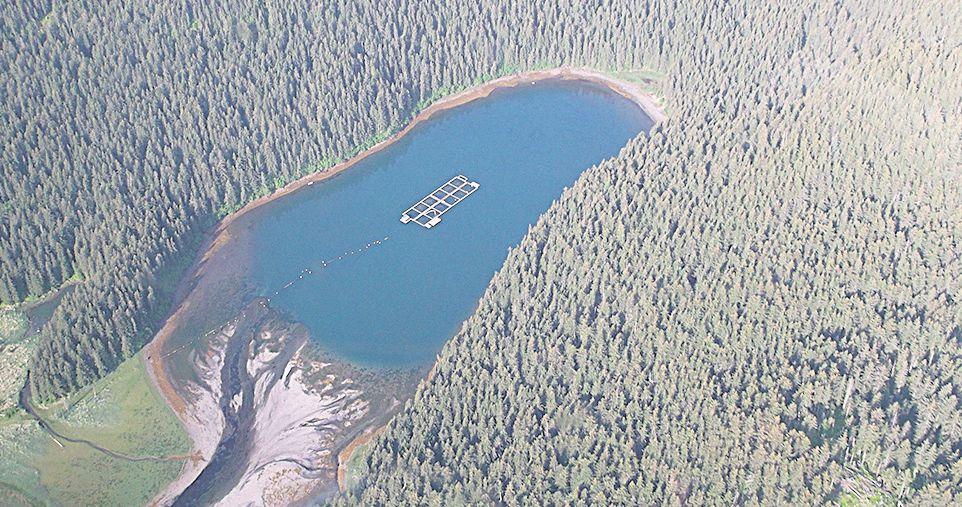
Association executive director Gary Fandrei confirmed for HI that the plan had been to rebuild the entire juvenile hatching and rearing to a release of some 100 million fry a year — approximately 20 million into the holding net-pens in the lagoon, and the remaining 80 million into eight to 10 pens placed out in the bay within Kachemak Bay State Park. But the decision was made to increase numbers slowly and release only about 20 million into the Bay and 40 million into the lagoon.
CIAA explains the decision was made in part after a major storm and flood moved into the lagoon killing millions of eggs in the on-land facility. Also, because the waters in the bay are as yet untested, it seems prudent to release fewer fish and wait and see how they do. Although, some area residents have opposed the move because of ecological concerns, such as fear that the hatchery pinks will out-compete wild fish, this apparently did not influence the CIAA decision.
Fandrei said CIAA was hopeful that the new plan would draw the majority of returning adult pinks to the head of the bay where they would be much easier to harvest, and at the same time allow enough adults to return to the lagoon to provide broodstock and eggs the hatchery needs for the next year’s production. The revised smaller plan will give them a chance to assess the feasibility of releasing more fish.
- Quentin Dodd
Tutka Bay Lagoon Hatchery net pens.
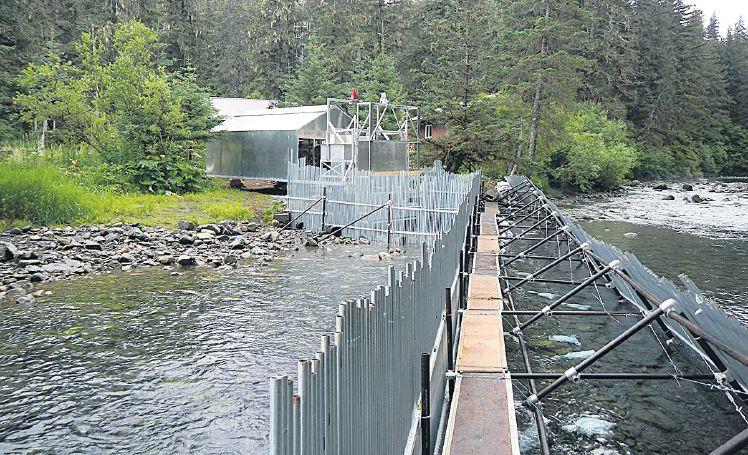
Hatchery weir and egg-take trailer before the flood.
Editor’s Note - In our last issue we described how Dan Magneson, Assistant Hatchery Manager at Quilcene National Fish Hatchery in Washington State, and his colleague Paul Kaiser, solved a couple of problems that they had had to deal with in the day-to-day operation of the Quilcene facility, and the solutions that that they had devised. These included the design and construction of stands to accommodate belt feeders used for feeding coho salmon fry, and the use of steel roofing
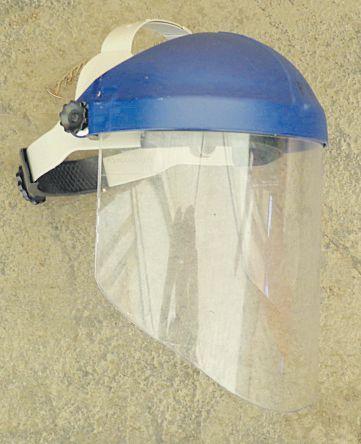
Re-sealing raceway expansion joints; Fine-tuning the disinfection system; Wearing face-shields to protect the eyes.
material for excluding otters from the raceways There were more issues than could be accommodated in a typical “Hatchery profile”, so we’ll continue down their list of “Helpful Hatchery Hints” with the thought that it might stimulate others to share their solutions to old and new problems. Let us hear your stories.
I am grateful to Dan for his continued assistance in putting this article together.
- DJ Scarratt, Science Editor
DESIGN BUILD GROW
RE-SEALING RACEWAY EXPANSION JOINTS
The first step is to make sure that the bottom of the concrete raceway and expansion joint cracks are absolutely dry. This is so that the polyurethane sealant will stick effectively. In this instance the problem was rendered more complex in that there were fish in some of the adjoining raceways, so the water supply had to be maintained. Water from the head-box normally flows into the raceways through paired 4 ft (120 cm) square openings which can be closed with 2”x 6” (5cm x 15cm) tongue and groove damboards slotted into 2-inch wide steel channels on the sides and bottom of the entrance to the raceway. Unfortunately these do not make a completely watertight seal, so some additional solution was required.
To solve the problem a 4 x 8 sheet of ¾ inch (19mm) plywood was cut in half to make two 4-ft square panels that would drop into the dam-board slots. Four 3½ ft (1.05m) long 2x6 boards were fastened to the front of each panel to give it rigidity. These were centered on the plywood and bolted-on horizontally, one on top, one 3 inches (7.5cm) from the bottom, and the remaining two spaced in between. A strip of foam rubber, 1 inch (25cm) wide by ½ inch thick, was glued to the face of the panel along the sides and bottom edges. Once the panel is placed in the steel dam-board slots and the raceway drained, water pressure from the head-box will compress the foam rubber and make a seal. The few small leaks that remained were mostly stopped by releasing clean sawdust into the water in the head-box close to the leak and letting the sawdust be carried into the leak to plug it up. A small can attached to a stick was used to apply the sawdust.
To control any remaining water flow leaking past the headboards, a PIG® Original SpillBlocker® Dike (New Pig Corp, Tipton, PA.) was laid on the raceway bottom and covered with sawdust to make a watertight dam. A small bottom-sucking sump pump was placed in the area between this dike and the headboards to remove any water that accumulated.
The bottom of the raceway and expansion joint area were then vacuumed with a wet/dry shop vac to dry the joint area as much as possible, and an air compressor with a spray nozzle and a propane weed burner torch were used to
Drying the raceway. The dams and sawdust keep water out of the work area.
Applying caulking to the dried concrete.
completely dry out the concrete in the joint area, being careful not to get the concrete too hot and damage the surface.
Once dry, the joints were filled and sealed with Bostik Chem-Calk 900 polyurethane sealant. This caulk comes in tubes and was applied with a battery powered caulking gun, making the job much easier.
FINE TUNING THE DISINFECTION SYSTEM
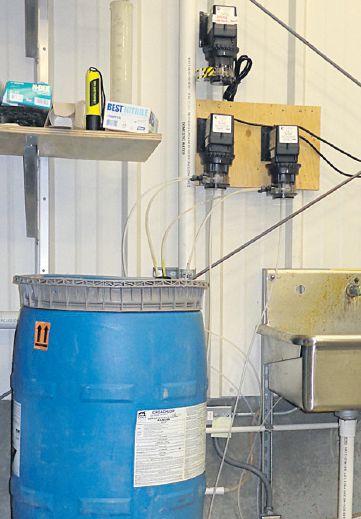
The Quilcene NFH has an isolation building where eggs are brought in from other river systems to hatch and raise the fry. Water is drawn from a well so no pathogens are introduced. All effluent water from the incubators and rearing tanks is treated with chlorine to kill any pathogens introduced with the eggs. The chlorine in the effluent is then neutralized prior to discharge into the river. The residual chlorine level is measured by two Hach CL17 meters that are connected into the alarm system which is triggered if levels vary from the preset threshold. The original design used chlorine tablets loaded into dispensing tubes submerged in the effluent, and up to four tubes could be loaded with tablets depending on the effluent flow rate and required chlorine concentration.
The problem with this system was that the tablets did not dissolve at a consistent rate, which made it difficult to maintain a constant concentration of chlorine in the effluent. The solution was to switch to a liquid chlorine dispensing system. 12.5% sodium hypochlorite solution is bought in 55 gallon (~200 litre) barrels and is dispensed directly from the barrel via two wall-mounted Stenner model 45M1 peristaltic pumps. The pumps are wallmounted and deliver the chlorine to the floor trough into which effluent from tanks and incubators drains. The volume of water flowing through the isolation building can vary depending on how many incubators or tanks are being used. However, the Stenner pumps have a variable feed-rate and can be set to provide the desired chlorine concentration in the effluent. Two pumps are used as a safety measure: should one fail the remaining pump will still deliver sufficient chlorine for effluent disinfection. There have been no problems with the Stenner pumps in the eight years since they were installed. The pump tubes need to be replaced every six months and other worn parts can be purchased and easily replaced. If you are still using chlorine tablets you might consider converting to liquid chlorine.
FACE SHIELDS PROTECT THE EYES
One of the least enjoyable aspects of sorting adult fish on a brisk fall - or winter morning is being splashed in the face with cold water as fish thrash in the net. Some people might think this is exhilarating but for people who wear contact lenses, having water splashed in the face is a good way to lose them.
To solve this, try wearing a visor while working with fish; it protects the face from almost all water splashes. The 3M brand has adjustable ratcheting head-gear and a longer face-piece than other brands. The head-gear can be adjusted so that it
fits over the hood of your rain jacket thus keeping both head and face dry. One drawback is that the visors sometimes fog up on the inside surface. This can be mostly avoided by rubbing a few drops of dishwashing soap on the inside surface, much as a diver may prevent his face mask from fogging up.
One other safety aspect of wearing face shields is this: Dan contracted giardia several years ago. He had not been wearing a face shield and the only way he could figure he came in contact with infected water was by being splashed in the face with river water while sorting fish. It pays to be prudent!
For more information contact Dan at: dan_magneson@fws.gov.
More efficient modular and flexible stacking systems
Better survival rates
Easy isolation options
Maximize manpower, floor space and water supply
Vertical systems can be stacked in 4-, 8-, 12- or 16-tray configurations
An electric-powered caulking gun simplifies the procedure.
Wall mounted peristaltic pumps deliver liquid chlorine to the in-floor effluent drains.
Long visors protect the face from splashes when working with fish.
All photo credits: Ron Wong
FUNDING
Marine hatchery projects to benefit from NOAA grants
he National Oceanic and Atmospheric Administration (NOAA) Sea Grant recently announced the award of $9.3 million in grants for 32 projects to advance the development of marine aquaculture in the United States.
All projects include public-private partnerships and will be led by university-based Sea Grant programs. With each project, every two federal dollars of funding is matched by non-federal funds, bringing the total investment in these research projects to $13.9 million.
The following hatchery-related projects received funding:
Technology for commercial scale hatchery and nursery production of high-value marine fish seedstock. (Florida Sea Grant, University of Miami - $967,042).
This project is intended to advance hatchery and nursery technology for captive spawning and production of a high-value reef fish complex involving red snapper, Nassau grouper and hogfish. The project team aims at being in commercial production of at least one of these three species within three years of the project start date.
Large-scale culture methods for blue mussel (Mytilus edulis) seed production in Maine and the Northeast. (Experimental Laboratory & Field Trials Maine Sea Grant, Downeast Institute for Applied Marine Research - $249,238).
This project seeks to examine methods to expand production of cultured blue mussels in Maine and the
Northeast United States by addressing seed production, the primary factor limiting US aquaculture production:. Specifically, the investigators will focus on methods to improve hatchery production of blue mussel juveniles (spat) that will enable production of reliable seed to growers who, until now, rely on the vagaries of capturing wild seed that is known to be highly variable both spatially and temporally.
Partners: Aquaculture Development Services, Inc., Aqualine LLC, Blue Hill Bay Mussels, Calendar Island Mussel Company, Moosabec Mussel Inc.
Commercializing intensive copepod culture: A transformational foundation essential for increasing domestic production of high-value marine finfish. (Mississippi-Alabama Sea Grant, the University of Southern Mississippi - $994,955).
Scientists will optimize production systems and culture parameters to facilitate and implement copepod mass production at the producer level. To do this, scientists will: integrate knowledge of copepod life history parameters and responses to environmental variables to produce stable production models; optimize copepod diets/nutrition and the use of both live algae and commercially- available
algal concentrates to support enhanced survival and reproduction; optimize the microbial environment of culture systems to facilitate optimal production; develop directed breeding to establish selected domesticated lines that thrive in the culture environments; conduct rearing trials to demonstrate the feasibility of the production protocols/models; perform economic analyses to demonstrate the economic viability of copepod culture; and conduct outreach to disseminate project results to stakeholders.
Partners: Virginia Tech, University of Florida, Reed Mariculture, Inc.
Real-time detection of Vibrio for oyster aquaculture. (MIT Sea Grant, Massachusetts Institute of Technology$312,082) .
Researchers will create a sensor that can detect the presence of Vibrio bacteria in a pathogenic state. Vibrio can limit oyster production, and this sensor will allow for
Jeff McKeen and Tyler Hild of Pemaquid Oyster Company clean and bag oysters raised in Maine’s Damariscotta River.
(Photo Christopher Katalinas, NOAA Sea Grant).
better management of hatchery production, allow farmers to manage production techniques to limit Vibrio blooms and also manage harvests pre- and post- bed closure. This sensor can be used down the value chain to wholesalers and retailers for a quick, real time assessment of oyster safety, and also for researchers seeking to understand Vibrio blooms. This sensor will be a demonstration project in a program to develop new tools to improve aquaculture production beginning with a NE regional focus, but ultimately applicable to production nationally and globally. Partners: University of Massachusetts, Boston.
Improved delivery of water-soluble nutrients to marine fish larvae to promote expansion of US commercial aquaculture. (Oregon Sea Grant, Oregon State University - $628,629).
Investigators will build on promising preliminary research results with this project. Specifically, research goals of this project include 1.) testing the effectiveness of liposomeenrichment of live prey for several marine fish species of potential high commercial value and 2.) developing largescale methods of production and an economic model to support commercialization of liposome technology so that it can be potentially implemented within the 2-4 year time frame requested by this funding opportunity.
Partners: Hubbs SeaWorld Research Institute, Texas Parks and Wildlife Department, Reed Mariculture Inc.
Enhancing commercial sustainability in the hatchery production of Eastern oysters and clams. (Virginia Sea Grant, Virginia Institute of Marine Science - $998,942).
The objective of this work will be to identify technical or biological strategies that can be rapidly implemented by industry to support healthy hatchery microbiomes and optimize larval growth and survival. In collaboration with commercial entities, the project team will analyze microbiomes, carbonate chemistry, and harmful algal blooms (HABs) to determine effects of routine hatchery water clean-up methods on several components of the growing system. Outreach activities will include workshops on water quality and microbiome management for the Virginia aquaculture community. Also included will be hatchery forums to be conducted in association with national conferences, and distribution of protocols to the pathology community for detection of pathogenic bacteria in hatchery systems.
Partners: Cherrystone Aquafarms; Oyster Seed Holdings, Ward Oyster Company, JC Walker Brothers, KCB Oyster Holdings, Auburn University, University of Maryland Center for Environmental Science, Horn Point Laboratory.
Geoduck spawning, nursery techniques, seed security and technology transfer for Alaska. (Alaska Sea Grant$149,974).
This project will provide Alaska geoduck farmers with
native Alaska geoduck (Panopea generosa) seed to grow and expand their farms. Broodstock for the hatcheries will be provided by Alaskan divers. The spawning and nursery project will take place at land-based facilities that will not impact the environment. The seed produced will be planted by farm sites that have already been approved by the State of Alaska.
Information transfer about shellfish hatchery operations: an extension project targeting small family-based hatchery farms in Florida. (Florida Sea Grant - $22,639).
This proposal is an extension project for training and information transfer. The goal is to establish an extension program to transfer knowledge about shellfish hatchery operation and management to local shellfish hatchery farmers for better practices to increase seed production.
Fulfilling Gulf of Mexico’s regional tetraploid Eastern oyster (Crassostrea virginica) breeding program. (Louisiana Sea Grant - $87,639).
There are two main objectives for this tetraploid breeding program: 1.) the maintenance, expansion, and distribution of a production tetraploid population, meaning a population whose primary function is creating commercial triploids and 2.) improve tetraploids so that value is added to their triploid progeny.
Establishing shellfish hatchery biosecurity certification standards to facilitate interstate transport of shellfish seed. (New Jersey Sea Grant - $149,219).
This project seeks to fulfill four objectives, including 1.) host a three-day workshop that convenes the existing Hatchery Certification Working Group established with prior Sea Grant funding to visit operational shellfish hatcheries of varying size and design to enable the group to overcome its own internal impediments and reach consensus on an initial shellfish hatchery certification protocol; 2.) finalize a set of guidelines that are adaptable to varying situations geographically or temporally and are responsive to varying levels of acceptable risk; 3.) initiate certification of one or more hatcheries; and 4.) refine and disseminate progress and results.
Can carry-over effects improve oyster aquaculture production? (Virginia Sea Grant - $149,998).
Wild Eastern oyster populations in the Chesapeake Bay are significantly diminished, but the development of the triploid oyster in the early 2000s started a revival of the oyster economy. This project will provide a better understanding of the connection between hatchery conditions and grow-out performance, which supports optimization of commercial production and development of adaptive management tools for anticipating challenges of future environmental change.
Genetic, physiologic, and culture characterization of new Mercenaria mercenaria breeding stocks. (Virginia Sea Grant - $149,650 ).
The eastern shore of Virginia, with farm sales estimated at $32.3 million dollars in 2015, is leading the nation in clam production. The present success of the industry is reaching a saturation point in Virginia as suitable habitat is constrained by environmental conditions in which cultured broodstock can be raised. This work would establish new broodstock lines from wild populations living at the extremes of the natural range of M. mercenaria
Simplicity is the ultimate sophistication
Leonardo da Vinci
ORI-N3 – Innovative DHA enrichment for
ORI-N3 is an innovative algal based DHA enrichment for Artemia which allows maximal uptake of DHA into the Artemia in a very flexible and convenient manner. ORI-N3 is also free from fish oils resulting in a cleaner, more natural and sustainable enrichment. For more information, please contact your local feed consultant.
www.skretting.com
PROFILE
Domestic and export markets fuel growth for French sea bass producer
BY ERICH LUENING
he French sea bass producer Ecloserie Marine de Gravelines Ichtus has been a successful hatchery providing European sea bass (Dicentrarchus labrax) farmers with eggs and early lifecycle fish for decades.
TA subsidiary of the Mediterranean farmed fish giant Gloria Maris Group (GMG), the hatchery ships its eggs and larvae to other fish farm subsidiaries within the GMG, and sells the rest into the European market.
The company sells 15% of its production to farms in the Group and the rest is exported outside the country, specifically to Croatia, Greece, Italy and Spain.
“Our broodstock biomass, only bass, is quite large, because we sell a huge number of pre-larvae per year all over Europe and the Mediterranean basin,” Bruno Peyrou, Director of Ecloserie Marine de Gravelines Ichtus, told Hatchery International (HI)
The hatchery is about 30 kilometers from the Channel Tunnel and near the major European motorway allowing for access to markets within France and Europe, he said.
With nearly three decades of genetic breeding of their sea bass, the hatchery team is unabashedly proud of their sea bass broodstock.
“Our fry have a very high survival rate thanks to our technical mastery of the entire production chain,” Peyrou explained. “The number of fry we produce allows us to make an optimal selection and exclude the ones not up to standard.”
That’s how the company creates homogeneous batches of the same genetic origin, he explained.
HATCHERY WORKS
The hatchery uses a closed recirculating aquaculture system (RAS) with a total capacity of more than 20 tons, he said. Seventeen hatchery technicians and
A subsidiary of the French Gloria Maris Group (GMG), the hatchery ships its products to other fish farm subsidiaries within the GMG, with the rest going to other producers throughout the Mediterranean region.
engineer staff make EMG a major employer in the local area.
The company is involved in several research projects with other European partners, some are private but many involve public universities.
“Some of them are European programs in partnership with scientists from various Universities or research organizations as INRA (The French Institute for Agricultural Research) or IFREMER (The French Research Institute for Exploitation of the Sea).
Business at the hatchery is expected to remain full steam ahead as far as sea bass production is concerned but its parent company is pushing for further expansion of it aquaculture footprint.
“Gloria Maris Groupe is investing and increasing its facilities, especially on the France Turbot site in Noirmoutiers, which is one of our subsidiaries,” Peyrou added. “Genetic selection with the use of the most recent tools is our priority to ensure keeping the best product on the market.”
COMPLETE
AUTOMATED HATCHERY
FEEDING SYSTEM
Purpose-designed complete feeding system for any hatchery.
The system caters for ALL feeds, live, liquid and dry, from Algae, rotifers, Artemia to microdiets and weaning diets.
Fitted with a computerized, touch screen controller, the system is extremely flexible with feeding schedules and feed amounts (as low as 50mg per feeding event).
PROFILE
Murray Cod Australia
BY JOHN MOSIG
urray cod (Maccullochella peelii peelii), with its densely marbled flesh, has a strong following among Chinese and Vietnamese communities and a long-standing reputation at the top end of the seafood market.
To satisfy this market, Publicly listed Murray Cod Australia (MCA) brings together three established elements –a cod hatchery (Silverwater Native Fish, situated at Grong Grong in New South Wales’s Central Riverina District), a growout system (Riverina Aquaculture), and nursery facility (Bidgee Fresh), both at Bilbul in NSW’s Murrumbidgee Irrigation Area (MIA). A RAS nursery complex and packing/processing facility have been built alongside Riverina Aquaculture’s grow-out facility to complete the production chain.
Ross Anderson is the company’s Chairman. He explained how MCA saw itself developing Murray cod as a mainstream aquaculture species in Australia, and overseas.
“We see the species as an excellent prospect for aquaculture because they’re a high quality premium table fish; they don’t grow in any other river system in the world and there’s no wild catch fishery to compete with. We’re situated in the Murrumbidgee Irrigation Area (MIA), which gives us access to infrastructure support, reliable power supply and a skilled workforce.
MCA designed and built the system. The advantages are twofold. First, the systems suit their specific practices, and second, they have easy access to spare parts and maintenance.
WEALTH OF EXPERIENCE
Another key has been the experience brought in to the company when acquiring the grow-out and hatchery assets. Hatchery Manager Ian Charles has had over two decades of aquaculture experience, and Matt Ryan and Roger Commins have been developing their cage culture system and establishing a market presence since 2012.
Pond water is sourced from the irrigation system that is ultimately fed from the Murrumbidgee River, and the
Publicly listed Murray Cod Australia is a vertically integrated aquaculture operation that plans to take the iconic Australian species to mainstream seafood markets.
nursery is supplied from the local town water supply, and dechlorinated before entering the RAS.
The 1,200m2 insulated nursery has ten 5,000 litre tanks and 24 x 10,000 litre tanks, and can rear 300,000 fingerlings per year. The cleaning process is straightforward: water passes through a drum filter before going through the de-gassing and nitrification towers. It is then treated with ozone and re-oxygenated. Total water exchange at
Gas Management Tower
maximum load is once every 45 minutes. DO level is maintained at 80-90% saturation. Daily water replacement is around 5-7%. The nursery water temperature ranges from 15ºC in winter to 27ºC at the peak of summer.
Weaned, 1.2g fish are brought to the farm from the hatchery and after 10 days in quarantine are stocked into the RAS nursery until they are 100g. This takes 5-6 months for the top third fastest growers. The remainder take 7-8 months. Juvenile fish are graded regularly so that by the end of the process, each tank contains a cohort of even sized cod. No further grading is required once they leave the nursery. When the fish have reached their target weight, they’re moved into the grow-out ponds.
CULLING TO REDUCE COSTS
Since MCA has its own hatchery, the cost of seedstock is absorbed into the overall operational expenditure, and it is during the nursery stage that weak performers – as high as 25-30% - are identified and culled before too much has been invested in them.
“This may seem a high number,” says Matt, “but we’re dealing with fish that are just one generation out of the wild, and it’s the cheapest form of genetic selection at this stage. Once our selective breeding program kicks in we expect to see a dramatic improvement We know it will be
An aerial shot of the MCA grow-out ponds, RAS nursery and processing facilities.
The nursery: the platform at the centre of the facility will support the automatic grader.
The fish grader designed and built locally for MCA. It will be elevated above the tanks so that fingerlings can be pumped to it and delivered by gravity to their respective cohorts.
100g cod juveniles ready to go out to the cages. Note the dark colour from their time in the RAS nursery.
Ian Charles (L) and Ross Anderson show how easy it is to handle fish in the cages.
Ian Charles with a 1.3kg fish from the cages. The natural Murray cod colouration is clearly visible.
Managing Director, Matt Ryan, in the company’s laboratory.
an ongoing cost, but the efficiency we gain will be well worth the time and money put into it. And it places us in a position of advantage as far as the industry is concerned.”
Species-specific Murray cod diets have yet to be developed. Meanwhile they’re using a range of Australian starter and grow-out barramundi diets that give commercially acceptable feed conversion results ranging from 1:1 to 1:2.1.
The company has stocking capacity for 300,000 fingerlings on its Bilbul farm and another 150,000 on the farms of its contract growers. Another 300,000-capacity module currently under construction will be ready for stocking in 2018. They expect to be turning out 1,000 tonnes of premium product by 2021.
MARKET DETERMINES SIZE
Market demand determines the harvest size. Fish from 800g to 1kg are required for the plate size market; and from 2.5-3kg for the filleting market. Plate-size fish are ready in 12 months from being stocked. They work on growth rates of 800-1,000g per year once the fish are in the cages. The larger fish can take up to two years. Stocking loads are managed as the numbers of fish are reduced by harvesting for sale as the market demands.
Ross said market appeal had been established by the quality of the flesh and colour of the fish. “Those grown in recirculation units tended to be dark in appearance. Fish that have been finished in the outdoor cages have the traditional Murray cod colouration and the pristine white flesh for which they’re renowned. Overseas buyers who have tried the product like its high fat content and, also the sustainability, traceability and the fact that it’s antibiotic-free.”
All the water that comes onto the farm stays on the farm. Nutrient-enriched waste water is used in the company’s agricultural enterprises; no water reaches natural waterways.
WHAT OF THE FUTURE?
What does the future hold? Company Chairman Ross Anderson summed it up: “When you look at all the inputs, in terms of the advancements possible in process, nutrition and genetics, I wouldn’t be at all surprised if the productivity of the fish in a decade isn’t double what it is now. As we continue to build our focus on quality and traceability this will become a luxury product gracing the tables of [the] world’s best restaurants.”
Silverwater Native Fish
an and Michelle Charles, spurred on by interests in farming and fish, started growing silver perch (Bidyanus bidyanus) commercially on his Riverina, New South Wales farm, 22 years ago.
IThe property Ian owned had a shallow aquifer bore and a license to extract 130ML of water from the Murrumbidgee River. He took a two-year aquaculture course at Grafton TAFE (Technical and Further Education) and started growing fish. This in turn led to his Silverwater Native Fish hatchery, farm and expertise being acquired by Murray Cod Australia Ltd (MCA).
The changes in his operation have been significant. “Being a single species hatchery now has streamlined our operation in many ways. Many time-consuming activities have been eliminated: bagging and boxing fish for farm dam customers; time spent attending field days and dealing with export orders are all things in the past,” Ian said. “We’re much more efficient now, and these efficiencies will allow us to concentrate on expanding hatchery production.”
His 37 ponds cover 6.7ha and range from small plankton production ponds to deeper, larger broodstock ponds. The bore water comes up at 19ºC; the river water temperature varies seasonally; pH is low: 6.8 and 7.5 respectively. Ian has never found low carbonate hardness to be a problem and doesn’t lime his ponds.
Spawning drums are put into the ponds in early September, and breeding usually gets underway in the last week of September when pond temperatures reach 16-18ºC.
The eggs are left on the screens in the drums and when they hatch, the larvae are syphoned off and put into trays for the 7-10 days it takes them to absorb their yolk-sacs. Water is a constant flow-through and heating is not necessary at that time of the year. The larvae are then moved to larger tanks and fed live Artemia for 2-3 weeks to build up their strength before they’re stocked into the plankton ponds.
The plankton ponds are fallowed over winter and harrowed once they dry out in spring. They’re flooded a fortnight before the fry are due to be stocked and a plankton bloom is generated by using a mixture of lucerne chaff and molasses. Ian looks for a healthy zooplankton population of the larger pond life such as copepods, cladocerans, chironomid larvae and bloodworms. The ponds are aerated at night and sometimes during daylight hours to break up the thermocline. The bloom is monitored over the six-week period and more fertilizer is added should the need arise.
The fish are harvested at 35-40mm and undergo the three-week weaning process. Ian said they can achieve a 90% success rate.
When the fingerlings average 1.2g they are ready to be shipped to MCA’s Griffith nursery facility. “The success rate and high turn-off weight [are] due to high water quality,” Ian said. “If you have poor water quality you have poor feed
Single species hatchery provides streamlined production
uptake, and in rapidly metabolizing juvenile fish; that’s when your troubles begin. It’s important the fingerlings get off to a flying start by the time they get to the nursery.”
MCA has kept a few of Silverwater’s more rewarding market outlets: some long-standing commercial clients have been retained, and they have a significant contract with Fisheries Victoria for public water stocking.
The public water fingerlings must be bred from wildcaught stock to ensure genetic integrity and biodiversity; however, they have already identified and set aside better performing fish for a future breeding program based on farming KPIs. MCA have plans to build on these family lines as the foundation of a scientifically-based genetics improvement program that will be an important division of the company’s ongoing R&D.- John Mosig
Murray Cod Australia Chairman, Ross Anderson, adjusting the paddlewheel aeration timing.
A spawning barrel showing the egg-laying substrate. Barrels are put in the ponds for the fish to spawn in.
Cod eggs incubating in the hatchery.
Seven day old yolk-sac cod. As the yolk-sacs deplete, the fry become more active.
A plankton pond prepared for flooding at Silverwater.
A plankton pond at Silverwater. The paddle wheel provides aeration.
Jeremy at jthain@annexweb.com
The benefits of direct application ozone in aquaculture systems
Appropriate levels of exposure have improved larval lobster and juvenile turbot growth and survival, water quality, and productivity. A “safe zone”, however, must be identified to safeguard stock and worker safety.
BY RUBY GONZALEZ
obster larvae (Homarus gammarus) and turbot (Scophthalmus maximus) juveniles exposed to direct application of ozone exhibited higher survival rates, reiterating the benefits of the treatment.
“This approach appears to be increasingly employed as a beneficial technology due to proven enhancement of hygiene and water quality, provided dosages or concentrations are appropriate to maintain animal health and welfare,” according to the authors of a review paper entitled Direct application of ozone in aquaculture systems.
Authors Adam Powell, from the Department of Biological and Environmental Sciences – Kristineberg in Sweden, and Jacob W.S. Scolding, from the National Lobster Hatchery in Cornwall, UK, defined direct application of ozone as “exposure of residual ozone and ozone-produced oxidants, to cultured species of finfish, shellfish and live feeds across various life stages.”
GENETIC SOLUTIONS FOR AQUACULTURE
PROVEN PROPERTIES
The use of ozone in aquaculture dates back several decades because of its proven properties for disinfection, destruction of hormone analogues and removal of dissolved organic compounds from water, Powell told Hatchery International
“In these conventional applications, ozone – and reactive compounds produced by ozone – are physically dissociated from stock animals and may be neutralized, by activated carbon filters or UV, to abolish the likelihood of physical damage,” he said. “Direct exposure of residual ozone to aquatic organisms has been investigated since the 1930s to improve egg hygiene and subsequent hatching rates.”
Appropriate levels of direct exposure in hatchery systems have resulted in improved water quality such as reduction in bacterial loading and growth inhibiting substances. This, in turn, promotes improved larval growth, survival and productivity.
“Direct ozonation is one of many possible biocides or biosecurity strategies to promote hatchery hygiene, and there is currently very little cost-benefit analysis. It also demands care during use, and is not an alternative to professional veterinary care,” he said.
The case study on lobsters showed that early stage European lobsters tolerate ozone exposure for at least three months, with survival possibly influenced by reduced Vibrio spp. and decreased opportunistic infections. Lobster larvae reared in the experimental ozone treatment exhibited higher survival but, compared to those in control, exhibited lower growth (wet weight and carapace length).
HIGHER PRIORITY
Powell said larval survival and development is a higher priority. “Direct ozonation has been used in a number of initiatives to rear challenging, novel fish and shellfish species from egg and hatchling stages. In some instances, this is simple optimization of established techniques, although in other studies ozone has allowed significant progression to culture protracted larval stages of e.g., achelate lobsters.
“For clawed lobsters, the portion of the lifecycle spent as larvae is relatively short – only weeks – in comparison to ongrowing operations, which takes anywhere from months to years. Hence, improving larval survival and development is a higher priority, in order to sustain post larval and juvenile recruitment. The significant time period during ongrowing, or following restocking in the wild, could allow growth rates to recover,” he said.
Controlled exposure, in terms of concentration or duration, must be applied because over-exposure, he stressed, can negatively impact physiological, immunological and other
Adam Powell, Department of Biological and Environmental Sciences – Kristineberg, Sweden at work in the hatchery.
Photo: Adam Powell
stress markers, and cause growth, deformities and mortality.
With this, he cited the need to have mechanisms in place. “Sound negative feedback mechanisms and alarm systems may be required to ensure correct dosing in standard reactor vessels, and for direct ozonation, to safeguard stock and worker safety. Additional feed or water supplements could be used to counteract any potential effects of halide oxidation.
“SAFE ZONE”
“Aside from biological variables in stock, the therapeutic index or “safe zone” for direct ozonation depends on factors within the system. These include salinity, temperature, feeding rate and the CT (concentration x time) dosing strategy,” he said.
Establishment of a “safe zone” is a recurrent theme throughout the studies summarized in the review paper, which covered a large number of fish, crustacean, mollusk and live feed culture.
Doses vary with biological parameters, which include species and life stage, and likely size and genetics.
Lobster larva. Appropriate levels of direct exposure in hatchery systems have resulted in improved water quality which, in turn, promotes improved larval growth, survival and productivity.
“This is impossible to anticipate and demands careful study and pilot investigation. In this regard, the review is an attempt to collate and comment on the current state of the art,” he said.
A naturally occurring gas, ozone is composed of three, rather than two, oxygen atoms, and acts as a powerful oxidizing agent that is soluble in water. He said too high a
concentration of ozone can damage mucous membranes of aquatic animals and instigate cellular damage.
“Particularly in marine recirculating systems, ozone can further react with halides such as bromine and iodine. Many believe that oxidized bromine compounds are toxic, although their longevity in RAS is dependent on pH and nitrogen compounds. Reaction with iodine can reduce its bioavailability, with cases of goiter appearing particularly in elasmobranch species” he said.
Lobster embryo. Direct exposure of residual ozone to aquatic organisms improves egg hygiene and subsequent hatching rates.
Photos: Linda Svanberg
NEWS
Percid group unites European pikeperch hatchery managers for hands-on workshop
BY DIETER ANSEEUW
he European Percid Fish Culture (EPFC) group is a thematic organization within the European Aquaculture Society (EAS) that has, for the first time, organized a hands-on workshop focusing on the outof-season reproduction of pikeperch (Sander lucioperca). Facilitated and hosted by Inagro, an agricultural research and consulting organization based in Belgium, and taught by skilled experts Daniel Żarski (UWM, Poland) and Uroš Ljubobratović (NARIC HAKI, Hungary), the workshop combined theoretical and practical classes on all relevant aspects of the artificial reproduction of pikeperch. This included everything from induction, gamete stripping and fertilization, to quality assessment and management throughout the process.
PREPARING TO SPAWN
In the months and weeks prior to the workshop, Inagro’s hatchery prepared its spawners so that the fish were ready to reproduce during the week of the workshop. Dr. Stefan Teerlinck (Inagro) explains: “By carefully regulating the temperature, light, and feeding regime a reversed season was simulated resulting in an artificial spring in September and the induction of the gametogenesis in our broodstock fish.”
On their first day at the workshop participants were introduced to evaluating the gonadal maturation stage and administering hormonal regulators to induce completion of the maturation and spawning.
As the quality of the gametes is directly correlated with fertilization success, it should become a standard procedure for hatchery managers to consistently evaluate for each reproduction event the oocyte and seminal quality in their breeders.
GETTING IT RIGHT
“We often encounter farmers who put a lot of effort into successfully preparing their broodstock for the
reproductive season,” says Żarski “but who fail during the spawning operation owing to a lack of knowledge of the possible protocols to be used, or simply due to applying the wrong protocols. For instance, in recent years several studies have indicated that a sound protocol for evaluating egg quality is crucial in pikeperch. The detection of low quality gametes is essential not only for directing efforts towards those gametes that yield the highest potential, but also to assure that breeders who annually produce lesser quality gametes can be detected and discarded from a broodstock group.”
The workshop participants were shown various parameters to assess gamete quality, including semen motility,
velocity, movement pattern, oocyte cortical reaction and oocyte oil droplet distribution, etc.
Following injection, pikeperch females with oocytes in the final maturation stage (i.e. exhibiting the stage after germinal vesicle breakdown) were checked every four hours for ovulation and were stripped when the egg disposal was noticed. This included some night shifts, but not surprisingly these shifts positively affected amicable relations amongst the participants.
If of good quality, the oocytes were fertilized with viable sperm from three different males.
STICKY BE GONE
As pikeperch produce sticky eggs, the eggs’ adhesiveness needs to be removed following fertilization and prior to stocking in the incubation jars. Three different methods were demonstrated to remove the adhesive layer: application of tannic acid, alcalase treatment and the use of clay and milk. If applied correctly, there should be no difference in hatching success amongst the three methods, however the embryogenesis is more difficult to observe in eggs following the clay treatment owing to their opaque clay cover. After the unsticking process, the eggs were incubated in McDonald-type hatching jars. The eggs must be completely separated with no small clumps of eggs present. The water flow is set to gently stir the eggs, just enough to suspend or fluidize the eggs. During the incubation period, it is good practice to keep track of the embryonic
Workshop participant Nelson Deocares Oyarzo stripping a female pikeperch.
Dr. Stefan Teerlinck (Inagro) inspects the embryonic development in a sample of pikeperch eggs.
development. At 16°C hatching starts after five to six days post-fertilization, often with a wide timeframe of 24h to 72h between the first and the very last hatchings. However, forced synchronous hatching can be induced by a sudden drop in dissolved oxygen content. This can be realized by transferring the eggs from the incubator to a plastic container in the absence of any aeration.
QUALITY ASSESSMENT
During the last day of the workshop it was shown how the quality and viability of freshly hatched larvae can be assessed with respect to the absence of (the most frequently occurring) malformations, dimensions of the pericardium, morphology of the yolk-sac, etc.
Hatched larvae were collected in Inagro’s 200 litre hatchery tanks equipped with an automated cleaning arm for scraping the floor and walls of the tank.
In the first days after hatching the larvae show a particular swimming behavior in which they swim upwards in a spiral for a few seconds and then slowly sink downwards. A few days later they start to swim horizontally. At that point, the water flow in the hatchery tanks can be slightly increased and start-up of the surface skimming. The latter proved its value in controlling swim bladder inflation problems. Workshop participants did not look into the further larviculture phase, as this was beyond the focus of the workshop on the propagation and larval production of pikeperch.
Interested parties who could not attend this year’s workshop will have another opportunity in September 2018. Express your interest by email to Stefan.Teerlinck@ inagro.be
Workshop participant Nelson Deocares Oyarzo sampling oocytes to assess the maturation stage.
Daniel Żarski injects a female pikeperch to induce the final maturation and ovulation of the oocytes.
Some theoretical background by Dr. Daniel Żarski during the morning sessions.
Facility designed for RAS research
quaBioTech Group of Malta recently completed construction of a new research facility in the Netherlands that will allow for research on the efficiencies of waterrecirculating aquaculture systems (RAS).
The new Alltech Coppens Aqua Centre located in Valkenswaard, is owned by the aquatic nutrition firm Alltech Coppens International (ACI).
AquaBio Tech is cited as reporting that the facility will allow ACI to run nutrition trials on several different species in both salt and fresh water in very controlled environments ranging in temperature from 6 to 28° C.
The new facility is equipped with 60 tanks in four separate RAS systems, all designed with the capability of pairing the systems, and creating two larger systems.
Rob J. Davies, head of RAS projects for the AquaBioTech Group, is quoted as saying that the new centre will enable Alltech Coppens to “become a global hub of excellence for aquaculture research.”
The release also says that as part of the contract with ACI, the AquaBioTech Group will provide continuing “remote” technical support and troubleshooting for the centre.
T New RAS hatchery and farm planned for Minnesota
rū Shrimp Company, a division of Ralco, is going to build its first hatchery next to its shrimp farm, or harbour, in Luverne, Minnesota.
Michael Ziebell, President and CEO of Trū Shrimp Company is cited as explaining that “… an engineering and process breakthrough enables the hatchery and harbor [farm] to share the same campus [location]”. The company had initially planned to build its hatchery 70 miles away in Marshall, Minnesota.
The result will be a $100 million investment in Luverne, where the facilities will be able to share the same water-treatment facility. The 60-acre Luverne campus will house the 3,900 sq m (42,000 sq ft) hatchery, a free-standing water treatment facility, and the enclosed 3.6-hectare (9-acre) Luverne Bay Harbor.
The hatchery will employ 20 people and provide spawning and larvi-culture tanks where post-larvae shrimp will grow until they’re mature enough to be transferred to the “harbor” growout unit. The hatchery is being designed to produce two million post-larvae shrimp yearly.
The inland farm, located in one of Minnesota’s most southeastern counties, is expected to employ 60 people. According to a report from the area, crews were at the site at the end of October taking soil borings in preparation for construction. Construction of the water treatment facility, harbour and hatchery is slated for completion in 2018.
As far as plans for Marshall it is still very much in the picture for future expansion of Trū Shrimp. Ralco, which supports large segments of the livestock, poultry, aquaculture and crop industries in 20 countries, is working on consolidating executive and support services in Marshall. As well, Trū Shrimp is building the Balaton Bay Reef Training and Engineering Center, a multi-million-dollar facility, in Balaton.
– White spot syndrome virus/EMS/AHPND – Increased survival rate and weight gain – Improved feed conversion ratio
Microalgae
NannoPrime and IsoPrime – Freeze dried Nannochloropsis & Isochrysis – Marine fish GWT, mollusc, shrimp hatcheries – Absolute pathogen free – Single cell dispersion, no sedimentation
In RAS, off-flavour is off-putting continued from cover
platter with meat from the next fish they cut. And oh oh. This one had a slight muddy off-flavour. I didn’t know why it tasted that way, but we quickly realized that we needed to find a fix.
NATURE OF THE PROBLEM?
A muddy off-flavour in fish is bad for business, and fish coming out of many RAS have off-flavour. The amount of off-flavour will vary with the system, water quality parameters, species and size of fish, and even individual variations. Wild fish from certain lakes and rivers also have this offflavour. Consumers don’t want to eat fish with that flavour and they won’t likely buy it a second time. An even bigger problem is that they may stop buying that genre of fish altogether.
WHAT IS THE CAUSE?
Compounds causing off-flavour in the water also get into the fish. The main compounds are the naturally produced organic chemicals geosmin and 2-methylisoborneol (MIB). These compounds are produced by certain bacteria (cyanobacteria and actinomycete). If you want to read all of the gory details, check out the excellent summary by Davidson et al in Aquaculture Engineering 61 (2014) 27-34 or other published papers from the Freshwater Institute. By design, recirculating aquaculture systems grow plenty of bacteria. The systems need nitrifying bacteria; thus, biofilters are designed to optimize surface area and living conditions for bacteria. The bacteria which produce geosmin and MIB also live there and the off-flavour causing compounds enter the fish via the gills and then accumulate in the fat. The fattier the fish, the worse it will be. The more geosmin and MIB in your system, the worse it will be.
SOLVING THE PROBLEM
There is only one solution and it is very simple - depurate, purge. (But let’s not call it that anymore for the sake of our customers). Let’s call it “conditioning” or “finishing” which sounds a little more delicious and safe. Whatever you call it, it requires taking your fish out of the RAS and putting them either on flow-through water or onto another water source that does not contain off-flavour compounds. Many methods don’t work. We can’t just kill all the bacteria in a RAS because, as we discussed, we actually need some of those bacteria. There has been research on ozonating the culture water which has not been successful. Nam-Koong et al Aquacultural Engineering 70 (2016) 73–80 demonstrated that treating the water with ultrasound will remove off-flavour compounds from RAS, but the energy required would not be economical. For now, farmers have to transfer the fish into a “finishing” system. But for how long? That depends on many factors including the level of geosmin and MIB in the culture water, the species, size,
and lipid content of the fish, the water temperature, etc. You can read reports that suggest anything from less than one day up to three weeks of conditioning. To finish caviar takes longer . . . way longer. When I attend trade shows where caviar companies have their booths I go from one booth to the next sampling their caviar. “How does it taste?” they ask. “Like mud,” . . . I think. The next booth, “like dirt”. The next booth, “like earth”. Wow. How can you grow a fish for so long and then harvest it with an offflavour?
Basically, producers have to condition their fish until they can’t taste off-flavours anymore and that will be different at every farm, varying with every variable. And there will also be variability from fish to fish, so don’t limit taste tests to just one fish. Terry Brooks, of Golden Eagle Aquaculture in British Columbia, Canada has the process down to a science. He conditions the fish in two stages where he first reduces the levels of geosmin and MIB in the RAS for a period of time, and then moves them to a new flow-through tank for a very short period of time. By tasting his RAS-grown coho salmon, you could never tell if they were from the wild, from a saltwater net pen, or from his RAS farm in Canada.
“If people get a hint of off-flavour, you’re done,” he says.
SO, WHY IS THERE STILL A PROBLEM?
Some farmers still send off-flavoured fish to market. …Please stop. It’s bad for business. For all of us.
But why does this still happen? There are a number of reasons: some newcomers to the industry have not read the literature; sometimes it takes longer to get rid of offflavours than the literature indicates; or some farmers have just received bad advice.
How do you know that off-flavour is gone? There is one way and it is very easy: taste it. Taste a few fish. Taste them often. Get good at identifying even the tiniest hint of off-flavour. And then sometimes you have to make the difficult choice to delay harvest. I know that sucks, but ignoring it is probably the main reason that off-flavoured fish still ends up in the market. Delaying means delayed cash flow, change of processing schedule, maybe sending the harvesters or processors home, and telling your customer that they are not getting any fish that day.
If you send the fish anyway, before they have clean flavour, then you are killing your business, and harming the rest of the RAS farmers.
Justin Henry is the former general manager of Northern Divine Aquafarms, a sturgeon and salmon RAS in British Columbia, Canada. He now heads up Henry Aquaculture Consult Inc, an international advisory and consulting service for the aquaculture industry. He can be reached at: jhenry@aquacultureconsult.com
Finishing tank at Urban Organics built by Pentair
Left: Justin Henry and a friend.
Finishing tank at the Atsumi site in Japan
Sturgeon tanks at Northern Divine Aquafarms Ltd. in Sechelt, British Columbia. Northern Divine is Canada’s only producer of certified organic farm-raised Fraser River white sturgeon.
Welsh hatchery specializes in genetically male tilapia
Three-Sixty Aquaculture looks to enhance and develop sustainable aquaculture
BY MATT JONES
endra and Lee Tanner wanted to see an aquaculture project that aligned with their values and what they wanted to see in the world. The result was Three-Sixty Aquaculture, a Wales, UKbased hatchery focused on sustainability through the use of genetically male tilapia (GMT).
Kendra, Administrative Director for Three-Sixty Aquaculture, says that Lee further developed the concept through collaboration with genetic database FishGen Ltd.
GREAT OPPORTUNITY
“It looked like a really great opportunity to open up a hatchery,” says Tanner. “And that would also be able to support some of FishGen’s business and open up commer-
cial opportunities with them and then some research opportunities with the university here that has an aquaculture program.”
The use of GMT is one of the primary features of the hatchery. Tanner says that there are only a few hatcheries that produce GMT around the world. Three-Sixty is looking to deliver this useful breed internationally.
“The benefit of having all-male tilapia is, for a grow-on farmer, they’re looking for a single sex population, and males being preferred because they grow faster than females,” says Tanner. “One of the industry practices is to use a sex reversal process using a hormone which is banned in the EU and is ethically questionable. We are able to offer all-males without the use of hormones, and the GMT has a very high growth rate as well. It’s faster, it’s ethical and it saves them money.”
Offerings for new and established farms: Project assistance from Concept to Strategy to Implementation with fully vertically integrated transfer of intellectual property giving rise to successful commercialization projects.
KNOWN AND TESTED SCIENCE ALONG WITH PROFIT MOTIVATION IS OUR CALLING CARD
Experienced in a wide range of marine species from phytoplankton to Artemia biomass to invertebrates to larval culture of finfish and more.
further information see www.mariculturetechnology.com and www.pompanofarms.com
BIO-SECURE SYSTEM
Three-Sixty Aquaculture ensures the safety and security of its product through the use of a bio-secure closed RAS, with regular water quality testing. Kendra says that Lee, who designed their system, is available to their clients in an advisory capacity, offering insights into water quality standards and how to integrate the fry into existing systems.
“He’s very knowledgeable about different systems and how that could support better growth of the fish in terms of making sure there’s enough oxygen in the water and the water flow and water turnover rate and that kind of thing,” says Tanner.
ROOM TO GROW
The hatchery’s breeders are online but are not yet at peak performance, only producing around 50% of capacity. They currently supply farms, but should be able to supply larger orders as the system hits
full capacity over the coming months. Tanner says their early offerings have done quite well and they are already looking at increasing that capacity.
“We’re just opening, but we’re also jumping into an extension of the facility because we want to scale up to be able to supply larger commercial farms that are growing a lot more types than what we would be able to support right now,” says Tanner.
The company is also looking to connect with new investors with an aim to quadruple their production by mid-2019. With their interest in sustainable food sources, the Tanners are hopeful they will be able to use that expanded capacity to help support new ventures in developing countries.
“There’s tons of investment going on in Africa,” says Tanner. “That tilapia farms would be able to support those from the beginning is something that we’re hoping we’re going to be able to do with the extension.”
Three-Sixty Aquaculture’s hatchery, focused on the production of genetically male tilapia (GMT)
Three-Sixty’s Administrative Director Kendra Tanner and her husband, cofounder and designer of the system, Lee Tanner.
“It’s unique in the market and it’s not readily available, so that’s the thing we’re excited about –we’re able to offer a really good, solid product that is going to benefit the farmer’s bottom line.” – Kendra Tanner, Three-Sixty Aquaculture
Scottish office for AquaGen
AquaGen recently reported that it has opened a Scottish office at Stirling University Innovation Park. The opening marks a strengthening of the market efforts and technical support for its customers in Scotland and Ireland.
Andy Reeve, Managing Director at AquaGen Scotland Ltd, has been an agent for AquaGen Atlantic salmon - and rainbow trout eggs - since 2005. Martin Haberfield, Technical Sales Manager at AquaGen Scotland, joined the company in 2017.
“Until today the genetically improved eggs have been imported from Norway, but from the season 2018/2019, we have the possibility of producing eggs from AquaGen salmon broodstock that are already swimming in Scottish cages,” says Odd Magne Rødseth, Group Director for Aquaculture at EW Group. “By building up a integrated production line for both broodfish and egg, we will be able to serve the Scottish salmon farmers in a better way.”
In addition the new production sites will be included in AquaGens back-up production network and further strengthen the security of egg supply to European salmon farmers.
First batch of commercial-scale antigen for Benchmark
Late in October Benchmark announced that its first commercial scale batch of antigen has been processed at its facility in Braintree, UK.
The antigen will be used in a number of new aquaculture vaccines in Benchmark’s product pipeline.
Work on the final validation of the US$22 million biotechnology building, to ensure compliance with EU Good Manufacturing Practices (GMP) is underway. Once fully licensed the increased capacity will allow Benchmark to expand the number and range of vaccines it produces.
According to Benchmark, the 2,500-square-metre facility is set to be one of the most capable EU GMP antigen production facilities in Europe.
New centre for sustainable aquaculture aims to unlock solutions to global food security
A collaborative effort between the Centre for Environment, Aquaculture and Fisheries Science (Cefas) and the University of Exeter was launched in late October by Secretary of State for Environment, Food and Rural Affairs, Michael Gove. The intent is to bring together world scientists “to ensure the key challenges facing sustainable growth of the aquaculture industry are better understood, both at home and internationally.”
Environment Secretary, MP Michael Gove.
The centre will focus on aquatic animal health, food safety and protection of the aquatic environment – “in support of international food security and sustainable ‘blue’ growth.”
Key issues to be addressed include:
• Providing scientific support to reduce the $6 billion annual losses due to disease in aquaculture;
• Providing evidence and tools to ensure that fish, shellfish, crustaceans and seaweeds produced in the global industry are safe to eat;
• Understanding how cuttingedge molecular diagnostics, pathology, animal breeding, and nutrition can be applied to assist seafood farmers, particularly in “more vulnerable societies;” and
• Ensuring that aquaculture is developed sustainably, for the benefit of communities, economies and the environment.
Cefas noted in its release that “for the first time, UK government and academic science related to aquaculture sustainability [were] coming together in support of development and consolidation of the global industry.”
Odd Magne Rødseth, Group Director for Aquaculture at EW Group.
SHOWCASE
Hatchery team for BioMar
BioMar reports that it has consolidated a team of dedicated hatchery specialists in order to further develop the company’s hatchery feed products. The team members include Chris Dinneweth, Joana Amaral and Jef Peeters. Chris Dinneweth, Hatchery Business Unit Manager, started with BioMar in 2017. He has worked in both fish and shrimp aquaculture businesses as a researcher and in different managerial positions located in many parts of the world.
Jef Peeters, Product Manager, Shrimp hatcheries has been with BioMar for many years in different positions from researcher to product developer with a focus on hatchery products for shrimp. During Jef’s previous position as a nutritional engineer, he acquired experience developing shrimp hatchery feeds in many parts of the world from Spain to Ecuador. Jef now holds the position as a Product Manager for BioMar’s hatchery products for shrimp.
Some of the key goals of the team are to:
• Improve production capacity to cover fast increasing customer demand.
Strategically positioned as the Southern Hemisphere’s leading supplier of outstanding quality, certi ed disease-free trout eggs; sourced from selectively bred and naturally spawning stock during the Northern Hemisphere spring and summer months.
Joana Amaral, Product Manager, Marine fish hatcheries, has a background in the hatchery segment due to her previous positions as Operations Manager for sea bass and sea bream cage-culture in one of the largest fish farming companies in the Mediterranean area and as a board member of a sole farm in Spain, advising the technical and R&D teams. She is now BioMar’s Product Manager for hatchery products for marine fish.
• Explore new technologies for novel solutions and improved performances.
• Adapt and complete the product lines in all targeted species.
• Pave the way to get out of the live feed trap.
For more information about BioMar products go to: www.biomar.com
Superior Quality, Certi ed Disease-Free Trout Eggs
Strategically positioned as the Southern Hemisphere’s leading supplier of outstanding quality, certi ed disease-free trout eggs; sourced from selectively bred and naturally spawning stock during the Northern Hemisphere spring and summer months.
BioMar’s hatchery products team (left to right): Joana Amaral, Product Manager for hatchery products for marine fish; Jef Peeters, Product Manager for hatchery products for shrimp; and Chris Dinneweth, Business Unit Manager, Hatchery Products.
Fingerlings and Eggs
Temperature Controlled Cargo Shipping
•
•
•
from Acipenser ruthenus
Acipenser ruthenus albino
Acipenser baerii
Acipenser güldenstädtii
Acipenser stellatus
Huso huso
Temperature Controlled Cargo Shipping
•
•
Fischzucht 1, D – 36129 Gersfeld
Tel.: +49-6654-919220
Fax: +49-6654-8277
e-mail: info@fisch-gross.de
SHOWCASE
Finland develops real-time application for broodstock improvement
Time and money can be saved with a data acquisition system that provides preconditions for an advanced effective selective breeding/conservation program.
BY RUBY GONZALEZ
ooperation between the Natural Resources Institute Finland and Vatjus-Micro Ltd., Oulu, Finland, an IT company, has produced a real-time broodstock management application that they claim is both cost-and time-effective.
“The Rufco data acquisition system and the real-time application for broodstock management enables direct selection of the phenotypically superior brood fish by one trait or a combination of several traits with given selection criteria with minimum handling and measurements on a large number of fish,” said Heikki Koskinen, senior aquaculture specialist at the Natural Resources Institute Finland, Tervo Fish Farm.
Tervo Fish Farm is the nucleus station for the national selective breeding program in Finland.
“The application also has a real-time function for control of inbreeding and relatedness during the fertilization that enables restriction of the rate of genetic relationships across generations,” he added. “To do this, the application uses pedigree
that can be based on DNA analysis and in real-time updating relationship control.”
INCREASE IN YIELD
The application is based on a hand-held Rufco field computer that is built durable enough to be operated in harsh and moist field conditions.
“Controlling the rate of relationship by the application enables broodstock managers to increase the yields cumulatively from generation to generation,” Koskinen said.
HOW DOES IT WORK?
“Depending on the data to be collected, the system can be equipped with a flexible combination of RFID-antenna (for reading of ID-tags), scale, electronic ruler, and Distell Fish Fatmeter,” Koskinen explained. Manual input can also be entered by a user.
The basic software package includes a program that not only enables data-recording on ID-tagged fish, but also searching of predetermined individuals from a larger group of tagged fish by means of a
downloaded list of ID-codes. The latter is useful for picking up the selected fish for spawning, and for example, when wanting to make trait records only from a selected sample of individuals.
“All data are stored directly in electronic format and can be transferred into databases for further processing. The real-time application for broodstock management is the most recent extension to the software package in the data acquisition system.”
EVENTS CALENDAR
FEBRUARY
February 15-16, AquaFarm, Venice, Italy, www.aquafarm.show
Aquaculture America 2018
| www.was.org
February 19-22, Aquaculture America 2018, Las Vegas, Nevada, USA. Includes annual meetings of numerous national and international associations. www.was.org
February 25-27, Fish International, Bremen, Germany, www.fishinternational.com
February 26-28, China Fish 2018, Beijing, China, www.chinafishshow.org
MARCH
March 6-8, AgraME, Dubai, UAE, www. agramiddleeast.com
March 11-13, Seafood Expo North America, Boston, MA, USA, www.seafoodexpo.com
March 18-22, National Shellfisheries Association Meeting, Seattle, WA, USA, www.shellfish. org
March 21-23, Symposium on Genomics in Aquaculture, Albufeira, Portugal, www.gia2018. com
APRIL
April 11-14, Salmonid Restoration Conference, Fortuna, CA, USA, www.calsalmon.org
April 23-26, Asian-Pacific Aquaculture 2018, Taipei, Taiwan, www.was.org
April 24-26, Seafood Expo Global, Brussels, Belgium, www.seafoodexpo.com
MAY
May 8-12, International Abalone Symposium, Xiamen, China, www.ias2018.com
May 19- 23, International Association for Aquatic Animal Medicine, Long Beach, CA, USA, www.iaaam.org
May 23-24, Aquaculture UK, Aviemore, Scotland, www.aquacultureuk.com
May 28-31, Aquaculture Canada 2018, Quebec City, Canada, www.aquacultureassociation.ca
The data acquisition system still has some cable-connected devices that are not water-proof. This will be improved, he said. “We aim to eliminate most of the cabling by exploiting modern wireless technology in the system.”
The Rufco data acquisition system became available in 2007, and the project for the development of the real-time application for broodstock management was completed in 2016. At present the technology is available in Finland and in several other countries. The selection tool provides SME broodstock managers with effective breeding methods. The application also helps in maintenance of genetic variation in conservation and management programs, where new broodstocks are established for supportive breeding and restocking.
JUNE
June 11-13, AquaVision 2018, Stavanger, Norway, www.aquavision.org
June 18-21, International Charr Symposium, Deluth, MN, USA, hwww.charr.glfc.org/
June 19-21, SeaWeb Seafood Summit, Barcelona, Spain, www.seafoodsummit.org
June 24-28, Annual Larval Fish Conference, Victoria, BC, Canada
JULY
July 9-13, Annual Symposium of the Fisheries Society of the British Isles, University of East Anglia, UK www.fsbi.org.uk/events/symposia
July 15-19, International Congress on the Biology of Fish, Calgary, AB, Canada, http://wcm. ucalgary.ca/icbf/
AUGUST
August 19-23, American Fisheries Society Annual Meeting, Atlantic City, New Jersey, USA, www.fisheries.org
August 25-29, Aqua 2018, Montpellier, France, www.was.org
SEPTEMBER
September 2-6 International Symposium on Aquatic Animal Health. Charlottetown, Prince Edward Island, Canada.
September 4-6, Seafood Expo Asia, Wanchai, Hong Kong, www.seafoodexpo.com
OCTOBER
October 18-20, Future Fish Eurasia , Izmir, Turkey, www.future-fish.com
October 23-26, Laqua 18, Bogota, Colombia www.marevent.com
DECEMBER
December 4-6, Northwest Fish Culture Concepts, Portland, Oregon
The Rufco data acquisition system Credit: Heikki Koskinen
VAKI BIOMASS DAILY A REVOLUTION IN BIOMASS MEASUREMENT
With a Vaki Biomass Daily frame placed permanently in each cage, fish are continually measured with pinpoint accuracy. For every site and every cage, the daily overview of average weight, size distribution, condition-factor and growth is available 24/7. Pentair AES has assembled a team of experts with diverse backgrounds in aquaculture, with decades of research and commercial industry application experience. Accurate information, real time data and reliable overview. Trust in a team that’s here to help you—ASK US!
Swiss Alpine Fish, Switzerland
WATER TECHNOLOGIES
Transforming Land-Based Commercial Aquaculture
Veolia has been revolutionizing land-based aquaculture for over 20 years. Our experience in Advanced Water Treatment Technologies and Turnkey RAS System Design has been creating a competitive advantage for our clients’ commercial aquaculture operations.
We are ready to help you. Our team of global aquaculture experts will help you maximize fish quality and production yield, while delivering a cost-effective and environmentally responsible solution.