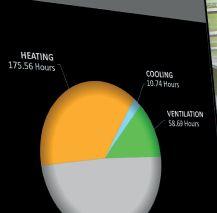
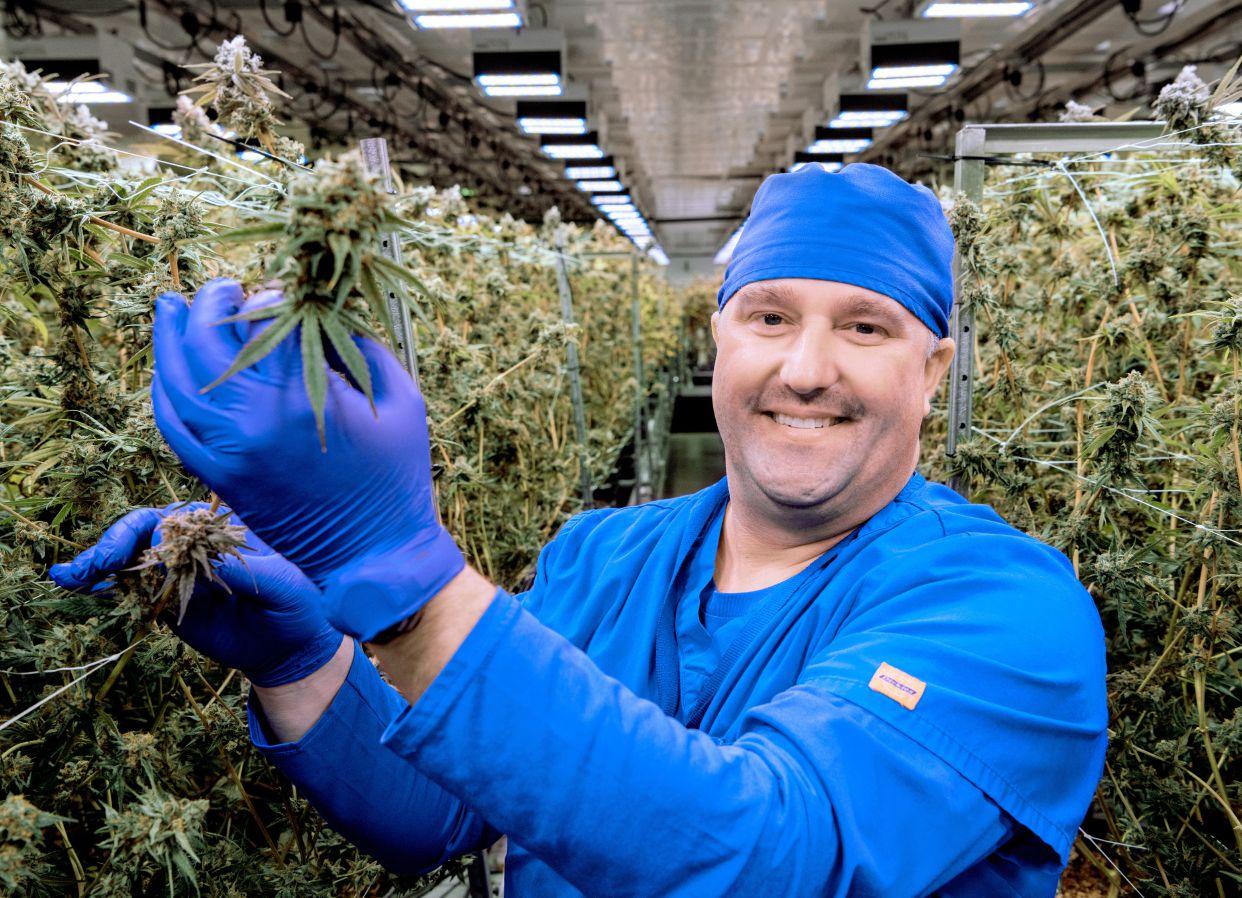
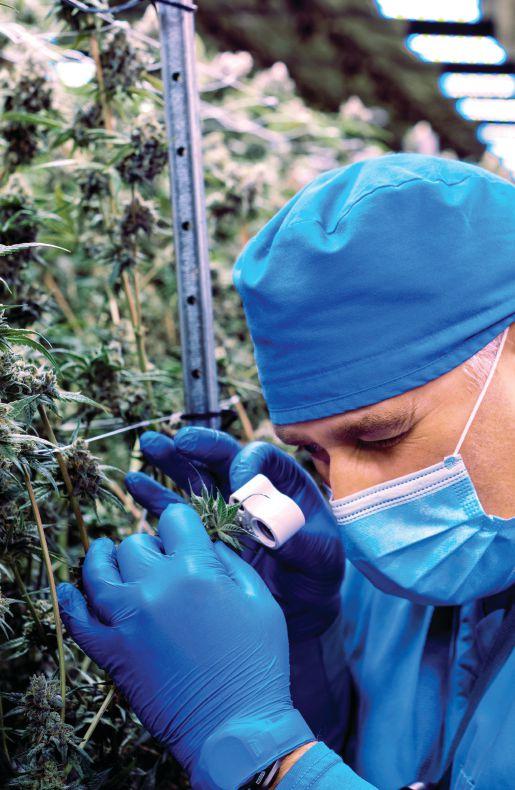
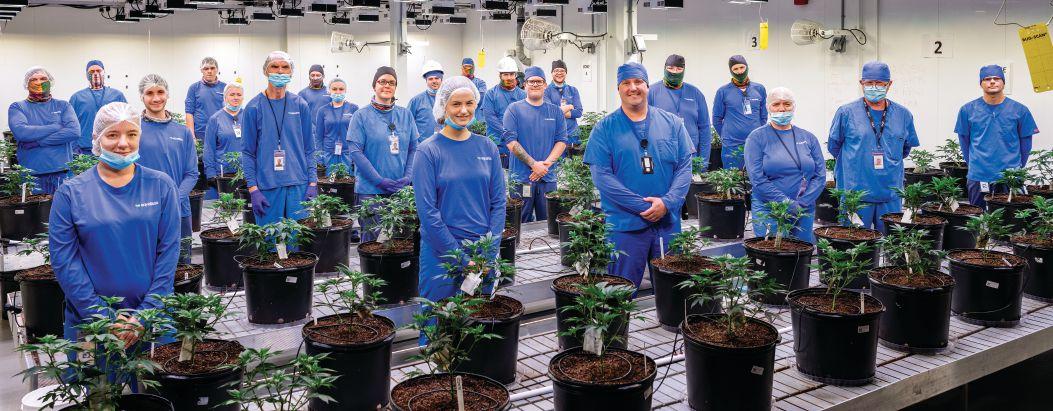
Licensed cultivators know that when it comes to controlling and monitoring their growing environment, a simple, flexible, sustainable control system is crucial. This is why proactive cultivators are turning to Reliable Controls. Our nationwide network of factory-certified
Authorized Dealers will design, install, and commission a comprehensive control system paired with an intuitive, custom-tailored graphical interface. Take command of your precisely controlled environment. Generate tracking reports and analytics. Reduce your carbon footprint while improving productivity, quality, and serviceability.
To learn more about this cost-effective, Canadian-made solution, please contact a Reliable Controls
Authorized Dealer near you.
Canada: 403.561.4148
Canada: 647.982.7412
From the editor
By Mari-Len De Guzman
About your grades
On the second anniversary of recreational cannabis legalization, the Cannabis Council of Canada (C3) released a report card rating the industry’s performance on various issues that are vital to the development of the cannabis industry. As can be expected, there are aspects that are performing well, and then some that leave much to be desired.
To me, the most meaningful indicator of a thriving industry are job gains and employment opportunities. The capacity to have an impact on people’s livelihood is a true test of an industry’s long-term success.
The C3 report card gave the industry a C+ on “jobs and the economy.” This report card reminded me of when my boys were younger and they would bring home a B– mark on a test, I would go on a rant about how anything below a B+ is really not acceptable (yes, I was that mom) and that they needed to do better. They would always assure me that a B– is “a good grade.” I grew up and went to school in the Philippines, where the passing mark is 75 per cent (a B, by North American standards). So, when my children tell me a B– is good, I cringe.
Perhaps one of the most impactful developments in the cannabis industry this year was the massive job losses at some of the country’s largest licensed producers. The industry-wide hiring spree leading up to and
immediately following the landmark legalization in 2018 had been shortlived. Not only did companies stop hiring but they laid off hundreds of employees following a series of unrealized revenue projections and disappointing profit performances. The Cannabis Council’s C+ report card rating on jobs and the economy noted
The economic potential of the cannabis industry goes far beyond the recreationaluse consumers.
that sustained employment activity in cannabis retail had “offset” the job losses in the production sector. But it still was not enough for this issue to receive a higher mark because certain barriers to reaching the industry’s full economic potential still exist and have not been addressed.
Another issue that the industry fared even worse is “research, development and innovation,” for which the Cannabis Council gave it a D. While jobs and employment opportunities are lagging indicators, the area of research and innovation can be an important leading indicator for the industry.
Despite a general consensus in the industry and in the health-care sector that building the body of scientific evidence around cannabis is vital to its progression not just in the recreational market but
also, and more consequentially, in the health and wellness market. Still, two years after legalization and a year into the legalization of Cannabis 2.0 products, the difficulty and lengthy process to obtain research licences for cannabis remain a challenge.
Both industry and regulators need to prioritize research and innovation by creating an environment that fosters and promotes an evidence-based, thriving industry. More R&D activities transitioning to real-world market applications can lead to increased economic activity and better employment prospects.
Increased innovation will translate to better products that respond to the needs of multiple segments of the market. The economic potential of the cannabis industry goes far beyond the recreational-use consumers. The health and wellness market is an untapped potential waiting to be seized.
The key to a consistent straight-A industry performance is a vibrant, science-based, diversified market full of economic opportunities.
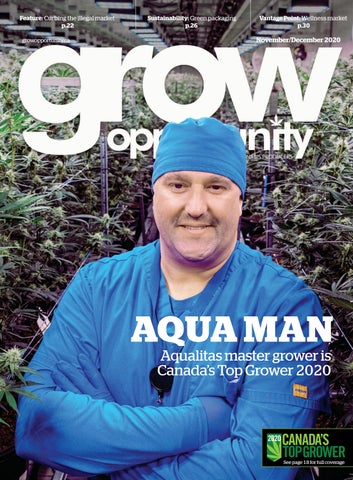
Read all about 2020 Canada’s Top Grower, Jake Ward, head grower at Nova Scotia-based Aqualitas, on page 18.
Thank you to this year’s sponsor CANNA, and our panel of judges for helping select this year’s winner.
Watch for the next round of nominations for the 2021 Canada’s Top Grower.
Occasionally, Grow Opportunity will mail information on behalf of industry-related groups whose products and services we believe may be of interest to you. If you prefer not to receive this information, please contact our circulation department in any of the four ways listed above.
We recognize the support of the Government of Ontario
In the news
Friendly acquisition
Fire & Flower Holdings Corp. has signed a deal to buy longtime cannabis advocate, Friendly Stranger Holdings Corp.
Under the agreement, Fire & Flower will issue 31.1 million shares to acquire the brand making the proposal worth about $23 million based on Fire & Flower’s share price of 74 cents on Oct. 30.
Friendly Stranger is expected to own and operate 11 licensed cannabis retail stores in Ontario at closing with additional four stores in the queue to be licensed and operational by the end 2020.
Upon closing, Fire & Flower said it is expected to have a total of 66 stores including 18 in Ontario and nine additional stores in the queue for licensing.
– THE CANADIAN PRESS
New funding for cannabis research
The Mental Health Commission of Canada (MHCC) is funding 14 community-based research projects that will investigate how cannabis use affects “underserved populations” across the country.
Each project will receive up to $100,000 over two years to explore “significant gaps” in research on cannabis and mental health among Indigenous, Métis, 2SLGBTQ+, senior, immigrant, refugee, ethnocultural, and racialized (IRER) populations and other communities experiencing layers of oppression.
Six of the 14 funded projects are Indigenous led, which will be the first Indigenous-led examinations of cannabis use and mental health.
Industry reflects on second anniversary of legalization
High cannabis excise taxes are here to stay, said Anne McLellan, former deputy prime minister and chair of Canada’s task force on cannabis legalization.
McLellan talked with former Ontario deputy premier, George Smitherman, to reflect on Canada’s first two years building the legal cannabis market. Smitherman, who is now the president and CEO of Cannabis Council of Canada (C3), hosted a virtual event on Oct. 16 to mark the enactment the second anniversary of legalization.
During their chat, Smitherman asked about the possibility of the government reviewing the excise tax in its upcoming three-year regulatory review. While acknowledging that price point is key in curbing the black market, she also noted the cannabis excise tax might not be changing any time soon.
“Honestly, I don’t know but I would be amazed if any level of government decided to reduce the taxes or fees,” said McLellan. “I don’t think governments will be in the business any time soon of reducing. In my view, why would they at this point? So all that to say, that your point is a good one.”
What could potentially be under review at the three-year mark is more opportunities for grey market entrepreneurs to transition into the legal industry.
“I think the stories are generally good from those in the grey market who come into the legal market but are there unreasonable barriers?” she noted, contemplating whether there is opportunity to “go further” to bring the legacy players into the legal fold.
McLellan noted the task force’s initial intention to launch the market with strong regulations comes from lessons learned from other legal cannabis markets, like Colorado. It is easier to loosen restrictions based on learnings than it is to “take back what was already given,” she said.
About 76 per cent of Canadians are either in support or accepting of cannabis legalization, according to a survey conducted by Abacus Data. CEO David Coletto presented some findings from the company’s recent survey during the C3 webinar. He said public support for the legal cannabis market has generally remained steady over the last two years, but the percentage of Canadians opposing legal cannabis is gradually diminishing.
“I think it’s important to note that more than double the number of Canadians strongly support legalization, than strongly oppose it. That’s a great indicator,” he said. Some 2,000 Canadian adults were interviewed for the survey.
C3 also released its own Cannabis Legalization Report Card. The highest grades (B+) were given for successes in public support, child and youth safety protection, government leadership and law enforcement. Cannabis amnesty, medical patient access and research and innovation were major areas of improvement, giving these issues a D grade.
– JEAN KO DIN
George Smitherman and Anne McLellan talk about how the cannabis industry has evolved since it was legalized in October 2018.
Seth Rogen on fighting cannabis stigma
When actor Seth Rogen was growing up and smoking cannabis in Vancouver, he recalls there was a constant cloud of shame around the substance that still lingers today.
“I smoke weed all day, every day and have for 20 years. For me, it’s like glasses or shoes. It’s something I need to navigate my life,” Rogen, the star of comedic hits like Superbad and Pineapple Express, told The Canadian Press over a video call on Oct. 22.
“People have tried to make me feel shame about it over the years or have tried to make me seem like I’m weak or stupid for integrating it so completely into my life, but I’m almost 40 now, I’m married, I have a good job and I have just found that none of the stigmas I was told to be true are true.”
And yet, despite recreational cannabis being legalized in Canada two years ago, the stigma persists and the country has yet to do all it can to reverse it, he said.
Rogen is determined to change that. He’s been pushing for the expungement of criminal records for cannabis crimes and – with childhood friend-turned-businesspartner Evan Goldberg – bringing cannabis products to the masses, so using the substance can become as accepted as alcohol.
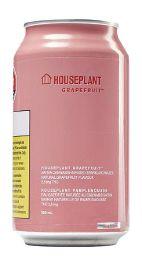
The duo just added a lemon-flavoured, cannabis-infused beverage to their line of Houseplant cannabis products made in partnership with Canopy Growth Corp.
Their first beverage, released in May, was a grapefruit sparkling water with 2.5 mg of sativa-dominant tetrahydrocannabinol, which has an uplifting impact on drinkers.
They went with lemon this time because consumers had been saying they wanted to try Houseplant products, but weren’t a fan of grapefruit. (The grapefruit
drink still topped Ontario bestseller lists.)
“That’s why my proposed slogan for the lemon drink was for people who don’t like grapefruit,” Rogen joked.
The Houseplant drinks join a growing number of beverages on cannabis store shelves with the backing of brands as big as Anheuser-Busch InBev, Molson Canada and Tilray Inc.
The beverages have been making their debut since the start of the year when cannabis edibles were approved for sale in the country, making a wave of chocolates, teas and gummies available to consumers.
Goldberg doesn’t like that Houseplant drinks fall into the same category as those other products because the brand strives to be sugar-free and create items that aren’t going to make you feel bad or crash.
Houseplant would only wade into other categories of edibles if it could produce a healthier product than its competitors can, said Goldberg – a process he admits “will take a long time.”
He and Rogen say time will also be needed for Canada to address the illegal market.
Illicit sellers are still thriving and legal pot prices at the Ontario
HOUSEPLANT GRAPEFRUIT
Cannabis Store only inched towards gaining ground in the fight against their illegal counterparts last month.
Rogen believes the Canadian government’s ways of dealing with the illegal market are “not incredibly helpful if their actual goal is to destroy the black market,” because they’ve made it expensive and unenticing to go the legal route.
“There’s a reason that we don’t buy alcohol illegally anymore. It’s because no one has any incentive to sell illegally because they made it very easy to sell alcohol,” said Rogen.
“The beer industry has been enabled to thrive in a way that the cannabis industry has not right now, and until they are the same, the black market will continue to thrive.”
He and Goldberg would like to see a day when alcohol and cannabis products are treated equally, but for now they’ll celebrate some small wins like when Goldberg’s mom purchased a Houseplant drink last week and loved it.
“Coming from the person who used to scream at me for coming home stoned late at night was a real milestone for me,” said Goldberg, a director and producer, who has collaborated with Rogen on films like Knocked Up, This is the End and a forthcoming Teenage Mutant Ninja Turtles reboot.
He’d also like to see people replace their bar carts stocked with “bottles of poison” with an array of cannabis products, but knows that is unlikely to happen en masse soon.
Meanwhile, Rogen is waiting for the day that Houseplant products are as easy to obtain as beer.
“It’d be nice if they served it in bars. It will also be nice if bars were open, so baby steps.”
– TARA DESCHAMPS, THE CANADIAN PRESS
This THC sparkling water is an Ontario bestseller.
Actor Seth Rogen hopes cannabis-infused beverages would eventually be as widely accepted as alcoholic drinks.
Spotlight: Virtual Grower Day 2020
By Jean Ko Din
Growing talent
Canada’s growers might be the industry’s greatest export.
According to a group of expert panelists at Grow Opportunity’s Virtual Grower Day event held Aug. 19, Canadian growers are in high demand overseas. Despite the challenges of current travel bans and mass layoffs in the Canadian cannabis industry, the panelists believe there is opportunity to be found.
In a panel titled, “Growing talent: Training the next generation of professional growers,” associate editor Jean Ko Din sat down with Deepak Anand, director and CEO of Materia; Alison McMahon, founder and CEO of Cannabis At Work; and Rathi Param, president and dean of NACPT Pharma College. Together, the four discussed
what it takes to train, hire and retain a grower workforce that will elevate their organizations and the industry as a whole.
“I feel like one of the things that Canada has done really well and we’re not talking about this enough, is we have developed a very strong pool of talent,” said Anand. In his experience operating a European cannabis company, Anand finds there is a large shortage of skilled
Low Maintenance.
growers that could meet the demand in the global cannabis industry.
“We can’t find knowledgeable people that understand regulations… So I feel like Canada has this massive opportunity to export knowledge and talent from here.”
At her company, Cannabis At Work, McMahon spends a lot of time recruiting, training and headhunting for cannabis producers domestically and internationally. When she first started in the industry in 2014, skilled growers were in very high demand. As the market began to correct itself however, the grower workforce became a casualty to significant layoffs.
“Starting August to September of last year is when we saw a lot of that activity starting and my team crunched the numbers back in May and at that time, 30 per cent of the
“Where I won’t sacrifice my integrity as a grower is in the grow rooms. If I know something is going to be harmful for the plants, I will say something and in that respect, my senior management does listen to me.”
– Bobby Bains, master grower, Delta 9 Cannabis.
Grower insight
Clockwise: Jean Ko Din, Deepak Anand, Rathi Param, Alison McMahon
industry had been laid off and not all those are production or growing roles. There’s a lot of marketing and other ancillary kind of roles that were caught up in those layoffs,” she said.
For students learning the trade at NACPT Pharma College, Param said there is great concern for their job prospects. However, she was also encouraged by the entrepreneurial spirit in many.
“We understand the situation to be temporary and will improve with time,” said Param. “The current scenarios have encouraged some of our students to start their own business in the cannabis space which is a positive outcome of this pandemic.”
Panelists agreed now is the time to diversify skills and learn new areas of specialization.
‘Your grower is your lifeline’
Growers are not often given the spotlight in the cannabis industry. They often work behind the scenes, producing the best quality product possible.
Grower Day is one of a few events that celebrate the craft and science behind one of the country’s most exciting industries.
“Your grower is your lifeline and he’s the quarterback in your team,” said David Kjolberg, a veteran master grower. “And if you’re in the cannabis production space, the plant is everything.”
Kjolberg was one of four panelists that sat down with Grow Opportunity editor Mari-Len De Guzman in the segment, “The Grow Room: A discussion about growers by growers.” Other panelists included Gregg Wigeland, master cultivator at Sundial Cannabis; Max White, co-owner and operations manager of Aroma Cannabis; and Laine Keyes, director of culitvation and co-founder of Habitat Life.
Panelists discussed the importance of bringing master growers into the board room and in the short few years, Kjolberg has seen that the industry is increasingly prioritizing cultivation.
“When I first started in regulated cannabis production going back to 2014, there was a VP for everything… Now, the
cannabis production facilities are getting less top-heavy. So your grower should definitely be an integral part of your executive team,” he said.
Not only does a good grower participate in making business decisions for the company, but panelists agreed that they must also surround themselves with experts in lighting, HVAC, environmental controls, etc. For White, integrated pest management (IPM) is his biggest undertaking at Aroma Cannabis as it can be a nightmare if one is not prepared for it.
“We’ve spent about four times more on our IPM program than in our nutrients,” he said. “I try to keep my finger on the pulse of what’s happening in IPM, and lighting and nutrients and everything, but IPM has definitely been the biggest learning curve and probably the biggest focus as we scaled up.”
Wigeland said using technology to maintain as many environmental controls as possible has been a game changer at Sundial. Each grow room has a specific set of needs and to be able to manage those controls in a central computer hub has helped them balance production of high quality products and meet targets to get to market as quickly as possible.
For Keyes, Habitat Life’s production system allowed the company to venture into new markets at the same time. Habitat Life uses aquaponics to produce Atlantic salmon and craft cannabis.
“We’ve really had to focus on our mineralization and digestor process to really make sure that both the salmon and the cannabis are getting the required nutrients because neither of them are the easiest things to grow,” he said. “With the technology emerging in the industry, It really gave us the ability to start getting the right people on the team to help us take aquaponics to the next level.”
Clockwise: Mari-Len De Guzman, Laine Keyes, Gregg Wigeland, Max White, David Kjolberg
Legal Matters
By Matt Maurer
The path forward
Health Canada efforts signal progress on cannabis health products
Last June, Health Canada launched a consultation to seek feedback regarding the kinds of products stakeholders would be interested in purchasing, manufacturing or selling, should a legal pathway to market for cannabis health products (CHP) be established.
The results of the consultation are highly encouraging and Health Canada has indicated that it intends to create a scientific advisory committee before the end of the year to seek advice on the appropriate safety, efficacy and quality standards for health products containing cannabis that would be safe for use without practitioner oversight.
More than 1,100 respondents completed the online consultation. Among them, 62 per cent are consumers, 23 per cent are industry representatives and 15 per cent are other interested parties.
All of the findings can be found in Health Canada’s summary report, however we have identified below some findings of particular interest.
From consumer participants
• Ninety-three per cent had a positive level of interest in buying or learning about CHPs to treat minor ailments.
• Consumers with a positive level of interest in CHPs considered cannabis, particularly CBD, as a natural remedy. They noted their preference for greater access to natural alternatives to pharmaceutical drugs. They encouraged Health Canada’s approval of CHPs to ensure safety and quality, while allowing consumer choice and increased access to a wider array of products without practitioner oversight.
• If CHPs were not affordable or covered by insurance consumers would be more likely or continue to seek cheaper products from the illicit market.
• Eighty-five per cent indicated a desire for
CHPs to treat pain and inflammation. Mental health issues, such as anxiety, depression or stress, were also identified as a reason for interest in CHPs, as was trouble sleeping.
• Sixty-one per cent of consumers were interested in products that could be taken orally, while 41 per cent were interested in topicals. Twenty-four per cent were interested in all formats or did not state a preference, and 18 per cent were interested in edibles or beverages that would be easy to use. About 10 per cent preferred to continue smoking or vaping cannabis.
• Consumer response generally “affirmed high demand for making CHPs legally available for both human and animal use.”
• Only 10 per cent indicated that place of sale was a concern. In particular, they felt the retail environment for CHPs should be similar to that of over-the-counter drugs or natural health products, and should not be restricted to provincially or territorially authorized retailers or federally licensed cannabis sellers.
• Allowing CHPs to be sold at pharmacies, health stores or other retailers would improve availability and deter from the stigma associated with cannabis use.
• Consumers indicated that CBD should not be regulated in the same fashion as THC, alcohol or pharmaceutical drugs, which they view to be more harmful than CBD.
From industry participants
• Overall feedback demonstrated a strong desire to bring to market a new range of cannabis products.
• Sixty-two per cent are interested in CHPs for both human use and use in animals.
• They viewed restricting the sale of CHPs to provincially and territorially authorized retailers or federally licensed sellers as a major disincentive for them to bring new products to market. Many noted the lack
Continued on page 15
Matt Maurer is the vice-chair of the Cannabis Law Group at Torkin Manes LLP in Toronto.
Legal Matters
By Matt Maurer
of health training among current cannabis retail staff and the risk of confusion for customers between non-medical cannabis products and CHPs, if the two were to be sold from the same location.
• Almost 40 per cent recommended that CHPs be sold in pharmacies, veterinary clinics or health stores.
• About 50 per cent expressed preference for a broader ability to promote and distinguish their products on the market and believe that packaging and labelling requirements for CHPs should be similar to other natural health products (NHP) or over-the-counter drug.
• Approximately 50 per cent of submissions proposed creating two distinct pathways for CHPs that appropriately reflect their risk profiles. In particular, these respondents suggested establishing one regime for CHPs with THC and another for CHPs with CBD, with each regime having its own distinct requirements for packaging and labelling, retail environment, youth access and evidence standards.
From other interested parties
Participants in this category include healthcare professionals, veterinary professionals, academics, researches, members of governmental and non-governmental organizations, advocacy group members and regulatory consultants and legal representatives.
• Nearly 70 per cent indicated they were aware of sub-populations or groups that would be interested in CHPs for both human use or use in animals.
• Seventy per cent of health-care professionals are interested in CHPs for mental health purposes. This group generally believe CHPs would benefit those suffering from chronic conditions or pain.
• Seventy-two per cent from the health-care sector disclosed health and safety concerns with CHPs. They highlighted the need for a cautious approach, and recommended having CHPs available only as scientific evidence becomes available to support (or refute) health claims.
• Less than half of all health-care professional respondents, and only a third of all respondents who are health-care associ-
ation representatives, recommended the need for practitioner oversight for CHPs.
• Fourteen per cent of veterinary professionals and 40 per cent of representatives from veterinary associations were not interested in selling CHPs due to a lack of evidence to support claims for use in animals.
• Health and veterinary organizations and professionals generally remain in favour of strict packaging and labelling requirements to prevent ingestion or accidental consumption by children and to enhance consumer safety.
• Overall, industry groups and representatives from health-care organizations support further research and evidence on the safety and efficacy of cannabis in producing a specific health effect for humans or in animals. Written submissions from all government respondents emphasized the need for strong evidence requirements.
Summary
In many respects, the results are not surprising for anyone who has been following the industry for any period of time. Consumers have a strong desire to see CHPs come to market, and industry participants are eager to bring them to market and are supportive of less restrictions on advertising, labeling and packaging. The healthcare and veterinary sectors are certainly interested in advancing the discussion, but are much more cautious in their proposed approach and desire scientific backing. While there is variation amongst the different groups of respondents as to their level of support and their particular concerns, all groups are generally supportive of developing a path forward for bringing CHPs to market.
More important is the takeaway that Health Canada signals a clear intention to seek external scientific advice to help create a path forward for CHPs coming to market. While it seems clear that CHPs will, at some point, be permitted to be sold in Canada, what remains to be seen is how the science will inform the timing and parameters under which CHPs will be produced and sold into the Canadian marketplace.
By Mohyuddin Mirza Cultivation
Get growing down to a science
Knowledge of plant mechanics key to successful crop
When I see the news in the media that some cannabis facilities have not been successful in growing cannabis and did not get their sale licences because the quality standards were not met, I get really worried.
Enough body of scientific knowledge is available but why are we not able to apply that knowledge? There is a disconnect somewhere.
Take the example of a hydroponics cannabis grower who somehow decided to use agricultural gypsum in his fertilizer program and failed many times to produce a crop. Why? Because gypsum is a calcium sulfate and is insoluble in water. It is used mostly as a soil amendment for growing outdoor crops. Gypsum is a slow reacting chemical and will take time to release calcium and sulfur. Cannabis needs highly soluble fertilizers and there are enough of them available for use in cannabis production. I could not get an answer as to why gypsum was used.
Most growers have very good and sophisticated HVAC systems for indoor and greenhouse facilities. They have a good set up to grow plants but then I see that their crops are being rejected due to high mould/microbial contents as well as poor-quality buds. When I see this, four questions generally come to mind:
• What is the air temperature, set points and actual?
• What is the relative humidity they are trying to maintain?
• What is the leaf temperature?
• What is the VPD?
VPD is vapour pressure deficit. Many growers don’t pay attention to this calculated value. From the cannabis viewpoint, this is the most important factor to determine if the plant is working. The plant’s
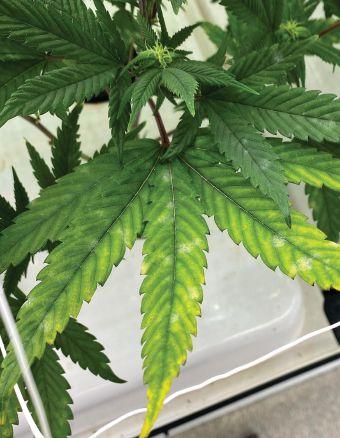
These plants have been grown on a VPD of between 7 and 13 millibars. Powdery mildew is a major issue associated with high VPD, while magnesium deficiency is evident due to nutrient management issues.
function is to absorb water through the roots, transport it through the water conducting tissues or strands and move it to the leaves. From the leaves, the water is lost to the surrounding air and minerals are retained in the cells and used as building blocks. So imagine what that plant is doing, absorbing water in liquid form and transpiring it in a vapor form.
VPD thus describes the deficit of moisture between the inside of the leaves and in the air around the leaves. The higher the deficit, the higher will be the amount of water lost to the air. So if cannabis plants are subjected to higher VPD levels constantly, then the plant is under continuous stress. It will tell you this by very dark green color of leaves, smaller leaves which fail to expand, poor buds and root decay. One example will suffice.
Recently, I looked at the VPD data from an indoor facility. The air temperature was 23°C during the lighted period and elative humidity (RH) was 43 per cent. When I
calculated the VPD, it was 1,917 kPa and 11.721 grams/m3 of air. When the leaf temperature was measured at 26°C and 43 per cent RH, the VPD was 1.917 kPa and VPD was 13.885 grams/m3 of air.
These settings have been going on for the past 20 days and plants are at bud stage. What it means is that the plant is heavily transpiring water to keep itself cool and stomata will close after a few hours of such a high VPD.
So the consequences are:
• Stomata are closed and plant cannot absorb carbon dioxide;
• It cannot carry on photosynthesis;
• Nutrients are accumulating in cells;
• Photo respiration is continued;
• Whatever food plant has made is being used for keeping cool, not to make new cells, new growth, buds and other organs;
• Ultimately, roots will start decaying;
• Powdery mildew will be rampant not only on the leaves but on buds as well and I have seen it on stems.
How could you expect a good quality crop with this kind of VPD, especially if this has been happening almost since the duration of the crop?
I will share with you how to use VPD readings to our advantage and for the advantage of the cannabis plant. The recommended range is between 3 and 7 grams/m3 of air. In this range the plant is working properly. If the light is optimum, and nutrients and water management is proper, then calculate how many hours of the lighted period the plants were in that window of 3 to 7 grams. Most computers show this value every few minutes and you can calculate the value.
This information will provide very useful information as to the workings of the plant. If plants are consistently in the “working” range then expect good quality buds. It can almost be predicted.
Mohyuddin Mirza, PhD, is chief scientist with the Cannabis Nature Company in Edmonton, and a consultant with the cannabis industry. Email him at drmirza@cannabisnature.ca.
Congratulations Jake Ward!
Circular cultivation
Canada’s Top Grower Jake Ward demonstrates sustainability feeds quality
By Mari-Len De Guzman
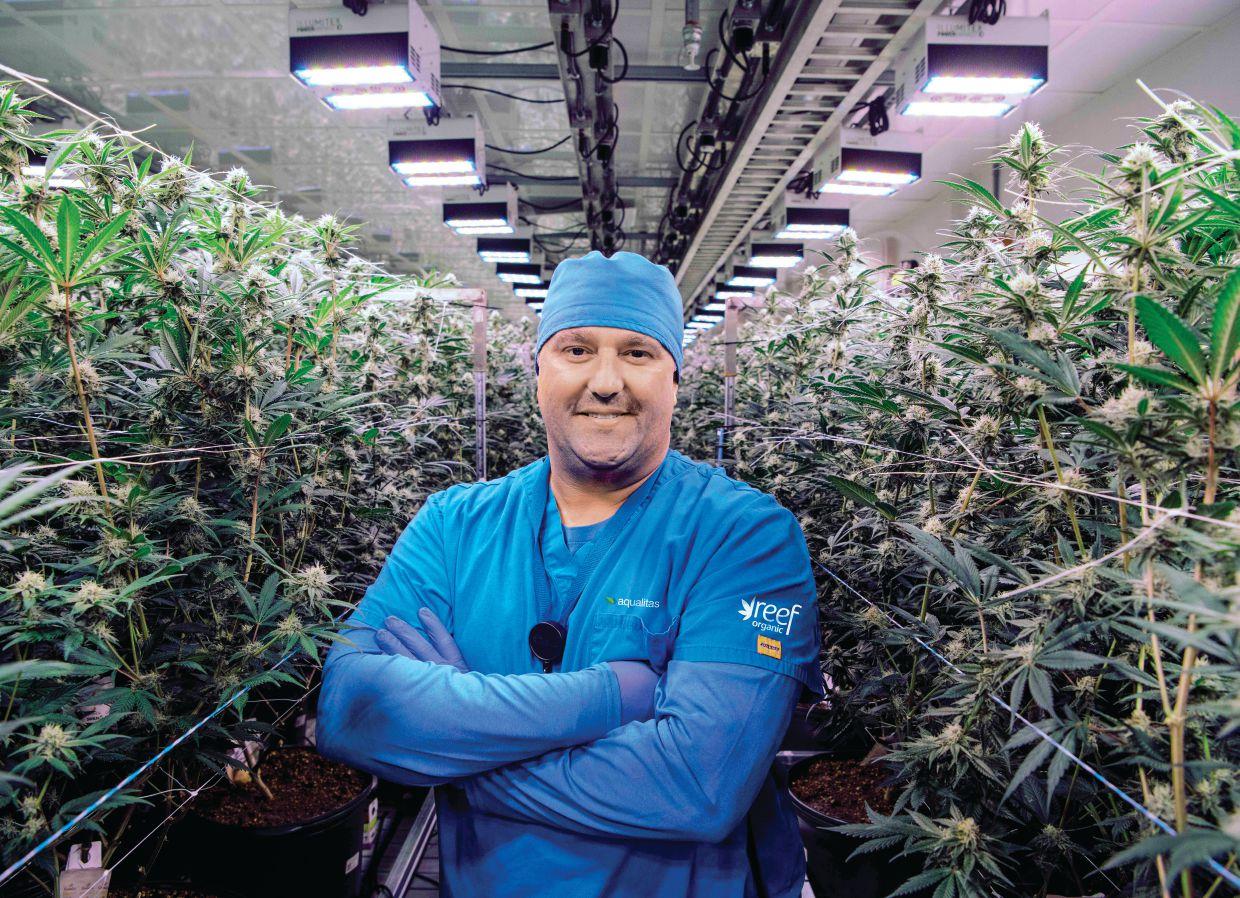
Jake Ward was the first employee to be hired by licensed producer Aqualitas, at a point when the Nova Scotia company was in the early stages of building a proprietary aquaponic system that will become the framework of its cannabis cultivation operation.
Ward immediately took the lead in project development, attending courses in Europe, the U.S. and Canada, learning what he can about aquaponics and how it can best serve his company’s vision of sustainable production.
Four-and-a-half years later, Aqualitas is among a handful of Canadian licensed producers cultivating organic cannabis in an aquaponics system. But the journey was not without challenges, according to Ward.
“I’m not gonna lie, there were a lot of sleepless nights,” Ward recalls. “I first went to Toronto, took an aquaponics course there. From there, I went to Cincinnati, took an aquaponics course there and gathered all the information that I needed.”
The end-result is a thriving, organic, recirculating aquaponics cultivation system with Ward at the helm of production. The 26-year veteran master grower’s lead role in Aqualitas’ progression has not gone unnoticed by the company’s executives.
“Successfully growing flowering plants using aquaponics at scale is exceptionally difficult, as it requires a system in perfect balance to achieve maximum outputs,” writes Myrna Gillis, co-founder and CEO of Aqualitas, nominating Ward for the 2020 Canada’s Top Grower award. “Jake was up to the challenge, and helped lead a team that addressed known challenges with nutrient deficiencies in the flowering stage of the plant. He worked with living soil for aquaponic farming, and in water using pure aquaponics and the results speak for themselves in the product quality and overall reception by consumers and researchers.”
For more than two decades, Ward has been growing cannabis in a variety of media – soil, hydroponics, aquaponics – and has gained
“There
are no stupid questions that you could ever ask.”
Ward always encourages his team to learn, saying success and failure are part of improving one’s growing skills.
through trial and error a treasure trove of cultivation knowledge that he now gladly shares with any grower willing to learn. “There are no stupid questions that you could ever ask,” he frequently tells his cultivation staff, “the question that is stupid is the one you don’t ask.”
Ward manages up to 28 staff at any given moment, including growers, aquaculture technicians and other production staff. He and his team look after the lifecycle of the cannabis plant, from genetics and growing to trimming, drying and bulk packaging.
Ward may be the one being recognized as Canada’s Top Grower but he shares his achievements with the Aqualitas team.
For more than two decades, Ward has been growing cannabis in a variety of media – soil, hydroponics, aquaponics – and has gained, through trial and error, a treasure trove of cultivation knowledge that he now gladly shares with any grower willing to learn.
“I can tell you that we have some of the best cultivators in the world – I don’t care what anybody says, that’s in my eyes – many of whom come here with no experience at all and have proven to be the best. I’ve watched them grow over the last few years and that makes me feel a sense of accomplishment,” Ward says.
SOMETHING FISHY
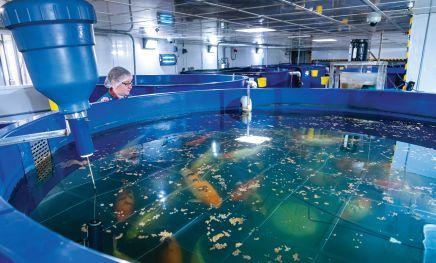
Aqualitas operates a 40,000-squarefoot commercial facility in Brooklyn, N.S. Growing alongside cannabis in the decoupled, closed-loop aquaponics system are koi fish –about 900 of them. The nutrient-rich water from the fish tanks provide nutrition to the cannabis plants. Aquaponics has been emerging in the aquaculture and agriculture worlds as a sustainable food production system. It uses a recirculating aquaculture system that essentially reuses and recirculates water through the system using a series of filtration mechanisms that clean used water from the fish tanks so that it may be reintroduced into the system in a circular, regenerative fashion. Recycling the water eliminates the need to constantly draw from a water source to feed the aquaculture tanks. In an aquaponics system, the plants take up the nutrients from the fish tank water.
Prior to building Aqualitas’s commercial aquaponics system, Ward and his team collaborated
with Acadia University in a 1,000-square-foot aquaponics research lab. From that R&D proof of concept, Ward and his team scaled up and built what is now Aqualitas’s cannabis cultivation facility.
“Jake Ward has an abundance of experience utilizing aquaponics to maximize a strain’s full potential,” says Gillis in her nomination. “Taking a progressive approach and developing a team to think critically and to constantly, continuously improve.”
Most commercial aquaponic systems produce both leafy greens and fish – like salmon and tilapia – for commercial harvest. At Aqualitas, the fish being grown are koi, but they are not harvested for revenue, but as a source of nutrients for the cannabis plants.
“The reason why we use koi is they are hardy fish – they can withstand 28 degrees right down to sub-zero temperatures,” explains Ward. “Their immunity to maintain temperatures is good, they can take fluctuations in pH and they live up to 50 years, and some of them even live up to 100 years.”
Even though they are not grown for commercial purposes, the Aqualitas koi live “the best life,” according to Ward. The company does engage in breeding and R&D for the koi, to ensure optimal performance.
“It’s one thing to do hydroponics – which, at the end of the week you flush your nutrients out and you start all over again,” Ward explains. “This is a little bit different when you have fish, you have to be a little bit more careful about what goes back to the fish.”
Aquaculture technicians at Aqualitas who look after the fish treat these koi almost like pets, Ward says fondly.
SUSTAINABILITY MEETS QUALITY
Certified under Clean Green standard, Aqualitas is one of a handful of Canadian cannabis licensed
producers that are growing cannabis organically. About 95 per cent of Aqualitas’s cannabis produce are sold as dry flower or buds and prerolls under its recreational brand Reef Organics and its medical brand Aqualitas. The remaining five per cent are used for extraction.
Achieving sustainably produced, high-quality cannabis products is not always an easy feat but Ward is demonstrating that it’s not impossible.
“Over the last four years, I can’t express how many mountains we moved and the blood, sweat and tears that came out of it,” Ward says of Aqualitas’s journey to achieve its vision of production sustainability. “But it’s the dedication to health and well-being and sustainability and to have a top quality product on the market.”
Aqualitas’s sustainability story is what drew Ward to the company. He had invested in the company even before he joined the team.
“When you sit down with our executives, still to this day, I get that heartfelt warmness from them. It’s still our motto,” he adds. “It’s still all about our customers, having consistent product, something unique out there – clean, sustainable, not wasting water, we use LED lighting. Those are the things we needed to consider right from day one.”
In fact, when Aqualitas performed an efficiency audit as part of its design development, Ward pushed for an agenda that focused on water and energy efficiency, according to Gillis.
“Our indoor grow was assessed as using less than 50 per cent energy of that used in conventional indoor grows. Our aquaponics system incorporates a closed and decoupled loop that uses up to 90 per cent less water at full capacity in the closed loop portion,” she explains.
Aqualitas’s sustainable design and technology has gained several recognition, including the Clean Tech
Fish and greens Aquaponics has emerged as an increasingly popular sustainable food production system.
Energy Award and the Spark Innovation Award. The licensed producer also received a $400,000 energy rebate, the largest in the history of the Energy Efficiency Program, says the Aqualitas CEO, who credits Ward’s good environmental stewardship as instrumental to these recognitions.
A more efficient system allows Ward and his produciton team to focus on quality products. The key, he says, is consistency – consistency in the growing and cultivation process, and in the environment that houses the cannabis plants.
“When I say be consistent, you’re the person who has to be consistent and make sure that you’re defoliating, you’re topping, you’re SCROG netting. You’re doing everything at the same time, every time – watching your environmental conditions, your relative humidity, your VPD, your temperature – all those things play a huge factor,” Ward explains.
The Aqualitas master grower is a big advocate of research and development, looking at new cultivars and phenotyping – all in an effort to constantly improve the quality of their cannabis products.
He cautions, however, that there is a time and a place for doing research and development, and that place is not in the commercial grow rooms.
“Putting in a new cultivar is definitely a challenge because you’re always going to get one that’s a heavy feeder, one that’s a heavy drinker, one that doesn’t like that much light. It’s important to get to know your cultivar, and once you’ve worked with that cultivar then you can dial it in. All those things we do in R&D,” Ward says.
Aqualitas has about 85 cannabis genetics in its inventory, 19 of them are growing as mother plants, he says.
Gillis says Ward’s knowledge and dedication translates to the level of quality of Aqualitas’ recreational and medical cannabis brands.
“While many others do not grow Ghost Train Haze because it is difficult, or simply because the economics don’t make sense, Jake knew and continues to understand that this strain (our leading performer in both medical and recreational) has a level of magic that must be available to our consumers – wrangling
this, refining this, and advancing it all along the way,” she says.
THE A TEAM
Ward is generous when it comes to sharing his grower wisdom, accumulated over nearly three decades, with the young growers in his team. He encourages them to keep seeking answers to the most difficult questions, and to never be afraid to fail.
He tells his young wards to not give up on the plant. Failure is not the end, he would say, “it just means you found one way that it doesn’t work, so try a different way, a different technique.”
Ward recognizes that a well-functioning grower team is the key ingredient in every successul product. Watching young growers develop and build up their confidence and skill level in cannabis cultivation, Ward feels a sense of accomplishment.
The Aqualitas CEO recognizes Ward’s commitment to his team. “The team is what moves the needle for quality and excellence. Having genuine care and compassion for each of our team members translates into exceeding goals and trailblazing. Jake has worked tirelessly and has been a dedicated and passionate leader.”
Ward’s best advice: Work with the plant. “My motto is, I never tell the plant, the plant tells me. It tells me everything.”
Aqualitas maintains about 85 cannabis genetics in its inventory, 19 of them are growing as mother plants.
Top: The Aqualitas production team, which looks after both the cannabis plants and the fish in the aquaponics system
Bottom: Aqualitas chose koi fish for its hardiness and adaptability.
•
•
•
Residual
Converting consumer choice
Competing with illegal market has a price
By Jennifer Brown
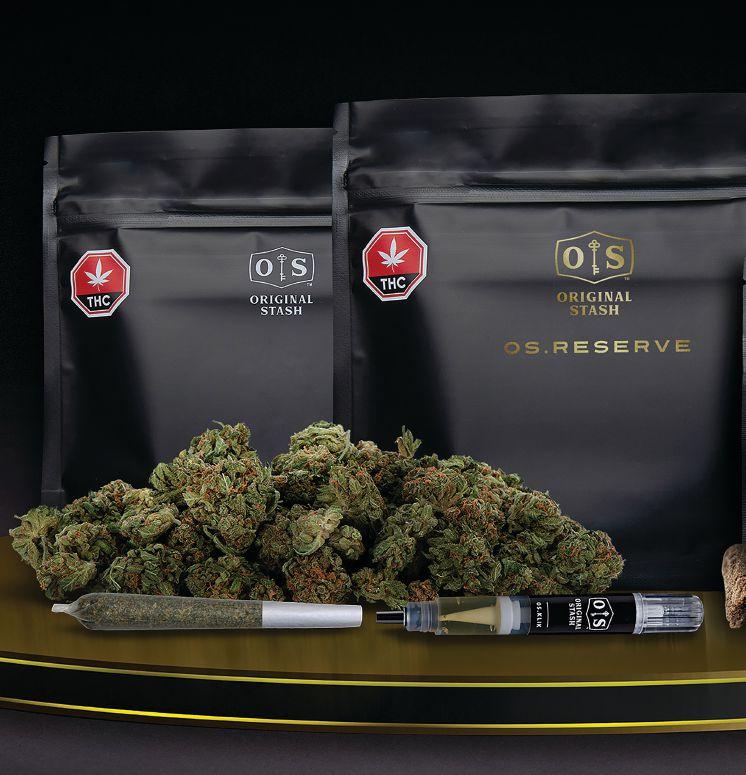
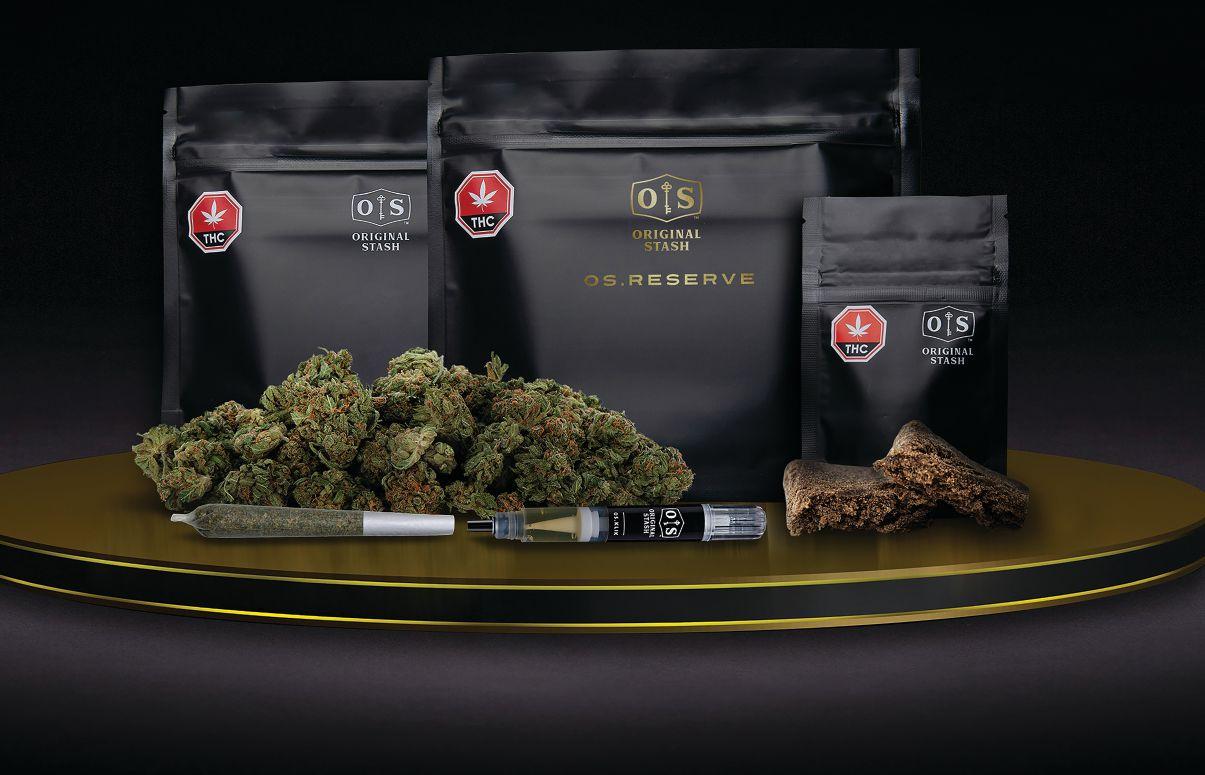
When Quebec-based Hexo Corp. launched its Original Stash (OS) brand in October 2019, it garnered a lot of attention with its price point and packaging at a time when the industry needed to show consumers it could compete with the illicit market on price and appeal.
“The Original Stash was born to attract new consumers to the legal market,” says Jordan Smith, vice-president of product management with Hexo. “What we found in our research consistently is that the prices were too high. If you go on any legacy market website, prices are very competitive, and that’s why we decided to drop our price for this brand to $5 a gram.”
OS was also made available in a 28-gram package for $125.70, appealing to those used to buying larger quantities.
“The brand as a portfolio has taken shape and is a pretty comprehensive brand for consumers new to the legal market,” says Smith. OS also now includes a hash and a distillate product, OS Klick for dabbing and other concentrate uses.
While OS did gain a lot of attention, it wasn’t the first product in this game-changing category. New Brunswick’s Organigram had Trailblazer in 2018 and Canopy had Plain Packaging. B.C.based Zenabis launched Re-Up in December 2019, and Aurora Cannabis and others would follow with value brands in 2020.
Smith says the lower price does not mean lower quality flower – in fact, he points out the Original Stash became popular “becaus of the quality.
Legacy to legal
The move to value brands has been winning over consumers. In August, Statistics Canada released data revealing that legal cannabis spending in the second quarter of 2020 surpassed the illegal market for the first time, accounting for 50.5 per cent of all cannabis-related spending in Canada. And on Oct. 1, prices at the Ontario Cannabis Store rivalled the illicit market for the first time since legalization. The average price of dried flower per gram on OCS.ca fell to $7.05, with tax, from April to June, beating average price on illegal mail order cannabis sites at $7.98.
Just in January 2019, legal cannabis was almost 50 per cent more than products bought on the black market – the average price of a legal gram of medical or recreational pot in 2018 was $9.70 versus $6.50 on the illicit market.
Much of the success of bringing consumers into the legal stream has come on the backs of the licensed producers – those who decided to introduce the value brands to get the price down, generate much-needed revenue and bring their cannabis product pricing more in line with that of the illegal market.
“The reason we have seen such growth from a category segment is there are a lot of LPs giving away their high-quality product at a cheap price to meet their revenue targets,” says Bernie Yeung, senior vice-president of sales and marketing with Aphria in Leamington, Ont.
Aphria launched its value product in February 2020 as Grower’s Choice in Ontario and Dealer’s Pick under its Good Supply brand in Alberta. In September, the company also launched its
large-format economy brand, Bingo, available in 15-gram and 28-gram packages.
Yeung says the value segment is growing for multiple reasons – it provides a large format that the legacy market is used to, and consumers see that they can get dried flower over 17 per cent THC at $5 per gram.
“Although the value segment is bringing consumers over as a whole, all the categories are going to do that and continue to close the gap,” says Yeung. “The quality has significantly improved, and it is to the point where I believe with a lot of confidence – whether products are value, core, premium or super-premium – there is a value proposition for all.”
Retail factor
To keep the momentum going, Yeung and others say municipalities that initially opposed cannabis retail in their communities need to reconsider and allow stores to open.
“Access points to consumers is very important – they want to be able to have conversations. Some people still aren’t comfortable using their credit card. If we increase touchpoints of bricks and mortar, it allows the consumer to learn about the product, and if they are sensitive about ordering off the OCS, at least they have that channel. But that is definitely something that should help the overall industry as we combat the illicit market,” he says.
More stores and a new distribution centre for the OCS in Guelph will also help fulfill orders faster to support Canada’s largest marketplace, says Daffyd Roderick, senior director of communications and social responsibility at the OCS.
“The goal is we will be at 300 stores by the end of this year – we know that there are more than 1,000 applicants in the queue to get licensed for stores,” Roderick says.
Taxes – here to stay?
George Smitherman, CEO of the Cannabis Council of Canada (C3), says there are also excise tax issues that need to be addressed with Health Canada.
“We celebrate the tipping point, but because there is so much capacity, we keep our eyes fixed on the fact we know there is a whole lot more business to bring on board the legal market,” he says. “We have to keep working the formula, which is retail access, and consistently available quality product and pricing is an element of it.”
Smitherman says in the two years since legalization, cannabis companies are the ones that have enhanced competitiveness with the illegal market. At a recent meeting with Health Canada, the Cannabis Council stressed the excise tax is a remaining issue.
“The excise tax is embedded in the product at the beginning of its journey. That tax is subsequently subjected to markups and additional taxes being applied on top of it – if that same excise
tax were applied at the end of the journey, the amount would be the same, but the result to the consumer would be a significant reduction in price overall,” he says. “We put a big circle around that as a barrier to be able to reel in more of the illicit market.”
But it’s unlikely the government will change course on the excise tax, says Anne McLellan, who served as chair of Canada’s task force on cannabis legalization.
“I would be amazed if any government decided to reduce taxes or fees, and I don’t see government changing its mind on the excise tax,” she says, speaking recently at the C3 panel reflecting on the second anniversary of cannabis legalization.
McLellan does agree there needs to be a greater effort to bring producers still operating in the grey market into the legal fold.
“I distinguish the black market from the grey market as those in the interior of B.C. or the Eastern Townships of Quebec who sell at markets and are not involved with trafficking and organized crime. There are unreasonable barriers for the grey market or legacy producer,” she says.
Abi Roach, senior product manager at the OCS and former advocate and owner of a cannabis café in Toronto, says entry barriers to the legal market need to be addressed.
“There has to be a lower threshold for companies to enter the legal market and make it easier for them to transition to the regulated market,” Roach says, also speaking at the C3 panel.
“I have always said when we create an inclusive industry, and we bring in people from different backgrounds and start to pull in the legacy market, the legacy consumer will follow,” Roach says.
Outdoor grow
Jay Shukle, senior director of the cannabis division of Alberta Gaming, Liquor and Cannabis, says the next wave of the lower-priced product will be coming from outdoor grow harvests this year.
“Coming out of the gate, there was a big discrepancy in pricing, but the dried flower has come down 40 per cent in price, and a lot of that has happened in the last 12 months. Many LPs as they ramp up are growing for under $1 a gram and
retailing product for $4 a gram, so we’re right on top of the illicit market,” says Shukle.
He points out this is also the first year for outdoor grow volumes, and as those start to come in, the price will drop further.
The AGLC is also working with the RCMP on a poster campaign they hope will help battle the illicit market in that province.
“Illegal online cannabis sites are unfortunately still providing an avenue for consumers to purchase cannabis products,” says Desaree Crowe, cannabis prevention and engagement co-ordinator with the RCMP in Alberta.
Crowe says education is critical curbing illegal cannabis. The poster warns that when anyone buys from an illegal site, they risk supporting a criminal activity, fraud or identity theft, or endangering their health.
“In creating this awareness product, we wanted to touch on the different areas that buying illicit cannabis can fall into. This is not associated with any national or provincial campaign but rather a joint effort between RCMP and AGLC to provide awareness on what buying from illegal cannabis sites may entail as well as provide information on where to safely and legally purchase cannabis products online,” she says.
McLellan said she would like to see 80 per cent of the illegal market gone within a decade. “Because we still have illegal sales of tobacco and alcohol – we will never strip it out entirely.”
Part of the RCMP poster campaign that aims to educate consumers against illegal cannabis
Horticulture LED
Sustainability
Greening the future
Sustainable packaging in the Canadian cannabis industry
By Katie Pringle and Danielle McKay
Packaging is one of the biggest sources of complaint since cannabis became legalized two years ago. While green cannabis packaging alone won’t fix all of the Canadian cannabis industry’s sustainability problems it will play a significant role in lowering our collective carbon footprint.
Since legalization, the industry has seen innovation and improvements in sustainable packaging. However, we’re nowhere close to being a truly eco-friendly industry. Sustainability is important to many cannabis brands, but strict regulations, limited options and financial constraints can make cannabis packaging seem like a no-win situation.
Green consumers
Consumers are becoming more aware of how their purchases impact the environment. Studies show 65 per cent of consumers say they want more sustainable products, and 26 per cent actually seek them out. Cannabis has deep ties to the sustainability movement, coupled with eco-conscious millennials and the most sustainability-minded generation yet coming of age. Cannabis is facing the perfect storm of ‘green consumers.’
Recycling
reached out on social media about wanting to participate in the program.
Sustainable materials
One of the easiest ways to improve cannabis packaging is to make the switch to sustainable materials. Nowhere in the Cannabis Act does it say packaging needs to be plastic. Health Canada’s regulations state packaging must be child-resistant, prevent contamination and ensure the product is kept dry. Plastic has been the go-to choice so far because it is cost-effective, lightweight and meets these standards, but consumers aren’t happy about it. The two biggest contenders to replace plastic are hemp/bioplastic and glass.
Hemp/bioplastic
What cannabis enthusiast doesn’t love hemp? Hemp plastic and other bioplastics are becoming an excellent packaging alternative BioNano Virus Detection System, not only for cannabis products but other consumer packaged goods as well. Hemp is a very sustainable and resilient crop, but turning it into plastic is no easy feat. Experts are looking to streamline that process to make the end-product more sustainable. While hemp plastic isn’t a viable industry-wide alternative yet, it certainly has the potential to become one.
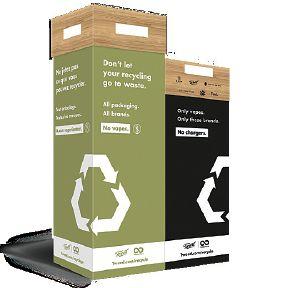
One of the biggest problems with cannabis packaging is the lack of recycling options, particularly through municipalities. The Terracycle x Tweed collaboration for recycling cannabis packaging has been a huge hit with consumers, but for those without a participating retail store nearby, the struggle to recycle remains. Brands are consistently being recognized on Twitter and in cannabis media for listening to consumers and prioritizing recyclable packaging and recycling programs. For example, cannabis retailer Superette received very positive media and consumer attention for its cannabis recycling campaign. For every cannabis package returned to one of its locations for recycling, the retailer provided a canned good to the Ottawa Food Bank. The campaign not only helps reduce waste but also provides resources to their local community – even offering to cover postage for people who
Glass
Glass isn’t perfect. It’s heavier than plastic which makes it more expensive to produce and ship. There is also a greater chance of it breaking, and more thought needs to be put into making it opaque and child resistant. This being said, glass is becoming a favourite amongst cannabis consumers. It’s more eco-friendly than plastic and easier to recycle. Glass can also be repurposed in the home as a stash jar, spice jar or succulent planter. It also stores cannabis better than plastic at maintaining the potency, flavour and longevity of cannabis products.
Simply Bare Organic has become a hit on social media in this regard. It’s glass packaging is beautiful, compliant and sustainable. Glass isn’t just good for flower; topical brand Earth Kisses
Brands are being recognized on Twitter and in the media for listening to consumers and prioritizing recyclable packaging and recycling programs.
Sky also utilizes glass packaging for its ready-to-infuse salves and will continue with glass packaging for the company’s infused cannabis salves hitting the shelves in early 2021.
Promote your packaging
Due to the regulations around cannabis packaging, many companies have been promoting speculative packaging online and in stores to showcase their brand better, but packaging promotion should go beyond that. Brands that make sustainable choices when it comes to packaging should be promoting this and educating the consumer. If making sustainable choices is a core value for a brand, this needs to be integrated into the brand story.
Regulation overload
Cannabis regulations are challenging but they’re an unavoidable part of the industry for the time being. So how can brands navigate regulations while still staying true to their brand and sustainability goals? Working with professionals is key.
When choosing a packaging provider, cannabis brands should choose companies with significant knowledge of cannabis packaging and labelling requirements. Additionally, enlisting the support of a branding and marketing company early on helps brands identify their core values and ensure the packaging decisions they make align with their brand objectives. Finally, it never hurts to get an opinion from a cannabis lawyer to double check that everything is above board, not only for packaging but the overall strategy as well.
An ideal future
Cannabis packaging regulations aren’t going anywhere anytime soon. However, as the cannabis industry progresses, we can expect to learn from the market and make appropriate legislation changes as time goes on.
So what are some changes that would help reduce packaging while still keeping safety as a priority? One area that might make sense is removing the opaque requirement to allow for glass to be a more mainstream choice for producers – similar to how alcoholic beverages are packaged, using bottles that are almost all clear or transparent.
Adjusting the contaminant requirements is another area for improvement. This will easily allow for package return programs where the same containers can be reused, like Lush Cosmetics does, or as we did during the days of the milkman. These changes would be tangible steps in the right direction towards a smaller carbon footprint.
Brands and consumers make a difference
To effect progressive changes the industry and consumers need to make their voice heard. When surveys, studies and feedback requests are available from the government, industry agencies and other third-parties, consider submitting your feedback and suggestions. Cannabis was legalized as a result of this industry’s persistence and passion. We can work towards becoming greener in the same way.
Katie Pringle is an integrated marketing expert and the co-founder of Marigold Marketing and PR. She is forward-looking, delivers beyond expectation and is always ready for the unexpected.
Danielle McKay is the marketing and media executive at Marigold Marketing and PR, executing marketing, PR and profile building for clients and internal brands.
Horticulture LED
Suppliers’ Corner
Hemp company produces its first CBD extracts
Blue Sky Hemp Ventures has begun production on its first CBD extraction at its hemp facility.
After receiving its processing license earlier this year, the company moves toward its vision of whole plant utilization. Its new commercial extraction facility in Saskatoon, Sask. is currently producing CBD crude oil and distillate with CBD isolate, which are expected to come on stream by November.
“Our business is among the first to pursue three revenue streams from the same hemp crop – fibre, food and extracts. This is a big moment for us and our growing partners,” said co-founder and CEO Andrew Potter. “As one of very few extractors, we have direct access to the high-value CBD market which will generate significant revenue that hemp growers can’t get to alone.”
Blue Sky currently processes hemp grain for superfoods, stalks for sustainable industrial materials and now, flower for CBD extraction. The company claims to have an innovative end-to-end process which can reduce biomass volume by up to 90 per cent, and increase CBD potency levels up to three times, allowing for better extraction, lower transport costs and the ability to capture both seed and fibre for food and industrial products. www.blueskyhempventures.com
Dramm gives irrigation controller an upgrade
Dramm Corporation’s new ProLine Irrigation Controller Series is designed to increase the number of outputs available while still remaining modular and expandable. The ProLine builds from Dramm’s RainPro Controllers, offering basic timed irrigation cycles with mulitple programs and start times.
It has four available programs, shortening irrigation cycle times when water is available. It also offers daily watering selection and manual functions for the grower to activate either a single valve or an entire program when needed. Seasonal adjustment settings also allow for irrigation cycles to be increased or decreased without having to reprogram each valve.
The system has an upgrade option featuring an AirCard and cellular service to allow monitoring from a smartphone app. www.dramm.com
BioCanna announces new COVID detection and test kits
BioCanna CuraLab is working with the University of Ottawa on a breakthrough development in its “BioNano Virus Detection System.”
BioCanna CuraLab is a wholly-owned subsidiary of the cannabinoids-focused pharmaceutical company, BioCanna Healthcare Inc. in Toronto. The BioNano detection system is being designed to detect virus with superior sensistivity, reliability, convenience and at a low cost.
The detection system is said to be an antigen test that does not require any assistance from healthcare professionals or laboratory facilities.
Alongside its application of the BioNano technology is a COVID-19 point-of-care KIT called “ID-COVID-19.” A person can self-collect a saliva sample on a paper strip and the test kit will work to identify the SARS-CoV-2 virus within 15 minutes. The company claims more than 95 per cent accuracy rate and is estimated to cost about $5 per test. www.thebiocanna.com
Horticulture LED
Point
By Michael Cammarata Vantage
Beyond the smoke
Wellness market offers possibilities for cannabis industry
As we further expand our research about cannabis, we are identifying opportunities to tap into the wellness and consumer product goods (CPG) m arkets by providing value for consumers beyond consumption.
Cannabis has the potential to transform multiple industries as it becomes a key super ingredient in personal and home care products. What’s more, businesses are just now beginning to focus on the cannabis industry’s extraction side and realizing it’s not just about topicals and concentrates. Cannabis extractors and CPG companies must rethink their portfolio and product priorities to increase their exposure to the growing wellness market, channels and subcategories.
The wellness consumer
We believe we are standing on the edge of a plant-based transformation, driven largely by consumer demand. When we look at the market, we clearly see two different kinds of wellness consumers in the cannabis market: millennials (born between 1981 and 1996) and baby boomers (born between 1946 and 1964). The diverse nature of these demographics is phenomenal. What we know is that people are still getting used to the idea of cannabis, but overall acceptance is high across generations. Consumers are demanding affordable, accessible, sustainable and high-quality cannabis products.
In addition, plant-based solutions in beauty and personal care products matter more now than ever. This can be attributed to the growing consumer market becoming increasingly conscious about synthetic skincare ingredients in their everyday personal care products.
Personal care and beauty products represent multi-billion-dollar categories, and so does cannabis. They can be inte -
grated together, and extractors and CPG companies have the opportunity to respond to a growing consumer demand for safe and effective natural products.
Personal care, household products
The cannabis market is expanding rapidly. We must look beyond the conventional ideas of cannabis consumption to meet the demands of wellness-focused consumers. This includes understanding the different effects of flavonoids (responsible for giving cannabis plants their pigmentation) and terpenes, and how they can be used with common household products. In this regard, some companies are progressing very quickly.
To that end, conversations about cannabis in the wellness market are evolving. The extraction industry is continuing to learn more about the potential benefits of both CBD and THC and how cannabis products fit within a holistic wellness lifestyle.
CPG companies are looking at how they can utilize the science-based properties of cannabis in everyday products – everything from toothpastes to deodorants to hand sanitizers. Extractors are exploring and leveraging the anti-bacterial, antifungal and moisturizing properties of the cannabis plant in everyday household items, including personal and skincare products.
Neptune comes from an experienced science, pharma and biotech background. We’re investing in studies and clinical trials on the different uses of cannabis. What we’re seeing revolves around flavonoids and not many people are talking about it. Plant-based deodorants, for example, are turning out to be effective and actually exceeding some expectations. With the cannabis plant and high essential oils, we’re starting to discover different uses and ways to create products for wellness consumers.
Sustainability is key
In a rapidly changing world, where consumers want more ecological products, corporations like Neptune, have a responsibility to minimize their environmental impact. It’s not just a duty, it’s good for business too, as younger consumers want to support companies that are taking a stand on urgent social and environmental issues.
We also believe there is a renewed focus and emphasis on personal self-care, in light of COVID-19. The purchasing decisions consumers make to support their health and wellness will have a lasting impact on the environment and our collective health and wellness.
At Neptune, our commitment to delivering healthy and sustainable solutions includes our recent collaboration with the legendary wildlife conservationist, Dr. Jane Goodall, for our Forest Remedies product line. We have created natural, plant-based hand sanitizer products, essential oils and hemp-derived products to meet the demands of wellness-focused consumers. Our Wonders of Africa Collection essential oils are sustainably-sourced from countries in Africa – a continent with incredibly rich biodiversity that Dr. Goodall has long cared so much about. Through our partnership with International Flavors & Fragrances (IFF) we worked with local farmers where our sourcing practices can benefit their communities, while also reducing the impact on our environment. Additionally, with every purchase of the collection, we’re donating five per cent of the sale price to benefit the Jane Goodall Institute. Every purchase supports the legendary conservationist’s efforts to create a better world for all living things.
Overall, companies must find ways to reach cannabis wellness consumers with every product they touch, from the time they wake up until they go to sleep – while simultaneously and aggressively pursuing new revenue opportunities.
Michael Cammarata is chief executive officer of Neptune Wellness Solutions, a diversified and fully integrated health and wellness company focused on natural, plant-based, sustainable and purpose-driven lifestyle brands, and the use of cannabinoids in household products to make them safer, healthier and more effective.