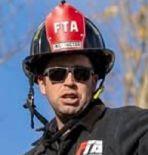
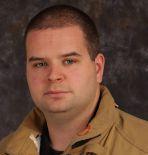
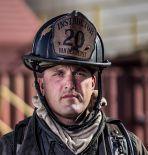
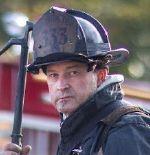
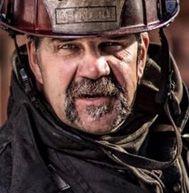
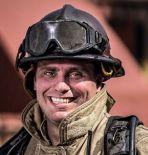
• Keynote Address – Changing Culture through Training (by Brian Zaitz)
• Creating an Aggressive Company Culture (by Brian Zaitz)
• Buildings on Fire; Taking it to the Streets Reading Buildings
– Wolfville 2025 (by Christopher Naum)
• The Definition of Progress: How Modern Should We Be (by Chris MacKenzie)
• 7 Cardinal Sins of a Rural Volunteer Fire Department (by Dave Bain)
• Fire Department Culture: Evolution and Transformation(by Rob Merchant)
• Developing Resilience in Leadership (by Wayne Jasper)
• Hazmat First Due (by Greg Lerue)
• Electric Vehicle Fires (by Jason Defosse)
• Tactics for Today’s Fire Service – (by Brian Zaitz)
• Operational Leadership; From the Station to the Streets (by Christopher Naum)
• “The First Year of Becoming a Chief” A Lesson learned of being a New Chief and the challenges with it (by Dave Bain)
• Traumatic Incident Response Tracking (by Wayne Jasper)
• Preparing for Battle (by Blake Price)
• Residential Search: Strategies and Tactics (by Brandon Luke)
• Engine Company Operations: Creating a Culture of Extinguishment (by Chris Colford)
• Short Staffed Rural Company (by Andrew Wainwright)
• Electric and Hybrid Vehicle Response (by Jason Defosse)
• Roundtable discussion Fast Attack (by Mark van der Feyst, Michael Langford, Matt Wehrle, Matthew Baca)
CONFERENCE SCHEDULE sessions,
workshops, instructions, and more
Friday, June 6th
16:00 - 21:00 Registration
16:00 - 21:00 Exhibit’s Open - Registration and Exhibits will be in the Beveridge Arts Center (BAC) 2nd Floor
Saturday, June 7th
6:30 – 7:30 Breakfast (Wheelock Dining Hall)
8:00 – 8:30 Opening Ceremonies (Festival Arts Theatre)
8:30 – 9:30 Keynote (Festival Arts Theatre)
9:00 – 15:00 Exhibits Open (Beveridge Arts Center (BAC) 2nd Floor)
9:30 – 10:30 Coffee Break in Exhibit Area (Beveridge Arts Center (BAC) 2nd Floor)
10:00 - 13:00 Registration Open (Beveridge Arts Center (BAC) Room 235)
10:30 – 12:00 Prerequisite Class for Tactical Firefighter HOT Session
12:00 – 13:00 Lunch (Wheelock Dining Hall)
13:00 – 14:30 Classes
14:30 – 15:00 Coffee Break in Exhibit Area (Beveridge Arts Center (BAC) 2nd Floor)
15:00 – 16:30 Classes
17:00 – 18:30 Dinner (Wheelock Dining Hall)
19:00 – Midnight Social Night at the AXE: Entertainment with the Sundries
Sunday June 8th
6:30 – 7:30 Breakfast (Wheelock Dining Hall)
7:30 – 13:00 Exhibits Open (Beveridge Arts Center (BAC) 2nd Floor)
8:00 – 9:30 Classes
9:30 – 10:00 Coffee Break in Exhibit Area (Beveridge Arts Center (BAC) 2nd Floor)
10:00 – 11:30 Classes
11:30 – 13:00 Lunch (Wheelock Dining Hall)
13:00 – 14:30 Classes
Hands-On Training (HOT) Sessions at a Glance
The Tactical Firefighter
Saturday morning 1030 am to 12 pm: In-class theory session
Saturday afternoon 1300 to 1630 hrs (Counts as two Classes in your selections)
Sunday morning 0800 – 1130 hrs (Counts as two Classes in your selections)
Down & Dirty Rapid Intervention Operations
Saturday afternoon 1300 to 1630 hrs (Counts as two Classes in your selections)
Sunday morning 0800 – 1130 hrs (Counts as two Classes in your selections)
Wildland Fire Suppression
Saturday afternoon 1300 to 1630 hrs (Counts as two Classes in your selections)
Sunday morning 0800 – 1130 hrs (Counts as two Classes in your selections)
EDUCATIONAL CLASSES AT A GLANCE
Saturday Keynote
Changing Culture through Training
Saturday afternoon Classes (90 minutes)
Creating an Aggressive Company Culture
Buildings on Fire; Taking it to the Streets Reading Buildings – Wolfville 2025
The Definition of Progress: How Modern Should We Be
7 cardinal sins of a rural Volunteer fire department
Fire Department Culture: Evolution and Transformation
Developing Resilience in Leadership
Hazmat First Due Electric Vehicle Fires
Sunday Morning Classes (90 minutes)
Tactics for Today’s Fire Service
“The First Year of Becoming a Chief” A Lesson learned of being a New Chief and the challenges with it
Operational Leadership; From the Station to the Streets
Traumatic Incident Response Tracking
Preparing for Battle
Residential Search: Strategies and Tactics
Engine Company Operations: Creating a Culture of Extinguishment
Short Staffed Rural Company
Sunday Afternoon Classes (90 minutes)
Roundtable discussion Fast Attack
Electric and Hybrid Vehicle Response
CAMPUS MAP
CAMPUS MAP
Wolfville,
Phone: (902) 585-2201 Safety
(902) 585-1103
HANDS-ON SESSIONS bringing people and experience together
THE TACTICAL FIREFIGHTER
By Mark van der Feyst
Saturday 13:00 – 16:30 and Sunday 8:00 – 11:30
Summary: Every fire department in this country deals with the issue of manpower limitations on the fire ground. More hands are always needed when first arriving on scene to a structure fire – sadly, the number of working hands available on arrival are limited and the functions or tasks that are required to be done are not always able to be completed. Every firefighter needs to be a Tactical Firefighter so that they can perform effectively and efficiently on the fire ground so that the fireground priorities of life safety, incident stabilization and property conservation can be accomplished with limited numbers of working hands.
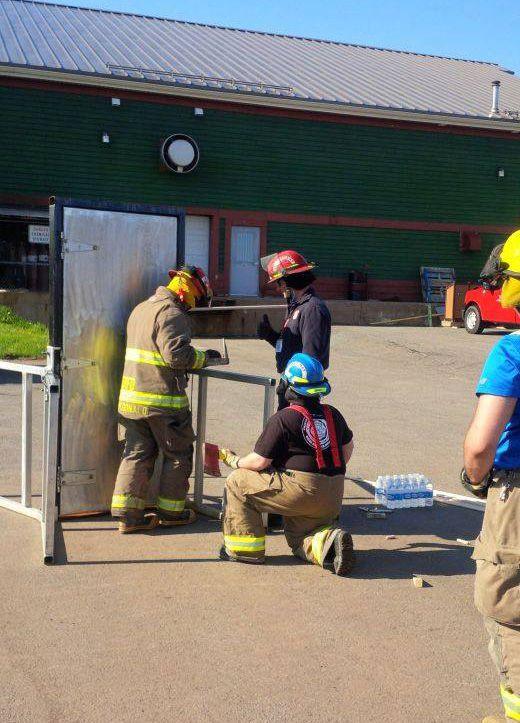
This class will explore three different key areas that each firefighter needs to be proficient at so that upon arrival at a structure fire, they can tactically be effective and efficient. Each student will rotate through three skill stations:
1. Tactical Search (TIC’s provided/sponsored by Bullard)
a. TIC assisted search
b. Where to begin the search based upon fire conditions and time of day
c. 2-person tactical search
2. Tactical Hose (Elkhart will provide the nozzles)
a. Advancing the hose from truck to door
b. Tactical search off the handline
3. Tactical Rescue
a. Vent, Enter, Search
b. Tactical drags/rescue (Full PPE is required, including SCBA)
DOWN AND DIRTY RAPID INTERVENTION OPERATIONS
By Chris Boulay
Saturday 13:00 – 16:30 and Sunday 8:00 – 11:30
Summary: This course will review the realities of Rapid Intervention Team Operations and cover why every Firefighter be trained in RIT Skills. This course will give the students real world skills in the following areas of RIT Operations:
• Searching for a Down Firefighter
• Packaging a Down Firefighter
• Drags and Carries
• Moving Up/Down Stairs
• Falling Through a Hole in The Floor
• Removing a Down Firefighter from a Below, On and Above Grade Window
• Down Firefighter CPR
• Many of these skills and drills have come from Firefighter Line of Duty Deaths Incidents.
• These LODD events will be reviewed and discussed with the students during the course.
• Students will require Bunker Gear, SCBA and a Spare Cylinder.
WILDLAND FIRE SUPPRESSION
By Kara McCurdy
Saturday 13:00 – 16:30 and Sunday 8:00 – 11:30
This hot session will get you your certificate in emergency firefighter wildland fire suppression (EFF or the Basic Wildland Fire Course) (recognized by DNRR), you will be asked to do pre-work of virtual online training prior to attending the hot session.
This course will give you the NS Provincial Requirements to fight wildland fires, but also aligns with S100 National Standards.
HOT SESSIONS SKILLS
• Initial Scene Size-up
• Pump operations, related equipment and maintenance/ troubleshooting
• Advancing forestry lines on a direct wildfire attack
• Hose Placement, methods based on firefighter availability
• Parallel and 90-degree nozzle methods/nozzle types
• Quick Patching a hole, Adding adapters/strangling
• Mop up -Water Thieves
• Structure Protection – Sprinklers Introduction
• PPE Must Haves – Day Packs etc.
VIRTUAL COMPONENT (3-3.5) – LINK TO BE SENT 1 MONTH PRIOR TO FDIC
• Basic Wildfire Behavior
• Wildfire Safety
• Helicopter Safety
• Initial Wildfire Assessment and Size up
• Fireline Equipment Maintenance
• Suppression Methods
• Mental Health and Wildfires
PPE REQUIREMENTS: STATION COVERALLS OR TWOPIECE (NOMEX OF NFPA 1179 STANDARD FIRE RESISTIVE)
• CSA Approved Work boots, 8” Ankle or equivalent rubber boot (Dunlops)
• Hardhat with Earmuffs or Ear plugs, Safety Glasses
• Leather or work gloves
SATURDAY CLASSES bringing people and experience together
CHANGING CULTURE THROUGH TRAINING
Keynote Address by Brian Zaitz
Saturday 8:30 - 9:30
It is often said that those that feel challenged are more engaged and driven for their job, no truer words exist for the fire service. If we want our members to be motivated, focused and driven to succeed we must challenge them through training. As leaders we must make training a priority, putting in the time and effort to make it count and hold our members accountable to train and drill to performance standards not just completion. Challenging, realistic training creates value added and value felt opportunity for our members leading to improved morale and engagement which leads to a strong culture. Training is the key to success for the fire service.
THE TACTICAL FIREFIGHTER HANDS-ON THEORY CLASS
By Mark van der Feyst
Saturday 10:30 – 12:00
This will allow us to alleviate the need to go over theory at the HOT sessions increasing the hands-on time for Saturday & Sunday.
Both Saturday and Sunday groups would have to attend this class to attend the HOT sessions – each person will receive a stamp on the hand or a sticker or wristband at the end of the class to gain admittance for the HOT classes.
CREATING AN AGGRESSIVE COMPANY CULTURE
by Brian Zaitz
Saturday 13:00 – 14:30 and 15:00 – 16:30
How is your station culture? Do your members enjoy coming to work? An Aggressive culture is achievable by every fire company in existence and it is not about how many fires or rescues you make; it is all about mindset and mentality. Aggressive companies are able to mitigate scenes through synergy of the company and all members firing on all cylinders every time. During this course, students will learn how to improve their one-on-one leadership skills to improve their company and how communications are key to being aggressive both in the station and the fire ground. We will examine training and how training and drilling is required daily to become and stay aggressive both in actions and mindset. Students will examine value and being valued improve the company and leads to an aggressive station culture.
BUILDINGS ON FIRE; TAKING IT TO THE STREETS READING BUILDINGS – WOLFVILLE
by Christopher Naum
Saturday 13:00 – 16:30
Back again for 2025; Presenting the signature Reading the Buildings program taking the classroom to the streets with insights on building construction for today’s fire service, the primary objective of this program is to increase awareness and understandings and promote new skill sets in the fundamentals of building sizeup and assessment, construction, architecture and engineering and that directly impact firefighting and command operations at structure fires. A discussion of emerging trends in Building Construction Systems, incorporating the Building FACTS model for First-Arriving; Construction, Tactics and Safety with street insights on Occupancy Risks, Collapse & Compromise Characteristics, Methods & Materials, Design, fire protection and Fire Dynamics will be presented in this dynamic street level program. This unique program will consist of a walking tour on select Streets along Main Street in Wolfville, Reading Buildings and Developing Size-up skills looking at a variety of building types, occupancies & risks and vintage and era of structures, discussing operations, risks and building hazards with curb side conversation. This program is open to all ranks and experience levels and was first offered in 2024 with high-regard and enthusiasm.
THE DEFINITION OF PROGRESS: HOW MODERN SHOULD WE BE?
by Chris MacKenzie
Saturday 13:00 – 14:30 and 15:00 – 16:30
In 2024, FDIC Atlantic hosted a class called “Dangerous Truths and Half Truths – Changing with the Modern Fire Service.” The class, created by Chris MacKenzie, touched on values in the fire service we’ve been conditioned to accept despite some being rooted in nothing but ego. The Definition of Progress explores how values in the fire service have changed over the last 20 years. What core values existed that caused the formation of our fire departments, and did we lose touch with some of those values over the last two decades? Are we moving in the right direction, the wrong direction, or somewhere in between? Are we leaving behind a fire service we can be proud of or are we setting future generations of firefighters up for failure? Come join Chris in drinking too much coffee while we continue to change with the modern fire service.
SATURDAY CLASSES bringing people and experience together
FIRE DEPARTMENT CULTURE: EVOLUTION AND TRANSFORMATION
by Rob Merchant
Saturday 13:00 – 14:30 and 15:00 – 16:30
This course provides information to all levels of firefighters
“Fire Department Culture: Evolution and Transformation,” a dynamic course designed to explore the shifting landscape of fire department culture from its inception to the present day. This course aims to provide students with a deeper understanding of how traditional values and practices have evolved in response to societal, technological, and organizational changes.
In the early days of firefighting, the culture was built around a strong sense of camaraderie, heroism, and community service. Firefighters were often seen as local heroes, and the job was passed down through generations, fostering a tight-knit, family-like atmosphere. The early fire departments relied heavily on tradition, oral history, and a rugged, hands-on approach to tackling blazes and saving lives.
Today, fire department culture has undergone significant transformation. Modern fire departments emphasize professional training, advanced technology, and a commitment to diversity and inclusivity. The focus has expanded beyond firefighting to include emergency medical services, disaster response, and community outreach. Mental health awareness, work-life balance, and continuous professional development are now integral parts of the fire service culture.
Students will explore the dynamic interplay between tradition and innovation, gaining insights into how fire departments have adapted to meet the challenges of a changing world. Join us in uncovering the fascinating journey of fire department culture and its ongoing evolution.
DEVELOPING RESILIENCE THROUGH LEADERSHIP
by Wayne Jasper
Saturday 13:00 – 14:30 and 15:00 – 16:30
TARGET AUDIENCE: ALL LEVELS OF THE FIRE SERVICE
Synopsis: Generally speaking, developing resilience has been thought of as a personal thing but what if we can use our leadership skills to encourage resilient growth in those around us? We all know that leadership doesn’t just come from the top but also comes from the floor and thus the reason this topic is open to all levels of the fire service.
“Developing Resilience” has become one of the key phrases of the day and the more we learn about it, the more we can encourage others to grow from it. I will discuss what has brought it to this point and why it has become so important in developing
strength personally but also for a department as a whole. I will discuss some of the main facets of resilience and how we can use our leadership skills to apply them in our training activities. By instilling a culture of leadership from all levels, this in turn can encourage resilient growth in all aspects of what we do as Firefighters and Emergency Responders.
HAZMAT FIRST DUE
by Greg Lerue
Saturday 13:00 – 14:30 and 15:00 – 16:30
Hazmat can be a scary term in the fire service. It usually means that it’s going to be a long-drawn-out event waiting for a hazmat crews to come deal with the situation. But does it have to be? Are there decisions that we can make early in the incident to improve the outcome and maintain our safety?
This session will give you tips on how to setup the call for success. We will talk about how to use your 4-gas meter to your advantage on hazmat calls and structure fires. I’ll give an update on lithium-ion batteries and the trends we are seeing. There will be discussion around new treads in the hazmat world and how they will affect your response as a first due company and make you job a little bit safer.
THE 7 CARDINAL SINS OF A VOLUNTEER FIRE DEPARTMENT
by Dave Bain
Saturday 13:00 – 14:30 and 15:00 – 16:30
The rural, volunteer-based fire department has unique challenges not seen by municipal fire departments. Long response distances, staffing shortages (especially during daytime business hours), training challenges, and water supply issues are just some of the real barriers that rural, volunteer-based departments face. According to the 2022 Great Canadian Fire Consensus, 71% of Canadian Firefighters are volunteer. This session will focus on 7 “sins” that rural volunteer departments that can significantly affect safety and operations.
ELECTRIC VEHICLE FIRES
by Jason Defosse
Saturday 13:00 – 14:30 and 15:00 – 16:30
Electric Vehicle (EV) Fires primarily focuses on understanding the unique challenges posed by lithium-ion battery fires, what has been learned from these fires, and common misconceptions and risks, and training first responders on appropriate fire suppression techniques to effectively handle EV incidents.
SUNDAY MORNING CLASSES bringing people and experience together
TACTICS FOR TODAY’S FIRE SERVICE
by Brian Zaitz
Sunday 8:00 – 9:30 and 10:00 – 11:30
It is no secret today’s fire ground has changed, that said have we evaluated our tactics and implemented the necessary changes to continue to be effective? This course quickly reviews the modern fire ground and looks at the tactics needed to continue to be aggressive. During the course we will look at the common fires in structures and what are proven tactics and what new processes can be applied. We will also look at immerging hazards and what we have to be aware of to keep our personnel safe. In the end students will leave with a better applicable knowledge to improve their next fire ground.
OPERATIONAL LEADERSHIP: FROM THE STATION TO THE STREETS
by Christopher Naum
Sunday 8:00 – 9:30 and 10:00 – 11:30
Operational Leadership starts at the station and transitions to the streets and incident scene requiring new skill sets, awareness, insights and operational adaptiveness. Leadership and Operations are integral and are fundamental to all facets; on and off the fireground. This high focused and high impact program will assimilate three key functional areas that affect today’s emerging and practicing company and command officers and firefighter in the areas of Station Leadership, Training and Preparedness and Operational Leadership on today’s evolving fireground. This program is open to all ranks and positions for a new perspective, a renewed focus on operational excellence, fire ground cohesiveness, disciple and rigor.
THE FIRST YEAR
OF BECOMING A CHIEF” A LESSON LEARNED OF BEING A NEW CHIEF AND THE CHALLENGES WITH IT
by Dave Bain
Sunday 8:00 – 9:30 and 10:00 – 11:30
This session will look at the journey of a new Fire Chief in the role for a year. This session will look at the lessons learned in the first year of being a new Fire Chief.
Politics above and below you, not enough money to go around, Tough conversations, and everything that goes along with wearing the 5 bars. This session will review the experience of being a new regional, rural county fire chief that supervises 4 fire chiefs in 4 different towns with 4 different identities and histories. How the “new guy” ride gets no easy days.
Dave Bain, Lacombe County Fire Chief in Alberta, will discuss lessons learned, mistakes he made and advice he would give to a new chief with no experience when they become the one at the top of the org chart.
THE DEFINITION OF PROGRESS: HOW MODERN SHOULD WE BE?
by Chris MacKenzie
Sunday 8:00 – 9:30 and 10:00 – 11:30
In 2024, FDIC Atlantic hosted a class called “Dangerous Truths and Half Truths – Changing with the Modern Fire Service.” The class, created by Chris MacKenzie, touched on values in the fire service we’ve been conditioned to accept despite some being rooted in nothing but ego. The Definition of Progress explores how values in the fire service have changed over the last 20 years. What core values existed that caused the formation of our fire departments, and did we lose touch with some of those values over the last two decades? Are we moving in the right direction, the wrong direction, or somewhere in between? Are we leaving behind a fire service we can be proud of or are we setting future generations of firefighters up for failure? Come join Chris in drinking too much coffee while we continue to change with the modern fire service.
TRAUMATIC INCIDENT RESPONSE TRACKING by Wayne Jasper
Sunday 8:00 – 9:30 and 10:00 – 11:30
TARGET AUDIENCE: ALL LEVELS OF THE FIRE SERVICE
This presentation delves into the reasoning behind treating traumatic exposure the same way we treat any other hazardous exposure during not only an emergency response but during training and day to day activities. I will discuss whose responsibility it is to determine if a response has been traumatic in nature. I will go over why this is not a cut and dry determination and possible scenarios where one individual may find a call traumatic where others do not.
I will discuss various reasons for keeping an accurate record of the call and will cover several methods of implementing this within your department to maintain the same level of confidentiality as with any other hazardous exposures one might be subject to.
Generic examples of a form-based reporting system will be provided along with the reasoning behind the simple checklist questions within the forms. The generic nature of these forms will allow each department to customize them to their specific needs whether it be including additional information pertaining
Continued on next page
SUNDAY MORNING CLASSES bringing people and experience together
Continued from previous page
to your specific departments or areas or adding any addition questions deemed appropriate.
Traumatic Incident Response Tracking has evolved over the years to better meet the needs of different departments and their members and continues to evolve as we come to understand the impact traumatic incidents may have on our responders.
Following the presentation, I will open discussion on the topic up to the floor as time permits.
PREPARING FOR BATTLE
by Blake Price
Sunday 8:00 – 9:30 and 10:00 – 11:30
Through this class, we will discuss various ways firefighters and officers at all levels can establish a healthy and aggressive fire service culture within their departments. We will explore how senior firefighters can step up to the plate, how departments can overcome the temptation to use excuses to avoid implementing necessary changes, and examine current trends and equipment advancements in the fire service. Additionally, mentorship and the skill of transferring knowledge to new and fellow firefighters will be covered. Firefighters leaving this class will have their enthusiasm renewed and be ready to put in the work.
Often, significant changes occur only after critical incidents. This class aims to shift that culture beforehand, ensuring that firefighters and officers are better prepared for high-stress, potentially once-in-a-lifetime responses.
RESIDENTIAL SEARCH STRATEGIES AND TACTICS
by Brandon Luke
Sunday 8:00 – 9:30 and 10:00 – 11:30
Prioritizing the primary search in a timely manner, and understand the most effective strategies and tactics to employ in various situations
Developing predetermined plans through situational awareness and sizing up to search the fire building, as well as how the layout will affect us and the occupants
Understanding the numbers recorded in searches, and how they affect us and the citizens we serve
Discussion of various search tactics from targeted searches to traditional searches of the interior. Including how to determine what’s best for the situation at hand
Creating a more aggressive mindset for the search firefighters and command staff to have a safer, more effective fire ground
established through procedures, policies, training, and awareness
The primary purpose of the Fire Department is to save lives. Through the introduction of endless service requirements over the years, many search and rescue techniques have been set aside and considered something we all know how to do. This program is designed to reinvigorate firefighters and officers, to get more invested in our primary purpose. During the class we will discuss the issues we face as a service, we will look at what other departments have done to overcome those struggles, and hopefully all walk away with a new outlook on what a primary search is and how we will conduct our next one. The class will discuss various strategies and tactics that have historically been developed and successful, and how our 1001 search class set us up for failure. The aim is to give everyone as much relevant information as possible, so you can go home loaded with information to help create a more effective fire service in your community.
ENGINE COMPANY OPERATIONS: CREATING A CULTURE OF EXTINGUISHMENT
by Chris Colford
Sunday 8:00 – 9:30 and 10:00 – 11:30
• Establishing a culture of aggressive engine company operations: Show how that by implementing little changes to our training and station culture we can pay dividends on the fire ground. Encouraging members to take ownership of their training and equipment can make implementing change easier.
• Apparatus specifications- Show how by making small changes to our current apparatus we can make massive improvements to our abilities on the fire ground. Discuss things that can be put into a new truck spec that will make putting lines into operation easier and more efficient. Show the importance of making your engines more user friendly.
• Nozzles and hose packages- We will go into detail about the importance of having an adequate attack package; how using different hose loads and nozzle options can make or break fire ground operations. Talk about the dangers of not having consistent water flows.
• Training for the real world-Having realistic training is the one of the most important steps in building a successful engine company. Discuss how implementing simple changes to the way we train as firefighters will make them not only more effective but safer.
• Engine company tactics-Discuss how tactics can make or
MORNING CLASSES
bringing
SUNDAY AFTERNOON CLASSES bringing people and experience together
ELECTRIC & HYBRID VEHICLE RESPONSE
by Jason Defosse
Sunday 13:00 – 14:30
Through this class, we will discuss various ways firefighters and officers at all levels can establish a healthy and aggressive fire service culture within their departments. We will explore how senior firefighters can step up to the plate, how departments can overcome the temptation to use excuses to avoid implementing necessary changes, and examine current trends and equipment advancements in the fire service. Additionally, mentorship and the skill of transferring knowledge to new and fellow firefighters will be covered. Firefighters leaving this class will have their enthusiasm renewed and be ready to put in the work.
Often, significant changes occur only after critical incidents. This class aims to shift that culture beforehand, ensuring that firefighters and officers are better prepared for high-stress, potentially once-in-a-lifetime responses.
ROUNDTABLE FAST ATTACK – TRAINING TODAY’S FIRE SERVICE
by Mark van der Feyst, Michael Langford, Matt Wehrle, Matthew Baca
Sunday 13:00 – 14:30
Training today’s fire service in 2025 has changed from training the fire service 10, 15 and 20 years ago. There has been an increase in legislative requirements, technology, learning objectives, along with generational differences.
This session will be an interactive discussion with a panel of four individuals from the fire service. With their varying backgrounds, years of service and experience, they will bring different perspectives, insights, and items to consider for solutions for issues that may be present in your fire department with respect to training today’s fire service.
The panel will answer five questions that will be the common questions asked or faced by many fire departments across the country as it relates to training and the issues associated with it. Each question will be timed for a 10-minute maximum response by the panel members with a chance for follow up questions from the attendees.
From the common questions or issues discussed, the attendee will be able to gather helpful information, tips, insights, different perspectives and hopefully a sense of empowerment to deal with training today’s fire service.
INSTRUCTOR BIOS bringing people and experience together
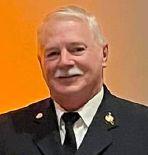
BRIAN ZAITZ is a 25 year student of the fire service, currently serving as the Assistant Chief of Operations and Training for the City of Kirkwood Fire Department. Brian is an active fire service instructor, currently serving as the President for the International Society of Fire Service Instructors as well as President of the St. Louis County Training Officer’s Association, he is a current governor-appointed member of the Missouri Fire Service Training and Education Commission. Brian is a credentialed Chief Training Officer and Chief Fire Officer through the Center for Public Safety Excellence. He holds several degrees including a Masters of Science in Human Resource Development and is a graduate of the National Fire Academy’s Executive Fire Officer Program. Brian has authored several articles on fire officer leadership, basic training and fire ground tactics and has instructed at numerous conferences and seminars to include the Fire Department Instructors Conference, the ISFSI Fall Instructors Conference, the Les Lukert Conference, Missouri Winter Fire School, the Metro Atlanta Firefighters Conference.
CHIEF CHRISTOPHER J. NAUM,
SFPE A 50-year fire service verteran and a highly regarded national and international lecturer, author, lecturer and fire officer, a distinguished authority on building construction sciences affecting fireground operations, command and tactics, he has traveled extensively throughout the USA and globally delivering training programs on building construction & arcitechture sciences and firefighting, fireground leadership, command management and operational safety for over thirty-eight years. He is a sought-after national keynote speaker, instructor and presenter and has served as an FDIC General Session Keynote and National Fire Academy Adjunct Instructor.
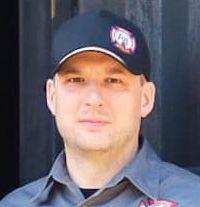
CHRIS MACKENZIE joined the fire service in 2002 as a third-generation member of his hometown fire department. Over the past 23 years, Chris has moved through the ranks, across the country and back and settled into a routine teaching the next generation of firefighters. As a fire service educator since 2013, Chris has instructed thousands of students from the career, volunteer, marine and industrial fire services with some of them serving all over the world. Currently serving as a Deputy Chief in Greenwich Fire Department, Veteran in Port Williams Fire
Department and as a Senior Instructor at the Nova Scotia Firefighters School, Chris’s primary focus is leaving his fire service in good hands when he helps pass the torch to the next generation of officers and instructors. With his signature style of moving around the room and sitting amongst the students while teaching, classes with Chris always feel less like a lecture and more like sitting around a kitchen table or the bumper of a rig. With his favourite saying being “you learn more from a discussion than you do from being talked at.” A five-time FDIC Atlantic Instructor, Chris is happy to return for 2025.
DAVE BAIN has over 30 years of Emergency Services experience, and currently is the Regional Fire Chief/ Manager of Fire and Emergency Services for Lacombe County in Alberta. Dave worked previously for 19.5 years for the City of Red Deer Emergency Services, where he served as the Chief Training Officer. Dave has an extensive training and education background having served as Training Officer the City of Airdrie Emergency Services 2001-2004, before joining City of Red Deer. Dave teaches a wide variety of topics of including EMS, Firefighter training, Officer and Incident Command Training, Hazardous Materials Technician, Technical Rescue, Fire Behaviour and Urban Search and Rescue. Dave is very involved in teaching ICS at all levels in Alberta.
Dave also has a BA in Adult Education and is also a member of Canada Task Force 2 Urban Search and Rescue team and Alberta’s Disaster Response Team, where Dave is a command team member and Incident Management Team Member where he has deployed to numerous large-scale events in Alberta and the Yukon.
ROB MERCHANT is a seasoned emergency services professional with over 30 years of experience in public and private safety sectors. Currently serving as the Deputy Fire Chief for the City of Leduc, Alberta, he oversees Fire Prevention, Logistics, EMS Education, Community Education, Facilities, and Fleet Services. Rob has held various leadership roles, including Senior Manager of Quality and Patient Safety at Associated Ambulance and Platoon Chief at Parkland County Fire Services. His career highlights include developing key performance indicators, managing large teams, and implementing strategic plans to enhance safety and efficiency.
Rob’s expertise extends to fire administration, public rela -
INSTRUCTOR BIOS bringing people and experience together
tions, budget management, fire suppression, investigation, and prevention. He has also contributed significantly to training programs and policy development, ensuring continuous improvement in fire/rescue operations and emergency medical services. His educational background includes a Fire Service Leadership Program from Dalhousie University and an Advanced Care Paramedic Program from the Advanced Life Support Institute.
Throughout his career, Rob has demonstrated strong leadership and analytical skills, effectively interfacing with various stakeholders, including municipal leaders, community members, and emergency services personnel. His commitment to safety and excellence has made him a respected figure in the emergency services field.
KARA MCCURDY has been a structural and wildland firefighter for over 30 years. She started her career as a wildland firefighter soon after taking her Forest Technologist diploma from Sir Sanford Fleming College in Ontario, becoming a forest technician, then Wildfire Prevention Officer for the Province of Nova Scotia. Her career has taken her nationally to assist other provinces in wildfire efforts and to the northeast USA in roles such as Wildfire Investigation, Prevention Education Team Leader, Wildfire Investigator, Fire Behavior Analyst and Public Information Officer. As of April 2024, she re-directed her career into a position created after the wildfires of 2023 as Wildfire Mitigation Program Manager for Halifax Regional Fire and Emergency where she is developing and improving the wildfire program. The program has been focusing on developing a strategy outlining action items identified in the Post incident Analyst of the 2023 wildfires and enhancing the seven FireSmart Disciplines municipality wise
RETIRED DEPUTY FIRE CHIEF
WAYNE JASPER is currently in his 40th year in the Fire Service in Canada. DC Jasper retired after 30 years as a career firefighter (civilian) with CFB Esquimalt Fire Rescue in Victoria, BC and moved to the Okanagan where he was recruited to the Anarchist Mountain Fire Department in Osoyoos, BC. DC Jasper initially assumed the role at AMFD as a Captain and Training Officer then quickly promoted to Assistant Chief and then on to Deputy Chief all the while maintaining his role as Training Officer. DC Jasper recently stepped down as Deputy Chief and Training Officer but remains an active Officer on the department assisting with all aspects of the job.
During his almost 40 years in the Fire Service, DC Jasper has been involved in many roles ranging from Department Muscular Dystrophy Chair to LODD Committee Chair with the Canadian Fallen Firefighters Foundation to Engine Boss on Wildland Fire Deployments throughout BC.
DC Jasper became interested in the importance of mental well being management within the fire service more than a decade ago when its importance was being shown more recognition. During the past decade DC Jasper, authored articles on the topic and been a keynote speaker at Fire Conferences from the Yukon to Prince Edward Island covering various aspects of mental well being ranging from awareness, creating dialog, tracking traumatic calls, and building resilience.
CHRIS BOULAY is a Lieutenant with the Moncton Fire Department assigned to Truck 4. He is a second generation firefighter with over 27 years experience. He began his career as a volunteer firefighter in June of 1997 in his hometown of Donnelly Alberta. He then took a full-time position with the Yellowknife Fire Division in April of 2004, where he served until being hired by the Moncton Fire Department in September 2008. Chris has been an instructor for over 18 years and is currently an Instructor for the NBCC Fire Service Program and a Hands-On-Training Instructor for the Southeastern Firefighers Association. He is also a co-owner and lead instructor for Advanced Rescue Training.
BLAKE PRICE is a husband, father of two, and a passionate fire instructor serving as the training manager at Fire Training Associates. With a strong passion for offensive firefighting, Blake began his fire service journey in 2009 with the Hoyt Fire Department, a department founded by his grandfather Gerald. He later became a volunteer firefighter and acting lieutenant with the Oromocto Fire Department. Before getting hired with the City of Moncton Fire Department in June 2014. Blake is currently is assigned to Truck 4 as a firefighter.
INSTRUCTOR BIOS bringing people and experience together
BRANDON LUKE began his service in 2009 as a 4th generation firefighter with the Hoyt Fire Department. During his time he was promoted to Captain and presently serves his home community in that role. In 2013, he was hired as a crash rescue firefighter at Fredericton International and served in this capacity until being appointed in 2018 by the City of Saint John to join the ranks of one of the oldest fire departments in the nation, where he continues to proudly serve the citizens. Coming from a long line of fire service instructors, Brandon began instructing firefighters himself with Fire Training Associates in 2013, and has continued to learn and develop training ever since.
CHRIS COLFORD has been a dedicated member of the fire service since 2010, beginning his career as a volunteer with the Oromocto Fire Department. During his time there, he served as an acting officer and was an active member of the training committee. In June 2014, Chris joined the Moncton Fire Department, where he has since served in multiple roles including spending two years as a training officer in the department’s Training Division. Recently Chris has returned to operations and is serving as a firefighter on Truck 4 in Moncton. In addition to his role with Moncton Fire, Chris has been a fire service instructor for over 12 years, working with Fire Training Associates as well as the NBCC Fire Service Program. Chris is passionate about developing future generations of firefighters and sharing his knowledge to improve safety and effectiveness within the industry.
ANDREW WAINWRIGHT is a third-generation firefighter currently serving with the City of Moncton Fire Department in New Brunswick, where he is assigned to Rescue Company 4.
Andrew began his firefighting journey at the age of 16 as a volunteer in the Village of Chipman, where he currently holds the rank of Captain. He also serves as a firefighter in the neighboring Local Service District of Cumberland Bay.
With over seven years of experience as an instructor for Fire Training Associates, Andrew has had the privilege of training numerous firefighters across the Maritimes and Canada. Currently a lead instructor with Fire Training Associates,
Andrew is passionate about equipping firefighters with the knowledge and skills they need to succeed in today’s challenging fire service environment.
GREG LERUE has over 22 years of experience in the fire service industry. He has been fortunate to be a Firefighter with Halifax Regional Fire for 20 of those years. In 2008 he took his first hazardous materials technician course and has been a dedicated member of their hazmat team since. Driven by his avid interest in the Hazmat sector, Greg has taken on many roles including Meter Technician, repairing and calibrating meters, as well as being a part of the Hazmat committee in which he led the process for selecting the chemical protective clothing their team would wear during hazmat incidents. He now serves as the Hazmat lead for the Hazardous Materials Program where he is responsible for maintaining equipment and researching new training opportunities.
Greg’s enthusiasm has been fortified by consistently educating himself through many courses. He has taken the Intermediate and Advanced CBRNE courses to be able to handle terrorist threats. He is also a Level 1 Instructor. To stay current with changes in the Hazmat industry, he listens to podcasts and attends conferences. This allows him to develop and implement new training drills to keep hazmat interesting for crews.
MARK VAN DER FEYST began his career in the fire service back in 1998 with the Cranberry Township Volunteer Fire Company in Pennsylvania where he served as a Firefighter and Training Officer. From there he joined the Mississauga Fire & Emergency Services, Canada where he served as a firefighter and shift instructor before transferring to the City of Woodstock Fire Department where has served as their Training Officer and as a firefighter until 2020. Currently, he is a part time FF/EMT for the Fort Gratiot Fire Department in Michigan, and a Career Battalion Chief for the Six Nations Fire & Emergency Services.
Mark graduated from Seneca College of Applied and Technologies as a Fire Protection Engineering Technologist, the Justice Institute of British Columbia with a Bachelor of Fire and Life Safety Studies and completed his Master of Science in Safety, Security & Emergency Management through Eastern Kentucky University in March 2015.
INSTRUCTOR BIOS bringing people and experience together
Mark writes twice monthly for Fire Engineering and is the lead Author of Fire Engineering’s Residential Fire Rescue and The Tactical Firefighter book, along with two DVDs from Fire Engineering called The First Five Minutes and The 21st Century Firefighter.
Mark is an international instructor teaching in Canada, the United States, India, and Africa. He instructs at FDIC in Indianapolis, as well as many other regional conferences in both the USA and Canada.
Mark is the President of Firestar Services Inc. which specializes in providing training and infrastructure support for the fire & emergency services in Canada and other parts of the world and employs about 30 instructors.
He is a founding member of the Hogtown FOOLS in Toronto, Canada.
MATT WEHRLE is an International speaker, having been invited to speak at some of the largest fire conferences in the world. He is a member of the Hogtown FOOLS based out of Toronto Ontario Canada and has been an Instructor with a private fire training company for over 17 years.
Matt has over 24 years of service, and is a career firefighter with the Town of Oakville Ontario (Canada) Fire Department, where he spent 3 ½ years as a Training Officer before transferring to suppression on an Engine Company. He has experience as a volunteer Firefighter and Chief Officer, and was also a contracted civilian Fire Instructor with the Canadian Department of National Defence at CFB Borden.
Matt is the co-author of one book (The Tactical Firefighter) and two DVDs (The First Five Minutes, and The 21st Century Firefighter), all published by Fire Engineering.
Matt’s passion and dedication to making firefighters better, safer and more effective has led him to teach hands-on classes and lecture workshops across Canada and the United States at conferences such as FDIC International, Firehouse Expo and Firehouse World, Canadian Highrise Conference, FDIC Atlantic and HROC.
This will be Matt’s seventh year proudly teaching at FDIC Altantic.
34 years of experience and learning.
MIKE LANGFORD enjoys instructing and honing the “Craft of Firefighting”. Mike has immersed himself in the study of fire behavior and all forms of technical rescue. Mike brings many years of experience from his time on some of the country’s busiest apparatus and currently is the Captain of Squad 232, a heavy rescue covering Toronto’s east end.
He is the president and founder of Hogtown F.O.O.L.S.
His work with Firestar Services as an Instructor has enabled him to continue to evolve and become a better firefighter.
Mike is the technical rescue consultant with Firestar Services.
His “passion” for the job has been noted many times in his personal file.
MATT BACA is an Acting Captain & Technical Rescue Team member for the City of Oshawa for the past 16 years. Matt joined Firestar Training Services in 2016. For past 10 years has also been a specialist in structural firefighting gear, uniforms and coveralls. You will also find Matt competing in the Firefit & Firefighter Combat Challenge for last 12 seasons.
JASON DEFOSSE started his Firefighting career in 1995 and is a proud member of the Quinte West Fire Department.( Trenton, Ontario Canada ) He also proudly served as an Infantry soldier in the Canadian Armed Forces. “Helping those who help others” is what has been what Jason has focused on as a rescue specialist for the last 10 years and International Instructor who specializes in Advanced Extrication. Jason’s unique style of instruction has put him in demand delivering over 2000 extrication courses / training sessions to the Canadian Military, Mine Rescue and Fire Departments extensively throughout Canada, The United States and South America through Code 4 Fire & Rescue. In addition to his duties at Code 4 he is a certified rescue tool service technician as well as cowrites training articles for the companies magazine. Jason is a Guest speaker and presenter for the Ontario Fire Chiefs Association, Northeastern Fire Education Conference delivering the latest techniques and rescue tactics to the hundreds in attendance. At home, Jason is a proud father of 2 amazing children ( Julia & Trevor ) a hockey coach and enjoys playing guitar and restoring old classic cars and enjoying the outdoor lifestyle.
FDIC 2025
EVENT REGISTRATION
REGISTRATION
Acadia University, Wolfville, Nova Scotia,June 6-8, 2025
INFORMATION SHEET
Due to insurance regulations, in order to register, you must be an active member of a fire department or industrial fire brigade.
Fully complete the registration form. Incomplete registration forms cause delays and put you at risk of not getting the classes you want (i e HOT Session) Please Read page 20 (4)
Placement for Hands-On Training session (HOT) classes is not reserved until registration is properly completed and paid.
One set of event registration forms (pages 18 (2) and 19 (3), and page 21 if you are taking a HOT session), attached, must be completed for EACH person attending.
Please copy this form if required for additional registrants. You can also download a PDF version of it from our website, at www.fdicatlantic.ca. Contact us with your questions at (902) 430-2654 or fdicatl@eastlink.ca.
We do not accept credit cards or PO numbers. Please send cheque, money order or e-transfer.
Registration fees include education workshops, HOT sessions, networking opportunities, course handouts, meals, accommodations, entertainment and coffee breaks. Note: accommodations are bare bones university dorm residences.
Please note that HST is included in the price. Our HST number is 84585 3076 RT0001. Payment must accompany all registrations. Registration is limited and on a "first come first served" basis.
Mail a cheque or money order, along with registration(s), payable to: NS Chapter of the ISFSI (International Society of Fire Service Instructors) 8579A St. Margaret's Bay Rd. Black Point, NS, BOJ 1T0
E-Transfer to treasurerfdicatlantic@gmail.com
(Please include in Note Section names and Fire Dept)
No refunds are issued, substitution of personnel accepted. If you make personnel substitutions, please make sure that person knows who they are replacing and notify us via e-mail as soon as possible. Our e-mail address is: fdicatl@eastlink.ca. We would prefer to know these prior to the conference so we can personalize the registration information.
HANDS-ON TRAINING (HOT) SESSION INFORMATION
Register early HOT class sizes are limited.
Signed liability waivers are required for all evolutions. A waiver form is provided in this package. Please complete if you have submitted a HOT session registration (Page 21)
Full PPE, and in some cases SCBA, is required for certain evolutions, please check the HOT session description
Please make sure all pages of the registration package are labelled with your name and department.
FDIC 2025 EVENT REGISTRATION 3
Attendee Name: Fire Department:
EVENT REGISTRATION 2
Registrations are sponsored in part by
CLASSES & HANDS-ON TRAINING EVOLUTION REGISTRATION FORM
ATTENDEE INFORMATION
SATURDAYAFTERNOON - SELECT 2 CLASSES
Enter your name as you would like it to appear on your name tag. You must include either your telephone or e-mail. Please print clearly. We collect your gender identity to better match you with a roomate if you do not have one.
Creating an Agressive Company Culture
Buildings on Fire 2025 (counts as 2)
First Name
The Definition of Progress: How Modern should We Be
7 Cardinal Sins of a Rural Volunteer Fire Dept
Fire Department / Organization
Address (if you would like to be on our mailing list)
City
Tactics for Today’s Fire Service
Last Name
Fire Dept Culture: Evolution and Transformation
Developing Resilience in Leadership
Hazmat First Due
Electric Vehicle Fires
SUNDAY MORNING - SELECT 2 CLASSES
Operational Leadership: From the Station to the Streets
Telephone (including the area code)
TraumaticIncidentResponseTracking
"The First Year of Becoming a Chief” A Lesson learned”
Postal Code
Preparing for Battle
Gender Identity
Station Number (if applicable)
Residential Search: Strategies and Tactics
E-mail Address (so we can confirm your registration)
Engine Company Operations
ACCOMMODATION INFORMATION
Short Staffed Rural Fire Company
In a double-occupancy room, if you do not list a roommate for a room, one will be assigned by the conference staff. Please print clearly.
SUNDAYAFTERNOON - SELECT 1 CLASS
I want to be in a double-occupancy room
Roundtable: Fast Attack
(please fill in the section below) $300 per Delegate (Includes HST)
Hybrid Vehicle Response
First Name of the person you want as a roommate
Last Name of the person you want as a roommate
HANDS-ON TRAINING SESSIONS
Fire Department / Organization of the person you want as a roommate
If interested in one of the Hands-On Training sessions, check the box, but remember this year TWO of your other selections will be forfeited.
I want to be in a single-occupancy room $360 per delegate (Includes HST)
The Tactical Firefighter (24 Students) (counts as 2)
Wildland Fire Suppression (25 Students) (counts as 2)
I do not require a room as I will not sleep on campus $250 per delegate (Includes HST).
Down and Dirty (18 Students) (counts as 2)
ADDITIONAL INFORMATION
Check all that apply.
This is my first time at FDIC Atlantic
AUTHORIZATION
I have read and understood this four-page registration package. I agree to the terms of thie registration. Pages two and three must be completed fully and this authorization signed for my registration to be valid.
I am a Level 1 trained firefighter (we track this information for statistical purposes and to help us provide adapted content)
I am an officer - volunteer or career (we track this information for statistical purposes and to help us provide adapted content)
I am a career firefighter (we track this information for statistical purposes and to help us provide adapted content)
Signature
Date
I am under 19 years old (we track this information for statistical purposes and liability)
FDIC 2025 EVENT REGISTRATION 3
Attendee Name:
Fire Department:
CLASSES & HANDS-ON TRAINING EVOLUTION REGISTRATION FORM
SATURDAY AFTERNOON - SELECT 2 CLASSES
Creating an Agressive Company Culture
Buildings on Fire 2025 (counts as 2)
The Definition of Progress: How Modern should We Be
7 Cardinal Sins of a Rural Volunteer Fire Dept
Fire Dept Culture: Evolution and Transformation
Developing Resilience in Leadership
Hazmat First Due
Electric Vehicle Fires
SUNDAY MORNING - SELECT 2 CLASSES
Tactics for Today’s Fire Service
Operational Leadership: From the Station to the Streets
Traumatic Incident Response Tracking
"The First Year of Becoming a Chief” A Lesson learned”
Roundtable: Fast Attack
Preparing for Battle
Residential Search: Strategies and Tactics
Engine Company Operations
Short Staffed Rural Fire Company
SUNDAY AFTERNOON - SELECT 1 CLASS
Hybrid Vehicle Response
HANDS-ON TRAINING SESSIONS
If interested in one of the Hands-On Training sessions, check the box, but remember this year TWO of your other selections will be forfeited.
The Tactical Firefighter (24 Students) (counts as 2)
Wildland Fire Suppression (25 Students) (counts as 2)
Down and Dirty (18 Students) (counts as 2)
AUTHORIZATION
I have read and understood this four-page registration package. I agree to the terms of thie registration. Pages two and three must be completed fully and this authorization signed for my registration to be valid.
Signature
Date
Registrations are sponsored in part by �
ACADIA UNIVERSITY CAMPUS COURTESY
We want every delegate to our FDIC Atlantic conference to enjoy their stay on the Acadia Campus. Please keep the following rules in mind so that disruptions to a pleasant and productive weekend are kept at a minimum:
• Acadia University and FDIC Atlantic wish to provide and maintain a learning and relaxing environment free from discrimination, sexual harassment, and personal harassment of any type These behaviours are demeaning and degrading and w/11 not be tolerated Think before you act.
• Parking is restricted to designated areas for the duration of the conference. Please use the spaces in the dorm areas or the lot beside Wheelock Hall at the top of the hill.
o Do not park on the grass!
o The United Church lot at the corner of Highland Avenue and Main Street is available for short-term parking during registration Friday night only. No conference parking in the lot on Saturday or Sunday.
o If you park at a meter, feed it! Campus Police enforce meter parking fees.
• Quiet time begins at midnight.
o If you are outside after midnight remember voices carry at night and seem to sound much louder. Keep your voices down to a normal conversation level so those who are looking to rest, can.
o If you are socializing in the dorm rooms, please respect your neighbours. Keep the conversations, music and laughter to reasonable levels to avoid a visit from Campus Police.
o Security will be assigned to each residence to ensure quiet time.
o If you have a complaint, please call Security at (902) 585-1103. Please note the phone number is also located on the back of your room and meal card.
• Alcoholic beverages in bottles or cans are not permitted outside the dorms and will be confiscated by Campus Police.
• Do not litter! This is a beautiful campus and we want FDIC Atlantic delegates to keep it that way. Please use the recycle bins and trash cans throughout the campus.
• Acadia is a no smoking campus. If you must smoke, please do it off-campus and dispose of your smoking materials safely. If we receive a bill from the University for decontaminating your room, it will be charged to your fire department.
• We know you are not rowdy, but damage can occur. You are not charged a damage deposit, but any damage to your room will be billed to your fire department.
• Accommodations are in university dorms and are basic. Bathrooms are dorm bathrooms and are shared. Towels are provided; please bring your own toiletries.
PLEASE NOTE: When damage charges are sent to a department, we cannot register future delegates from that department until the charges are resolved. Please report any damage you may find to the FDIC Atlantic office in the Beveridge Arts Centre (room 235) or the Security Staff in Dennis Hall promptly.
ATTENDEE
HANDS-ON TRAINING SESSION
Emergency contact name and telephone number(s)
TERMS AND CONDITIONS
In consideration of the Fire Department Information Conference (FDIC Atlantic) granting permission for me to participate, I, for myself, my heirs, executors, administrators and assigns, waive any claims to which I may become entitled for injury or damage and release, indemnify and hold harmless FDIC Atlantic, their officers, employees, servants and agents from any and all claims, demands, costs, expenses, action or causes of action arising out of or in consequence of any loss, injury, or damage suffered by me as a result of my participation in this event.
I am aware that some hands-on sessions will place me in an atmosphere that is potentially dangerous due to heat and fire gases. I agree that it is my responsibility to protect myself by wearing all required personal protective equipment. My personal protective equipment is approved and safe to use and I have been trained in its use. I also agree to follow all safety instructions and directions of the instructors
I further state, represent, and warrant that I am in proper physical condition to participate in this event and am aware that participation could, in some circumstances, result in physical injury. I further state that I am aware the event may be, or become, dangerous. Without limiting the generality of the foregoing I further release any resources which I may now or hereafter have resulting from any decision, order, or direction of FDIC Atlantic or their officers or employees made during this event.
Enter your name as it appears on your nametag. You must provide an emergency contact name & phone number. Please print clearly.