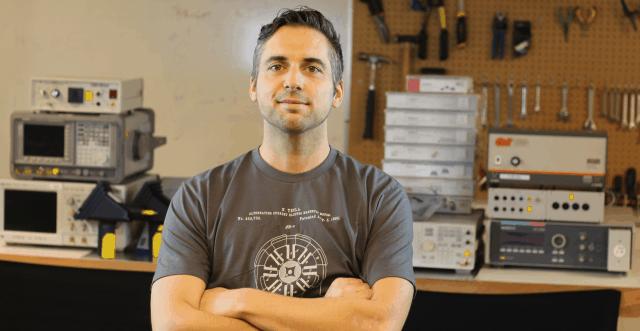
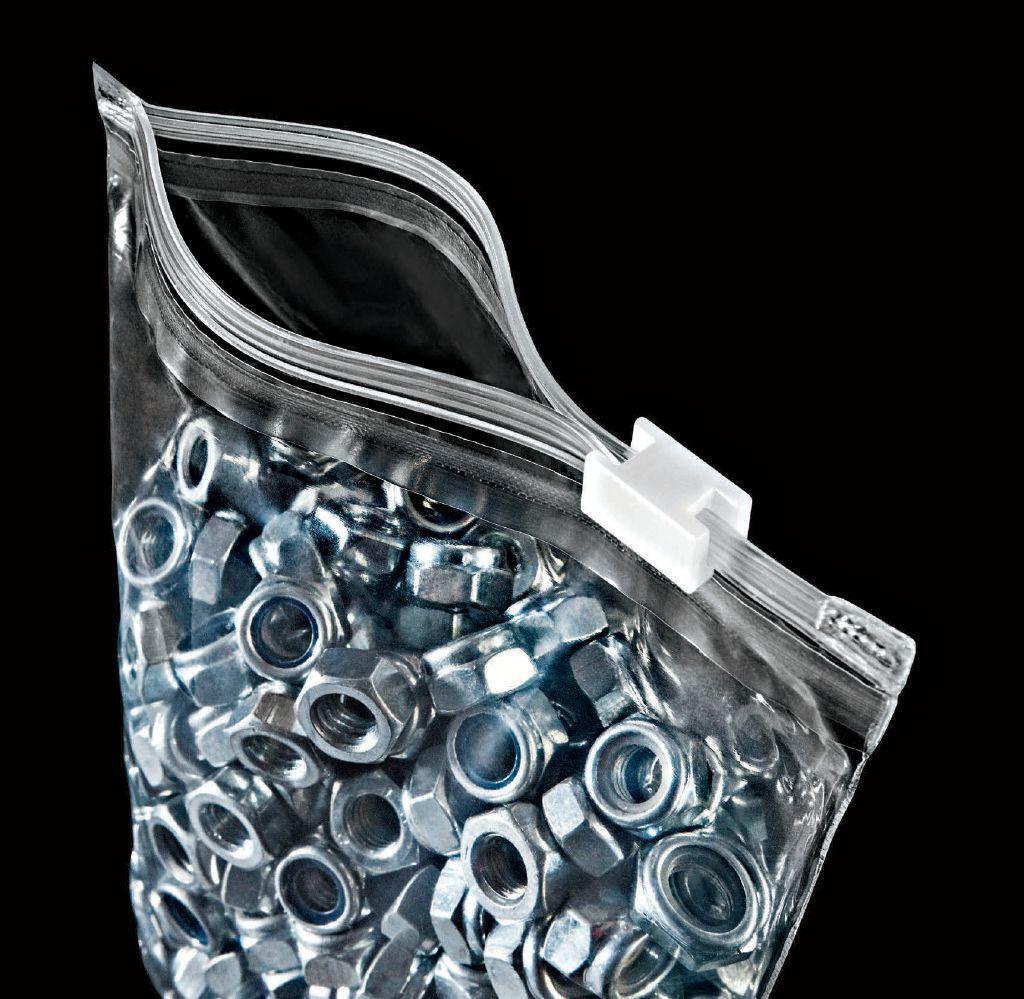
Competition intensifies in the fight to secure top engineers p.10
CURVE BALLS
Avoiding obsolescence and counterfeit substitutions p.12
TOUGH TARRIFS
Import taxes could be worse than COVID? P.14
CRACKS & SHIFTS
Hard lessons on fragile supply chain links
6 WEST TECH REPORT EMC Fastpass speeds test development
7 THINK GREEN Global standards for quality, but not for ESG
In every issue
5 NEWSWATCH
18 PRODUCT SOURCE
20 SUPPLY SIDE
21 AD INDEX
22 DEV BOARDS
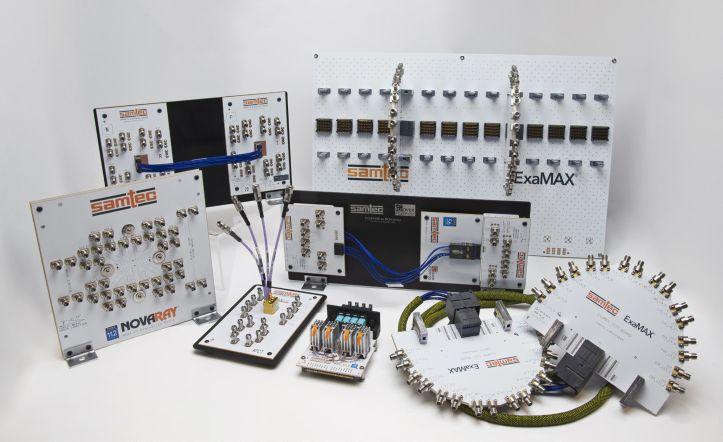
Samtec military dev & evaluation kits
8
WHEN THE CHIPS ARE DOWN
Semiconductor supply chain is complicated, globally interconnected and integral to the world.
10 TECH FOR HIRE
Future of Canada’s electronics talent market belongs to those willing to rethink the approach.
12 AHEAD OF THE CURVE
While component obsolescence is inevitable, it can still be planned for.
14 TARIFF VACCINES?
Changing tariff policies and market responses are just one form of risk in today’s supply chains.
Fragile links and hard lessons in supply chain
The global electronics industry has always been complex, but in 2025 its supply chains feel more like precarious tightropes than efficient conveyor belts. From the chip shortages of the COVID-19 pandemic to the fresh uncertainties of shifting tariffs, the lesson keeps repeating itself: supply chains are only as strong as their weakest link. For industry members in Canada, that truth is no longer an abstract warning. It is shaping how products are designed, sourced and brought to market.
Consider the semiconductor sector, the lifeblood of virtually every modern electronic device. As highlighted in Cracking the chip chain (page 8), not a single country today can produce a semiconductor entirely on its own. Instead, the world relies on “regional centres of excellence,” from Taiwan’s commanding 90% share of advanced chip manufacturing to South Korea’s 75% dominance of DRAM production. That concentration has created staggering efficiencies, but it has also introduced a systemic fragility. Any disruption in Taiwan or South Korea would reverberate instantly across every industry that depends on semiconductors.
This fragility was laid bare during the pandemic, when a paradoxical shortage developed: chipmakers couldn’t get the chips required to manufacture chip-making equipment. A circular bottleneck of this kind is rare in other industries, but in semiconductors, it nearly froze global production.
That crisis spurred governments and industry leaders to push for greater resilience. Canada, for instance, committed $135 million toward expanding IBM’s Quebec facility, while the U.S. launched
massive investments to transform Arizona into a semiconductor hub.
But reshoring is no panacea. New fabs take years to come online, and once operational, they cost substantially more to run than their Asian counterparts.
Moreover, chips are just one piece of a larger puzzle: rare earth minerals, materials, and specialized equipment still bind global supply chains together. In short, regionalization may mitigate risk, but decoupling from global networks entirely is neither realistic nor affordable.
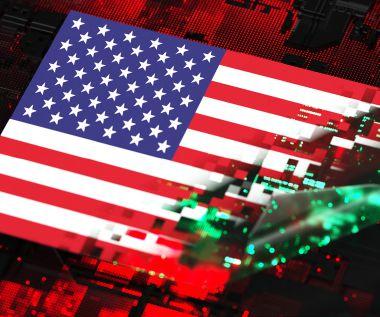
If semiconductors exposed the vulnerabilities of scale and geography, tariffs are now testing the agility of distribution itself. As the article: Could tariffs be more disruptive than COVID-19? (page 14) outlines the new trade measures introduced in 2025 have already driven Supplyframe’s Lead Time Index to record highs. In April the index spiked to 166.6, exceeding even the pandemic’s peak of 146.7. Inventory indices have simultaneously plunged to historic lows, with forecasts pointing to rising component prices in the months ahead.
These numbers indicate longer waits for parts, greater uncertainty in production schedules, and more expensive end-products for Canadian companies.
The study from the Manufacturer’s Alliance and Roland Berger underscores the gravity: 94% of manufacturers report that tariff uncertainty is hampering decision-making. Engineers and sourcing teams are left to juggle BOMs against a backdrop of shifting costs, unpredictable lead times, and geopolitical whiplash.
So what can be done? Both articles point toward the same answer: visibility and agility. SEMI’s Supply Chain Management initiative is creating tier-mapping processes to pinpoint hidden vulnerabilitiesensuring companies can react faster when a shared supplier falters.
Similarly, Supplyframe’s call for “outside-in” intelligence reflects the same imperative. Static reports and internal spreadsheets are no longer sufficient when policy shifts can disrupt pricing overnight. Real-time data, predictive insights, and stronger collaboration with suppliers are now prerequisites.
Designers, too, have a role to play. The concept of ‘design for supply chain’ is gaining traction, recognizing that a product’s risk profile is largely set long before it reaches the factory floor. Choices about materials, component redundancy, and sourcing flexibility can make the difference between weathering a disruption and halting production.
For Canadian electronics firms, this moment offers both a challenge and an opportunity. On one hand, our industry is as exposed as anyone else to the ripple effects of Taiwan’s fabs,Washington’s tariffs, or commodity shortages. On the other hand, Canada’s investments in chip packaging, our mineral reserves, and our proximity to the U.S. position us as an important player in a more diversified North American supply chain.
The common thread between semiconductors and tariffs is that resilience cannot be achieved in isolation. Whether through SEMI’s global collaboration or through smarter supplier agreements that distribute tariff risk, the path forward is cooperative. Fragmented, reactive approaches leave companies vulnerable. Unified, data-driven strategies create the possibility of stability—even in a volatile world.
Electronics engineers know that every circuit is only as reliable as its weakest solder joint.
Canada’s information leader for electronic engineers and designers
OCTOBER 2025
Volume 47, Number 6
READER SERVICE
Print and digital subscription inquiries or changes, please contact Angelita Potal Tel: (416) 510-5113 Fax: (416) 510-6875
Email: apotal@annexbusinessmedia.com
Mail: 111 Gordon Baker Rd., Suite 400 Toronto, ON M2H 3R1
MEDIA DESIGNER Jaime Ratcliffe jratcliffe@annexbusinessmedia.com
AUDIENCE DEVELOPMENT MANAGER Anita Madden amadden@annexbusinessmedia.com (416) 510-5183
GROUP PUBLISHER Paul Grossinger pgrossinger@annexbusinessmedia.com
CEO Scott Jamieson sjamieson@annesbusinessmedia.com
EP&T is published eight times per year by ANNEX BUSINESS MEDIA 111 Gordon Baker Road, Suite 400 Toronto, ON M2H 3R1 Tel (416) 442-5600 Fax (416) 510-5134 annexbusinessmedia.com
SUBSCRIPTION RATES Canada – $59.67 one year; $95.88 two years USA – $136.68 (CAD) per year International – $187.17 (CAD) per year Single copy – Canada $15.00
ISSN 0708-4366 (print) ISSN 1923-3701 (digital)
PUB. MAIL AGREEMENT NO. 40065710 Return undeliverable Canadian addresses to: EP&T Circulation Department, 111 Gordon Baker Rd. Suite 400, Toronto, ON M2H 3R1
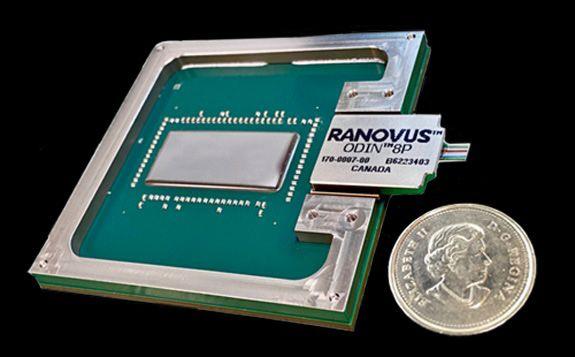
Ranovus Inc., a Kanata-based developer and manufacturer of advanced photonics interconnect solutions, plans to invest more than $100 million to expand its optical semiconductor manufacturing facility. The move is expected to create 125 new jobs in the Ottawa tech sector.
“At Ranovus, we’re proud to be designing and manufacturing advanced artificial intelligence solutions right here in Ontario, which relies on a world-class workforce,” said Hamid Arabzadeh, co-founder and CEO of Ranovus.
The Ontario Government also says that in addition to increasing its domestic production of specialized chips used in artificial intelligence (AI) and machine learning, the firm has committed to reshoring its outsourced manufacturing capacity back to Ontario. In support of this investment, the Province is also providing up to $2 million in funding through the Invest Ontario Fund.
MILITARY
PHOTONIC EARNS SPOT IN DEFENCE CHALLENGE
Photonic Inc., a Vancouver-based leader in distributed quantum computing, has been selected as a semi-finalist in the Canadian Department of National Defence’s Innovation for Defence Excellence and Security (IDEaS) NORAD Modernization Science and Technology Contest. Photonic will receive an initial grant of $1M, and over the next year, will deliver on its proposal to advance quantum repeater and networking technology, supporting Canada’s NORAD modernization plan and strengthening North America’s defence capabilities.
Photonic’s technology will address known limitations of existing quantum repeater design, a critical step in achieving performance benchmarks necessary for next-generation quantum sensing and communication systems.
“This selection highlights the networking capabilities of our innovative Entanglement First architecture for
Ranovus will spend more than $100 million to expand its optical semiconductor manufacturing facility.
distributed quantum computing and networking. We look forward to advancing the industrialization of quantum technologies in Canada and helping to improve North American defence by enabling large-scale quantum deployment,” said Dr. Stephanie Simmons, co-founder and chief quantum officer at Photonic.
SMART CITIES
MIOVISION - HARMAN COLLABORATE ON INTELLIGENT MOBILITY
Automotive tech
leader Harman is teaming up with Miovision to bring predictive traffic light-based insights to connected cars.
Miovision, a Kitchener ON-based leader in intelligent mobility, and Harman, an automotive technology leader and subsidiary of Samsung Electronics Co., Ltd., have announced a collaboration that will bring predictive traffic light-based insights to connected vehicles, enabling safer driving decisions. By the end of 2025, they expect to be communicating with traffic lights at 100,000 intersections in major cities and economic centers across North America and Europe, with the intention of doubling that number by 2026.
This partnership, announced at ITS World Congress, aims to create safer, more efficient, and sustainable urban environments by combining HARMAN’s Ready Aware, cloud-native, vehicle-to-network (V2N) SaaS solution with Miovision’s AI-powered traffic signal prediction. Ready Aware offers intersection-level situational awareness to drivers for safer and more informed driving decisions on the road. With exclusive access to Miovision’s expansive and growing traffic signal data network, HARMAN will offer one of the industry’s most intelligent vehicle-to-cloud digital alerting systems, ready for deployment in both current and future production vehicles.
Making EMC easy: How one engineer is dymystifying electromagnetic compatibility
Originally from Scotland, former Panasonic hardware engineer
Andy Eadie moved to the west coast of Canada in 2006 after seeing photos of the Rocky Mountains in a guidebook. As a hardware design consultant for several local hardware companies, Eadie had identified a unique need on the West Coast: A local EMC test lab.
“I started an EMC test lab that was registered with Industry Canada,” Eadie explains. “Between my hardware design experience and operating an EMC test lab for four years, I’d seen the struggles that engineers face on a daily basis to become compliant with their hardware. So in 2014, I wanted to offer a more scaled solution to the industry, and that’s when I started EMC Fastpass. I bridged my engineering experience with my test lab experience and started offering online training courses.”
Eadie says he noticed electromagnetic compatibility issues affecting a variety of companies; any company that produces a product with a circuit board in it must pass electromagnetic compatibility testing, whether it’s CE or FCC. According to Eadie, first-time products have an up to 70% failure rate on that compatibility testing. Once Eadie started talking to product engineers and saw how much money it cost the industry to fail compatibility testing, that’s when he started creating EMC courses for hardware engineers.
“One challenge that a lot of people face when encountering EMC for the first time is that while it’s a niche field, it’s
also incredibly vast,” Eadie says.
“Design engineers typically only run into EMC testing failures once or twice per design cycle, so it can take years to build up real confidence and expertise. Plus, the standards themselves can be quite daunting - there are so many of them across different regions and applications, and interpreting how they apply to your specific design can be challenging. In 2014, there wasn’t a huge amount of information online to help bridge that gap.”
EMC Fastpass provides companies in the electronics design space with online courses, test equipment, EMC chambers, and EMC design & testing guides. The company serves any industry that produces products with circuit boards in them, but Eadie says he mostly works with customers in the medical, automotive, and aerospace industries. While EMC
The training courses are fairly selfexplanatory, as they’re designed for new to intermediate engineers trying to get a grip on electromagnetic compatibility.
Fastpass’ training courses are fairly self-explanatory – they’re designed for new-to-intermediate engineers trying to get a grip on electromagnetic compatibility – the company also offers a variety of types of electromagnetic equipment for sale. EMC Fastpass is North America’s largest dealer of used anechoic chambers, and the company is developing AI-powered software to integrate with existing CAD tools.
“The software is an AI that enables a new class of solutions for electromagnetic compatibility,” Eadie says. “It ingests the hardware design files for layout and performs a number of intelligent design checks. The AI enables a variety of context-aware tests from things like data sheets. We apply that knowledge to an existing design, which enables us to serve up training to an engineer as they’re developing a new product.”
Eadie says that there’s far more demand for anechoic chambers than there is supply; the company acquires a handful
of EMC chambers per year, and those chambers often sell before they’re advertised on the EMC Fastpass website. These used chambers perform almost identically to brand-new chambers, and EMC Fastpass sells them for about half the cost of a brandnew chamber.
“Our main focus now, other than continuing with the chambers, is our software,” Eadie notes. “It’s called Engentica. We’re excited to use AI and AI agents to help solve EMC at scale. We’re currently talking with industry partners, and we’re aiming for MVP as fast as possible. We have a working prototype right now, but we’re working with our industry partners to ensure it’s aligned with industry needs.”
EMC Fastpass is a Victoria, B.C.-based provider of EMC chambers, electromagnetic testing equipment, and online courses & guides for engineers. Visit www.emcfastpass.com to learn more.
Mike Straus is EP&T’s West Coast correspondent. mike@brandgesture.ca
Recognizing a unique need, Andy Eadie opened a localized EMC test lab in Victoria B.C.
Photo: EMC Fastpass
Global standards for quality
But not for ESG. Could the RBA code be the missing link?
BY WALDOM ELECTRONICS
In an industry built on precision, performance, and compliance, the electronics components sector has long operated under globally recognized quality standards—from ISO 9001 to RoHS and REACH. But when it comes to environmental, social, and governance (ESG) practices, the same clarity is missing.
As pressure increases from regulators, investors, and customers, companies across the supply chain are left asking: What ESG framework should we follow? Amid this uncertainty, the Responsible Business Alliance (RBA) Code of Conduct is emerging as a credible, structured reference—potentially even a unifying one for companies across the sector, regardless of their role in manufacturing.
Why the RBA matters
The Responsible Business Alliance was founded in 2004, originally as the Electronic Industry Citizenship Coalition, to advance ethical and sustainable practices in electronics manufacturing. Today, it represents the largest industry coalition focused on responsible global supply chains, with members including TDK, Omron, Nvidia, and Pure Storage.
Its Code of Conduct is built around five pillars: labor, health and safety, environment, ethics, and management systems.
While membership in the RBA is currently reserved for companies involved in manufacturing or contracting manufacturing, the Code itself is publicly available and can be adopted voluntarily by other industry players. For distributors, service providers, and non-manufacturing partners, this framework offers practical guidance to strengthen ESG efforts and improve alignment with broader industry standards.
Unlike quality systems, which are supported by clear and widely accepted standards, the ESG space remains fragmented. Companies today are navigating an evolving landscape of frameworks—environmental management systems such as ISO 14001,
RBA further reinforces environmental responsibility by focusing on decarbonization & chemical management
sustainability disclosure standards like GRI and SASB, and emerging regulations including the Corporate Sustainability Reporting Directive (CSRD) and Corporate Sustainability Due Diligence Directive (CSDDD).
It’s important to clarify that while ISO 14001 is a widely used and respected standard, it is not an ESG framework. Rather, it is a standard specifically focused on environmental management systems (EMS). It plays an important role in helping companies manage environmental risks and responsibilities, but it does not address the broader spectrum of social and governance factors required for full ESG maturity.
This fragmentation often leaves companies unsure of where to start or how to benchmark their progress. The absence of a unified approach creates inconsistencies and makes it more difficult for businesses across the value chain to speak a shared sustainability language.
RBA code applied everywhere
Even outside of formal RBA membership, companies across the electronics ecosystem are already applying aspects of the Code in practice:
On the labor front, many are strengthening anti-discrimination and harassment policies, supporting DEI goals, and establishing secure channels for employee feedback.
Health and safety programs are expanding to include mental health support, ergonomic assessments, and regular wellness check-ins.
In the environmental sphere, organizations are beginning to adopt renewable energy, track emissions, and
incorporate circular economy principles into operations.
From an ethics perspective, export compliance protocols, anti-bribery safeguards, and responsible data management are gaining traction.
Under management systems, companies are leaning into ISO certification and updating internal documentation to support traceability, accountability, and continuous improvement.
RBA’s Environmental Focus
Through its Responsible Environment Initiative (REI), the RBA further reinforces environmental responsibility by focusing on decarbonization, chemical management, water stewardship, and circular materials. The REI encourages companies to look beyond their own operations and consider the impact of their entire value chain.
For electronics components businesses—many of which deal with excess inventory, reverse logistics, and material redistribution—the REI is especially relevant. It offers both a mindset and a roadmap for contributing to environmental goals without waiting for formal mandates.
Is It Time to Align?
As the electronics components industry continues to evolve, the question remains: can a shared framework help unify ESG practices the way ISO standards unified quality management?
The RBA Code of Conduct may not cover every aspect of ESG reporting, but it offers a clear, practical foundation that can be adapted to the unique realities of non-manufacturing players. As regulatory expectations grow and ESG performance becomes a key differentiator, the ability to align around a shared standard could bring the clarity and consistency the industry has been missing.
Perhaps it’s time for the electronics components industry to adopt a common ESG language—one rooted in principles that already have wide recognition and credibility.
Waldom is a master distributor of electronic components.
https://www.waldom.com
Cracking the chip chain
Unraveling the semiconductor supply knot
BY BETTINA WEISS, CHIEF OF STAFF & CORPORATE STRATEGY, SEMI
As of 2025, no single country is capable of manufacturing a semiconductor chip from start to finish without outside help. Today’s widespread global dispersal of key manufacturing processes – including raw material sourcing, equipment building and every subsequent process – makes it virtually impossible for one country to excel in everything. Instead, the semiconductor supply chain relies on regional centers of excellence that specialize in specific processes.
While there are certain benefits to having targeted manufacturing regions around the world, global interconnectedness also poses major supply chain challenges. The more geographically diverse a supply chain is, the more fragile it becomes.
To illustrate, most of the world’s semiconductor manufacturing facilities are based in Taiwan and South Korea. Taiwan Semiconductor Manufacturing Company (TSMC) alone takes the lion’s share of 90% of advanced semiconductor manufacturing capacity. In addition, South Korea produces approximately 75% of total DRAM memory chips – the foundational memory component in most electronic devices.
If anything derails the supply chain in either region, it would ricochet through the entire world. In a booming industry expected to see $1 trillion in global revenue by 2030, any supply chain disruption could lead to semiconductor shortages, heightened production and shipping delays, or product losses altogether.
The COVID-19 pandemic, in particular, exposed several vulnerabilities in the industry’s supply chain that are now being addressed. One factor in the chip shortage was a serious, circular problem: Many equipment suppliers couldn’t get
the chips they needed to make the tools that make the chips to begin with. This contributed to a global crisis that illuminated the urgent and severe need for a more agile and resilient semiconductor supply chain and the need to address some challenges that can only be addressed collectively at the industry level.
Addressing agility concerns
One popular solution for addressing agility concerns has been reshoring key manufacturing processes back to North America. In 2024, Canada’s federal government granted $135 million for IBM’s Quebec facility to expand chip packaging and R&D capacity. The United States is also making additional efforts, with Apple investing $500 billion in factories around the country and Arizona transforming itself into the nation’s semiconductor epicenter, headlined by TSMC making advanced chips in the state. Although boosting North American manufacturing will help improve regional self-sufficiency and agility over time, doing so also
The semiconductor supply chain is under constant pressure. With chips now integrated into every facet of modern life, complications are felt by the entire world.
creates its own set of challenges. First, North American facilities won’t appear overnight, with fabs regularly taking two to three years to reach full-scale production. Second, manufacturing costs are significantly higher in North America than they are in Asia. Operating a mature logic fab in the United States, for example, would cost about 35% more than running a comparable facility in Taiwan.
Add to these factors the diverse range of materials and rare earth minerals the industry depends on, and it’s clear that the semiconductor supply chain will always be globally intertwined.
While there’s no perfectly agile solution to address every risk, SEMI is convening supply chain experts from around the world to develop a robust plan for the future. SEMI is the leading industry organization that sets semiconductor manufacturing standards and unifies the broader industry around shared challenges. Right now, its Supply Chain Management (SCM) initiative is developing solutions for greater visibility into mounting
Photo:
threats caused by geopolitical conflicts, natural disasters, cybersecurity concerns and talent shortages to help the industry get ahead of disruptions.
Risk mitigation amidst rising complexity
Ultimately, the semiconductor supply chain is only as strong as its weakest link. However, when companies understand the full spectrum of fragile points along the entire supply chain, they are better positioned to allocate resources and respond quickly.
Visibility is key, because risk compounds the wider and deeper the supply chain is. To address this issue, SEMI members in the SCM initiative worked with its strategic partners to create a guideline for a multi-tier mapping process, which identifies potential failure points within the broader supply chain and suggests a consistent and structured way to mitigate risks.
For example, 10 companies may buy products from the same supplier. If something impacts that supplier’s operations, tier mapping alerts those 10 companies to take proactive measures, thereby reducing communication latency between awareness and action. The guiding principle is that the more often the industry can avoid latency, the faster it can respond to threats, leading to a more robust supply chain.
Design for supply chain is another emerging risk-management solution. In the past, products were designed almost exclusively for manufacturability. Now, manufacturers are also creating products with the supply chain in mind.
For example, product designs that require fewer rare earth elements help reduce the dependence on critical minerals, thereby building in supply chain resiliency from the get-go.
Canada boasts some of the world’s largest rare earth mineral reserves, easing nearshoring efforts for North America, but challenges in extracting and processing semiconductor-grade materials still persist. Not only is it difficult to obtain rare earth elements overall, but there’s also significant risk arising from geopolitical tensions, mitigating traceability concerns and ensuring
fair labor practices.
Today, the SEMI SCM initiative is co-creating an industry-wide visibility platform with companies across the value chain. Together, all parties are building trust by sharing relevant and concrete data with one another. This heightened visibility is essential, as skyrocketing demand for AI, 5G and other advanced technologies is forcing the industry to scale its production faster than ever before.
As chip demand is rising toward $1 trillion, there’s no time for supply chain breakdowns.
Future supply considerations
The semiconductor supply chain is under constant pressure. With chips now integrated into every facet of modern life, supply chain complications are felt by the entire world. And although the COVID-19 pandemic was a turning point, it’s not the stopping point. Strengthening and securing what could be considered the world’s most important supply chain will require ongoing innovation and collaboration.
The SEMI SCM initiative is currently focused on the creation of an agility dashboard solution to reduce data latency in identifying and addressing changes that will impact the supply chain. The next phase of development will focus on creating a supply chain blueprint for the future to help smaller players in the ecosystem implement minimum viable supply chain capabilities needed to survive.
For the semiconductor supply chain to be robust, it’s crucial to
SEMI’s Supply Chain Management (SCM) initiative is comprised of industry advisory council members. The group generates broad participation from each segment, which is vital to ensuring a sustainably robust supply chain.
have companies from all points in the supply chain represented in the SCM initiative. Right now, the initiative is actively recruiting companies in electronic design automation (EDA), distribution sourced components, electronics manufacturing services (EMS), and semi-finished parts and components.
Nevertheless, interest in the SEMI SCM initiative is growing, as evidenced by rising survey participation and incoming inquiries. The annual SCM survey is particularly significant, because its results help determine the benchmarks for the year and provide important insights that are not typically available through analyst reports. In 2021, 107 companies completed the survey. In 2025, that number climbed to 720.
Because the semiconductor supply chain is complicated, globally interconnected and integral to the world, its issues cannot be solved in a vacuum. Creating an agile, resilient and secure supply chain can only be achieved through unified effort across the value chain, and SEMI’s SCM initiative is the forum leading the way.
Bettina Weiss, chief of staff & corporate strategy, reports to SEMI’s president & CEO and manages a broad portfolio of responsibilities. Major focus areas include advancing specific global strategic initiatives, such as SEMI’s Smart Mobility and Supply Chain initiatives and SEMI University; facilitating thought leadership activities in key strategic areas. www.semi.org/en
Canada’s talent tug-of-war: ‘P.Eng for hire’ battle intensifies
Canadian firms compete globally
BY ESTRELLA FRIAS, DIRECTOR, TALENT STRATEGY, QUANTUM SCALE
Walk into any tech company boardroom these days, and you’ll hear the same story: critical engineering roles sitting unfilled for months on end. At a recent industry event, when I asked hiring managers how many had seen roles stay open for more than three months, nearly every hand went up. When I asked about six months, or longer, a surprising number of hands stayed raised. For job seekers, that might sound like opportunity knocking. For employers, it’s a sign of a growing challenge: demand for engineering talent in Canada is outpacing supply at an unprecedented rate.
Toronto alone has added more than 82,000 tech jobs in the past three years - a 44% growth rate that has outpaced many North American rivals, according to CBRE.Yet despite this momentum, more than 90% of Canadian tech leaders say they cannot find enough qualified candidates. The surge in sectors like semiconductors, electric vehicles, artificial intelligence, IoT, and clean energy is fueling this imbalance. Roles in electronics engineering, embedded systems, and firmware development are now among the hardest to fill. Engineers Canada estimates we’ll need over 100,000 new engineers by 2030 just to meet baseline demand, and that doesn’t even account for emerging fields such as AI-integrated hardware.
The reality is that the old
hiring playbook posting a role and waiting isn’t cutting it anymore. As QuantumScale, a talent solutions firm with two decades of experience in the tech sector, has seen repeatedly, the organizations that adapt quickly and creatively are the ones positioned to win.
Embedded systems and firmware specialists
Some of the hottest areas right now are obvious to anyone paying attention to industry trends. Electronics and power systems are in demand because of the rapid buildout of EV and battery infrastructure. Embedded
systems and firmware specialists are being snapped up because everything from medical devices to autonomous vehicles is getting smarter. In Ottawa and Montreal, semiconductors and chip design remain major growth hubs, while Vancouver is pushing ahead in telecom and robotics.
The competition is intense.
One Toronto-based, Chip Design company spent seven months trying to hire an embedded systems engineer. By the time they finally extended an offer, the candidate had three others - two from abroad, one from a Canadian
competitor. That’s the reality Canadian firms face today: they are not just competing with their neighbours; they are competing globally.
And while Ontario remains the epicenter thanks to Toronto’s universities, pipelines, and anchor companies, it also has the toughest competition. Ottawa is booming with semiconductor talent. Montreal has carved out a niche at the intersection of AI and electronics. Vancouver’s strength lies in telecom and automation. The takeaway for employers is clear: if you’re only looking locally, you’re missing out. Remote
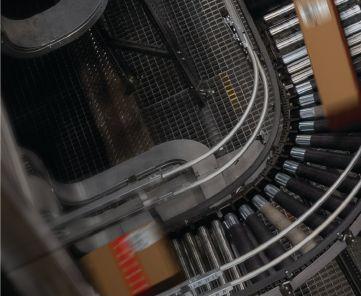
Industrial vision and automated robotics systems are just a few key solution that are helping optimize distribution operations.
and hybrid models make it easier than ever to reach across provincial borders, and smart hiring managers are tapping into these opportunities. For job seekers, the same holds true: broadening your search beyond your own city or province can open doors you might never have considered.
Salaries have risen
Now, let’s talk about what engineers themselves want. Flexibility sits at the top of the list. An IEEE survey in 2024 found that nearly two-thirds of engineers would leave a job if forced fully back to the office. Remote and hybrid models are no longer perks; they are expected. Pay matters too. Salaries for electronics engineers have risen 12 to 15 percent since 2021, and senior roles in Toronto are regularly commanding between $120,000 and $140,000+. But here’s the shift: younger engineers are just as motivated by meaningful work, mentorship, and growth opportunities as they are by a paycheck.
Culture and flexibility are now table stakes. One design firm in Canada discovered this the hard way. After enforcing a strict return-to-office mandate, half its engineering team left within six months. Their competitor, which offered flexible hybrid arrangements among other perks, hired most of them. It’s a stark reminder that engineers are no longer choosing employers solely on salary; they are choosing based on how a role fits into their lives and values.
At the same time, we need to address a fundamental paradox. Canada graduates about 12,000 engineers each year, yet companies still struggle to find people with the right skills. Why? Because fewer than 10 percent of those graduates pursue high-demand specialties like embedded systems, firmware, power electronics, or AI-hardware integration. That’s why employers often say we have “too many engineers,
but not enough talent.”
The response has been telling. Increasingly, companies are dropping rigid credential requirements, such as mandatory P.Eng designations, and hiring based on demonstrated skills.
A portfolio of projects, hackathon experience, or open-source contributions can now carry as much weight as formal credentials. For job seekers, that shift represents a major opportunity to stand out by showcasing real work. For employers, it’s a signal to rethink lengthy “must-have” job descriptions that only serve to exclude good candidates.
So how are companies adapting? Three strategies are gaining traction. First, upskilling and internal training are becoming central. Firms like Bombardier and Celestica are partnering with colleges to retrain workers rather than waiting for perfect candidates to appear. Second, partnerships with universities, co-ops, and hackathons are helping employers tap into young pipelines earlier. And third, diversity and immigration remain underutilized opportunities. Women represent less than 15 percent of engineers in Canada, while Indigenous and Black engineers are still underrepresented. Globally, immigration programs like the Global Talent Stream allow companies to hire international candidates in just weeks, and over 32,000 STEM-focused immigration invitations were issued in 2024 alone.
Skip P.Eng licensing
Of course, none of this matters if companies can’t engage the next generation effectively. Gen Z engineers, just entering the workforce, are rethinking career paths. Many are skipping traditional milestones like P.Eng licensing and instead focusing on projects that prove their skills. They want to know their work has impact. They
want mentorship, not micromanagement. And they want to feel part of collaborative, inclusive cultures.
Millennials, now mid-career, are equally important. They want mobility, recognition, and opportunities to grow. They’ve been around long enough to know what they value, and they want work that integrates with their lives rather than dominating them.
Both groups see career development, purpose, and culture as decisive factors. Surveys back this up: nearly three-quarters of Gen Z candidates value meaningful work over salary, while more than 60 percent of Millennials say career development is their top priority. Companies with strong mentorship programs retain Gen Z engineers far longer than those without.
The picture that emerges is clear: demand is rising,
competition is fierce, and both employers and job seekers are navigating a new landscape. For companies, agility and creativity aren’t just niceto-haves; they are survival strategies. For engineers, the opportunities are immense, but so are the expectations around adaptability and continuous learning.
The future of Canada’s electronics and engineering talent market belongs to those willing to rethink how they approach work and hiring. So, the real question is this: what can you do right now to build the kind of workplace where engineers want to sign on and stick around?
Quantum Scale Inc. – a Mississaugabased tech recruitment and HR solutions partner, helping companies attract and grow top talent with strategic, on-demand support. www.quantumscale.ca/
Staying ahead of the curve
Obsolescence management and counterfeit prevention
BY ROCHESTER ELECTRONICS
In long-term system markets, obsolescence is inevitable. As semiconductor manufacturing technology advances, older and less profitable lines are pruned. Proactively monitoring component lifecycles for components used directly by the customer and within purchased subsystems is crucial for anticipating issues. Commercial tools can track a component’s lifecycle, lead times, and specification changes, providing alerts for PDNs. Predicting an end-of-life date remains an inexact science, with algorithm-based predictions being severely limited. After the semiconductor allocation crisis in the early 2020s, PDNs have become increasingly imprecise and short-dated. Under any circumstances, component discontinuations trigger an inevitable and costly Last Time Buy (LTB). Abrupt and unexpected PDNs are challenging, and customers must always consider the following:
• Future market needs, including in-service support
• Redesign and replacement product timetables, as well as reengineering and requalification costs
• Financial impact of purchased stock and the cost of specialized storage: In some cases, this tied-up capital cost limits the size of the LTB regardless of the factors above.
• Lost opportunity costs from premature product discontinuations, especially where this provides an opening in a secure market
Underestimating needs can lead to premature product termination, and overestimating needs can tie up capital in excess stock and storage costs.
How to prepare for an unpredictable semiconductor discontinuation?
1. Seek multiple sources for in-depth risk assessments of critical components to understand market, fab technology, and packaging risks.
2. Build relationships with authorized after-market semiconductor supply and manufacturing specialists, such as Rochester Electronics.
Sourcing components through ‘gray market’ independent channels for faster deliver or lower cost introduces the risk of counterfeits
Engaging in discussions during the LTB process allows for the consideration of investment in finished goods as a safety net if market conditions change or the customer’s LTB purchase falls short.
3. The risks of counterfeit and poor-quality components from unauthorized sources represent a significant risk to production yields and Mean Time Between Failure Rates in the field. Inferior or substandard testing by unauthorized 3rd-parties provides false confidence that authenticity can be tested. This mimicry of testing is a visual, x-ray, or poor partial copy of the original manufacturer’s test processes. Full tri-temp testing is rare, with the risk of components being re-marked as industrial, automotive, or military parts always present. Instead, find part makers 100% certified by the Original Component Manufacturers. When a device’s product lifecycle extends beyond its active availability, authorized aftermarket distributors and licensed manufacturers can provide a risk-free long-term semiconductor source.
A valued authorized partner provides:
• Stock to overcome market shortages or long lead times.
• A trusted source for obsolete parts.
• Long-term manufacturing from wafer of selected product ranges.
Why should customers purchase from fully authorized sources?
Sourcing components through unauthorized or ‘gray market’ independent channels for faster delivery or lower cost introduces the risk of counterfeits, potential damage to customer end equipment, end-user safety, and endangering customer reputation. This has been repeatedly demonstrated in incidents where counterfeit devices resulted in severe fines for companies and responsible employees.
What are chip distribution channels?
• Authorized distributors: Traceable and certified source supplied directly from, and fully authorized by, OCMs.
• Non-authorized/independent distributors: Independent distributors without direct authorization and secure supply chain. While some may have component testing, there is no guarantee of authenticity.
• Non-authorized dealers with components from various sources, pose as the least safe option for customers due to the lack of quality guarantees.
Purchasing from non-authorized sources can create risks:
• No access to manufacturer-backed warranties or technical support
• An inconsistent supply chain and an increased risk of supply chain disruptions.
• No guarantee of compliance with industry standards, with increased risk of substandard and counterfeit products and both customer financial and reputational risks.
The consequences of allowing substandard or fake products to enter the supply chain include:
• Reduced production yields and increased rework
• The introduction of malware or changes that enable third parties to access software
• Increased in-service failures and reduced reliability
• Heightened risks and financial liability associated with catastrophic system failure
• Potential reputational damage
What is a fake chip?
• Non-functional or scrap product which is re-marked as good and resold.
• Substandard functional product that is re-marked and sold as a full-grade product at an increased price.
• Recycled and recovered components that are sold as new.
• False testing and traceability documentation that hides a part’s actual specs or history.
How do counterfeits enter the supply chain?
Counterfeits are often harvested from electronic waste using crude and poorly controlled processes. In semiconductors, this results in higher failure rates than genuine
products. Some counterfeit semiconductors fail immediately upon electrical test or first use, while others will fail after extended periods of field application.
How to protect yourself:
Additional testing can never fully eliminate the risks associated with counterfeits, and third-party testing processes cannot guarantee quality. Third-party processes’ limitations make customers susceptible to added scrap, rework, in-service unreliability, and litigation.
Fully authorized distributors comply with the SAE Aerospace Standard, AS6496. Simply stated, they are authorized by the OCM to provide traceable and guaranteed products with no quality or reliability testing required because the parts are sourced from the OCM.
Providers who are not fully authorized may market themselves as AS6171/4-compliant. This indicates that while they follow
standardized inspections and test procedures, they may have minimum training and certification requirements to detect suspicious or counterfeit components. If AS6171 testing is being done, the product is not being tested to the OCM test program. OCM test programs test significantly beyond datasheet parameters and are meant to filter products for no escapes, even when there are millions of units sold. AS6171 testing is not equivalent to OCM testing. While better than no compliance at all, if AS6171/* testing is offered in isolation, this potentially indicates that the parts were not sourced directly from the OCM but have only passed AS6171 testing. This merely minimizes but does not eliminate risk.
Rochester Electronics is a U.S.-based semiconductor manufacturer and authorized distributor specializing in end-of-life and hard-to-find components. www.rocelec.com
Could tariffs be more disruptive than COVID-19?
New data indicates that there may be significant supply chain disruption on the horizon
BY SUPPLYFRAME
The global trade landscape has shifted dramatically over the course of 2025. Growing geopolitical tensions, combined with new tariffs issued by the United States, have sent ripple effects across global supply chains. Changes in component pricing, lead times, and inventory are giving many industry leaders deja vu.
This level of global disruption is quite similar to what we saw during the height of the COVID-19 pandemic, but could it potentially be even worse as time goes on? Join us as we explore new data from Supplyframe Commodity IQ that reveals just how much tariffs are impacting the global electronics value chain.
Only certainty is uncertainty
Uncertainty has been a common theme among global manufacturers thus far in 2025. The current U.S. administration has contributed to this uncertainty, with new tariffs and trade policy announcements and adjustments happening constantly since the start of the year.
According to a recent study from the Manufacturer’s Alliance and Roland Berger, 94% of respondents said that this uncertainty around tariff policies is impacting their ability to make decisions.
In response, many manufacturers are taking a closer look at the country of origin for parts in their supply chain. They are shifting toward localization strategies and moving their sourcing to lower-risk countries like the U.K. or Japan. But, as recent months have
shown, not even these countries are safe from new tariffs.
Now, new data from Supplyframe Commodity IQ indicates that these tariff policies could be more disruptive than COVID-19.
Times, pricing, inventory
Supplyframe Commodity IQ tracks real-time data and market intelligence across over 600 million electronic components across 27,000 suppliers in a wide range of commodity groups. The platform uses various indices to measure key metrics like lead times, pricing, supply, and demand. These indices have a baseline score of 100 based on pre-pandemic levels from 2019.
Scores above or below this baseline represent an expansion or contraction in their respective metric. Looking first at the Lead Time Index, our data shows that the score reached a record high of 166.6 in April of 2025 when the first wave of tariffs were announced.
This single metric is the highest reading in the index’s history. During COVID-19, the Lead Time Index reached a maximum score of 146.7, which was previously a record high.
The Lead Time Index also saw an 80% sequential increase in December 2019, just before the pandemic became severe. Similarly, we noted an 85% increase from March 2025 to April 2025, which exceeds the spike we saw in 2019.
If we turn our attention to the Inventory Index, in March 2025 Supplyframe noted a drop of 29 points in
Changing tariff policies and market responses are just one form of risk in today’s supply chains.
this metric, which brought the score to half of the index’s baseline and signaled contraction across the industry in addition to potential shortages.
November 2024 through April 2025 saw the lowest scores in the history of the index, surpassing even the levels seen during COVID-19. And of course, all of these shifts will have an effect on pricing, too.
During COVID-19, similar shifts in lead times and inventory eventually led to sequel increases that gave way to a period of inflated pricing across all electronics commodity categories. Current forecasts from Commodity IQ show that the Price Index is set to rise 14% sequentially in the second half of 2025.
These metrics indicate verifiable trends that could lead to disruption as severe or more severe than COVID-19, but only time will tell. In the meantime, uncertainty reigns supreme across global supply chains, and one thing has become clear: global manufacturers need better visibility and agility to proactively address tariff risk.
Weathering tariff storm
Current sources of intelligence and insight are often lacking when it comes to proactively addressing risk and uncertainty, particularly as a result of tariffs. Many organizations are relying on internal data or static market intelligence reports.
Others are managing their sourcing through spreadsheets that have no
connection to the outside world or the shifting factors like lead times and pricing. As a result, many organizations are reactive and stuck fighting fires instead of strategically adapting to the shifting landscape.
Here are several ways manufacturers can get ahead of new and emerging trade policies:
• Diversify Supply Chains
- Examine the country of origin for your components, and consider shifting suppliers or
multi-sourcing to ensure you have agility or flexibility in the event of new tariffs, which continue to remain a constant factor.
• Nearshore or OnshoreNearshoring, the process of bringing sourcing closer to manufacturing, is becoming a viable solution to navigate tariffs. Similarly, the process of onshoring, where sources of supply and manufacturing are brought into the country with the end market demand, has also become an increasingly popular strategy.
• Expand Intelligent Supplier Collaboration - Collaboration with suppliers and strong business relationships can help address a number of risks in the supply chain. Good communication here goes a long way. When it comes to tariffs, manufacturers should work tariff agreements into supplier contracts in terms of who absorbs pricing, and how agreements shift in such a scenario.
• Leverage ‘Outside-In’ Intelligence - External intelligence from supply market sources, and more specifically, real-time intelligence, can help your teams better understand how tariffs are impacting dynamics such as pricing, lead times, and
HTX7045C Series LLC Half-Bridge Transformers
inventory for the components on your BOM, across multiple tiers in the supply chain. In today’s landscape, access to these kinds of insights can mean the difference between weathering the storm and permanently damaging the business.
• Shift Left - The concept of shift left has long been used in software development to turn testing and QA towards the beginning of the development process. In supply chains, shift left is emerging as a valid strategy to bring intelligence and insights to the design phase of the product lifecycle. Supplyframe research shows that 80% of a product’s lifetime risk is locked in during this phase, making it an ideal place to mitigate risk with intelligence and enhanced decision-making.
Changing tariff policies and market responses are just one form of risk in today’s supply chains. Modern engineers, designers, and sourcing professionals need better intelligence and insights to properly make trade-off decisions that ultimately impact profitability and market performance.
Supplyframe is a U.S.-based technology company specializing in solutions for the global electronics value chain. www. supplyframe.com/commodity-iq
• Low interwinding capacitance to minimize EMI and achieve high CMTI (Common Mode Transient Immunity)
• Optimized for isolated bias supplies for SiC and GaN gate drivers, such as the UCC25800-Q1 from Texas Instruments
• Ideal for automotive OBC and traction inverters in EV/HEVs
Operational resilience through predictive asset awareness
BY OHAD PELED, PRODUCT MARKETING MANAGER AT SONY SEMICONDUCTOR ISRAEL
Over the last few years, asset tracking has emerged as a critical business function, and is estimated to grow to a USD$34.5 billion market by 2032, according to Custom Market Insights. Whether businesses are monitoring a global supply chain or keeping tabs on expensive equipment, knowing where assets are ‘at all times’ is essential. It enables businesses to optimize supply chains, prevent theft, and reduce operational downtime.
There are several technical and commercial challenges in deploying such a solution, which could result in failure to deliver the promised value. Some solutions struggle to maintain accurate tracking as assets move within or across different facilities, especially if they go through an indoor environment. Others suffer from excessive power consumption, which requires relatively high maintenance. And many are marketed as one-size-fits-all platforms, but they lack the robustness needed to handle complex, real-world scenarios.
This article will take a closer look at these challenges and explore the solutions that can help companies effectively scale their asset tracking capabilities.
The impact of asset tracking
In today’s economy, the ability to know where your high-value assets are at any given time has become a competitive advantage. From manufacturing plants to logistics providers, companies are under pressure to run lean, efficient operations while meeting rising customer
expectations for transparency and speed. Asset tracking makes that possible.
Businesses with effective tracking solutions benefit from:
• Reduced loss and theft: Real-time visibility significantly cuts asset misplacement and shrinkage.
• Faster operations: When assets are easy to locate, workflows accelerate, reducing downtime and increasing throughput.
• Better decisions: Location and usage data feed into analytics and forecasting models, improving planning across supply chain and operations teams.
These aren’t just operational wins—they translate into better margins, improved customer service, and reduced risk.
When tracking breaks down
Despite the promise, many tracking deployments fall short. The problems are often not technical—they’re business issues in disguise.
Connectivity black holes
Whether it’s a factory floor, a warehouse basement, or a shipping container, assets often move in and out of areas where connectivity and coverage are spotty. If your tracking solution goes dark during those transitions, you’re not tracking—you’re guessing.
Battery drain
When trackers go offline due to dead batteries, the system fails.
And if you’re scaling to hundreds or thousands of assets, manual battery maintenance becomes a non-starter. Solutions that require frequent charging or swapping become too expensive and labor-intensive to manage.
Scalability bottlenecks
Some systems work great in a pilot program with 10 devices, but collapse when rolled out across an enterprise. Deploying a solution for tens or even hundreds of devices is fundamentally different than deploying 100 thousand devices. Common issues include:
• Difficulty managing large fleets of devices.
• Lack of integration with existing operational systems.
• Limited configurability for different asset types or environments.
These issues don’t just frustrate IT teams—they block the very outcomes tracking is supposed to deliver.
Asset trackers often fail where cell coverage gets tricky, in urban canyons,
Ohad Peled is product marketing manager at Sony Semiconductor Israel.
Solution ties tech to outcomes
Choosing the right asset tracking solution means looking beyond buzzwords and focusing on what will be the best fit for your business, to gain the most value from the solution.
Connectivity – LTE-M and NB-IoT for reliable, wide-area coverag
Asset trackers often fail where coverage gets tricky—in urban canyons, or on the move across facilities. That’s where traditional or legacy cellular falls short.
Enter LTE-M, a low-power wide-area (LPWA) technology built for IoT. It offers better RF sensitivity, and stronger, more stable connections than older networks like Cat-1bis. That means fewer dropped signals and more consistent location data—even in RF-challenged environments.
Unlike LoRa, which depends on private networks, LTE-M works over public cellular infrastructure and supports seamless mobility and roaming. It’s a smarter choice
for enterprises that need real-time visibility across complex operations without the hassle of managing private towers or gateways.
Better coverage and fewer outages translate into on-time deliveries, fewer delays, and more accurate data—no matter where your assets go.
Low power modes = Longer device lif
Battery issues are one of the biggest reasons asset tracking systems may not deliver on their promise at scale. Frequent recharging adds labor costs, creates downtime, and disrupts operations—especially for companies managing thousands of devices.
Modern trackers solve this with sleep modes and event-based transmissions that reduce power use when assets are idle. Paired with LTE-M connectivity, which offers better signal strength and lower energy demands, tailored to IoT use cases, such as PSM and eDRX, compared to older options like Cat-1bis, these
systems can deliver battery life of 3–5 years or more.
Some devices even use solar panels to stay powered in outdoor settings. Fewer dead batteries means fewer service calls, less downtime, and lower operating costs—making it much easier to scale tracking without scaling complexity.
Mass deployment – Solving scalability bottlenecks
Scalable asset tracking starts with a foundation that can grow. Solutions built on cloud-native platforms with global cellular support eliminate the need for region-specific hardware and make it easier to manage large, distributed fleets.
Integrating with existing operational systems is just as critical. Trackers with open APIs and modular firmware enable seamless communication with logistics platforms, ERP systems, and analytics tools— reducing friction and IT overhead. Configurability is what ties it all together. A flexible tracking platform allows businesses to tailor update intervals, sensor integrations, and power profiles to fit the unique needs of each asset type, from high-value equipment to stationary inventory. With the right architecture, scaling isn’t a risk—it’s a feature. By investing in modular hardware, robust connectivity, and adaptable software, businesses can confidently roll out asset tracking across thousands of devices without compromising performance or control.
Think long-term, act smart
Asset tracking isn’t a plug-and-play solution—it’s a strategic investment. When done right, it delivers real business outcomes: cost savings, operational agility, and better service delivery. The key is finding technology that works not just in the lab, but in the real world—at scale, with minimal maintenance, and in the environments your assets actually move through.
So, when evaluating tracking platforms, don’t ask: Does this device have a cool feature? Ask: Will this system still be working for us when we have 50,000 devices in the field and we are able to meet the required service level we commit to?
www.altair.sony-semicon.com
canyons, or on the move across facilities. That’s where traditional legacy cellular falls short.
DPO DELIVERS LOW NOISE, HIGH ENOB, 10X FASTER DATA OFFLOAD TEKTRONIX
7 Series DPO oscilloscope is a new generation of ultra-high-performance instruments, engineered to deliver low noise and high ENOB, and architected for scale, with bandwidth up to 25 GHz. Product features firm’s latest signal path and data processing advancements - including two newly developed, custom ASICs. With up to 10x faster data offload than legacy instruments, DPO is purpose-built for engineering teams and researchers pushing the boundaries of high-speed communications, high-energy physics, AI, and quantum computing www.tek.com/en
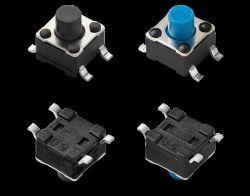
PTS647 Series surface-mounted tactile switch features design upgrades for improved noise performance, durability and dust resistance. Device measures 4.5 x 4.5mm and is available in three heights and actuation force options (1.0N, 1.8N, and 2.5N). Depending on configuration, it supports up to 500,000 actuations and delivers consistent tactile feedback in compact devices. www.littelfuse.com
SOFTWARE DEV KIT ASSISTS IN IOT DESIGNS
NORDIC SEMICONDUCTOR
nRF Connect SDK Bare Metal software solution for the next-gen nRF54L Series ultra-low power wireless SoCs, is a Zephyr RTOS-independent option that
enables development of simple Bluetooth LE applications, making it suitable for designs that do not benefit an RTOS or advanced features. Built around firm’s widely adopted SoftDevice architecture, the Bare Metal option introduces architecture and API similarities to the nRF5 SDK, simplifying migration for developers moving from the nRF52 Series and nRF5 SDK, to the next-generation nRF54L Series ultra-low power wireless SoCs. www.nordicsemi.com
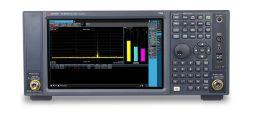
EMI TEST RECEIVER DELIVERS REAL-TIME, GAPLESS 1GHZ BANDWIDTH
KEYSIGHT TECHNOLOGIES
N9048B PXE EMI Test Receiver delivers 1Hz to 44GHz fast and accurate EMI standards compliance test. Unit has been enhanced by extending the wideband Time Domain Scan (TDS) with a real-time, gapless measurement capability up to 1GHz measurement bandwidth. Unit measurs from 30MHz to 1GHz in just one step versus the previous three-step version, which provides high sensitivity, enables faster diagnostics, and significantly accelerates electromagnetic compliance (EMC) and certification workflows.
IP68-rated DC axial fan lineup now includes two compact, high-performance models: 40x20mm and
40x28mm IP68 dc axial fans. The IP68-rated models are engineered to meet the rising demand for cooling solutions that can withstand high humidity, salinity, dust and even submersion. Fans provide high airflow in a compact size, suitable for space-constrained designs that still require uncompromising protection. Products can be configured for customized voltage, speed control and connector options.
www.jarothermal.com
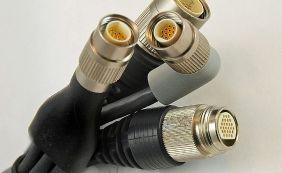
MICRO-CIRCULAR CONNECTORS SERVE RUGGED, PORTABLE SYSTEMS
OMNETICS
Micro-circular connectors feature a 0.050 inches pitch and are suitable for high-rel applications including defence, aerospace and industrial. Devices are QPL approved for MIL-DTL-32139 and MIL-DTL-83513 and have been designed for new-generation electronic systems focusing on rugged performance while being highly portable and light weight. Delivering advantages in size reduction (the mated length is less than 12.4 mm) and cable flexibility, connectors utilize firm’s rugged and reliable Flex-Pin contact system. www.omnetics.com/products/ micro-and-nano-circulars
INFRARED THERMAL SENSOR ARRAY BOOSTS SIGNAL-TO-NOISE RATIO
MELEXIS
MLX90642 fully calibrated 32x24 pixels thermal IR array imager comes in an industry-standard 4-lead TO39 package with a digital I2C interface.
With a high Signal-to-Noise ratio (SNR), sensor provides a total of 768 Far-Infrared (FIR) pixels that translate into detailed thermal images, allowing for precise temperature mapping of the observed environment. Product is offered with two distinct Field of View (FOV) options: 45°x35° and 110°x75°. This flexibility allows designers to select the optimal FOV for their specific use case.
www.melexis.com
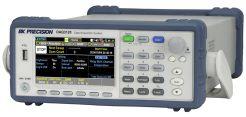
BENCHTOP DATA ACQUISITION SYSTEM IS MODULAR
B&K PRECISION
DAQ3120 Benchtop Data Acquisition System is a modular solution that combines a 6½-digit digital multimeter (DMM) and a data logger in one compact design, providing a comprehensive platform for acquiring, analyzing, and logging diverse physical measurements. With three module slots and five available modules to choose from, users can configure the system to meet their specific application needs.
www.bkprecision.com
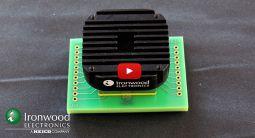
94GHZ SOCKET FOR BGA400 DELIVERS 12W POWER DISSIPATION
94GHz Socket for BGA400 delivers 12W power dissipation. Test and debug 17x17mm IC, 0.8mm pitch with high performance elastomer socket with 94GHz bandwidth while operating at -55C to +160C. Heatsink compression screw can dissipate 12 watt power at room temperature.
3U VPX POWER SUPPLY DELIVERS CLEAN POWER IN SMALL FORM FACTOR MOLEX
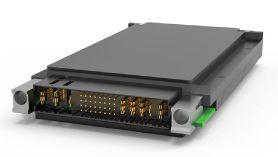
AirBorn 3U VPX Power Supply delivers clean power in a smaller form factor to unlock capacity in space-constrained aerospace, defense and commercial applications. Unit boosts reliability and efficiency for the challenging operational environments. Setting new standards for power density and efficiency, product provides optimized size, weight, power and cost (SWaP-C) while meeting VPX and VITA 62 open architecture requirements. www.airborn.com/conduction-cooled/3u-vpx-power-supply/ product/3U-VPX-Power-Supply
SMALL LASER DRIVER PLATFORM BOOSTS EFFICIENCY
SILANNA SEMICONDUCTOR
FirePower SL2001 14-pin 3.5 mm2 IC with a sub-2 ns FWHM laser pulse and dual drive for peak-power outputs of up to 1000W. Device has high charging efficiency and operates from a supply range of 3V to 24V to fire either EEL diodes or VCSELs with a pulse repetition frequency of over 10MHz. Device also has a differential Laser Fire output indication with a sub 0.1 ns Peak-to-Peak jitter. Built in laser output power sensing and control enables product to meet eye-safety needs. silannasemi.com
MODULE DELIVERS ON SMALL COMPUTE PLATFORM
TRIA TECHNOLOGIES
TRIA SM2S-G3E SMARC module is based on Renesas’ RZ/G3E microprocessor, which comes with up to four Arm Cortex-A55 cores running at 1.8GHz, a dedicated Arm Cortex-M33 Real-Time core and an Arm Ethos-U55 neural processor unit (NPU). Module is
suitable for applications that require a small compute platform with high performance, strong graphics, video and AI capabilities and a rich I/O feature set.
www.tria-technologies.com/ product/tria-sm2s-g3e
2.1 PHY COMPLIANCE
TEST SPEC SOFTWARE RECEIVES VESA STAMP
TELEDYNE LECROY
QualiPHY automated-compliance test
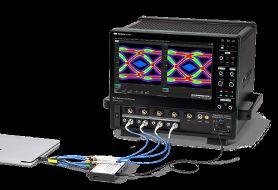
solution for DisplayPort 2.1 Source (Tx) and Sink (Rx) testing, including all Ultra-High Bit Rate (UHBR) data rates and all High Bit Rate (HBR) data rates, has received approval from VESA . The approved solution consists of: QualiPHY compliance test automation software; WaveMaster 8000HD oscilloscope for Source testing; Anritsu SQA-R MP1900A Signal Quality Analyzer for Sink testing; Wilder Technologies DPAC-CAM AUX controller to enable fully automated testing of multi-lane DisplayPort 2.1 devices.
www.teledynelecroy.com
HIGH POWER CHIP JUMPERS DELIVER
0.5MΩ RESISTANCE
S-P INTERNATIONAL
SANNOHM LRJ Series of High Power
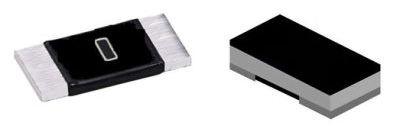
Zero Ohm Chip Jumpers feature an ultra-low resistance value of 0.5m max. Product series is suitable for high current applications, as it is fully RoHS and REACH compliant. Available in reel
quantities of 10K pieces (0402), 5K pieces (0603, 0805, 1206), and 4K pieces (2010, 2512). With rated current ratings of 20A in a 0402 package, to 100A in a 2512 package, devices are suitable for use in servers, mobile devices and power management systems.
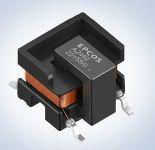
EPCOS InsuGate series of SMT gate drive transformers includes variants rated for a dc working voltage of up to 1000V (ordering code: B78541A25). These components meet the IEC 61558-1/2-16 standard for basic insulation and enable more compact gate driver designs for full-bridge inverter modules, particularly in demanding e-mobility and industrial environments.
improved stability and are available in target frequencies of 32GHz, 43.5GHz, 71GHz, 95GHz and 110GHz. The stable, low-loss flexible microwave cable assemblies use Nitrowave cable technology, recognizable by firm’s distinctive orange FEP jacket. www.samtec.com/rf/cables/ high-performance-microwave
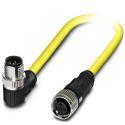
Angled M12 right angle connector for reflow (THR) processing have been specially developed for automated production. Devices enable efficient mounting processes and can be positioned flexibly on pcb, even in confined spaces. Products are suitable for pick-and-place, which facilitates automated assembly on the pcb. www.phoenixcontact.com
MICROWAVE CABLES PROVIDE STABILITY DURING FLEXURE IN LAB
SAMTEC
Nitrowave Phase and Amplitude Stable Microwave Cable Assemblies deliver
Xeon 6 series of central processing units (CPUs) are developed specifically to manage advanced graphics processing unit (GPU)-powered AI systems. Devices are designed with Performance-cores (P-cores), including firm’s innovative Priority Core Turbo (PCT) technology and Speed Select Technology – Turbo Frequency (Intel SST-TF), delivering customizable CPU core frequencies to boost GPU performance across demanding AI workloads. www.intel.com
High-voltage reed relays meet new peak high-voltage testing standards. Designed with hermetically sealed Rhodium or Tungsten contacts, providing reliable and long-life operation, with switching times below 1 millisecond and breakdown/stand-off voltage levels up to 15kVdc. Suitable for use in automated test equipment (ATE), medical devices, electric vehicles, and alternative energy systems. Designed for environments requiring low leakage currents and high insulation resistance.
www.standexelectronics.com
Visit ept.ca for the latest new products, news and industry events.
ROBOTICS
INFINEON TO ENABLE HUMANOID ROBOTS
InfineonTechnologies is accelerating the development of humanoid robotics with NVIDIA technology. This integration combines Infineon’s expertise in microcontrollers, sensors, and smart actuators with the cutting-edge NVIDIA Jetson Thor Series modules, enabling original equipment manufacturers (OEMs) and original design manufacturers (ODMs) to create more efficient, powerful, and scalable motor control solutions for humanoid robotics. Humanoid robots are increasingly deployed in various important areas, including manufacturing, logistics, and healthcare, where they require efficient and reliable solutions for precise motion.
“By combining our microcontroller, sensor, and smart actuator expertise with NVIDIA accelerated computing technology, we will deliver a simple, integrated, and scalable solution to our customers, reducing their time to market significantly,” said Jochen Hanebeck, CEO of Infineon Technologies. “NVIDIA Jetson Thor is designed to accelerate the future of physical AI and robotics”, said Deepu Talla, vice president of robotics and Edge AI at NVIDIA. “Infineon is bringing their broad product and technology portfolio to the Jetson Thor ecosystem to help accelerate customers’ time-to-market by creating more efficient, powerful and scalable motor control solutions for humanoid robots.”
CONNECTORS
AMPHENOL TO ACQUIRE TREXON
Amphenol Corp. announced a definitive agreement to acquire Trexon, a leading provider of high-reliability interconnect and cable assemblies primarily for the defense market. Headquartered in Boston and with facilities in the U.S. and the U.K., Trexon is expected to have 2025 sales and EBITDA margins of approximately $290 million and 26%, respectively.
“We are extremely pleased to
announce this agreement to add Trexon to the Amphenol family,” said Amphenol president and CEO, R. Adam Norwitt. “Trexon’s unique portfolio of high-reliability cable assembly products will be highly complementary to our existing offerings in the defense market.
DISTRIBUTION
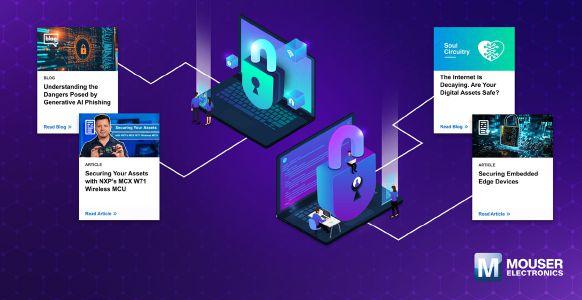
MOUSER UNVEILS SECURITY RESOURCE CENTRE
Mouser Electronics Inc. has unveiled a comprehensive security resource centre aimed at equipping electronic design engineers with the latest cybersecurity and product knowledge. As technology advances, so do the methods of cybercriminals, demanding innovative and adaptable defense strategies. Two prominent and increasingly complex issues in today’s landscape are the rise of generative AI phishing and the rapid growth of the Internet of Things (IoT).These challenges emphasize the need for both technological solutions and heightened human awareness to ensure digital safety.
The field of cybersecurity has quickly evolved in response to the increasing sophistication of digital threats. Generative AI, for instance, is reshaping the phishing landscape by creating personalized, grammatically accurate, and contextually relevant attacks at scale. At the same time, the rapid deployment of IoT devices often leads to limited processing power, infrequent patch cycles, and suboptimal security configurations, leaving many devices and
connected systems unprotected. Addressing these vulnerabilities requires a rigorous approach to IoT defense measures and component selection.
DIGIKEY DELIVERS ‘BEHIND THE ROBOT’ VIDEO SERIES
DigiKey has released the fifth season of its Factory Tomorrow video series titled “Behind the Robot.” This new season taps into experts to explore the infrastructure and innovation that make modern robotic manufacturing and automation possible.
The new instances reflect years of collaboration between Intel and AWS, bringing advanced silicon innovations and tightly integrated software optimizations to customers seeking scalable, cost-efficient and high-performance cloud infrastructure.
Sponsored by Eaton and SICK, this three-episode series explores the hidden systems powering modern automation—from the electrical backbone of robotic cells to the intelligent sensors that enable precision and safety, and the increasingly evolving role of automation in reshaping the industrial workforce.
“Automation is evolving rapidly, and it’s not just about the robot anymore,” said Connor Doherty, industrial automation director at DigiKey. “This season of Factory Tomorrow highlights the essential systems and components that enable smarter, safer and more resilient manufacturing environments.”
SEMICONDUCTORS
INTEL AND AWS DRIVE CLOUD INNOVATION
Intel Xeon 6 processors with P-cores are now powering the new Amazon Elastic Compute Cloud (EC2) R8i and R8I-flex instances, available on AWS, delivering improved performance and faster memory bandwidth among comparable Intel processors in the cloud.
“The launch of the 8th Generation EC2 instances powered by Intel Xeon 6 is a milestone in our collaboration with AWS,” said Ronak Singhal, senior fellow at Intel. “Together, we’ve built an infrastructure that accelerates AI, enhances memory performance, and simplifies deployment – helping customers achieve faster insights and stronger ROI.”
NVIDIA POSTS SOFTER AI CHIP GROWTH, RATTLING INVESTOR CONFIDENCE
Nvidia’s latest quarterly earnings revealed a slowdown in sales of its artificial intelligence processors, coming in below the pace many on Wall Street had expected. The results are likely to fuel concerns that the surging demand for AI hardware may not be as sustainable as once believed.
The chip maker has been at the centre of the two-year AI boom, a wave that has driven tech stocks sharply higher and helped Nvidia become the first U.S.-listed company to hit a $4 trillion market capitalization. That status has made the Silicon Valley firm a closely watched indicator of the broader AI economy.
But enthusiasm has recently cooled. Analysts’ notes and cautionary remarks from major tech executives have already seeded doubts that the frenzy around AI might be inflated. Nvidia’s slower-than-anticipated growth for the May–July period could reinforce those concerns.
DigiKey released its Factory Tomorrow video series focused on robotic manufacturing.
Photo: Trexon; DigiKey; Intel
The company’s data centre chips - critical to powering AI models in server farms around the world - still generated strong revenue, but the pace of expansion showed clearer signs of tapering. For investors who have come to view Nvidia as the standard-bearer of the AI revolution, the weaker figures may be a reminder that even the hottest technology cycles can lose steam.
NEO BATTERY INITIATES DRONE CELL DEVELOPMENT
NEO Battery Materials Ltd., a Toronto-based silicon battery materials developer, has unveiled a new development program for lithium-ion batteries tailored for the growing drone and unmanned aerial vehicle (UAV) industry.The
PRODUCT SOURCE GUIDE AD INDEX
project leverages NEO’s silicon battery materials, NBMSiDE P-200 and P-300N, to try and resolve the primary limitation in drone technology – battery performance.
The global drone and UAV market continues to expand across tactical defence, commercial delivery, precision agriculture, and emergency response. Despite the increasing operational demands of drones, battery performance remains the primary constraint, limiting flight time, payload capacity, and mission capability. In a press release, NEO says it will try to deliver “end-to-end battery solutions with high capacity, high power output, and fast charging with reliable safety to address the demanding needs of drone and UAV manufacturers.”
NEO’s pouch-type lithium-ion battery cells are under
NEO’s high-performance, pouch-type Lithium-Ion batteries are now under development for drone & UAV applications.
development, leveraging the Company’s silicon anode materials combined with a battery design fit for advanced drone systems. Two distinct battery solutions will reportedly be designed and commercialized.
DEVELOPMENT BOARDS
Dev and evaluation kits serve military applications
VENDOR: SAMTEC
VITA 57.1 FMC EVALUATION KITS
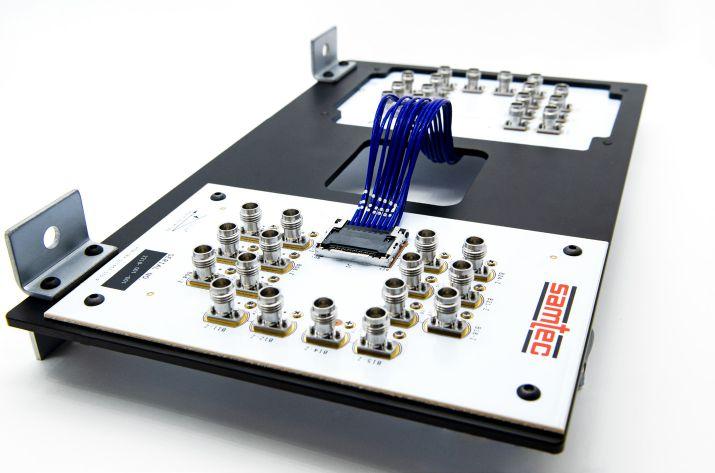
Samtec-designed evaluation and development kits featuring high-speed interconnect solutions help simplify design, from concept and prototype to development and production.
VITA defines and develops key computer bus, board, and system specifications, including VMEbus, PCI Mezzanine Card (PMC), VXS, VPX, VNX+, FMC, FMC+, QMC&, and many more. Systems from space launch control to defense systems, medical imaging, and semiconductor processing have depended on products based on VITA Technologies.
The FPGA Mezzanine Card (FMC) was developed and ratified by a consortium of FPGA vendors and end-user members of the VITA 57 working group. FMC and FMC+ are ANSI Standards that define a compact electro-mechanical expansion interface for a daughter card to an FPGA baseboard or other device with re-configurable I/O capability.
What’s included
Samtec VITA 57.1 FMC evaluation kits include the FMC Extender Card and the 14 Gbps FireFly™ FMC Development Kit. Samtec VITA 57.4 FMC+ evaluation kits include the FMC Extender Card, the FMC+ HSPC Loopback Card, the FMC+ HSPC/HSPCe Loopback Card, and the 25/28 Gbps FireFly FMC+ Development Kit.
Application use
Samtec board-to-board connector solutions are both standard and application-specific, meeting designers’ stringent quality, production, and compliance requirements for military and aerospace designs. Many of Samtec’s extensive line of rugged and high-speed interconnect products are ideal for Mil Spec environments and systems, including MIL-STD-810, MIL-STD-810G, MIL-STD-1344, MIL-PRF-38534, MIL-DTL-55302, and NASA Class D missions.
Industry standards
Samtec’s products are tested to or beyond industry standards. This includes lot screen testing per EIA-364, which meets or exceeds MIL-DTL-55302. Samtec Severe Environment Testing (SET) includes Samtec’s standard DQT (Design Qualification Testing) and E.L.P. (Extended Life Product) testing, as well as additional testing for interconnect systems that will be used in more extreme/harsh applications or environments.
Scan here for more information: https://www.samtec.com/kits
Samtec-designed evaluation and development Kits simplify the interconnect design process and reduce time to market.
Samtec board-to-board connector solutions meet stringent quality, production and compliance requirements military and aerospace designs.