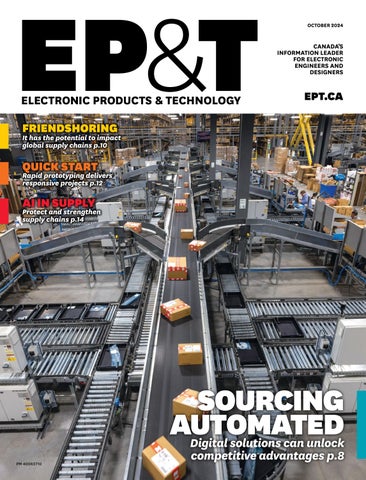
Firms can implement automated workflows to gather information more quickly.
10 FRIENDS FOR SHORE
For procurement professionals, understanding the implications of friendshoring is vital.
12 RAPID PROTOTYPING
It’s one strategy that can be used to limit the number of rounds of engineering reviews on a design.
14 PUTTING ‘AI’ IN THE CHAIN
Using artificial intelligence to protect your supply chains.
Survey success – panel dissects industry issues
Whew - having just completed my third annual Canadian Electronics Industry Report, I must say it doesn’t necessarily get easier through each iteration. Thankfully, I managed to illicit the support of six exceptional roundtable participants. The goal behind hosting a panel is to generate discussion around the results from EP&T’s industry-wide survey conducted this summer.
Through May and June, we shared a questionnaire that targeted all representatives of Canada’s electronics industry ecosystem – coast to coast. We were not disappointed, as a good number of you completed the survey, helping shape the conversation of our Zoom-based braintrust.
representatives, shared insights of selling components to an engineering audience during a turbulent past couple of years.
Data sheets shine
44% of the respondents to our annual survey have been in the industry for more than 30 years
From the distribution end of the sphere, we received valuable input from global player Mouser, as well as regional-based (Montreal) Diverse Electronics. With their fingers firmly on the pulse of emerging technologies and challenges facing start-up tech communities we had representation from Technum Quebec and the Hardware Catalyst Initiative at VentureLAB. And, who better to tell it like it is than a firm such as NueronicWorks, an electronic design house that also produces and manufactures those same applications. Rounding out the knowledge base assembled was a voice representing ‘boots on the street’. Tech Trek, one of Canada’s largest manufacturers’
Like any group speak scenario, the conversation veered away from the survey statistics tabulated. This type of tact often provides a more intimate view into the realities of doing business today. As a result, our panel shed light on the importance of data sheets within the walls of any engineering establishment. When it comes to developing and designing cutting-edge electronics, engineers rely on a few key resources to guide their decisions and ensure successful project outcomes. As it turns out, datasheets top the list as the most commonly used source of information, with 79% of respondents—and an overwhelming 95% of engineers in specialized roles—relying on them for crucial component details.
Those findings were amplified by all panel members, who agreed that the dominance of the data sheet makes sense—whether sourcing a new component or refining an existing design, engineers need precise and accurate specifications to ensure compatibility and performance.
Divergent conversations also made us aware of the impact government legislation impacts manufacturers – namely those producing electronic devices. While new governmental laws, such as Environmental, Social and Governance (ESG) requirements, aim to evaluate a company’s operations and their impact
on society, the environment and how it is governed – it also adds a layer of cost. And, that cost gets passed on within the product development chain – including end-consumer.
Loyal following
As most loyal readers know, EP&T has been delivering relevant information to Canada’s electronics industry for more than four decades. As a result, a significant 44% of the respondents to our industry report survey have been around for more than 30 years, indicating a strong level of commitment and deep-rooted expertise.
Maintaining an older demographic audience for EP&T is crucial, as this group often holds significant industry experience, purchasing power, and established relationships with vendors and technology suppliers. Their insights are valuable in shaping industry trends and ensuring stability in readership and advertising.
However, as the industry evolves, it’s equally important to engage with a younger Gen Z audience, who represent the future of innovation and bring fresh perspectives. By balancing the needs of both demographics, EP&T can remain a leading voice in the electronics sector, fostering continuity while embracing new growth opportunities.
Be sure to look for your own copy of the 2025 Canadian Electronics Industry Report polybagged with this print edition of EP&T, or download a digital version via our homepage at www.ept.ca/canadian-electronic-industry-report.
Canada’s information leader for electronic engineers and designers
OCTOBER 2024
Volume 46, Number 7
READER SERVICE
Print and digital subscription inquiries or changes, please contact Angelita Potal Tel: (416) 510-5113 Fax: (416) 510-6875
Email: apotal@annexbusinessmedia.com Mail: 111 Gordon Baker Rd., Suite 400 Toronto, ON M2H 3R1
EDITOR Stephen Law slaw@ept.ca · (416) 510-5208
WEST COAST CORRESPONDENT
Mike Straus · mike@brandgesture.ca
ACCOUNT MANAGER Joanna Malivoire jmalivoire@ept.ca · direct (866) 868-7089
MEDIA DESIGNER Lisa Zambri lzambri@annexbusinessmedia.com
AUDIENCE DEVELOPMENT MANAGER Anita Madden amadden@annexbusinessmedia.com (416) 510-5183
GROUP PUBLISHER Paul Grossinger pgrossinger@annexbusinessmedia.com
CEO Scott Jamieson sjamieson@annesbusinessmedia.com
EP&T is published eight times per year by ANNEX BUSINESS MEDIA 111 Gordon Baker Road, Suite 400 Toronto, ON M2H 3R1 Tel (416) 442-5600 Fax (416) 510-5134 annexbusinessmedia.com
SUBSCRIPTION RATES Canada – $59.67 one year; $95.88 two years USA – $136.68 (CAD) per year International – $187.17 (CAD) per year Single copy – Canada $15.00
ISSN 0708-4366 (print) ISSN 1923-3701 (digital)
PUB. MAIL AGREEMENT NO. 40065710 Return undeliverable Canadian addresses to: EP&T Circulation Department, 111 Gordon Baker Rd. Suite 400, Toronto, ON M2H 3R1
Open Ocean Robotics, a Vancouver-based marine robotic vehicle firm received $800,000 in PacifiCan funding that will be used help scale-up production of its uncrewed surface vehicles, which are solar-powered, autonomous boats providing real-time ocean information.
Open Ocean’s technology helps researchers monitor ocean conditions and track marine life in challenging environments, making it reportedly safer, easier and more affordable to protect the ocean. The PacifiCan funding will allow the firm to expand operations and access new markets, create jobs and elevate Vancouver Island as a hub for marine solutions and environmental stewardship.
PHOTONICS
QUANTUM COMPASS TAKES AIM AT GPS-FREE NAVIGATION
Researchers from Sandia National Laboratories in Livermore CA have used silicon photonic microchip components to perform a quantum sensing technique called atom interferometry, an ultra-precise way of measuring acceleration. It is the latest milestone toward developing a kind of quantum compass for navigation when GPS signals are unavailable.
Scientists introduced a new high-performance silicon photonic modulator - a device that controls light on a microchip.
Open Ocean’s uncrewed marine surface vehicles are solarpowered, autonomous boats providing real-time ocean information.
“Accurate navigation becomes a challenge in real-world scenarios when GPS signals are unavailable,” said Sandia scientist Jongmin Lee. In a war zone, these challenges pose national security risks, as electronic warfare units can jam or spoof satellite signals to disrupt troop movements and operations.
“By harnessing the principles of quantum mechanics, these advanced sensors provide unparalleled accuracy in measuring acceleration and angular velocity, enabling precise navigation even in GPS-denied areas,” Lee added.
TECHNOLOGY
HOLLYWOOD TO TELL ‘REAL’ BLACKBERRY STORY
Hollywood A-list actor Mark Wahlberg’s documentary production house is ringing up “the real BlackBerry story.”
Sandia National Laboratories’ four-channel, silicon photonic single-sideband modulator chip measures 8 millimeters on each side.
Wahlberg’s Unrealistic Ideas says it is moving ahead with a feature-length documentary centred around the history of the Waterloo-based smartphone maker.
The company says the still-untitled movie will tap into interviews with former executives and staff at the company once known as Research In Motion to recount the hand-held device’s rise and subsequent fall in the mobile phone wars.
Last year, BlackBerry was the focus of a film from Canadian director Matt Johnson that earned awards and critical praise, but scorn from some
in the local tech community who complained it played too loosely with the facts.
The BlackBerry documentary, which does not have a release date, will be made in co-operation with Canadian technology firm Viral Nation. The Mississauga, Ont.-based company partnered with the RIM alumni association to develop a historical online archive of BlackBerry’s history and originally shopped around the idea with various documentary makers.
POWER
U OF WINDSOR SIGNS MOU WITH NEO BATTERY MATERIALS
NEO Battery Materials Ltd., a Toronto-based silicon anode materials developer that enables longer-running, rapid-charging lithium-ion batteries, has signed a Memorandum of Understanding (MOU) with the University of Windsor to establish a strategic partnership focused on advancing new battery and energy storage technologies in Canada’s electric vehicle (EV) ecosystem.
The partnership will leverage the synergies between industry and academia to drive innovation and competitive advantages in battery and sustainable mobility technologies. Both parties are committed to combining their strengths in cultivating highly qualified talent, commercializing innovation, and conducting pivotal research and development.
““Our institution has a proven commitment to pursuing bold, impactful research in collaboration with industry,” said Dr. Shanthi Johnson, University of Windsor VP research.
Mark Wahlberg’s documentary production house is producing a feature-length documentary centred around the origins of the Waterloo-based firm that created the BlackBerry smartphone.
RTDS Technologies delivers real-time power
Public utilities leverage Manitoba firm’s power systems simulation technology
BY MIKE STRAUS, WEST TECH CORRESPONDENT
Power systems are large, complex beasts that require continuous testing and monitoring. Prior to the founding of RTDS Technologies Inc. in 1994, public utilities lacked a convenient means of testing their control and protection systems; at the time, power systems testing was cumbersome and expensive.
“In the mid-1980s, the most comprehensive way to test these controls was to connect them to an analog simulator, which was essentially a scaled-down version of the power system with real resistors and capacitors,” says Kati Sidwall, technical marketing manager at RTDS. “If you wanted to do something like change the length of a transmission line, you had to swap out physical components, which was very expensive. The RTDS Simulator was created as a way to digitally test the controls.”
RTDS originated as a research project to test power systems controls before they were deployed on the power system. At the time, RTDS’ technology was the first of its kind; it took significant time and effort to get buyin from major manufacturers. Sidwall says the company spend considerable amounts of time demonstrating its tools for major brands in order to get buy-in.
Engineers developing novel controllers can run tests, while OEMs can ensure their controls work before shipping to customers
Well-demonstrated tool
“Some of our biggest customers today are Siemens, Hitachi Energy, and General Electric,” Sidwall notes. “These companies need assurance that our tools are reliable, so demonstrating the tools over time was probably our biggest challenge. Today, we’re the industry standard. It’s a very well-demonstrated tool; we serve customers in almost 60 countries around the world.”
RTDS’ digital power systems
simulator enables real-time testing of power systems using hardware-in-theloop testing; it enables power system innovators to demonstrate in a lab how equipment will perform before it’s deployed on the grid. The system simulates power electronics in an inverter for solar panels and batteries as well, enabling power systems engineers to understand how fast-acting controls work.
The RTDS Simulator is an electromagnetic transient (EMT) simulator that runs the Dommel algorithm on dedicated parallel processing hardware, enabling consistent data output as fast as every 2 microseconds. Sidwall explains that the process of simulating power systems is very resource-intensive, which is why the RTDS Simulator runs on its own hardware rather than on a computer. RTDS has worked with IBM to custom-integrate an IBM processor specifically for this application; the Simulator also enables users to take data out of the simulated environment and into the real world via a digital or analog signal.
RTDS’ simulation software, RSCAD FX, runs on a standard computer and enables the user to interact with the simulation.
Simulate that system
“If you’re testing controls for power electronics, you’d use it to build up your model, whether that’s drives or electric vehicles,” Sidwall notes. “You simulate that system using the software, and then you can use the software to interact with the simulation. Users can program the software to run
a variety of contingency scenarios, for instance, applying hypothetical faults or changing what’s happening in the network.”
RTDS also produces the GTSOC auxiliary unit, which is used for blackbox simulation of vendor controls.The GTSOC enables users to have accurate OEM-specific controls running in the simulation in a black-box manner, which protects the intellectual property of the original vendor while giving the user a more accurate picture of how controls work.
The RTDS Simulator has a variety of use cases; one of the most common use cases involves utility systems operators testing new inverter-based resources.
“Imagine you have a systems operator who is concerned about how a large-scale battery system is going to impact their power system,” Sidwall says. “Using the RTDS Simulator, they can connect the inverter-based resource to the simulated network and see how it interacts.”
The RTDS Simulator is also used by research and educational institutions as well as OEM manufacturers. Engineers who are developing novel controllers can test their technology using the Simulator, while OEM manufacturers can factory test their controls before sending equipment to the customer. RTDS is now in the process of innovating on its Simulator to improve fidelity and bandwidth.
“We’re always looking to improve our tool,” says Sidwall. “With simulating and testing power electronics, you need very detailed models, so we’re always innovating in that area. We’re also getting more into transportation; we’re seeing a lot of demand for electric vehicle drivetrain testing and electrified rail applications. Of course, renewables always has lots going on; we’re seeing a lot more projects with green hydrogen, for example, as well as with large-scale renewables integration.”
Mike Straus is EP&T’s West Coast correspondent. mike@brandgesture.ca
Kati Sidwall, technical marketing manager at RTDS.
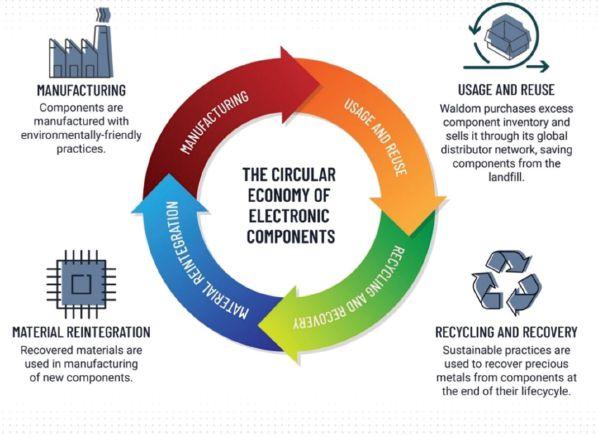
The circular economy
How the distribution channel can help close the environmental loop
BY WALDOM ELECTRONICS
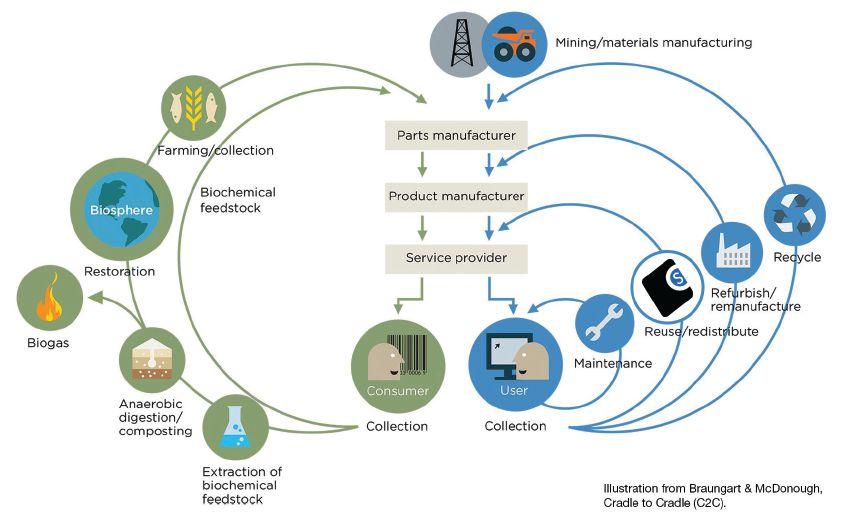
Could usable metals be extracted from the 60 million tons of smart phones, hard drives and other electronic waste produced every year globally? This advanced recycling challenge is one of the long-term objectives of circular economy implementation in the world of electronics.
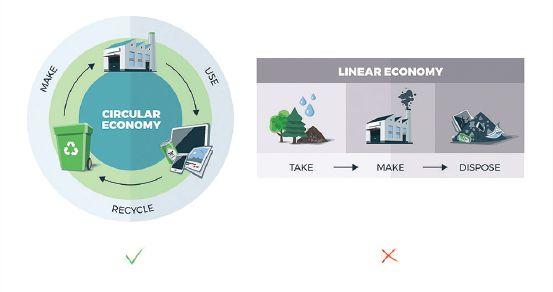
With the growing awareness of resource constraints and environmental challenges, the concept of the circular economy has emerged as a promising paradigm shift from the traditional linear ‘take-make-waste’ industrial model. The circular economy envisions a system that is restorative and regenerative by design, aiming to minimize waste and maximize resource efficiency.
At its core, the circular economy is a framework that seeks to decouple economic growth from finite resource consumption. It advocates for a closed-loop system where materials and products are designed for longevity, reuse and recycling, ultimately eliminating the concept of waste altogether. This contrasts sharply with the predominant linear economic model, which follows a one-way path from resource extraction to product disposal, leading to significant material and energy losses.
Moving to a new model
Implementing a circular economy involves a multifaceted approach that encompasses various strategies and principles. The initial step in establishing a cyclic flow is recovery, either by capturing the waste stream of industrial processes or by rerouting used and unused electronic components away from landfills. Recovery adds the curve into the traditional linear model, turning once wasted products back towards production and
the marketplace as new potential resources.
Once construction materials or excess products are collected, these recovered resources become business opportunities if matched with production processes that can put them to use.
One major aspiration of the circular economy cited above is to change product design to anticipate disassembly and material recovery at the end of product life. Resources could then be efficiently reclaimed and reintegrated into the production cycle.
Rare and hard-to-find minerals, like lithium, for example, could then be accessed from old energy storage units and further refined into usable industry materials. According to some estimates, waste from decommissioned electric vehicle lithium-ion batteries alone could total four million tons annually by 2040.
Recovery and reuse
To move towards a more circular model, the electronics industry must embrace principles such as eco-design, which involves considering the entire lifecycle of a product from the outset, including its eventual disassembly and material recovery. Effective recycling systems and infrastructure must be developed to ensure that valuable materials are reclaimed and reintroduced into the production cycle.
While extracting the chemical composites of electronics may still be under technological development, there are many practices electronic parts makers and users can adopt today that can lessen environmental impact and align with circular principles. These more fundamental recovery activities can generate market opportunities and even new sources of revenue.
To close the loop on the linear model, companies can start by
focusing on electronic component inventories. Over years, slow moving and excess component stock accumulates due to overpurchased orders, discontinued products, or updating to newer versions. In the case of part vendors and distributors, perhaps a part is simply slow to sell and removed from catalogs. Traditionally, this excess inventory has been discarded or improperly recycled.
Instead of categorizing excess electronic stock as waste to be scrapped, parts can instead find new uses via redistribution in marketplace. Collaborative efforts between distribution players are creating closed-loop systems.
The circular economy recognizes the intrinsic value of natural
capital and seeks to preserve and regenerate ecosystems through responsible resource management and the adoption of renewable energy sources. By minimizing resource extraction and waste generation, the circular economy aims to reduce the environmental impact of human activities and promote long-term sustainability.This paradigm shift towards a more sustainable and resource-efficient future involves closing material and energy loops in the electronics industry and promoting regenerative practices. While the transition to a circular economy presents many challenges, embracing its principles is essential for ensuring long-term sustainability on our planet. www.waldom.com
Waldom Electronics, Rockford IL, is a master distributor of both electronic and electrical components, providing manufacturer and distributor supply chain solutions.
Automating component sourcing
Digital solutions like application programming interfaces can unlock competitive advantages
BY WENDY BALDWIN, MANAGER, DIGITAL TECHNOLOGY OFFICE, DIGIKEY
Technology is changing faster than ever, and not just from a software perspective – hardware is evolving, too. Electronic components are changing rapidly, and the average lifecycle of an individual component is getting shorter.
While the distribution industry still has room to grow before reaching the next level of connectivity, there are several ways organizations can begin implementing automated workflows to gather information more quickly, understand emerging trends, shift employees’ time to more strategic work, and ultimately, grow at a faster rate.
Rewards of automation
The benefits of using automation to turbocharge manual, time-intensive and monotonous business processes have been well documented. Companies of all sizes and across all industry sectors are reaping the rewards of automation, and buyers can benefit significantly from these investments.
Not only does automation help people work faster, more efficiently and more accurately, but it also frees up team members to focus on what matters most: strategic, value-added projects that fall by the wayside when professionals are buried under the weight of day-to-day manual tasks and responsibilities.
Buyers in the evolving electronics sector are particularly well-positioned to benefit from automated business processes. Digital solutions like application programming interfaces (APIs), electronic data interchange (EDI) and punchouts all give procurement professionals the tools they need to stay ahead of these changes and make good buying decisions.
When buyers have the data they need to quickly source substitutes and backups, for example, it builds resiliency into the actual product design, all without having to go online to hunt around for those alternatives.
Digital-first approach with APIs and EDI
Electronics procurement is a complex maze of parts, prices and partnerships. From miniature transistors to complicated circuit boards—and everything in between—manufacturers need a steady, reliable flow of the right components to meet their production goals. Manual processes are inefficient, but the digital revolution has produced a wave of tools that help streamline procurement and unlock major benefits.
If your company is still working from printed paper or spreadsheets, now is the time to shift to a digital-first approach. APIs that act as ‘messengers’ between two different software solutions have had a profound, positive impact on procurement departments that want to digitize. These robust tools work in the background as platforms communicate and
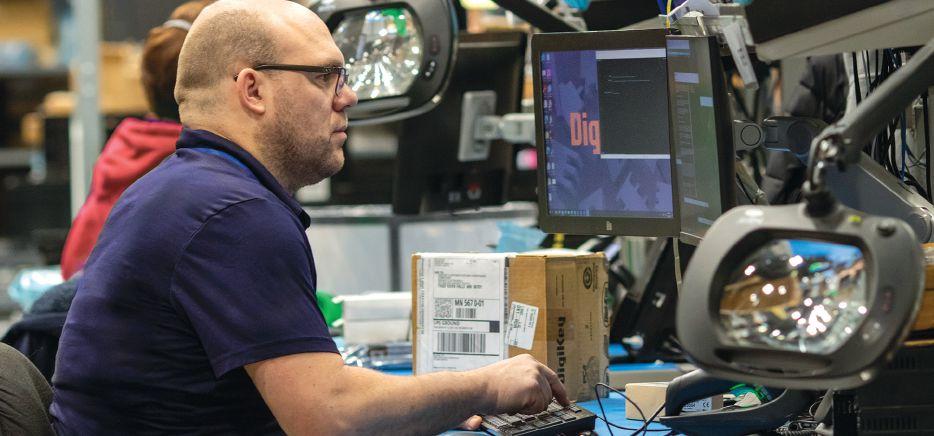
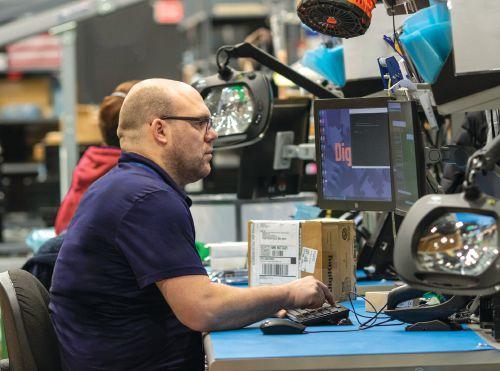
DigiKey automates receiving processes by offering APIs that work with barcodes printed on every packing slip, order and individual part.
exchange data with one another in a very standardized and predictable manner.
EDI is a steady-state technology that has existed since the 1960s. It is an equally strong partner for procurement departments that want to streamline their operations. The technology not only handles many otherwise manual processes but also allows departments to scale up quickly without the need for more manpower or effort.
For example, a company that’s adding new suppliers can onboard them and begin transacting quickly with the help of EDI (which does require installed software to function). Once in place, the EDI application can place purchase orders, access ship notifications and receive and pay invoices.
So, what’s the difference between APIs and EDI? EDI flourishes on the transactional side, whereas APIs are good at collecting and quickly sharing information across systems (e.g., available quantities, pricing,
Photo Source: DigiKey
etc.). An API can do a lot of the things that EDI can do, so it’s mainly just a matter of what fits your system best.
Maintain a competitive edge
In our fast-moving business environment, manufacturers must continually assess their standard processes and the designs behind them and then figure out ways to operate even more efficiently and effectively. It’s not enough to simply ‘copy and paste’ an inefficient process into an automated workflow. Teams must take the time to evaluate what is working and what could be improved.
In a standard workflow, engineers determine which parts or components are needed, and then procurement finds a source for those parts. For companies that rely on manual systems, this process can be painful at best.
Because the component lifecycle is getting shorter, the faster an engineer can find parts that meet their design specifications, the better. Search APIs help engineers and designers
identify those parts quickly, sourcing data for their design files to ensure the parametric information matches the design. This helps quickly eliminate parts that won’t work and select parts that will, rather than going from website to website to find the information.
Typically, the sourcing process involves going from website to website, copying and pasting information into spreadsheets. This is time-consuming and leaves the door open for data entry errors and other mistakes.
Automate purchase process
This monotonous work can also take its toll on team members whose talents could be better used working on strategic, value-added projects. The current workforce of tech-savvy professionals craves a user-friendly, digital-first workflow that makes their jobs seamless and easy. Automating tedious, manual processes can go a long way toward boosting employee job satisfaction.
If your company is ready to move
to a digital procurement approach, look for distributors that have the EDI capabilities buyers need to work efficiently, quickly and accurately, and provide APIs that enable everything from initial product discovery to quoting and purchasing.
For example, in addition to providing parametric data on components, search APIs also provide access to datasheets and other product documents – putting valuable information from a trusted source at engineers’ fingertips during the design process. Furthermore, the APIs provide inventory information so designers can select components with sufficient stock to fuel production.
APIs can also enable features and functions in enterprise resource planning (ERP) platforms that go beyond the purchase point, if necessary. By leveraging those specific APIs, buyers can easily see order status, order history and other vital information.
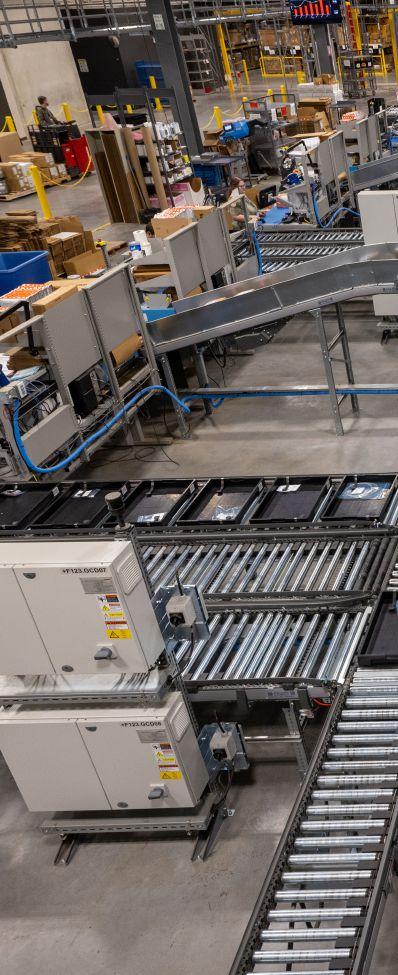
Automation enables the entire purchasing process, from discovery to invoice, to help orders flow seamlessly from system to system.
Further automating the receiving processes, APIs work with barcodes printed on the packing slip, order and individual part. This enables customers to match products to order and manage receiving and inventory easily. Ultimately, automations like this enable the entire purchasing process, from discovery to invoice, to help orders flow seamlessly from system to system.
Future of distribution
We’re in a period of rapid and disruptive change, and there’s no better time to stop chasing paper trails and reconciling discrepancies. Instead, use APIs, EDI and other automated tools to create a smooth, streamlined communication channel across all procurement activities. And if you don’t make the move now, your competitors surely will.
Automation and digitization are both becoming table stakes for growing organizations, which is why companies should review and update their processes regularly. Any company that chooses to ignore this may soon find themselves at a competitive disadvantage. www.digikey.ca
Wendy Baldwin is manager, digital technology office, at DigiKey, a global leader in the cutting-edge commerce distribution of electronic components and automation products worldwide.
Perks and pitfalls of friendshoring
BY MOUSER ELECTRONICS
There’s a strategic shift buzzing among industry leaders and policymakers.
It’s called friendshoring, and it has the potential to significantly impact global supply chains and manufacturing dynamics. For procurement professionals navigating international trade, understanding the implications of friendshoring is vital.
According to Stefan Ellerbeck, senior writer and contributor on global logistics initiatives, friendshoring is the act of “rerouting … supply chains to countries perceived as politically and economically safe or low-risk, to avoid disruption to the flow of business.” Let’s explore what friendshoring means for procurement professionals, highlighting its advantages, challenges, and the strategic considerations essential for the role.
Unlocking strategic advantages in procurement
Friendshoring presents several opportunities for procurement professionals to enhance supply chain security, reliability, and alignment with strategic goals. Here are several ways it can positively impact procurement strategies.
Enhanced security and trust
Friendshoring nurtures a higher level of trust and cooperation between
trading partners, mitigating risks related to intellectual property theft, espionage, and geopolitical tensions. The United States, for instance, has sought to friendshore critical components like semiconductors by encouraging partnerships with countries such as South Korea and Japan.
Stability and reliability
By reducing dependency on countries with volatile political climates or those prone to trade disputes, friendshoring leads to more stable and reliable supply chains. For example, the European Union’s move to decrease reliance on Russian energy by increasing imports from Norway and other allied countries underscores a broader strategy toward sourcing from politically stable and reliable partners.
Strengthening alliances
Friendshoring not only promotes closer collaboration and mutual economic growth among allied countries, but also supports strategic objectives like enhancing the technological capabilities of allies. The U.S. CHIPS and Science Act, aimed at revitalizing domestic semiconductor manufacturing, includes provisions to strengthen collaboration with allies in semiconductor research, development, and supply chain security.
Friendshoring necessitates a nuanced understanding of the global trade environment and the potential for increased costs and supply chain complexities.
Compliance & standards
Aligning with countries that share similar regulatory standards can simplify compliance with environmental, labor, and safety regulations.The transition to sourcing from countries with stringent environmental regulations, like those in the European Union or Canada, ensures a higher standard of environmental compliance, which is increasingly critical in electronics manufacturing processes.
Resilience to geopolitical risks
One of the primary benefits of friendshoring is its ability to mitigate risks associated with geopolitical tensions and dependencies. An exemplary case of this strategy in action is Japan’s efforts to diversify its supply chain for rare earth metals. Historically, Japan depended heavily on China for these critical materials. However, in a bid to reduce geopolitical risks and ensure a more stable supply, Japan has increased its imports of rare earth metals from Vietnam and Australia. This move underscores the importance of friendshoring in creating more resilient and secure supply chains.
Navigating obstacles
While friendshoring offers significant benefits, it also comes with a set of challenges that require careful
navigation. Understanding these obstacles is key to leveraging friendshoring effectively.
Increased costs
Sourcing from countries with higher labor costs, stricter environmental regulations, or more expensive materials can significantly raise procurement costs. Apple’s exploration of moving some iPhone production from China to India and Vietnam highlights the possibility of increased costs due to higher labor rates and the initial investment required to establish new manufacturing facilities.
Limited diversification
Overreliance on a few countries for procurement can create vulnerabilities. The U.S.’s dependence on Taiwan for a significant portion of its advanced semiconductor needs exemplifies the risk of disruption due to natural disasters or geopolitical tensions.
Potential for retaliation and trade wars
Friendshoring can be perceived as exclusionary, potentially leading to economic retaliation from countries that have been cut out of supply chains. The U.S.–China trade war, marked by increased tariffs on billions of dollars worth of goods, illustrates the danger of further disrupting global trade and supply chains.
Reduced global efficiency
The strategy of friendshoring can sometimes lead to a decrease in global supply chain efficiency. A prime example of this is the automotive industry, which has struggled with sourcing semiconductors during the global chip shortage. This issue has been exacerbated by friendshoring efforts that, while aiming to secure supply chains, have sometimes overlooked more efficient, albeit politically complex, sourcing options. From this example, we see the critical balance that must be struck between securing supply chains through friendshoring and maintaining the global efficiency that comes from a diversified sourcing strategy.
The strategic perspective
For procurement professionals, the decision to adopt a friendshoring strategy must be informed by a comprehensive analysis of its implications for security, cost, supply chain resilience, and long-term goals. While friendshoring offers a pathway to more secure and aligned procurement practices, it also necessitates a nuanced understanding of the global trade environment and the potential for increased costs and supply chain complexities. As electronics procurement continues to evolve amid shifting geopolitical landscapes and technological advancements,
friendshoring emerges as a compelling strategy for professionals looking to navigate these challenges effectively. By carefully weighing the benefits of enhanced security and trust, stability and reliability, and improved compliance and standards against the realities of higher costs and the need for diversification, procurement professionals can make informed decisions that align with their organizational objectives and the broader dynamics of the global electronics industry. In doing
so, they contribute not only to the resilience and success of their supply chains but also to the advancement of strategic partnerships and collaborations that define the future of international trade and manufacturing. https://www.mouser.ca
Mouser Electronics is a global factory authorized distributor of semiconductors and electronic components.
Rapid prototyping paves the way for more responsive projects
BY JIM BENEKE, VP TRIA AMERICAS
The prototype has always been an early part of product design, as it lets stakeholders see what design choices deliver the best results in a real-world context. As modern design becomes more agile, development teams can deliver results to key customers regularly for feedback and feature requests, to ensure the product meets needs and expectations.
One strategy to build upon this foundation and limit the number of rounds of reviews is rapid prototyping. This strategy for hardware-based systems identifies design flaws early, reducing iterations and costs associated with rework and waste. Cost efficiency is improved using small batches of prototypes to test different deployment scenarios before fullscale production.
Data from this product cycle is now referred to as the digital thread. This virtual chain supports teams working on current and future product iterations. The result is a more agile and flexible continuous development process, with rapid prototyping as the foundation of successful product introduction.
Flexibility is the key
Rapid prototyping works best when there is a flexible approach to design, such as that enabled by a digital thread. Ideally, the system can adapt to changes in the specification or unforeseen problems with the original concept without impacting the underlying hardware. The key to rapid prototyping success is to select platforms and development techniques to support these changes.
Following a software-defined approach requires good programmable hardware. Advanced 32-bit multicore microcontrollers now combine highspeed general-purpose processing with application-specific peripherals and accelerators. Common industrial functions, like motor control, can run alongside responsive user interfaces on the same platform.
Manufacturers are making these MCUs available through development boards. Many of these boards are supplied as a system-on-module (SoM), providing I/O expansion through header connectors. These standard pinouts provide developers with many expansion options, enabling them to construct an initial prototype in a matter of days.
FPGA - fave prototype platform
The field programmable gate array (FPGA) has long been a favorite prototyping platform. After decades of evolution, the FPGA has turned into the programmable system-on-chip (SoC). With increasing performance available, SoCs now include heterogeneous processing subsystems supporting application and real-time processors, dedicated GPUs and video codecs, along with programmable mixed-signal functionality able to run at extremely high frequencies. These powerful platforms are well suited to developing software-defined RF front ends and other applications that need high-performance interfaces.
Effective rapid prototyping extends to developing hardware capable of field trials. Developers can now use 3D printing to create custom enclosures and can even create custom actuators
Rapid prototyping works best when there is a flexible approach to design, such as when enabled by a digital thread.
for integration into mechanical systems using a metal-powder system. The result is a high-functioning prototype without the lead times that are often needed to create custom tooling at a subcontractor for volume manufacture.
Tools for rapid design
The computer-aided design (CAD) tool industry is also evolving. CAD provides essential support for 3D modeling, creating enclosures and supporting integration of PCBs into the target system. Engineering design automation (EDA) tools cover logic and software development environments with high-level system-design tools, all of which support rapid prototyping processes.
System-level tools can be helpful in
the earliest stages of a project. Engineers can evaluate algorithms in a virtual environment using data collected from the field before committing to hardware. The virtual environment and hardware development can run in parallel throughout the product’s lifecycle. A growing list of hardware platforms can be modeled in the software domain, on cloud servers or desktop computers. These platforms can support multiple engineers working in parallel more easily than sharing access to a limited number of hardware platforms.
Software modeling also supports virtual prototyping, enabling greater collaboration across teams. Software developers get more accurate feedback on the changes they make. It also provides manufacturing with a
As artificial intelligence continues to play a growing role across technology and product development, its effects can also be seen across rapid prototyping tools and strategies.
better view of how a platform is expected to operate. System engineers can suggest changes to improve production flow once the hardware is complete. Using integrated platforms that allow for real-time communication and data sharing helps ensure all the stakeholders remain aligned throughout the design cycle.
Once practices such as virtual prototyping are embedded in the design process, teams are in a good position to take a further step and move towards a continuous deployment
paradigm. Software changes to improve performance made after commercial launch can be tested on a combination of virtual and physical platforms before being sent to customers’ systems.
Rise of AI in prototyping
As artificial intelligence (AI) continues to play a growing role across technology and product development, its’ effects can also be seen across rapid prototyping tools and strategies.
Rapid prototyping fits well with the increasing use of different sensor modalities in a single device. For example, modern sensors, coupled with innovations like machine learning, are enabling new applications to deliver real benefits in combination with predictive maintenance in industrial systems.
Creating these new and complex systems requires a different approach to interpreting data and determining how best to react to that data. Combining different sensor data gives a more accurate picture of the system and can provide the foundation for creating a digital twin.
Machine learning and AI represent key elements of the underlying system design. AI, in particular, is useful in sensor-driven applications because it can link inputs to outputs in new ways. The development of predictive systems benefits from a process built on rapid prototyping, and retraining AI models is part of this process. By focusing on techniques that support easy iteration, design teams can achieve production-worthy implementation with less risk of postlaunch failures.
Like many other strategies in the industry, rapid prototyping is evolving with new technologies that will further strengthen its benefit. Overall, rapid prototyping is crucial in an agile design world as it can help designers save time and costs as a product moves through various stages of development.
www.tria-technologies.com
Jim Beneke is vice-president of Tria Americas, which is the new name for embedded compute boards, systems and associated design and manufacturing services at Avnet. He has more than 39 years of experience in technology management, business and strategy development, technical marketing, research and development and design engineering.
Using AI to protect your supply chains
BY DOMINIK ERLEBACH, SOLUTION MANAGER, SAP
Several years removed from a grinding halt in the global movement of goods, this summer brought good news about supply chains worldwide, as the Federal Reserve Bank of New York’s Global Supply Chain Pressure Index held steadily in neutral territory, as it has since the spring of 2022.
The relative calm in indicators like this suggests that organizations around the world, including those in the electronics industry, are fulfilling the ‘never again’ vows they made in the wake of the extreme disruptions of the pandemic era by taking aggressive measures to protect and strengthen their supply chains in the face of geopolitical, climate, labour and other factors that continue to loom large.
Many of those measures are
GenAI
Interest
designed to make their supply chains more intelligent, automated and data-driven. Today, the majority of supply chain leaders plan to, or are already in the process of, implementing generative AI technology.
Interest in genAI and other intelligent capabilities to support supply chain management is certainly surging among the electronics manufacturers with which I work. They have realized that the better they are at understanding and forecasting demand for their products, using AI-driven analytics and precision forecasting tools, the better positioned they will be to blunt the impact of disruptions and maintain the integrity of their supply chains.
To get there, they’re focusing on these five areas:
Distributed data
1. Liberating and unifying distributed data that’s trapped in disparate places. Data that’s widely scattered across a patchwork of non-integrated systems within an organization is the enemy of precision demand forecasting — and of an intelligent, efficiently run business.
To produce timely, accurate and relevant demand forecasts, the people and models behind them must have fresh, comprehensive data, when they need it, from anywhere in the business.
For example, having real-time insight into inventory levels at the growing number of dispersed distribution centers a company might have. Collecting, processing and digesting all this data become eminently manageable when systems, data and processes across the business are integrated and based in the cloud.
Synthesizing streams
2. Tapping into and rapidly synthesizing multiple internal and external data streams that feed an enterprise-wide data reservoir. Data, both qualitative and quantitative, structured and unstructured, from traditional sources as
well as less conventional sources, is the lifeblood of superior demand forecasting.
Quantitative data tends to come mostly from internal sources and can include highly segmented sales figures, pricing and margin data, customer feedback, marketing campaign data and Web and search analytics.
Qualitative data, on the other hand, tends to come more from external sources: news reports, social media platforms, reports on competitor activity, market research and even meteorological forecasts. Business AI is especially adept at using this external data to predict disruptions.
Instead of relying mostly on traditional backward-looking data, past experience and gut instinct to create forecasts, intelligent data-management tools can extract nonlinear data from these sources, then synthesize it within a single data reservoir that AI tools can readily access.
AI driven models
3. Using AI-driven models to identify correlations, dependencies and patterns across different variables, yielding more concise demand predictions. What happens to all that data once it’s synthesized?
Here’s where the latest wave of AI-driven analytics tools can
really raise your organization’s demand forecasting and supply chain planning game. These tools can analyze and process deep and complex data sets, fast, to spot relationships and trends that otherwise likely would be overlooked, then incorporate those signals into demand and inventory forecasts and plans.
Beyond applying AI & ML, other emerging approaches can help OEMs strengthen demand forecasts
Here again, it’s about basing decisions more on data and evidence than instinct and experience. Instead of merely knowing that a key factor driving the demand forecast has changed, decision-makers understand why that key factor changed, leading not only to better forecasts but better overall supply chain management, avoiding the whiplash effect that plagued electronics supply chains during the pandemic.
Trust & cooperation
4. Increasing trust, cooperation and collaboration across the supply chain to encourage sharing of data and improve visibility. To
Continuous Innovation
maximize the value of the insights the aforementioned models produce, it’s critical to feed them with fresh data from relevant upstream and downstream entities along the supply chain.
In today’s interdependent global supply chains, it’s critical that an electronics manufacturer know well in advance that one of its key suppliers is predicting dangerously low inventory levels for a key product component, for example, so it can turn to other suppliers as needed.
This kind of data-sharing and collaboration among manufacturers and multiple tiers of suppliers is increasing in various industries (semiconductors, automotive, etc.), made possible and encouraged by vertically connected consortia whose members are willing (and able) to share real-time supply and demand data, without putting their competitive data at risk.
Using data gathered from across the value chain, business AI can identify certain dynamics that indicate incoming bullwhip effects in a supply chain, so manufacturers can prepare accordingly.
Demand forecasting
5. Exploring intelligent new approaches to better manage factors that figure into the demand forecasting equation. Beyond applying
AI and ML tools to glean deeper insight from data to guide their demand forecasts, other emerging approaches can help electronics manufacturers strengthen their demand forecasting.
For example, an AI-driven process known as synthetic paneling uses generative AI to create and draw insight from artificial customer personas (instead of human panelists) to guide product development, go-to-market decisions and demand forecasts. GenAI acts as the moderator and provides responses from the panelists based on its analysis of data from sources like those mentioned above.
In terms of cost, speed and depth of insight, it’s a process that could radically change how companies approach market research and demand forecasting.
It’s during times like these, when supply chains seem relatively stable, that electronics companies would be wise to take steps to sharpen their demand forecasting chops, and their overall supply chain planning. Because as we all know, history does tend to repeat itself.
www.sap.com/canada
As solution manager for the high-tech industry business unit at SAP, Dominik Erlebach specializes in supply networks, business networks and the business applications of AI.
Keeping REEs in a circular supply chain
Rare earth elements provide essential properties in electronics
BY LIAM KILMISTER, COMPONENT SENSE
The International Energy Agency predicts that the demand for rare earth elements (REE) could increase three to seven times what it is now by 2040. Unlike fossil fuels — a finite resource society is gradually moving away from — REEs are crucial to our sustainable future.
Rare earth elements (REEs) include 17 metallic elements. These metals are essential in electronics for their electrochemical, luminescent, and magnetic properties. Lanthanum, cerium, and neodymium are indispensable for devices from semiconductors to batteries.
Truth be told, REEs are not that rare. In fact, their small concentrations and challenging extraction is primarily what makes them highly sought after. Recent geopolitical tensions and environmental challenges, especially between the U.S. and China, have sparked discussions about new resource extraction and the global supply chain.
Although recycling e-waste is better than landfill disposal, there are more effective ways for the electronics industry to reduce pollution and minimize excess mining. Prioritizing a circular supply chain is an actionable solution for managing REEs more sustainably.
REE mining practices
As of 2023, China accounted for over two-thirds of the world’s rare earth mine output, with the U.S., Australia, and Russia also hosting significant mining operations. Several common methods are used for mining REEs, with open-pit mines often set up to extract large quantities of ore. From there, the ore is smashed and crushed. The next stage typically involves gravity or magnetic separation, flotation, or chemical leaching with acids or alkalis to isolate the REEs.
Although several standard mining practices exist for REEs, each presents significant sustainability challenges. For each ton of REE produced, one ton of radioactive residue, 13kg of dust, 75-cubic meters of wastewater, and 9,600–12,000 cubic meters of waste gas are estimated to be generated.
The harmful effects of REE extraction also go beyond environmental damage. In certain regions, REE mining is linked to poor labour conditions. In response, the EU introduced the Conflict Minerals Regulation.
Circularity explained Today, only about 1% of REEs in discarded products are typically recycled, mainly due to logistical challenges and associated costs. Recovery usually requires strong mineral acids and hydrometallurgy.
The order of the three Rs—reduce, reuse, and recycle—is intentional. Reduction and reuse should always
be a priority before recycling. A circular economy keeps products and materials like REEs in use for as long as possible while at their highest value. Recovery or recycling should then come as a last resort. In the electronics sector, key principles of circularity involve manufacturing products and modifying operations to minimize waste. Circularity may also include regenerating natural resources.
With the key pillars of a circular supply chain in mind, electronic manufacturers can adopt several strategies to improve their business operations. By doing so, they can also inspire industry peers to follow suit. Circularity pushes companies beyond recycling REEs to reimagining product designs and adopting new sourcing methods. While regulations like the EU’s Critical Raw Materials Act aim to drive change, manufacturers must take proactive steps and lead the push for circularity.
Excess and obsolete (E&O)
Today, only about 1% of REEs in discarded products are typically recycled, mainly due to logistical challenges.
component inventory may account for up to 10% of an electronic manufacturer’s annual revenue. Many companies’ stock sits idle in warehouses due to over-forecasting or unexpected market changes. Ultimately, this component stock is often written off, becoming e-waste that is either scrapped or sent to landfills. To keep electronic components and their valuable REEs in a circular supply chain, companies should consider redistributing their E&O stock on the secondary market.
Surplus inventory that is brandnew, unused, and fully traceable to the original manufacturer can be valuable to other companies. If redistribution is approached correctly, it prevents e-waste while recuperating costs, leading to a 100% return on cost prices in some cases.
Right-to-repair
Whether planned obsolescence is intentional or simply a side effect of the pace of technological advancements, the right-to-repair movement is growing just as fast. Consumers and governments increasingly demand that electronic devices be repairable easily and independently.
Ultimately, extending a product’s life cycle is key to keeping electronics and REEs in a circular economy. Consumers increasingly recognize the right-to-repair movement’s impact and support forward-thinking companies like Fairphone.
The Fairphone 4 features eight repairable modules, along with spare parts, repair guides, and a robust take-back and refurbishment program. Extended Producer Responsibility (EPR) initiatives are holding more manufacturers accountable for their products through end-of-life. The Waste Electrical and Electronic Equipment (WEEE) Directive is driving change in the EU, while Canada is implementing similar EPR initiatives for electronics, packaging and batteries.
Sustainable sourcing
The global nature of REEs results in complex supply chains that make tracing mineral origins challenging. Geopolitical tensions further discourage data sharing. However, procurement professionals must verify the sourcing of materials in their components if possible. The
good news is that tracking the origins of materials in supply chains is becoming increasingly straightforward. The EU is mandating Digital Product Passports (DPPs) to promote circularity, particularly in the electronics sector. DPPs create a digital twin for physical products, simplifying access to important sustainability data.
A prime example is Volvo’s battery passport for its EX90 models. This passport ensures Volvo complies with the EU’s upcoming battery passport requirements. It allows consumers to trace the origins of raw materials and assess the battery’s carbon footprint.
Procurement professionals should explore the secondary market as a sustainable source for components. With proper due diligence, the secondary market offers brand-new, unused excess and obsolete components that would otherwise end up in landfills. Secondary market sourcing keeps REEs in a circular supply chain and reduces the need for further extraction.
Less than a quarter of the world’s 62 billion kg of e-waste was recycled in 2022. This is partly due to the challenges of recycling common electronics, like slim smartphones with hard-to-remove batteries. To make matters worse, REEs are especially difficult to recycle from e-waste due to their low concentrations in devices. A truly circular supply chain keeps
Less than a quarter of the world’s 62-billion kg of e-waste was recycled in 2022. To make matters worse, REEs are difficult to recycle.
REEs in use for as long as possible. Once all other options are exhausted, manufacturers should carefully compare recycling methods to select the most sustainable approach. Arguably, there are currently no perfect e-waste recycling solutions available. Pyrometallurgy (smelting) often consumes large amounts of energy to heat e-waste and emits significant pollution. Hydrometallurgy relies on aqueous chemistry and leaching agents to extract REEs but produces hazardous waste. Bioleaching, which uses microorganisms to leach REEs, is a promising approach. However, it is considered slow and less scalable.
The REE market is projected to expand further due to rising electric vehicle production and the growth of the renewable energy sector. As demand rises, electronic manufacturers must support circular practices to keep REEs in use and reduce the need for new extraction. At the end of the day, REEs are a finite resource. The secondary market offers an effective solution to promote circularity by allowing unused surplus parts to be repurposed instead of becoming e-waste.
www.componentsense.com
Component Sense, United Kingdom - firm’s goal is to lead electronic manufacturers towards zero waste by redistributing excess and obsolete electronic components.
250W POWER SUPPLIES SERVE MEDICAL, INDUSTRIAL DESIGNS
TDK-LAMBDA
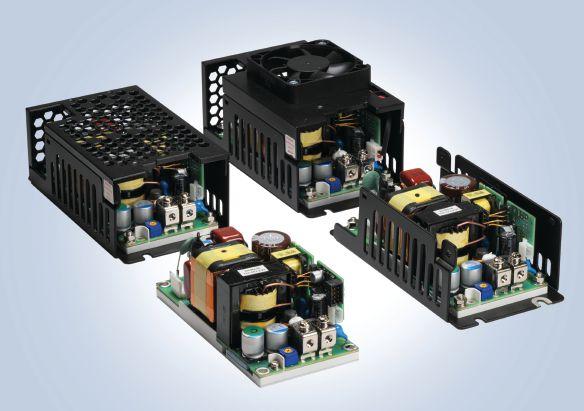
CUS250M series of 250W rated power supplies in the industry standard 2” x 4” footprint now covers 12V, 15V, 18V, 24V, 28V, 36V and 48V and is certified to the IEC 62368-1 and IEC 60601-1 safety standards for industrial and medical applications. This includes both Class I and Class II (no earth ground required) installations. Products have mechanical configurations that enable convection and/or conduction cooling through the product’s baseplate to provide silent cooling. www.emea.lambda.tdk.com/uk/ products/cus250m
CALL-BASED REMOTE TEST SOLUTION SPEEDS DATA TRANSFER
TEKTRONIX
TekHSI (Tektronix’s high speed interface) remote procedure call (RPC)-based solution delivers faster data transfer from testing instruments to a user’s PC. TekHSI functions as a new firmware capability on the Tektronix MSO 4B, 5 and 6 Series models (including B and LP instrument renditions). The abstractions provided in TekHSI make it possible to achieve higher
data transfer speeds with easy-touse implementation and scaling abilities, and TekHSI enables firm’s customers to capture the highest performance output from an instrument’s physical link, such as ethernet, and transfer data at higher speeds.
RMIC Series electret condenser microphones provide compact size, low power consumption, a wide sensitivity and frequency response range, long operational life, all at competitive price points. Devices are suitable choice where high-quality sound capture and reliable performance are required. Devices are available in sizes from 3.0mm ~ 9.7mm and offered with omnidirectional, unidirectional and noise-canceling options. Max voltage input
options are 3.6, 5 and 10Vdc with sensitivity ranges from -26 ~ –45dBV/Pa in solder pad, throughhole and wire terminations. www.raltron.com/microphones
Radisol is a low-loss filter for antenna area that uses firm’s ceramic multilayer technology and RF circuit design technology. Product is designed to suppress interference between nearby antennas with low insertion loss, improving isolation and antenna radiation efficiency. Solution is specifically engineered to meet the demands of compact modern devices like smartphones and wearables, offering benefits such as reduced power consumption, miniaturized construction, and enhanced communication quality. https://www.murata.com/ en-us/products/antenna/radisol
NON-DRIP EPOXY FEATURES ACID RESISTANCE
MASTER BOND
EP21ARHTND-2 two part epoxy adhesive withstands prolonged exposure to a wide range of chemicals. The system’s chemical resistance was tested in chemicals such as 98% sulfuric acid, 25% hydrochloric acid, 20% phosphoric acid, and 15% nitric acid, by soaking cured samples for more than 12 months. Product also passed the damp heat reliability testing by withstanding 1000 hours of 85°C and 85% Relative Humidity (RH). www.masterbond.com/ properties/chemical-resistance
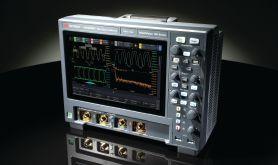
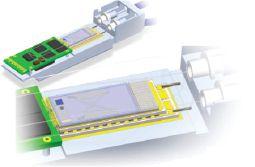
analog-to-digital converter (ADC) oscilloscope delivers four times the signal resolution and half the noise floor of other general-purpose units. Product quickly detects and fixes signal issues in a variety of applications. Device measures the smallest and most infrequent signal glitches beyond the noise to correct product issues. Units deliver high vertical resolution through a 14-bit ADC and a 50µVRMS low noise floor that can detect the smallest signal anomalies. Covering bandwidths between 200MHz and 1GHz, thus accelerating digital debugging and time to market.
www.keysight.com/us/en/ products/oscilloscopes
OPTO-ELECTRONIC SOCKETS CAN BE CUSTOMIZED IRONWOOD ELECTRONICS
14-BIT PRECISION OSCILLOSCOPE SERVES
GENERAL
APPLICATIONS
KEYSIGHT TECHNOLOGIES
InfiniiVision HD3 Series 14-bit
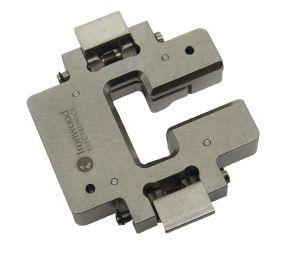
Opto-electronic sockets can be customized very easily for various devices such as fiber optic cables, sensors, optical transceivers, switches or splitters. Socket can be designed with low force short spring pins or high-performance elastomer contacts that support up to 110GHz bandwidth. With customization, impedance can be matched for the highest electrical performance. Product design enables clean exit of cables on one side or multiple sides without strain. Operating temperature range of the socket is -55C to 150C.
www.ironwoodelectronics.com/ sockets-list
Visit ept.ca for the latest new products, news and industry events.
CONNECT TO CANADA’S
ELECTRONICS MARKET
EPTECH 2024
Get Ahead of the Game!
Pre-Register Now for EPTECH Trade Shows!
Hello Tech Enthusiasts!
Are you ready to dive into the heart of the latest tech trends and innovations? EPTECH Trade Shows are just around the corner, and we’re thrilled to invite you to join us for an electrifying experience! Pre-registration is now open, and here’s why you shouldn’t miss out:
Beat the Rush: Skip the queues and breeze through the entrance with your pre-registration badge. Say goodbye to waiting and hello to instant access!
Exclusive Updates: By pre-registering, you’ll be the first in line to receive exciting updates, insider tips, and sneak peeks at what’s in store for this year’s EPTECH events. Stay ahead of the curve!
Networking Opportunities: Connect with fellow industry professionals, potential collaborators, and leading experts in the tech sphere. Pre-registration gives you the chance to plan your networking strategy and make meaningful connections.
Don’t miss your chance to secure your spot at EPTECH Trade Shows. Pre-register today and gear up for an unforgettable journey into the world of technology!
SEMICONDUCTORS
TSMC MAY BENEFIT FROM INTEL’S POTENTIAL ALTERA SALE
Intel is reportedly considering selling its stake in Altera, a manufacturer of Field-Programmable Gate Arrays (FPGAs), as part of ongoing efforts to restructure its business and reduce costs. Potential buyers mentioned include AMD and Marvell.
If the sale proceeds, there is speculation that a significant portion of Altera’s orders could shift to Taiwan Semiconductor Manufacturing Co. (TSMC), as Altera had previously been a customer before being acquired by Intel in 2015. At that time, Altera’s orders moved to Intel’s own manufacturing. Despite losing this business, TSMC has continued to grow with major orders from companies like Apple, AMD, and NVIDIA.
Intel acquired Altera in 2015 for $16.7 billion and has previously discussed selling a portion of its stake through an initial public offering (IPO), although no specific timeline has been set. Intel’s plans reportedly do not involve splitting up the company or selling its foundry business to other buyers.
POET STREAMLINES ITS ENGINEERING TEAM
POET Technologies Inc., a Toronto-based designer and developer of the POET Optical Interposer, Photonic Integrated Circuits (PICs) and light sources for the data centre, tele-communication and artificial intelligence markets, has reorganized its engineering team to streamline design, component engineering and New Product Introduction (NPI) activities globally. The move was made in response to active customer demand for 800G and higher products directed at AI systems
and hyperscale data centre markets.
While the major AI network and systems companies are located in North America and China, almost all module makers, including the firm’s current customers for optical engines, are located in China,Taiwan and other Asia Pacific countries. To better serve these and other customers, POET has established a Global Engineering Organization based in Singapore.
Critical product design and architecture, key customer relationships, global marketing & sales, and IP management continue to remain in Silicon Valley, while the firm’s finance, investor relations and other admin functions are managed from Toronto.
POWER
HAMMOND INCREASES PLANNED CAPITAL PROGRAM
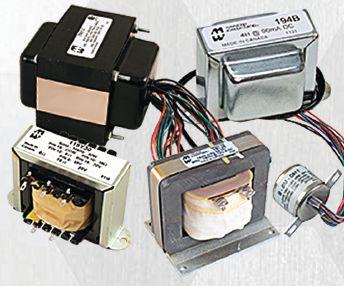
Hammond Power Solutions Inc., a Guelph-based manufacturer of dry-type, cast resin transformers and related magnetics, has announced its intention to increase its planned capital program by approximately $20 million over two years.
“Hammond continues to experience favourable industry tailwinds for certain products driven by the electrification of our economy,” said Adrian Thomas, CEO of Hammond Power Solutions. “These investments will be made over the course of 2024 and 2025 to expand production in Monterrey to build custom power transformers which will remove current capacity bottlenecks and add significantly to our revenue capacity.”
portfolio of large, high-power transformers which are widely used in several commercial and industrial markets. With this expansion, Hammond will shorten wait times and enhance our North American delivery platform.
XP POWER UNVEILS SILICON VALLEY DESIGN, INNOVATION CENTRE
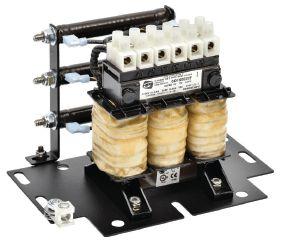
Hammond’s HPS dV/dT filters are specifically designed for use between variable frequency drives (VFD’s) and motors when longer cable lengths are used.
Manufacturer and supplier of critical power control systems XP Power has opened its Silicon Valley Innovation Center (SVIC) as the firm’s North America headquarters in San Jose, CA. The 85,000-square-foot state-ofthe-art facility features integrated research and technology development, design engineering, pilot manufacturing, warehousing logistics, along with service/support under one roof.The facility puts focus on rapid development cycles, allowing delivery of high-quality solutions efficiently.
The facility includes a Reliability Lab with multiple Highly Accelerated Life Test (HALT), Highly Accelerated Stress Screen (HASS) and Environmental Chambers, emphasizing our commitment to reliability.
DISTRIBUTION
KYZEN PARTNERS WITH ADTOOL
Kyzen, a global leader in production cleaning chemistries, reached a strategic partnership with Adtool Corp., a value-added distributor of manufacturing tools and equipment in Canada. Adtool also provides soldering, adhesives, labels, static protection, pcb handling machines, and chemicals.
This new expansion will support Hammond’s power transformer
“Adtool will provide our Canadian customers with local sales and technical support,” said Eric Bromley, Kyzen’s Northeast regional manager. The combined efforts of both firms provides more than 70 combined years of cleaning solutions.
PRODUCT SOURCE GUIDE
AD INDEX
ABSOPULSE
Coilcraft
Digi-Key Corporation
Diverse Electronics
Dynamic Source Manufacturing 3
EPTech 2024 Event 19
EMX Enterprises Ltd 11
Hammond Mfg Co. OBC
Master Bond Inc 21
Rochester Electronics IBC
Schleuniger, Inc. 21
TDK-Lambda Americas Inc. 21
Transducers USA
Joanna Malivoire, Account Manager, jmalivoire@ept.ca | direct 866-868-7089.
DEVELOPMENT BOARDS
Open-source, community-supported development platform
VENDOR: BEAGLEBOARD.ORG
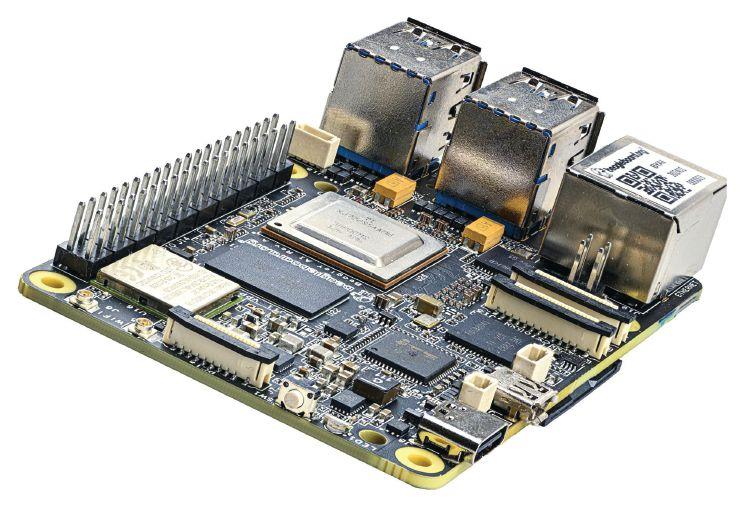
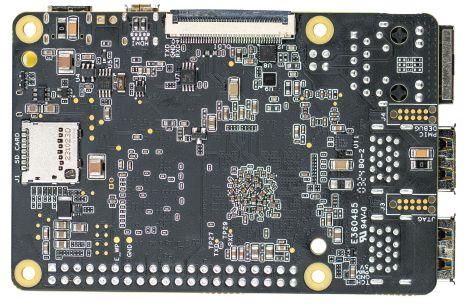
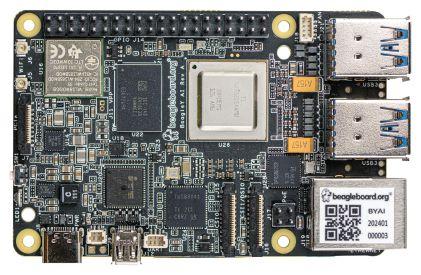
BEAGLE Y-AI DEVELOPMENT PLATFORM
BeagleY-AI is a low-cost, open-source, community-supported development platform that enables developers to jump straight into the creation of an expansive new range of AI applications. Users benefit from BeagleBoard.org-provided Debian Linux software images with a built-in development environment and the ability to run artificial intelligence applications on a dedicated 4 TOPS co-processor along with real-time I/O tasks on a dedicated 800MHz microcontroller.
BeagleY-AI is designed to meet the needs of professional developers and classroom-environments alike being affordable and easy-to-use, while being open source hardware such that developers barriers are eliminated to how deep the lessons can go or how far you can take the design in practical applications.
BeagleY-AI is designed to enable users to maximize AI performance in robotics, factory and building automation, test and measurement, medical technology, human-machine interfaces (HMIs), and intelligent vision. BeagleY-AI delivers the computing power required to develop tasks such as image classification, object detection, semantic segmentation, and many others. BeagleY-AI features a powerful 64-bit, quad-core A53 processor, multiple powerful AI accelerators paired with C7x DSPs, integrated 50 GFLOP GPU supporting up to three concurrent display outputs and modern connectivity including USB3.1, PCIe Gen 3, WiFi6 and BLE 5.4. The board is compatible with a wide range of existing accessories that expand the system functionality, such as Power Over Ethernet (PoE), NVMe storage, and 5G connectivity.