


From the Editor
by Brett Ruffell

by Brett Ruffell
For the December issue of Canadian Poultry , I want to reflect on the spirit of giving during this season, both in our personal lives and within the poultry industry.
“It’s inspiring to see our industry come together to support those in need.”
Personally, my family has made it a tradition to support Toys for Tots, which provides toys to children in need across Canada, bringing joy to those facing difficult circumstances during the holidays. This simple act helps ease their burdens and creates lasting memories in a time of year meant for joy. This spirit of giving is reflected in our industry as well. This year, Egg Farmers of Ontario donated $85,000 to Student Nutrition Ontario to ensure children have access to nutritious meals, especially in times of economic struggle. Similarly, Chicken Farmers of Ontario partnered with Maple Leaf Foods to provide chicken to food banks, tackling rising food insecurity in our communities. In British Columbia, egg farmers donated over 40,000 dozen eggs to Food Banks B.C., helping families in need.
It’s inspiring to see our industry come together to support those in need. These contributions, though different in scale, share a common purpose: to provide for those who need it most. They make a real difference in the lives of children and families, demonstrating the generosity and compassion of the poultry sector.
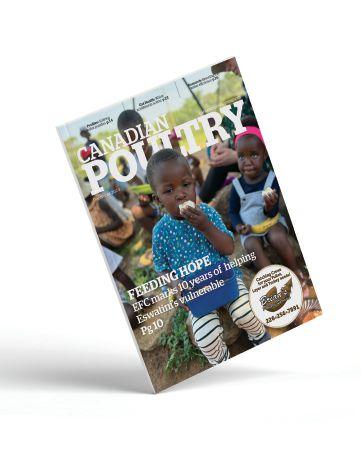
As we turn to our cover story this month (see pg. 10), we’re reminded of the global impact of our industry. In Eswatini, the Canadian egg industry’s efforts through Heart for Africa are providing sustainable food sources for orphaned children and families.
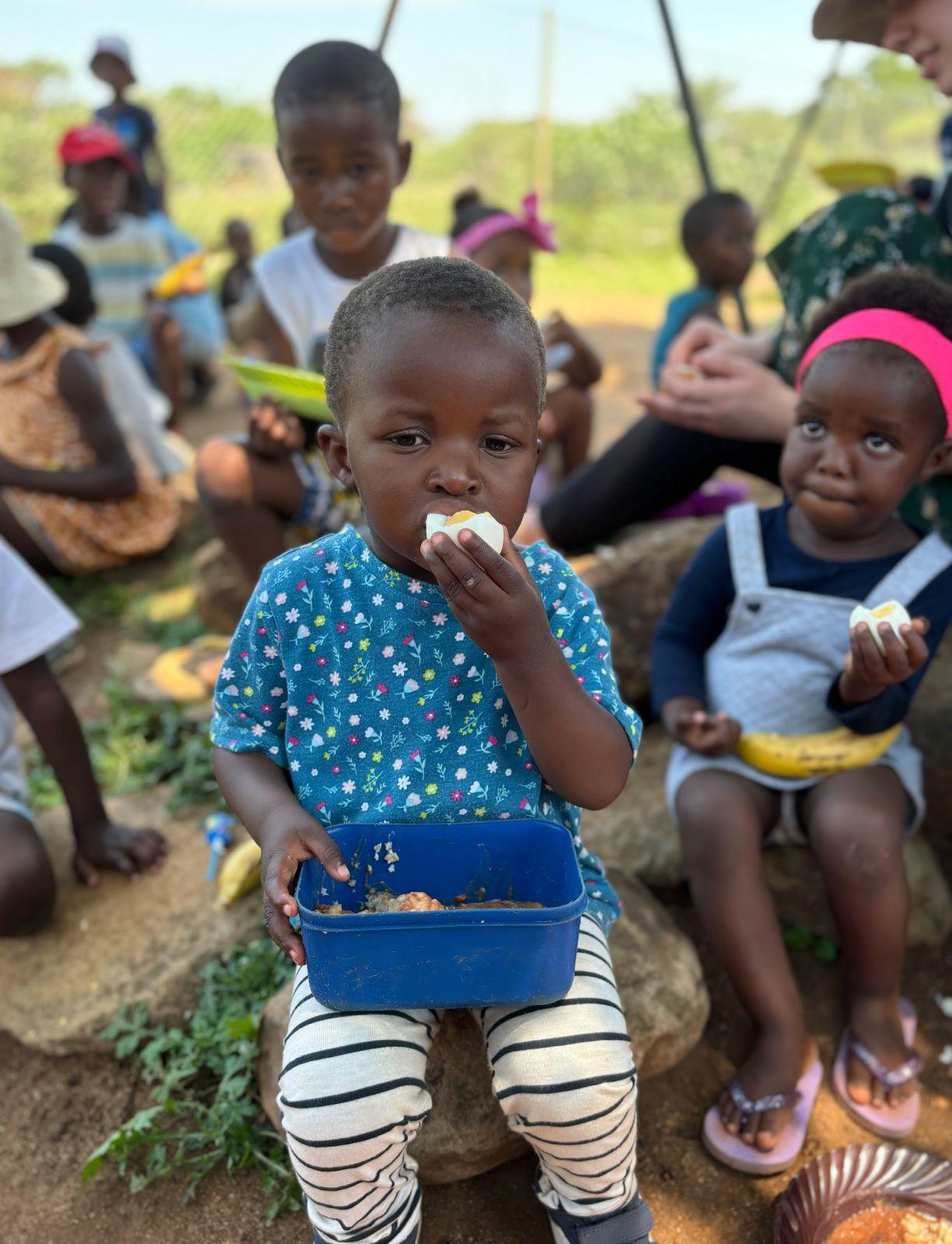
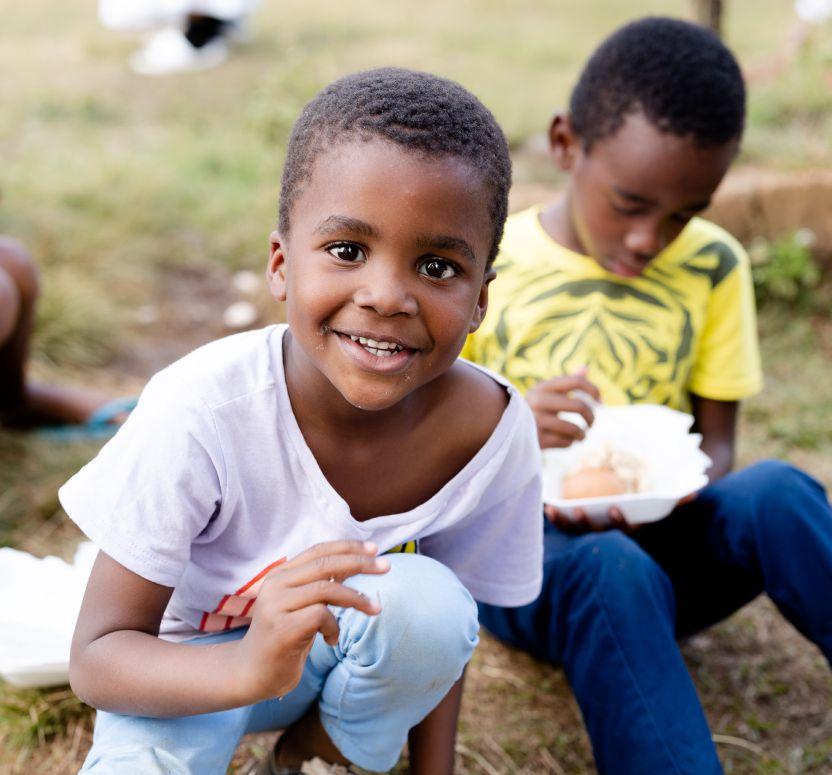
Thanks to Egg Farmers of Canada, the Project Canaan farm now produces over 5,000 eggs a day, supporting the local community and helping to feed children in need.
As we approach the new year, let’s reflect on these acts of kindness and be inspired by our industry’s continued generosity. It is a privilege to be part of a community that understands the power of giving, and to witness firsthand the positive changes that can be made when we come together. Wishing you all a joyful holiday season and a prosperous year ahead.
canadianpoultrymag.com
Reader Service
Print and digital subscription inquiries or changes, please contact Angelita Potal, Customer Service Rep.
Tel: (416) 510-5113
Email: apotal@annexbusinessmedia.com
Mail: 111 Gordon Baker Rd., Suite 400, Toronto, ON M2H 3R1
Editor Brett Ruffell bruffell@annexbusinessmedia.com 226-971-2133
Brand Sales Manager Ross Anderson randerson@annexbusinessmedia.com Cell: 289-925-7565
Account Coordinator
Julie Montgomery jmontgomery@annexbusinessmedia.com 416-510-5163
Media Designer
Jaime Ratcliffe
Group Publisher Michelle Bertholet mbertholet@annexbusinessmedia.com
Audience Development Manager
Anita Madden amadden@annexbusinessmedia.com 416-510-5183
CEO Scott Jamieson sjamieson@annexbusinessmedia.com
PUBLICATION MAIL AGREEMENT #40065710
Printed in Canada ISSN 1703-2911
Subscription Rates
Canada - Single-copy $10.00
Canada – 1 Year $33.15
GST - #867172652RT0001
Occasionally, Canadian Poultry Magazine will mail information on behalf of industry-related groups whose products and services we believe may be of interest to you. If you prefer not to receive this information, please contact our circulation department in any of the four ways listed above.
Annex Privacy Officer
privacy@annexbusinessmedia.com Tel: 800-668-2374
No part of the editorial content of this publication may be reprinted without the publisher’s written permission. ©2024 Annex Business Media. All rights reserved. Opinions expressed in this magazine are not necessarily those of the editor or the publisher. No liability is assumed for errors or omissions. All advertising is subject to the publisher’s approval. Such approval does not imply any endorsement of the products or services advertised. Publisher reserves the right to refuse advertising that does not meet the standards of the publication.






From the first day your chicks and poults are placed, water is one of the first things they look for, and for decades farmers and poultry have relied on our drinkers for a consistent flow of fresh water.
Our drinkers provide poultry the single most important ingredient for the BEST POSSIBLE START, AND A HEALTHY LIFE DURING LAY PERIOD AND GROW-OUT.
Glass-Pac Canada
St. Jacobs, Ontario
Tel: (519) 664-3811
Fax: (519) 664-3003
Carstairs, Alberta
Tel: (403) 337-3767
Fax: (403) 337-3590
Les Equipments Avipor
Cowansville, Quebec
Tel: (450) 263-6222
Fax: (450) 263-9021
Specht-Canada Inc.
Stony Plain, Alberta
Tel: (780) 963-4795
Fax: (780) 963-5034
A Senate committee amended a Bloc Québécois bill meant to protect Canada’s supply management system by exempting trade agreements like CUSMA. Bloc leader Yves-François Blanchet criticized the change, claiming it prioritizes foreign interests over Canadian producers. Despite the committee vote, the Liberal government has pledged to protect supply management in future trade talks, and Blanchet hopes the amendment will be reversed during the Senate’s third reading.
The federal government is investing $5.1 million in poultry research to enhance innovation, welfare, and climate solutions. Announced by Minister Lawrence MacAulay at the University of Guelph, the funding, overseen by the Canadian Poultry Research Council (CPRC), supports projects focused on climate change, disease management, and sustainability. Conducted at various Canadian universities facilities, the research aims to improve production.
Subway Canada has added the Egg Quality Assurance (EQA) certification mark to its breakfast menu. The mark, featured on in-store, online, and app menus, ensures the eggs meet rigorous food safety and animal care standards. Roger Pelissero, chair of Egg Farmers of Canada, says Subway’s use of the EQA mark supports Canadian farmers, while Courtney Hindorff, Managing Director of Subway Canada, highlights the partnership’s alignment with Subway’s focus on quality ingredients.
Maintaining strict biosecurity is crucial as avian influenza reemerges in Canada’s commercial poultry sector.
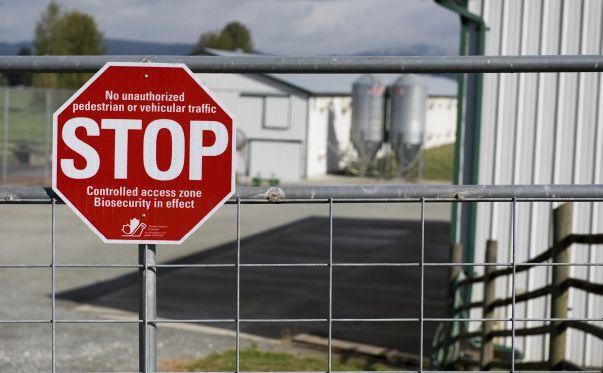
commercial poultry flocks in British Columbia have been impacted by avian influenza as of mid-November 2024.
After an eight-month lull, avian influenza (HPAI) has returned to Canada’s commercial poultry operations, sparking fresh concerns across the industry. This resurgence began in B.C.’s Fraser Valley, a key poultry farming region, with three cases confirmed in Abbotsford and Chilliwack on October 21. Since then, the virus has spread to additional commercial flocks, with 22 being the number of commercial poultry flocks impacted in B.C. as of mid-November 2024 –more than any other Canadian region.
The Canadian Food Inspection Agency (CFIA) swiftly established control zones around affected areas to curb further spread, echoing measures from previous outbreaks. Experts highlight that migratory wild birds, particularly waterfowl, are a primary vector during the fall migration, emphasizing the need for biosecurity vigilance.
This resurgence comes at a challenging time. In early October, the U.S. Department of Agriculture had just
lifted its final avian flu-related import restrictions on Canadian poultry, offering a hopeful milestone for the industry. However, the recent cases have renewed calls for preventive measures. Poultry farms are re-implementing strict biosecurity protocols, such as limiting visitor access and requiring personal protective equipment.
The virus has now spread beyond farms, impacting non-commercial flocks in Alberta and posing risks to wildlife and even humans. In November, Canada reported its first human case of avian flu in a teenager in B.C., who remains in critical condition. This case, although rare, underscores the virus’s potential severity, particularly in young people, and has prompted public health authorities to investigate the source of exposure.
With wild bird populations continuing to climb, industry and health officials caution that vigilance remains critical in containing avian flu risks across Canada.
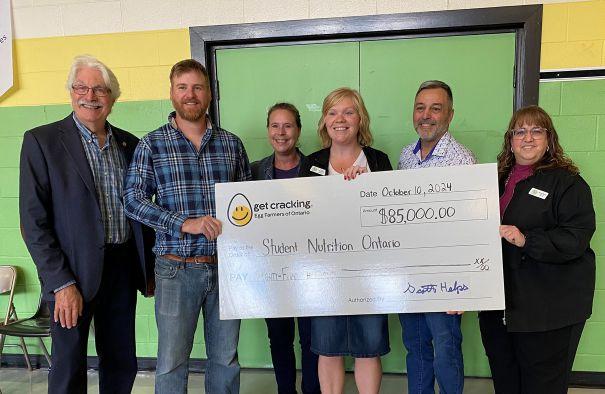

In celebration of World Egg Day, the Egg Farmers of Ontario (EFO) visited North Trenton Public School in Trenton, Ont., on Thursday, October 10th, to present an $85,000 cheque to Student Nutrition Ontario (SNO).
This donation is part of EFO’s ongoing commitment to supporting student nutrition programs across the province.
“As an egg farming organization, we understand that a full stomach helps fuel student learning,” says Scott Helps, EFO chair.
“Wholesome foods, like eggs, nourish and grow minds and set them on a journey for success,” he continues.
The egg board’s generous donation will provide nutritious meals to students across Ontario, helping to address the financial challenges many families are facing due to rising food and shelter costs.
With many children returning to school, nutrition programs play a vital role in ensuring they have access to healthy food each and every day.
Student Nutrition Ontario is a network of 14 not-for-profit organizations that support over one million students across the province.
Through its efforts, SNO aims to nourish children, teach healthy eating habits, and create supportive communities.
Representatives from The Hastings and Prince Edward Learning Foundation (HPELF), the Student Nutrition Lead Agency for South Eastern Ontario, accepted the cheque on behalf of SNO.
SNO has the support of more than 56,000 volunteers and 39 community partners.
The network is dedicated to addressing student hunger and ensuring every child starts their day nourished.
The EasyLine 2.0 Turkey
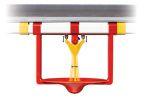
Drinker from Lubing Systems offers a tailored solution for brooding and finishing turkeys, featuring an innovative pendulum with twin-nipple technology. This design enables efficient water flow by activating the nipples vertically as the turkeys move the pendulum while drinking. The system’s height-adjustable setup allows the birds’ neck feathers to naturally help keep the cup edges clean, promoting hygiene and reducing maintenance efforts.

The BDR-25 Bypass Dosing Robot from In-Fluid Water Management Solutions delivers precise product dosing and flow measurement, integrating seamlessly into waterlines. Its magnetic-driven piston ensures consistent dosing at 0.7 mL per stroke, even at flow rates as low as 100 mL per minute. A tiltable digital screen allows intuitive control, while built-in sensors and data recording enable detailed production analysis. With low maintenance and chemical-resistant components, it ensures reliable performance in demanding conditions.
Ziggity’s
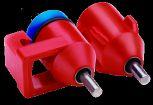
Max6 drinkers are engineered for broilers with energetic drinking habits, focusing on maintaining dry litter and healthy paws. Designed for consistent results, they have demonstrated exceptional performance in growouts, improving bird weight, feed conversion, livability, and reducing undergrades, ensuring optimal outcomes across the board.

By Crystal Mackay
Food is a fundamental and emotional bridge in both our personal and professional lives.

Take a minute and think about all your favourite get-togethers and special occasions. What is at the centre of them all? The food.
While we all work in various aspects of the poultry industry with many different job titles, there are two principles we all have in common: We all are in the food business, and we are all in the people business.
Food is the ultimate connector. Sometimes people in agriculture talk about our sector from a minimal position: “We are less than two per cent of the population.” While that is true, everyone eats, so our work matters to 100 per cent of the population. Food is not
a commodity or an issue, it’s fundamental to how we nourish ourselves and our families. It is always personal and often emotional and is the ultimate connector for conversations with anyone.
“There is no love sincerer than the love of food.”
- George Bernard Shaw
Think about some of your favourite recipes. You can clearly picture how it looks and how it smells. What do you look forward to making or enjoying with friends or family? For me, it’s my mom’s pies, my mother-in-law’s cakes, or my sister’s butter tarts.
I also love when we host family Thanksgiving at our log cabin my dad built back in the bush on our pasture farm. The food, the drinks, the conversation, the laughter, the connecting and reconnecting. This value of connecting over food is an age-old tradition that can and should happen at work and in life, now more than ever.
The second principle is one you may not have thought of before: Agriculture is a people business. Whether you are brand new to working in the poultry sector or many generations deep in it, we work in a sector that values people and relationships.
Over the past few years, travel budgets for both time
and money ground to a halt and haven’t made a strong comeback. What’s the value of going to that event or meeting or social get together? People don’t know what they don’t know.
What is the cost of not going and building those relationships – personally or professionally? It’s easy to get busy with our workloads and demands and forget the value of connecting and talking to people. It takes time and priority setting to make it happen.
People need connection and connections to thrive and find meaning and joy in their work and their lives. According to Anthropology Review, commensality, the act of sharing a meal with others, is not only a physical activity but also a social one. Eating together helps build relationships and create community by allowing people to connect and share their experiences.
Take the time, particularly at this time of year, to connect with some people you know or would like to get to know. Pick up the phone, send a note, meet for a coffee. Go to that meeting and get there early or stay a bit later. Sign up for that tour or conference or visit that farm show for some great discussion. And don’t forget to raise a glass and enjoy some delicious made in Canada food and drinks together!

By Dr. Gigi Lin
Dr. Gigi Lin is a board-certified poultry veterinarian. She provides diagnostic, research, consultation, continuing education, and field services to all levels of the poultry industry in Western Canada. In this column, she will share case-based reviews of brooding best practices.
Vaccination is one of the most critical components of health management in breeder pullets, adequate immunization not only protects their health against disease pressures but also ensures that sufficient maternal antibodies are passed on to their broiler chicks. This protective transfer is essential for early immunity in broilers, defending them against multiple diseases, which enhances brooding success and overall flock performance.
To verify vaccine efficacy, breeder flocks are closely monitor for “vaccine take” by measuring antibody titers in the blood at specific age ranges. Commonly, blood is collected between 14 to 16 weeks of age to evaluate modified live vaccine titers, with a second round conducted three to four weeks after the administration of the final set of killed vaccines.
Case History: I was consulted by a breeder pullet farm experiencing consistently lower-than-expected titers for a few core vaccines, most of which were administered via drinking water. Asides from the vaccine titers, the farm generally has great pullet
Lesson learned:
health history and flock performance. This suboptimal immune response raised concerns about potential issues either with the vaccination administration process or the water quality and/or water system itself.
Interestingly, the farm’s manager oversees three barns under the same company, yet only one barn exhibited poor vaccine titers. This specificity suggested that the root cause was likely associated with the water system and/or other environmental factors unique to that barn, rather than a systemic problem across the entire facility.
All barns in this operation received water from the same municipal supply. To obtain an accurate understanding of the water quality, we collected water samples from various points at all three barns, including the front and end of the waterline, and at the water outlets, to assess critical parameters such as pH, total coliform count, mineral levels, and chlorine concentrations. The results revealed an abnormally high chlorine concentration
Avoid similar issues by taking these preventative measures:
Proper water quality management, including monitoring chlorine levels, is essential for ensuring vaccine efficacy and overall health in breeder pullets.(right).
in the affected barn (almost three times higher than the other two barns), which raised further concerns.
The high chlorine level was traced back to a malfunctioning disinfectant proportioner, resulting in excessive chlorine being added to the waterline, even when the system was turned off. Water chlorination is commonly used to effectively control pathogen levels and biofilm in drinking system; it is easy to use and cost effective. However, the presence of chlorine in drinking water can inactivate live vaccines and impact immunization.
1. It is a common practice to pause chlorine dosing temporarily during vaccination to protect vaccine quality; however, this precaution was unintentionally overlooked in this case due to a proportioner malfunction.
1. Follow manufacturer guidelines: Ensure that any modifications to the water system align with manufacturer recommendations, particularly regarding disinfectant use, including the diluting instructions of disinfectants. After pre-placement waterline cleaning and disinfection, flush the system thoroughly to remove disinfectant residues.
2. Regular water analysis: Routine water testing for parameters such as mineral levels, microbial load, pH, and disinfectant levels is crucial. High mineral concentrations and the presence of biofilms require appropriate treatment to maintain water quality. Implement a routine water testing schedule to detect and address issues proactively.
3. Vaccine management: Discontinue chlorine (or other disinfectant supplies) at least the night before vaccination day. Use adequate de-chlorination solutions to neutralize chlorine residue in the water well before the vaccine is added (at least 20 minutes prior, or as per manufacturer’s instruction) to allow enough time for neutralization.
4. Provide staff training on water and vaccine management: Regular training for farm staff on water system maintenance and vaccine handling, along with the use of a checklist to aid troubleshooting, can reduce the risk of similar incidents.
Lessons Learned: While chlorine is an effective waterline disinfectant for pathogen control, like several other water quality parameters – including coliform levels, pH, temperature, and flow rate – can critically affect vaccine stability. In addition to compromising vaccine efficacy, high chlorine levels can also impact water palatability, especially for young chicks who may avoid drinking, which affects over health and performance.
Also, prolonged exposure to high disinfectant levels may damage the water system. This case highlights the importance of rigorous water quality management, particularly when using water-administered vaccines.
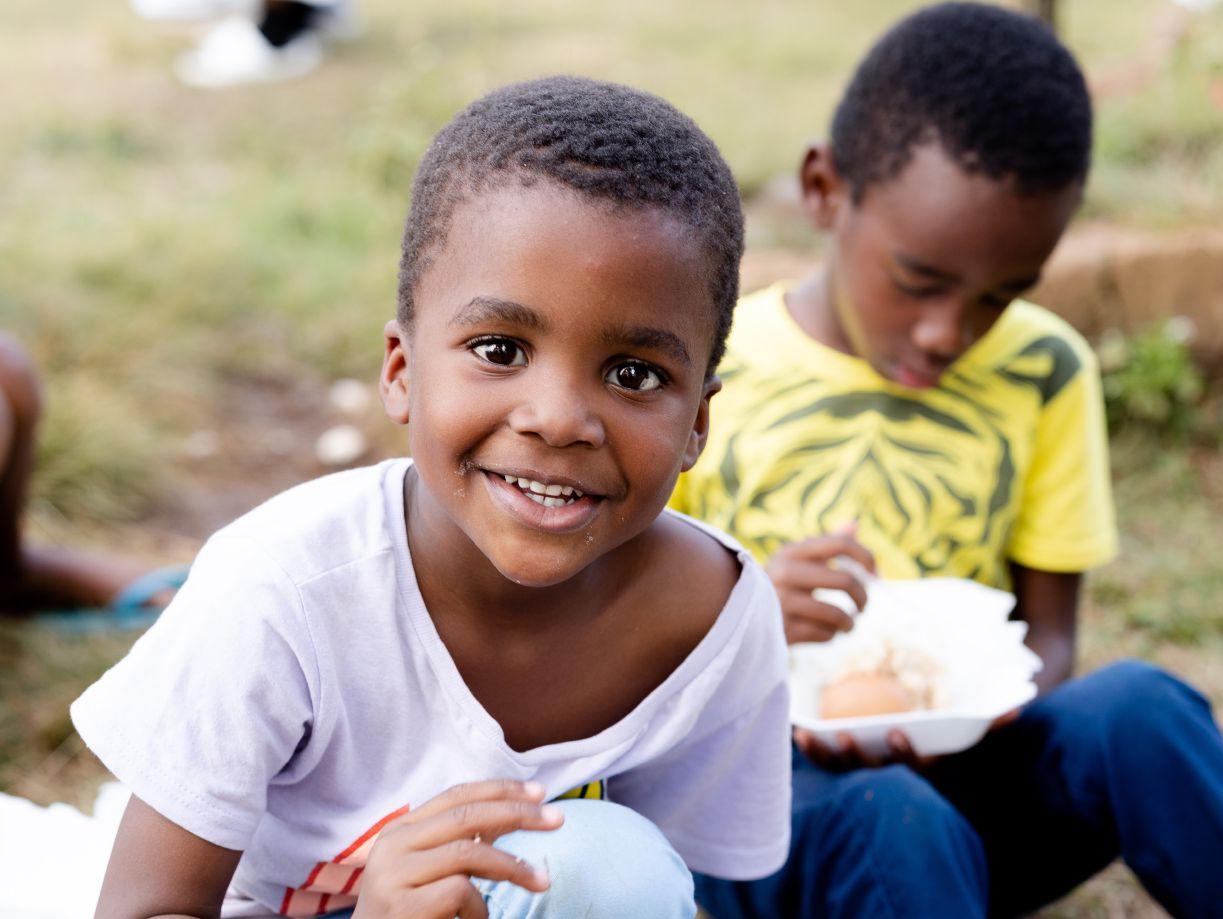
For a decade, Canada’s egg farmers have prioritized feeding the less fortunate in Eswatini. By Ronda Payne
No one should ever have to face the horrific pains of true hunger. Certainly not children. But in landlocked Eswatini (formerly known as Swaziland), the last absolute monarchy in Africa (one of just six in the world) there are people who face more than just a grumbling belly. They deal with the physical and developmental problems of malnourishment, like stunting. Those who are lucky enough to have a meal each day are a minority.
Eswatini has a vast division between the “haves” and the “have nots” and there is almost no social support nor public services for people to turn to. One of the larger economic contributors to
the country is agriculture, making the development of agricultural activities somewhat easier than those in other sectors. However, much of the agriculture seen in the country is for subsistence.
In 2009, Canadians Ian Maxwell and his wife Janine started Heart for Africa, a non-profit based on the needs of Eswatini’s children and the impoverished. The average life expectancy is just 58 years in the country’s population of more than 1.2 million people. Among these, more than half of the kingdom’s children are orphans and vulnerable children (OVCs).
HIV/AIDS, Tuberculosis, starvation and other factors lead to children living without parents, food or homes, let alone things like safety and comfort.
The Maxwells work with a number of churches and organizations throughout the country to identify where the needs are and help fulfill them.
“We bought this property,” Maxwell says. “It’s about 1,000 hectares. It was all bush and we started a farm on it. We started a hunger initiative. About one in four people are hungry in this country all the time.”
Most of those who are consistently hungry and in danger of the impacts are OVCs. Heart for Africa doesn’t just operate a farm, it’s also a home to orphans, a
training facility and a source of hope for those who need it most. There are 427 orphans who call Project Canaan home and 470 people from neighbouring communities are employed on-site.
In 2014, Janine spoke at an international egg conference. She met people from Egg Famers of Canada and invited them to the farm when they came to a subsequent conference in Captetown, South Africa which is relatively nearby. As the saying goes, it was the beginning of a beautiful friendship.
The egg barns are part of Project Canaan – the site’s multi-faceted sustainable farm that creates a brighter future for children through food production, education and other programs. Today, the farm includes laying hens, dairy, crops and more.
Proceeds from the farm’s production
help Project Canaan be sustainable and employees can purchase eggs and other food at a reduced price.
But when the idea of creating laying barns on the site was initially floated, Maxwell was unsure.
“I was honest,” he says. “I told them I don’t know anything about layers.”
But 10 years later, he doesn’t need to know. He has a team of local employees who take exceptional pride in managing the two laying hen barns on site. Staff training, barn development and more were made possible by Egg Farmers of Canada.
“They raised the money, we oversaw construction of these two layer barns as well as a cooking facility,” he says.
In 2016, they laid their first flock. “When the flock arrived, all of a sudden the tires hit the road, it was real,” he says.
Now, the two barns have more than 6,000 birds laying more than 5,000 eggs
a day.
It wasn’t just the fundraising for the barn building that made the difference. For the first six months, six Canadian farmers came for a month each to share best practices and work with the facility to adopt strong farming methods that would ensure superior egg production to feed children. After the first six months, other Canadian farmers came every second month until it was clear that the team at Project Canaan wasn’t just learning lessons anymore – they could teach those lessons to others.
“It’s one of the best run egg barns he’s ever seen, and that includes in Canada,” Maxwell says, echoing comments made by Roger Pelissero, chairman of the board of Egg Farmers of Canada. “And we’re in the middle of the bush. We’re in the backwoods of Africa.”
When Pelissero first arrived in Eswatini, it was before Project Canaan had
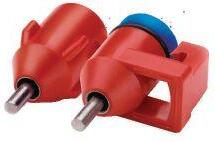
In growout after growout, results prove that Ziggity Systems with MAX6 drinkers consistently produce not just great but exceptional performance in every category. That’s because MAX6 delivers all the hygienic water birds need to thrive and stay healthy without oversupply that causes wet litter and all of its related problems. Visit www.ziggity.com
fully taken shape. He’d had lunch with the Maxwells, during which they’d received a call about two babies that needed a home.
“We picked up two young babies,” Pelissero recalls. “Shirley and Rebecca. Shirley’s face was disfigured, and doctors have covered her surgeries for life. It’s hard to put into words how that kind of thing affects you. We have first world problems, ‘Oh my cell phone didn’t work. My computer crashed.’ It’s unbelievable.”
On another visit, years later, once the egg barns were up and running, he saw a child of about five years old cradling their egg carefully, not eating it.
When he asked Maxwell why the child wasn’t eating, he was told she probably had someone at home who was hungry. He was struck by the awareness of such a young child. How despite her own hunger, she was choosing to share this
precious resource with someone else.
One of the major milestones Maxwell is proud of is the proprietary preservation system developed about five years ago that extends the lifespan of cooked eggs in shell. Prior to the development of the preservation system, eggs went bad far too quickly. The Eswatini climate is much too hot and shelf life was short, even for hard boiled eggs.
“They don’t have to give all the eggs out at the same time,” he says of the partners who distribute the eggs. “They can delay it. The shelf life of these eggs after they’ve been preserved is about six weeks.”
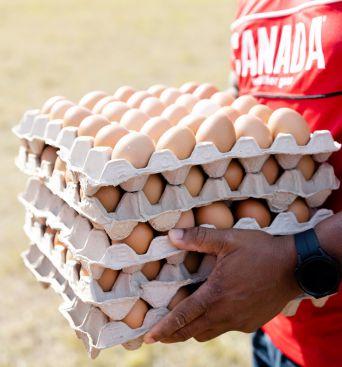
Now, instead of driving over kidney-smashing roads (more like goat trails) multiple times a week, the trips can be spaced out with a greater number of eggs delivered in one visit. They also deliver sustenance from organizations like Feed My Starving Children and other providers of food for the hungry. It makes the program more efficient not just in time, but in use of resources like gas.
Project Canaan has made great strides in feeding Eswatini’s children, seeing a significant ramp up of demand during COVID when groups couldn’t be together. Schools that would usually provide a meal to children were closed.
“We weren’t able to gather in groups,” Maxwell says. “The schools were closed. During that period of time our numbers went from the 3,500 that we were feeding to 4,500.”
This pushed the farm to increase the number of layers per cage in the barns to increase the output. Canadian farmers helped guide the transition to more layers. “It really helped us increase the number of kids we could feed,” Maxwell explains.
A partnership with Eagles Pride in South Africa ensures pullets, but just as COVID caused major disruptions in the farm’s practices, so too did Avian Influenza.
“We haven’t been able to get pullets,” Maxwell says. “Our layers are aging, so production isn’t what it used to be. Things are starting to turn now.”
Impactful daily accomplishments
It’s hard to appreciate just how much the Maxwells, their team and Egg Farmers of Canada have achieved when day-to-day activities include travelling more than 2,5000 kilometres over dirt tracks to deliver eggs.
“These are African dirt roads,” Maxwell says. “We have challenges getting to our partners. Especially in the rainy season.”
Yet, the 10-year partnership with Egg Farmers of Canada has allowed for the distribution of 11 million eggs to the hungry; providing them with a protein-rich source of nutritious food.
“There are many, many children who only get one meal a day; some only one meal every other day,” says Pelissero. “This project allows us to help change the world one egg at a time.”
He’s seen the changes and major improvements from one visit to another. “You can see the difference it makes,” he
says. “The countryside is very dark at nighttime. The last year I was there, compared to my first time, you could see lights on in the countryside. They are having some resources and income, so they could get electricity.”
He adds that for every person who works at Project Canaan, seven others within the community are supported. Heart of Africa is literally a bright light within the Eswatini countryside.
“We’ve installed a solar system,” says Maxwell. We have a 226-kilowatt solar system. Out electrical grid here on a national scale isn’t the greatest.”
Pelissero sees ongoing support for the work of the Maxwells and others with Project Canaan. “We’re going to continue support for the egg program and even look at how we can build on that because the need is greater,” he says. “People in the
IS A STATE-OF-THE-ART DOSING DEVICE DESIGNED TO PROVIDE PRECISE WATER FLOW REGISTRATION AND PRODUCT DOSING SIMULTANEOUSLY.
The BDR-25’s unique electronic sensor technology boasts an impressive flow detection capability, starting from as low as 100 mL per minute (3.5 oz/min).
Offering unmatched flexibility, the BDR-25 can be programmed with various dosing options, including scheduled time dosing, low flow dosing for start-ups, and regular dosing ratios ranging from 1 to 50,000. Its intuitive digital screen simplifies pump control and monitoring, allowing you to easily track settings, view information, and review history.
KEY FEATURES:
•Magnetic driven piston, low energy consumption (60W/24V)
countryside there still need food.”
He thinks there is an opportunity to build yet another barn and add more hens, increasing the volume to 9,000 layers.
“If we can get Canadian federal dollars to help with the project, that would go a long way as well,” he says.
Maxwell says his partners within the country are telling him the program is helping. They are making a difference. “My hope really is that if we need to expand our program because more kids are coming to is, then we’ll work with the egg farmers to do that,” he says. “We’re doing really well.”
A proprietary method extends the shelf life of cooked eggs to six weeks, allowing more efficient distribution and reducing food waste, especially crucial given Eswatini’s challenging climate and road conditions.

•Consistent dosing output (back pressure 10–90 psi)
•Data recording to analyze production results
•Minimum flow range 100 mL/min (3.5oz/min)
•Tiltable digital screen for easy pump control
•Low maintenance requirements
•Chemical resistant components

sales@county-line.ca 800-463-7622 (x 004 for Hickson) www.county-line.ca
Listowel and Woodstock

How producers have tackled specific problems to improve bird health and comfort while also making poultry farming much less stressful.
By Treena Hein
Again, this year, we present our annual round-up of water system problems from different areas of Canada and how your fellow producers have solved them. Jumping right in, it was a mineral issue that plagued Astrid Stephenson, owner of Pine Park Farms near Edmonton, before she switched over to a new disinfection system.
Stephenson has three turkey barns, two with their own wells and the largest barn having three wells to draw upon as needed (there were a large number of wells on site when she and her husband bought the farm and several have gone dry in the summers following dry winters, including two of those feeding the large barn).
The water from each well has slightly different mineral profiles and amounts of minerals because they are at different depths, from 50 ft. to 200 ft. Ingested minerals can have an impact on bird health and performance (magnesium can cause birds to have diarrhea and sulfur can irritate the intestines, for example), but minerals like iron and sulfur can also be a food source within a water system for many types of microbes. All of Stephenson’s wells, no matter the depth, have water with large amounts of manganese. “You can easily see all the dark flakes floating around,” she says.
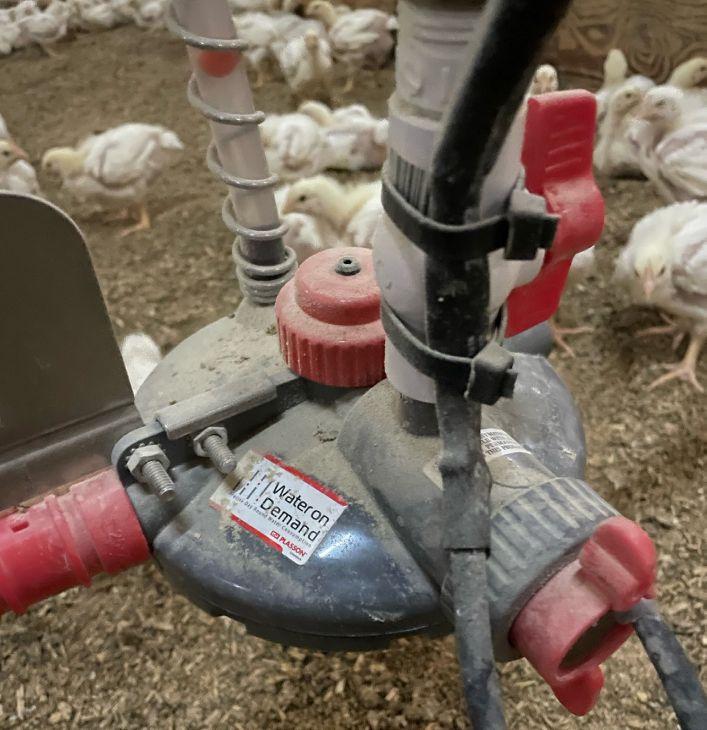
The previous property owner had used chemical oxidation to disinfect well water, in this case with chlorine, as did Stephenson. But she soon discovered there’s a chemical reaction between chlorine and manganese that results in a black sludge. “I dealt with this for nine years,” she remembers. “My lines were regularly blocked. The water treatment people I spoke to kept suggesting new filter medium and I had to keep having to change the lines. “ Stephenson looked at reverse osmosis for disinfection, but these systems are expensive and involve large amounts of
water being discarded, which wasn’t desirable because it’s wasteful and there is also an ongoing threat of dry winters and low subsequent well water levels. Experts also advise avoiding reverse osmosis as a primary treatment method for well water containing high iron and manganese concentrations because the system membrane quickly becomes fouled and must therefore often be replaced.
Using oxidation media (commonly using manganese greensand or birm) as a water treatment method also reduces manganese, iron and sulfur, and filters
Visit eggs.ca for recipes that add festive flavour to your table and bring everyone together.
Happy holidays from Egg Farmers of Canada!

Obtenez des recettes sur lesoeufs.ca pour ajouter une saveur festive à votre table et rassembler tout le monde.
Joyeuses fêtes de la part des Producteurs d’œufs du Canada!
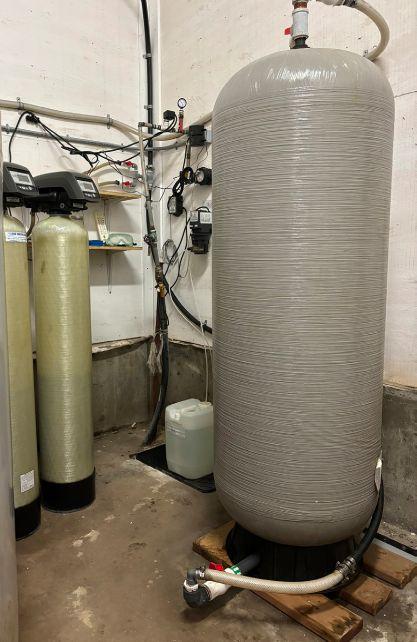
minerals.
Once the system was installed, the effects were immediate. “Within a month, my tanks, my pipes, the water was all completely clean of residue,” Stephenson reports. “I backwash once in a while, but I haven’t had to changed filters in six years, where before, it was once a year plus a thorough cleaning. The hydrogen peroxide is more expensive than chlorine but I have much better feed conversion now, and the feed savings more than pay for it. The growth rate is also a little faster. All in all, the cost savings are huge, the water is excellent, and my birds aren’t consuming chlorine.”
manganese at the same time. Air injection (aeration) is another option to target manganese, iron and sulfur, with these minerals oxidized when the water is sent through a pocket of air.
In 2017, Stephenson spoke to a water treatment person new to her area who suggested water disinfection by chemical oxidation using hydrogen peroxide. A second person also suggested it. She looked into it and found there would be no reaction sludge. Up front, there would only be a need to add a couple of inexpensive injection pumps and a descaler to remove manganese and other
Brian Mykle, owner of Mykalb Broilers in Langley, B.C., has two very long barns, which left him with some water pressure issues that needed addressing for several reasons. “I have a one well and one pumping and disinfection system for both barns, but each barn has 16 water lines, each 240 feet long,” he explains. “Water pressure was good all year round except during the summer when the chickens need to drink more. At that time of year, I wasn’t getting enough pressure all along each of the lines.”
In October 2024, Mykle had an additional pump installed in each barn to maintain pressure during peak demand and provide other benefits. The pressure regulators are all computerized and

wifi-enabled, so that from anywhere, Mykle can manage the times/dates and durations of the high-pressure individual flushing of each line. Although just installed, Mykle reports the system is working very well.
“Right now (mid-October), I’m later in the flock cycle, so I’m only flushing the lines in the morning so that they have fresh clean, cool water instead of water that’s been sitting in the lines during the dark period overnight, which could have gotten warm due to barn temperature and could have bacteria,” he explains. “You want to keep that to a minimum. But when the next flock arrives, when they are day-old, the barn temperature is 33°C and so are the lines and the water in them. So, my plan during the first 12 days is to flush the lines six times a day to give them fresh, clean water. I expect that this will help with bacterial infections and mortalities.”
As Canadian Poultry reported in early 2024, analysis at a Canadian broiler farm of high multi-flock chick mortality found bacterial septicemia due to contamination of the water system.
Dr. Gigi Lin, a veterinarian at Canadian Poultry Consultants in Abbotsford, B.C., determined that Pseudomonas was the culprit.
•
She cautions that the clinical signs and postmortem lesions found in birds with Pseudomonas infection are very similar to those caused by other bacteria, so it’s critical to perform what’s called a routine bacterial culture to identify what microbes are actually present in a high-mortality situation. Cultures are also a good action to take on a regular basis to detect any low-level microbe issues.
Mykle notes that with the increased water pressure, he will now not only be able to provide cool and clean water to chicks at the start of the flock cycle and in the morning at all flock stages. During the summer, flocks will receive fresh, cool water throughout the day which will make the birds more com -
fortable. “They’ll also probably drink more,” he notes.
Regarding installation, Mykle reports it was straightforward, but says an experienced electrician is a good idea so that the wiring is all fully prepared to proceed quickly between flock cycles. “It’s a day or two depending on the skill and planning of your electrician, the size of your barns and your provincial electrical codes,” says Mykle. “In B.C., conduits are required, so installation with that will take longer than if they aren’t required.”
Although he just had the system installed, he says “I’m very glad I did this upgrade. I expect it will pay for itself within a few years with improved health and growth rate, but you can’t put a price on the peace of mind I have now that the birds are always getting the best water I can give them.”

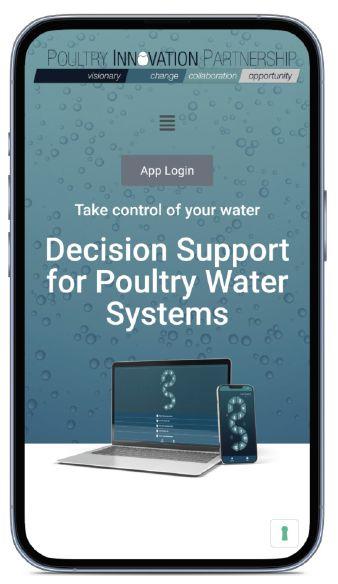
In late 2023, we reported on the PIP (Poultry Innovation Partnership) Poultry Water App. It’s a one-time low-cost tool that systematically way to identify and address specific types of water challenges on any individual farm.
The first part consists of 63 multiple choice questions in five sections that cover observational, mineral and microbiological test results, plus on-farm water testing procedures and water system maintenance. Based on answers provided, the app generates recommendations for each section, including solutions and actions as needed.
The second part contains resources on water quality that include video protocols on water sampling, microbial treatment and water sanitation, waterline cleaning during and between flocks, biofilm cleaning, drinking water vaccination, well shock chlorination and on-farm water test tools.
“Sales are steady, and all the feedback we’ve received indicates that poultry producers are finding it easy to use, and helpful in making
Meller Poultry Equipment Inc.
826 Nanticoke Creek Parkway, Jarvis, Ontario, N0A 1J0
Call us on: 519-587-2667
Or visit our website: www.mellerpoultry.ca
Authorized dealer
VDL Jansen VDL Agrotech
water system decisions,” says Brenda Reimer, PIP knowledge mobilization specialist. “We also continue to get sales from around the world. We may consider putting into different languages should there be demand.”
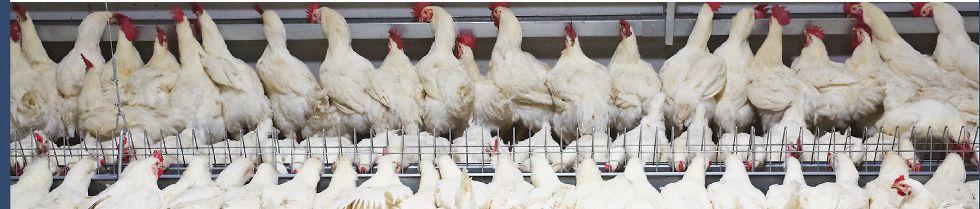
The Chainovation chain feeding system can be used for a wide range of applications, enabling the most effective set-up for every type of poultry house (breeders rearing, production and layers). The Chainovation chain feeding system, developed in cooperation with breeding associations, is an extremely reliable system. Feed can be distributed at various speeds (max. 3000 kg/hour) through the feed trough, giving all the birds almost simultaneous access inside the poultry house and promotes animal welfare and animal health.

The Matrix feeding system for males improves animal health and welfare, as there is more space and comfort for the males. The males eat simultaneously and receive equal portions of feed. They eat side by side, this is less stressful for males and females.
A proactive water quality program is key for optimal flock health, especially during seasonal shifts.
By Lilian Schaer
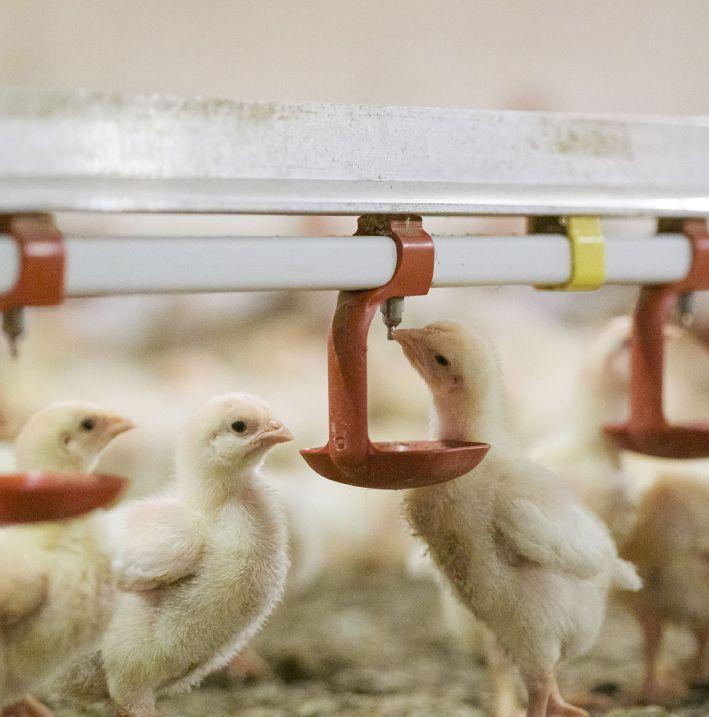
Clean water is a key part of healthy poultry production –and a parameter producers should be watching closely to ensure their flocks perform at their best.
“Even if you’re not seeing major challenges, water quality can affect performance,” says Dr. Mohammad Afrouziyeh, Research Associate at Poultry Innovation Partnership at University of Alberta.
Citing the example of a 30,000- bird broiler farm in Alberta with water coming from a dugout well, he noted that the average bird body weight increased from 2.1 kg to 2.8 to 2.9 kg after three cycles of water sanitation that included hydrogen peroxide cleaning between flocks and using chlorine with the water supply while the birds were in the barn.
Water quality is even more critical during seasonal transitions when temperature fluctuations, rainfall patterns and environmental conditions can alter the composition and cleanliness of water sources.
“In seasonal changes, we see water temperature changes that promote microbial and algal growth in water lines, water sources and water tanks and also increasing evaporation rates, which leads to higher concentrations of some minerals and dissolved solids in water sources,” he says.
He recommends all broiler producers
regularly use a checklist to monitor water quality and keep infrastructure maintenance current.
“The main thing is to have the checklist in hand and to make it the culture of our farms; this means every single day, producers and staff need to check on these items,” he adds.
Daily observational test.Look at and smell the water. Collect water samples in a transparent jar or white bucket from the water source, and both the start and the end
of the drinking line, and let it sit for an hour. The water should be colourless and clear without particles or odour.
Lab tests should be done once a year or more frequently if anything unusual is noticed during an observational test, and a mineral test completed annually or after any seasonal changes like heavy rain or flooding.
Inspect filters for blockage and wear. Clean the filters if they’re dirty; even self-cleaning filters need to be checked peri-
FEB 5-6, 2025
WED 9AM–5PM | THUR 9AM–4PM
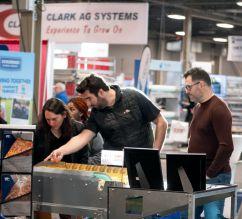

Poultry Education Stage 2025: Now on the Trade Room Floor!
Education Stage Hours:
February 5th, 10 am - 12 pm | February 6th, 1 pm - 3 pm
The Poultry Education Stage is your go-to spot for expert insights, cuttingedge technology, and essential industry updates. Don’t miss it!
Education Highlights:
HIPRA: New Technology in Coccidiosis Vaccination
Elanco: Treatment Efficacy Against Chicken Anemia Virus
Discover the latest in technology, equipment, & feed
Gain insights from top industry experts
Connect with leaders in poultry—All in one place!
FEB 5-6, 2025
New! Family Centre - Fun for All Ages
Find full details in the show guide—see you there!
The Agriplex at Western Fair District 845 Florence St, London, ON




odically. Iron and manganese are red flags in water systems because they feed bacteria and pathogens; water should be treated if these minerals are beyond acceptable levels.
Check the water storage tank for cleanliness and algae growth. Keep tanks properly closed and have a vermin control plan.
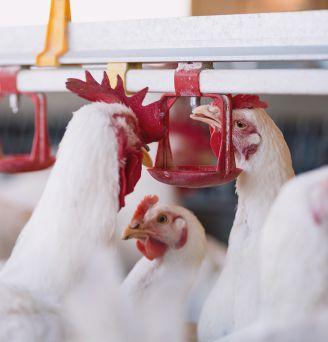
Monitor drinkers for leakage, malfunctioning valves, and sagging. Uneven or sagging water lines can affect water flow rate and pressure and promote biofilm growth. In cases where lines have more than one or two centimetres of unevenness, a slope pressure regular should be used.
Maintain a steady flow rate in nipple drinkers. This usually means between 70 and 130 mL per minute to ensure birds are getting enough water. High water temperature and low water flow rate combined with the presence of minerals in the water like manganese, iodine or iron can cause biofilm to form.
Regularly flush water lines. This should
be done daily during the starter phase for broilers but can be reduced to two to three times a week as birds grow. Sensors can be used to automatically flush the lines, but the key is to ensure the lines are free of sediment.
Keep barns clean. Avoid puddles in vicinity of the run-off area and the poultry barn, and ensure waste is removed properly. Construction and location of litter and mortality storages are also important as leaching can contaminate water.
During seasonal transition periods, it’s particularly important to avoid puddles near the bard as they can attract wild birds and vermin and can be a source of bacteria and viruses like Avian Influenza.
In addition to the water quality checklist, Afrouziyeh suggests all farms should have a written water treatment program. This includes establishing a plan for waterline

cleaning between flocks – when and how to clean and with what product – and daily water treatment once the flock is placed that considers proper filtration based on the farm’s water, choosing the right sanitation products, and regular monitoring.
“When chicks arrive, there should be residual water sanitizer in the water lines to prevent biofilm formation,” he says. “And even if you are on city water, there is no guarantee the water is clean – pathogens, viruses and bacteria can still make their way through the water line.
Although many water management practices are routine, Afrouziyeh encourages taking a more strategic approach to ensure the best results.
Before simply taking a water sample and sending it to a lab, he suggests first implementing a plan to clean water lines and treat
the water daily and then resort to the water test if there are still problems.
When it comes to water mineral testing, it’s not enough to simply get test results; they should also be interpreted to determine if action is needed. The Poultry Innovation Partnership team has created a poultry water app than can help with this. Enter the results of any previous mineral test done in the last three years into the app and it will provide recommendations for any follow up action that might be needed to clean the waterlines.
Most producers tend to use the cheapest acids in their water, but it’s important to understand the purpose of using the acid and how much should be used. For example, organic acids should be used for gut health, whereas inorganic acids are best for lowering pH levels for water treatment or solubilizing minerals.
“If you overuse organic acids, for example,
you are feeding the pathogens in the water and that will create problems with biofilms and contaminate waterlines,” he explains. “And if we overuse inorganic acids, we are feeding molds, yeast and bacteria in the water, so we need to make sure we are using acids in the right way.”
UV light and ozone are good water disinfection technologies for water sources, but chemicals like chlorine and hydrogen peroxide are better for water lines as they can leave residuals in the line for ongoing protection. Use residual tests at the beginning and end of the water line to measure residual disinfectants and keep track of the data.
According to Afrouziyeh, the Poultry Water App will serve as a decision support system for poultry water management, providing recommendations and strategies based on the information producers enter into it about their farm. More information is available at pippoultrywaterapp.com.
• Understand your farm’s drinking water challenges.
• Develop a written plan based on recommendations and protocols in the app.
• Implement the plan using commercially available products.
• Monitor the water treatment system to make sure it is working well.

By David Dyble
The chicken’s body is home to trillions of microbes, including bacteria, viruses and fungi. Collectively, these are referred to as the microbiome.
A healthy gut microbiome is critical for helping to digest fibre, control the immune system, and even control brain function through newly discovered aspects of the central nervous system.
Creating a healthy gut is like growing a great forage field where weeds need to be controlled. A great stand of forage will be thick and lush and will naturally help keep toxic weeds from growing and multiplying. With a digestive tract, when the balance between healthy and unhealthy microbes
favours the unhealthy, it is called dysbiosis. With a stand of grass, when the same occurs, you plow it under and start over.
Necrotic enteritis, an enteric disease of growing broilers, is caused by the Gram-positive bacteria Clostridium perfringens, which multiplies under the right conditions (like a weed) when predisposed by factors, such as gut pH and viral infections, resulting from dysbiosis. The disease results in gut damage through a toxin produced by the bacteria.
Necrotic enteritis results in diminished broiler performance and has typically and effectively been controlled by in-feed antibiotics. In recent years, the Chicken Farmers of Canada has been progressively phasing out the use of in-feed antimicrobials in
broiler production out of an abundance of caution focusing on the categories of most importance to human medicine.
An assessment of the entire poultry production chain has been key to the successful introduction of gut health programs designed without the use of antibiotics. An integrated approach to feed, farm and health solutions, providing appropriate hygiene and sustainable animal husbandry practices, is required.
Feed and water acidifiers have played an expanding role in reducing antibiotic use while maintaining performance and food safety. We now know that organic acids can affect intestinal microbes by targeting bacterial cytoplasmic membranes, disrupting key metabolic and replication functions.
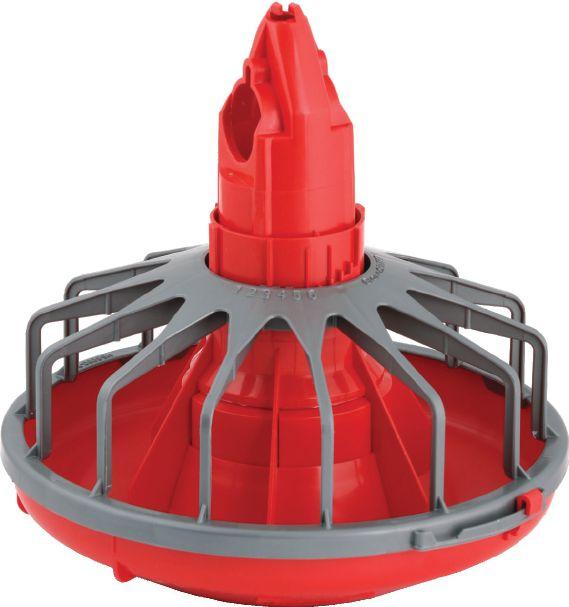
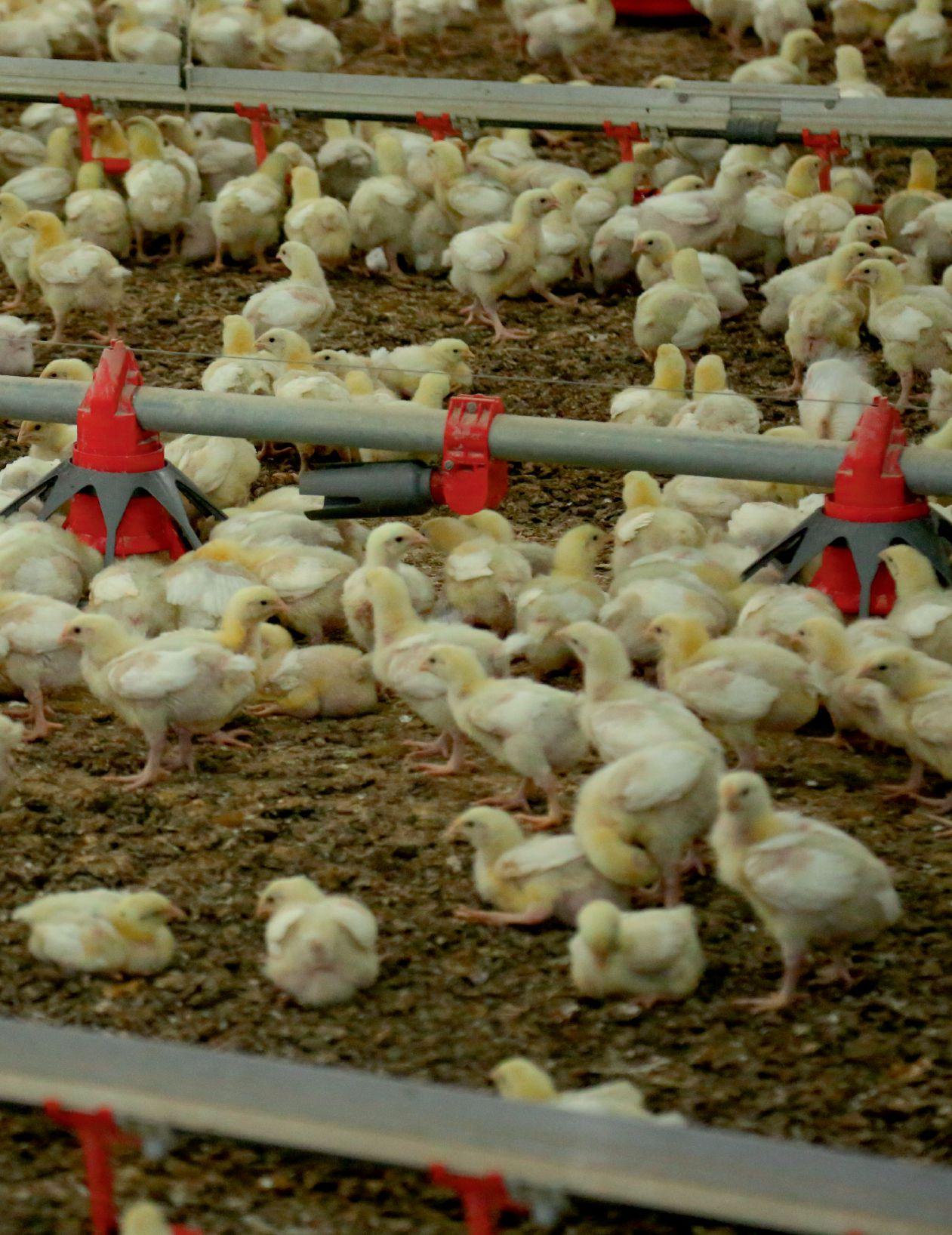

Several types of acidifiers are available for animal production, including inorganic acids, organic acids, short-chain fatty acids (SCFA), medium-chain fatty acids (MCFA) and salts of organic acids. Organic acids have become the backbone of a typical “farm-based” water acidification system. The presence of a carbon atom in the structure of organic acids means that bacteria can mistake organic acids as nutrients, fooling the normal cell wall barrier systems and allowing absorption across the protective cell wall.
To understand the role of feed or water organic acids, we need to discuss normal gastric acid production in poultry. Gastric acids produced in the bird’s digestive tract lower the gut pH, resulting in the reduced survival of pathogens. Gastric acids are also important in the activation of protein-related digestive enzymes. The goal of supplementing organic acids is to: improve
digestion; improve water line hygiene through reduced microbial load; improve microbial balance and diversity; and improve gut health through improved digestive tract barrier integrity.
Blend of organic acids that effectively reduces the pH of drinking water
The use of water acidification has become key to overcoming any tolerance developed by the birds to acidic conditions. The higher intake of water (two times the feed) allows for higher levels of organic acids, particularly SCFA, resulting in reduced development of acid-resistant strains of Salmonella and E. coli. The use of both water and feed acidification has now become common in birds without the use of “in-feed” antibiotics.
Organic acids have a particular ability to kill Gram-negative bacteria due to a higher cell pH causing dissociation of the acid, releasing H+ ions that lower the pH of the cell, typically resulting in bacterial cell death. Some microbes viewed as positive for a healthy gut, including acid-tolerant Gram-positive microbes like Lactobacillus> and Bifidobacterium species, can tolerate the lower pH, resulting in improved microbiomes. Gram-positive pathogens like Staph>, Strep and Clostridia can pose a greater challenge and require MCFA to disrupt the thicker cell walls.
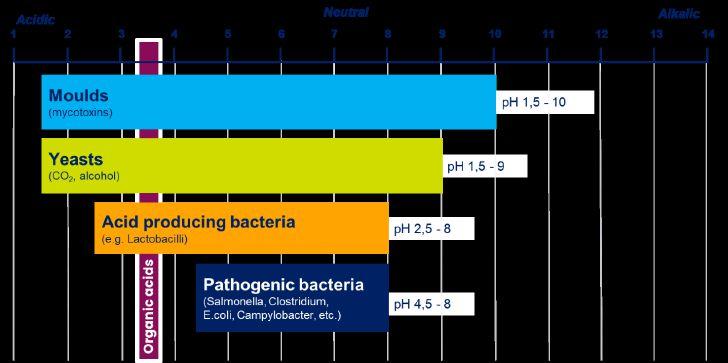
Pathogenic bacteria like Salmonella , Clostridium , E. coli , and Campylobacterstruggle to survive at a pH lower than 4 (Figure 1). Water acidification aims to achieve a pH of 4 or slightly below. Acid titrations are typically completed in a lab via water samples and ascertain how much organic acid containing product is required to achieve the desired pH in water. It is
often important to also have a recent microbiological and chemical water analysis to determine the pH and buffering capacity of the water.
Water-based acidifiers are typically blends of free and buffered organics used to reduce and stabilize the pH of the bird’s drinking water. The acid blends support the digestion of feed ingredients through reduction of the pH in the crop and gizzard/stomach. Buffered acids can often also play a role in a healthy microbial balance further down the digestive tract in the proximal intestine.
To summarize, water acidification programs should include free organic acids to assist in reducing gut pH; buffered organic acids to improve microbial balance throughout the entire digestive tract; and slow-release MCFA designed to assist in disrupting cellular function in Gram-positive bacterial pathogens.
Beyond producers purchasing an appropriate water-based acidifier, there are some other practical considerations to implementation.
An equipment review of the barn water system downstream from the application point needs to be completed.
In most Canadian regions, poultry operations are constructed with water treatments in mind and utilize acid-tolerant materials, like PVC or stainless steel. Acid-resistant water nipple systems are also required.
Water regulators are typically plastic, but the diaphragms may not be acid resistant and should be changed to acid-resistant materials.
It is important to be aware that acid dosing should be discontinued at least 24 hours prior and after to vaccine administration via water to ensure a neutral pH.
Considerable testing data is available for some water-based acidifiers. You should review performance data looking for improved feed efficiency, improved weight gain, reduced foot pad lesions, reduced condemnations, and/or improved egg production peaks with layers, or reduced dirty eggs with breeders.
Water acidification can play a key role in reducing gut pH, improving microbial balance, and disrupting bacterial growth, altogether contributing to improved bird performance and economic performance.
As such, water acidification is an important management strategy to consider implementing as part of your poultry operation.
David Dyble is a poultry nutritionist with Trouw Nutrition Canada.

New research discovers genetic potential to conserve water in poultry production.
By Jane Robinson
Poultry researcher Dr. Sami Dridi and his team have made a dramatic and timely discovery about developing commercial broiler lines that are efficient converters of water, as well as feed. His work shows – for the first time – good growth improvements in broilers that consume less water.
“For more than 80 years, we’ve been selecting poultry genetics to improve feed efficiency,” says Dridi, professor at the Center of Excellence for Poultry Science at the University of Arkansas, and lead researcher for the project. “But we know the adverse effects of heat stress and global warming are hitting natural resources like water – a critically valuable resource as birds can go several days without food but only a few hours without water at high temperatures.”
Dridi and his group wondered what could be done to conserve water in broiler production by looking at the bird’s use of water. “There was a heritability for feed efficiency – and the water to feed ratio is approximately two – so we decided to look for a genetic component for water efficiently in birds,” says Dridi.
Water is considered the most important nutrients and birds drink about twice the weight of feed intake – and ratio that can quadruple during extreme heat conditions.
The research team (Dr. Sara Orlowski) started by selecting lines based on water conver-
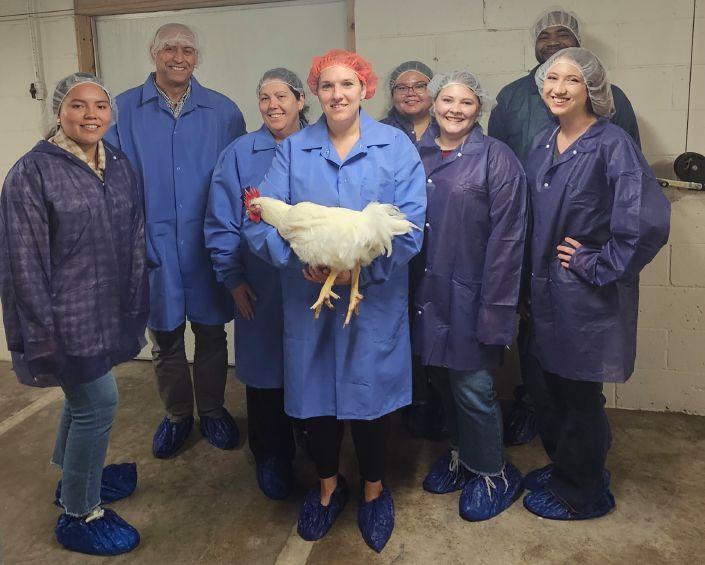
sion ratio from commercially available broiler genetics. Over the course of four generations, they categorized birds as high water efficient (HWE) lines and low water efficient (LWE) lines – by measuring how efficiently birds converted the water they consumed to weight.
They then raised about 720 broilers in controlled environmental chambers in the Poultry Environmental Research Laboratory at the University of Arkansas. Birds were split between HWE and LWE lines and raised for 49 days through one production cycle. “We were able to control all the variables so we could zero in on the water efficiency effect,” says Dridi.
For all birds, they measured water consumption (with unrestricted access to water), feed intake, body weight gain, feed conver-
sion ratio and meat quality. They also measured several genetic markers in the brain known to govern water consumption.
To dig deeper into the impact of water use, half the broilers in each line were raised under thermoneutral conditions with temperature and humidity levels similar to commercial production, and half were exposed to heat stress with 35ºC temperatures for eight hours per day.
Some birds do more with less
What they discovered in this first-of-its-kind research opens up great potential for the future of more sustainable poultry production around the world – results that are particularly relevant as both water scarcity and the need for high quality protein are on the rise.
When they compared broilers raised under
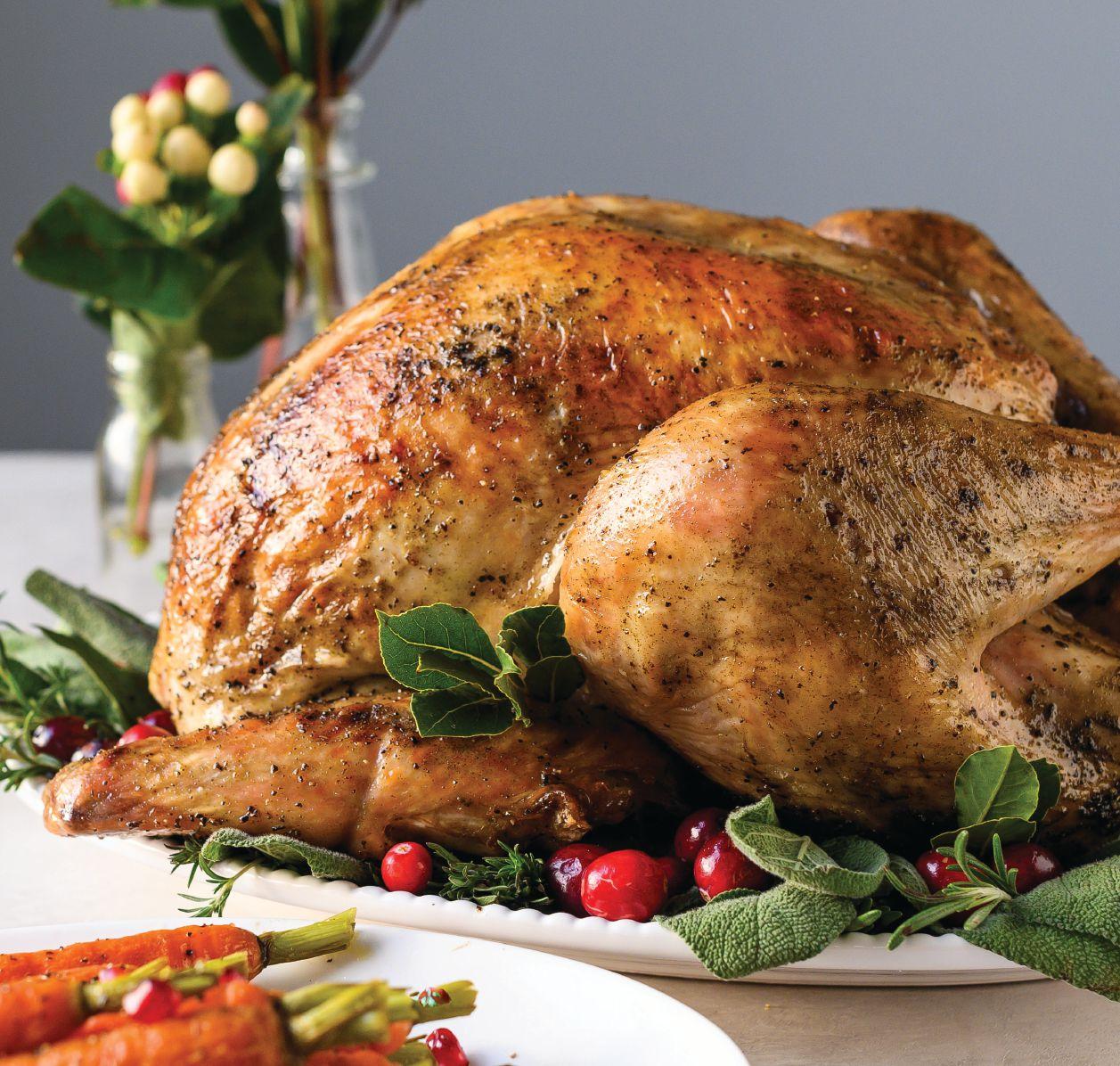







This holiday season, celebrate Canadian turkey - raised with care by turkey farmers across Canada.
As we near the end of 2024 and the close of our 50th anniversary, we thank turkey farmers for their dedication over the years. Here’s to good food, great company, and a season full of joy. Wishing you and your family a warm, happy holiday! Happy Holidays


50 to good food, great company, and a season full of joy. Wishing you

thermoneutral conditions, the HWE broilers had a six point-improvement in feed conversion ratio and 32 point-improvement in water conversion ratio than the LWE birds. “They were able to use their feed and water resources more efficiently – drinking less water but performing better than the birds with less efficient use of water,” says Dridi.
The news was even better for the HWE line when the birds were exposed to heat stress. The HWE birds under heat stress had a ninepoint better feed conversion ratio and 56-point improvement on water conversion ratio than the LWE line.
“What’s really interesting is that high water efficient birds drank significantly less water than their low water efficient counterparts under normal growing conditions and when exposed to heat stress,” says Dridi. “And it’s important to note that we didn’t restrict access to water for any of the birds – the HWE birds chose to drink less, even under heat stress conditions, drinking just what they
needed and using it more efficiently.”
The HWE birds also had higher breast meat yield and lower incidence of woody breast, compared to LWE birds. Selecting for water efficiency did not affect meat quality.
Identifying markers for water efficiency is Dridi’s long-term goal with this research, and there were more great findings here too. They processed the hypothalamus portion of the brain of birds in the study to correlate what they saw in water use with what was happening at a molecular level in the parts of the brain that control appetite, satiety, thirst and thermoregulation.
“We found indications that there are probably genetic markers for water efficiency,” says Dridi. “This will ultimately be helpful for breeding commercial lines of broilers that are more efficient at using water.”
Dridi knows these initial results are very promising, but there is still a lot of work to do
before producers could expect to access more water-efficient lines of broilers.
“Now we need to fine tune this work and see if there are any undesirable effects with HWE lines,” says Dridi. He also wants to look at factors affecting broilers breeders and egg production when selecting birds for improved water efficiency.
Dridi’s research is the first on high and low water efficient lines of broilers. And his quest to find genetic markers to improve water use in poultry production is likely to be transferrable to other segments of poultry including layers, turkeys, ducks and quails, and maybe even for large farm animals because he suspects the genetic markers for water use expression occur similarly in other animals.
“Water scarcity is coming and will be an issue for agriculture, animal production and people,” says Dridi. “If we don’t find any side effects from selecting for water use efficiency, this work will be a very beneficial finding for people and producers around the globe.”
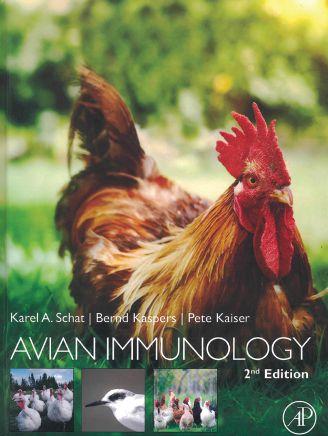

The second edition of Avian Immunology provides an up-to-date overview of the current knowledge of avian immunology. From the ontogeny of the avian immune system to practical application in vaccinology, the book encompasses all aspects of innate and adaptive immunity in chickens. In addition, chapters are devoted to the immunology of other commercially important species such as turkeys and ducks, and to ecoimmunology summarizing the knowledge of immune responses in free-living birds often in relation to reproductive success.


Eastern Canada: sales@county-line.ca 519-291-5012 www.omnivorecomposter.com
Western Canada: info@agprowest.ca 604-746-5376 www.agprowest.ca
Central Canada: info@caldorapoultryequip.ca 431-205-3365 www.caldorapoultryequipment.ca




Location
Woodstock, Ont.
Sector
Broiler breeders
The business
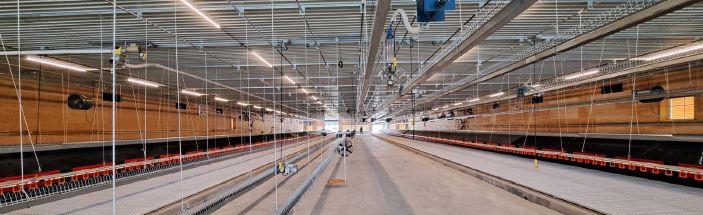
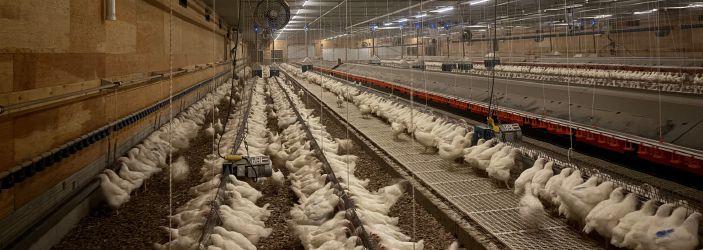
Renview Poultry, located in Woodstock, Ont., began as a breeder operation in 2005 when Ralph Renkema built the first barn. In 2011, Ralph’s son, Brian Renkema, and his wife Maria took over, expanding steadily ever since. Today, the farm has two breeder barns with capacity for 32,000 birds.
The latest expansion at Renview Poultry was driven by an interest in providing future opportunities for the next generation and meeting increasing demand. “I didn’t want to sit still,” says Brian, who bought additional quota to support the new barn.
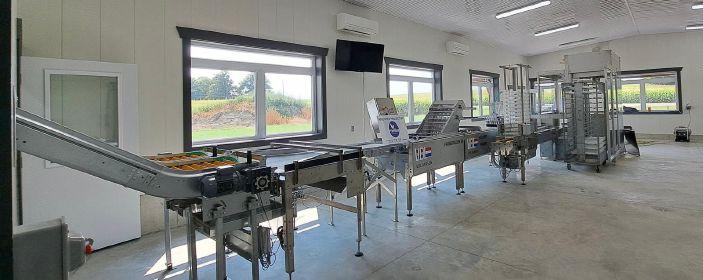
In partnership with Meller Poultry Equipment, the new barn incorporates advanced technology to optimize production and efficiency. Chain feeding with “presentation feeding” allows the birds to access food evenly, leading to more uniform growth. The setup includes Janssen community nesting, designed to reduce floor eggs, while built-in pits under the slats make it easier for birds to access nests and improve manure handling. For ventilation, the barn uses modern controllers that adjust climate based on projected needs, which Brian says help “keep the air quality a little bit better.” DC inverters on all fans significantly reduce hydro usage, cutting costs over time. The egg-packing area features a VDL packer and a robotic KleTec trolley loader, automating egg handling for further labor efficiency. An automated scratch grain system and a dedicated rooster pen were also added to improve fertility and hatch rates.


Extending a sincere thank you to every Canadian chicken farmer for the work you do all year long in raising safe, nutritious food for Canadians. Wishing you and your families a joyful holiday season and a peaceful New Year.





Introducing Poulvac® Procerta™ HVT-IBD. Timing is everything in a poultry operation, and Zoetis created its newest vector vaccine to put time back on your side. Backed by the latest science resulting in excellent overall protection, studies found that Poulvac Procerta HVT-IBD protected chickens fast against classic IBD and AL-2.1-3 It’s a quick way to full protection from infectious bursal disease. Contact your Zoetis representative or visit PoulvacProcerta.com.