Protection against infectious laryngotracheitis, Marek’s and infectious bursal diseases in one shot
The latest innovation from the manufacturer of VAXXITEK® HVT+IBD in
Proven safety for your flock
DEPARTMENT
04 | Editorial
The year in review
06 | What’s Hatching
New joint animal welfare working group
08 | LRIC Update
What’s happening in the alternative protein space
33 | Barn Spotlight
Aviary pullet barn continues to expand
COLUMNS
20 | World of Water
Dihydrogen Monoxide: It’s just water!
Prioritize pH management Research shows lower water pH can foster better performance.
10
The benefits of sprinklers
Cooling technology offers many paybacks for producers and their flocks.
14
Acting to minimize winter pH loss
Manure management key during vulnerable periods.
24
Maximizing waterline output
Are you unknowingly restricting water to your birds?
28
Considerations for effective vermin control
How to protect your barn from harmful rodents and beetles.
by Brett Ruffell
The issues that dominated 2021
The COVID-19 pandemic was once again the dominant issue for poultry this year. However, thanks to Canadians’ strong vaccine uptake things have started to improve. That was my key takeaway from endof-year discussions I had with leaders from the four poultry sectors.
In terms of chicken, consumers continued to embrace comfort foods like wings when public health restrictions were in place. “People were turning back to a comfort food staple that they could make at home,” says Lisa Bishop-Spencer, director of brand and communications with Chicken Farmers of Canada (CFC). “And then on top of that, restaurants were using a delivery model and wings travel very well.”
That surging demand, combined with international supply chain issues, strained Canada’s supply of wings. However, Bishop-Spencer notes that this issue has been resolved.
What’s more, she says that since foodservice businesses have begun to turn a corner, chicken allotments have reflected that improvement.
The turkey industry has bounced back as well. While many families downsized or skipped traditional holiday gatherings during the pandemic, vaccines led to a return to traditional Thanksgiving dinners this year, according to Turkey Farmers of Canada
(TFC). “Some of the early reports are that it sold through well and the processors, without any numbers, have said that it was a good Thanksgiving,” says Darren Ference, chair of TFC’s board of directors.
What’s more, most of the seven per cent decrease made during the pandemic has been put back into turkey barns and will be available through the Christmas season, he adds.
Tim Lambert, CEO of Egg Farmers of Canada, says navigating through the pandemic has been a monumental challenge. “To all of a sudden, almost overnight, have to pivot has been a huge undertaking for the industry and one that we’re ac-
“To all of a sudden, almost overnight, have to pivot has been a huge undertaking for the industry.”
tually really proud of because we were able to do exactly that.”
The other significant issue each sector reported this year was the $691 million package the federal government announced in April for egg and poultry producers. The compensation was to help the mitigate the impact of the Comprehensive and Progressive Agreement for Trans-Pacific Partnership (CPTPP) on the poultry industry.
As a refresher, it includes two programs. The Poultry and Egg On-Farm Program provides
close to $630 million over 10 years to support poultry producers through on-farm investments. The federal government will contribute up to 70 per cent of the cost of new barn construction or upgrades to equipment.
Brian Bilkes, chair of the Canadian Hatching Egg Producers, says the funding announcement was one of poultry’s biggest wins this year. “We had a very collaborative relationship with the federal government on the design of the program. And we are quite pleased that it allows for projects to be submitted going back to 2019. Also, each producer has access to a level of funding based on their individual quotas that they can use anytime over the length of the program.”
The second program included in the mitigation package is the Market Development Program for Turkey and Chicken. That program will provide TFC with $36.5 million and CFC with $25 million over 10 years to promote and differentiate Canadian-made products.
CFC says new findings underscore the importance of this. In research conducted at the height of the pandemic, 93 per cent of Canadians surveyed said they were looking for Canadian meat – that spanned across all commodities. Thus, CFC will use part of the program’s funding to promote its Raised by a Canadian Farmer brand, which stands for food safety, animal care and sustainability.
To hear my full discussions with each of these poultry leaders, visit canadianpoultrymag.com/podcasts.
canadianpoultrymag.com
Reader Service
Print and digital subscription inquiries or changes, please contact Anita Madden, Audience Development Manager Tel: (416) 510-5183
Email:
amadden@annexbusinessmedia.com
Mail: 111 Gordon Baker Rd., Suite 400, Toronto, ON M2H 3R1
Alice Chen achen@annexbusinessmedia.com 416-510-5217
Media Designer Curtis Martin
Group Publisher Michelle Allison mallison@annexbusinessmedia.com
COO Scott Jamieson sjamieson@annexbusinessmedia.com
PUBLICATION MAIL AGREEMENT #40065710
Printed in Canada ISSN 1703-2911
Subscription Rates Canada – 1 Year $32.50 (plus applicable taxes) USA – 1 Year $91.50 CDN Foreign – 1 Year $103.50 CDN GST - #867172652RT0001
Occasionally, Canadian Poultry Magazine will mail information on behalf of industry-related groups whose products and services we believe may be of interest to you. If you prefer not to receive this information, please contact our circulation department in any of the four ways listed above.
We believe the best can always be better, which is why we are on a relentless pursuit for finding better ways to deliver the longest lasting drinkers and egg conveying systems in the world . When it comes to delivering the best, we take it in our own hands, and take pride in knowing we’ve had our hands on every product that arrives at your farm!
What’s Hatching
Chicken farmers, processors create joint animal welfare working group
In October, Chicken Farmers of Canada and the Canadian Poultry and Egg Processors Council announced the creation of the Joint Animal Welfare Working Group, aimed at supporting the ongoing review of animal welfare practices, processes and procedures of the Canadian chicken sector. The consensus-based joint Working Group, comprised of four Canadian chicken farmers and four processing sector representatives, will supplement the existing process for national animal care standards.
Ontario turkey farm protesters arrested
Six arrests were made at a protest outside a turkey farm in Bright, Ont., recently. The protestors, part of a group called Meat the Victims Canada, met at the farm owned by Hybrid Turkeys around 5:00 a.m. The group chose the Mapleglen Farm because it was fined $5,600 in 2015 after pleading guilty to one count of animal cruelty. Protesters planned to film the operations inside the farm, but were met by a line of police officers when they arrived.
De Dutch to feature Egg Quality Assurance mark
Egg Farmers of Canada (EFC) recently announced a partnership with De Dutch, which is now featuring the Egg Quality Assurance (EQA) certification mark on menus within its restaurants throughout B.C. and Alberta. The EQA certification mark, developed by EFC, is part of an industry-wide program that includes on-farm inspections and third-party audits. It provides consumers with an instantly recognizable sign that their eggs are from Canada and are of the highest quality.
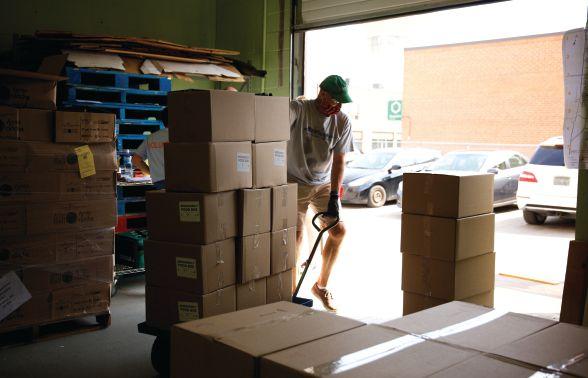
During the COVID-19 pandemic, food banks across Canada have faced great challenges due to new and complex demands and lack of volunteers.
Organizations mark return of traditional Thanksgiving with donations
Launched in 2020 in response to the COVID-19 pandemic, Canada’s turkey farmers and processors came together to launch the Wishbone Project.
After a year full of virtual dinners and celebrations, Canadians returned to the Thanksgiving they remembered this year.
is when Canada’s turkey farmers and processors came together to launch the Wishbone Project as a way of giving back to the communities they serve during the pandemic
To spread Thanksgiving spirit to those fighting food insecurities, Turkey Farmers of Canada, under the Wishbone Project, a national umbrella for giving, donated $20,000 to Food Banks Canada.
“We want as many Canadians as possible to have food on their table this weekend. Last year we launched The Wishbone Project as a result of the pandemic, and after coming out of the toughest year in our country’s recent history, we hope our donation will make this Thanksgiving the first in a series of positive events to come during
the holiday season,” says Darren Ference, chair, Turkey Farmers of Canada.
During the COVID-19 pandemic, food banks across Canada have faced great challenges due to new and complex demands and lack of volunteers.
“Food Banks Canada has been a lifeline for many Canadians navigating the effects of the pandemic, and The Wishbone Project is honoured to support their vital work,” Ference adds.
The giving doesn’t stop there. Turkey Farmers of Ontario, for instance, partnered with Feed Ontario and Butterball to surprise and delight donors who participated in their turkey match program.
Donors were surprised with a $5 Butterball gift card courtesy of Feed Ontario. Numerous other turkey organizations gave back to mark Thanksgiving.
De Dutch to feature Egg Quality Assurance mark
Egg Farmers of Canada (EFC) recently announced a partnership with De Dutch, which is now featuring the Egg Quality Assurance (EQA) certification mark on menus within its restaurants throughout B.C. and Alberta.
The EQA certification mark, developed by EFC, is part of an industry-wide program that includes on-farm inspections and third-party audits.
Canada is known for having some of the highest standards in the world for egg safety and quality and the EQA certification program verifies that those standards are maintained.
For restaurants and retailers, the EQA certification mark on egg cartons, menus or product packages gives customers the information they need to enjoy Canadian eggs with added confidence, providing an instantly recognizable sign that their eggs are from Canada and are of the highest quality.
“We’re thrilled that De Dutch is embracing the EQA certification mark, showcasing their dedication to sourcing fresh, high-quality Canadian eggs,” says Roger Pelissero, EFC chair.
“The support that De Dutch has shown for Canada’s local farmers who work hard every day to
produce eggs to world-class standards is sincere and helps spotlight how, in an age where we want to know where our food comes from, made-in-Canada food is valued and sought by discerning customers.
“The leadership of De Dutch in embracing EQA serves as an example to others looking to build trust with their customers, work with Canadian suppliers and strengthen the connection between what’s produced at the local farm level and what’s served up at their restaurants.”
“De Dutch’s mission, to ‘earn tomorrow’s guests today’ is bounded by our commitment to upholding quality of food – and quality food is something that our customers have come to expect,” says Bill Waring, president of De Dutch.
“Sourcing local, sustainably-sourced Canadian products such as eggs and supporting our community’s farmers in the process is a natural extension of this commitment and our overall mission.
We are proud to work with our suppliers and organizations like Egg Farmers of Canada, who continue to uphold leading food safety and animal welfare standards.”
De Dutch is partnering with Egg Farmers of Canada to bring Egg Quality Assurance certification to its restaurants throughout western Canada.
The EQA mark provides consumers with an instantly recognizable sign that their eggs are from Canada and are of the highest quality.
FEBRUARY 14, 2022
Valentine’s Day
FEBRUARY 16, 2022
BCPS Webinar Series bcpoultrysymposium.com
FEBRUARY 22, 2022
Canada’s Agriculture Day Ottawa, Ont. agriculturemorethanever.ca
FEBRUARY 23, 2022
PIC Poultry Producer Update Mount Brydges, Ont. poultryindustrycouncil.ca
FEBRUARY 28, 2022
Western Poultry Conference westernpoultryconference.ca
LRIC Update
By Lilian Schaer, Livestock Research Innovation Corporation
What’s happening in the alternative protein space
Livestock Research Innovation Corporation (LRIC) fosters research collaboration and drives innovation in the livestock and poultry industry. Visit www.livestockresearch.ca or follow @LivestockInnov on Twitter.
Alternative protein options have been small players in the food world. In the last several years, though, their popularity has been growing rapidly, thanks in part to aggressive positioning as being “cleaner and healthier” than animal-based products. They are also being promoted as one of the key solutions to climate change and, with many climate-related disasters making global headlines this year, that trend is likely to continue.
According to David Coletto, founding partner and CEO of Abacus Data, Canadian consumers (especially Millennials and Generation Z) will be making more climate-friendly food choices. Of interest to the livestock industry is that this includes eating less meat, which 58 per cent of consumers do for health reasons, 43 per cent because of animal welfare concerns and 37 per cent to lower their carbon footprint.
“One out of five Canadians thinks about climate change all the time and as this concern grows, so, too, will carbon neutral diets, which creates an impetus on producers to answer how they are reducing their carbon footprint,” he said during a presentation to the Farm & Food Care Ontario annual
conference earlier this year.
Defining alternative proteins
So, what exactly is an alternative protein? It includes lab-grown/cultured meat (also known as cellular agriculture), precision fermentation that creates animal-based proteins without animals, as well as the more traditional plant-based meat, egg, and dairy alternatives. Changing technologies and ingredients are making these types of products tastier, cheaper, and more versatile than in the past.
Tom Rossmeissl is head of marketing at Eat Just, a California start-up that sells an egg alternative made of mung bean in Canada, China, Hong Kong, Singapore, and the U.S. It’s also the first company to be selling cultured chicken, which was launched in Singapore in December 2020.
The term “plant-based” carries positive connotations in terms of taste and health, but appeal and cooking versatility are also important characteristics for consumers. With cultivated meat, Rossmeissl says the “slaughter-free” aspect is important, as are the no antibiotic and growth hormone-free labels, and the idea of a more sustainable alternative.
“We extract cells from a living animal and feed the cells the same kind of nutri-
ents you give an animal, like lipids, water, nutrients and amino acids, to produce the final product,” he explained while speaking at the recent Future Food-Tech Alternative Protein Summit. “We only grow the meat you eat, not the whole animal or bird and as we scale, the promise of this technology is to find a more sustainable way to eat meat.”
Speaking at the same conference, the general managing partner of global venture capital firm that supports tech start-ups predicted that animal-based agriculture will ultimately become a luxury item accounting for approximately 10 per cent of the market. The rest will be made up by plant, cellular and precision fermentation-based products.
Taking action
These comments, along with those pointing the climate change finger squarely at agriculture, are what gets the attention of Livestock Research Innovation Corporation CEO Mike McMorris. Frustrated by the lack of credible and balanced information on topics like climate change and alternate proteins, LRIC launched its Horizon Series of white papers and webinars earlier this year to tackle key issues facing the livestock industry in collaboration with noted experts in the field.
“It’s very important for the livestock industry to be aware of what is being said about our production practices and our products so that we know what we are up against and where we can continue to make improvements,” McMorris says. “We know that the livestock industry has made big strides in reducing its environmental footprint and that we are an important part of climate change mitigation, but the challenge lies in getting those messages in front of the public.”
For more information on LRIC’s Horizon Series, visit livestockresearch.ca/ white_papers.
This article is provided by Livestock Research Innovation Corporation as part of LRIC’s ongoing efforts to report on research developments and outcomes, and issues affecting the Canadian livestock industry.
Plant-based eggs, like JUST Eggs made from mung bean, are one form of alternative protein.
Prioritize pH management
Research shows lower water pH can foster better performance. By Treena Hein
Awater test at the end of your drinker line is essential in order to guide you in pH adjustment. It’s particularly important now for Canadian poultry producers to better manage water quality as they continue to adjust to new production realities.
Water quality is an aspect of poultry production that’s getting much more attention right now due to research results tying it to optimum bird health and performance. However, Derek Detzler advises his fellow broiler producers to not just read about water quality, but join him in acting on the science, if they haven’t already.
Specifically, Detzler got his water tested and slightly lowered the pH at his 120,000bird operation near Kitchener, Ont.
“Initially, I hadn’t been concerned what my pH was at, which was hovering about 7.8,” he says. “However, when I started making small reductions, I noticed drier litter and a small increase in performance. The cost and time involved in getting water tested and then trying an acidifier is not large. This is really important for broiler producers right now, because we have to be coherent of new production realities such as regulated antibiotic reduction.”
He observes, “The reality is that our
work as broiler producers has gotten tougher. This makes optimum management, barn environment, feed and water even more critical.”
Even though Detzler has been doing raised without antibiotics production for 16 years, he says he still has much to learn. As mentioned, in the past, water pH is not something Detzler had on his radar.
He knew it was important, but he believed he was already using good-quality water. However, recently Detzler has observed how water quality management can help add a layer of protection to bird health.
It was a little over a year ago when he first started digging into some of the research relating to the extent that water pH can impact nutrition, gut health and bird performance. There have been many studies published in recent years about water quality and gut health in chickens.
For example, another set of brand new results were just published in September 2021 in the journal Animal Nutrition, where the scientists conclude that, “Collectively, diet supplementation with acidifiers could improve the growth performance, meat quality and intestinal health of broilers.”
Detzler says, “The science is clear. Lowering pH can inhibit growth of pathogenic bacteria that may be harbouring in
your waterlines. Most enzymes like phytase are generally more active in a lower pH environment, which can help catalyze the hydrolysis of phytic acid.”
He adds that producers may never know why they had an improvement. “But we repeat and repeat again, to hone production practices. How many of us chart daily water consumption? How many of us do anything with the data? There are certainly more questions to ask with more information.”
His colleague Dominic Frappier, Jefo liquid products technical specialist, explains that water hardness (concentration of calcium and other minerals) and iron level can also impact water consumption. He and Detzler, therefore, both advise that before you acidify, you should not only test for baseline pH, but also bacteria level and other aspects of water quality. They also note that more acidification generating a super-low pH isn’t always better. Producers must use caution to ensure it doesn’t negatively affect drinking line equipment.
And while lower water pH discourages bacterial growth, barn waterlines must of course be cleaned to keep biofilm to a minimum. Frappier explains that, depending on farm water quality, producers may have to do this every flock.
Some producers have found lowering the pH level in their barn’s water has had a big impact on flock performance.
Tom Tabler, Ph.D., is an extension professor with the Mississippi State University Extension Service, Poultry Science Department. Find references for this article in the online version at canadianpoultrymag.com
The benefits of sprinklers
Cooling technology offers many paybacks for producers and their flocks.
By Tom Tabler
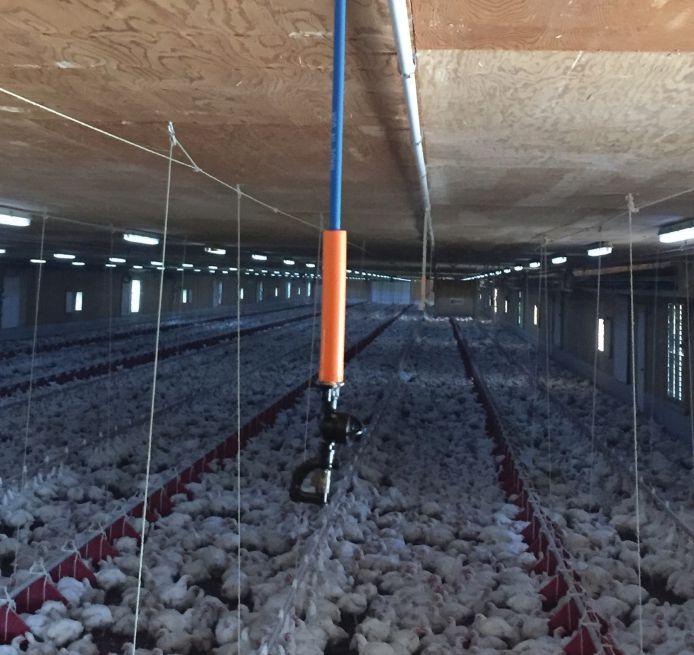
Using sprinkler technology to cool broiler chickens is a concept many in the poultry industry find difficult to accept. However, sprinkling chickens offers multiple benefits, including a dramatic reduction in cooling water use along with lower house humidity levels. In addition, there is an increasing pool of evidence that performance among birds raised with a sprinkler system is comparable to birds raised with cool cell systems.
Many people believe that high temperatures kill chickens, but that is only part of the story. Chickens can withstand fairly high temperatures if the humidity is low (let’s say less than or equal to 70 per cent). It’s that combination of high temperature and high humidity that is deadly to chickens.
High in-house humidity levels are particularly dangerous because chickens can’t sweat. They must breathe out excess heat and moisture to cool themselves (panting). If the air they breathe in is 50 per cent humidity, they can expel a lot of excess heat. However, if the air they breathe in is 90 per cent humidity, they work hard panting but can’t gain much ground because the air they are breathing in is almost completely saturated.
If they are unable to remove heat and moisture fast enough, their body temperature will rise and they eventually “drown” from the excess moisture and heat load. It is not uncommon for the humidity level
in a house with cool cells to be 90 per cent, whereas a sprinkler house may have a humidity level lower than 70 per cent.
Concept behind sprinkling
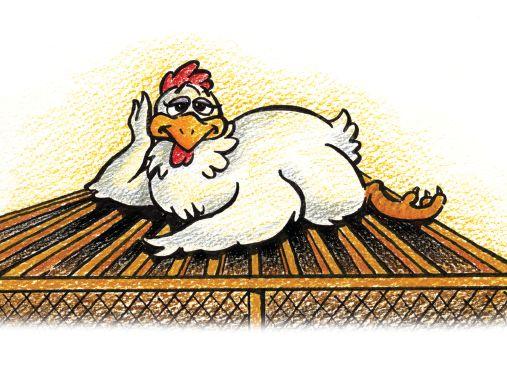
Few in the poultry industry understand the sprinkler concept. It’s a totally different thought process than cool cells and you must accept that to be successful. Sprinklers cool individual chickens. Cool cells cool the environment the chickens live in. With sprinkling, tunnel fans pull air across the birds, allowing the windchill effect to fool chickens into thinking the house is cooler than it really is.
It’s the same principal as if you jump in
the creek on a 37°C summer day when there’s a breeze blowing. When you get out, the breeze evaporates the water off your skin and it feels pretty good until the water evaporates and it’s time to jump in the creek again. It’s still 37°C, but you don’t think it’s 37°C.
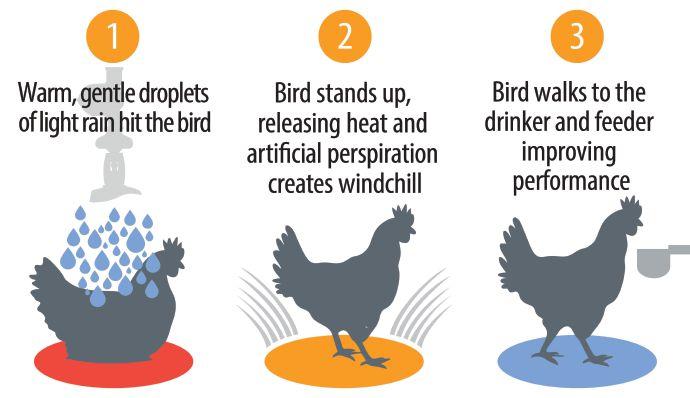
In addition, when the birds are sprinkled, they stand up and move around. Once up, often the birds seem to be of the opinion “Well, I’m up, I just as well go get something to eat and drink.” Many of them will move to the feeders and drinkers after being sprinkled. This standing up also releases trapped heat between birds, which can then be removed by the fans.
Sprinkling chickens offers multiple benefits, including a dramatic reduction in cooling water use along with lower house humidity levels.
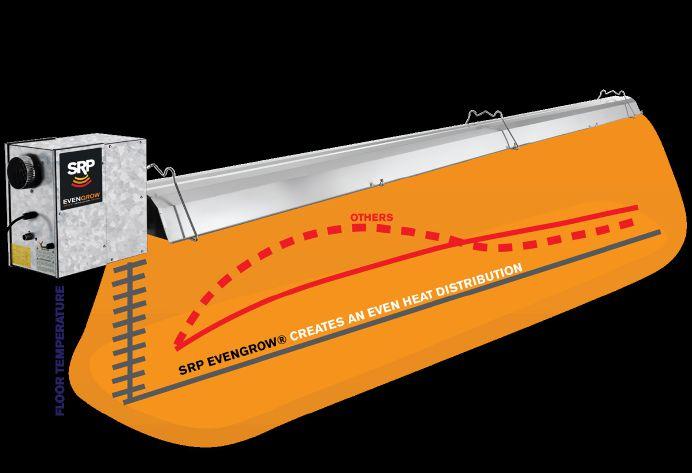
SRP EVENGROW® MODEL ALTX TWO STAGE INFRARED HEATERS
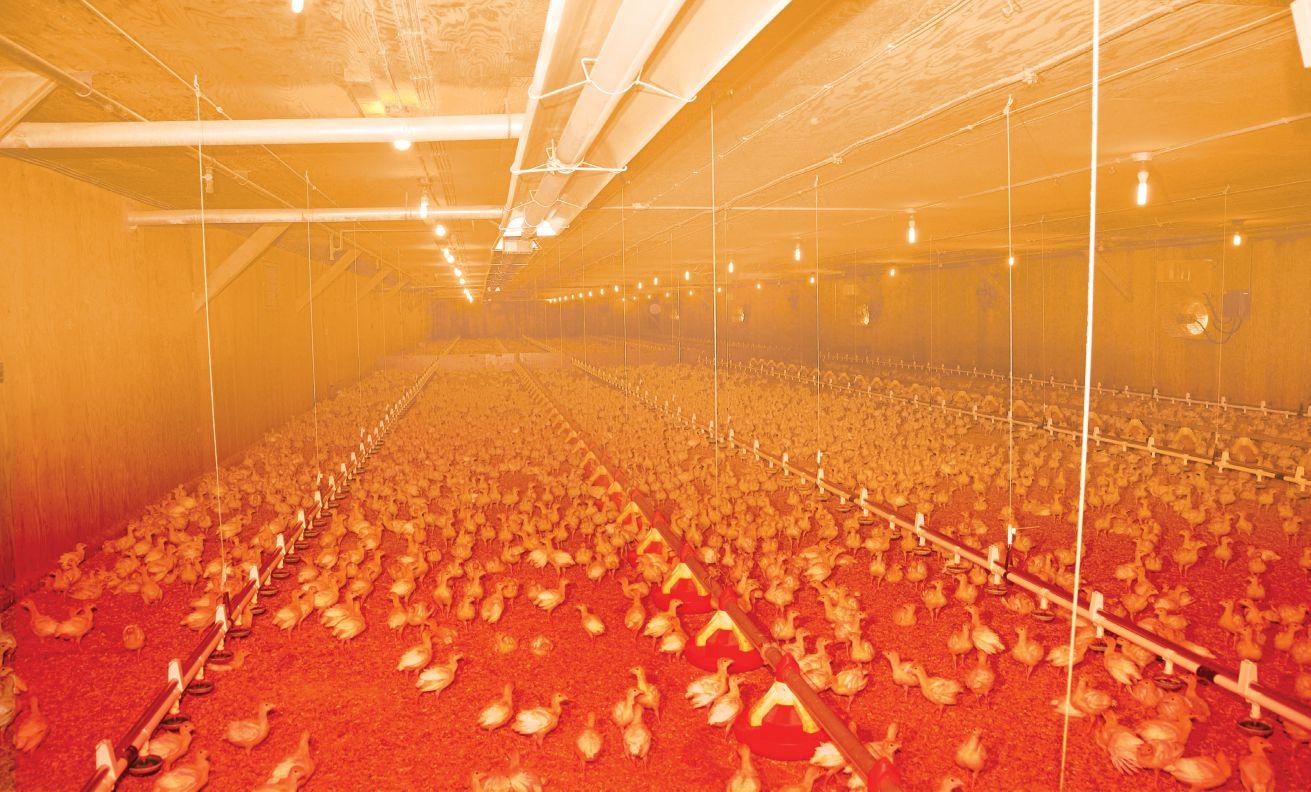
The SRP EVENGROW® ultimate heater offers the best premium features available in the poultry industry for optimum production and greater return on investment.
• Optional “Flapper” to prevent cold air infiltration
Model ALTX
ModelALTX
Merry Christmas to our poultry friends...
Technology
House must run hotter
Wishing you a season of blessings. May the joy and peace of Christmas be with you throughout the year.
- Alberta Chicken Producers Board and Stafff
For the sprinkler system to be most effective and achieve a lower house humidity, the chicken house must run hotter than you are used to with a cool cell system. This scares many people and it used to scare me as well. However, I’ve been involved with sprinklers in one form or another for over 20 years and I have found the technology works well when managed correctly and that bird performance is as good or better as with cool cells.
In summer, the temperature in a poultry house with cool cells usually runs around 29°C. In most cases, panic sets in if the house temperature goes above 29°C, but humidity may be near 90 per cent or higher. While a house with a sprinkler system must run hotter, humidity is lower because as temperature rises, humidity decreases and chickens maintain performance.
When using sprinklers, I want the air temperature around 32°C. That forces humidity low enough to allow the windchill effect to evaporate sprinkled water off birds before the next sprinkle cycle comes along. Birds need to dry off between cycles. Don’t let them get wet and stay wet because you’ll end up with wet floors. A house temperature less than 31°C is too cool if you are running sprinklers.
Timing the sprinkler cycle
How often chickens get sprinkled de -
pends on age and the temperature outside. I usually don’t start sprinkling until birds are at least 4.5 weeks old because I want the house filled so that most of the sprinkled water goes on chickens, not the floor. Whenever the sprinkler runs, it’s for 20 seconds and I never change that.
I do change the interval between runs as chickens get bigger. When they are about 4.5 weeks old, I sprinkle once every 30 minutes. As they get bigger, I decrease that interval so that by six weeks of age, birds are sprinkled every 20 minutes. By seven weeks, it’s every 10 minutes. And by nine weeks, maybe every five minutes depending on outside conditions.
It’s important to watch birds and sprinkle again at about the time they get dry from the previous run. As they get bigger and the outside temperature gets hotter, the time for them to dry off between runs becomes less. You must watch what happens and adjust accordingly.
I have used a commercially available system at both the University of Arkansas and Mississippi State University with good success. In an era where water conservation is attracting global attention and locally where poultry growers may be paying high water bills or have weak wells or poor-quality water, sprinklers are a viable cooling alternative that are proven to maintain flock performance.
This cartoon shows the concept behind sprinkling.
Docket: 4952 Client: Ceva
Magenta Cyan Yellow Black
Acting to minimize winter pH loss
Manure management key during vulnerable periods.
By Lilian Schaer for Farm & Food Care Ontario
Ontario’s phosphorus losses are happening mainly over the fall and winter and primarily during and after major rainfall or melting events.
That’s according to Merrin Macrae, a University of Waterloo professor in geography and environmental management, who has spent the past decade studying how climate and soil management influence water quality patterns in Ontario.
Most of the phosphorus losses happen between October and April, which makes staying away from practices like winter spreading absolutely critical.
“This doesn’t mean that large losses can’t happen in the summer, but the peak time is typically during the non-growing season with snow melt or with big spring storms on wet soils,” she says. “We can’t control the climate, but we can control what we do before and during those vulnerable periods.”
Peak flow events
Nutrients applied in the fall and winter will be subject to at least a couple if not more of what are called peak flow events – snow melt or winter rain events that cause heavy water flow across the soil surface – which means the nutrients will be washed away before the soil can absorb and use them.
Research shows that about 90 per cent of phosphorus losses happen in two to five big events in late winter or early spring, as opposed to chronic loss that happens year-round.
“Really big rains or winter thaws can be critical events and they’re really bad if they’re coupled with recent fertilizer application – it’s like turning on the tap,” she explains. “You can’t predict a threeinch thunderstorm in June but you can predict a snow melt in late February or early March.”
According to climate records and weather simulation models, big soaker events are going to happen more frequently, which means more peak flow events – and could result in more phosphorus losses in the future unless preventative steps are taken.
By spreading the manure in the spring at planting time, the nutrients are more likely to stay where the crops are able to use them. Similarly, applying in September when winter wheat or a cover crop is planted is also a good time.
An egg producer’s experience
Nick Stokman is an egg producer just northwest of Strathroy. His current barn was converted to a dry manure system from semi-liquid during its last renovation. That’s also when his 40-foot by 60-foot dry manure storage with interior travelling feeder was built, which dramatically expanded his manure storage capacity from the previous open liquid manure pit.
In fact, it was during the very wet fall of 2018 when he was unable to spread any
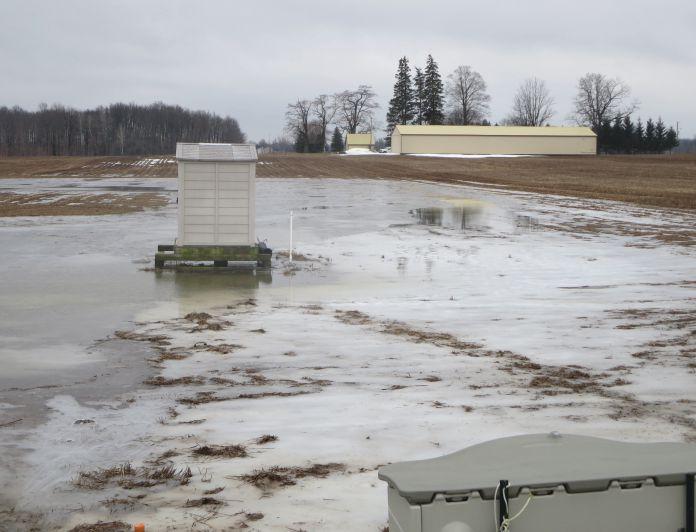
This photo shows surface flooding of fields during a snowmelt. The runoff and water quality monitoring station and shed can be seen in the background.
isHappinesshomemade Le bonheur fait maison
Visit eggs.ca to get inspired with dishes that bring the whole family together. Happy holidays from Egg Farmers of Canada!
Pour des recettes inspirantes qui rassembleront toute la famille, visitez lesoeufs.ca Les Producteurs d’œufs du Canada vous souhaitent de joyeuses fêtes!
Barn Management
of his manure after wheat harvest the way he normally does that he decided to store it until spring to avoid compacting the soil.
He’d come up with a back up plan to store any excess in a neighbour’s unused bunk silo but ended up not needing it. Instead, the manure was dry enough that he ended up being able to store it for about 22 months.
“Normally, we figure on a full year of storage and we put it on after wheat on my own fields or on my neighbour’s,” Stokman explains.
He has a corn-soybean-wheat rotation and has been no-till for 30 years. Manure is applied after wheat into either a cover crop like red clover or with oats planted afterwards to have the cover crop capture as many of the nutrients as possible.
“We started farming in 1962 and we’ve been putting manure
on since then and since we’re on clay soil, which is inherently higher in potassium and phosphorus, those levels keep going up,” he says.
To help lower his phosphorus levels, Stokman found an alternative home for his manure with a neighbour, a former livestock producer who applies it to his land when he has wheat in his rotation.
Stokman soil tests his fields every three years and, although that gave good average data for each field, he was noticing variability in his crop.
So, he worked with Hensall Co-op to do SoilOptix soil testing instead. Through the use of sensors, SoilOptix generates high resolution topsoil maps that detail in-field variability of soil’s chemical and physical properties.
“That’s kind of an eye opener. I had spots with way too much and other spots where I’m leaving yield on the table because I’m short (on nutrients),” he says, adding the bottom line is that his phosphorus levels are too high.
Reduce soil pH levels
Reducing soil phosphorus levels is also one of Macrae’s key recommendations, as it will lower phosphorus in both surface and subsurface run-off.
During a presentation at the 2021 North American Manure Expo, she encouraged farmers to keep levels to what’s agronomically appropriate, but avoid over-applying, and figure out ways to spread manure out over more fields. Getting soil phosphorus down to what is needed agronomically is a first line of defence that will work on all farms, she noted.
Macrae also suggests using targeted phosphorus management zones tailored to geographic areas and soil conditions to reduce winter phosphorus loss. That’s particularly the case for Lake Erie, where agriculture is a source of phosphorus that contributes to water quality issues.
“What we’re really trying to do is optimize BMP selection by being strategic,” she said. “You may only be able to do one BMP, so you want to make sure what you choose is the best for your situation and that it will have a really good effect.”
That means accounting for climate variability, differences in the landscape, tile drainage levels and how land is used. Those differences can extend right into a specific watershed, such as Lake Erie, where the northeast gets more snow and has longer snow cover than the southwestern areas, and soils vary from flat clay to sloping loam.
“Some practices will work well everywhere, like keeping soil phosphorus low, and using the right placement and timing for fertilizer,” she said. “But tillage and cover crop effects will depend on where you live and have to be treated with more care so we’re optimizing what we do to minimize phosphorus losses.”
More information about manure stewardship and nutrient management options is available at farmfoodcareon.org/timing-matters.
Merrin Macrae is a University of Waterloo professor in geography and environmental management who has spent the past decade studying how climate and soil management influence water quality patterns in Ontario.
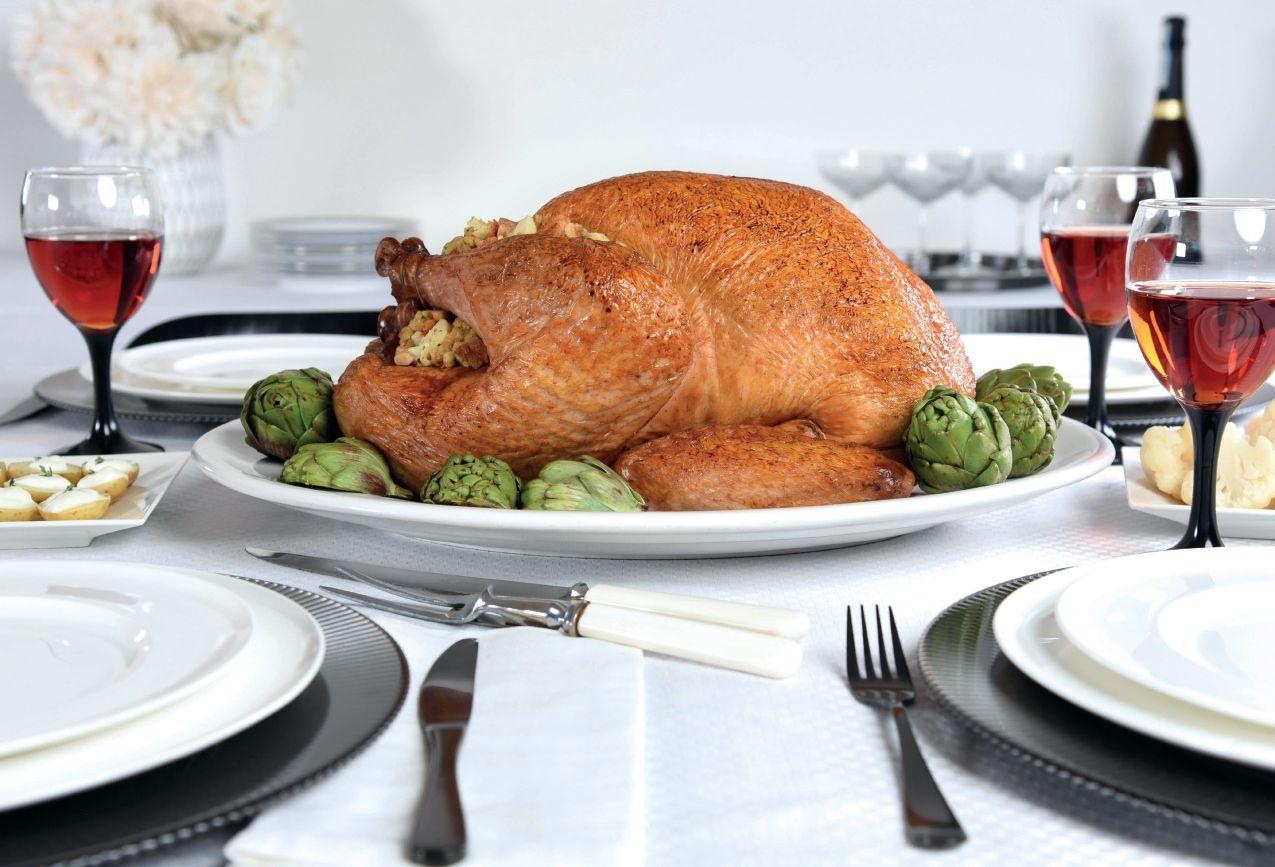
From the farm to the table, celebrate your holiday tradition with Canadian turkey.
Canadian turkey farmers are proud to raise turkeys to the highest quality, food safety and animal welfare standards.
Learn more about TFC: turkeyfarmersofcanada.ca For recipes and more: canadianturkey.ca
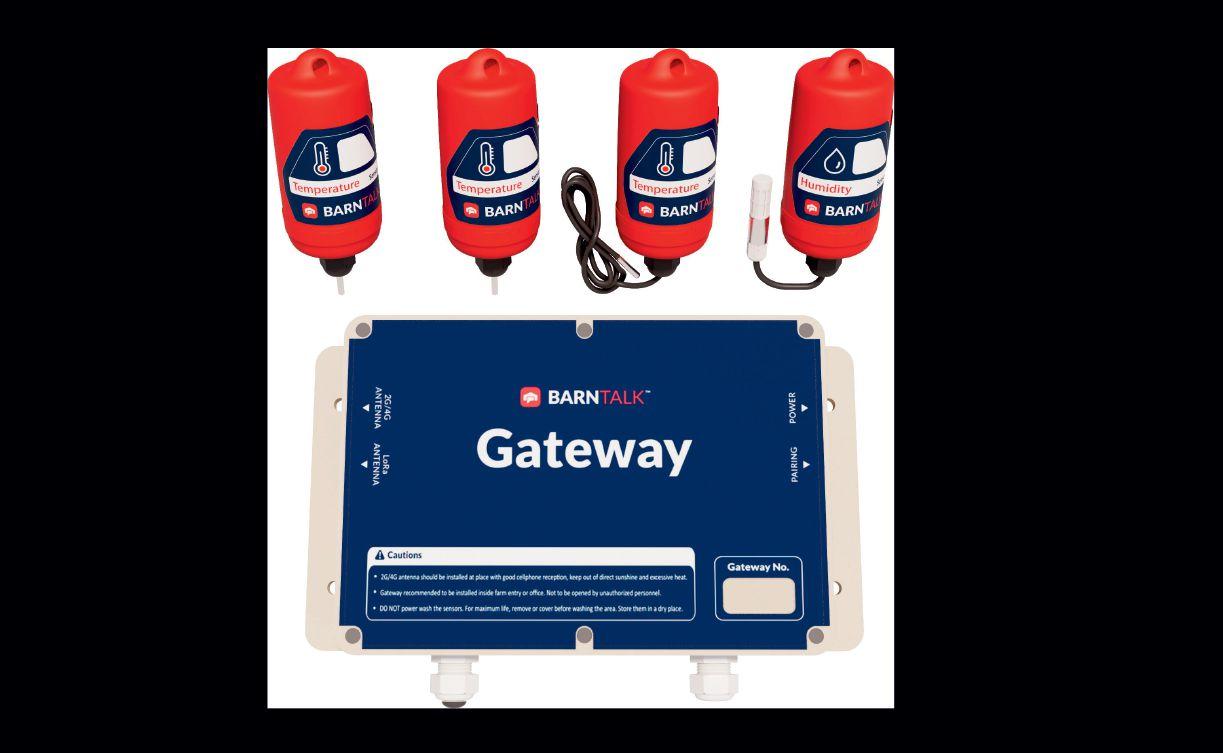
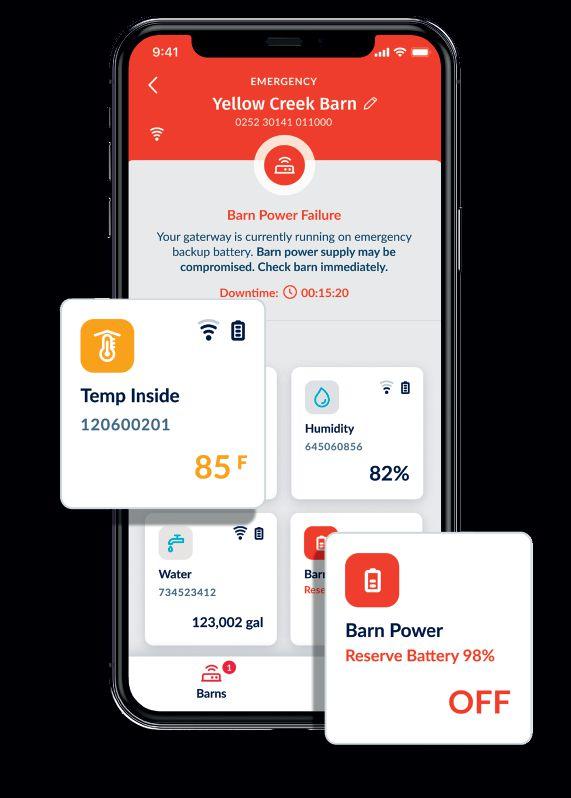
THE NEXT–GEN WIRELESS BARN
Built for poultry houses.
Built–in connectivity for rural areas. Built for your budget.
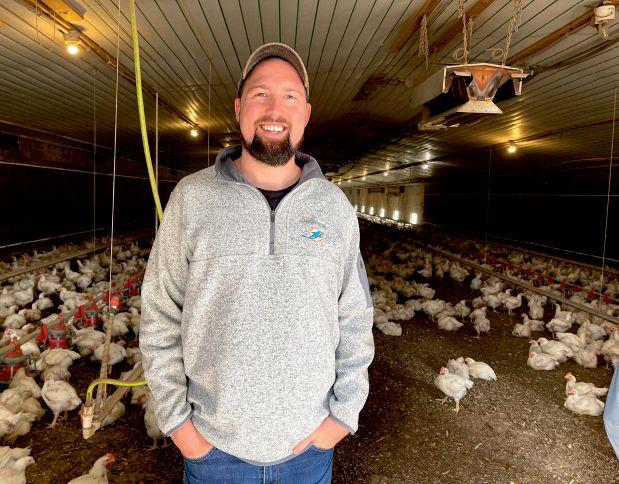
“We built BarnTalk to be easy and reliable. Our sensors are long range and can be hung, by you, across all your houses to send alarms and real–time conditions right to your phone.”
Michael Hansen | Co–Founder
Dihydrogen Monoxide: It’s just water!
A few basic steps can go a long way towards improving water quality. By
Mary K. Foy
How many times have you decided to start a water program and begun the process of gathering information only to give up shortly thereafter because of the overload of complicated and, often, conflicting information? Why is it our industry sometimes finds the need to complicate things to such a degree that we outsmart ourselves right out of getting basic information to the producer?
I can’t build a car from scratch, but with a little guidance I can change a flat tire, replace a battery or even change the oil. I don’t have to know how to build a combustion engine to take care of some simple fixes that keep the car running. The same can be said for many of the systems we find on our farms – including the water system. There are volumes of books written about water and its properties. In fact, I have a Handbook of Chlorination that takes two hands to carry! The point is, yes, water
can be complicated, but sometimes we get stuck in that and miss the opportunity to do some basic work that may be the key to helping our water system and the treatment program we have chosen work.
When you ask for help with water, often the first thing a chemical company will tell you is to get a bacteria test. Here is where the battle is lost.
Right off the bat, the chemical company has given you what feels like an insurmountable task. How are you supposed to get the water tested? For what? Where will you get a sterile container for a bacteria test? What lab do you send it to? How do you even get the supplies needed to do sterile sampling? Are you supposed to drive that very day to get it shipped since it has to be at the lab within 48 hours – and all while being kept cold? Who has an icepack ready to go?
When the first step is an overwhelming one you often don’t get to the second or third one. Even with the best intentions,
this first step can make you feel defeated. What should really be the first step? If you haven’t cleaned between flocks and you don’t have a regular water treatment program, you have bacteria. You don’t have to test for them. First, clean your water lines when the barn is empty. Second, use a product that is labeled for use while birds are in the barn.
So, when do you do a bacteria test? If you have cleaned your water lines and have a water treatment program but want to test the efficacy of that program or if you have bird health issues then testing for bacteria is an option.
Let me add here that I am a microbiologist. I love bacteria testing, but what I love more is helping a grower get real results and after 15 years of working in water quality at both a research level, processing level and a products level I’ve seen multitudes of growers give up before they even got started because someone told them they have to get a bacteria test first.
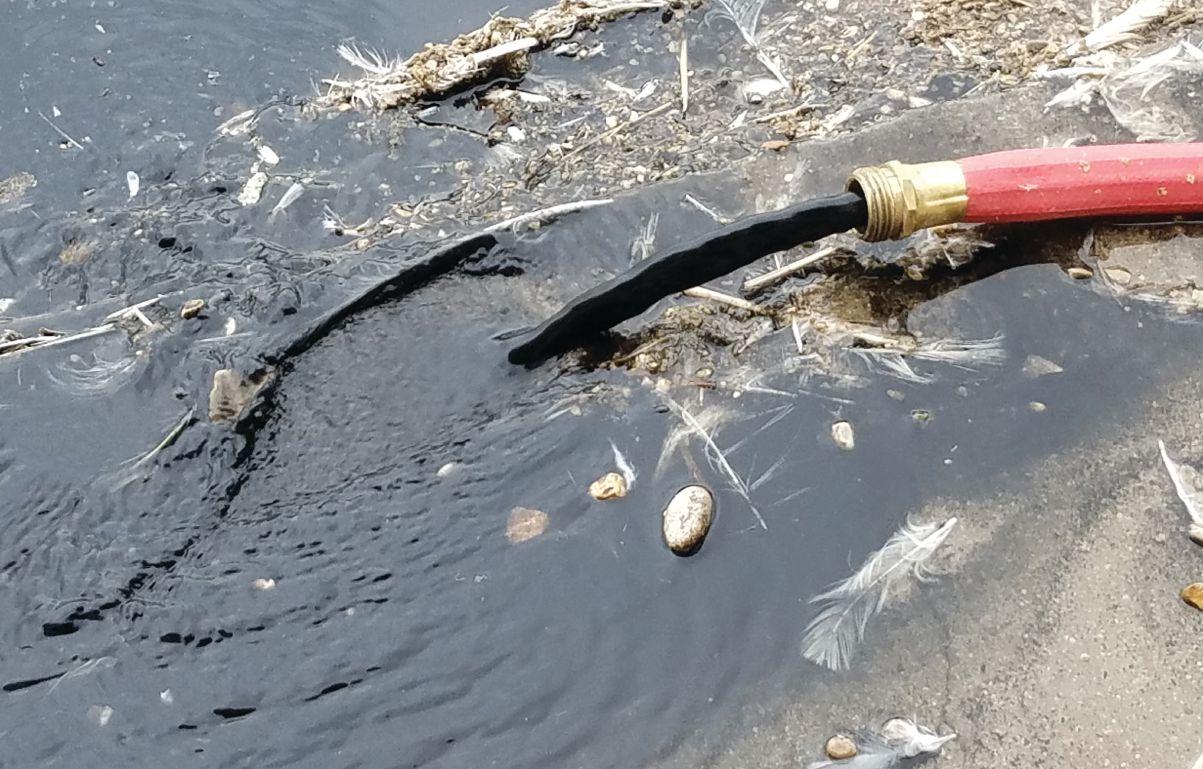
Pictured is what comes out when waterlines are cleaned properly.
Mineral test
A mineral test, however, can help right off the bat. Just about anyone has the supplies to do this test right now and it does not take any sterile containers or sampling. Knowing the mineral levels can often help you choose which water treatment program to go with or the filtration needed. Even those that do get mineral tests don’t always follow through, though.
What everyone keeps doing:
• Taking a mineral sample and getting it analyzed.
• Getting the results and not having a clue what they mean.
• Sticking it in a filing cabinet.
Try this instead:
• Search for previous mineral tests that have been performed
• If they are more than 5 years old get new tests done
• Consult the standard acceptable levels for agricultural water (Several Universities have this on their agricultural website)
• Develop a water plan
One program does not fit all
Another mistake we make is assuming the same program will work on another farm.
What everyone keeps doing:
• Farm #1 finished with the best flock ever so we decide to do the same thing with farm #2.
• Farm #2 gets set up with the same treatment system.
• Farm #2 does not improve.
• Farm #2 switches to another product, then six months later switches again, then six months later switches again and so on.
Try this instead:
• Get a mineral test done on farm #2 before suggesting any system at all.
• Go over the instructions on the label of the products being used while the person that will be actually using the chemicals is standing there.
• Remember, different chemicals have different instructions.
• Be prepared to test for the chemical at the end of the water line.
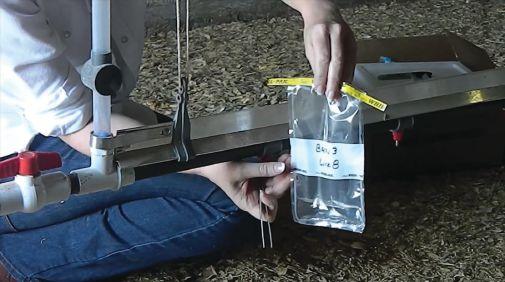
An expert demonstrates how to take a bacteria sample.
World of Water
We tend to jump to the conclusion that a product is not working before we take a look at how we are using the product versus how it is supposed to be used according to the label.
Liquid chlorine + acid, gas chlorination, chlorine dioxide and hydrogen peroxide all have different steps that make them more effective. Call a company representative if you need to. A lot of times all the pieces are there, they just aren’t being used as intended.
How is the product being measured? Are you measuring chlorine? Be able to measure for free chlorine – that’s the chlorine that is available for oxidation (total chlorine measures free plus chlorine that is already bound – this is unhelpful). If you use a pool test kit, be sure you get one that measures free chlorine. These will be a little more expensive at around $100.
Are you measuring hydrogen peroxide? Use unexpired test strips or a titration type hydrogen peroxide test kit.
Right there on the farm you can get a rough estimate of how clean the water lines are. For your oxidizer, test not only what is going into the water line but also what is making it to the end. The cleaner the water line, the smaller the difference will be between those two numbers.
Acids
Finally, we can address the use of acids. What everyone keeps doing:
• Adding the least expensive acid.
• Adding the acid they found in the anteroom.
• Adding an acid their neighbor uses.
Try this instead:
• Ask why the acid is being added:
• Is it for lowering pH for water uptake? If so, add inorganic acid.
• Is it for tightening intestinal health for a specific issue? If so, add organic acid.
Words of caution for acids
When used in conjunction with chlorine, inorganic acids can remove the protective chromium oxide layer and “pit” your stainless steel. In conjunction with chlorine, it can also damage the rubber components in the water system (i.e., seals, diaphragms).
If you plan to use an acid long term, look for an acid that is chloride free. These are more equipment friendly. To know if you are using an acid that is chloride free, check the SDS. Look for ingredients that contain chlorides, such as hydrogen chloride. In terms of organic acids, they require more product to lower the pH in the water system. They also allow for fungal, mold and algae blooms.
Other things to keep in mind
• Some minerals are clear so you don’t know they are there until you test (even iron, when it is in the ferrous form, is clear when dissolved).
• Specific minerals need professional, specialized filtration systems.
• The alkalinity of water can change the whole ball game when it comes to lowering pH – it’s why farm #1 may take half the amount of acid that farm #2 takes even though they have the same starting pH.
• Some water treatment chemicals do not play well with others – ask the distributor, representative or manufacturer.
Just as we are able to do small things to keep our cars running, we can do small things to make sure our water treatment is effective. Call in the experts when the car won’t start but first make sure you don’t just need a new battery.
Mary K. Foy is the director of technical services for Proxy-Clean Products. The U.S. company’s cleaning solution is used in Canada as part of the Water Smart Program developed by Weeden Environments and Jefo Inc.
Maximizing waterline output
Are you unknowingly restricting water to your birds.
By Wade McDonough
There’s plenty of talk about the quality of water we provide for our flocks. But how often do we investigate the volume of water our equipment is providing?
Just like every water source seems to have different attributes and variations, every water system also has its own set of variables. From the diameter of the incoming lines, to the number of 90-degree fittings plumbed into the system, to the length of the waterlines themselves, the setup of our watering system could be restricting the amount of water our birds are getting, especially at peak demand.
Pipe dimensions
Let’s take a look at how pipe diameter and length can decrease the output of the waterline.
A good place to start is the maximum output a waterline may provide in litres per minute. For example, if the inside diameter of the waterline is ¾” with a pressure of 40 psi, then a 50-foot waterline could produce 136 litres per minute of water. However, when you increase the length of the waterline to 250 feet, the maximum output drops to just 26 litres per minute.
Just increasing the length of the waterline from 50 feet to 250 feet results in an 81 per cent decrease in the maximum output of the line.
The turns and restrictions in the plumbing of a water setup can restrict proper water flow to the birds.
What would happen to this same line if a mineral or bacteria/algae buildup has choked down the inside of this line from 3/4” to 1/2”? Well, let’s compare!
The impact of buildup
The following is a comparison between a 3/4” inside diameter waterline and a 1/2” line.
Remember, the ¾” inside diameter waterline at 40 psi produces 136 litres per minute at 50 feet in length and roughly 26 litres per minute at 250 feet in length. A 50-foot long ½” line at the same pressure is going to reduce the maximum output to 45 litres per minute and at 250 feet the maximum output will decrease to only eight litres per minute.
That is a significant decrease in water availability and all it takes is a 1/8” buildup of scale or biofilm all around the inside of the line to go from a ¾” diameter to a ½” diameter.
Go a little smaller with the diameter of your pipe and your maximum water output decreases dramatically.
Other challenges
While this can present significant challenges in providing enough water for our birds, many times we compound the problem ourselves.
What else are we doing that reduces the flow in our waterlines?
Think about what your water system looks like. Every time we make a repair,
Season’s Greetings from the Board of Directors
Meilleurs Voeux du Conseil d’administration et du personnel
Barn Management
Inside Diameter Waterline vs. ½” line at 40 PSI
add a new piece of equipment or perform anything plumbing related, we tend to put in elbows and T’s to give us more room or we reroute around problem areas. Each time we do this, we decrease the ability of our system to provide the maximum allowable output of water. Ninety-degree elbows, valves, fittings and bends all cause friction and turbulence – and sometimes cavitation (the formation of air bubbles in the line). These all act to reduce the water available to our birds.
Another important point to remember is that water availability to our birds is also affected by nipple drinker placement. Most manufacturers, professional organizations and primary breeders recommend no more than 10 birds per drinker for optimal performance.
An important question is are there enough drinkers on your line? Perhaps an
even more important question is are all of your drinkers functioning properly?
What other problems may be hiding in our water systems? Filters, screens and regulators can also create significant water restrictions.
Focus on what you can control
We face many challenges in the operation of our poultry watering systems. Many of these challenges we cannot overcome. The length of our waterlines is a perfect example. We can’t change that.
However, we can control other aspects of our watering systems:
Minimize restrictions plumbed into the lines
Next time you plumb, think about if you really need a 90-degree fitting there. This might be a good chance to cleanup the plumbing and get a straight section put in.
Keep lines clean to maximize flow capacity
When was the last time you cleaned the waterlines with an oxidizer? Have you ever descaled them (this is different from cleaning with an oxidizer)?
Replace filters
To improve water flow, replace filters more often.
Install enough drinkers
Provide an adequate number of drinkers in relationship to the flock density.
The question posed at the beginning was, “Are you unknowingly restricting water to your birds”? Given all the hidden dangers identified above, I believe the answer is a resounding yes!
Wade McDonough is director of sales and marketing at Proxy-Clean Products.
¾”
This waterline was caked in iron, restricting water flow to the birds.
The chart above demonstrates the mathematical difference in litres per minute of water your system can provide based on the diameter and length of a waterline.
Considerations for effective vermin control
How to protect your barn from harmful rodents and beetles.
By Andrea Derkx
Vermin are considered to be wild animals that are believed to be harmful to crops and livestock or carry disease. Therefore, the definition of vermin is not specific to certain species but rather the circumstances. In poultry production, rodents and insects, including rats, mice, and beetles, are generally classified as vermin and are the most common pests.
The damage done by vermin can be categorized into two major groups: direct damage to the environment, feed, food, equipment and/or infrastructure; and disease carriers and disease multipliers.
Mice and rats
The most common mouse, Mus musculus, has a territorial range of less than 50 metres. The life span of the mouse is nine to 12 months and sexually matures in six weeks. Each mouse has about three to six offspring per cycle with a maximum of 10 cycles per year. The Norway rat can produce up to 100 offspring per year, while the roof rat can produce around 90 per year. Both have a territorial range of less than 100 metres. Mice and rats primarily cause environmental damage but can carry and transmit pathogens including Salmonella and Pasteurella multocida (fowl cholera). While mice are very curious, rats are
very suspicious. This is something to keep in mind for control strategies. Both rats and mice are mainly active during the dark hours. If seen during the daytime, there is most likely an infestation of mice or rats.
Rodent control program
Rodent control is part of any biosecurity system. Rodents can be carried in boxes,
feed, bedding, and other materials that are brought onto the farm from suppliers. Therefore, it is not just the poultry farms but also feed plants, hatcheries, storage facilities, and processing plants that must have a rodent control program in place. Three methods are involved in rodent control: mechanical, biological and chemical.
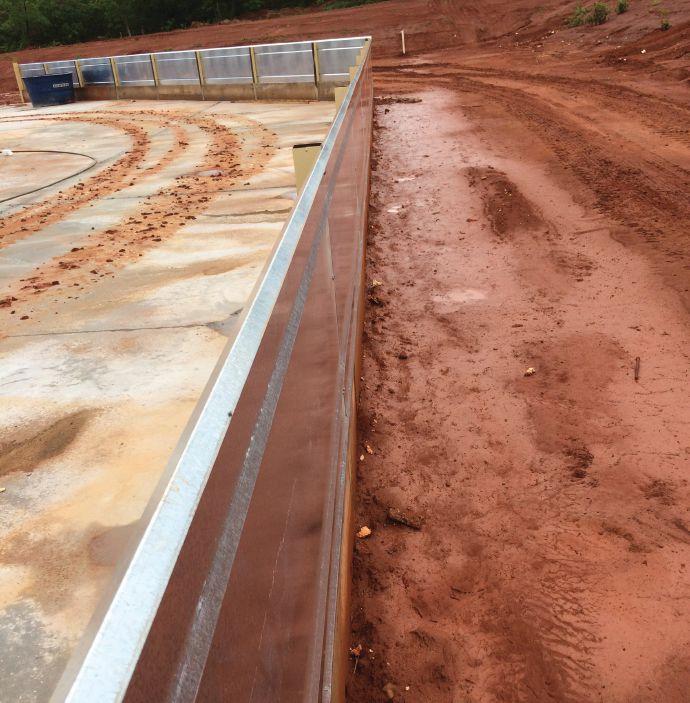
This photo shows surface flooding of fields during a snowmelt. The runoff and water quality monitoring station and shed can be seen in the background.
Barn Management
Mechanical control:
This should start with the design and construction of the farm. There should be a perimeter fence with a metal sheet on the bottom that is at least 40 centimetres vertical and has a 20-centimetre horizontal lip on top.
• The foundation of the building should be 50 centimetres in the ground (rodents are very good at digging!) and one unit
with the floor.
• A concrete apron outside the house of at least 20 centimetres is recommended.
• A vegetation-free perimeter (three to 10 metres) around the farm buildings and a vegetation-free perimeter (three to 10 metres) around the complex fence (see photo).
• A three-metre gravel area around the poultry houses is recommended. Broken roof tiles are often used since they are sharp and rodents do not like to walk on them.
• If feed is bagged, store the bags on top of pallets. If stored in silos, control and remove any spillage under and around the silo.
• Remove and prevent any standing and open water sources.
• Remove dead flocks immediately, store in rodent-proof containers, and incinerate daily if possible.
• Repair and fill holes during the house clean-out.
• Prevent any piling of debris within the farm perimeter. This includes accumulation of old equipment, old nests, construction materials, and any trash that can serve as rodent breeding sites.
Biological control:
• Traps with bait and glue traps can be used and must be checked
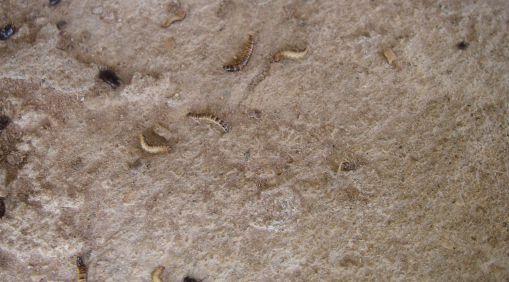
Black beetle larvae and adults in poultry houses can cause damage and carry disease.
daily and refilled as needed.
• Rodents will stay close to walls while traveling, so place traps against walls and in dark areas.
Chemical control:
• Most products work on an anticoagulation principle using a poison inside a bait. The benefit is that it takes some time before the poison becomes active. Thus, the rodent does not die immediately after consuming the poison. This is an important factor in rat control.
• Create and use a baiting plan that shows the location, box numbers, and traps to conduct an accurate evaluation of bait consumption or catches in your logbook.
• Under normal conditions, bait stations are placed every 25 metres around a building and should be checked four times per week. If infested, increase the
number of stations to every five metres and increase the number of times stations are checked.
• Indoor bait stations depend a bit on the house construction but must be present in the attic and feed room.
• Rats are clever and suspicious. Therefore, in stations with bait consumption, discard any bait and replace it with fresh new bait.
• Rotate baiting products every six months.
• Anticonception products are relatively new but can work very well. First, determine where there is bait consumption and then replace those stations with the anticonception product.
• During the clean-out period, maintain the chemical pest control.
Beetle
The main beetle in the poultry houses is the
lesser mealworm, also named litter beetle or darkling beetle. An adult beetle is about six millimeters long, brownish black, and oval with six legs with a tough chitin exoskeleton. It prefers warm, humid environments. An adult can produce up to 2,000 eggs in its life cycle (about one year). Eggs turn into larvae within four to 11 days under optimal conditions (humidity and temperature). The total cycle length is dependent on the ambient temperature: 26 days at 31°C increasing to 90 days at 22°C.
In the chicken house, larvae can be found under the pan feeders, drinking lines, and the outer wall. The outer row feeders are especially popular. Beetles feed on spilled feed, manure, dead flocks, and cracked eggs. They can cause structural damage by chewing into insulation. This damage can be increased by flocks attempting to reach the insects.
LIGHT DIMMING MADE EASY
Barn Management
Greener ways to keep pests out of poultry barns
While pest control isn’t usually the first thing you think of when it comes to sustainability, you do have options. Integrated Pest Management (IPM) – an approach based on a common sense, comprehensive philosophy – is the most effective and environmentally friendly approach for preventing pest issues.
By using good sanitation and facility maintenance processes to eliminate the potential for pests, you can prevent pest activity before it starts and reduce your dependency on treatments that negatively affect the environment.
For companies or farms facing an ever-greening consumer base, sole reliance on chemicals treatments may outweigh the benefits, especially when non-chemical methods provide the same results. Extensive or incorrect use of pesticides can leave behind harmful residues in meat and eggs and contaminate the environment.
The goal of the IPM approach is to restrict pests’ access to the three elements they need to survive and establish populations – food, water and shelter.
For more on this topic and how it applies to different pests, visit canadianpoultrymag.com for the full article from Alice Sinia, quality assurance manager – regulatory/lab services with Orkin Canada
Adults can be found all over the house, but those in the litter have an opportunity to disperse when the house is emptied. They may escape either to the roof or into the soil. Furthermore, beetles left in litter when it is piled outside can fly and find new houses to infest.
Beetles cause damage by infesting feed and destroying infrastructure. Beetles can carry and transmit viruses, fungi, bacteria, and parasites among the flock and between flocks. Disease agents transmitted by the beetle include Salmonella , spondylolisthesis (kinky back), Pasteurella, pathogenic E. coli strains, and even avian leukosis virus. Gumboro disease is well known to persist between flocks through beetles. Beetles can infect flocks through contact of surfaces and direct consumption of the insects.
Beetle control program
Three methods are involved in beetle control: mechanical, biological and chemical.
Mechanical
• Chemical treatments are not very effective at the infestation level. Beetles are known to be resistant to many pesticides. Therefore, good management practices along with a prevention program are the most effective ways to control beetles.
• Remove the litter after the flock has been depleted. If litter is left outside to
dry and has beetles, those beetles can fly back into the house or other places on the farm. Cover or treat the litter to keep the beetles contained until it can be removed from the farm.
• Ensure that the house drains well and is ventilated properly to prevent wet litter. Check for and repair any water leaks immediately. Beetles need water to thrive, so it is important to keep the house environment dry.
• Repair any structural damage as these areas can be used as burrows for beetles.
• Allow at least three weeks of downtime between flocks. This will eliminate the food and water source for the beetle and allow time for insecticides to work.
Biological
• Boric acid can be applied as a pellet to the house. This pesticide damages the skin of the larvae but should only be applied between flocks because it can also injure animals.
• Products are being developed that use specific strains of fungi to infect and kill larvae and adults.
Chemical
• Carbaryl-based products block the nervous system by inhibiting the enzyme acetylcholineesterase.
• Pyrethrin-based products are safe to use while flocks are in the house. These chemicals cause temporary paralysis, but the beetles can produce enzymes that detoxify the chemical. Using pyrethrins synergistically with other insecticides can be more effective.
• Insect growth regulators are also available, which prevent formation of chitin so that the larvae cannot turn into an adult beetle.
Professional pest control companies have experts who can readily evaluate your situation and help you develop a good pest management program. Once your program is established, good record keeping is a valuable tool to identify and mitigate vermin issues before they become an infestation problem.
Barn Spotlight
Baker Colony
Sector
Layers and pullets
Location
Foremost, Alta.
The business
The Baker Colony owns a free-range layer barn as well as a pullet barn and feed mill. The colony ships its eggs to Sparks Egg Farm to be graded and distributed to stores. Eli Waldner has managed the farm since it opened.
The barns
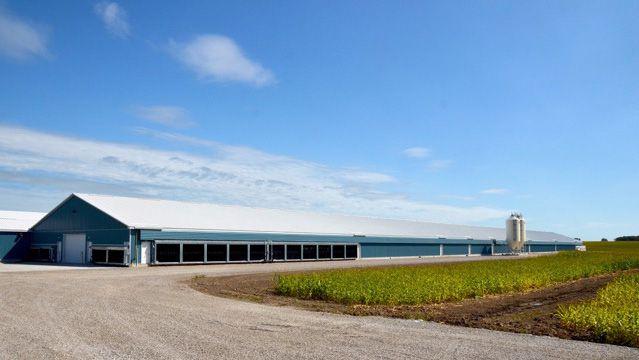
The colony bought the farm in 2001 but waited until 2015 to start building an egg production operation. The pullet barn came first, opening in December of that year. The layer barn came next, opening in the spring. Both facilities include loose housing from Big Dutchman. The colony installed a NATURA Primus system in the pullet barn to train the young birds on how to navigate an open barn. And the colony went with a NATURA Step system for the layer facility.
The pullets
Waldner says with a barn where layers roam loose, it’s essential to train pullets in a similar system to teach them how to perch, where to find feed and water and where the nests are. He was particularly fond of the Primus pullet system for that task. “We really liked it because you can actually lock the birds in at night. So, say the day before moving when all the birds are in the system, you just close the front gate. You don’t have to catch them on the floor. It’s a lot less labour intensive.”
PHOTO: BAKER COLONY
For the free-range layer barn, which holds 36,000 birds, the colony installed a NATURA Step system.
The NATURA Primus pullet system prepares the young birds for the loose layer housing facility.
With the pullet system, the barn manager likes that he can close the front gate when needed.
HappyJoyeusesHolidays! Fêtes
“On behalf of the Board of Directors of Chicken Farmers of Canada, I would like to extend to you our best wishes for a safe holiday season and a peaceful New Year.”
« Au nom du Conseil d’administration des Producteurs de poulet du Canada, j’aimerais vous offrir nos meilleurs vœux pour la saison des fêtes en toute sécurité et une nouvelle année paisible. »
Benoît Fontaine, Chair, Chicken Farmers of Canada Président, Les Producteurs de poulet du Canada
YOU HAVE AN INSTINCT TO PROTECT. WE HAVE AN INSTINCT TO PROTECT FAST.
Introducing Poulvac® Procerta™ HVT-IBD. Timing is everything in a poultry operation, and Zoetis created its newest vector vaccine to put time back on your side. Backed by the latest science resulting in excellent overall protection, studies found that Poulvac Procerta HVT-IBD protected chickens fast against classic and important variant IBD strains.1-3 It’s a quick way to full protection from infectious bursal disease. Contact your Zoetis representative.
Brown A. et al., Early Onset and Duration of Immunity of a Recombinant HVT-IBD Vaccine Against Virulent, Variant, and Very Virulent Infectious Bursal Disease Challenges. American Association of Avian Pathologists, Virtual Conference, Jul 30-Aug 6, 2020
Brown A. et al., Efficacy of a recombinant HVT-IBD vaccine in layers following virulent, variant, and very virulent IBD challenge, International Poultry Scientific Forum, Atlanta, GA (virtual), Jan 25-26, 2021.